
Fine line trends look effortless online, but the reality is messier when you factor placement, daily friction, and skin type. I've sat in shops and watched people revise stencils on the spot because the design read differently on skin than on a screen. These 27 ideas are built around what holds up, where to ask for spacing, and how to show pieces off without asking your artist to redo the whole layout.
1. Fine Line Arrow on Inner Forearm
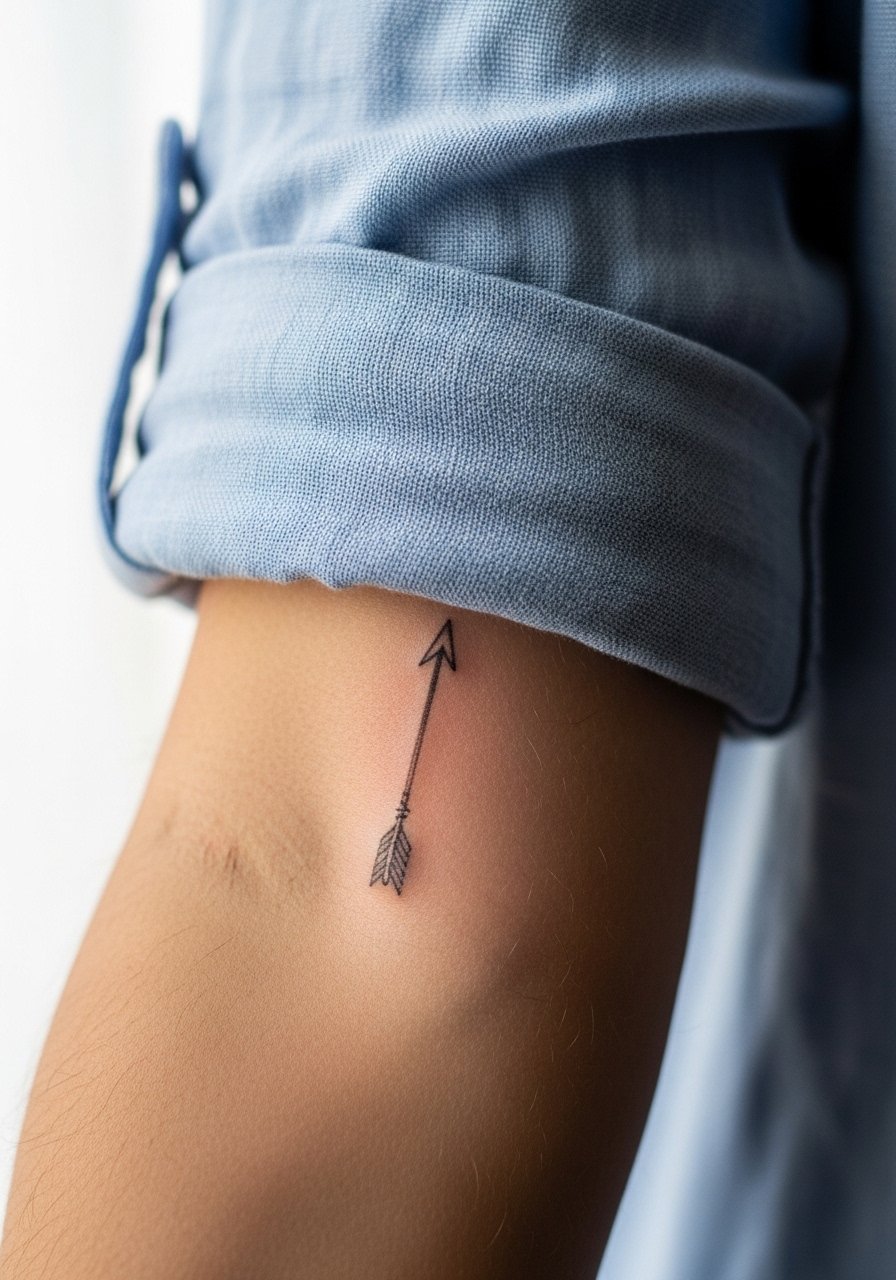
I recommend a single, slightly thicker shaft for inner forearm arrows because tiny micro-lines tend to blur after two years. When you consult, ask for slightly more spacing between parallel lines and for the artist to trace the arrow in a single pass rather than multiple touch strokes. Pain is low to moderate and a single session typically runs under an hour. Expect solid linework at six months and slight softening by year three. A common mistake is requesting hairline details that age poorly. For showing this off, roll sleeves and wear a loose button-down shirt to frame the forearm without hiding the piece.
2. Micro-Realism Wolf Head on the Bicep
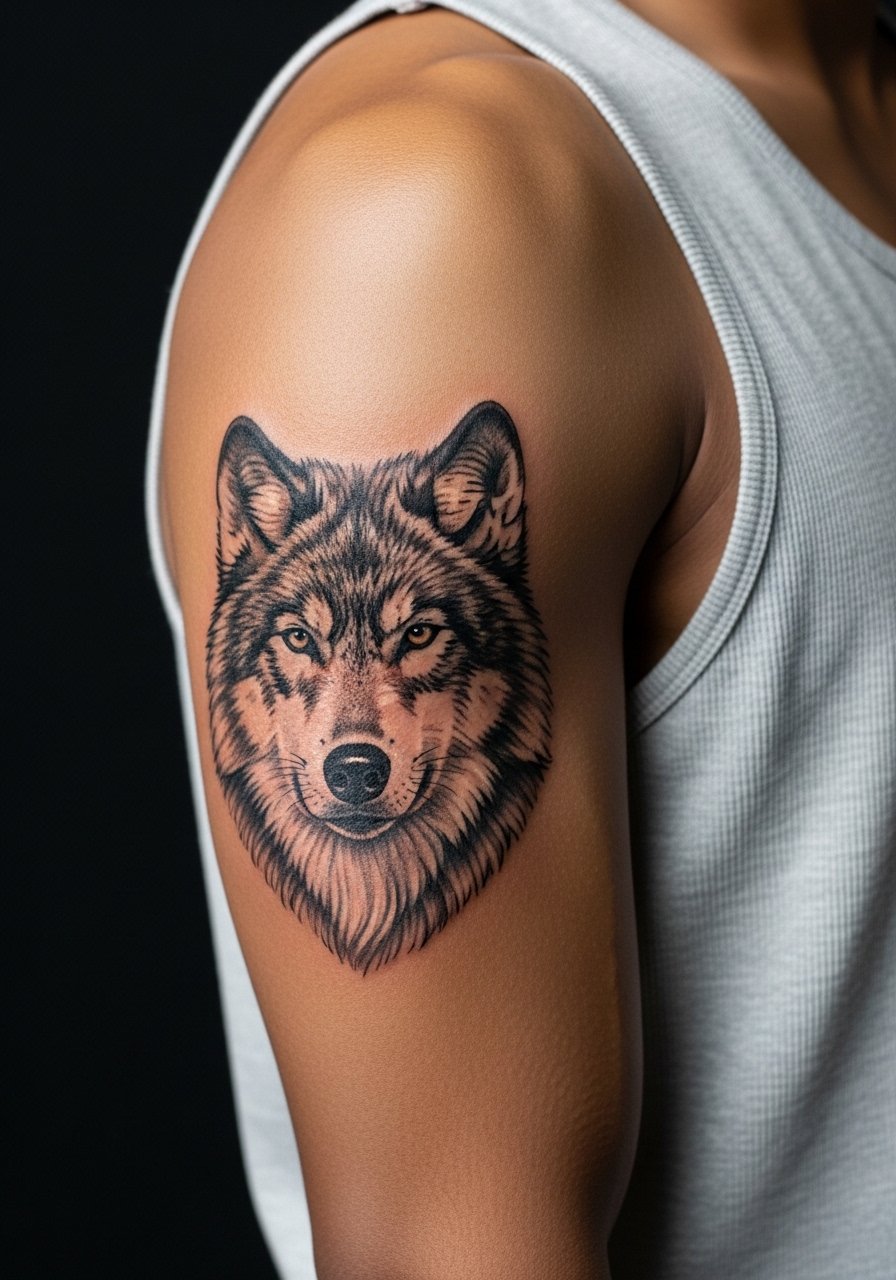
The bicep takes detail well because the skin is thicker and moves less than the inner arm. For micro-realism wolves, ask the artist to prioritize contrast and fewer ultra-thin hair strokes. Session time runs two to three hours depending on size. Pain is moderate and fades when the limb rests. At six months the contrast looks crisp, at two years fine hair details may soften and need a touch-up. A frequent error is squeezing a full realism piece into too small a canvas. Wear a loose tank top to the session so the artist has clear access and you stay comfortable.
3. Dot-Work Compass on the Shoulder Cap
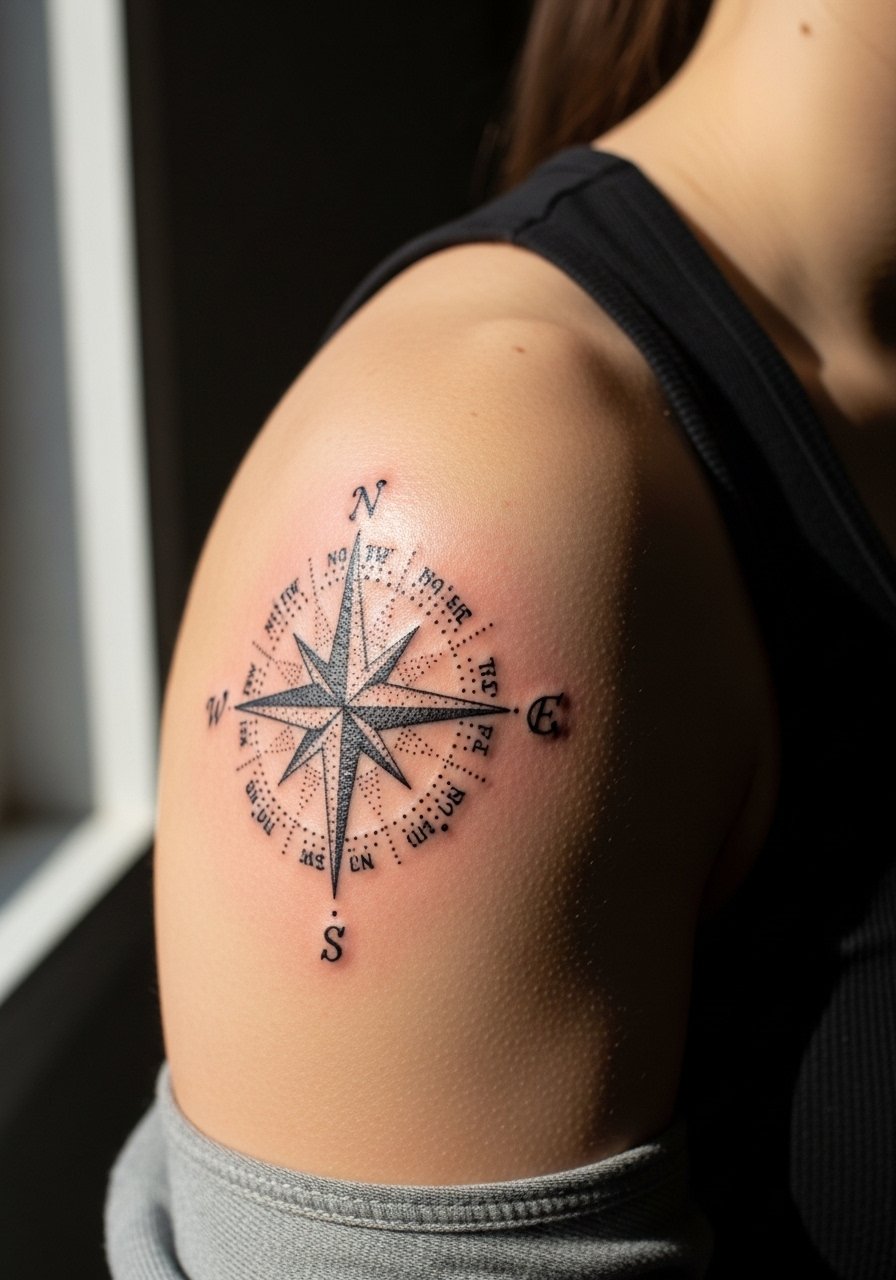
Dot-work holds up well on the shoulder, because the skin there rarely stretches sharply. Tell your artist you want spacing in the stippling to avoid dense patches that can merge. Expect a moderate pain level and a session of one to two hours. Most of these look rich at six months, and at five years the overall shape remains while micro-dots may soften slightly. A mistake is asking for overly dense stippling that reads as a gray block later. This placement pairs nicely with a loose drawstring linen pant when showing shoulder tattoos in summer outfits.
4. Single-Needle Script Behind the Ear
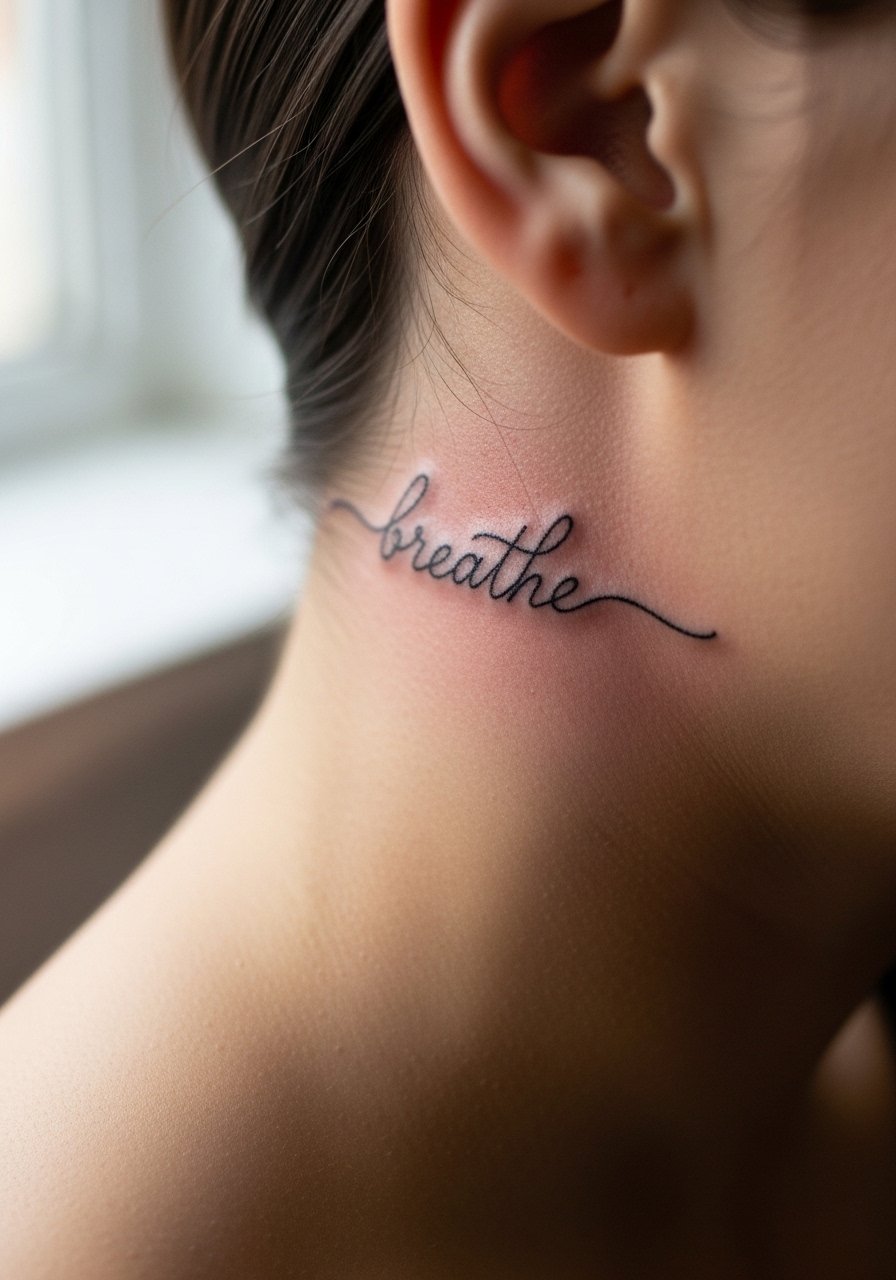
Behind-the-ear script is intimate and delicate, and it needs slightly bolder single-needle strokes than people assume. Artists split on whether super-fine single-needle letters last, so name your text and ask how they approach depth. Pain is mild but the area is sensitive. Sessions are short, often under 45 minutes. At six months letters look crisp, at two years ultra-thin strokes may need thicker hairlines. Keep hair long or style with a tucked clip to reveal the script. For the appointment, wear hair pulled back and bring a small clip to keep the area exposed.
5. Traditional Matchstick with Flame on the Wrist
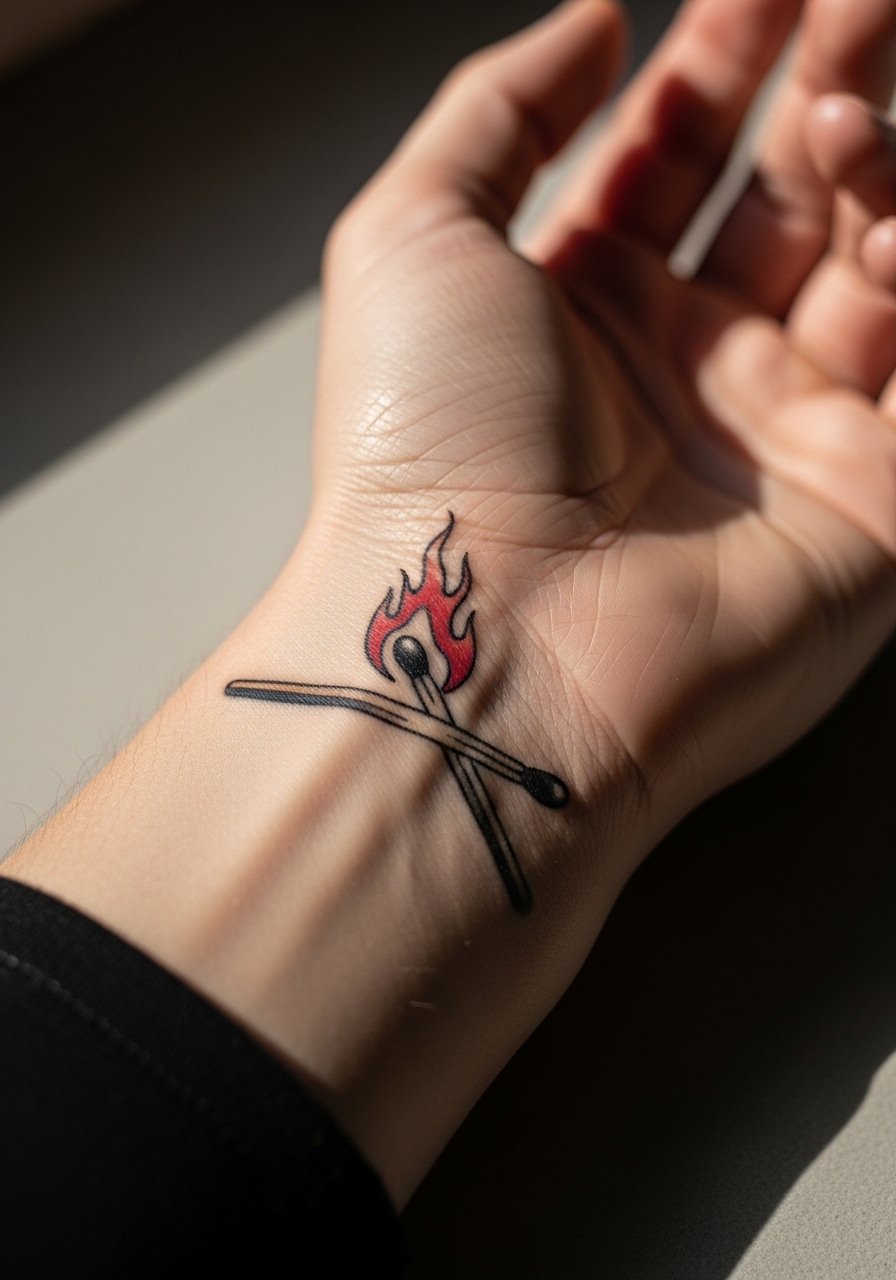
Wrist pieces show every detail because of daily washing and friction. For a matchstick, strong black outlines and saturated flame colors age best. Warn the artist you use your hands a lot so they can place the match slightly higher to avoid constant rubbing. Expect moderate pain and a single short session. After six months the black remains bold, color might fade by year three. A common mistake is asking for tiny color gradients that need frequent touch-ups. Pair this piece with a thin chain pendant necklace and stack a couple of minimalist bracelets to balance attention on the wrist.
6. Geometric Mandala on Upper Back
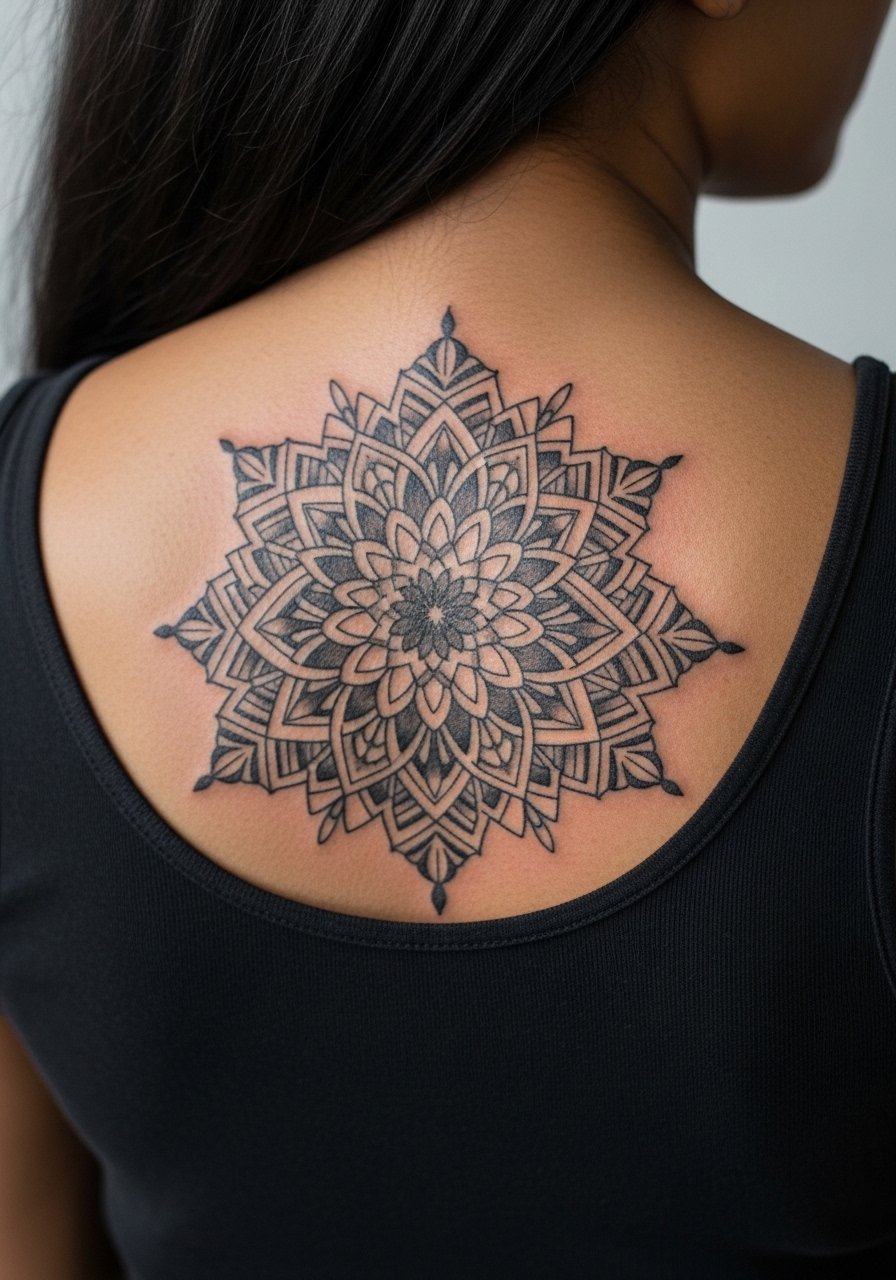
Geometric mandalas need breathing room. The biggest mistake is shrinking the design to fit a small area. Tell your artist you want generous negative space between rings to preserve contrast over time. Expect a multi-hour session and a moderate pain level while lying face down. At six months the mandala maintains crisp geometry, at five years tight clusters may blur without spacing. There's debate among artists about how small a mandala can be and still age well. One camp says precise miniature work can hold if done by a specialist. The other camp warns that body movement causes early merging. Ask the artist where they stand before booking. Show the design off with an open-back midi dress for evenings.
Before You Book
The wrist, wrist-adjacent and back pieces above heal differently, so a few pre-session items make the chair time and the first week smoother.
-
Stencil transfer paper kit. Lets you preview and reposition linework on the skin before the needle touches it, which matters for the forearm and wrist designs above.
-
Topical numbing cream. Applied per product directions before the session can ease sensitivity for rib and sternum consultations without changing how the artist lays down ink.
-
Thin protective film roll. Useful for small wrist and finger pieces that face constant friction during the first week.
-
Fragrance-free gentle body wash. Cleans healing zones without stripping moisture from fine line work on arms and chest.
-
Aquaphor healing ointment. A thin layer for the initial days keeps delicate linework hydrated while skin forms a protective barrier.
7. Minimalist Mountain Range on the Ribcage
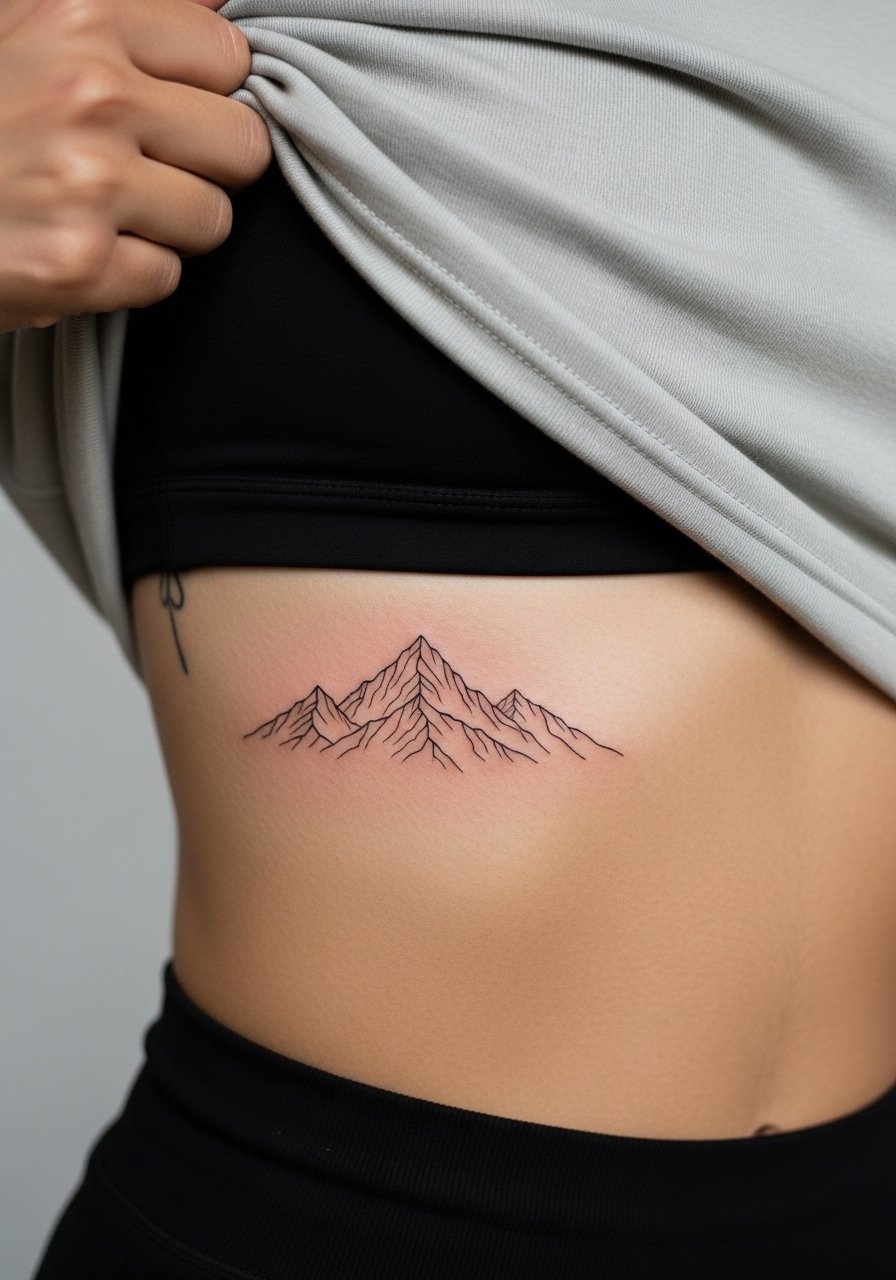
Ribcage pieces are notoriously painful but the canvas is excellent for long horizontal designs. The common error is going too thin. Ask for slightly heavier single lines and spacing between peaks to reduce blowout risk. Expect a high pain level and a single focused session, sometimes split into two visits. At six months the range looks crisp if done right, at two years thin peaks can merge if the depth was shallow. There are two camps about fine line on ribs. One says the skin stretch blurs lines within two years. The other says with controlled depth and spacing it settles fine. Choose an artist who clearly explains their approach. For the appointment, wear a zip-up hoodie you can lift without twisting.
8. Blackwork Crescent Moon on the Sternum
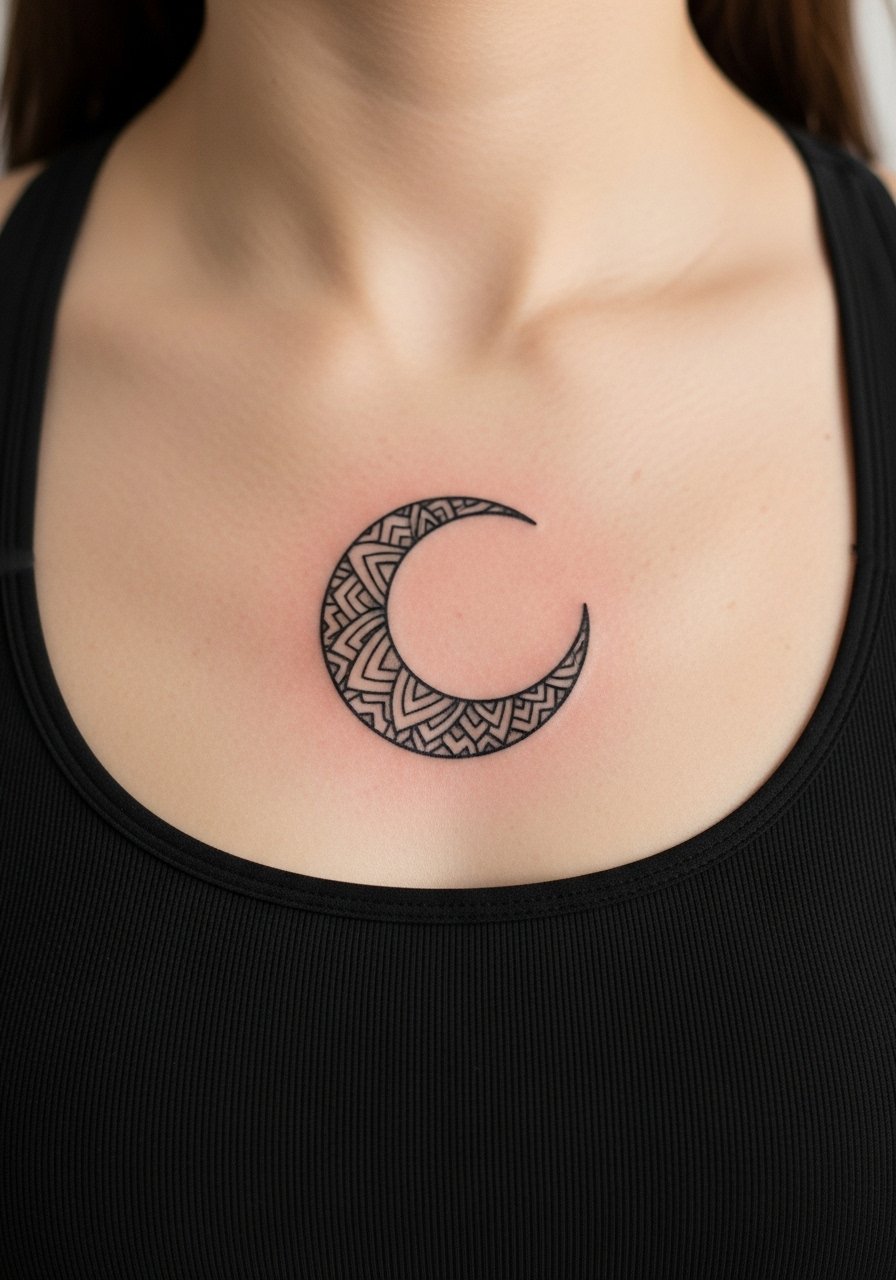
Sternum pieces demand attention to spacing near the bone. Bold blackwork reads longer than micro-lines in this area. Expect a painful session that may need breaks and a two-hour window for medium pieces. At six months the contrast snaps, and at three years dense blackholds better than thin work. A common mistake is trying to cram ornate filigree directly over the sternum. If you plan to show it off, pair with a bandeau top for nights out.
9. Tiny Constellation on the Ankle
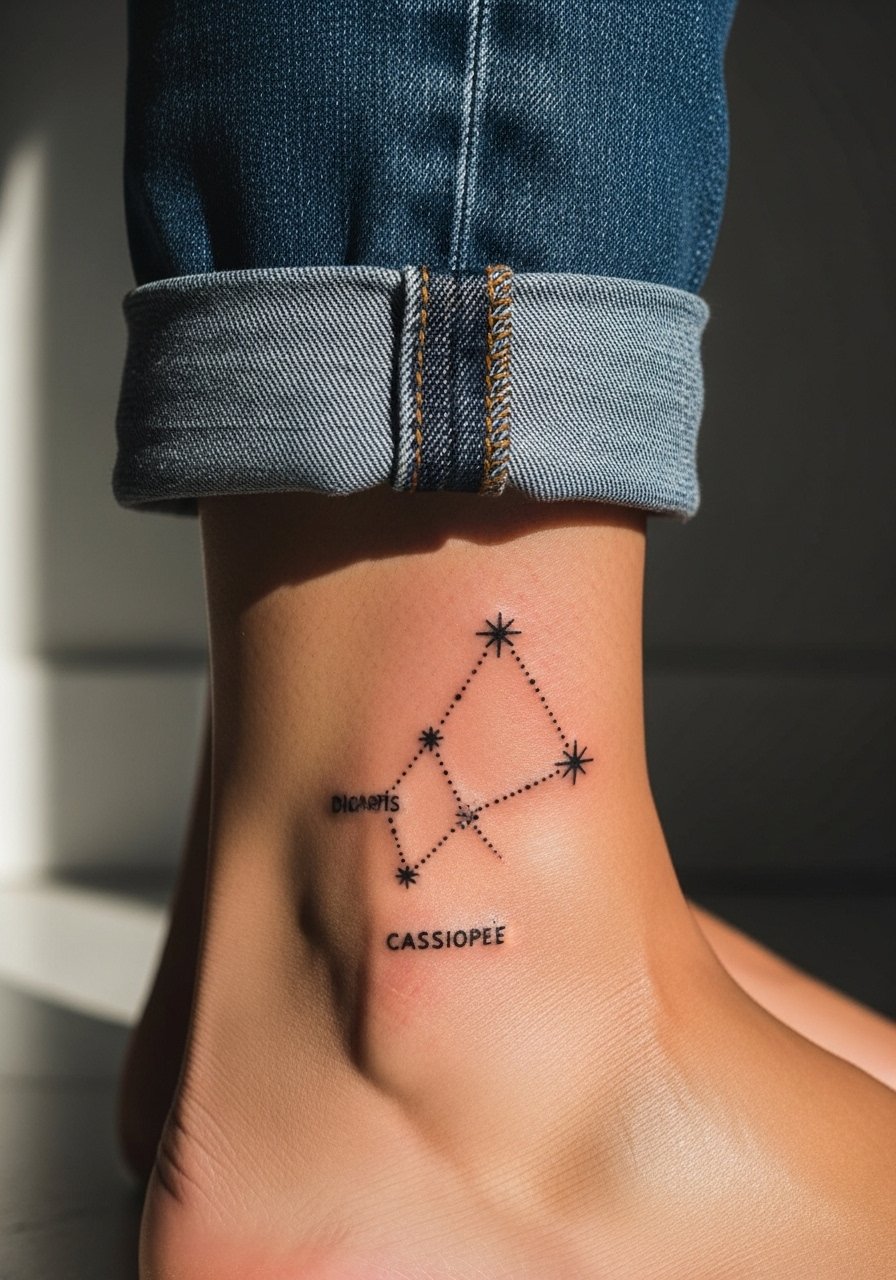
Ankle tattoos face friction from socks and shoes. For tiny constellations, ask for slightly raised dot spacing and avoid ultra-thin connecting lines. Pain is moderate and sessions are short. Six months in the dots remain distinct, and by four years the faint lines might need a touch-up. The usual mistake is placing the constellation too low where constant rubbing wears it faster. To show this piece, wear cropped pants with a pair of minimalist sandals that expose the ankle.
10. Stipple Shaded Rose on the Calf
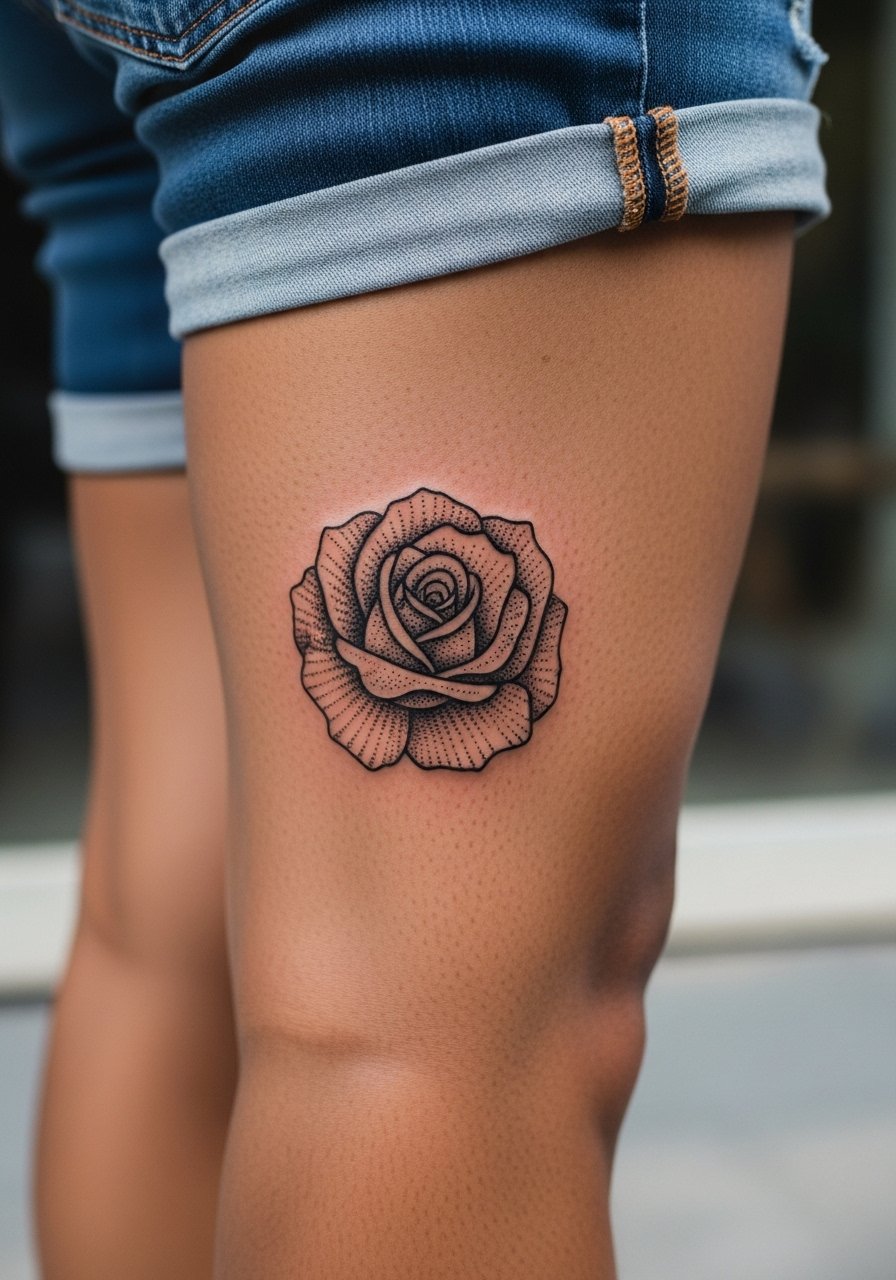
Calf skin tolerates dot work and stippling well because it moves less and heals reliably. Tell your artist you want visible negative space so petals do not become muddy. Expect a one to two-hour session and moderate pain. At six months the stipple shading reads textured, at five years it keeps form if spacing was respected. A typical mistake is overfilling petals with dots. For casual show-off wear, pair with a loose linen short that keeps the calf visible.
11. Fine Line Script Along the Collarbone
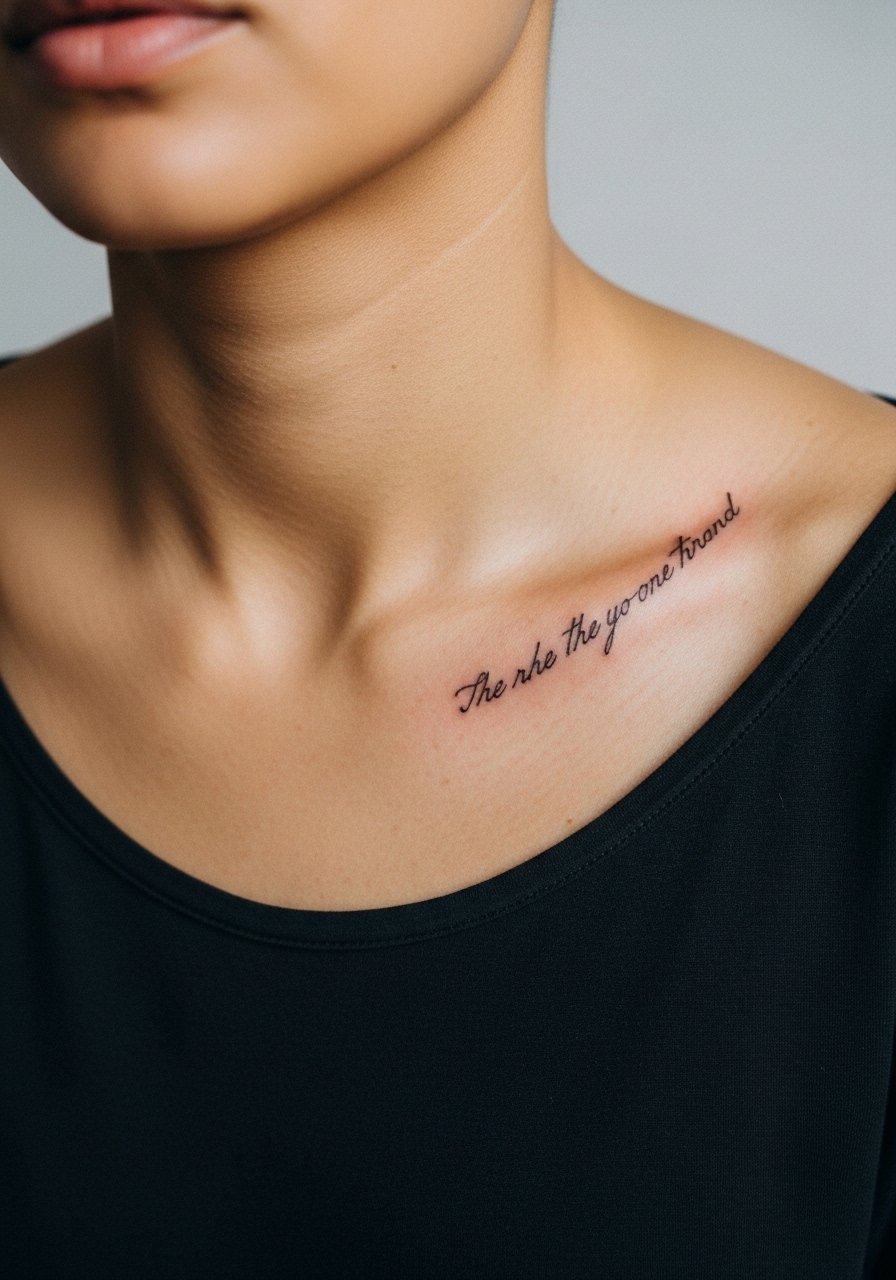
Collarbones show script beautifully but need spacing above the collarbone to avoid skin movement warping letters. Choose slightly bolder single-needle strokes and ask for letter spacing that breathes. Pain is moderate and sessions are brief. At two years very thin scripts may soften around the edges. People often request tiny handwritten copies without confirming legibility on curved skin. Pair this with a thin chain pendant necklace that sits above the script without crowding it.
12. Blackout Patch with Negative Space Leaf
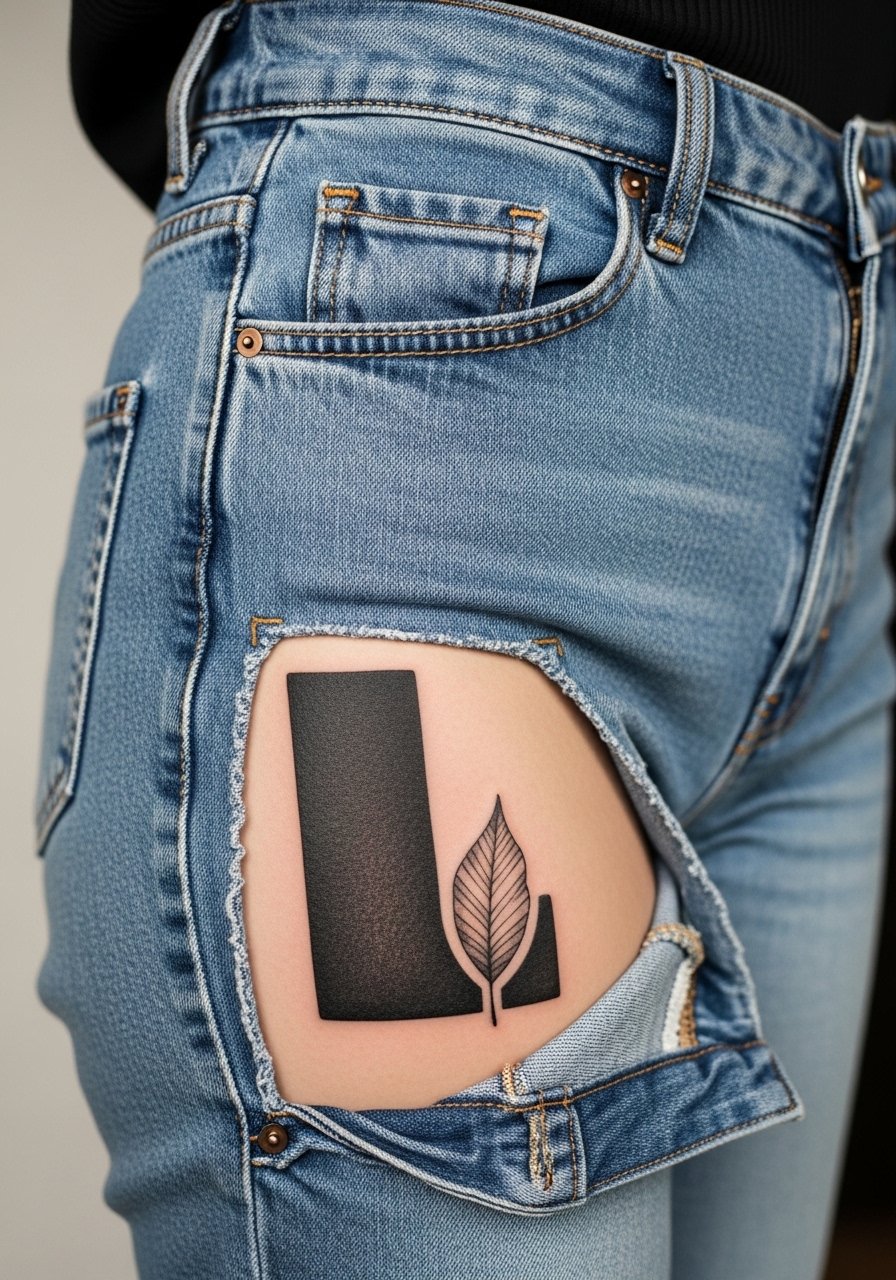
Blackout work ages predictably because it relies on saturation rather than fine detail. For a negative space leaf, ask the artist to map the leaf with a thin border so the shape keeps its edge over time. Sessions are long and can be split. Pain on the thigh is moderate. At six months the blackout reads solid, and years later it depends on sun exposure. Common mistakes are picking a leaf shape without defined negative space, which then reads ambiguous. For showing off, high-waisted cuts and a crop top work well.
13. Single-Needle Dagger on the Side of the Hand
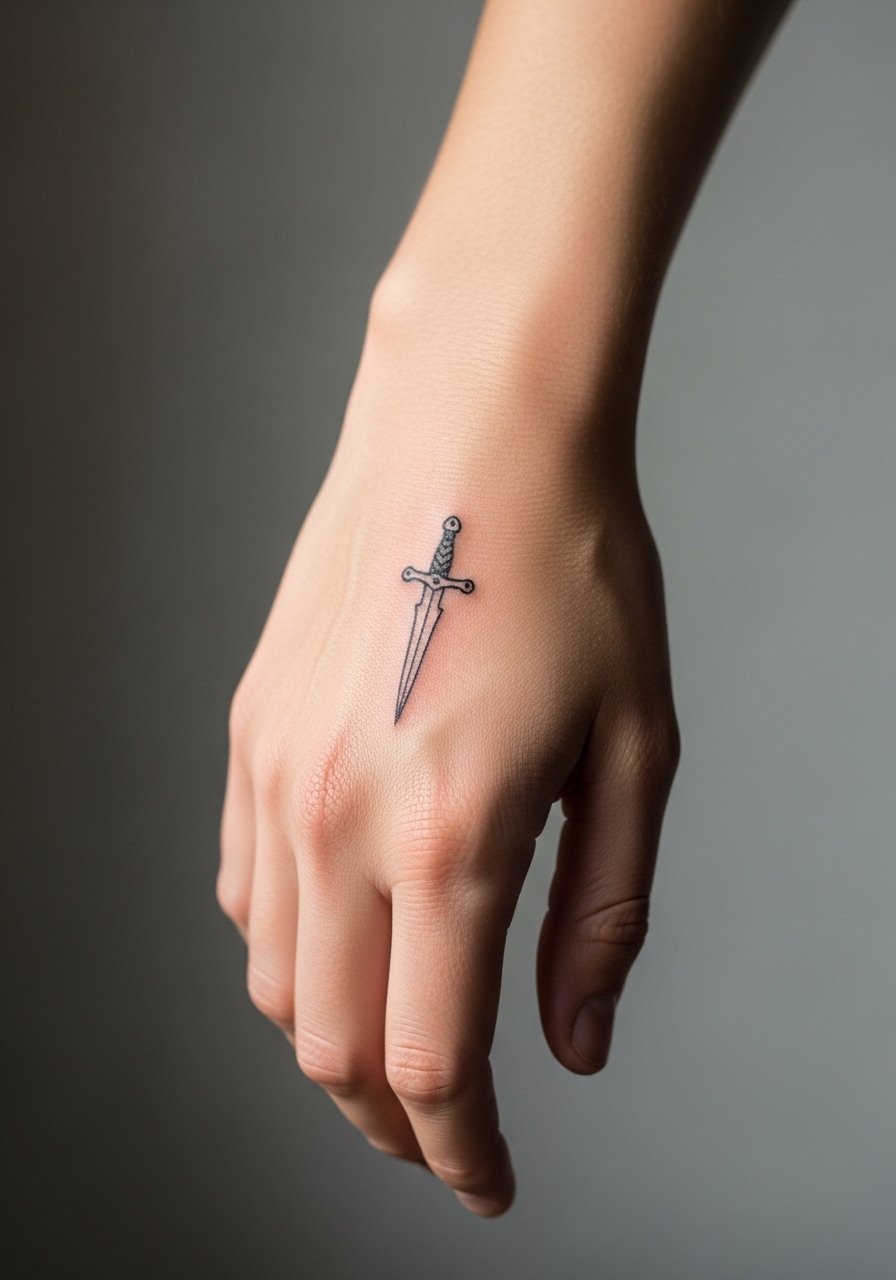
Hand tattoos face unique challenges with fading and touch-ups because of daily use and washes. For a dagger, suggest slightly bolder outline and less internal micro-detail. Expect high pain and quick sessions. At six months the shape reads clear, but by two years edges may blur and need touch-ups. A frequent mistake is choosing tiny internal shading that disappears quickly. Hand tattoos still affect hiring in some industries, so consider your career path. For sessions, bring a gloved hand rest to keep your palm steady.
14. Watercolor Fox on the Thigh
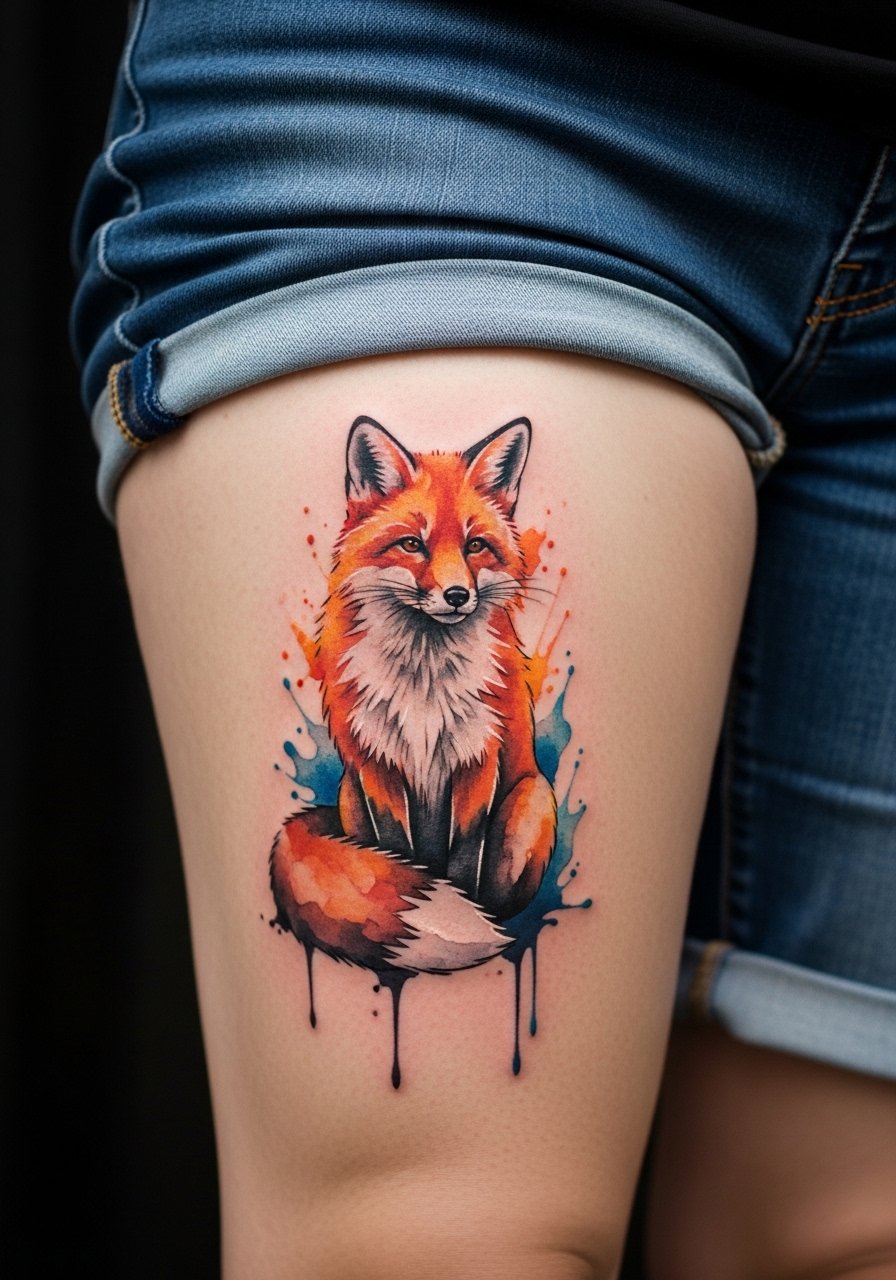
Watercolor effects can be beautiful on the thigh if the colors are anchored with thin outlines or stippling. The thigh tolerates pigment migration better than bony areas. Sessions can run two to three hours and pain is moderate. At six months colors remain vibrant if the artist layered pigment thoughtfully. By three years faded washes often need a refresh. A common error is requesting unanchored washes with no contrast. Wear loose shorts to the appointment so the artist can shift fabric without pressure.
15. Geometric Sleeve Starter Panel on the Forearm
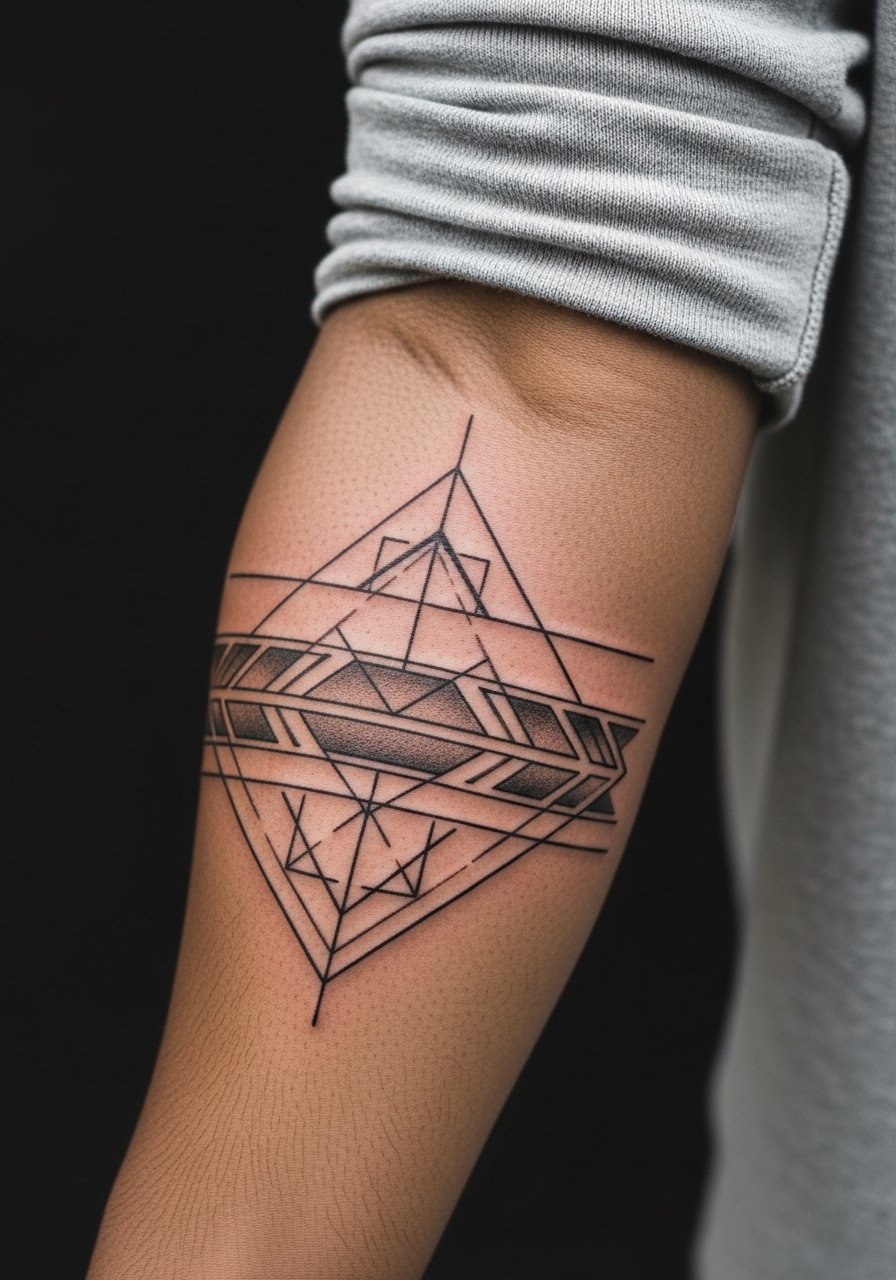
A forearm starter panel is smart when you plan a sleeve. Ask for bold connectors and clear negative space so future pieces can marry cleanly. Sessions vary from one to three hours depending on scale. Pain is moderate. At six months panels look cohesive and, with good spacing, they age into readable components at five years. People make the mistake of designing a panel with too many tiny connectors that later complicate additions. Show this piece with rolled sleeves and a minimalist watch.
16. Single Needle Daisy on the Side Rib
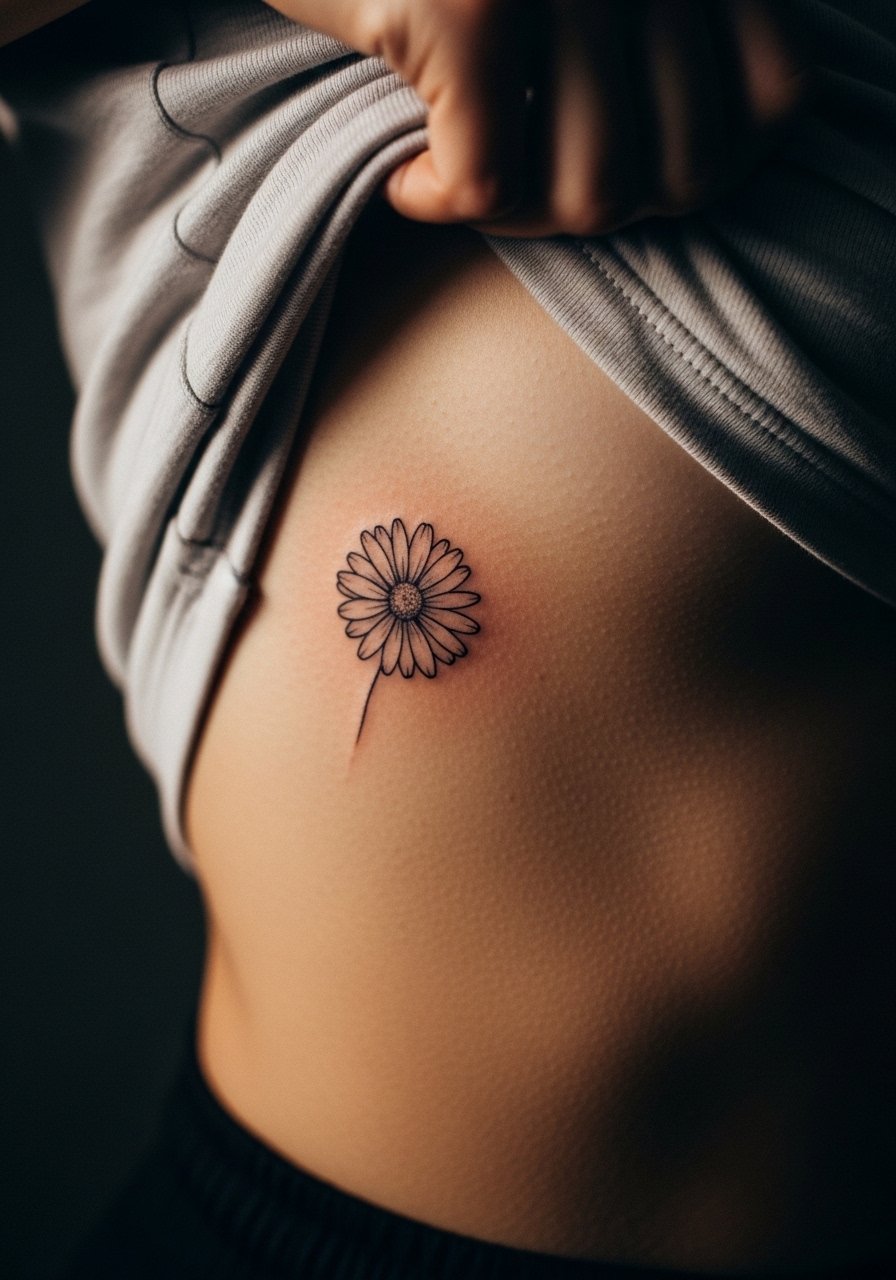
Ribcage floral work can be gorgeous but the skin moves and breathes a lot. Request slightly bolder petal outlines and shallow negative space between petals. Pain is high and the session may be brief but intense. At six months thin petals may soften, and by three years very fine lines often need touch-ups. A classic mistake is copying a wrist-sized daisy and pasting it on the ribs without resizing. For the session wear a cropped athletic top so the artist can access the side without you being fully exposed.
17. Blackline Chain-Link Bracelet Tattoo Around Wrist
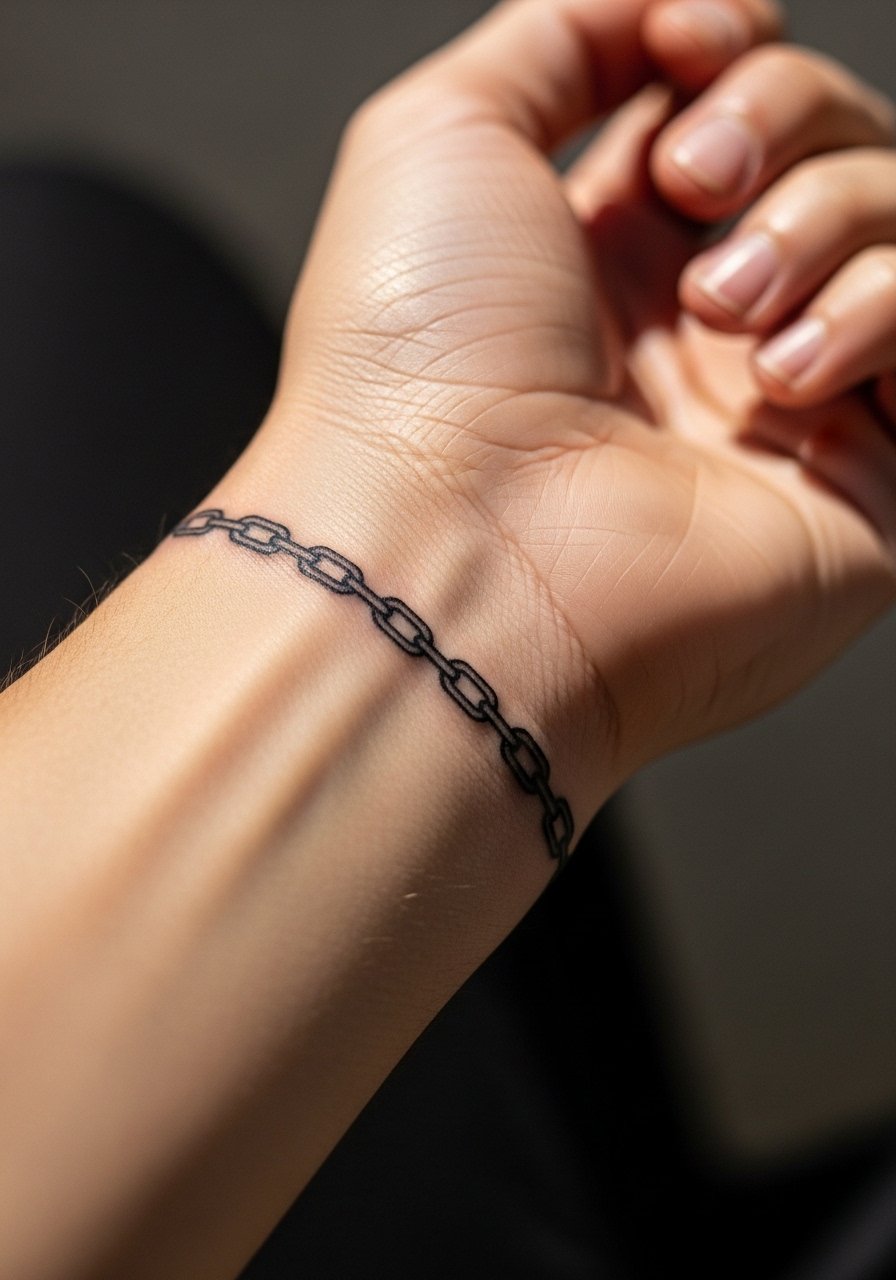
Ring and bracelet tattoos face constant friction. A chain-link band works best with slightly thicker links so the pattern remains identifiable after years of wear. Expect moderate pain and a session of under an hour. At six months the band reads crisp, at two to three years tiny gaps may need touch-up. Mistakes include overly intricate linkwork that blurs into a cuff. Pair with a minimalist bracelet so the tattoo and jewelry complement each other.
18. Micro-Realism Eye on the Palm Edge
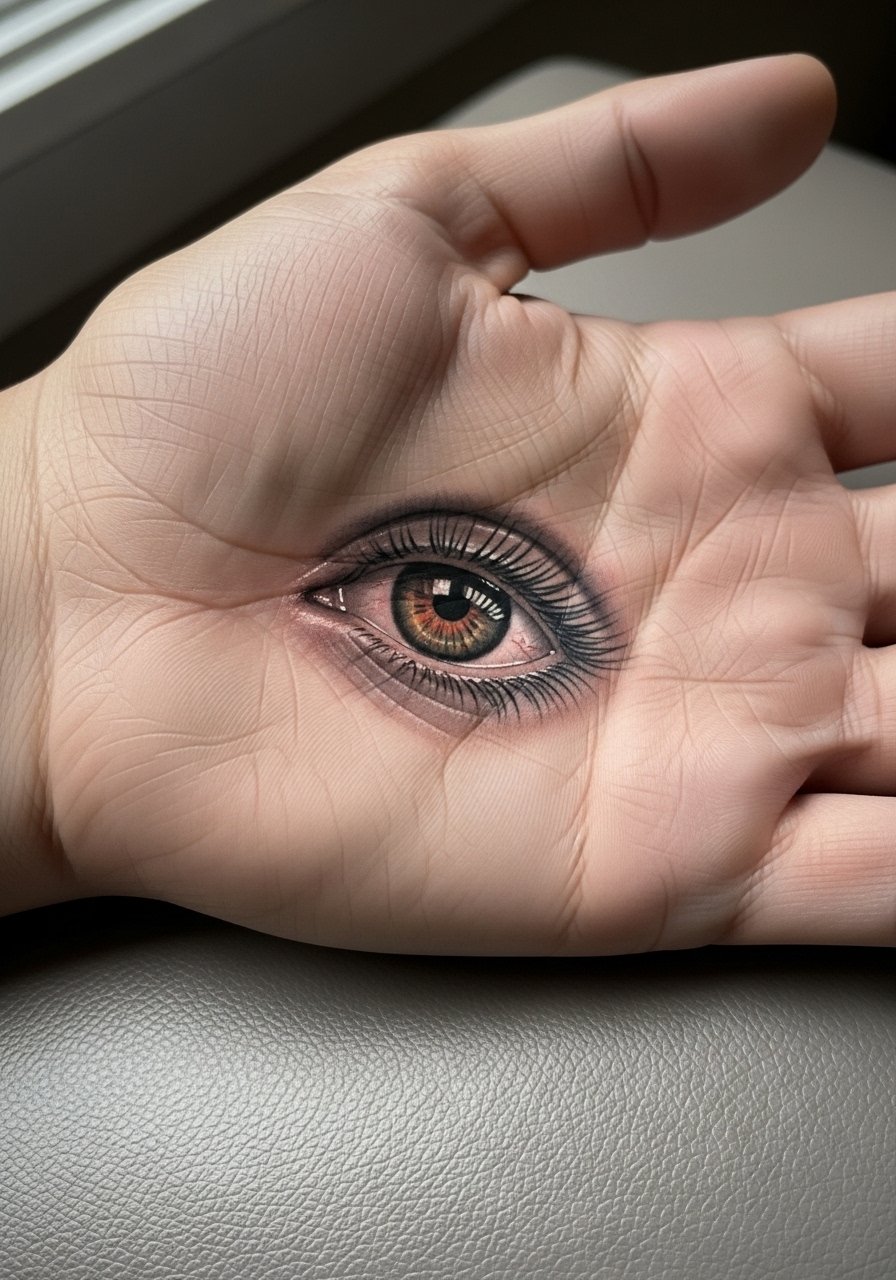
Palms are high-maintenance for tattoos and most artists advise caution. Micro-realism eyes on the outer palm edge can last months before heavy fading. Pain is high and the session is short. At six months the ink already shows wear because palms renew skin rapidly. Expect multiple touch-ups or accept quicker fading. A common error is treating the palm like normal skin. If you want visibility without constant refresh, move the design an inch toward the wrist.
19. Traditional Sailor Anchor on the Outer Calf
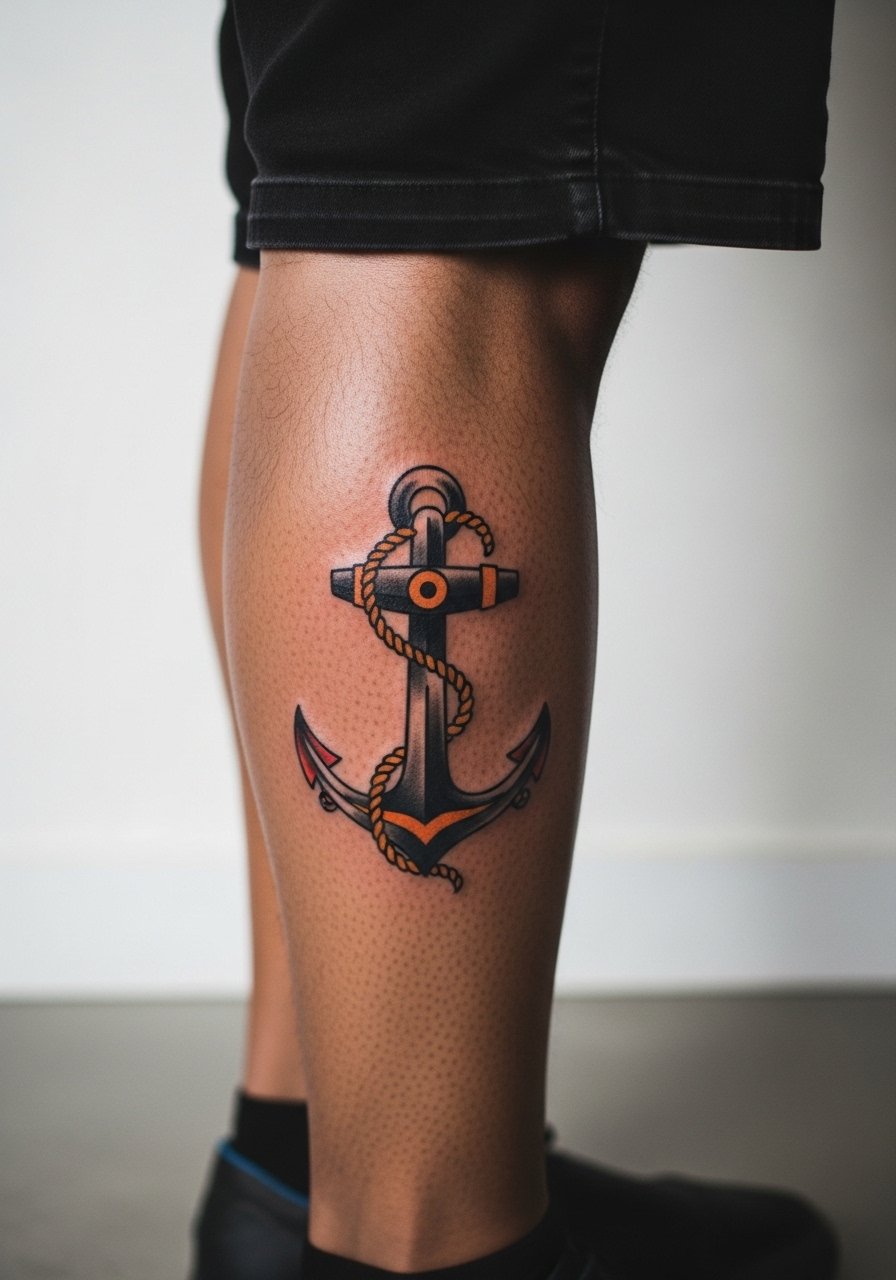
Traditional pieces with bold outlines age well because saturation holds. Anchors are resilient on the calf and tolerate bold fill. Sessions are moderate in length and pain is low to moderate. At five years the anchor keeps its shape with minimal touch-up. The mistake is asking for tiny internal detail that the traditional style is not built for. Pair with casual summer wear and a pair of canvas sneakers to show it off.
20. Scripted Coordinates Along the Spine
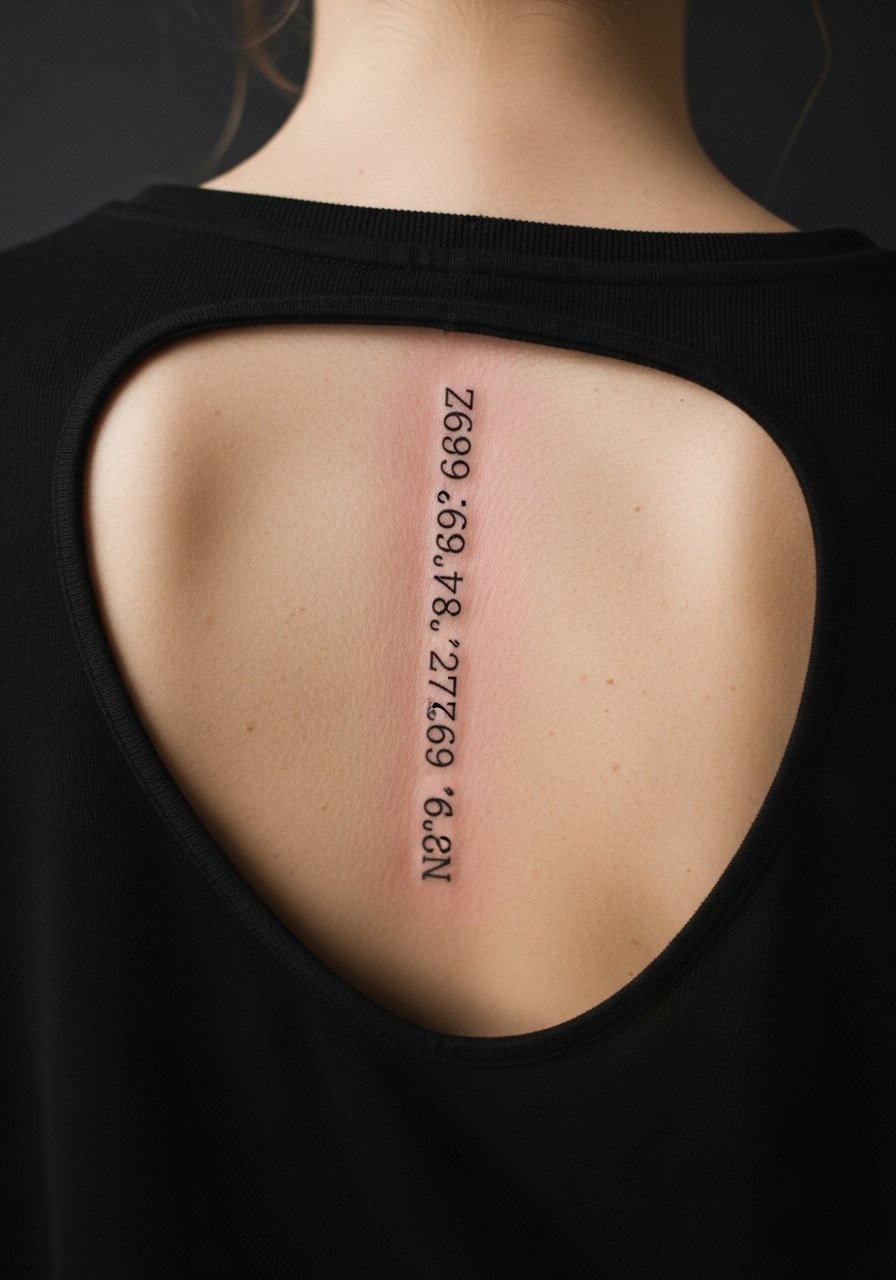
Spine script needs attention to where the letters sit over vertebrae. Thin script can warp with posture, so request slightly larger letter spacing and a test stencil in the seated position. Pain is moderate to high and sessions are often split. At six months the script reads clean if placed well. By three years tiny letters may blur if spacing was insufficient. For evenings out, pair with an open-back top.
21. Minimalist Arrow on the Side of the Finger
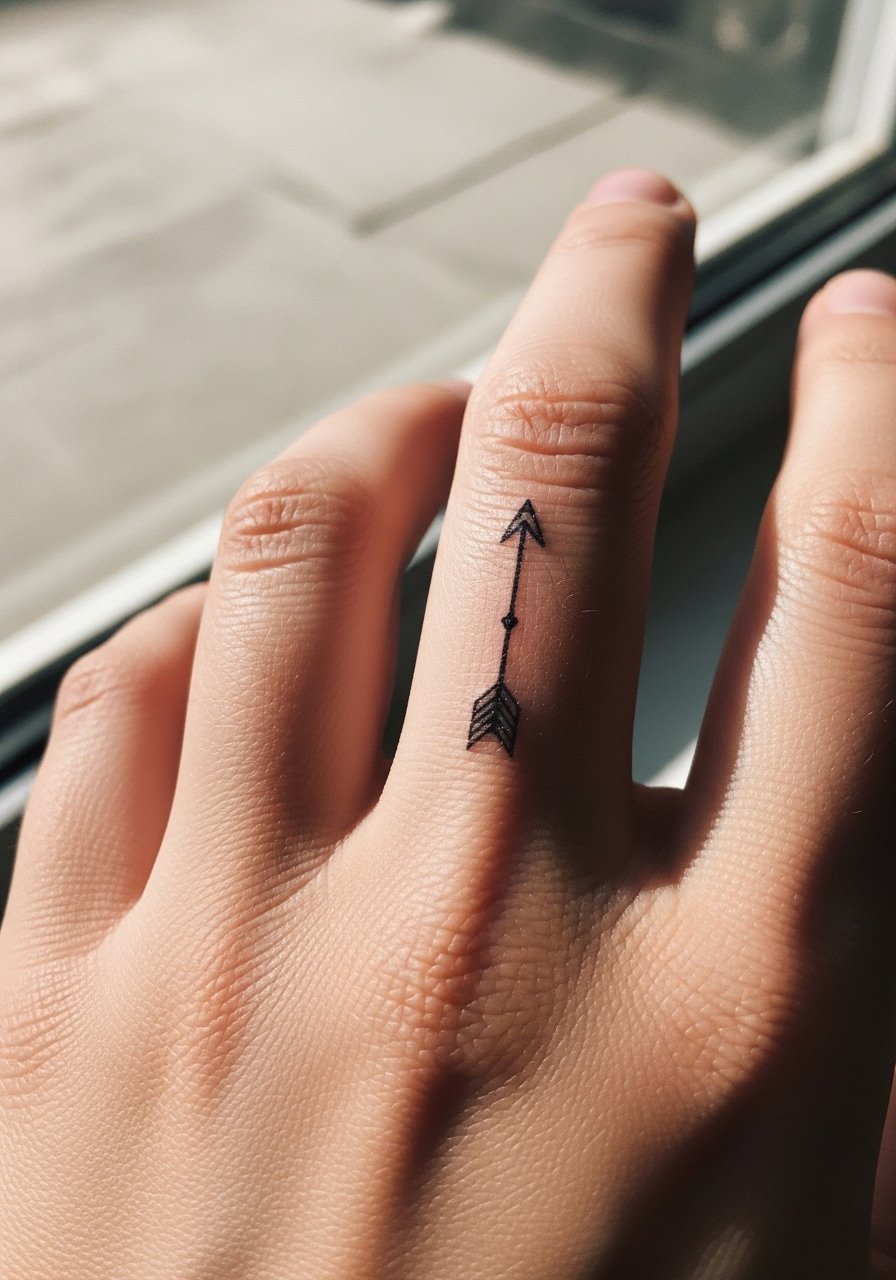
Finger side tattoos face heavy wear and frequent touch-ups. For an arrow, ask for a slightly thicker shaft and more open negative space near joints. Expect brief sessions and disproportionate fading. At six months expect crispness, at a year you may need a touch-up. Many people make the mistake of thinking finger tattoos are low-effort. If you want longevity, accept periodic maintenance. Pair with a thin stacking ring that frames the finger without covering the ink.
22. Monochrome Phoenix on the Shoulder Blade
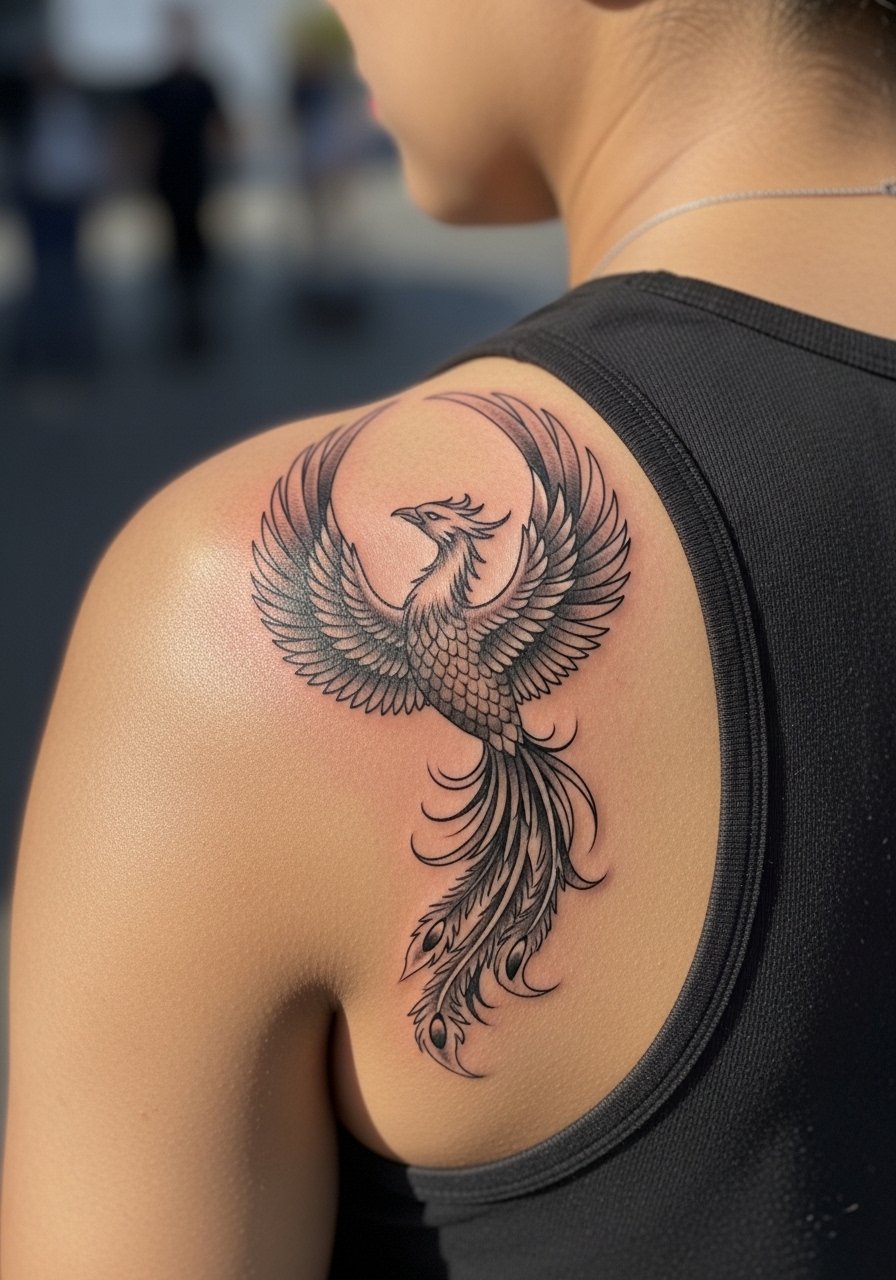
Shoulder blade tattoos sit on a forgiving canvas with moderate pain and good longevity. A monochrome phoenix with strategic negative space holds better than a tightly shaded version. Sessions may be two to four hours depending on wingspan. At six months the silhouette reads clear, at five years the shape remains strong with minimal touch-ups. Avoid requesting tiny feather lines that will blur. Show it with an open-back dress.
23. Minimalist Barcode on the Inner Wrist
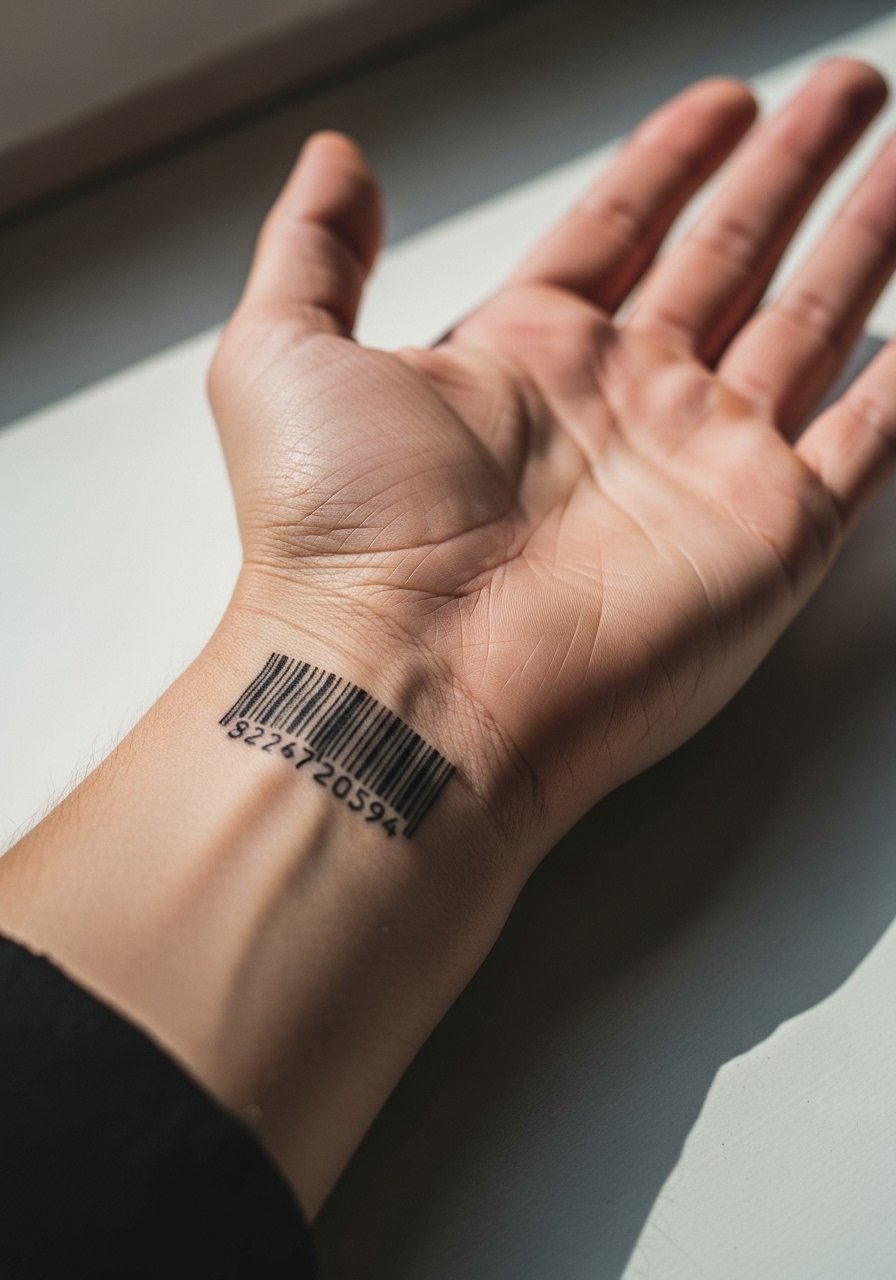
Barcodes are graphic and unforgiving. Ask for thicker bars and slightly larger spacing so the pattern retains contrast through washing. Expect mild to moderate pain and a quick session. At six months the barcode remains readable, but by three to four years fine bars may merge. A frequent mistake is making the code too small. Pair this with a simple watch strap that avoids covering the barcode.
24. Micro-Mandala on the Back of the Neck
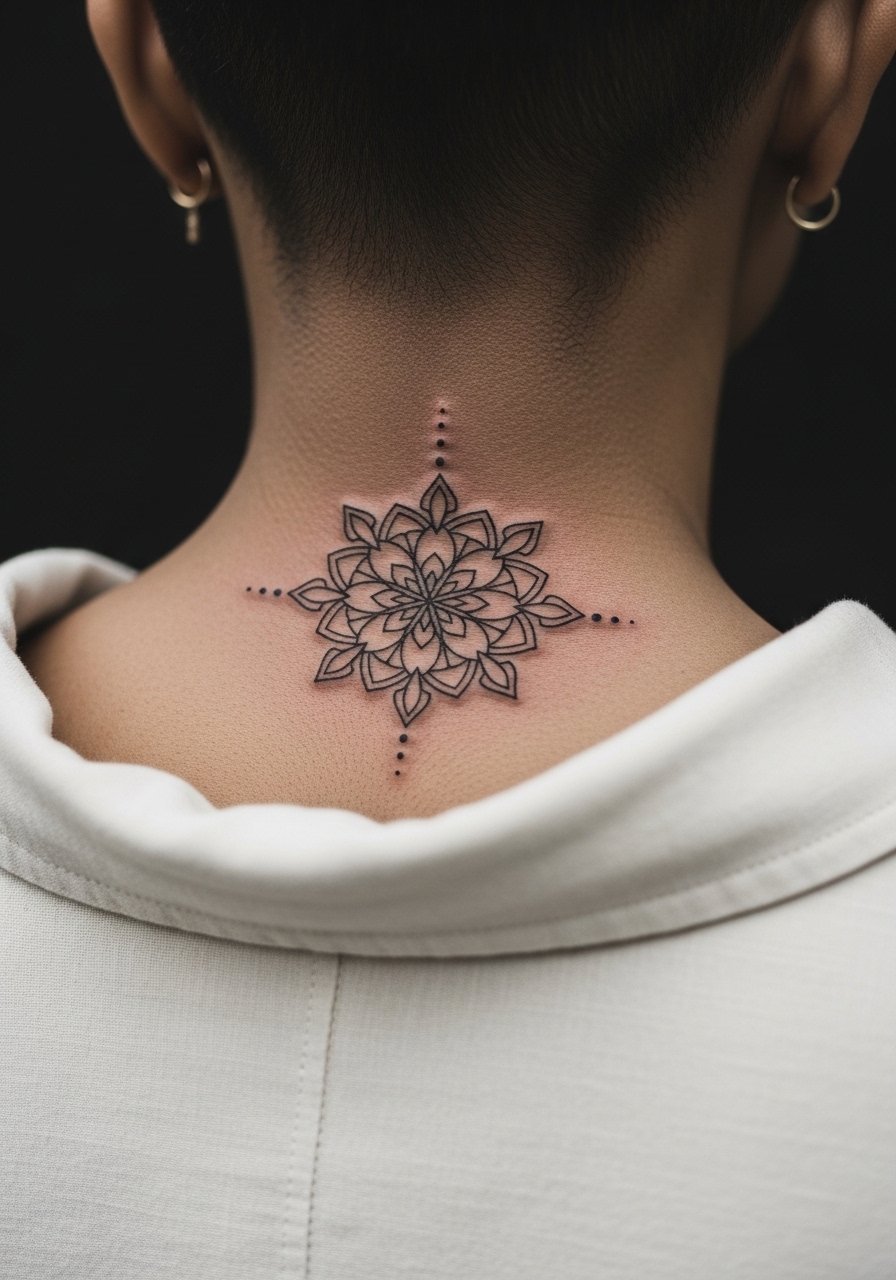
Neck pieces require careful discussion about visibility and career impacts. A micro-mandala up high can last if given space, but tiny radial lines risk merging. Pain is moderate. Sessions are brief. At six months the mandala reads delicate, and by two years it may need a touch-up. Think about how hair length will hide or reveal the design. For easy display, pair it with a wide-neck shirt that allows selective showing.
25. Tiny Coordinate Dot Cluster on the Hip
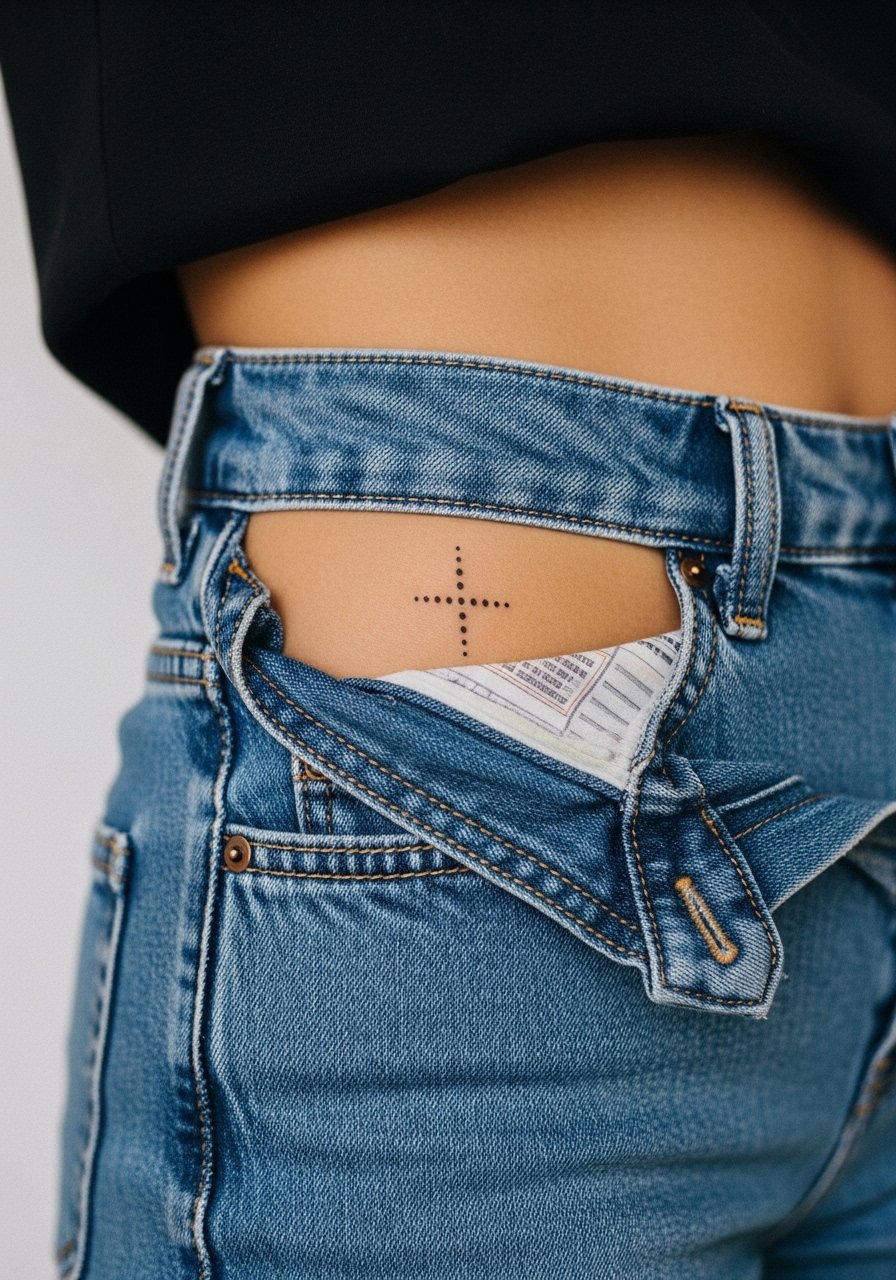
Hip tattoos are intimate and heal under clothing mostly. Dot clusters work because the skin there holds small dots. Pain is moderate and sessions are short. At six months the dots look crisp, and with low friction they can age well for years. A mistake is placing the cluster where waistbands rub constantly. For the session, wear high-waisted bottoms that can be shifted easily, like high-waisted denim.
26. Fine Line Micro-Illustration on the Inner Bicep
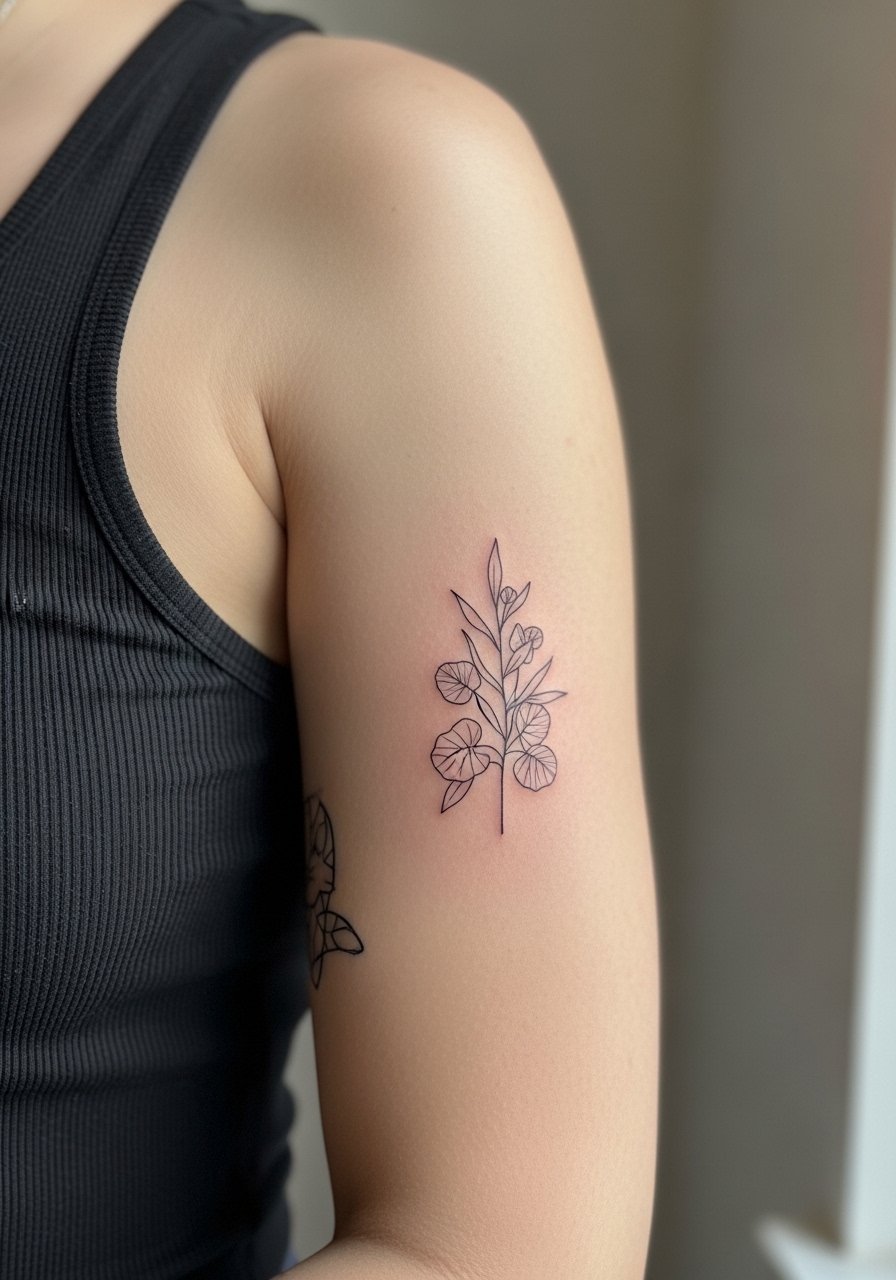
Inner biceps are a great spot for micro-illustrations because they are less sun-exposed. Tell your artist you want slightly bolder contour lines to guard against softening. Pain is moderate and sessions are comfortable if you relax your arm. At six months the linework remains clean and at three years small details may need touch-ups depending on aftercare. A typical mistake is underestimating how curved the inner bicep is when placing a straight motif. For the appointment, wear a loose tank top so the artist can shift fabric easily.
27. Blackwork Spine Column Abstract
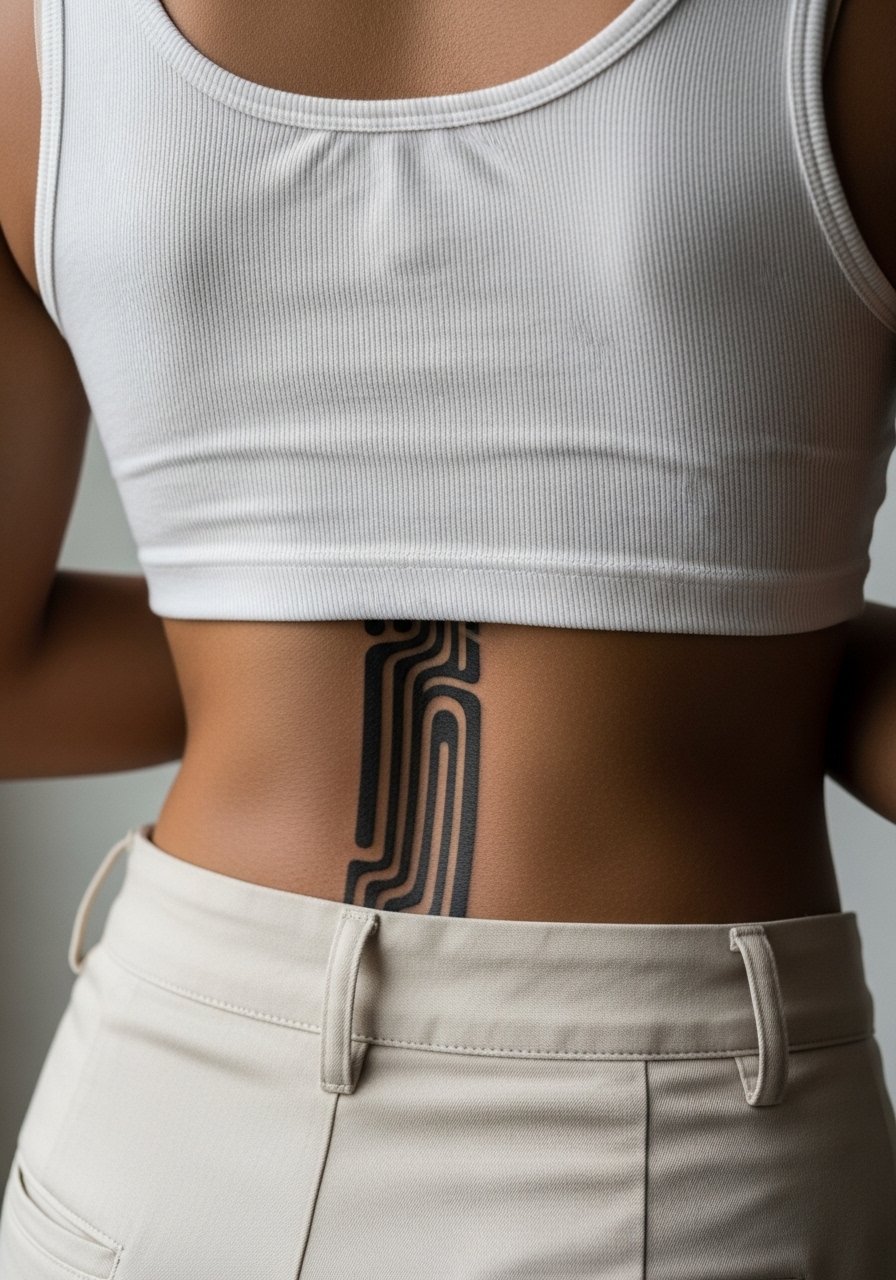
Lower back blackwork holds saturation well because the canvas is broad and less exposed. Abstract column shapes age predictably and read strong from a distance. Sessions can be long and may be split. Pain is moderate. At six months the black remains dense, and with sunscreen it ages well over time. Avoid overly thin connectors that can look like smudges later. For showing off, pair it with a low-rise skirt that reveals just the area.
Frequently Asked Questions
Q: Will fine line designs like scripts and micro florals blur faster than bold traditional pieces on the wrist and hands?
A: Yes, from what I have seen, fine line work on high-friction zones like wrists and hands softens faster than bold traditional pieces. The skin renews and the constant washing speeds fading. If you want a fine line look that lasts longer, ask for slightly heavier single-needle strokes and accept that touch-ups at year two or three might be needed. Consider placing ultra-delicate lines away from joint bends.
Q: Are ribcage and sternum pieces more likely to need touch-ups than forearm pieces?
A: Often they are more likely because ribs and sternum see more stretch and movement during breathing. Pain tolerance also affects session length which can influence saturation. A clear conversation with your artist about depth and spacing reduces the chance of early fading. Bring a zip-up hoodie or clothing you can adjust for comfort during long sessions.
Q: How do I find an artist who specializes in the specific style I want without naming people online?
A: Use discovery pathways like local shop directories, targeted hashtags in your city, and convention boards to narrow candidates. Look for portfolios showing healed work in the exact placement you want. If healed pictures are scarce, ask the artist for healed photos before booking. Spend time on community threads and shop walk-in days to see how they handle consultations.
Q: For sensitive placements like the sternum and ribcage, what should I wear to the session and afterward?
A: Wear a fitted sports bra, bandeau, or a zip-up that you can lift without twisting. The goal is minimal exposure with easy access to the area. After the session, choose loose, soft fabrics that do not rub the site while it scabs. Practical session wear reduces awkward rehanging and keeps the area clean.
Q: If I want a small tattoo that ages well, which placements should I prioritize?
A: Forearms, calves, and shoulder blades usually hold small details better than fingers, palms, or inner wrists. Those latter zones face heavy use and frequent washing. If you are set on a smaller design in a high-wear area, plan on touch-ups and ask your artist to adapt the design with bolder contours.
Q: Do color washes like watercolor fade faster than monochrome blackwork on thigh and calf pieces?
A: In my experience color washes can fade faster if not anchored by linework or stippling, especially with sun exposure. Thigh and calf areas are forgiving because they get less UV and friction. If you prefer watercolor, request layered pigment and consider a subtle outline or stipple anchor to keep the shape defined longer.
Q: How should I balance showing off a new tattoo with hiding it for professional settings?
A: Think about clothing choices that make the piece easy to conceal and reveal. Wide-neck shirts, loose button-downs, and layered outfits let you control visibility. For smaller placements, accessories like watches or simple jewelry can shift attention without covering the entire piece.