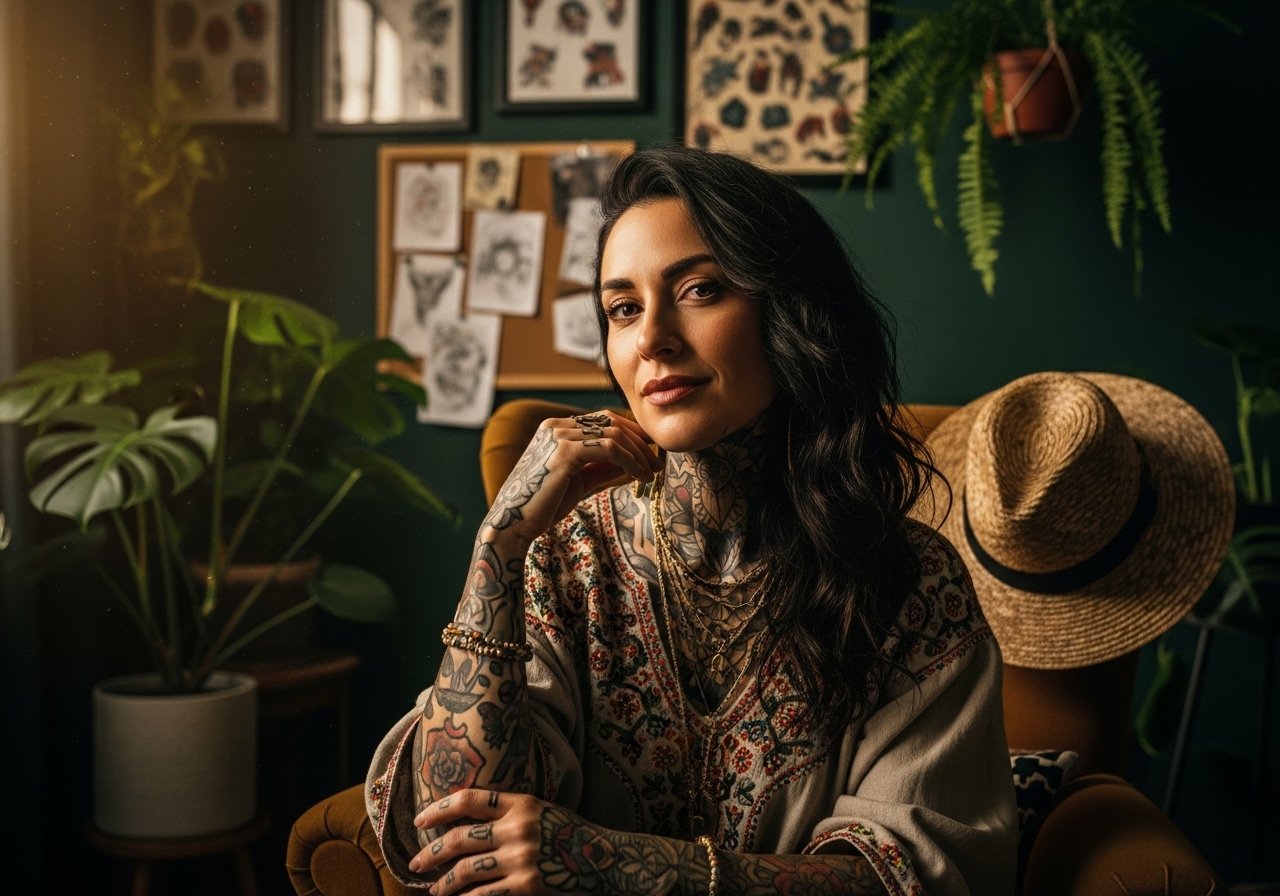
Fine line Vienna lyrics are everywhere on feeds, and the truth is they ask different things from your skin and schedule than a bold neo-traditional piece. People complain about fine script blurring on wrists, guest-spot cancellations that shuffle sessions for months, and small text vanishing on darker tones. Below are 17 Vienna-inspired tattoos that balance lyric love with real-world aging, placement risks, and outfit choices so you get a healed result you still want at year five.
1. Fine Line "Vienna" Script on Inner Wrist
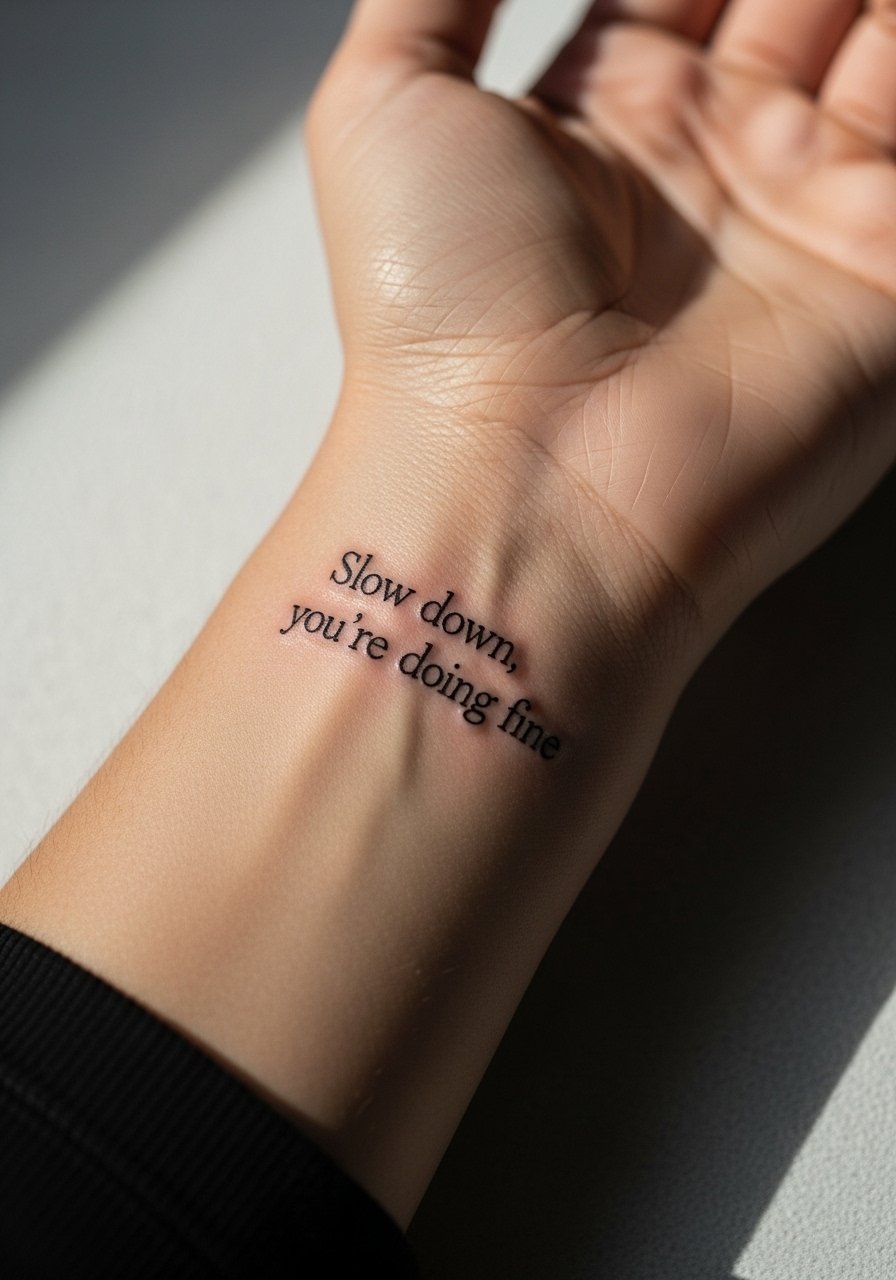
This tiny script reads like a private reminder when placed on the inner wrist. Fair warning, wrists see a lot of sun and friction, so the usual fine-line version that looks gorgeous fresh often needs touch-ups sooner. Tell your artist you want slightly heavier single-needle spacing and ask for a modest kerning increase between letters so the script has breathing room as it heals and ages. For the session wear a short sleeve button-up you can pull aside and remove bracelets to keep the stencil pristine. Expect low to medium pain, about a single short session, and plan for a touch-up around year two to three depending on sun exposure.
2. Micro-Realism Vienna Skyline on Collarbone
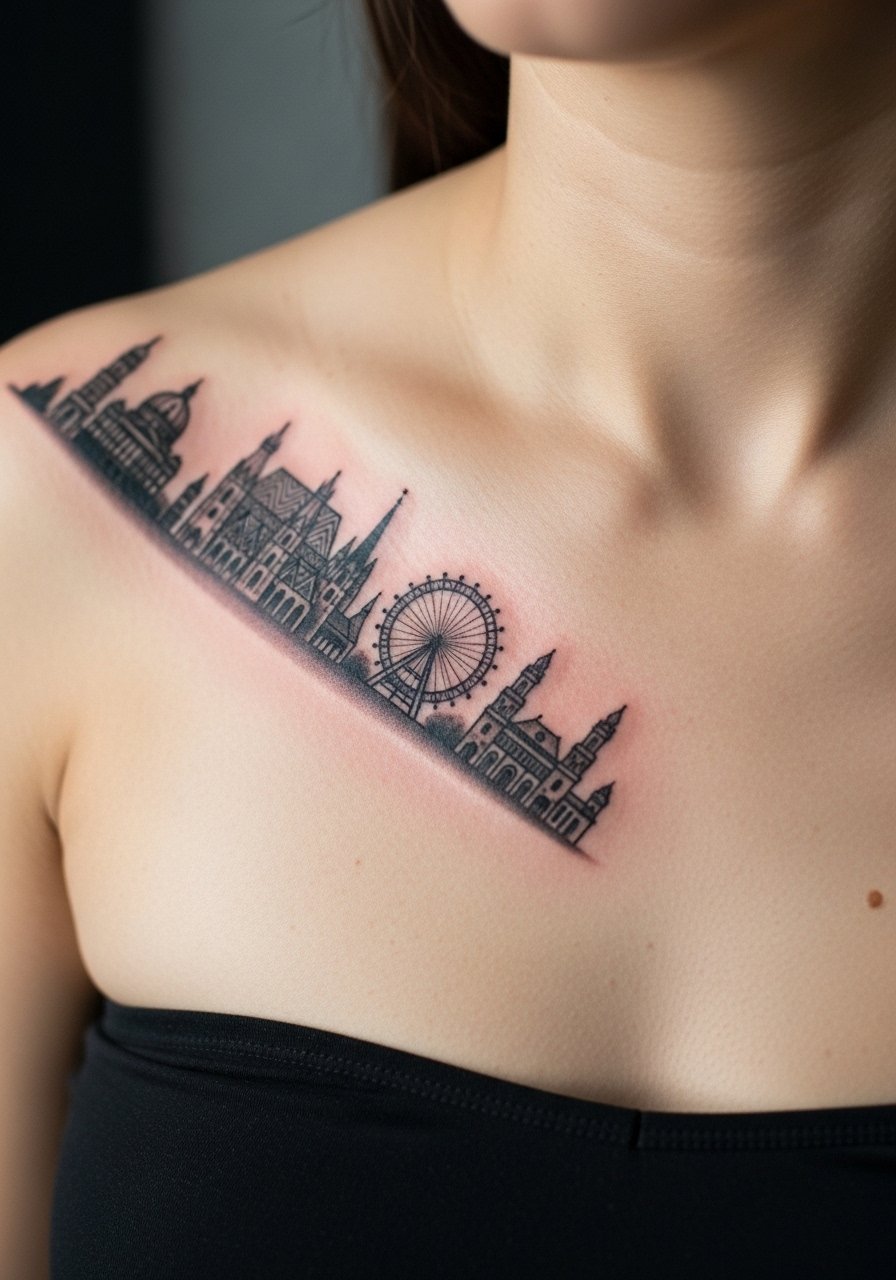
A tiny skyline along the collarbone gives cinematic context to the lyric without crowding the arm. Collarbone skin holds detail well if the piece is sized to two to three inches, but be ready for some sensitivity during the session. Ask your artist for crisp negative space between buildings so the silhouette keeps definition at six months and two years. For showing it off, pair the piece with an off shoulder blouse or a delicate chain necklace that frames the skyline without covering the ink. This placement photographs nicely and avoids the bending that warps forearm text.
3. Minimalist Hourglass with "Vienna" Lyric Overlay on Inner Bicep
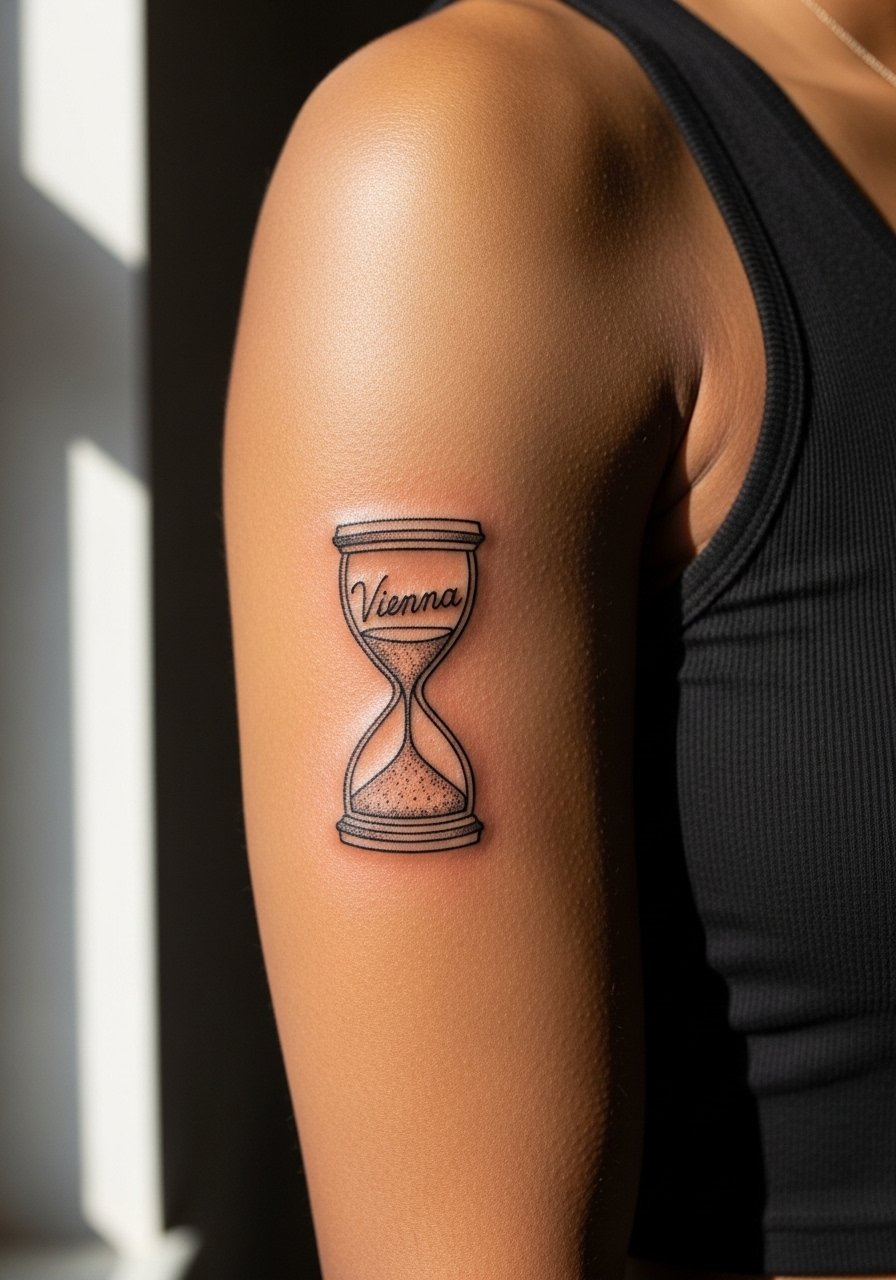
The hourglass pulls the song's time theme into a simple emblem. Inner bicep skin can be forgiving for single-needle work if spaced properly, but it is also prone to stretching with major weight or muscle changes. In consultation, say you want the hourglass slightly larger than a typical one inch so the script sits on stable negative space. For the appointment wear a loose fit tank top so the artist can access the area without fabric pulling. Pain is moderate and the piece benefits from a touch-up window at 12 to 18 months if you see early softening.
4. Neo-Traditional Piano Keys Morphing into Vienna Streets on Forearm
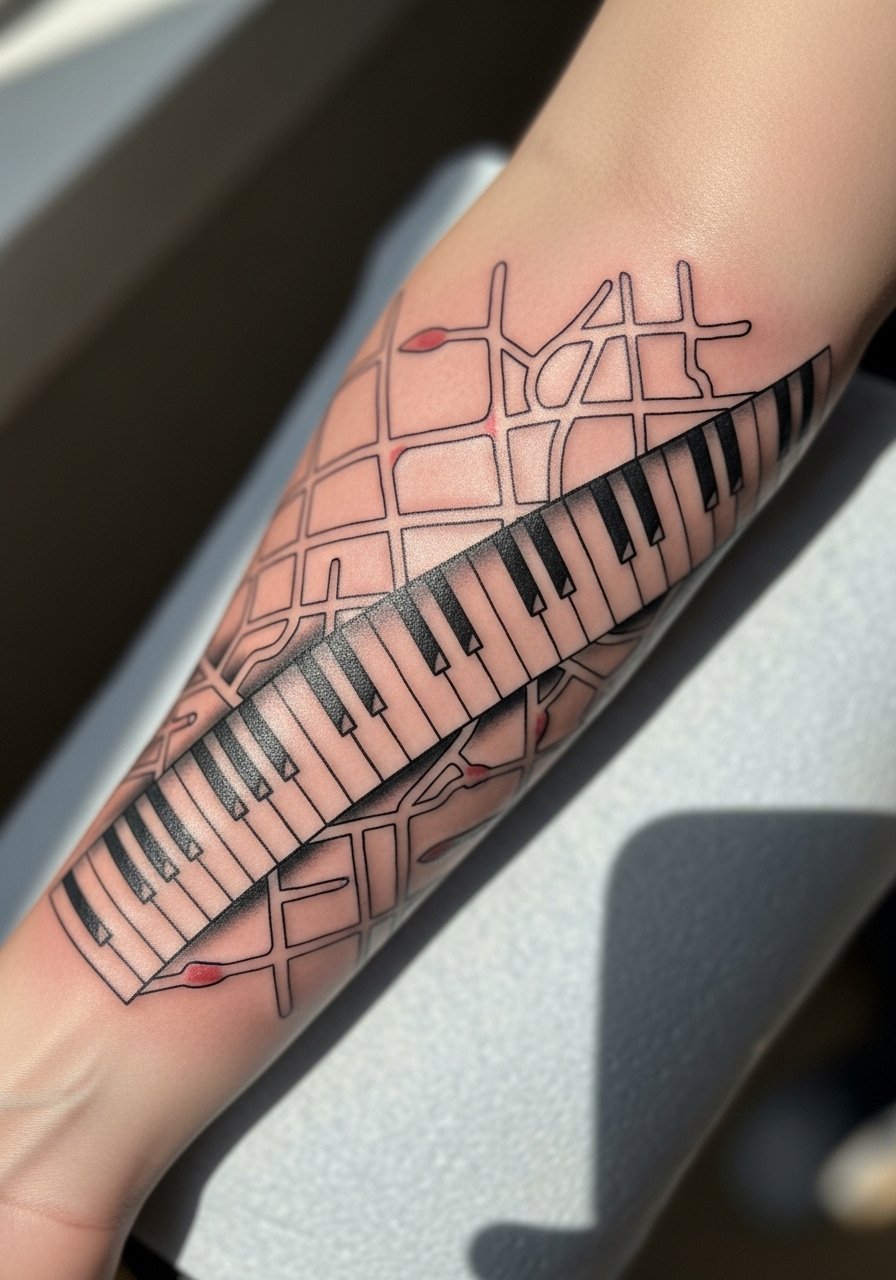
This design combines Joel's piano imagery with the cityscape metaphor in a way that reads well from a distance. The forearm tolerates saturation and color, and bold outlines help preserve definition as the piece settles. Bring references that show the exact transition you want so the artist can plan spacing and saturation. Session time runs longer, expect two sessions for color and linework, and seat comfort matters so wear a rolled cuff chambray shirt you can push up. If you want the lyric stitched in, ask for letter spacing that avoids crowding near the keys to prevent early blurring.
5. Watercolor "Vienna Waits for You" Text Arc on Ribcage
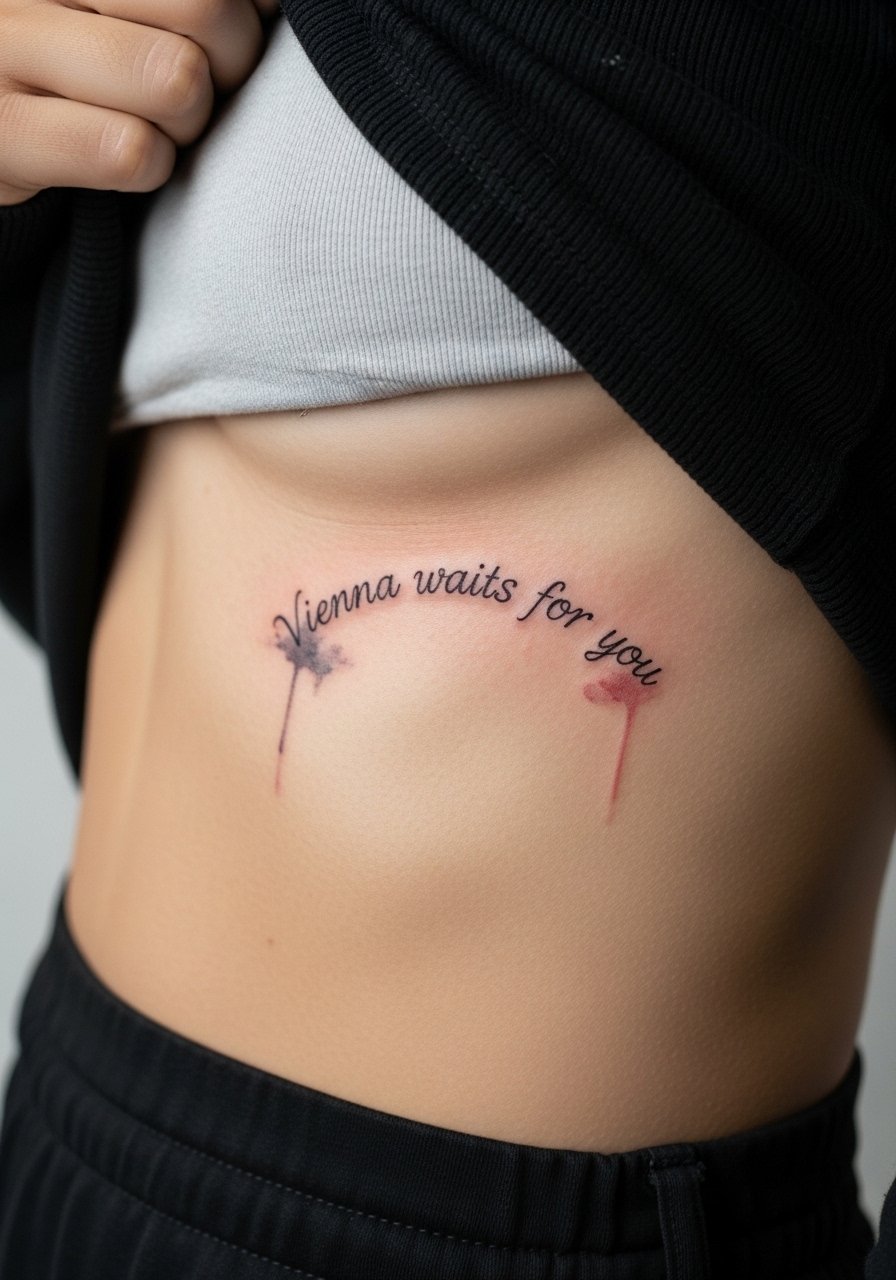
Rib pieces age differently and pain is higher, so this choice is for someone who wants an intimate, curved lyric. Watercolor looks delicate at first but is often the style that fades fastest in high-friction or frequently exposed skin. Artists split on bandaging and healing approach for watercolor. One camp favors Saniderm to lock in moisture and reduce scabbing. The other camp prefers dry healing to let scabs naturally form and fall. Ask your artist which method they recommend and why, and be ready to follow a strict sun avoidance plan for the first months. Session wear should be a cropped athletic top you can lift without exposing the rest of your torso.
6. Blackwork Geometric Map of Vienna with Embedded Lyrics on Shoulder Blade
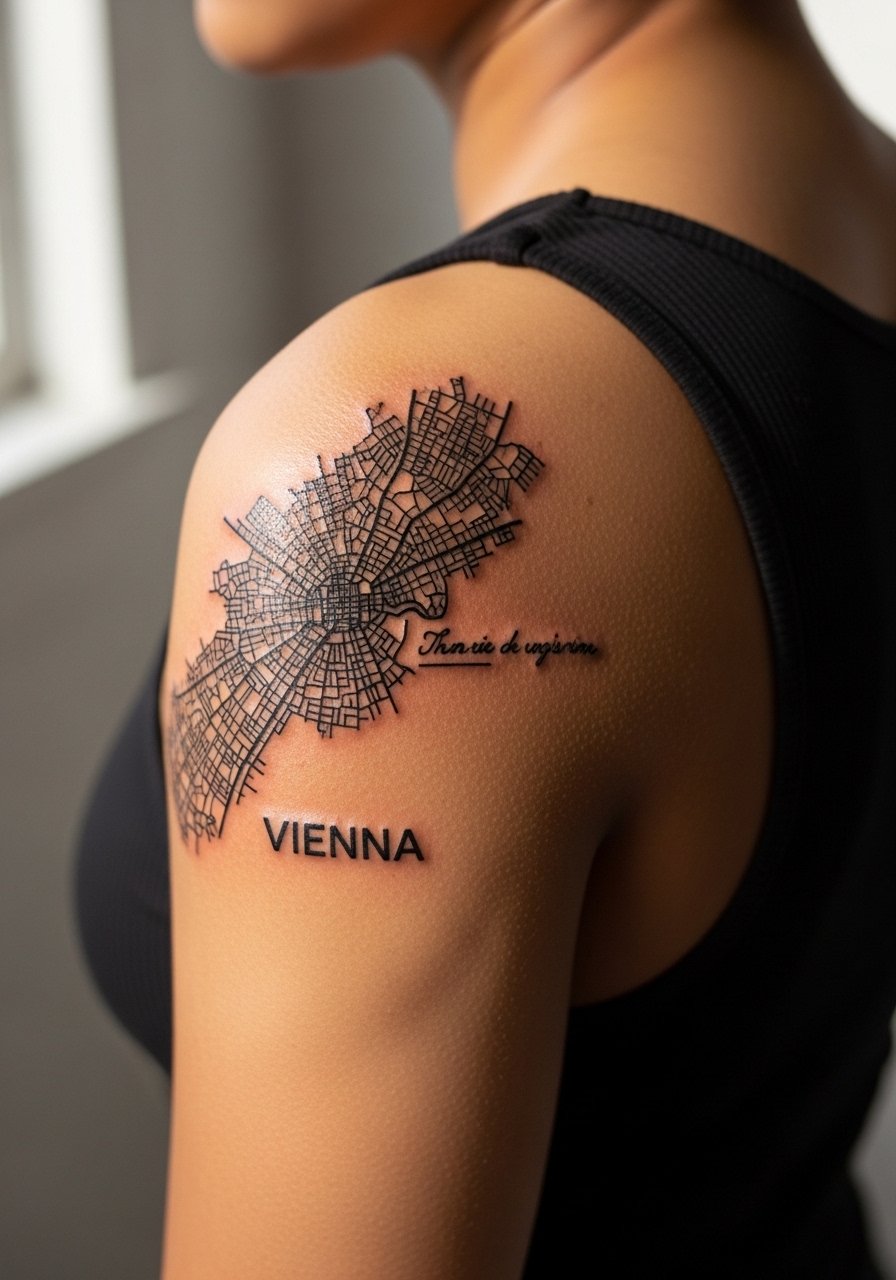
Blackwork maps hold up well on darker skin tones because bold fills keep contrast high. The shoulder blade gives a flat canvas for geometric clarity and makes the embedded text readable longer than tiny wrist script. During consult ask for blocky negative spaces around any lettering so the word does not vanish into the field. For easy session access wear a sleeveless bodysuit or an open shirt. This placement is low to medium pain and tends to need fewer touch-ups than wrist scripts.
Pre-Session Essentials
The wrist, ribcage, and shoulder blade pieces above all ask for different session prep. A few targeted items smooth the chair day and the first-week healing for these Vienna designs.
-
Breathable tattoo wrap. Travelers and guest-spot clients praise this for keeping a rib or shoulder blade piece protected without the heavy peeling some report with other films.
-
Tea tree tattoo salve. A light UK-style salve can reduce itch and avoid greasy buildup on smaller script spots during week two.
-
Rice-based moisturizing cream. A Japanese-style rice moisturizer gives subtle hydration for healed fine line pieces without the heavy residue that clogs pores.
-
Thin artist-formulated balm. Use a thinner indie balm for fine single-needle work to avoid smothering the channels, especially on the wrist and inner bicep.
-
Aquaphor healing ointment. A thin initial layer helps lock in moisture for the first two days on high-friction areas like the forearm and ankle before switching to a thinner salve.
7. Ignorant Style Block Letters "Vienna" on Calf
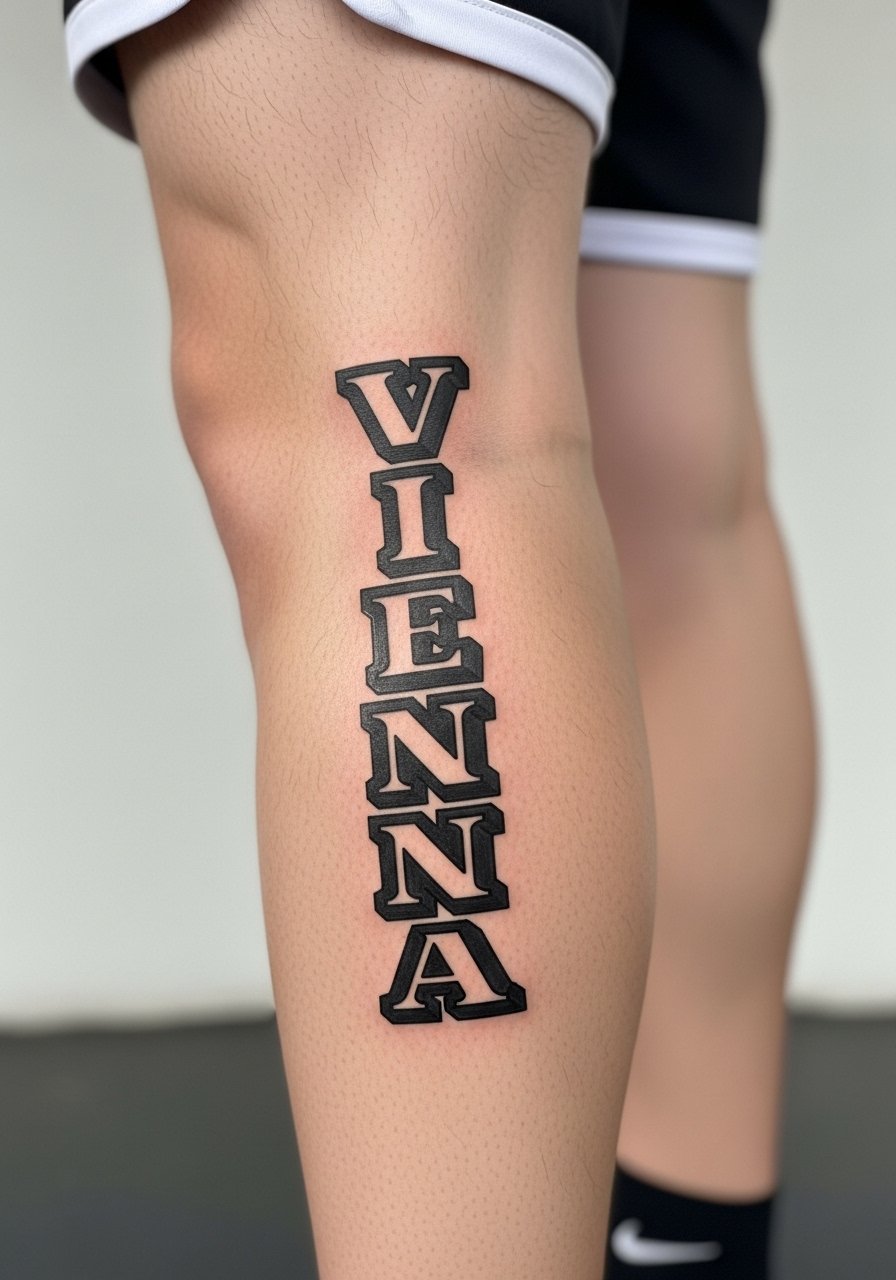
The calf is forgiving for big, chunky lettering that resists blur. Ignorant style uses raw, hand-sketched edges and benefits from thick strokes to age into texture rather than smear. The biggest mistake is asking for the same weight as a wrist script. Ask your artist to bump up the stroke weight and keep the letters at least three to four centimeters tall to let the edges breathe. For showing it off, roll bootcut pants or wear athletic shorts so the stacked letters sit in plain view. Pain is low and session time is usually a single block.
8. Ornamental Frame Around Piano Silhouette and Quote on Thigh
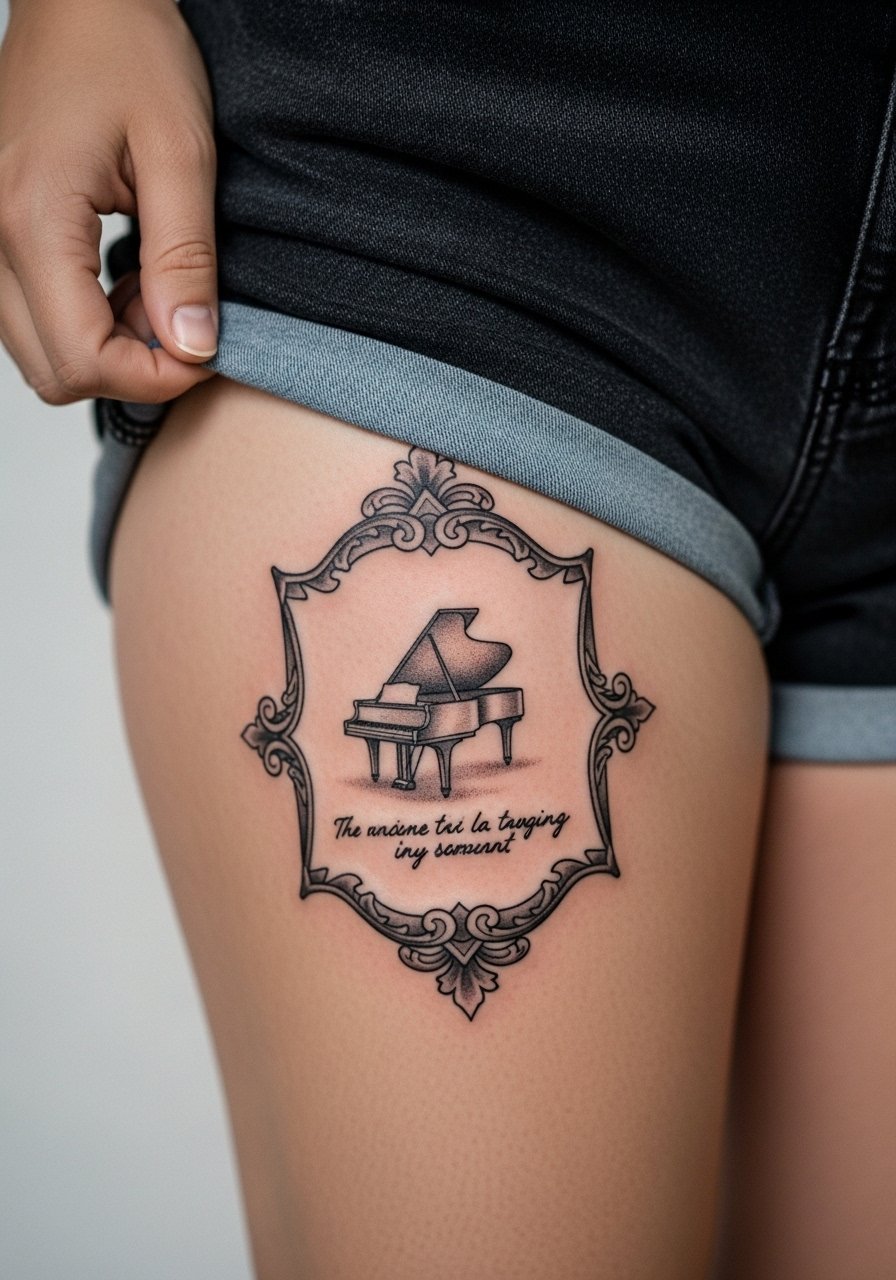
Thigh pieces give enough room for ornament and fine detail, but leg changes from weight shifts or pregnancy can stretch the work. The common error is cramming too much tiny ornament into one compact frame. Tell your artist you want open negative space within the frame and avoid ultra-fine filigree near the edges. Wear high waist shorts for the appointment so the artist gets full access. Pain is moderate and sessions often require two visits for linework and shading.
9. Fine Line Coffee Cup with "Vienna" Steam Script on Ankle
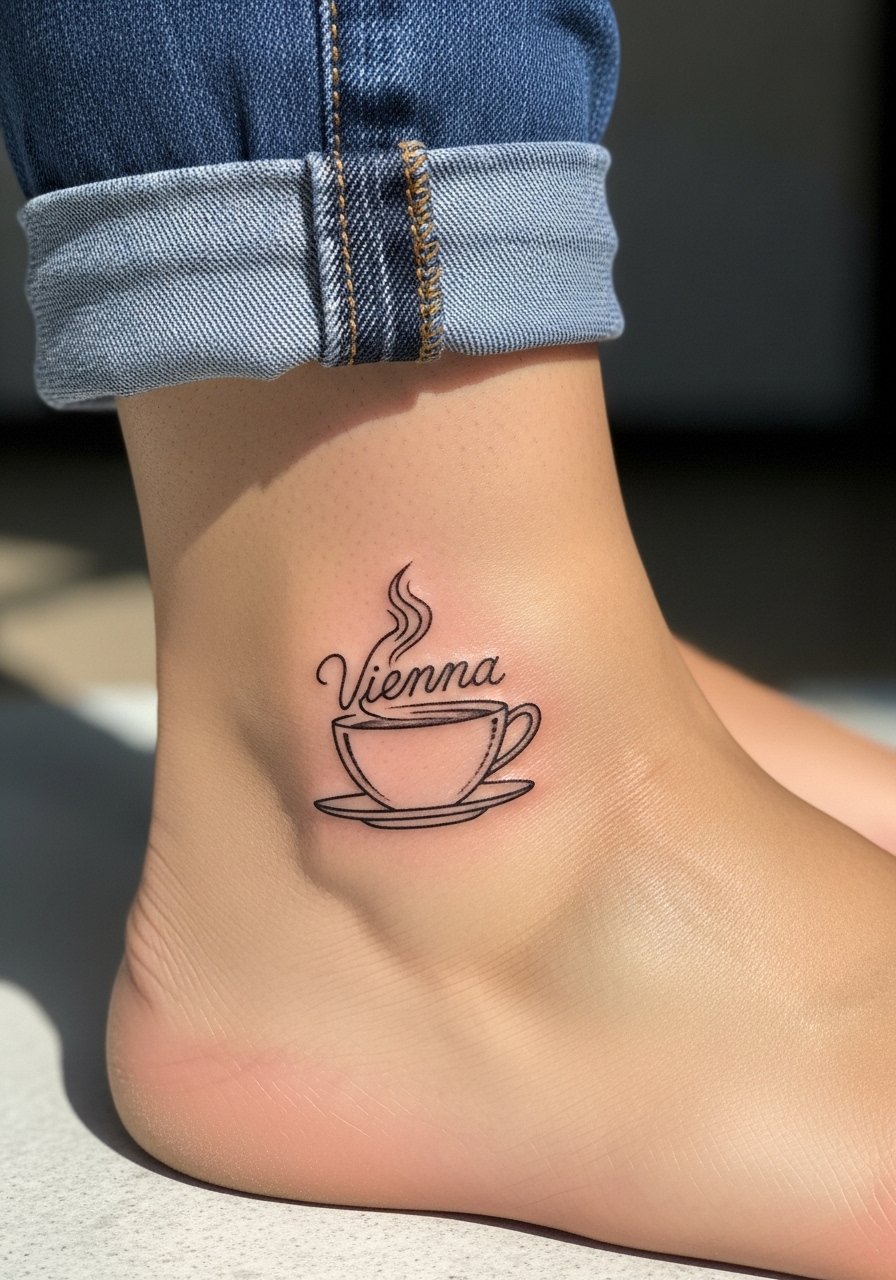
Ankle tattoos must survive shoe friction and daily movement. The coffee cup motif pairs nicely with the lyric in the steam, but tiny single-needle letters on the ankle blur faster than the same script on a collarbone. Ask for slightly bolder steam lines and request the cup sit a little higher on the ankle where shoes and socks do not rub it constantly. For the session, roll up jeans or wear a midi skirt so the artist can work without fabric interference. Expect low to medium pain and a likely touch-up window at year two.
10. Traditional American Billy Joel Portrait with Vienna Backdrop on Upper Arm
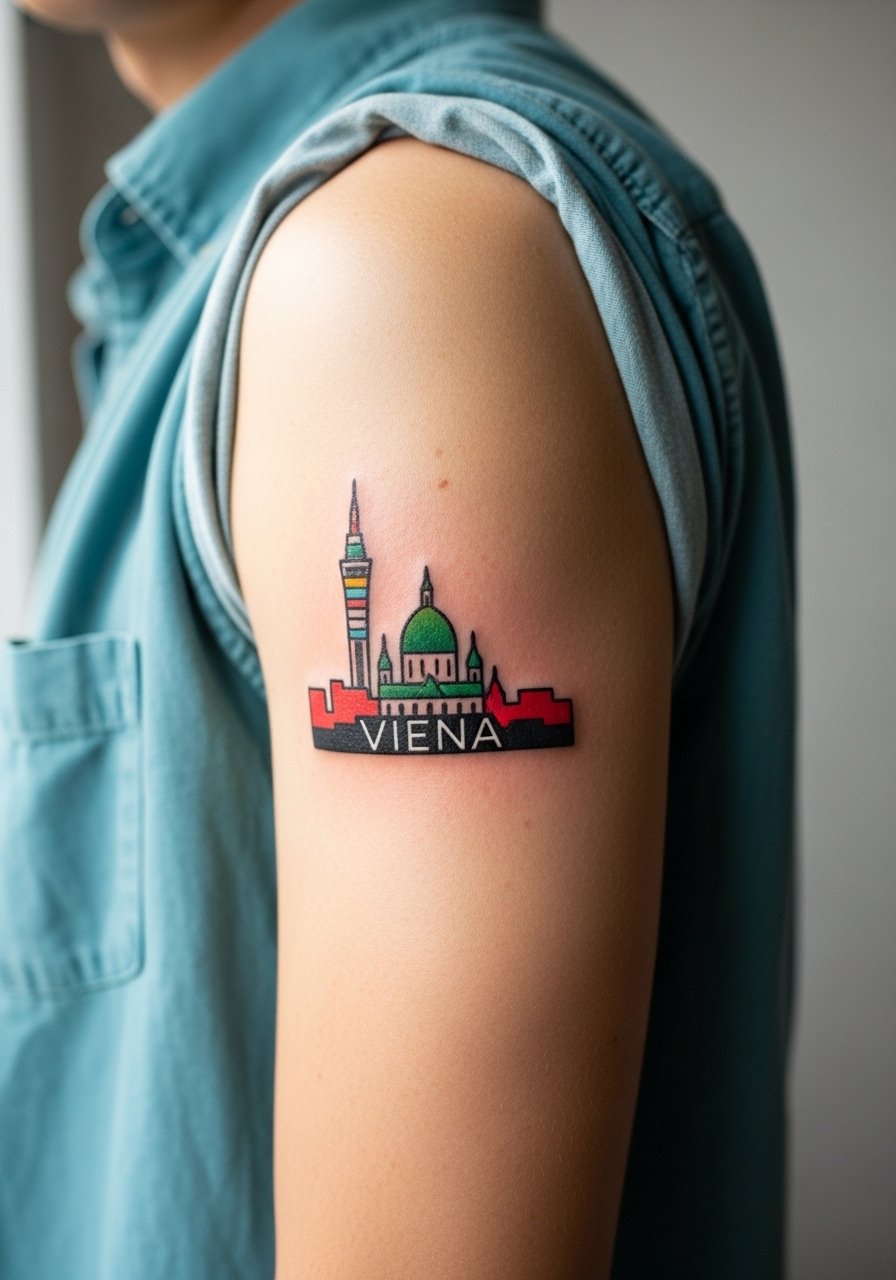
A traditional portrait is for collectors who want bold color and clear linework that lasts. The upper arm is a solid spot for saturation, but rushed guest spots can leave the shading unfinished, which is a common regret. When you book, confirm the artist will do a finished color pass and ask for portfolio photos showing healed portraits at least six months old. For the session wear a loose short sleeve shirt you can roll up and sit comfortably. Expect multiple sessions and medium pain, with strong longevity if saturation is dense.
11. Micro-Realism Aging Clock Face Inscribed "Slow down" on Side Neck
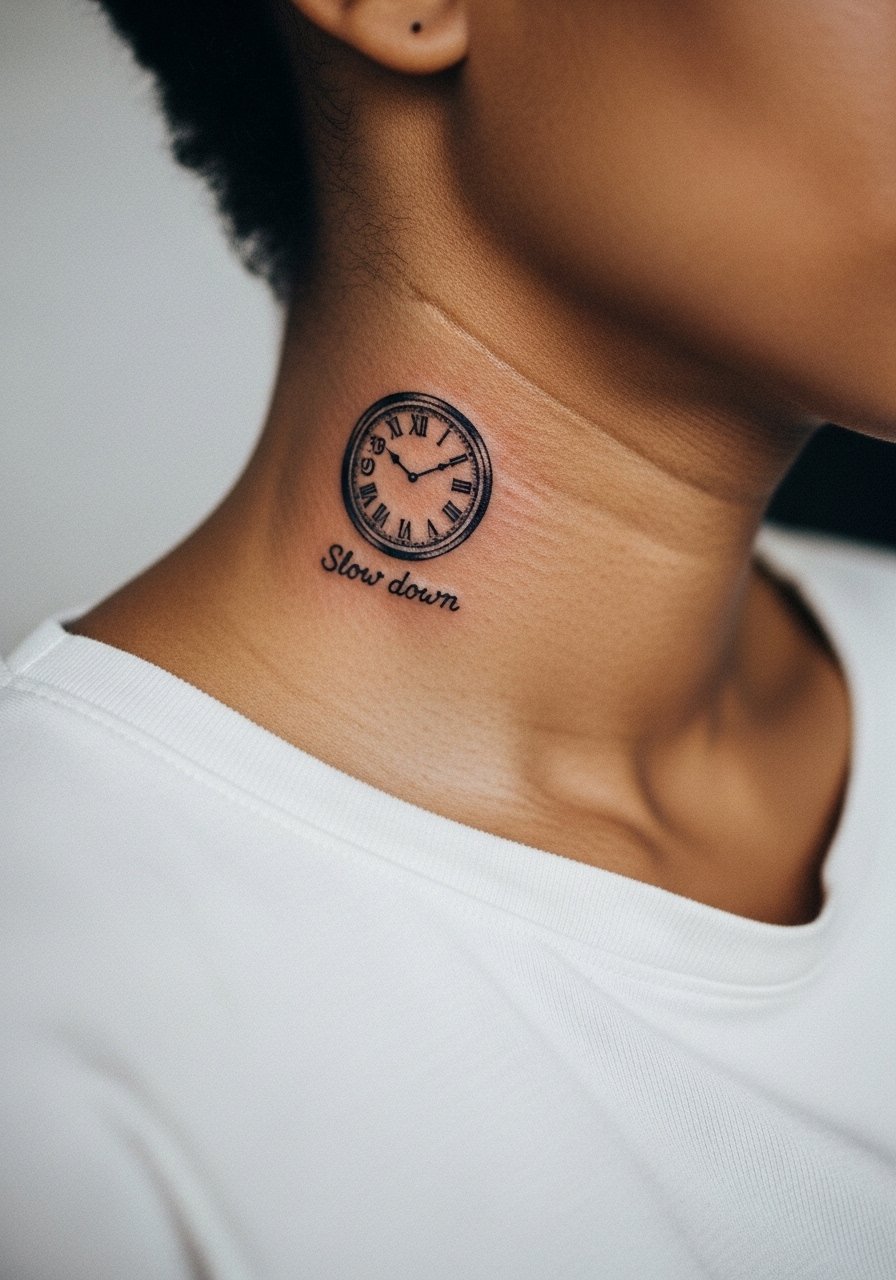
Neck tattoos are visible and have special social considerations. Micro-realism clock faces read as delicate statements, but the neck moves and stretches so extremely fine shading can soften sooner than on torso skin. Ask for clear contrast and slightly increased negative space so the clock hands remain readable in two years. Also consider your work environment because neck tattoos remain visible in most settings. The session can sting and will need careful aftercare. Bring a wide-neck top for easy access that still keeps coverage elsewhere.
12. Patchwork Lyric Fragments Building into a Sleeve on Inner Arm
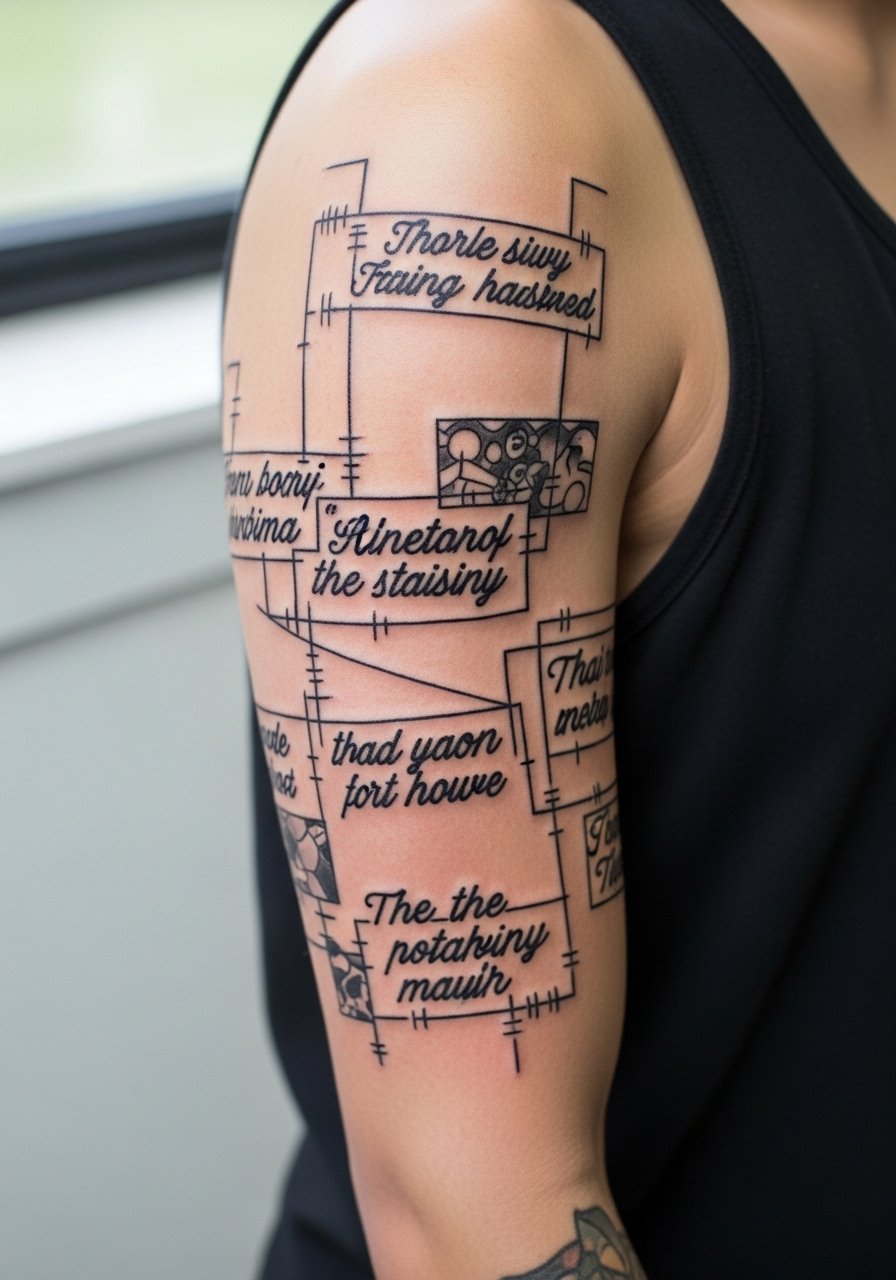
Patchwork allows you to start with one small Vienna line and add pieces over time until you have a sleeve. A key mistake is mismatched scale between early fragments and later pieces. Ask your artist during the first appointment how they would scale future elements so additions sit harmoniously. For the session wear a loose tank top that lets the artist access the inner arm. Building a sleeve takes time and 4+ sessions, but it gives you the option to evolve the narrative without committing everything at once.
13. Small Micro-Realism Vienna Skyline on Ankle
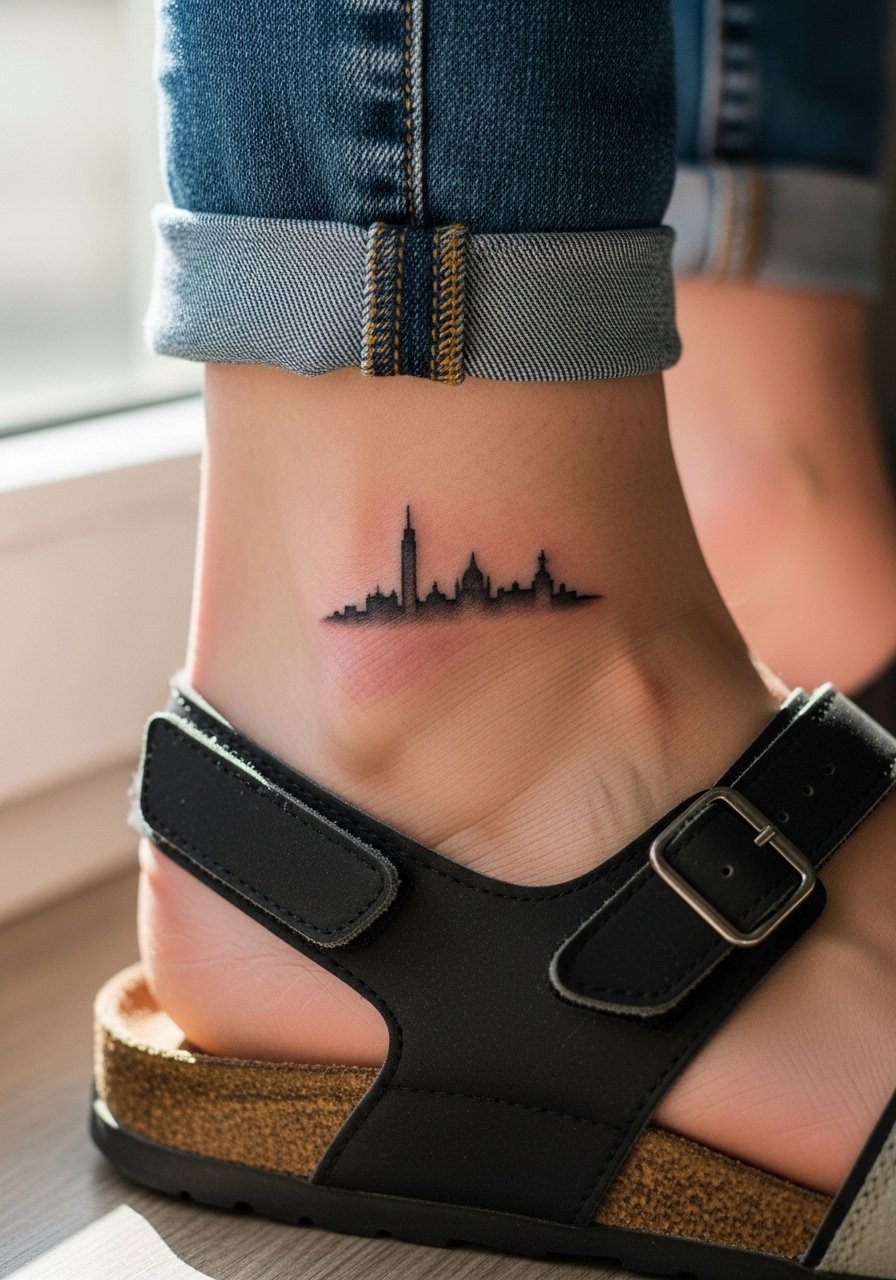
A micro skyline at the ankle is low-key and travel-friendly. Ankle skin rubs against footwear and socks, so tiny details can blur. Choose a slightly larger motif, around two inches, and ask for stronger contrast in building edges so the silhouette reads in photos. Session wear should be rolled jeans or shorts to keep the area clean. Pain is low and touch-ups are common after seasonal wear and heavy walking periods.
14. Ornamental Piano Keys Band Around Wrist
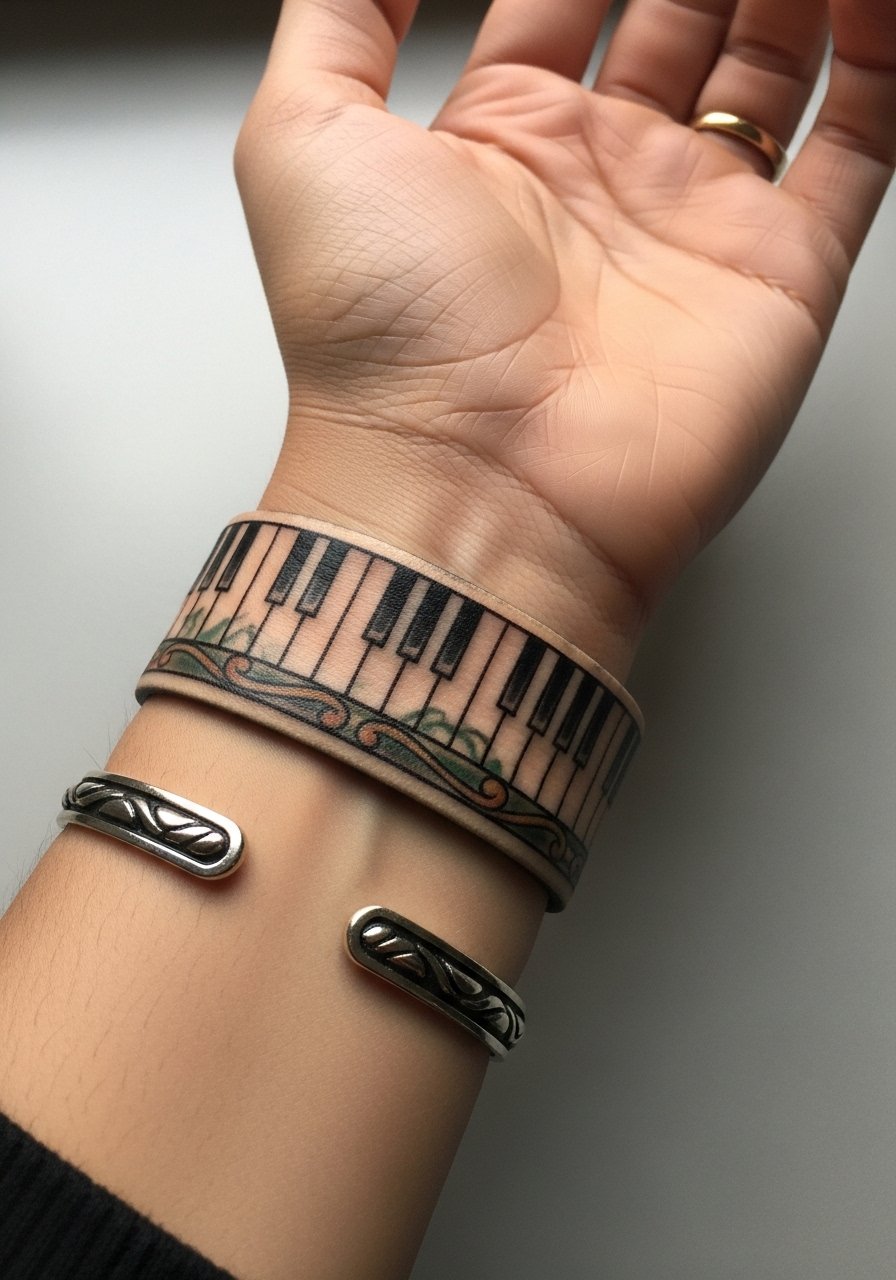
Wraparound bands on the wrist look striking but live in a high-movement, high-friction spot. Fine details can merge with daily wear. If you want legible ornament, ask for bolder outlines and for the keys to be slightly oversized so they do not compress with time. During the session remove all rings and wear a short sleeve button-up that is easy to move. Expect touch-ups earlier than on the upper arm.
15. Subtle Dot-Work Vienna Coordinates on Side Rib
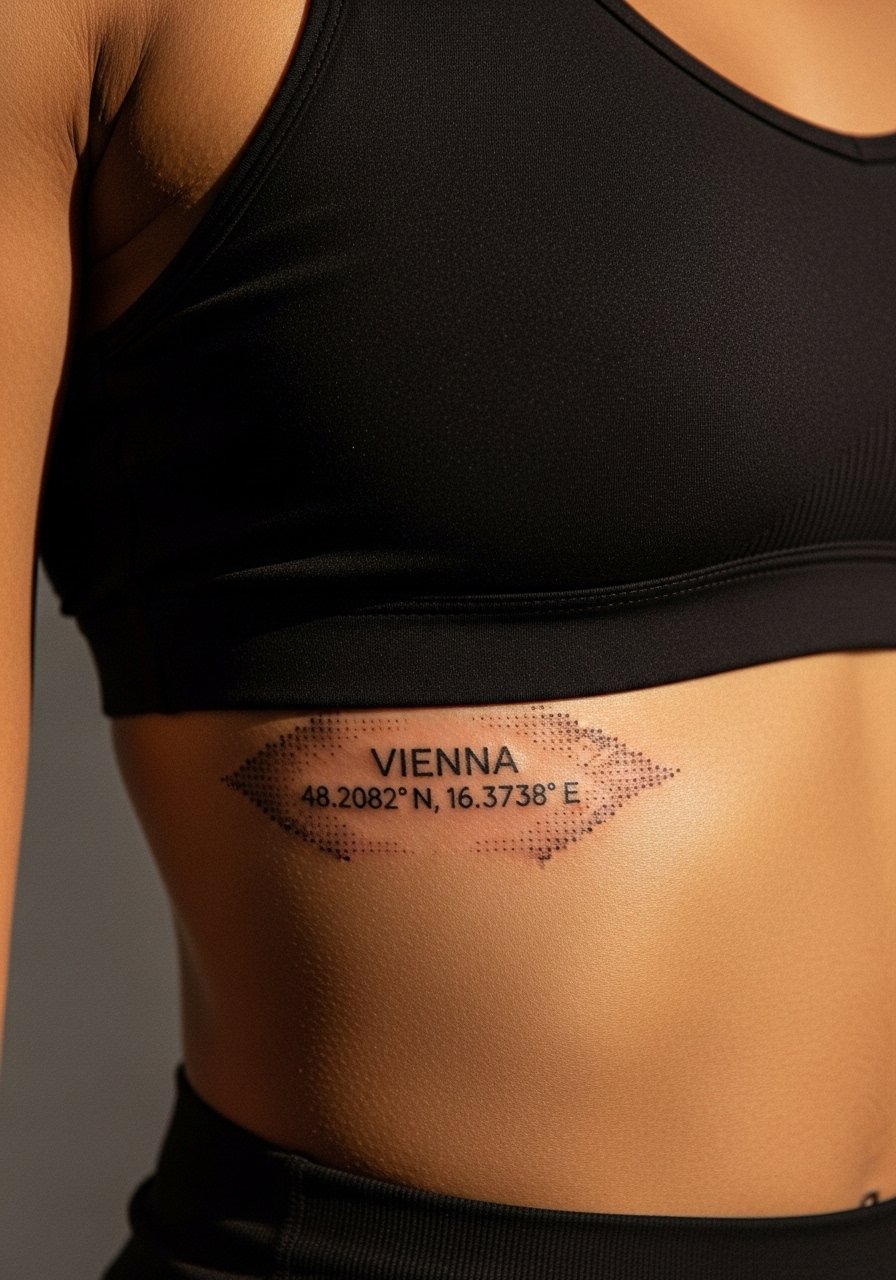
Coordinates are a quiet way to reference a place the song evokes. Side ribs can stretch with body changes, so dot-work needs spacing that anticipates minor shifts. The common error is packing too many dots tightly for a small symbol. Ask for more generous spacing so the stipple holds over time. For the appointment wear a fitted sports bra you can lift slightly without exposing too much. Pain is higher on ribs and the piece may heal with slight scabbing, so follow your artist's aftercare exactly.
16. Single-Needle "Slow down" on the Side of the Neck Behind the Ear Area
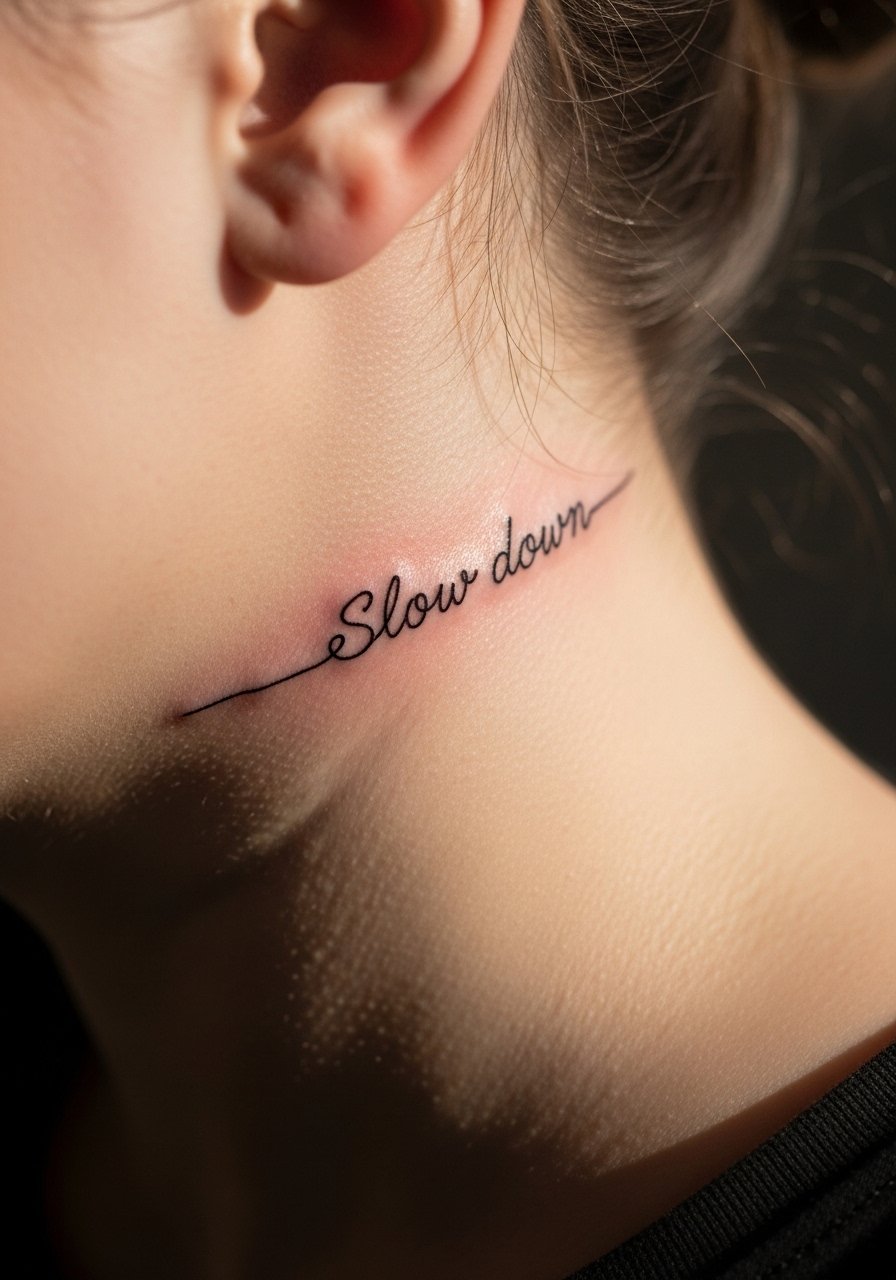
A tiny placement behind the ear reads like a whisper of the lyric. That skin is thin and moves with neck motion, so request slightly stronger spacing and avoid letters that sit too close. There is more visibility risk in professional contexts, so consider placement carefully. The single session is short but can be uncomfortable because the skin is thin. Mention to your artist you prefer subtle spacing so the text remains legible in photos and close-up shots.
17. Patchwork Sleeve Starter with Coffee Motifs and Lyric Link
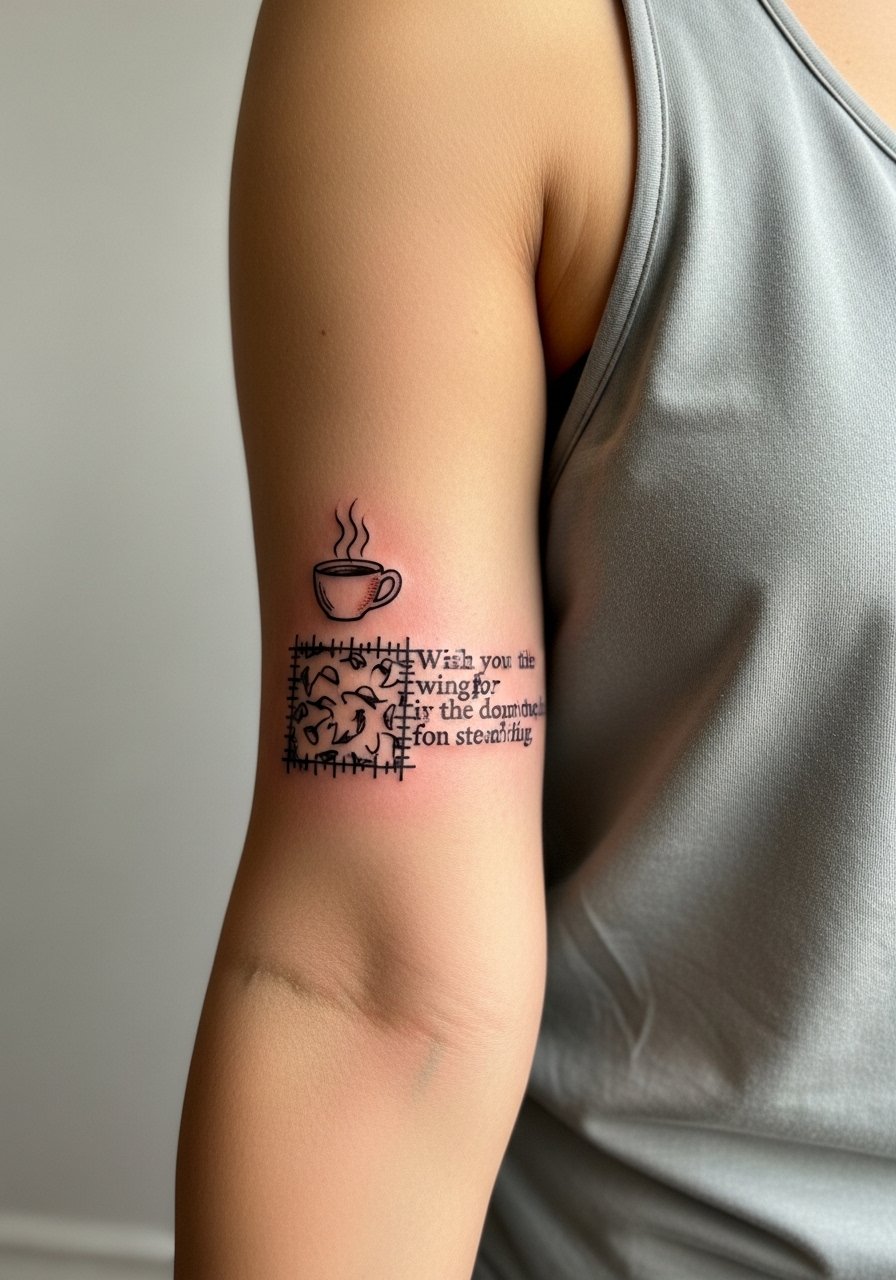
This sleeve starter uses coffee imagery as a daily ritual anchor while the lyric fragments connect across sessions. A smart first move is a medium-sized anchor piece rather than a tiny opening fragment. That prevents scale mismatch when you add larger elements later. Say "start with the cup at about two inches and leave room for a piano panel above it" in your consult. For the session wear a loose tank top so the artist can orient the flow. Building gradually means you can adapt the narrative as life changes.
Frequently Asked Questions
Q: How long before a fine line "Vienna" script on the wrist needs a touch-up?
A: From what I have seen, fine line wrist scripts commonly need their first touch-up between year two and year three. Factors include sun exposure, how often the wrist rubs against clothing, and your skin type. Ask your artist for slightly wider letter spacing and plan a light touch-up check at the two-year mark.
Q: Are watercolor lyric arcs on the ribcage more likely to fade than black scripts?
A: Yes, watercolor pigments tend to disperse faster on high-movement or frequently rubbed areas like the ribcage. The trade-off is the soft, painterly look. If longevity matters more than the effect, choose muted black and gray washes instead, or plan for a color refresh at year two.
Q: My skin is darker, will a small "Vienna" single-needle script show up in photos?
A: Small single-needle scripts can lose visibility on darker tones in photos. Consider bolder blackwork, slightly increased stroke weight, or adding a subtle shadow behind the text for contrast. Ring lights and direct lighting help, but the design choices above make the biggest practical difference.
Q: What should I wear to a collarbone or shoulder blade Vienna session?
A: Wear clothing that exposes only the tattoo zone without fully undressing. For collarbone pieces use an off shoulder blouse or a strapless bralette you can lift. For shoulder blade work bring a sleeveless bodysuit or a button-down you can pull aside. Comfort keeps you still and helps the artist work precisely.
Q: Artists canceled my guest spot twice. How do I avoid that when booking a neo-traditional music piece?
A: Book through platforms with clear cancellation policies and confirm 48 hours before the appointment. Ask the studio about backup options and consider booking an apprentice for a smaller practice session if timing is crucial. Short sessions for color blocks can be scheduled separately from the main linework date.
Q: Do different placements need different aftercare approaches for these Vienna designs?
A: They do. High-friction areas like wrists and ankles benefit from protective film during the first 24 to 48 hours and a lighter balm after. Rib and sternum pieces require strict sun avoidance and gentle clothing choices to avoid irritation. Use the aftercare products suggested above and follow your artist's specific timeline.
Q: How do I find an artist who specializes in a specific Vienna style without naming anyone?
A: Search hashtags like #ViennaTattoo and #BillyJoelInk on social platforms, filter for "script" plus your city on directories, and check healed photos on community forums. Tattoodo filters and Reddit threads with city tags are useful discovery paths that show healed work rather than staged shots.