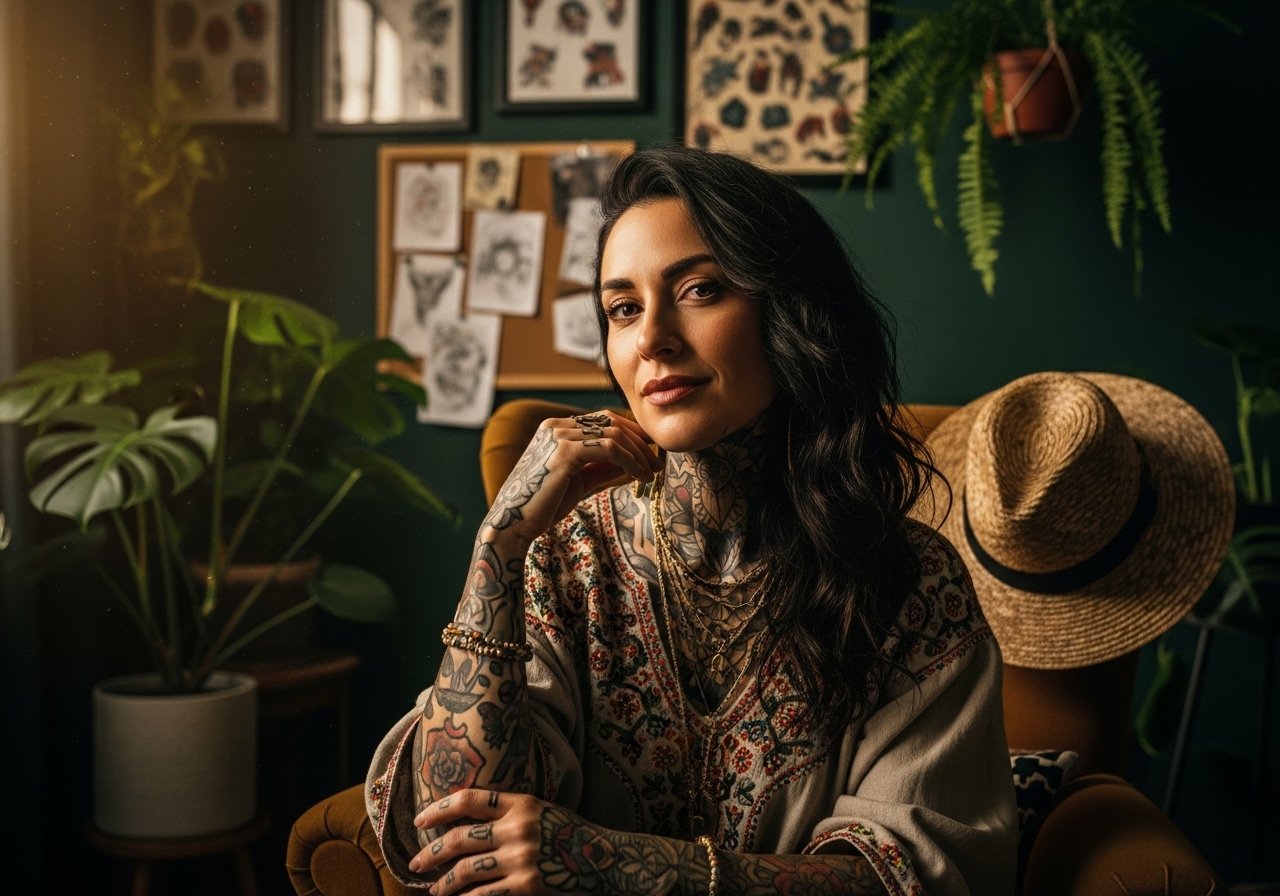
Fine line forearm looks dominate feeds right now, and those same pieces that get the most likes often need a touch-up by year two. From what I've seen, placement and skin type decide how the ink settles more than the reference photo does. Read on for forearm tattoo ideas that balance what looks great fresh with what still reads clean after a few years, plus what to ask your artist in that consultation.
1. Minimalist Fine Line Arrow on Inner Forearm
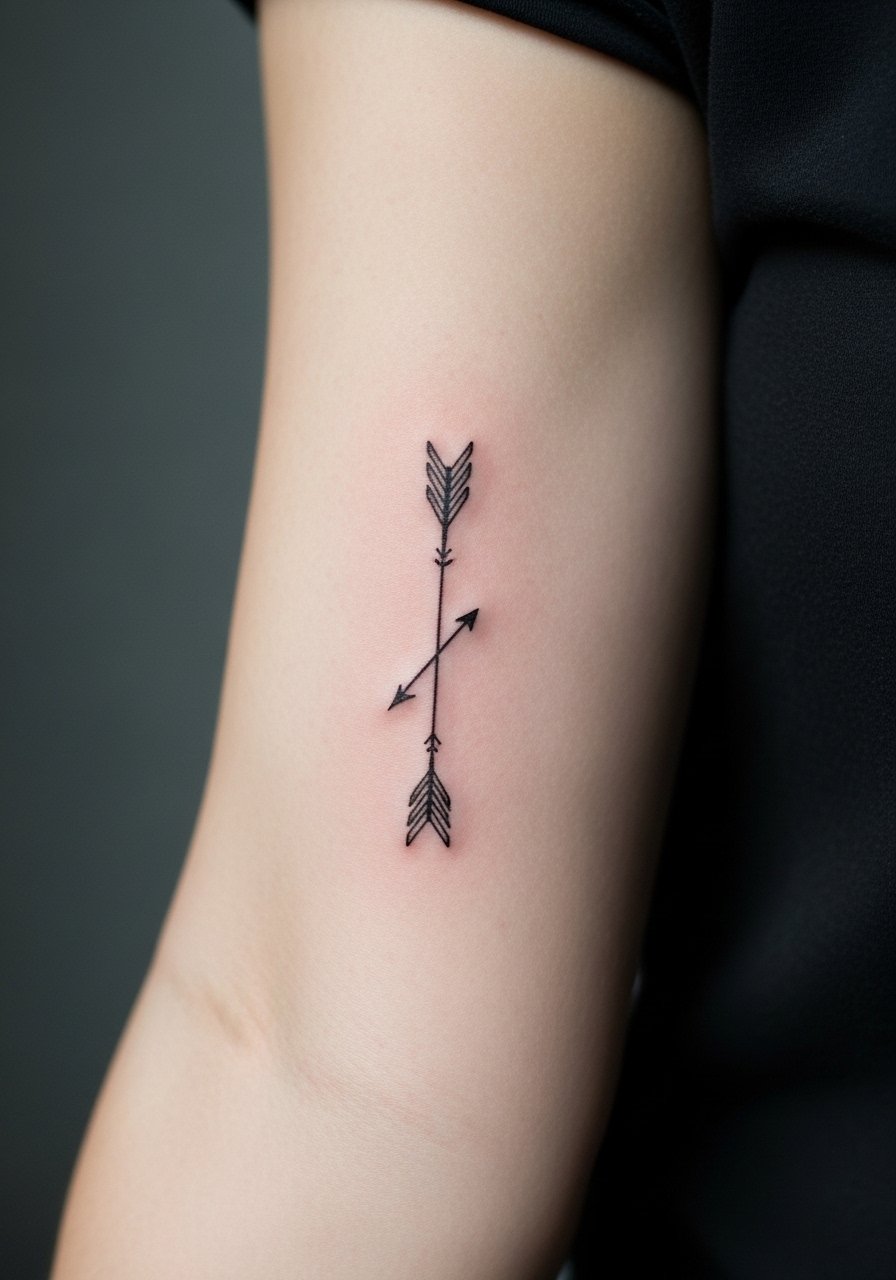
I recommend this for a first forearm piece when you want low session time and a private reveal. Tell your artist you want a single needle and a 2 to 3 inch vertical layout so the line weight stays consistent. Common mistake is asking for the arrow too small, which makes the shaft blur over time. Pain is low on the inner forearm and a single session usually does it. Expect a touch-up around year 1 to 2 for most folks. For showing it off, roll a cuffed chambray shirt and pair with a slim leather cuff bracelet to keep attention on the linework.
2. Geometric Mandala Half-Sleeve on Outer Forearm
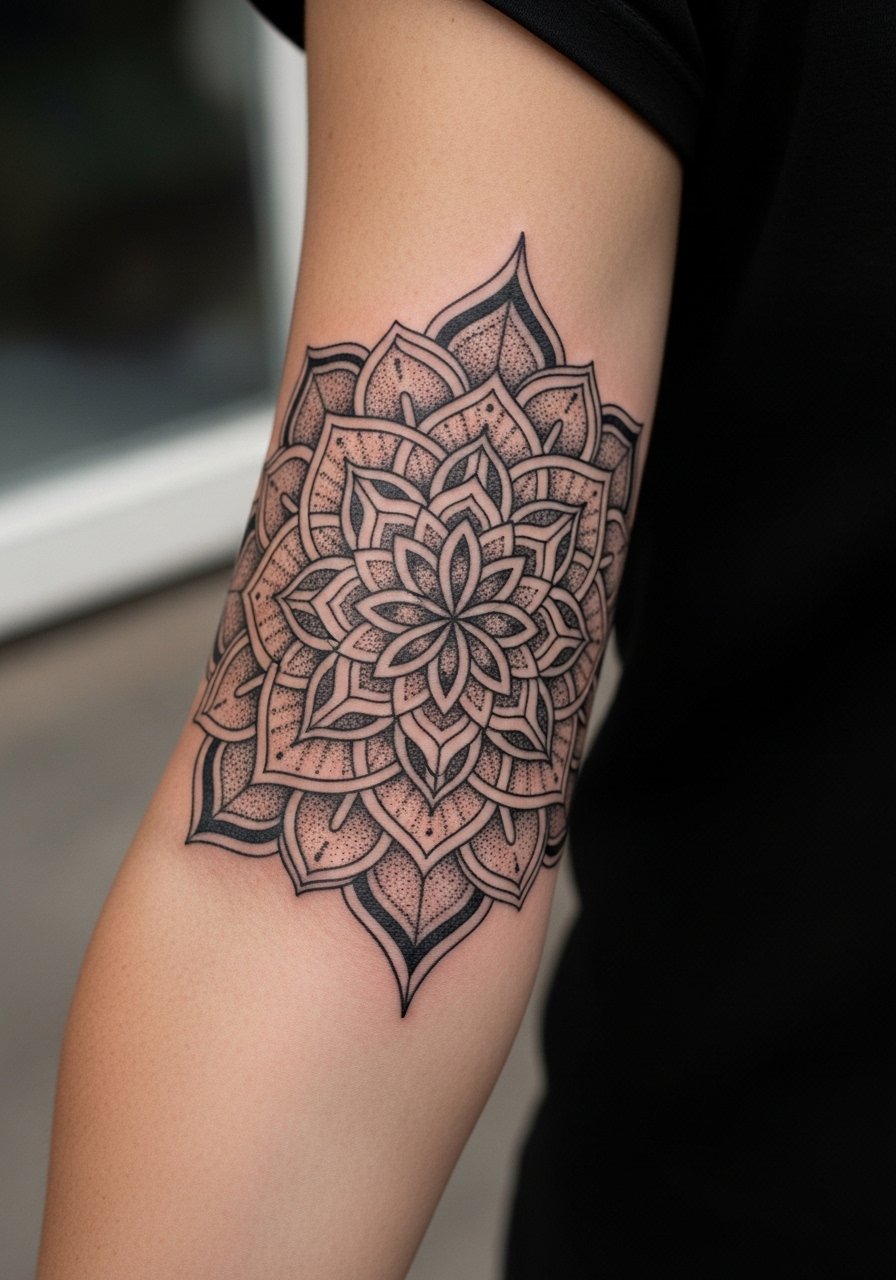
This scales well if you plan a sleeve later because the symmetry gives you expansion paths. The biggest pitfall is going too tight with lines. Ask for more negative space in the dense areas so the dots and lines do not merge after a year or two. Outer forearm flexing affects how the pattern sits in photos, so test the stencil on a flexed arm during consult. Sessions are longer and may take multiple visits. Pair this with a fitted henley in black or olive for nights out, and wear a sleeveless performance tank to the appointment so the artist has clear access.
3. Traditional Norse Mjölnir Hammer on Forearm
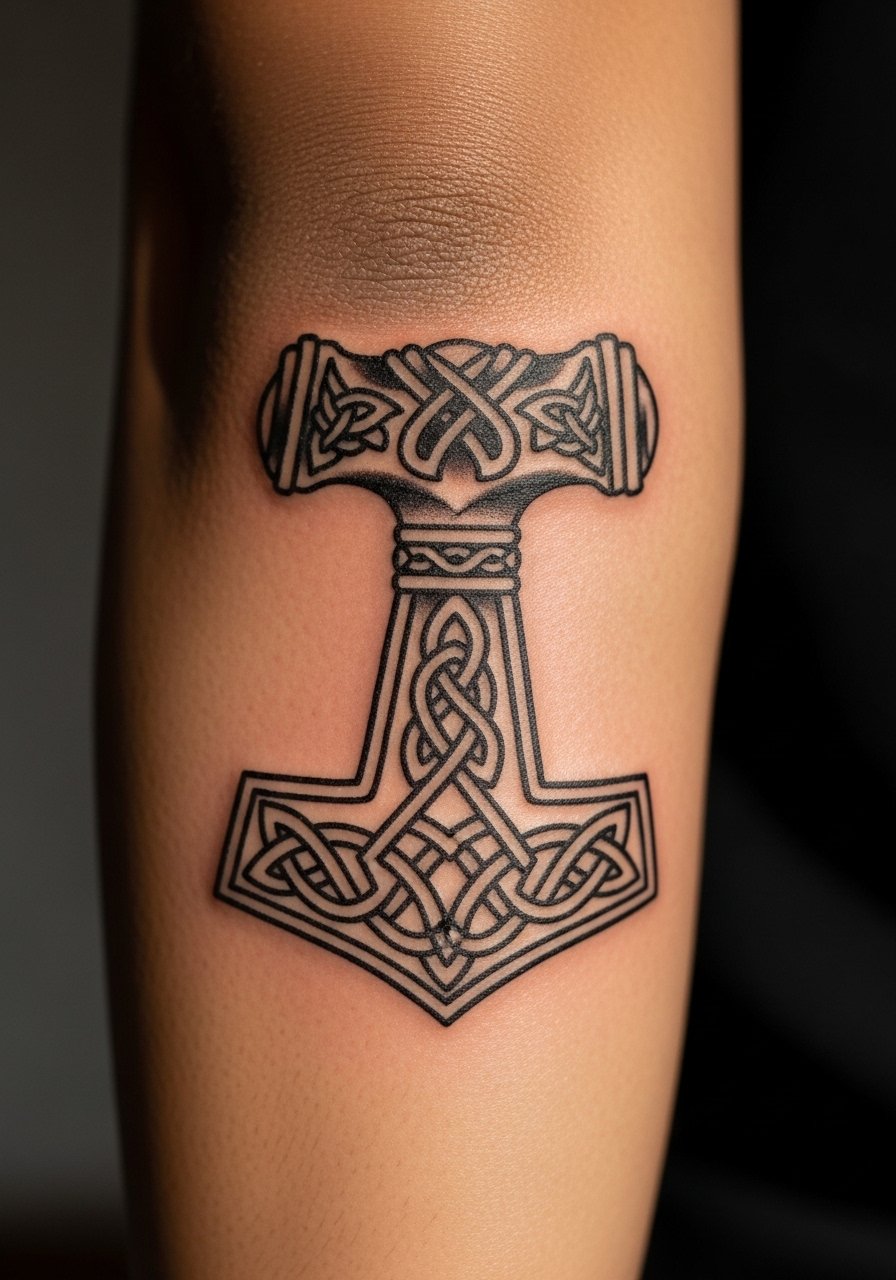
Choose this if you want a symbol tied to Norse lore but prefer something that ages into a strong graphic. Tell the artist you want heavy outlines and limited shading instead of tiny details, because bold lines settle better on active arms. A common mistake is asking for tiny knotwork inside the hammer, which turns muddy over time. Pain is moderate on outer forearm and sessions are usually two short sittings. Wear a fitted henley shirt men to show it off once healed. Respect the motif by avoiding exact sacred designs if you do not share the cultural background.
4. Black and Gray Realism Wolf Totem on Inner Forearm
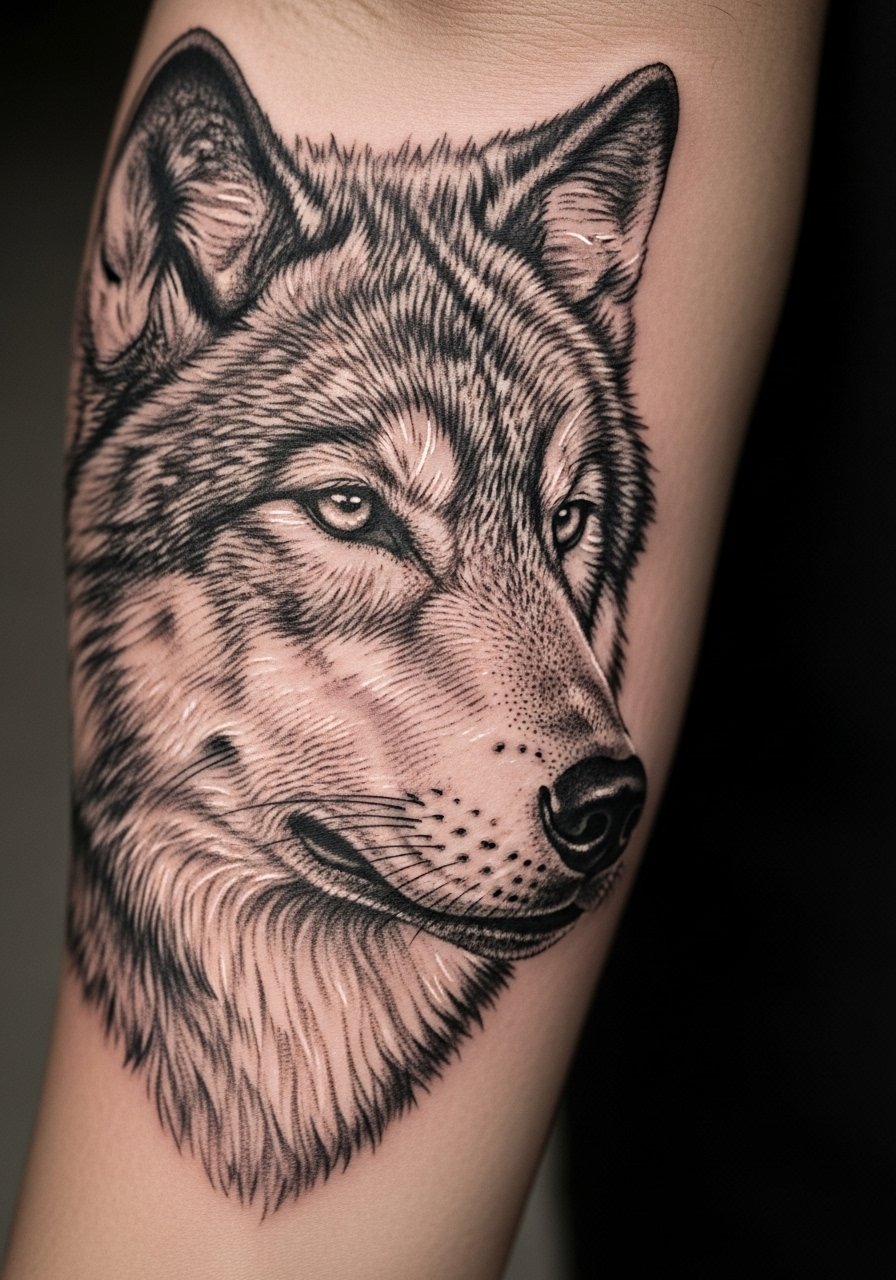
This is for someone who wants depth without a large sleeve commitment. Ask for a vertical composition and a slightly simplified fur texture so the shading doesn't soften into a gray blob after a few years. The inner forearm holds detail well, but tiny whisker strokes are a blowout risk if placed too close to the wrist. Sessions are moderately long and may need touch-ups at year two. If you roll sleeves to reveal it, a tailored oxford shirt with the cuff rolled once frames the portrait without crowding the visual field.
5. Neo-Traditional Snake and Dagger on Outer Forearm
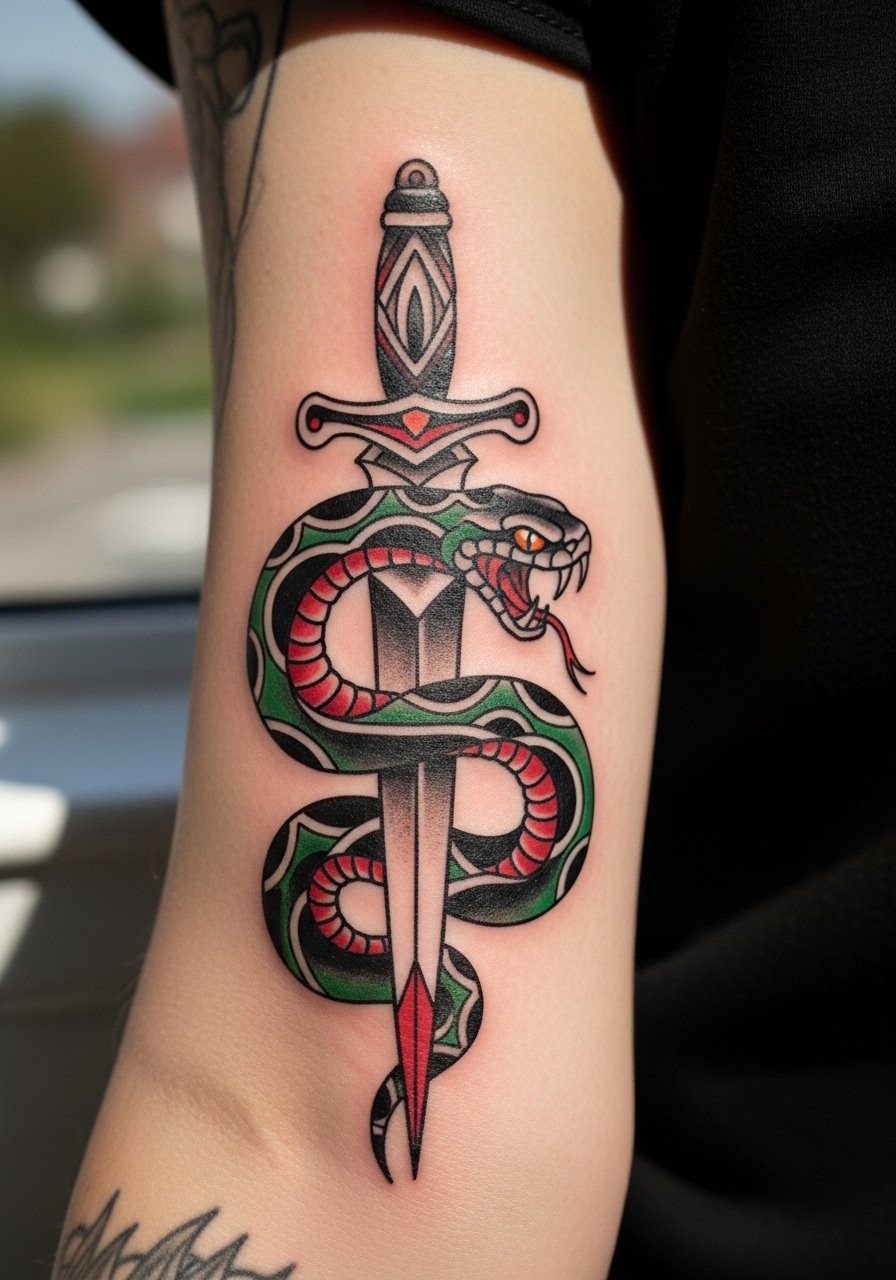
This layout ages well for people who like a bit of color but want durability. Tell your artist to use solid black outlines and limit tiny color gradients, since heavy saturation outlasts subtle watercolor blends on forearms. Mistakes happen when clients ask for overly detailed scales in a small piece. Expect two sessions and moderate pain on the outer surface. For sessions, wear a sleeveless tank so the arm is fully accessible. This design also connects easily into a sleeve via smoke or floral fill.
6. Dotwork Angel Wings Wrapping Forearm
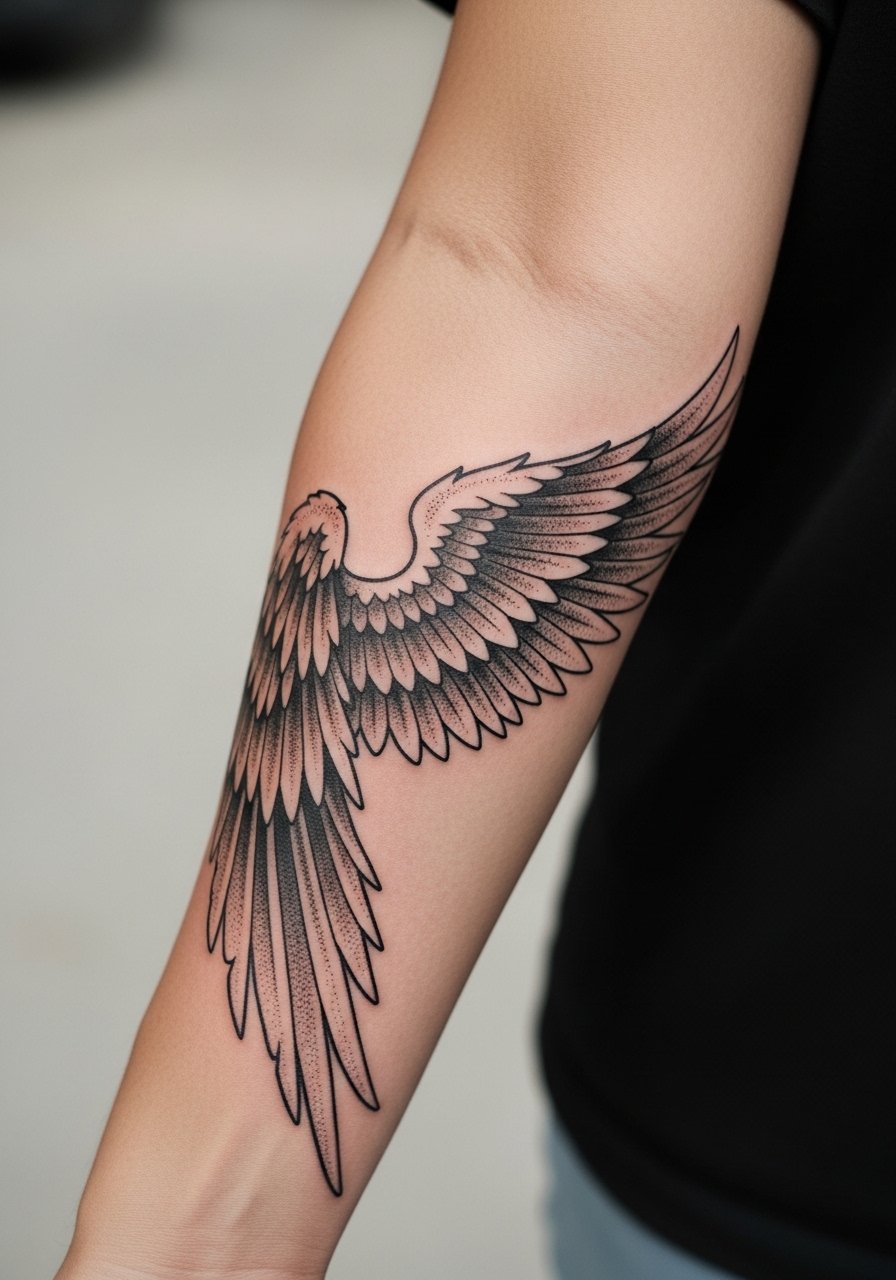
This wrap reads dramatic in movement and is a good pick if you want full forearm coverage without heavy solid fills. Ask for controlled dot spacing and a draft of the wrap to check overlap at the wrist. A frequent error is compressing dot density too much, which merges into gray over time. Plan for several sessions because stipple shading is time intensive and requires breaks. Style it with a linen short sleeve shirt in cream to keep the pattern visible without visual noise. Also note that dotwork takes longer to touch up because dots need careful placement to match the pattern.
Pre-Session Essentials
The inner and outer forearm pieces above heal differently, and a few small items smooth the session and the first week.
-
Lush Oat Tattoo Balm. A thinner balm option for people who sweat during summer sessions, it reduces clogged pores around the forearm linework.
-
Ink-Ichiban Balm. Fast-absorbing finish helps colorful Japanese starts keep their saturation without heavy shine while you are on the mend.
-
After Inked Tattoo Oil. Non-greasy oil that users report works well for active arms that rub against shirts during day two and three.
-
Dr. Tattoo Aftercare Spray. Quick-dry spray for outer forearm areas that face frequent washing, helpful on days when you need to be out and about.
-
Aquaphor Healing Ointment. A thin initial layer for fine line pieces that some people still prefer during the first 48 hours to lock in moisture without heavy residue.
7. Fine Line Nature Branch on Inner Forearm
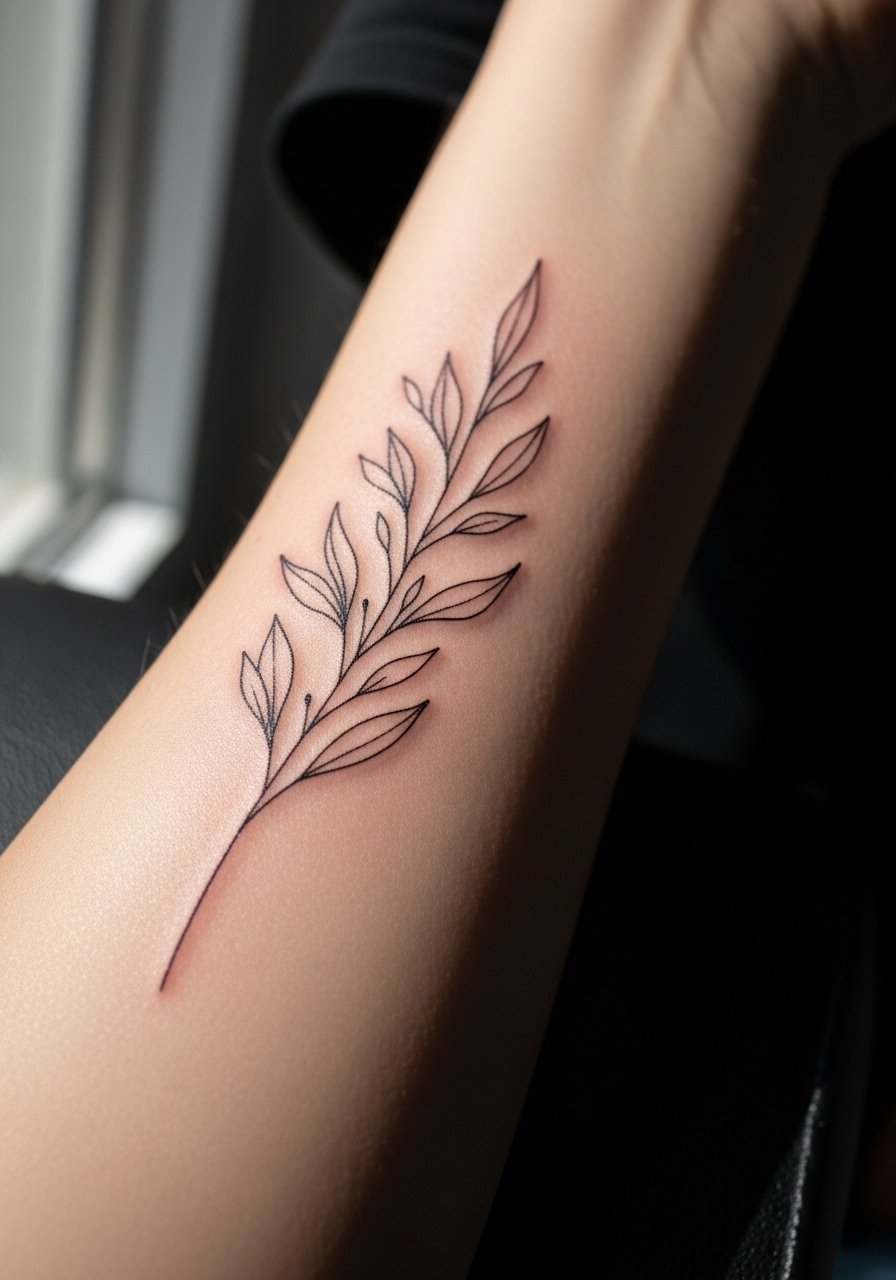
Botanical forearm pieces age better when scaled to the arm length. Ask for a 5 to 7 inch vertical composition and single-needle line weight so the stems read long and elegant. The biggest mistake is compressing leaf clusters into a tiny space. Inner forearm is low pain and shows off single-needle work, though very fine segments can need a touch-up at year one. Wear a rolled cuff chambray shirt to reveal it without distraction. If you plan to bulk up later, insist your artist test the stencil on a flexed arm to avoid warp.
8. Blackwork Biomechanical Gears on Outer Forearm
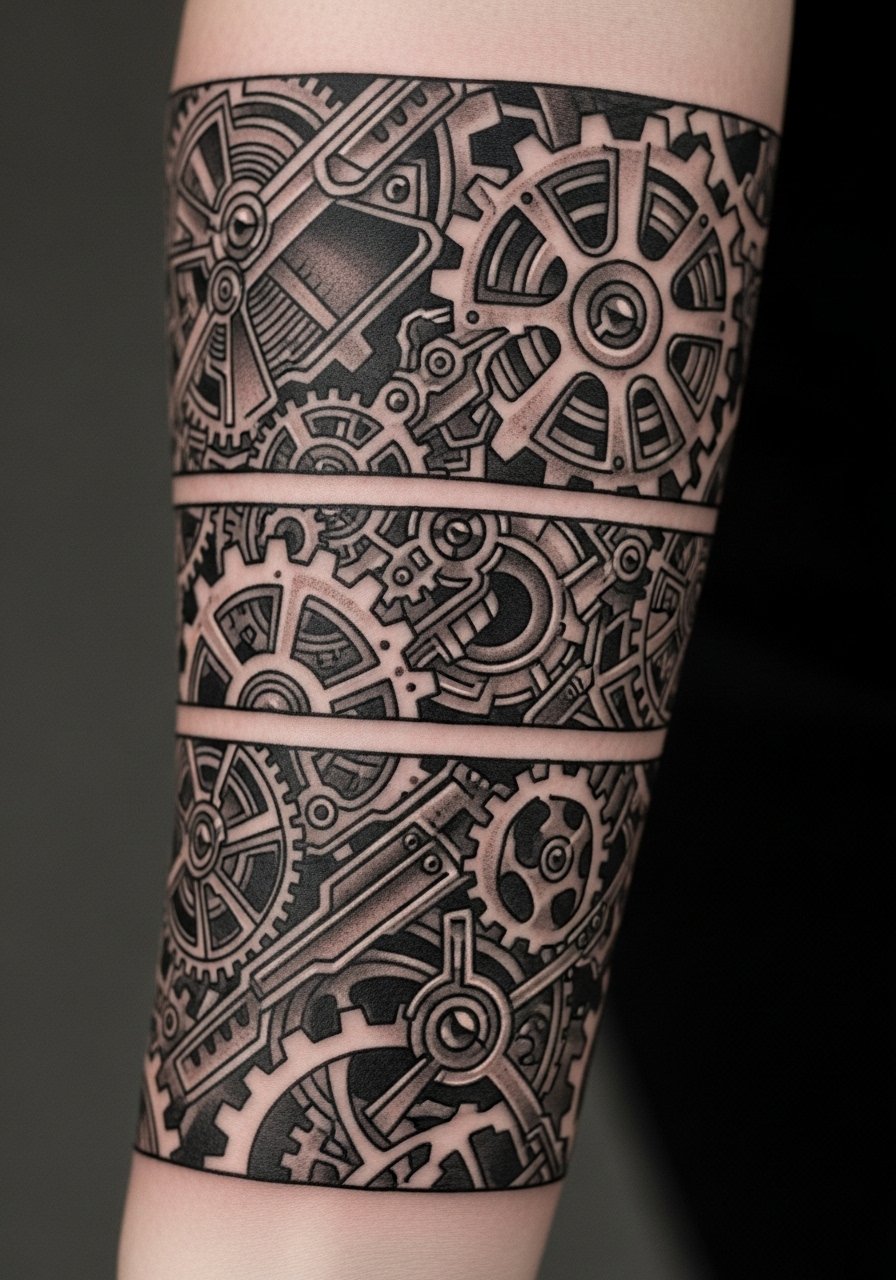
This sci-fi block uses heavy saturation and solid black to read well at distance and in photos. Tell the artist you want crisp negative space separates to prevent merging. A common error is adding tiny cross-hatching that disappears after years. Outer forearm movement gives texture when static lighting hits the piece. Sessions are multiple and intense, so bring breaks. Show it off with a leather watch men and a fitted black henley. For darker skin tones ask for bolder contrasts and cleaner outlines rather than subtle gray shading.
9. Traditional Rose with Scroll on Forearm
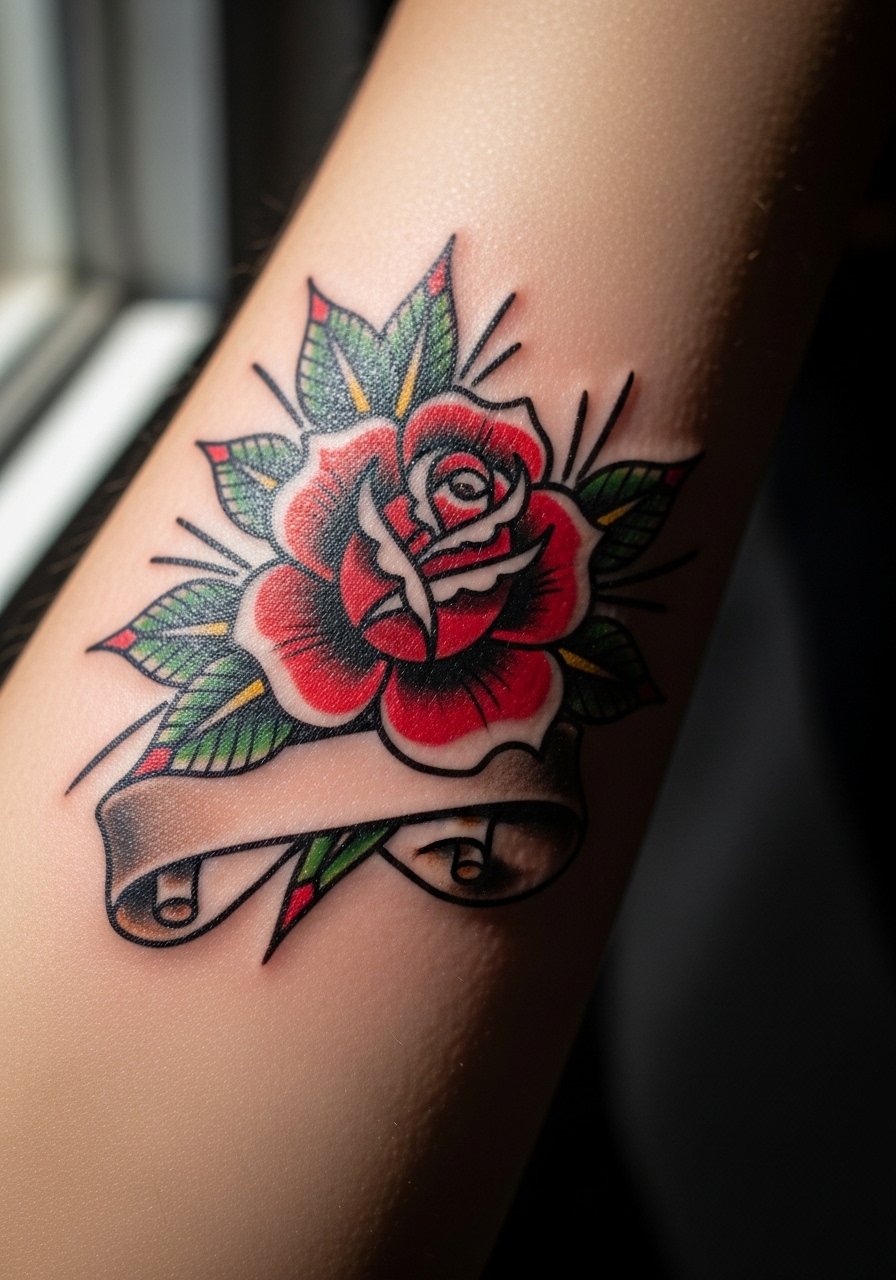
This evergreen layout connects toward sleeves cleanly and holds up because of strong linework. Ask for larger petal shapes and saturated color patches rather than soft blends. The mistake is requesting tiny script inside the scroll that becomes illegible. Pain is moderate and two sessions often finish it. Roll a slim fit polo and stack a beaded bracelet on the opposite wrist to balance the composition. If you want the scroll to include text, specify exact lettering and size so the stencil test is accurate.
10. Minimalist Odin Raven Portrait on Inner Forearm
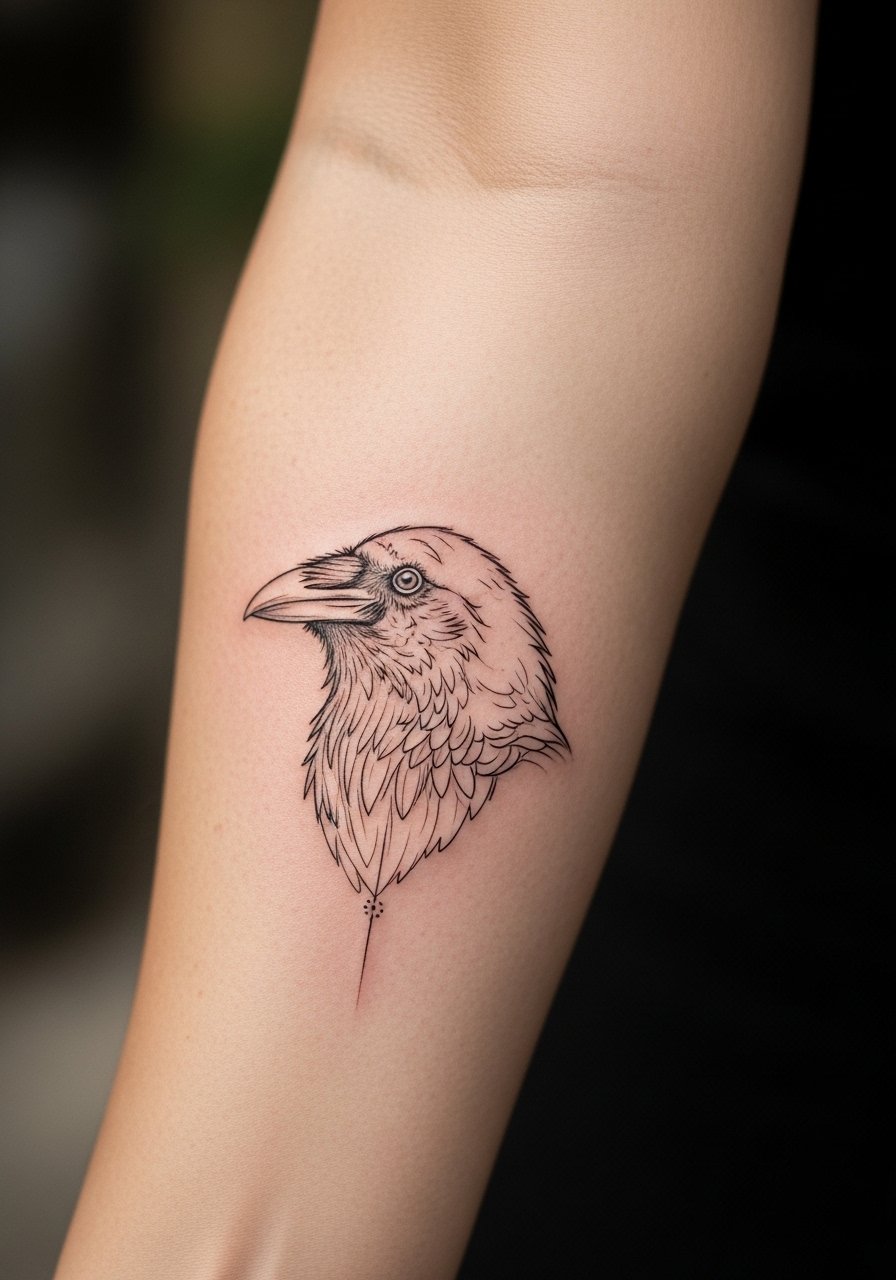
Compact mythic portraits work well when kept small and sketchy rather than hyper-detailed. Tell your artist you want suggestion lines instead of full realism. A frequent mistake is pushing for lots of tiny feathers inside a 3-inch piece. Inner forearm pain is mild and most artists can do this in one or two passes. Pair it with a short sleeve button up men for casual reveal without hiding the top of the portrait. If Norse symbolism matters to you, use simplified motifs rather than sacred iconography.
11. Japanese Dragon Sleeve Starter on Forearm
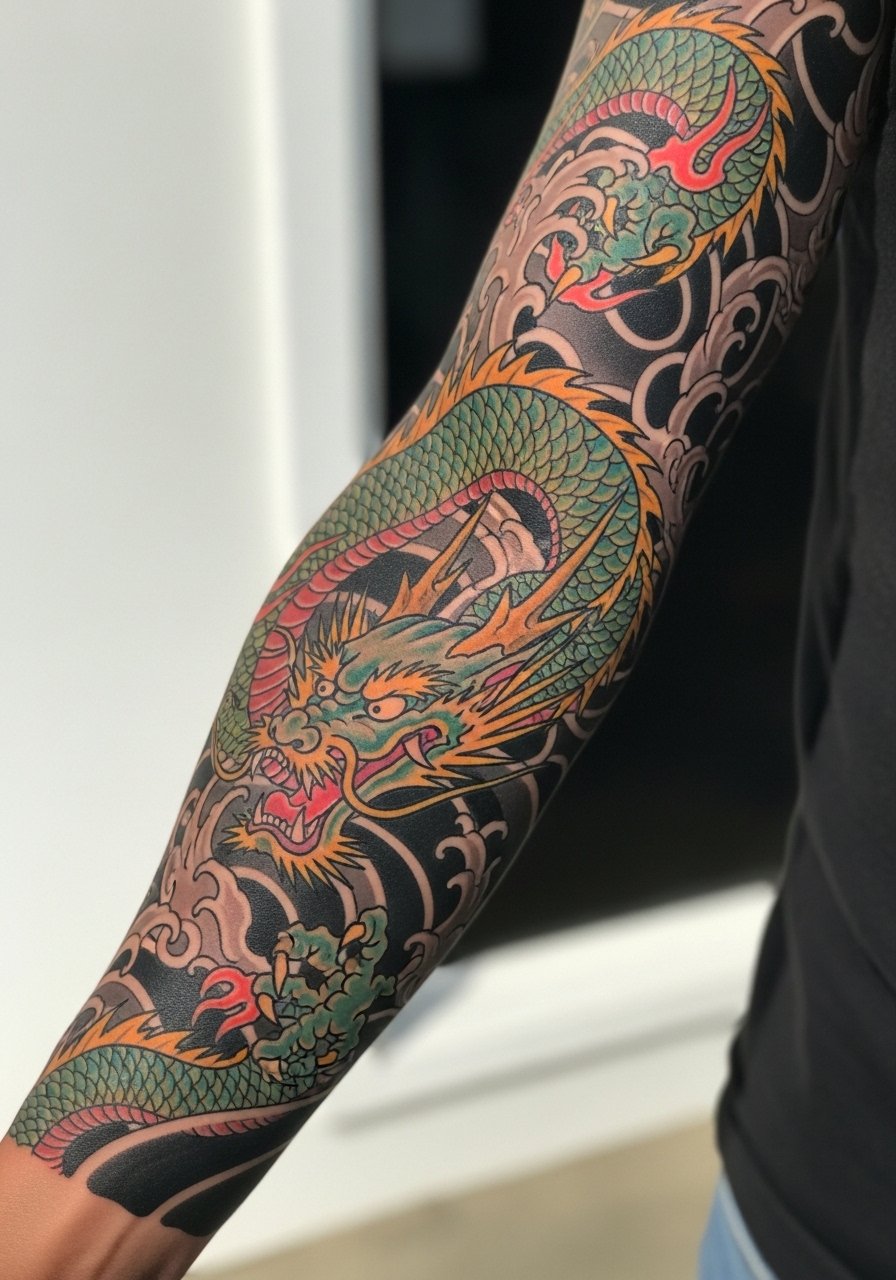
This starter piece sets up long-form storytelling and looks best when the dragon's head or tail sits on the forearm for continuity. Ask for thick outlines around color blocks so saturation holds through sessions. The common misstep is treating the forearm piece as isolated art rather than part of a plan to link to the upper arm. Prepare for several long sessions. For showing off, wear an open plaid flannel over a white tee, and for the appointment pick a loose fit tank top men so the artist can work the shoulder-to-forearm transition.
12. Ignorant Style Skull and Flowers on Outer Forearm
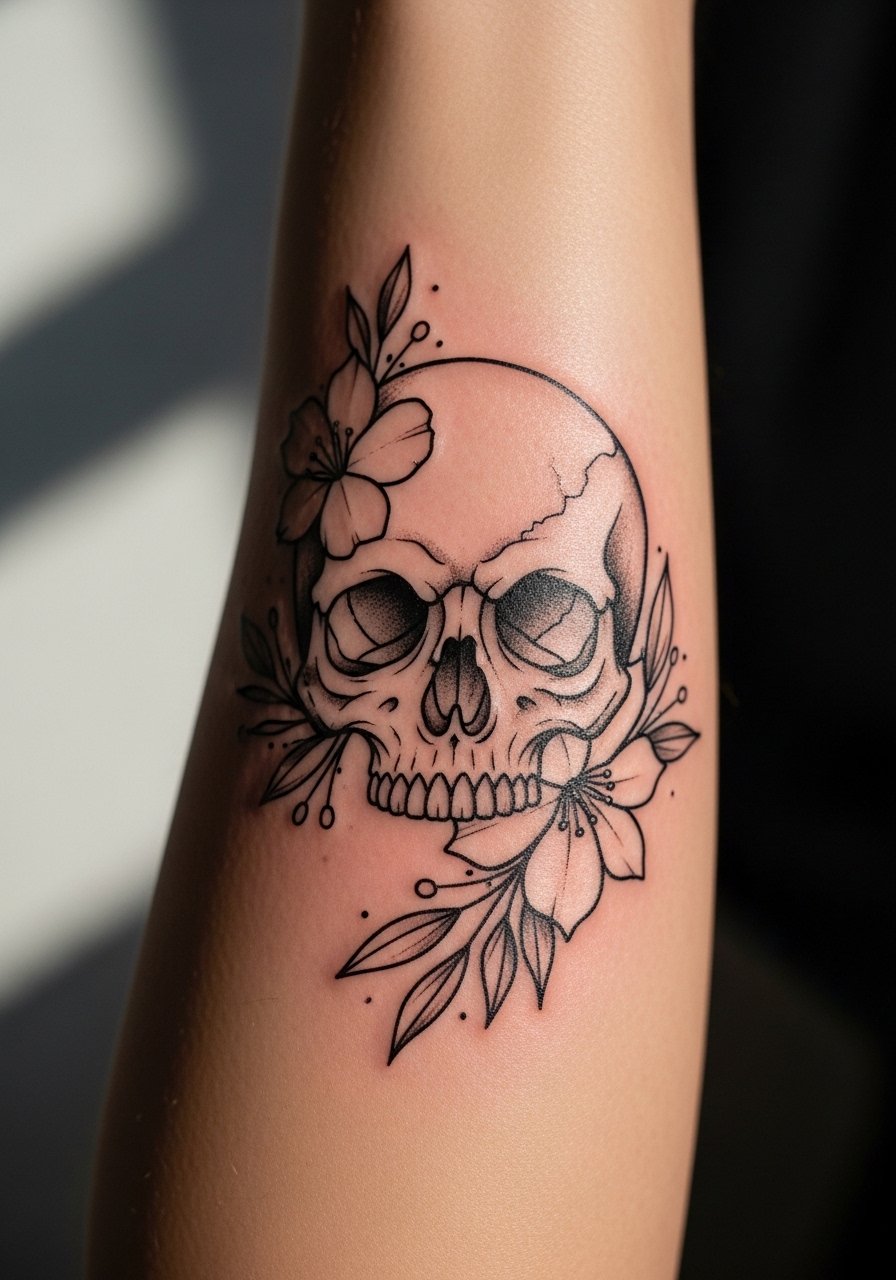
Ignorant style embraces raw, chunky lines and resists overworking. Tell the artist to keep line weight heavy and avoid micro-shading. A common error is trying to make it too refined, which kills the aesthetic. Outer forearm placement reduces the need for tiny detail, so the bold lines age into clear shapes. Sessions are short and punchy. Pair with a canvas work jacket for a rugged frame when you want to show the work off.
13. Micro-Realism Praying Hands on Inner Forearm
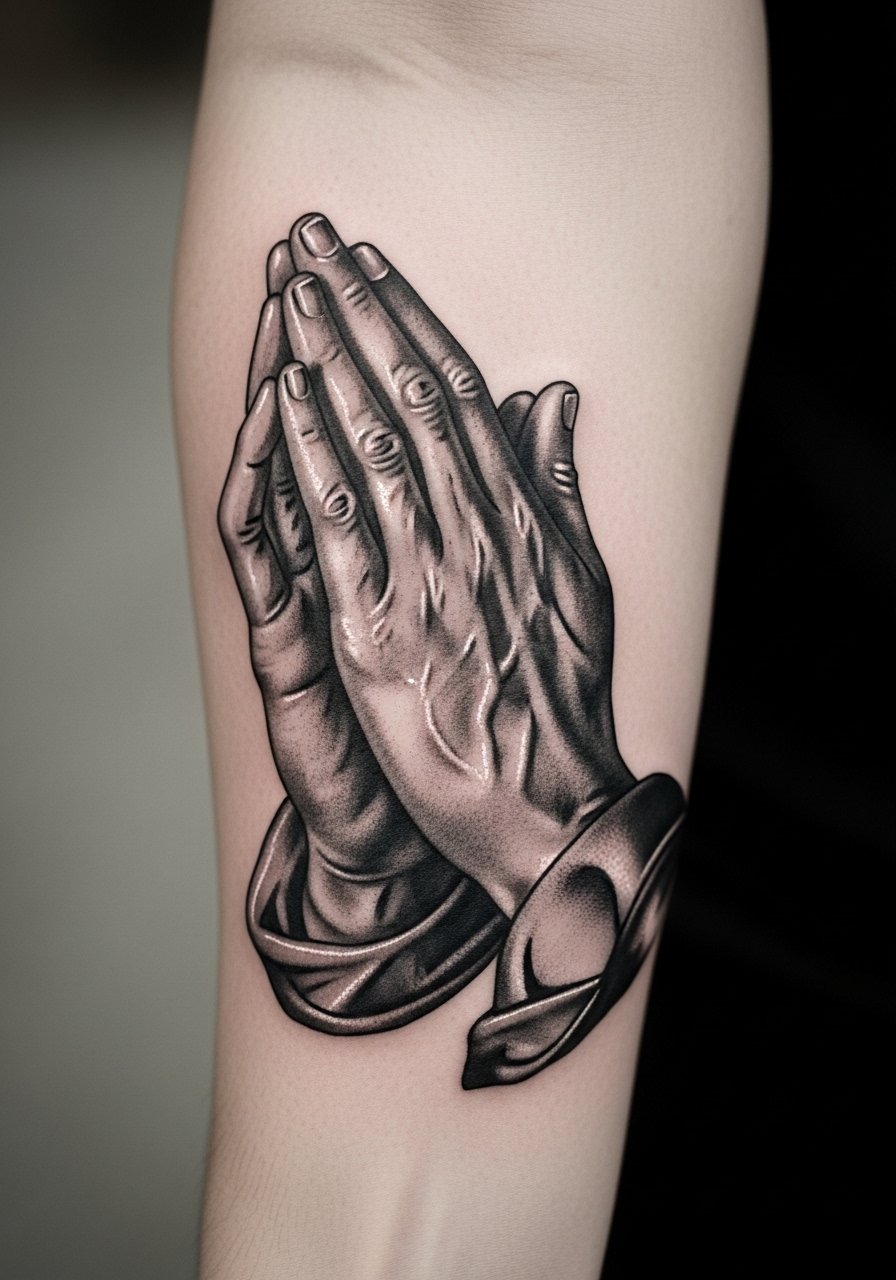
This piece reads intimate and private because of inner forearm placement. Ask for a mid-range contrast so the fingers keep shape without tiny cross-hatching. The mistake is packing too much tonal range into a small area. Expect several hours and a likely touch-up around year two. A single-needle artist will preserve edges better, so ask about their micro-realism samples. Roll an oxford sleeve once when you want it visible. Note that fine grayscale on this skin area needs careful touch-ups for long term clarity.
14. Constellation Linework Wrapped Around Wrist to Forearm
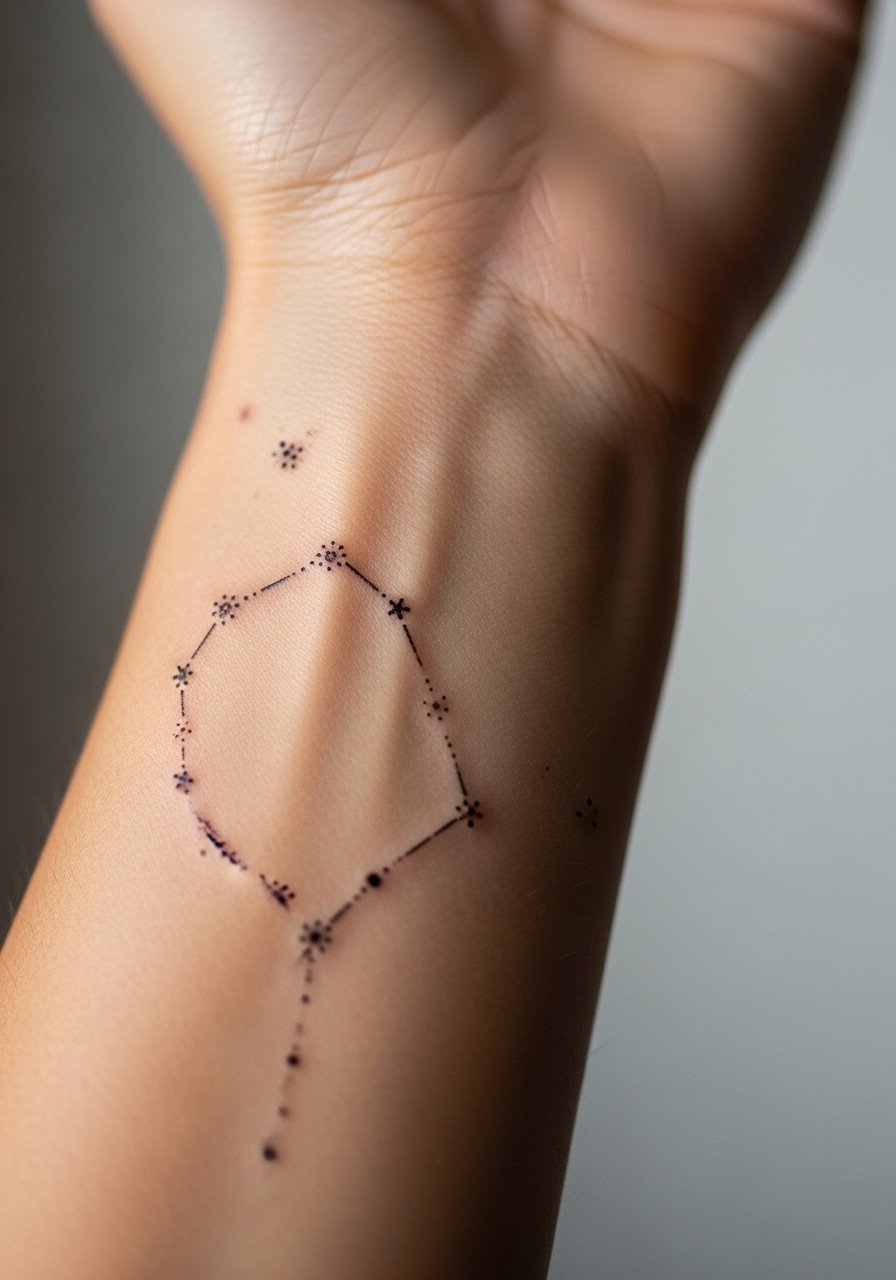
Small astronomical lines are delicate and show up best with planned spacing. Tell the artist to size the stars slightly larger than your reference so dots remain distinct. The biggest mistake is copying the exact tiny image from a screen without scaling. Pain near the wrist is higher than mid-forearm. For the session wear a short sleeve button up men and for outings try a thin chain necklace or light bracelet opposite the piece. Fine dot spacing may need a 6 to 12 month touch-up.
15. Forearm Flex-Tested Abstract Line Cluster
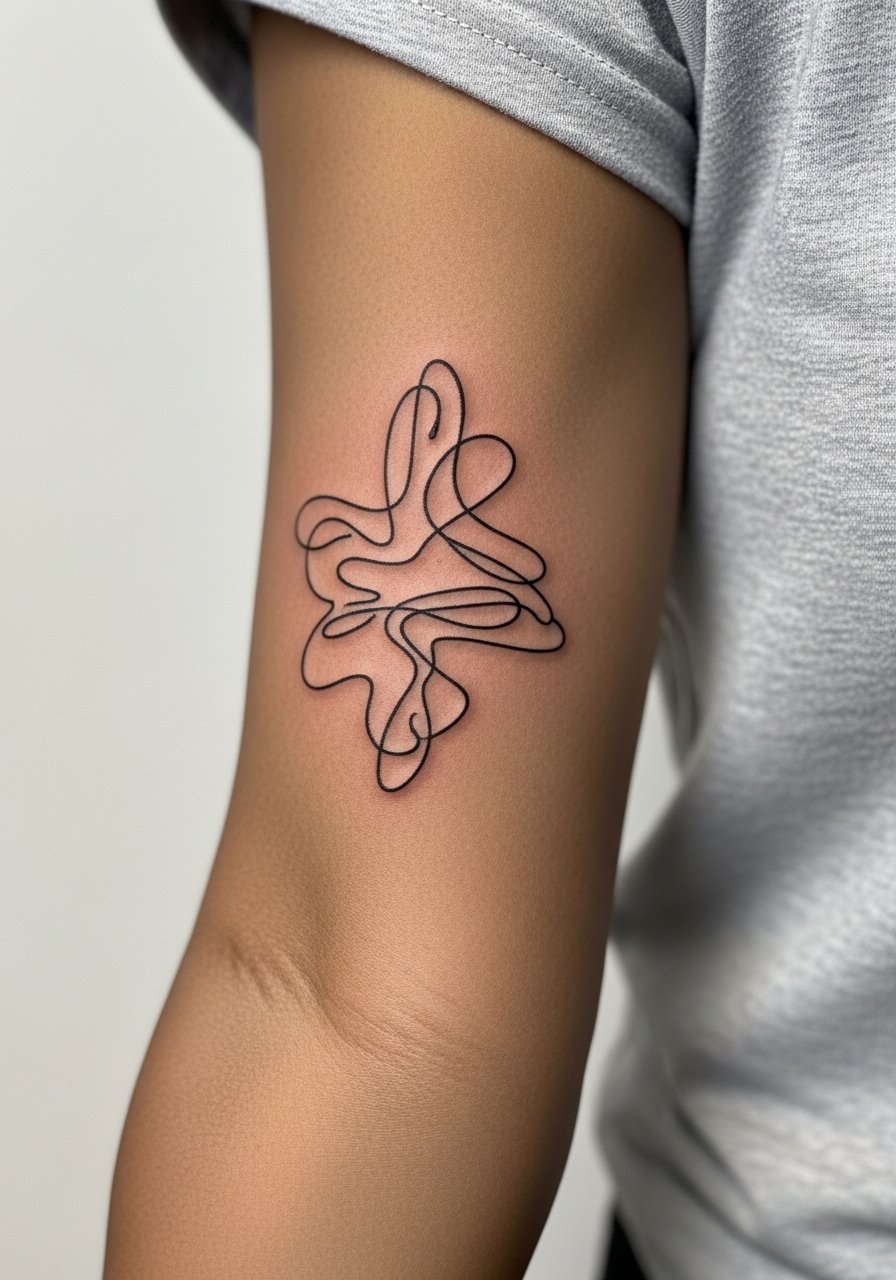
This option uses flex-test mockups, which I recommend asking for at consult. Tell the artist to apply the stencil while you flex so they can adjust the pattern where muscle movement could warp lines. The common oversight is assuming static placement will translate to movement. Expect a slightly longer consult but standard session time. Wear a muscle tee men during the appointment to let the artist observe flex range. This method avoids the year-one warp many people complain about.
16. Forearm Wrap Smoke Element for Sleeve Continuity
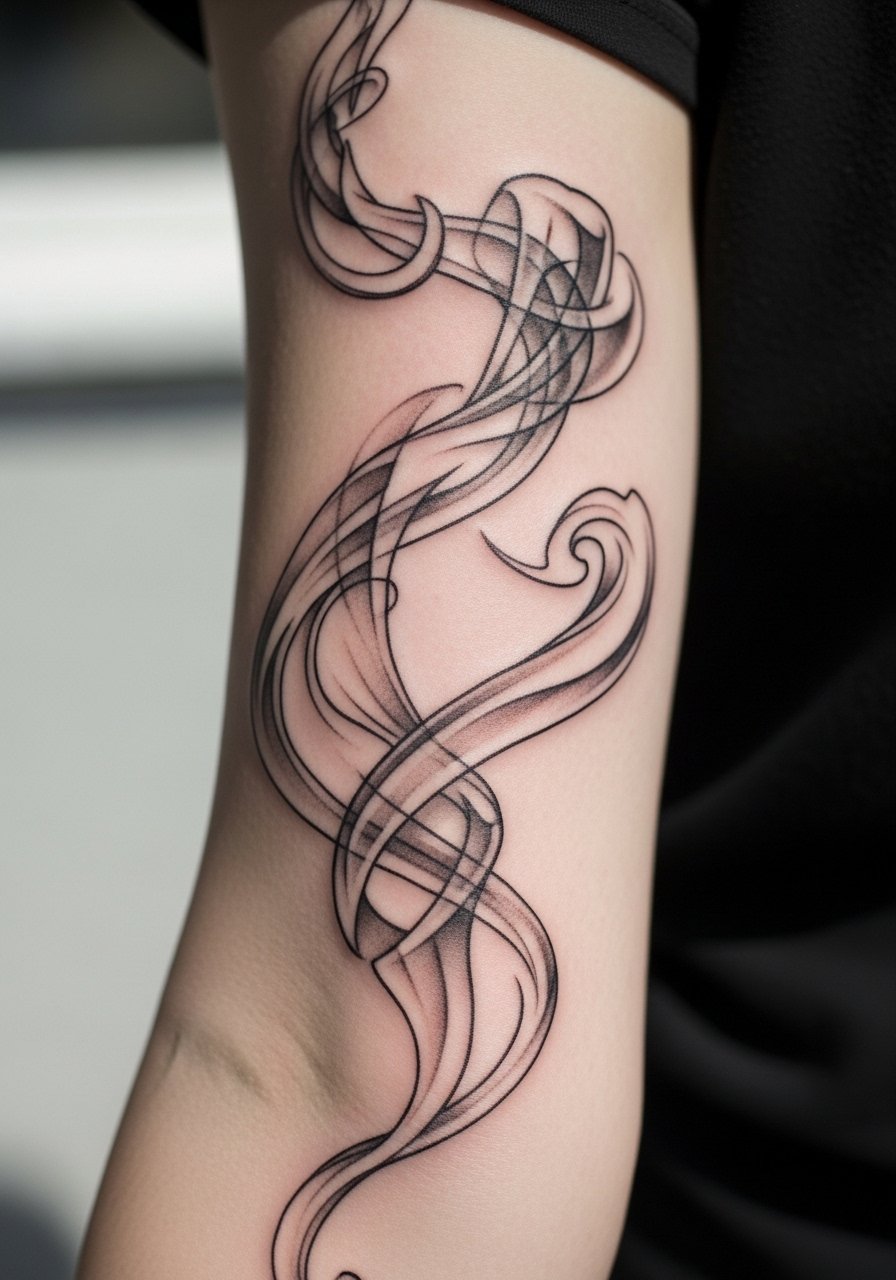
If you plan to extend a forearm piece into a sleeve, smoke or windbars bridge without patchy joins. Ask for a connecting mock so you can visualize movement across clothing layers. A mistake is adding a hard edge for the bridge, which reads like a patch when a sleeve is completed. Sessions may be split between the forearm and upper arm. Bring a canvas work jacket for photos once it is healed. A planned bridge saves hours and stops disjointed sleeves.
17. Small Script Near Wrist, Rolled Sleeve Reveal
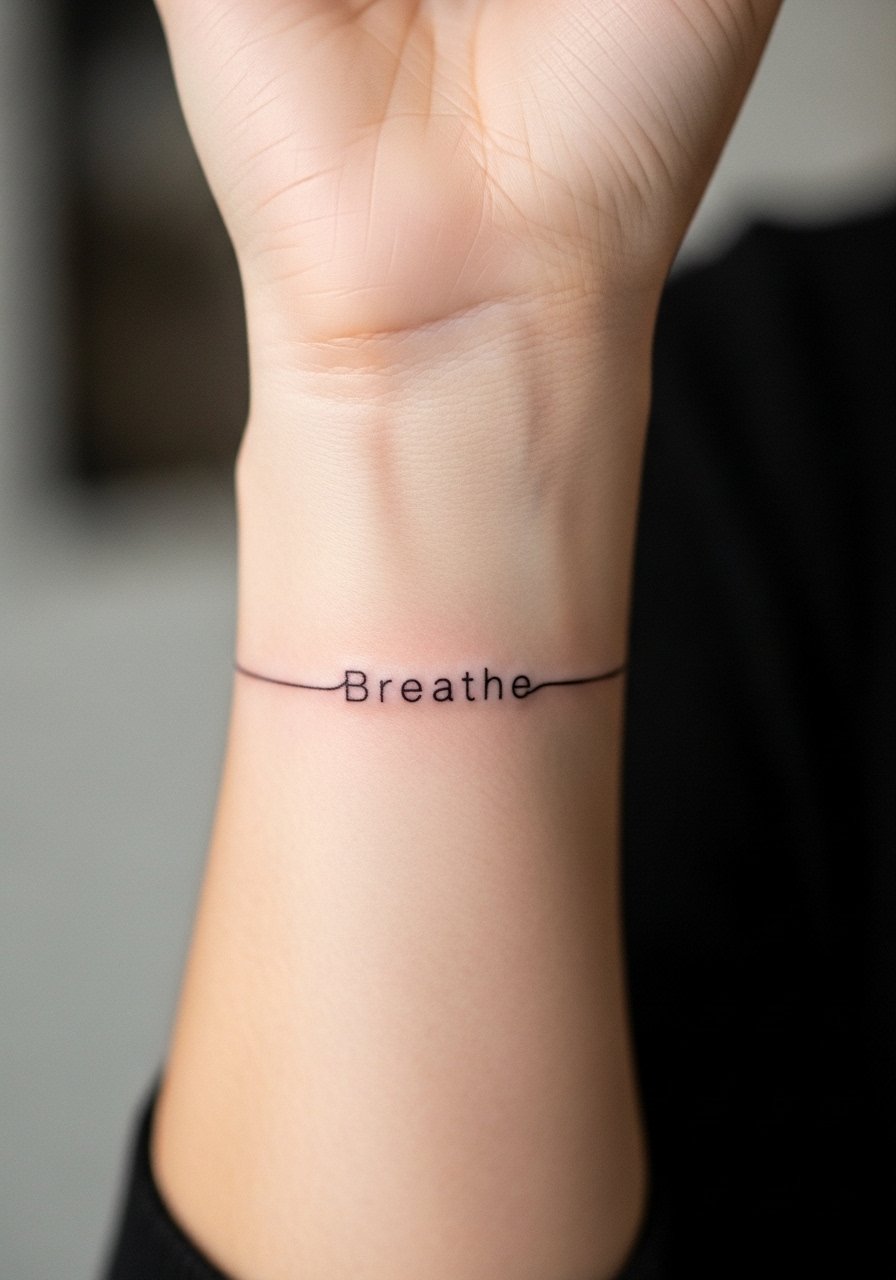
Tiny scripts can be discreet if you plan placement for roll-sleeve reveals. Specify exact text and font during consult so stencil testing avoids illegible letters. The wrist sees friction from watches and shirts so keep letters slightly larger than you think. Pain at the wrist is more noticeable for short sessions. Wear a slim leather cuff bracelet opposite the script to balance the wrist visually. Expect a touch-up around year one for crisp edges.
18. Geometric Cluster Near Elbow for Forearm Caps
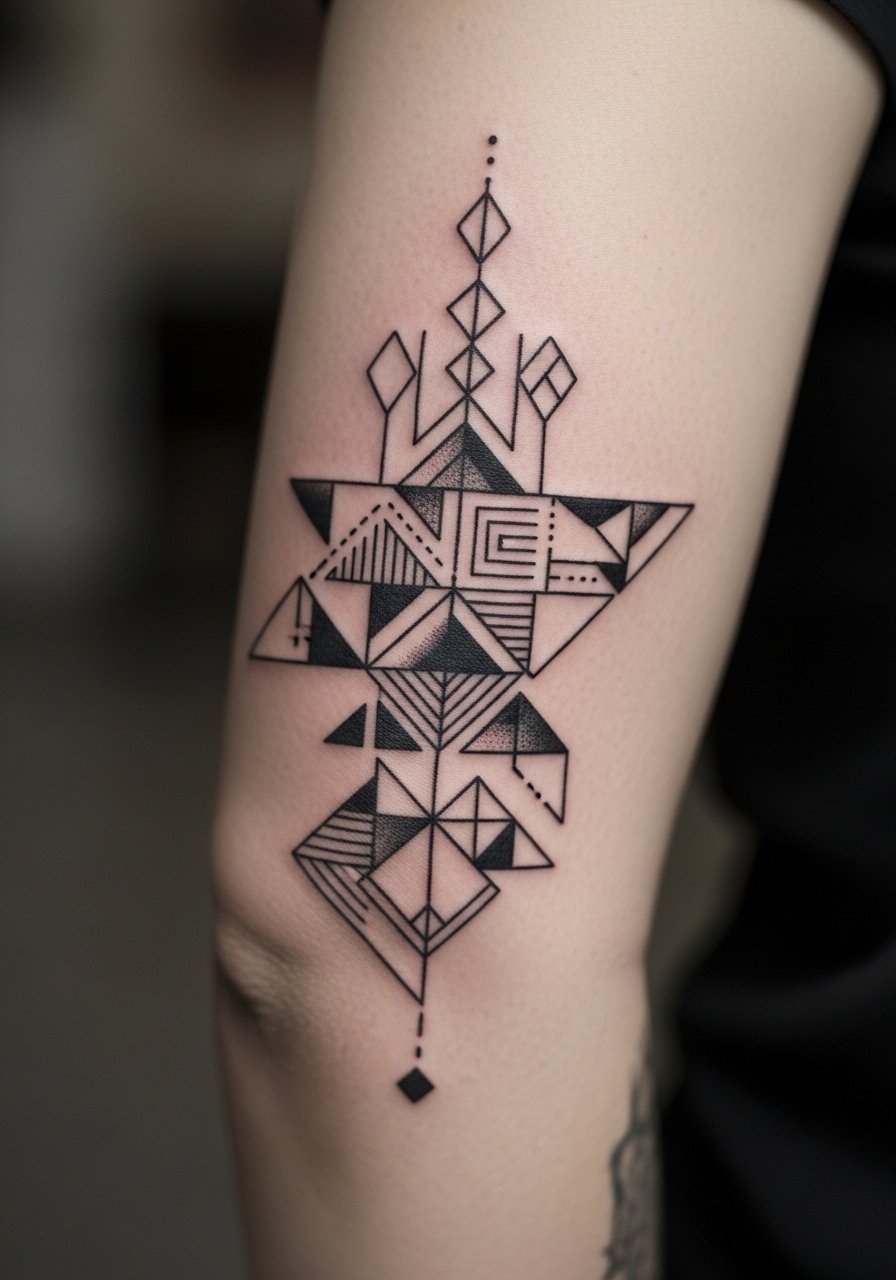
Designs that sit near the elbow need extra negative space to avoid warping when the joint bends. Ask your artist to test the stencil with the arm bent and extended. The error is centering dense geometry on a moving joint. Sessions here can be more uncomfortable because of proximity to bone. Show it off by rolling sleeves or wearing a sleeveless hoodie during warm months. Expect some early softening and plan a touch-up if the pattern blurs.
19. Black Band Wrap with Subtle Dot Patterns
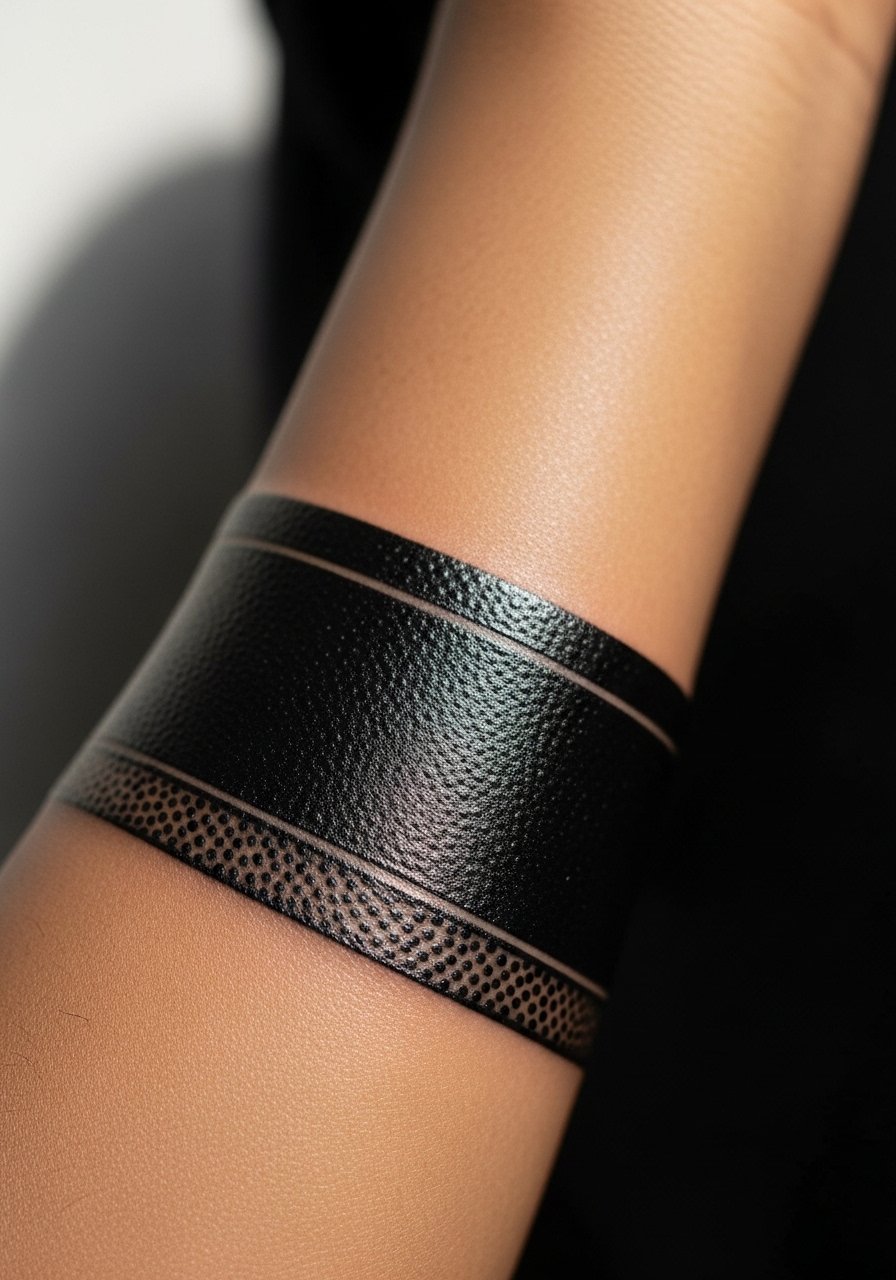
Solid black bands with inner dot textures last because they use saturation rather than tiny details. Tell the artist you want a slightly textured interior so touch-up blends easily if needed. A common mistake is making the band too thin, which invites blowout. Sessions are straightforward but may sting more on the inner edge. Style with a beaded bracelet men on the opposite wrist to avoid visual overload. For darker skin, ask for deeper contrast to keep the band readable in photos.
20. Anatomy Sketch-Style Forearm Muscle Map
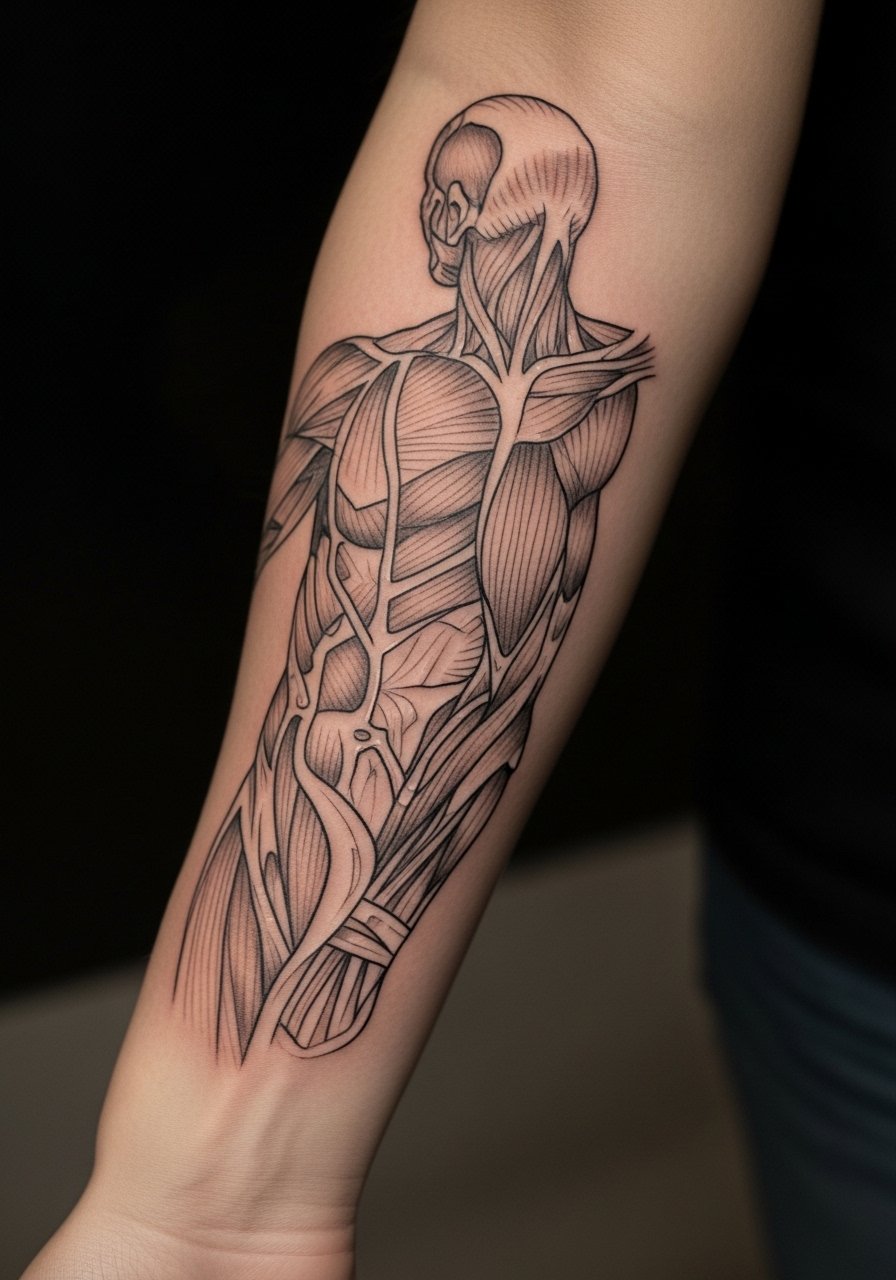
Anatomy sketches look sharp when drawn to follow the natural muscle lines. Tell the artist to keep the major muscle separations bold and the interior shading light. The mistake is over-detailing small tendons that fade into noise on active forearms. Sessions are moderate in length. For appointments, wear a sleeveless tank so the artist can access the full forearm. If you plan heavy lifting later, discuss how bulk could change proportions.
21. Botanical Forearm Sleeve with Negative Space
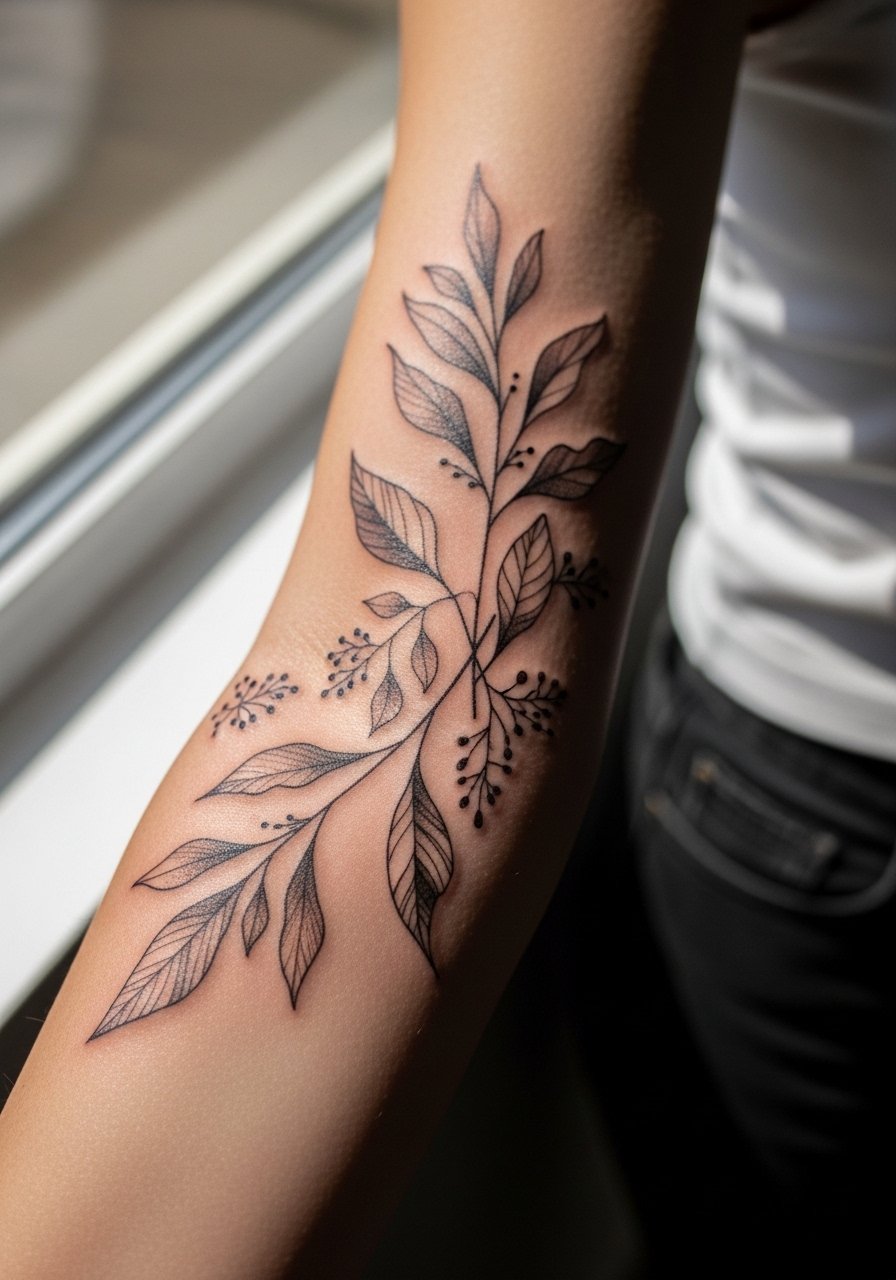
Negative space sleeves let the skin breathe within the composition and age more gracefully. Ask for larger leaf shapes and breaks between clusters instead of continuous fill. The frequent error is trying to cram too many species together. Expect multiple sessions and a clear plan for how the design flows around muscles. Pair with an open plaid flannel when you want to showcase the sleeve in layers. This approach reduces the need for early touch-ups compared with dense black fills.
22. Small Map Coordinates on the Outer Forearm
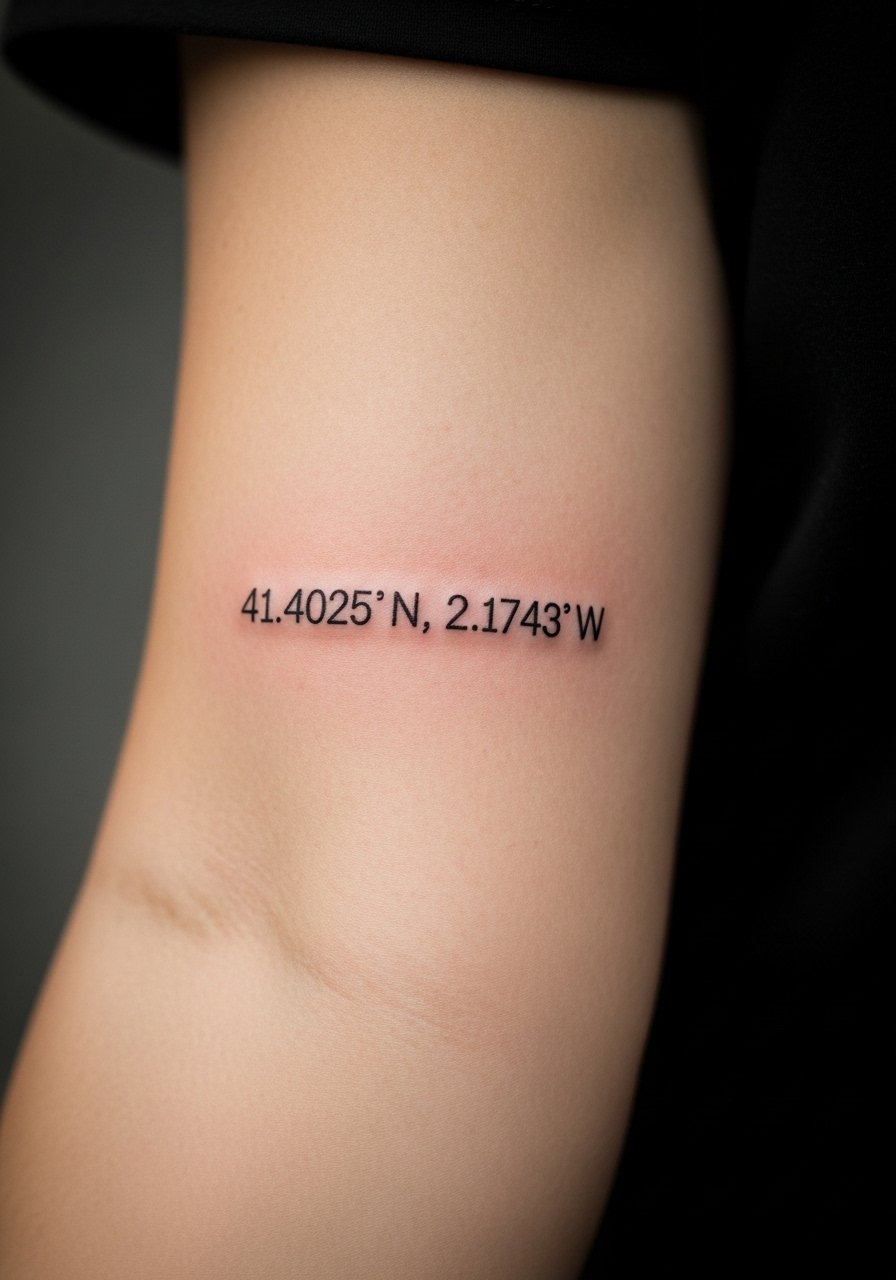
Text-based coordinates are small and meaningful because they are precise. Always provide the exact string you want so the stencil is accurate. The main mistake is assuming tiny numerals will stay legible without scaling. Outer forearm is forgiving, but expect a minor touch-up as numbers can thin over time. For show-off outfits, a short sleeve button up men keeps attention on the forearm line. If you work with light-sensitive inks, discuss how they photograph on darker skin tones.
23. Minimalist Compass Near Wrist for Directional Motif
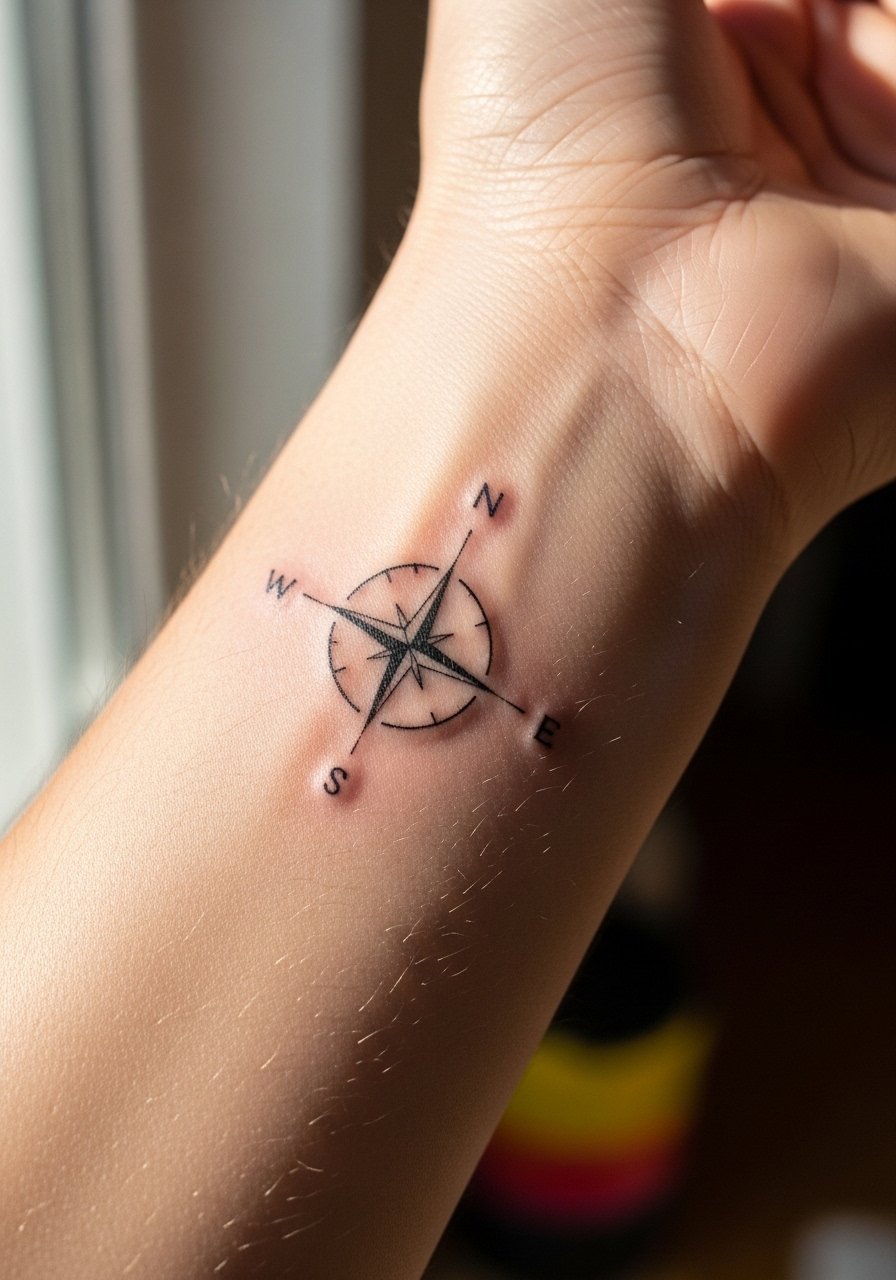
Compass motifs work when kept simple and slightly larger than expected. Ask for a thicker north marker to maintain readability over time. The common mistake is shrinking it to a tiny charm, which often smudges in the first years. Wrist pain is higher but sessions are short. Wear a slim leather cuff bracelet opposite the compass to balance the wrist. If you want a hidden meaning, place the compass slightly higher toward the forearm where it will last longer.
24. Stipple Shaded Mandala Band Along Forearm
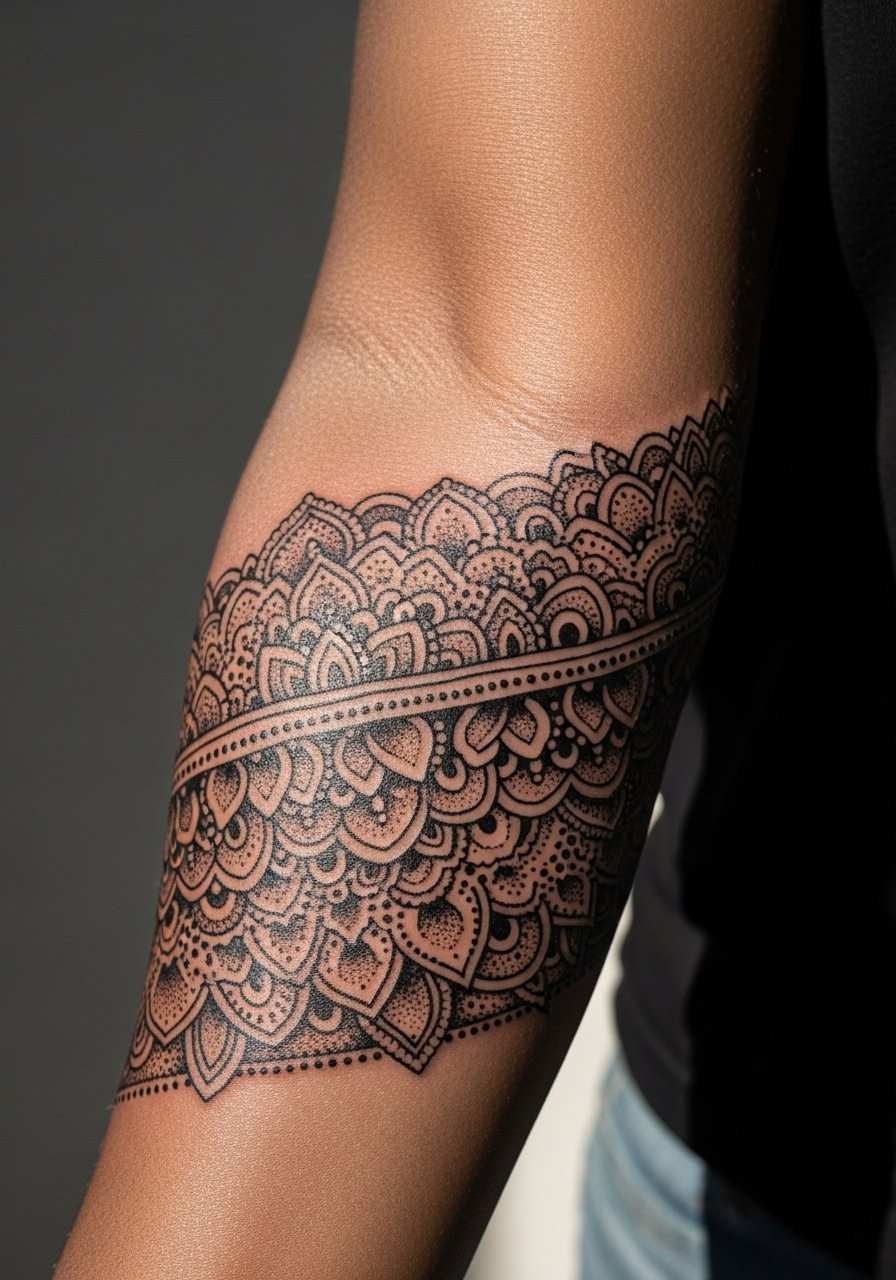
Mandala bands use dot gradients to create form without heavy lines. Tell the artist to plan dot spacing for at least a five-year view so denser areas do not merge. The mistake is over-compressing density to mimic a tiny image. Sessions can be long because stippling takes time. For a day out, a linen short sleeve shirt in neutral tones complements the texture. Stipple work can be pricier in studio time but looks refined when done with care.
25. Marine Life Mini Sleeve on Forearm
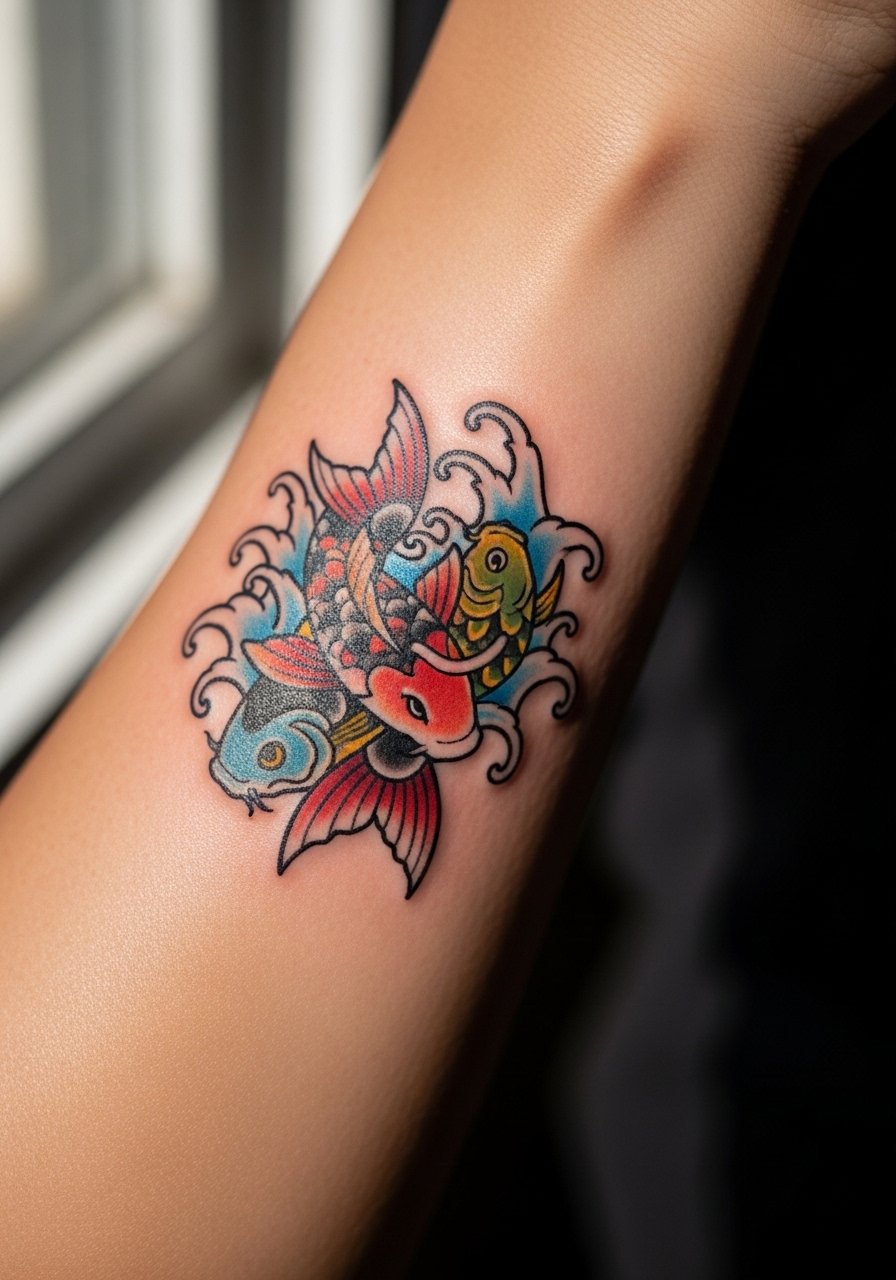
Marine themes work horizontally across the forearm and link well to upper arm pieces. Ask for bold outlines on the koi and solid blocks of color for the waves instead of soft gradients. A common mistake is tiny scale work on moving skin. Expect a couple of sessions and plan wardrobe that avoids friction during healing. Show it off with an open plaid flannel layered over a white tee. If you want to minimize fading, request higher contrast in the blues and darker outlines.
26. Bold Neo-Traditional Wrist-to-Forearm Dagger
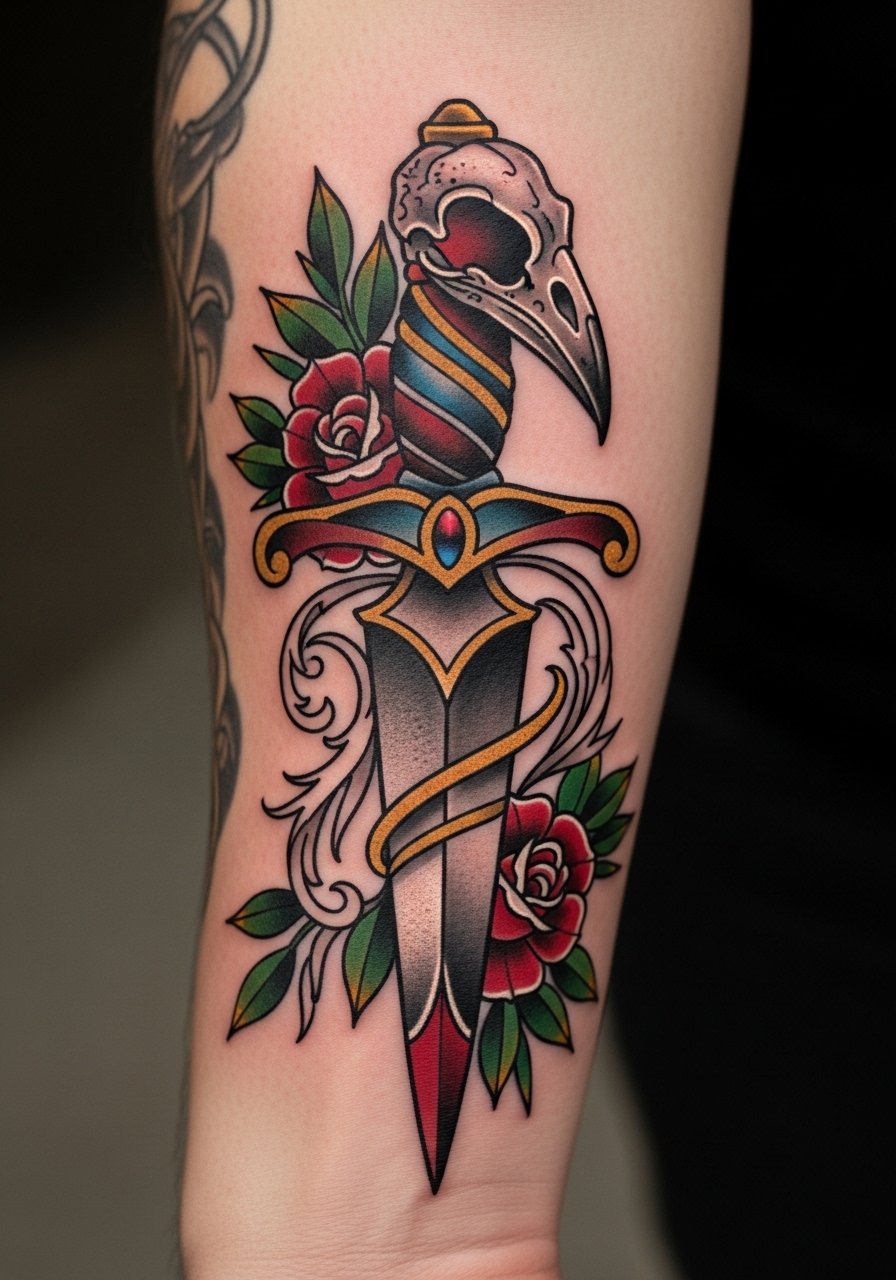
This is an obvious fit if you like sharp edges and easy sleeve expansion. Tell the artist to orient the dagger horizontally for wrist movement and to keep the handle detail slightly larger. The mistake is packing micro-detail into the handle. Wrist area hurts more, but sessions are manageable. For showing off, go with a slim fit polo shirt with cuff rolled. If you plan future bulk, ask the artist to test the stencil on a flexed arm so the dagger reads straight in photos.
27. Dark Skin High-Contrast Blackwork Forearm Panel
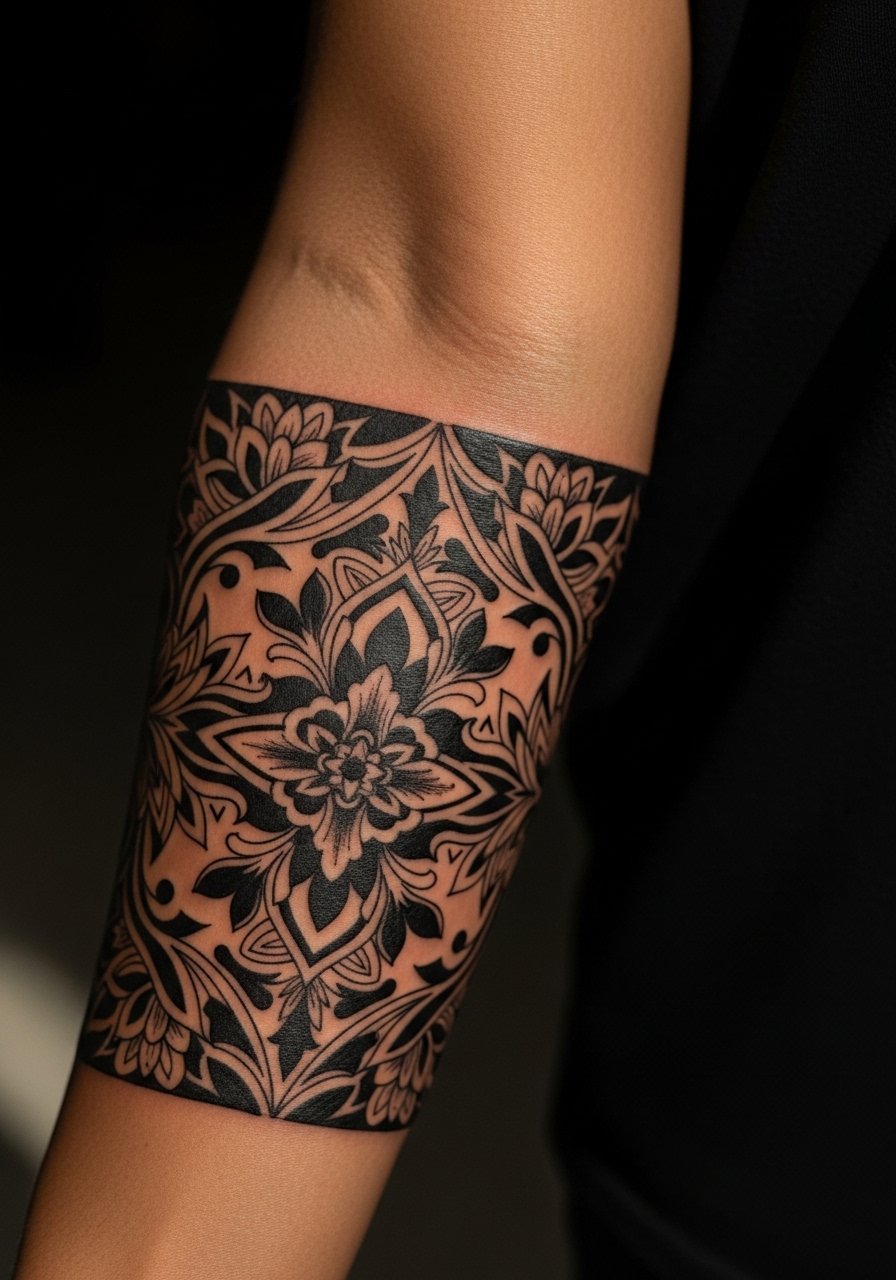
If you have darker skin, ask specifically for heavier outlines and larger negative spaces instead of subtle gray shading. Two camps argue about shading on dark skin. One camp says fine gray gradients can disappear. The other camp says careful contrast and saturation can make them read beautifully. Name both camps and ask your artist where they stand. This panel approach reduces the chance that lines will blur in photos and keeps the piece legible from a distance. Wear a fitted henley shirt men to frame the work without competing patterns.
Frequently Asked Questions
Q: Will fine line tattoos blur into each other if I get a full forearm sleeve that uses a lot of single-needle work?
A: It depends on spacing and placement. Fine line works best with more negative space in dense areas and on the inner forearm. If you plan a sleeve, ask your artist to layout larger gaps between elements so the lines do not merge as the skin ages. Plan for a touch-up at 1 to 3 years for maintenance.
Q: Is Saniderm or dry healing better for forearm tattoos?
A: Artists split into two camps on this. One camp prefers Saniderm because it keeps the area clean and reduces scabbing, especially on the forearm. The other camp favors dry healing for breathability and traditional scab formation. Ask your artist which they use and why, and pick the approach that matches your daily activities and sweat levels.
Q: How should I prepare for a long Japanese dragon sleeve starter session on the forearm?
A: Hydrate well the day before and eat a protein-rich meal an hour or two before the booking. Wear a loose fit tank top men so the artist can access shoulder and forearm without shifting clothing. Bring headphones and plan for breaks during multi-session work.
Q: Do geometric mandalas need different sizing on the forearm versus the wrist to avoid fading into a shaded blob?
A: Yes. Mandalas on the forearm need more spacing and larger line weights than wrist pieces. Smaller mandalas near the wrist lose detail faster. Ask for a stencil test in both flexed and relaxed positions to see how the geometry behaves on your skin.
Q: How can I avoid fine line fading on darker skin tones?
A: Ask for higher contrast and slightly thicker line weights so the linework reads in photos. Avoid tiny script and delicate cross-hatching. Discuss pigment choices and test a small patch if you are uncertain. Many artists who work with a range of skin tones will adapt spacing and saturation to keep work legible longer.