
Bold patterns read differently over time, and cheetah spots done in a traditional hand hold up in ways fine-detail realism often does not. The right scale, confident linework, and solid saturation keep those spots legible for years. Below are 27 traditional cheetah print tattoo designs that lean on classic technique and placement choices that actually age well, with practical notes on what to ask for at consultation.
1. Tiny Cheetah Spots on the Inner Wrist
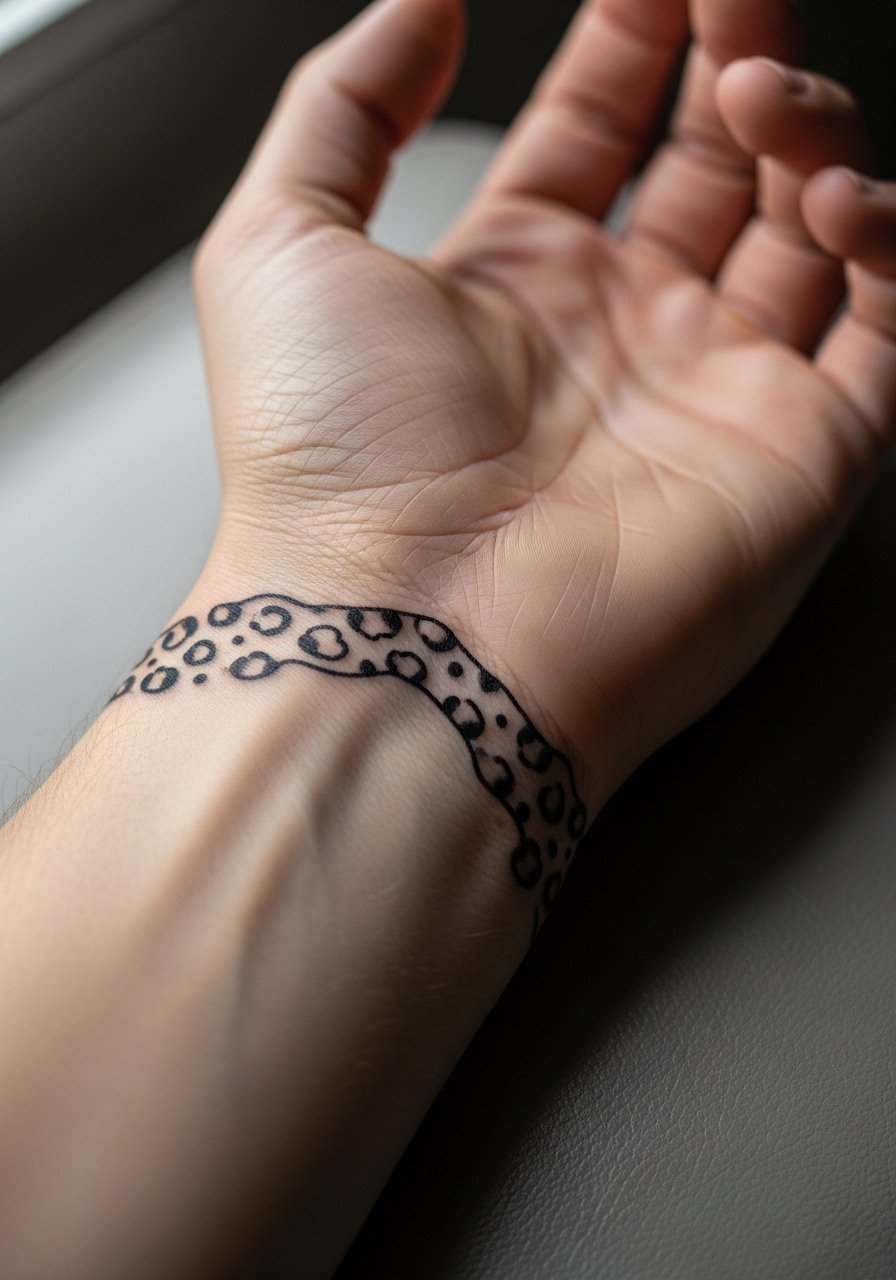
I recommend tiny, spaced spots for the inner wrist because the skin there moves a lot and fine detail crowds quickly. Ask your artist for bold outlines with slightly open centers instead of filling everything in. Expect a 30 to 45 minute session and a pain level that most people rate around a 4. Common mistake is requesting overly dense spots, which can blur into a muddy patch at year two. For show-off styling, roll sleeves or wear a thin chain pendant necklace that sits above the wrist to frame the area without competing with the spots.
2. Classic Traditional Cheetah Band Around the Upper Arm
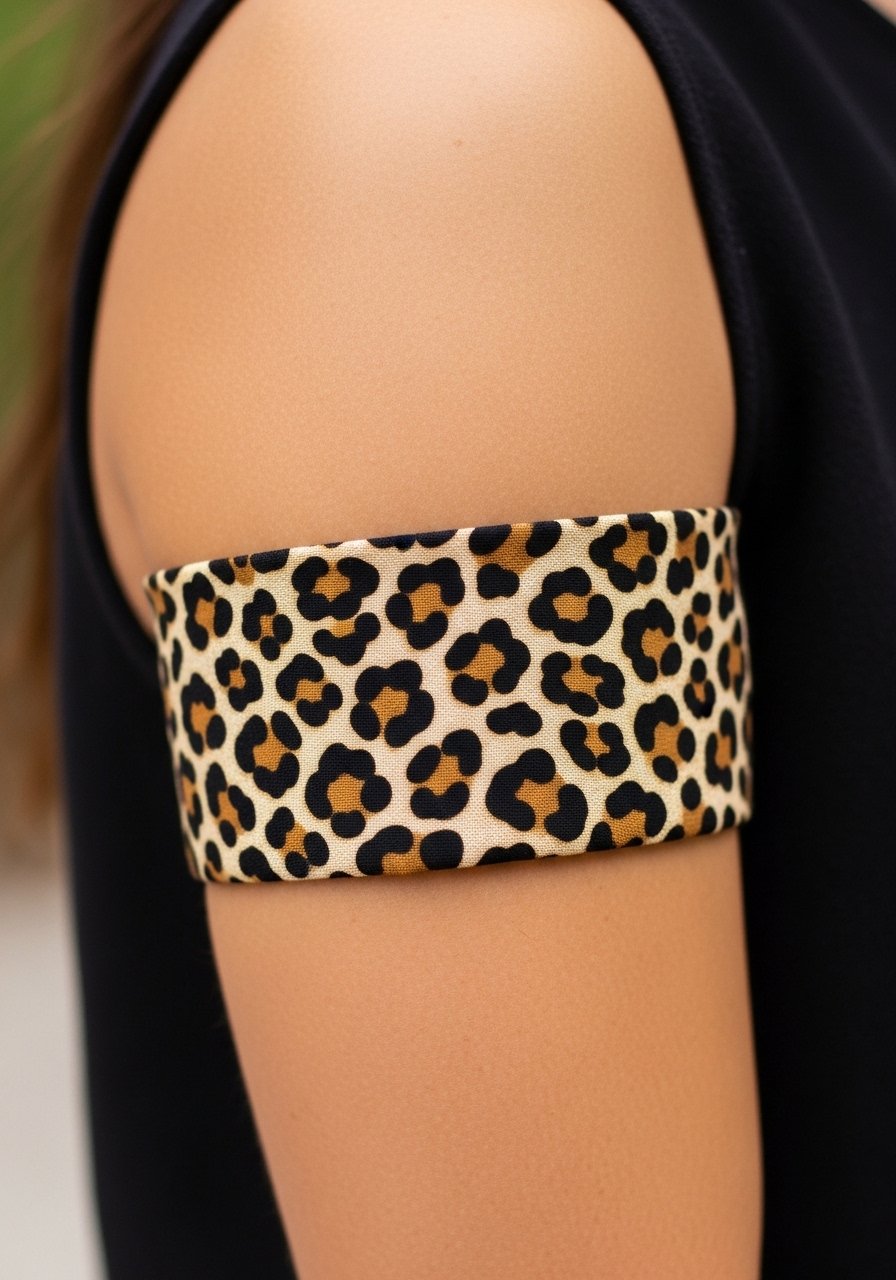
A repeatable band works well around the bicep because that area tolerates saturation and bold linework. Tell your artist you want solid black outlines with saturated fills and spacing between each spot so blowout risk stays low. The session runs about one to two hours depending on band width and shading. The common mistake is squeezing too many spots into a narrow band. For appointment wear, pull on a loose button-down shirt you can slide off easily so the artist has clean access without tugging.
3. Cheetah Print Heart on the Sternum
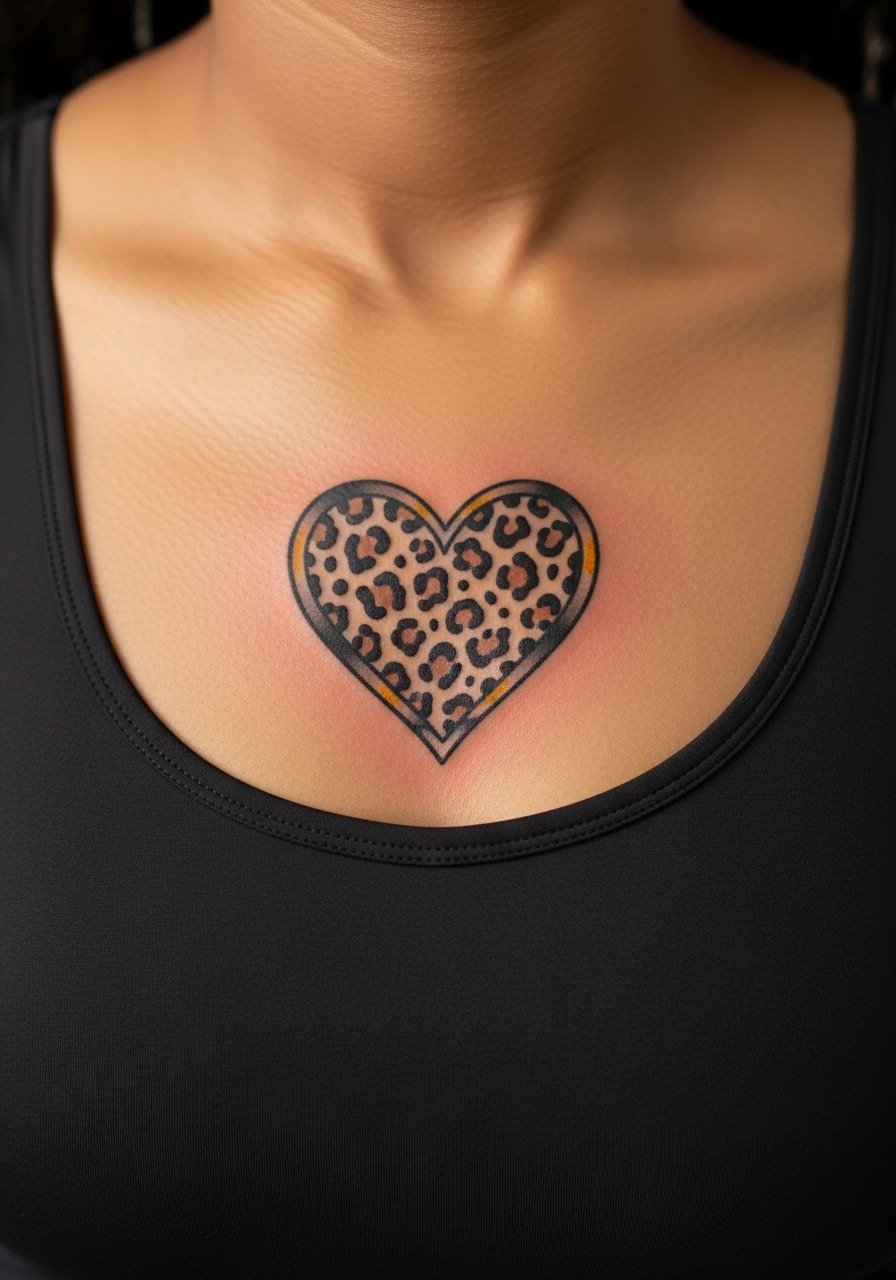
Sternum work reads bold if you use classic traditional outlines and even saturation. Fair warning: the sternum is sensitive and session pacing matters more than machine speed. Most artists split this into short passes and ask for breaks. One common mistake is asking for micro detail too close to the midline, which can migrate as skin stretches. For professional booking, search shop directories and conventions to find someone experienced with chest pieces. Consider a strapless top or a fitted sports bra for the session so access is clean and discreet.
4. Cheetah Print with Rose, American Traditional Forearm
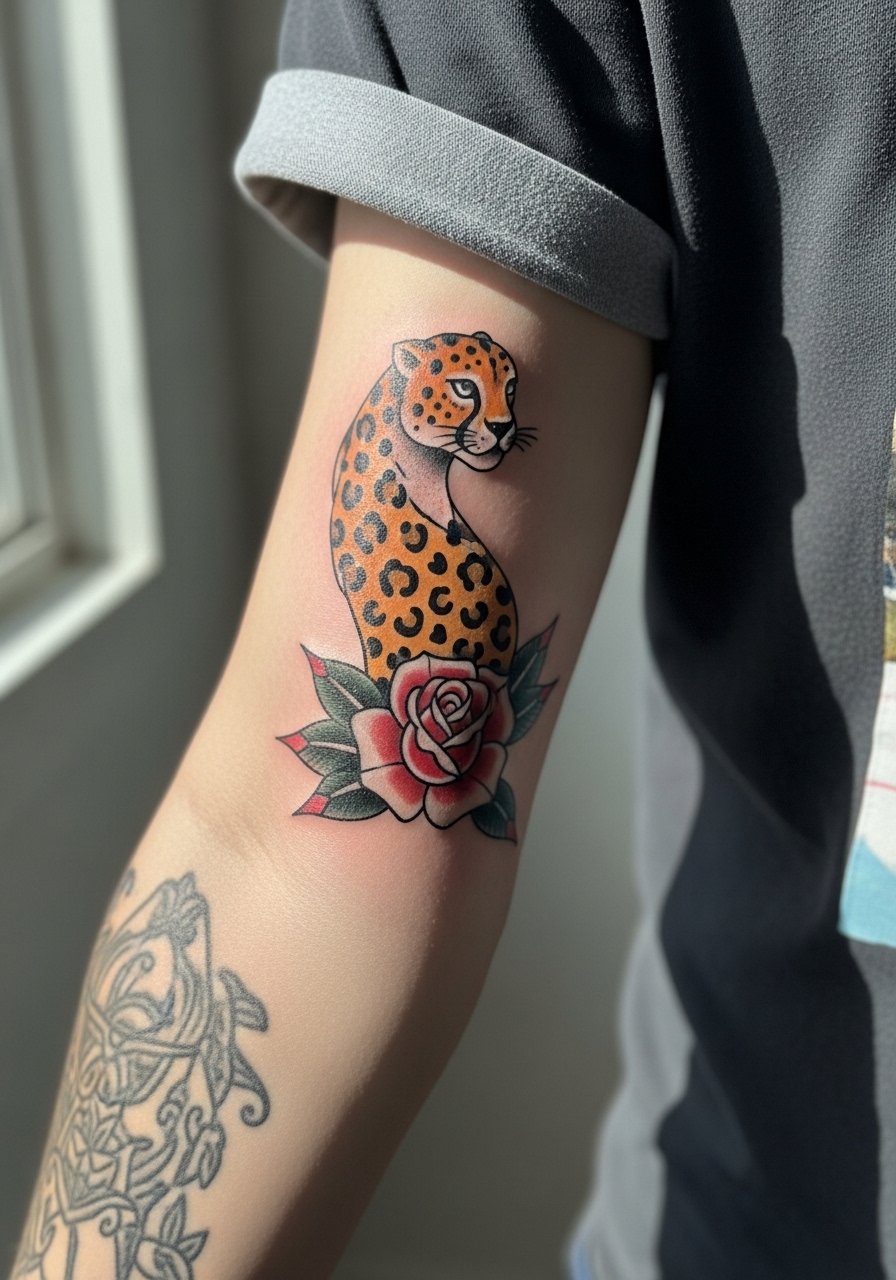
Pairing cheetah spots with a bold rose uses the contrast between solid color blocks and negative space to keep the pattern readable. In consultation, show composite references so the artist knows how much overlap you want between petals and spots. This placement heals predictably and usually needs a one to two hour session. The mistake I see is heavy stipple shading over the spots at the same depth, which softens the pattern early. To show the piece off, cuff a light linen shirt or wear stacked bangles that stop short of the rose so the cheetah pattern remains visible.
5. Minimalist Cheetah Ankle Accent
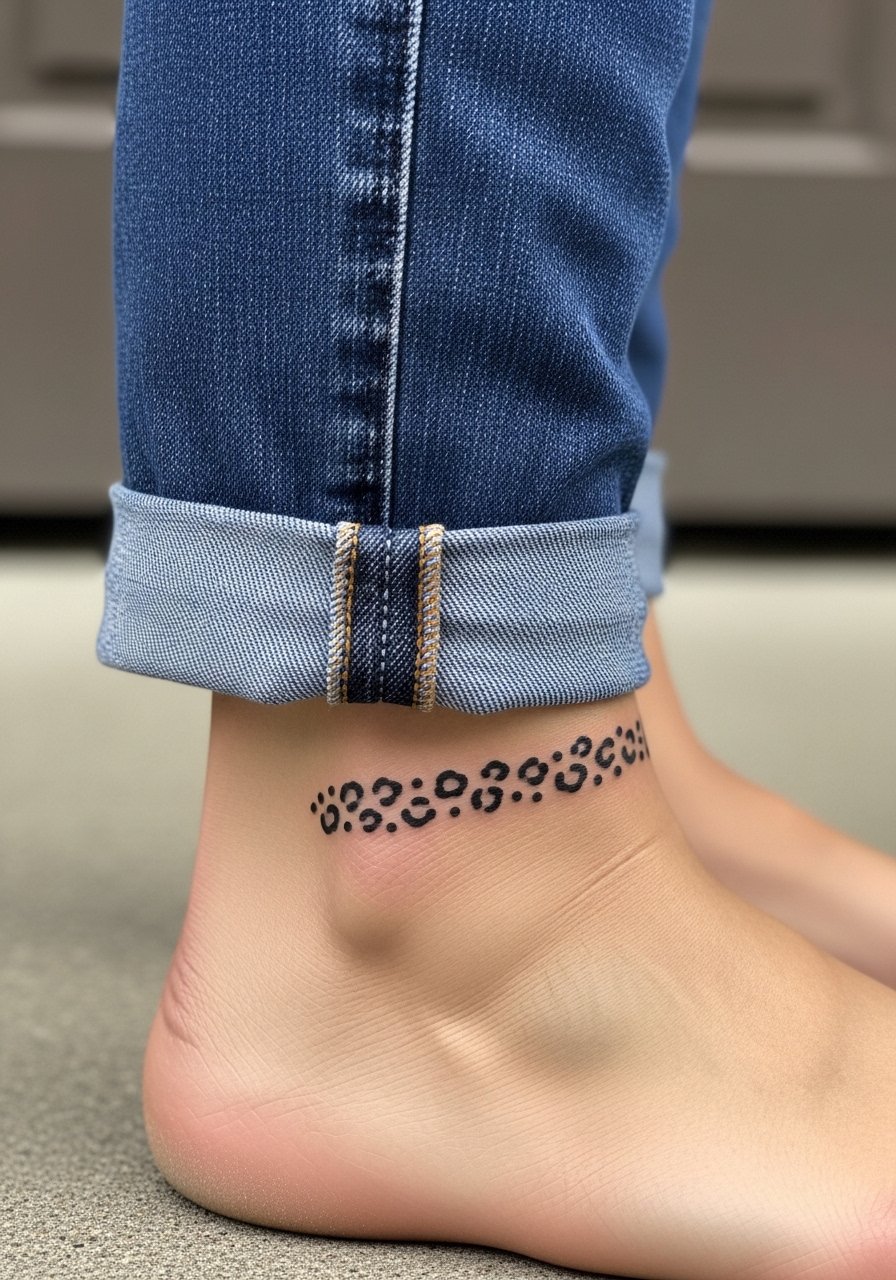
Ankle spots are charming as accents and they tolerate small scale if you keep spots spaced. Pain on the ankle can be a 6 for many, so expect brief pauses and a session under an hour for a thin band or scattered spots. Common aging error is placing too many tiny dots, which wash into a smear after repeated rubbing from socks. For the session, wear pants you can roll up or a pair of sandals so the artist can work without obstruction. Ankle pieces need a delicate touch for crisp linework that lasts.
6. Tiny Spots Behind the Ear, Neck Edge
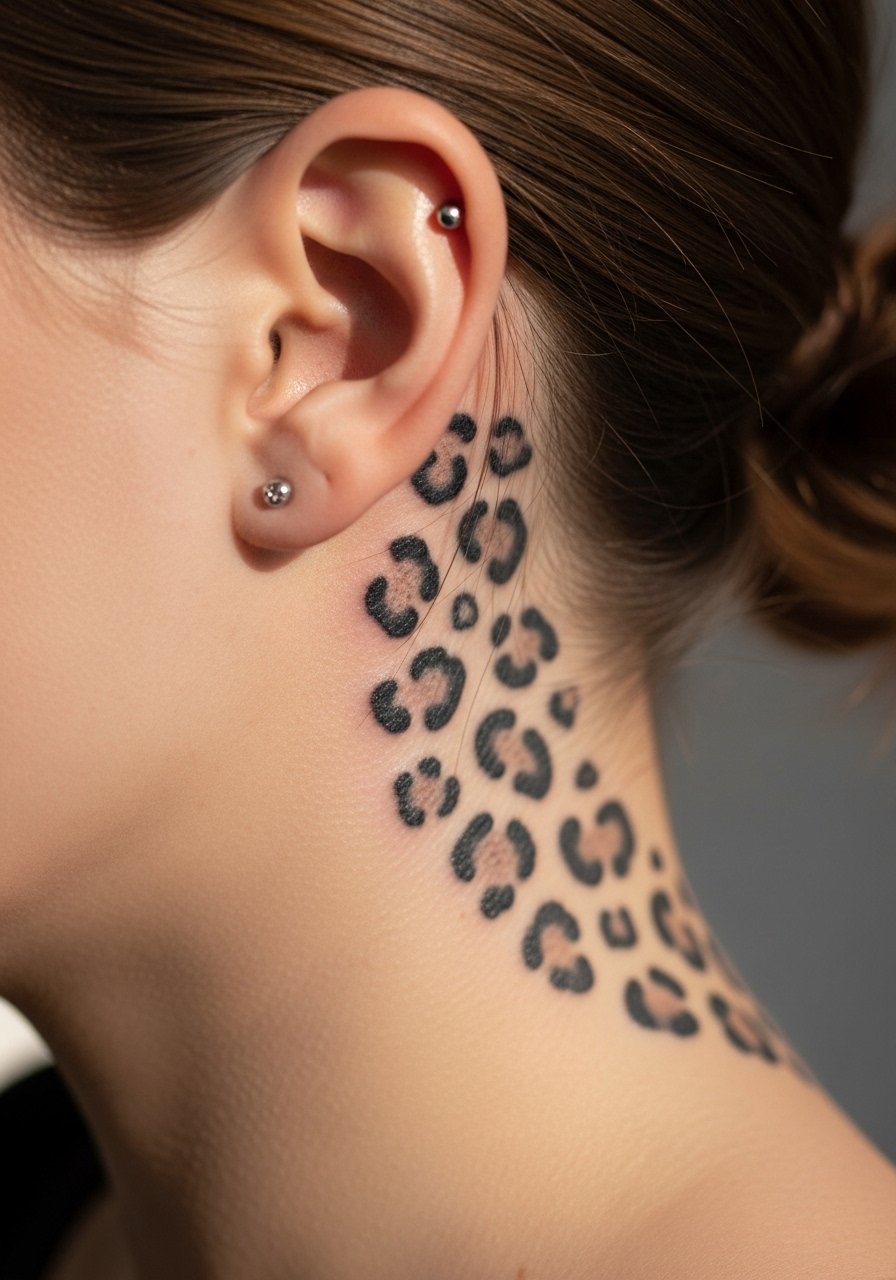
Behind-the-ear spots are subtle and read best when clustered rather than strewn. Session time is short, but the area is sensitive and hairline placement requires careful stencil work. Artists split on small tattoos in that area. One camp says the skin knit there keeps fine work stable. The other camp warns of quick blurring because of frequent hair and shirt contact. Ask where the artist stands and show exact placement in the stencil. For access, wear your hair up and bring a silk scrunchie so the area stays exposed without tugging.
Studio Day Picks
That first wrist, ankle, and behind-the-ear work above each ask for quick access and gentle post-session care, so a few targeted items smooth studio prep and the first week of healing.
- Stencil transfer paper kit. Lets you test placement on skin before the needle goes down, which is useful for small wrist and neck spots in ideas above.
- Topical numbing cream. Apply as directed before an ankle or sternum session to reduce initial discomfort without affecting linework.
- Thin protective film roll. Keeps ring and finger tattoos from rubbing against surfaces during the first days of healing.
- Fragrance-free gentle body wash. Cleanses healing areas like forearm or thigh without stripping saturation from traditional fills.
- Aquaphor healing ointment. Thin layers on days one to three lock in moisture for crisp linework on small spots and bands.
7. Cheetah Spots Framing the Collarbone
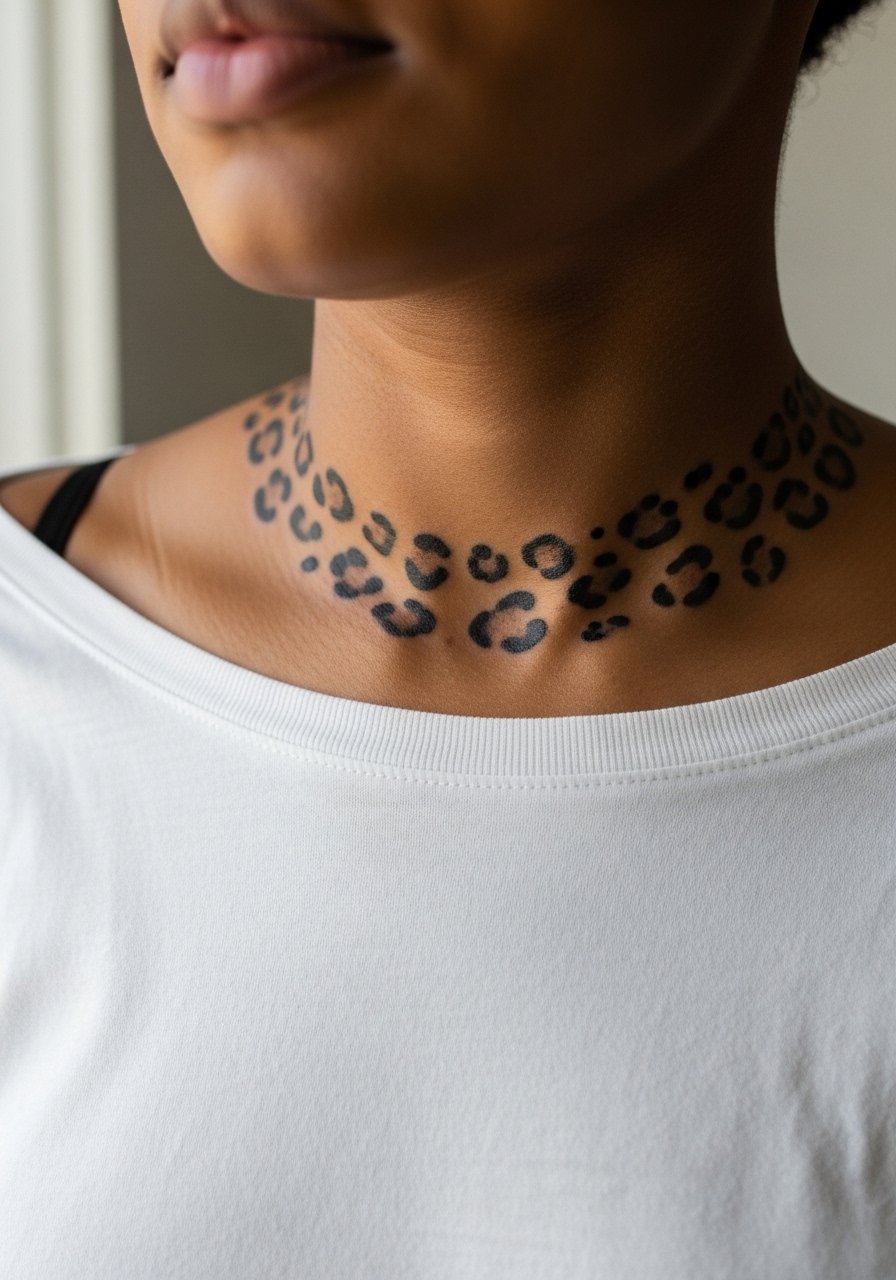
A collarbone placement reads dramatic when spots follow the bone contour with negative space around them. Pain is moderate and sessions can be quick if you stick to bold outlines. The mistake people make is asking for tiny detail that the movement in that area will blur. In consultation, request spacing that follows the bone and ask to preview the stencil under different arm positions. For showing this off, pair with an open-neck blouse so the pattern sits above the neckline and becomes part of the outfit.
8. Half-Sleeve with Cheetah Panels and Bold Blackwork
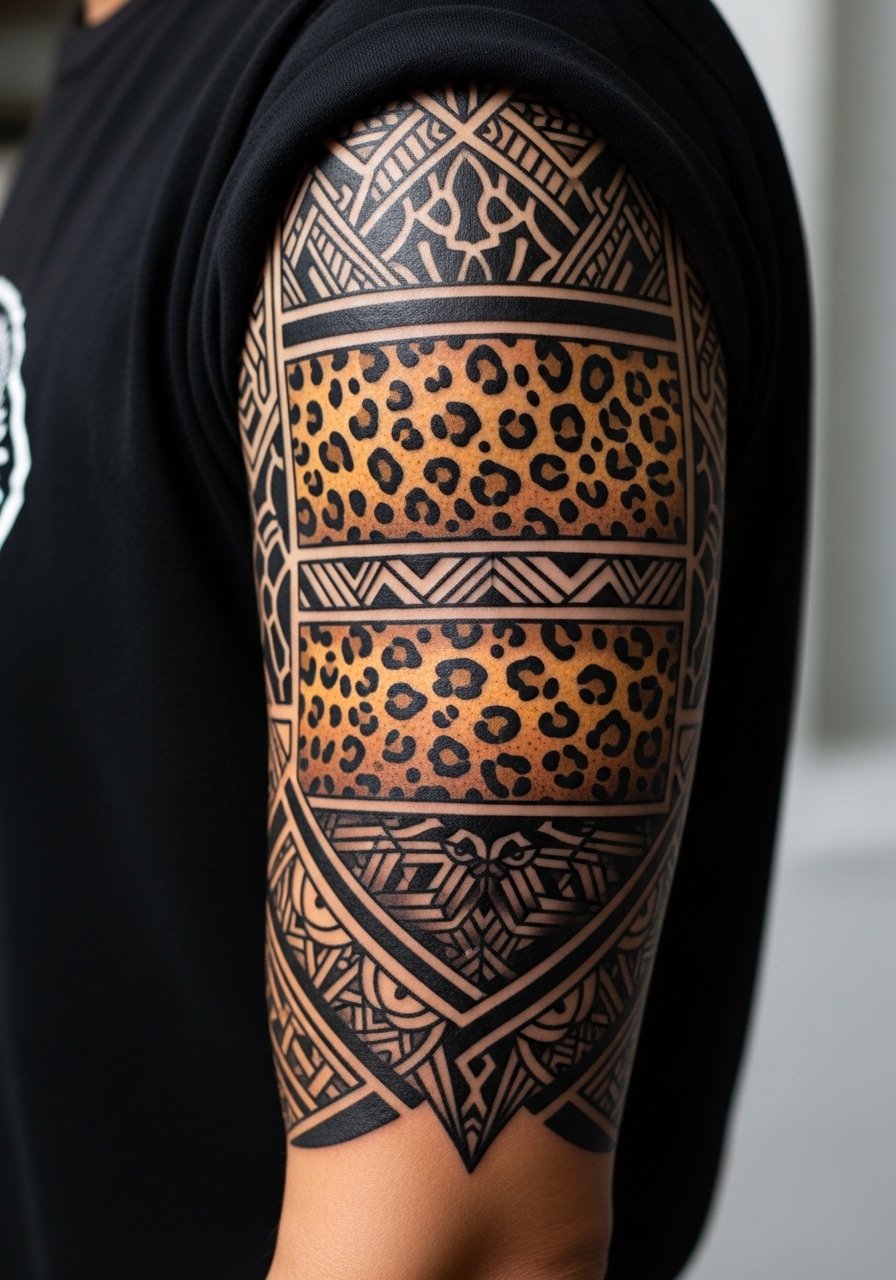
Half-sleeves let you alternate cheetah panels with solid black sections so the pattern never competes with dense detail. Expect multiple sessions totaling three to six hours depending on coverage. A common mistake is packing the sleeve with small motifs, which ages unevenly. Ask for consistent saturation levels and planned negative space so the spots remain readable at two and five years healed. Look at portfolios and use local directories or convention listings to find artists comfortable with large traditional saturation.
9. Delicate Spot Cluster on the Side Ribcage
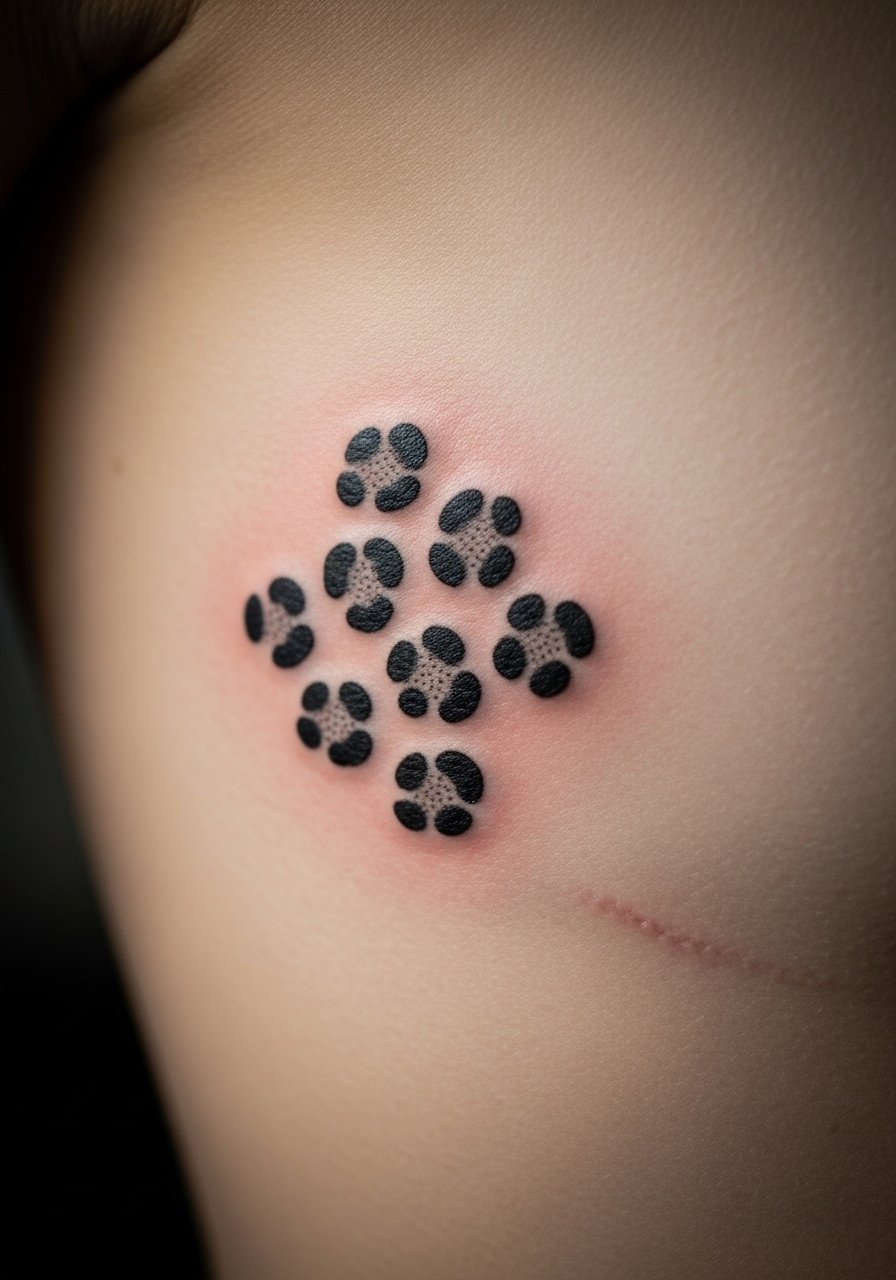
Ribcage work is tender and breaths during the session change stencil placement. Pain is high enough that many split the session. The usual error is asking for fine detail with tiny spots. Artists split on small ribs work. One camp argues ribs stretch and blur fine line rapidly. The other says proper depth and spacing keeps fine spots legible. Ask the artist how they handle breathing during stencil placement and expect a touch-up at year two for tight work. Wear a cropped top or zip-front hoodie for discreet access during the appointment.
10. Finger Ring of Cheetah Spots
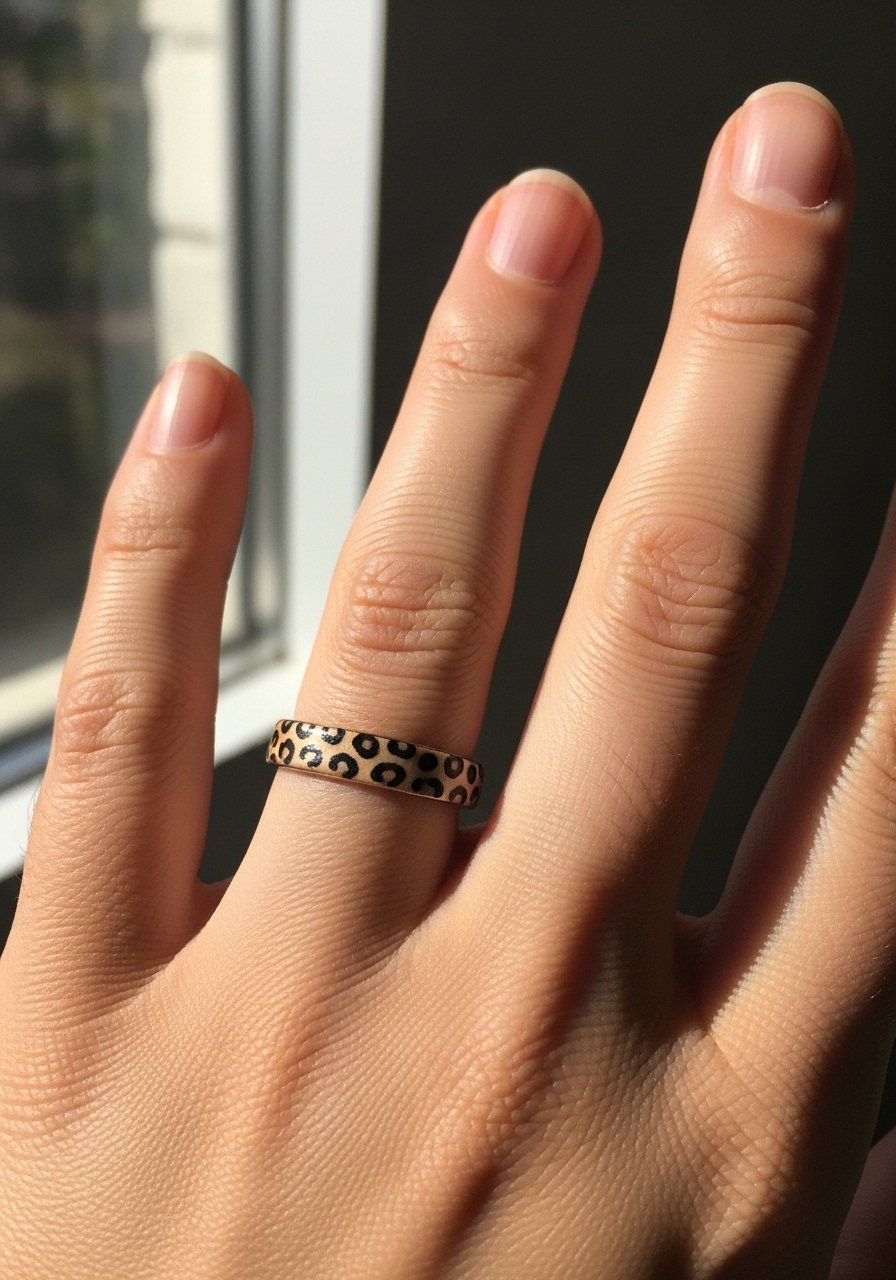
Finger tattoos face constant washing and friction, so traditional spots need to be bolder with more space between them. The session is short but touch-ups are common at year one. A typical mistake is asking for very tiny work expecting it to last like forearm tattoos. Ask for slightly thicker linework and allow for a touch-up window at six to twelve months. Hand placements still affect hiring in some industries, so consider that before committing.
11. Cheetah Print with Script Sash on the Side Hip
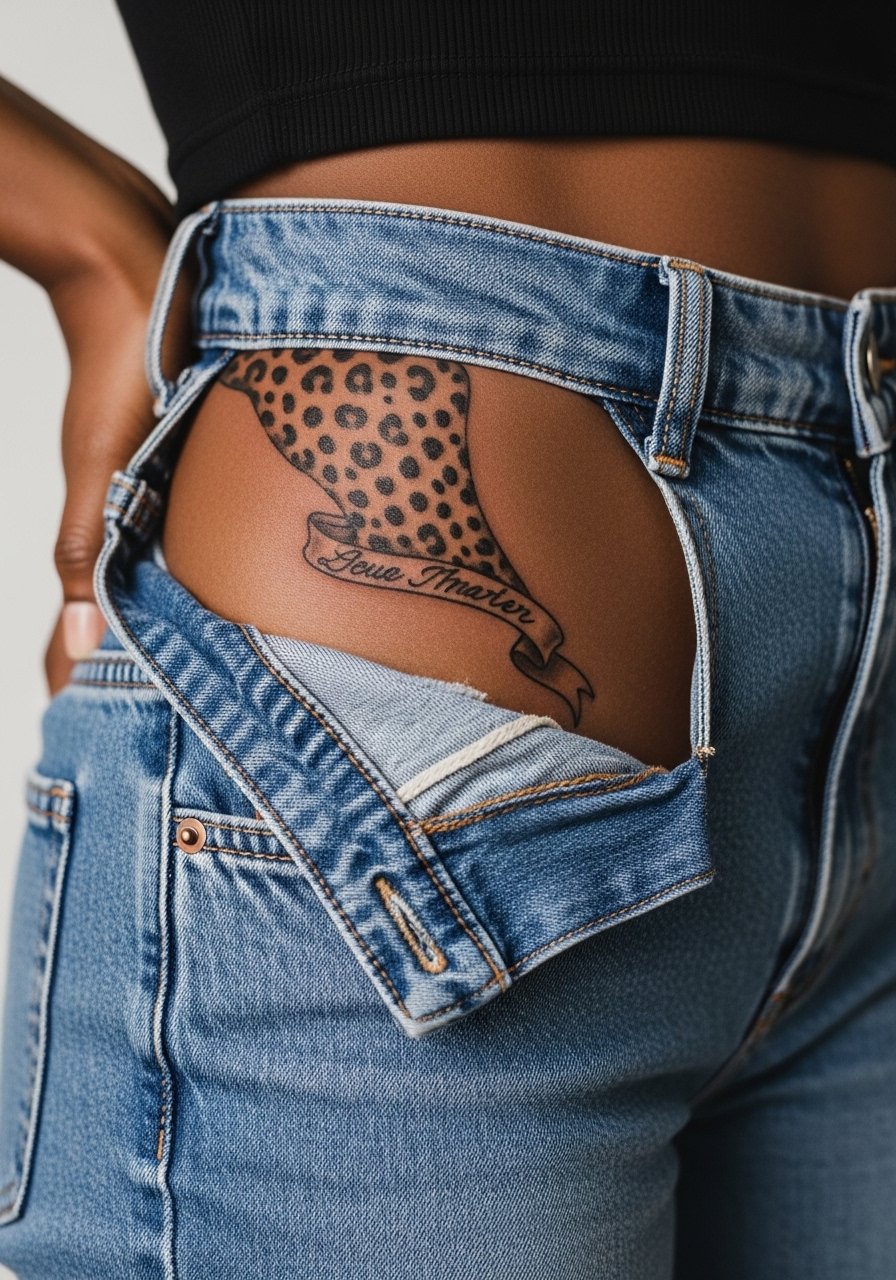
The hip is great for combining spots with a small script sash that curves with the body. For session prep, wear high-waisted bottoms you can shift slightly. Ask your artist to test the script size in stencil so the letters stay legible while the spots keep their separation. Mistakes come from fonts that are too thin next to saturated spots. For the session, a wrap skirt or high-waisted shorts makes access easy without compromising modesty.
12. Full Chest Patchwork with Cheetah and Classic Motifs
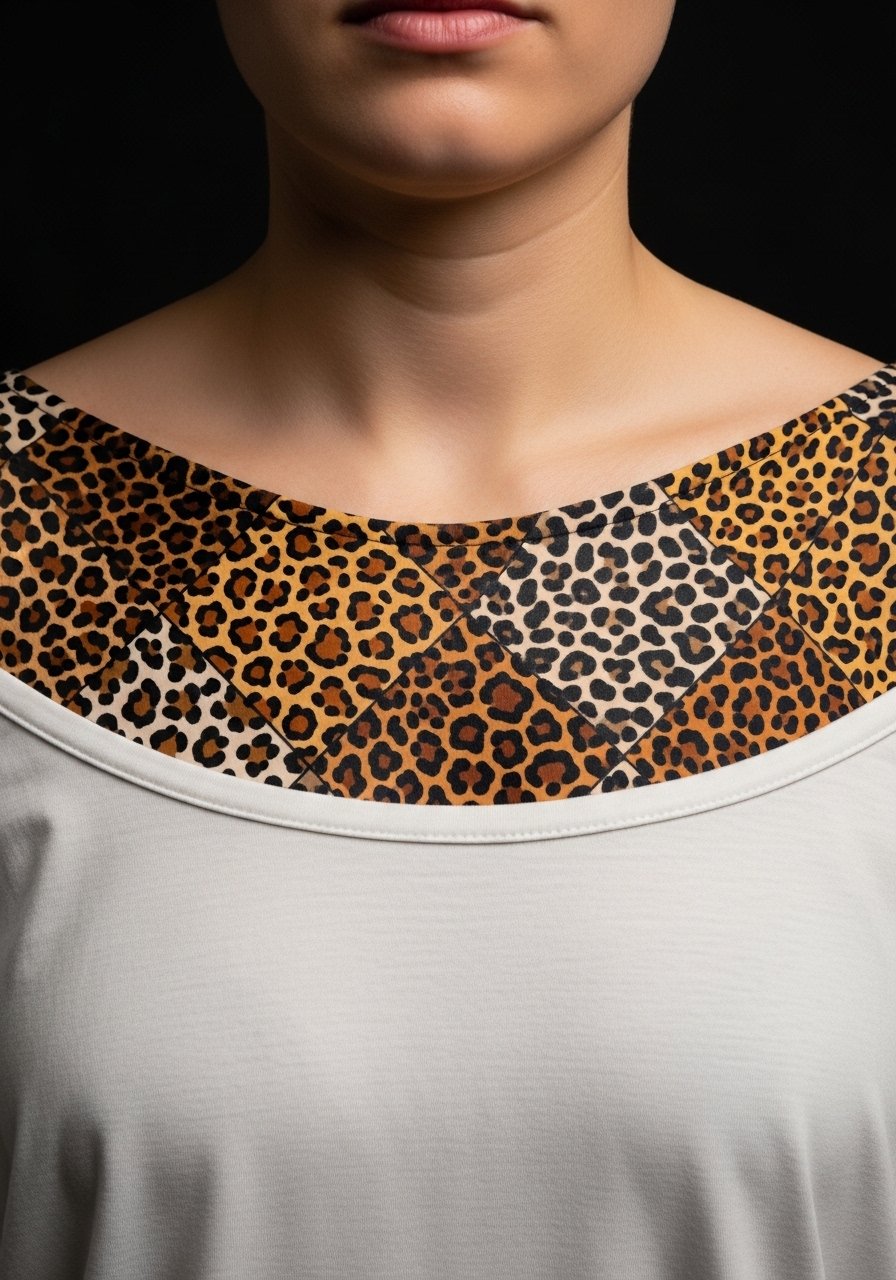
Large chest patches allow you to mix cheetah spots with anchors or stars in a true traditional vocabulary. Sessions are longer and usually split across two visits. A common misstep is trying to fit tiny stipple or micro detail into the chest area, which ages inconsistently depending on skin movement. In consultation, ask about overall composition and how negative space will preserve the cheetah pattern over time. Use discovery pathways like convention portfolios to find artists who handle chest saturation well.
13. Stacked Cheetah Spots Behind the Knee
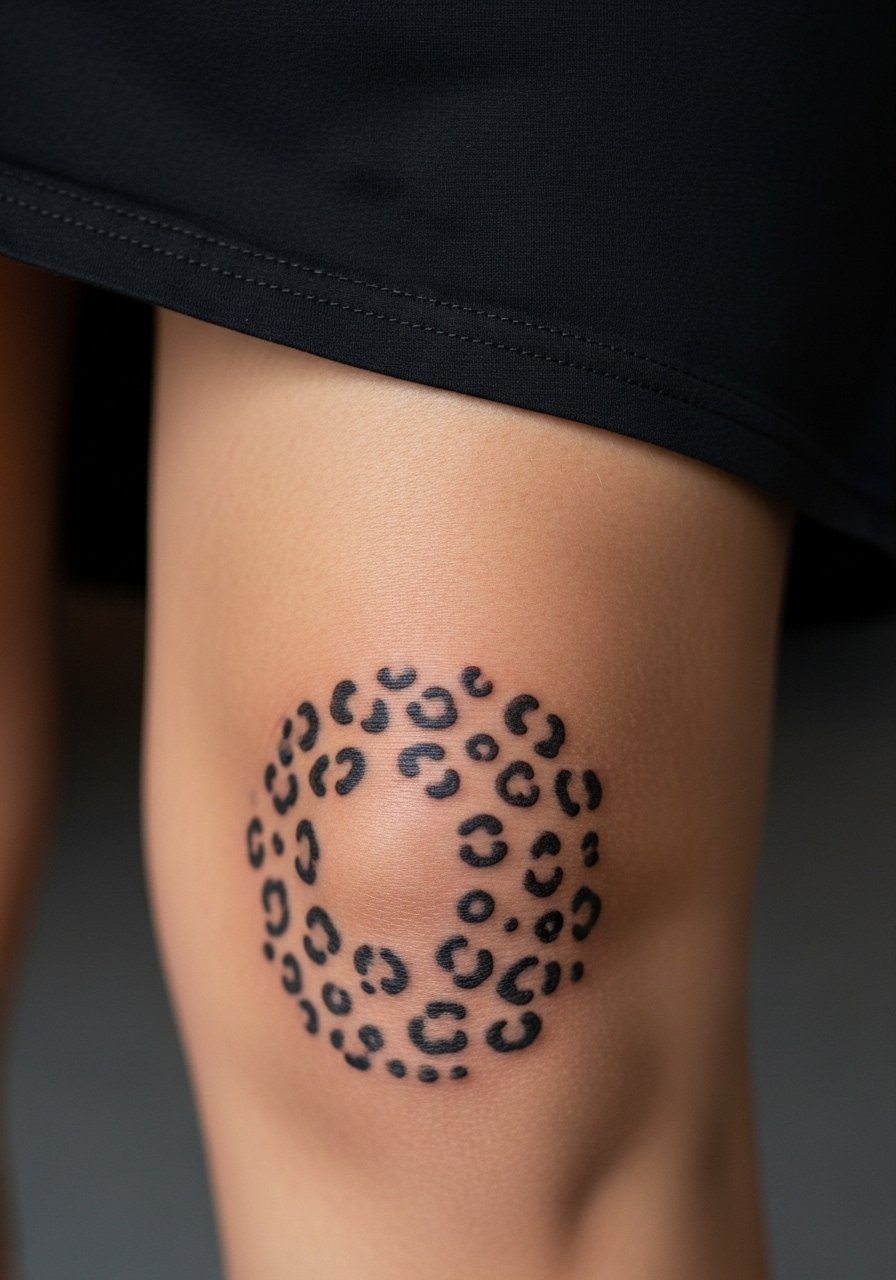
Behind-knee spots sit on a hinge point, so spacing and slightly larger spots prevent early merging. Sessions are usually quick but note that that zone stretches with movement. The mistake is choosing too small a scale. For the session, wear a skirt or shorts that allow the artist to reach the area without contorting. Pair the look for evenings with a midi skirt that shows the back of the knee when you walk.
14. Cheetah Paw Print Trail Along the Foot Arch
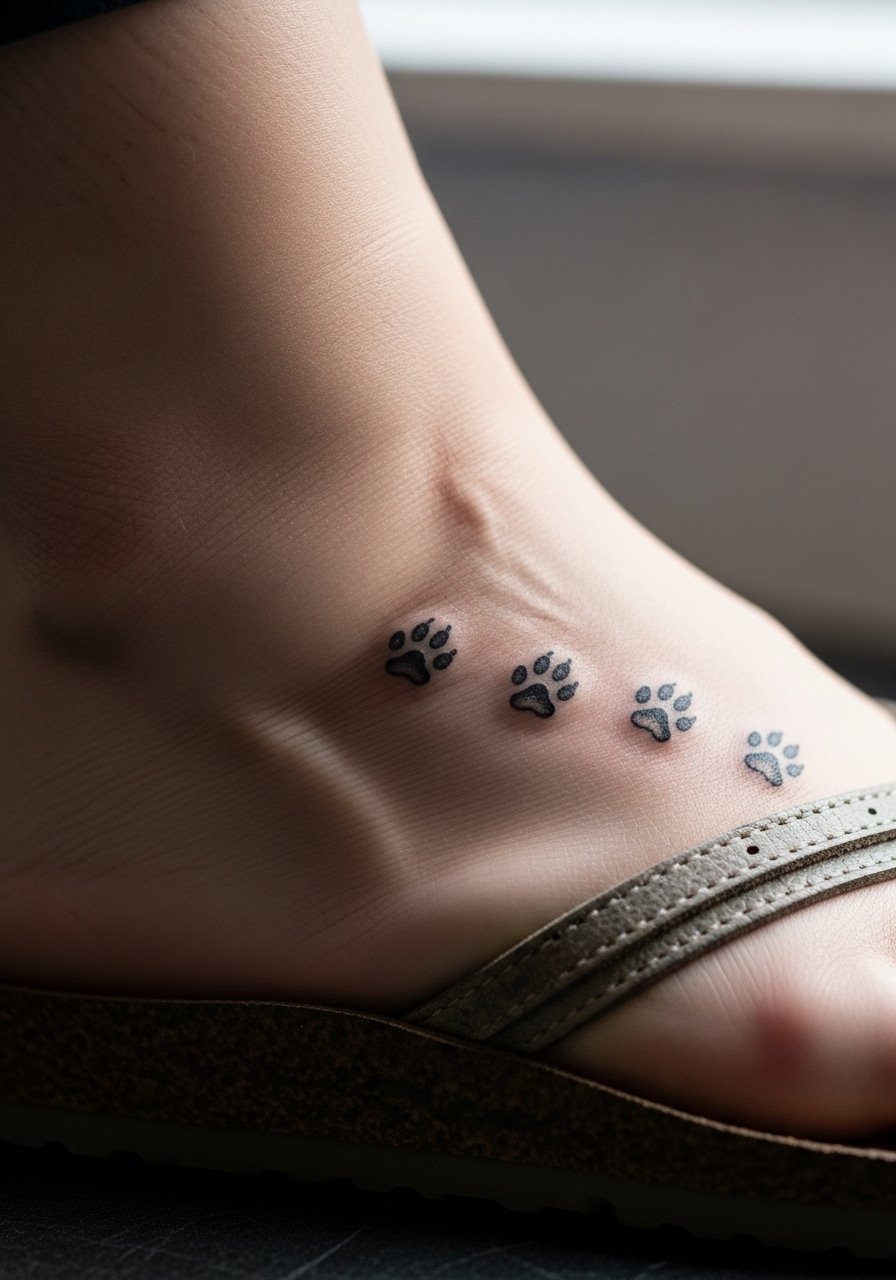
Foot tattoos face heavy wear and often need touch-ups sooner than limb pieces. Keep paw prints sparse and use bolder outlines to resist fading from shoe friction. Expect a short session with higher sensitivity. Common error is dense shading that rubs out under socks. For the appointment, bring shoes that are easy to remove and wear a pair of sandals so the artist can work without obstruction.
15. Negative Space Cheetah Spots on the Calf
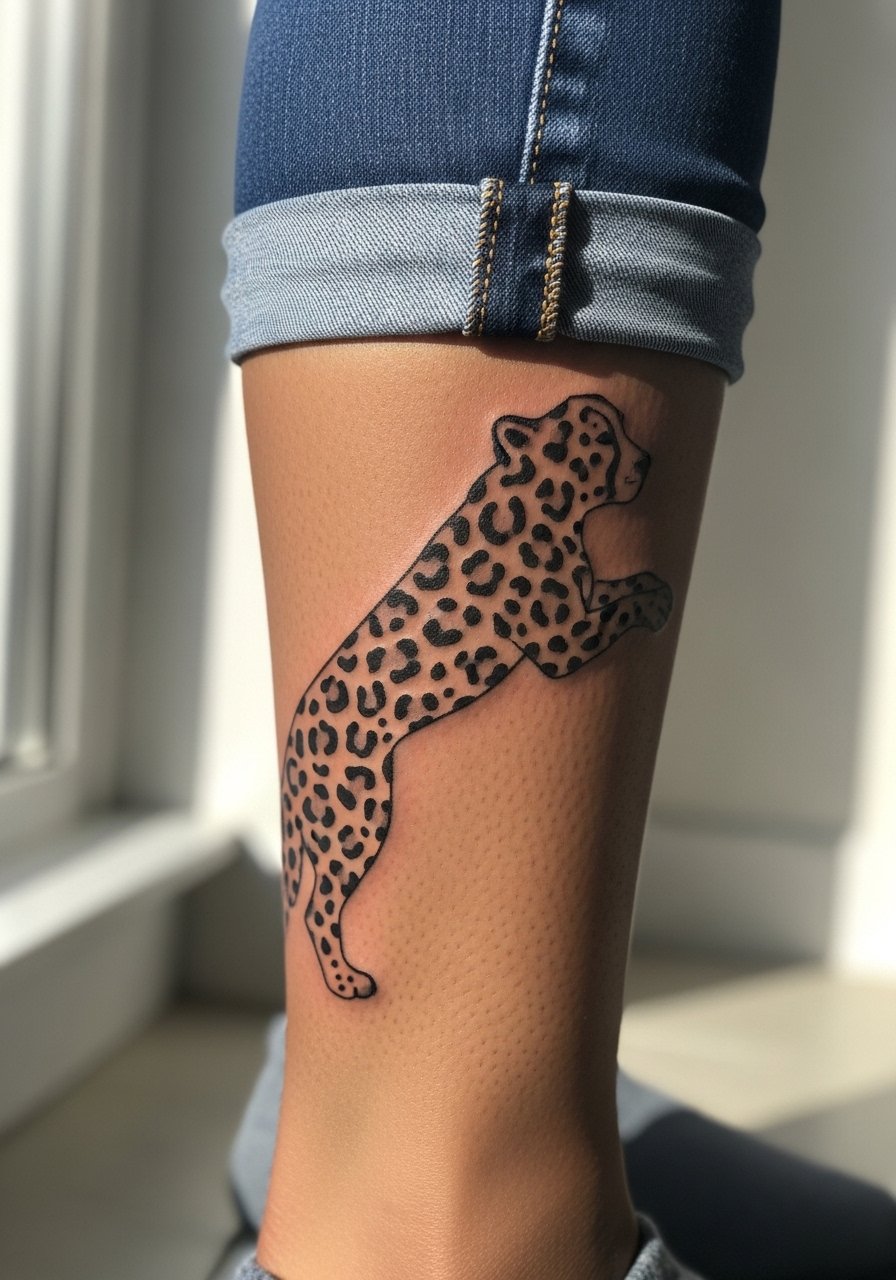
Using negative space inside solid black patches gives cheetah patterns a modern traditional twist that holds up because the black anchors the design. Calf sessions are comfortable for most clients and usually finish in one sitting. The common mistake is overworking the negative areas with fine shading that blurs with muscle movement. Request clear edge definition and consider thicker spots to ensure longevity. To showcase the calf, pair with cropped pants or a midi dress that lets the pattern peek when you walk.
16. Mini Cheetah Cluster on the Back of the Neck

Back-of-neck spots read strongly when kept simple and bold. Sessions are quick but require careful stencil placement because hairline movement shifts panels. One mistake is asking for thin linework that blurs with hair contact. If you need discretion, plant your hair down for daily life. For booking, search hashtag portfolios or local shop galleries to find neck-experienced artists.
17. Cheetah Spot Sleeve Accent with Stars and Dots
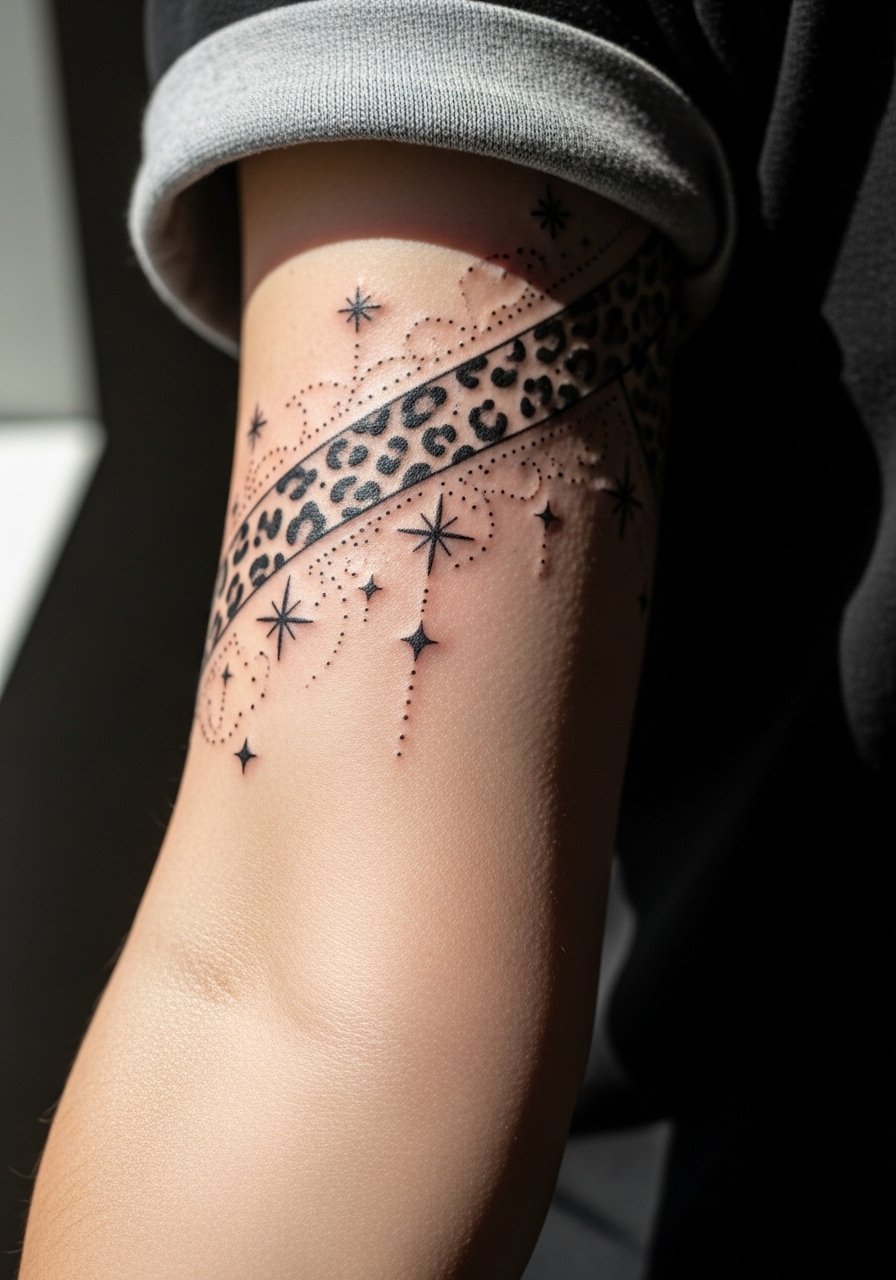
Accent sleeves let you pepper cheetah spots among stars and dot work for rhythm. Tell the artist which motifs you want dominant and which should sit in the background. Sessions vary but expect multiple hours over two visits. A mistake is crowding the forearm too densely, which causes details to soften at two to three years. For showing off, roll sleeves or wear a short sleeve linen shirt that frames the forearm without covering the piece.
18. Cheetah Print Around the Navel Stomach Strip
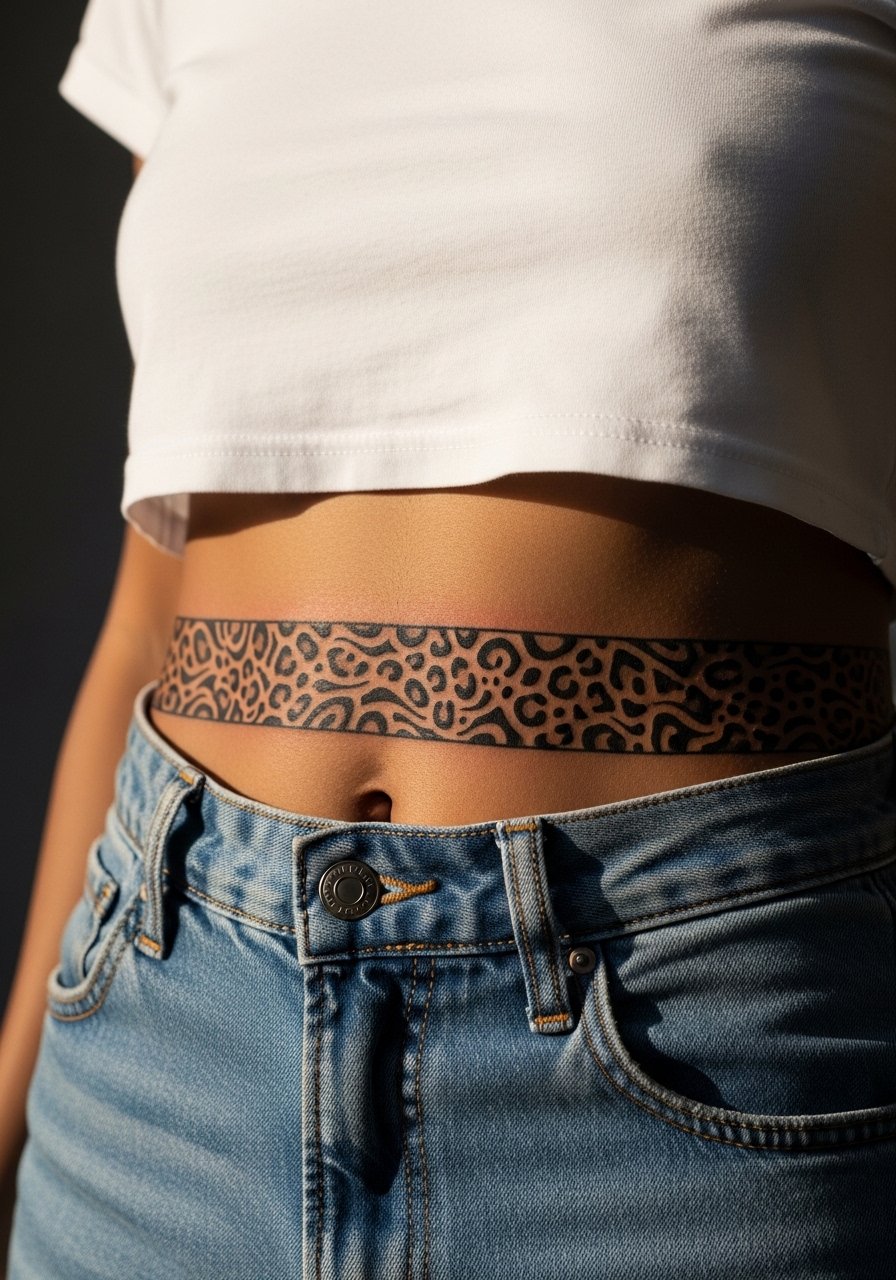
Stomach skin stretches with weight changes, so keep cheetah spots larger and avoid tiny internal details that will warp. Sessions are moderate and can be sensitive near the navel. The common mistake is over-detailing which leads to distortion over time. For the appointment, wear high-waisted pants you can comfortably lower and consider a cropped tee for discreet access.
19. Palm-Side Wrist Cheetah Accent
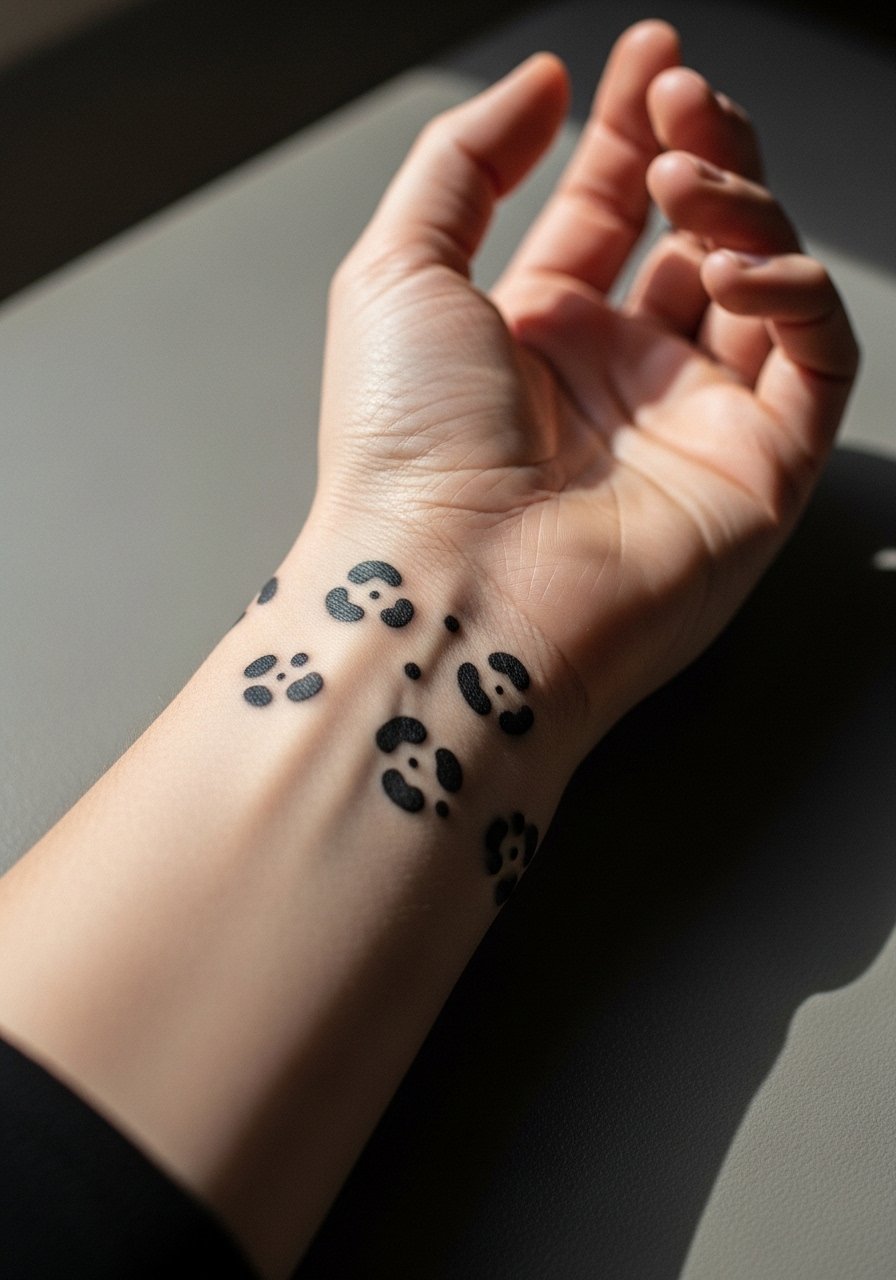
Inner wrist spots face constant motion and wash from hand washing, so bold outlines and slightly larger spacing are necessary. Expect a short session but plan for a possible touch-up at year one. The mistake is choosing ultra-fine details that disappear quickly. For professional settings, consider visibility implications. In consultation, ask about retention rates for inner wrist work based on the artist's healed portfolio.
20. Cheetah Spot Medallion on the Shoulder Cap
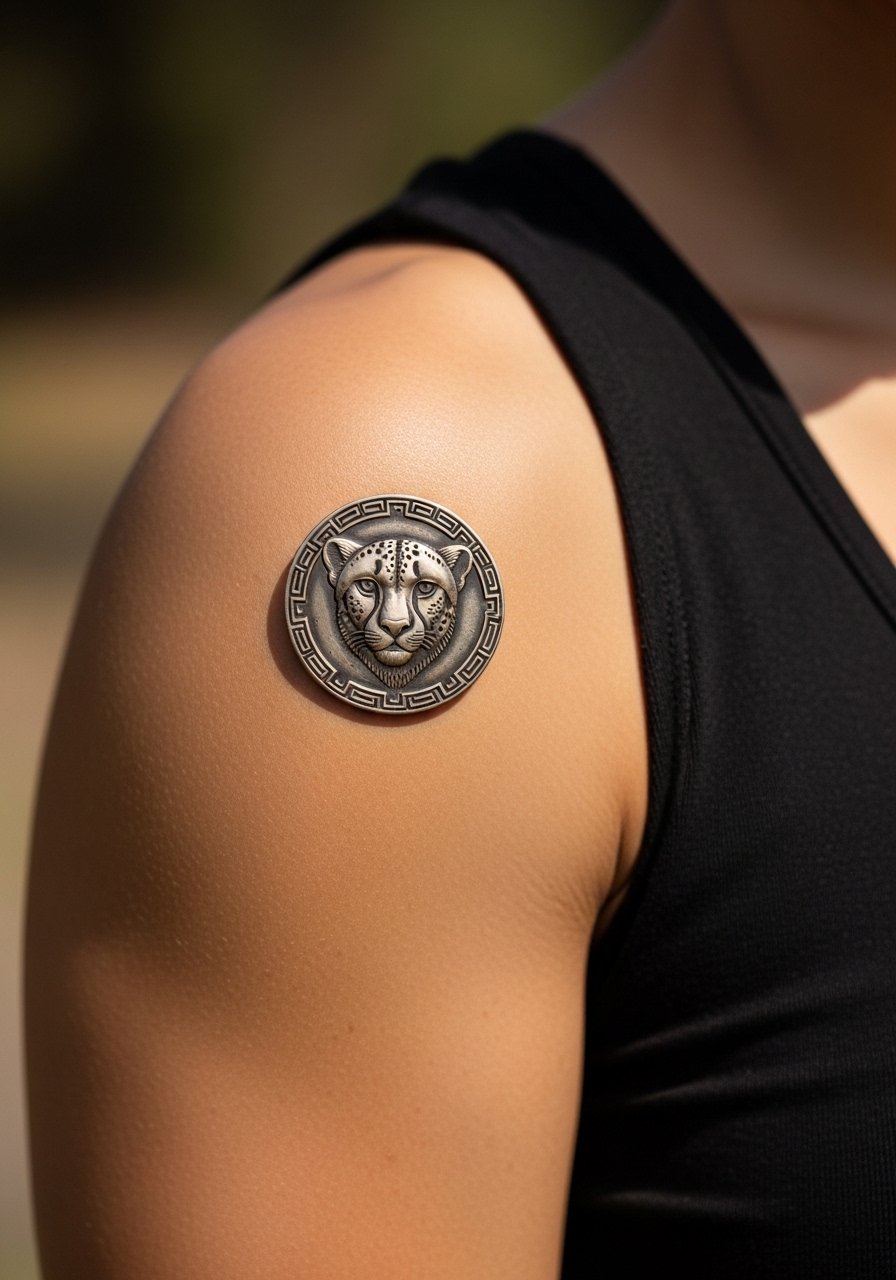
Shoulder caps are ideal for medallions because muscle and skin there hold pigment well. Ask for heavier outlines and confident shading for contrast between the medallion and surrounding skin. Sessions are usually one to two hours. A common error is over-complex compositions that interfere with shoulder movement. For session wear, bring a tank top that the artist can roll or remove easily.
21. Cheetah Print Band Across the Lower Back
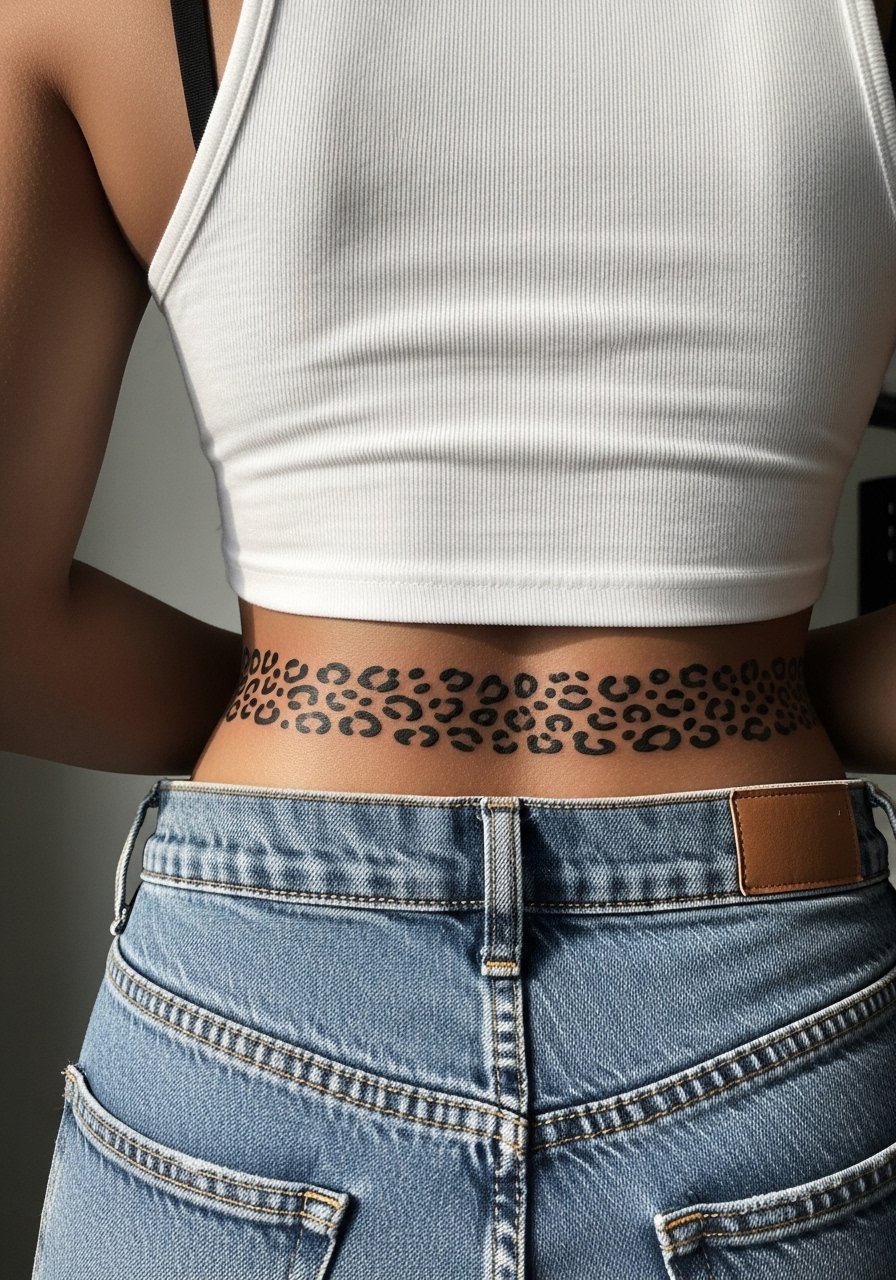
Lower back bands sit on skin that moves with bending, so keep the spots evenly weighted with open negative centers. Sessions can be longer if width increases. The common mistake is tight crowds of spots that soften after sitting and bending. For appointment comfort and modesty, bring a tank top you can pull up rather than removing clothing entirely. Use discovery pathways like local shop galleries to verify healed lower back work.
22. Cheetah Spots Interlaced with a Dagger on the Chest
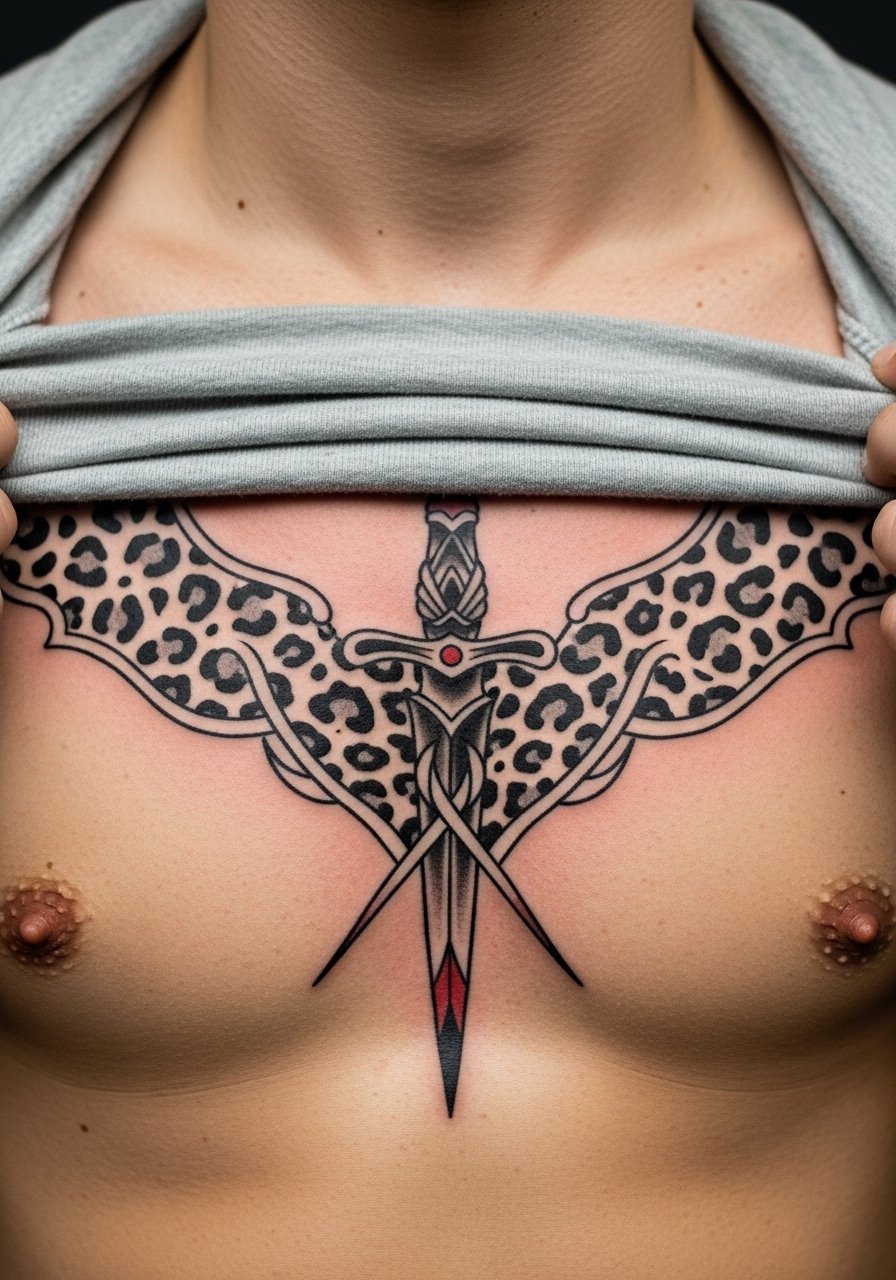
Combining a dagger with cheetah spots gives a narrative edge while staying in the traditional visual language. Request clear separations where the dagger crosses spots so neither element muddies the other. Sessions may take two hours. The mistake is allowing overlapping stipple or whip shading at the same depth, which can reduce contrast. For artist discovery, check convention lineups or shop galleries to find someone who balances figuration with pattern.
23. Tiny Spots Scattered Across the Collarbone Line
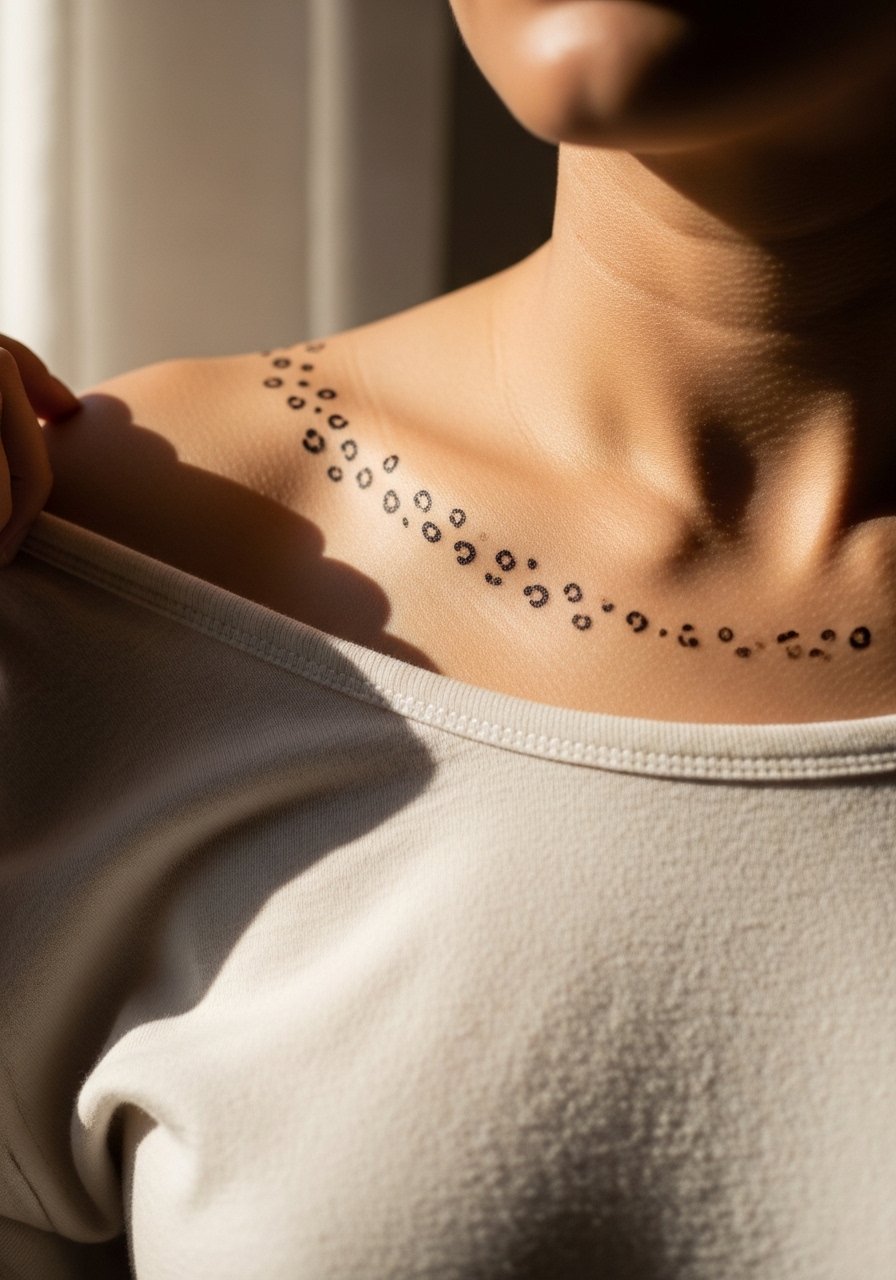
A scattered approach gives a delicate but bold read if you keep outlines crisp and spacing generous. Sessions are quick and healing is straightforward. The main mistake is clustering too close to the neckline where clothing rub speeds fading. For showing off, choose tops with an open neckline or a v-neck tee that frames the spots.
24. Full Thigh Cheetah Panel with Floral Insets
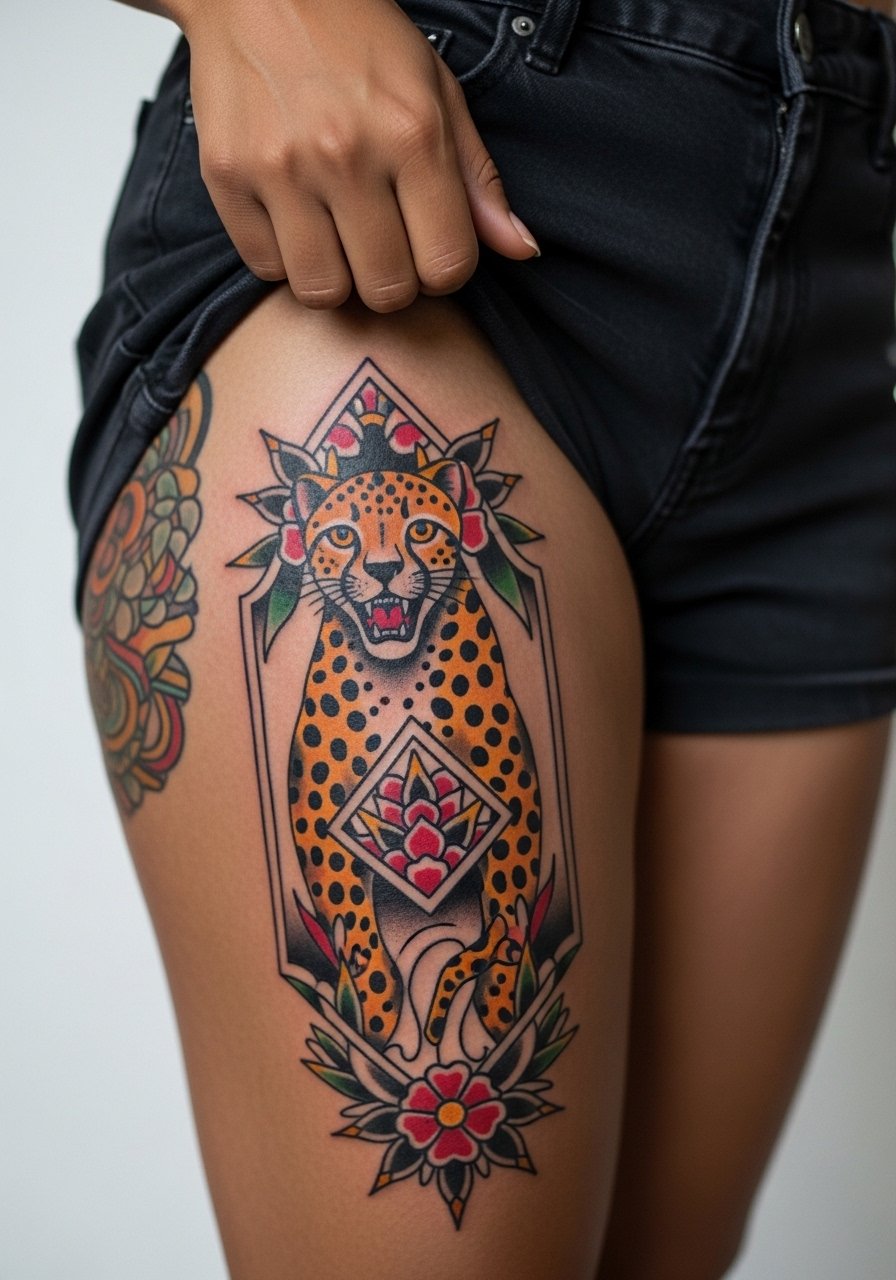
Thigh panels handle saturation and detail well and are forgiving as the area ages. Sessions run longer and may be split. Avoid packing tiny motifs together; keep cheetah spots bold and let floral insets breathe. For the session, wear loose shorts or a wrap so the artist can adjust access without pressure. A loose drawstring linen pant works well pre- and post-session when you want comfort.
25. Cheetah Print on the Outer Rib Panel, Near the Side Torso

Outer rib panels take saturation and bold pattern, but the area is sensitive. Sessions should be paced and the stencil checked on breath. The frequent mistake is microscopically detailed spots that shift with breathing. If you want a fine look, plan for spacing to prevent merging. For booking, use shop directories or convention booths to find someone familiar with rib pacing.
26. Tiny Spots Cascading from Shoulder to Upper Arm
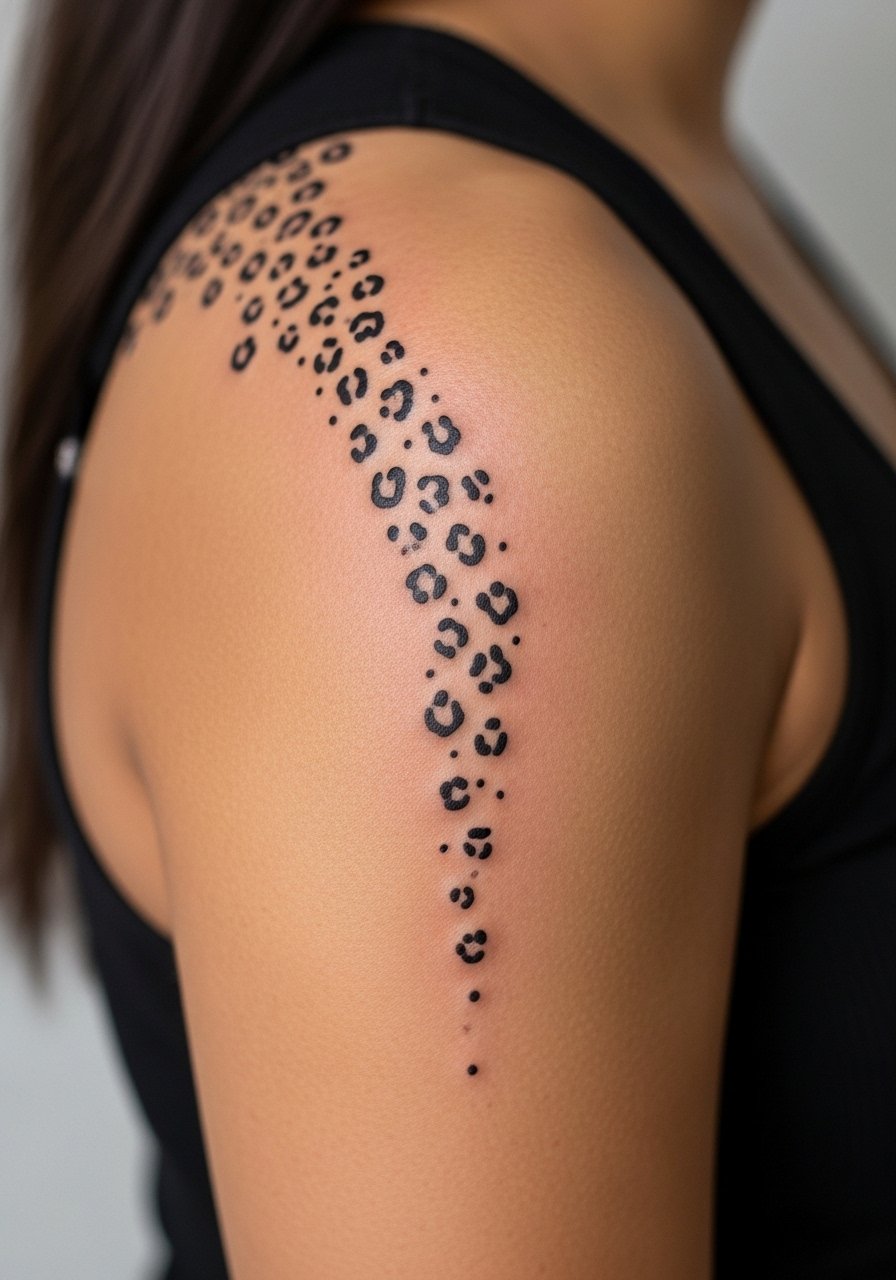
A cascading run works well when spots decrease in size as they descend and the artist keeps the outline weight consistent. Expect a one to two hour session depending on spread. The typical error is inconsistent spacing that makes the cascade look crowded at close range. To show this off, wear sleeveless tops or a racerback tank that exposes the shoulder line.
27. Micro Cheetah Spots as an Ear Cartilage Accent
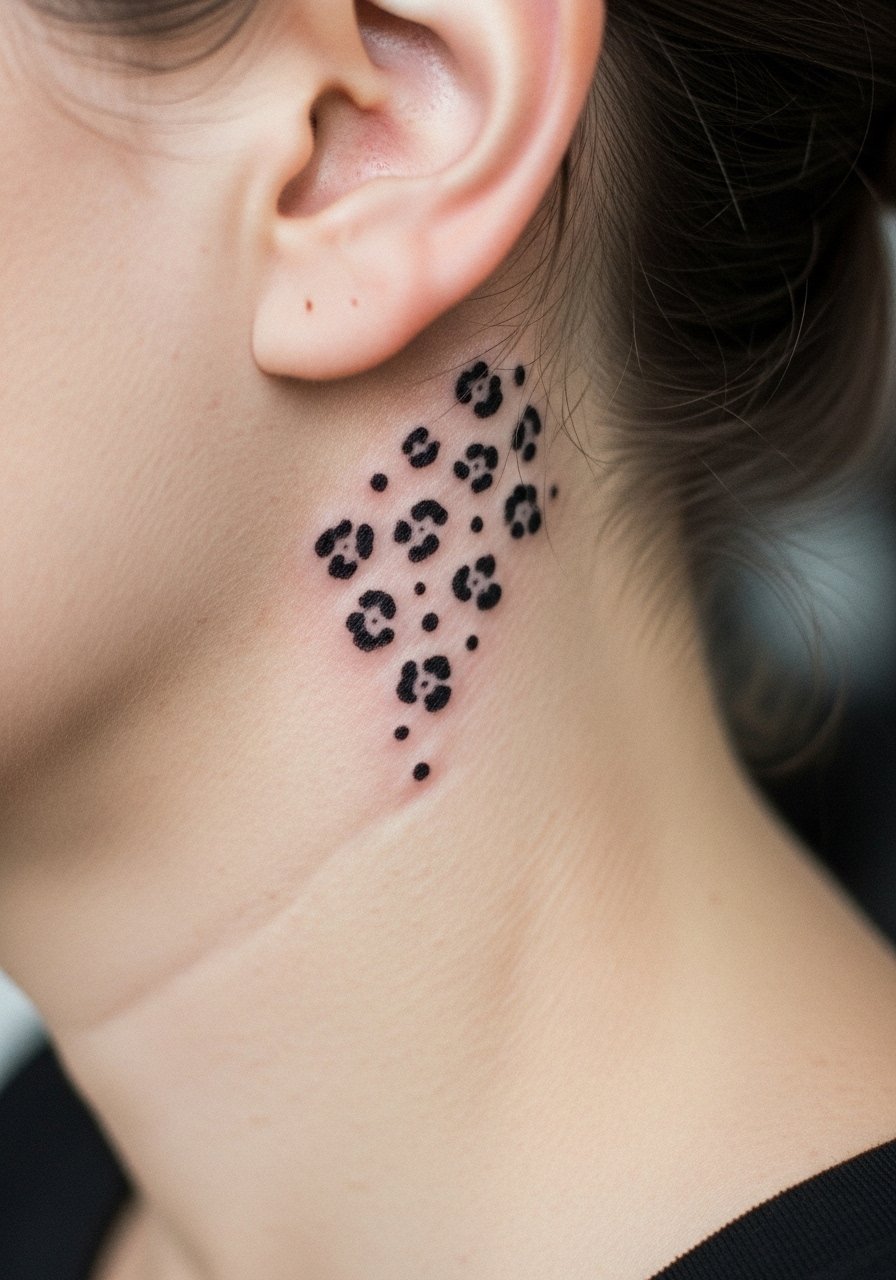
Cartilage-edge accents need careful spacing because the anatomy there is uneven. Sessions are short but precise. A common mistake is pushing too much detail into a small area and expecting it to remain sharp. Ask to preview the stencil in multiple head positions. For discreet session access, pin hair up and bring a silk scrunchie.
Frequently Asked Questions
Q: How long do traditional cheetah spots usually stay crisp before needing touch-ups?
A: From what I've seen, bold traditional spots with solid outlines keep a clear read for four to seven years in most placements. High-friction zones like fingers and feet often need touch-ups at year one or two. Plan on a single touch-up session in the first two years for spots in visible or mobile areas.
Q: Are there placements to avoid if I want the pattern to age the best?
A: Yes. Avoid very high-motion or high-friction zones if longevity is the priority. Fingers, palms, and the tops of feet wear faster. If you want visible pieces that last, lean into upper arm, shoulder, calf, or thigh placements where saturation and linework settle more predictably.
Q: Should I ask for traditional saturation or a lighter wash for cheetah spots?
A: Ask for traditional saturation and slightly thicker linework if you want the pattern to remain legible over time. Lighter washes and micro detail look great fresh but tend to blur earlier. Discuss spacing and negative space with your artist so the pattern has room to age.
Q: How do I find an artist who understands traditional animal-print work without naming specific shops?
A: Use local shop directories, convention guest lists, and genre-specific hashtags to find portfolios. Search tags like "traditional tattoo" plus "animal print" or check convention galleries to see healed work. Meet with artists and ask to see healed photos of similar placements before booking.
Q: Can cheetah print be combined with other motifs without losing clarity?
A: Yes, when composition is planned. Keep the cheetah spots bold and allow other motifs like roses, daggers, or stars to have clear borders. The mistake is overlapping fine shading at the same depth, which reduces contrast. Ask your artist to map negative space in the stencil stage so each element keeps its identity.