
Fine line tattoos are everywhere right now, and that popularity hides three real headaches most people learn the hard way: tiny lines that blur after a year, studios charging more than expected for a small flash piece, and wrist placements that hurt more or stretch with time. Pick designs and placements that age well and ask the right questions in consultation, and you can skip the regret threads and keep something that still reads clean in year three.
1. Tiny Fist-Bump Outlines on the Wrist

This is the go-to for guys who actually do a secret handshake every morning. For wrist placement expect a moderate pain level and a 20-30 minute single-session run for each tiny outline. Tell the artist you want at least 1.5 millimeter line thickness so the loops and knuckles keep definition after a year. The common mistake is asking for hairline lines that vanish with daily washing. For showing it off, pair the piece with a thin leather cord bracelet opposite the tattoo, and wear a sleeveless tank men to the session so the artist has clear access.
2. Geometric Interlocking Shapes at the Ankle
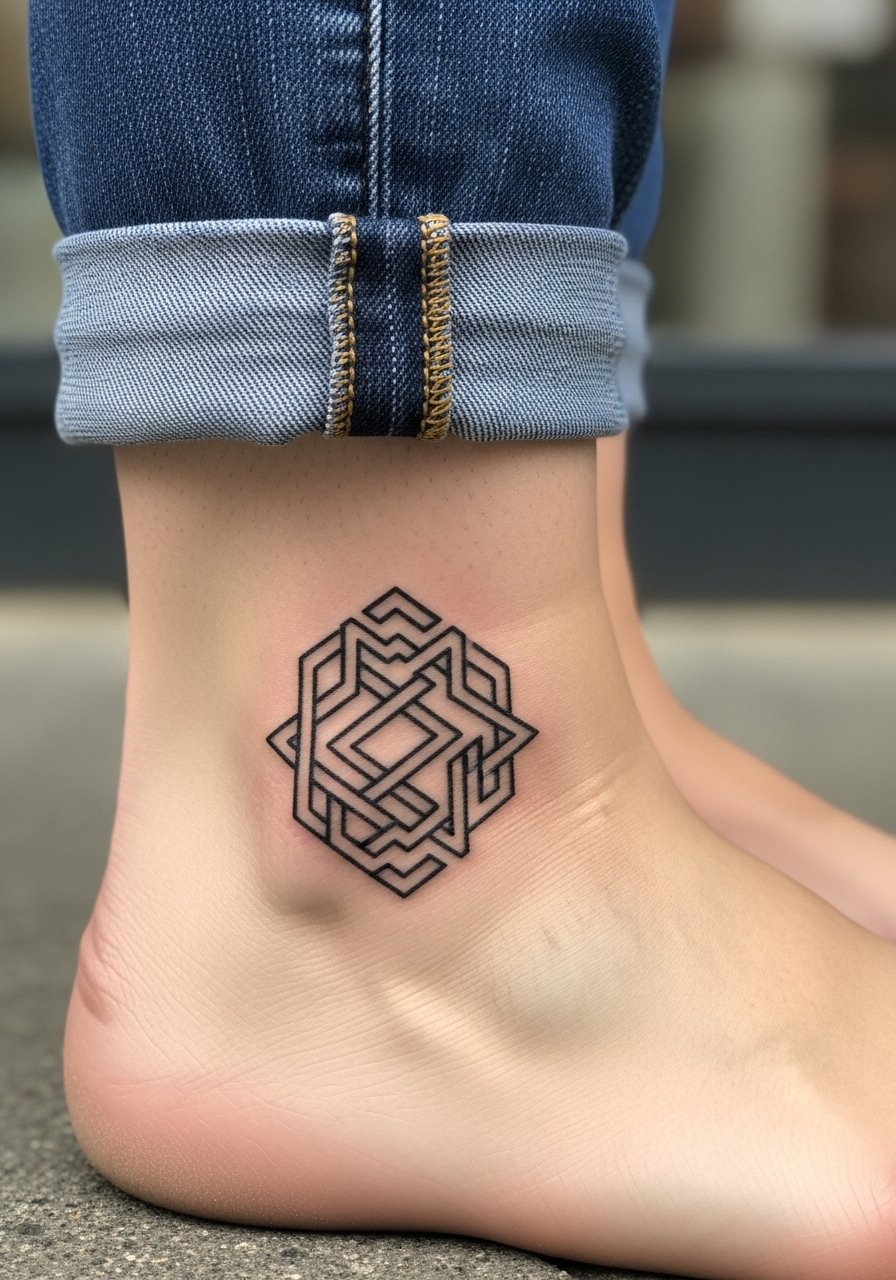
Geometric pieces read abstract and modern without spelling anything out. The ankle is tricky because movement and shoes rub the area a lot. Ask for slightly thicker spacing between lines and a small amount of dot shading to keep contrast on darker healed tones. Session time is usually 30 to 45 minutes. A common error is packing too many intersecting lines into one inch. For summer visibility, style with cuffed slim jeans or low-top canvas sneakers to let the shapes breathe.
3. Sun, Moon, Stars Trio on the Collarbone
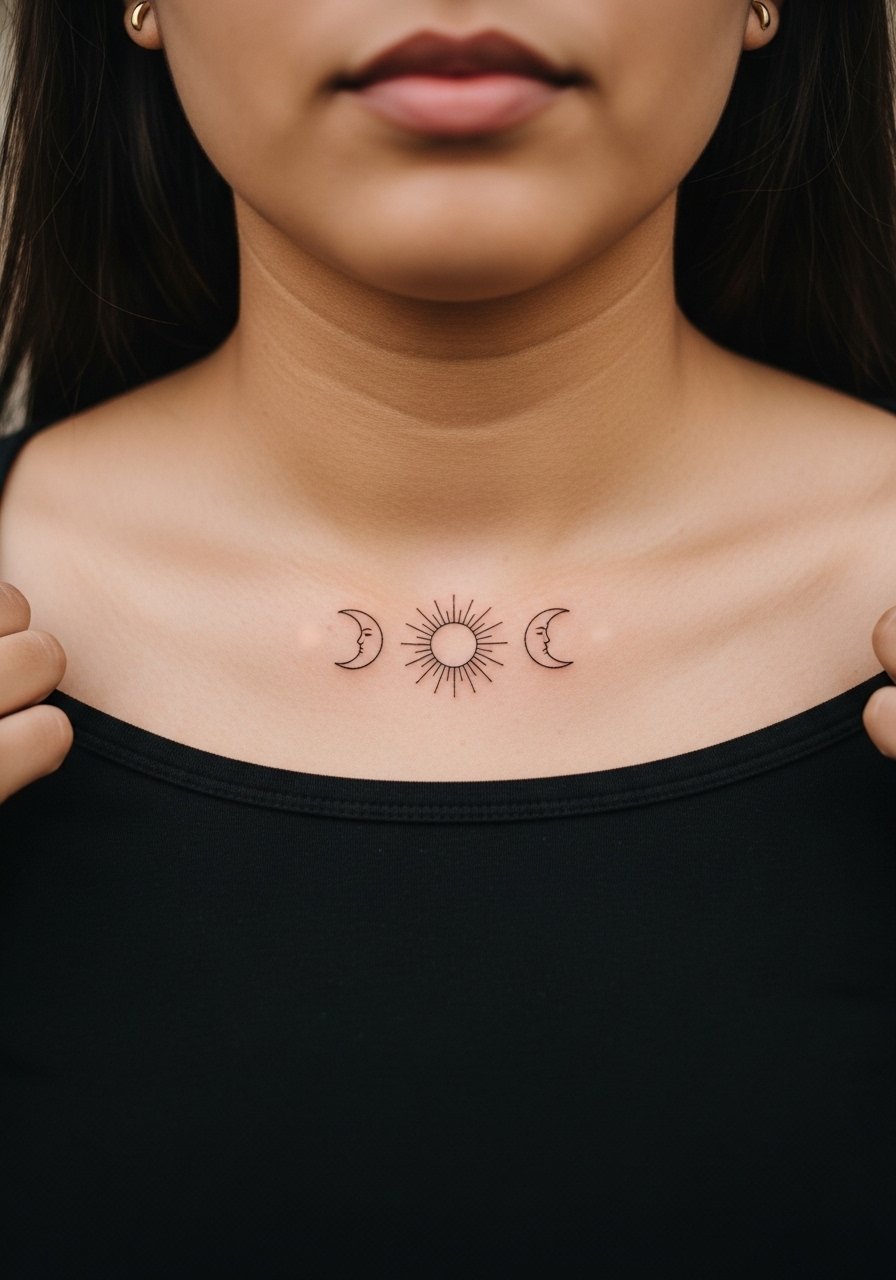
Collarbone placement keeps tiny celestial work visible and low-movement so the lines last. Expect a brief session under 30 minutes and a tingle more than sharp pain. Ask for subtle gray wash under the moon to boost contrast on medium and darker tones. The mistake I see most is insisting on paper-thin strokes that disappear in photos once healed. For both session comfort and showing it off, pull on a strapless tank top to the appointment and plan outfits like a simple v neck tee men afterward so the collarbone remains framed.
4. Arrow Through Mountain on the Inner Bicep
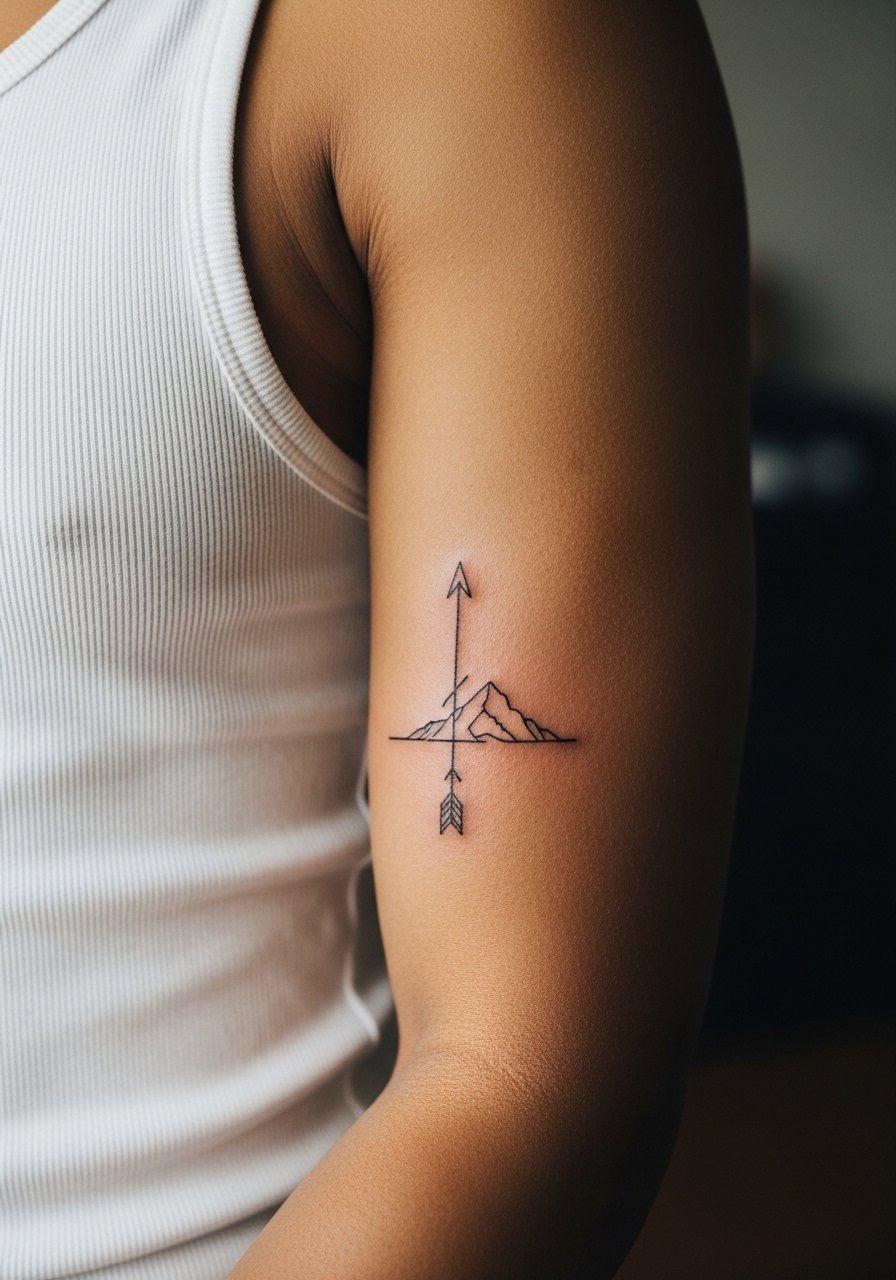
Fair warning, the inner bicep is soft skin and can sting more than forearm work, but it hides well and scales from subtle to slightly larger without losing effect. When booking, tell the artist you want a single-pass outline with a touch of stipple shading to hold the mountain silhouette longer. Artists split on fine line here. One camp says the skin stretches and blurs lines within two years. The other camp says with correct spacing and needle depth it settles fine. Ask the artist where they stand and what healed examples they can show. For session wear bring a fitted muscle tank so the arm can be positioned easily.
5. Tiny Tree Silhouettes on the Shoulder Blade
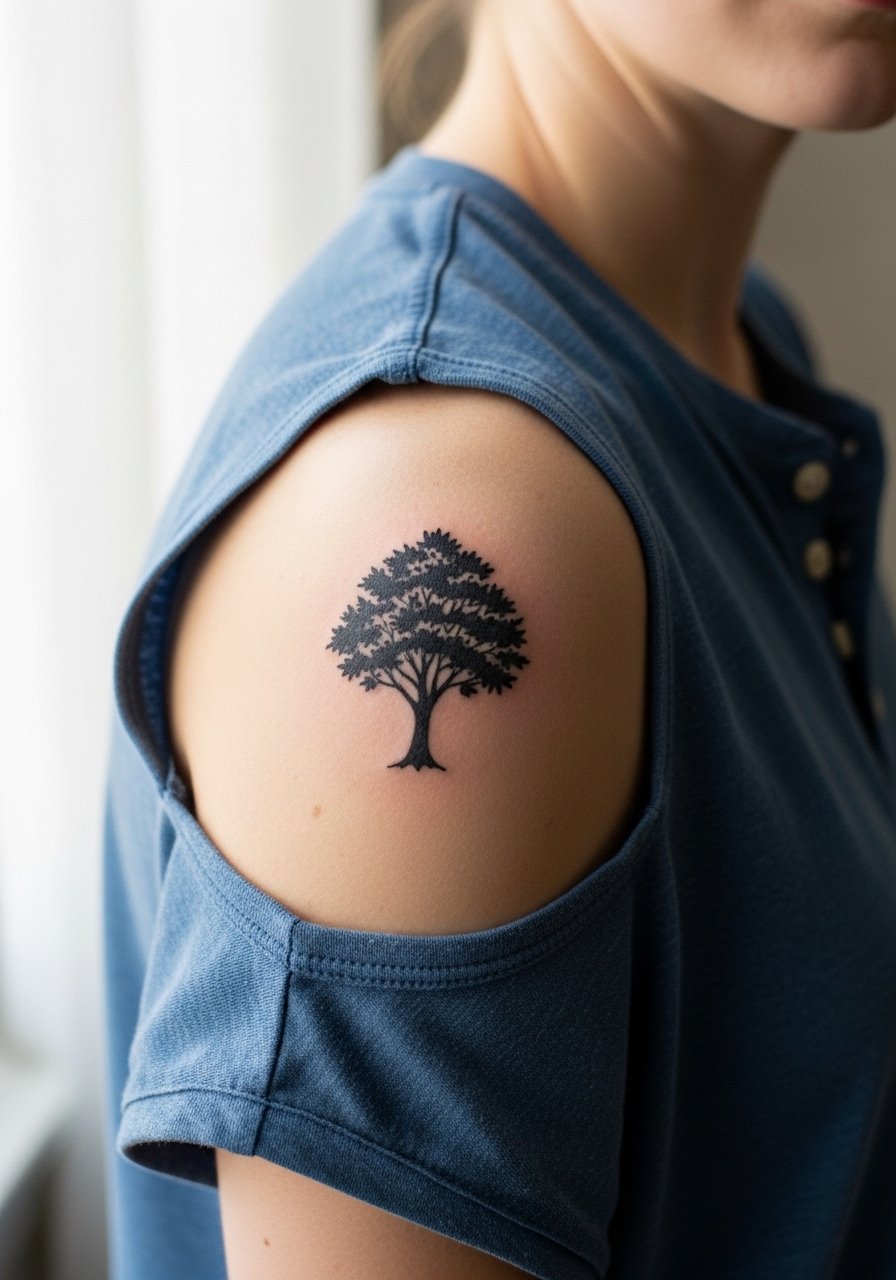
The shoulder blade is a forgiving canvas for silhouette work. Trees age well here because there is little daily friction. Expect 30 to 45 minutes and low to moderate discomfort. Ask the artist to keep the trunk bold and the branches simplified so the silhouette stays readable as the skin moves. A common mistake is cramming realistic root detail into a 1.5-inch patch. Show-off pairing works great with an olive sleeveless henley shirt and a loose button-down for the session so the back is easy to access.
6. Interlocking Waves on the Inner Forearm
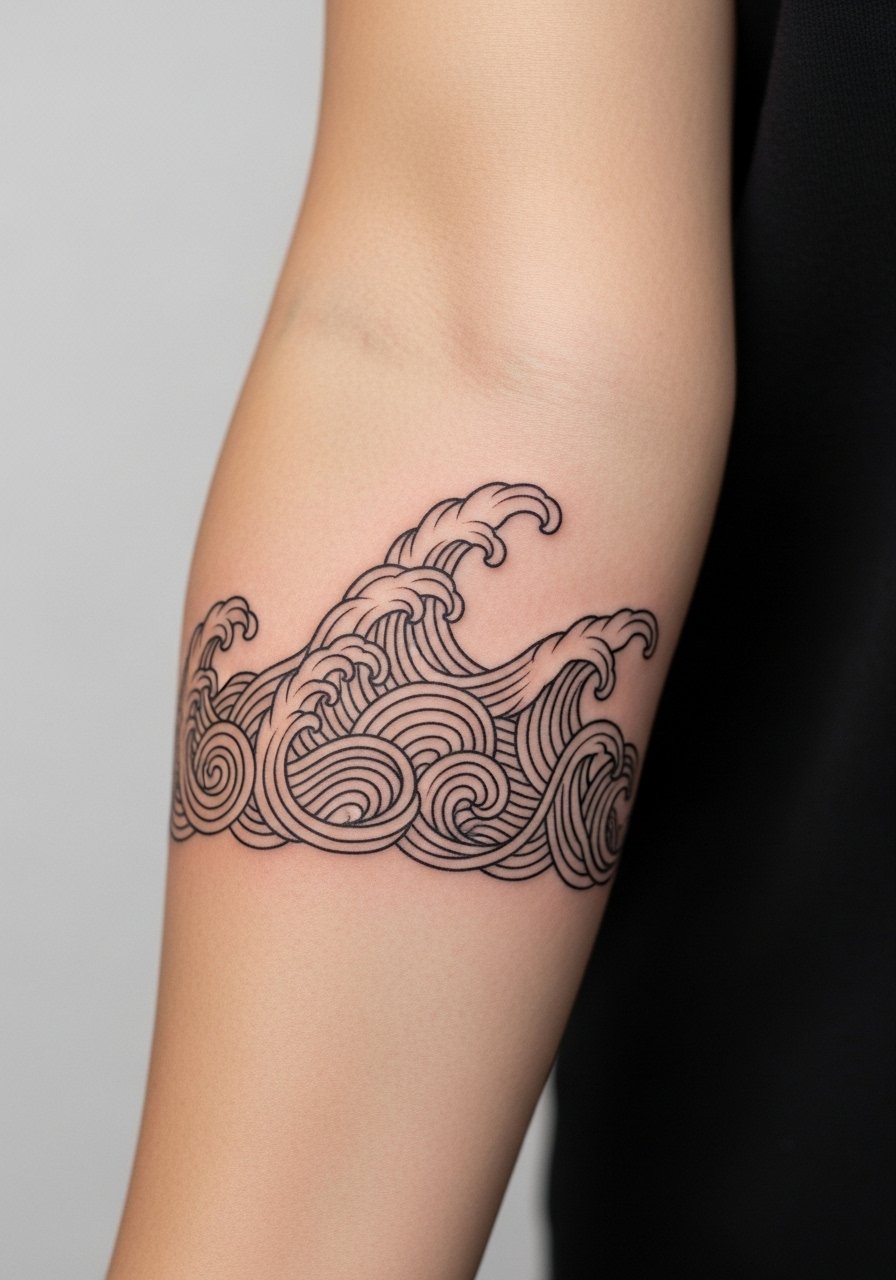
Waves fit active father-son duos who spend time outdoors together. The inner forearm is low movement compared with the wrist but still sees sun and sweat, which affects longevity. Ask for slightly heavier linework at the crest tips to preserve definition, and request touch-up guidance during booking. The usual mistake is choosing watercolor fills for tiny waves that dilute in months. For showing the piece, roll up a chambray shirt cuff to frame the art while keeping the rest of the arm casual.
Studio Day Picks
The wrist, collarbone, and inner bicep pieces above each ask for different prep, so a small kit tailored to those placements makes the session smoother and the first week easier.
-
Tea tree balm from an Aussie indie brand. Lightweight and less greasy than petroleum remedies, helpful for wrist pieces that see a lot of washing.
-
Cetraben fragrance-free cream. A dry-winter favorite for collarbone and shoulder blade work when you want moisture without a slick film.
-
Japanese herbal aftercare salve. Fast-absorbing, non-petroleum formula artists mention for small blackwork that needs breathable healing.
-
Indie Hustle Butter style shea salve. A thicker, natural option some people prefer after the first three days for continued softness.
-
Friskie tattoo ointment. Thinner than heavier petroleum creams, which some people find keeps fine line work from clogging while still locking in moisture.
7. Micro Angel Wings Behind the Ear
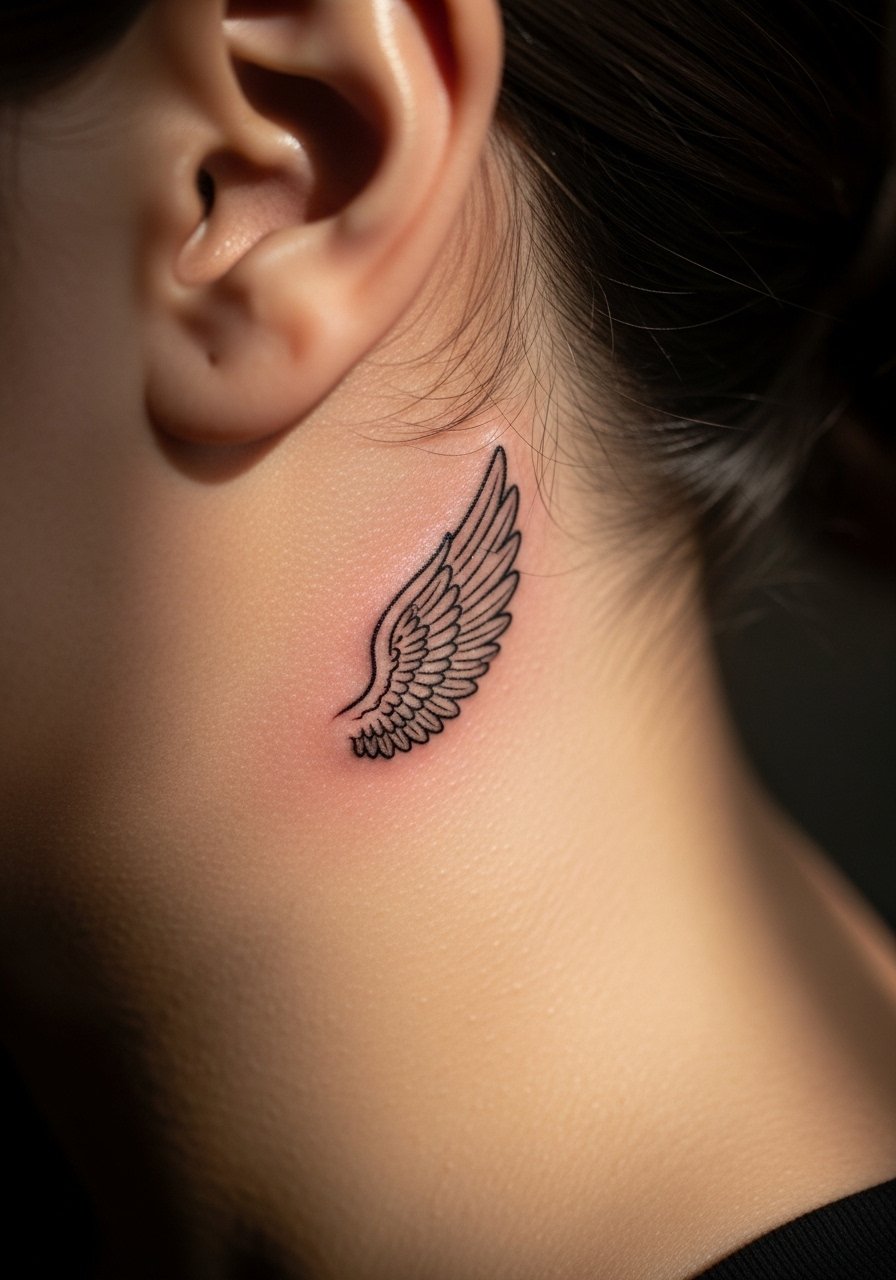
Behind-the-ear placements carry an intimate feel and very low visibility to the general public. These take under 20 minutes and a quick sting. For darker tones add a little gray shading to keep the feather details visible in photos. The main error is asking for hyper-detail in a 0.8-inch piece. Because the area is small, plan for a possible touch-up at year two if you want crisp feathers. Session wear is simple, just pull hair back so the artist can work cleanly.
8. Fishing Hook for Dad, Fish for Sons on the Calf
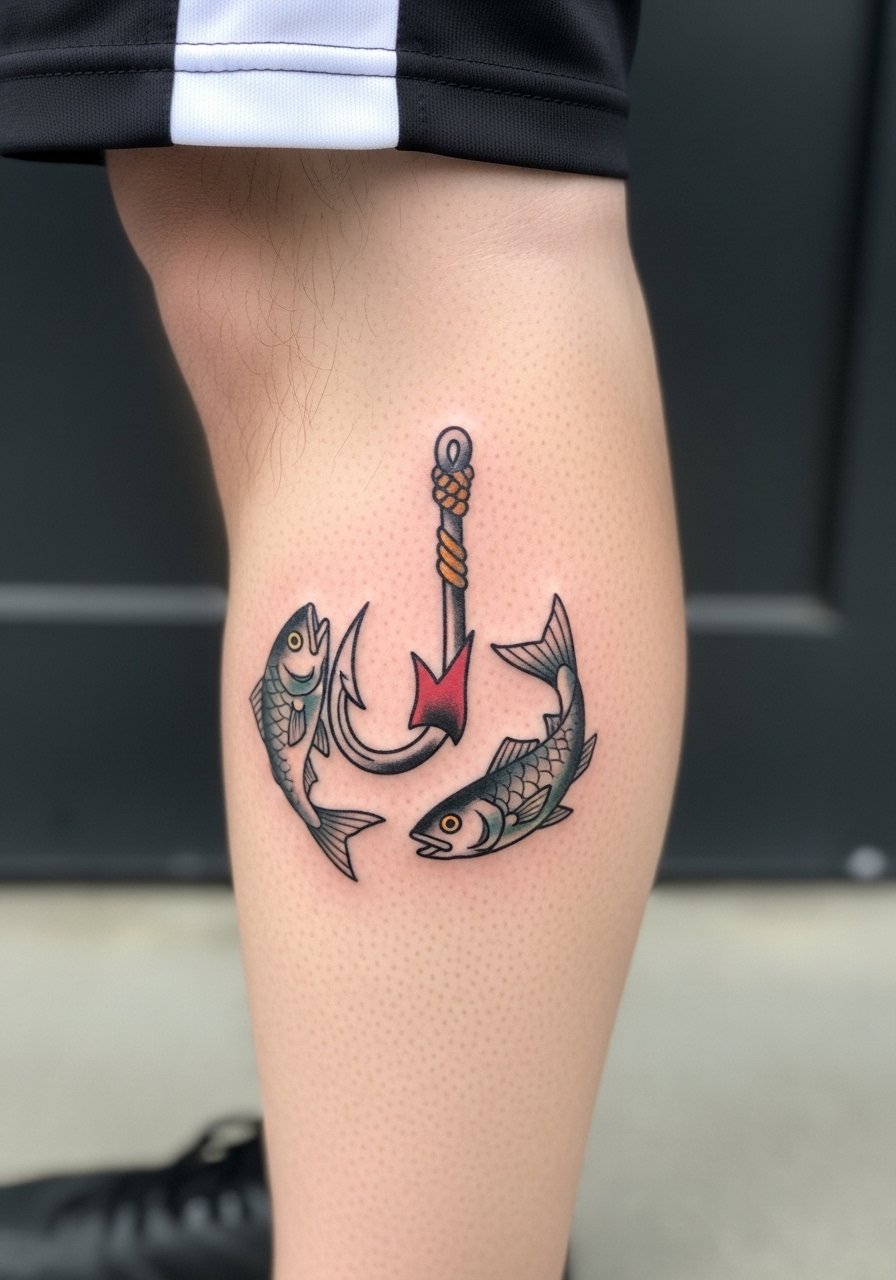
Calf tattoos are great for summer visibility and larger tiny motifs that still feel compact. Ask for deeper black saturation in the hook and minimal color accents in the fish so the contrast survives sweaty months. The calf tolerates longer sessions, so plan 45 minutes to an hour if you want matching variations. A common rookie move is placing the tiny fish too low where socks rub constantly. For showing it off, wear athletic shorts men and pull them slightly up for the appointment.
9. Pisces Fish Circle Split for Multi-Son Families
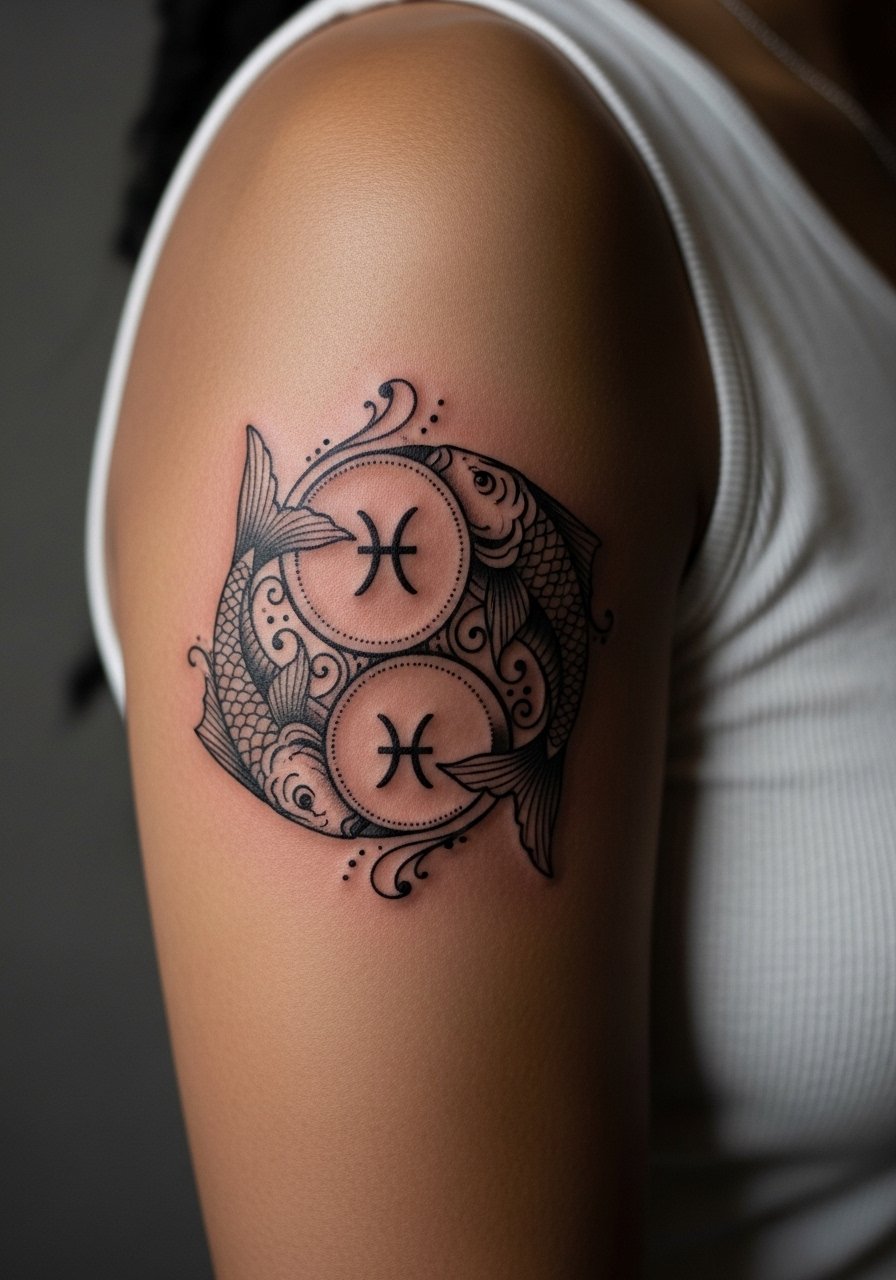
This is a quiet way to include multiple sons where dad wears the full circle and each son takes a tail segment. Upper arm placement preserves detail and photographs well. Tell the artist you want each segment sized to the wearer so the circle still reads when the family is together. Watch out for packing too many tiny numerals or initials into the tail where they blur. Touch-ups at year three are common for tiny script inside the tails. For session comfort, a loose fit short sleeve tee keeps the arm accessible.
10. Intertwined Tree Roots on the Forearm

This idea scales nicely from dad to son by simplifying the root map for the child. Forearm placement is visible and tends to age predictably if lines are spaced. Ask for simplified root negative space to prevent the shading from pooling over time. The mistake is over-detailing roots in a tiny area, which fades into muddle by year three. Expect a touch-up possibility at two to three years depending on sun exposure. Rolled sleeves and a slim gold bracelet on the opposite arm frame the piece without crowding the forearm.
11. Animal Silhouette Pair, Lion and Cub on the Shoulder

Animal pairs read as protective and direct without heavy ornament. The shoulder holds tiny silhouettes well and seldom needs heavy touch-ups. Ask the artist to avoid fine internal detail inside the cub silhouette so the shapes remain distinct over time. There is a debate in the community about micro-realism at this scale. One group prefers simple silhouettes for longevity. The other group pushes detail to capture expression. Decide which side you prefer and ask to see healed examples on similar skin tones. Session time is usually under 45 minutes.
12. Geometric Puzzle Pieces on the Forearm or Ankle
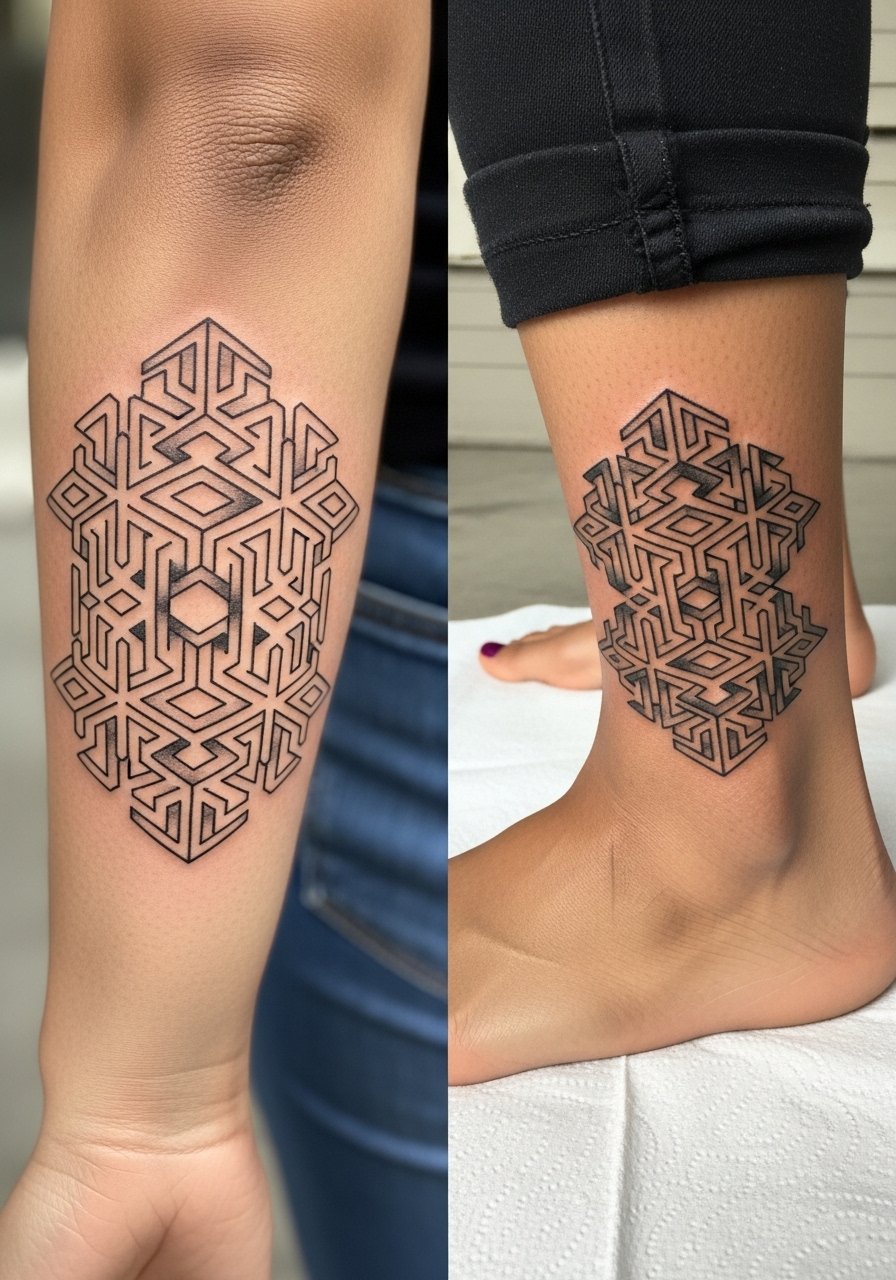
These let you carry family numbers or birth years hidden inside the shapes. The biggest mistake is shrinking the pieces until the angles are only a hair wide. Tell the artist you want negative space margins of at least 2 millimeters to avoid merging lines. Geometric work splits opinion for darker tones, where subtle shading can help lines read in photos. Plan for a short touch-up at year two if you have a lot of movement in the area. For session wear on the ankle bring shorts and on the forearm wear a loose short sleeve so the artist has clear access.
13. Split Script Halves Across Inner Wrists
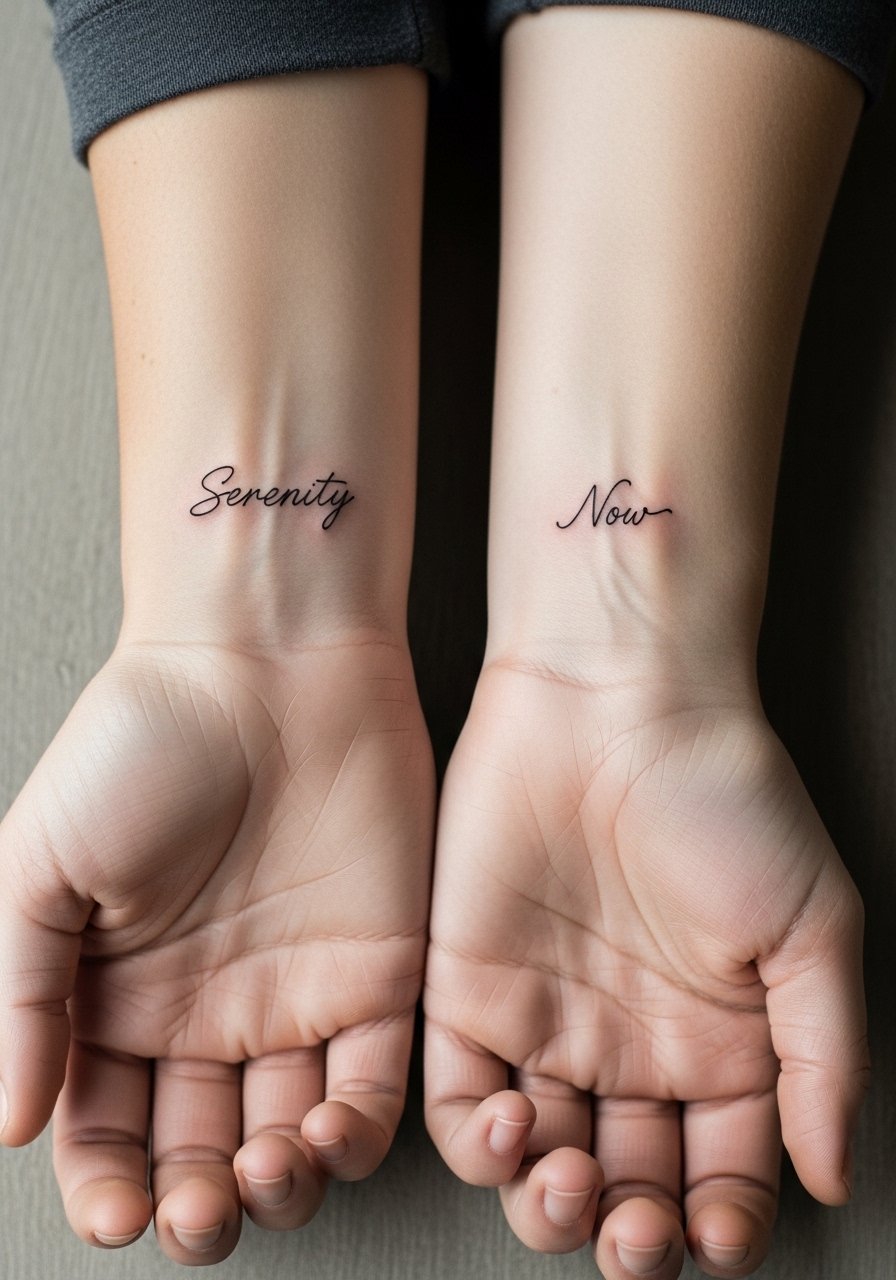
Script halves create conversation without spelling out emotion. For wrists ask for 1.5 to 2 millimeter stroke weight and a simple serif or minimalist script the artist can reproduce cleanly. The usual error is wanting a tiny ornate script that fills only an inch. That style looks ornate fresh and illegible once healed. Pain at the wrist is moderate but manageable; numbing can be an option if needed. Keep wrist jewelry light and consider a linen cuff bracelet opposite the script to frame it.
14. Shield with Initials on the Chest
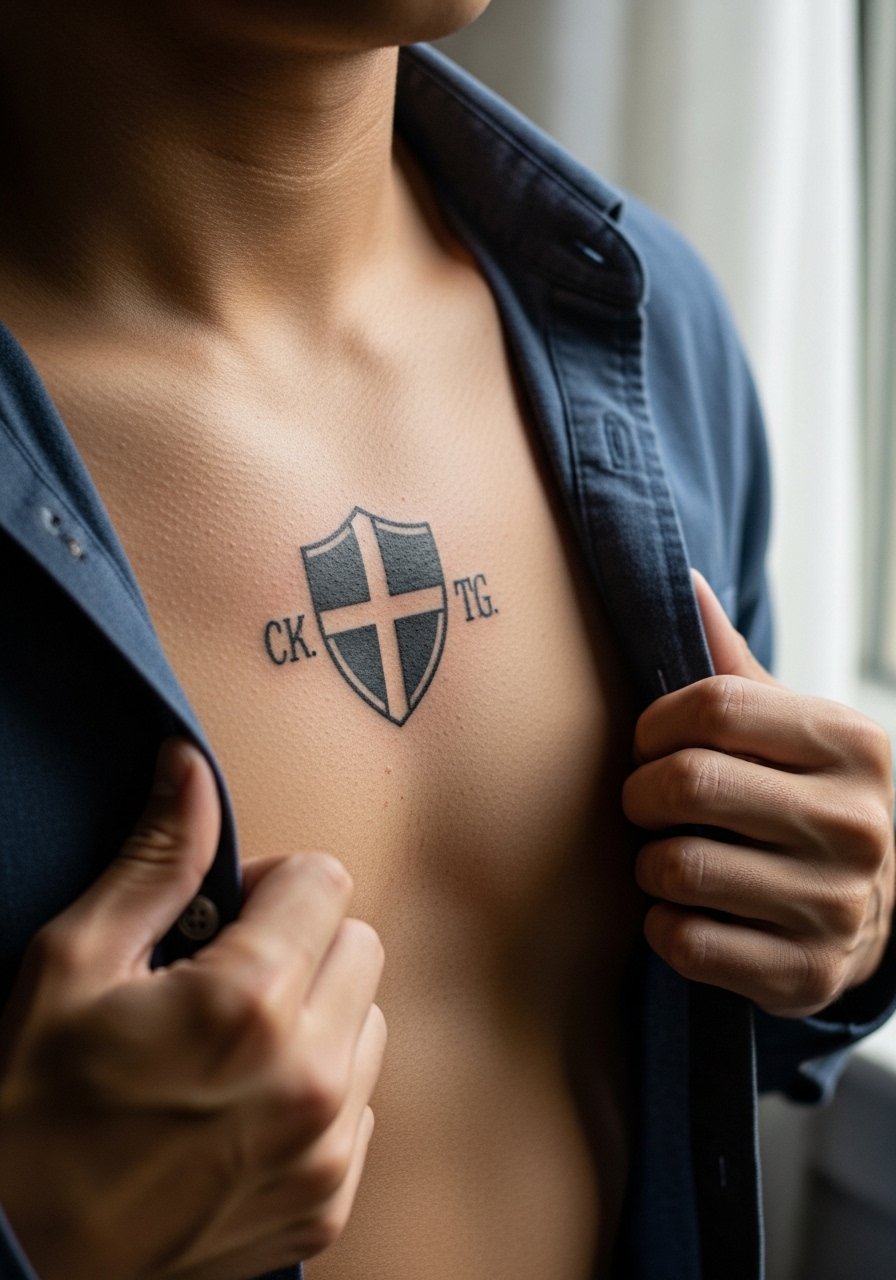
A chest shield reads bold even when reduced to a compact size, and the placement gives discretion under clothing. For this one ask for simplified heraldry and high-contrast initials so the letters stay legible. The chest can feel more tender than the arm and a short session with breaks helps. Avoid tiny ornate filigree that fills the shield and blurs. For showing the work, an open button up shirt over a plain tee frames the shield without exposing too much.
15. Tiny Compass on the Outer Forearm

A compass is a classic symbol of guidance without heavy literal language. The outer forearm keeps the points readable. Ask for bold main directions and simplified tertiary ticks so the rose does not merge. The common mistake is cramming ornate decoration around the compass in a tiny piece. Expect a 25 to 40 minute session and plan on sun protection afterward for the radial lines.
16. Tiny Matching Branch for Son, Full Trunk for Dad on the Inner Forearm

This scalable idea hits a sweet spot for families that want relation without identical ink. The branch needs simplified negative space and slightly heavier outline to match the trunk visually. The common mistake is mirroring the exact trunk detail at micro scale. That turns into smudge within a year. When consulting, show the two photos together so the artist balances thickness across sizes. For session wear roll sleeves or bring a loose short sleeve shirt for easy access.
17. Tiny Wave with Embedded Initials on the Ribcage

Ribcage pieces look intimate and wear the meaning privately, but the area is higher on the pain chart and moves with breathing. The typical rookie move is too much tiny script tucked into flowing lines that blur after six months. For longevity, keep the initials minimal and bold and the wave lines slightly spaced. Expect a sharper session and consider asking about numbing for comfort. Plan on a touch-up at year two if you spend lots of time in the sun.
18. Minimalist Anchor on the Calf
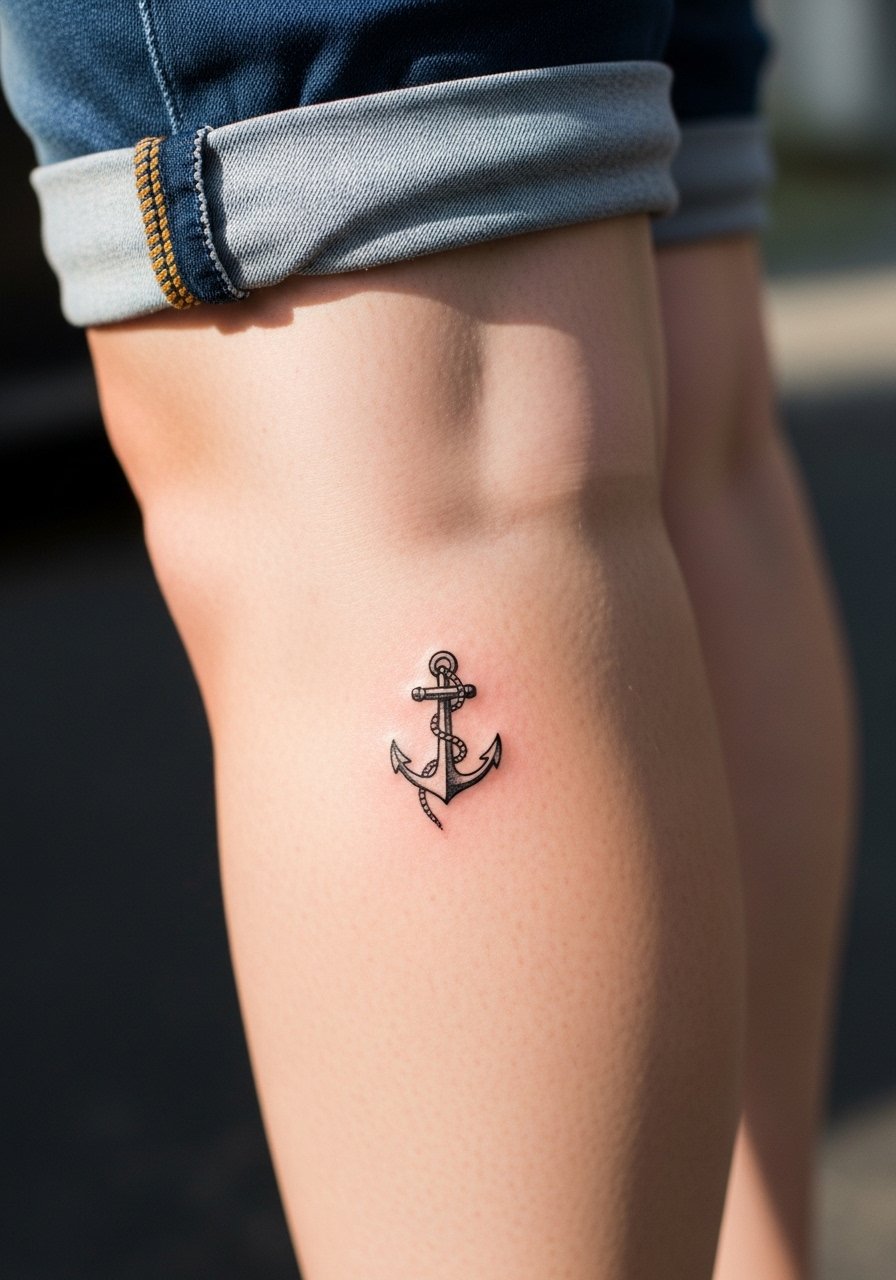
Anchors are a quiet nod to a shared hobby or memory. The calf handles small traditional lines well and tends to be forgiving against rubbing. Ask for solid black saturation and avoid tiny interior rope detail that softens with healing. Sessions are short and the area is easy to keep elevated if swelling occurs. For summer wear, pair with athletic shorts or slim chinos rolled at the ankle.
19. Tiny Dotted Constellation Bracelet Around the Wrist
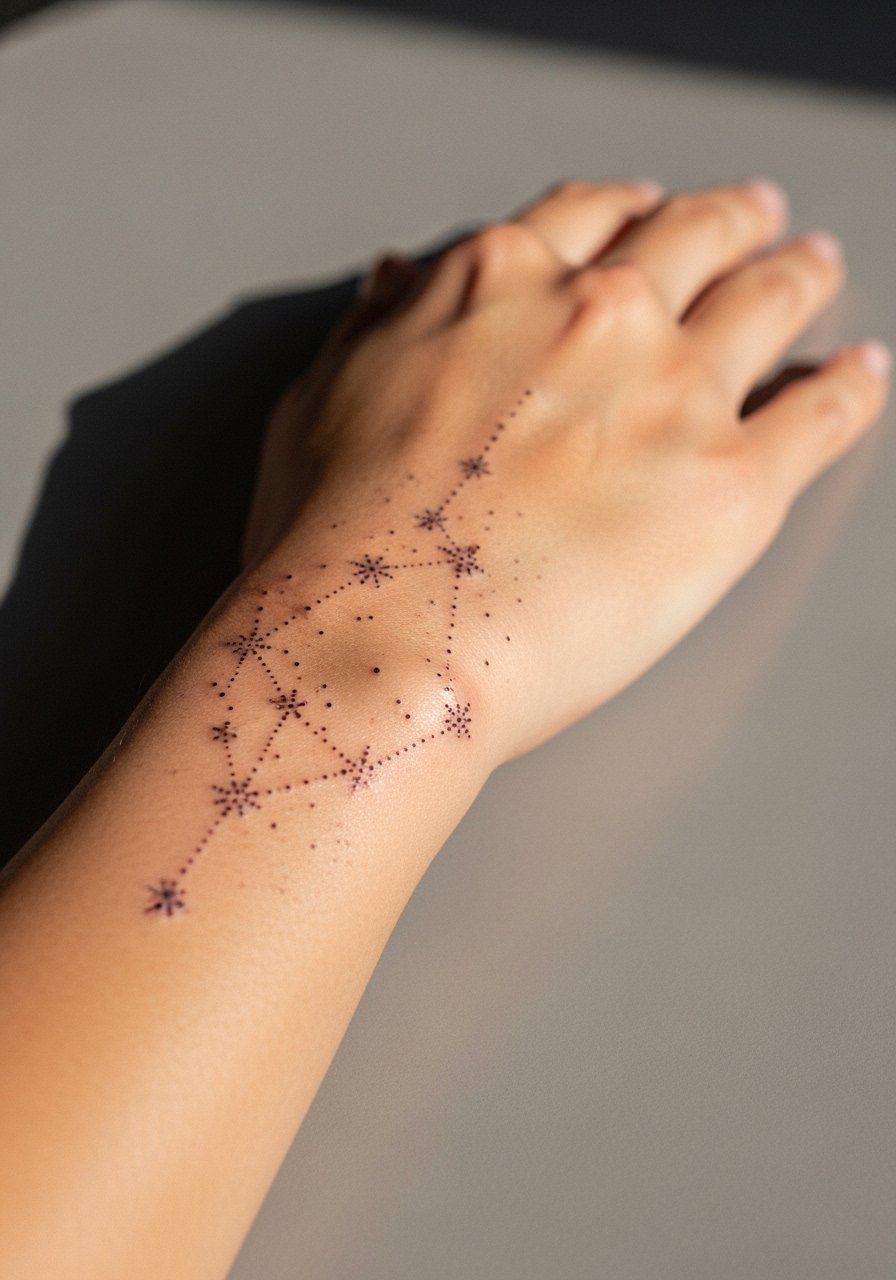
Dot work can read delicate without heavy lines, but wrist bracelets need careful spacing so dots do not connect. Tell the artist you want slightly wider gaps between stars and a few accent dots with subtle gray shading to keep the shape visible. The main issue is crowding the wrist with too many tiny dots which blend into a line later. Pair with a thin chain or minimal watch on the opposite wrist to balance the look.
20. Tiny Falcon Silhouette on the Upper Arm
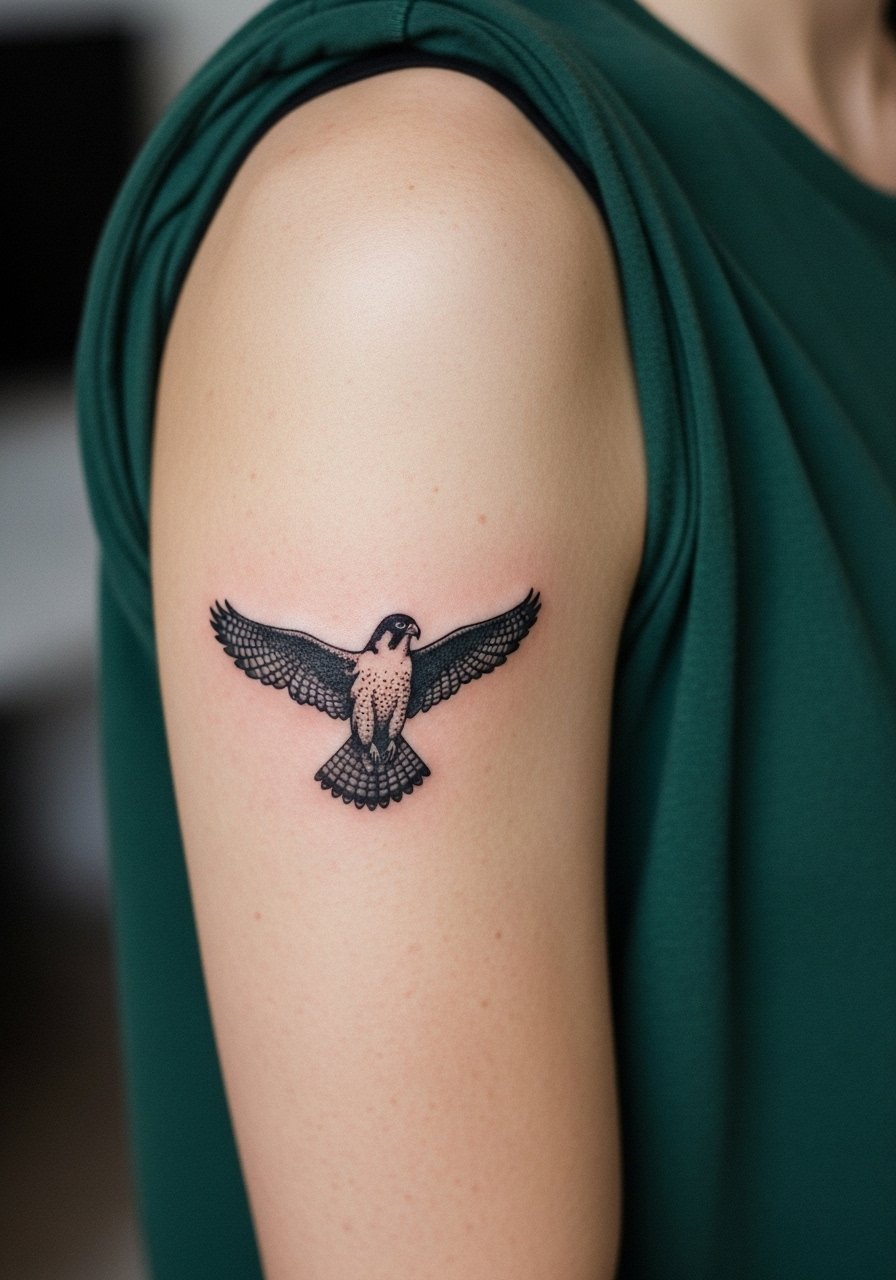
A bird pair can symbolize protection without explicit wording. Upper arm placement keeps the silhouette durable, but avoid internal feather detail that cannot be reproduced at a small scale. When you consult, ask for bold outer contour and simplified inner negative space. Session time is brief and pain is low. For showing it off, a rolled sleeve or a loose button down frames the shoulder.
21. Hidden Coordinates Under the Collarbone
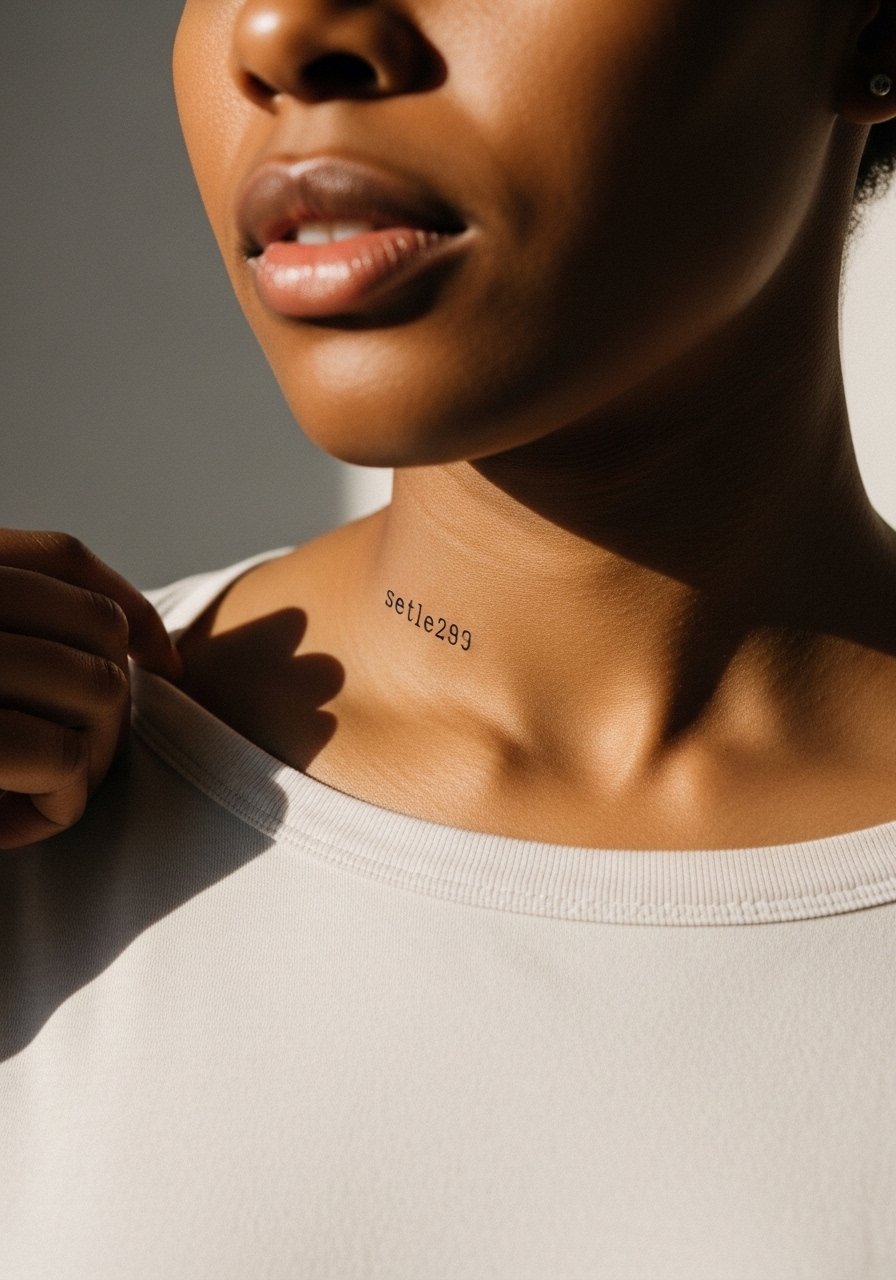
Coordinates are quiet and precise, and the under-collarbone strip resists stretch more than the wrist. Exact text matters, so be precise with the numbers when confirming the stencil. The common error is letting the artist freehand numbers instead of using a stencil that shows exact spacing. Expect a quick session and keep the area out of the sun during healing. A delicate chain works well to sit above the coordinates without crowding.
22. Small Nautical Star Near the Ankle
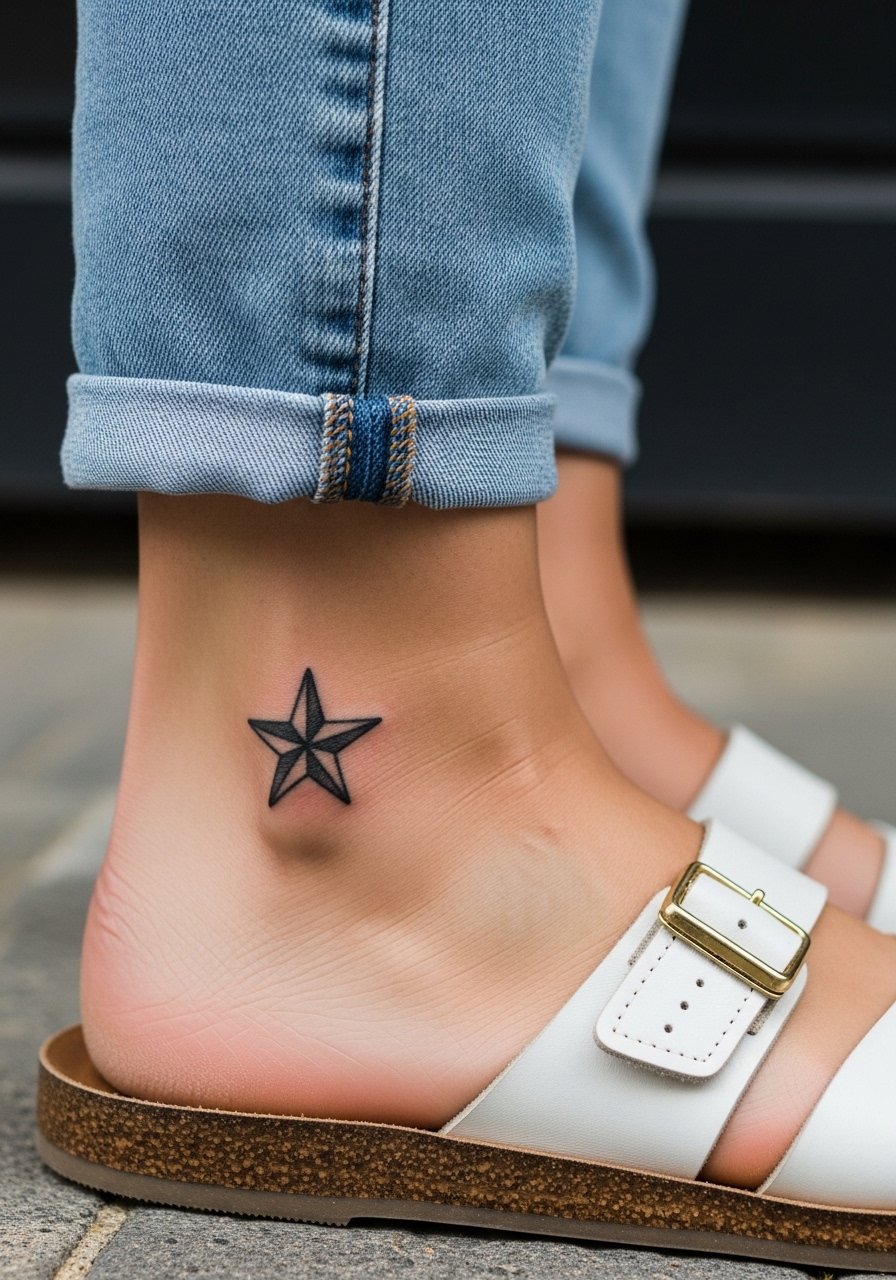
Nautical stars are crisp if drawn with clear vector points. On the ankle, plan for heavier outer lines and a clean interior to prevent the center from filling with ink. The usual mistake is asking for micro shading inside the points that softens. Session time is under 20 minutes. For shoes and shorts season, boat shoes men or rolled cuffs show the star off.
23. Tiny Paw Pair on the Calf or Bicep

Paw prints can represent a family pet or the playful side of father-son time. Calf placement holds detail better than the wrist for rounded pads. Ask the artist for bold pad outlines and minimal inner texture. The main error is tiny inner texture that disappears. Sessions are short and healing is straightforward.
24. Minimalist Mountain Range on the Ankle or Outer Forearm
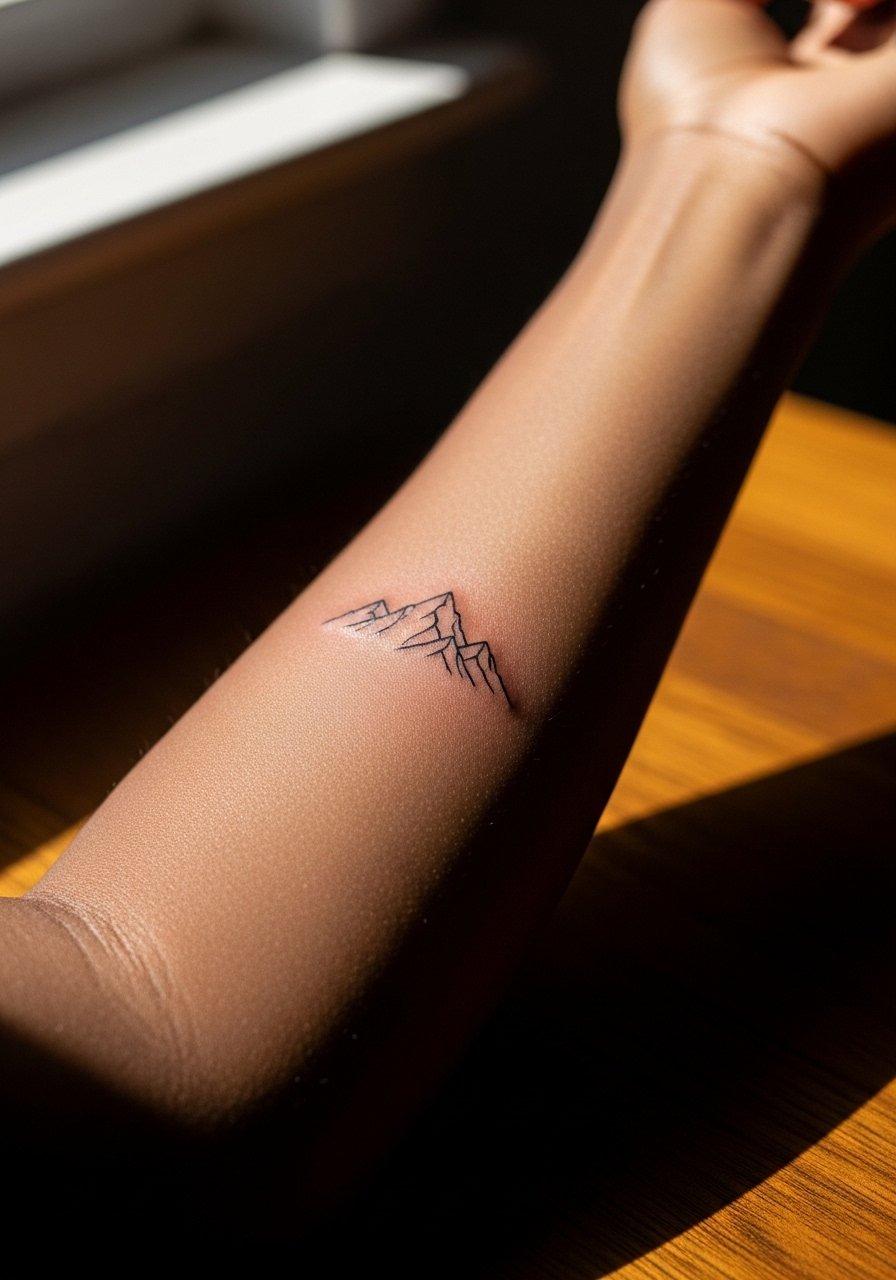
Mountains are popular with active families and age well when kept simple. On the outer forearm the lines sit flat and photograph nicely. Tell the artist to avoid tiny cross-hatching that collapses into gray over time. The common regret is choosing a trendy arrow-mountain variant that everyone gets. Customize a single peak or add a hidden initial to keep it personal.
25. Tiny Morse Code Line with a Hidden Message on the Wrist
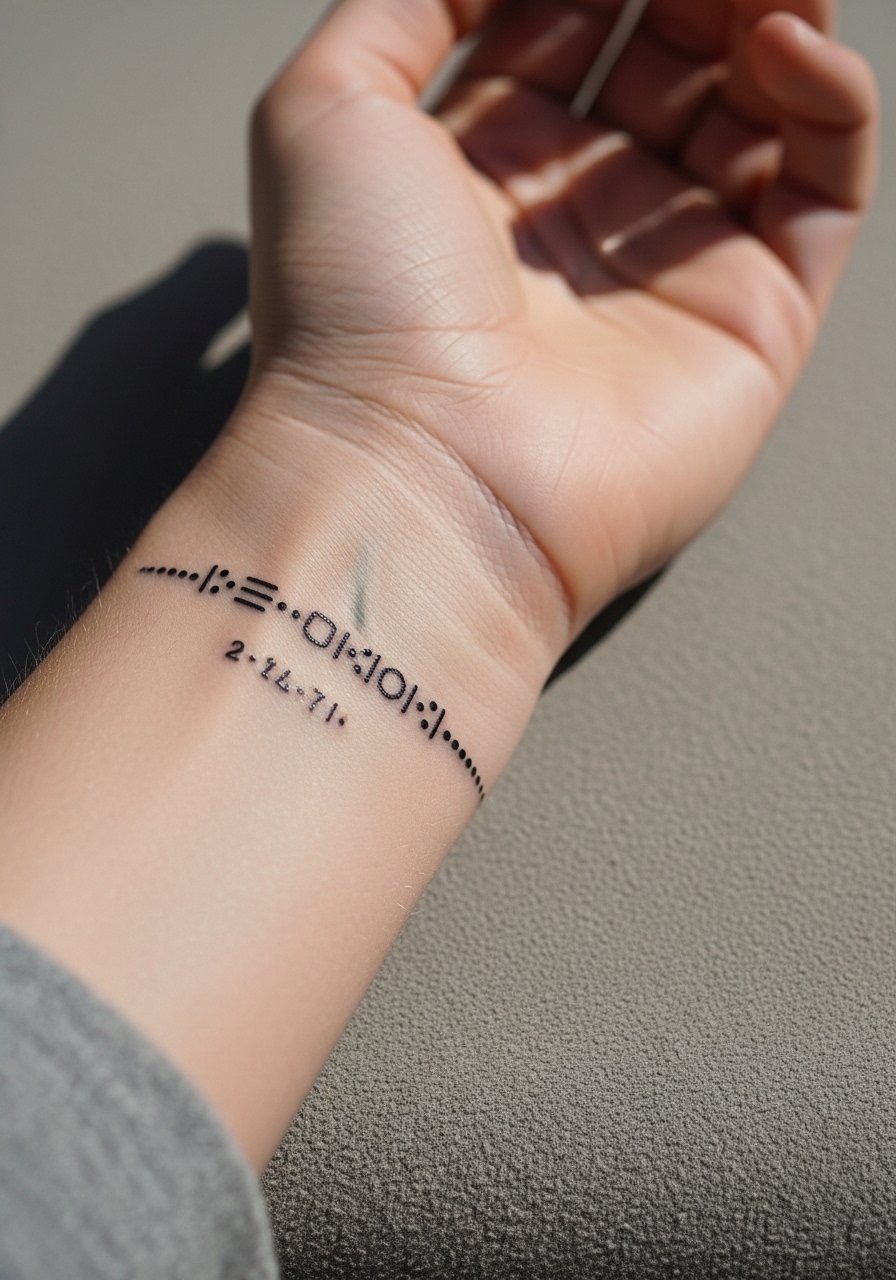
Morse code is private by design and scales perfectly to a bracelet-style wrist band. The trick is spacing; too tight and dots and dashes blur into a smudge. Ask the artist to mark the sequence on the skin and read it aloud so you confirm accuracy before the needle. Wrist placement will need slightly bolder dots than you think for photo clarity in months to come.
26. Tiny Leaf Cluster Near the Ankle or Hip
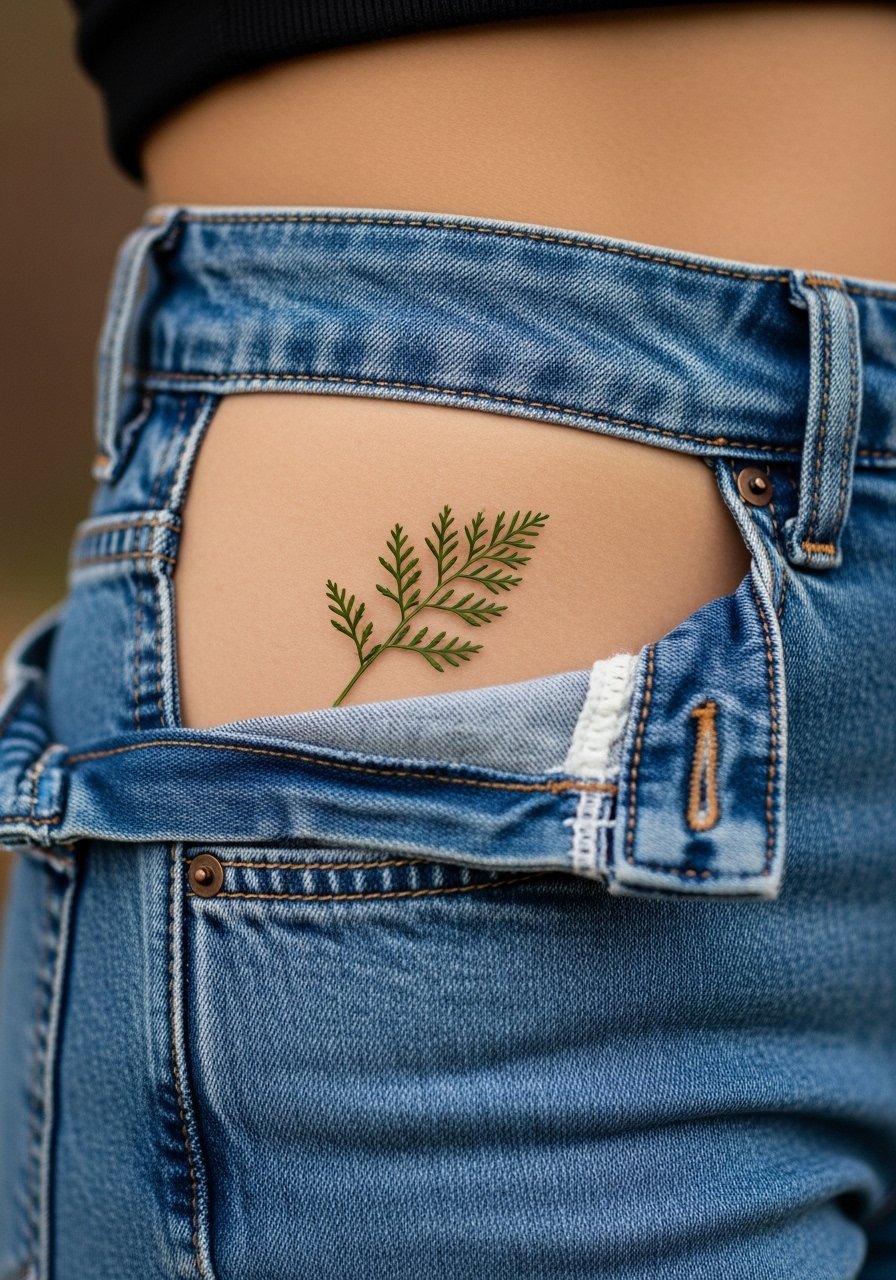
Leaf clusters are organic and scale-friendly. For hip placements follow the clothing safety rule and reveal only the hip area. The hip moves less than the inner thigh so detail preserves well. The common mistake is squeezing in thin veins inside each leaf. Keep the veins minimal and the outline slightly thicker for longer readability. For session wear choose high-cut shorts that allow easy access.
27. Tiny Shielded Knot or Celtic-Inspired Loop on the Inner Wrist
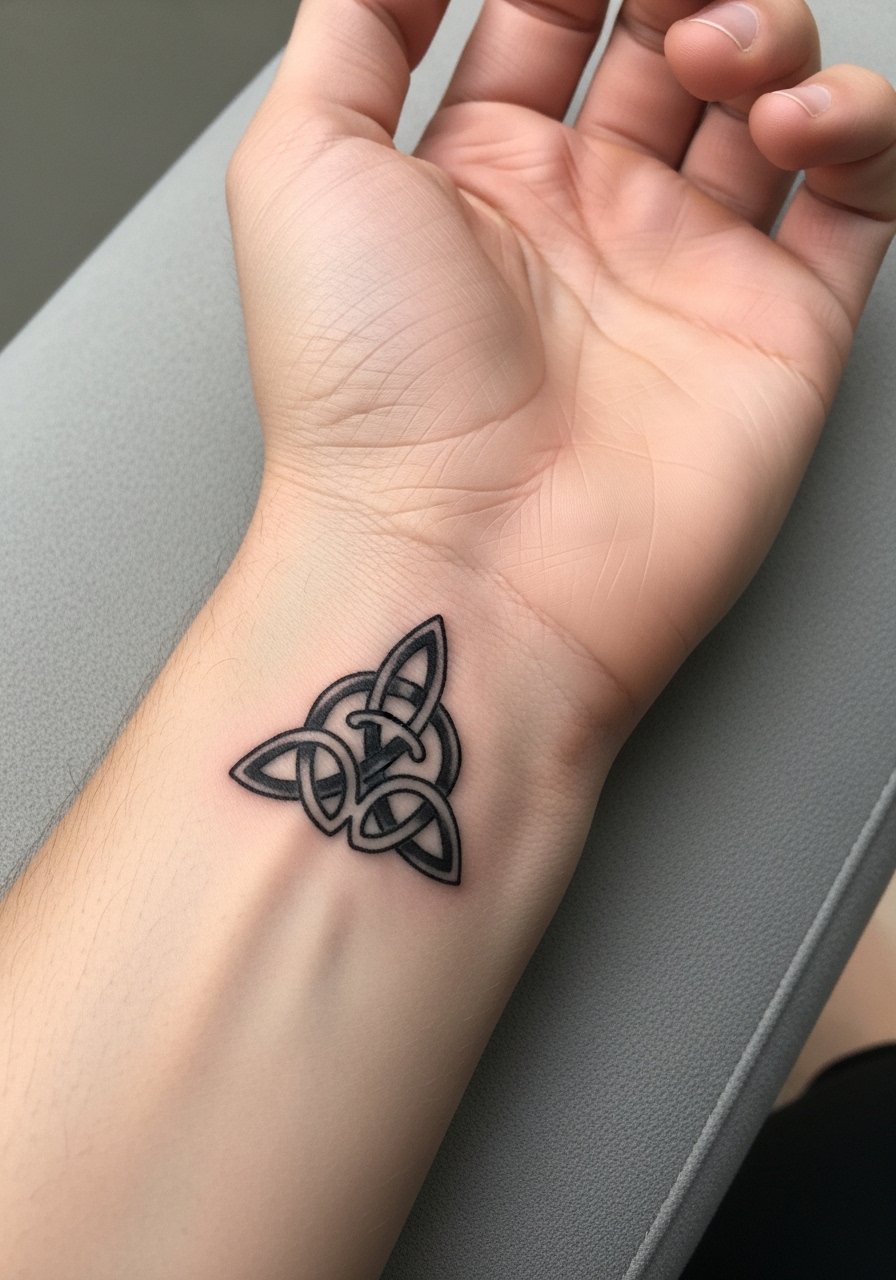
Knots read timeless and can include subtle family numbers woven into the weave. On the inner wrist go for bold contours and avoid micro shading inside the loops that can fill as the tattoo heals. Pain at the inner wrist is moderate and the area is high contact, so expect a slight chance of earlier softening. If you want the knot to remain crisp, plan a touch-up at year two and keep the wrist protected from daily friction.
Frequently Asked Questions
Q: Will tiny fine line wrist tattoos blur faster than the same design on the collarbone?
A: Yes, wrists see more washing, rubbing, and sun exposure than collarbones, so fine lines on the wrist often need touch-ups sooner. If you want wrist visibility, ask for slightly thicker line weight and plan on a two to three year touch-up window.
Q: How do I pick between fine line and bold blackwork for a tiny father son piece?
A: There are two camps. One prefers fine line for the subtle look and accepts touch-ups. The other prefers bolder lines for longevity. Choose based on how much visible maintenance you want and ask to see healed examples from the artist on skin tones similar to yours.
Q: Are there placements I should avoid if I lift weights or expect body changes?
A: High-movement areas like the inner forearm near the wrist and the outer bicep can stretch if you gain major muscle or lose weight. For predictable aging pick low-movement spots like the collarbone or shoulder blade, or accept the need for touch-ups later.
Q: Can I hide initials or dates inside tiny wave or geometric designs and still have them read after healing?
A: You can, but keep the letters bold and limit how small they are. Hidden initials inside a wave work best when the initials are simple characters and the surrounding linework leaves clear negative space. Ask the artist to preview the stencil at full scale before work begins.
Q: What should I wear to a session for a shoulder blade or ribcage piece?
A: For shoulder blade work wear a sleeveless henley shirt or a button-down you can pull aside. For rib work pick a cropped top or tank so the artist has clear, comfortable access without you getting chilled.