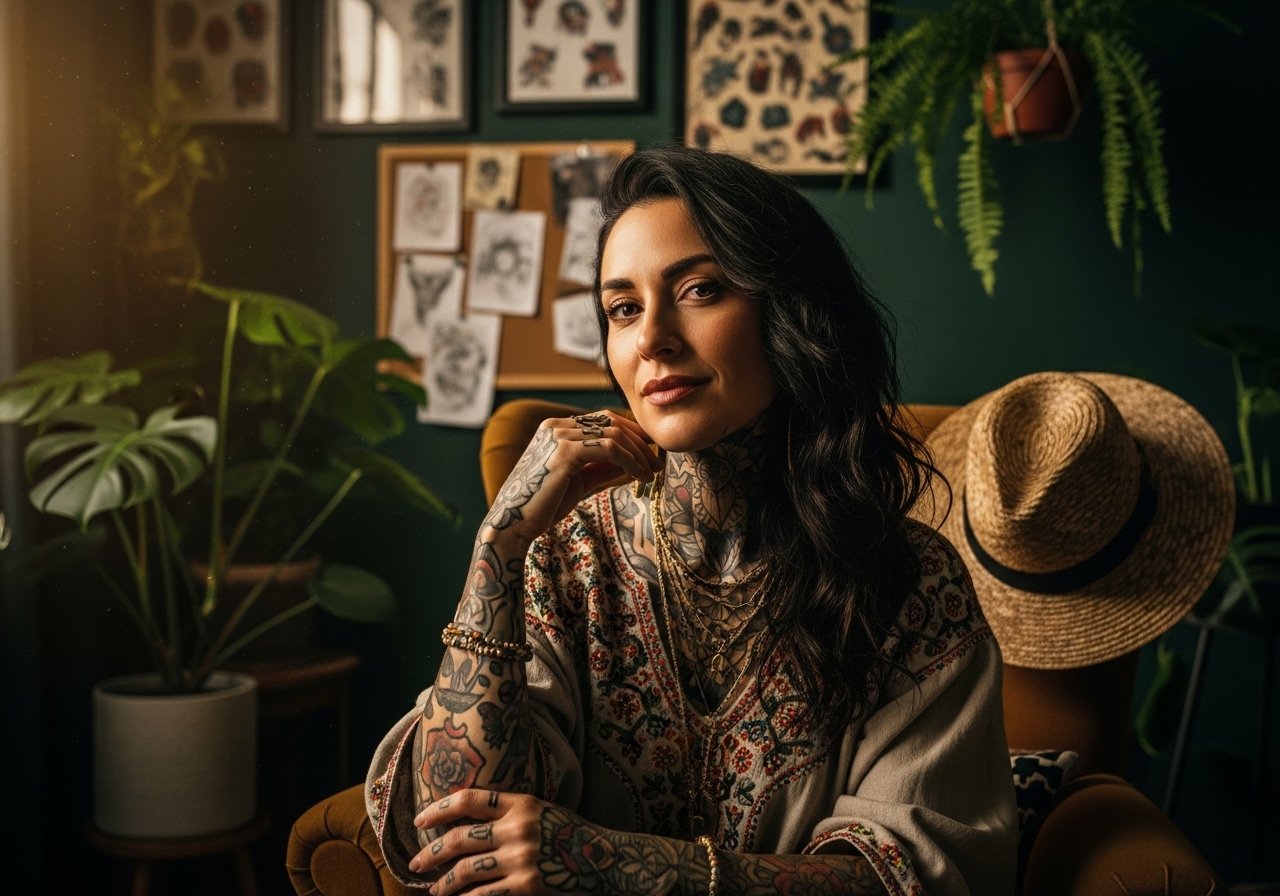
Tiny cheetah print tattoos keep showing up in saved boards because they read like a small, readable accent on skin. They can be discreet and clever, or bold and compact, and the choices matter for how they age and how they work with your wardrobe. Below are 21 tiny cheetah print tattoo ideas with notes on placement, what to ask for in a consultation, how each option holds up over time, and when to bring a specific outfit to your appointment.
1. Micro-Realism Patch on Inner Wrist
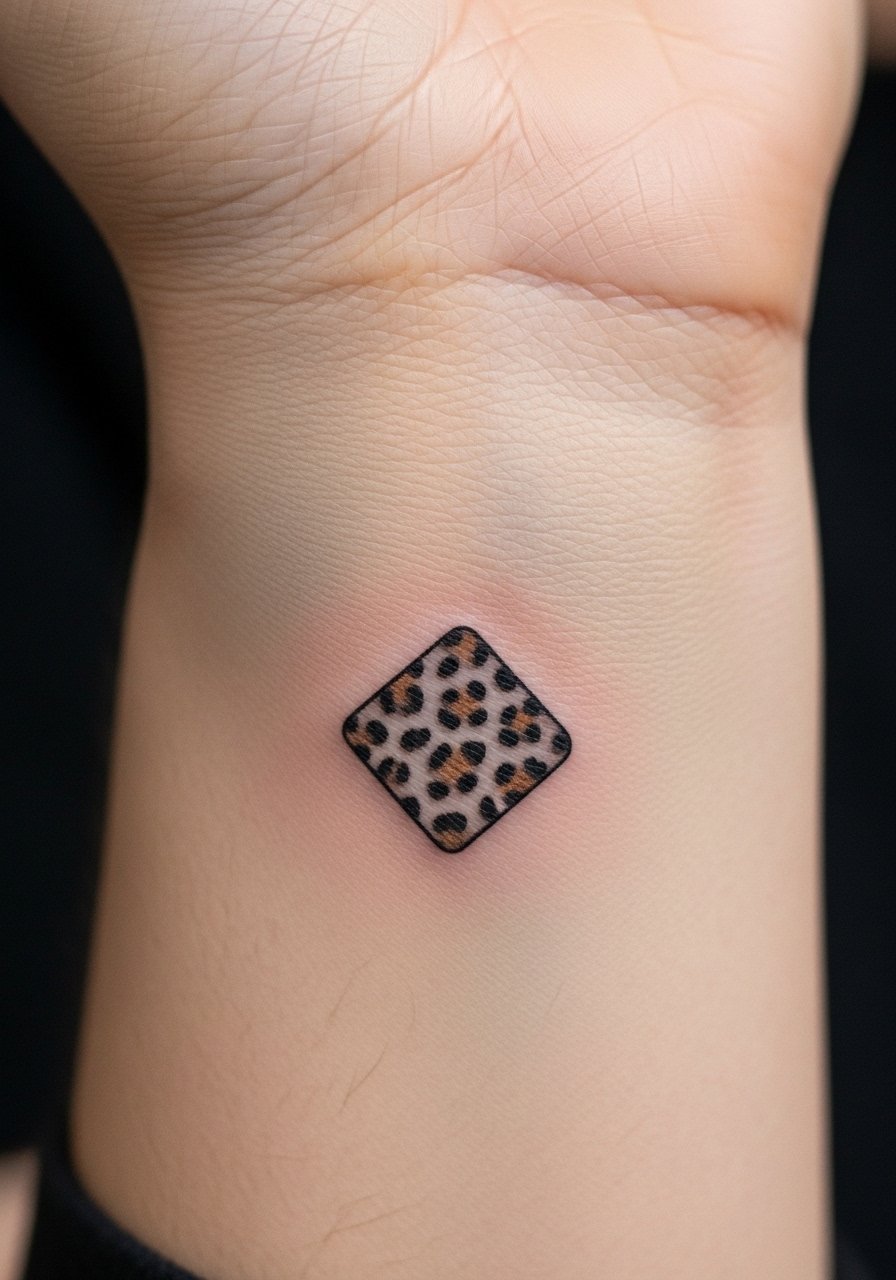
I recommend this when you want a discreet hint of pattern that peeks from sleeves. Tell your artist you want dense spot texture with soft stipple shading rather than heavy color fill so the wrist's thin skin does not hold thick saturation over time. The inner wrist is a low-friction area but it gets sun exposure, so expect softer edges at two years and a possible touch-up by year three. Common mistake is asking for too many tiny spots squeezed into one inch. For the session wear, pull on a sleeveless tank so the artist has clear access and you do not accidentally rub jewelry against fresh ink.
2. Fine Line Spot Band Around the Ankle

This one is a good first tattoo for people who want symbolism without commitment. Ask for single-needle linework with slightly spaced spots so the band ages cleaner than a solid wrap. The ankle sees friction from socks and shoes, so expect some fading at six months and plan a touch-up at year two. A frequent error is requesting hair-thin lines with no spacing, which leads to merging. For showing it off, pair the finished work with strappy flat sandals or rolled ankle pants in neutral tones to let the band read without competing patterns.
3. Watercolor Splash with Cheetah Spots on Outer Forearm
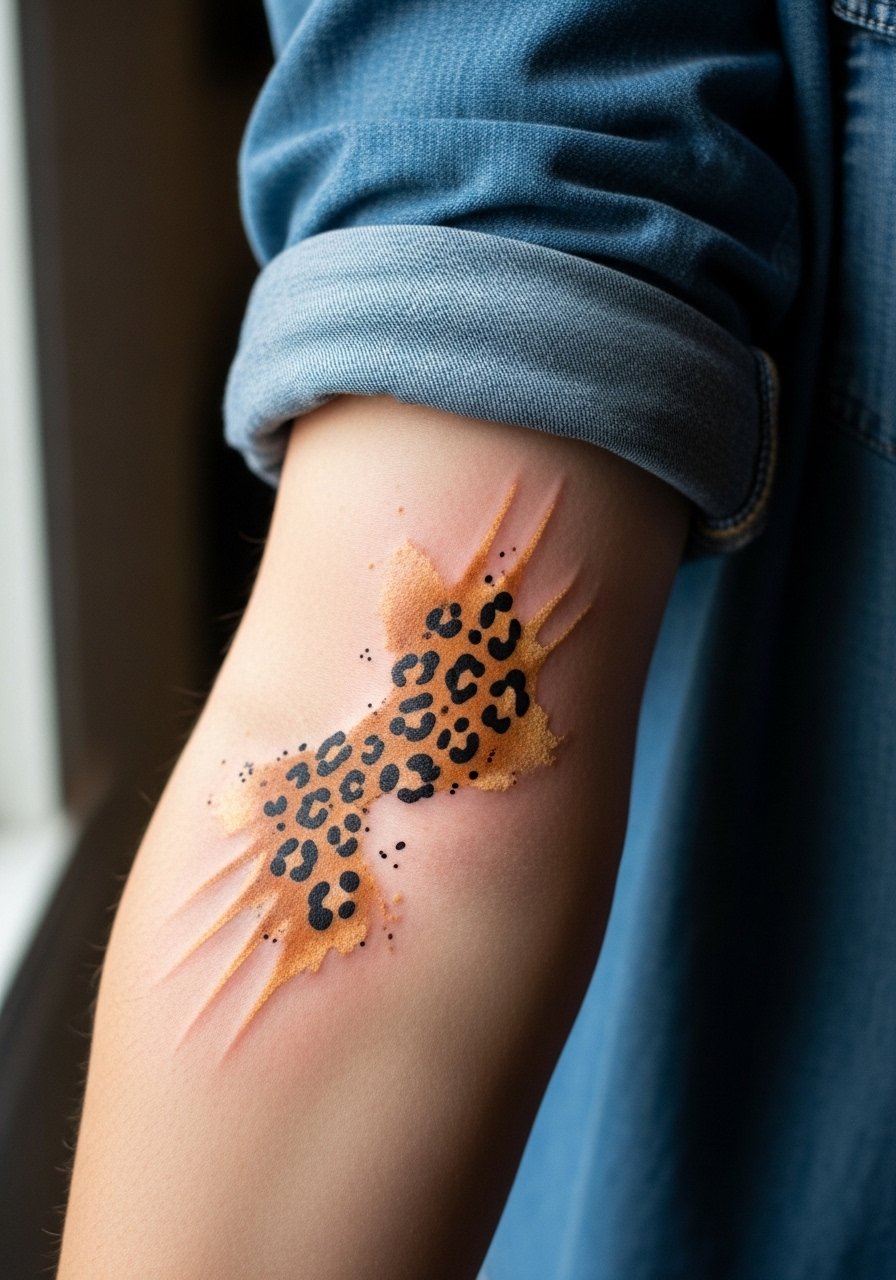
Fair warning, watercolor needs space to breathe. For this forearm piece request diluted pigment washes behind the spots and ask for sealed edges so the color does not feather into the linework. At six months the wash softens and at two years the color may need boosting if your sun exposure is high. The biggest mistake is compressing too many colors into a tiny patch. For show-off pairing, roll up a rolled chambray shirt in earthy tones and wear a contrasting leather wrap bracelet on the opposite arm to balance the fluidity.
4. Geometric Cluster of Spots on Outer Thigh

The thigh gives you room to treat cheetah spots as architectural elements. Tell your artist to use bold outlines for the triangle and lighter stippling inside the spots. This placement is forgiving on blowout but changes if your body shape shifts. A common mistake is going too small for geometric lines. For the session, wear high waisted shorts so the artist can access the outer thigh without fabric pressure, and plan for a touch-up if you gain or lose significant weight.
5. Minimalist Collarbone Spot Cluster
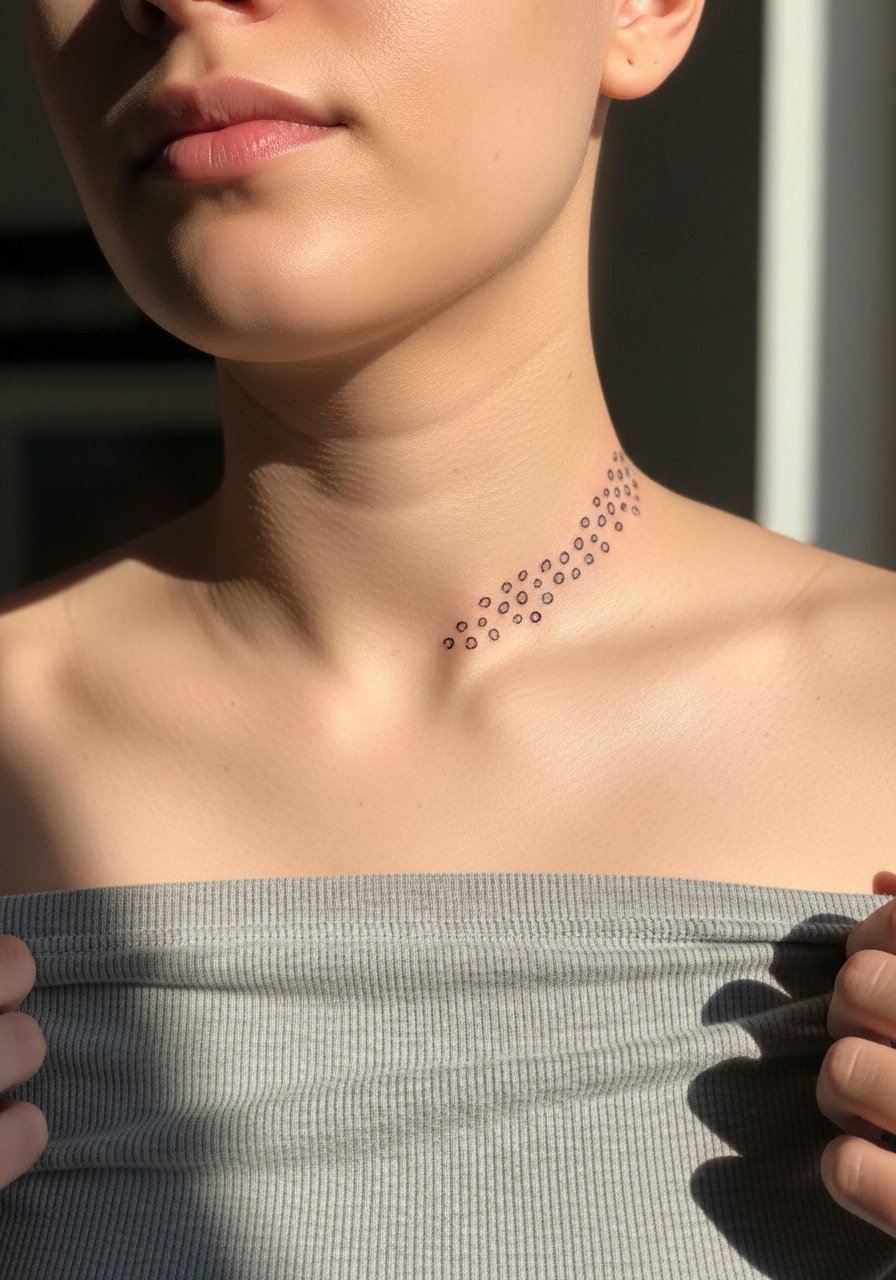
Collarbone pieces read chic but the skin there is thin and linework needs thoughtful spacing. Ask for oval spots with soft dot work inside rather than solid fills so the cluster holds longer. Expect a clearer look at six months, subtle softening at two years, and a likely touch-up if exposed constantly to sun. A mistake is packing the cluster too close to the clavicle curve which distorts with movement. For showing it off, choose an off shoulder top in sandy beige and a delicate chain necklace that sits without crowding the spots.
6. Realism Cheetah Print Band on Upper Arm

This one suits collectors who want texture that reads from a short distance. Request layered saturation with brown tones and tiny whisker-like strokes to mimic fur. The upper arm tolerates saturation well but heavy fills can age with a soft edge after several years, so plan for a touch-up at year three. I see people ask for too much micro-detail on small circumferences which blurs later. For the session, wear a fitted muscle tank to allow bicep mobility and to avoid fabric rubbing during healing.
Studio Day Picks
The wrist, ankle, forearm, thigh, collarbone and upper arm pieces above have different prep and healing needs, so a small kit tailored to those zones keeps the session manageable and the first week simpler.
-
Stencil transfer paper kit. Good for trying a precise placement on skin before the needle meets it, which matters on small cheetah clusters.
-
Topical numbing cream. Use as directed before wrist or ankle sessions to ease sensitivity without affecting the artist's linework.
-
Thin protective film roll. Keeps high-friction spots like ankles and wrists cleaner during the initial wet phase.
-
Fragrance-free body wash. Gentle cleansing for areas near fine line work avoids irritation that can make small spots blur.
-
Aquaphor healing ointment. Thin layers help lock in moisture for micro-realism without suffocating needle channels.
7. Neo-Traditional Spots with Floral Accents on Shoulder Blade
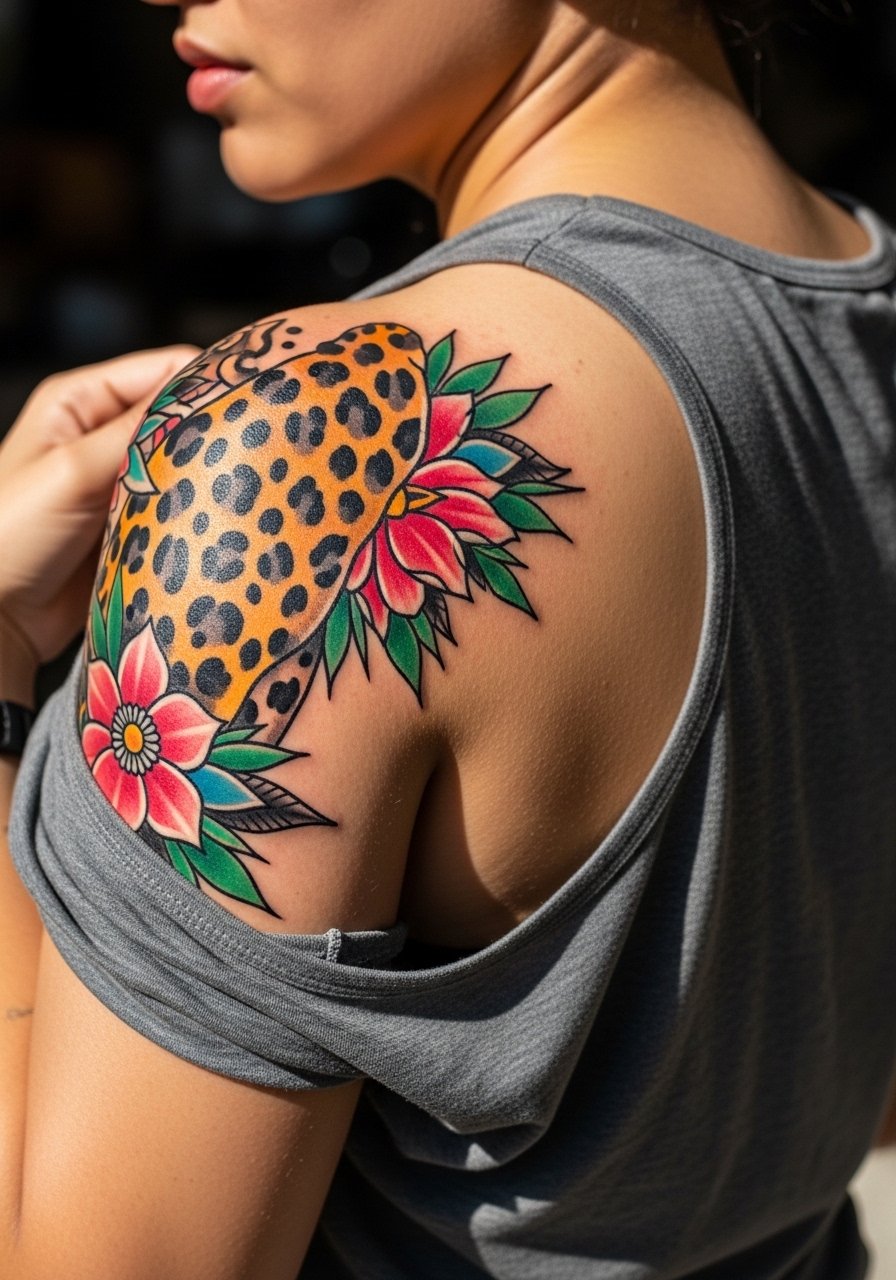
Shoulder blade work can be bold while still discreet under clothing. Ask the artist to anchor spots with heavier outlines and contrast them with simplified floral shapes so the print does not get lost in color. Expect solid reading at six months and slower fading if you avoid constant sun. A common error is layering too many colors in small areas which muddies over time. For showing it off, try a backless halter top and wear your hair up to reveal the piece cleanly.
8. Blackwork Solid Cheetah Block on Outer Calf

If you want impact that ages predictably this is it. Solid black holds longer than delicate linework and tolerates sun and movement better. Tell the artist you prefer bold, consistent saturation and crisp negative spots. Expect minimal softening at two years but watch for scabbing mistakes if packed too heavily in a single session. A mistake is asking for overly tight negative shapes which can look like blobs later. Pair with midi skirt solid or rolled boot-cut jeans to frame the block without distraction.
9. Ornamental Mandala with Cheetah Pattern on Ribcage

Fair warning about ribs, pain is higher and fine line there is controversial. Some artists say the skin stretch blurs dense lines within two years. The other camp says proper needle depth and spacing keeps mandala elements readable. If you try this, ask for more spacing between spot-patterned ringwork and use heavier anchor lines in the outer rings. Expect a clearer look at six months and possible softening where the skin flexes. For session wear, bring a side cut crop top you can lift easily without full undressing.
10. Ignorant Style Rough Scribble on Inner Thigh
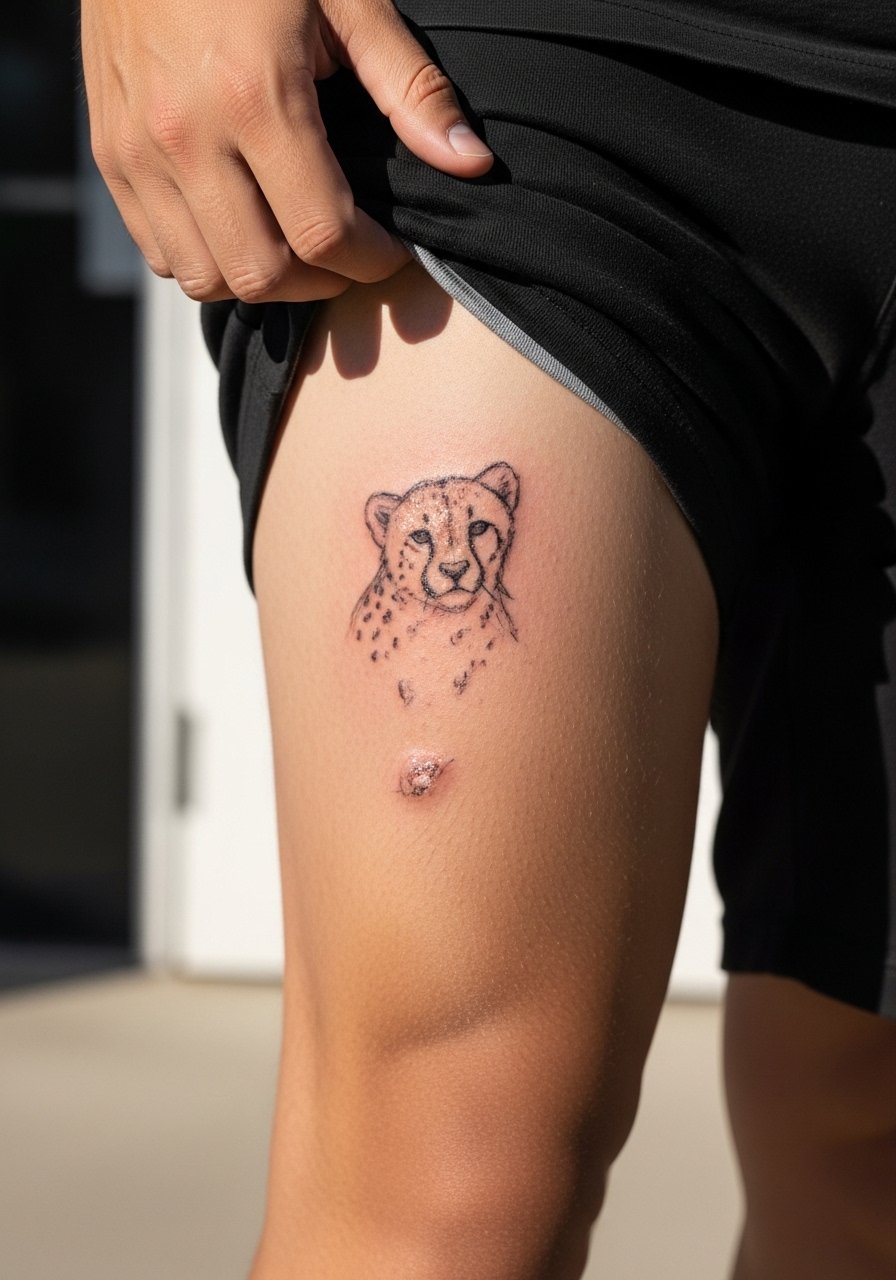
Inner thigh pieces are intimate and forgive a raw, hand-drawn approach. The main consultation point is placement relative to hair and friction zones. A common mistake is placing aggressive blacks too close to seams which causes discomfort while healing. Expect good retention but be prepared for occasional touch-ups because inner thigh skin can shift. For session wear, bring loose shorts or a skirt you can adjust so the artist has access without pressure on the freshly inked area.
11. Tiny Trail of Spots Like a Freckle Line on the Side Wrist

This is a subtle option that reads like a personal accent. Tell your artist you want a tapered trail with variable spot sizes and soft dot shading inside a few spots. The side wrist moves a lot so expect earlier softening of the smallest dots. A mistake is insisting on identical spot shapes; natural variance helps longevity. For the appointment wear a cropped neutral blouse or a thin-sleeved top you can pull up easily and a thin silver cuff on the opposite wrist for balance.
12. Tiny Heart Filled with Cheetah Spots on Ankle Bone
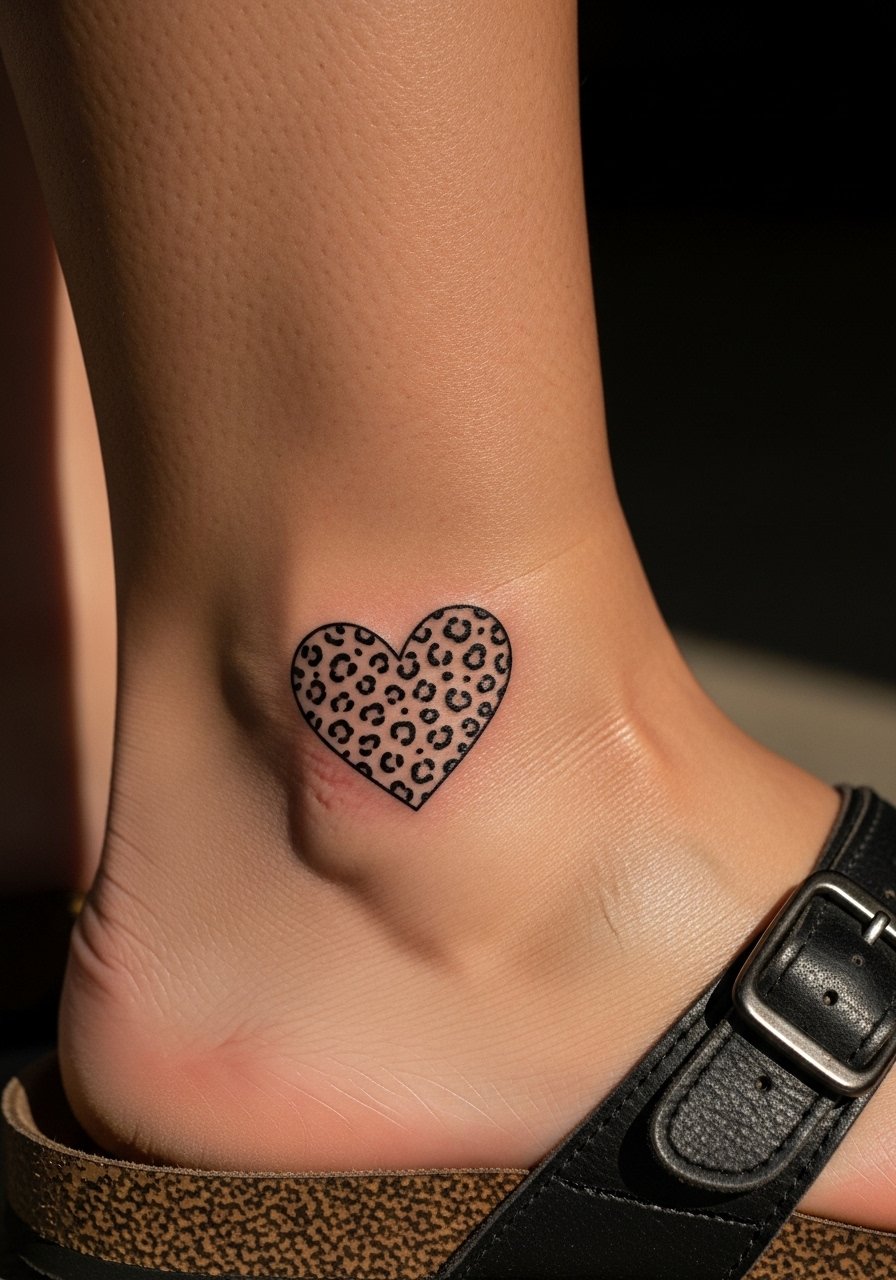
A compact motif like this keeps the symbolism readable. Request a slightly larger heart outline than the initial stencil so the spots inside have breathing room. The ankle bone is kissy with shoes, so expect scab irritation if you wear closed shoes too soon. A common error is overcrowding with tiny internal spots. Show it off with minimalist espadrilles or strappy sandals that keep pressure off the bone.
13. Cheetah Spots Interspersed with Tiny Script on Forearm

This personalizes the print without heavy composition. Ask for placement where the script sits inside a negative space between spots and request stencil proofing so letters are legible at small scale. Forearm movement helps avoid dense fade, but sun exposure can wash the script faster than the spots. A mistake is using overly thin script that blurs at year two. For the session wear an earth tone button up you can roll sleeves on so the artist has clear access.
14. Tiny Cheetah Band Around a Finger
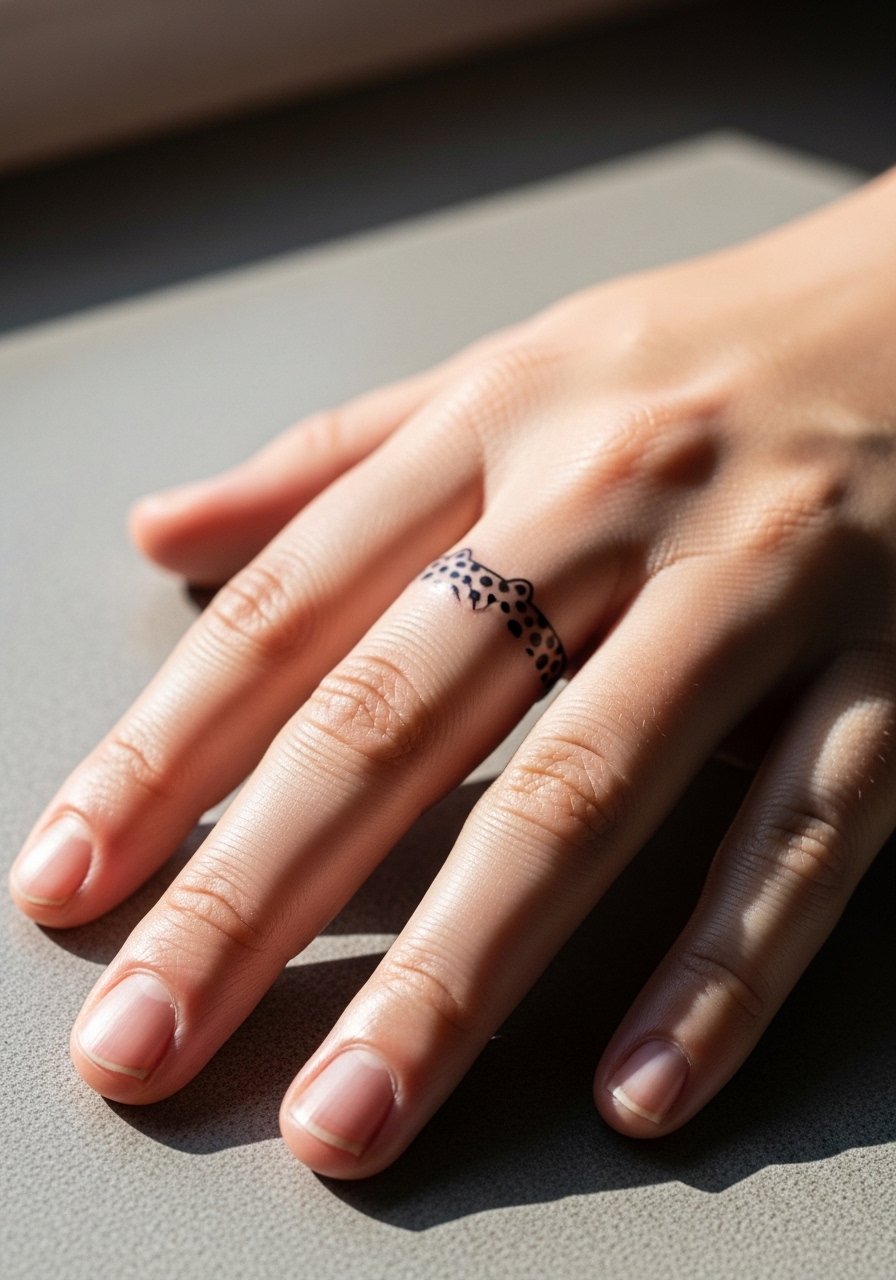
Finger work is high-maintenance. Expect faster fading and more frequent touch-ups compared with the same design on the wrist. Ask for slightly bolder spot outlines and plan for yearly touch-ups if you want consistent density. A common mistake is expecting ring-like results without accounting for constant washing and friction. If you want visibility without the upkeep, consider moving the band to the side of the finger where wear is slightly less.
15. Tiny Cheetah Motif Behind the Ear, Below the Hairline on the Neck

Behind-the-ear placements need careful framing so studios and image generators avoid ear cartilage. The skin is thin so keep the design simplified. One-camp artists worry about rapid blurring here, another camp will accept small-scale work if the needle depth is spot-on. If you try this, request slightly increased line weight and a clean stencil. For the session wear hair clipped up to the side you plan to show so the artist can work without tugging hair.
16. Tiny Cheetah Print as Part of a Sleeve Start on the Upper Forearm

If you plan a sleeve, using tiny spots as an anchor lets you expand later. Bring reference images that show the exact spot density you want and ask your artist to leave room for larger motifs to breathe. The risk is over-detailing the starter patch which forces future pieces to match scale. A practical tip is to schedule the sleeve plan in stages so you can see how the tiny spots settle before committing. Wear a rolled chambray shirt or short sleeve so the artist has clean access.
17. Micro Spots Forming a Delicate Anklet Below the Ankle

Anklet placements are visible and letting the spots breathe with slight spacing helps them read as jewelry. Tell the artist you want a subtle fade in density so the anklet looks organic rather than stamped. Watch for friction from socks if you wear closed shoes a lot. A common mistake is asking for identical spots which reads flat. For evenings, pair this with rolled ankle pants so the tiny pattern reads like a real accessory.
18. Tiny Cheetah Print Mandala Center on the Sternum
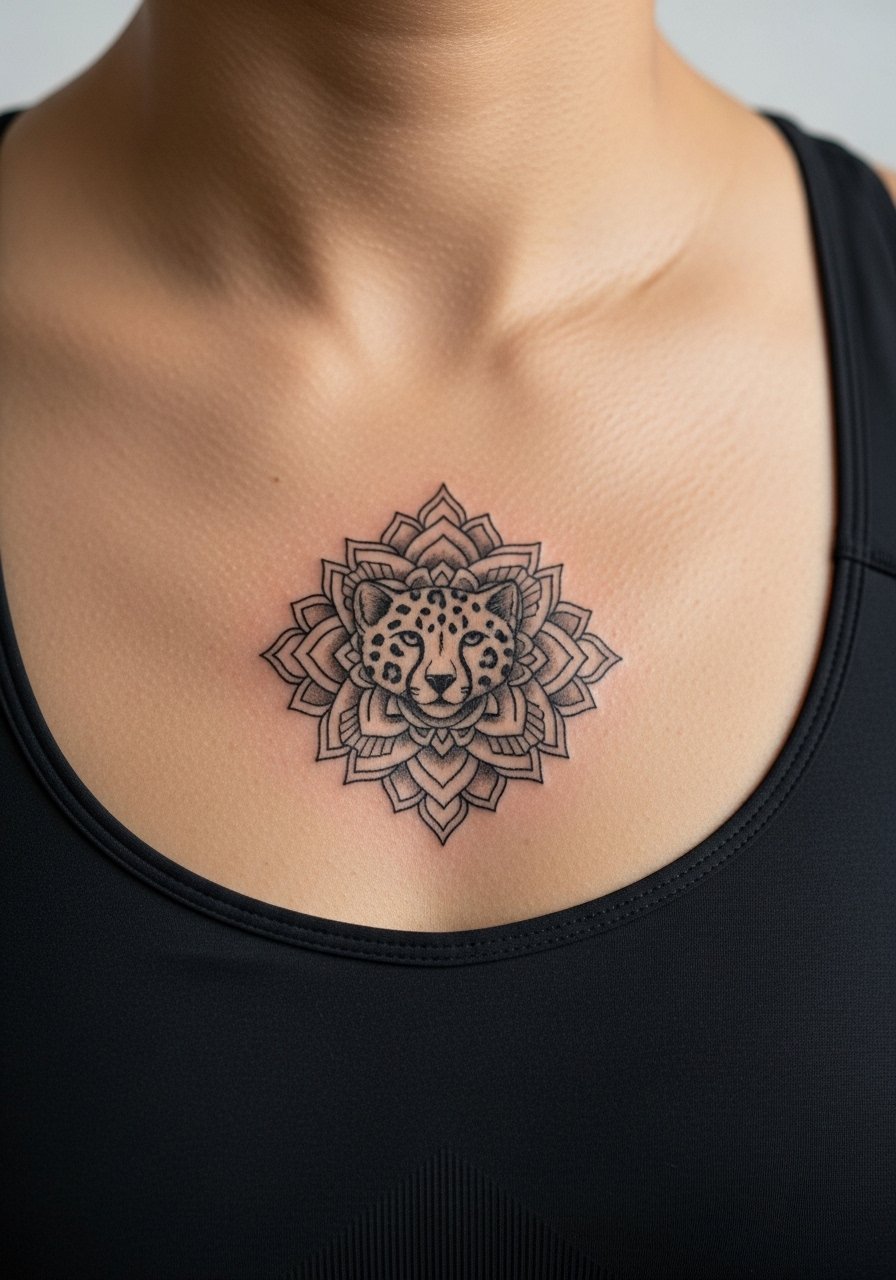
Sternum work asks for careful sizing and session planning. The skin here moves with breath so avoid ultra-fine dense lines in the center. Artists are split about fine line on sternum. One camp warns of early blur, the other believes in proper spacing and needle technique. If you choose this, request outer mandala anchors with slightly bolder inner spots. Expect a sharper look at six months and a potential softening at year two. For the session wear a fitted sports bra that exposes the sternum area without full undressing.
19. Tiny Cheetah Spots as Freckles Across the Shoulder
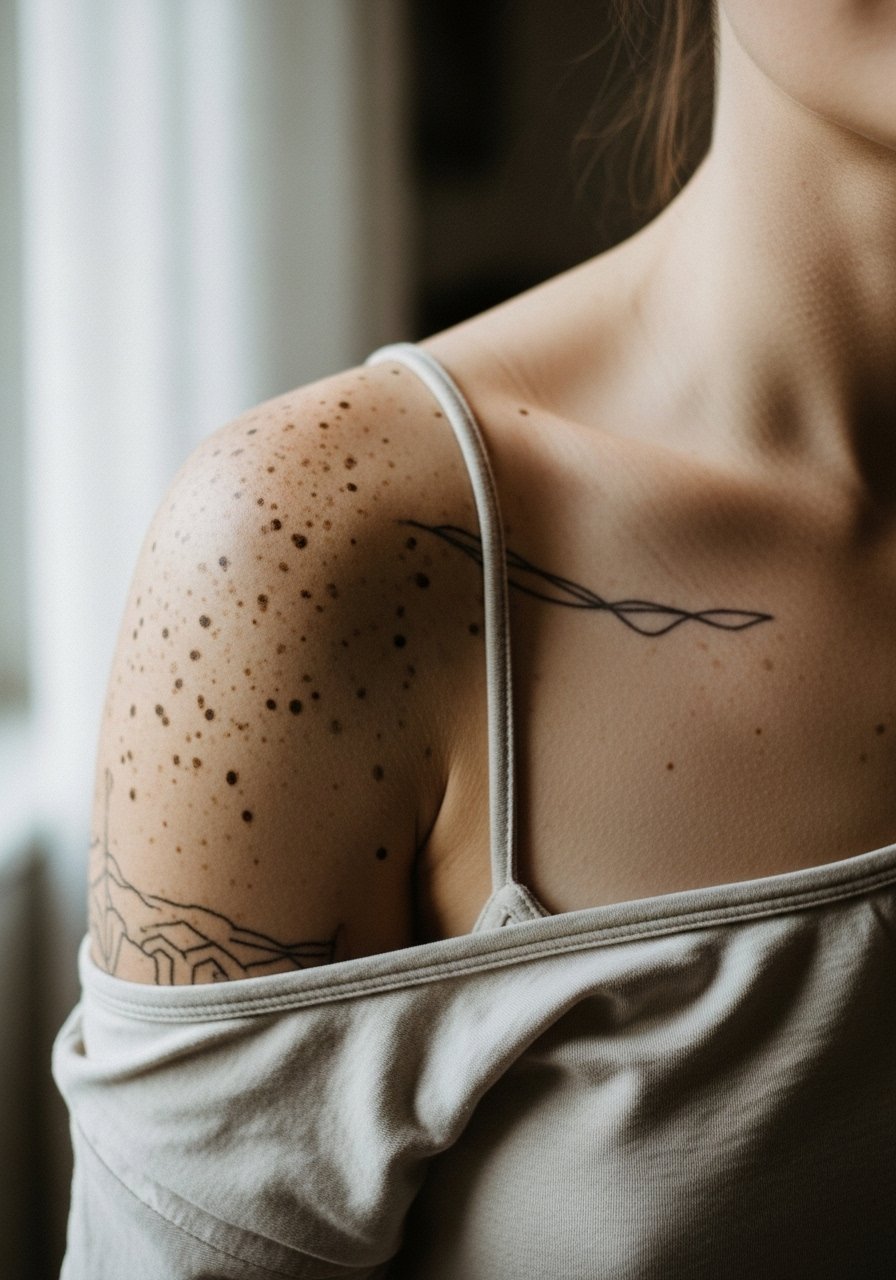
This is a modern take that reads like a subtle accent instead of a defined patch. Ask your artist for organic spacing and a few spots with minimal inner shading to avoid a flat look. Shoulders are forgiving and the spots hold well unless exposed constantly to sun. A common error is making the spots too uniform in size. For showing off, a loose strap tank or a backless top works well without competing with the pattern.
20. Tiny Cheetah Print Accent Near the Lower Back
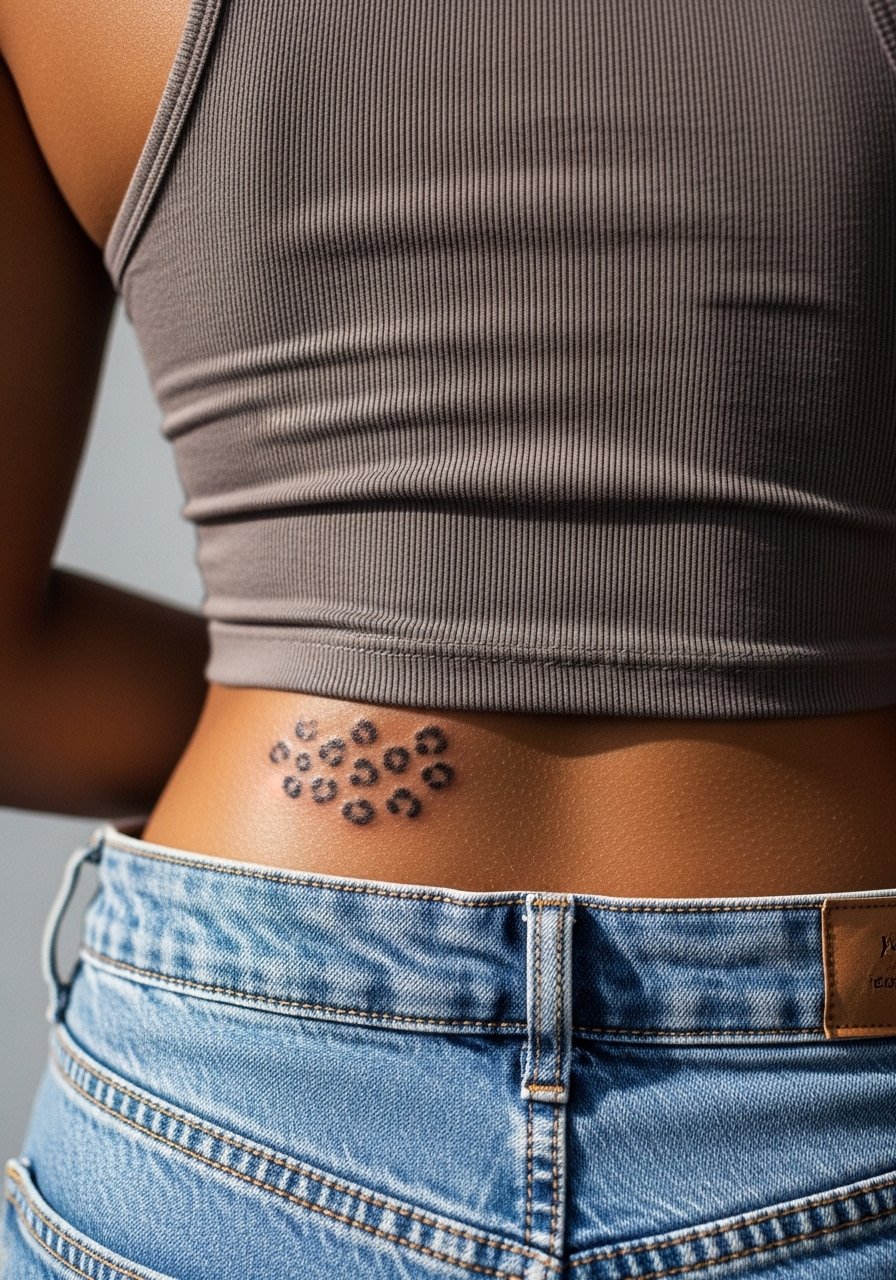
Lower back spots can be hidden or shown depending on wardrobe. The key is anchor spacing so the cluster does not distort when you sit. Avoid tight, shallow lines which can spread with time. Artists often suggest a slightly broader line weight for small lower-back motifs. For session wear try a tank top you can pull aside without removing many layers.
21. Tiny Cheetah Print Integrated with a Tiny Constellation on the Wrist

This pairs nature motifs with personal symbolism. Ask your artist to map the constellation so it sits between spots and does not compete with darker elements. The wrist moves so keep the constellation thin but visible and ask for slightly heavier node dots so the stars stay readable. A mistake is crowding the constellation with too many spots. For the session wear a thin silver cuff bracelet on the opposite wrist and a sleeveless top so the artist can work unhindered.
Frequently Asked Questions
Q: Will tiny cheetah print tattoos need touch-ups more often than larger pieces?
A: Small, detailed tattoos usually require touch-ups sooner because tiny spots and single-needle lines can blur on certain skin types or high-friction sites. Expect a touch-up around year two or three for most fine-line or micro-realism tiny spots, and plan less frequent touch-ups for blackwork blocks that hold pigment more reliably.
Q: Is fine line or blackwork better for a tiny cheetah motif on the ankle?
A: Blackwork is more forgiving on the ankle because it tolerates friction and sun better. Fine line can look delicate and lovely at first, but it may soften faster. If you prefer fine line, ask for slightly bolder spacing and plan a touch-up timeline with your artist.
Q: How should I prepare clothing for a shoulder blade or upper back session?
A: Bring a loose tank top or a button-down you can pull aside to expose only the working area. A loose strap tank is useful because it protects modesty while giving clear access. Avoid tight fabrics that rub the area during healing.
Q: Do skin tones affect how cheetah spots should be shaded or colored?
A: Yes, contrast and saturation choices depend on your skin tone. On deeper tones, richer browns and stronger negative space help spots read clearly. On lighter tones, subtle dot work and gentle shading can keep the print delicate without disappearing into the skin. Discuss examples with your artist and request healed photos of similar skin tones.
Q: Are there placements I should avoid for tiny cheetah prints if I want them to last?
A: Fingers, palms, and the side of the foot age fastest due to constant friction and washing. Small ribs or sternum work is possible but expect more variables because of skin movement. If longevity is a priority, choose arms, calves, or outer thighs and ask for slightly bolder line weight to help the motif endure.