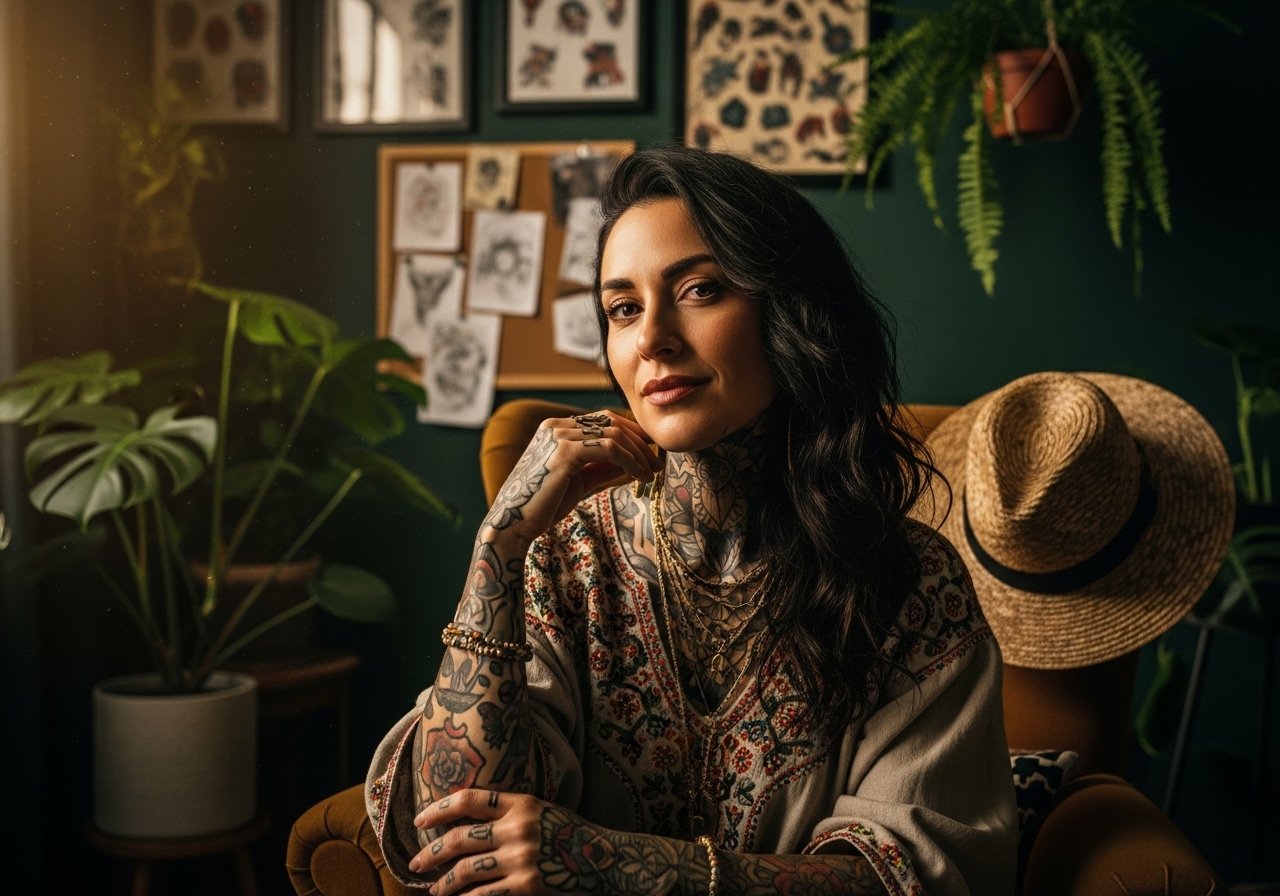
Fine line TLOU motifs are everywhere online right now, and the trend looks gorgeous on saved boards. The reality is that the designs that still read crisp at year five are chosen with aging in mind, not just for their Instagram look. Below are 17 minimalist Last of Us tattoo concept ideas, each with practical notes on placement, how to brief your artist, and what to wear for the session so the finished piece settles the way you want.
1. Minimalist Firefly Outline for the Inner Forearm
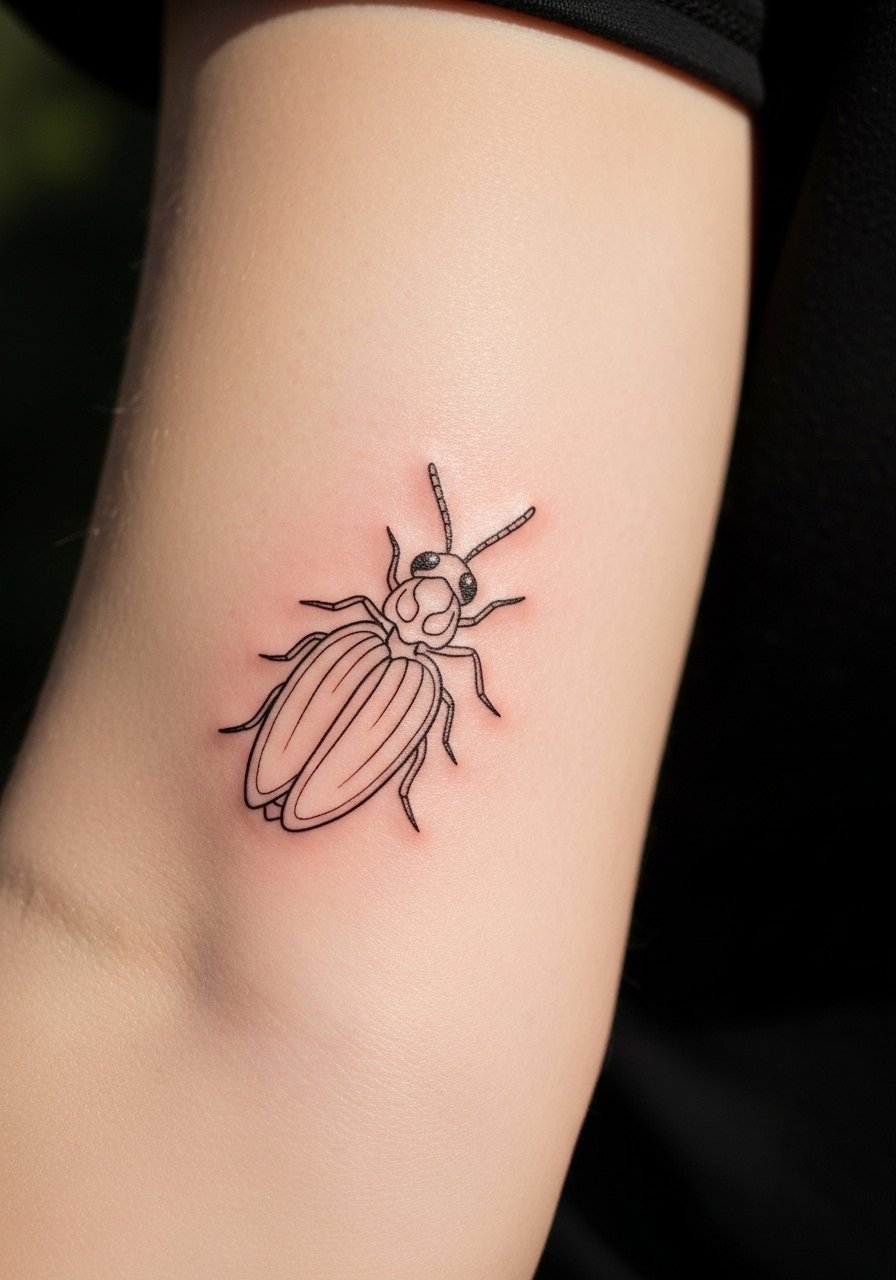
I see this tiny Firefly outline on forearms more than any other TLOU mark. Pick bold single-line weight with a slightly thicker outer contour so it does not blur into a thin hairline by year two. Tell your artist you want one clean pass at moderate depth, not ultra superfine lines, and ask them to show a healed portfolio example for forearm placements. Pain on the inner forearm is moderate and the session runs 30 to 45 minutes. For the appointment wear a loose fit button down you can roll or pull aside, and afterwards roll sleeves to show it off with a chambray cuff.
2. Tiny Fern on the Wrist, Single-Needle Detail
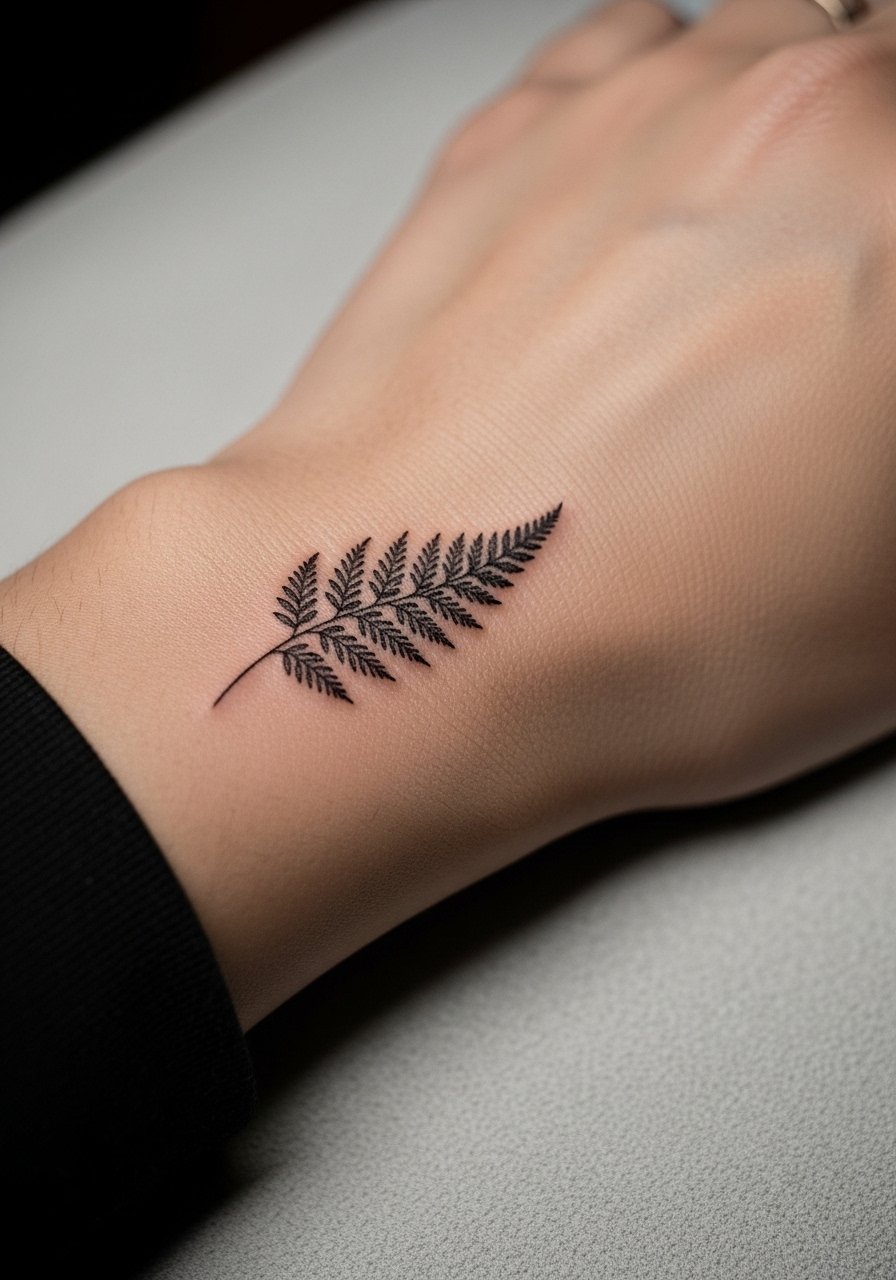
Wrist ferns are a great starter if you want a low-commitment nod to Ellie’s motif. The dangerous version is ultra-delicate fern fronds placed too close to the joint where constant motion and washing cause early fading. Ask for slightly heavier main veins and thinner secondary fronds so the silhouette reads at a distance. Expect a quick 20 to 40 minute session and mild sensitivity on the wrist. For the session bring a sleeveless top and for showing off pair the healed piece with a thin leather bracelet on the opposite wrist.
3. Micro-Realism Ellie Portrait with a Fern Accent on Upper Arm
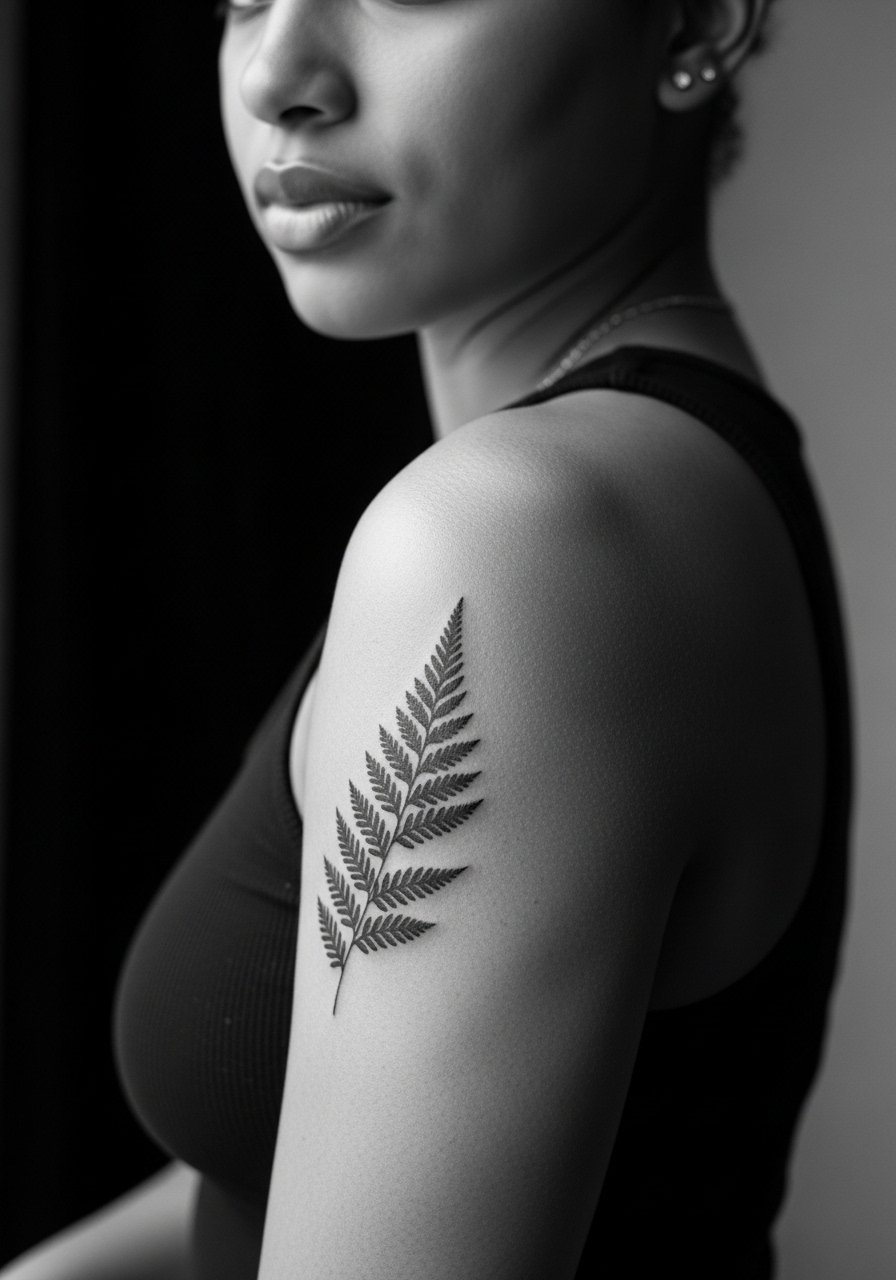
Realistic portraits take time and a steady hand. If you want a small Ellie-style portrait without paying sleeve prices, book a realism specialist for a 2 to 3 session plan and ask for references that show healed portraits at similar scale. A common mistake is asking for ultra-fine photorealism at too small a size which loses facial definition over time. Tell the artist the exact final dimensions you want so they can adjust contrast and saturation for longevity. Upper arm pain is tolerable and session lengths are 90 to 150 minutes per pass. For the appointment wear an olive muscle tank so the shoulder is fully accessible and the portrait photographs well.
4. Joel and Ellie Silhouette in Solid Black on the Calf
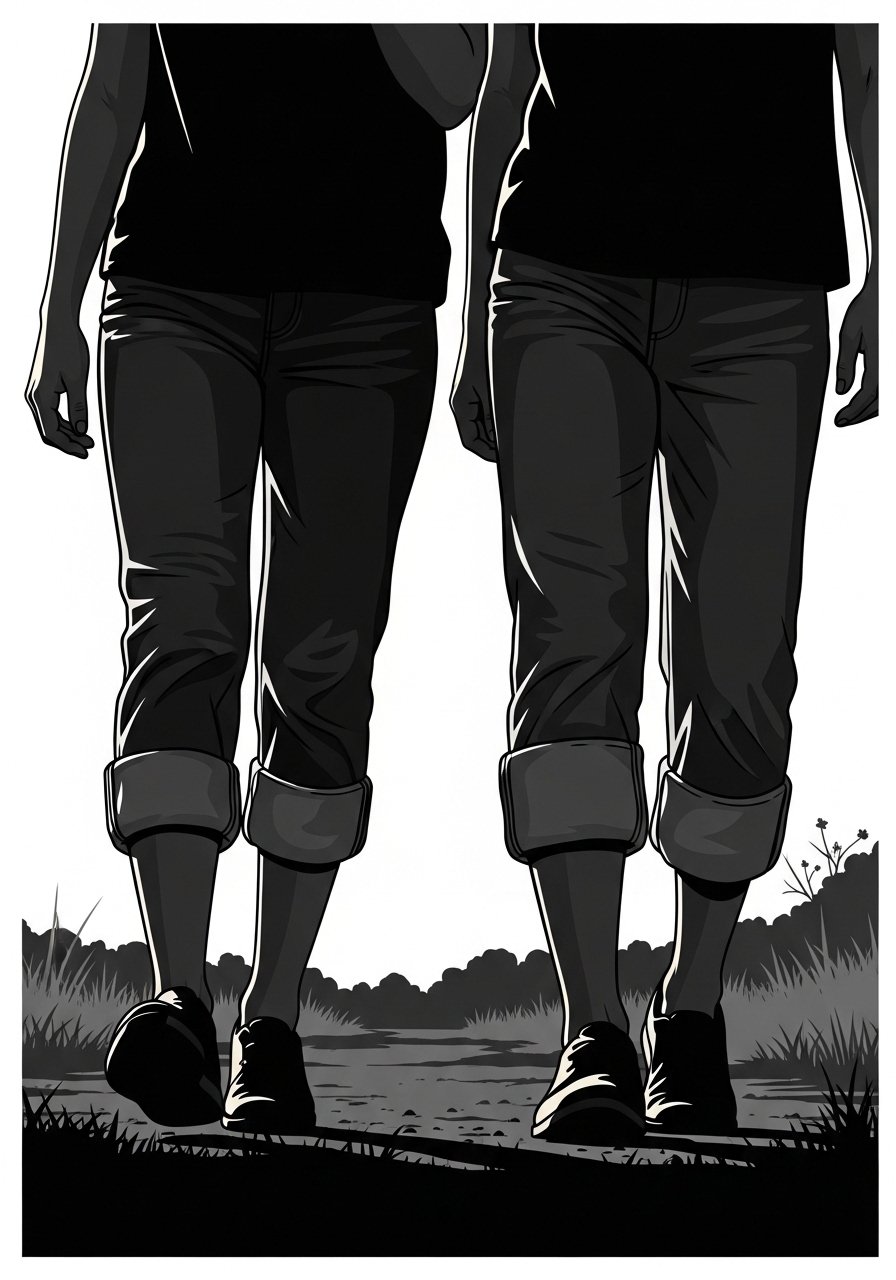
Solid black silhouettes age well because saturation resists blowout and fading. This design reads clearly from a distance and keeps spoilers minimal. Tell the artist you want saturated black fills with crisp negative-space outlines rather than thin linework that will soften. Calf skin is forgiving, session time for a medium silhouette is about 60 minutes, and pain is low. For showing it off try cargo shorts men or rolled joggers to frame the scene when summer rolls around.
5. Tiny Firefly Pendant with Bullet Motif on the Chest
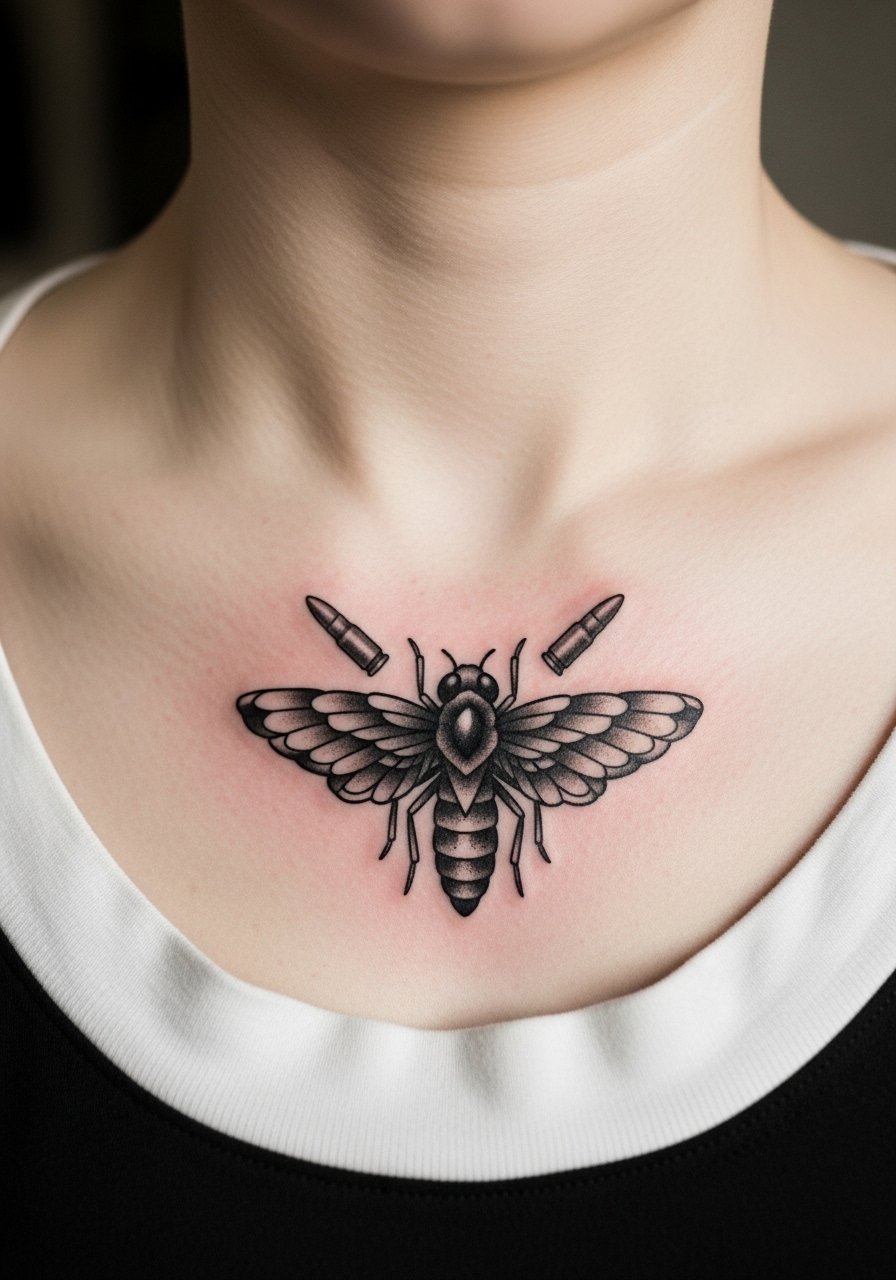
Chest pieces sit close to the heart both visually and literally so a compact pendant works well here. Avoid deep micro-lines that can blur against chest movement. Ask your artist for a compact ornamental layout with clear negative space around the pendant so the bullets read as separate elements. Pain on the upper chest is moderate, session time 45 to 75 minutes. For the session wear a wide-neck shirt you can pull aside so the artist has clean access and the final piece sits nicely with low necklines.
6. Watercolor Firefly with Fading Decay on the Ankle
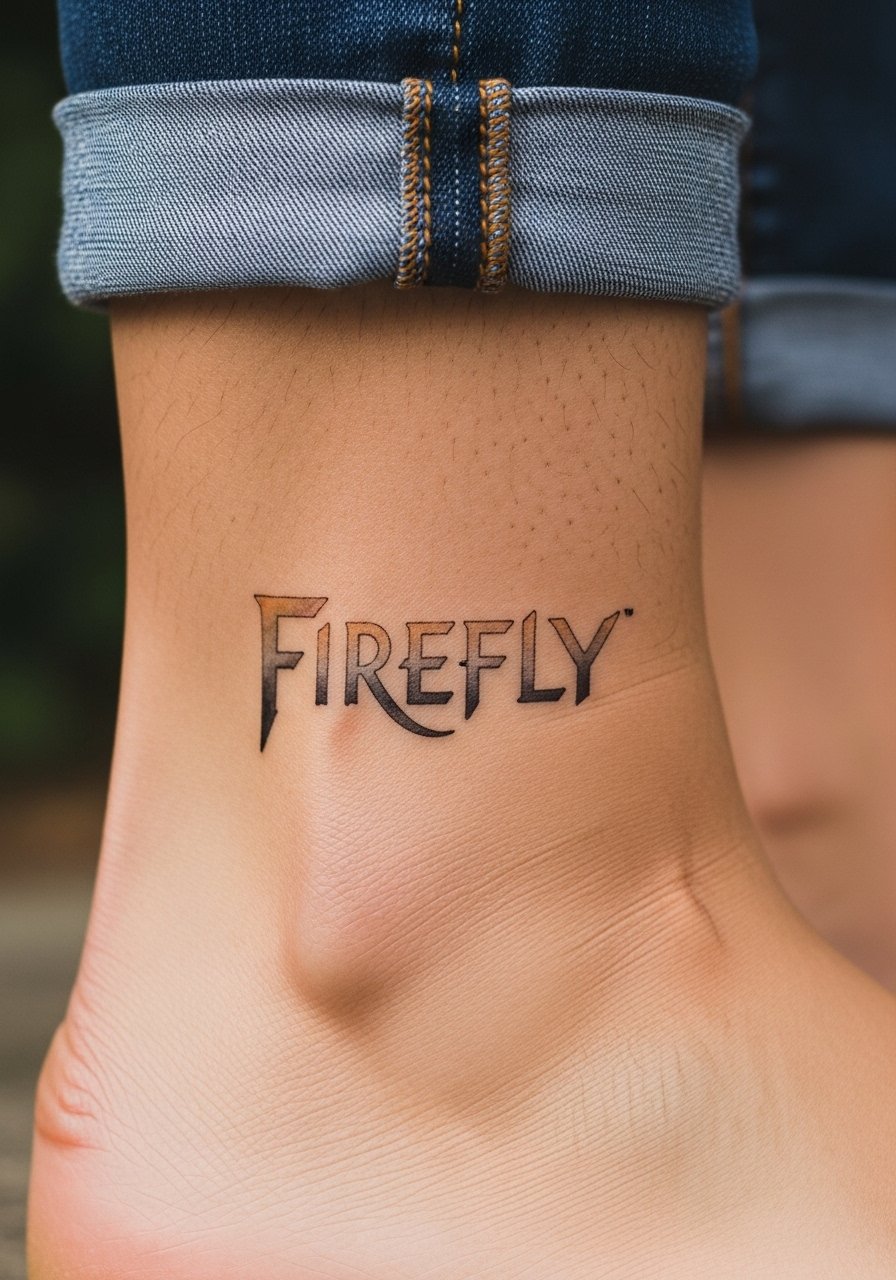
Watercolor treatments look painterly when fresh but face two debates. One camp loves the vibrant decay effect and the soft bleed that watercolor offers. The other camp points out that watercolor pigments tend to fade faster than saturated black and gray. If you pick watercolor for the ankle, request muted pigments with a bold black anchor line so the form survives color loss. Ankle sessions are short and stingy, about 30 to 60 minutes, with higher chance of early fading due to shoes and socks friction. For the session roll pants up and show off the healed piece with sandals or rolled cuff joggers.
Pack Smart
The small wrist and ankle pieces above need different prep from shoulder or thigh work. A few targeted items smooth the station setup and the first week of healing.
-
Stencil transfer paper kit. Lets you preview line placement on curved skin so a tiny pendant or fern sits exactly where you expect.
-
Topical numbing cream. Applied before short wrist and ankle sessions eases discomfort without affecting the artist's shading.
-
Thin protective film roll. Helps finger and wrist pieces survive daily hand washing during the first week.
-
Fragrance free gentle body wash. Cleanses the area without irritating delicate single-needle work.
-
Aquaphor healing ointment. A thin layer in the very first days keeps fine line work moisturized while the skin forms the initial barrier.
7. Giraffe Silhouette That Mirrors the Scene on the Shoulder Blade
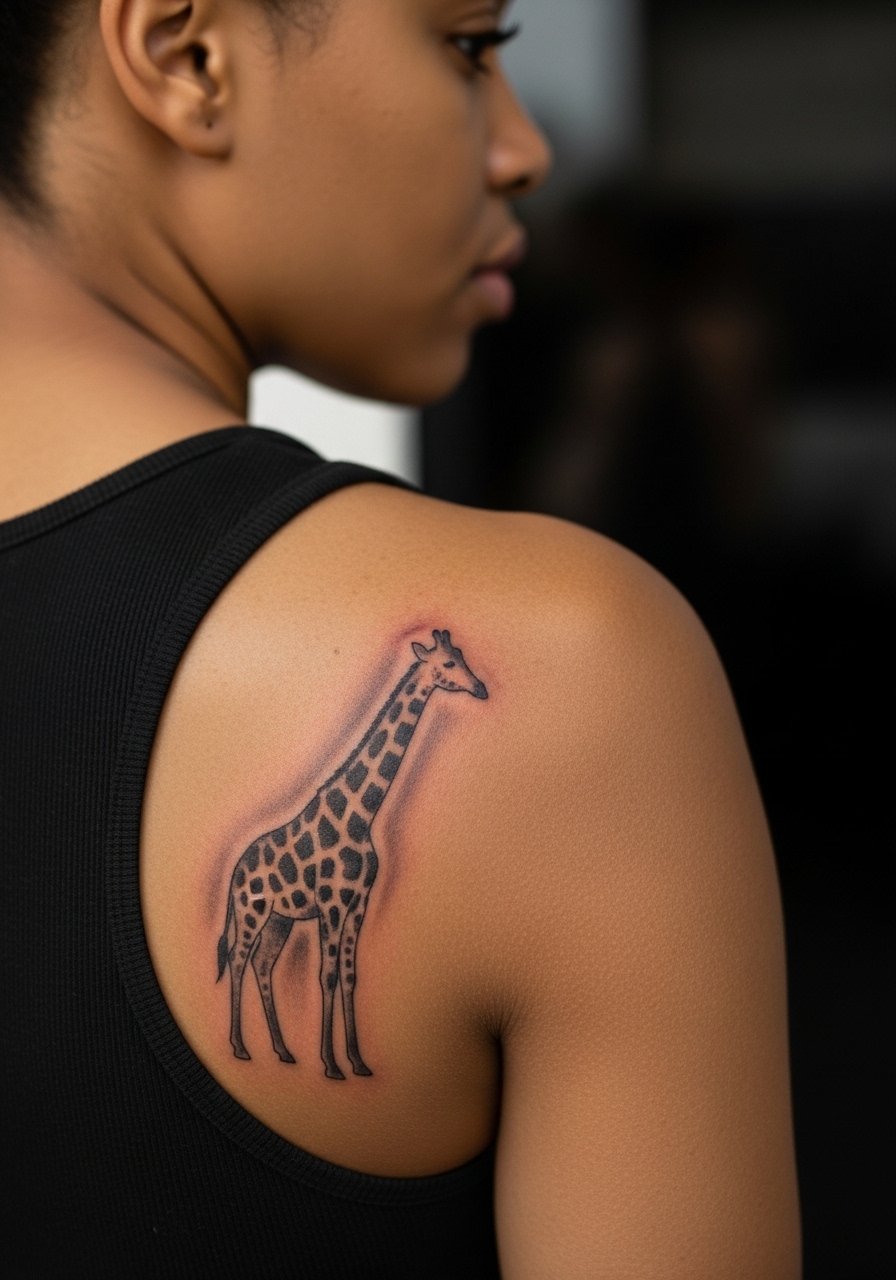
The giraffe motif captures a quiet game moment without explicit character portraiture. Shoulder blade soft shading holds well because the area gets less sun and friction. Tell your artist you want a mid-contrast approach so the neck and head retain definition at medium scale. The session is usually 60 to 90 minutes and the area is low to moderate on the pain scale. For après-session styling choose an off shoulder tee to frame the silhouette without covering it.
8. Joel’s Watch Micro-Realism on the Inner Wrist
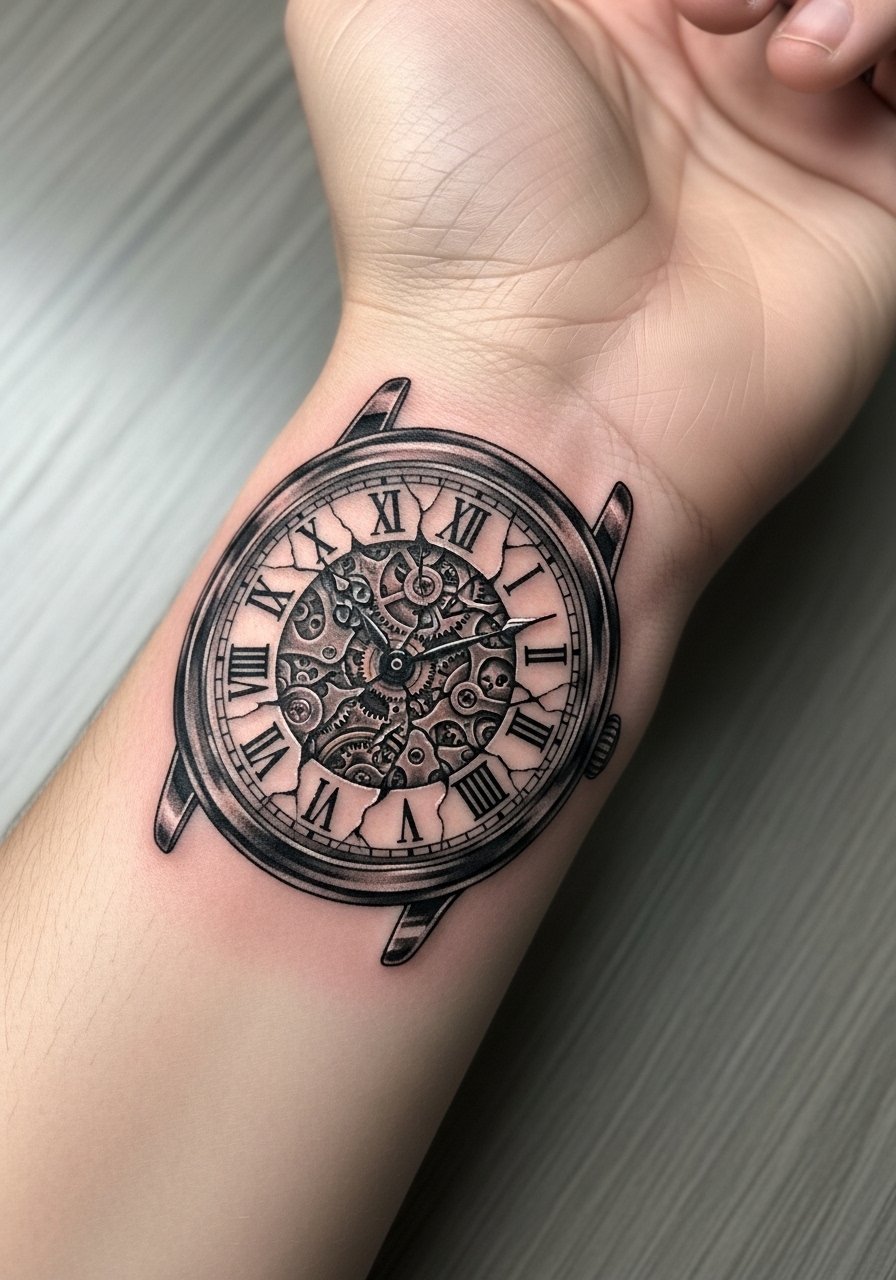
A wrist watch is intimate and visible. The main risk is tiny details smudging from lifetime wrist motion. Ask for slightly bolder hands and a clear cracked-face contrast so numerals do not merge over time. Expect a 45 to 90 minute session and high sensitivity on the inner wrist. For the session wear a sleeveless tank so the wrist is fully accessible and later pair the healed watch with a minimalist chain or thin cuff.
9. Small Infected Clicker Head in Black and Gray on the Outer Thigh
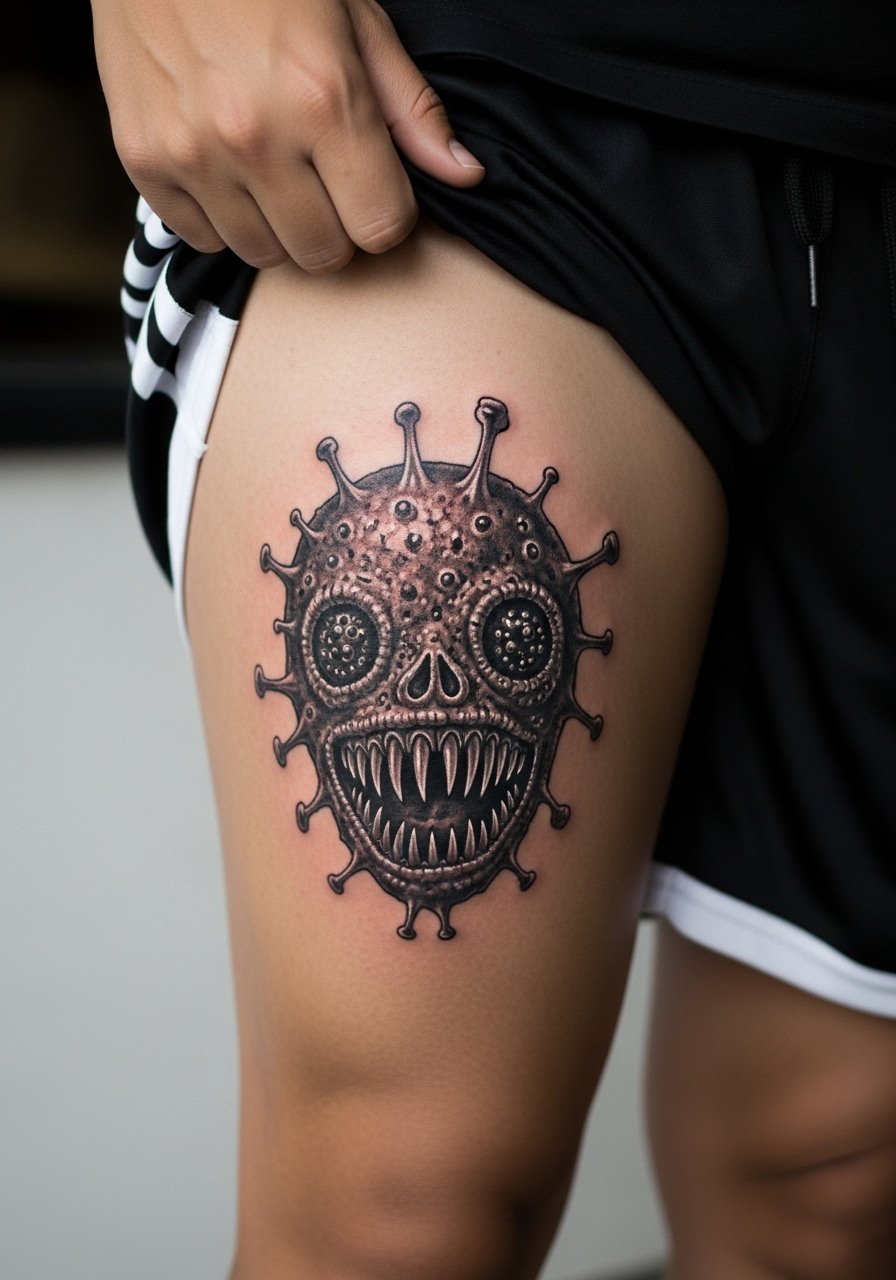
Thigh placements let you go larger without constant sun exposure. A realism clicker is dramatic but needs scale to preserve texture and the horror elements. Tell your artist you want strong contrast in the teeth and fungal textures and plan for two sessions if you want deep textural work. Outer thigh sessions are moderate on pain and comfortable to recline through. For the appointment wear loose fit boxer briefs or athletic shorts so the area is easily accessible.
10. Overgrown Cityscape Strip in Neo-Traditional Style on the Forearm
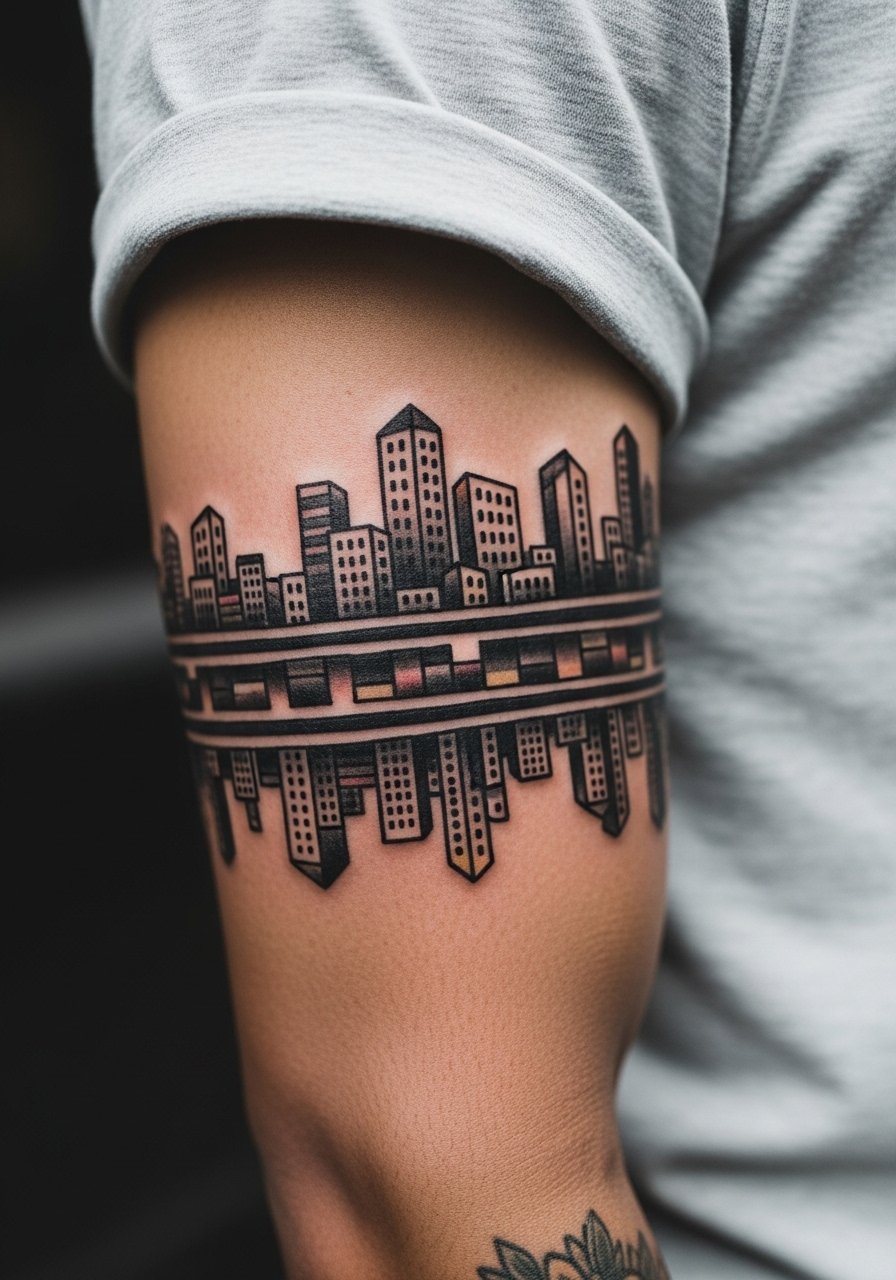
Neo-traditional cityscapes can be condensed into a forearm band so the piece reads like a continuous landscape when you rotate your arm. The error I see often is trying to compress too much skyline detail into a narrow band. Ask the artist for clear foreground, midground, and background separation and for color accents to be muted so they do not wash out. A band like this takes 2 to 3 hours and forearm pain is manageable. For the session wear a rolled cuff chambray shirt you can push up and that frames the piece during photos.
11. Mushroom Spore Cluster That Grows with Future Add-Ons on the Calf
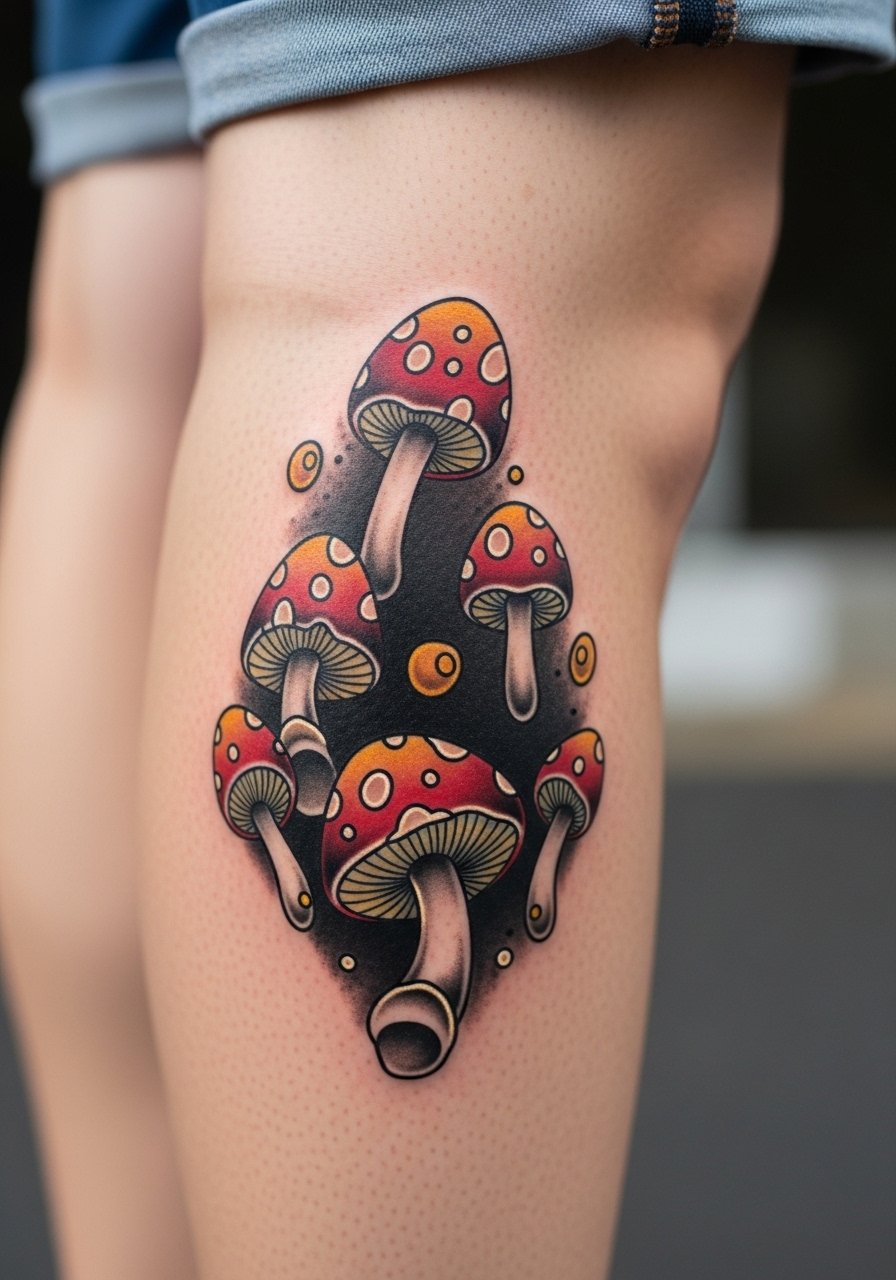
Design this piece as a living project you can add to. Thicker black bases and clear color spots leave room for later patches without needing full rework. Mention in consultation that you might want future additions and request spacing that accommodates new elements. Calf is a forgiving canvas, session time 60 to 120 minutes, and display works well with slim joggers or shorts. For showing it off pick cargo shorts men or rolled joggers to match the survival aesthetic.
12. Small Quote in Typewriter Script Along the Collarbone
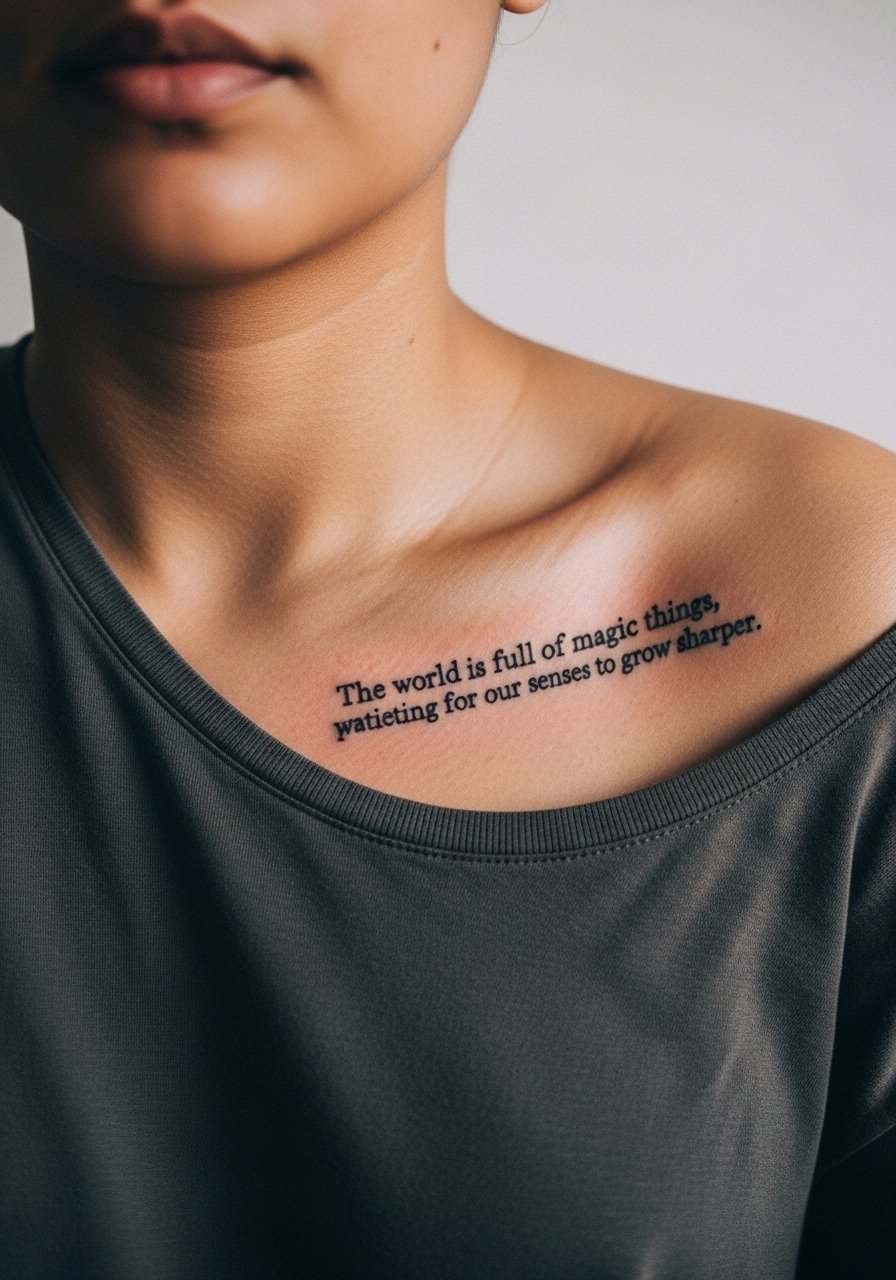
Script along the collarbone needs curved placement to avoid warping when you move. The common mistake is straight-line lettering that pulls with breathing and body changes. Ask the artist to curve the text to follow the bone and to test a temporary stencil so you can see how it sits. Collarbone ink is moderately painful and a single session usually suffices. For the appointment wear a wide-neck henley or strapless layer so the area is easy to access and photographs cleanly.
13. Ornamental Firefly Pendant with Geometric Casings on the Chest
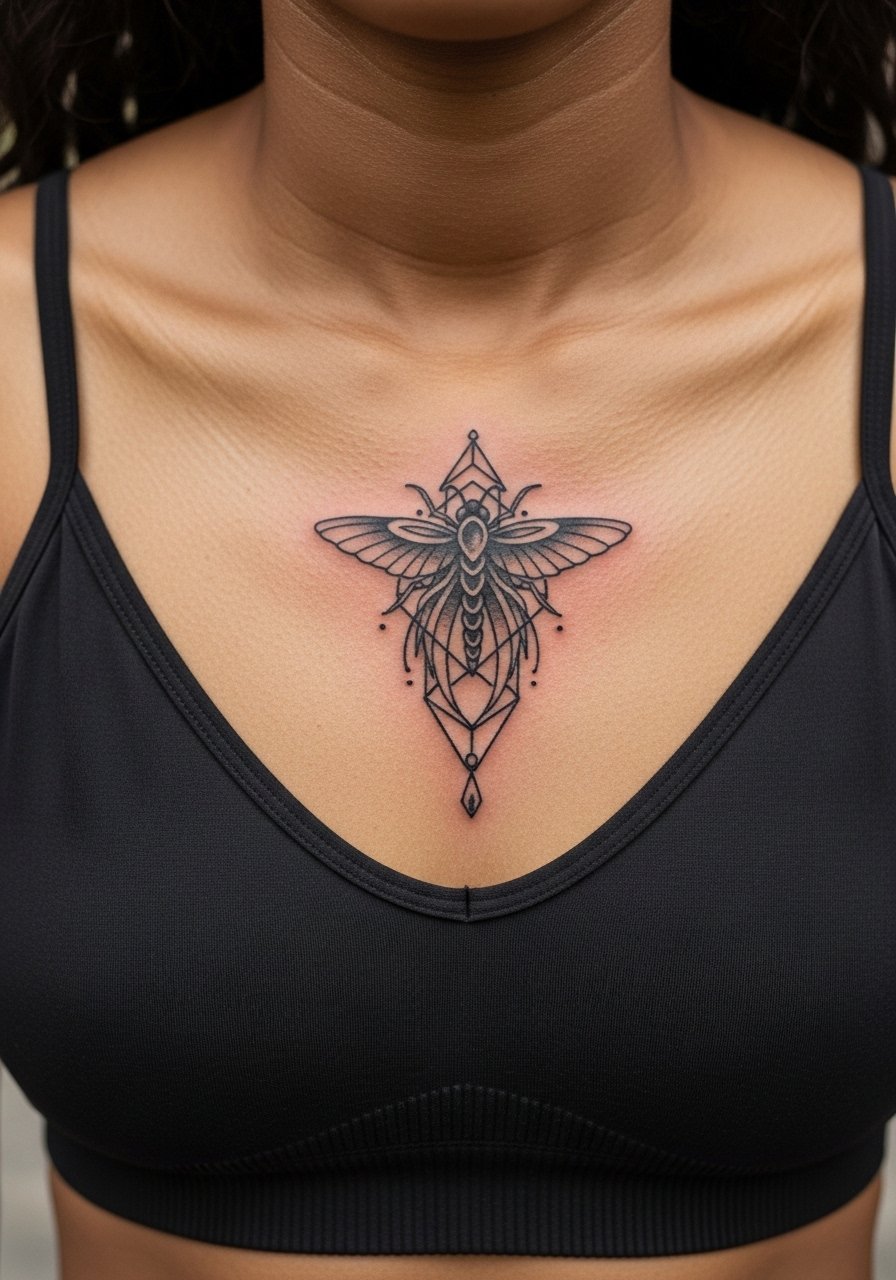
Ornamental pieces on the chest can balance fine detail and bold geometry. Artists are split on line weight here. One camp trusts tight fine lines for ornamental work and says careful depth avoids blurring. The other camp prefers bolder contours to protect against chest movement and sun. Ask which approach the artist uses and request a compromise with bold anchors and finer interior detail. Sternum and chest work can be more painful and often need a 60 to 120 minute window. For the session wear a fitted sports bra so the artist can access the upper chest safely.
14. Tiny Fern Finger Mark That Ages as a Signature
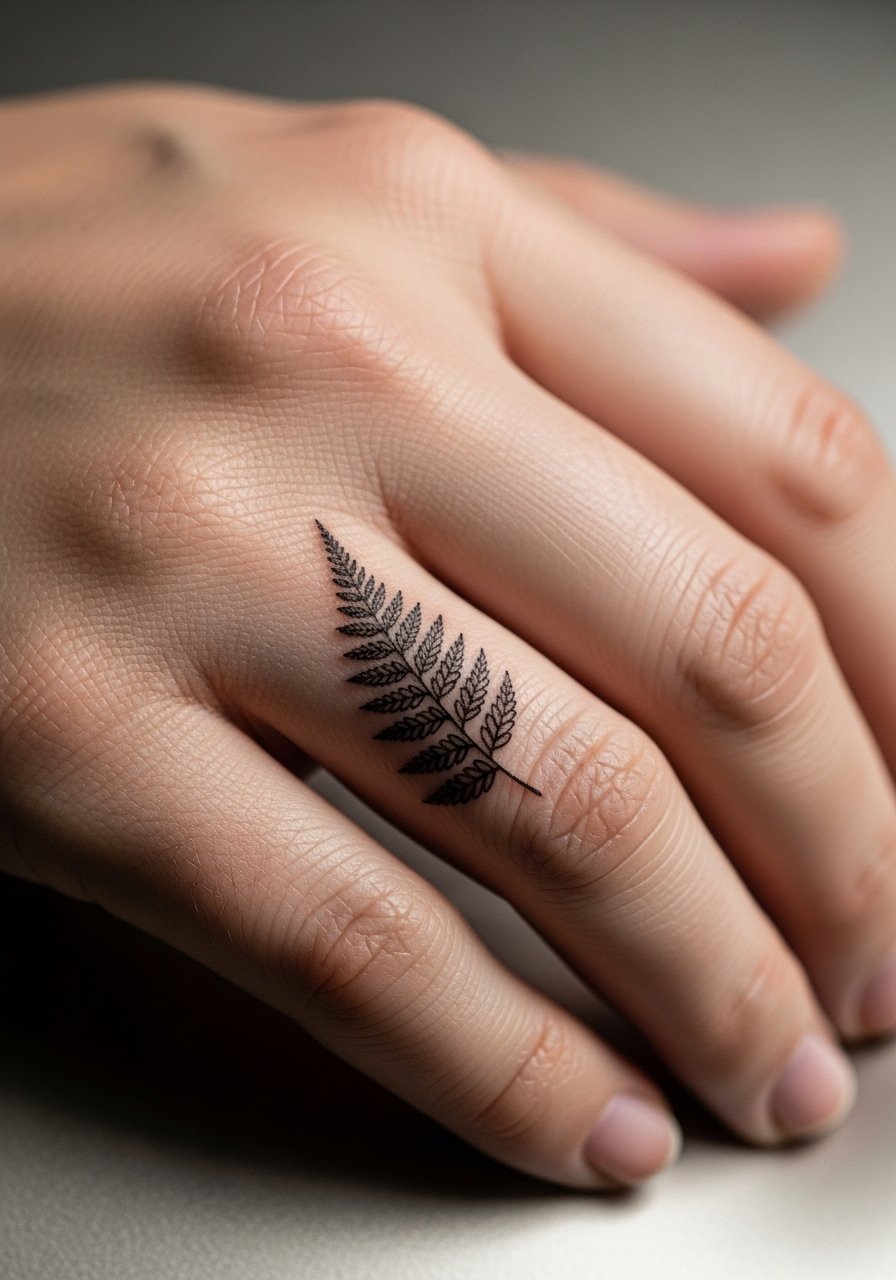
Finger tattoos are fashionable but high maintenance because of constant use and surface shedding. If you want a finger fern, request slightly thicker main stems and agree to a likely touch-up at year one. The session is brief and sharp, pain is high for the location, and healing requires careful protection. For the session remove all rings and consider a simple band on the opposite hand to balance the look when healed.
15. Subtle Ribcage Firefly Row That Breathes With You
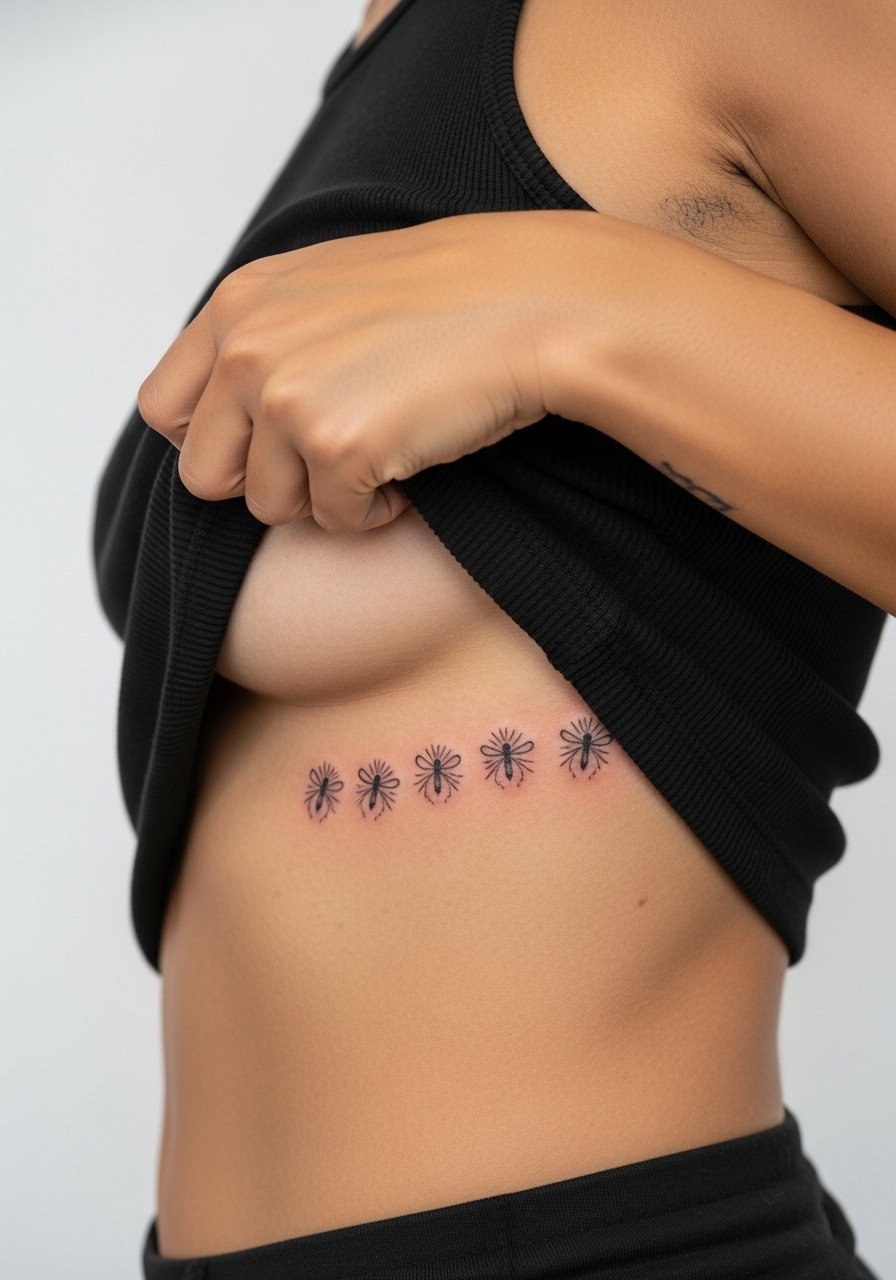
Ribcage placements shift with breathing and weight changes so sizing and spacing are critical. Artists split on fine line here. One group says the stretching blurs thin lines within two years. The other group says proper needle depth and spacing can keep fine line stable. Before booking, see healed rib examples from the artist and consider spacing the icons slightly wider than you think. Expect a 60 to 90 minute session and high pain. For the appointment wear a cropped tank top you can lift slightly so the artist only exposes a tight area.
16. Thigh Hidden Spore Pattern That Can Grow Into a Sleeve
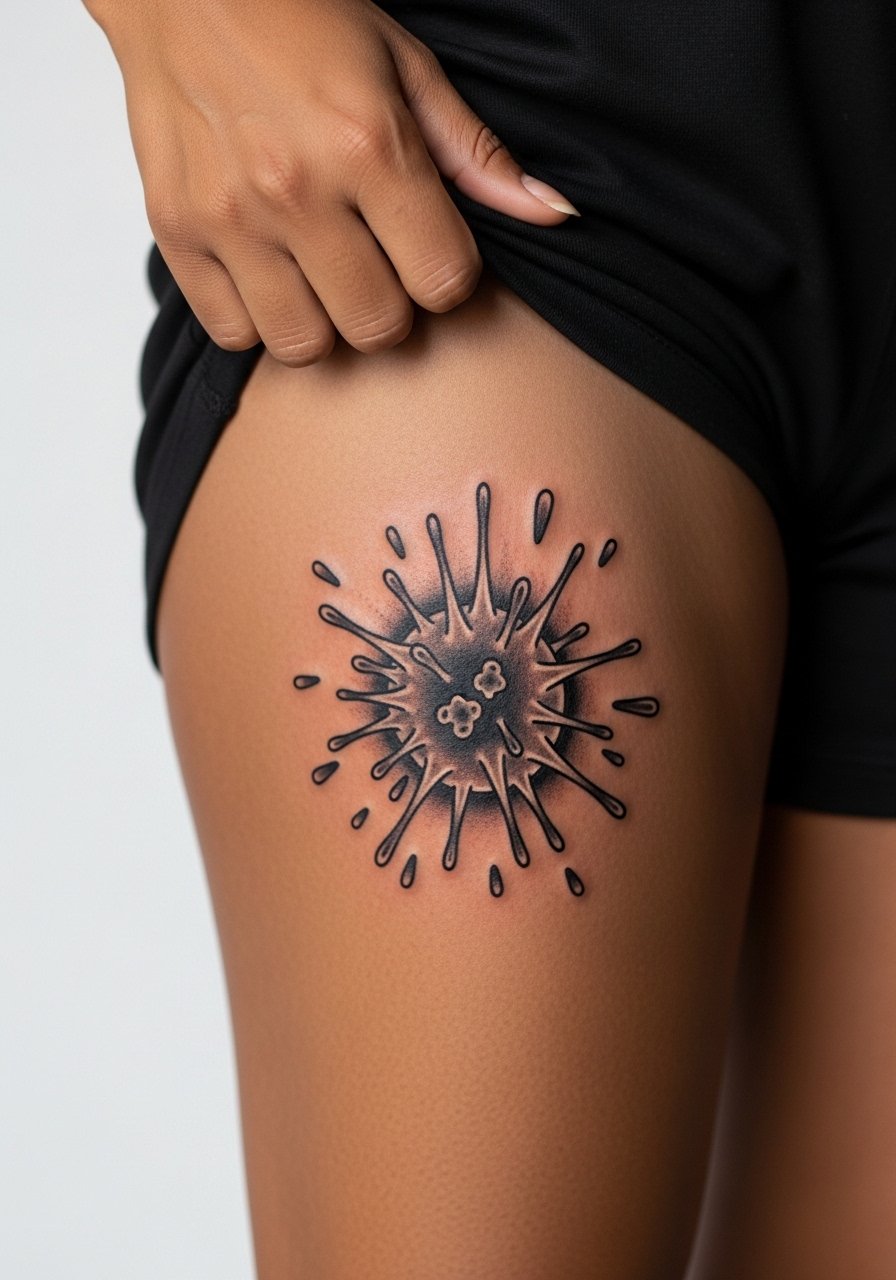
Thighs let you plan a piece that expands over years. A hidden spore cluster that reads small at first but has anchor points for future work prevents overcrowding later. Tell your artist you want reserved negative space and map the possible additions during the first meeting. Outer thigh sessions are moderate pain and comfortable for longer sittings of 90 to 180 minutes. For the session choose athletic swim shorts or loose shorts so the artist can work without bunching fabric.
17. Small Overgrown City Silhouette Anklet
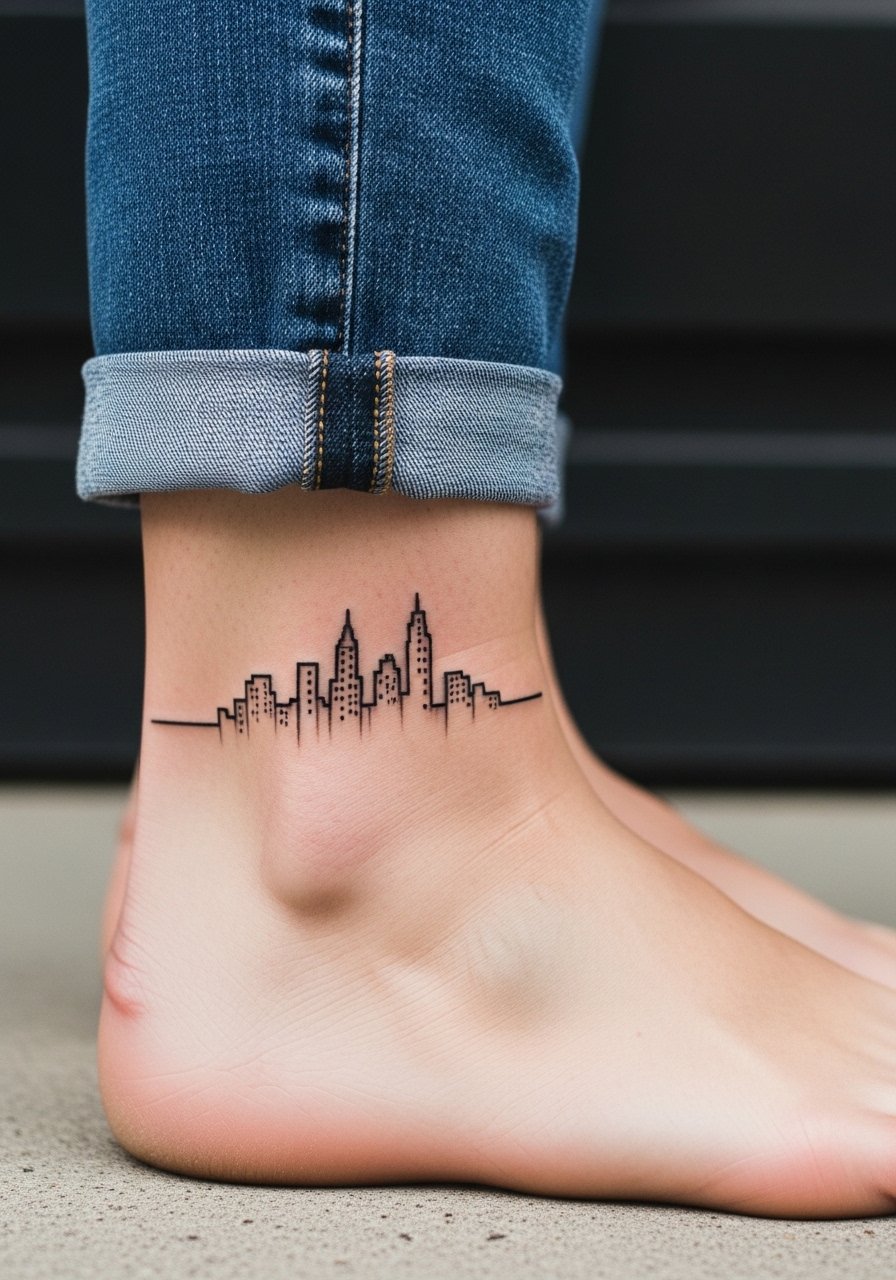
Anklet bands are subtle ways to carry the game's atmosphere. The main aging issue is friction from socks and shoes, so ask for slightly bolder base lines and minimal color fill near the shoe line. Session time is short and the ankle can be sensitive but heals well if you avoid tight footwear during the first week. For showing it off plan to wear sandals or roll jeans to mid-ankle and consider a simple anklet chain for evening looks.
Frequently Asked Questions
Q: Will a fine line Firefly on my wrist blur after a year?
A: It depends on line weight and daily wear. Fine single-needle work on wrists tends to soften faster because of washing and motion. Ask for a slightly heavier main contour and expect a touch-up around year two if you want the crisp look maintained.
Q: Are watercolor Firefly designs less durable than black and gray anchors?
A: Yes, watercolor pigments generally fade faster than saturated black and gray. Some artists combine a black anchor line with muted watercolor fills to keep form as the color softens. Decide if you want the short-term painterly look or a layout that prioritizes long-term readability.
Q: How do portrait pieces like an Ellie micro-realism age on the upper arm?
A: Portraits can hold well on the upper arm because of lower sun exposure and thicker skin. Scale and contrast matter most. If your portrait is on the small side plan for higher contrast and a two-session approach so depth and shading settle cleanly.
Q: What should I wear to a chest or collarbone session to make life easier?
A: Pick a wide-neck shirt or fitted sports bra you can shift aside. That keeps the area covered except for the small exposed zone and helps you stay comfortable during longer sittings.
Q: How often should I plan touch-ups for hand, finger, and ankle placements?
A: High-friction areas usually need touch-ups sooner, often within one to three years. Finger and hand pieces are the most frequent, ankle depends on shoe choice and exposure. Factor touch-ups into your long-term plan rather than as a last-minute surprise.