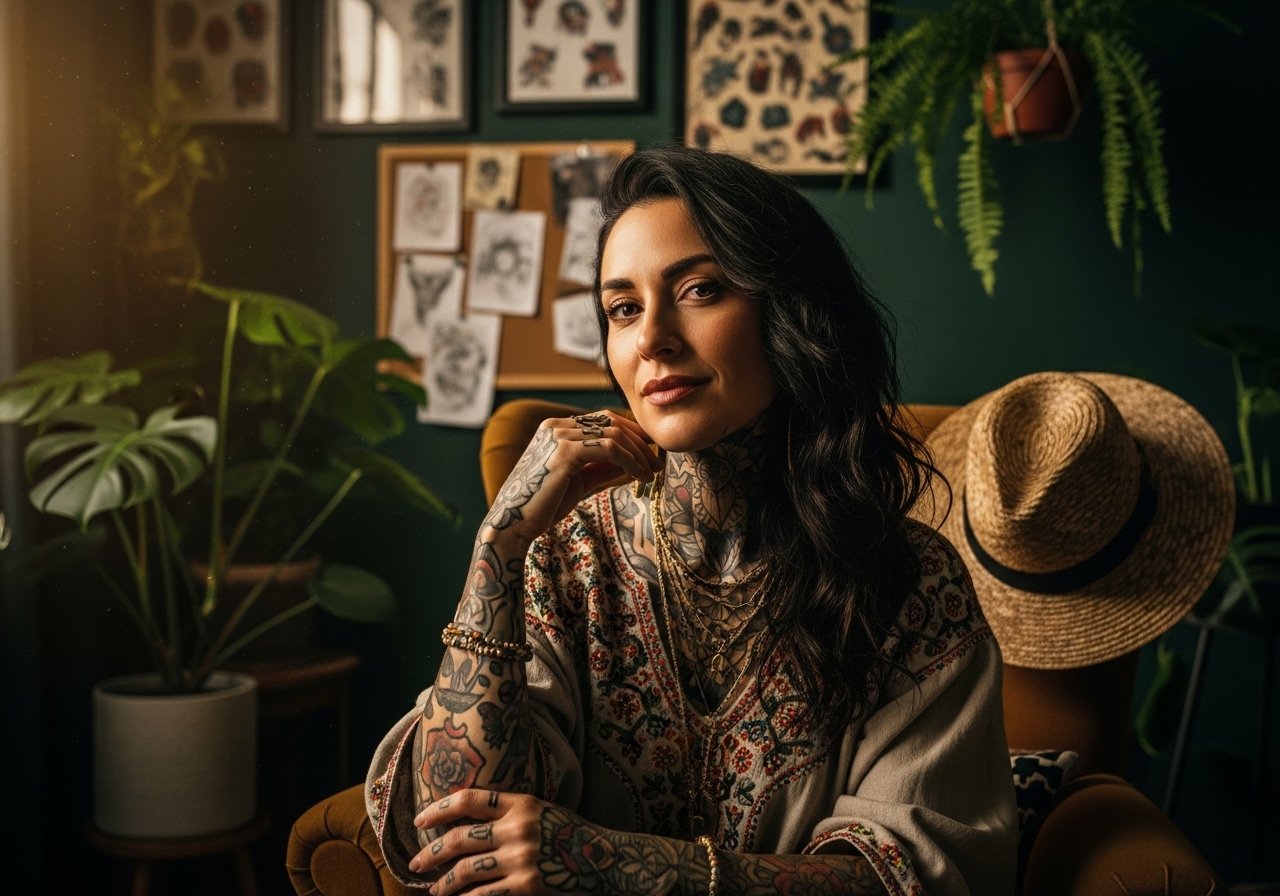
Fine line work is trending for small cover up tattoo designs, but trends and reality often diverge. Fine detail looks incredible fresh but can struggle over old lettering and faded color, and small cover-ups can cost more than a new micro piece because of the planning involved. If your old name shows through or you worry about size creep, this list gives 21 minimalist options that favor opacity, smart layouts, and realistic longevity so you can pick a direction and know what to ask at the consultation.
1. Micro Floral Wrist Wrap

I recommend this when an old name or tiny symbol sits across the inner wrist and you want to keep the new piece small. Tell your artist to orient petals to land over the old strokes and to use layered petal density rather than heavier black blobs. Common mistakes are asking for too thin a line in the center, which invites show-through at the six-month mark. Expect a short session under an hour and a light sting while the needle crosses the inner wrist. For showing it off, pair the piece with a thin gold bangle set on the opposite wrist, and wear a linen blouse oversized with sleeves pushed up when you want the tattoo visible.
2. Blackwork Bird Over Script
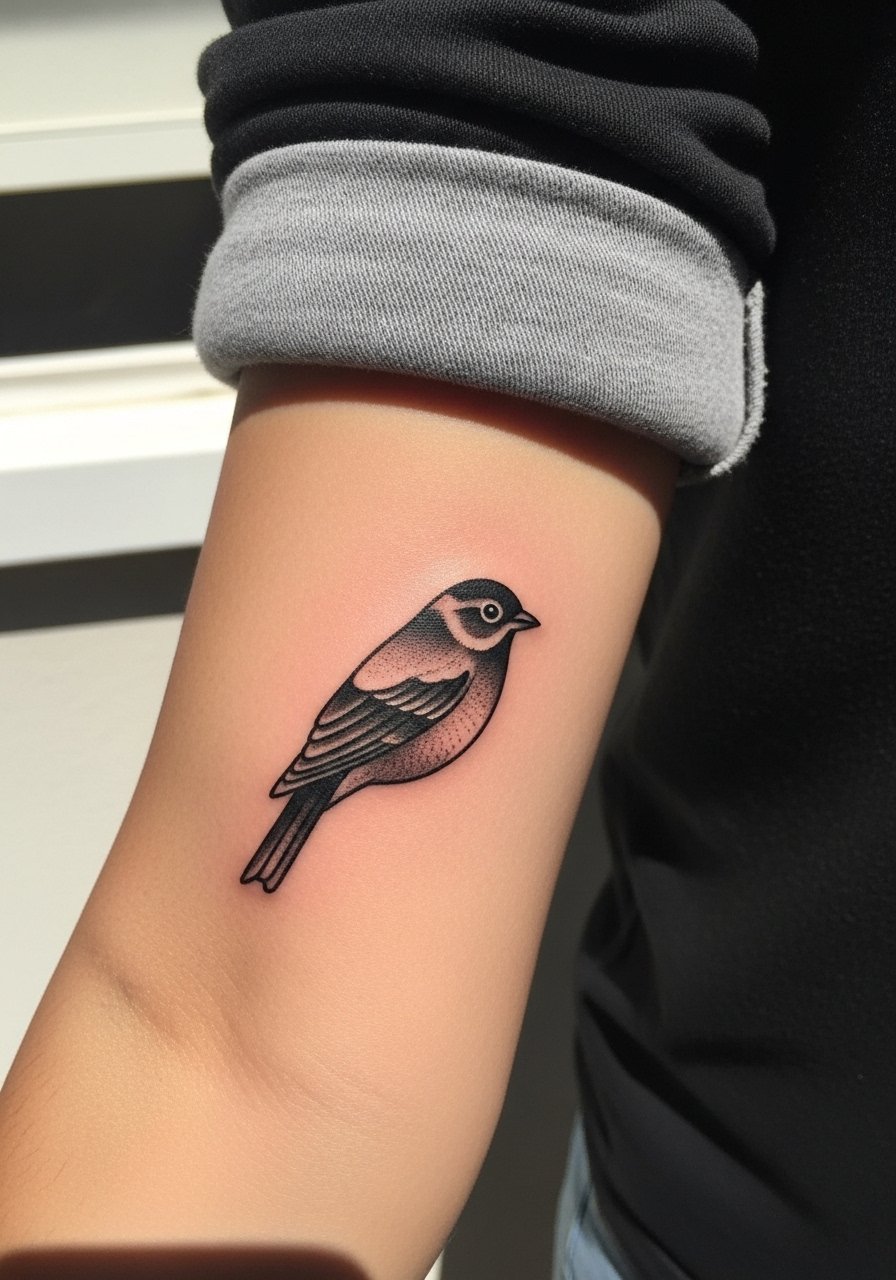
This is a go-to when faded color or thin script keeps peeking through. Dense black saturation in the bird's body masks old pigments while still leaving room for feather detail on the wing tips. Ask the artist for heavy saturation in the core and feathered edges so the design reads as a bird and not a blob. Aging favors this approach because black fills hold better than light color. Pain is low on the outer forearm and a single session usually finishes it. For appointment comfort, wear a loose button-down shirt you can roll up to the elbow.
3. Petite Peony on the Ankle
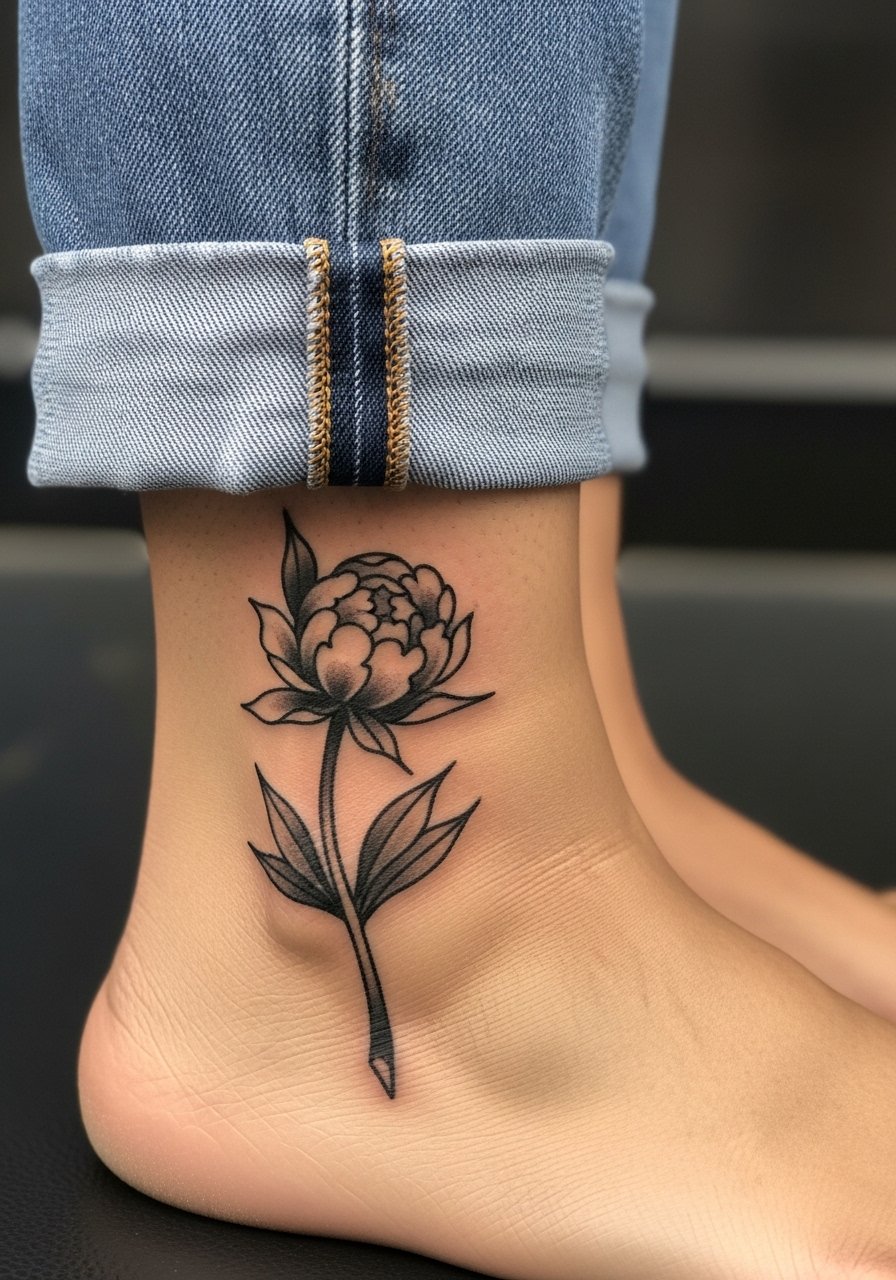
The ankle is unforgiving but ideal for small floral cover work that uses layered shading to bury old lines. I recommend this for small initials or symbols that sit just above the ankle bone. Common mistakes include asking for bright flat color without enough black underlayer. That lets older pigment show through after a year. Sessions are short and pain is moderate when the needle approaches bone. For summer shows, pair the piece with cropped straight leg jeans or a delicate anklet chain to draw attention without crowding the design.
4. Tiny Mandala at the Collarbone
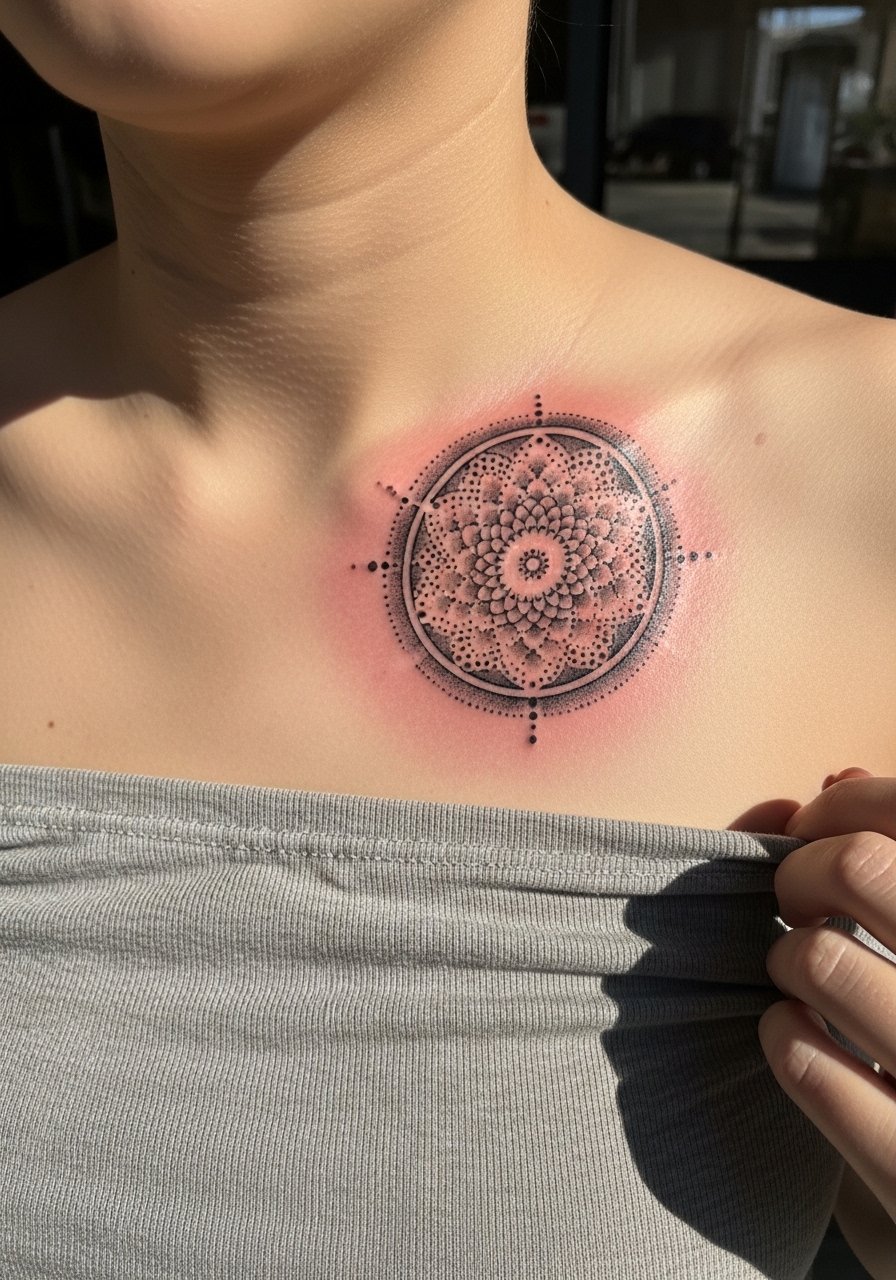
Mandala framing works well when the old piece is abstract or noisy because repeated geometry distracts the eye. For collarbone placement, tell your artist you want increased spacing between dense dot work to avoid merging over time. Artists split on whether mandala detail should be tiny. One camp says smaller is intimate and fine, the other warns that tight dotwork on thin skin can blur. Ask the artist which approach they favor for the collarbone and why. The session is gentle compared with ribs and touch-ups are common at year two for dense dot work. Pair this with an off shoulder blouse for evenings out.
5. Micro Dragon Coil on the Forearm
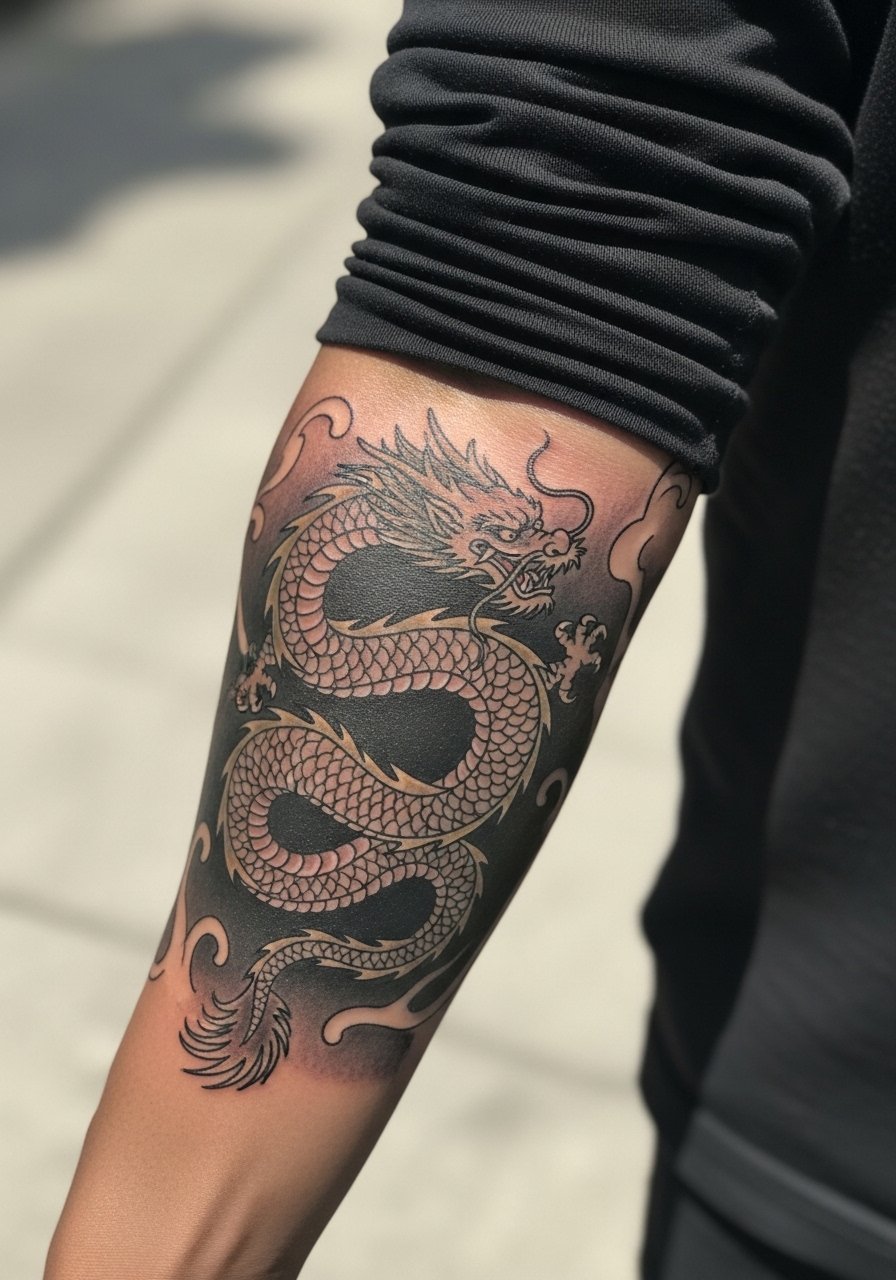
When a name runs lengthwise on the forearm, a slender dragon coil that follows the old line is smart. The trick is letting the dragon's scales and body curvature sit directly over the existing strokes so they disappear into texture. Ask for bold outlines with color layered on top of a black base to ensure opacity. Mistakes include trying to hide large script with a thin creature that lacks enough saturation. Expect two sessions if color is involved and bring references showing scale size you like. For the booking day, a rolled cuff chambray shirt makes it easy to show the artist the area.
6. Minimal Koi Directional Swim
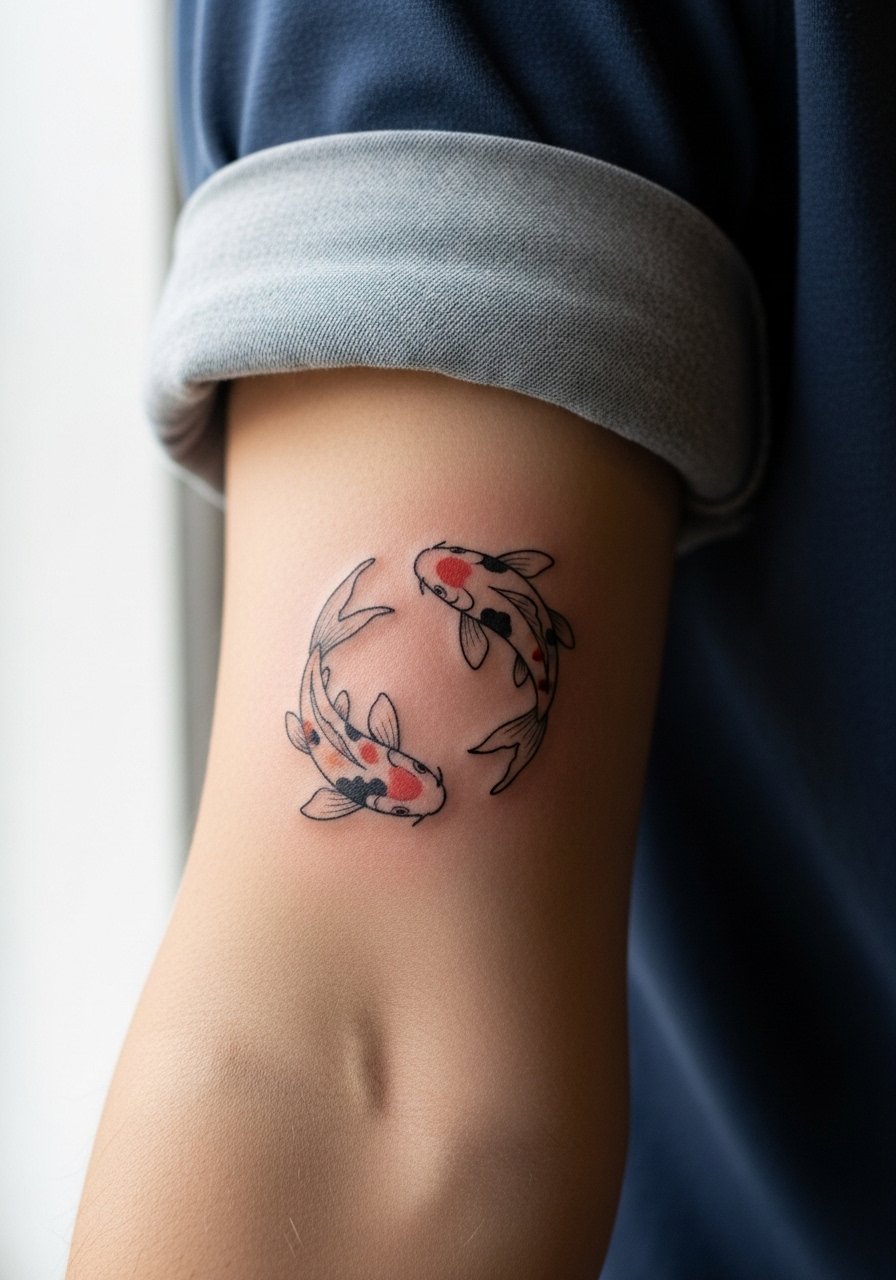
Koi are directional and their scale density offers coverage along linear scars or old text. Use this when an old tattoo needs movement to disguise its shape. In consultation, map the fish's curve to sit over the old lines and request scale clusters over the heaviest pigment. Large color fields help but some artists caution that bright color over dark pigment risks breakthrough. That debate splits artists into two camps. One camp prefers dense black bases for opacity. The other builds color layers carefully. Expect multiple sessions if you want vibrant color. For display, short sleeves or a rolled cuff chambray shirt shows off the swim.
Studio Day Picks
The first six designs cover wrists, forearms, ankles, and collarbones, and each asks for slightly different prep. A few small items make the session smoother and the first week of healing easier.
-
Stencil transfer paper kit. Lets you preview and reposition the layout on skin so the petal and coil orientations land exactly where you want them.
-
Topical numbing cream. Applied 45 minutes before a sensitive ankle or forearm inner edge session eases the sting without affecting linework.
-
Thin protective film roll. Ideal for wrist and forearm pieces that rub against clothing during the first few days.
-
Fragrance free gentle body wash. Cleanses delicate areas like ankles and collarbones without irritating fine line work.
-
Aquaphor healing ointment. A thin layer in the first 48 hours helps keep micro linework from drying out while still allowing the tattoo to breathe.
7. Single-Needle Butterfly on the Shoulder

Butterfly overlays are a popular emotional reset and they work when a small script sits near the shoulder. Ask your artist to use wing shading that fades into a darker base at the wing roots so the old ink does not peek. Watercolor edges should be balanced with some defined linework so the piece maintains structure as it heals. The shoulder tolerates both fine and bold approaches but be clear about touch-up expectations for watercolor washes. For the session, wear a strapless sundress or a loose tank so the artist can access the shoulder cleanly.
8. Tiny Geometric Distraction at the Ankle
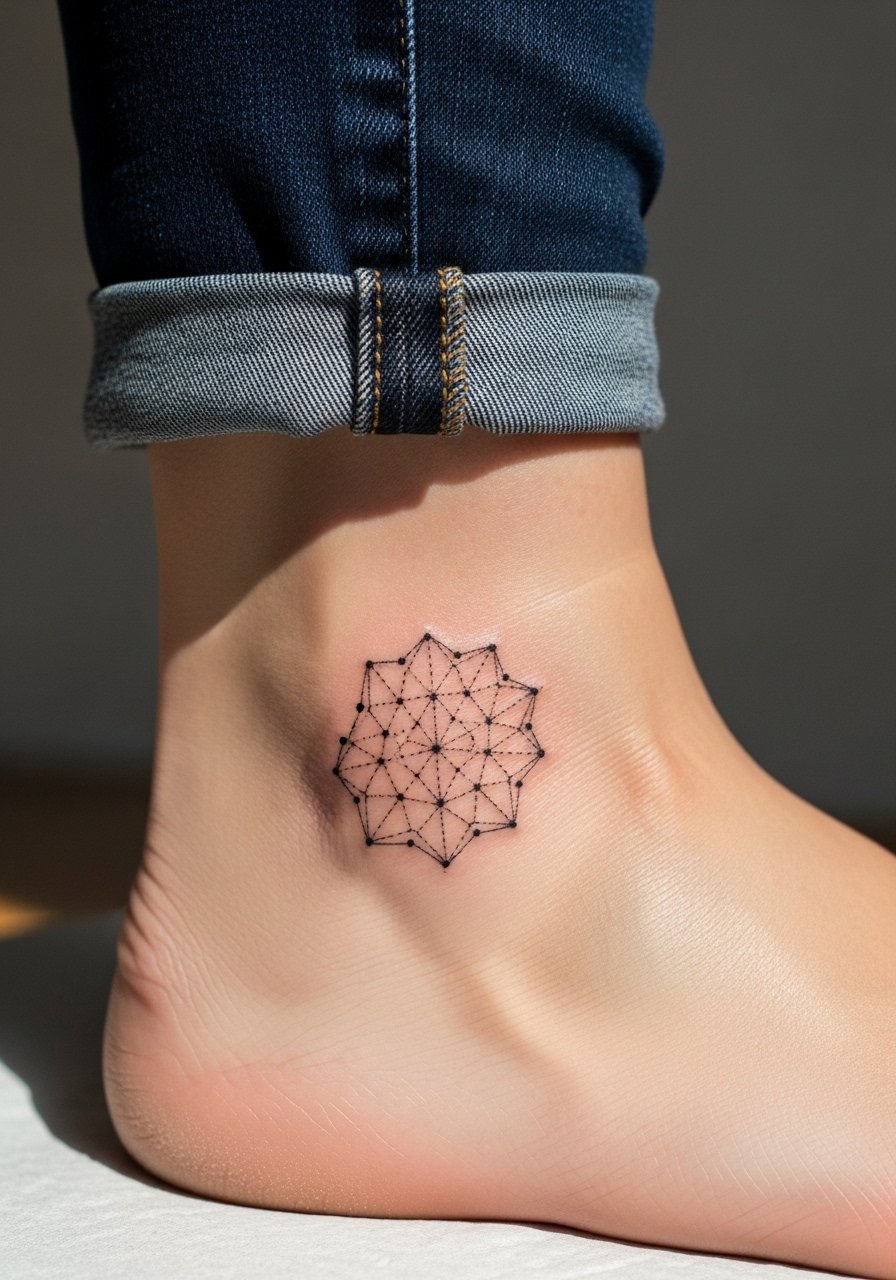
When the old design is small and faint, a compact geometric arrangement can distract the eye without increasing footprint. Tell the artist you want negative space to prevent the dense areas from merging as they age. The common error is cramming too much detail into a one-inch circle. That makes dotwork blend within two to three years. Ankle pain near bone is higher, so expect a tight 30-45 minute session. For style, cropped jeans or midi skirts reveal the ankle, and a delicate anklet chain complements the geometry.
9. Tiny Wildlife Portrait on Inner Forearm

Micro wildlife portraits use contrast and dense shading to hide small, stubborn text. I recommend this when a faded colored icon remains visible through lighter covers. Request increased saturation in shadowed areas and sharpen the focal eye or snout so the piece reads at a glance. A real mistake is asking for the portrait too small on the inner forearm. This area sits on softer skin and lines can soften. Expect one longer session and plan a touch-up on finer highlights at year two. For session comfort, wear a loose long-sleeve button-up you can roll.
10. Peony Stem Behind the Ankle
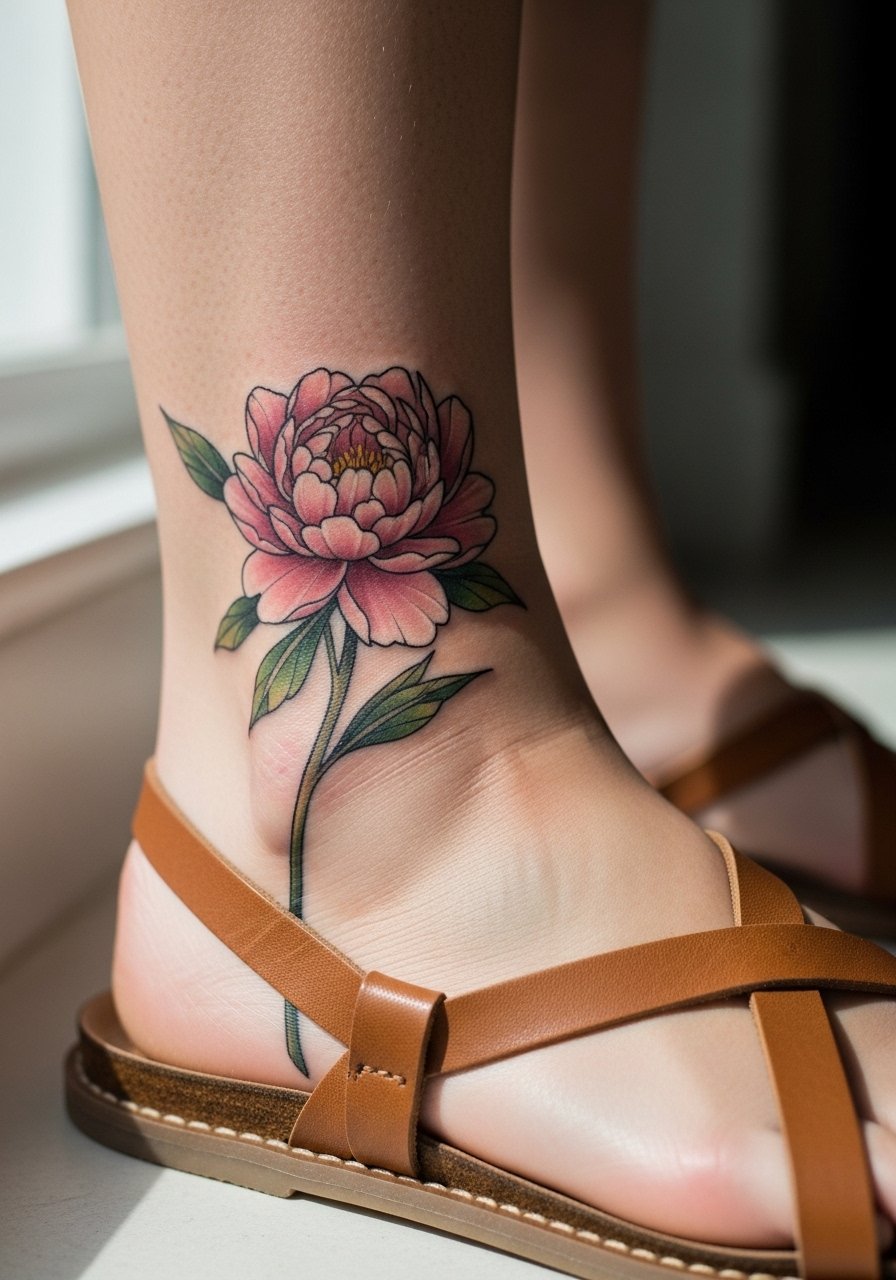
A peony stem is useful when you want to keep size down but need layered shading to bury old lines. Place the bloom so its darkest center overlaps the old lettering. The common mistake is requesting too many tiny petals without a dark core. Those petals fade and the original lines reappear. Expect moderate pain near bone and a single focused session. For showing off the piece, pair with cropped straight leg jeans or sandals.
11. Script Integration on the Wrist

If your old text is small but clearly placed, integrating the original lettering as part of a new phrase can be subtle and personal. Tell the artist which letters you want emphasized and which you want to weave into new stems or loops. A common error is trying to hide the old name by overlaying a different single word in the same style. That usually leaves ghosting. Expect low pain and a short session. For daily wear, a dainty chain bracelet on the other wrist keeps attention balanced.
12. Lotus with Ripple Edge on the Thigh
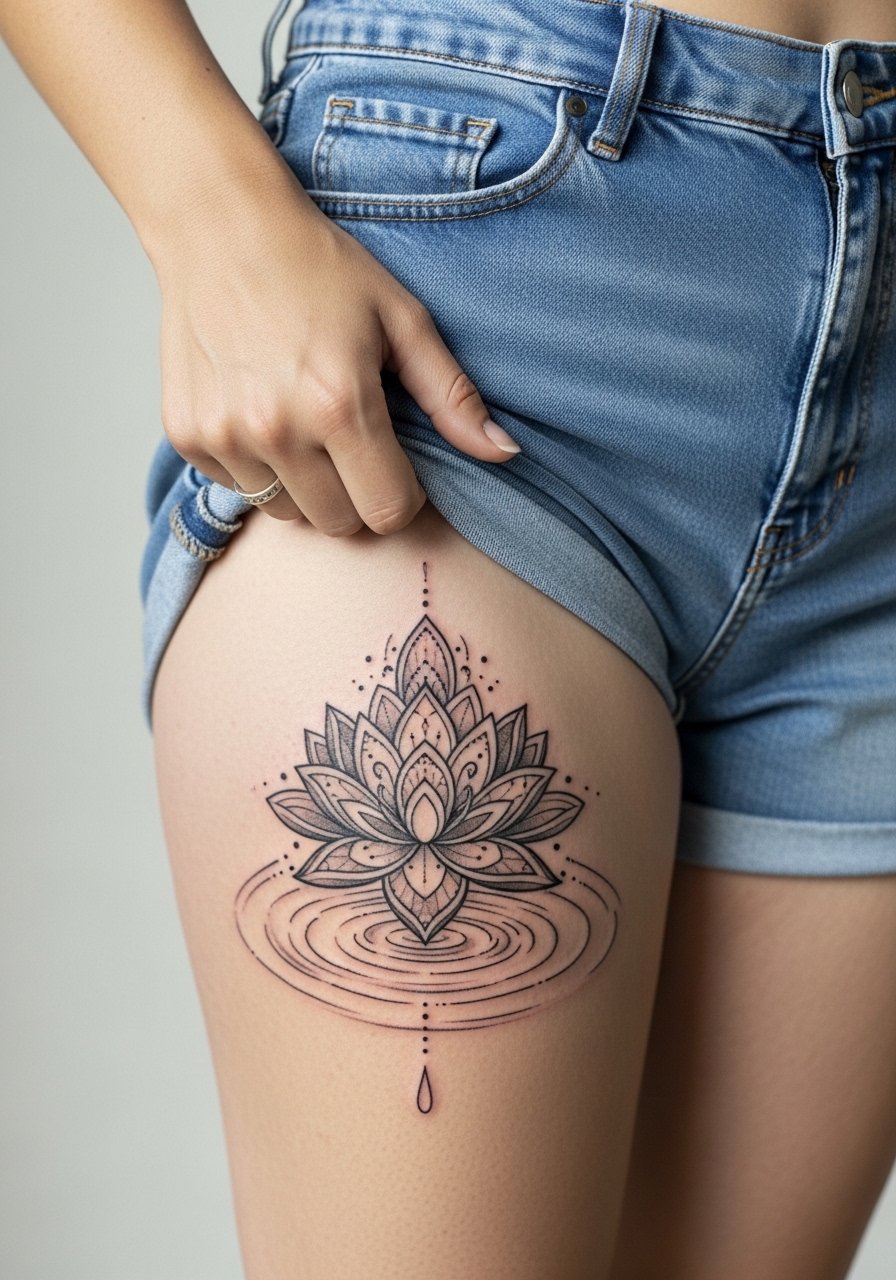
Thigh placements let you expand slightly so ripples can conceal edges of older ink without making the central motif huge. I like this when a small chest or side tattoo needs a new personal symbol nearby. Ask the artist for wider ripple bands around the lotus so the old outlines blur into texture. The downside is a longer session and moderate pain when needles reach deeper flesh. Many people book thigh pieces in two sittings and plan a touch-up after the healed check. For show-off looks, high-waisted shorts or slit skirts reveal the design.
13. Tiny Tribal Remix on the Bicep

Tribal remixing is strong for bold hiding of old script or dated tribal marks. The bicep handles bold lines well because the skin is thicker and the muscle provides a canvas. Ask your artist to convert old strokes into negative-space elements rather than just painting over them. Artists disagree about keeping classic tribal shapes intact versus reinterpreting them for modern flow. Name both approaches during the consultation and ask for sketches. Expect one session for a small bicep piece and minimal daily irritation. Roll short sleeves or wear a loose button-down shirt for access.
14. Minimal Landscape Vignette on the Shoulder Blade
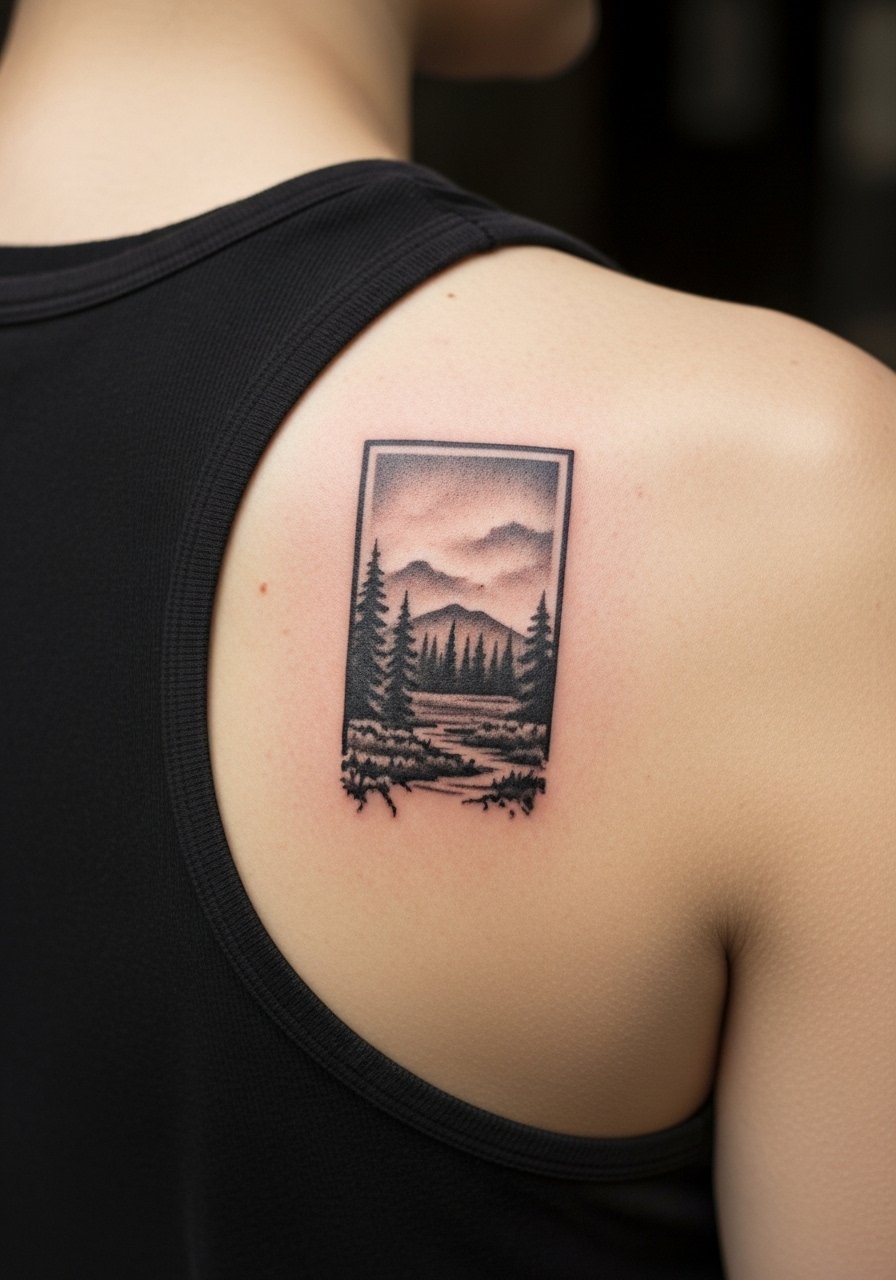
A tiny landscape vignette hides larger small pieces by creating depth and negative space so older outlines fall into the scene. This works best for faded images that lack distinct edges. Tell the artist which horizon line to use so it interrupts the old design. The shoulder blade tolerates shading and ages well with minimal touch-ups. Pain is low when prone, but plan for a slightly longer session if you want layered gradients. For session day, a loose tank top gives easy access.
15. Mini Dragonfly Near the Collarbone
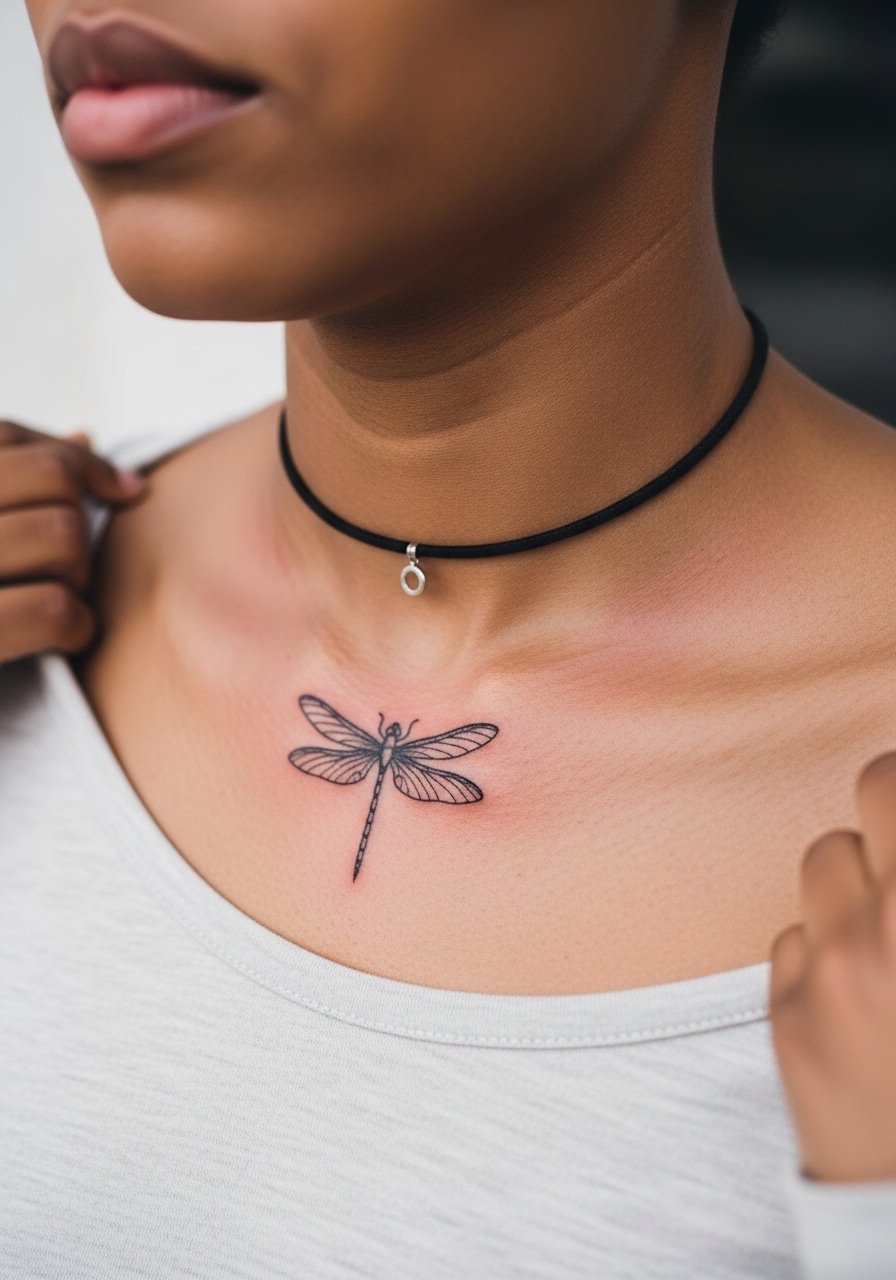
Dragonflies read as delicate and can mask small original lines by placing wings across older strokes. The collarbone is a thin-skin area so the common mistake is asking for hairline detail that cannot hold. Ask for slightly bolder wing veins and a faint shaded abdomen to anchor the design. Pain on the collarbone varies but many people report a sharp quick sting. Plan for touch-ups at year two for thin veinwork. Pair with a thin choker necklace to frame the area tastefully.
16. Micro Constellation Behind the Ear
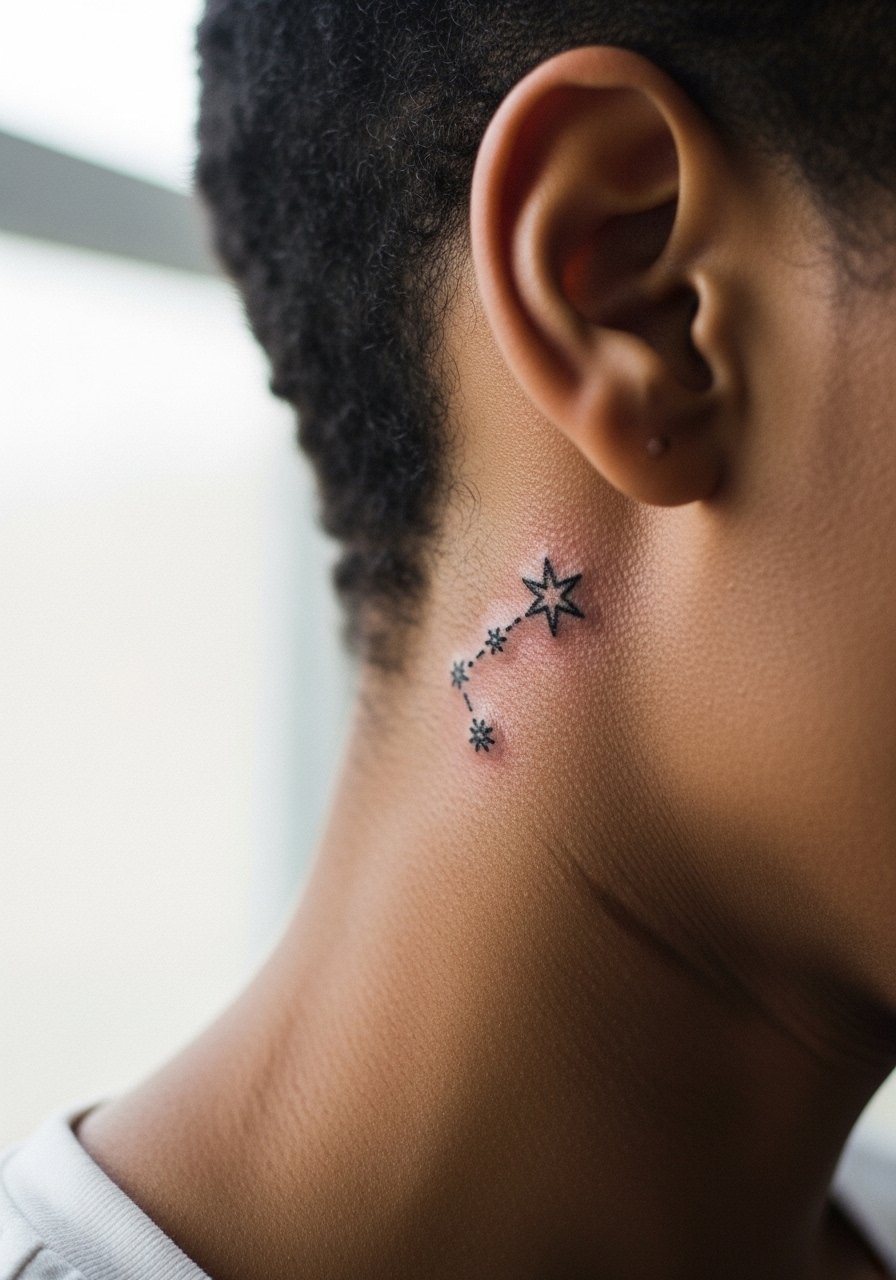
Behind-the-ear placements are discreet and good for hiding small script that sits at the jawline. Because of the limited canvas, link the star points to overlap old strokes and ask for slightly heavier dots over the most visible old marks. The mistake people make is insisting on overly fine connecting lines that blur. Pain is low and sessions are quick. Keep in mind hairline and styling when you show off the piece.
17. Single-Needle Arrow on the Inner Arm

Inner arm skin is soft and risks blowout when lines are too tight. Use this for linear old tattoos you want to redirect. Ask for slightly thicker shaft line weight and a negative-space fletching to distract from old strokes. A frequent mistake is choosing single-needle thinness for an inner bicep arrow. That can soften within two years. Expect moderate pain and plan for a touch-up if fine points fade. For session ease, wear a tank top so the artist can access the area.
18. Minimalist Fox on the Calf
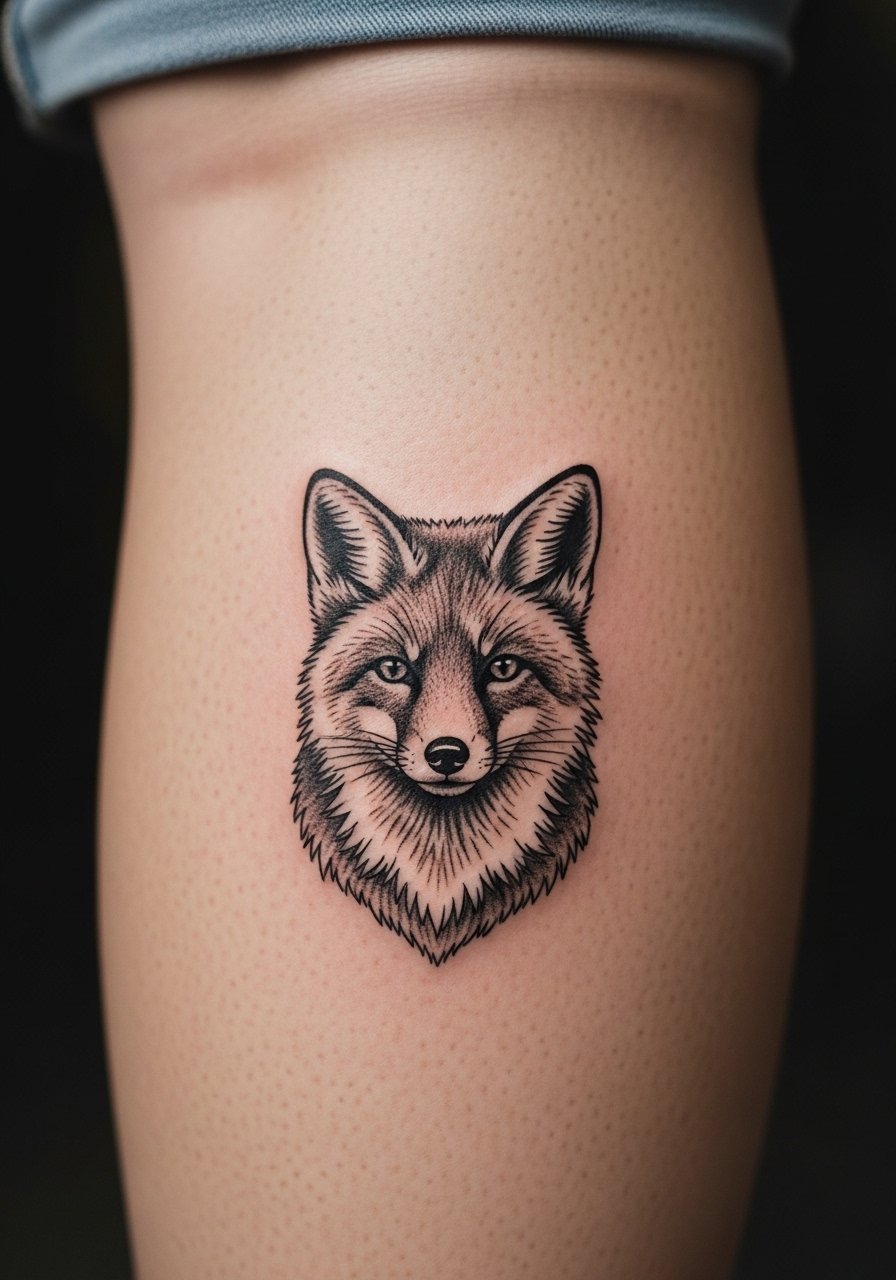
Calf placements allow small dense black pieces that are excellent at masking older multicolor work. A fox portrait with a dark muzzle and shaded tail will hide underlying pigment while keeping a compact silhouette. Tell the artist where to push the darkest mass so it overlaps the oldest pigment. The calf is forgiving for saturation so touch-ups are rarely needed soon. Sessions are comfortable and recovery is easy. For show-off outfits, pair with high waisted denim shorts.
19. Micro Mandala on the Lower Back
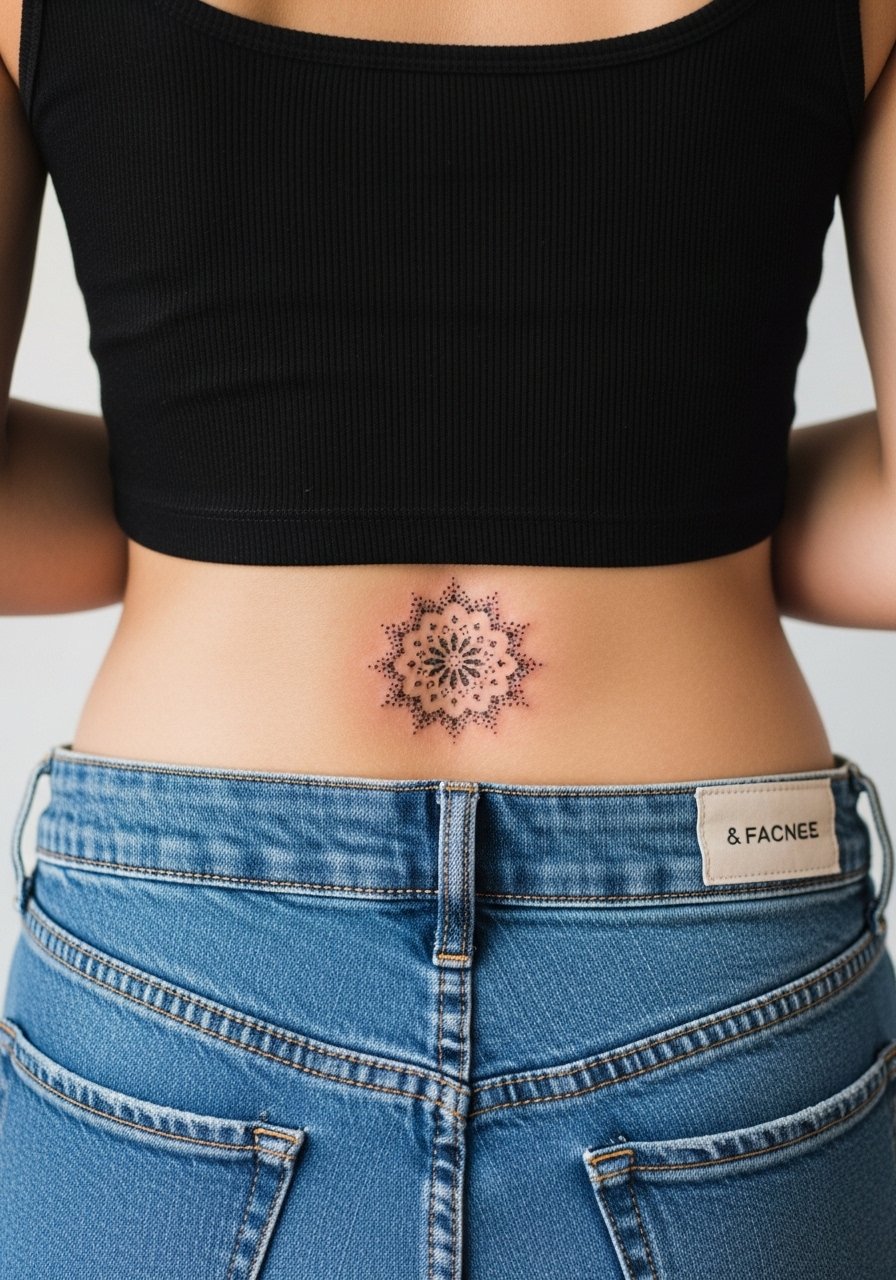
Lower back mandalas work when an old small piece sits center or slightly off-center. The mandala's concentric rings distract and bury edges, but be explicit about diameter since tight rings can merge on this area with time. Ask the artist for slightly broader outer rings and negative-space gaps to maintain clarity at year three. Pain is low and one to two sessions usually finish a compact mandala. For events, low-rise crop tops or backless dresses show the work.
20. Mini Lotus Sternum Accent
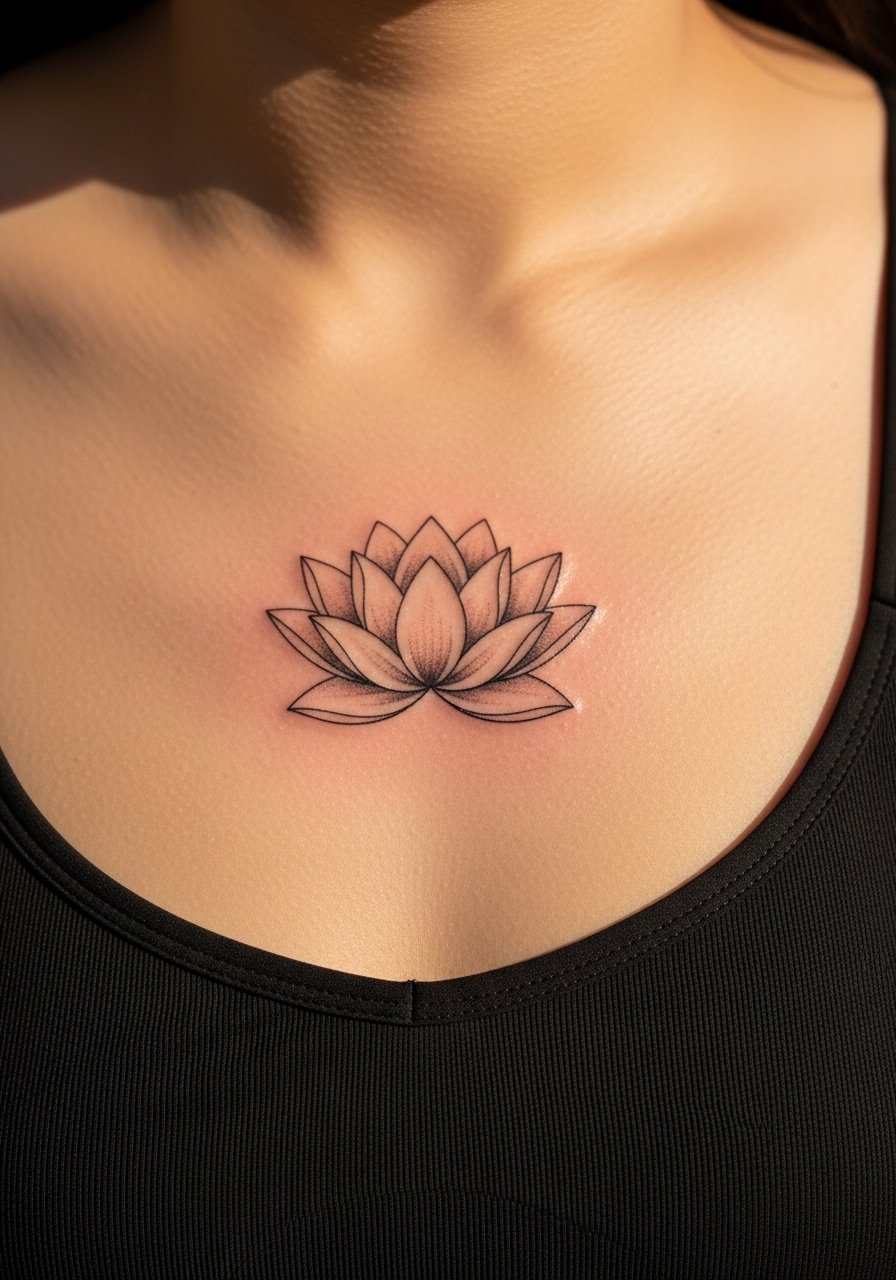
Sternum placements take care due to sensitivity and clothing needs. Use a lotus with a defined dark center and ripple hints to hide older small chest pieces. The artist split on whether tiny linework holds here. One group warns that frequent movement and friction blur thin lines. The other group says careful needle depth preserves detail. Ask your artist their experience with sternum fine line before booking. Pain ranges high and session planning should include breaks. Wear a fitted sports bra to the appointment so the artist can expose the area appropriately.
21. Small Geometric Band on the Thigh
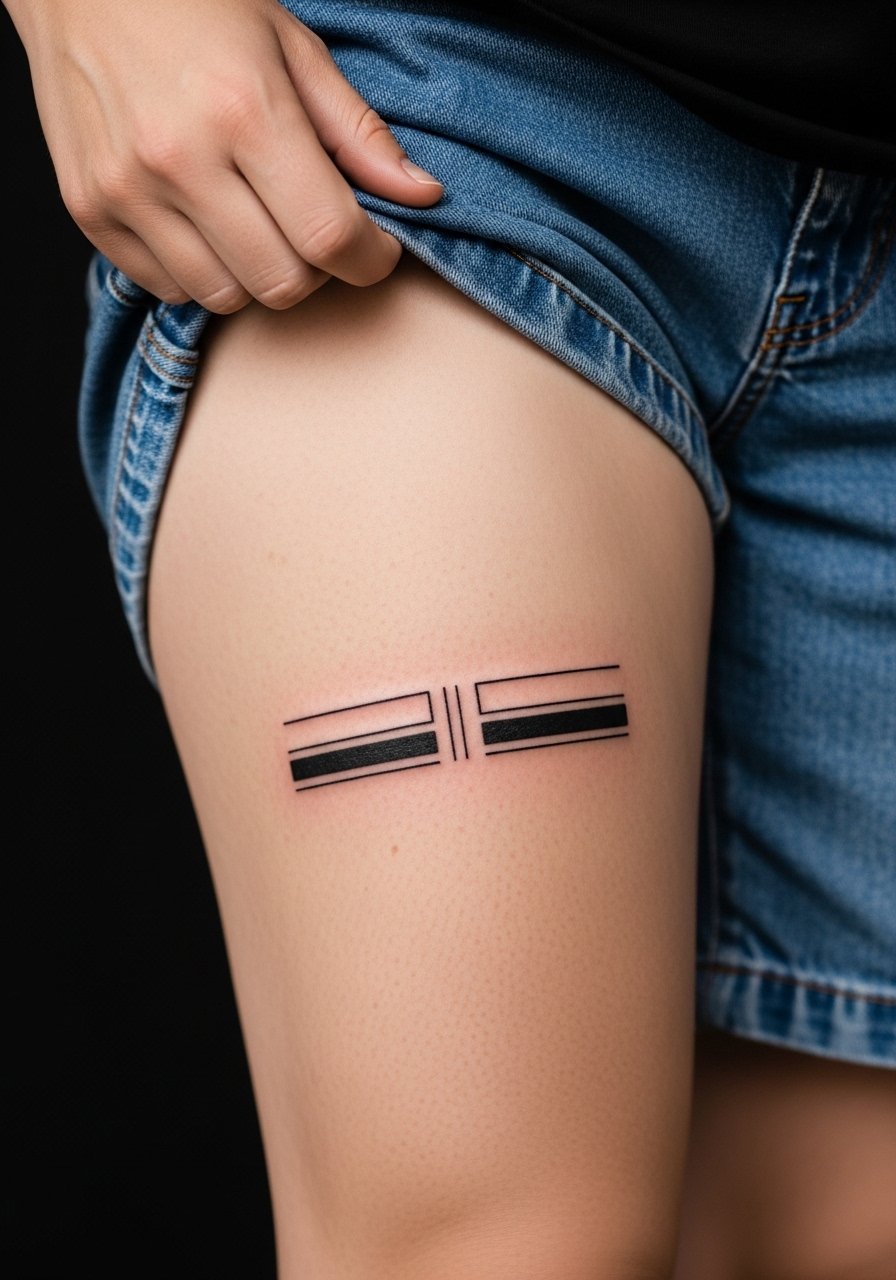
Thigh bands work well when small pieces on the hip or outer thigh need reorientation. A geometric band can absorb and redirect old lines by creating a new visual rhythm across the area. Tell your artist that you want consistent spacing so the pattern breathes and does not merge into a shaded field. The thigh allows for more size if the artist recommends expanding modestly to ensure coverage. Pain is moderate and most clients schedule one session. For session wear, bring loose shorts that can be shifted for access.
Frequently Asked Questions
Q: Will a small fine line cover-up hide an old name that keeps showing through?
A: Fine line can work but it often struggles to fully mask darker or saturated letters. A denser solution is a design that uses black bases or layered petals over the heaviest strokes. If you want to keep the new piece minimal, ask about a short pre-lightening laser pass or plan for denser shading and a possible touch-up at year two.
Q: How much should I budget for a small cover-up tattoo and why do they sometimes cost more than a new small piece?
A: Expect a small cover-up to run in a range that reflects planning time, potential extra sessions, and the artist's cover-up experience. The extra cost comes from sketching to hide specific shapes and the possibility of multiple passes. If budget is tight, discuss a simpler blackwork option or a staged approach with your artist.
Q: Are black bases always better than color for small cover-ups?
A: Artists divide into two camps. One camp prefers black bases because they block underlying pigments reliably. The other camp will layer color carefully to keep the piece vibrant while still addressing show-through. Your choice depends on the look you want and the old tattoo's color depth. Ask what the artist recommends for your skin tone and pigment history.
Q: How long before I might need a touch-up on these small designs?
A: It depends on style and placement. Bold blackwork often holds longer and can go several years before a touch-up. Fine line and watercolor washes might need refreshes around year two or three, especially on high-friction areas like wrists or ankles. Expect a touch-up timeline that the artist will estimate after seeing your healed result.
Q: What should I wear to a session for ankle, shoulder, and ribcage placements?
A: For ankle work, loose joggers or shorts that pull up comfortably are best. For shoulder or collarbone pieces, bring a strapless bra or a wide-neck shirt that can be shifted. For ribcage sessions, a cropped top or sports bra that exposes only the side helps. If you want one accessory for collarbone designs, a thin chain pendant necklace sits nicely above fine script.
Q: How do I find artists who specialize in tiny cover-ups without blowing up the design size?
A: Search studio portfolios for the hashtag phrases and gallery examples that show healed small cover-ups. Use city plus "cover up tattoo studio" queries and check guest spot calendars. On social platforms, look specifically for healed photos rather than fresh shots so you can see how detail settles over time.