
Fine line is trending, but the sketchy jasmine pieces that still look good five years from now are the ones planned with breathing room and realistic expectations. Sketchy strokes read delicate at first and they can blur if placed where skin moves a lot. Below are 17 jasmine tattoo directions that balance that pencil-like energy with placement, aging, and wardrobe so you get a design that ages like you want.
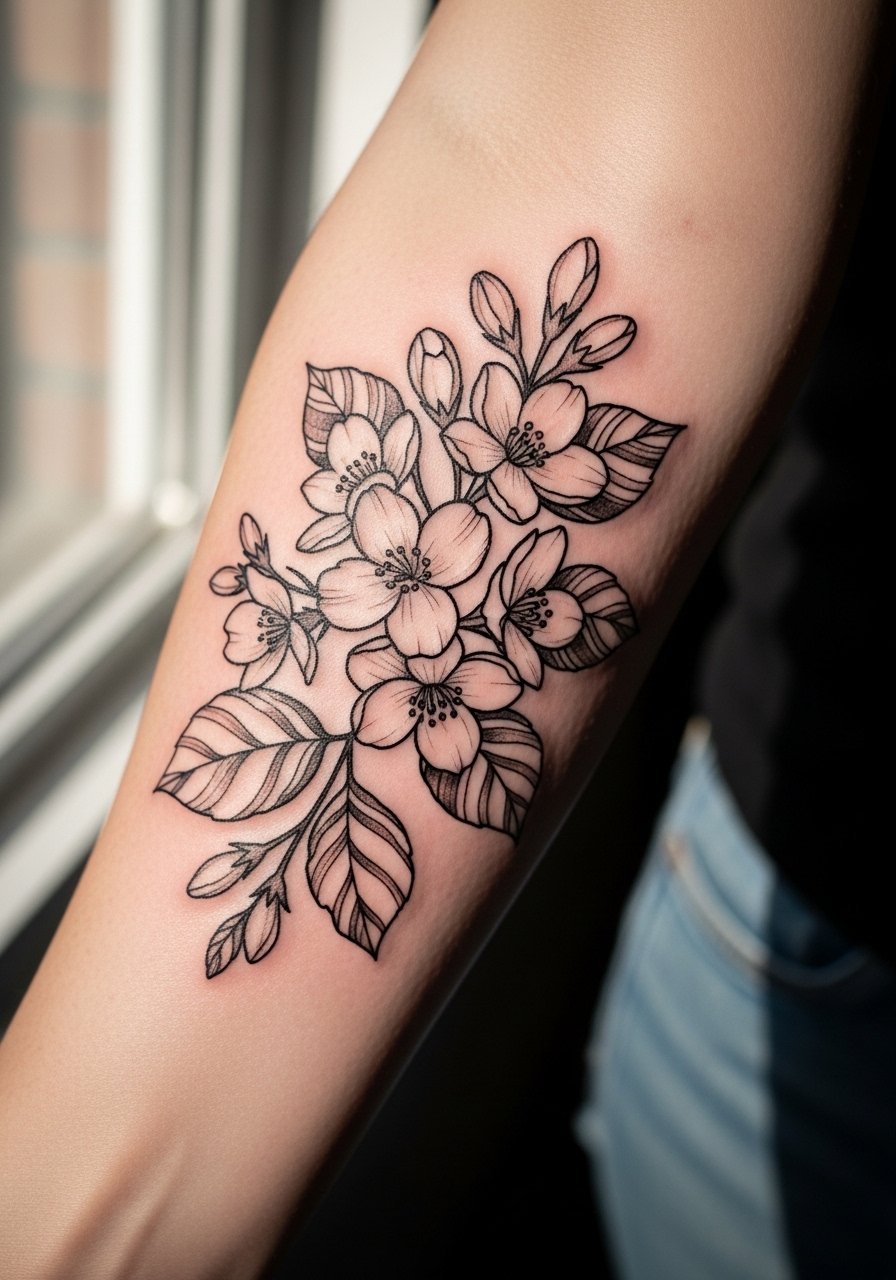
1. Inner Forearm Jasmine Cluster
I've seen this placement hold up when the design leaves negative space between stems and avoids ultra-thin contour lines. Tell your artist to use slightly heavier primary linework with light stipple shading for petals. Pain is mild and a session can often finish in under an hour. The trap is asking for pencil-fine hairlines across the whole cluster. Those lines tend to soften and sometimes merge by year three. For showing it off wear a rolled linen shirt so the cuff sits just above the tattoo and keeps attention on the forearm. Expect a light touch-up at year two if you want crispness restored.
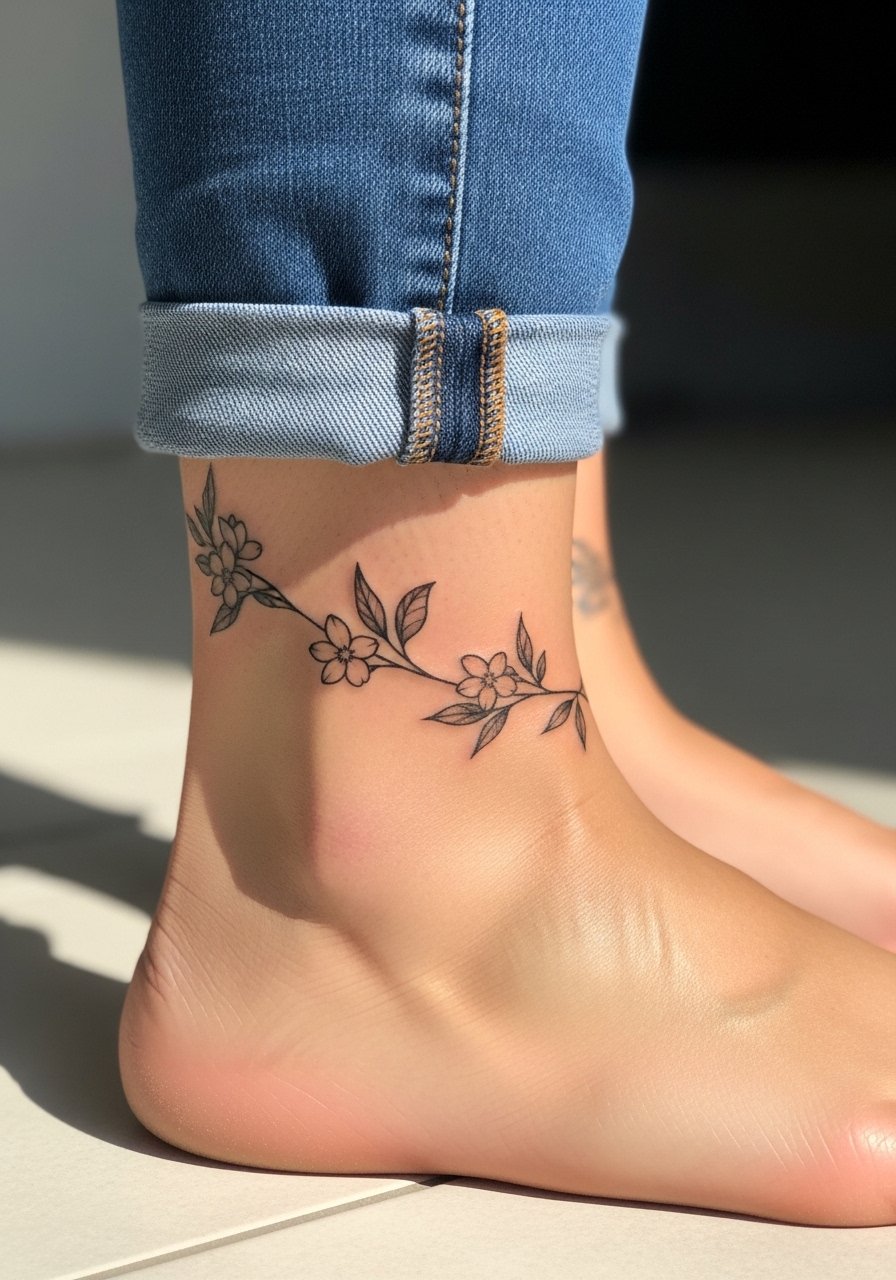
2. Ankle Jasmine Wrap
For a low-profile jasmine chain wrapping the ankle, the main worry is friction from shoes and socks. I advise asking for slightly bolder anchor points at the wrap ends so the design reads even after wear. Session time is short but plan for a second visit if the artist wants to layer stipple shading. The ankle's thin skin can risk a faint blur in high-motion zones. For easy showing pair this with jeans rolled up or slip-on sandals that keep the ankle visible. Touch-ups are common at year two for pieces near the ankle due to repeated rubbing.
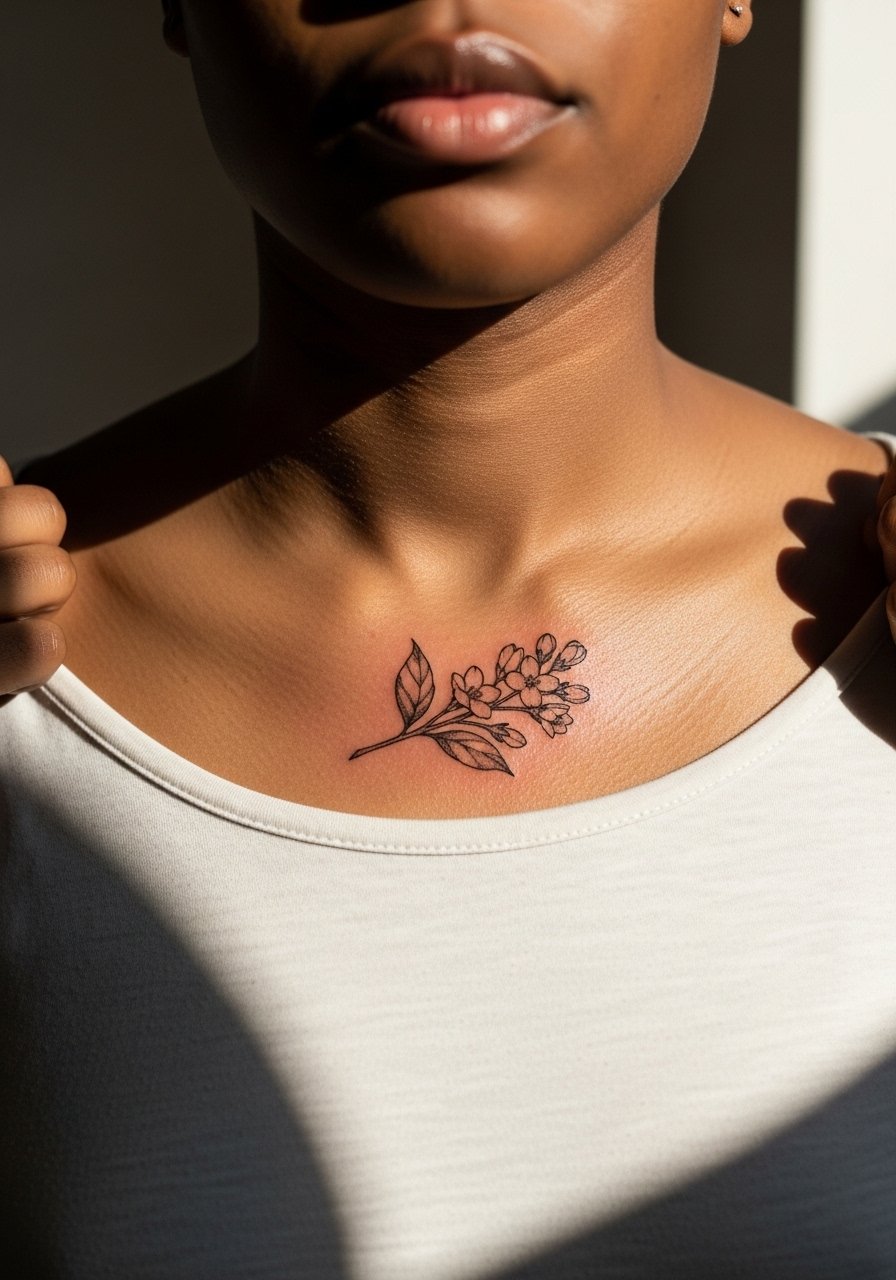
3. Collarbone Single Jasmine Sprig
Most collarbone jasmine pieces read like jewelry when the stem follows the bone and the bloom sits just above the clavicle. Fair warning: the collarbone moves with breathing and heavy contours can look uneven if placed across a curve. I usually suggest a single bloom with a longer leaf stem for flattering negative space. The session feels quick but sharp near the bone. Common mistakes include cramming multiple blooms across the clavicle which ages into crowded linework. At six months the lines should have softened a touch, and at two years the outline will need a touch-up if you wanted the same crisp contrast.
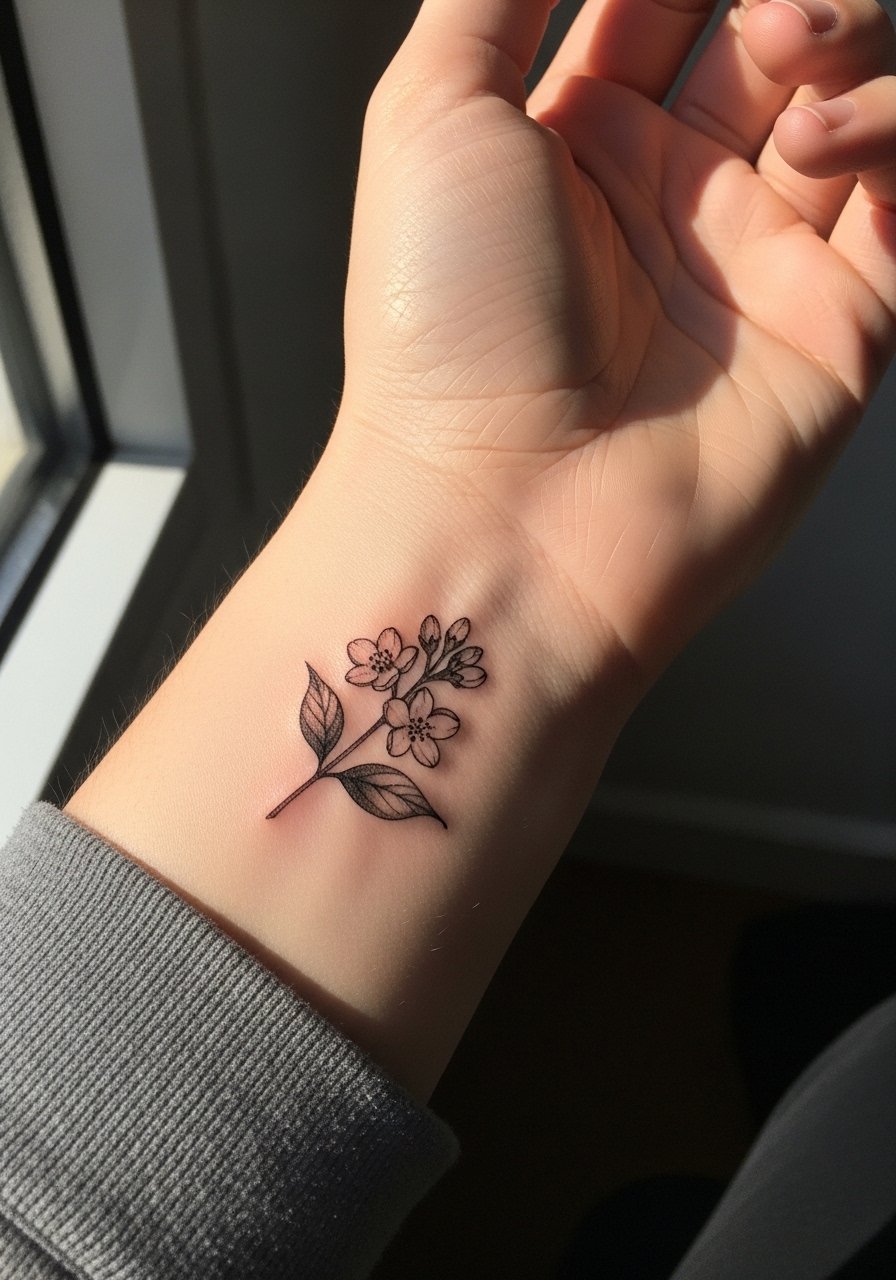
4. Tiny Wrist Jasmine Accent
This tiny wrist sprig works when the artist spaces the buds so the negative skin holds the design. Pain is moderate because the wrist has thin skin and some bony landmarks. Ask the artist to draw thicker main stems with tapered secondary strokes so the tiny petals do not vanish over time. The most common mistake is requesting micro lettering next to the bloom which competes with the linework. For styling, stack a thin chain pendant necklace or wear a minimalist watch on the opposite wrist to balance attention without crowding the tattoo. Expect a touch-up sooner than on an upper arm piece.
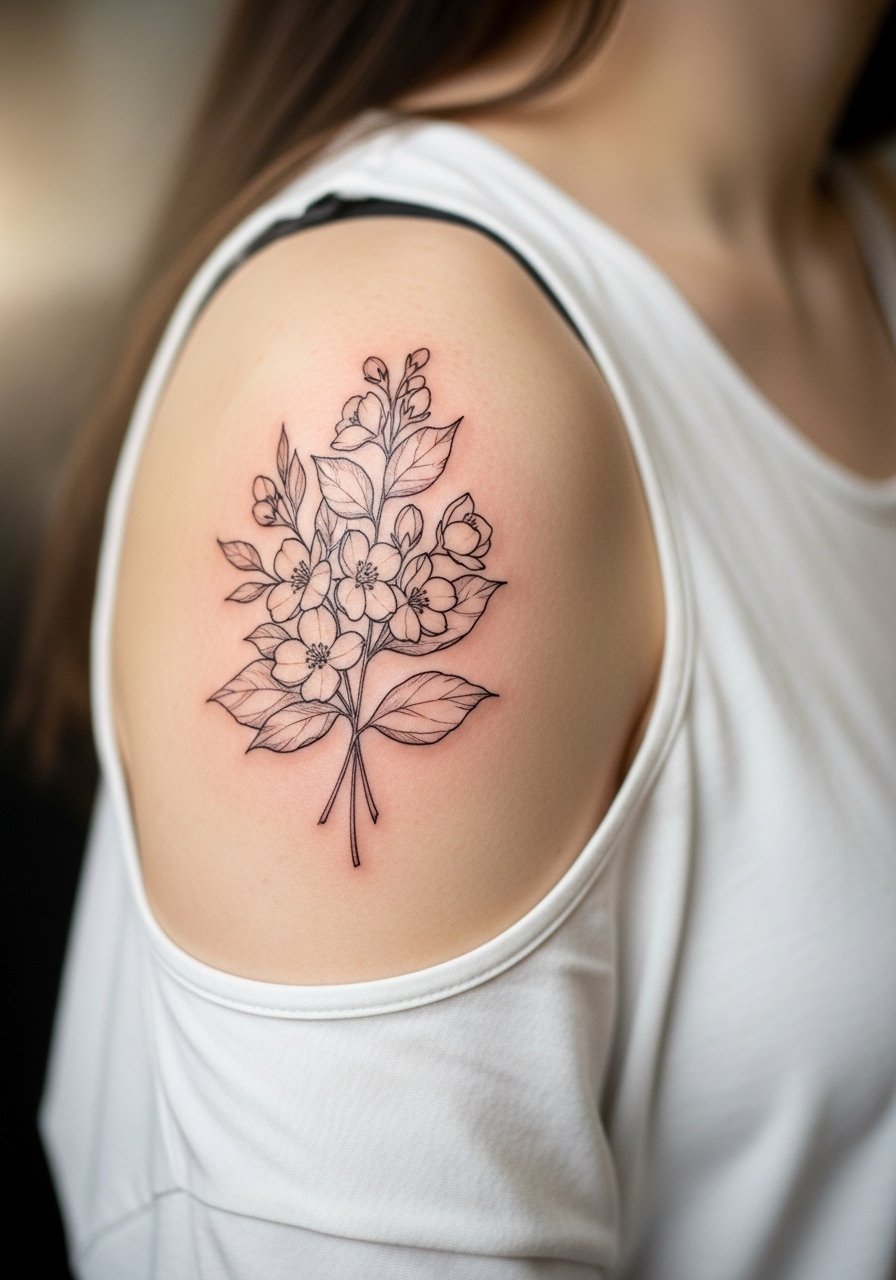
5. Shoulder Cap Jasmine Sketch
There is something about a small bouquet sat on the shoulder that reads effortless in warm months. When you book this, bring tops that give the artist access, like a loose tank top. The shoulder is forgiving for fine line because the skin is thicker and does not crease like the inner arm. A common error is asking for ultra-dense stippling on the cap which can compact into a muddy patch after healing. Most shoulder sketches stay readable for five years with a modest touch-up at year three depending on sun exposure.
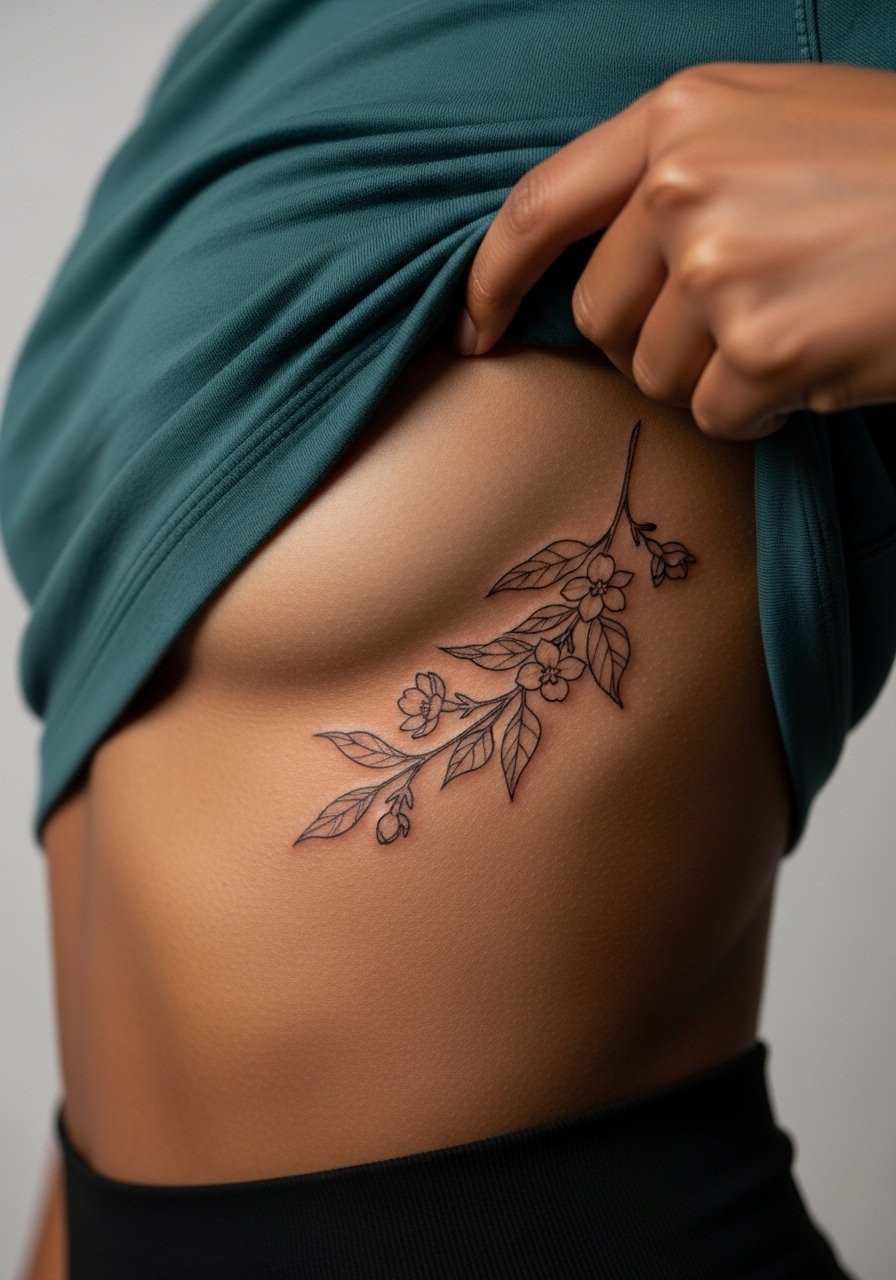
6. Ribcage Jasmine Vine
Fair warning: ribs are on a different aging clock. Artists split into two camps. One camp says fine line here blurs quickly because the skin stretches and moves with breathing. The other camp argues that with proper needle depth and spacing it settles fine. Ask the artist which side they sit on before booking. Sessions are slow and painful, often needing small breaks. The design that holds up spaces petals and avoids tight cross-hatching. For sessions wear a cropped athletic top you can lift slightly so only the rib area is exposed. Expect a two-step touch-up timeline if you want to keep those thin stems crisp.
Studio Day Picks
The small, high-movement areas in the first six ideas ask for lightweight prep and protection during the first week.
- Transfer stencil paper kit. Helps you and the artist preview placement on curved areas like the forearm and ribcage before any needles touch skin.
- Topical numbing cream. Useful for ankle and rib sessions when you want a gentler experience without compromising linework.
- Thin protective film roll. Keeps wrist and finger pieces shielded from friction during the crucial first few days.
- Fragrance free gentle body wash. Cleans healing skin around delicate linework without irritating the area.
- Aquaphor healing ointment. A thin layer helps keep fine line work moist in the first 48 hours while still allowing the skin to breathe.
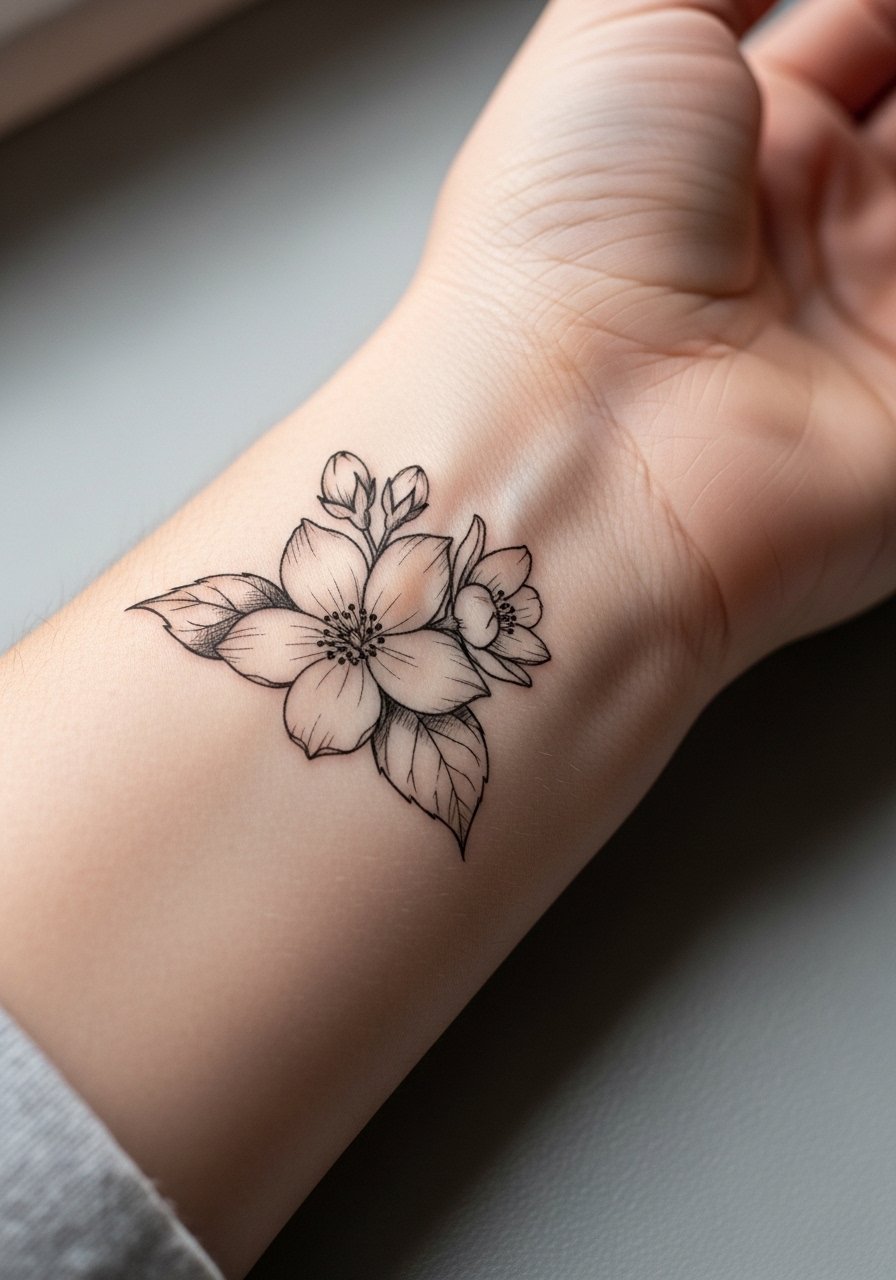
7. Back of Wrist Jasmine Bloom
I've seen back-of-wrist placements age slightly better than the inner wrist because the skin sees less daily soap scrubbing. Ask for slightly heavier end points so the bloom reads at distance. The session is short and the pain is moderate. A common mistake is asking for mirrored twins on both wrists at once which doubles the touch-up load. For show-off pairing, wear a minimalist watch or thin bracelet on the opposite wrist to frame the bloom without crowding the design. Expect a touch-up at year two if you are heavy on hand washing.
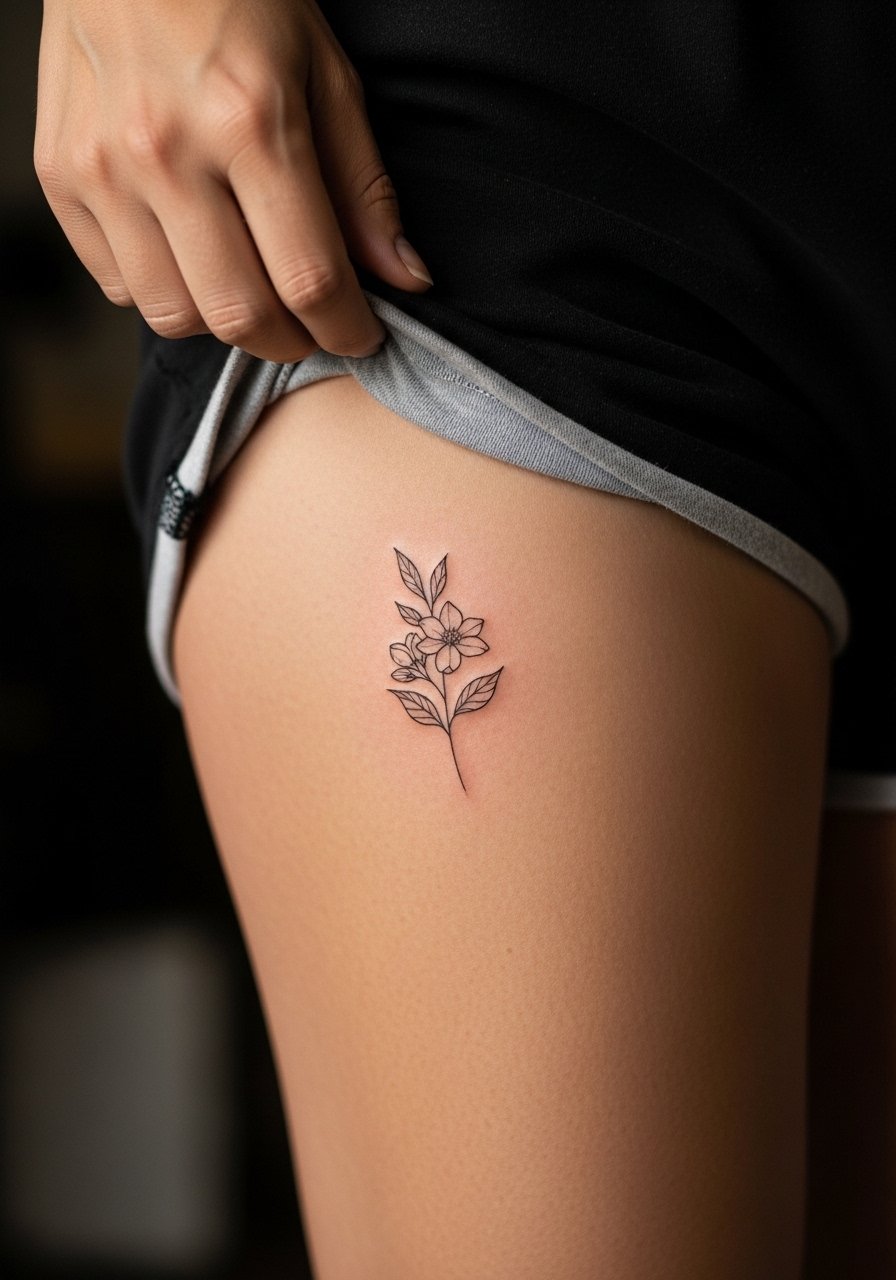
8. Inner Thigh Jasmine Linework
The inner thigh is one of those placements where the session requires careful wardrobe planning. Wear shorts you can shift slightly so the artist has access while you stay covered. Pain is moderate to high depending on the area. I recommend spacing the buds and avoiding dense stipple that will compress with skin movement. This placement often looks soft at six months and can keep that look intentionally if you want a gentle, private piece. Many people forget to discuss mobility with the artist and then find the design sits awkwardly when sitting. A follow-up touch-up is normal once the area has fully settled.
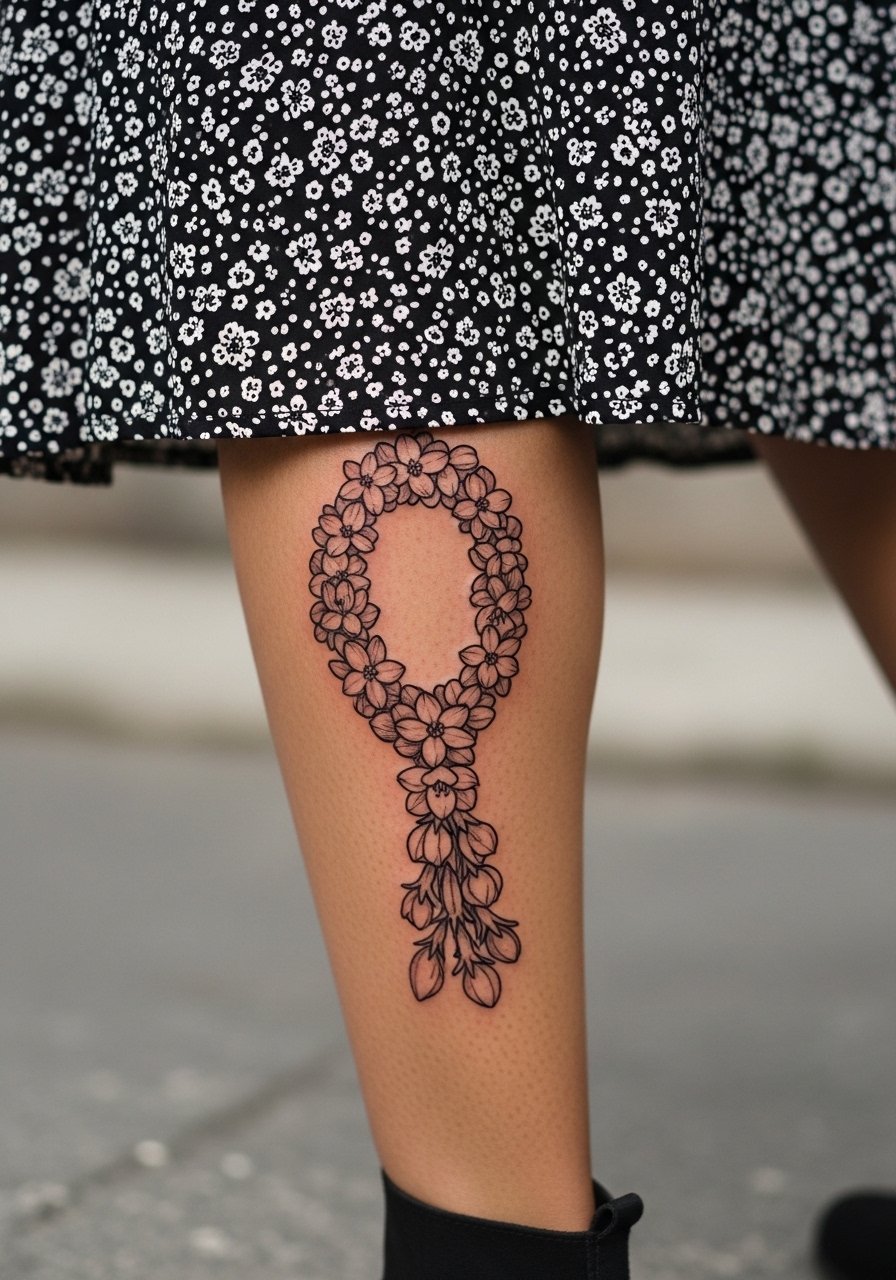
9. Calf Jasmine Garland
There's a visual impact to a garland that snakes down the calf, especially in sandals. The calf tolerates fine detail well because the skin is firmer. For consultation bring running or boot photos to show how you plan to wear it so the artist can position the garland where it shows in motion. A common mistake is too many tiny strokes at the base which can blur into a gray patch after heavy wear. Pair this with a midi skirt or ankle boots to frame the length of the piece. Blowout risk is low, but sun exposure is the biggest enemy.
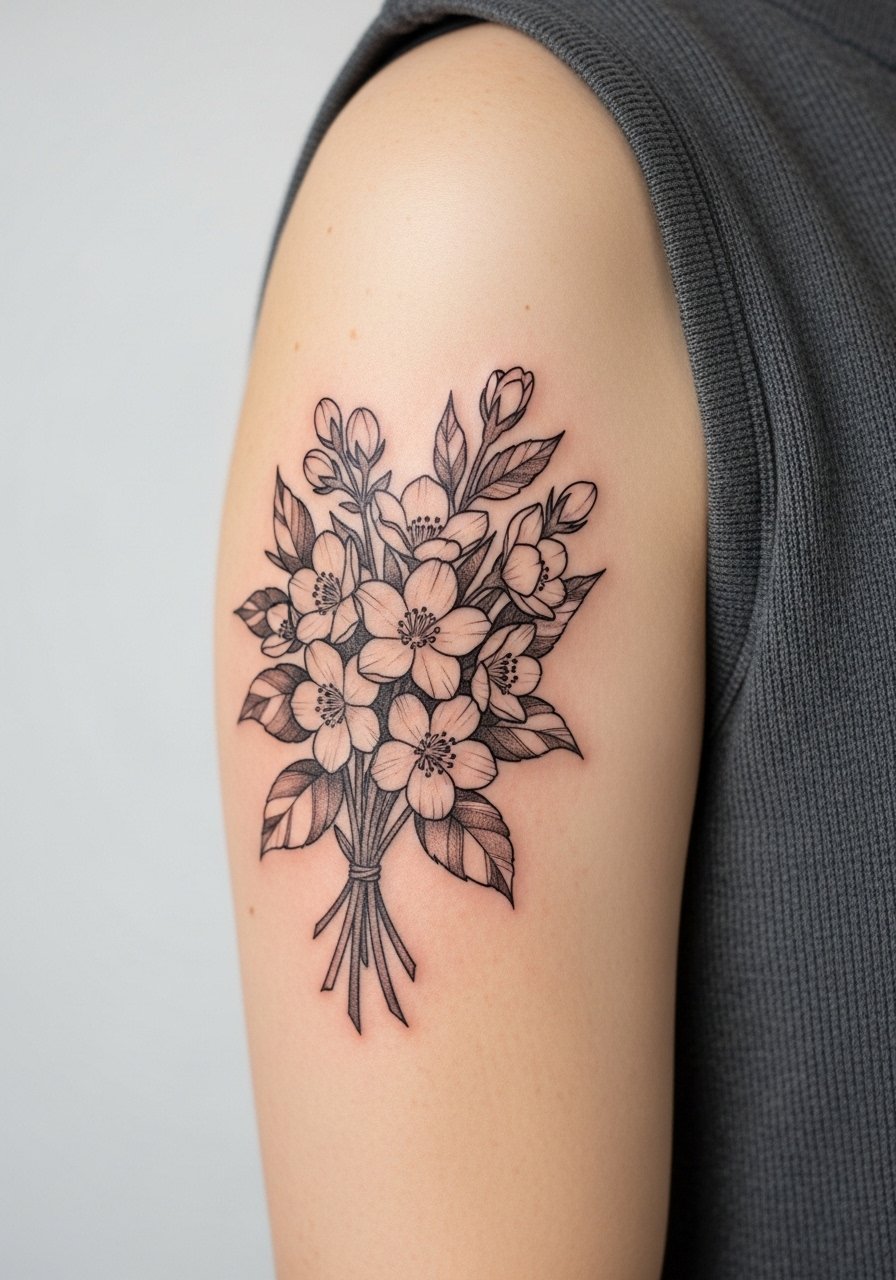
10. Outer Upper Arm Bouquet
Most people like this spot for modest sleeves or standalone pieces. The outer arm is forgiving, so fine line mixed with light whip shading reads nicely across seasons. When you sit down for consultation ask for a mockup with the arm at rest and flexed to make sure placement flows. Session time is moderate and pain is low. Common mistakes include tiny, dense leaves that compact over time. For easy access wear a sleeveless top to the appointment and for showing it off choose rolled sleeves to let the bouquet peek out.
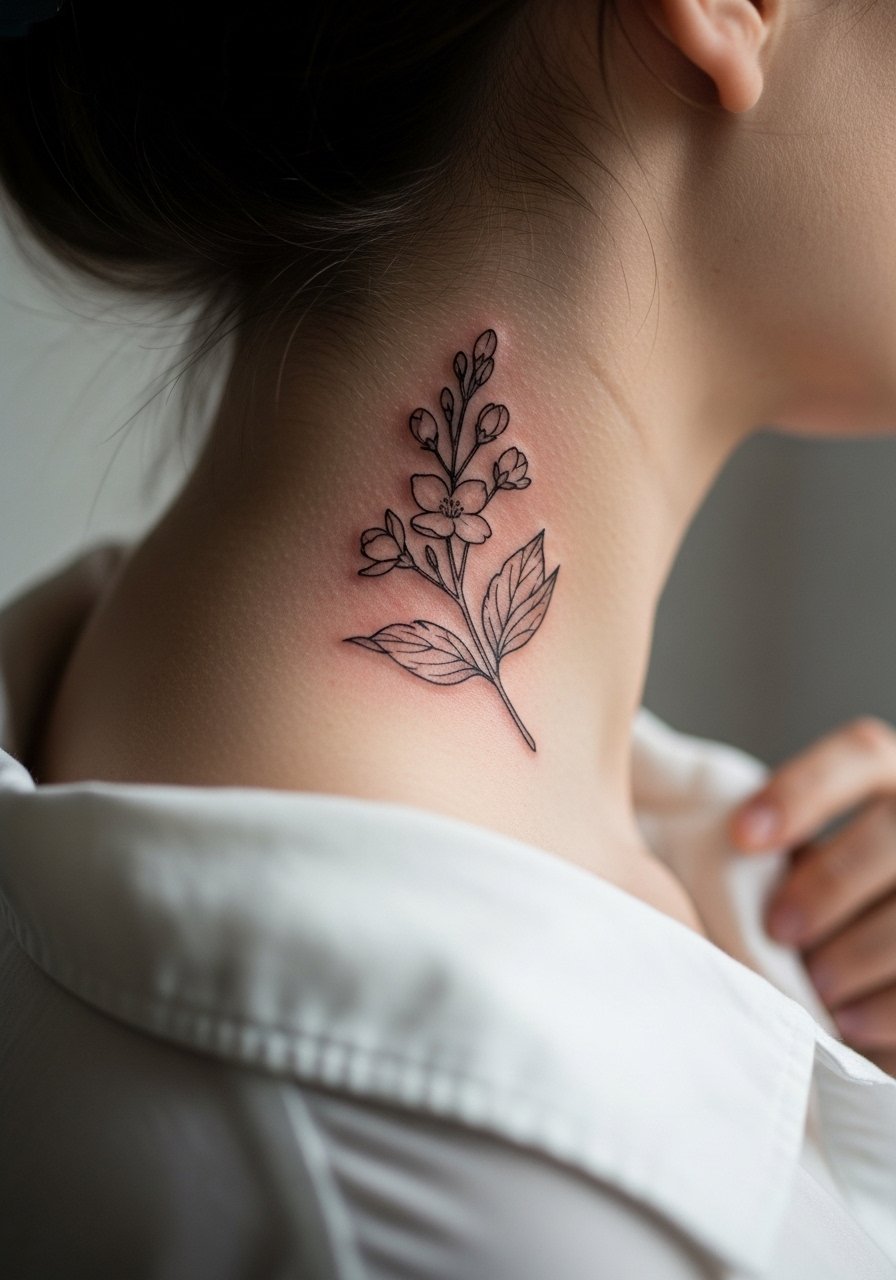
11. Nape Jasmine Sprig
The nape offers a discreet placement that becomes visible with the right neckline. When you book, wear a wide-neck shirt you can pull to one side so the artist has clean access. The session can be sharp because the area is thinner. One mistake is overcomplicating the stem network which becomes muddled after hair grows out. For evenings out pair the piece with a wide-neck shirt that lets the sprig peek above the collar. Expect the lines to soften within a year but keep the overall shape with a single touch-up if desired.
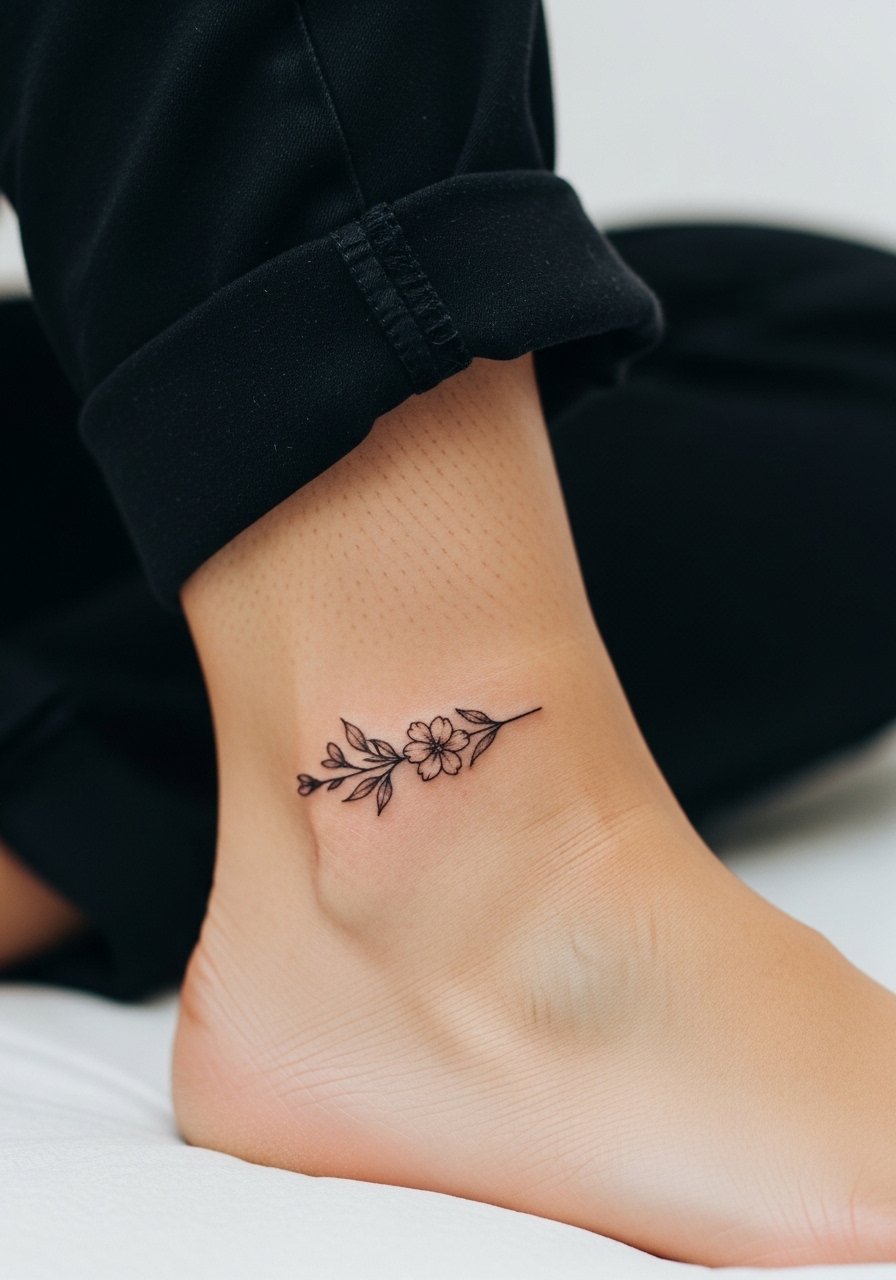
12. Ankle Inner Curve Jasmine
Most inner-ankle pieces look delicate but the inner curve catches a lot of sock and shoe friction. I tell clients to request protected anchor nodes at both ends of the curve to keep the shape readable. The pain is local and quick. A frequent error is insisting on ultra-thin petals across the whole curve which rarely stays defined. Expect the first year to be the most noticeable change. Keep footwear choices in mind for the first two weeks and plan a touch-up if you wear boots daily.
13. Side Hand Jasmine Micro
Hand tattoos divide opinion in tattoo communities. One group warns that hands fade and can impact job prospects because of constant exposure and friction. The other group points out that skilled linework and strategic placement can last if you accept touch-ups. State your priorities in consultation. The skin on the side of the hand takes ink differently so expect a rougher healing path and a touch-up sooner than arm pieces. Also consider that some workplaces still view visible hand tattoos skeptically. If you move ahead pick slightly bolder primary strokes for longevity.
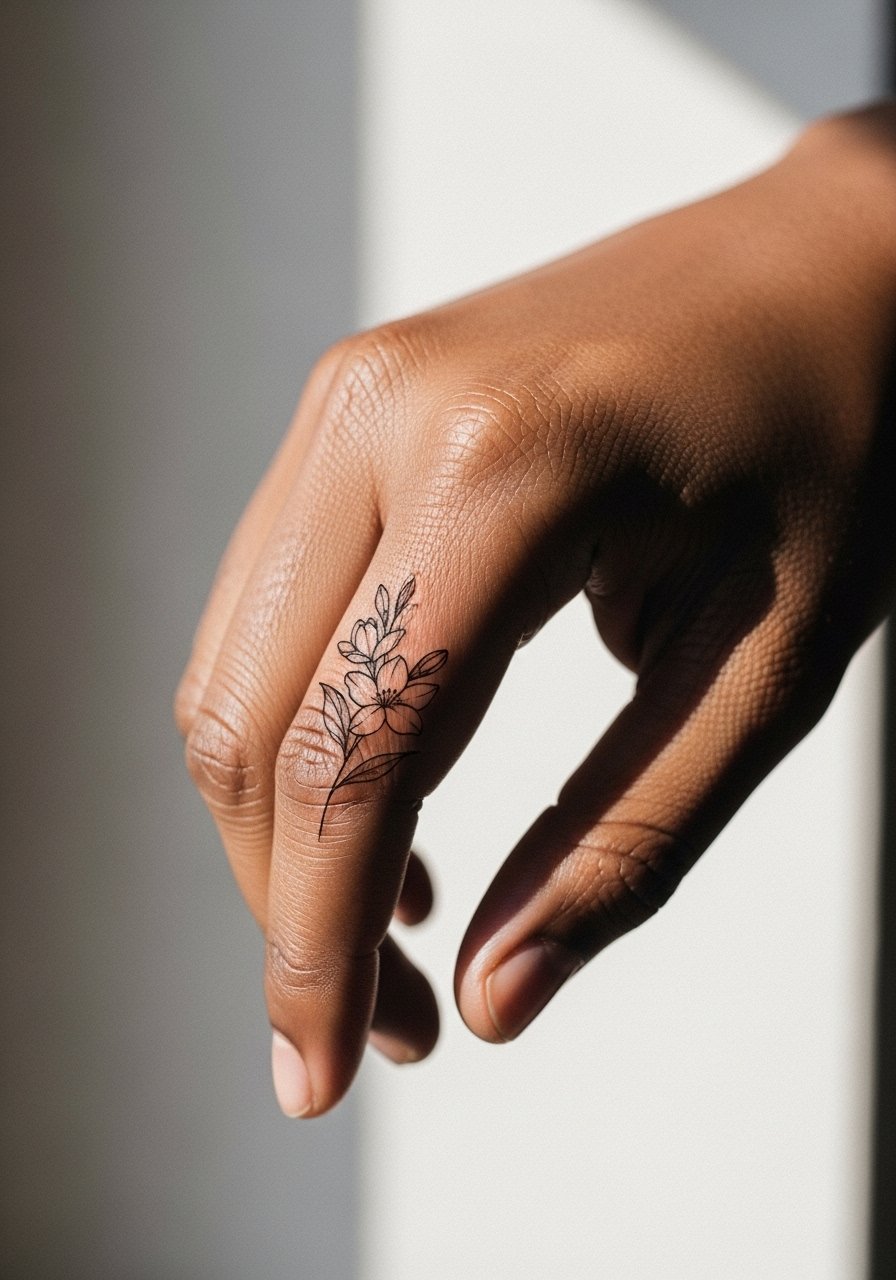
14. Sternum Jasmine Cluster
Sternum placements need clothing that gives access while maintaining modesty. For the session wear a fitted sports bra so the artist can work just above or below the fabric line. Pain is high and sessions are slow. A common mistake is overloading the sternum with dense detail which can compress into a gray area once healed. Many people choose a centered bloom with airy petal spacing so the piece keeps its sketchy feel without muddling. Plan on a two-stage touch-up if you want preserved crispness after weight or body-shape changes.

15. Shoulder Blade Jasmine Line
A shoulder blade jasmine looks elegant when it follows the blade's curve and uses negative space to breathe. When you consult, ask for the stencil placed while standing and while reaching so you see how movement affects the composition. The area is moderate for pain with sessions that can run longer for larger pieces. For showing off, open-back or open-back dresses frame the sweep without competing with the linework. Avoid dense cross-hatching which tends to compact in this area after healing.
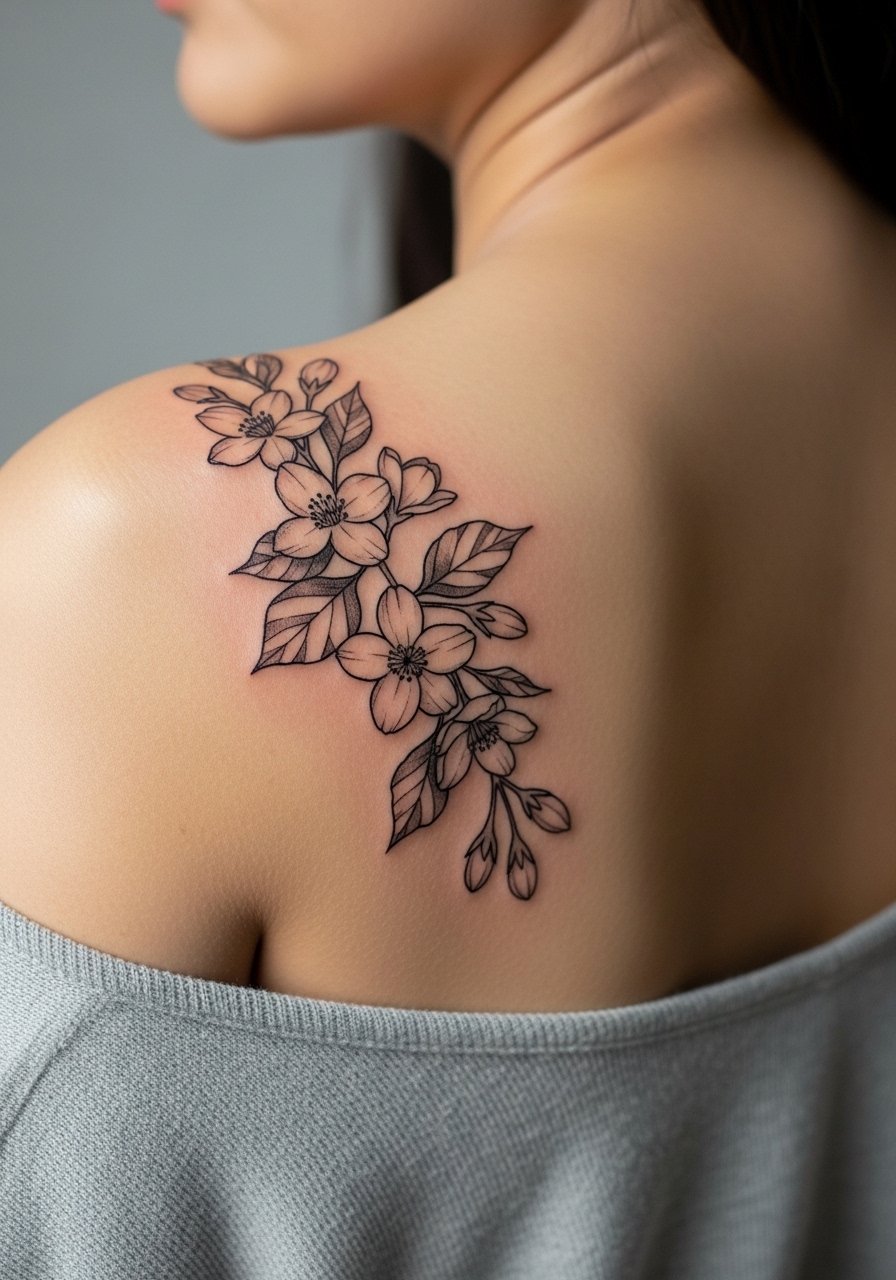
16. Hip Crescent Jasmine
Hip placements read like a private detail that shows in swimwear or low-rise jeans. For imagery include high-waisted denim pulled slightly down at the hip so only the tattoo zone is visible. Sessions are moderate in pain and require breaks for positioning. A frequent mistake is making the crescent too tight to the hip bone which can distort when you move. If you want longevity ask for slightly stronger stems and leave petal centers airy. Plan for a touch-up if your clothing regularly rubs the area.
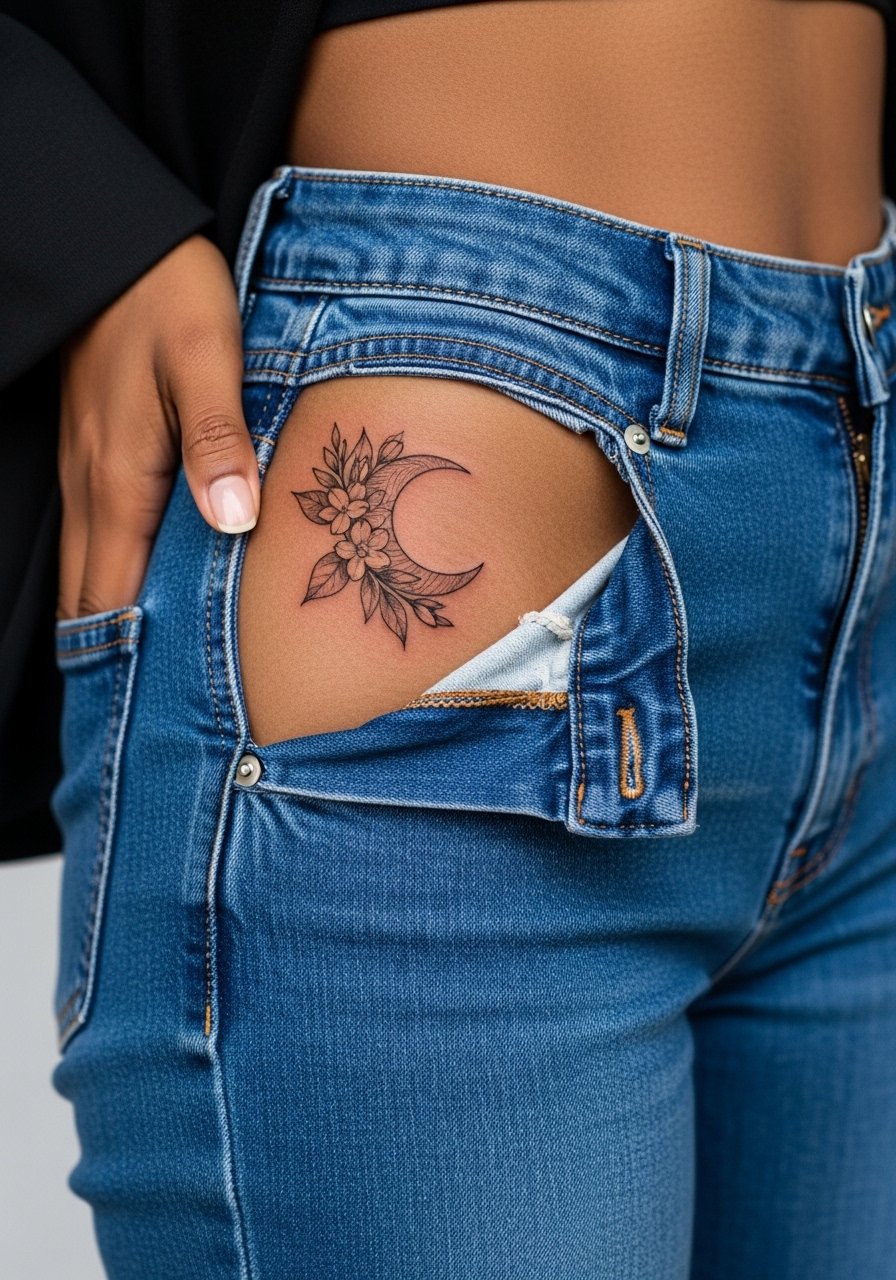
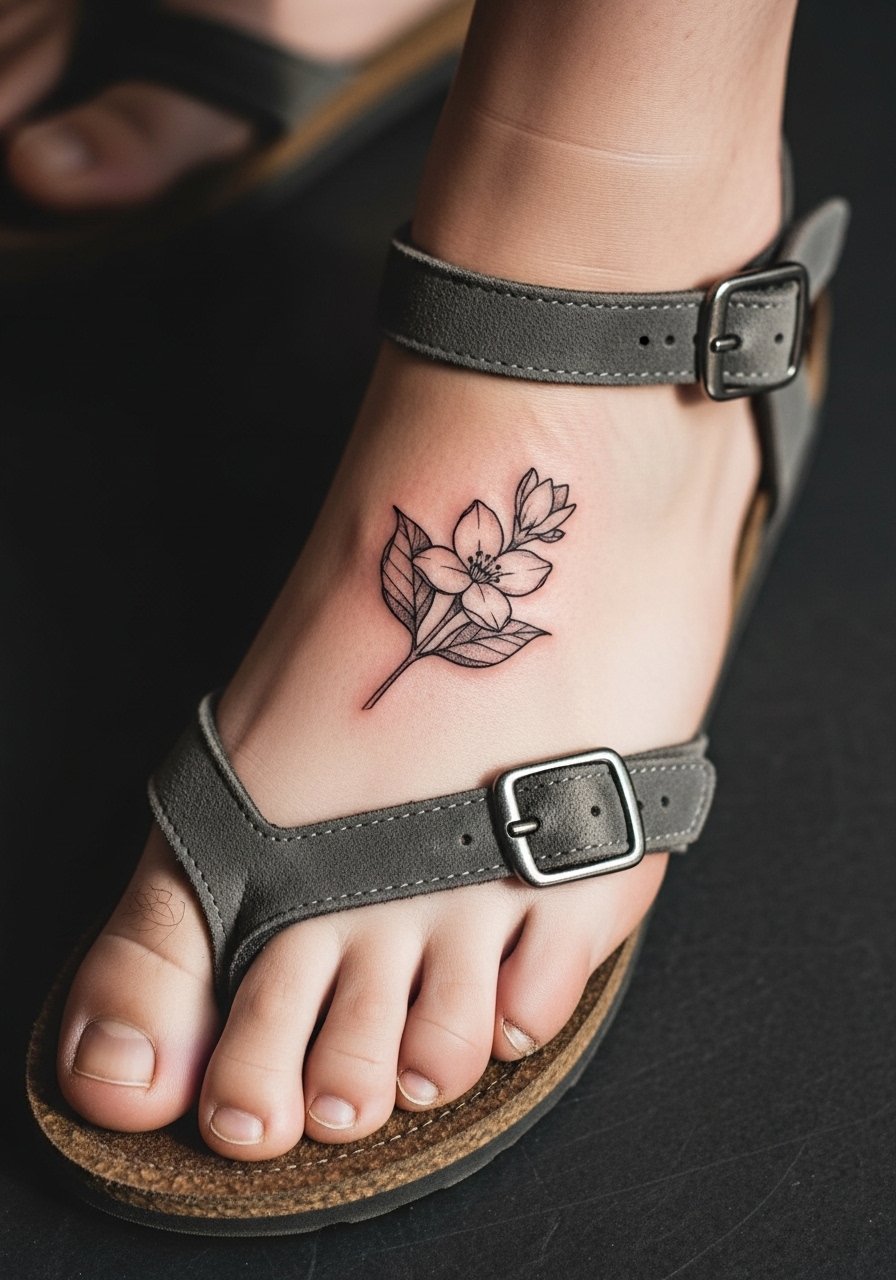
17. Foot Top Petite Jasmine
The top of the foot is appealing for tiny sketch jasmine motifs but expect slow healing because of shoe pressure. Ask the artist to place the bloom where shoes contact is minimal and to reinforce key anchor lines so the shape survives early wear. Pain can be sharp and sessions are short. The mistake I see often is placing the main bloom too close to the toes where shoes quickly blur detail. Pair the design with open-toe sandals for warm months and pick a sandal style that keeps the tattoo from rubbing, like simple women's sandals. Touch-ups at year two are common for foot work.
Frequently Asked Questions
Q: Will fine sketch line jasmine on the ribs blur faster than on the forearm?
A: Yes, ribs and other high-movement areas tend to blur faster because the skin stretches with breathing. The forearm is more stable so the same line weight will last longer there. Ask your artist to adjust line weight and spacing based on placement during consultation.
Q: How long should I expect touch-ups for tiny wrist or ankle jasmine pieces?
A: Expect a touch-up around year one to two for tiny pieces in high-friction zones, and possibly every few years after depending on sun exposure and activity. I tell clients that small linework is a maintenance decision more than a one-time event.
Q: Are hand or finger jasmine tattoos worth it given longevity and job concerns?
A: It depends on your lifestyle and career. Hands fade and need more frequent touch-ups, and some workplaces still have strict policies. Talk to the artist about bolder main strokes to improve longevity and consider placement just off the side of the hand for a compromise.
Q: What should I wear to a rib or sternum jasmine session?
A: Wear a fitted sports bra or cropped top you can lift so the artist only exposes the tattoo zone. That keeps you comfortable while giving clear access during the session.
Q: Can I layer stipple shading over a sketch-style jasmine later if I want more depth?
A: Yes, layering light stipple or gentle whip shading in a later session is a common route to deepen a sketch look without losing the original feel. Plan the follow-up at least six months after the initial healing to see how the lines settled.