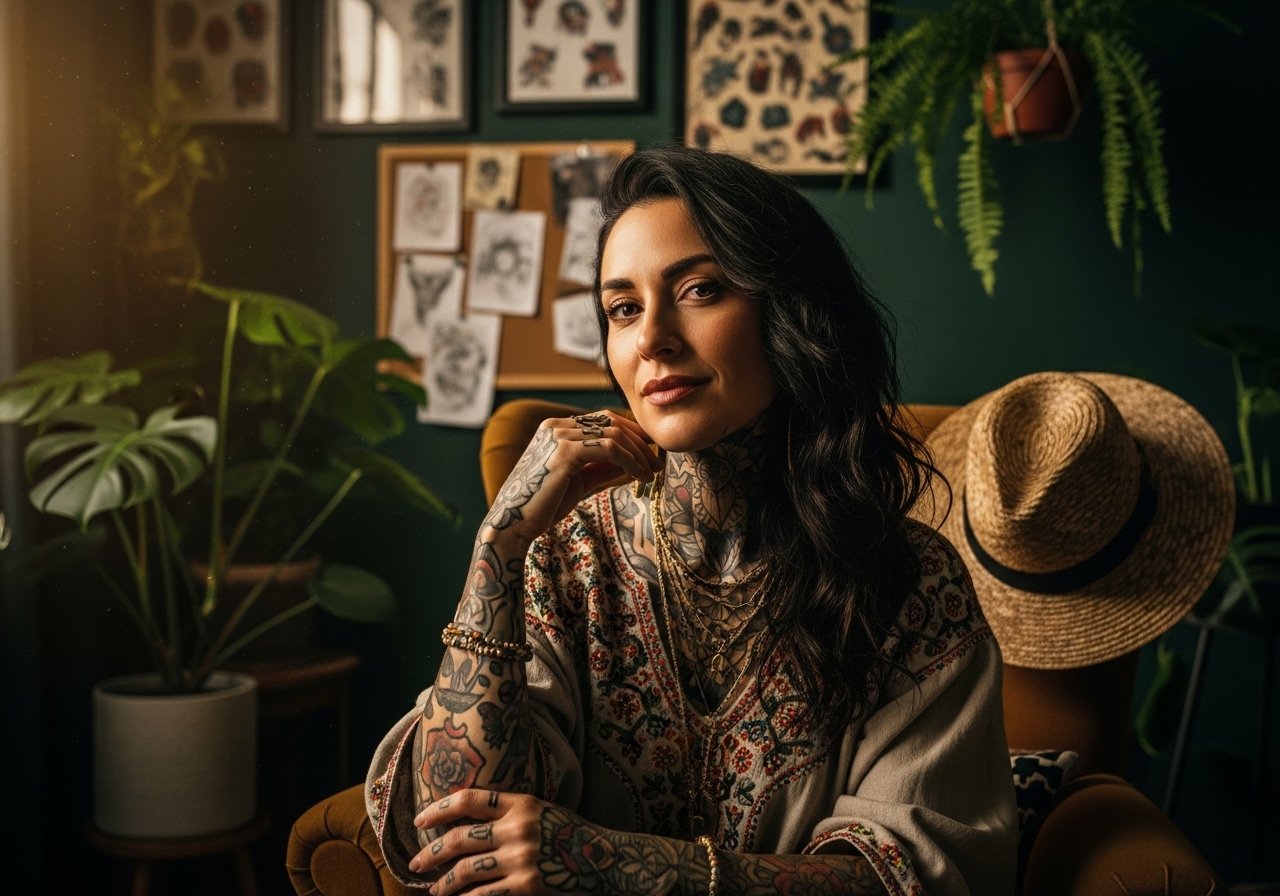
Fine line sketch bouquets keep showing up on saved boards, and the weird thing is how placement and spacing decide whether they still read crisp at year three. Small joints like fingers and wrists ask for different line weight than a forearm cluster. These 17 sketch style flower bouquet tattoo ideas focus on placements, what to tell your artist, realistic aging, and simple outfit tips so the piece looks like it was meant for your skin and your life.
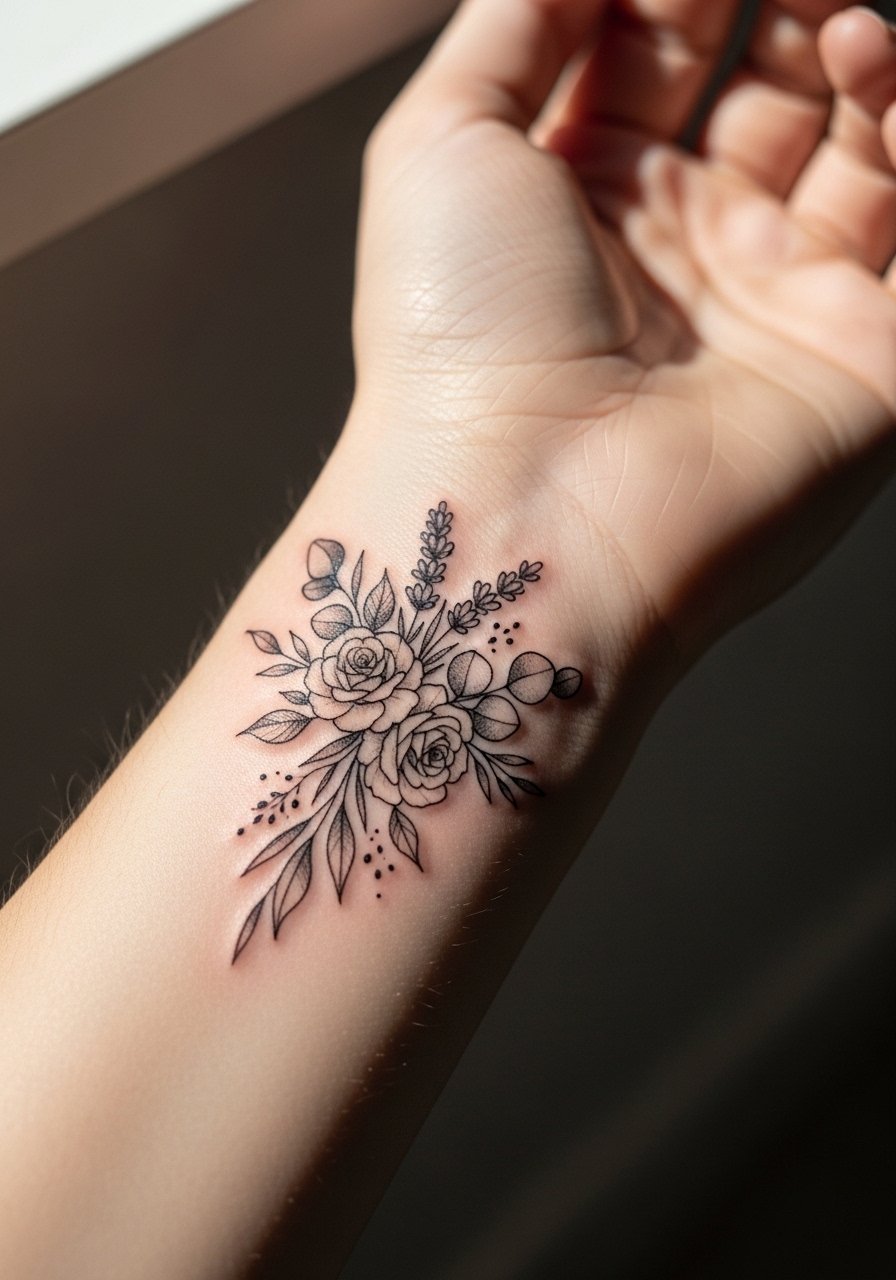
1. Petite Wrist Bouquet for Everyday Wear
I've seen tiny wrist bouquets last best when artists avoid hairline details and use slightly bolder main stems. Ask for clean linework with subtle stipple shading for the petals, not crowded micro detail. Fair warning, the wrist sees constant washing and bracelets, so expect a faster fade than the forearm and plan a touch-up around year two or three. For the session wear, choose something that exposes the wrist without excess fabric rub. Pair the finished piece with a thin chain bracelet that sits below the bouquet and does not rub the ink. Light skin tone, close crop on wrist, settled ink and no redness.
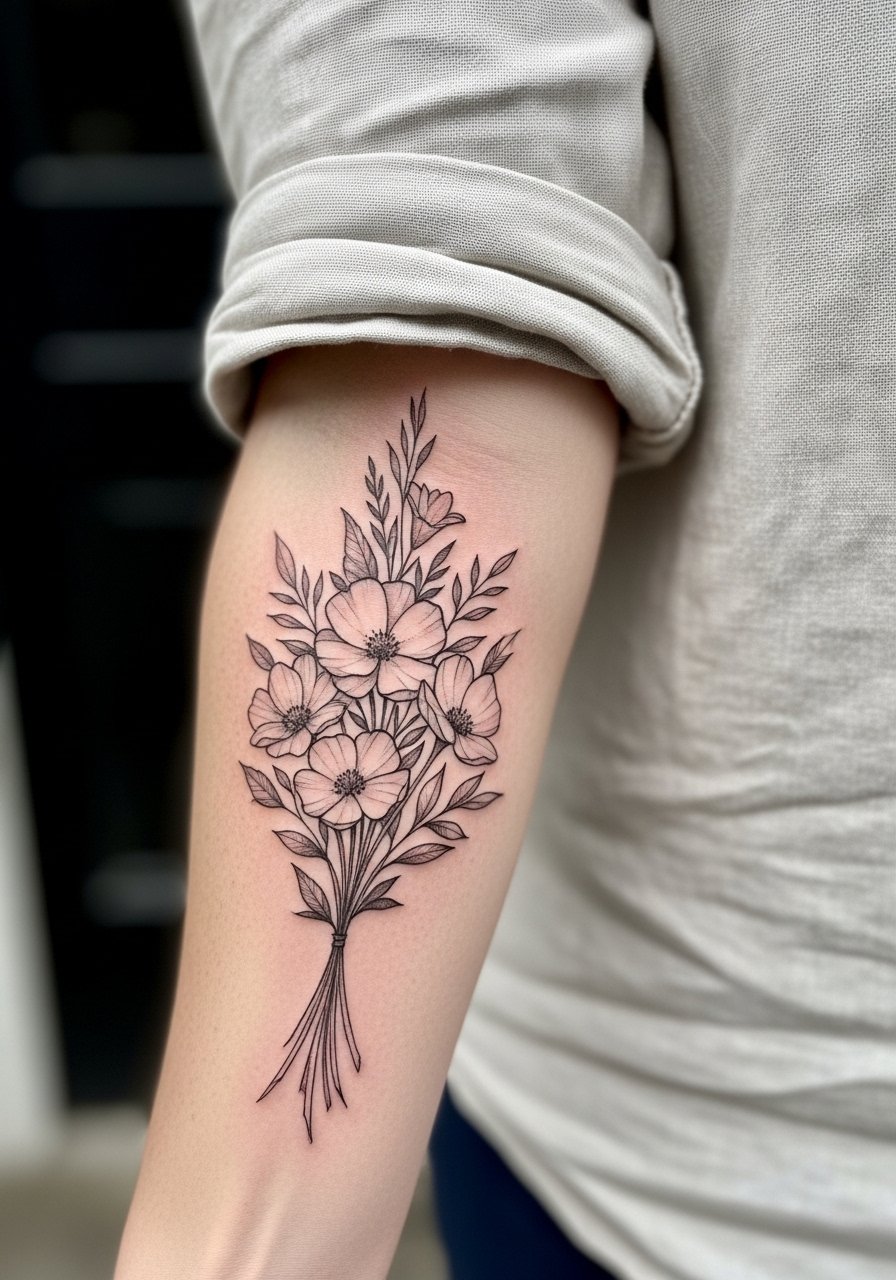
2. Cascading Inner Forearm Bouquet That Reads Long
When a bouquet runs along the inner forearm, I advise length over detail. Bring reference photos that show the pose you want, not just the flowers. The inner forearm is forgiving for fine line, but spacing matters. Small clustered petals that look delicate in a photo often merge into a soft blur at year five. Ask for slightly more negative space between elements and a mix of whip shading and stipple for texture. For show-off outfits, a rolled linen shirt with sleeves pushed up frames the piece without competing. Light skin tone, close crop on inner forearm, settled line weight.
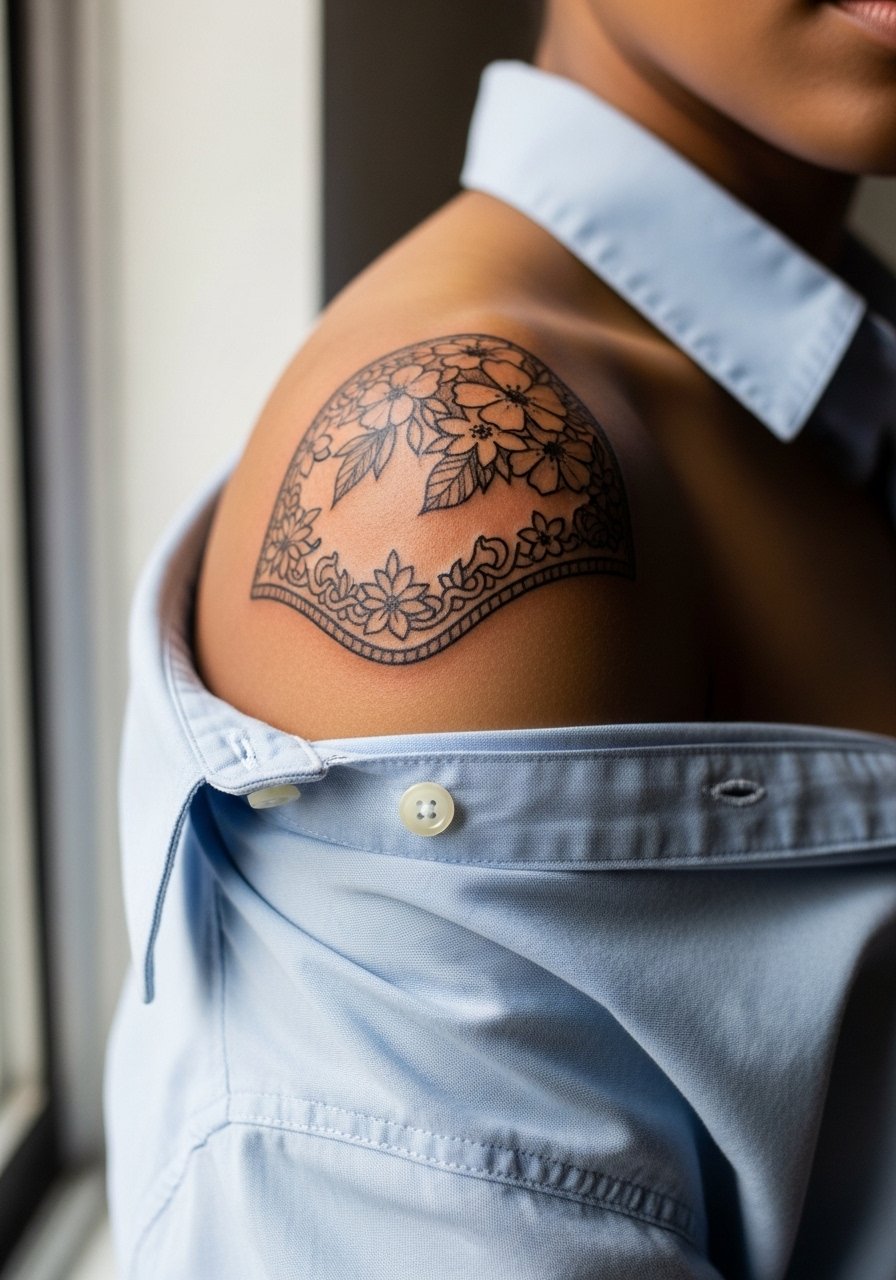
3. Shoulder Cap Bouquet for Movement and Sun
The shoulder cap moves with the arm so the bouquet should follow natural muscle lines. Pain here is moderate and sessions are short enough for a single sitting. Most people make the mistake of asking for tiny outline petals that fade into softness after a year. I recommend a bit more saturation in stem lines and selective dot work in shadowed petals so the shape reads even when the color softens. For the session wear, a loose button-down shirt you can pull aside gives easy access. Dark skin tone, close crop on the shoulder cap, settled ink.
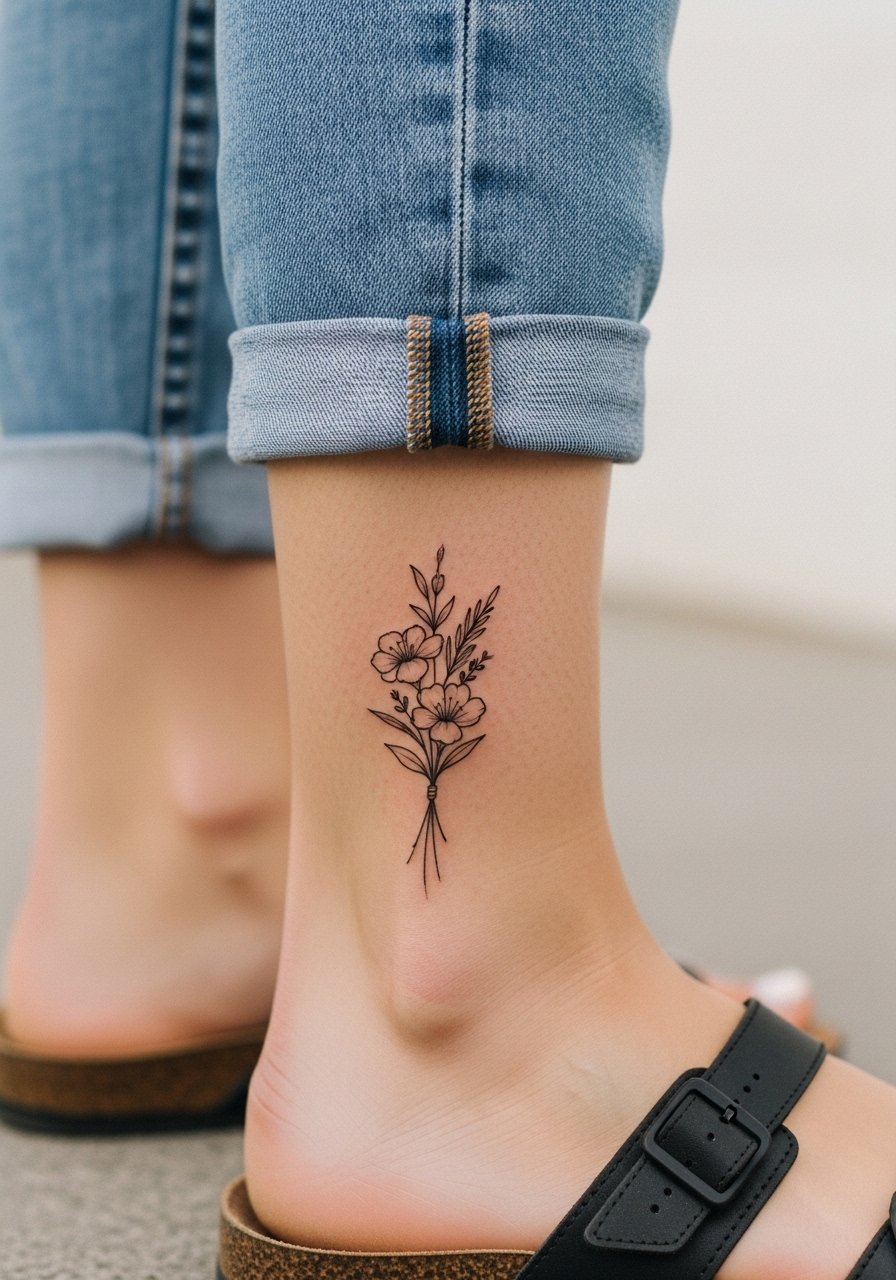
4. Ankle Sprig Bouquet That Slides Under Shoes
An ankle bouquet reads best when the stems flow toward the foot. Expect a higher friction area from shoes and socks, which accelerates fading. I tell clients to avoid ultra-thin hairlines around the ankle. Instead ask for slightly bolder anchor lines and delicate dot work for shading. For show-off outfits, pair with strappy sandals or roll jeans so the tattoo is on display without constant rubbing. Light skin tone, close crop on ankle, settled linework and no other body parts visible.
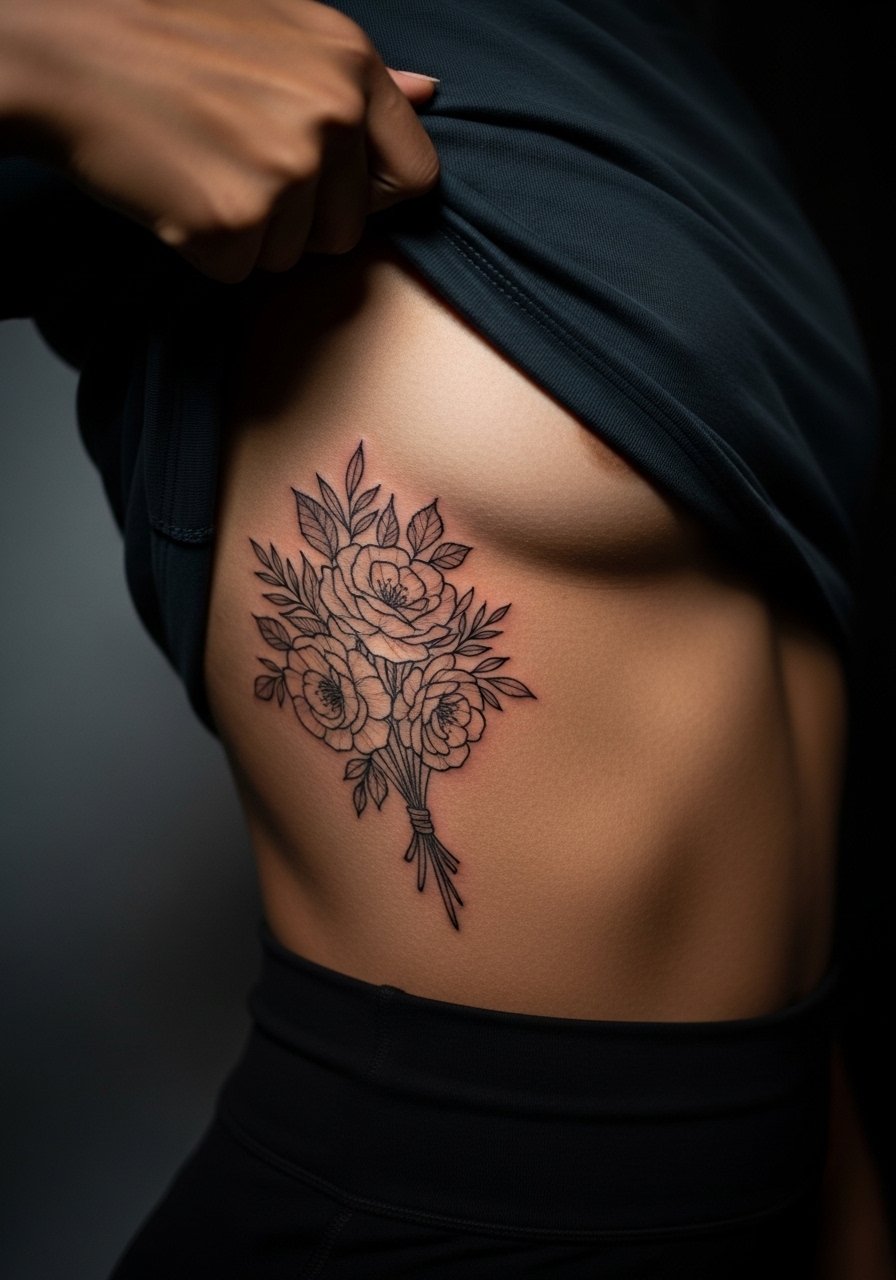
5. Ribcage Bouquet for an Intimate Flow
Fair warning, ribs are a high pain area but they offer a beautiful vertical canvas. Fine line on the ribcage splits artists into two camps. One group says the skin stretch and breath motion blur fine line within two years. The other group argues that with proper needle depth and spacing it settles fine. I advise asking your artist how they handle rib tension and to plan slightly larger flower centers so shapes hold at year three and five. For the session, wear a cropped top or a shirt you can lift easily. Dark skin tone, close crop on the ribcage with top lifted slightly to reveal tattoo only. Sensitive placement note: ribcage sessions need an artist experienced with breathing and stencil placement.
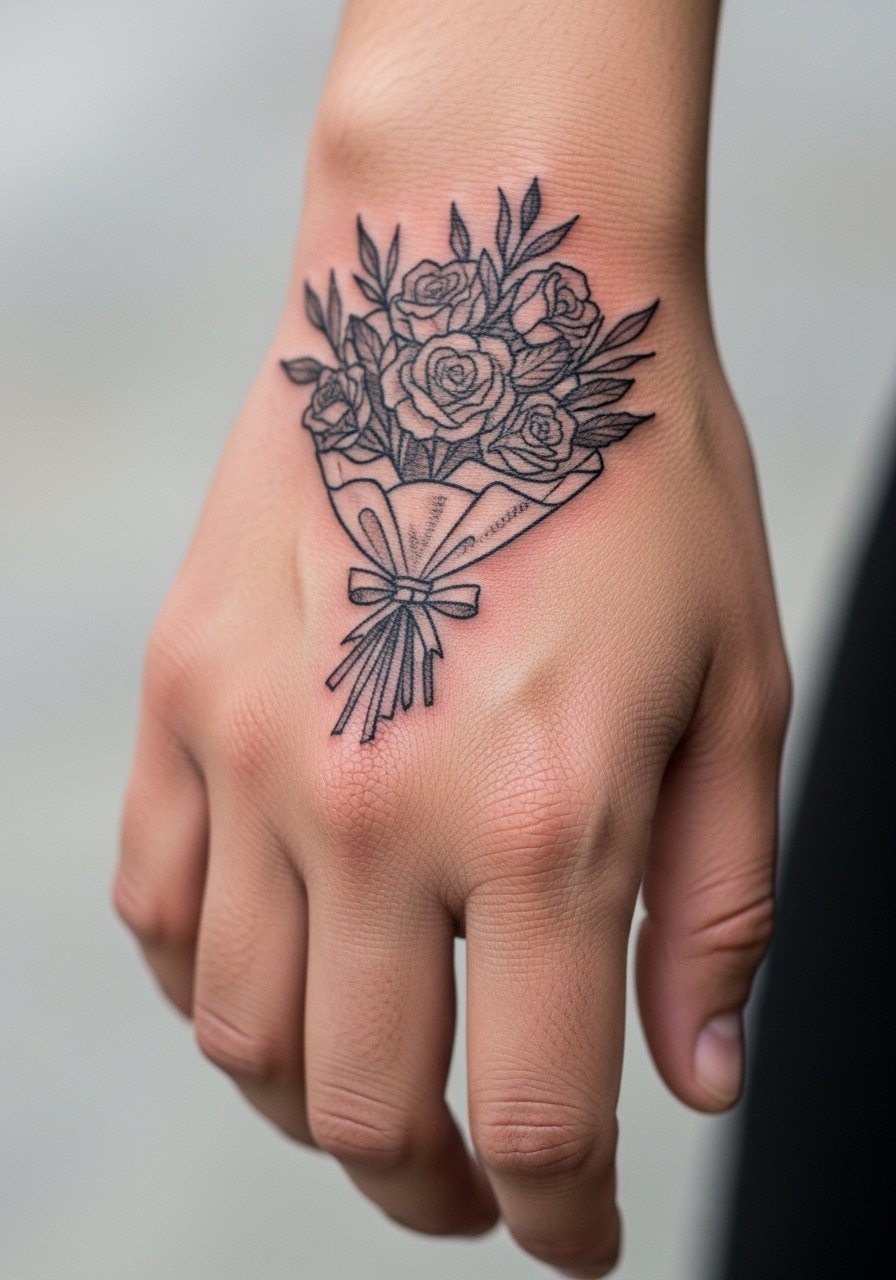
6. Back of Hand Bouquet for Small-Scale Impact
Hand tattoos still divide opinions in professional contexts, so name that up front before booking. I've seen back of hand bouquets look striking for a year and then soften faster than arm pieces. The skin is thin and friction is constant, so linework needs to be bolder than the photo reference. During consultation, ask about touch-up timelines and whether the artist will consolidate tiny details into stronger shapes. Pairing wise, a simple minimalist ring set keeps attention on the bouquet without covering it. Medium skin tone, close crop on back of hand, settled lines. Note: hand tattoos can affect some hiring scenarios, so consider that in placement choices.
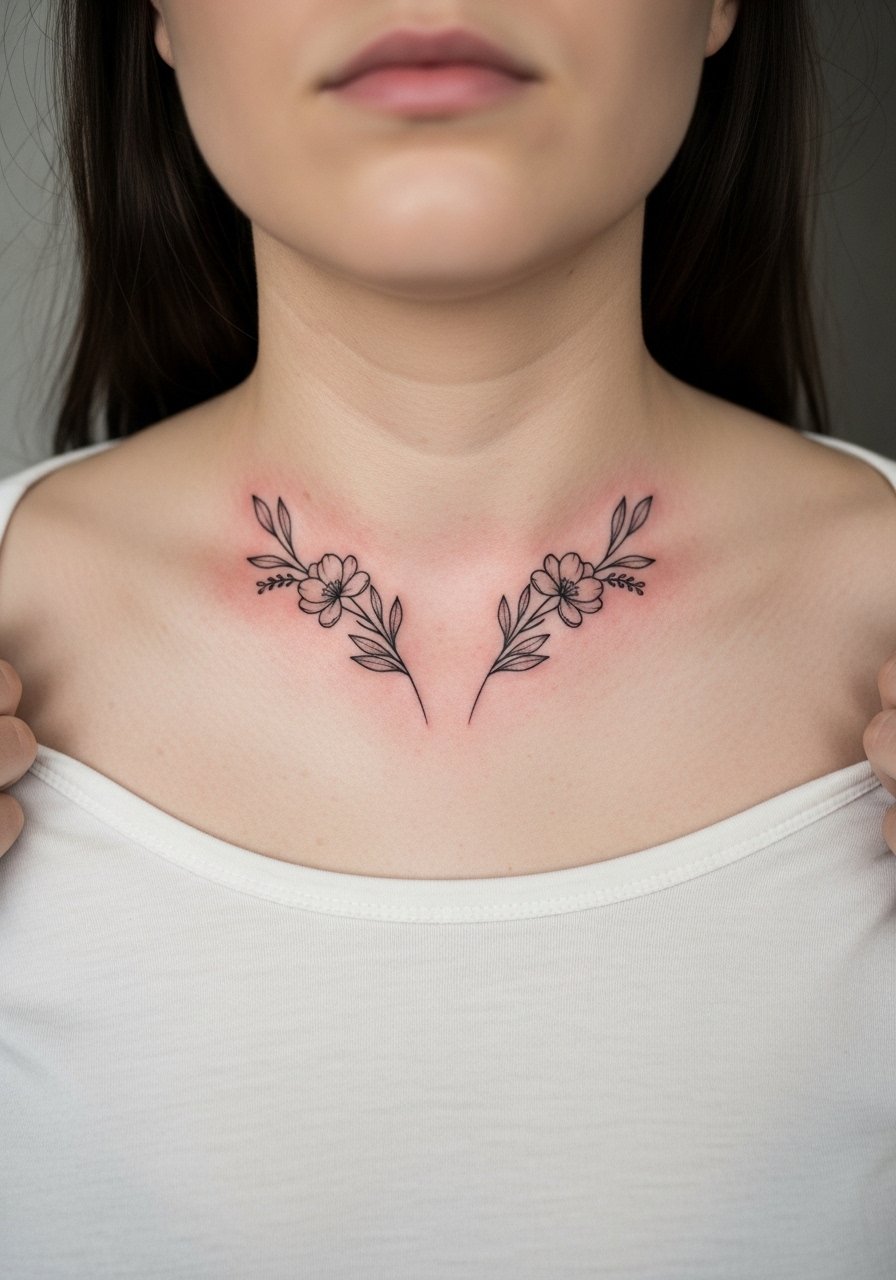
7. Collarbone Cluster That Frames Jewelry
A collarbone bouquet looks modern when placed just off center and allowed to breathe. I've seen collarbone clusters lose impact when people ask for dense shading that competes with necklaces. Tell your artist you want negative space to let chain pendants sit above the stems. For showing this off, a thin chain pendant necklace lays nicely without crowding the composition. Light skin tone, close crop near the collarbone with a wide-neck shirt pulled aside to reveal the tattoo only.
8. Thigh Bouquet That Ages with Clothing Choices
Upper thigh gives room for a loose, sketchy bouquet with lots of negative space. Most thigh bouquets are comfortable to heal but prone to friction from tight waistbands and biker shorts, which speeds fading. For a long-lasting look, tell your artist to favor thicker anchor stems with stipple shading in petal bases. For the session, wear loose drawstring shorts so the artist can adjust access without tugging fabric. Dark skin tone, close crop on the upper thigh with shorts shifted to show tattooed area only. Sensitive placement note: inner thigh work needs an experienced hand for comfort and stencil placement.
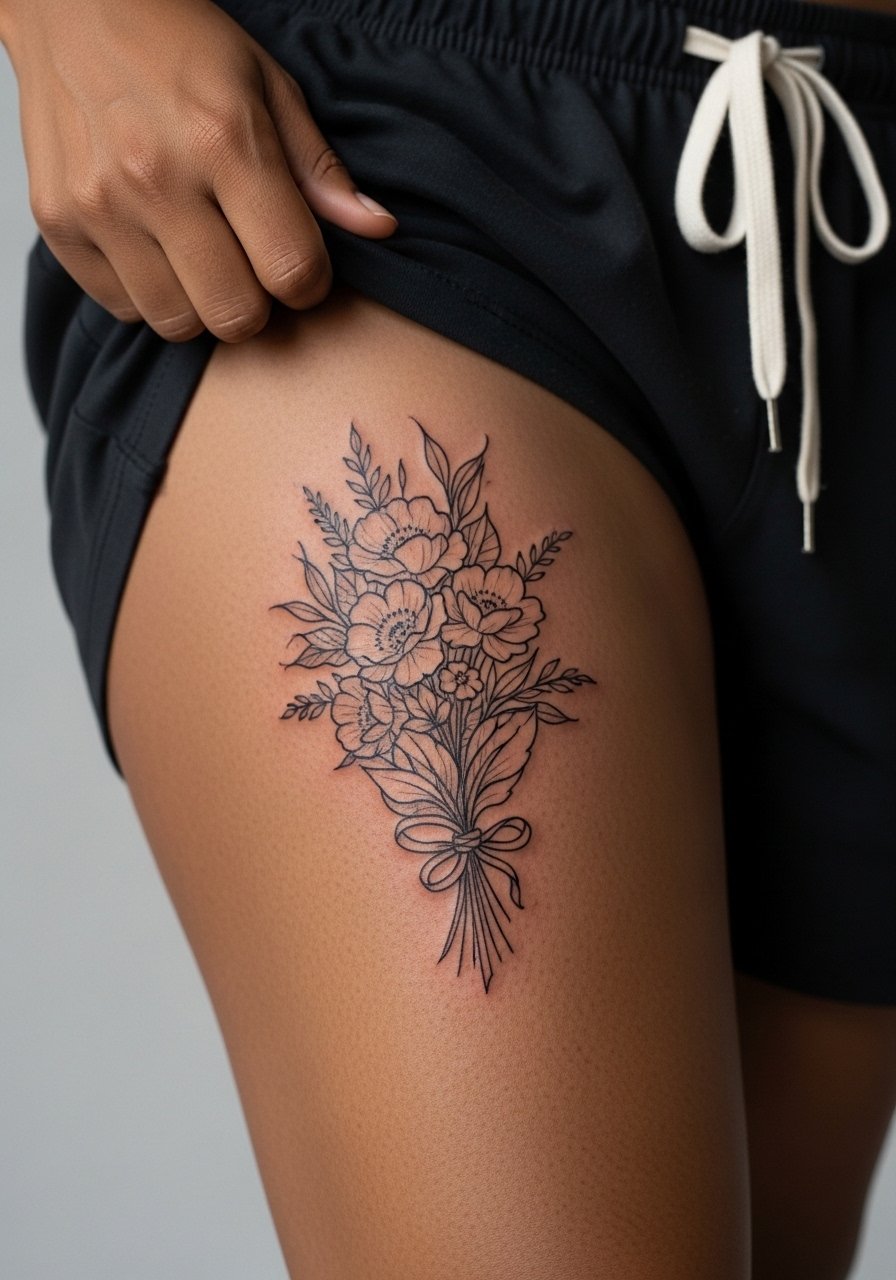
9. Sternum Bouquet with Symmetry and Breath
Sternum bouquets read best when they respect the body's center and curve outward. Expect a sore area and shorter sessions spread over two appointments for larger pieces. Most mistakes come from trying to cram a sleeve-level of detail into the sternum space. Ask for symmetry guides and have your artist mark the midline during consultation. Subject should wear a fitted sports bra or bandeau during the session. Medium skin tone, close crop on sternum with a fitted sports bra showing only the tattoo area. Sensitive placement note: sternum requires an artist comfortable with working near the chest line.
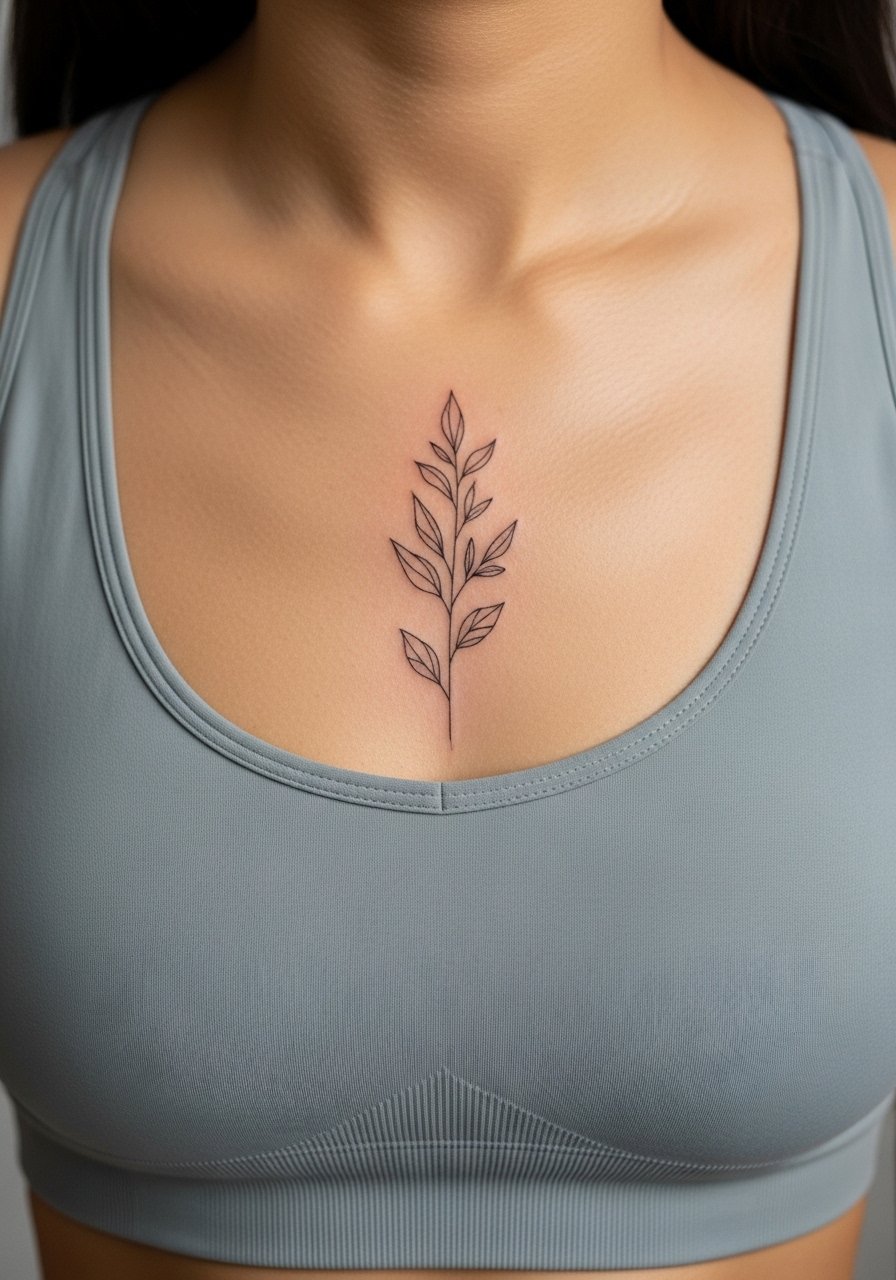
10. Nape Bouquet That Peeks Above Shirts
A small bouquet at the nape is a subtle spot that benefits from vertical composition. Pain is low and touch-up rates are modest if the lines are given room. When people ask for ultra-fine script with the bouquet there, the result often blurs at the edges over time. Ask for anchor stems and a few bold petal outlines to keep the silhouette. For session access and reveal, wear a wide-neck shirt you can pull slightly to one side. Light skin tone, close crop on back of neck with collar pulled aside to show the tattoo only.

11. Tiny Finger Bouquet That Reads Micro
Finger bouquets are charming and fragile in terms of longevity. The skin on fingers regenerates quickly and lines can fade or blur within a year. The common mistake is asking for dense petal detail on a 1 cm space. Instead ask your artist to simplify shapes and use dot work for shadow. No styling link here since rings and nail polish interact heavily with the area. Dark skin tone, close crop on fingers with single hand resting on a neutral surface. Healed look with settled ink only. Note about career considerations: finger pieces are visible and may influence job interviews in some fields.
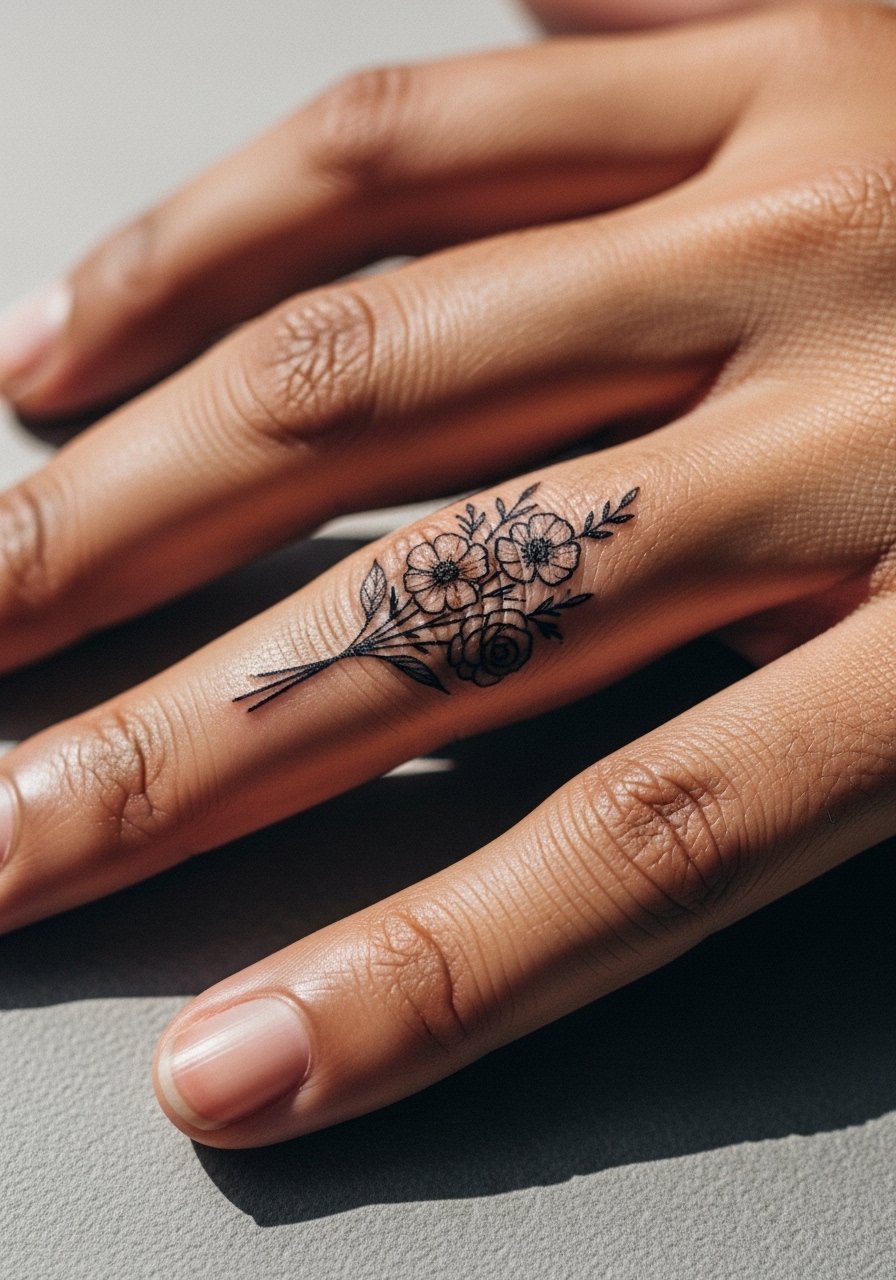
12. Calf Bouquet for Mid-Length Storytelling
The calf is a forgiving canvas for bouquets that tell a visual story along the leg. Expect moderate session discomfort and easy aftercare. I recommend a composition that flows with muscle lines so the piece does not distort with movement. The typical mistake is placing dense stipple shading at the bend of the calf where it softens with gait. Ask your artist for directional stems and a mix of line weights so the piece reads from a distance. For show-off wear, try rolled pants or a midi skirt that reveals the calf. Medium skin tone, close crop on calf, settled lines.
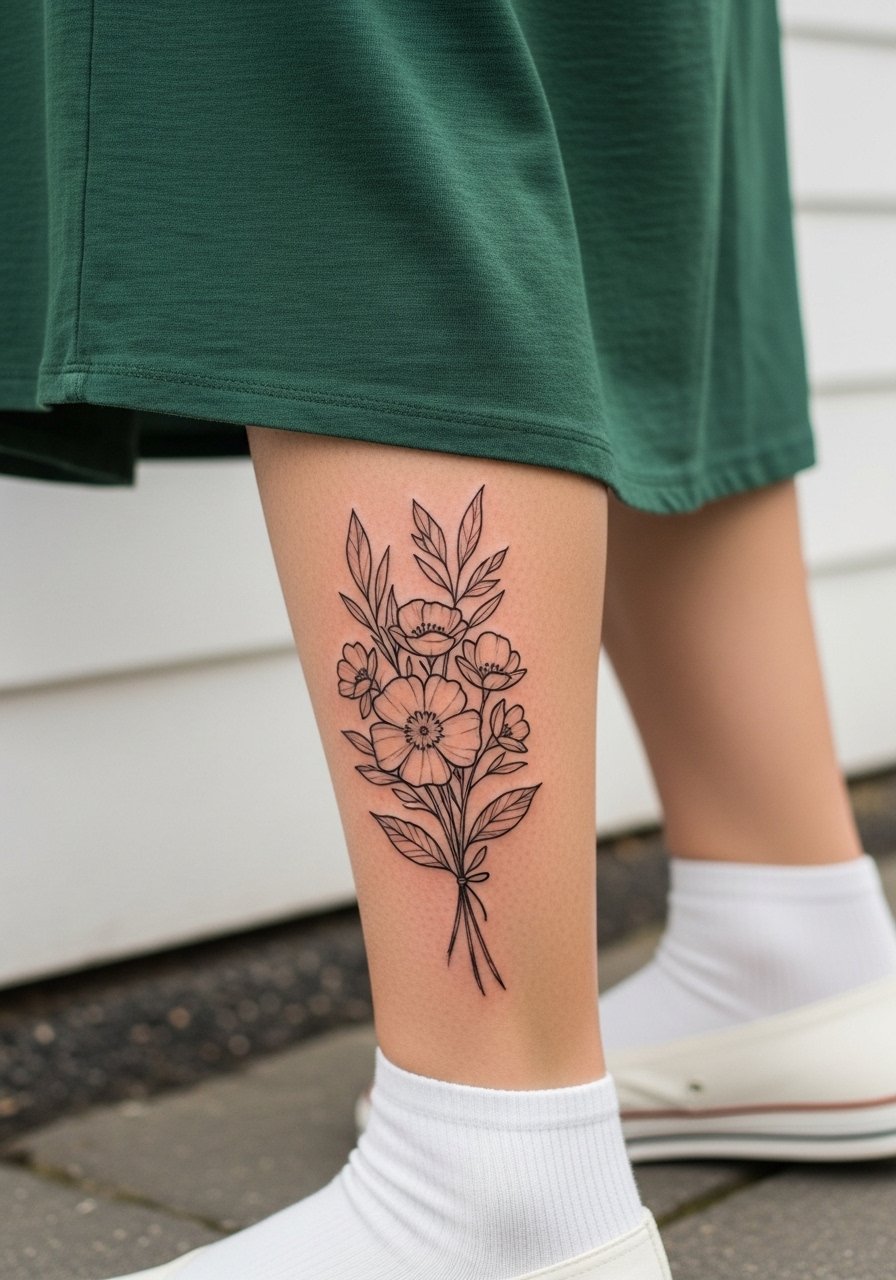
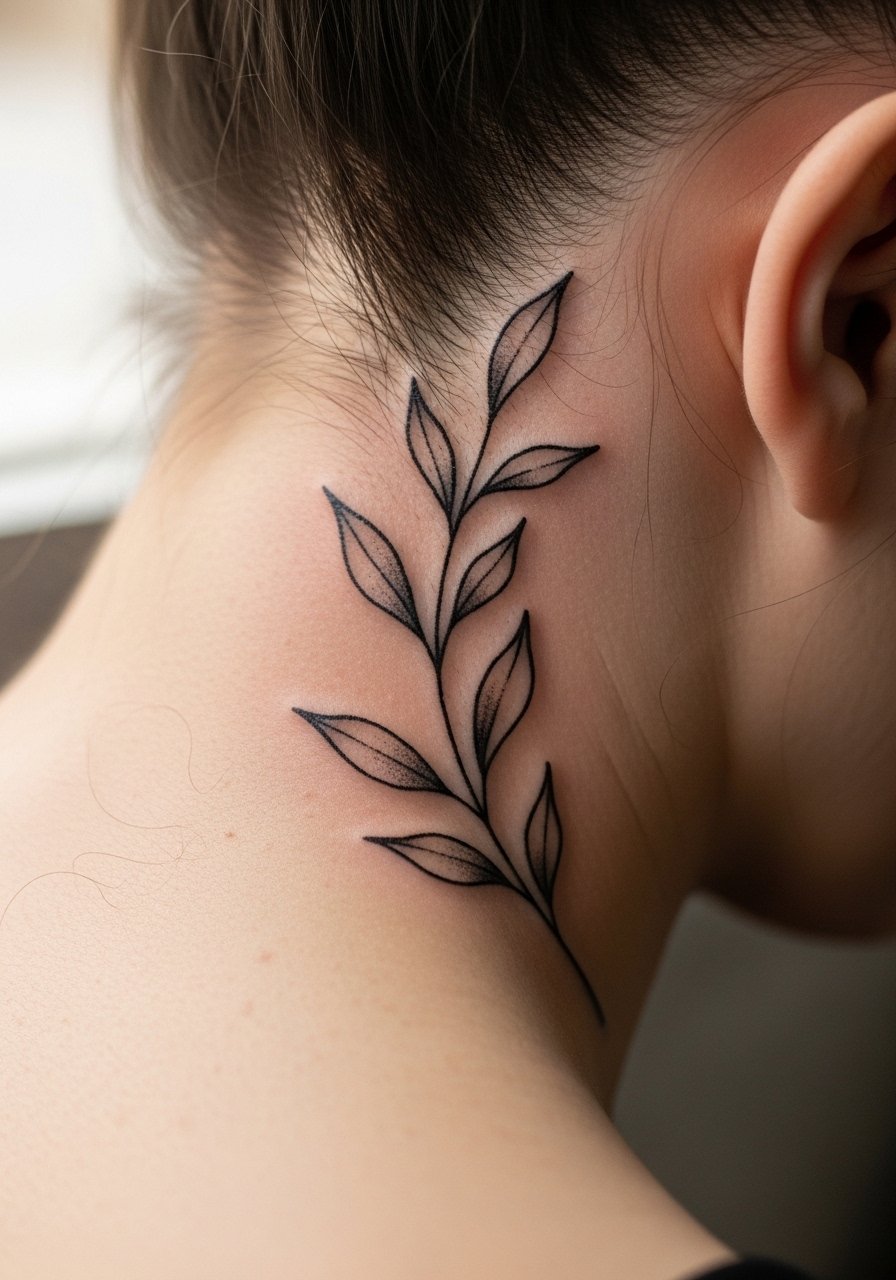
13. Behind-the-Ear Sprig That Whispers
A tiny sprig tucked just behind the ear reads delicate and private. Do not describe it as "behind the ear" alone. Place it on the skin below the hairline and on the neck so the area is clear. Expect minimal pain but also a high fade rate from hair rubbing. Keep shapes very simple and ask for bold anchor strokes around the stem. For the session, the hair can be clipped back to let the artist work cleanly. Light skin tone, close crop on the skin just behind the ear below the hairline, settled ink and healed look. Sensitive placement note: this area needs precise stencil placement to avoid hairline interference.
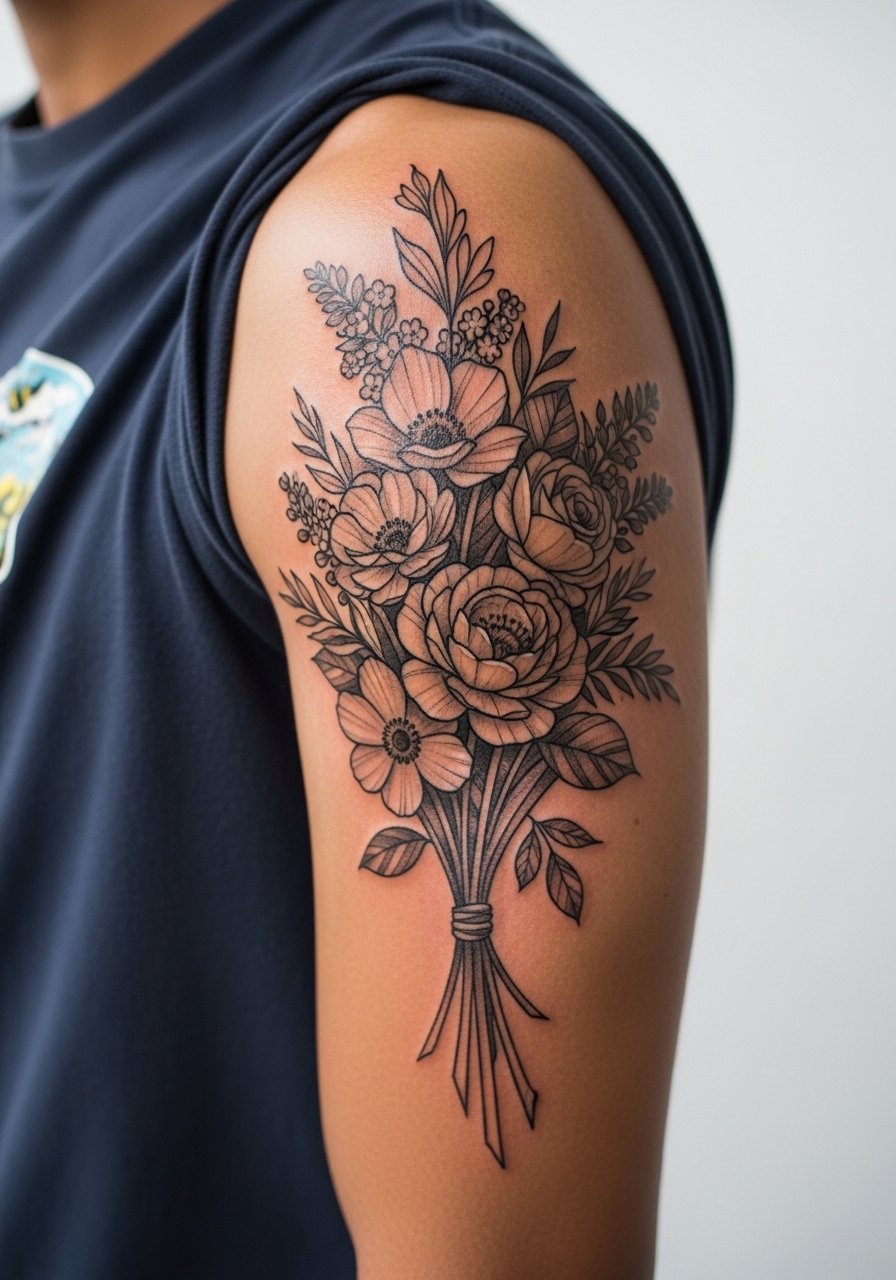
14. Sleeve-Adjacent Bouquet for a Cohesive Flow
Rather than a full sleeve, a bouquet cluster that moves from shoulder to upper arm gives the same visual weight without the commitment of a full wrap. I've seen these age well when the artist plans negative space between clusters. The common error is filling every inch with detail that eventually reads muddy. Ask your artist to map the composition on the arm while you flex and relax so it sits naturally. Pair with a short sleeve tee for casual display and layered jackets when you want coverage. Dark skin tone, close crop on upper arm and shoulder, settled linework.
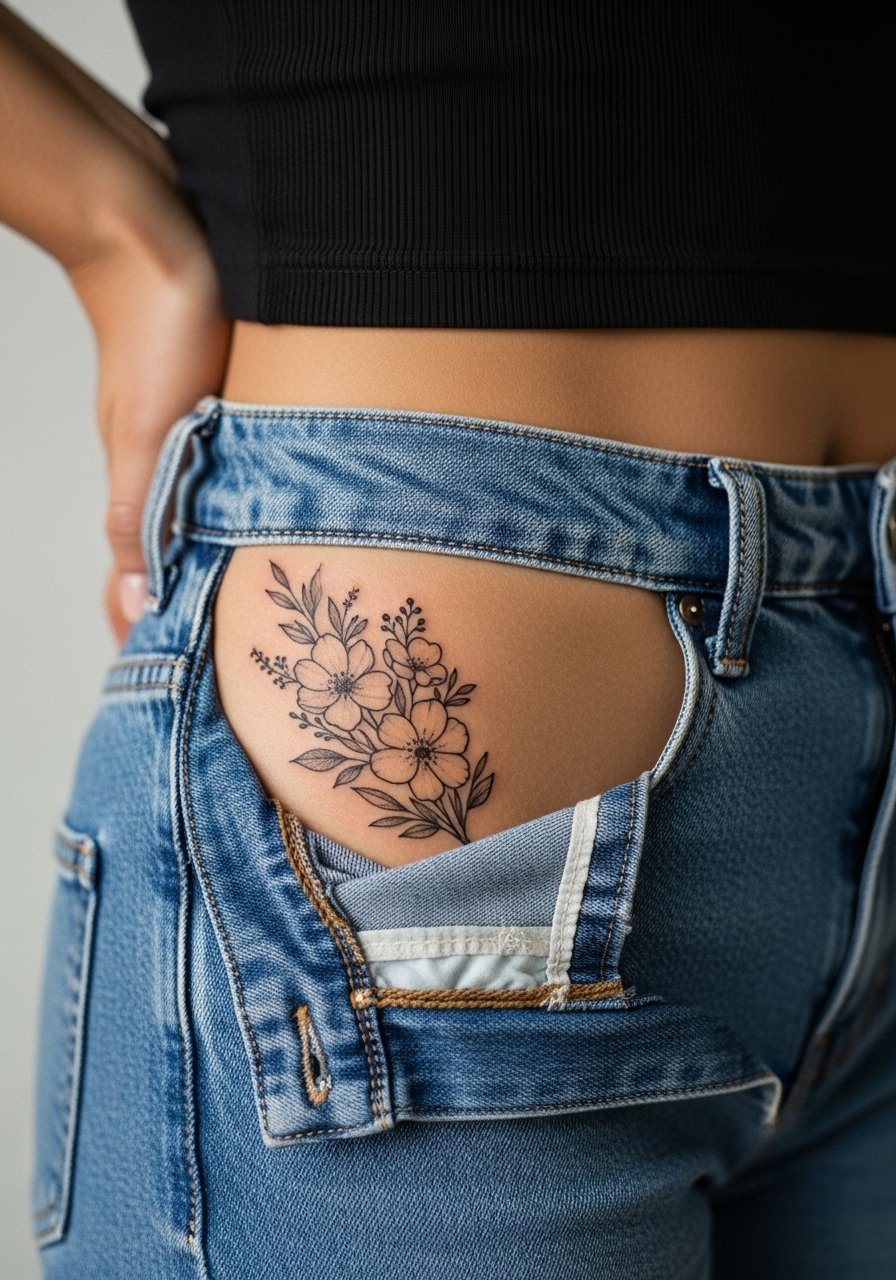
15. Hip Bouquet That Peeks Over Swimwear
Hip bouquets look especially good when elements tuck under high-waisted bottoms. The area tolerates larger compositions and heals predictably. Most people forget about waistband friction and lose midline stems from constant rubbing. I advise asking for stems that arc around the hip bone so they remain visible as clothing moves. For the session wear, high-cut bikini bottoms or jeans you can lower slightly work best. Medium skin tone, close crop on hip with high-waisted denim pulled slightly down to reveal tattooed area only. Sensitive note: framing matters to avoid crossing sensitive curves.
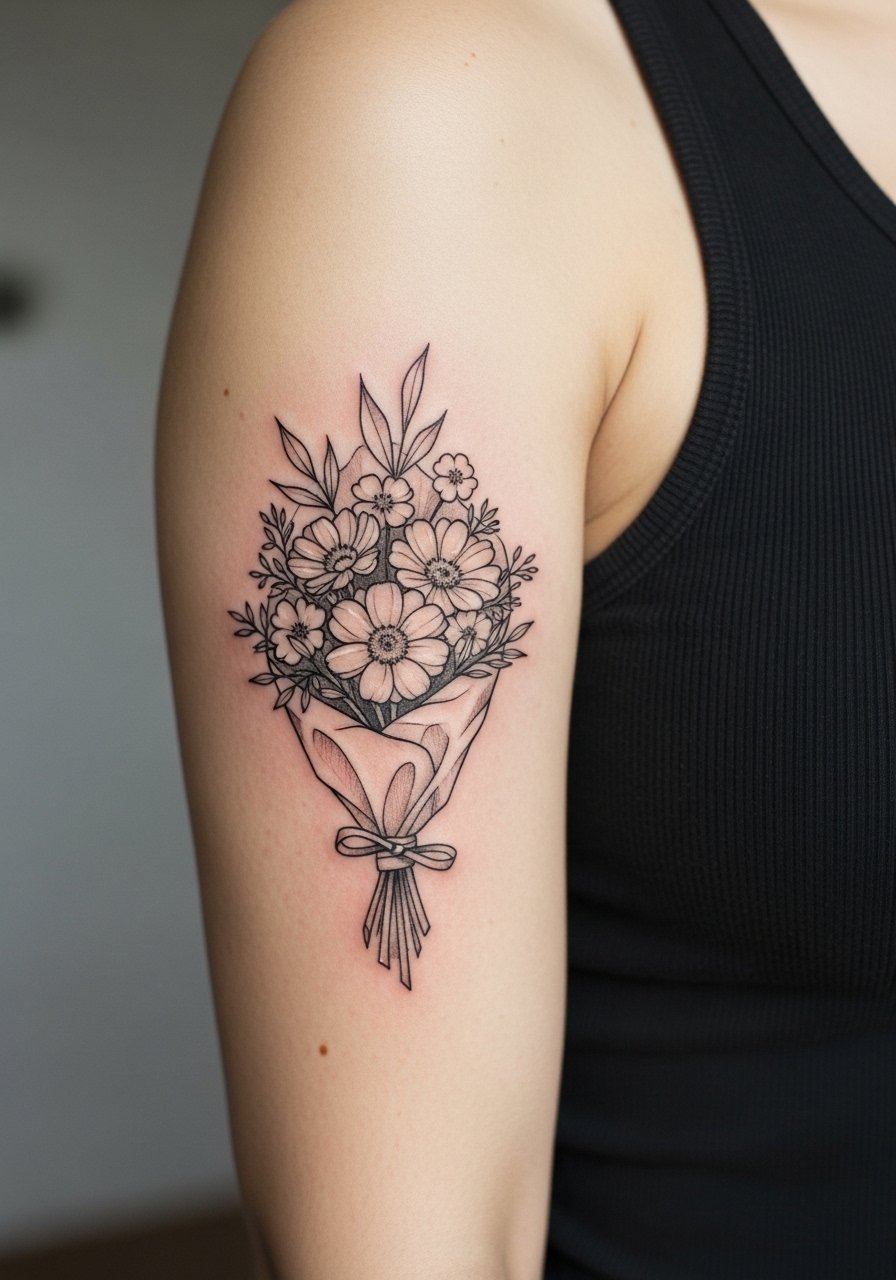
16. Inner Bicep Bouquet for a Private Detail
Inner bicep bouquets can be a pleasantly hidden piece that only appears when you lift your arm. I find that slightly stronger line weight works better here than ultra-fine work because arm movement blurs the finest hairlines faster. During consultation, ask the artist to mark the piece with your arm in both relaxed and flexed positions. For the session, a tank top gives the artist access without compromising modesty. Light skin tone, close crop on the inner bicep with arm raised slightly to show area only. Sensitive placement note: the inner bicep can be tender, so shorter passes help.
17. Geometric Frame Bouquet for Structured Sketching
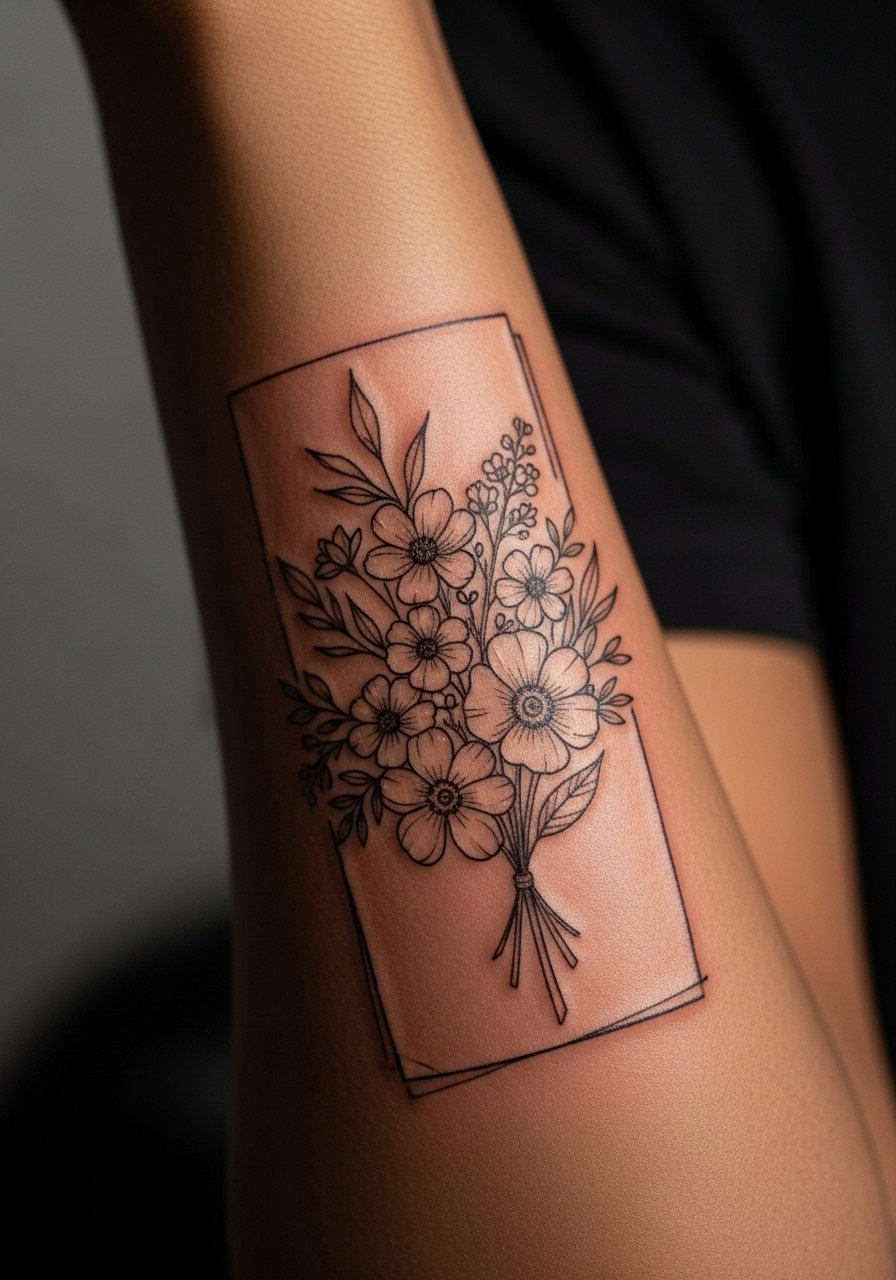
Combining a loose sketch bouquet with a geometric frame gives the piece structure and longevity. The frame keeps the eye anchored as the softer petals age. Be careful not to pack dense dot work inside the frame. I tell clients to choose 2 or 3 focal flowers and let the geometry hold the rest. This approach works across chest, forearm, and thigh placements. If you are hunting for an artist, use local shop directories, hashtag searches, and convention lineups to find portfolios that show both freehand sketching and crisp geometry. Dark skin tone, close crop on the framed bouquet, settled lines.
Studio Day Picks
The small placements above require different prep than larger pieces, and a short list of items smooths the session and first week.
-
Stencil transfer paper kit. Lets you preview the linework on skin so you can adjust size and flow for wrist and collarbone pieces before the needle arrives.
-
Topical numbing cream. Applied according to label about 30 to 45 minutes before a hand or ribcage session can make the chair time much more bearable.
-
Thin protective film roll. Useful for finger and wrist tattoos to shield the area from friction during the first days of healing.
-
Fragrance-free gentle body wash. Cleanses healing skin without stripping oils, especially helpful for forearm and calf bouquets that meet shower water daily.
-
Aquaphor healing ointment. Thin layers in the first 48 hours lock in moisture and prevent scabbing that can lift fine line ink, which matters for all the small bouquets above.
Frequently Asked Questions
Q: Will a sketch style flower bouquet blur faster than a traditional rose tattoo on the same placement?
A: Sketch style tends to rely on finer lines and open shading, so on the same placement it often appears softer sooner than a heavily saturated traditional rose. Placement, sun exposure, and how much negative space you allow determine longevity. Ask for slightly bolder anchor lines if you want the sketch to hold shape longer.
Q: How much should I change the reference photo when I bring a bouquet idea to consultation?
A: Bring the photo that shows composition and another that shows the line weight you like. Tell the artist what you want preserved and what you want simplified. Most artists prefer a mix of reference images rather than a single pinned photo.
Q: Do collarbone bouquets clash with necklaces and bras?
A: They can if both compete for the exact same spot. I suggest positioning the bouquet slightly off-center and choosing jewelry that sits above or below the stem line. A thin chain pendant usually complements rather than competes.
Q: How often will small bouquet tattoos need touch-ups?
A: Small visible spots like fingers and hands typically need touch-ups around year one to two. Wrist and ankle pieces commonly need attention by year three. Larger placements like thigh and calf settle more slowly and can go longer before a touch-up.
Q: Where should I look to find artists who specialize in sketch bouquets?
A: Use local shop directories, search hashtags that match your city plus sketch tattoos, and check convention guest lists. Browse portfolios for healed work close up so you can see how their linework ages.