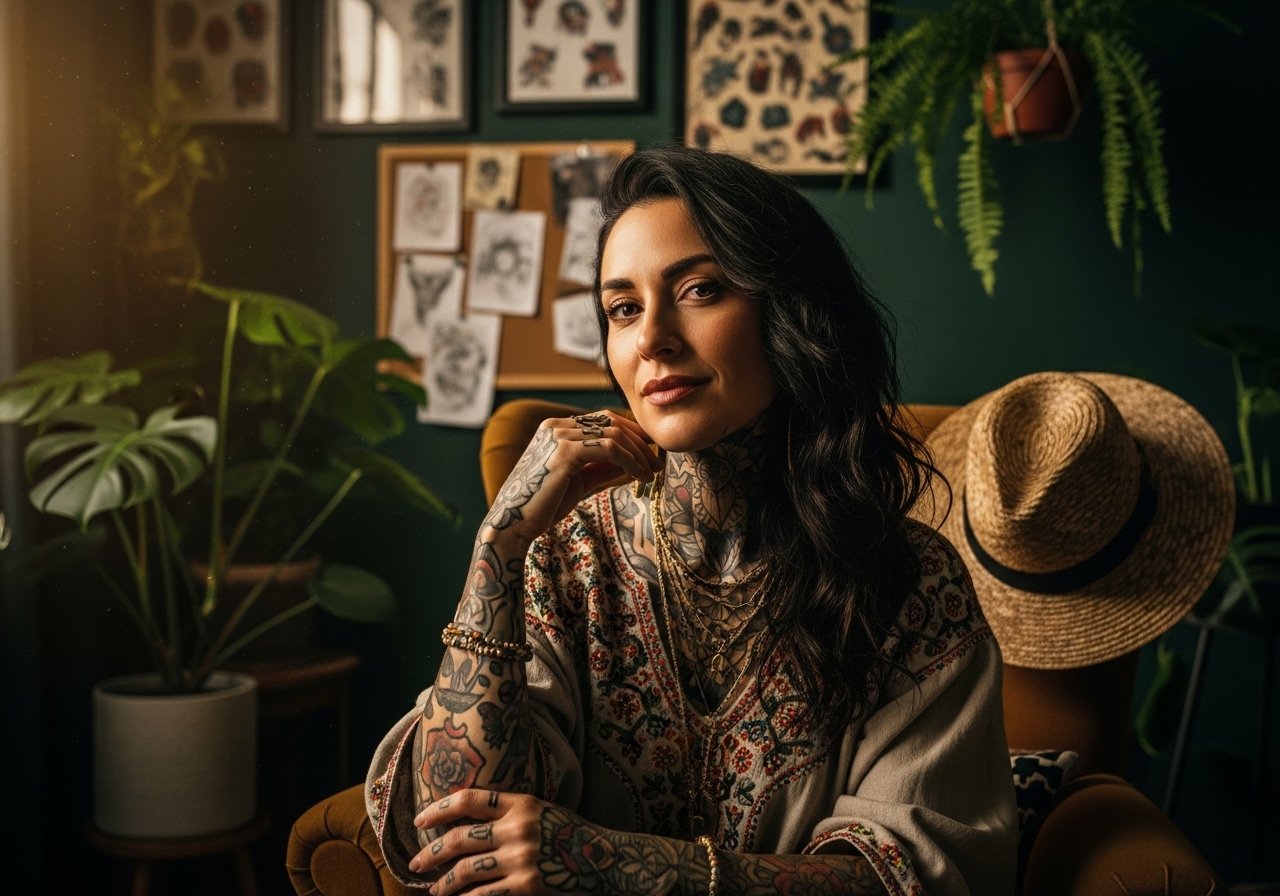
Fine line sketch cover-ups are a clever way to turn a regret into a refined piece without erasing the story. The sketch approach uses confident, loose marks and layered linework to disguise old edges while keeping the result airy. Below are 21 ideas that work specifically as cover-ups, with what to say in a consult, how they age, and wardrobe notes that actually help you show the healed work off.
1. Sketch Arrow on Inner Forearm
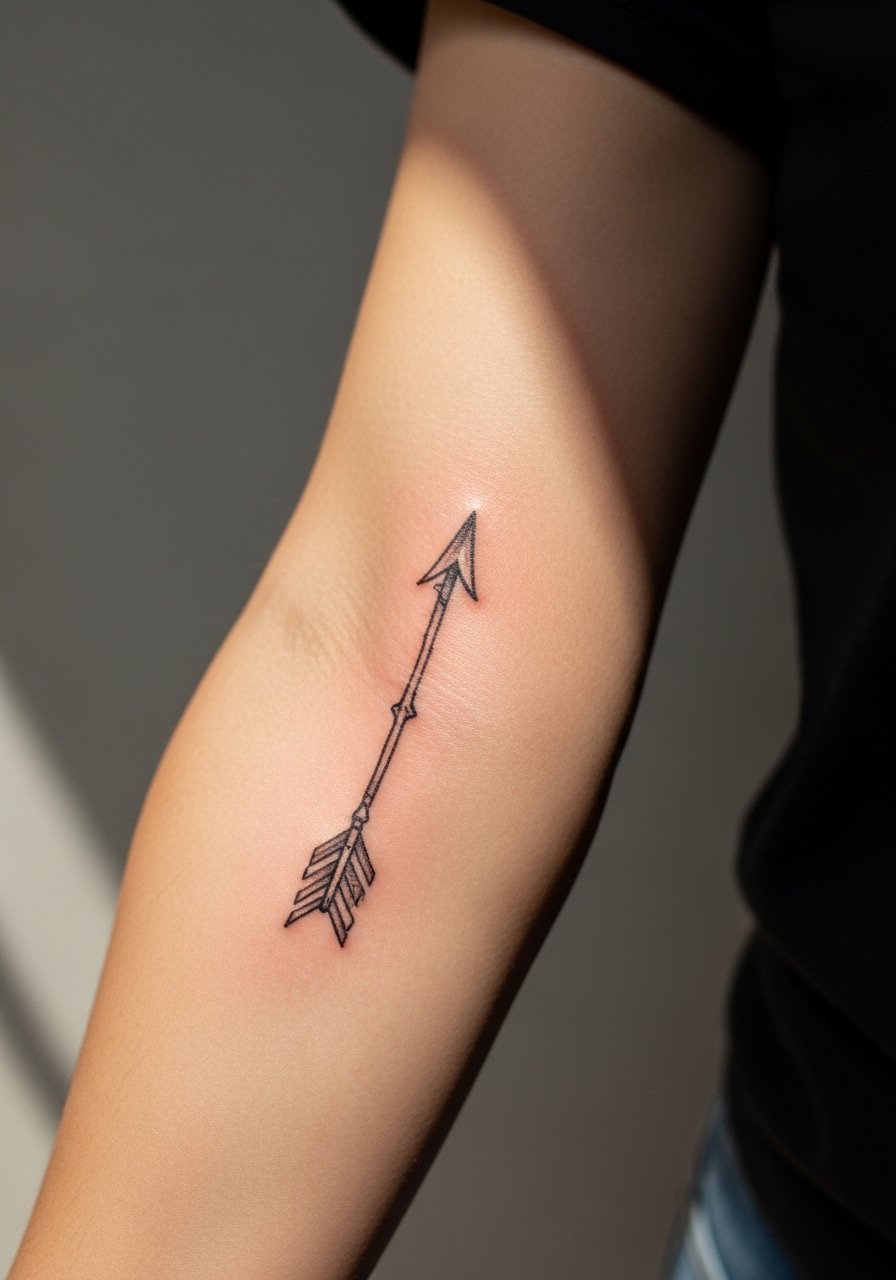
This slim arrow uses overlapped sketch strokes to mask a faded wrist band or old script. Tell your artist you want broken, directional strokes that cross the old lines, and ask for slightly heavier anchoring marks where the old ink is darkest. The inner forearm is forgiving for linework, pain is low, and a single session of 60 to 90 minutes usually does the job. The common mistake is asking for too thin a needle stack to cover dense black. Expect the piece to look crisp at six months and soften into a gentle sketch after two years. For showing it off, roll sleeves up and layer a thin chain bracelet that frames the arrow without crowding the linework.
2. Micro-Realism Portrait on Upper Bicep
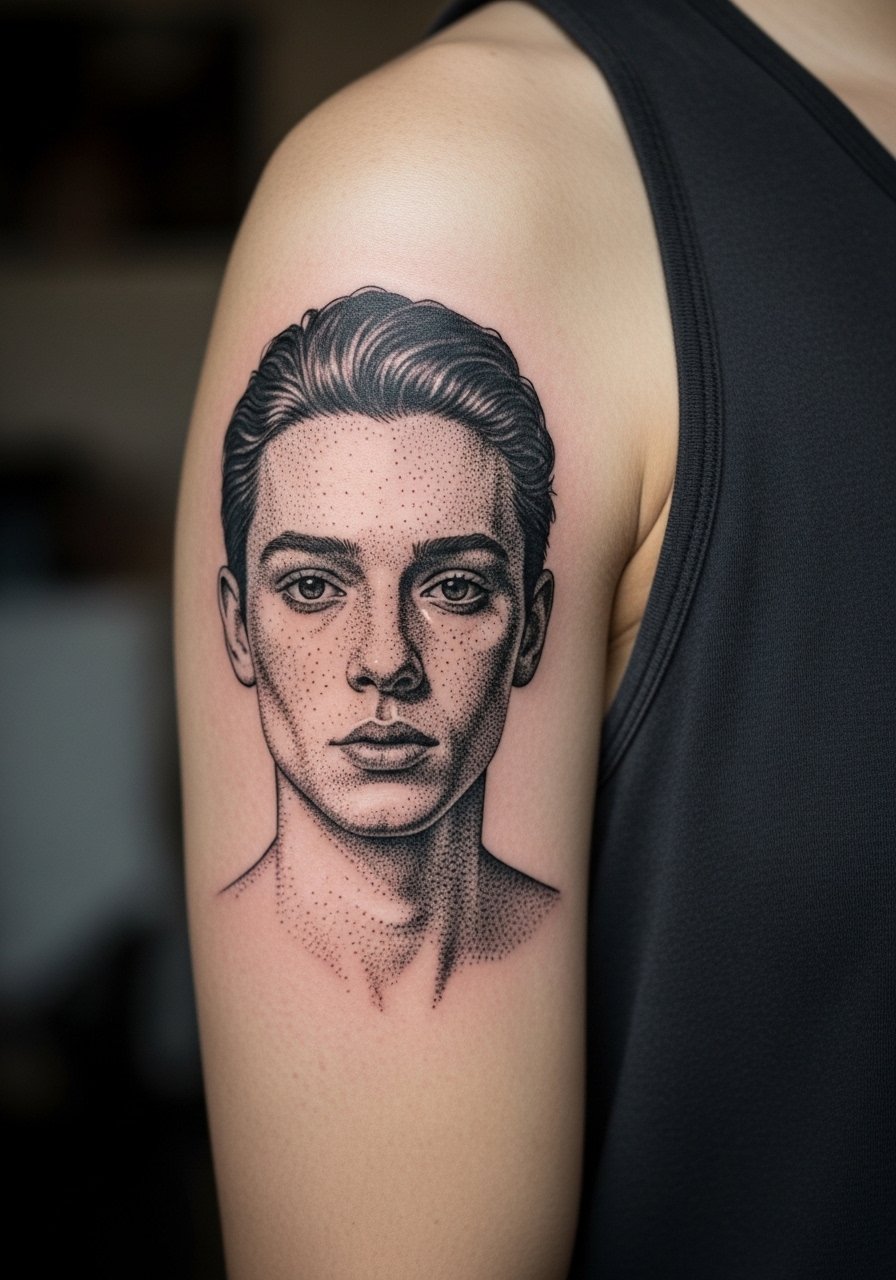
A small sketch-style portrait uses soft stipple shading and loose contour lines to erase older portrait attempts or dated mid-2000s flash. In consult, bring both the old tattoo photo and the new reference so the artist understands the tonal battle. Biceps tolerate saturation well so tell your artist to build mid-tone stippling over the old pigment. Pain is moderate with a short session of 90 to 150 minutes depending on size. One mistake is insisting on photographic sharpness at tiny scale. This approach ages gracefully because texture hides minor fading. Pair it with a loose tank top during the session to give the artist clear access.
3. Sketch Matchstick on Outer Wrist
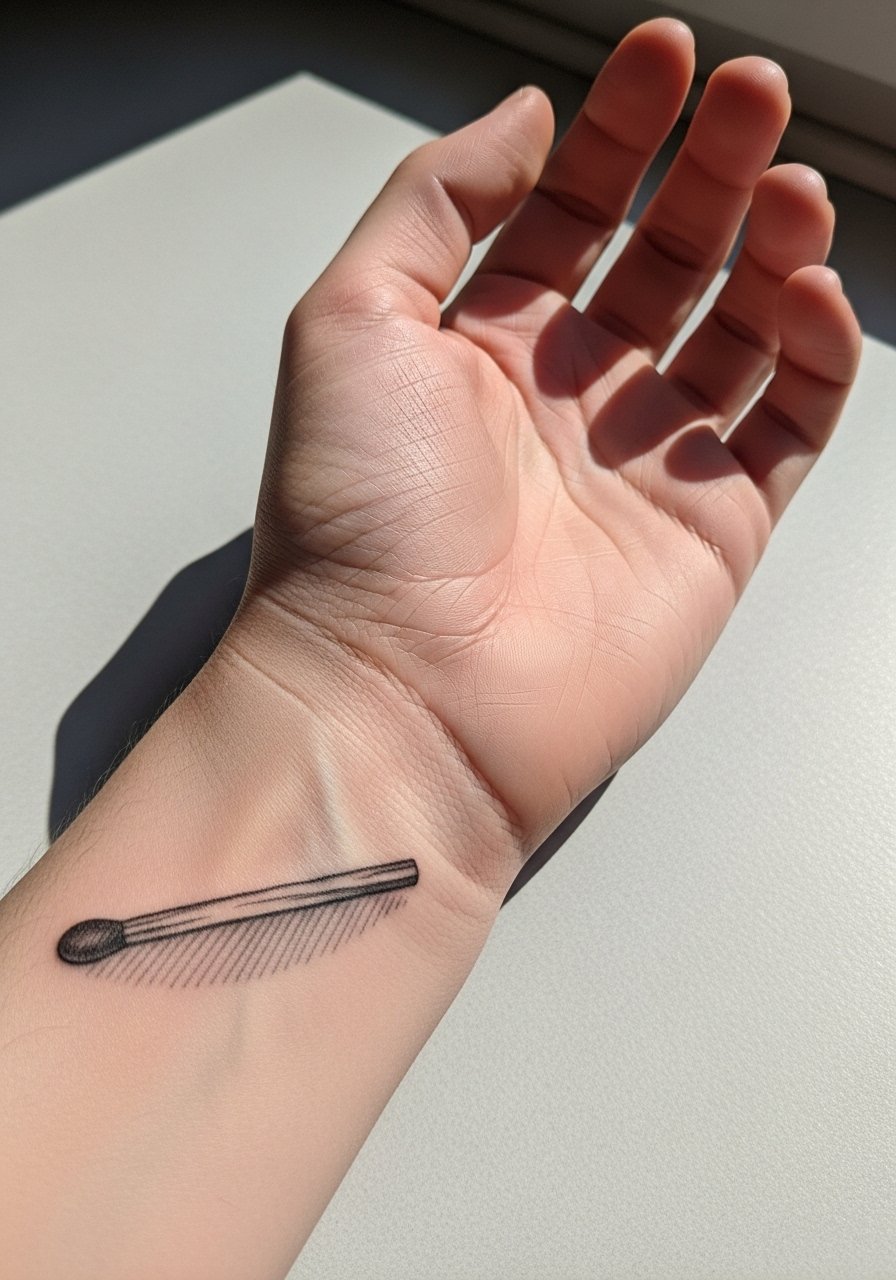
Tiny sketch icons like a matchstick are ideal for covering small old wrist tattoos or initials. Ask the artist for overlapping hatch marks and a faint smudge effect where the old line sits. The wrist is a higher friction zone so expect touch-ups sooner. Sessions are short, usually under an hour, but the biggest mistake is underestimating daily wash friction. Healed at six months the piece reads sharp. At two to three years expect softer edges and possible need for a light touch-up. For the appointment, wear a loose button-down shirt you can pull aside so the wrist is unobstructed.
4. Sketch Floral Sternum Accent
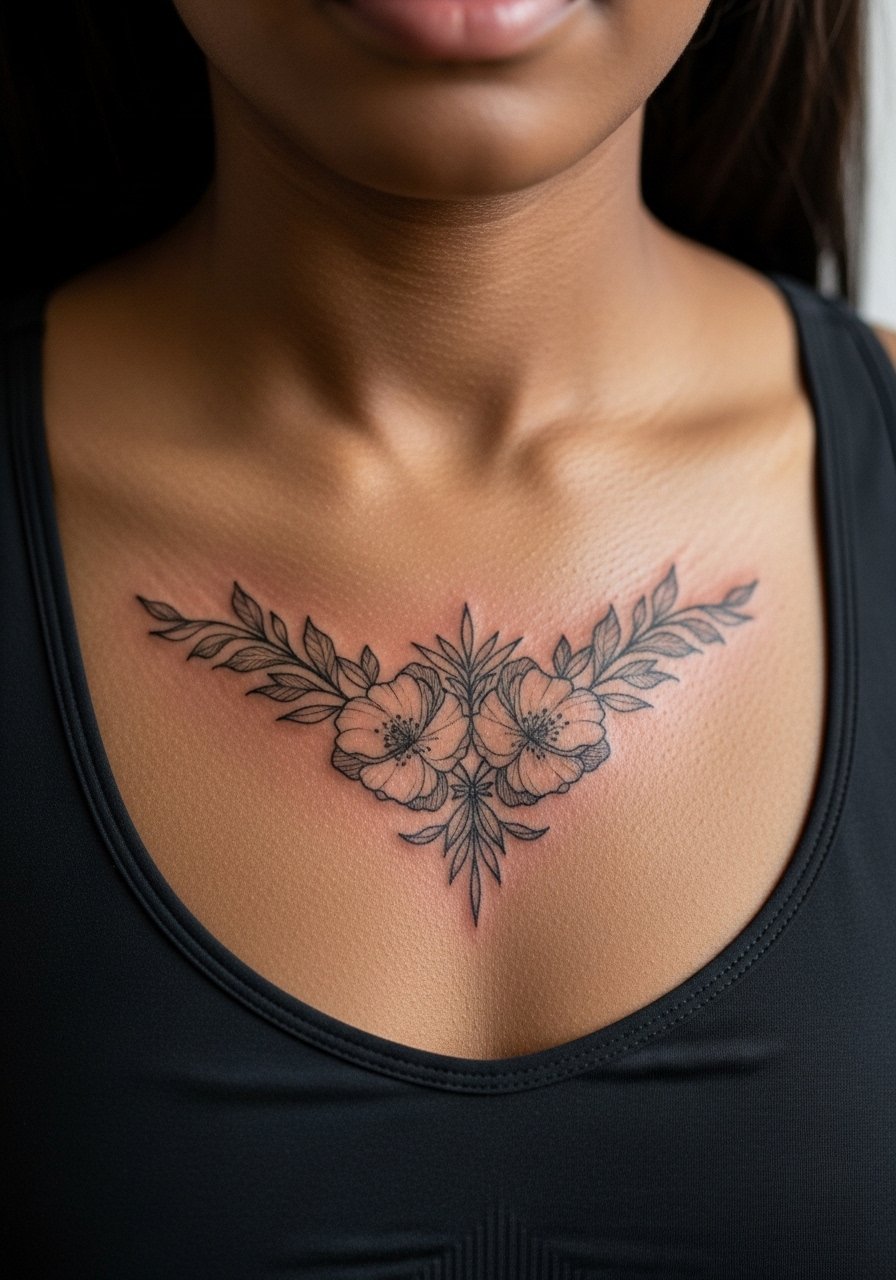
A loose floral cluster across the sternum covers old chest lettering or small symbols while staying feminine and graphic. Mention in consultation that you want the composition to sit above the old ink lines and that the central petal group should carry denser ink. Sternum work can be sensitive, expect a 3 to 6 pain level and a session of 60 to 120 minutes. Artists debate whether fine, single-needle detail holds on sternum skin. One camp avoids ultra-fine lines. The other camp layers stipple and light shading to preserve the illusion. State your preference and ask about expected touch-up timing. For post-session wardrobe, a bandeau top makes quick care and check-ins easier.
5. Abstract Scribble Shoulder Blade

The shoulder blade is great for cover-ups because larger surface area lets the artist recompose the negative space around old ink. Ask for chaotic, overlapping strokes and selective dark anchors over the densest old spots. Pain is mild to moderate and sessions vary from one to two hours. A common mistake is crowding the scribble over existing edges without adding contrast. At six months the texture reads like hand-drawn ink. At five years the sketch feel keeps the piece readable while blending faded patches. For show-off outfits, an open-back dress frames the shoulder blade without taking focus.
6. Geometric Mandala Ankle
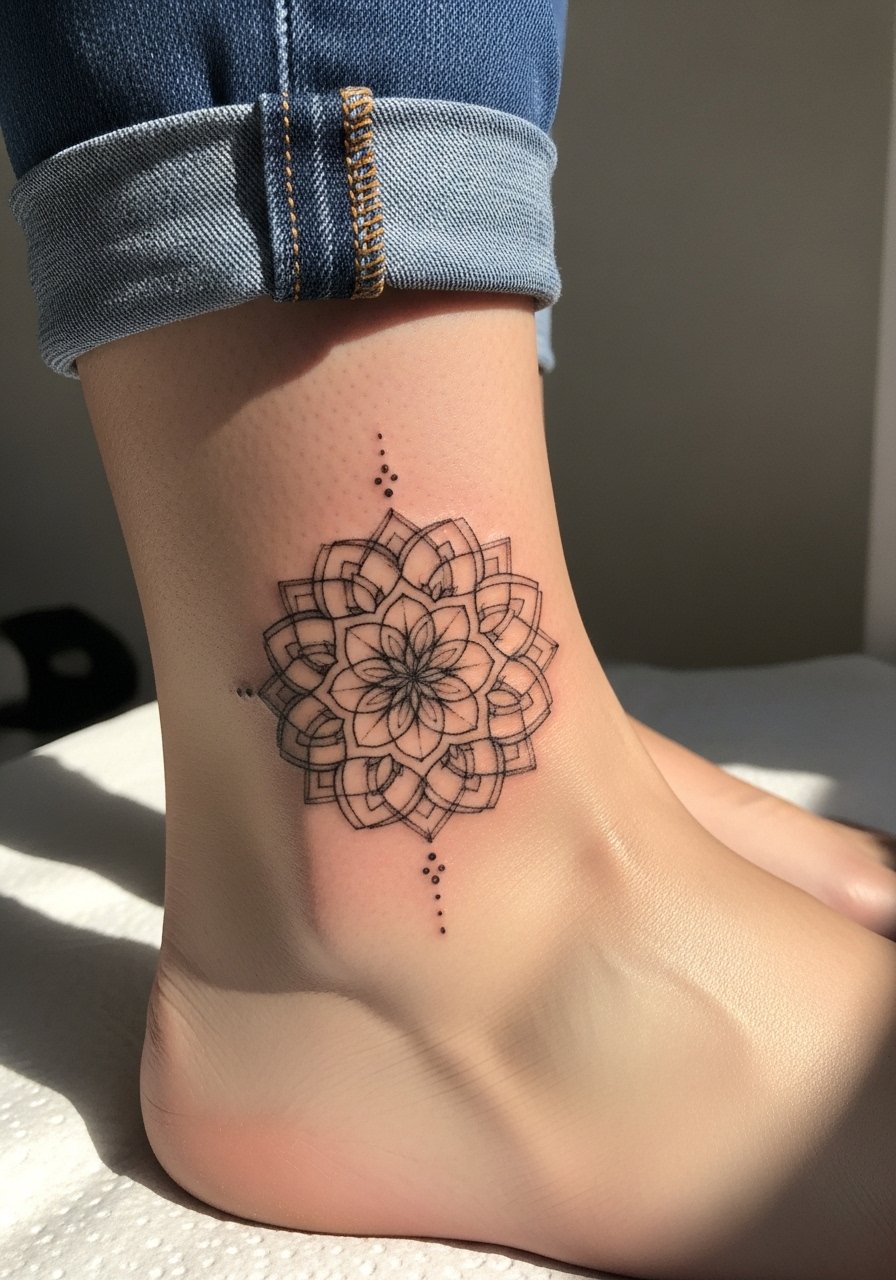
A compact geometric mandala masks line-based tattoos on the ankle through layered circular sketch lines and stippled fills. Tell the artist to build heavier arcs where the old ink is strongest so new geometry reads uninterrupted. The ankle is a higher pain area and sits around a 6 out of 10 for many people. Sessions are usually 60 to 120 minutes. The mistake is making the mandala too tight for the ankle surface. Give the design breathing room so the lines do not merge as it ages. After two years expect softening of some outer points, but the radial structure remains. For casual wear, slip on sandals or minimalist slides to show the healed design.
Studio Day Picks
These first six pieces range from sternum to ankle, and a few demand different prep and healing supplies than small wrist work.
-
Stencil transfer paper kit. Lets you preview the layout on skin before committing, helpful when repositioning a sketch over older lines.
-
Gentle fragrance-free soap. Useful for washing shoulder blade and sternum areas where friction and sweat can irritate fresh ink.
-
Thin protective film roll. Keeps ankle and wrist cover-ups clean during the first week of showers and movement.
-
Topical numbing cream. Helpful for sternum and ankle sessions where sensitivity spikes partway through.
-
Aquaphor healing ointment. Thin layer in the first few days locks in moisture for fine line and stipple work without clogging delicate channels.
7. Loose Line Botanical Outer Thigh

Outer thigh cover-ups benefit from large compositional strokes that can cover old banding or blocky motifs. In consult, ask for sweeping stems and varied hatch shading to hide the denser old ink. Thighs are forgiving for saturation and usually allow longer sessions, often two to three hours. A common mistake is opting for tiny details that blur under friction in shorts. At six months the botanical reads soft and dimensional. Expect touch-up possibilities around year three if you wear tight waistbands that rub the area. For the session, bring loose drawstring linen pants so you can roll up easily without pressure on the fresh work.
8. Sketch Script Along Collarbone

A slanted sketch script can transform old dated text into a more artistic line. Tell the artist which letters of the old text are most visible so they can overlap those areas with expressive looping strokes. Collarbone skin can be thin and occasionally tricky for even ink absorption. Sessions are short, around 45 to 90 minutes, but plan for a touch-up if you want razor-thin single-needle lines. The mistake is asking for ultra-fine text without giving the letters space to breathe. After one year the line will soften. For showing it off, a thin chain pendant necklace sits above the script without crowding the collarbone.
9. Loose Cross-Hatch Back of Hand

Hand cover-ups are high risk because skin there shifts and jobs often clear them. A sketch cross-hatch pattern blends old glyphs while keeping movement in the design. Say in consult that you prefer broken hatch lines and dense anchors directly over the old ink. Hands heal differently and need faster touch-ups, so expect a two-step process. The common mistake is expecting a lifetime of detail from a hand piece. If you want to minimize visibility in conservative workplaces, consider placement alternatives. For the session wear nothing restricting. After healing, layer minimalist rings that complement the pattern and avoid abrasive bracelets. Add a touch of shine with a delicate ring set when showing it off.
10. Scribble Wave on Calf

Calf cover-ups give space for bold sweeping strokes that can smother old ink with energetic motion. Ask the artist for layered contour marks that break up the silhouette of the previous design. Calves take saturation well and sessions range from one to two hours. A mistake is attempting tiny detail that competes with large faded patches. At six months the wave keeps motion. At five years the texture often softens but remains legible. For easy session prep, wear loose shorts so the artist can access the area without tugging at clothing.
11. Stippled Fern Inner Bicep

The inner bicep covers old banding or script with textured stipple and sketch stems. Ask your artist for denser stippling directly over old ink and lighter dots outward so the pattern dissolves into skin. Inner biceps can be sensitive but sit mid-range on pain. Sessions often take 90 minutes. One mistake is requesting overly crisp dots at tiny scale. Stipple ages well because texture masks patchy fading. For appointment comfort wear a sleeveless top and bring a light sweater for aftercare.
12. Freehand Scribble Chest Panel
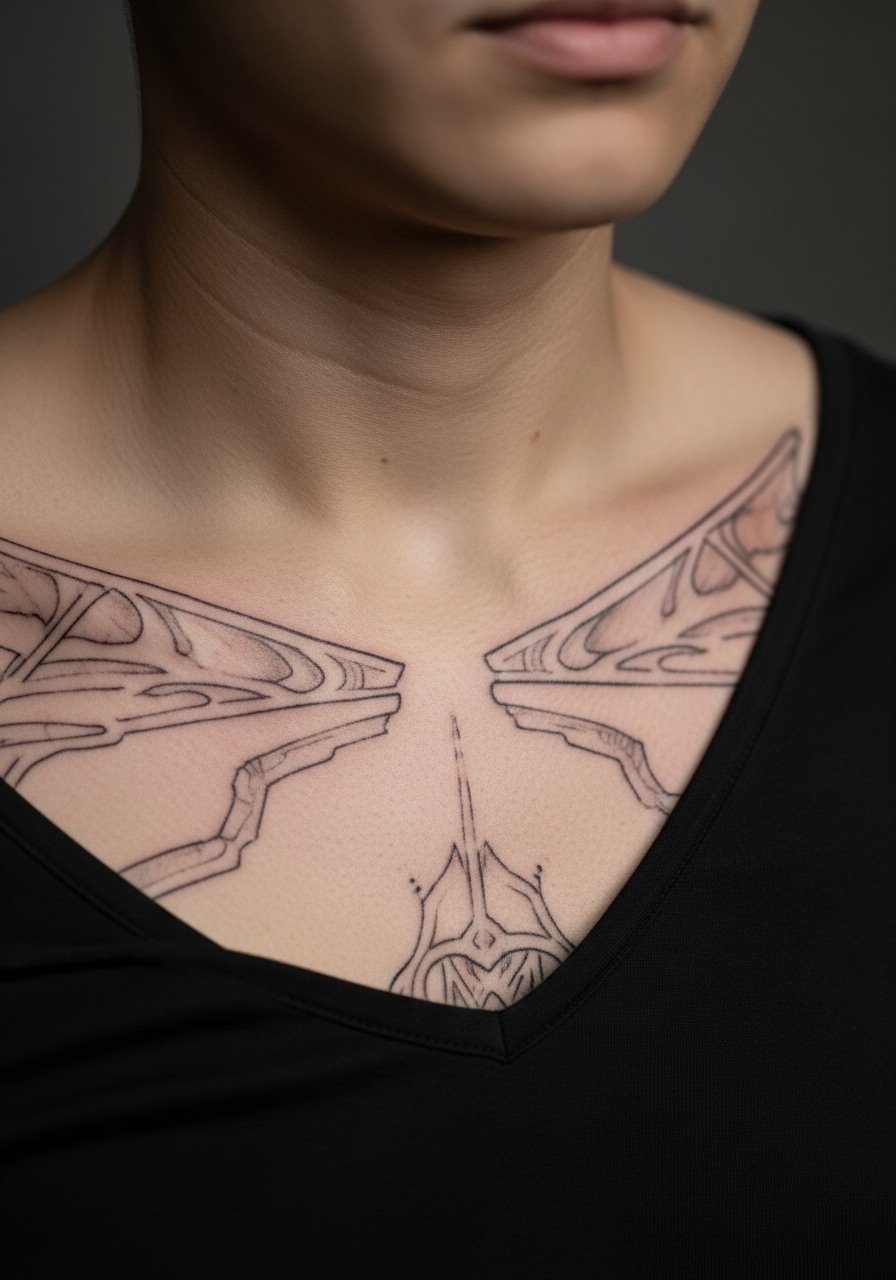
A freehand chest panel is ideal for covering older chest tattoos where symmetry no longer reads well. Request a live layout so the artist can reposition strokes around old edges. Chest skin varies and can be sensitive near the sternum. Sessions can be longer and might split into two visits. The mistake is insisting on perfect symmetry when the cover-up needs organic flow. Artists split on whether black and grey saturation or layered sketch lines work better for heavy old ink. One camp favors deep saturation. The other blends sketchy strokes with shading. Ask the artist which approach they use and why.
13. Sketchy Lightning Behind Ear
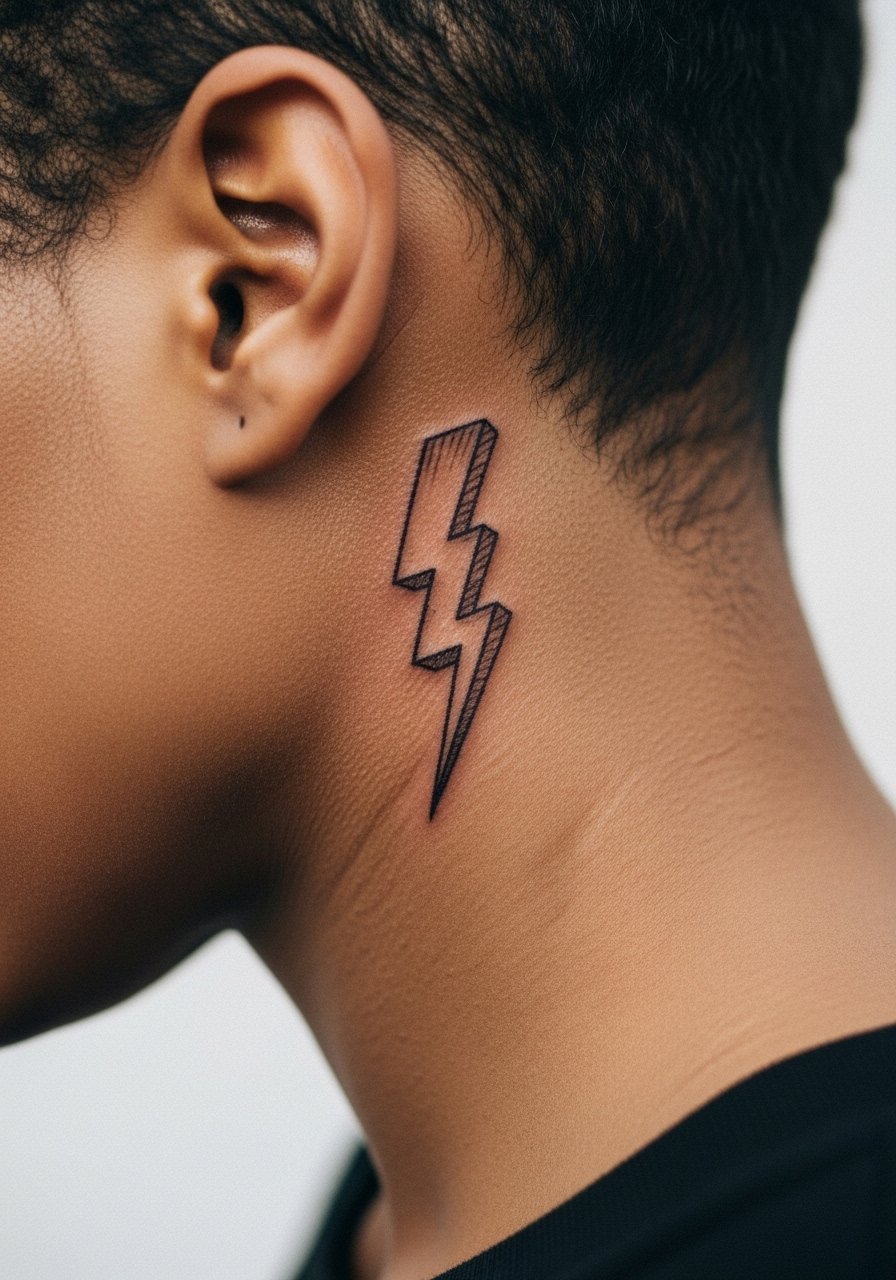
A small lightning bolt behind the ear can camouflage tiny old marks with angular, erratic linework. For sensitive behind-the-ear skin, ask the artist to place stronger line anchors over the old spots. Sessions are short and discomfort is brief. The risk is placement visibility in professional settings so think through career impact. A common mistake is choosing super-fine single-needle work for this zone. For the session, pull hair into a low bun or clip so the artist has clean access.
14. Loose Contour Beetle on Upper Arm
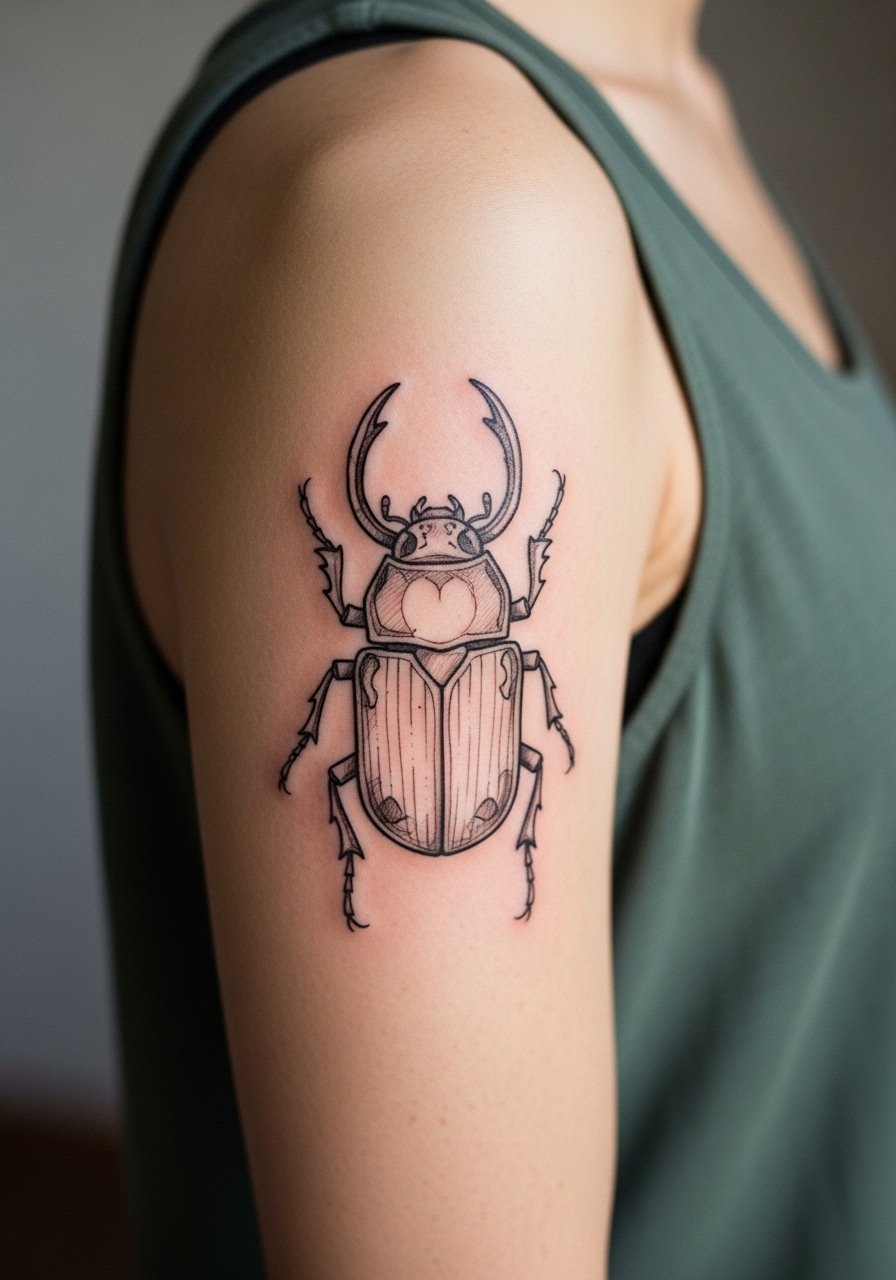
Upper arm cover-ups benefit from the volume of the deltoid. A sketch contour beetle uses overlapping lines to obscure radial old ink. Tell the artist you want the beetle's shell to carry heavier inks where the old pigment sits. Upper arm sessions are comfortable and usually finish in 60 to 120 minutes. The mistake is compressing too much detail into a tiny beetle form. At two years the sketch contours help diffuse any patchy fading. For the session wear a loose tank top so the artist has full arm access.
15. Scribbled Constellation on Ankle Side
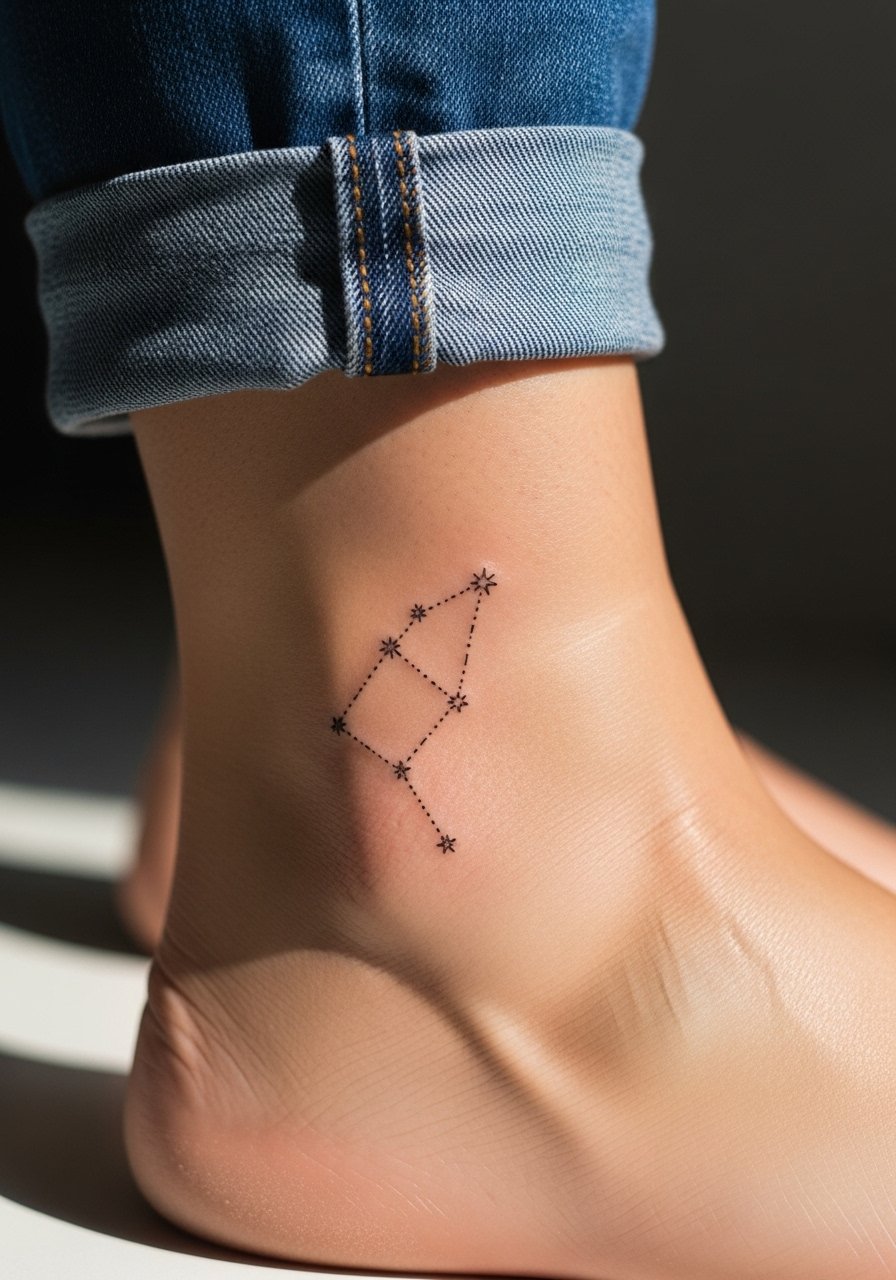
Constellations are clean ways to mask small symbols using dot clusters and sketch connectors that distract the eye from old marks. Ask the artist to use denser dot nodes over the previous ink and thinner connectors outward. The ankle needs careful aftercare because of shoe friction. Sessions are short but expect touch-up possibilities. A common mistake is clustering stars too close together. For showing it off wear jeans rolled above the ankle or slides that reveal the area.
16. Broken Line Heart on Wrist

A broken line heart uses interrupted strokes to hide prior initials or small logos. Tell your artist where the old ink sits so they can place denser overlaps. Wrist work ages in high-motion zones and often needs touch-ups at year two. The mistake is wanting single, continuous hairlines that blur with constant hand use. Expect a short session under an hour. When showing the healed piece, stack with a minimalist watch or thin bracelets that do not rub the tattoo.
17. Stippled Crescent on Side Rib

Ribcage cover-ups are about composition and density. A stippled crescent masks older chest or rib ink through graded dot work and soft sketch marks. Ribs are a sensitive placement and sessions can be slow. Artists debate using large black fills versus layered stipple for cover-ups. One camp prefers heavy black underpainting. The other builds texture with dots so the piece reads lighter but still conceals. Ask which method they recommend for your old ink. Expect touch-ups within two to three years if skin stretches with weight change. For session comfort wear a zip-up hoodie you can lift and adjust without pulling across the area.
18. Quick Gesture Fox on Calf Outward
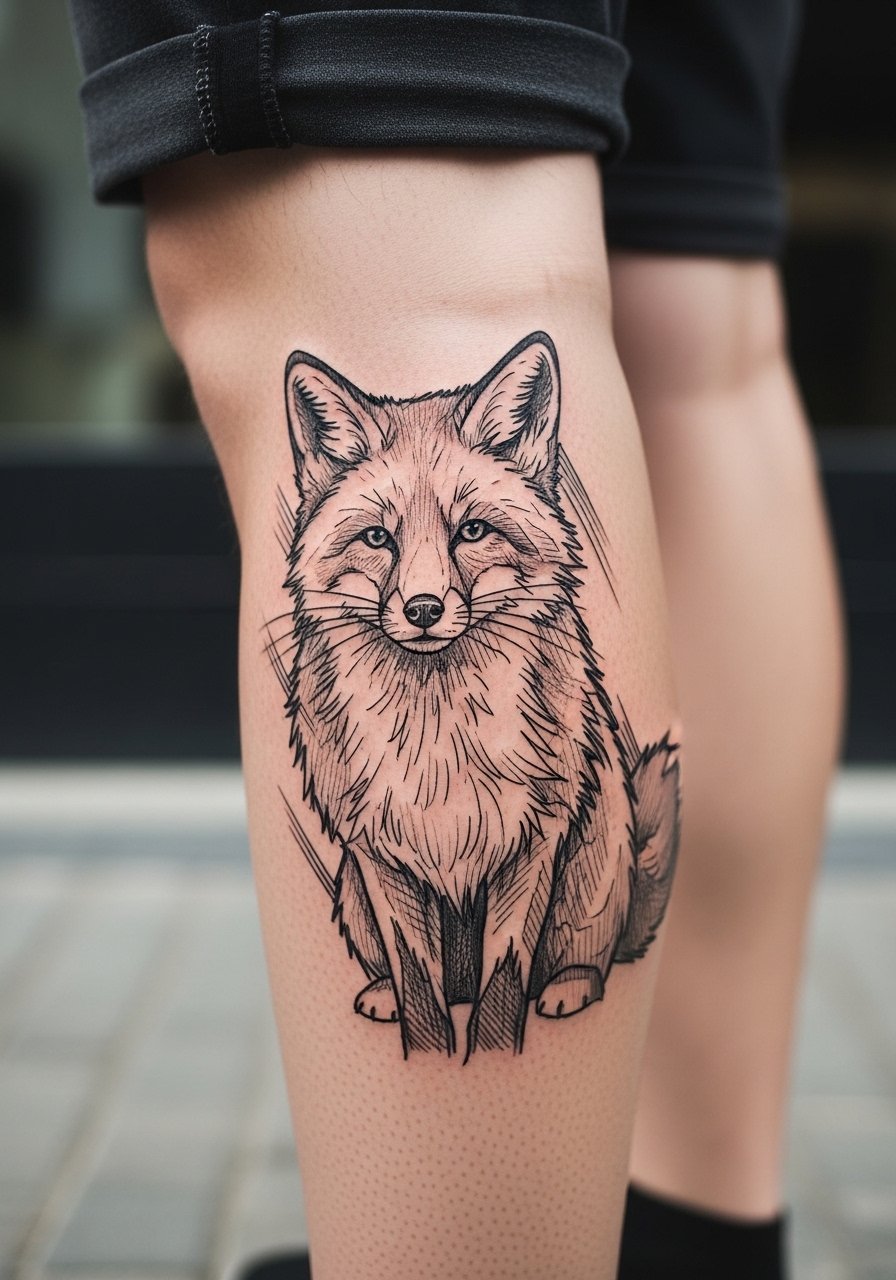
A quick gesture fox uses energetic linework and selective dark anchors to hide a small block of old ink on the calf. Tell your artist you want lively motion around the densest old marks. Calf skin is durable and takes saturation well so sessions run one to two hours. A common error is asking for detailed fur texture at small scale. Gesture lines weather well because motion distracts from patchy fading. For the session choose comfortable shorts so the artist can access the calf without tugging.
19. Sketchy Wave Collarbone to Shoulder
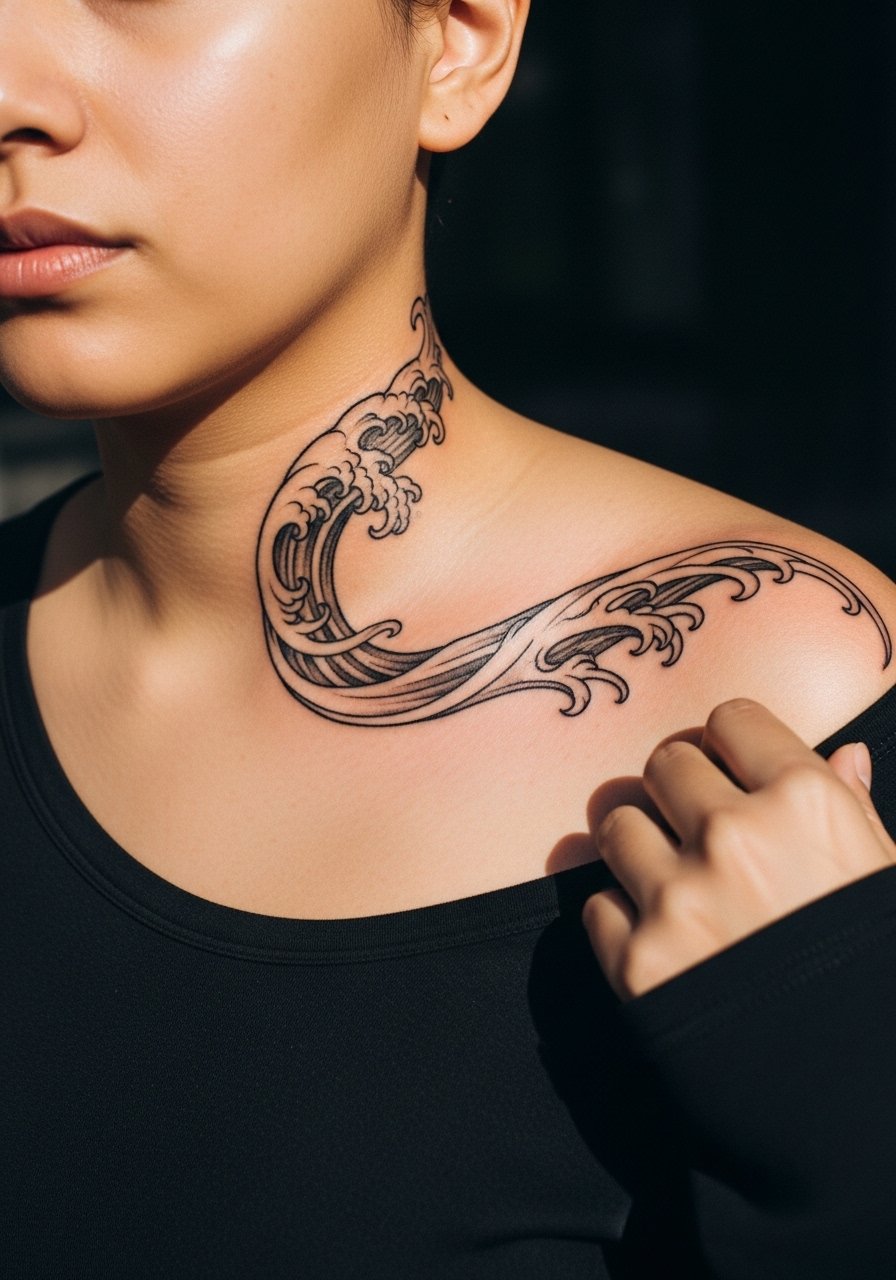
A flowing sketch wave that crosses collarbone and shoulder hides uneven old chest marks by moving the eye. Request the artist to anchor the heaviest black where the old ink is and to let softer sketch strokes flow outward. Collarbone-to-shoulder work can tick a sensitive spot near bone so expect short breaks and a 60 to 120-minute session. The mistake is wanting too many tight details over bone. Flowing strokes age better and are easy to touch up. Pair the healed piece with an open-shoulder top to let the movement read.
20. Scribble Tiny Fleur on Finger Side
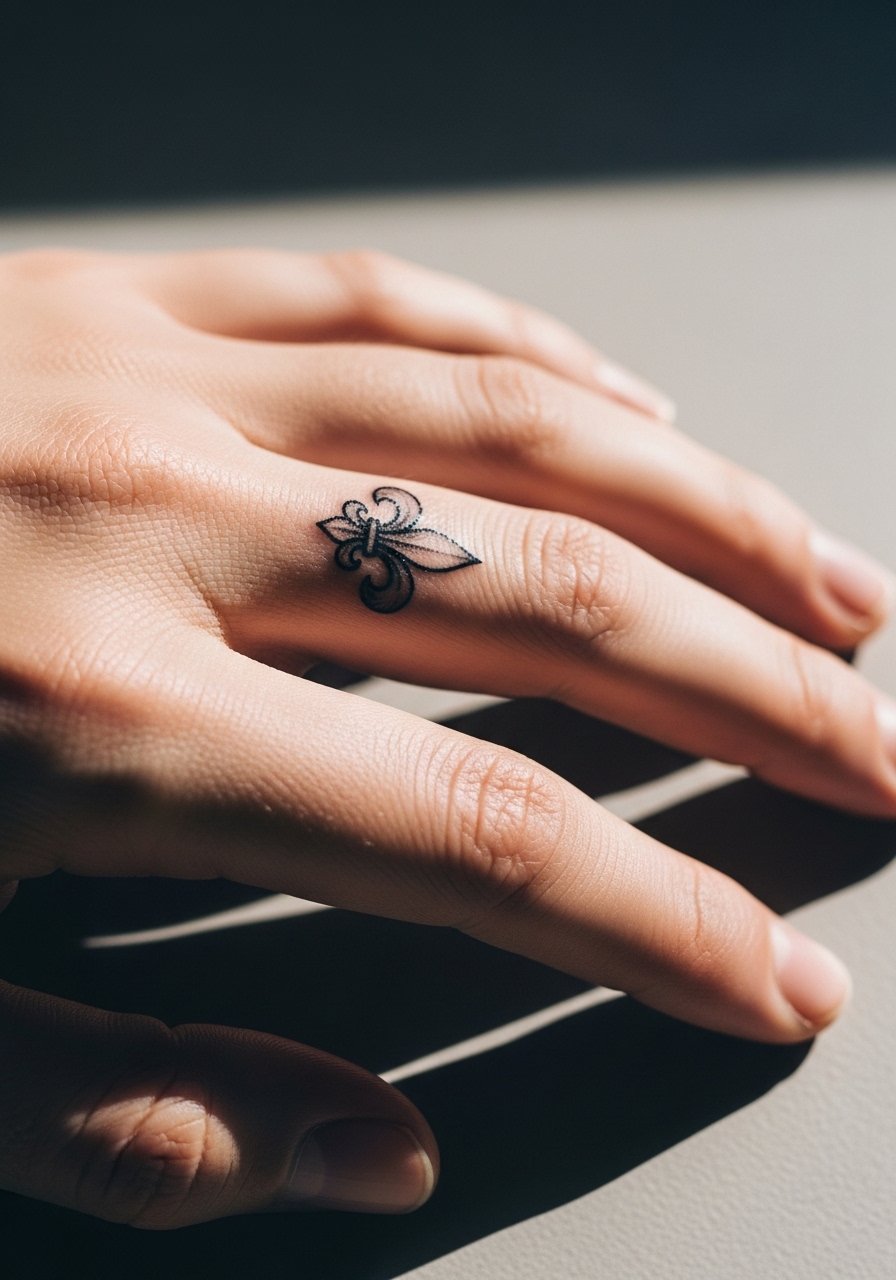
Finger cover-ups are tricky because skin constantly regenerates there. A tiny sketch fleur that overlays old ink with short hatch marks can mask initials or small glyphs. Tell the artist you accept the likelihood of frequent touch-ups. Sessions are short but expect color loss faster than elsewhere. The mistake is insisting on hairline script on fingers. If you need discretion, consider shifting to the side of the finger versus the pad. For showing it off avoid abrasive rings during healing and consider a thin stackable ring that does not press into the skin.
21. Abstract Line Sleeve Start on Outer Forearm
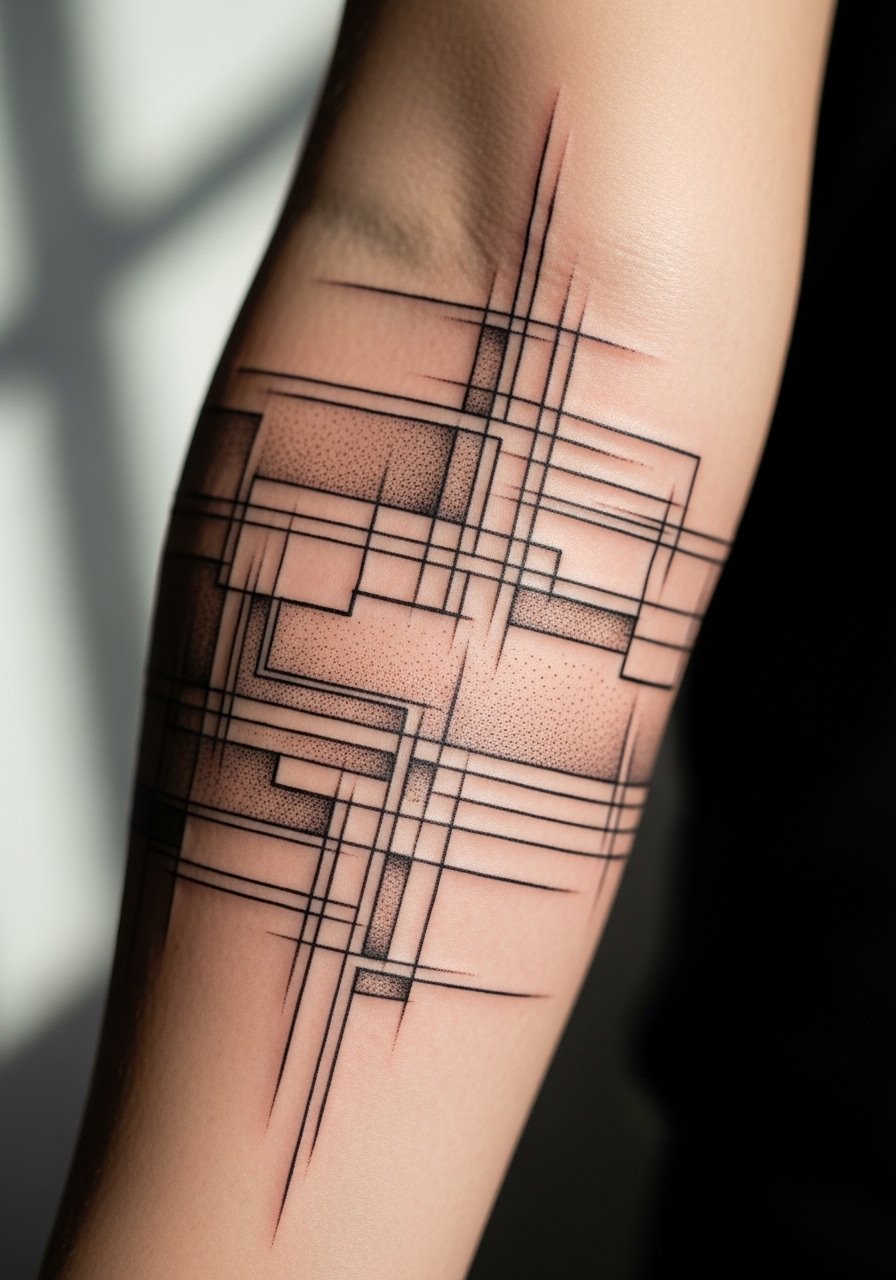
Start a sleeve cover-up with an abstract line panel that wraps older tattoos into a cohesive composition. Tell your artist you want connecting lines and patchy stipple to blend multiple previous elements. Forearm sleeves can be built across several sessions. The typical error is trying to hide everything in one visit. Expect the initial block to read dense at six months and to soften into texture after a year. For session day wear a short-sleeve button shirt so the artist can roll up without stretching the skin.
Frequently Asked Questions
Q: Will a sketch cover-up work on very dark black tattoos?
A: It depends on how dense that black is. Very dark, saturated black often needs larger scale cover composition or a multi-session approach that layers heavier anchors first. Some artists prefer deep black underpainting and others build texture with stipple and sketch lines. Ask which approach your artist recommends for your specific old ink.
Q: How soon after a cover-up can I show the tattoo in short sleeves or a swimsuit?
A: Wait until the scabs fall naturally and the area feels non-tender, usually around two to four weeks for most placements. Lighter forearm or shoulder pieces can be shown sooner than wrists or ankles. Protect fresh ink from sun and abrasive clothing while it heals.
Q: Do sketch-style cover-ups need different aftercare than traditional work?
A: The aftercare basics are the same, but sketch pieces with fine linework can benefit from keeping moisture levels steady in the first few days so tiny channels do not crust over. Avoid heavy creams that clog. For short outings, a breathable top that does not rub directly on the design helps.
Q: How do I find an artist who specializes in cover-ups without naming people?
A: Search local shop portfolios for the hashtag combinations like coverup plus the style you want, or browse regional directories and convention guest lists. Look for portfolios showing before-and-after cover images and ask about success rates during consults. Request to see healed photos rather than just fresh work.
Q: Will sketch-style ink blur faster than solid blackwork?
A: Sketch lines often soften and spread gently because of the thinner marks, so they read different as they age. Solid blackwork tends to hold shape longer but can look heavier. If longevity is a priority, ask the artist to bolster key lines and plan for a touch-up window around year two to three.