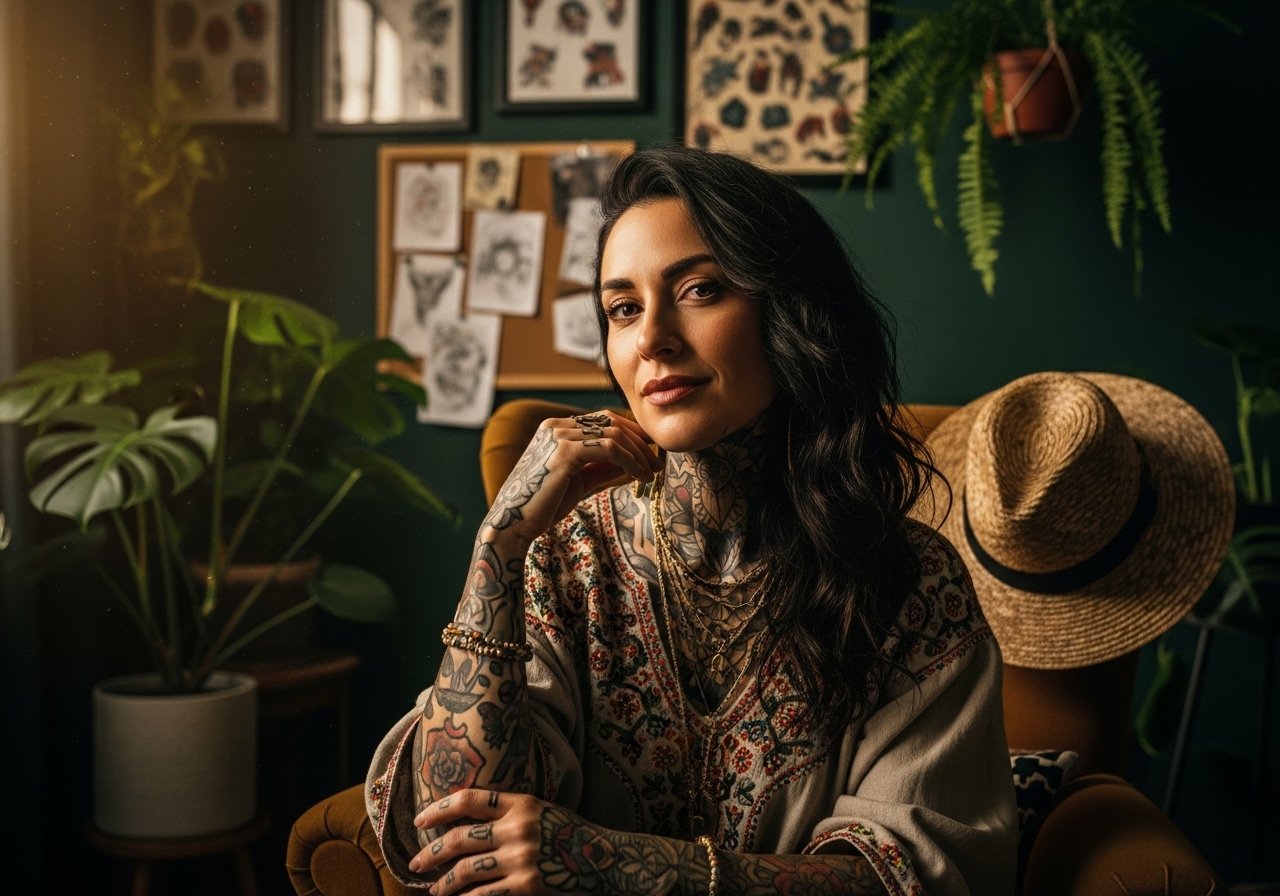
Fine line tattoos are everywhere on saved boards, and the reality for anyone who wants a readable script in five years is not what the feed promises. I have seen crisp cursive on wrists blur fast when the lines were too thin or the placement got daily friction. Below are 17 pretty ways to carry "Trust the Process" that balance how they look fresh with how they age, plus what to ask your artist in consultation.
1. Minimalist Cursive on the Wrist

I recommend this if you want a small, daily reminder that stays subtle. Fair warning, fine line on wrists takes friction from watches and sleeves, so ask for a slightly heavier line weight than the Instagram reference. During consultation show the exact font size you expect and ask the artist to mock the placement on skin so you can see scale. Expect a 20 to 40 minute session and a likely touch-up at 12 to 18 months. For showing it off pair the finished piece with a dainty bangle stack on the opposite wrist to frame the script without crowding it.
2. Neo-Traditional Banner Across Outer Forearm
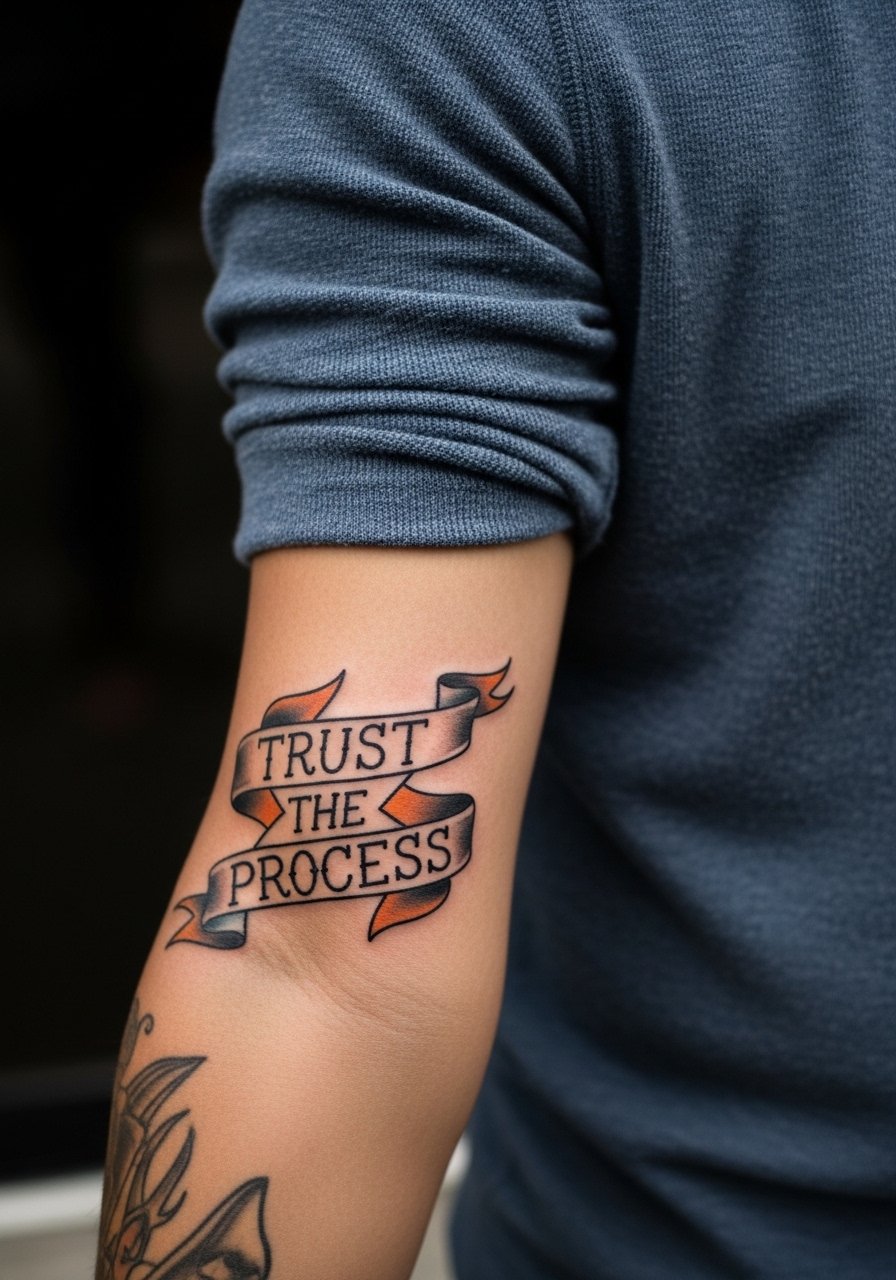
This one is for anyone who wants the phrase to read from across a room and hold its form through wear and weight changes. The thicker linework and color accents help longevity compared with micro script. Tell your artist you want the banner to be at least four inches wide and to keep the lettering bold so the text does not bleed into the fill. Outer forearm sessions usually last one to two hours and rate around a 4 out of 10 on most pain charts. For an everyday look wear a fitted henley shirt with sleeves rolled to showcase the piece.
3. Fine Line Winding River on the Collarbone
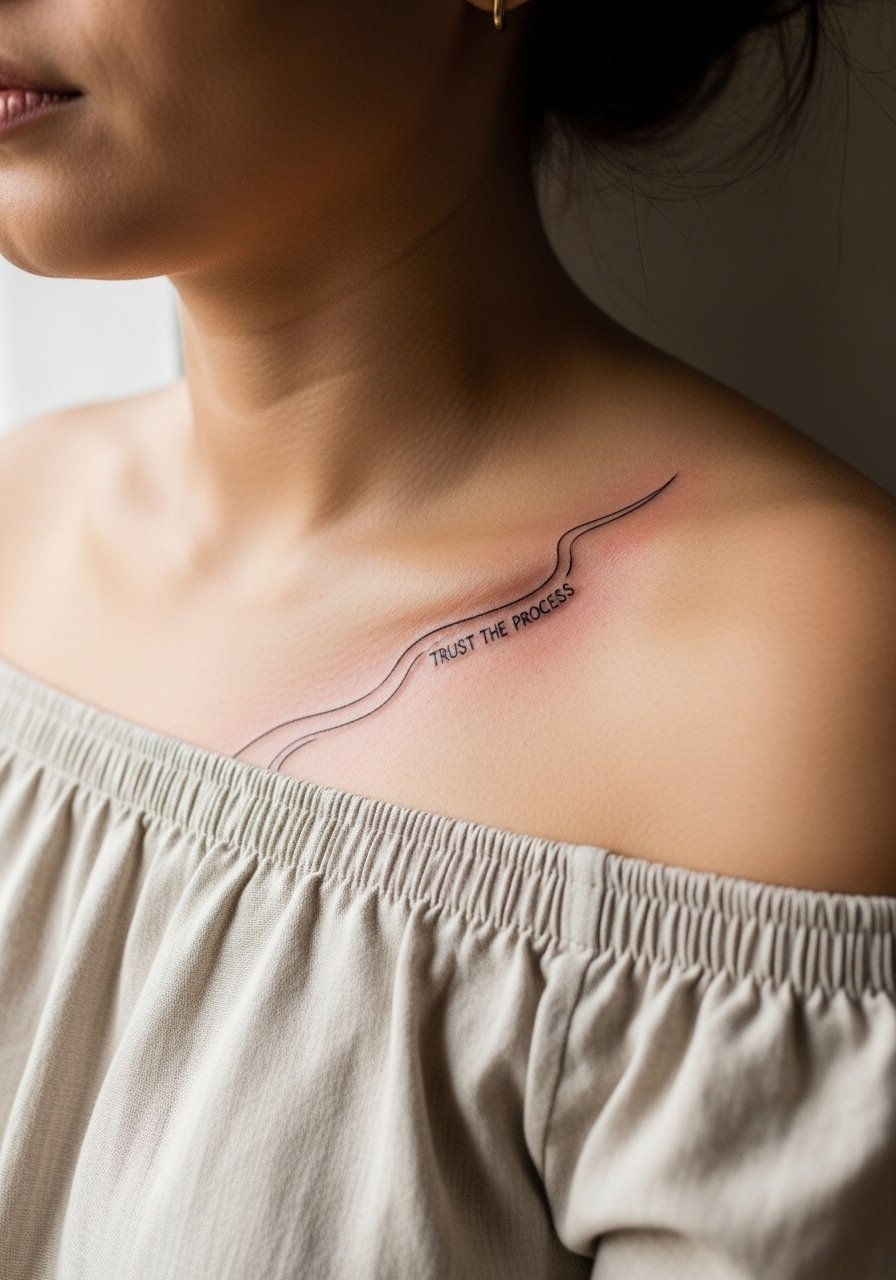
Collarbone work reads intimate and elegant, but that skin moves with posture. The river motif gives visual progression so the text becomes part of the flow. In consultation, ask for a slightly looser spacing between letters so the inevitable softening does not merge characters. Pain at the collarbone is higher, often a 6 to 7 out of 10, so plan a short session and a calm recovery window. For evenings out this piece pairs beautifully with an off shoulder linen blouse that frames the collarbone without fighting the linework.
4. Delicate Wave Pattern Around the Ankle

Ankle tattoos are micro in size but highly visible in summer shoes. The common mistake is going too small for a flowing design so the waves and letters blur. Ask your artist for slightly stronger linework and to place the script where shoe straps will not rub. Healing takes extra care because socks and shoes create friction, and the area often needs a touch-up at year two. For everyday styling cuffed jeans and espadrilles work well, and an ankle chain can add subtle shine without competing with the wave.
5. Watercolor Abstract Flow on the Upper Arm

Watercolor brings emotional color to the phrase but it is one of the styles that trends then fades faster in high-sun exposure. Artists disagree on aftercare methods for watercolor versus blackwork. One camp prefers protective wraps for the first 24 hours to minimize scabbing. The other camp favors air drying to prevent trapped moisture. If you choose color, ask for pigment placement that favors saturation near the linework rather than a diffuse wash. Session time is usually 1 to 2 hours and touch-ups are common at year two to restore vibrancy.
6. Micro-Realism Hourglass at Inner Wrist

This tiny realism idea ties the phrase to time without being overtly decorative. The inner wrist is sensitive, pain around a 5 to 7, but sessions are short. The main mistake is asking for too much detail in too small a space, which makes the hourglass wash out at year two. Tell your artist you prefer a slightly simplified sand texture so the silhouette stays readable long term. Expect a one hour session and plan a touch-up in 12 to 18 months if the tiny shading softens.
Before You Book
The wrist, collarbone and ankle ideas above each face different healing challenges, so a handful of less-common products smooth the session and the first week.
-
Australian tea tree salve. Users praise its anti-itch effect on script tattoos without the greasiness that can trap ink, which helps delicate wrist work stay readable.
-
UK indie non-occlusive lotion. Absorbs quickly and avoids a white cast on darker tones, useful for collarbone and shoulder blade pieces while healing.
-
Japanese rice bran cream. Light hydration that supports dotwork and micro shading without saturating color fields on small realism pieces.
-
Small-batch hemp oil balm. A gentler alternative for people who react to thicker ointments, handy for tender ankle or ribcage areas.
-
Indie thin balm. A thinner balm for early healing that prevents clogged pores around fine line script while providing light moisture.
7. Ignorant Style Block Text over Gears on the Forearm
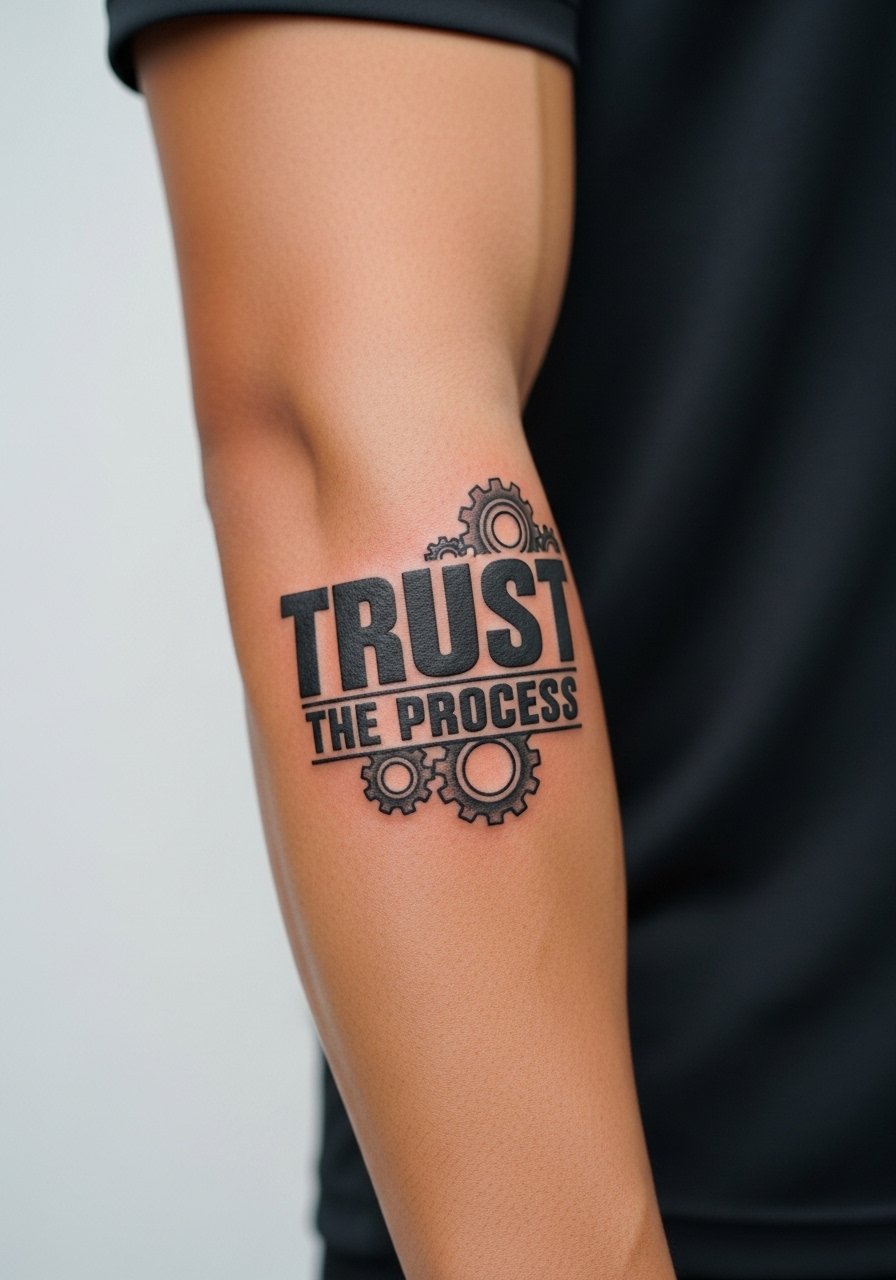
This raw, graphic take lets the lettering be the visual focus and tends to age predictably because the lines are bold. People often ask for text with heavy distortion and then regret that the letters become unreadable when blur occurs. To avoid that, keep the text bold and the gear elements spaced out so the ink has room. Sessions are short and typically feel like a 3 to 5 on the pain scale. Ask the artist for a mock stencil you can wear as a temporary wrap to test visibility before inking.
8. Black and Grey Dotwork Journey Mandala on the Shoulder Blade

Dotwork shows depth through texture rather than heavy lines, and on the shoulder blade it stays private yet visible in warm weather. The usual mistake is packing dots too densely for a small area, which leads to muddiness after two years. Ask your artist for a spacing plan and to test a healed mock on similar skin tone. Shoulder blade sessions often run two sessions for medium pieces, and touch-ups may be needed at year three in dense areas. For outfits, a strappy tank frames the mandala without competing.
9. Ornamental Geometric Path on the Calf
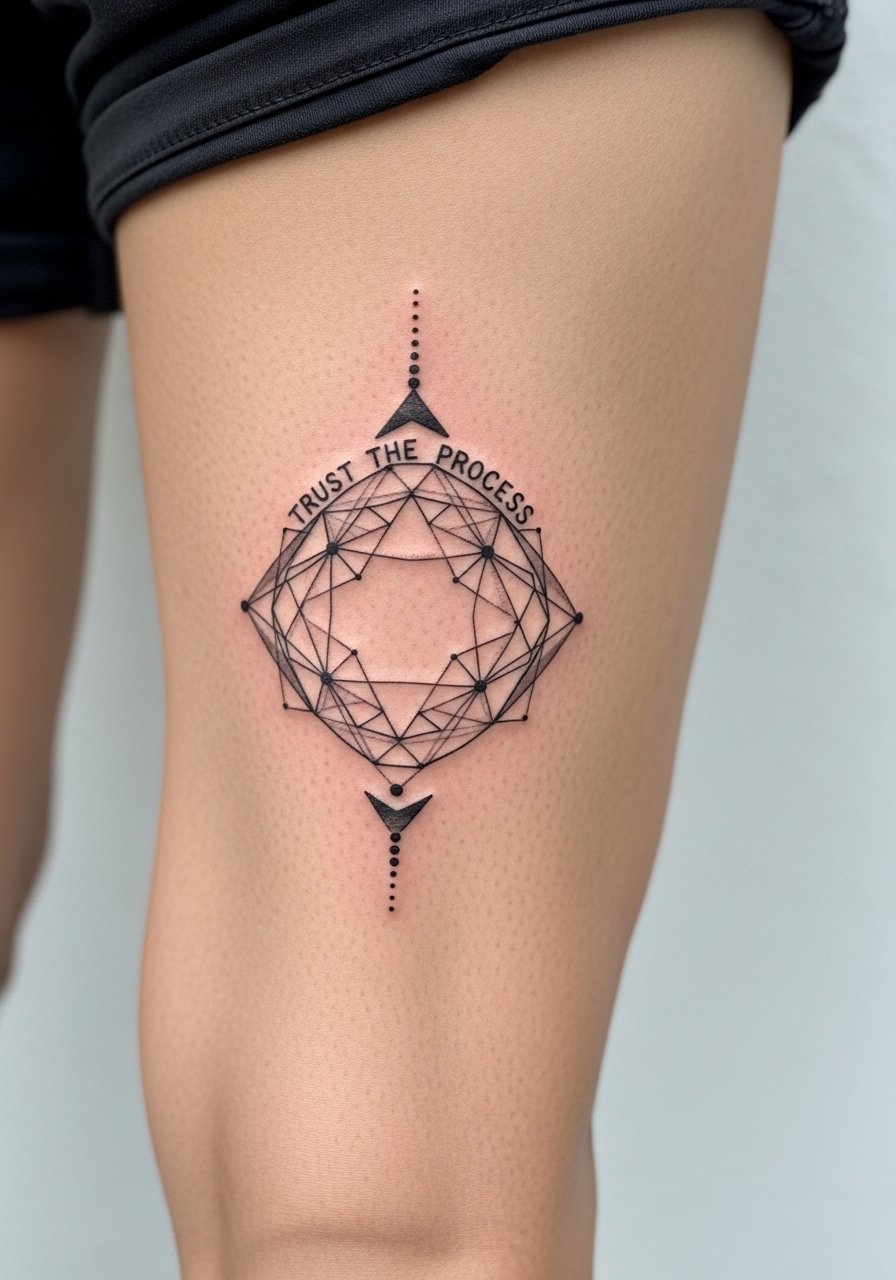
The calf gives room for pattern breathing, which is the design's secret to aging well. Common mistakes include compressing motifs too closely so that weight gain distorts symmetry. Tell your artist to plan for a slightly larger scale and to map the curvature of muscle movement. Calf sessions are moderate in pain and allow an easy two hour block. High-waisted shorts or asymmetrical skirts show off the work when you want it visible on warmer days.
10. Newschool Electric Blue Ribbon on the Inner Bicep
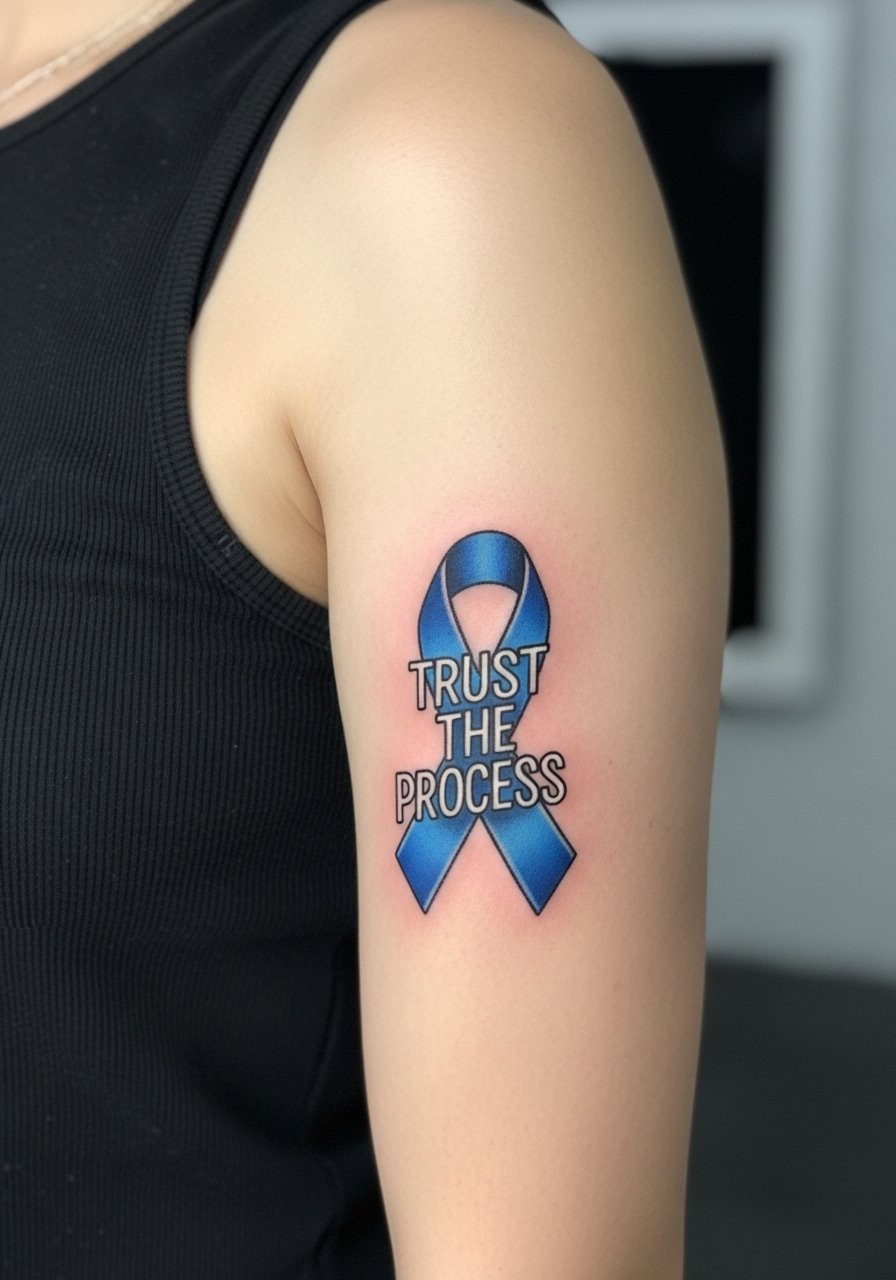
This playful option uses bright color and contrast to keep the script legible on darker tones. White on color can be tricky, so ask the artist about healed white longevity and whether a tiny outline will protect the shape. Inner bicep sessions are private and often a 4 to 6 on the pain scale. Because color shifts with time, plan for a color refresh at year two if you want the electric pop to last. For the session wear a loose tank top so the artist can lift the arm cleanly.
11. Micro Realism Compass on the Collarbone Curve

A tiny compass grounds the phrase in direction rather than sentiment. The collarbone curve makes composition tricky because the skin can flatten or move depending on posture. Bring reference images that show the exact scale you want and ask the artist to draw the compass slightly larger than you expect to avoid loss of detail. Pain here runs a 6 out of 10 and sessions are quick. For showing the piece without overexposure try a thin chain pendant necklace that sits above the compass and complements its scale.
12. Pairing Birthstone Watercolor on the Spine
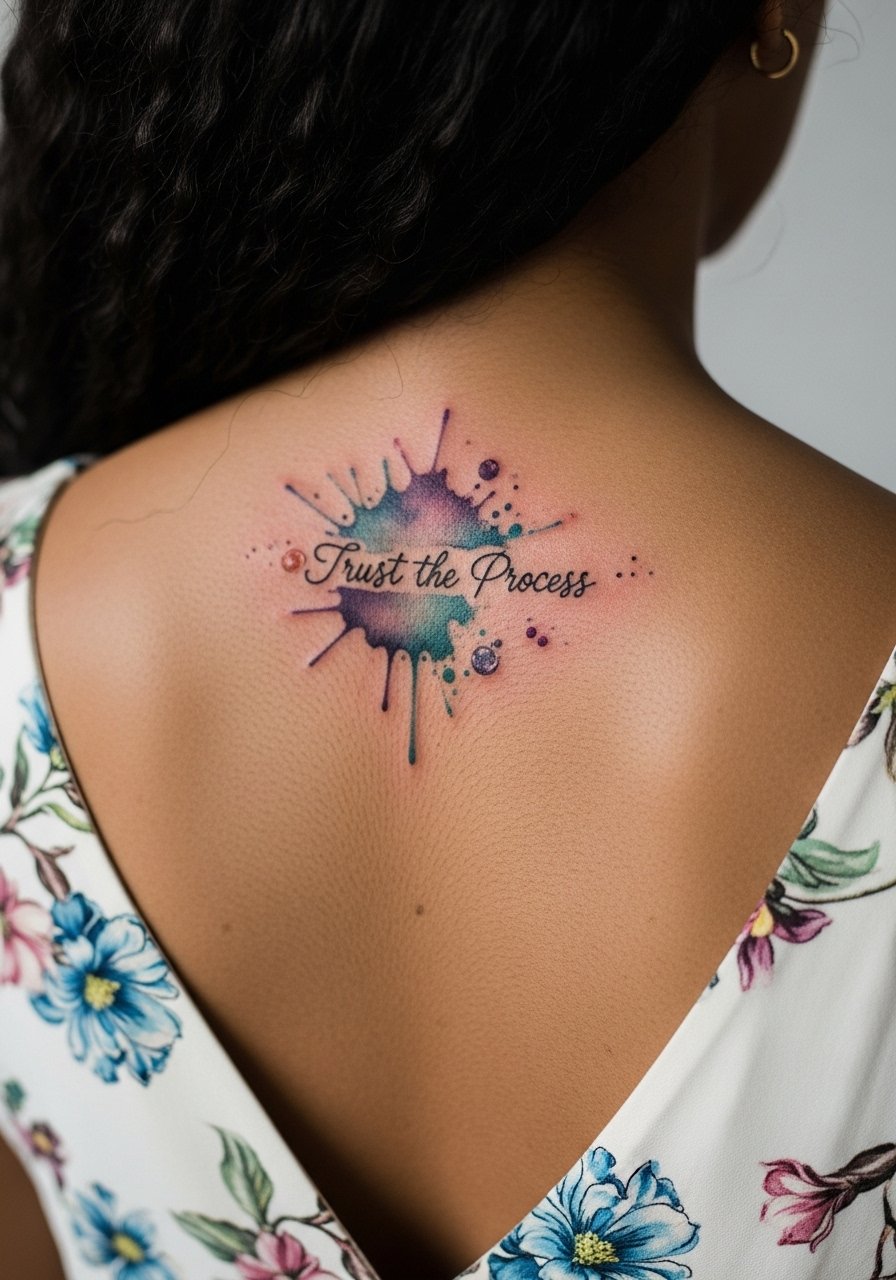
This under-covered idea personalizes the phrase by tying color to birth months. The spine is a sensitive zone with movement, and watercolor there can soften quickly under sun and friction from clothing. Artists split on whether to occlude watercolor heals or leave them airy. Tell your artist you want concentrated pigment near the letters and lighter washes toward the edges to control future fading. Spine sessions often need two shorter sittings and can require touch-ups at two to three years to keep the colors distinct.
13. Blackwork River Mandala for the Thigh

Thigh pieces can be private motivators and they tend to age well because they avoid constant sun and abrasion. The risk is when large solid black fields are placed too close to thinner lines, which can cause apparent merging after a few years. Ask for a test patch of density or a scaled mock so you can see contrast at size, and confirm how stretch could affect the design with body changes. Sessions for medium-large thighs are two to three sittings and allow tighter stipple shading that holds up.
14. Tiny Script Along the Side Rib

Rib tattoos are notorious for pain and for skin movement that can blur delicate lines. Artists split on fine line on ribs. One camp says the stretch blurs lines within two years. The other camp says with precise depth and spacing, fine line settles fine. Ask where your artist stands before booking. If you still prefer ribs, request slightly bolder line weight and plan for a touch-up at year two. Session pain is commonly an 8 out of 10, so brace for a short but intense experience.
15. Ornamental Thigh Path with Geometric Overlays
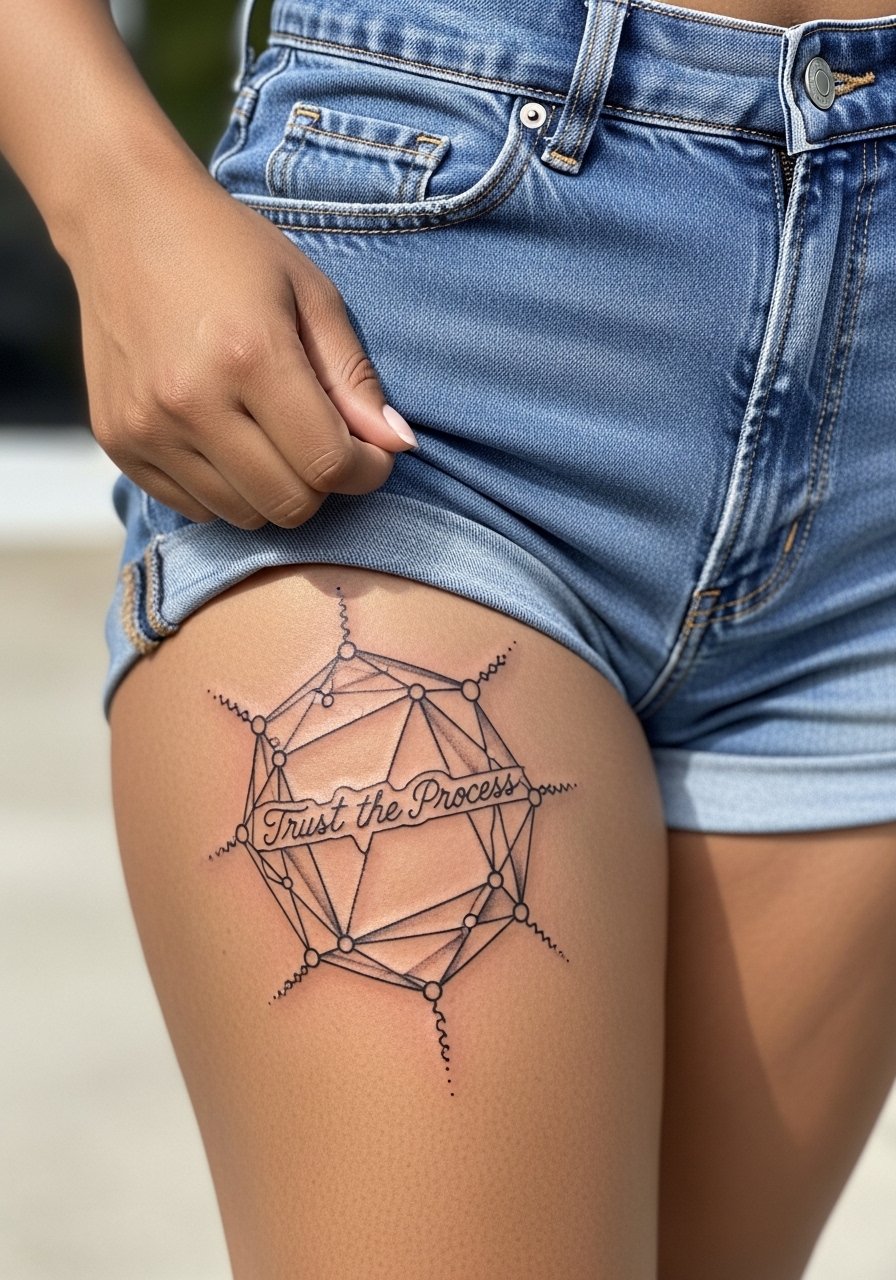
This private placement keeps a motivational phrase out of daily view while allowing a larger, breathing composition. The common mistake is ignoring stretch lines when the design crosses areas that expand with movement. Discuss anticipated body changes with your artist and ask for larger spacing between geometric lines. Thigh sessions are comfortable for long sittings and the area rarely needs frequent touch-ups. Pair the piece with high-waisted shorts when you want to reveal the design without showing too much skin.
16. Dotwork Path Across the Shoulder

Shoulder work sits nicely between visibility and privacy and dotwork there can hold texture for years. The main mistake is placing too many dot gradients in a small corridor, which flattens with time. Ask your artist to space stippling so the darker zones have breathing room. Sessions are medium in time and feel like a 3 to 5 on most pain scales. For session day wear a loose button-down shirt so the artist has easy access without tugging at fabric.
17. Micro-Text Along the Calf Behind the Knee

Behind-knee placements are discreet and move a lot, which can soften ultra-fine script. The mistake is trusting a single ultra-thin pass for a curved, high-motion area. Ask for slightly heavier line weight and for the artist to place the script on the less creased section to minimize blurring. Sessions are short but can be oddly sensitive, often a 5 to 6 in pain. Expect to check the piece at year two to see if a tiny touch-up will preserve legibility.
Frequently Asked Questions
Q: Will a fine line "Trust the Process" on my wrist blur faster than a bold neo-trad banner on my forearm?
A: In my experience fine line on high-friction spots like wrists and fingers softens faster than bold blackwork on the forearm. If you want long term legibility choose heavier line weight or a banner style and plan for a touch-up at 12 to 18 months for wrist script.
Q: Do watercolor-style "Trust the Process" tattoos need different aftercare than black and grey pieces?
A: They can. Watercolor relies on surface saturation more than heavy outlines, so artists and healers disagree about occlusive wraps. I have seen some shops prefer a breathable wrap for 24 hours, while other artists recommend gentle air exposure to avoid trapped moisture. Follow the artist's aftercare instructions and expect color refreshes at year two if you want the vibrancy kept.
Q: I have darker skin. Which of these styles usually shows up better in photos and healed results?
A: From time spent in forums and chats, bold blackwork and strong color pops tend to photograph and heal more visibly on darker tones than ultra-fine hairline scripts. Ask to see healed examples on similar skin tones before booking and consider a slightly stronger line weight for scripts.
Q: How should I dress for a collarbone or upper chest session so the artist has access but I do not feel exposed?
A: Wear an off shoulder linen blouse or a wide-neck shirt you can pull aside. That gives the artist clear access to the area while keeping you covered everywhere else. Loose layers also make it easy to change if the appointment runs longer.
Q: Are touch-ups inevitable for "Trust the Process" pieces, and how often should I plan for them?
A: Expect touch-ups depending on style and placement. Fine line scripts often need a tidy at 12 to 24 months. Bold blackwork and large mandalas can go longer before a refresh. Plan a check-in at the one year mark and budget for touch-ups every 2 to 5 years based on how your skin and lifestyle treat the ink.