
Fine line and bold color trends keep clashing in the same saved boards, and that tension shows up in father-son pieces more than you might think. Neo traditional work gives you the saturated color and thick contour that ages into a readable family heirloom, while delicate script and micro-detail can become mush if placed poorly. These ideas lean on composition and placement so the linework and saturation grow into something you still want to look at ten years from now.
1. Anchor and Compass on Outer Forearm
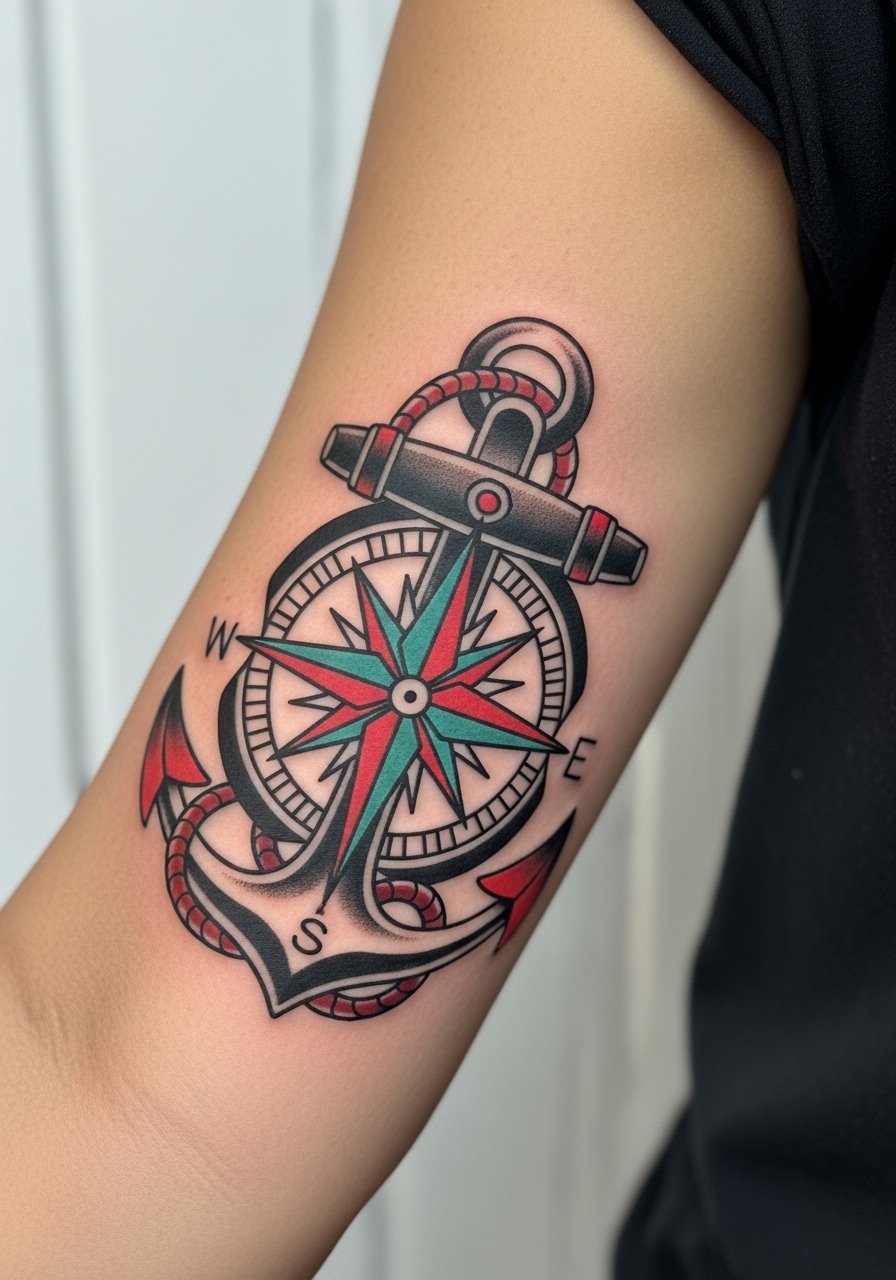
I recommend this piece for dads who want a visible badge that ages predictably. The outer forearm tolerates heavier saturation, so ask for bold contour and moderate negative space so the compass face keeps its clarity. Common mistake is packing too many tiny details into the compass; request simplified numerals and slightly larger ticks so they do not blur by year three. Pain is low for most people and a typical session runs one to two hours. For showing it off, roll up a sleeve and pair with a short-sleeve linen shirt so the tattoo reads against a clean neutral fabric. Expect a touch-up window at two to four years for saturation top-ups.
2. Father-Son Portrait Plaque on Upper Arm
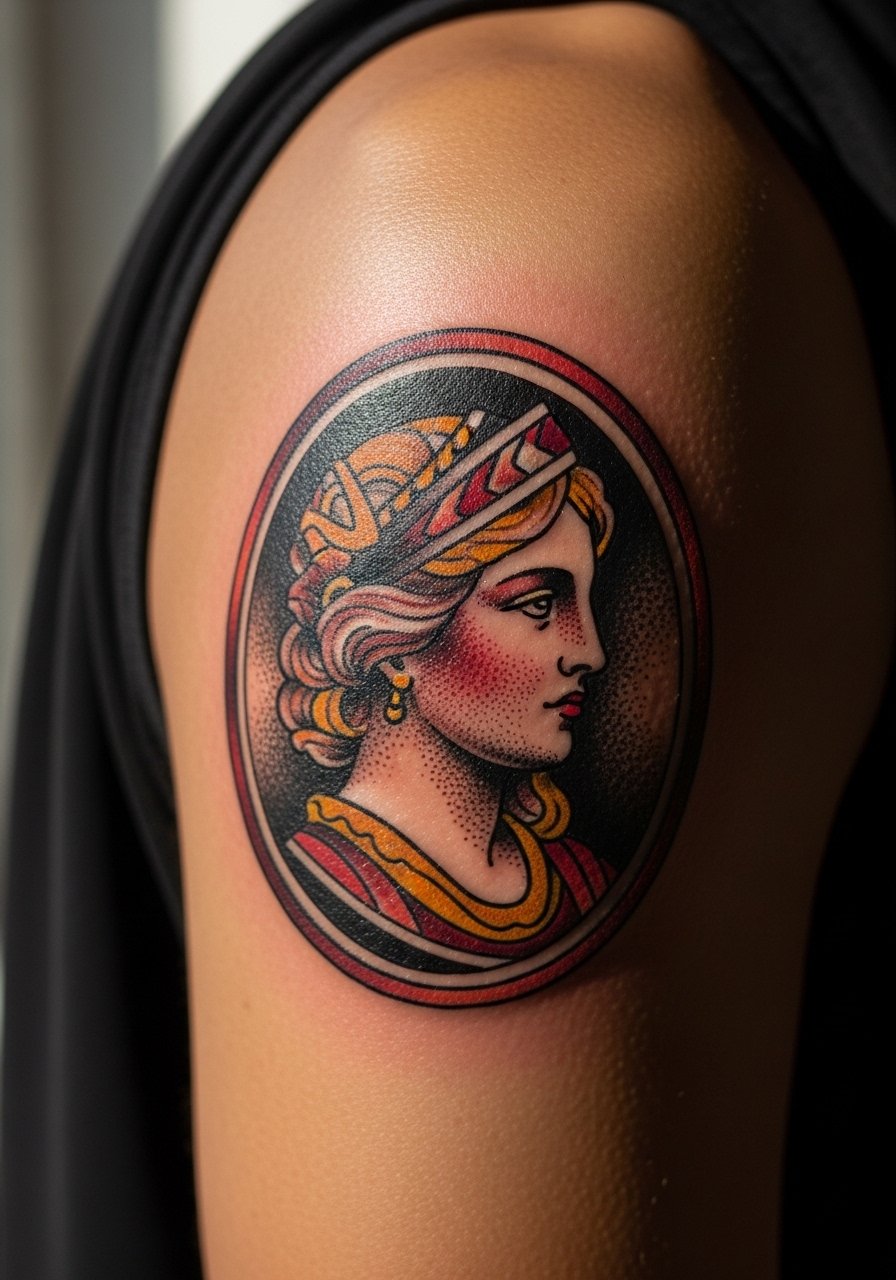
This placement handles heavier pigment and painterly shading well. Tell your artist to design the faces inside a simple oval plaque with negative space between frame and hair, which keeps the portraits readable as saturation settles. Mistakes I see are overly small facial details that read like smudges after a few years. The session feels like steady needlework with breaks for reference checks, usually two to three hours. Upper arm bounces between 3 and 5 on most pain scales. For casual wear, a crew-neck tee with the sleeve rolled slightly gives the plaque room to breathe.
3. Nautical Compass Over the Chest, Near Collarbone
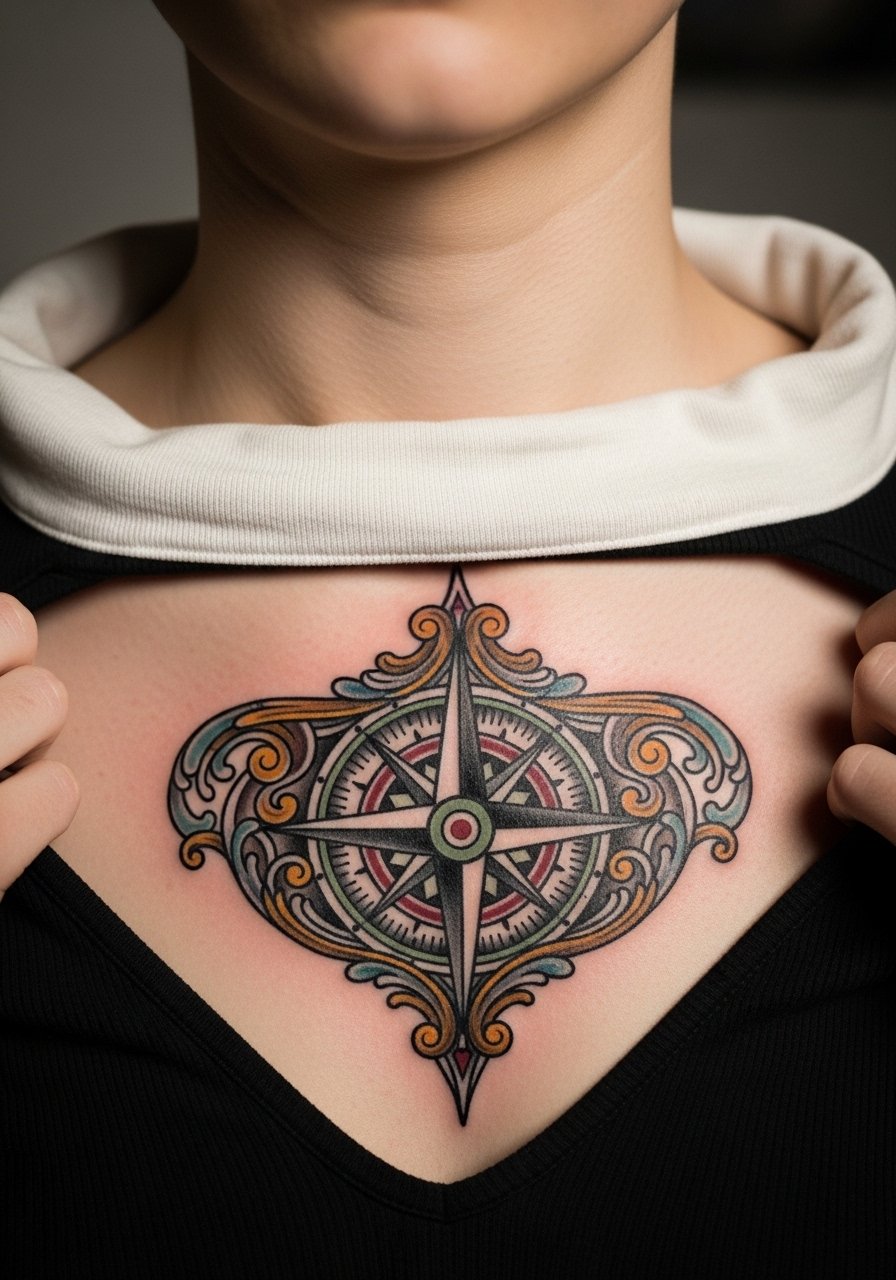
Chest placement gives presence without requiring full exposure. Ask for a slightly wider baseline on the compass needle and a strong collarbone framing so the piece does not sink visually when photographed at an angle. A common aging issue is letting dense stipple sit too close to the collarbone, which merges into a gray patch over time. If you want to show it off, pair the tattoo with an open-neck linen shirt for evenings or a wide-neck sweater for cooler months. Session time is often one to two hours and pain varies by how much bone is exposed near the collar.
4. Playing Card Motif on Inner Forearm
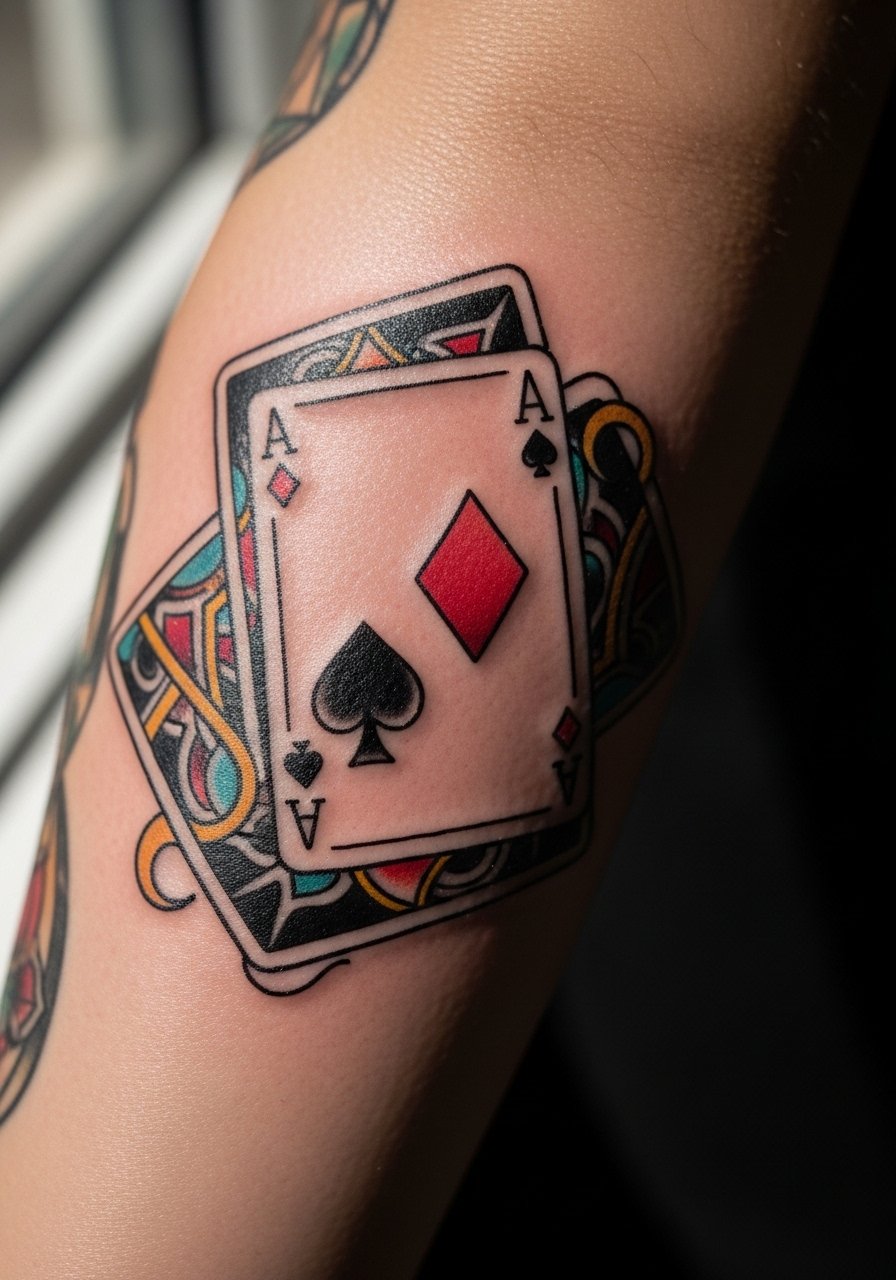
The inner forearm is a great middle ground for narrative pieces that wrap into a sleeve later. For a father-son riff, pair a king card and a smaller jack element to suggest lineage. Tell your artist to keep the face elements larger and the hair blocks simplified so the design does not dissolve at two years. The inner forearm can be slightly more sensitive than the outer side, but sessions are usually under two hours. For session comfort, wear a loose button-down shirt you can pull aside and roll the sleeves. Expect light touch-ups at three to five years depending on sun exposure.
5. Ship and Wave Half-Sleeve Patch on Outer Bicep
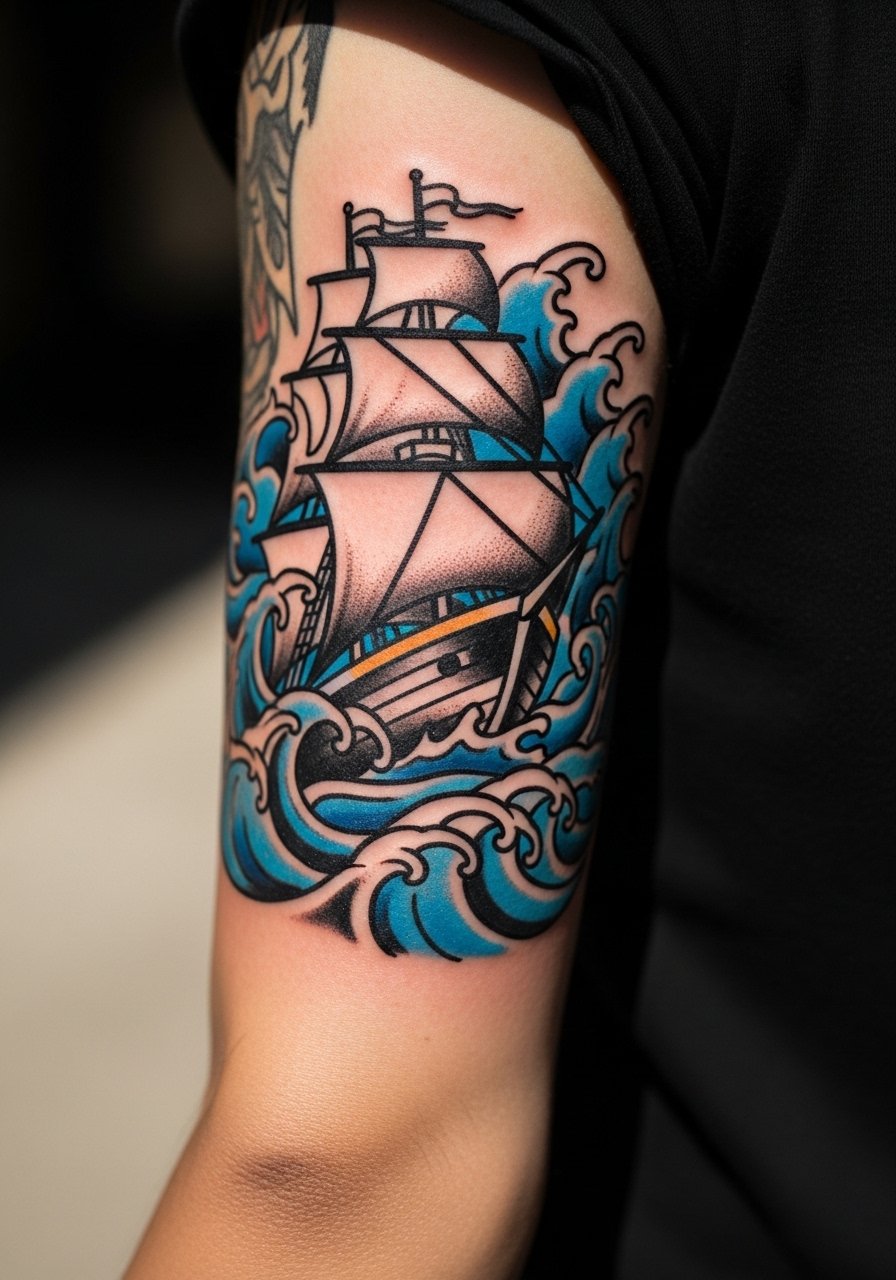
This is best when treated as a single compact panel rather than a scatter of small tattoos. Ask for strong black outlines and layered color fields so the waves keep motion as they age. A mistake I see is using too many overlapping tiny highlights, which creates muddiness over time. Sessions for a patch like this run two to four hours depending on detail. The bicep is forgiving on blowout risk compared to ribs or hands, and most people find the pain moderate. Pair with a sleeveless muscle tee when you want to show motion in the piece.
6. Traditional Rose and Banner on the Wrist
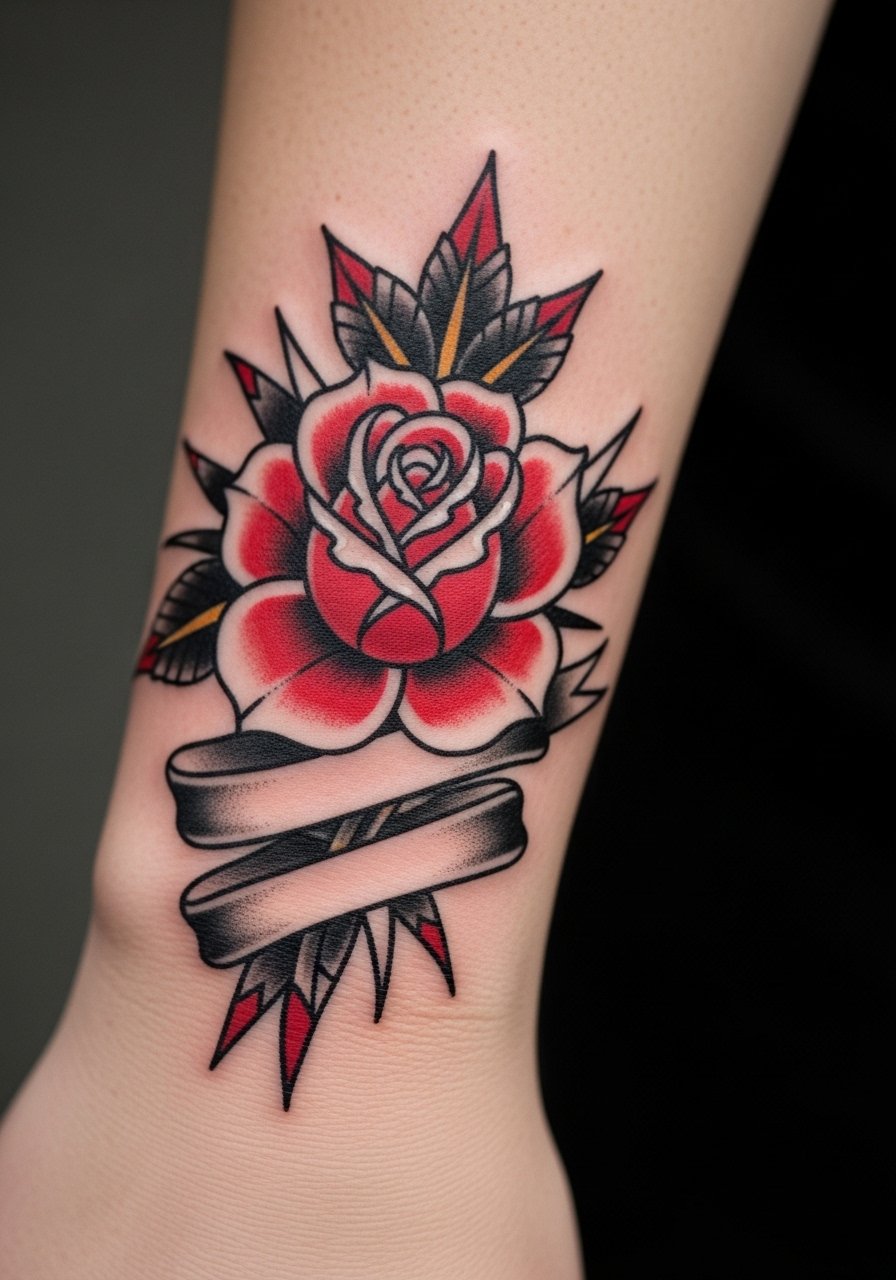
Wrist tattoos are intimate and constantly exposed to friction, which affects line retention. Keep the banner text large enough to remain legible and ask for slightly heavier outline than you might normally choose, because thin lines on the wrist tend to soften. Common mistake is tiny script and crowded petals. A typical session is under an hour but the healing period is fussy because of washing and movement. For showing it off, a minimalist leather strap watch complements the banner without overcrowding the wrist. Expect a touch-up at two to three years.
Studio Day Picks
Those first six designs include wrists, forearms, and a chest piece, so a few practical items can smooth the session and the first week of healing.
- Stencil transfer paper kit. Lets you preview placement on skin during consultation, which is handy for the wrist and forearm pieces above.
- Topical numbing cream. Applied per directions about 45 minutes before can ease edge pain on the wrist without altering color uptake.
- Thin protective film roll. Useful for finger or wrist work that faces constant washing and contact in the first week.
- Fragrance-free gentle body wash. Cleans the area without stripping pigments after the initial scab phase.
- Aquaphor healing ointment. Thin layers in the first few days keep moisture levels even for fine line and saturated pieces.
7. Nautical Ship on the Back of the Shoulder
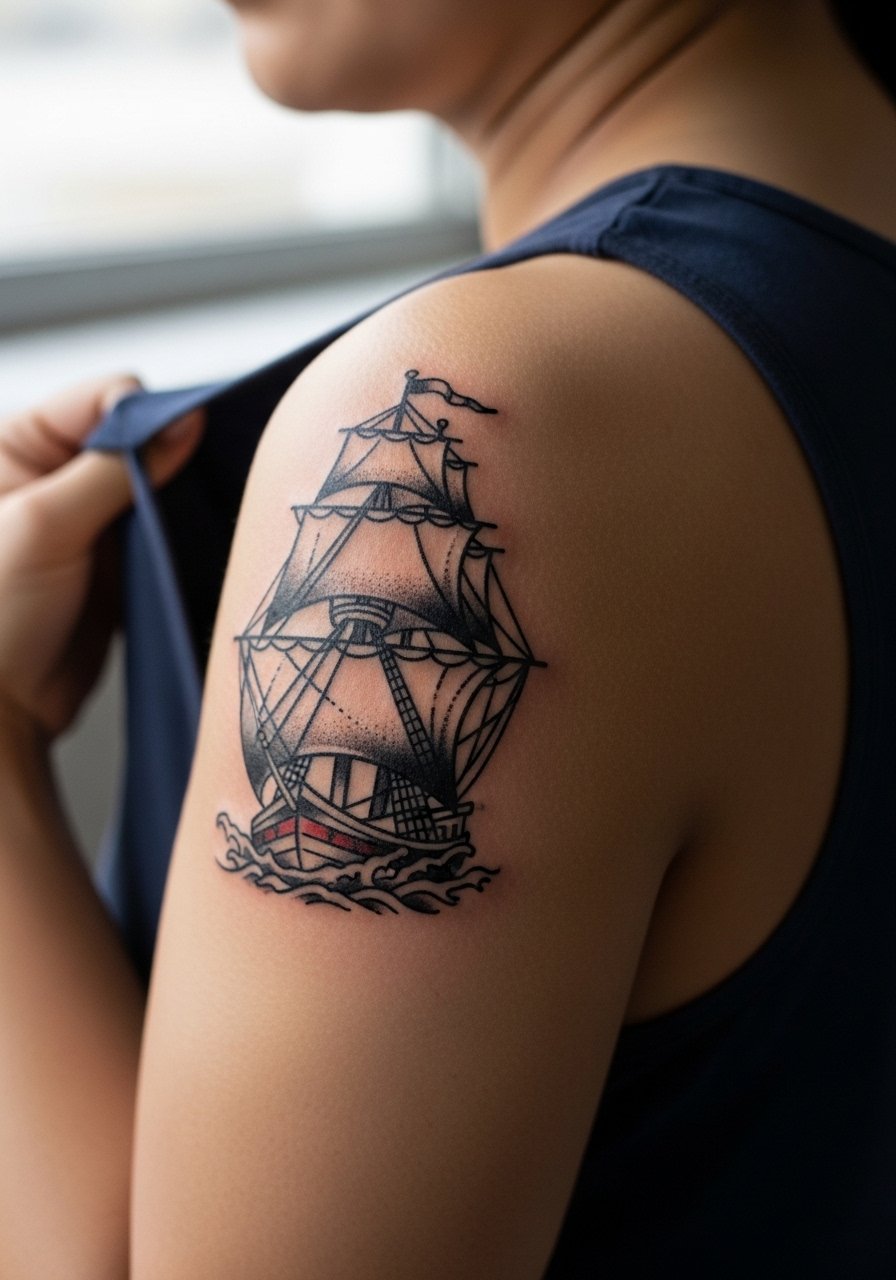
The back of the shoulder takes heavier saturation and looks great under casual summer clothing. Ask for the mast and sails to read as broad shapes rather than a tangle of tiny ropes, which prevents early muddiness. A common mistake is compressing too many small lines at the stern, which turns into a gray patch by year four. Sessions sit around one to two hours. For the session, wear a loose tank top so the artist has clear access and you stay comfortable. This area is lower risk for blowout than hands or ribs.
8. Father-Son Knot on Inner Wrist
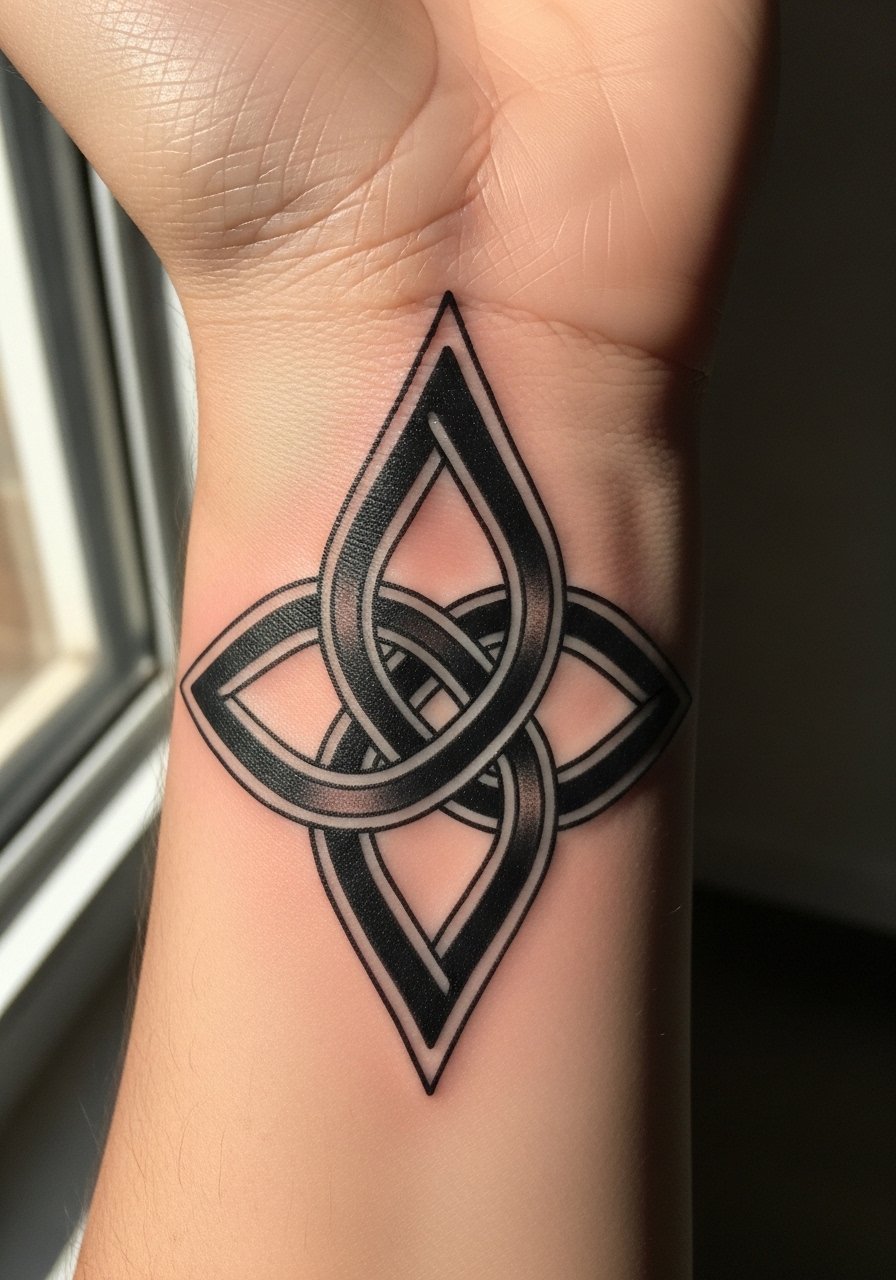
Small knotwork reads as a symbolic tie and stays personal when kept simple. The inner wrist gets more abrasion than the outer one, so request slightly thicker linework and modest negative space inside the knot. People often ask for tiny micro-detail inside the knot that blurs quickly. Session time is short but the first week requires care because of soap and water exposure. Style it with a thin chain bracelet that sits beside the knot without covering it. Expect touch-ups sooner than with larger saturated pieces.
9. Retro Clock and Floral on Ribcage
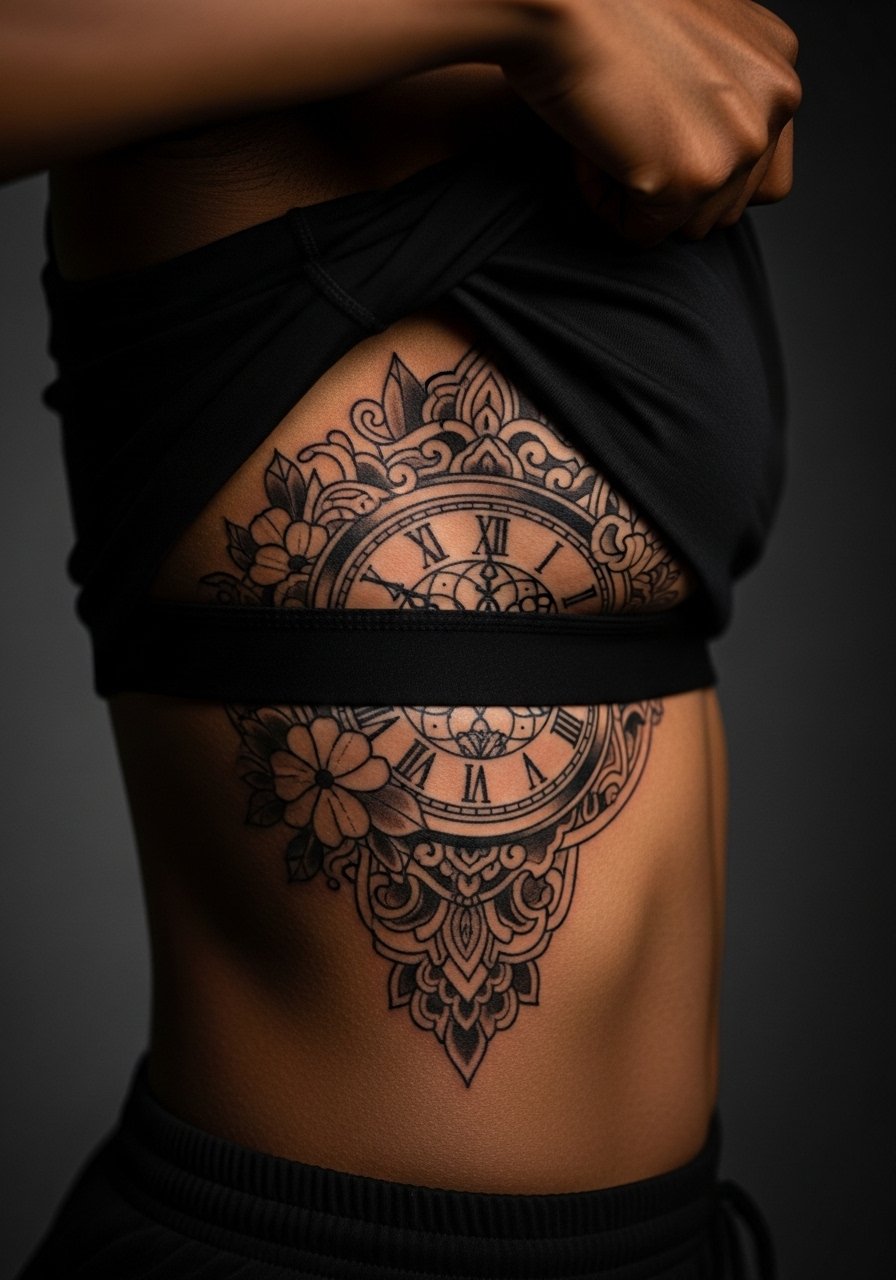
Fine line on the ribcage splits artists into two camps. One group argues the skin stretch blurs lines within two years. The other group says with proper spacing and needle depth, fine line settles fine on ribs. Before booking, ask your artist which camp they fall into and why. This placement hurts more than arm pieces and sessions can be broken into multiple bookings. A common error is asking for micro script across multiple ribs; the letters can merge. Because ribs are intimate, skip show-off clothing notes here and focus on session wear, like a zip-up hoodie you can lift with minimal fuss. Plan on touch-ups at year three if you choose finer linework.
10. Stag Head on the Calf
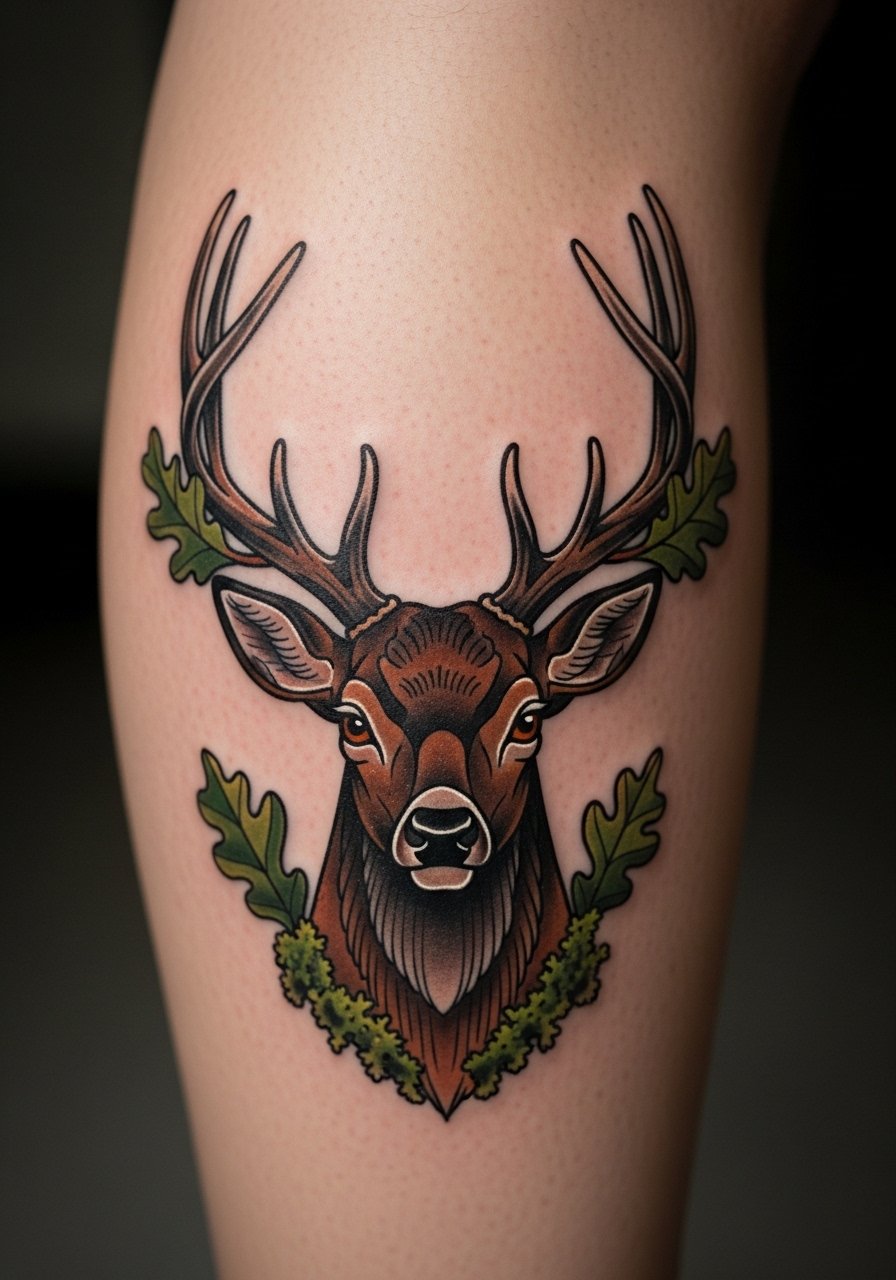
Calf pieces hold saturation well and translate into movement when you walk. Ask for clear separation between antlers and background foliage, which keeps the silhouette readable across time. Mistake I see is cramming texture into the antlers that flattens after healing. Sessions usually last one to two hours and pain varies by muscle and bone proximity. For showing it off, wear mid-calf boots and rolled jeans to frame the calf art without hiding it. Expect solid longevity with minimal touch-ups.
11. Nautical Star Chain Along the Collarbone
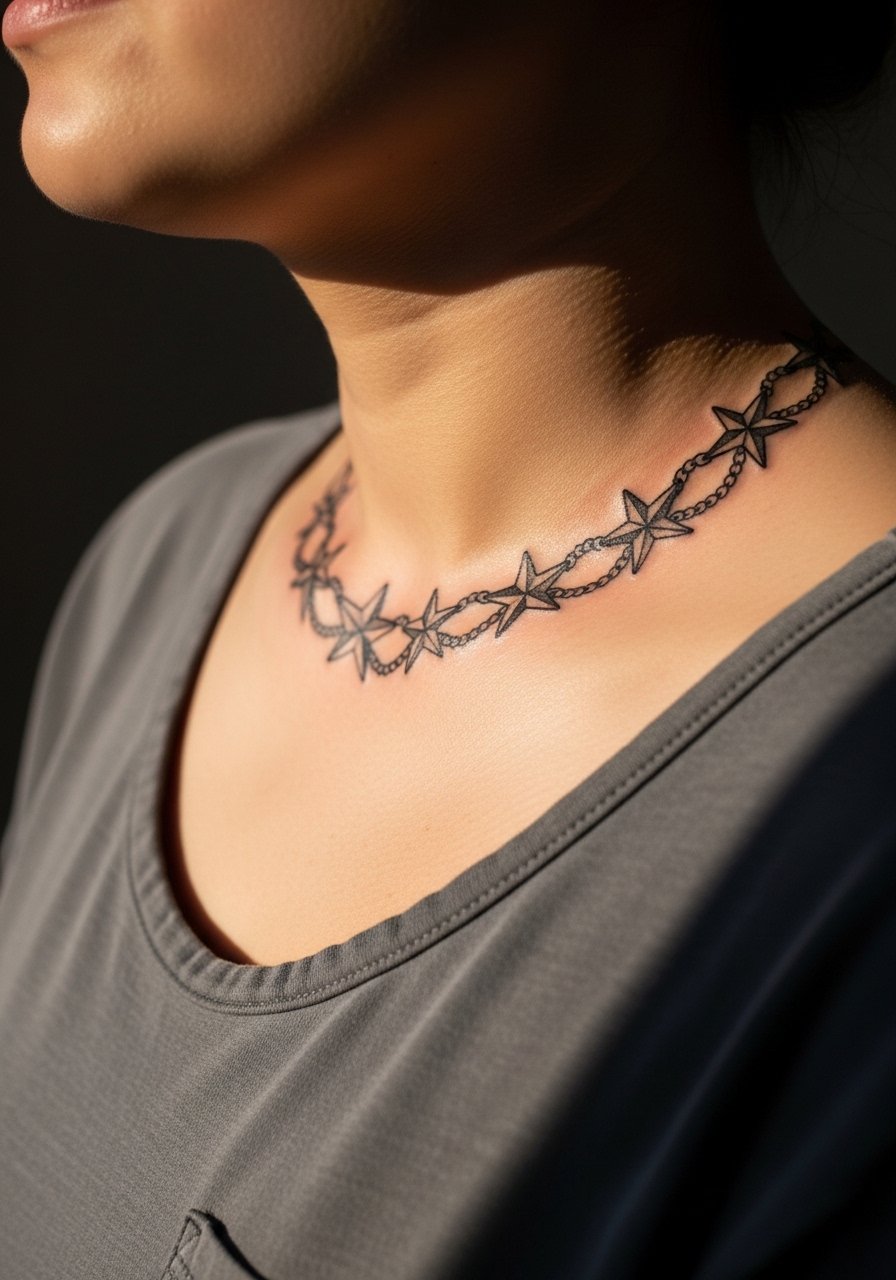
A chain of stars along the collarbone reads as a subtle bridge between chest and arm work. Keep spacing between stars a bit wider than you think so the negative skin highlights act as breathers. Common mistake is compressing the stars tightly, which reads as a strip of gray later. Sessions are short but the area is bony and can be stingy. Pair with a thin chain pendant necklace that sits above the script without competing visually. Touch-ups depend on sun exposure and movement from shirts.
12. Scripted Date Inside a Banner on the Forearm
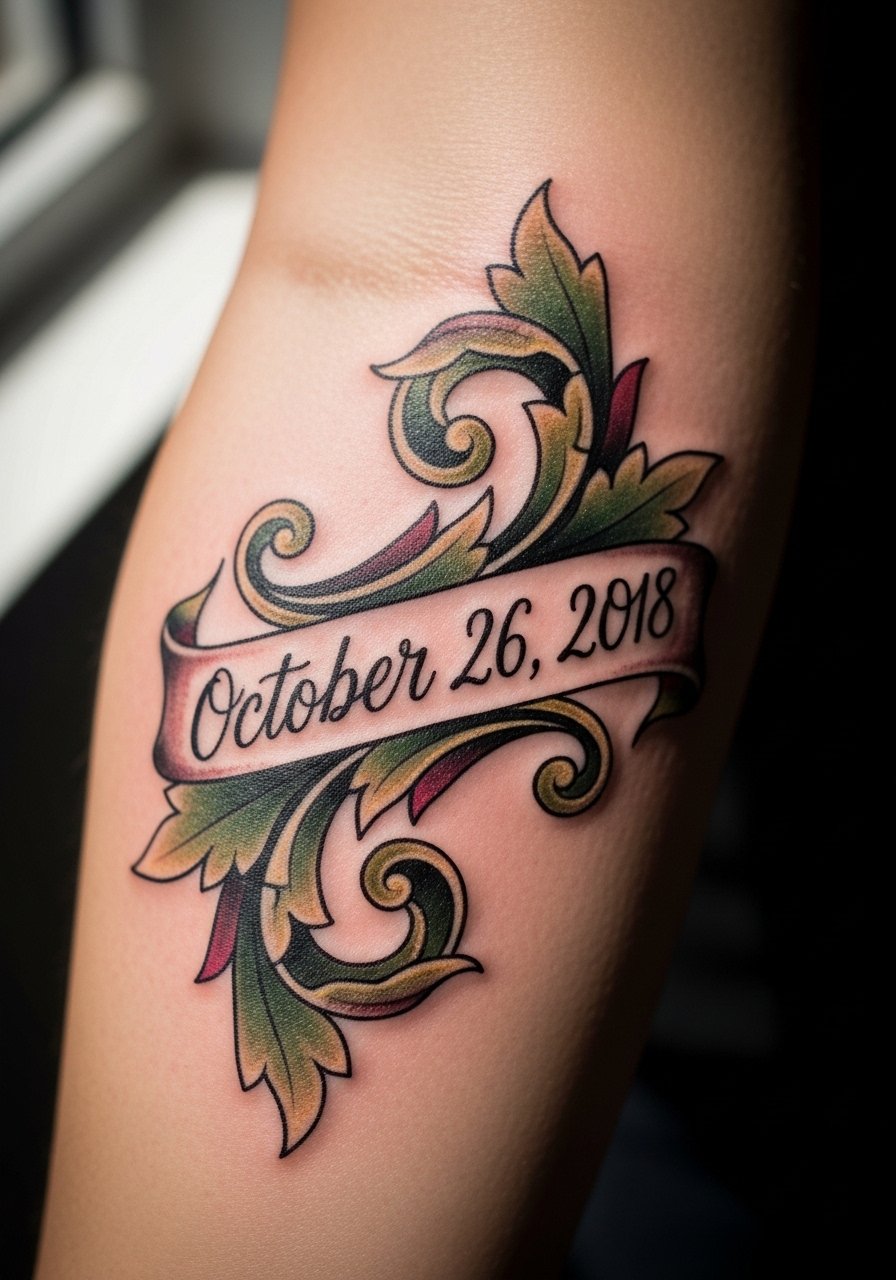
Text needs breathing room to remain legible as linework settles. If you plan a date or name, choose a slightly bolder script and ask the artist to space the letters evenly. Tiny, ornate scripts are a common regret because they thicken and close up. This session is usually quick and low on pain. For showing it off, a rolled sleeve button-down frames the banner without crowding the forearm visually. Expect a touch-up window around year three for crisp letter edges.
13. Old-School Panther on the Thigh
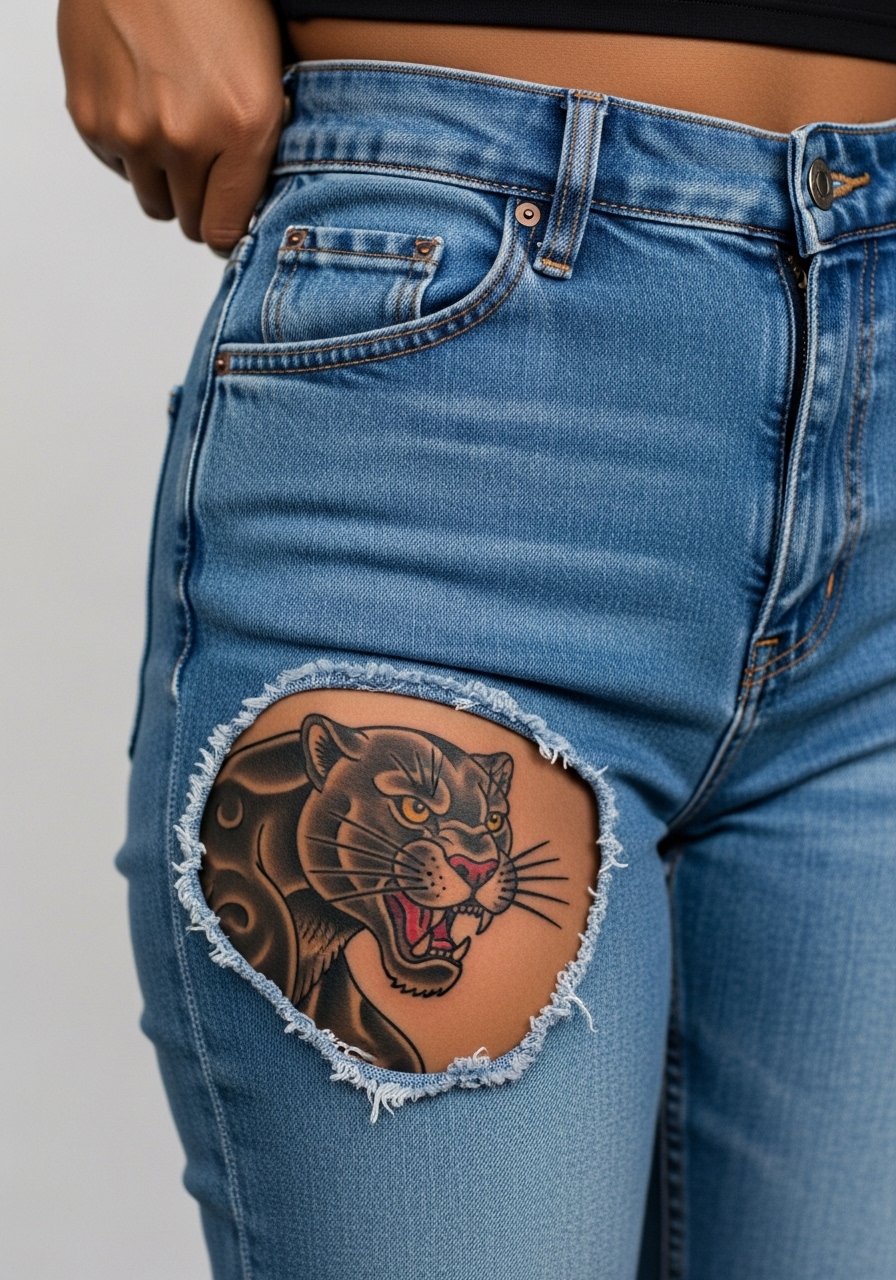
Thigh work gives you room to play with scale and saturation. Ask for bold silhouettes and avoid packing in too much micro patterning on the fur, which blends into gray with time. A common session feeling is relief because the thigh is one of the more comfortable zones, and sessions can run longer for larger panels. For the appointment, wear high-waisted shorts that you can shift slightly without fuss. Longevity is good for saturated neo traditional pieces on the thigh.
14. Father-Son Nautical Anchor on the Ankle
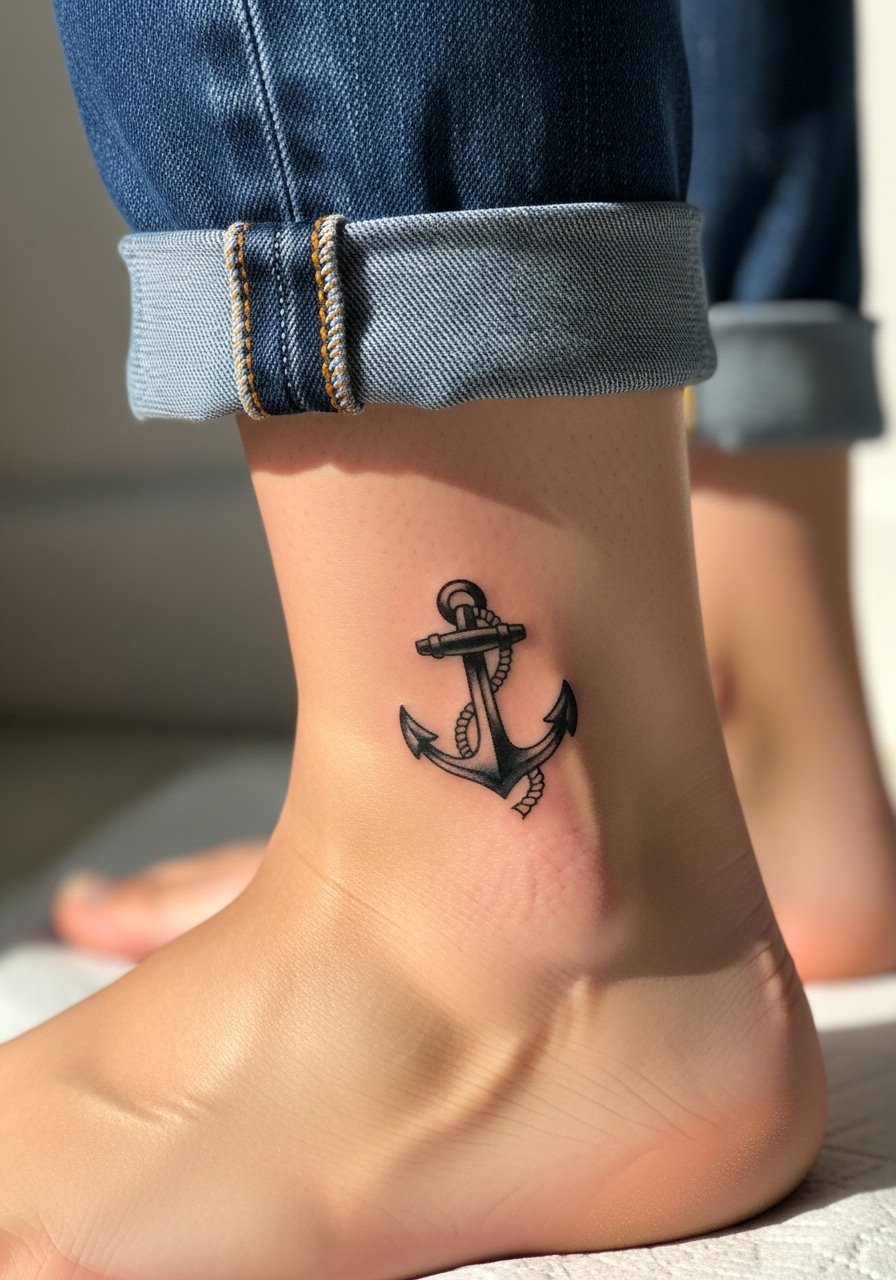
Ankle tattoos face heavy friction from socks and shoes, so ask for a compact design with stronger outlines and a modest fill. Many clients request tiny elements that become patchy after healing. Sessions are short but the first week requires careful footwear choices. Style it with low-profile footwear like canvas sneakers that avoid rubbing directly over the fresh ink. Expect touch-ups earlier than for larger body panels.
15. Nautical Lighthouse Spine Accent
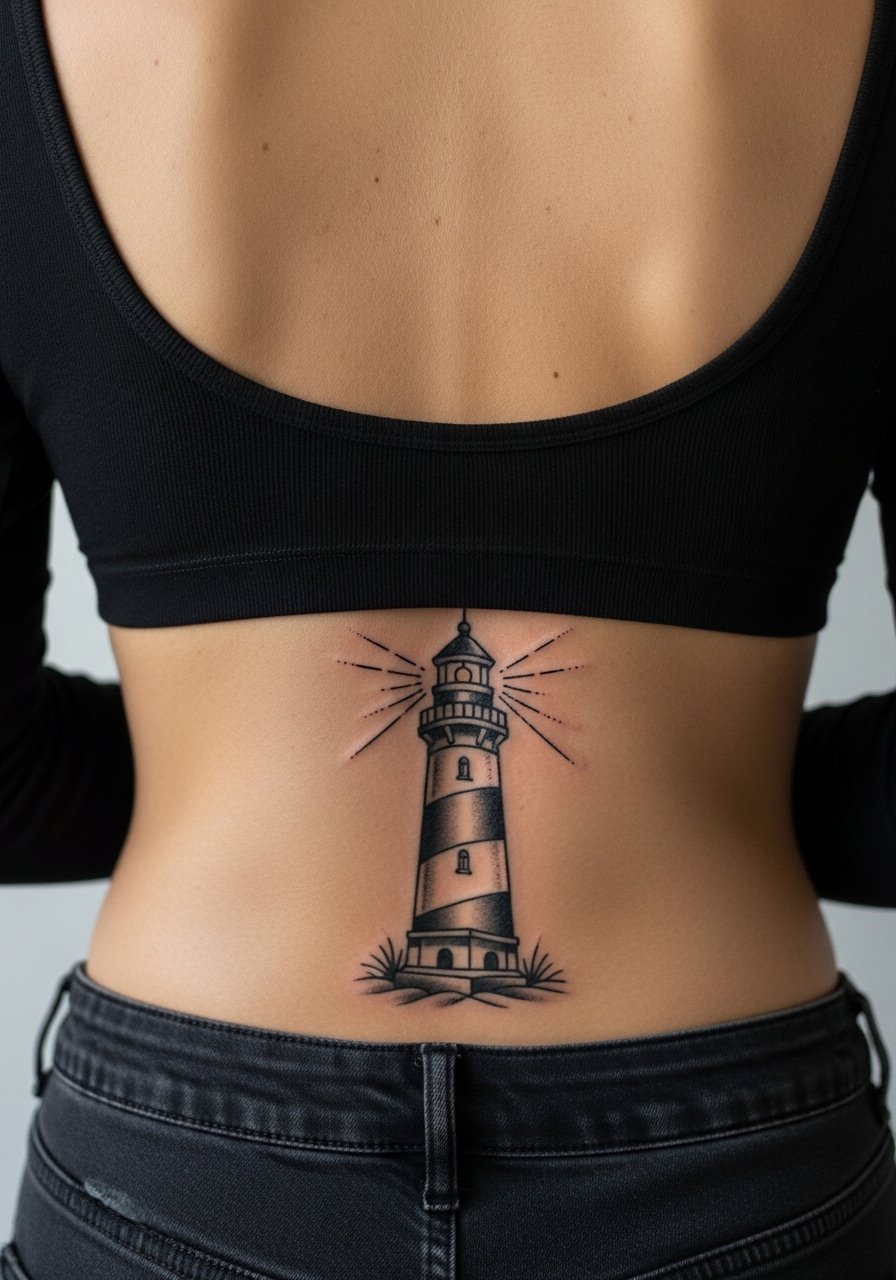
Spine accents have presence when kept vertical and simple. For a father-son variant, pair a small beam element that aligns with the vertebrae so the composition reads from a distance. Overloading with tiny cross hatching is the usual mistake and that detail collapses into a gray stripe. Sessions can be uncomfortable depending on proximity to bone. Because of the placement's visibility with open-back clothing, plan session wear like a low-back top you can slip on after the bandage change. Touch-ups may be needed at three to five years.
16. Nautical Compass on the Thumb Side of the Hand
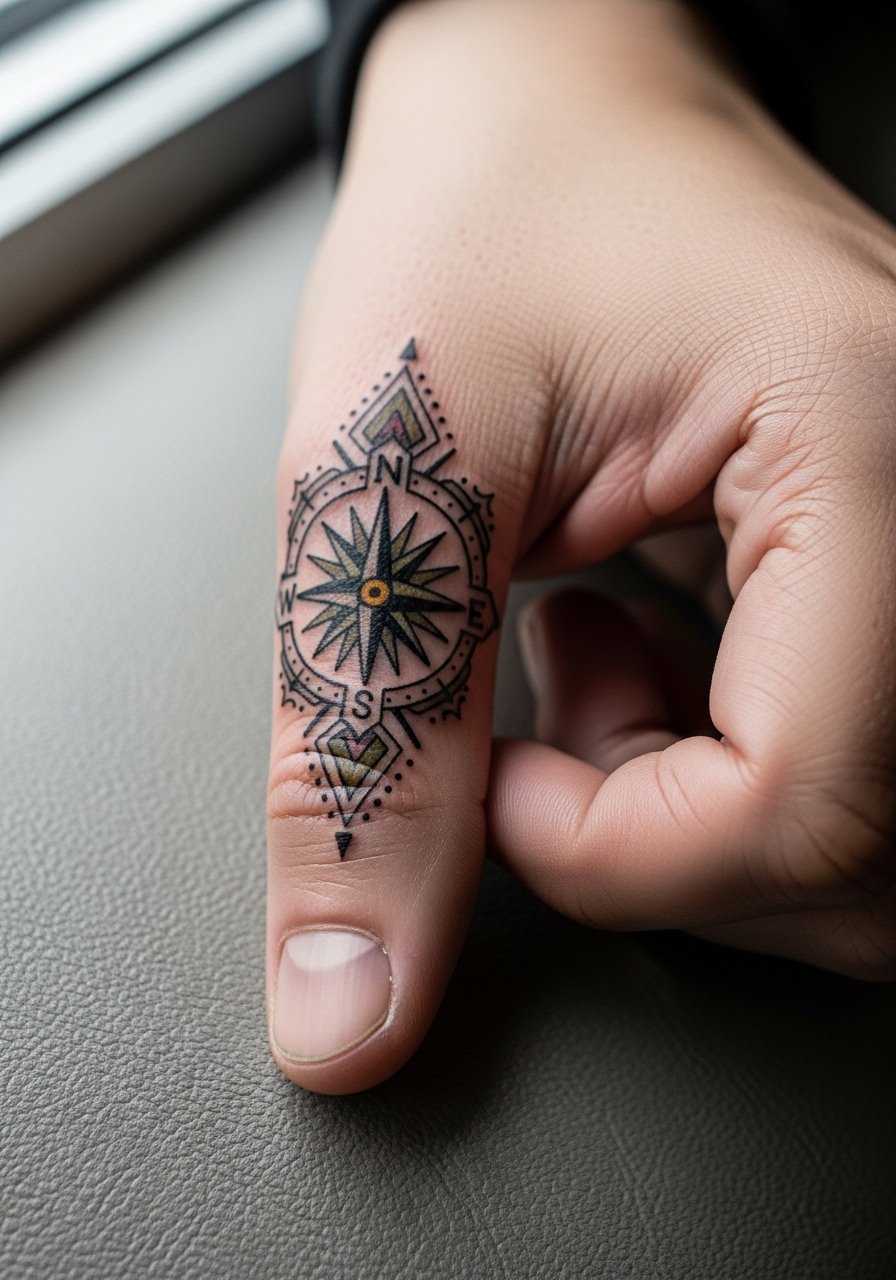
Hand tattoos are controversial in some circles because of visibility and potential career impact. Practically, hand skin is thin and rubbed constantly, so ask for simpler shapes and accept that saturation will fade faster. Artists split on this issue too. One camp says with frequent touch-ups and solid edges, hands can stay readable. The other camp warns the constant washing and sun exposure make maintenance an ongoing commitment. If you go forward, expect yearly touch-ups and consider placement on the thumb side rather than the finger tip to slow fading. For showing it off subtly, pair with a minimalist ring that complements the compass without covering it.
17. Nautical Mother-Map on the Upper Back
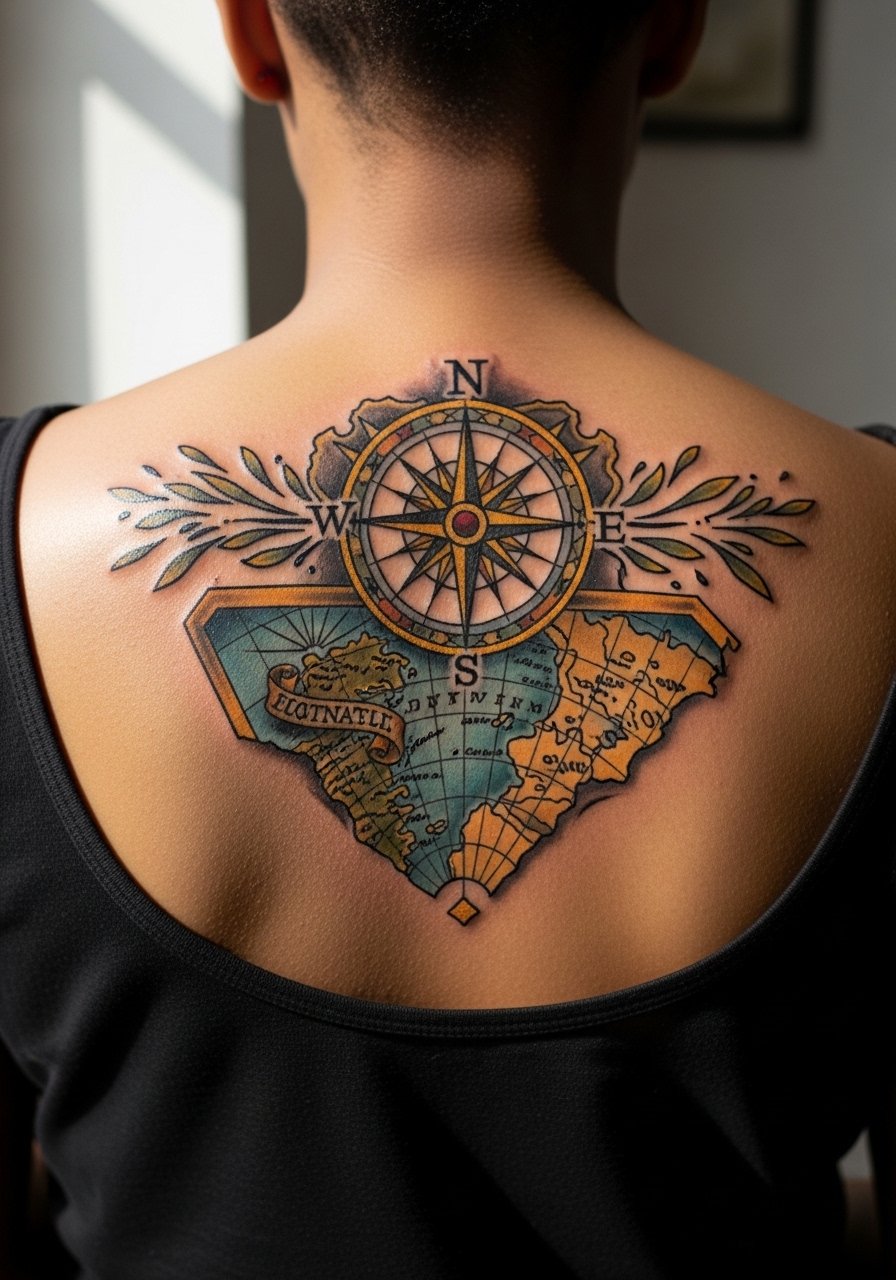
Upper back pieces sit well under shirts and age gracefully when designed with clear shapes and moderate saturation. For a father-son or parent-child map motif, keep coastlines bold and inland patterning minimal. A frequent mistake is over-detailing old map scripts and tiny cartouches that blend into texture. Sessions are comfortable for most and can be split if needed. For the appointment wear a button-down shirt you can pull aside or a tank that is easy to remove. This area is forgiving for long-term retention with occasional saturation refreshes.
Frequently Asked Questions
Q: Will fine line neo traditional details on the ribs survive longer if I choose heavier outlines instead?
A: Heavier outlines help, but the ribs also change with breathing and weight shifts. From what I've seen, combining moderate outline with slightly more spacing between elements is the best compromise. Ask your artist for an example in their healed portfolio that shows ribs specifically.
Q: How often should I expect touch-ups for wrist and hand neo traditional work?
A: Wrist and hand work usually need touch-ups more frequently because of friction and sun exposure. Plan on checking in anywhere between one and three years, depending on your lifestyle. If your job involves heavy hand use, factor touch-ups closer to yearly.
Q: Are there placements you would avoid for detailed father-son faces?
A: I would avoid tiny placements like fingers or the ankle for detailed faces. The outer bicep, upper arm, or thigh give the scale needed so facial features stay legible as the piece settles. If you want a small token look, go symbolic rather than micro-realism.
Q: What should I wear to a rib or sternum session to stay comfortable and give the artist access?
A: For sternum and rib work, a zip-up hoodie or a fitted sports bra you can lift slightly works well. Avoid shirts you must take fully off in a waiting room. A zip-up hoodie is a practical choice for most sessions.
Q: Do neo traditional colors fade faster than black linework?
A: Color behaves differently than black. Saturated pigments can hold well if packed correctly, but they can also look muted over time with sun exposure. Black outlines often remain the most stable element, so balancing bold contour with color fields gives longevity.
Q: How do I find an artist who understands neo traditional father-son pieces without naming someone directly?
A: Use discovery paths like local shop directories, regional convention guest lists, community threads on social platforms, and hashtag searches for healed work. Look specifically for healed photos of the placement you want and ask the artist for similar examples during consultation.