
Fine line tattoos are everywhere online, but the trend-versus-reality gap is real. Fine single-needle pieces look incredible fresh and then often need touch-ups sooner than people expect. I have seen cancellation headaches, last-minute reschedules, and price surprises derail plans. Read these 27 mini ideas with placement tips, realistic healing timelines, and wardrobe notes so you can pick a look that both flatters you now and behaves better over time.
1. Fine Line Flying Dove on Inner Forearm
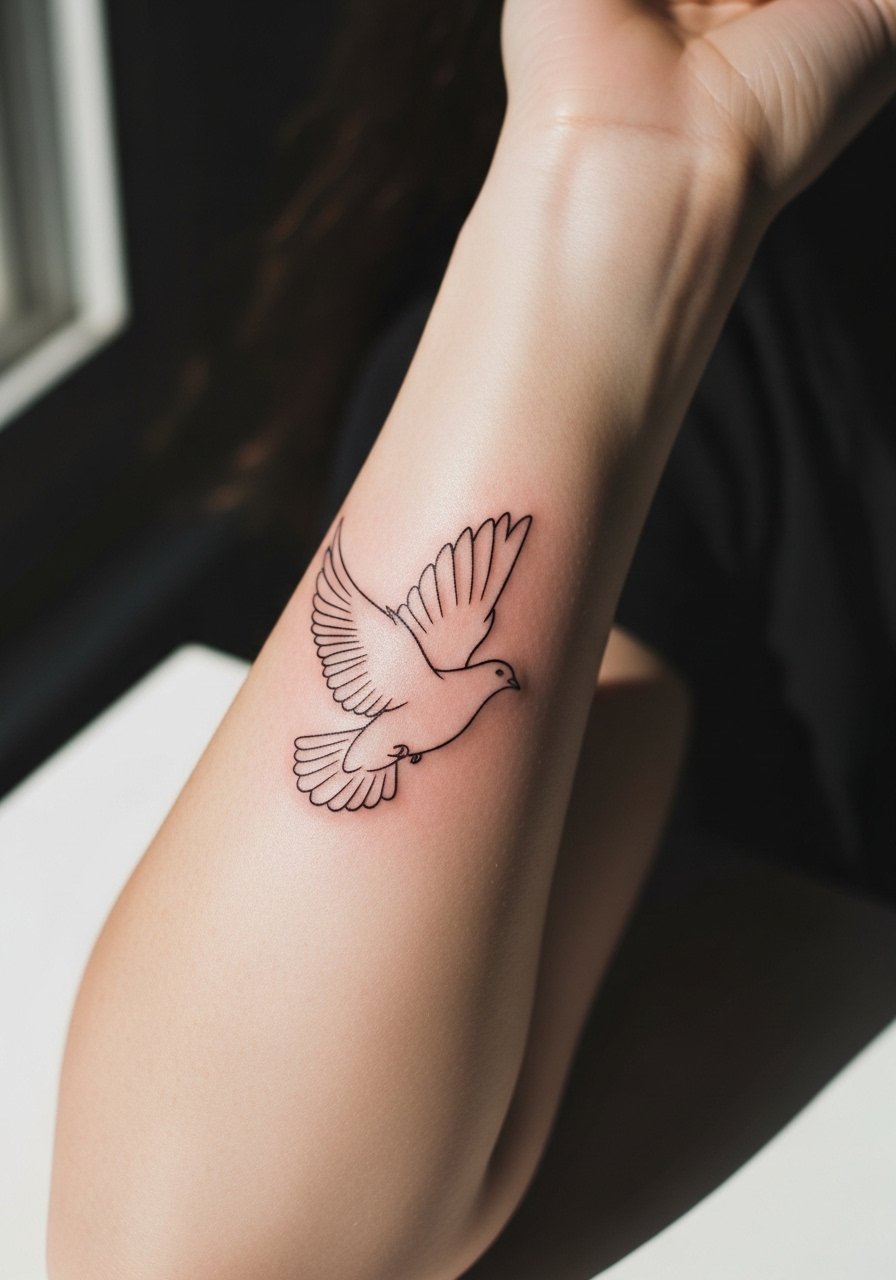
I recommend this when you want a clean symbol that still reads at arm distance. Tell the artist you want slightly thicker single-needle lines so the wings keep their shape after a year. Common mistake is asking for micro detail in a 1 cm size, which blurs as linework softens. Expect low pain and a single quick session. For showing it off, roll up an ivory linen short sleeve blouse and wear a slim gold chain bracelet on the opposite wrist.
2. Minimalist Botanical Stem Behind the Ear
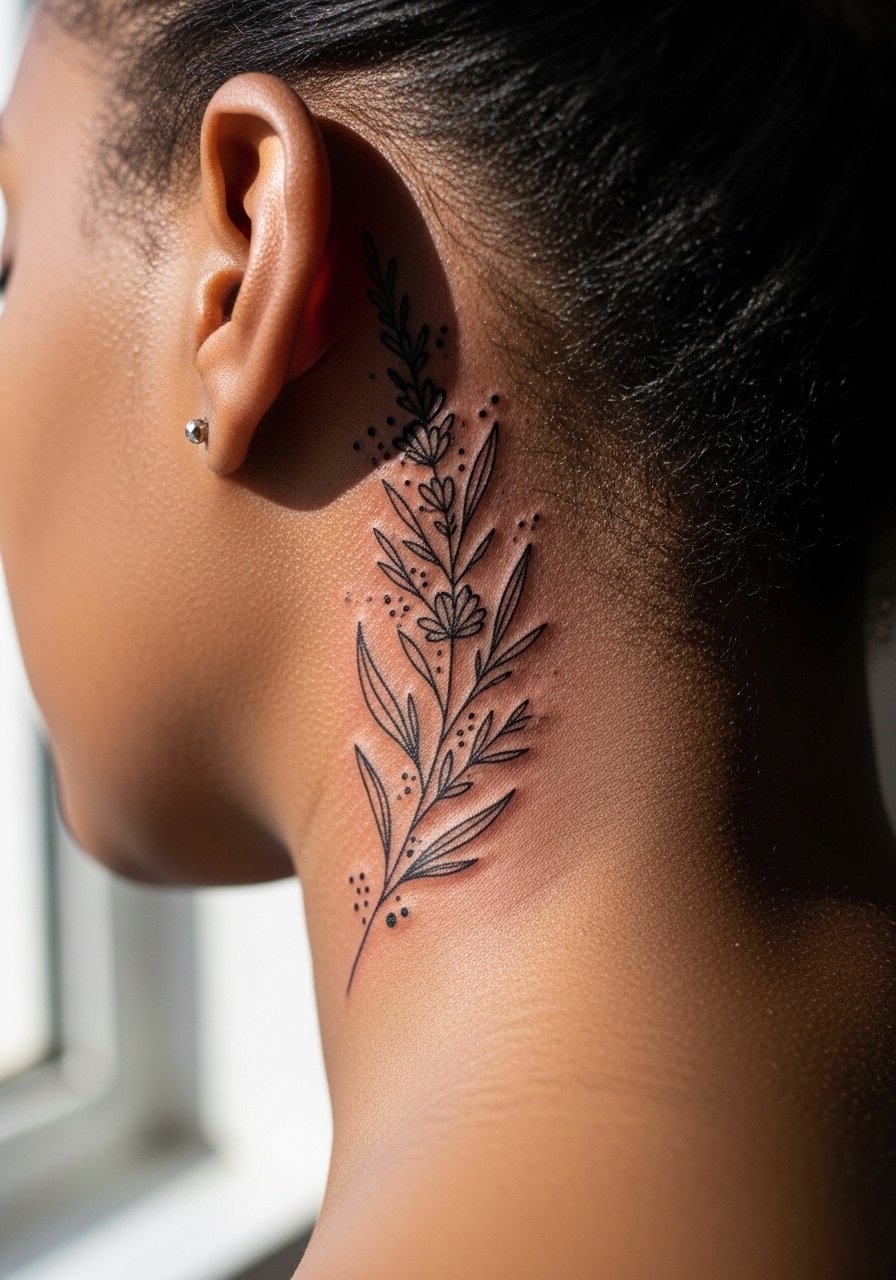
This placement hides easily under hair and gives a peek of nature when you tuck hair behind the ear. Be explicit in consultation that you want single stems with room between leaves so dot work does not congest on healing. Artists debate whether the skin behind the ear holds fine line long term. One camp says it blurs quickly because of thin skin and movement. The other camp says correct depth and spacing keep it readable. If you plan short hair at any point, mention that during booking.
3. Tiny Script Quote on the Ribcage
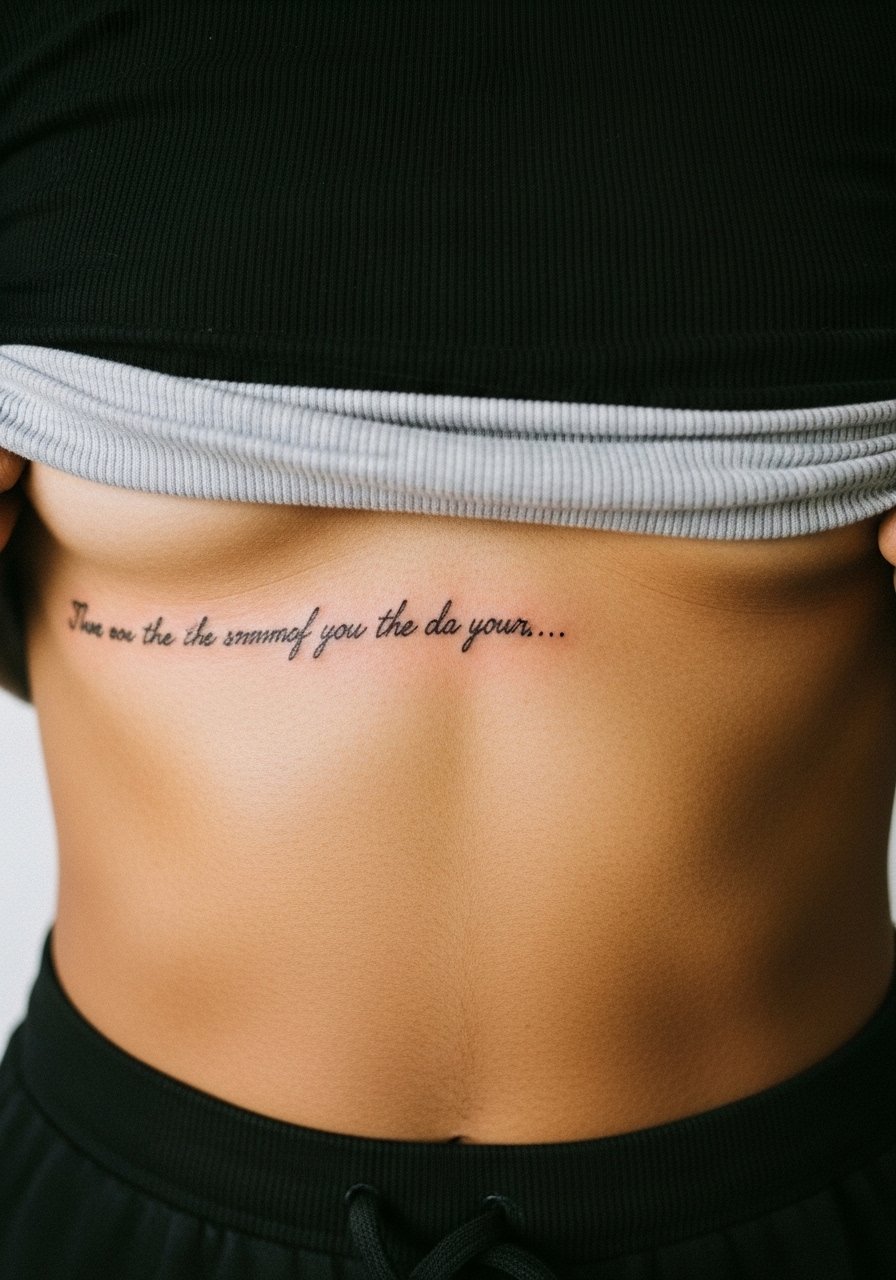
Fair warning, ribs rate higher on the pain scale but hide easily under shirts. Ask the artist for simple, open letter spacing that breathes. A frequent error is compacting script to fit an area and ending up with letters that merge after healing. Fine line script here often needs a touch-up between six and twelve months. For the appointment, wear a loose tank top you can lift without fuss.
4. Ornamental Heart Outline on the Ankle
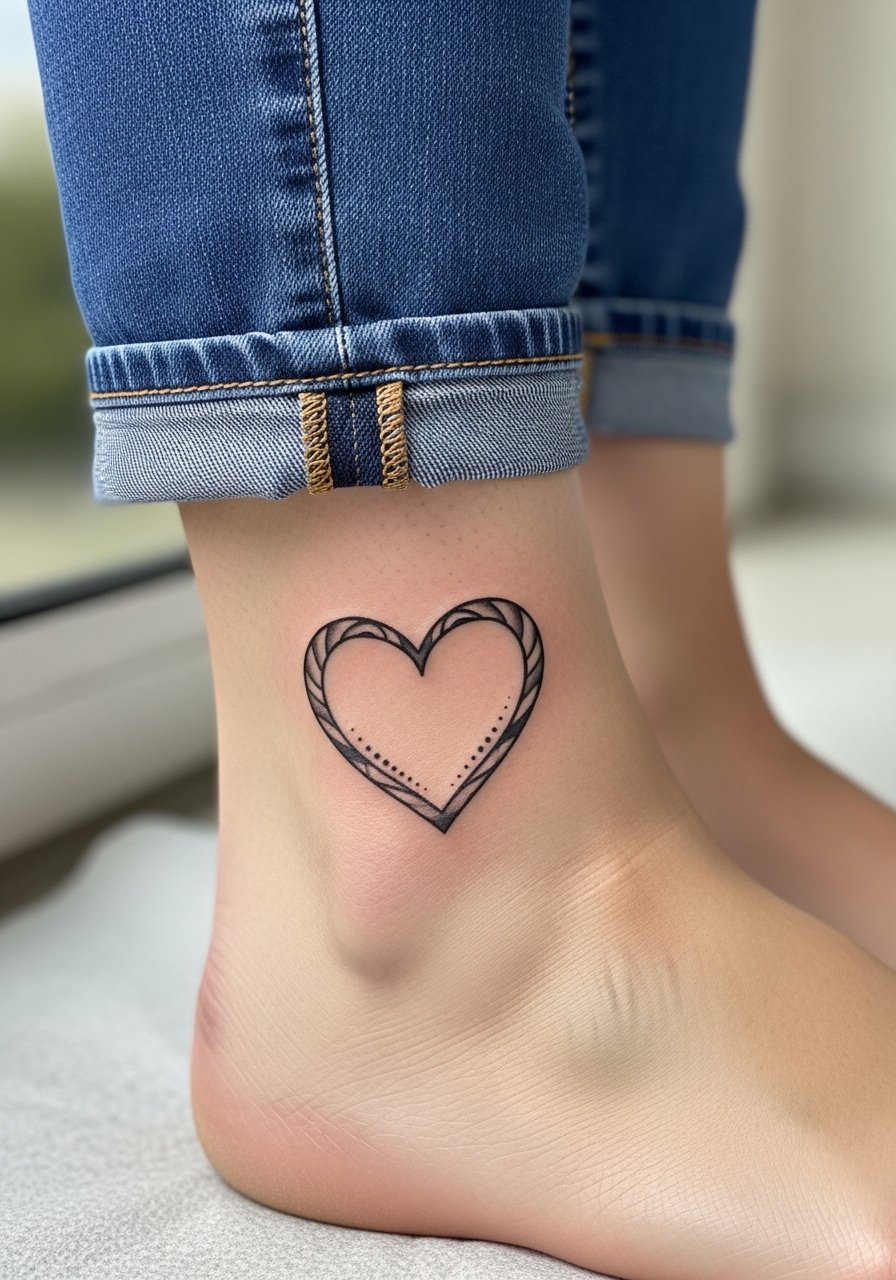
Ankle tattoos face constant rubbing from socks and shoes. Choose slightly bolder outlines than the Pinterest micro version so the geometric twists stay crisp. A common mistake is super-fine strokes that thin out after a year. Session time is short and pain is moderate. For summer show-off wear a strappy ankle sandal with cropped jeans rolled once to frame the piece.
5. Micro Moon Phases Along the Spine
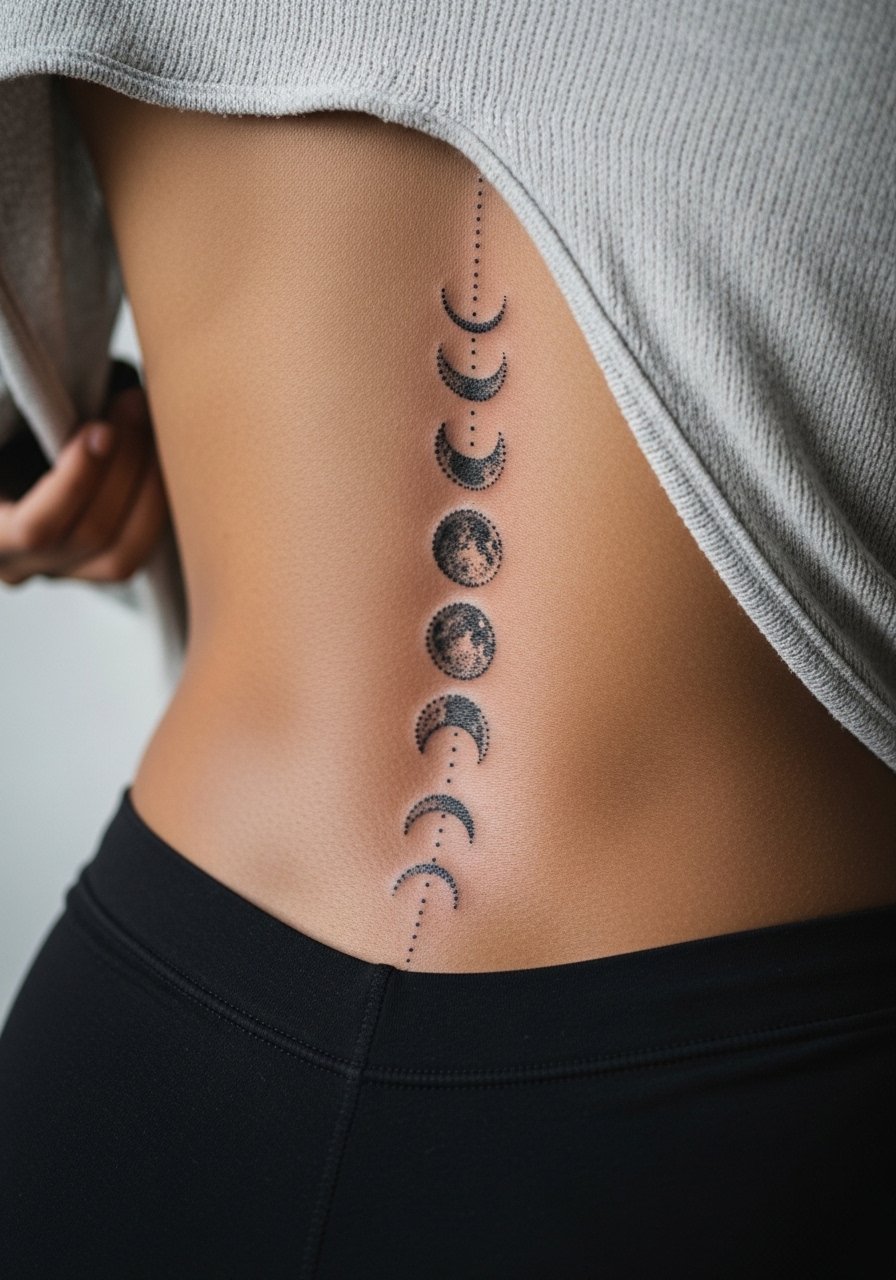
This vertical cluster reads as a subtle ritual piece and hides under workwear. Request dot spacing that avoids heavy stippling in tight areas so the moons do not blend over time. The ribs and spine shift with movement, so expect light fading in dense dots by year three and plan a touch-up if you want crisp contrast. For session day bring a wide-neck shirt you can pull aside easily.
6. Coiled Snake Outline on the Outer Thigh
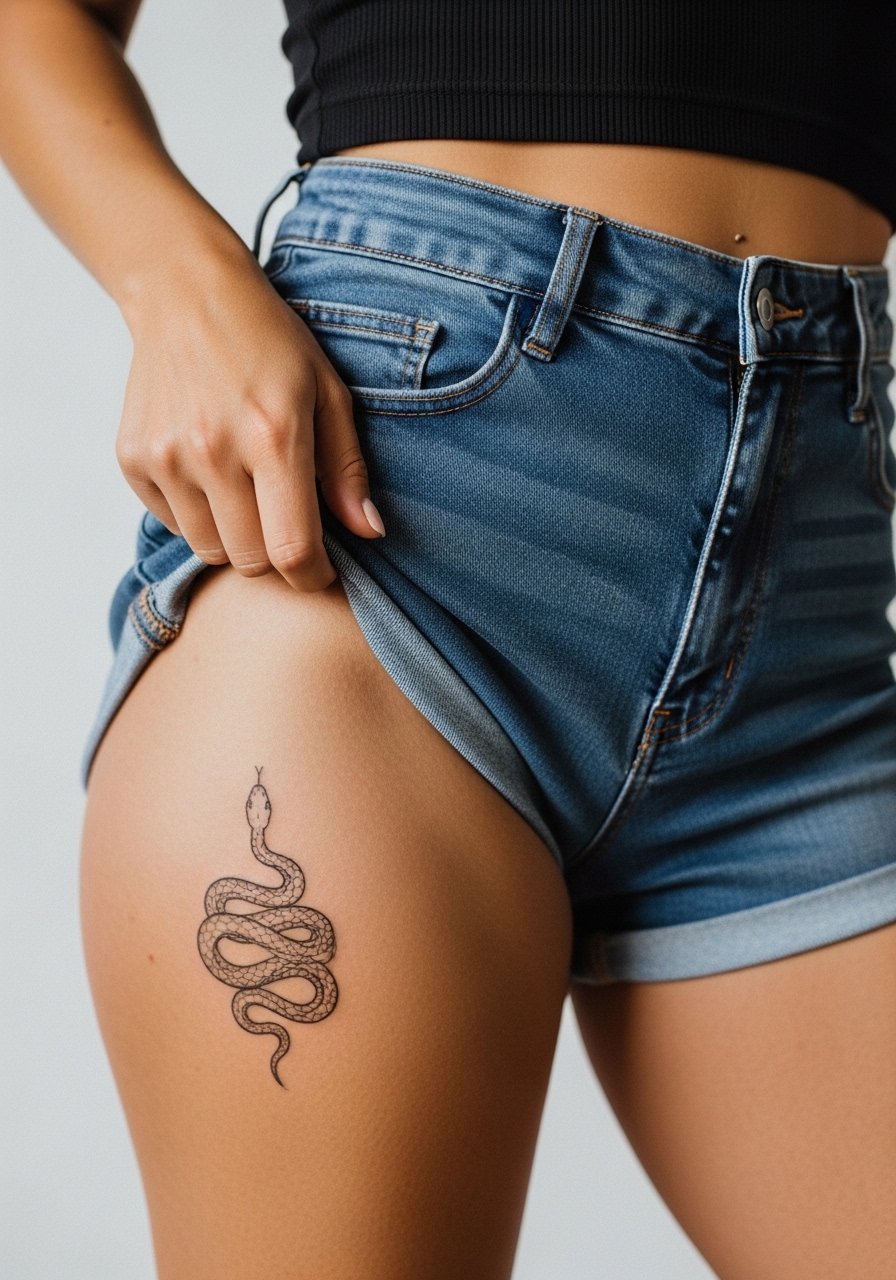
Snakes that follow the curve of the thigh flatter movement. Ask for cleaner single-line coils without tiny internal scales if you want longevity. The mistake is packing scales into a 3 cm piece, which turns to murk on thicker skin or after weight change. Outer thigh tolerates sweat and friction in summer, so mention healing season at booking. For showing off pair with high waist denim shorts.
Studio Day Picks
These first six arm, ankle, chest, and thigh ideas benefit from a few specific session and healing items.
- Kana tattoo lotion. Lightweight lotion many users prefer during the scab-free phase, helpful for fine line work on darker tones where thicker balms can clog.
- Australian Bush Salve. A thin winter option that soothes dry skin without leaving a greasy layer during healing for pieces like ankle and outer thigh.
- Indie Cinderink balm. Artist-recommended for fine line pieces because it claims to moisturize without accelerating pigment migration.
- UK Recover gel. Breathable gel option some people use in humid climates to reduce excess scabbing on ribcage pieces.
- Second Skin tattoo bandage. Clear protective film that helps short-session wrist and finger work avoid friction from clothing during the initial 24 to 48 hours.
7. Butterfly Wing Fragment on the Collarbone
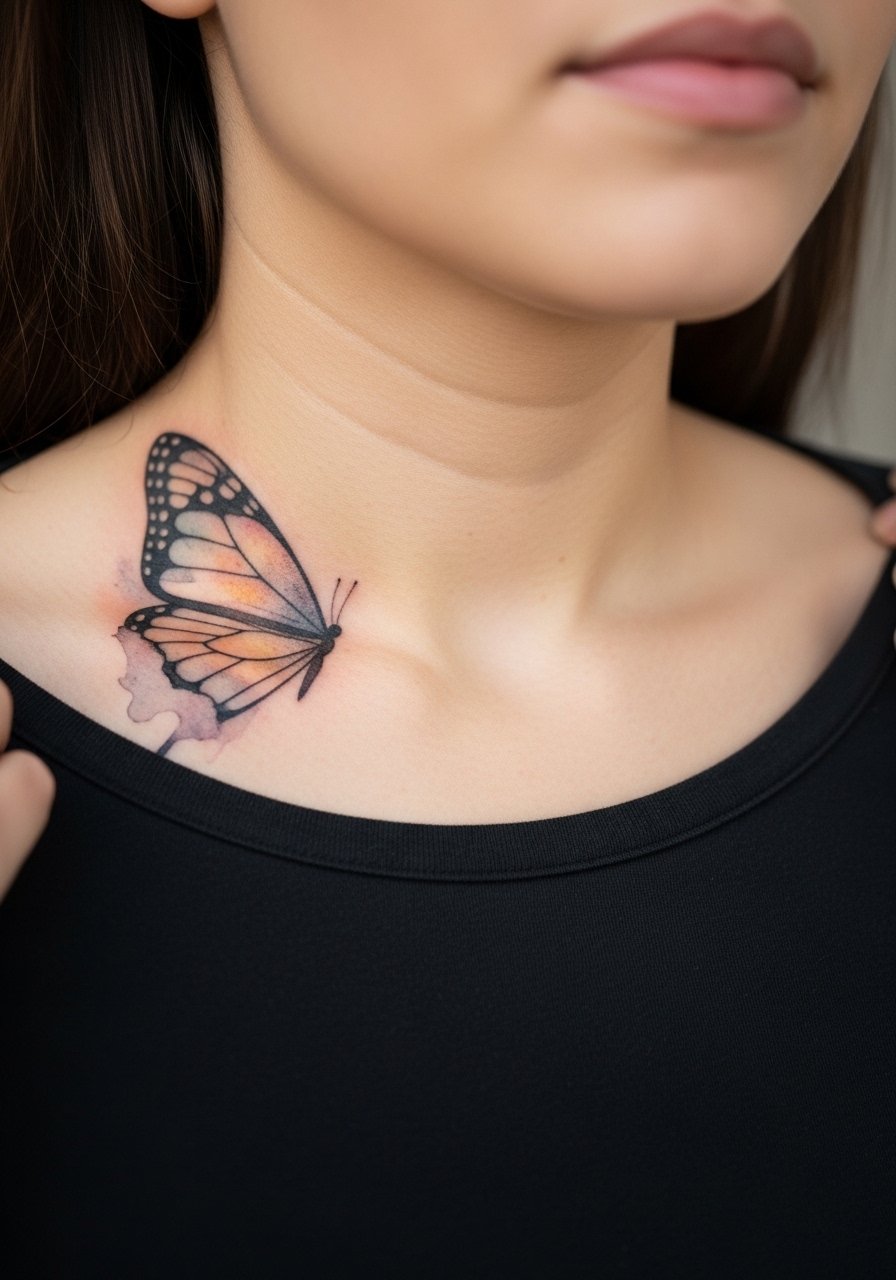
A fragmented wing looks dynamic near the collarbone and pairs with open necklines. Tell the artist you want soft color washes but no heavy saturation so the piece fades gracefully. Watercolor techniques trend, but they fade faster than blackwork. If longevity is a priority, ask for black outlines under the wash. For show-off, layer an off shoulder sweater or a delicate choker necklace that frames but does not cover the piece.
8. Tiny Lotus Flower on the Forearm
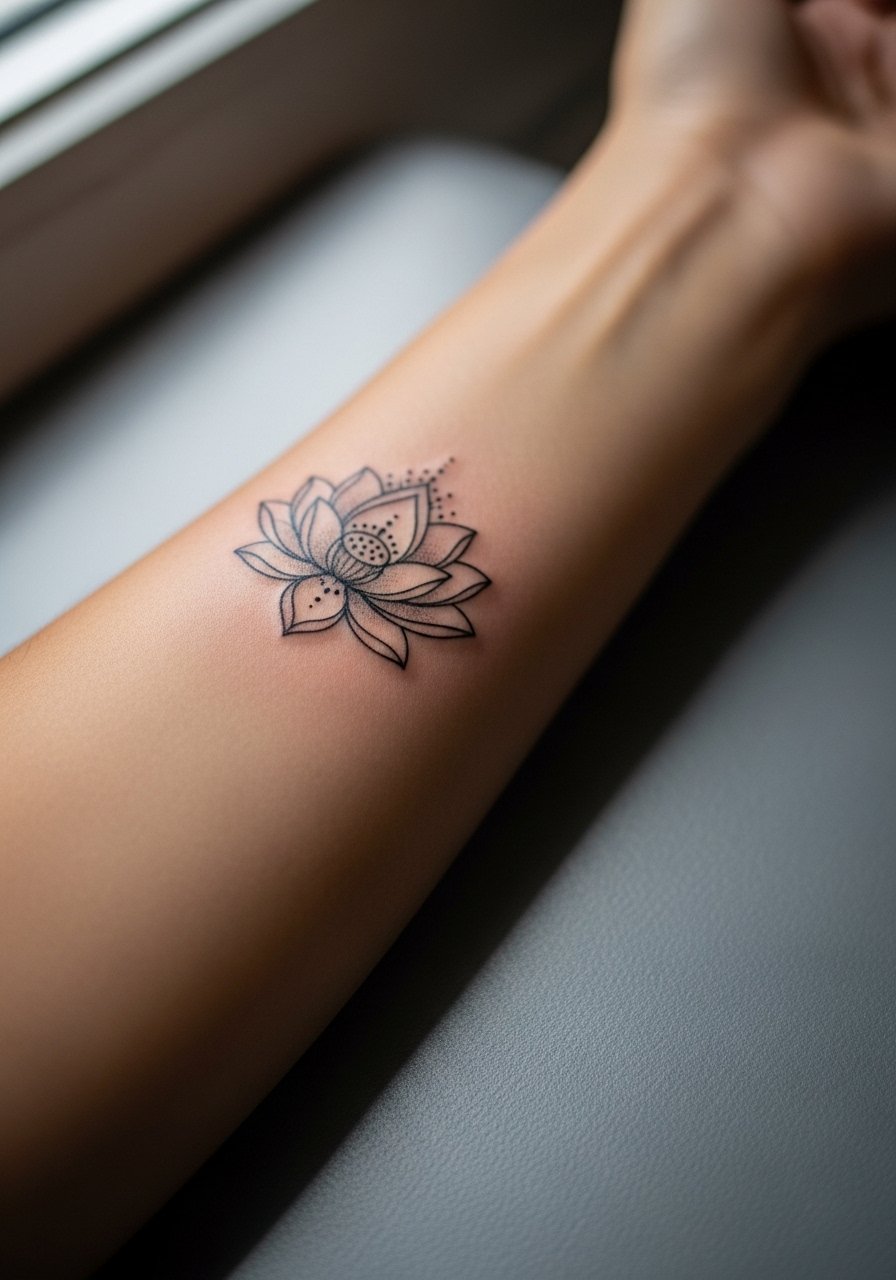
Lotus blooms work well on forearms where they catch sunlight and movement. Ask for symmetrical petal spacing and a tiny central dot to preserve shape as the piece ages. A frequent mistake is compressing too many dots into the center, which can fill in. Forearm placement is low pain and shows wear slower than wrists. For session comfort wear a loose short sleeve button-up you can roll without rubbing the area.
9. Skull with Subtle Shading on the Ankle
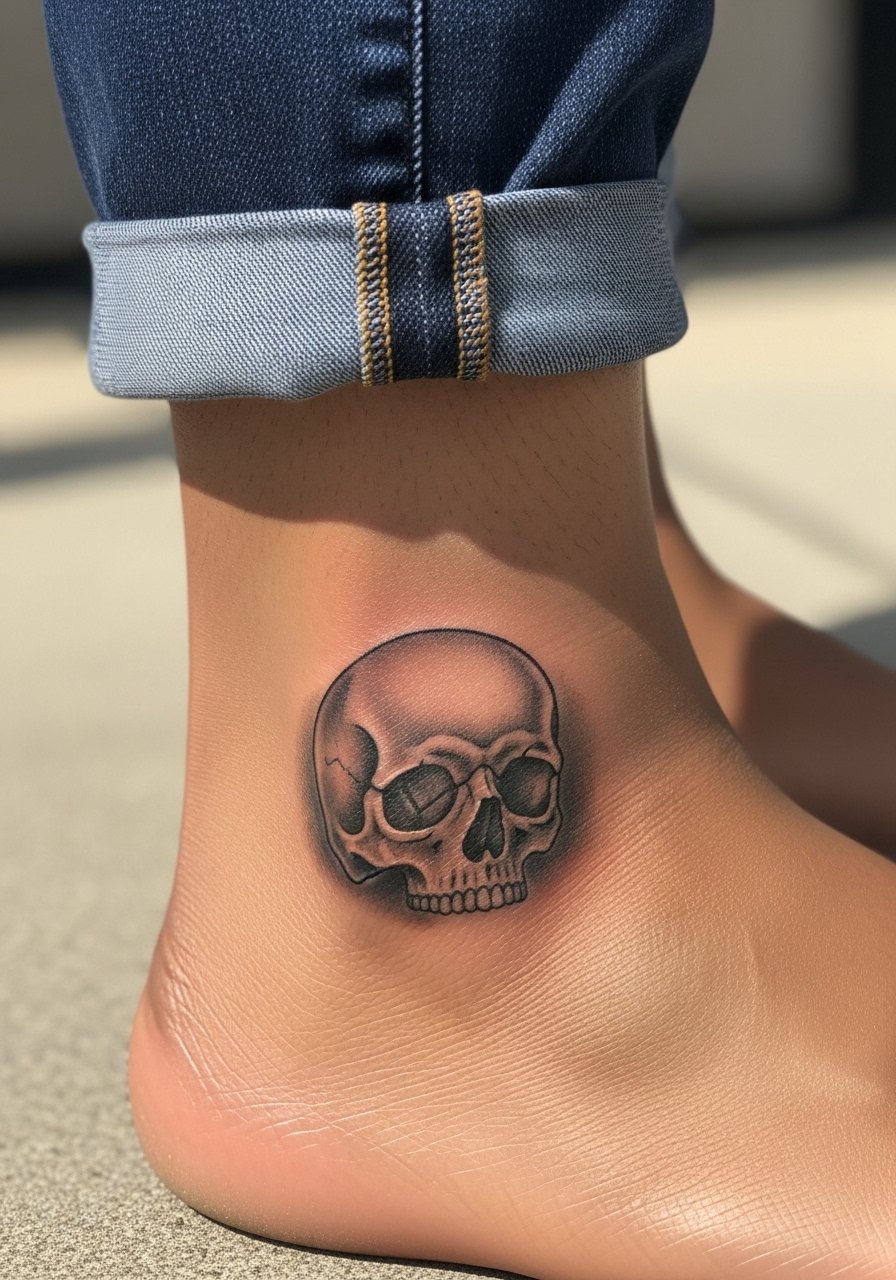
Skull motifs can be soft and playful when the shading is kept minimal. Ask the artist for bold primary outlines and gentle gray fills so the shape reads on darker skin. One community observation is that bold lines hold better on dark skin than micro shading does. Avoid asking for ultra-fine gradients in a two-centimeter area. For summer visibility pair with cutout flat sandals.
10. Tiny Lotus on the Wrist
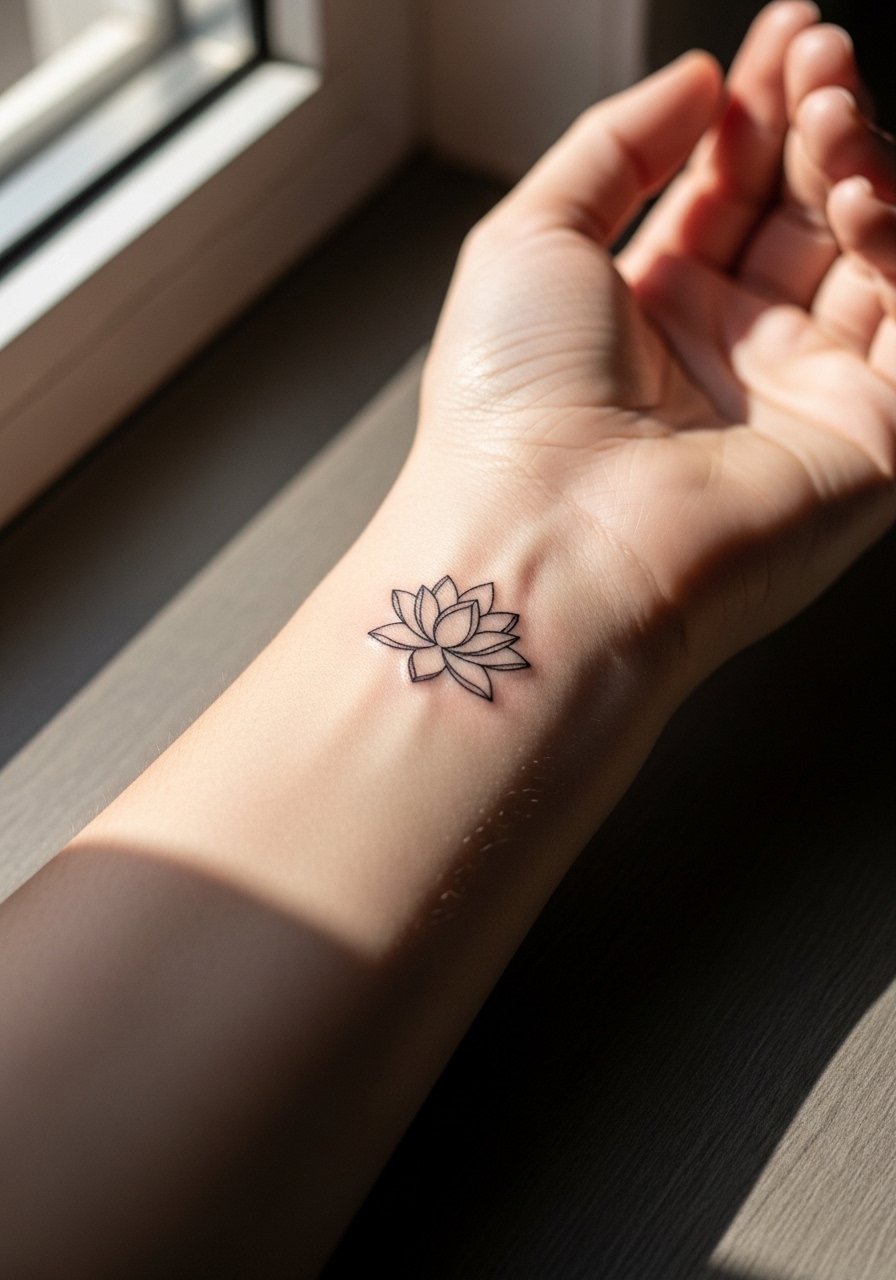
Wrist pieces are visible and take daily friction from clothing and typing. Choose slightly firmer linework for the center so petals keep their shape after a year. Many people regret ultra-micro sizes here because the lines thin and sometimes require a touch-up within 12 months. Session time is short and pain is low. For showing off, cuff a thin bangle bracelet set on the opposite wrist.
11. Micro-Realism Medusa on the Shoulder
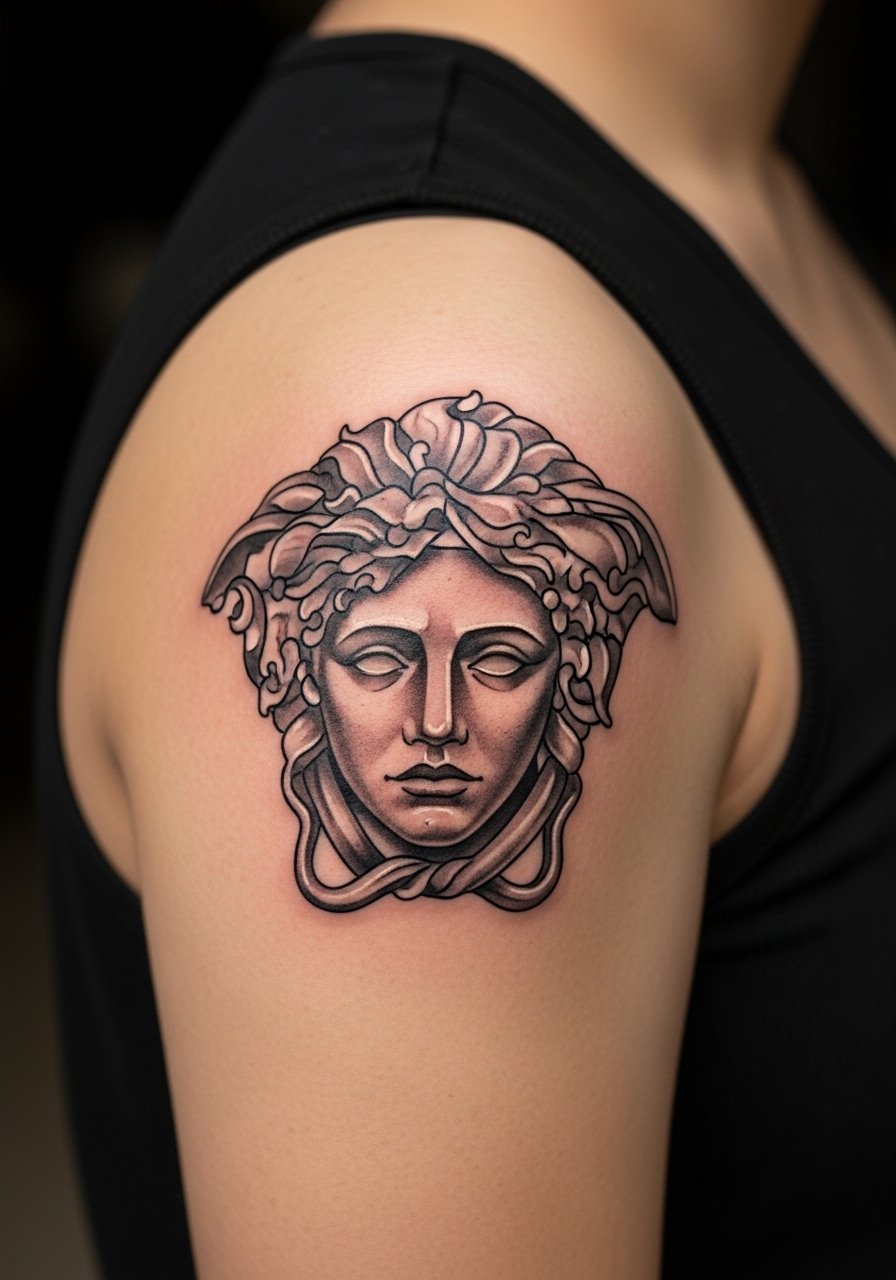
Medusa portraits pack meaning and require artist skill. In consultation ask for simplified hair detail that reads as texture rather than a tangle of lines. One mistake is over-detailing a 3 cm portrait that becomes muddy on healing. Shoulder skin is forgiving and holds fine line portraiture decently. If you want to show it off, wear a sleeveless linen tank so the piece sits in clean negative space.
12. Tiny Matchstick with Flame on the Wrist
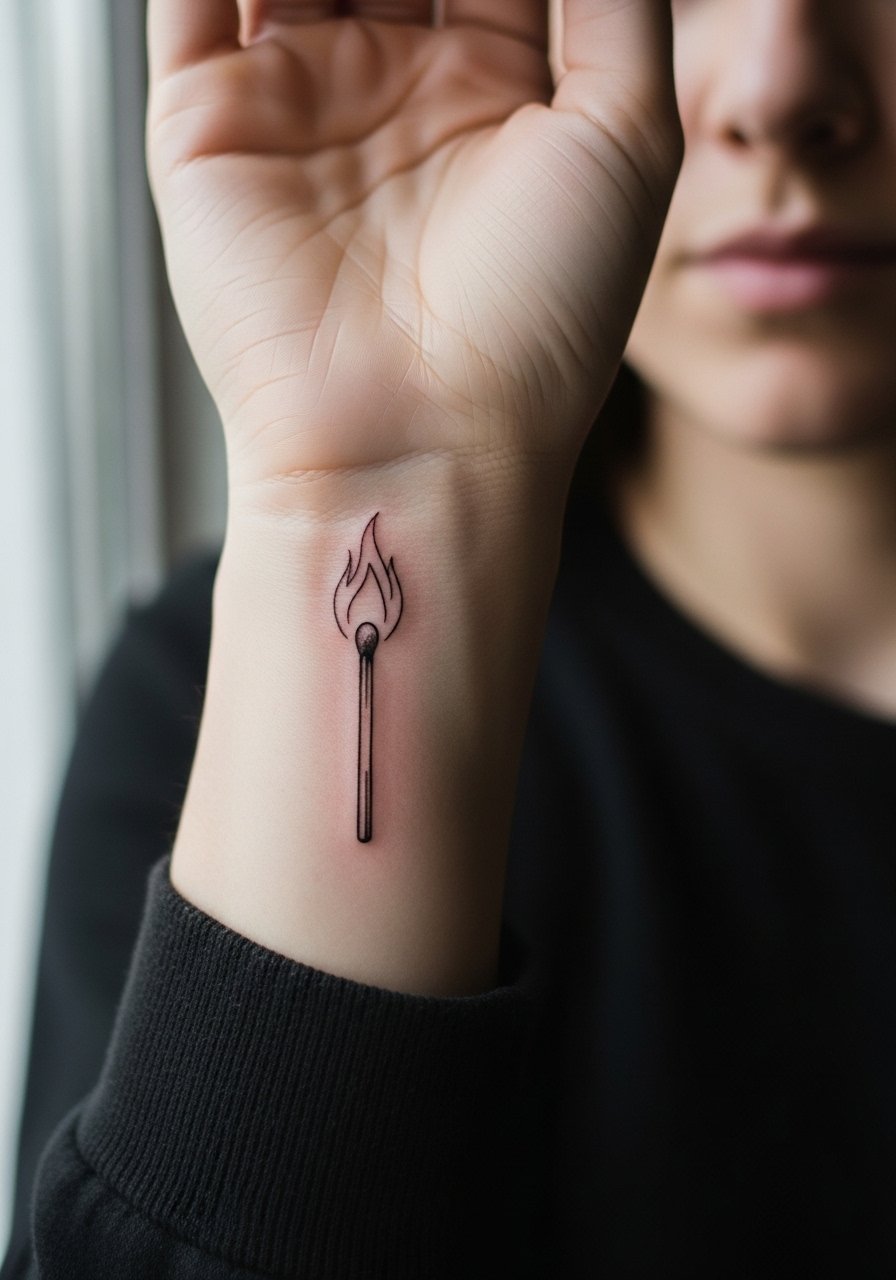
This charming concept reads well with a tiny vertical composition. Ask the artist to keep the flame open and airy rather than dense color so it does not fill in. A common mistake is tiny filled-in flames that soften into blotches. Wrist friction accelerates fading for the match head area, so expect touch-ups earlier than on the forearm. For session wear a sleeveless tank you can use with minimal jewelry.
13. Geometric Mandala on the Side of the Neck
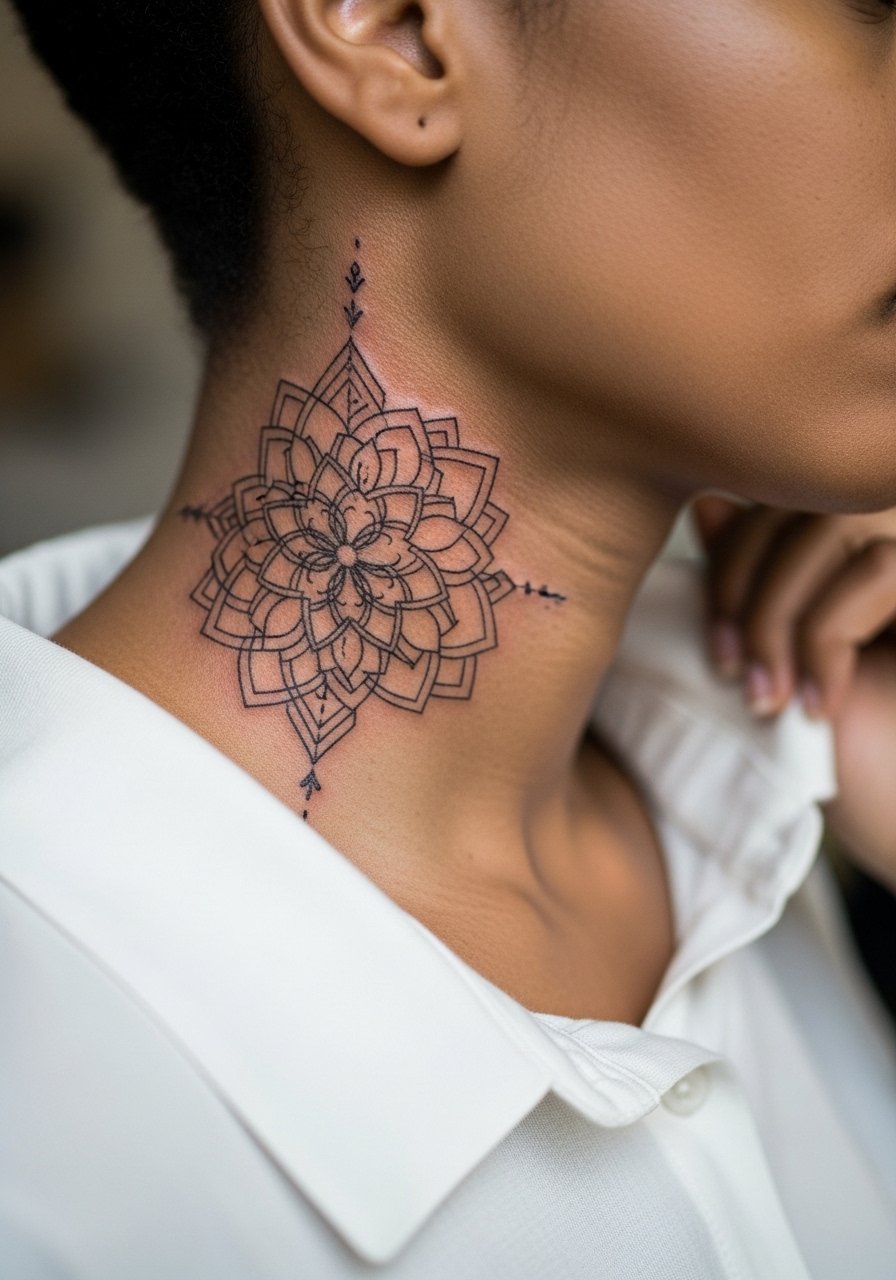
Neck pieces demand intentional spacing in geometric work. The biggest mistake is making the mandala too dense in a small area. Artists disagree about fine line here. One camp says neck movement blurs dense geometry fast. The other camp says with generous spacing and correct needle depth the pattern holds. Mention career considerations during booking and test visibility by drawing the design on skin beforehand.
14. Tiny Butterfly on the Shoulder Blade
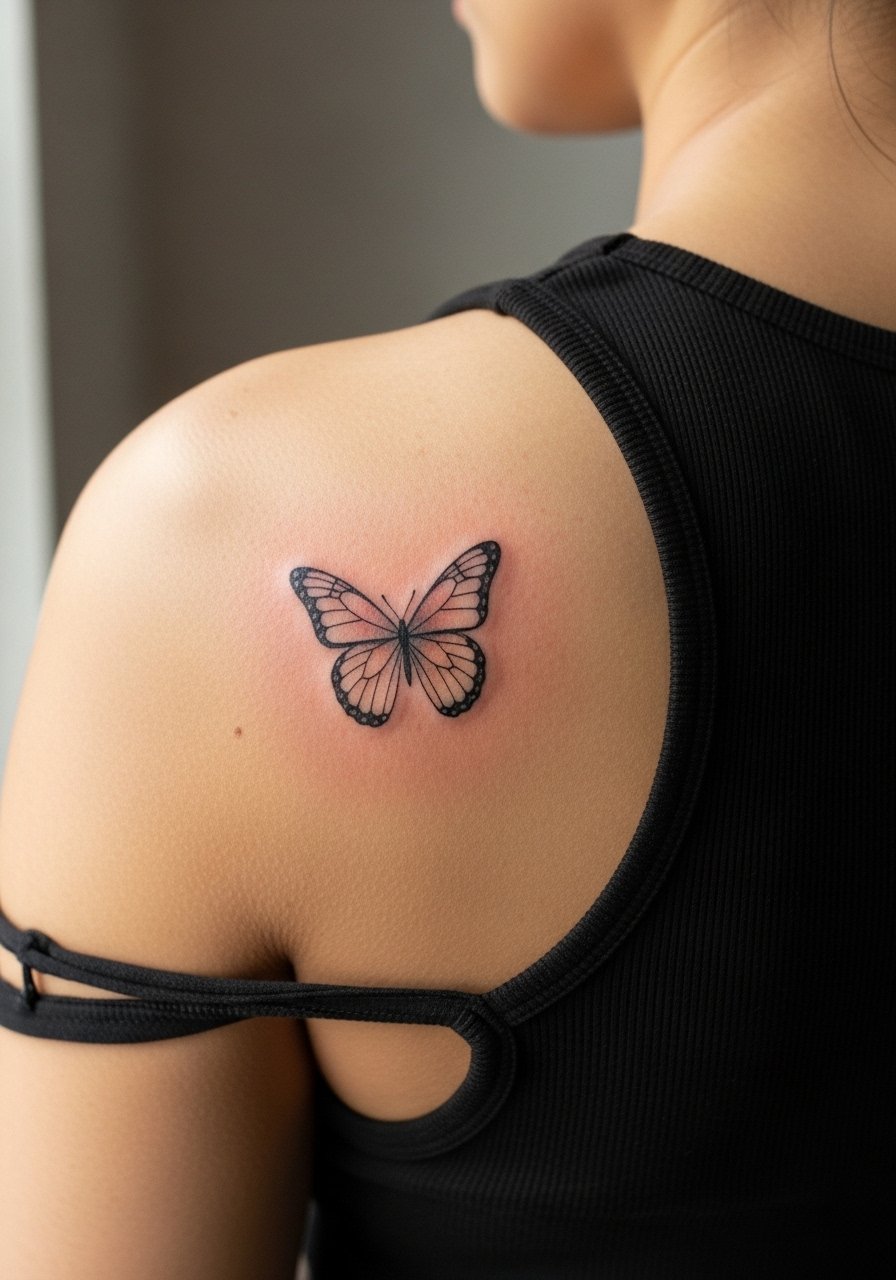
Shoulder blade work is low friction and ages predictably. Request simplified wing veins and modest color so any wash does not turn into a bruise-like blur. A typical error is over-saturating a 2 cm wing with watercolor fills. Pain is moderate and session length is brief. For display, a sand linen camisole keeps the silhouette clean without covering the tattoo.
15. Wrist Script in Readable Cursive
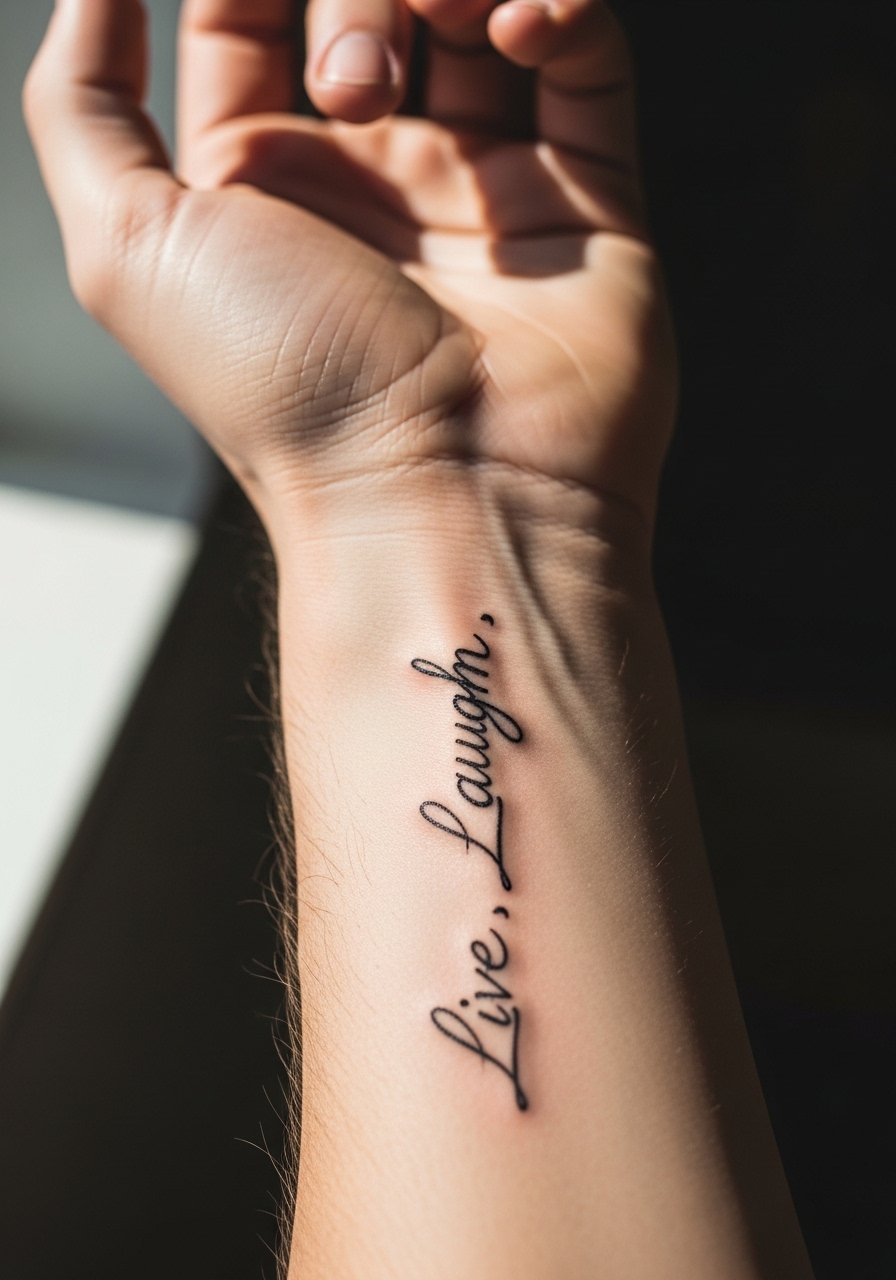
Script on the wrist must balance style and legibility. Tell the artist you value letter spacing over flourishes so the phrase does not merge over time. A frequent complaint is tiny loops that fuse as the ink settles. Wrist script is prone to faster fading, so expect a touch-up within the first one to two years if you use fine single-needle work. Pair with a dainty chain bangle on the opposite wrist.
16. Tiny Compass on the Back of the Neck
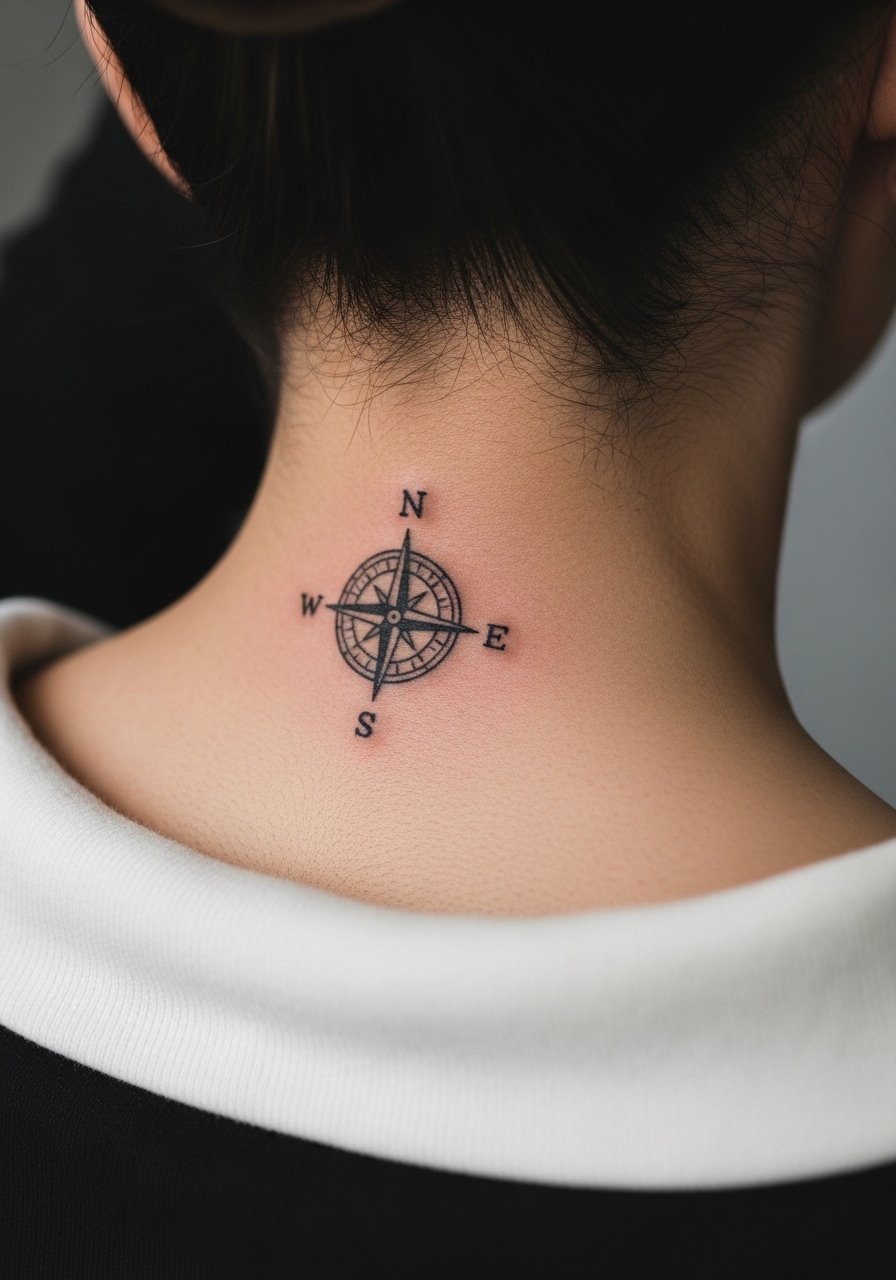
Back of neck tattoos are small anchors for travel-themed minis. Ask for open negative spaces between cardinal points so the shape does not close on itself. One mistake is packing too many micro details in a small square inch. The area sees sun and friction from collars, so plan lighter sessions and possible touch-ups. Mention neck visibility if your job requires covered apparel.
17. Sun Glyph Near the Clavicle
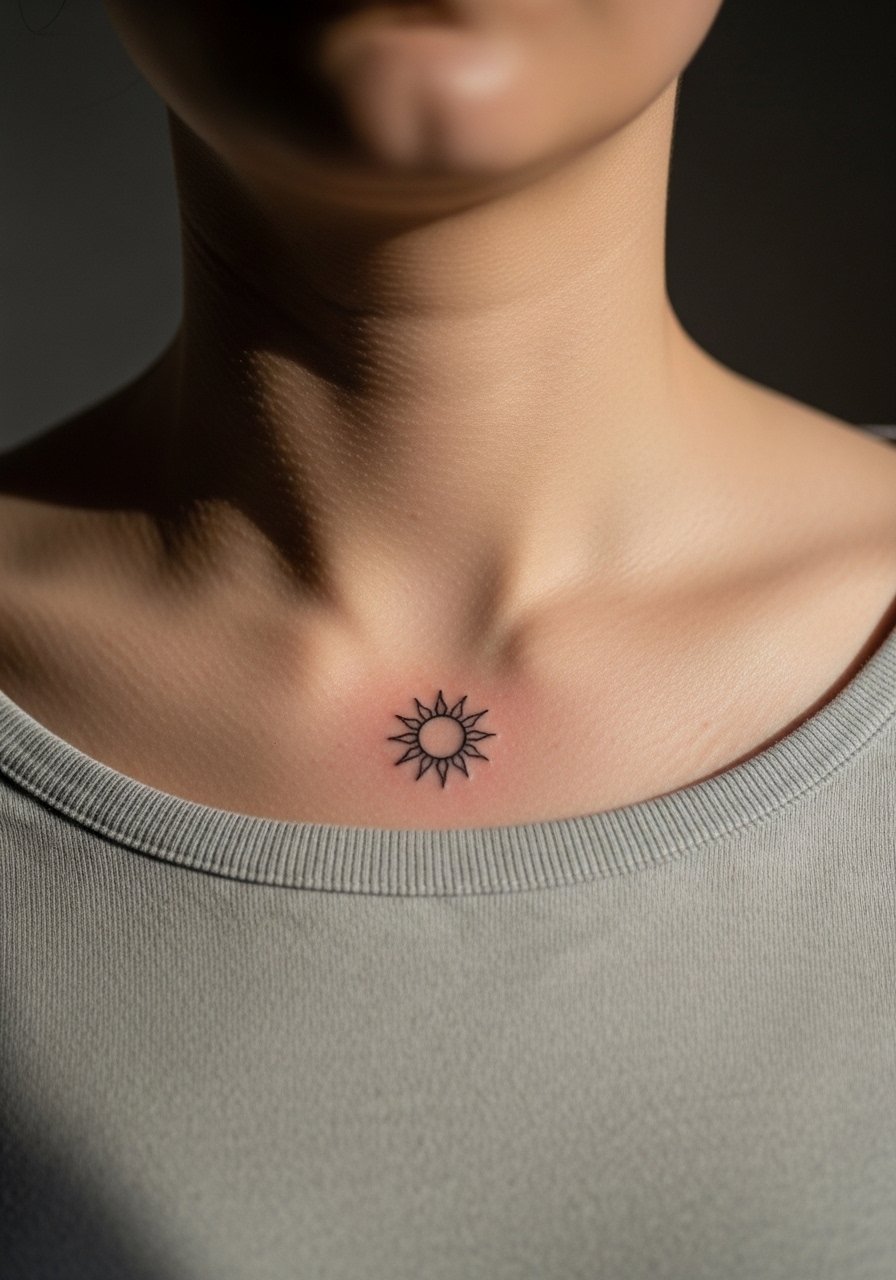
Collarbone pieces photograph well and pair with jewelry. For longevity keep rays simple and avoid tiny cross-hatching. A common error is compressing intricate rays into a 2 cm piece that loses definition. Expect low to moderate pain and one short session. For styling choose an off shoulder sweater that frames the glyph without rubbing it.
18. Tiny Anchor on the Finger
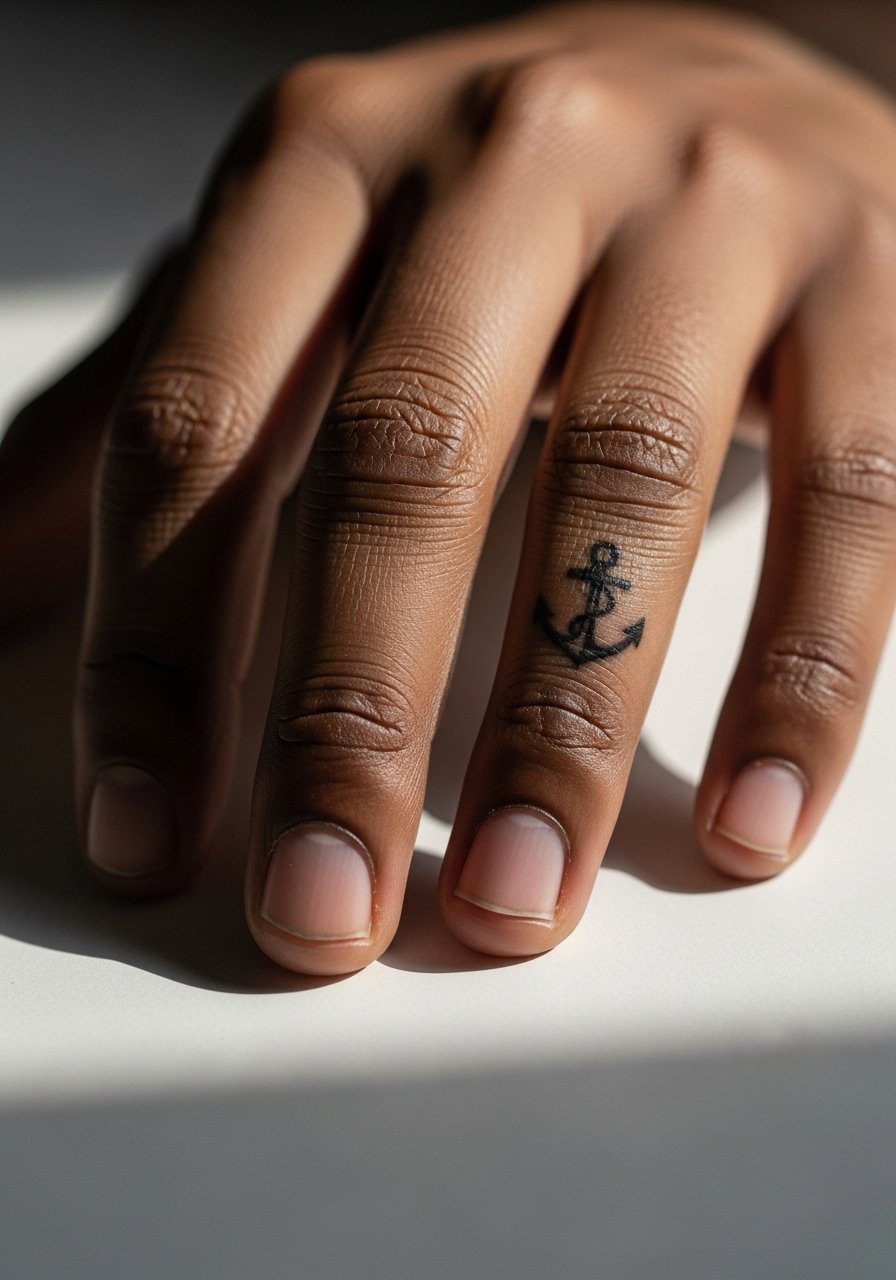
Finger tattoos are convenient reminders but face heavy wear. Ask the artist for thicker primary strokes and accept that lines will blur faster here. The most common mistake is expecting a finger mini to last unchanged for years. Plan on yearly touch-ups and avoid exacting script. For the appointment remove all rings and wear a sleeveless top to let the artist work without interference.
19. Tiny Constellation on the Ankle
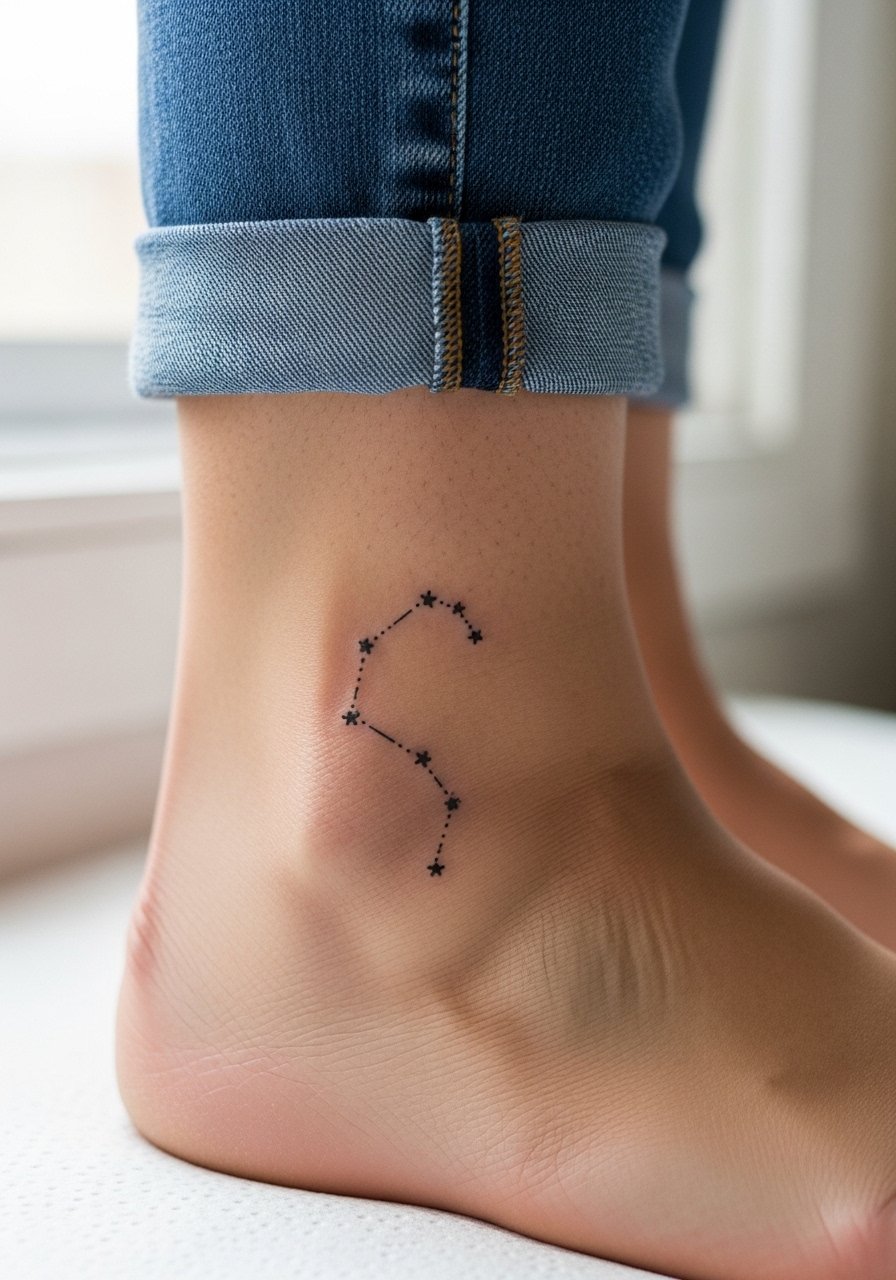
Constellation minis are great for discrete meaning. Ask for dot spacing that leaves tiny gaps so stars do not bleed together after healing. A bad move is requesting single-needle dots packed tightly in a high-friction zone. Ankle skin and footwear contact mean touch-ups are common by year two. To show it off wear cropped straight jeans and a strappy sandal.
20. Tiny Rosebud on the Thumb
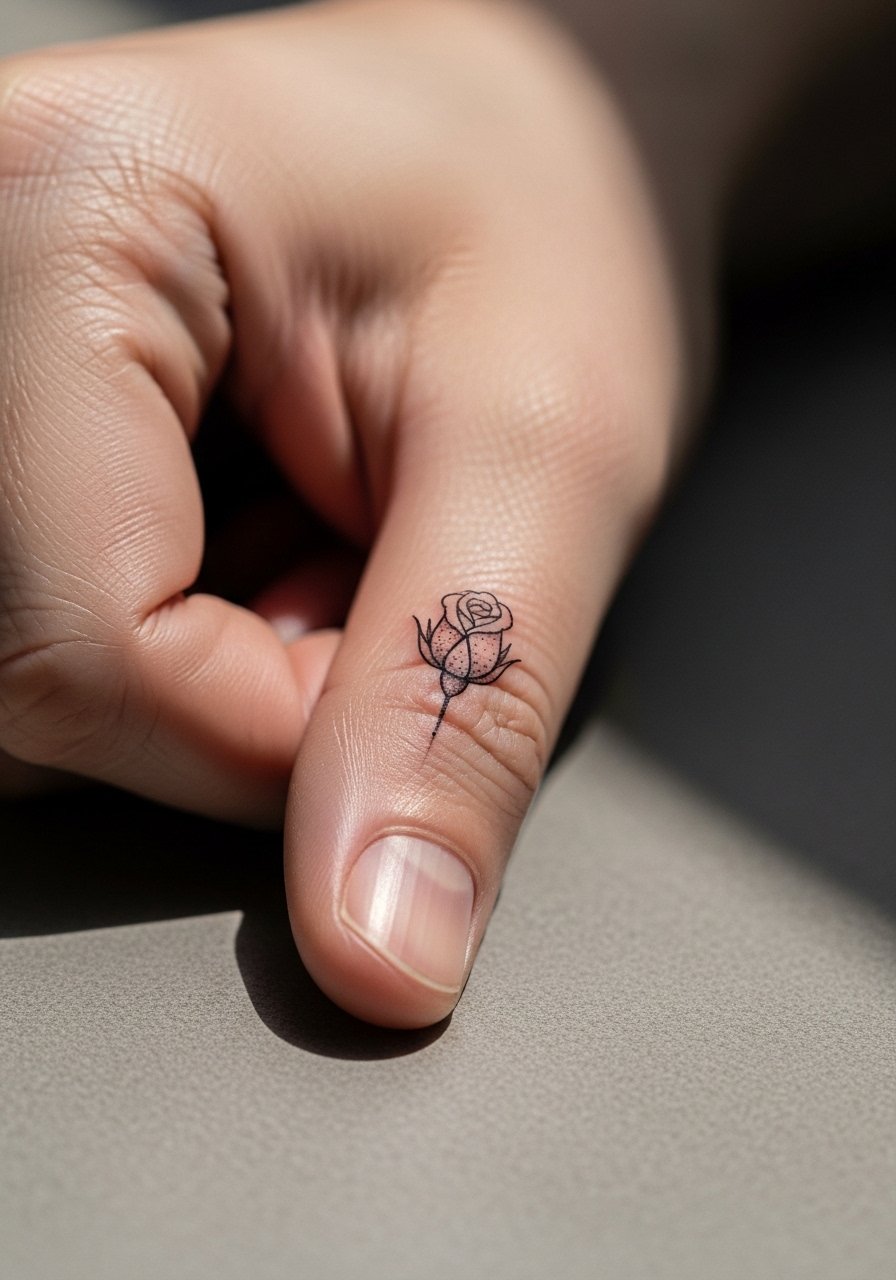
Thumb tattoos face constant hand washing and movement. Choose bold outlines rather than micro shading in a small design so the bud stays legible. People often request too much minute shading in this spot which becomes smudgy. Sessions are quick but the healing cycle is longer due to usage. For the session take a day with minimal manual tasks.
21. Single Needle Arrow on the Forearm
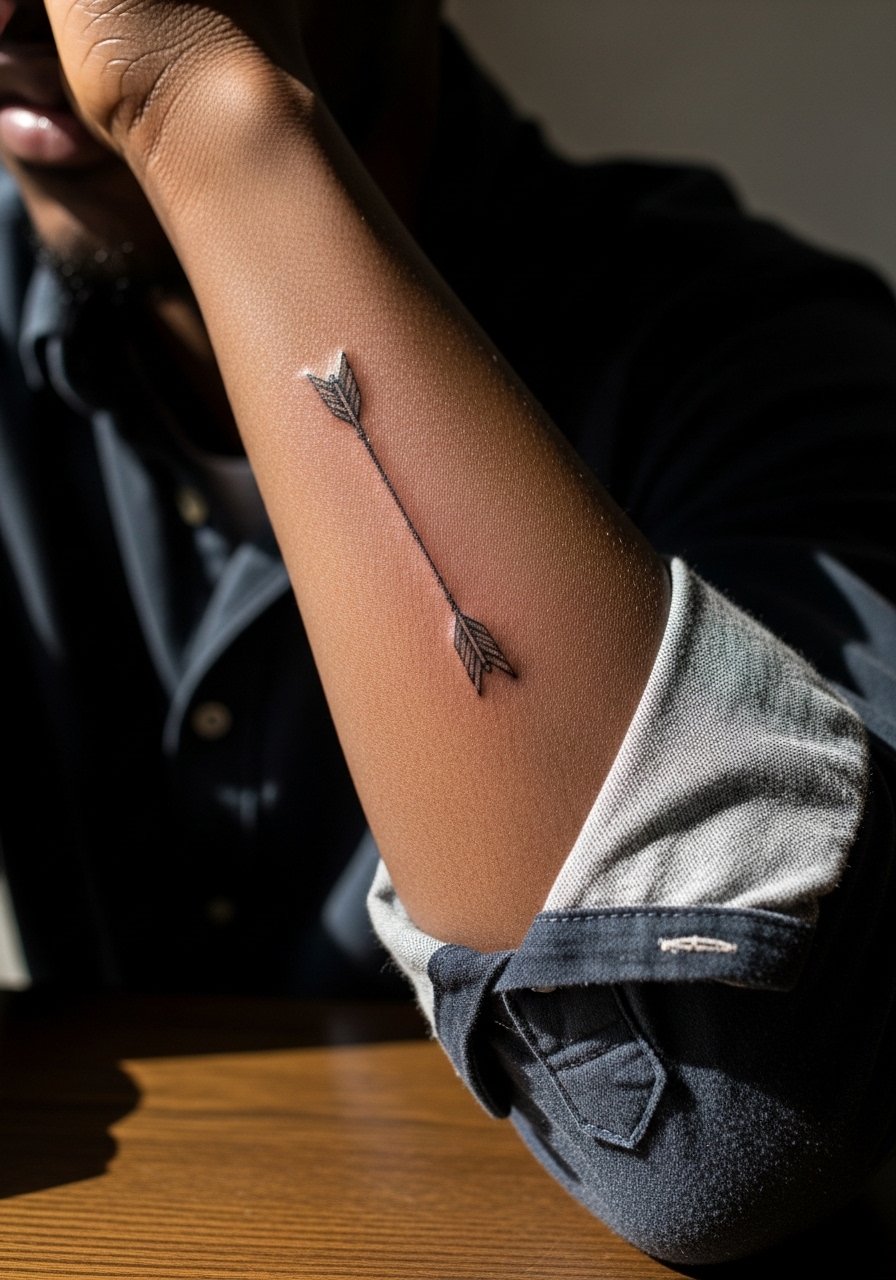
Arrows read clean on forearms and make good starter pieces. Ask for a modest shaft width so it does not become a faded streak. The mistake is asking for a millimeter-thin shaft without realizing movement and sun will soften it. Expect a short session and low pain. For display roll up a linen short sleeve shirt to keep the design visible.
22. Birthstone Dot Accent in Blackwork Outline
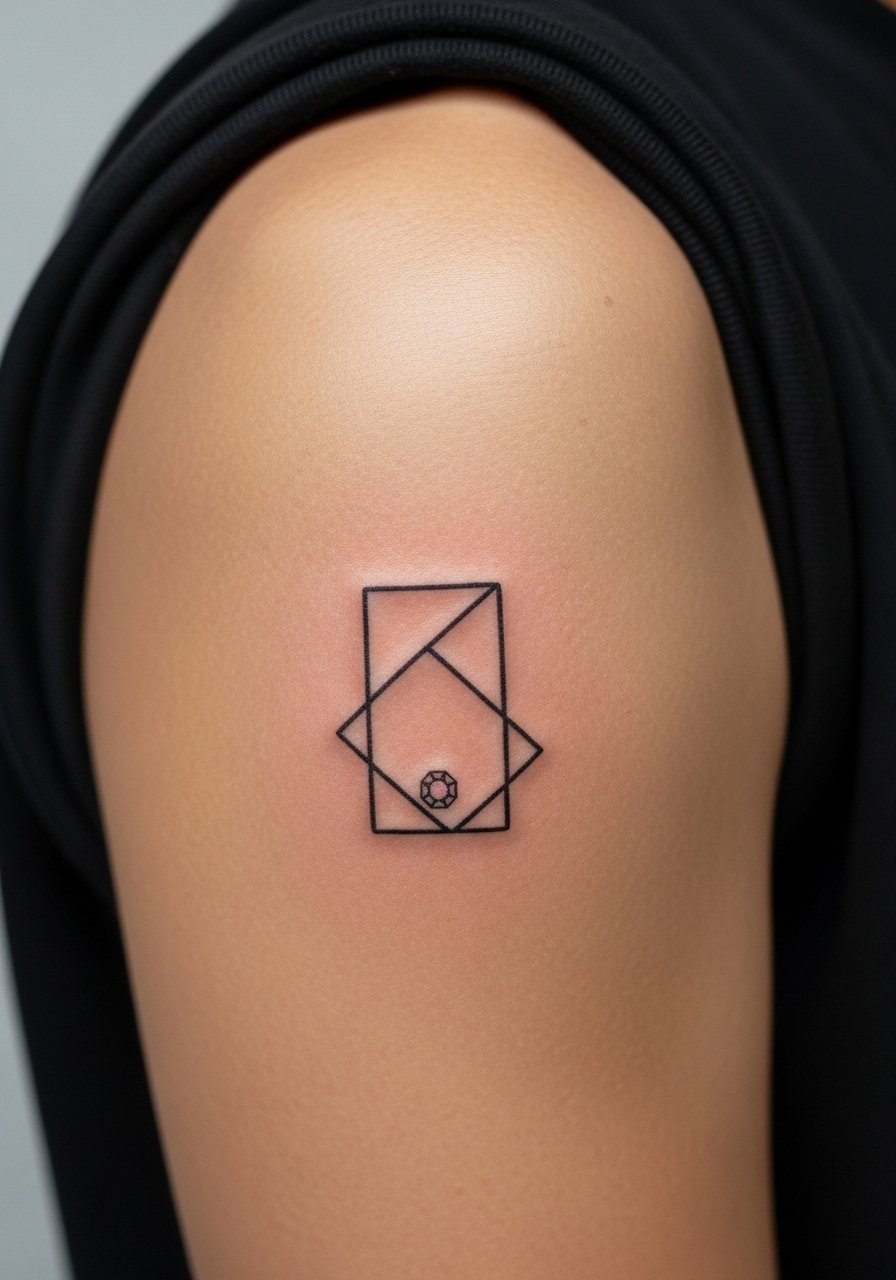
Adding a tiny color dot to a black outline personalizes a mini without overcommitting to color washes. Tell the artist the exact hue and size so the pigment placement is precise. Colored dots can fade faster than black on certain skin tones, so consider a slightly larger pigment area for longevity. For the session wear a button-down shirt you can pull aside for upper arm access.
23. Tiny Lotus Behind the Ear Variant
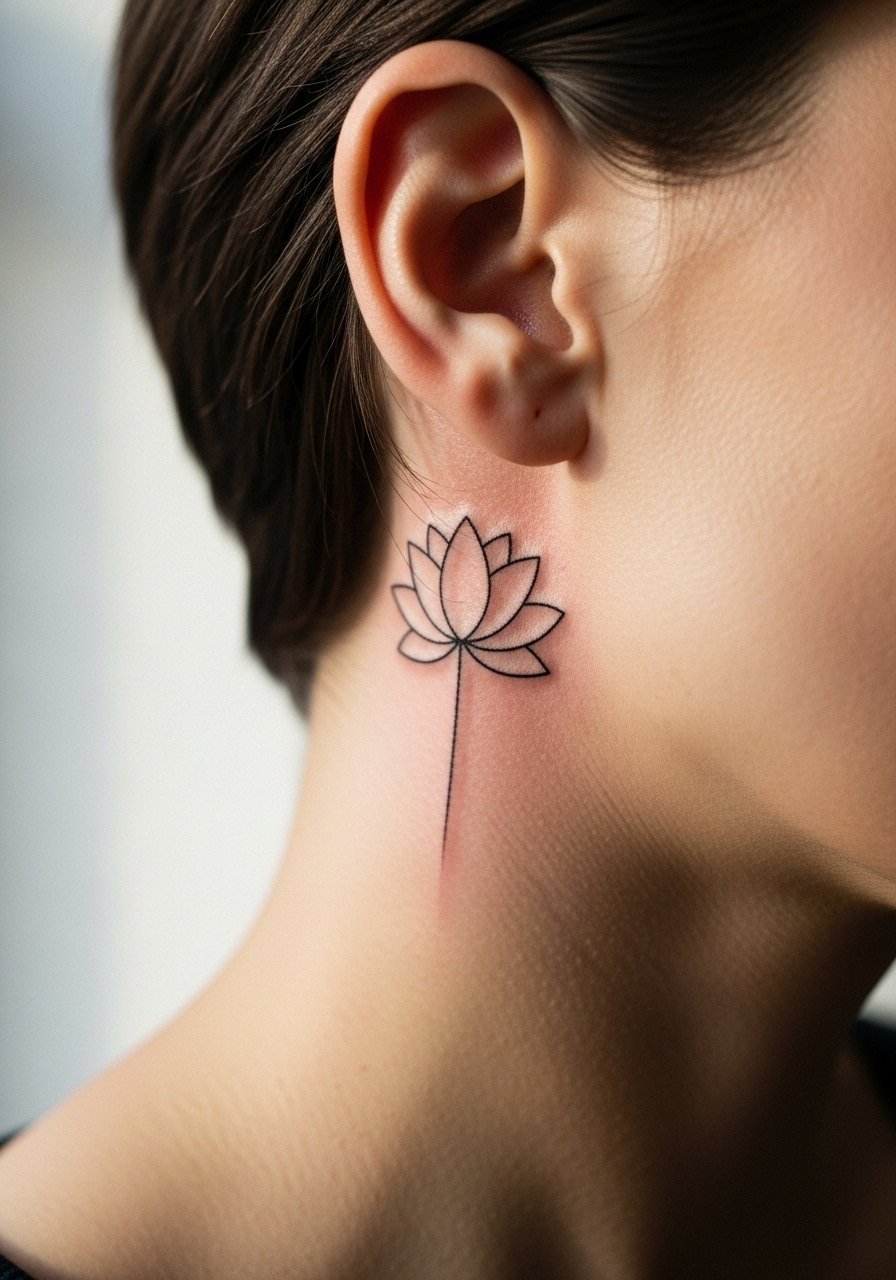
A repeat lotus in a tucked spot works for people who want a symbol without daily visibility. Specify that petals sit slightly apart to prevent merging as the piece ages. One error is asking for dense dot shading in a tiny area that fills in. Healing tends to be straightforward but monitor for scabbing under hair. Ask the artist if they can show healed photos on similar skin tones.
24. Micro Crescent Moon on the Ribcage
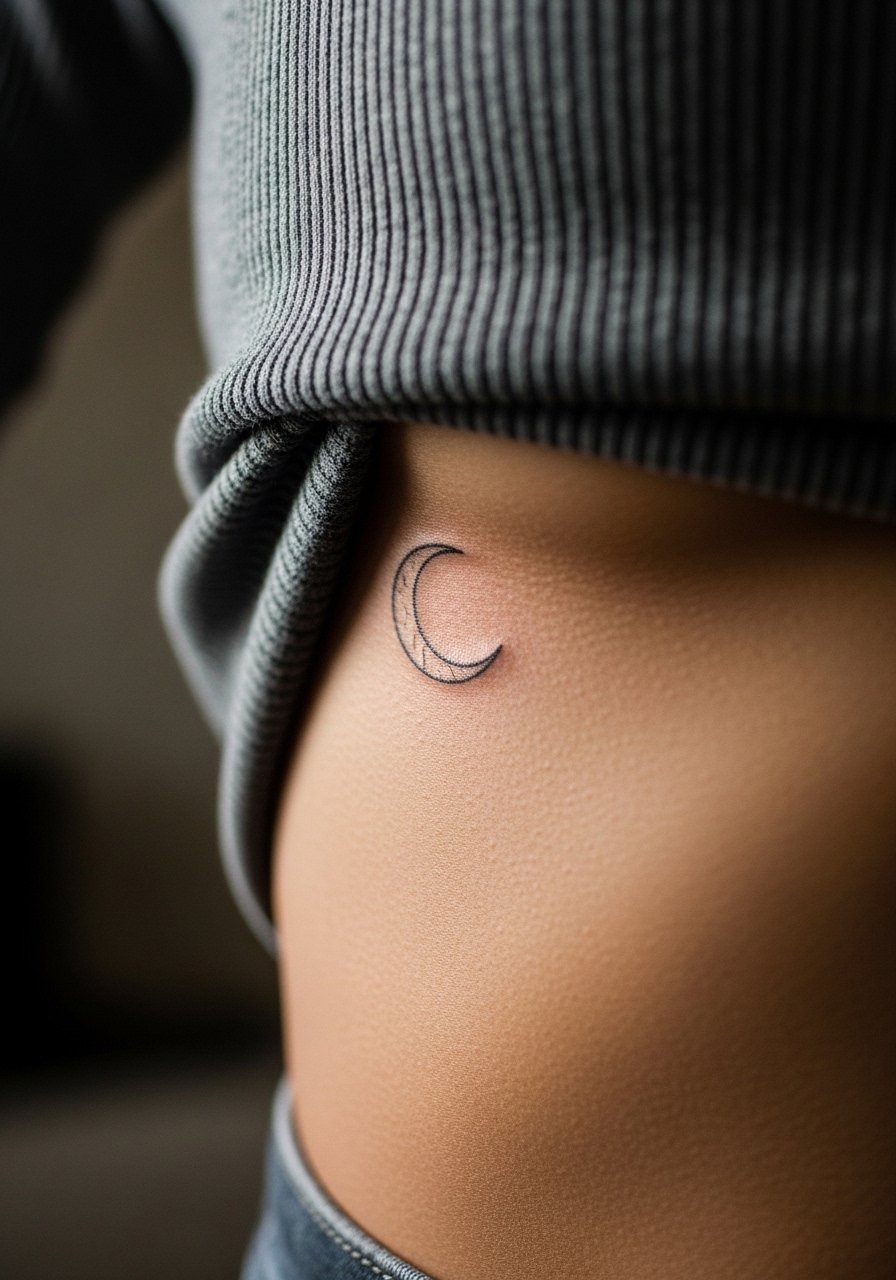
Ribcage minis are intimate and easy to hide at work. Choose a crescent with slight interior negative space rather than dense fill to avoid blurring with breath and movement. A common mistake is requesting heavy stipple in a tight crescent. Expect higher pain and a likely touch-up within a year for crisp contrast. For the session wear a loose tank top you can lift without straining.
25. Minimalist Wave at the Ankle
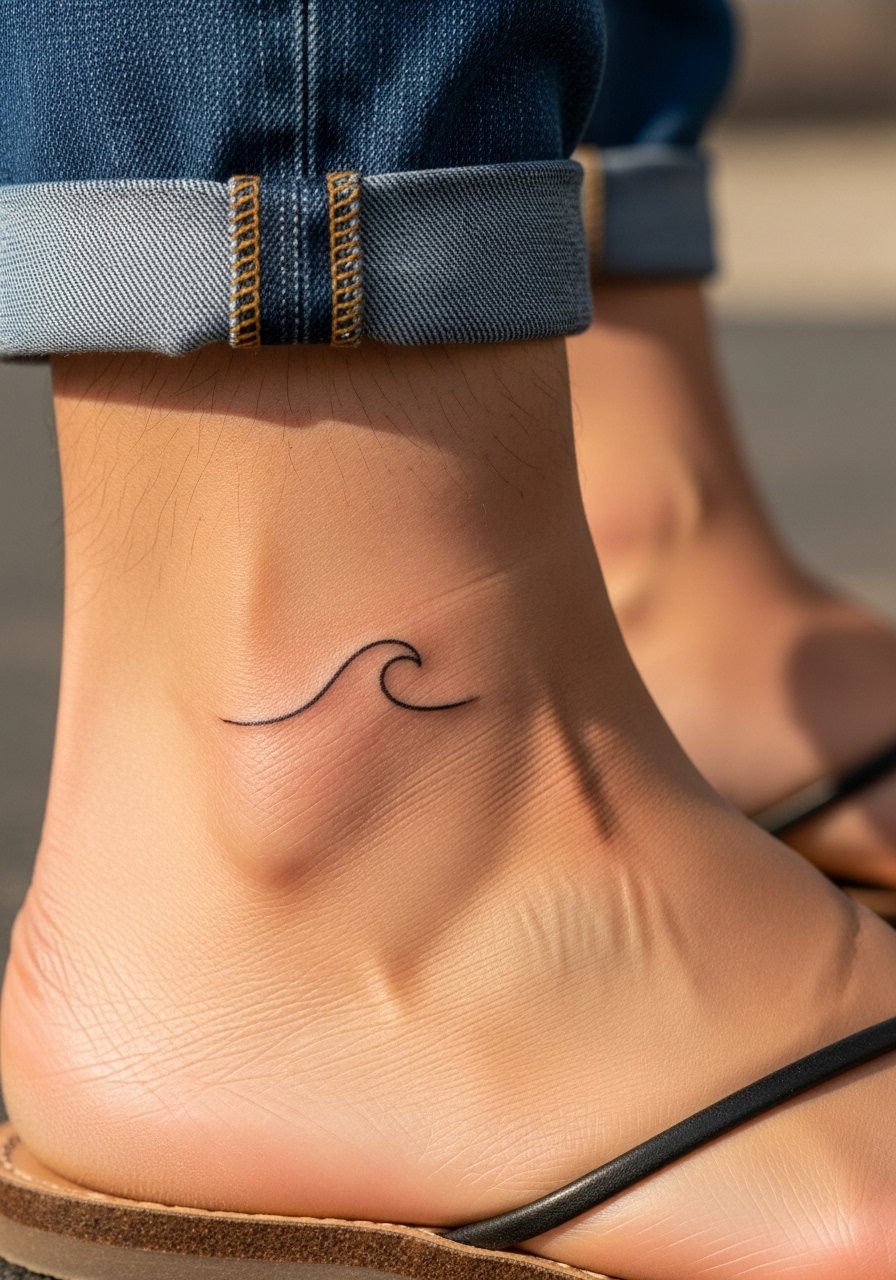
Wave minis read as movement and are forgiving when kept simple. Ask for a single continuous stroke with comfortable thickness so the curve does not thin out with wear. A mistake is adding micro texture that fills in after exposure to water and sun. Ankle touch-ups are common after beach seasons. For show-off style, choose strappy ankle sandals.
26. Tiny Keyhole on the Inner Bicep
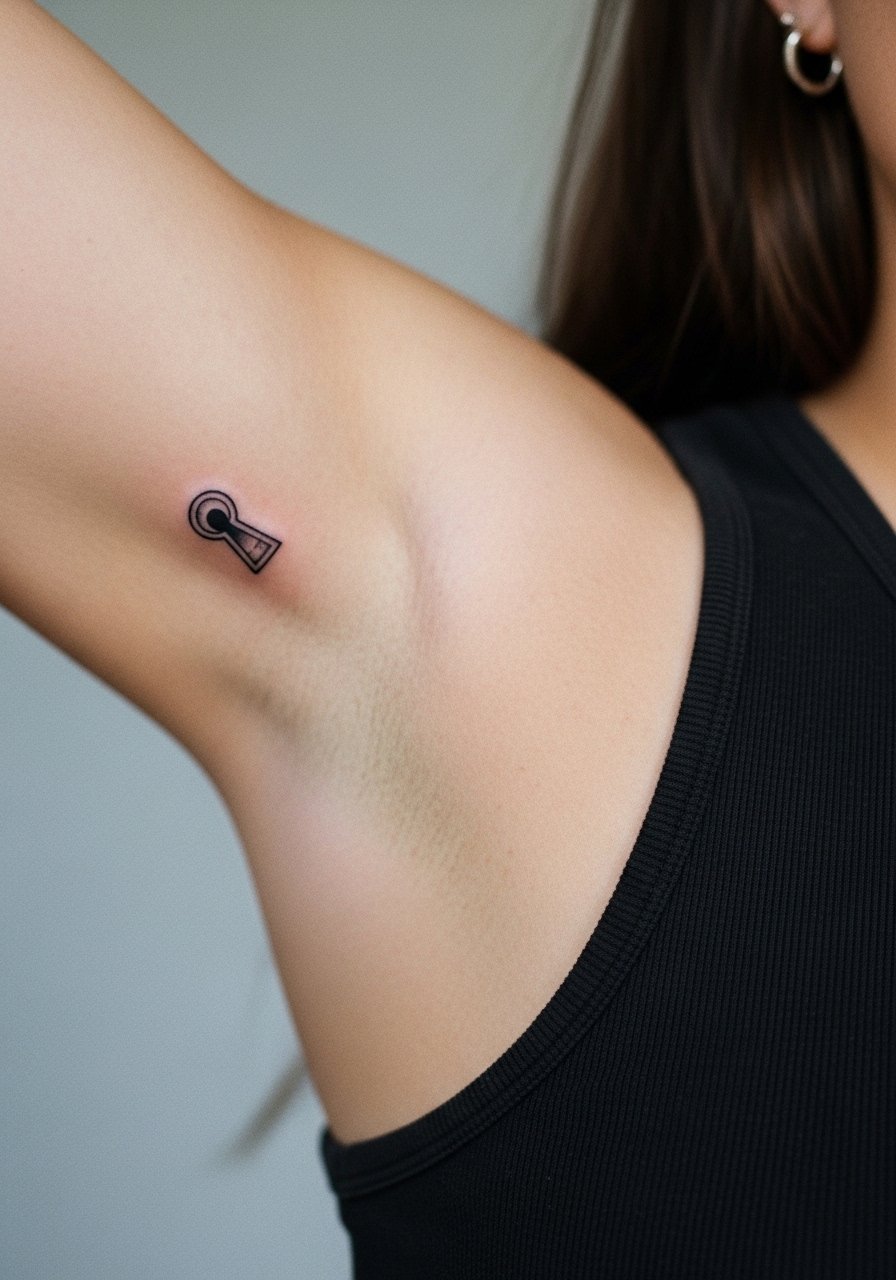
Inner bicep skin is soft and holds shapes well, but movement can stretch tiny details. Tell your artist you want a simple negative-space keyhole rather than stippled fills. One mistake is putting micro filler in a zone that flexes, causing loss of definition. Pain is moderate, and the session is short. For the appointment wear a tank top with easy arm access.
27. UV Ink Tiny Star on the Finger Side
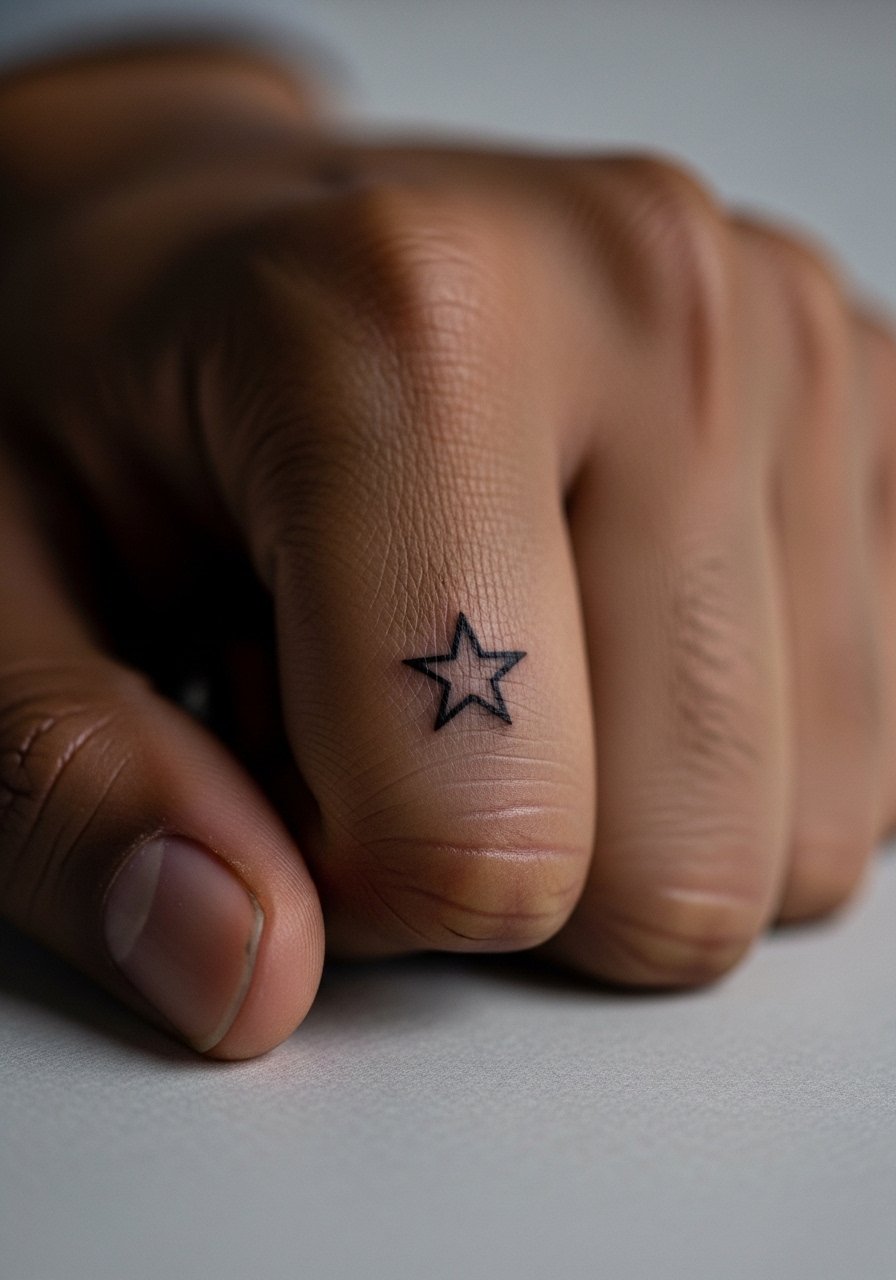
UV ink offers a hidden-pop option but has trade-offs. Ask about the pigment used and realistic longevity during consultation. One camp says UV is fun for event wear and fades with time. The other cautions about pigment strength and visibility on darker tones. If you choose UV, expect more frequent touch-ups and only use it in small, low-friction spots like this finger side. For the session remove rings and wear simple short sleeves.
Frequently Asked Questions
Q: Will fine line tattoos blur faster on darker skin tones and what should I ask an artist?
A: From what I have seen, very thin single-needle work can lose crispness faster on deeper tones because contrast behaves differently. Ask to see healed photos on similar skin, request slightly bolder primary strokes, and discuss touch-up timelines in the booking so expectations match reality.
Q: How do I avoid booking nightmares like last-minute cancellations and lost deposits?
A: Book through verified platforms that list cancellation policies, or confirm studio policy in writing before paying a deposit. If a guest spot or small studio seems unreliable from reviews, consider a studio with posted policies and visible appointment management to reduce the risk of rescheduling headaches.
Q: Are micro watercolor pieces worth it if I want longevity?
A: Watercolor looks incredible fresh but generally fades faster than blackwork. If longevity matters, ask for understated outlines under the color or choose muted washes that can be refreshed. Expect touch-ups sooner than with solid black work, and plan for seasonal color loss.
Q: What should I wear to appointments for ribcage, thigh, and shoulder pieces?
A: For ribcage wear a loose tank you can lift, for thigh bring loose shorts or a skirt you can pull aside, and for shoulder a button-down or tank is easiest. These clothing choices make the session smoother and prevent accidental rubbing during the appointment.
Q: How often do minis need touch-ups and which placements are most likely to require them?
A: Expect touch-ups in the one- to three-year range for many fine line minis, particularly on high-friction spots like fingers, wrists, and ankles. Forearms and shoulders tend to hold better. Discuss a realistic touch-up timeline with the artist when you book.
Q: Do protective bandages like Second Skin harm sensitive fine line work?
A: Many people use clear protective films for the initial 24 to 48 hours, especially on wrist and finger work, because they reduce friction and contamination. Make sure the film is applied cleanly and follow your artist's timeline for removal to avoid over-moisturizing that could affect ink retention.