
Fine line tattoos are everywhere on inspiration boards right now, and the gap between trending pictures and how a micro piece actually settles shows up fast. I've noticed tiny designs that read crisp at six months can blur by year three if placement and spacing are rushed, and surprise shop minimums or last-minute reschedules can turn a casual idea into stress. These 21 mini designs weigh style, placement, and real aging so you pick something that still looks like you after a few years.
1. Fine Line Lotus on Inner Wrist
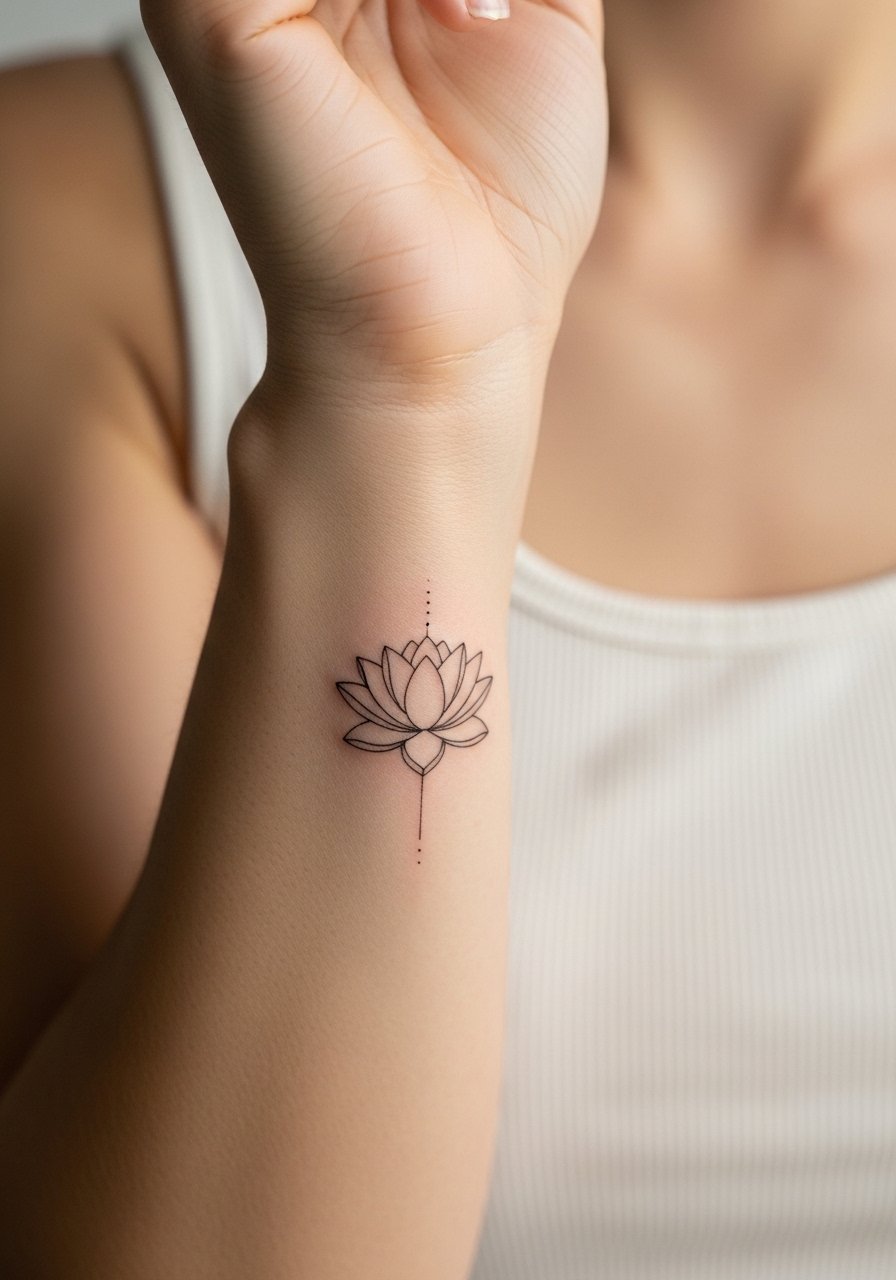
I recommend this lotus when you want a symbol that is readable at a glance and easy to conceal with a watch or bracelet. When you talk to your artist ask for slightly increased line spacing and a single-needle fine line approach so the petals do not merge as they age. Fair warning, the wrist sees a lot of sun and friction so expect a touch-up at year two to three if you wear bracelets often. For the session, wear a minimalist tank top that leaves the wrist exposed and a thin chain bracelet on the opposite wrist to frame the piece after it heals.
2. Minimalist Cat Silhouette on Outer Forearm
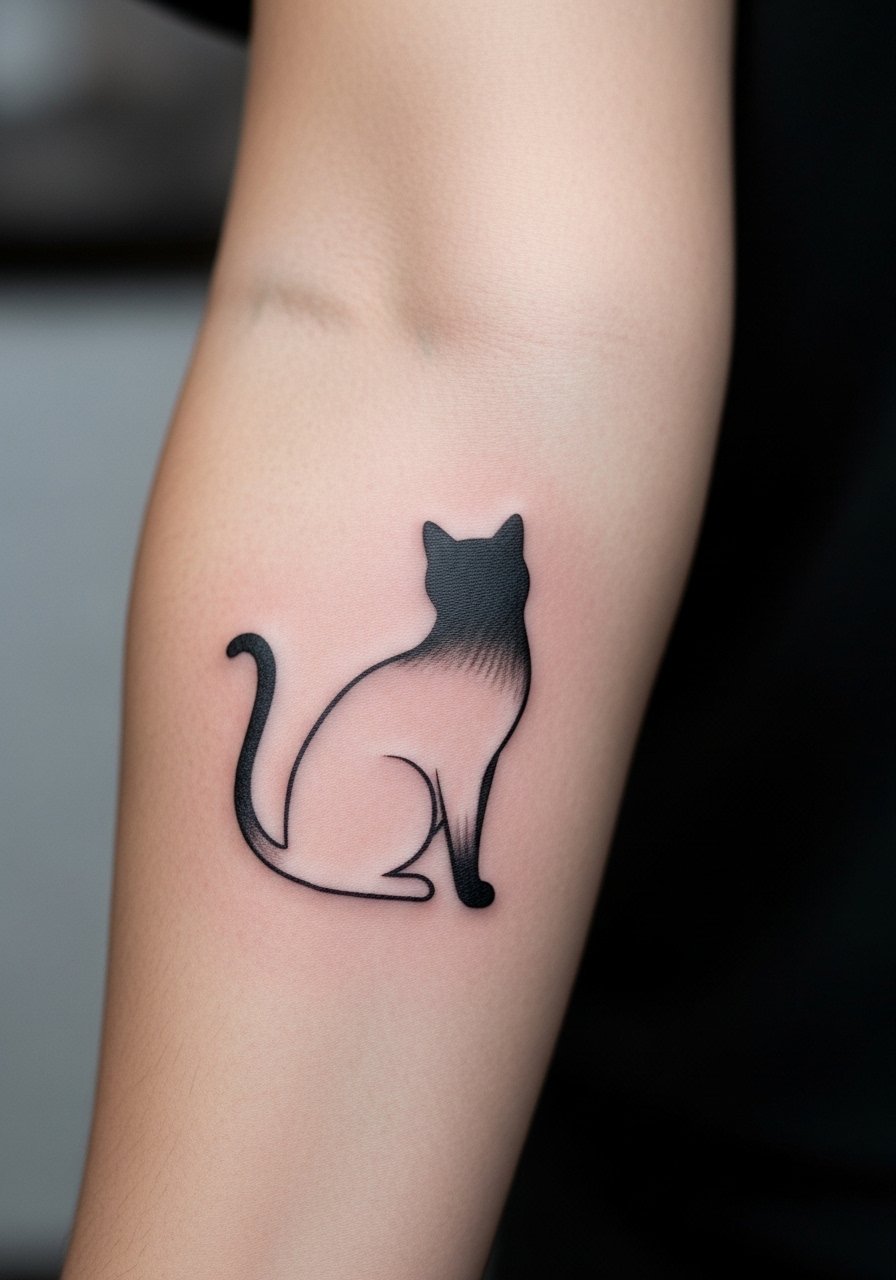
I've seen this motif hold up well when done at about 2 cm with bold single lines instead of whisper-thin strokes. Tell your artist you want confident linework rather than featherweight detail, especially if you have medium to dark skin where definition matters more over time. The outer forearm is forgiving for touch-ups and the session feels like a steady two to three machine passes rather than long shading. Pairing tip for showing it off: roll the sleeve of a loose cotton button shirt and add a thin silver cuff bracelet on the other arm so the silhouette reads like an accessory.
3. Symmetrical Mandala at Neck Base
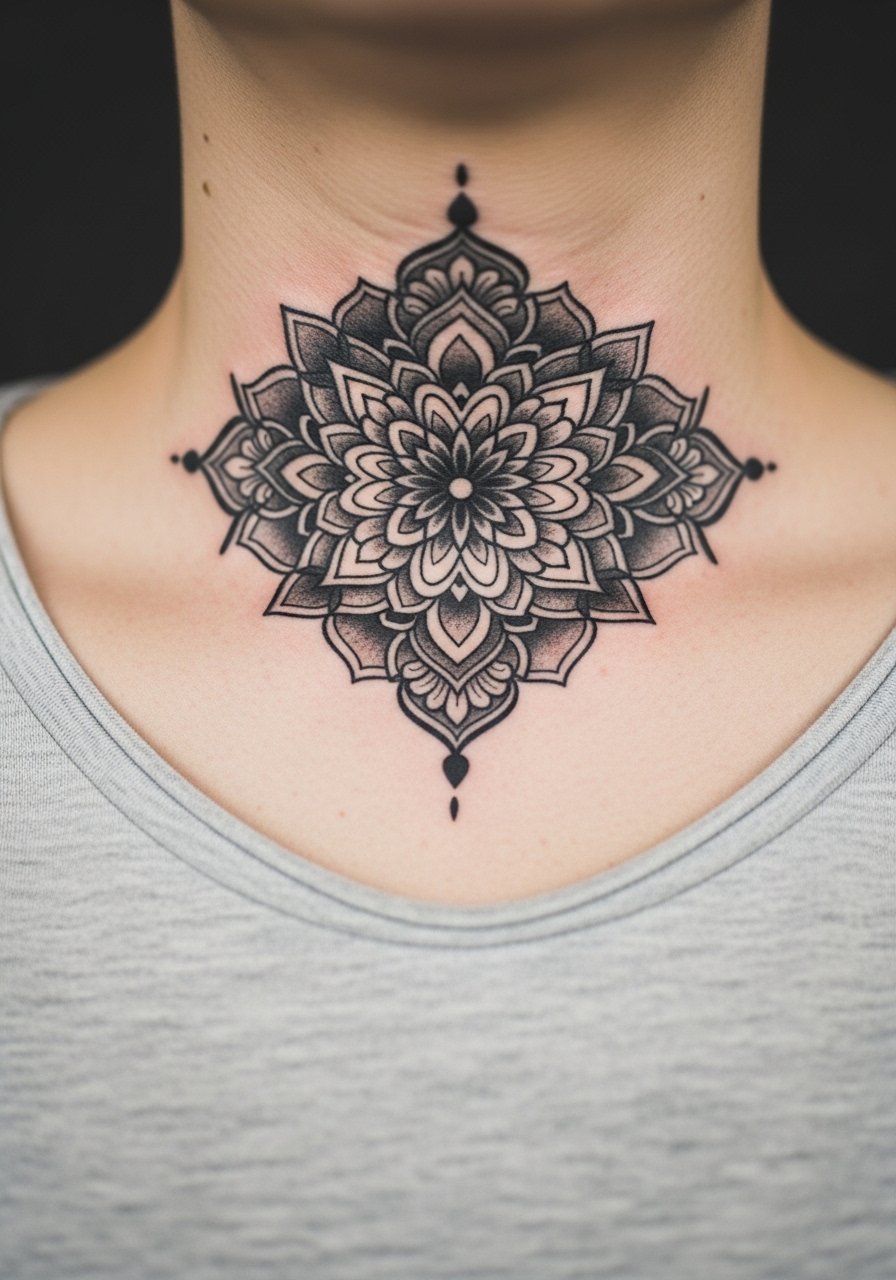
Most people choose mandalas for the meditative geometry, but the density can cause line merging if the design is too small. In consultation, ask for simplified negative space and dot work that gives breathing room between spokes. Expect a one to two session plan when the piece is 3 cm and uses stipple shading. The neck base is visible and pairs naturally with an off shoulder blouse or a thin choker necklace for contrast. For career-sensitive situations, keep the design slightly higher or smaller so it tucks under collars when needed.
4. Tiny Phoenix Outline on Inner Arm

This phoenix reads like resilience without the commitment of a large piece. The inner arm moves a lot during sleep and clothing friction, so request slightly bolder outlines and an open wing structure to avoid early blurring. The session feels like lighting on soft skin, a medium tenderness that most people tolerate well. I advise a touch-up window at around year two if your lifestyle includes frequent sun exposure. For appointment day wear, a rolled sleeve tee makes access easy and keeps the area comfortable.
5. Small Angel Wing on Collarbone
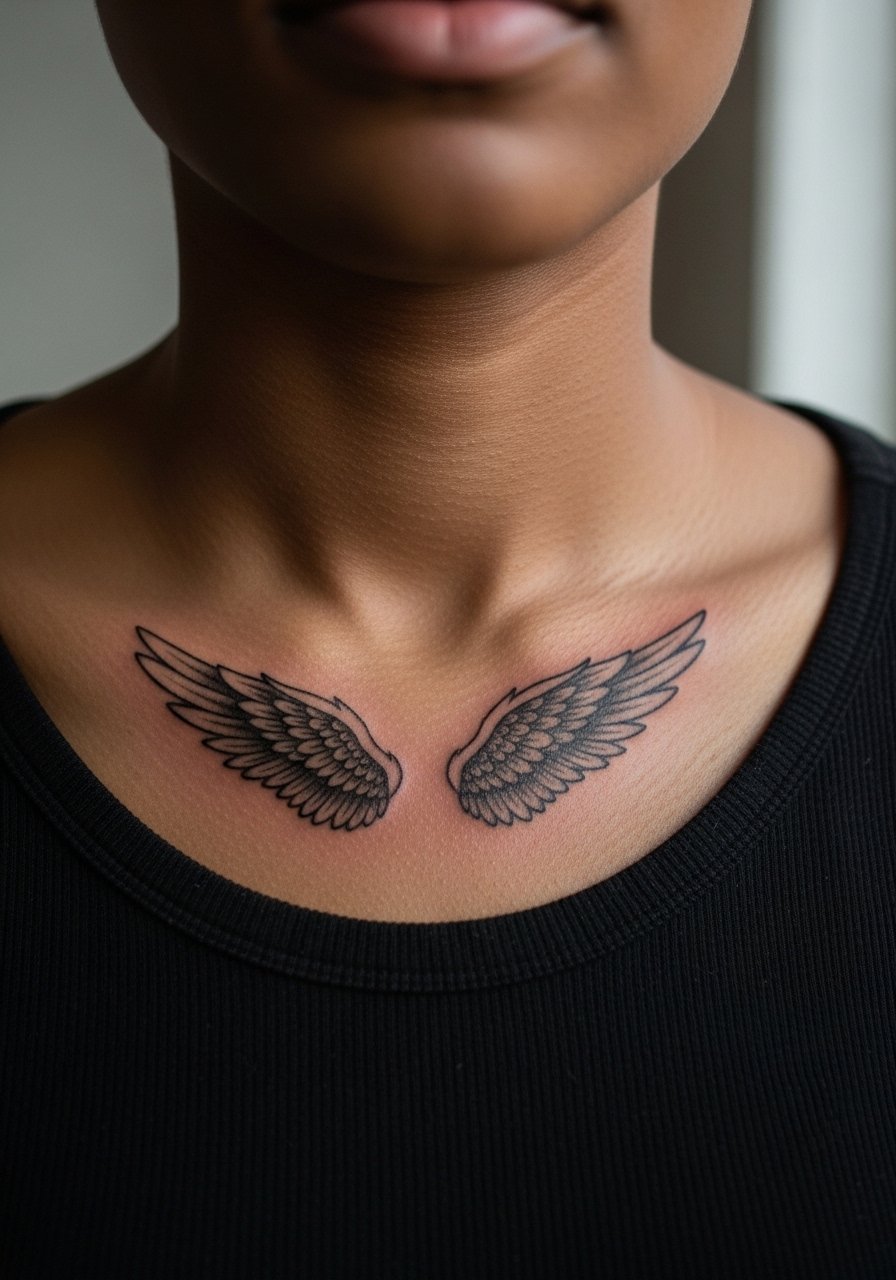
This placement flatters strapless or low-neck outfits and reads elegant when kept to 1.5 cm. In a consultation ask for tapered feather tips and sparse negative space between feathers so the wing keeps shape as saturation settles. Collarbone sessions can sting more than the forearm but heal predictably with less friction than wrists. For showing it off, a strapless tank top under a low-cut tank brings attention to the wing without competing.
6. Geometric Ankle Flower

Ankle florals become seasonal jewelry when you choose an open, airy geometry that breathes on the skin. The common mistake is cramming too much detail into a 2 cm space. Ask for a clear outline and dotwork center to give longevity. The ankle sees abrasion from socks and shoes, so a protective mindset in the first week reduces scabbing and early fade. For summer show-offs, pair it with strappy flat sandals or cropped straight jeans to let the design read like anklet jewelry.
Pre-Session Essentials
The wrist, collarbone, and ankle pieces above each ask for different prep, so these items smooth the session and the first week of healing.
-
Stencil transfer paper kit. Lets you preview how the lotus, phoenix, and mandala sit on your actual skin before the needle touches it, which is crucial for small, geometric work.
-
Topical numbing cream. Applied per manufacturer directions about 30 to 45 minutes before the appointment can reduce wrist and ankle sensitivity without interfering with linework.
-
Thin protective film roll. Keeps ankle and wrist tattoos cleaner during the first days of showering and friction from socks or watches.
-
Fragrance-free gentle body wash. A mild cleanser helps avoid irritation on delicate collarbone and inner wrist tattoos while they form their initial scab.
-
Aquaphor Healing Ointment. A thin layer for the first couple of days locks in moisture for fine line work without over-saturating the needle channels.
7. Initials in Script Behind the Ear

Behind-the-ear initials give a secret reveal when hair is up. The area needs a very small stencil at about 1 cm and slightly bolder single-stroke letters so the script keeps contrast on varied skin tones. Ask your artist to place the script just below the hairline for concealment control. Sessions here are quick but the skin is thin, so it can feel sharp for short bursts. For showing and hiding, style with a silk hair scarf or a set of hair ties that let you pull hair back cleanly.
8. Small Bird Motif on Ankle
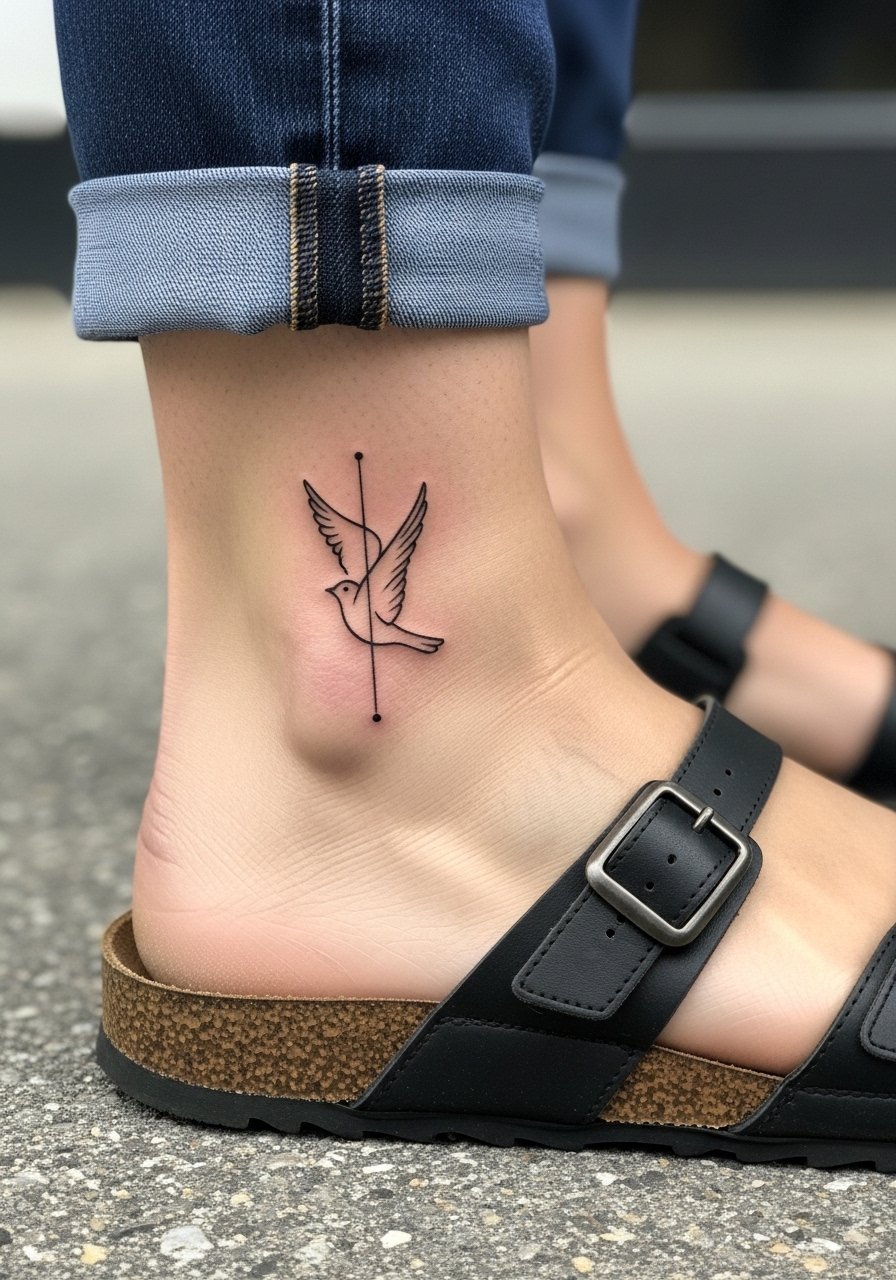
A tiny bird reads like movement and pairs well with footwear-centered outfits. I recommend a slightly open-winged silhouette to avoid crowding detail into 2 cm. The usual mistake is making the bird too intricate for the ankle's small canvas. Healing shows more wear there because of shoe straps and socks, so expect touch-ups if you wear ankle-covering shoes frequently. For summer use, a strappy flat sandals pairing turns the tattoo into seasonal jewelry.
9. Fine Line Single Needle Wave on Wrist

Most single-needle waves look calm when fresh but lose clarity quickly on hands and wrists if the line weight is too thin. In the consultation ask for a slightly stronger stitch of ink and avoid micro-hatching inside the curve. Expect a quick session under 30 minutes and a touch-up by year two for high-sun lifestyles. Wear a minimalist tank top to give the artist unobstructed access and keep jewelry off the wrist for the first two weeks.
10. Dotwork Star Cluster on Shoulder Blade
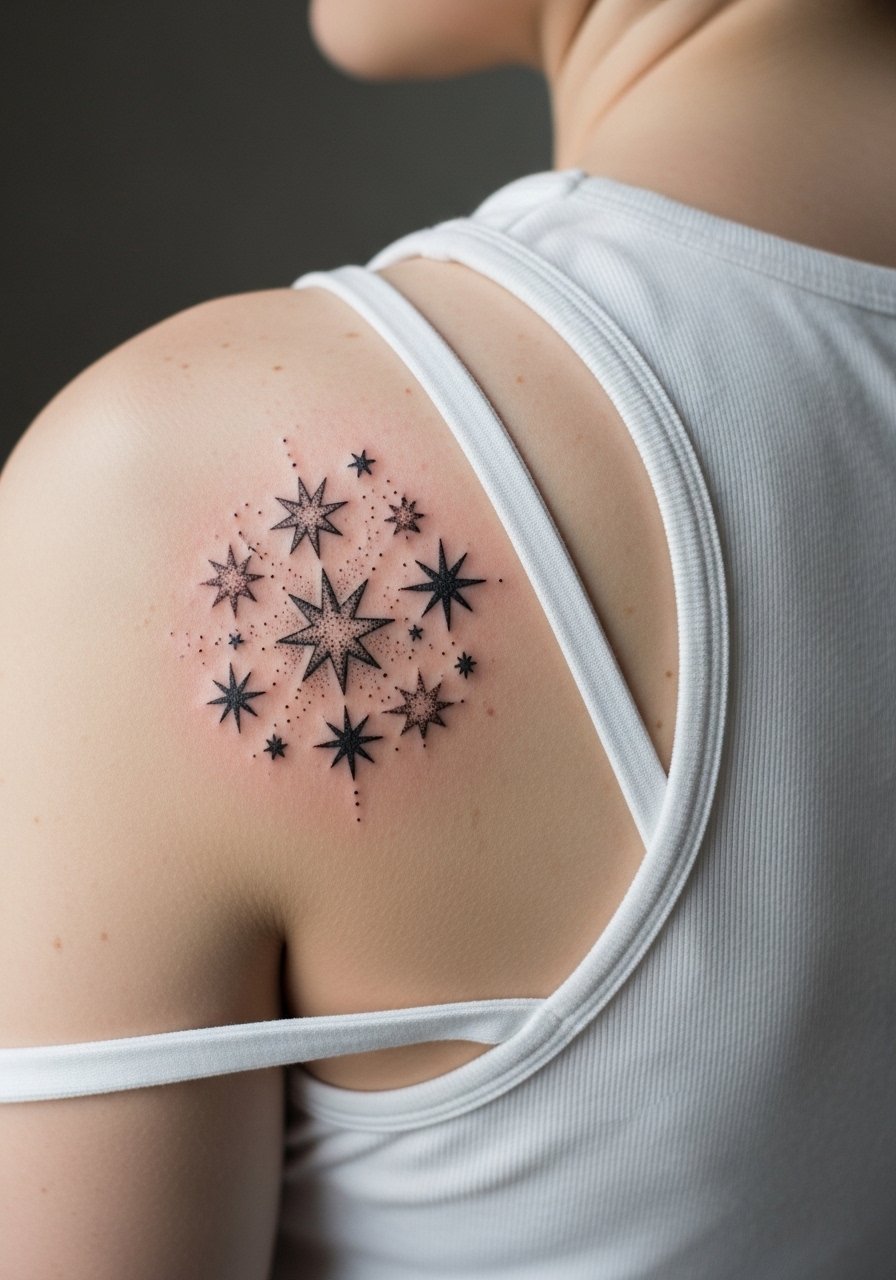
Dotwork thrives on the shoulder blade because the skin there is stable and canvas-friendly for texture. Tell your artist you want varying dot sizes to create depth rather than solid black stars. The common aging issue is dense clustering too close together, which can blur into a patch over several years. Sessions range from short touch-ups to a single longer sitting depending on complexity. For sessions wear a loose button-down shirt you can shift to expose the area without rubbing afterward.
11. Outline Heart with Arrow on Inner Wrist

The heart with arrow is a modern classic when simplified to a clean outline. Avoid tiny internal detail and ask for balanced negative space so the heart stays readable as lines soften. The inner wrist sees constant washing and movement so plan for a light touch-up at the two to three year mark. The session is brief but can feel concentrated on the nerve-dense wrist. Pair the healed design with a dainty chain stack on the opposite wrist to frame the piece without covering it.
12. Micro Leaf Cluster on Collarbone
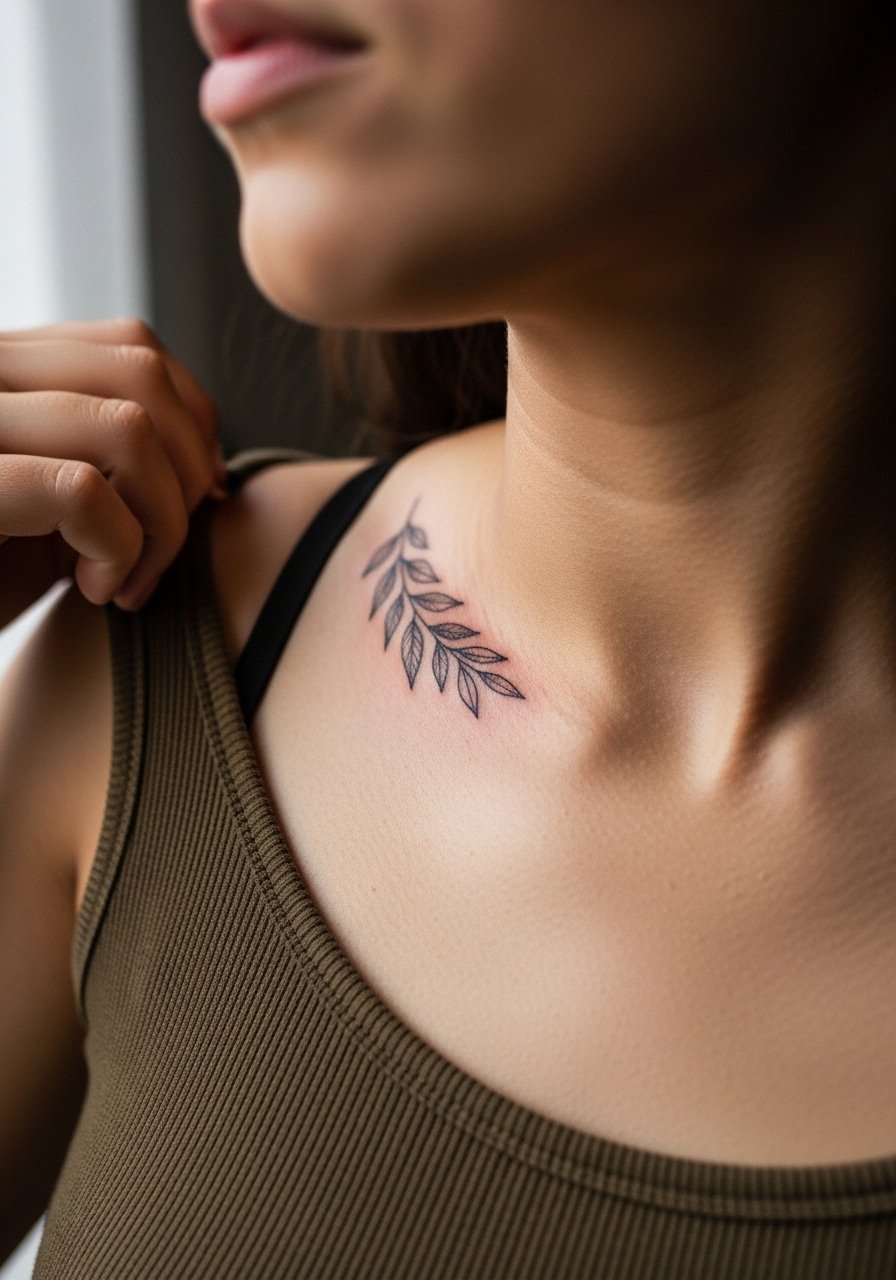
Leaf clusters read like a natural accent when the stems follow the collarbone's curve. The mistake is tight bunching that blurs with movement. Request spaced leaves with minimal stipple shading to keep contrast over time. Collarbone skin tolerates fine detail well but the area can feel sensitive while being worked. For show-off outfits, a earth tone cami or a low cut blouse frames the cluster elegantly.
13. Symmetrical Eye Symbol at Upper Neck

An eye symbol is dramatic at the upper neck when kept to 2.2 cm and paired with clean negative space. Artists debate neck placements for fine line because movement and sun exposure can cause faster fade. One camp points out the stretch and rubbing from collars and hair. The other camp says properly spaced, slightly bolder linework stabilizes the design. Ask your artist which approach they prefer, and plan for a possible touch-up at year two depending on your wardrobe. A thin choker necklace can highlight the piece without rubbing it.
14. Minimal Crescent Moon Behind Ear

This tiny moon has a hidden charm when placed just below the hairline. Keep the curve open and avoid internal shading that can disappear on thin skin. The session is quick and the area tolerates micro pieces well if the stencil sits in the protected zone below the hairline. For easy concealment or reveal, use a hair ties set so you can pull hair back cleanly.
15. Micro Mountain Range on Forearm
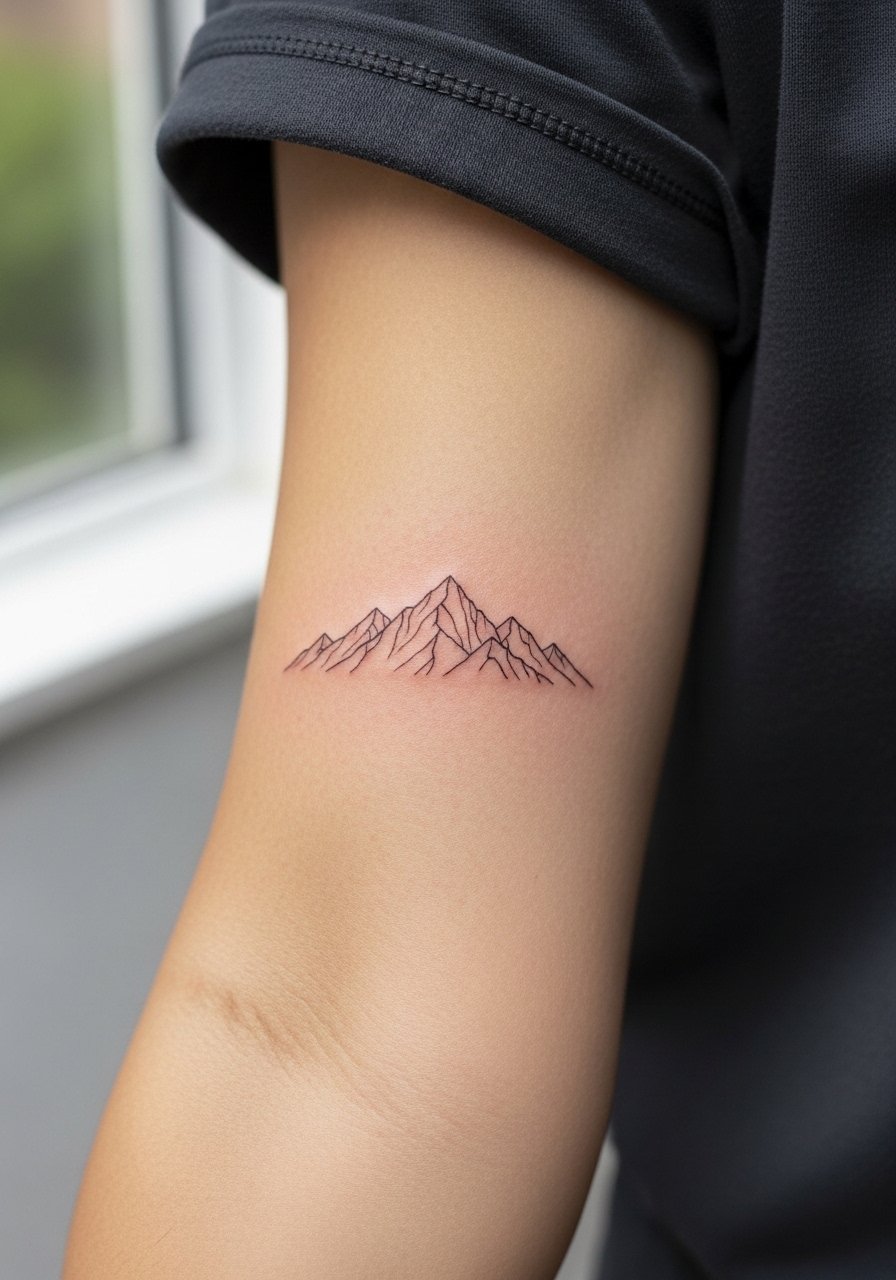
A tiny mountain range reads like a band of story on the forearm when kept linear and unshaded. The visual lead here is that the forearm gives the design room to breathe compared with a wrist or ankle. Ask for clear peaks and minimal dot shading for texture that stays readable. Sessions are low in pain and short in duration. For a casual, everyday look wear a rolled sleeve tee so the range sits like a discreet cuff.
16. Tiny Paper Plane on Side of Finger
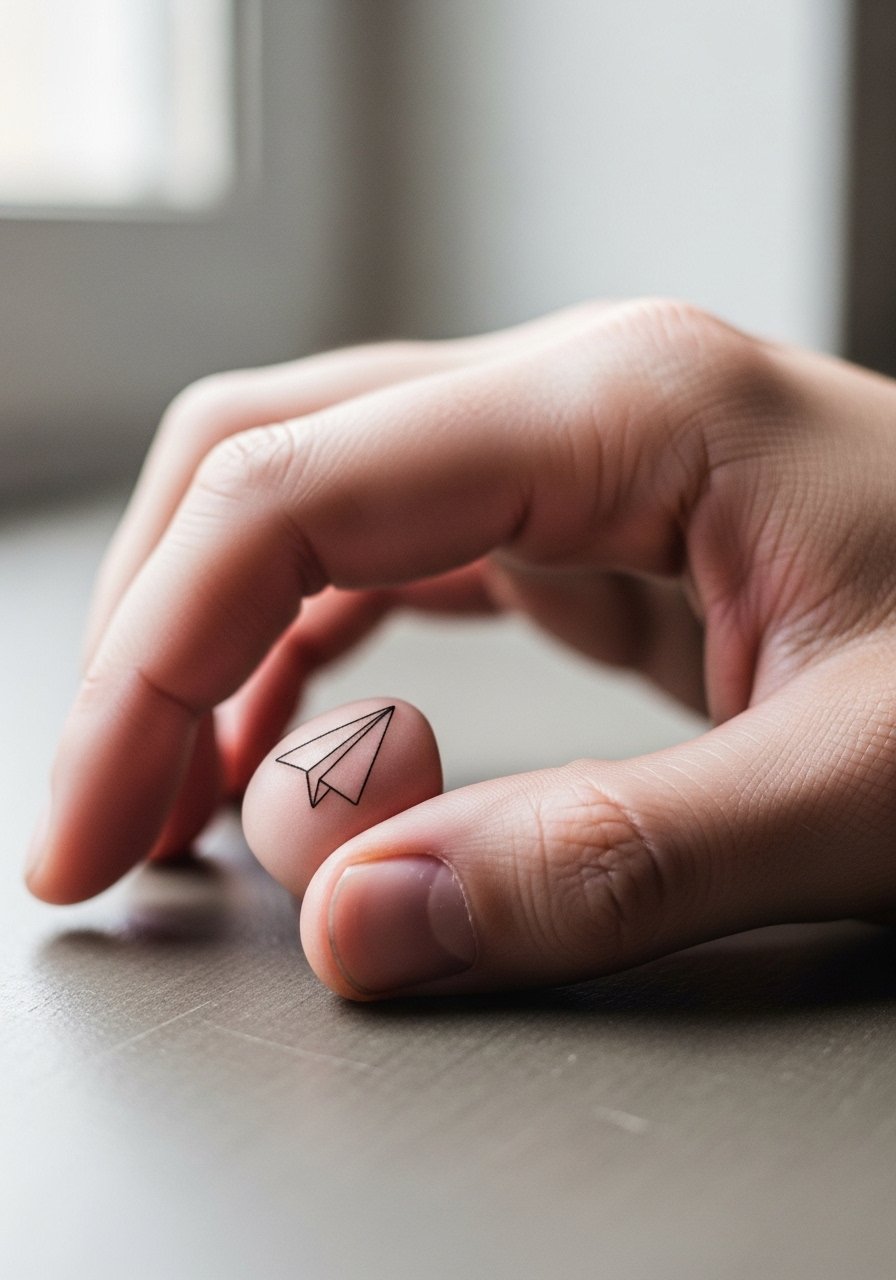
Finger placements are tempting because they feel intimate and playful. The trade-off is that fingers fade faster and may need more frequent touch-ups due to constant use and washing. If you choose a plane here, opt for a bolder outline and avoid fine cross-hatching. Sessions are quick but can sting more because of thin tissue. Keep expectations realistic and plan to refresh the piece in the first two years if you use your hands heavily.
17. Mini Compass on Ankle
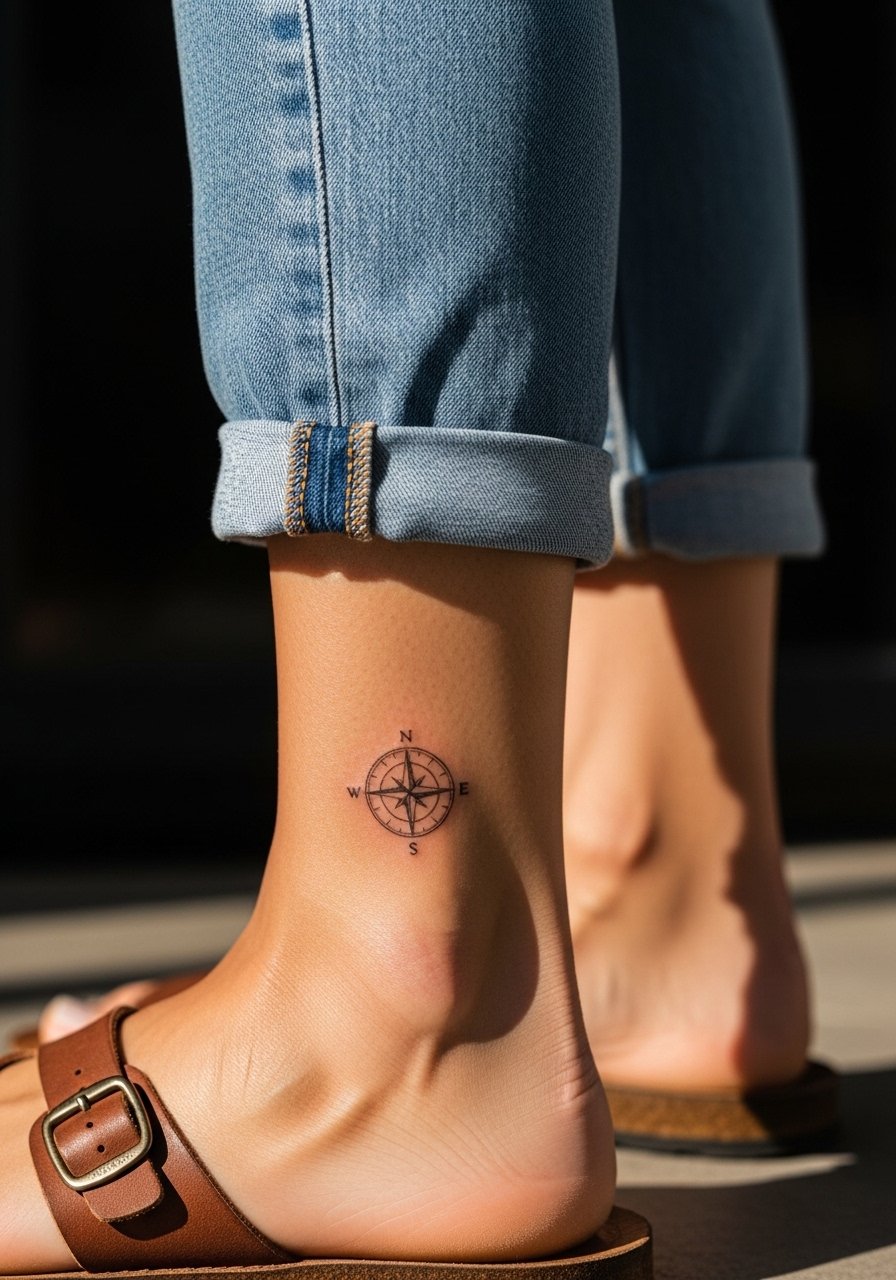
A micro compass gives a directional motif that reads like jewelry on the ankle. Request open cardinal points and a clear center so dots do not merge into a blob as the ink settles. The ankle heals with extra attention to footwear friction. For showing it off try pairing the healed compass with ankle strap heels or sandals that expose the area.
18. Tiny Paw Print on Outer Forearm
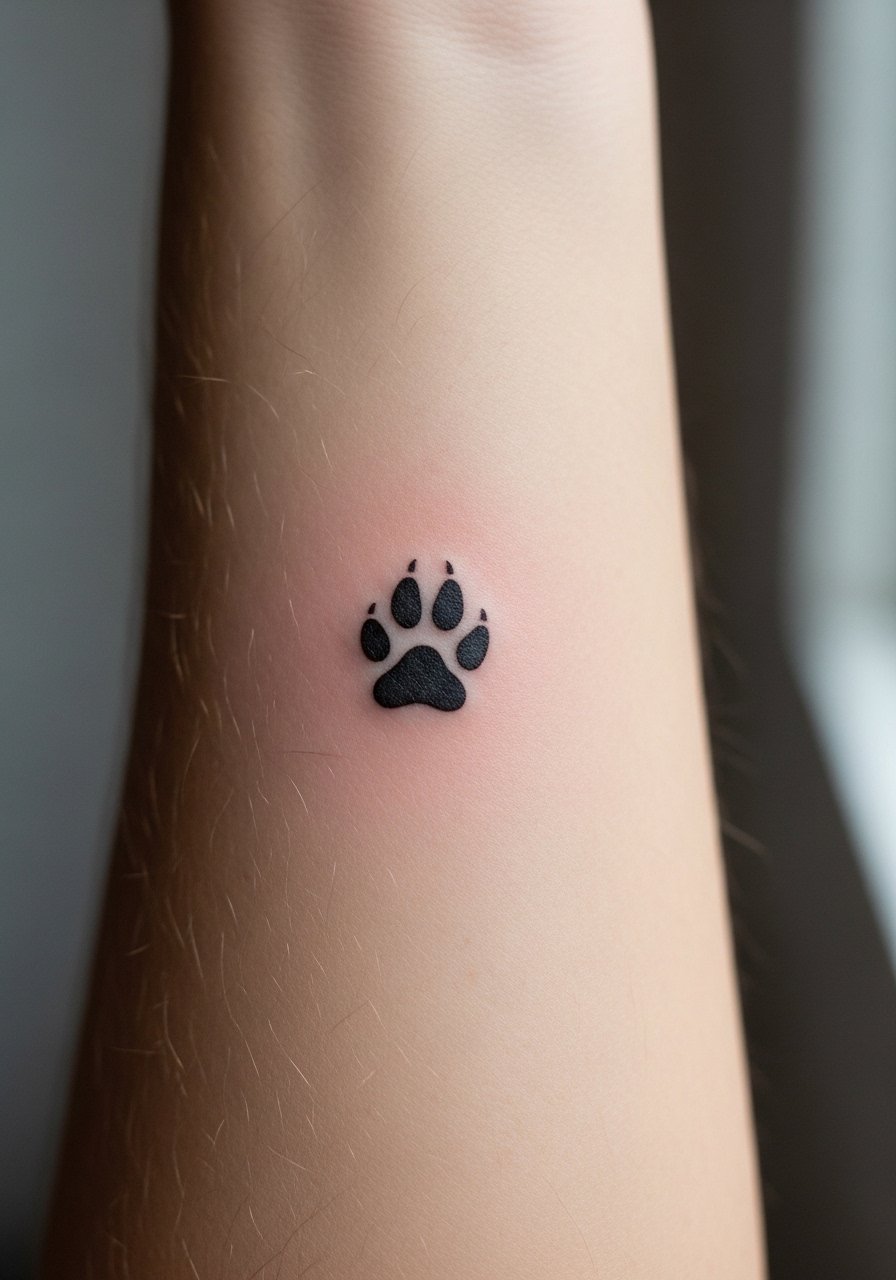
A micro paw print is a gentle pet tribute that reads well at about 1.8 to 2 cm. Tell the artist you want distinct pads with modest spacing so the print does not blur into a smudge. The outer forearm is easy to protect during healing and the session is short. For a casual reveal, wear a loose cotton button shirt with the sleeve rolled to let the print act like an accessory.
19. Thin Line Arrow on Inner Forearm
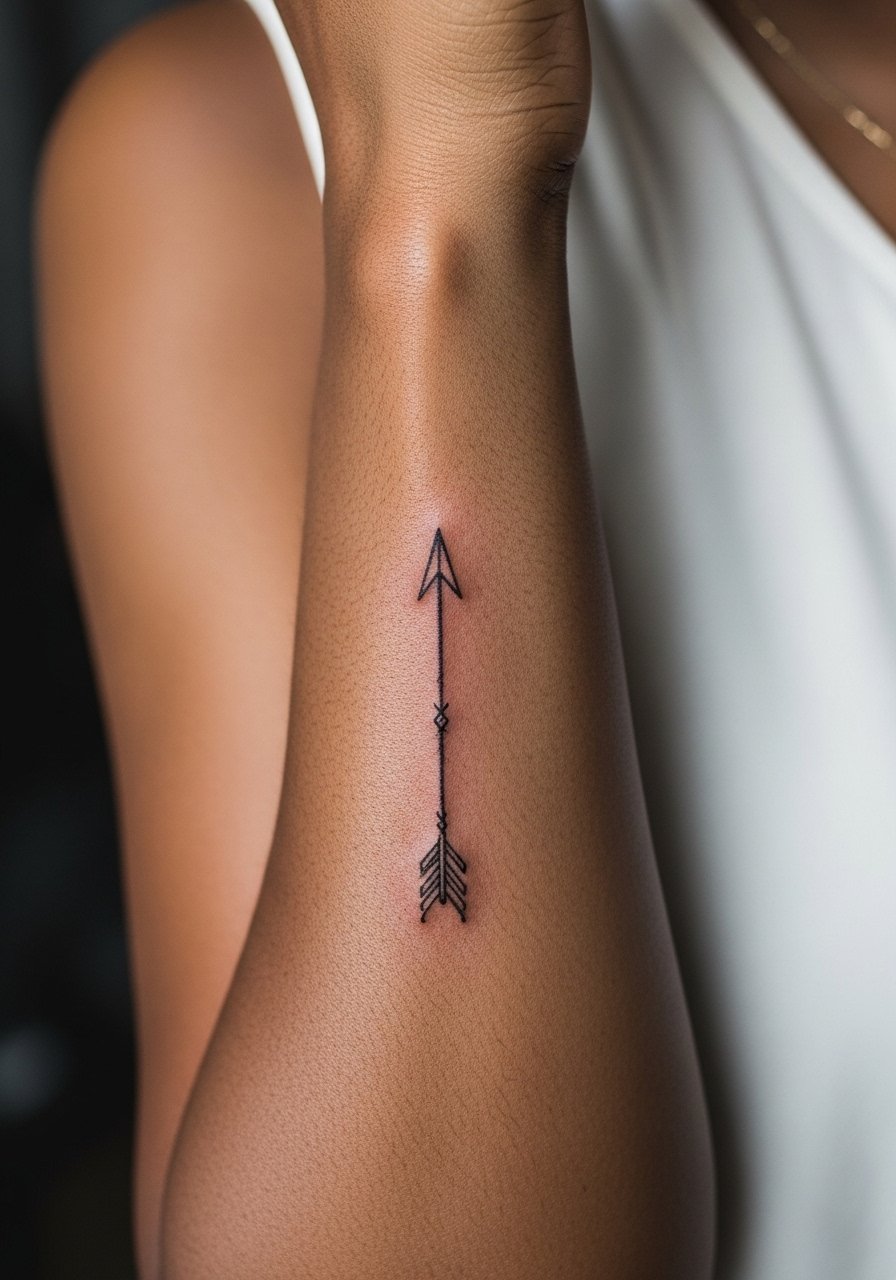
Arrows are minimal and directional when the shaft is given breathing room. The inner forearm is forgiving, but fine lines can thin over several years so ask for evenly spaced line weight. A common mistake is over-detailing the fletching, which creates early merging. Sessions are comfortable for most and healing is straightforward. Wear a minimalist tank top to keep access easy and avoid friction during the first healing stage.
20. Micro Script Date on Nape of Neck
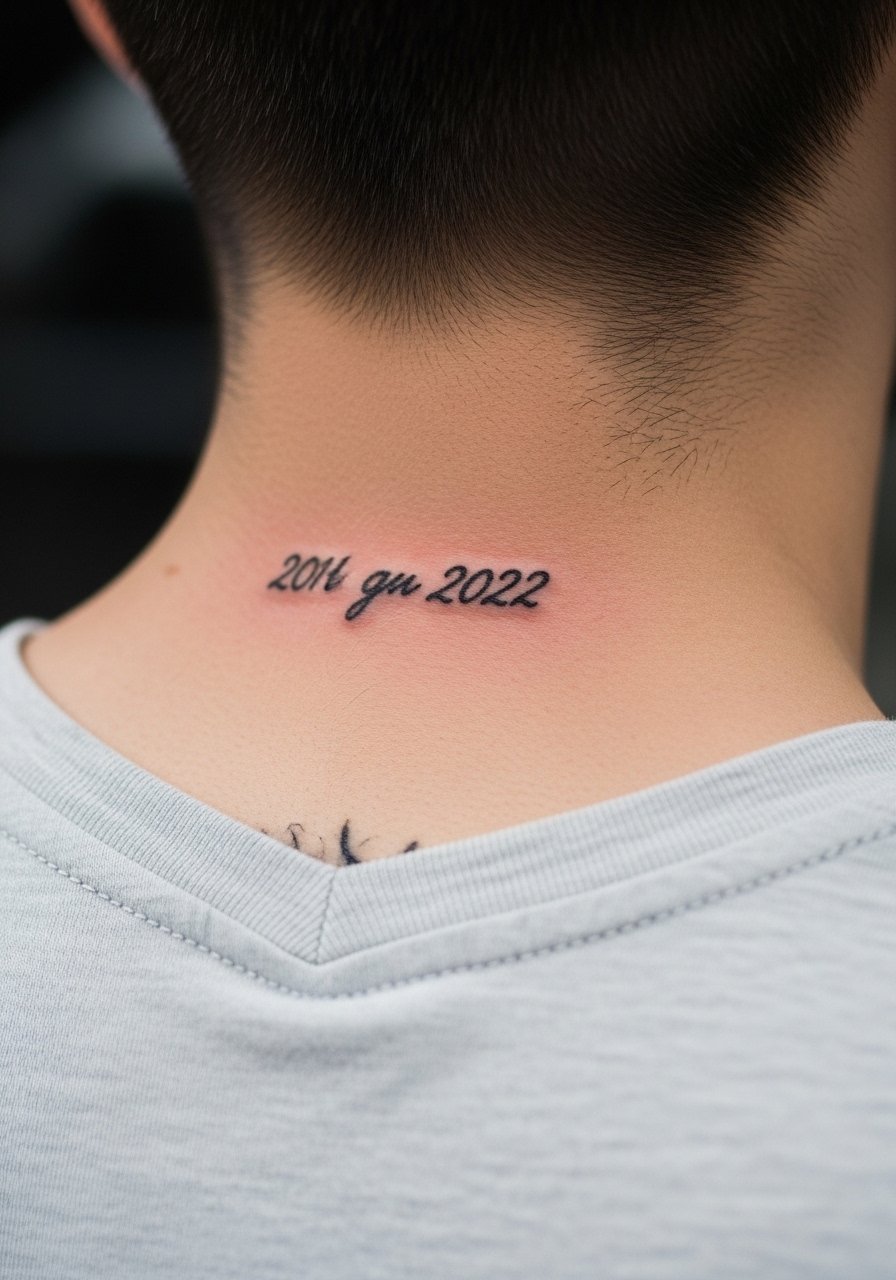
A tiny date at the nape reads intimate and stays mostly hidden under hair unless you pull it up. Specify the exact numerals you want and the script weight so letters do not close up after settling. Neck skin can vary, so expect a quick touch-up option depending on how the area holds. For session comfort, wear a v neck tee so the artist can reach the spot without tugging.
21. Minimal Sunburst on Shoulder

Sunbursts work as small focal points when rays are spaced and not densely packed. The shoulder tolerates micro realism and dotwork well so you can ask for a small stippled center to add texture without risking line merge. Sessions are usually short and the area is easy to protect with clothing. For evenings choose an off shoulder blouse that lets the sunburst peek through like a hint of jewelry.
Frequently Asked Questions
Q: Will fine line tattoos fade faster on darker skin, and what can I do about it?
A: Fine line can be less visible over time on darker skin because contrast matters. I recommend asking the artist for slightly bolder line weight or a touch of shading under the lines to improve longevity. Expect touch-ups at year two to three for high-contrast clarity.
Q: Should I use protective film or dry healing after a wrist or ankle mini?
A: Artists and clients split on this. One camp recommends protective film for a cleaner first 48 to 72 hours and less direct handling. The other camp prefers dry healing to avoid trapping moisture, which they say reduces scabbing. My suggestion is to follow the studio's protocol and schedule a quick follow-up check so you can adjust if the area reacts.
Q: How do shop minimums and cancellations affect booking a tiny piece like a 2 cm lotus?
A: Many shops keep a minimum charge that can feel high for micro work, and cancellations sometimes happen. Ask for precise sizing and fee structure before you deposit, and use discovery tools like local studio searches or booking apps that list cancellation policies. That reduces surprises.
Q: Are numbing creams safe for mini tattoos on sensitive spots like the wrist or inner arm?
A: People are divided. Some clients use topical numbing to manage the acute pain, while some artists avoid it because it can alter skin feedback. If you're considering numbing cream, tell the studio in advance and follow product timing instructions to avoid affecting line placement.
Q: How often should I plan touch-ups for single-needle pieces on hands, wrists, or ankles?
A: Expect a realistic touch-up window of two to three years for high-motion or high-friction spots. Fingers and hands often need the most frequent refreshes. Planning touch-ups as part of your maintenance keeps fine work crisp without overdoing coverage.
Q: What should I ask my artist during consultation to avoid a design that blurs into a blob?
A: Ask about recommended line weight for your skin tone and placement, request to see healed photos of similar pieces, and discuss where touch-ups would fit into the timeline. If the artist hesitates to show healed examples on comparable placements, that is worth noting.
Q: Can styling choices change how my mini tattoo reads after it heals?
A: Yes. Clothing and accessories influence visibility and wear. For example a collarbone motif pairs well with strapless tops that keep fabric off the area, while ankle pieces live and fade differently under socks and shoes. Thoughtful wardrobe choices reduce friction and keep the design clearer longer.