Fine line and blackwork neo-tribal are both trending, and they behave very differently on real skin. I've noticed people bring the same reference to three different artists and get three different results, so the decisions you make before the chair matter as much as the stencil. Below are matching neotribal tattoo design ideas that solve visibility, healing mismatch, and personalization problems while giving you clear consultation language to take to your artist.
1. Neo Tribal Wolf Head with Geometric Mandala, Forearm
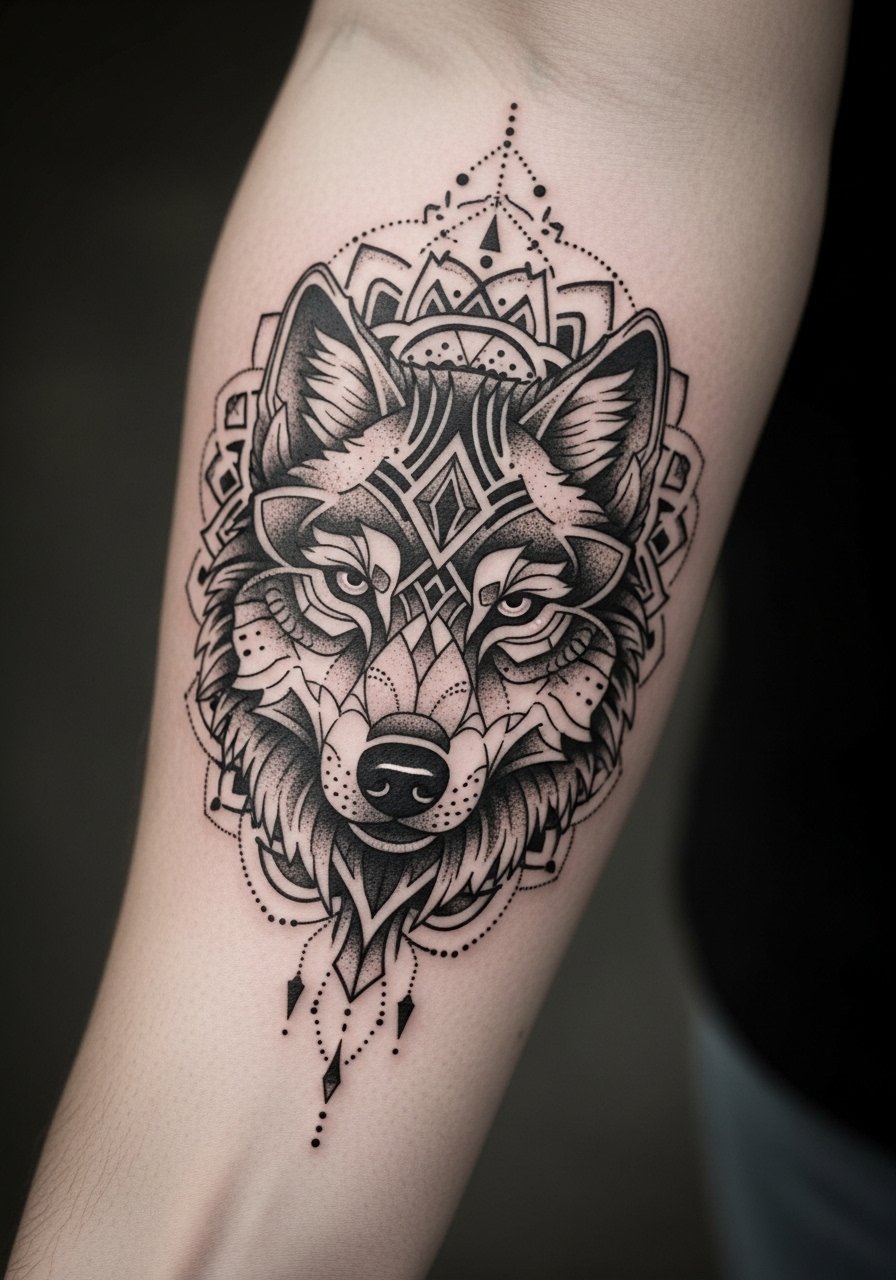
I recommend this forearm placement when you want a bold focal point that reads from a distance and still settles nicely. Tell your artist you want heavier outer contours and slightly more spacing in the mandala sections so the dot work does not merge over time. Common mistake is shrinking the mandala too small, which causes dense areas to blend after two to three years. Expect one to two sessions and a possible touch-up around year two if you live in a high-sun environment. For the session wear, throw on a loose button down shirt so the artist can roll the sleeve without fabric sticking to fresh ink.
2. Abstract Neo Tribal Arrow Pattern, Outer Arm Sleeve
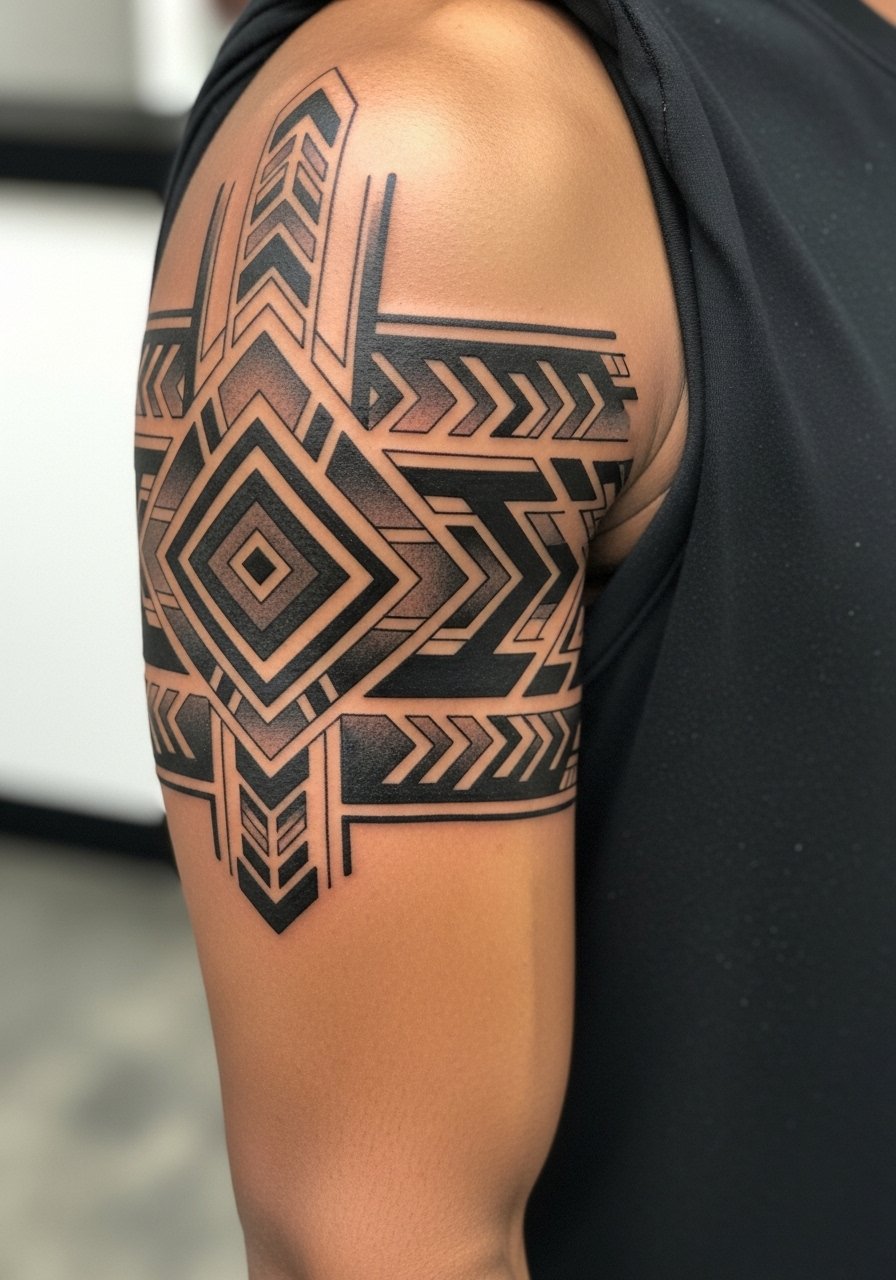
This is a sleeve idea for someone who wants movement and directional flow. Pick this over a single large motif when you want the arm to read like a continuous path rather than a portrait. In consultation, ask for interlocking negative-space channels so the pattern keeps breathing as it ages. A common aging issue is overcrowding the arrows, which turns sharp chevrons into bars after heavy sun exposure. Expect multiple sessions and plan the line weight to be mid-range, not needle-fine, to avoid blowout on the outer arm where the skin can shift with muscles.
3. Neo Tribal Sun and Wave Motif, Upper Chest
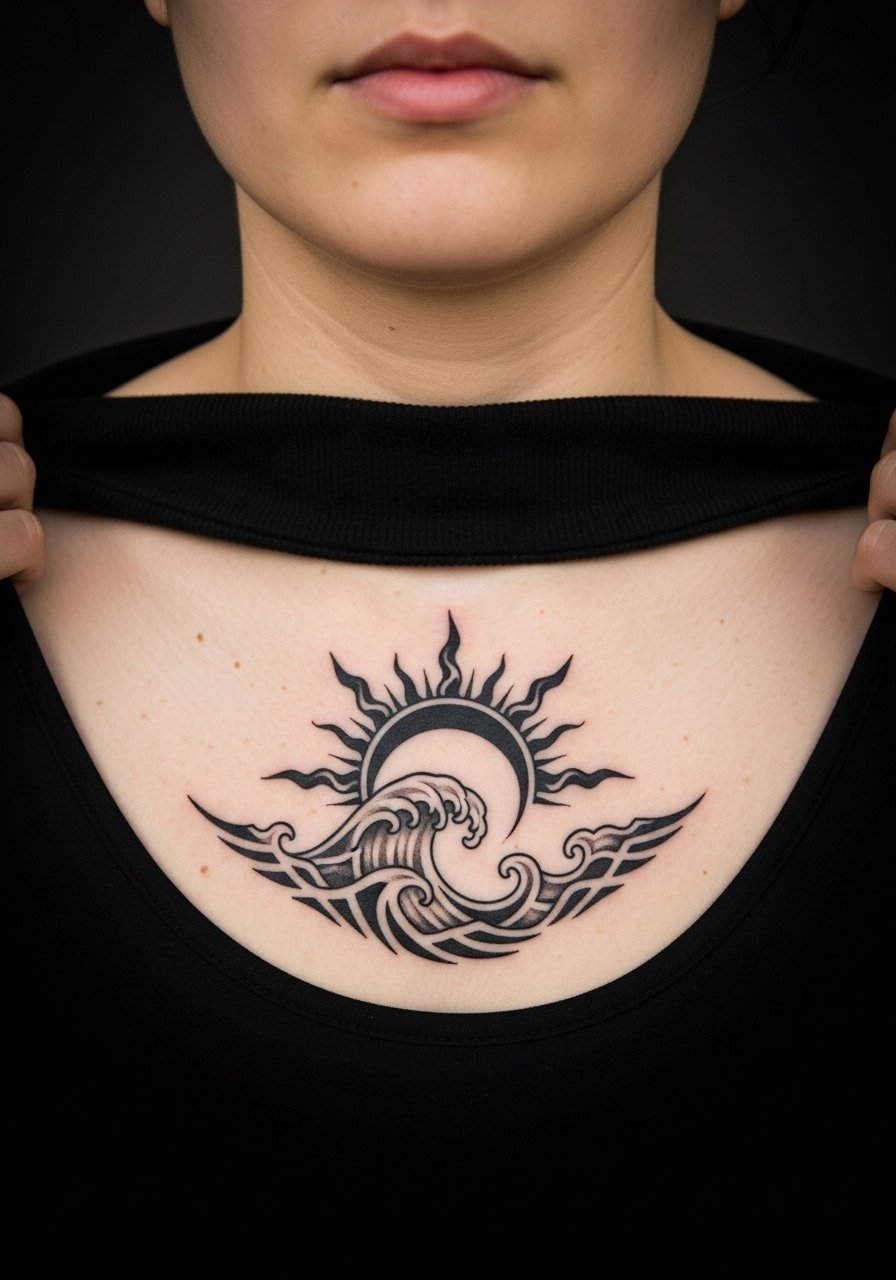
This chest piece pairs geometry with flow and works best when both halves mirror each other subtly. Ask your artist to map how the pattern will sit with your collarbones when the stencil goes on. A frequent error is placing dense dot work too close to the sternum, which can blur as the skin stretches. For showing it off, this motif looks clean with a deep v neck tank that frames the upper chest without covering the design. Be aware chest sessions can feel sharp on the bone, but the result reads strongly when healed.
4. Matching Neo Tribal Feather Pair, Wrist or Ankle
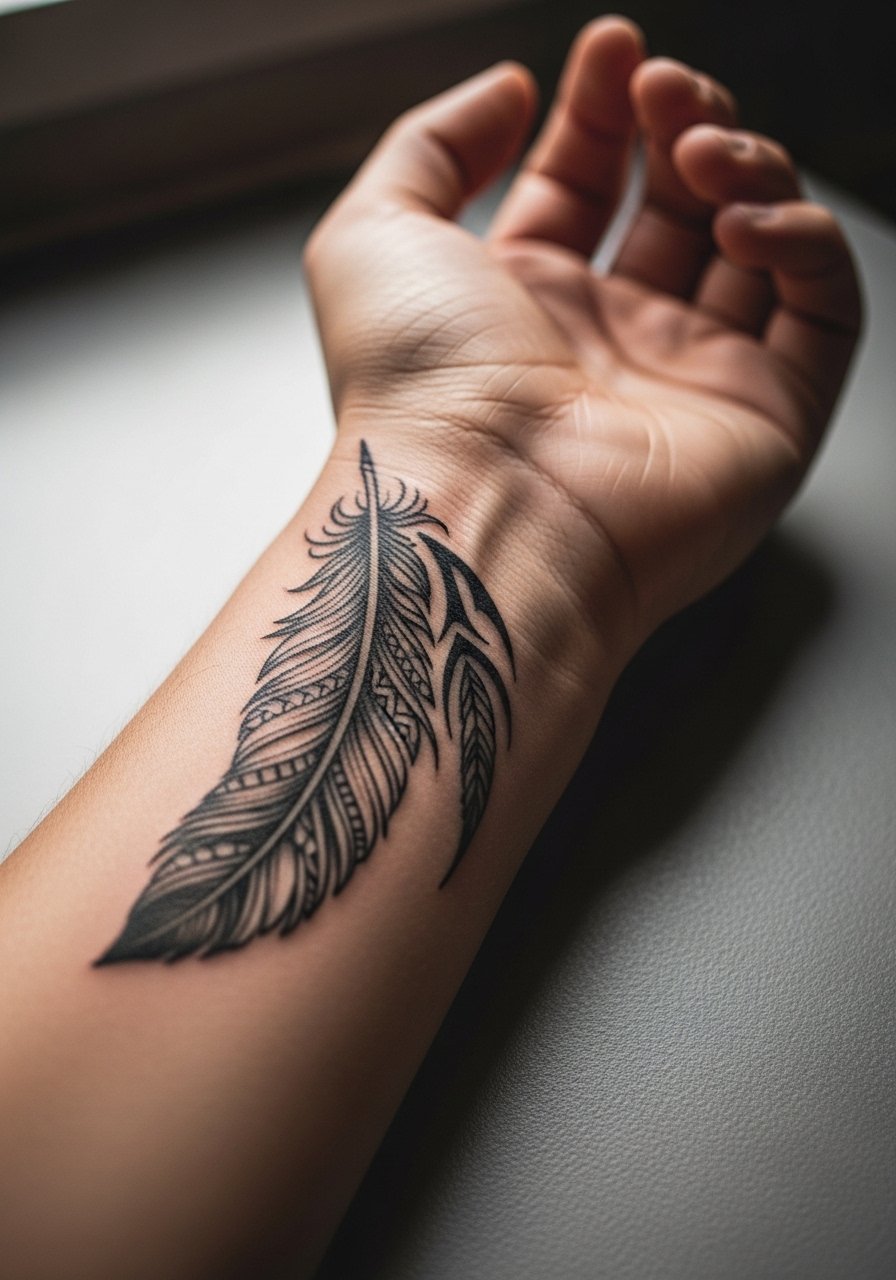
Feathers are the go-to for couples who want a subtle match. If you want longevity pick slightly thicker quill lines and space the barbs a touch wider. During the consult, request identical stencils and, if possible, get both pieces in the same session to avoid variance in touch-up timing. The biggest mistake is asking for ultra-fine barbs that look delicate fresh but fade unevenly on the wrist where washing and bracelets hit the area. For showing this off, pair the finished piece with a thin leather cuff bracelet on the opposite wrist to frame the feather without crowding the linework.
5. Neo Tribal Tree of Life, Outer Thigh
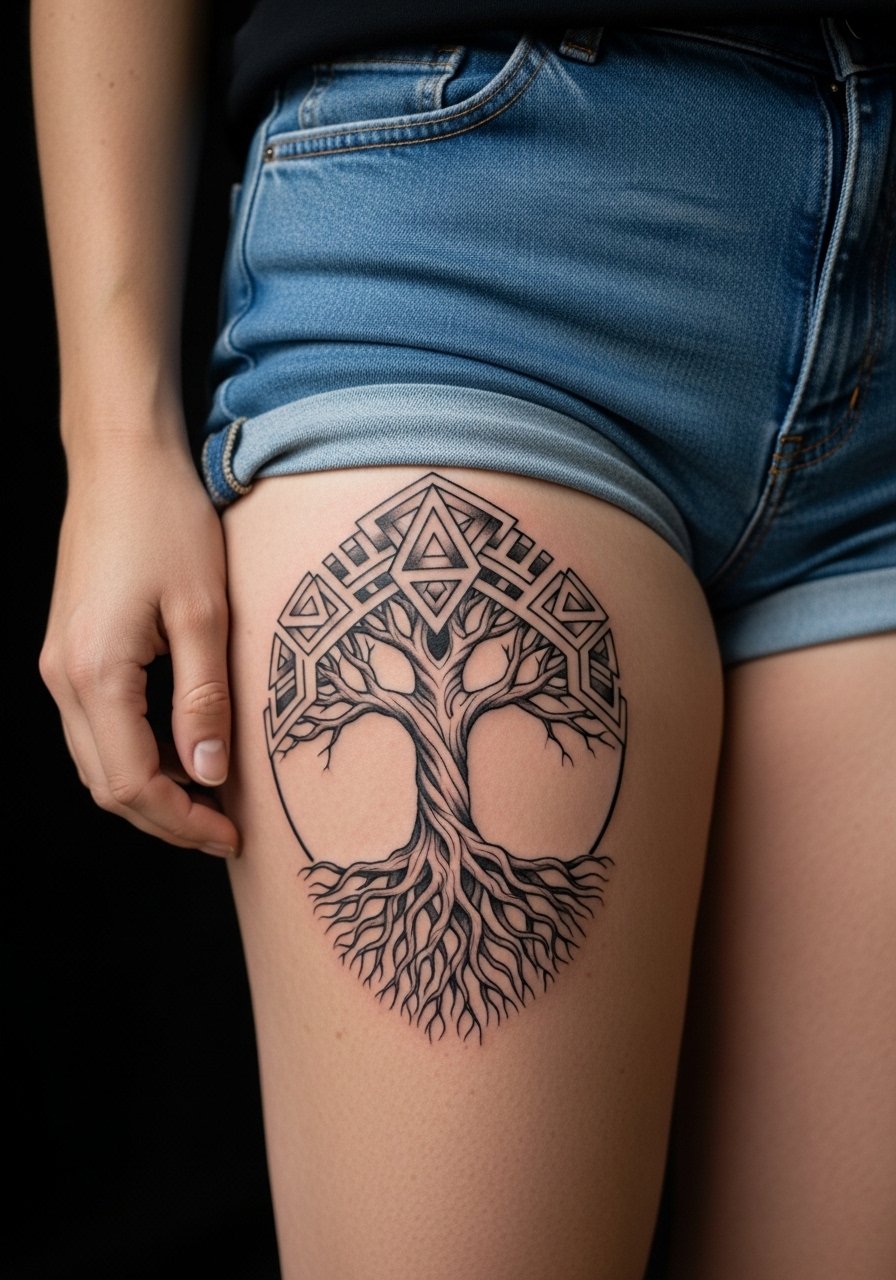
This design scales beautifully on the thigh where you can keep negative space between roots and branches. Tell your artist you want the branches to read as separate geometric blocks rather than dense filigree. A common mistake is compressing too many branches into a small zone, which merges after healing and movement. For session comfort wear loose drawstring shorts so the artist can pull the fabric aside and you are comfortable while sitting. Expect moderate pain and three sessions for layered shading and touch-up.
6. Neo Tribal Geometric Mandala Wristband
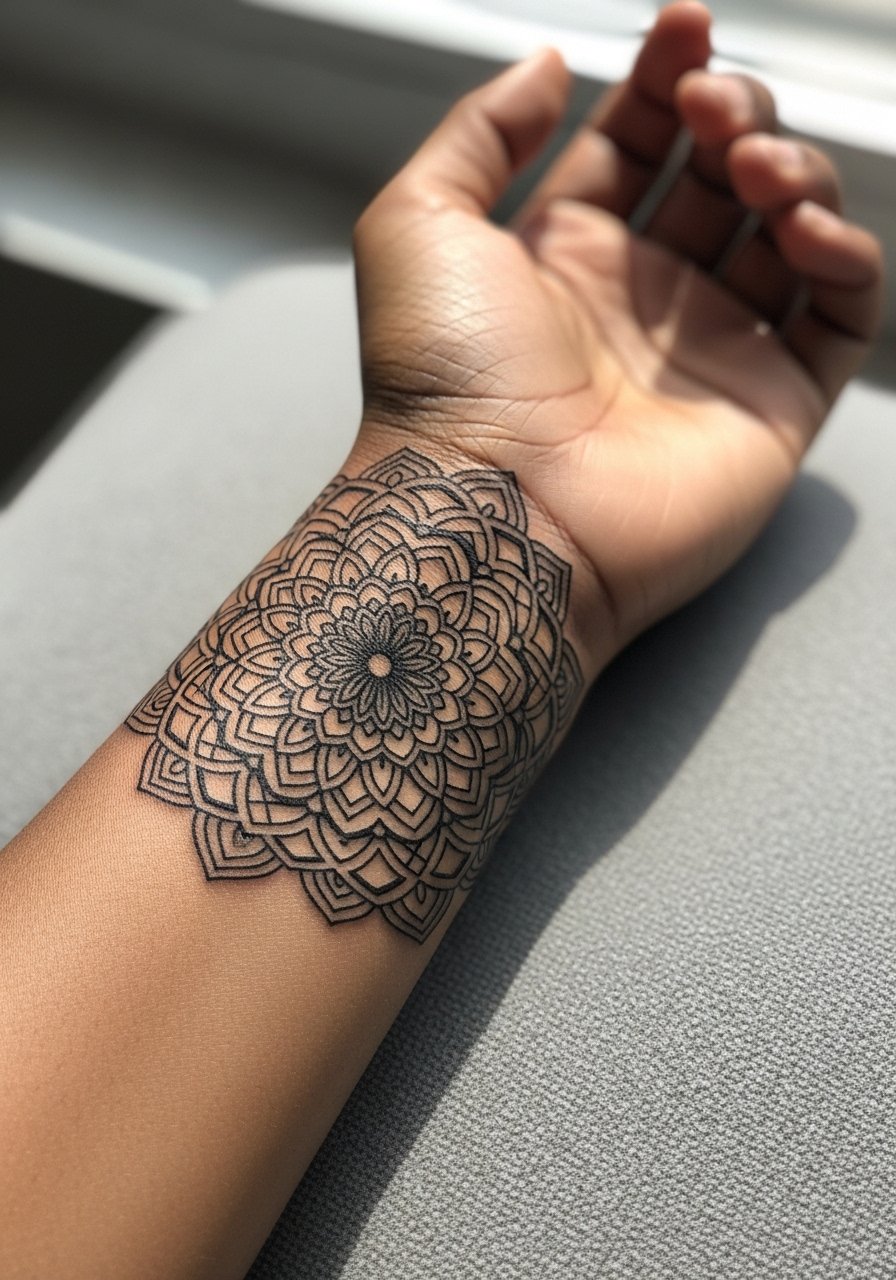
A wristband mandala is an understated way to match without a literal twin design. The design needs breathing room, so go slightly larger than the image you saved. In consultation, emphasize spacing over extra tiny details. Wrist work undergoes friction from watches and sleeves, so a common post-healing problem is edge softening where fabric rubs. Expect a quick session and a touch-up around the one-year mark. Hand tattoos see more daily contact, so consider joint placement carefully and avoid ultra-fine stippling close to the wrist crease.
Pre-Session Essentials
The forearm, chest, wrist, and thigh pieces above need different prep and first-week supplies, so packing a light kit and the right topical helps both session comfort and early healing.
- Stencil transfer paper kit. Lets you preview the linework on skin and confirm placement for sleeve edges and mandala centers from ideas above.
- Topical numbing cream. Apply per product directions before wrist or thigh sessions when sensitivity pushes your comfort threshold.
- Thin protective film roll. Useful for keeping fine line wrist pieces and forearm bands clean during the first days of movement and sweat.
- Fragrance free gentle body wash. A mild cleanser soaks off residue without stripping the delicate linework from chest and inner forearm areas.
- Aquaphor healing ointment. Thin layers for the initial dressing period help fine line work avoid scabbing that pulls ink from crisp edges.
7. Minimalist Neo-Tribal Ankle Band
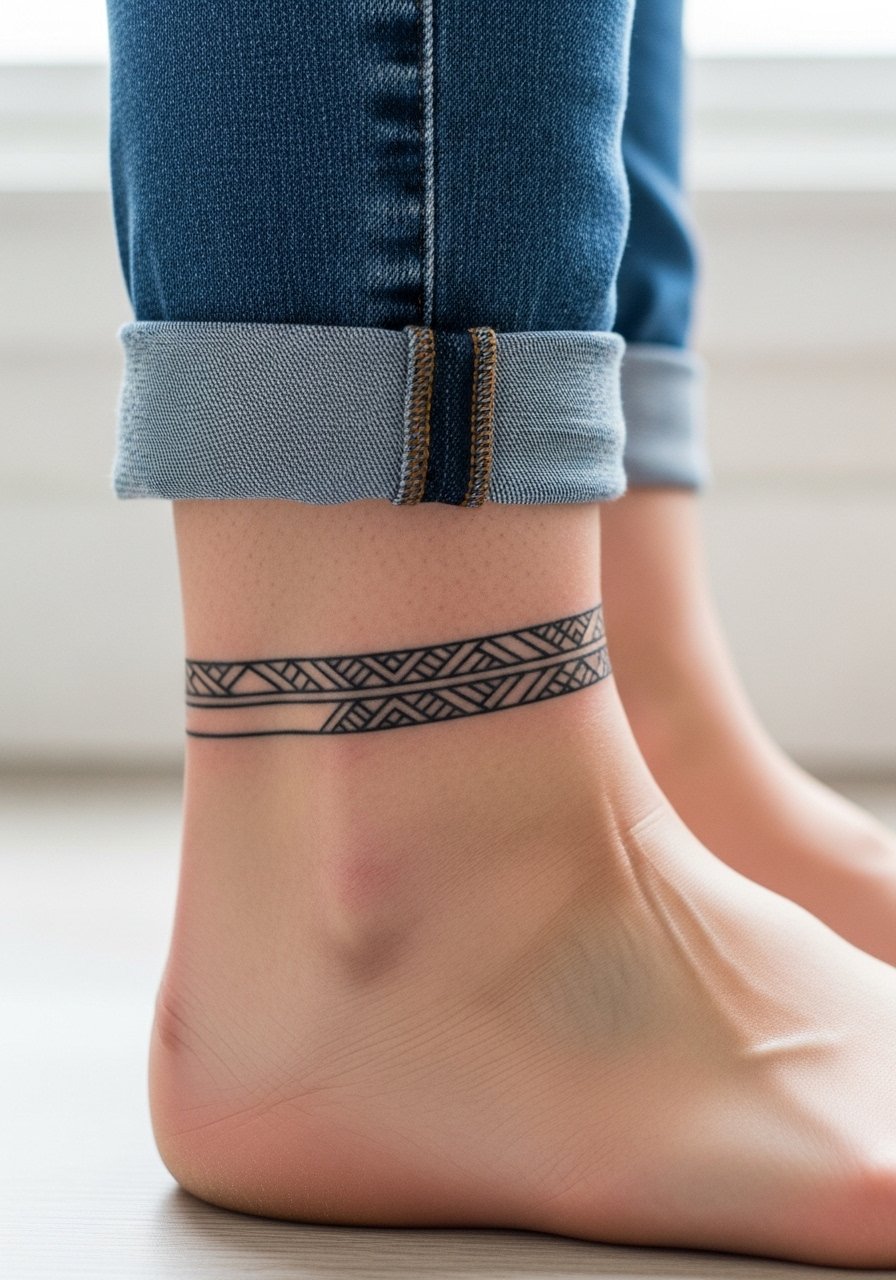
An ankle band is low-visibility and great for matching when you want discreet symmetry. The trick is to keep the pattern sparse so shoe straps and socks do not rub the details away. Tell your artist to avoid tiny interior dots and favor slightly thicker single strokes around the band. The common mistake is seeking ultra-small ornamentation that the ankle cannot hold, which leads to early blurring. Expect a short appointment and plan to avoid tight shoes for the first two weeks.
8. Elemental Sun and Moon Shoulder Pair
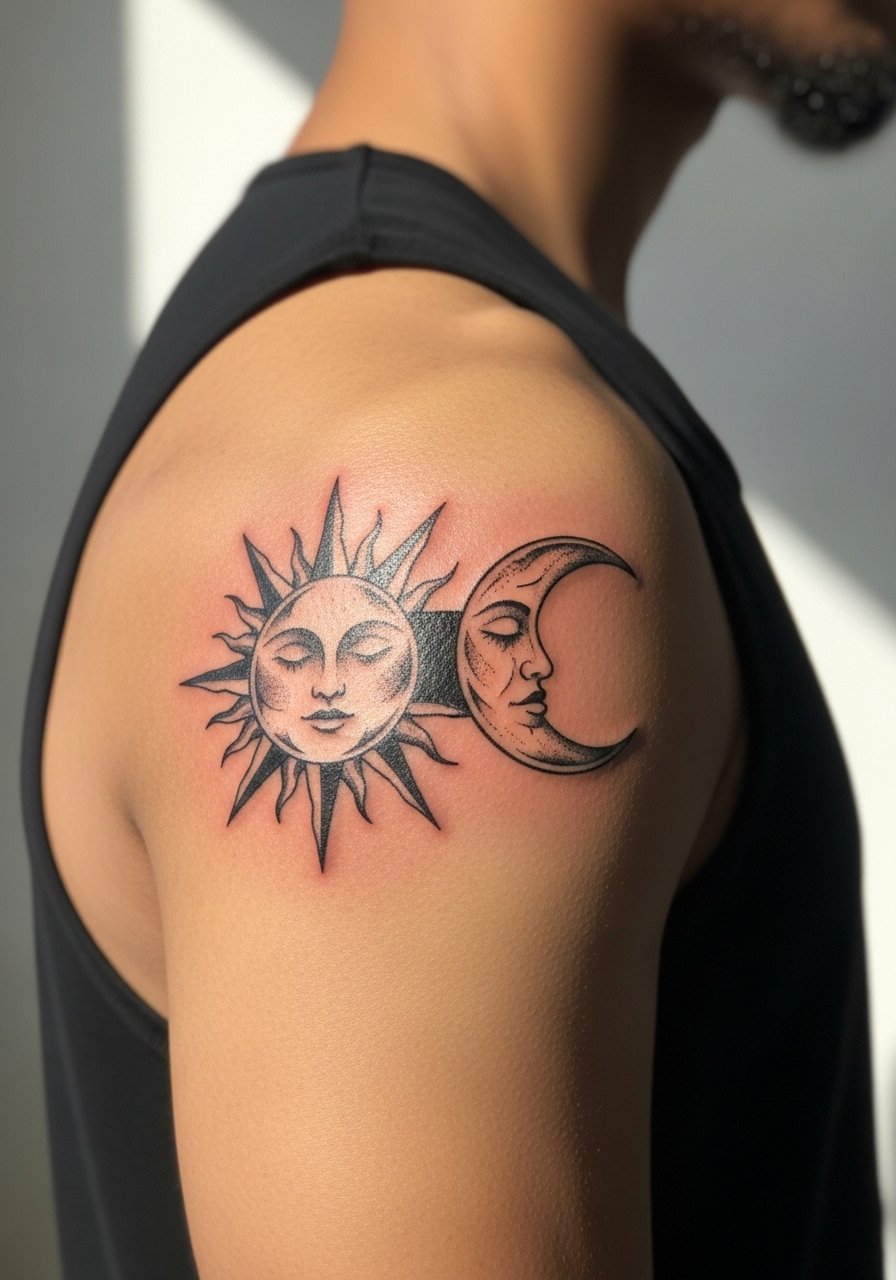
Matching shoulder pieces are ideal when you want complementary symbolism that sits well under summer tops. Ask for mirrored negative-space balance so both tattoos age similarly with sun exposure. One camp prefers thin, delicate rays for shoulders and argues they keep the motif airy. The other camp prefers stronger saturation, saying thicker rays survive tanning and wear better. Name both approaches in your consult and ask which fits your skin type. For the session, wear a sleeveless tank to give the artist clear access to the shoulder without fabric catching.
9. Collarbone Radiant Motif, Small Blackwork
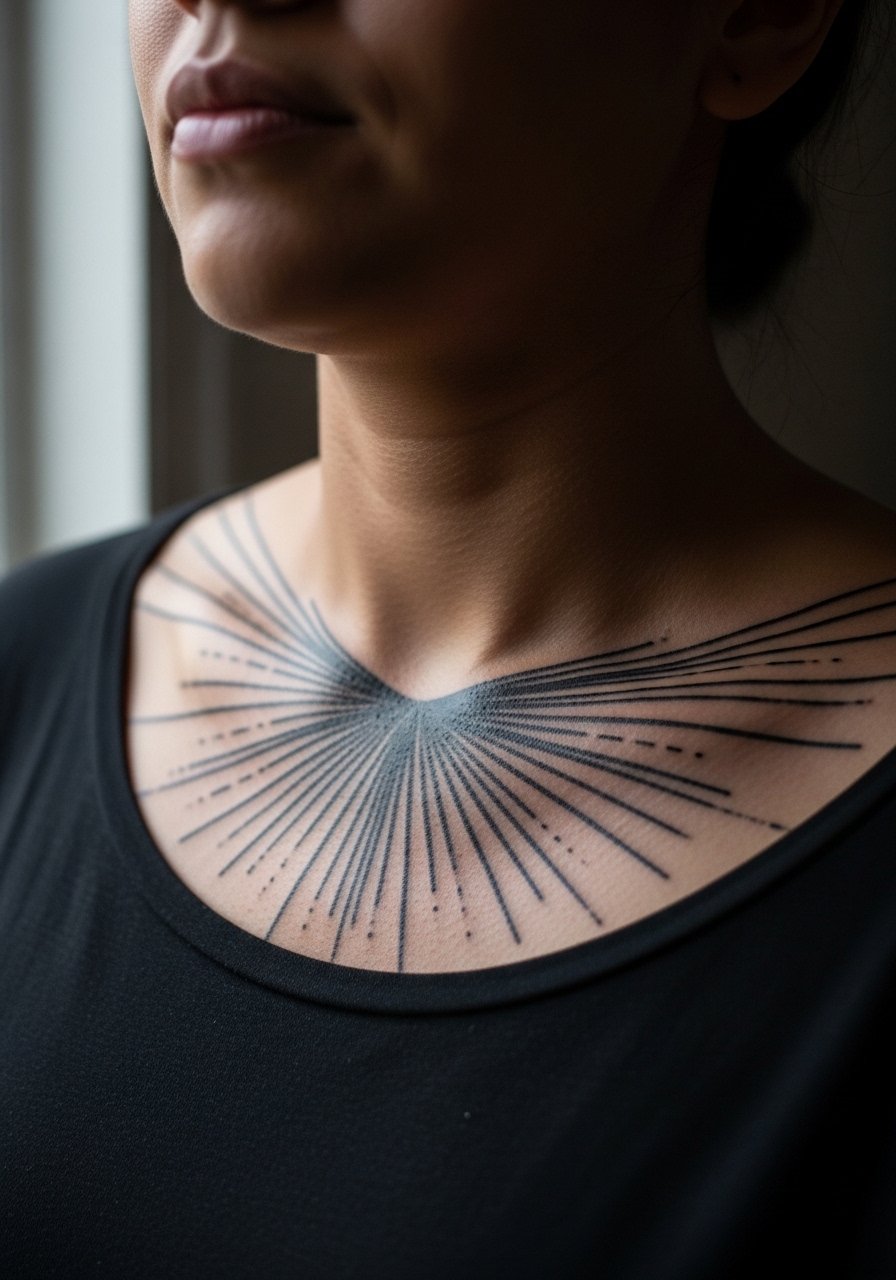
The collarbone holds thin, elegant neo-tribal arcs that read well in shallow exposures. During consultation, specify how far the design should sit from the collarbone edge, because placement shifts the whole composition. A common mistake is pushing dense work too close to the bone, which can feel harsh and age unevenly. For showing this off, a loose v neck tee frames the motif without covering it. Expect a tingly sensation near the bone and a short session time.
10. Calf Band with Stylized Animal Teeth
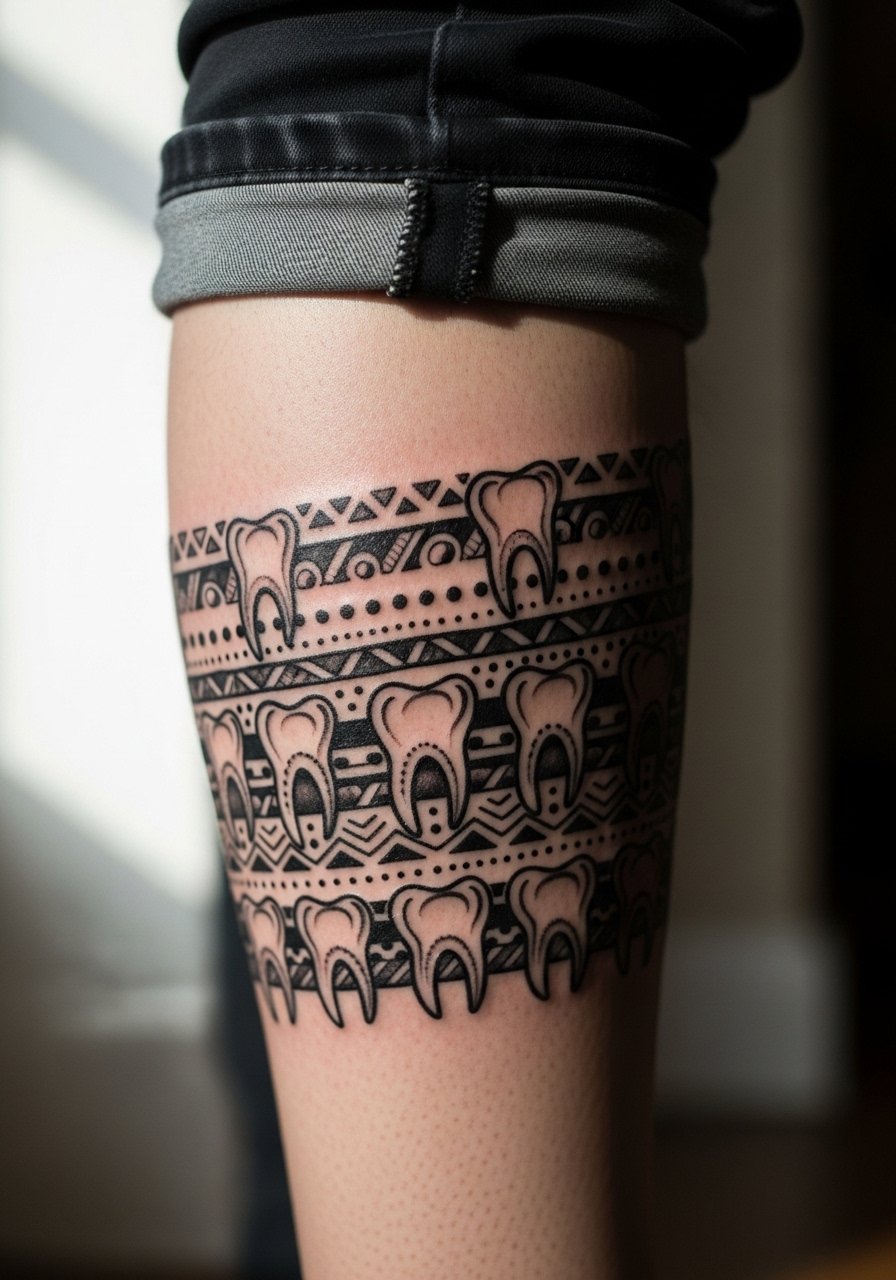
A calf band gives enough canvas for repetitive neo-tribal symbols while keeping the design mobile with walking motion. Ask for negative-space separators between tooth motifs so the pattern does not blend when the skin stretches. A mistake I see is requesting extremely tight dot shading in the band, which can turn into a muddy block as the calf matures. This placement tends to heal predictably with minimal friction, but plan for two sessions if you want layered shading.
11. Interlocking Chevron Band, Outer Forearm
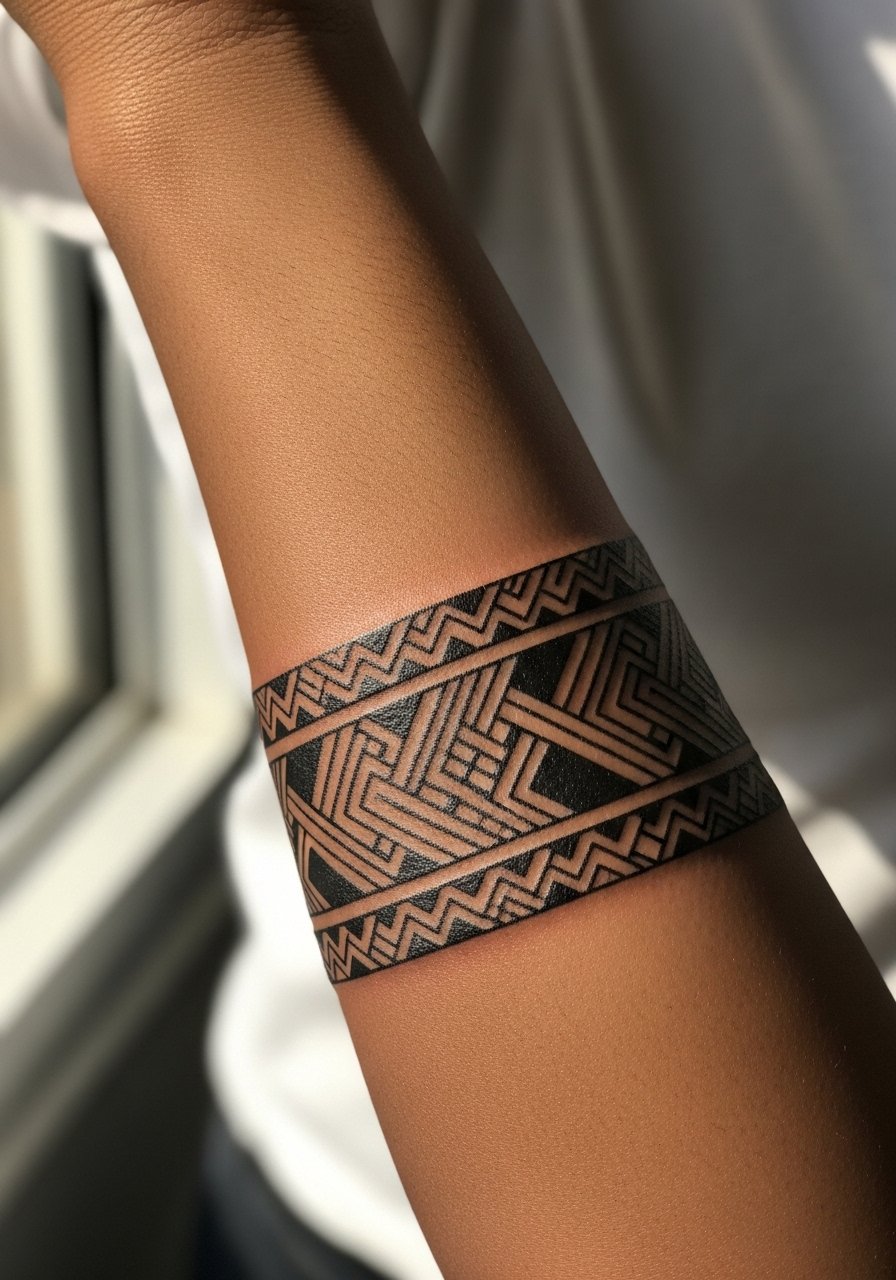
This outer forearm band is a safe bet for matching because the two arms can be stenciled identically. During the consult, request mirrored stencils and a note on how the band aligns with wrist creases to prevent a visual mismatch. A common mistake is not matching placement exactly which causes one band to ride higher on the arm after healing. The session feels like steady vibration rather than sharp stings, and forearm work usually requires a single appointment. For the session wear, roll a sleeve or put on a loose button down shirt you can pull aside without pressure on the area.
12. Tiny Emblem Behind the Ear
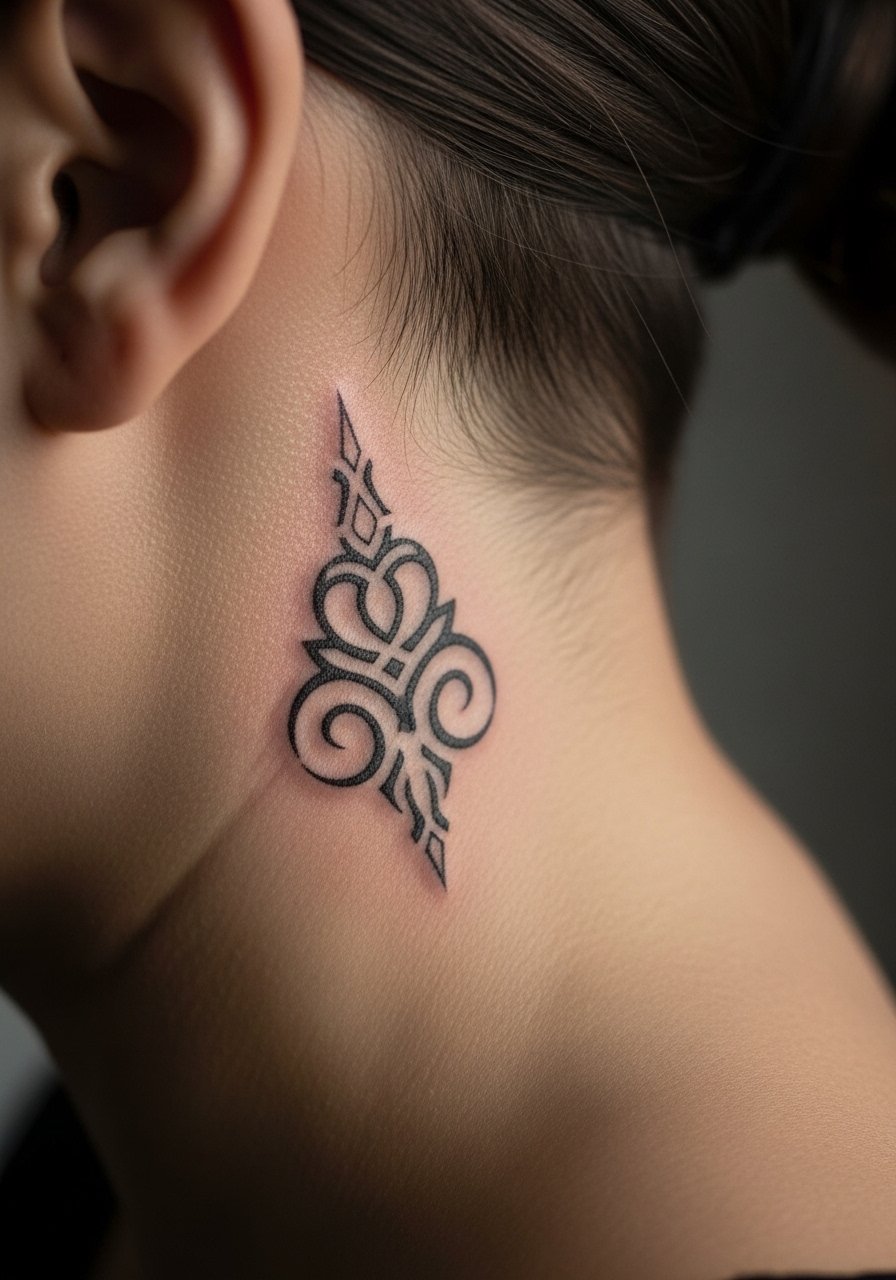
Behind-the-ear pieces read as intimate and are a practical way to match without overt visibility. Keep the motif very small and avoid dense dot shading because the skin in that zone is thin. This spot needs a careful stencil and a steady hand from someone experienced in small placements. Expect a short session and localized tenderness as you nap. Also consider how hair growth or daily styling will interact with the area before committing.
13. Sternum Radiant Connector
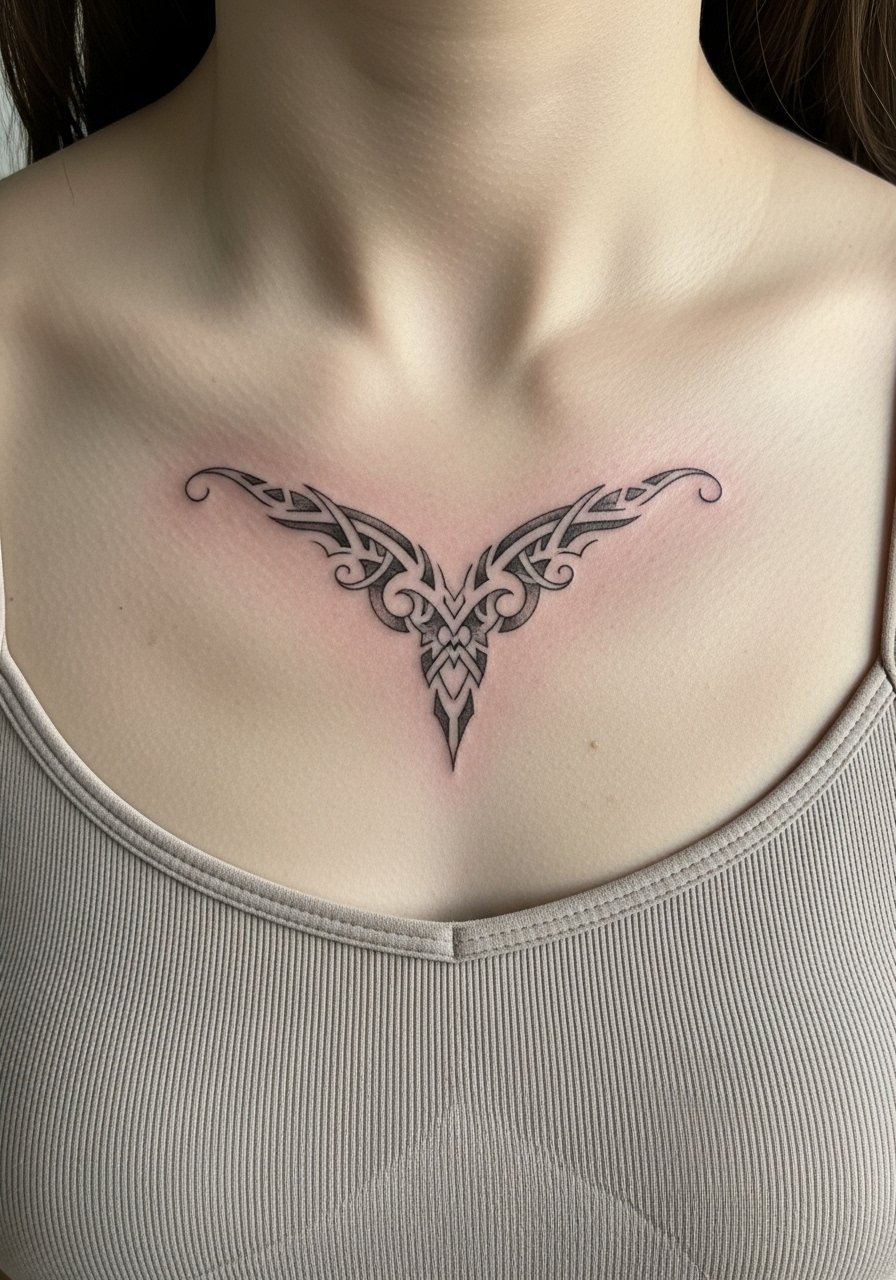
Sternum designs need intentional framing because the skin there moves with breathing and can affect how dense patterns read. Ask for a composition that sits above or below the fabric line rather than centered on the bone to reduce discomfort during sessions. A mistake people make is requesting ultra-dense dot fields across the sternum, which can scab heavily and pull the ink. This is a more sensitive area and benefits from an artist experienced with midline work.
14. Inner Bicep Symmetric Linework
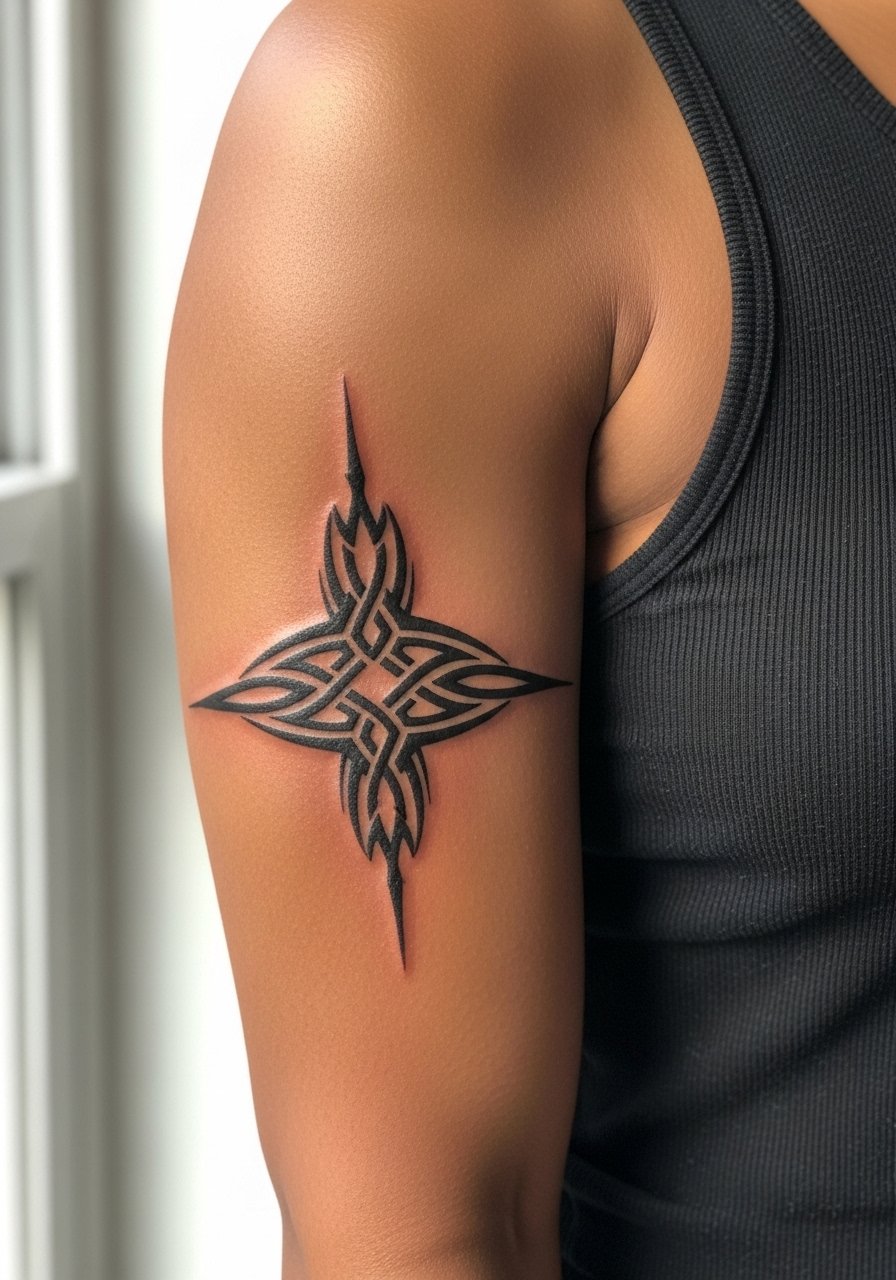
The inner bicep is a tender spot with soft skin and unique stretch patterns. One camp insists fine line settles poorly here due to skin laxity and recommends stronger saturation. The other camp says with controlled depth and spacing the lines remain crisp. Name this split during your consultation and ask how the artist handles touch-ups. Expect a more sensitive session and plan for at least one touch-up if you want hairline details to persist.
15. Back-of-Neck Geo Glyph
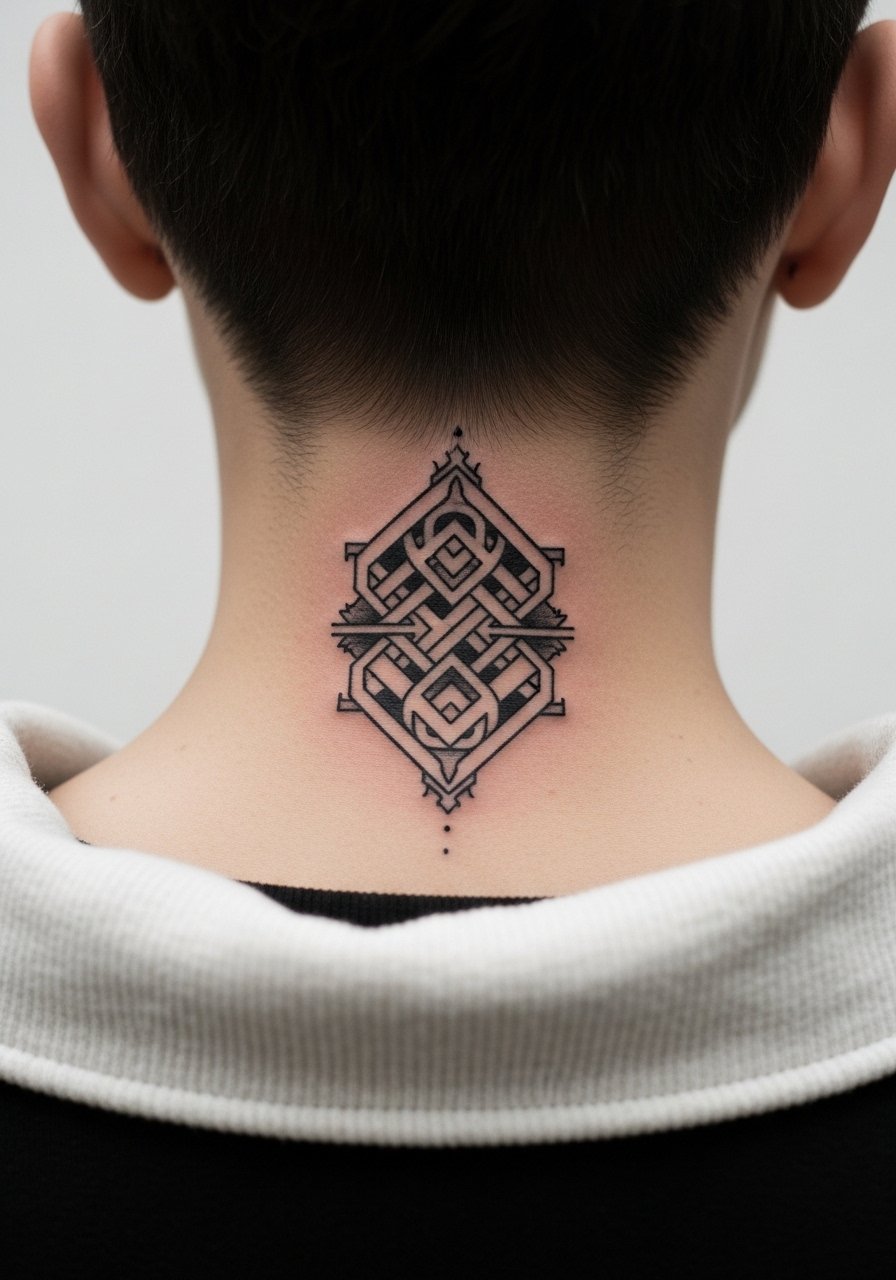
This compact glyph sits neatly at the hairline and pairs well with short collars. Tell the artist how visible you want it when you wear your typical hair and clothing. A common mistake is making the glyph too tall, which then peeks awkwardly above most collars. The area is sensitive and will feel sharp on the bone near the base of the skull. If you work in a conservative setting think about placement visibility before booking.
16. Directional Half Sleeve with Arrow Flow, Outer Arm
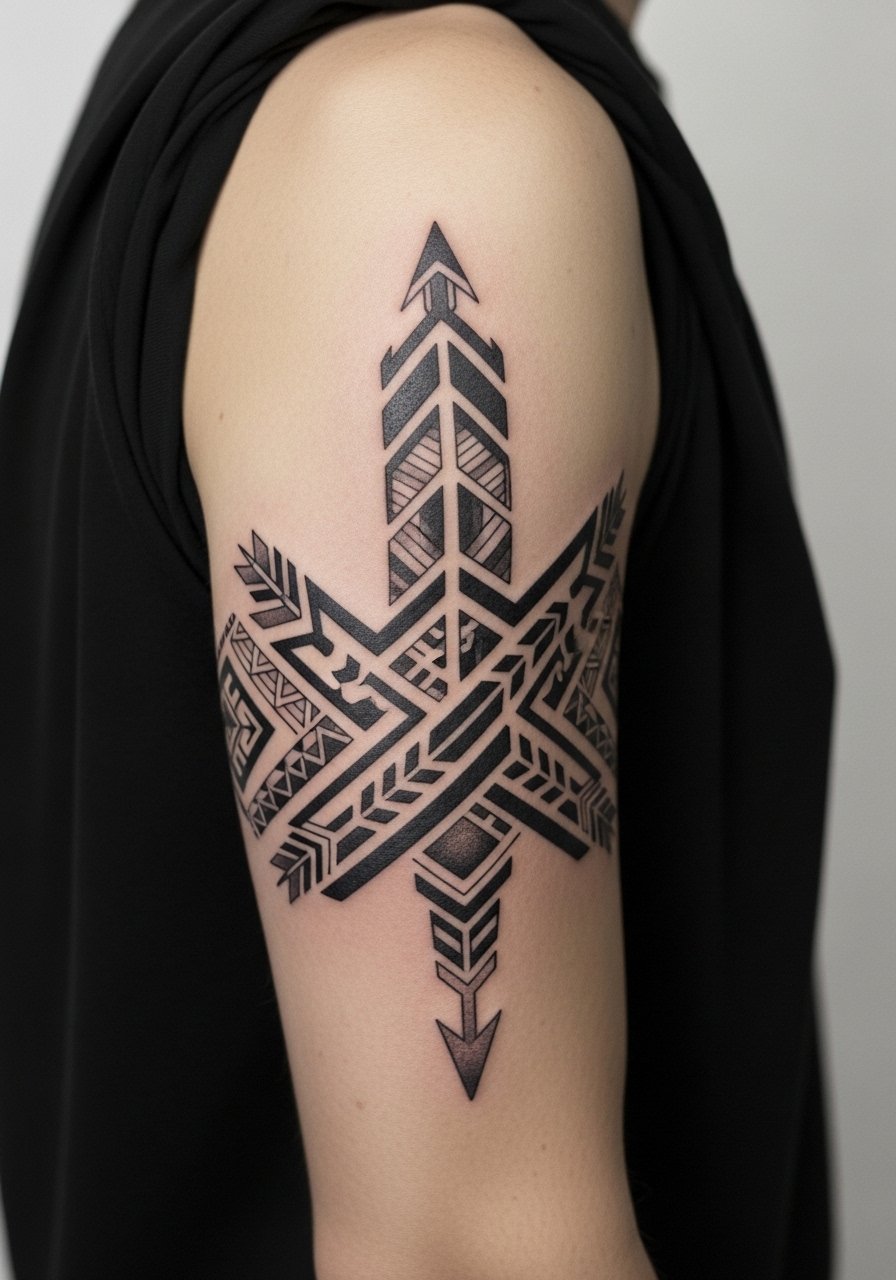
A half sleeve that follows muscle lines looks deliberate and ages more predictably than random clusters. In the consult, map the major muscle peaks so arrows flow with the anatomy. Overcrowding is the main mistake, which can turn crisp chevrons into blocks over time. For the session wear choose a loose button down shirt you can remove easily and that will not press against fresh ink. Expect multiple sessions and plan for a touch-up once the piece fully settles.
17. Matching Neo-Tribal Compass Pair, Forearm
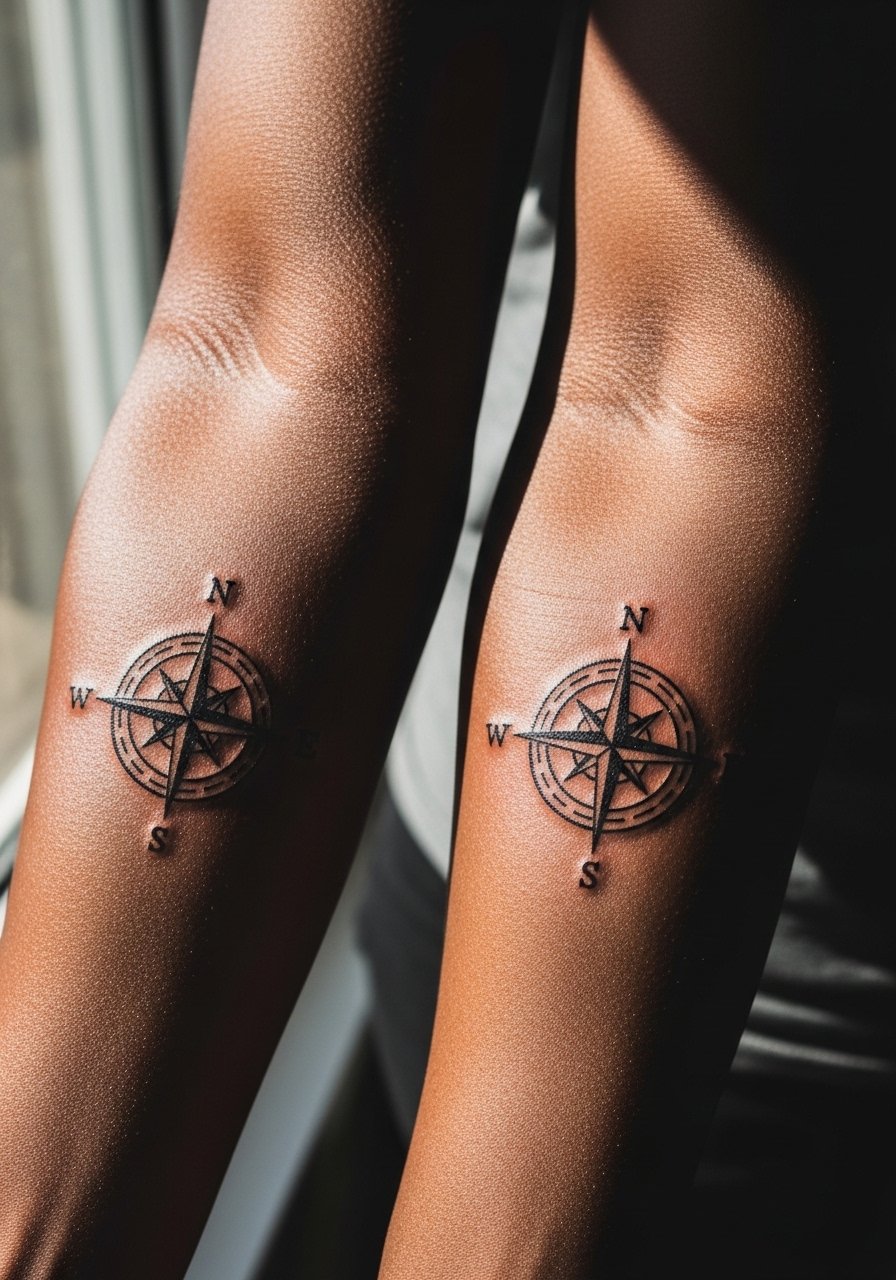
Compasses make for clear matching tattoos because the design centers easily and stencils align predictably. Request identical stencils and ask to have both pieces done in one session to reduce variance in healing and touch-up needs. A typical mistake is finishing one and booking the other weeks later, which often leads to a slightly different saturation and a mismatched look after a year. Forearm compasses hold up well with mid-weight linework and usually need only a minor touch-up around year two at most. For showing off, rolled sleeves or an olive cargo pant look good when the forearm work is the focal point.
Frequently Asked Questions
Q: Will neo-tribal fine line details show up on darker skin tones?
A: Fine line details can be visible on darker skin tones, but they need more contrast and slightly thicker main strokes to read well over time. Ask your artist for strong outer contours and open negative space so the motif keeps its shape as it heals.
Q: How do couples avoid matching tattoos healing unevenly and looking mismatched?
A: Do both pieces in the same session or at least use identical stencils and the same artist. Matching aftercare routines and avoiding excess sun during early healing also reduces divergence between two people.
Q: Does neo-tribal blackwork age better than fine line neo-tribal?
A: Artists split into two camps on this. One camp favors strong blackwork for longevity and says thicker strokes survive sun and wear better. The other camp argues fine line can last with correct spacing and depth. The answer depends on placement and your artist's technique, so ask directly how they handle long-term clarity.
Q: Should I change my wardrobe for certain placements before a session?
A: Yes. For shoulder and chest pieces wear a sleeveless top or a wide-neck shirt you can pull aside. For thigh work choose loose drawstring shorts so the artist has access without fabric tugging. Planning clothing reduces session interruptions and keeps stencils clean.
Q: How often will I need touch-ups for neo-tribal matching pieces?
A: Expect the first touch-up within one to three years depending on placement and sun exposure. High-friction spots like wrists and ankles often need earlier touch-ups than forearms and calves. Regular sunscreen on healed ink stretches that window out.
Q: Are there placements I should avoid if I want longevity for detailed neo-tribal work?
A: Inner bicep, sternum, and ribs can be trickier for ultra-fine detail because of skin stretch and movement. If you love small detail in those zones talk to an artist experienced in fine line on those placements and be prepared for potential touch-ups.
Q: How do I find an artist who understands neo-tribal matching designs without naming specific accounts?
A: Search local studio tags like your city plus "blackwork neo tribal" and scan portfolios for healed photos of similar placements. Community forums and tattoo directories with filters for blackwork or geometric work help you compare consistent healed results rather than just fresh stencils.