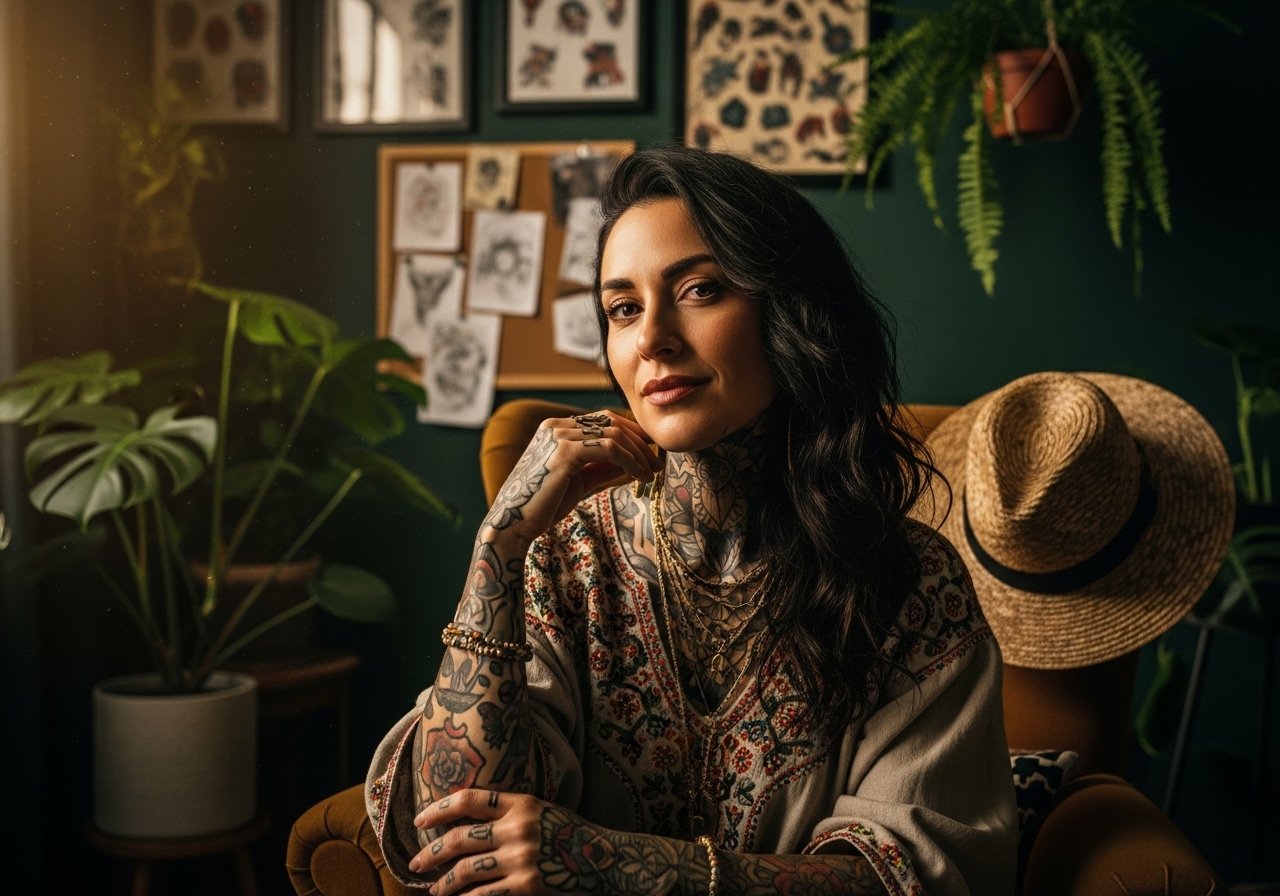
Fine line trends look gorgeous on feeds, but they often meet reality when the ink settles. Fans are chasing Gojo's blindfold, Sukuna's markings, and Nobara's hammer in delicate linework and bold blackwork. Here are 21 Jujutsu Kaisen tattoo ideas that balance on-screen drama with real-world wear, where to place them, how to tell your artist what you want, and what to wear to the session so the result lasts.
1. Gojo's Single Eye, Inner Forearm Fine Line

I've seen this one on people who want a subtle nod to the character without full portrait work, and the inner forearm keeps it visible. Ask your artist for slightly heavier outline around the iris and softer stipple shading for the sclera, so the detail does not merge as it heals. Fair warning, the forearm is moderate on most pain scales, and fine line here needs space between parallel strokes to avoid early blurring. A common mistake is packing too many tiny lashes into one area. Expect a touch-up around year two for crisp lashes, and book a consultation with reference photos that show your preferred line weight.
2. Sukuna Markings, Nape of Neck Micro-Blackwork

When placed at the nape, these markings read like a secret signal that peeks from collars. In consultation, say you want bold, flat fills and clear negative-space separators, which helps the pattern age cleaner than thin, crowded lines. The nape shifts with neck movement, so the debate around fine line there is explicit. One camp thinks the area stretches and blurs fast. The other camp argues that saturated, simplified fills settle best. Ask your artist which side they favor. Session feel is quick but awkward since you may need to tilt your head for long stretches. Expect touch-ups sooner than forearm pieces.
3. Nobara's Hammer and Nails, Outer Arm Traditional Revival

This design benefits from bold outlines and solid saturation, which age more predictably than micro-detail. During the consult, request slightly exaggerated outlines around the hammer head and muted color fills rather than high-gloss saturation, so the piece keeps its silhouette as color softens. For placement, the outer arm is forgiving and shows well in short sleeves. A typical mistake is shrinking the hammer so it loses character at standard viewing distance. Pain is mild to moderate and most sessions finish in an hour or two. Style note for showing this off: a rolled-up short-sleeve shirt pairs well with a loose linen button-down to frame the arm.
4. Megumi’s Divine Dogs, Calf Stipple Shading

The calf gives room for stipple work that breathes, which is crucial for dot work to avoid muddying. Tell your artist you want larger dot spacing toward the edges and denser stippling in the center, so the image keeps depth without collapsing. Most people forget to consider clothing while healing; wear loose pants or pull shorts up during the session to avoid pressure on the area. Sessions can be longer when dot work is extensive, and the skin there tolerates saturation well. A common error is compressing too many tiny dots in small spaces, which looks great fresh and often softens into blotches after a few years.
5. Domain Expansion Circle, Upper Back Blackwork

Large circular compositions benefit from thick outer rings and inner negative-space geometry to maintain the motif as contrast recedes over time. In consultation, ask for clear separation between concentric elements and avoid ultra-fine inner ornamentation that will merge. The upper back is a low-pain zone but often requires multiple sessions for saturation. Expect the outer bands to stay bold while inner filigree may need a touch-up at year three. For session wear, bring a button-down shirt you can slip off easily without rubbing the fresh ink.
6. Yuji Silhouette with Sukuna Eyes, Ribcage Contrast Piece
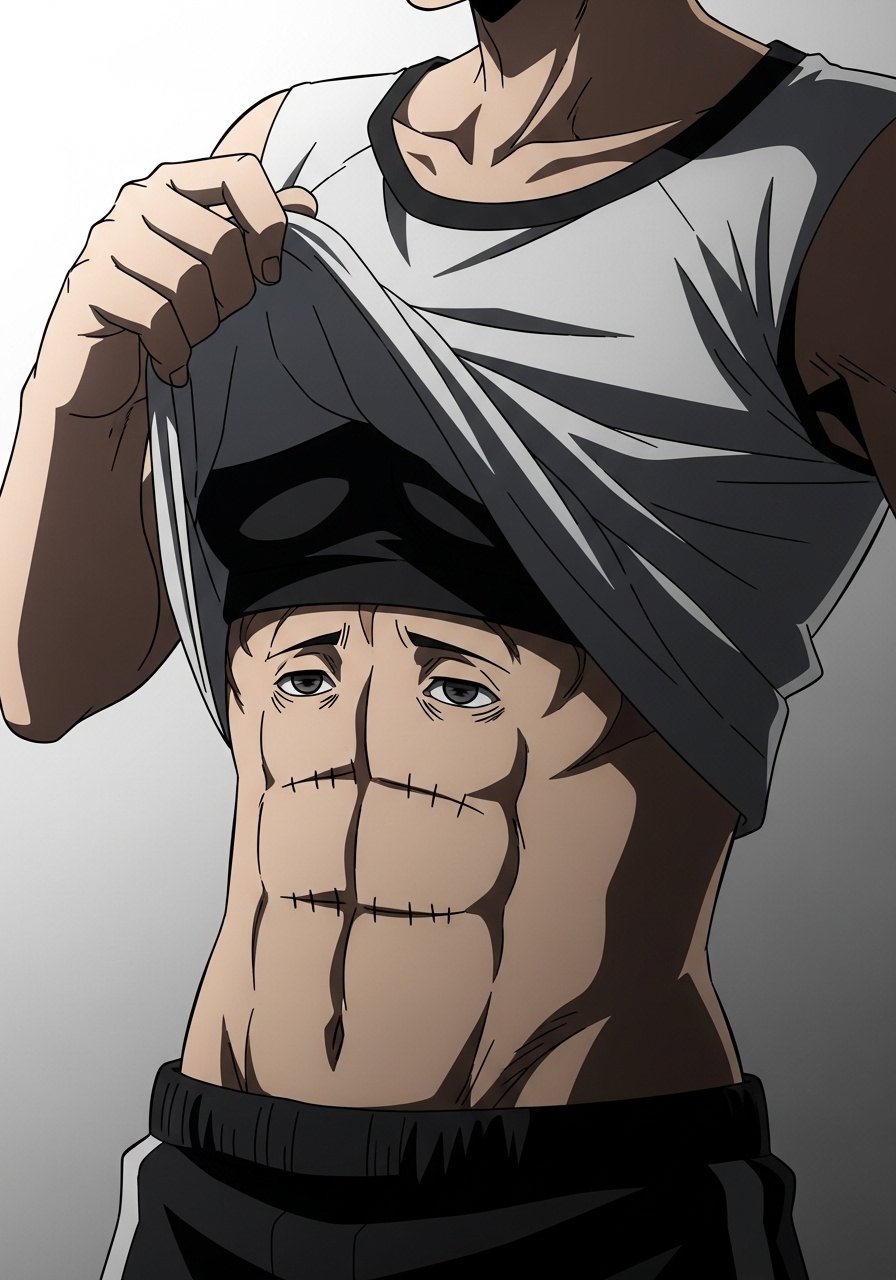
Ribcage work reads dramatic but ages unpredictably if too much fine detail is packed in. For a silhouette, request bold shapes and isolated tiny highlights for the eyes to keep the contrast long-term. The rib area is high on the pain scale and sessions can feel long. Artists are divided on fine line here. One camp says the constant breathing and stretch make delicate lines blur within a couple of years. The other camp insists that deeper, consistent needle depth and spacing help fine line settle. Ask where your artist stands and plan for a follow-up touch-up if you go delicate. Wear a loose sports bra to the session so the artist can access the side without you being uncomfortable, like a sports bra with removable straps.
Studio Day Picks
The ribcage, upper back, and calf pieces above demand different prep from wrist and forearm work, and a few specific items smooth the session and the first week.
-
Stencil transfer paper kit. Lets you preview the composition directly on skin, helpful for ribcage and back layouts that read differently on curved surfaces.
-
Topical numbing cream. Applied 30 to 45 minutes before can reduce rib and inner arm sensitivity without altering the artist's linework.
-
Thin protective film roll. Keeps ankle and finger pieces clean during the first week when friction and washing are highest.
-
Fragrance-free gentle body wash. Cleans healing areas like forearms without stripping delicate pigment.
-
Aquaphor healing ointment. A thin layer for the initial days helps keep fine line work moist without clogging needle channels.
7. Gojo Blindfold, Upper Arm Minimalist Portrait

A blindfolded portrait reads best with simplified facial planes and one focal area of detail, such as the eye rim or hair texture. Tell your artist you want simplified shading and avoid photorealism if you want longevity, because tiny facial details are the first to blur. The outer upper arm tolerates saturation and touch-ups well. A mistake is requesting ultra-micro realism at a small scale. Session time is moderate and the placement lets you wear a loose tank top for access. Expect a touch-up possibility at year two for any small facial lines.
8. Cursed Energy Brushstroke, Shoulder Blade Watercolor-Adjacent Blackwork

This design borrows watercolor aesthetics but anchors with dense black cores so the motif does not fade into a bruise-like look. In consult, ask for a wash effect applied sparingly around solid anchors. Shoulder blade placement is moderate in pain and shows well in open-back clothing. One common mistake is using too many pale washes with no dark anchors. Session sensation is a steady rubbing feeling under the shoulder blade. Pair the piece with open-back dresses or a thin chain pendant that rests above without competing.
9. Nobara Rose with Hammer Accent, Wrist Wrap Micro-Realism

Wrist wraps need breathing room. For a rose and hammer, request a slightly higher contrast between petal edges and interior shading and keep the hammer simplified to avoid clutter on the curved wrist. The wrist is prone to friction and washing, so expect detail to soften faster than on the forearm. The typical mistake is crowding the design into a very small circumference. Session time is short but may sting because of shallow skin there. Show-off tip: stack with a minimalist watch or slim bracelets that do not rub the ink while it heals.
10. Fushiguro Wolves Running, Thigh Linework Panel

The thigh gives clearance for elongated scenes and flowing composition. For running wolves, suggest varied line weight to imply motion and keep midline spacing to prevent merging. The inner thigh is sensitive, outer thigh less so. If you want fine detail, place it on the outer thigh instead. A common mistake is compressing motion into too narrow a strip. Sessions can be longer and you should wear loose bottoms to the appointment. For after-session show-off, a high-waisted skirt or shorts complement a long panel.
11. Black Flash Burst, Forearm Bold Accent

A burst effect works best when the core is saturated and the rays thin out with negative space between them. During consult, ask for crisp core saturation and deliberate spacing on the rays so they do not fill in. Forearm placement is friendly for visible, bold work and touch-ups are straightforward. Mistakes include making rays too close together, which causes blurring. The session is usually quick and the piece pairs naturally with rolled sleeves and a loose linen button-down.
12. Minimal Kanji, Collarbone Single-Word Script

A single kanji can be powerful but pick the exact character and font carefully. Tell your artist the precise strokes you want and request to see the exact stencil on skin before the needle. Collarbone work sits close to the bone, so expect sharp sensations during the session. Common mistakes are choosing stylized calligraphy that loses stroke clarity when scaled small. For show-off outfits, an open-neck top or a thin chain pendant sits above the script without competing visually.
13. Sukuna Mouth Cluster, Hand Edge High-Contrast

Hand tattoos are high visibility and higher maintenance. Ask for simplified, bold shapes and keep fine detail to a minimum because the skin on the hand moves and sheds more. There is a real controversy here about hand tattoos and employability. One camp points out that hands still affect hiring in some fields. The other camp says creative industries are more forgiving and the look is worth it. Make a deliberate decision about your career path before booking. Expect touch-ups sooner than elsewhere and wear careful after-session protection while it heals.
14. Itadori Profile Silhouette, Upper Arm Negative Space

Negative-space silhouettes age well because they rely on broad shapes not micro-detail. During consult, specify the size you want and keep any tiny highlights as minimal accents. The outer arm is forgiving for saturation and touch-ups. Common mistakes are skimping on size so the silhouette loses recognizability. Session pain is mild, and the piece looks great with short sleeves or a rolled linen shirt.
15. Cursed Seal Ankle Sigil, Minimalist Circle

Ankle sigils work well small, but the skin there is thin and friction from shoes matters. Ask the artist for slightly thicker lines than you would on the forearm so the seal keeps its shape through shoe rubbing. A common mistake is choosing ultra-fine lines that disappear under socks and shoes. Sessions are short but the area can be tender. For the appointment, wear pants you can easily roll up and sandals when you leave.
16. Blackwork Backpiece Silhouette, Scene Panel

Backpieces let you tell a larger story. For a Jujutsu Kaisen scene, simplify foreground elements into clear silhouettes and keep background texture sparse. Tell your artist you want bold separation between foreground and negative space so the scene keeps readability as contrast fades. Back skin tolerates long sessions but plan for multiple visits. A mistake is overworking small background texture, which becomes visual noise later. For session comfort, bring a loose tank top you can slide to one side.
17. Finger Glyphs, Micro-Line Script

Finger work is tempting but high-risk. The skin renews constantly and fine script often needs multiple touch-ups. Ask for bold, slightly thicker strokes and accept that yearly maintenance is common. A frequent error is placing complex characters across knuckles where stretching and movement distort them. Sessions are quick and surprisingly uncomfortable. If you want to keep it low-profile, place glyphs on the side of fingers rather than the pad or knuckle.
18. Sternum Floral with Rope, Center Chest Fine Line

Sternum work must respect the curvature and movement of the chest. For a floral piece, recommend slightly bolder stems and open spaces within petals so the design does not collapse as skin stretches. Sessions can be sharp because the area sits over bone and cartilage. A mistake is cramming dense micro-detail near the sternum center. For the appointment, wear a fitted sports bra or bandeau so the artist has access while you stay supported, such as a fitted sports bra.
19. Back-of-Neck Script, Side Neck Fine Lettering

Neck script can be visible and expressive. Ask for slightly larger letter spacing and a simple font so characters remain legible as the skin shifts. One common mistake is choosing ornate calligraphy at a small scale. The neck is sensitive, and sessions feel sharp in short bursts. Consider your daily wear, since collars and scarves can irritate a fresh neck tattoo. A loose wide-neck shirt helps with access during the appointment.
20. Spine Vertical Panel, Minimalist Linework

A vertical spine panel uses negative space to excellent effect. Keep motifs separated so each element reads independently as the skin settles. The spine can be sensitive depending on depth, and sessions feel like an extended vibration. A mistake is stacking too many tiny elements without spacing, which causes visual merging. For session wear, a tank top you can shift down is ideal. The piece pairs well with open-back garments once healed.
21. Hidden Rib Negative-Space Domain, Underbust Crescent

Underbust placements are intimate and dramatic when done with negative space. Ask your artist for clear margins around the crescent and avoid tiny interior filigree that will fill in. The area lives on a flexing surface, so expect movement during the session and plan for a longer appointment. A mistake is choosing minute detail directly along the fabric line, where friction can accelerate fading. Wear a bandeau or strapless top for the session to make access clean and comfortable.
Frequently Asked Questions
Q: Will fine line Jujutsu Kaisen pieces like Gojo's eye or small kanji blur faster than bold blackwork?
A: In my experience, fine line tends to soften sooner, especially on high-movement zones like fingers, ribs, and the neck. Bold blackwork and simplified shapes hold contrast longer. If you want fine line, ask for slightly heavier line weight and generous spacing so the design has room to age.
Q: How should I prepare for a ribcage or sternum session from a clothing and comfort perspective?
A: Choose a fitted sports bra or bandeau and bring a loose hoodie to stay warm afterward. A strapless option helps the artist access the area without repeated adjustments. For example, a fitted sports bra is easy to work with during sternum sessions.
Q: Are hand and finger tattoos worth it if I want minimal upkeep?
A: Not usually. Hands and fingers need more frequent touch-ups because of constant washing, sun exposure, and skin turnover. If low maintenance matters, place fine detail on the forearm or thigh instead.
Q: How many sessions should I expect for a backpiece or a dense domain circle?
A: Large blackwork or complex backpieces often require multiple sessions across weeks. Expect at least two appointments for full saturation and clean edges. Plan recovery between sessions and bring loose clothing that does not rub the treated area.
Q: If I want a custom mix of styles, like watercolor edges with black cores, what do I ask the artist in consultation?
A: Ask for "solid anchors with wash accents" and show clear references that separate the black cores from the washes. Request the artist mark which areas will be saturated and which will be soft wash so you both agree on longevity trade-offs.
Q: Do portrait-style Gojo or Yuji pieces need special aftercare during the first week beyond basic cleaning?
A: Basic cleaning and gentle protection are usually enough. Avoid tight collars or heavy straps that rub the fresh portrait. If the piece sits near clothing edges, plan wardrobe choices that keep friction low while the skin seals.