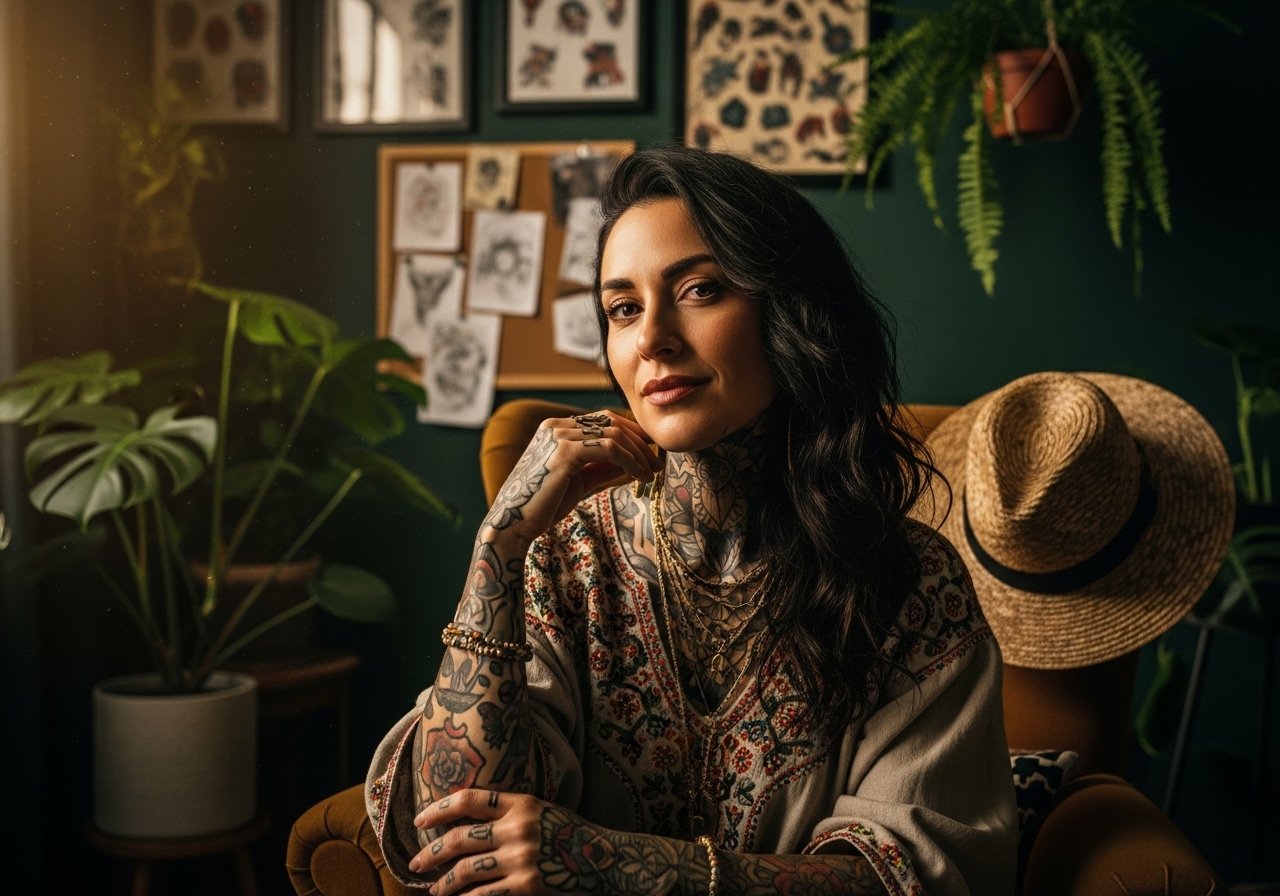
Fine line has been the look everyone pins, but what holds up on the inner bicep is not always what looks best on screen. Placement, motion, and skin type change how a soft design ages, and the inner arm tends to test thin lines more than flat forearms. I pulled together a range of soft inner bicep drawings that account for pain, touch-up timing, and what to wear to the session so you choose something that still reads well a few years from now.
1. Fine Gauge Peony and Leaves
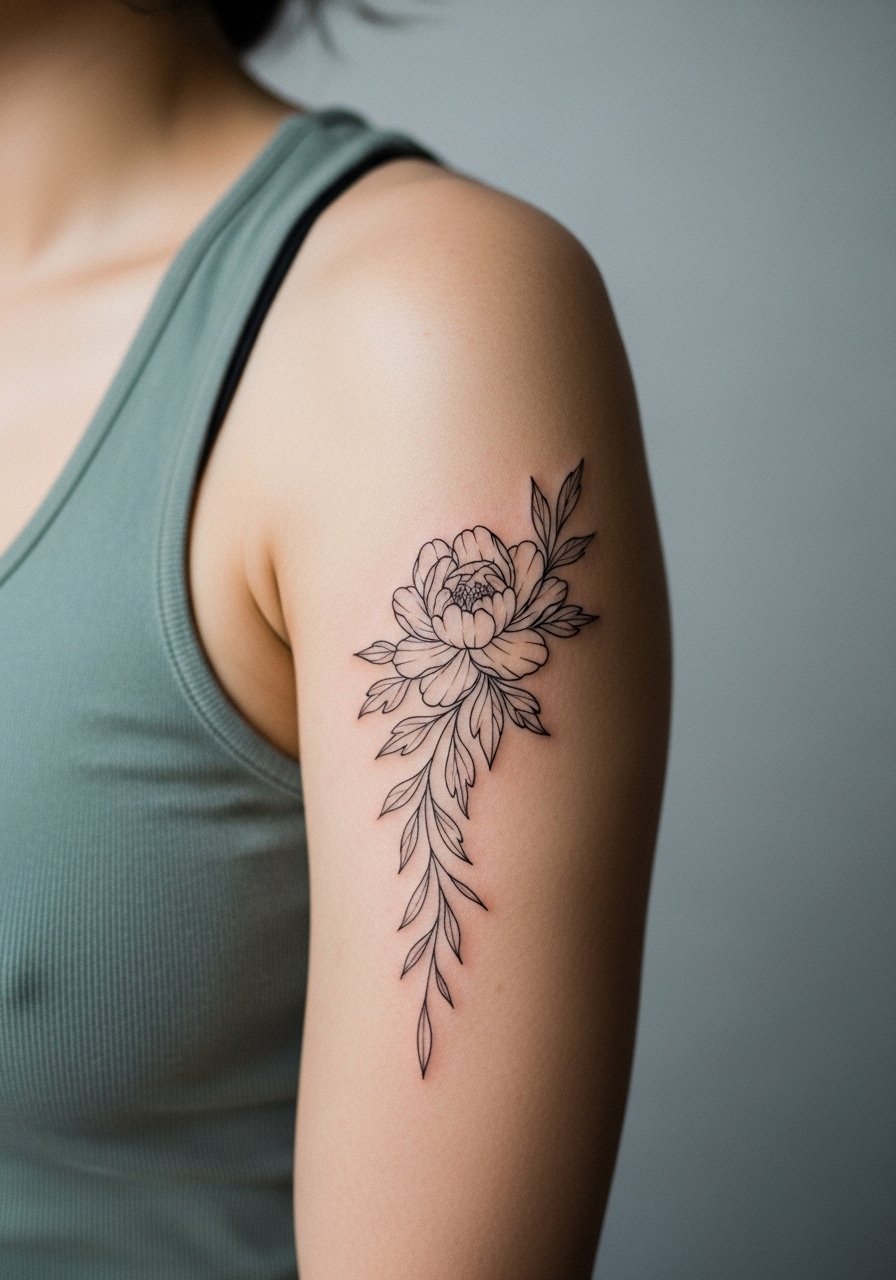
I recommend this when you want a vertical, feminine composition that follows the arm's curve. Fair warning: the inner bicep is sensitive so plan for a one to two hour session and bring a pillow to rest your arm. Tell your artist you want slightly bolder primary outlines than a typical ultra- fine file so the petals keep definition at year two. A common mistake is packing too many tiny veins and dots into the petals. Expect touch-up talk at the one-year mark for fine gauge work. For showing it off, pair with a sleeveless tank women that frames the vertical flow.
2. Shaded Pink Blossom with Black Border
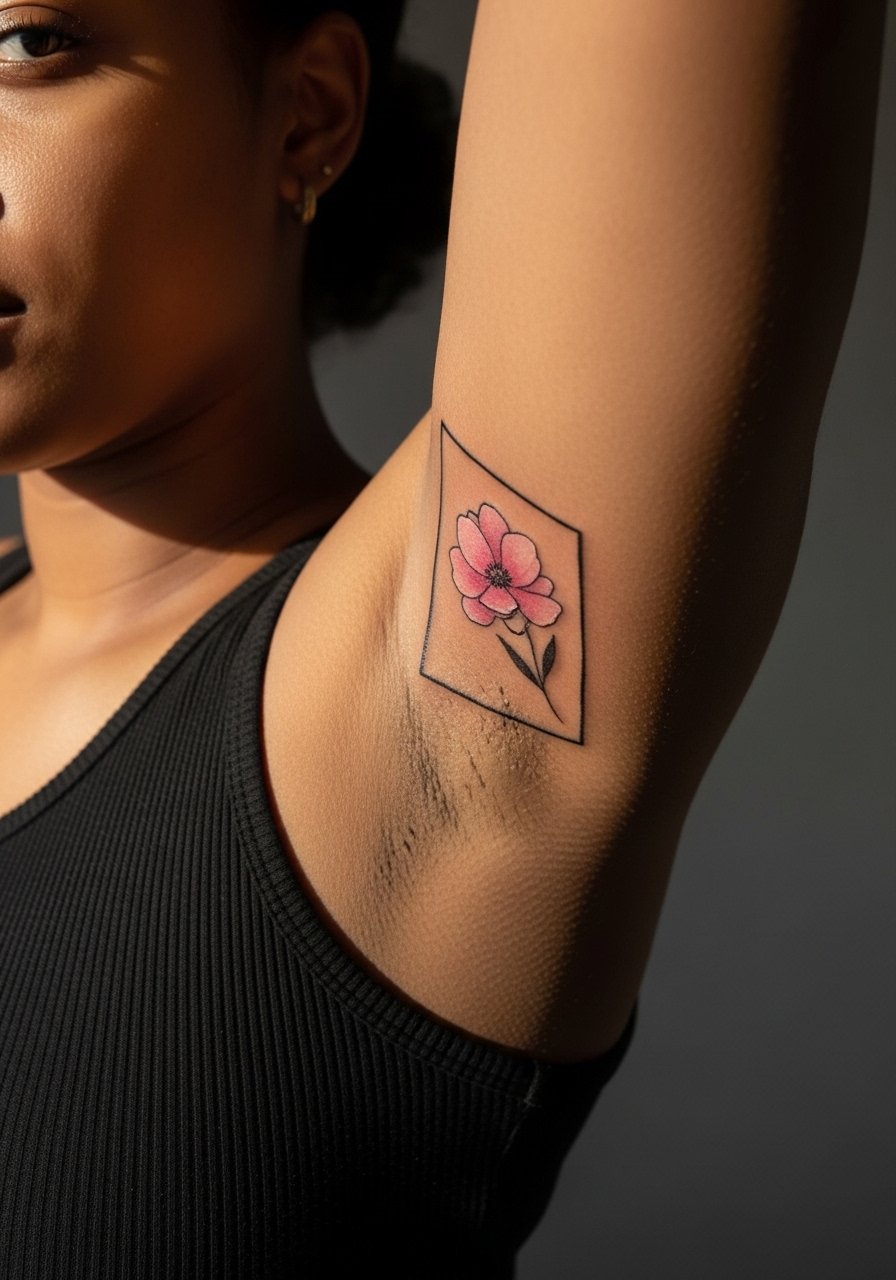
This version uses soft pink wash and a thin black frame to keep color readable on medium to dark tones. The session feels like a steady vibration more than a sting, but the inner bicep moves with the arm so book two shorter appointments if the artist prefers. Ask for patch testing of color on your tone so saturation reads well in photos. The aging pattern here usually sees the pink soften by year two, while the border holds up better. For an easy show-off, wear an open knit cardigan rolled to the elbow.
3. Black and Grey Mini Mountain Scene
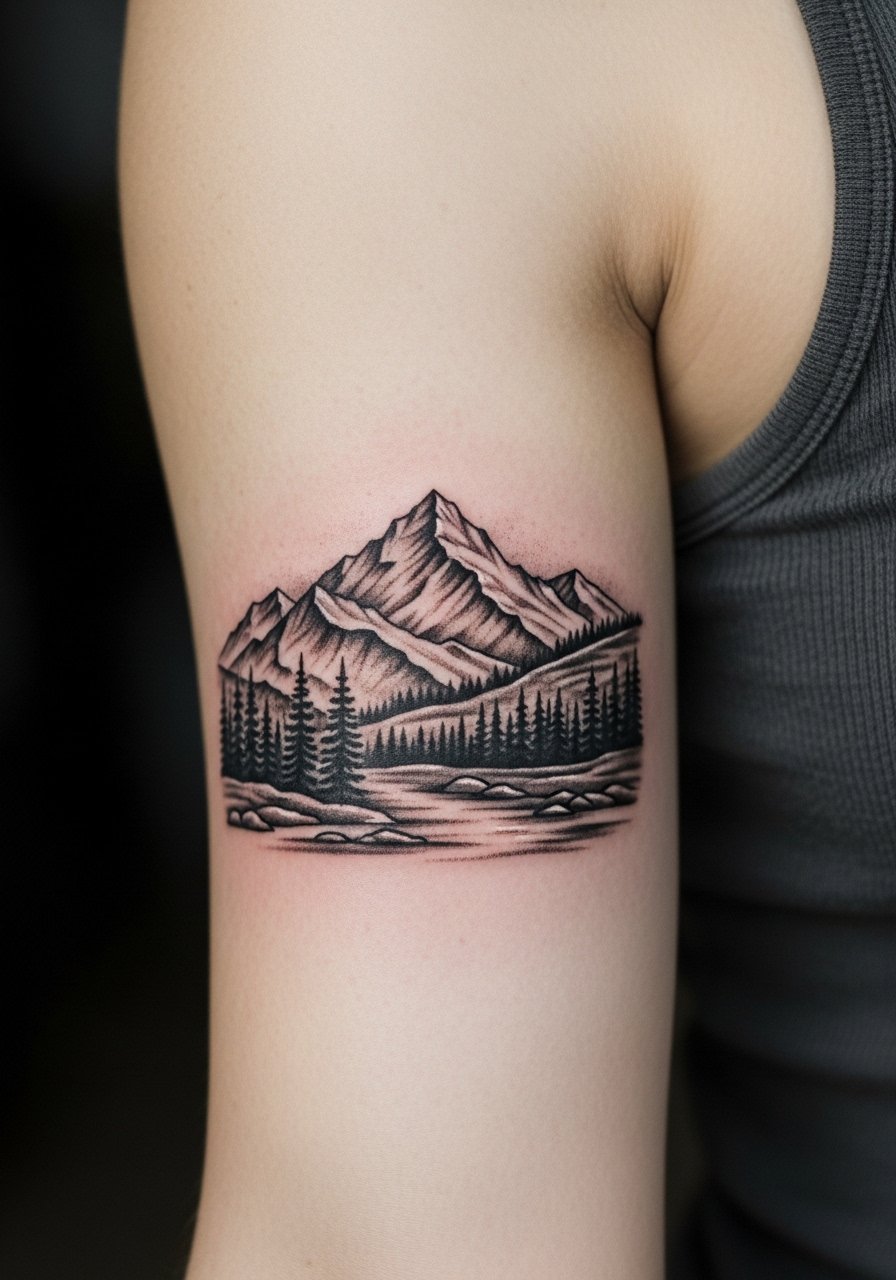
I've seen micro-realism work age well here because the inner bicep offers a flat canvas when the arm is relaxed. This style suits someone who prefers a discreet adventure motif rather than bright color. During consultation, bring landscape references at the scale you want and ask the artist how they space tiny trees to avoid future merge. Expect two to three sessions for layered shading and a touch-up after the first year for mid-tone restoration. Pair this with a linen button down shirt with sleeves pushed up to mid-bicep for a casual reveal.
4. Fine Gauge Angel Wing
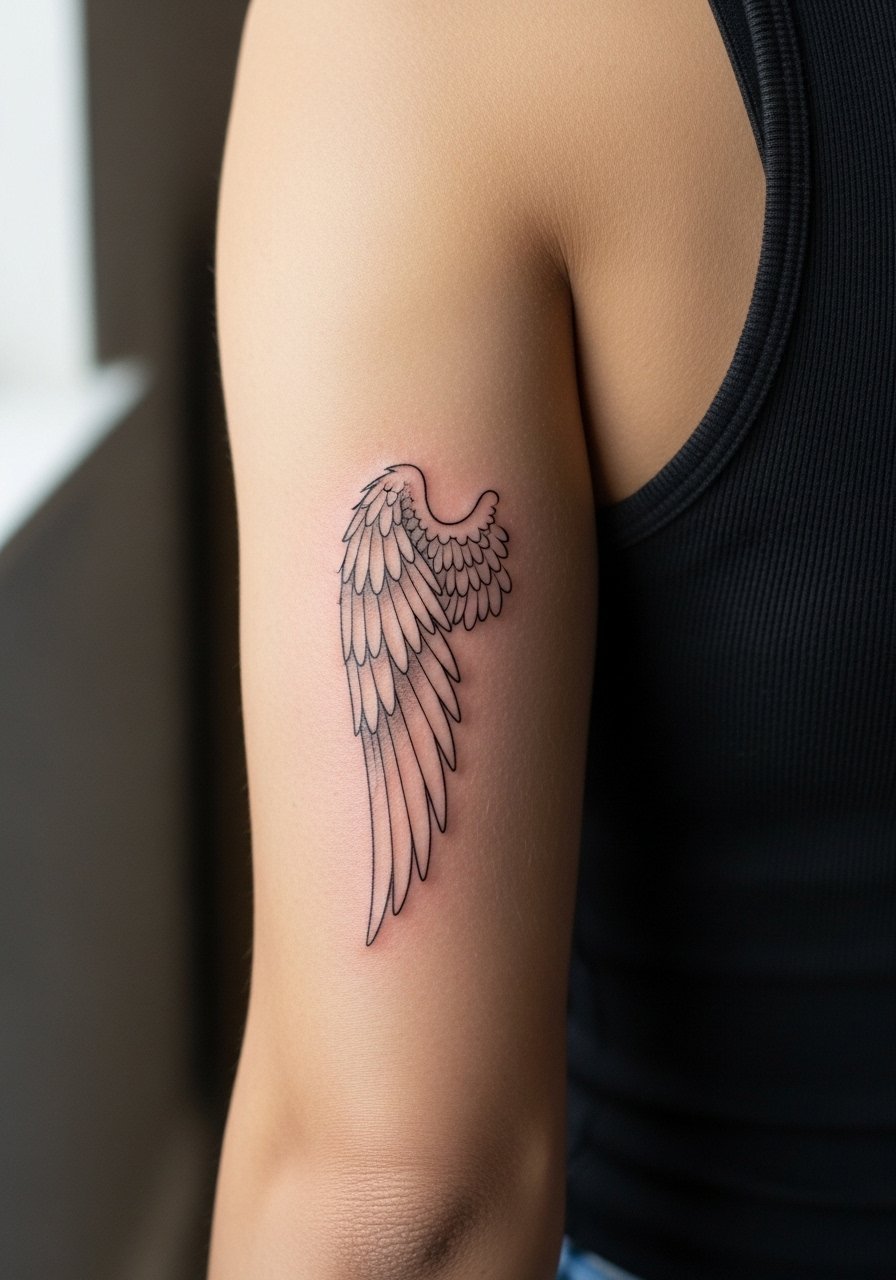
This classic spiritual motif reads discreetly when done vertically. Pain is higher near the armpit crease, so plan for a one-session appointment under two hours if you have low pain tolerance. Artists split on fine line longevity here. One camp says thin feathers blur fast on moving skin. The other camp recommends slightly firmer primary lines and careful spacing to keep each feather readable. Ask where your artist stands and request a touch-up plan. For evenings out, a sheer long sleeve bodysuit rolled to the elbow creates an ethereal peek.
5. Minimalist Geometric Symbol
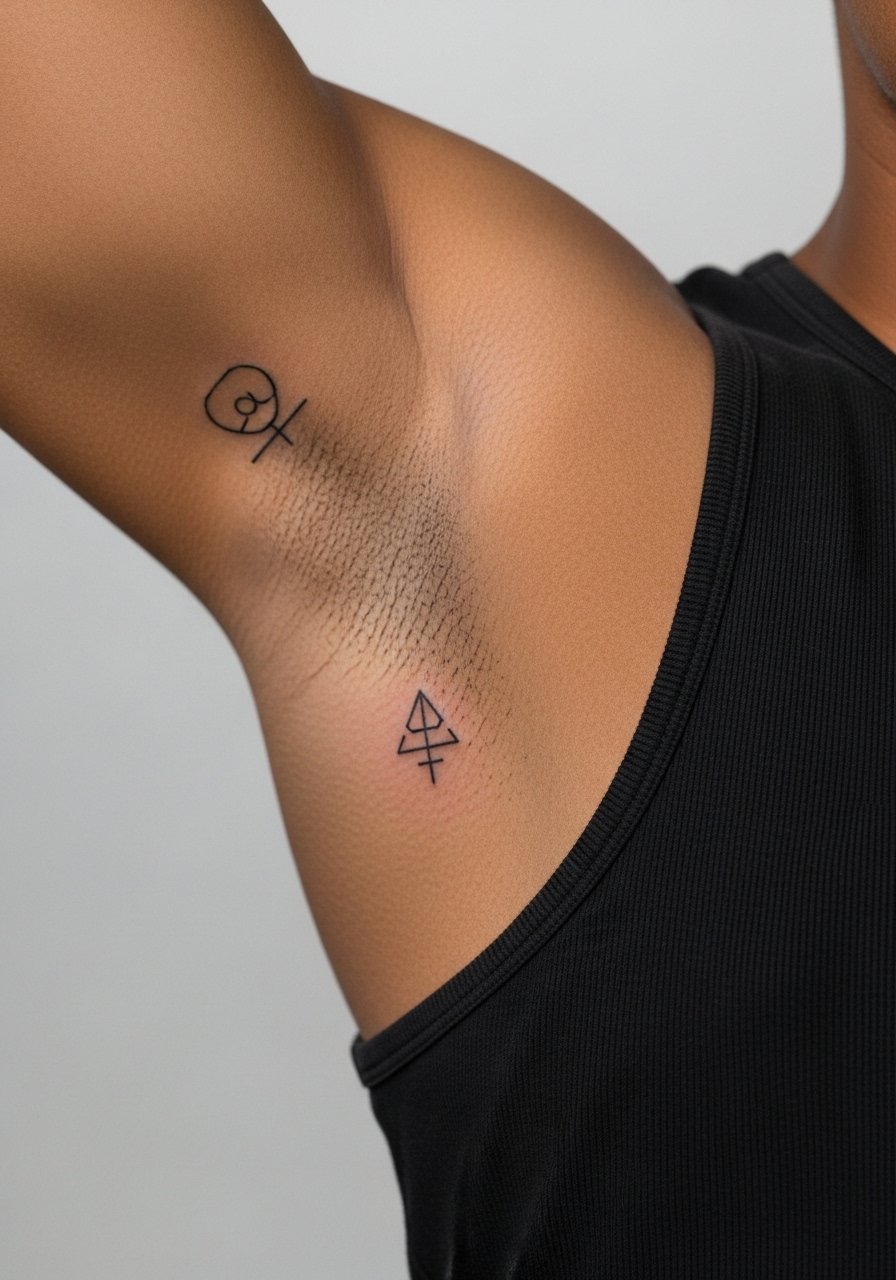
This tiny geometric sits well for first-timers who want concealment. The big mistake is going too small and packing close parallel lines. That shrinks the breathing room and invites blur. Ask the artist to space lines with 2 to 3 mm gaps and consider a slightly thicker primary stroke to survive three or four years. The session is quick and mostly tolerable. Show it off with an off shoulder blouse that reveals a small vertical peek when you lift your arm.
6. Neo-Traditional Color Cluster
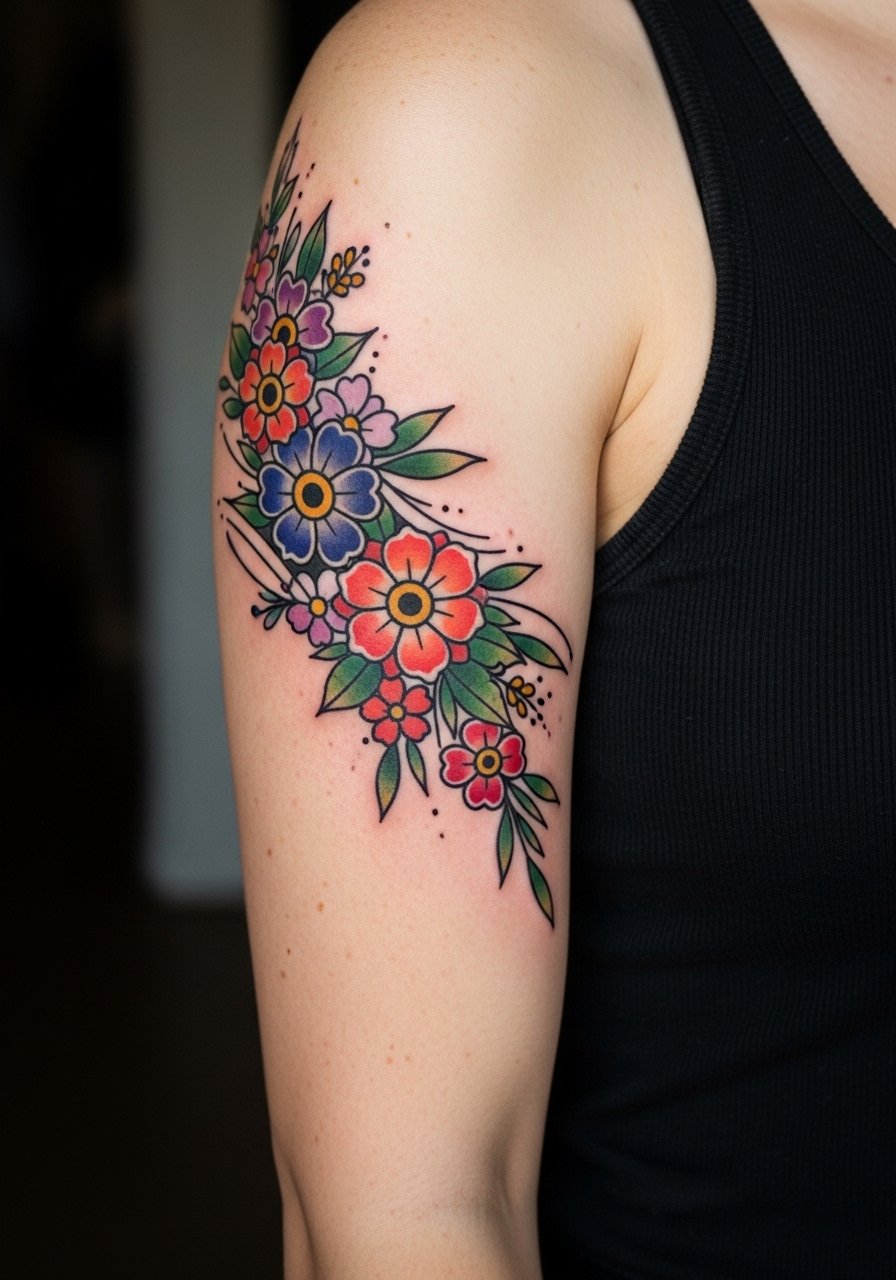
If you want vibrancy that pops when you roll a sleeve up, this is the pick. Expect two sessions for layering color and building saturation. The inner bicep heals sweatier than the forearm, so keep session time manageable and avoid heavy ointments for long stretches. A common mistake is asking for micro shading without enough saturation, which fades into patchiness. Request full color passes and plan a possible touch-up at year two. For a retro vibe, pair with a vintage band tee with sleeves rolled.
Studio Day Picks
Those first six inner bicep designs cover fine gauge florals, pink-shaded blooms, realism landscapes, wings, tiny geometrics, and neo-trad color. A few small items smooth the appointment and the first week of healing for pieces on the inner arm.
-
Hustle Butter Deluxe. A thinner feel than heavy ointments makes it easier to manage sweat-prone inner bicep healing without caking.
-
Recovery Ink balm. Artists prefer non-clogging alternatives for sensitive inner skin zones that need breathable moisture.
-
Green Sheep balm. A breathable option for dry climates and spots that rub under sleeves.
-
Japanese tattoo aftercare oil. Lightweight oil can absorb well on the inner arm and reduce the greasy feel during humid summers.
-
Aquaphor healing ointment. A thin layer in the first couple of days helps lock moisture for fine line work without overly clogging the tiny needle channels.
7. Blackwork Ornamental Curve
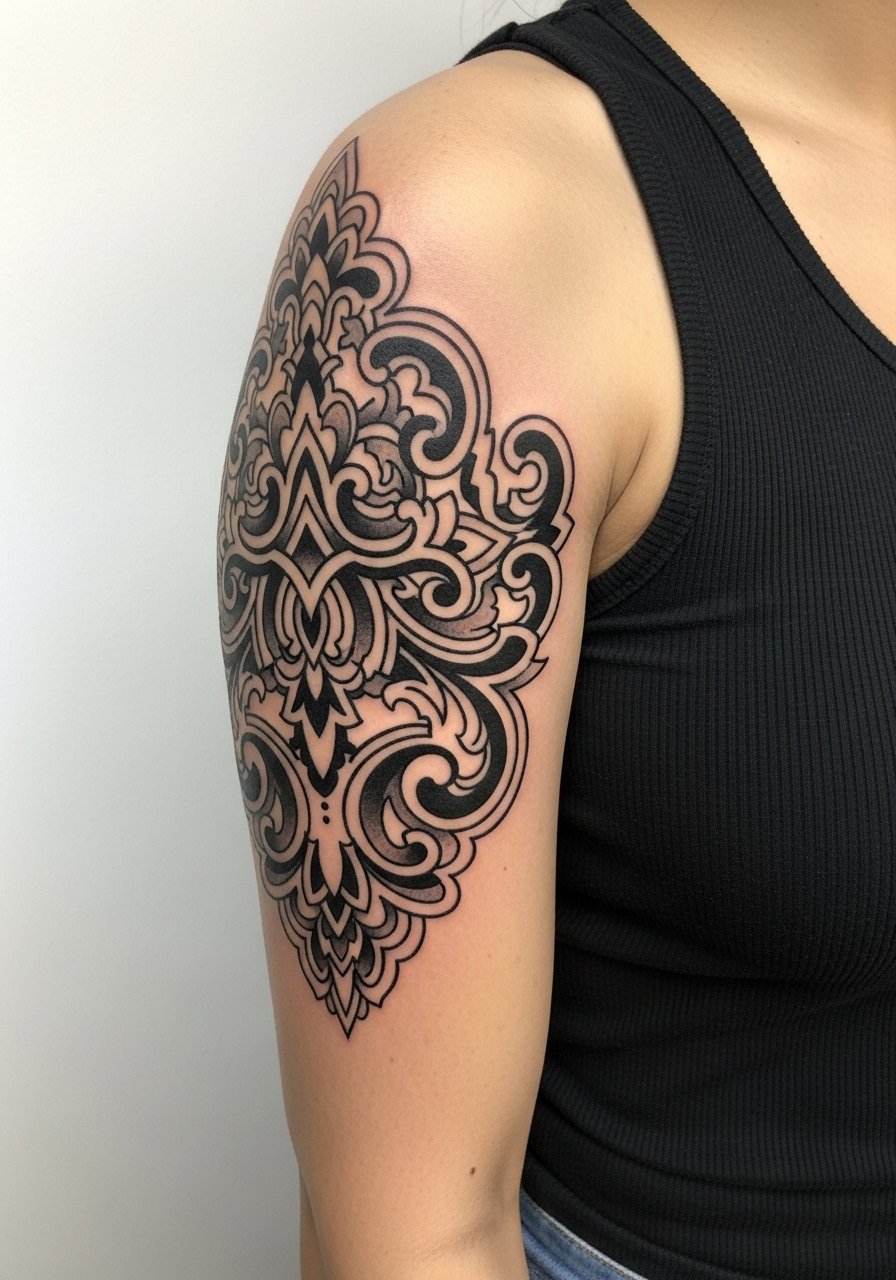
This bold ornamental piece reads strongly under clothing and ages predictably because solid black retains contrast. It's a good option if you want an impactful but concealable start to a sleeve. The session feels intense when the machine hits solid black fills, so expect brief breaks. Tell the artist you want clean, saturated fills and clear negative space to avoid muddy edges on darker tones. Common mistake is requesting too many small details inside solid blocks. Pair this with a solid black crop top for high-contrast reveals.
8. Fine Line Butterfly with Subtle Shade
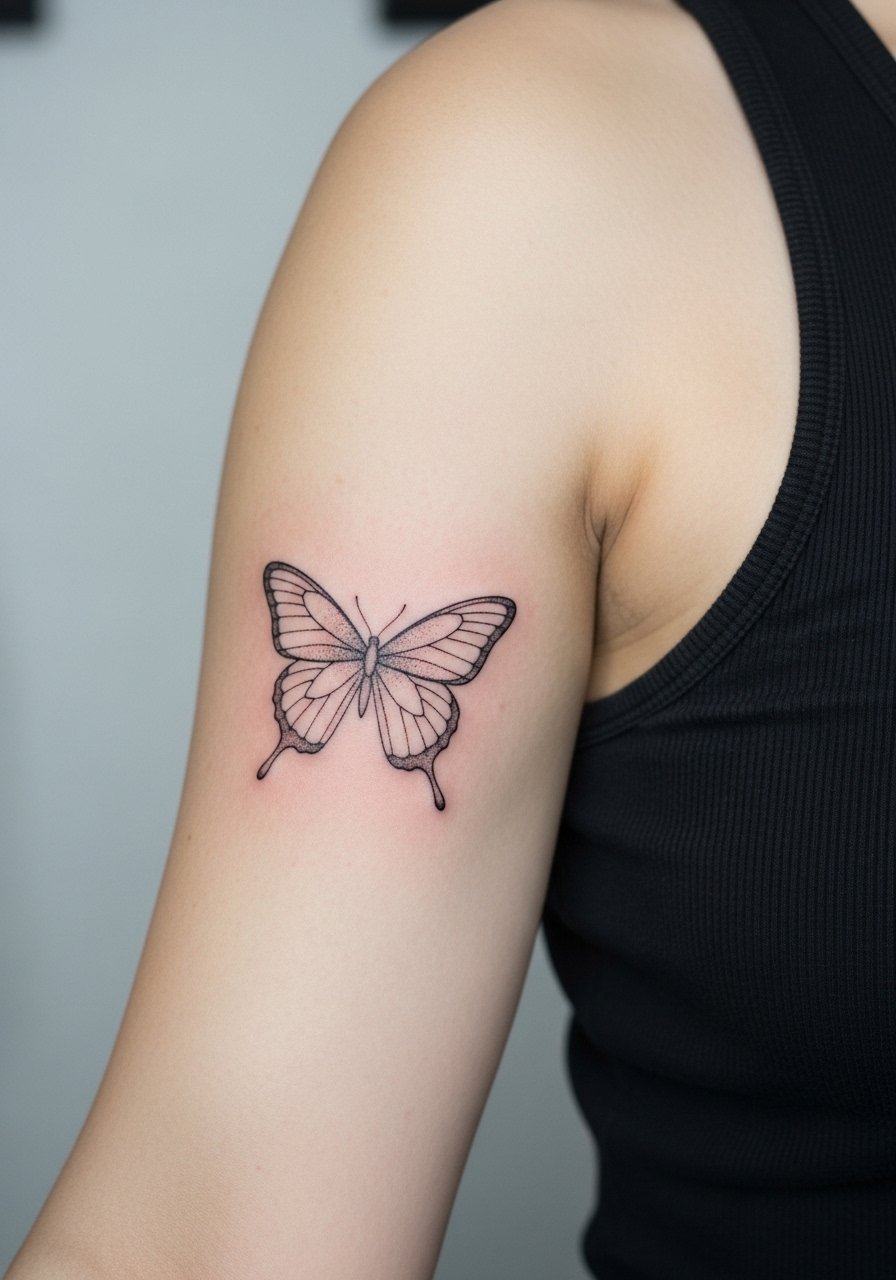
There's a gentle tap of pain on the inner bicep but the butterfly's small planes make sessions short. The trap is asking for ultra-hairline antennae and veinwork that vanish by year two. Ask for a hairline that sits with a slightly firmer anchor stroke to preserve silhouette. Expect a touch-up at 12 to 18 months for crisp wing lines. For a delicate daytime look, try stacking thin hoop earrings and a thin chain pendant necklace that keeps the focus on the arm without competing.
9. Watercolor Celestial Cluster
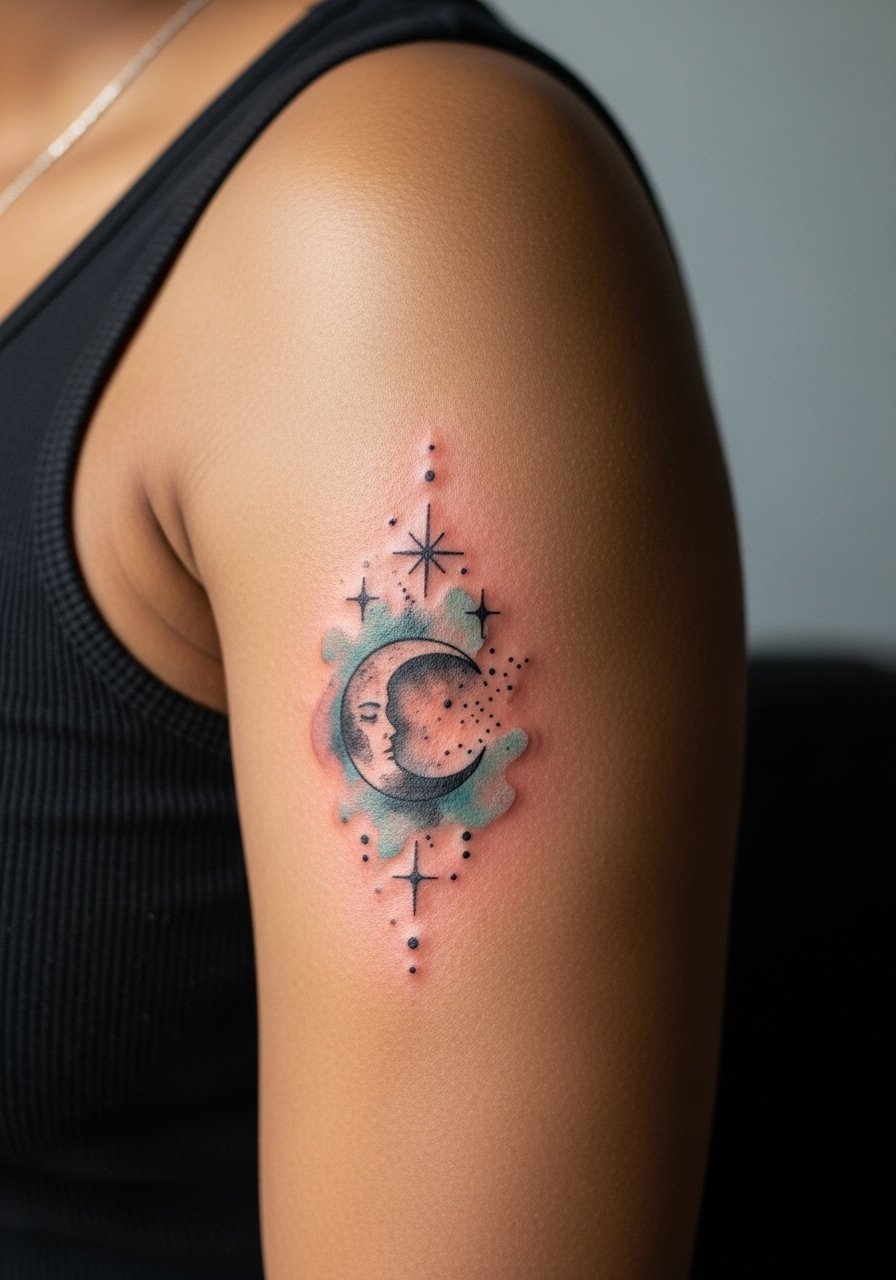
Watercolor can be dreamy but it ages differently here because the inner arm stretches with movement. If you love this look, ask the artist to anchor color with thin black pinlines so the design keeps shape as it softens. Sessions are moderately long when layering pigments. Many people see the softer hues fade by year two and opt for a color refresh. For casual outfits, a halter top women shows off the cluster without heavy coverage.
10. Micro-Realism Eye
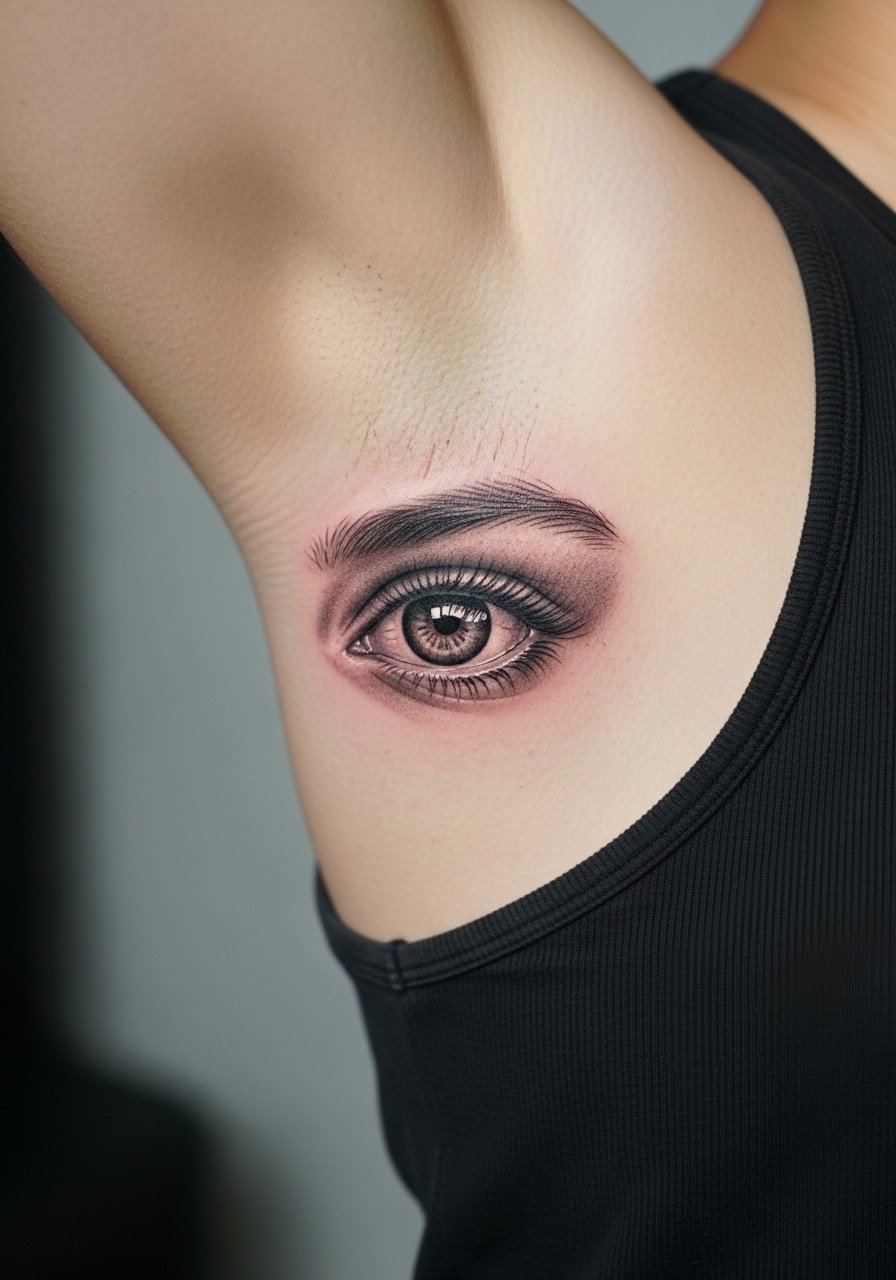
This hyper-detailed piece looks arresting when scaled to the bicep's smooth surface. Artists often schedule multiple short sessions so you can sit still between passes. A frequent mistake is asking for too small a pupil or lashes that blur into stipple. Discuss realistic scale in the consult and expect a three-session process with a touch-up at one year. For a clean reveal, pair with a white muscle tank to keep the focus on the portrait detail.
11. Vertical Script Mantra
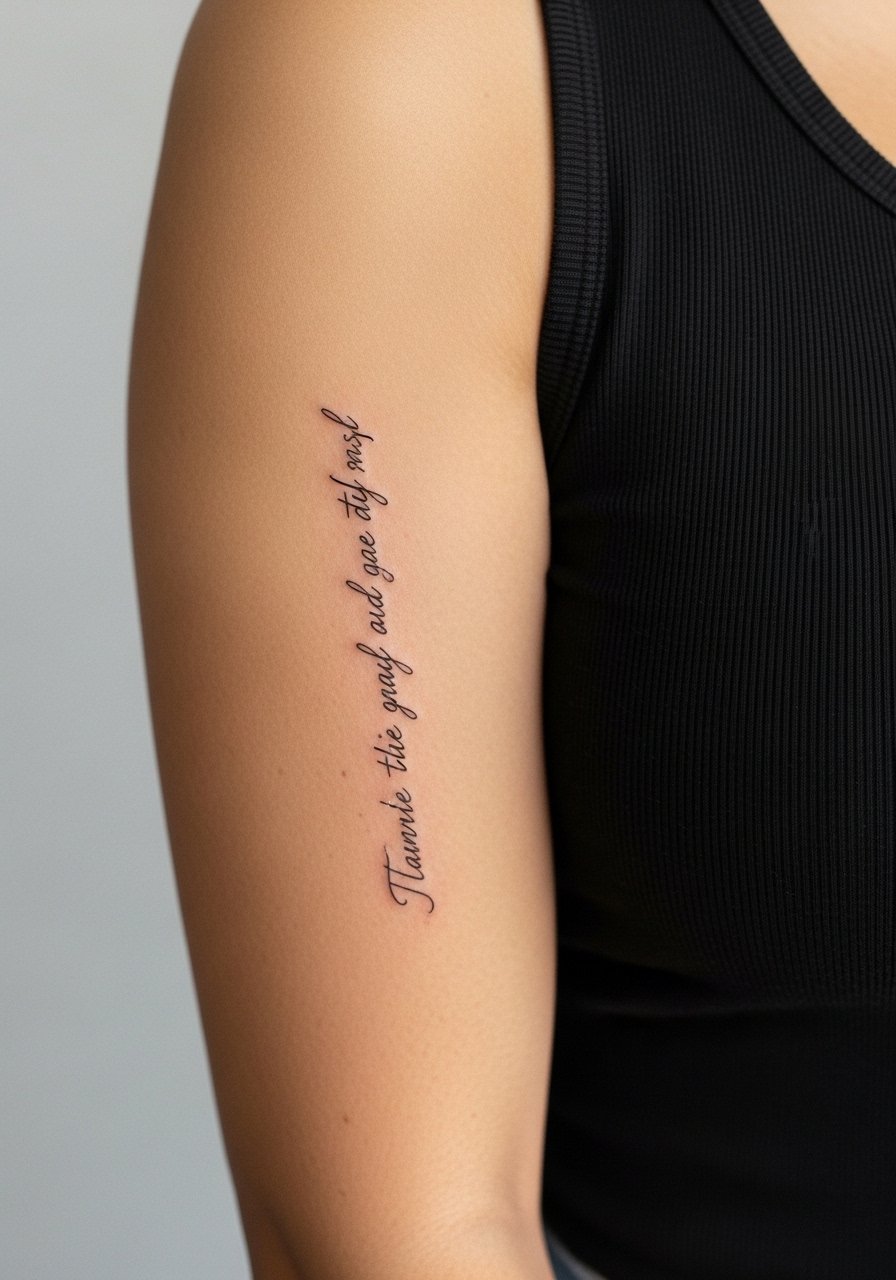
Script works well on the inner bicep because the vertical space fits line length. The inner arm moves a lot so ask the artist to test spacing and letter height on the skin before ink. The common error is choosing an ornate font at too small a scale. Expect lighter lines to fade faster and budget for a touch-up within a year. Wear a flowy wrap top afterward to avoid strap friction during early healing.
12. Statue Realism Fragment
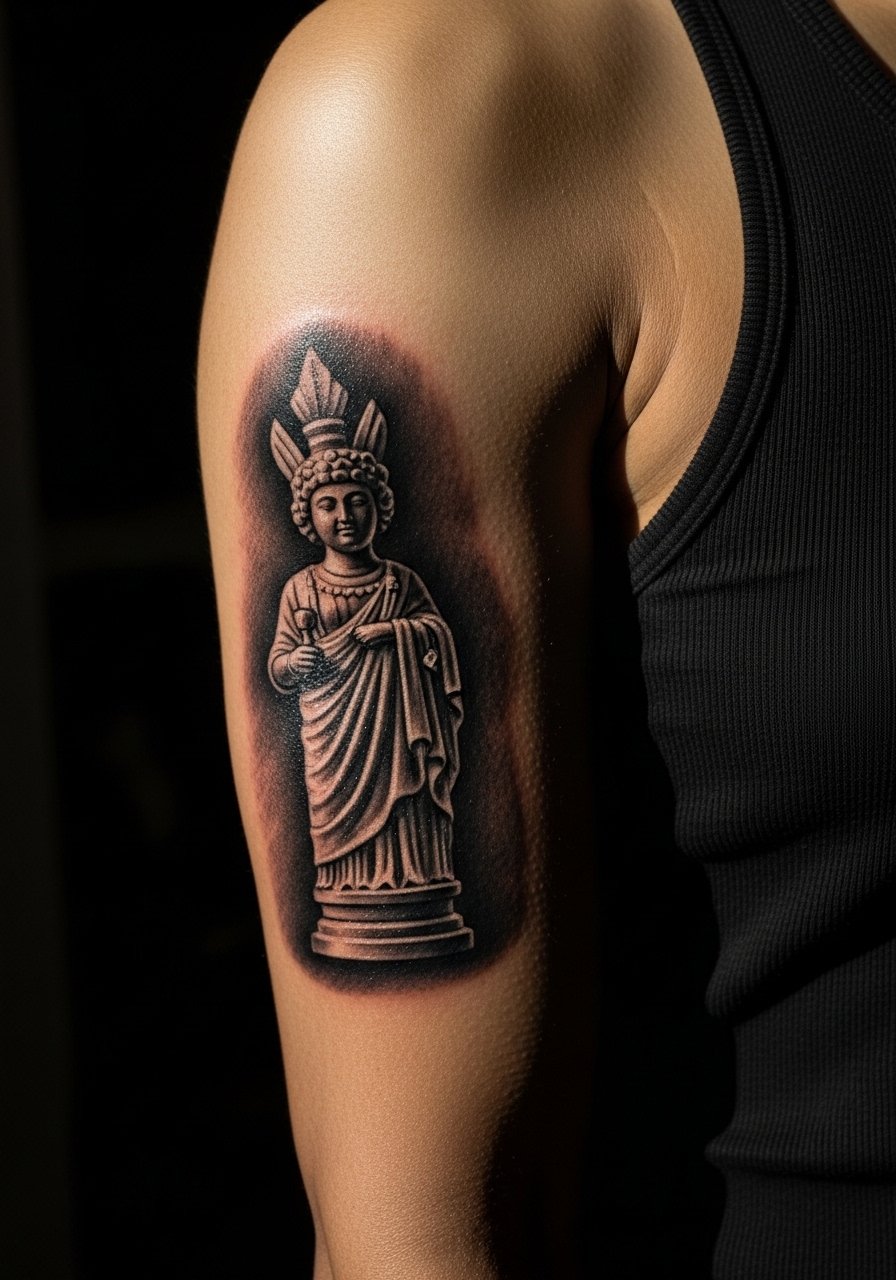
Heavy shading gives sculptural depth and tends to age into a solid grey tonality, which many prefer. This piece usually takes multiple sessions and you feel long stretches of shading sensations. The mistake is requesting tiny high-contrast details that lose clarity when the arm flexes. Ask the artist about session pacing and plan for a corrective pass at 12 to 18 months if mid-tones soften. For a minimalist display, pair with minimalist stud earrings.
13. Tiny Symbol Cluster
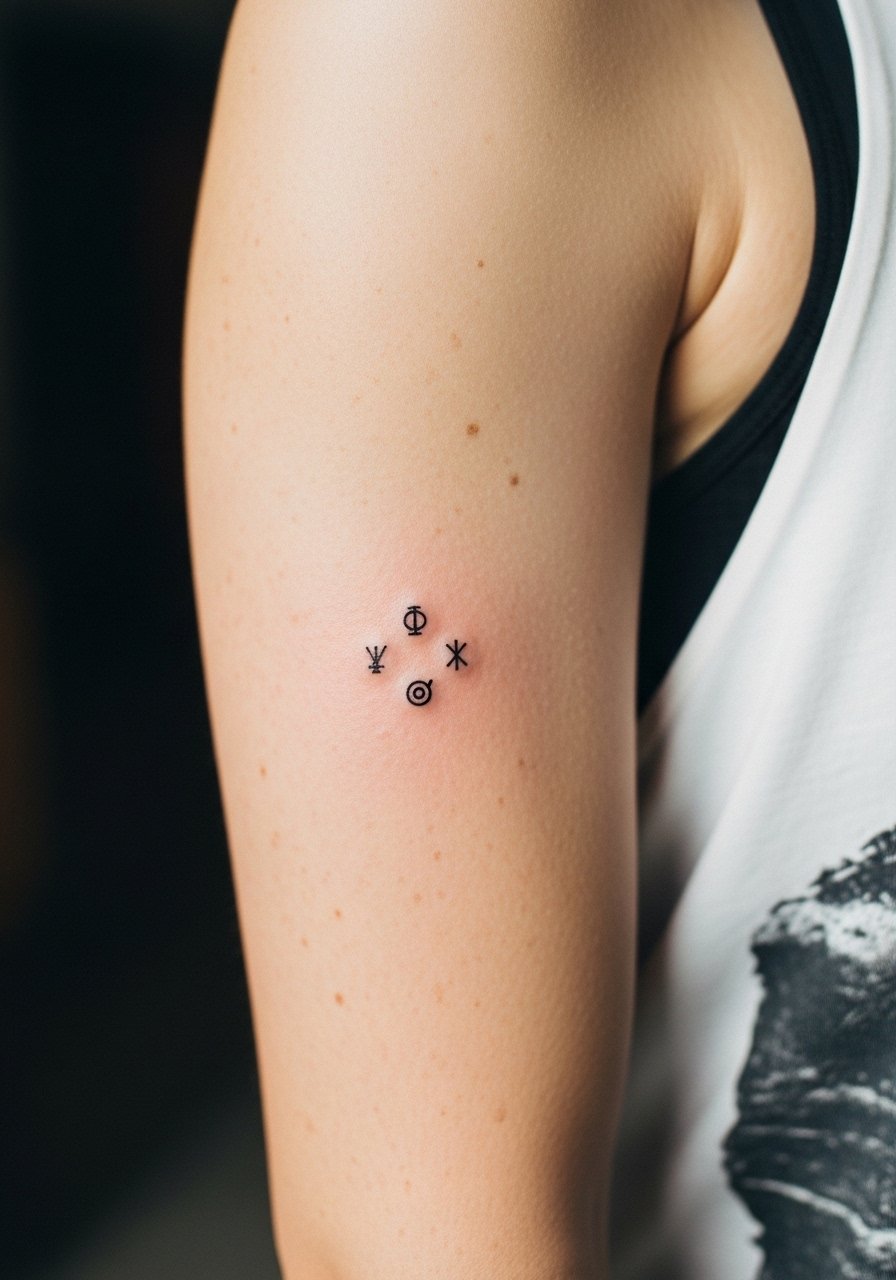
Clusters let you expand into sleeve work without committing to a full piece. Session feel is quick and sharp in spots. Common mistake is placing symbols too close so they blur together over time. Space them intentionally and agree on a growth plan with your artist. The cluster approach also works for mixing blackwork and micro color. Wear a dainty bangle stack on the opposite arm to balance the look.
14. Crescent Moon with Stars
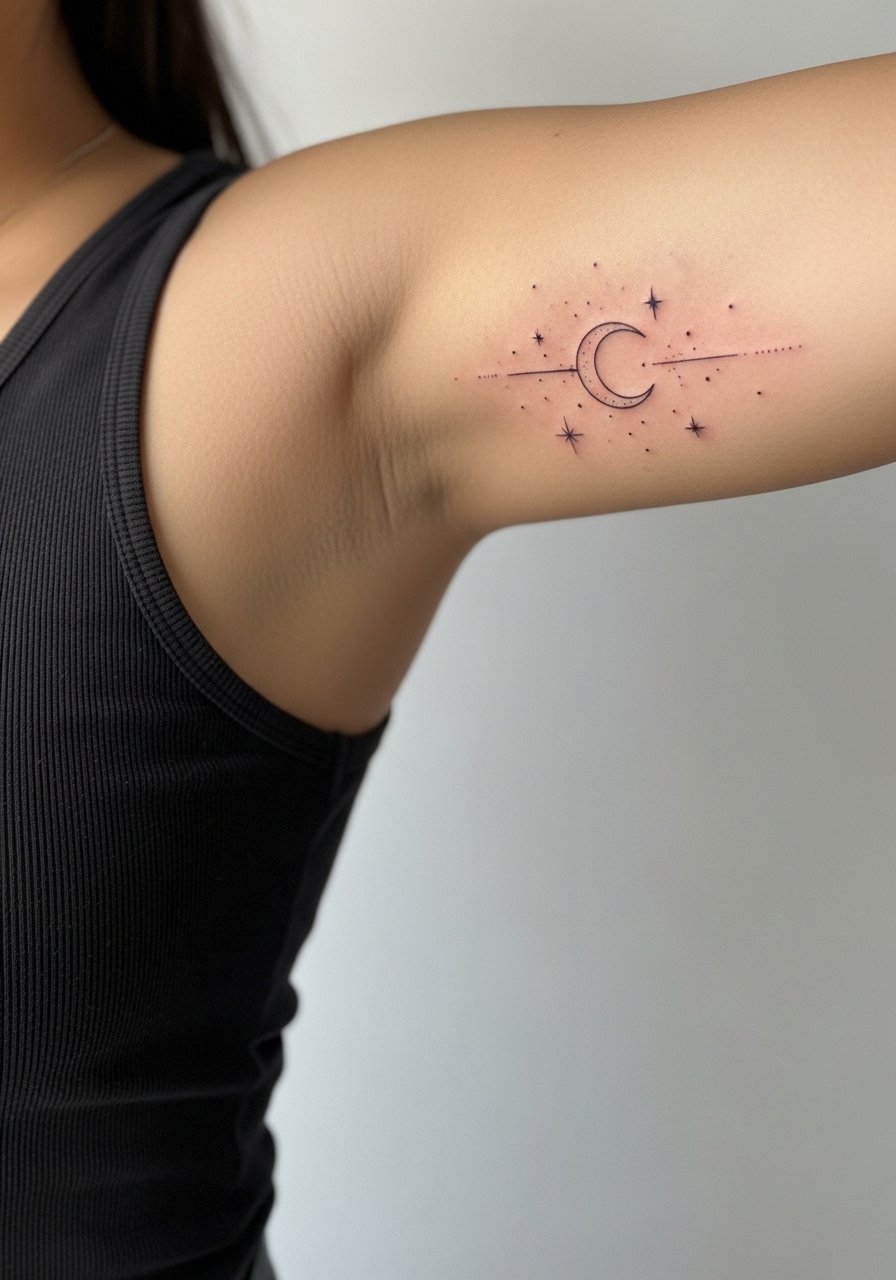
This celestial motif ages gently if lines are spaced and dots are slightly enlarged from the reference so they survive blowout risk. A mistake is insisting on pinhead dots that vanish on darker tones. The session is short and manageable. For after heals, the moon pairs well with layered necklaces or a simple thin chain pendant necklace.
15. Modern Tribal Starter
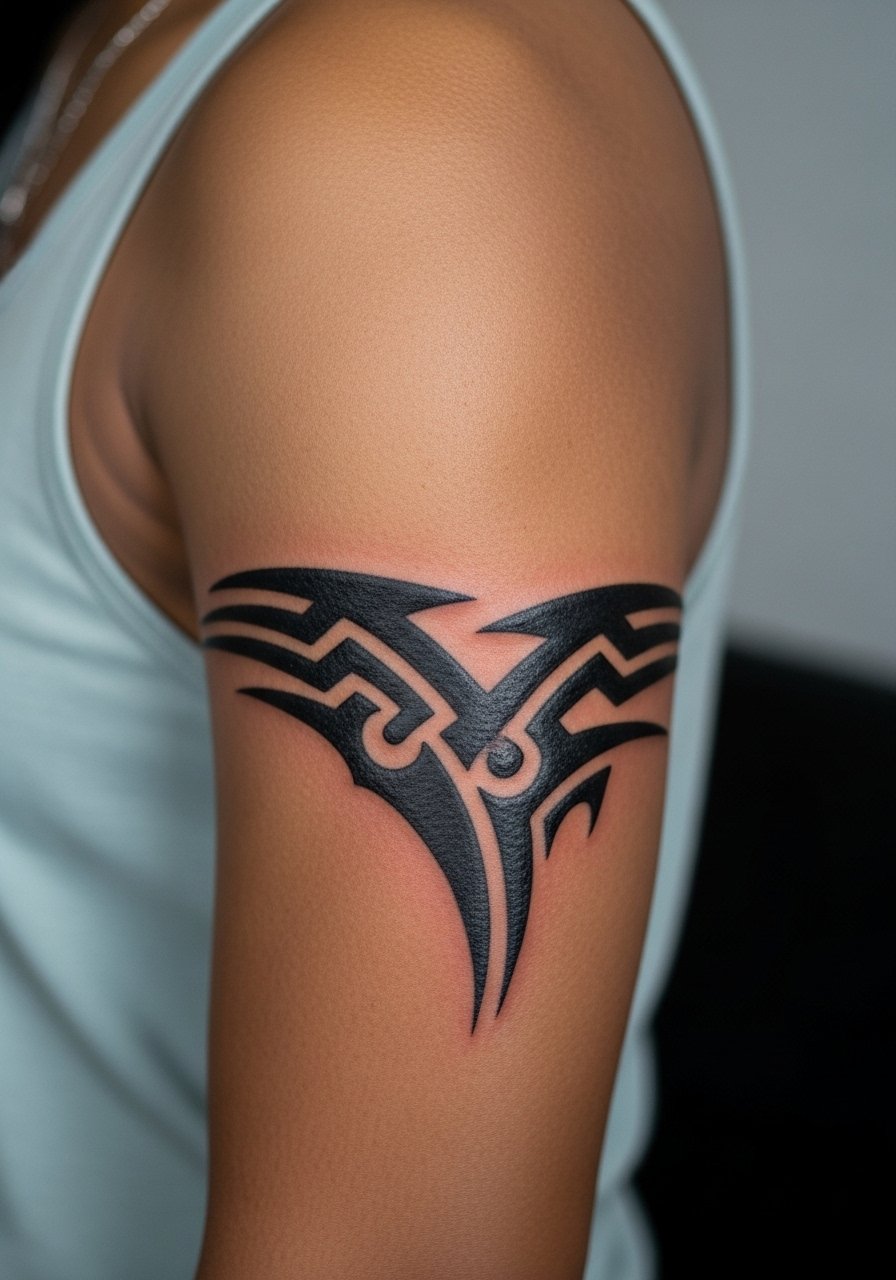
If you want a sleeve starter that reads bold, this modern tribal approach gives structure without full commitment. Expect 2 to 3 sessions for linework and fills. Respect cultural origins and ask about stylized variations rather than direct traditional replication. The session can be intense where large fills meet sensitive skin. For contrast, try a wide cuff bracelet leather on the opposite wrist.
16. Micro-Realism Symbol
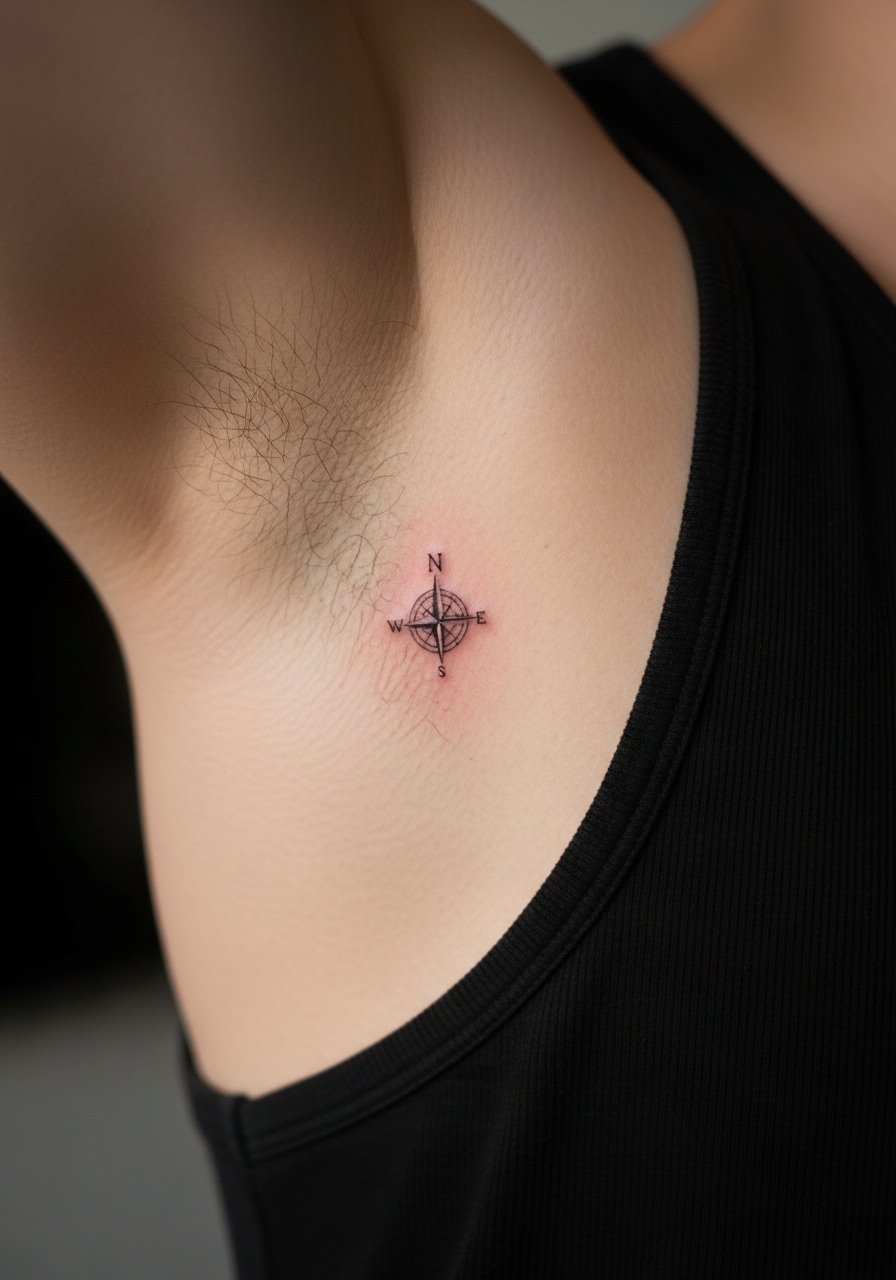
Micro-realism needs scale discipline. Too small and detail smudges, so ask for a slightly larger translation than the reference. Sessions are focused and may require sitting still for finer shading. The upside is the inner bicep hides the work well. Schedule a touch-up at the one-year mark to refresh mid-tones. For casual days, a racerback tank shows the piece without rubbing from straps.
17. Botanical Stem with Negative Space
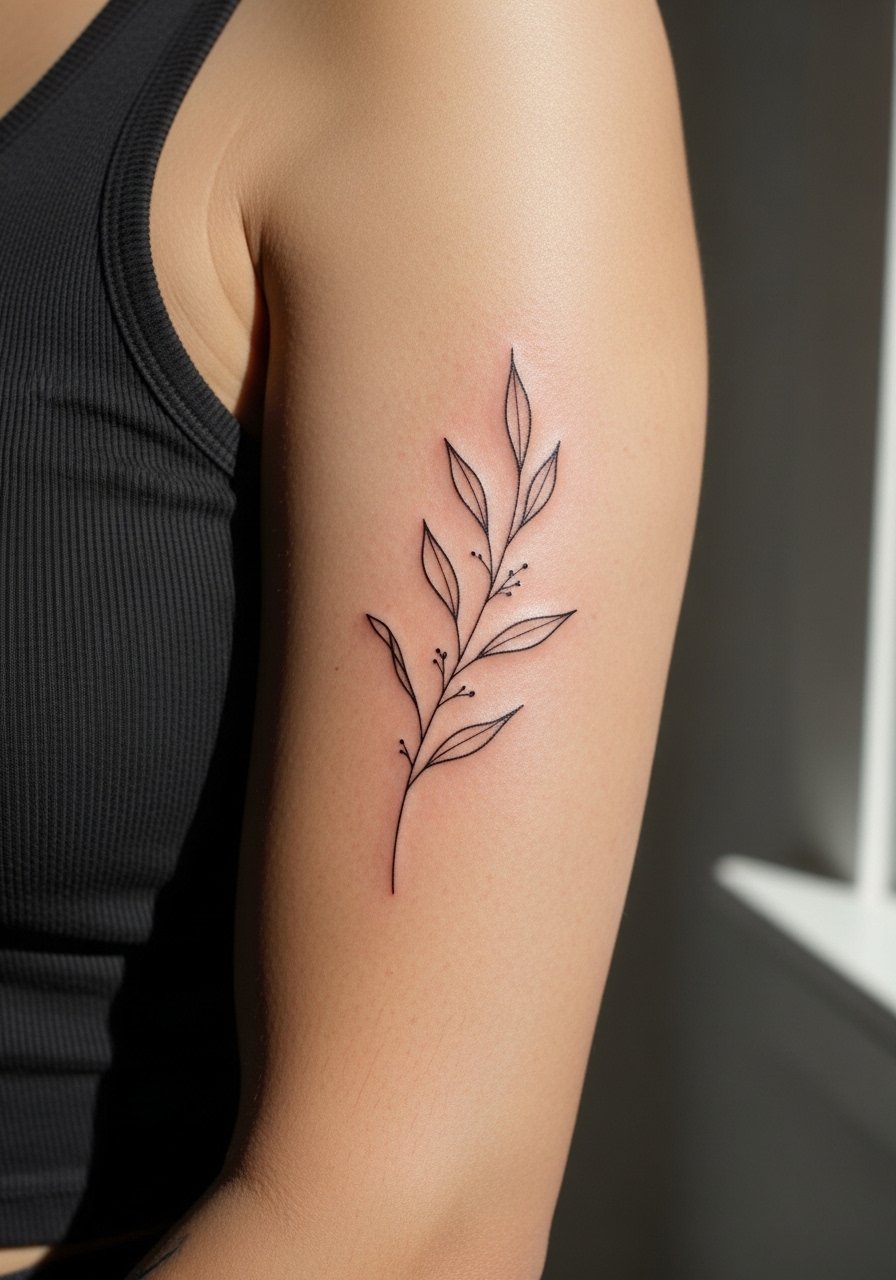
Negative space keeps the design airy which helps it age less cluttered. The inner arm moves so plan for slightly firmer primary lines to anchor the composition. A typical misstep is overloading leaves; simpler shapes last longer. This style is great for someone who wants to expand later into sleeve pieces. For a soft reveal, try a high armhole tank that avoids strap friction across the area.
18. Single Feather with Whip Shading
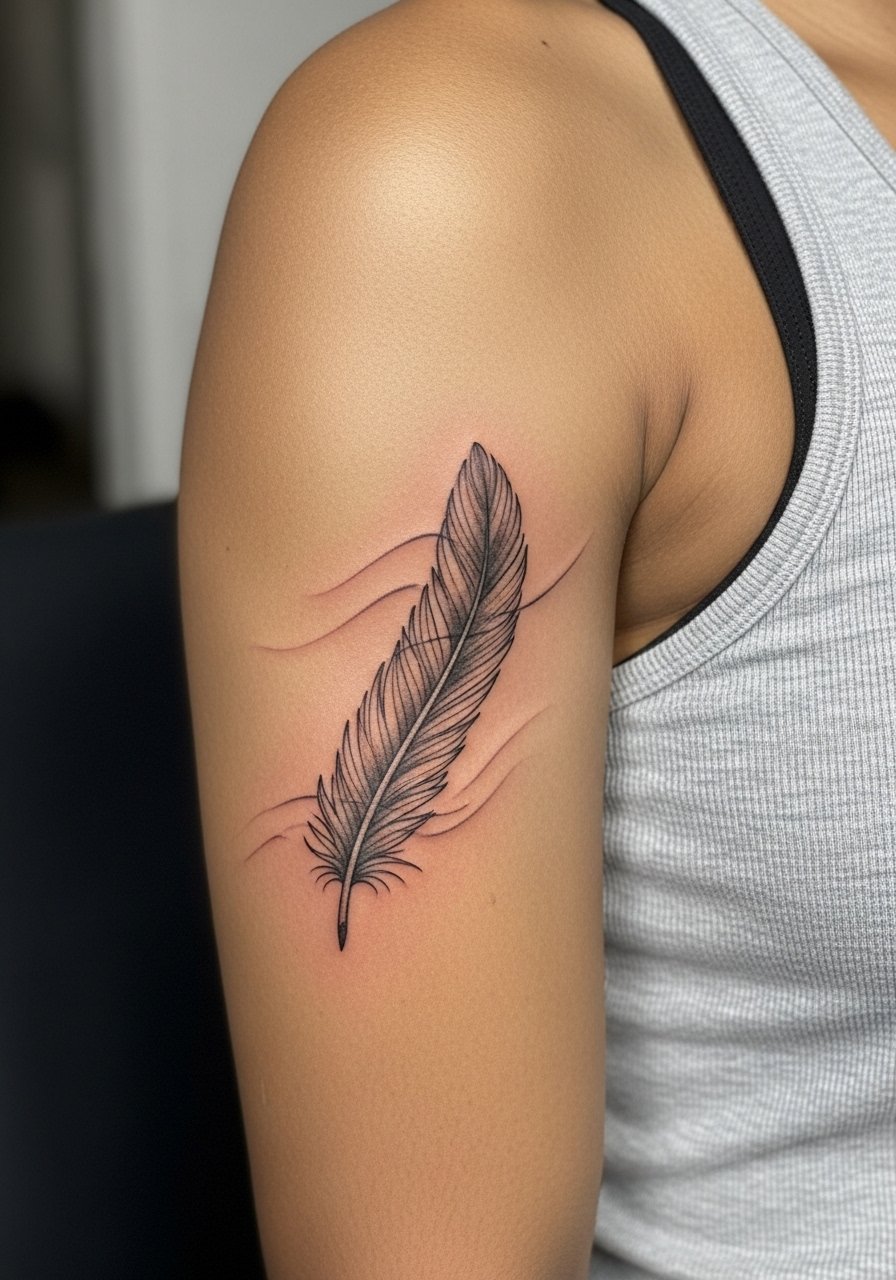
Feathers translate beautifully when artists use whip shading to suggest softness. The painful zones are near the armpit crease so break sessions into shorter passes if needed. A common error is requesting micro hook strokes that blur; ask for spaced barbs in the feather. Expect a touch-up in 12 to 18 months for outer edges. Pair this with a strapless bralette under a loose tee for session access.
19. Constellation Line with Dots
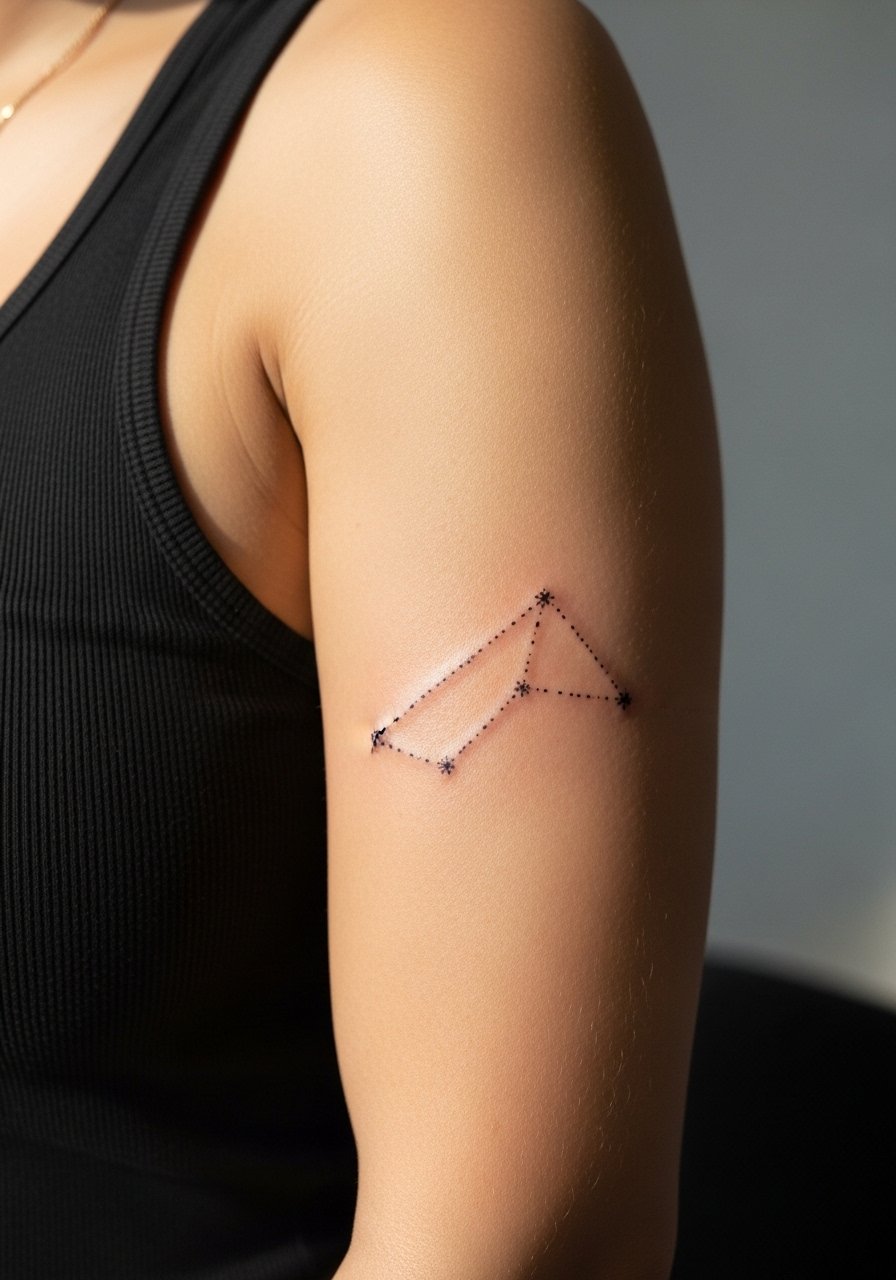
Constellations are compact and symbolic. The mistake is tiny dot spacing that fades into a smudge. Ask for slightly larger dots and a couple of bolder anchor stars to preserve pattern. The session is quick and tolerable. For a daytime look, combine with a cream peasant blouse that drapes over the shoulder and shows the inner arm when you lift it.
20. Mini Floral Sleeve Starter
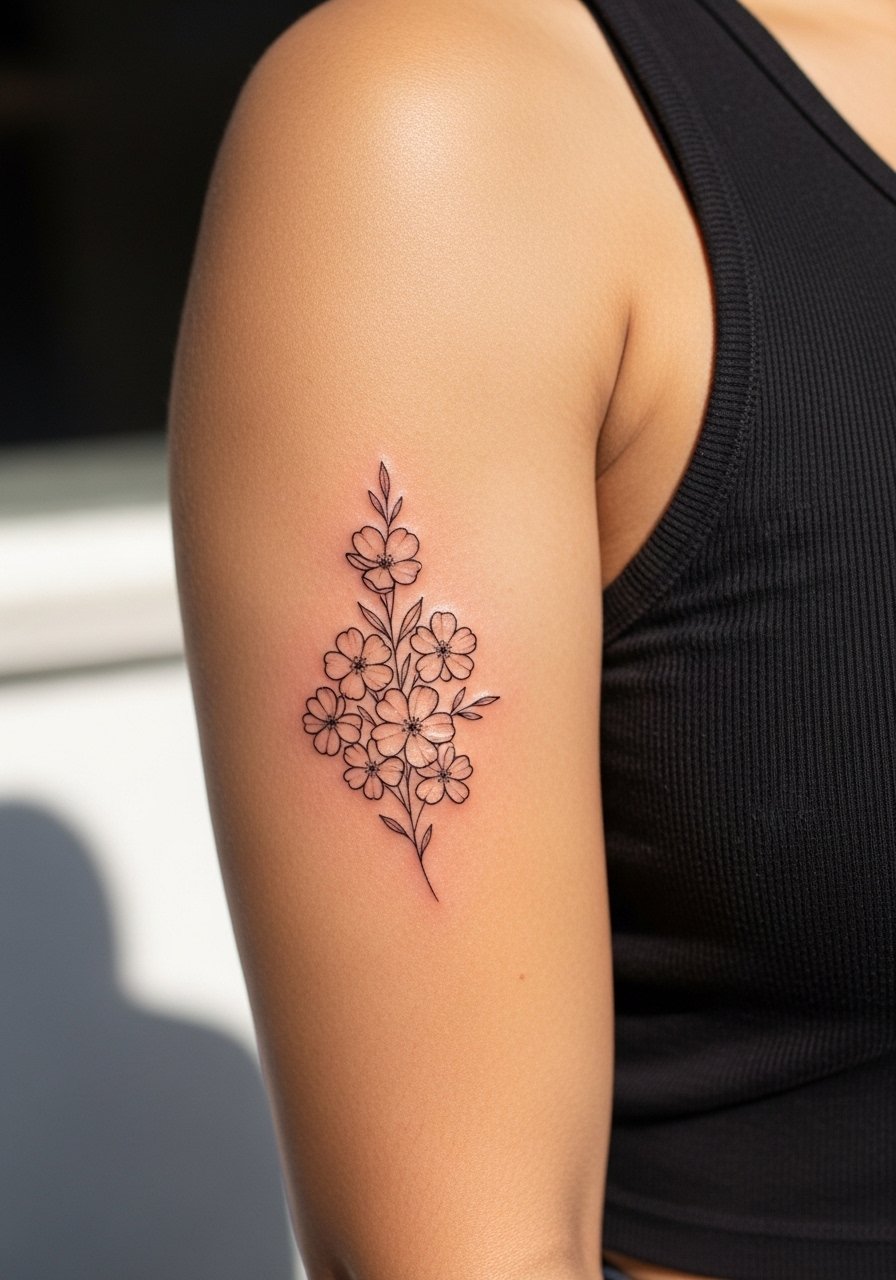
This approach lets you add pieces over years while keeping a coherent palette. The inner arm is forgiving for vertical stems but watch how each bloom sits when the arm flexes. A common error is mismatched scale between elements. Ask for a consistent stem thickness across blooms and plan staged sessions. For showing off, roll a sleeve and wear a loose button-down shirt pushed up so the cluster peeks out.
21. Minimalist Arrow with Dot Trail
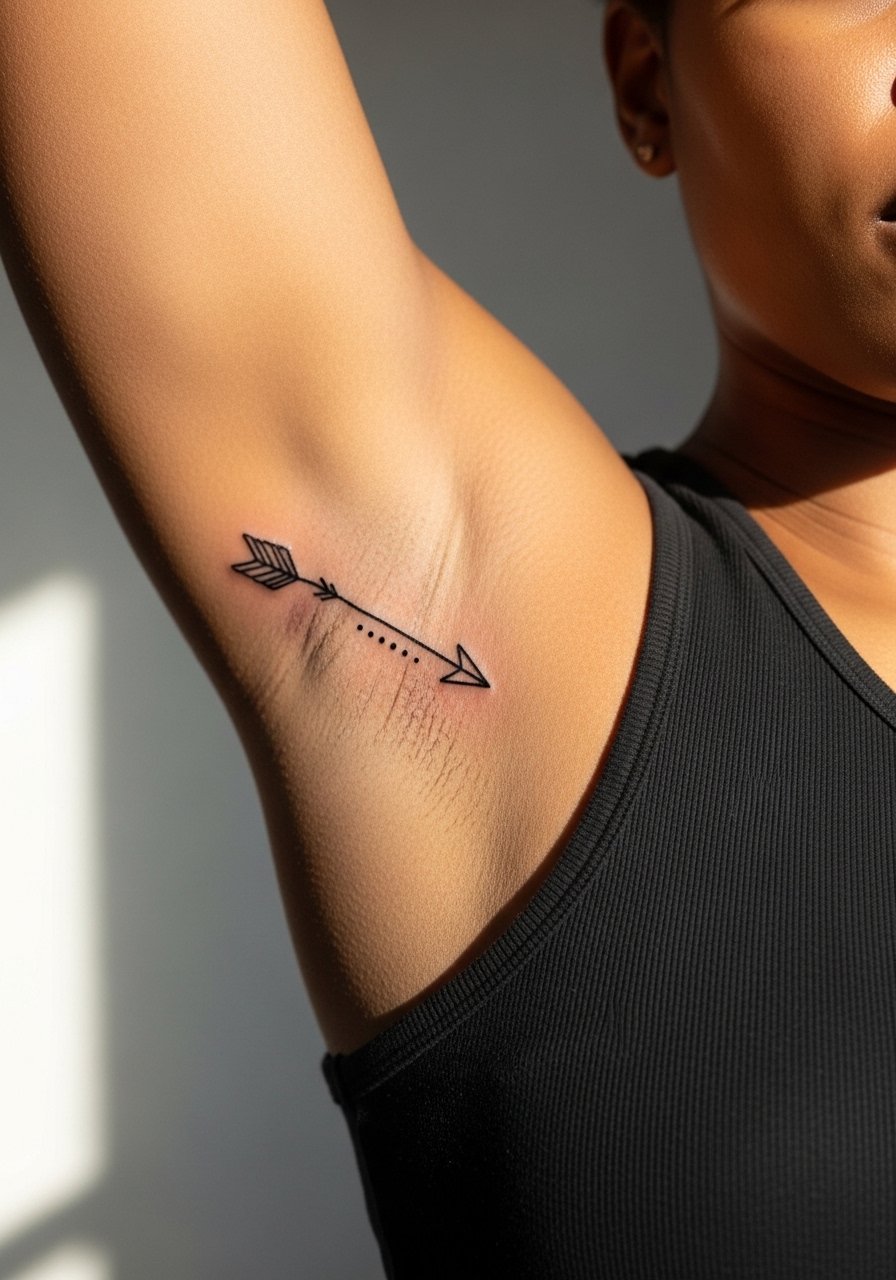
Arrows are low commitment and sit well here. Mistakes include making the shaft too thin or using tiny fletching that disappears. Ask for a modestly anchored shaft and slightly larger trail dots. Sessions are brief and usually doable in one sitting. For simple styling, try a dainty bracelet on the opposite wrist to balance minimalism.
22. Scripted Date in Roman Numerals
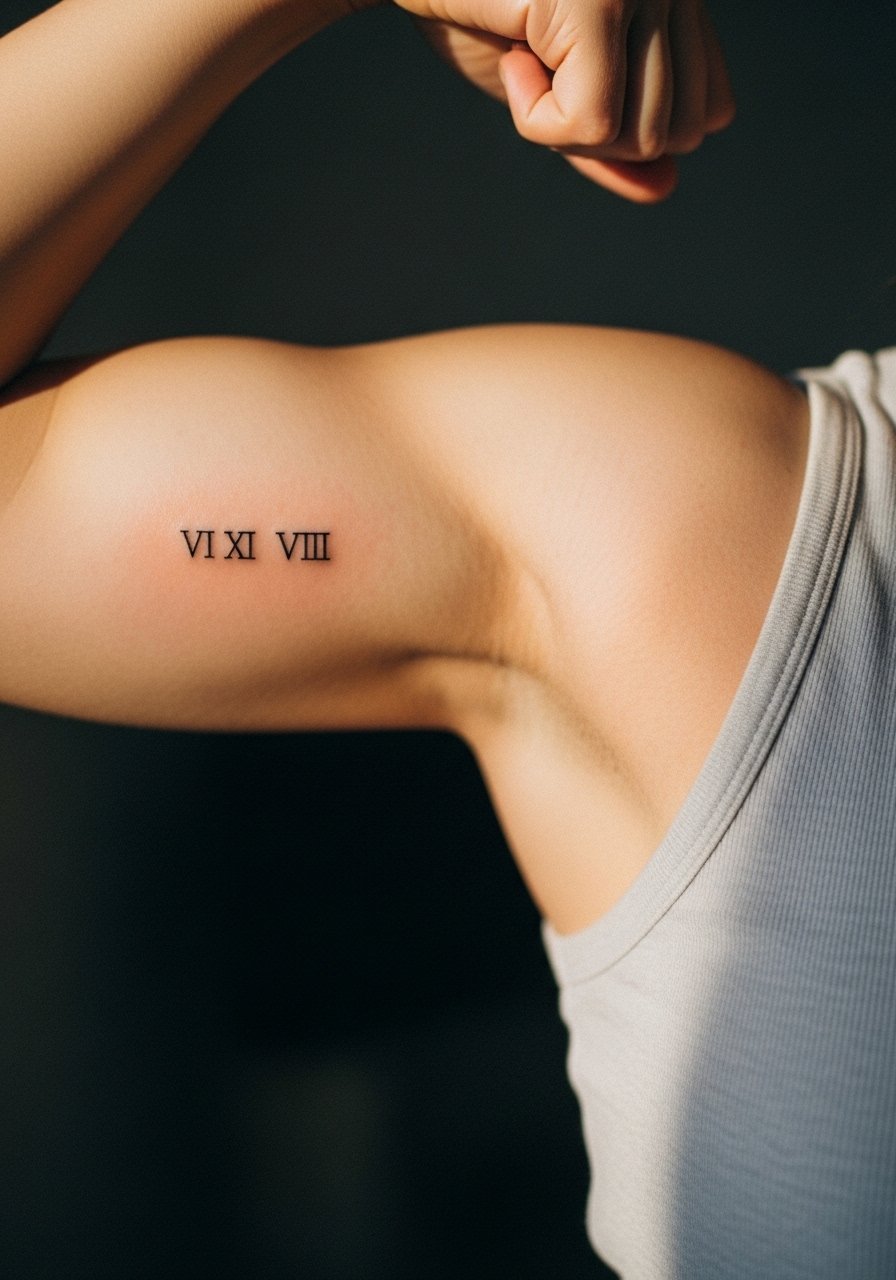
Numbers require precise spacing because lettering that looks balanced flat can distort when the arm moves. Ask your artist to stencil and let you flex before they ink. A frequent error is under-sizing numerals that become illegible. Sessions are quick and tolerable. For a soft bedside reveal, pair with an olive green blouse with roomy sleeves.
23. Mandala Petal Slice
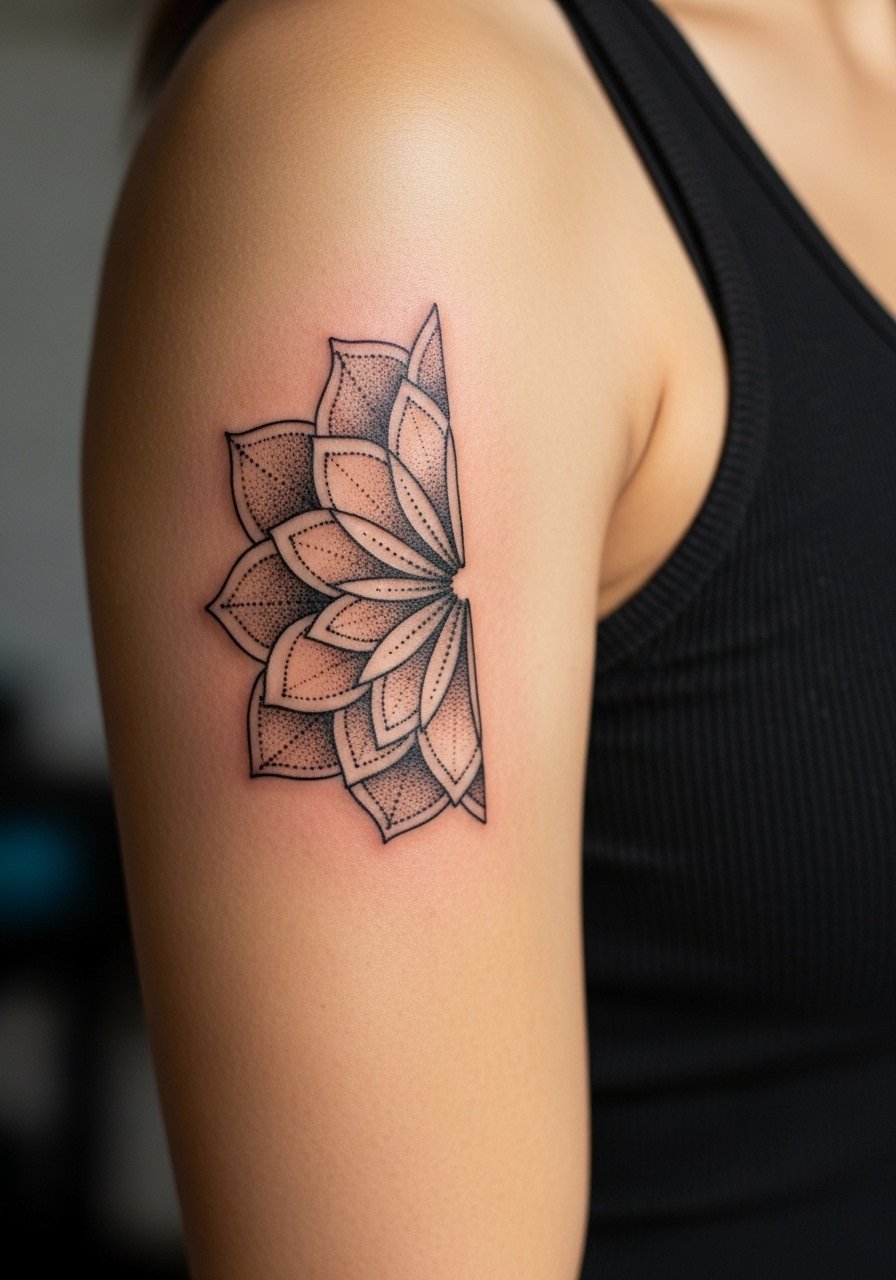
Mandala fragments work as sleeve insets and need spacing to avoid merge. The biggest mistake is compressing petal patterns into too-small areas. Ask for open spacing and stipple shading rather than dense black fills. Sessions can be long if you ask for high detail so split into passes. For a boho finish, wear a thin hoop earrings gold.
24. Tiny Floral Bud with Stipple Shading
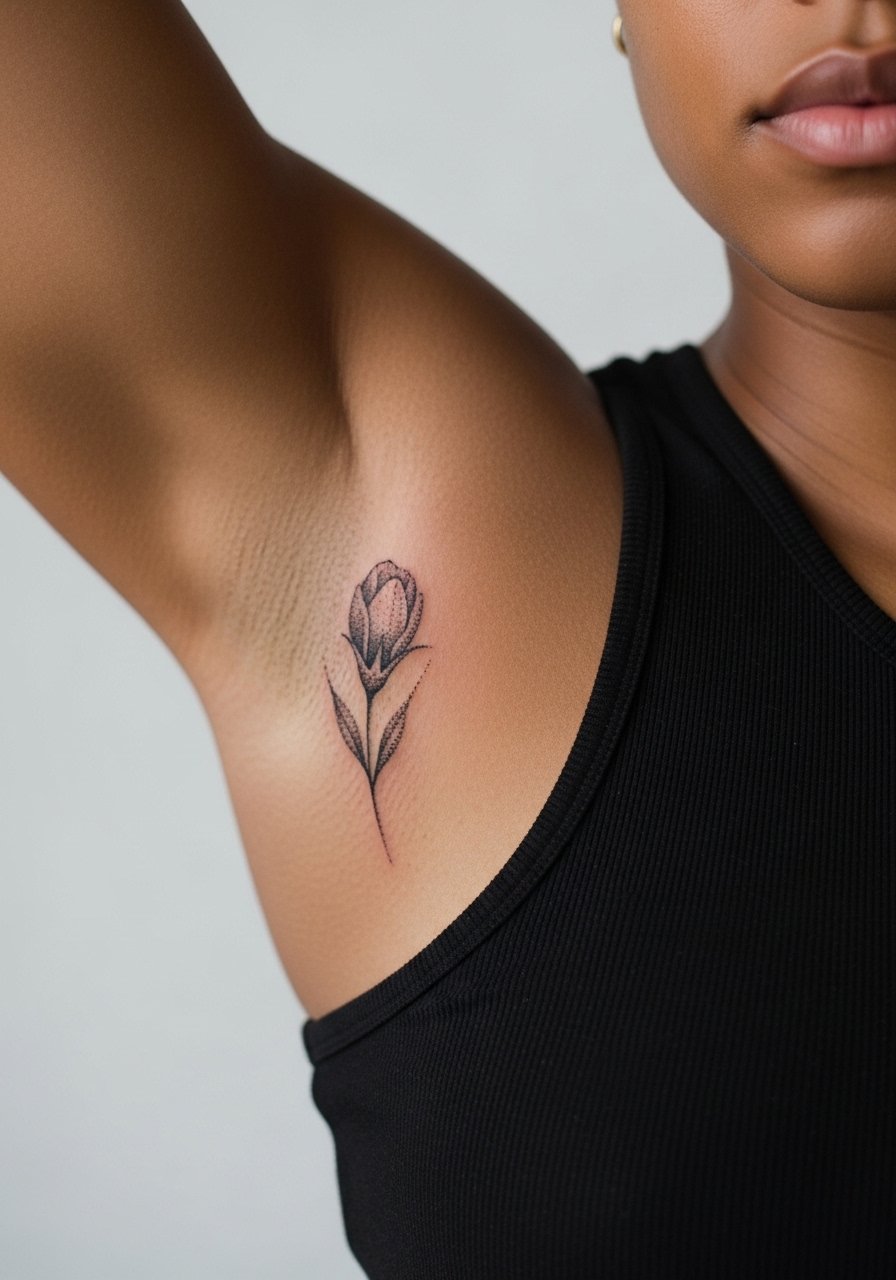
Stipple holds texture without heavy lines, and the inner bicep provides a gentle plane for this technique. The mistake is relying on hairline stipple that disappears; ask for slightly denser dot clusters in shadow areas. Sessions are gentle but require patience. For a feminine reveal, choose a sleeveless fitted tank in blush or white.
25. Single Line Portrait Silhouette
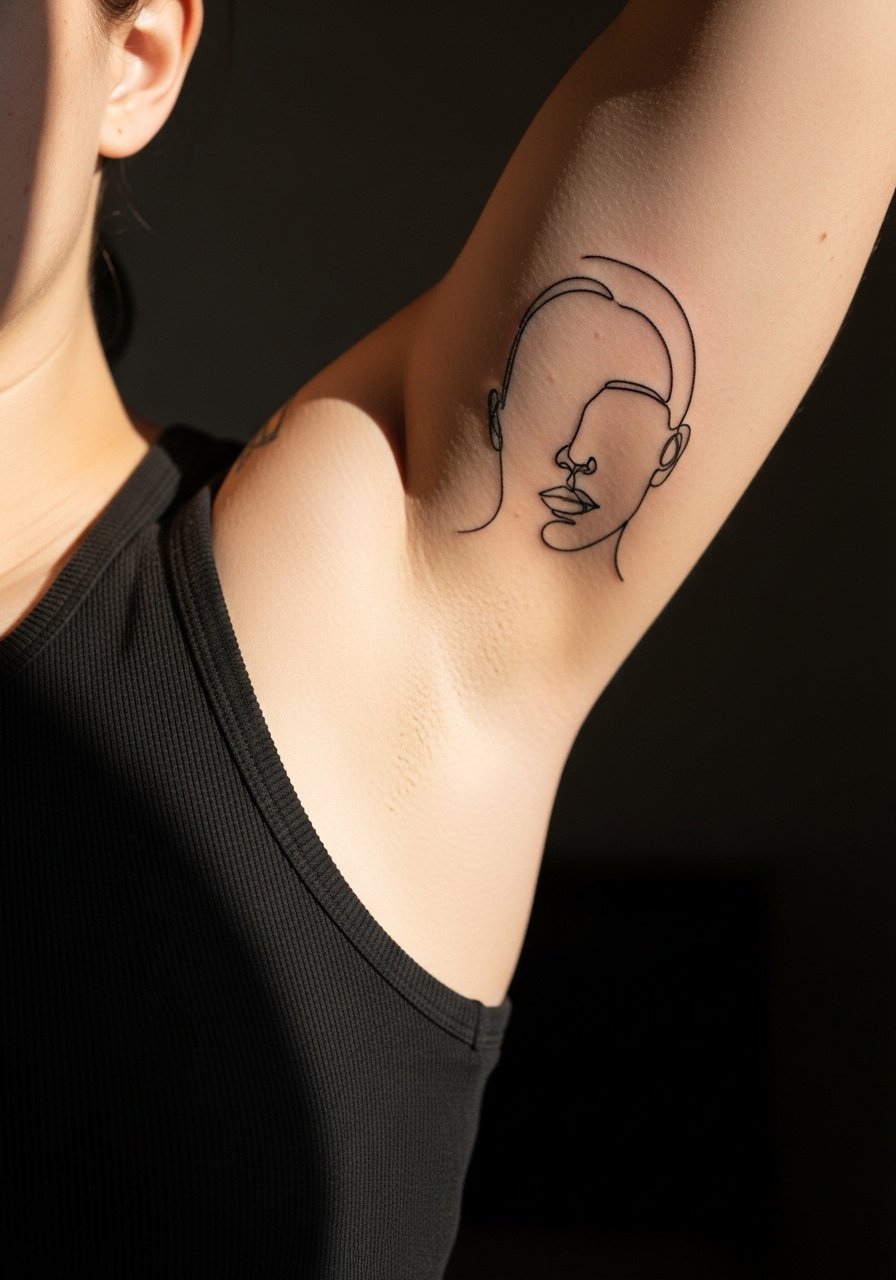
Single-line portraits look modern but they demand confident strokes. If the line wavers the silhouette reads off. Ask for a bold primary stroke with minimal inner detail to avoid losing shape over time. Sessions are typically short and require steady positioning. Pair this with a minimalist stud earrings look for gallery nights.
26. Anchor or Nautical Micro-Realism
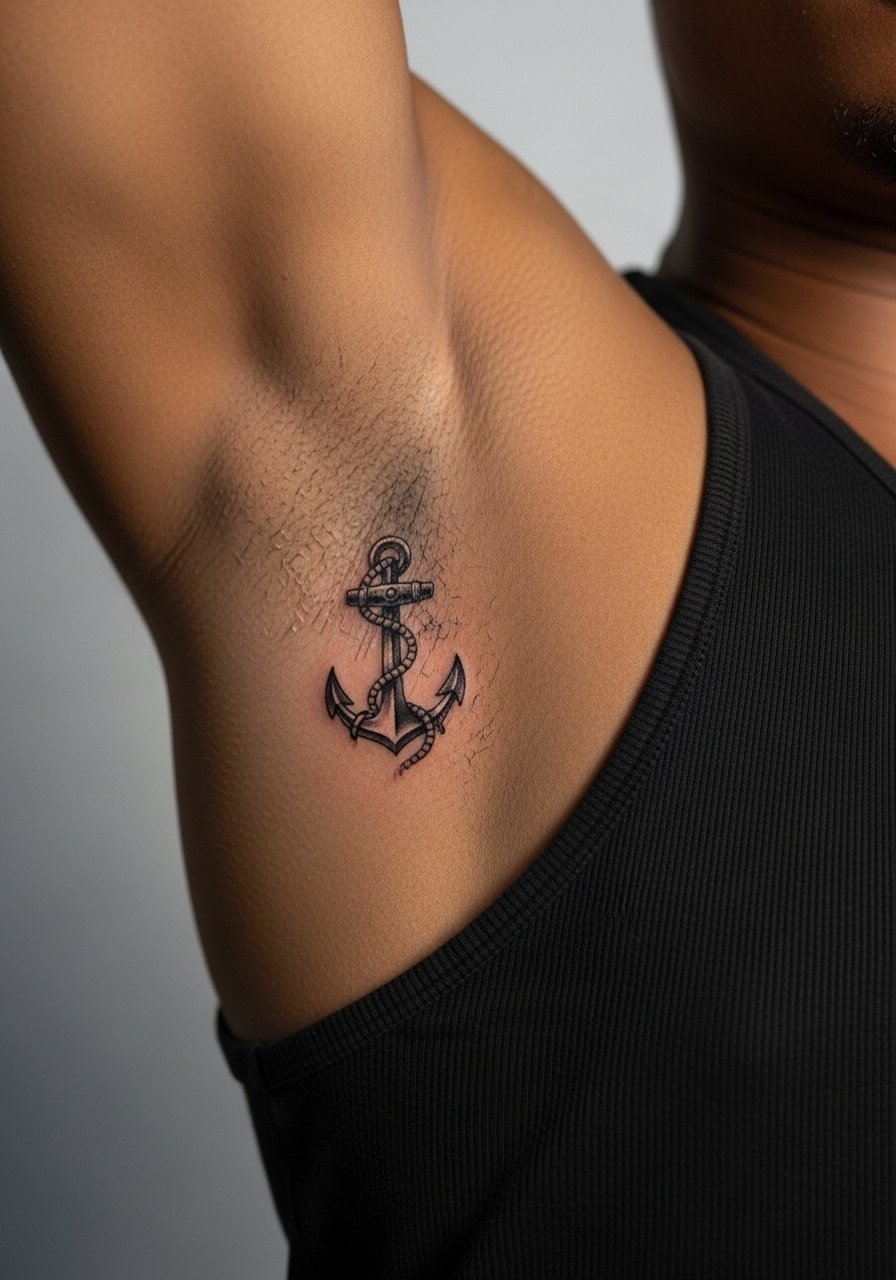
Nautical tokens are classic and compact. The error people make is forcing too much texture into a tiny anchor. Keep scale slightly larger than you imagine and ask for bold contrast points so the silhouette survives. Sessions are quick and manageable. For casual wear, pair with a tailored chambray shirt with sleeves rolled.
27. Hidden Sketch-Style Linework
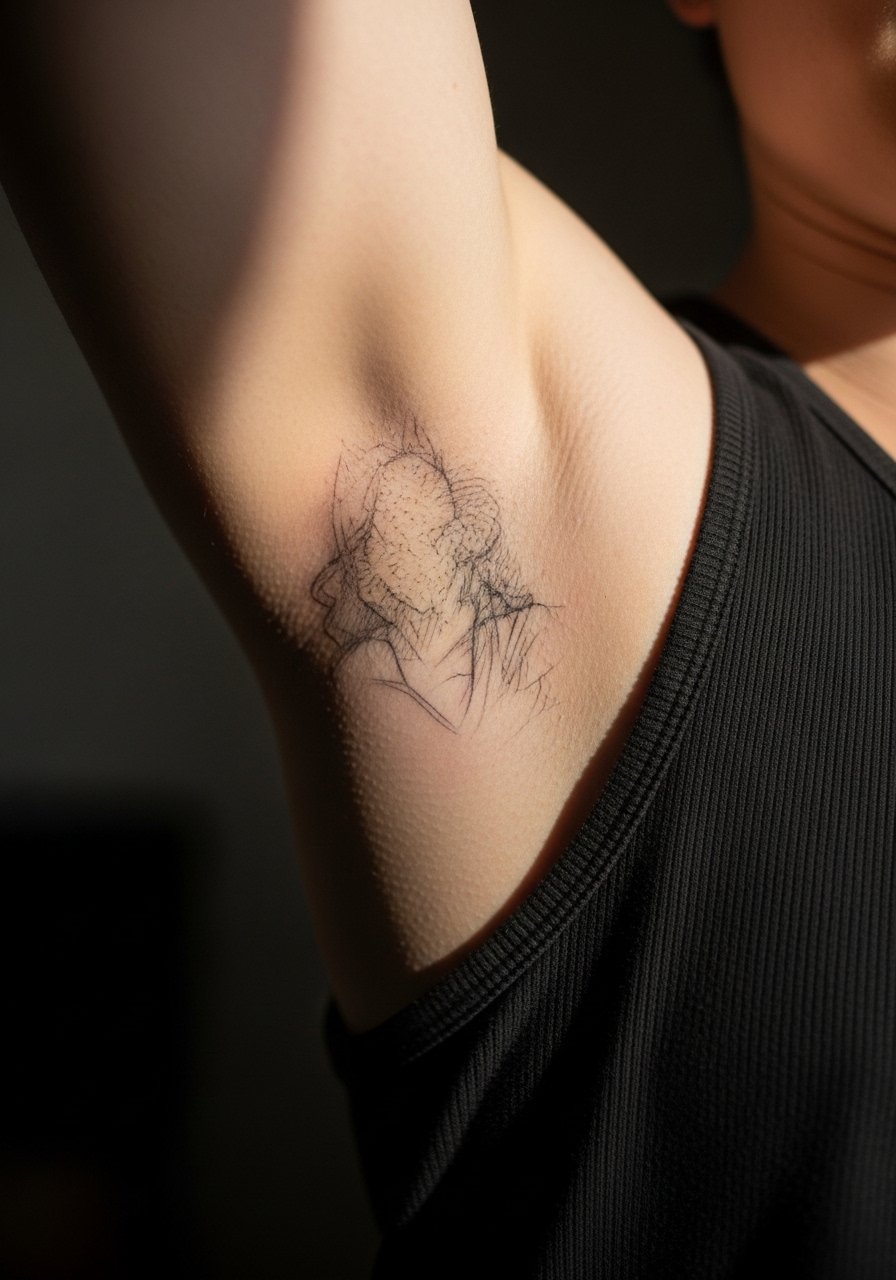
Sketch-style lines mimic pencil work and suit people who want an intimate, slightly rough aesthetic. The inner bicep can blur faint sketch strokes, so ask for a few slightly firmer anchor lines to keep the drawing legible over time. Expect a single session for small pieces and a possible touch-up at year one. For a casual reveal, a loose tank or button-up shirt is best for the appointment so fabric does not pull across fresh ink.
Frequently Asked Questions
Q: How much does fine gauge linework on the inner bicep typically need touch-ups?
A: From what I and many artists I know have seen, fine gauge pieces on the inner bicep commonly need at least one touch-up within 12 to 18 months. The inner arm moves a lot and thin strokes lose definition faster than bold work. Ask your artist for a one-year check-in and plan that into your timeline.
Q: Does the inner bicep hurt more than the outer arm and how should I prepare?
A: Yes, people often report higher pain near the inner bicep and armpit crease. Shorter sessions, good hydration, and resting the arm on a pillow reduce movement and discomfort. Some clients opt for topical numbing after checking with their artist. Bring a loose tank or button-up so the artist can access the area without tugging at clothing.
Q: Are watercolor-style inner bicep tattoos a bad idea because of fading?
A: Watercolor looks beautiful but the pigments soften faster on active skin zones. If you want watercolor, anchor it with thin black pinlines or ask for denser color passes so it has a base to hold up. Expect color refreshes sooner than you would with saturated blackwork.
Q: How do I find an artist who actually knows how to space fine lines for inner bicep work?
A: Search hashtags like #FineLineTattooWomen combined with your city, check Booksy or Tattoodo filters for "fineline" and "bicep," and watch process reels on TikTok to see healed work. Ask to see healed photos that match your skin tone and scale before booking.
Q: Which is better for inner bicep healing, protective film or dry healing?
A: Artists and owners split into two camps. One group prefers protective films for less mess and faster initial care. The other group favors dry healing to let scabs form naturally and avoid trapping moisture. The right choice depends on your skin and the design. Tell your artist about sweat, clothing friction, and your climate so they can recommend what they prefer for that placement.