Fine line knee work is exploding on feeds and a lot of what looks perfect fresh will not age the way people expect. Movement, sweat, and the thin skin over the patella cause distortion, intense bone-edge pain, and tricky healing if you wear shorts all summer. Read these 21 illustrative knee tattoo ideas, each with real placement notes, styling tips, and what to tell your artist so the piece still reads well after two years.
1. Circular Predator Skull on the Knee Cap

This is the classic choice if you want a design that reads aggressive without warping into a blob. Tell your artist to scale the skull so the eye sockets sit on either side of the patella and to test the stencil with the leg bent and straight. Expect a bone-edge sting over the kneecap and plan two to three short sessions. The biggest mistake is packing too much tiny detail into the round area. Ask for heavier linework around the major shapes so the silhouette holds at year two and beyond. For showing it off, cargo shorts or olive athletic shorts frame the knee without stealing attention.
2. Shark Jaw Wraparound on the Outer Knee
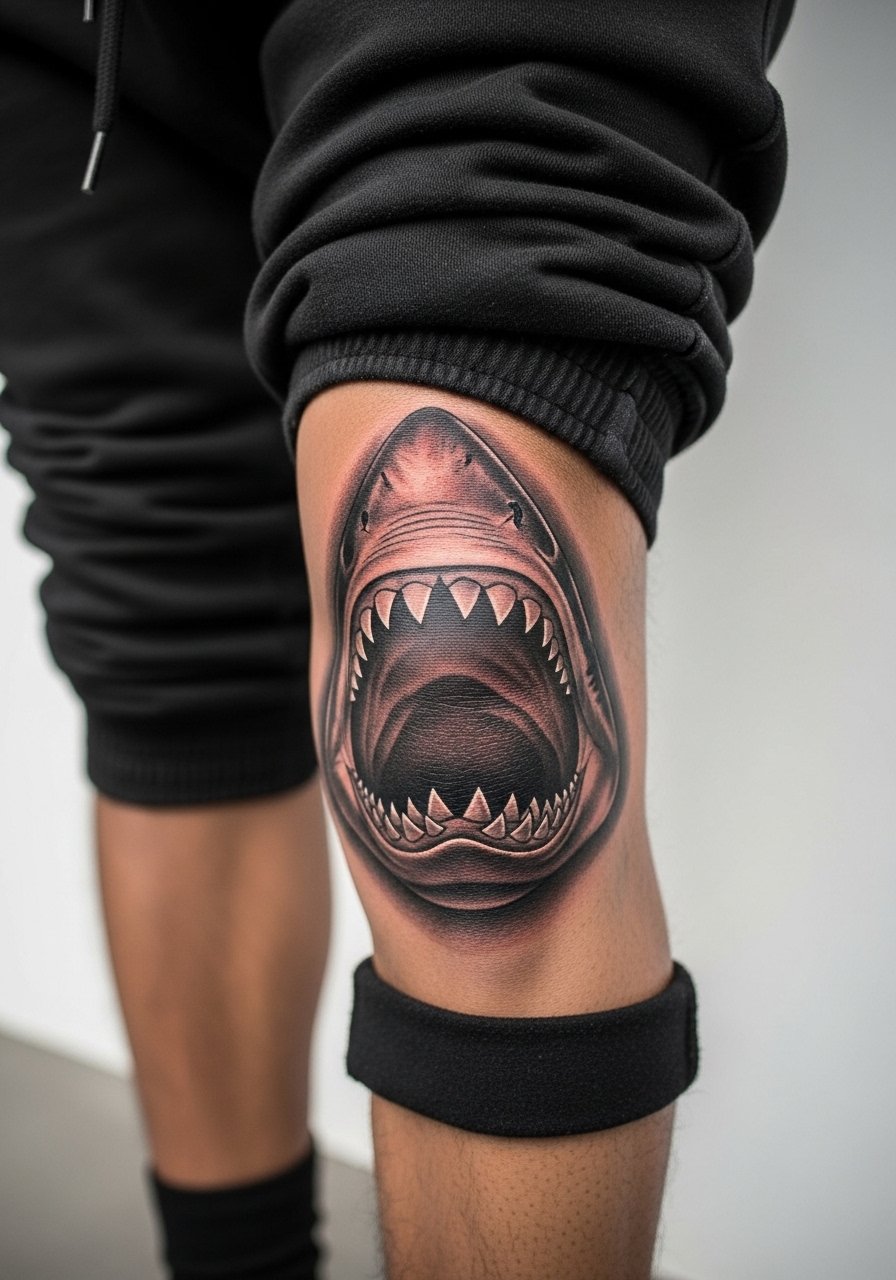
A wrap like this uses the knee curve to feel like a bite. During consultation mention you want the jaw to extend onto both thigh and calf so the curve reads like an attack when you flex. This placement is heavier on pain once the needle hits near tendons. Sessions run longer because the artist must follow muscle lines along the wrap. One common error is stopping the piece at the knee edge, which breaks the illusion when you wear shorts. For daily wear, roll up slim joggers so the wrap sits in frame and the thighs stay covered while healing.
3. Mandala Centered Over the Patella

Mandalas work because circular geometry moves with the joint instead of against it. Ask for slightly increased spacing between concentric rings so stipple shading does not merge after a year of flexing. Pain is moderate on the patella. A two-session plan usually covers linework and shading. There is a clear controversy when it comes to healing this area. One camp recommends protective film like Saniderm to block sweat. The other camp insists on dry healing to reduce maceration. Tell your artist what you plan for aftercare so they can adjust saturation and placement accordingly. Pair this with linen shorts in neutral tones for summer, try linen shorts men when you want the mandala visible without distraction.
4. Shield and Mace Knee Sleeve Starter
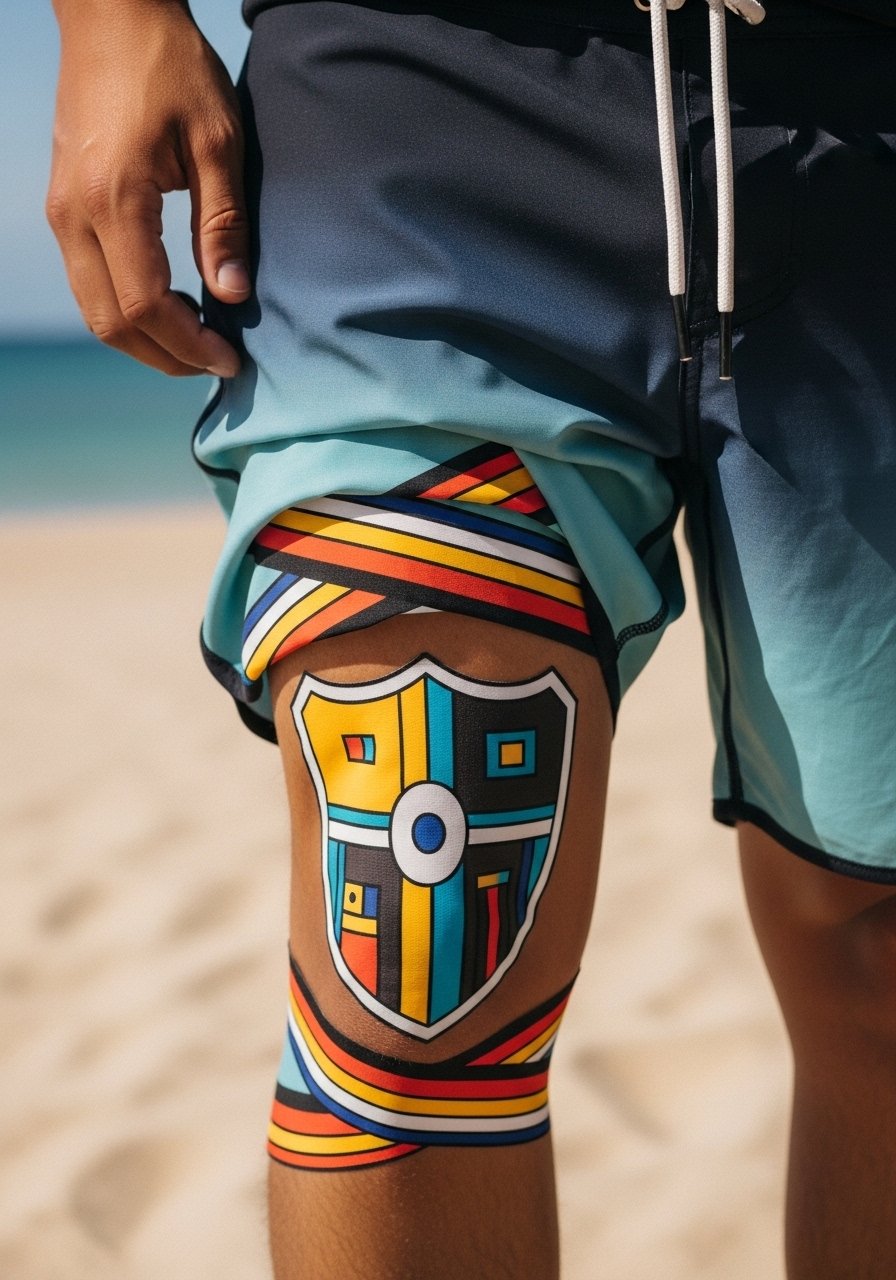
If you plan a leg sleeve down the road, a shield and mace motif gives you an anchor point for future pieces. Tell your artist you want bold color panels and heavy outlines so the patch reads from a distance. Sessions will be multiple and feel more like standard body work than a delicate detail session. A mistake is starting too small and forcing future filler work into awkward negative space. For the appointment wear loose drawstring board shorts so the artist can roll fabric without compressing the knee.
5. Butterfly Burst on the Inner Knee
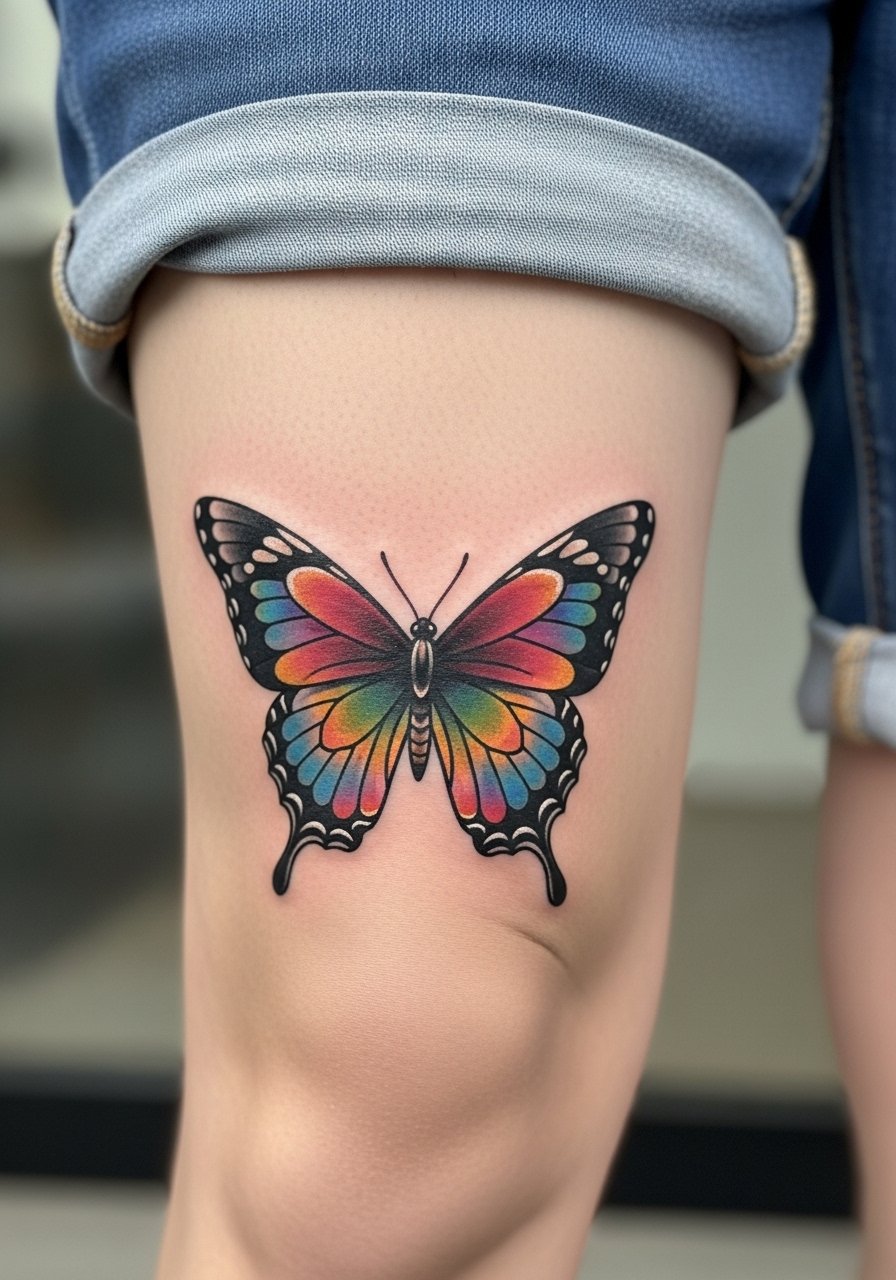
Inner knee pieces feel more intimate and can be surprisingly visible when you sit. The inner skin is softer so color blending can sit differently than on the patella. Fine color here demands frequent touch-ups if you want vibrancy at year three. A common regret is picking watercolor gradients that bleed with constant leg motion. If you want a cleaner long-term look, ask for stronger black outlines around wing edges. For showing this off, crop chinos work well. Try cropped chinos men when you want the inner knee to peek through without being overt.
6. Spider Web Dome Over the Kneecap
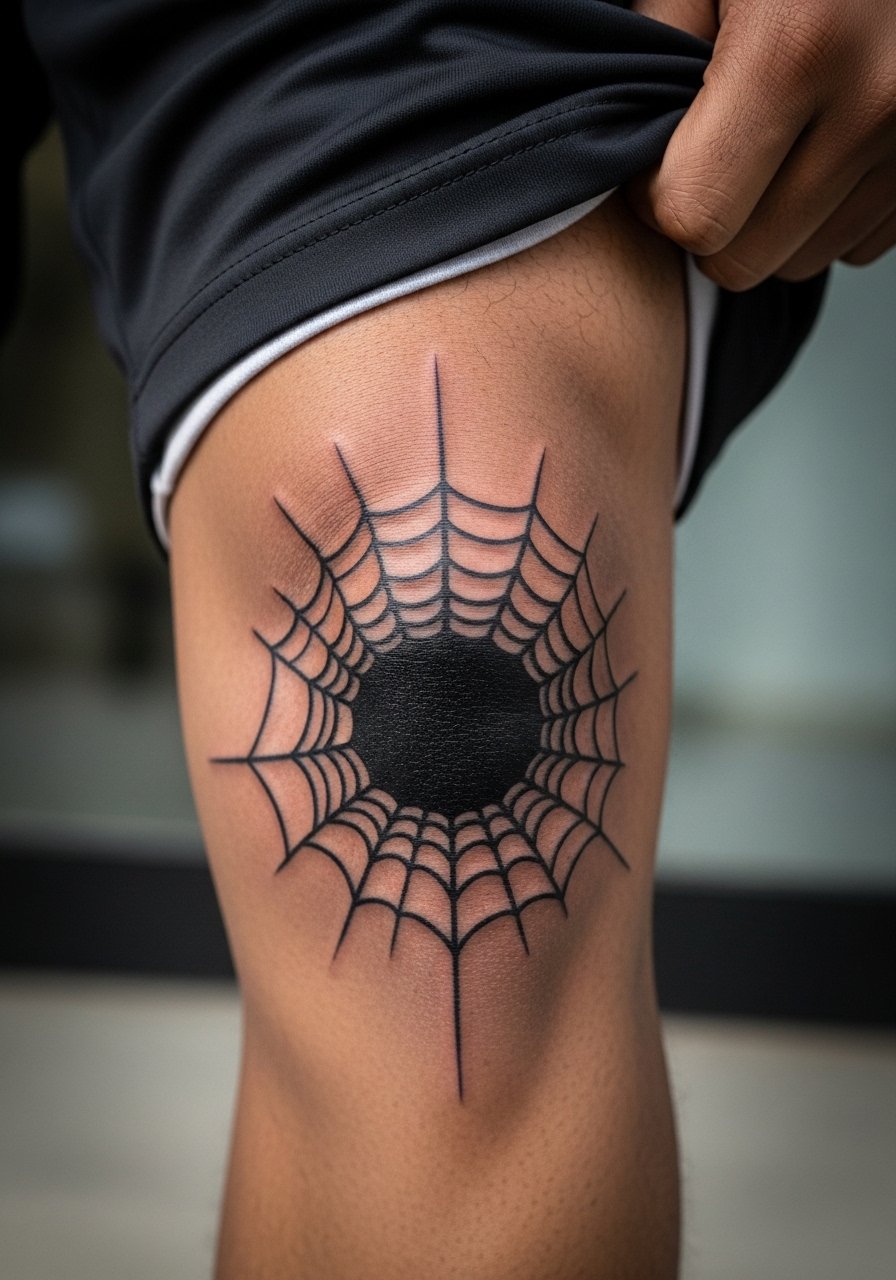
Spider webs are graphic and simple which helps them survive movement. Ask your artist to keep the web lines wider than usual so they do not blur together under flex. This design is forgiving of touch-ups and often holds as a bold silhouette. The session is short but can feel sharp when ink reaches the bone edge. Common mistake is over-detailing the center with tiny lines. For the session wear loose gym shorts that you can shift without rubbing the fresh work.
Studio Day Picks
The six knee pieces above cover patella-centered geometry, wraps, and inner-knee color, so a few pieces for prep and healing make sessions less brutal and protect linework.
-
H2Ocean spray. A lighter spray that users say helps control sweat-related peeling on active zones like knees without leaving a thick residue.
-
Ink-Ich balm. A thin, anti-itch balm that can help high-movement spots settle during the first week without heavy greasing.
-
Recovery ink balm. Thicker barrier balm that some people prefer for color retention on areas that rub against clothing.
-
Fragrance free gentle body wash. A mild wash keeps the area clean during showers without stripping pigment from fine blackwork.
-
Aquaphor healing ointment. A thin application in the first two to three days can lock moisture for tight linework without clogging channels.
7. Realistic Human Skull Knee Wrap

Micro-realism on a knee is a bold choice and it ages like a badge. Ask for bold darks in areas that frame the skull so the main features survive softening. Expect multiple long sessions and a pain level that hits 8 to 9 when the needle crosses the patella. A common regret is chasing tiny facial detail that vanishes into blur after a few years. Plan touch-ups at year two to keep contrast where it matters. For appointments wear removable cargo pants so the artist can access the full wrap and you can avoid rubbing during the first week.
8. Arcane Geometric Pattern Dome

Arcane domes take advantage of the knee's round shape and resist distortion when designed with intentional spacing. Tell your artist you want the central geometry slightly larger than standard so the negative space breathes. Expect two to three sessions of steady linework and dot work. Artists split on technique for dense geometry. One camp argues dense fine line is fine with exact depth. The other camp says you must give spacing or the lines will merge after repetitive flexing. Ask the artist how they handle dense dot work on joints before booking. This pairs with neutral linen shorts in warm months for a low-key show-off look, try linen shorts men.
9. Mechanical Gear Around the Knee

A mechanical theme reads as an extension of the joint, especially when shading suggests depth. During consult ask for strong contrast between gear teeth and the surrounding negative space so the shapes read at a glance. This one can feel more tolerable because the artist alternates shading and linework, but expect long sessions. Mistakes include trying to cram too many small gears into the limited round frame. For showing it off, bootcut jeans rolled to the knee look intentional and match the lower-leg aesthetic. Try bootcut jeans men.
10. Viking Helmet and Runes

This design leans heritage and pairs well with a darker palette. Tell the artist you want simplified rune bands carved into negative space so the symbols do not blur over time. Expect moderate pain and two sessions for linework and shading. A mistake people make is requesting extremely thin runes. Those fade fast on moving skin. For the appointment, a loose athletic tank and shorts keep the area accessible and reduce rubbing from tight seams.
11. Thorned Rose That Wraps the Patella
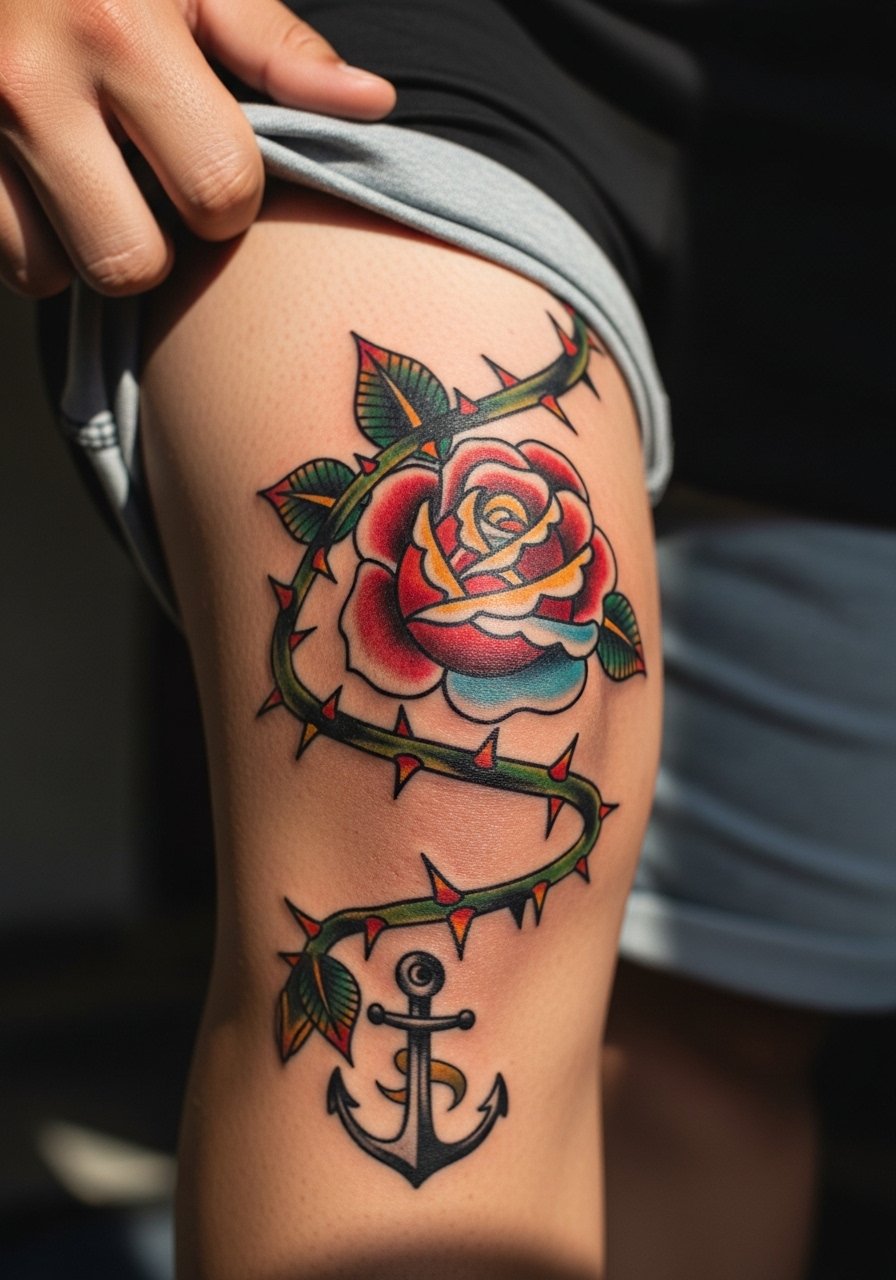
A rose remains a classic, and when composed around the patella it gains motion on bend. Ask for bold linework on petals and simplified thorns so they do not turn into spidery marks after healing. Sessions are straightforward but can sting near the kneecap. Many people err by asking for tiny petal detail that fades into muddiness. Pair this with black or olive shorts and a leather boot for an edgier look. Try cargo shorts men when you want to frame the knee.
12. Compass Rose Over the Knee
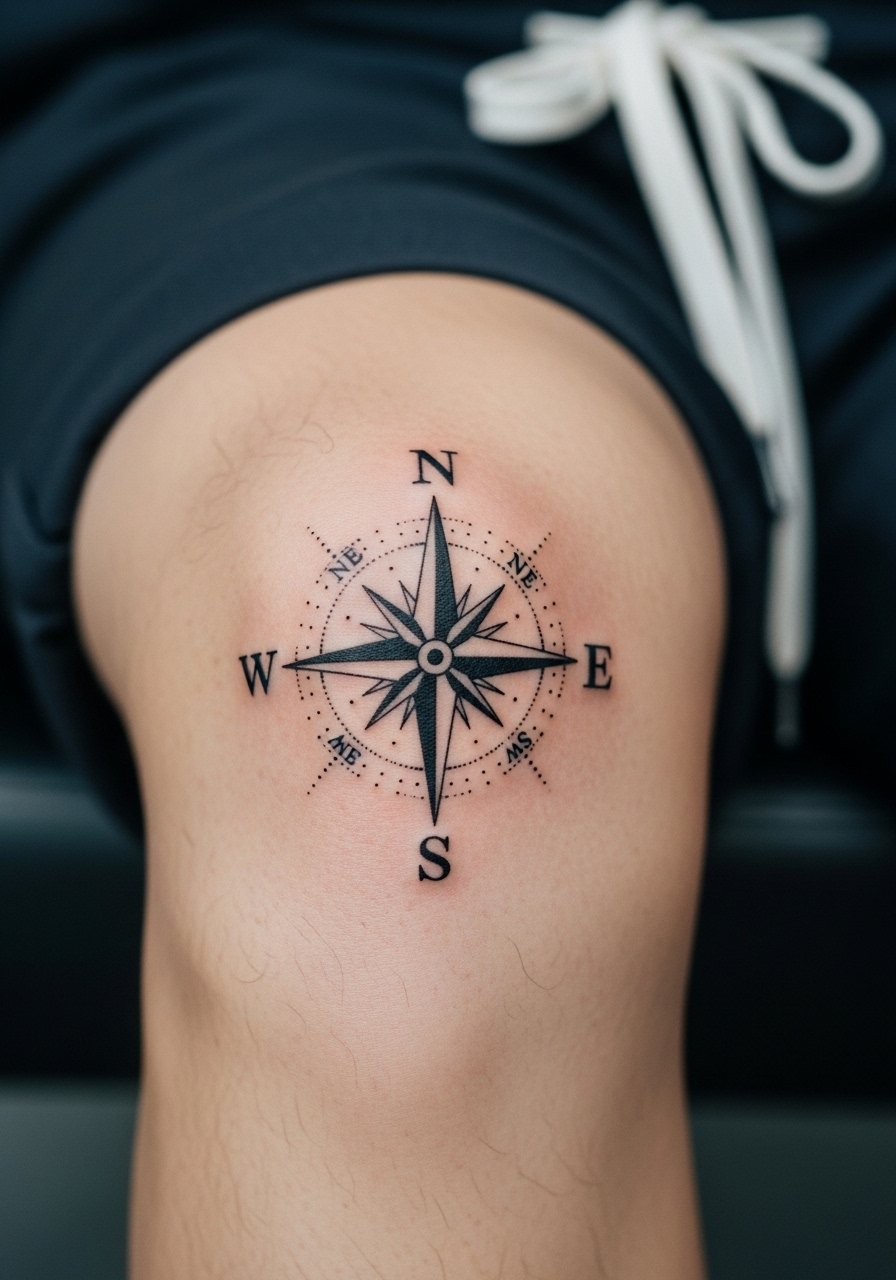
A compass fits the round format naturally and remains legible if lines have room. In consultation request that the primary cardinal points be thicker and the decorative inner details be reduced. Expect a single long session for crisp linework followed by a touch-up if needed. A common mistake is shrinking ornamental interior marks to the point they become blotches when the joint flexes. For the session wear loose drawstring shorts so the stencil sits without seam interference.
13. Koi Scale Pattern Across the Knee
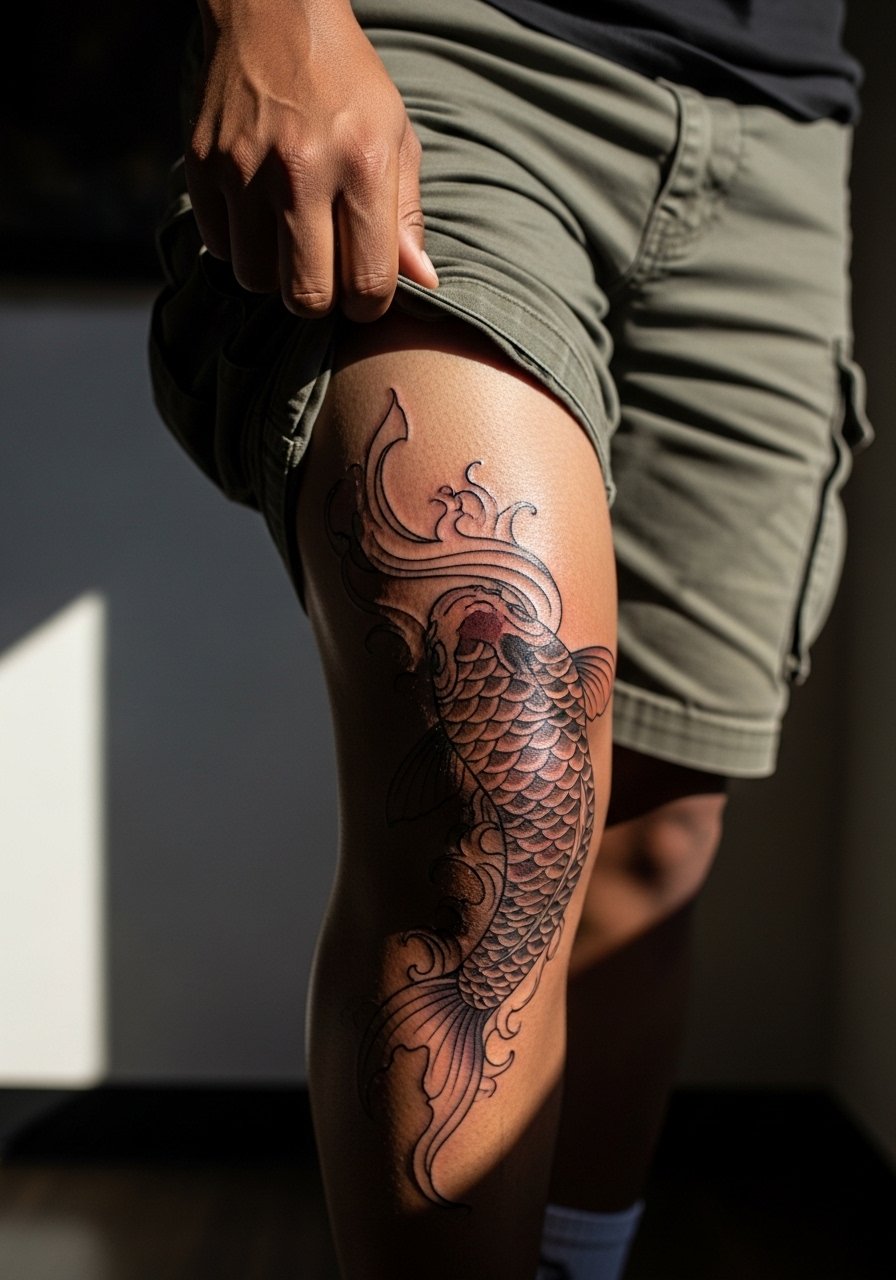
Koi patterns that flow across the joint use motion to animate the piece. Tell the artist you want the main scale shapes larger at the patella and finer farther out. This reduces early merging and preserves the sense of movement. The session is moderate and may need two sittings for color saturation. People often ask for tiny scales everywhere, which blurs into textureless shading. For the appointment wear removable cargo shorts so the artist can get full wrap access.
14. Roman Helmet Medallion on the Knee
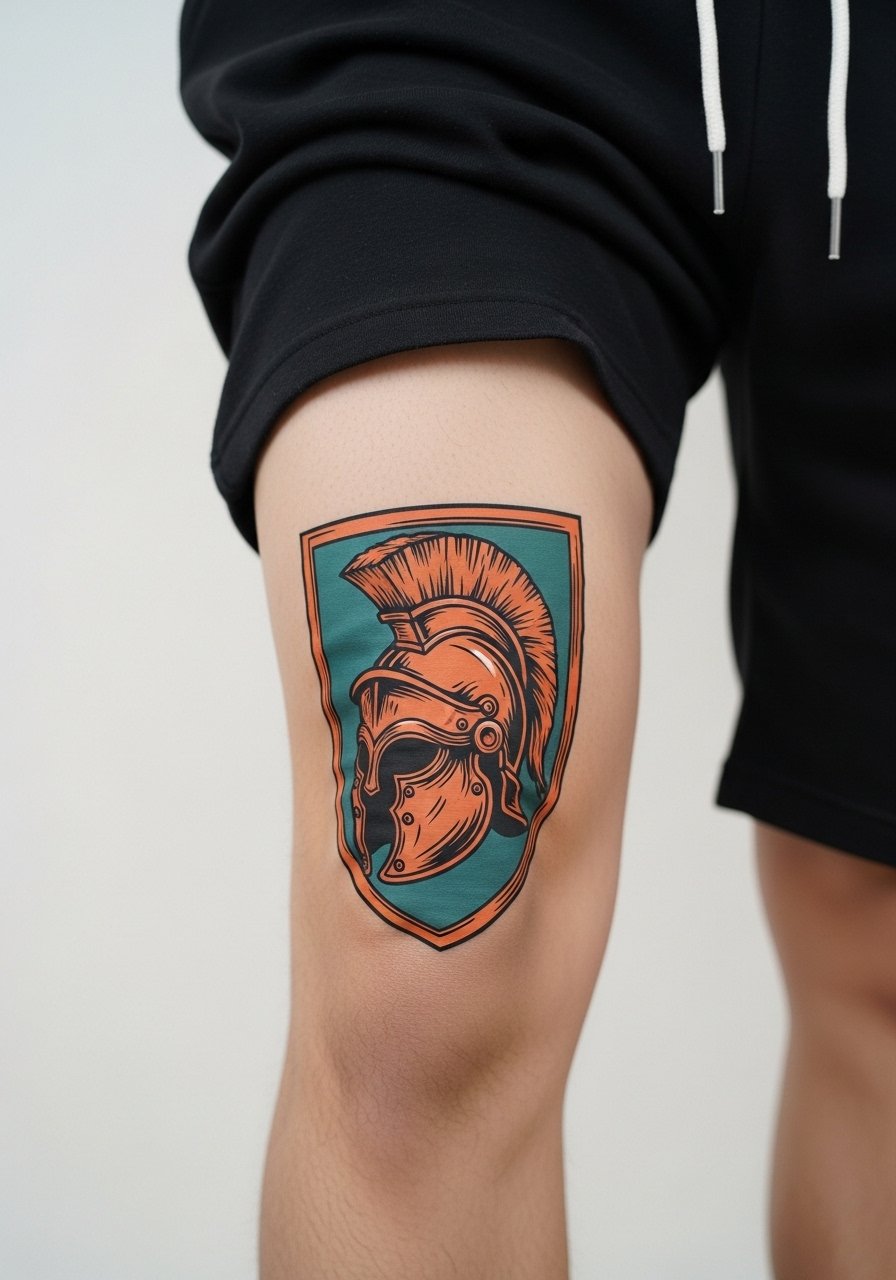
A medallion reads like armor on the knee and works well as a sleeve starter. Ask for high-contrast edges and simplified crest detail so the piece ages as a strong silhouette. Pain peaks when shading near the bone. Many clients regret over-detailing the crest. Keep elements bold for long-term legibility. Show this off with a gym tank and short athletic shorts when you want a tough, coordinated look. Try athletic tank top men.
15. Script Date Ringing the Patella
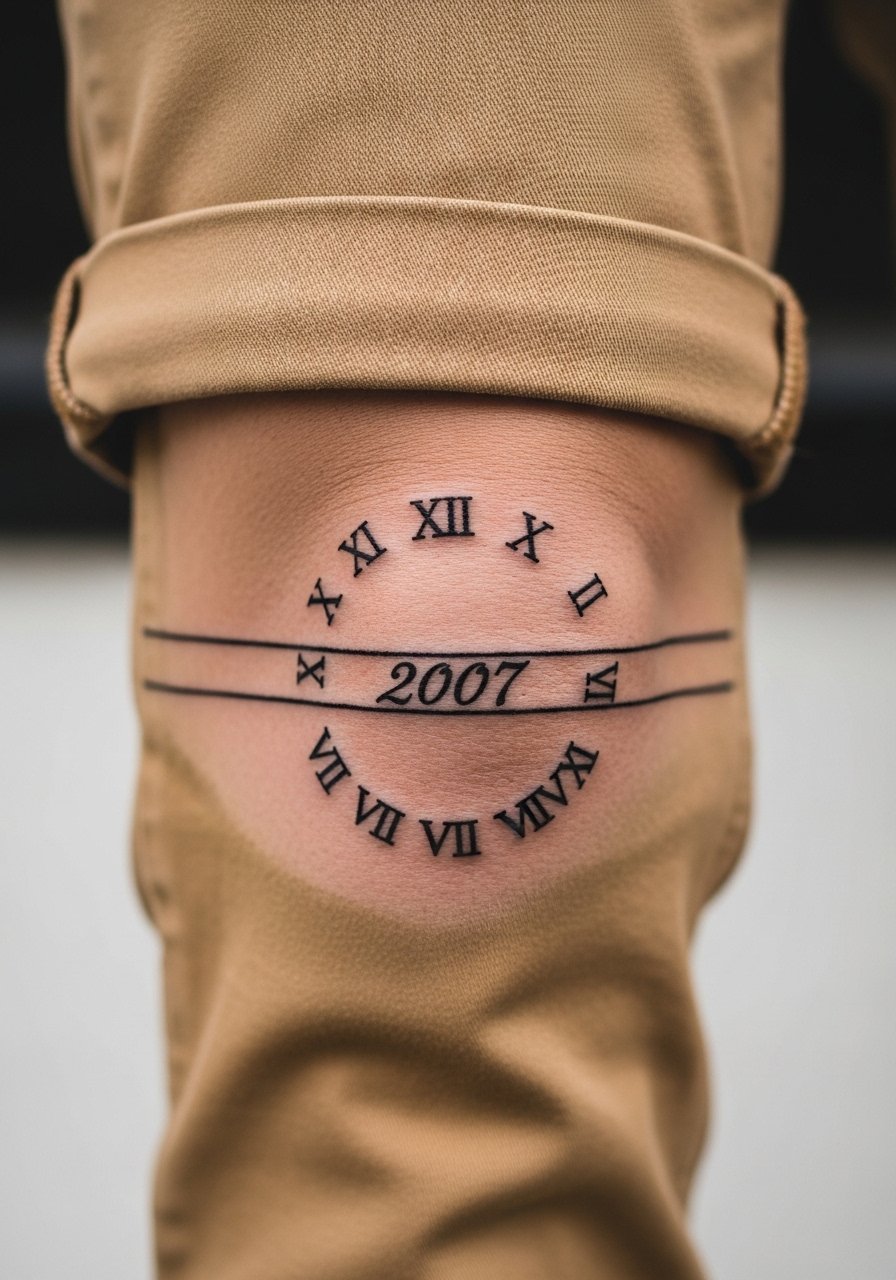
A date or phrase wrapped around the patella reads well if the lettering has breathing room. Ask the artist to space letters generously and to avoid ultra-thin scripts. Expect low pain for the lettering itself but sharper moments at the bone. A frequent mistake is choosing a tiny font that becomes illegible with movement. For showing this off, cropped chinos in khaki frame the script elegantly. Try khaki slim chinos.
16. Lightning Bolt Fracture Across the Knee

Graphic bolts use negative space and heavy outlines so they survive long-term flexing. Ask for a thicker primary outline and minimal inner texture so the bolt reads at a distance. Sessions are usually short and intense when the needle nears the patella. Mistakes include adding too many small sparks that blur quickly. Keep the bolt simple and let surrounding negative space do the work. For the session wear loose shorts you can shift easily.
17. Tribal Band That Splits Over the Knee
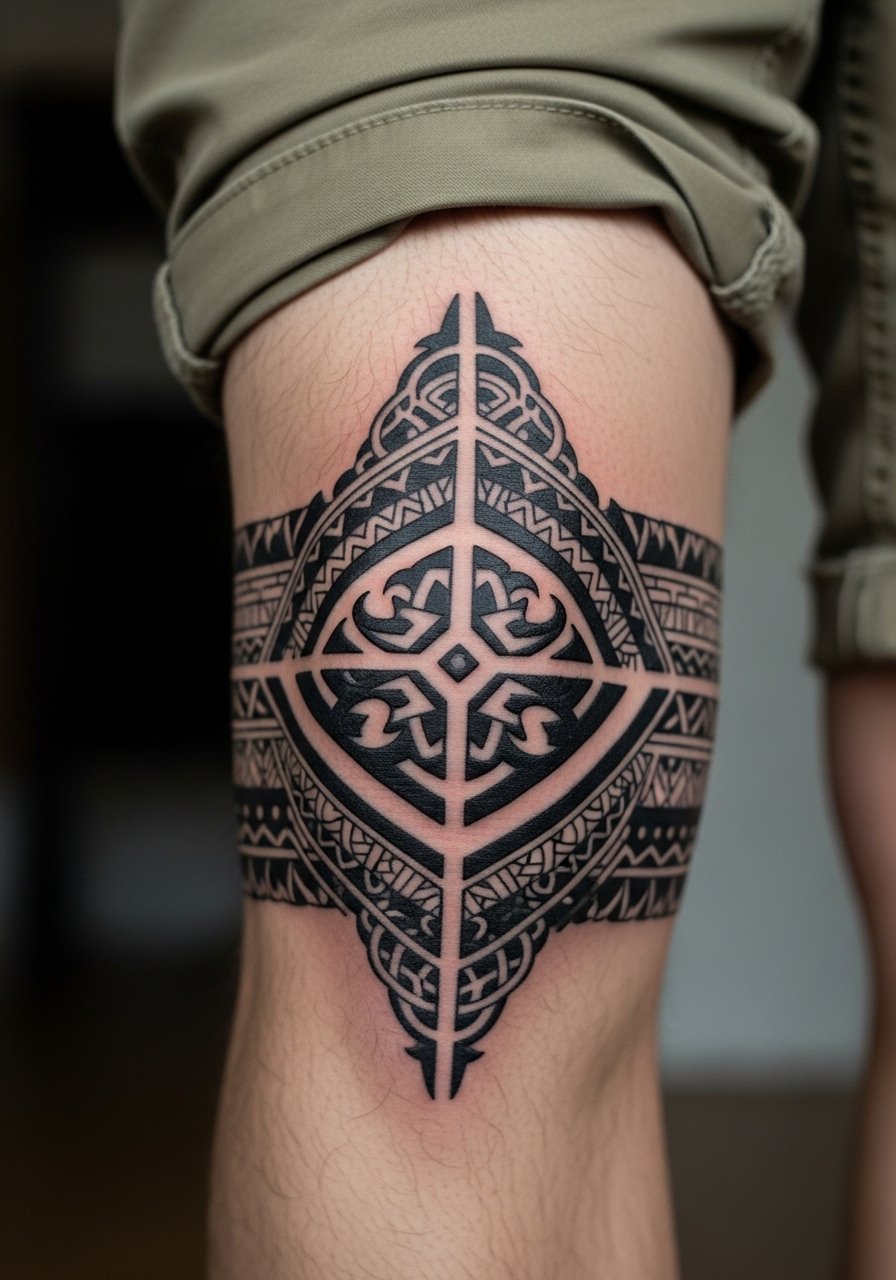
A tribal band that respects the knee curve avoids distortion because the repeating shapes follow the joint. During consult ask for measured spacing so the pattern does not collapse when you move. Expect a rhythmic session of linework and small breaks. One common error is making the band too tight and detailed, which leads to merging along the split. For showing it off, try rolled-up jeans or sandals with cropped pants to keep focus on the band. Use jeans rolled up looks when you want casual display.
18. Clock Face with Broken Hands
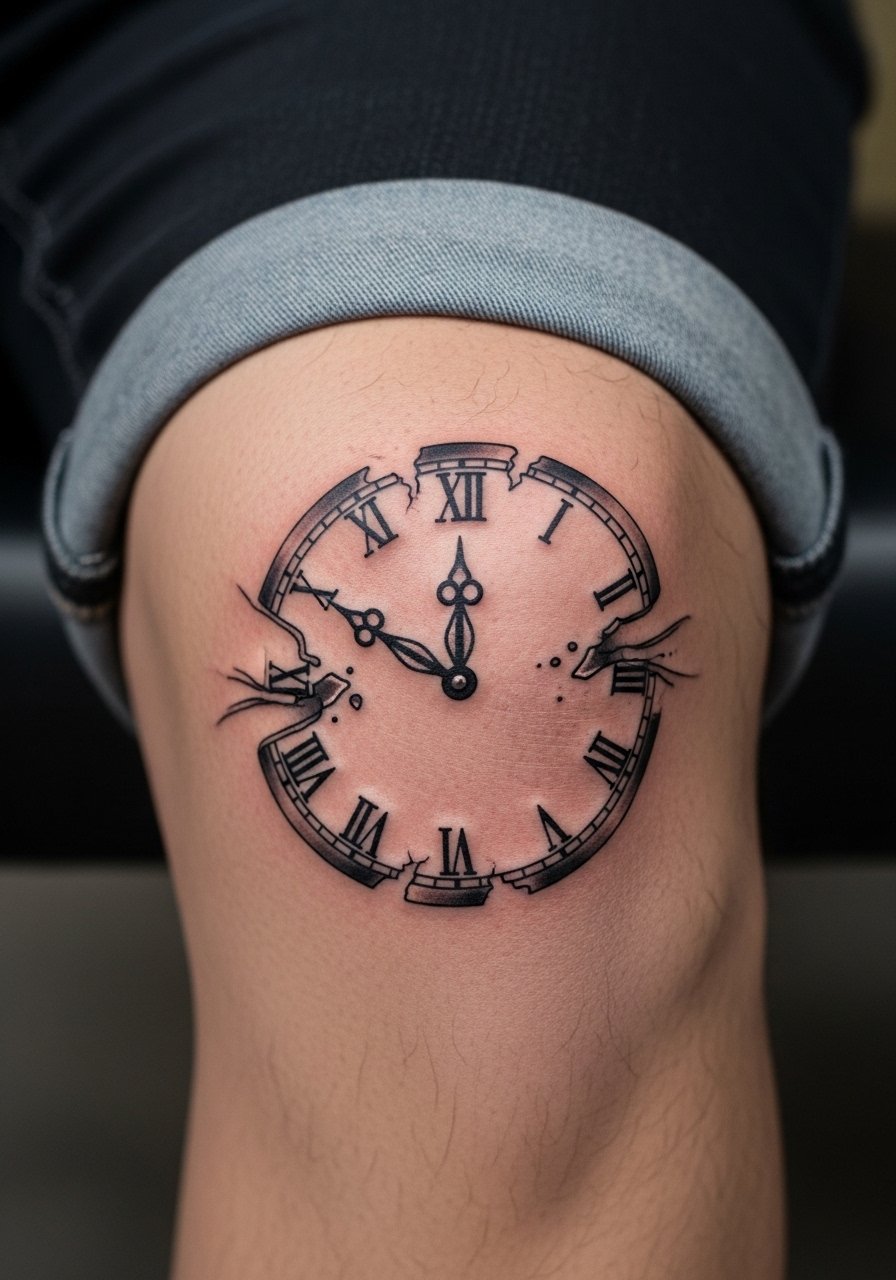
Clock faces fit the round patella format. Ask for bolder numerals and simplified hash marks so the face remains legible as lines soften. This one can be heavy on shading around numbers which is why spacing choices matter. Sessions run medium length depending on shading. A common mistake is tiny ticks between numbers that blur together. For the appointment wear drawstring shorts to keep fabric off the fresh ink.
19. Minimalist Geometric Dome
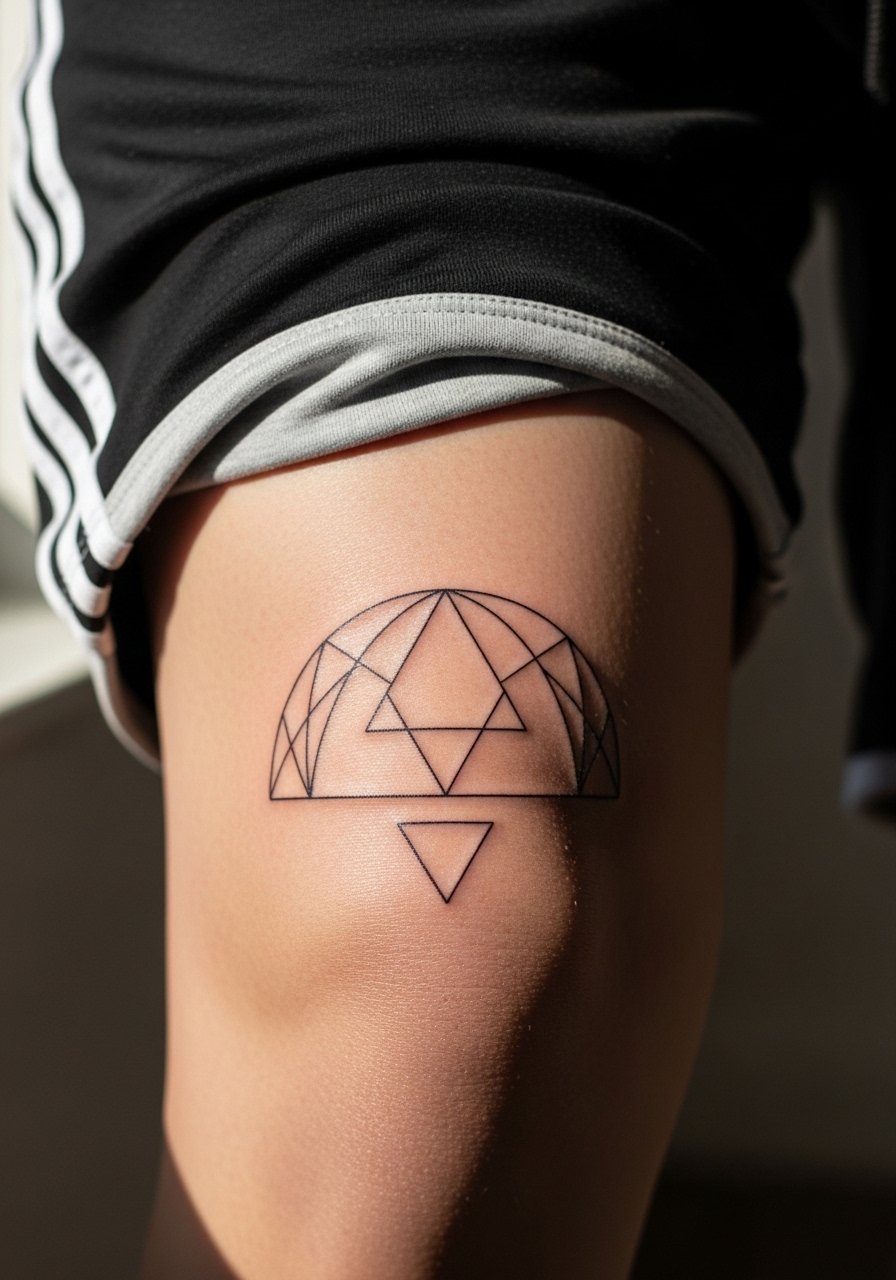
Minimal geo domes are smart when you ask for slightly thicker primary lines and greater spacing between repeats. Fine line fans argue this style needs a delicate hand. Bold-line fans argue it needs stronger weight to last. Both camps have valid points. The compromise is to use moderate line weight and strategic spacing. Expect a short session and a touch-up at year two for some clients. Wear a loose tank and shorts for the session so the artist has room to reposition your leg during stencil checks.
20. Scorpion Tail Curling Over the Knee
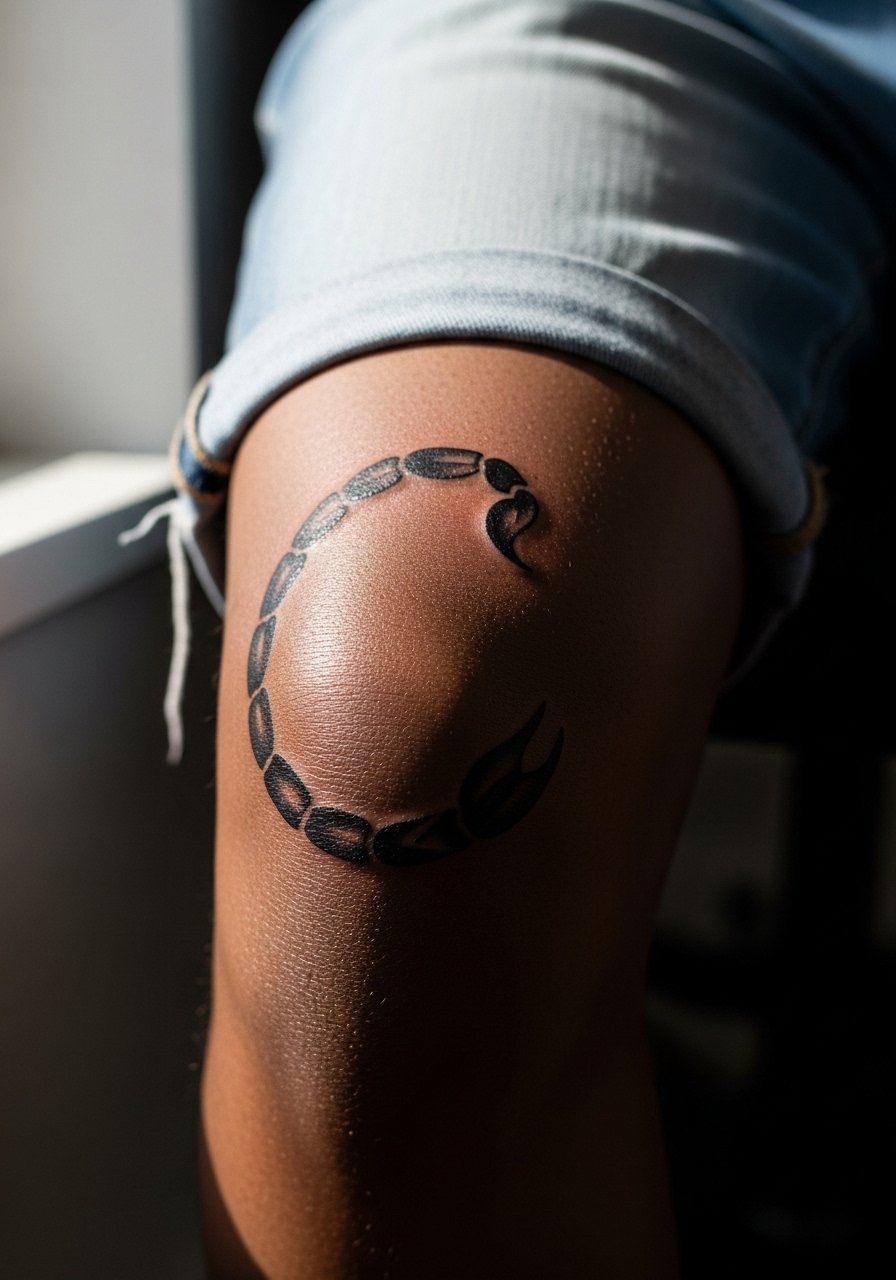
A scorpion tail uses sweeping curves that look aggressive when you bend. Tell the artist you want the stinger to land just off the patella edge so the curve reads in motion. This piece is medium in pain but impactful visually. A mistake is adding tiny hairs and micro texture that disappear as the skin ages. Keep the silhouette simple and bold. For showing it off, tight athletic shorts in dark colors help the blackwork pop.
21. Arcane Eye Staring From the Patella

An eye motif is a compact, symbolic choice that uses the patella like a pupil. Ask for controlled contrast in the iris and a clear outer ring so the design reads even when lines soften. Expect short sessions but sharp moments of sensitivity at bone contact. The common error is squeezing too much micro-shading into the iris. Opt for fewer gradients and stronger edges instead. For the session wear drawstring board shorts so the artist can work without fabric pressure.
Frequently Asked Questions
Q: Will a knee mandala distort when I walk and bend every day?
A: It depends on how the stencil was tested. Ask your artist to sketch the stencil on a bent and straight leg before inking. Circular designs with enough spacing between rings tend to handle flexing better. Expect a touch-up around year two if you want perfectly crisp geometry.
Q: Is blackwork better than color for knee tattoos if I want longevity?
A: From what I have seen, bold blackwork usually keeps a stronger silhouette over time on high-movement spots. Color can look great fresh but often needs yearly touch-ups on joints because saturation fades faster during constant motion.
Q: Should I use protective film after a knee tattoo or dry heal it?
A: Artists are split. One camp uses protective film to block sweat and friction, especially in active people. The other camp prefers dry healing to avoid maceration. Tell your artist your usual activities and skin type, then pick the method they recommend and stick with it for the first week.
Q: How painful is a knee tattoo compared to other placements?
A: Most people report the kneecap area as one of the sharper sensations because the needle hits thin tissue over bone. Short sessions and scheduled breaks help. Ice before the session and loose clothing for aftercare reduce discomfort during healing.
Q: Where do I find artists who specialize in knee wraps and joint work?
A: Search hashtags like #KneeTattooMen and #NeoTraditionalKnee on Instagram, check TikTok for guest-spot clips, and use directories such as Tattoodo or Booksy with "knee tattoo [city]" queries. Reddit threads asking for "knee artist [city]" also surface people who travel for conventions.
Q: Do fine line knee pieces need special touch-ups more often than thicker linework?
A: Yes, fine line can blur faster on joints. One group of artists argues it is avoidable with exact needle depth and spacing. Another group prefers heavier lines for long-term legibility. If you want fine line, budget for a realistic touch-up at year two or three.
Q: What should I wear to the session to make knee access easy?
A: Wear loose, easy-to-shift clothing so the artist can position the stencil and adjust your leg without fabric pressure. For most knee work a loose drawstring short or athletic shorts that you can shift solve access and keep the area clean while traveling home.