
Fine line trends are everywhere, but what actually lasts is a different story. Trendy geometric Dragon Ball tattoos look incredible fresh, yet some placements and line weights blur faster than people expect. I’ve seen a bunch of fans chase tiny, intricate motifs only to book touch-ups two years later. Below are 17 geometric Dragon Ball ideas with placement, aging notes, consultation tips, and wear-and-show styling so your design still reads the way you intended after the first year.
1. Minimalist Goku Symbol on Inner Forearm
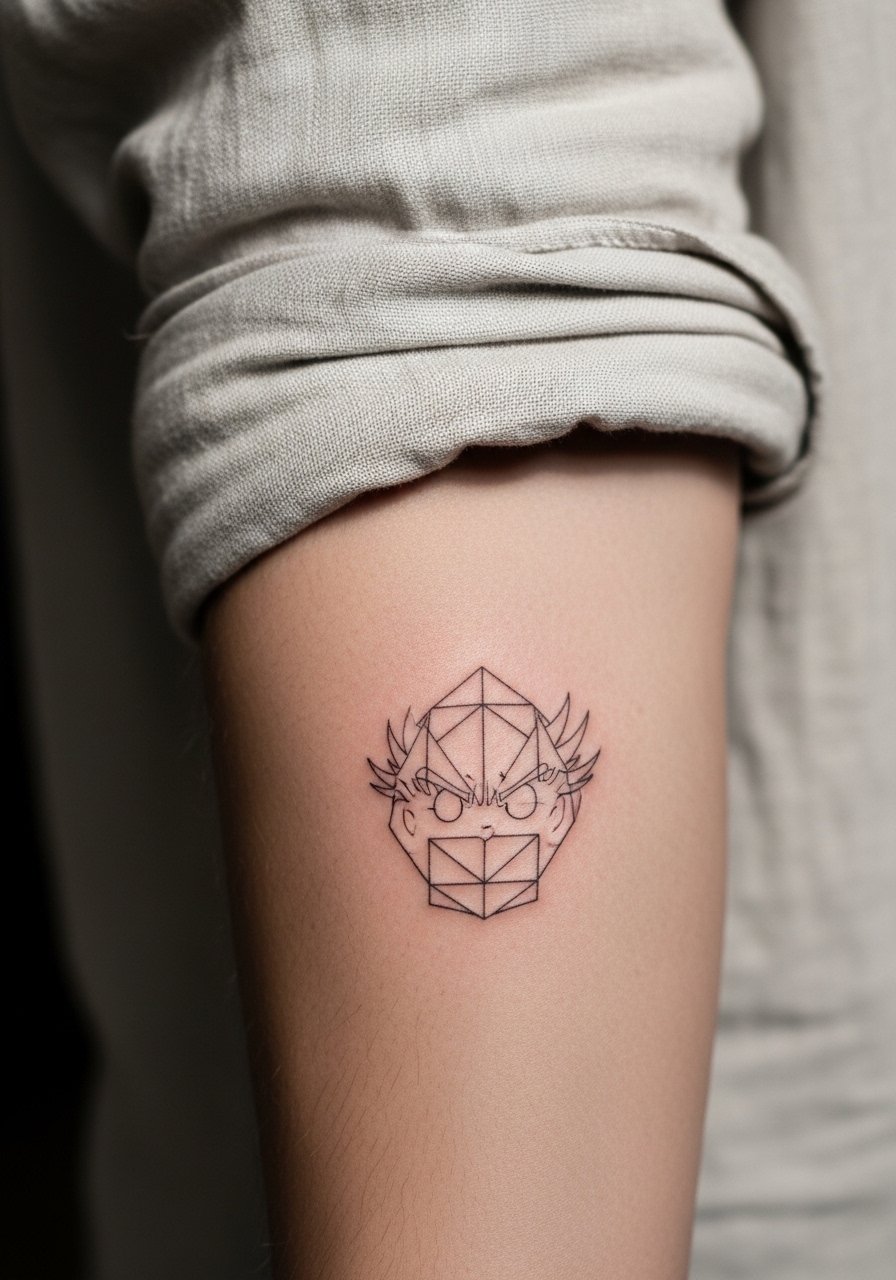
I’ve seen this placement age better than tiny wrist pieces because the inner forearm moves less and gets less friction. Ask your artist for slightly heavier linework than the reference so the negative space between lines stays clear at year two. Common mistake is going too tiny, which invites blowout. Expect low to moderate pain and a one to two hour session for a small piece. For showing it off, roll your sleeves or wear a linen shirt so the forearm sits visible without competing prints.
2. Seven-Star Wrist Band
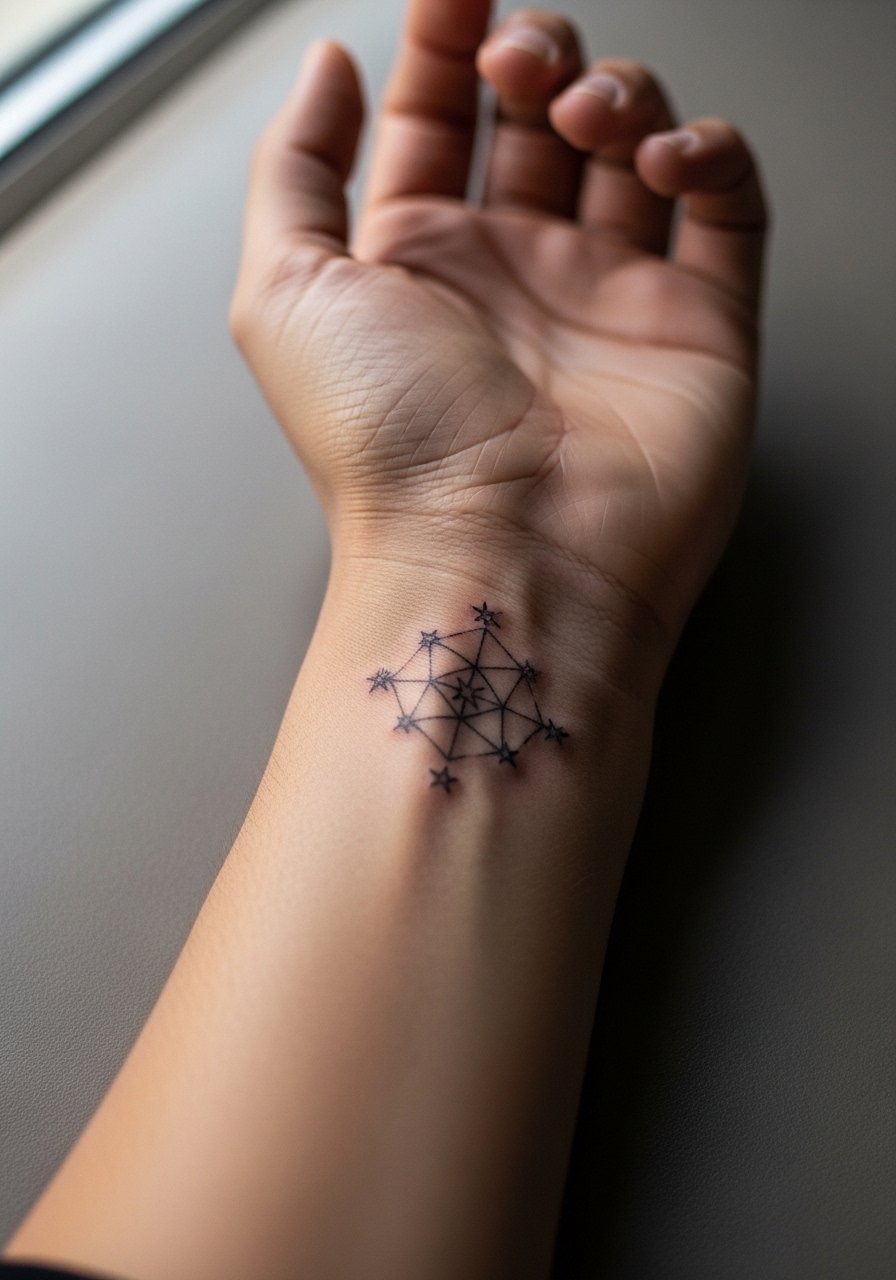
Fair warning, the wrist sees constant washing and friction which makes tiny details soften faster than on the arm. Keep the band slightly spaced, not a solid tight line. In consultation, bring photos of similar wrist bands that stayed crisp after six months so the artist can mirror line weight. The session is quick, often under an hour, but touch-ups are common around year two. Pair it with a dainty bracelet that sits next to the linework rather than over it to frame the design without rubbing.
3. Shenron Wrap on Outer Bicep
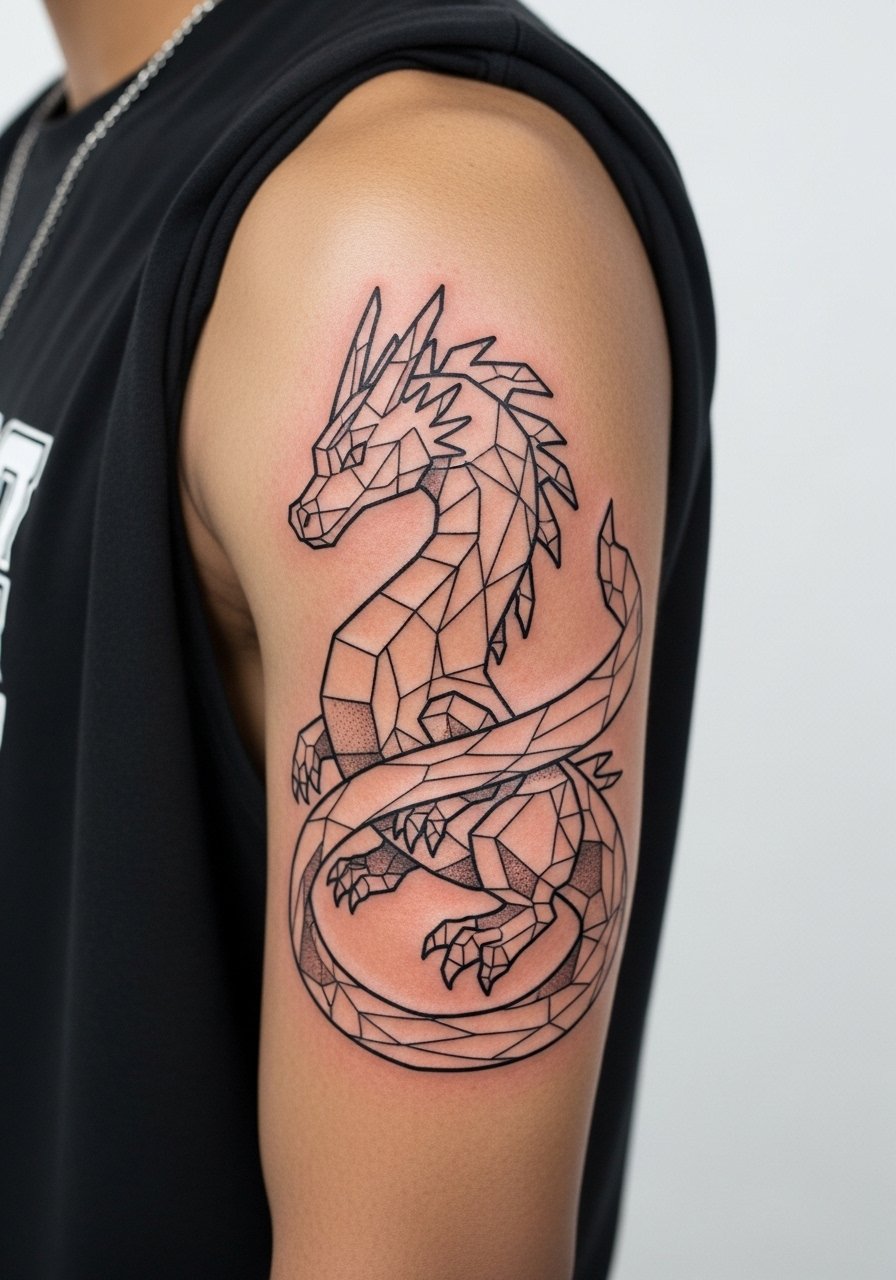
Most people choose the bicep because it gives enough room for stipple shading and dot work, which helps geometric shapes hold their form. Expect moderate pain and a two to three hour session for a mid-sized wrap. A common aging issue is packing too much fine detail into the scales. Ask for slightly broader negative space between pattern elements so the linework reads at year three. The bicep tolerates saturation well so touch-ups are mainly for contrast, not blowout.
4. Dragon Ball Mandala at the Collarbone
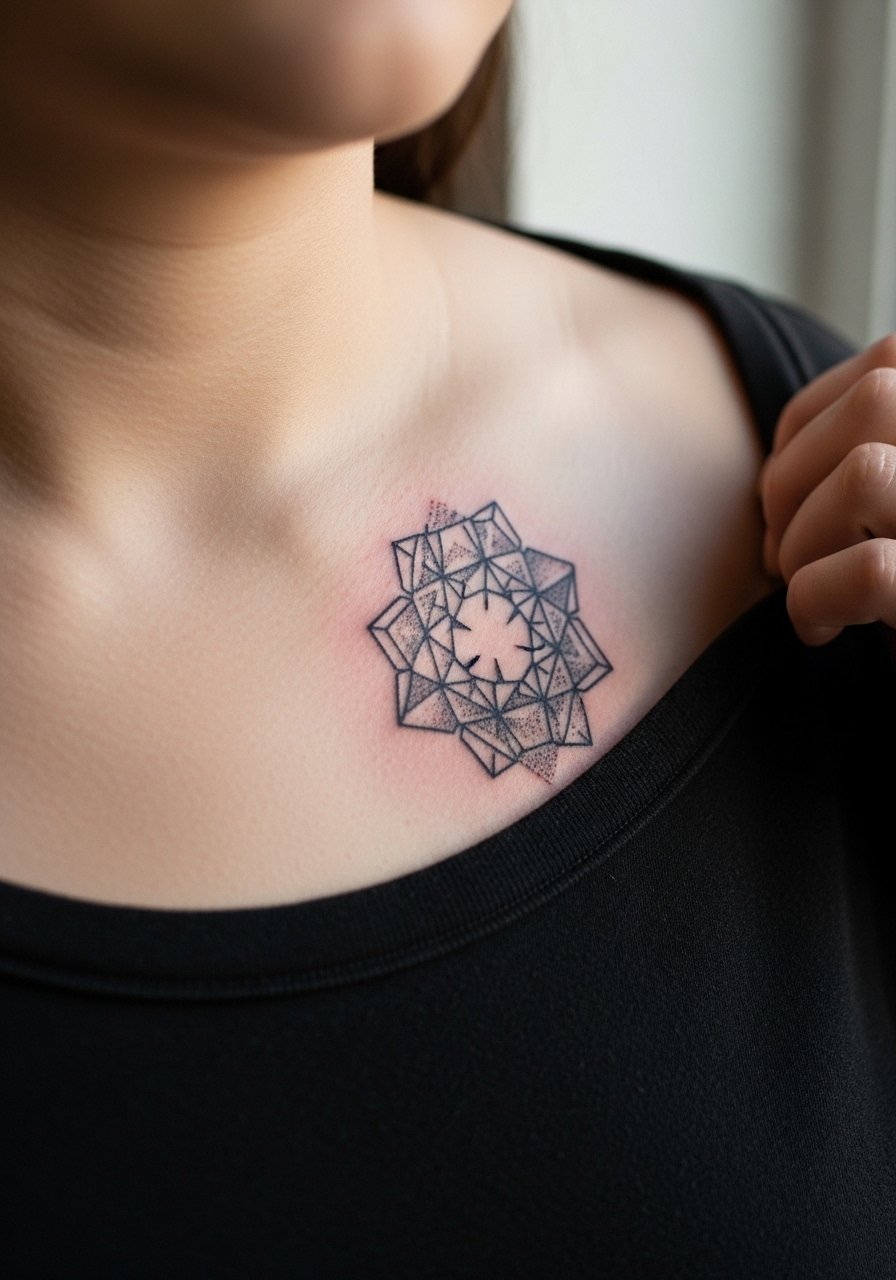
There is real visual impact when a mandala sits on the collarbone. The skin there is thin so tell your artist you want moderate lineweight, not needle-fine filigree. Sessions feel prickly but short if the piece is compact. The main mistake is over-detailing, which merges into soft shading after a couple of years. For evening wear, an open-neck blouse frames the mandala without covering it. Mention the placement during consultation so the stencil sits where clothes will naturally reveal it.
5. Constellation Dragon Balls on the Ankle
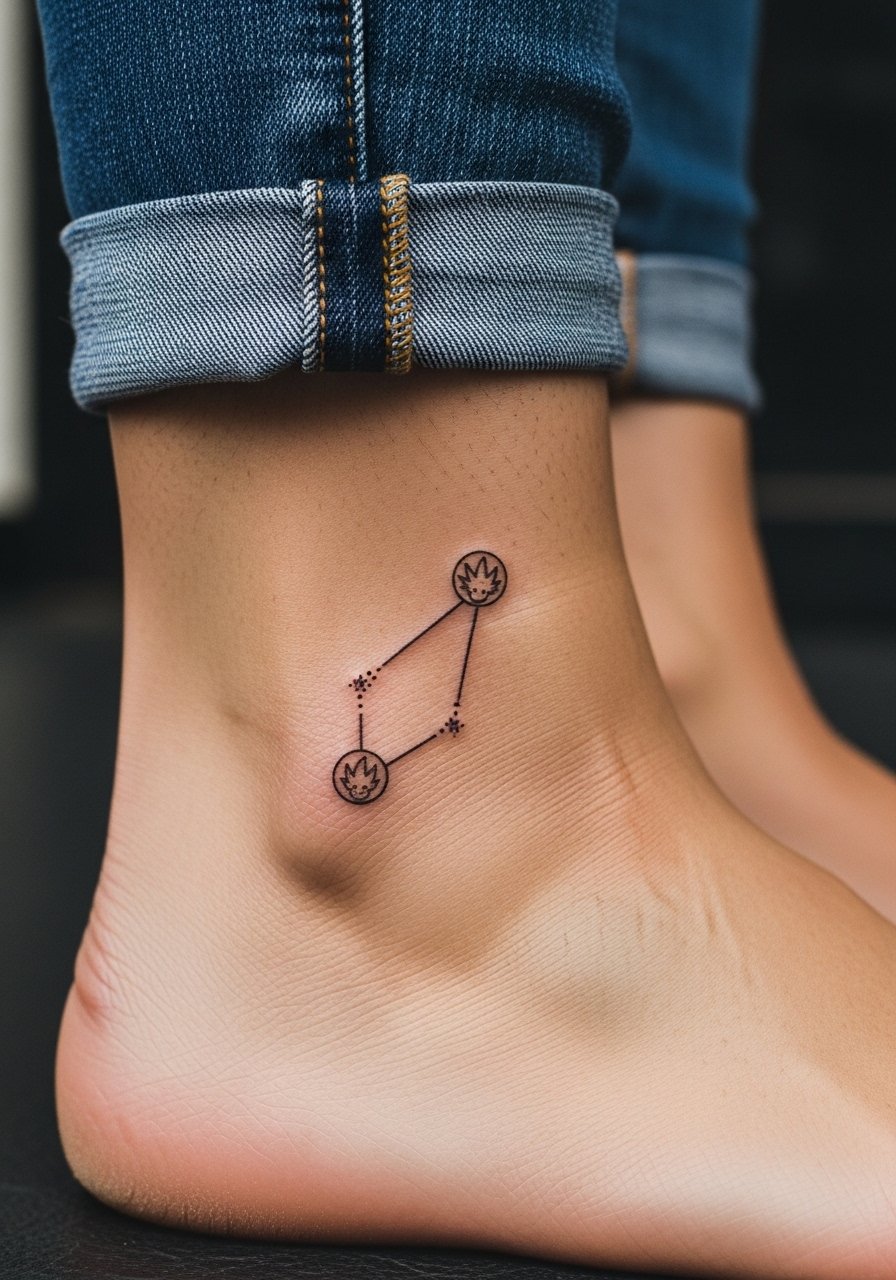
The ankle is a tricky spot because small dots and thin lines get hit by shoes and socks. The biggest mistake is going micro when you should scale up the dots to preserve separation. Expect a short but sharp session, with the first week requiring friction management from footwear. For showing it off, roll your jeans or wear low-profile sandals so the cluster is visible. I recommend a modest spacing adjustment in the stencil so the constellation still reads at year two.
6. Capsule Corp Crest on the Nape
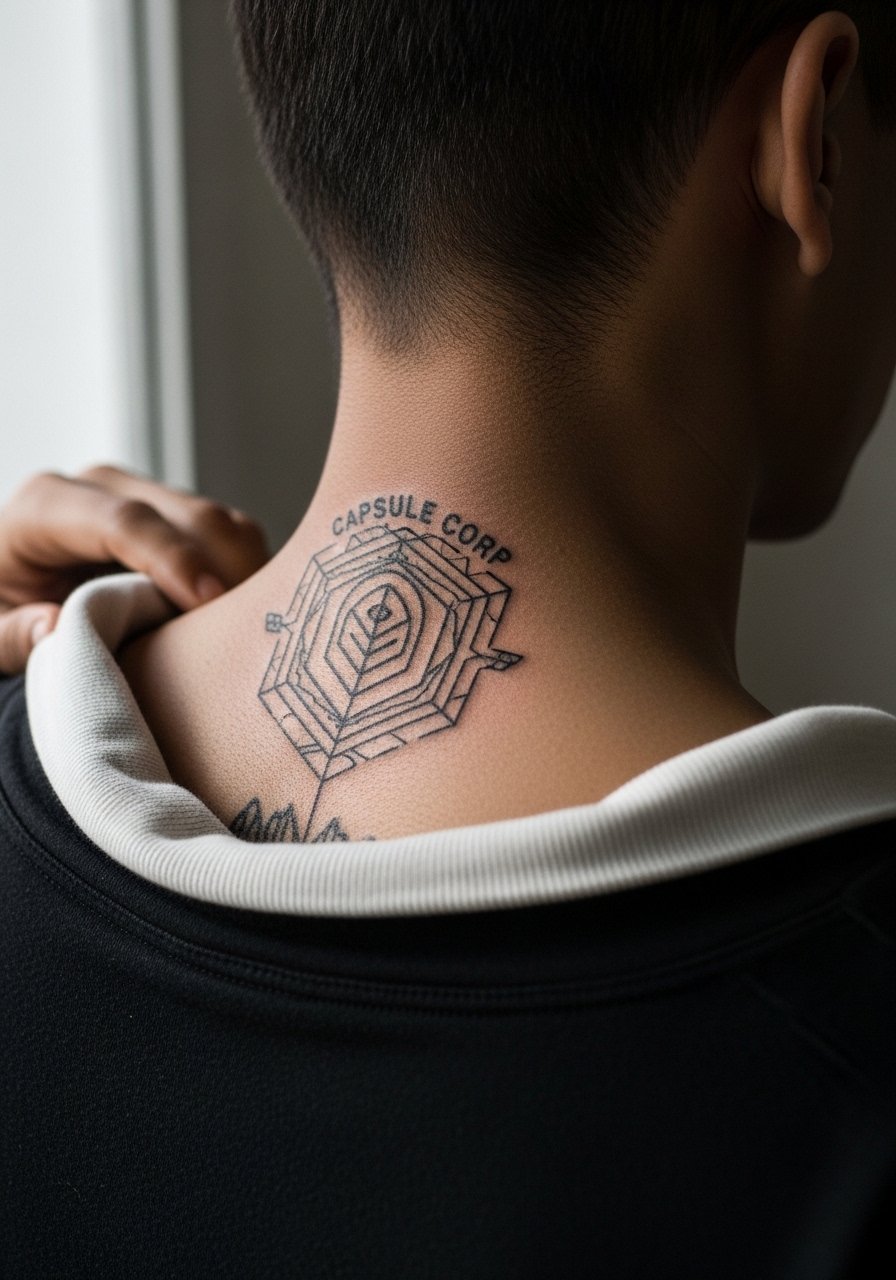
Neck work is visible and ages depending on your daily sun exposure and shaving patterns. Tell your artist you want a slightly bolder outline at the stencil stage. The nape is medium pain and sessions are short. A common error is placing the crest too high where hair movement obscures it. If you work in a setting where neck ink is sensitive, discuss visibility with your employer beforehand. A light touch-up at year two is not unusual.
Studio Day Picks
The nape, wrist, and ankle pieces above need different prep and first-week care than larger arm work, so a few specific items smooth the session and the early healing window.
- Stencil transfer paper kit. Lets you preview placement on the skin, which is useful for the collarbone mandala and the forearm symbol.
- Thin protective film roll. Keeps ankle and wrist tattoos clean during the first week of friction from shoes and bracelets.
- Micro gauze pads. Helpful for blotting without pulling at delicate collarbone or neck stencils after the session.
- Scent-free gentle wash. Cleans healing areas without irritating fine line work on the wrist and ankle.
- Aquaphor healing ointment. Thin layers during the first few days lock in moisture for delicate linework without suffocating the skin.
7. Geometric Chain Wrist to Hand
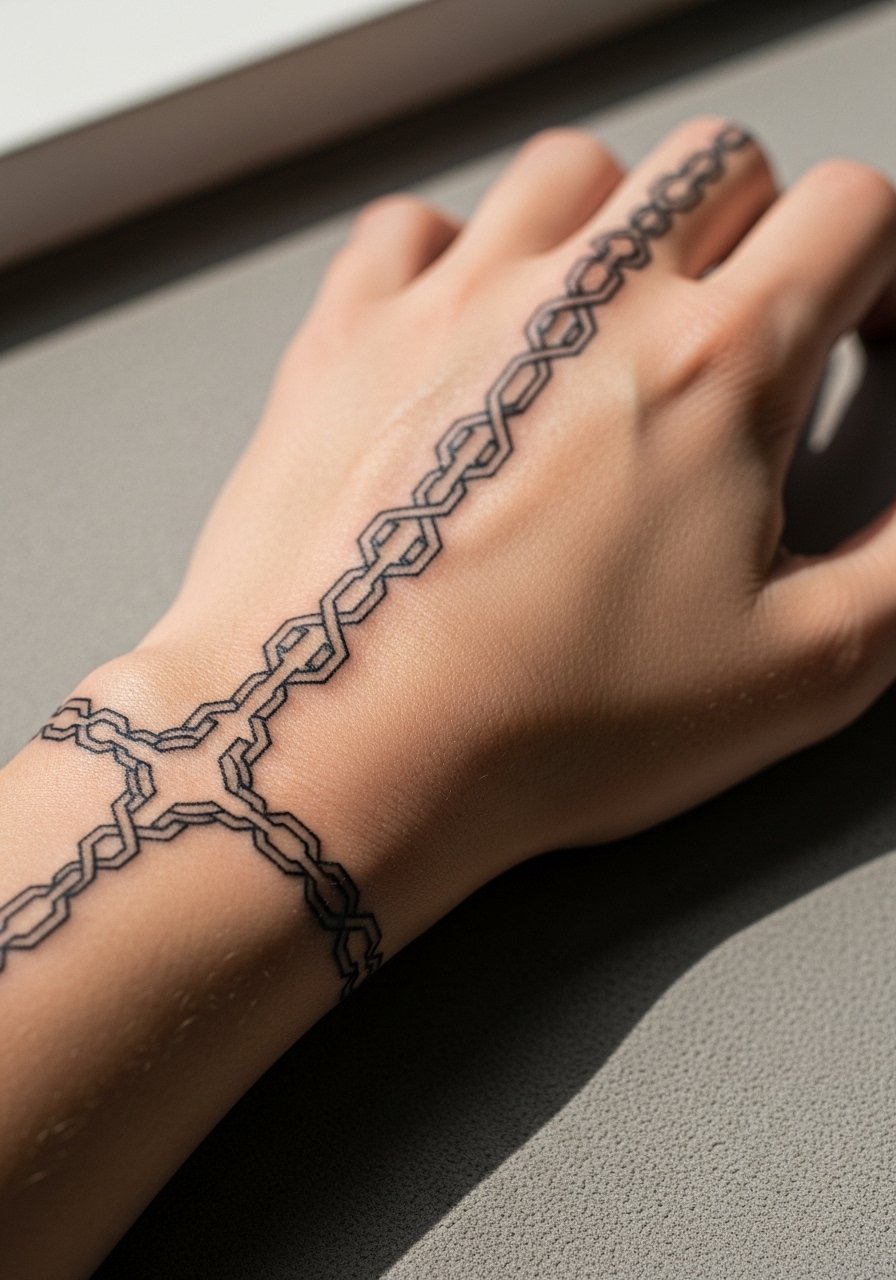
When you want continuity between wrist and hand, plan the chain links with the artist so joint movement does not distort key nodes. In consultation, point out where rings sit and ask the artist to leave extra space around knuckles. Hand skin is thin so blowout risk is higher and touch-ups are likely within two years. For wearing during the session, bring a loose cuff shirt you can pull up without stretching the wrist area.
8. Inner Thigh Shenron Panel
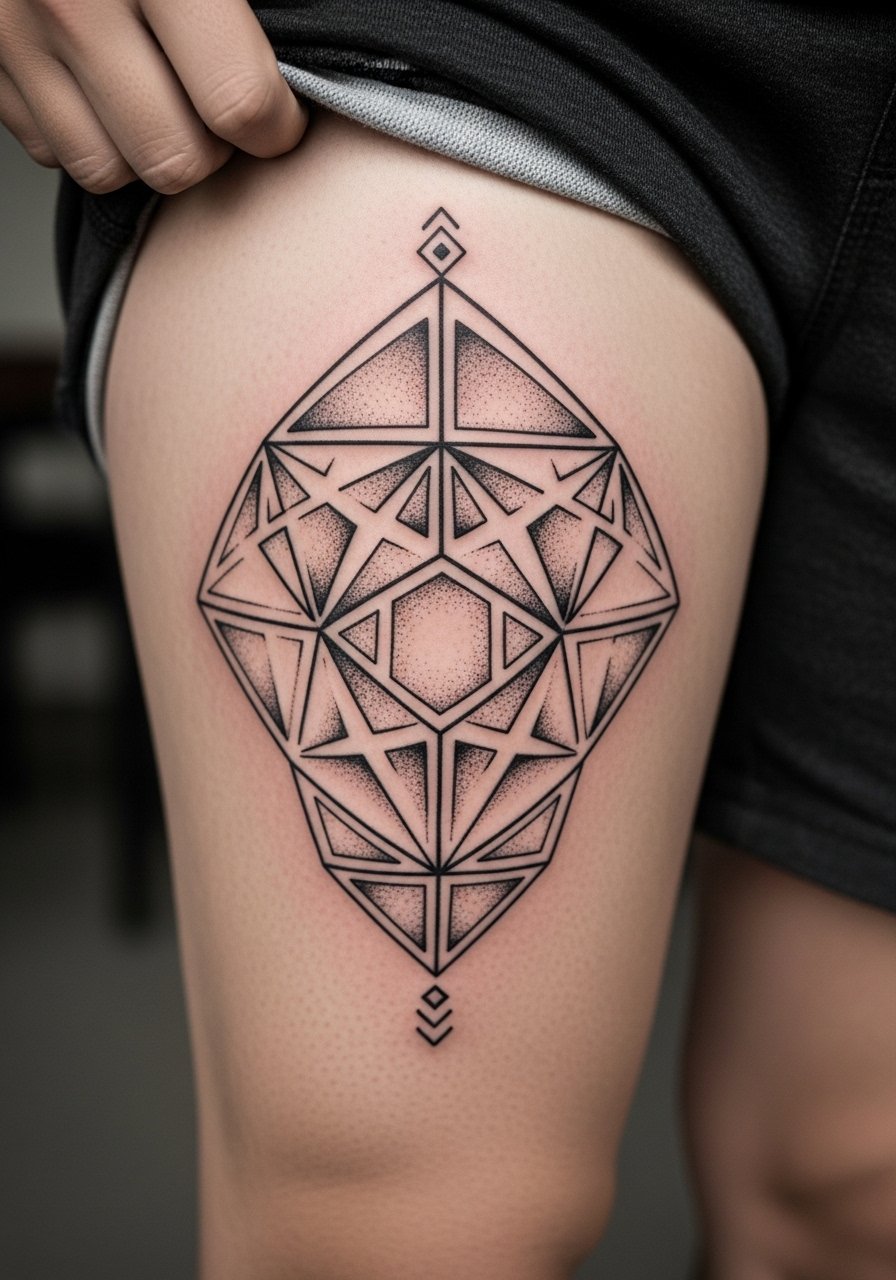
Fair warning, inner thigh sessions are sensitive and need careful planning. Pain tends to be higher but the canvas is generous for scale and dot work. A common mistake is expecting quick healing in this friction zone. If you want a long-lasting crisp pattern, ask for more negative space between dense motifs. Session length can be multiple hours with breaks. For privacy and access wear loose shorts to the appointment and have someone drive you if you feel sore afterward.
9. Tiny Dragon Ball Dots on Fingers
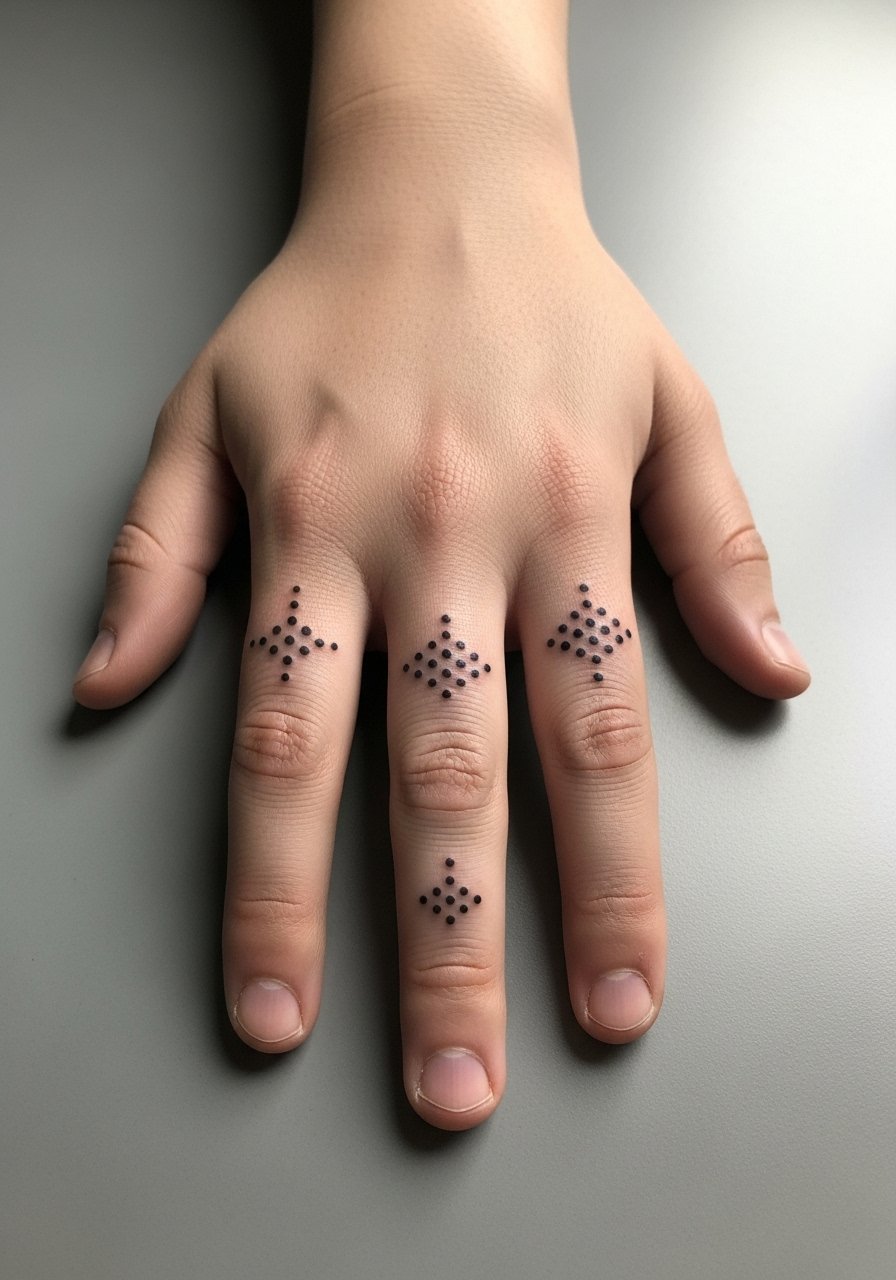
Finger tattoos are convenient to show but they carry high risk of fading and blurred edges from constant washing. The mistake I see most is choosing fine dot clusters without contingency for touch-ups. Expect a quick session but plan for yearly touch-ups if you want the dots to stay crisp. Ask your artist to push a touch stronger than a cosmetic fine line so the dots settle into the dermis rather than sitting too superficially. Pairing with thin stacking rings helps frame the motif when you want it visible.
10. Calf Silhouette of Goku in Geometry
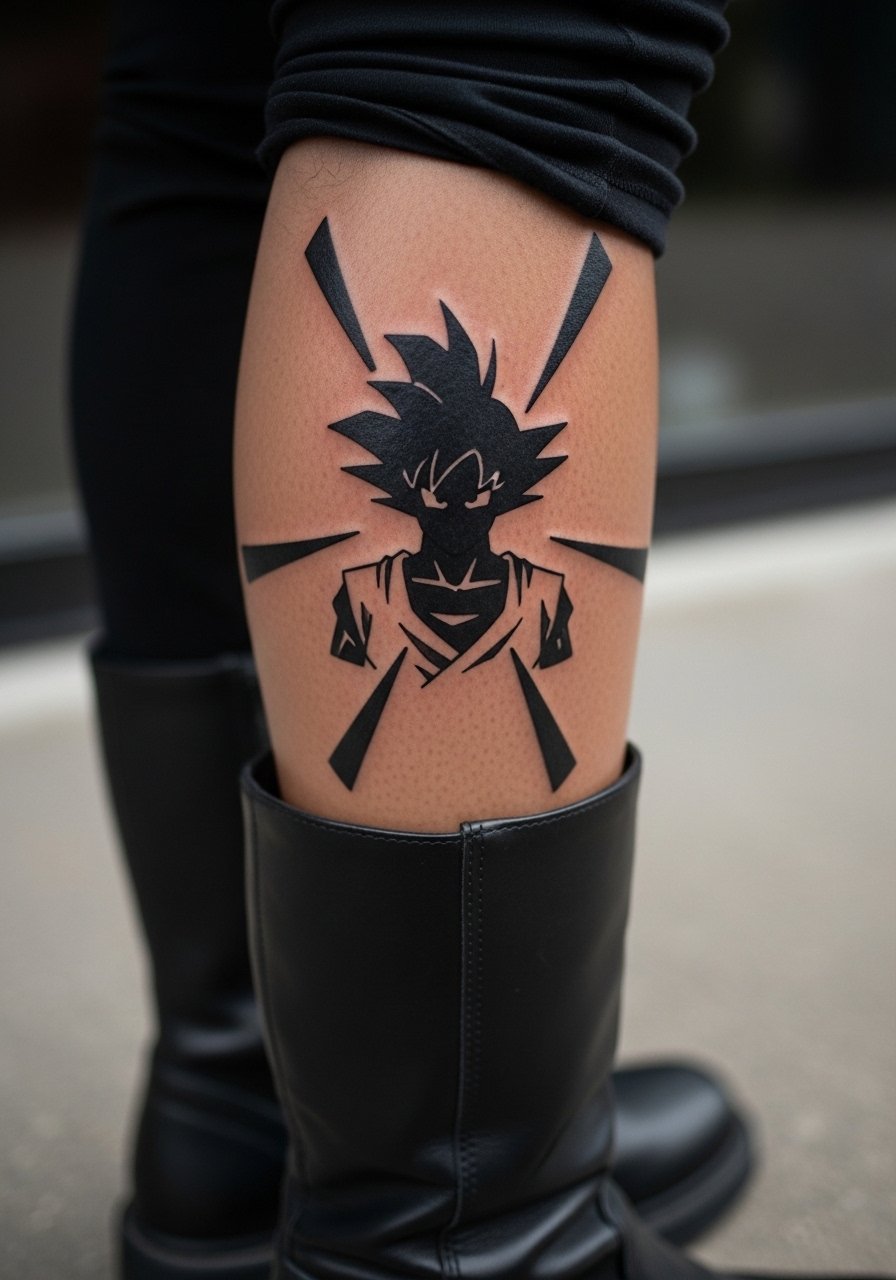
Calf placements handle saturation and bold shapes well which makes them ideal for silhouettes and high-contrast geometry. Sessions feel moderate and you can usually finish a calf piece in one sitting. A visual mistake is overcomplicating the silhouette with tiny interior lines. For longevity, lean on negative space and strong linework so the form reads from a distance. When showing it off, mid-calf boots or rolled pants frame the silhouette nicely. Ask about how muscle definition in the area might change the way the piece sits over time.
11. Sternum Dragon Ball Sunburst

Fine line on the sternum is a debated choice. One camp says the thin, moving skin there causes lines to blur within a couple of years. The other camp argues that with precise depth and spacing the design settles fine. Name both camps to your artist and ask them where their experience sits. Pain is higher and the session may need breaks. Many people skip heavy detail here and choose a simplified geometric sunburst that keeps negative space between rays. For sessions wear a strapless or fitted sports top to give the artist clean access.
12. Full-Back Geometric Shenron with Stipple

A full-back geometric piece gives the most room for combined techniques like stipple shading and whip shading. I’ve seen these read well at year five when artists balance dense sections with breathing room. Sessions can be multiple appointments and you should plan for long sittings with breaks. A common error is packing hex patterns too tightly across the lumbar area. For showing the back, open-back dresses or a backless midi dress put the central column on display without competing fabric.
13. Behind-the-Ear Mini Dragon Scale

Behind-the-ear options are subtle and need a careful stencil placement so hair movement does not obscure the pattern. The skin is thin and sessions are short but a touch sensitive. A mistake is asking for too many tiny scales which can lose separation quickly. Expect a touch-up sooner than an arm piece. Because this area is near the hairline, discuss aftercare for shampooing and styling so the pattern heals without excess rubbing.
14. Shoulder Cap Dragon Crest

The shoulder cap is forgiving for geometry because the skin is stable and sees less constant friction. Tell your artist you want slightly higher saturation at stencil so the crest keeps contrast over time. Sessions are moderate in duration and feel tolerable for most people. A common mistake is centering the crest too far forward, which acts odd under sleeveless tops. For the session wear a loose tank top that can be shifted without tugging the shoulder.
15. Ribcage Wave with Dragon Ball Inlay

Fine line on the ribs splits artists into two camps. One group says the constant stretch and compression blurs lines within a few years. The other group says with proper needle depth and spacing it can hold up well. If you lean toward ribs, have that conversation and ask for larger negative spaces. Pain is high and sessions often require breaks. The failure mode I see is forcing dense geometry into a moving surface. If you want this area, expect to accept touch-ups at year two or three.
16. Inner Bicep Geometric Symbol
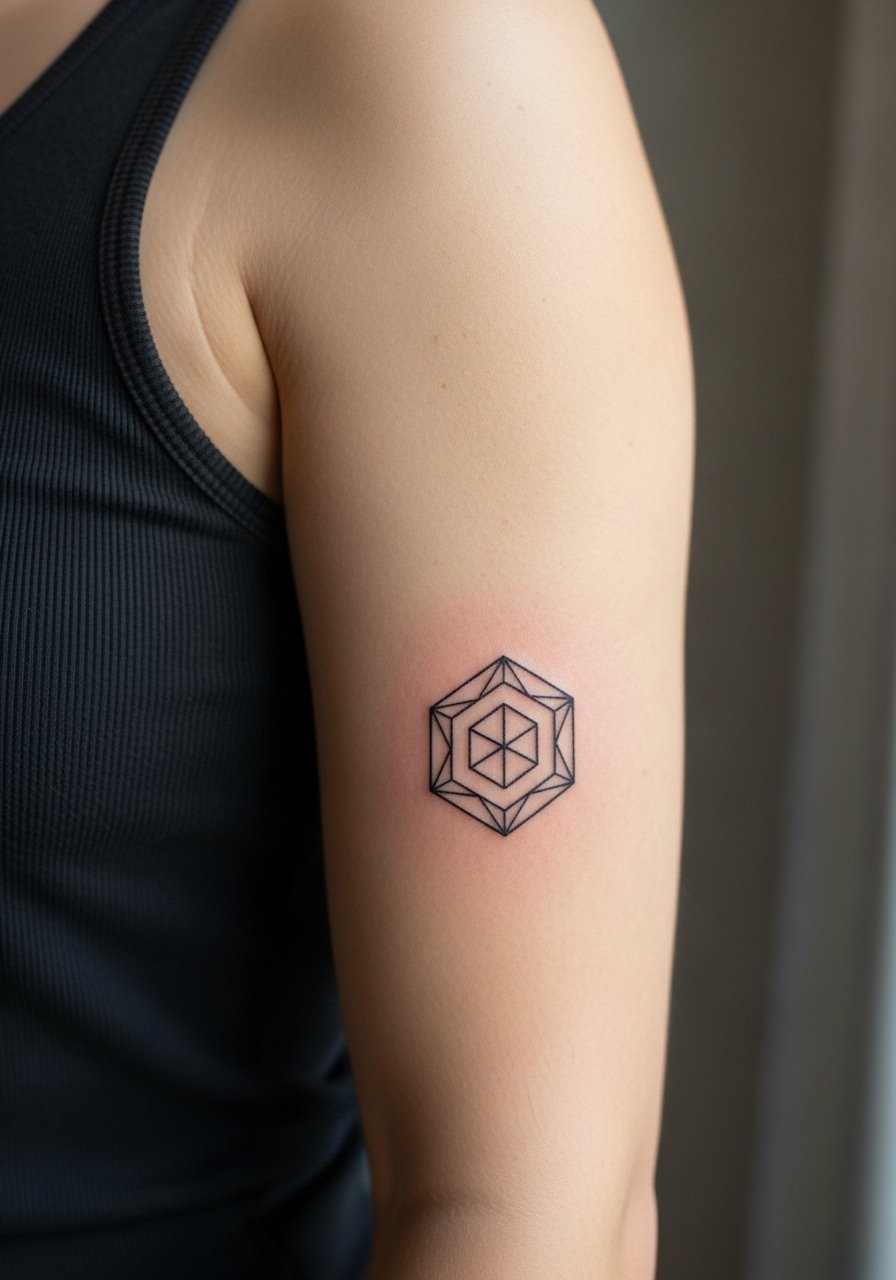
The inner bicep can take delicate work but it is prone to slightly softer edges during healing because of sweat and movement. When you consult, ask for a modest increase in lineweight compared with your reference. Sessions feel medium in discomfort and are often shorter than outer-arm pieces. A real mistake is using super tight dot work there without planning for touch-up. For the appointment wear a tank or sleeveless button shirt so the artist has clean, comfortable access.
17. Full Sleeve Geometric Dragon Ball Composition

Sitting for a full sleeve is a commitment but it also lets you build cohesive motifs that age together. I often tell clients to stagger complexity so dense stipple panels alternate with larger negative-space elements. Sessions are multiple and you should plan for touch-ups as the sleeve settles. A common mistake is collecting unrelated flash designs that fight for the same visual lane. For showing it off roll sleeves or wear short-sleeve shirts so the forearm panels line up with your movement and clothing.
Frequently Asked Questions
Q: Will fine line geometric details blur faster on the ribs and sternum than on the forearm?
A: It depends. The ribs and sternum move and stretch more than the forearm so very fine, tightly packed lines are at higher risk of merging. If you prefer fine detail there, discuss slightly heavier lineweight and increased negative space with your artist. Many people plan for a touch-up at year two when choosing those spots.
Q: How should I dress for a session on the inner thigh or ribcage to make the artist’s access easier?
A: Wear loose shorts or a wrap skirt for inner thigh work so you can reveal only the panel the artist needs. For ribs wear a cropped athletic top or a shirt you can lift without pulling. Loose, easy-to-adjust clothing keeps the area exposed without making you uncomfortable during breaks.
Q: Do geometric mandalas near the collarbone need special aftercare compared with arm pieces?
A: Aftercare principles are similar but the collarbone can see more friction from straps and necklaces. Avoid tight straps in the first week and be mindful when putting on shirts. If you plan to wear a necklace, pick a thin chain that sits above the design or remove it for the first two weeks.
Q: How often should I expect touch-ups for finger, wrist, and ankle geometric pieces?
A: From what I’ve seen, fingers and ankles often need touch-ups more frequently, sometimes yearly, because they face constant abrasion. Wrist pieces fall in the middle and may need a small refresh at year two depending on your routine. Planning for a touch-up avoids surprise.
Q: Are there placement or career considerations for visible neck or hand tattoos?
A: Yes. Hand and neck tattoos are highly visible and can still affect some hiring decisions. If that matters, pick placements or designs that can be covered by clothing or hair when needed. Discuss visibility with your workplace or potential employers before committing.
Q: How will a full sleeve geometric piece age compared with separate small geometric tattoos?
A: A sleeve that is designed as a cohesive composition usually ages more gracefully because the artist balances texture, spacing, and saturation across the whole arm. Collection-like small pieces can conflict visually over time unless they follow a consistent lineweight and spacing plan. If you want longevity, plan the sleeve as a single narrative and schedule touch-ups in phases.