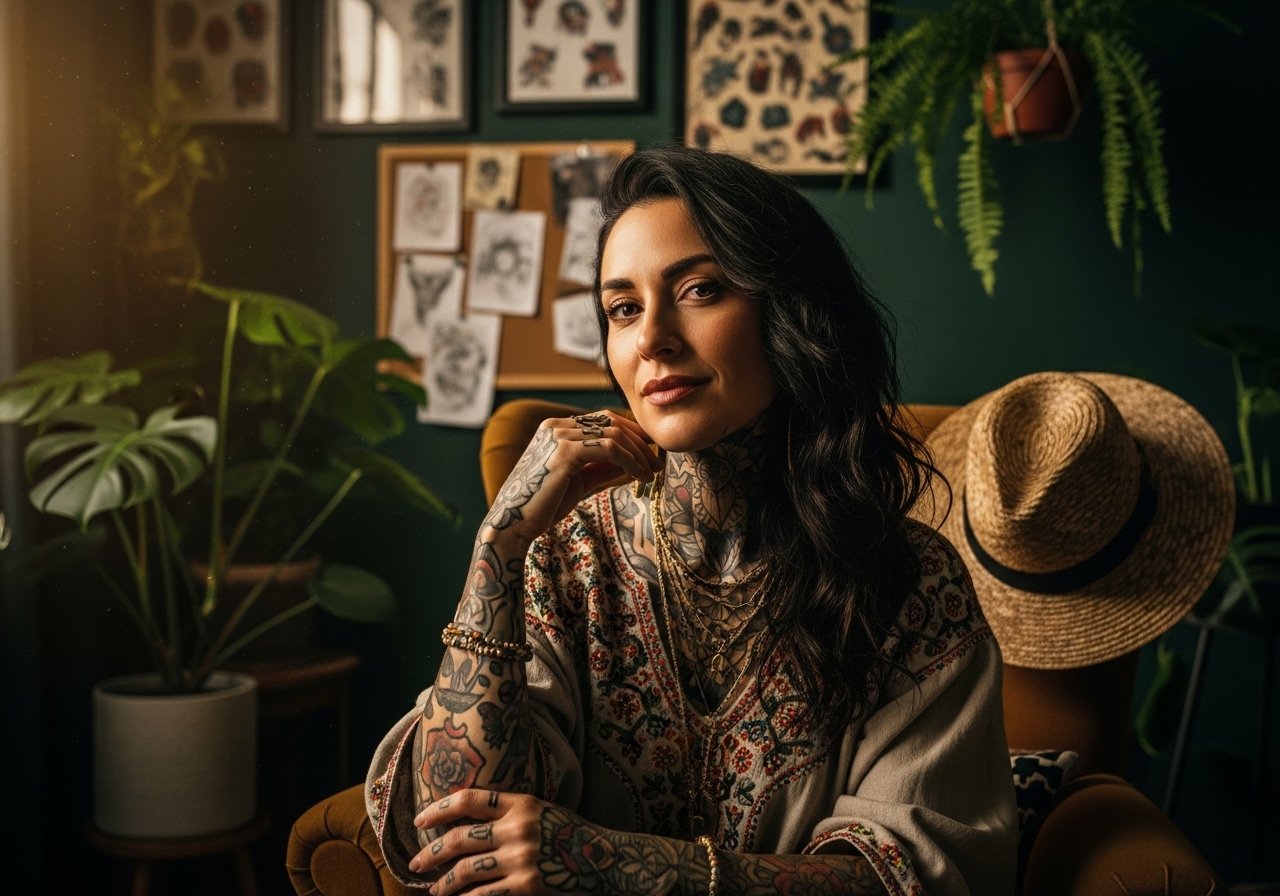
Bold forearm pieces read loud without needing sleeves or color. Pick a heavy silhouette or dense blackwork and the image shows from across a room, then age into a crisp presence if done with proper spacing and saturation. Think about how the stencil sits when you roll up your sleeve, and bring references that show the exact line weight you want before the needle touches skin.
1. Bold Blackwork Spear on Outer Forearm

There is something about a single bold motif running down the outer forearm that reads like a statement piece. I recommend a slightly thicker line weight than you might pick for fine line work, because the outer forearm sees sun and friction from sleeves. Tell your artist you want heavy outlines with interior negative-space details so the shape holds at year five. Common mistakes include packing too many tiny inner details, which blur over time. Session feel is moderate, usually three hours for a medium-size piece, and touch-ups often happen around year three if you work outdoors a lot.
2. Geometric Band Wrap That Frames the Wrist
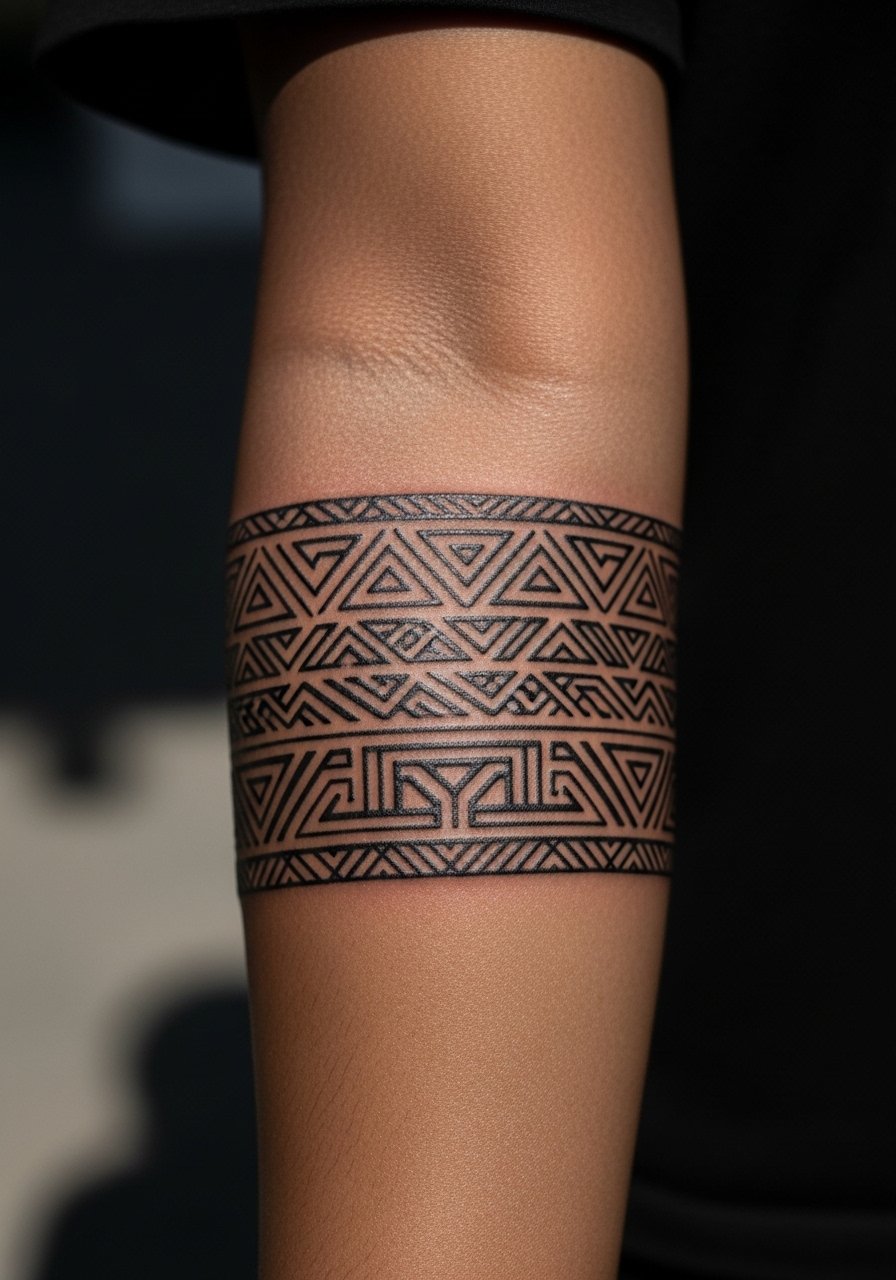
When a geometric band is sized correctly it reads like jewelry, and the trick is spacing. The biggest mistake is going too tight with complex angles, which creates merging lines at the two-year mark. During consultation ask for 3mm minimum spacing between key lines and a mock-up showing how the wrap looks when your wrist bends. Expect a sharper look at six months, slight softening at two years, and potential need for a touch-up by year four if you wear watches that rub the area. For showing it off, roll up a short-sleeve button-down so the band sits just above the cuff.
3. Traditional Rose Cluster Along the Inner Forearm
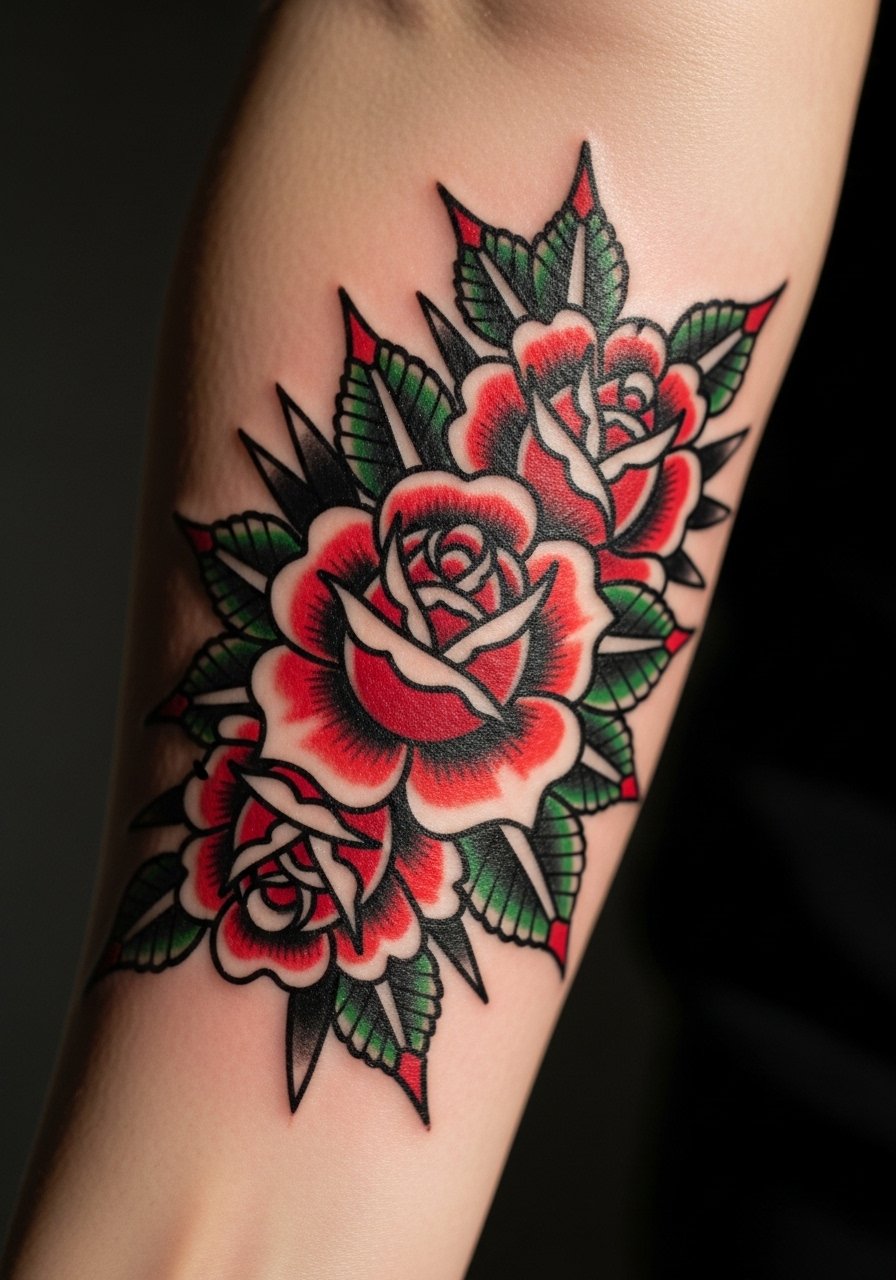
Traditional roses age well because saturation and bold outlines resist blowout and fading that affect thin work. I tell people to request slightly thicker petals and solid black anchors to preserve silhouette. A common error is asking for too many small petals packed tightly. That style looks sharp fresh and at six months, and still reads solid at five years if the saturation was done properly. Plan for a one-to-two hour session depending on size, and be ready to book a color top-up at year three if you want the reds vivid. Pair this with a rolled sleeve linen shirt to let the bouquet sit naturally against neutral fabric.
4. Script Name in Bold Forearm Script
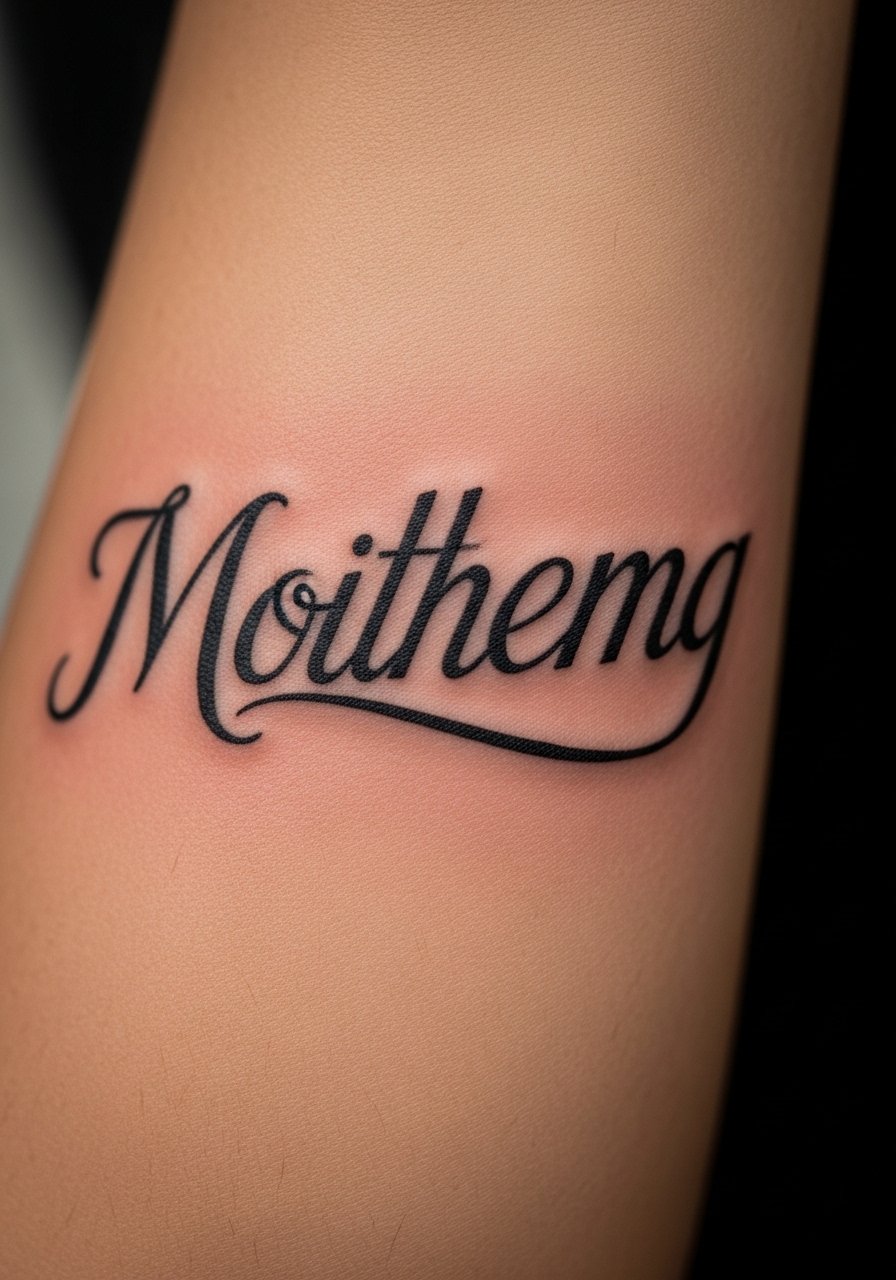
Script on the forearm reads like a personal banner, but tiny lettering is where people go wrong. Ask for letters sized so counters keep shape under the skin, and bring the exact font or the exact text so your artist can size it to your curve. Artists split on whether cursive or block holds better. One camp says cursive with single-needle is elegant and usually needs touch-ups sooner. The other camp favors slightly heavier script with clear spacing and expects longer longevity. For the session wear a loose short-sleeve tee you can pull up for arm access, and mention needle depth preferences in the consult.
5. Micro-Realism Portrait Snippet Near the Elbow

Micro-realism looks arresting when small, but it trades longevity for detail. If you want a tiny face or object, tell your artist which feature must remain readable at two years, for example an eye or a small symbol. The usual mistake is compressing too much detail into a postcard-sized area. Expect a longer session and higher chance of a touch-up at year two because pore structure and movement near the elbow blur fine shading faster than flat skin. For the appointment, wear an elastic sleeve shirt you can adjust so the artist can work on the elbow without you having to fully undress.
6. Bold Nautical Compass on the Inner Forearm
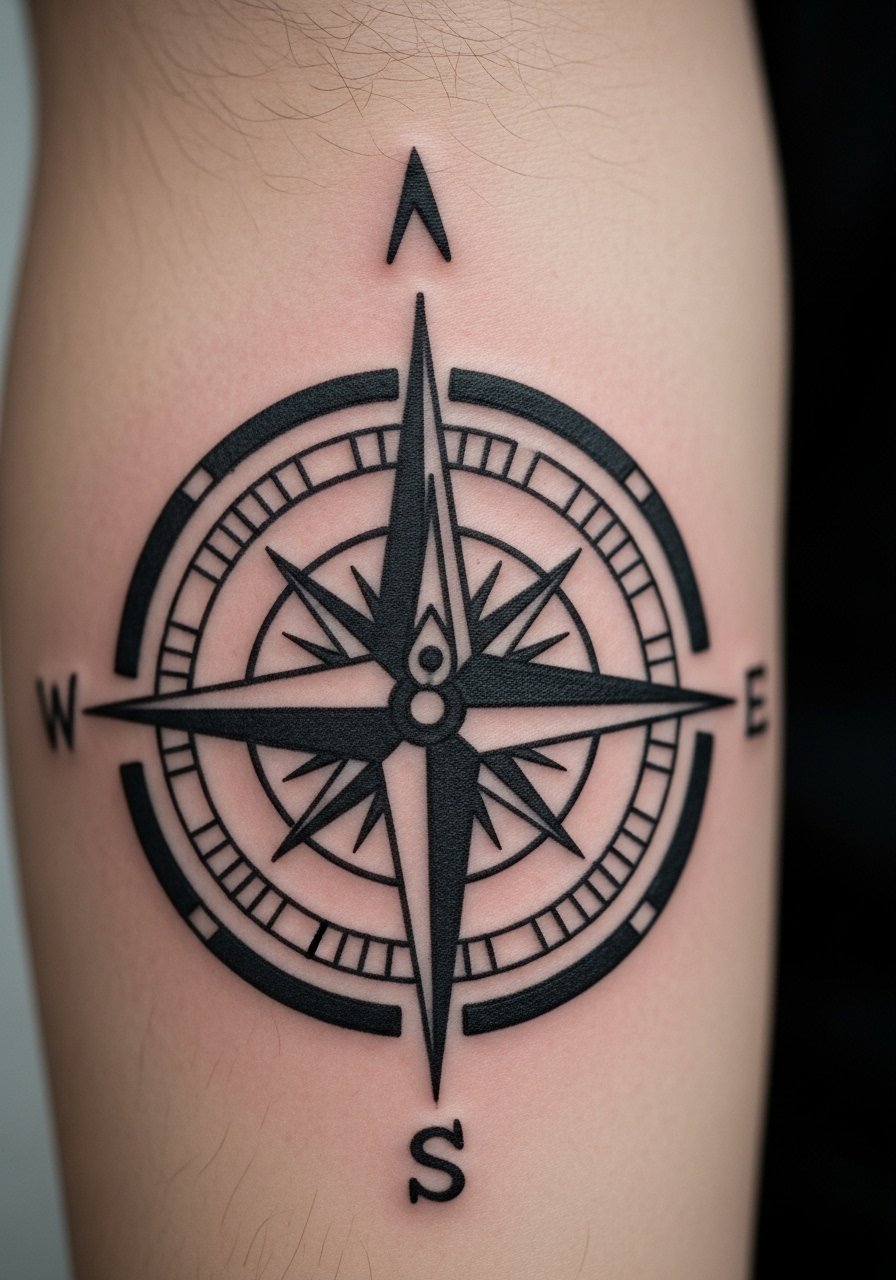
A compass with strong blackwork and clear negative space resists the common fade that hits busy needlework on inner forearms. I tell clients to ask for simplified internal lines and heavier outer rings for structure. One mistake I see is marathon-detailing that looks brilliant fresh and turns into a dull gray patch by year three. Session time is typically two to three hours depending on diameter, and touch-ups may be needed where skin creases meet the design. For show-off outfits, cuff a short-sleeve henley or roll up a sleeve so the compass sits in the natural frame of the arm.
Pre-Session Essentials
The inner and outer forearm designs above benefit from different prep and a couple of small tools smooth the first week and the session itself.
-
Stencil transfer paper kit. Lets you preview the linework on skin for script, compass, and geometric bands before the needle starts.
-
Topical numbing cream 5% lidocaine. Applied under a wrap about 45 minutes before helps with elbow and inner-forearm sensitivity without ruining linework when used as directed.
-
Thin protective film roll. Keeps forearm pieces clean from friction and sweat during the first few days, especially useful for wraps and bands.
-
Fragrance-free gentle body wash. Cleanses healing forearm tattoos without stripping pigment, which matters for lighter shaded portraits.
-
Aquaphor healing ointment. A thin layer during the initial days protects saturated blackwork and helps reduce scabbing that can pull on fine lines.
7. Blackwork Mandala Slice Facing the Wrist
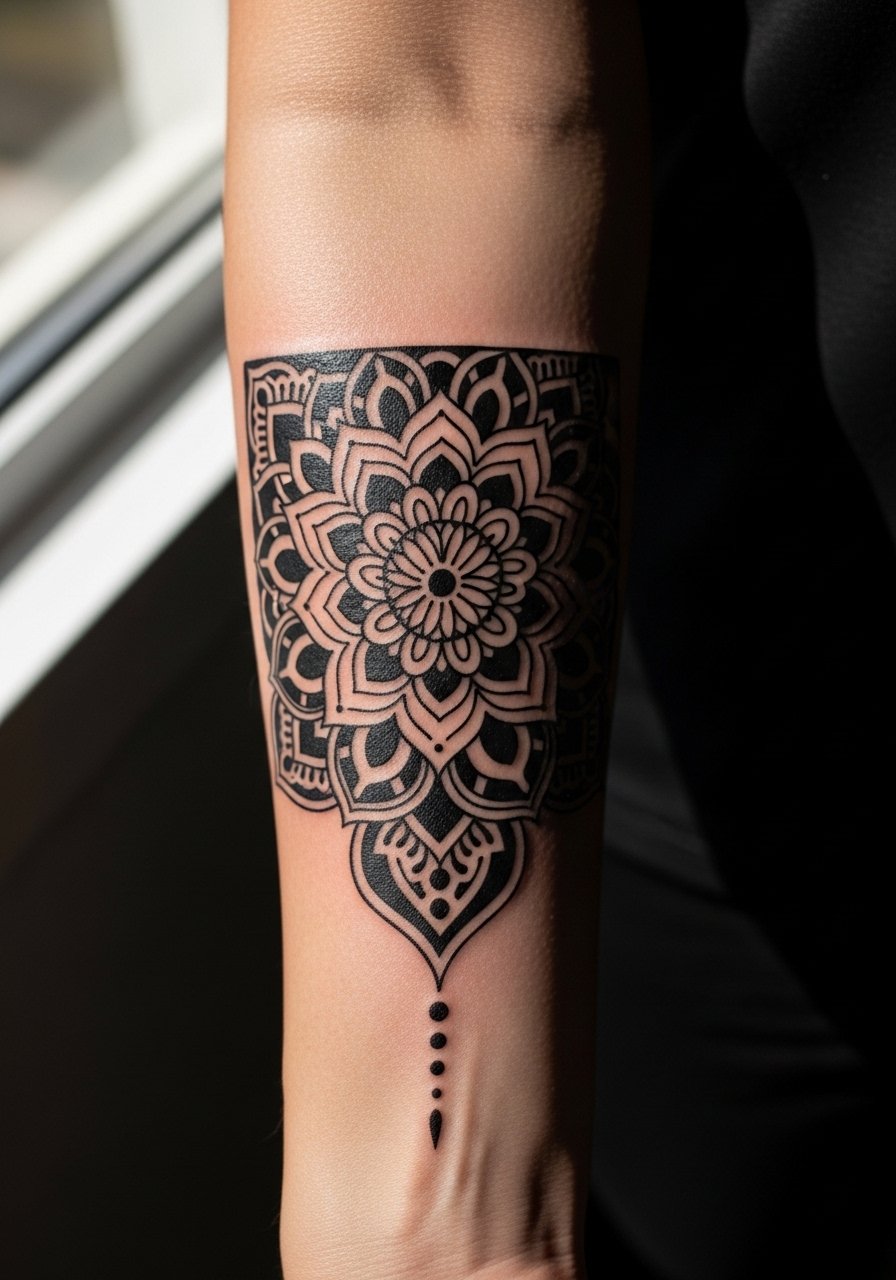
Mandala slices that terminate near the wrist need breathing room or they compress into shaded blobs with time. My advice is to scale the pattern so the densest dots sit away from the wrist joint. The common version that ages poorly packs tiny stipple work into the wrist crease, and those dots fuse within two to three years. Ask your artist for increased spacing near the join and for stipple shading in gradient bands. The session is usually two hours, with a likely touch-up at year two for high-motion zones. Wear a thin chain bracelet to frame the design but don't let it rub the fresh ink.
8. Scripted Quote With Negative-Space Linework
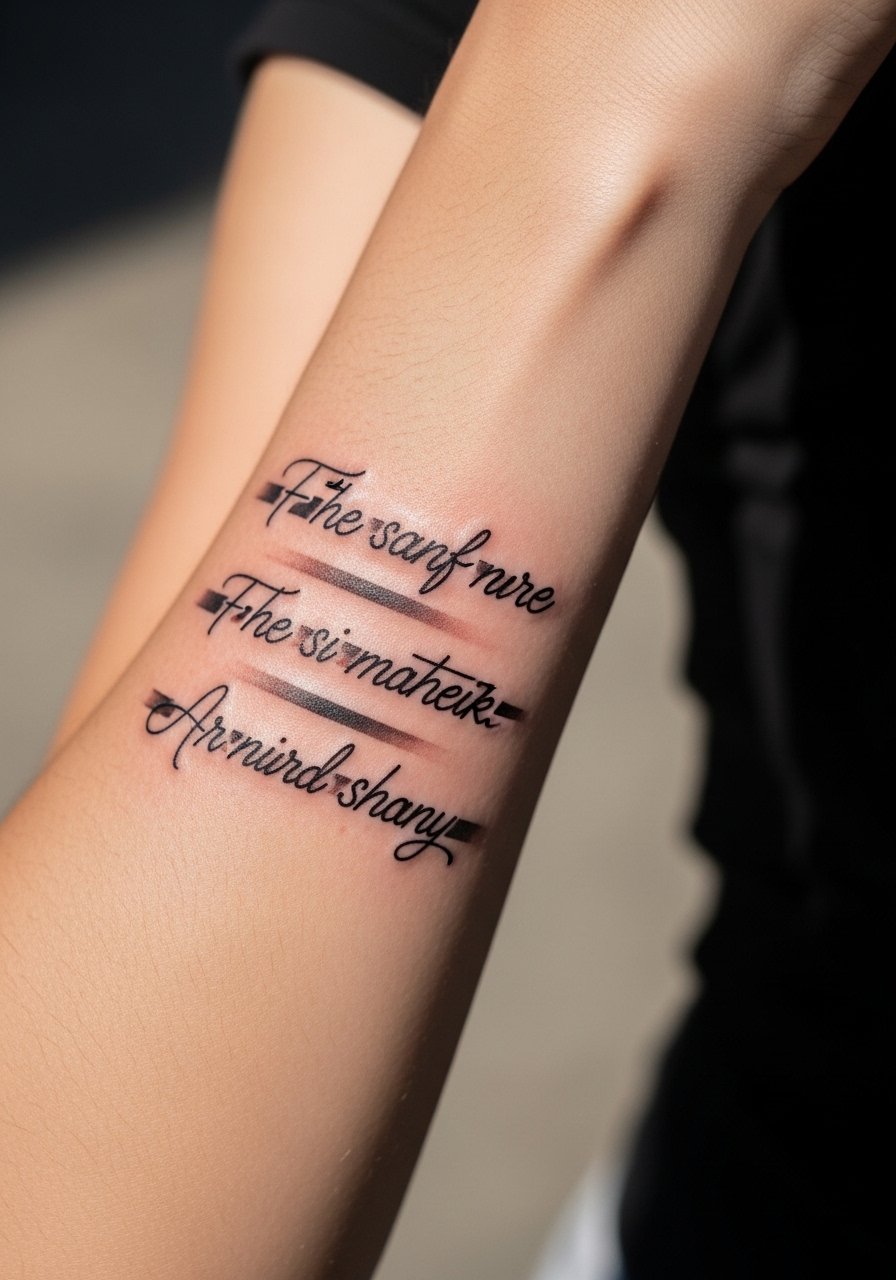
Longer quotes can look elegant when letter size and spacing are designed to survive skin movement. The most common error is using a font meant for paper that collapses when inked. Tell your artist the exact quote and ask for a mock-up that follows the forearm curve. Artists divide on single-needle script versus slightly heavier lettering. One side argues fine line script feels airy but needs touch-ups sooner. The other side says modestly bolder letters keep clarity longer. Expect about two hours for a medium-length quote, and plan to check the piece at six months to decide on a touch-up. For the session, a loose button-down is easy to pull aside for access.
9. Minimalist Anchor Near the Wrist
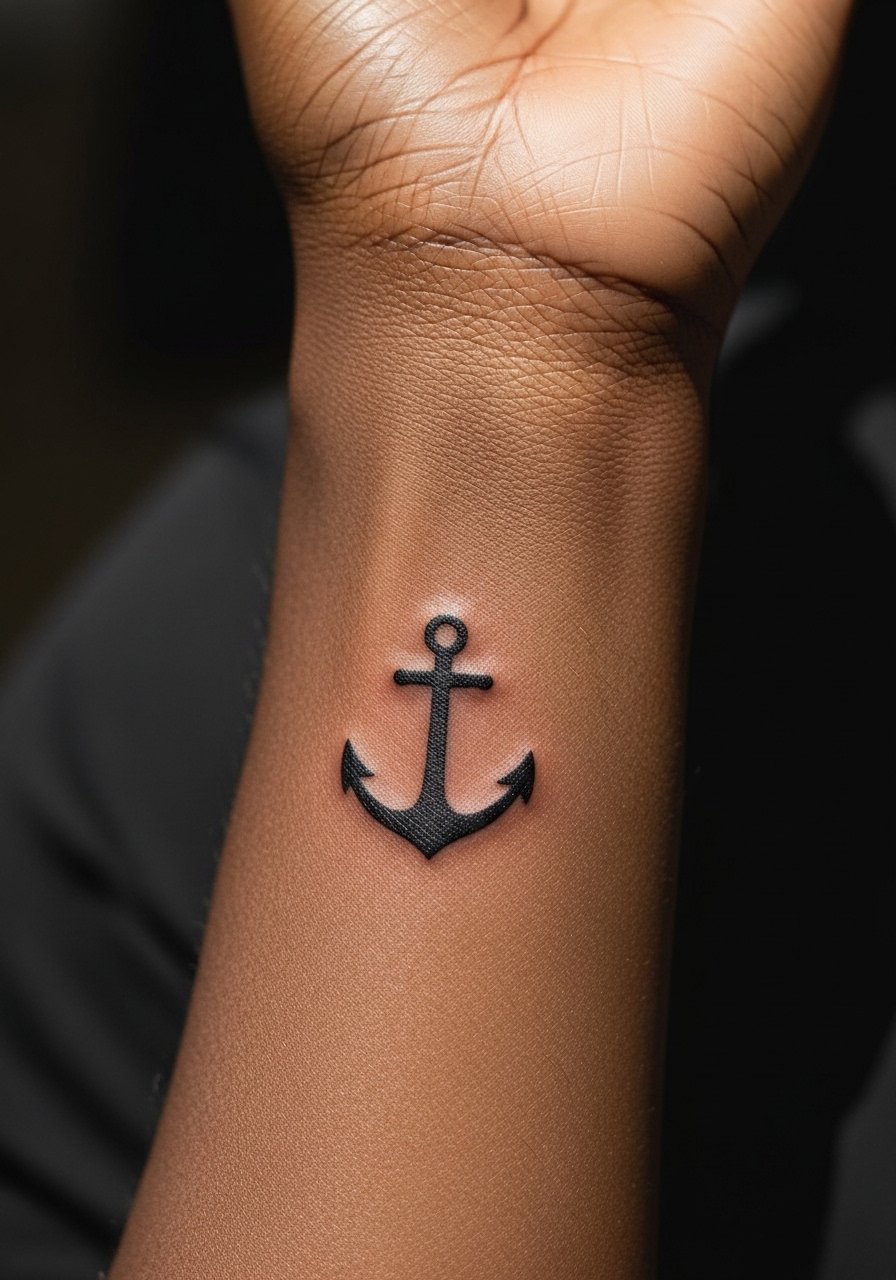
Tiny icons near the wrist are visible and practical, but the wrist is a high-friction area. Small anchors done with weight read better than single-needle tricks because the thicker anchor resists early fading. A frequent mistake is asking for the smallest possible version without considering daily hand washing and watch straps. The session is short, often under an hour, but expect to add a thin touch-up line within the first two years. For daily wear, pair the anchor with a minimalist watch strap that sits above the design so the tattoo stays unobstructed.
10. Stipple Shaded Geometric Sleeve Accent
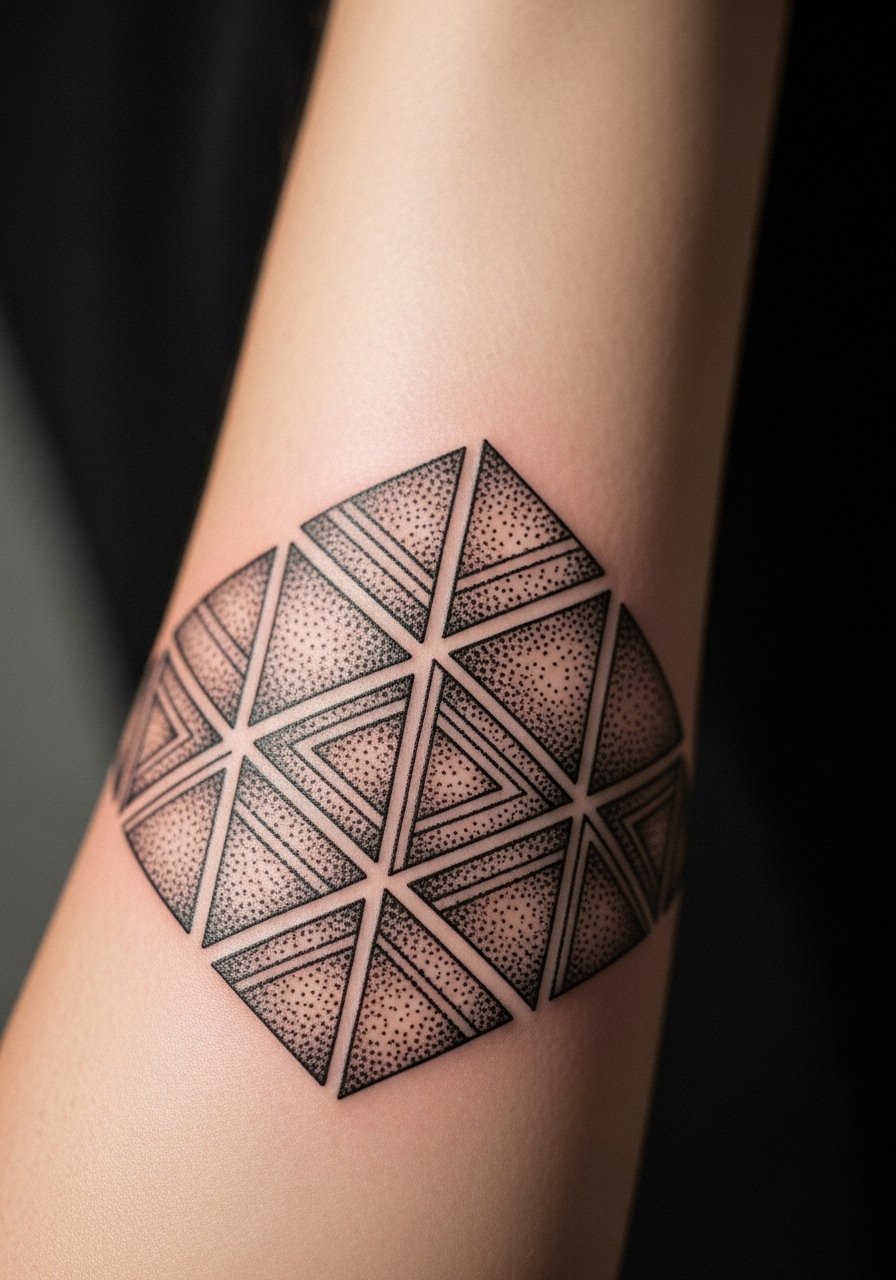
Stipple shading gives geometric pieces depth without heavy fill, but close dot work can merge on oily or loose skin. I recommend gradients that ease into negative space rather than full solid blocks. Tell your artist to test dot density on a similarly textured area first. The mistake is uniform high-density stipple across joints, which loses crispness at two years. Session time varies, often split into two shorter appointments to reduce swelling. For showing this off, cuff a rolled linen sleeve or rock a short-sleeve henley so the panel reads cleanly.
11. Bold Traditional Anchor and Rope Running Down the Forearm
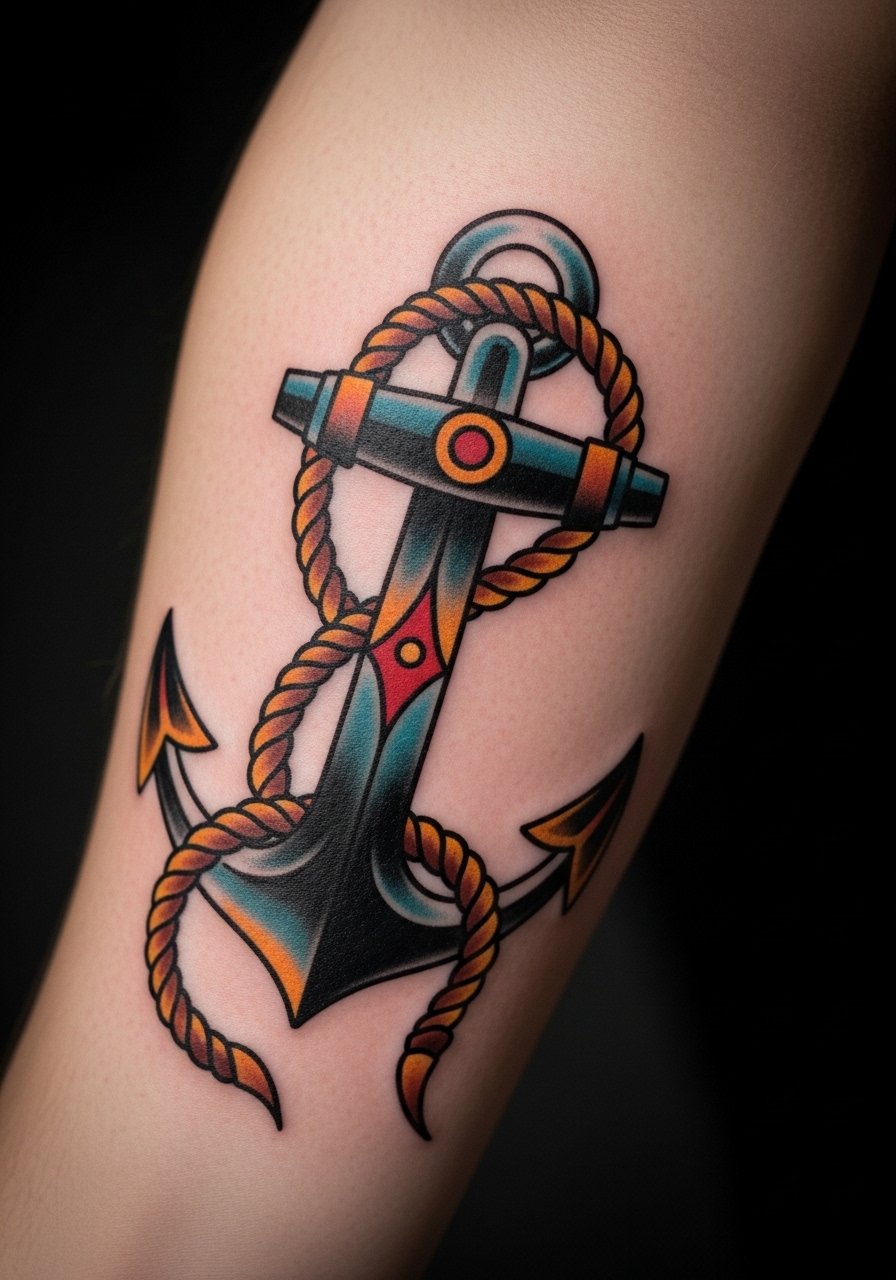
Traditional nautical motifs age predictably because they rely on bold outlines and saturated fills. I tell clients the rope should be slightly simplified compared to flash art so small twists do not blur. A real mistake is asking for tiny knots inside the rope. At six months the color will have settled, at two years the outlines keep the anchor legible, and at five years a slight color top-up may be welcome if you are outdoors often. Sessions are comfortable to moderate pain and usually completed in one visit. Pair the piece with a rolled sleeve tee when you want the motif visible.
12. Blackwork Snake Coiling the Forearm
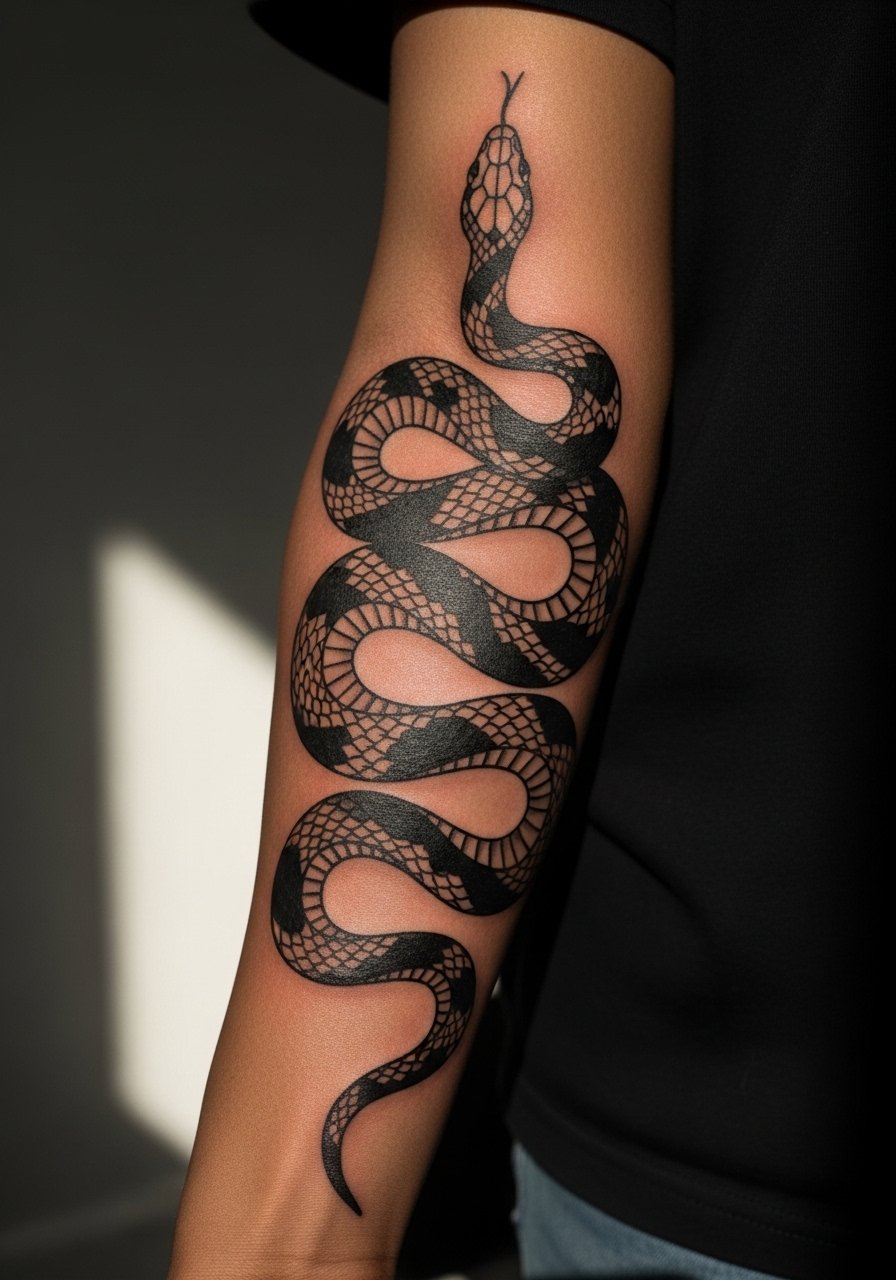
A coiling snake uses the forearm's natural curve to feel dynamic. The common mistake is too many tiny scales inked tightly, which is high risk for blowout when the arm moves. Ask for larger scale shapes and solid black sections to maintain silhouette. Pain is moderate, often spread across a longer session because the snake follows the bone and soft tissue alternately. Expect touch-ups where the coil crosses joints. For show-off styling, a short-sleeve denim jacket or cuffed sleeve sits above the head of the snake and frames the body without competing.
13. Japanese-Inspired Wave Panel on the Outer Forearm
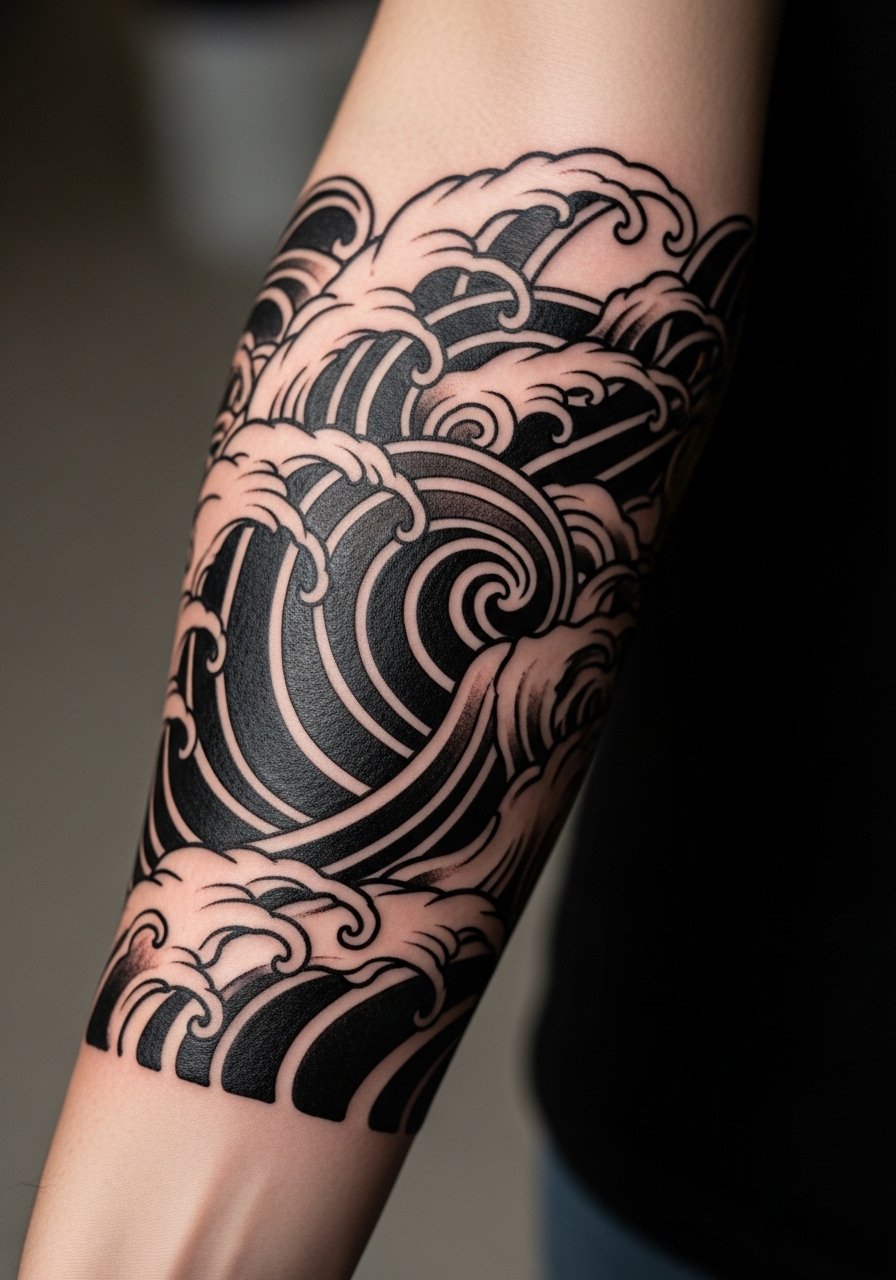
This wave motif draws from traditional Japanese composition, and some clients opt for adapted motifs rather than direct replicas out of respect. Ask for a version that references the style without copying specific imagery tied to cultural rites. The piece benefits from bold outlines which age well. A mistake is trying to fit too many background elements into a narrow forearm panel. Sessions run two to three hours for mid-sized panels and touch-ups can be scheduled around year three if you want to refresh blue or gray wash. For appointments, wear a loose short-sleeve tee to give the artist clear access.
14. Chain-Link Band That Wraps the Mid-Forearm

Chain-link cuffs read like jewelry and work best with some negative space between links so the motif does not smear into a dark band later. A common mistake is asking for maximum realism with tiny shadow details that collapse. Tell your artist you want definition over photorealism for longevity. Session time is short, often under two hours, and expect a minor touch-up at year two if you wear bracelets that rub the area. Pair it with a leather cuff bracelet worn above or below the ink so metal does not abrade the healing skin.
15. Single-Needle Constellation Map Along the Inner Forearm
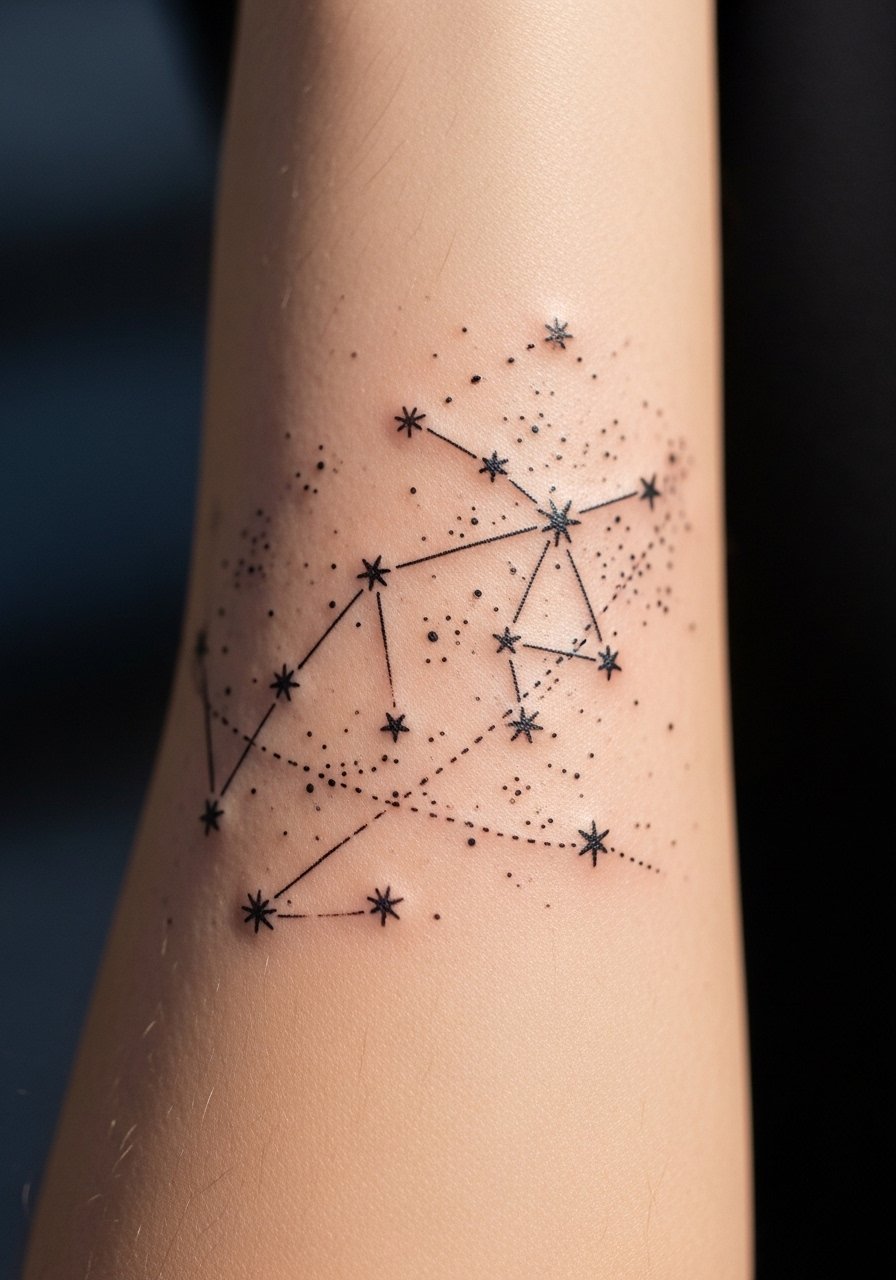
Delicate constellation pieces are popular, but they trade longevity for subtlety. The controversy here is clear. One camp says single-needle is the only way to capture tiny stars and it looks elegant for a year or two. The other camp recommends tiny solid dots made with a slightly heavier needle to preserve the pattern longer. My recommendation is a hybrid approach, where pivotal stars use a touch more saturation and connecting lines are airy. Expect touch-ups at year two to preserve dot clarity if you want the map to remain precise. For the session, wear a loose tank top so the inner forearm stays accessible without shifting.
16. Biomechanical Blackwork Accent Near the Wrist
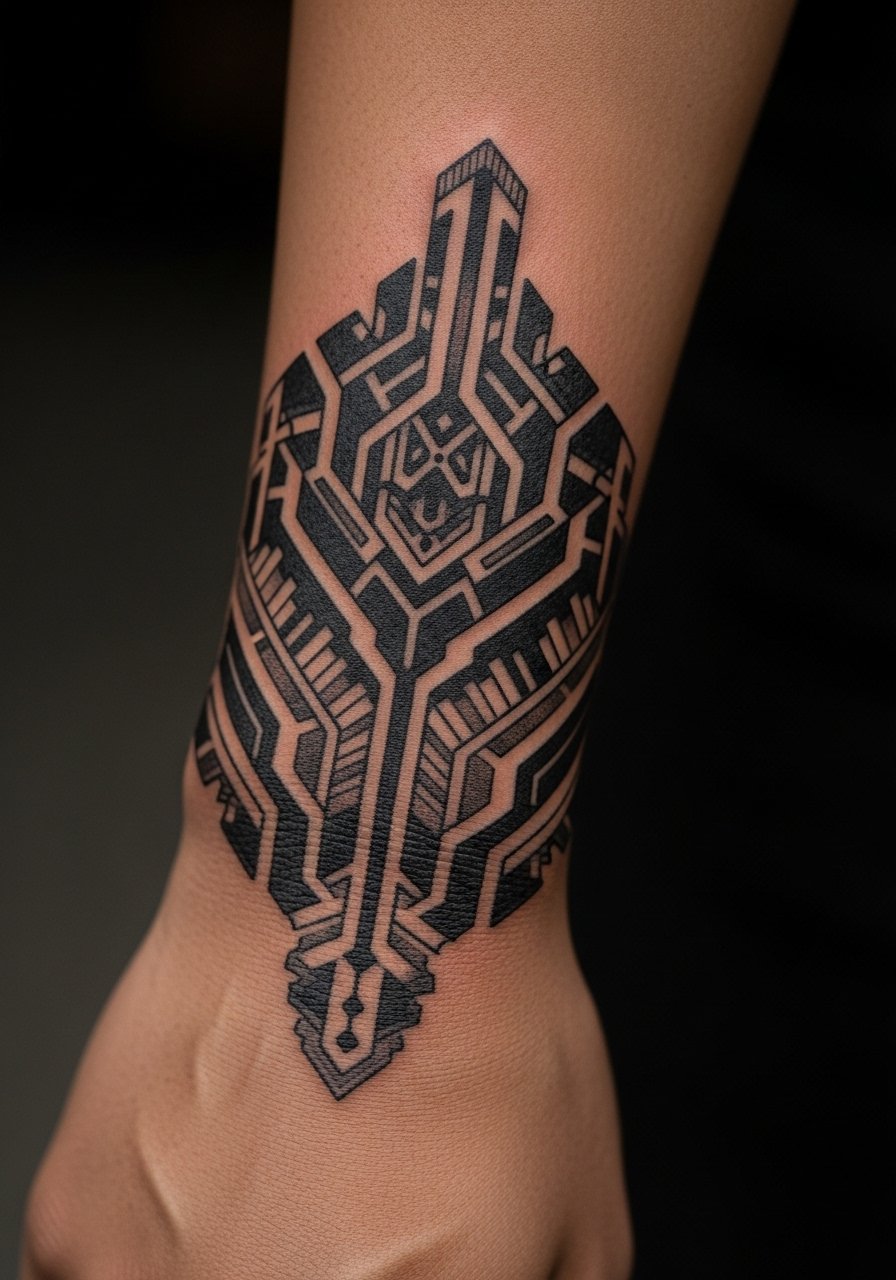
Biomechanical accents rely on high-contrast blacks and strategic negative space to create depth, and they age best when the black saturation is solid. A mistake is over-detailing small metallic textures that blur with movement. Ask for crisp negative-space highlights that will keep the form legible as the skin shifts. Sessions can be intense around the wrist due to bone proximity, and a brief topical numbing application is reasonable to discuss with your artist. Style this with a short-sleeve graphic tee when you want to show the mechanical edge without covering it.
17. Bold Arrow Stack Running Along the Forearm
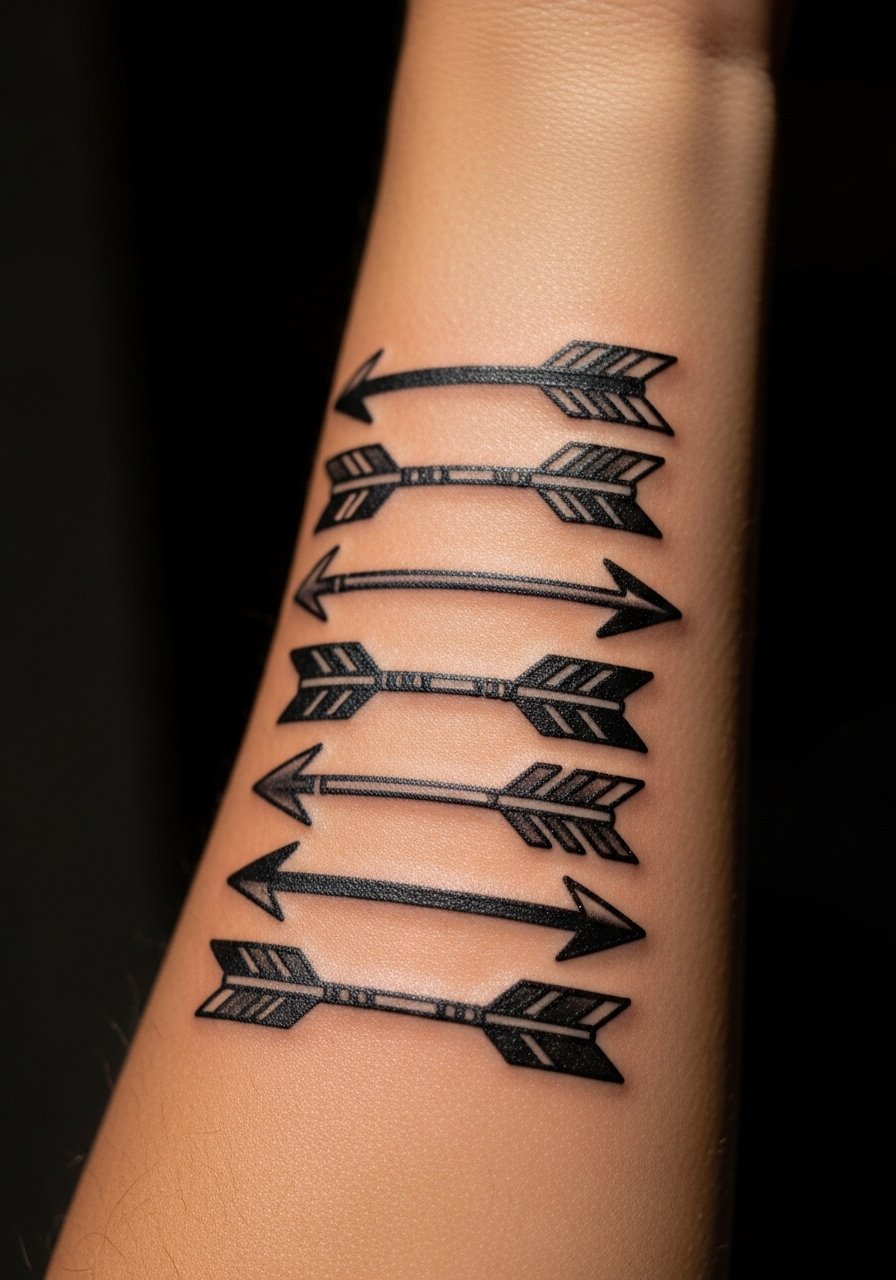
Stacked arrows make a directional statement and work when spacing is consistent to avoid merging point tips. The session is straightforward and pain is low on flat forearm areas, higher near the wrist. Tell your artist you want consistent negative space between arrowheads so the stack reads individually at two and five years. Common mistakes include varying head sizes that make the design look uneven once healed. For low-effort showing off, cuff a casual short-sleeve shirt and let the arrows run into view when you lift your arm.
Frequently Asked Questions
Q: How do fine line forearm pieces compare to bold blackwork for longevity?
A: From what I have seen, bold blackwork and simplified traditional lines usually hold up longer because saturation and thicker outlines resist blowout and fading. Fine line looks delicate fresh and often needs touch-ups by year two or three, especially on high-motion zones like the inner wrist.
Q: Will a script on the forearm need touch-ups more often than a bold symbol?
A: Yes, scripts typically require more frequent touch-ups because letter counters and thin strokes blur first. Keep letter size larger and ask for slightly bolder stroke weight to extend clarity beyond two years.
Q: Are there special considerations for forearm tattoos if I work in a hands-on job?
A: Absolutely. Jobs that demand frequent hand washing or heavy manual labor increase friction on the forearm and wrist and will accelerate fading. Consider placing the focal point away from the wrist or choosing bolder outlines that tolerate wear.
Q: How should I prepare clothing-wise for a longer forearm session?
A: Wear something easy to adjust, like a loose button-down or a sleeve you can roll without tightening. That keeps the area accessible and reduces fabric rubbing against fresh ink.
Q: Do blackwork and stipple shading carry different blowout risks on forearms?
A: Yes. Heavy blackwork resists most blowout when done at the right depth, while dense stipple can merge on oily or flexible skin. Ask your artist about test patches for dot density if you are worried.
Q: How long is a typical touch-up timeline for forearm pieces?
A: It depends on style and exposure. Bold blackwork may go five years before needing a cosmetic top-up, single-needle and micro-realism often need attention at year two to maintain crispness.