
Sitting in the chair with the stencil over your shin is the moment everything narrows down. The shin reads bigger in person, the bone makes the needle feel different, and the line weight you thought was delicate can vanish if it sits too tight. These ideas keep the fine line look while planning for boots, shorts, and the way that area heals over years.
1. Minimal Geometric Arrow Down the Shin

I start with this one because it shows what fine line can do on a bony plane. Fair warning, the shin is thin skin over bone so expect sharper pain than the calf, but the session is usually 20 to 45 minutes. Ask your artist to keep the arrow slightly thicker at key points and leave breathing room between intersecting lines to avoid merging over time. A common mistake is pushing for micro detail too close to the bone, which leads to softening and possible blowout by year three. For showing it off, rolled shorts and a clean pair of linen shorts frame the piece without crowding the linework.
2. Single-Needle Botanical Vine Along the Shin
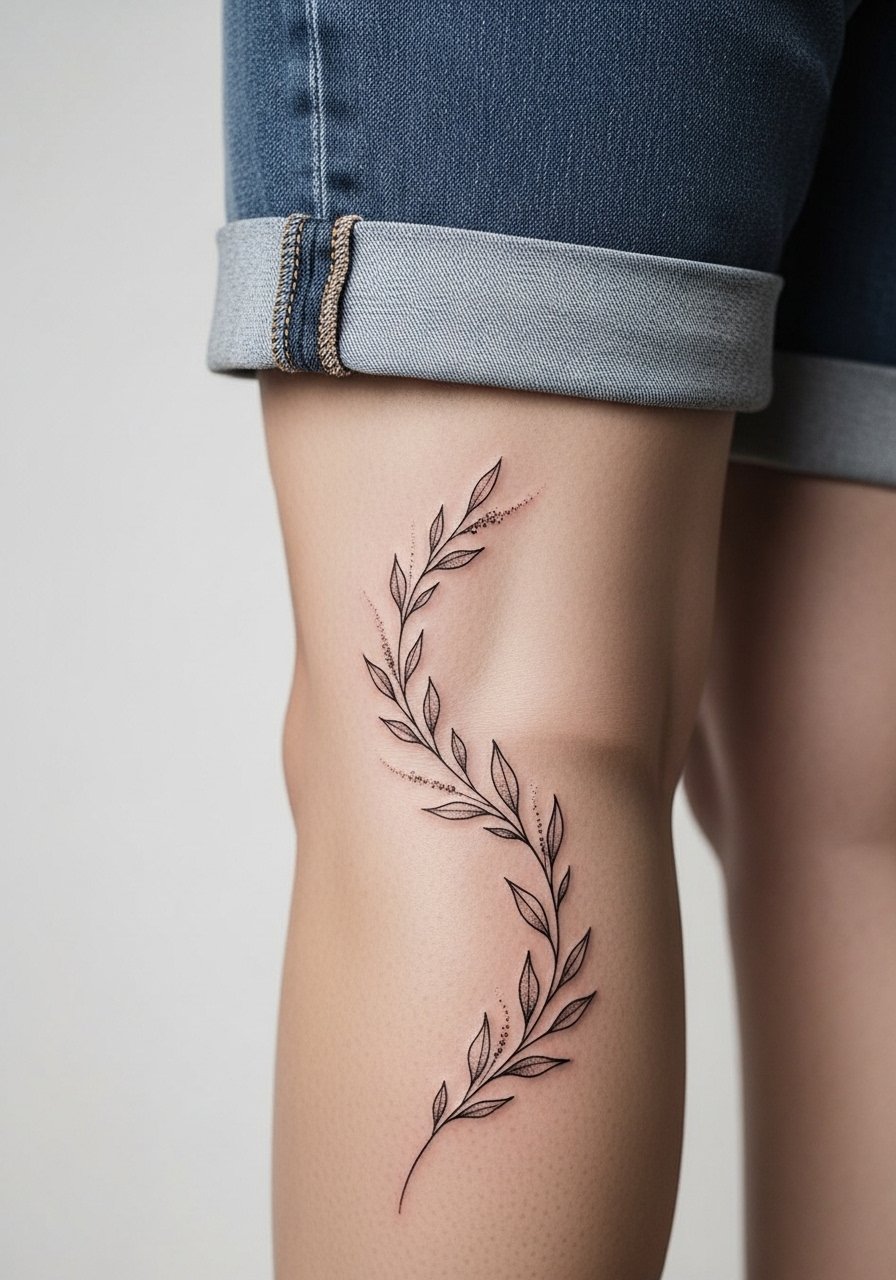
Most people who pick a vine want something organic that moves with the leg. Expect a moderate pain level and one to two short sessions. Tell your artist you want stipple shading instead of heavy fill so the leaves age into texture rather than a flat patch. The design works at 6 months as crisp linework, at 2 years the stippling softens, and by 5 years it needs a light touch-up if you want the dots to pop again. For session comfort, wear a loose drawstring short you can adjust without tugging the area.
3. Micro Script Vertical Date on the Upper Shin
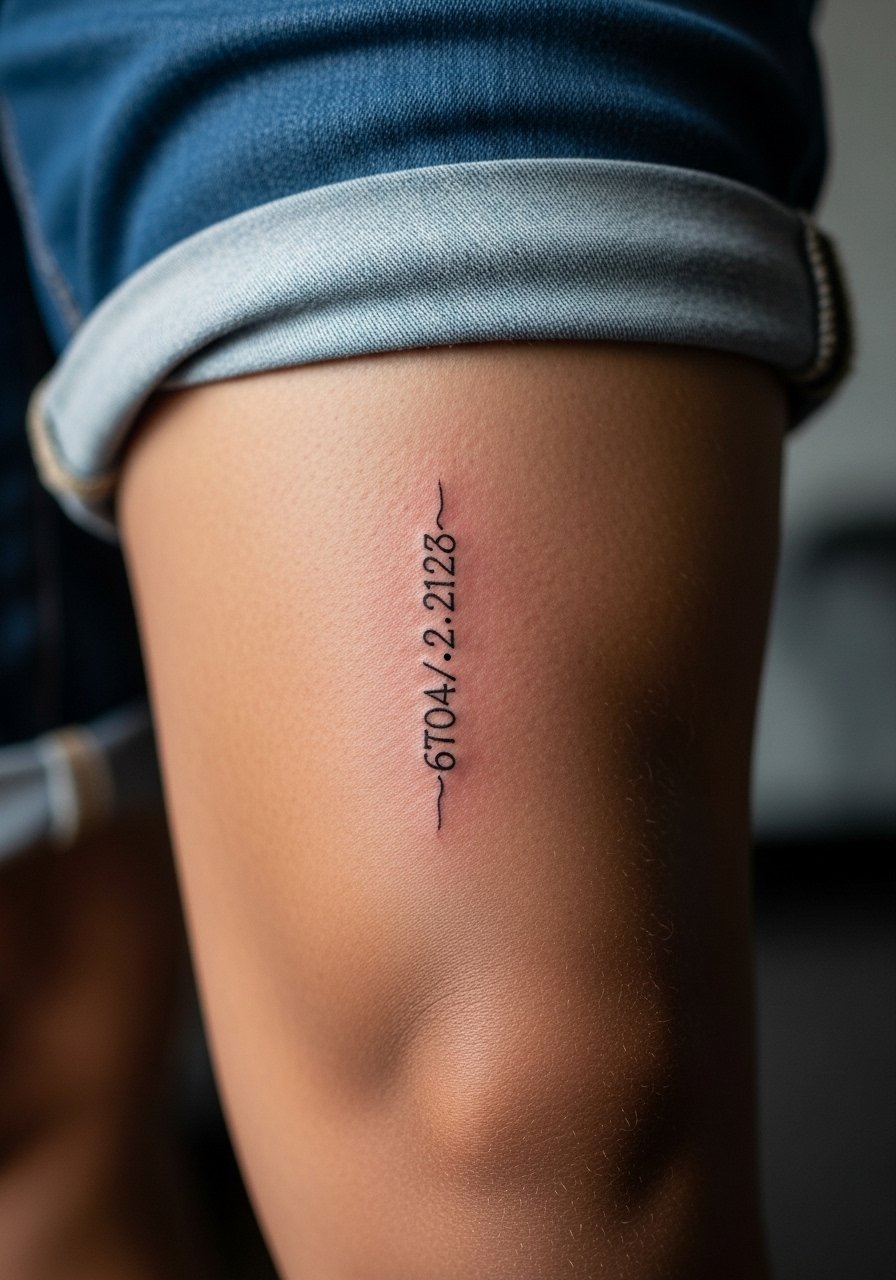
When people ask for tiny script on the shin, the biggest mistake is going smaller than the skin will hold. The consultation line is specific here. Ask your artist to write the text at various sizes on paper and then transfer it to the skin so you can see legibility. There is a debate in the community about micro script on bony areas. One camp says the skin there moves and stretches, so letters blur within two to three years. The other camp argues that with proper spacing and slightly heavier single-needle weight, the script settles fine. Ask your artist which approach they use and why. Pair this with a pair of high socks or a minimalist ankle boot for nights when you want the line to peek rather than shout.
4. Linear Mountain Range That Follows the Shin Edge
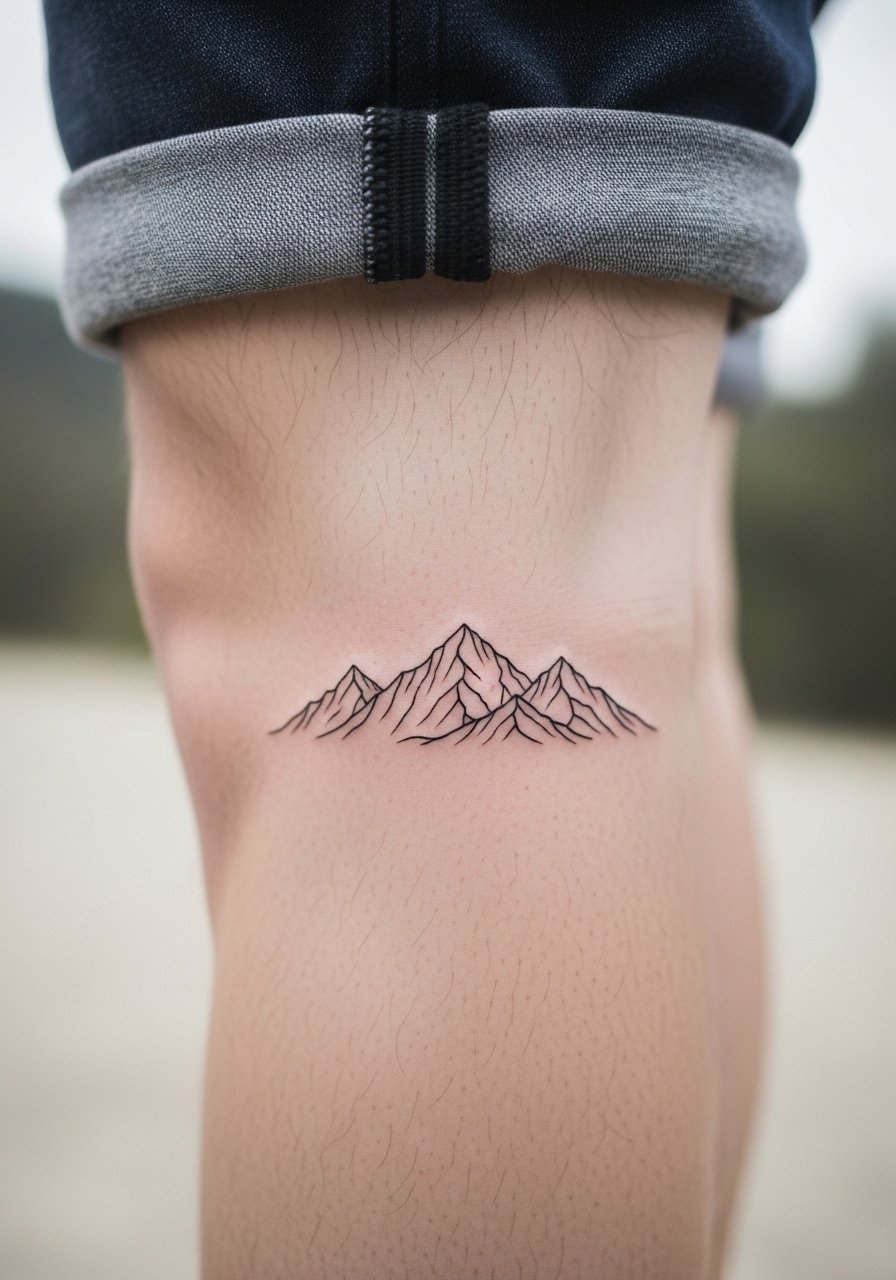
I have seen this design hold up well because the lines are allowed space. The trick is scale. Keep peaks and valleys large enough to avoid dense crossovers that blur. During consultation, ask the artist to map the line along a flexed leg so the silhouette reads properly standing and sitting. Session time is typically 45 to 90 minutes depending on length. Over time the peaks will soften where the skin flexes most, usually near the ankle, and a touch-up at year three is common. For wearing it out, a short in neutral tones and a canvas high-top sneaker frames the edge without rubbing the ink.
5. Dot-Work Crescent Path Along the Shin Bone
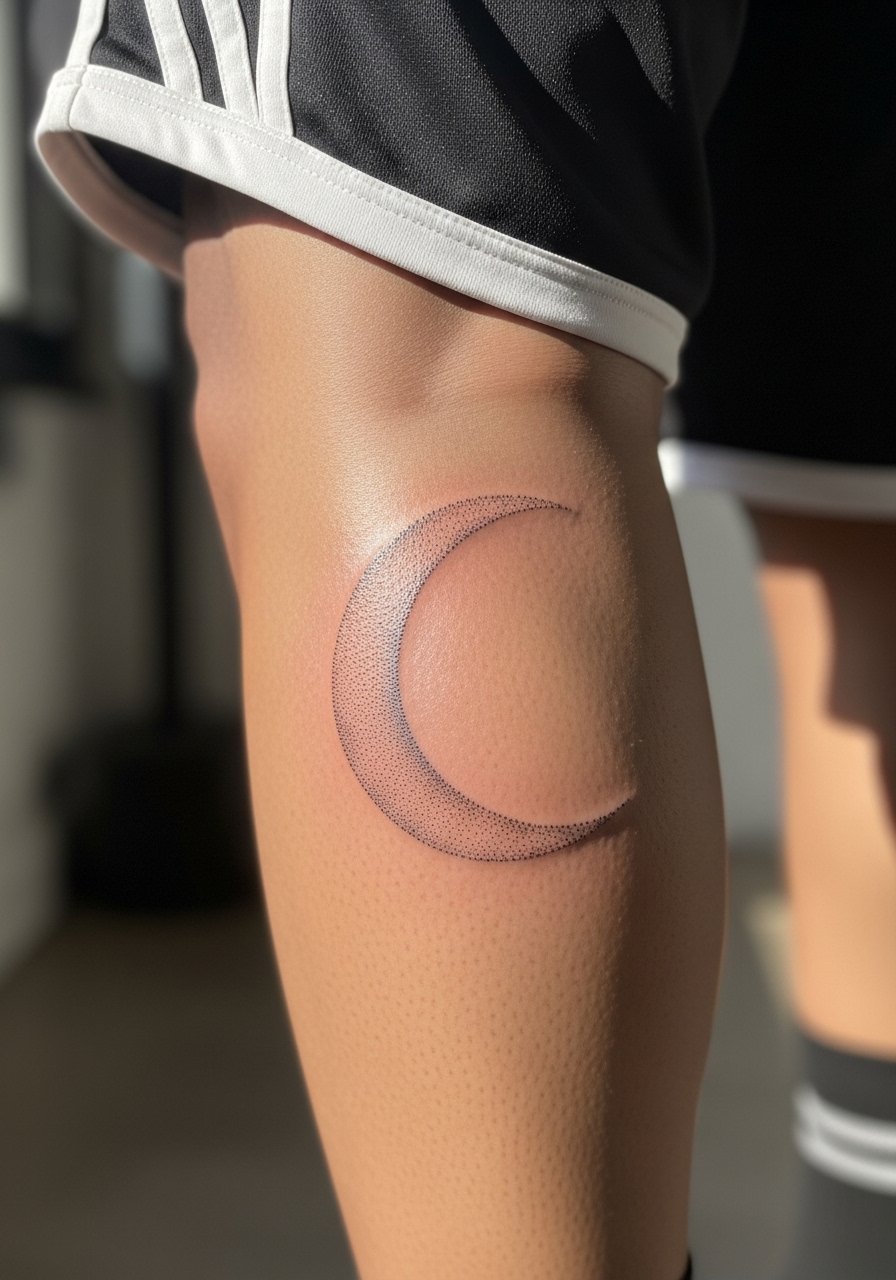
Dot work plays to the strengths of fine line because it creates texture rather than dense fill. Pain is sharp near the bone but the session can be broken into focused passes to manage discomfort. The aging arc for stipple is forgiving. At six months dots look crisp, at two years they average into a soft gradient that still reads, and by five years you may want targeted touch-ups in high-friction zones. A common error is requesting dots so small they disappear into skin texture. For the appointment pick a moisture-wicking sport short that avoids fabric pressure on the shin afterwards.
6. Minimal Compass Point Tattooed on the Shin
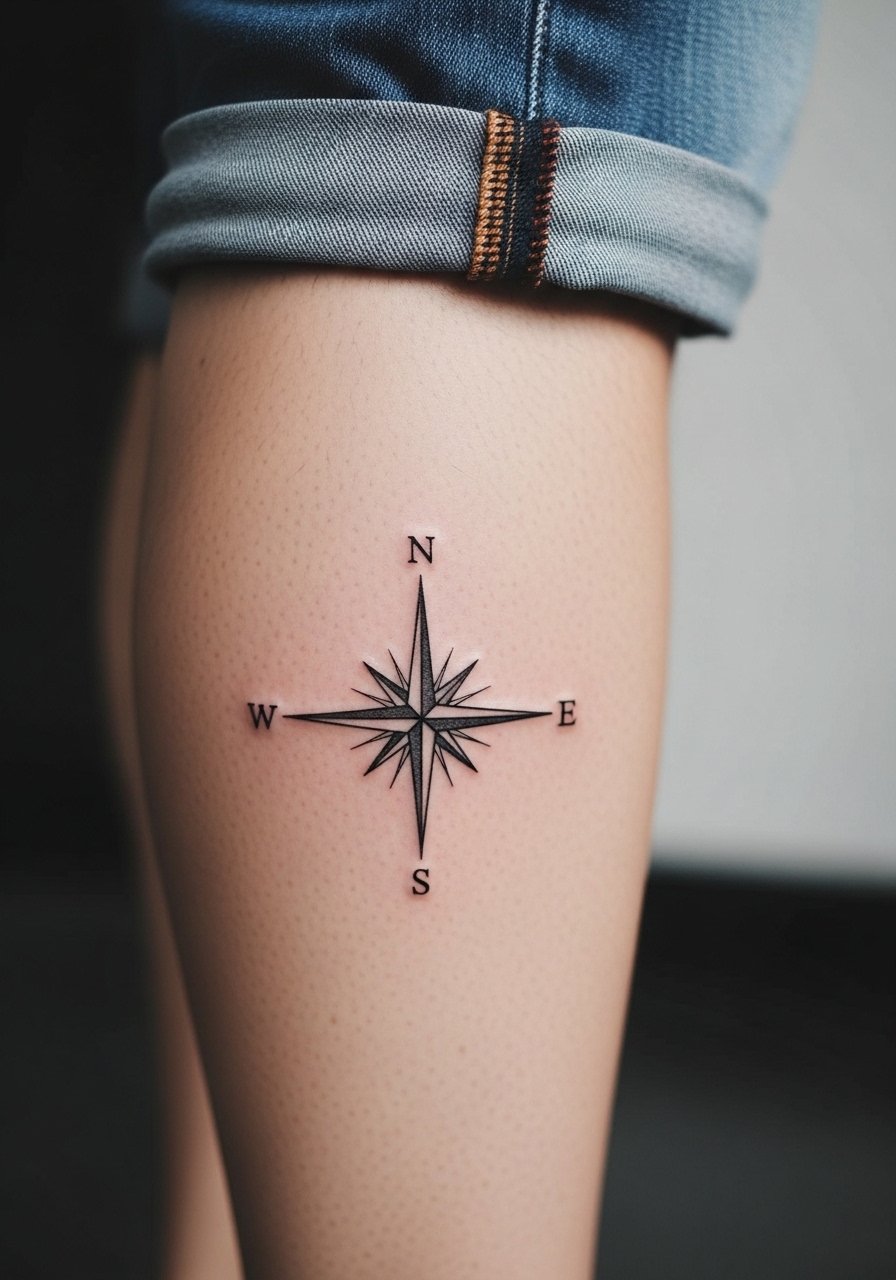
When the goal is boldness with restraint, a compact compass point reads clearly on the shin while staying visually strong. The biggest mistake is asking for overly thin cardinal points that vanish after a year. Tell your artist you want slightly varied line weight so the main axes hold and secondary ticks can soften. Expect a single short session and a touch-up around year two if you wear boots that rub the front of the leg. For showing it off, pair the piece with a rolled-cuff short and a pared-back leather sandal that keeps attention on the shin.
Pre-Session Essentials
Those first six shin ideas involve a lot of skin movement and shoe friction, so a few targeted items smooth the session and the first week.
-
Stencil transfer paper kit. Lets you preview the exact placement on the shin before the needle hits, which matters when the design runs over bone and muscle.
-
Topical numbing cream. Applied 45 minutes before a longer shin session can reduce sharpness without affecting linework when used as directed.
-
Thin protective film roll. Useful if your shoe or sock will brush the tattooed area during the first couple of days.
-
Fragrance-free gentle body wash. Cleans the area in the shower without stripping inks that rely on fine channels and light stipple.
-
Aquaphor healing ointment. A thin first layer helps lock moisture in the tight needle channels on the shin without over-suffocating delicate linework.
7. Single-Needle Portrait Line That Follows the Shin Contour
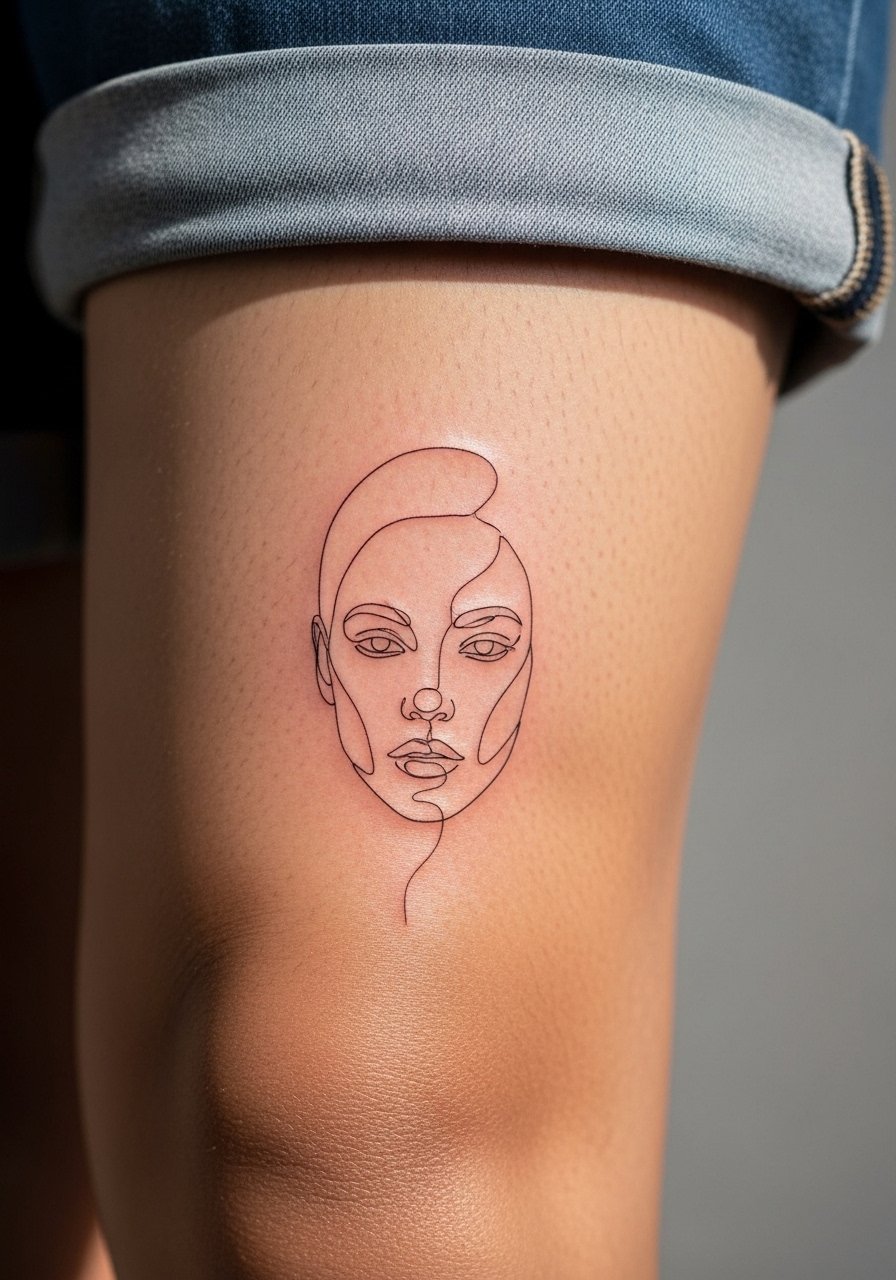
Visual impact lead works here because a portrait with minimal line can be striking if scaled correctly. Portraits on the shin require an artist experienced in micro-realism. The session is usually longer and may be split into two appointments. A common mistake is compressing facial detail too tightly, which looks uncanny as it ages. Expect subtle softening at year two and plan for a realistic touch-up timeline. For a consultation bring multiple references and ask to see healed photos on similar skin tones and placements. If you want the piece to read casually, pair it with rolled chino shorts and a slim leather slide.
8. Celtic Knot That Wraps the Shin
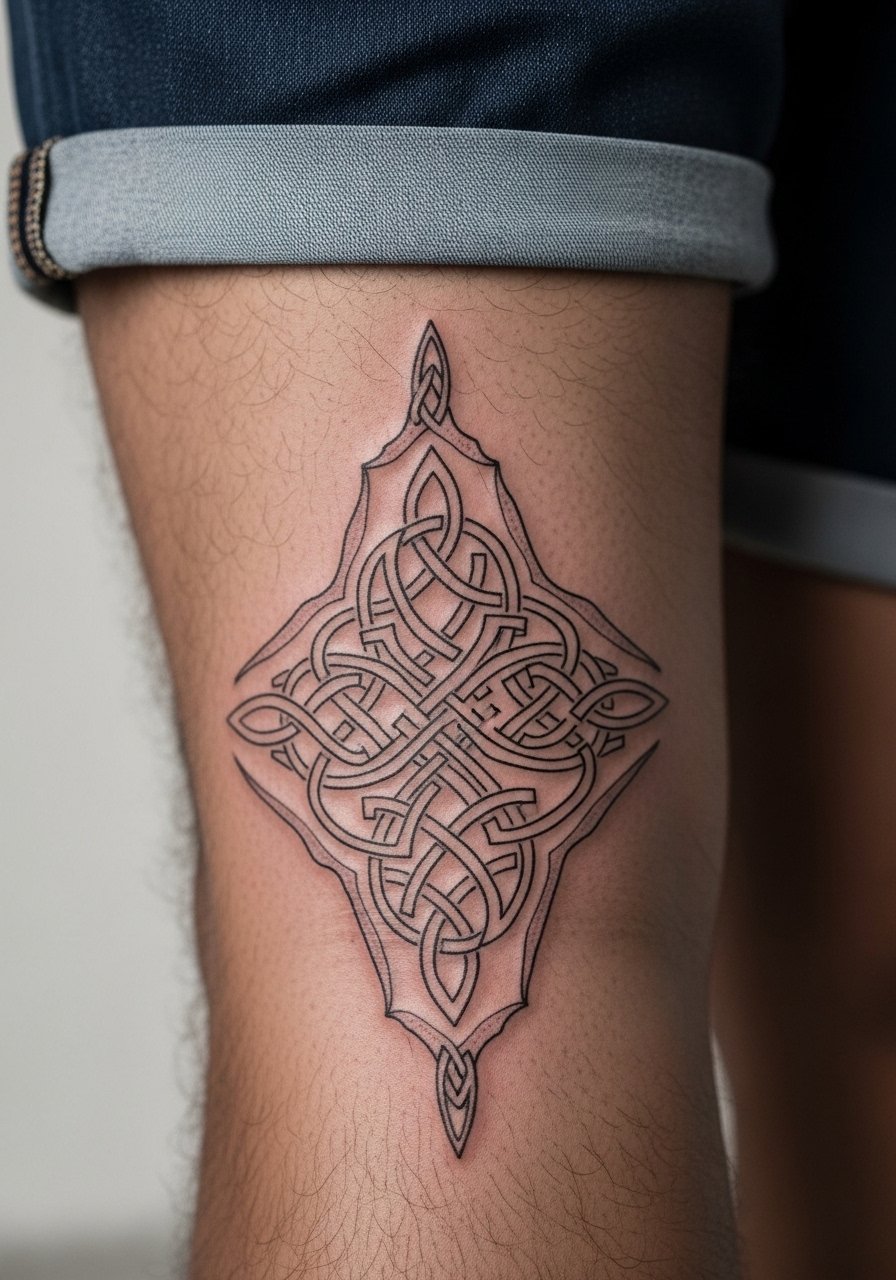
The biggest mistake with interlocking patterns is making the links too narrow. Visual continuity matters more than micro detail on tight skin. For this wrap, ask your artist to increase spacing between crossings and slightly thicken outer lines to keep the knot readable in five years. Blowout risk in wrap pieces shows up where lines cross at acute angles, so point that out during your consult. Wear a cotton blend short to your session so fabric movement does not irritate the area after inking.
9. Constellation Trail Along the Shin Bone
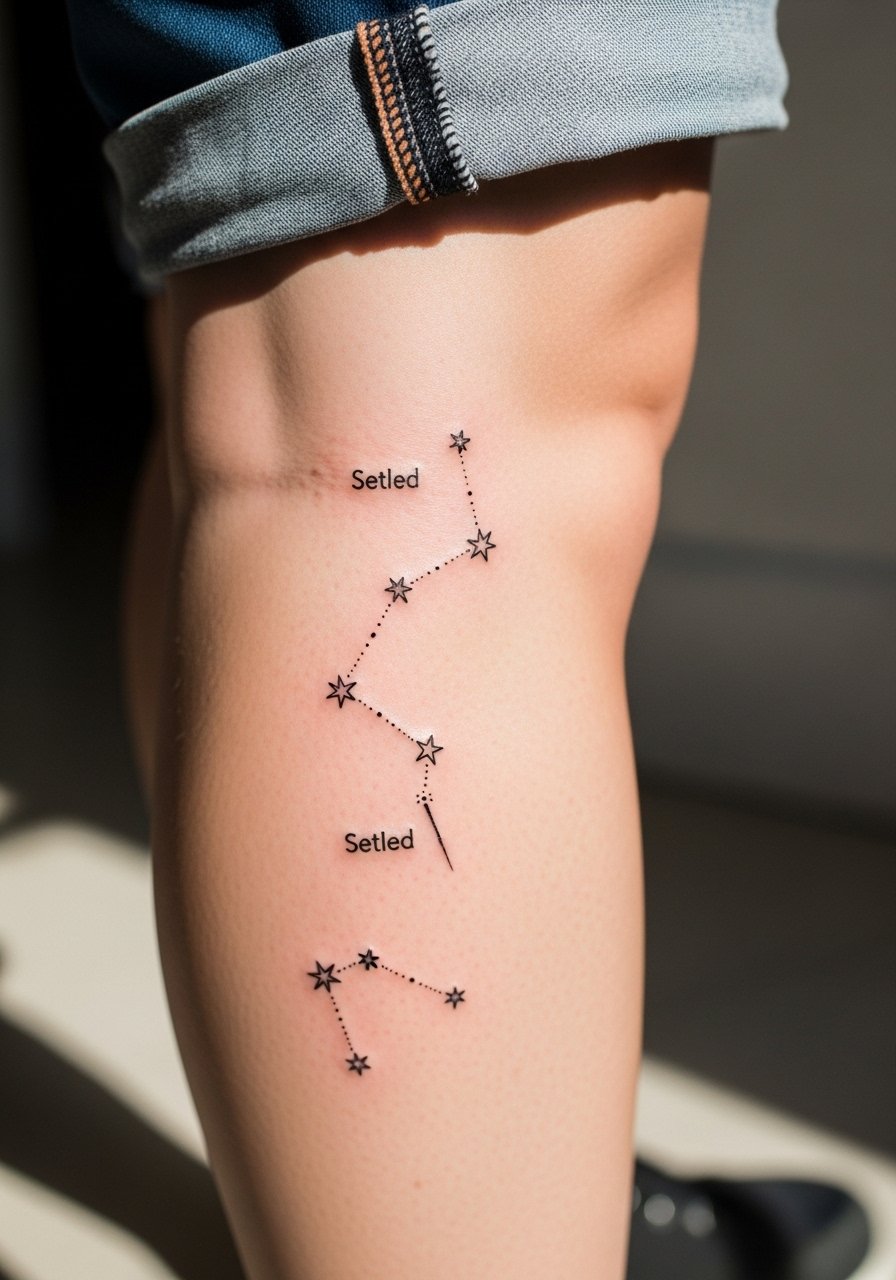
There is a practical reason people pick constellations here. Tiny stars and spaced dots avoid large fills that are vulnerable to rubbing from shoes. For consultation request varied star sizes and ask the artist to test the spacing on your skin. The session is quick but you should expect a light touch-up in two to three years if you are rough on the lower leg. A common error is locking every star into a straight line that follows a boot seam. For evening looks try a low-profile suede chukka boot that lets the shin design be seen without constant friction.
10. Linear Wave That Mirrors the Shin Curve
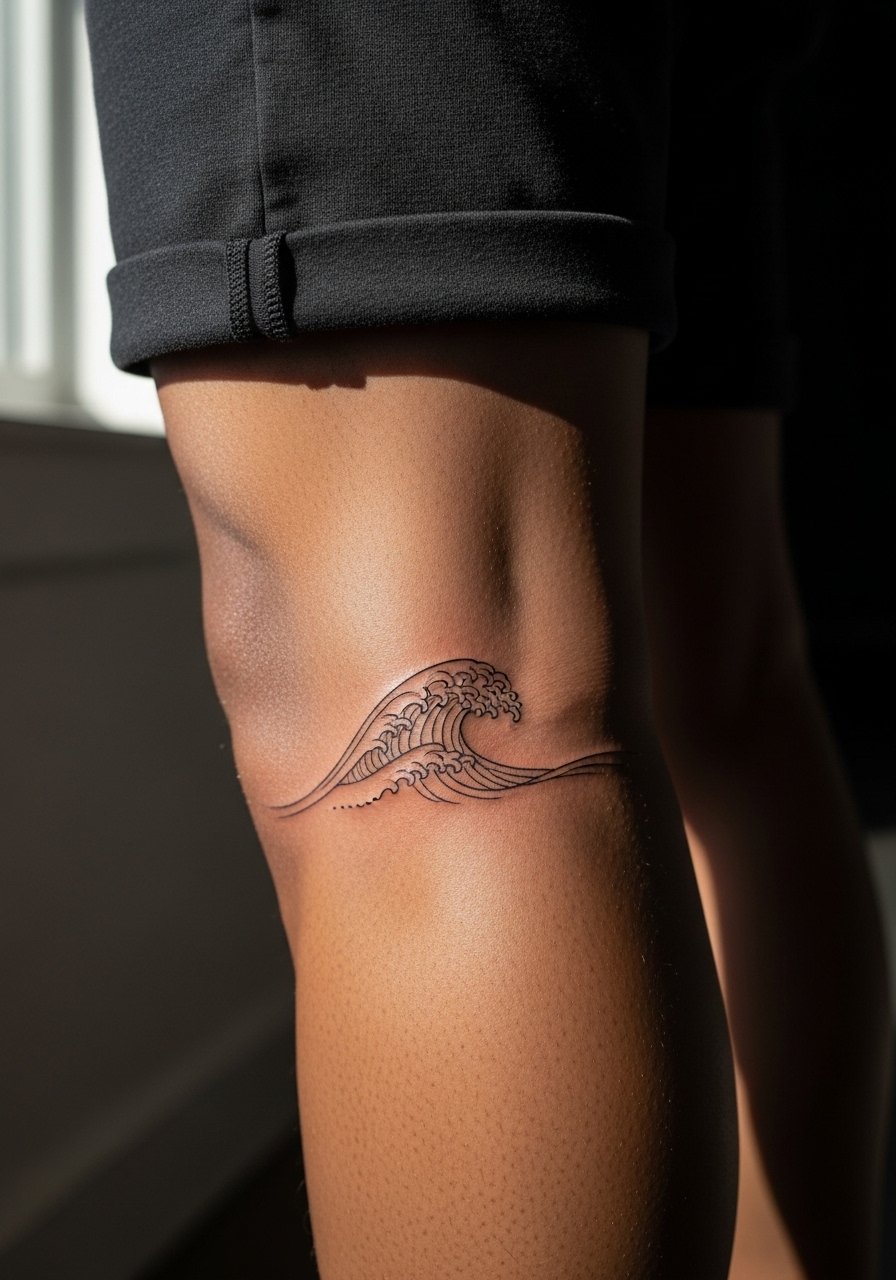
Styling lead suits this one because the curve complements short hems. The design reads well at a medium scale if you ask the artist to vary the line weight slightly along the curve. Expect a single session under an hour for a short wave and a touch-up at year three if you wear shoes that rub the front of the leg. For the appointment pick breathable athletic shorts so fabric does not continuously press on the new ink.
11. Abstract Line Cluster Near the Upper Shin
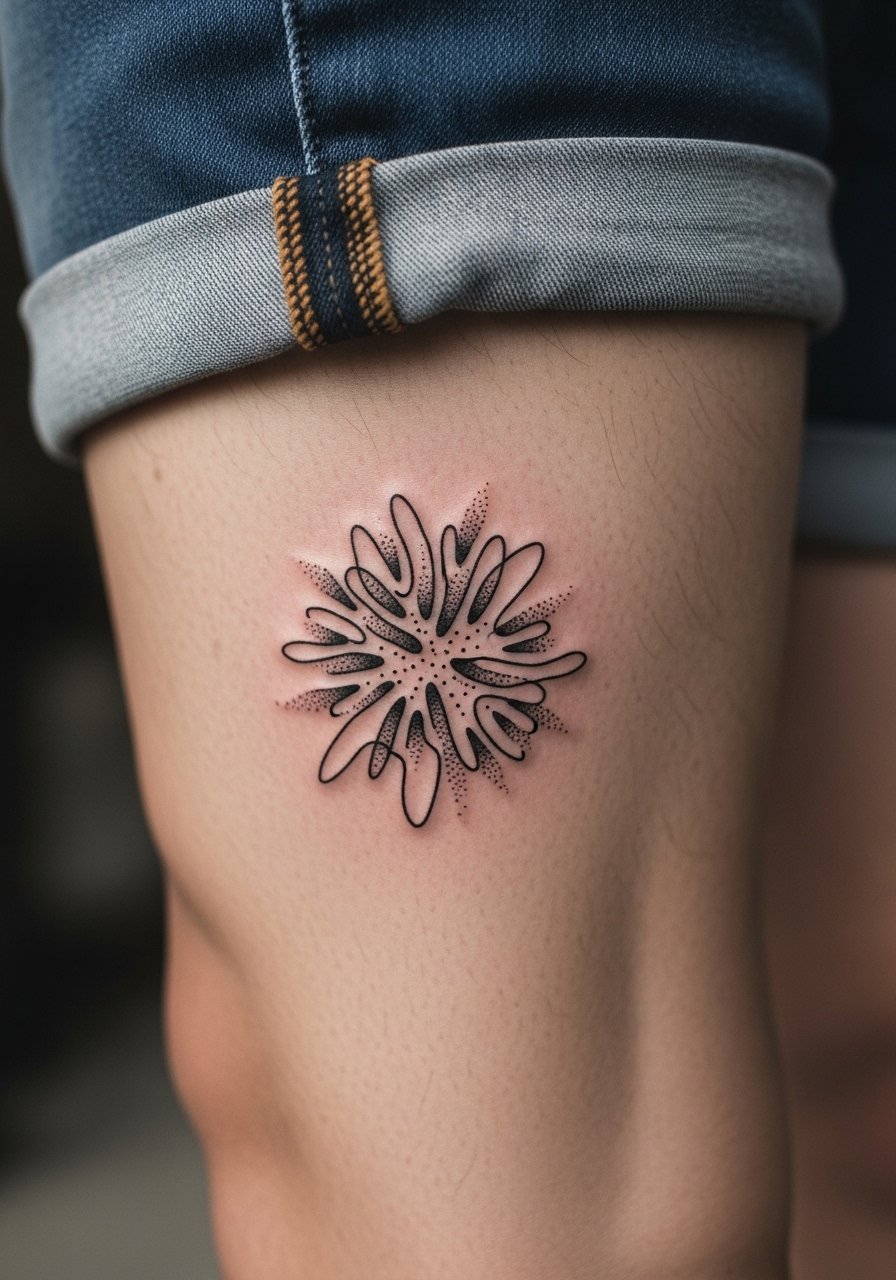
When clients want an abstract cluster they often forget to set spacing priorities. The consultation should include framing the composition to the leg so it reads both standing and seated. Pain is manageable and total session time is often 30 to 60 minutes. A common aging issue is clusters merging where the artist used tightly packed tiny strokes. Make sure your artist tests negative space in the stencil. For a casual look, pair the piece with rolled jeans and a simple canvas slip-on that keeps the lower leg visible.
12. Botanical Sprig That Tucks Behind the Shin Line
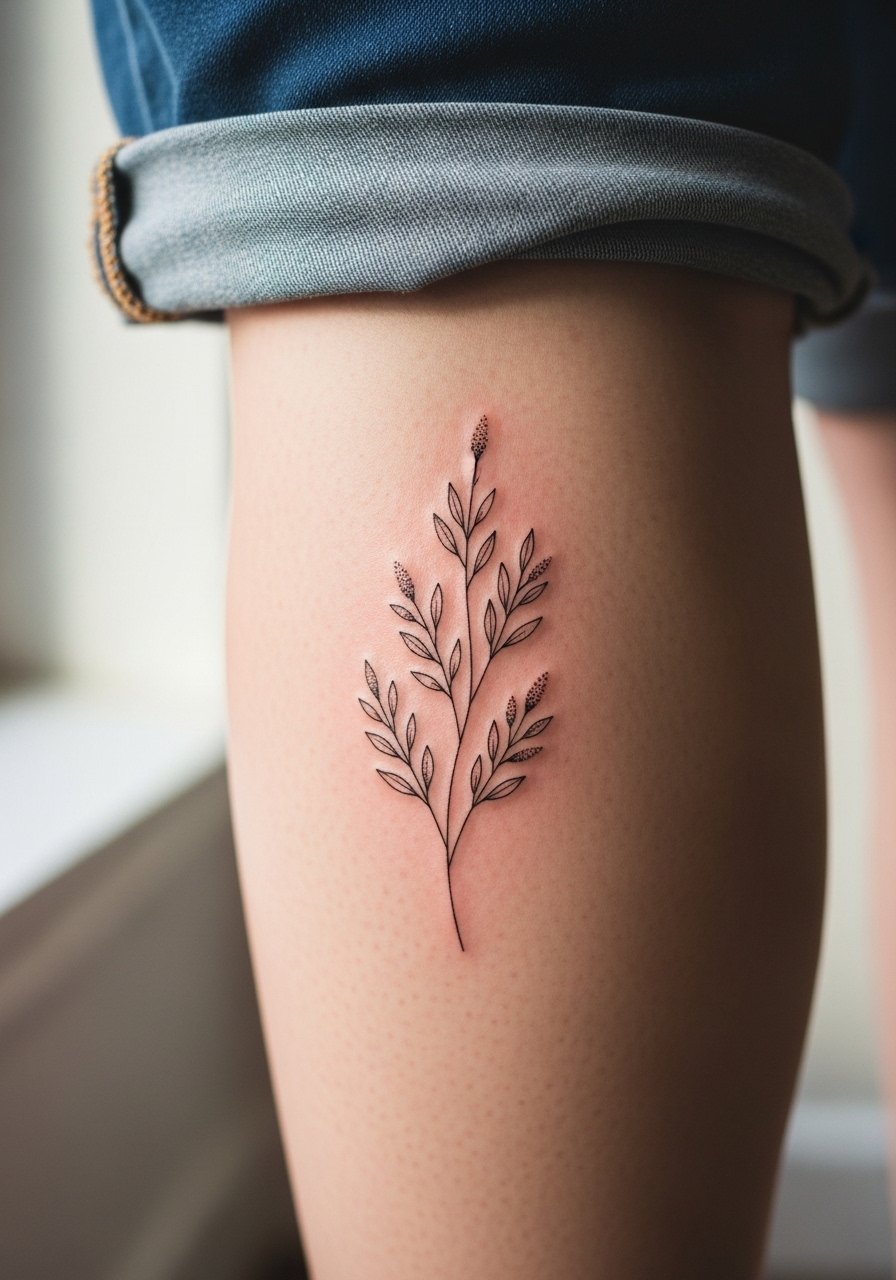
This one ages nicely if you avoid compact leaf clusters. Tell your artist you prefer negative space between leaves. The session is short but can feel sharp near the tibia. At two years expect the stipple to settle and possibly soften into a textured wash. For the session wear a lightweight cotton short so you can move freely and allow the artist access without reinserting clothing.
13. Linear Arrow Band That Circles the Shin
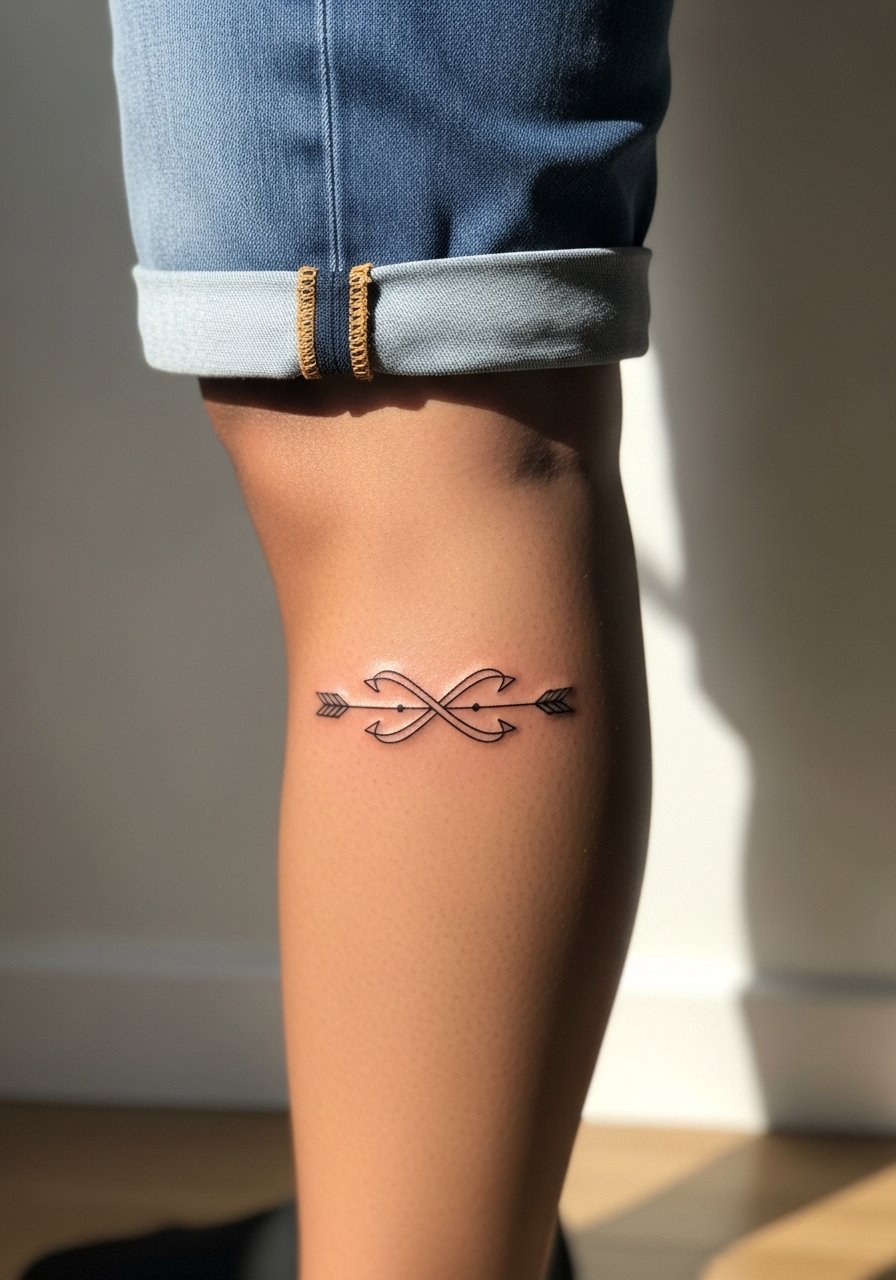
Personal observation lead here. Bands that circle a bony area like the shin need careful placement to avoid distortion when you walk. The main mistake is making the band too narrow. Ask for a mock-up with the leg flexed. The pain is sharp but short since the piece is narrow. Expect touch-ups on the inner edges where fabric contacts the leg most. For evenings try a rolled cuff short and a minimal sock so the band remains visible but not irritated.
14. Geometric Chevron Stack Down the Shin
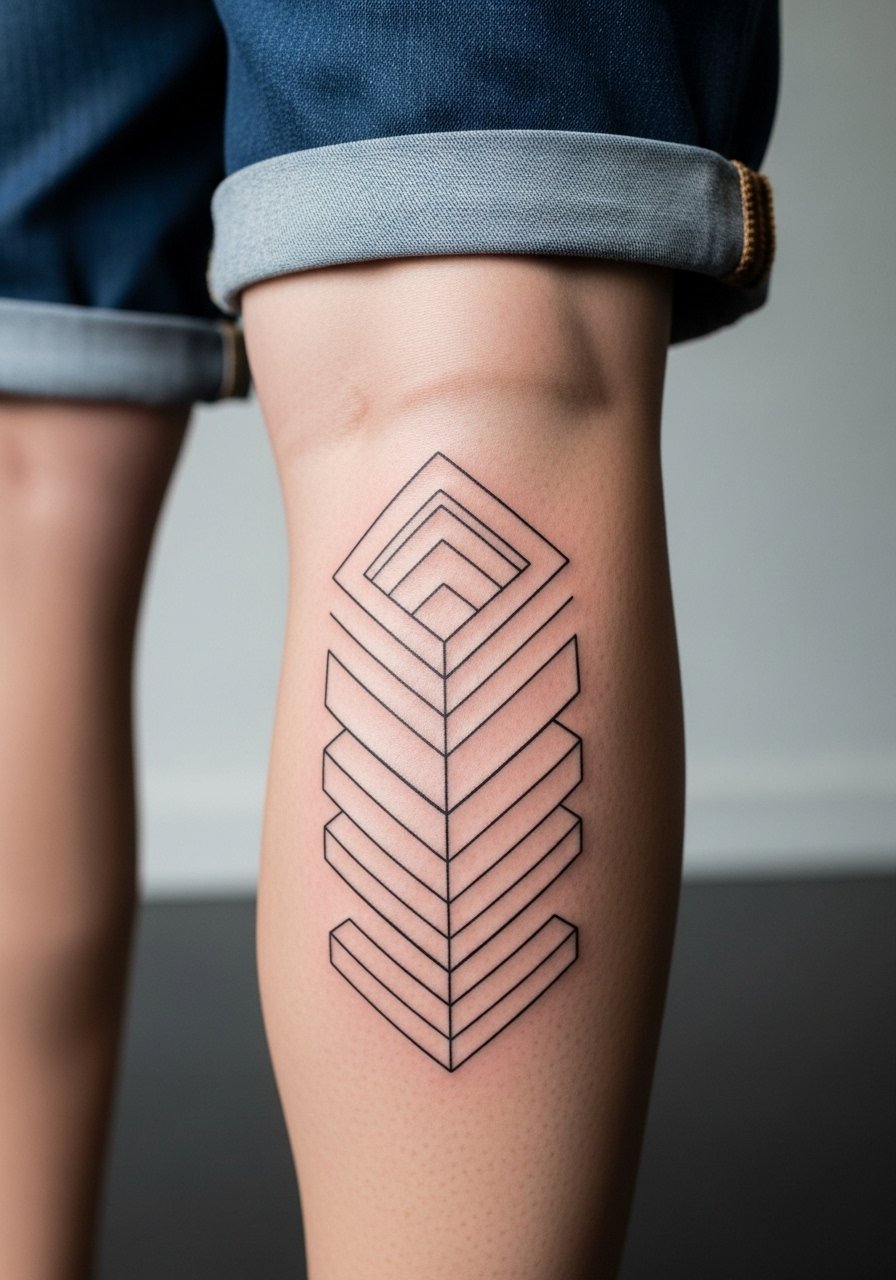
Styling lead works here because chevrons pair with structured hems. The visual trick with chevrons is leaving micro spacing between repeats so they do not become a solid column over time. Tell your artist you want each chevron spaced as if on a rule. The session can be split if the stack is long. Over years edges soften where the skin rubs during movement. Pair this look with a structured canvas short that complements the geometry.
15. Thin Line Map Coordinates Across the Shin
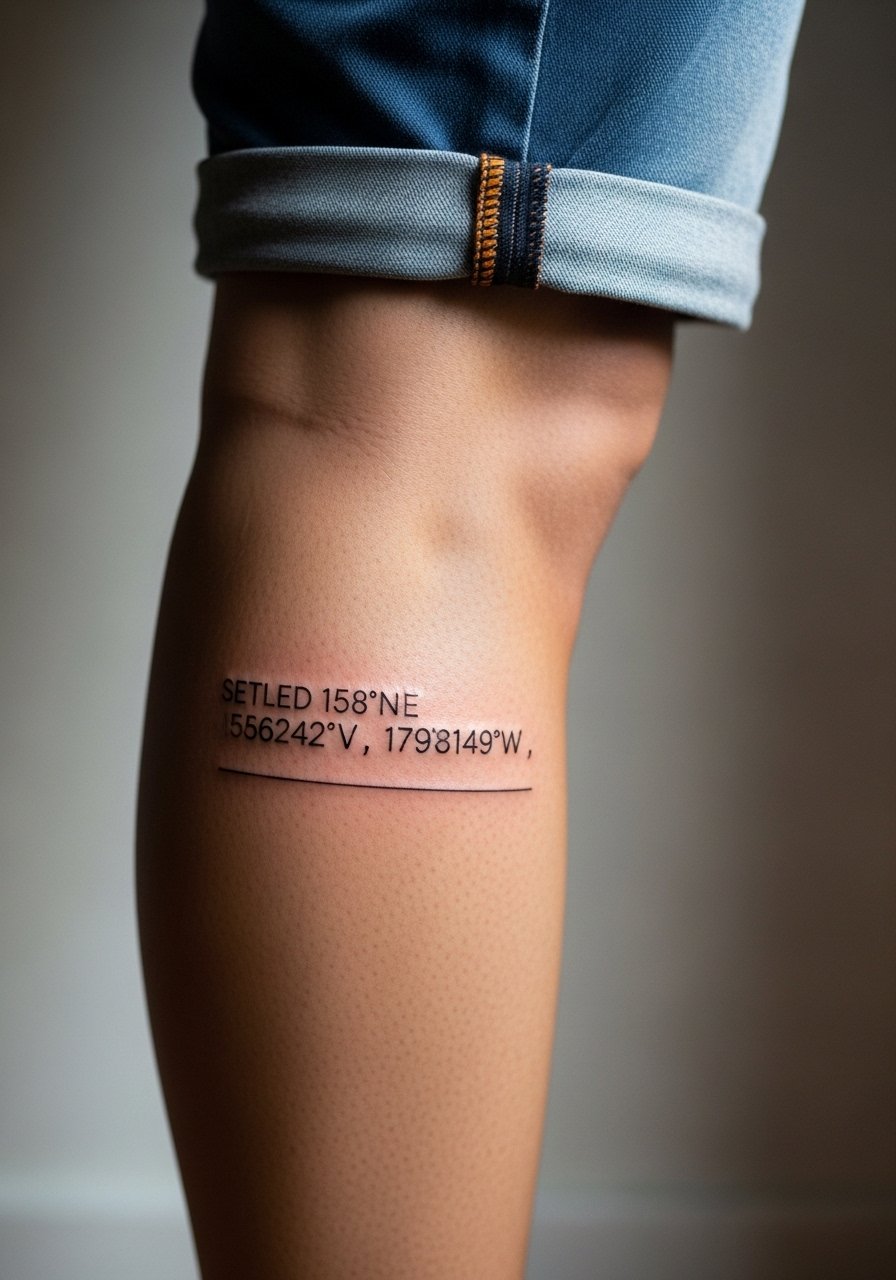
Mistake lead applies here. People often ask for tiny numerals that vanish. Ask your artist to render the coordinates in a slightly larger monospace so the digits stay legible. Expect a short session and plan for a touch-up if you are active outdoors often. If the coordinates are meaningful and in view you might show them off with a rolled short and a pared-down canvas sneaker.
16. Stippled Crescent Moon Nestled on the Shin
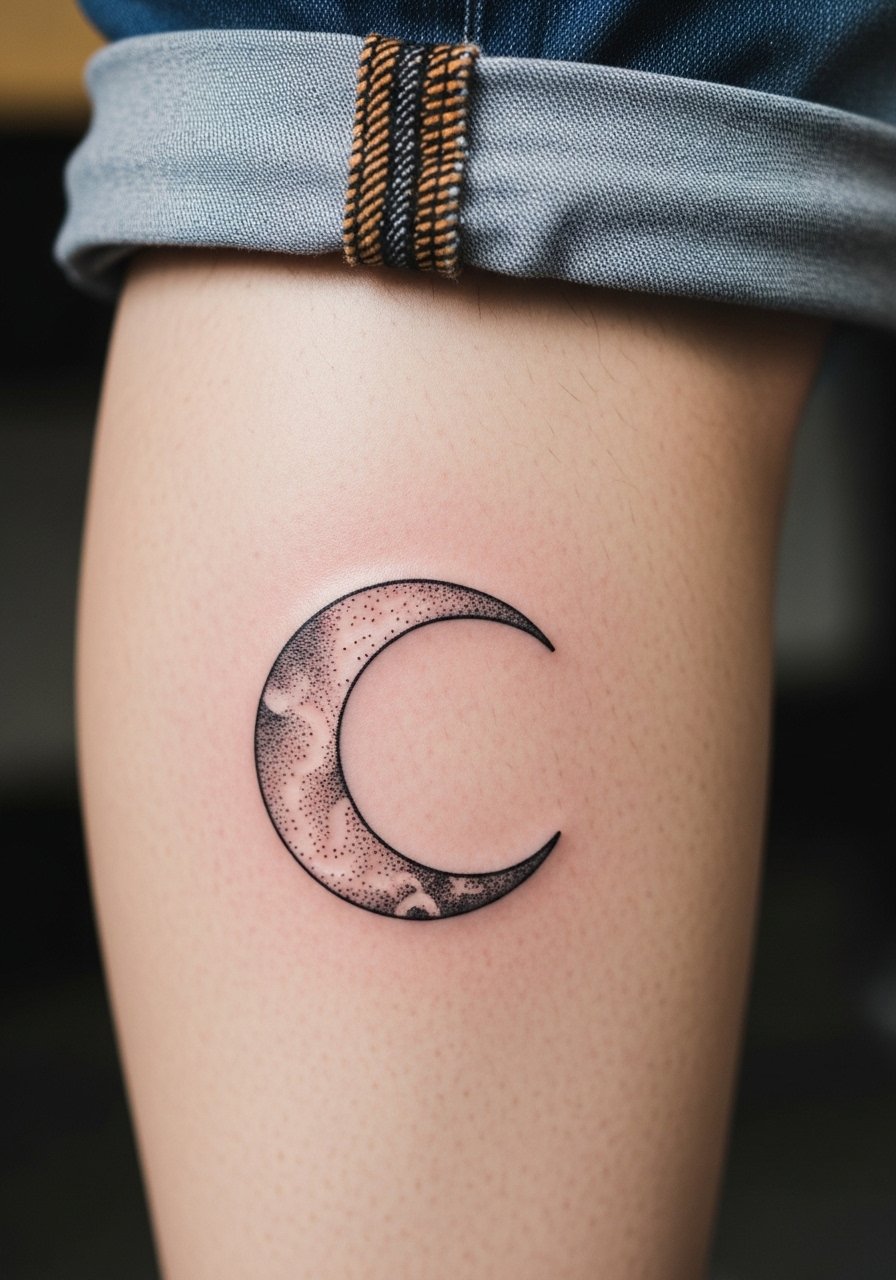
Styling lead here because moons pair with simple night-out looks. Stippled crescents age gracefully if the dots are slightly larger than micro specks. The session is quick and the pain is moderate. Over time the stipple will form a soft halo that still reads if you avoid dense packing. For the appointment wear a loose cotton short so you can flex the leg without fabric pulling.
17. Fine Line Mandala Slice Along the Shin
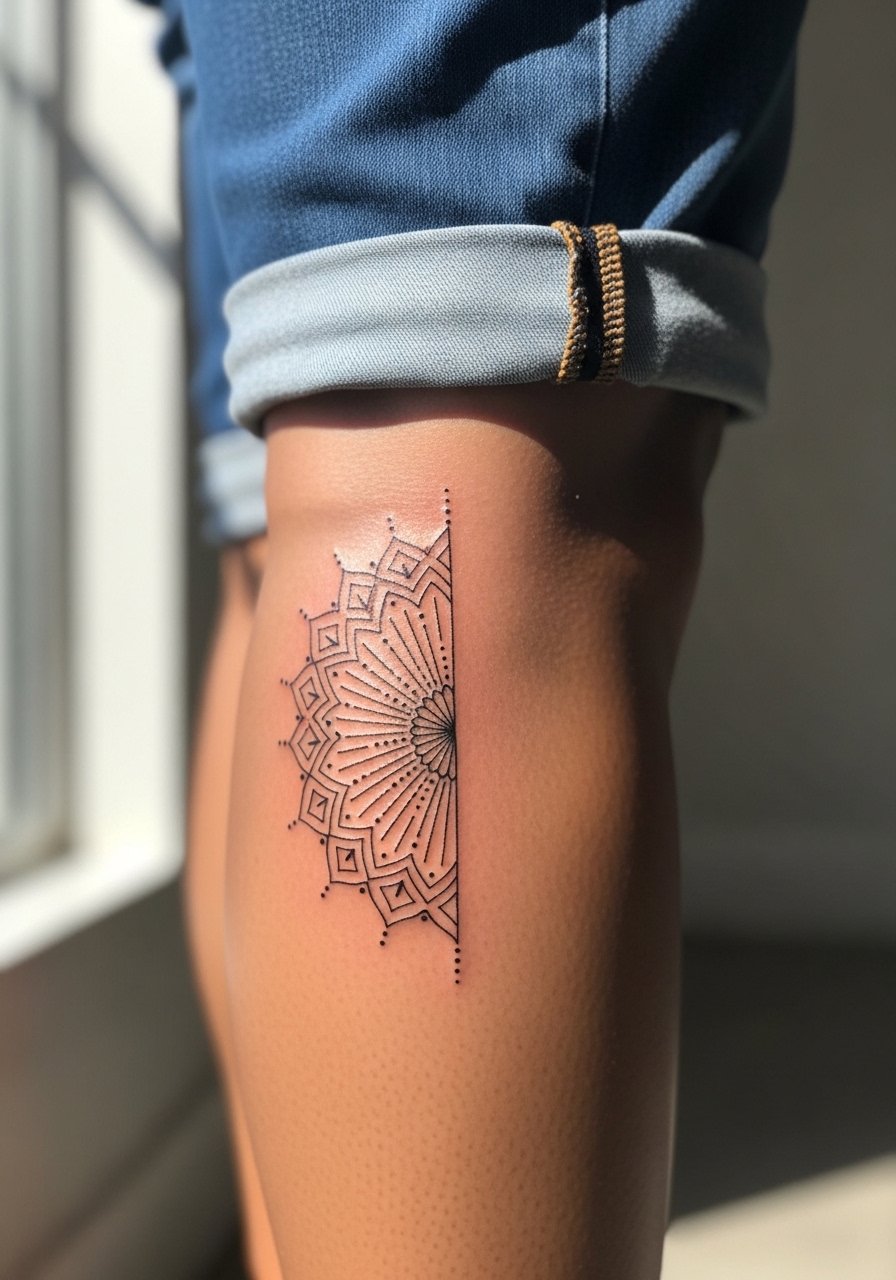
Mistake lead again. Mandala slices need breathing room. The controversy here is clear in forums. One camp says mandalas and dense radial patterns on the shin blur quickly because the skin there does not have the same elasticity as the forearm. The opposing camp believes that if the artist leaves larger spaces and slightly broadens primary geometric lines, the mandala will remain legible for years. The right choice depends on your artist's portfolio and how they test spacing on your skin. This placement often needs a touch-up later, so discuss timelines during booking.
Frequently Asked Questions
Q: How does fine line on the shin compare to fine line on the forearm for longevity?
A: From what I have seen, the forearm generally holds fine line longer because the skin is thicker and less prone to constant friction from footwear. The shin is bony and often rubs against socks or boots, so expect more softening and plan for possible touch-ups at year two to three.
Q: Will a full mandala slice on the shin require a different aftercare approach than a simple line piece?
A: The aftercare steps are similar but dense mandala slices create more wound area so you should keep pressure and friction to a minimum while healing. Avoid tight socks and choose breathable fabrics for the first week so the intricate points do not scab excessively.
Q: How do I find an artist experienced in fine line shin work without following social handles?
A: Search local shop portfolios on Google Maps, check tattoo convention lineups, scan community forums and subreddit threads for healed photos, and use directory sites that filter by style and healed examples. Ask shops for healed close-ups of similar placements before booking.
Q: How visible will a shin tattoo be in professional settings and can clothing choices minimize attention?
A: Shin pieces are easy to hide under trousers and simple to show with shorts, so they tend to be low risk for most workplaces. When you want to minimize visibility choose darker tones in socks and wear longer hems. For casual show-off moments a rolled cuff short or a crew sock in neutral color balances coverage and style.
Q: Do fine line shin tattoos hurt more than other leg placements?
A: Yes, the shin is generally more sensitive because the skin is thin and close to bone, so expect sharper, shorter bursts of pain. Many people break sessions up or use topical numbing to manage discomfort for longer pieces.