
Fine line dotwork pieces are everywhere right now, and the look invites matching mother and daughter pairs that read as quiet and intentional. The tricky part is that what photographs perfectly on-screen can soften faster on certain skin and placements. Think about spacing, how much negative space you need, and which spots handle stipple shading without blurring. The ideas below start with easy-to-wear placements and move toward more intimate, statement pieces so you can pick what fits your life.
1. Matching Constellation Lines on Inner Forearms
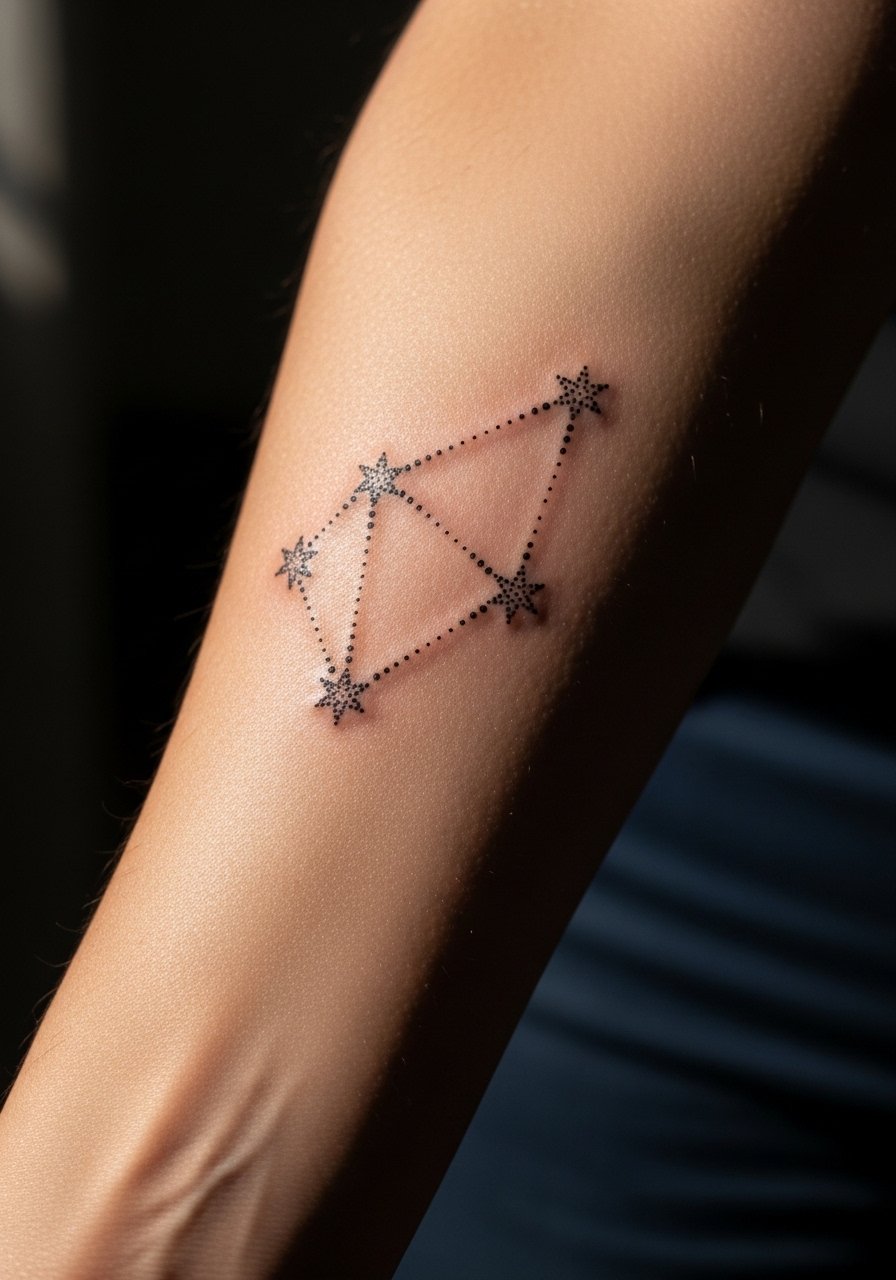
I recommend this when both of you want something low-profile that still reads as a pair. Ask your artist to space the stars slightly wider than the photo reference so stipple shading has room to settle without merging. The inner forearm is forgiving for fine dotwork, and pain is moderate. Expect the lines to look crisp at six months and gently soften by year two, with a likely touch-up around year three if you want the dots to stay very crisp. For show-off wear, roll up a linen shirt sleeve so the matching pieces appear casually in daylight.
2. Tiny Mother-Daughter Anchor Wrists
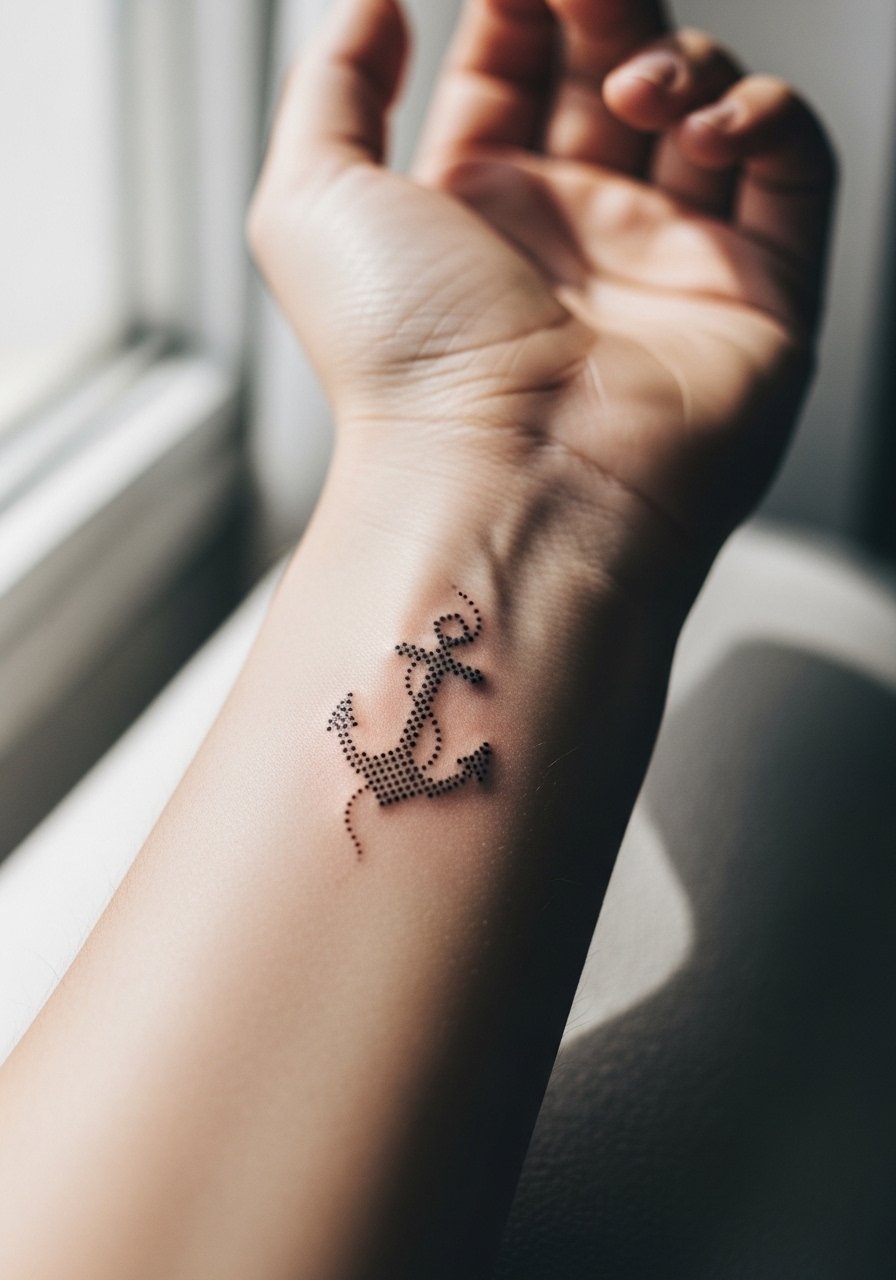
Wrist tattoos carry more friction and bleaching from sun exposure, so keep anchor elements compact but avoid packing too many tiny dots. Tell your artist you want stipple shading that fades into negative space rather than dense fill. Session time is short but expect a few days of soreness and extra care when washing. The main mistake I see is requesting a dense dot cluster on the outer wrist where bracelets rub. Pair this with a thin chain bracelet when showing it off, the jewelry frames the anchor without hiding the dotwork.
3. Matching Tiny Script with Dot Accents on Ribs
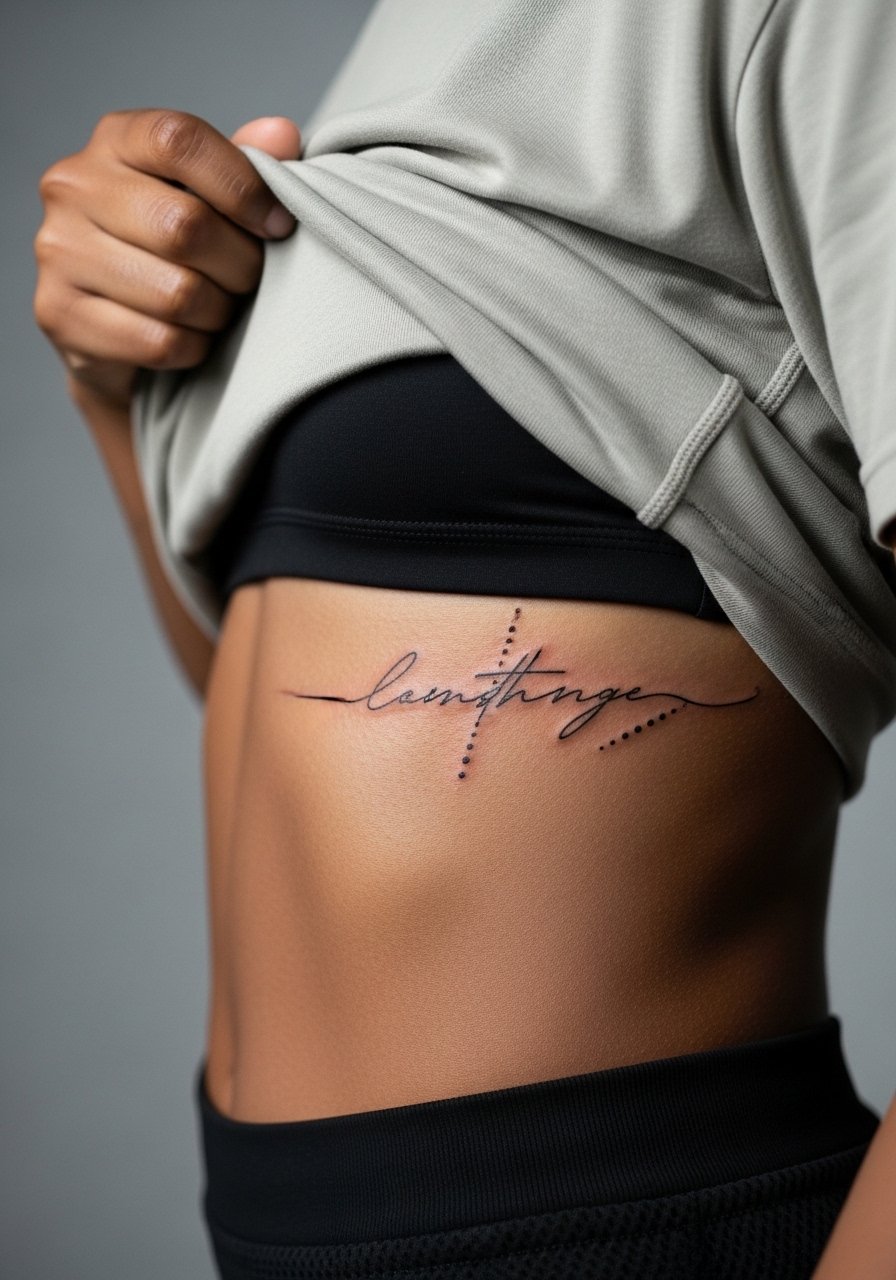
Fair warning: ribs are often debated among artists for fine line work. One camp argues the skin stretch and breathing cause lines to blur quickly. The other camp says with proper depth and spacing, fine line on ribs can settle beautifully. When choosing this, ask which approach your artist favors. Pain is high and sessions can be breathy because of positioning. Keep the script modest in scale and request dot accents rather than heavy shading so the design ages cleaner. For the appointment, a loose cropped top that you can lift works best.
4. Mother-Daughter Crescent Moon Ankles
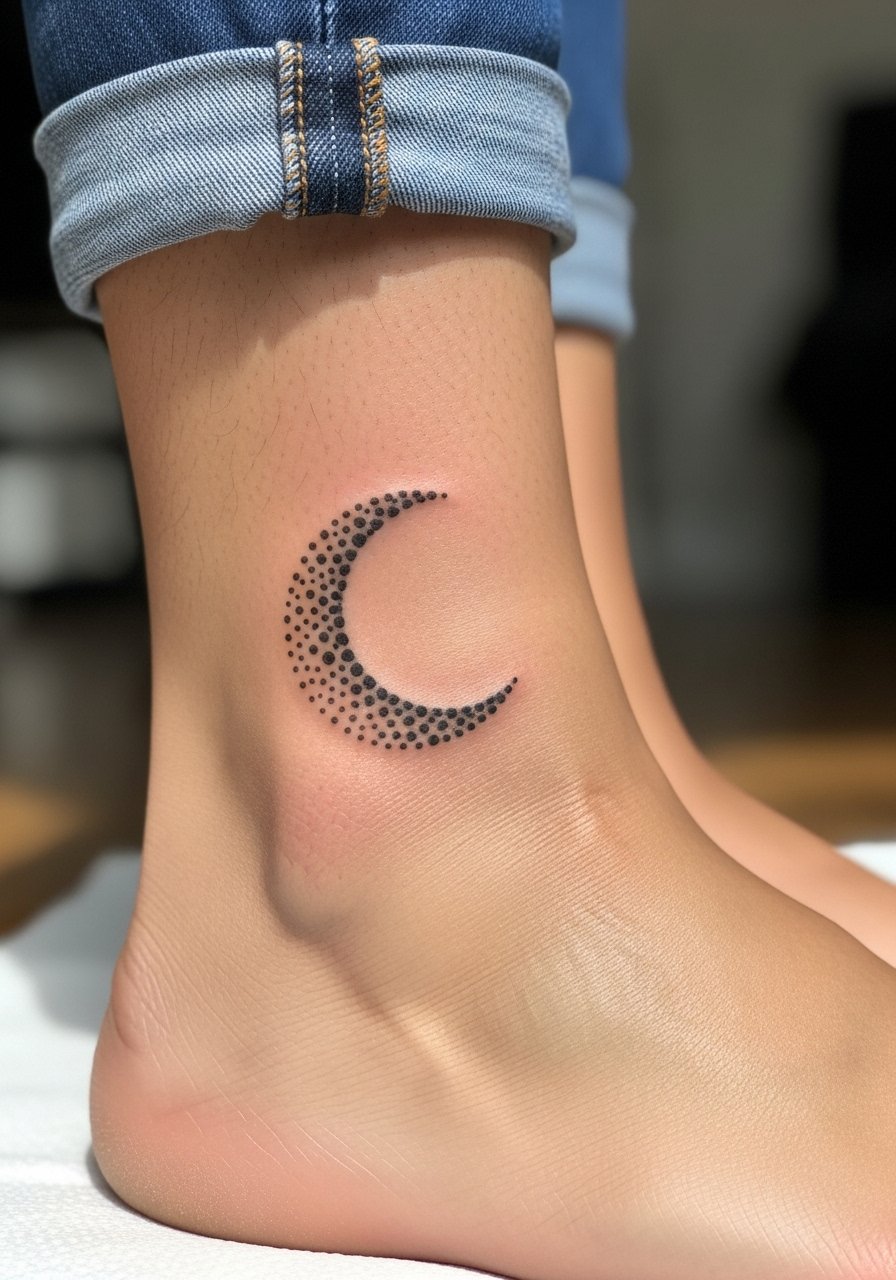
Ankle placements are great for pieces that are shared but remain discreet. The skin there is thin and near bone, so dotwork needs a slightly lighter hand to avoid blowout. I tell people to expect a tingly session and to plan for a quick touch-up window because mobility and shoes introduce extra friction during healing. The common error is asking for a tiny dense moon with heavy stippling. Ask for airy dot gradients and consider pairing with low-profile footwear like simple slide sandals when you want the tattoos visible.
5. Delicate Floral Linework Along the Collarbone
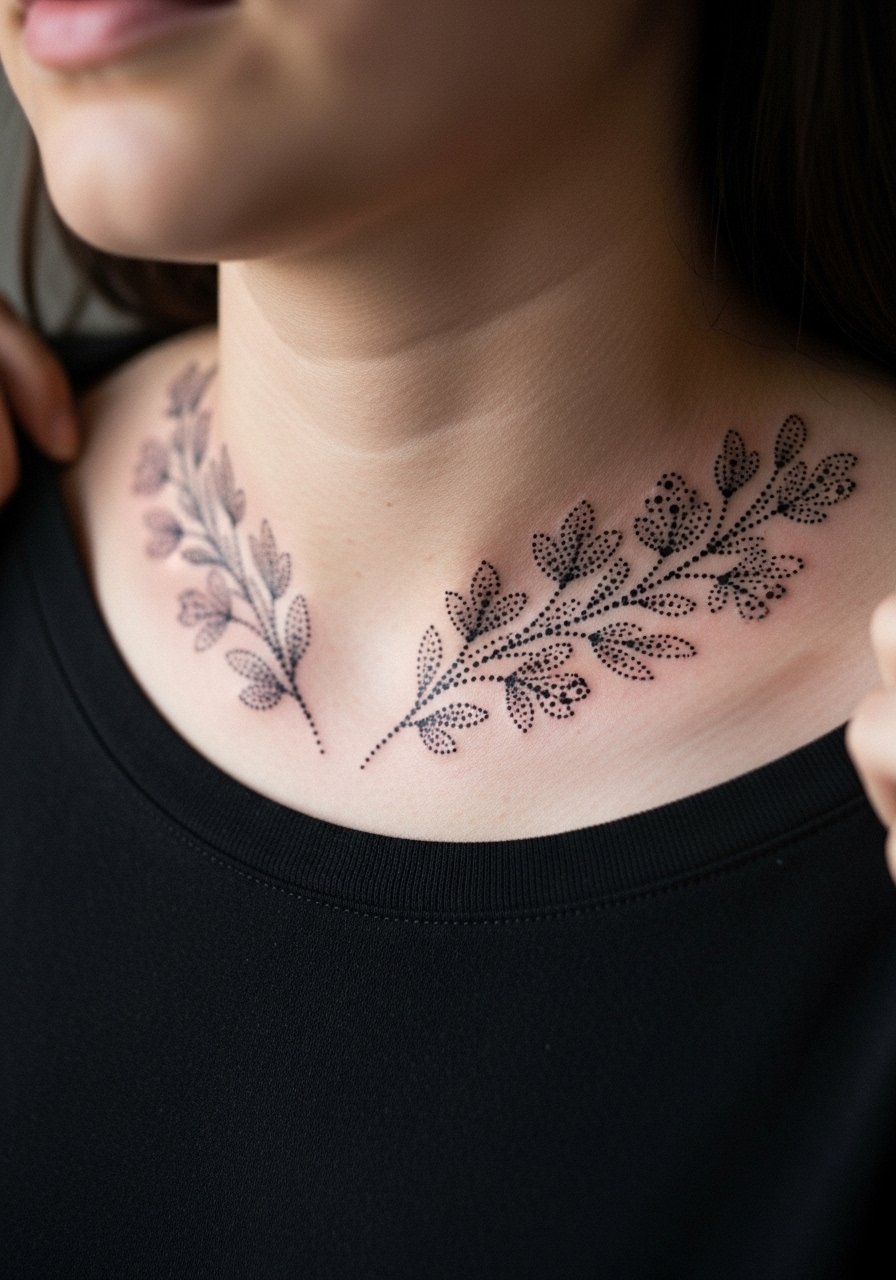
Collarbone pieces photograph beautifully and respond well to dotwork shading that follows bone contours. Pain varies where the needle crosses the bone ridge. Tell your artist to keep linework slightly bolder over the highest points and to use stipple shading in recessed areas. A common mistake is making the bloom too dense near the bone which can look muddy after a year. For showing it off, an open-back blouse or wide-neck top frames the sprig without competing with the negative space.
6. Small Mother-Daughter Conjoined Dots Behind the Ear
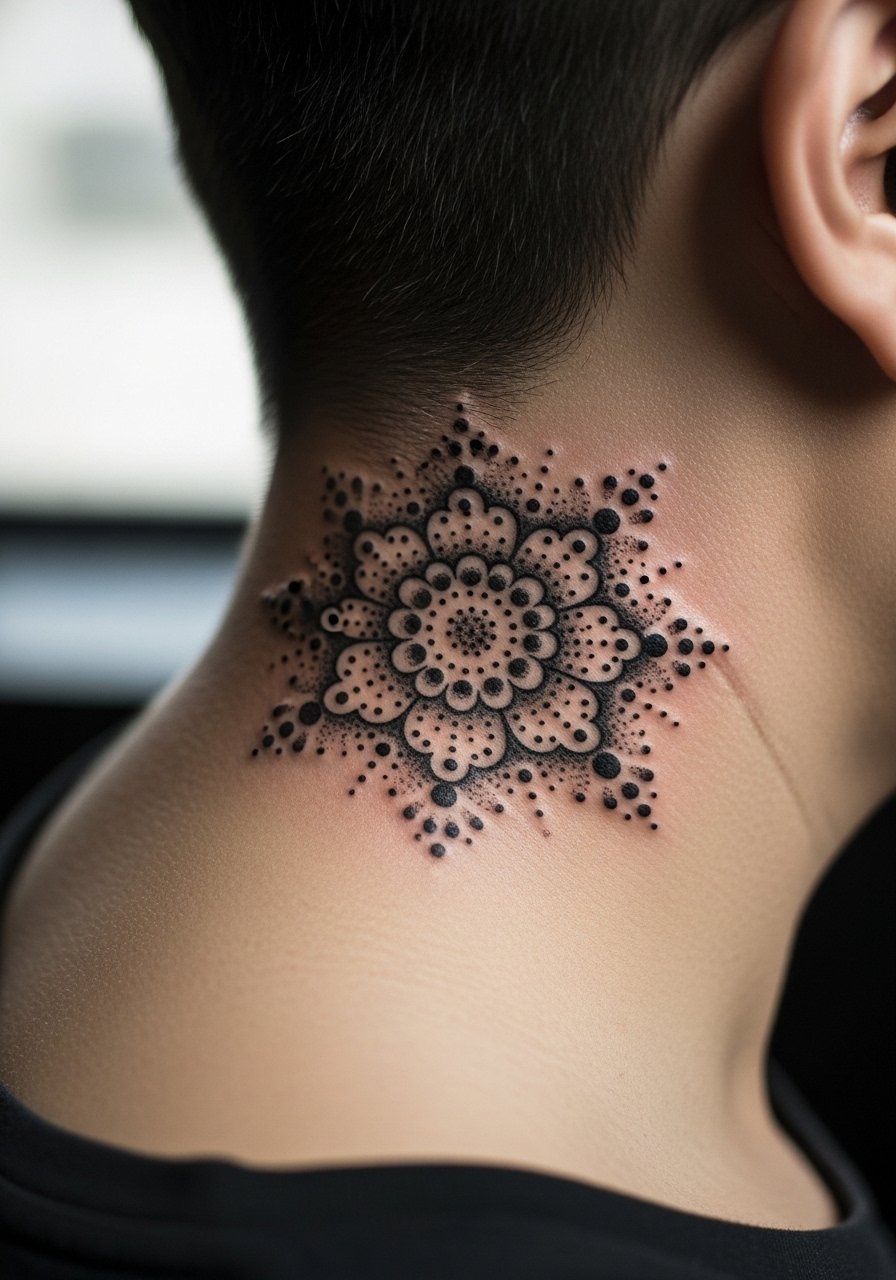
Behind-the-ear pieces can feel intimate and discrete, perfect if one of you wants a subtle match. The skin there is delicate, and some artists avoid heavy stippling because it can migrate. Ask for single-pass dotwork with plenty of breathing room. Expect a short session and minimal downtime, though you should be cautious with hair products on day one. For a prep tip, wear hair in a loose bun so the artist has clean access while keeping styling minimal.
Studio Day Picks
Those small collarbone, wrist, and behind-the-ear pieces above heal differently from larger work, so a few targeted items smooth out the session and the first week.
-
Stencil transfer paper kit. Lets you preview where matching constellations or tiny scripts will sit on skin before the needle starts, which is helpful for symmetrical forearm or collarbone pairs.
-
Topical numbing cream. Applied as directed before a wrist or rib session eases the initial sting without dulling the artist’s ability to read the skin.
-
Thin protective film roll. Useful for finger and ankle pieces that face daily friction, the film protects the area while you move through the first few showers.
-
Fragrance free gentle body wash. Keeps newly inked areas clean without stripping the skin, especially important for delicate dotwork on forearms and collarbones.
-
Aquaphor healing ointment. A thin layer in the first 48 hours helps retain moisture around fine dot channels so the tiny points heal without cracking.
7. Interlocking Dots on the Back of the Hand
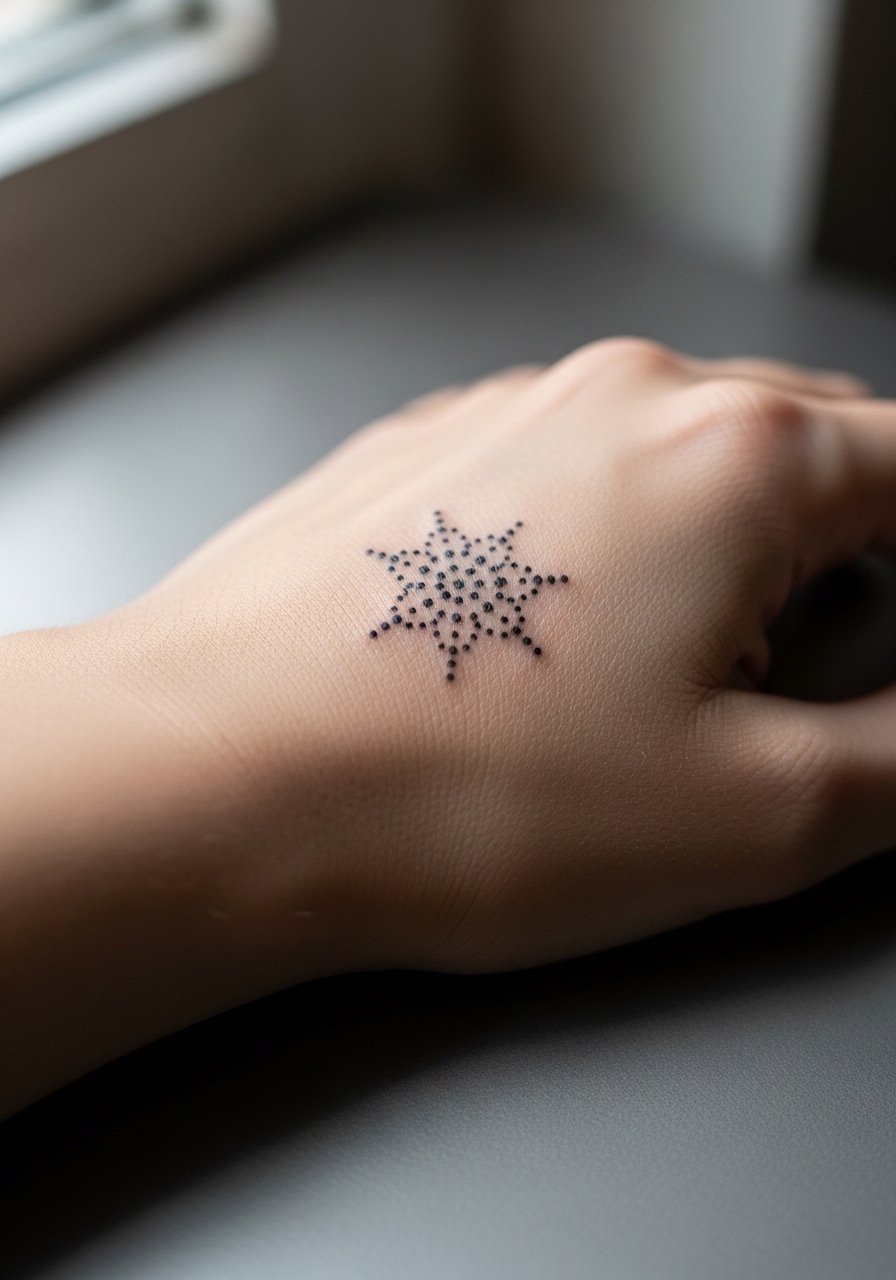
Hand tattoos are visible and age differently because of constant washing and sun exposure. Dotwork on the back of the hand should be slightly bolder in its main elements so the pattern keeps definition as it fades. Many artists split on whether to do very fine stipple on hands at all. One camp says avoid ultra-fine dots there because of rapid abrasion. The other camp will do it if you accept more frequent touch-ups. Expect higher pain and quicker fading. If you want to show it off without overexposure, wear a delicate ring stack that draws the eye without covering the dotwork.
8. Mother-Daughter Stippled Sun and Moon on Shoulders

Shoulder placements are forgiving with movement and tend to hold stipple shading well because skin there is thicker. Describe to your artist that you want the sun denser and the moon lighter so they age at different visual speeds. Sessions are comfortable and often done in one sitting. A common mistake is making both elements the same scale, which can flatten the relationship between them. You can show these off in summer with a racerback tank that keeps the shoulder silhouettes clean.
9. Paired Micro-Mandalas on the Upper Thigh
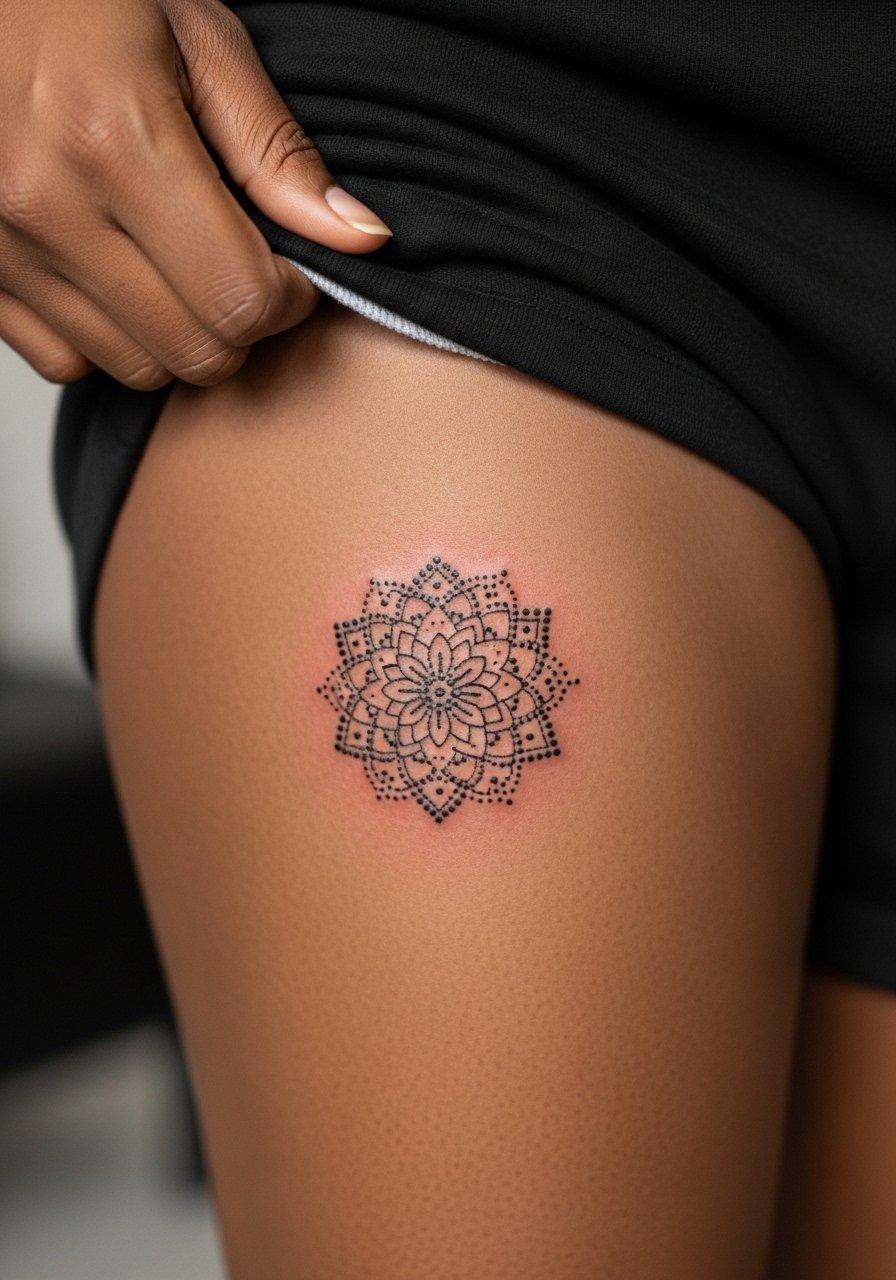
Thigh pieces suit larger dotwork because the skin has room and heals well. Micro-mandalas let you play with stipple density to create depth without heavy lines. Pain is moderate and sessions are relaxed since you can lie down. Avoid asking for a miniaturized dense mandala that will lose detail as it ages. Ask your artist to scale the inner patterns up slightly for longevity. For the session wear, bring a pair of loose drawstring shorts so the artist can expose the area without discomfort.
10. Mother-Daughter Tiny Coordinates Near the Wrist
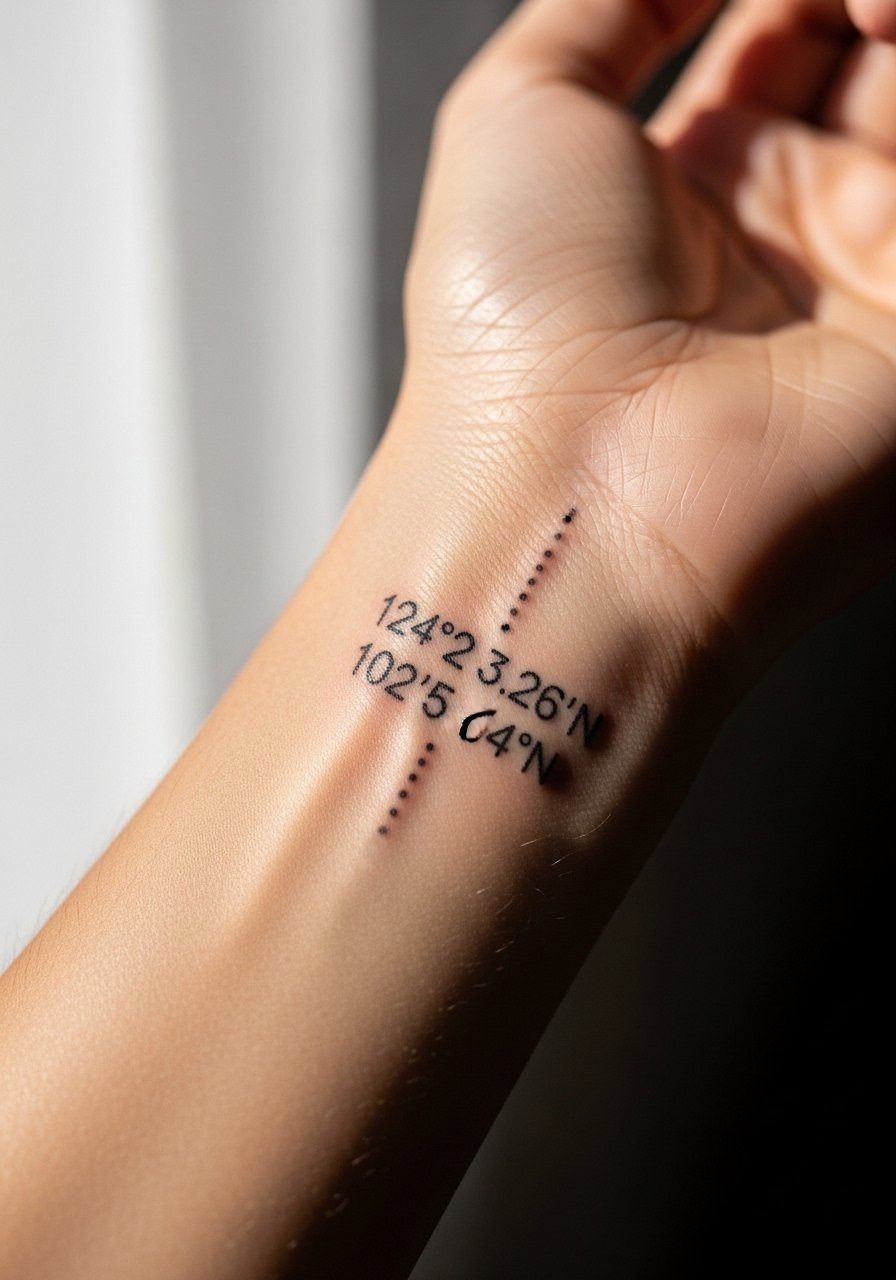
Coordinates read like a secret and pair well as matching tattoos. Keep the font minimal and request dot accents rather than heavy halos that might blur. The wrist is a high-motion area so tell your artist you want slightly bolder numerals with airy dots around them. Sessions are short but expect rubbing from watches and bracelets during healing. A common mistake is choosing an extremely thin script that becomes illegible after a year. If you plan to layer bracelets, try a minimalist watch with an adjustable band so the ink around the wrist gets less constant pressure.
11. Mother-Daughter Fine Line Spine Dots
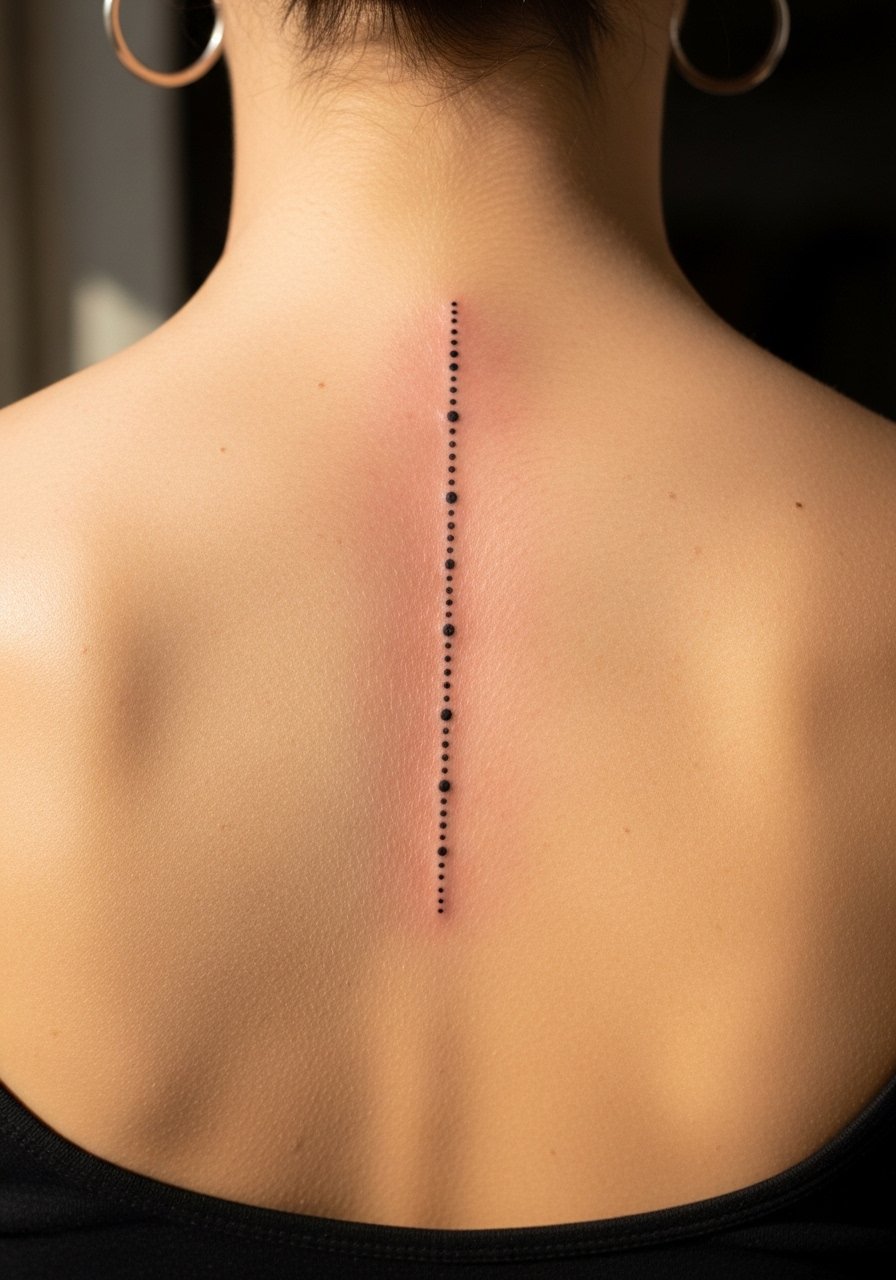
Spine work can be dramatic even when done with dotwork. The skin along the spine moves with posture, so spacing is crucial. I tell clients to expect varying discomfort because of proximity to bone. The mistake I see is trying to cram too many tiny dots into a short vertical span. Ask for slightly longer vertical spacing so the dots form a readable rhythm as skin settles. For show-off wear, an open-back dress highlights the row without taking attention away from the negative space.
12. Small Floral Anklet in Dotwork

Anklet tattoos behave differently because shoes and socks can rub during healing. Ask your artist for a scalloped dot border that reads as a chain without dense fill. Pain is moderate. The common error is placing too many tiny dots on the underside where friction is highest. Plan for a quick touch-up if the lower edge takes more wear. When you want to show the piece, slip into open-toe sandals that keep the ankle visible and reduce sock contact.
13. Mother-Daughter Small Tree Silhouettes on Calves
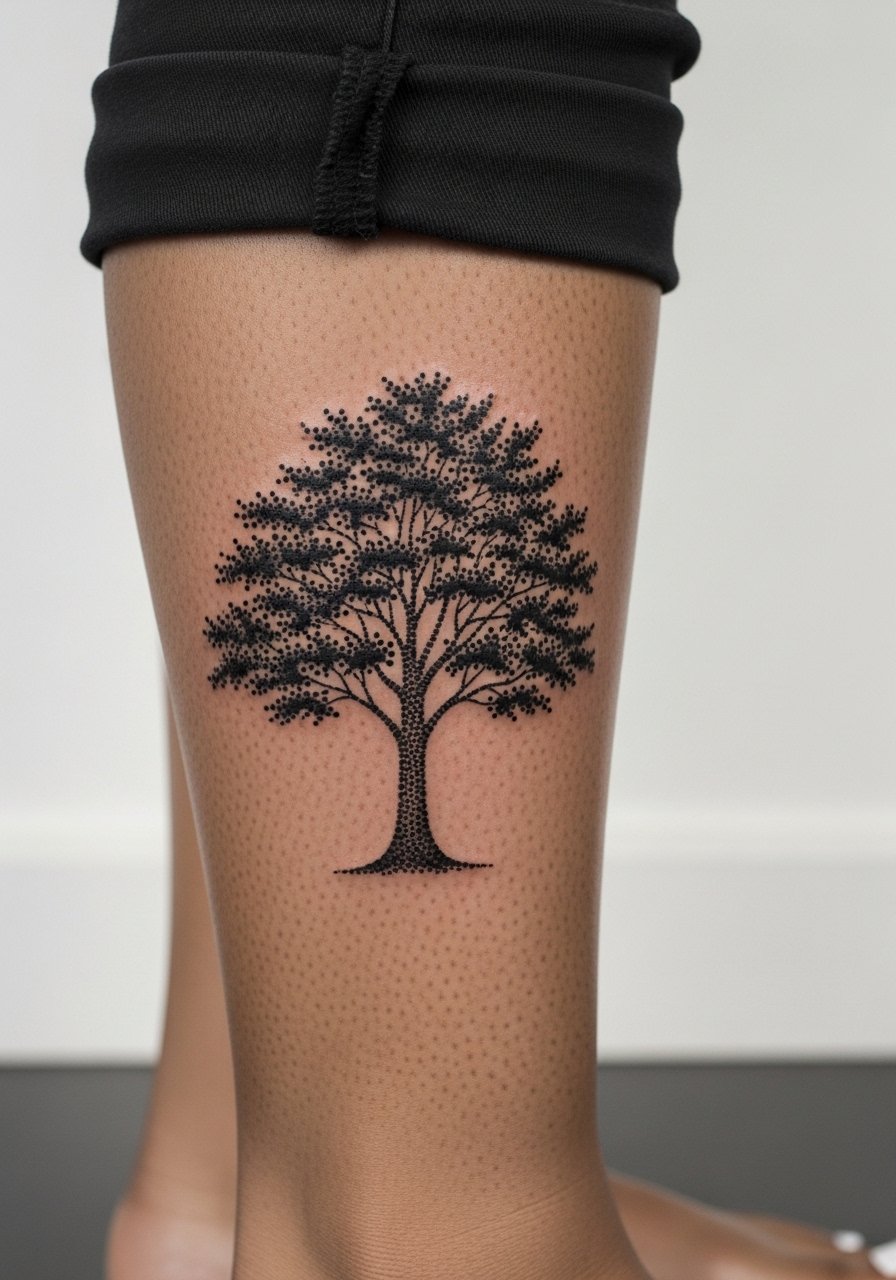
Calf pieces tolerate dotwork depth well and age predictably because rubbing and sun exposure are easier to control. Trees can be rendered with stippled canopy and negative trunk space to keep detail over time. The big mistake is trying to cram tiny canopy dots into a space that needs variation. Sessions are moderate in length and not too painful. For casual days, pair the calf piece with cropped linen pants that show off the outer calf without overstretching the skin.
14. Matching Minimalist Dots Along the Side Rib
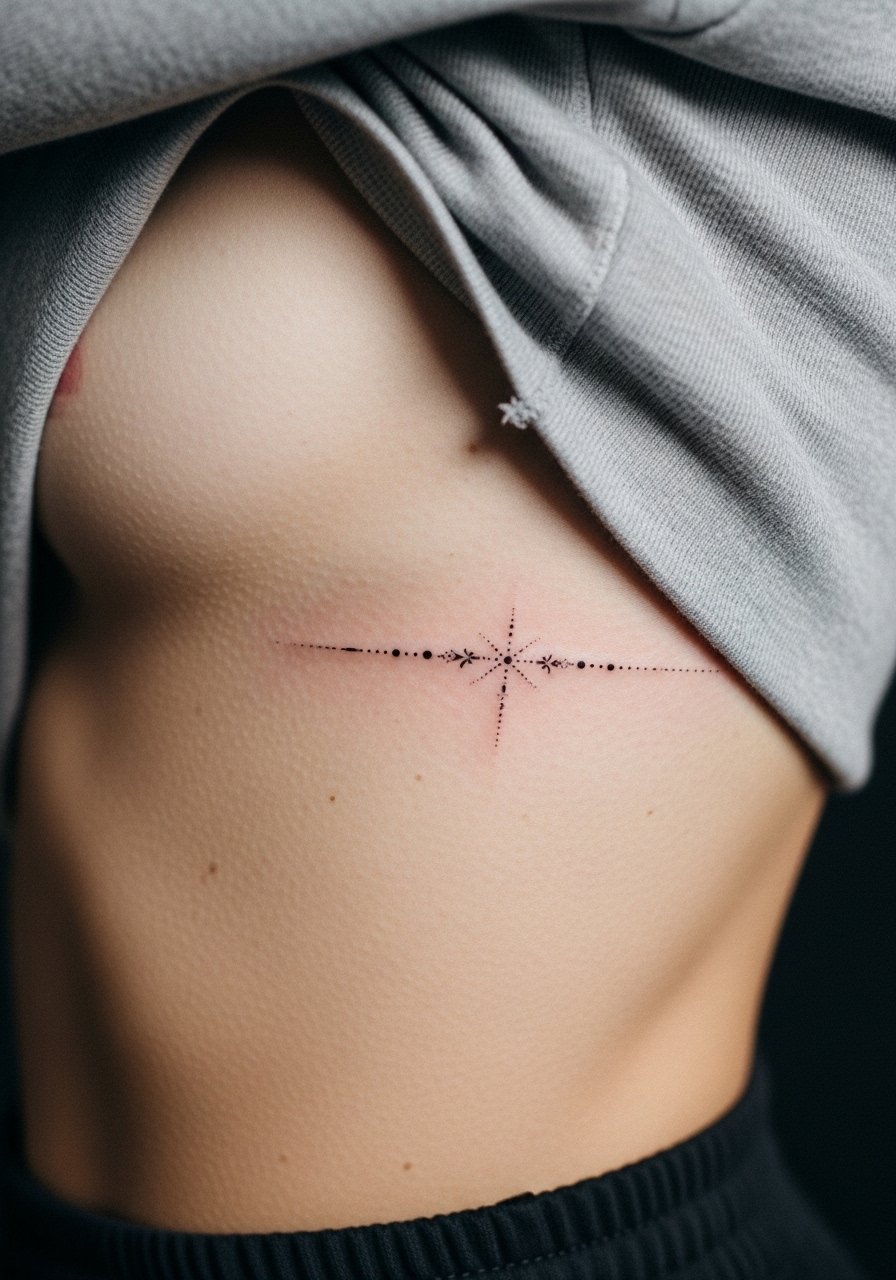
Rib placements are sensitive and often prompt debate. One group of artists avoids ultra-fine dotwork there because the area shifts with breathing and can blur. Another group will do it if spacing is widened and depth is controlled. If you choose this, accept that the session will be more uncomfortable and you may need a touch-up later. I advise spacing dots into a rhythm rather than a continuous dense band. For the session, a fitted cropped top that you can lift and lower without fuss works best.
15. Mother-Daughter Tiny Floral Wrist Bands
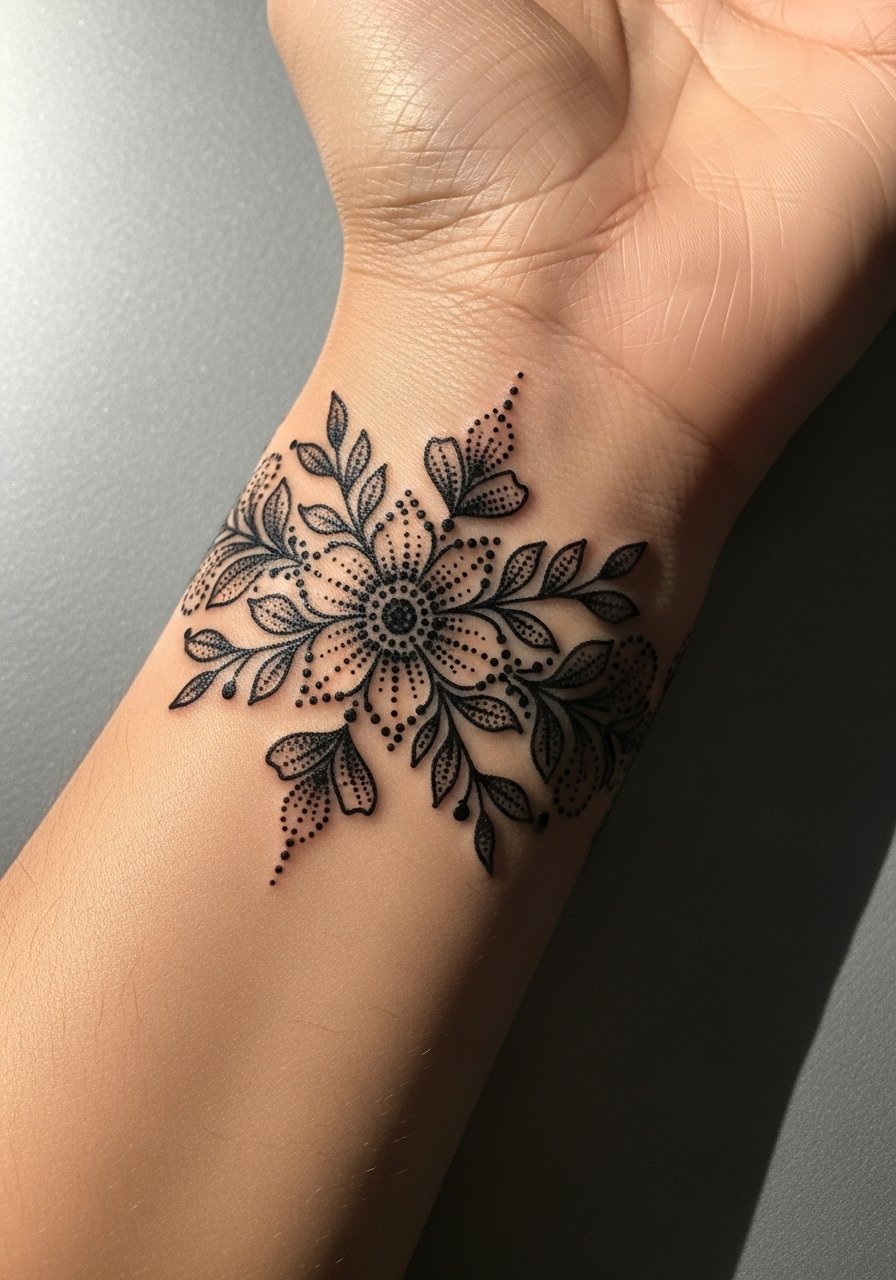
Wrist bands need to account for movement and jewelry friction. Ask for an airy band with dotted petals and open space so it breathes as you type and wear watches. The wrong call is a densely stippled band that sits directly under bracelet pressure. Pain is tolerable and sessions are short. When showing it off, pair the band with a minimal leather bracelet worn on the opposite wrist so accessories balance rather than compete.
16. Paired Dotwork Mandalas on Shoulder Blades
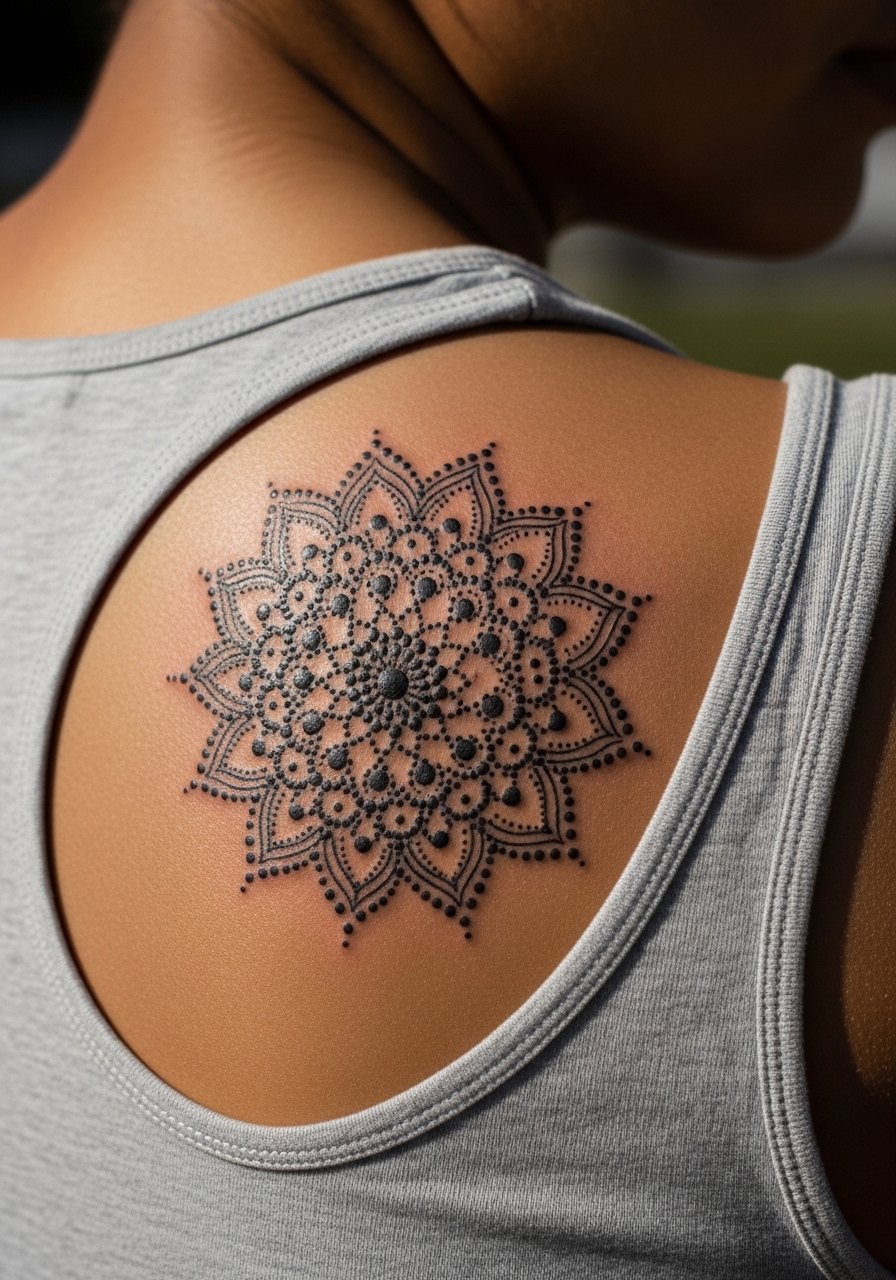
Shoulder blade canvases let mandalas breathe and show off fine stipple detail. The area tolerates denser dotwork, but the mistake is compressing too many inner rings into a small diameter. Sessions can be longer depending on size and placement. Expect healing that is straightforward unless you sleep on your back constantly. For coverage during sessions and afterwards, wear a loose racerback tank so the artist can access the blade cleanly.
17. Mother-Daughter Tiny Script Behind the Knee
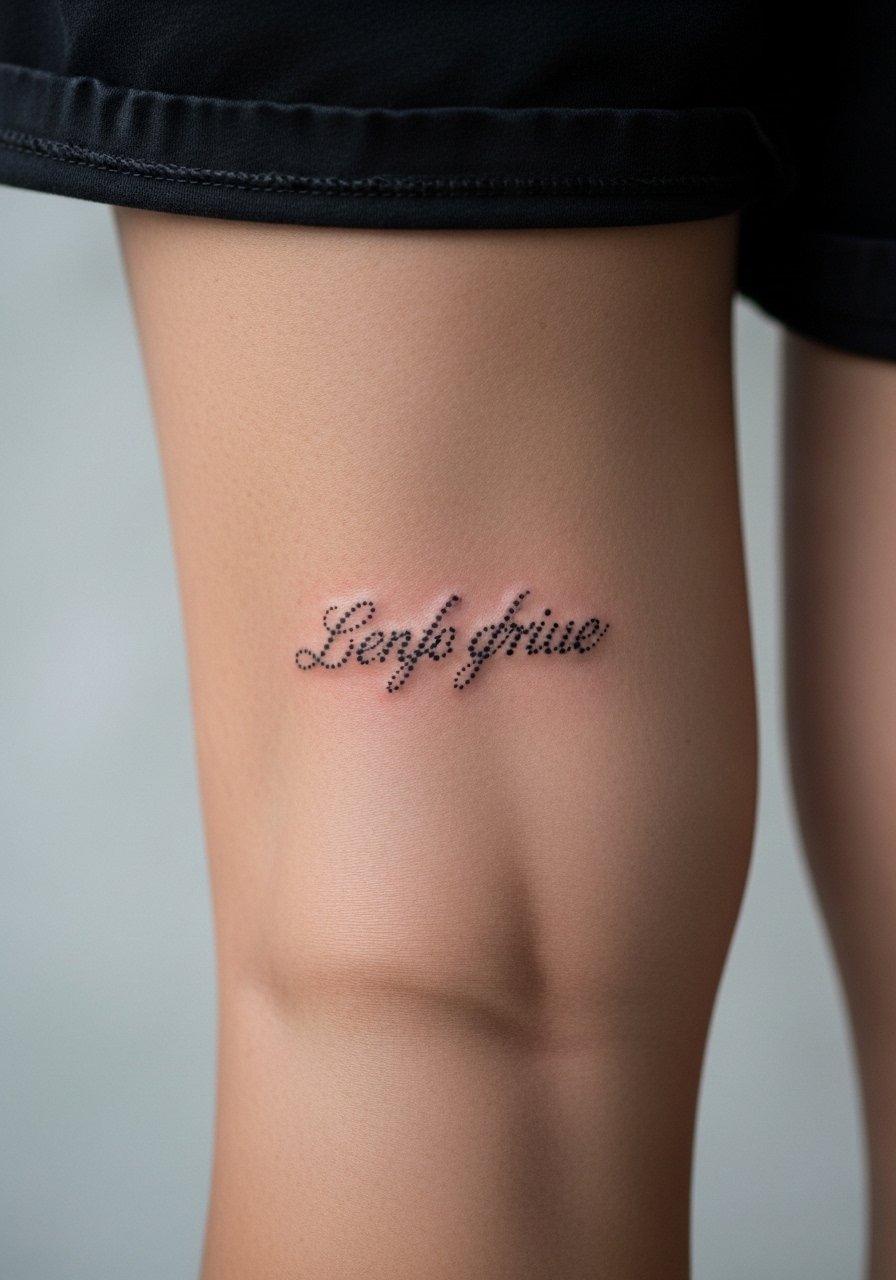
The area behind the knee is prone to movement and occasional rubbing, which makes fine dot script tricky. Tell your artist you prefer slightly spacing the letters and using dot accents rather than dense fills. Sessions can be awkward because of the bend, and pain is moderate to high depending on tolerance. The common error is expecting a scaled-down wrist script to behave the same behind the knee. For comfort going home, lightweight shorts or a wrap skirt help avoid pressure.
18. Tiny Dotwork Heart on the Left Rib Under the Bra Line
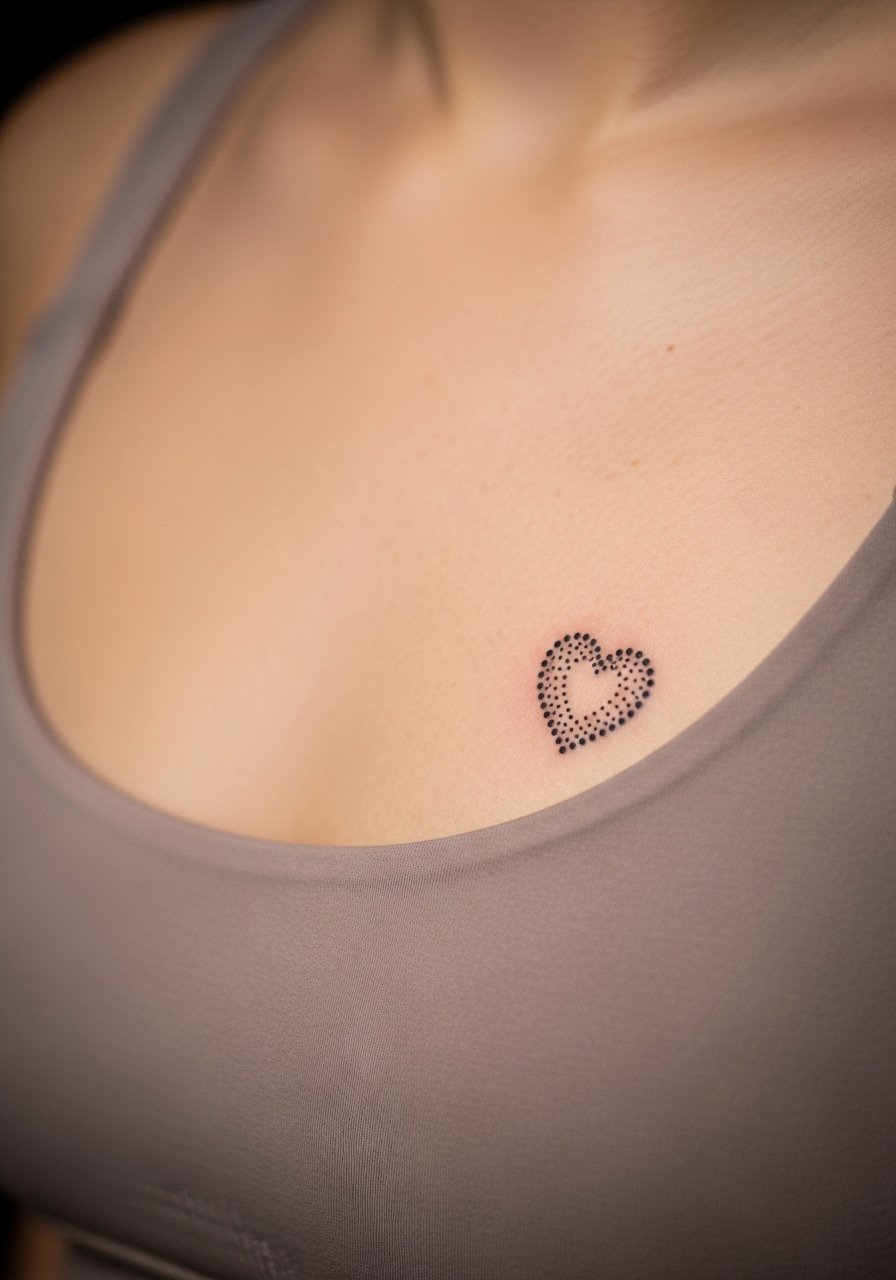
When working under the bra line, clothing choice during healing matters. Ask for a single-pass dot outline with minimal inner stippling to reduce friction from straps. The ribbony area moves and flexes, so expect a bit more fading and possibly a touch-up. This placement is intimate and often chosen for symbolic reasons. For the session, a sports bra or bandeau that you can easily adjust is the right call.
19. Matching Dotwork Flower Behind the Ear and at the Nape
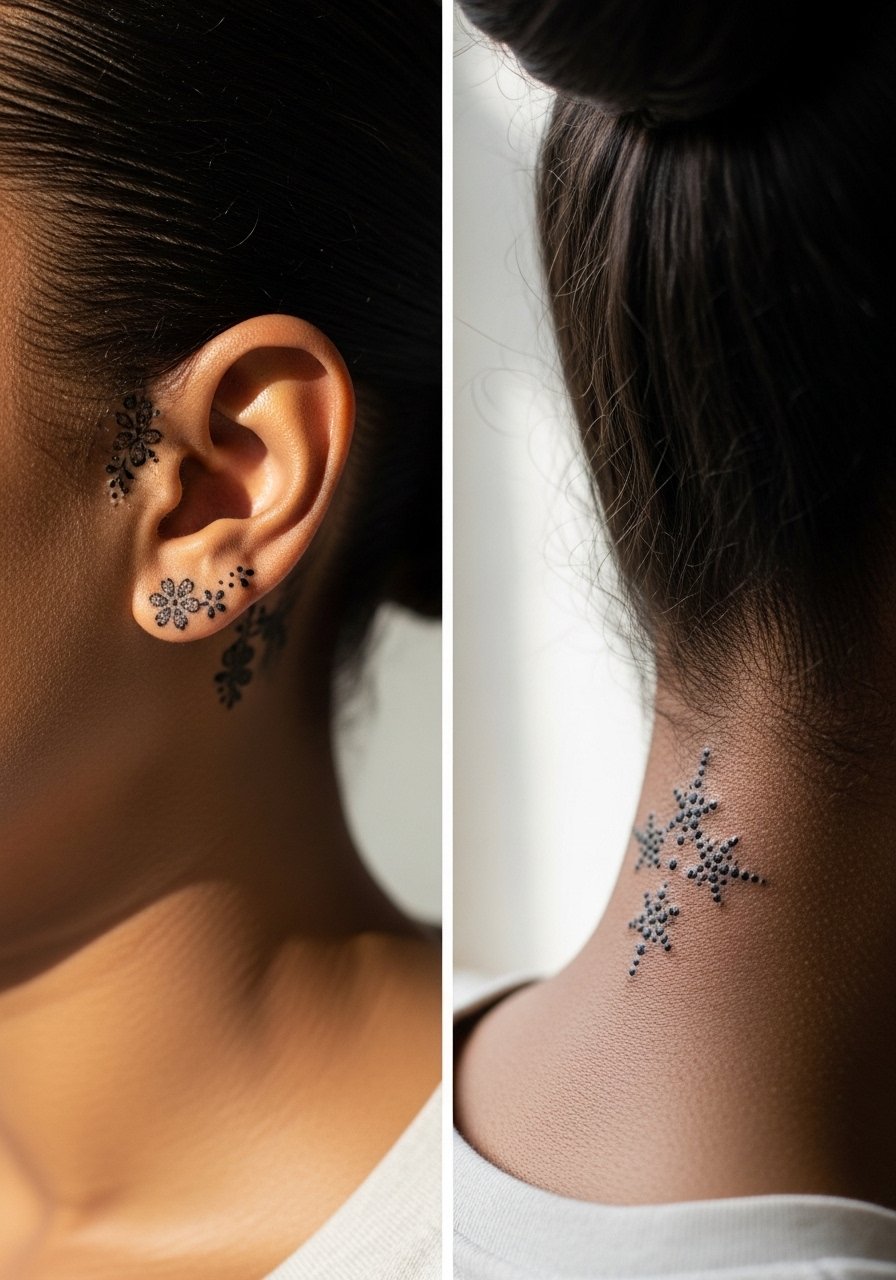
These small, paired spots allow for shared symbolism while being individually placed. Behind-the-ear work requires careful dot spacing to avoid migration, and nape work can be exposed or hidden by hair. Both are low in session time but be mindful of hair products the first few days. A common mistake is choosing overly dense dots that interact poorly with shampoos. For the appointment, tie your hair into a loose bun so the artist can work cleanly without full hair removal.
20. Mother-Daughter Minimalist Palm Dots
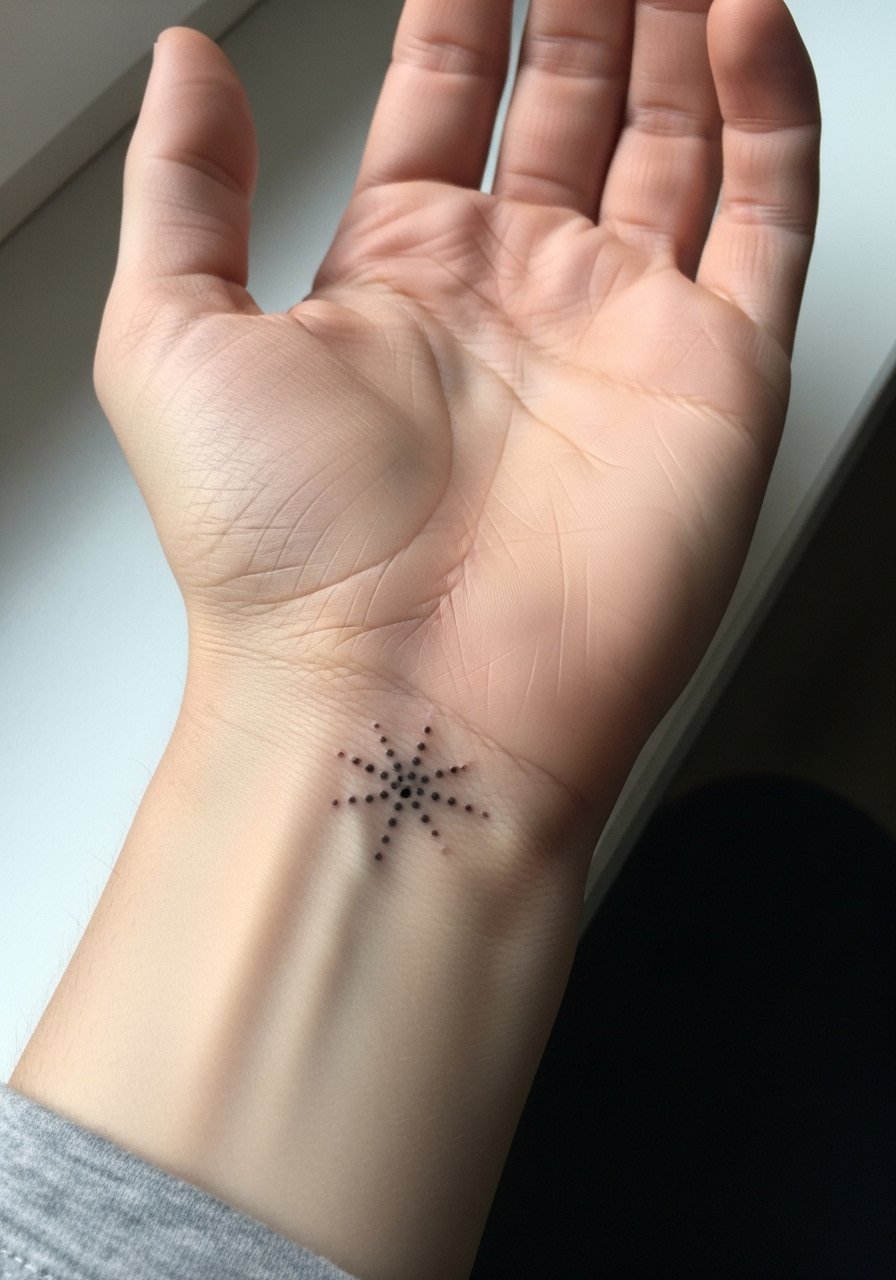
Palm tattoos are high-maintenance because the skin regenerates faster there. Dotwork on the palm often fades rapidly and may require multiple touch-ups. Some artists will advise against palms for fine dot detail. If you proceed, expect a patchy initial healing and a likely plan for follow-up sessions. The advantage is instant visibility and tactile connection. Keep expectations realistic and ask your artist about retention rates on palm skin.
21. Mother-Daughter Tiny Coordinate Dots on the Collarbone Edge
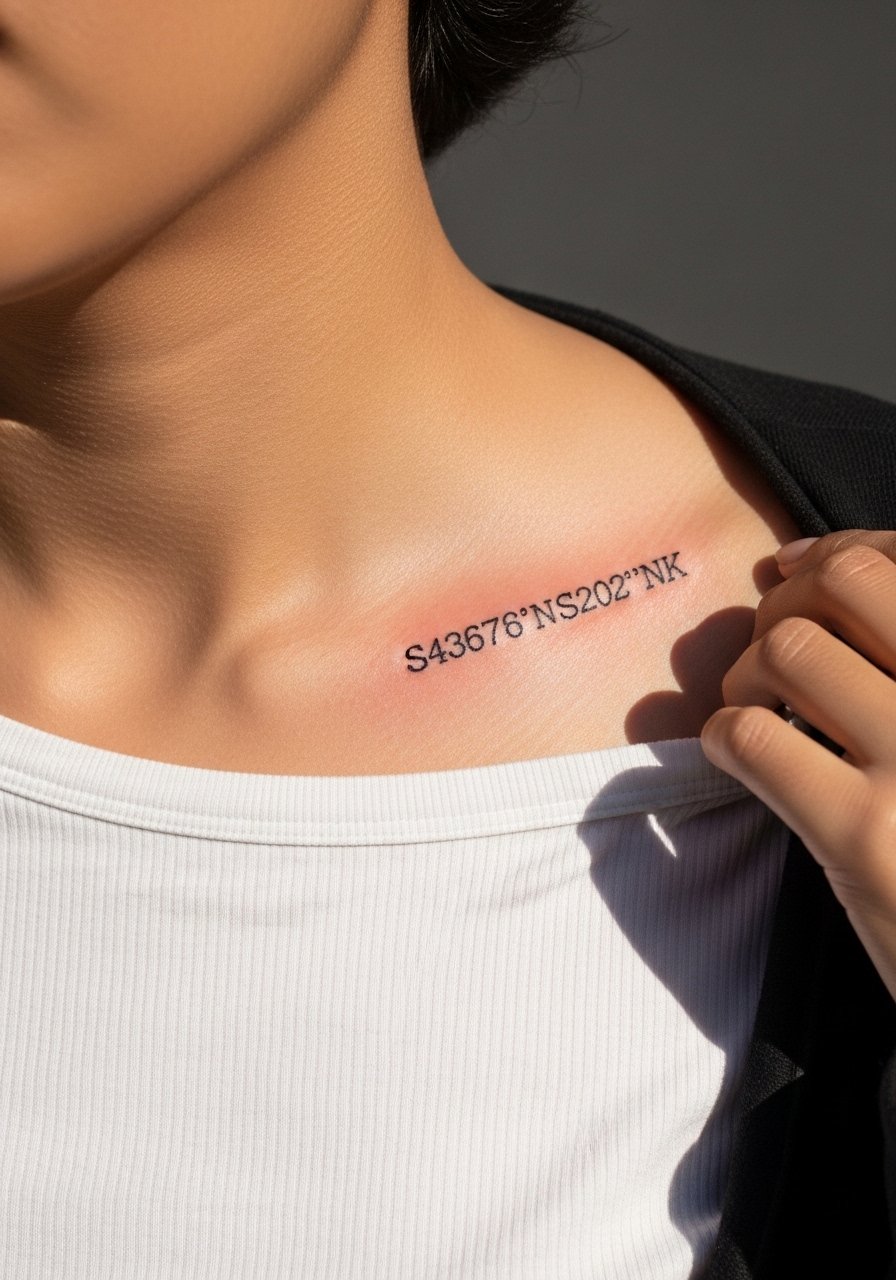
The collarbone edge shows off minimal details well but crosses bony areas. Ask for slightly thicker point weights over the ridge itself and stippled shadows in recesses. Pain spikes when the needle crosses the bone. A common mistake is asking for hairline dots that lose their definition on the ridge. For outfits, a v-neck sweater that sits just below the collarbone keeps the coordinates visible without constant sun exposure.
22. Matching Dotwork Bees on Index Fingers
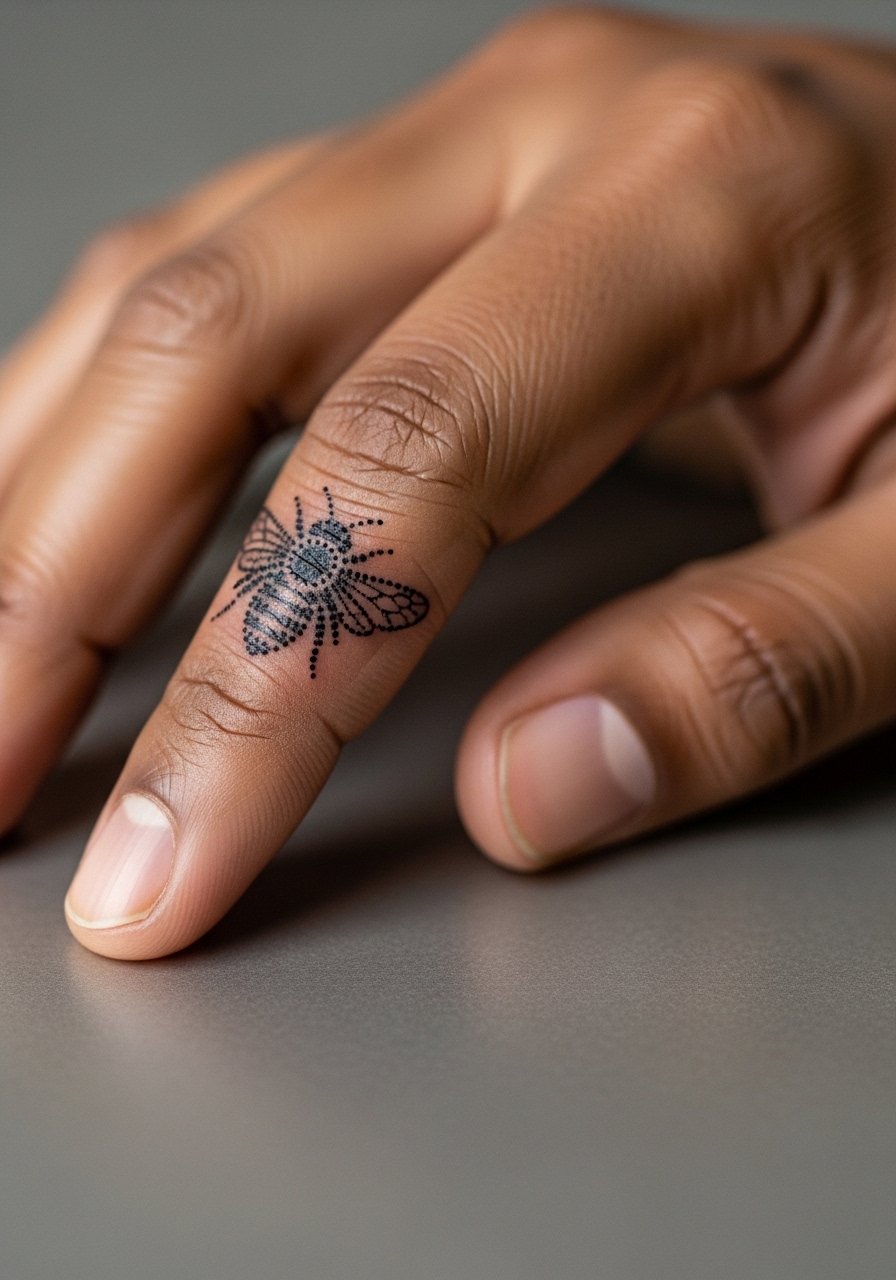
Finger tattoos are exposed to heavy wear and washing, and dotwork there needs slightly bolder anchor points. Expect a patchy first healing and consider that touch-ups become the norm. One mistake is using ultra-fine stippling for an area that needs structural dots to remain legible. Pain is brief but sharp. If your work involves frequent hand washing, plan for more frequent retouches and minimal initial aftercare friction.
23. Mother-Daughter Wave Line on the Outer Ankle
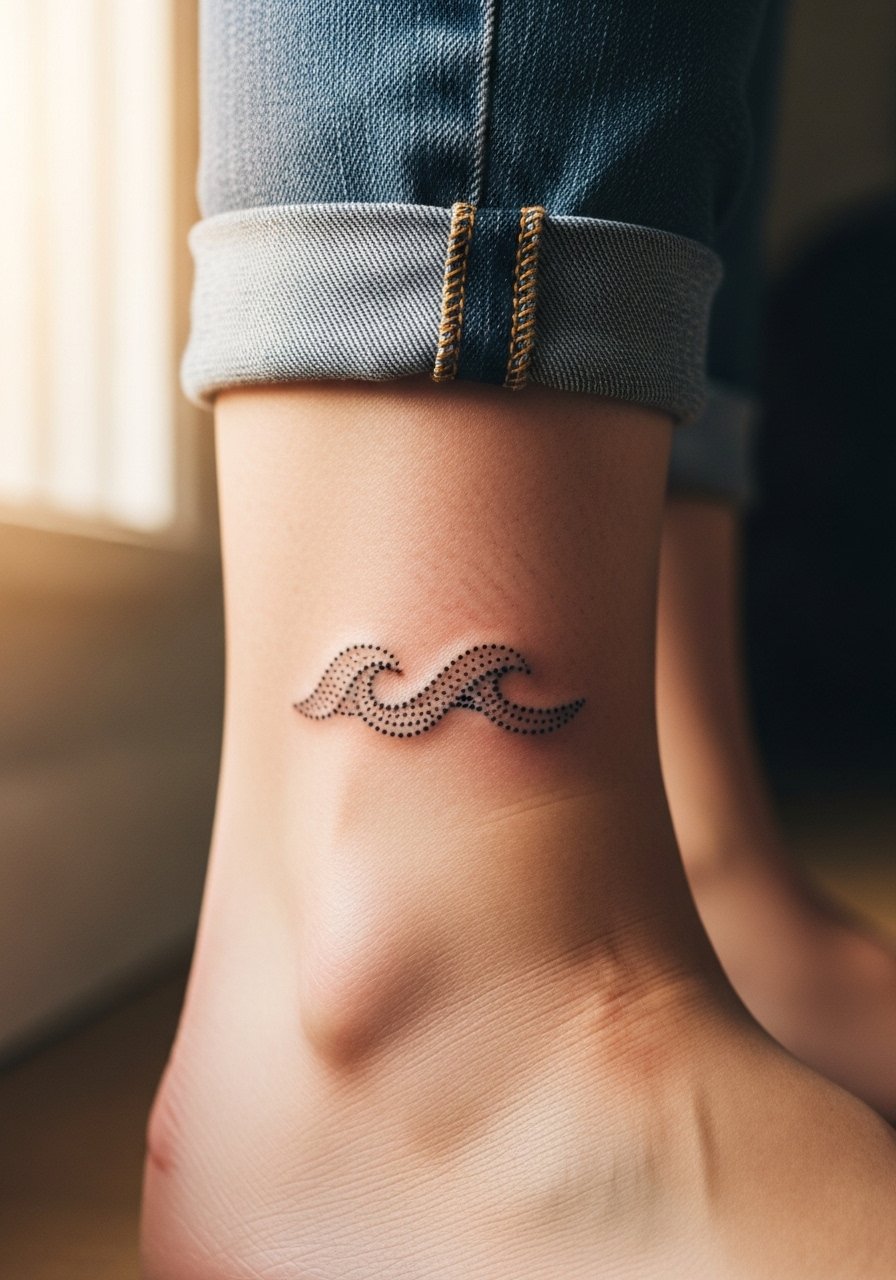
A flowing wave line looks elegant in dotwork and is forgiving on the ankle if kept airy. Avoid dense stippling on the area that directly contacts footwear. Sessions are quick, and pain is manageable. The main mistake is choosing a heavy filled band that meets shoe edges. For styling, pair it with low-profile ankle boots or sandals depending on season to keep the line visible and reduce rubbing.
24. Tiny Matching Dots Along the Side of the Eye Brow Bone
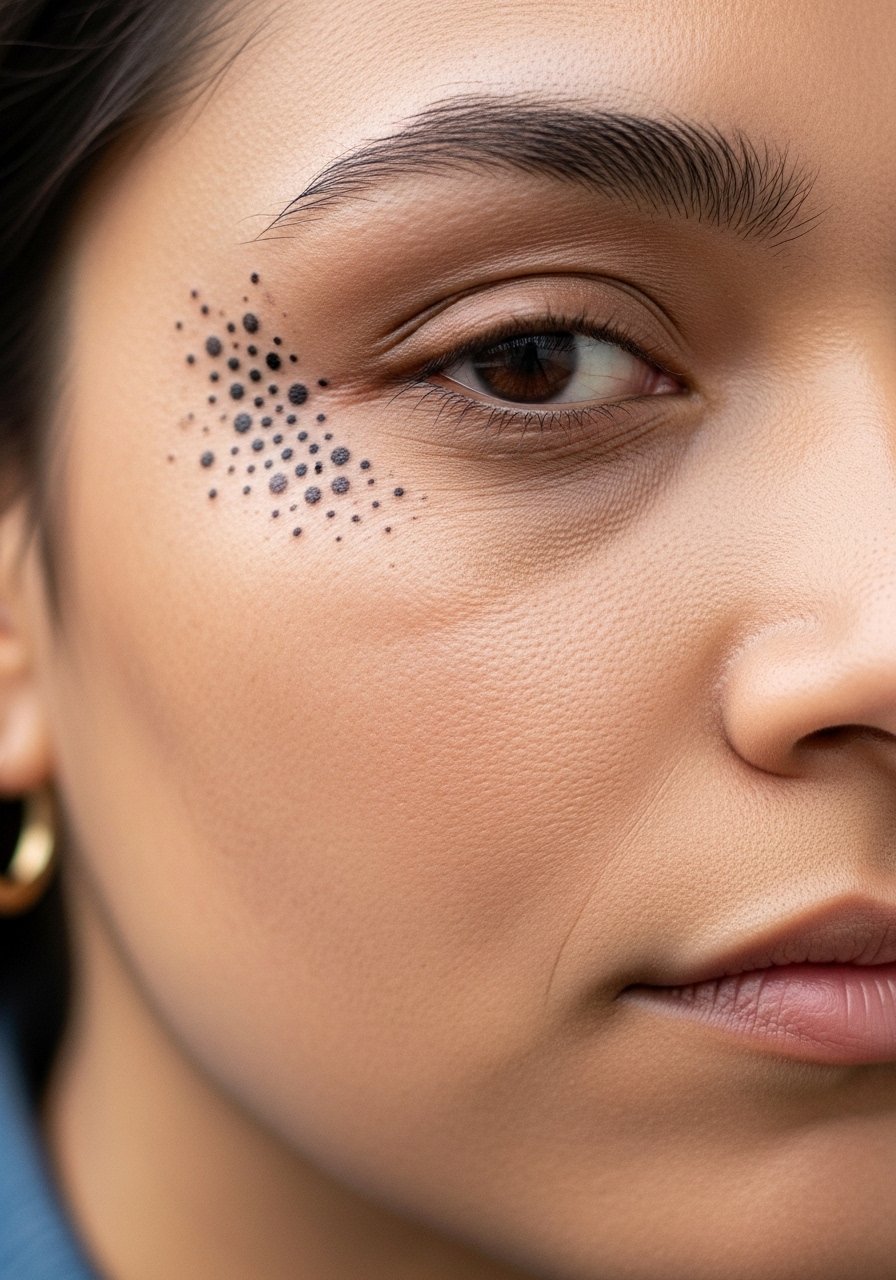
Facial-adjacent placements like the brow bone are subtle and require an artist experienced with delicate skin. Some shops avoid facial dotwork because of different healing dynamics and social considerations. The risk is migration and increased visibility in professional settings. If you choose this, ask about touch-up expectations and social implications. Keep the dots spaced and minimal so they age more gracefully.
25. Mother-Daughter Script with Dot Halos on the Inner Bicep
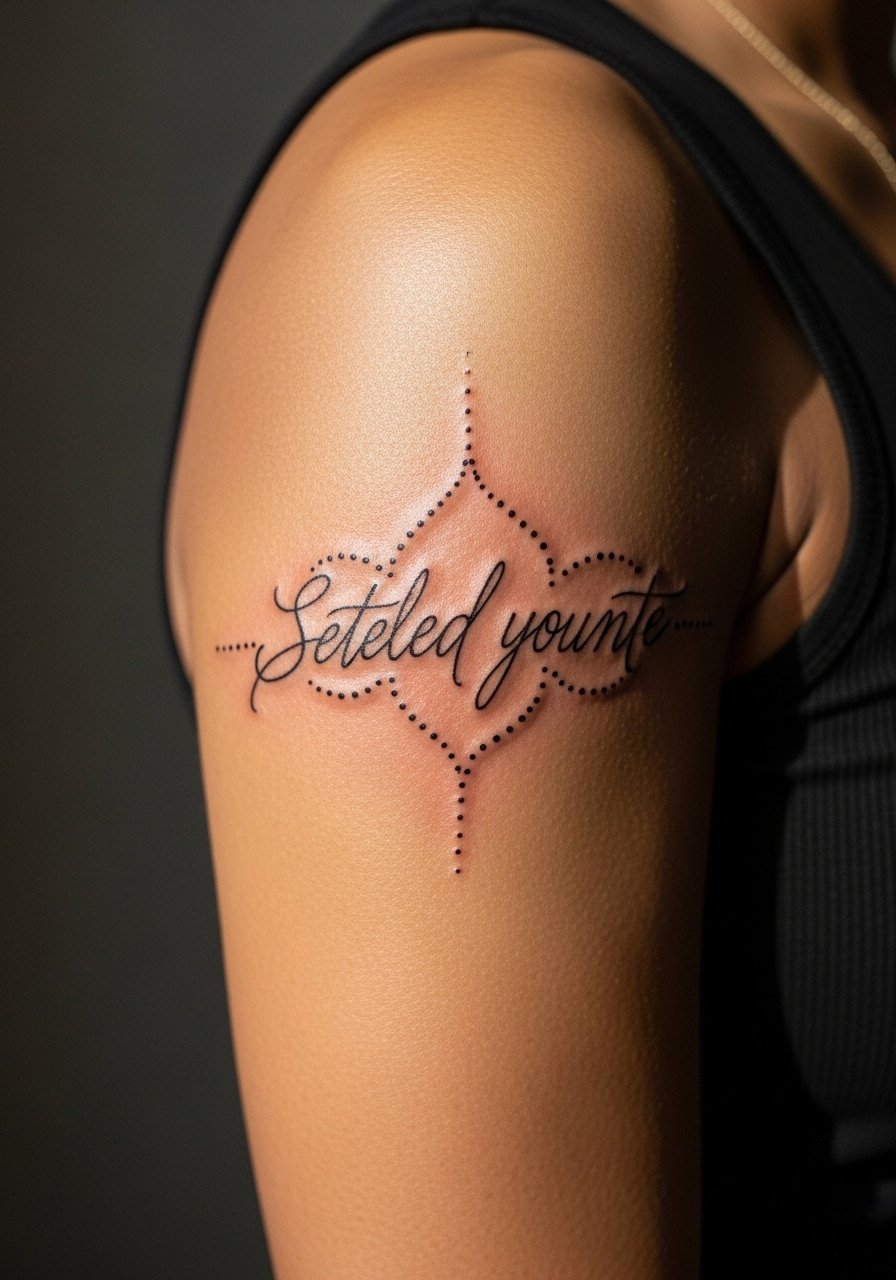
Inner bicep skin is more elastic and accepts stippling well when spacing is correct. Tell your artist to avoid super fine inner script that can blur when the arm flexes. Expect moderate pain and a comfortable session since you can lie down. The mistake is compressing dots close to the script edges which can soften into smudges over years. For the session wear, a loose tank top lets the artist access the inner bicep without tugging.
26. Tiny Geometric Dotwork Necklace on the Sternum
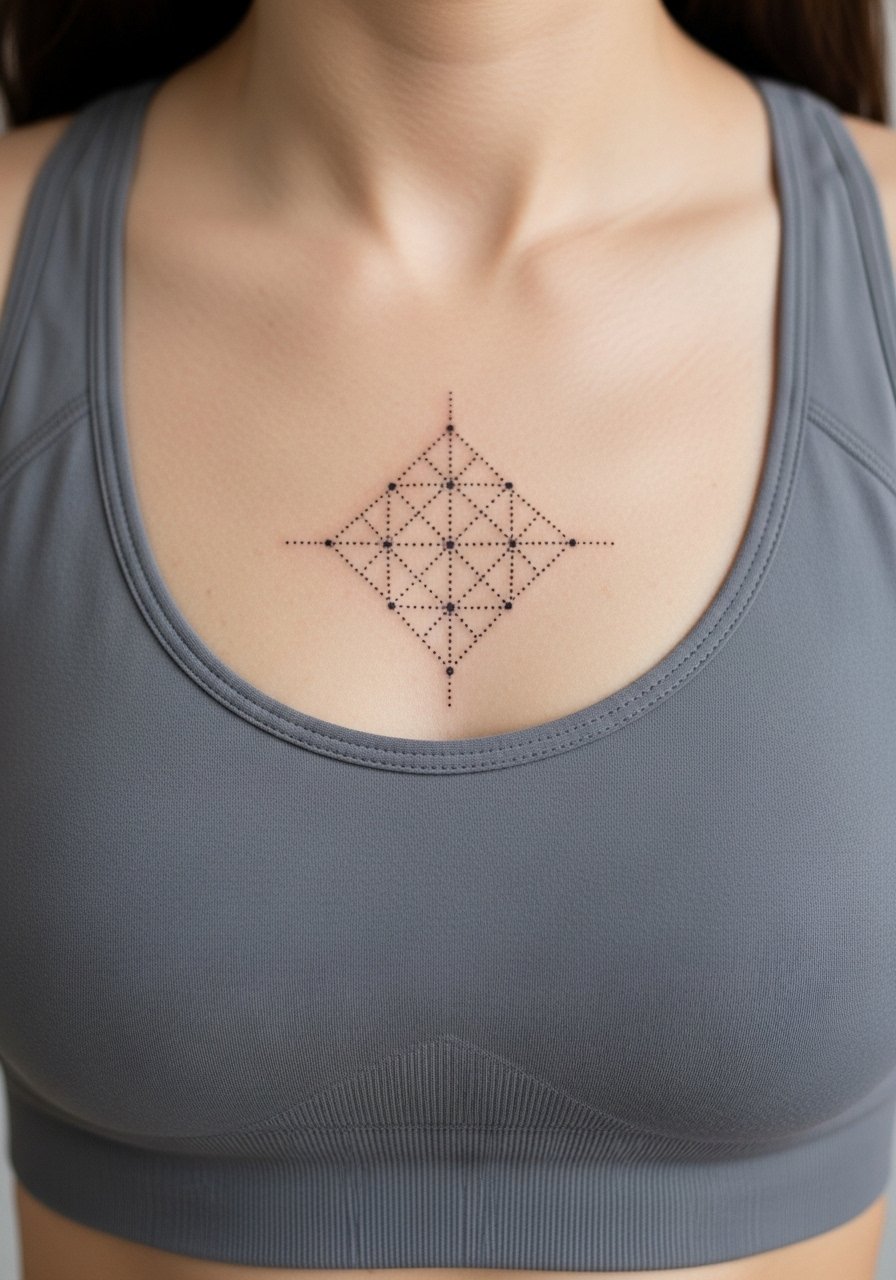
Sternum work is intimate and the skin can be sensitive. Artists differ on how dense dotwork should be there. One camp favors open spacing because the sternum flexes and can blur denser patterns. The other camp will do dense grids with a plan for touch-ups. If you go ahead, choose spacing and negative space that will keep the geometry readable over time. A fitted sports bra makes the session easier and protects the area during short walks after the appointment.
27. Matching Minimal Dotwork Lower Back Sprigs
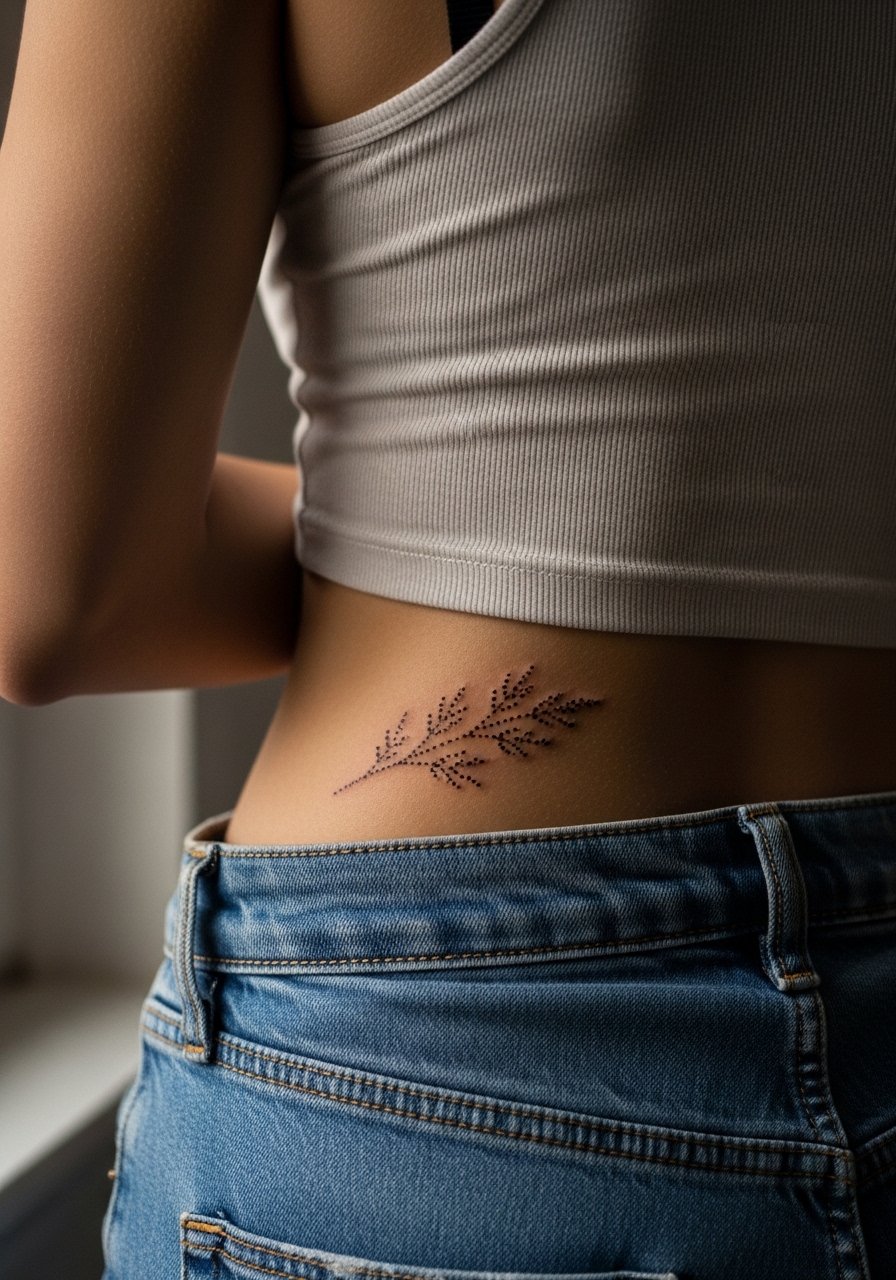
Lower back pieces let you coordinate with a slightly larger dot gradient and still keep discretion. The area tolerates density better than ribs or hands. Common mistakes include placing a detail that competes with belt lines or jeans, which can cause friction during healing. Sessions are comfortable and healing is usually uneventful if clothing fits loosely. For casual wear, a cropped top and high-waisted jeans highlight the sprigs without constant pressure from waistbands.
Frequently Asked Questions
Q: How long does dotwork typically stay crisp on wrists and fingers?
A: From what I have seen, dotwork on wrists and fingers softens faster than on thicker skin. Expect visible softening by year two without a touch-up. The exact timeline depends on sun exposure, washing frequency, and how dense the stippling is. If you want longer retention, ask your artist for slightly bolder anchor dots and plan for a touch-up around year three.
Q: Are ribs and sternum sensible places for mother-daughter dotwork if one of us has sensitive skin?
A: It depends. Sensitive skin makes chest and rib work more unpredictable because those areas flex and bruise more easily. Some artists will adapt depth and spacing to reduce trauma. If either of you scars easily, discuss that in consultation and consider moving the design to shoulder blade or outer thigh where dotwork tends to hold better.
Q: My job is conservative. Which placements in this article are easiest to hide during work?
A: Pieces on the inner thigh, lower back, ribs under clothing, or behind the ear are easy to conceal. Forearms, hands, and collarbones are more visible. For office-friendly visibility, collarbone pieces can be covered with high-neck tops or scarves when needed.
Q: Do I need to ask about touch-ups before booking a matching dotwork piece?
A: Yes. Bring it up in the consultation and ask when the artist recommends a follow-up for that placement. Many artists will schedule a touch-up window three to twelve months after the initial session for fine dotwork where retention can vary.
Q: Can I get matching pieces at different shops and still have them look cohesive?
A: You can, but cohesion depends on clear reference photos and communication. Use the same scale, spacing, and note the exact stipple density you want. If possible, show both artists the exact images and agree on negative space so the pieces read as a pair.
Q: Should I avoid sun exposure after a dotwork session more than with other styles?
A: Dotwork benefits from cautious sun protection while healing and long-term. UV exposure softens contrast over time. Use sun protection once healed and plan to keep fresh pieces out of direct sunlight when practical.
Q: Where can we find artists who specialize in dotwork if we want a matching set?
A: Look through shop portfolios, tattoo convention lineups, and hashtag searches on social platforms. Local directories and community threads on forums often list artists who focus on stipple and fine dot techniques. Ask for healed photos in portfolios to see long-term outcomes.