Fine line neo-tribal is trending on feeds, but what looks crisp on screen can behave very differently on skin over time. Delicate geometrics often need spacing and slightly heavier anchors to age predictably. I wrote these 17 ideas for people who want the neo-tribal look without the mid-decade regret, and the first one is a forearm piece that proves small size can still read clean years down the line.
1. Delicate Neo-Tribal Geometric Armband
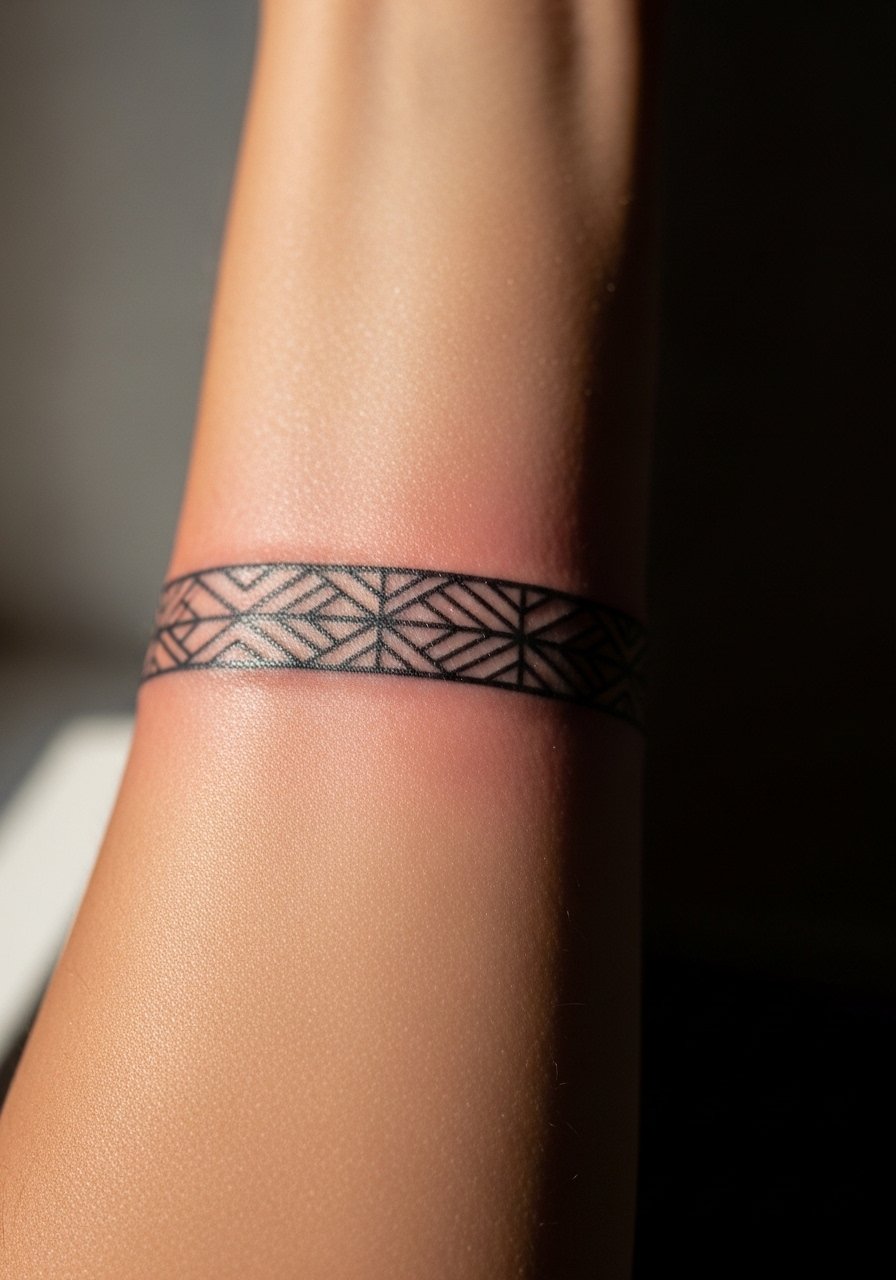
I see this armband work best when the design keeps 2 to 3 millimeters between repeating elements so the pattern does not merge as the ink settles. Tell your artist you want slightly more spacing and a consistent lineweight so the geometry reads even as the piece ages. Expect a low to moderate pain level for the inner forearm and a single short session for a 2 to 4 inch band. Common mistakes are asking for ultra-fine, tightly packed lines that look great fresh and then blur. For showing it off, roll up a chambray shirt during cool days, it frames the forearm without distracting from the linework.
2. Cybersigilism Neo-Tribal Wrist Cuff
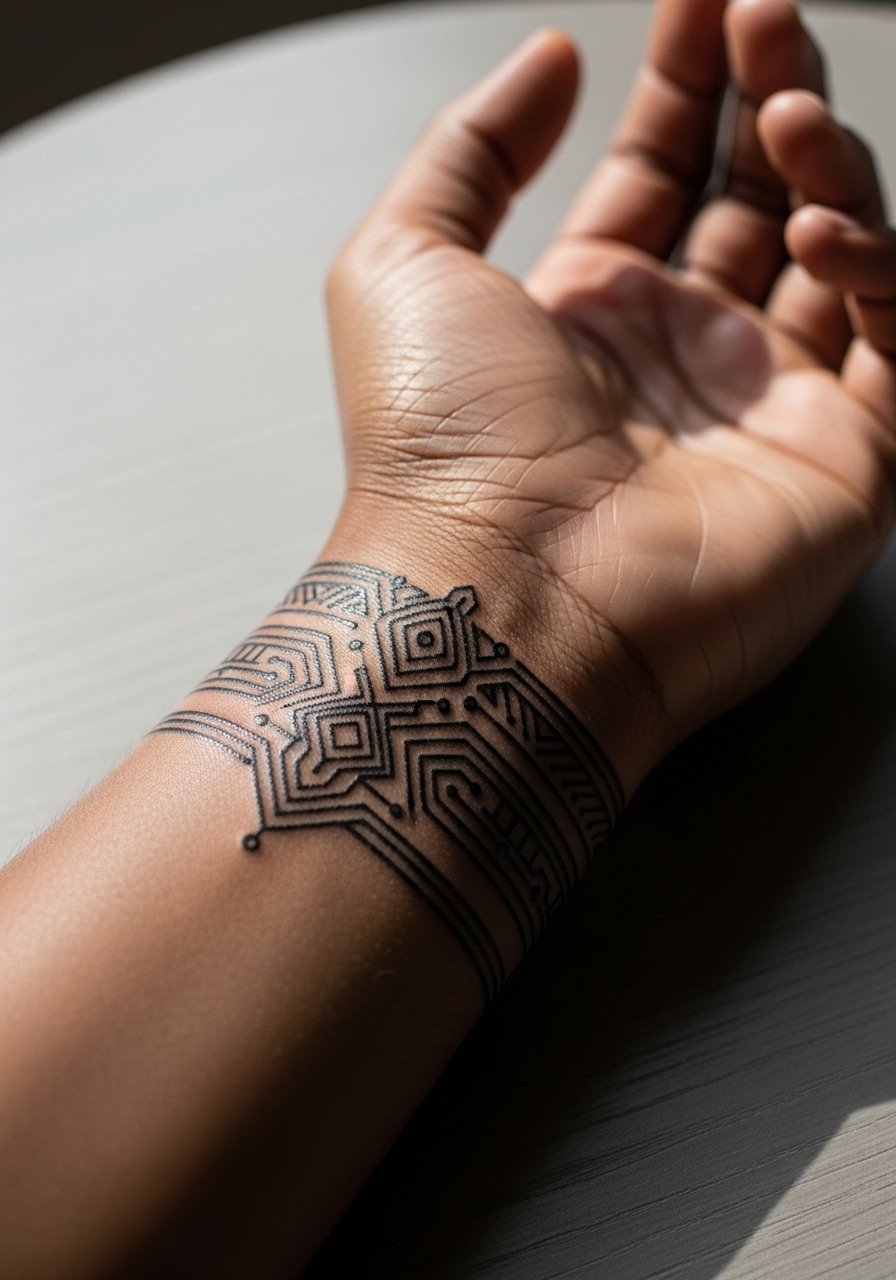
Wrist cuffs are micro and precise so the session feels quick but intense because of the thin skin and frequent movement. The design mixes tribal chevrons with tiny circuit traces for a tech edge. Ask the artist for a slightly bolder main line with micro details inside so the cuff keeps shape on day-to-day wear. Blowout risk is real here because wrists see a lot of friction. For showing it off, pair the cuff with a minimalist leather cuff on the opposite wrist to keep attention balanced. Touch-ups at 12 to 18 months are common for delicate wrist bands.
3. Abstract Neo-Tribal Labyrinth Forearm Piece
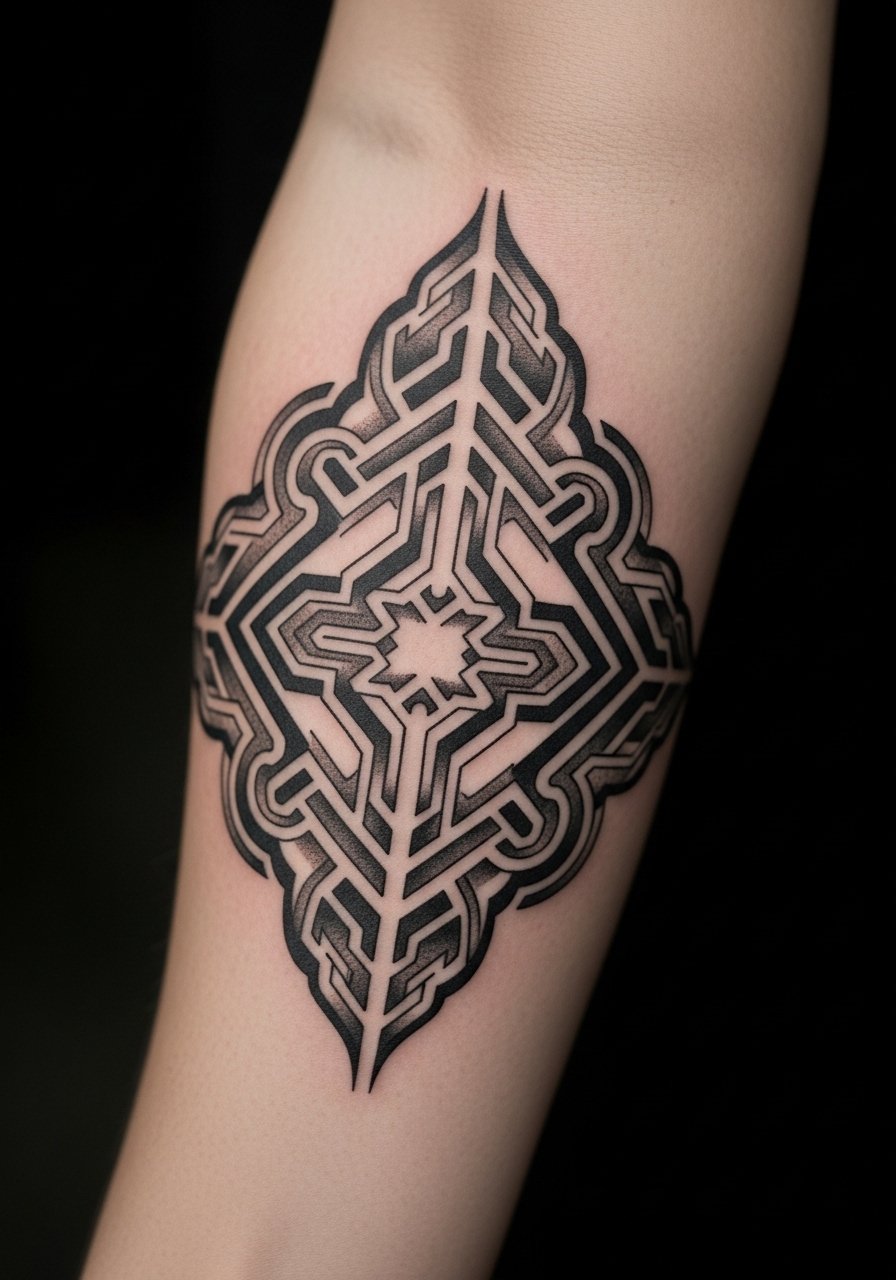
This forearm piece plays with optical depth by alternating narrow and wider paths so the eye reads movement rather than just lines. I recommend a slightly larger format, around 4 to 6 inches, to keep paths distinct as ink settles. During consultation say you want negative space to act as breathing room, not just extra lines. The outer forearm handles shading well, so a subtle gray gradient ages more gracefully than dense stipple. A common mistake is shrinking the labyrinth to fit a smaller wrist, which compresses the pattern and invites muddiness. Expect two sessions if you add gray washes.
4. Color-Accented Neo-Tribal Wave Pattern on the Collarbone
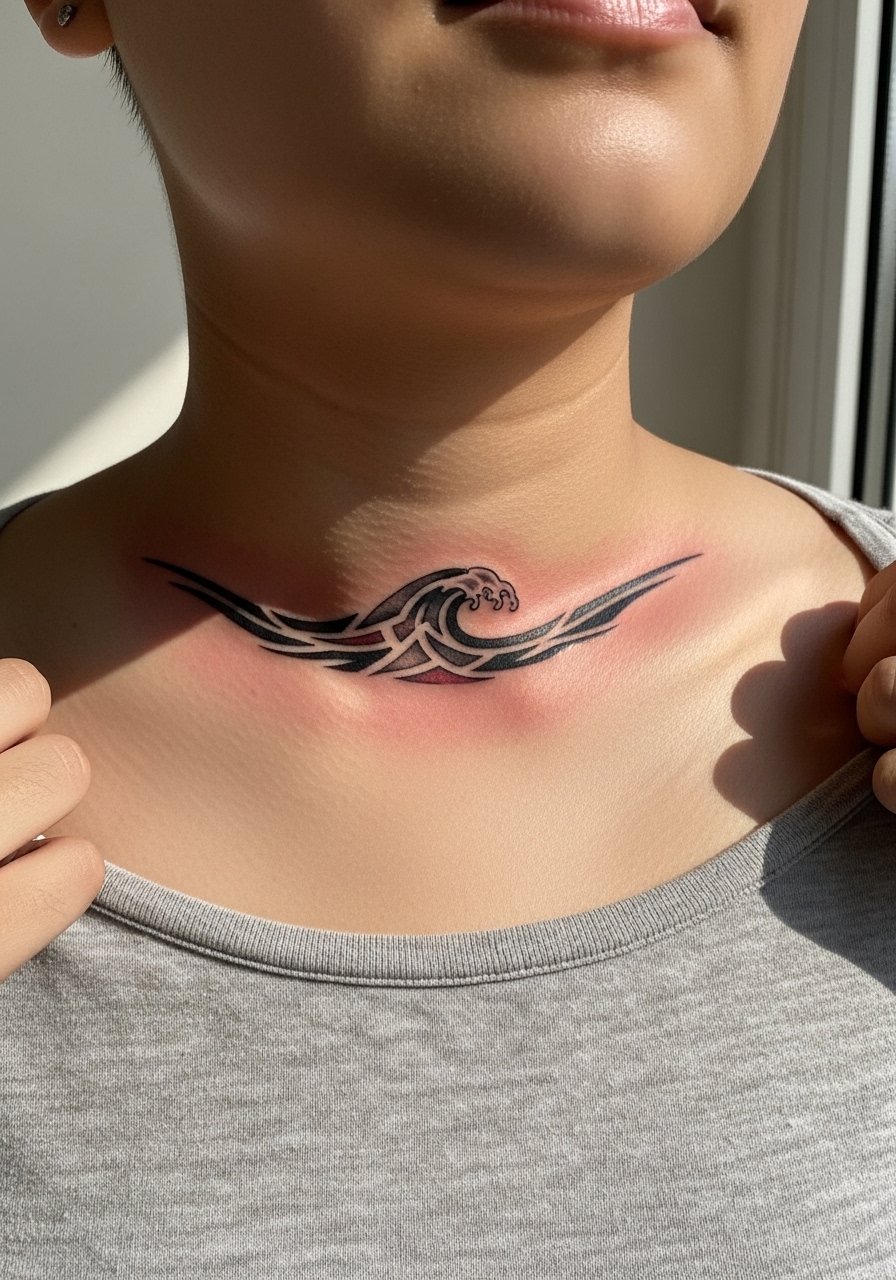
Collarbone work reads as an emotional accent because color pops sit against strong black anchors. The session is short to moderate depending on color placement. Tell your artist you want thin black structure with only one or two small color infills so the accents do not compete with the geometry. A mistake I see is flooding the collarbone with too much color, which ages unevenly because UV and friction take different tolls across those pigments. For nights out try an off shoulder blouse in cream to let the wave flow show without clashing with jewelry.
5. Minimalist Neo-Tribal Kaleidoscope Shoulder Cap
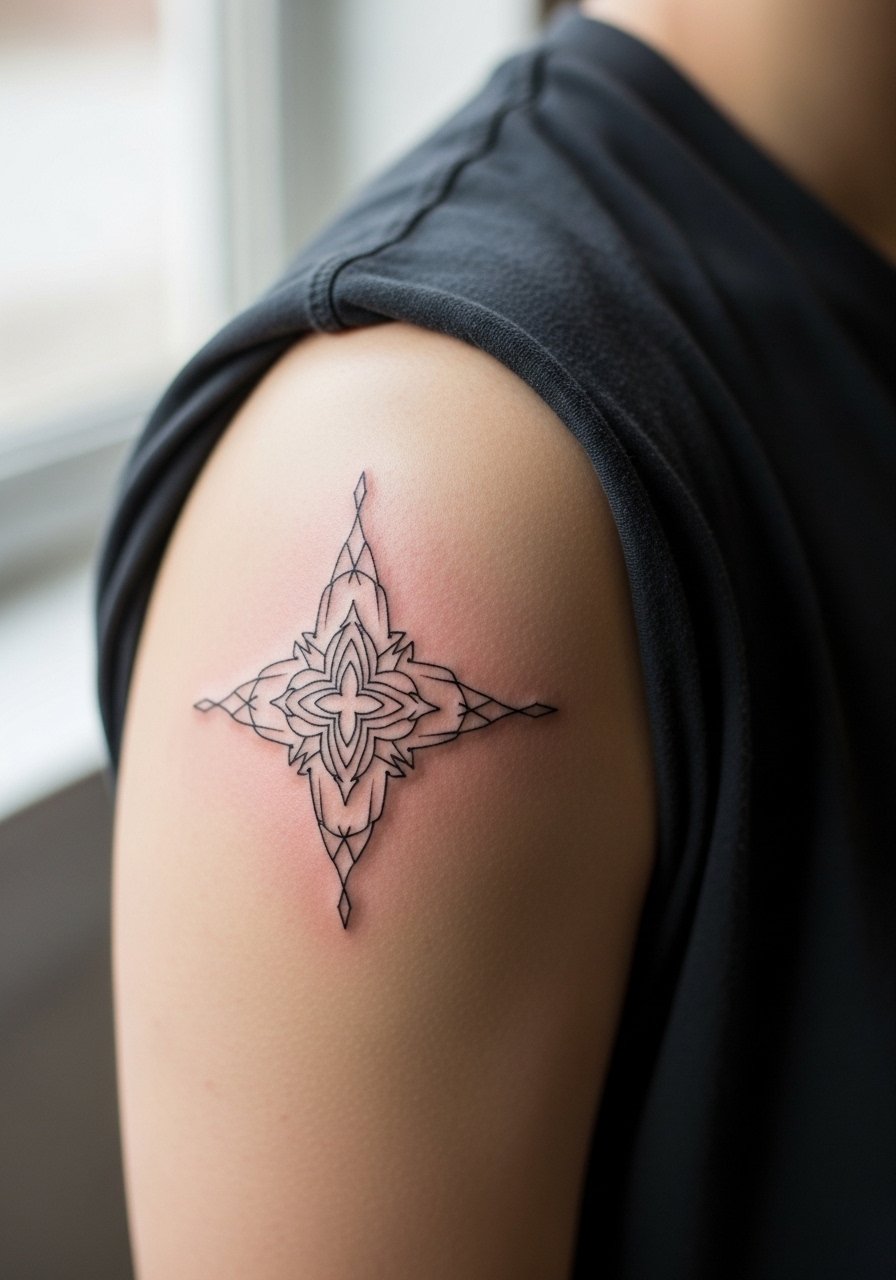
The shoulder cap is forgiving because the skin there moves less and the area can take slightly denser detail. For a small three inch piece, ask for fine linework but request a few thicker anchor lines so the kaleidoscope holds up. Session time is usually a single appointment under two hours. A mistake is packing too many tiny repeats into a small circle. For the session wear a sleeveless tee you can pull off or to the side so the artist has full access. Healed at year two this placement often still reads crisp if spacing is respected.
6. Curved Neo-Tribal Mandala Thigh Piece
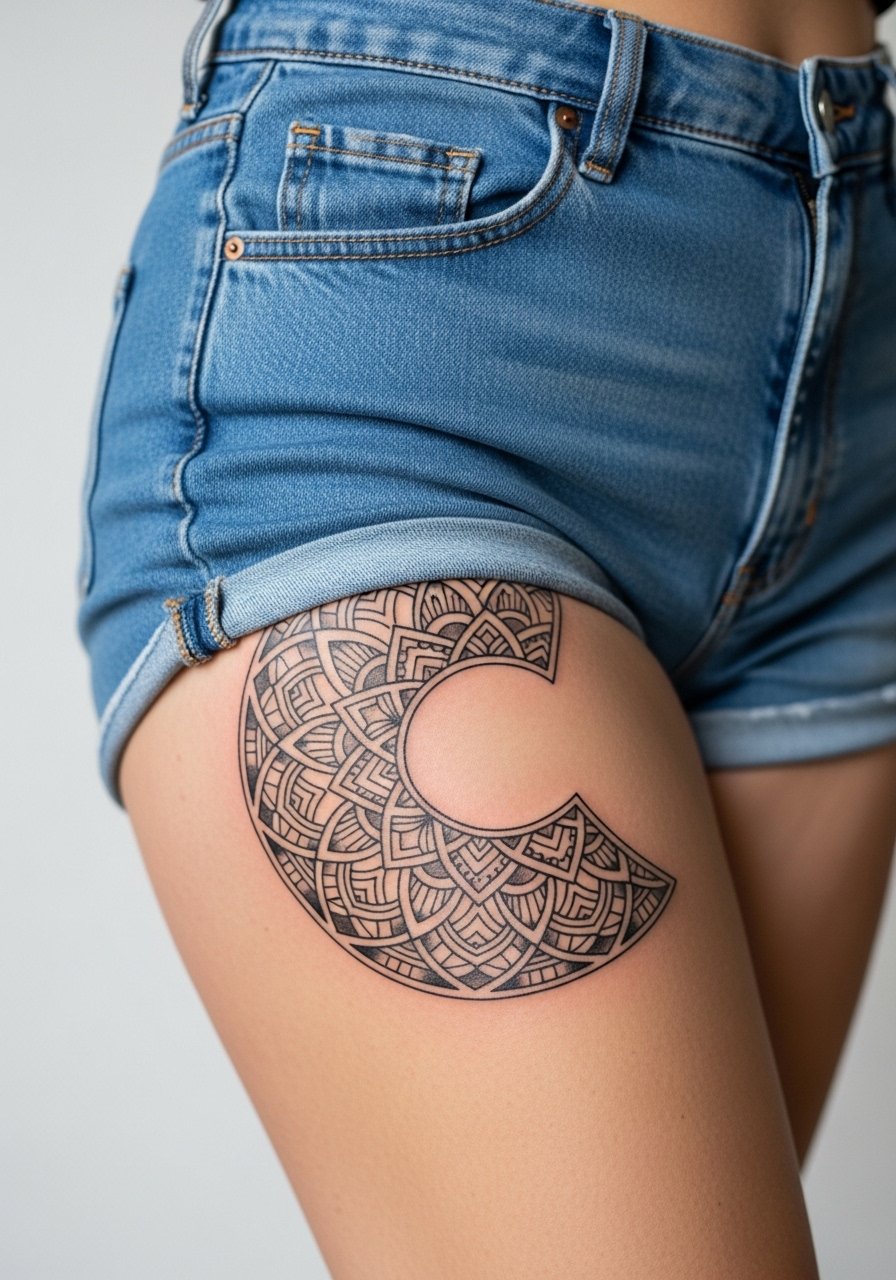
Thigh pieces let geometry follow natural curves so optical illusions are stronger when the design arcs with the muscle. I suggest a medium size that allows the mandala to breathe, usually 4 to 6 inches. Tell your artist you want the pattern to curve with the femur so movement does not distort symmetry. Pain sits in the low to moderate range for outer thigh and sessions are comfortable with breaks. A common error is forcing a perfectly symmetrical circle onto a curved plane without offsetting lines, which then looks skewed when you stand. For showing it off pick high-waisted shorts in earth tones for a soft complement.
Pre-Session Essentials
The forearm, collarbone, wrist, shoulder, and thigh pieces above each ask for different prep and a few small items make sessions and the first week simpler.
- Stencil transfer paper kit. Lets you preview how the armband and cuff patterns sit on skin, which is helpful before committing to tight geometry.
- Topical numbing cream. Applied before the appointment eases wrist and thigh sensitivity so you can sit through finer line sessions with fewer breaks.
- Thin protective film roll. Useful for ankle and wrist work that will rub against clothing in the first 48 hours.
- Fragrance-free body wash. Gentle cleansing helps collarbone and shoulder lines heal without irritation from scented products.
- Aquaphor healing ointment. Thin application in the first days keeps fine line work moisturized without suffocating the needle channels.
7. Pixelated Neo-Tribal Tech Motif Calf Wrap
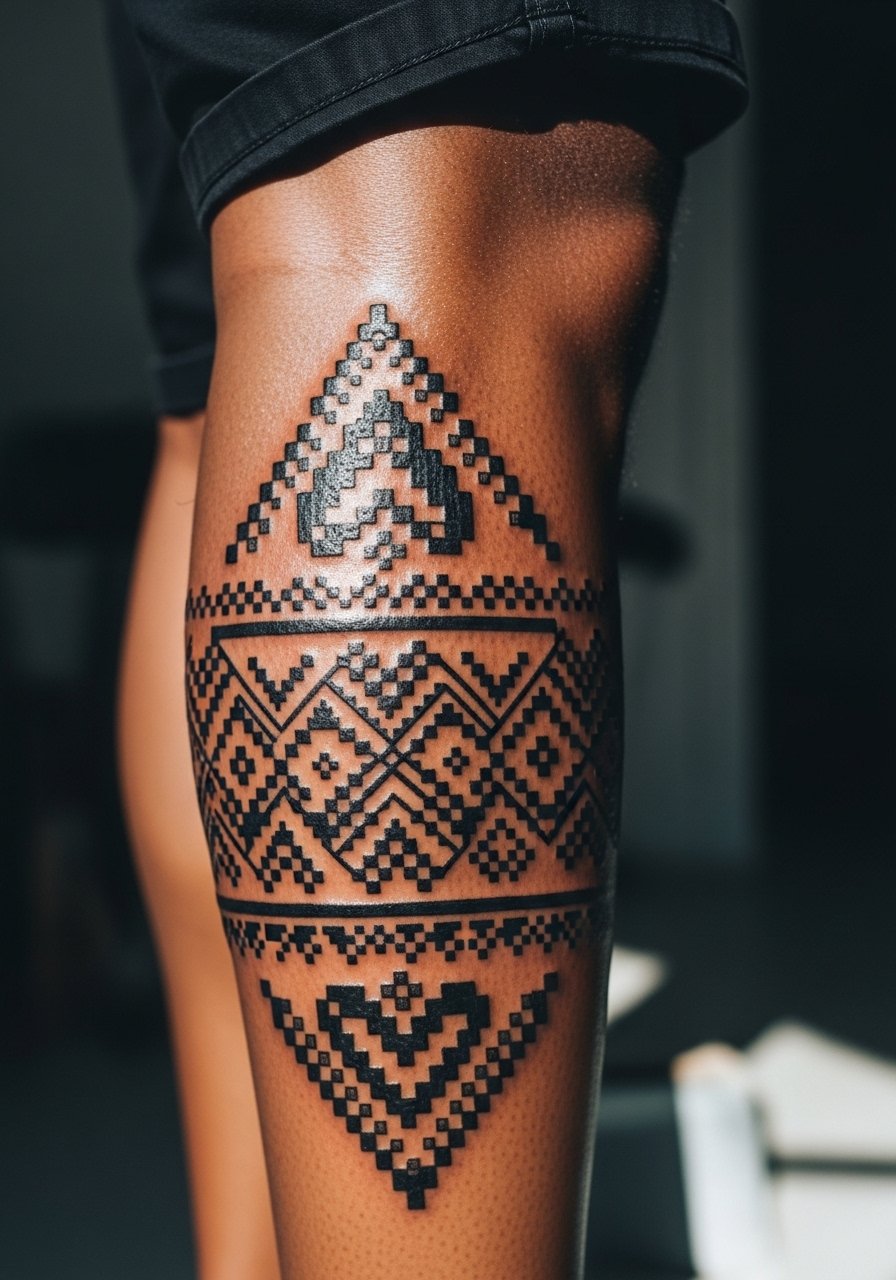
Calf wraps age well because the skin is thicker and the area experiences less constant abrasion than wrists. The pixel details should be scaled so each block sits clearly at typical viewing distance. Ask your artist to balance pixel sizes with negative space so the motif does not look busy when standing. Session time is moderate and often split into two passes for wrap continuity. For casual showing, cuffed chinos highlight the wrap without covering it, so try a cuffed chino pant when you want to show the tech edge. Touch-ups are less frequent than on wrists but still possible around year two.
8. Gradient Neo-Tribal Symbol Spine Accent
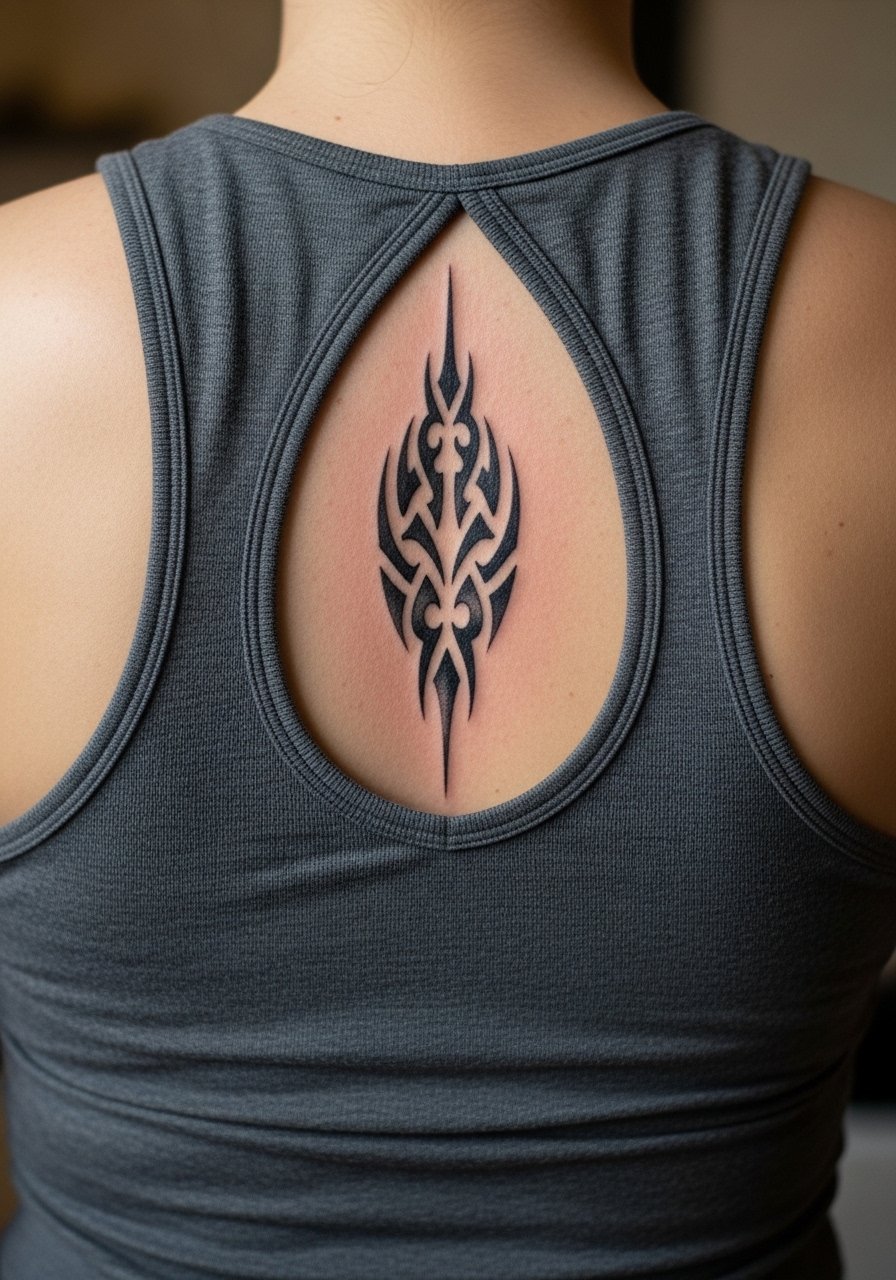
Spine accents read intimate and look like punctuation when kept small and vertical. The upper spine tolerates a black to gray gradient nicely because gravity does not affect healing there as much as on ribs. Session feels moderate because of proximity to bone and clavicle shifts, so plan a single focused appointment. One mistake is over-texturing the gradient which can fill in and lose contrast within a couple of years. Also consider career visibility before choosing neck-adjacent placements. Talk with your artist about spacing to keep the vertical symbol legible at two and five years.
9. Fine Neo-Tribal Shape Cluster on the Ribcage
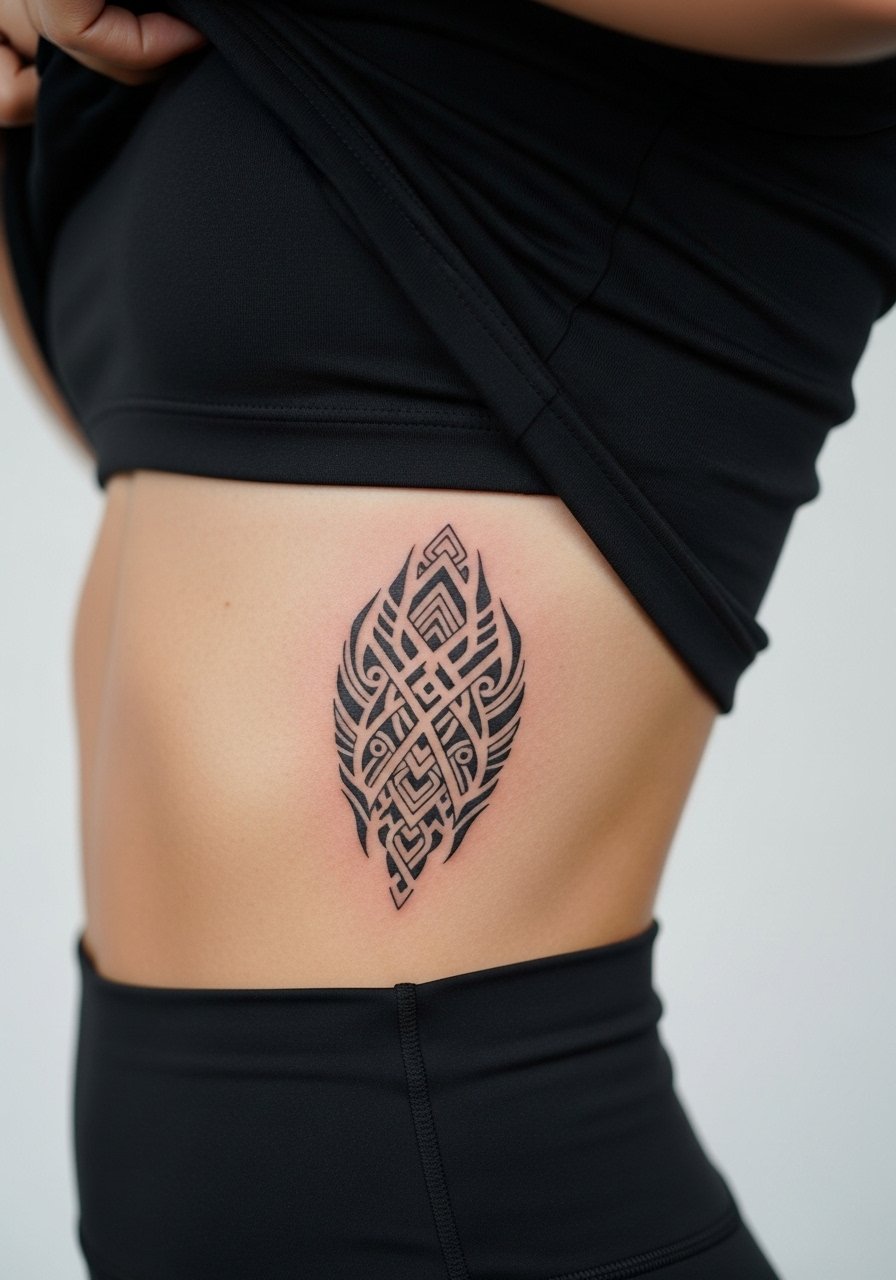
Fair warning: ribs are a high pain placement and the skin moves differently when you breathe. Artists split on whether fine line holds up on ribs. One camp says the skin stretch and friction blur thin lines within two years. The other camp argues that with correct needle depth and spacing the lines settle and stay crisp. Ask your artist where they stand and show healed examples of their ribwork before booking. A common mistake is requesting an ultra-dense cluster in a small rib area which invites merging as the piece ages. Expect a touch-up discussion at the consultation.
10. Bold-to-Delicate Neo-Tribal Arm Sleeve Start
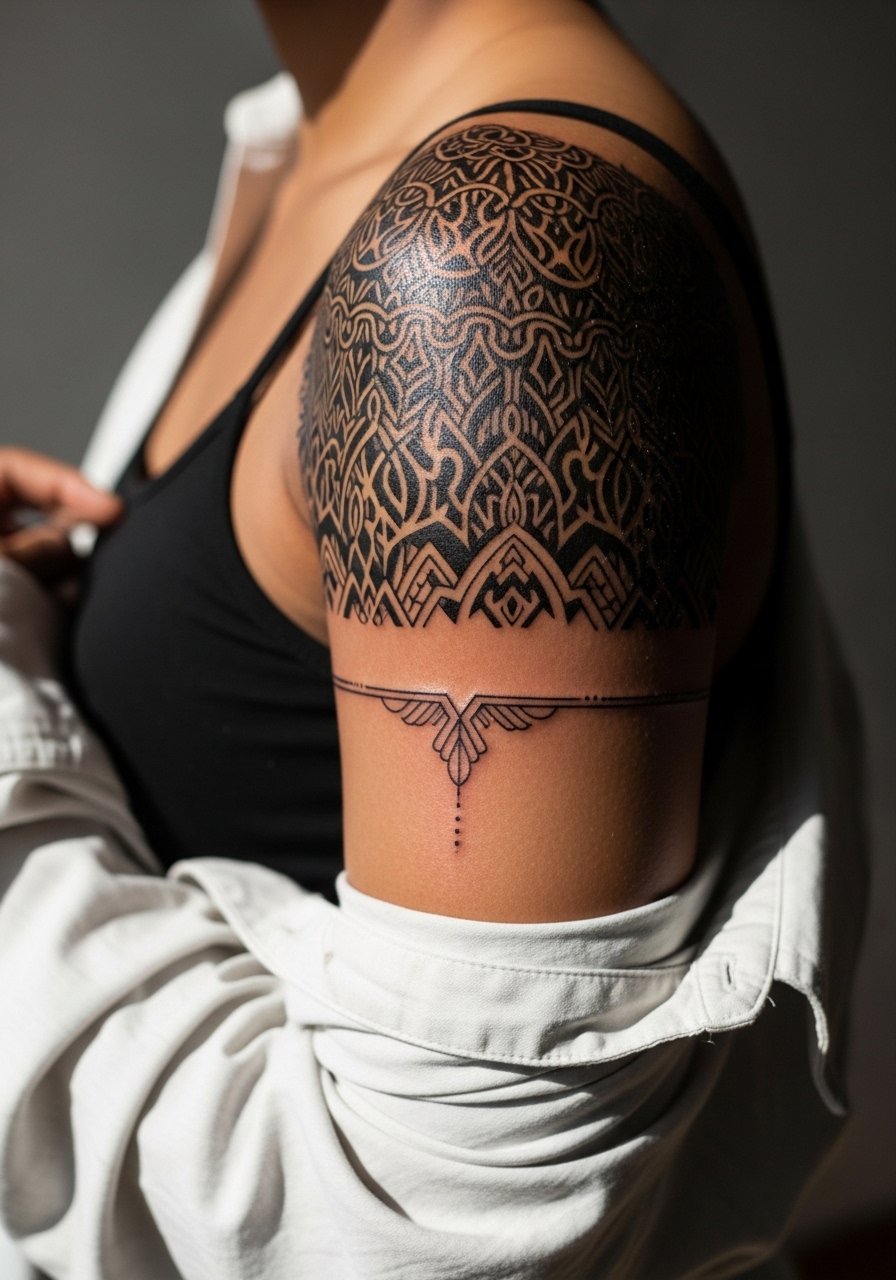
Starting a sleeve that mixes heavy blackwork with delicate sections gives future flexibility. My advice is to anchor the piece with a few bold panels and let the finer linework sit between those anchors. Session count will be multiple visits, often phased across months. A common error is committing to full fine line sleeve without planning for future bold panels which can create balance problems. For the appointment wear a loose button-down shirt you can pull aside so the artist has clean access. Trust your artist on flow but ask for a phased plan so you know when to add saturation.
11. Emotional Neo-Tribal Color Burst Ankle
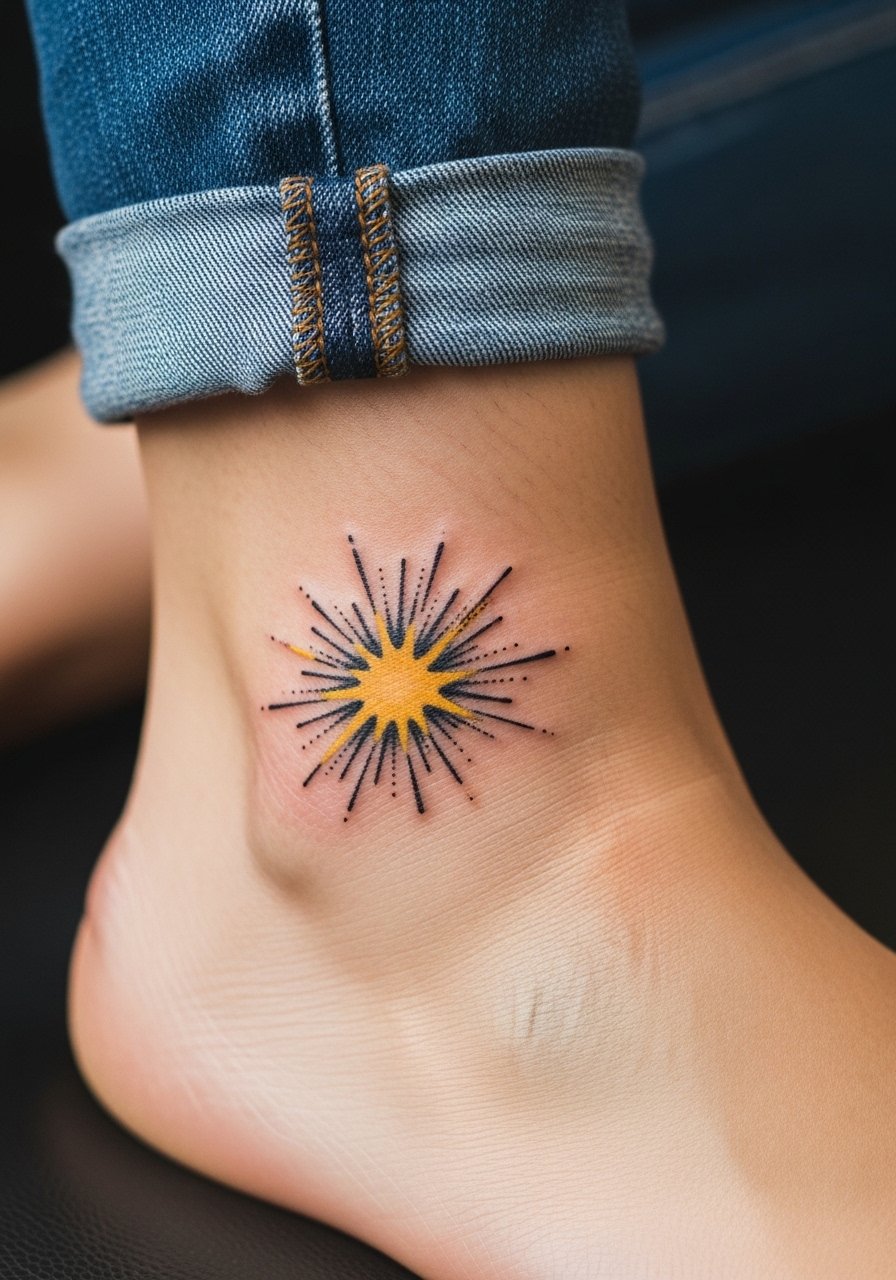
Ankle pieces are tiny statements so color accents should be minimal and tightly placed. The ankle sees a lot of friction from socks and shoes so expect the color to soften faster than on the thigh. Ask for a black structural ring with one or two small color bursts and request the artist feather the pigments to avoid hard edges that scuff out first. Session is short and often finished in one visit. For weekend looks try cropped straight jeans or espadrilles to show the accent without overexposure. Plan for a touch-up at around one year for bright pigments.
12. Subtle Neo-Tribal Linework Side Neck Piece
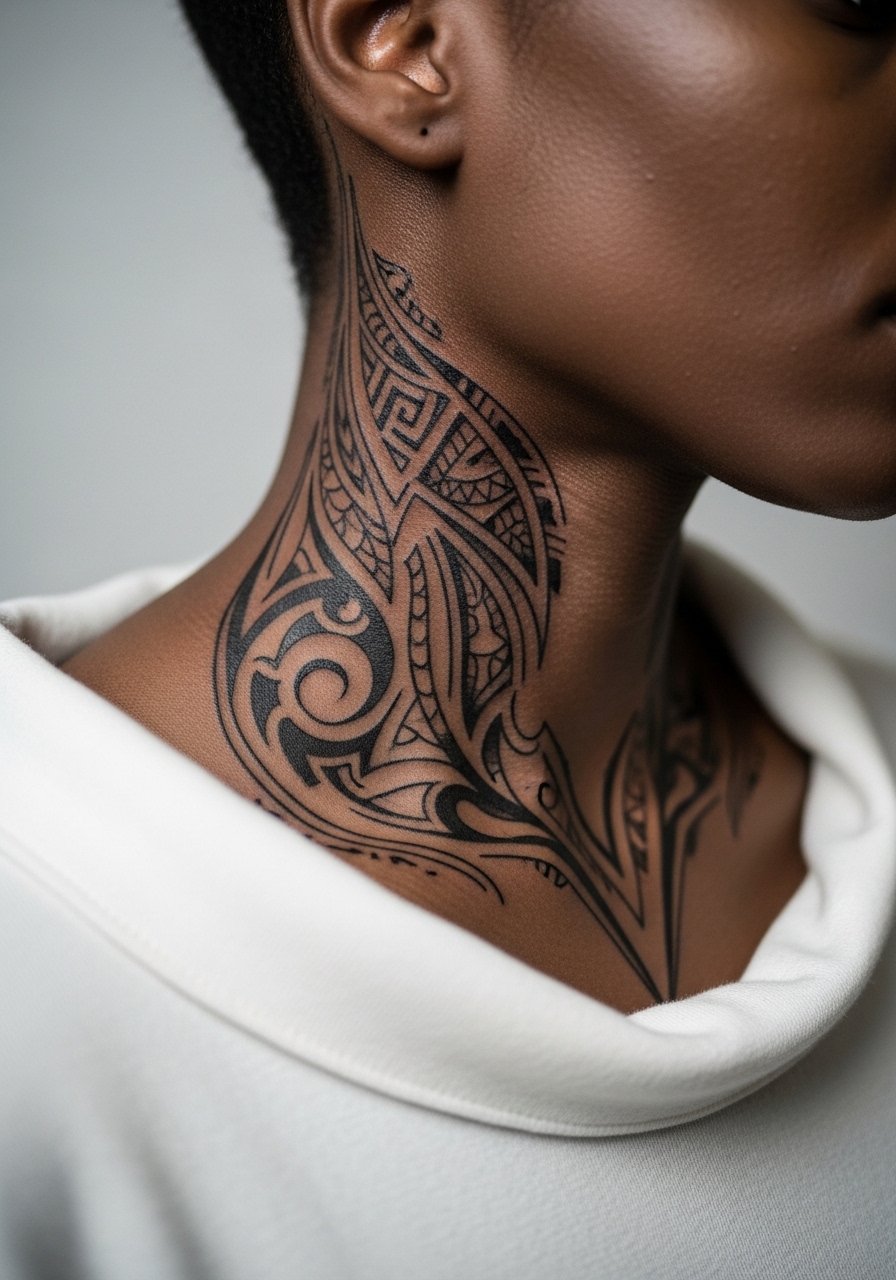
Side neck tattoos need careful placement because clothing and necklaces interact with the area. Micro linework reads best when it is discrete and angled to the collarbone so natural movement does not smear detail. The session feels quick but the area is sensitive and will sting more than an upper arm. One practical note is to consider workplace policies before committing. A common mistake is asking for dense ornamentation in a high-motion zone which causes early softening. Ask the artist about their healed neck photos and whether they recommend slightly thicker anchors for longevity.
13. Micro Cybersigilism Finger Band
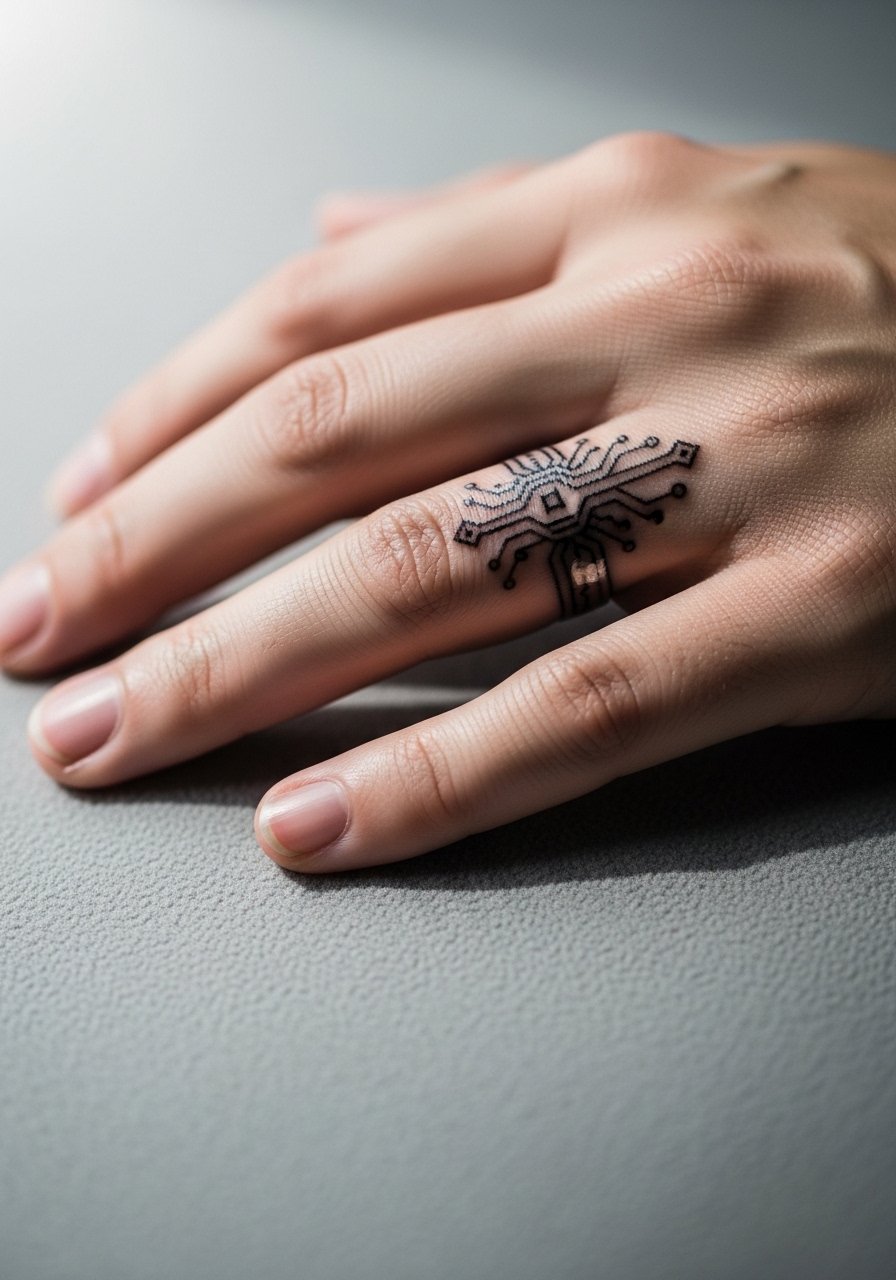
Finger bands feel small but pack a lot of daily use pressure, so expect faster fading and occasional touch-ups. For a tiny cybersigilism band request clean, simple motifs and ask for bolder main lines rather than ultra-fine ones to keep the design readable. The big mistake is using too many micro details that will not survive handwashing and friction. For showing it off with minimal distraction wear a minimalist leather cuff on the opposite wrist to balance jewelry without crowding the fingers. Touch-ups are common around year one for finger work.
14. Optical Illusion Neo-Tribal Thigh Band
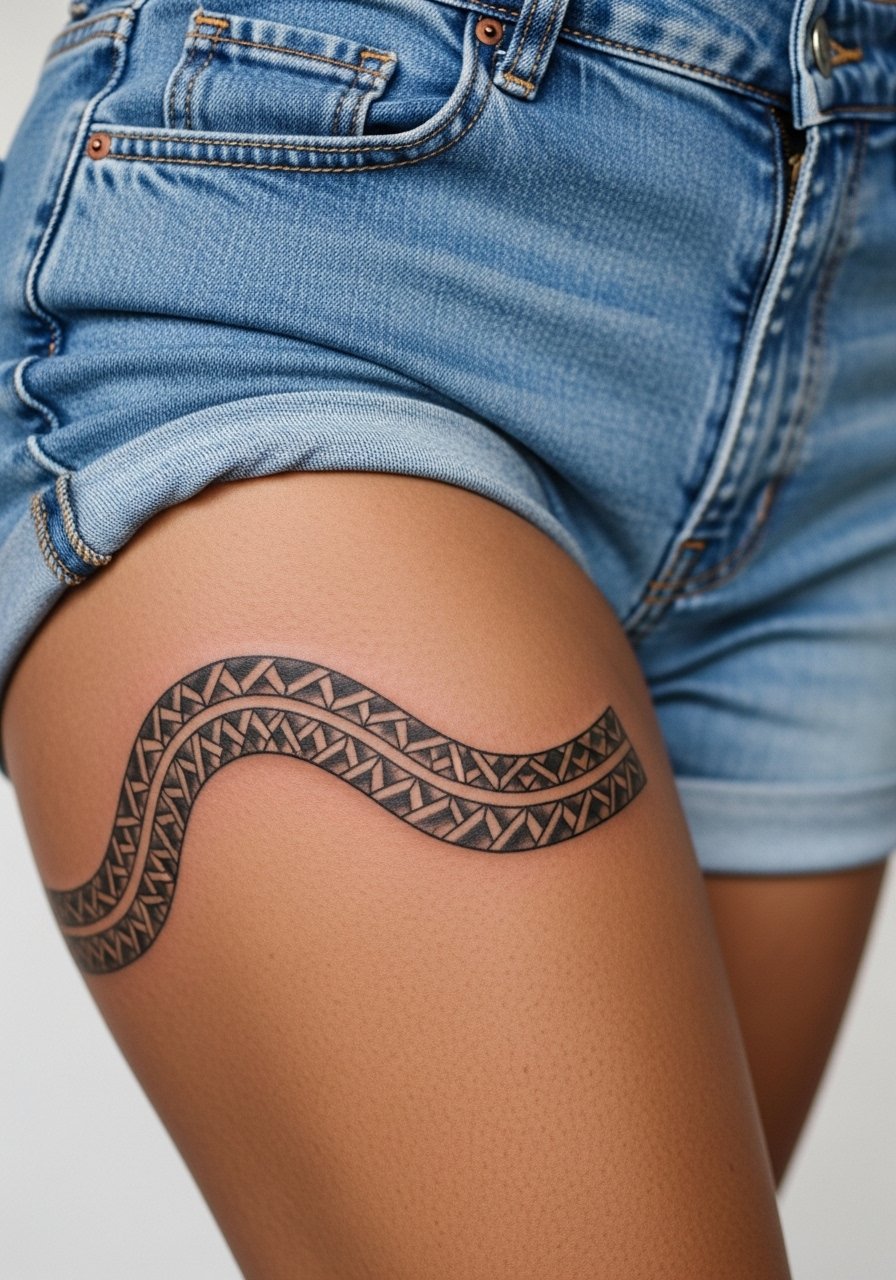
Optical illusions on the thigh use concentric spacing and negative space to create movement as you walk. The outer thigh tolerates detail well, but designs must curve to the muscle to avoid distortion when you sit. I recommend a medium width so lines have room to settle without merging. The session can be longer than a small ankle piece but more comfortable than sternum work. A frequent mistake is ignoring how pants seams and waistbands will sit over the band during healing. Ask for a mockup while standing and seated so you can see real-world distortion.
15. Neo-Tribal Minimal Collarbone Accent
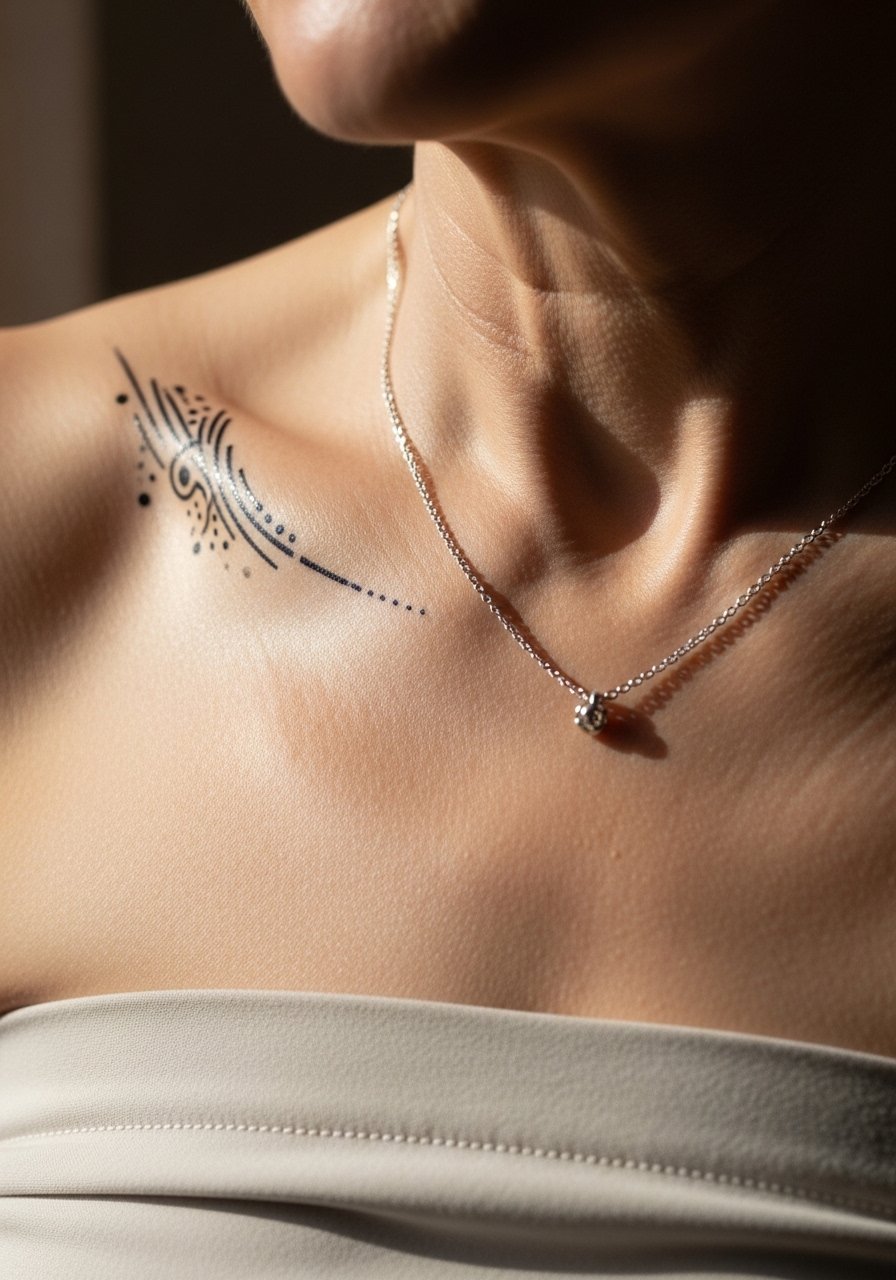
A micro collarbone accent is low commitment and keeps focus on a single motif. Go for one or two deliberate shapes with negative space rather than a cluster. Pain is mild and the session is quick. The main mistake is overcomplicating such a small area, which can look cramped after healing. For evening wear a delicate chain necklace sits just above the motif without competing. If you want color accents, limit them to a dot or two to avoid uneven fading.
16. Neo-Tribal Minimal Spine Dotwork Column
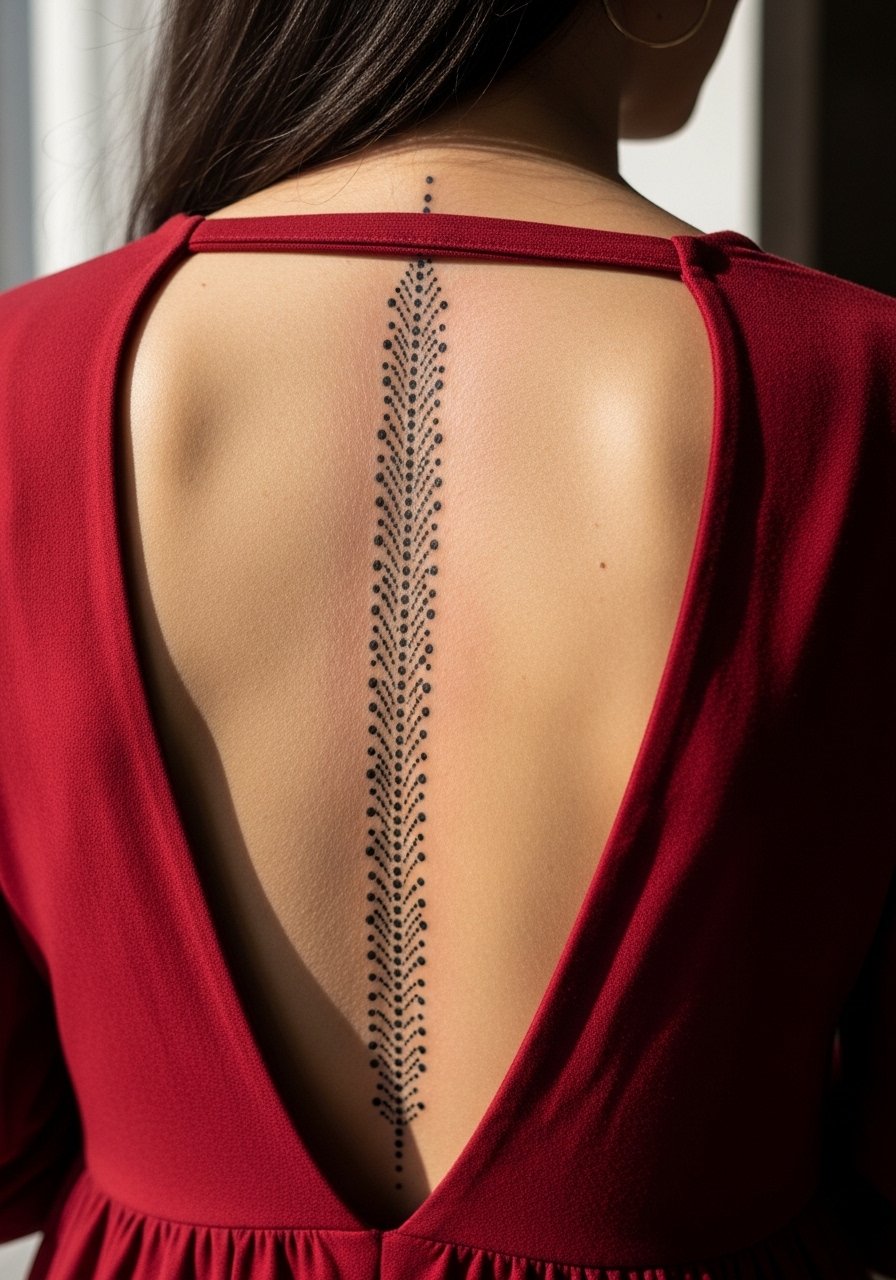
Dotwork along the spine feels refined and ages predictably when spacing is generous. The session is moderate because working near the vertebrae can be uncomfortable in long passes. Ask for a column with negative space between dot clusters to prevent the dots from merging into a line over time. A mistake is compressing too many dots into a small vertical band. Expect touch-ups later if you push density for darker contrast. Keep clothing choices gentle on the area during healing to avoid rubbing.
17. Doodle-to-Neo-Tribal Mini Conversion Behind the Ear
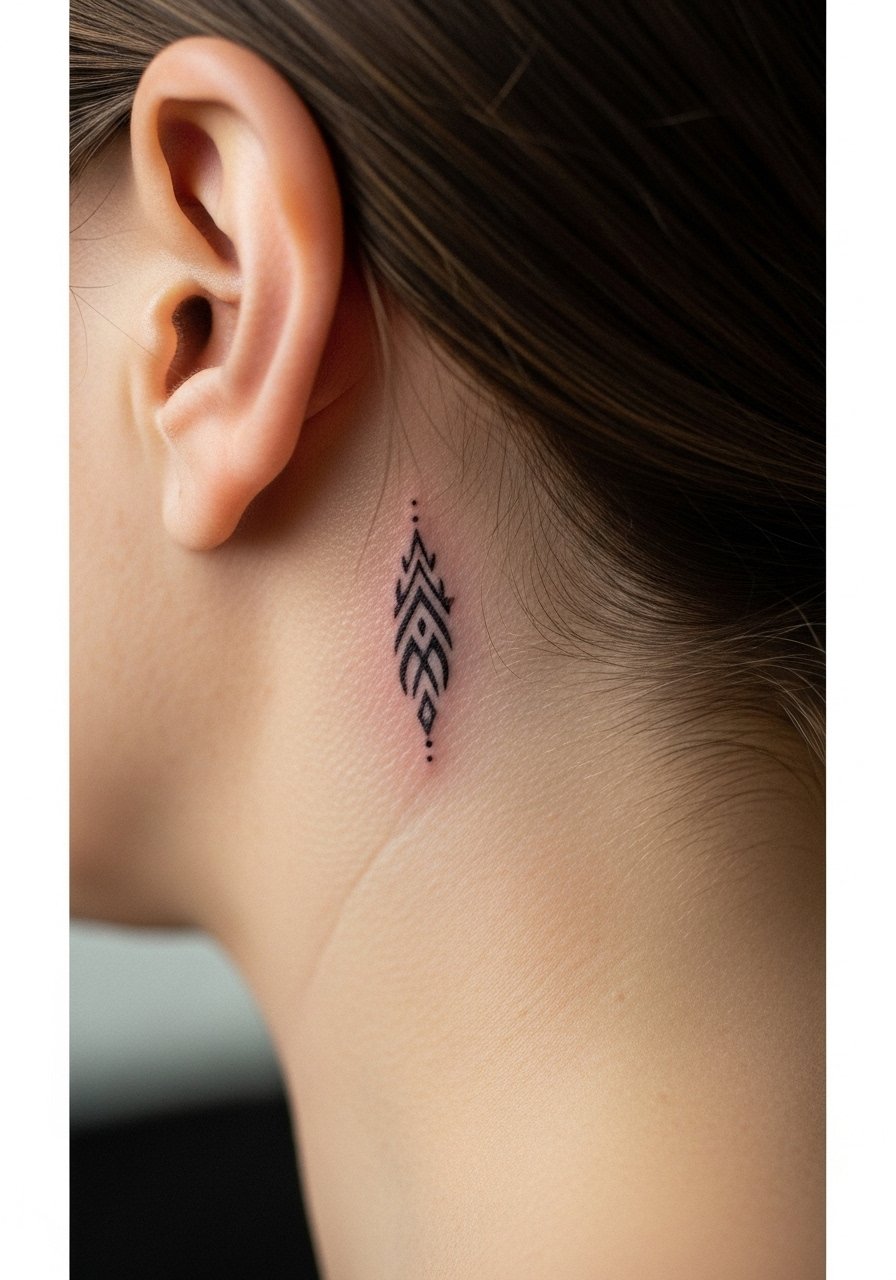
Converting a small doodle into a neo-tribal behind the ear piece works well for a tiny signature mark. The site is discreet but sensitive so the session is short and sharp. Because the area sits near hair and collars, request a simple silhouette rather than dense details. A common oversight is requesting text or tiny letters there which do not translate well. Also consider that behind-ear work can be visible in certain hairstyles, so think about long term visibility. Seek an artist who shows healed behind-ear examples before you book.
Frequently Asked Questions
Q: Will fine line neo-tribal fade faster than bolder blackwork on the forearm and wrist?
A: From what I have seen, fine line tends to soften sooner on high-friction spots like the wrist. One camp of artists accepts touch-ups as part of the aesthetic, while another adjusts spacing and line weight to make fine work last longer. Ask for healed photos from your artist to see how their technique performs on forearms and wrists.
Q: How should I dress for a thigh or ribcage session to make the artist's job easier?
A: Wear loose shorts or a high-waisted short so the artist can access the area without you getting cold. For ribs lift a cropped top slightly so only the treatment zone is exposed. Comfort and easy access speed up the session.
Q: Are color accents in neo-tribal worth it, or do they complicate healing?
A: Color accents add emotional emphasis but they do require slightly more care because pigments can fade unevenly. Keep color pops minimal for ankle, collarbone, and thigh work and plan for a color touch-up at year one if you want vivid saturation.
Q: What discovery paths actually find artists who do delicate neo-tribal without chunking the lines?
A: Use style-specific tags like #neotribaltattoo and #cybersigilism on Instagram, search local "[city] neo-tribal tattoo" on Google, and browse Tattoodo filters. Also spend time on TikTok and Pinterest boards to collect healed examples from artists you research.
Q: If I want a delicate neo-tribal sleeve, how many sessions should I plan and how do I avoid imbalance?
A: Plan multiple sessions spread across months so saturation and anchors can be layered. Start with bold anchors and add delicate fills around them. Ask the artist for a phased plan during consultation so you can see how each session shapes the next.
Q: Do neo-tribal lines photograph well on darker skin tones?
A: They can, but line visibility often depends on saturation and contrast. Many artists prefer slightly heavier anchor lines on darker skin to preserve the geometry while keeping internal detail light. Reviewing healed photos of the artist's work on a similar skin tone is the most reliable guide.