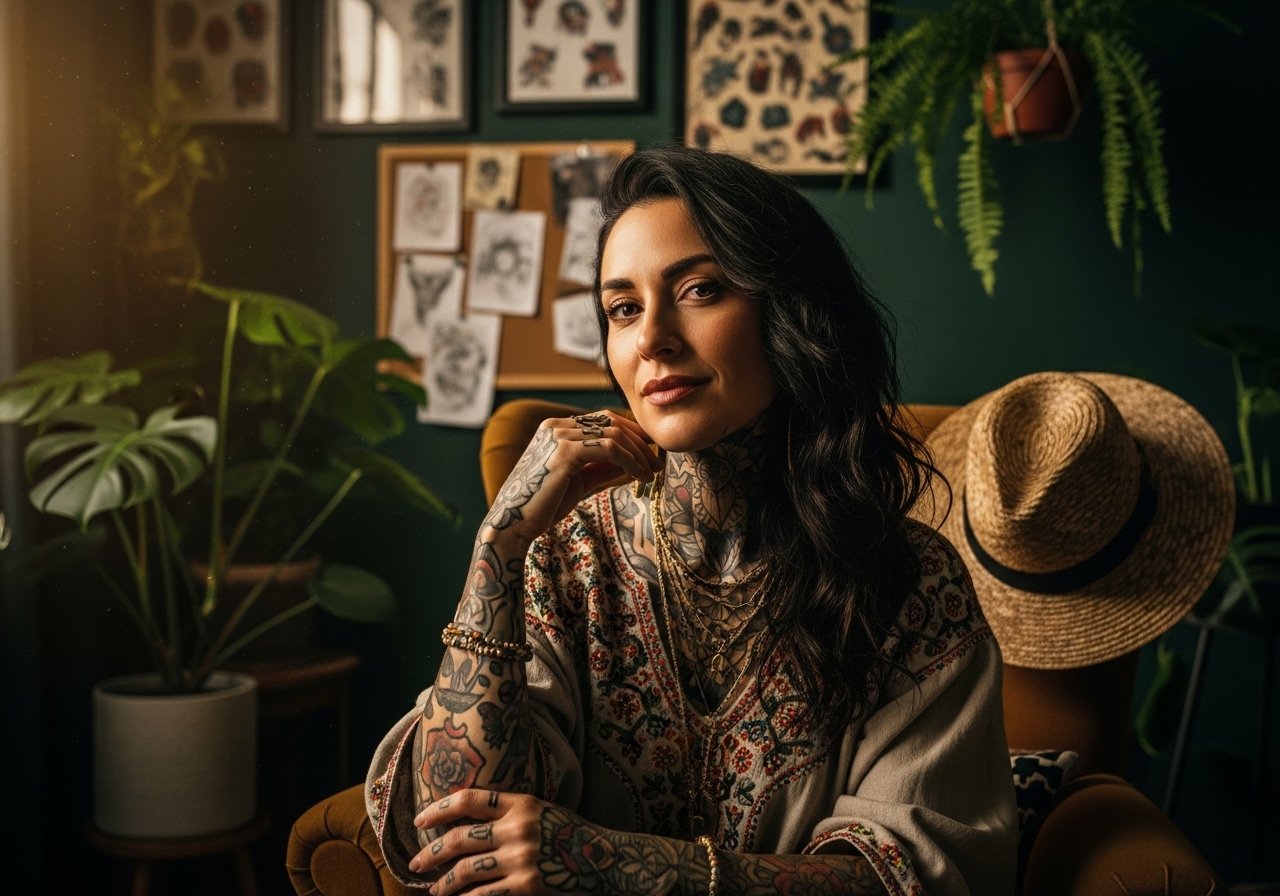
Fine line looks gorgeous on a saved board, but the pieces that actually hold up after a few years are rarely the same ones that get the most saves. Trends move fast and skin and placement do not. If you want cute cover up tattoo ideas that still read clean after touch-ups, these picks balance concealment with long-term linework and sensible placement so your next appointment is an upgrade, not a regret.
1. Sunflower with Layered Petals on the Forearm
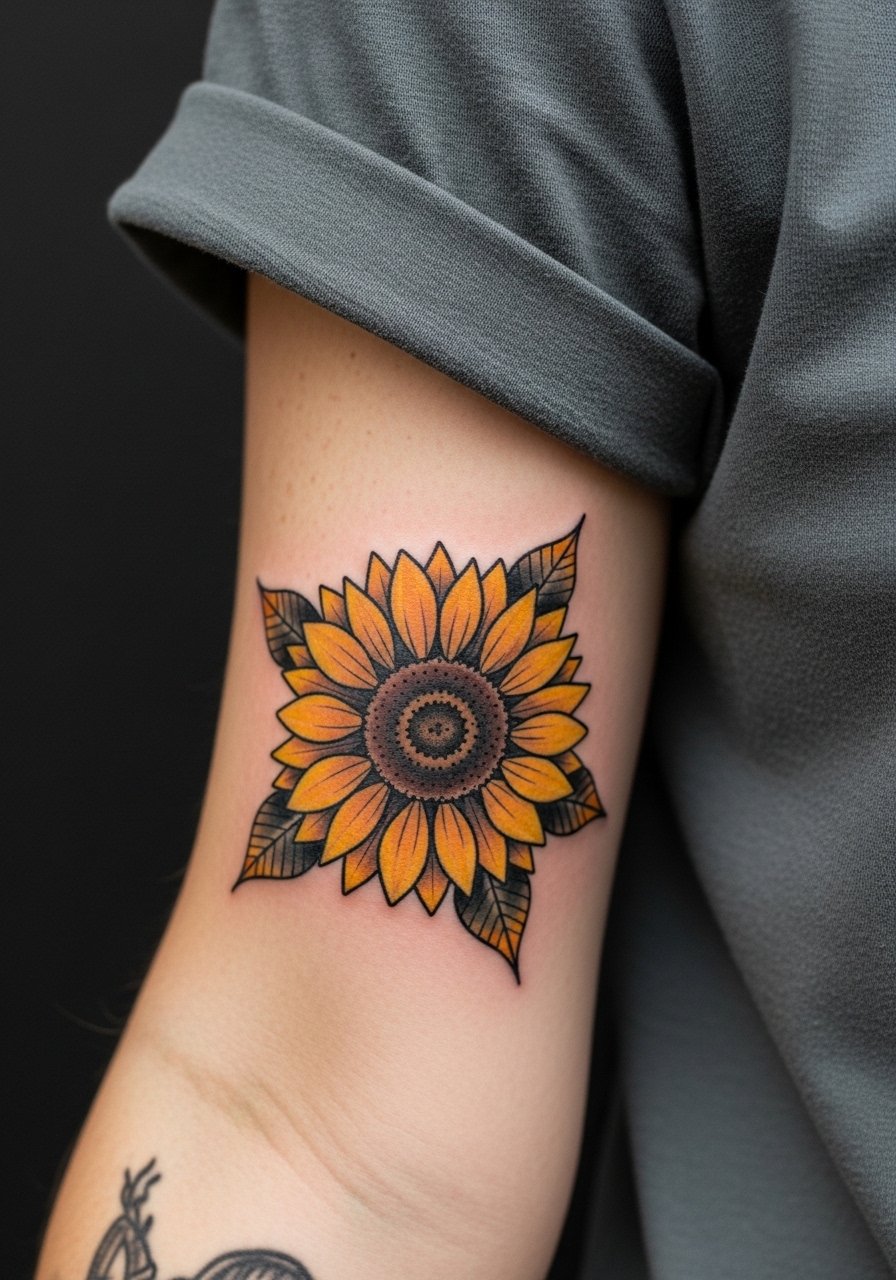
I've seen sunflowers cover old script more often than anyone expects. The trick is layered petals with a dark, textured center placed over the densest part of the old ink. Tell your artist to build petal depth and use heavy black shading in the center rather than trying to mask with light gray. Expect a medium pain level on the forearm and a two-session plan for good saturation. For showing it off, roll up a rolled sleeve cotton tee so the color reads clean against simple fabric during warm months.
2. Tiny Micro Floral Bouquet on the Wrist
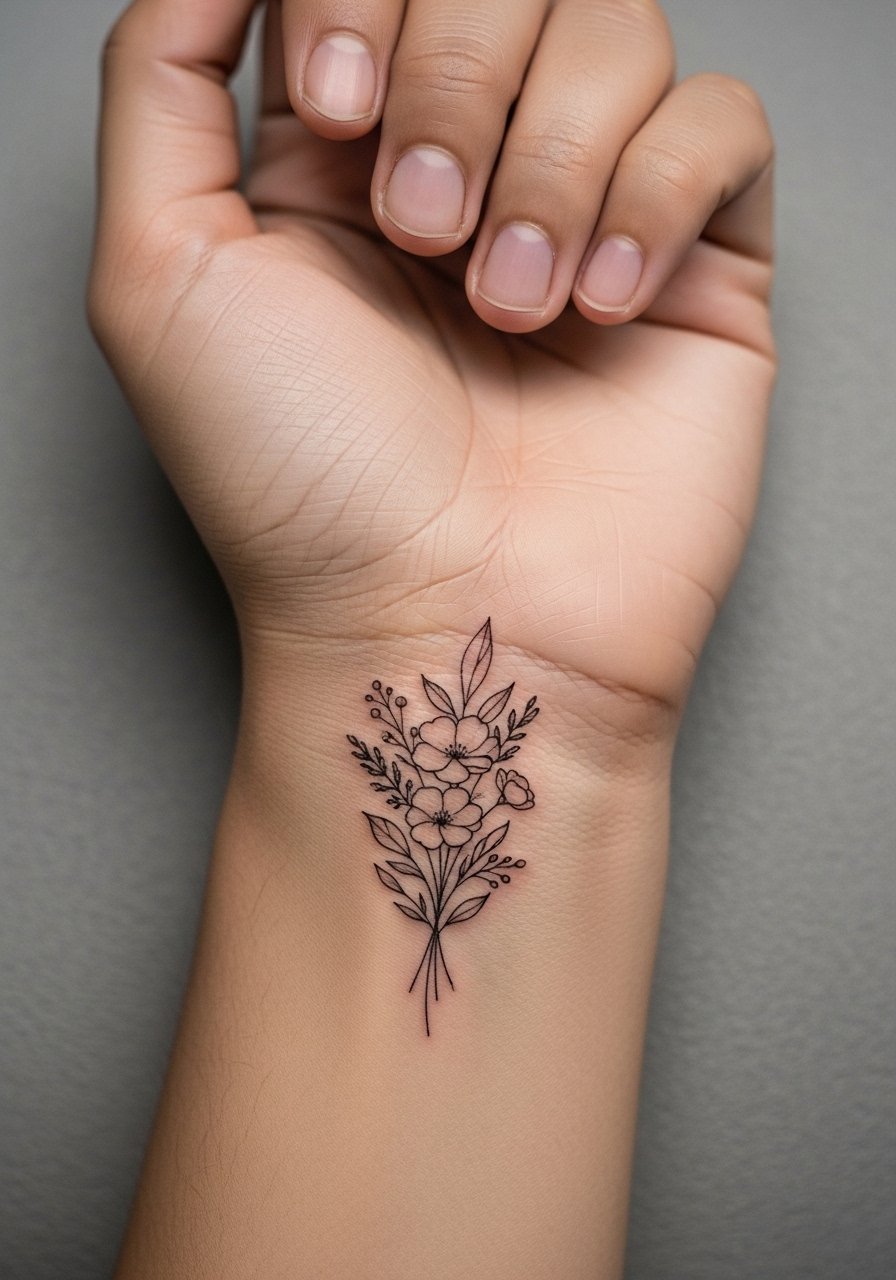
Most small cover-ups fail because people try to hide bold old lines with equally delicate work. A micro bouquet works when the flowers are clustered tightly and dark ink hides the thickest strokes. Fair warning, the wrist is a higher friction zone, so expect touch-ups sooner than on the forearm. For the session, throw on a sleeveless tank top so the artist can access the wrist without tugging at fabric. Keep your expectations realistic about longevity and plan a touch-up at year two if needed.
3. Watercolor Butterfly on the Shoulder
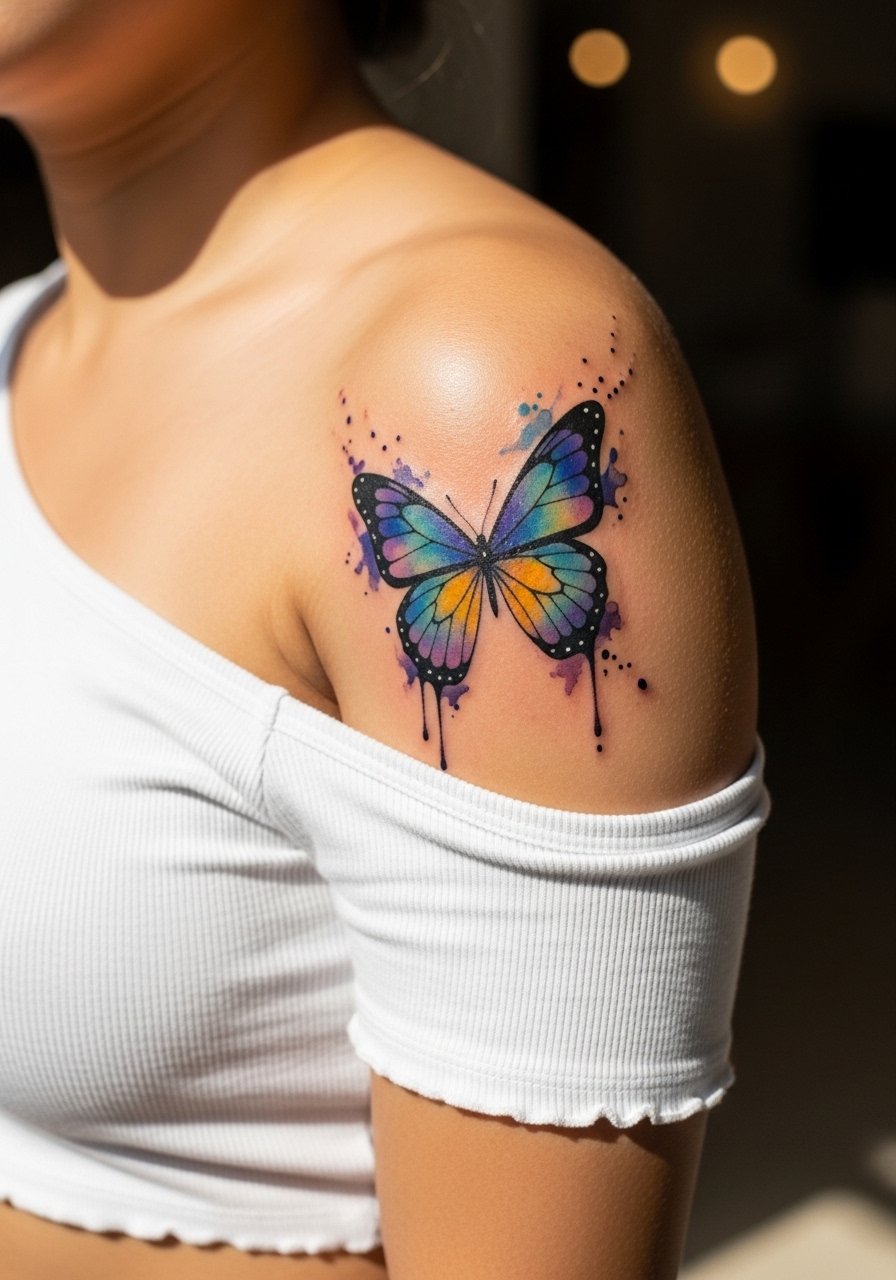
There is something about soft watercolor edges that reads feminine while letting darker wing veins hide old pigment. This placement looks best with wing tips wrapping slightly toward the back so the old tattoo sits under the darkest parts. When you consult, ask for stronger vein saturation and a subtle outline to prevent early blurring. For session comfort choose a strapless bralette or an open button-down you can pull aside for easy access.
4. Feather Cluster with Textured Shading on the Upper Arm
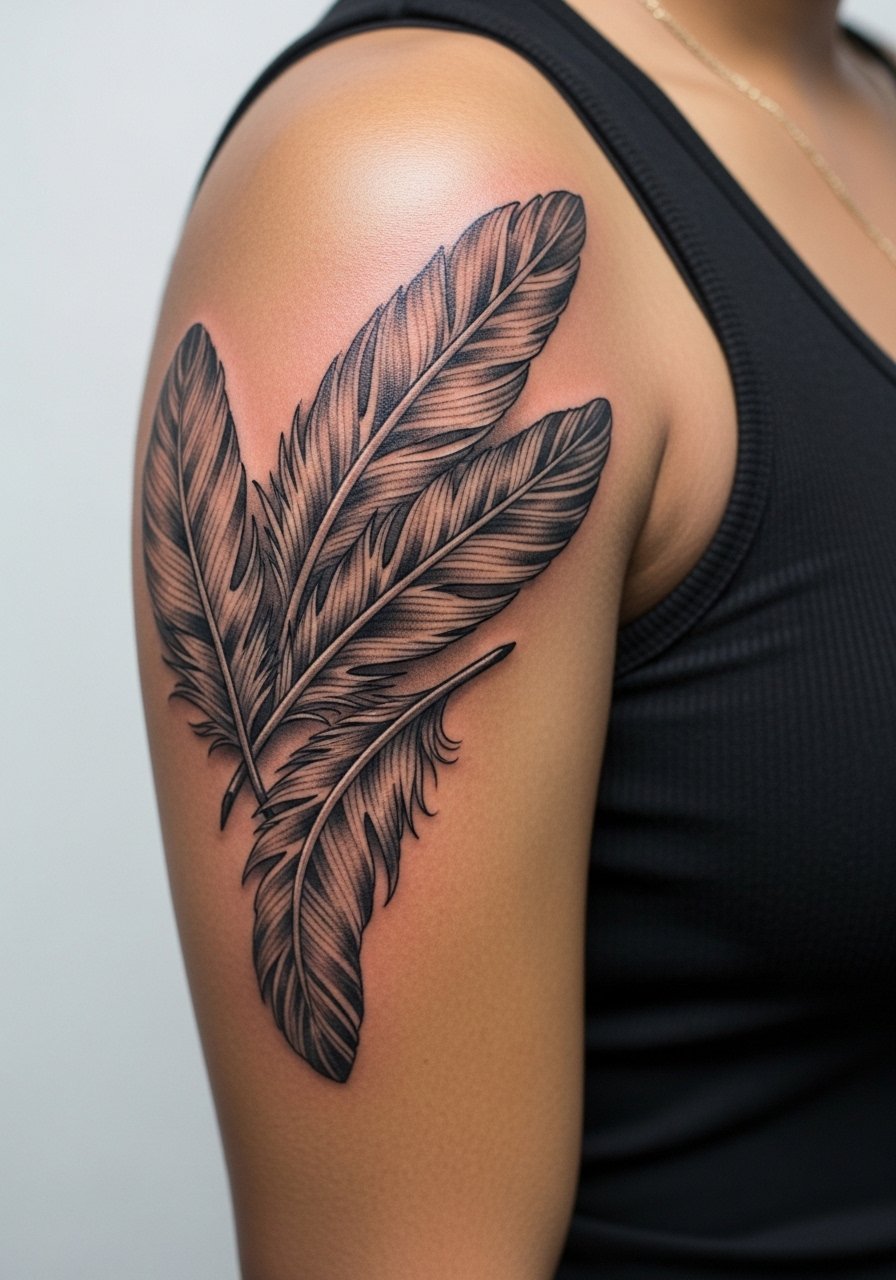
Feathers are excellent at disguising old shapes because the texture draws the eye along new lines rather than focusing on the covered design. In practice, stipple shading and varied feather density hide thick outlines better than flat black fills. This placement is moderate pain and usually finishes in one long session or two shorter ones. Pair it with a fitted tank top black when you want the texture to pop against simple clothing. Avoid asking for identical thin feathers across the whole area since that ages into visual muddiness.
5. Rose Mandala Wrapping the Inner Forearm

A mandala built with rose petal shapes can be adjusted to bury script lines along the forearm. Ask your artist to map petals around the old ink rather than trying to place the mandala directly on top. The inner forearm can be sensitive, and fine dot work in dense areas should be spaced out to avoid blowout over time. For session day wear a loose button up shirt so the arm can move freely and fabric does not rub fresh ink. Expect a touch-up window around year two for crisp dot work.
6. Blackout Arm Accent Patch

Blackout patches are simple and decisive when the old tattoo is large or indented into the design. One camp prefers full color with textured overlays. The other camp argues that dense black is the most reliable way to neutralize old pigment. Both positions are valid depending on the old ink and desired aesthetic. Expect several sessions for consistent saturation and an intense first appointment. For casual wear try a rolled sleeve cotton tee during healing so fabric does not adhere to fresh black. This approach reads bold and age-resistant when the saturation is done right.
Studio Day Picks
The wrist and forearm pieces above have different healing needs than larger blackwork, and a few compact items smooth out the chair day and the first week.
-
Stencil transfer paper kit. Lets you preview line placement on skin before the needle touches, especially useful for the precise wrist and forearm pieces above.
-
Topical numbing cream. Applied before the session can help with wrist and inner forearm sensitivity without altering the artist's technique.
-
Thin protective film roll. Useful for small areas that get a lot of contact, like the wrist and ankle, during the first 48 hours.
-
Fragrance-free body wash. Gentle cleansing helps the fine line and micro floral pieces stay cleaner during showers without stripping pigments.
-
Aquaphor healing ointment. A thin application in the first days helps keep the skin supple around tight linework and delicate dot shading.
7. Peony Layers for Script on the Inner Forearm
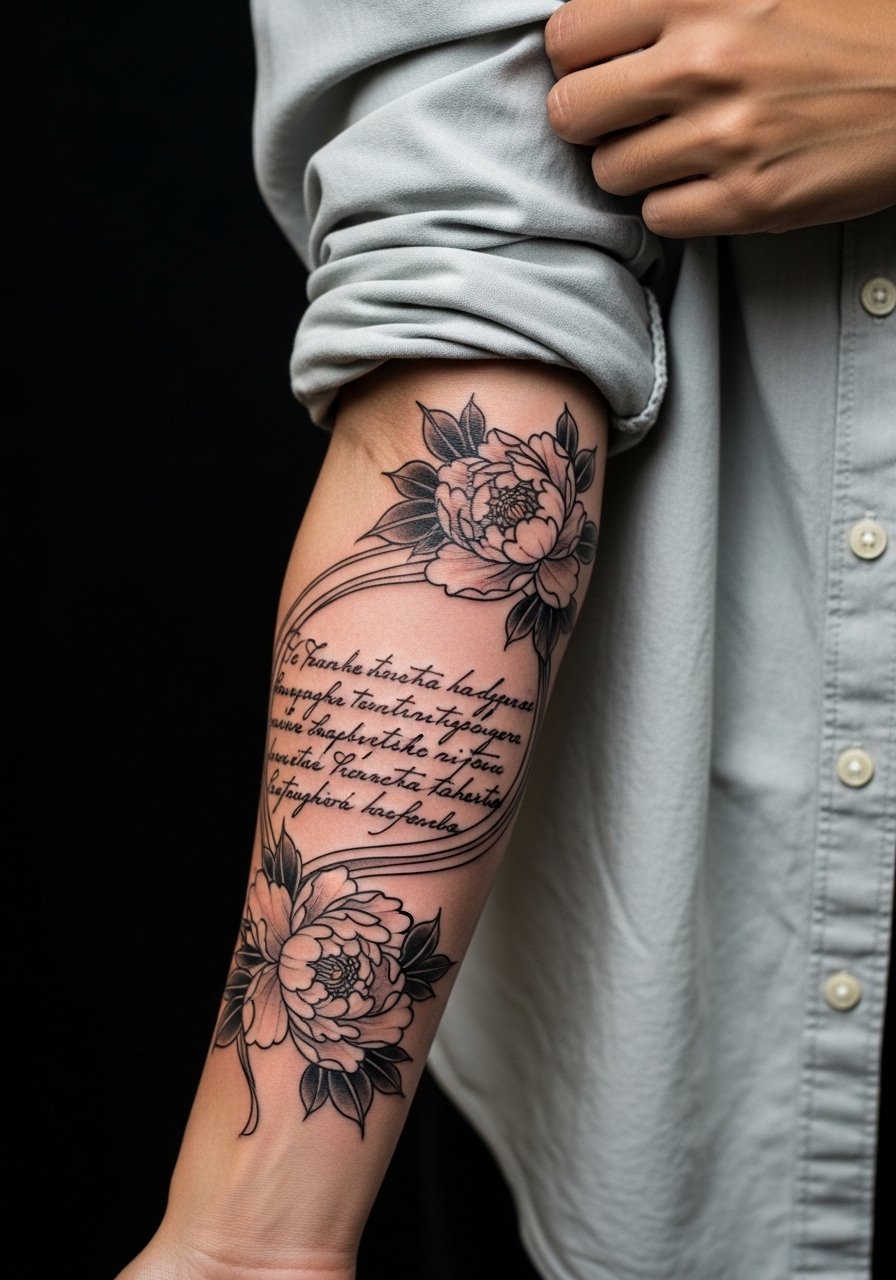
Peonies shine at burying script because deep petal centers can sit directly over letters while outer petals reframe the shape. In consultation say you want layered centers and heavy shadow behind the script lines. This avoids the pitfall of tiny petals placed over thick letters which still show through. Pain is moderate on the inner arm. For the session wear a loose button up shirt so the artist can access the area without fabric bunching. Expect two sessions for full saturation in the center.
8. Micro-Realism Animal Fur Texture on the Thigh
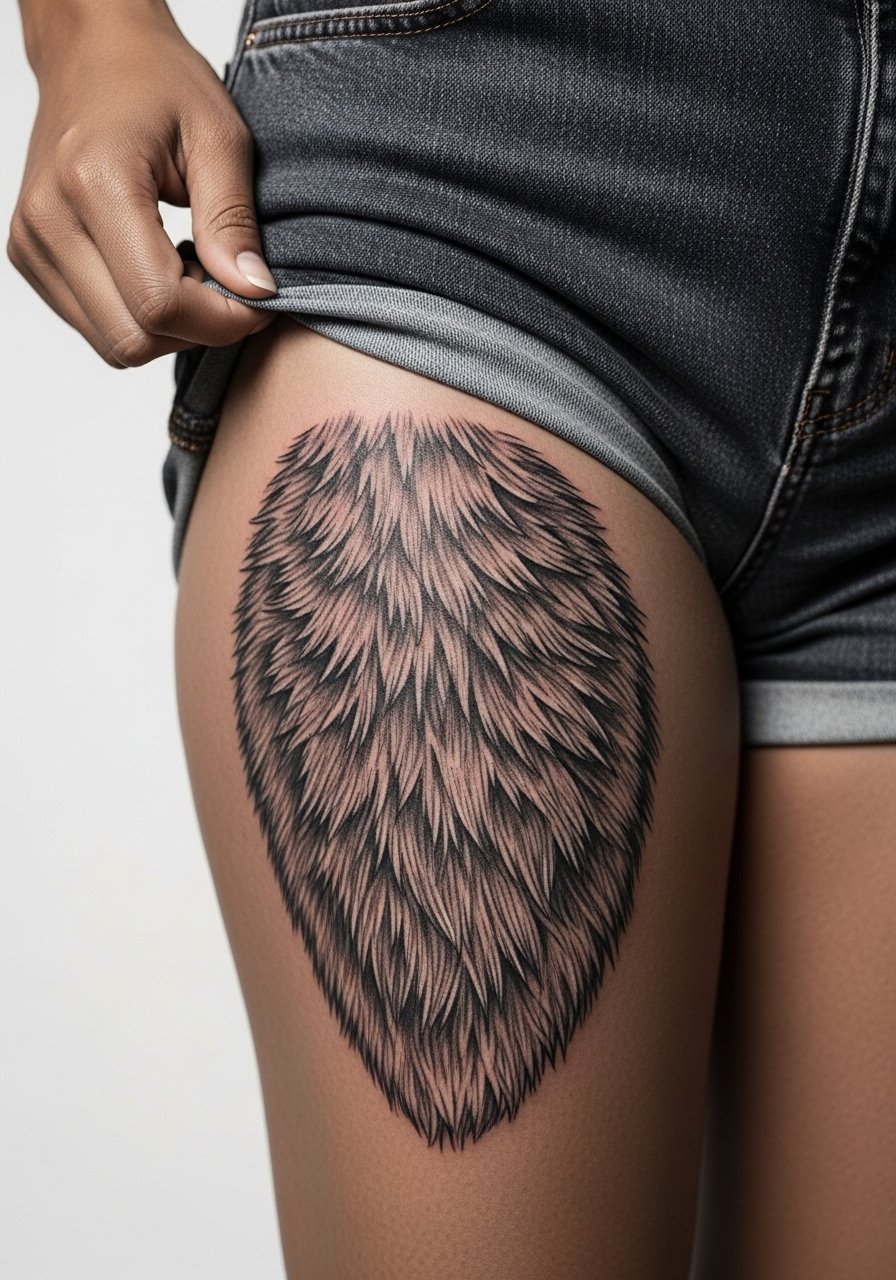
Using fur texture is an underused trick when the old design has irregular lines. Tiny hair strokes and contrast hide shapes by creating a new visual rhythm. The thigh tolerates long sessions well and heals with less friction if you wear loose bottoms afterward. A common mistake is asking for uniform fur across the whole piece. Variance in direction and density sells realism and hides the original lines better. Plan for a multi-session approach and expect touch-ups where the old ink was darkest.
9. Lotus Mandala on the Wrist

Lotus mandalas are useful for small script cover-ups on the wrist because radial shading can be placed to conceal letter stems. The wrist has a higher wash and rub rate meaning delicate dot work will need attention. One common mistake is packing too many tiny dots into the center. Ask for spacing that lets the mandala age without merging. For styling, wear a thin chain bracelet on the opposite wrist to balance jewelry without crowding the new ink. Expect a light touch-up at around year two.
10. Tiny Constellation on the Ankle
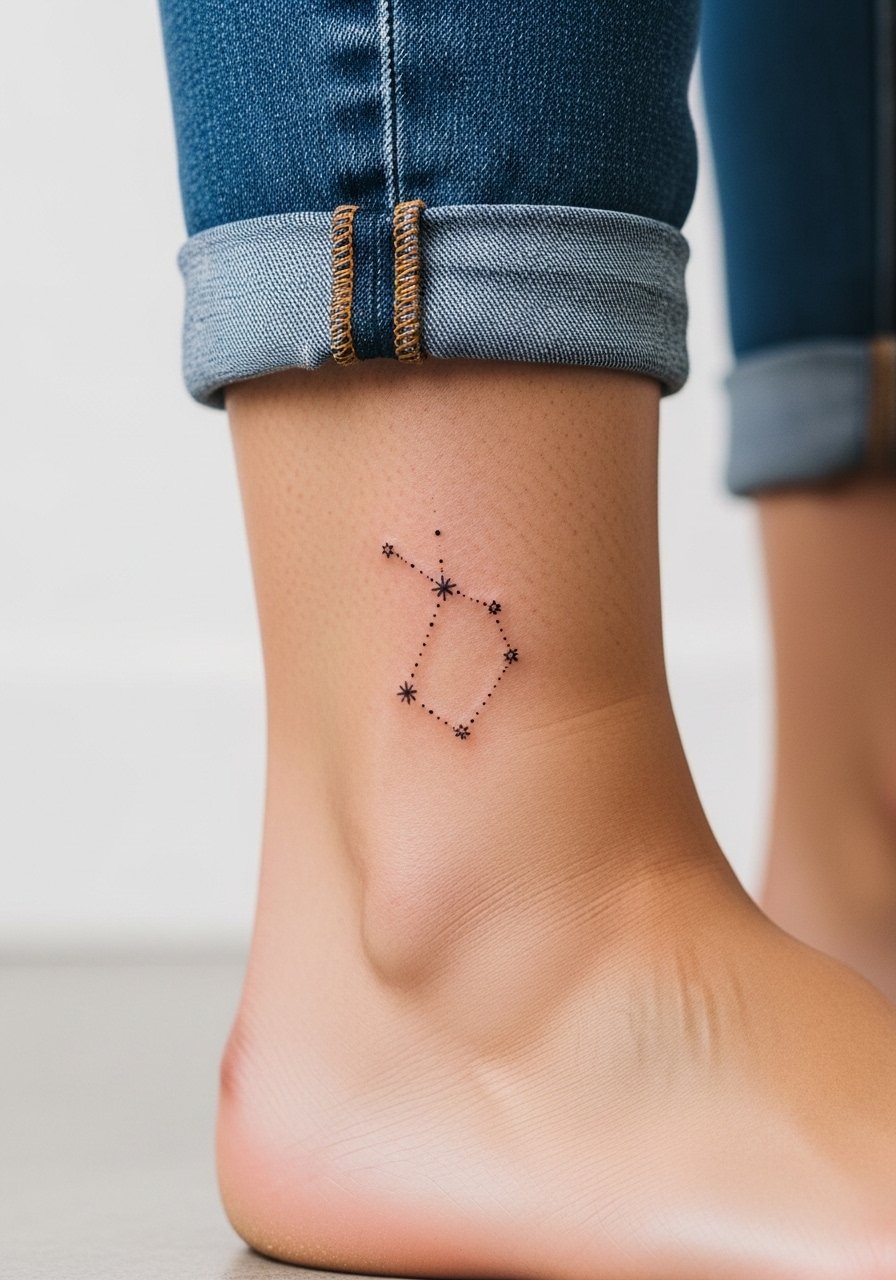
Small ankle cover-ups work best when the new design uses clustered points of interest to distract from old marks. The ankle sees a lot of rubbing from socks and shoes so choose placements on the outer ankle instead of inner if possible. For session comfort pull on jeans rolled up or sandals and plan for quick touch-ups after the first year. Showing it off is easy with cuffed ankle jeans that reveal the area cleanly.
11. Skull with Deep Eye Socket Shading on the Upper Arm
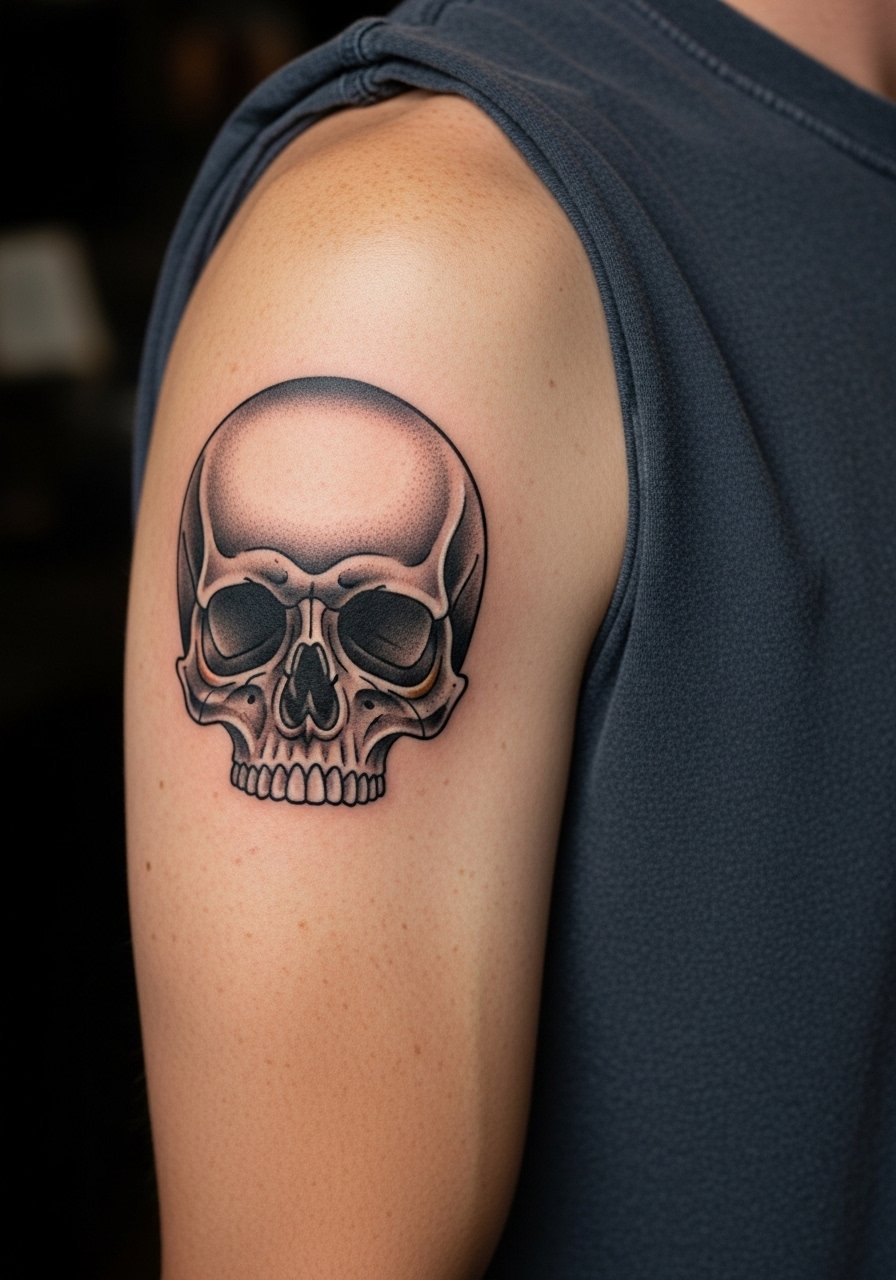
Skulls are reliable cover-ups because natural shadow areas like eye sockets and nasal cavities can host the darkest parts of the old tattoo. The common error is flat gray washes that lack texture. Ask for contrast and stipple in the shadow zones so the old lines become part of the new anatomy. Upper arm sessions are comfortable and usually finish in one to two sessions. Pair the result with a sleeveless tee or an open cardigan for casual layering.
12. Butterfly with Watercolor Edges on the Lower Back
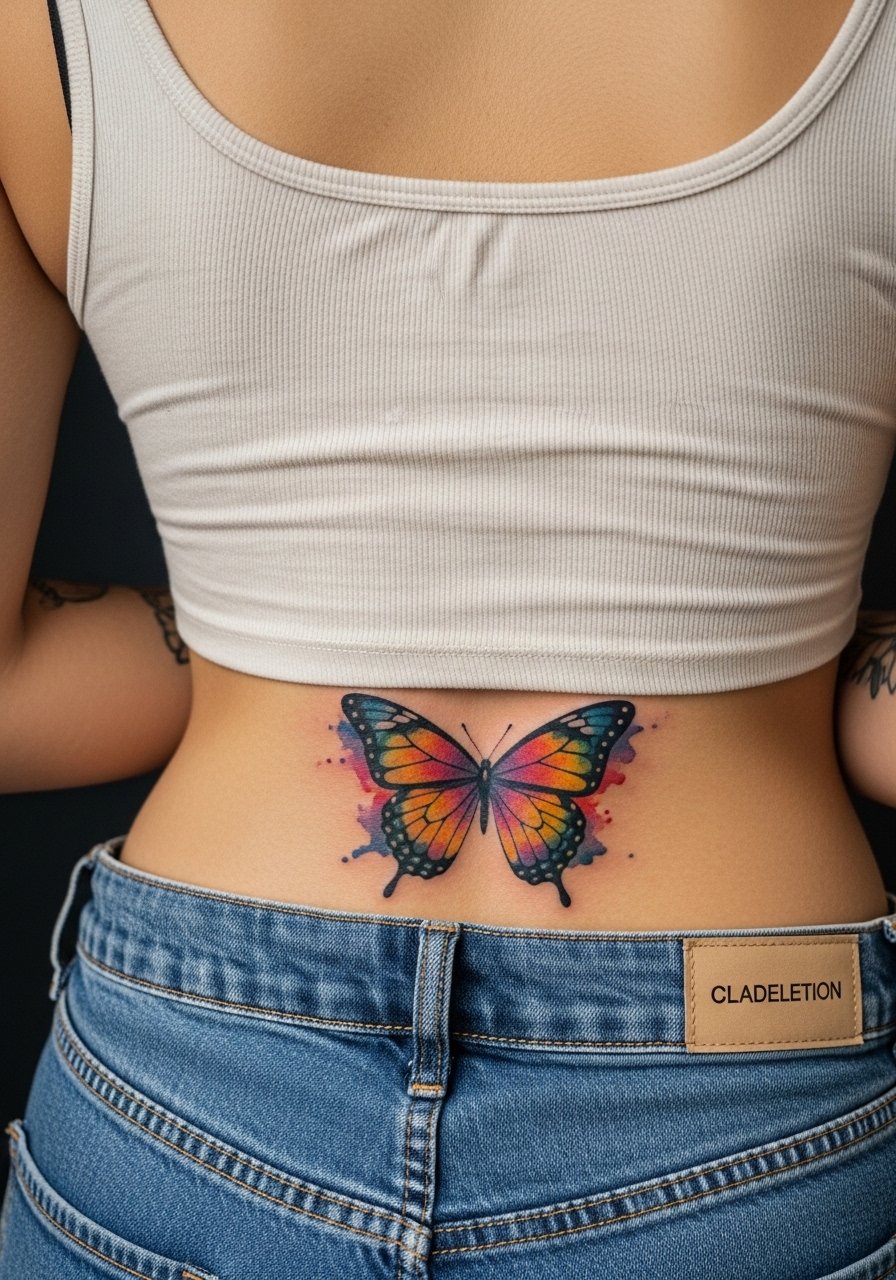
Watercolor edges work well on the lower back when you need soft coverage over older bold lines. The secret is to anchor the wings with darker veins so the soft washes do not wash out entirely after healing. The lower back tolerates movement but can be tricky during sleep while healing. Choose session wear like a cropped top so the artist can access the area with you lying prone. A common mistake is wanting entirely soft color with no outlines. Tiny dark veins preserve readability and longevity.
13. Tribal to Japanese Wave Flow on the Calf
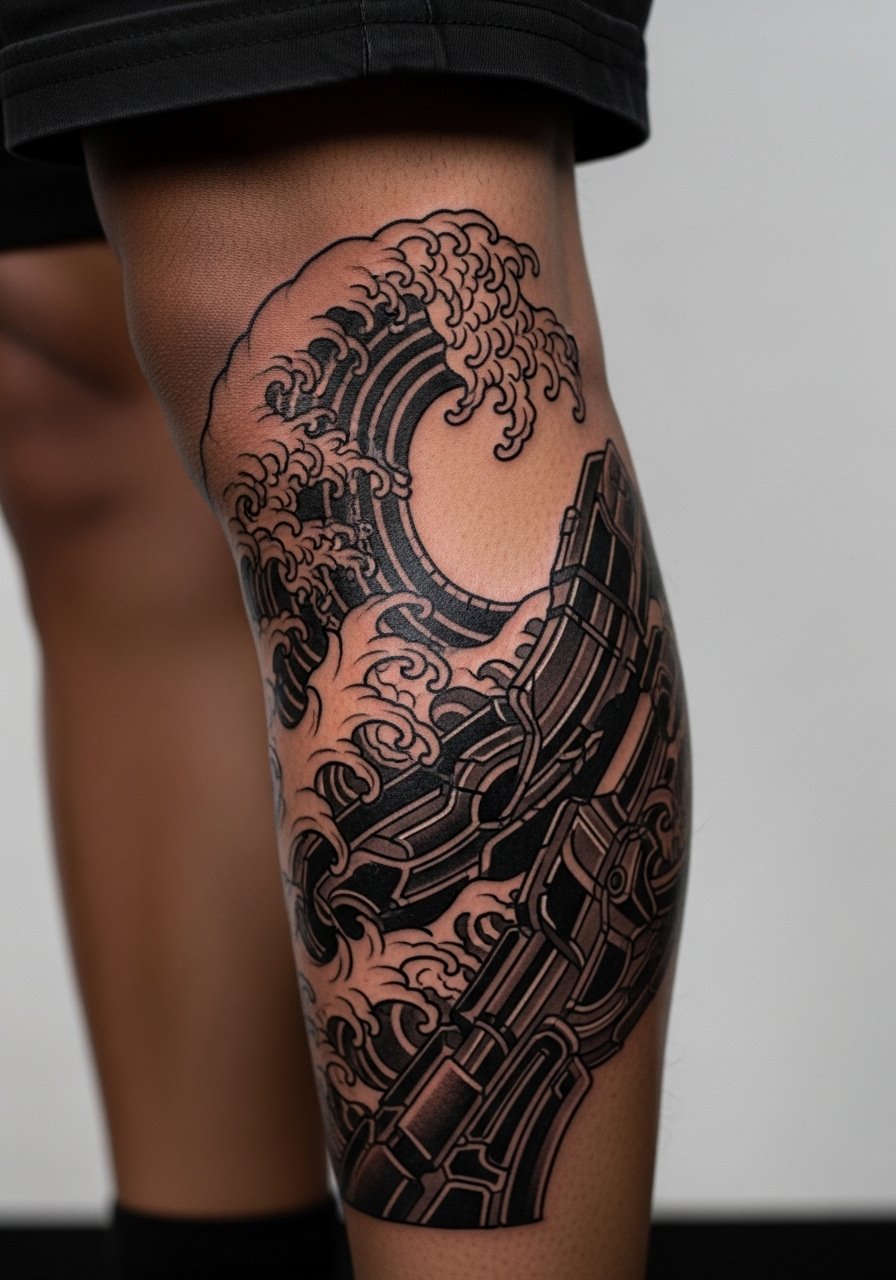
Turning thick tribal lines into flowing wave motifs is a smart approach for leg cover-ups. Use wave motion and layered textures to break up old heavy lines instead of trying to mask them with a single fill. The calf is forgiving and photographs well. Ask for heavy blackwork accents where the old ink sits and open flowing negative space elsewhere. For outfits, cuffed shorts or cuffed ankle jeans let the waves read without competing fabrics. Plan for several sessions depending on the area covered.
14. Realistic Bird Feathers Over Upper Back Ink

Feathers guide the eye and create directional flow that hides older compositions naturally. For upper back pieces, have the artist lay feathers so darker tips align with the densest old lines. A typical mistake is using identical feather scale across the piece. Mix sizes and angles to create movement and distraction. During the session wear an open button-down you can pull aside or a strapless top for access. Expect a two to three session plan for layered texture.
15. Micro Script Rework as a Bracelet on the Wrist
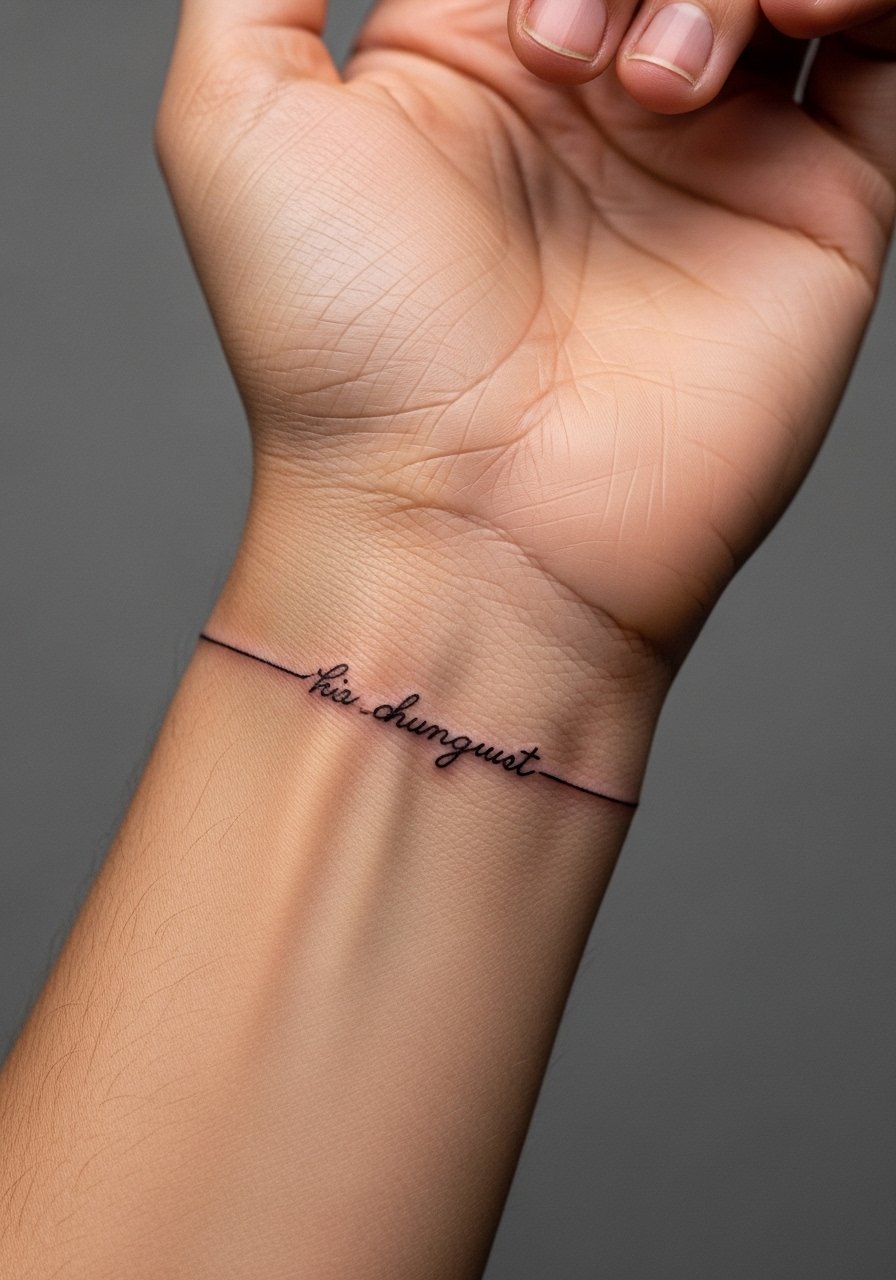
Turning unwanted script into a decorative bracelet treats the old lettering as negative space. The key is to change weight and spacing so the original characters no longer read as their old message. The wrist is sensitive. Ask for light line depth and accept that micro script may need touch-ups sooner. For wearing off the chair choose a thin chain bracelet on the opposite wrist so metals frame the new ink without crowding it.
16. Minimalist Line Mountain Range on the Inner Forearm
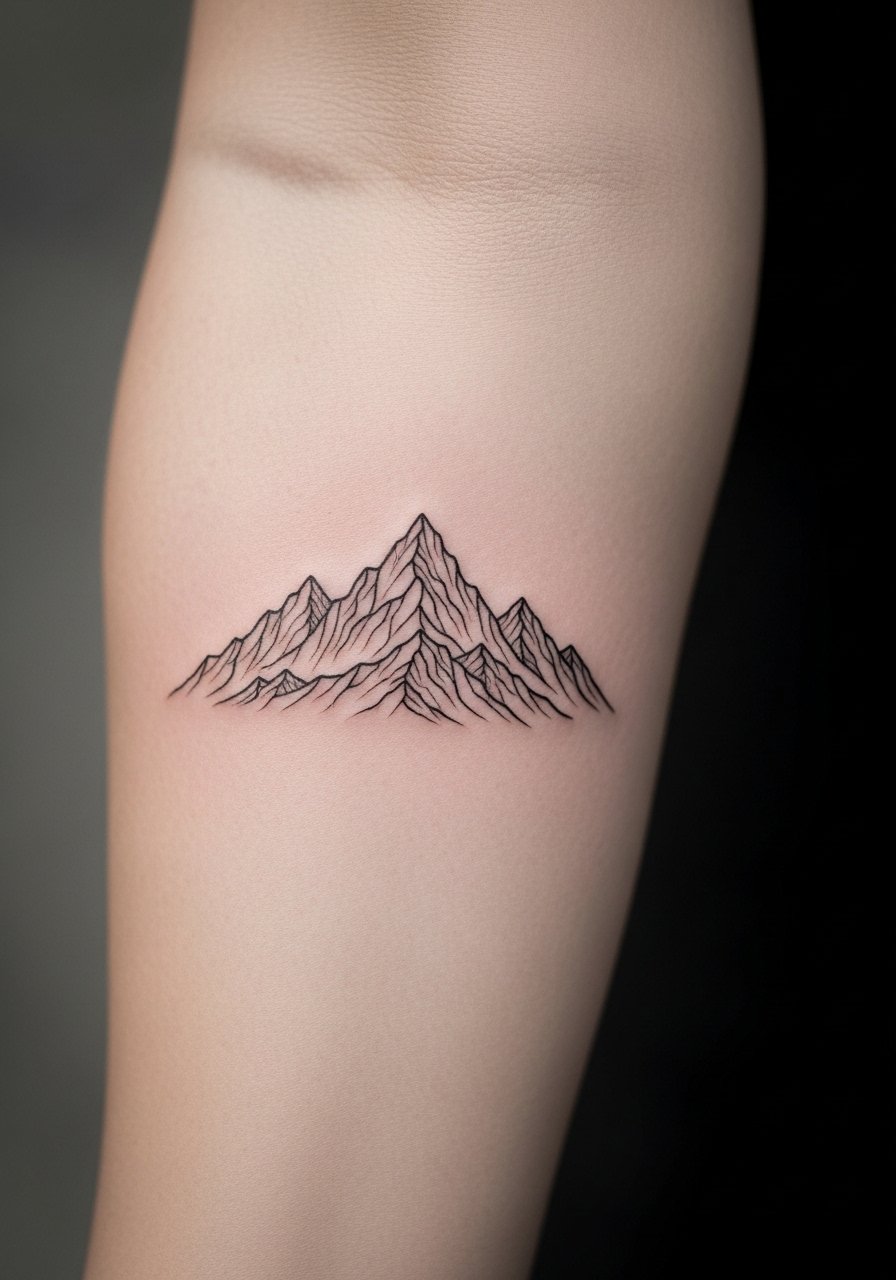
Minimal mountain ranges can obscure narrow old lines when the peaks and valleys run perpendicular to the existing ink. The main mistake is making the range too thin. Give linework room to breathe so it does not blur together at year three. Inner forearm sessions have moderate pain and often require only a single quick session. For session comfort wear a loose button up shirt you can slide off the arm easily.
17. Neo-Traditional Rose Sleeve Extension
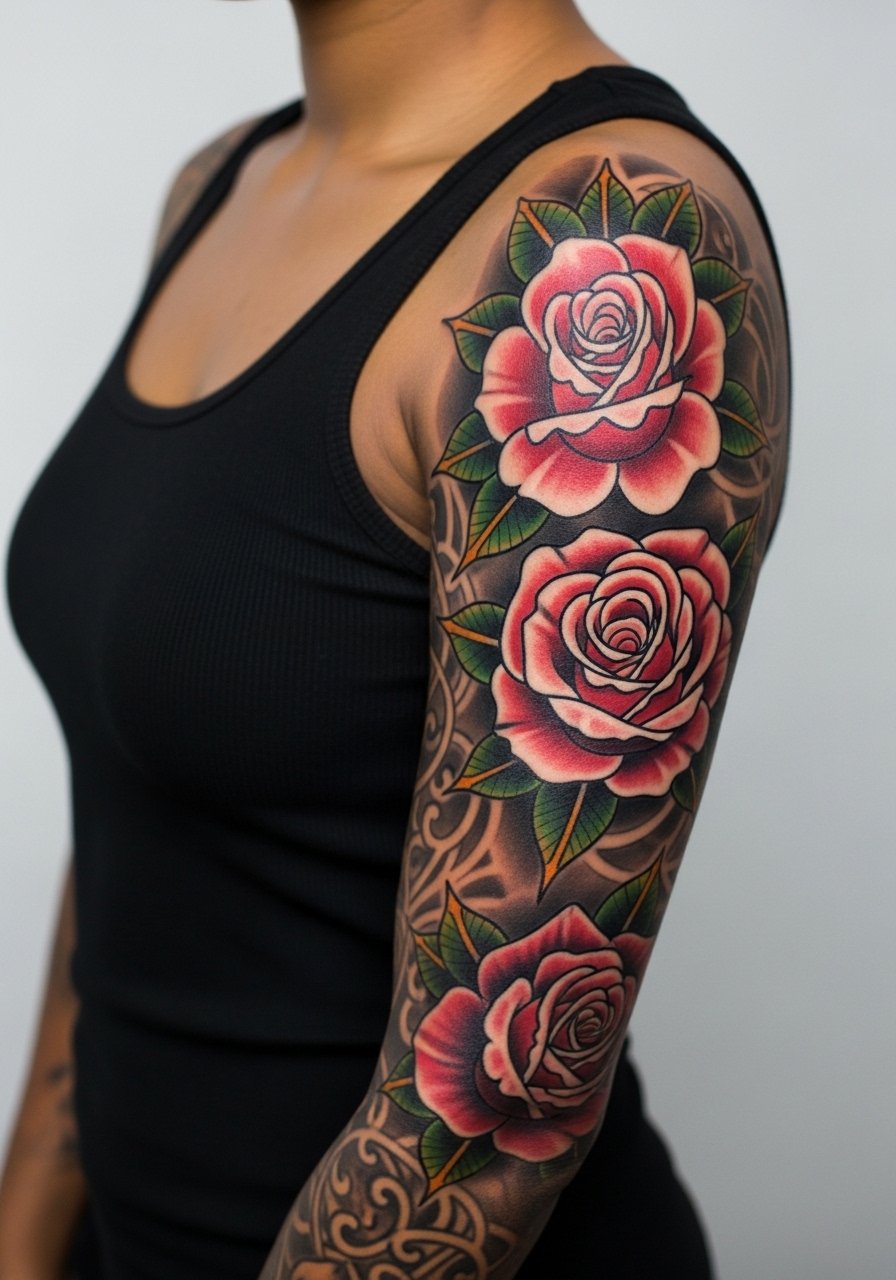
When a full sleeve needs reworking, neo-traditional roses provide bold shapes and heavy shading that conceal older patriotic or bold sleeves effectively. This is one area where full color with dark centers outperforms gray washes. Expect multiple long sessions and a multi-year plan for finishing and touch-ups. In the debate about color versus black and gray, some artists insist color hides best while others point to dense blackwork. Talk through both approaches with your artist since the final choice often depends on the old ink and skin type. For photos and daywear a fitted tank top black helps the color pop.
18. Small Botanical Ankle Wreath
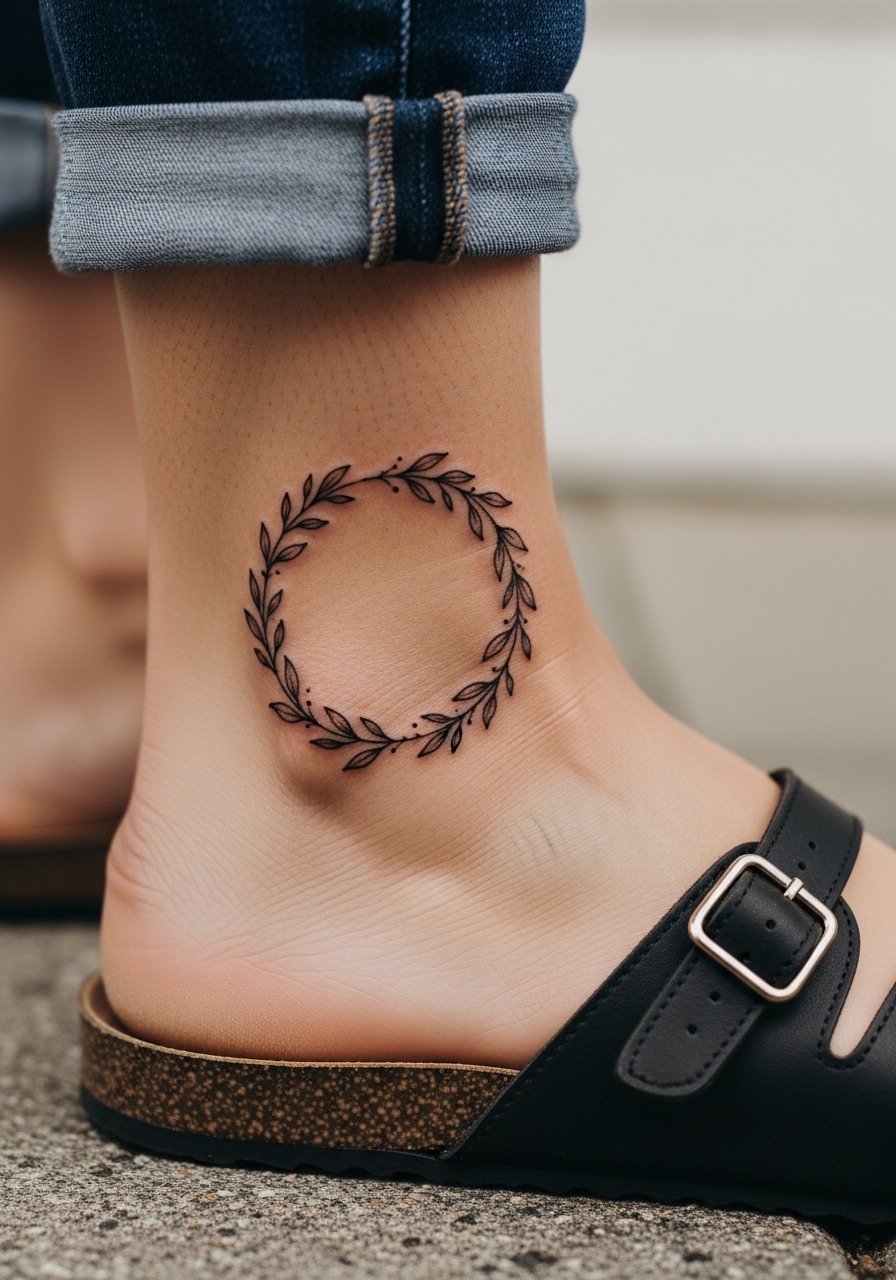
A small wreath on the ankle can turn a blotchy old mark into curated negative space. The ankle sees a lot of contact, so place delicate bits on the outer side and ask for slightly bolder stems to survive friction. A frequent mistake is insisting on hairline stems everywhere which fade quickly. For casual styling, choose cuffed ankle jeans to show the piece without rubbing it in footwear.
19. Geometric Mandala Expanded from a Tiny Dot Tattoo
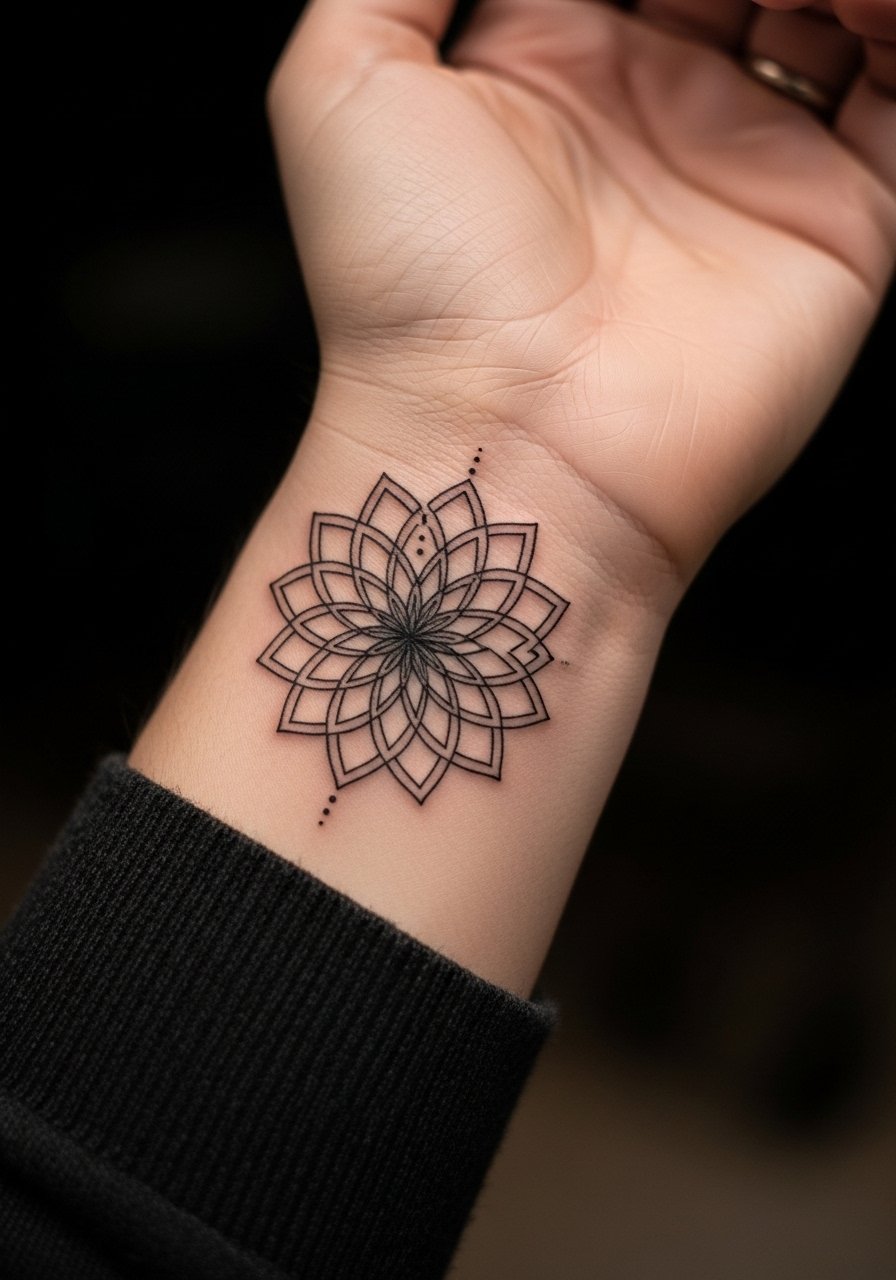
If you have a single dot or tiny symbol, expanding outward into a geometric mandala reframes the spot and buries the original mark in radial work. The danger is overcrowding the center which then merges after a couple of years. Ask for breathing room between lines and a slightly bolder outer ring. This wrist placement benefits from a thin chain bracelet as an accessory that complements without competing.
20. Small Cover-Up Script Recast as Roman Numerals on the Collarbone
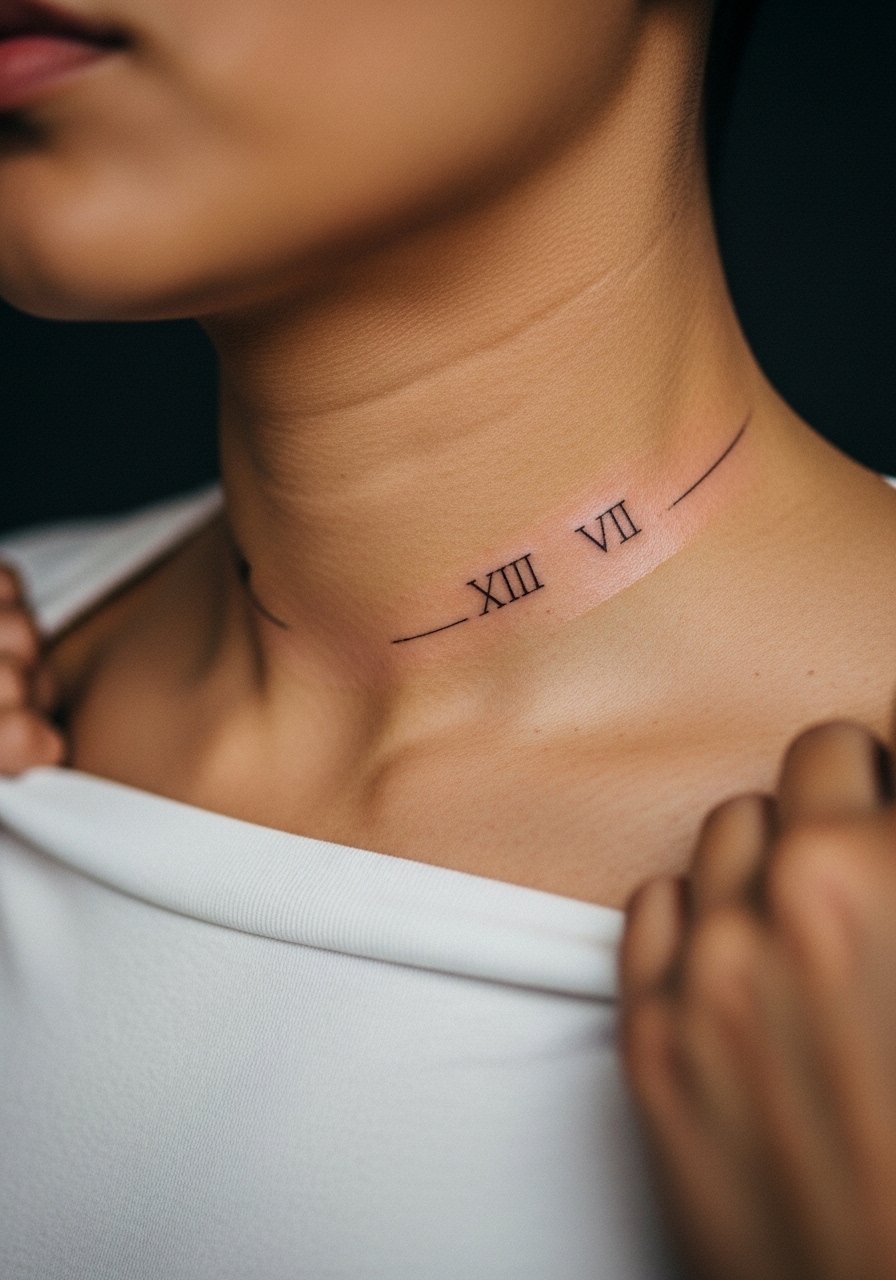
Recasting a short script into Roman numerals can break the eye's pattern recognition and give a new meaning while hiding the old words. Keep the numerals appropriately sized so they do not blur into a single line over time. Collarbone skin moves and scuffs differently so expect a delicate touch and possible later touch-ups. For session access wear a wide-neck shirt you can shift aside for the artist.
21. Tiny Celestial Sleeve on the Lower Arm
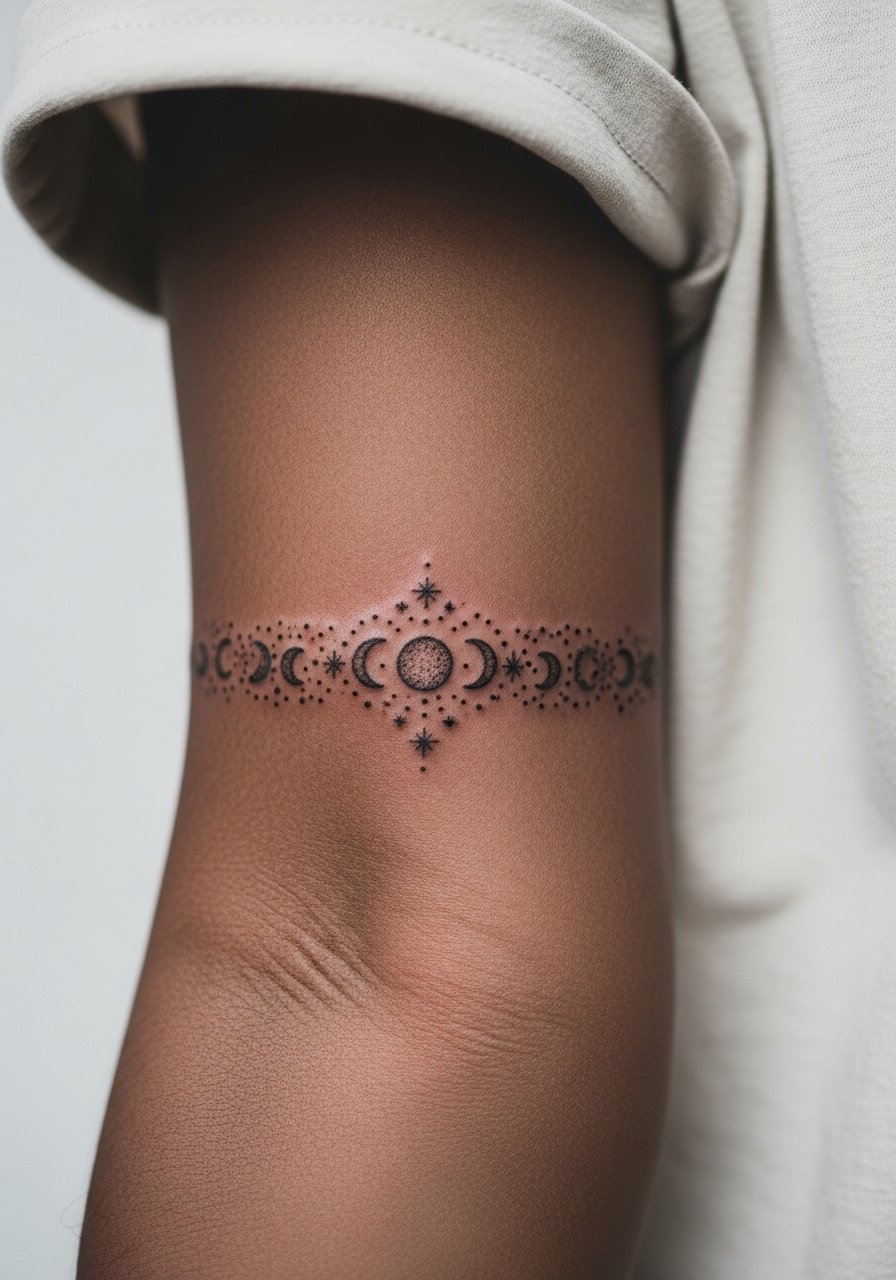
Building a small band of celestial elements hides older narrow bands and lines by creating a new, deliberate pattern. A common mistake is placing motifs too close together which ages into a smudge. Space elements and vary dot sizes to preserve clarity. For showing the band off roll up your sleeve or wear a rolled sleeve cotton tee. Expect touch-ups on the smallest stars first.
22. Small Script Transformed into a Bracelet of Dainty Shapes on the Wrist
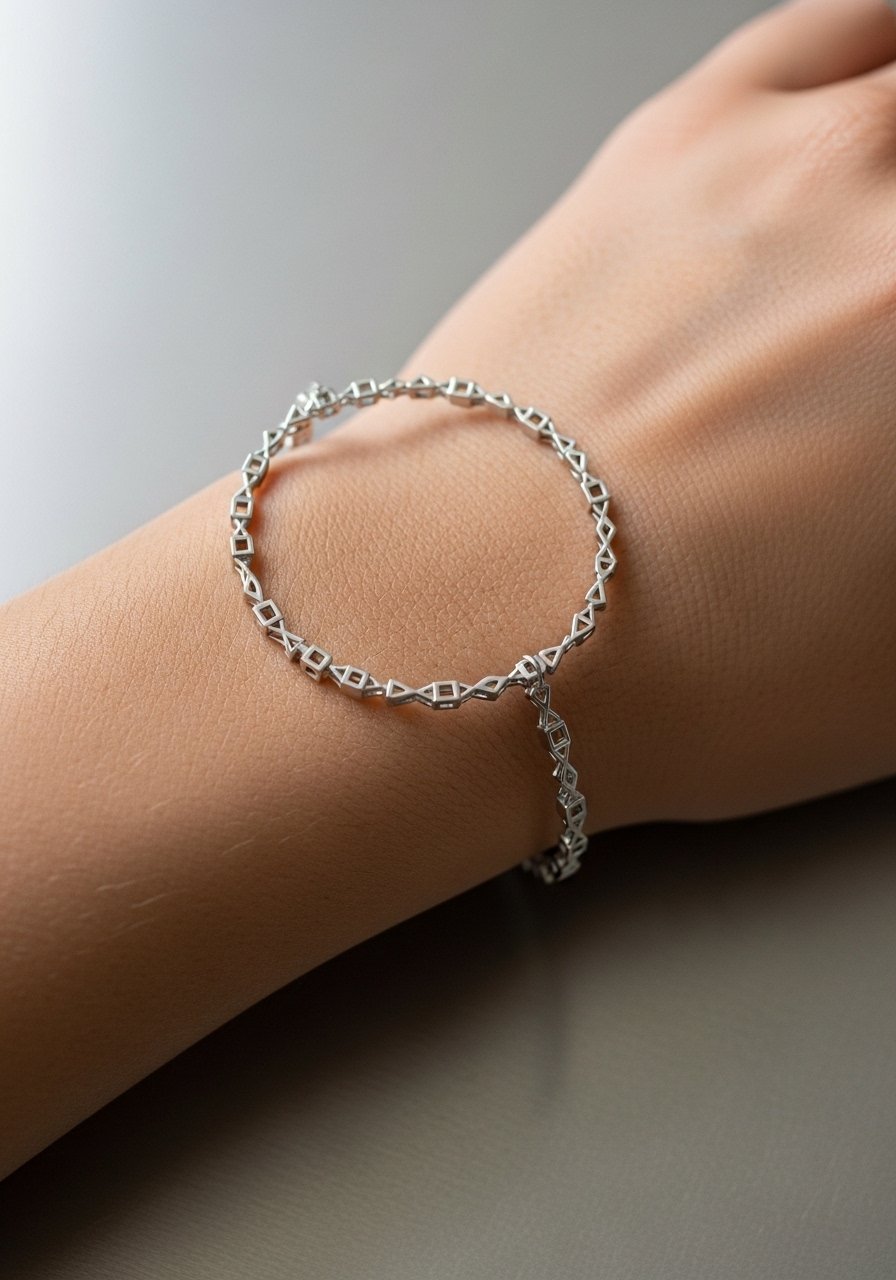
Turning unwanted words into a repeating band of shapes reframes the negative space and blurs recognition. The mistake is keeping the shapes too uniform. Ask for slight irregularity for a handmade feel and longevity. The wrist will likely need a light touch-up in a couple of years. Pair with a thin chain bracelet on the opposite wrist to keep balance in your accessory game.
23. Realistic Animal Portrait to Obscure Old Shoulder Tattoo
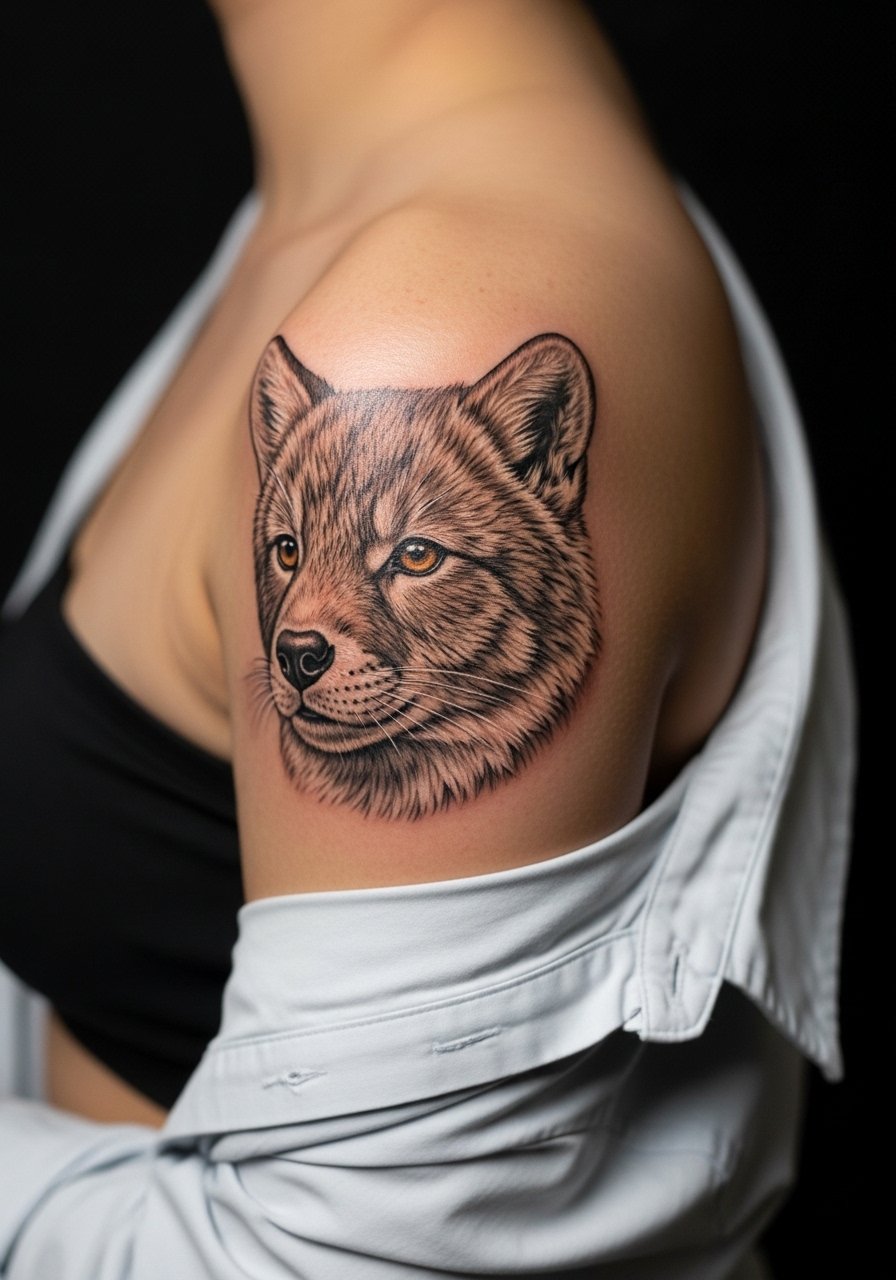
Portrait texture distracts from old saturated shapes because realistic fur and eye detail demand focus. The shoulder is a forgiving placement for this approach. However, portraits need strong contrast to read over old ink so do not ask for pale midtones only. For the session wear a strapless bralette or an open shirt that does not press on the area while you lie prone.
24. Tiny Floral Bouquet on the Ankle Band
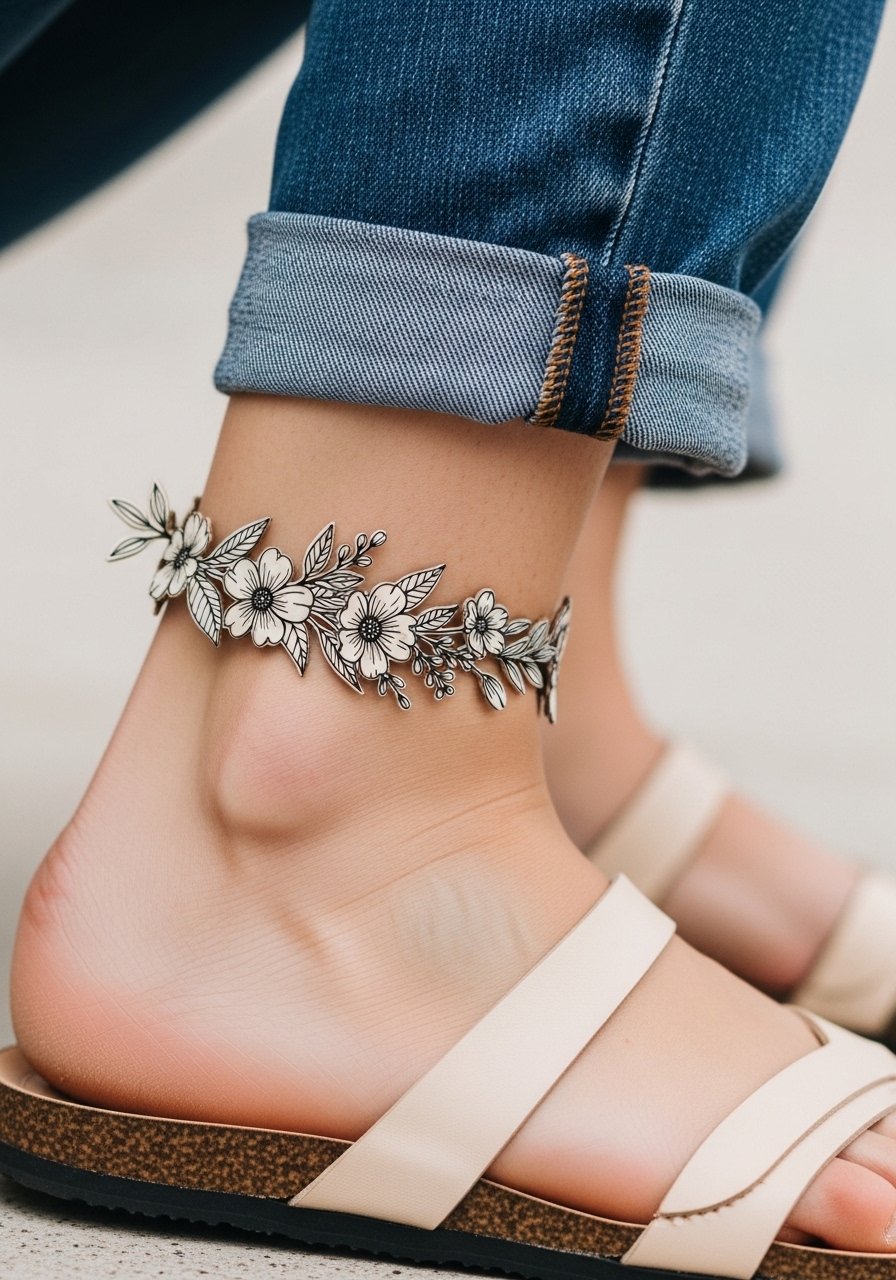
Ankle bands of tiny flowers hide small scars or marks by reframing the area with repeating organic shapes. Avoid placing the bouquet where shoes press directly. Instead move motifs slightly higher on the outer ankle. The ankle sees more required touch-ups because of footwear. For display choose cuffed ankle jeans that reveal the band.
25. Skull and Flower Combo for Upper Arm Remake
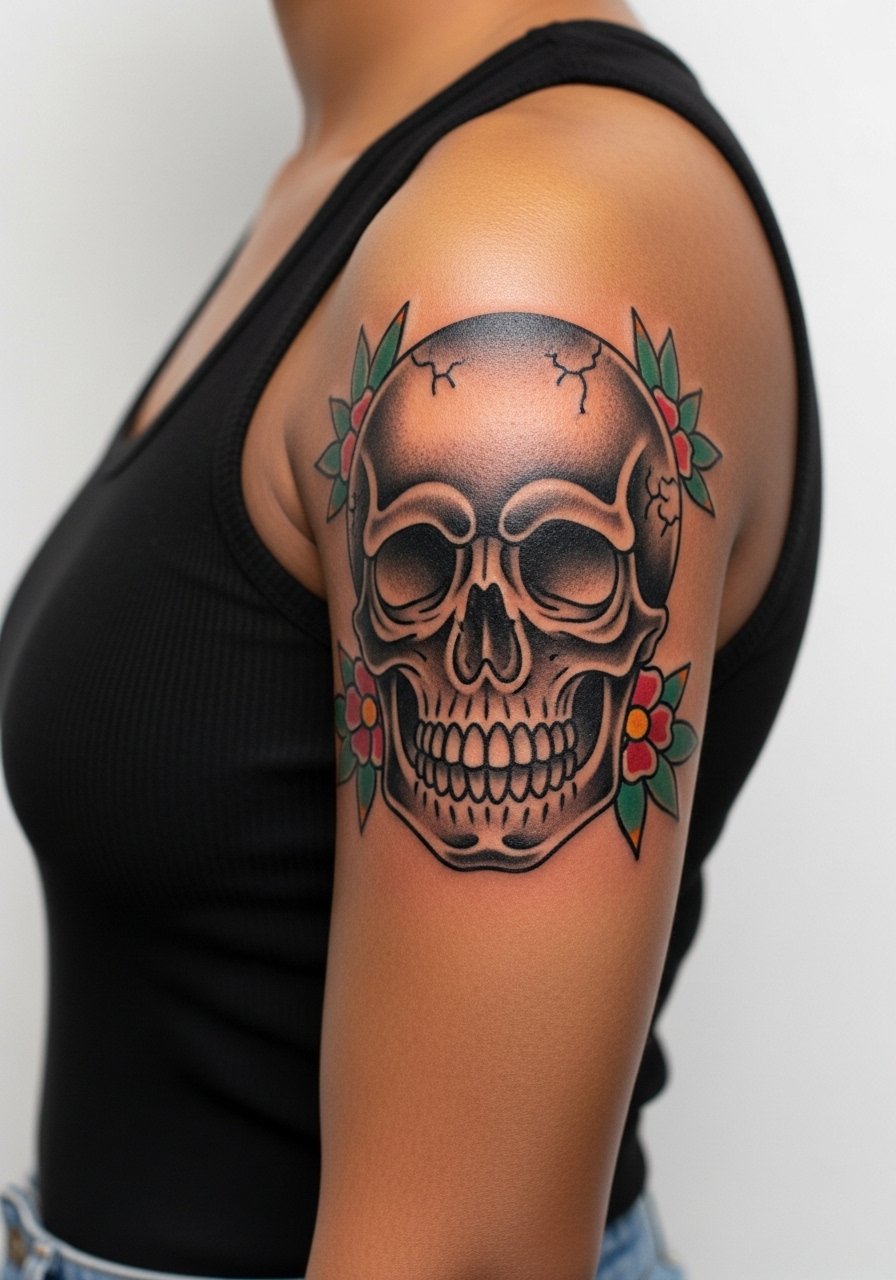
Combining a skull with larger floral elements gives both shadow anchors and colorful distraction. Use deep eye sockets to trap old pigment and bright petals to draw attention outward. Upper arm work often finishes in a couple of sessions and photographs well in casual tanks. Pair with a fitted tank top black for evenings out.
26. Lotus and Dot Work on the Sternum
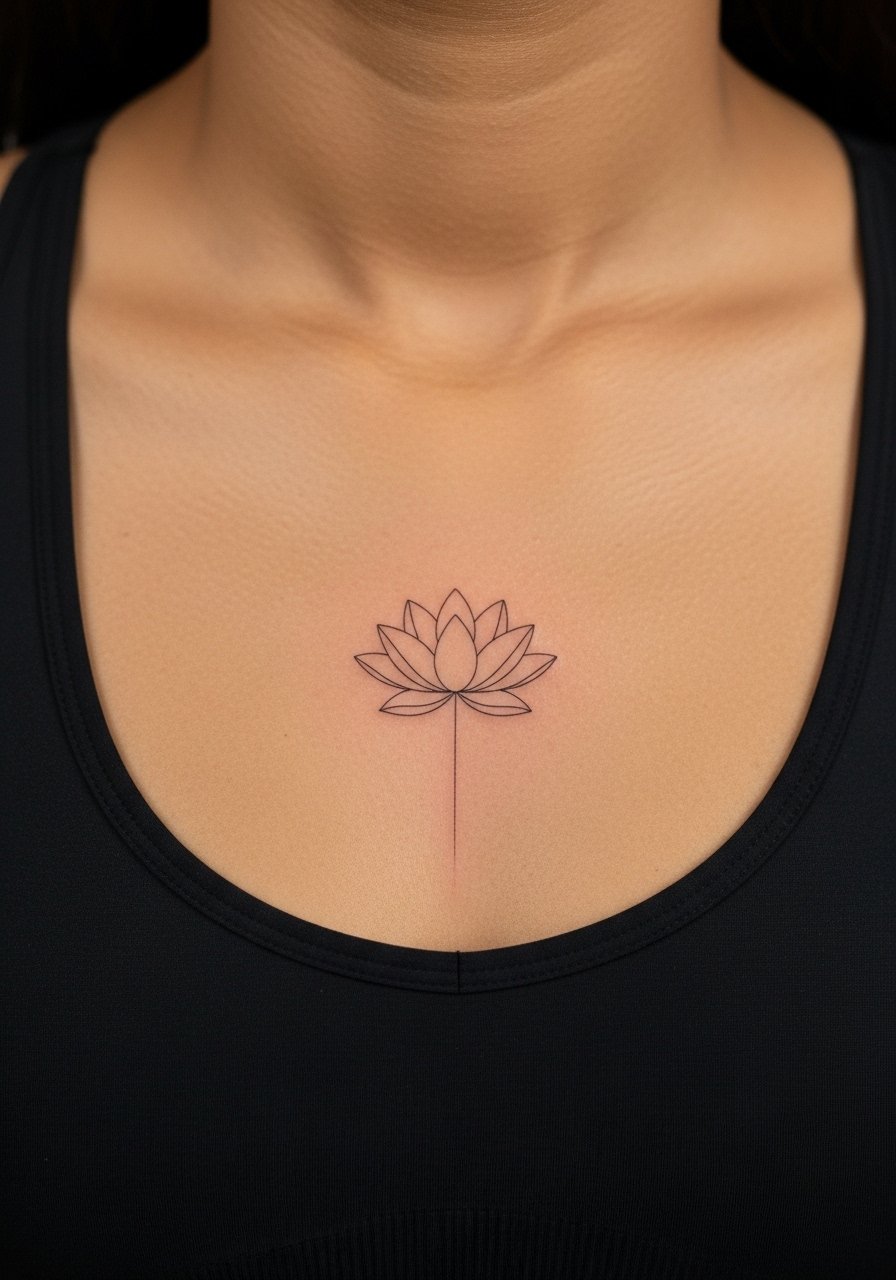
Sternum tattoos can hide narrow centered scripts by using radial petals and dot shading to diffuse the old shape. This area is sensitive and requires a specialist comfortable with chest placement. One sentence of professional consideration: chest work needs an artist who regularly tattoos the sternum because skin tension and breathing affect line consistency. For session wear choose a fitted sports bra that the artist can gently work around for easy access.
27. Blackwork Patch with Textured Edging for Full Arm Fix
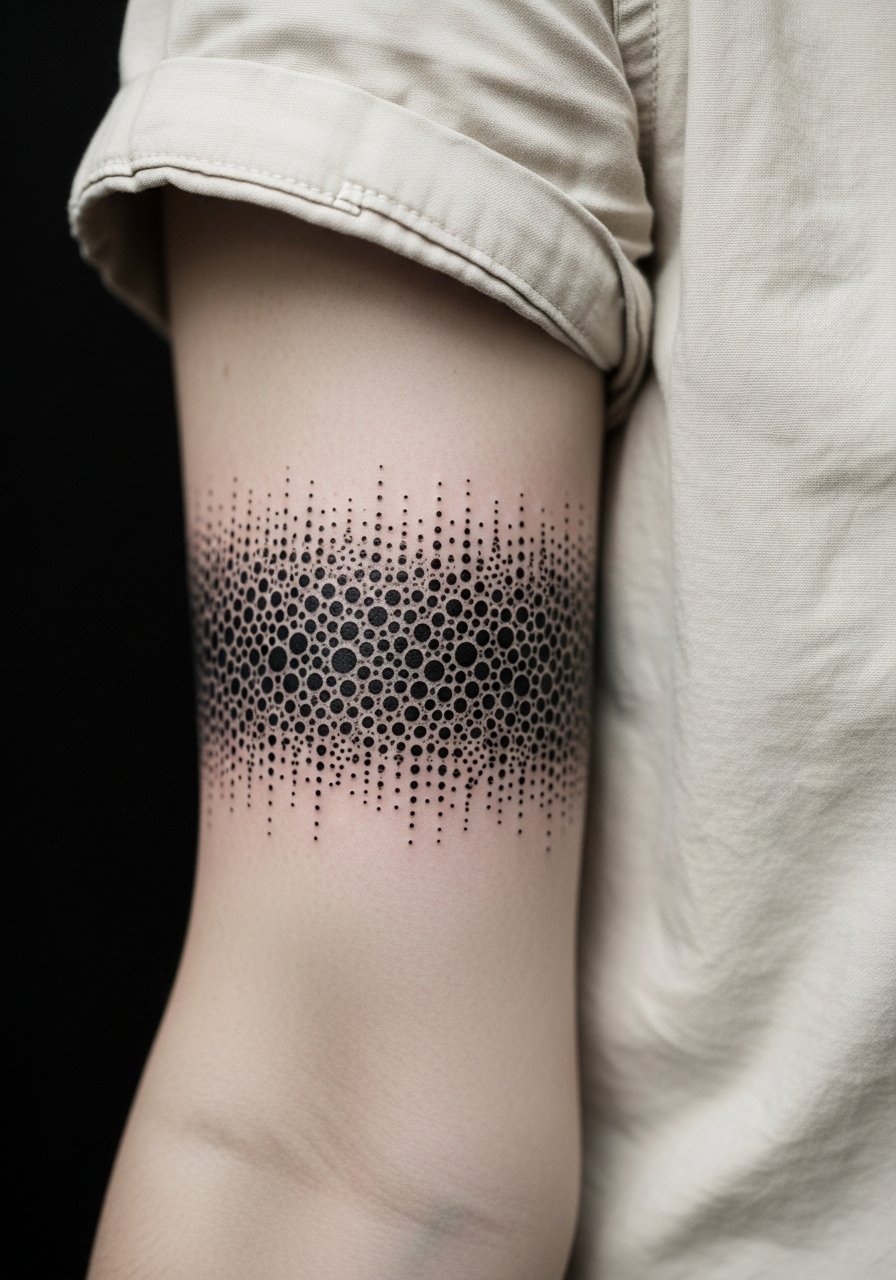
When a full arm or large visible piece needs resetting, a blackwork patch with textured edges creates a new visual border rather than a hard square block. The debate about black ink versus full color comes up again here. One group favors dense black fills for guaranteed coverage. The other group prefers full color and layered textures to disguise the old ink while offering more visual interest. Both can work. Ask your artist for a mock stencil and a plan for edge texture so the patch reads intentional. For session comfort wear a loose short-sleeve button-up you can pull up without tugging the area.
Frequently Asked Questions
Q: How do I pick the best cover up if my old tattoo is multicolored and saturated?
A: Start by showing your artist clear photos of the old ink and explain how bold you want the final piece. In many cases denser saturation in the new design or strategically placed dark areas over the heaviest pigment work best. Expect a discussion about multiple sessions and trade-offs between color vibrancy and concealment. It depends on the specific pigments and skin tone, so a consult that includes the artist mapping the new piece over the old one is practical.
Q: Will a tiny fine line cover-up on the wrist last, or will it blur quickly?
A: Fine line on the wrist can look delicate and lovely but it is higher maintenance than thicker linework. The wrist sees frequent washing and friction that can soften thin lines. If you want a lasting small cover-up, ask for slightly bolder line weight in key areas and plan a light touch-up around year two. Wearing jewelry on the opposite wrist during the first weeks reduces rubbing on the fresh area.
Q: Are blackout patches or full black sleeves the only reliable option for heavy old tattoos?
A: Not necessarily. Blackout work is a reliable route because dense black overpowers old pigment. However layered neo-traditional designs with heavy shadow and strong color can also mask heavy work while offering visual interest. One camp recommends blackout when permanence and certainty matter. The other camp recommends textured color overlays when you prefer a new visible design. The right choice depends on how much of the old piece you want hidden and how visible you want the new art to be.
Q: How should I prepare clothing-wise for a shoulder or upper back cover-up session?
A: Wear something that exposes the area without causing discomfort while lying prone. For shoulders an off shoulder crop top or an open button-down works well. For upper back pieces a button-down you can wear backwards or a strapless top often helps the artist reach the area while you stay comfortable. Loose layers make it easier to avoid fabric sticking to fresh ink.
Q: What are good discovery pathways to find artists who specialize in cover-ups?
A: Try style-specific hashtags like #coveruptattoo, #blackworkcoverup, or #neotraditionalfloral. Use Instagram location tags for studios in your city plus the phrase "cover up specialist." Tattoo directories and Google Maps searches with "[city] tattoo cover up studio" help filter portfolios. Also spend time on community forums and gallery pages to compare healed portfolios rather than only fresh work.
Q: If I want a small ankle cover-up, what should I wear to the appointment and aftercare week?
A: For the session wear loose bottoms or jeans you can roll up so the artist can work without fabric pulling. After the session avoid tight socks and choose sandals or shoes that do not press on the fresh ink for the first week. A thin pair of rolled jeans is a good option the moment you leave the shop.
Q: How often do cover-ups need touch-ups compared with fresh tattoos done on virgin skin?
A: Cover-ups tend to need touch-ups earlier because the old pigment and scar tissue can affect how the new ink settles. Expect a realistic touch-up window of one to three years depending on placement, existing pigment density, and sun exposure. Forearms and upper arms usually hold longer than wrists and ankles. Discuss a maintenance plan with your artist during the consult.