
Fine line cover-ups can look fragile on day one and stubbornly steady five years later, depending on placement, spacing, and how much the original ink fights back. Pick the right sketch and the right spot and an awkward old piece becomes a considered new one. Below are 27 practical cover up tattoo sketches that anticipate aging, pain, and wardrobe, with exact guidance to bring to your consultation.
1. Fine Line Arrow on Inner Forearm
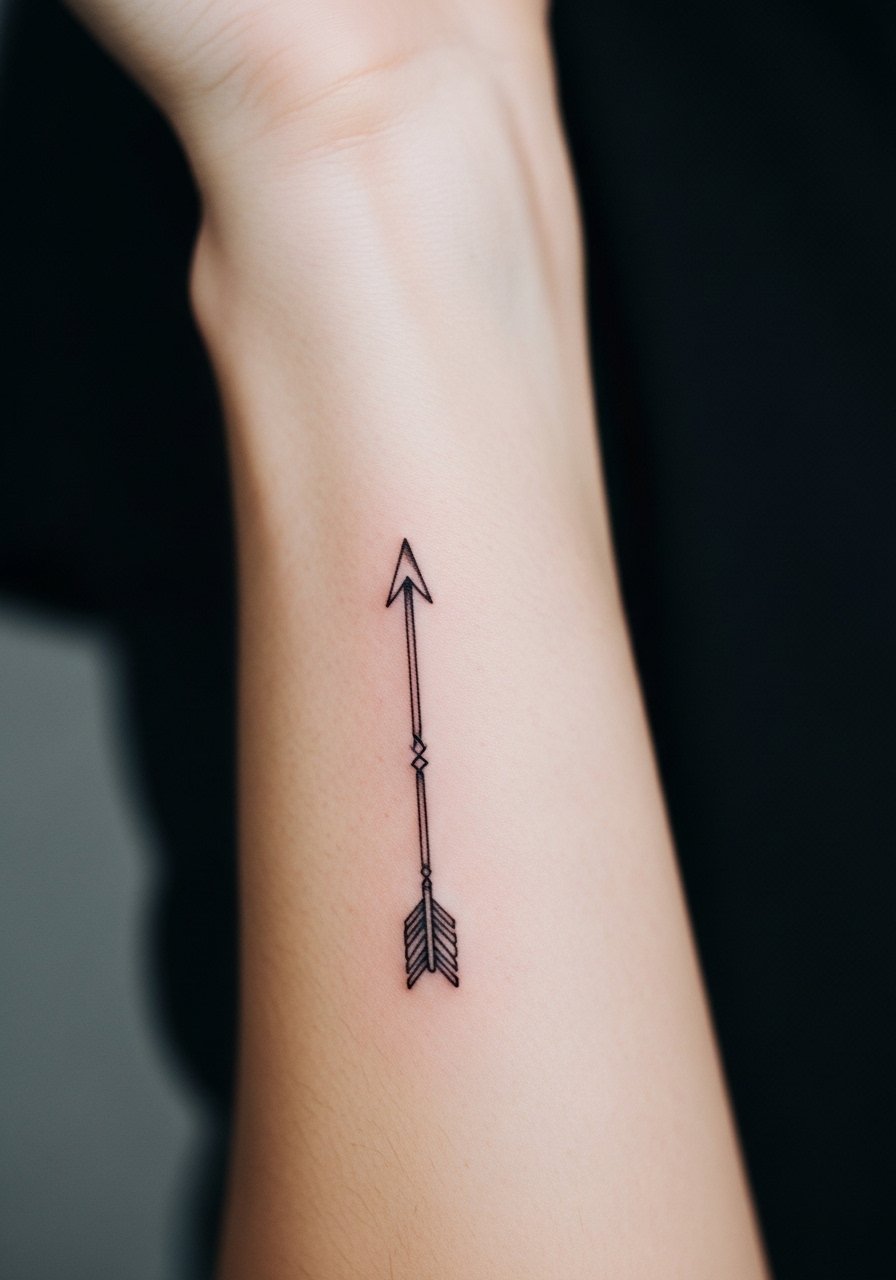
I recommend this when the old ink is linear or faded script that sits along the forearm. Pain is low and sessions run short, often under an hour. Tell your artist you want slightly thicker core linework and selective negative space, not a one-to-one trace of the original. A common mistake is going too small, which lets old ink peek through over time. At six months the arrow reads crisp, at two years the core line keeps contrast, and at five years expect softening unless saturation was prioritized. For showing it off, roll up a linen button-up so the forearm reads like an intentional accessory.
2. Micro-Realism Floral Over Name on Wrist
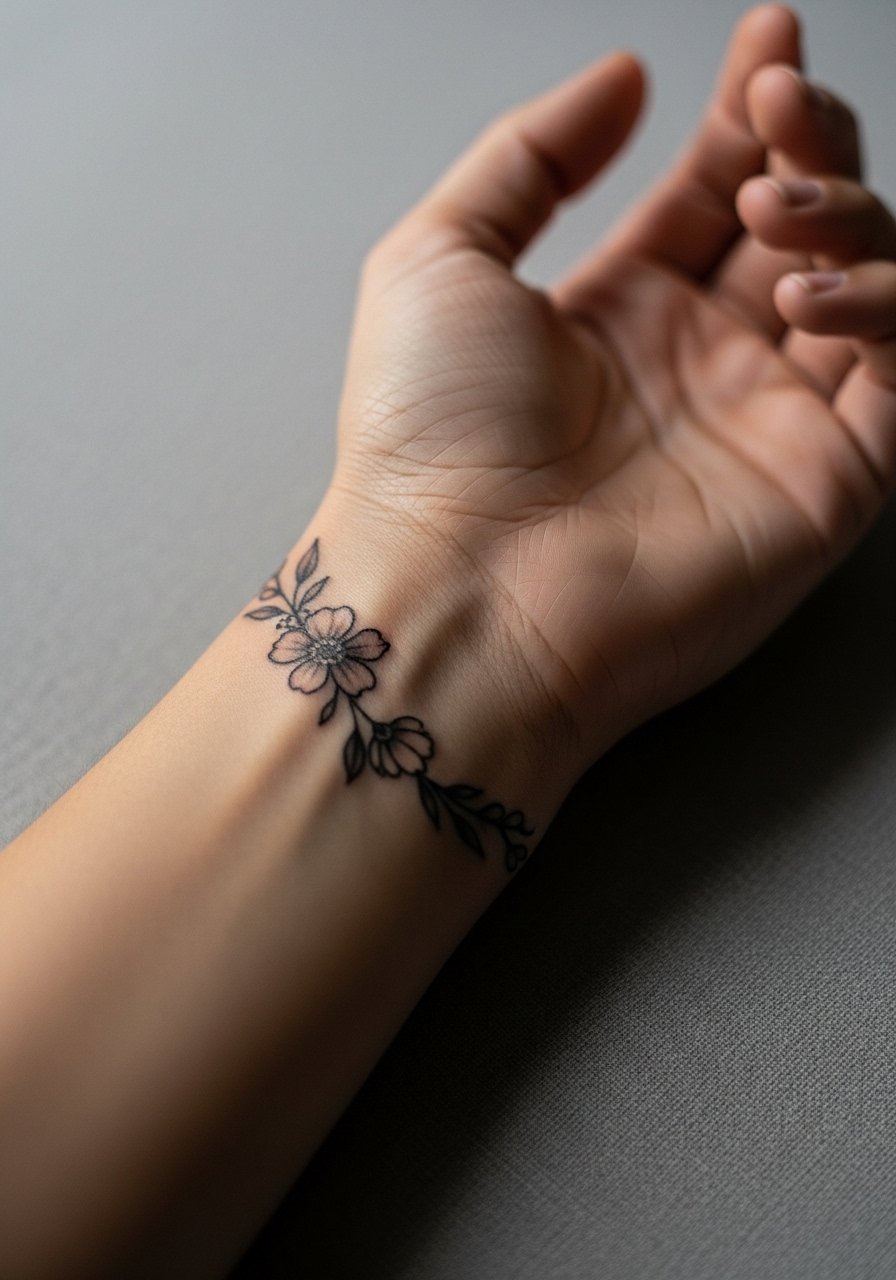
Wrist cover ups are tricky because the canvas is small and friction is constant. Pain is moderate and session time is usually 45 to 90 minutes. Ask for layered petals and subtle shading that sit slightly off the old lettering, rather than trying to mask strokes with one dark wash. People often request saturated black fills that end up looking heavy and flat. At six months the stipple shading reads soft, at two years the contrast holds if saturation was even. For the session wear a racerback tank so the artist can position your arm naturally.
3. Bold Blackwork Mandala on Upper Arm
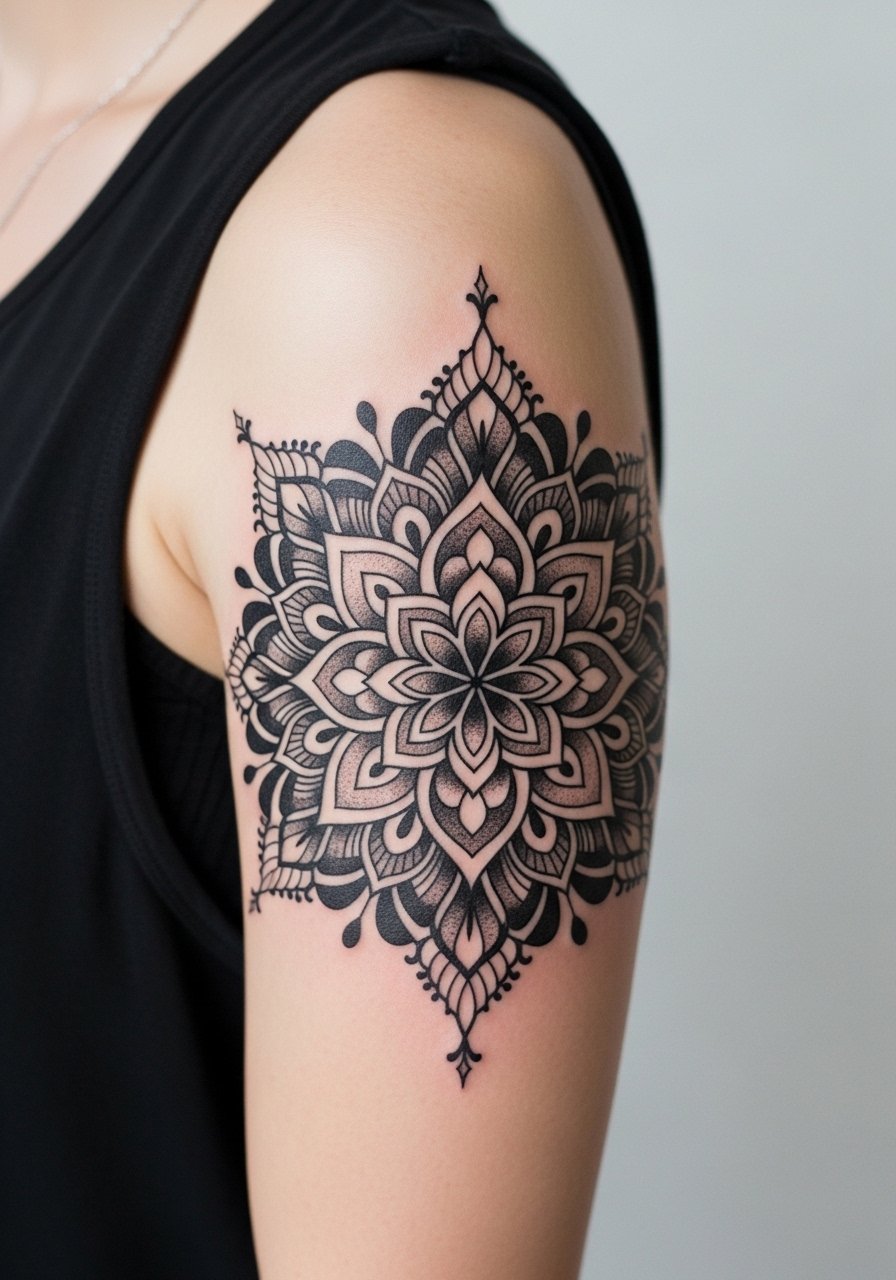
This is ideal when the old ink is patchy color or a small portrait that needs heavy saturation to disappear. Outer arm sessions are moderate on pain and take two to three hours depending on size. Tell your artist you want strong lineweight and dense black fills in the center with stipple shading toward the edges. The mistake I see is asking for delicate fills over dark color; it rarely hides the old lines. Expect a bold read at six months and steady saturation at year two, with touch-ups sometimes needed by year five. Pair the finished piece with a loose tank top when you want the mandala visible.
4. Geometric Band Across the Ribs
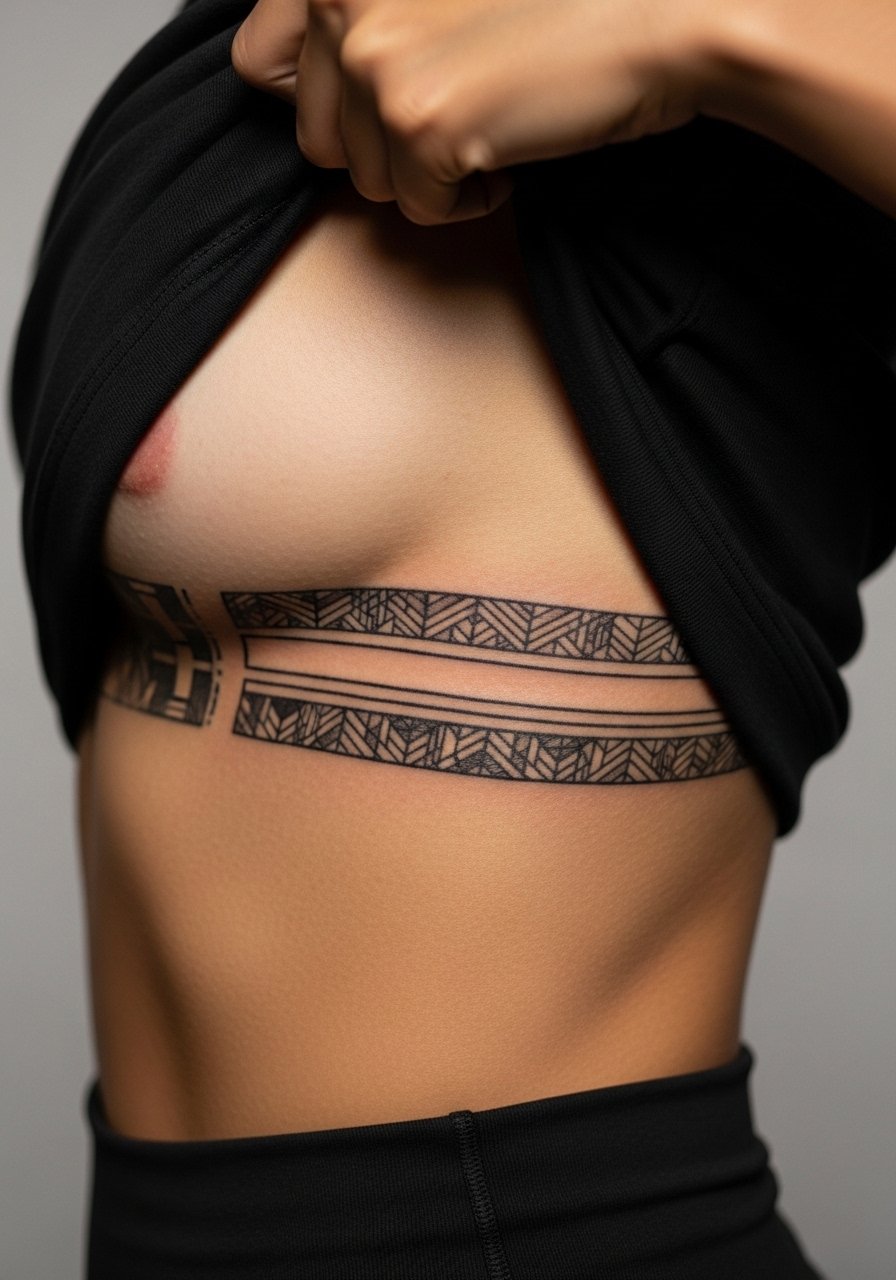
Fair warning, ribs are a higher pain area and sessions should be planned in shorter passes. This design works well when an old chest or side tattoo needs a structured overlay that redirects the eye. Artists are split on fine line here. One group argues the skin stretch blurs thin lines within two years. The other group says with deliberate depth and spacing, geometric work settles fine. Ask your artist which camp they fall into and why before booking. A common error is packing details too tightly. At six months the band reads crisp if spacing was respected, and at two years the negative space keeps the pattern readable.
5. Traditional Rose Over Small Portrait on Shoulder
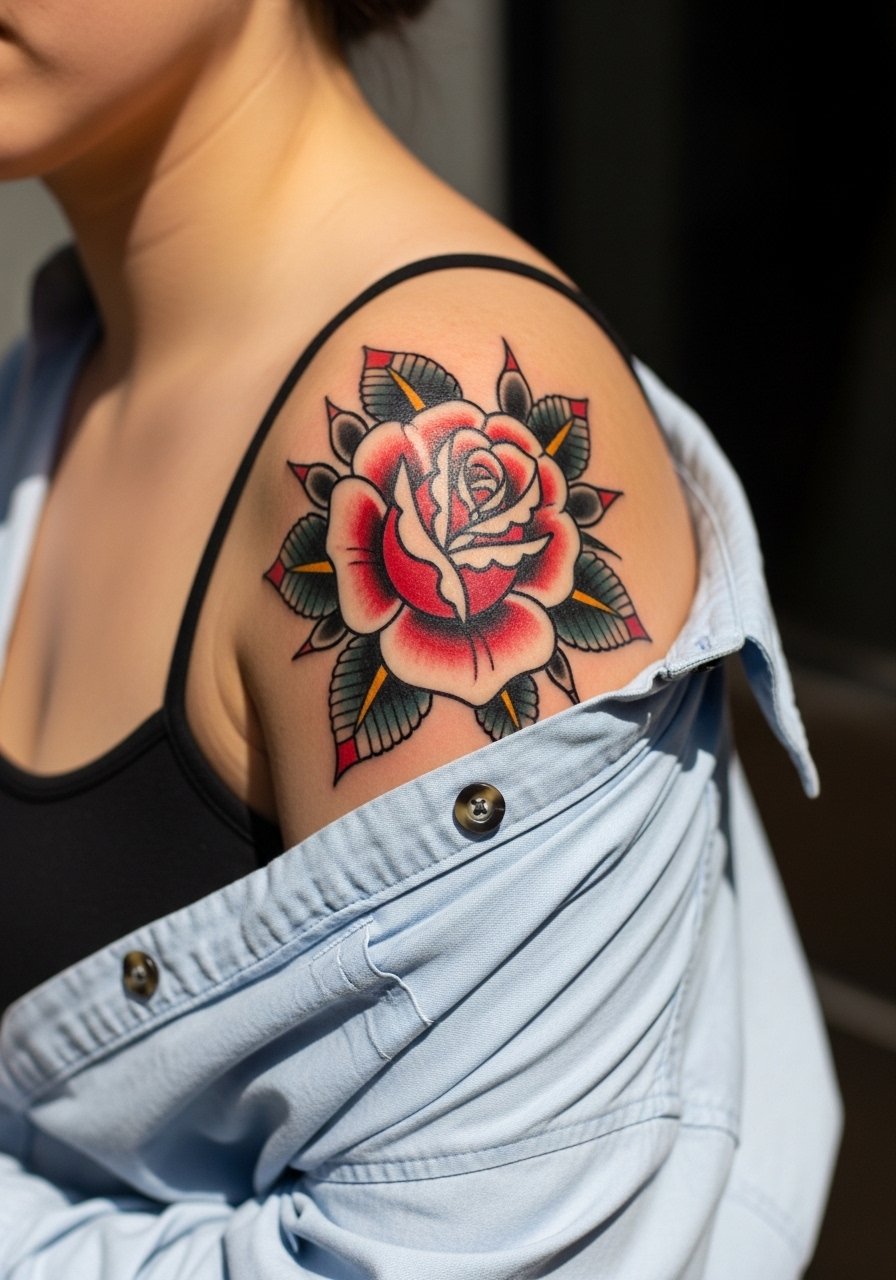
Shoulder cover ups handle heavier saturation well and pain is low to moderate. Sessions typically range one to three hours. Ask for bold outlines and dense color saturation in the petals, not a wash that lets tonal shifts show the old portrait underneath. People occasionally pick muted tones to match older ink, which weakens the cover. At six months the rose will read vivid, at two years the bold outline helps it remain distinct. For evenings out, pair this with an open-back midi dress to show the shoulder without fighting the neckline.
6. Minimalist Script Along the Collarbone
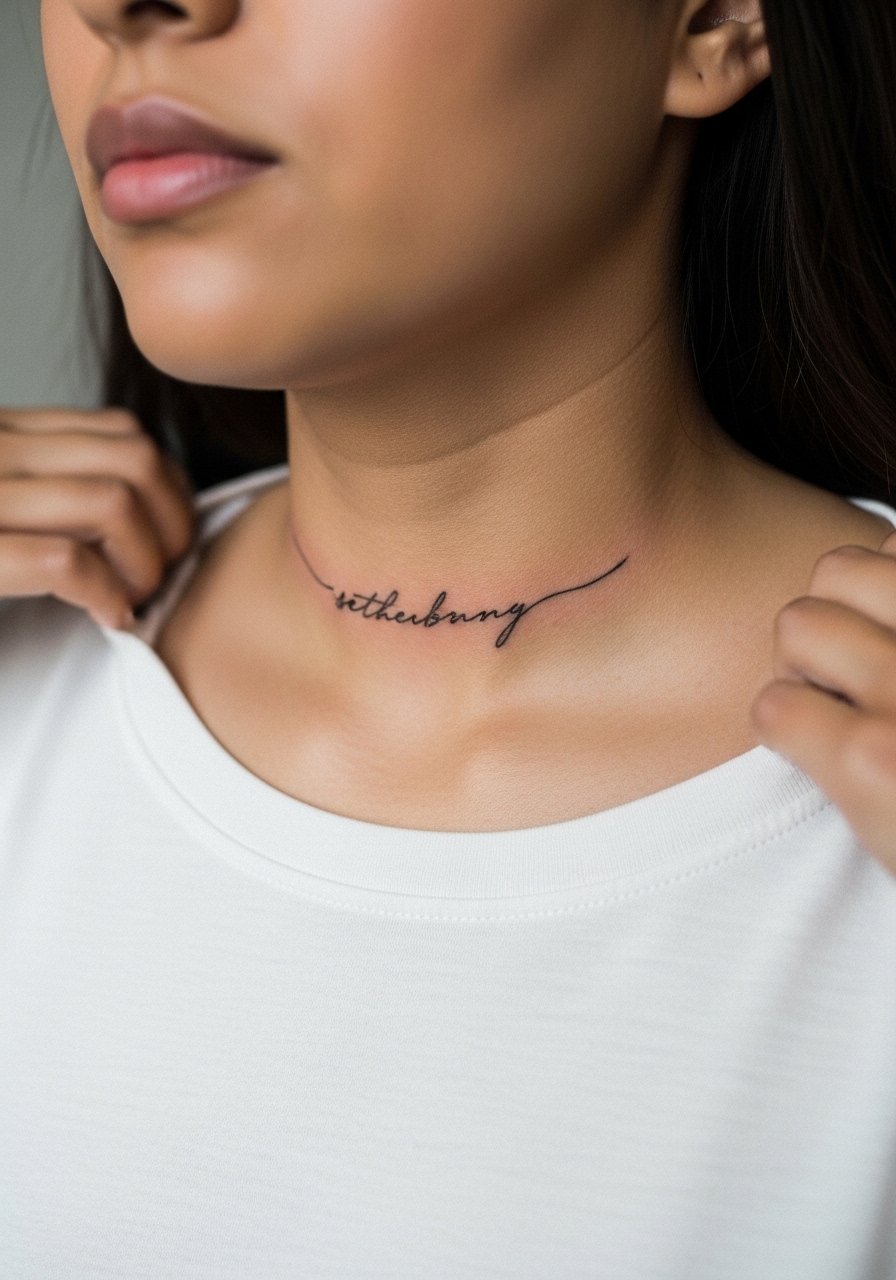
Collarbone pieces age differently because the skin there moves with breathing and clothing. Pain is moderate and sessions are brief. For a cover up, choose slightly larger letterforms with gentle spacing so old ink does not ghost through. The biggest mistake is matching the original size exactly. At six months script reads delicate, at two years the letters can feather unless the artist used a sturdier line weight. This placement pairs well with a thin chain pendant necklace that sits above the lettering.
Pre-Session Essentials
The wrist and collarbone pieces above heal differently from larger shoulder and arm work, so a few small things smooth out the session and the first week.
- Stencil transfer paper kit. Lets you preview the exact placement on the skin before the needle hits, which matters for the fine line wrist and collarbone pieces above.
- Disposable razor and skin prep pads. Helps clear hair and give the stencil clean contact on areas like the forearm and shoulder.
- Thin protective film roll. Useful after high-friction sessions such as wrist or collarbone work to reduce rubbing in the first days.
- Fragrance-free gentle body wash. Cleanses healing areas without irritating lines that are packed for cover ups.
- Aquaphor healing ointment. Thin layers for the first few days lock in moisture and support fine line healing without over-suffocating the skin.
7. Sleeve-Style Blackwork Patch
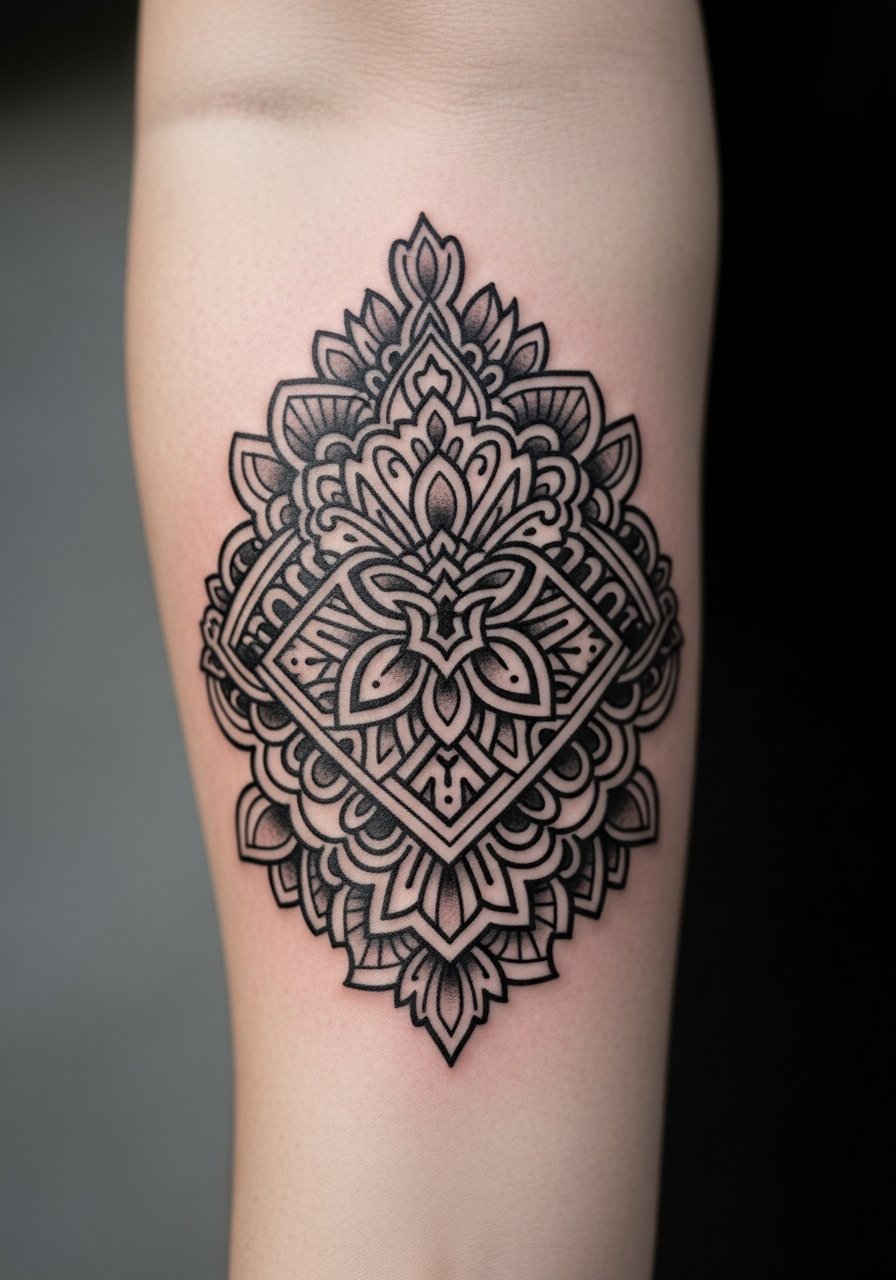
When an old cluster of small tattoos needs consolidation, a sleeve-style patch can unify different shapes into one readable composition. Sessions vary by size but plan multiple appointments. Tell your artist you want heavy outlines and layered fills with negative space corridors. A common mistake is trying to hide everything under flat gray washes, which age into a muddy block. At six months the patch already looks cohesive, and at two years the blocked-in blacks hold well. For the appointment, wear a loose button-down shirt so the arm can be shifted without constriction.
8. Watercolor Bloom Over Faded Color on Calf
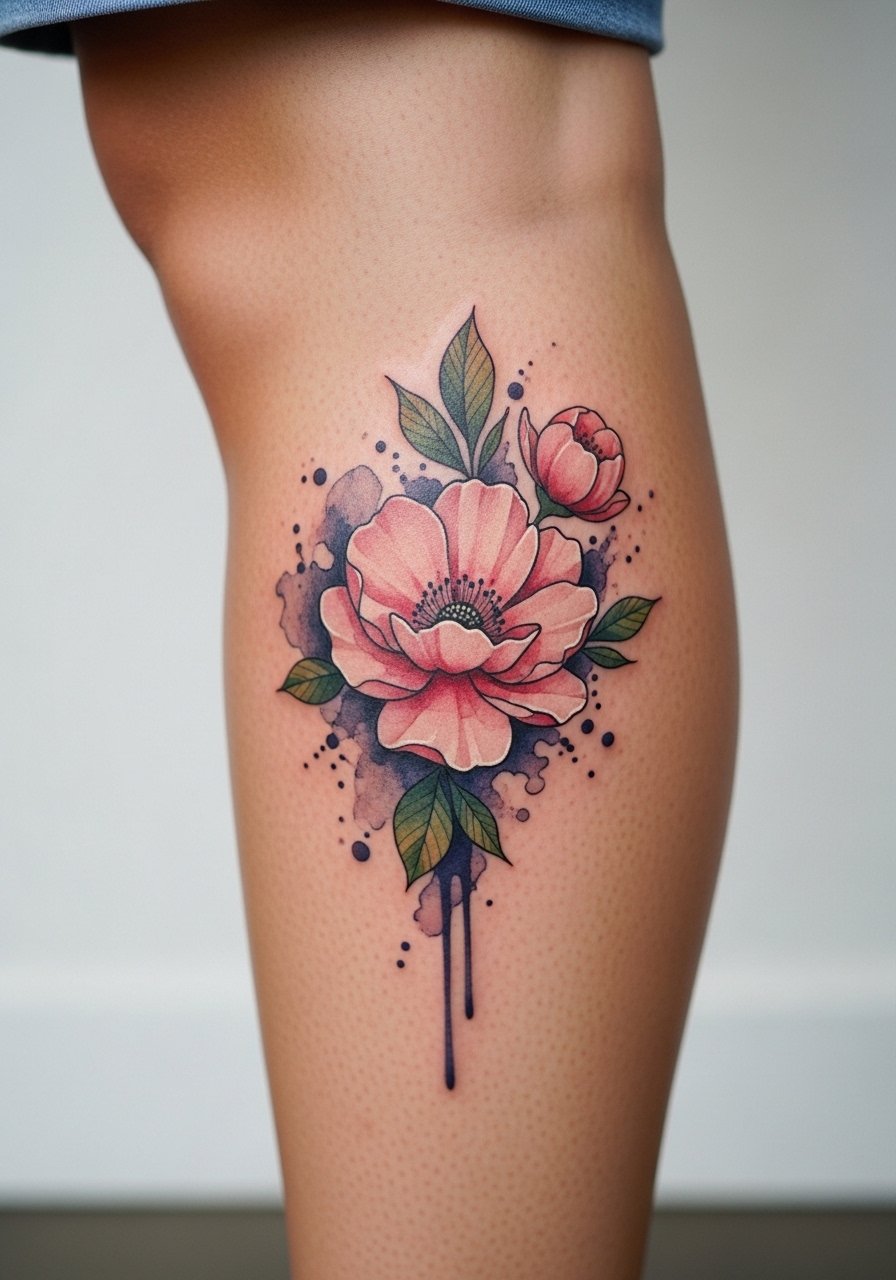
Calf cover ups tolerate color blends and fluid edges because the area can take saturation without frequent rubbing. Pain is moderate and sessions usually run one to two hours. If the old color is patchy, ask for layered washes anchored by darker pigments rather than a single light glaze. People sometimes pick diffuse watercolor and then complain about loss of contrast. At six months the bloom remains visible, at two years expect softening of edges that can be refreshed with a touch-up. For casual shows, sandals and cropped trousers make the calf easy to show.
9. Dot Work Compass on the Back of Neck
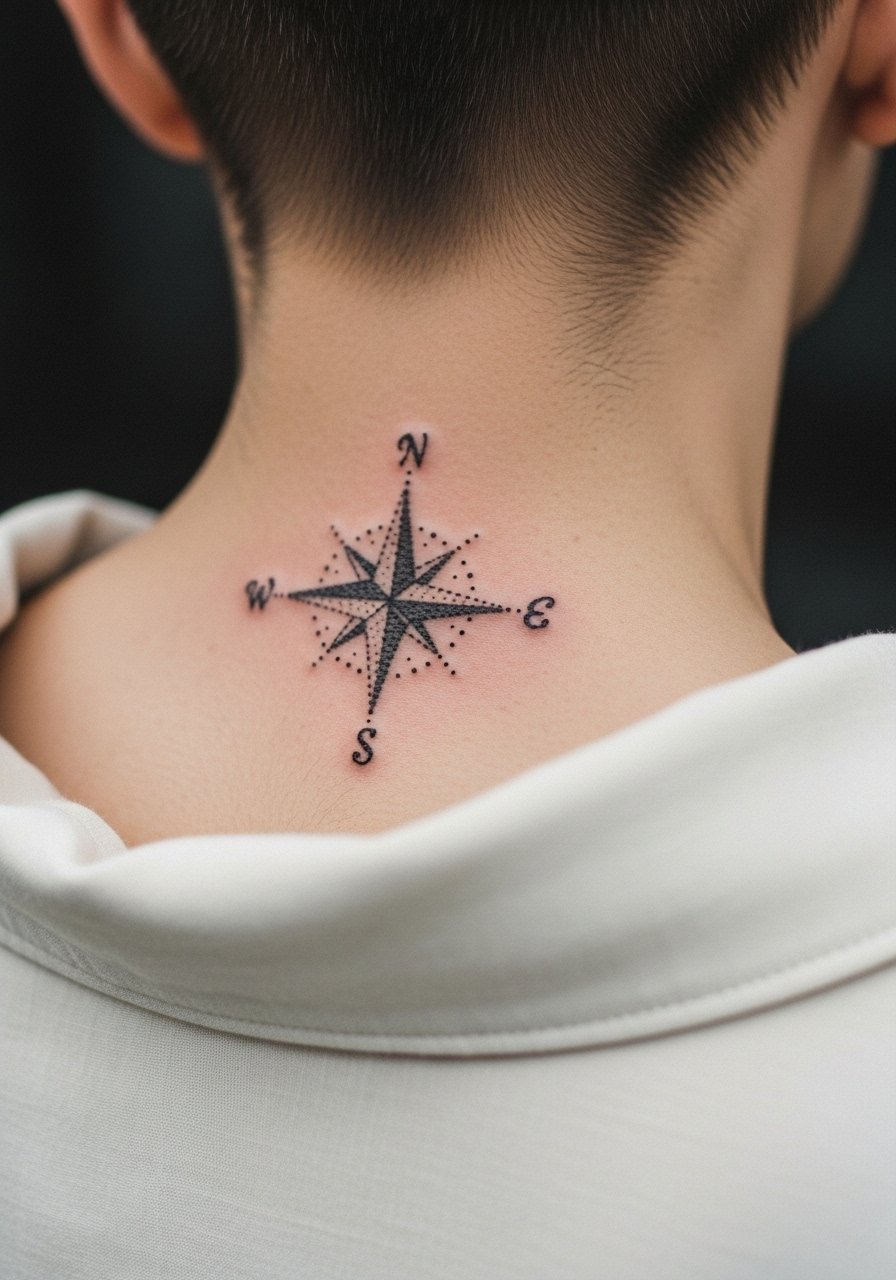
Back of neck pieces are visible and compact. Pain is low to moderate depending on sensitivity and session times are short. Ask for stipple shading and spaced dot clusters that can overpower older ink without needing solid black. A frequent mistake is requesting dense linework that competes with the natural curve of the neck. At six months the dot gradients read smooth, and at two years the stipple usually keeps texture if dots are spaced intentionally. Consider a collared shirt with the collar pulled aside during the session for easier access.
10. Anklet Chain Around the Ankle
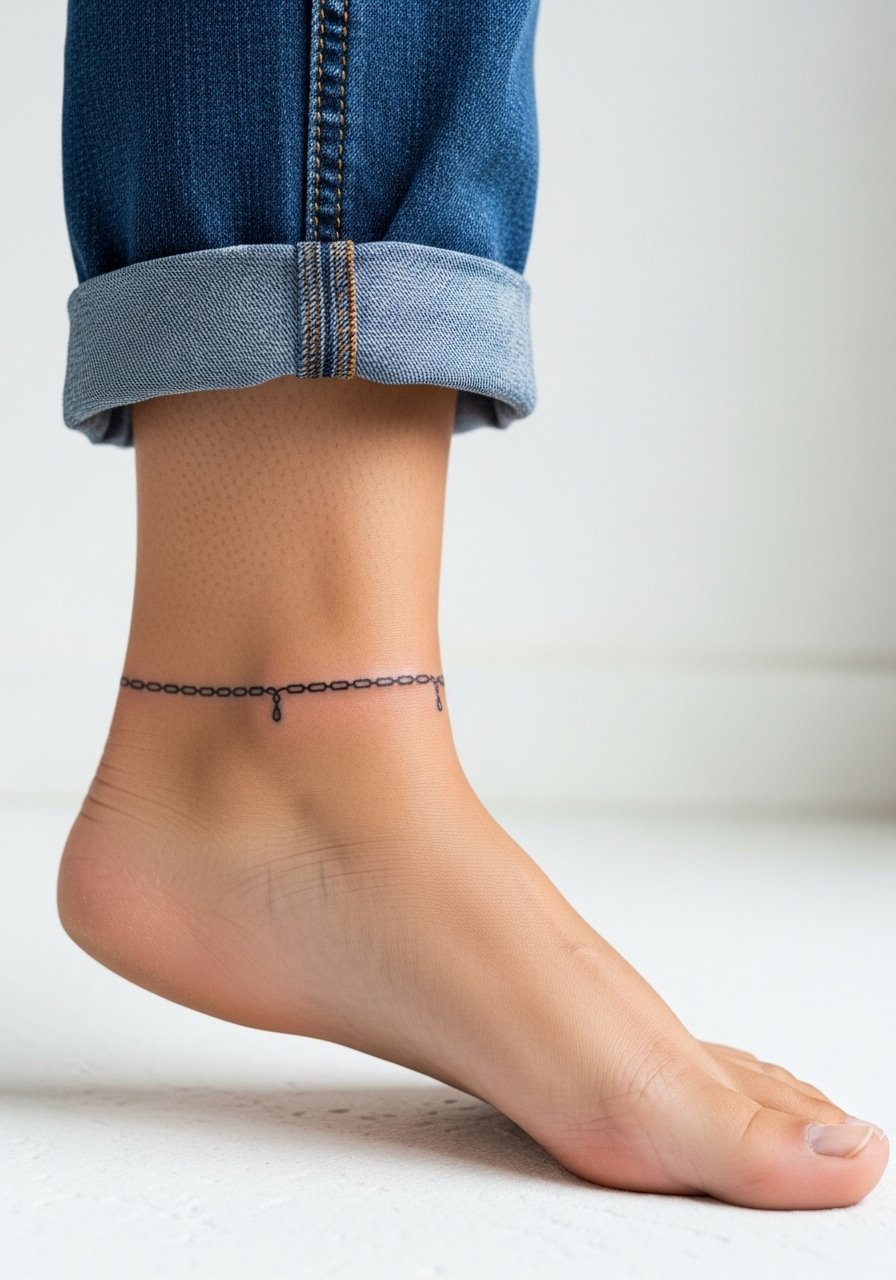
Ankle cover ups must deal with constant movement and shoe friction. Pain can be sharp and session time is often under an hour. When covering old tiny symbols, choose a slightly thicker chain link or added beads to distract from background ink. People sometimes go ultra-fine, which blurs faster with the pressure of socks and shoes. At six months the chain looks crisp if the line weight is robust, and at two years expect slight softening. For the session wear loose drawstring linen pants so the pant leg can be rolled without constraining the ankle.
11. Script Banner Across a Scarred Area
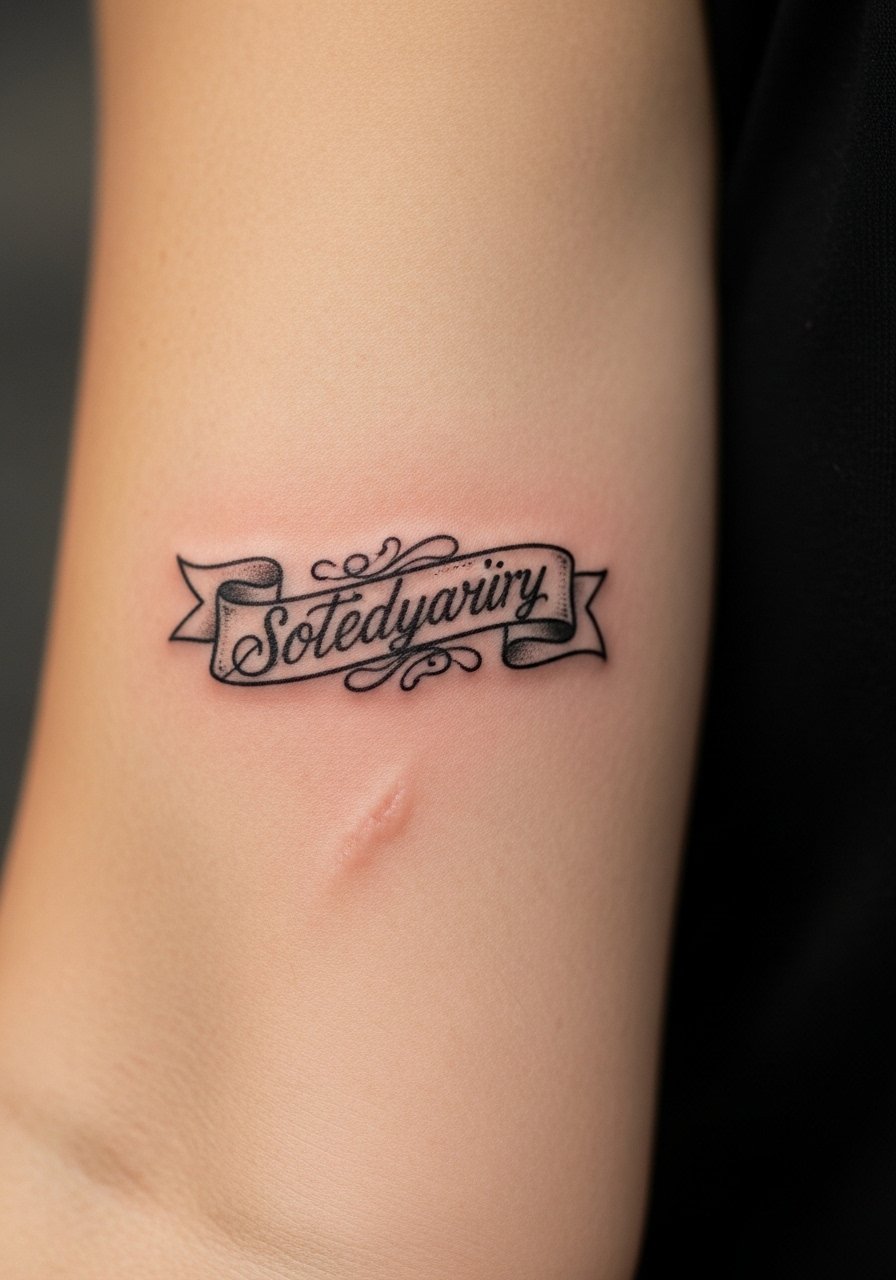
Scar tissue needs special consultation, and not every artist will work over it. Pain varies and sessions may be shorter but require careful passes. For cover ups, slow, confident lettering with slightly larger counters helps keep the type legible and distracts from texture. A common mistake is matching small, dense lettering to scarred skin, which loses definition. At six months the banner reads intentionally bold, and at two years touch-ups sometimes improve letter edges. Bring photos of the scar under similar lighting so the artist sees real texture.
12. Geometric Chest Over Old Tribal
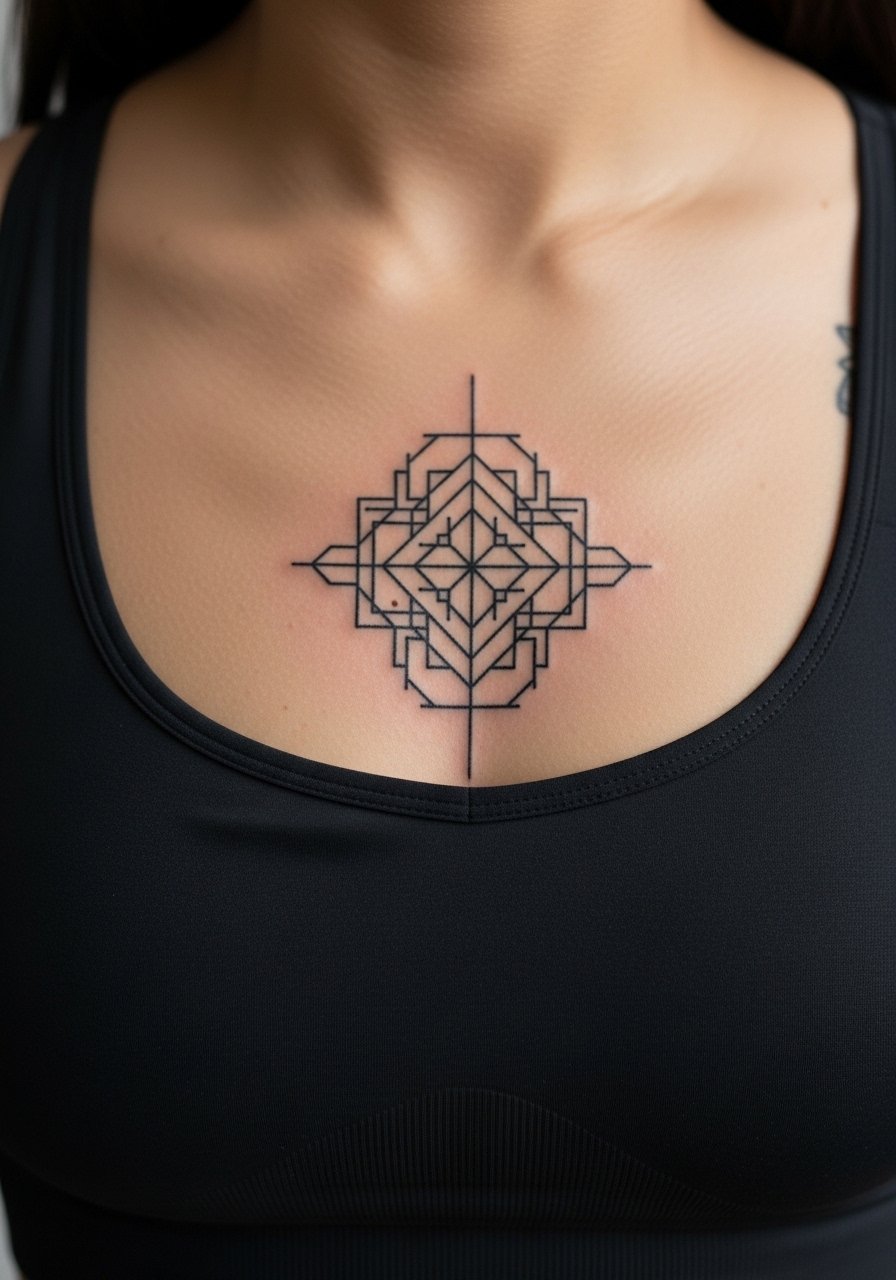
Chest cover ups are effective for older tribal pieces because structured geometry breaks up large dark areas. Pain is moderate to high depending on sternum proximity. There is a debate in the community about fine line on chest. One camp says tiny mandalas on the sternum blur quickly. The other camp says well-spaced geometry holds if the artist leaves negative buffers. Ask your artist which approach they prefer. The typical mistake is packing dense detail over moving skin. At two years the geometric forms still read well if spacing was prioritized.
13. Micro-Realism Animal Portrait on Thigh
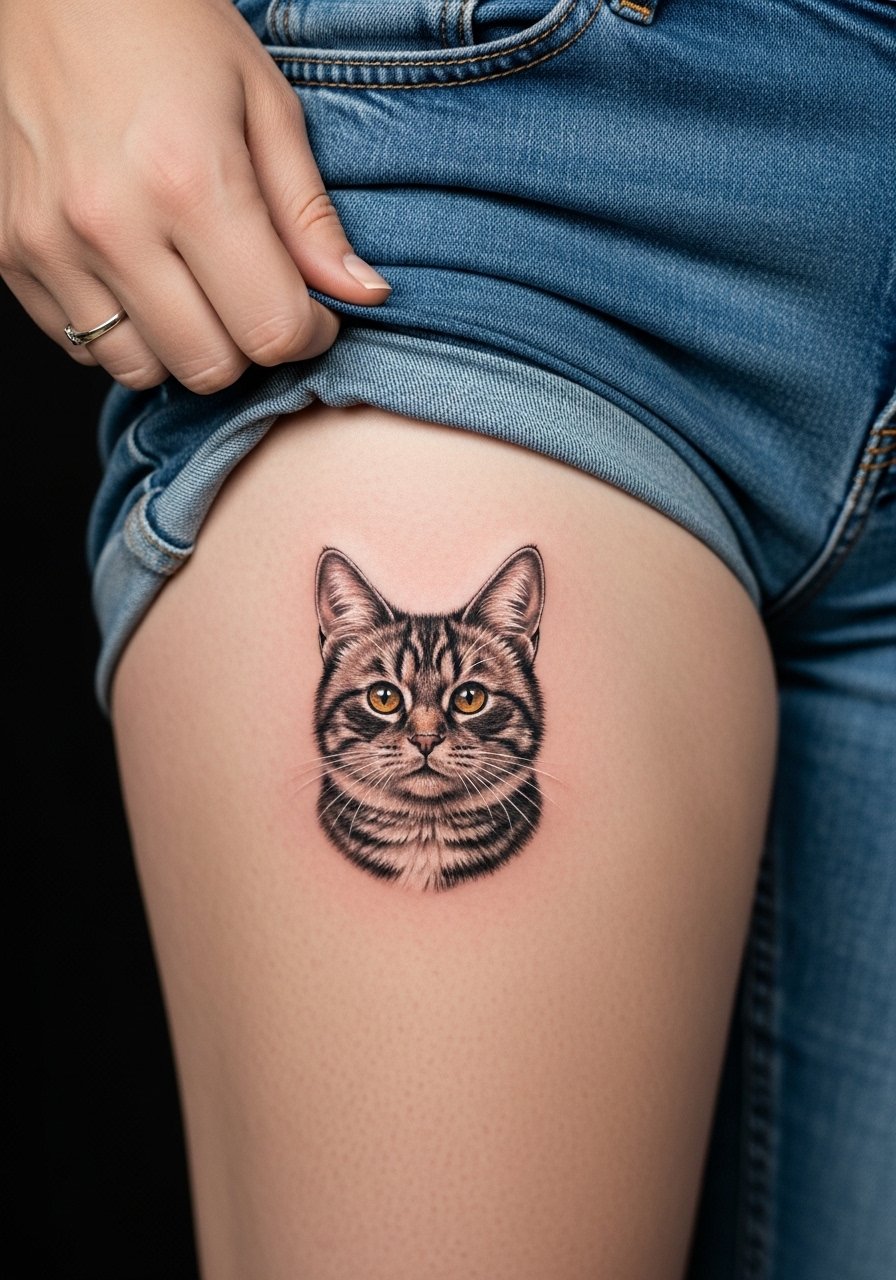
Thighs are generous canvases and tolerate realism over faded color. Pain is low and sessions can be longer, often two to three hours. For a cover up, place dark accents strategically to mask old features and build highlights to distract the eye. The mistake I see is trying to build detail over very dense dark patches without first lightening or reworking them. At six months the portrait reads three-dimensional, and at two years fine detail holds if saturation was consistent. Wear loose shorts to the session so the artist has full access.
14. Celtic Knot Around the Wrist
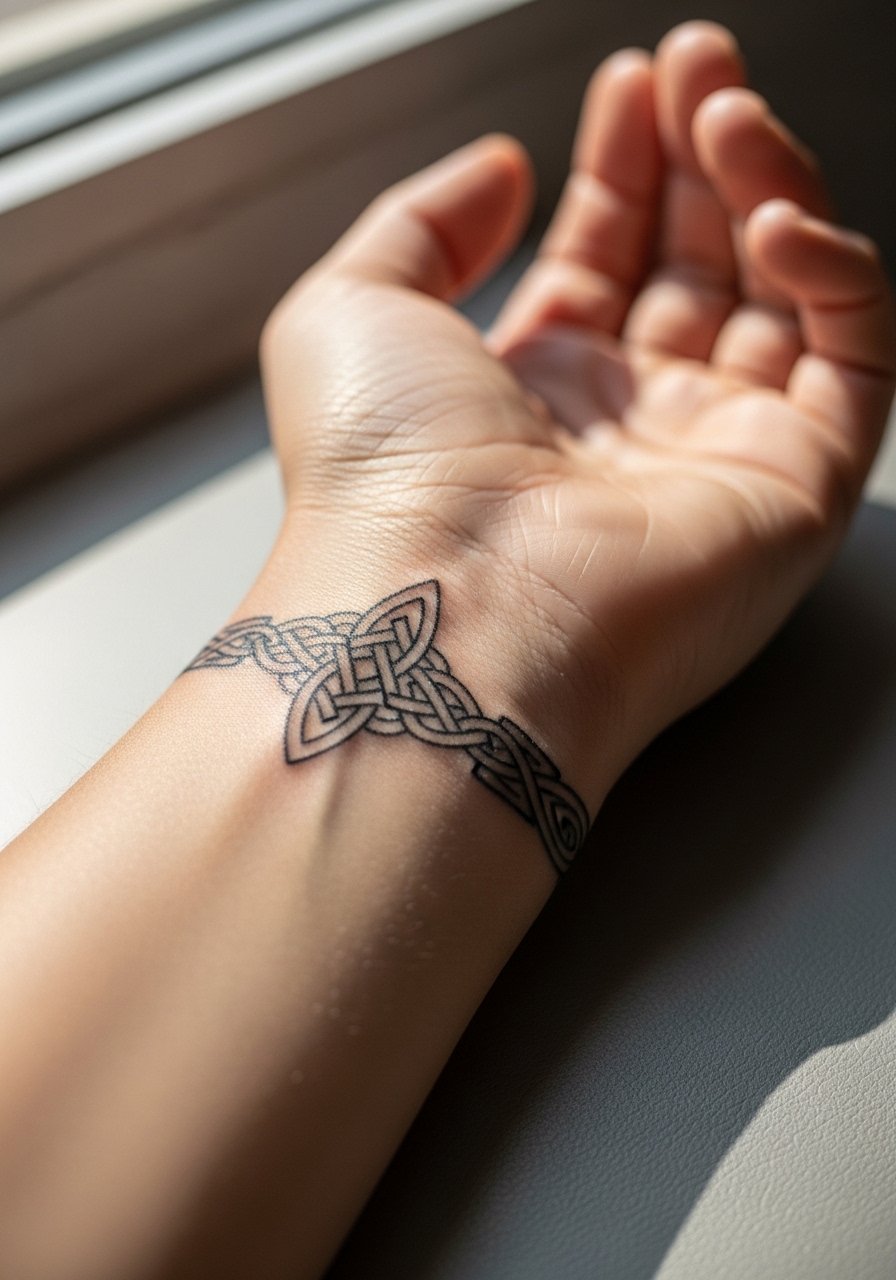
Wrist knots need clear pathing to avoid the old lines showing through. Pain is moderate and sessions usually short. Tell your artist you want open counter spaces within the knot and panes of negative space to prevent the motif from filling in over time. A misstep is picking overly compact knots that merge at edges. At six months the knot keeps its shape, and at two years the open channels help avoid mothballing. Style it with stacked dainty bracelets or a minimalist watch to frame the wrist without crowding the tattoo.
15. Japanese-Inspired Wave Over Large Back Patch
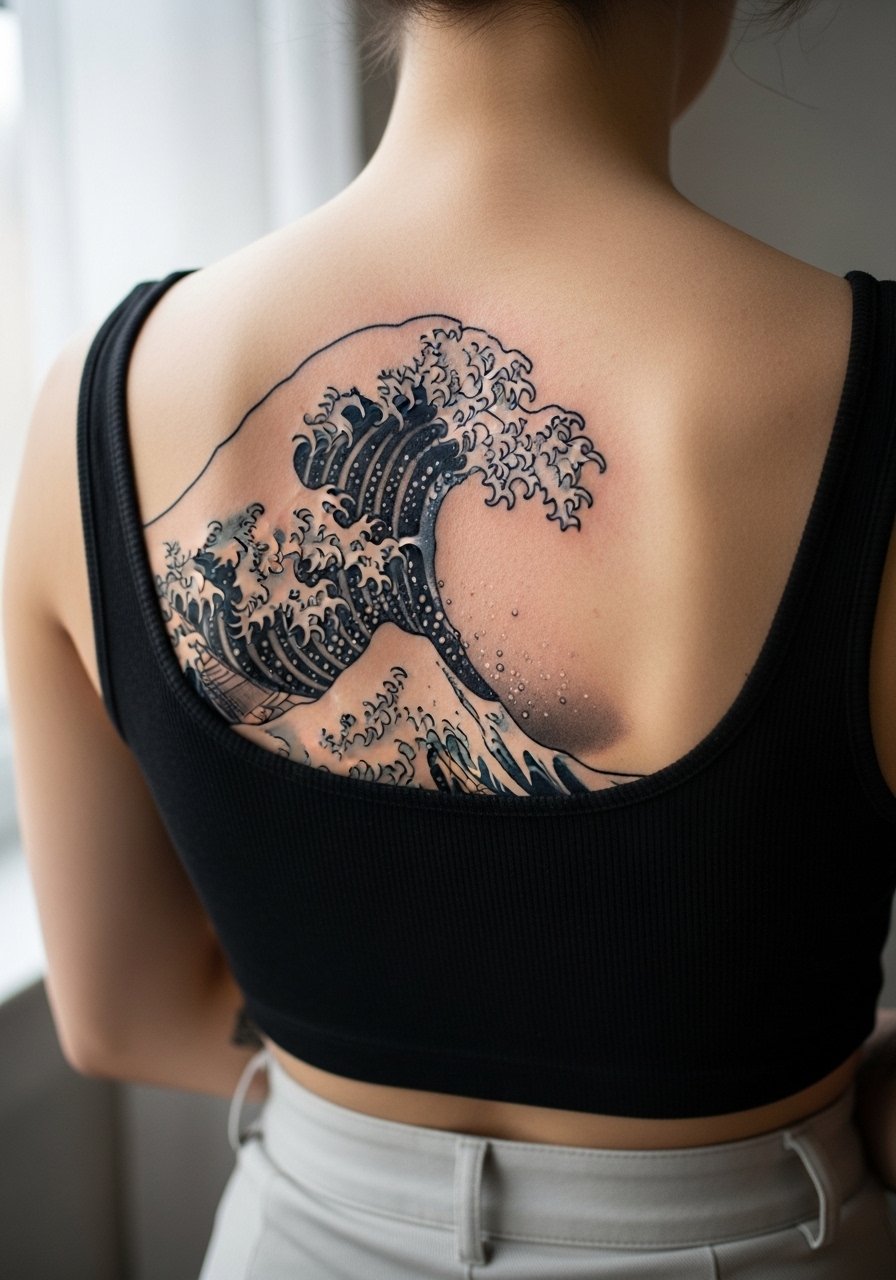
Back cover ups can be expansive and dramatic, which helps when an old patch needs erasing. Pain is low on the upper back and sessions are long. For heavy cover, request layered waves with bold outlines and gradient saturation so the eye reads motion, not the old shapes. The common error is trying to replicate fine detail on top of heavy patches without reworking underlying tones. At two years the design will still read dimensional if the blacks were saturated properly. For show-off outfits, open-back tops pair well with this coverage.
16. Small Anchor on the Finger
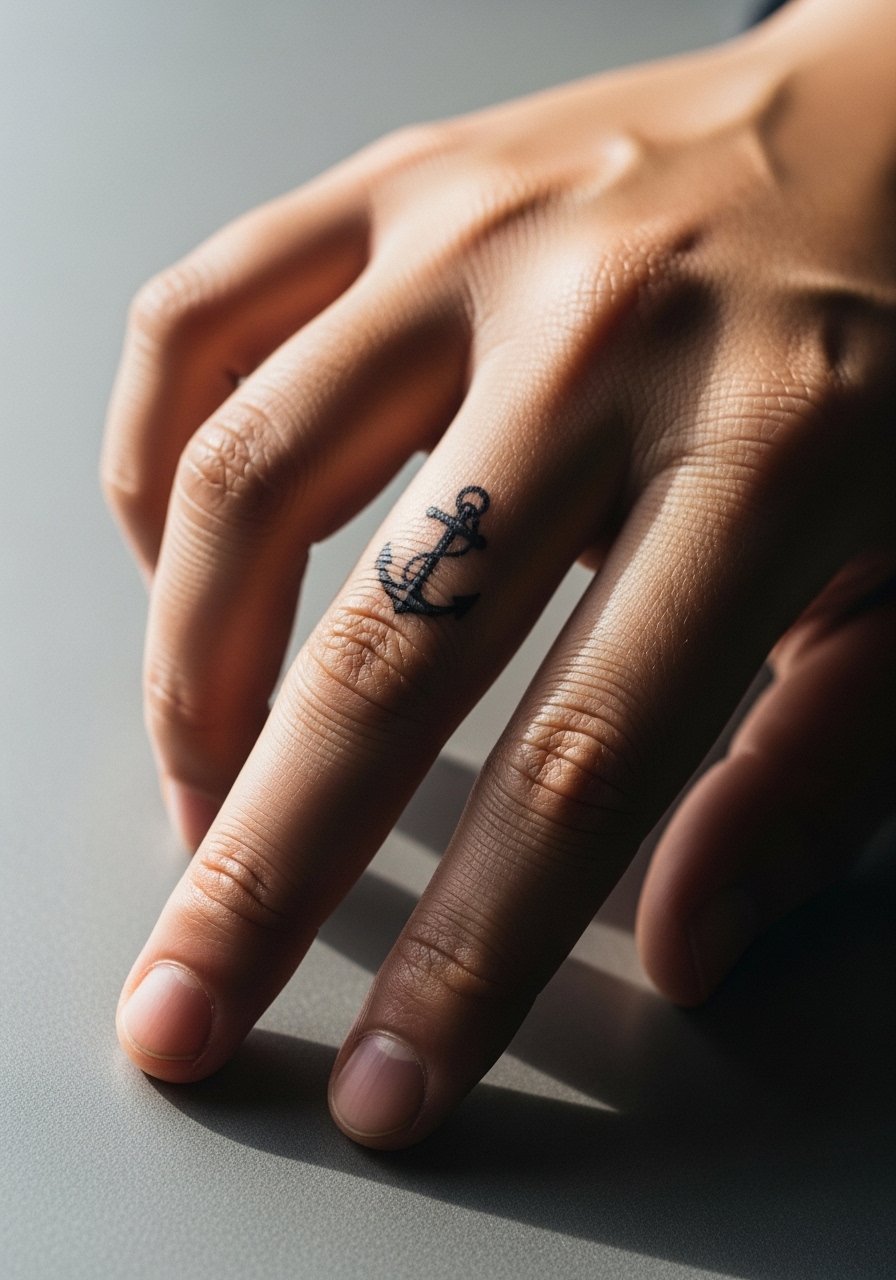
Finger cover ups are high maintenance and subject to washing and friction. Pain is sharp and sessions are quick but may need multiple passes. Avoid expecting fine script to hold here. Instead choose bolder iconography or thicker outlines. A common mistake is choosing intricate details that vanish within a year. At six months the anchor looks tidy if linework was robust, and at two years you will likely need a touch-up. Keep in mind some workplaces still have policies about visible hand tattoos.
17. Stippled Sun on the Inner Bicep
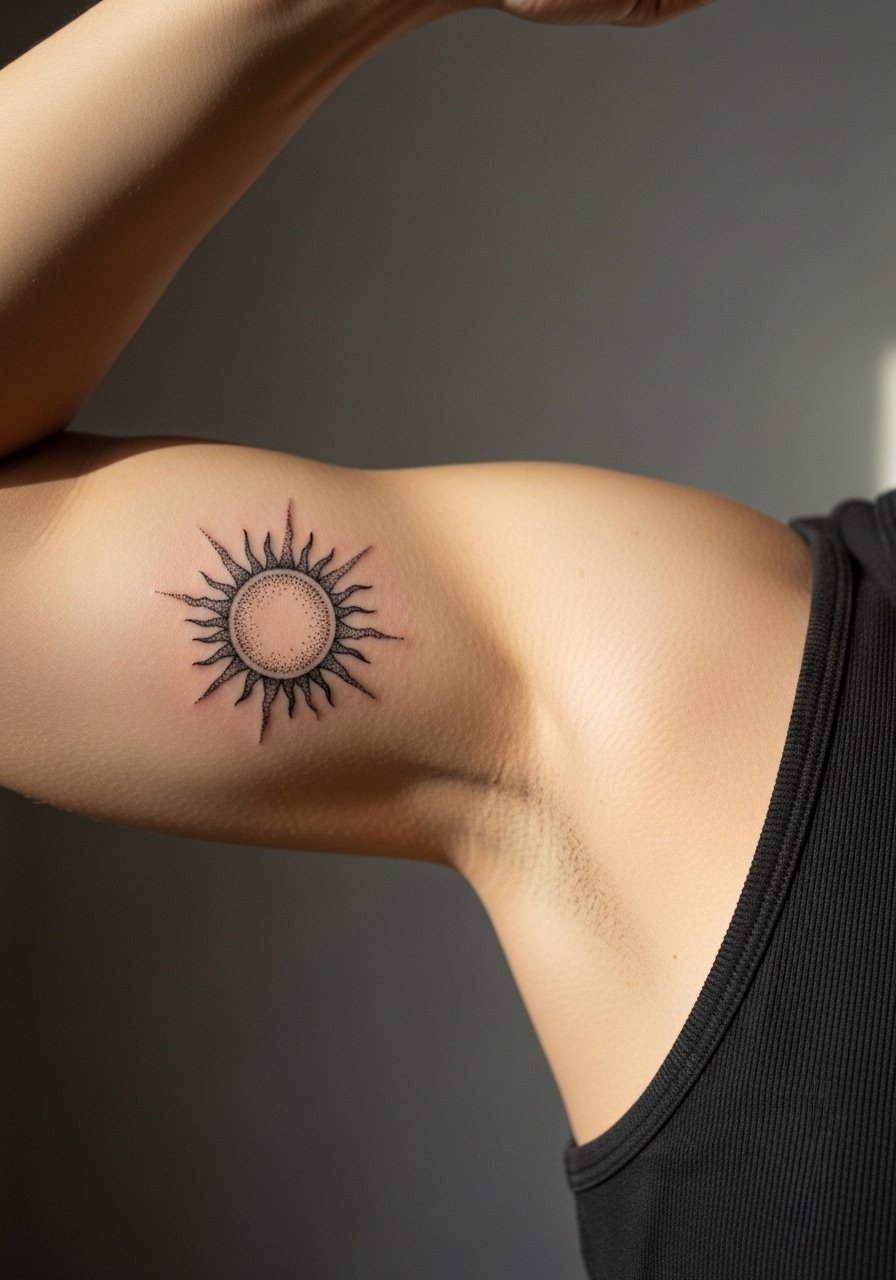
Inner bicep pieces age differently because the skin stretches with motion. Pain is moderate to high and sessions are often shorter. Stipple shading here breaks up underlying marks without needing solid cover. Artists sometimes avoid heavy dark fills on inner arms because blowout risk is higher. A common error is insisting on saturated black in the crease area. At six months the stipple looks textured, and at two years the pattern keeps depth if dots were spaced conservatively. For the session wear a loose tank top so the artist can access the inner arm easily.
18. Mandala on the Lower Back
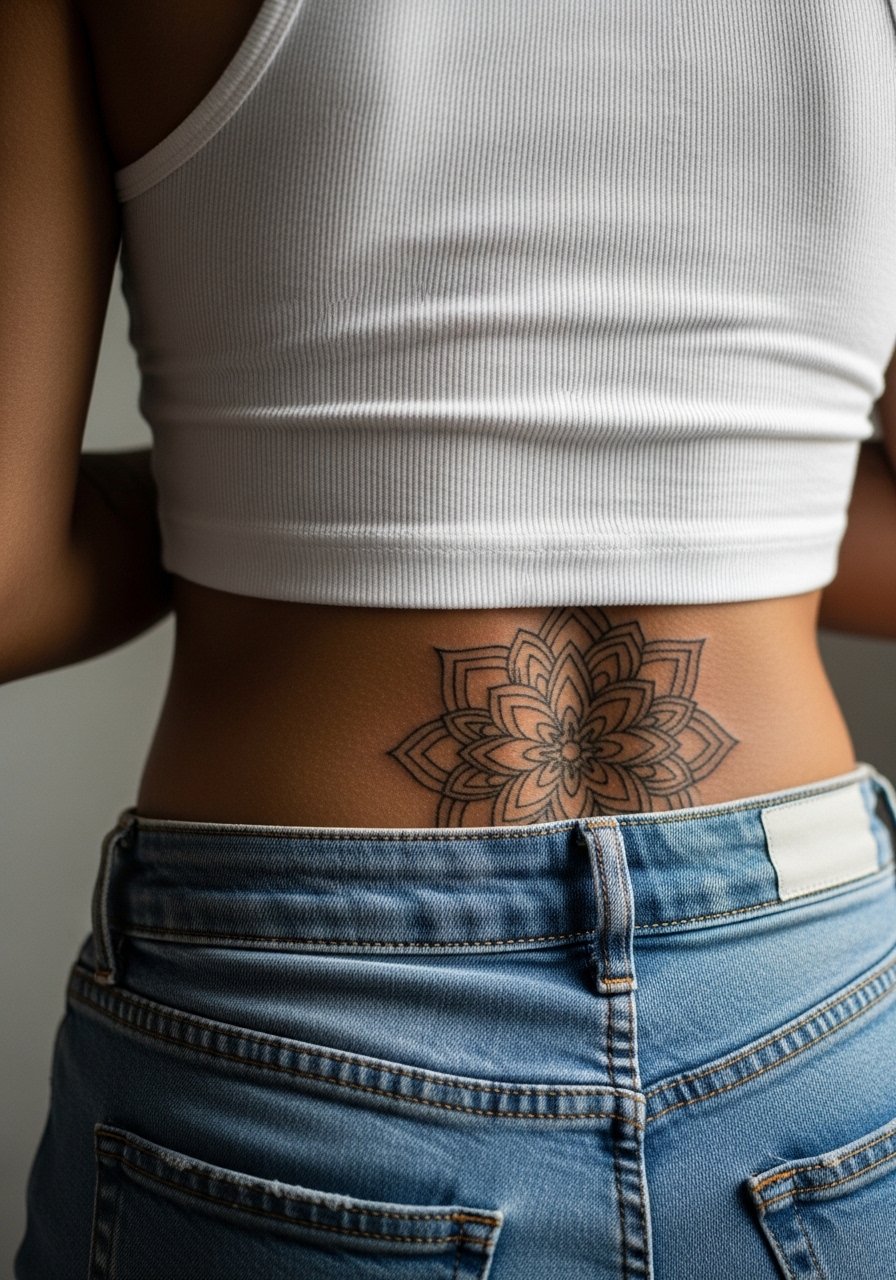
Lower back cover ups are good for bulky or erratic old ink because a centered medallion draws attention away from asymmetric shapes. Pain is low and sessions vary with size. Make sure the artist balances the mandala center with surrounding negative space to prevent a crowded appearance. A mistake is starting too large and then losing detail at the edges. At two years the centered pattern stays legible if spacing was prioritized. For outfit pairing, high-waisted jeans and cropped tops make the lower back a deliberate reveal.
19. Minimalist Crescent Behind the Ear
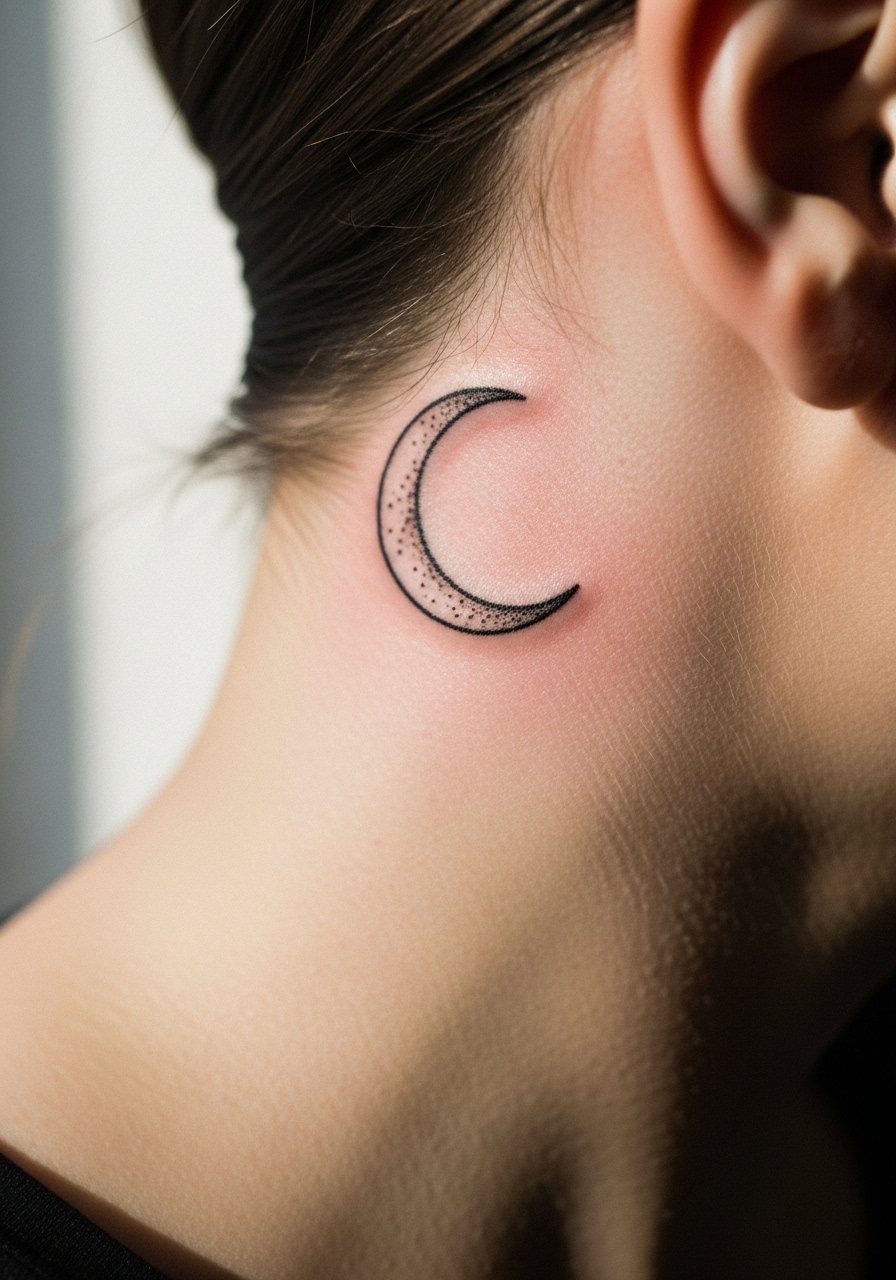
Behind-the-ear cover ups must be framed carefully against hairlines. Pain is low and sessions are very brief. For small cover ups, place the motif slightly below the hairline to use natural shadow. A frequent mistake is placing it too close to the ear rim where visibility warps under jewelry. At six months the crescent reads crisp, and at two years the small mark can remain subtle. Note that visible neck and ear area tattoos may affect some social and workplace situations.
20. Blackwork Shield on the Calf

Inner calf is a forgiving spot for heavier blackwork to obscure older color. Pain is moderate and sessions can be two hours. Request confident black fields with textured edges so the cover reads like a new composition instead of a heavy blot. People sometimes ask for mid-tone blends that do not fully mask older saturated inks. At two years the shield keeps its silhouette if saturation was deep. For showing it off, sandals or cropped trousers work well.
21. Single-Line Heart on the Sternum
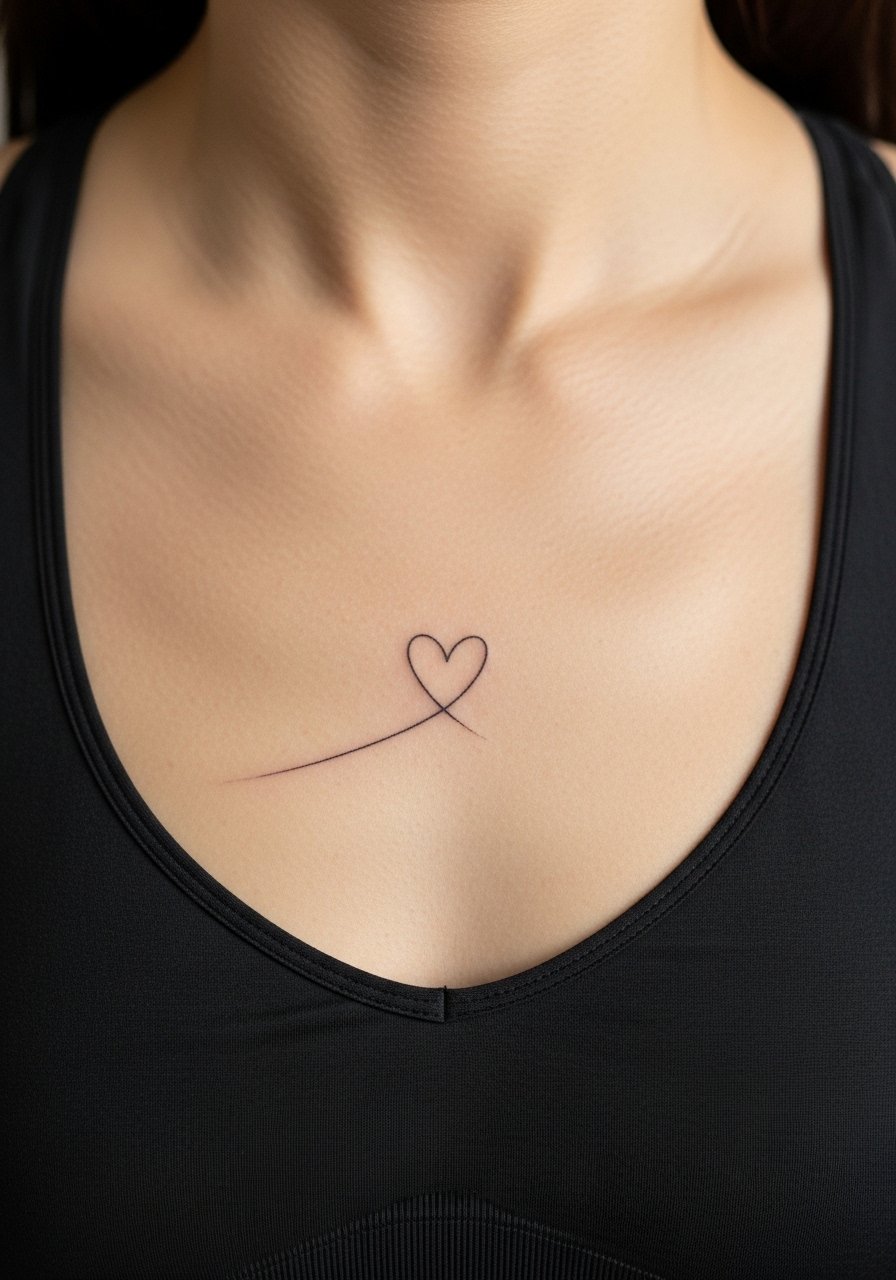
Sternum pieces are intimate and sensitive. Pain is high and sessions require short bursts. There is a real debate about fine detail at the sternum. Some artists avoid ultra-fine single-line scripts there because the area shifts and feathers. Others say simple, bold motifs settle if the artist leaves margin. Ask the artist about their success rate and touch-up policy before booking. At six months a simple heart can look clean, but plan for a possible touch-up at year two. For the session, a strapless or zip-front hoodie that gives access is practical.
22. Old Logo to Botanical Sleeve Transition
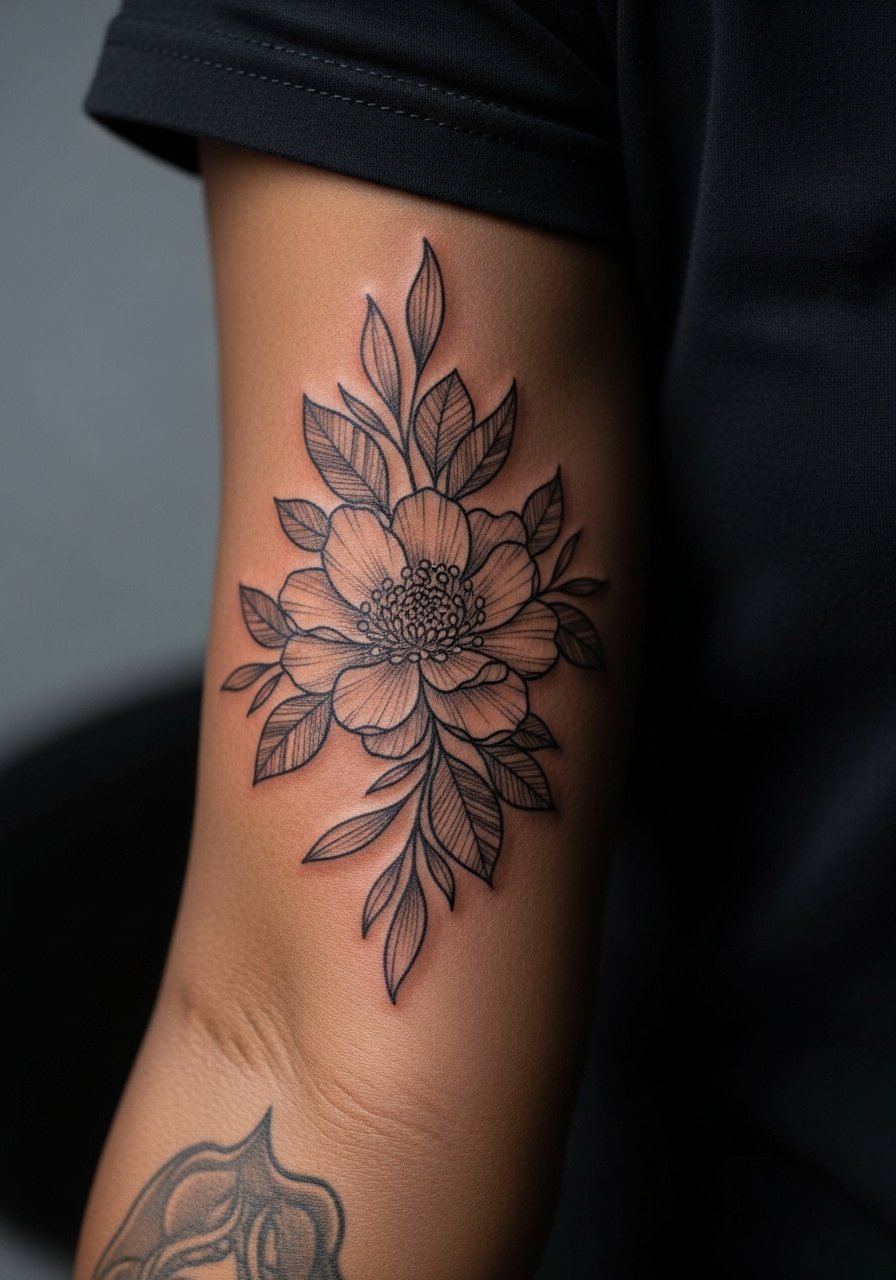
When you want to convert an old corporate or band logo into something organic, use branches and leaves to fracture the shape. Pain is moderate and sessions are multiple. Tell the artist which elements of the original you are willing to keep as anchors and which should be broken up. A common mistake is expecting the logo to disappear without altering layout, which limits the artist. At two years the sleeve reads cohesive if negative space and flow were planned from the start. For the session, wear a loose button-down so the arm can be adjusted easily.
23. Constellation Linework on the Ankle
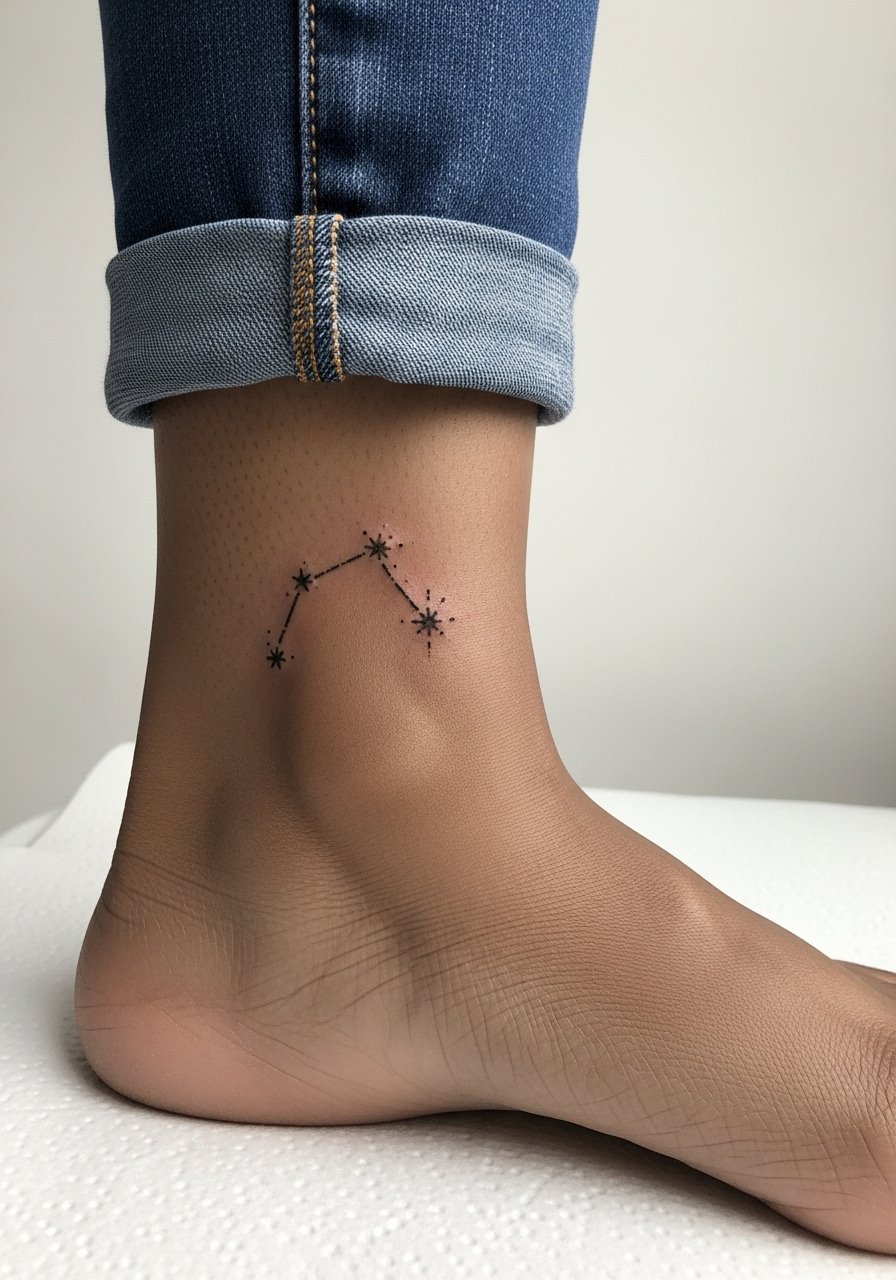
Ankle linework needs room to avoid smudging from footwear and movement. Pain is sharp in spots and sessions are short. For cover ups, use star clusters and connecting lines that cross the old marks rather than trying to fill them. The mistake is choosing tightly spaced stars that blur from shoe friction. At six months the constellation reads delicate, and at two years some dots will need refreshing. Pair with sandals or cropped hems when you want the piece visible.
24. Geometric Hip Piece Over Old Tattoo
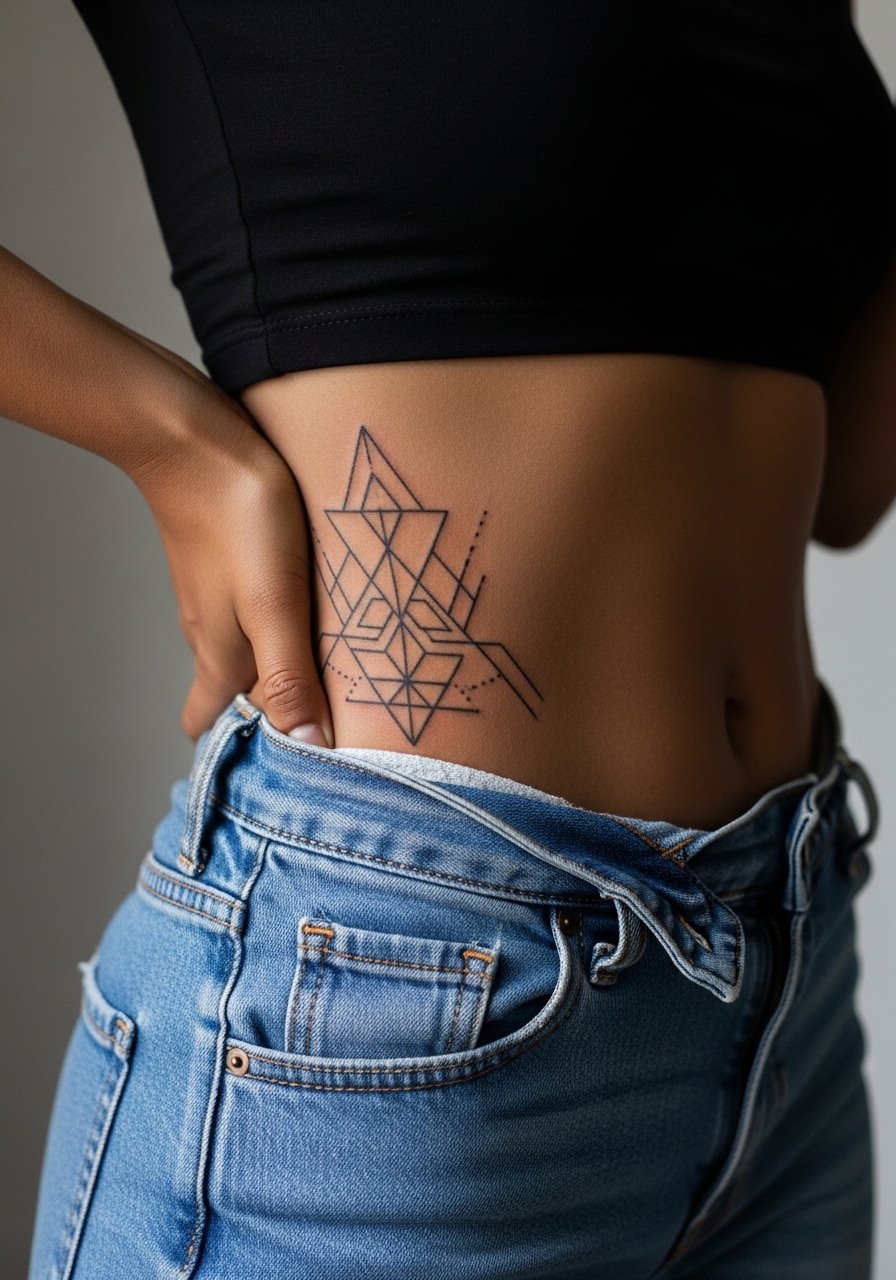
Hip cover ups must respect curvature and clothing pressure. Pain is moderate and sessions usually one to two hours. For an effective cover, use interlocking shapes with shadowed planes that interrupt old strokes. The typical mistake is starting the design too close to waistbands where friction will fade edges. At two years the geometry maintains clarity if margins were left. For the session, wear high-waisted bottoms you can shift without discomfort and avoid tight belts afterward. Consider pairing with a high-waisted skirt when showing the piece.
25. Tiny Symbol on the Finger Side
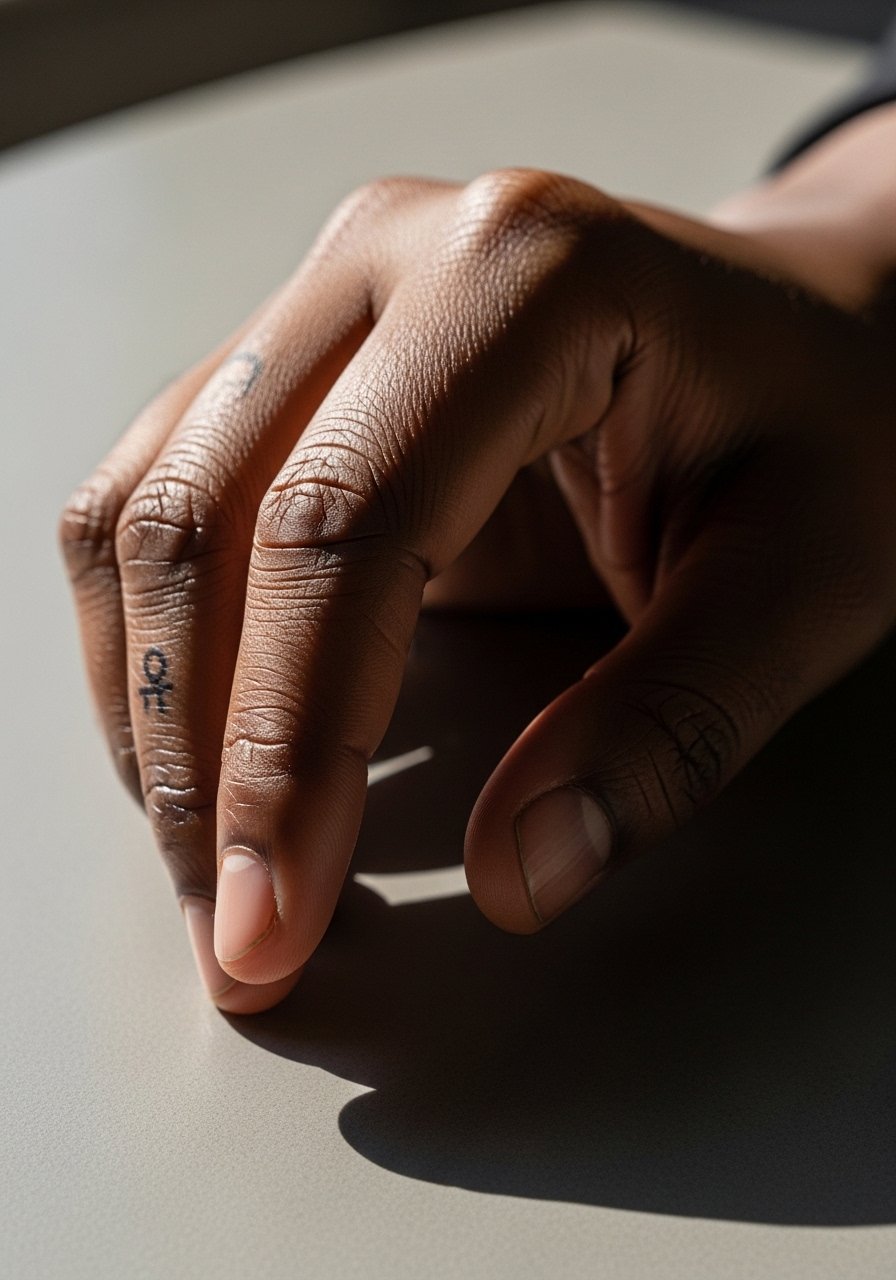
Side-of-finger cover ups are among the highest maintenance. Pain is high and touch-ups are common. If you need to mask an old tiny mark, choose a small bold glyph instead of fine script. People often request very thin symbols that disappear with daily hand use. Expect touch-ups sooner than for other spots. At six months the symbol can read neat if the line weight was sufficient, and at two years plan for a refresh.
26. Script Along the Spine for Vertical Coverage
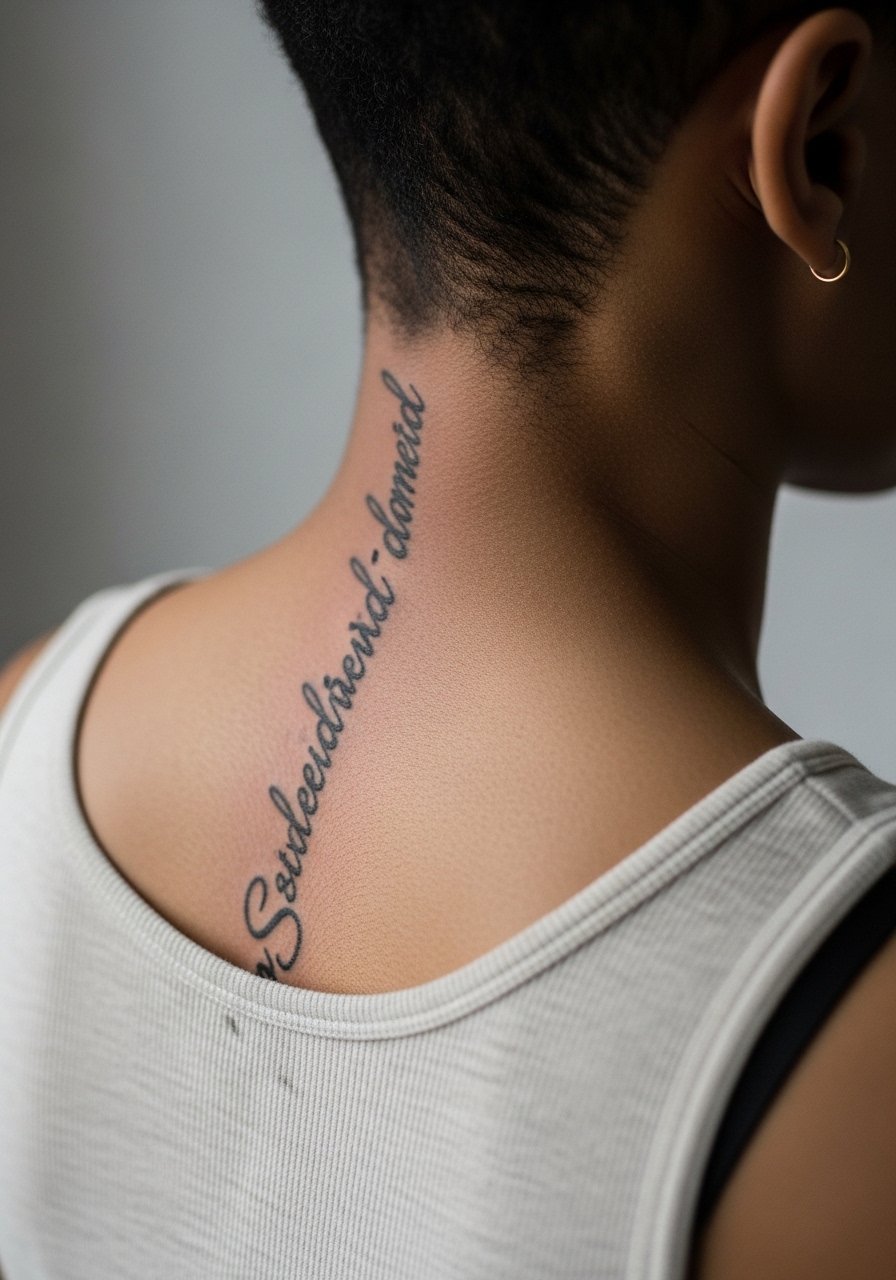
Spine cover ups play with vertical flow to distract from old horizontal marks. Pain is variable and sessions are often done in short passes. For a cover, pick larger letterforms with steady spacing so the old ink does not peek through the counters. A mistake is choosing minute script that washes out along the spine crease. At two years the vertical script holds if linework was bold enough. For the session, a button-up that you can pull aside works better than shirts you must shimmy out of.
27. Small Geometric Piece Behind the Knee
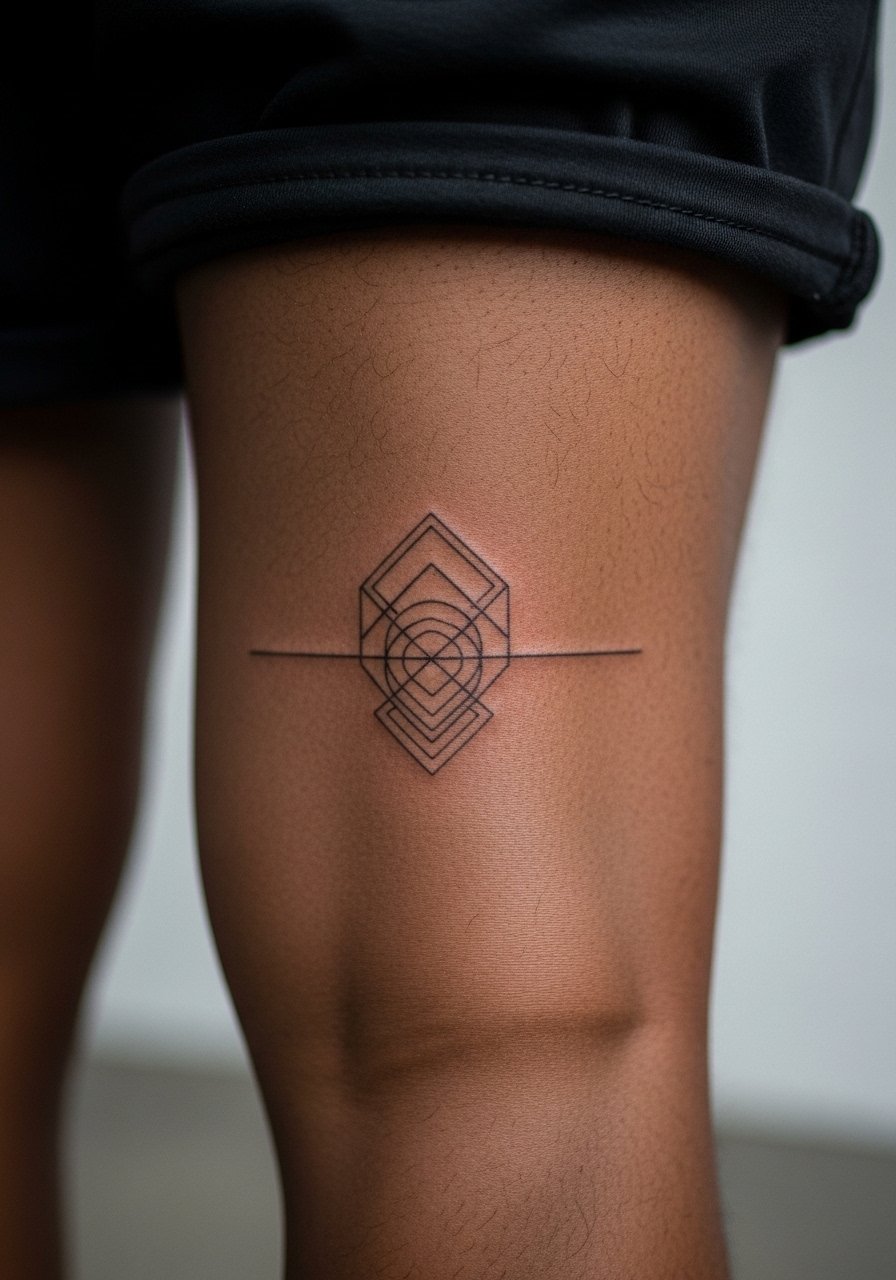
Behind-the-knee placements are sensitive to movement and bending. Pain is moderate and tattoo sessions are short by necessity. When covering old marks, use shapes that read as panels rather than isolated dots, which helps keep lines from blurring across folds. The common error is placing dense detail directly in the crease. At six months the motif looks clean, and at two years plan for slight softening due to constant flexing.
Frequently Asked Questions
Q: How do I know whether a design will truly cover my old tattoo?
A: It depends on the original ink, the new design, and how saturated the cover needs to be. Bring clear photos from different angles and ask the artist to sketch directly over a printed image so you can see proposed line weight and negative space. If the old piece is very dark, plan for layered sessions rather than a single pass.
Q: Will fine line cover ups fade faster than bold blackwork on ribs and sternum?
A: From what I have seen, fine line detail on ribs and sternum can blur sooner than bold blackwork because those areas move and stretch more. There is a debate in the community, and the right call depends on your artist's experience with those zones. If longevity is key, ask for slightly sturdier line weight or planned touch-ups.
Q: What should I wear to a tattoo session for shoulder, thigh, and sternum placements?
A: Choose clothing that gives the artist clear access without forcing you to undress fully. For shoulders, a loose button-down shirt works. For thighs, loose shorts or a skirt that shifts easily is best. For sternum, a fitted sports bra or strapless option that exposes only the area is practical.
Q: Can scar tissue be reliably tattooed over in a cover up?
A: Some scars take ink better than others, and not every artist will work over scar tissue. Expect a careful consultation and possibly test dots before committing. Tattooed scars can hold nicely when the artist adapts depth and spacing, but transparency about previous injuries helps set realistic expectations.
Q: How often should I expect touch-ups for cover ups on high-friction areas like hands and ankles?
A: Hands and ankles usually need touch-ups more often than protected zones. Plan for a potential touch-up within the first one to three years. Keeping sunscreen and avoiding tight shoe friction can extend the interval, and the artist can advise on a realistic timeline based on your skin and lifestyle.