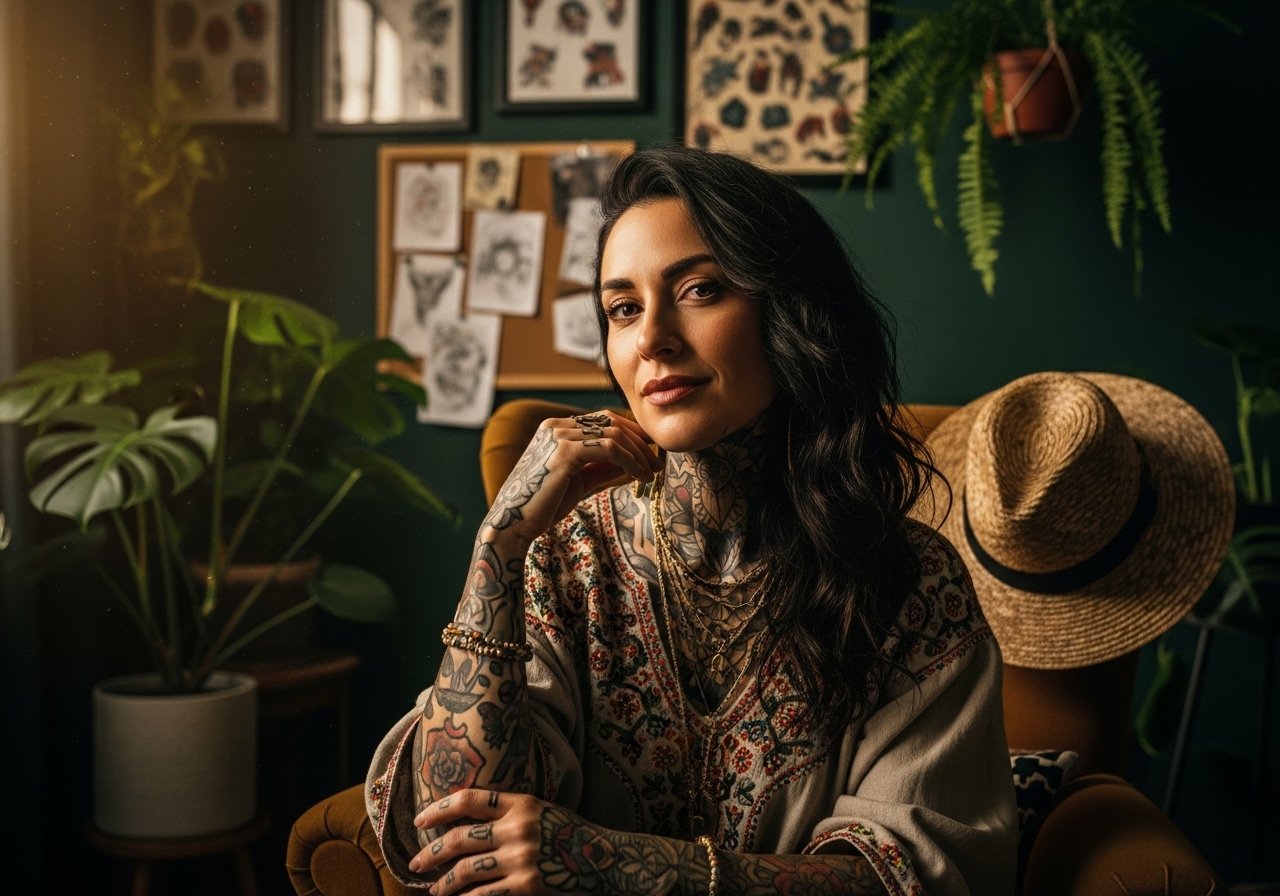
Fine line snake work looks gorgeous fresh, but the reality is that color and placement determine how long the coils read clearly on skin. I see trend photos that get shared and then the same pieces get touch-ups two to three years later. These 17 small colorful snake designs focus on smart spacing, saturated fills, and placement choices that help the color hold up, so you get a look that still reads as intended after the novelty fades.
1. Tiny Watercolor Snake on the Inner Wrist
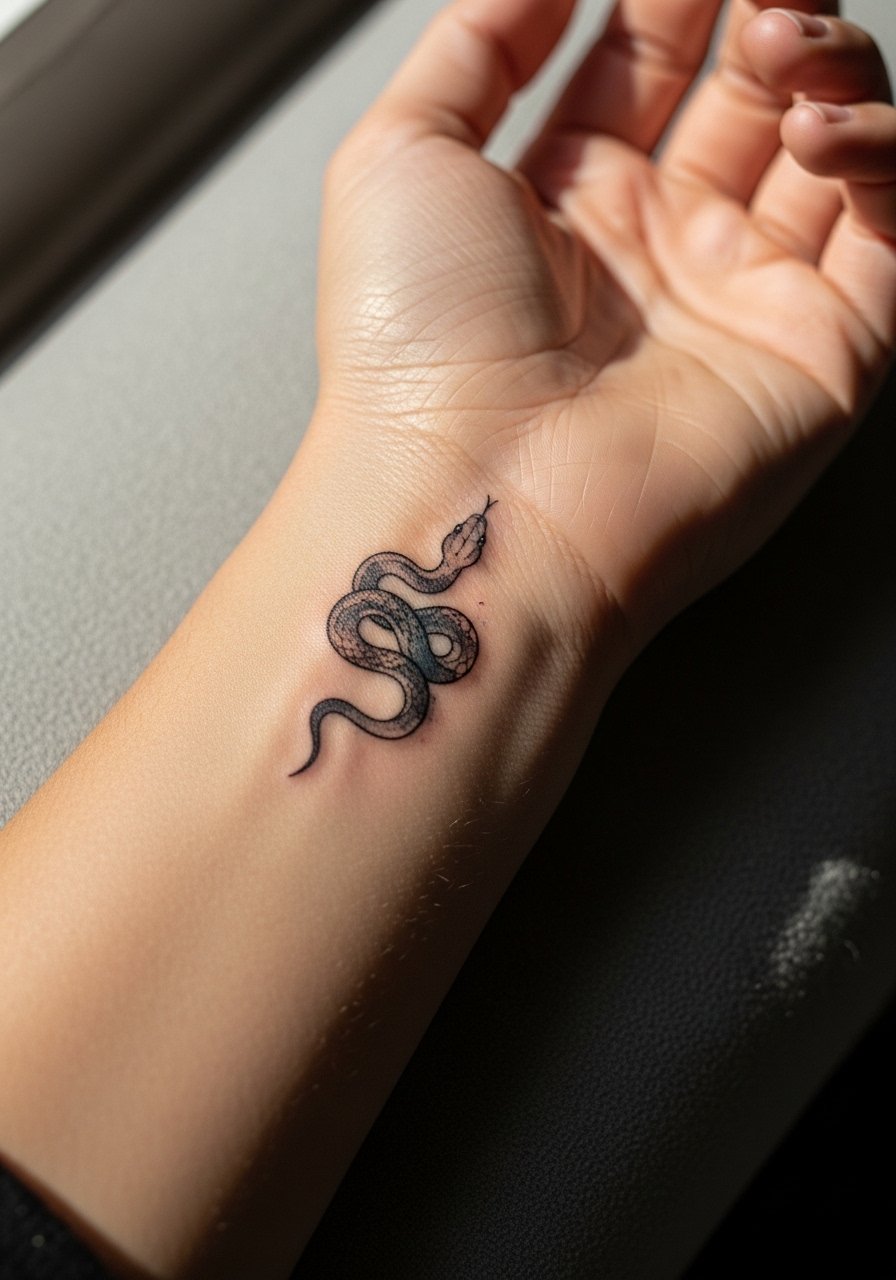
I recommend this when you want a painterly splash without heavy outlines. Fair warning, watercolor techniques can look like a blur on wrists if the artist uses too little saturation and the colors sit too shallow. Tell your artist you want slightly more saturation around the spine of the snake so the color keeps shape at six months and two years. Session time is short, often under an hour, but the wrist is sensitive so expect a noticeable sting. A common mistake is requesting extremely thin, low-contrast color washes. For showing it off, roll sleeves up and pair with a thin chain pendant necklace to draw the eye without crowding the wrist.
2. Micro-Realism Coiled Snake on the Inner Forearm
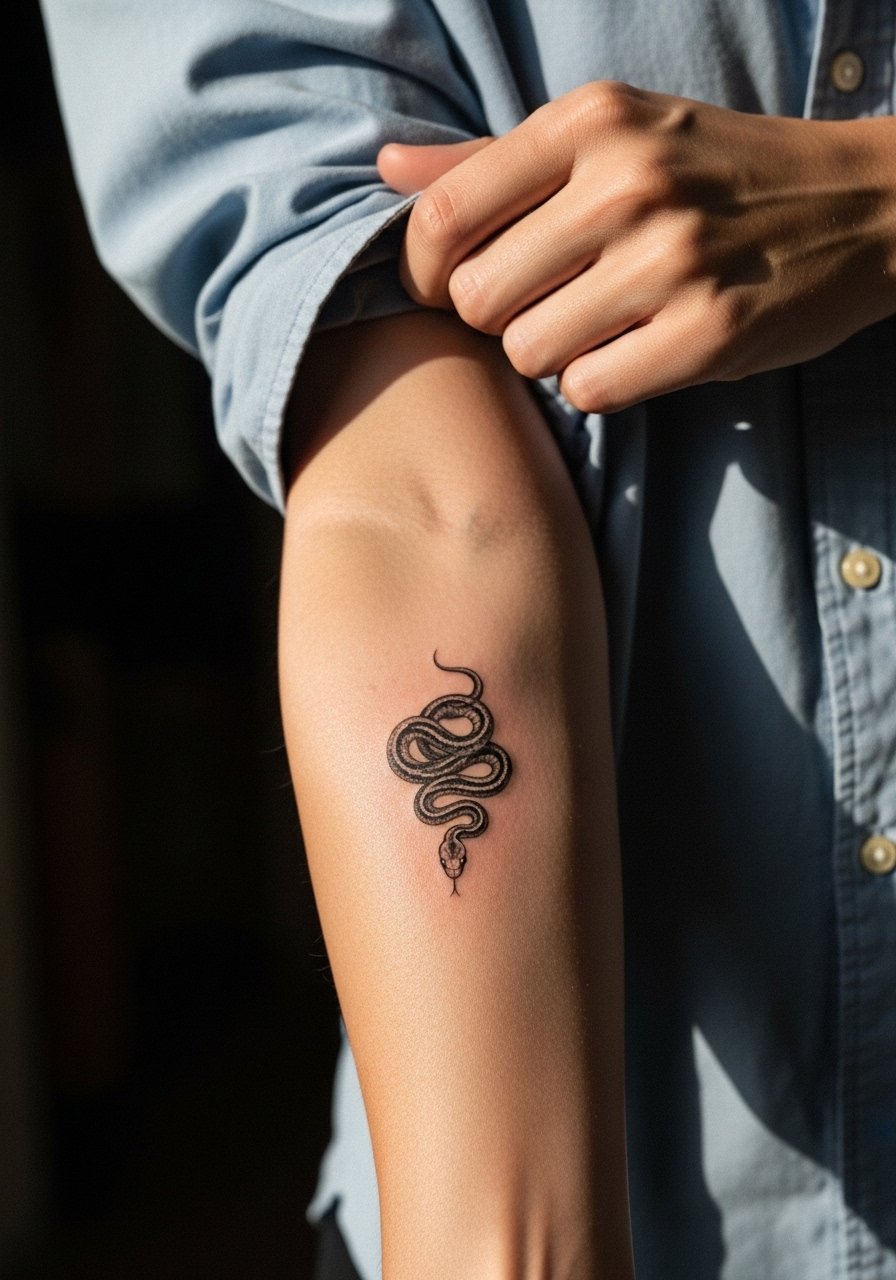
I've seen this design age well when the artist balances fine linework with tiny spots of saturation. Ask for crisp linework with dot work shading under the coils to create depth that does not rely solely on color. The inner forearm is lower on the blowout risk scale, but you will notice softening at year five if lines are too close. Typical session time is 45 minutes to an hour. For appointment comfort, wear a loose button-down shirt you can pull aside so the artist has clean access. A common mistake is insisting on micro detail without allowing minimal spacing.
3. Tiny Traditional Snake Around the Finger
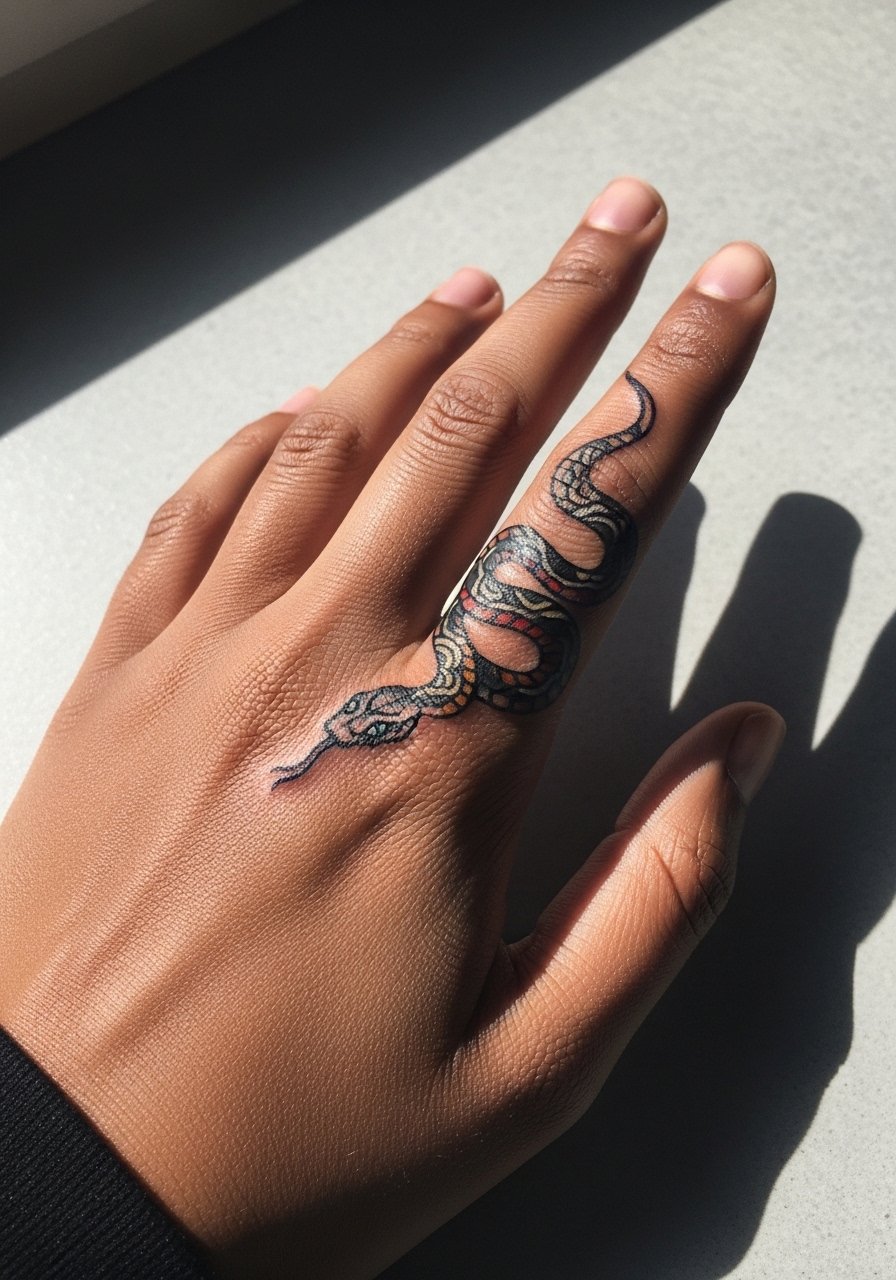
Finger work is intimate and high maintenance. The skin there sheds frequently and the color fades faster than on the arm. Expect a bright first month, then touch-ups earlier than other placements. I would only recommend this if you accept touch-ups around year one or two. During consultation, ask the artist to keep the band narrow but with bold outlines so the silhouette holds up. For showing it off, a minimalist ring stack works better than chunky jewelry because heavy rings rub the ink. Note that some employers still react to visible hand tattoos, so consider career impact before booking.
4. Tiny Ribboned Snake on the Ankle
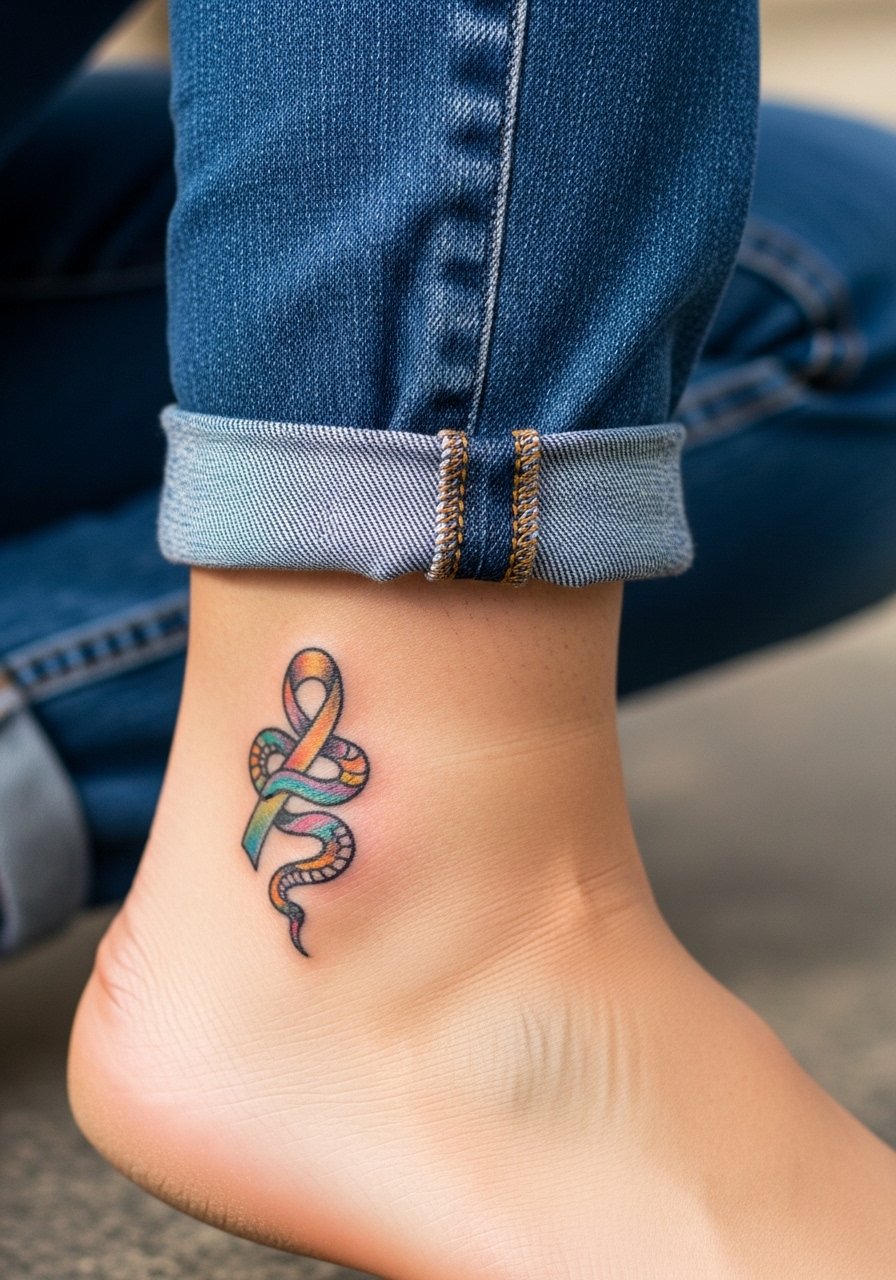
Ankle pieces look delicate but get lots of friction from socks and shoes during healing. The biggest mistake is placing too much fine detail where repeated rubbing will soften it. For this one I ask artists to use clearer spacing and slightly bolder saturation near the edges so the form reads from a short distance. Session time is brief, often under an hour, but expect tenderness when shoes press the area. For the session wear, go with shoes that are easy to slip on and off and jeans you can roll up easily. Touch-ups at year two are common for ankle color.
5. Tiny Collarbone Snake with Subtle Color
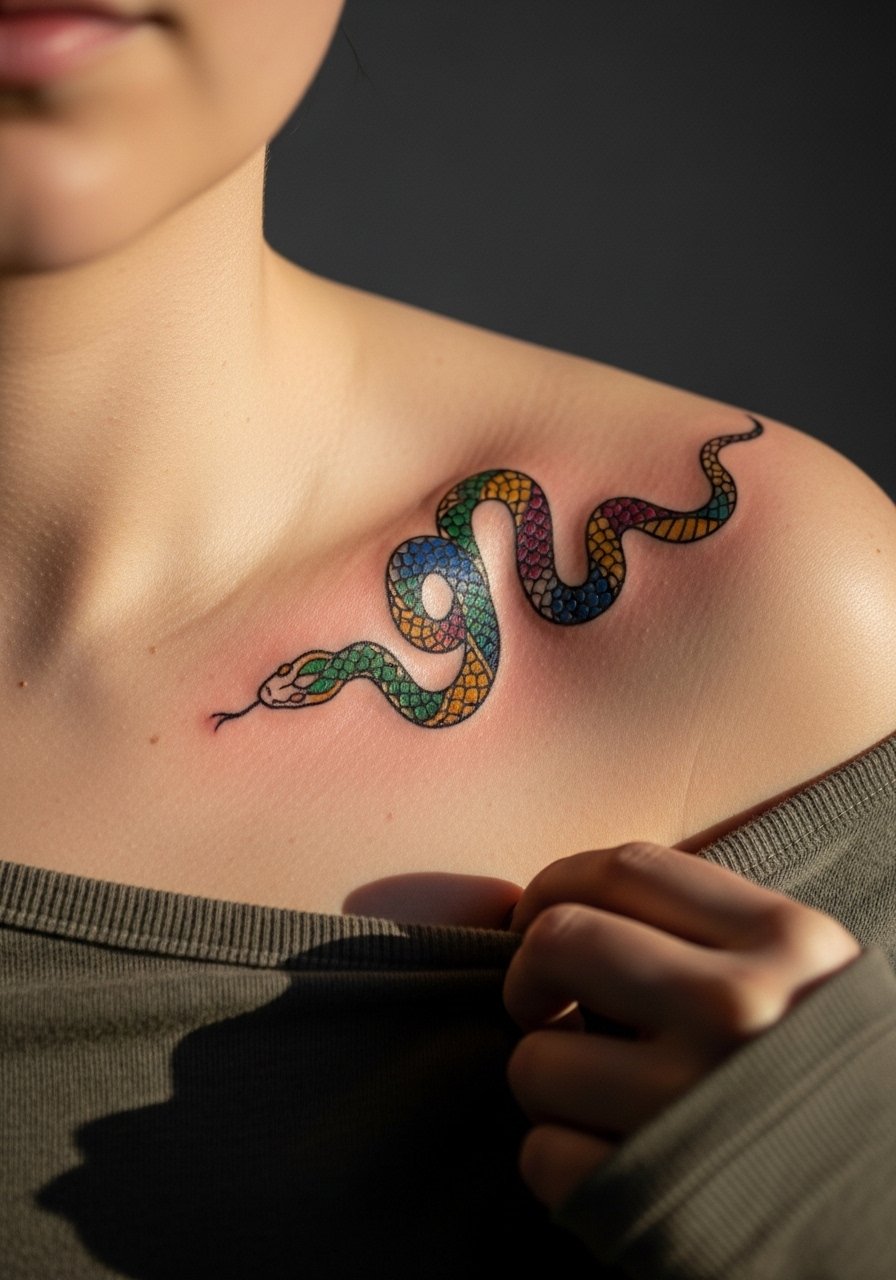
The collarbone gives a graceful curve to a snake motif. Pain sits around a six out of ten for many people. The most common error is packing too much tiny detail into a spot that experiences regular friction from straps. Tell your artist you want color concentrated toward the head and tail and lighter tones along the body so the silhouette keeps reading as it heals. For showing off, an open-back midi dress or wide-neck tops frame the area without covering the ink. Expect a touch-up at year three depending on sun exposure.
6. Tiny Back of Arm Snake with Dot Shading
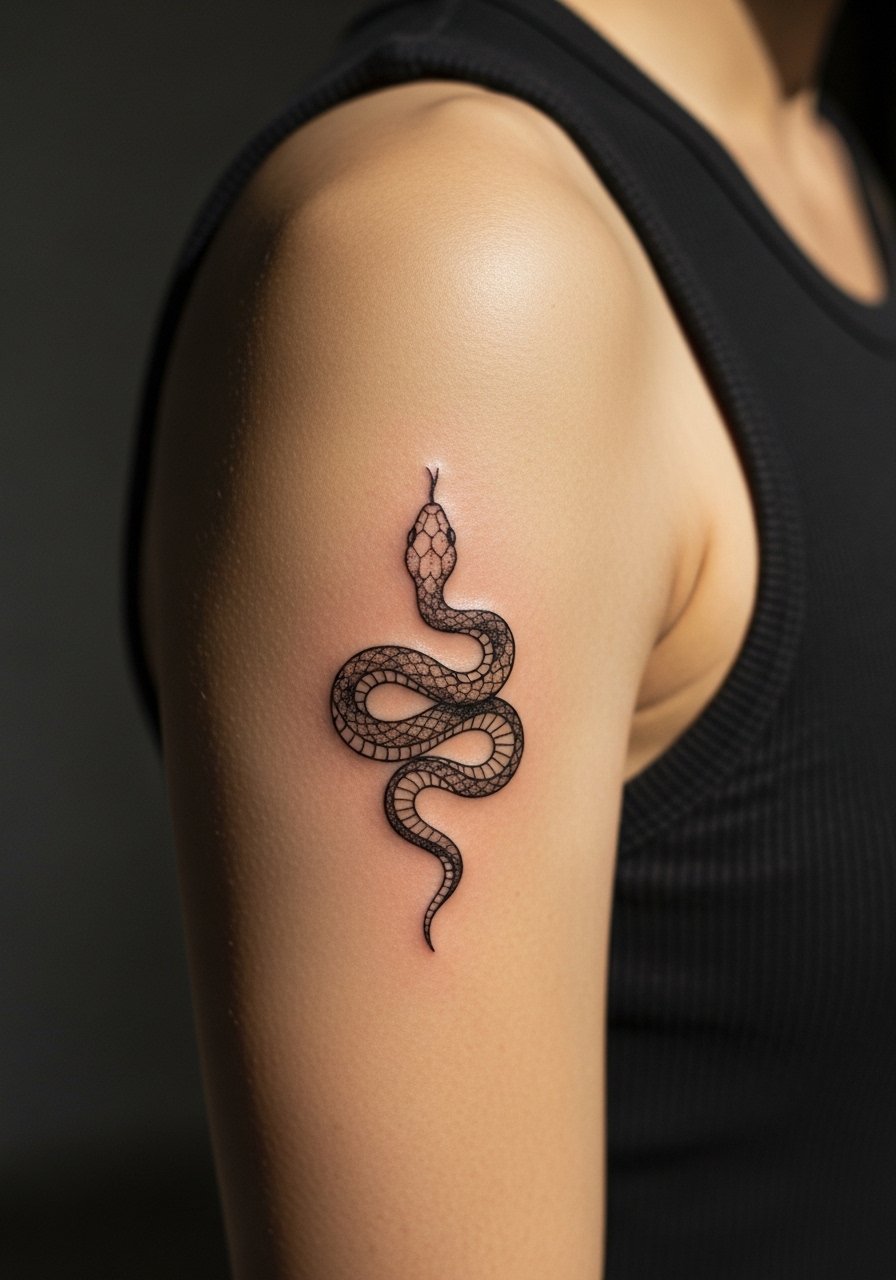
Back-of-arm pieces age differently than forearm work because of sun exposure and muscle movement. Dot work, or stipple shading, helps color settle without dense blocks that can blur. During consultation, bring reference photos showing the exact dot density you want so the artist matches your vision. The session is usually under 90 minutes. For appointment comfort, a loose tank top gives easy access. The main mistake is over-detailing in a small area, which leads to muddy shading at year two.
Studio Day Picks
That group above mixes wrists, collarbones, and ankles, and each of those needs different prep and first-week products. These five items smooth the studio visit and the first week of healing for small colorful work.
-
Stencil transfer paper kit. Lets you test placement on skin before the needle hits, which is helpful for the collarbone and inner wrist pieces above.
-
Topical numbing cream. Applied per instructions it eases wrist and ankle sensitivity so you can sit through finer color work without tensing.
-
Thin protective film roll. Useful for wrists and fingers where friction is constant during the first week.
-
Fragrance free gentle body wash. Cleans the small areas without stripping pigment, especially for pieces near the collarbone and ankle.
-
Aquaphor healing ointment. A thin layer for the first few days helps color retention on fine line work without clogging the area.
7. Tiny Snake Spine Line on the Upper Back
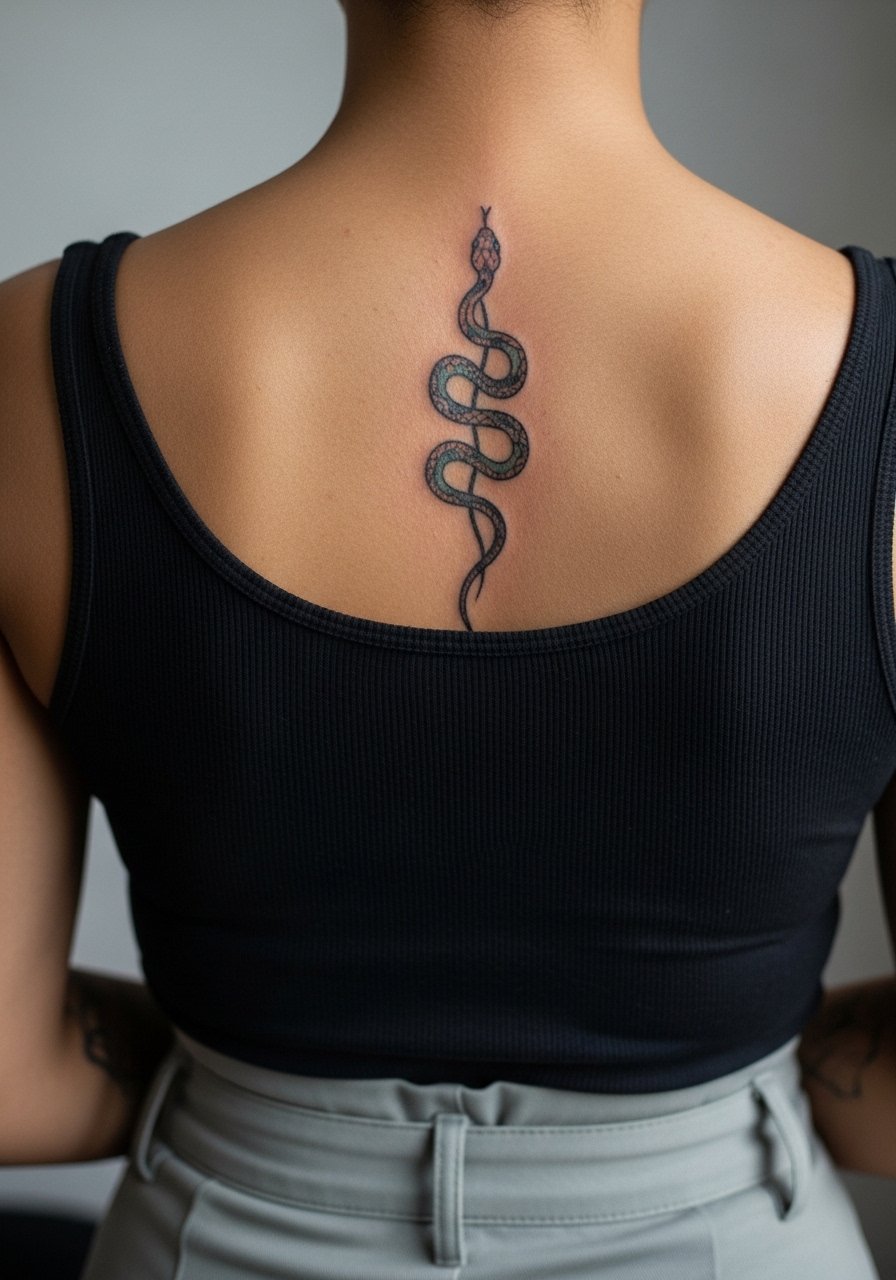
This vertical placement pairs with open-back outfits and reads dramatically in a small scale. The upper back moves with posture and breathing, so ask the artist to avoid placing extremely thin lines directly over the spine. Session time can be 60 to 90 minutes depending on color saturation. A common problem is underestimating how broad the design will look when shoulders relax. For showing it off, try an open-back dress. If you plan on heavier sun exposure, plan for touch-ups sooner because UV is a main color killer.
8. Minimalist Snake Behind the Ear
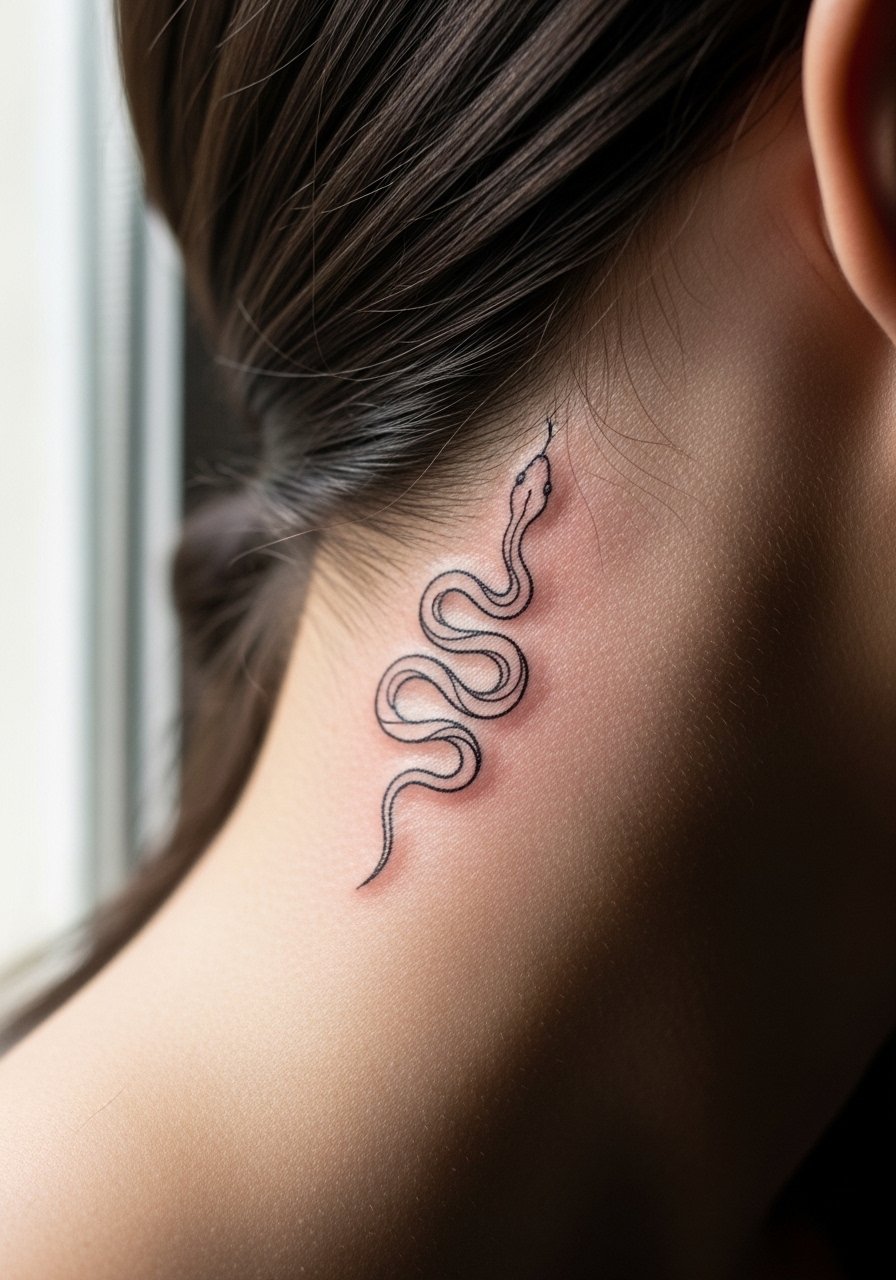
Behind-the-ear pieces require a careful artist who works in small scale on thin skin. There is a controversy among artists here. One camp says behind-the-ear skin is too thin and the lines blur within a couple of years. The other camp argues careful depth and slightly bolder linework make the area hold up. Ask which approach your artist prefers and why before booking. Sessions are brief but the spot is sensitive. For the appointment, wear your hair up so the artist has clear access. Also remember this placement is seasonal for visibility depending on hair length.
9. Little Coiled Snake on the Calf
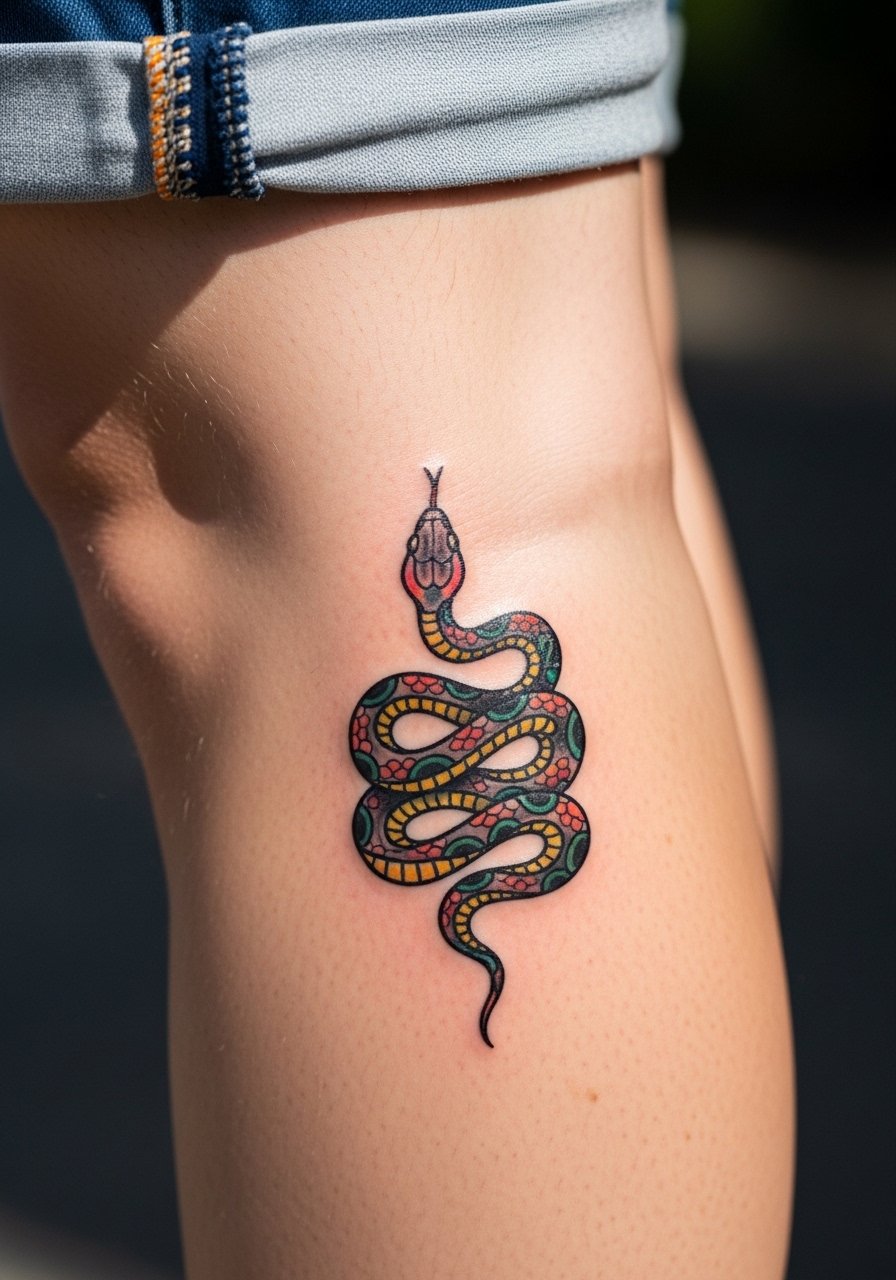
Calf placements take color well because the skin there is stable and less prone to immediate blowout. For a small coil, ask for a bit of edge saturation so the silhouette remains crisp at five years. Sessions are comfortable for most people and can be done in one visit lasting under two hours. A common mistake is crowding the coil with tiny scales that lose definition as the skin stretches. For the session, wear loose drawstring shorts so the artist can work without fabric interference.
10. Tiny Snake Around the Thumb Base
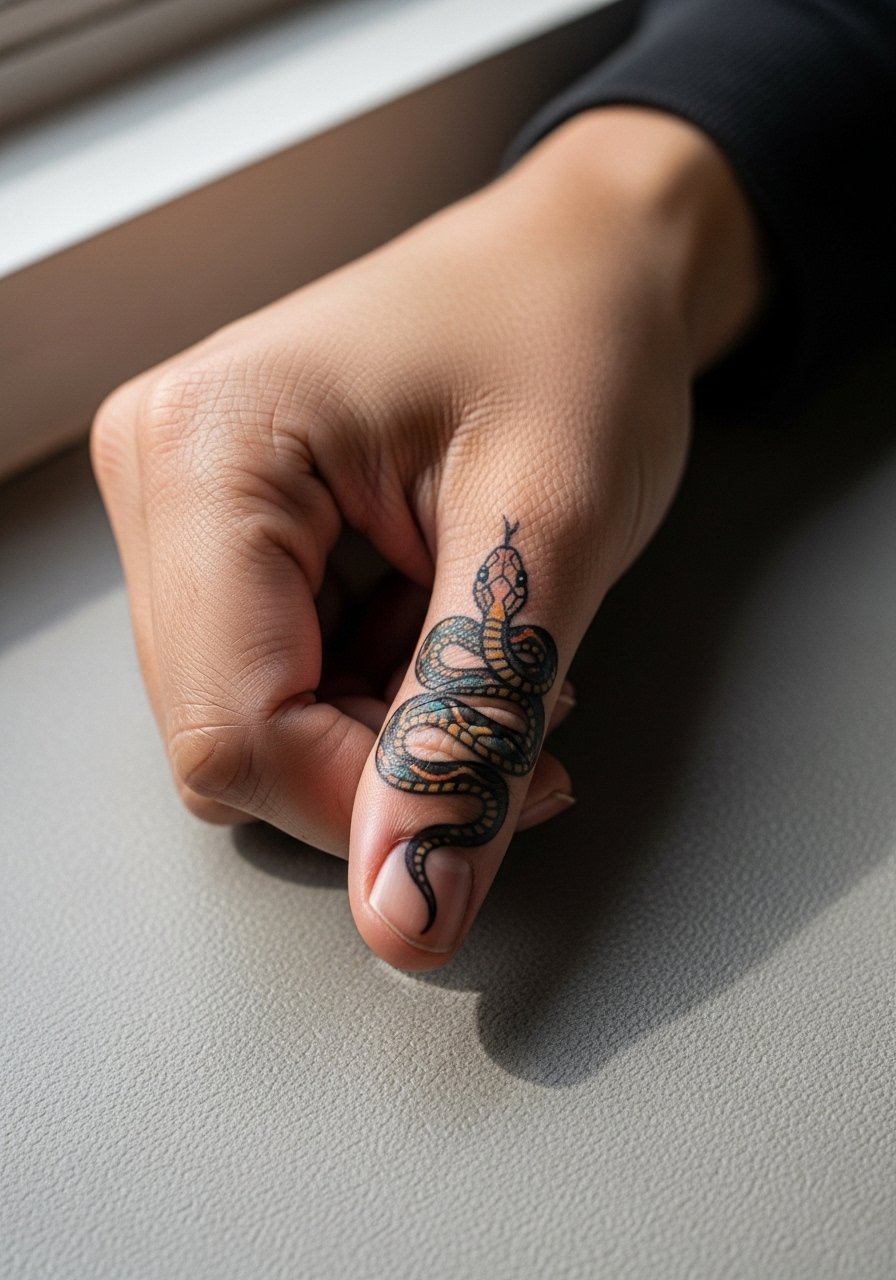
Thumb-base tattoos face constant motion and washing, which reduces color quickly. I only suggest this design if you accept that touch-ups are likely sooner than with forearm pieces. During the consult, ask for clean negative space inside the coil so the form reads even as color softens. Expect the session to be short but expect discomfort. A frequent mistake is asking for too many color gradients in a tiny band. For showing it off, keep jewelry minimal so the ring metal does not rub the healed ink.
11. Tiny Neon-Accented Snake on the Outer Thigh
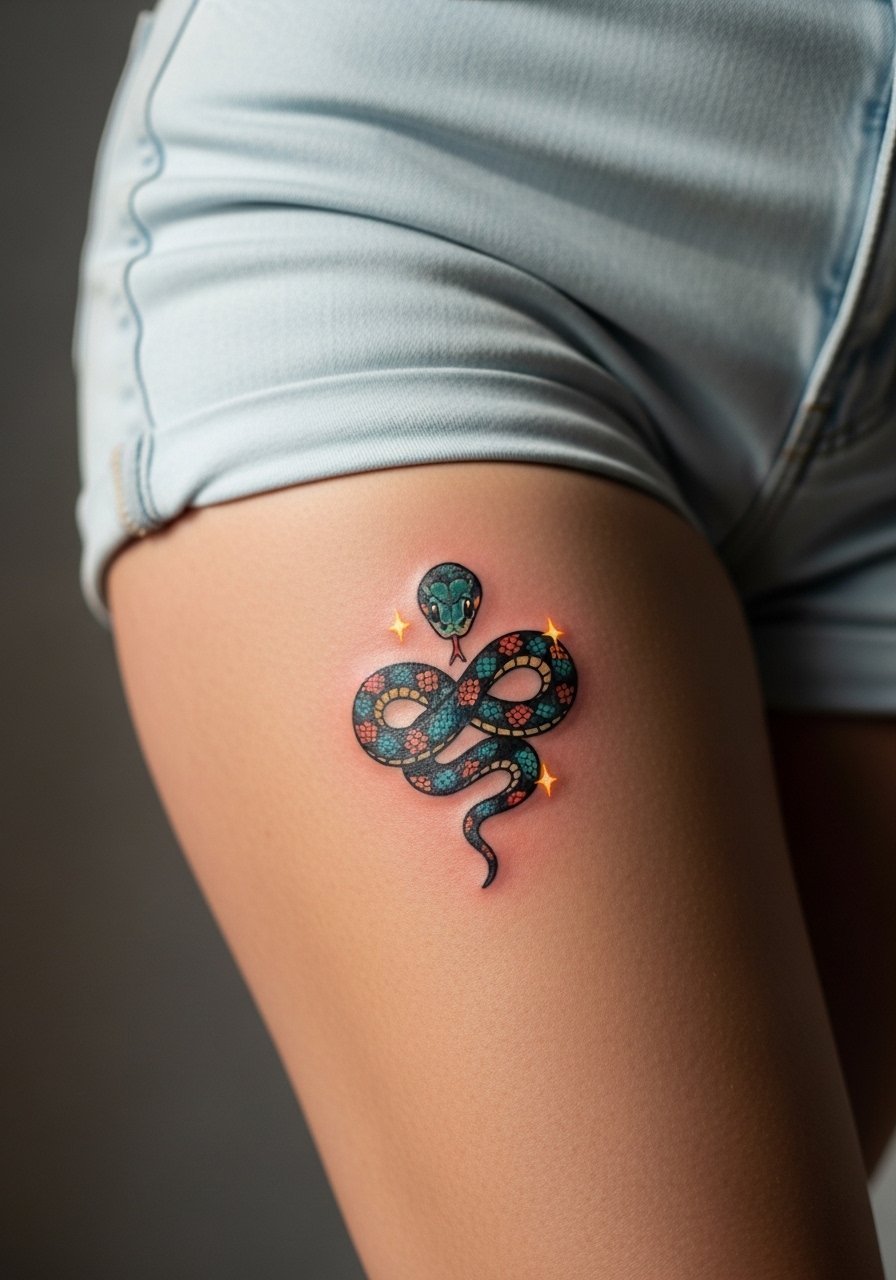
Outer-thigh pieces have low daily friction and hide easily, which is great if you want vivid color without constant exposure. Mention to your artist that you want neon accents in small spots, not an entire neon fill, because neon fades differently. The session feels comfortable for most people. An error I see is asking for full neon blocks on thin lines. For the session wear, choose high-waisted shorts you can shift slightly so the area is accessible. Expect strong color retention if you avoid heavy sun exposure.
12. Tiny Double-Headed Snake on the Sternum
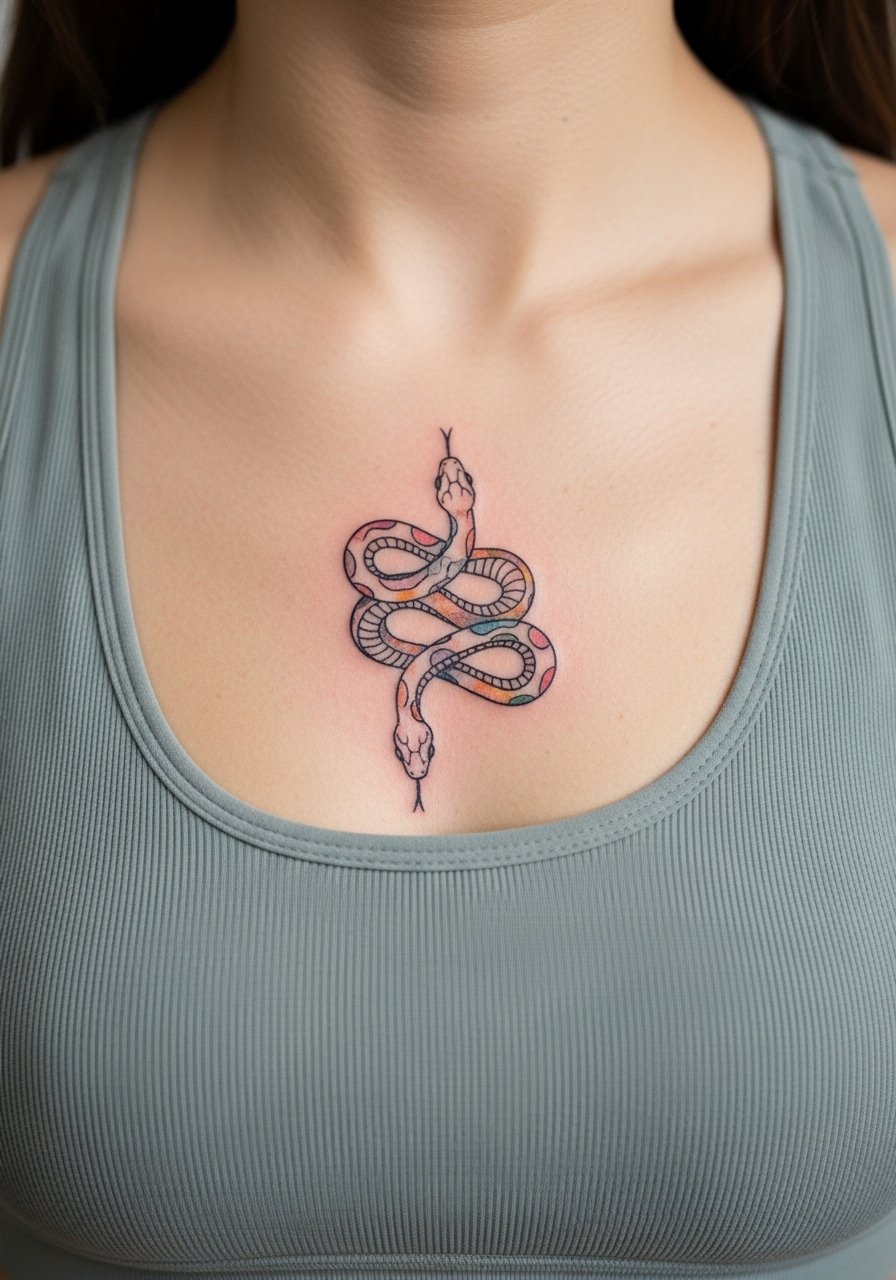
Sternum work is intimate and often more painful, with the area rating higher on most pain scales. There is a practical debate among artists about fine line on sternum. One group says the movement and thin tissue distort delicate lines quickly. The other group contends that with correct depth and slightly more spacing the result settles well. Bring this up at consultation so you and the artist agree on spacing and depth. For session comfort wear a zip-up or fitted sports bra for clean access. Expect a longer session and a touch-up window at year two to three.
13. Tiny Snake Anklet with Bright Highlights
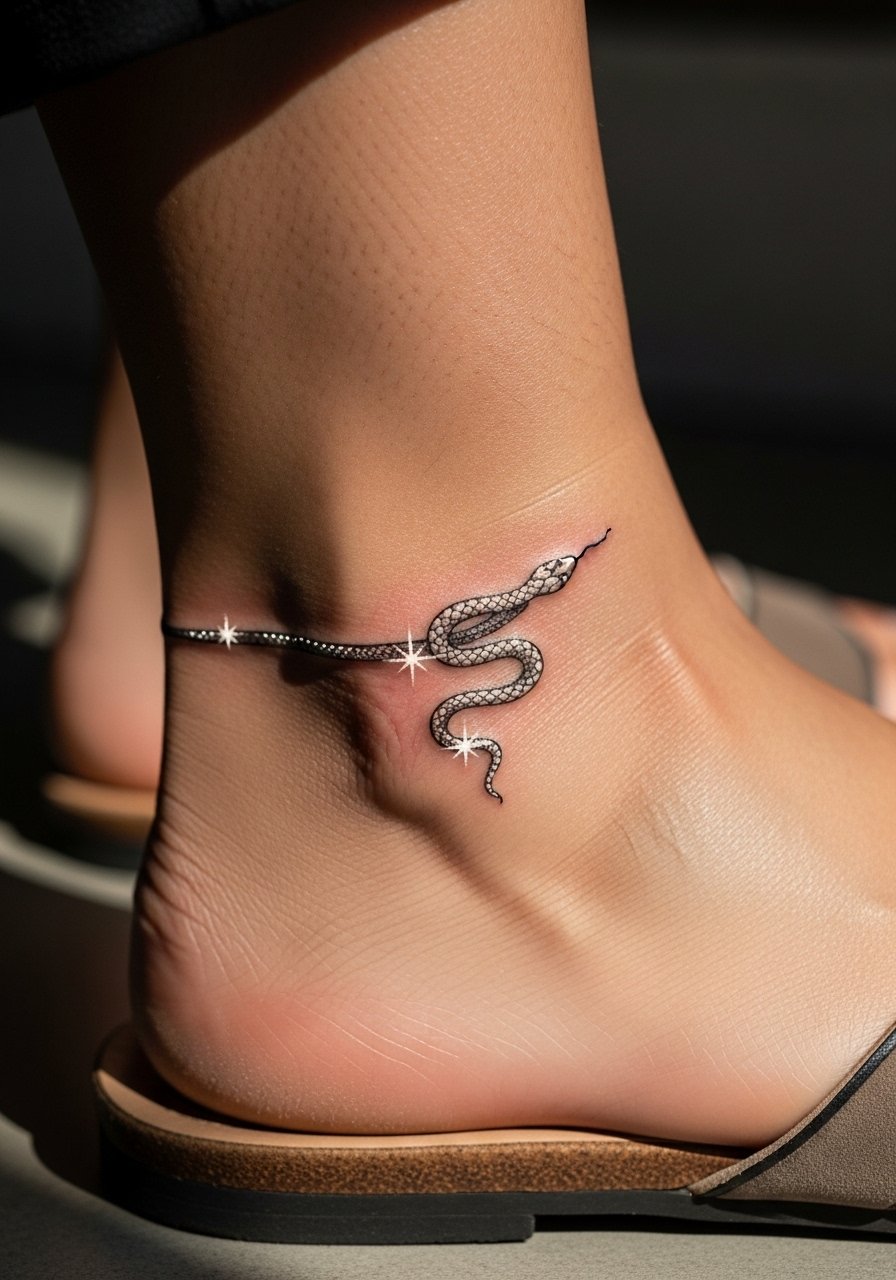
Anklet-style snakes are playful but the ankle gets lots of abrasion from footwear. I recommend leaving a little breathing room between coils and highlights so the design does not blend after repeated wear. Ask for stronger pigment in the outline and smaller highlight spots rather than a full gradient. Session time is short, but healing can be tricky if you wear tight shoes. For showing it off, wear open-toe sandals or roll-up trousers. Plan for potential touch-ups in year two.
14. Tiny Snake on the Side Rib with Floral Fill
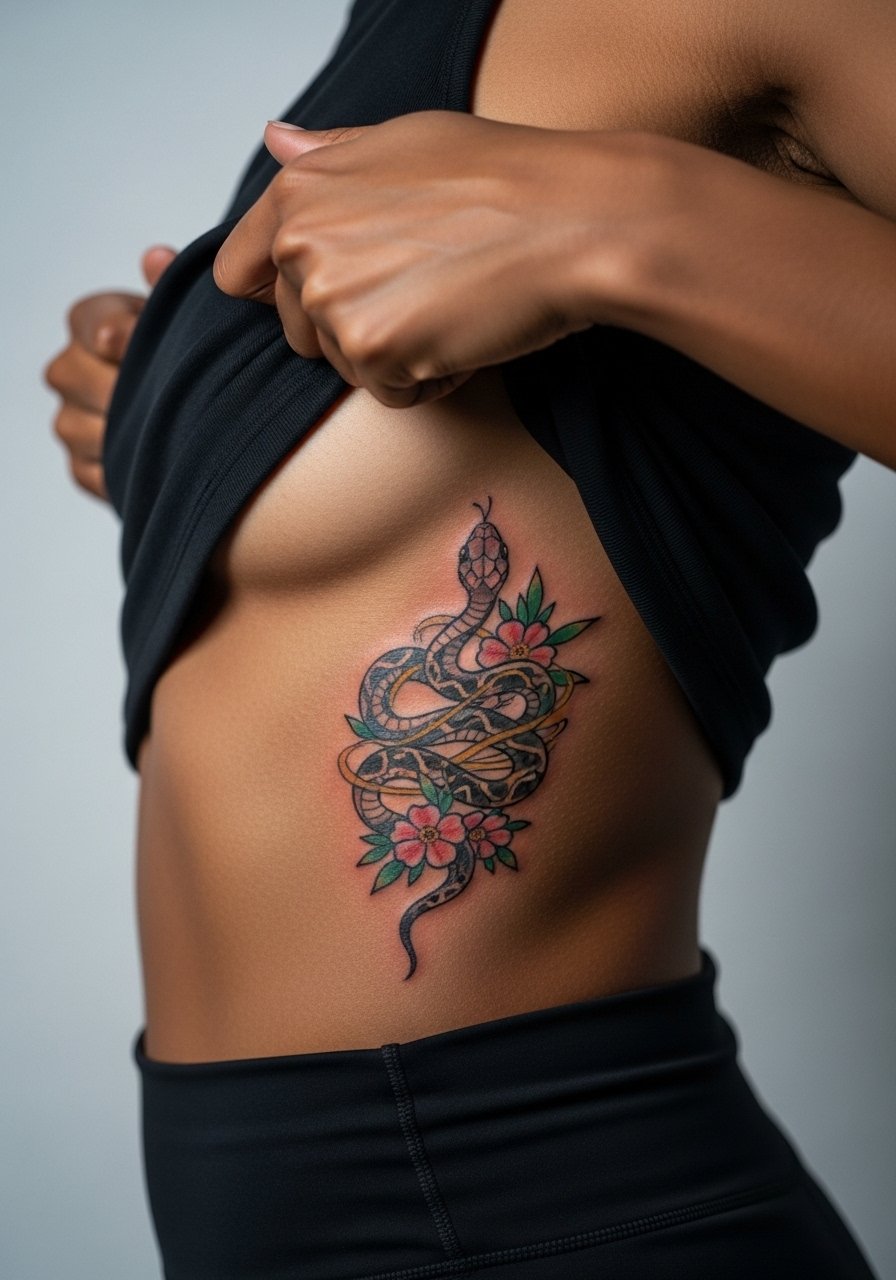
Ribcage pieces have notorious pain and healing quirks. The biggest mistake is asking for dense color or overly fine detail on the ribs where the skin stretches and breathes. I favor pairing the snake with airier floral elements and letting negative space do the work. During consultation, state you want spacing between lines and larger petal shapes so the form holds up. The session will feel intense but short breaks help. Because of movement and skin texture, expect a touch-up at year two for color refresh.
15. Tiny Coiled Snake on the Back of the Hand
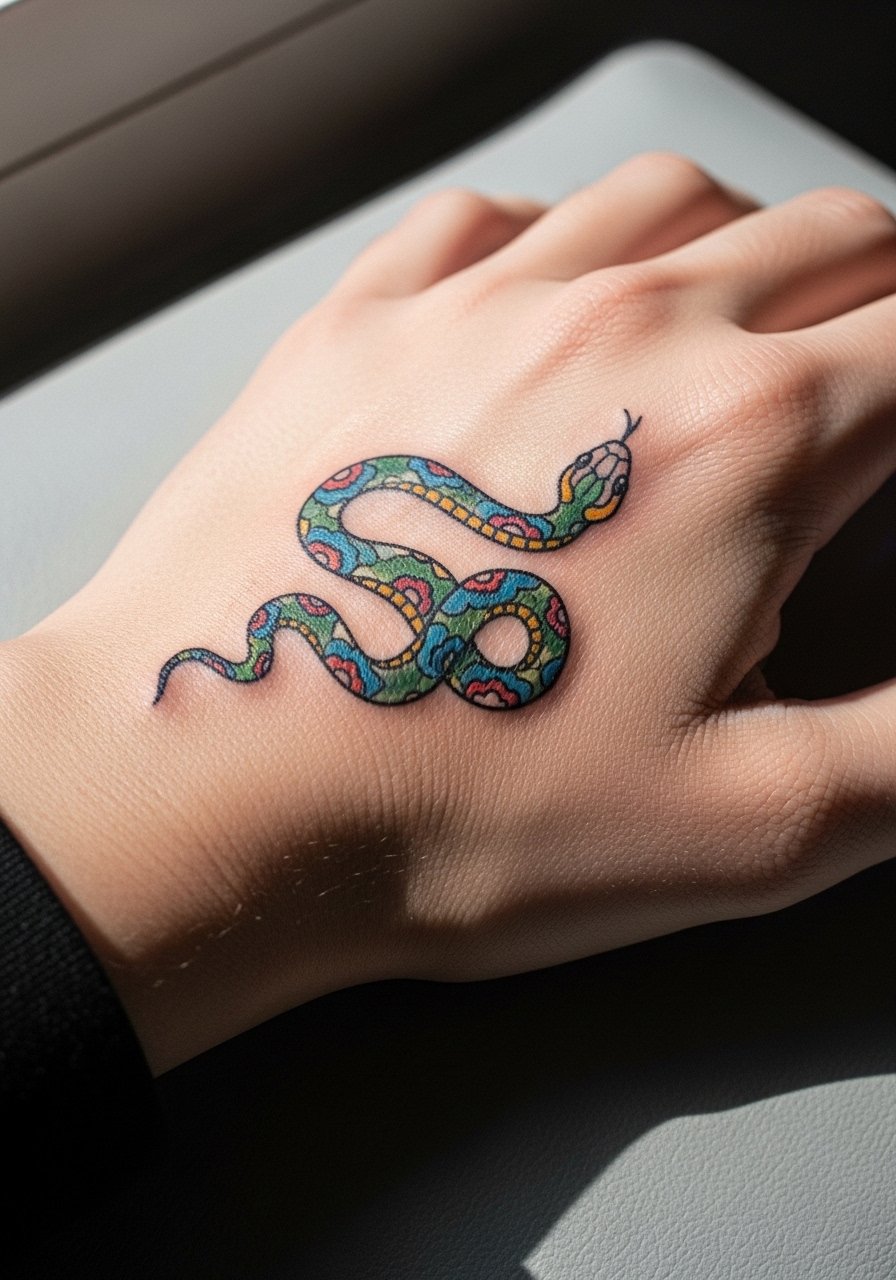
Hand tattoos are visible and face heavy wear from washing and sun. There is a clear trade-off between visibility and longevity. I suggest bolder outlines and restrained color blocks so the silhouette survives regular hand use. Consultation should include a talk about career perception and the need for earlier touch-ups. Sessions are brief but healing can be fussy because hands move a lot. For showing the work, consider minimal bracelets that do not rub across the knuckles.
16. Tiny Sinuous Snake on the Neck Side
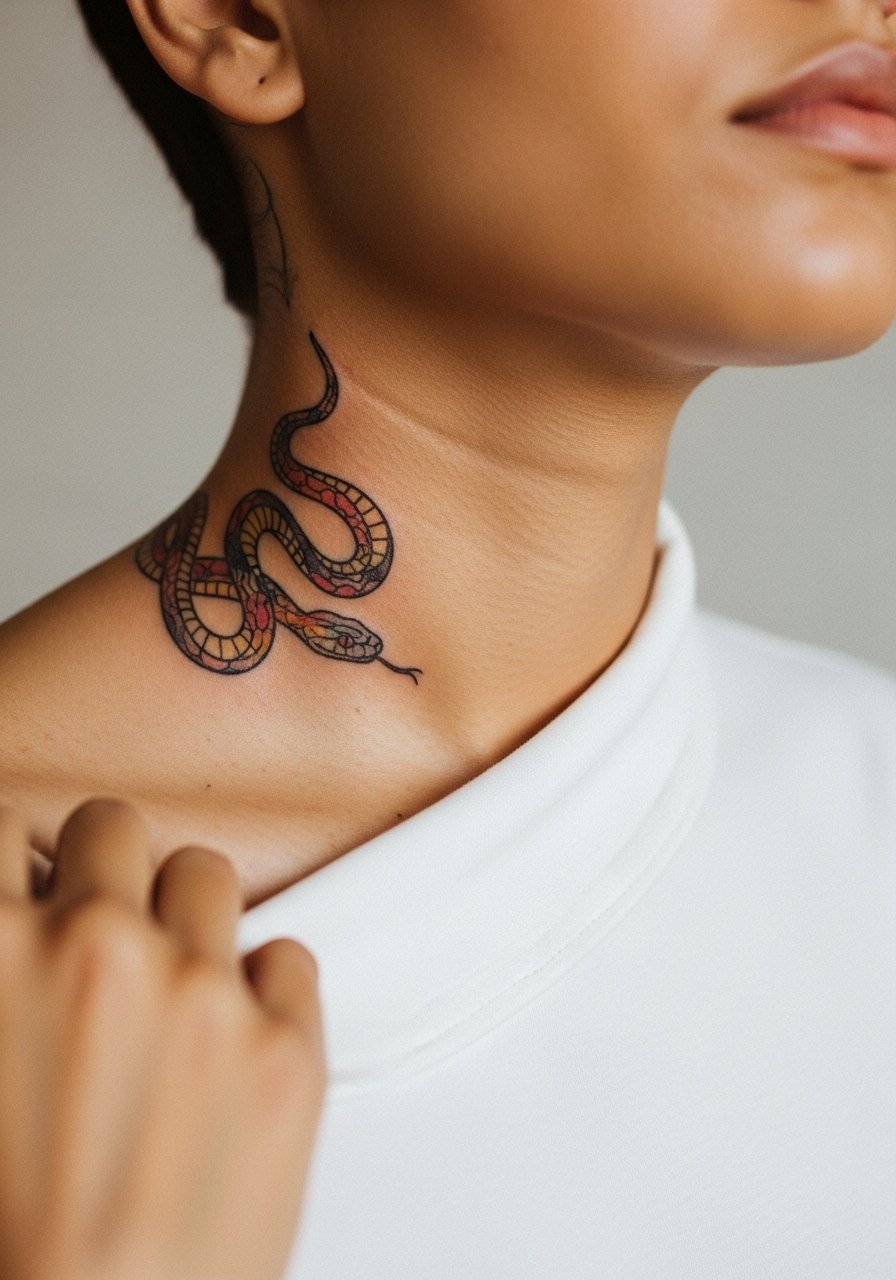
Neck placements are bold and affect social impressions. The skin there is thin and the design will be more exposed to sunlight. The common mistake is choosing too much intricate shading on the neck where it will lose depth quickly. Ask for slightly bolder linework and conservative color saturation to preserve form. Sessions are short but the area is sensitive. For the session, pick a wide-neck shirt so the artist has clean access. Expect touch-ups earlier than forearm work.
17. Tiny Geometric Snake on the Outer Shoulder
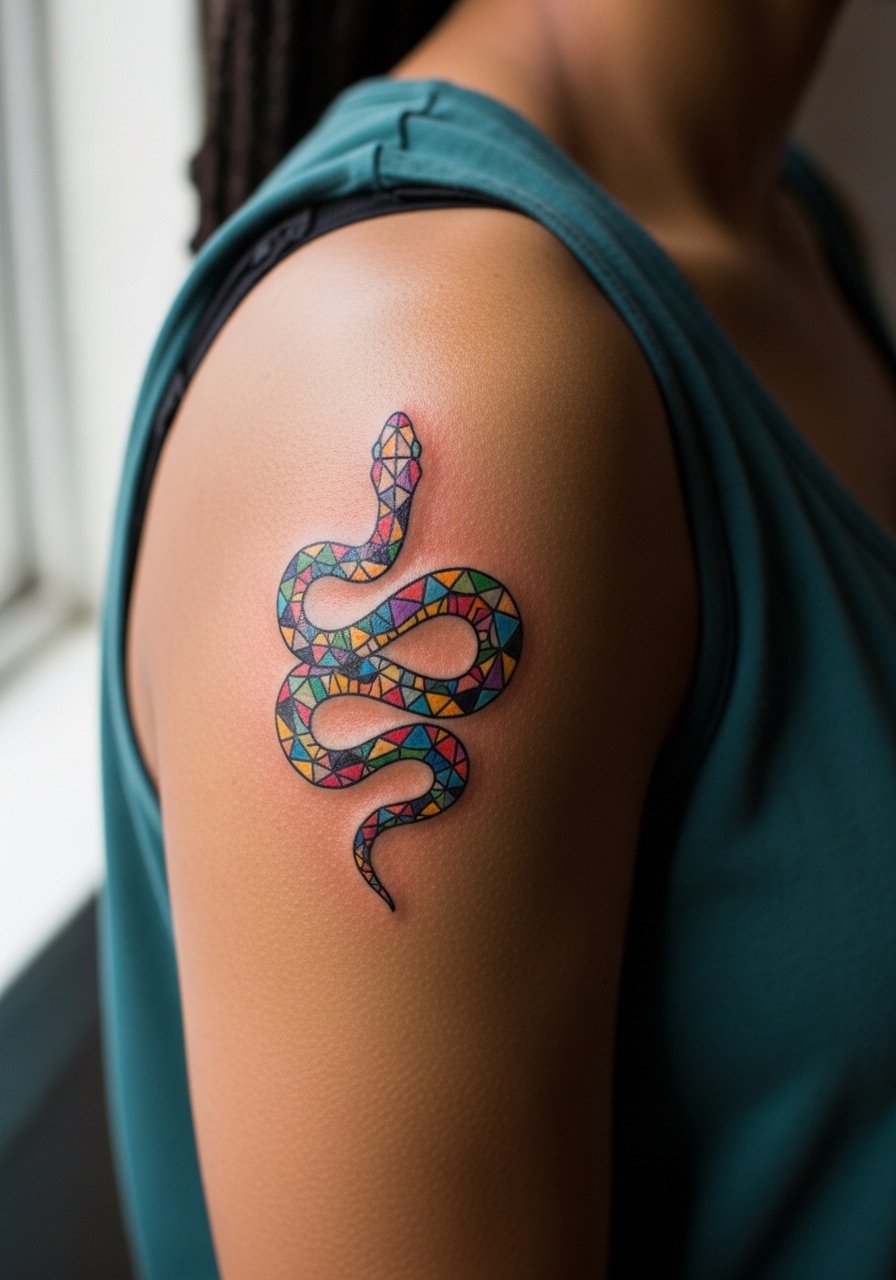
The outer shoulder is forgiving for small geometric shapes. The shape holds because the skin is thicker and moves less. I recommend geometric fills or simple color blocks inside a clean outline so the form reads well at a distance and after years of sun exposure. For the consult, bring exact images of the geometry you like so the scale matches your shoulder width. Session time is usually under 90 minutes. For the appointment, wear a loose tank top you can pull aside for access.
Frequently Asked Questions
Q: How long will colorful fine line snakes hold up on wrists and fingers?
A: From what I have seen, wrists and fingers show fading and softening sooner than arms and shoulders. Expect sharper color at six months and some blurring by two to three years unless you schedule touch-ups. Placement, daily friction, and sun exposure are the variables that matter most.
Q: Should I pick bold outlines or soft watercolor for a small ankle snake?
A: If you want longevity on the ankle choose a slightly bolder outline with concentrated color near the edges. Watercolor fills can look lovely at first but tend to fade into a wash sooner where shoes and socks rub the area.
Q: Does neon or vibrant color require different care or session planning?
A: Neon accents fade differently and usually need more saturation at the machine and reduced sun exposure afterward. Plan for a touch-up window and ask the artist whether they use pigments formulated for longevity in small placements.
Q: Can fine line on ribs or sternum ever age well given the controversy?
A: It depends. One camp argues thin ribs distort quickly and blur. The other camp says with proper depth and spacing those placements can settle well. The safe route is to agree on slightly more spacing and conservative detail with your artist so the piece has room to age.
Q: What should I wear to a session for an inner forearm or shoulder snake?
A: For inner forearm or shoulder work wear a loose button-down shirt or a tank top that gives the artist direct access. Comfortable, flexible clothing makes the session smoother and keeps fabric from irritating the fresh ink.