
Fine line Vienna tributes look deliberate in black and grey, but the detail that reads best fresh is not always the one that lasts. Placement, spacing, and needle depth decide whether a lyric line stays legible at year five or needs touch-ups. Expect some pain depending on ribs or fingers, and plan wardrobe for the session. Start here for 21 ideas that balance look, longevity, and the real-world wear of a Vienna-themed piece.
1. Mini Tram Line on the Side of a Finger
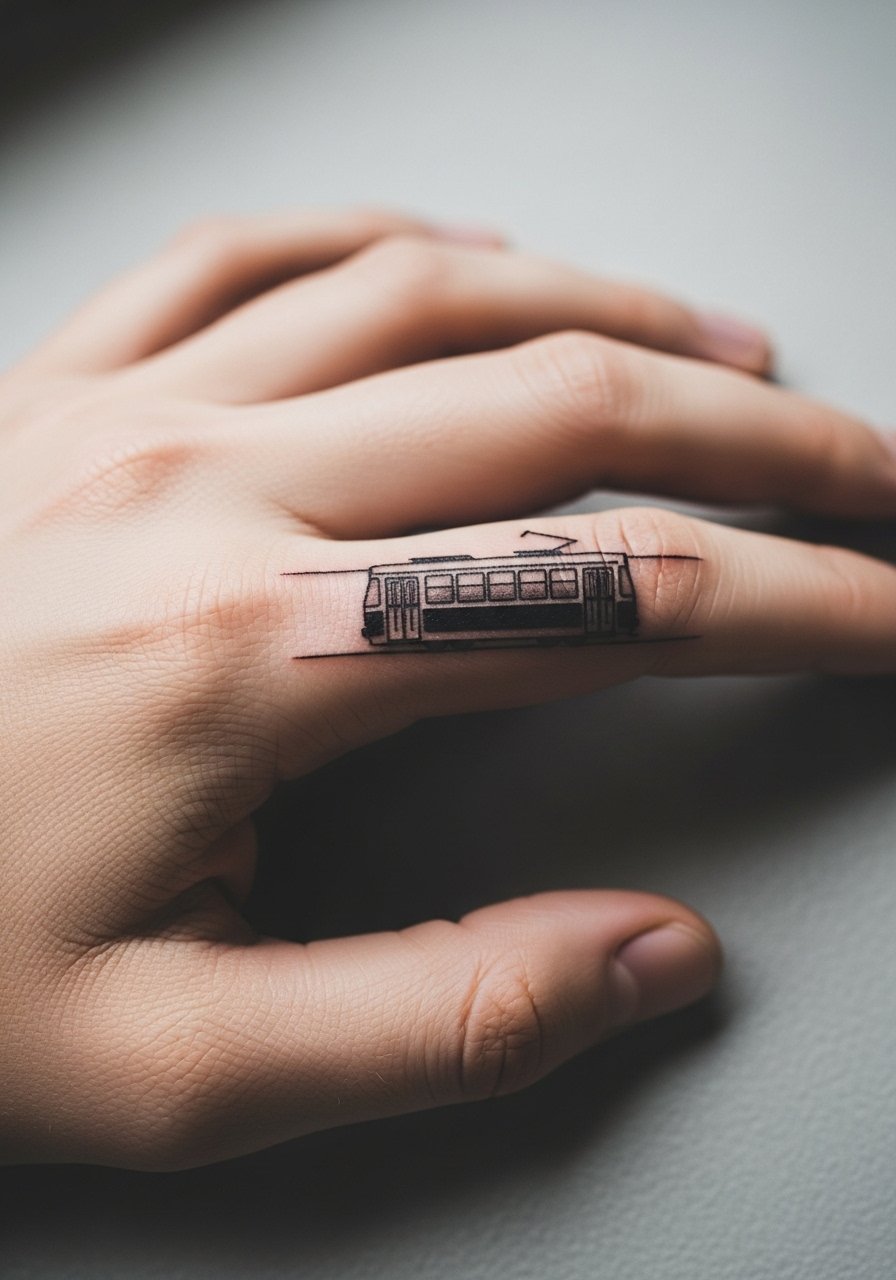
A tiny Vienna tram in single-needle linework reads like a secret if placed on the finger edge. Fair warning, fingers are high-friction and fade faster, so expect a touch-up around year two to three. Tell your artist you want single-needle linework with slightly heavier anchors at corners so the shape holds as the skin moves. The session is short but sharp, and healing will be disrupted by constant hand washing. For showing it off, try a minimalist gold ring on the adjacent finger to frame the silhouette without crowding it.
2. Folded Sheet Music on Inner Forearm
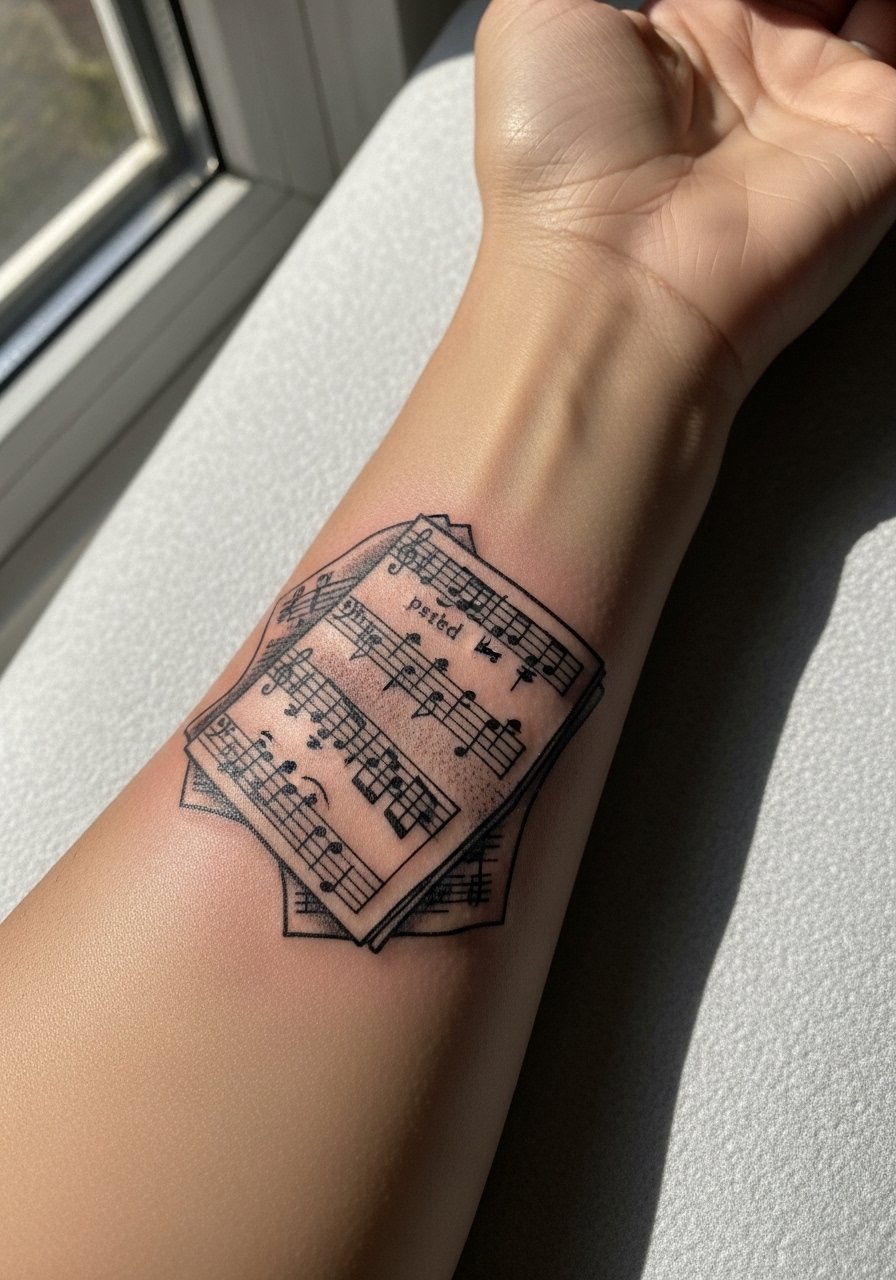
A wrapped strip of Vienna sheet music works well on the inner forearm where the flat canvas preserves staff lines. Most versions that age poorly start too small with tight notes. Ask your artist to space the staves and use subtle stipple shading behind the notes so the staff does not merge at year three. The session feels steady, a medium pain spot, and you should plan for a two-hour block. Pair the finished piece with rolled sleeves. A loose button-down shirt makes it easy to keep the area exposed when you want to show it.
3. "Slow Down" Script Along the Collarbone
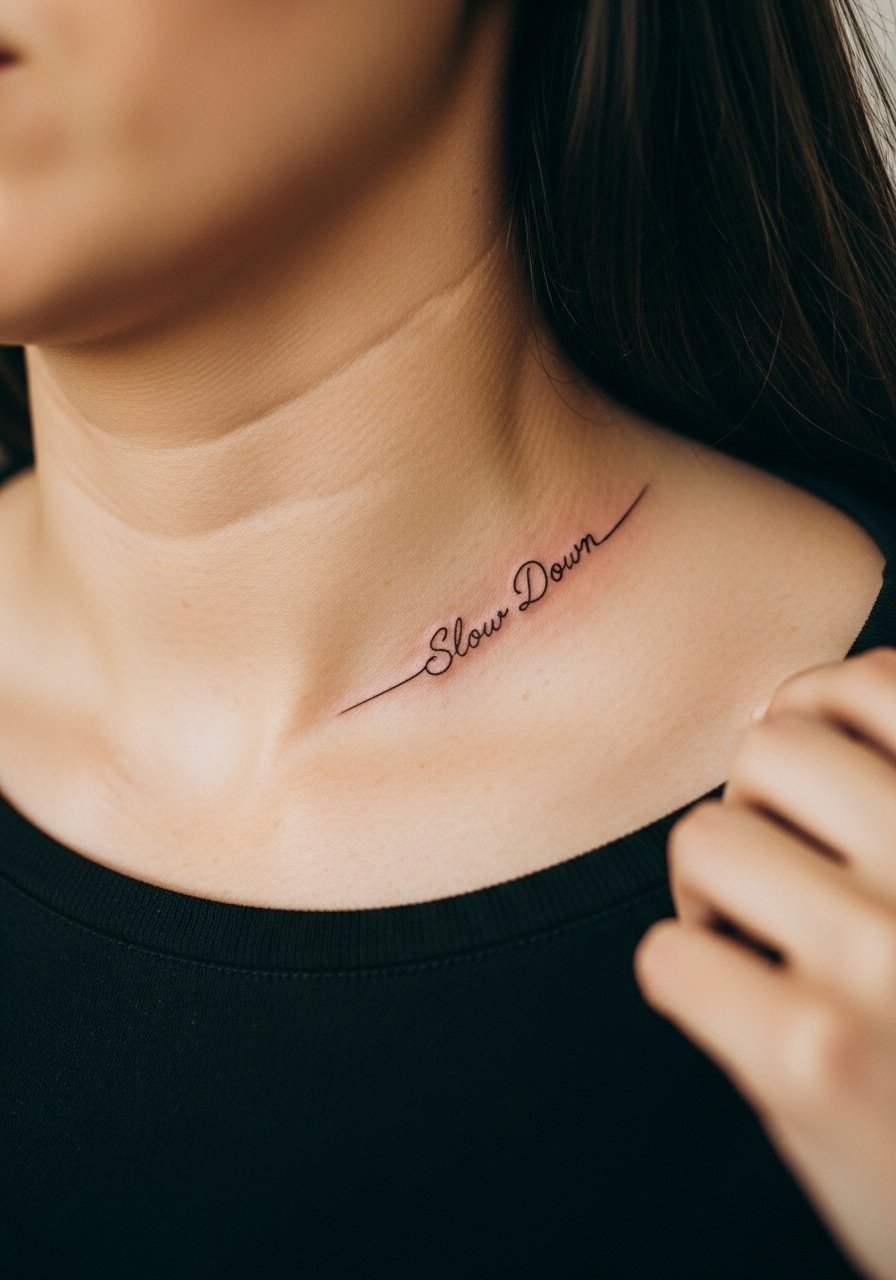
A lyric line across the collarbone reads intimate and visible. The big mistake is going too small in the lettering. Tell your artist the exact font weight and ask for slightly wider spacing so letters do not blur into one another. Collarbone skin can be bouncy, so expect a 6 out of 10 pain level. For evenings out, a thin chain pendant necklace sits above the script without competing. During the session wear a wide-neck shirt you can pull aside, that makes access simple and avoids rubbing after the first bandage removal.
4. Vienna Skyline Wrap on Upper Arm
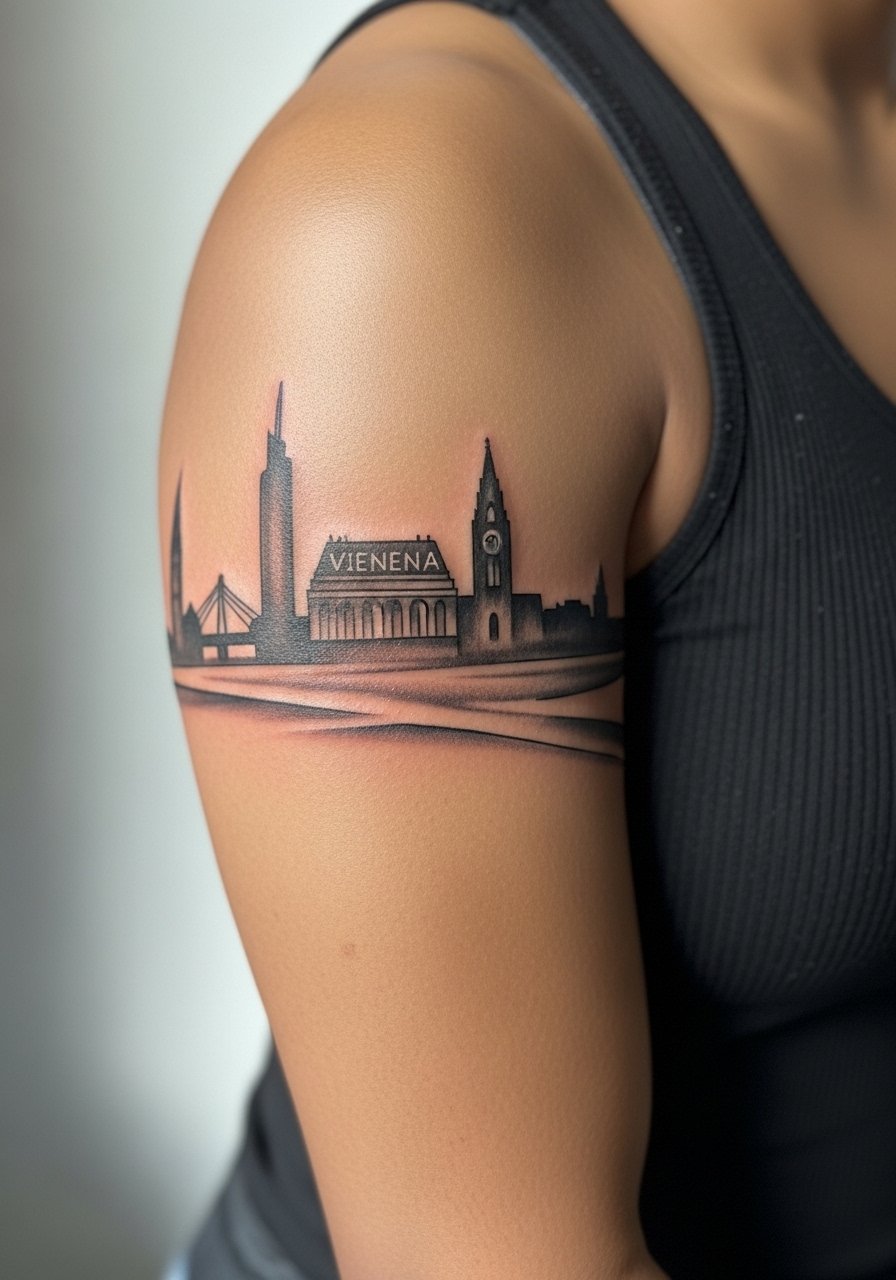
A skyline band around the upper arm reads bold while staying low maintenance. This placement tolerates heavier saturation so the silhouette remains legible years later. A common error is adding too many tiny buildings which blur over time. During consultation ask for simplified silhouettes and stronger negative space between towers. The session is medium length and tolerable pain. Pair with summer sleeveless tops to show it off, like a racerback tank that keeps the silhouette visible without competing with straps.
5. Grand Piano Key Half-Sleeve Accent
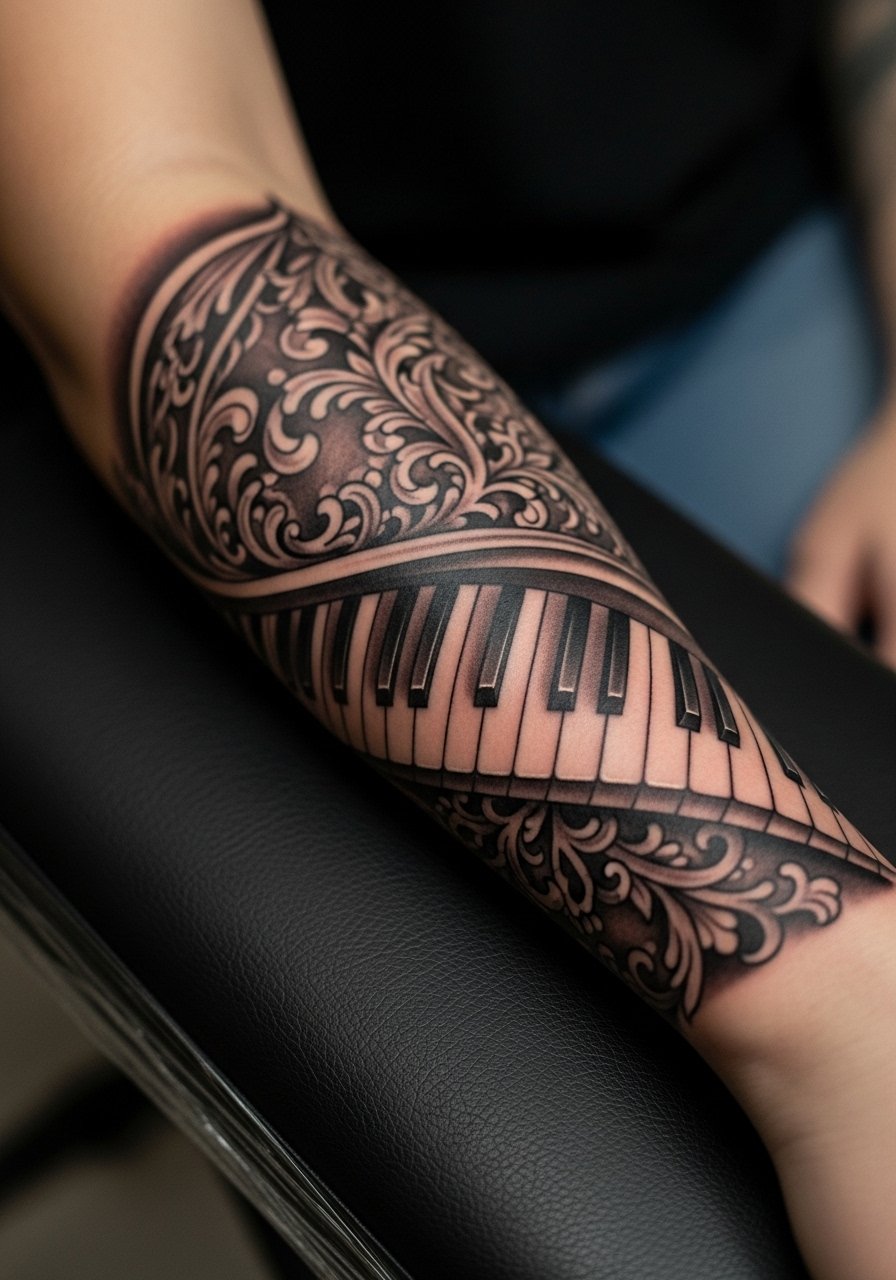
A half-sleeve that incorporates piano keys and soft whip shading can age gracefully if you keep the keys bold and the shading airy. The common mistake is over-detailing each key. Tell the artist to use strong linework for the key edges and stipple for background shading so the high-contrast edges remain clear at year five. Expect a multiple-session build with longer blocks of time. For show-off outfits roll up sleeves or wear a three-quarter linen shirt to let the composition sit naturally along the arm.
6. Vienna Clock Face on the Inner Wrist
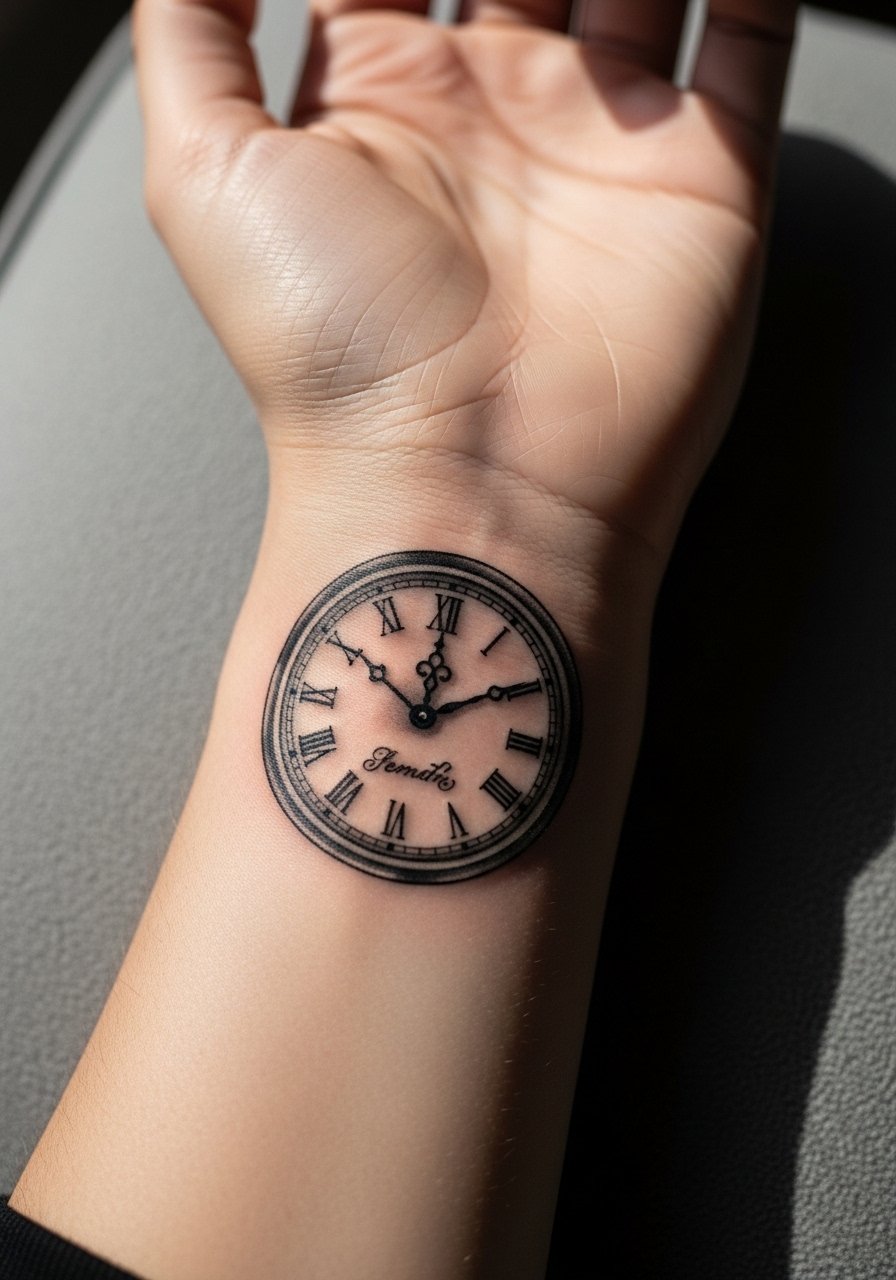
A clock face with thin numerals reads delicate on the inner wrist but that placement risks early softening. One camp argues that fine line on wrists blurs quickly because of constant motion. The other camp says careful spacing and slightly heavier anchors solve it. Name both views to your artist and ask where they land. The wrist is sensitive and the session is short but intense. For showing the piece without hiding it wear a minimalist watch or stack thin bracelets that frame rather than cover the face.
Pre-Session Essentials
The wrist and forearm pieces above heal differently from chest or rib work, so a few small items make the session smoother and the first week easier.
-
Stencil transfer paper kit. Lets you preview the line placement on skin, helpful when locking in the exact clock face or script layout.
-
Topical numbing cream. Applied before the session it takes the edge off wrist or rib sensitivity without masking the artist's feedback.
-
Thin protective film roll. Keeps high-friction spots like fingers and wrists clean during the first week and reduces rubbing from clothing.
-
Fragrance-free body wash. Gentle cleansing protects delicate linework on the inner forearm or chest during showers.
-
Aquaphor healing ointment. A thin layer in the initial days locks in moisture and supports healing for fine line work.
7. Vienna Tram Route Map as Negative Space Band
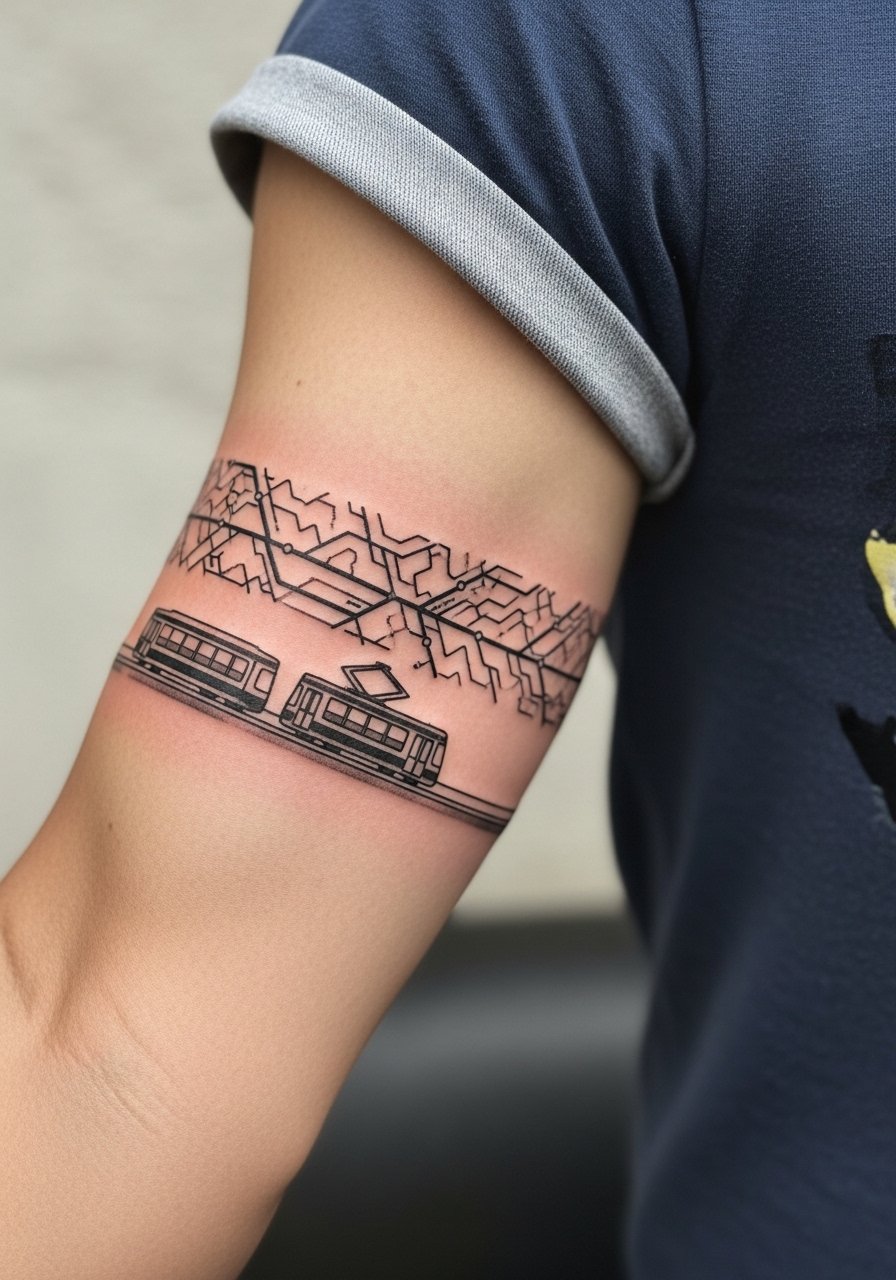
A route-map band uses negative space between tracks and icons and looks modern on the bicep. The key is spacing so the negative shapes remain clear as skin ages. Tell your artist to test the transfer on the exact arm circumference so the map does not compress when the bicep flexes. This placement is lower pain and sits well under sleeves. When you want the map visible, a rolled sleeve or a short sleeve linen shirt shows it without fuss. Expect touch-ups at the three to five year mark depending on sun exposure.
8. Micro-Realism Street Cafe Scene on Inner Arm
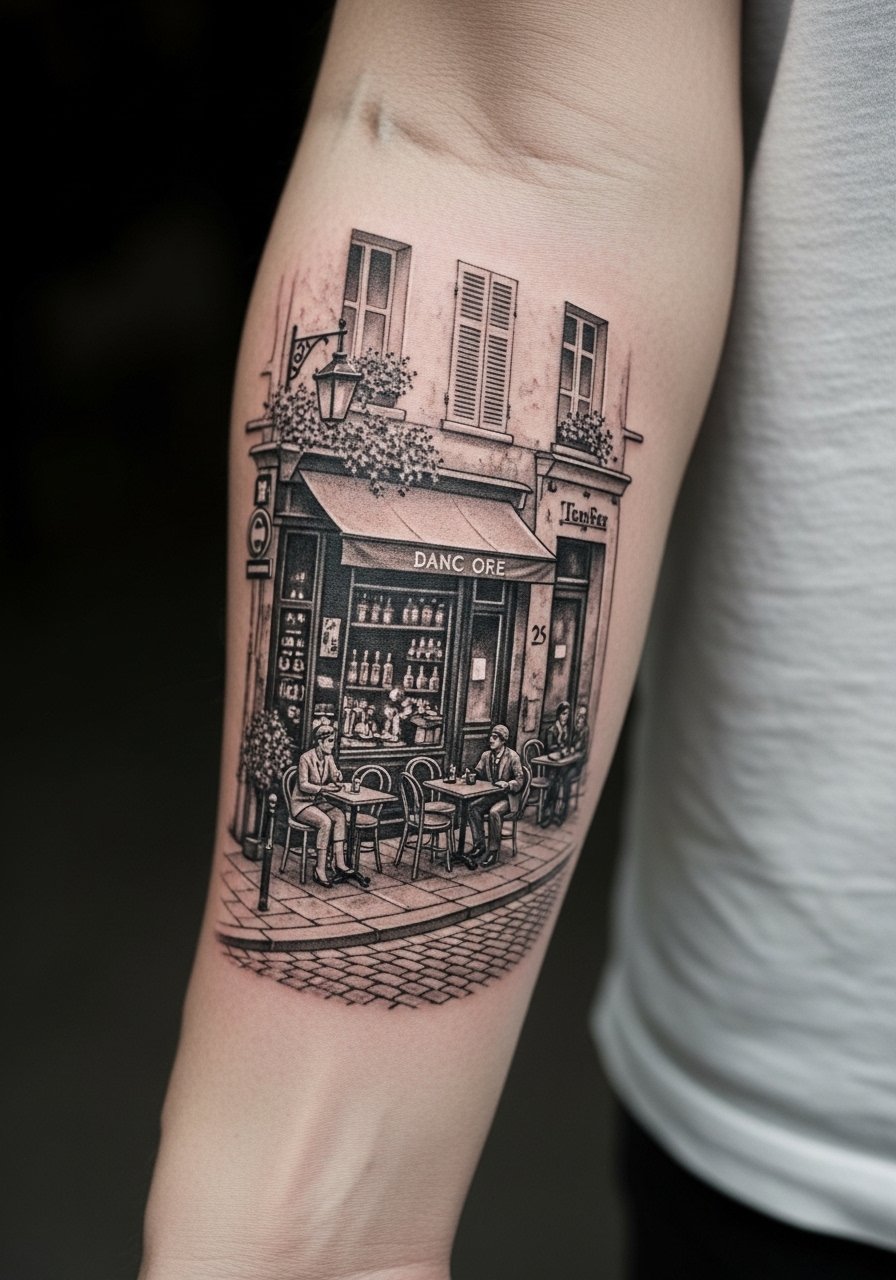
A compact cafe scene with tiny chairs and a window reads like a postcard. Micro-realism needs slightly larger scale to avoid muddling in a few years. Ask for simplified focal points and area shading rather than tiny isolated details. Inner forearm is forgiving and the session is moderate in length. This is a good pick if you want a narrative piece that does not demand a sleeve. For travel-friendly outfits pair it with an oversized tee that rolls to display the scene when you want to show it.
9. Vienna Waltz Silhouette Across the Back of the Shoulder
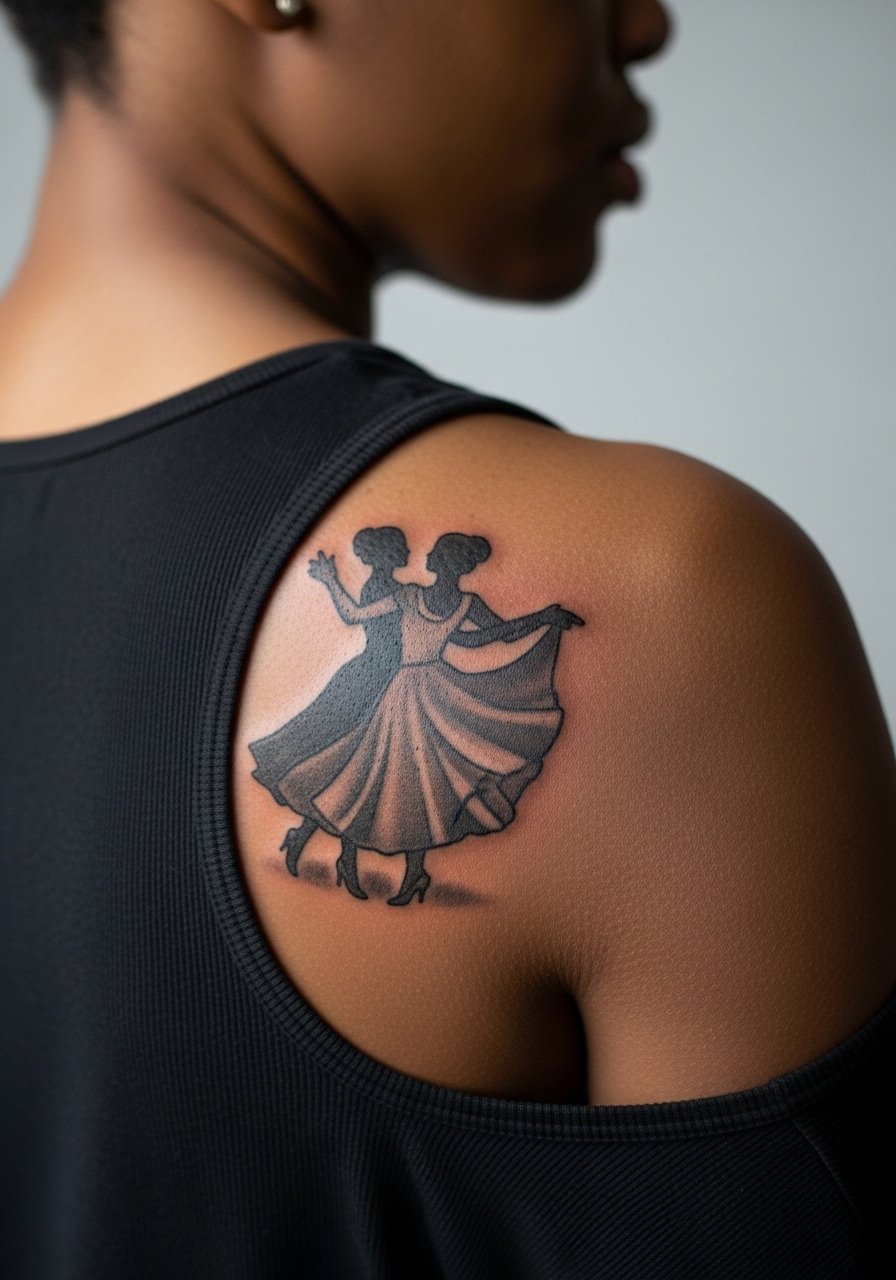
Dancer silhouettes curve with shoulder movement, so composition matters. A common mistake is placing them too close to the spine where stretching blurs outlines. Ask for the figures to sit on the outer shoulder blade for stability. The session is mildly painful and requires you to lie prone for a while. For showing it off wear a tank top that leaves the shoulder exposed without being low cut. If you have an industry with formal dress codes keep placement in mind since upper back work can peek through thin fabrics.
10. Vienna Streetlamp on the Ankle
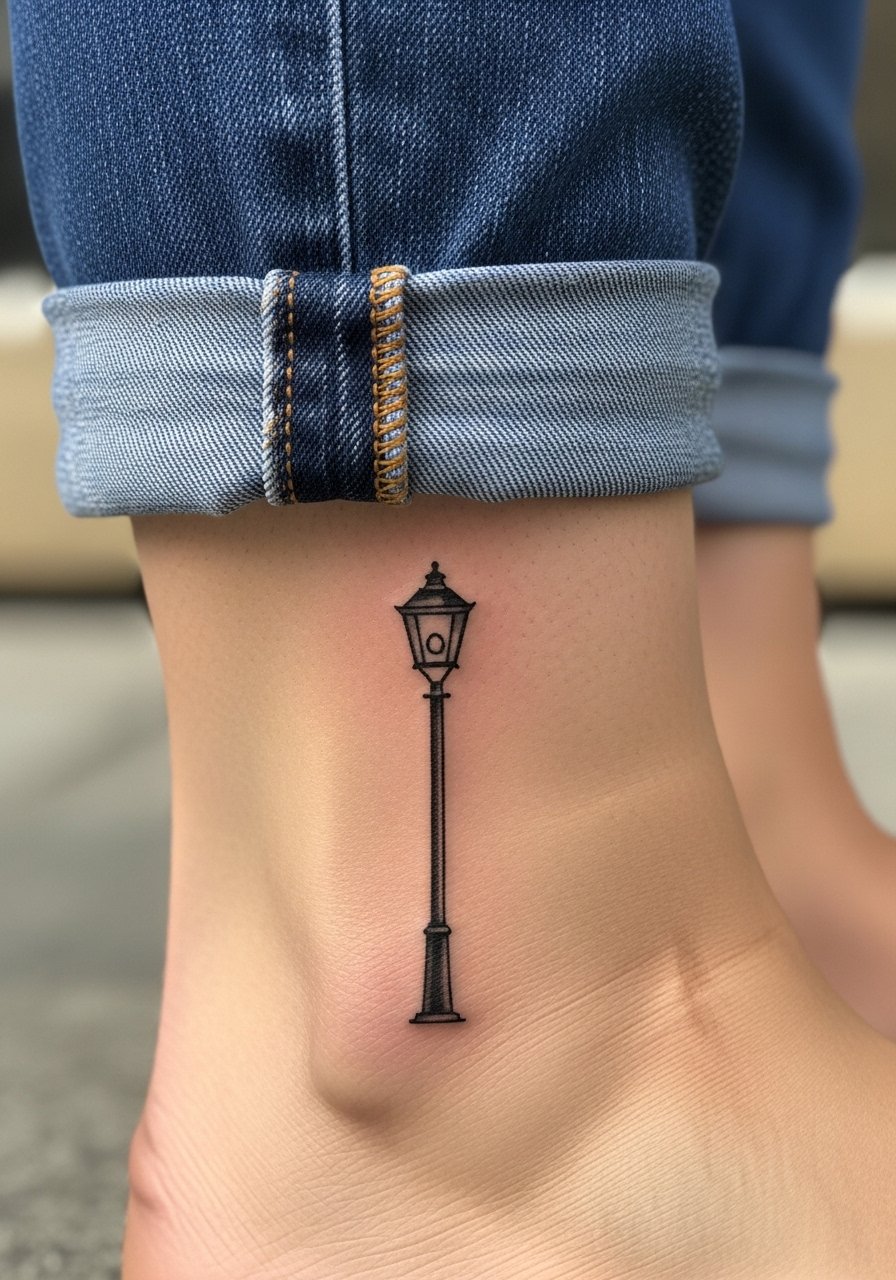
A streetlamp on the ankle is a low-commitment statement that ages well if kept simple. The ankle sees rubbing from shoes and socks, so ask for slightly heavier line anchors at base points. Pain is lower to medium for this area. Plan to wear sandals or rolled pants during the first week so you do not irritate the scab. For show-off styling consider flat sandals that put the lamp on display without trapping the healing skin.
11. Piano Hammers in Stipple Shading on the Calf
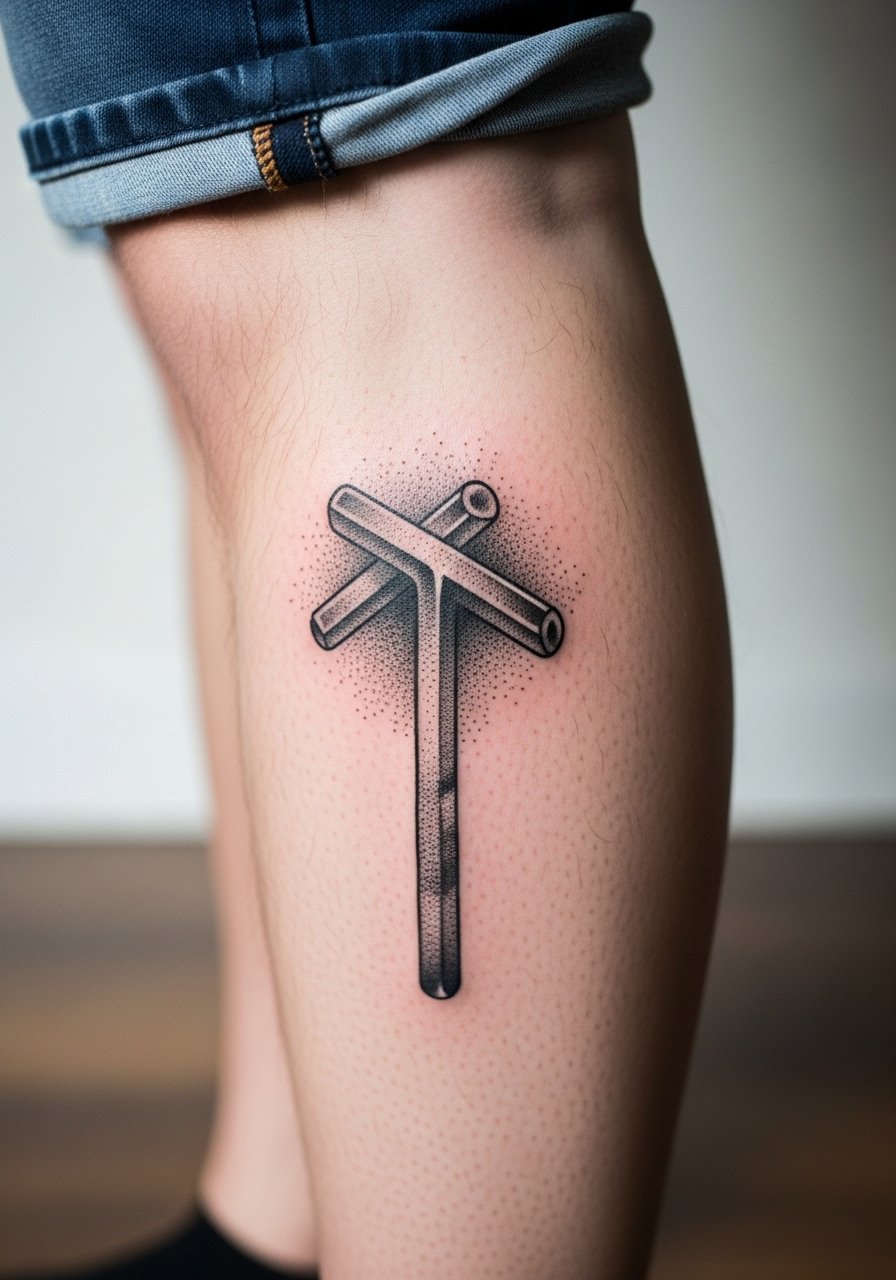
Stipple shading on the calf holds up well because the area sees less abrasion. This technique keeps tonal range without depending on razor-thin lines that can blur. Tell your artist you want stipple clusters rather than solid fills so texture remains as the piece ages. The session is comfortable and can be done standing. Pair with summer shorts or a casual denim short to keep the composition in view when you want it visible.
12. Vienna Tram Ticket Stub on the Side Rib
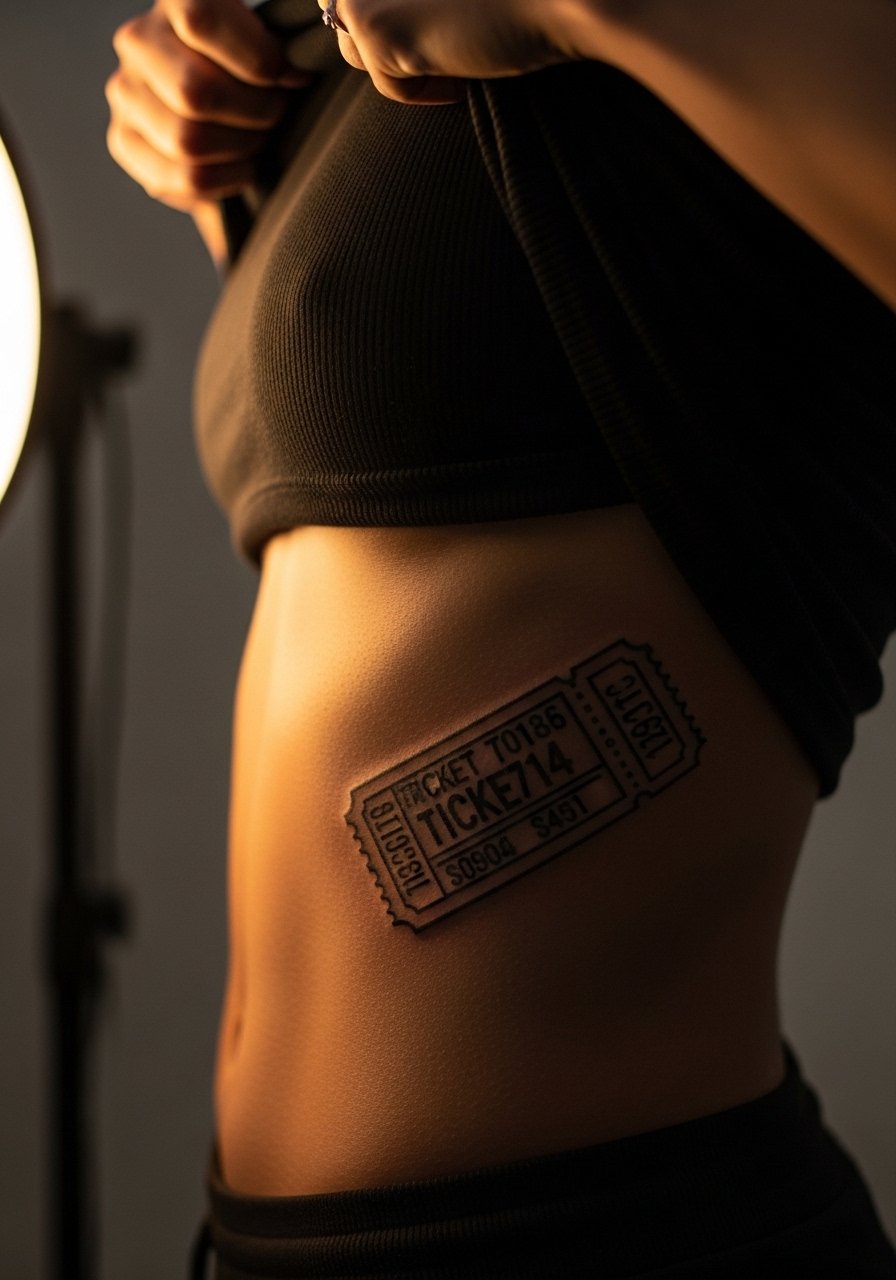
Ribs are a classic spot for intimate text or tickets, but pain is high and healing is tricky. Fine line on ribs splits artists into two camps. One group argues the skin stretch blurs lines within two years. The other group says with proper depth and spacing fine line settles fine on ribs. Ask your artist where they stand and whether they suggest slightly bolder line anchors for this placement. During the session wear a top you can lift easily and bring a heating layer for afterward. Expect touch-ups are common for rib placements.
13. Vienna Café Window in Negative Space on the Thigh
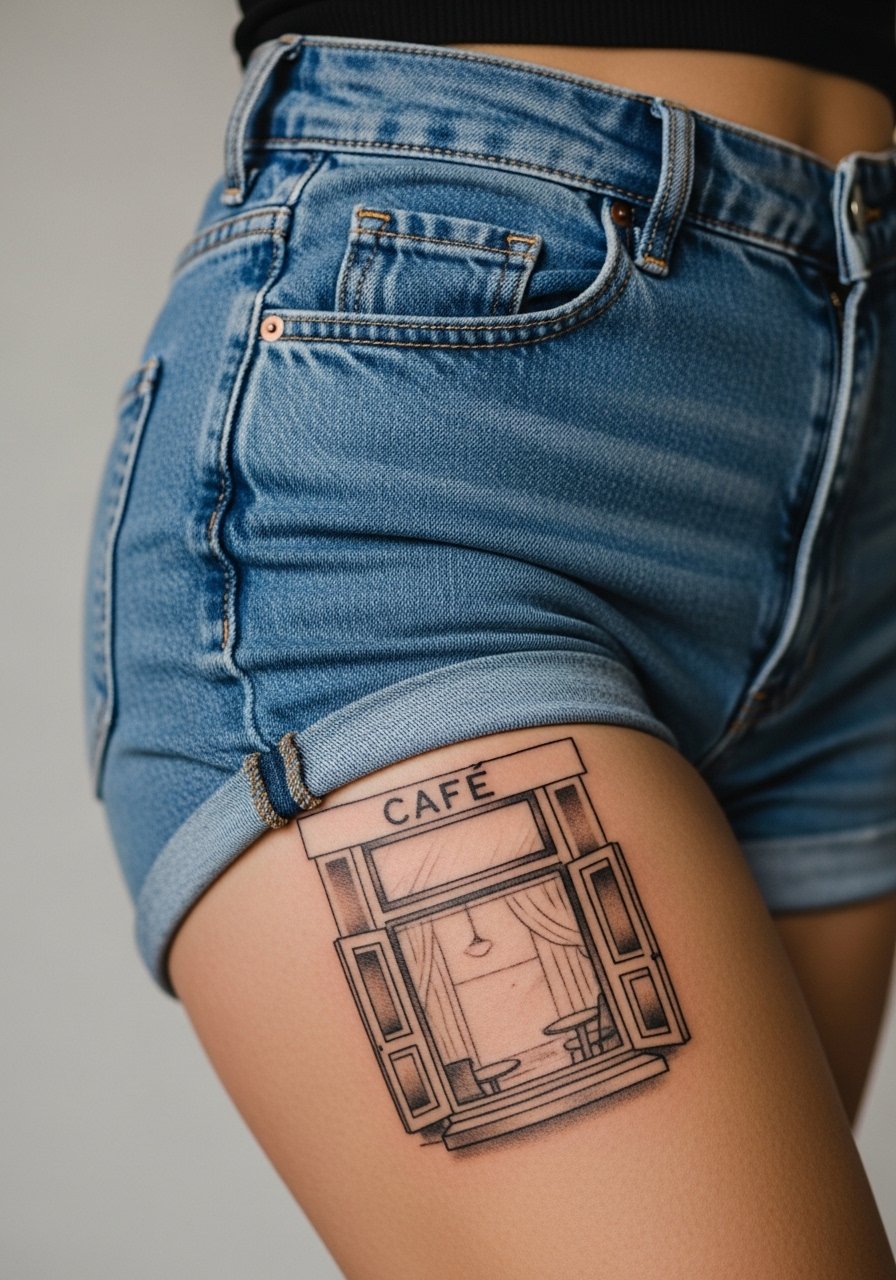
Thigh placements allow larger motifs with breathing room. A café window rendered in negative space benefits from scale so the window panes remain crisp. The session is less painful and you can sit or lie comfortably. For the appointment wear loose drawstring linen pants so the artist can roll the leg up without pressure. This placement stays private if you want it that way, or shows nicely with high-waisted skirts.
14. Sheet Music Crescent Around the Elbow
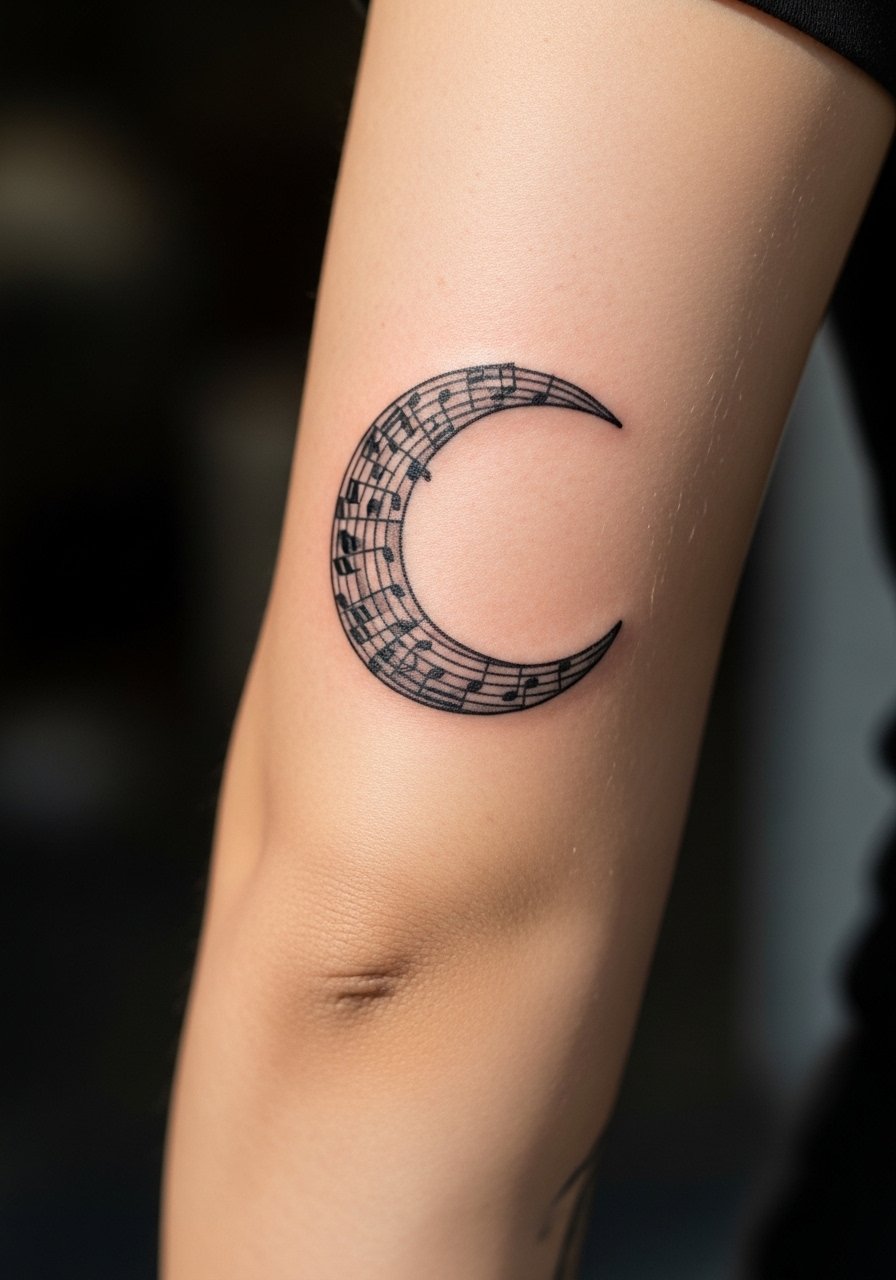
Elbow adjacent work is ambitious because the joint moves a lot. The biggest mistake here is placing delicate notes directly on the crease. Instead place a crescent above the joint and keep the staff spacing generous. Expect a rougher healing week because of movement and friction. Sessions require short breaks and a patient hand. For wearing during healing use a loose sleeve that can be rolled without constriction. This design holds up if the notes are bold and spacing is planned for long-term wear.
15. Vienna Tram Stop Coordinates in Monospace Script on the Side Neck
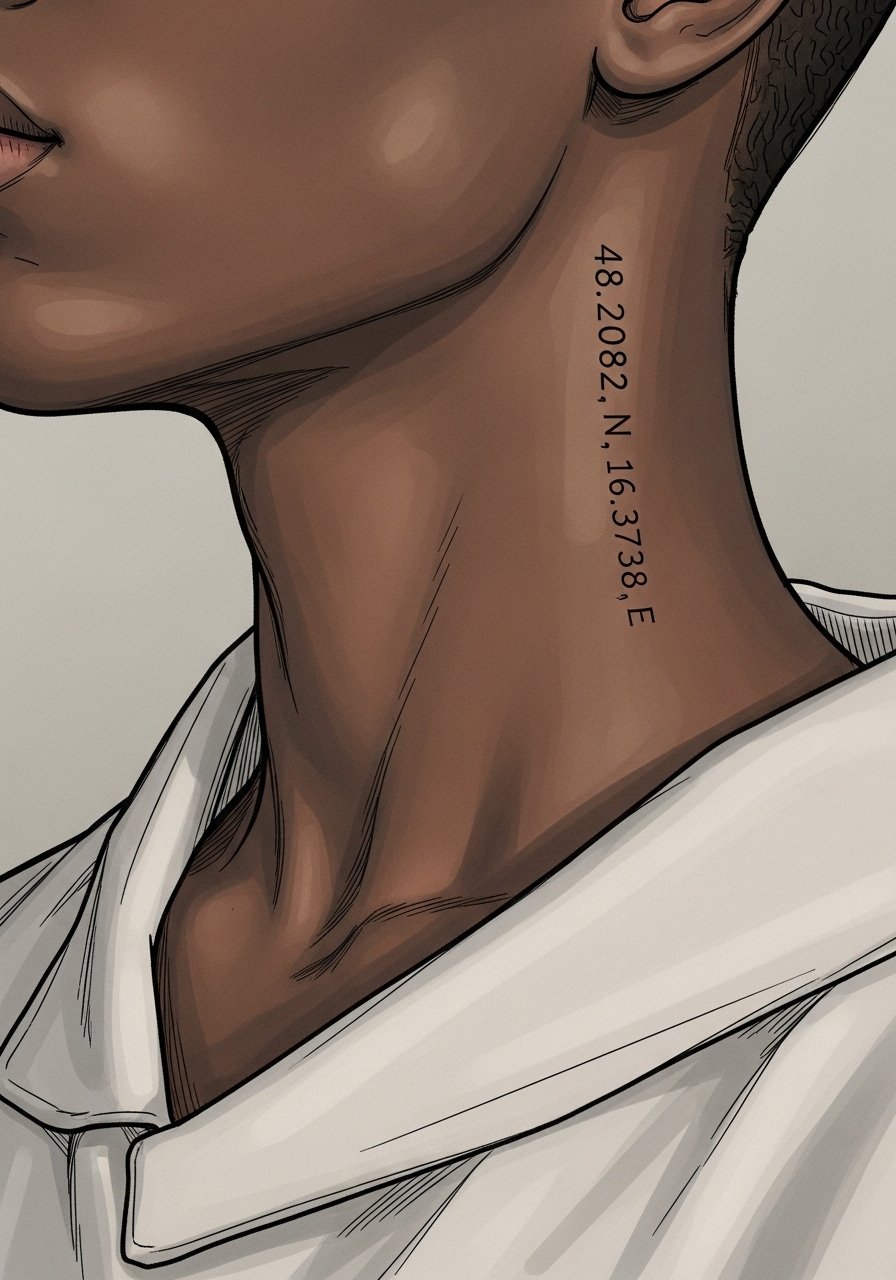
Coordinates feel private but visible on the side neck. Neck work requires a steady hand and a discussion about career visibility. Ask your artist about touch-up frequency for neck placement. The session is sharp and quick. For showing the piece try a wide-neck top that exposes the neck without being low cut. If you need discretion, placement can be slightly lower and hidden by collars. Make sure the script spacing is wide enough to prevent smudging as the area heals.
16. Vienna Rose with Whip Shading on the Shoulder Blade
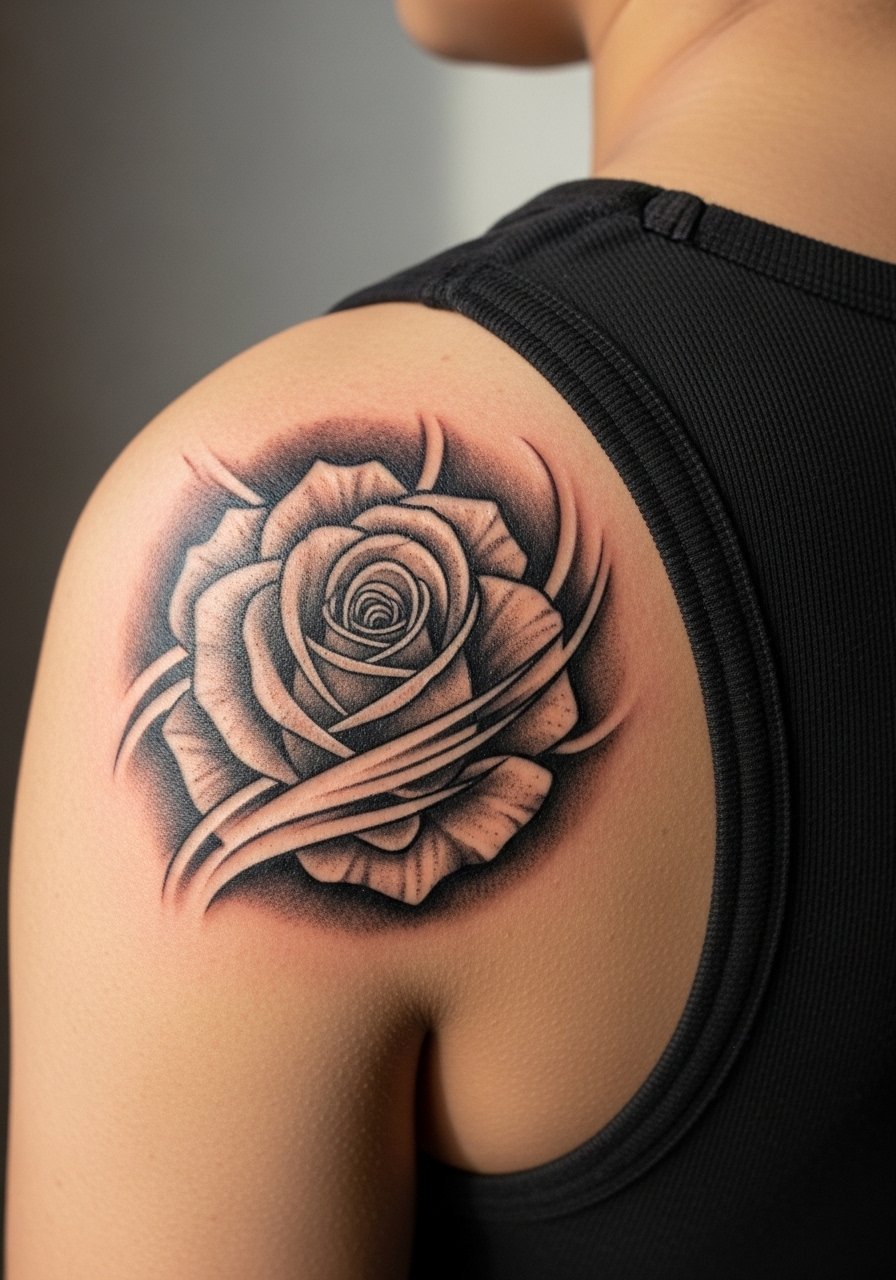
A single rose with whip shading looks like a classic that ages with subtlety. The shoulder blade has a stable surface so outlines stay consistent. The mistake is over-detailing petals in tight spaces which later merge. Ask for clear petal edges and airy background shading. The session is moderate in pain and can be done in a single block. For display wear a strap-shifted tank or an open-back top to let the flower breathe without exposing too much skin.
17. Vintage Microphone and Vienna Banner on the Outer Bicep
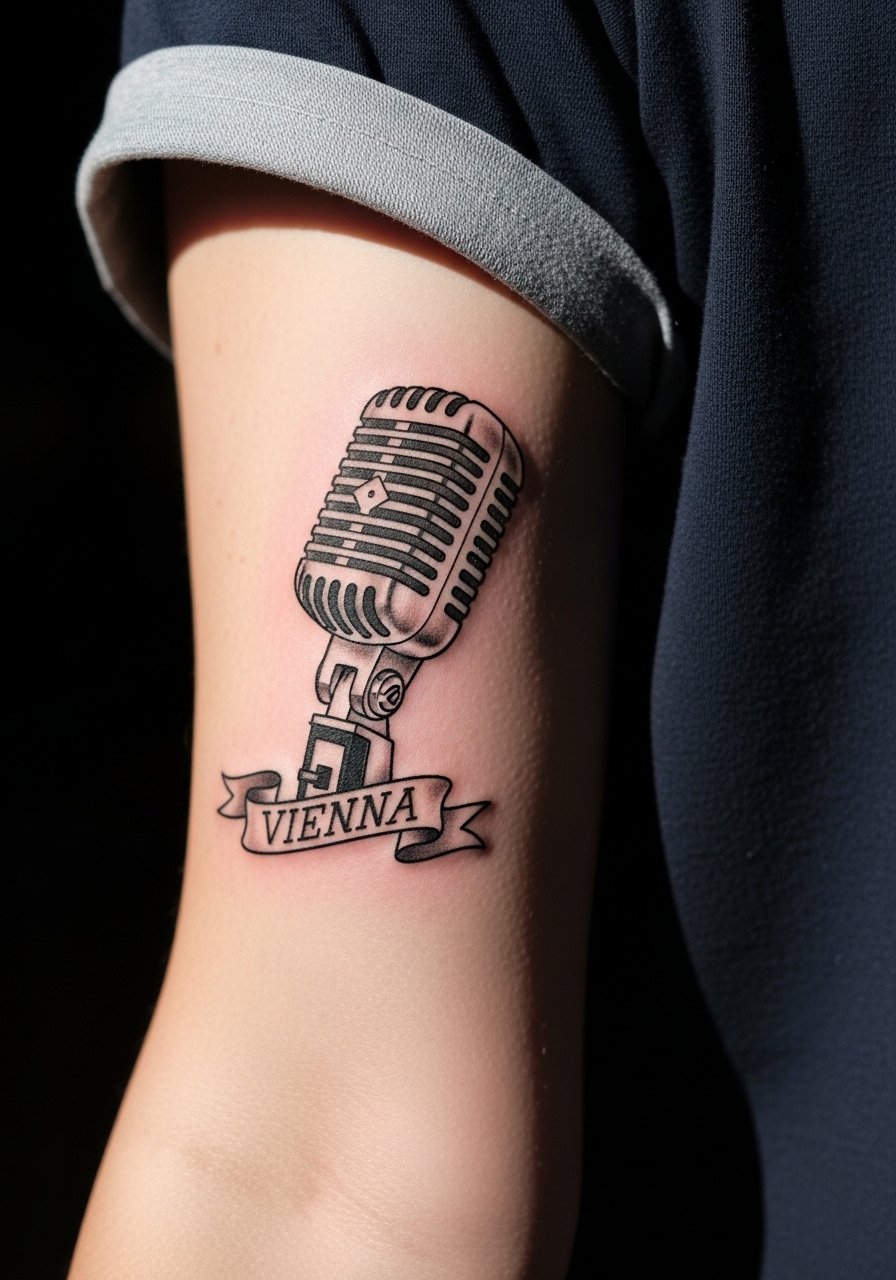
A microphone motif combined with a banner reads like a modern homage. Keep the banner lettering bold enough to remain legible. Outer bicep tolerates slightly heavier ink so the design keeps contrast over time. Tell the artist you prefer block lettering with slight texture in the banner. The appointment is comfortable and quick. When showing it off roll the sleeve or wear a short sleeve tee to let the graphic sit against the arm.
18. Minimal Vienna Tram Wire Line Across the Knuckle
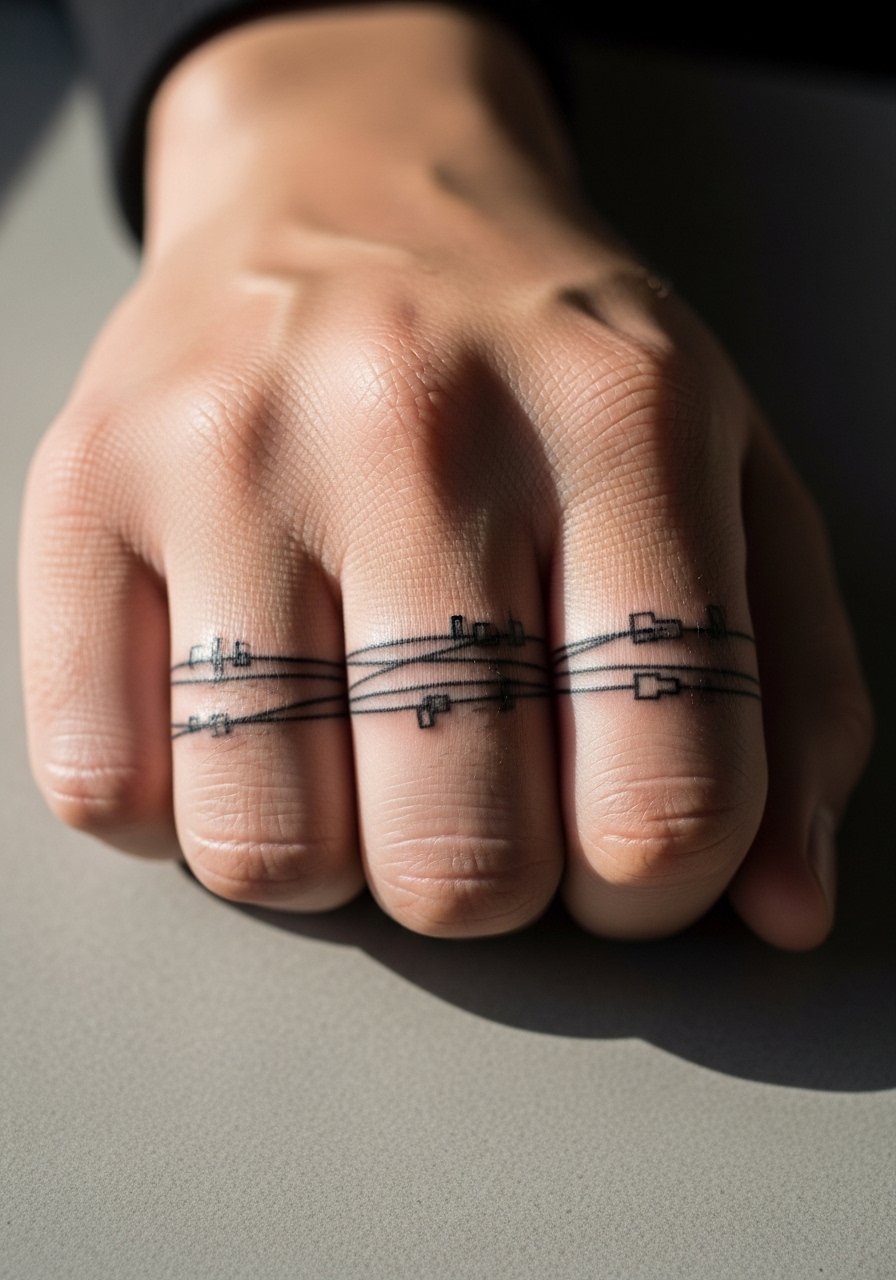
Knuckle and top-of-hand work age fast because of constant exposure and lubrication. A tram wire line should be slightly bolder at endpoints to hold shape. Expect frequent touch-ups and consider the career implications. The session is brief but can be painful due to bone proximity. Keep expectations realistic about longevity. For showing it off choose gloves or rings to frame but not obstruct the line. If needed, discuss alternatives like moving the line to the finger side to extend durability.
19. Vienna Song Lyric in Small Roman Numerals on the Rib
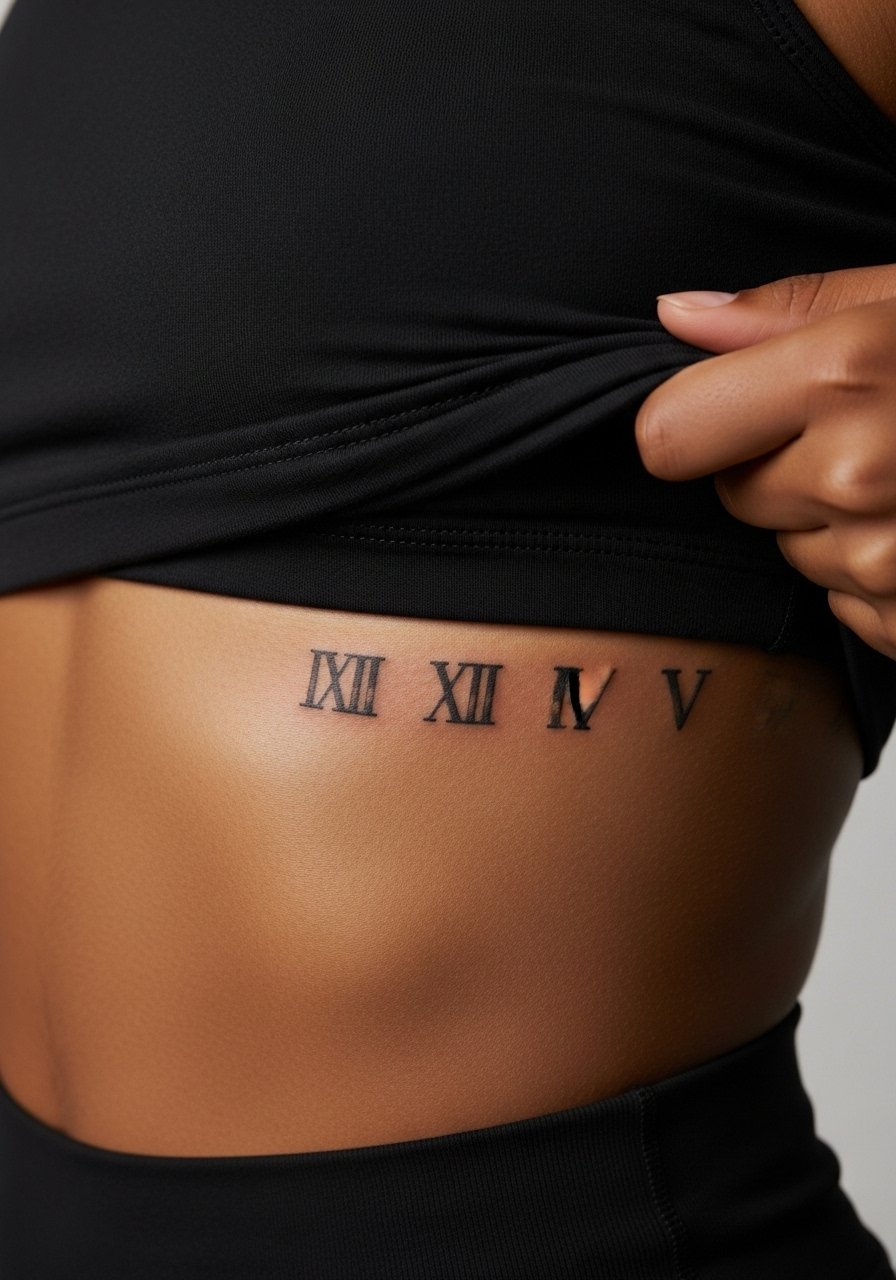
Roman numerals on ribs look intentional but are prone to shifting as the body moves. The biggest mistake is tight kerning that blurs. Ask for slight letter spacing and confirm the exact numeral characters before the stencil goes on. Ribs are painful and healing is delicate. Plan for slower sessions and bring comfortable layers to keep warm afterward. If privacy matters, this placement remains hidden under most clothing.
20. Vienna Tram Music Staff Around the Wrist
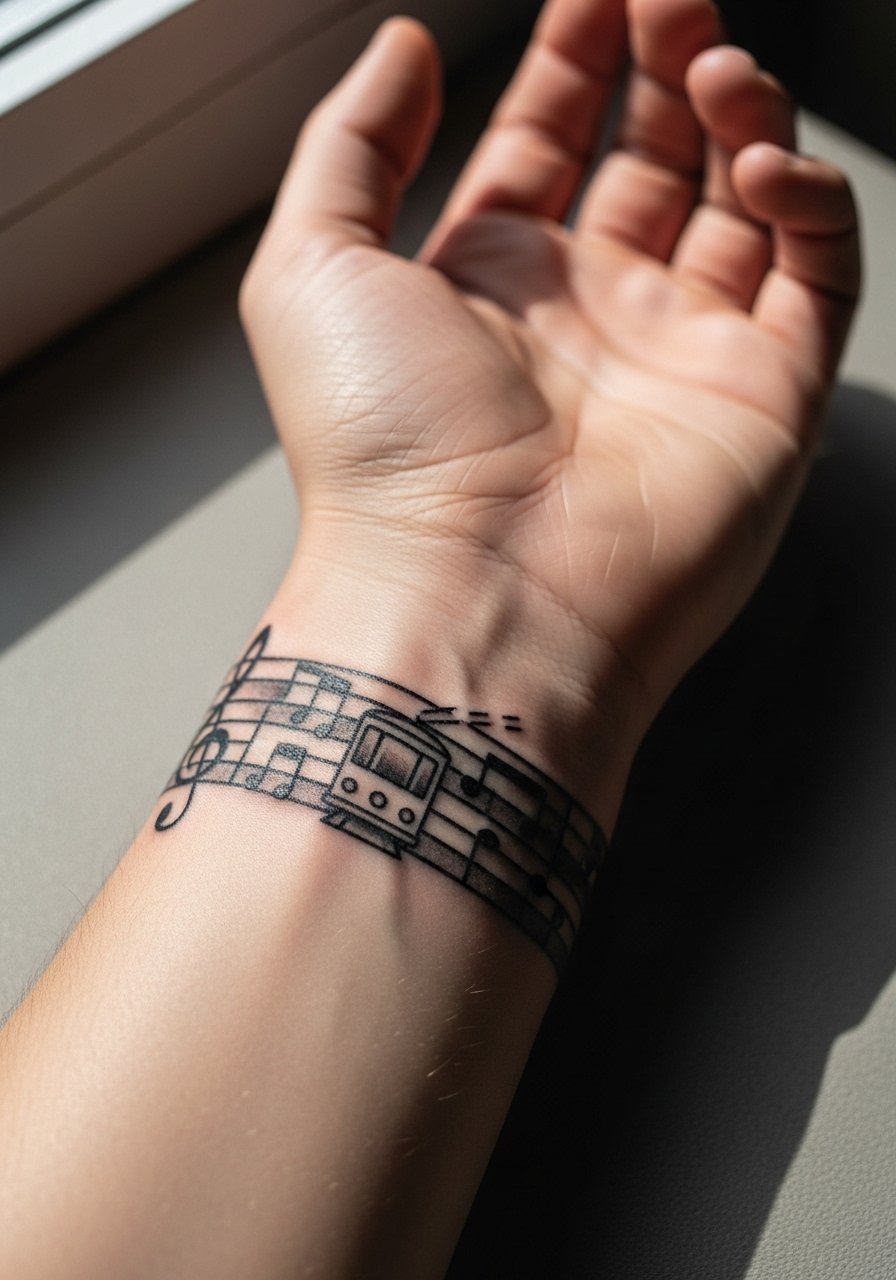
A staff ring around the wrist is decorative but sits in a high-motion zone. The typical error is too many tight notes that merge with wear. Ask the artist to keep the staff lines slightly bold and the negative spacing generous. The wrist is sensitive and will require short focused sessions. For showing it off, the wrist pairs with simple bracelets. A thin chain bracelet can frame the staff and avoid rubbing directly on the ink during healing.
21. Portrait-Inspired Piano Player Silhouette on the Back
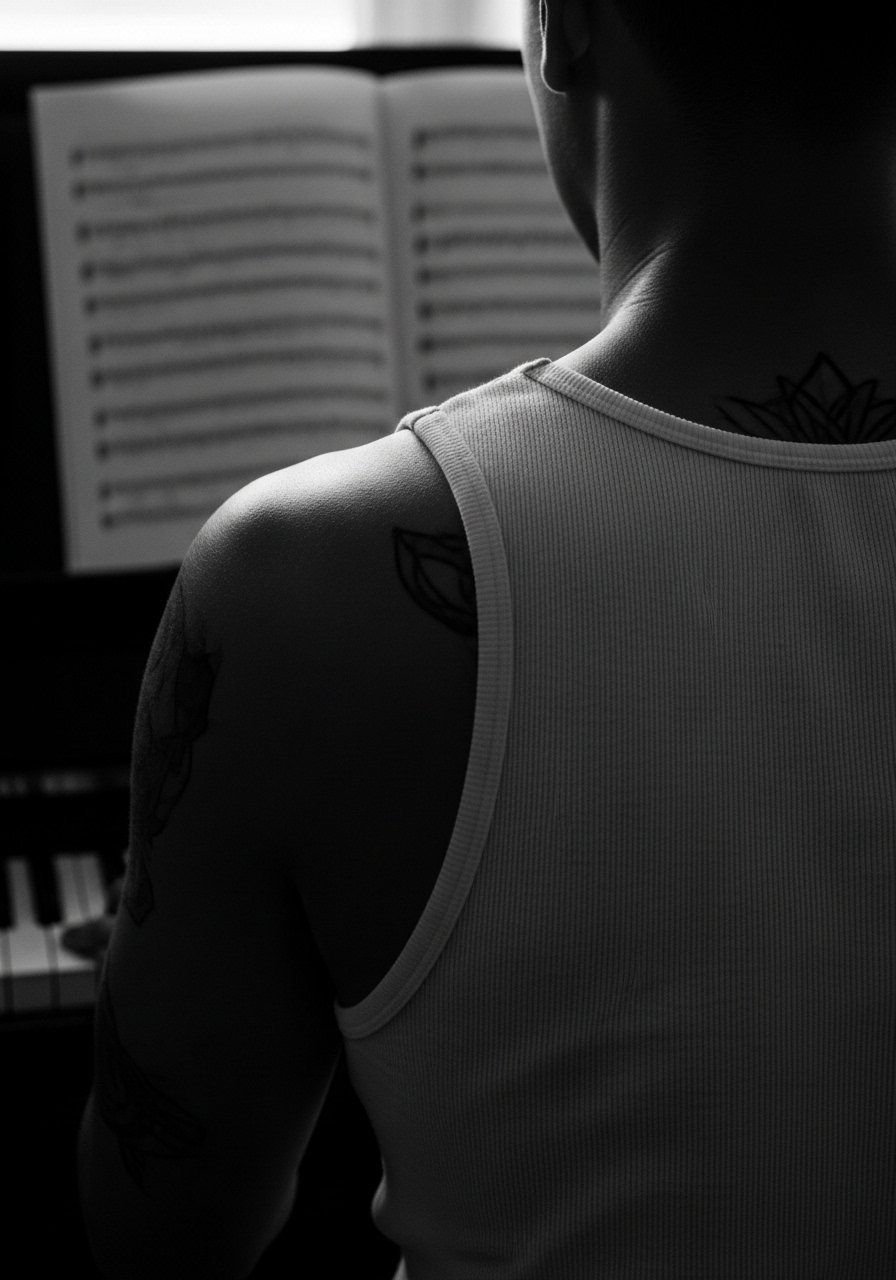
A silhouette of a pianist on the upper back can be large and cinematic without becoming a portrait. Avoid tight facial detail unless you want a full portrait commission. The back offers a forgiving canvas and the session can be multiple longer blocks. For show-off styling consider open-back dresses that let the silhouette be visible in evening wear. If you elect for a portrait instead, discuss long-term maintenance as facial features need more touch-up over time.
Frequently Asked Questions
Q: Will fine line lyrics on the ribs hold up compared to bold blackwork?
A: It depends on spacing and the artist's approach. One camp says ribs blur fine line quickly due to skin stretch. The other camp believes careful depth and spacing allow fine line to heal well. If you want lyrics there, ask for slightly wider letter spacing and plan for a touch-up at year two or three.
Q: Are wrist and finger Vienna motifs worth the frequent touch-ups?
A: If visibility is your priority, yes, but accept the maintenance. Fingers and wrists take friction and washing that lighten ink faster. Consider slightly heavier line anchors and budget a touch-up in the first two to three years to keep detail crisp.
Q: What should I wear to a sternum or chest session to make access easy and protect the area?
A: Wear a fitted sports bra or a wide-neck top you can pull aside so only the tattoo zone is exposed. That avoids fabric rubbing after the session and makes dressing and bandage changes simpler.
Q: How do I choose between micro-realism and simplified silhouettes for Vienna-themed designs?
A: If you want detail that tells a story up close, choose micro-realism and accept larger scale and more maintenance. If you want longevity with less upkeep, pick simplified silhouettes or negative space treatments that rely on contrast rather than tiny detail.
Q: Will a back shoulder silhouette conflict with conservative dress for work?
A: Most upper back pieces stay hidden under shirts. If your job requires strict coverage, place the motif lower or choose a size that stays beneath standard collars. For nights out, an open-back top shows the piece without altering your work wardrobe.
Q: Can I pair a collarbone lyric with necklaces without crowding the text?
A: Yes. A thin chain pendant or delicate choker sits above the line without competing. Try a thin chain pendant necklace that keeps attention on the script while adding a curated layer.