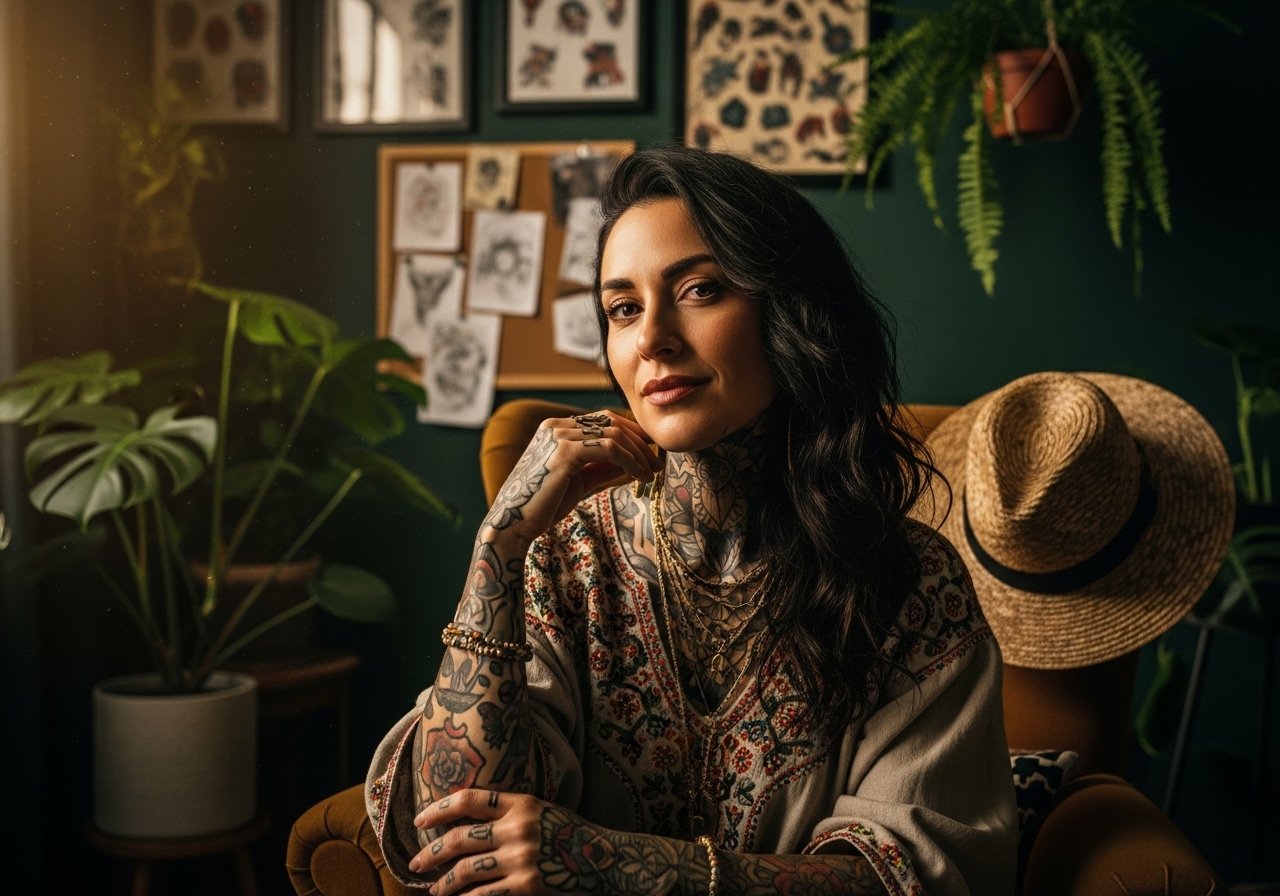
Fine line is everywhere right now, and a lot of people assume it will hold exactly as it looks on day one. Some artists say fine line fades or blurs faster and advise bolder spacing up front. Other artists insist that with the right depth and spacing it settles clean for years. I will show 21 Bring Me The Horizon inspired approaches, and practical notes to help each idea age better and fit your wardrobe.
1. Minimal Script Lyric on Inner Forearm
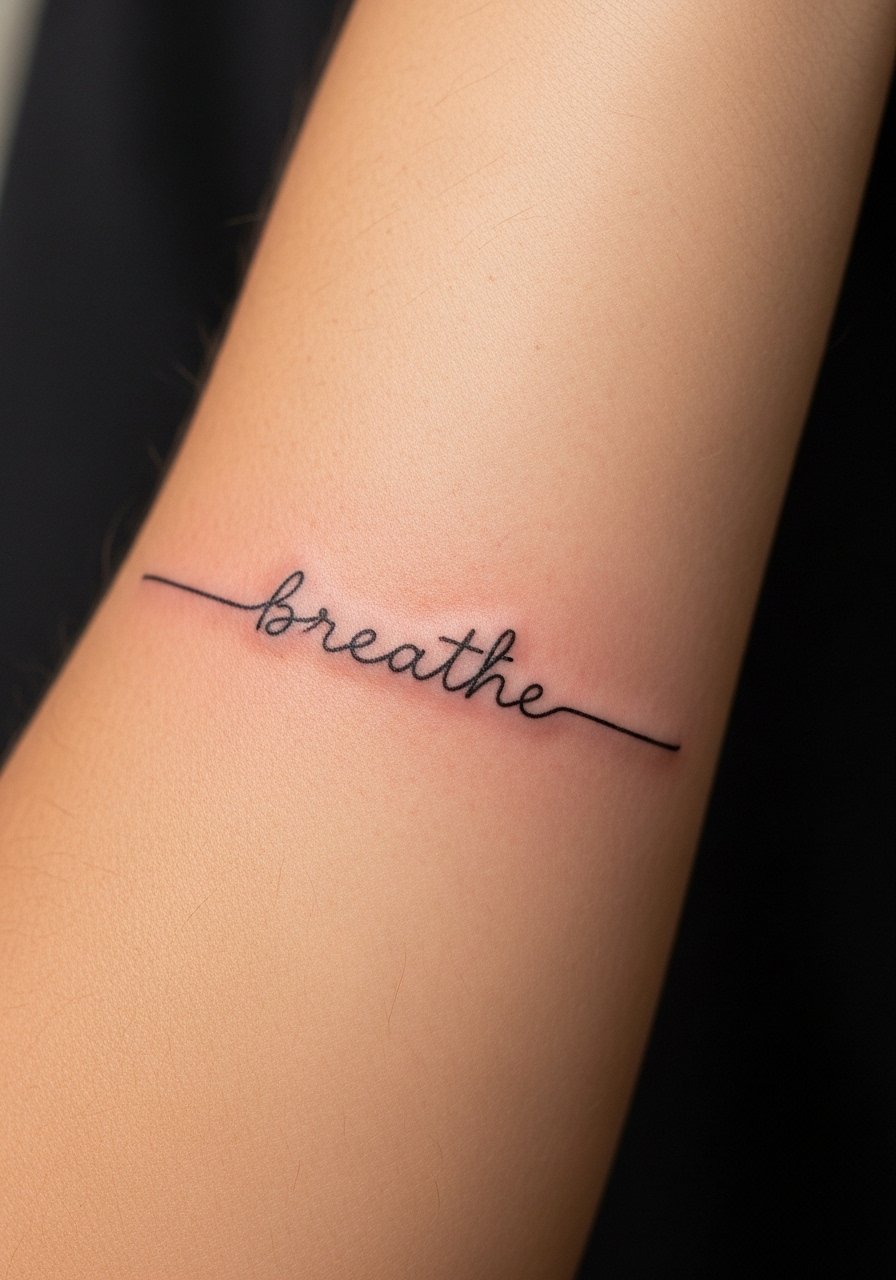
A short lyric line in thin script reads intimate on the inner forearm. Fair warning, this placement shows every change in line weight, so ask for slightly increased spacing between letters and modest line weight rather than hair-thin strokes. The session is quick and low on time. Expect a sharp look at six months and minor softening by year three if you get heavy sun. A common mistake is asking for micro calligraphy without considering daily sun exposure. For the appointment, wear a loose button-down shirt you can pull aside so the artist has clean access.
2. Blackout Heartbeat Band Around the Wrist
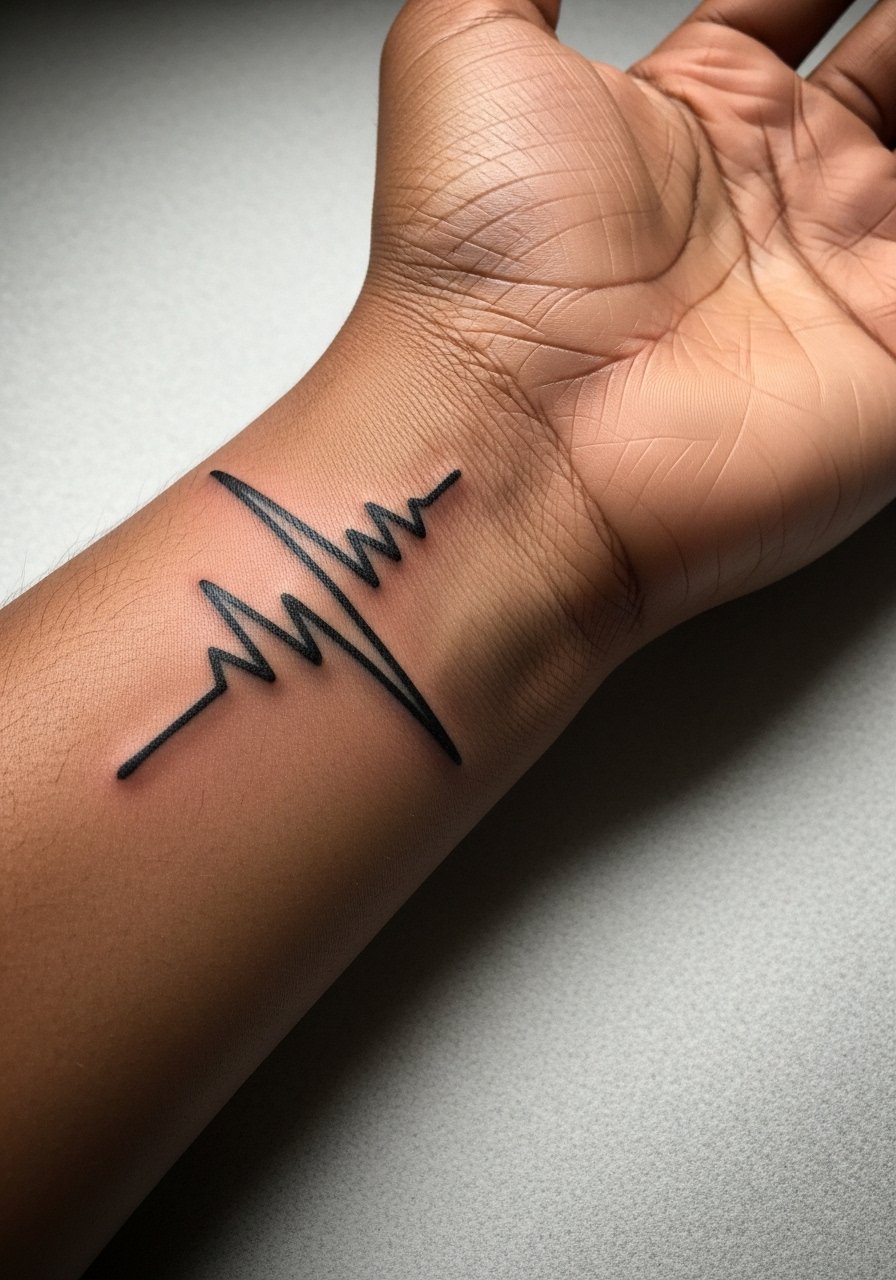
A single bold band with a waveform motif reads graphic from across a room. The wrist is sensitive and prone to friction from watches and bracelets. Tell your artist you want the waveform peaks slightly larger to avoid early merging. The session feels buzzy in short bursts. Blowout risk is higher if the line is too thin, so that is the mistake to avoid. Show this off with a minimalist watch that keeps the band visible without rubbing.
3. Watercolor Petal Splash on Upper Arm
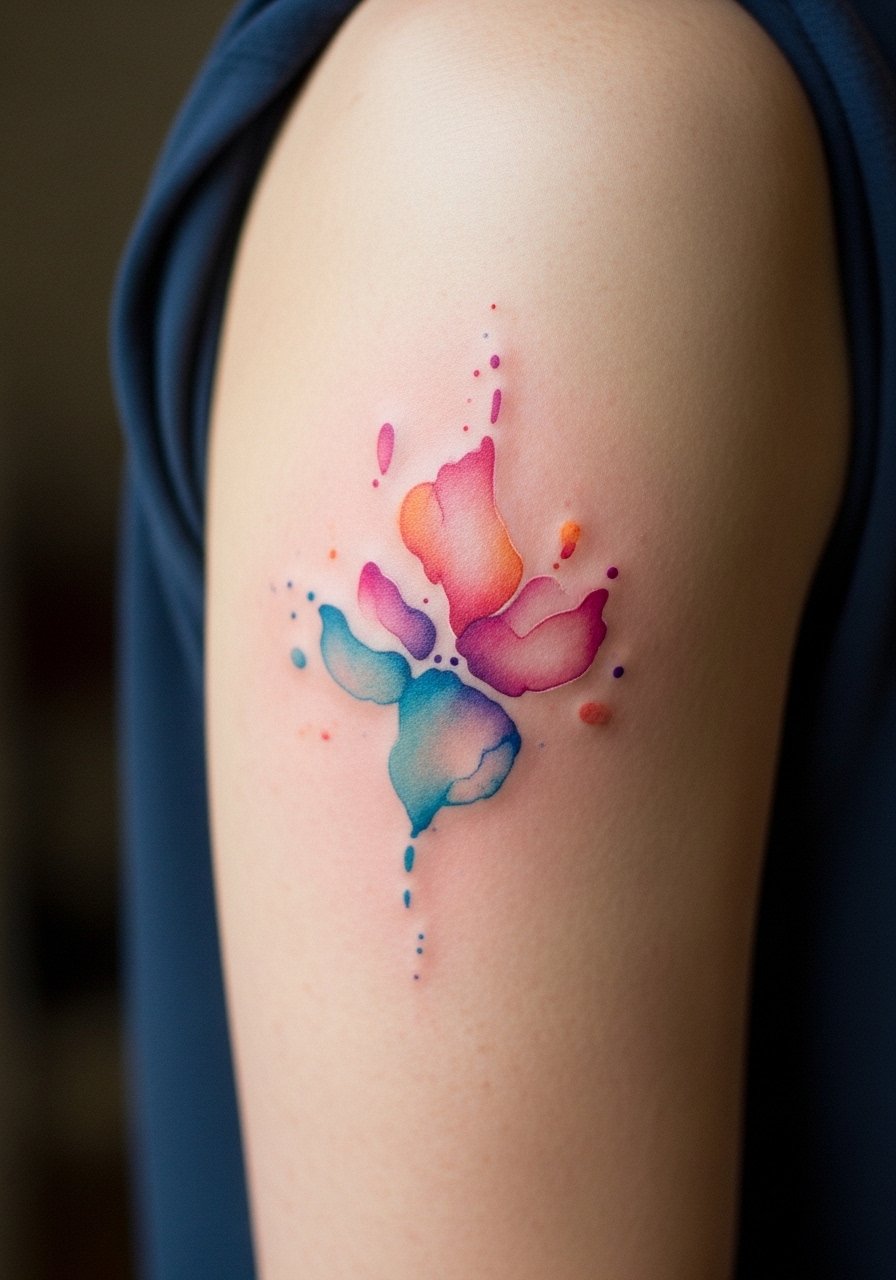
Watercolor washes pair well with BMTH album palettes. For longevity, ask the artist to anchor color with subtle outline work and avoid purely soft edges. Sessions for outer arm color blocks run medium length and feel comfortable. The common mistake is asking for watercolor with no anchoring on areas that get heavy sun. At six months color softens, and at two years it may need a saturation touch-up if you spent a lot of time outdoors. Roll sleeves up with a short-sleeve linen shirt to show the piece without sun exposure.
4. Neo-Traditional Broken Angel on Shoulder Blade

A neo-traditional angel matches BMTH's mix of melody and grit. The shoulder blade takes pigment well, so saturation ages nicely. Tell the artist you want strong outlines around the focal elements to prevent softening in shaded areas over time. Sessions are multiple hours but spread easily because the area is comfortable to lie on. The typical mistake is requesting tiny details without line anchors. For after-session visibility, a racerback tank shows the composition without exposing more than needed.
5. Micro-Realism Eye with Stipple Shading on Ribcage
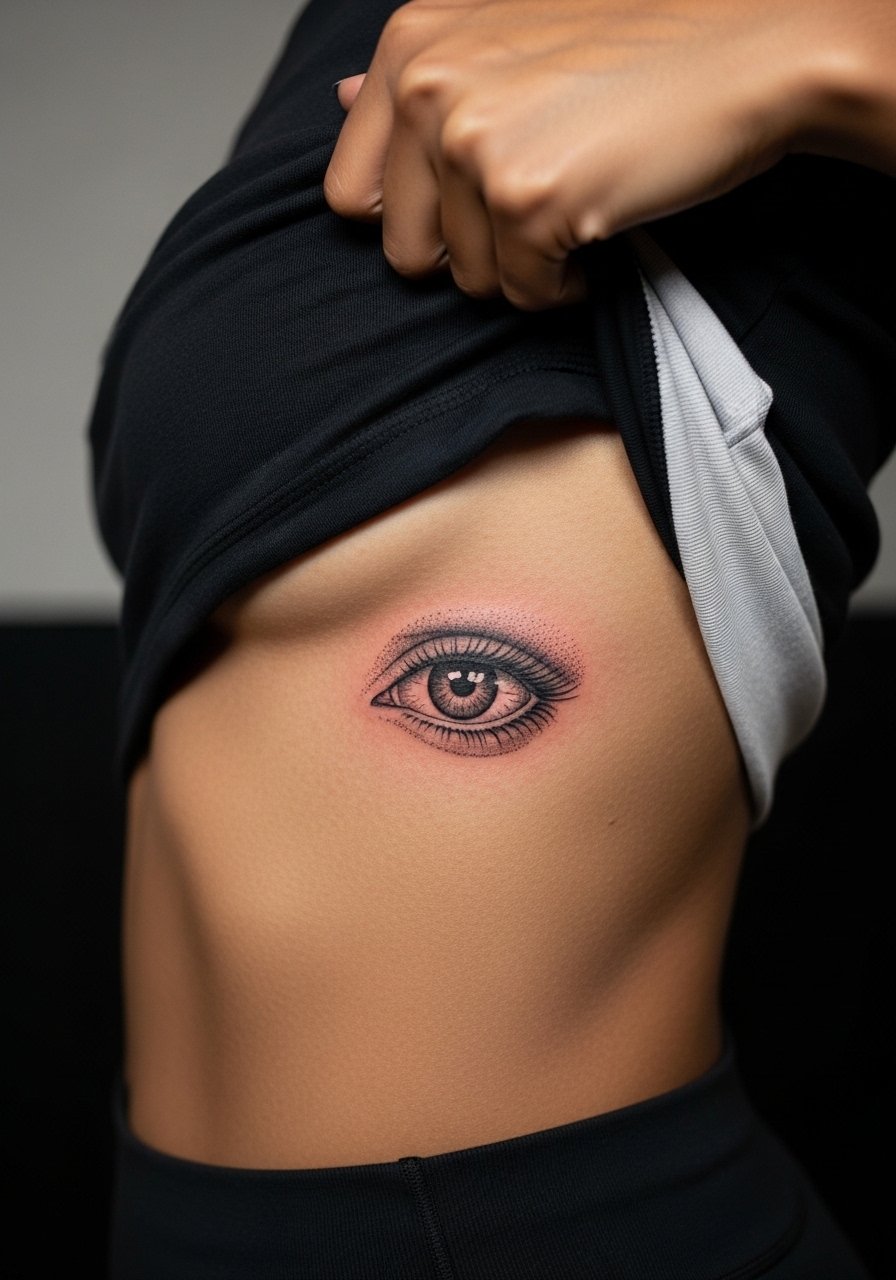
Ribcage work reads dramatic, but pay attention to movement. Artists split into two camps on fine detail here. One camp argues that ribs stretch and blur fine lines within two years. The other camp says proper depth and spacing lets fine detail settle fine. Say where you fall in that debate and ask for a proof stencil on the move. This placement is painful and sessions feel long. A common error is packing too much tiny detail into a small rib panel. For the appointment, wear a cropped athletic top you can lift for access without full exposure.
6. Gothic Script Across the Collarbone

Gothic lettering along the collarbone feels purposeful and pairs with vocal-heavy BMTH lines. Ask for slightly bolder stems than you think you need, because the collarbone area sees friction from straps. Sessions are short but sensitive. A common mistake is sizing letters too small. Pair the piece with a thin chain pendant necklace that sits above the script and frames the collarbone without competing.
Studio Day Picks
The small chest, rib, and collarbone pieces above need different prep than forearm or ankle work, so a compact kit helps during chair day.
-
Stencil transfer paper kit. Lets you preview placement against your skin tone before any needles, which is useful for script and micro-realism ideas above.
-
Topical numbing cream. Applied per instructions 30 to 45 minutes before can reduce sharp rib and collarbone sensitivity during longer sessions.
-
Thin protective film roll. Helps protect wrist and finger pieces from constant washing and friction in the first week.
-
Fragrance-free gentle body wash. Cleans healing tattoos without stripping pigment, important for fine line forearm and shoulder blade work.
-
Aquaphor healing ointment. Thin application for the first few days keeps fine line channels moisturized while avoiding clogged skin.
7. Tiny Symbol Cluster Behind the Ear

Behind-the-ear motifs read private and clever. The area needs a gentle stencil and an artist experienced with small placements. The main mistake is forcing a lot of detail into a tiny zone. Sessions are short and tolerable. Because of hairline movement, expect gradual softening and plan for a touch-up at year two if you want crisp edges. For discovery, search local shop portfolios using hashtags and directory filters to find artists who show healed behind-the-ear work.
8. Stipple Shaded Skull on Calf
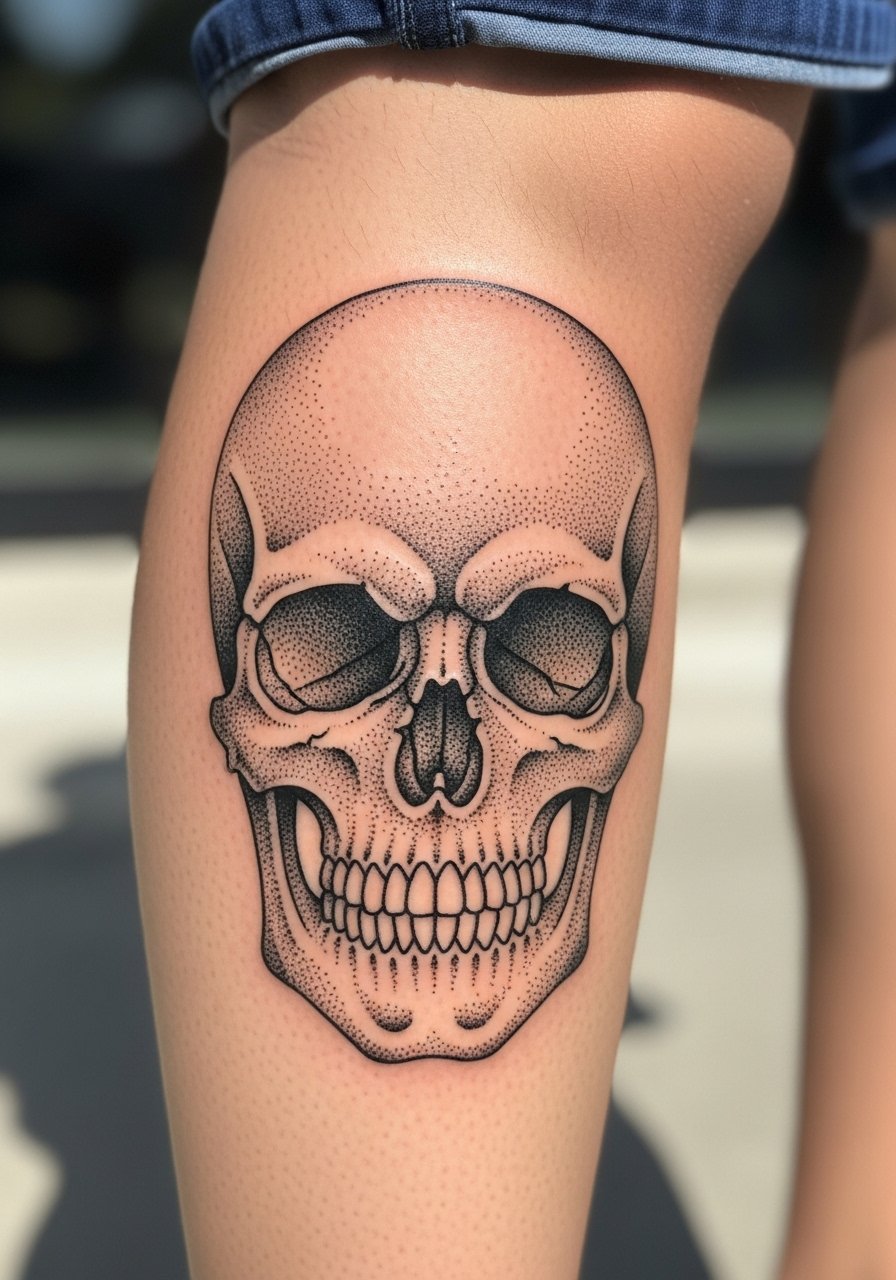
The calf takes stipple well and allows for whisper details that last. Tell your artist you want spacing between stipple groups so the texture doesn't merge over time. Sessions for calf pieces are moderate length and the area tolerates longer sits. A common error is packing the design too tightly for the scale of the calf. Show it off with high-waisted shorts in summer so the entire composition is visible.
9. Linework Skyline Wrap on Inner Bicep
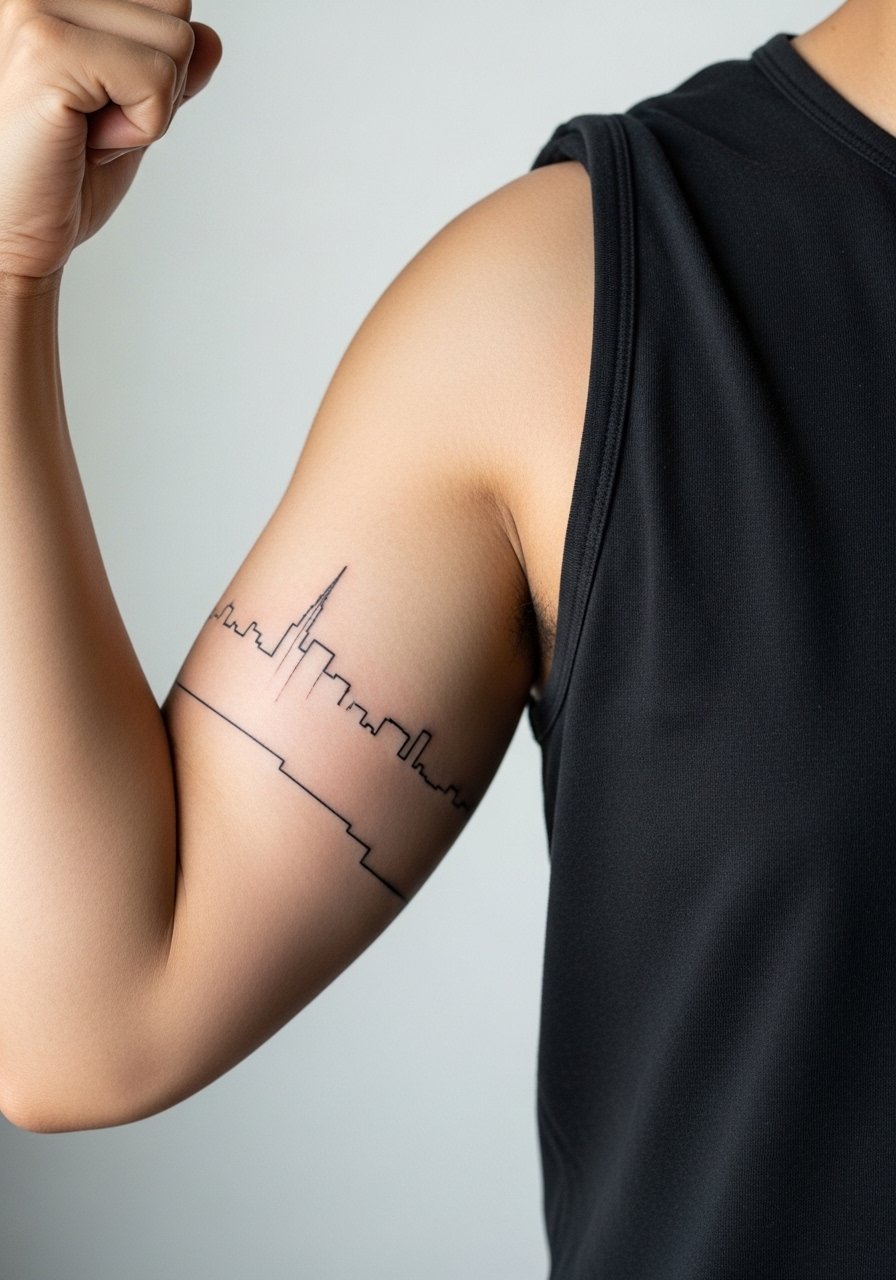
Inner bicep placements are intimate and prone to friction from the arm's motion. The artists debating this spot split into camps: some say the thin skin causes early blowout, others say careful depth prevents it. Ask for test strokes and a stencil while you move the arm. The session is sensitive but manageable. Mistakes include making the skyline too narrow. For the session, wear a loose tank top so you can lift your arm without discomfort.
10. Minimal Geometric Mandala on the Nape
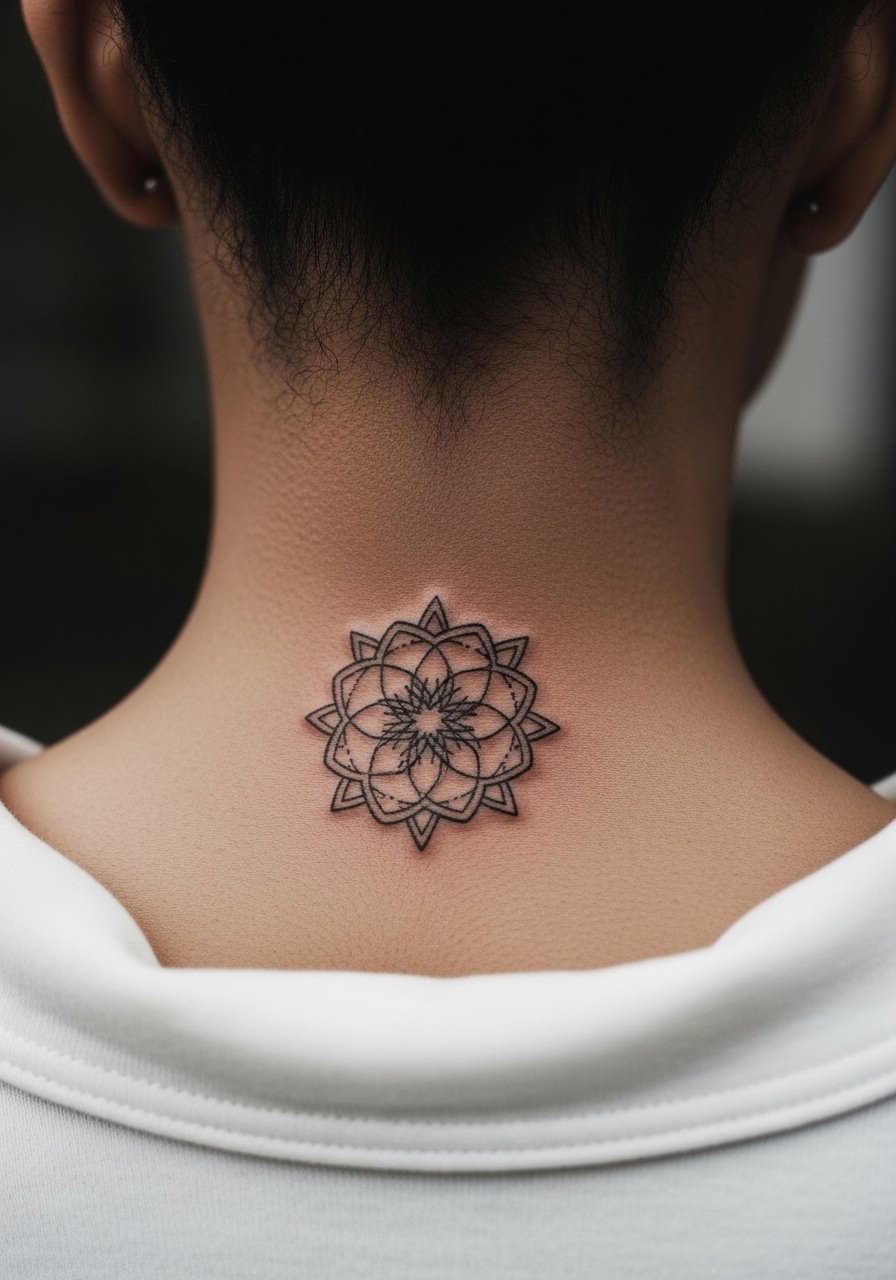
A compact mandala at the nape reads intentional under hair or with pulled-back styles. The nape moves and gets sun in summer, so ask for slightly thicker linework and careful spacing. Sessions are brief but the area is ticklish for some. The error to avoid is over-complication in a small round. Pair with a high ponytail hair accessory when you want to show it off.
11. Blackwork Crosses on the Fingers
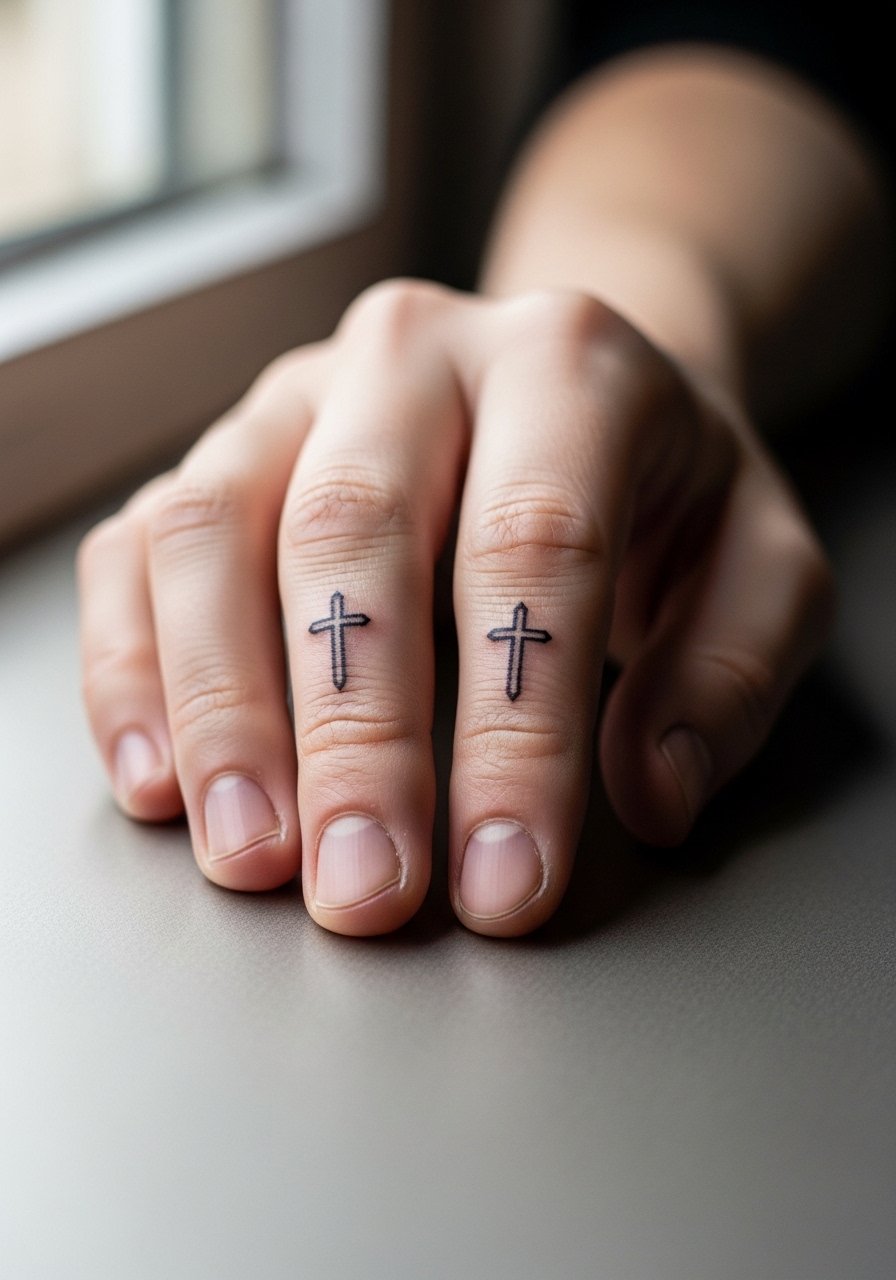
Finger tattoos read bold but fade faster than other zones. Expect touch-ups sooner and plan the crosses slightly thicker than your first instinct. The main mistake is underestimating washing and typing wear. Sessions are short but healing is fussy. If you work in a hands-on role, consider career impact before booking. For display, a few thin rings work with finger crosses but avoid bulky bands that will rub the ink.
12. Abstract Line Portrait on Thigh
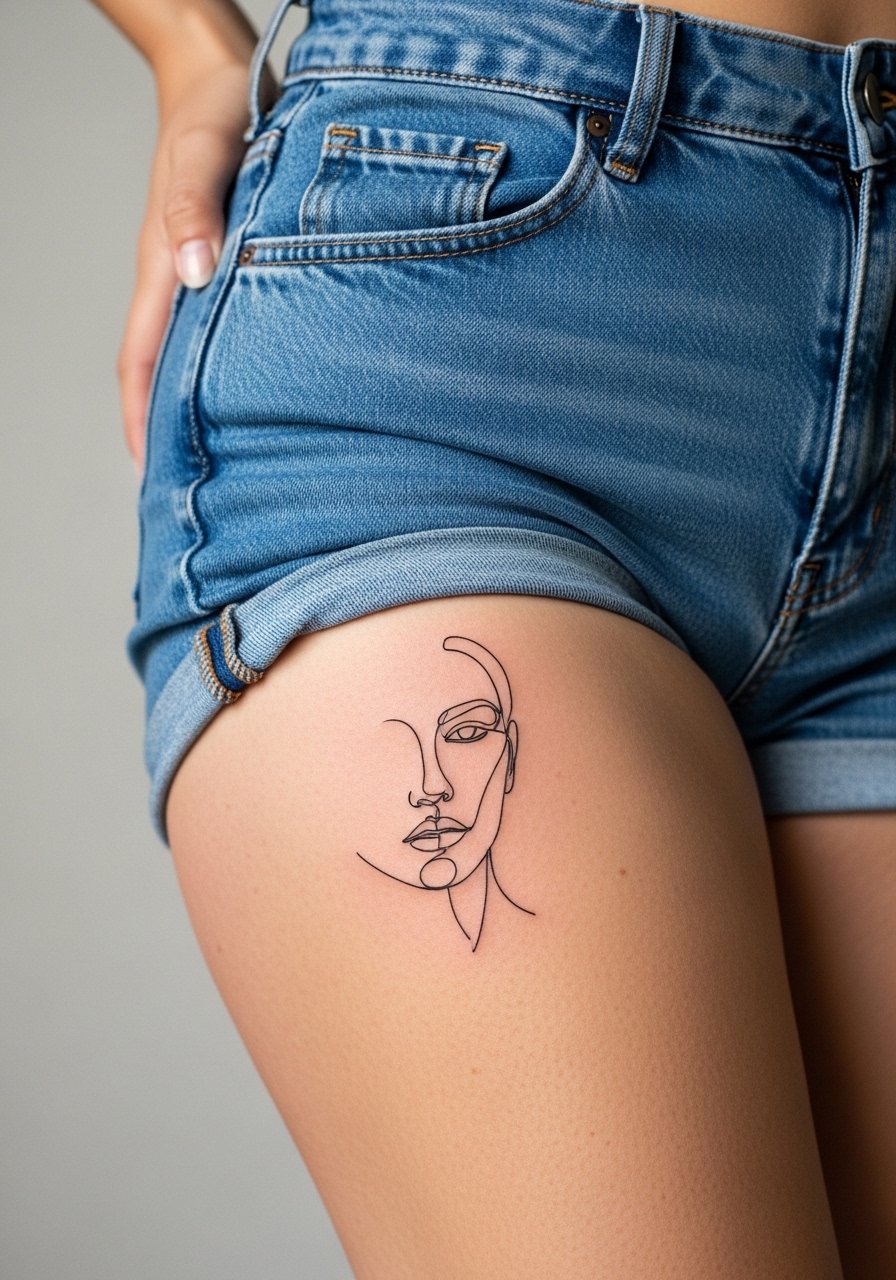
Upper thigh pieces let you go larger with fine detail and still control sun exposure. For abstract line portraits, request generous negative space so lines do not merge over time. The session is comfortable and sits can be longer. A frequent error is cramming a full facial portrait into too small an area. For the appointment, wear high-waisted denim or shorts that you can shift for access while staying comfortable.
13. Single-Line Guitar Silhouette on the Ankle
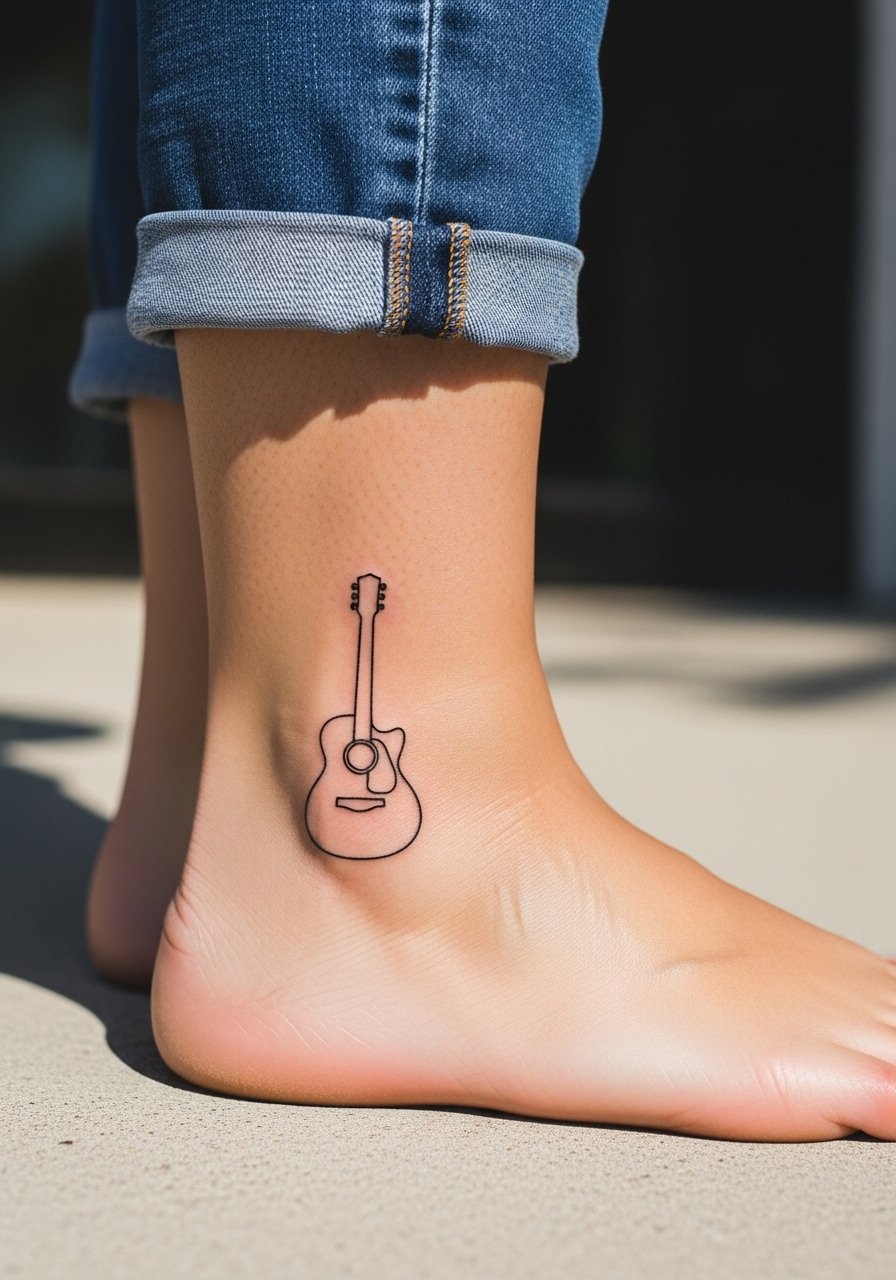
Ankle fine line pieces are cute and easy to hide. The mistake is choosing a line too thin for the repeated abrasion from socks and shoes. Ask for slightly bolder single-line weight. Sessions are quick and the area is moderately painful. To show it off, pair with sandals or cropped pants that draw attention to the ankle.
14. Neo-Gothic Floral Sleeve Accent on Forearm
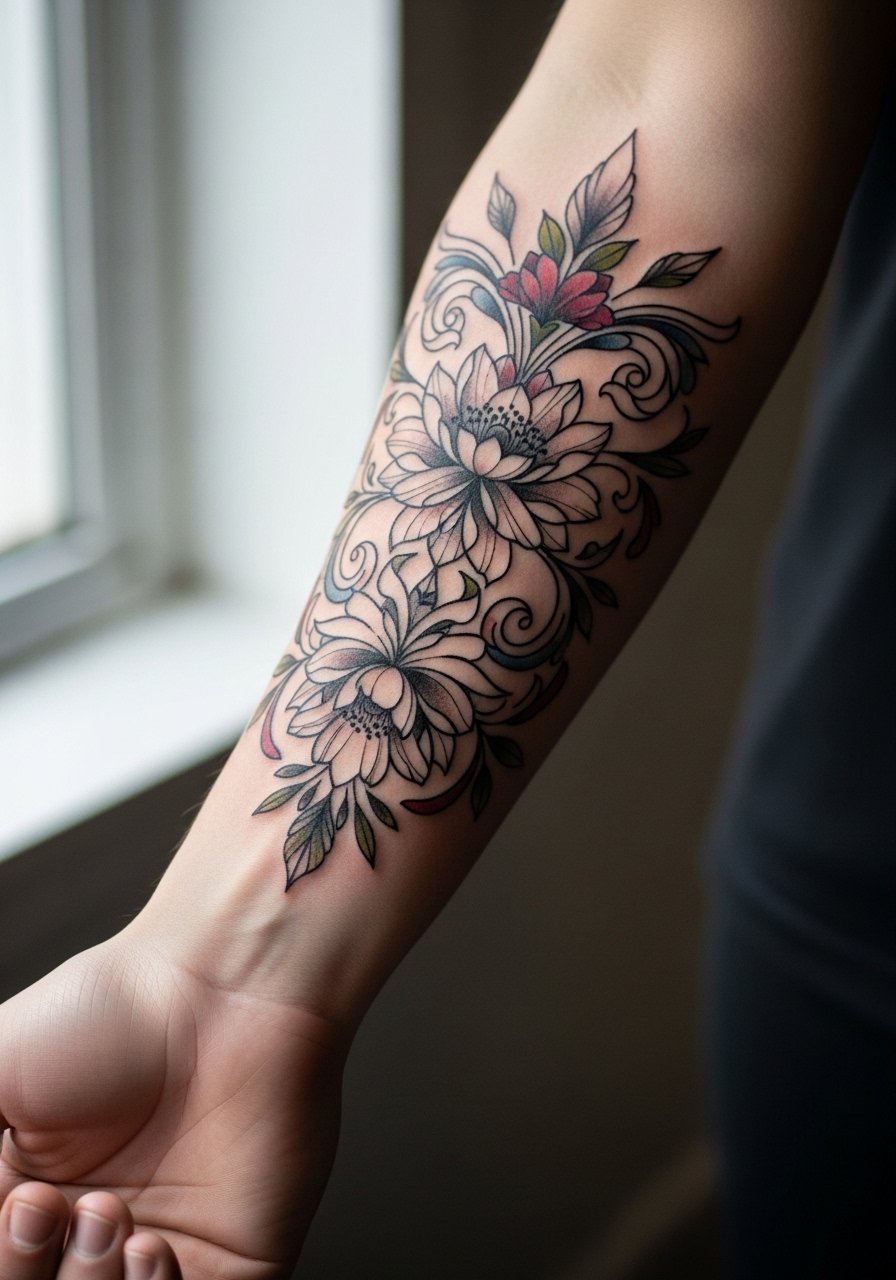
A forearm accent blends floral forms with gothic motifs from BMTH imagery. For longevity, ask the artist to balance solid black anchors and mid-tone shading. The forearm tolerates bold saturation and ages predictably with sun care. A common mistake is forgetting negative space between petals. Roll sleeves up and wear a linen button shirt with sleeves rolled when you want to display the piece.
15. Small Atlas Coordinates on the Side of the Rib
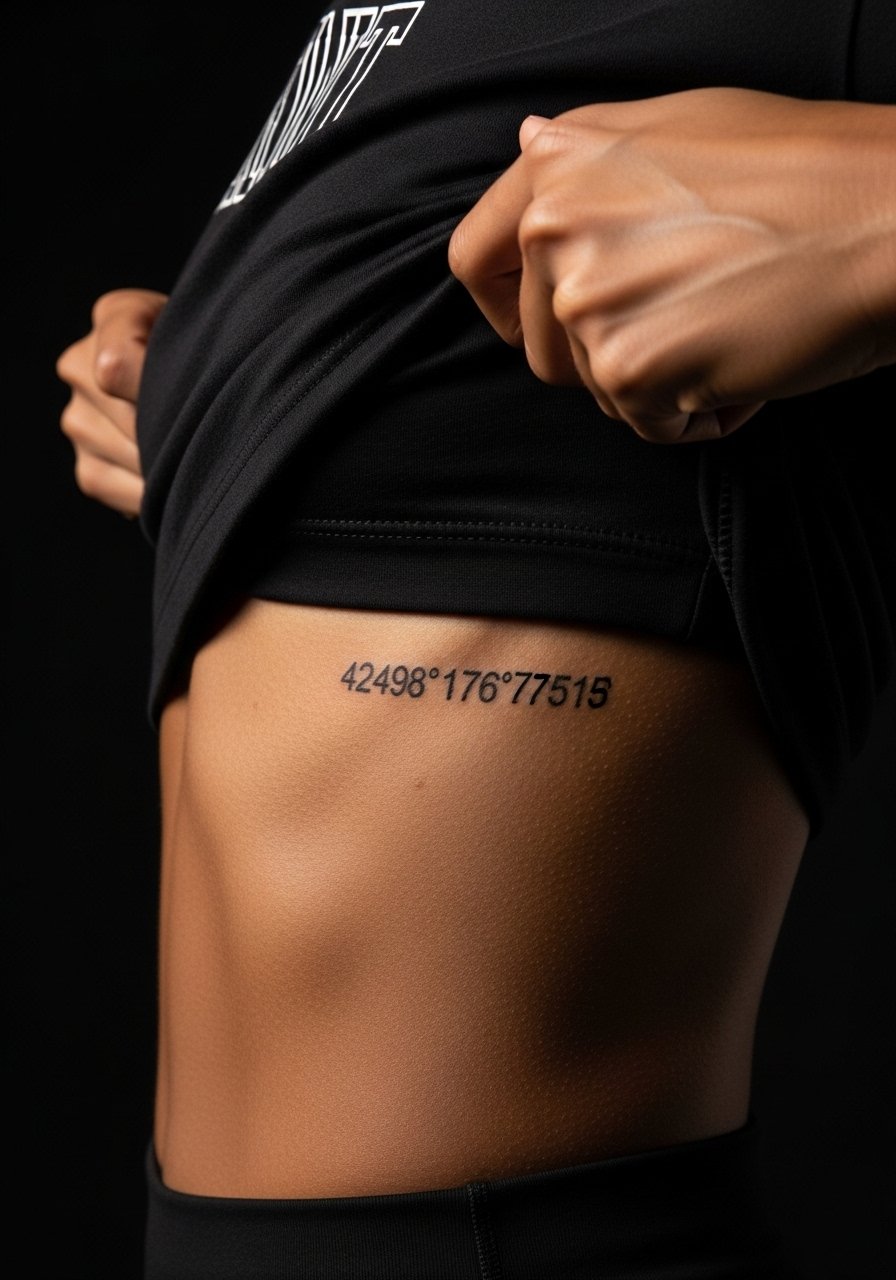
Coordinates feel personal and quiet on the ribs. Because the skin moves with breath, request slightly larger numerals and clean spacing so numbers do not merge. This placement is high on the pain scale and sessions feel long. People sometimes ask for tiny numerals that blur within two years, which is the usual mistake. Wear a zip-up hoodie or sports bra you can shift for access without exposing much skin.
16. Abstract Hook Line on the Back of the Hand
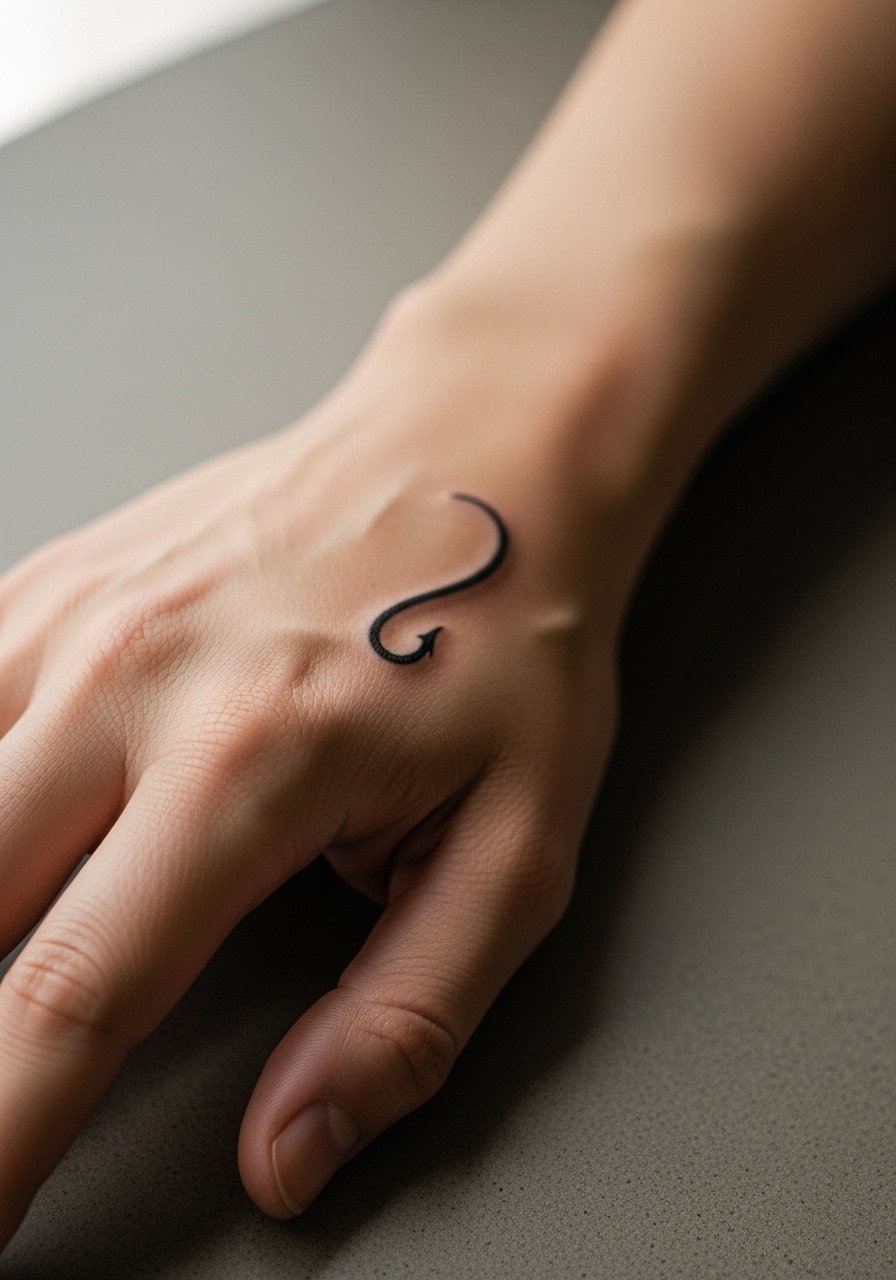
Hands are highly exposed and will soften quickly under heavy use. Ask for stronger line weight and accept likely touch-ups. The session is short and painful. The biggest mistake is expecting permanence without maintenance. If you want to minimize upkeep, consider the same motif on the forearm.
17. Watercolor Rose Sternum Accent
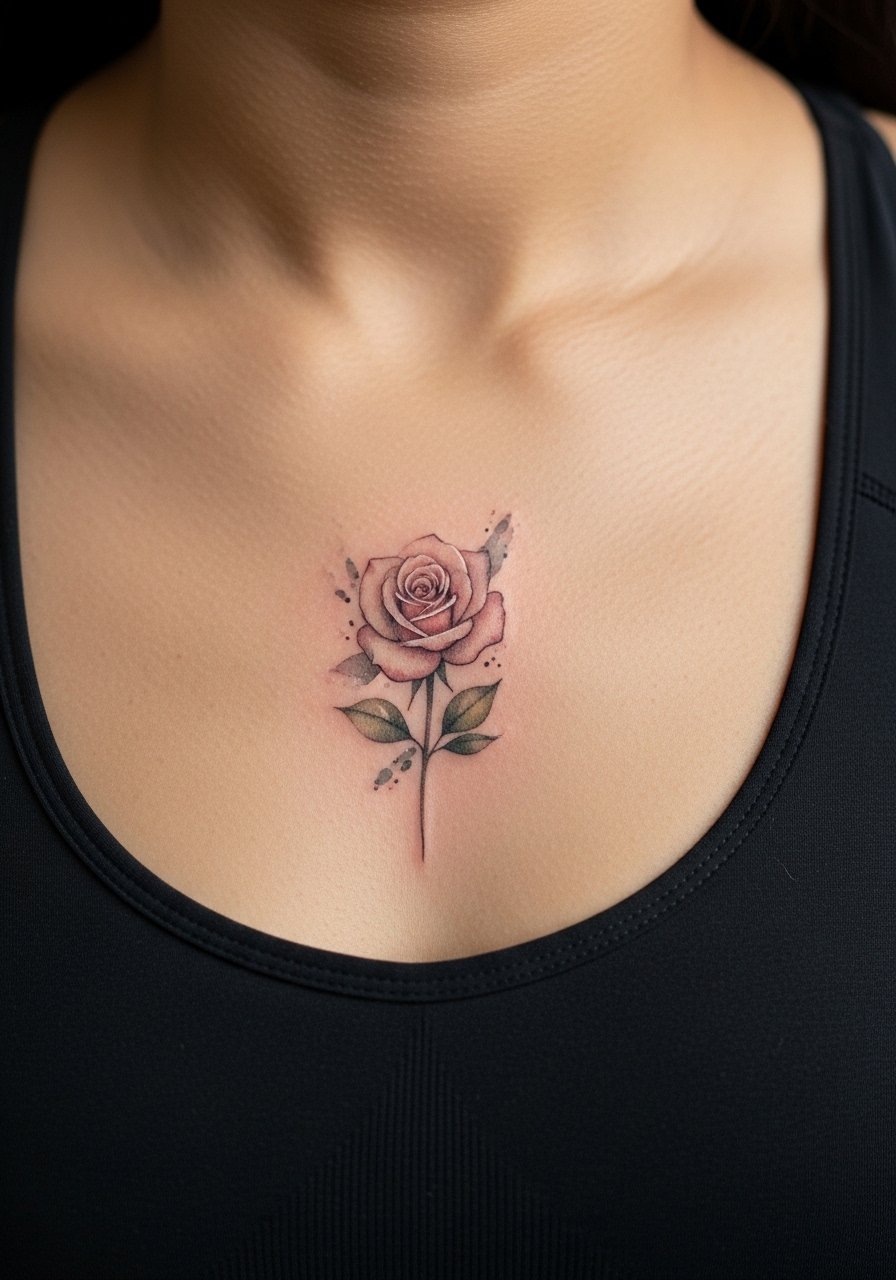
Sternum watercolor accents need careful planning because of movement and proximity to clothing. Explain whether you prefer the ink to sit above or below the bra line. Sessions are sensitive and require breaks. The mistake is packing too much color into the center, which can look like a bruise as it settles. For the session, a fitted sports bra helps access while keeping you covered.
18. Minimal Linework Soundwave on the Inner Wrist
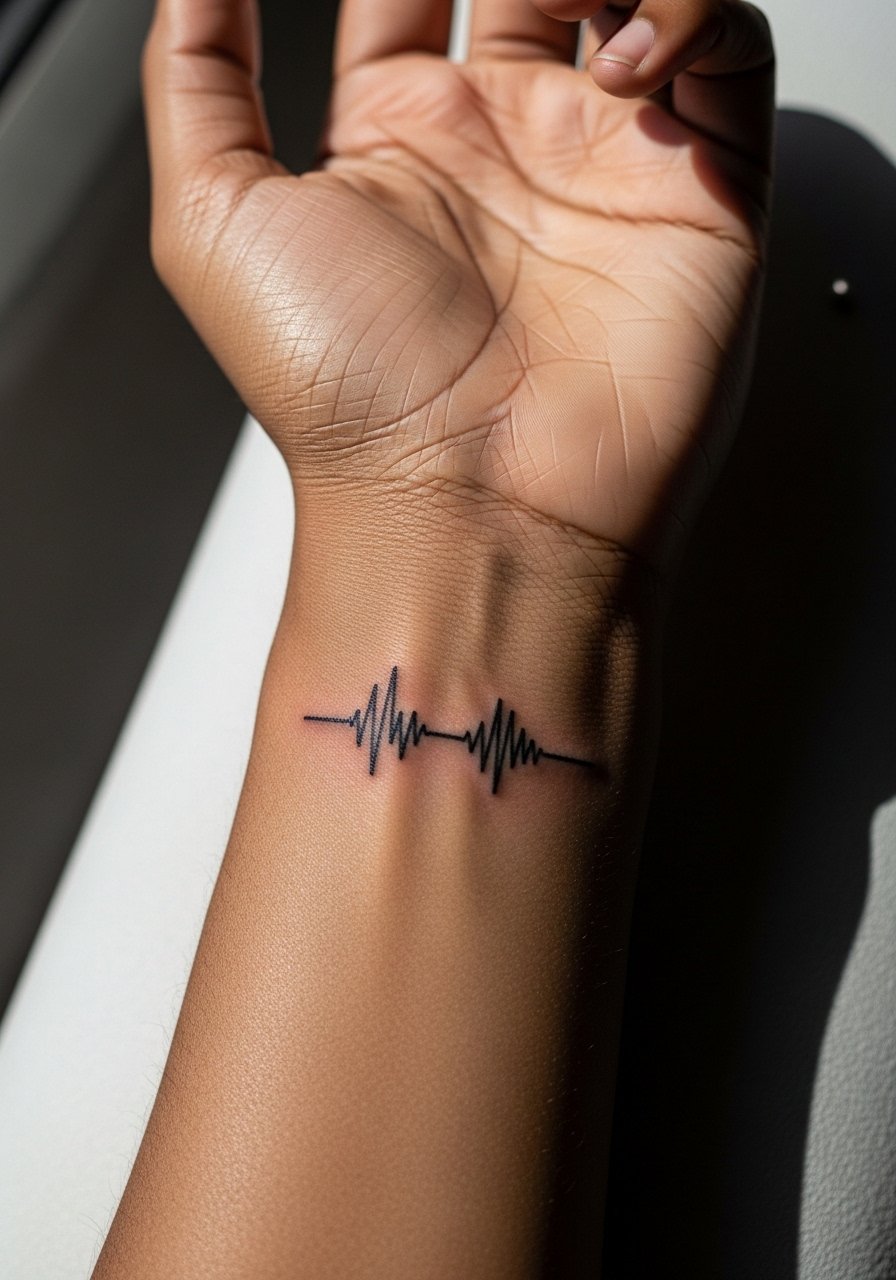
A soundwave ties directly to a lyric or track and reads clean on the wrist when spaced. The wrist rubs against surfaces, so ask for slightly bolder nodes. Sessions are short but the area stings. Expect touch-ups sooner than on larger skin areas. Pair with a dainty bracelet set if you want to accentuate without covering the soundwave.
19. Collage Flash on the Upper Back
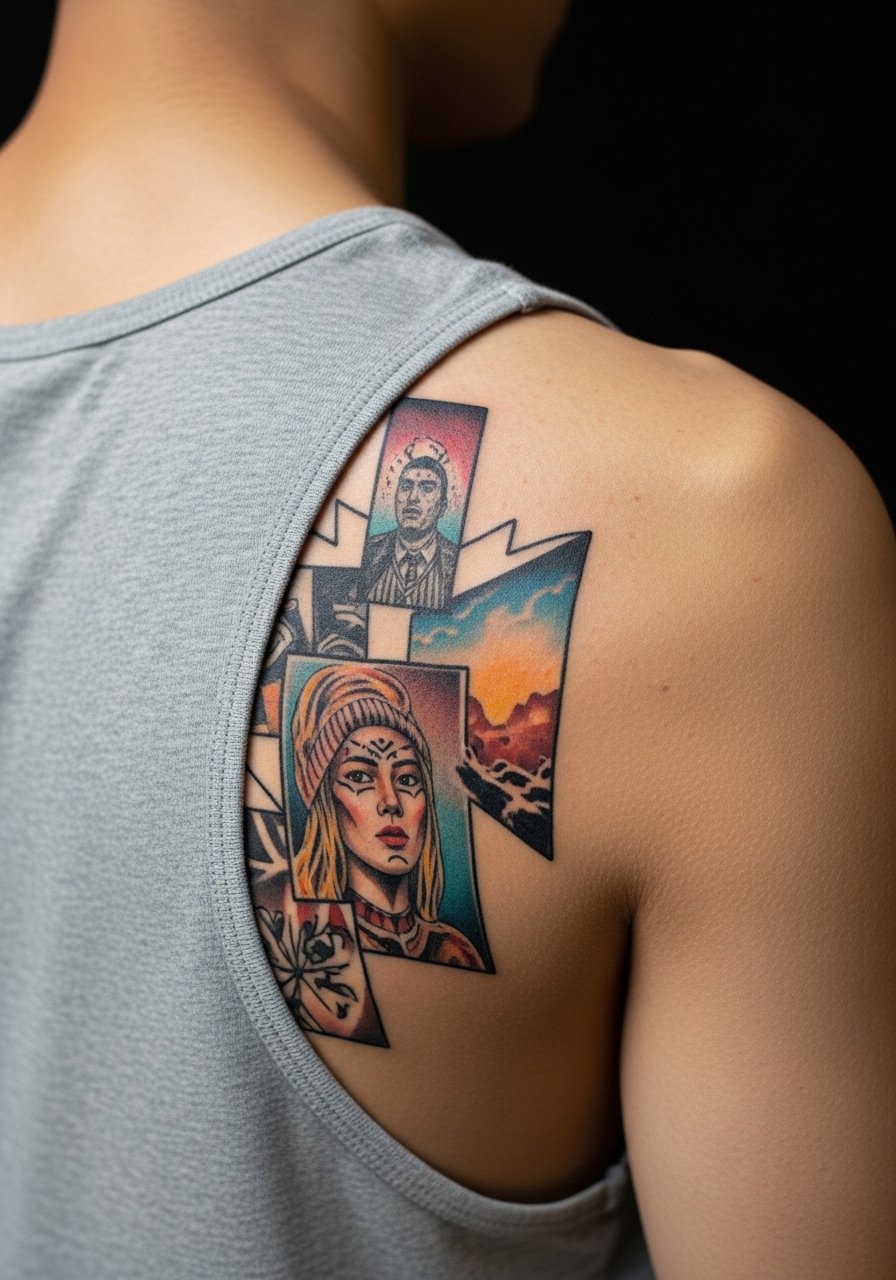
An upper back collage can combine BMTH motifs and hold up well with fewer touch-ups. Ask for a cohesive negative space plan so elements do not merge. The area tolerates multiple sessions. The typical mistake is cramming small flash pieces without leaving breathing room. For discovery, use convention portfolios and shop directories to find artists who show healed back collages.
20. Gothic Brushed Cross on the Sternum Border
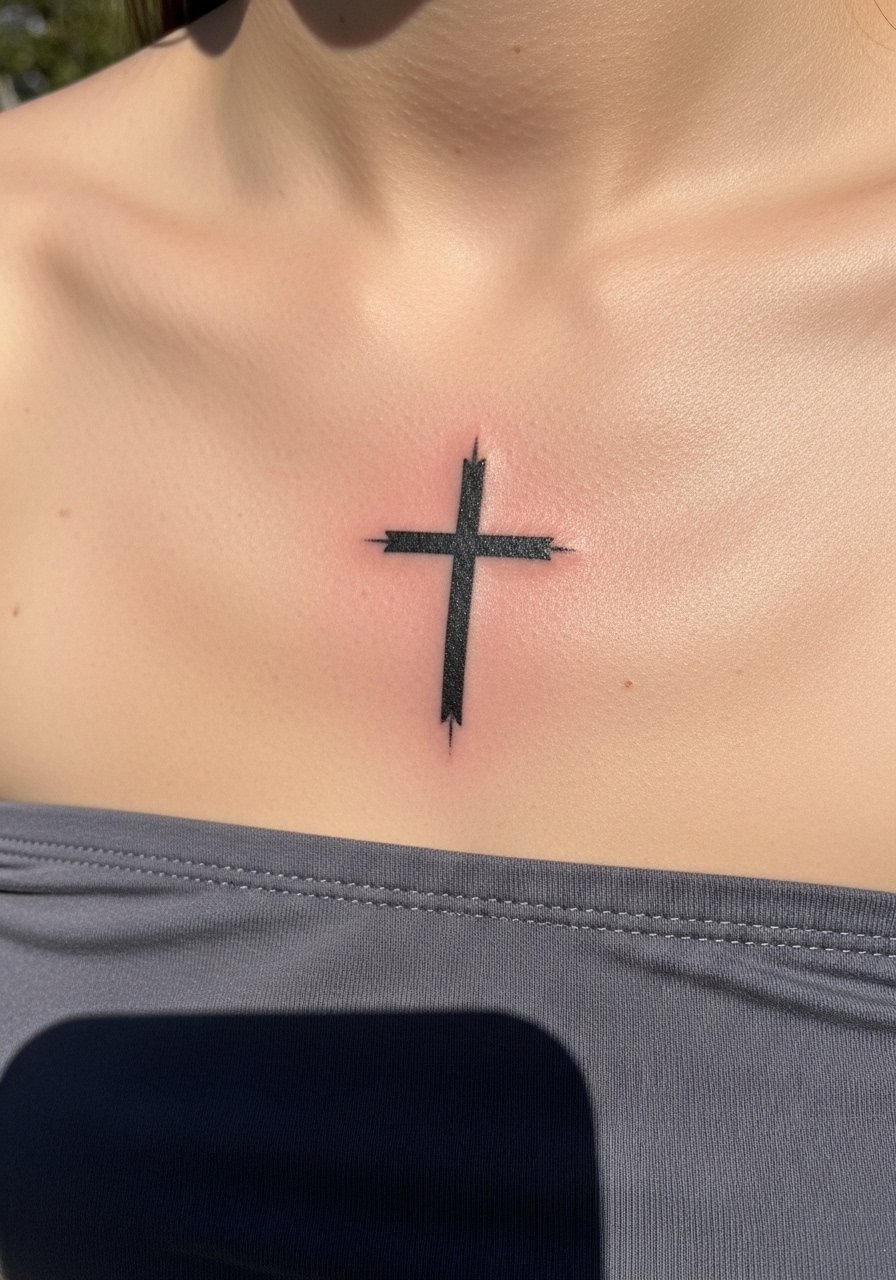
Sternum border pieces are dramatic and require considerate sizing. Ask for bold strokes rather than hairline brush effects in the center to avoid feathering. Sessions can be painful and long. A frequent error is centering too low and getting bra friction. For showing it off, a bandeau top keeps the area visible while protecting the rest.
21. Monochrome Crescent Moon on the Ankle Wrap
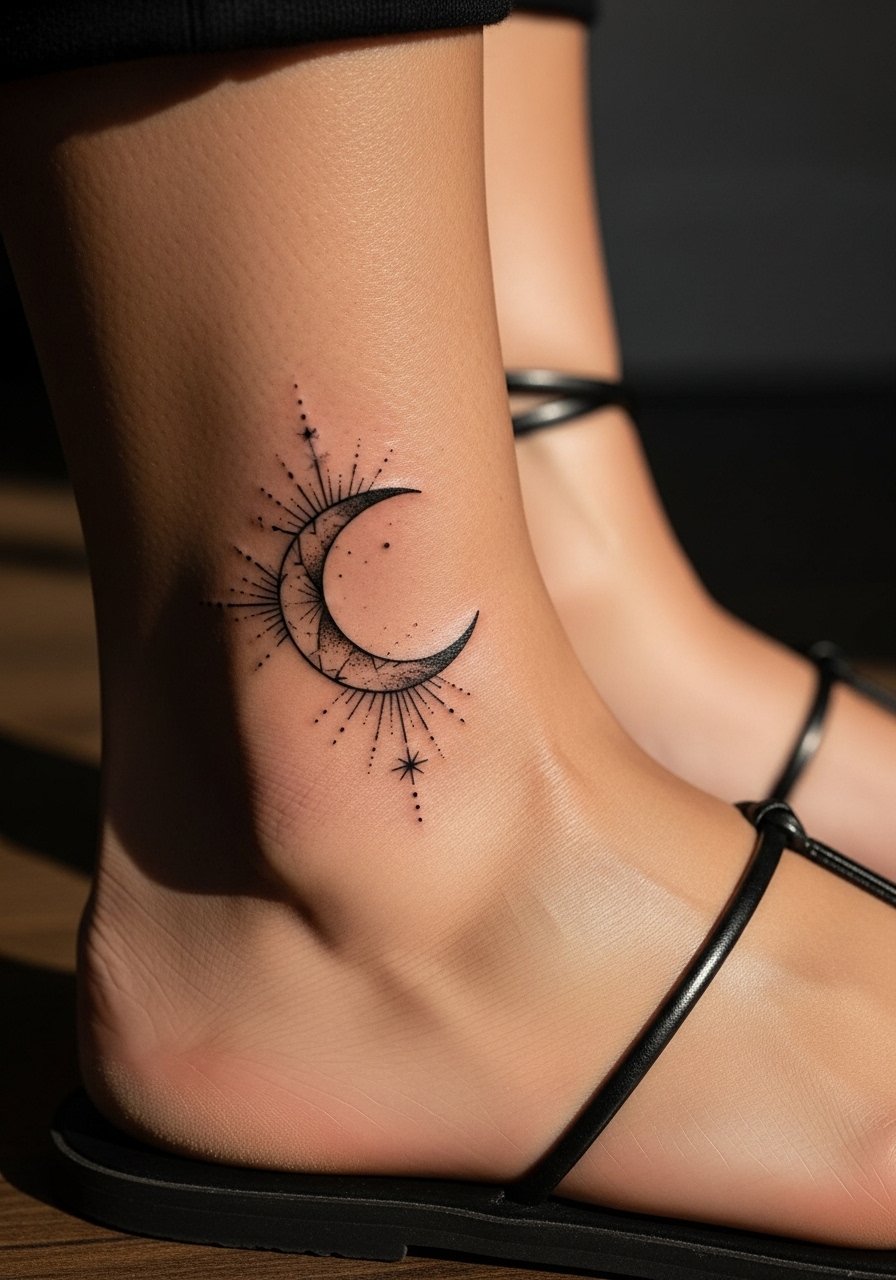
A crescent wrap is subtle and ages predictably on the ankle if you accept eventual softening. Tell the artist to keep the curve open enough to prevent overlapping ink edges. Sessions are quick and mildly uncomfortable. The common mistake is choosing an extremely thin curve that disappears over time. Pair with delicate ankle sandals to display the arc without heavy footwear abrasion.
Frequently Asked Questions
Q: Will fine line Bring Me The Horizon inspired pieces need touch-ups more often than bolder designs?
A: Fine line usually needs touch-ups sooner than saturated black or neo-traditional work because thin channels have less pigment depth. Placement and sun exposure matter most. Expect to plan for a touch-up around year two to three for wrists, fingers, and ribs depending on wear.
Q: How should I choose between watercolor effects and solid blackwork for BMTH motifs?
A: Watercolor looks great fresh but can fade into a softer wash without anchors. Solid blackwork holds contrast longer. If you want color but longer life, ask for a hybrid approach with subtle outlines or micro dot anchors around washes. For session wear with chest or sternum work, a sports bra or bandeau that you can shift is helpful.
Q: Are there career risks with chest, hand, or neck placements inspired by the band?
A: Some industries remain conservative about visible tattoos, especially the hands and neck. Chest and sternum are easy to conceal under shirts. Think about long-term visibility before booking and choose placement that fits both your style and work plans.
Q: How do I find an artist who understands Bring Me The Horizon aesthetics without naming specific people?
A: Use local shop portfolios, look through convention lineups, and search hashtags that pair the band's name with styles you like. Directories and community forum threads often show healed photos, which give a clearer picture than fresh work.
Q: If I want a design that ages well, what should I ask for in the consultation?
A: Ask for spacing, slightly bolder line weight than a photo when the placement is high-wear, and a healed portfolio example of similar placement. Discuss touch-up timelines and whether the artist prefers Saniderm or open healing for that skin zone.