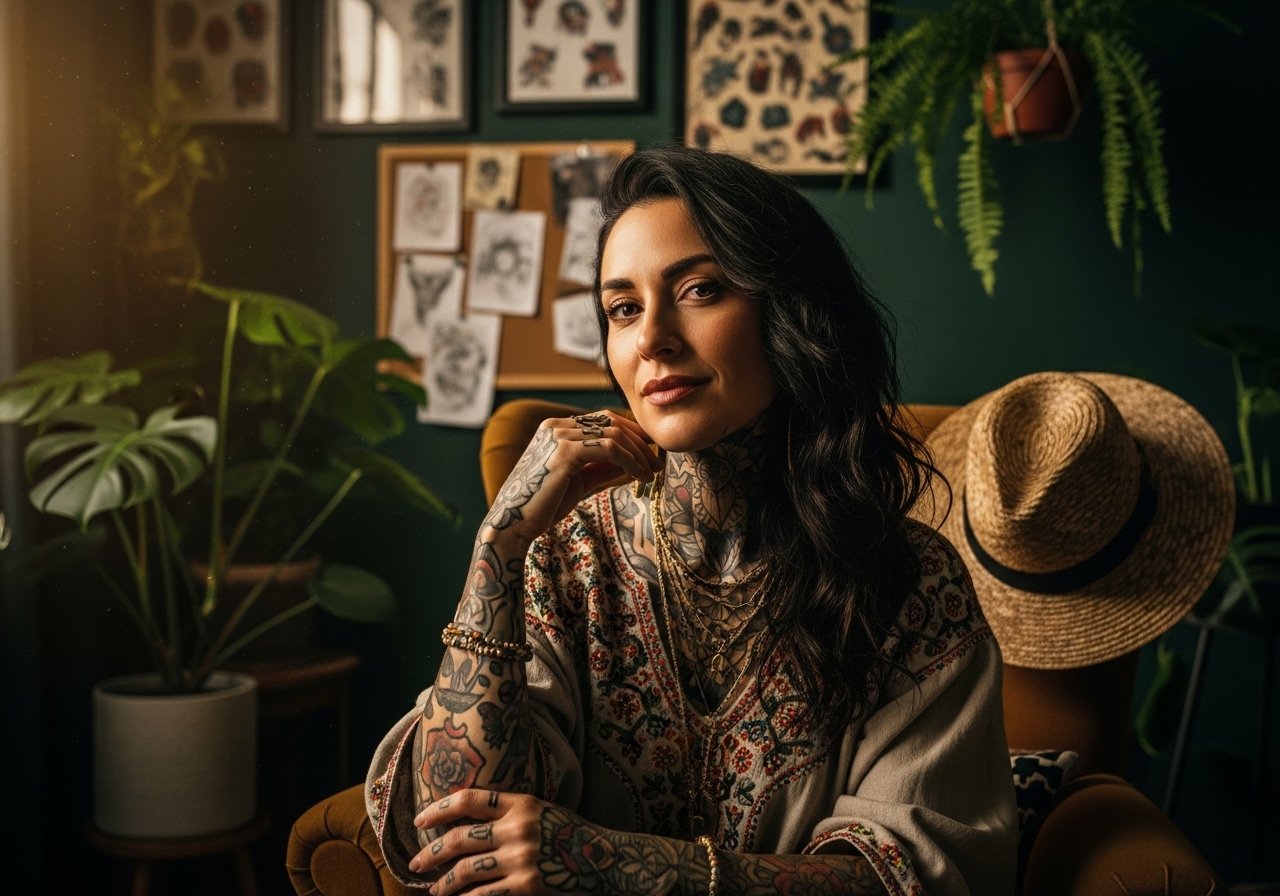
Fine line heartbeat tattoos are having a moment, but the trend-versus-reality gap is real. I've noticed pieces that look effortless on a feed often need touch-ups, especially on wrists and ribs, and small waves of linework are the first to soften. Pain and daily friction change how the design reads after a year. Read on for heartbeat ideas that aim to look intentional both fresh and healed, and what to ask your artist first.
1. Minimalist Heartbeat Line on the Inner Forearm
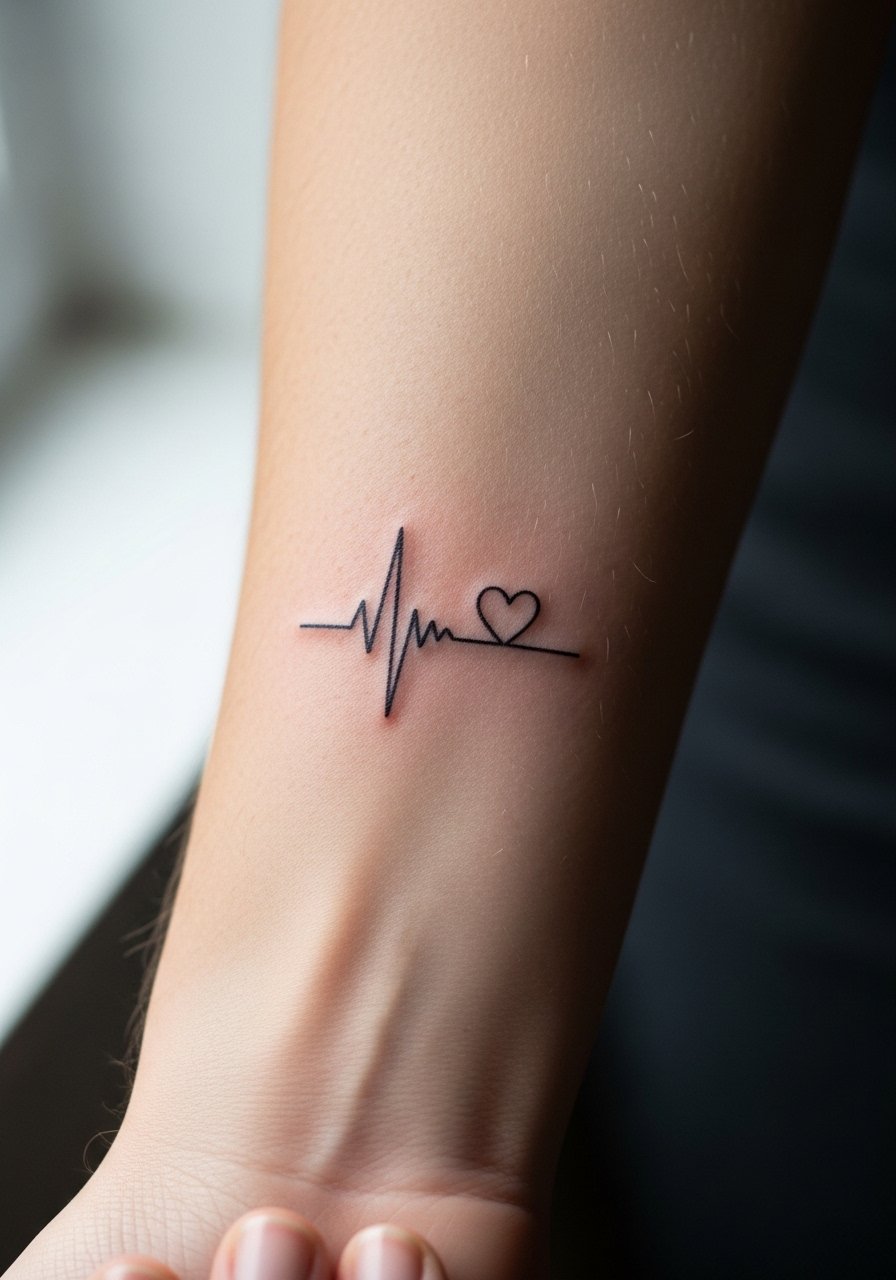
I open with a forearm piece because it is one of the most forgiving spots for fine line work. I've seen this style wear well when the line weight is deliberately bold enough to survive regular sun exposure but still thin enough to feel delicate. Tell your artist you want consistent needle depth and slightly increased spacing between peaks to prevent early merging. Pain is low to moderate and sessions are short. For the session wear, roll up your linen button-down so the artist has clean access without you feeling exposed. Expect a touch-up window at year two to three depending on sun exposure and how much you wash that area.
2. Stippled Waveform Across the Collarbone
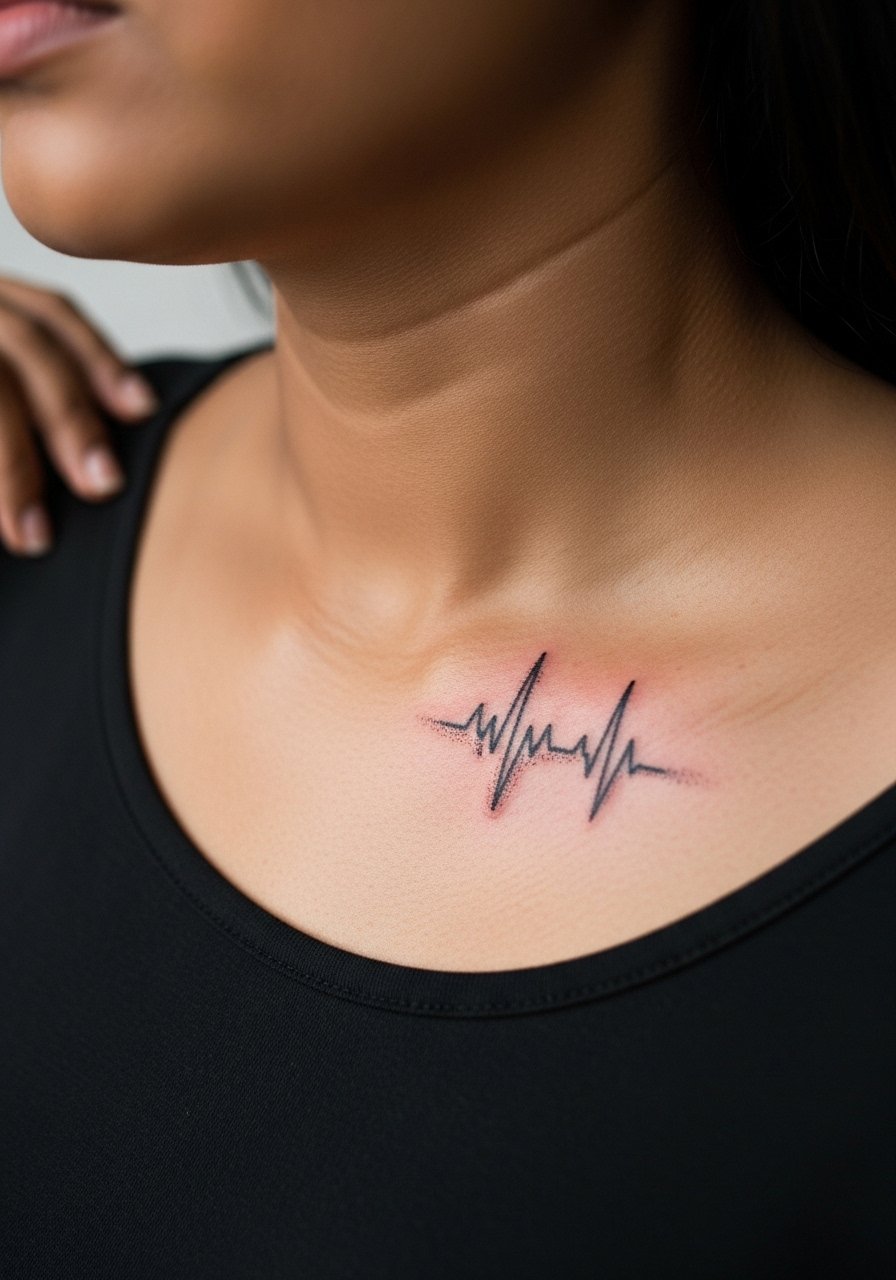
Stipple shading softens the clinical look of an EKG line into something textured and wearable near the collarbone. Fair warning, collarbone placement can feel sharp during the session, but the area usually settles into a smooth healed texture. Ask for stipple rather than solid gray wash in dense zones so the dots age more predictably. For showing it off, pair the placement with an open-back dress or a wide-neck tee. A common mistake is requesting too many tiny peaks close together, which can blur into a patch of gray over time. Expect a one-to-two hour session and a likely touch-up at year two for delicate stipple edges.
3. Watercolor Pulse That Turns Into Flying Birds on the Shoulder Blade
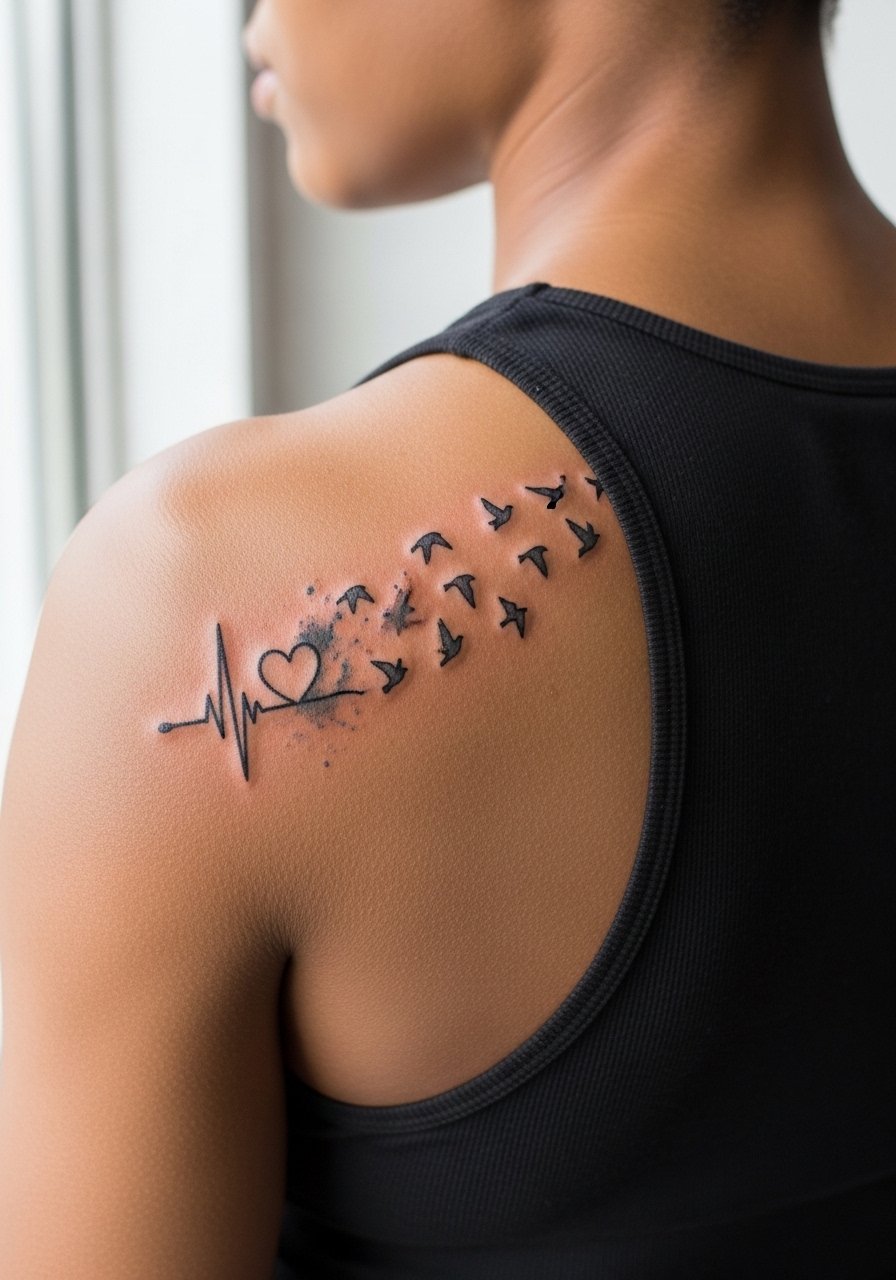
There is real drama when a heartbeat line bleeds into watercolor washes that become birds at the end. The shoulder blade is forgiving of color work because it gets less daily abrasion, but watercolor fades faster than saturated black. During consultation, ask your artist for anchored black linework at key points so the composition retains structure as pigments soften. Sessions feel moderate; the shoulder blade can be sore but not brutal. Avoid requesting diffuse washes with no outline unless you accept early softening. For longevity, expect a color refresh at year three to five depending on your sun habits and skin type.
4. Geometric Heartbeat That Resolves Into a Mountain Silhouette on the Upper Arm
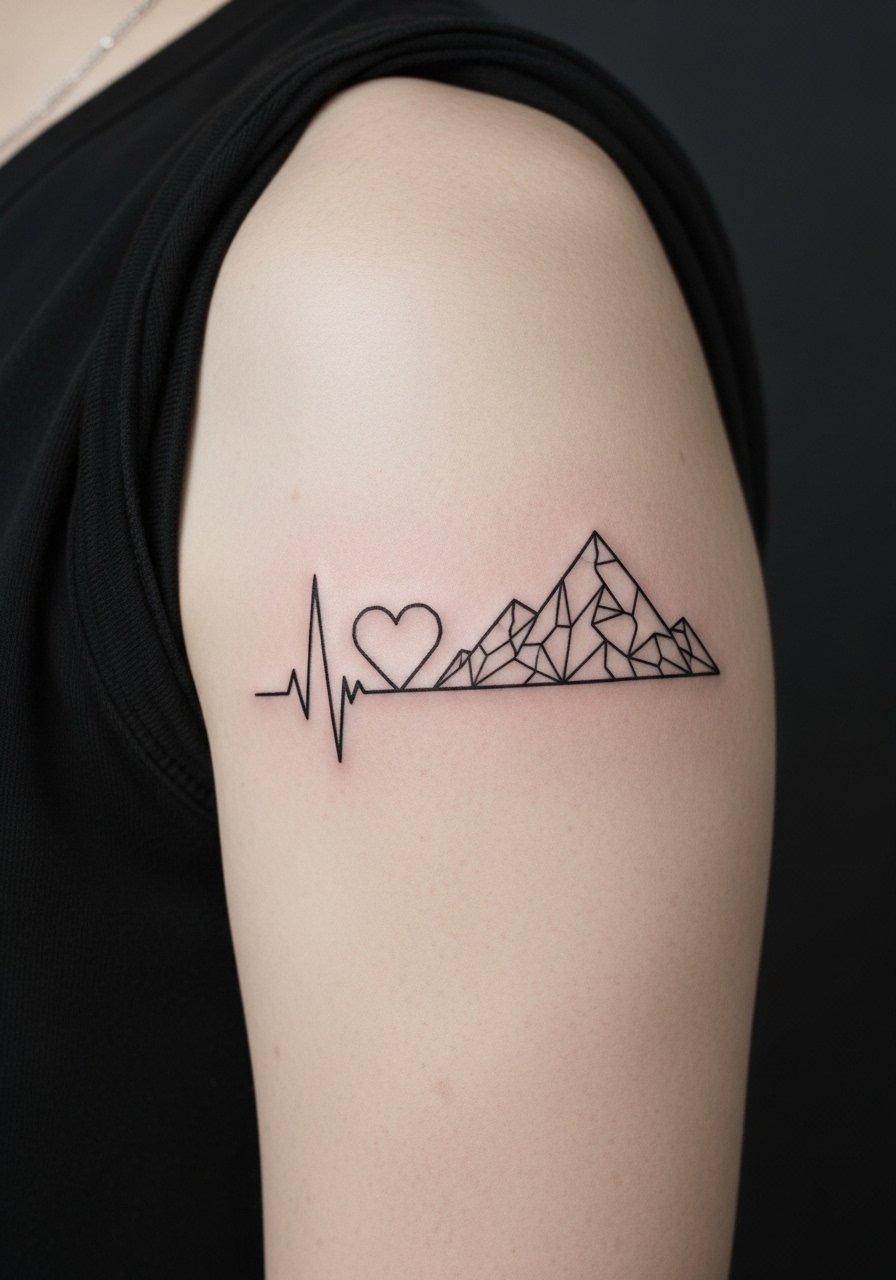
There is something about combining clean linework with geometric forms that keeps this design readable from a distance. The outer upper arm handles slightly larger line weights well, which helps prevent blowout in tighter details. In the consultation, bring landscape references that show the exact silhouette you want and specify that peaks stay separated by negative space. For session wear, pull on a loose tank top so the artist has full access. Common mistakes include stacking too much detail in a small area. Expect one or two hours and a likely touch-up at year three if you want the geometry crisp.
5. Negative-Space Pulse Ringing the Ankle
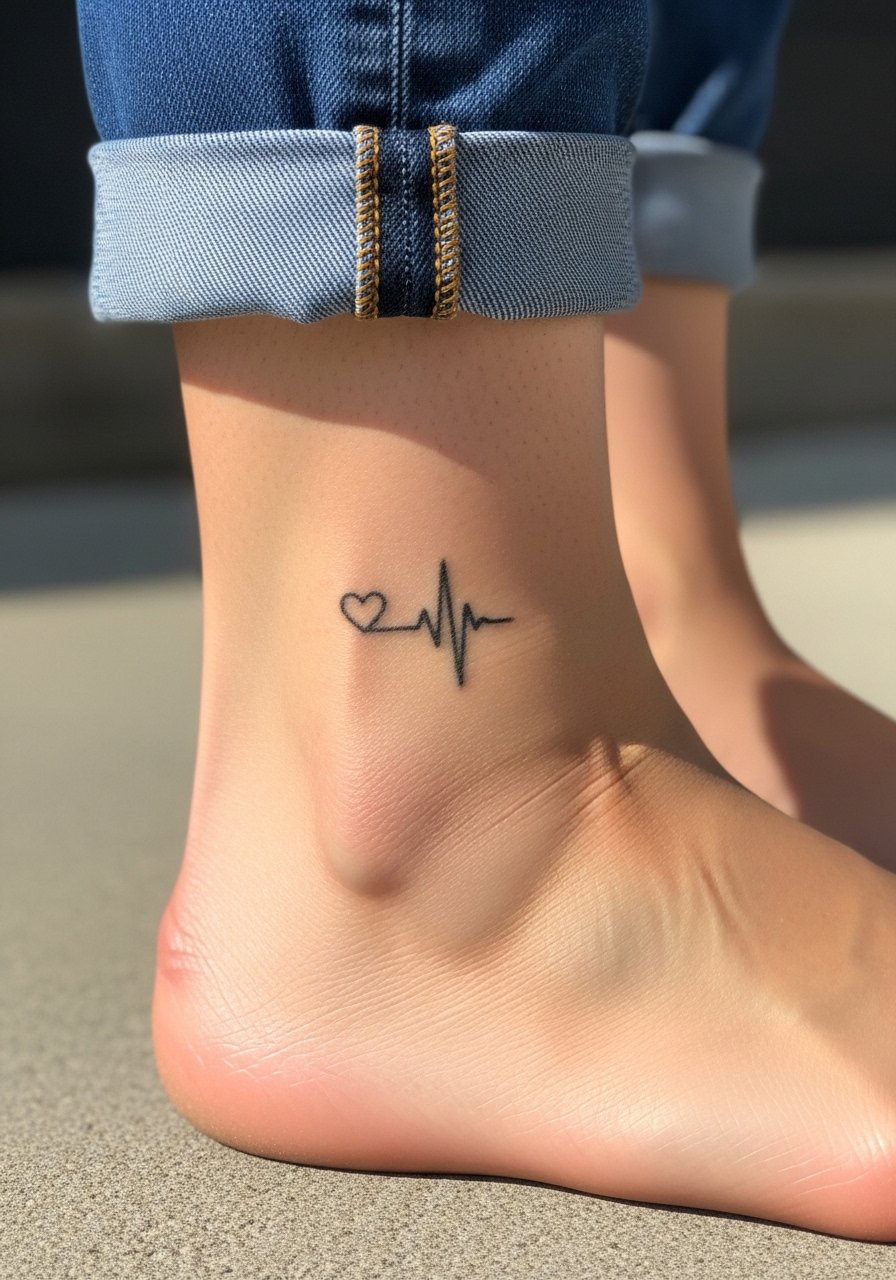
Ankle work reads like jewelry when the artist uses skin as the highlight. The trade-off is abrasion from socks and shoes. Ask for shallow linework and a slightly bolder contour so the negative-space stays clean after the first scab cycle. During the session, wear shoes you can slip off and jeans you can roll up easily. Pain is moderate and the area takes longer to fully heal because of friction. A common mistake is going too thin on the contour and then needing a touch-up because daily wear softens the edges.
6. Micro-Realism EKG with a Tiny Date Script on the Ribcage
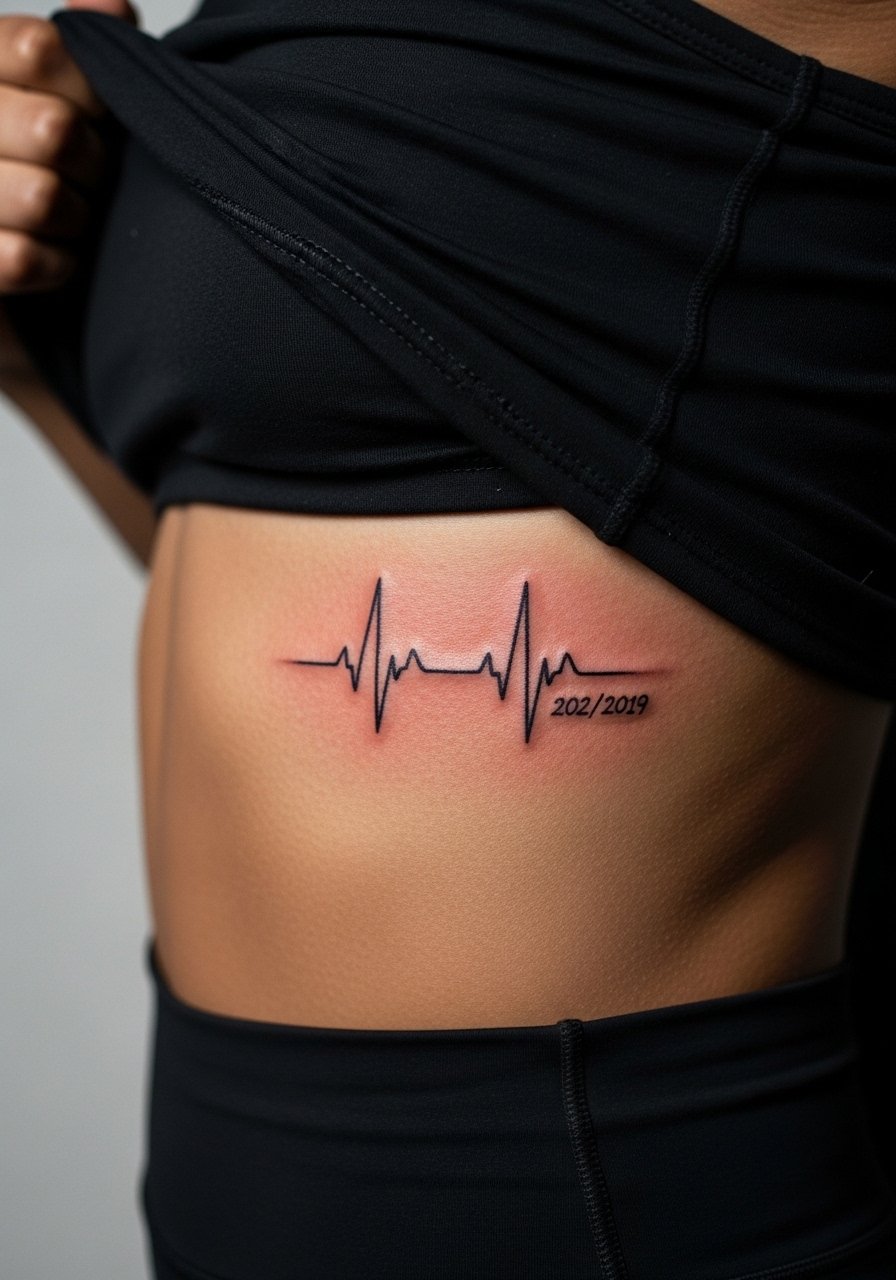
Fine line on the ribs sparks a clear split in opinions. One camp says the ribcage skin stretches and blurs fine lines quickly. The other camp insists that with deliberate needle depth and spacing, fine line can settle cleanly on ribs. I bring this up because the truth matters when booking. Expect a higher pain rating for ribs, longer sessions split over multiple sittings, and a realistic touch-up conversation at consultation. For session comfort, wear a zip-up hoodie you can pull aside so dressing is easy afterward. If you want the tiny date to remain legible, request slightly heavier script weight than you might choose for a wrist.
Studio Day Picks
The first six pieces above include wrists, ankles, and ribcage work, so a few specific items smooth the session and the first week of healing.
- Stencil transfer paper kit. Lets you preview placement on skin before the needle moves, which is especially helpful for collarbone and forearm designs.
- Topical numbing cream. Applied as recommended before a rib or sternum session it can reduce the initial sting without obscuring linework.
- Thin protective film roll. Helpful for ankle and wrist pieces that face friction from shoes and watch straps during the first days.
- Fragrance-free gentle body wash. Cleans the area without stripping natural oils that support healing, important for stipple and fine line work.
- Aquaphor healing ointment. A thin layer in the first 48 hours helps prevent excessive scabbing that can dull delicate lines.
7. Continuous Line Heartbeat Across the Sternum
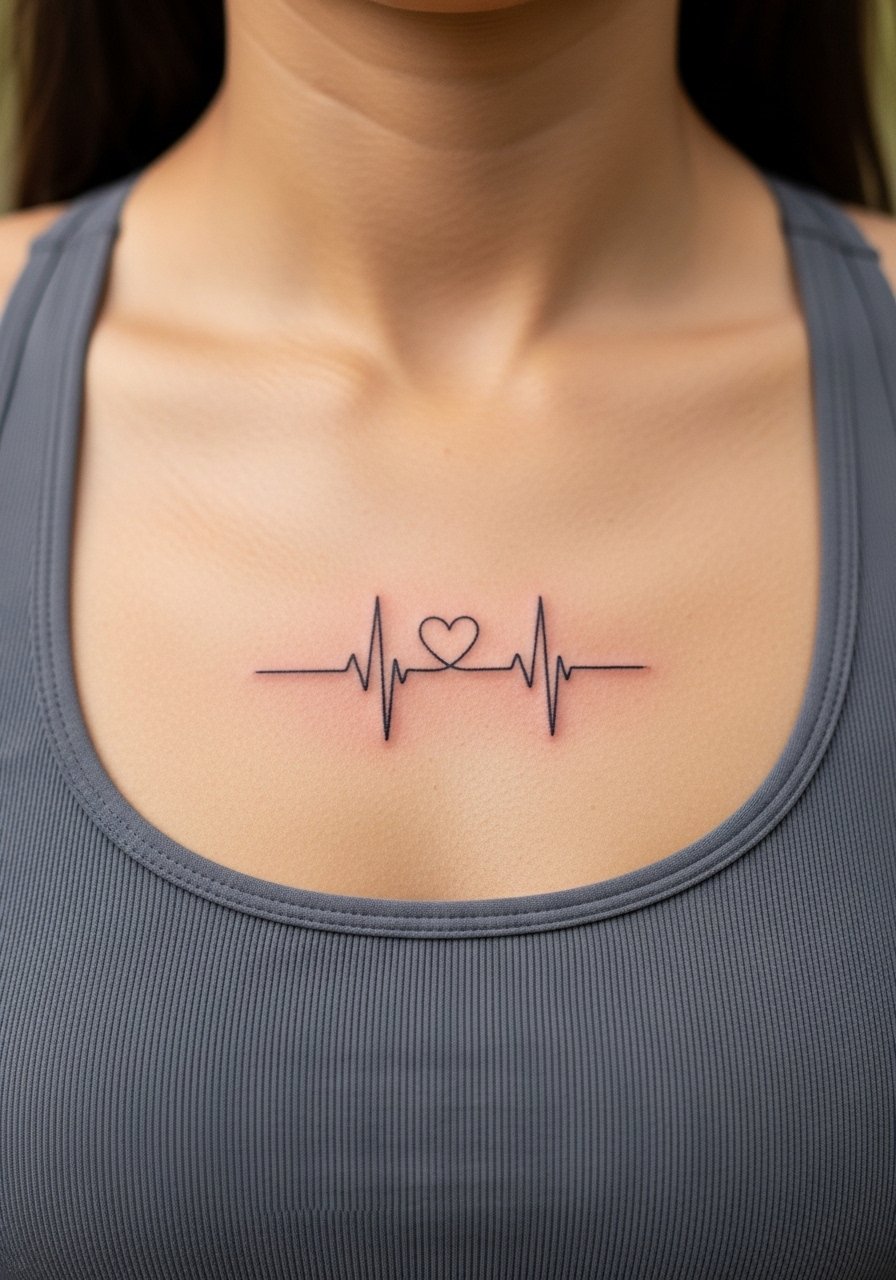
Sternum pieces sit in a visible and intimate spot that benefits from a single, confident pass. The skin there moves with breath and posture, so ask the artist to map the line while you breathe normally in the stencil stage. Sessions can be painful for some and brief for others depending on tolerance. For the appointment, wear a sports bra you can remove or shift easily so the artist has unobstructed access. A common mistake is asking for ultra-thin lines without considering the movement of the chest. Expect a touch-up conversation at consult to plan how much line weight to preserve structure over time.
8. Wrist-Encircling Heartbeat Bracelet
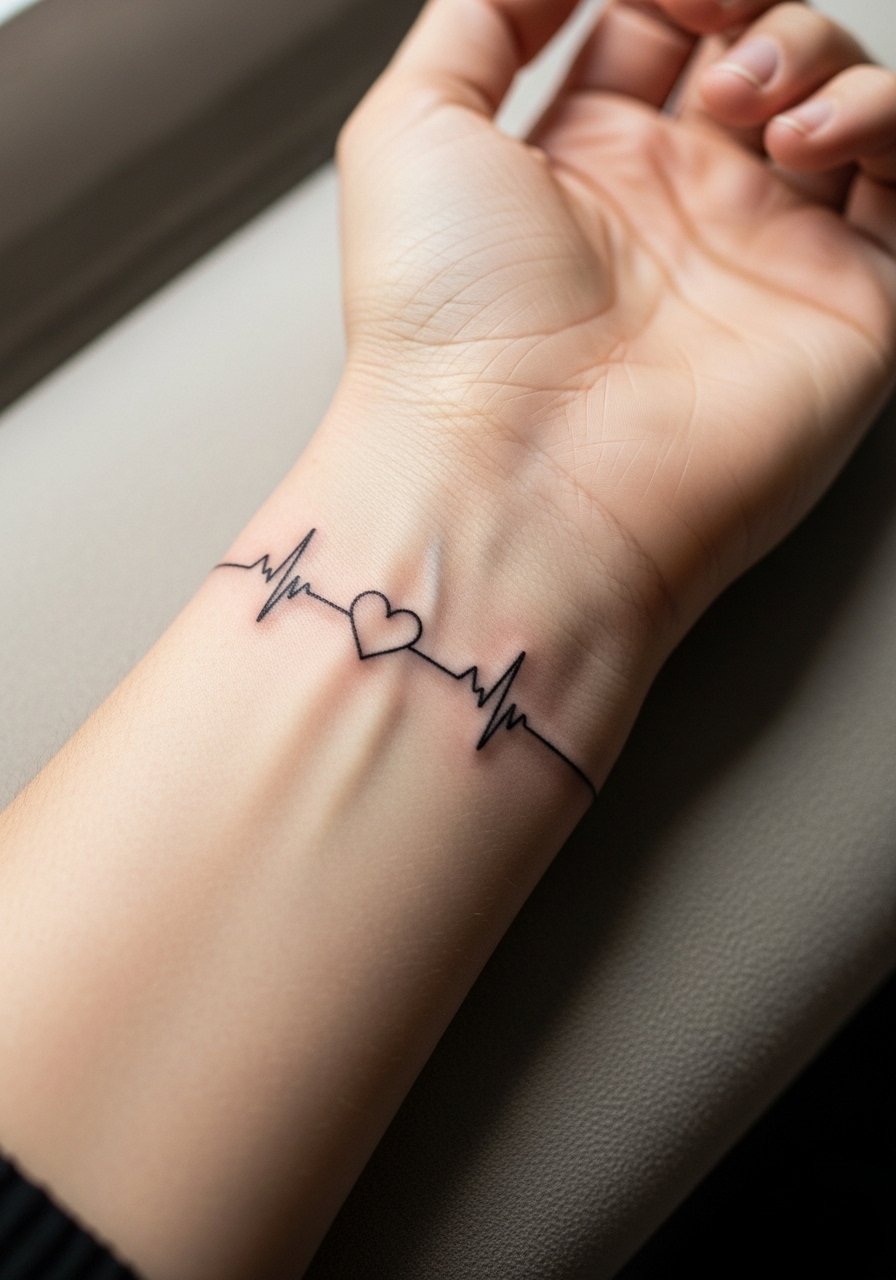
The wrist is a great place for a bracelet-style heartbeat, but it also faces constant washing and watch friction. Visual impact is high up close, and the session is quick but sensitive. Ask for a slightly bolder outline at peaks and troughs to keep the rhythm readable after the first healing cycle. Pair with a slim watch or stacked bracelets for the look rather than heavy cuffs that press into the fresh ink. A neat option to wear on session day is a thin chain bracelet you can remove easily so the artist has space and you can still preview how accessories will sit once healed.
9. Micro Heartbeat on the Finger with Dot Work Accent
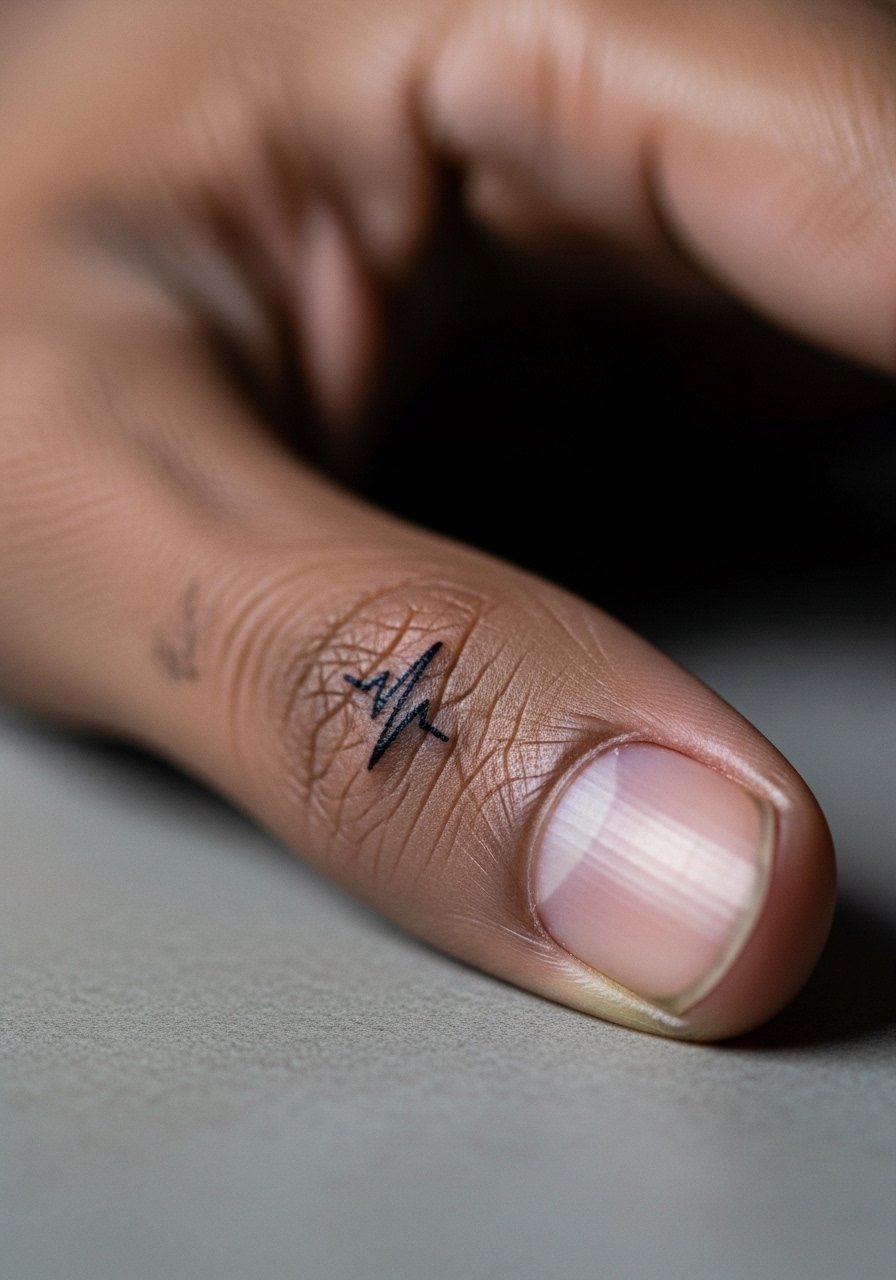
Finger tattoos read like jewelry but they are also the most likely to need frequent touch-ups. Artists and clients split into two camps about hand and finger pieces. One camp warns that constant washing and thin skin make lines blur quickly. The other camp argues that bold enough line weight and strategic placement can hold up with periodic maintenance. Employment considerations still matter for some roles, so think about career impact before committing. A common mistake is trying ultra-fine detail on a fingertip area. If you want the look without constant upkeep, discuss slightly bolder peaks and a maintenance plan during the consult.
10. Abstract Waveform Panel on the Outer Forearm
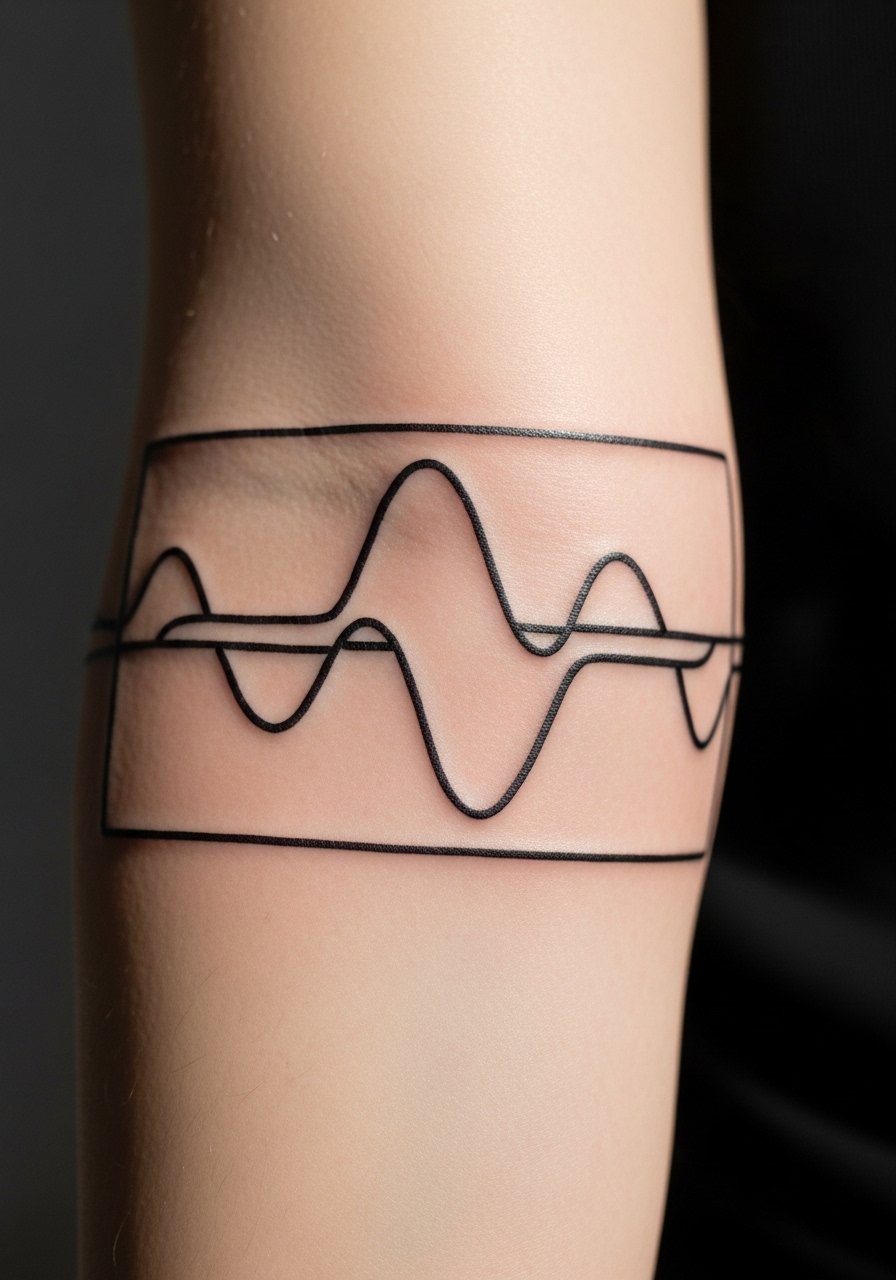
This is a versatile option if you want a chunk of arm covered without committing to a full sleeve. The outer forearm takes larger, cleaner strokes well which reduces blowout risk and ages in predictable ways. In consultation, specify negative space zones where you want the skin to show through so the whole panel breathes. Sessions are comfortable relative to ribs and chest and will likely take one sitting for a smaller panel. For showing it off, roll sleeves or wear a short-sleeve linen shirt that frames the design. A common mistake is packing too many tight details in the panel; leave room for the design to settle.
11. Constellation-Linked Ankle Pulse
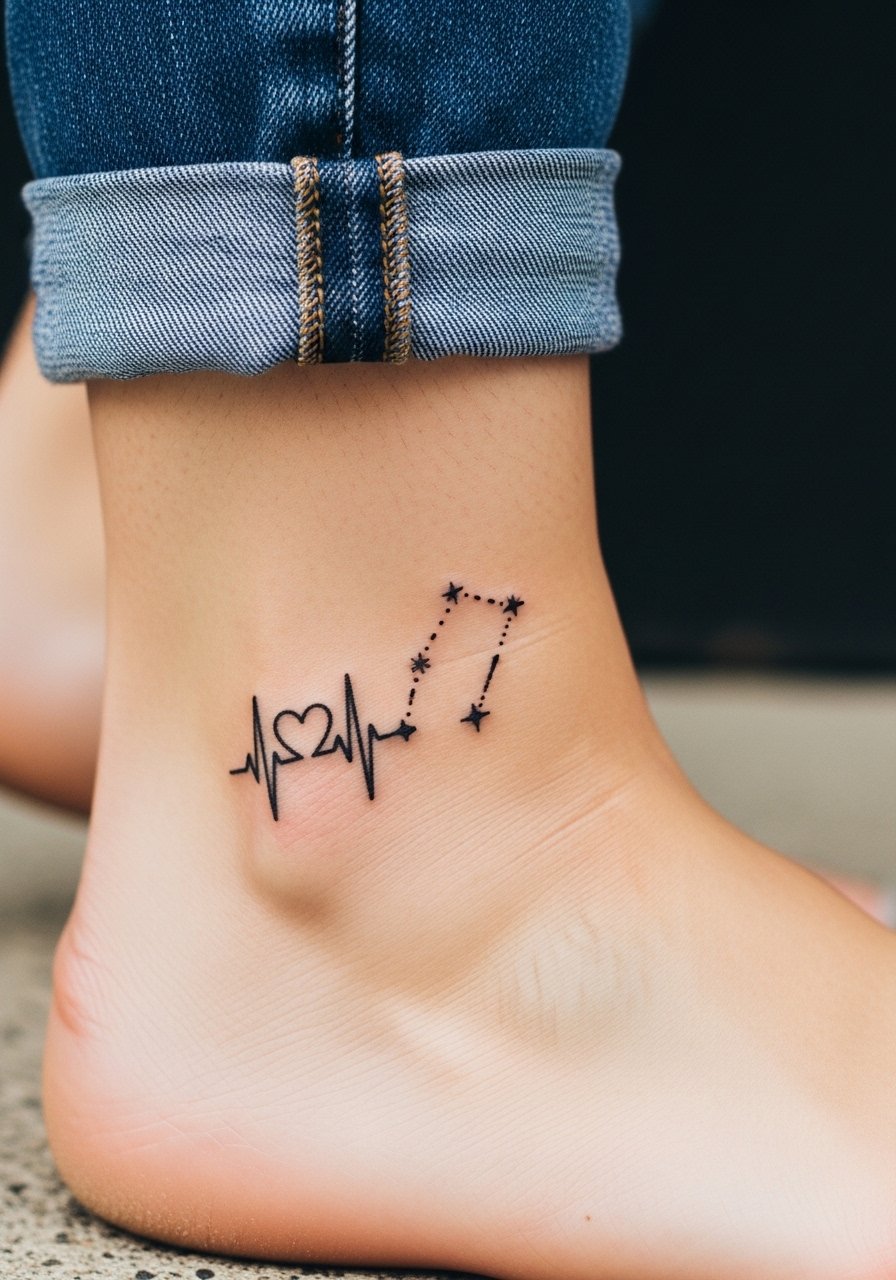
Pairing a heartbeat with tiny starwork creates a subtle narrative that travels well on the ankle. The area tolerates small dots if the artist spaces them properly to avoid merging. During the session, wear shoes that slip off easily and pants you can roll up. This is a good showing-off placement for sandals or cropped jeans, and a light ankle bracelet frames the piece without crowding the tattoo. Expect moderate soreness while seated and plan for a brief touch-up if the dots soften after the first year.
12. Soundwave That Resolves Into a Heart on the Upper Chest
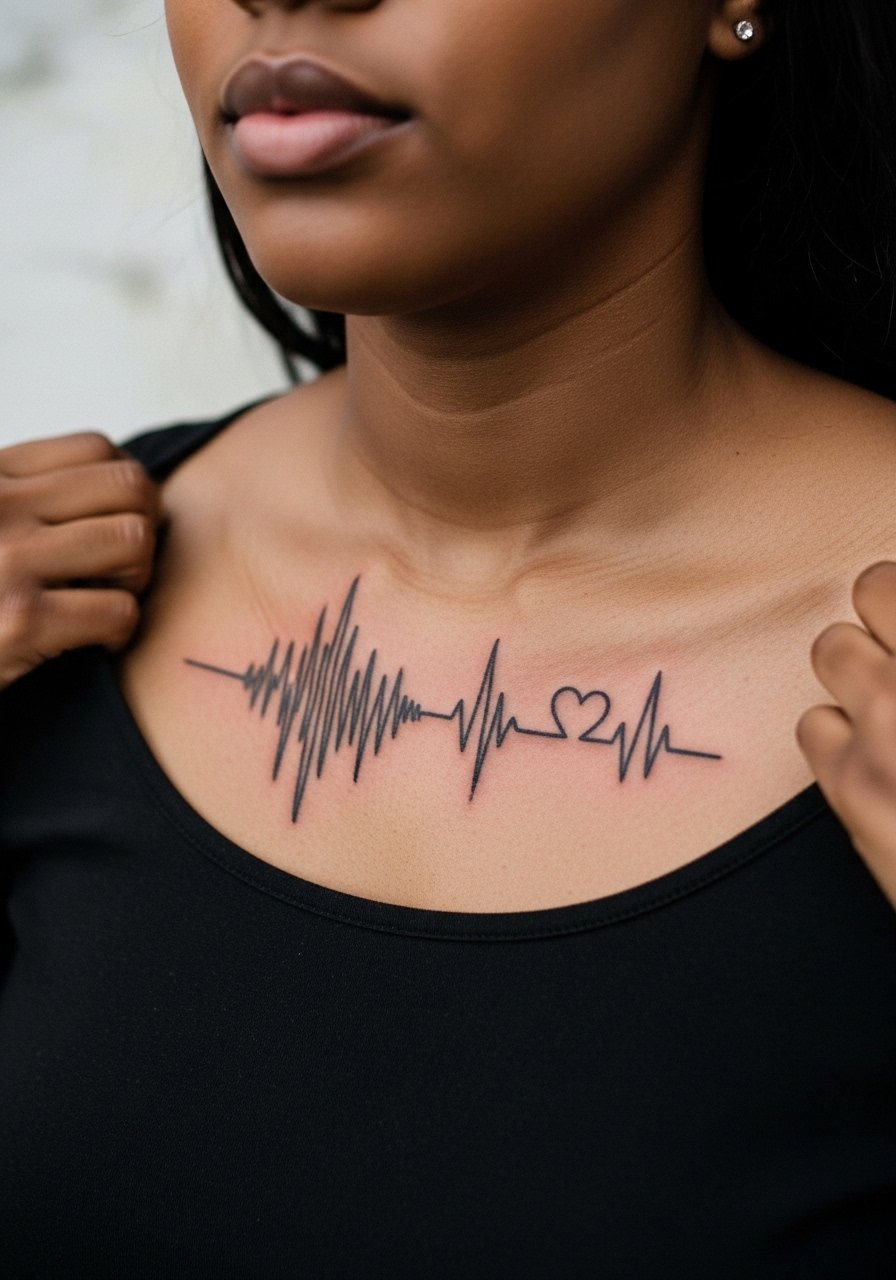
This design reads like a visual shorthand for a specific moment. Upper chest placements are visible and react to movement, so precision in the stencil stage matters. Ask your artist to check the angle of the soundwave against your collarbone in multiple poses before starting. Sessions can be moderate in discomfort and may require breaks. A frequent error is starting the wave too close to the neck where tension and movement risk distorting the design. For a wardrobe pairing, a wide-neck top will let the piece peek out during everyday wear.
13. Floral Transition Spine Piece That Hints at a Heart Rate
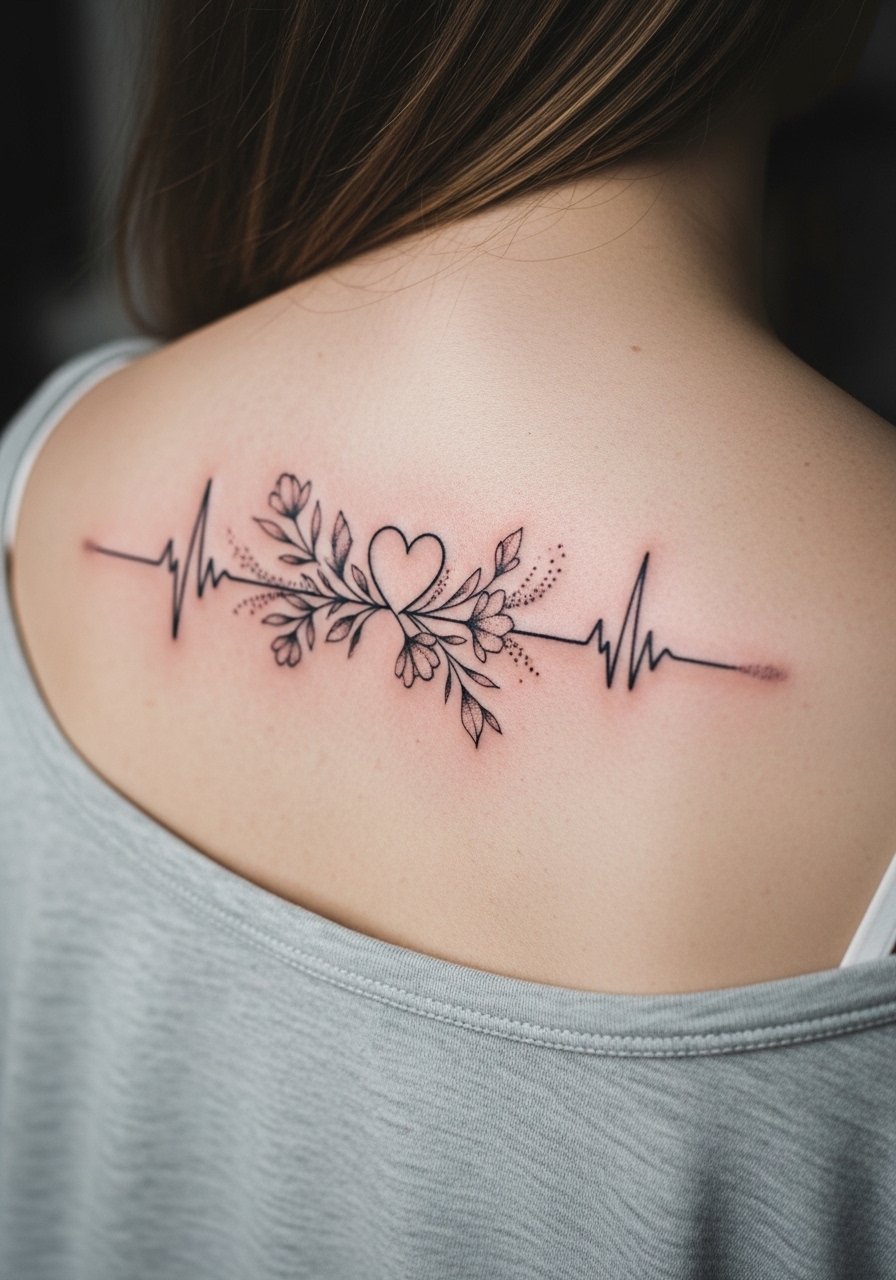
Spine pieces look particularly elegant with vertical compositions that flow with the body. The upper spine is visible in open-back looks and holds larger, more saturated elements well. For consultations, ask the artist to test the stencil while you move to ensure the rhythm reads when you bend or sit. For showing off, pair it with an open-back top so the spine reads as intended. Pain varies by person; expect a few breaks. Avoid asking for overly fussy micro-detail in high-tension zones.
14. Bold Blackwork Pulse on the Outer Chest
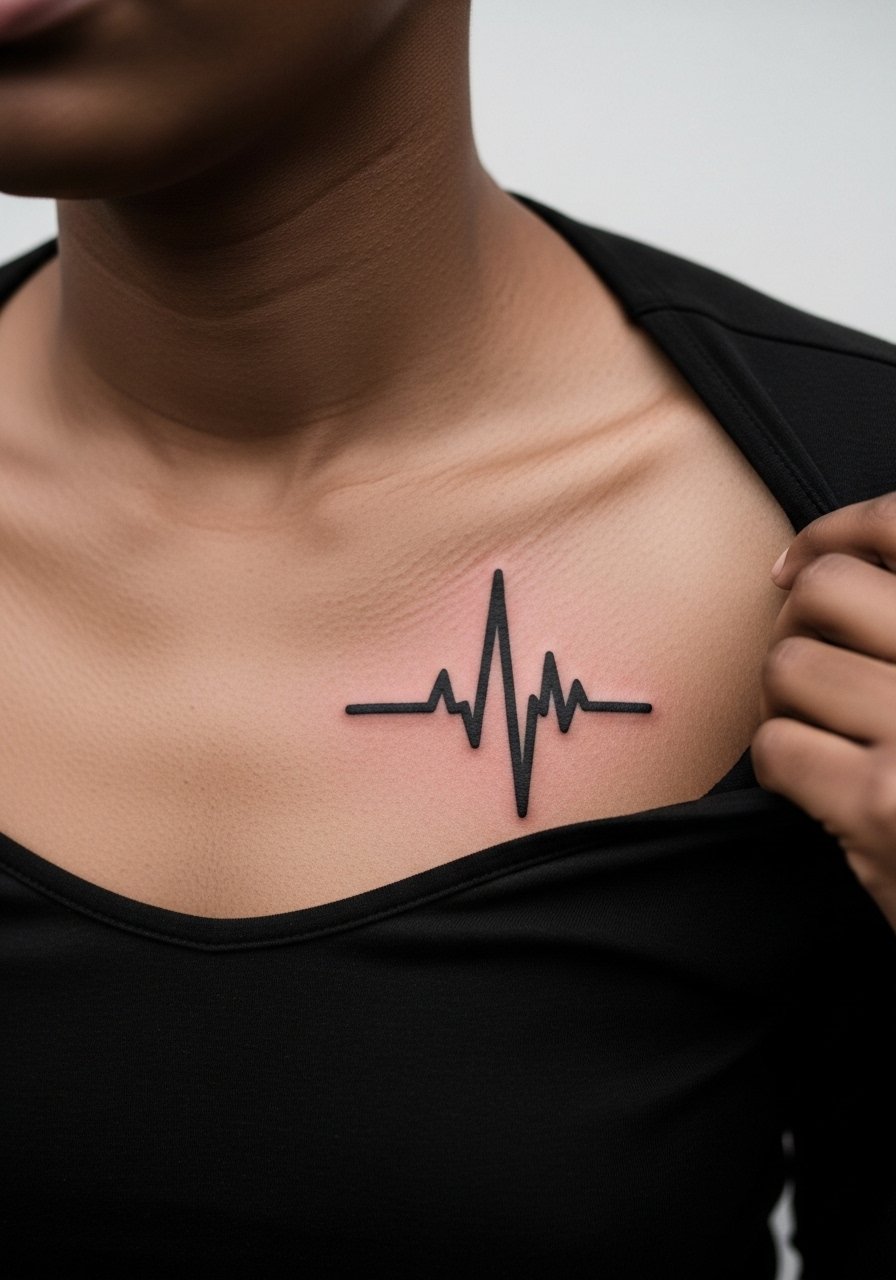
When your heartbeat is done in bold blackwork it reads like a graphic emblem and ages into a strong silhouette. The outer chest tolerates saturation and the bold approach reduces the need for early touch-ups. During consultation, specify that you prefer solid fills at junctions instead of tiny thin connectors. Session time is moderate and depends on saturation. The common mistake here is requesting small, dense black areas that trap scabs; ask your artist about spacing and healing expectations. For post-session comfort, a loose shirt you can slip off easily is the easiest option.
15. Tiny Pulse Behind the Ear
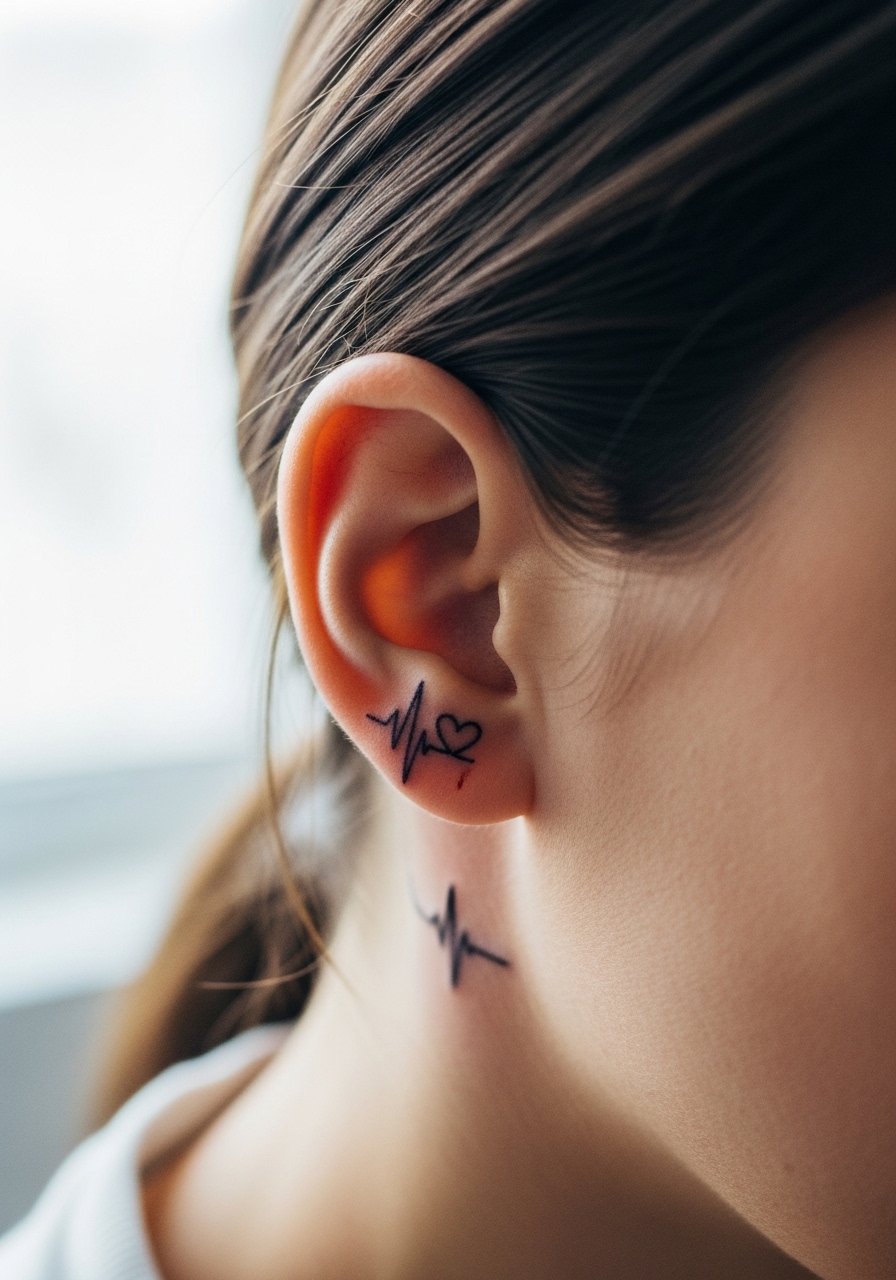
Behind-the-ear work is intimate and subtle, and it reads differently as hair grows or is tucked behind the ear. The area is quick to tattoo but tends to lose contrast faster than forearm work. Make sure you describe hairline placement during the consult and ask for slightly heavier peaks if you want lasting legibility. For session comfort, a stylistic after photo will look best with hair pinned up. Keep in mind that changes to your hairstyle can hide or reveal this spot over time.
16. Calf-Length Pulse Ribbon That Sits Neatly With Boots

The calf gives you space to run a longer, flowing heartbeat that reads while standing and walking. It tolerates both linework and saturated fills so you can play with contrast. Sessions are typically comfortable and may be finished in one to two sittings. For showing it off during cooler months, pair the piece with ankle boots and cropped denim. A practical session-day choice is pants that zip or pull down slightly to allow clean access. A common mistake is wrapping too many small elements into the ribbon which can look cluttered when the calf flexes.
17. Abstract Heartbeat Mandala on the Upper Thigh
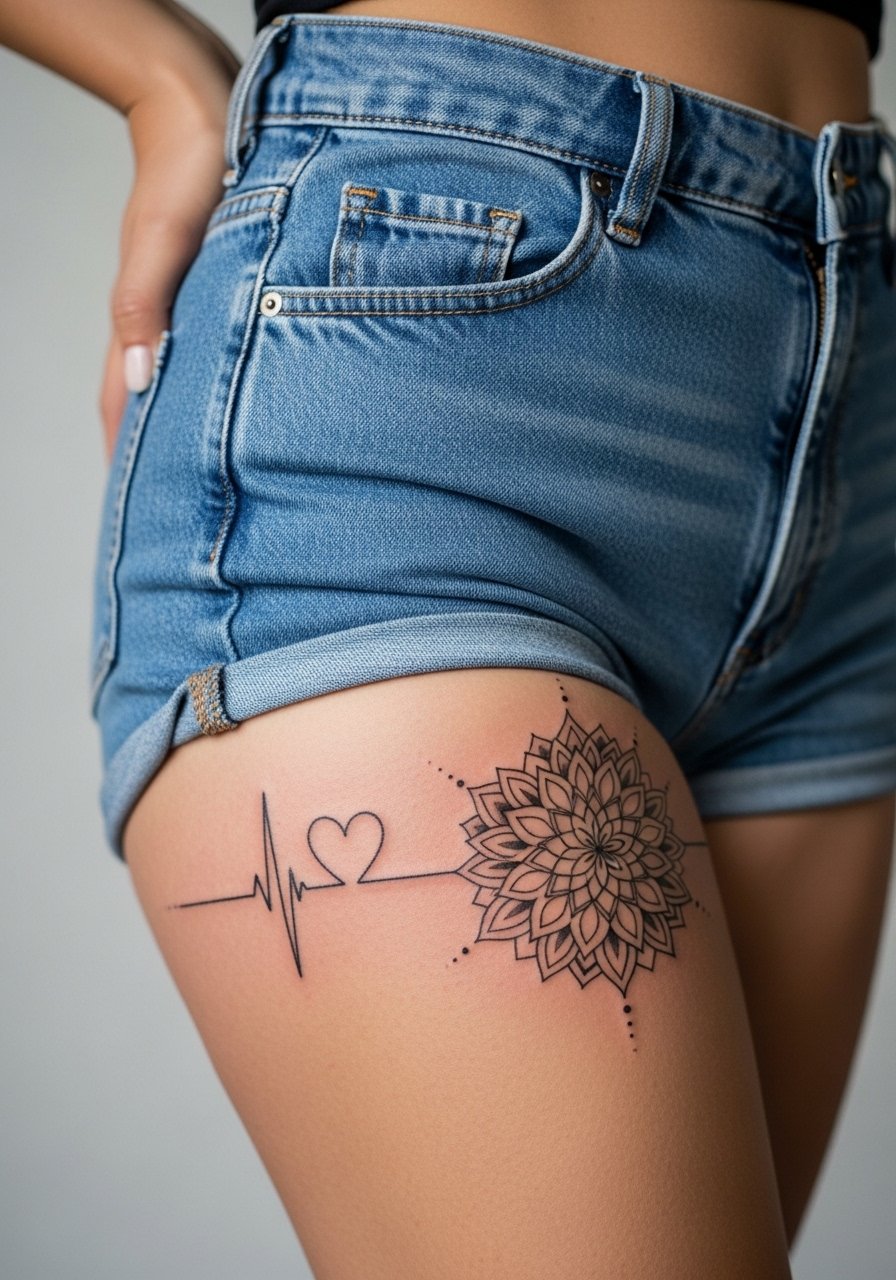
Upper-thigh placements let you combine bold and delicate work in one piece with minimal daily abrasion. The skin accepts detail well and you can plan a larger composition that is mostly private. For the session, wear high-waisted shorts or denim you can shift easily and plan to sit for a longer appointment if the piece is large. A show-off pairing for summer is high-waisted denim shorts or swimsuits that reveal the top of the piece. During consults, ask your artist how the mandala will read when you sit and bend to avoid awkward distortions.
Frequently Asked Questions
Q: Will a fine line abstract heartbeat blur faster on the wrist than on the forearm?
A: Yes, from what I've seen the wrist faces more washing and friction. The forearm gets more sun but less repeated rubbing. Ask your artist for slightly bolder peaks for wrists and plan for a possible touch-up sooner than a forearm piece.
Q: How painful is a ribcage heartbeat compared with the outer arm?
A: Ribs are usually higher on the pain scale. The outer arm is one of the more comfortable zones. Expect shorter sessions for arm work and longer, spaced sessions for ribs so you can manage pain and healing.
Q: If I want a heartbeat that includes color, will it need different aftercare?
A: Color can fade differently than black, so the healing window matters. Use the products suggested in the Studio Day Picks and keep sun off the area for several months. Plan for color refreshes at a later date if you want the hues to stay vivid.
Q: Can I get a heartbeat tattoo that still reads well if I switch careers later?
A: Hand and finger placements carry the biggest career risk in conservative workplaces. If you expect a career change, choose less visible spots or discuss subtle placements like the inner forearm, thigh, or behind the ear that can be hidden or revealed as needed.
Q: How do I find an artist who understands both fine line and bold blackwork for a hybrid heartbeat piece?
A: Search local portfolios using site directories and community threads, and look for examples where both techniques appear in the same healed photo set. Discovery pathways like community forums and tattoo directories help you compare work that shows healed results rather than only fresh photos.
Q: Should I book a touch-up appointment right away for very fine heartbeat lines?
A: Touch-up timing depends on placement and your skin. I recommend a touch-up plan in the consult for fine work, often at the one- to three-year mark, rather than booking immediately. That gives you time to see how your body heals the piece and lets the artist correct any predictable softening.