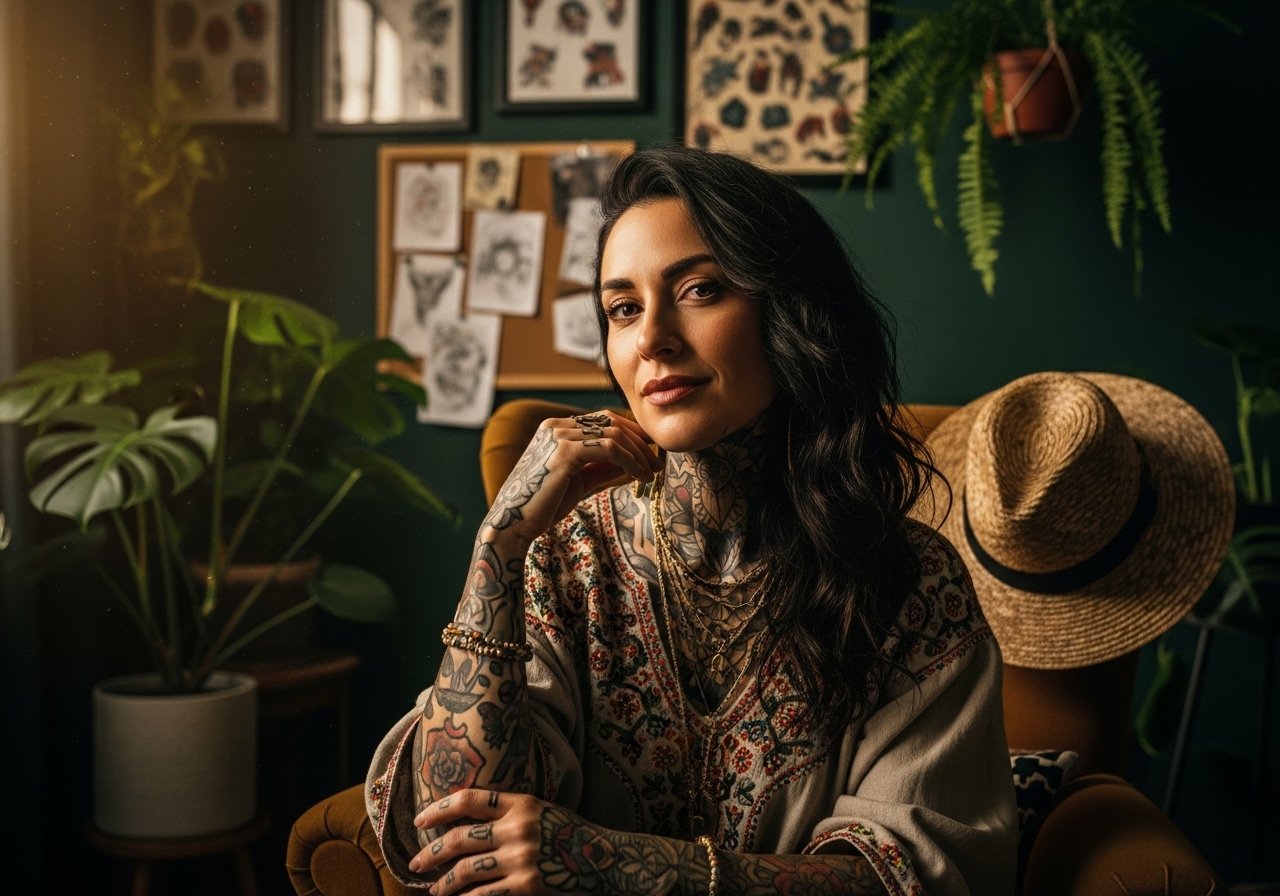
Fine line memorial pieces are everywhere online right now, but what lasts on skin is not always what gets the most likes the day it heals. Bold blackwork and simple silhouette shapes often age into clear, readable ink, while tiny script and watercolor need careful placement and touch-ups. Read through these designs with notes on aging, consultation lines to use, and small wardrobe tips so the piece looks deliberate both fresh and healed.
1. Micro-Realism Dad Portrait on Inner Forearm
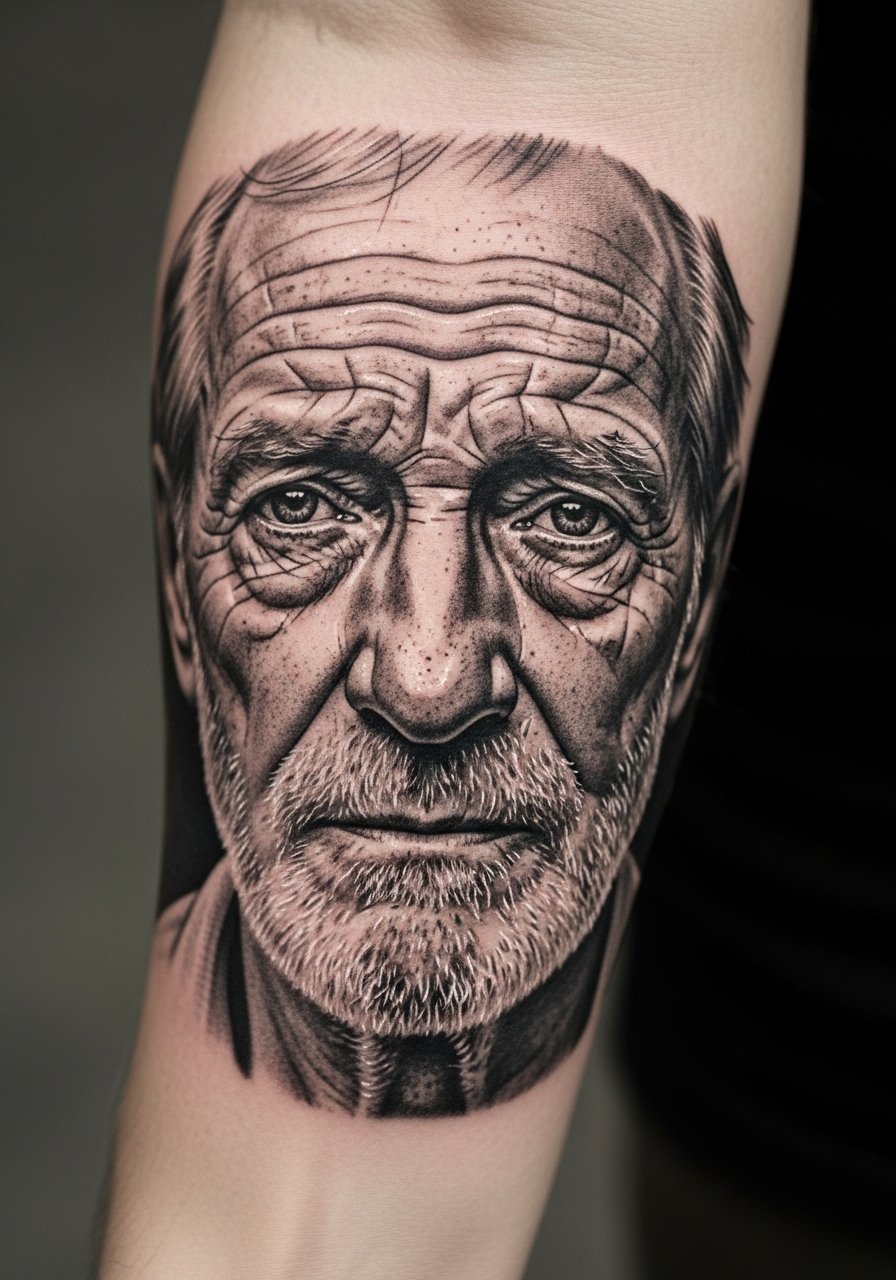
I recommend this when you want a recognizable likeness without a chest commitment. Tell your artist which facial detail matters most, for example eyes or a smile line, so they prioritize reference angles during the stencil stage. Fine realism can blur if done too small, so plan 4 to 6 inches and expect two to four sessions depending on saturation needs. Forearm sits in a medium pain range and lives under shirts often, which helps UV protection. Pairing tip for showing it off: a rolled cuff chambray shirt frames the forearm. rolled cuff chambray shirt
2. Father-and-Child Silhouette, Inner Forearm
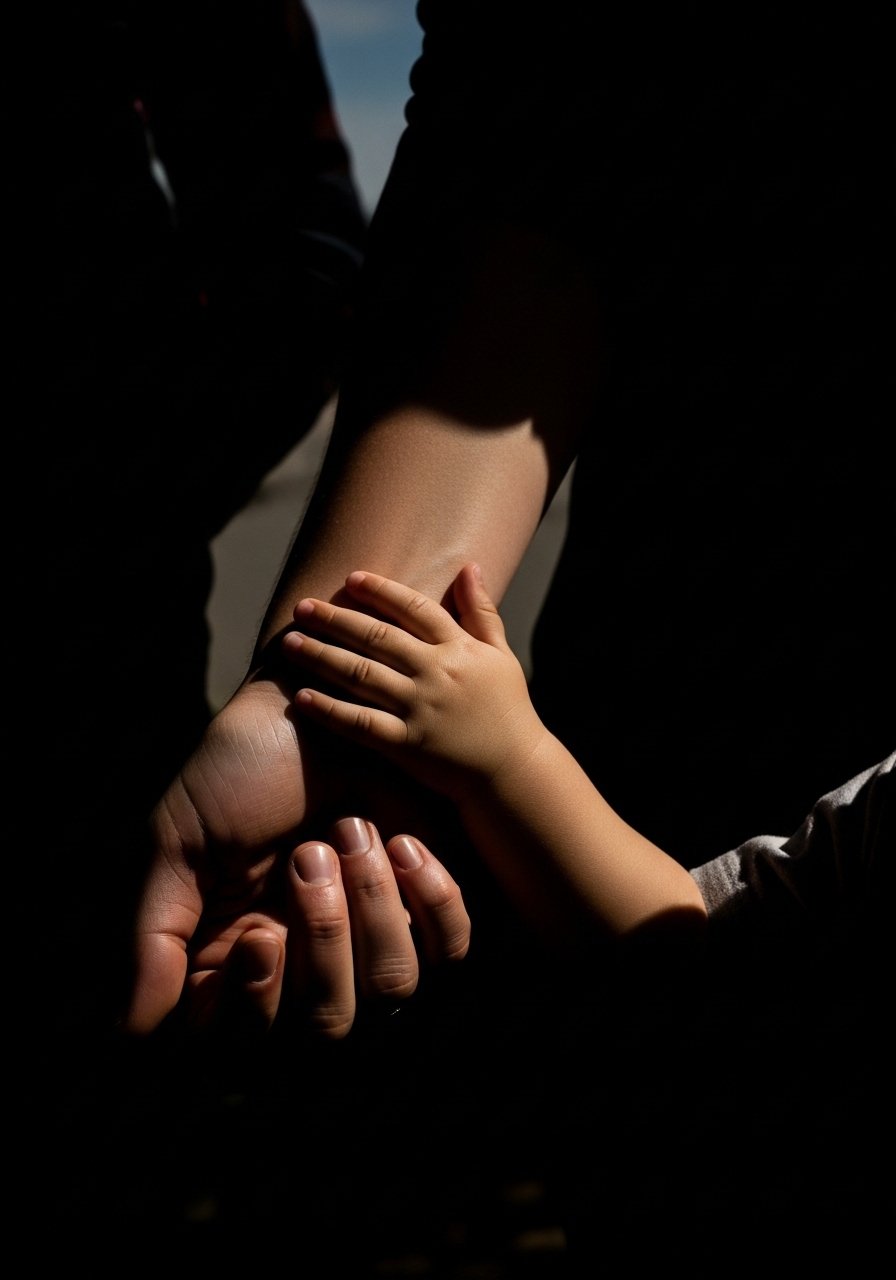
I've seen these hold up very well because they rely on negative space and bold fills rather than hairline detail. Ask for slightly thicker outlines than a typical fine line so the silhouette reads at a distance and after a few years. The common mistake is shrinking the design to wrist size; that creates merging edges within three years. Session time is usually one single visit under two hours, and pain is low. For appointment wear, a short-sleeve tee is easiest so the artist can roll the sleeve. short sleeve button shirt men
3. Script of Dad’s Favorite Line on Collarbone
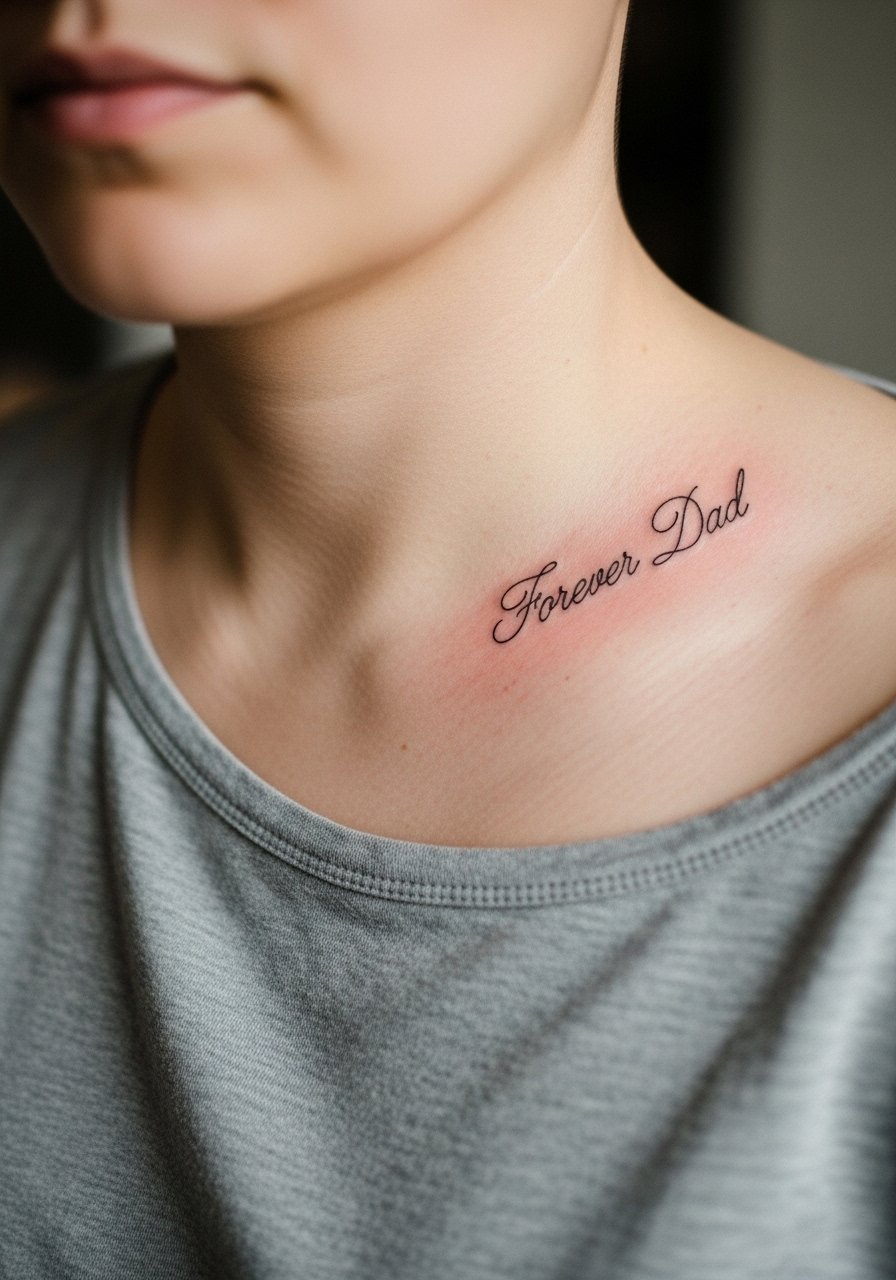
Collarbone script reads intimate when placed just above the bone. Bring the exact handwriting sample if you want a signature or handwritten note replicated. Fine script fades faster on sun-exposed collarbones, so ask for slightly heavier ink weight than the reference script to avoid early feathering. Expect a one to two hour session with sharp sensation over the bone. Show-off styling: a wide-neck shirt or thin chain pendant pairs well. thin chain pendant necklace
4. Heart with Birthdate Banner on Upper Arm
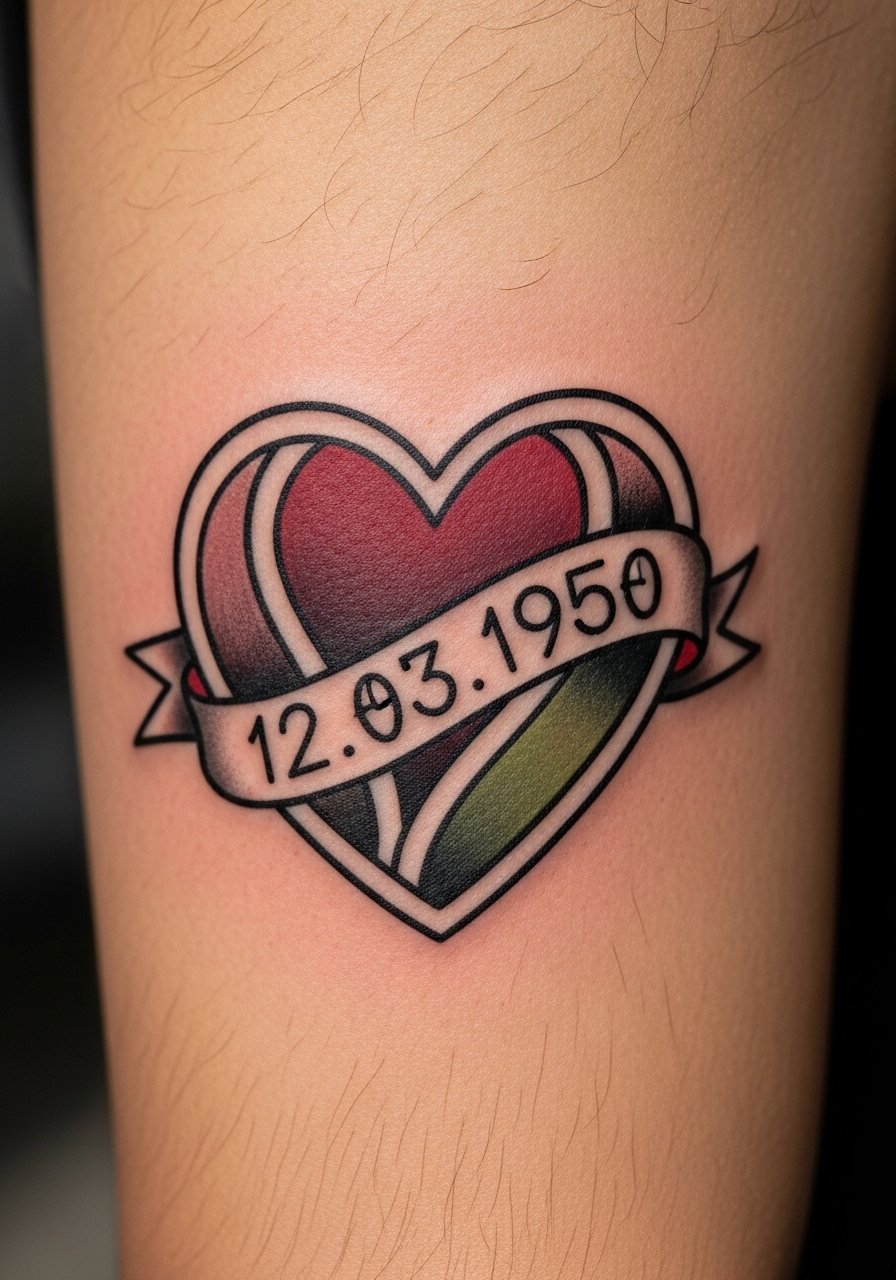
Upper-arm hearts give strong linework and color saturation room to age nicely. Tell your artist which part of the heart you want emphasized, the banner or a color fill, so they balance saturation for longevity. A common aging issue is over-saturation near edges that looks muddy after heavy sun exposure. Two sessions usually lock in color and shading. For the session wear, a loose button-down you can slide off one shoulder keeps the area accessible. open button shirt
5. Angel Wings Over Initials on Shoulder Blade
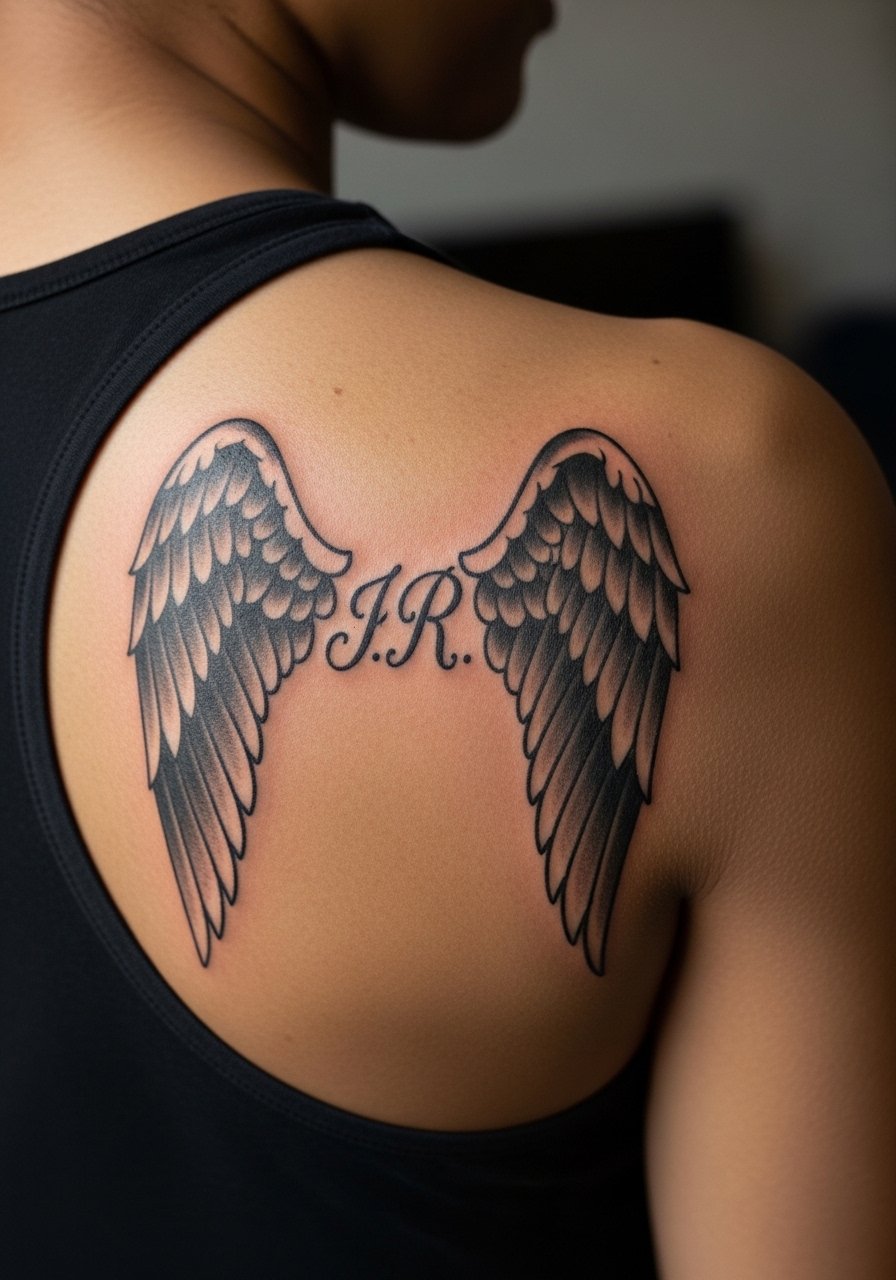
Shoulder-blade placement lets wing spans breathe and avoids arm stretch. Ask for feather stippling rather than crowded line clusters, that prevents dense areas softening into blocks after healing. This is low pain for most people but requires lying prone for a longer session. A common mistake is placing initials inside too small a flourish; keep initials bold and simple for readability. Show-off pairing includes a backless tank that reveals the wings cleanly. backless tank top
6. Minimal Fishing Rod with "Best Dad" Tag on Calf
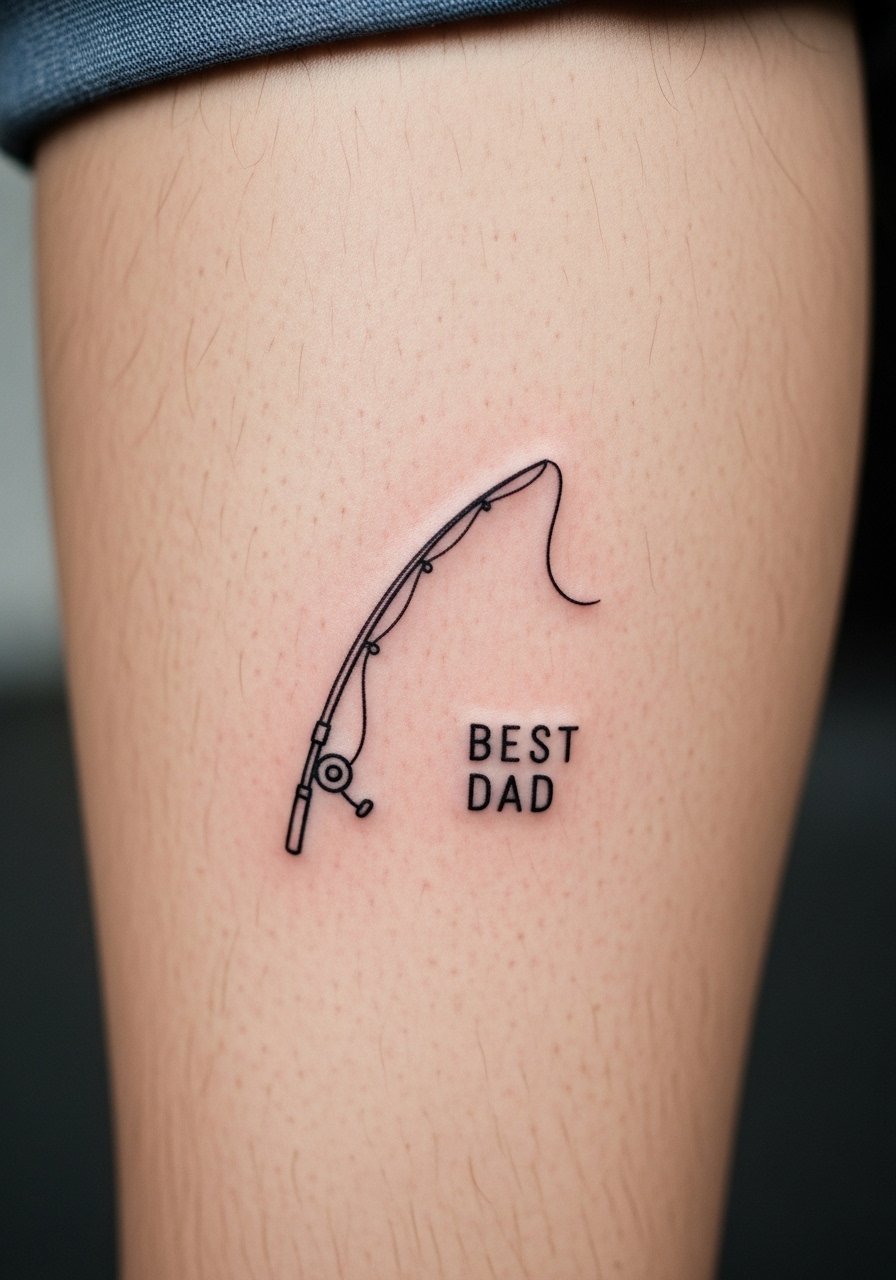
Calf placement handles slightly larger neo-traditional motifs and is low risk for blowout. For a hobby-based piece like this, bring a photo of the exact rod or reel for accuracy. Calf sessions are comfortable because you can sit and prop the leg, and they often finish in one visit. For showing it off, cuffed straight-leg jeans or shorts highlight the artwork. cuffed straight leg jeans
Studio Day Picks
These first six pieces range from wrist-scale to calf-sized work, and a few session and protection items help on chair day.
- Stencil transfer paper kit. Use it to preview placement on skin before the needle touches down, especially helpful for forearm and collarbone designs.
- Topical numbing cream. Applied before long portrait or rib sessions it eases the chair time while preserving linework.
- Thin protective film roll. Useful for hands and wrists that see friction from daily tasks during the first week.
- Fragrance-free body wash. Gentle cleansing matters when you have delicate script or fine shading on visible areas.
- Aquaphor healing ointment. A thin layer early in healing helps with moisture control for fine line and portrait pieces.
7. Watercolor Portrait Splash on Ribcage
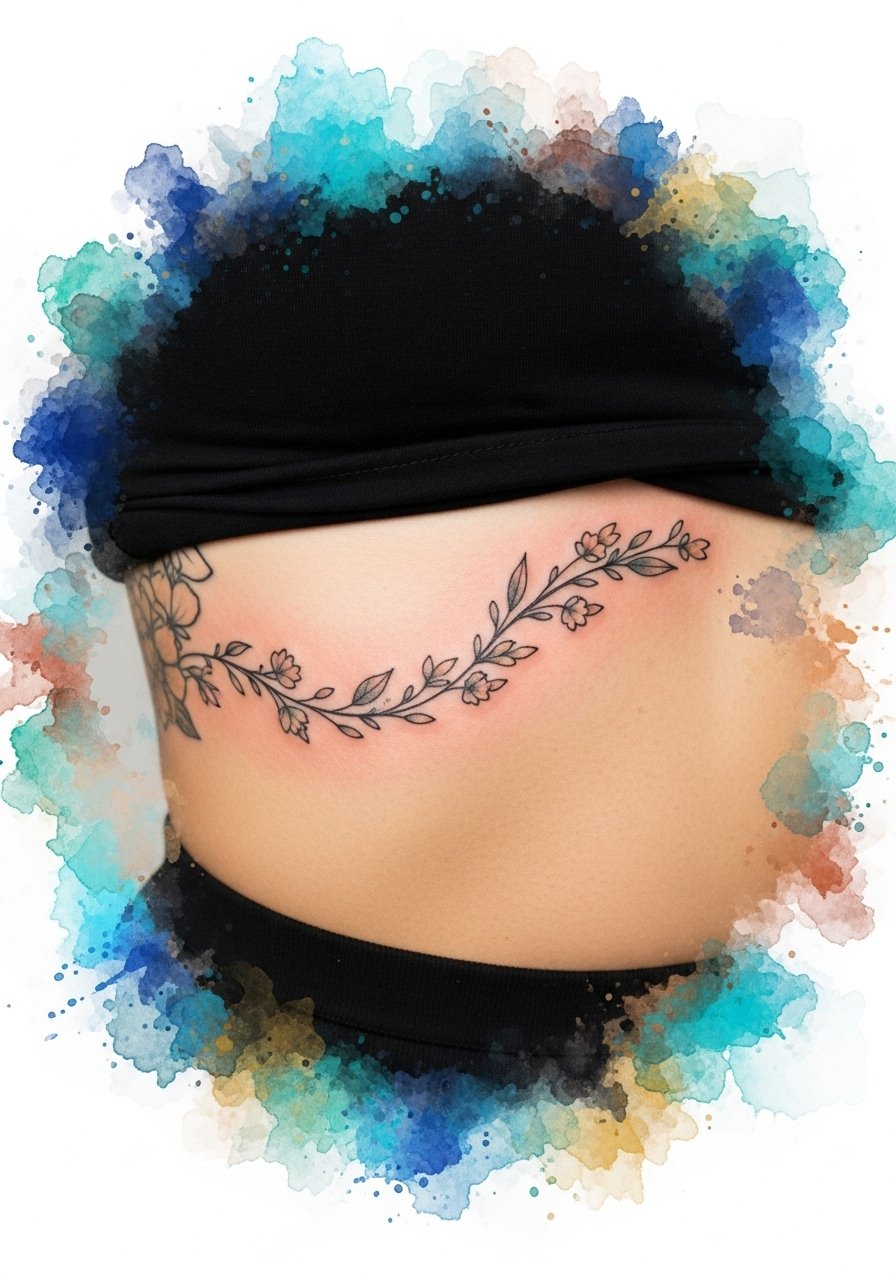
Ribcage is a high-pain placement and watercolor requires patience for blending. Artists split on whether fine watercolor edges hold on ribs. One camp argues the skin stretch and movement blur soft edges within two years. The other camp says careful saturation, spacing, and touch-ups can keep watercolor readable. If you lean this way, plan for three sessions and ask how the artist layers color so it can be retouched without losing shape. For the appointment wear, a fitted sports bra simplifies access. strapless bralette
8. Anchor with Ribbon Saying "Dad's Strength" on Outer Forearm
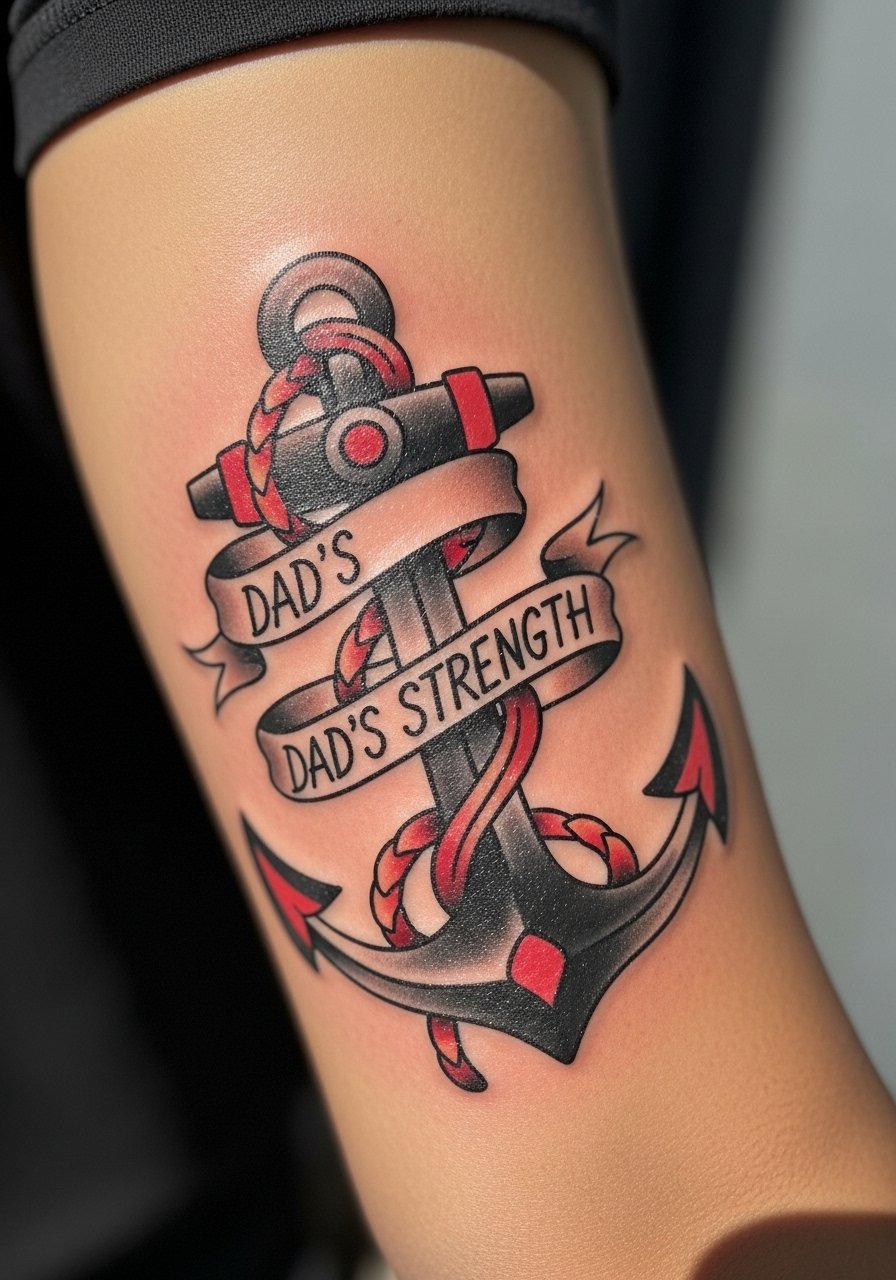
Traditional saturation and thick outlines help this style age cleanly. Tell the artist you want bold black outlines and restrained red accents so color holds without patchiness. Outer forearm is visible and easy to protect from sun, which helps long-term saturation. Session time is typically two visits if you want layered color. For showing it off, cuffed sleeves or rolled linen shirts keep attention on the work. rolled cuff chambray shirt
9. Geometric Initials Frame Behind the Ear and Neck
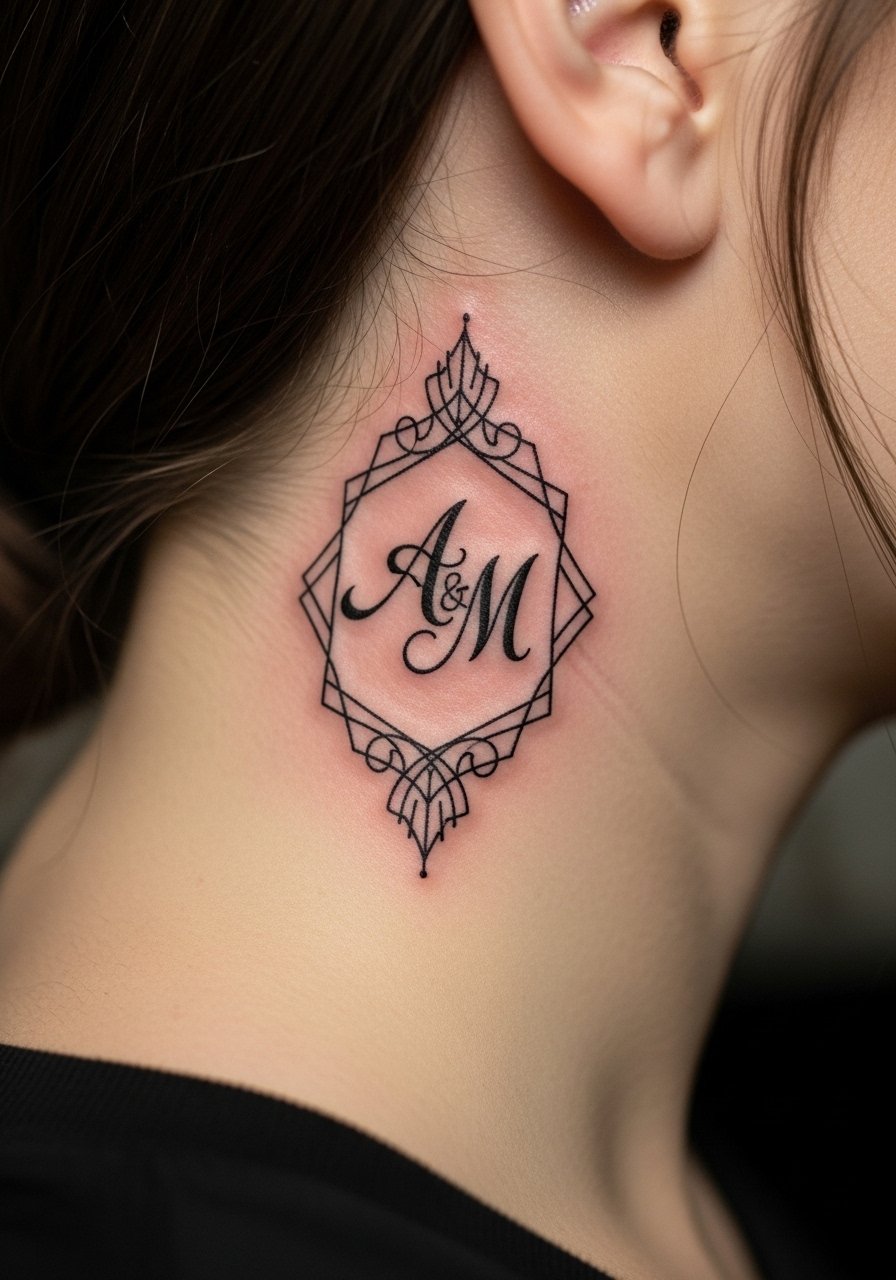
Behind-ear pieces read small and intimate but require precise line spacing or they blur on the thinner skin. Ask for minimal dot work and slightly increased line weight from the outset. This area can be sensitive, and many artists recommend a short session with crisp lines rather than long, delicate work. Because of the placement, think about career visibility. For discreet reveal, a wide-neck shirt pulled slightly aside works well at showings. wide neck shirt
10. Black-and-Gray Tools Montage on Upper Back Shoulder
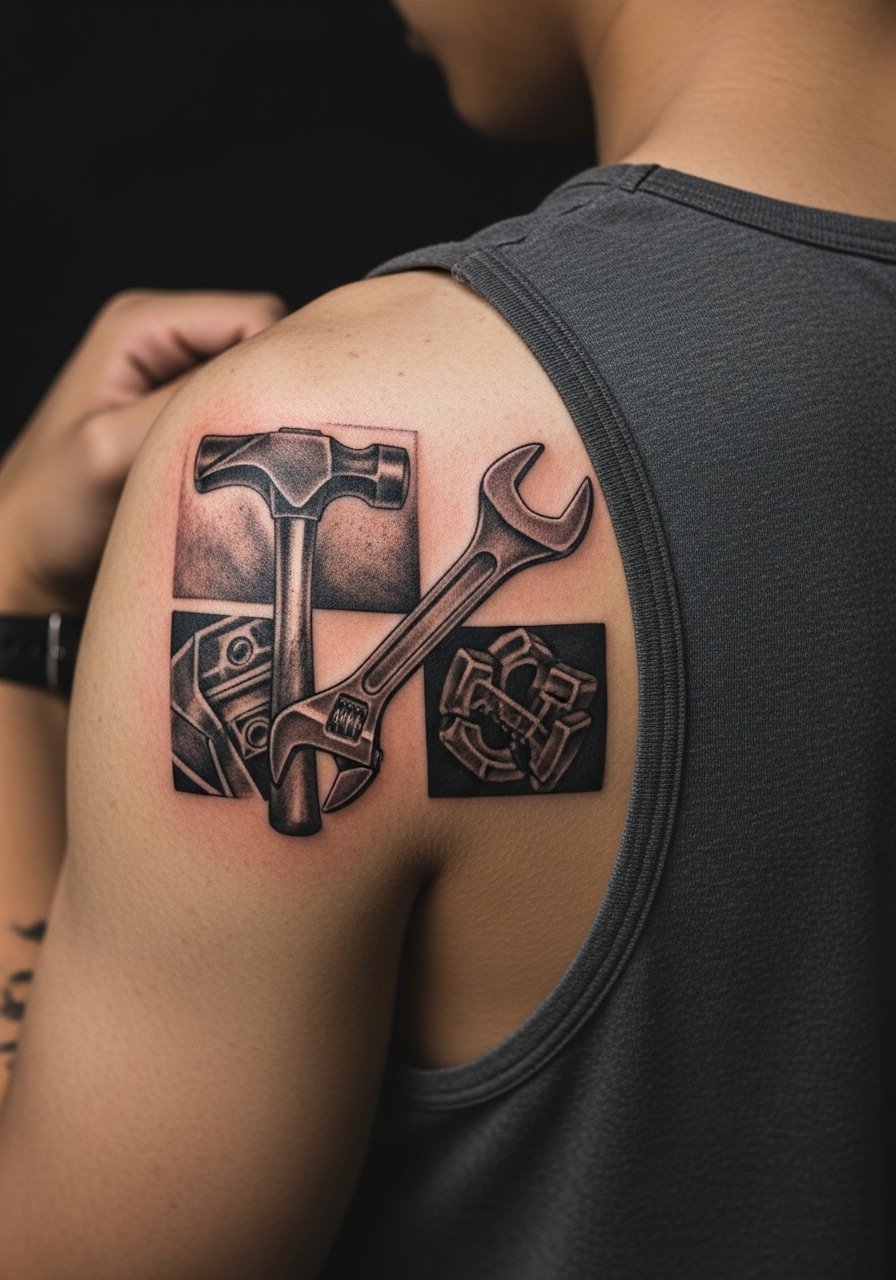
Large black-and-gray tool montages suit shoulder blades where there is a canvas for shaded realism. Tell the artist which tools are most symbolic and where they should sit in the composition to avoid cramped shading. People often ask for hyper-detail in tight spots which later looks muddy; space the objects and rely on contrast instead. Expect multiple sessions and plan to lie face-down for parts. A tank top with arm raised makes session access straightforward. tank top
11. Tiny Wrist Date in Roman Numerals
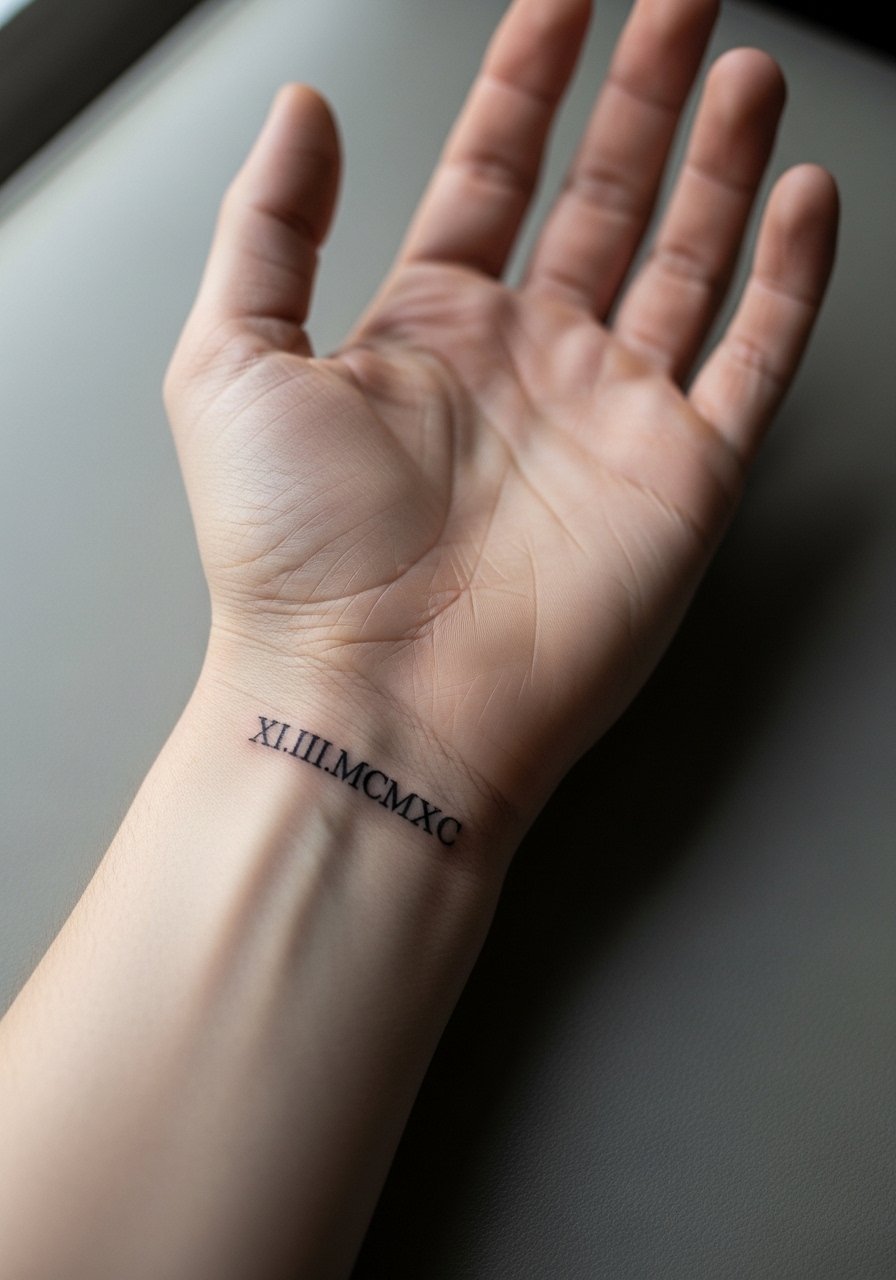
Wrist dates are subtle but at high risk of early fading if lines are hair-thin. I suggest slight line weight and modest kerning to keep numerals crisp after a year. The wrist sees a lot of washing and friction, so plan for touch-ups around year two. During the session, remove jewelry and wear a sleeveless or rolled-sleeve shirt so the artist has unobstructed access. A slim leather watch on the opposite wrist complements the piece. slim leather watch
12. Fingerprint or Handwriting Replica on Inner Bicep
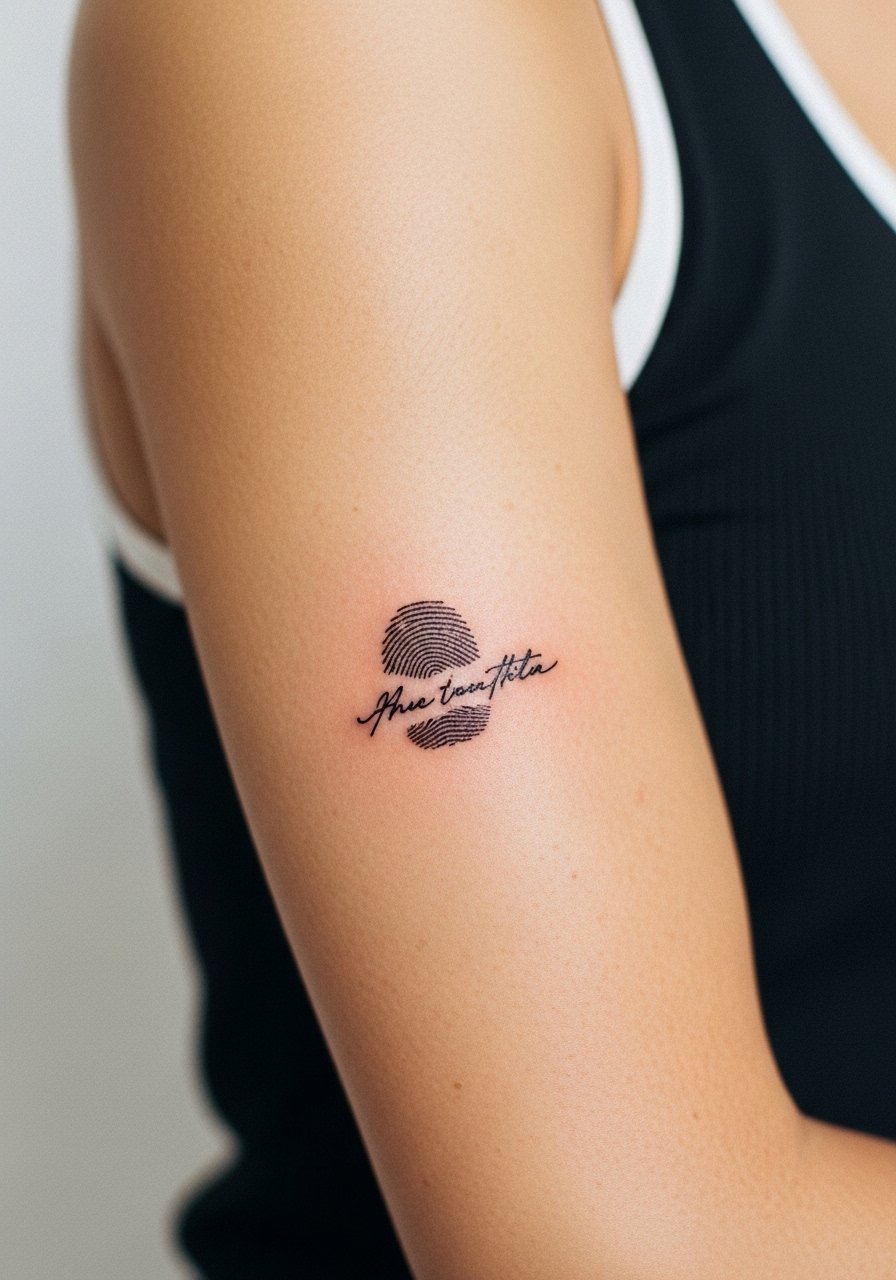
Replicating a fingerprint or a loved one’s handwriting feels extremely personal. The inner bicep has softer skin and tends to retain detail better than fingers. Bring a high-res scan and tell the artist which lines are essential so they can simplify noise for longevity. Pain is moderate and the session often finishes in under two hours. Professionals caution against exact fingerprints for legal reasons but many opt for stylized versions. For session ease, a tank top is ideal. loose tank top
13. Pocket Watch Stopped at Dad’s Time on Chest
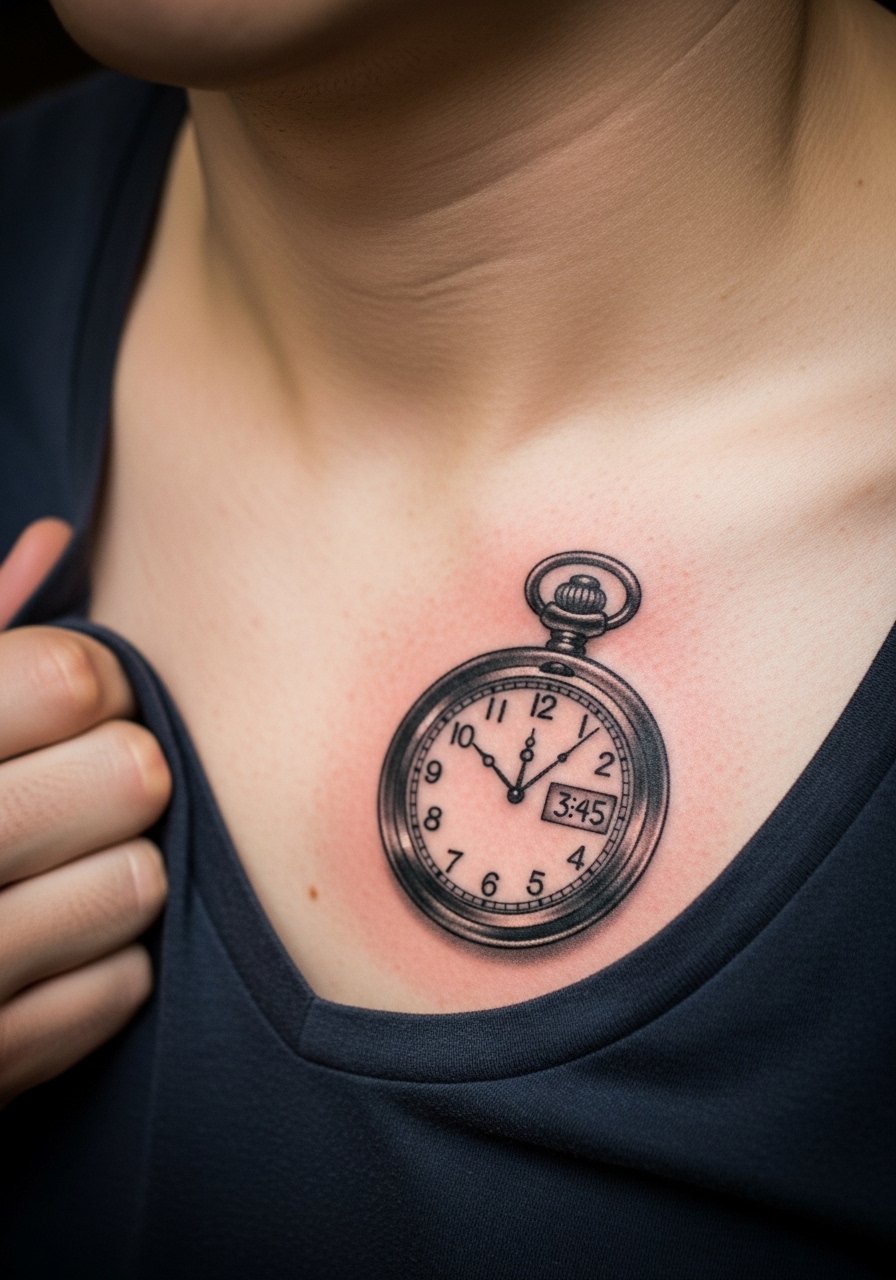
Chest pieces read close to heart and suit micro-realism or precise linework. For a watch, specify the exact time and whether you want Roman numerals, because visible numbers should be rendered cleanly. The rib and chest area can be sensitive; expect moderate pain and possibly two sessions for depth. Consider a V-neck tee for easier reveal in casual settings. v neck t-shirt men
14. Anchor-Compass Combo with Coordinates on Outer Forearm
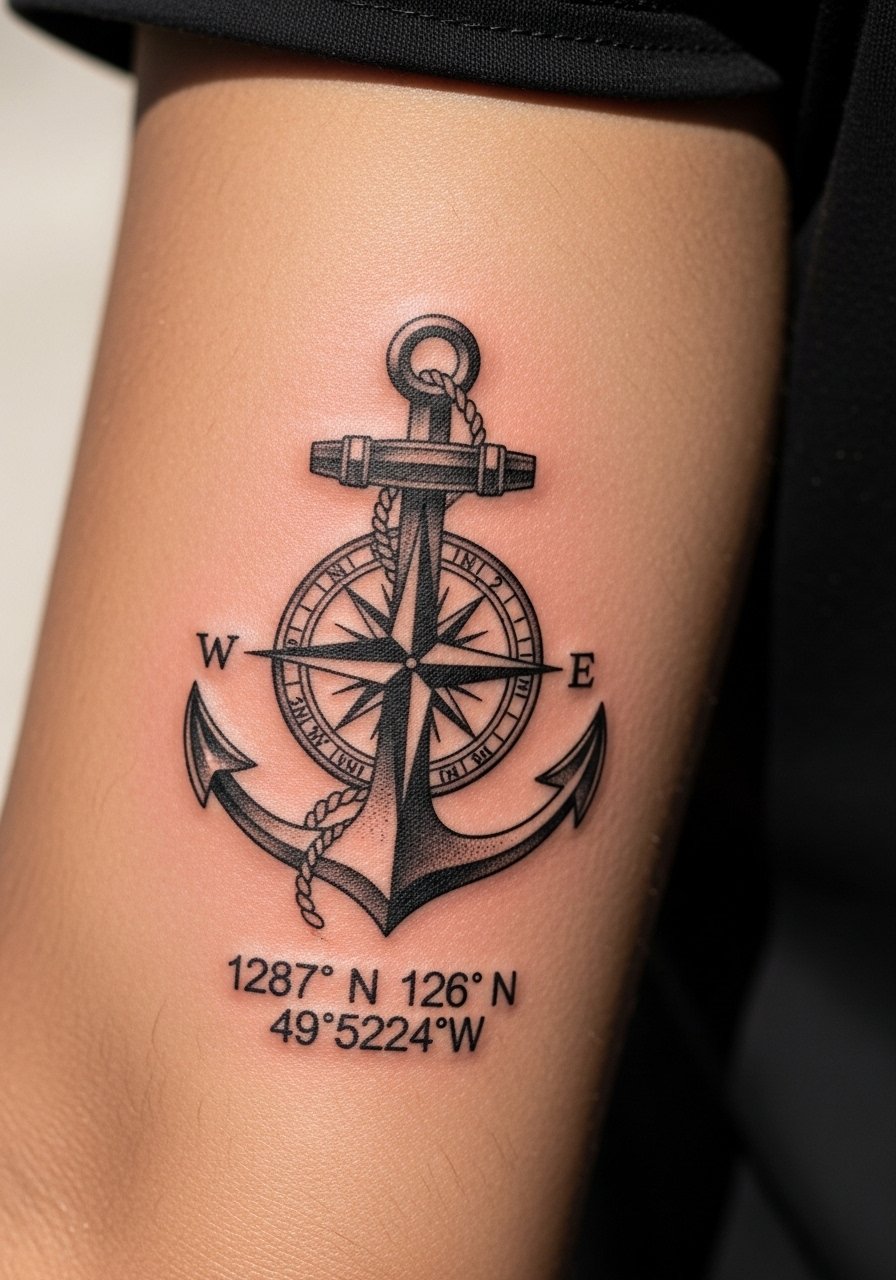
Combining an anchor with a compass brings stability and place together without heavy color. Request clear negative space around the coordinates to prevent tiny numerals from filling in with time. Outer forearm lets you protect the work from sun when needed. A single two-hour session often suffices for a compact composition. Show it off with rolled sleeves or short-sleeve button-ups. loose button-down shirt mens
15. Neo-Traditional Rose with Banner on Upper Arm
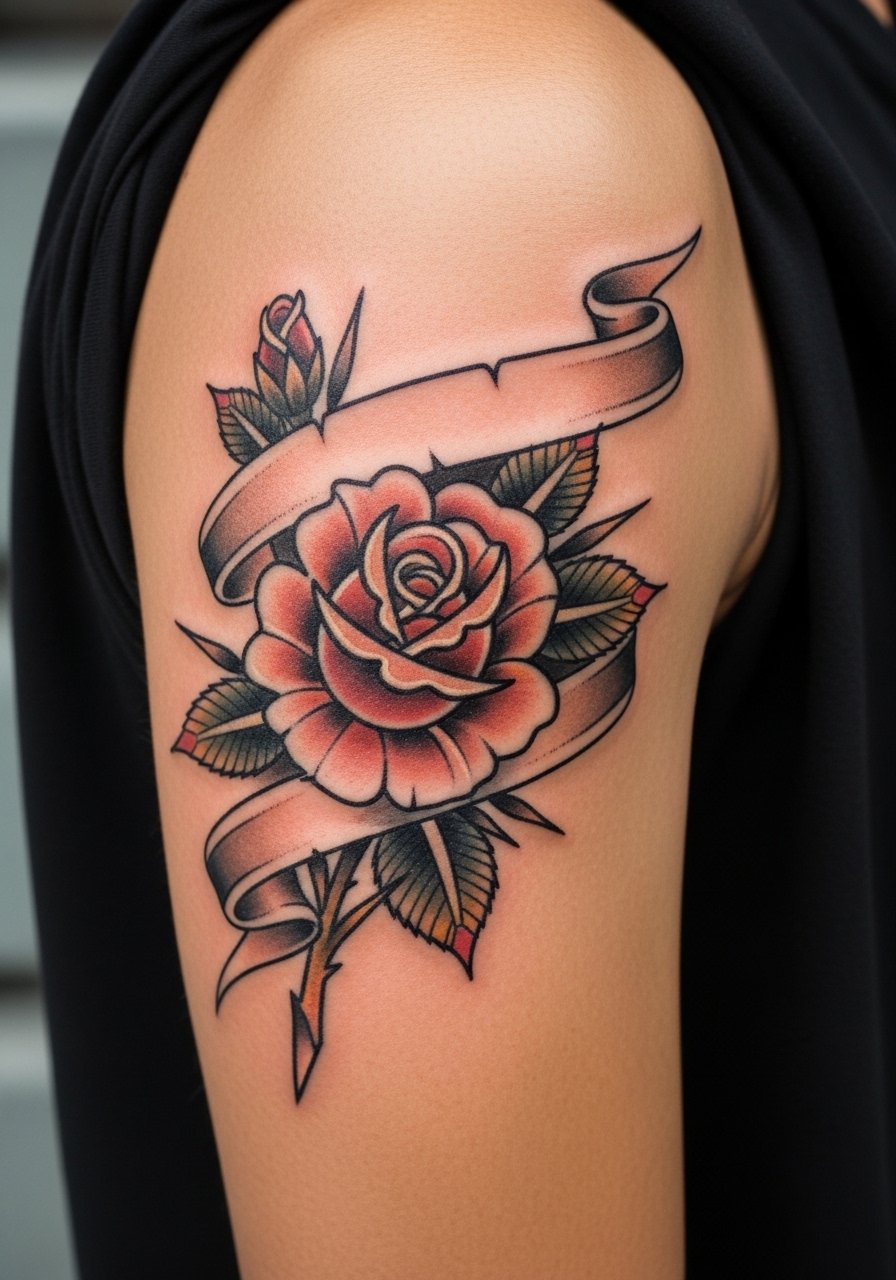
Neo-traditional roses age well because of strong outlines and controlled saturation. Tell your artist what hue you prefer and whether you want the banner to carry a date or short name. A common mistake is packing too many small details into petals, which dulls with sun exposure. Two sessions lock in color and shading. For the session, wear a loose button-down you can slide off one shoulder. open button shirt
16. Small Fishing Lure on Ankle
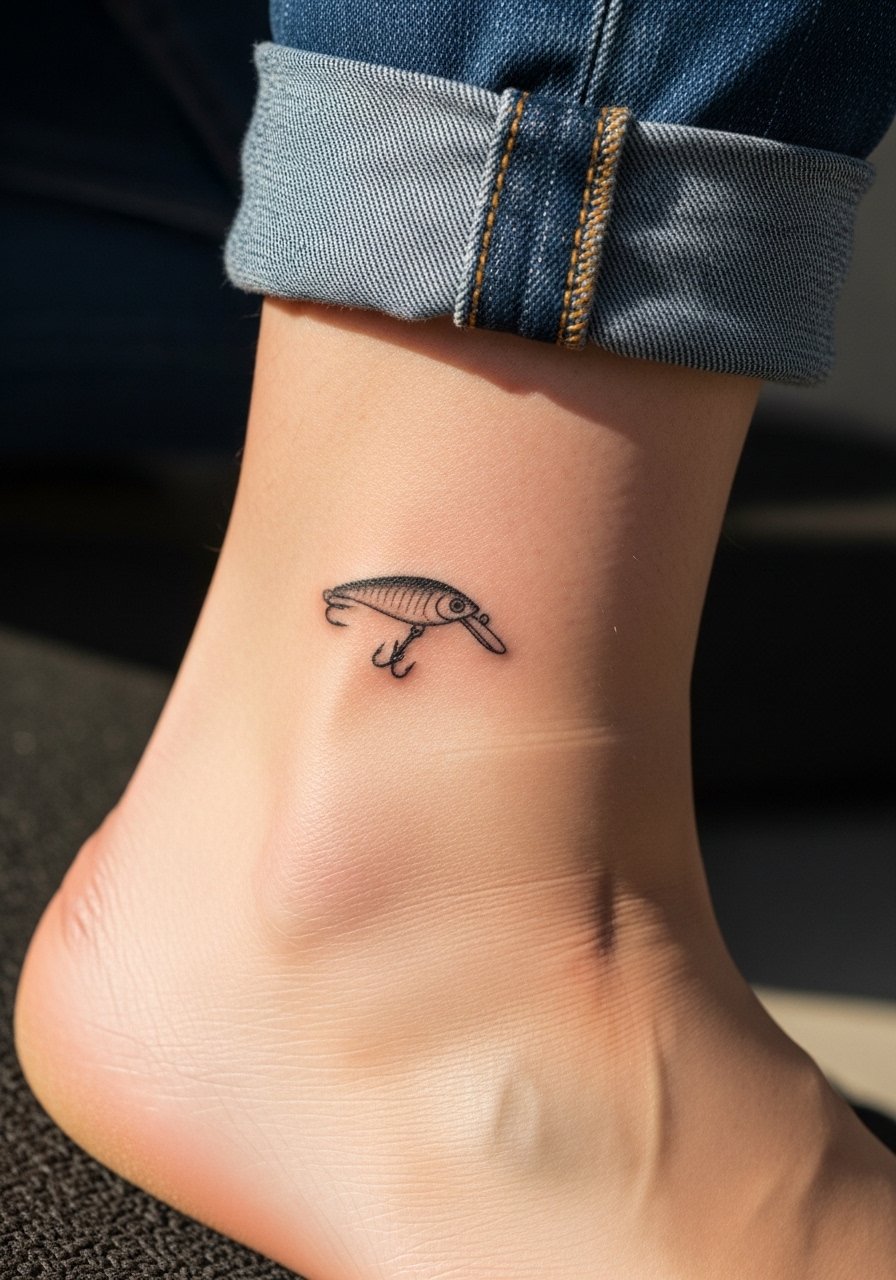
Ankle pieces are visible but suffer from rubbing against socks and shoes. Ask for bolder outlines around hooks and points so the silhouette does not soften from abrasion. The session is quick and the pain is tolerable for most. Plan for touch-ups at year two if you wear tight footwear often. When showing it off choose sandals or rolled jeans. cuffed straight leg jeans
17. Simple Barcode with Significant Numbers on Inner Wrist
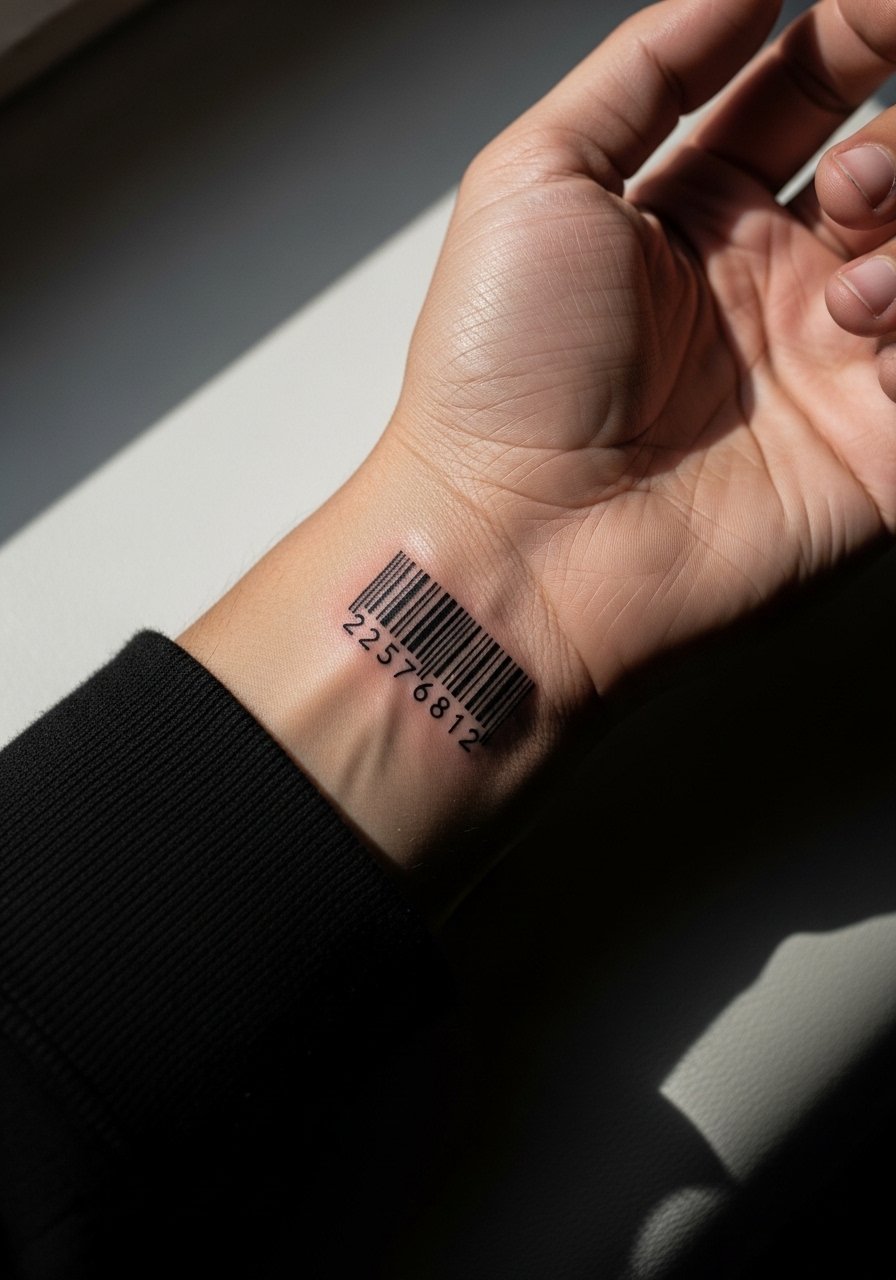
Barcodes look graphic and modern, but thin parallel lines can blur into a black block. Increase spacing between bars and keep the overall width generous so the pattern reads over years. Wrist friction and soap exposure speed blurring, so expect a touch-up timeline around year two. Wear a sleeveless shirt to the session to keep things simple. A minimalist leather strap watch on the opposite wrist complements the motif. minimalist leather strap watch
18. Morse Code Bracelet on Forearm
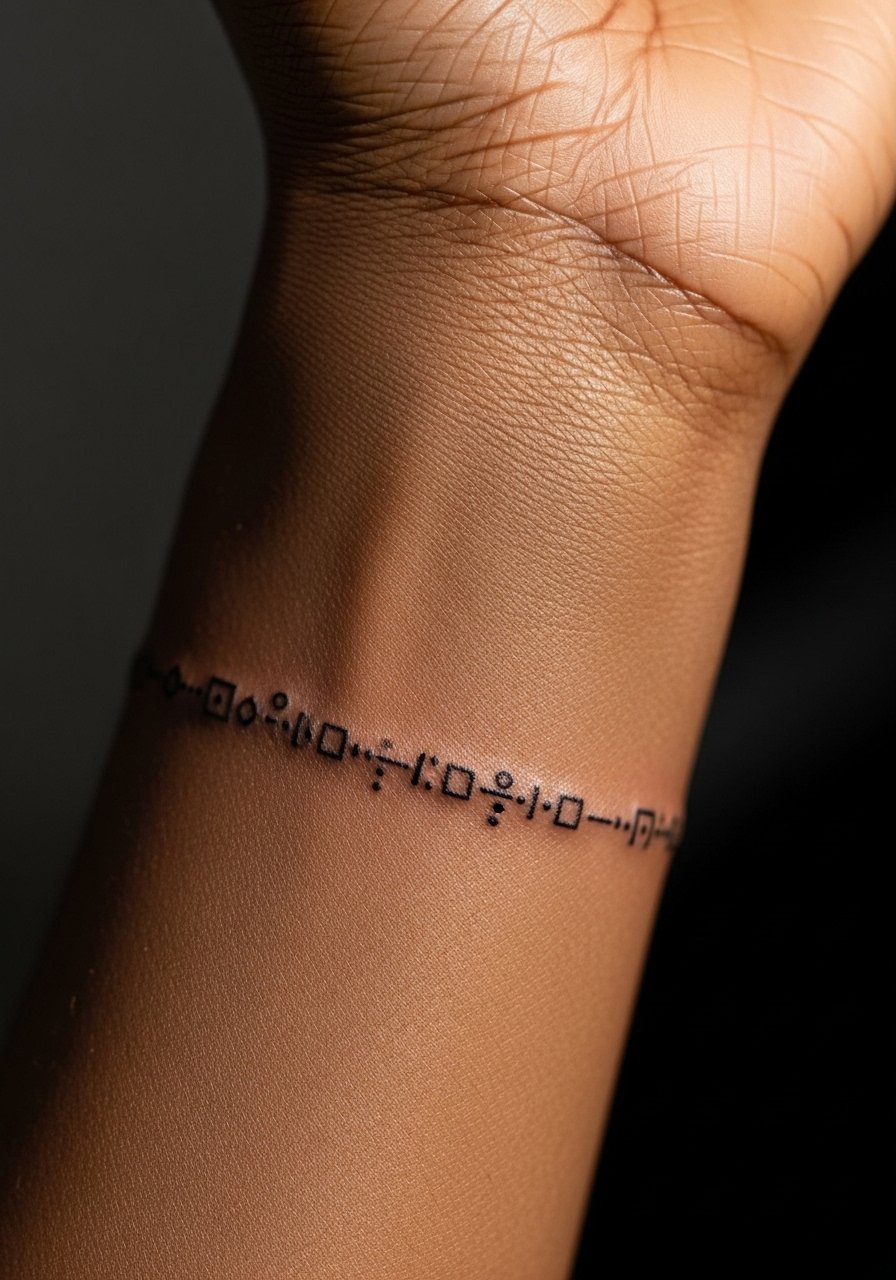
Morse code bands read personal and can be sized to wrap the arm. Ask for slightly larger dots than your initial reference so the spacing survives migration. Forearm placement is easy to shield from sun and typically low pain. The mistake is compressing too many characters into a thin band which becomes a smear over time. For wear to the appointment, a short-sleeve tee is safest. short sleeve button shirt men
19. Tree Ring with Birth Year Hidden in Rings on Upper Back
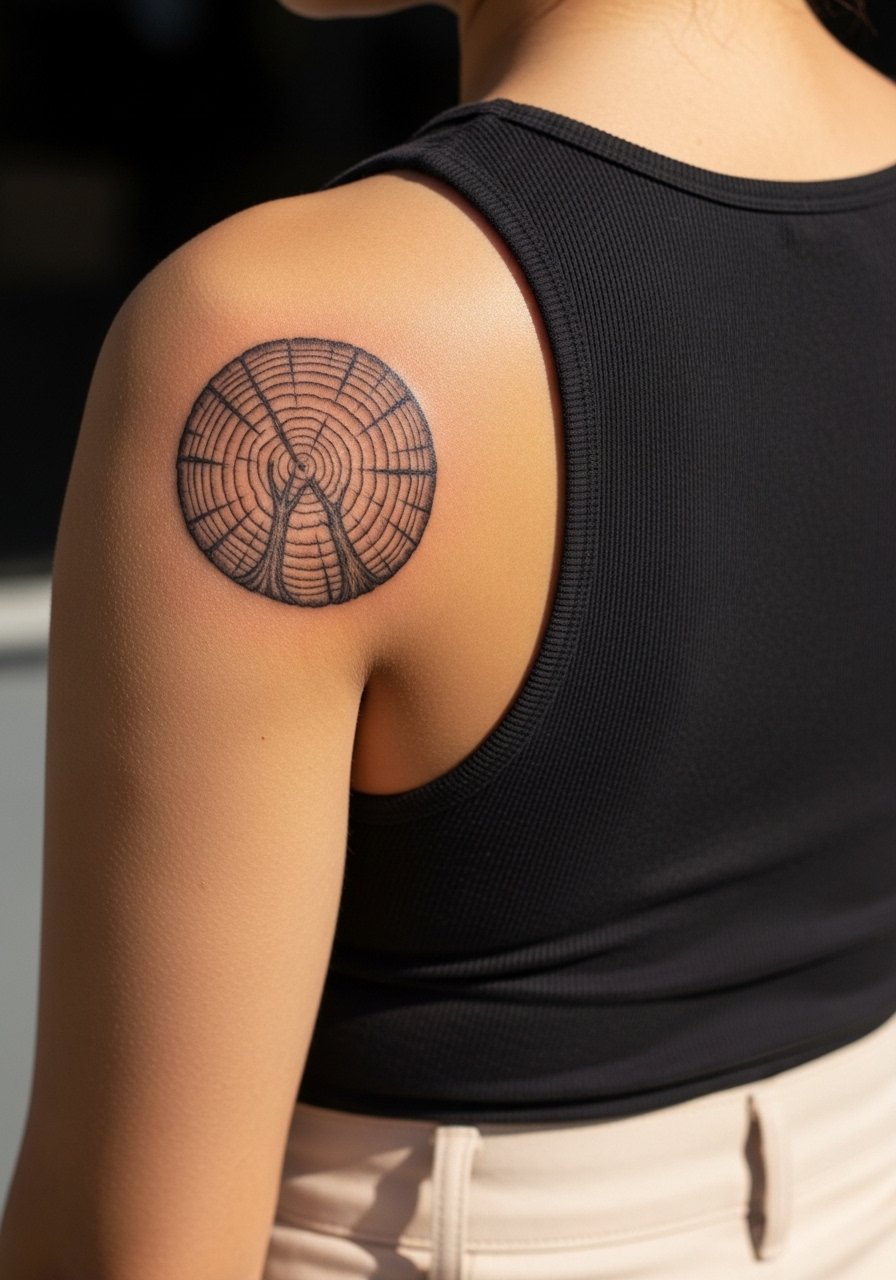
Tree-ring motifs age into an organic texture that often improves as shading settles. Place it on the upper back where expansion from weight change is less dramatic than the stomach. Ask your artist to embed the year as a negative-space ring so the number holds up. Sessions may take two visits for dense stipple work. A tank top that exposes just the area keeps the artist comfortable while you recline. tank top
20. Single-Line Fishing Rod on Calf for Quiet Tribute
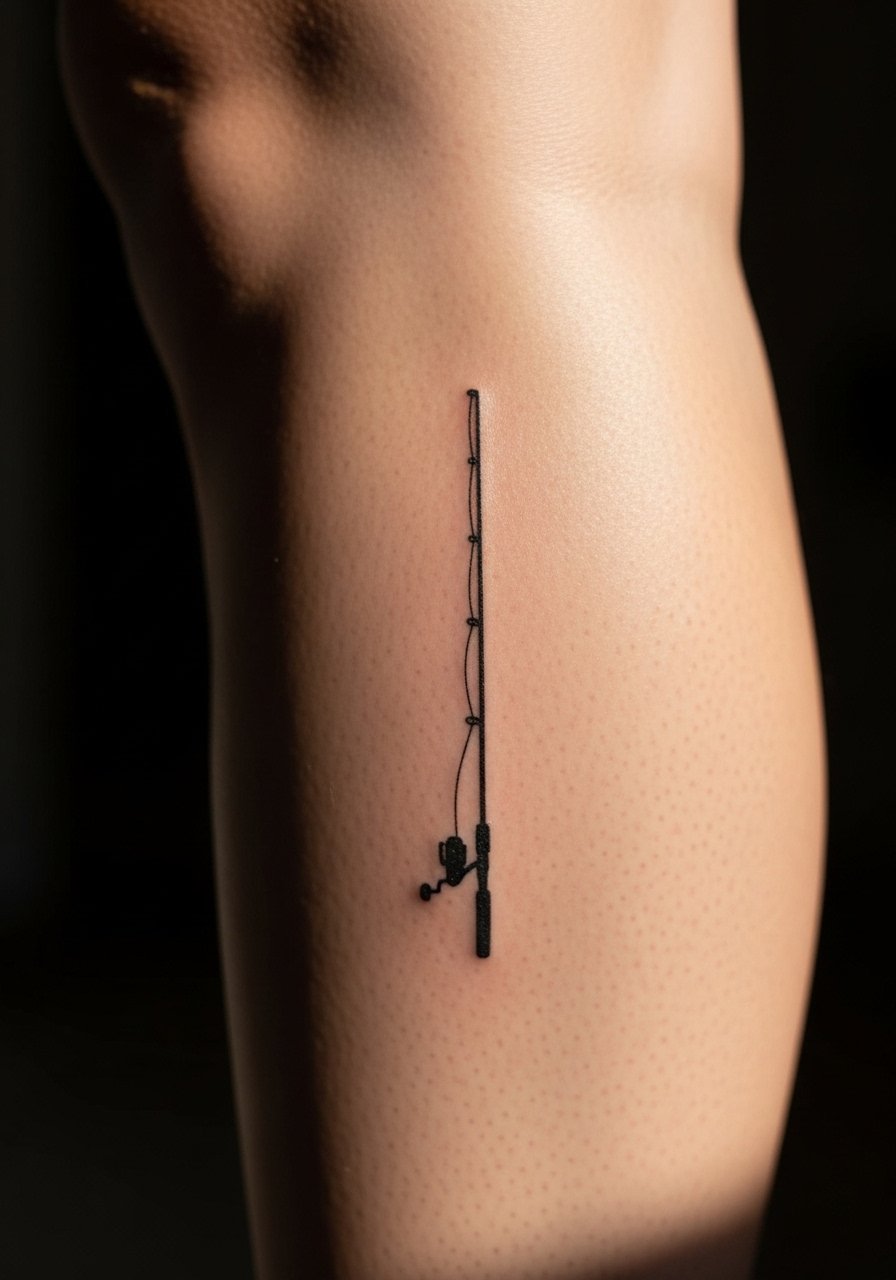
Single-line pieces are elegant but need a steady hand and stronger needle depth than people expect. Calf muscle gives a forgiving canvas and lowers blowout risk. A common mistake is asking for feather-light line weight which can fade into a ghost image on darker skin tones. One short session usually finishes this, and cuffed shorts make the piece visible in summer. cargo shorts men
21. Collarbone Watercolor Heart with Faded Edges
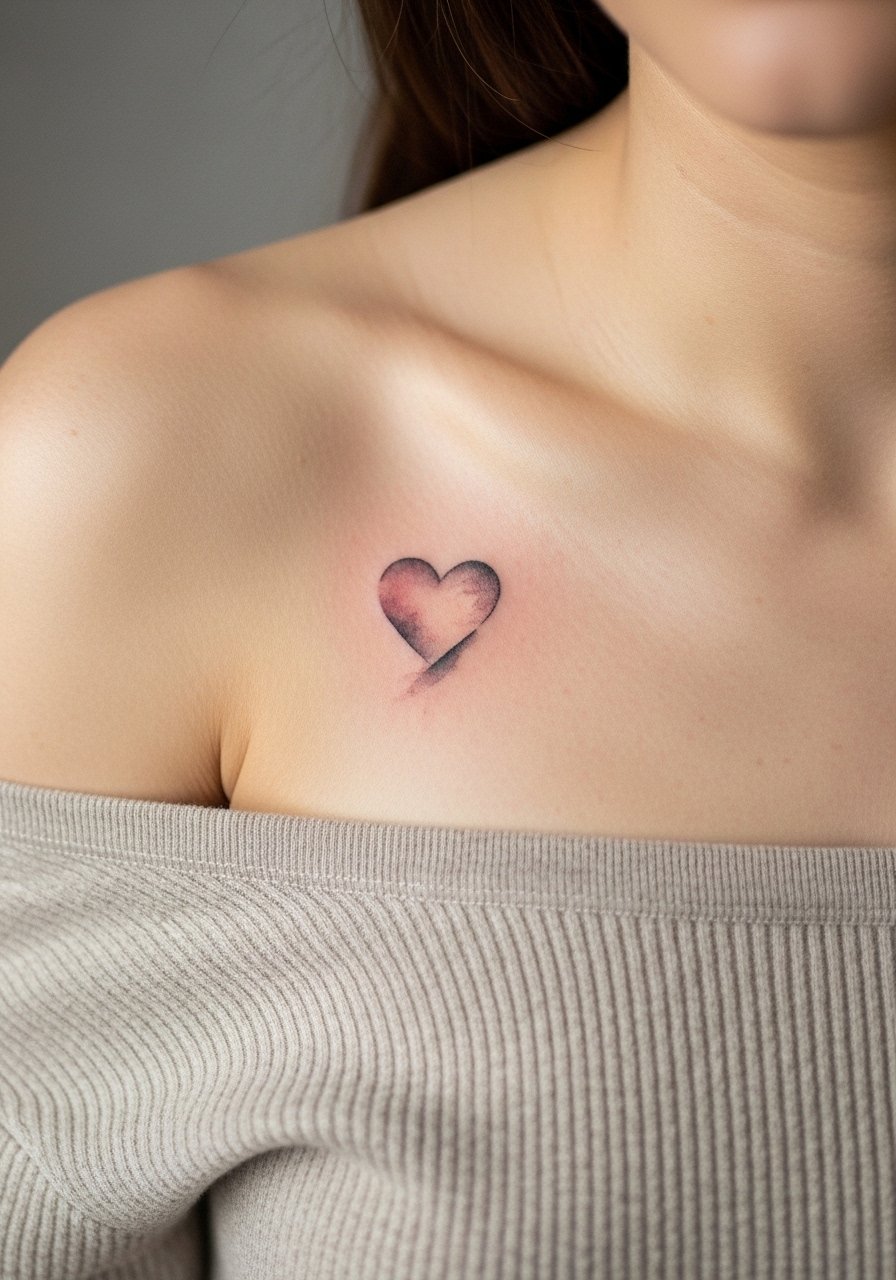
Watercolor on collarbones looks soft and intimate but UV exposure is a real enemy. Plan for touch-ups and consider muted colors rather than neon pigments that fade unevenly. The collarbone is sensitively bony and can be a sharper session. For showing it off wear an off-shoulder blouse or wide-neck shirt. off shoulder blouse
22. Small Compass Star on Wrist
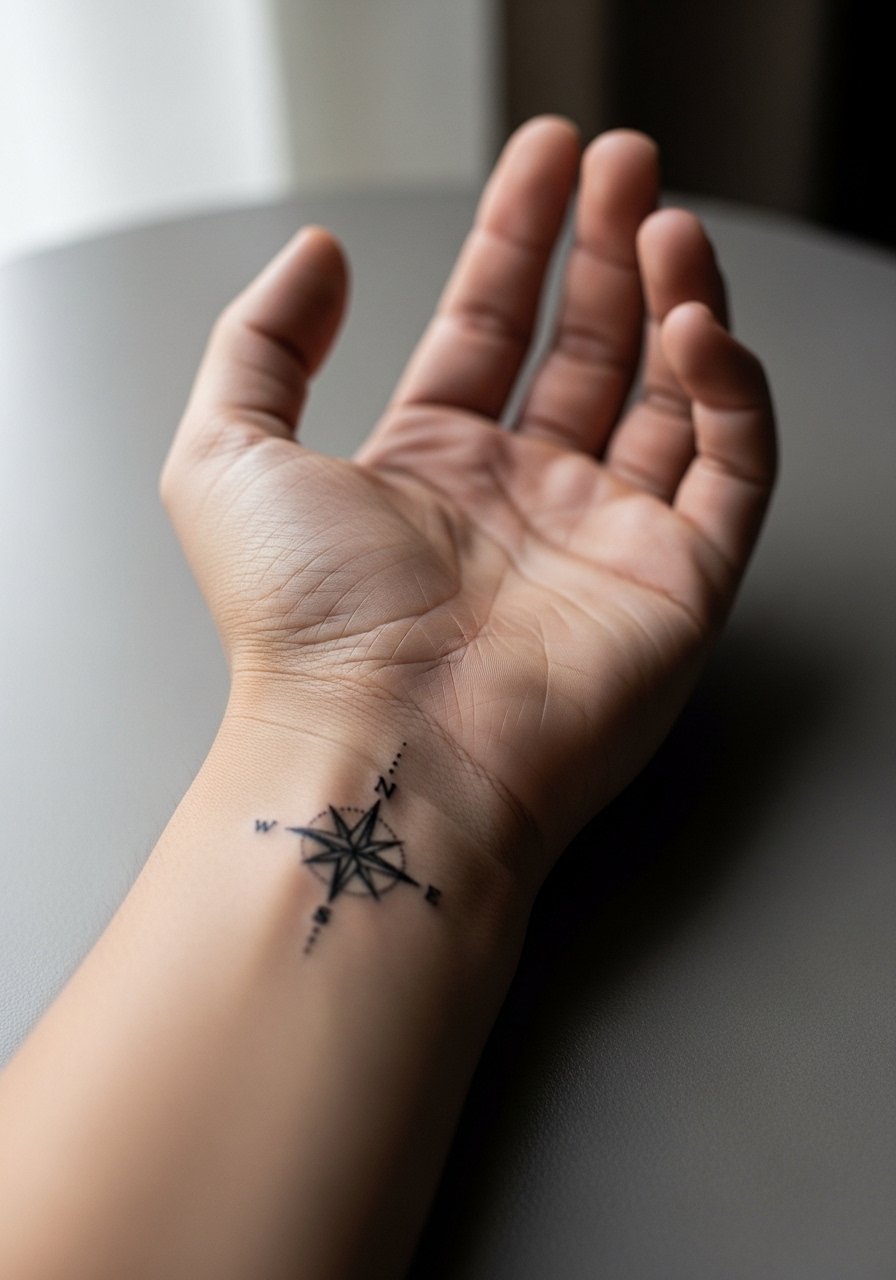
Wrist compasses are classic navigation symbols and read well if you avoid overcrowding with extra text. Ask for a small central star with clear cardinal points and avoid tiny lettering. The wrist environment creates touch-up needs roughly every two to four years. For session wear remove bracelets and wear rolled sleeves to keep the area unobstructed. rolled sleeve shirt
23. Baseball Glove or Sports Motif on Forearm
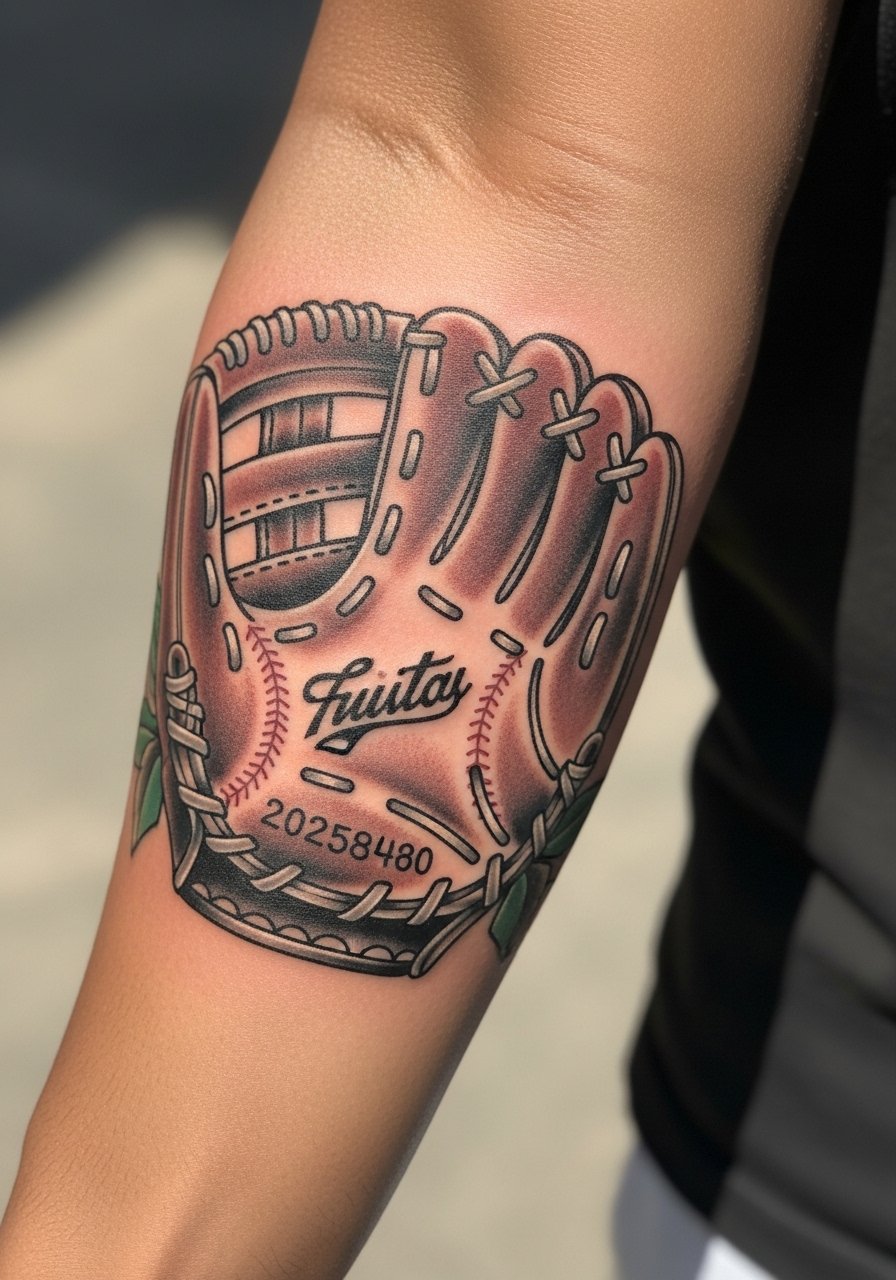
Hobby motifs anchor a design to lived experiences, and forearm placement shows them without major distortion. When you bring reference photos show the exact glove or emblem for authenticity. Thick outlines and selective color stops prevent edges from bleeding into each other with time. A short session often achieves this unless you want heavy shading. Pair with casual rolled sleeves or short-sleeve shirts to display it. rolled cuff chambray shirt
24. Dog Paw with Initials on Shoulder
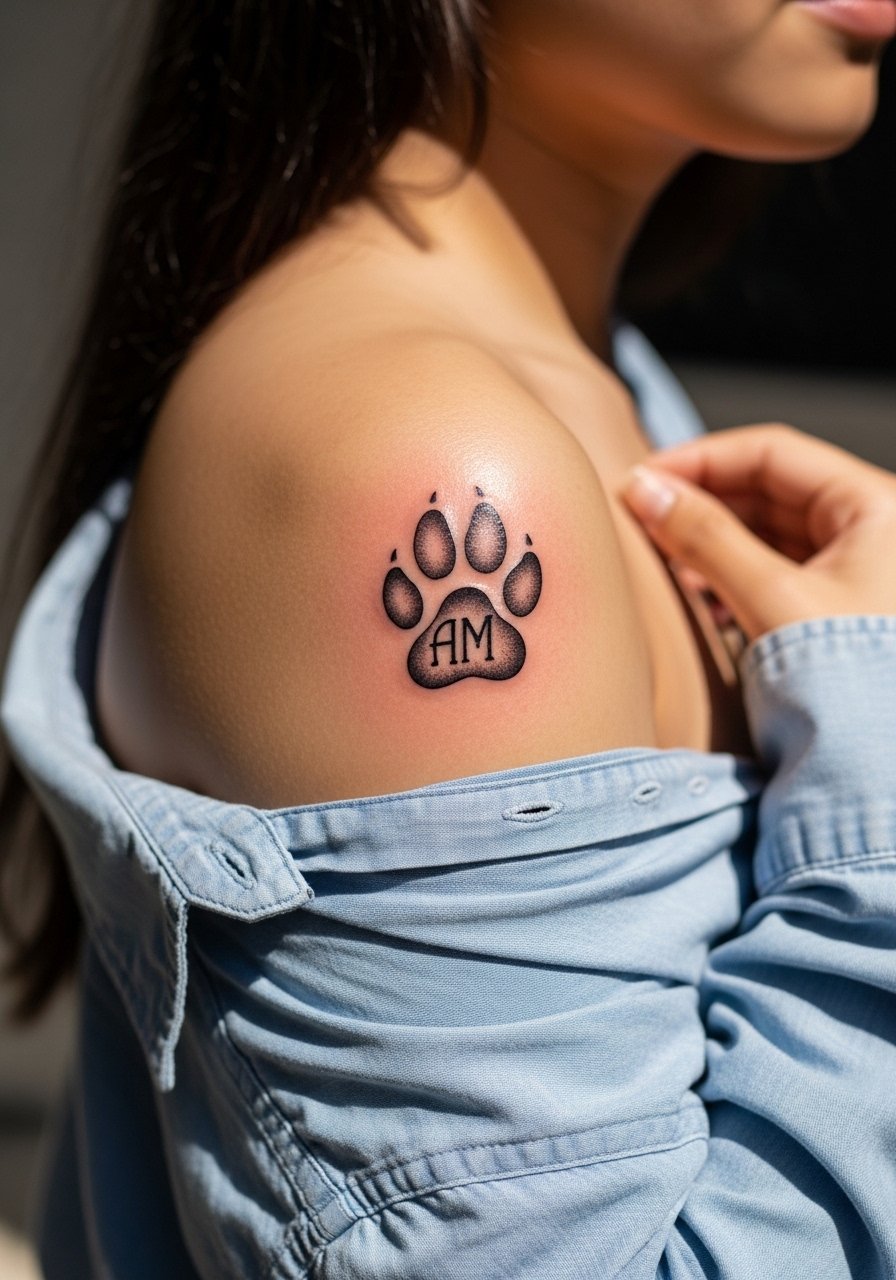
Pet-focused marks are small and direct. For a paw, ask the artist to slightly stylize the pads so detail survives on all skin tones. Shoulder placement is forgiving and ages slowly, though heavy sun exposure can mute color. Sessions are short and pain low. Wear a loose button-down you can slide off one shoulder. loose button-down shirt mens
25. Morse Code Neck Strip with Private Message
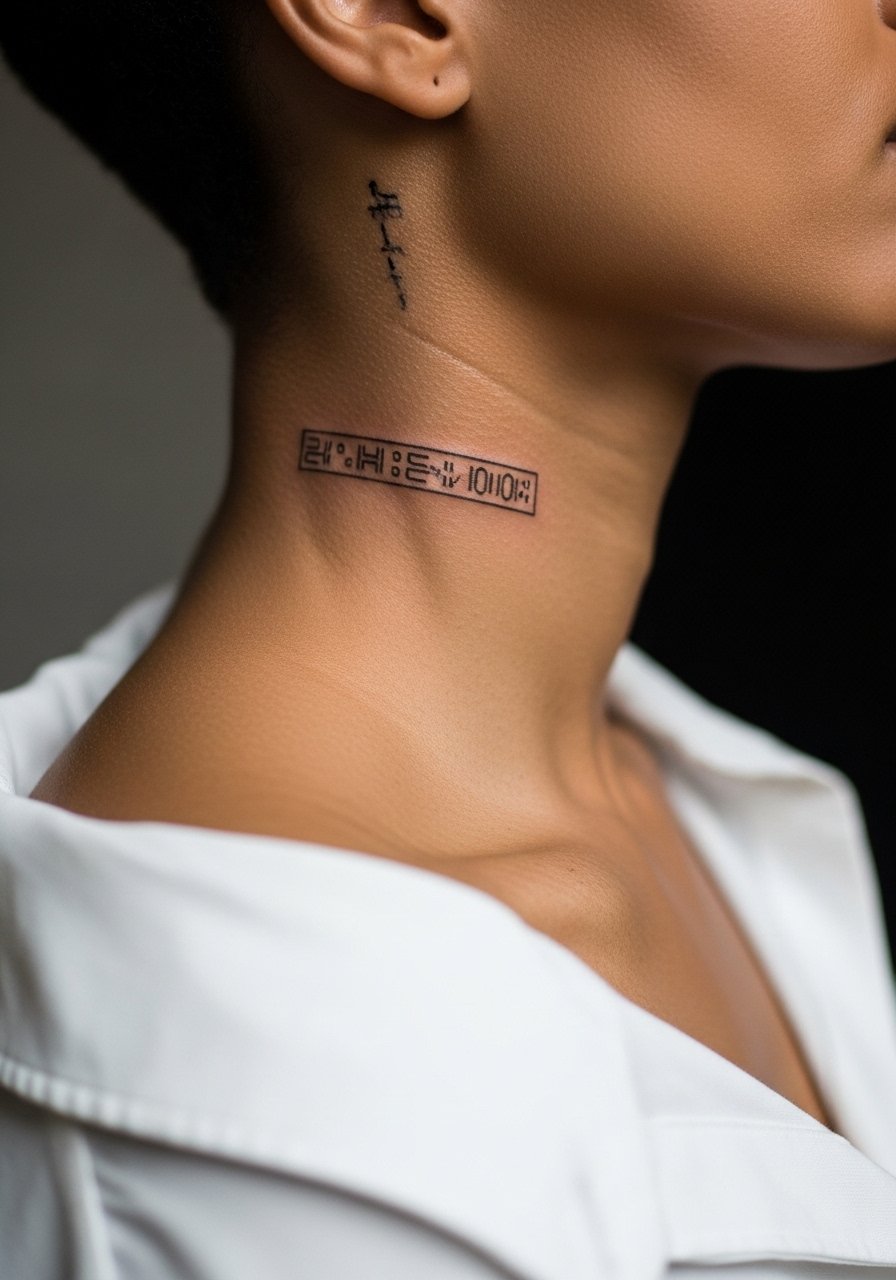
Neck placements need thought about visibility and career context. Morse code allows a private message without explicit text. Because neck skin moves and sees sun, spacing matters more than at first glance. Some artists avoid the neck for fine line because of migration, while others take extra care with depth and spacing. Ask where your artist stands on neck detail prior to booking. For a subtle reveal, pair with a wide-neck top. wide neck shirt
26. Simple Line Heartbeat with Date on Chest
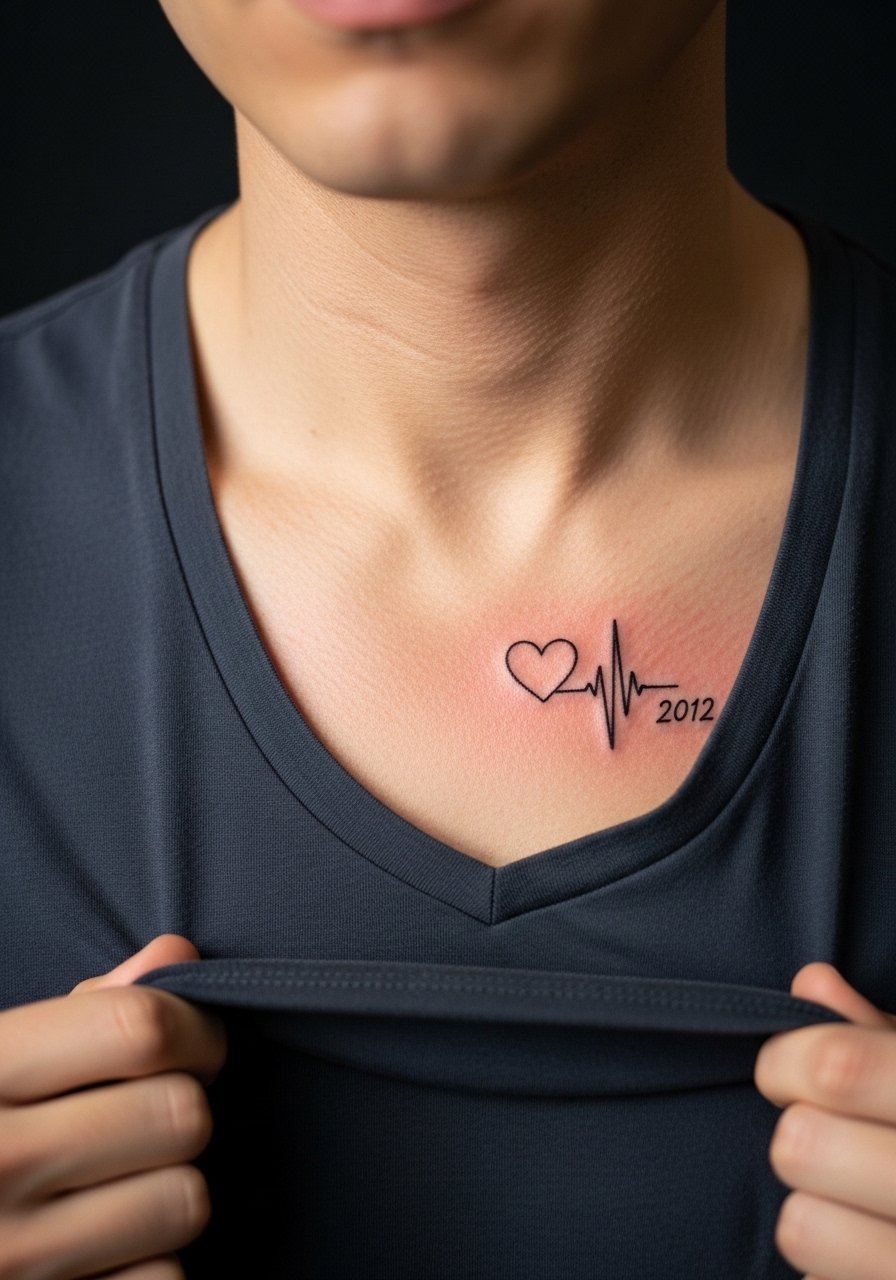
Heartbeat lines read like a snapshot and work well on chest placements by the heart. Keep the linework bold enough so the tiny peaks do not fill in over time. Expect moderate pain and a session that may require breaks. Ask the artist to place the date as negative space for clarity. A V-neck tee keeps the area accessible for both session and occasional reveal. v neck t-shirt men
27. Vintage Car or License Plate Fragment on Calf
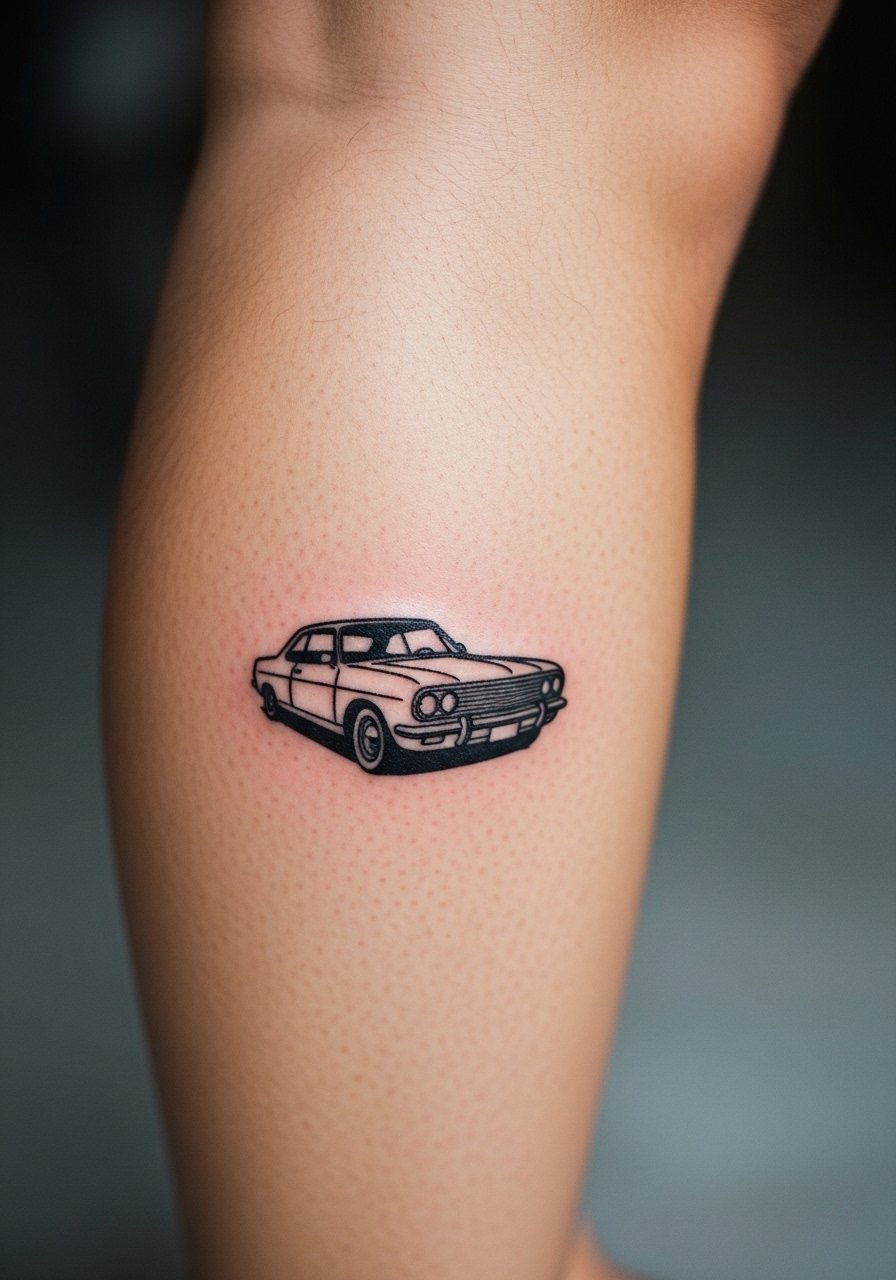
Vehicle motifs connect to specific memories without being literal portraits. For a license plate fragment include only the essential characters so the graphic stays bold. Calf placement keeps the design away from frequent friction zones and allows bigger scale for readable detail. One or two sessions may be necessary for shading and linework. Cuffed shorts or summer sandals show it off when you want. cargo shorts men
Frequently Asked Questions
Q: How do fine line portraits compare to bold blackwork for long-term clarity?
A: From what I have seen, bold blackwork tends to retain readable shape longer because the line weight leaves room for migration. Fine line portraits look exquisite fresh but often need touch-ups by year three. If you want realism that holds, ask for slightly larger scale and discuss spacing with your artist.
Q: Should I use numbing cream for a chest or ribcage session?
A: Artists split into two camps here. One group says numbing cream keeps clients comfortable for long sessions and reduces movement. The other group feels numbing can mask feedback that helps an artist judge depth. If you consider numbing, tell your artist and follow their prep window exactly so it does not affect ink saturation.
Q: Will a watercolor tattoo need different care than a black-and-gray piece?
A: Watercolor often uses softer saturation so extra UV protection matters early on. Clean, gentle washing and sunscreen after healed skin are important. Avoid heavy exfoliation over the area because color fades unevenly with abrasion.
Q: How often should I expect touch-ups for wrist or finger tattoos?
A: Wrist and finger areas see more friction and washing so plan for touch-ups every two to four years depending on your lifestyle. Stronger initial line weight and periodic sunscreen use extend the interval.
Q: Where can I find artists who specialize in memorial portraits or neo-traditional hobby motifs?
A: Search community tags and discovery apps like #DadMemorialTattoo, #MemorialPortrait, Tattoodo filters, and Booksy. In conversations with shops ask how many portrait or neo-traditional memorials the artist has done and request healed photos.
Q: Can my skin tone affect which style I choose for a dad tattoo?
A: Yes. From what I have observed, very fine hairline scripts can lose clarity faster on melanin-rich skin. Bold lines or neo-traditional approaches with clear contrast often hold up better. Discuss pigment choices with an artist experienced across tones.
Q: What should I wear to a chest or shoulder session to stay comfortable and give the artist access?
A: A loose button-down or a V-neck tee that you can slide aside is practical and keeps the artist from wrestling with fabric. For shoulder blades a tank top or backless tank you can pull aside helps. loose button-down shirt