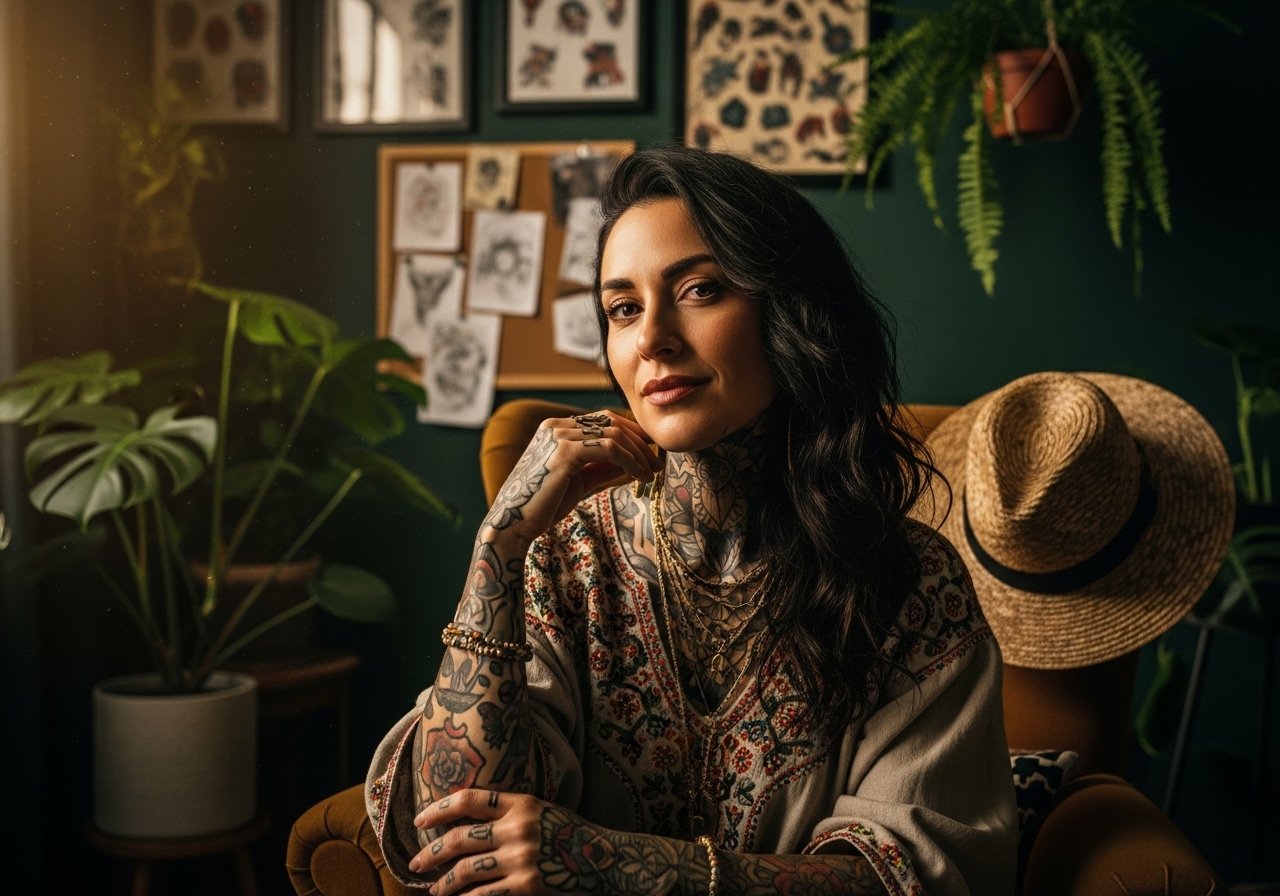
Fine line trends and loud blackwork both have loud fan bases in the Bring Me The Horizon scene, and the gap between what looks viral and what lasts is wider than most fans expect. Expect fading on delicate wrist scripts, surprise fees on custom neo-trad pieces, and the occasional shop drama around deposits. Read these 21 tattoo ideas with quick notes on how they age, what to ask your artist, and how to show them off right away.
1. That's the Spirit ethereal waves on the forearm
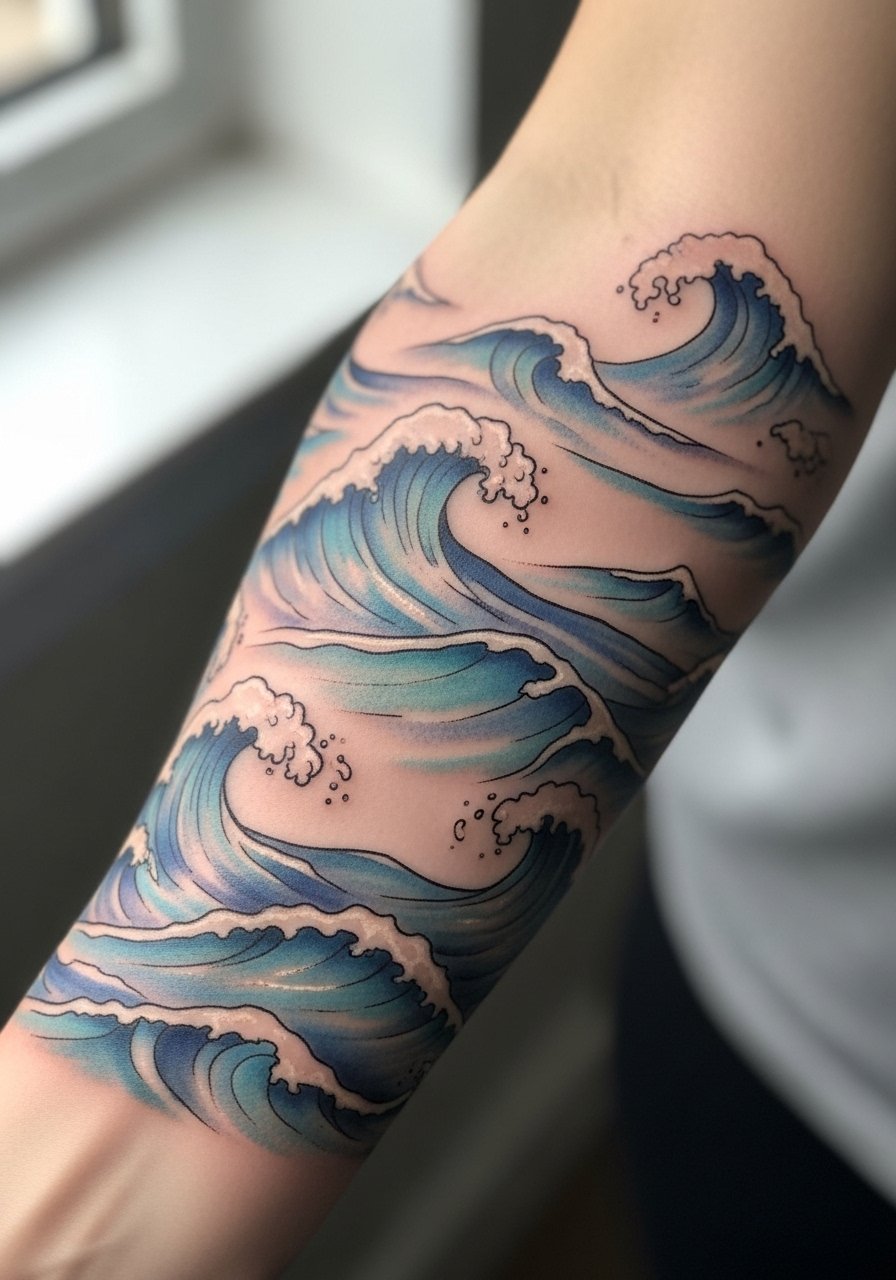
I recommend this as your first BMTH tattoo if you want motion without heavy linework. I've seen forearm waves that read dreamy at first and then blur when artists pushed too many tiny color splashes. Tell your artist you want bold flow lines to anchor the watercolor so the colors have room to age, and ask for 1-2 sessions instead of one marathon. Pain is moderate for most people and touch-ups are common around year two for color saturation. For showing it off, roll a sleeve and try a charcoal gray henley shirt to frame the forearm without clashing.
2. Post Human survival horror motifs on the upper arm
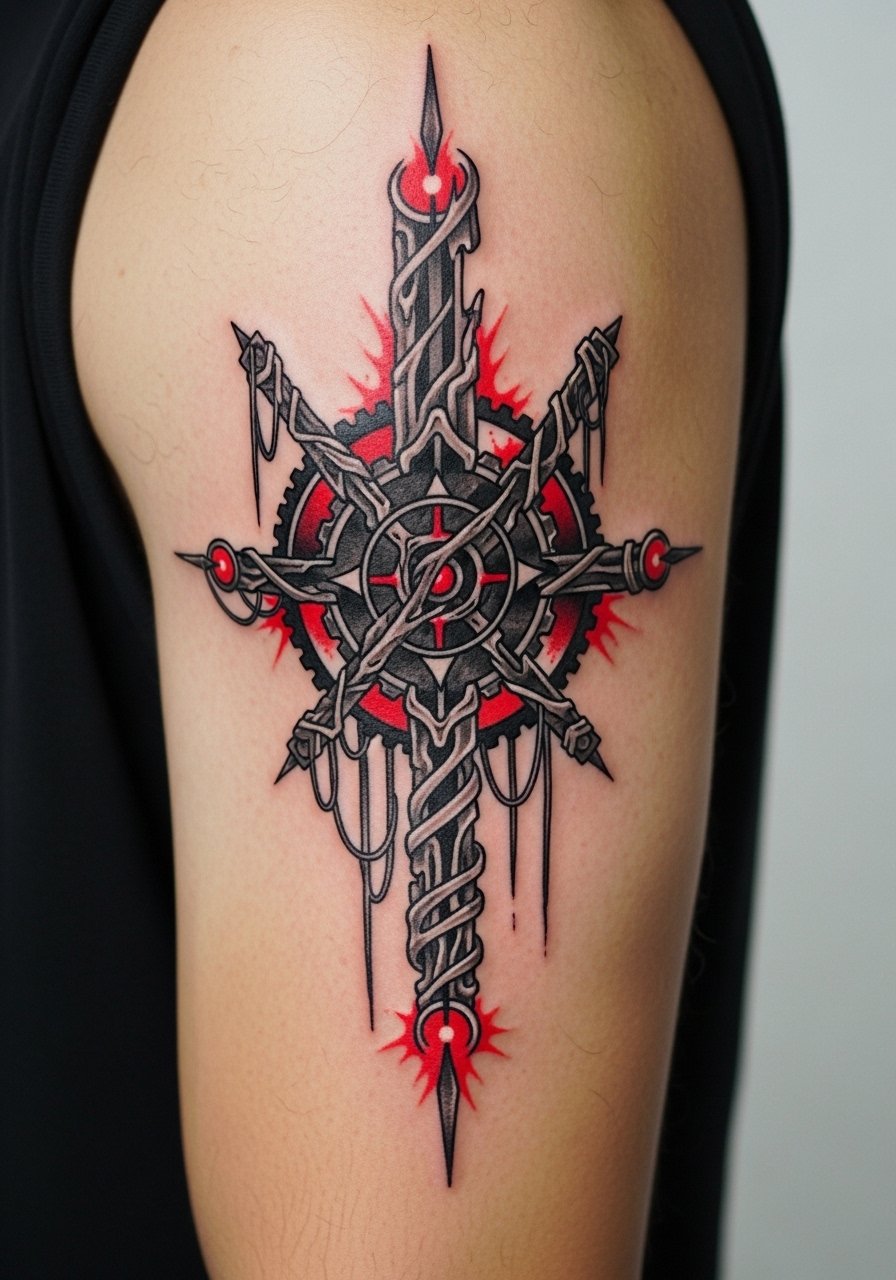
This neo-traditional direction works well if you want BMTH themes but with solid longevity. Upper arm placement gives the artist space for saturation, which helps resist fade compared with wrists or hands. During consult, say you want heavy saturation in black and restrained red accents so the piece maintains contrast over time. A common mistake is cramming tiny horror details into a small patch; make it medium to large so stipple shading reads clean at six months and still reads at five years. Session time is usually two to three hours and the pain is manageable. Expect a touch-up window around one year for color settling.
3. Sempiternal skull with geometric fractures on the chest
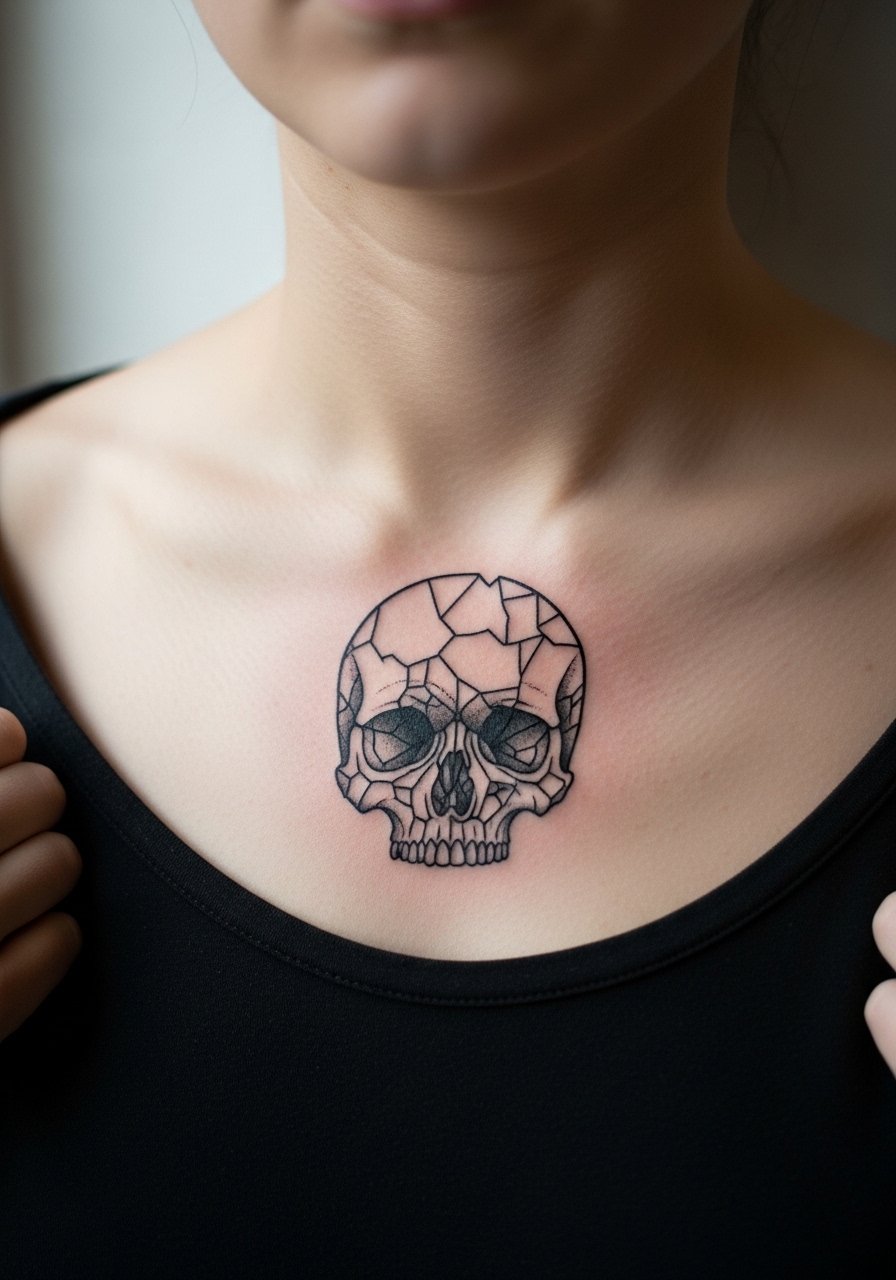
Chest pieces like this reward patience. The shoulder and upper chest give the cracked geometry breathing room so the fractures do not merge. Tell the artist you want clear negative space between fracture lines and to avoid tiny cross-hatching in dense zones. The ribcage and chest can be a 7 out of 10 on most pain scales, but the result reads like armor when healed. A real mistake is asking for overly fine fractures in a small chest patch. For evenings out try an off shoulder crop top to show the linework while keeping it tasteful.
4. Doomed lyric script in distressed font on the wrist
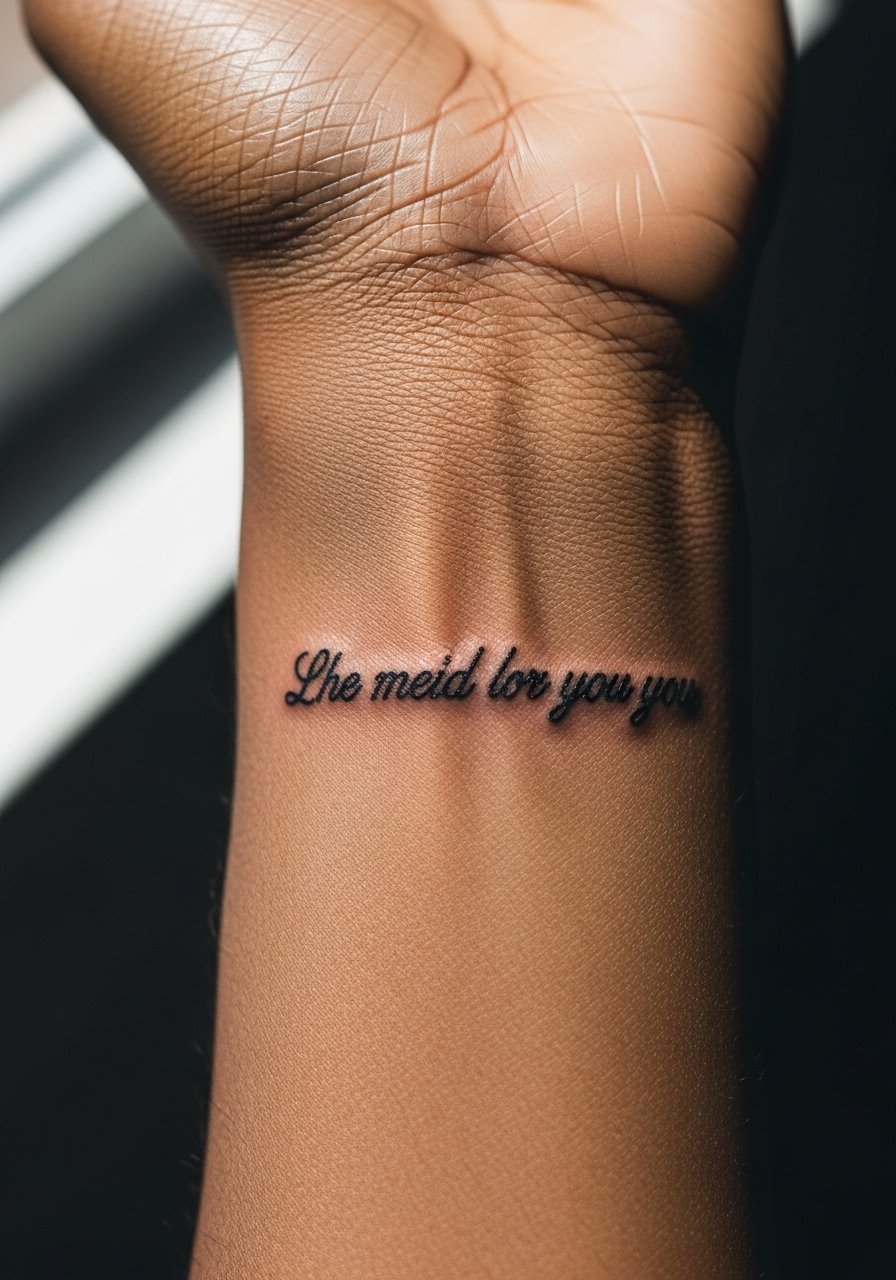
Wrist script looks intimate and reads best when you size up the letter spacing. Artists split on fine line here. One camp says skin movement and sun exposure blur fine script fast. The other camp says proper needle depth and slightly bolder strokes keep the text legible. Ask where your artist stands and request a slightly heavier hairline than an Instagram micro script. Expect touch-ups at year two to three, especially if you wash hands a lot. For styling, stack a thin silver chain bracelet on the opposite wrist when you want to frame the text without crowding it.
5. Suicide Season melting clock faces on the ribcage
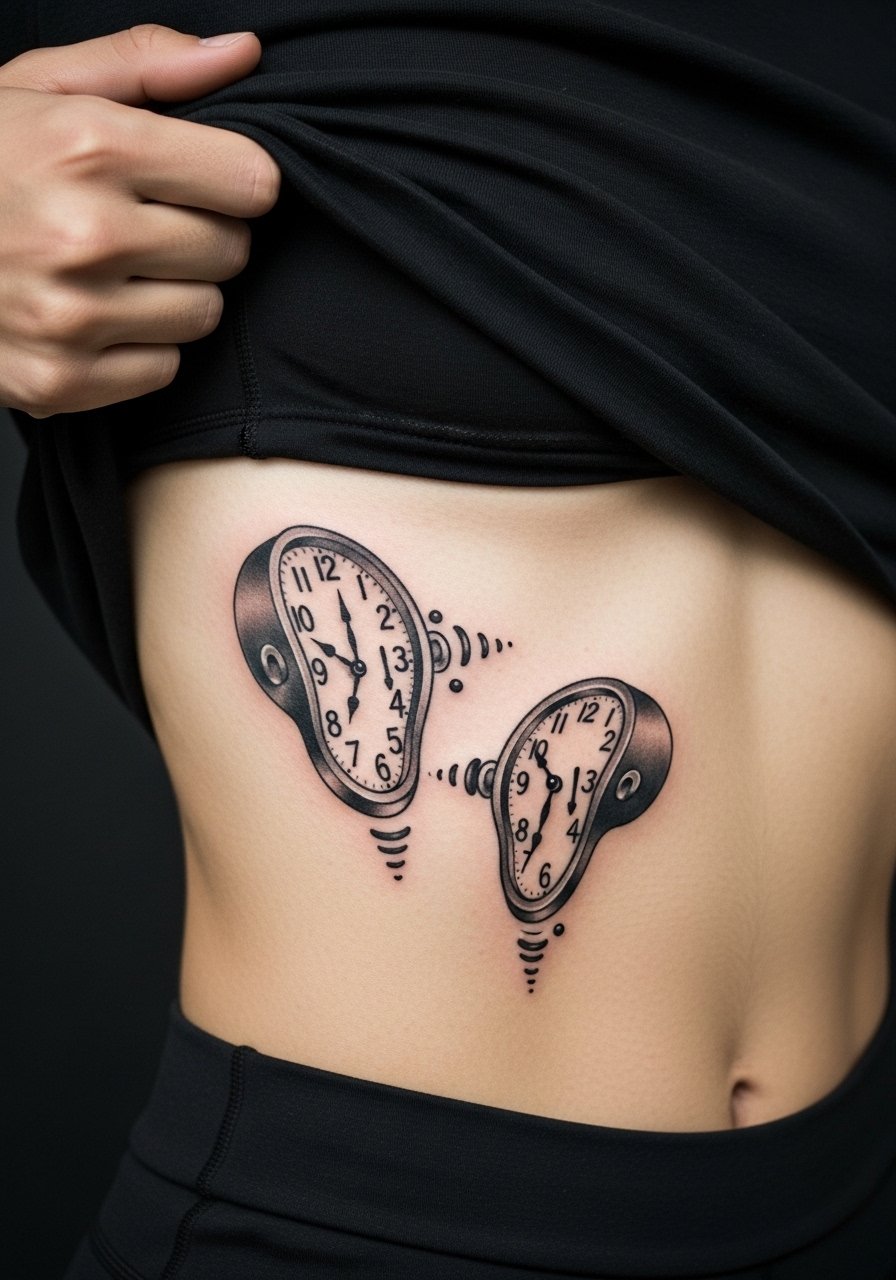
Fair warning, the ribcage is one of the more painful spots, but it is perfect for surreal blackwork like melting clocks where shading and negative space carry the design. The common error is asking for overly fine detail squeezed into a small rib tattoo. Instead, plan for medium size and two sessions so shading can breathe. Aging is usually kinder here because the area sees less friction than hands or wrists. If you have concerns about healing methods, note that Saniderm versus dry healing divides artists into two camps. One camp likes the protective film for faster clean healing. The other thinks airflow reduces trapped moisture and infection risk. Ask your artist which approach they use.
6. Amo heart with thorny vines on the thigh
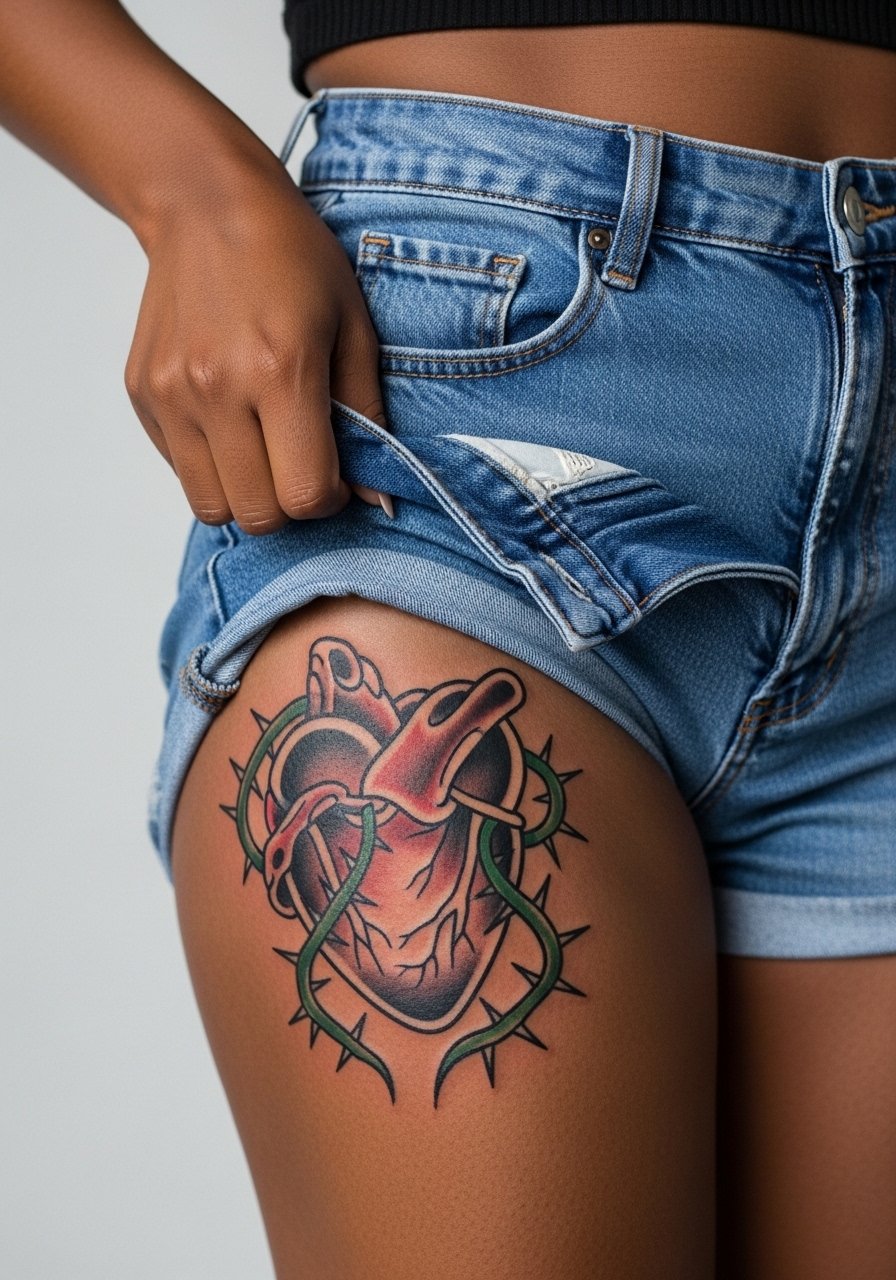
Thigh placement is forgiving for size and sessions, and neo-traditional color saturation holds up well there. If you want a rose-heart hybrid, ask for bold outlines and dense color pockets so the thorns remain crisp after weight changes. A common regret is over-detailing small thigh pieces. Expect one to two sessions and lower pain compared with ribs. For outfits, pair the finished work with ripped black skinny jeans or cargo shorts so the design gets visible contrast with your clothing. Wear loose athletic shorts to your appointment so nothing binds the area.
7. Count Your Blessings bat-winged figure on the outer forearm
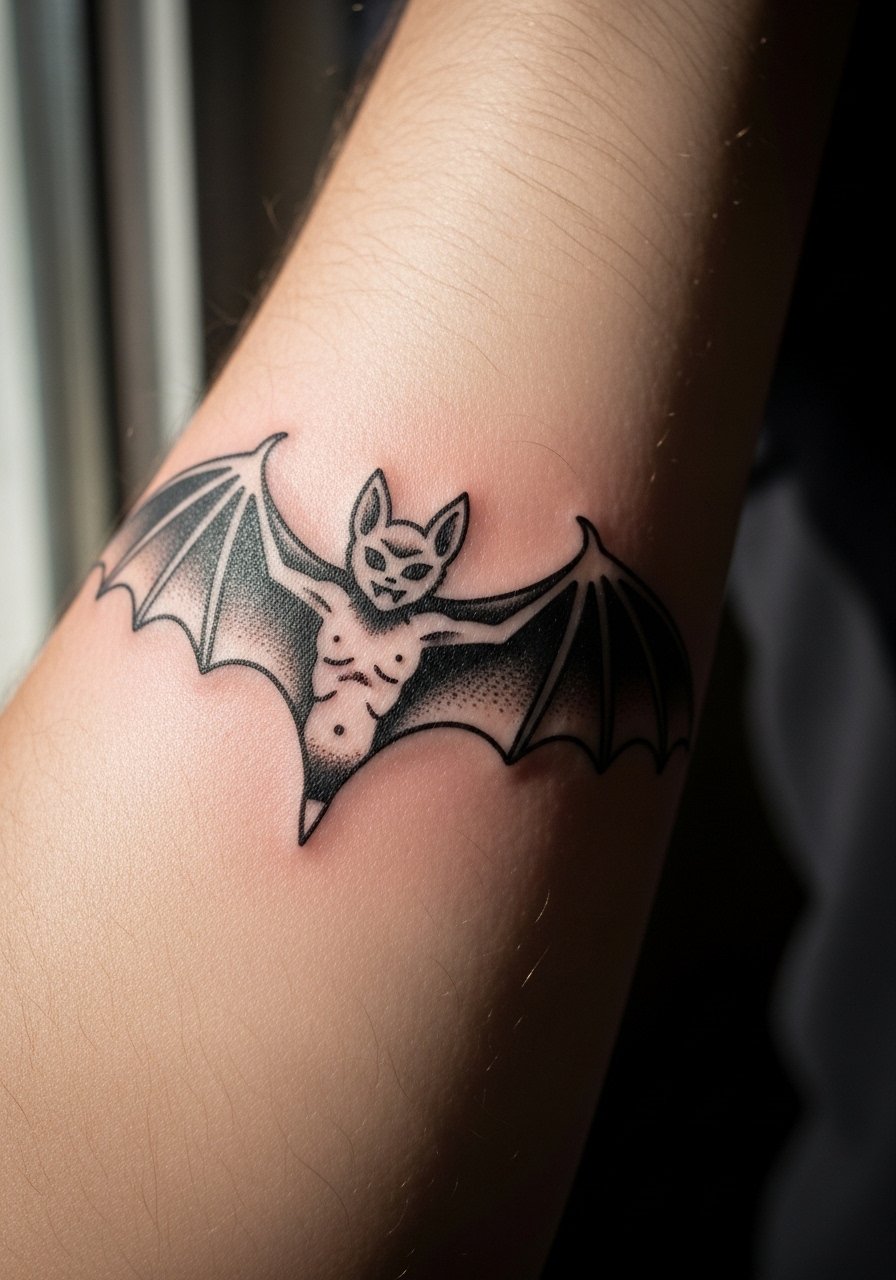
Traditional linework often wins long-term on high-movement zones like forearms. The bat-winged figure is small to medium, and bold outlines prevent the blur that fine detail suffers from. Tell your artist you want thick contour lines and simple interior shading. A misstep is asking for tiny interior textures that collapse into blotches with time. Expect a single session for a compact piece and touch-ups rarely until several years. Pair with a thin leather arm cuff when you want to amp the metalcore edge without covering the tattoo.
8. Post Human Nex Gen cybernetic eye on the neck
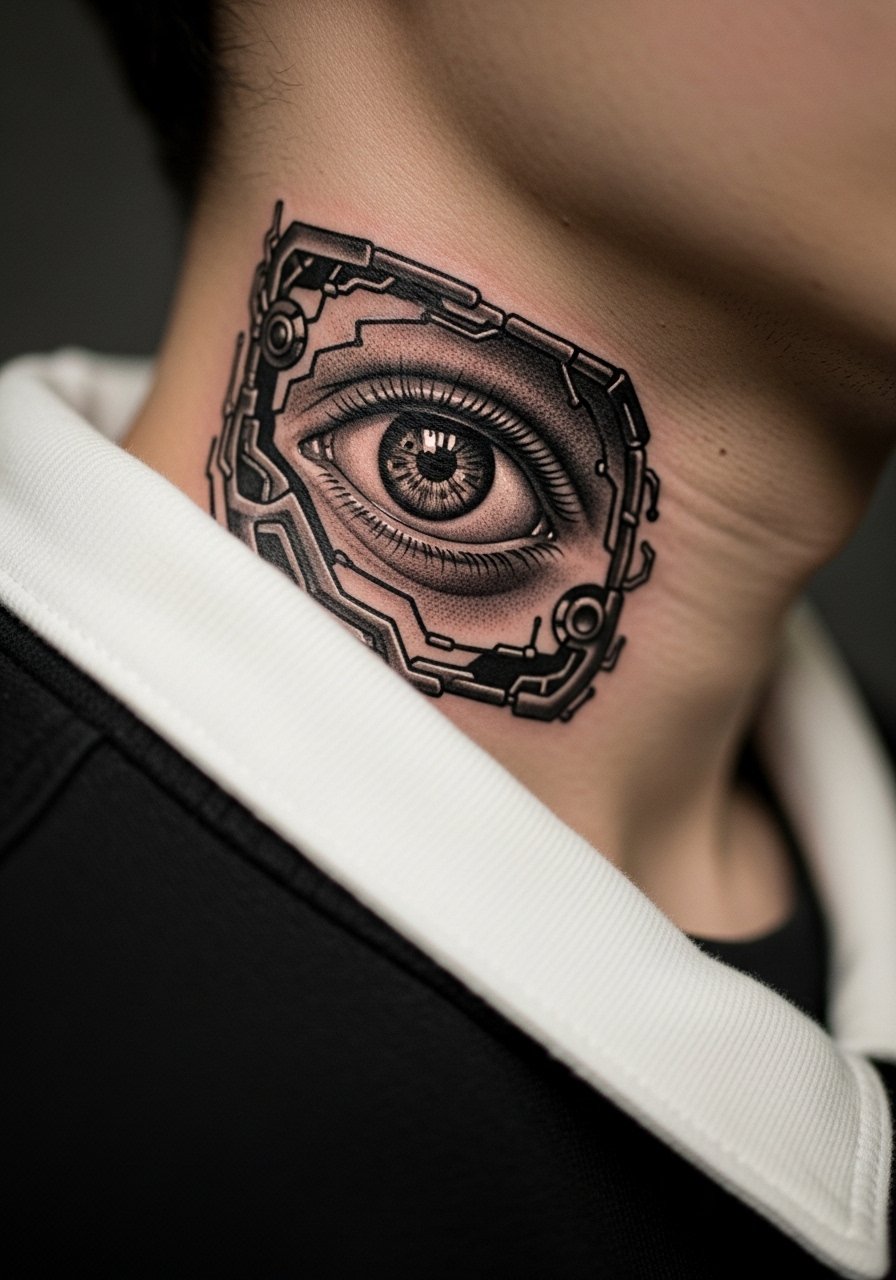
Neck tattoos read bold and demand micro-realism discipline. A tiny eye can look hauntingly detailed, but the neck moves and stretches, so insist on a slightly larger scale than you might want from photos. Discuss breath between fine details and ask for 1-2 sessions. Healing is visible and jobs or family considerations matter since neck work can be noticeable. For travel comfort and after the session keep to a zip up hoodie black you can pull down for the artist and pull up for public outings.
9. Parasite Eve virus tendrils as sleeve fillers on the elbow
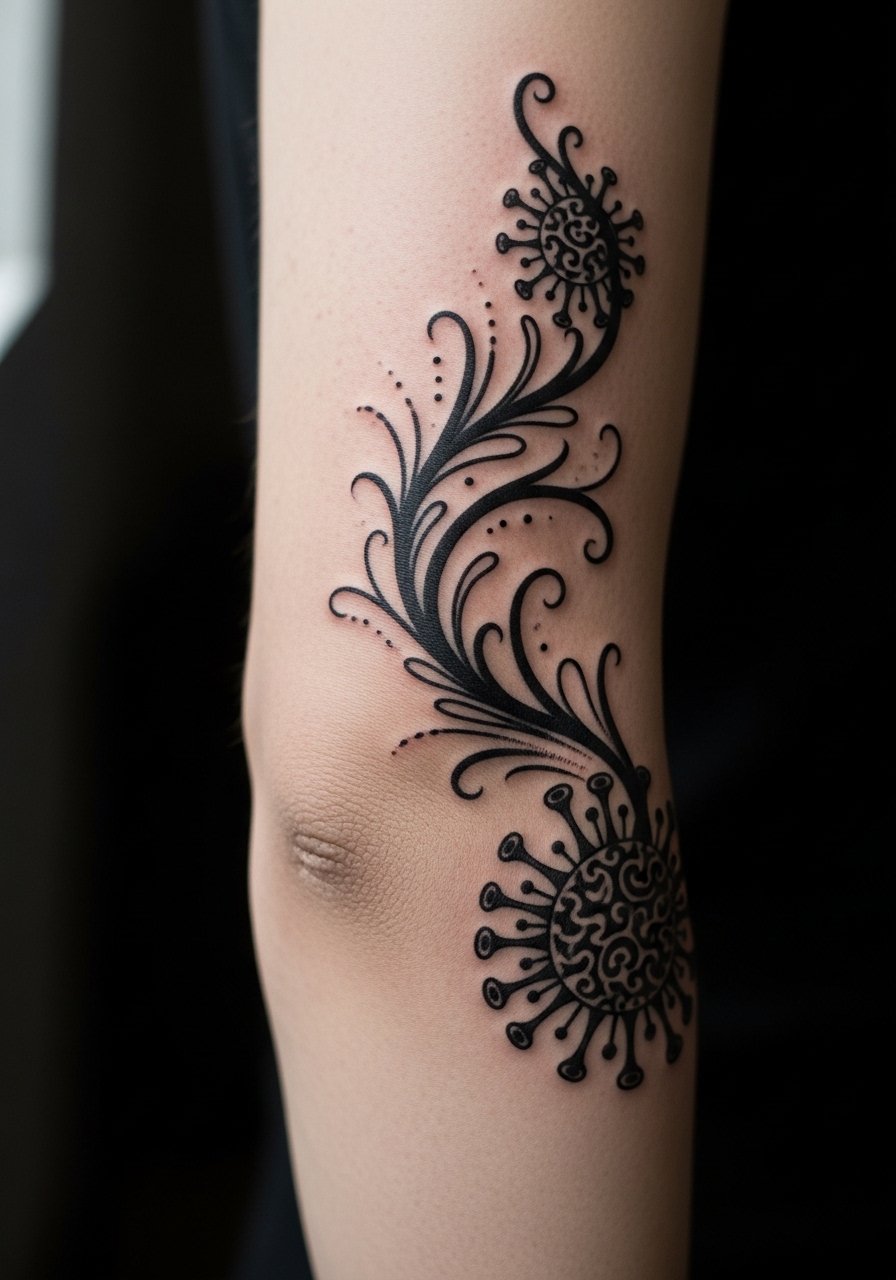
Using Parasite Eve tendrils as filler gives an existing sleeve a thematic bridge without needing a full repaint. Start at the elbow and let tendrils branch into negative space so the sleeve breathes. Tell your artist you want ornamental blackwork with varying lineweight and stipple shading for texture. A real mistake is forcing a dense tangle into small areas, which creates weak contrast as it heals. Expect three sessions for a larger start of a sleeve and plan touch-ups in the second year for saturation. This kind of work pairs well with layers on stage or festival gear, but skip heavy friction during the first month.
10. Throne glitch-effect crown at the collarbone
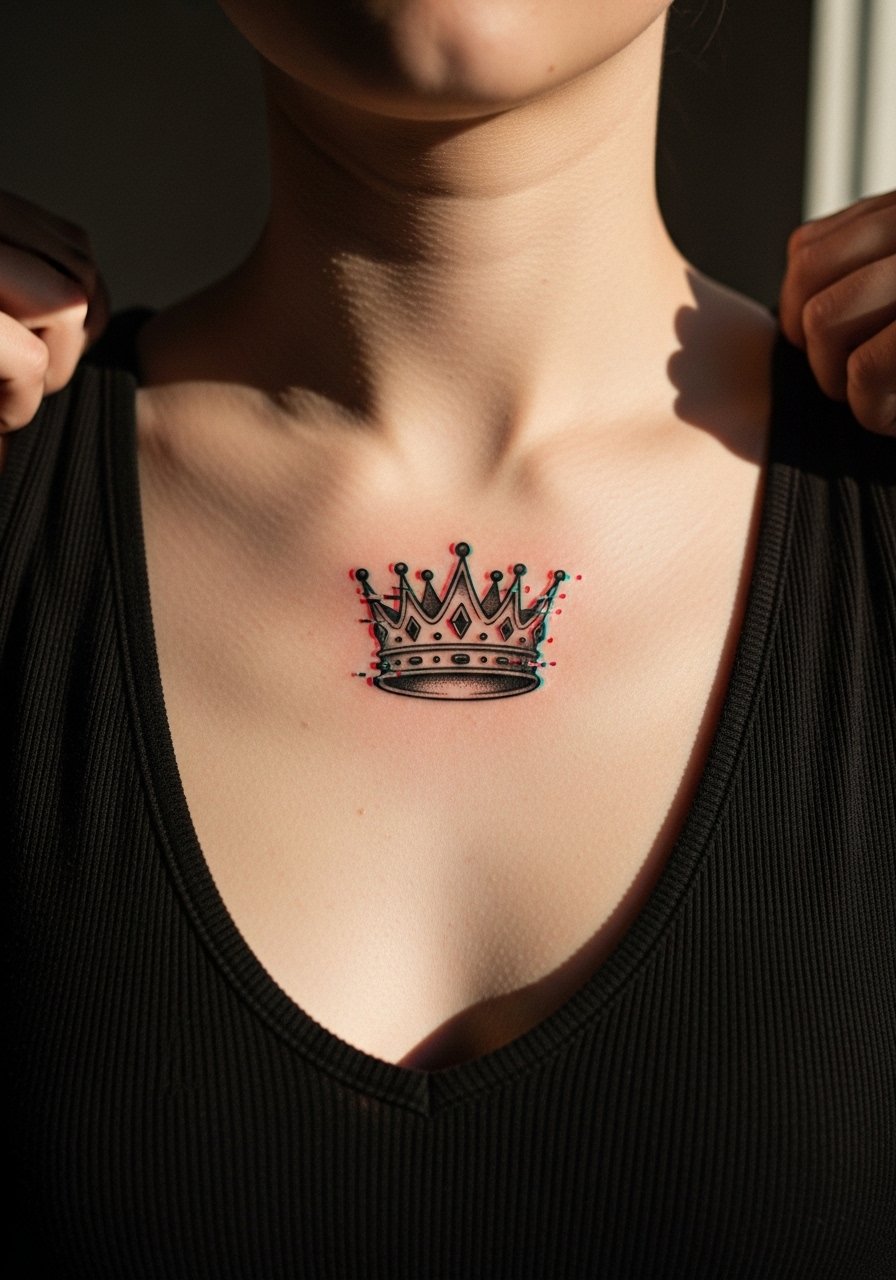
Collarbone small-midsize pieces like a glitch crown are great for symbolic BMTH claims without being literal. The glitch effect needs simple bold blackwork with deliberate breaks so the distortion reads as intended. Tell the artist you want interruptions in the outline rather than fine dot shading. The collarbone is sensitive and sessions are quick, usually under an hour. For showing it off wear a deep v neck tank for nights out so the piece sits naturally with your neckline.
11. Can You Feel My Heart waveform heart on the calf
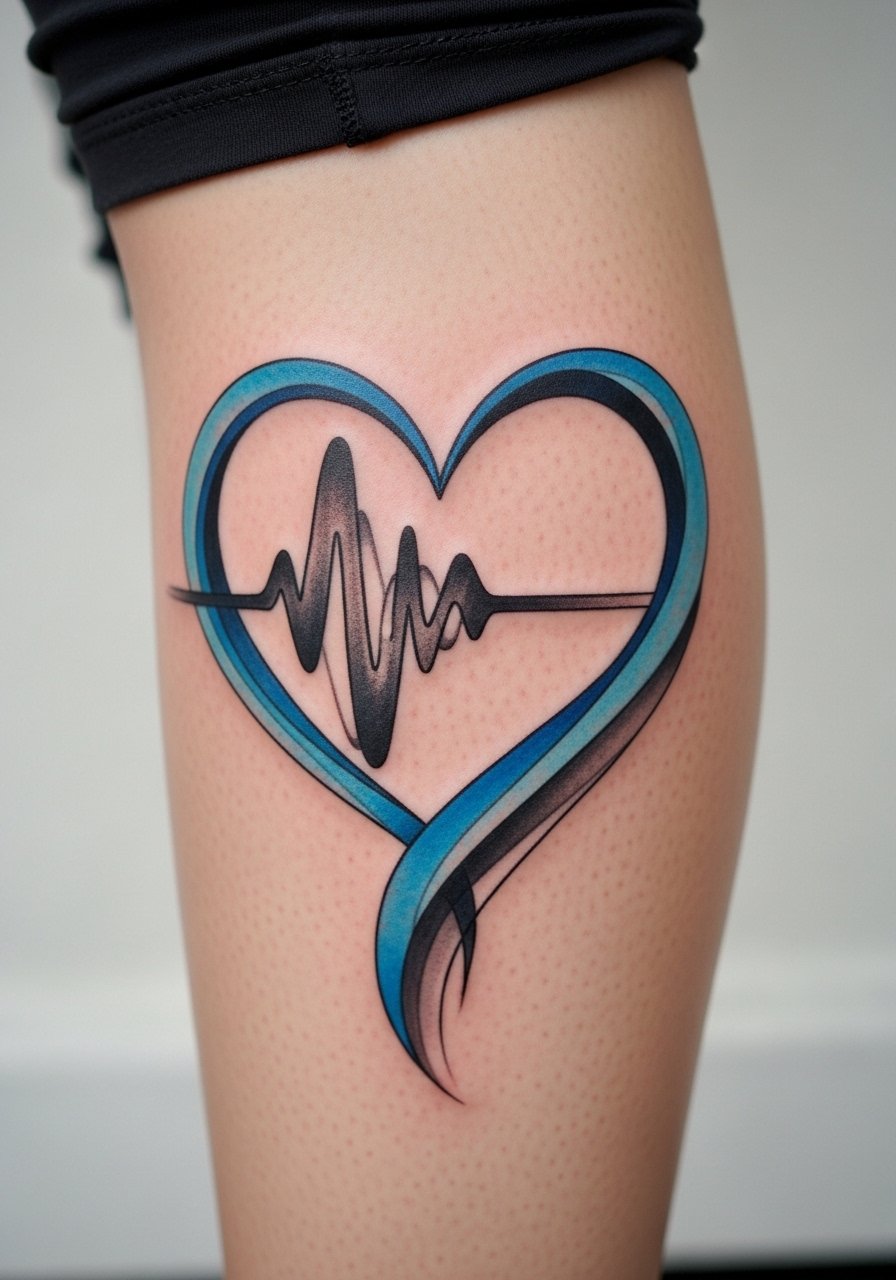
Calf placement gives waveform pieces room to breathe and keeps them visible in summer. Ask for a clean pulse line with gradient fills rather than scattered paint blobs. A mistake is putting too many micro splatters which thin out with time. Pain is lower than ribs and heal time is straightforward. Expect two sessions if you want richer gradients. For casual showing, roll joggers or wear slim fit joggers black rolled up to highlight the curve of the design during outings.
12. Drown wave-crashing figure as a full forearm piece
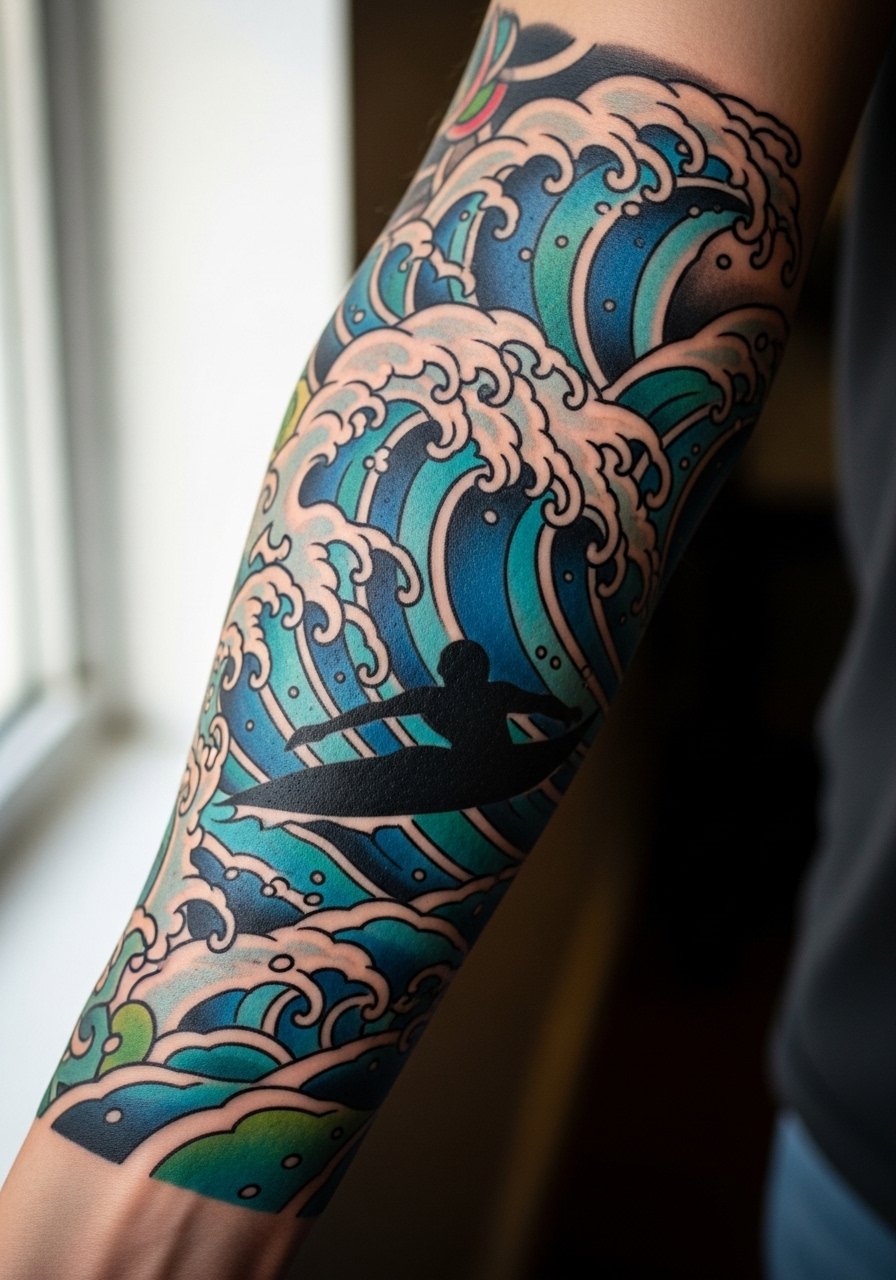
Full forearm neo-trad pieces age well because the arm sees moderate sun but not the constant friction of hands. This design needs bold outlines, saturated color zones, and a clear black figure silhouette to survive years of daylight. Ask for layered sessions so color saturation is built gradually and touch-ups are scheduled at six to twelve months. The session can be two to three hours per sitting. For showing it off try rolling sleeves and a charcoal gray henley shirt to keep the palette cohesive.
13. Mantra fractured mirror self-portrait on the back
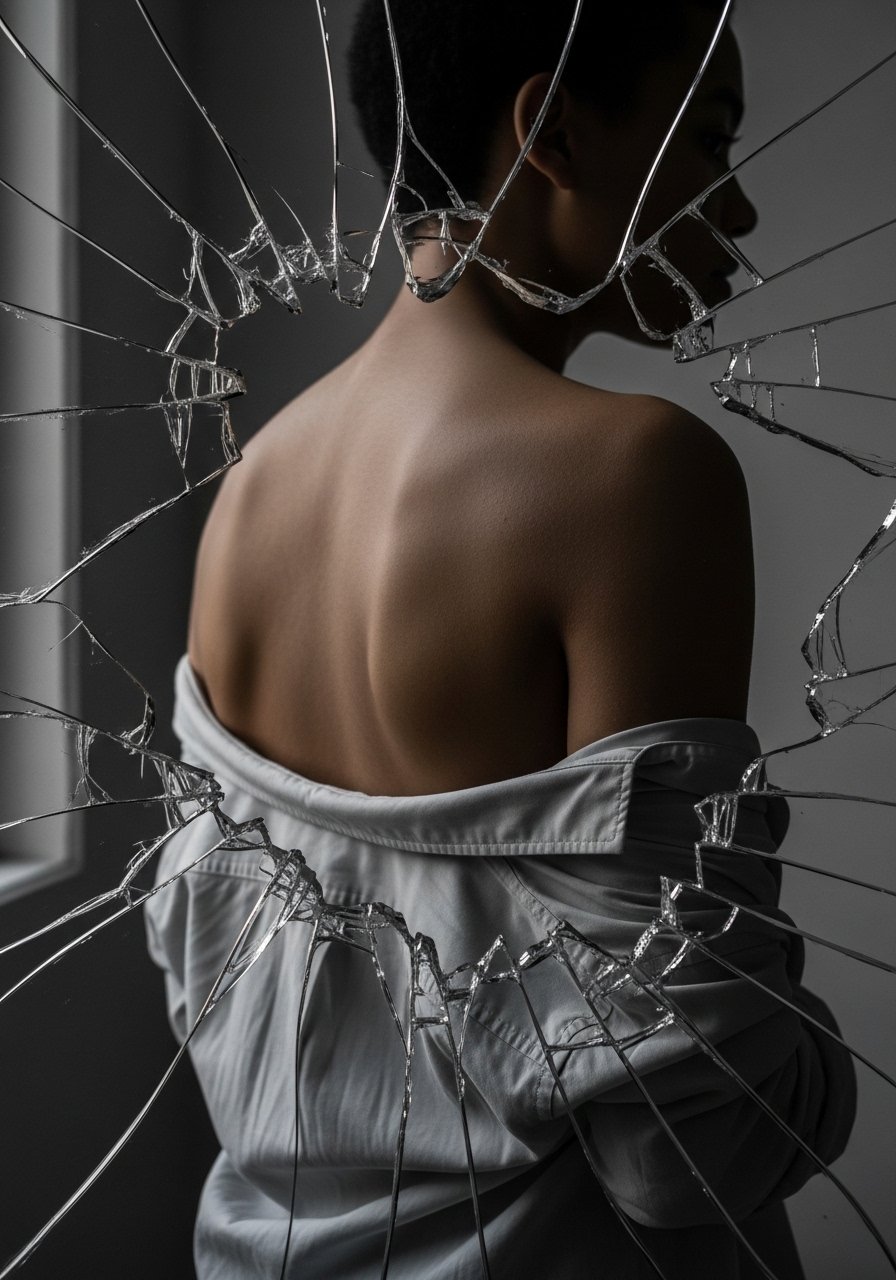
Large back micro-realism allows for layered meaning and will likely be a multi-session commitment. The broken mirror effect needs negative space and careful value separation so faces remain readable as they age. Tell your artist you want bold darks and soft midtones with a plan for four or more sessions. A common mistake is compressing too much facial detail into a small patch which becomes muddy at two years. Back pieces are forgiving if you plan wardrobe around the reveal. For sessions wear a loose button down shirt you can pull off without stretching the tattooed area.
14. Micro-realism eye with tear lines on the shoulder blade
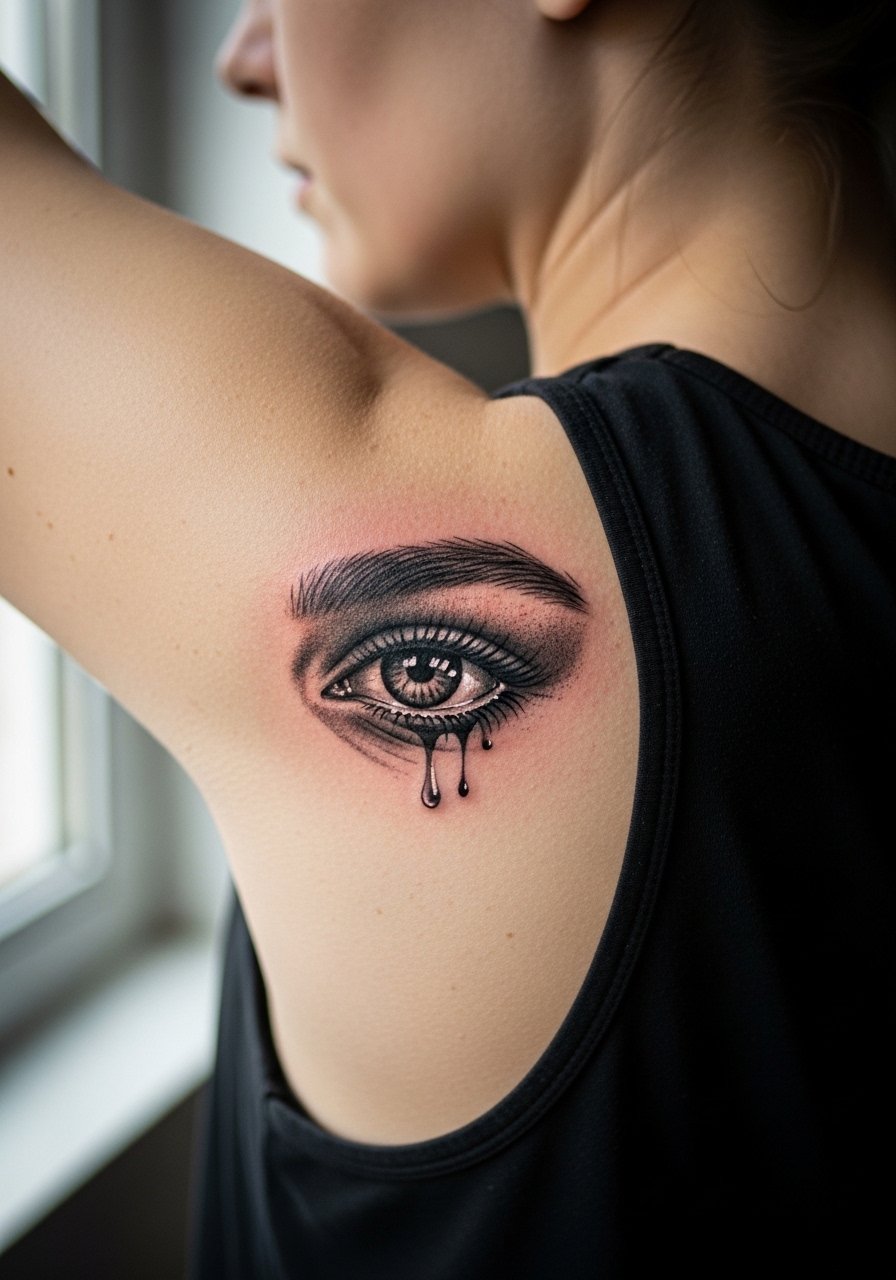
Shoulder blades offer a flatter canvas for micro-realism and they tolerate shading better than curved limbs. Ask for soft stipple shading for tears and avoid ultra-fine eyelashes that can blur into a grey mass. Plan for two sessions and expect low to moderate pain. The real mistake is demanding photo-size detail on a small shoulder patch. For nights out, wear an off shoulder crop top so the area reads clean against the fabric.
15. Glitch knuckles for quick, high-movement tests
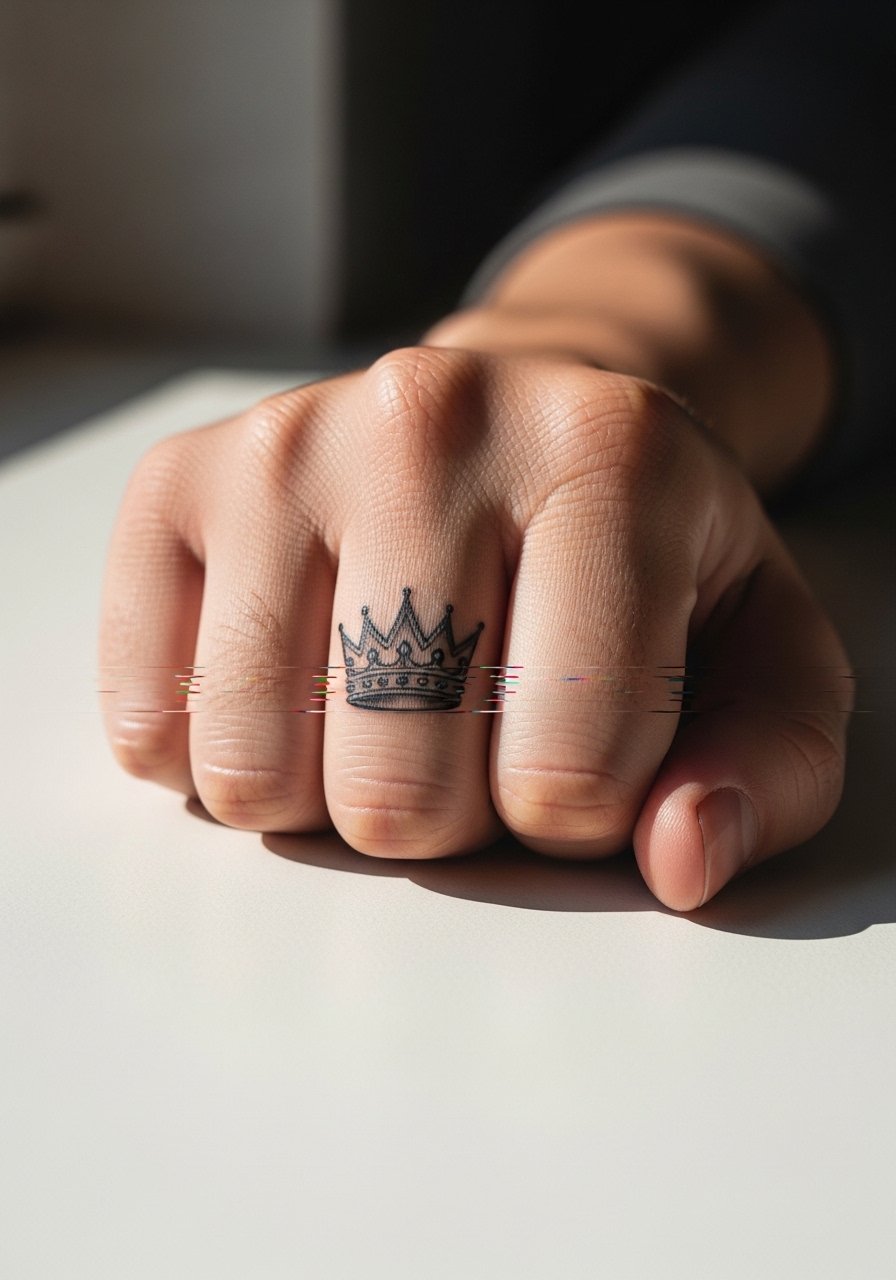
Knuckle work is a stress test for any style because hands see constant washing and friction. The ignorant glitch motif can be eye-catching but expect faster fade and the need for touch-ups. Size up the glyphs so lettering or a crown does not compress. Consider the career reality of visible hand work before committing. Sessions are short but healing is tricky because the area moves. A sensible approach is to start with a single knuckle symbol rather than a full word.
16. Waveform as a wearable heart monitor integration on the thigh
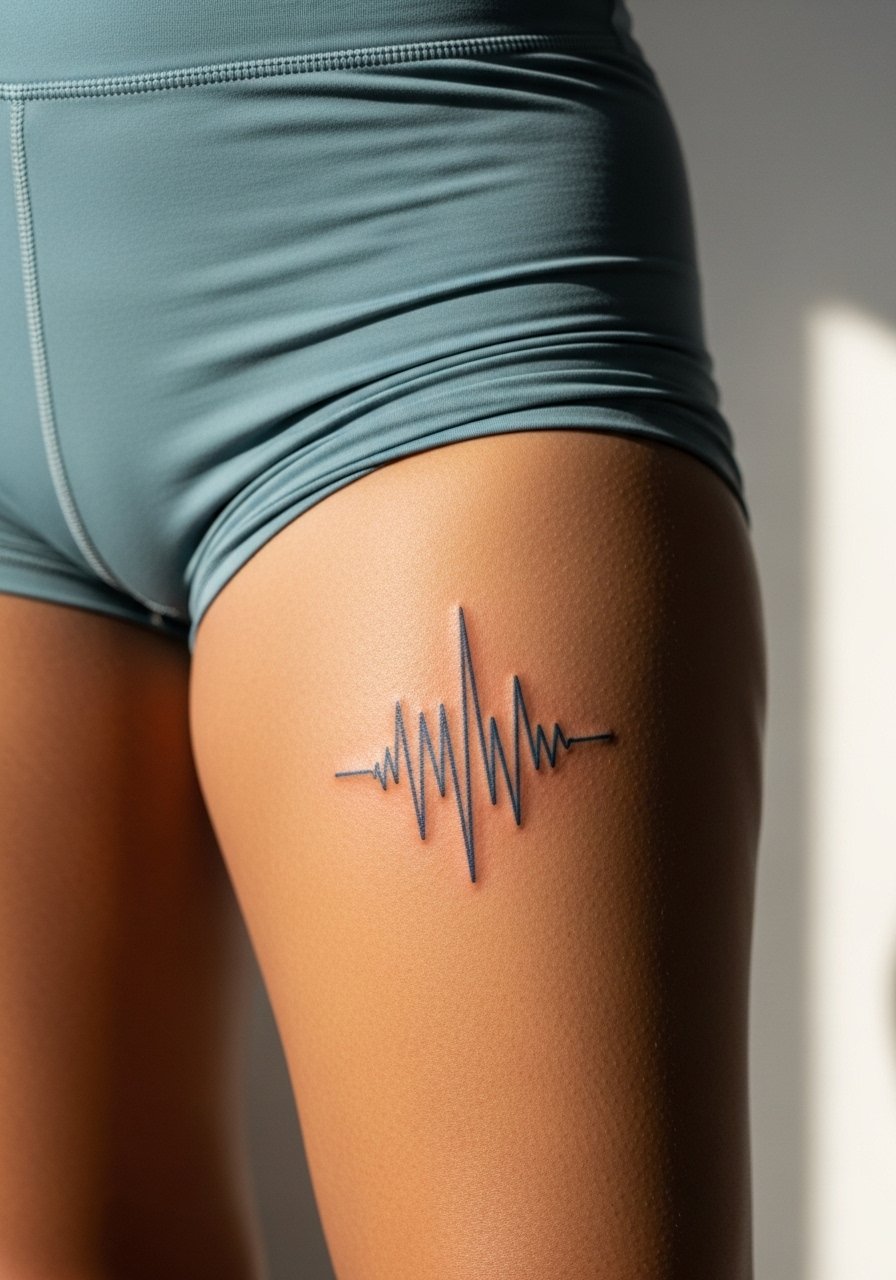
This is one of the under-covered ideas. Design the waveform so it can line up with an app or wearable for visual sync. Tell your artist you want a clear negative space baseline and consistent stroke weight so a sensor or strap does not obscure the line. Thigh placement reduces distortion with weight changes but still ask about long-term effects if you plan fluctuations. For the session wear loose shorts and bring a strap you might pair with the tattoo. Show it off with high waisted cargo shorts for summer visibility.
17. Survival Horror parasites as ornamental sleeve fillers
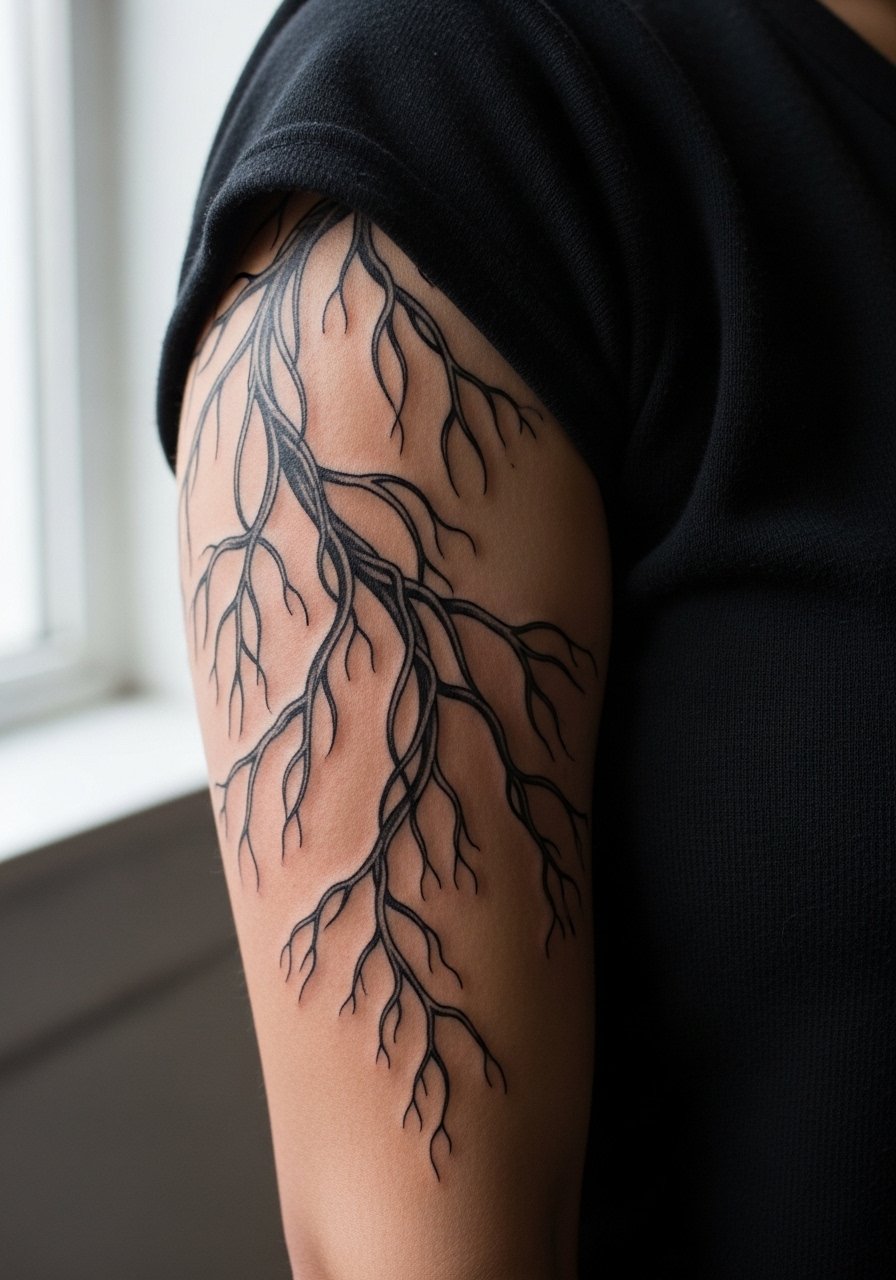
If you already have a sleeve with gaps, these motifs work as organic connectors. They let an artist patch whitespace without clashing with older styles. Ask for directional flow so tendrils link strong elements and avoid mirroring that makes the sleeve feel busy. People often ask for identical repeats which reads flat as the skin ages. Expect three sessions to integrate the piece and plan a year-one touch-up to even saturation across old and new ink.
18. Dark skin adaptation of watercolor waves with opaque pigments
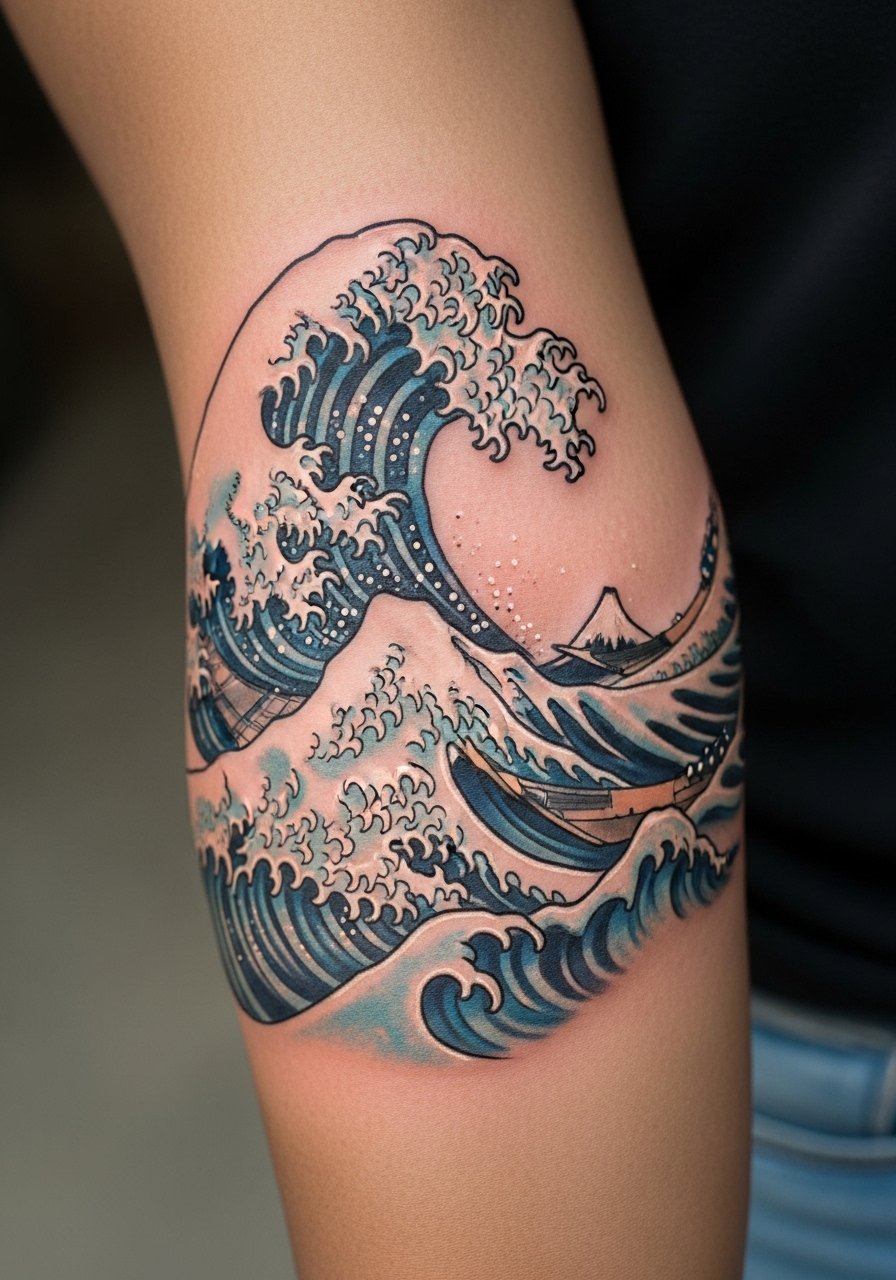
Watercolor can wash out on darker tones if the palette lacks opacity. If you have medium to dark skin, ask the artist for higher saturation areas, more contrast, and denser anchoring lines so the color pops without relying on filters. Many artists are moving toward opaque pigments that age better on darker tones. A mistake is copying a pale-skin reference and expecting the same result. Bring healed mockups on similar skin tones and discuss touch-up plans at six to twelve months.
19. Lyric tattoos in braille on the collarbone
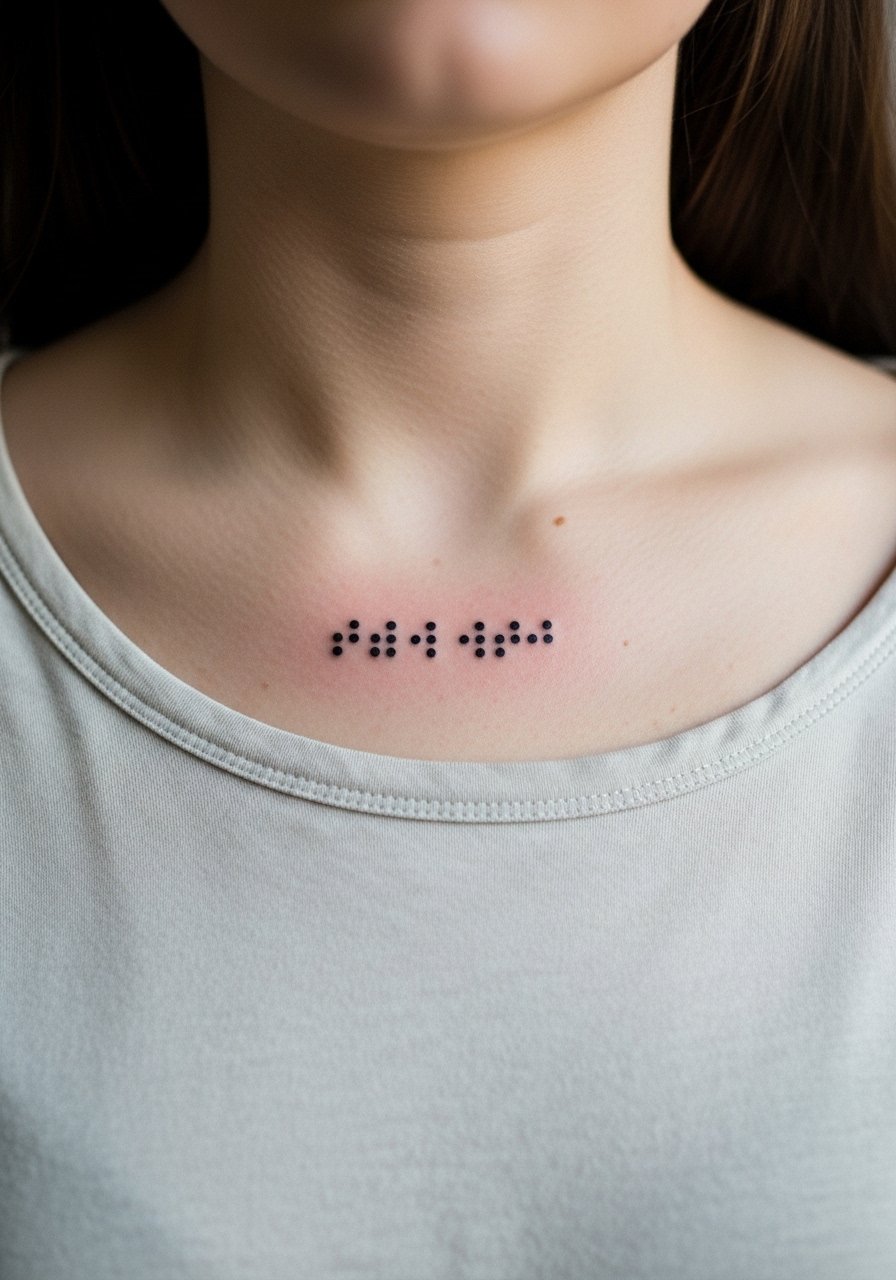
This niche approach turns lyrics into a tactile tribute while keeping a clean visual. The dot work needs consistent spacing and depth so dots remain readable by touch and sight. Tell the artist the exact phrase and ask for a mockup laid out on skin because scale matters more here than with script. The collarbone is sensitive but the result is subtle. Be explicit about the textual content and consider a companion visual if you want immediate visual recognition.
20. Small Post Human Nex Gen cyber eye on the hand
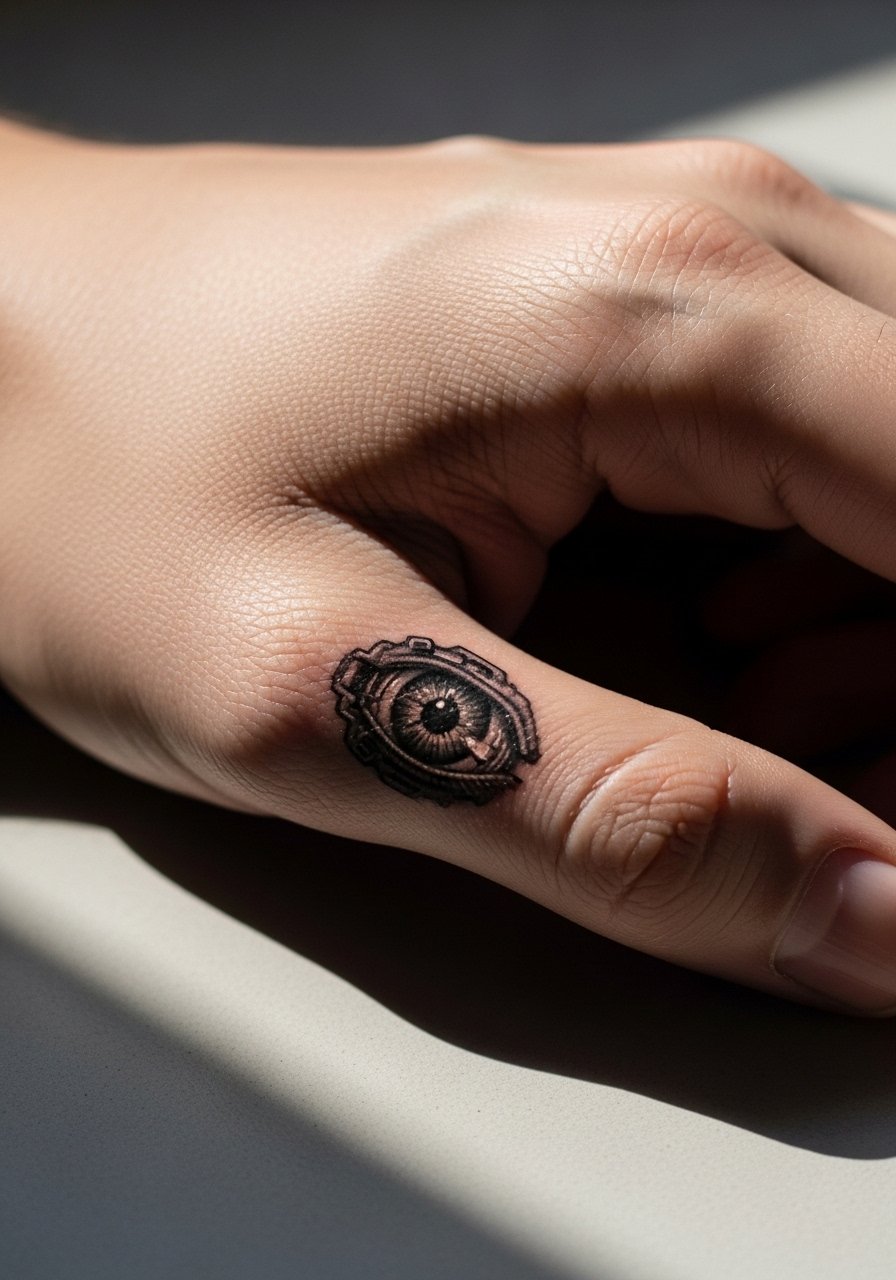
Hand pieces show fast character. A micro eye on the hand is a bold statement but needs deliberate scale increases so detail doesn’t melt into a grey patch. Ask for thicker contour lines around the pupil and fewer extra highlights that will flatten out. Healing is tricky because of daily washing and sun exposure. Expect touch-ups sooner than you would for the arm. If your job is conservative, think about visibility and placement on the back of the hand versus the side.
21. Mantra fractured mirror as a large chest piece
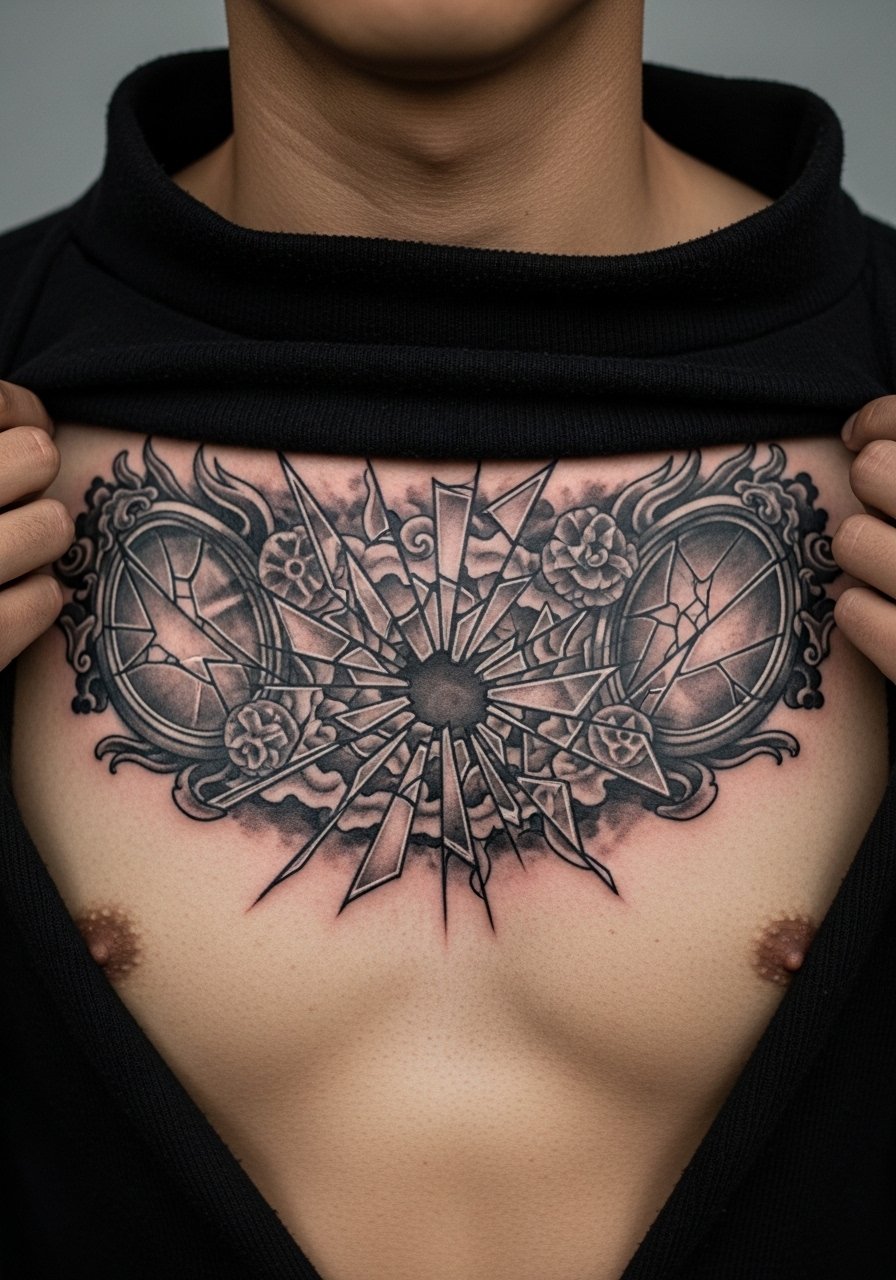
When you want a statement BMTH chest piece, give the fractured mirror space to breathe and plan for multiple sessions. Chest skin moves with breathing so ask for slightly larger separations between mirrored shards to prevent merging over time. The common mistake is insisting on micro-detail across the entire chest in one go. Plan for four plus sessions and schedule touch-ups at year one and beyond. For session prep wear a strapless or wide-neck top so the artist can access the area cleanly.
Studio Day Picks
The upper chest, ribcage, forearm, and thigh pieces above all benefit from different prep items for the session and first week of healing.
-
Tattoo Rescue balm. A thinner balm formula that some people prefer over heavier ointments when humidity is a factor around large color pieces like thigh or forearm work.
-
Ink Shield spray. A breathable protective spray some fans use instead of films during long blackwork sessions to reduce trapped moisture on large pieces.
-
Blackwork Balm. Formulated for bold line retention, which helps pieces like the Sempiternal skull and post-human motifs stay crisp while healing.
-
Heal Fast Serum. Used by a few people to speed scab-free healing on stipple-shaded areas and ornamental tendrils.
-
Aquaphor healing ointment. Thin layers in the first 48 hours help protect fine line work on wrists and collarbones before switching to a lighter balm.
Frequently Asked Questions
Q: Will fine line BMTH script blur faster on wrists than on collarbones?
A: In my experience the wrist takes more friction and sun exposure so fine line blurs sooner than collarbones. If you love the small script, ask for slightly increased spacing and a hairline weight one step bolder. Expect touch-ups at around two to three years depending on care.
Q: How do blackwork and watercolor compare for dark skin tones?
A: Blackwork tends to hold contrast better on darker skin because saturation reads as crisp. Watercolor can work if the artist uses opaque pigments and anchors the color with strong flow lines. Bring healed references on similar skin tones and plan a touch-up at six to twelve months.
Q: Are wearable waveform tattoos practical with fitness trackers?
A: They can be. Design the waveform with a clear baseline and consistent stroke weight so a strap or sensor does not obscure the rhythm. Thigh or calf placement minimizes distortion. Sketch a mock alignment during consult so the wearable and art sync visually.
Q: What should I ask about healing methods like Saniderm during my consult?
A: Ask the artist which camp they fall into and why. One camp favors protective film for cleaner, sealed heals. The other prefers dry or open-air methods to avoid trapped moisture. Both have valid points, and the right choice depends on your skin, placement, and lifestyle.
Q: How do I avoid getting stuck with a design that ages poorly?
A: Avoid packing tiny details into small placements. Ask for bold outlines on wrists, bigger scale for micro-realism, and heavier saturation for color work. Request a realistic healed mockup and a touch-up plan during the booking so you know when the piece will need attention.