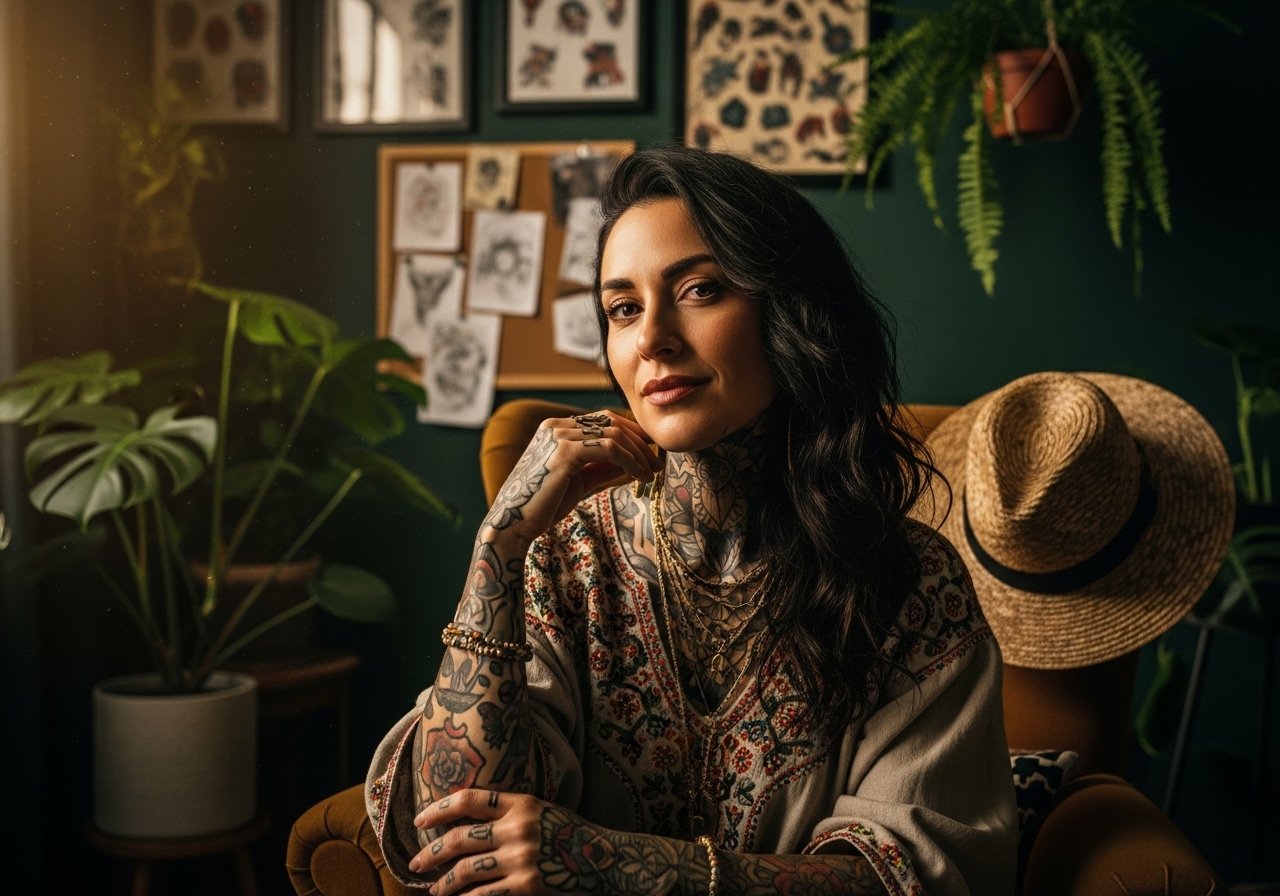
The trendiest goth flash on feeds looks great at first, but the pieces that still read clean in five years usually share a simple trait: bold decisions up front. Pick a placement that tolerates changes, ask for healed photos on skin tones like yours, and choose line weight with future fading in mind. Below are 27 gothic flash tattoo ideas that balance immediate wow with longer-term wear, plus styling and session tips to help each design age better.
1. Skull with Roses on Outer Forearm
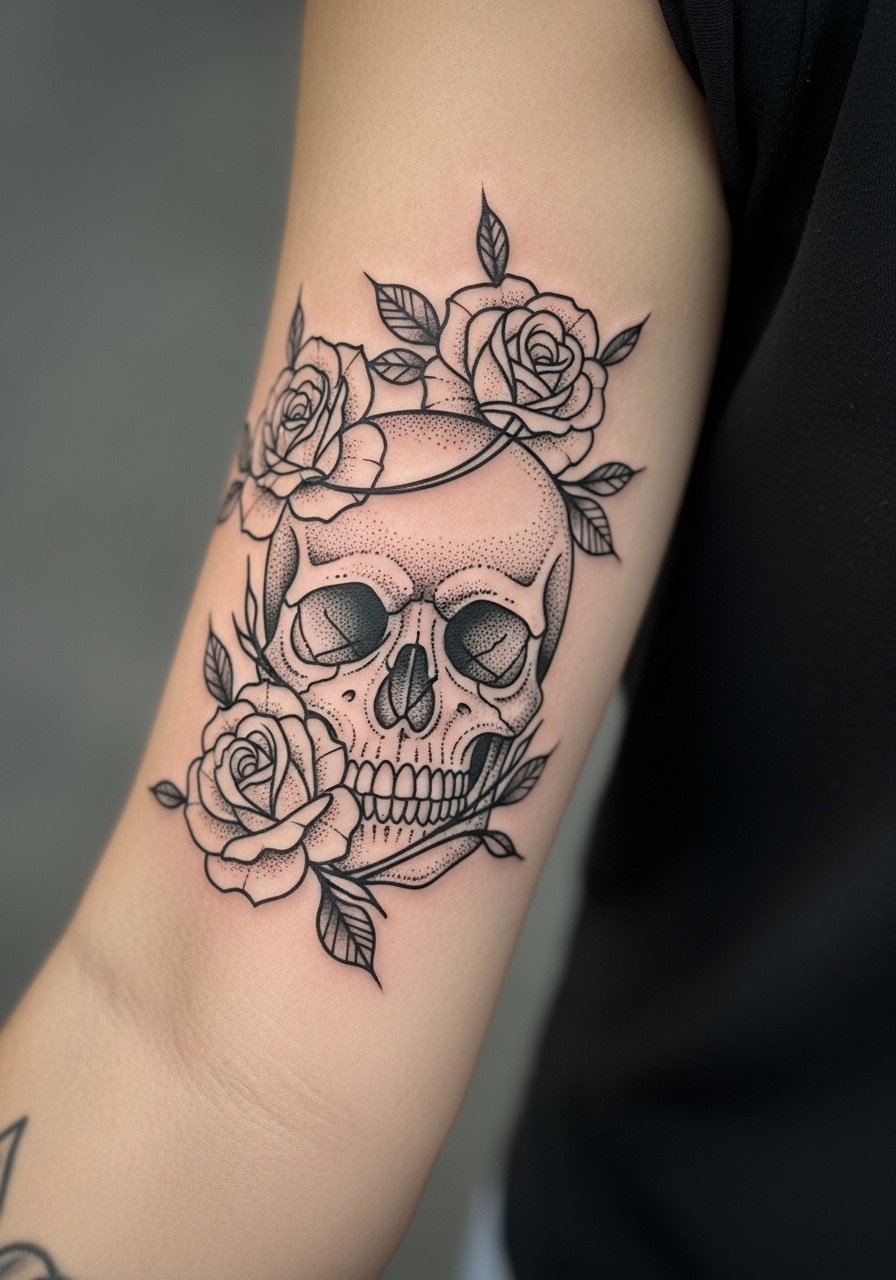
I've seen this one hold up for years when artists start with heavier linework instead of trying to micro-detail every petal. Tell your artist you want clear linework and stipple shading rather than tiny hairlines, and bring healed photos of similar work on comparable skin tones. Common mistake, requesting ultra-fine petals that blur fast. Expect a one to two hour session, moderate pain, and touch-ups possible at year three if you want saturated blacks refreshed. For the session, roll up a loose button-down shirt so the artist can work the whole arm easily.
2. Raven in Flight on the Shoulder
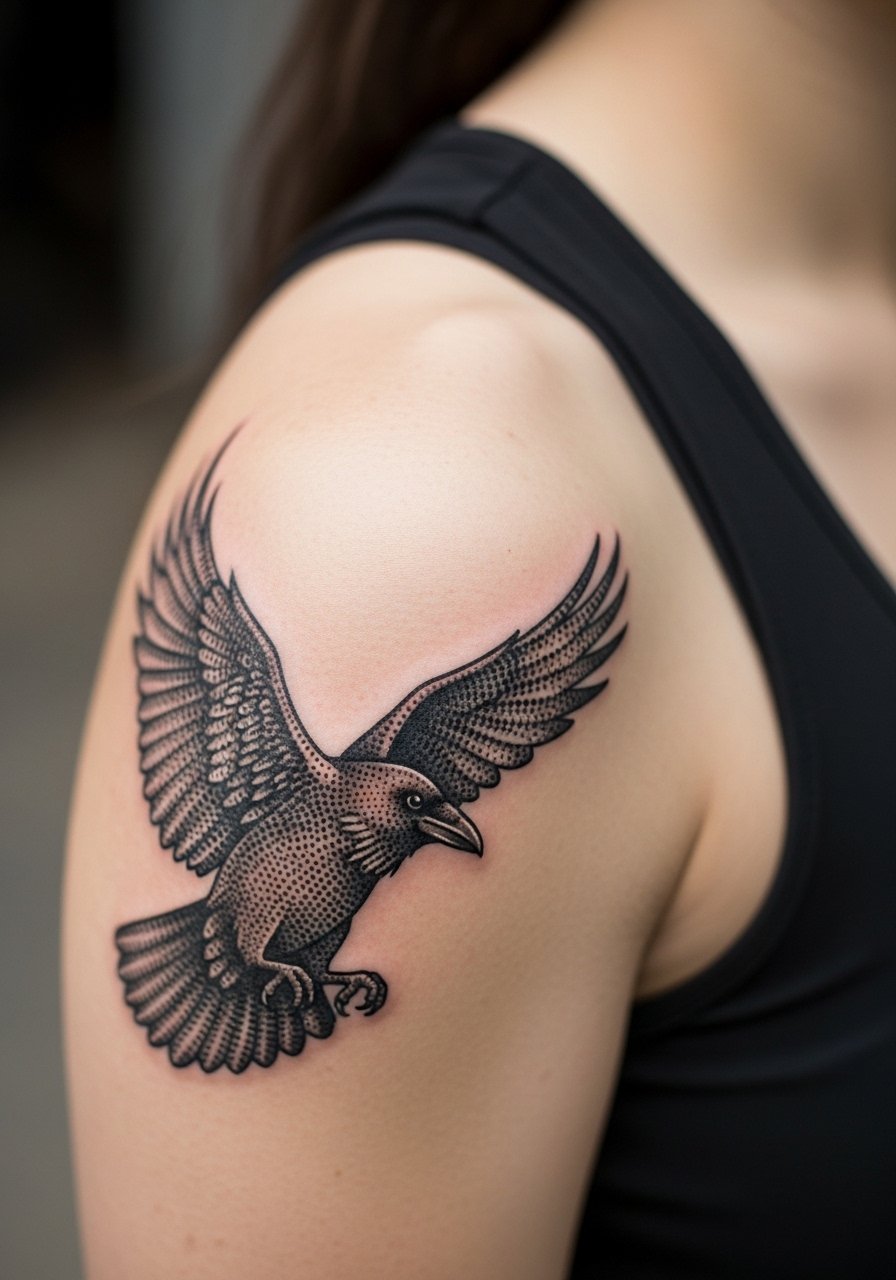
This suits people who want mystery without constant visibility. Dotwork and black-and-gray realism age nicely on exposed shoulders, especially if the raven wings have breathing room. During consultation, ask for a dot density sample so you know where stippling will sit at six months versus two years. Pain is mild for the shoulder, session usually under two hours. Pair the finished piece with a sleeveless band tee for instant edge, and wear a loose tank for the appointment.
3. Gothic Archway with Vines on Upper Back
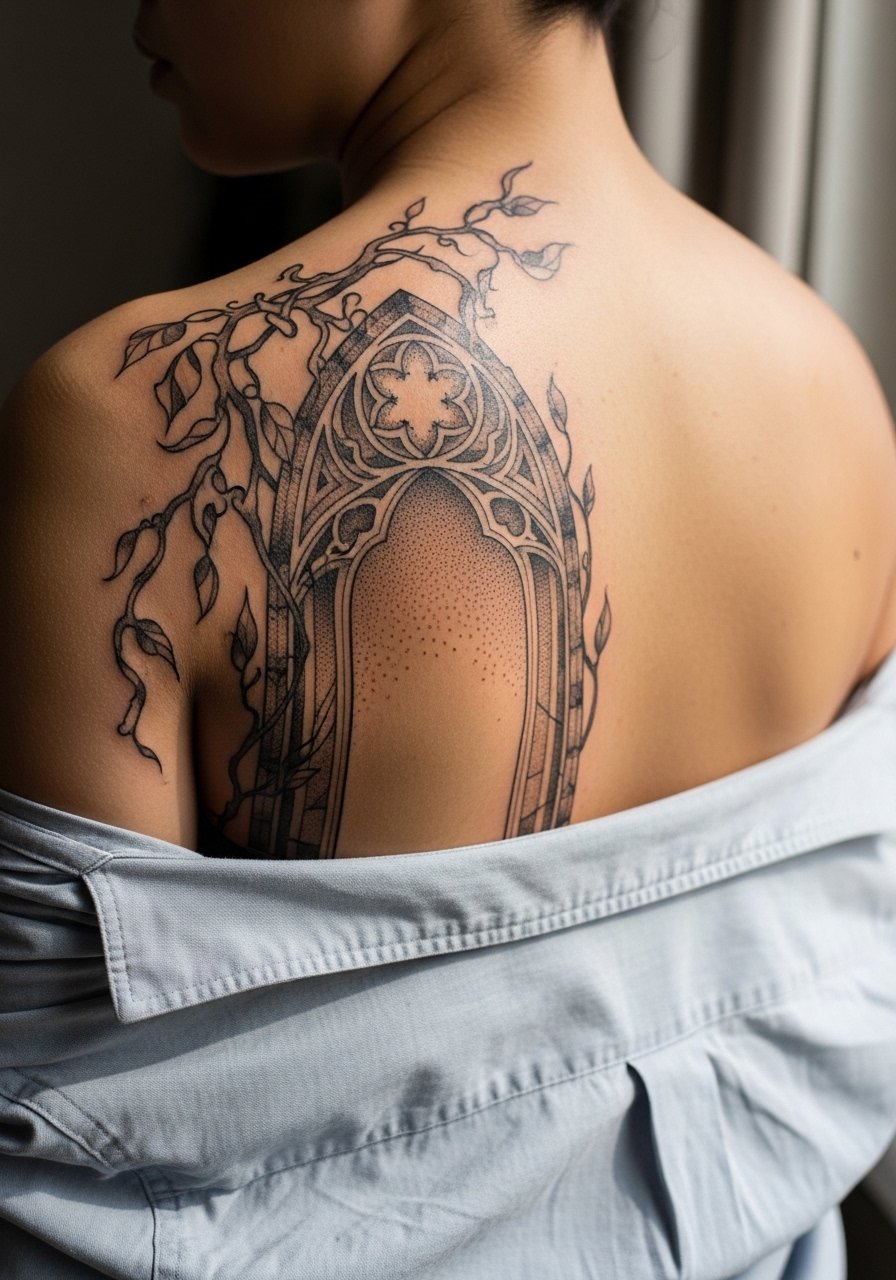
This is a statement piece that benefits from multiple sessions and careful placement along the shoulders. The dotwork architecture reads best at larger scale, so avoid shrinking the design into a small square or it will lose detail. Tell the artist you want negative space in the arch to keep the vines from becoming a dark block as it heals. Expect three sessions, moderate pain between sessions, and touch-up work at year two for density. For show-off styling, an open-back midi dress highlights the arches without competing.
4. Black Rose and Dagger on the Collarbone
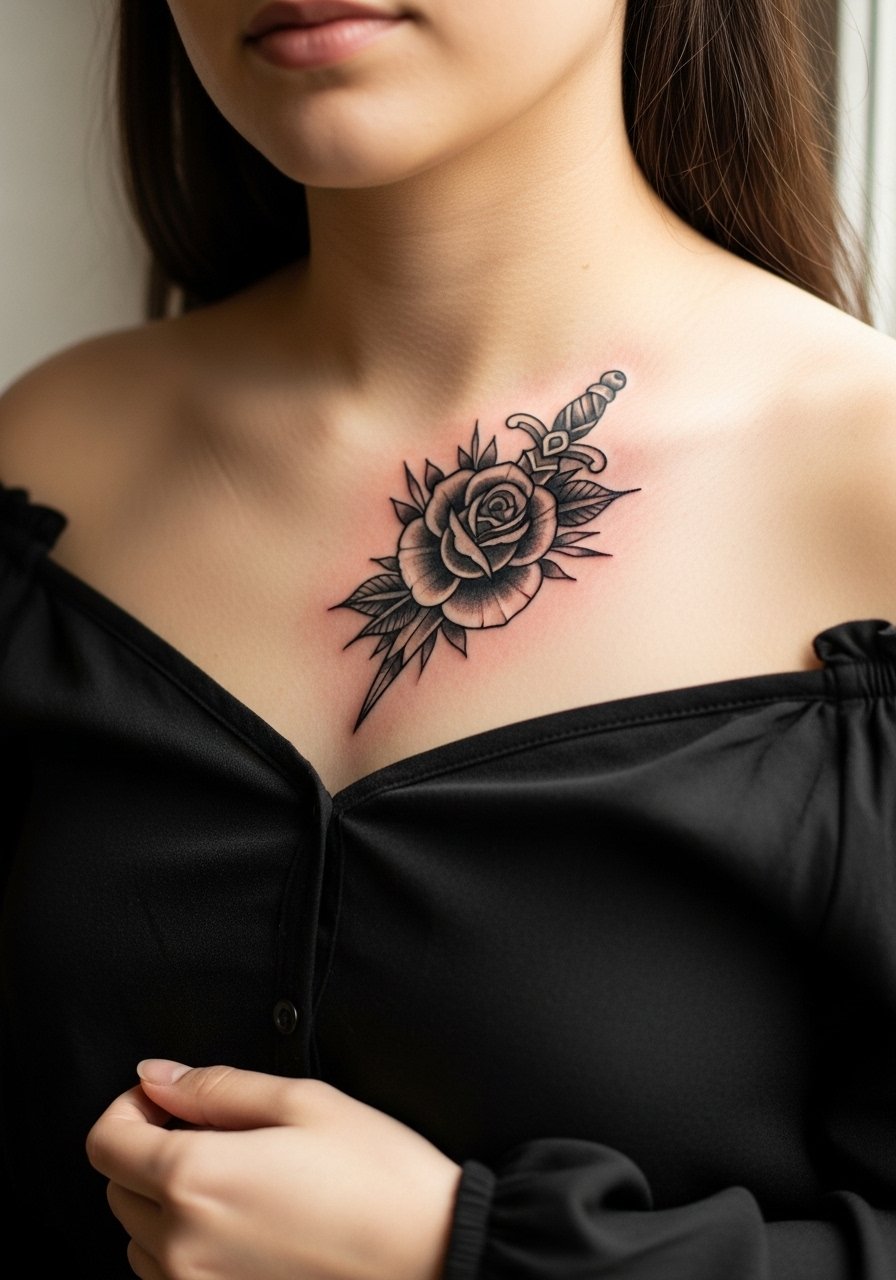
Collarbone pieces age well when linework is bolder and shading uses gray wash rather than tiny stipple. Fair warning, the collarbone can be tingly during the session, and motion while sleeping affects scab formation. Ask for a compact design about four inches wide and request healed photos from the artist, especially on medium-to-deep skin tones. This flash reads feminine and gothic without being fussy. Pair it with an off shoulder black blouse to frame the area, and wear a strapless or button-down top for the session.
5. Bat Silhouette with Moon on the Inner Wrist
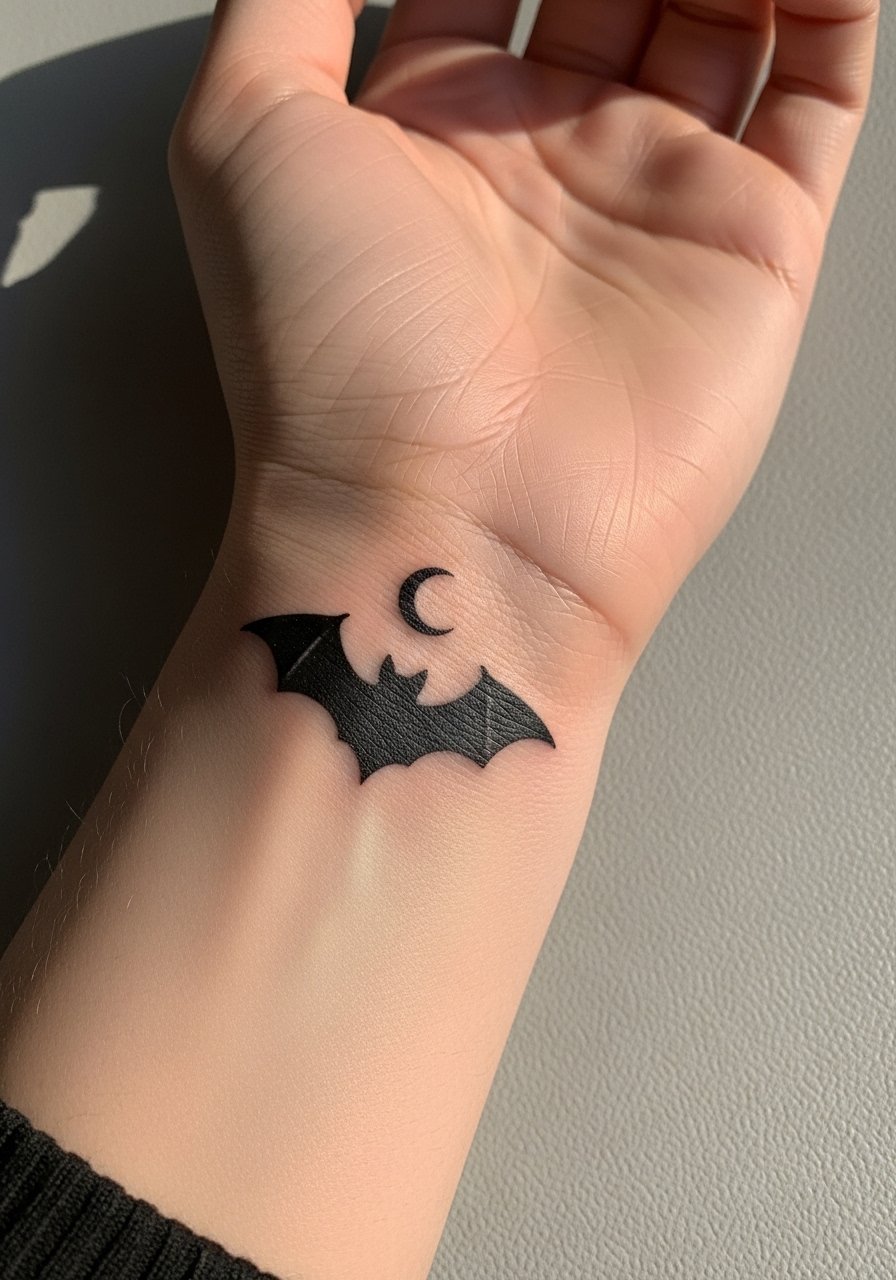
Small wrist pieces are compact and affordable, but they face friction and frequent washing. The wrist needs bold, simple shapes rather than intricate lines. Common mistake, asking for tiny internal details that disappear within a year. Session time is short, pain is moderate, and a protective film can help during week one. Style it with a thin silver chain bracelet on the opposite wrist to balance attention. For the appointment, go sleeveless and remove any wrist jewelry.
6. Cross with Thorns on Upper Chest
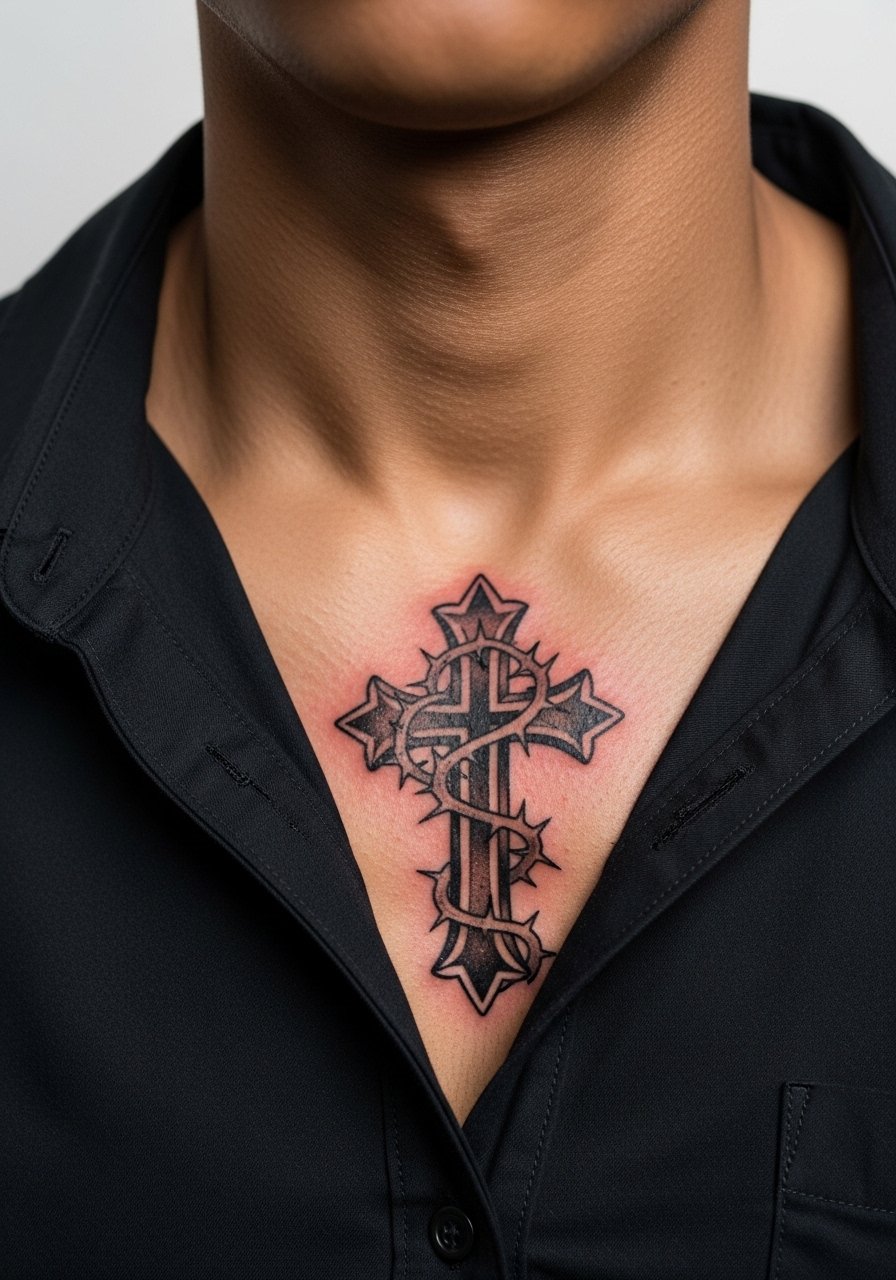
Chest work asks for patience. The upper chest can handle gray wash and bolder outlines, which help the thorn details hold. Controversy pops up with healing methods for chest pieces, because some artists prefer protective film and others favor dry heals. One camp argues the film keeps humidity controlled for larger blackwork, the other camp worries it traps bacteria. Ask your artist which method they use and why, and follow their plan. Expect two sessions for a detailed chest cross, higher sensitivity than the arm, and modest swelling for a few days. Wear a loose button-up or robe for the visit.
Studio Day Picks
The forearm, wrist, and chest pieces above each have different prep needs, so pack a small kit that helps with access and first-week comfort.
- Ink-Oil balm. Lightweight and non-greasy, this balm helps dotwork forearm pieces avoid that heavy sheen that hides stipple texture during the first week.
- Aussie Gold aftercare spray. Dries faster than some thicker creams and suits humid summer chest sessions where sweat can be an issue.
- Recovery Ink breathable patches. Useful for rib and side torso work if you want a breathable alternative to full film during healing.
- Japanese Hatenashi balm. Thin absorption makes it a solid pick for delicate wrist or ankle flash that needs moisture without clogging.
- Tattoo Goo ointment. A thinner option than heavy balms for the initial days after a small blackwork wrist or forearm session.
7. Spiderweb and Hourglass on Outer Thigh
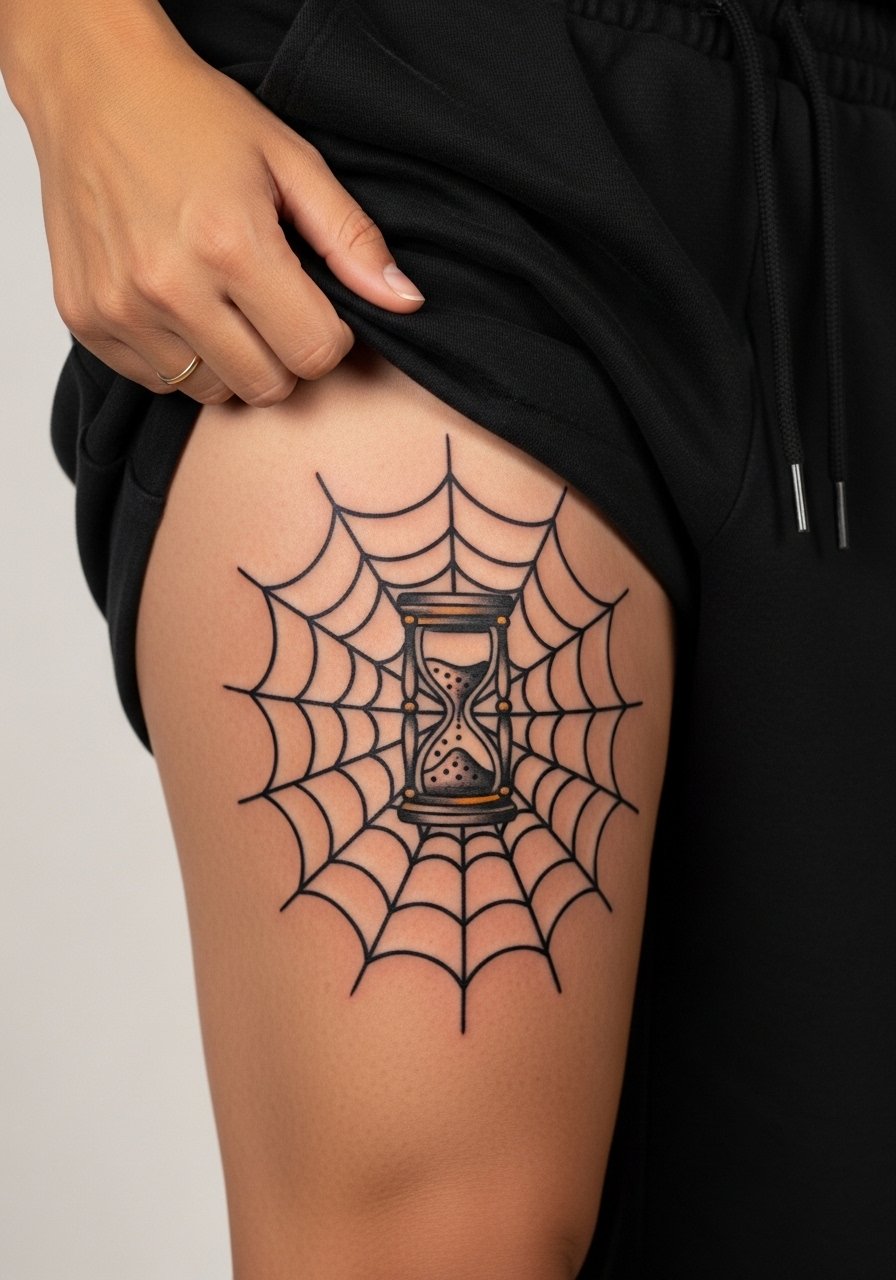
Thigh pieces allow larger compositions and bold black lines that last. Outer thigh takes friction better than inner thigh, and the space lets you avoid cramming details. Tell your artist you want bold outlines around the web and a heavy black hourglass fill so the negative space holds after healing. Session is usually one to two hours with moderate pain. For show-off styling, high-waisted black shorts or sheer fishnet tights can layer without obscuring the design. Wear loose joggers to the appointment for easy access.
8. Victorian Skull Cap with Lace on Side Neck
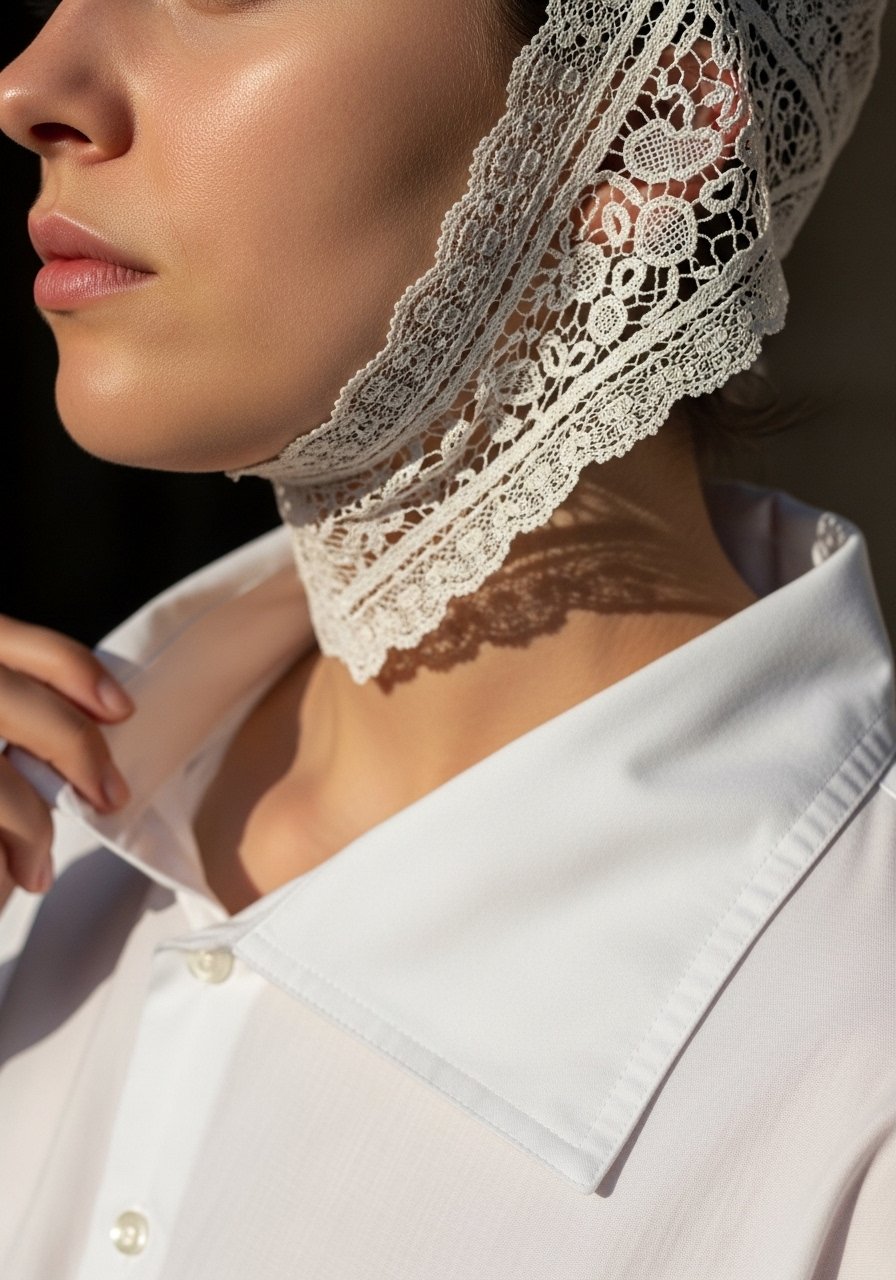
Neck pieces read as feminine morbidity when done with precise linework and negative space. The side neck is visible but still needs a subtle approach to keep lacework legible. Because neck skin moves a lot, ask for slightly bolder lace lines rather than ultra-fine filigree so the pattern survives motion and touch-ups. Session time is short, pain can be sharp near bone, and professionals who specialize in neck work are worth seeking out via local hashtags. Pair the result with a matte silver choker for evenings.
9. Crescent Moon and Raven on Calf
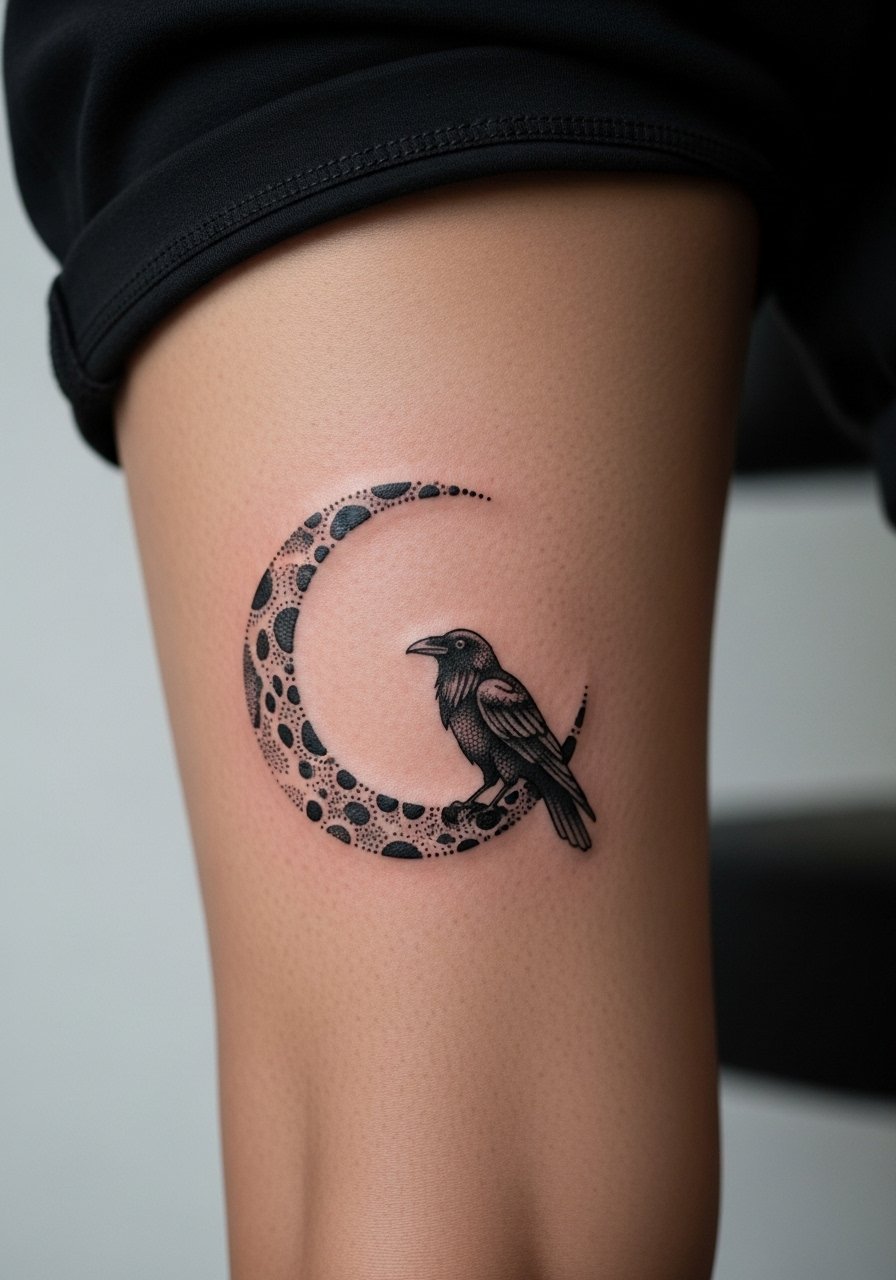
Calf placements are reliable for longevity because the skin stretches less than the forearm. Dotwork moons and raven silhouettes benefit from larger spacing between dots. A two-session plan gives the artist room to build depth without packing lines too tight. Pain is low to moderate and healing is straightforward. For display, roll up bootcut jeans or wear combat boots to frame the calf. For the appointment, shorts are the easiest option.
10. Poison Bottle with Snakes on the Ribcage
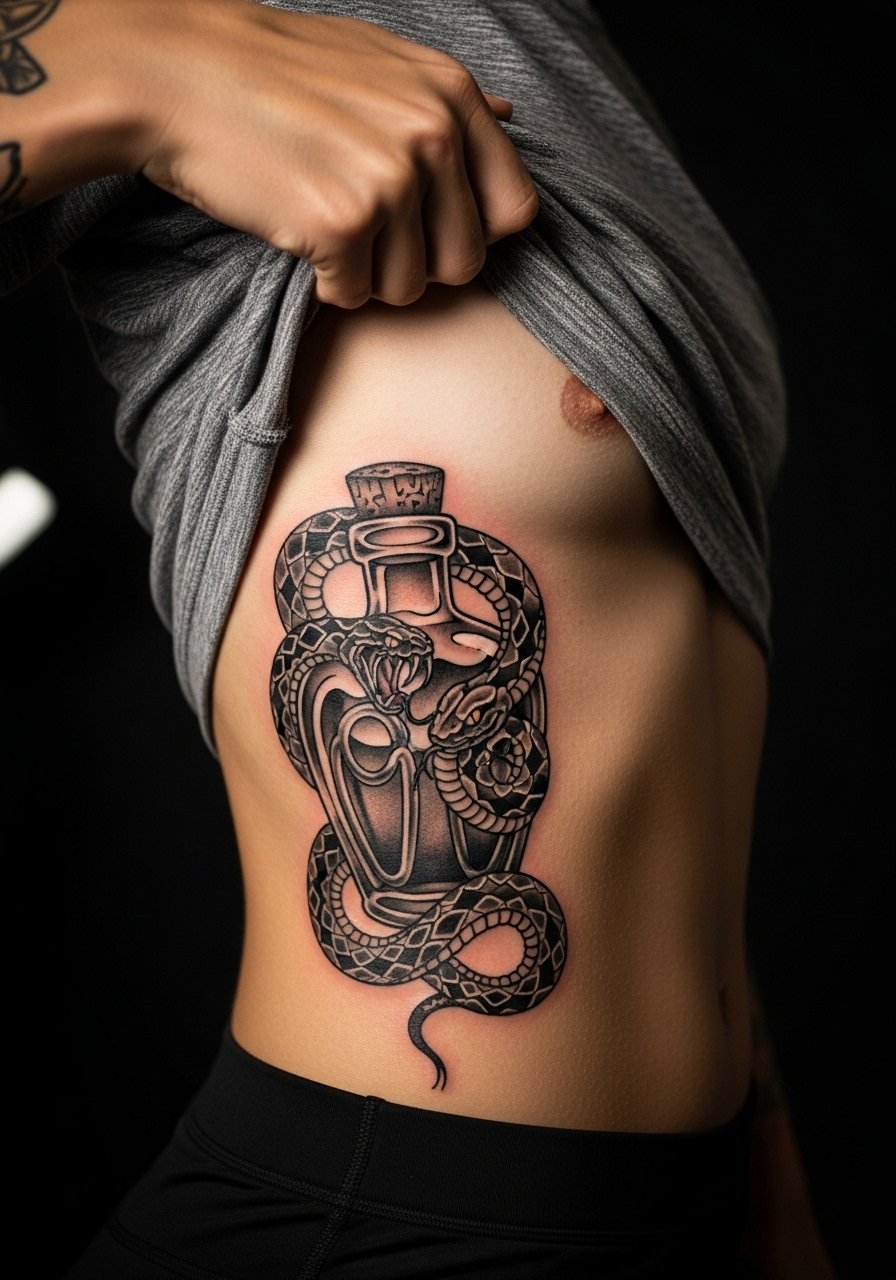
Ribcage work is high on the sensitivity scale, but it offers dramatic concealment when you want private drama. One camp supports topical numbing for ribs, the other says numbing interferes with breath cues. The honest route is to ask your artist how they handle pain management and whether they recommend a numbing option. Sessions range two to three hours and may require breaks. Expect initial soreness for several days. For the session, wear a cropped top you can lift slightly so the artist has clean access.
11. Gothic Heart with Lock on Inner Forearm
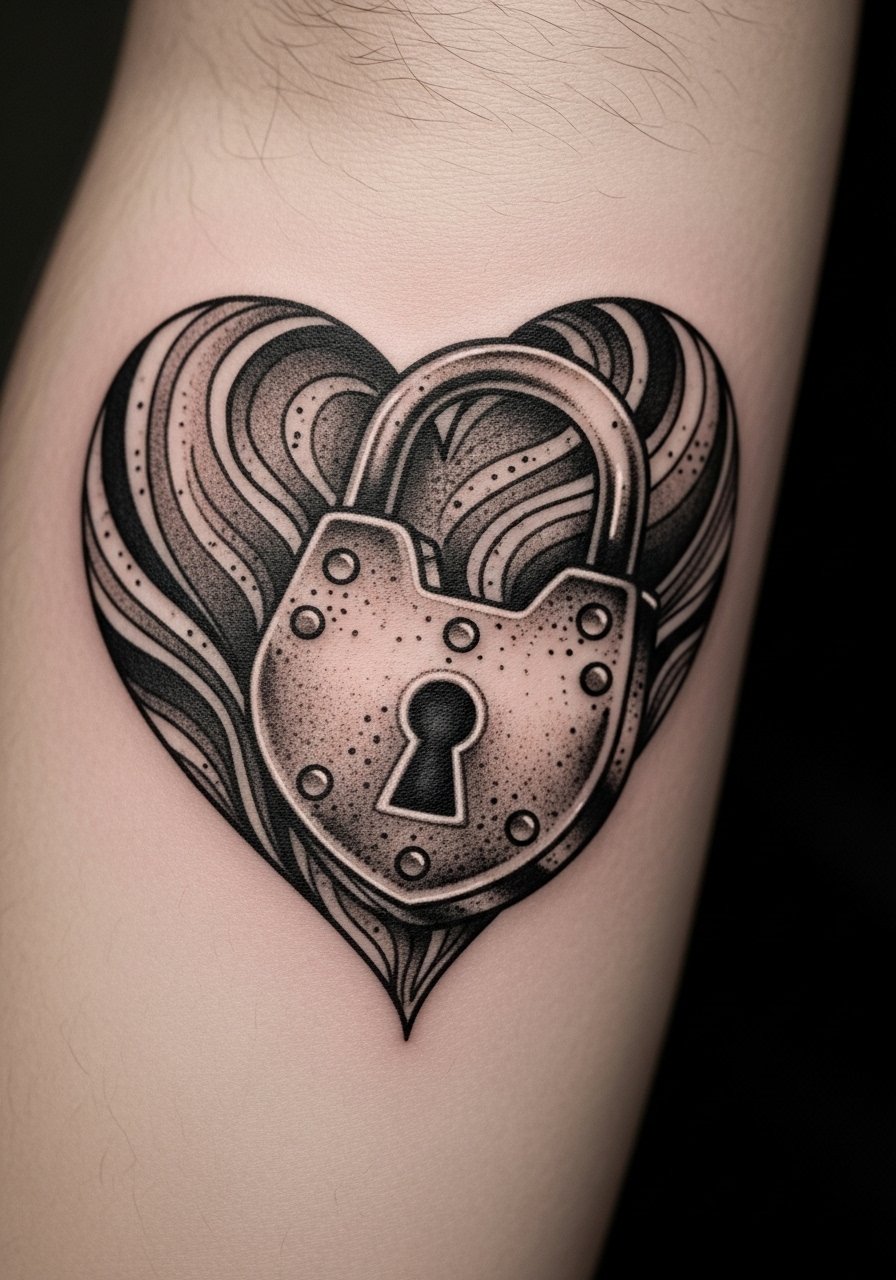
Inner forearm pieces show off well and are often starters for sleeve work. For a heart-and-lock motif, choose heavy saturation and simplified internal detail so the lock reads at arms length. A common error is asking for micro textures inside the lock that disappear as it heals. Expect one to two sessions, moderate pain, and potential touch-up at year two if you want deeper saturation. Style it with rolled-up linen shirts, and wear a black cotton tee rolled sleeve to show off the tattoo.
12. Web-Covered Rose on the Ankle
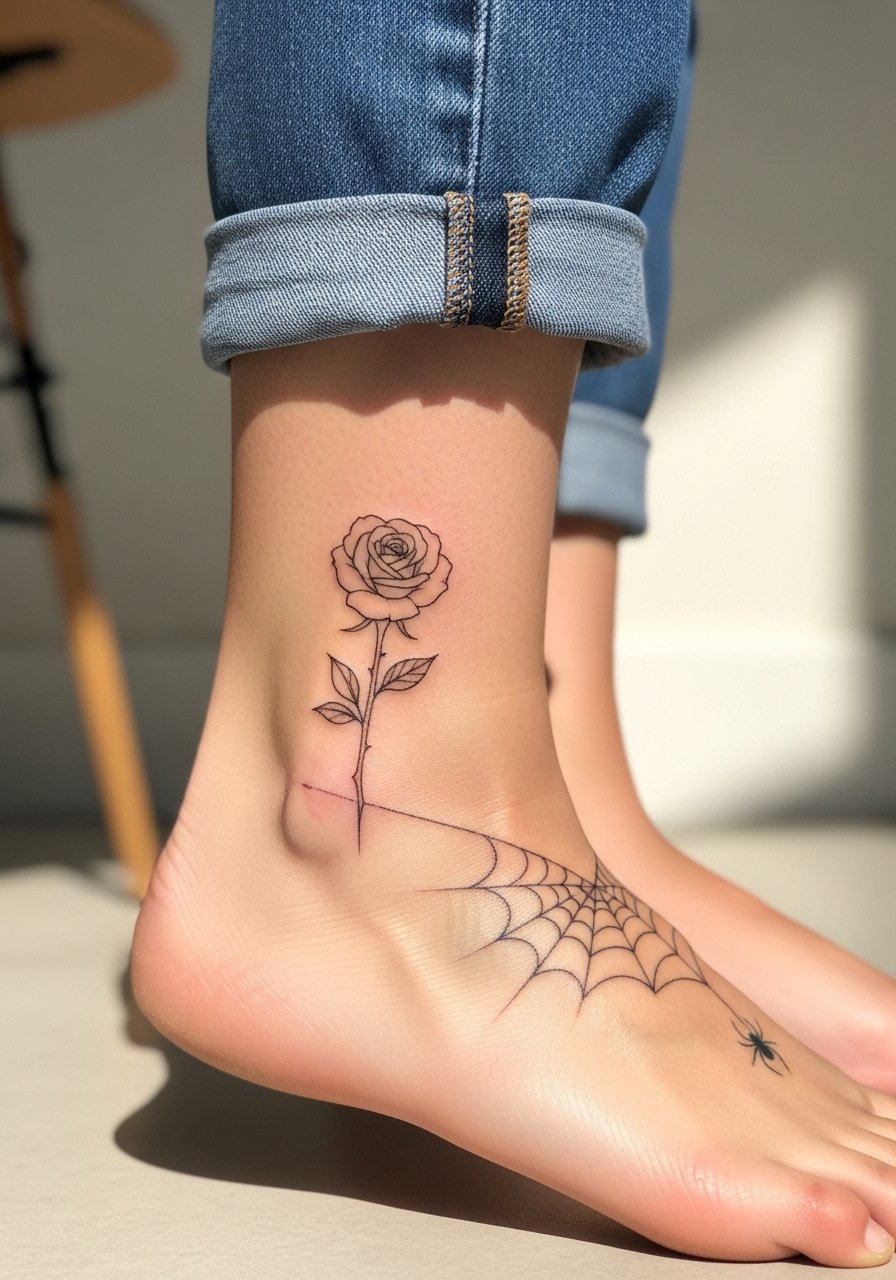
Ankle tattoos face a lot of friction from socks and shoes, so fine line work can fade faster there than on the forearm. If you insist on delicate petals, plan for touch-ups at year two. A sturdier version uses slightly thicker outlines and tight black fills in the web to maintain silhouette. Session time is short, pain is sharp for a moment, and keep the area protected while healing. For summer wear, cropped jeans or ankle booties with cutouts frame the design.
13. Coffin and Rose on the Shoulder Blade
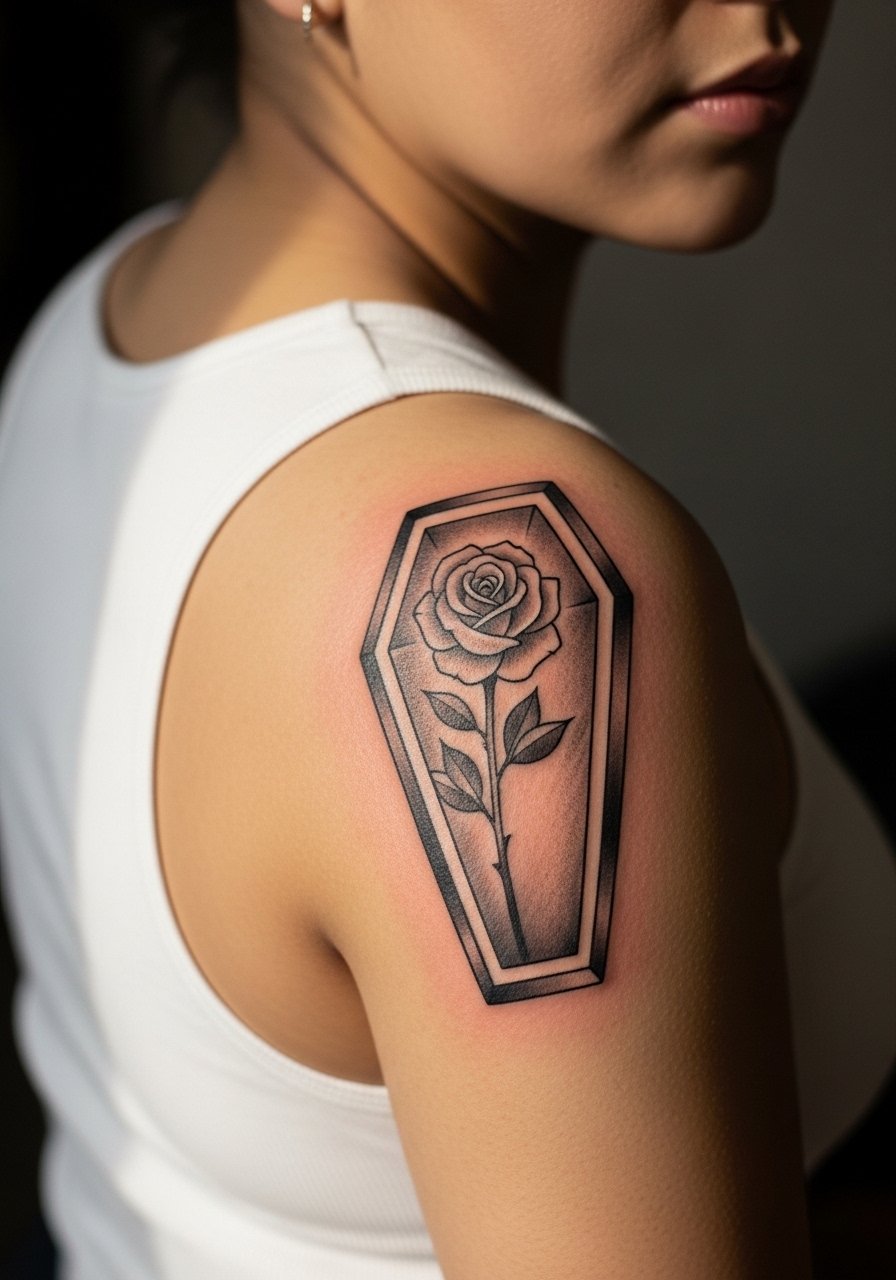
Shoulder blade pieces are great for larger, realistic gothic motifs because the canvas is stable and hides under clothing easily. The coffin silhouette benefits from mid-tone gray washes to keep depth without muddying. Common mistake, overloading the coffin with tiny surface detail that blends during healing. Sessions may be split into two, with moderate pain. For display, open-back tops make the shoulder blade a secret reveal, and wear a loose tank for the appointment.
14. Micro Bat Row Along the Fingers
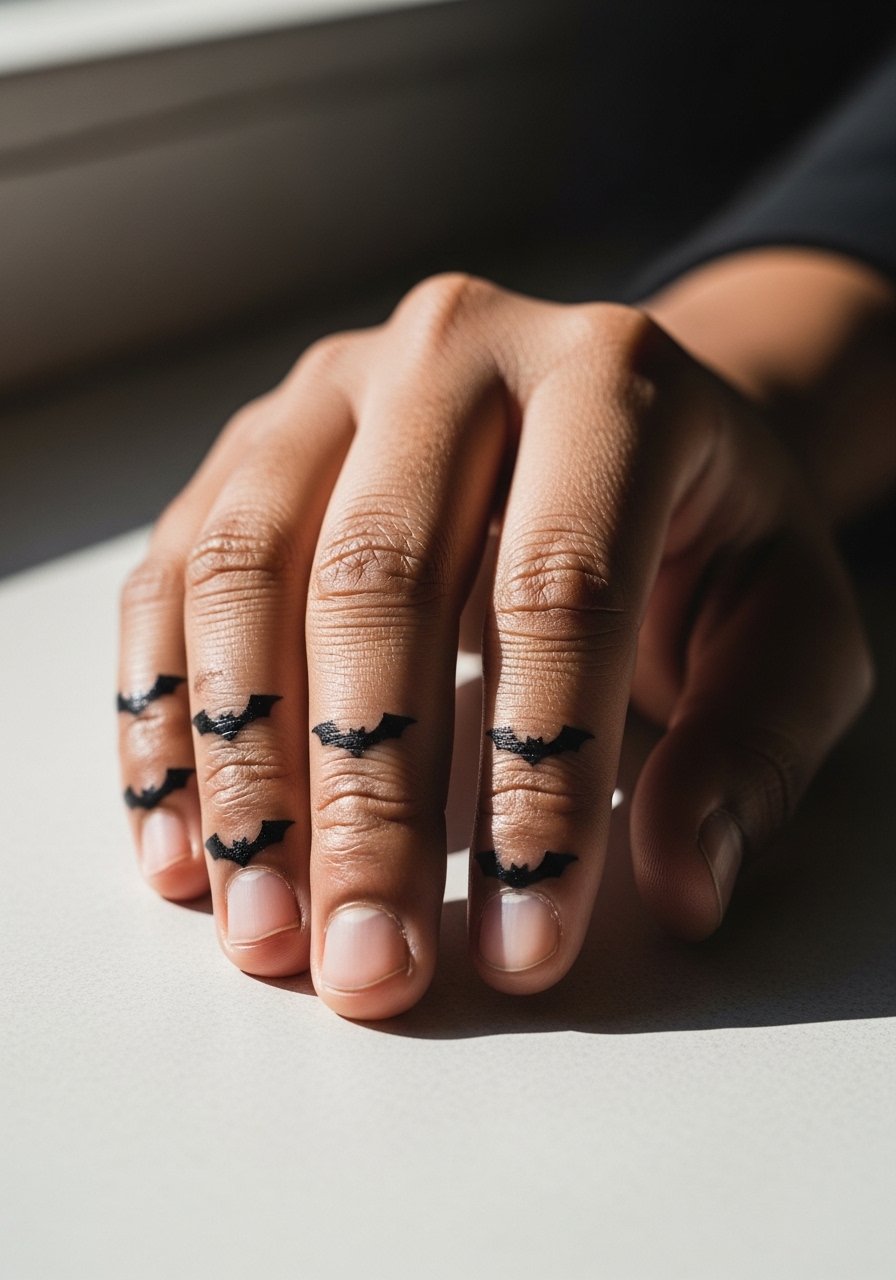
Finger tattoos are notoriously prone to fading and blowout because of constant washing and thin skin. If you want finger bats, go for solid silhouettes spaced apart rather than tiny internal linework. Expect touch-ups within a year or two. Ask your artist about ink placement depth and realistic touch-up timelines before committing. For showing off, a dainty ring or thin chain ring set sits well without crowding the bats. For the session, come with clean nails and no rings.
15. Webbed Rose on the Ankle Wrap
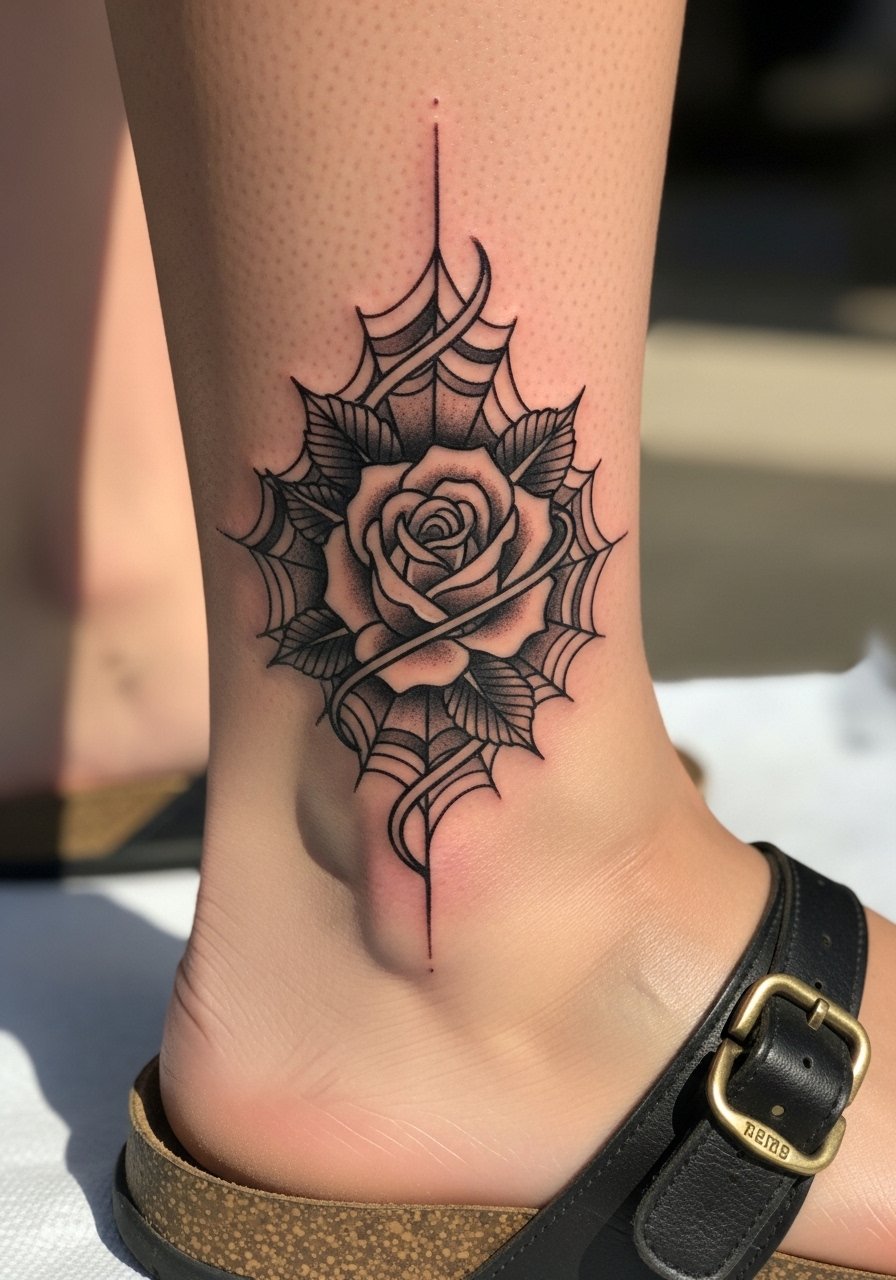
A wrap-around ankle piece reads as a seasonal show-off, since boots hide it in winter. The bigger the petals, the longer the details last. Avoid micro-detail on the petals that the web will obscure after a year. Session time is short, pain is moderate, and keep footwear loose while healing. Style with summer sandals or cropped trousers, and wear wide-leg pants rolled up to your appointment for comfort.
16. Ornamental Chest Lace Under Collarbone
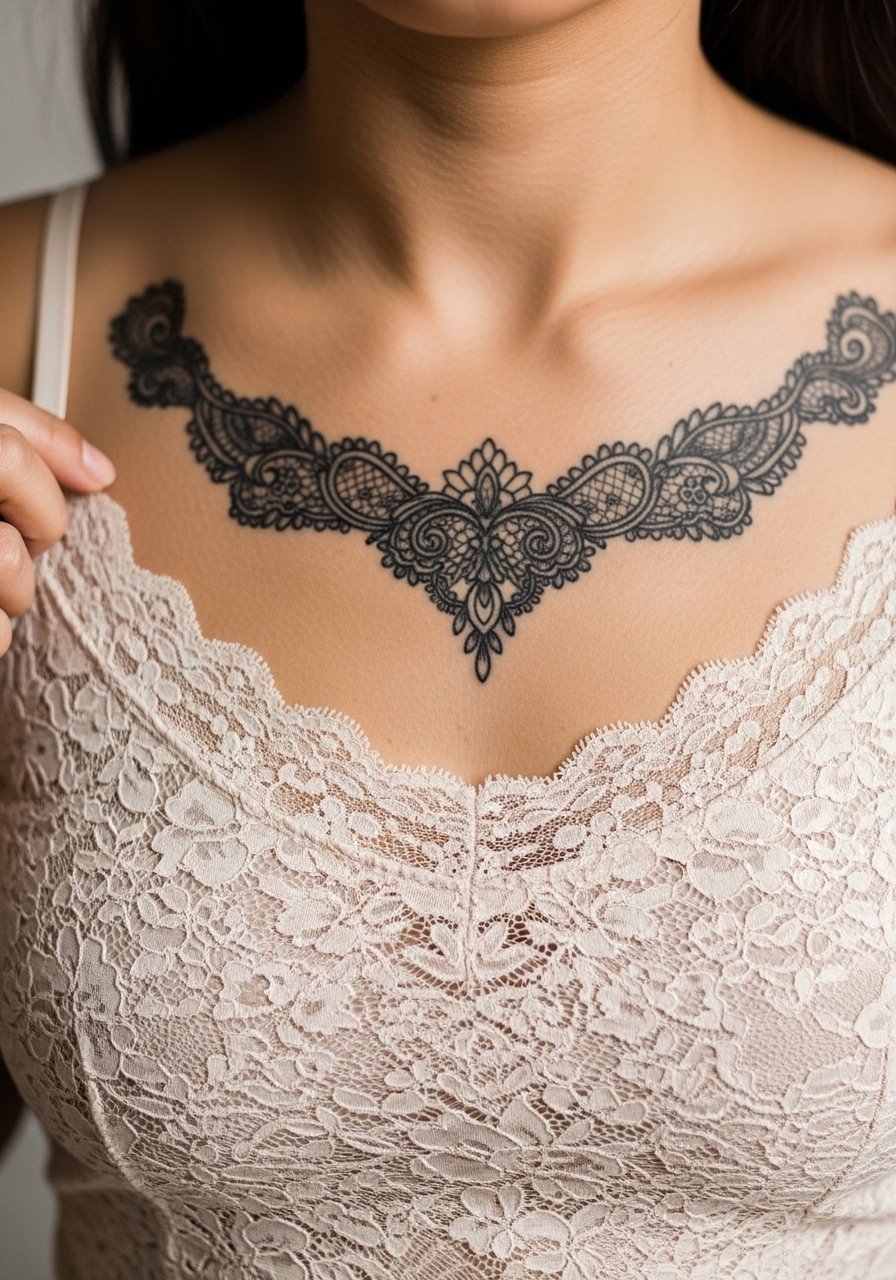
Delicate ornamental work near the collarbone looks best with negative space and a mix of fine and medium line weights. The trick is avoiding exclusively thin lines that wash out on darker tones. Ask for a balance of linework and filled shapes to ensure longevity. Expect sensitivity during the session, and consider planning for a second pass if you want extra contrast. Pair the result with a black lace camisole for evenings out.
17. Minimalist Gothic Script Along the Ribcage
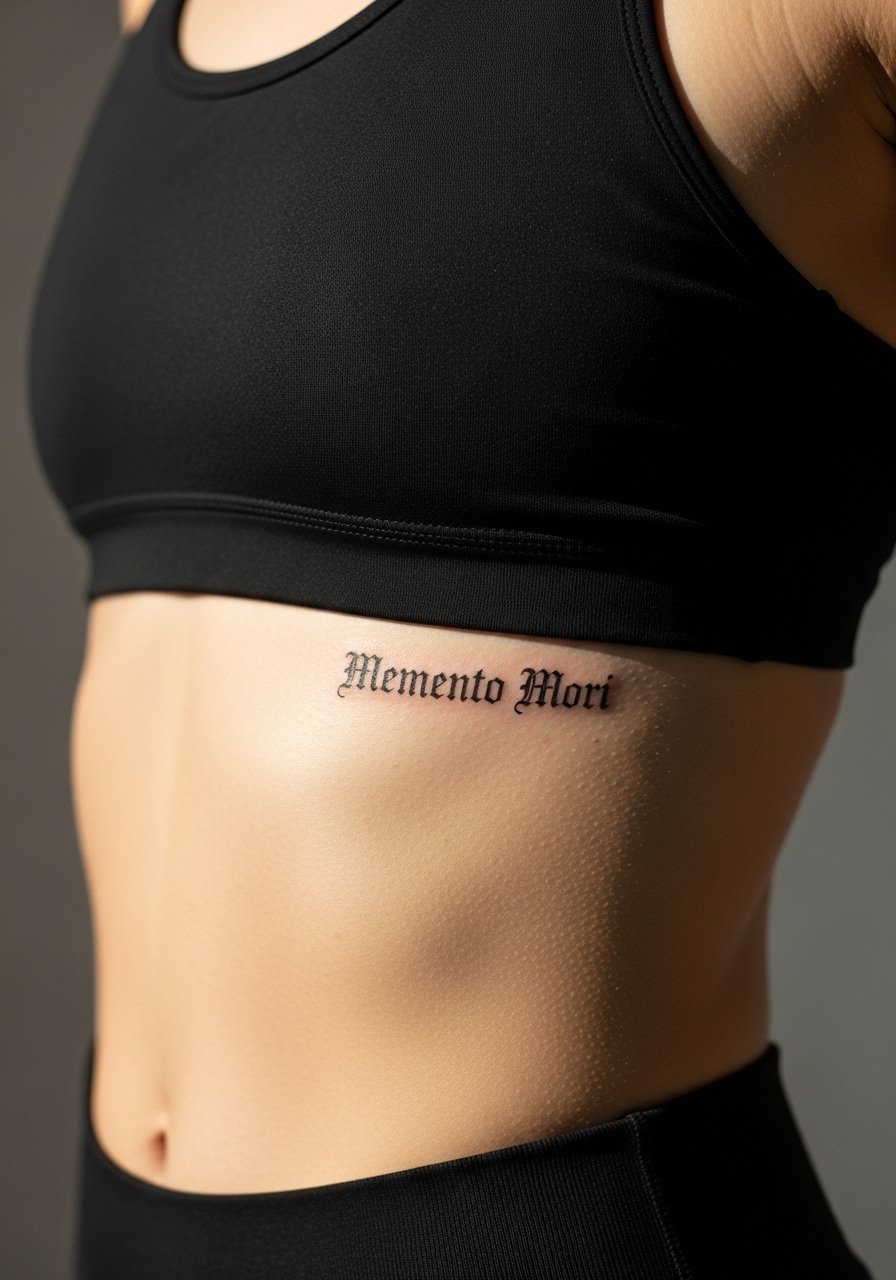
Script on ribs can be elegant, but fine letters there often thin out over time because skin stretches with breathing. One camp recommends avoiding very small script on ribs, the other says careful depth and spacing keeps letters legible. Name both camps and ask your artist which approach they use. Expect higher pain and slower sessions than forearm text, and plan for touch-ups if the text is vital. For the session, wear a fitted sports bra you can shift slightly.
18. Pocket-Sized Coffin on the Collarbone Corner
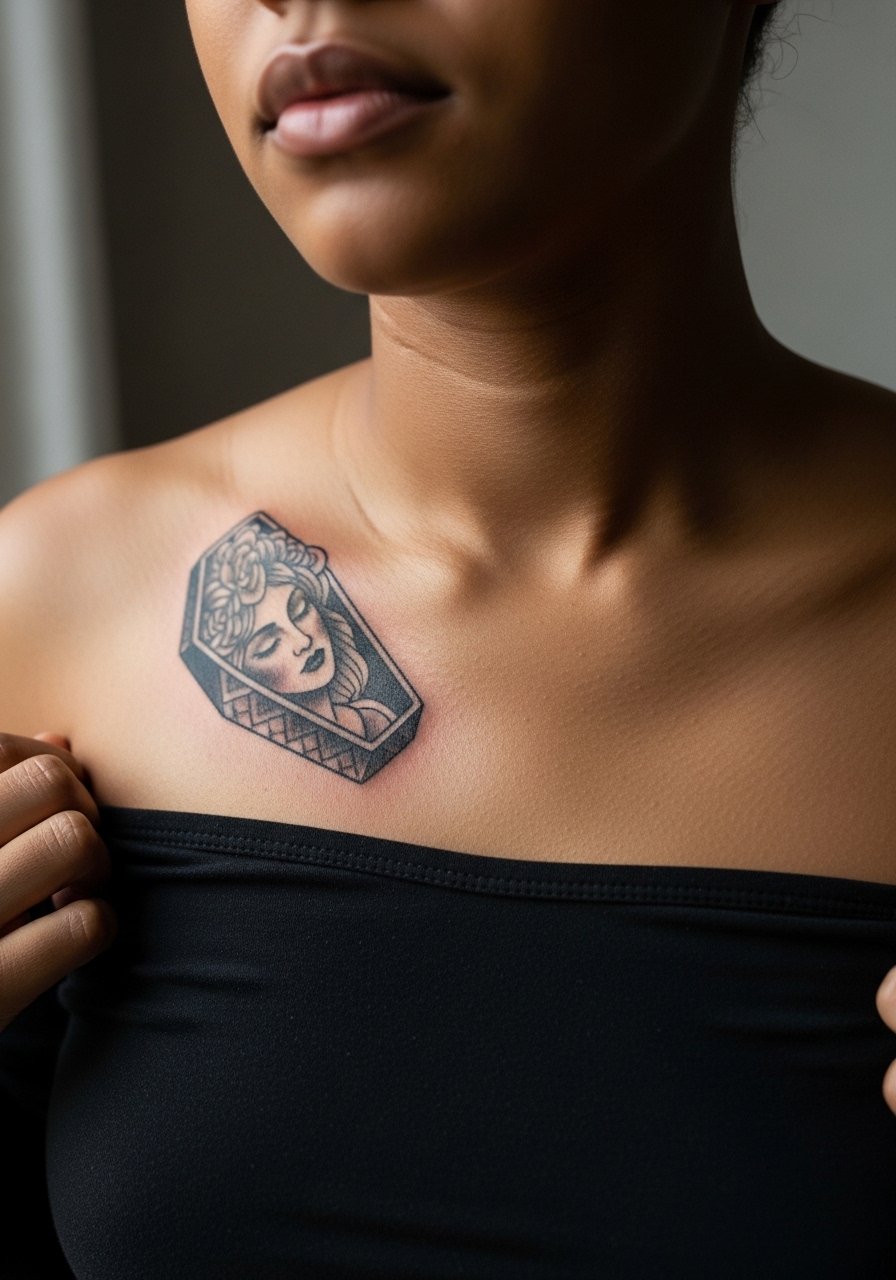
Small collarbone pieces need confident linework to hold. Tiny ornamental fills inside the coffin tend to disappear, so request simplified interior shapes that read as a silhouette from a distance. Pain can be sharp near bone, session short. For show, pair this design with a strapless bralette or off-shoulder top. For booking, ask the studio which ink depth they use for delicate collarbone placements.
19. Crescent Moon and Web Half-Sleeve Starter
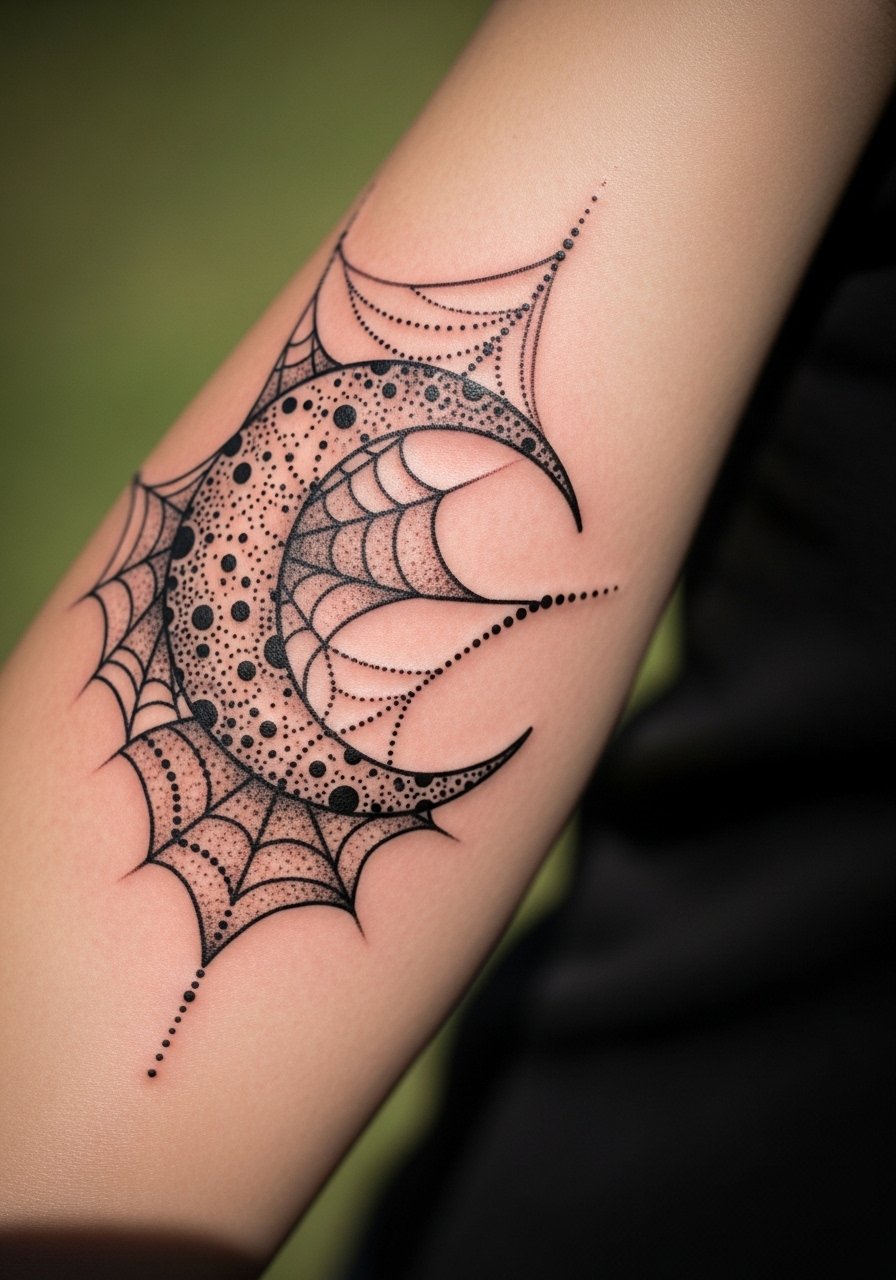
This functions as a sleeve starter that leaves room for expansion. I recommend dotwork moons with bold anchors so future pieces can nestle around them. Tell the artist you want clear negative space for future additions, and avoid packing too much detail into the starter. Session time varies, touch-ups at year two common for dot density. Roll sleeves and wear a loose button-down shirt for the appointment.
20. Gothic Matchbox with Flames on the Wrist Band
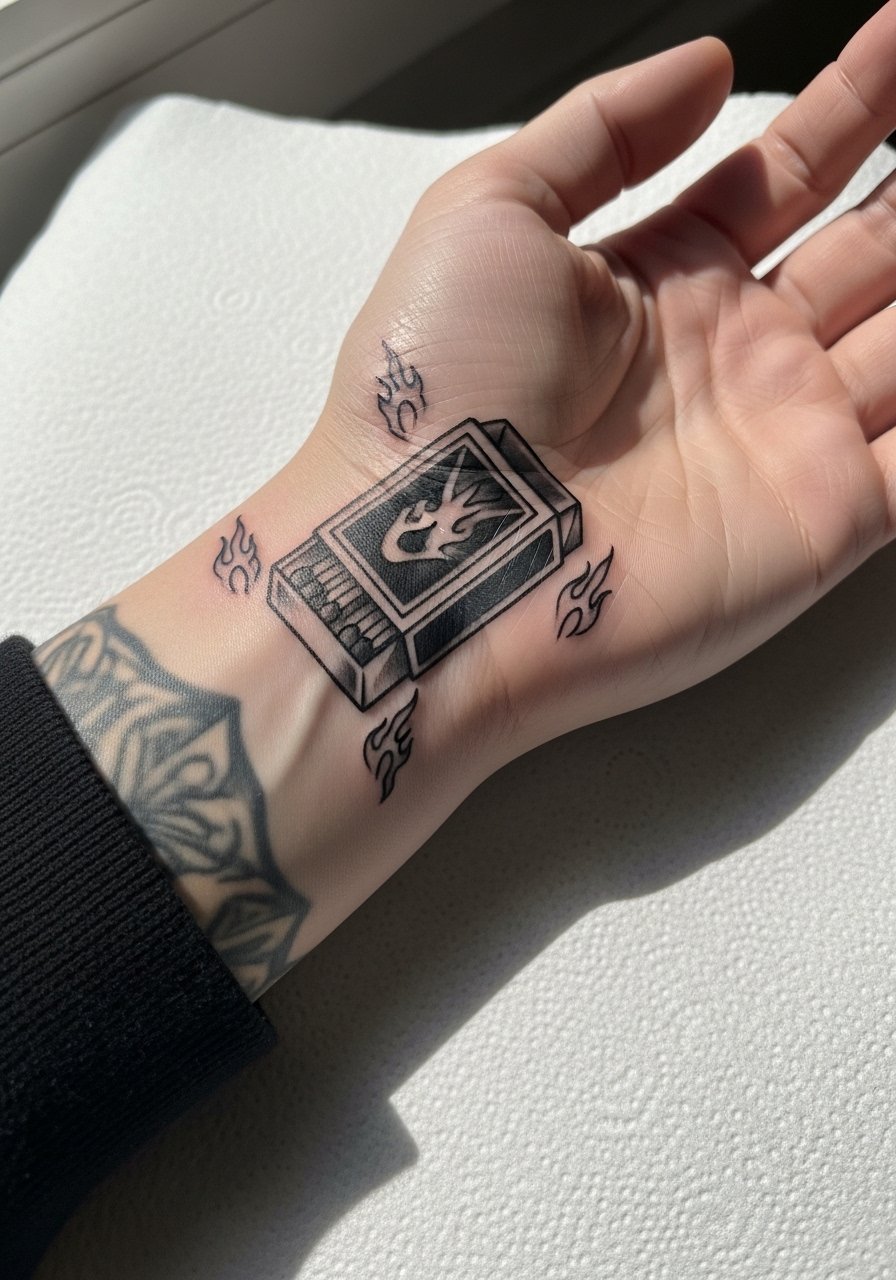
Wrist band designs need repeating motifs that can withstand rubbing from watches and bracelets. The matchbox reads longer if you simplify small flame details to solid black fills. A common mistake is adding shading so fine it disappears against daily wear. Sessions are short, pain moderate, and consider a protective film in the first few days. For styling, a dainty silver cuff opposite the tattoo keeps the area framed without crowding.
21. Poison Apple Slice on the Back of the Arm
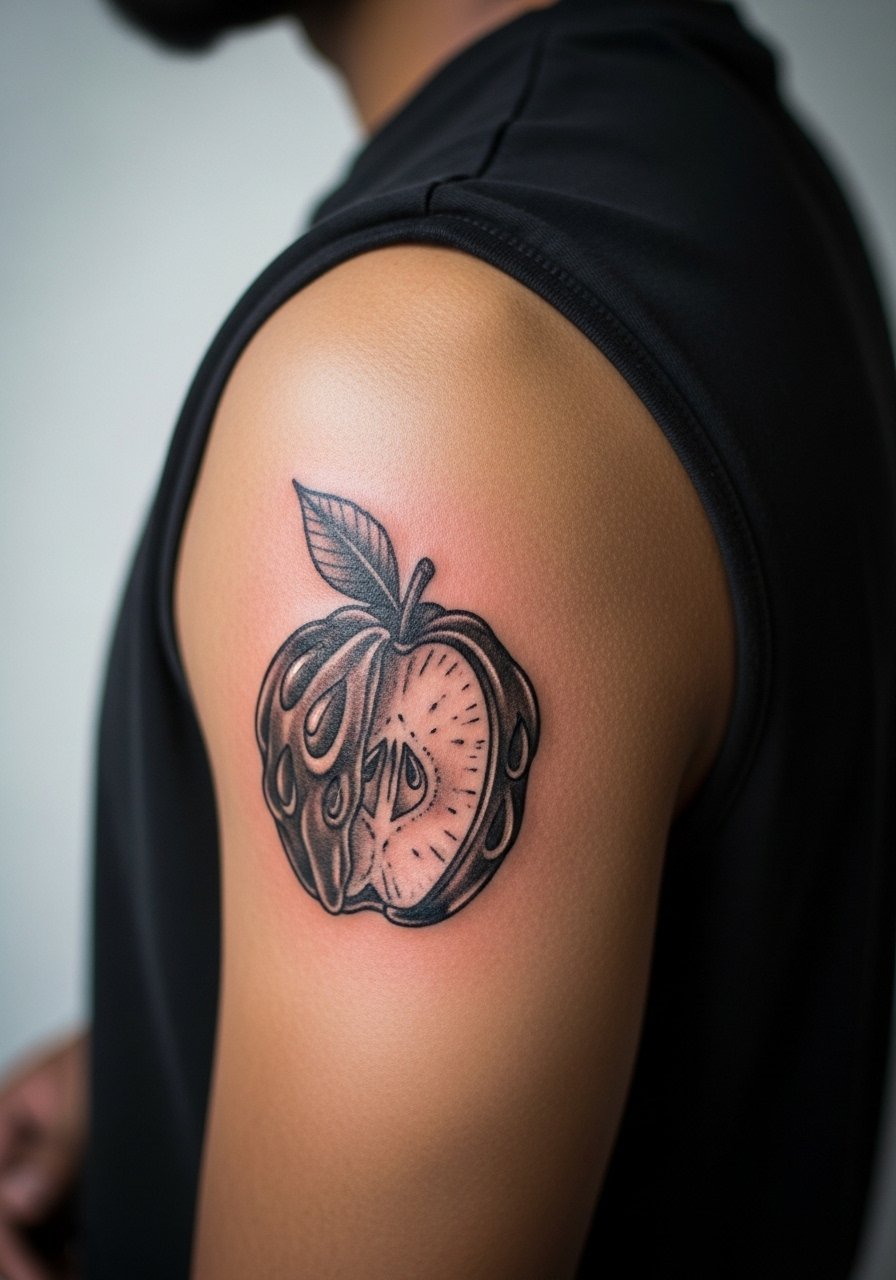
Back-of-arm pieces sit where muscle contours give depth, and they tolerate heavier blackwork. Choose simplified internal textures so the apple silhouette keeps its bite as it heals. A one-session piece with moderate pain is common. For showing it off, sleeveless band tees or vintage tanks frame the upper arm, and wear a tank top to the appointment.
22. Ornate Hourglass on the Sternum
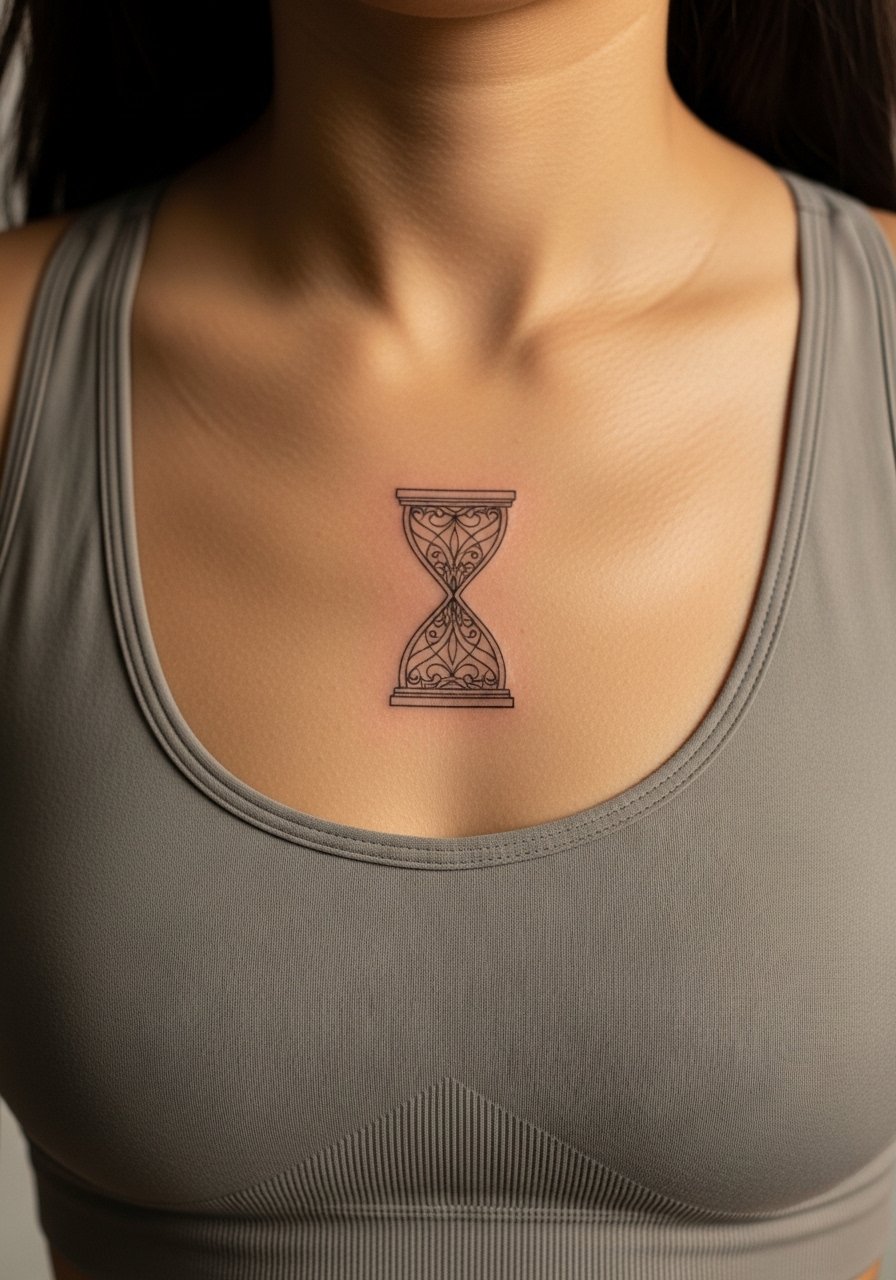
Sternum work is sensitive and demands a practiced hand. Fine detail here risks blurring if placed too small, so request slightly larger spacing between filigree lines. Pain is high, sessions are paced, and artists often recommend staged appointments. For the session, wear a fitted sports bra you can lower slightly. Many pick modest black tops to let the sternum peep under low necklines.
23. Pocket Raven with Key on the Inner Bicep
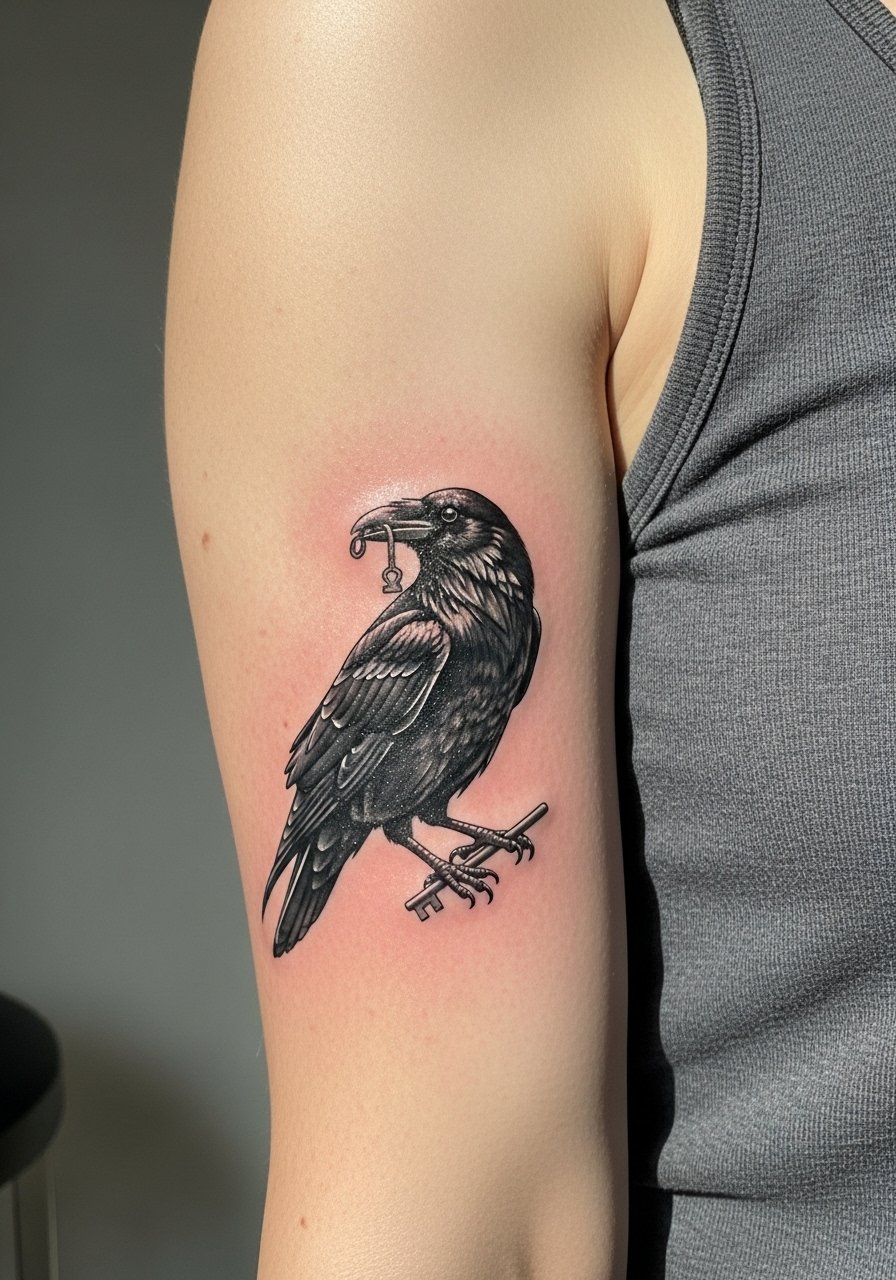
Inner bicep pieces see less sun and less abrasion, which helps micro details survive. Still, too-fine feathers can clump if the artist packs lines tight. Ask for a slightly bolder contour around the bird and request a healed photo of similar inner bicep work. Session pain is moderate, and wearing a tank top lets the artist reach the area. For display, olive green hoodies or vintage cuts pair nicely.
24. Baroque Skull Cameo on the Upper Arm

Upper arm is forgiving and ideal for ornate pieces. The cameo benefits from clear separation between skull and background, and the upper arm tolerates dense black fills without blowout if the artist spaces dotwork carefully. One to two sessions, moderate pain, and stable long-term wear. For show-off, sleeve slits in leather jackets or short sleeves frame the cameo, and wear a sleeveless band tee to your appointment.
25. Stipple Raven Perched on a Gothic Frame for the Calf
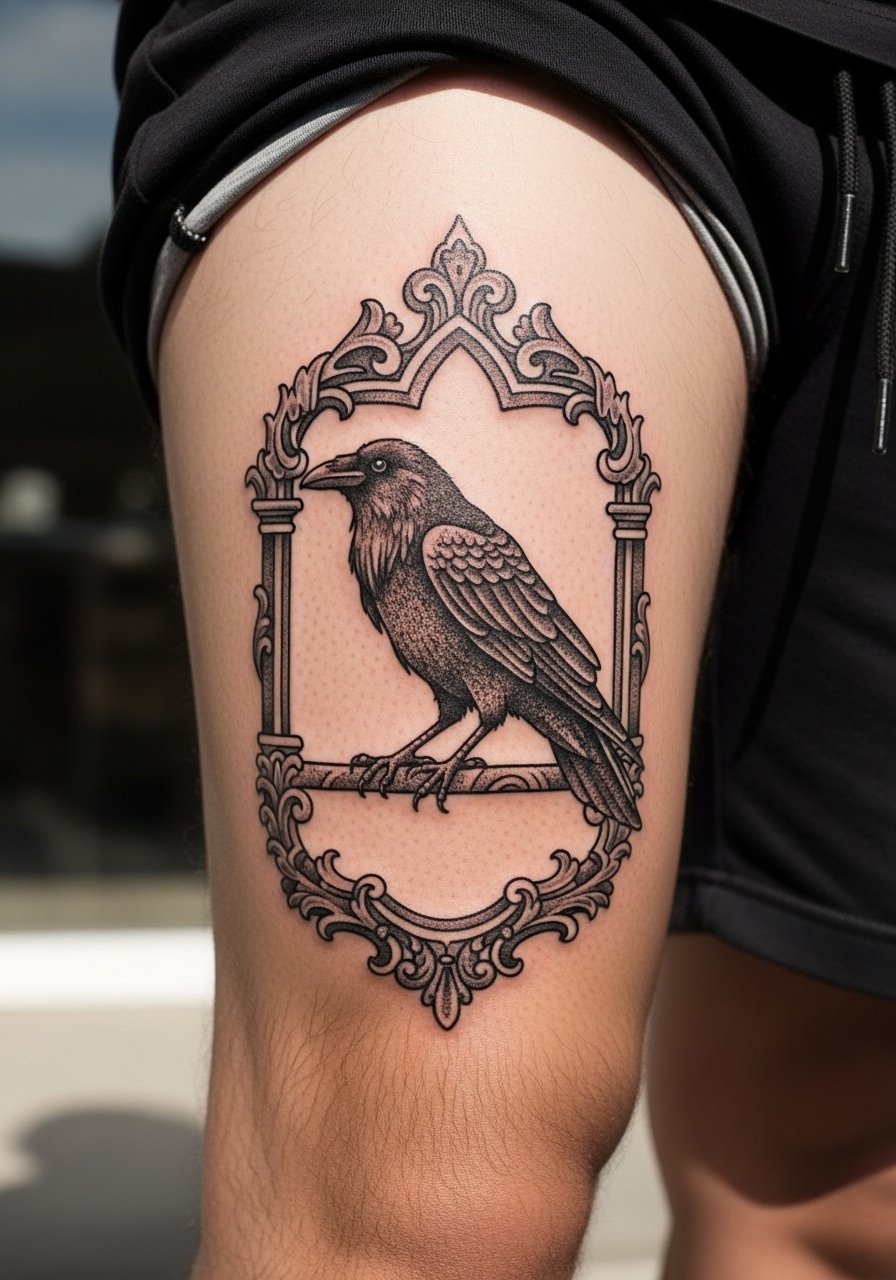
Stipple work on the calf can retain texture longer than on hands or ribs because of lower friction. Ask for varied dot density and a bold outer frame so the raven retains its silhouette at distance. Two sessions may be needed for rich depth. For styling, rolled bootcut jeans or rolled bootcut jeans and combat boots make the calf a focal point.
26. Small Gothic Keyhole Behind the Ear

Behind-ear flash is intimate and subtle. Because of close proximity to hair and movement, go for simple bold outlines instead of lacework. The area heals fast but can be tricky to photograph. Mention healed photos on similar placements to your artist. Pain is low to moderate. For sessions, style your hair in a way you can tuck it back without pulling, and consider a wide-neck shirt so the collar does not snag.
27. Pocket Coffin with Lace Trim on the Hip
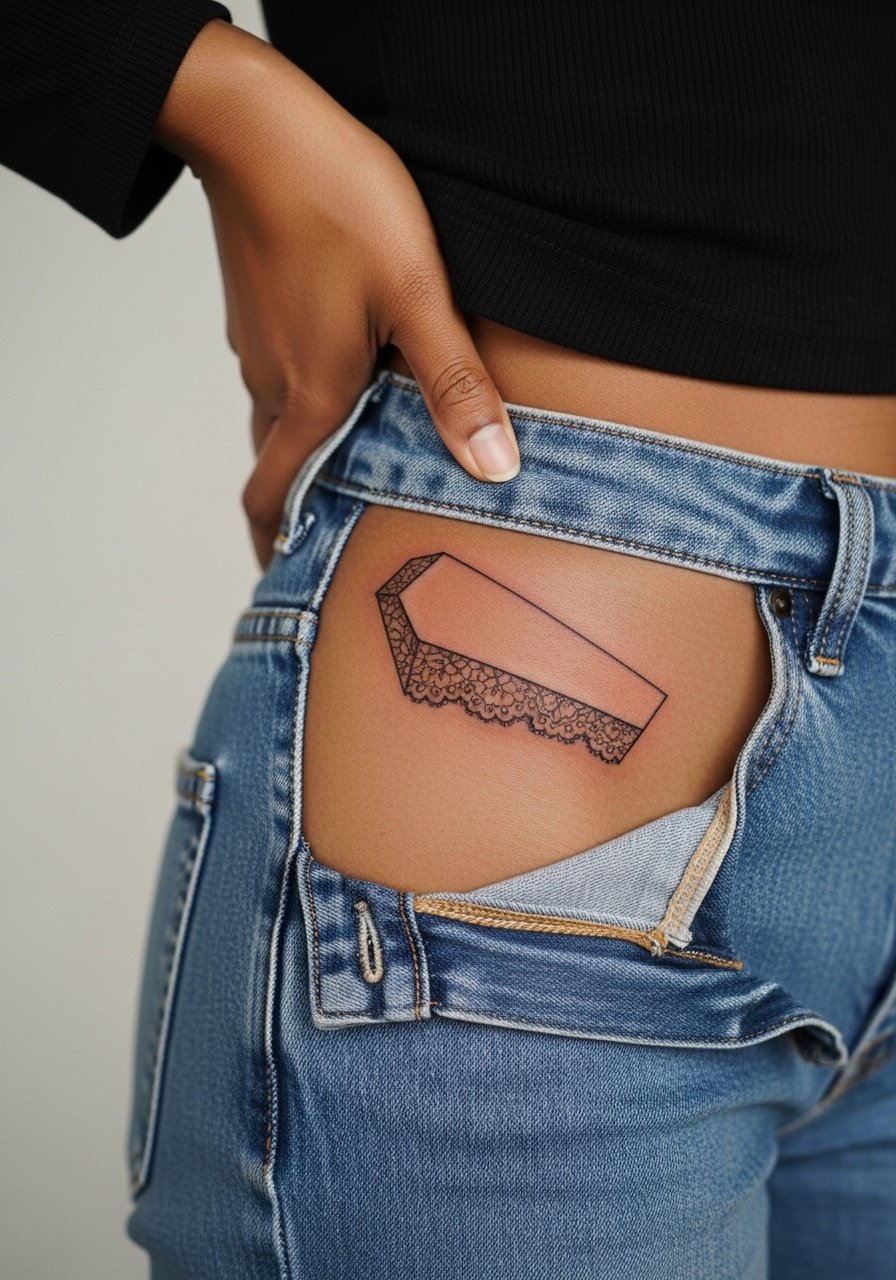
Hip pieces let you keep gothic motifs private and reveal them selectively. The hip moves with clothes, so avoid ultra-fine interior lace that will blur under friction. A compact coffin with bold trim reads longer. Session pain varies by individual, and you should plan clothing that does not rub the spot while healing. For the appointment, high-cut shorts or jeans you can lower slightly work best.
Frequently Asked Questions
Q: Will fine line gothic tattoos blur faster than bold blackwork?
A: From what I have seen, fine line pieces on high-friction areas like wrists and hands tend to lose crispness faster than bold blackwork. The trade-off is subtlety for longevity. If you want delicate detail, place it where skin stretches less or ask the artist to use slightly thicker line weights for critical contours.
Q: How should I plan for touch-ups on dotwork ravens or stipple arches?
A: Plan on a touch-up at around year two to three for dotwork if you want to keep density even. Dotwork ages depending on initial dot spacing and sun exposure. Protect the area from UV and share healed photos during consultation so the artist can predict likely touch points.
Q: Is it worth using protective film like Saniderm on chest and ribcage pieces?
A: Artists split into two camps. One camp says protective film keeps larger blackwork clean in humid conditions. The other camp worries the film traps moisture and can cause peeling. The safe move is to ask your artist which method they trust for the placement and follow their instructions closely, because both methods have valid reasons.
Q: What should I wear to a ribcage or sternum session?
A: Wear a fitted sports bra or a cropped top you can lift slightly so the artist has clean access. A light robe or loose button-up works too if you prefer more coverage. For a collarbone or shoulder visit, an easily adjustable top like a loose button-down shirt is practical.
Q: Do gothic tattoos pop on darker skin tones?
A: Bold blackwork and solid silhouettes tend to retain visual impact better on medium and deep skin tones than ultra-fine lines. I advise requesting healed photos from the artist of similar work on skin tones like yours so you set realistic expectations and choose line weight accordingly.