
Fine line is everywhere on saved boards, and the gap between a fresh photo and how a piece looks after two winters is wider than most people expect. The trick with December blooms is choosing a style that reads seasonal now and still reads crisp after years of sleeves, sunscreen, and sweaters. Below are 17 ideas that balance the trend with real-world aging, placement, and the wardrobe choices that actually highlight each bloom.
1. Narcissus Outline on the Wrist
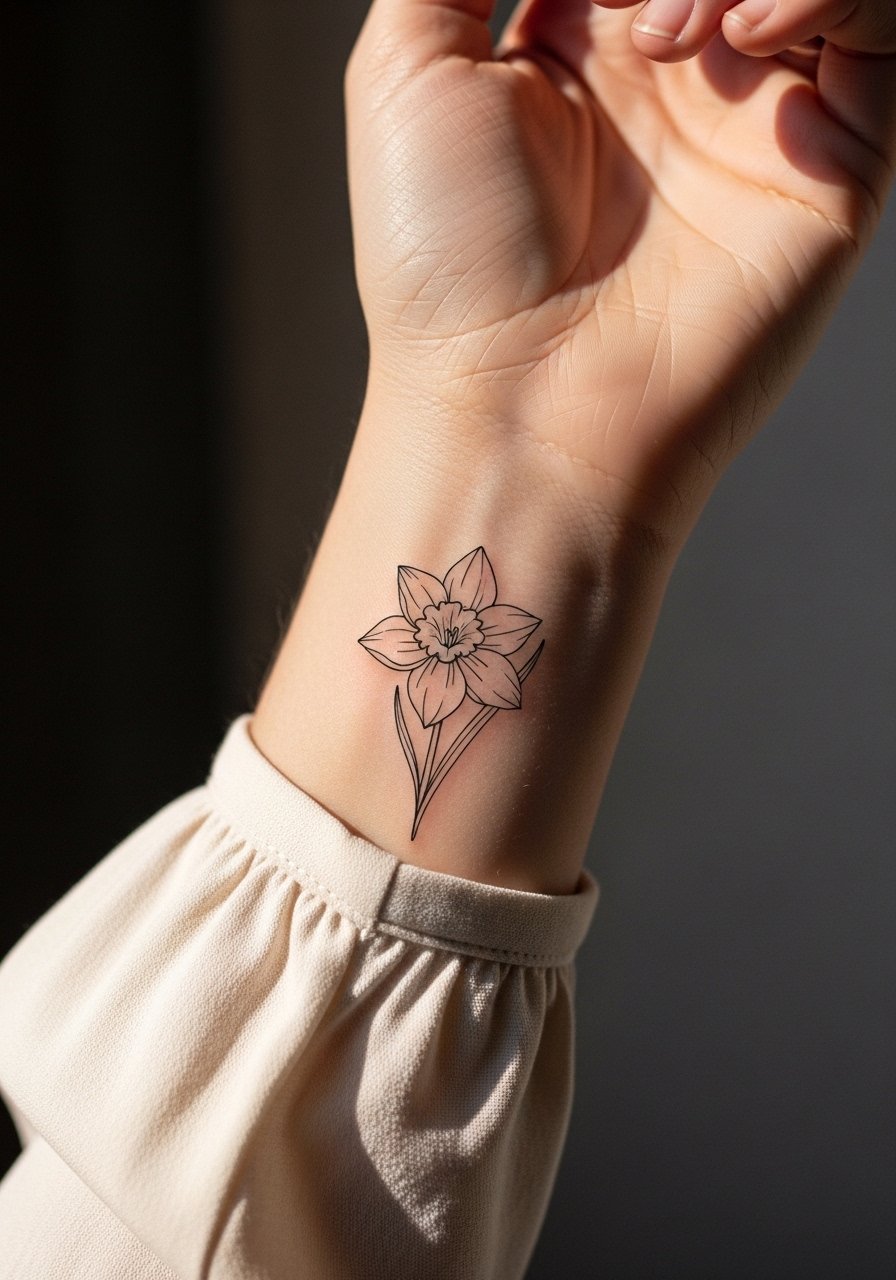
I recommend a clean narcissus outline on the inner wrist when you want a discreet piece that still reads as a celebratory December mark. Fair warning, the wrist sees friction and sun, so fine single-needle linework often needs touch-ups at year two or three. Tell your artist to space the petals slightly wider than your reference and to avoid ultra-tiny details that merge over time. For the session wear, go with a cream linen blouse you can roll or pull back easily. Pair the finished wrist with a thin gold chain bracelet on the opposite wrist for subtle contrast.
2. Fine Line Holly Sprig on the Inner Forearm
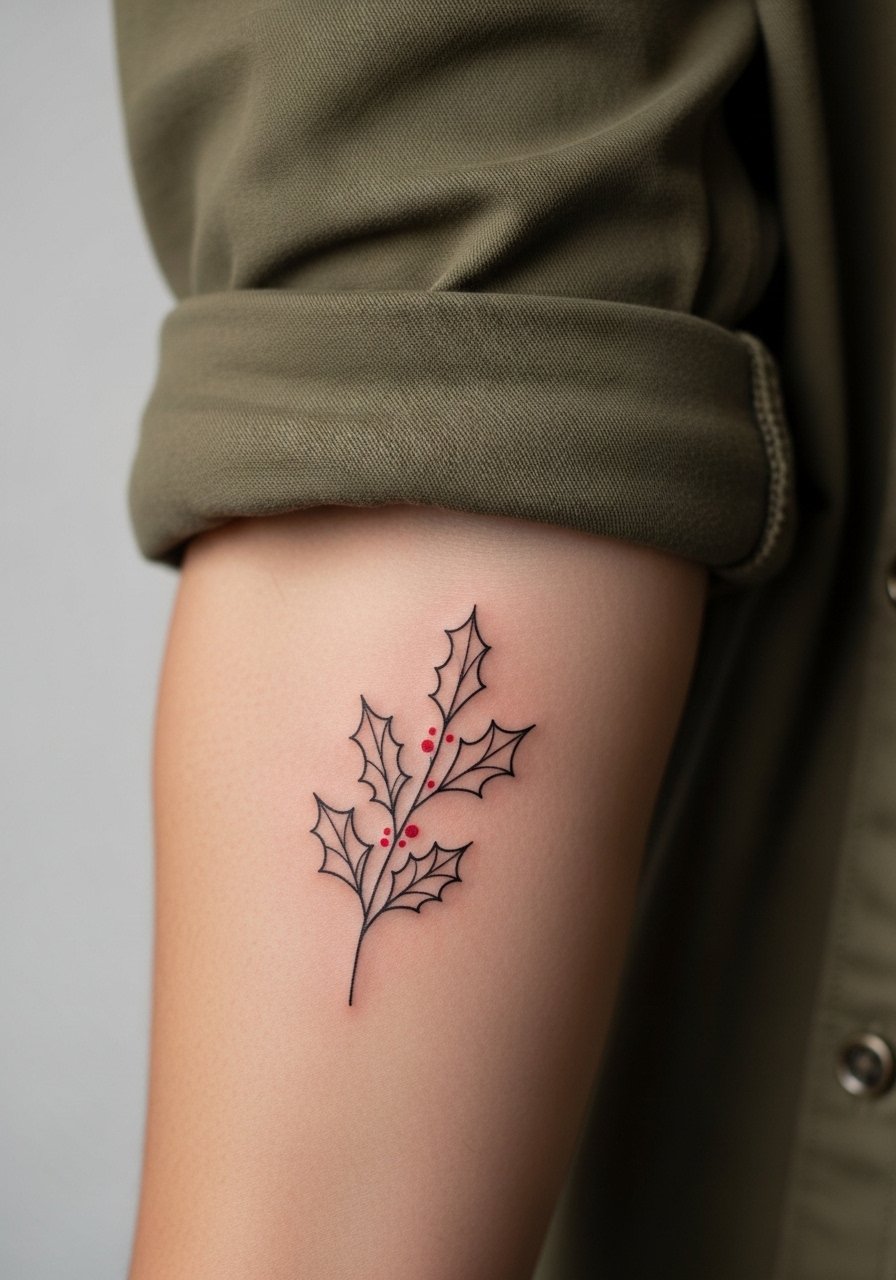
This inner forearm placement is great if you want the holly to read like a winter memory rather than a holiday cliché. The inner forearm heals predictably, but redness can make early photos misleading. Ask for slightly bolder stems than a purely single-needle approach so the linework keeps contrast on darker tones. A common mistake is crowding berries too small, which can blur into dots at year three. For showing it off, roll the sleeves of a linen button down shirt and stack minimalist rings for balance. Expect one session and a possible touch-up at year two.
3. Watercolor Narcissus on the Shoulder
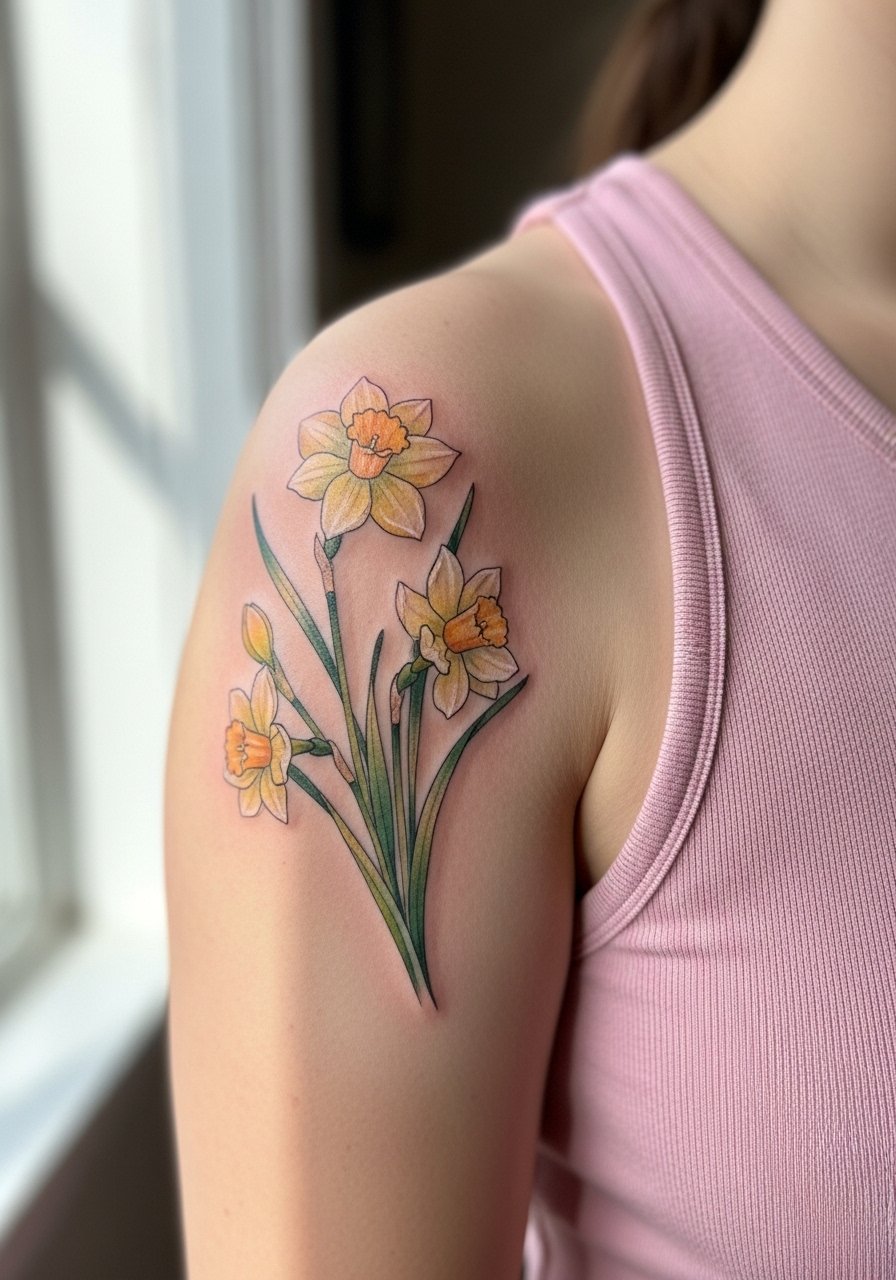
Watercolor looks dreamy on the shoulder where larger washes can breathe without the constant sun exposure the wrist gets. The risk here is muddying from overworked color during the session, so vet portfolios for healed watercolor examples. Ask the artist to keep pigment saturation moderate and to layer color rather than pushing too deep. For the session, wear a sleeveless tank top so access is easy. At six months the color should still feel juicy, at two years expect softening, and at five years you may want a subtle refresh to brighten shadows.
4. Blackwork Holly Branch Starting a Sleeve
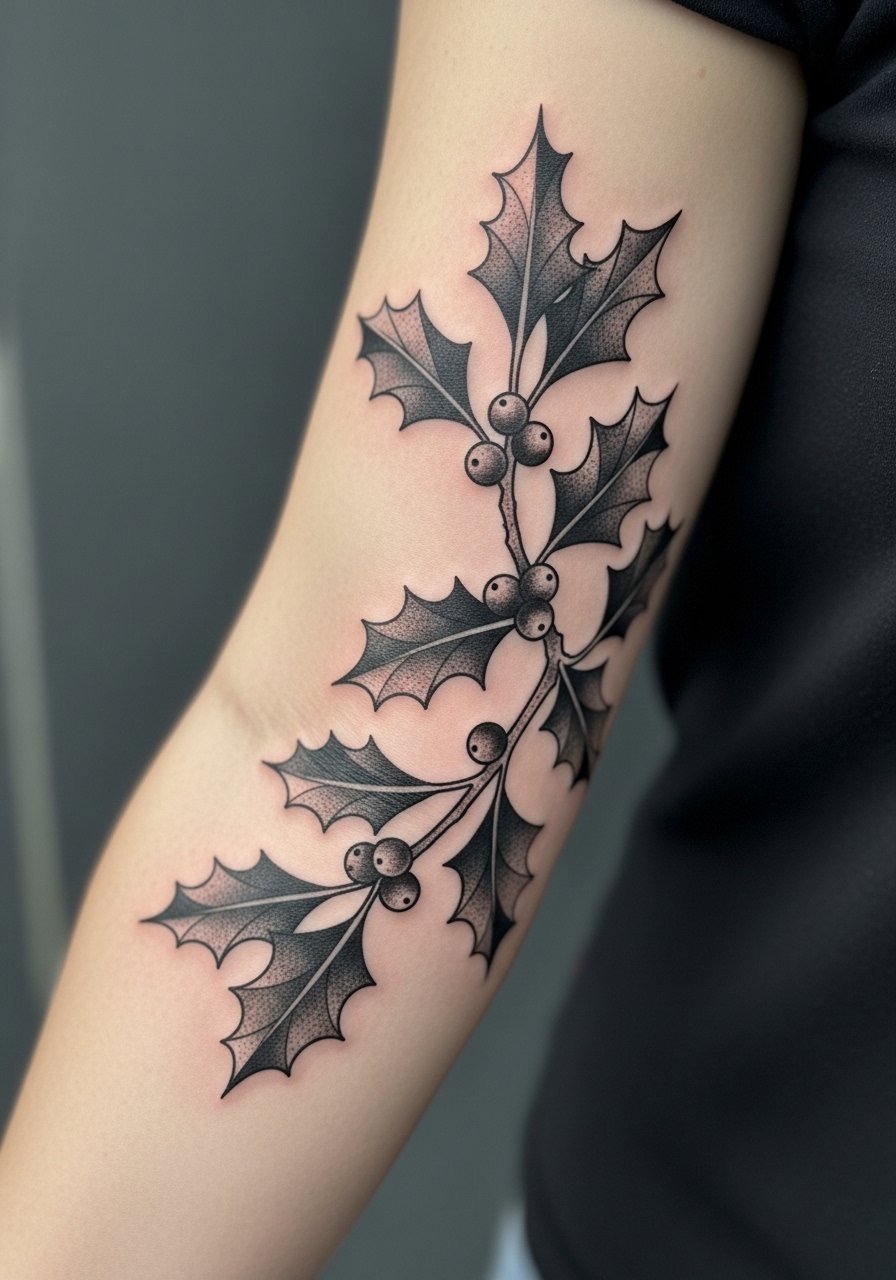
If longevity is your priority, blackwork is the remedy for fine-line fade. A holly branch built to start a sleeve gives room for saturation and future expansion. The session will feel longer because the artist packs solid black, expect multiple sessions for a full build. The common mistake is starting too small and trying to scale later. In consultation, ask about how the piece will integrate with future elements so spacing is preserved. Wardrobe-wise, cropped sleeves and tee shirts show off the bold contrast. Expect the black to age into a deep, graphic statement that needs touch-ups much less frequently than a single-needle piece.
5. Micro-Realism Daffodil on the Collarbone
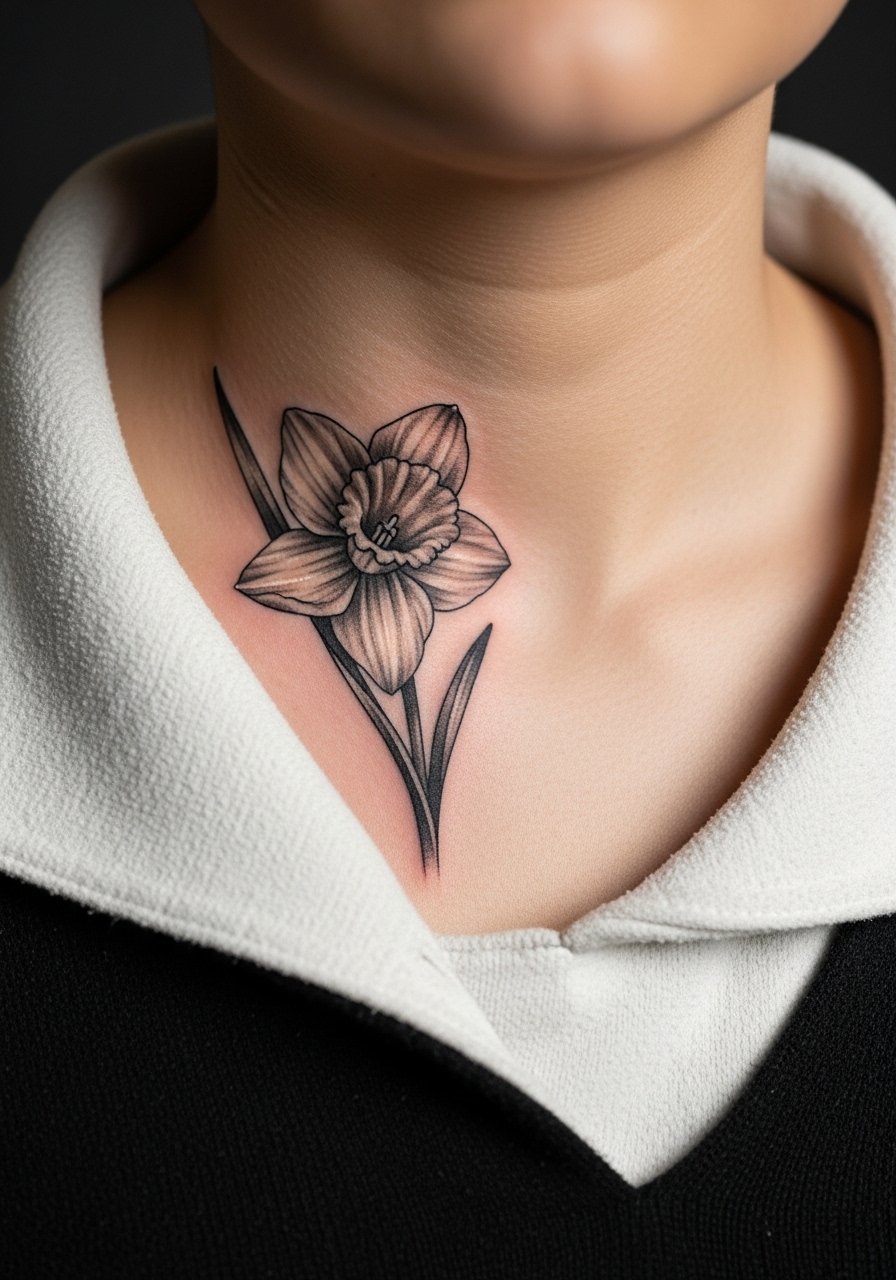
Collarbone micro-realism reads intimate and tactile, and it photographs beautifully under jewelry. This placement is more painful than the forearm, so plan for a short single-session appointment with breaks. Ask your artist for high-contrast shading rather than thin whispery lines so the petal texture survives photos and time. A common mistake is choosing too-small shading gradients that flatten by year two. For evenings out, an off shoulder blouse frames the area, and a delicate necklace below the design keeps attention on the flower.
6. Neo-Traditional Holly with Ribbon on the Thigh
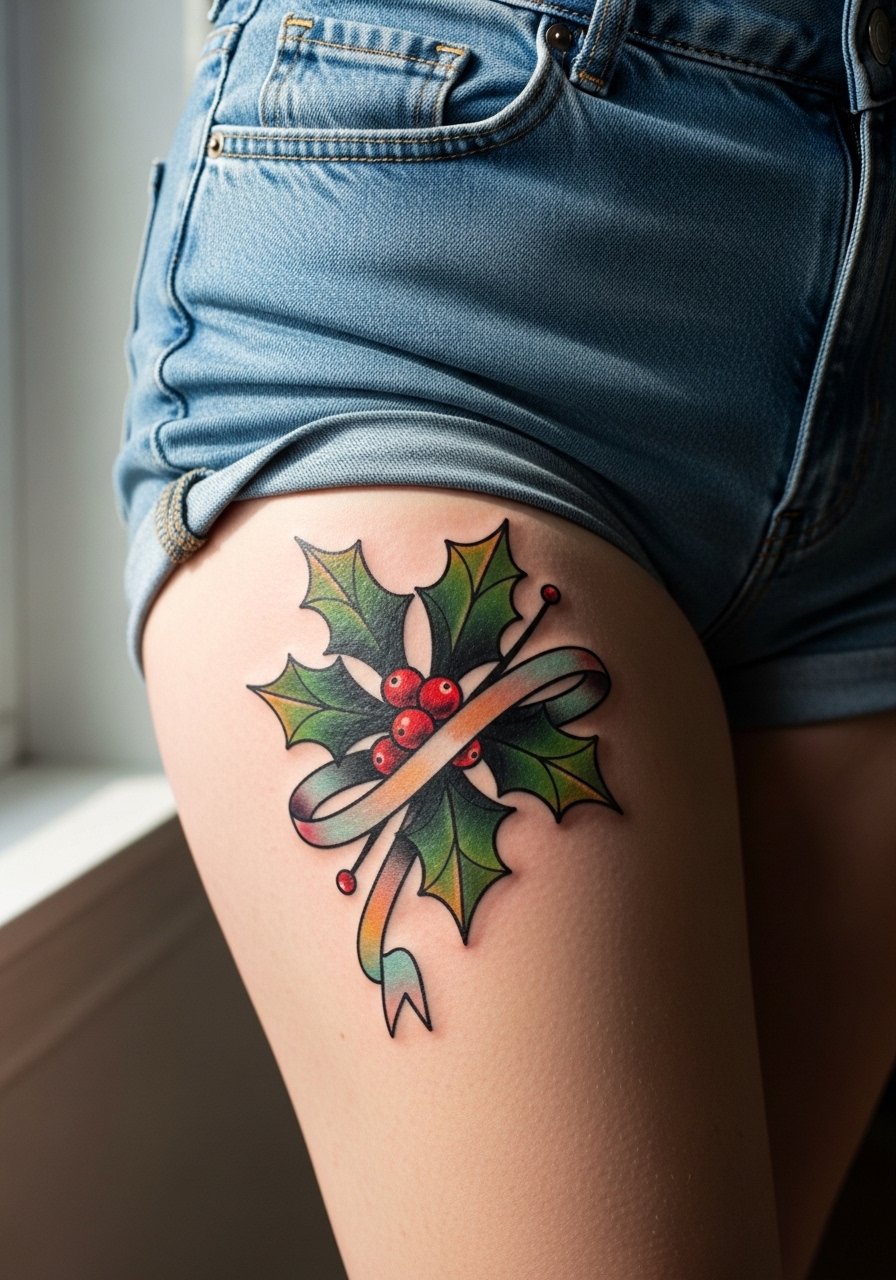
Thigh pieces tolerate larger neo-traditional palettes and bold outline work, which age well if shaded correctly. Pain is moderate and the session is comfortable if you wear loose shorts. A common error is asking for ultra-flat color without buildable shading, which can read blocky later. Tell your artist you want bold outlines with layered color for depth. Show-off pairing includes high-waisted shorts or skirts that frame the piece. For the studio day, wear loose shorts so the artist can access the spot without pressure.
Pre-Session Essentials
The first six ideas cover both delicate wrist work and larger thigh and shoulder pieces, so a few practical items smooth the session and first week.
-
Stencil transfer paper kit. Lets you preview exact line placement on skin before the needle, which helps avoid surprises for wrist and collarbone pieces from above.
-
Topical numbing cream. Applied before a sensitive collarbone or inner thigh session it takes the edge off during the first hour.
-
Thin protective film roll. Useful for wrist and finger tattoos where friction and washing happen immediately.
-
Fragrance-free gentle body wash. Cleanses healing skin without irritating linework that fine line forearm and wrist pieces depend on.
-
Aquaphor healing ointment. A thin layer in the first few days keeps fine lines hydrated without over-suffocating the ink.
7. Ornamental Narcissus Mandala on the Upper Back
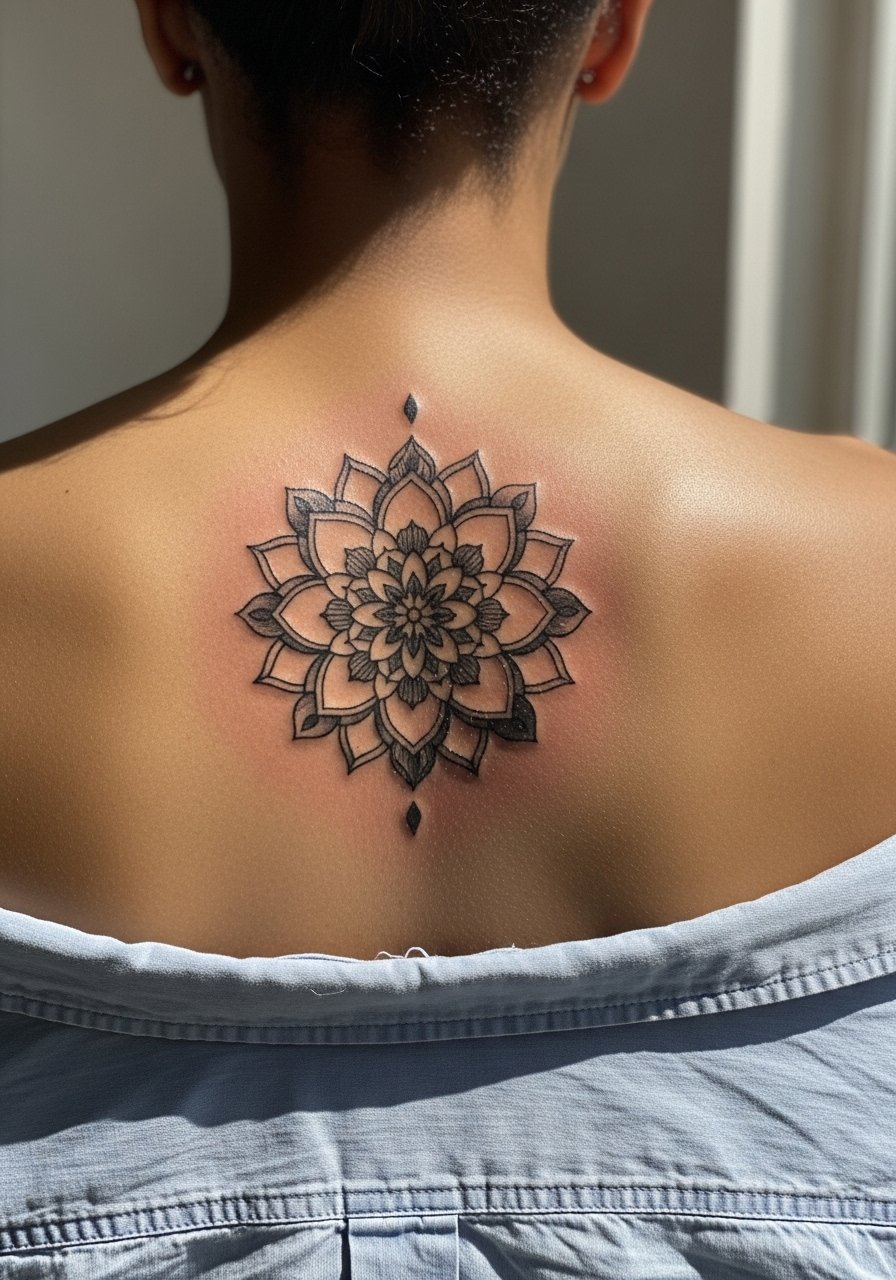
An ornamental mandala built from narcissus petals pairs meditative symmetry with rebirth symbolism. The upper back gives the artist room to breathe, which means sharper geometry that holds. Mention in consultation that you want clean negative space between mandala rings so detail does not merge at year three. The session will run longer and may require two sittings depending on size. For showing it off, a loose button-down worn open at the back or an open-back dress makes the pattern readable without competing elements. Respect the mandala’s decorative origins by avoiding direct religious iconography unless discussed.
8. Ignorant Style Daffodil Scribble on the Inner Bicep

The ignorant style leans into imperfect lines and energy over realism, and inner bicep placement keeps it private until you want to show it. Pain is higher here when the arm is raised, so plan short bursts and breaks. Tell your artist you want the scribble to feel spontaneous rather than fussy, and avoid adding tiny detail that contradicts the aesthetic. Over time the scribble ages into a graphic mark that can feel more personal than decorative. Wear a loose tank top to the session so the artist has clean access.
9. Traditional Holly Flash on the Calf
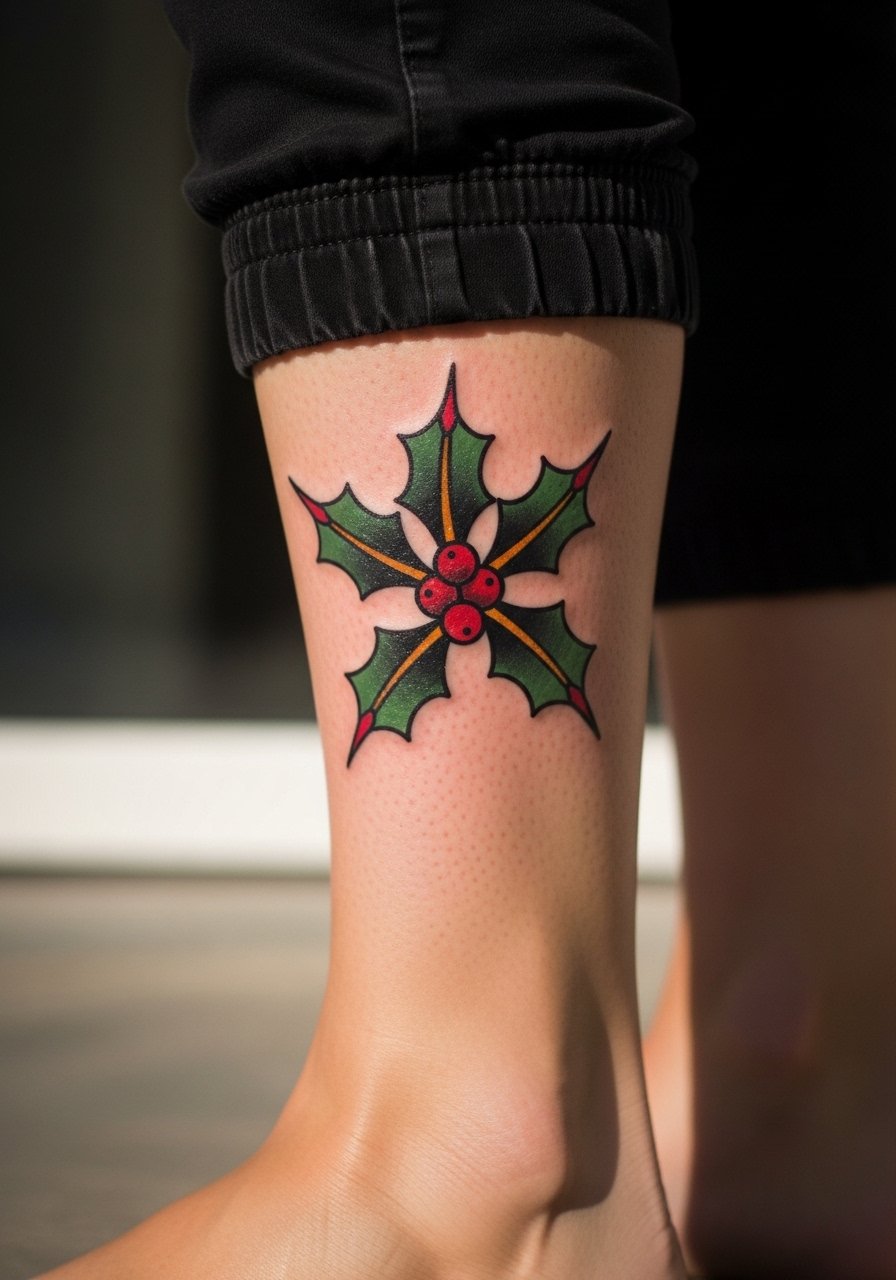
Calf tattoos are forgiving of bold traditional work because they avoid constant rubbing and can sit under clothing in winter. The session is manageable and often finished in one visit. A common mistake is choosing too many small color transitions that read muddled at distance. Ask for classic saturation and clear outlines for longevity. Pair this with cropped trousers or dresses with slits for a vintage look. Vintage sneakers or a simple sandal frames the calf without distracting from the saturated holly.
10. Fine Line Paired Holly and Narcissus on the Ribcage
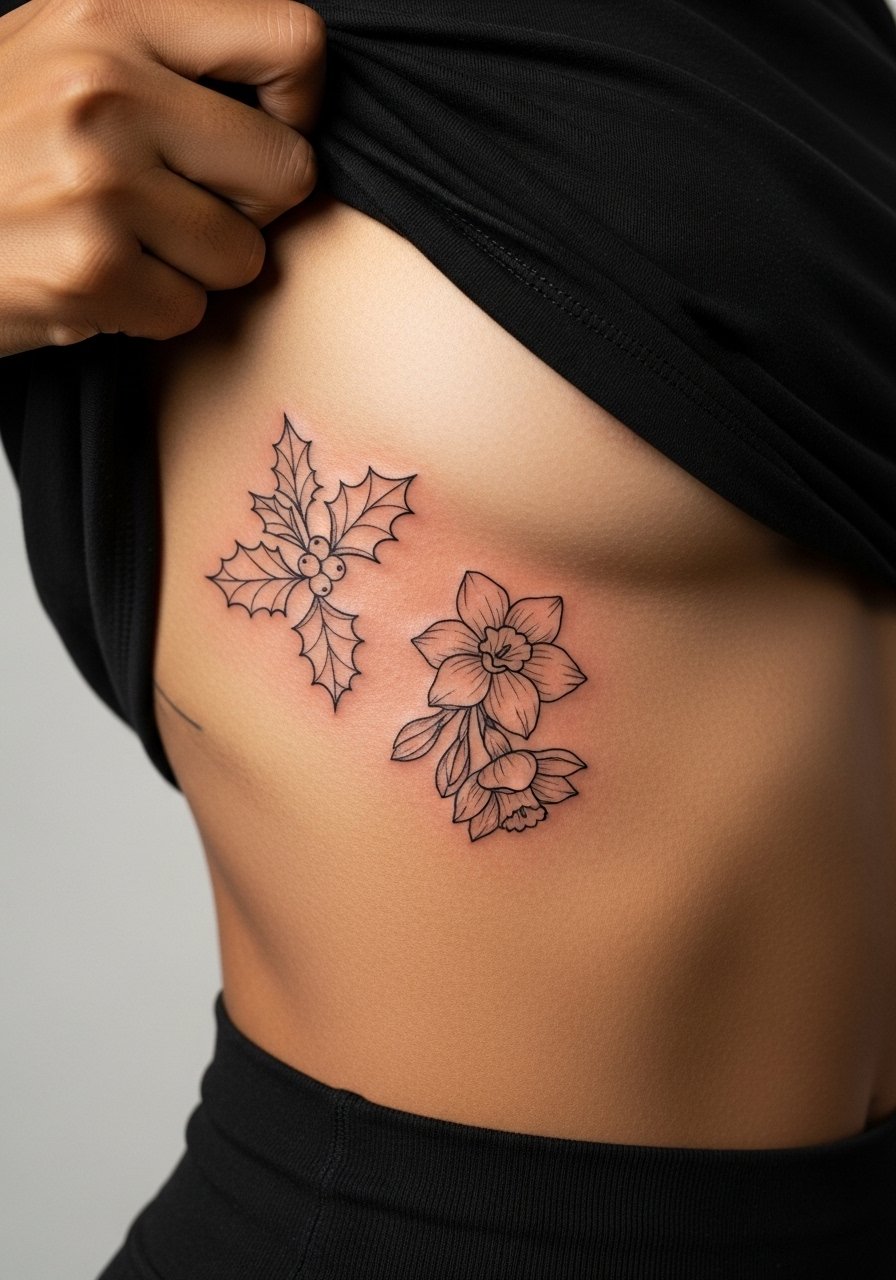
Ribcage work splits artists into two camps about fine line. One camp argues the skin there stretches and the lines blur within two years. The other camp says with correct needle depth and spacing fine line settles fine. Ask your artist which side they fall on and show healed examples on similar skin tones. Expect higher pain and the need for breaks, and plan for a 6- to 12-month touch-up if you choose single-needle aesthetics. For session wear, a cropped top you can lift slightly keeps the area accessible.
11. Minimalist Daffodil on the Ankle
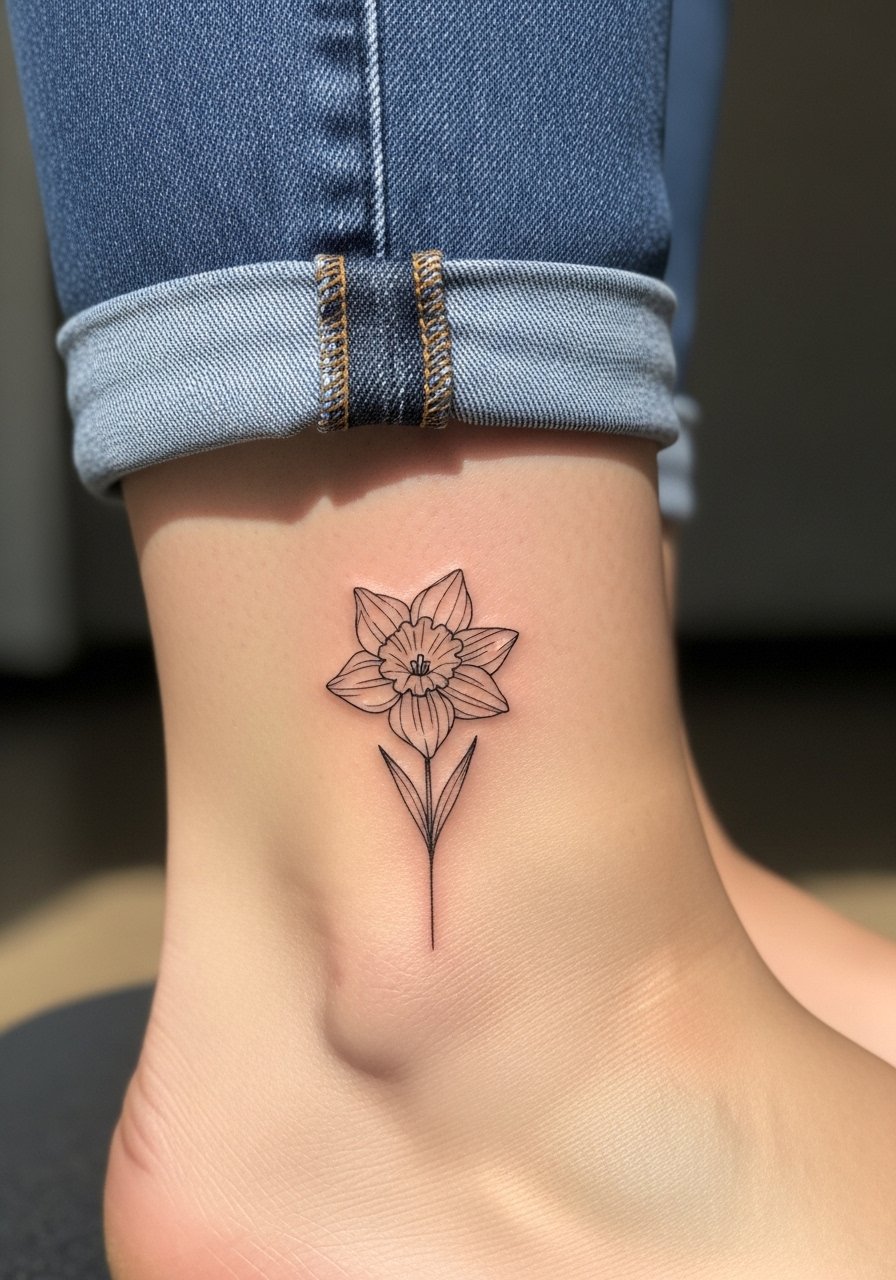
An ankle daffodil is small and seasonal friendly, but it faces a lot of rubbing from shoes and socks when winter boots return. For longevity, ask for a slightly stronger outline rather than the finest single-needle. This piece is perfect if you want a small, low-commitment mark. For showing it off, wear strappy flat sandals or roll your pants to reveal the area. Expect a touch-up at year two if you live in colder climates with heavy footwear.
12. Micro Daffodil Behind the Ear

Behind-the-ear micro tattoos read personal and can be hidden by hair, which is why many choose them for birth flowers. The area requires careful stencil placement and precise, shallow depth to avoid blowout due to thin skin. The biggest mistake is asking for too much detail in a tiny space. For the session, wear hair tied up and loose clothing so the artist can access the area easily. Note that visibility varies with hairstyles and may affect professional considerations.
13. Narcissus Petal Wreath Around the Wrist

A wreath wraps the wrist and reads like a subtle band tattoo that celebrates a December birthday. Bands on the wrist encounter more wear from washing and bracelets, so I recommend slightly bolder linework and negative-space gaps to prevent merging. Tell your artist to leave breathing room between petals and to map the band to your wrist anatomy during the consultation. For showing it off, a dainty bracelet stack on the opposite wrist balances the look without covering the ink. Expect touch-ups sooner than thicker bands.
14. Watercolor Narcissus Cluster on the Shoulder Blade

Clusters give watercolor room to bloom without the sun exposure the wrist gets, which helps color last. The main consultation point is healed examples on similar skin tones because watercolor can saturate differently on darker skin. Ask for layered color work with defined edges where needed. For the session wear, bring a loose button-down shirt you can slide aside for access. Over two years the color will settle into a softer palette that may benefit from a gentle refresh.
15. Negative-Space Narcissus Mandala on the Upper Arm
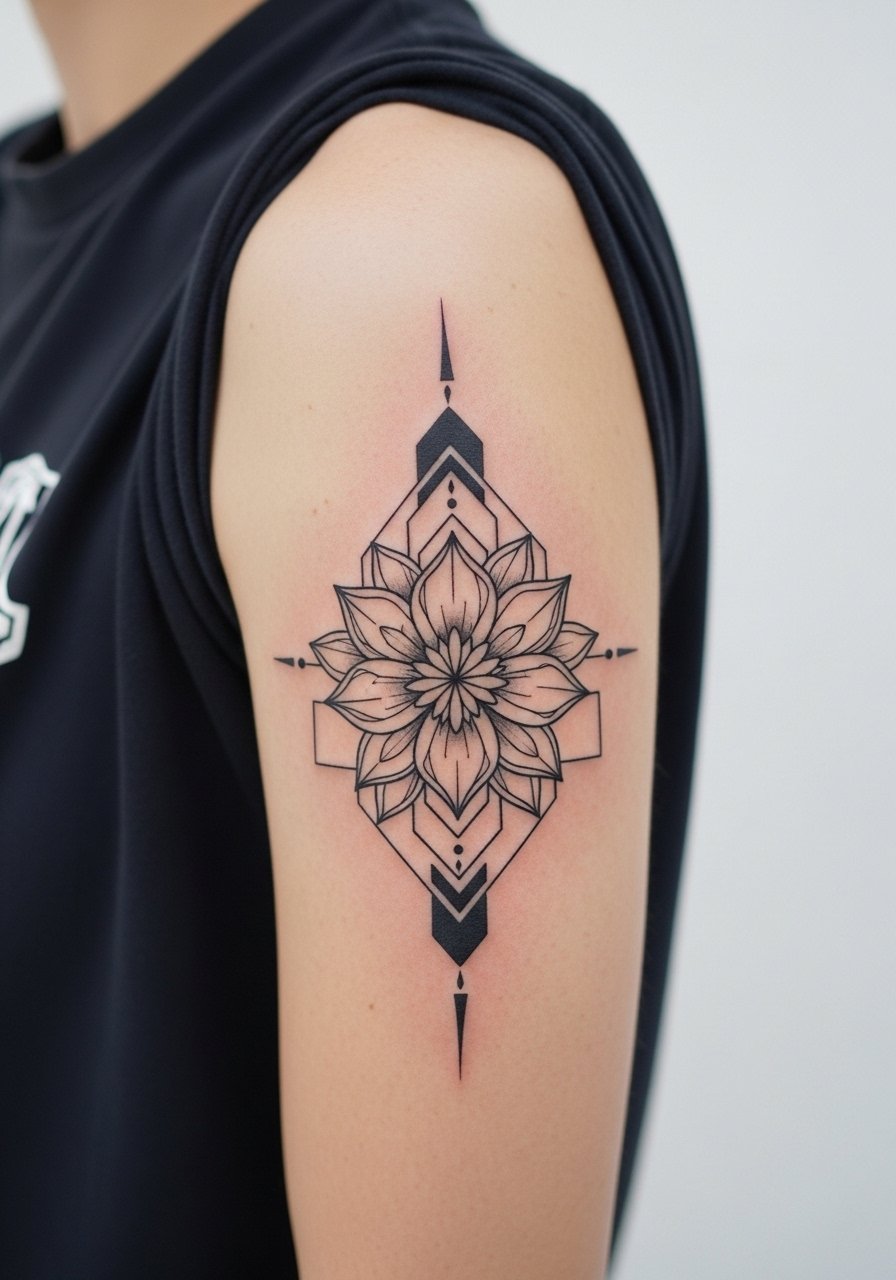
Negative-space ornamental work ages well when the artist plans the gaps for future saturation changes. The outer upper arm is a forgiving canvas that avoids daily friction from belts and bags. Ask for predictable spacing and to see healed examples of negative-space fills. The session feels moderate in pain and can often be finished in one sitting depending on size. Pair this with sleeveless tanks in pastel shades to echo the design color palette if you later add watercolor elements.
16. Tiny Holly Ring Finger Accent
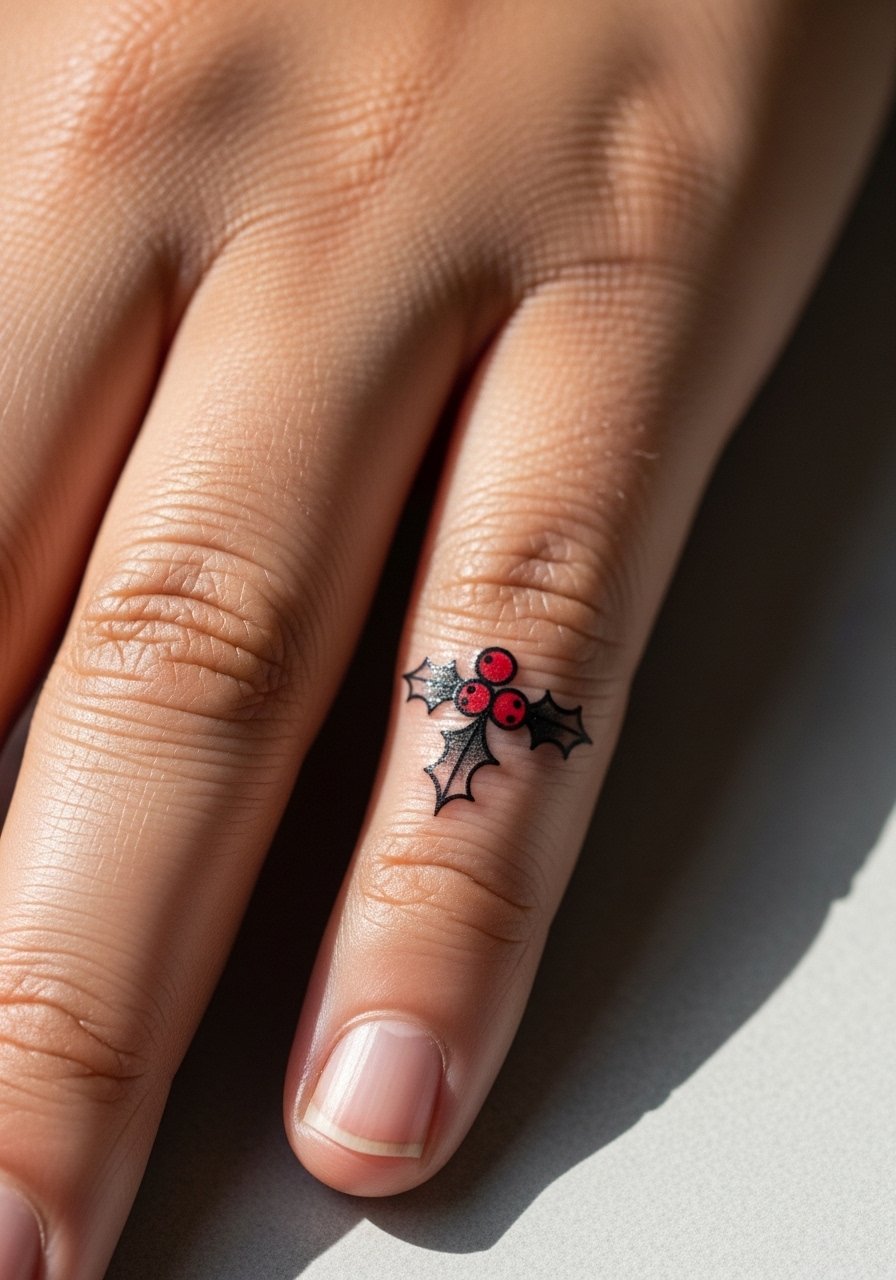
Finger tattoos are visible and demand honest expectations. They fade faster because the skin regenerates more quickly and they get constant abrasion. If you want a tiny holly accent ring, choose slightly bolder outlines and be ready for touch-ups in the first one to two years. During the session expect sharp but brief pain. Keep in mind career visibility when choosing finger placement. For low-key accessorizing, try thin stackable rings that do not rub the ink while it heals.
17. Paired Holly and Narcissus Rib-to-Sternum Flow
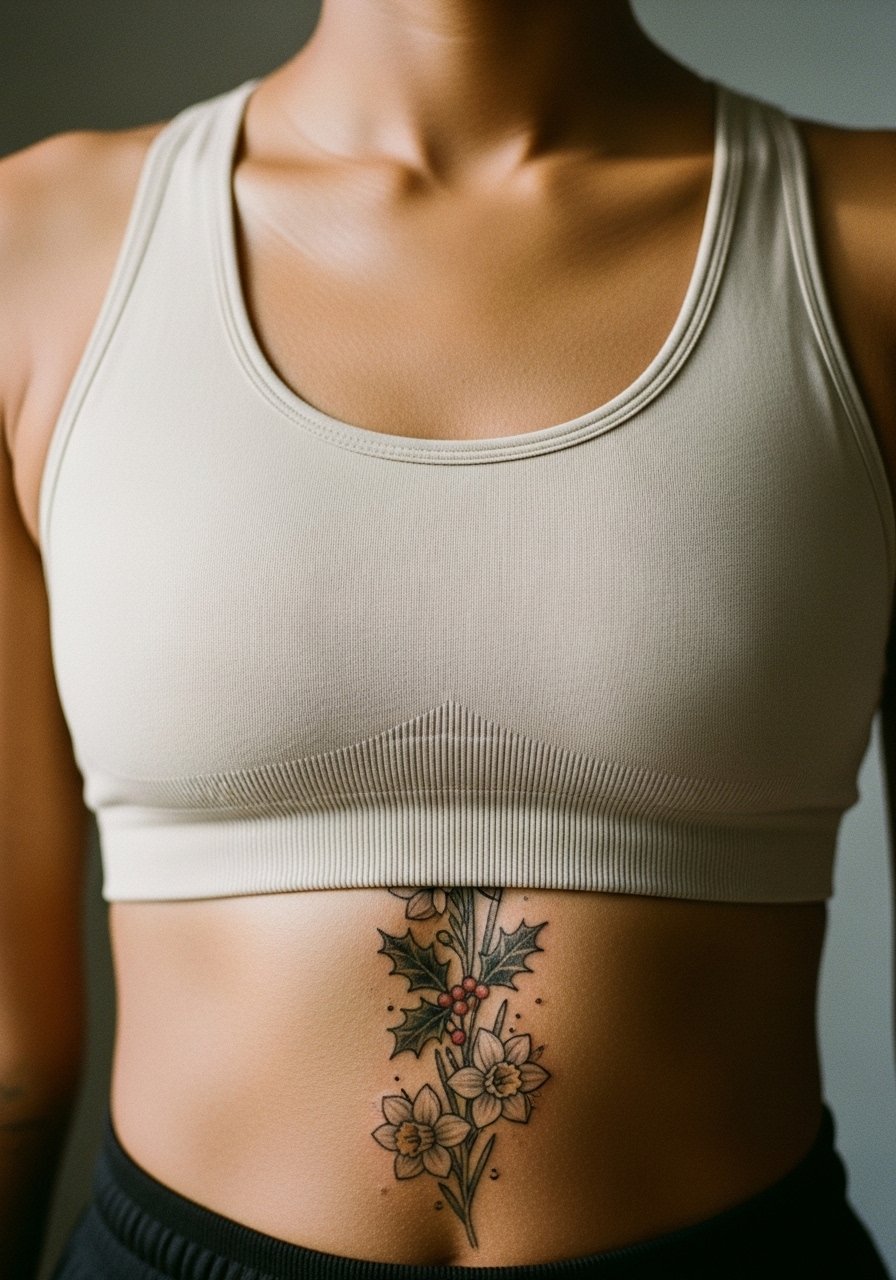
A vertical duo that travels rib to sternum reads like a personal narrative of December’s duality. This placement crosses sensitive skin and requires an artist comfortable with torso contours. Artists also disagree on healing approaches like Saniderm versus dry healing. One camp prefers second-skin dressings for consistent moisture control and less scab formation. The other camp favors dry healing to allow natural scab and reduced trapped moisture. Ask your artist which method they use and why, and plan for a longer healing window with breaks during the session. For coverage during the appointment, a fitted sports bra you can adjust keeps access clean.
Frequently Asked Questions
Q: Will fine line narcissus tattoos fade faster on wrists than on shoulders?
A: Yes, fine line work on wrists tends to fade sooner because of sun and friction. Shoulders usually retain detail longer. If you like the fine look on a wrist, ask for slightly bolder lineweight and plan a touch-up at year two or three.
Q: How should I pick between watercolor and micro-realism for a narcissus piece on my collarbone?
A: Micro-realism gives texture and contrast that lasts better on thinner skin. Watercolor reads softer but depends heavily on the artist's healed examples. Pick the style by comparing healed photos on similar skin tones and ask for a staged color test if possible.
Q: Are there wardrobe choices that help my tattoo heal and also show it off after?
A: Yes. For collarbone pieces wear wide-neck or off-shoulder tops that do not rub the fresh ink. For inner forearm designs roll cuffs or choose short sleeves. For ankles pick sandals or rolled pants to avoid sock friction. A delicate gold necklace can frame collarbone work without sitting on the fresh tattoo.
Q: If I want a holly branch sleeve starter in blackwork, how many sessions should I expect?
A: Plan for multiple sessions. A bold blackwork starter section often takes several blocks of time for saturation and to let skin recover between passes. Discuss a staged plan with your artist and block more than one appointment to avoid rushed saturation.
Q: How do I find healed examples and local artists for December flower pieces without relying on tag names?
A: Search local studio pages with "December flower tattoo [city]" and browse community threads for recommendations. Look for healed photos in portfolios and ask about touch-up policies. Etsy stencil shops and community forums can supply custom stencils if you want a unique pairing.
Q: What’s the realistic touch-up timeline for fine line holly and micro daffodil pieces?
A: Expect a touch-up at 6-12 months for settling and another likely at year two to three for fine line pieces on high-friction areas. Micro-realism with good contrast often needs less frequent work but plan for a small refresh every few years depending on sun exposure and skin changes.