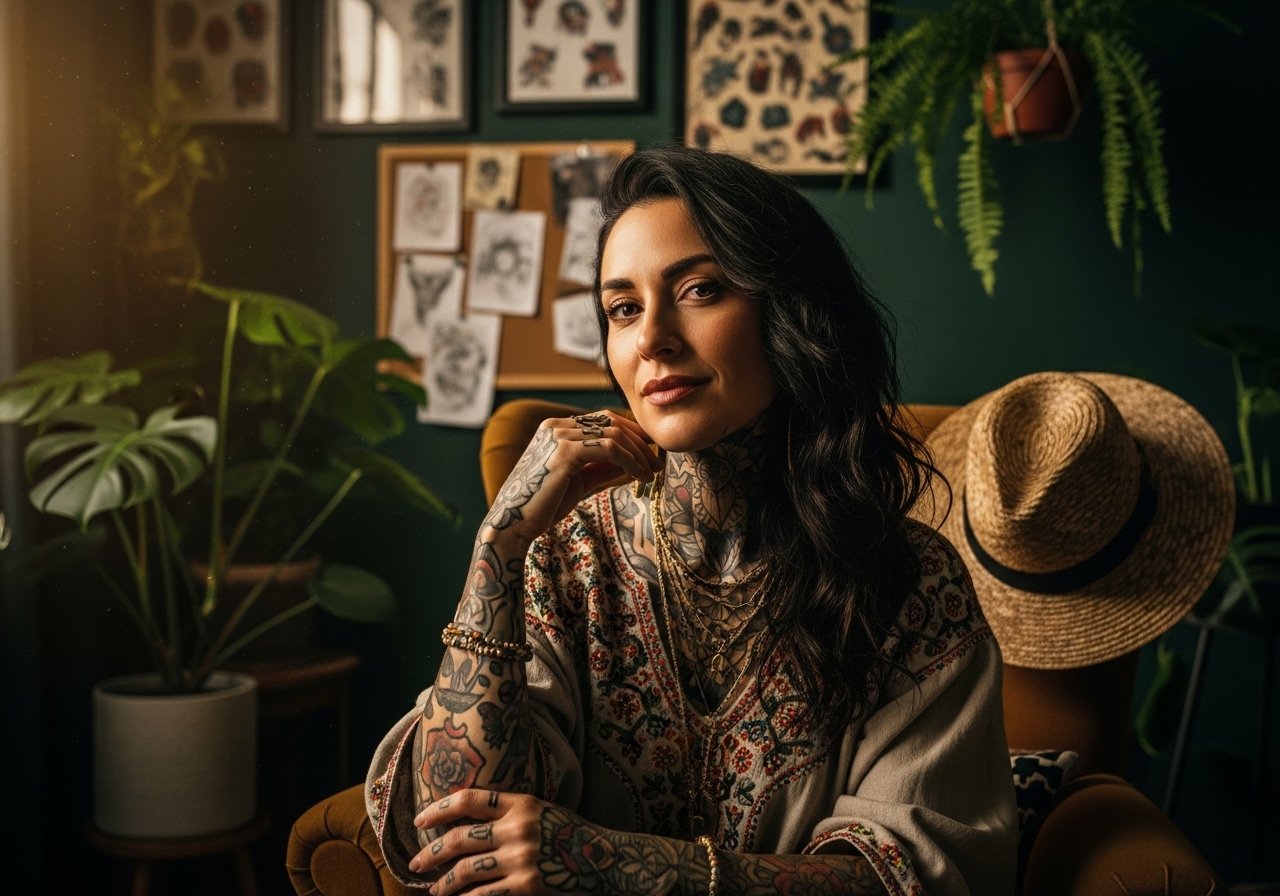
Bold blackwork and clever composition rescue more ankle regrets than extra color or tiny touches. I say that because ankles change with movement, shoes, and time, and the designs that hold are the ones planned to overlap, wrap, and age intentionally. Below are 17 coverup tattoo ideas built to hide old ink while keeping your ankle wearable and easy to show off.
1. Floral Mandala Ankle Wrap
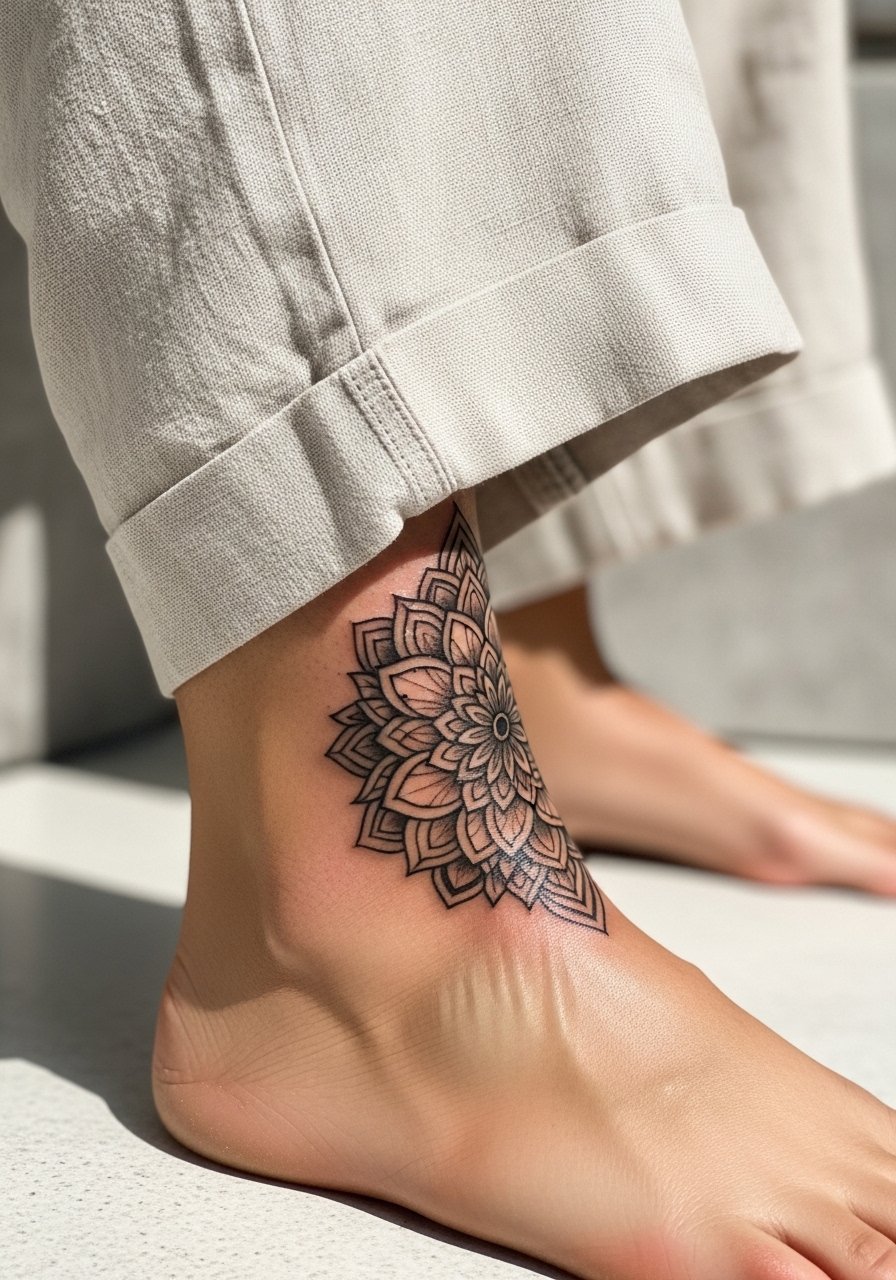
If the old ink is script or a small symbol, a mandala built from layered petals can fully obscure edges while keeping the piece symmetric. Tell your artist to size the outer petals at least 1.5 times larger than the old tattoo so the overlap is secure. Pain at the ankle bone is noticeable but short lived, and a single session of two hours often covers a small name. The common mistake is asking for too much fine detail close to the old lines, which can blur with motion. For wearing this, a linen palazzo pant or rolled cropped jeans pairs well when you want to show the wrap.
2. Geometric Henna-Inspired Disc
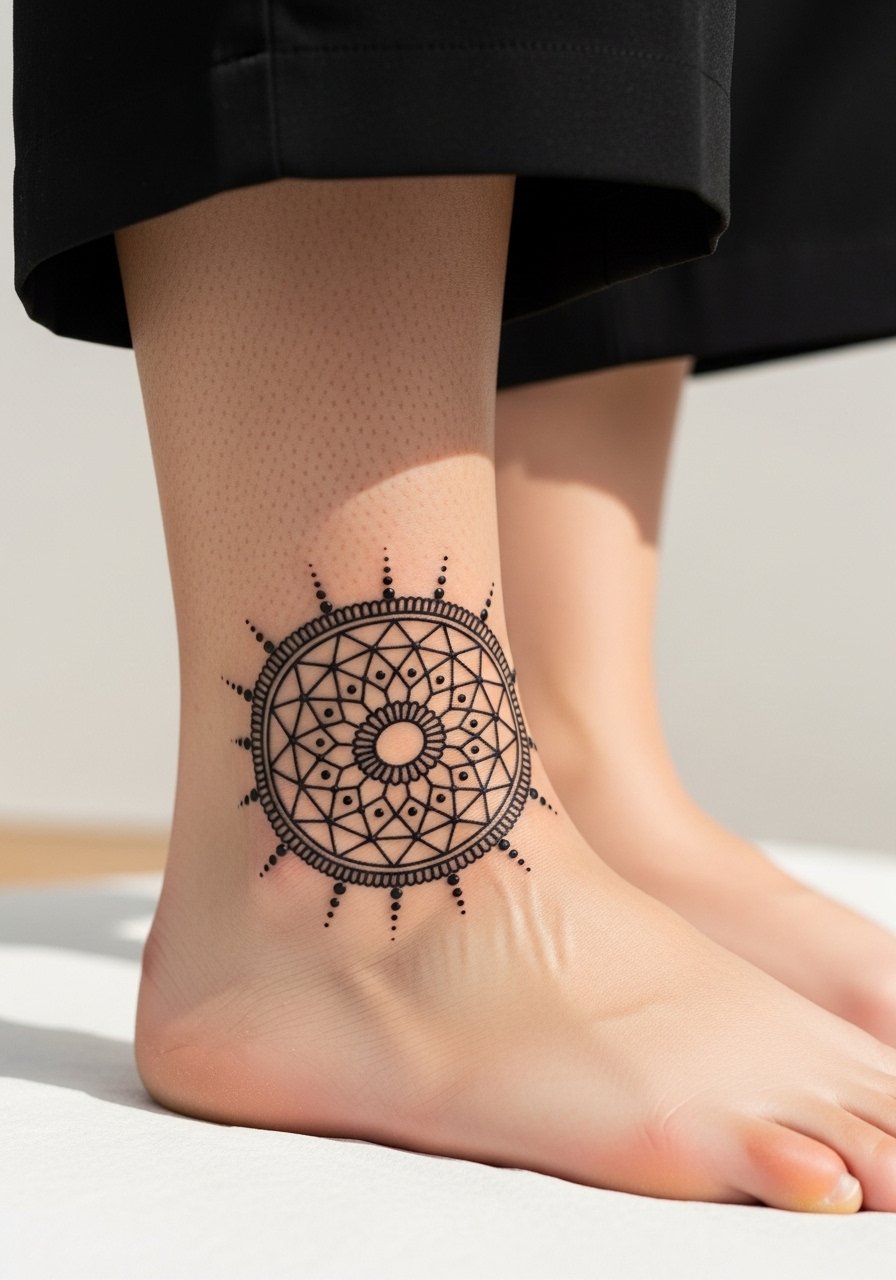
This ornamental disc is ideal when the old tattoo is irregular or faded because repetitive motifs draw the eye away from stray edges. In consultation, ask for slightly heavier linework than a pure fine-line flash to reduce early fading. There is an active debate about fine line on ankles. One camp says delicate geometry blurs fast and needs touch-ups at year two or three. The other camp argues that with proper spacing and depth, a henna-inspired pattern can last a long time. Bring healed examples of similar pieces so your artist can match spacing to your skin type. For showing it off, a leather mini skirt or cropped jeans work well.
3. Celestial Stars and Moon Cluster
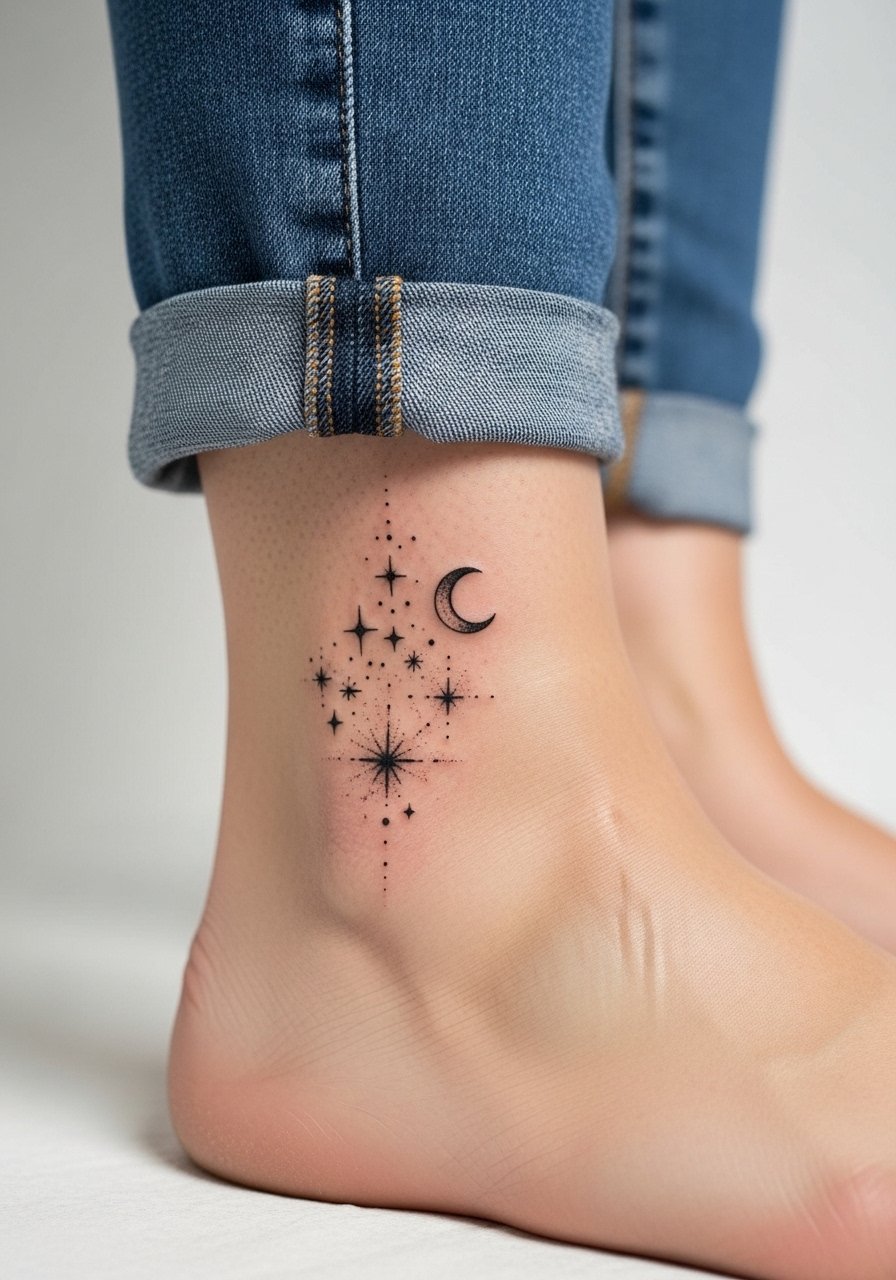
Small celestial clusters redirect attention from a tiny old heart or star by using negative space and sharp contrast. This piece heals quickly and usually needs a single short session, but fine dots can soften with friction from shoes. A common mistake is packing too many tiny stars into a small area. Ask for varied dot sizes and one anchor moon so the pattern reads at a distance. Expect mild swelling that makes walking awkward for a day or two. Pair the cluster with cuffed bootcut jeans to frame the top-of-ankle placement.
4. Underwater Octopus Tentacles Wrap
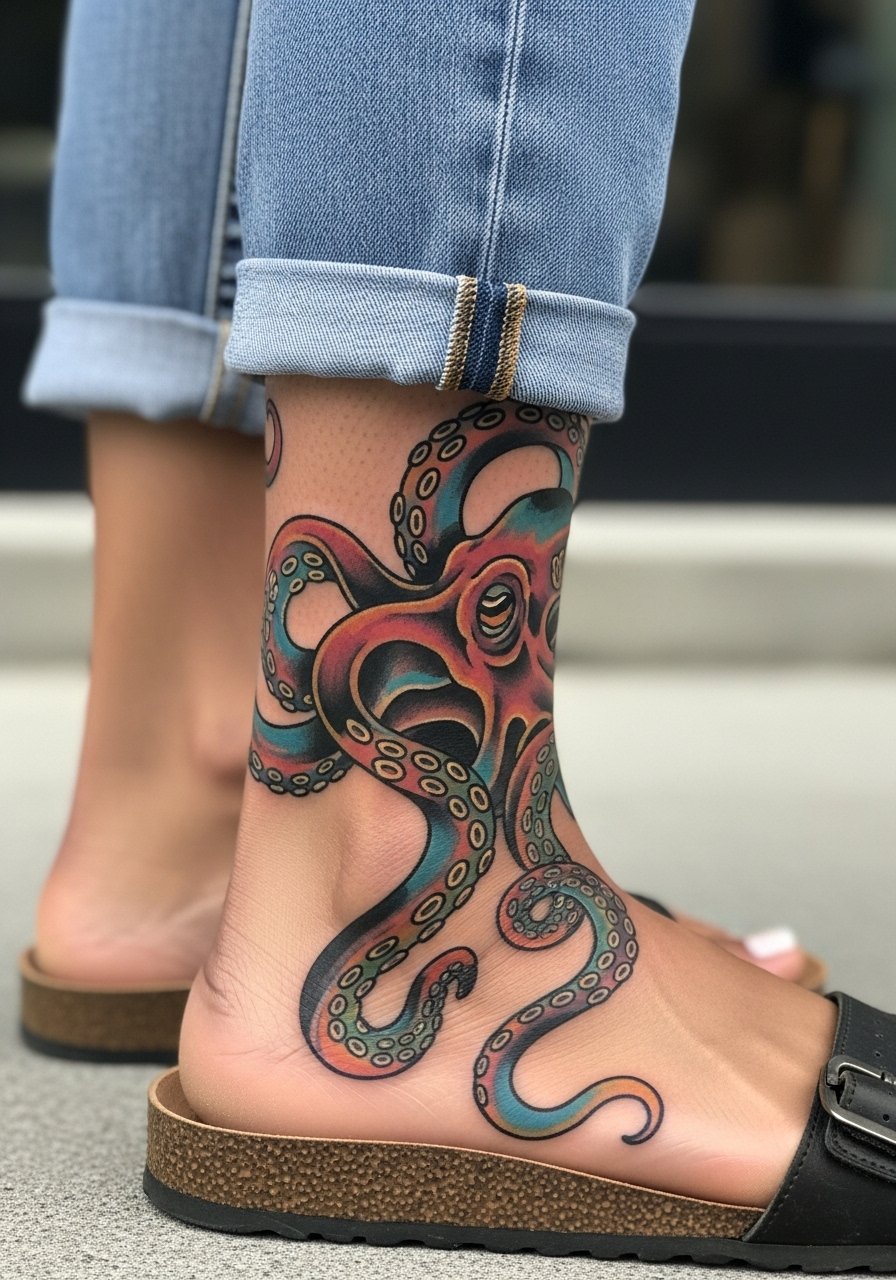
When an old tattoo is a larger, oddly shaped patch, wraparound tentacles are excellent because they use movement to disguise edges. Tell your artist to design tentacles that vary in width so they incorporate the old shapes rather than trying to cover them with a single flat fill. Sessions may run longer and often require two sittings for saturation and depth. The session feels more intense near bone, especially on the inner ankle, but the wrap visually balances the area. For summer looks, sandals or strappy heeled sandals show the full encirclement without hiding it.
5. Abstract Tribal Wave Band
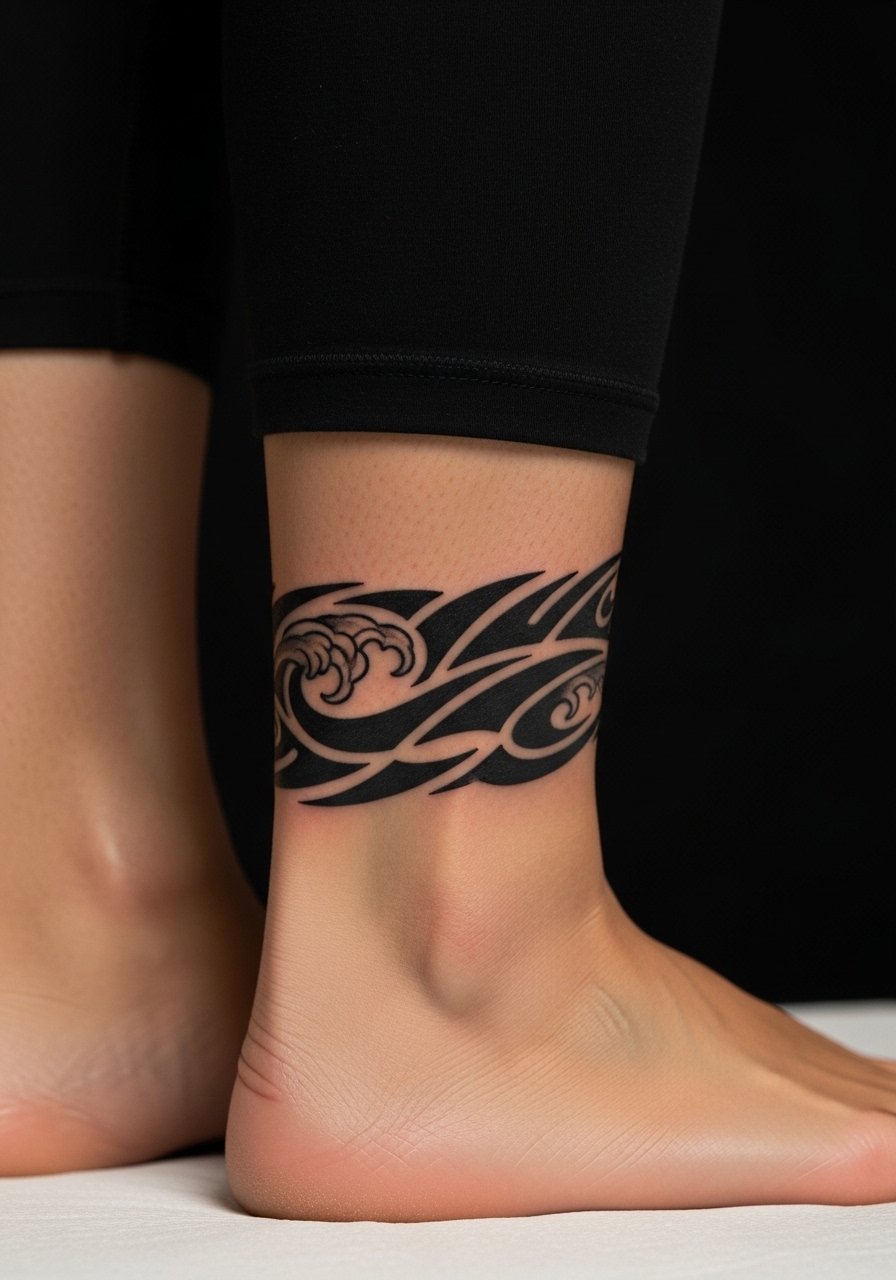
This blackwork option handles linear old tattoos by integrating them into bold flowing strokes that read as movement rather than a patch. The biggest mistake is going too narrow. Waves need negative space to breathe so they do not merge into a blob after a year. Bring photos of your old ink and ask the artist to plan curves that follow your ankle's bone and tendon lines. Pain is concentrated over the bone but tolerable for short single sessions. For an everyday edge, pair the band with knee high socks or pull-down capri leggings when showing it off.
6. Rose and Vine Ankle Wrap
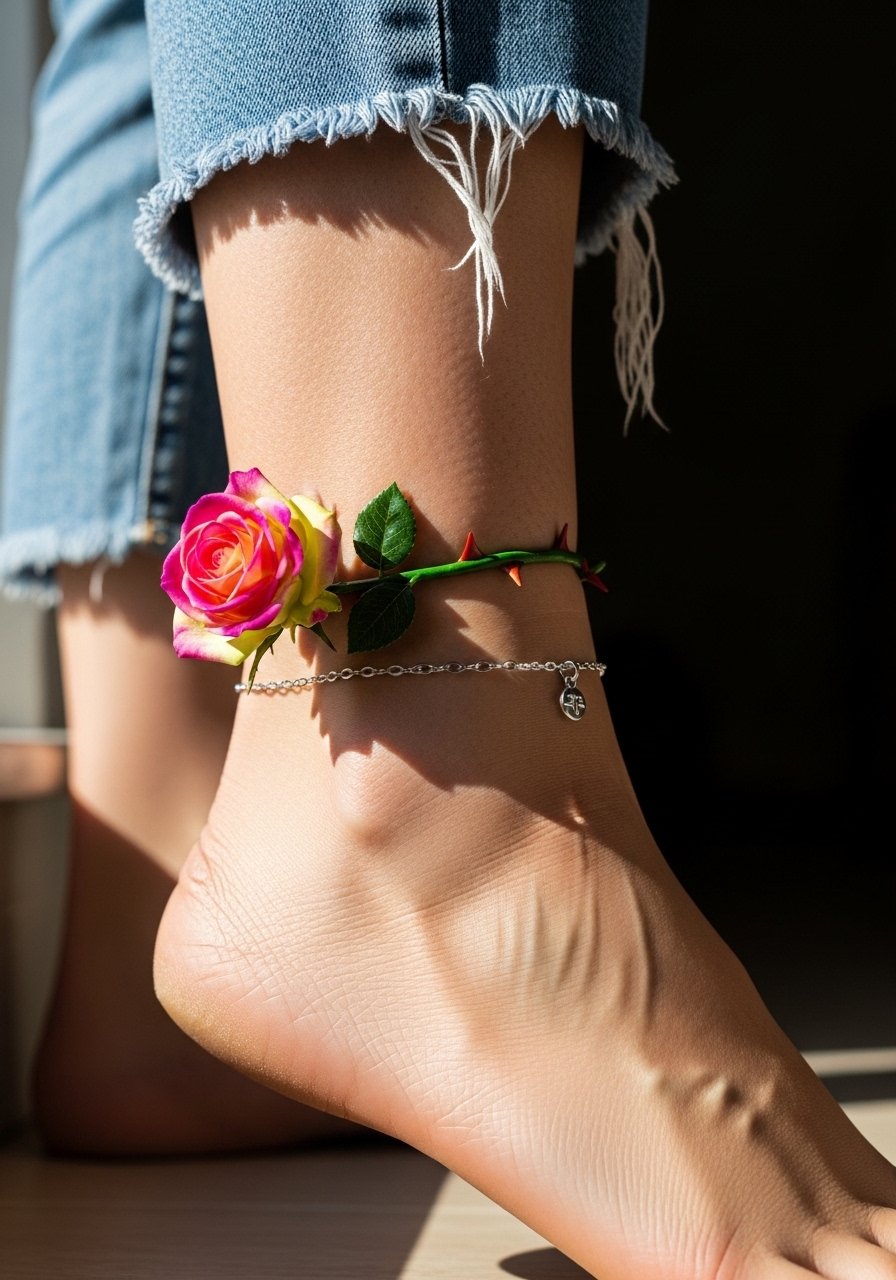
A rose and vine can swallow faded script by placing shaded petals and thorn detail over the old letter edges for texture and depth. Ask for darker centers and heavier outlines where the old tattoo lives so the new design reads solid after healing. Expect two sessions if you want vibrant petals with green shading. A common error is requesting tiny petals that vanish as the skin stretches with movement. Wear rolled shorts or high waisted denim shorts the day you show it off, and bring loose shorts to the session so the artist can roll or slide fabric without pressure.
Pack Smart
The wrap and cuff ideas above put different demands on session access and healing, so a few supplies smooth the appointment and the first week.
-
Tea tree balm tattoo salve. Lighter than thick ointments, users report less greasy buildup on ankles that sweat, which helps reduce rubbing under sandals.
-
Australian beeswax salve. Good for dry-heal supporters who want a breathable barrier for bone-heavy ankle areas after the first scab phase.
-
Japanese rice bran ointment. Mentioned by people with sensitive ankle skin for reducing tight scabs that can snag on shoes.
-
Mushroom extract anti-inflammatory lotion. Light, non-greasy option some healers choose to manage swelling around the ankle joint after longer sessions.
-
Aquaphor healing ointment. Thin layer application in the first 48 hours helps keep small linework from drying out, especially on designs near the ankle bone.
7. Animal Paw Print Mandala
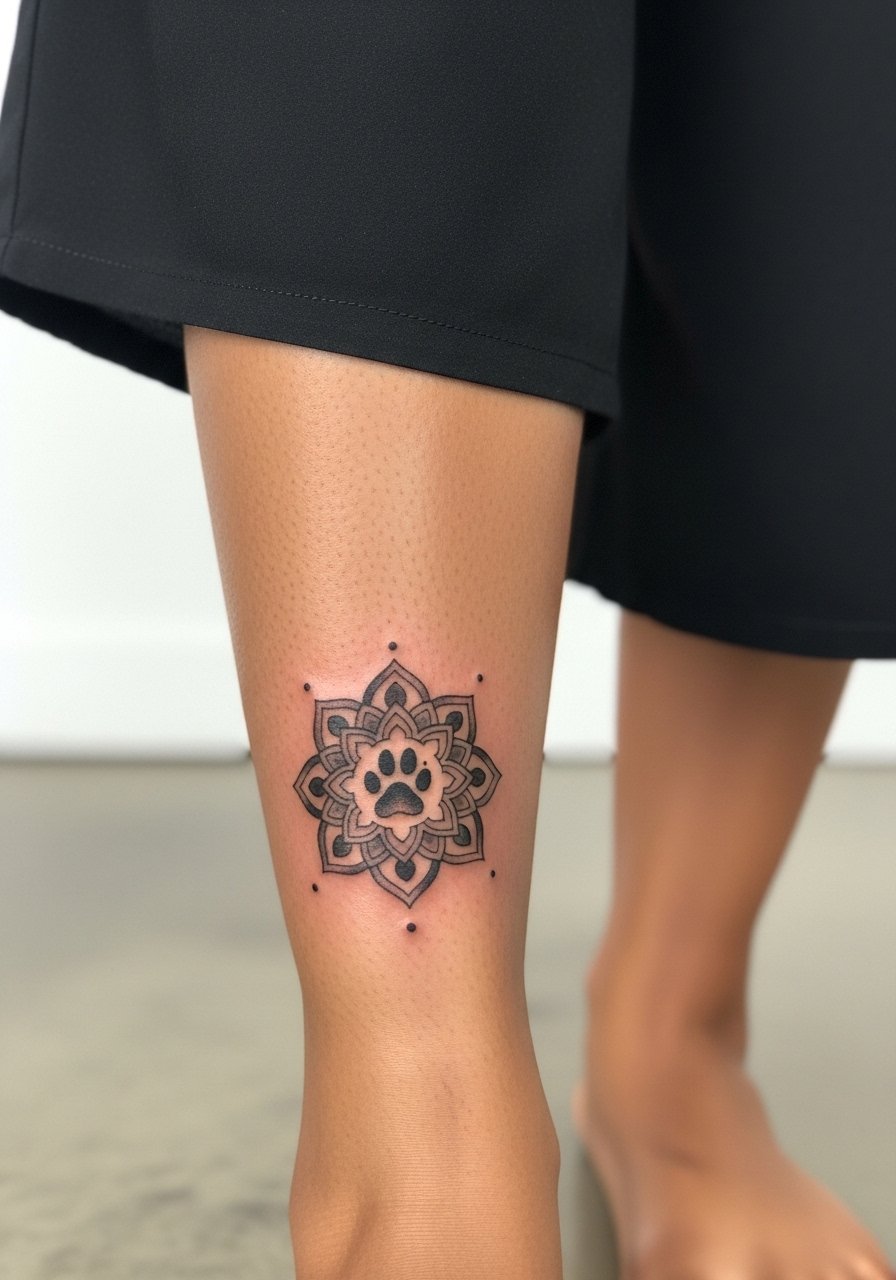
Centering a meaningful paw print inside a mandala gives personal symbolism while using symmetry to obscure old ink. Tell your artist the exact size of the print you want and to work the mandala outwards so the petals overlap uneven old edges. Inner ankle touch-ups are easier than outer wraps because they see less shoe friction, but expect tenderness where the tendon runs. The common mistake is placing the paw too close to the ankle bone; move it slightly inward to sit on more flesh so the print keeps shape as you move. For casual wear, pair with denim culottes that let you flash the inner ankle without tugging on the area.
8. Butterfly Wing Overlay
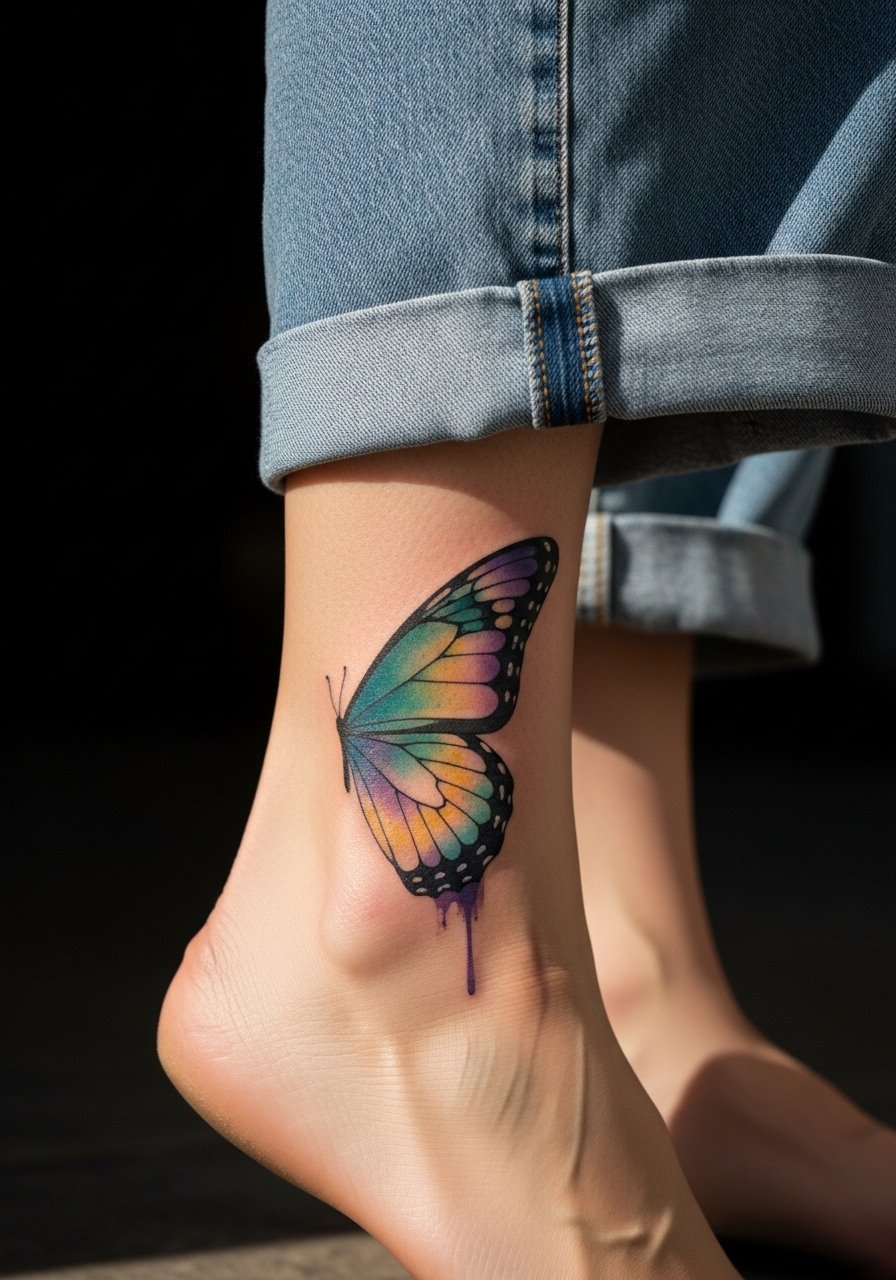
Layering a wing shape over a small, stubborn mark can turn the old line into a wing vein or pattern element. For cover-up success, request muted color gradients and strong outlines where the old ink sits so saturation masks underlying tones. Watercolor on ankles is trending, but color retention is weaker than blackwork here, and touch-ups may be needed. Bring a reference of healed watercolor pieces to set realistic expectations. For evening looks, a delicate gold ankle chain complements pastel wing tones without overwhelming the skin.
9. Dotwork Galaxy Ankle Cuff
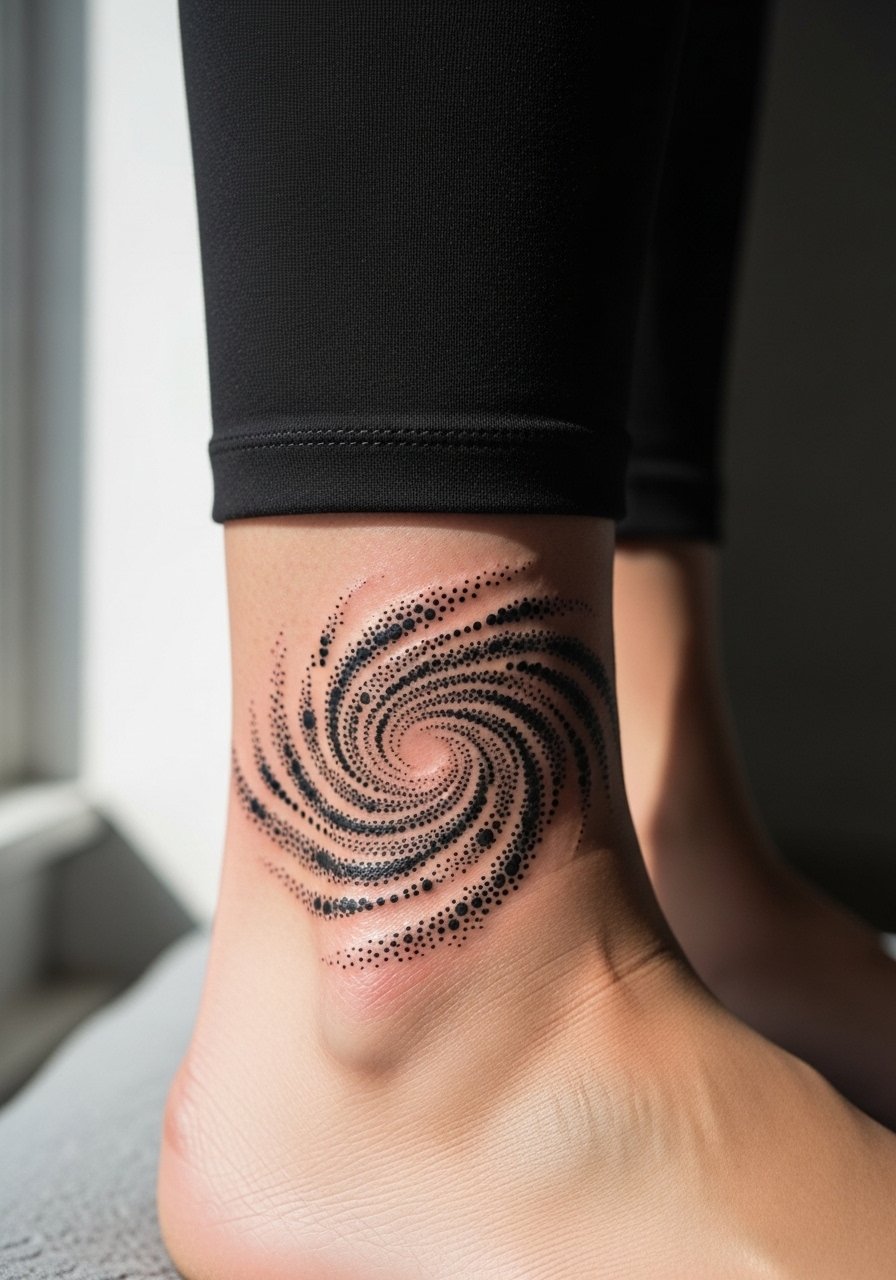
Dotwork excels at building depth without increasing size, which helps when the old ink is a geometric mess that resists simple covers. Ask for stippling that gets denser over the old lines so the eye reads continuity rather than a patch. Dot work is slower to apply but often needs fewer sessions than dense color fills because each dot is placed to blend. People sometimes underestimate how visible the cuff will be in close shots; plan spacing so the pattern reads from a few feet away. This cuff style wears well with platform mule shoes for nights out.
10. Feather and Arrow Cluster
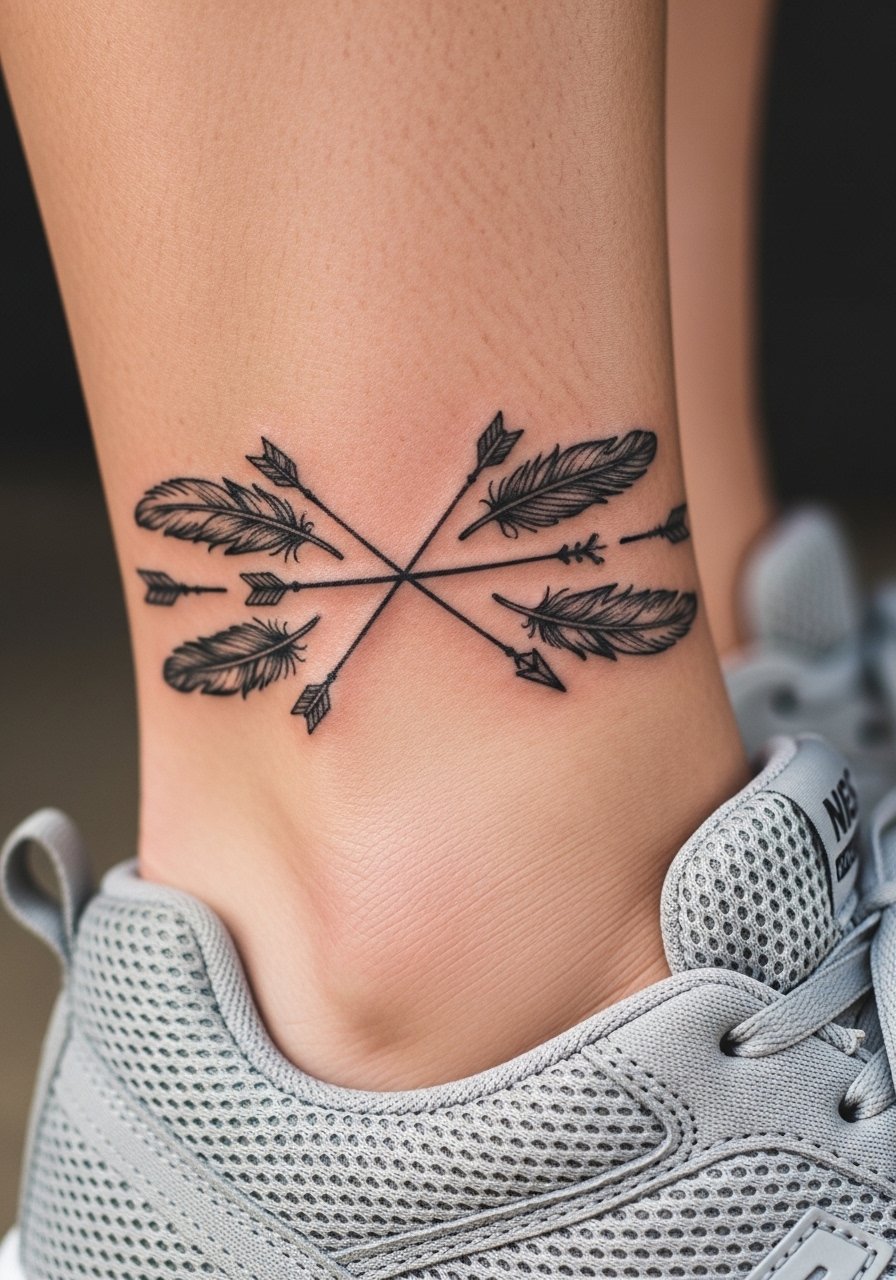
Arrows and feathers are good for aligning with old straight-line tattoos, directing attention along new shafts that cover old traces. In consultation, ask the artist to thicken arrow shafts slightly where they cross older lines to prevent early fading. There is a trade-off here because crisp fine line fades faster on high-motion ankles. If you want less maintenance, ask for slightly bolder shafts. Expect a single session for a small cluster and walking sensitivity for a day. Pair the look with mesh athletic sneakers to show off the front ankle detail.
11. Lace Pattern Cuff
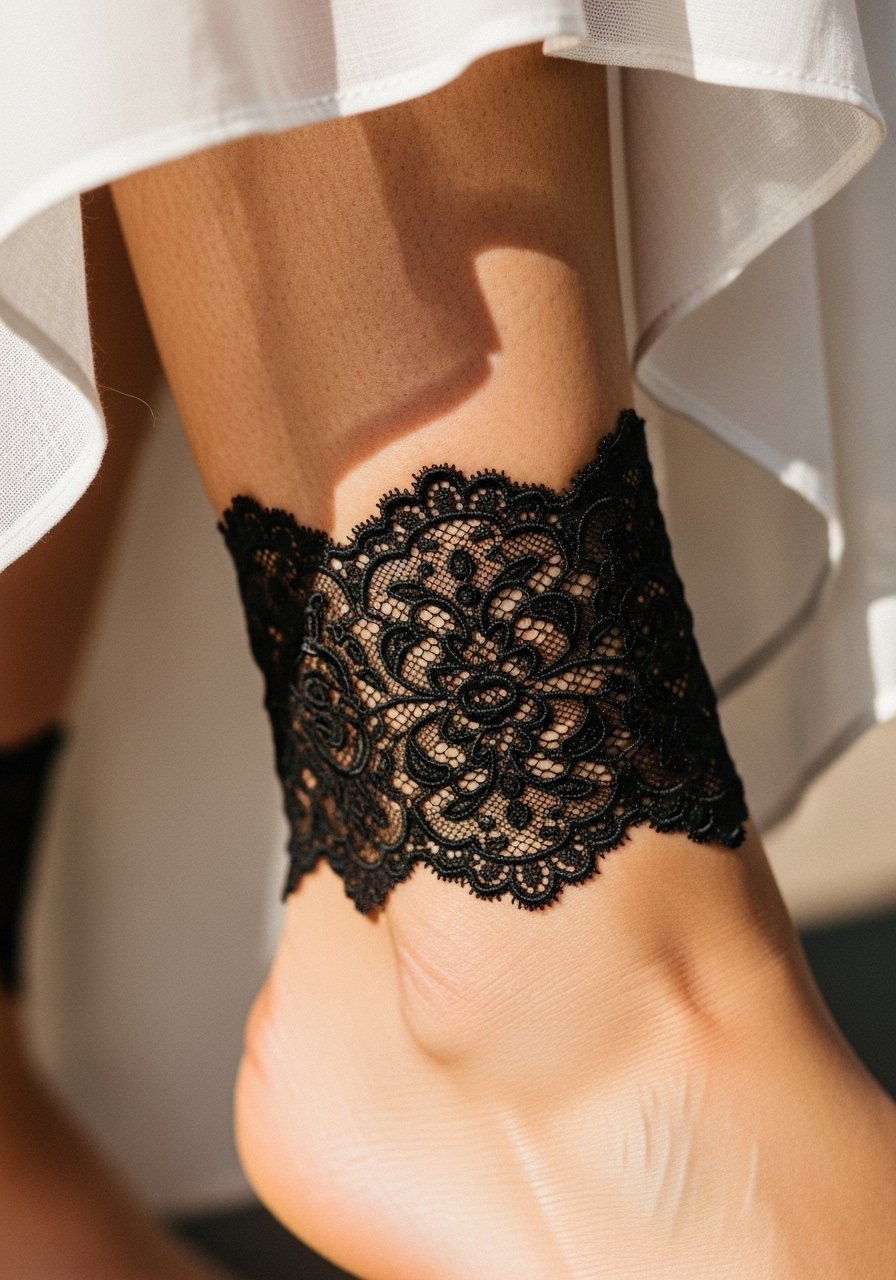
Lace cuffs disguise name tattoos by replacing letter shapes with filigree that mimics jewelry. The design should be at least an inch wide to read clearly after healing. A common mistake is asking for an ultra-thin lace band that loses detail as the skin moves. For longevity, request heavier outer outlines and softer interior stippling. This placement often feels brisk over bone, but most people tolerate the session for a single two-hour sitting. Show it with an earth tone maxi skirt that lets the cuff peek out.
12. Koi Fish Scale Wrap
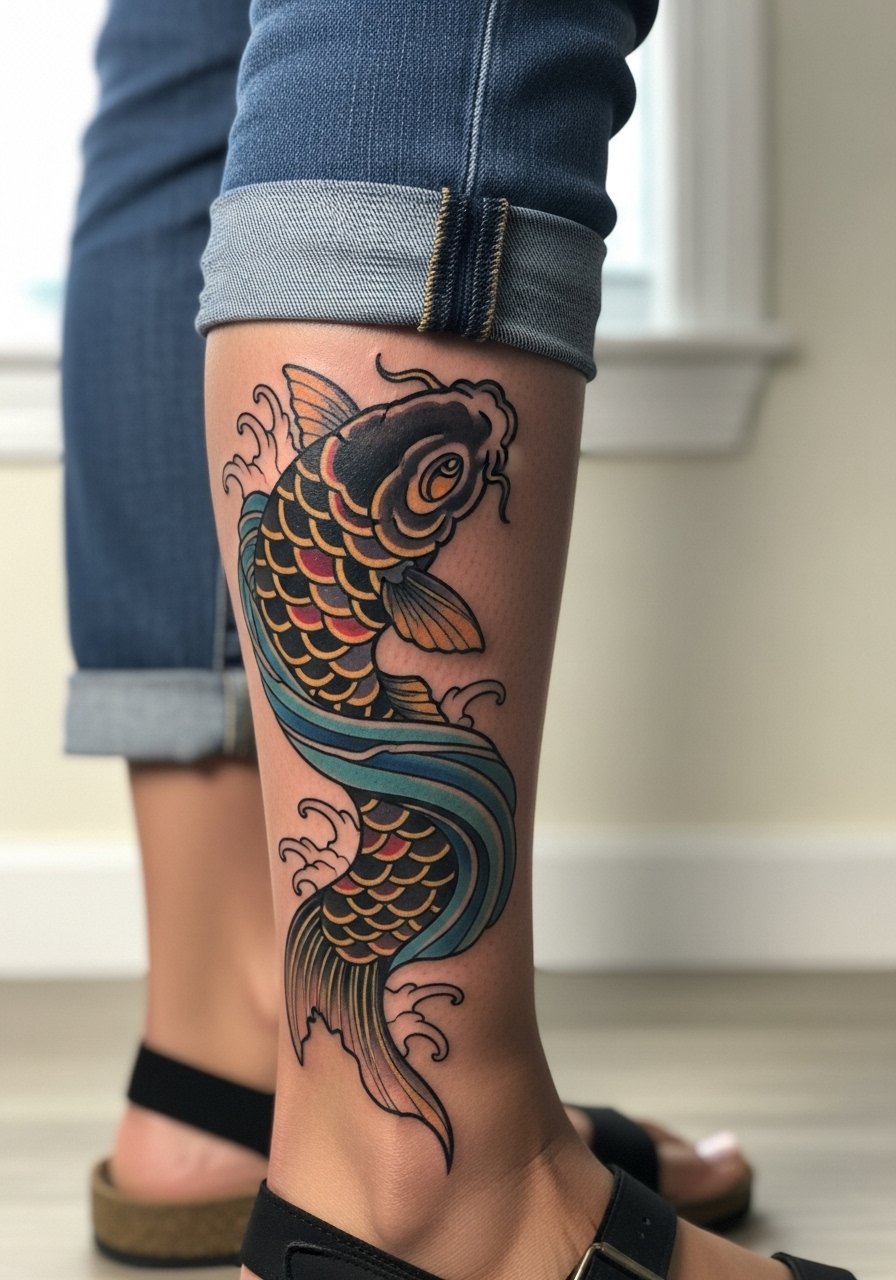
Interlocking scales are practical for covering colorful regrets because each scale can be shaded to overwhelm the old pigments. Ask for at least two layers of overlapping scales in the old tattoo area so the color underneath does not show through. Koi wraps usually need two to three sessions for smooth saturation. Expect more swelling on the lower calf portion than on the ankle bone. Avoid very fine scales close to the tendon; larger scales settle cleaner. For beach days, pair the wrap with simple sandals or high waisted denim shorts to keep attention on the color flow.
13. Textured Dotwork Optical Patch
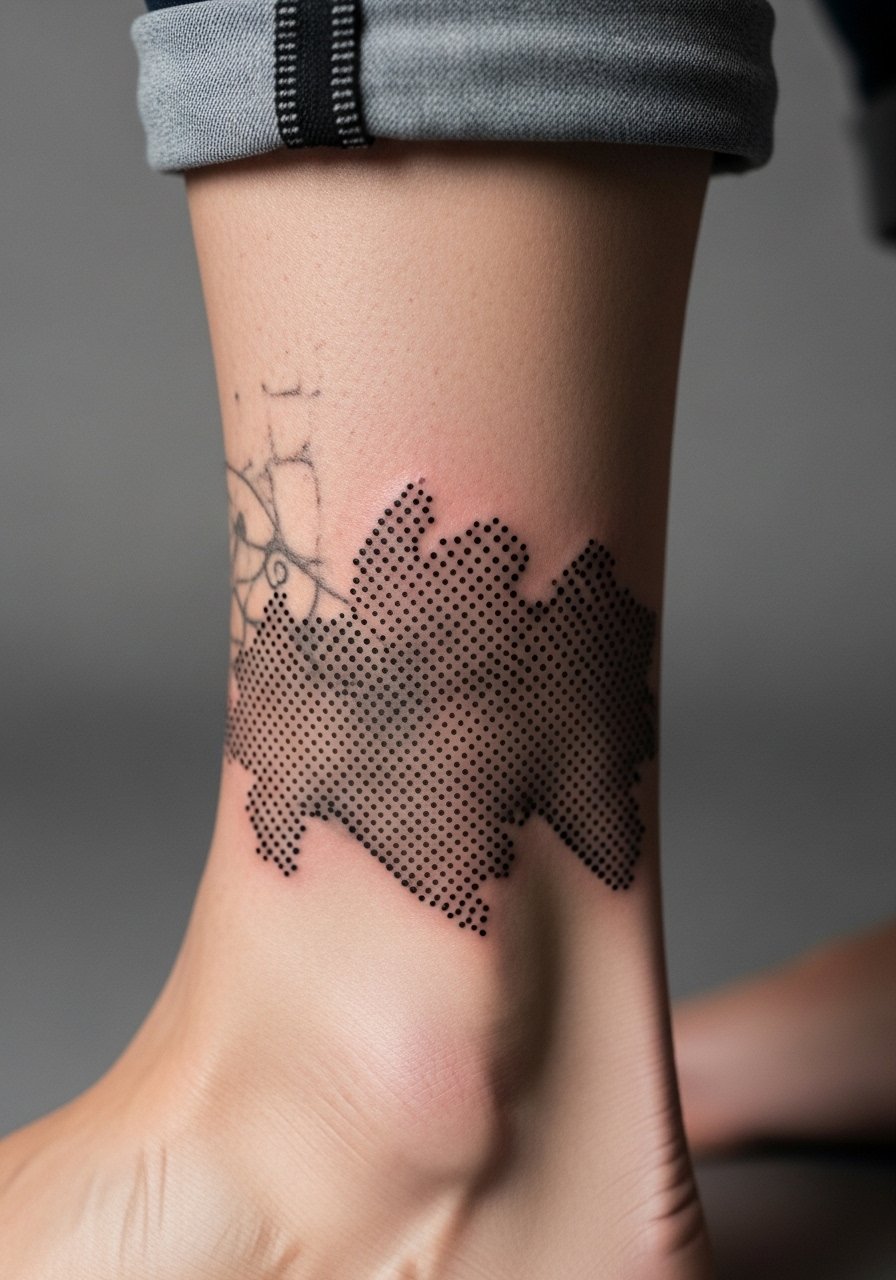
This under-covered trick layers stipple shading over smooth old ink to create an optical illusion that reduces apparent size without expanding the design. Tell your artist to use varied dot densities so the central area reads dark and the outer ring fades into skin. The advantage is minimal footprint increase while still obscuring edges. A mistake is asking for uniform dots across the whole area which flattens the effect. Sessions are slower because of point placement, but touch-ups are uncommon if the artist plans densities well. For casual styling, rolled shorts and simple sandals keep the focus on the ankle patch.
14. Hybrid Henna-Tribal Curve
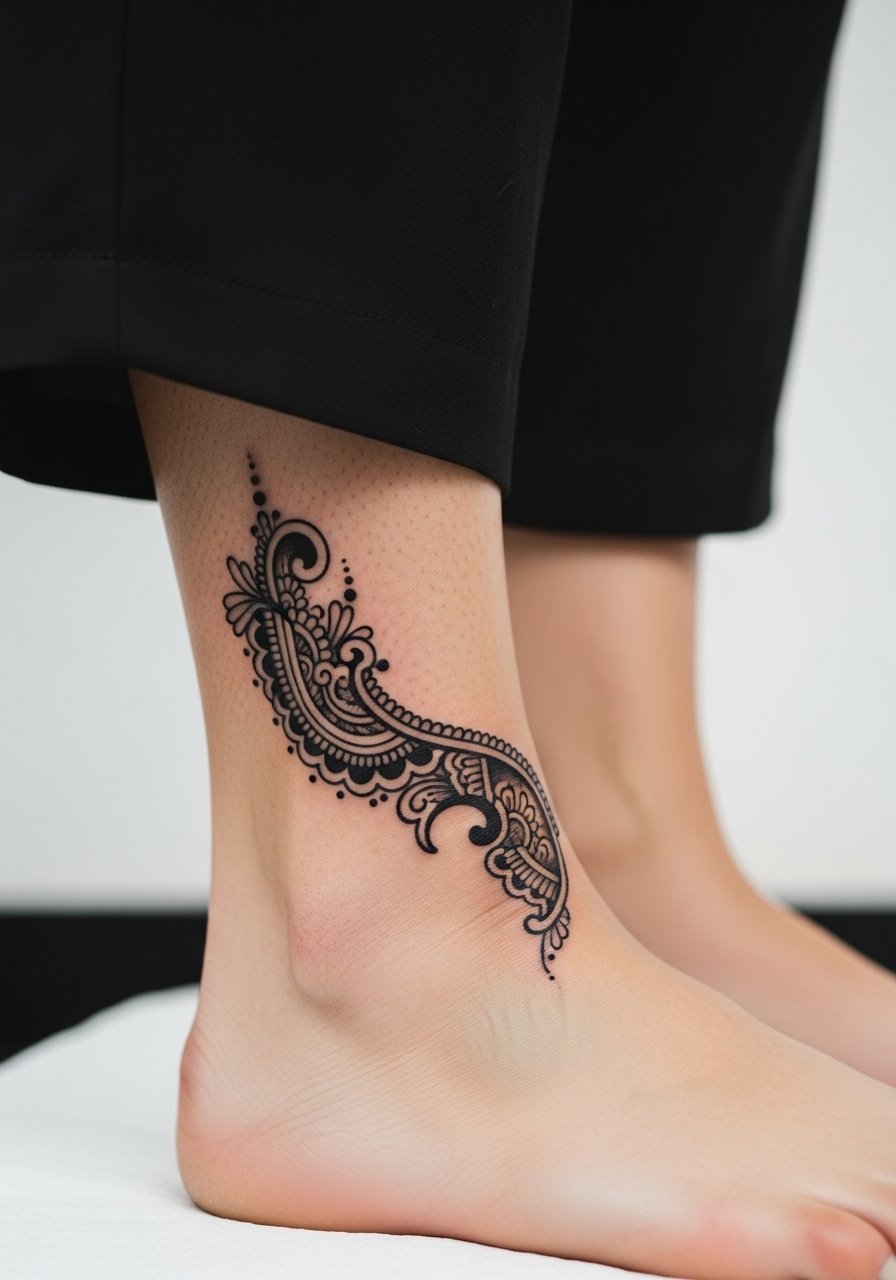
Blending ornamental henna motifs with tribal line weight gives a curving design that hugs ankle contours and masks old linear tattoos. When you talk to your artist, request a hybrid sketch so the motifs read balanced rather than pasted on. This design touches the fine-line debate again. One side says minimal henna lines blur faster on ankles. The other side says combining bold tribal strokes with henna spacing helps lines last. Decide which approach you prefer before booking. For showing it off, a culotte pant or cropped jeans will display the curve without friction.
15. Pre-cover Blackout Layer Concept
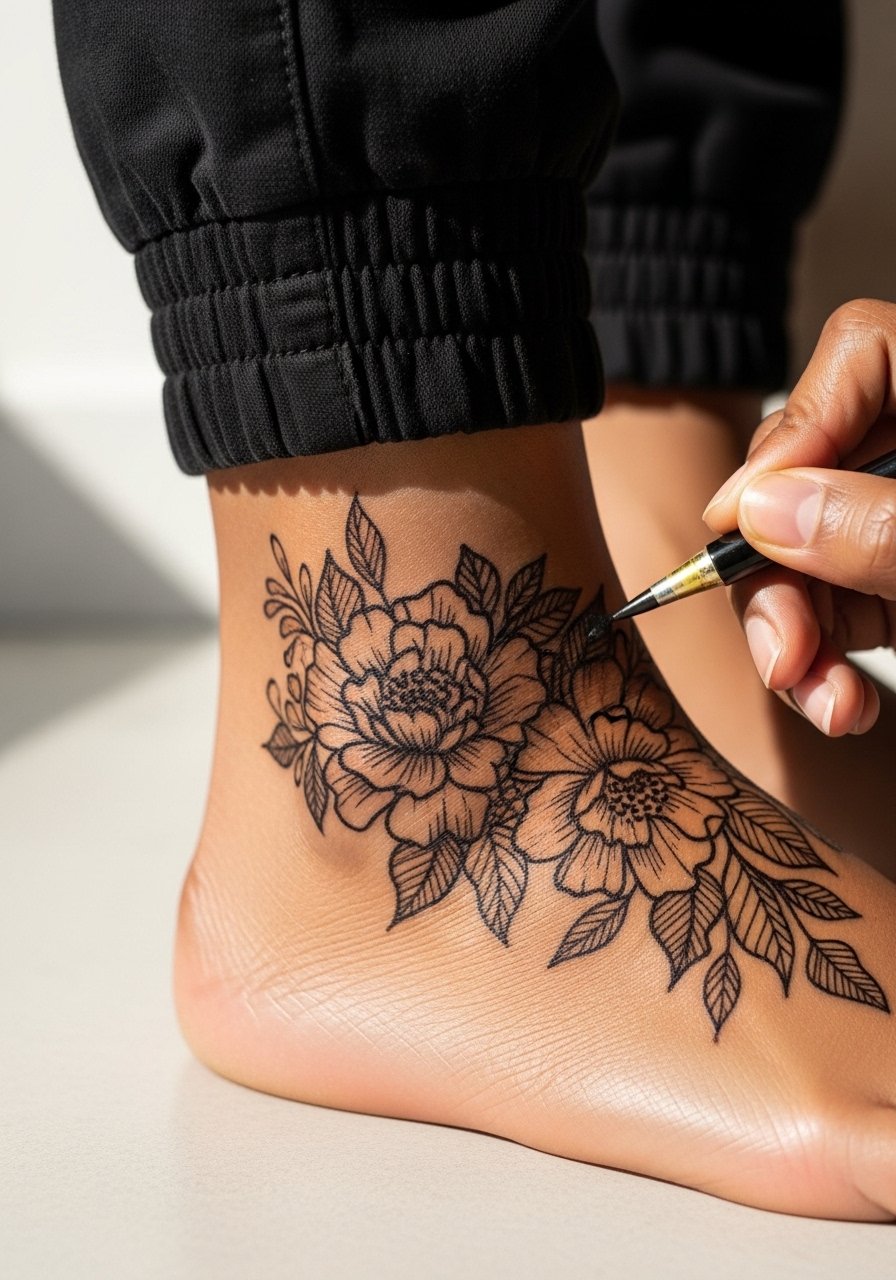
For stubborn dark ink on darker skin, some artists lay a controlled blackout base first, then build the cover design over it. There is a healing debate around this. One group endorses blackout underlayers to prevent color wash-through. The other warns that large black areas can be heavy to sit with and may need more sessions. If you consider this, ask about staged sessions and touch-up plans. The session itself can be longer and heavier on swelling, especially near the bone, so plan shoes and rest accordingly. This approach is a good tool for pigment-heavy problems when lighter masking fails.
16. Calf Extension for Ankle Pieces
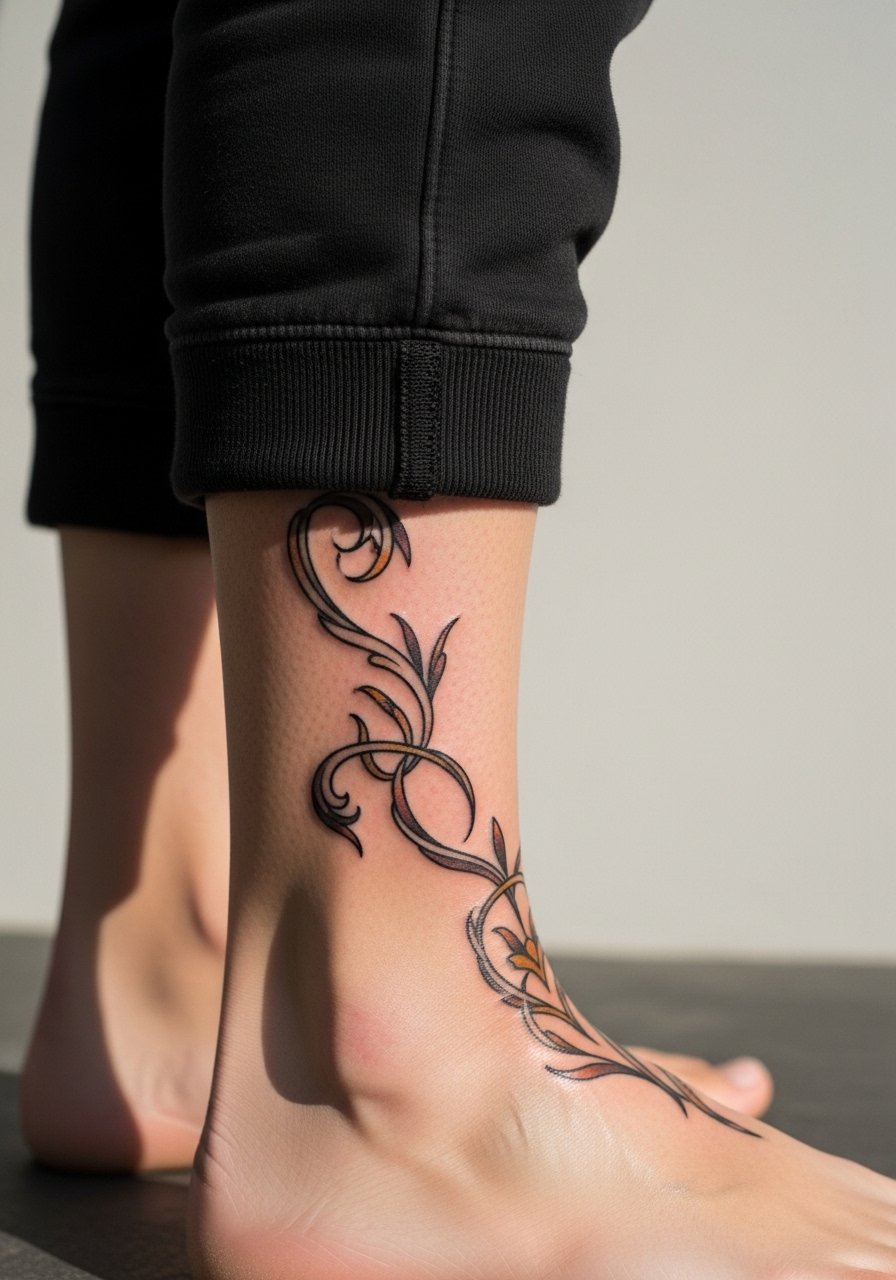
If the old ankle tattoo is too small to hide on its own, extending the design up the calf gives space and visual balance. Ask your artist to plan the extension so the ankle motif remains the focal point rather than getting swallowed. Expect longer sessions and sometimes two sittings to blend the ankle and calf textures. The practical mistake is trying to force a large geometric mask into a tiny ankle; extension gives the design room to age better. For session comfort, wear loose track pants you can pull up like loose drawstring linen pants so the artist can work without pressure from tight seams.
17. Ankle Cuff Using Old Edges
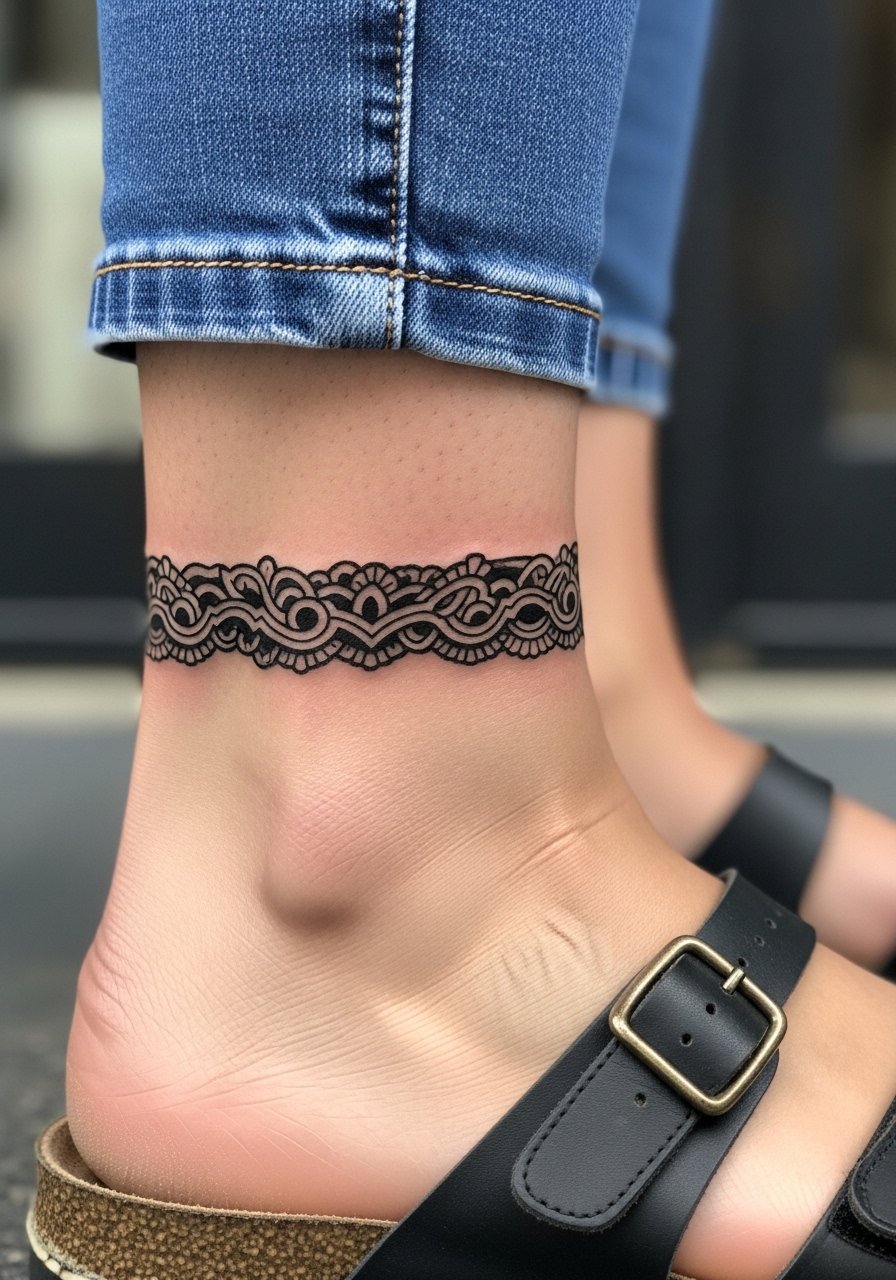
This creative cuff eats the old edge by tracing and reworking the original border into a band, which reduces the need for a big new motif. In consultation, ask the artist to sketch the cuff directly over the old lines to see how the shapes can convert into filigree or solid blocks. The cuff reads as jewelry and can be one session if kept around an inch wide. The common pitfall is making the band too thin, which leads to early blur. For a polished finish, pair it with thin bangles or an ankle chain and minimalist sandals.
Frequently Asked Questions
Q: Will a geometric henna cover-up on the ankle need touch-ups sooner than a floral mandala?
A: It depends on line weight and placement. Geometric henna with thin lines tends to soften faster on high-motion areas, so thicker outlines and spacing help. A mandala with dense shading can hide old ink longer but may need a color refresh if it includes muted pigments.
Q: Is blackout underlayer safe for darker skin tones on the ankle?
A: Many people with darker skin choose a staged blackout followed by a layered design when lighter masking fails. One side cautions about extensive sessions and scarring risk, while the other sees it as a reliable method to prevent old pigment from showing through. Discuss staged sessions and test patches with your artist to set expectations.
Q: How painful are ankle cover-ups compared with other placements and how should I prepare for the session?
A: Ankles are higher on most pain charts because of bone proximity, especially on the inner ankle. Bring loose clothing you can slide up, like drawstring pants or shorts, and plan for icing and elevation afterward. Expect swelling that can make stairs and shoes uncomfortable for a few days.
Q: Can I show off a new ankle cover-up without making it wear badly during summer?
A: Yes if you plan wardrobe and aftercare. Lightweight sandals and rolled cuffs reduce rubbing during the initial heal. Avoid tight socks and close-fitting shoes for the first week. Choose breathable fabrics when you dress to keep the area dry and less prone to irritation.
Q: How do I find the right artist for a cover-up without named recommendations?
A: Search hashtags like #AnkleCoverUp or #MandalaAnkle on social platforms with your city filter, post a local request in r/tattooadvice, and use booking apps that let you filter for "cover-up" and ankle placement. Ask for healed photos of similar cover-ups, not just fresh work, before you book.