
Fine line and abstract February birth flower pieces are trending for a reason, but the tattoos that still read clean in five years are not always the ones that photograph best on day one. Placement and spacing matter more than you think. Read these focused, abstract violet and primrose ideas to pick a design that both flatters your body and tolerates life, sun, and time.
1. Fine Line Violet Vine on Inner Forearm
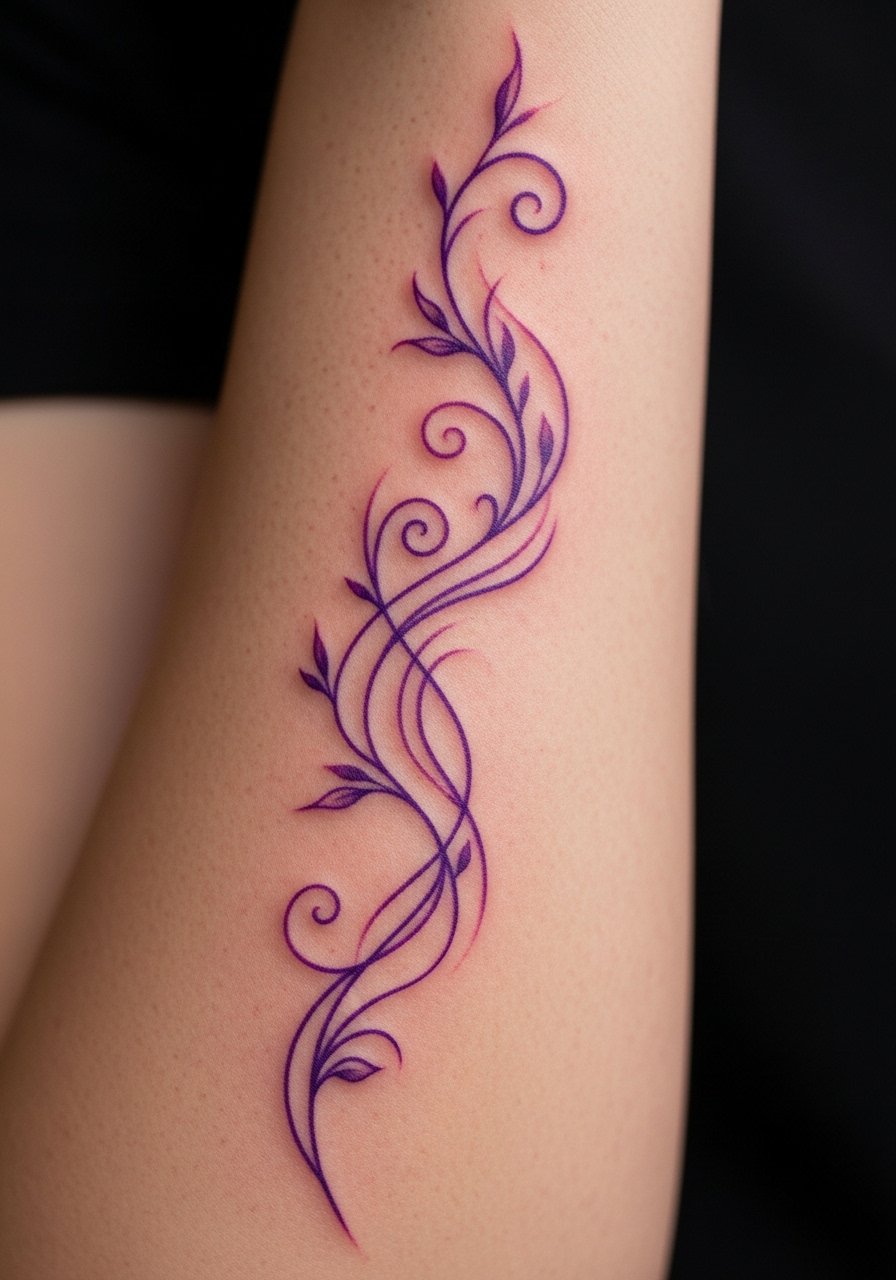
I recommend this when you want something readable at arm distance and easy to cover for work. Tell your artist you want slightly increased spacing between stems so the tiny leaves do not merge after a couple of years. The inner forearm is forgiving on pain and usually a single short session. A common mistake is asking for extremely thin strokes that look delicate at first and then soften into a blur by year three. For the session wear, roll up a loose button-down shirt so the artist has clear access without tugging at fabric. Expect a touch-up around year three for dense clusters.
2. Abstract Primrose Dot Work Around the Wrist
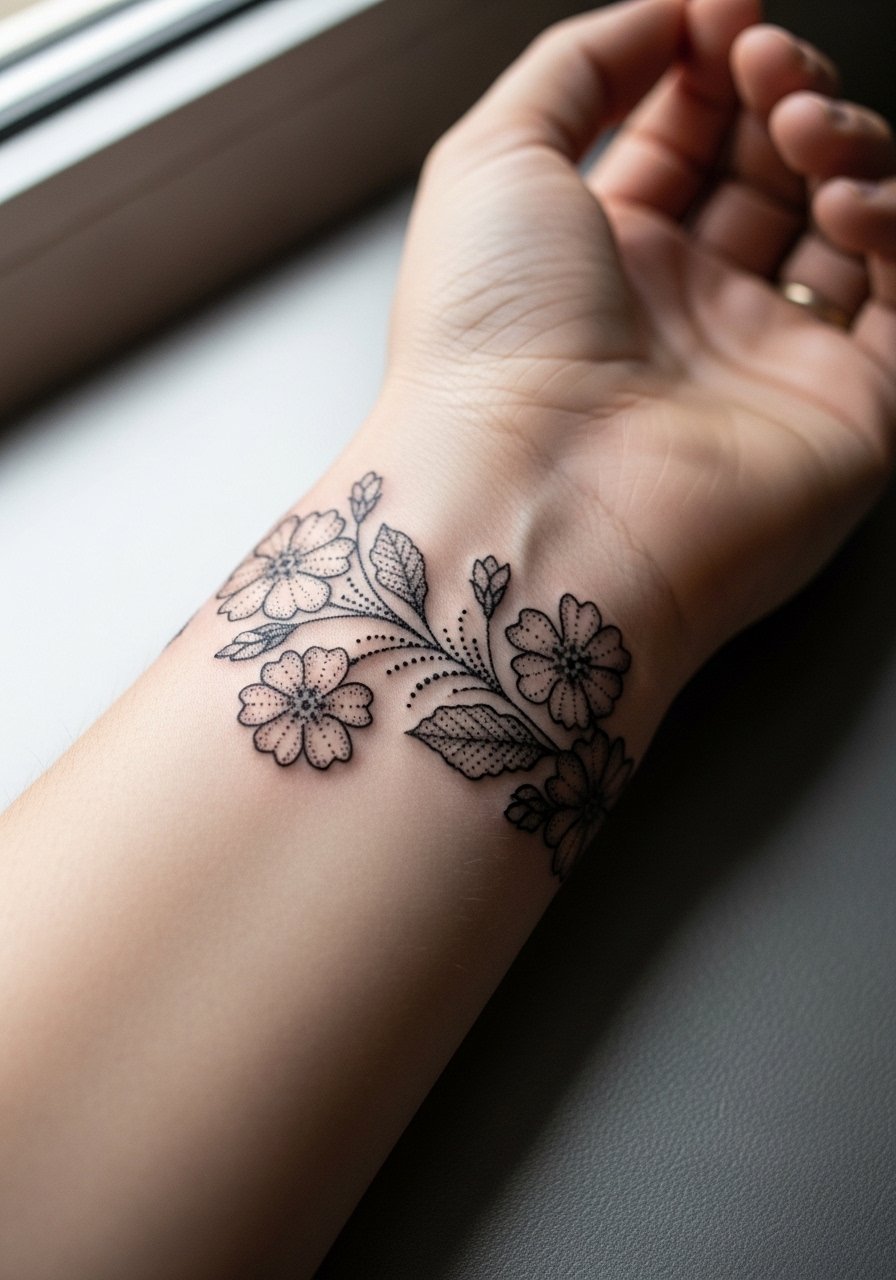
Wrist pieces age differently because of constant washing and movement. I suggest a slightly larger spacing between dots and low saturation in dark areas to avoid heavy scabbing that pulls pigment. Ask your artist for stipple shading rather than solid fills so the texture holds longer. Pain is mild but the skin sees a lot of friction, so thin lines placed too tightly often fade into breakage. For showing this off, pair it with a thin chain pendant necklace and dainty bracelets that sit above the tattoo, which keeps attention on the wrist without crowding the artwork. Plan for a touch-up at year two to refresh final contrast.
3. Geometric Violet Cluster on the Side Ribcage
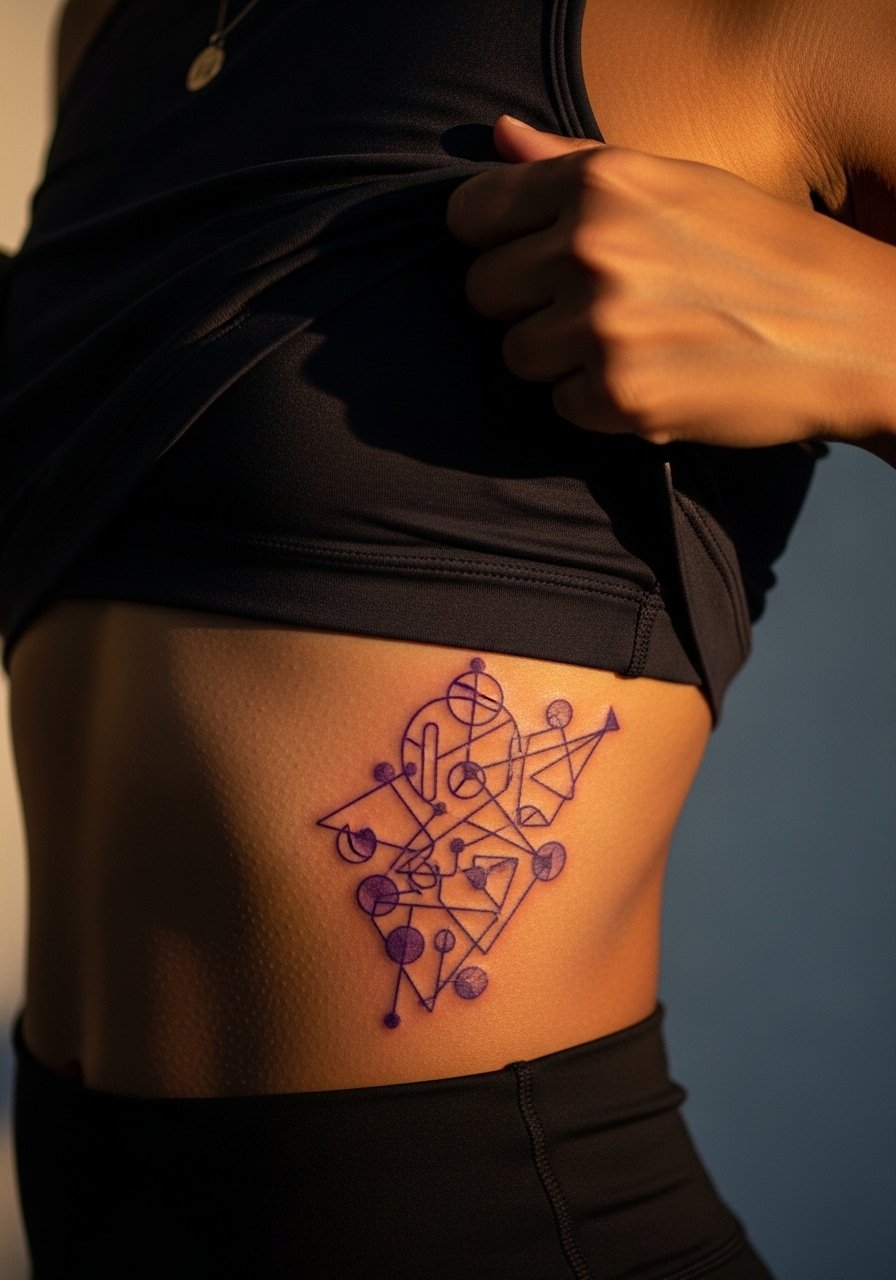
Fair warning, the ribcage is a high-pain area and is one of those places artists debate about for fine line work. One camp says the skin stretch there blurs lines within two years. The other camp says with proper depth and spacing, fine line settles fine. If you want the geometric look to survive, ask for thicker primary contours with negative space interior detail. A common mistake is shrinking the design to fit a small stencil. On the ribs, larger scale preserves geometry. Wear a cropped top you can lift, like a sports crop, for easy access at the session. Expect long sessions and a touch-up window at year two to maintain crispness.
4. Minimalist Primrose Behind the Ear, Hairline Framed
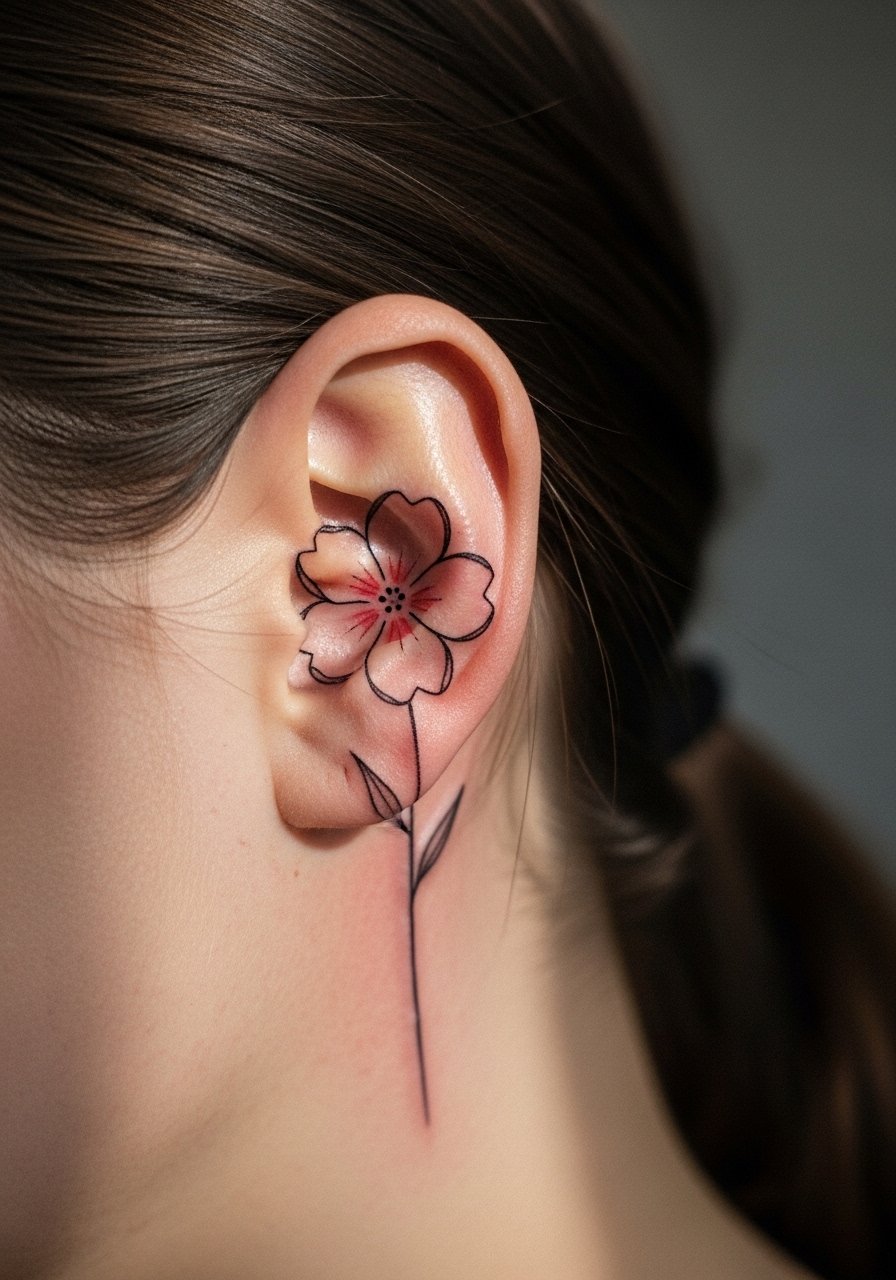
Behind-the-ear tattoos need careful framing to avoid awkward placement. Ask the artist to stencil it just below the hairline on the neck and not perched on the ear cartilage itself. The pain is low but precision matters because the area is small and curves. A common mistake is over-detailing a tiny field, which reads as noise after healing. This placement pairs well with short hair or an ear-tucked style when you want to reveal it, and it also hides easily. Because of proximity to hair, expect occasional softening and a likely touch-up around year three. If this design borrows motifs from a cultural pattern, mention that you want a respectful abstraction rather than a direct copy.
5. Watercolor-Adjacent Violet Wash on the Upper Arm
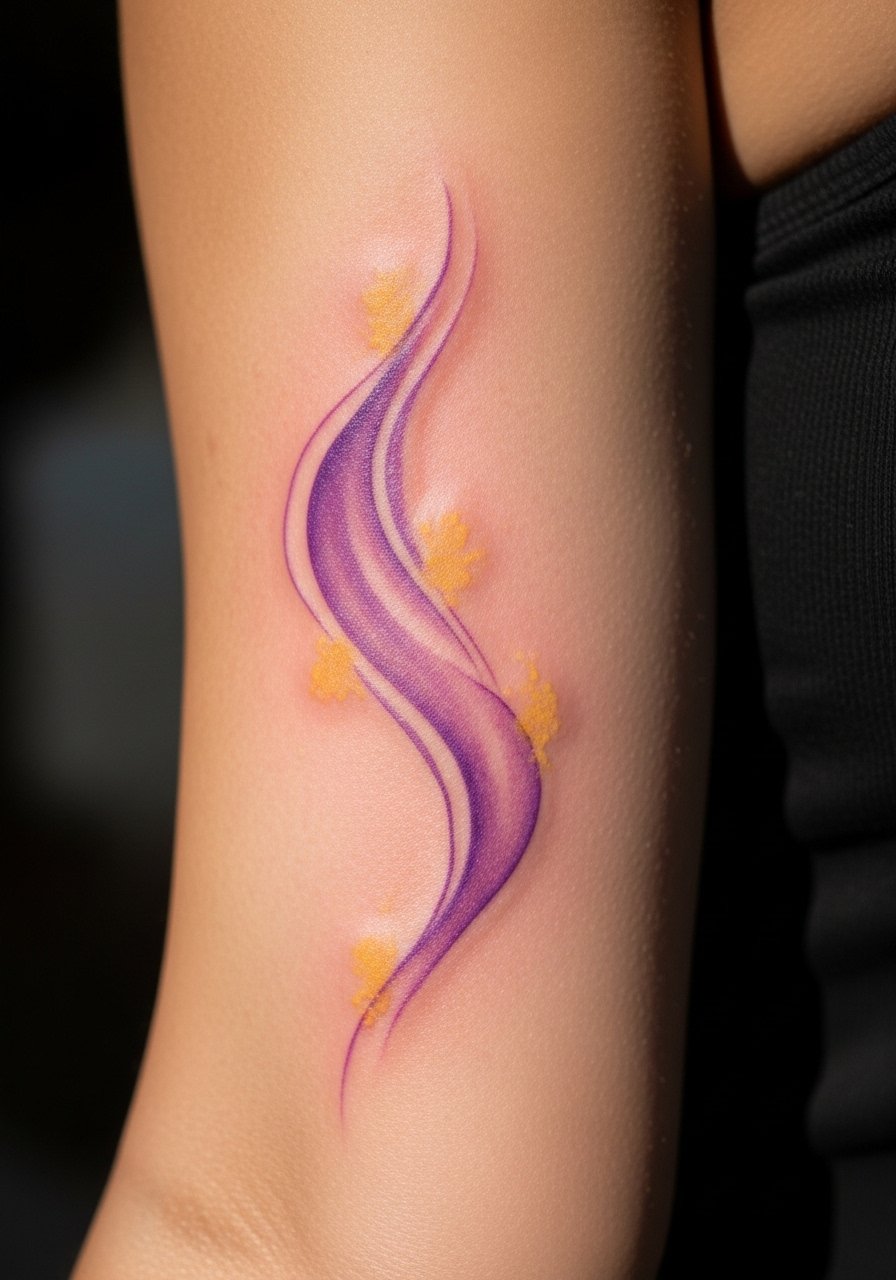
Watercolor approaches for birth flowers create that soft painterly effect but they can fade unevenly. Ask for a hybrid where artists lock the edges with subtle linework so the wash keeps shape as it loses saturation. The upper arm is a forgiving spot for color and usually one or two sessions. A mistake is asking for pure wash without any anchoring lines. For session comfort, wear a loose tank top so the artist can access the shoulder without fabric pulling. Expect color refreshes at year three to five depending on sun exposure.
6. Abstract Primrose Chain Along the Collarbone
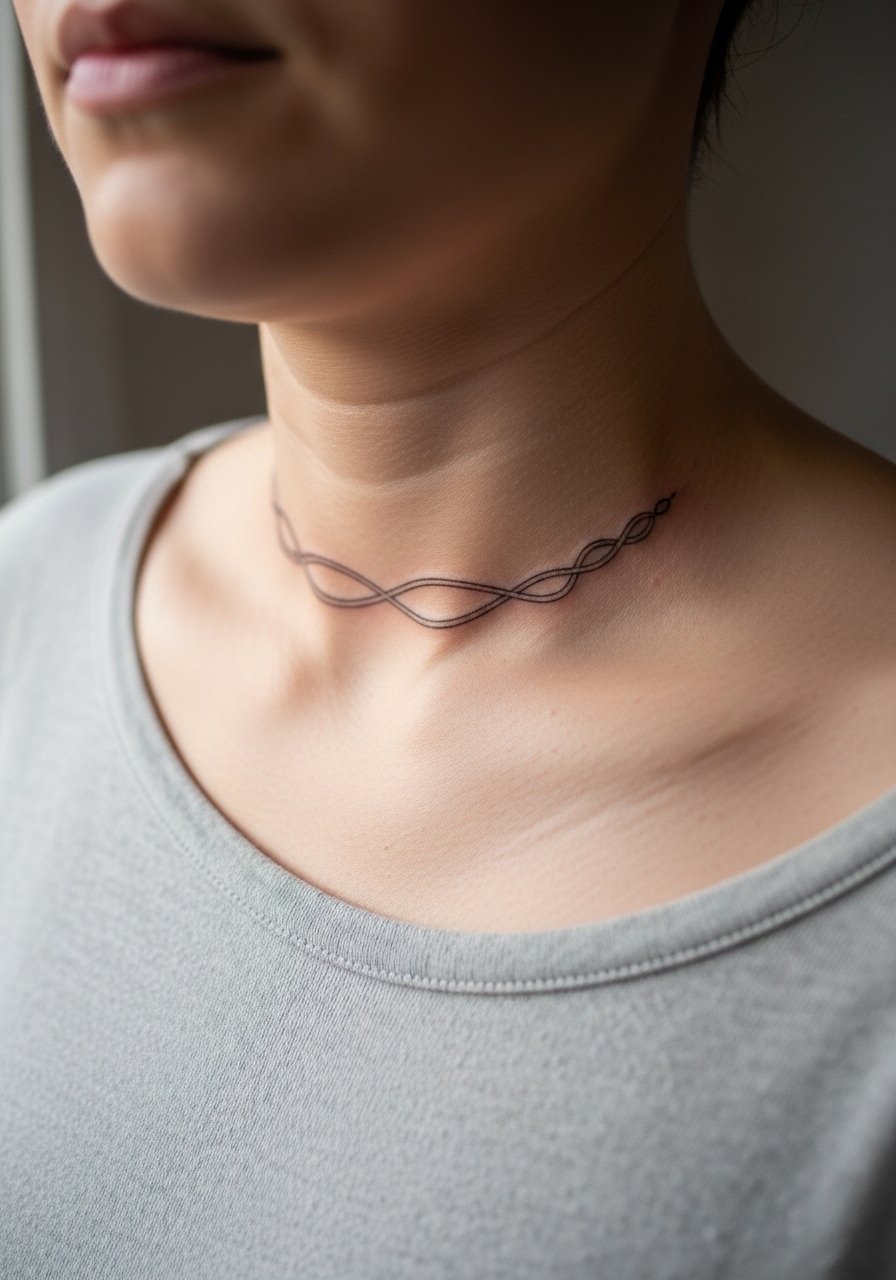
Collarbone work reads as jewelry and needs placement that flatters bone curvature. Tell your artist you want the centers offset from the collarbone rather than sitting directly on it so the motion of the shoulder does not distort petals. This area can be ticklish and is moderate on pain. A common error is putting too many tiny elements in a narrow band, which blurs with time. Pair the finished piece with an open-back midi dress for evenings, which highlights the chain without crowding. Expect a touch-up at year three if joints and movement have softened the edges.
Session Day Picks
The rib, collarbone, and inner forearm pieces above have different prep needs. These five items smooth out the session and the first week.
-
Stencil transfer paper kit. Lets you preview and reposition the linework on tricky curves like the collarbone and ribs before the needle hits skin.
-
Topical numbing cream. Applied as directed about 30 to 45 minutes before helps the ribcage and sternum sessions feel more manageable without impacting the artist's linework.
-
Thin protective film roll. Useful for wrist and finger pieces that face constant washing and friction in the first week.
-
Fragrance-free gentle body wash. Cleanses healing areas like the forearm and chest without stripping color or aggravating delicate lines.
-
Aquaphor healing ointment. Thin application in the first few days keeps fine line work supple while the skin re-forms around the needles.
7. Abstract Violet Negative Space on the Back of the Shoulder
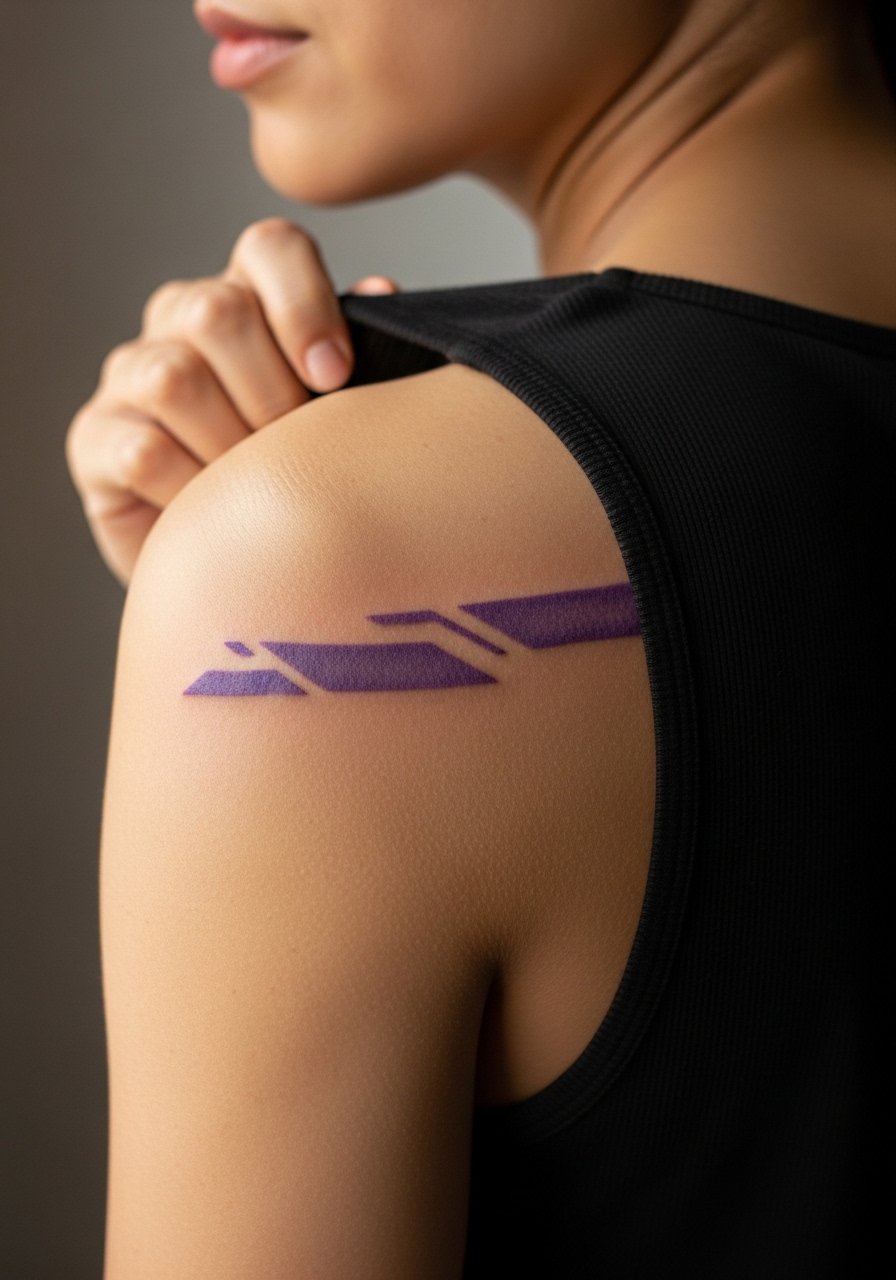
The back of shoulder is a great canvas when you want movement in the piece. I often suggest negative space shapes that read from a distance and reveal floral detail up close. In consultation, show the artist body photos so they can contour the negative spaces to your shoulder blade. The spot is low pain and holds saturation well. A mistake is placing too many tiny interior marks that disappear with muscle movement. For showing it off, choose a loose linen shirt with a low back or tank straps, which frames the tattoo without competing. Touch-ups are rarely needed before year four.
8. Micro-Realism Violet Sprig on the Side Ribcage
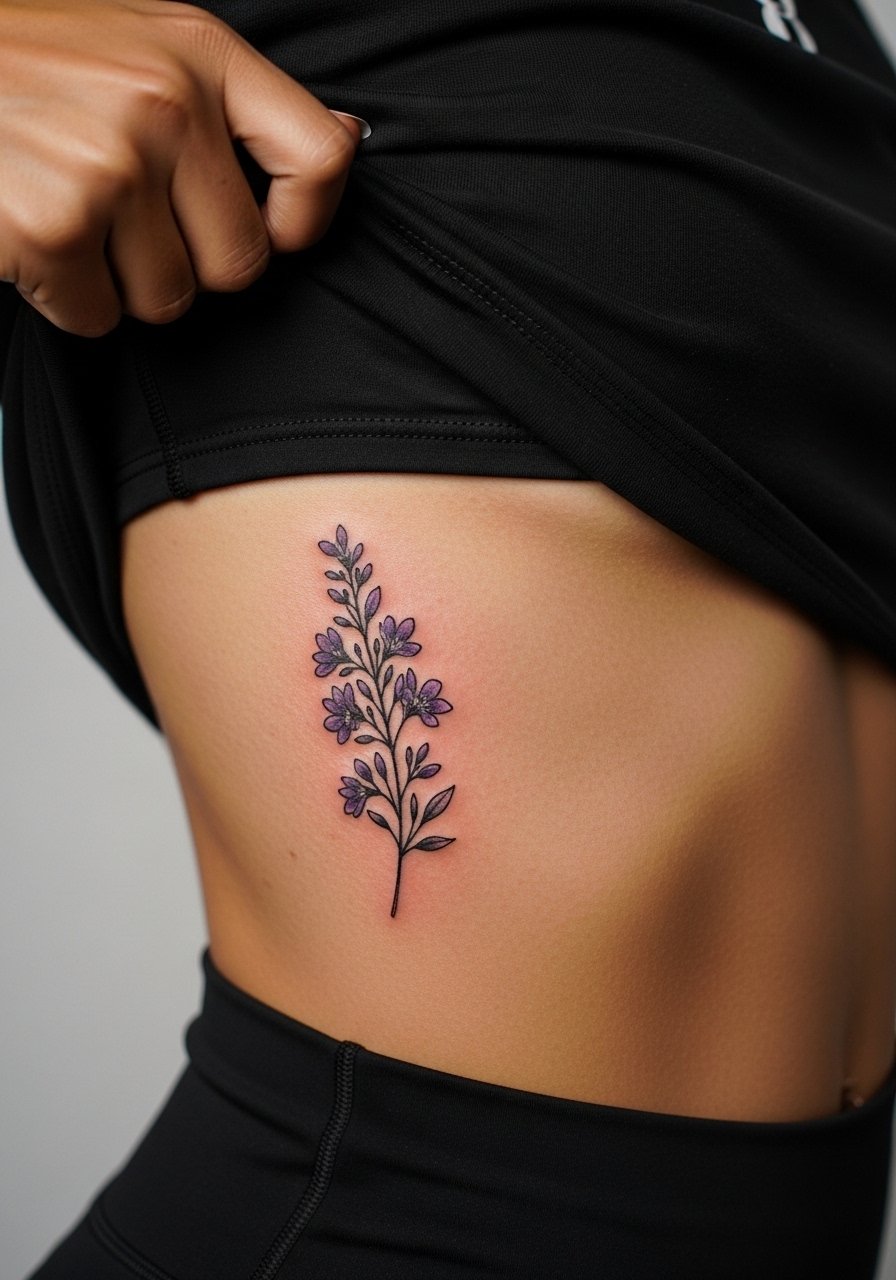
Micro-realism on the ribs demands debate with your artist because some say the stretch there leads to early blur. If you prefer this look, ask for slightly bolder contrast points and fewer ultra-fine hairs. The session can be long and the pain is high, so break it into two sittings if needed. A common error is expecting photographic detail at a tiny size. Micro-realism benefits from scale. If you plan to wear a crop top, pick one with a soft edge for comfort during the session. Expect a touch-up at year two or three to restore the fine highlights.
9. Abstract Primrose Anklet Around the Ankle
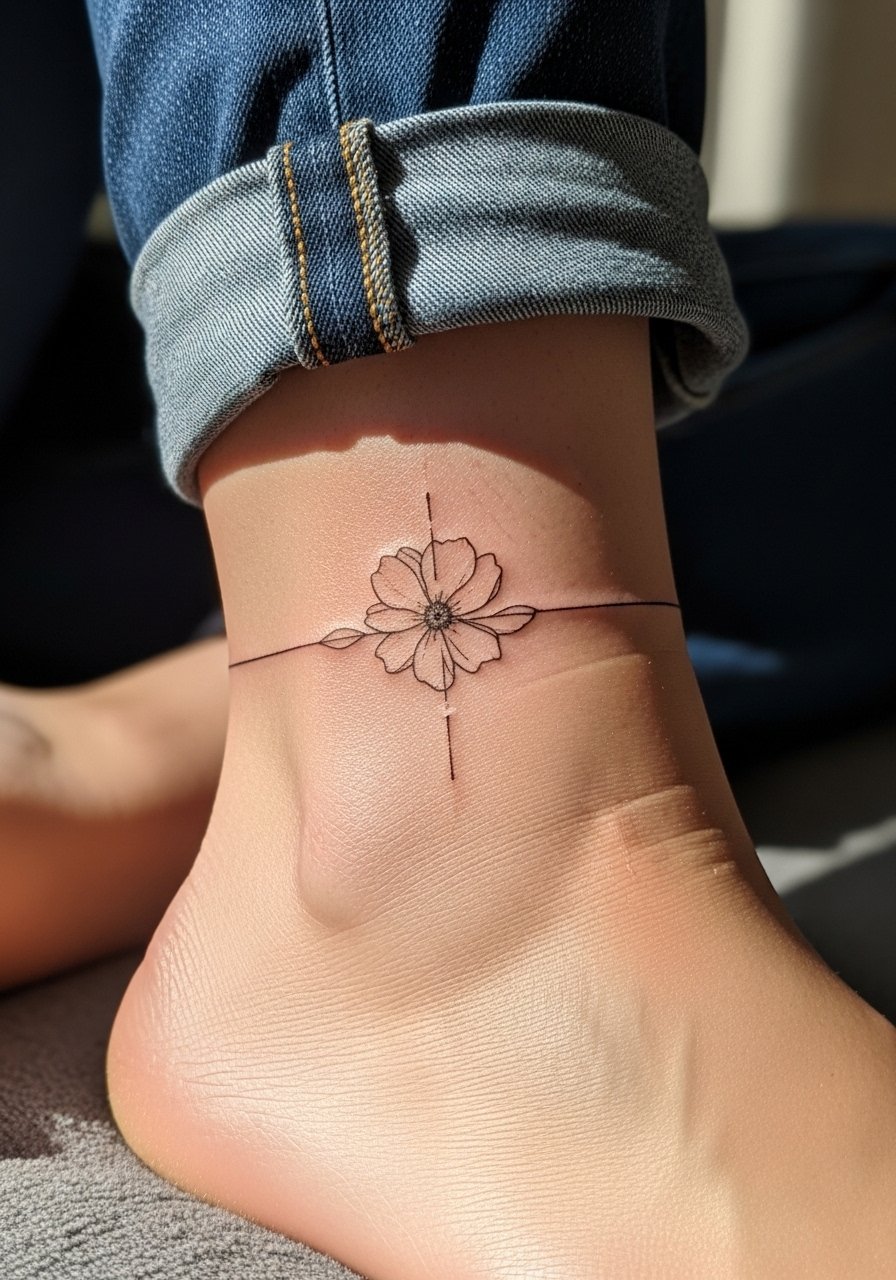
Ankle skin is thin and prone to blowout if needles go too deep. Ask your artist for single-needle linework with open spacing and for the design to sit slightly above the bony point. Pain is moderate and sessions are short. Common mistakes include wrapping too tightly around the ankle which leads to distortion when you move. For shows and sandals, pair the tattoo with a pair of minimalist sandals or rolled cuff jeans that draw the eye to the anklet. Expect touch-ups around year two for contrast lost from friction with shoes.
10. Stylized Primrose Script on the Side Neck
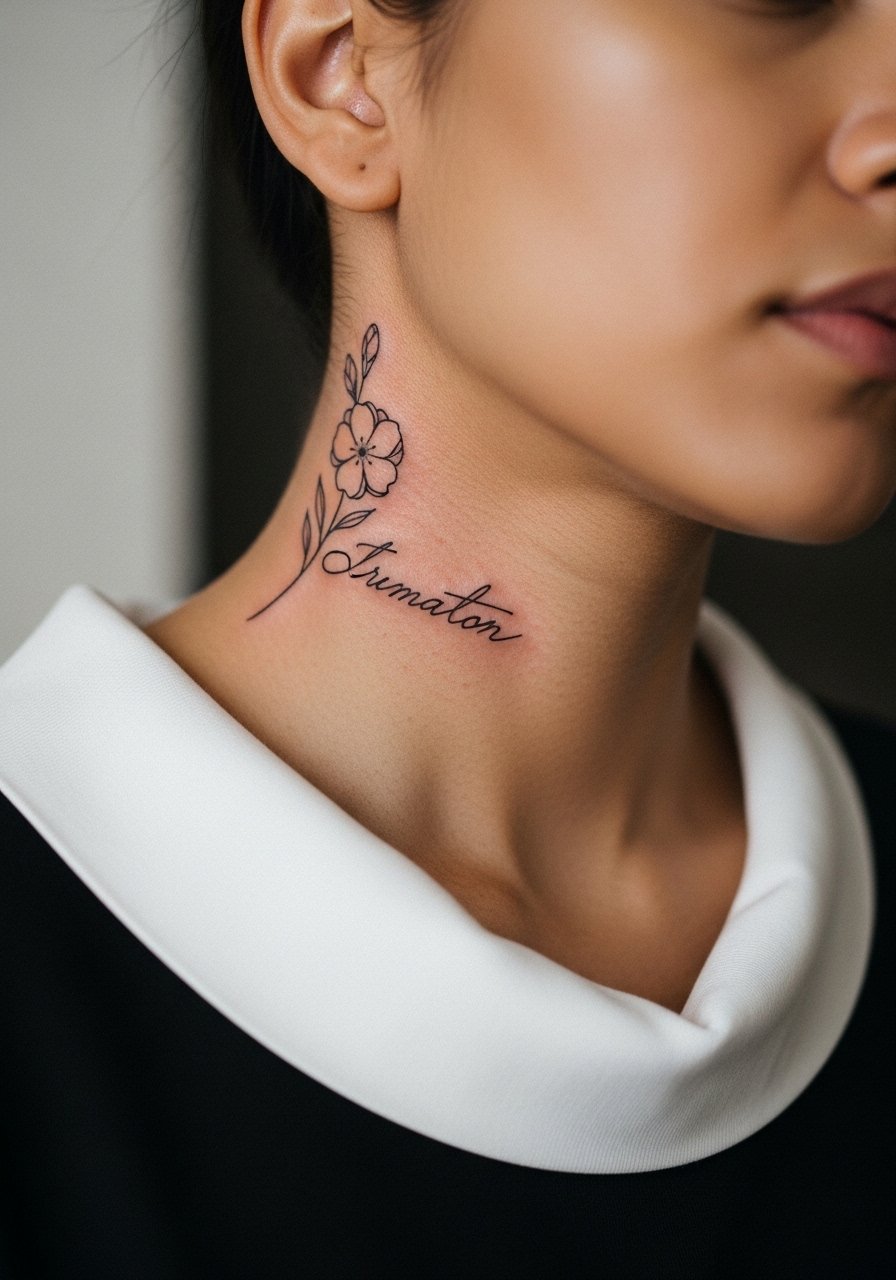
Neck pieces are visible and demand thinking about professional settings. When you ask for script plus a flower, specify exact lettering weight and the word or phrase so the linework remains readable. The skin is delicate so plan for light sessions. A common mistake is asking for extremely thin cursive that blurs into a smudge. For showing off, a loose crew neck sweater with the collar pulled to one side highlights the art without full exposure. Touch-ups may be needed sooner if sun exposure is frequent.
11. Abstract Violet Sleeve Accent Near the Elbow
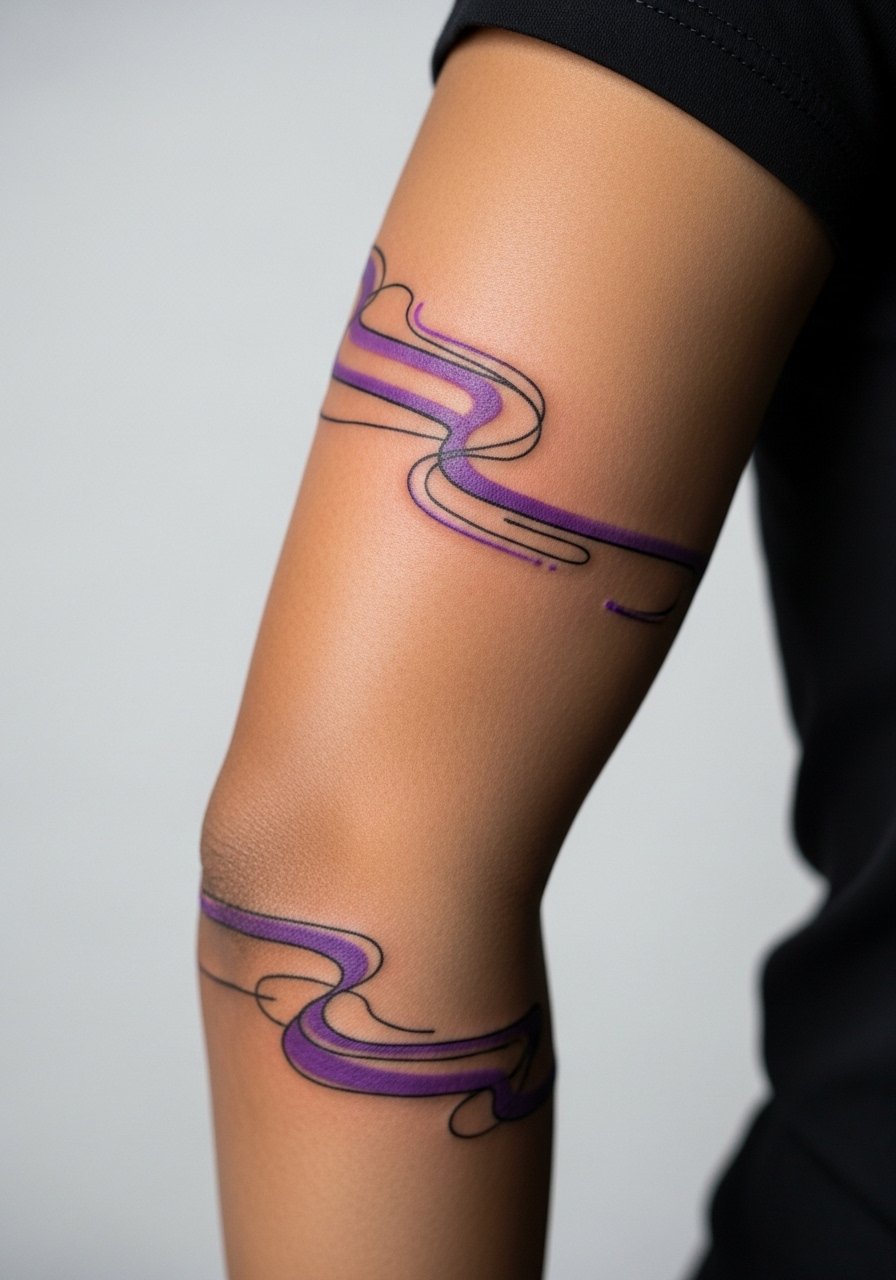
Elbow-adjacent designs must account for movement and thickening of skin. I advise larger shapes and bold anchor lines where the joint creases to prevent early distortion. Tell the artist you want the dense areas away from the crease so the ink does not migrate. Pain spikes at the bone when they work right on the elbow. A mistake is crowding the joint with tiny detail. For the session, wear a long-sleeve shirt you can roll easily so the artist can adjust access without temperature swings. Expect color and linework to soften first at the bend, so plan touch-ups accordingly.
12. Abstract Primrose Minimalism on the Thumb Side of the Hand
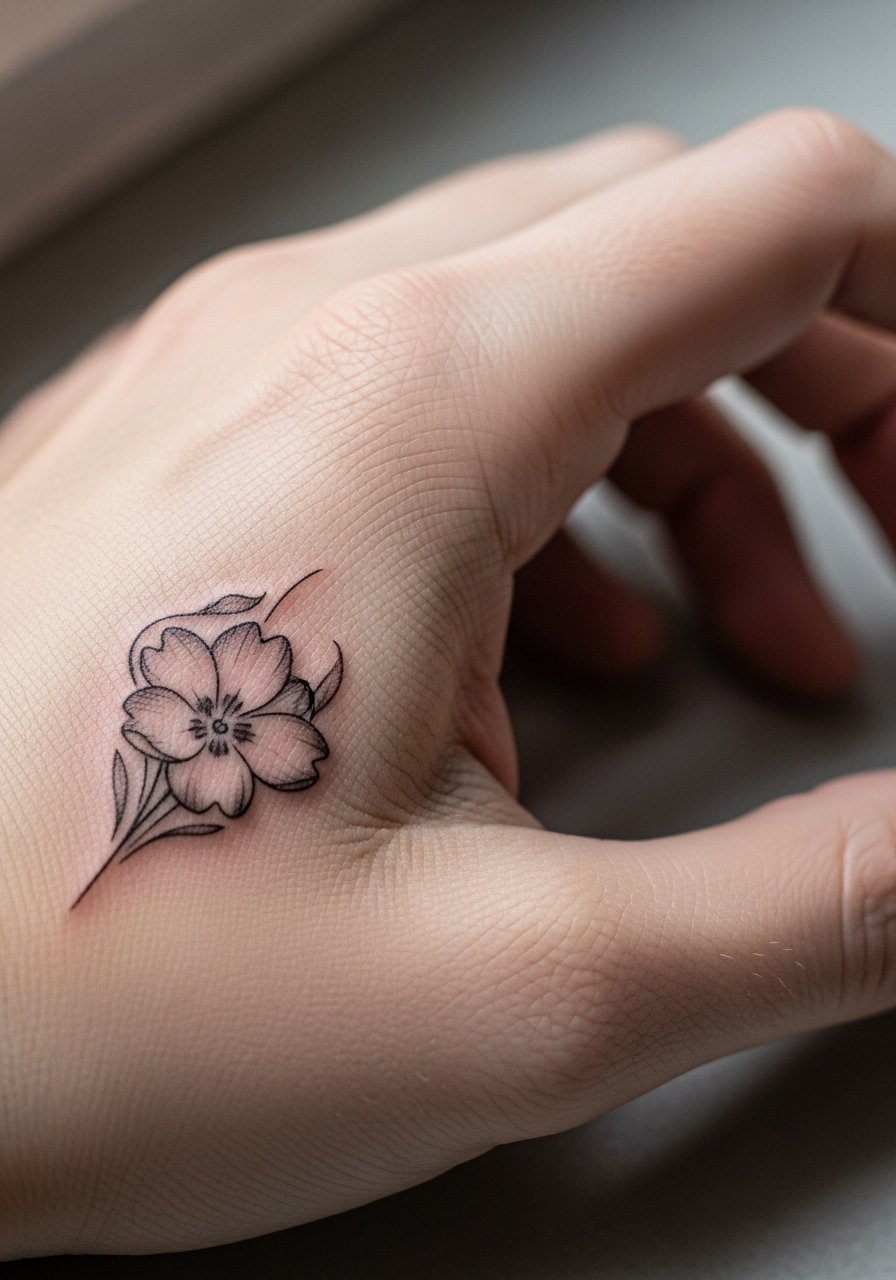
Hand tattoos still affect hiring in some industries, so think about your career path before committing. The skin on the hand endures heavy use, so choose bold simplified shapes that can tolerate frequent washing. Ask the artist for slightly thicker contour lines and avoid tiny interior dots. A common mistake is requesting too much fine detail on the hand. Pain is high and healing is fickle. For the session, keep your hands moisturized before the appointment but avoid oils immediately prior. Expect multiple touch-ups in the first two years to keep lines readable.
13. Abstract Violet Spine Accent Between Shoulder Blades
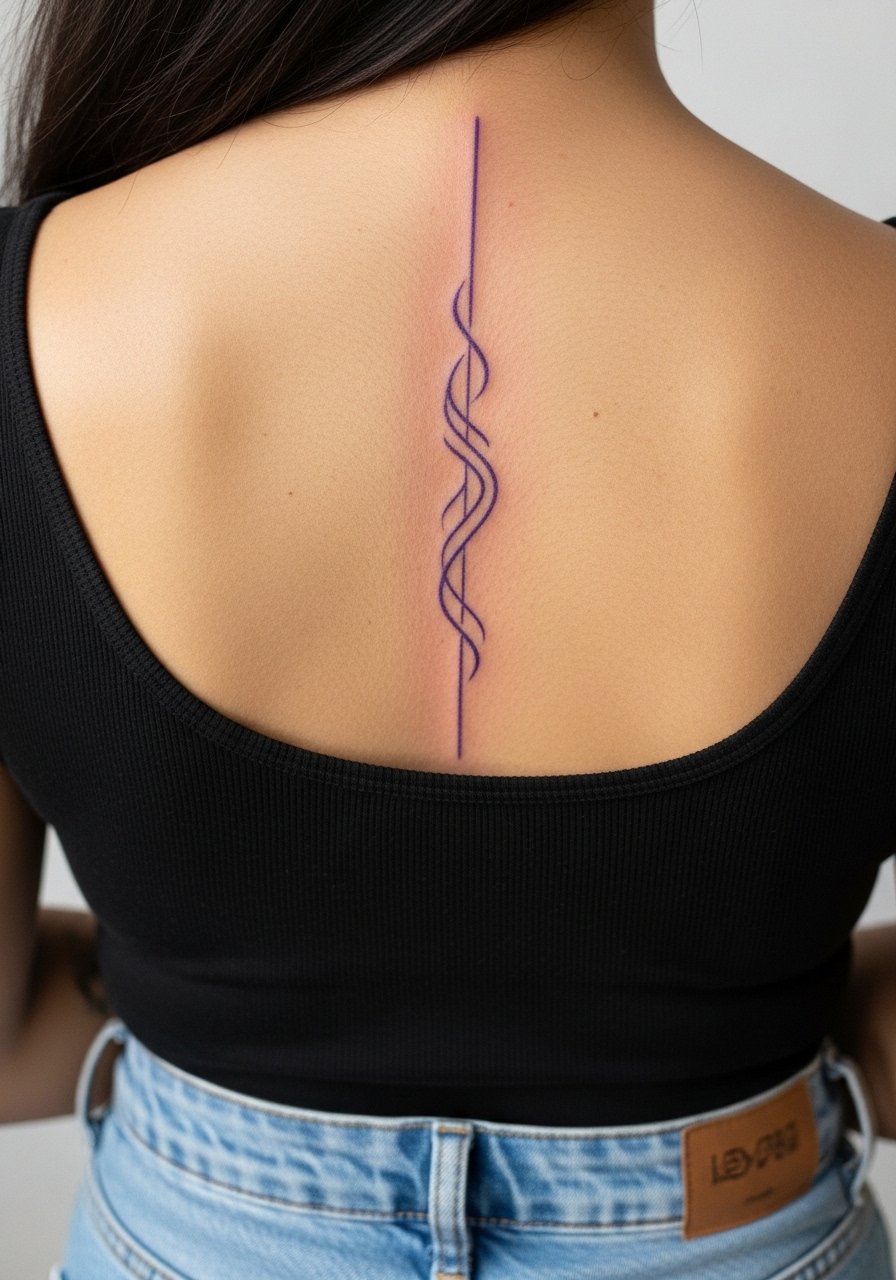
Spine accents read like an elongated necklace and benefit from central symmetry. Ask for a gentle tapering of elements that mirror the vertebrae so the design ages with posture changes. Sessions can be uncomfortable depending on how long you lie face down. A mistake is packing too many details into a narrow vertical strip. For evenings out, open-back or halter tops work well to display the spine line. Touch-ups are usually minimal if the tattoo was spaced properly from the start.
14. Abstract Primrose Cluster on the Upper Thigh
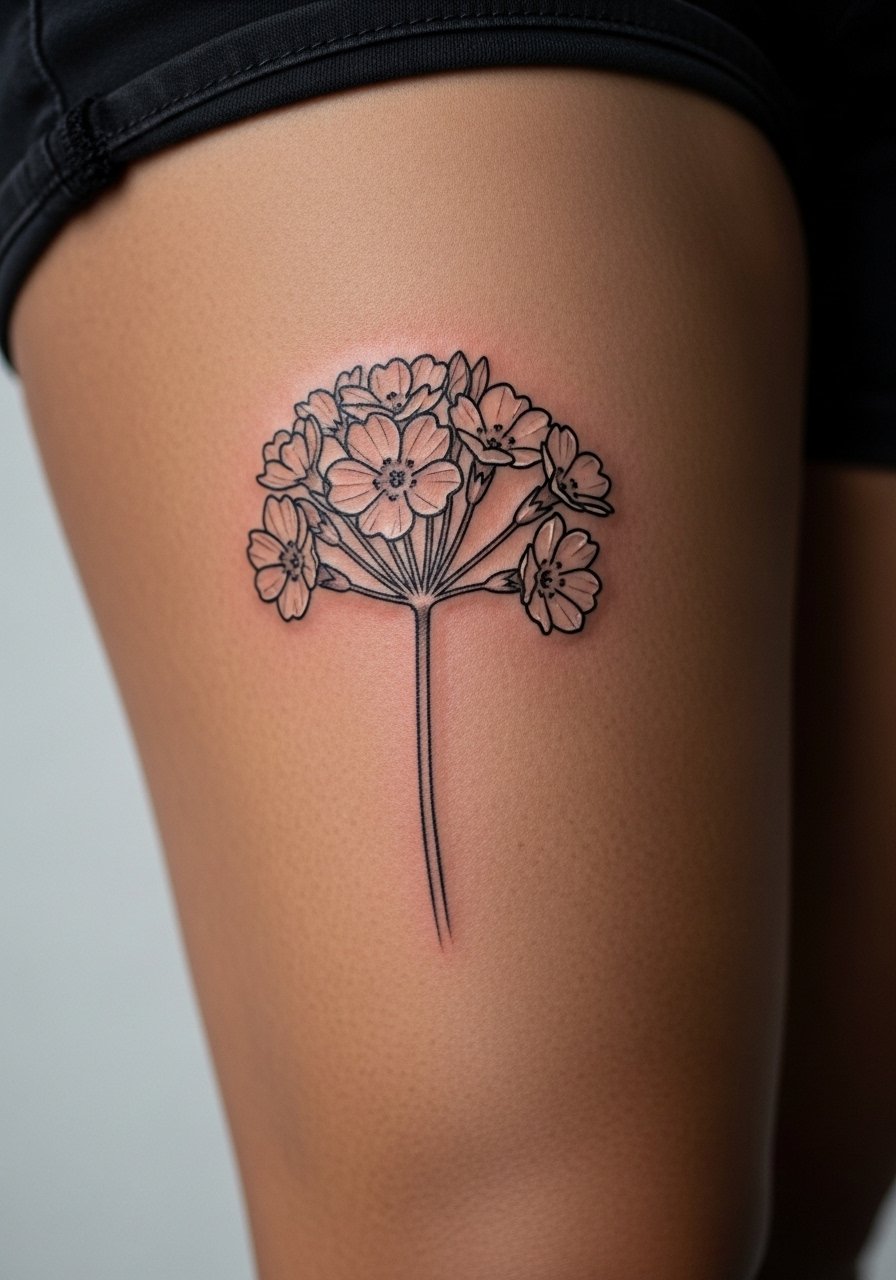
Upper thigh pieces age well and are easy to conceal during professional times. For inner or outer thigh placement, recommend different densities. Inner thigh skin is softer, and detailed work there can blur faster. Tell the artist you want slightly bolder outlines on inner thigh motifs. Sessions are moderate on pain and can be longer for larger clusters. For session wear, pick high-waisted shorts that slide easily during the appointment. Expect touch-ups at year three if you get heavy sun exposure or weight fluctuation.
15. Abstract Violet Wrist Band With Breaks
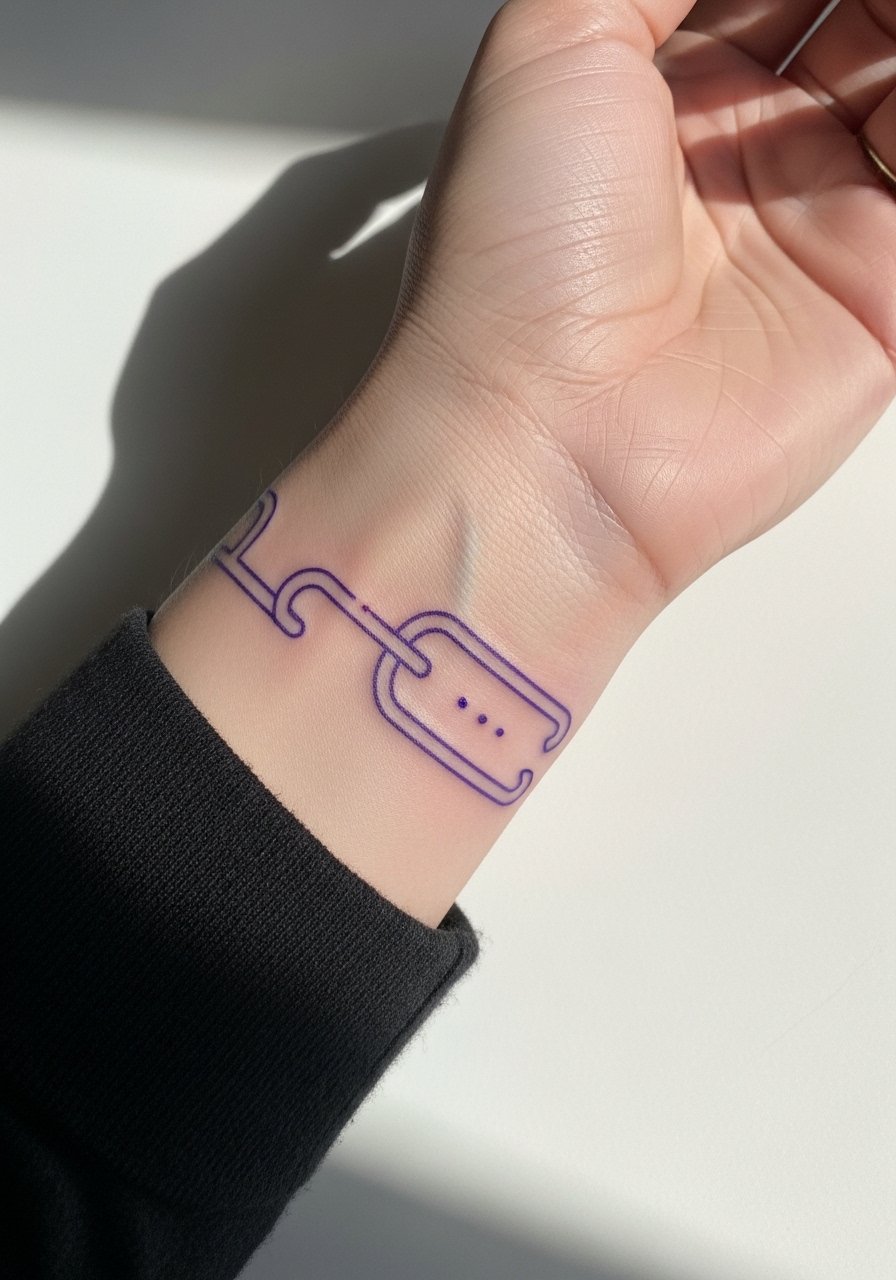
A full band can age into a thick stripe if lines are too tight. The trick is to include breathers or breaks in the band that give space for slight spreading. Ask for alternating line weights so the pattern keeps depth as it softens. The wrist sees constant motion and repeated washing, which removes pigment faster. For showing off, stack it with a minimalist watch worn slightly higher than the band to keep attention on the tattoo. Plan for a light touch-up in the first two to three years.
16. Abstract Primrose Sternum Accent, Sports Bra Framed
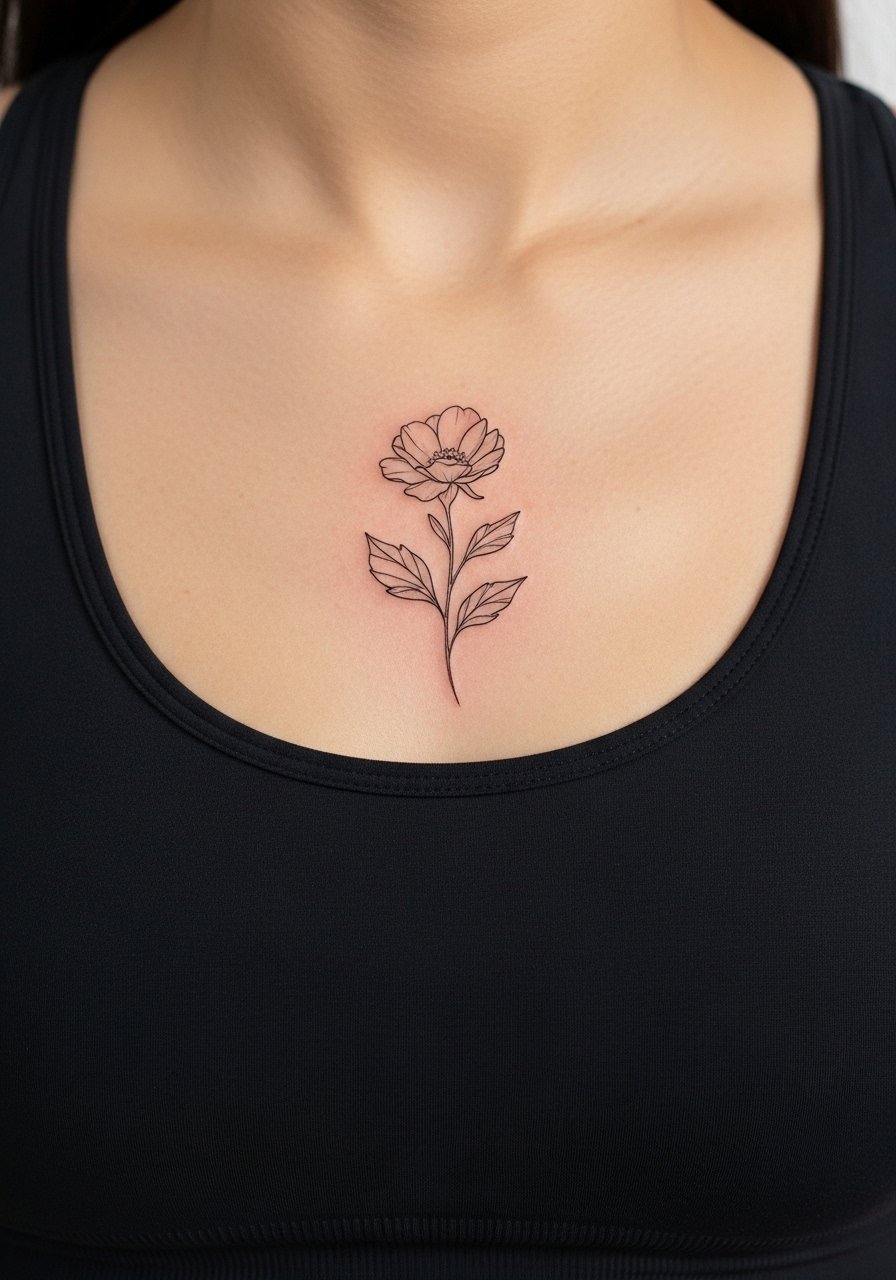
Sternum work requires careful stencil placement and experienced hands. Some artists avoid heavy detail here because the thin skin and movement can distort fine work. One camp says fine line will not hold on sternum skin. The other camp says with proper depth and spacing, it can. If you want a clean result, request anchor lines and moderate spacing. Session pain can be sharp near the sternum bone. For the session, wear a fitted sports bra that the artist can lift slightly for access. Touch-ups are more common here because of breathing motion during healing.
17. Abstract Violet Finger Stems, Single-Finger Accent
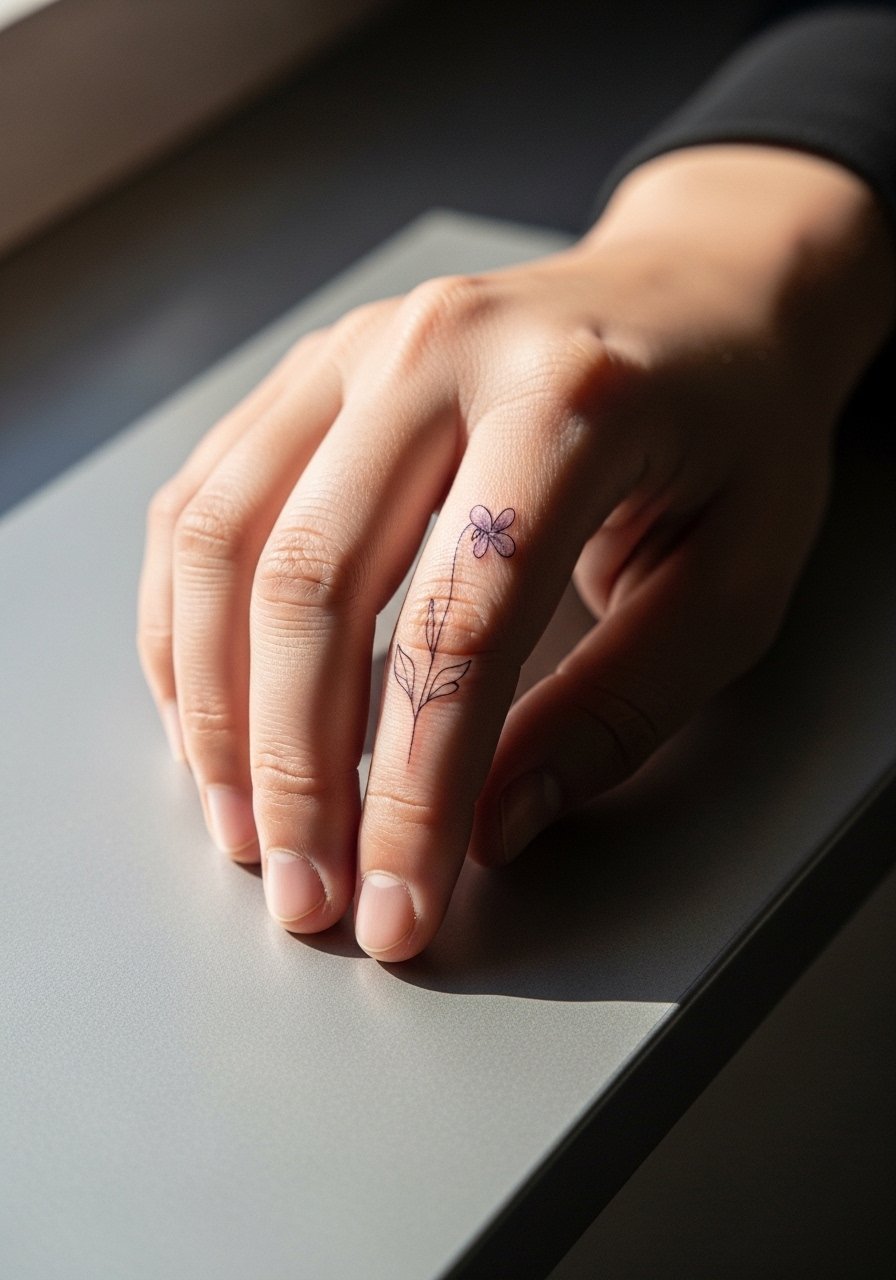
Fingers are high-maintenance. The skin regenerates fast and ink sits near the surface, which leads to quicker fading and patchy healing. Ask for bold, simple motifs and plan on touch-ups in the first year. A common mistake is asking for multiple tiny elements across several fingers which increases the chance of uneven fading. For the session, consider a short appointment and staggered pieces. Finger rings and delicate stacking bands complement tiny stems well if you want to show them off. Expect repeat touch-ups across the first two years.
18. Abstract Primrose Calf Panel With Flowing Lines
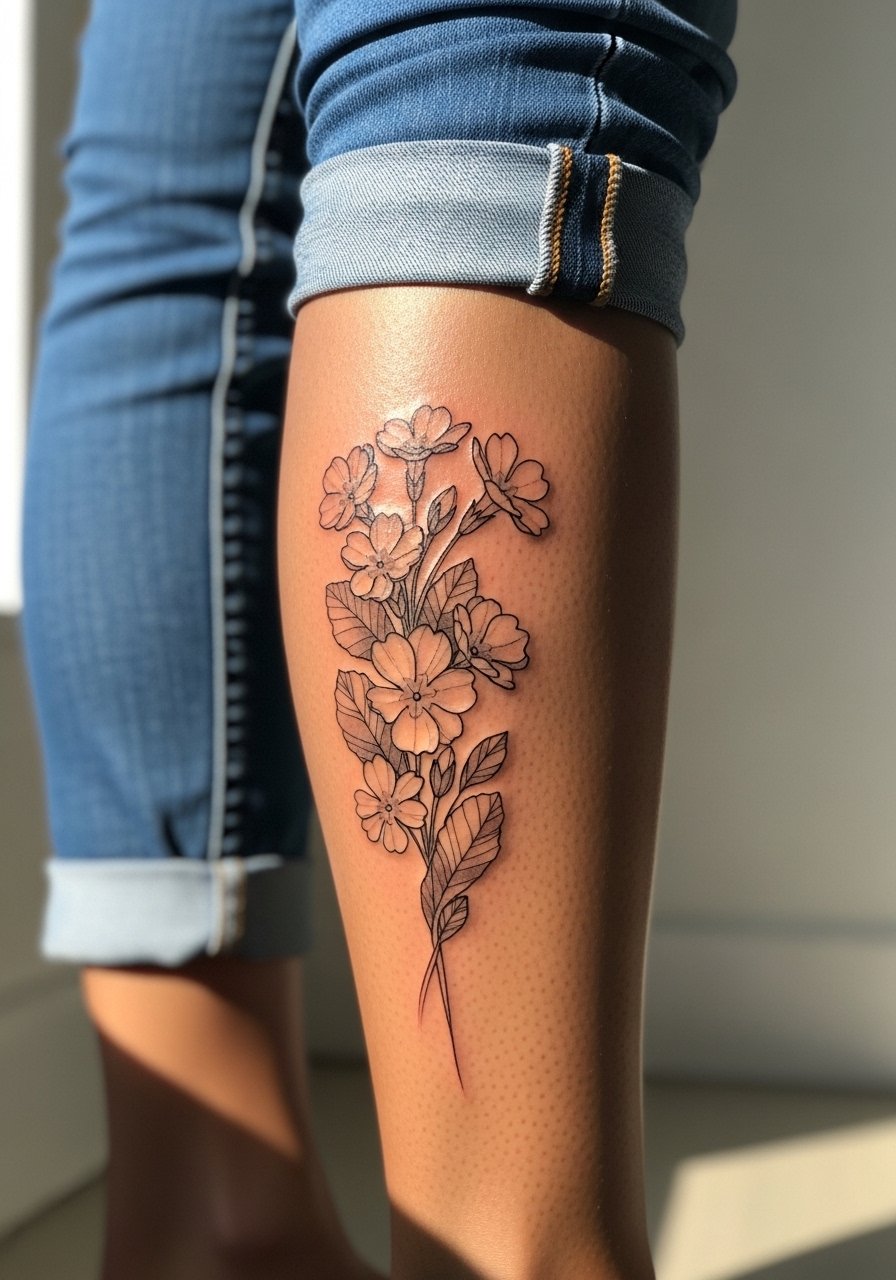
Calf tattoos handle scale and movement nicely. I suggest elongated flowing lines so the cluster reads while you walk. Tell the artist you want the heaviest saturation in the lower third where friction from clothing is less. A mistake is crowding the design toward the knee where frequent bending and rubbing with pants accelerate fading. For showing off in summer, choose mid-calf boots or sandals that let the artwork peek out. Touch-ups are usually minimal unless you get heavy sun exposure.
19. Abstract Violet Nape Accent Under a Collar
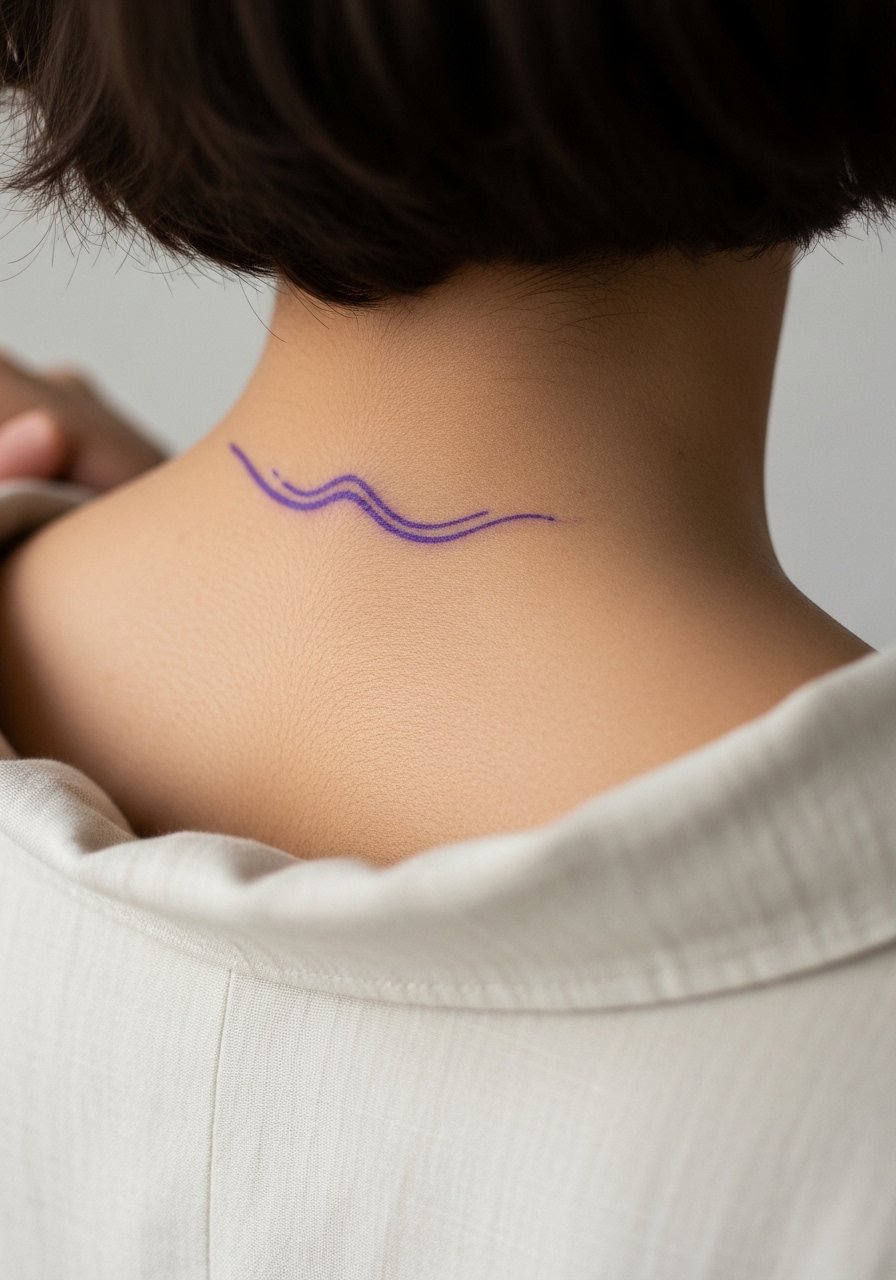
Nape tattoos are discreet and reveal with certain hairstyles. Placement must be precise so it does not ride up when you move. Ask for slightly thicker top strokes to counter early softening. The area is lower pain but sensitive for some. A common mistake is placing the design too close to the hairline where hair rub can interfere with healing. Pair this with a hairstyle or a high ponytail clip to show it off selectively. Expect a small touch-up around year three.
20. Abstract Primrose Hip Curve With High-Waist Framing
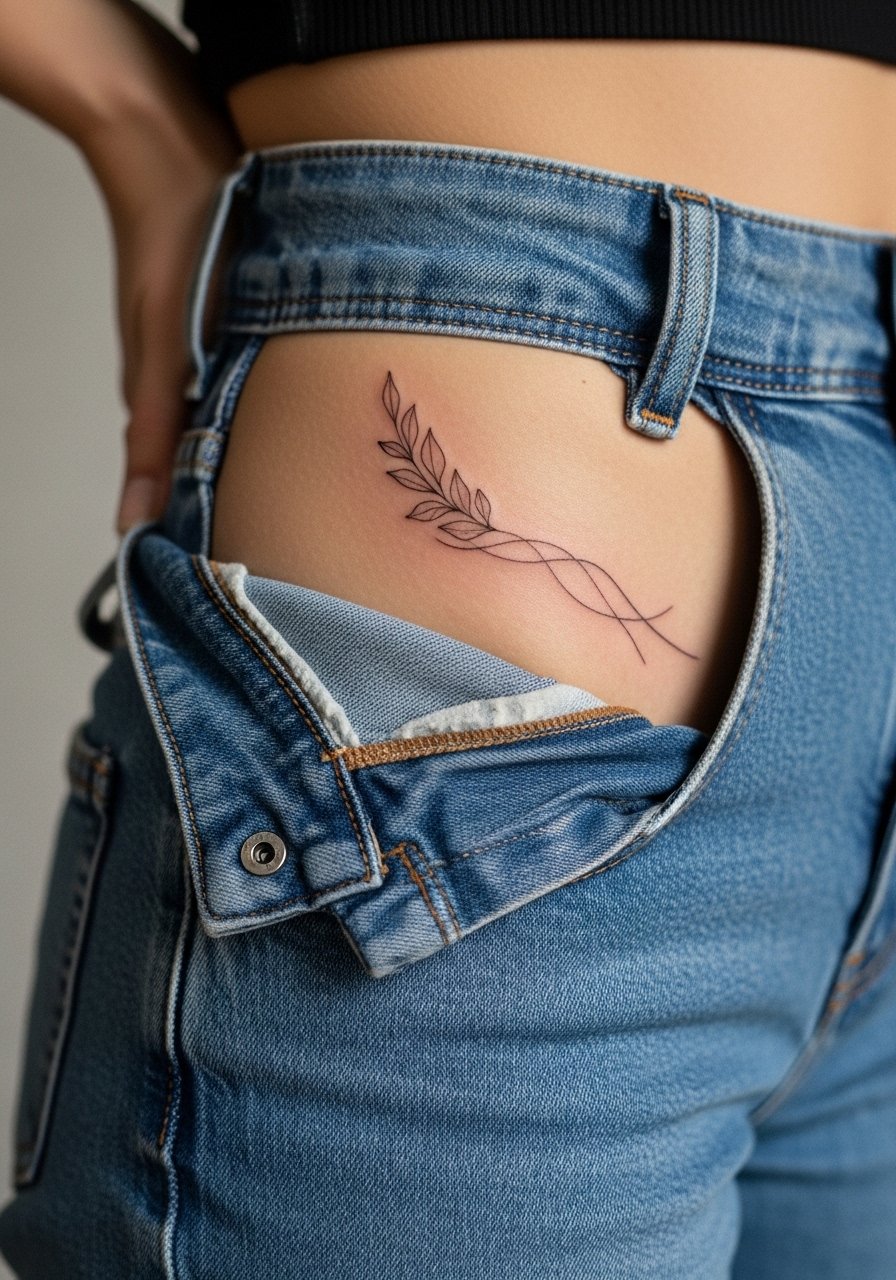
Hip tattoos age well when placed on stable areas that do not experience dramatic stretching. If you are considering the hip, specify whether you want the curve to read with swimwear or under clothing. Inner-hip detail will age faster than outer-hip work. The session pain is moderate and depends on proximity to bone. Wear high-waisted bottoms for the session so the artist can easily expose the area without you feeling exposed. A mistake is centering a complex design too far forward where clothing seams rub. Touch-ups are usually minor by year three.
21. Abstract Violet Shoulder Cap Accent for Short Sleeves
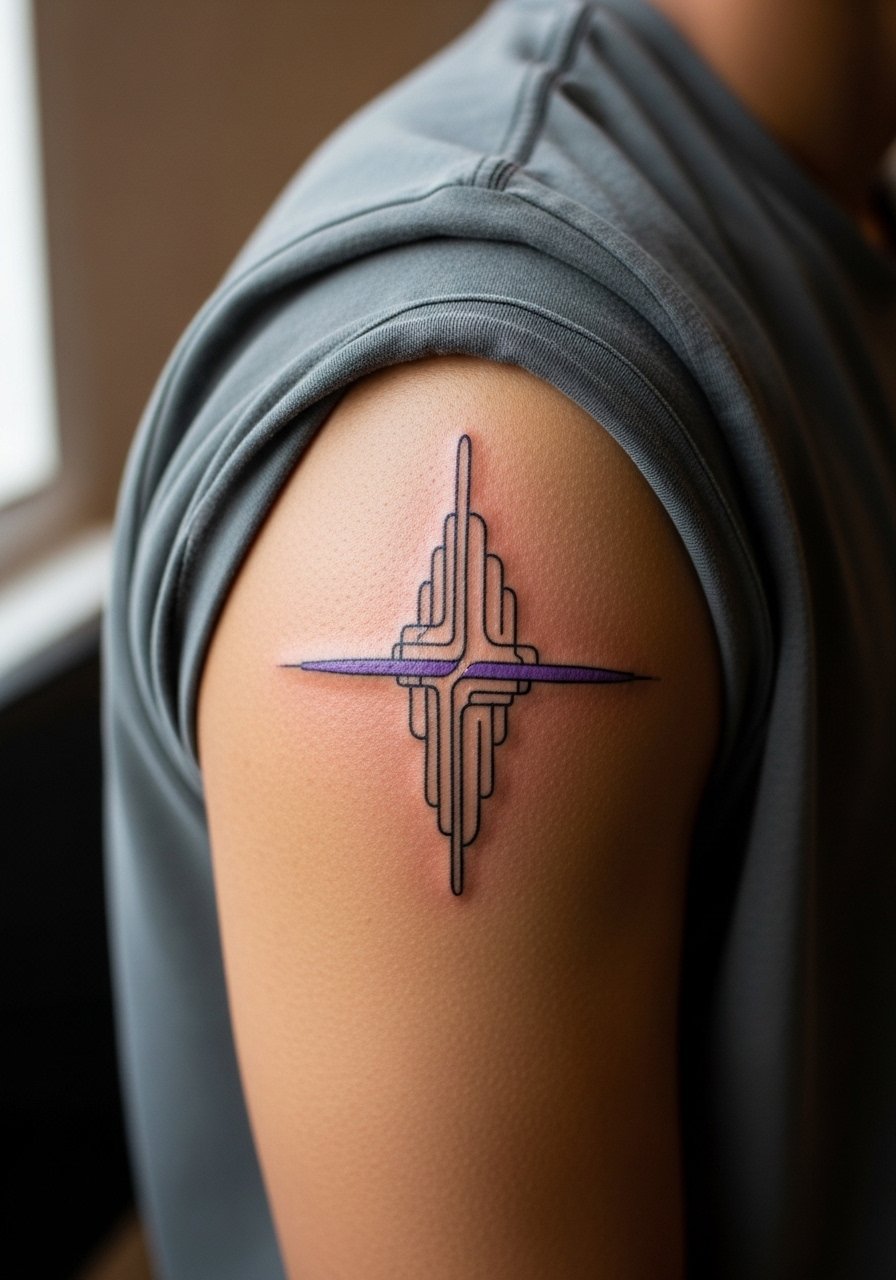
Shoulder cap pieces are versatile and wear well through sun and cloth. Ask for slightly reinforced outlines at the outermost edges so the silhouette stays crisp as color settles. The area is low to moderate on pain and often fits a single session. A frequent mistake is pushing too many detailed interior marks where sweat and friction with bag straps can soften them. Show it off with rolled short sleeves and a canvas tote bag with minimal strap friction to avoid constant rubbing. Expect a touch-up at year three if the outer edge loses contrast.
Frequently Asked Questions
Q: How long will fine line violets and primroses hold without a touch-up on different placements?
A: It depends on placement and lifestyle. Forearm and shoulder pieces often go three to five years before a light touch-up. Wrist, hands, and fingers usually need touch-ups within one to three years because of constant washing and friction.
Q: Are watercolor-style February flowers more likely to blur than linework?
A: In my observation, pure watercolor fades unevenly unless it is anchored by subtle lines. Ask for a hybrid approach with soft washes plus thin anchor lines to help the composition maintain its shape as color loses saturation.
Q: Should I avoid ribs and sternum for delicate abstract violets because of aging concerns?
A: Artists split into two camps. One group says the skin stretch on ribs and sternum blurs fine details quickly. The other group says with correct spacing and depth the work can hold up. Talk this through with the artist and consider slightly larger scale or anchor lines if you want longevity.
Q: What should I wear to the studio for a collarbone or sternum session?
A: Pick garments that reveal only the area the artist needs. For collarbone and sternum pieces I recommend a wide-neck shirt or a fitted sports bra. A fitted sports bra gives access while keeping you comfortable during longer sessions.
Q: How do I find artists who specialize in abstract floral work without naming specific accounts?
A: Use discovery paths like local shop directories, convention guest lists, and community hashtags for abstract floral or fine line work. I also look through portfolio pages on shop sites and read community threads for consistent reports on longevity and touch-up policies.
Q: Will sun exposure ruin my abstract birth flower tattoo faster than normal?
A: Yes. UV is the fastest way color and line contrast disappear. Use physical sun protection and keep fresh tattoos covered in direct sun. If you plan lots of outdoor time, ask your artist about pigment choices and plan for more frequent touch-ups.