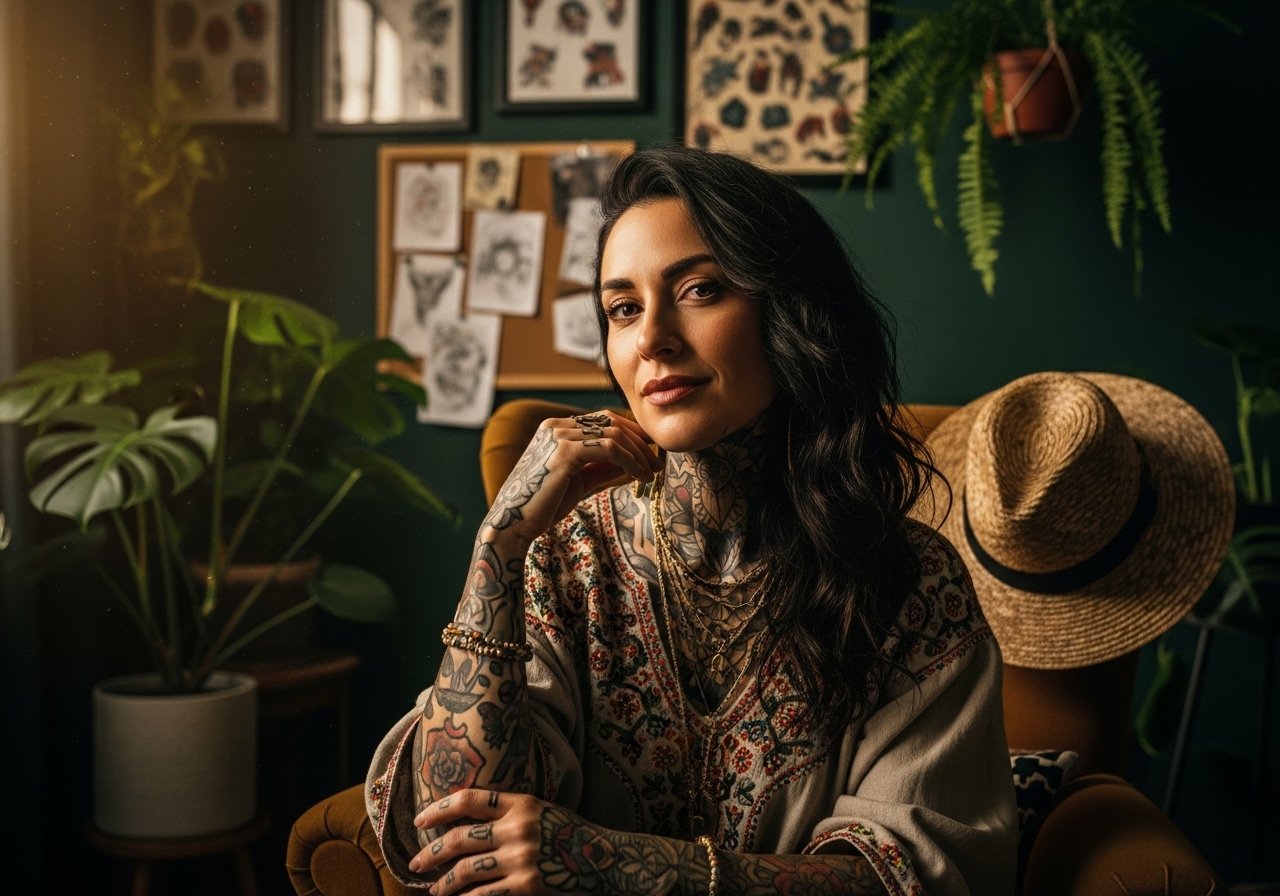
Fine line trends look great in photos, but what holds up on skin is a different story. Neotribal work borrows ancestral patterns and pairs them with modern linework and dot work, and that pairing changes what you should ask for in a consult. Think about how your chosen placement will age and how the negative space will read after a few years. Start with a plan that keeps the pattern readable, then match it to the right spot on the body.
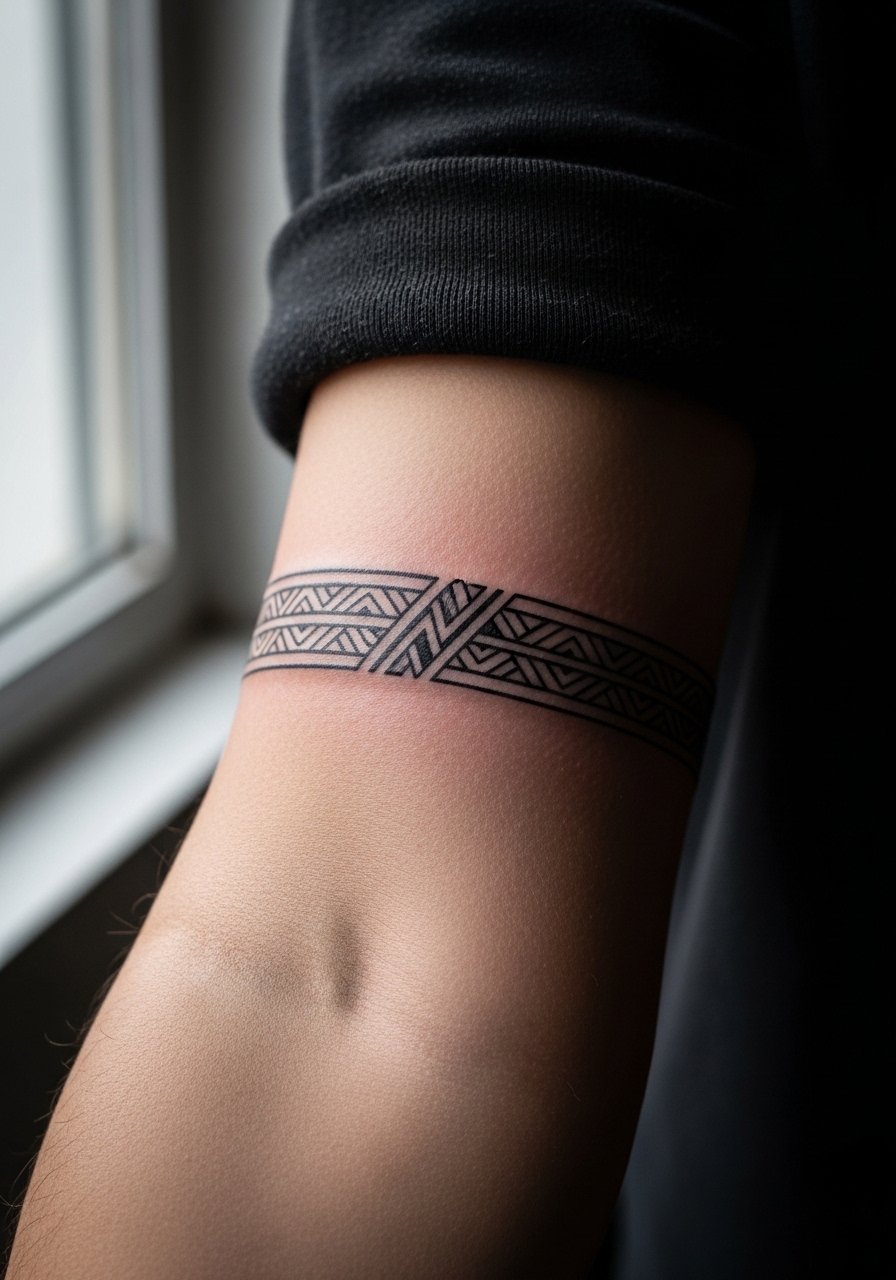
1. Inner Forearm Minimal Neotribal Band
This clean band of interlocking neotribal shapes reads like jewelry on the inner forearm. I recommend this over denser full bands because the negative space keeps the pattern legible as skin stretches. In consultation ask for slightly heavier linework in repeating motifs and stipple shading between the shapes to prevent premature blur. Expect a 2 to 3 hour session and medium pain on the forearm. Common mistake is asking for the band too thin, which leads to merging lines by year three. For showing it off, roll sleeves up and pair the piece with a thin chain bracelet that echoes the band without crowding the wrist.
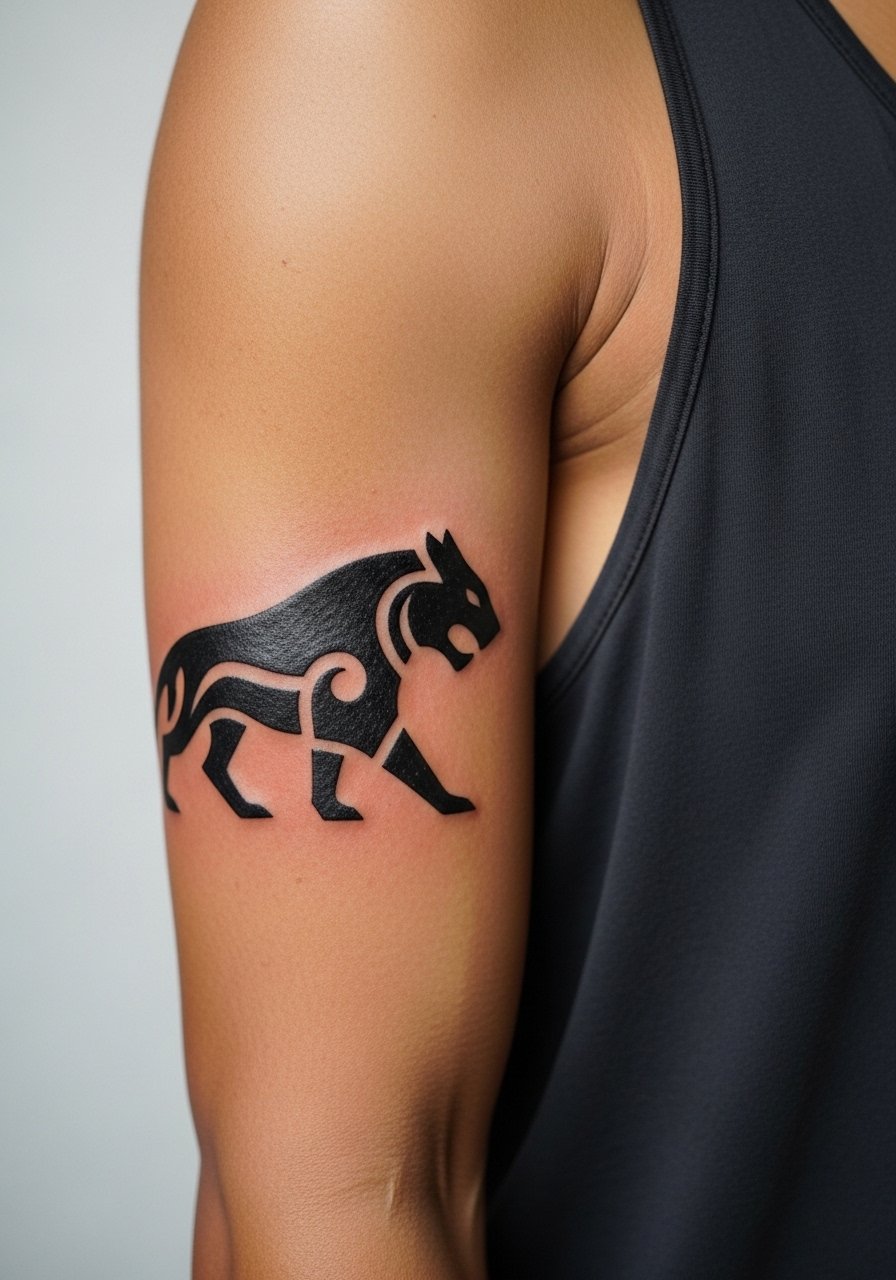
2. Outer Bicep Neotribal Animal Motif
A stylized neotribal animal form on the outer bicep uses bold black silhouettes and fine inner linework to suggest fur or scales. I suggest this placement for people who want a statement piece that can be covered with a sleeve when needed. Tell your artist you want heavy outer saturation with internal stipple to keep texture without tiny lines that blur. Sessions run 2 to 4 hours depending on scale and are moderate in pain. One common error is over-detailing the interior at a small scale. For session comfort wear a loose tank top that gives the artist full access without exposing the chest.
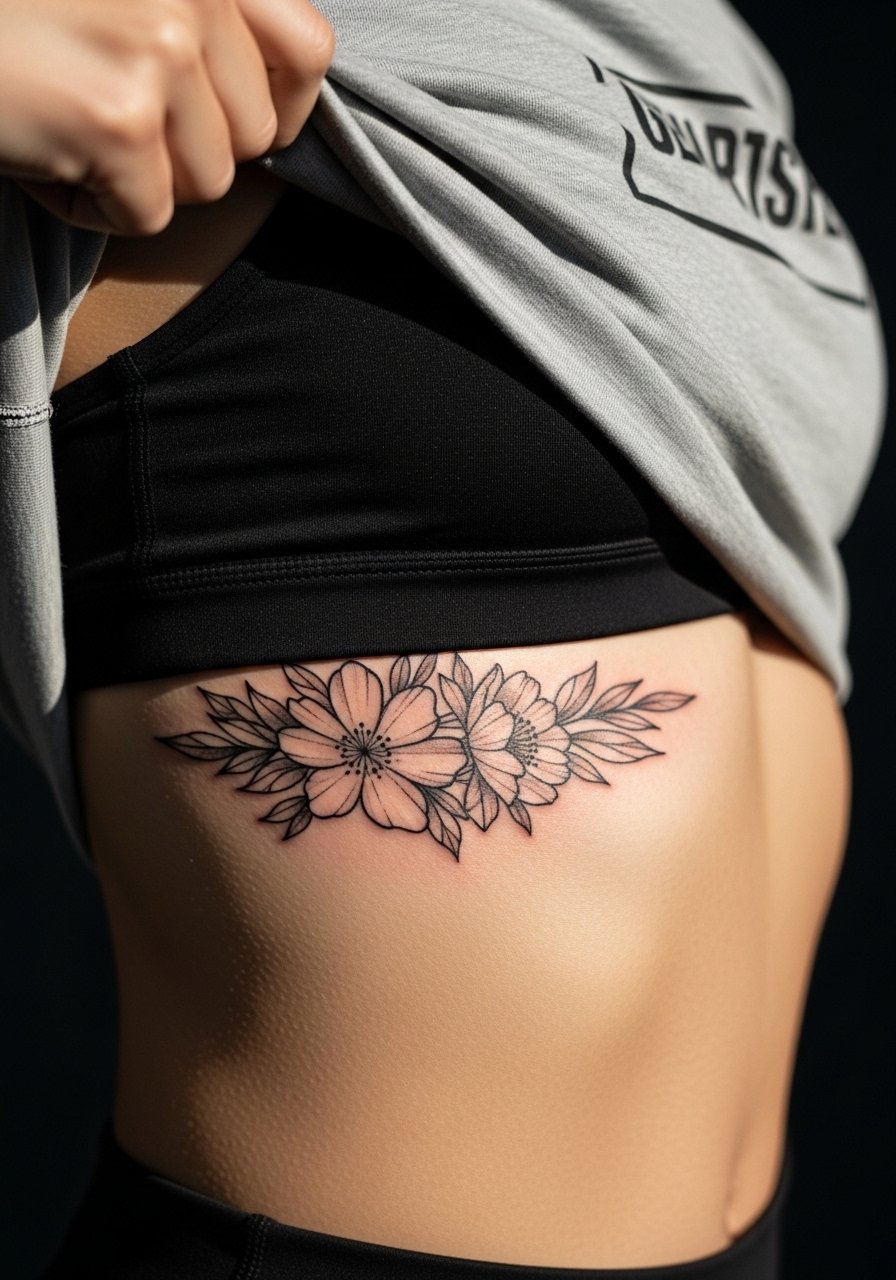
3. Ribcage Neotribal Flora Panel
Fair warning: the ribcage is a high pain area, but it offers long, flat canvases that look dramatic with curving tribal vines. One camp among artists says fine line here blurs quickly because the skin stretches, and the other camp argues that properly spaced, slightly bolder contours settle fine. My recommendation is to prioritize spacing and shadowed negative areas, and plan for one touch-up at year two. For the session wear a cropped athletic top you can lift, and be ready for multiple shorter passes rather than one long marathon. The biggest mistake is compressing too many tiny motifs into a tight panel.
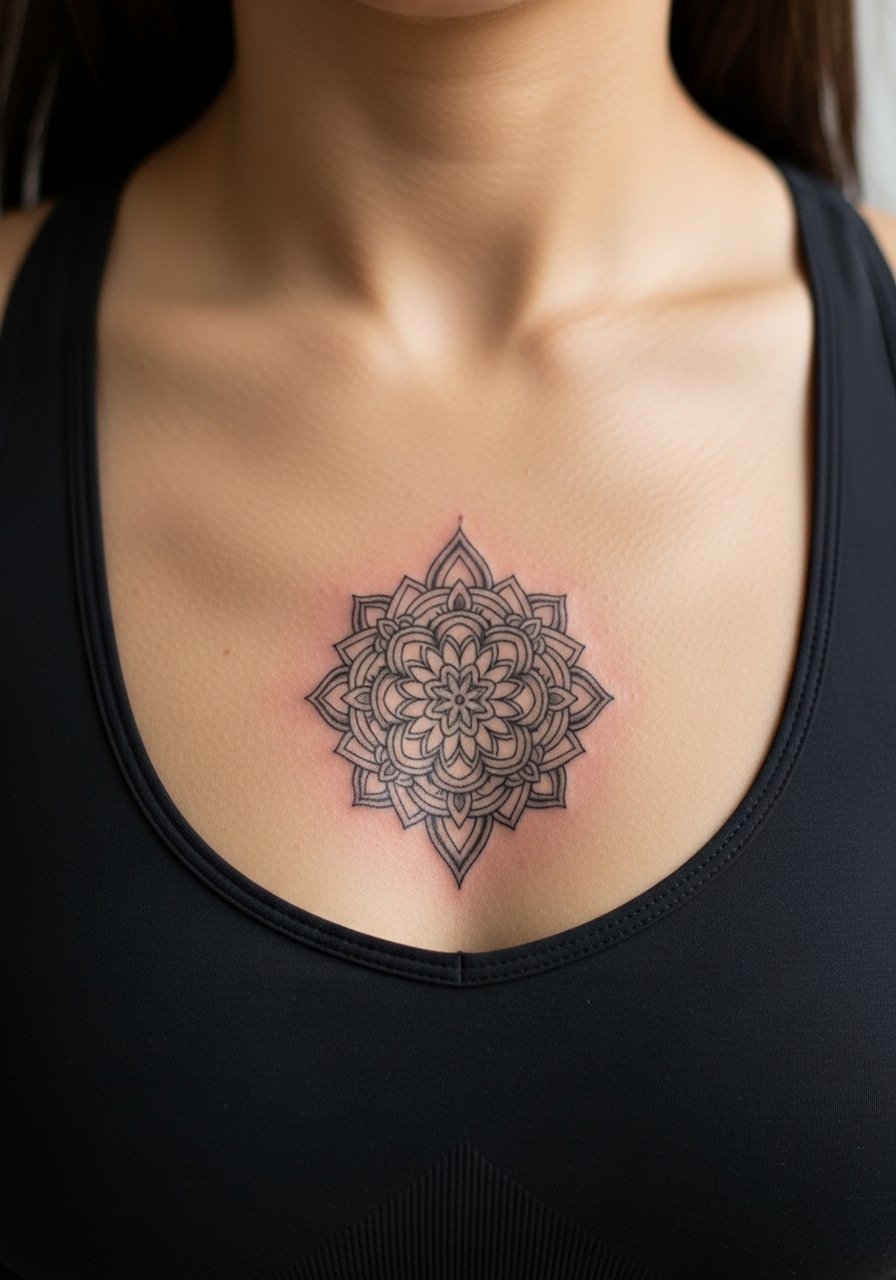
4. Sternum Central Mandala with Tribal Borders
A central mandala that borrows tribal symmetry looks modern when balanced with bold border elements. This placement needs a fitted sports bra or bandeau for the photo and for the appointment. Ask the artist to space the mandala generously so dense sections do not merge over time, and request whip shading around outer petals for subtle depth. Pain is high, so plan for breaks and an assistant to help with positioning. For evenings out, pair the piece with an open-front blouse that leaves the upper chest visible without exposing the rest of the torso.
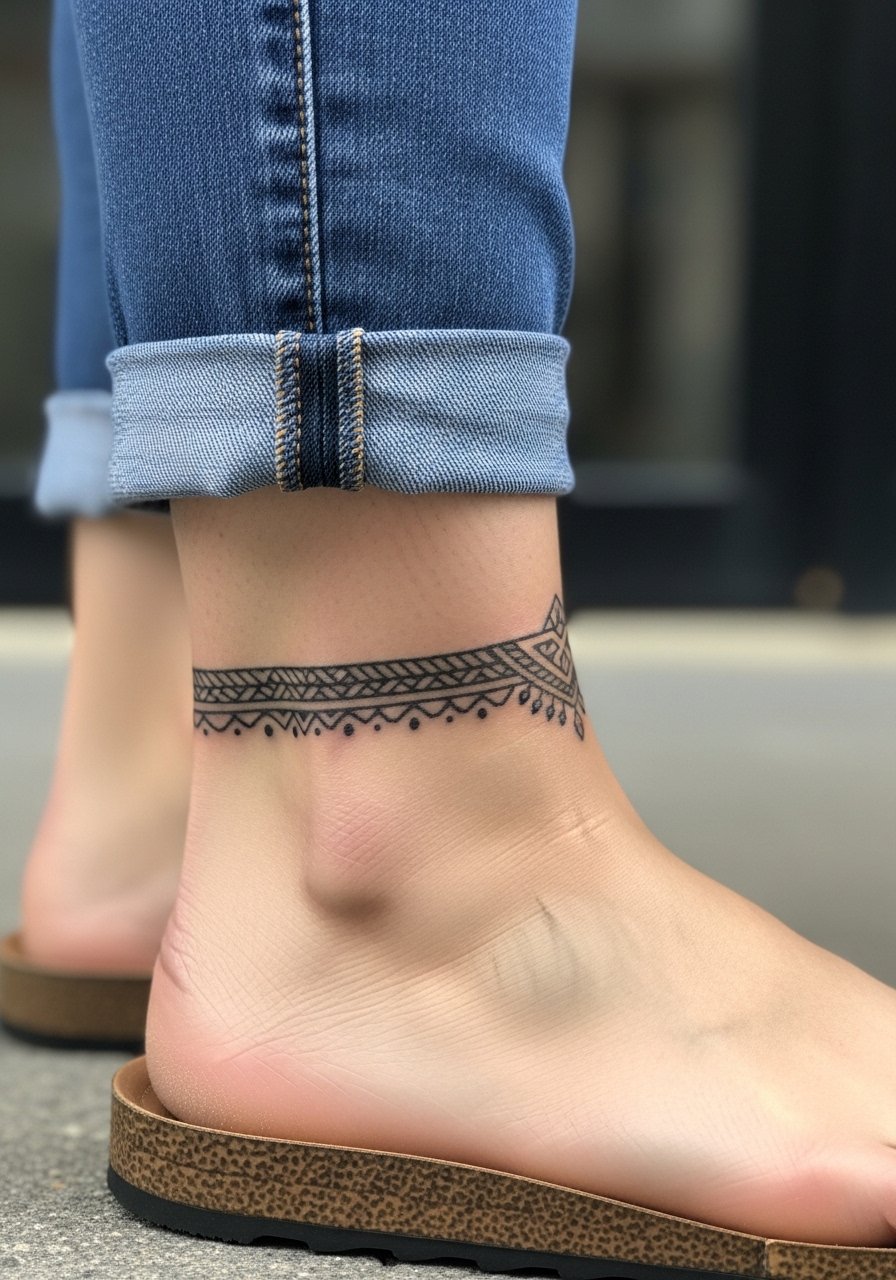
5. Ankle Anklet Neotribal Chain
A low-commitment way to wear neotribal patterning is an ankle anklet that mimics traditional leg bands. Because the ankle faces constant friction from socks and shoes, request slightly thicker outer lines and avoid micro details inside the chain. Expect short sessions of under two hours and mild to moderate pain. The common aging issue is wear along the sole-facing edge, so plan for a touch-up around year two. Show it off with sandals or rolled jeans and a pair of simple leather sandals that keep the ankle visible without rubbing the fresh ink.
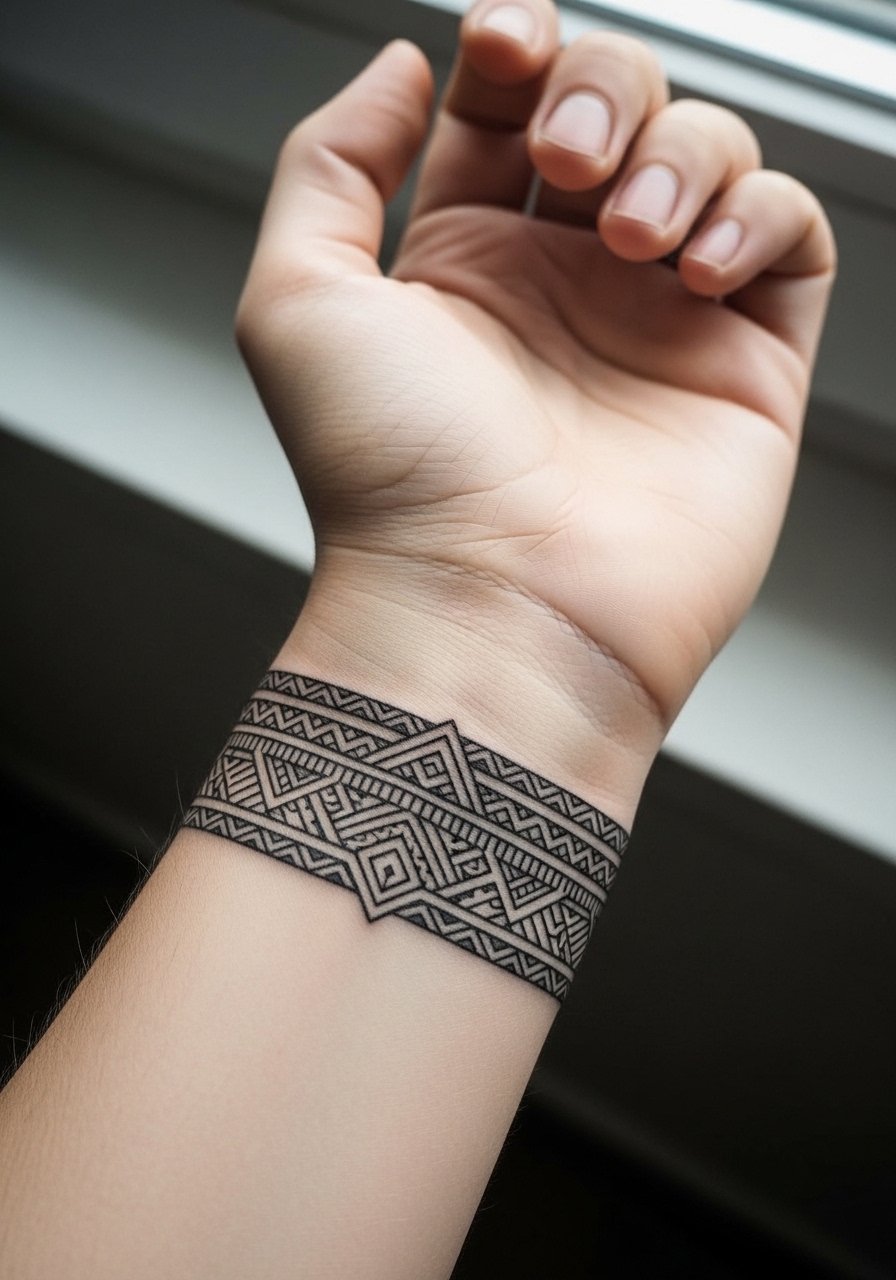
6. Wrist Linear Neotribal Script Pattern
On the wrist, a neotribal linear pattern reads like a cuff. The wrist holds up best with bold anchors and open interior negative space, not tiny interlocking lines. Bring reference photos of the exact line weight you want during the consult, and ask for outer anchor points that prevent the design from bleeding into the hand. Expect a 1 to 2 hour session and higher sensitivity. For everyday wear pair it with a minimalist watch that frames the cuff without obscuring the pattern.
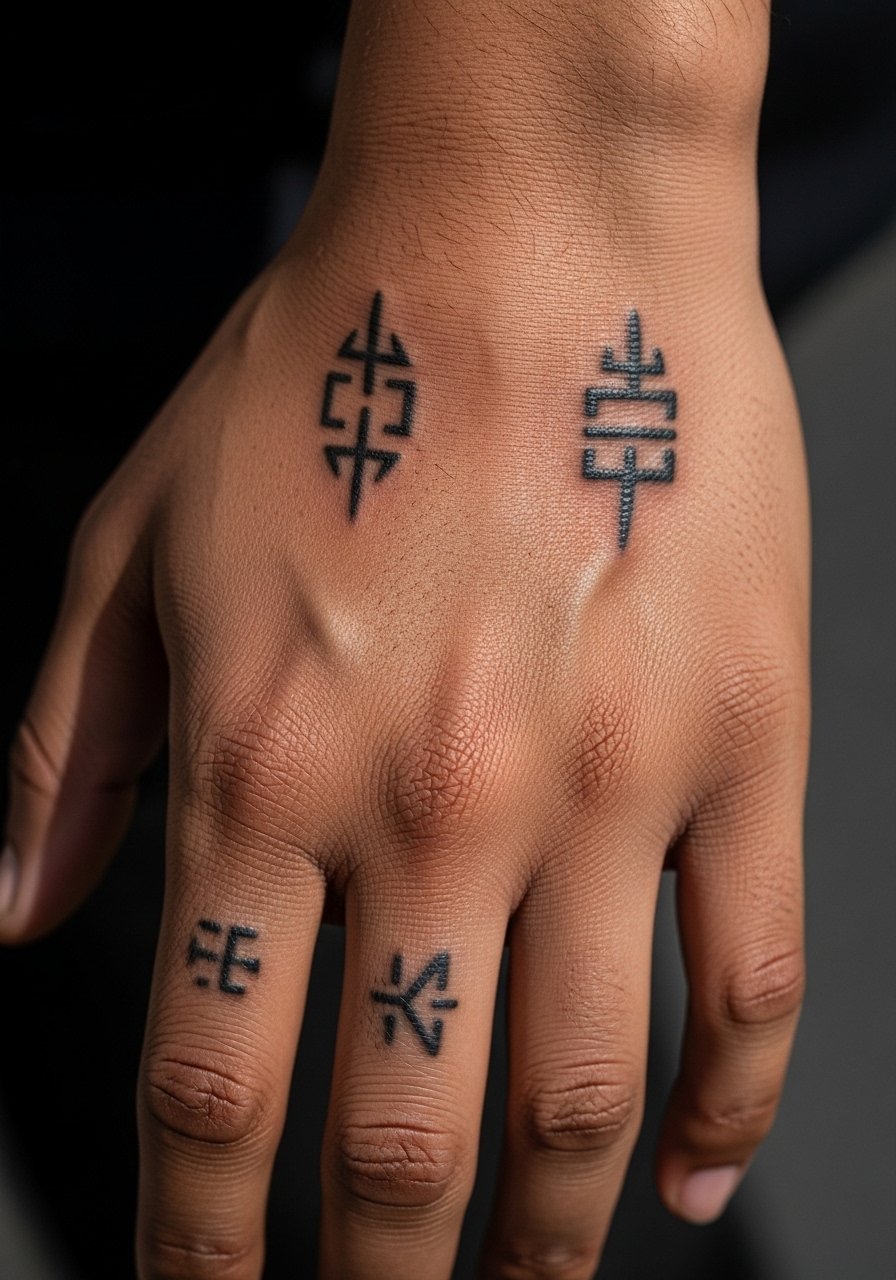
7. Back of Hand Glyphs and Small Motifs
Hand tattoos still affect some hiring situations, so think about career implications before committing. Small neotribal glyphs across the back of the hand can be striking, but hand skin and constant washing mean this area fades faster. Ask for bold anchors and accept that touch-ups at year one or two are common. Sessions are short but the recovery feels more abrasive than elsewhere. For showing it off pair the piece with a stack of thin rings rather than a bulky bracelet that would rub the ink.
8. Shoulder Blade Flowing Neotribal Panel
The shoulder blade is forgiving for flowing tribal panels that curve with muscle shapes. I recommend this placement for people who want a piece that looks good with a tank top or can be covered easily. Tell your artist to orient the pattern along natural muscle contours and to avoid tight concentric circles that trap ink. Sessions vary from two to five hours. A common mistake is forcing symmetry where the body reads asymmetrical, which makes the piece look off when the shoulder moves.
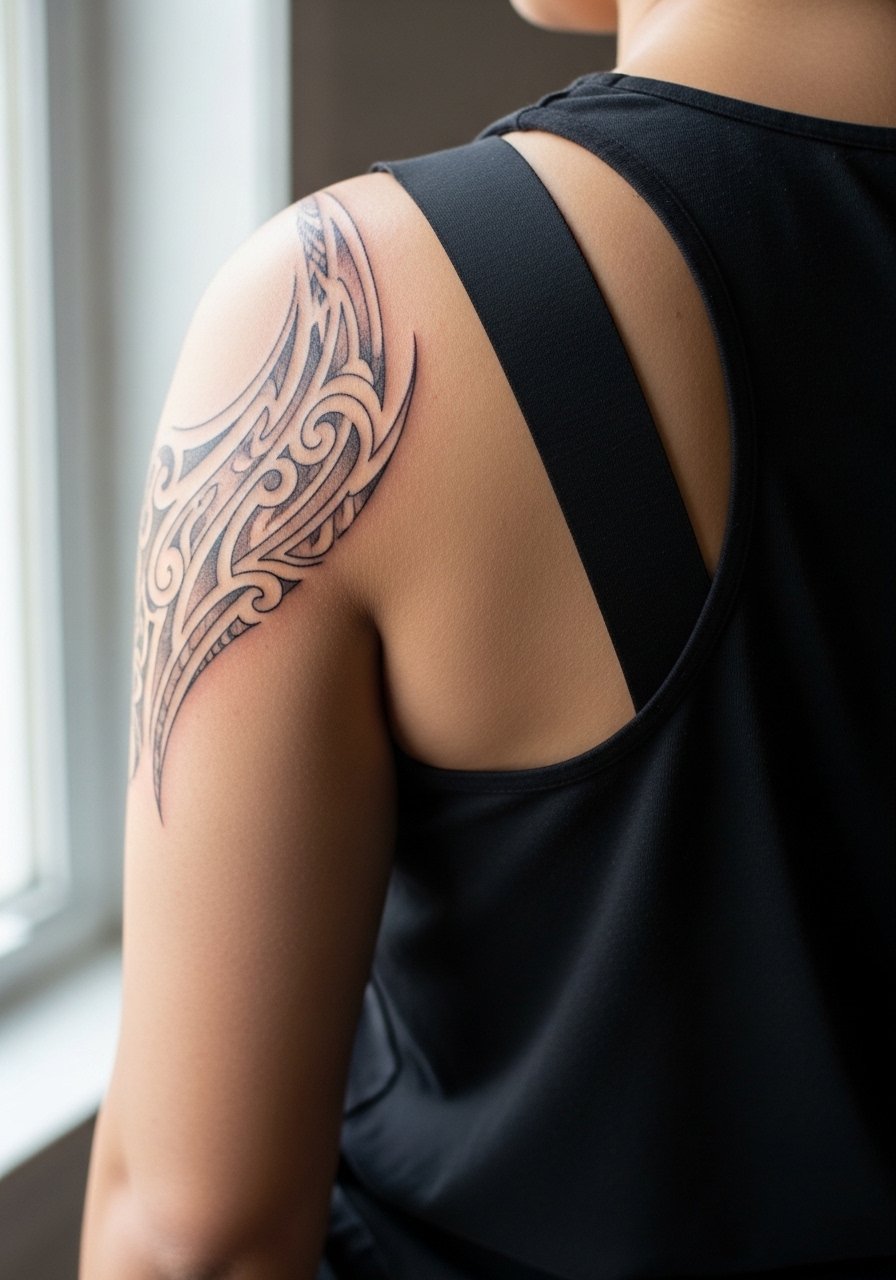
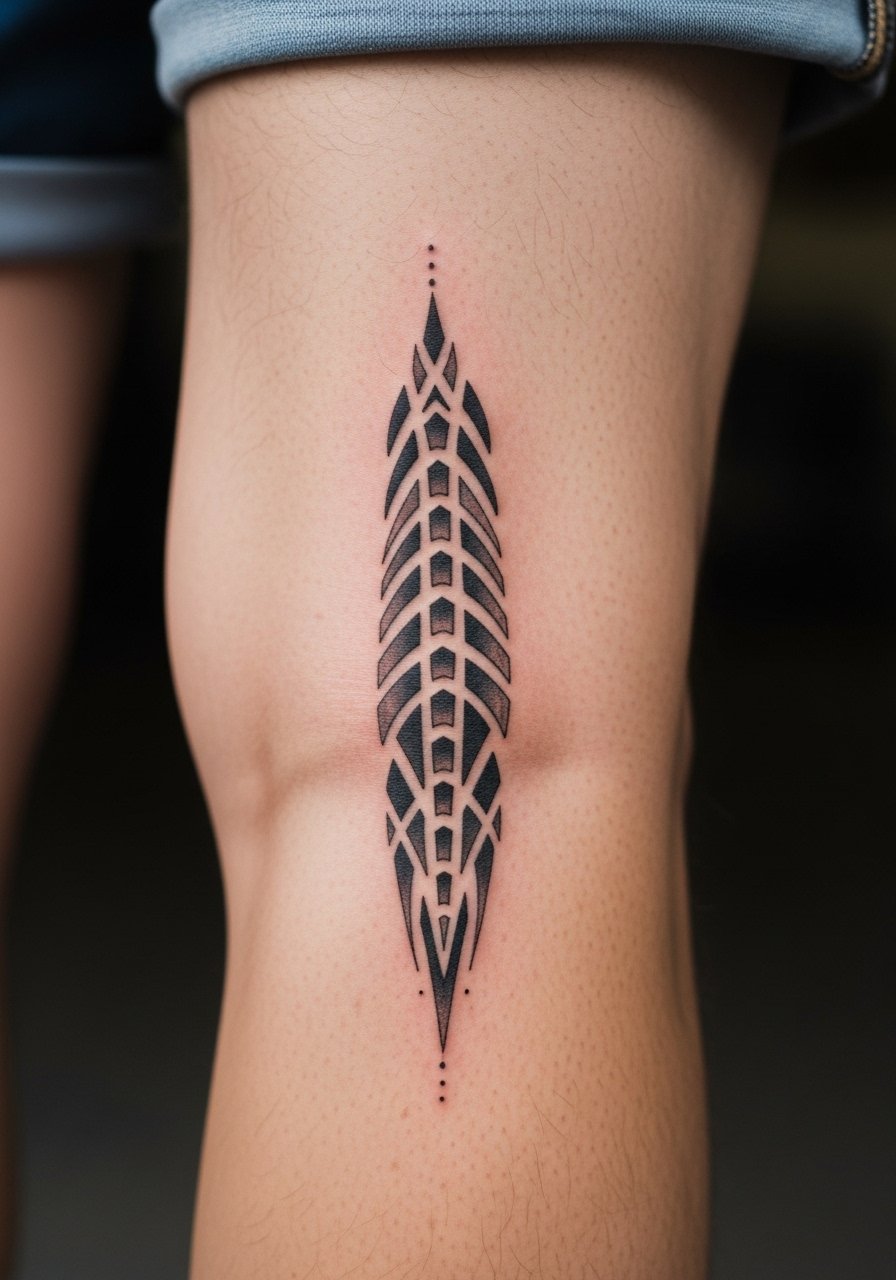
9. Calf Vertical Neotribal Spine
A vertical calf piece that mimics a tribal spine works well with footwear and shorts. Muscle movement on the calf keeps the piece readable if the artist avoids excessive tiny details. For consultation request a layout with alternating heavy and light sections to guide the eye. Sessions are moderate in pain and can take two to three hours. For casual looks pair it with mid-calf boots or rolled shorts to keep the verticality visible.
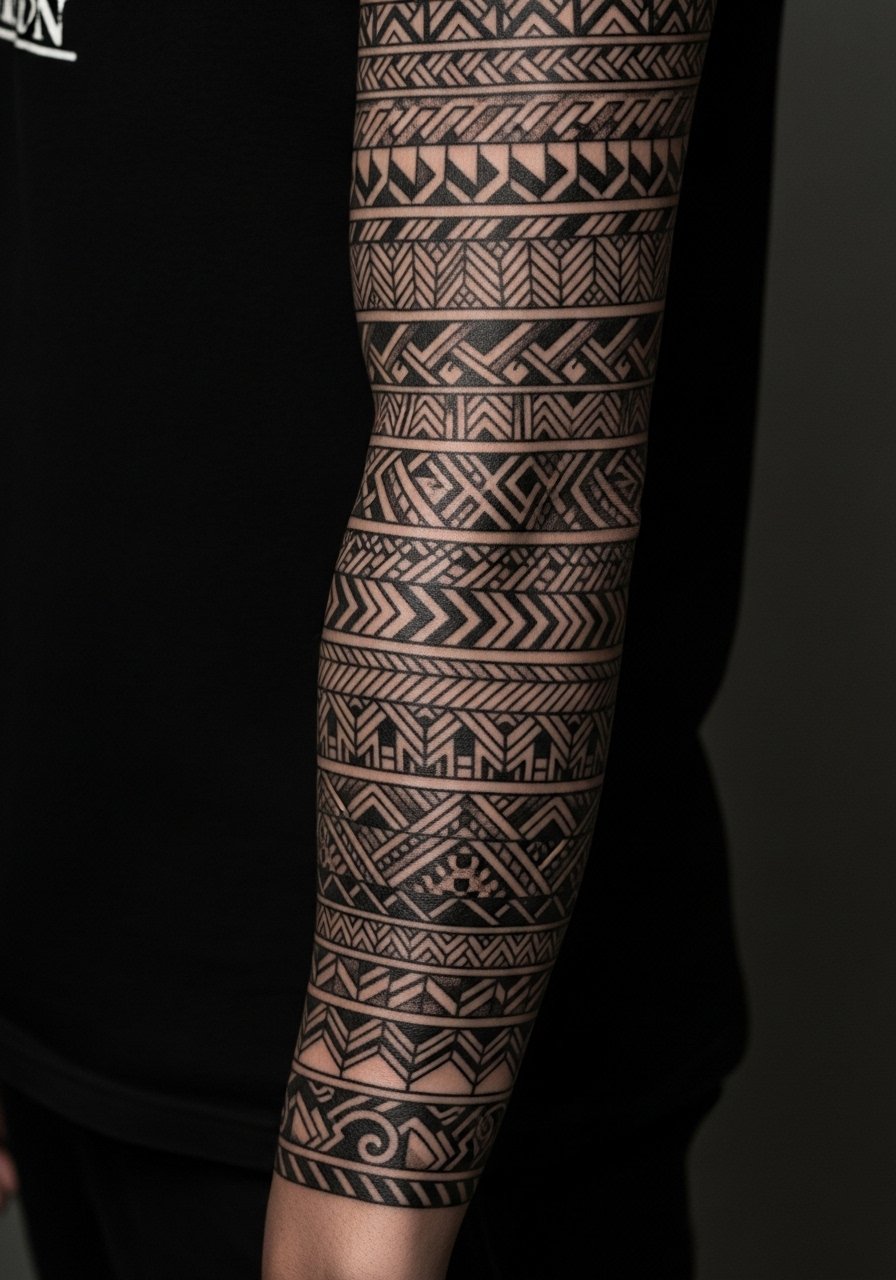
10. Full Sleeve Neotribal Mix of Bands and Panels
A full sleeve lets you combine armbands, negative space, and animal motifs into a cohesive neotribal narrative. Start the sleeve with a clear hierarchy: bold anchor bands, mid-tone motifs, then stipple shading for texture. In consult ask for mockups that show the whole arm in motion. Sessions will be multiple bookings totaling many hours and pain will vary by zone. Avoid requesting identical repeated bands around the elbow, which can distort with bending. Expect touch-ups in high-motion zones like the inner elbow.
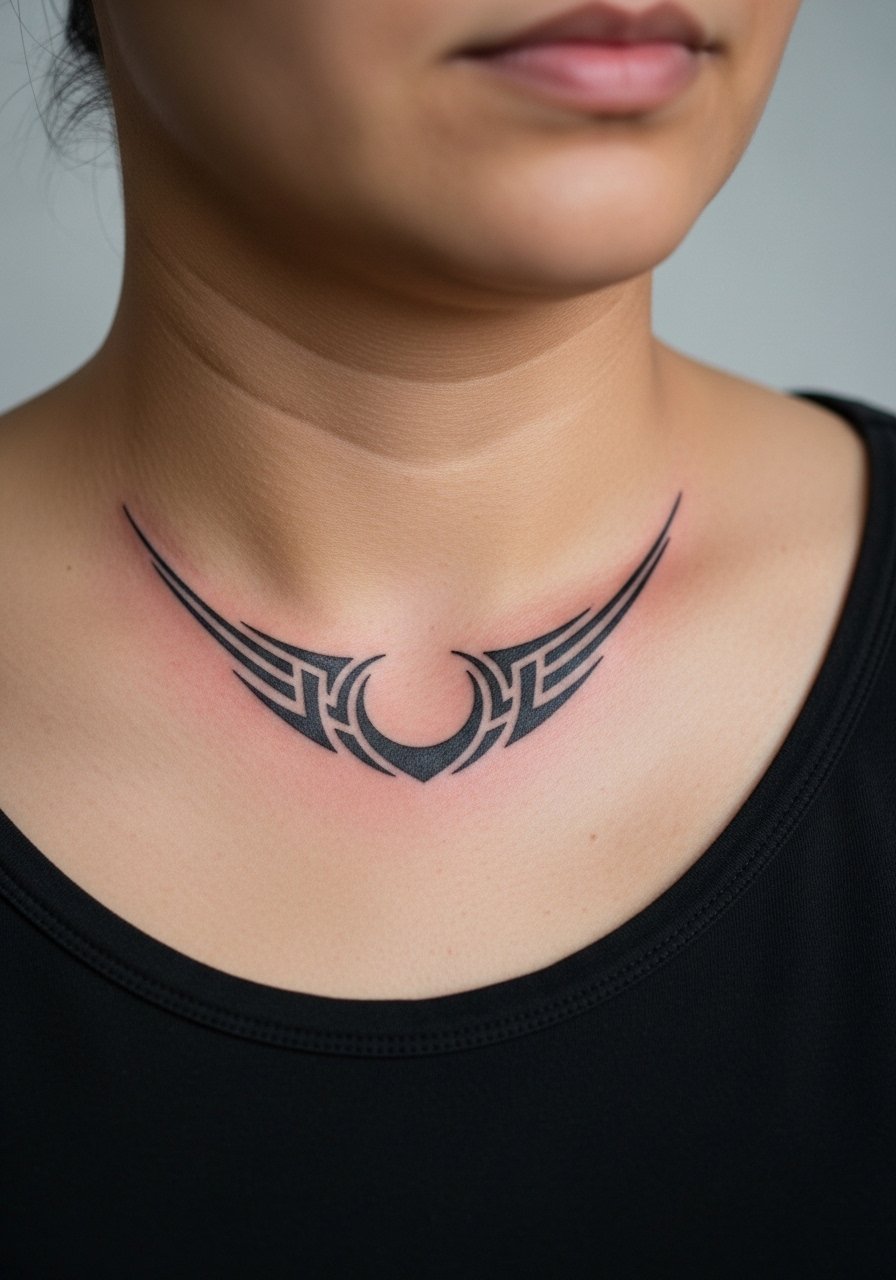
11. Collarbone Neotribal Crescent
A crescent of tribal patterning that follows the collarbone reads refined when kept open on the top edge. For upper chest placements wear a wide-neck shirt you can pull aside and ask the artist to leave negative breathing room near the clavicle. This area ages well visually but can be sensitive during the session. A common mistake is packing in tiny dots right on bony points, which do not hold. For evening wear a delicate pendant necklace complements the curve without covering the piece.
12. Hip Wave Neotribal Accent
Hip placements let neotribal waves peek out under clothing. Use high-cut shorts or jeans for the session and photo framing. This area is forgiving but sits near friction zones from waistlines, so plan for touch-ups and avoid micro detail at the edge. Sessions are moderate and can be broken into short sittings. The mistake I see most is tiny filigree near the pant line that erodes quickly. Consider a design that leans on bold shapes near the edge and finer texture inward.

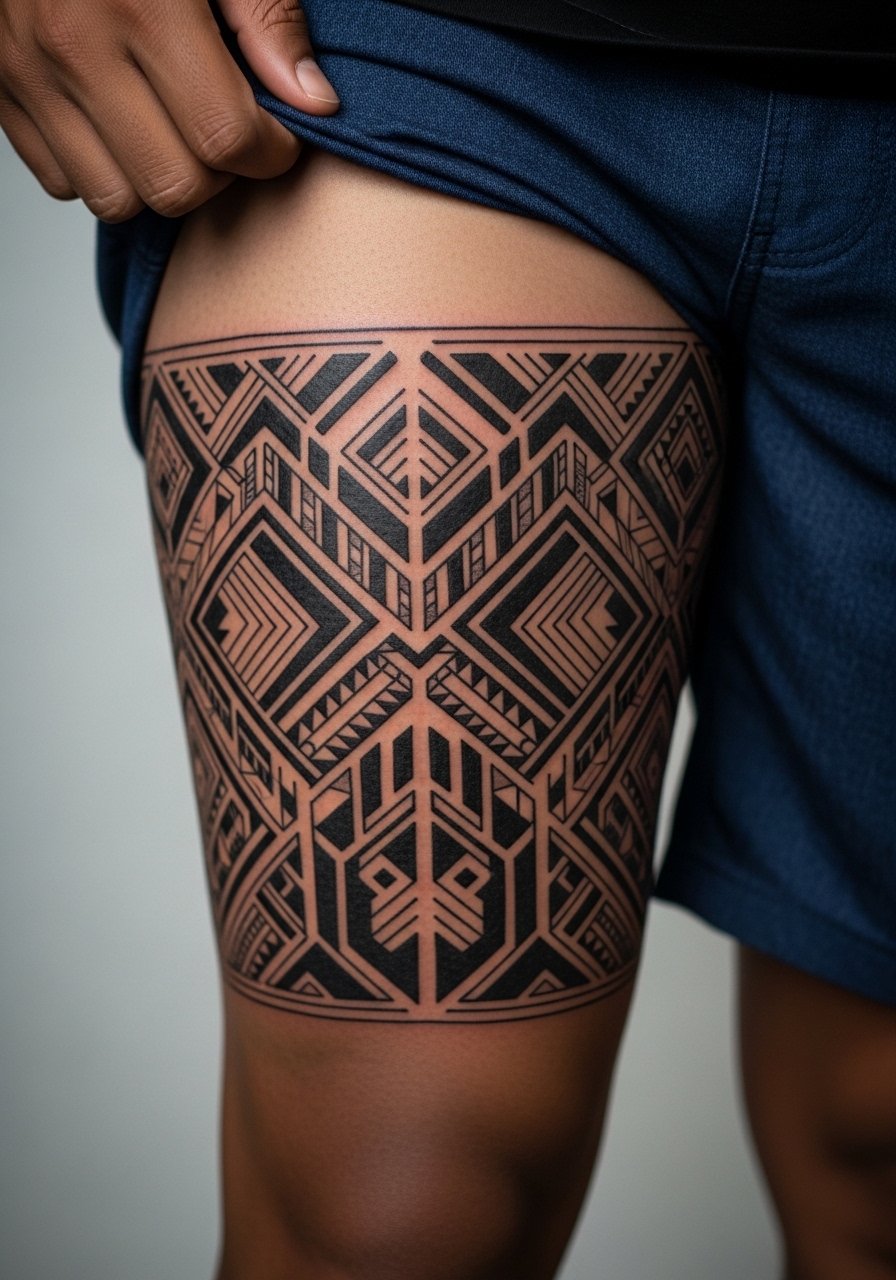
13. Inner Thigh Panel with Tribal Geometry
Inner thigh work can be sensual and private, and it needs careful artist selection. For this sensitive area wear shorts you can shift to reveal only the inner thigh. Ask for a layout that avoids dense parallel lines near the skin fold. Pain is moderate to high and healing requires limited friction from clothing. A frequent error is requesting thin contiguous lines that merge with moisture and friction. For dates or nights out, a high-slit skirt helps show the panel without tight waist pressure.
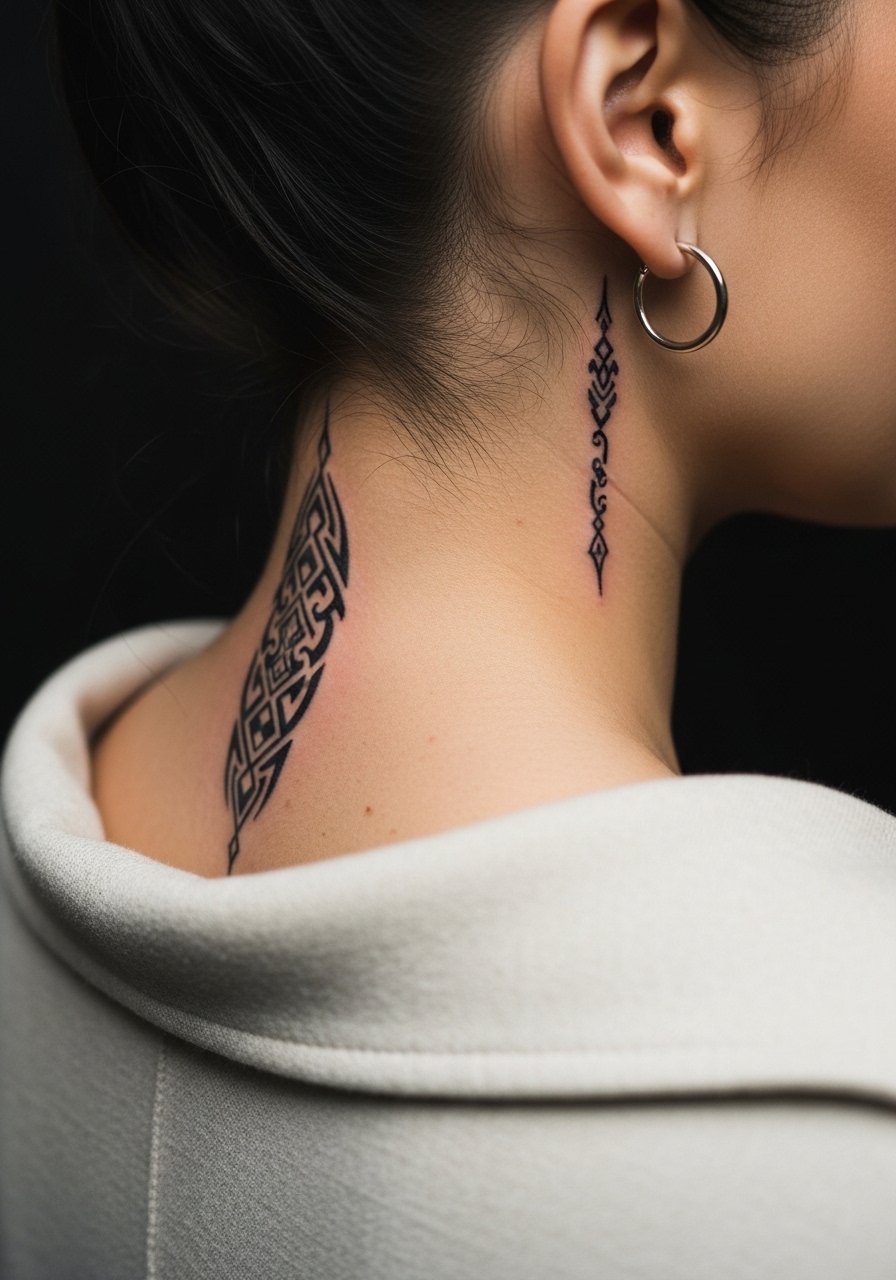
14. Spine-Neck Connector
A vertical neotribal run from the upper back toward the neck looks powerful when the transitions are planned. For the neck portion wear a wide-neck shirt or collar pulled aside. The neck skin can be unforgiving for ultra-fine detail. One camp says neck pieces age poorly in office settings, and the other camp points out tasteful coverage options. I recommend medium-weight outlines and stipple transitions. Sessions are uncomfortable near the vertebrae, so plan short sittings and accept a touch-up after the first year.
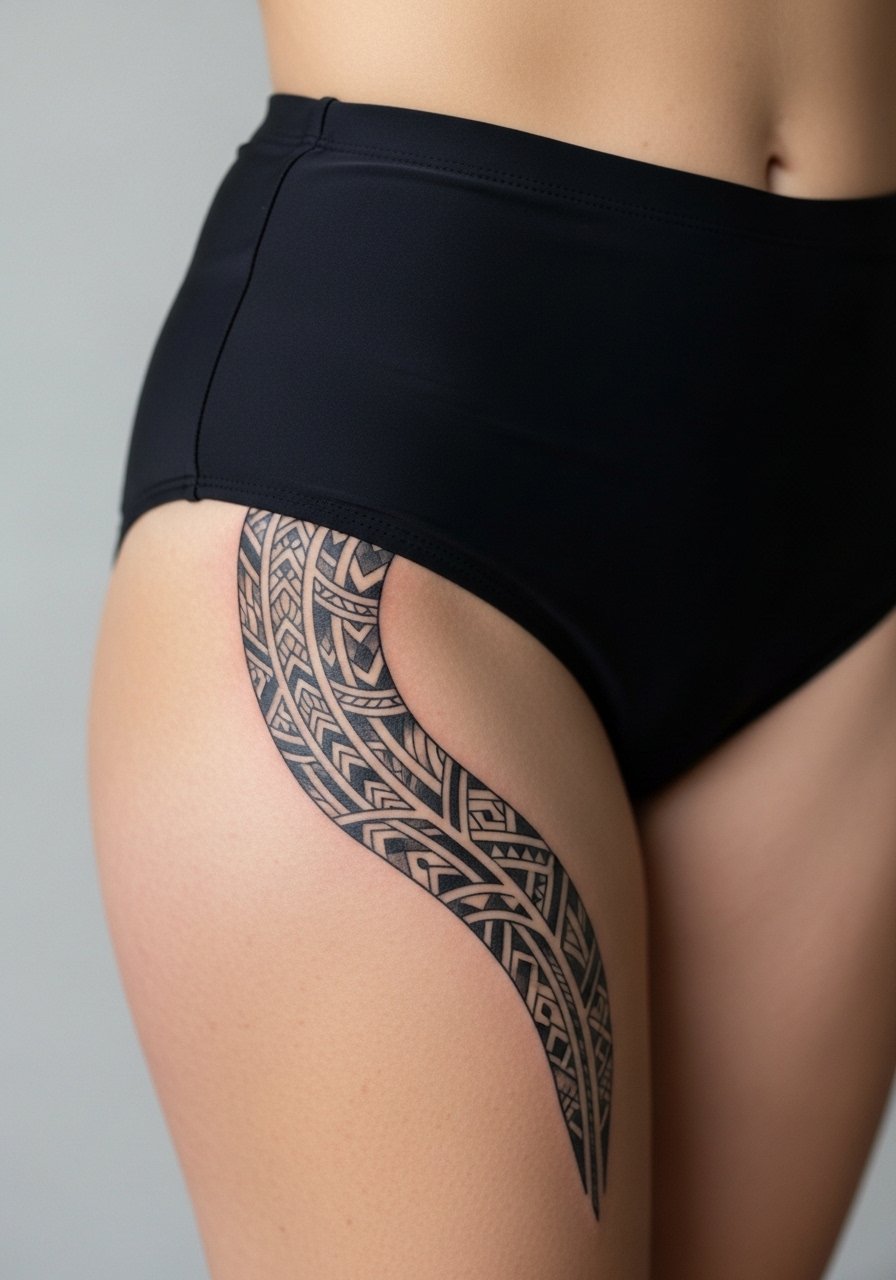
15. Hip-to-Thigh Neotribal Crescent Sleeve
This curved panel follows the hip into the upper thigh and benefits from a design that breathes. For the appointment wear high-cut swimwear or shorts that you can shift to reveal only the area. Ask for heavier outer borders and lighter inner textures so friction from clothing does not erase the edge quickly. Sessions are moderate to long and healing needs breathable clothing. Avoid over-filling the outside edge with tiny dots that get lost. Pair the reveal with a high-waisted bikini bottom when you want to show the curve.
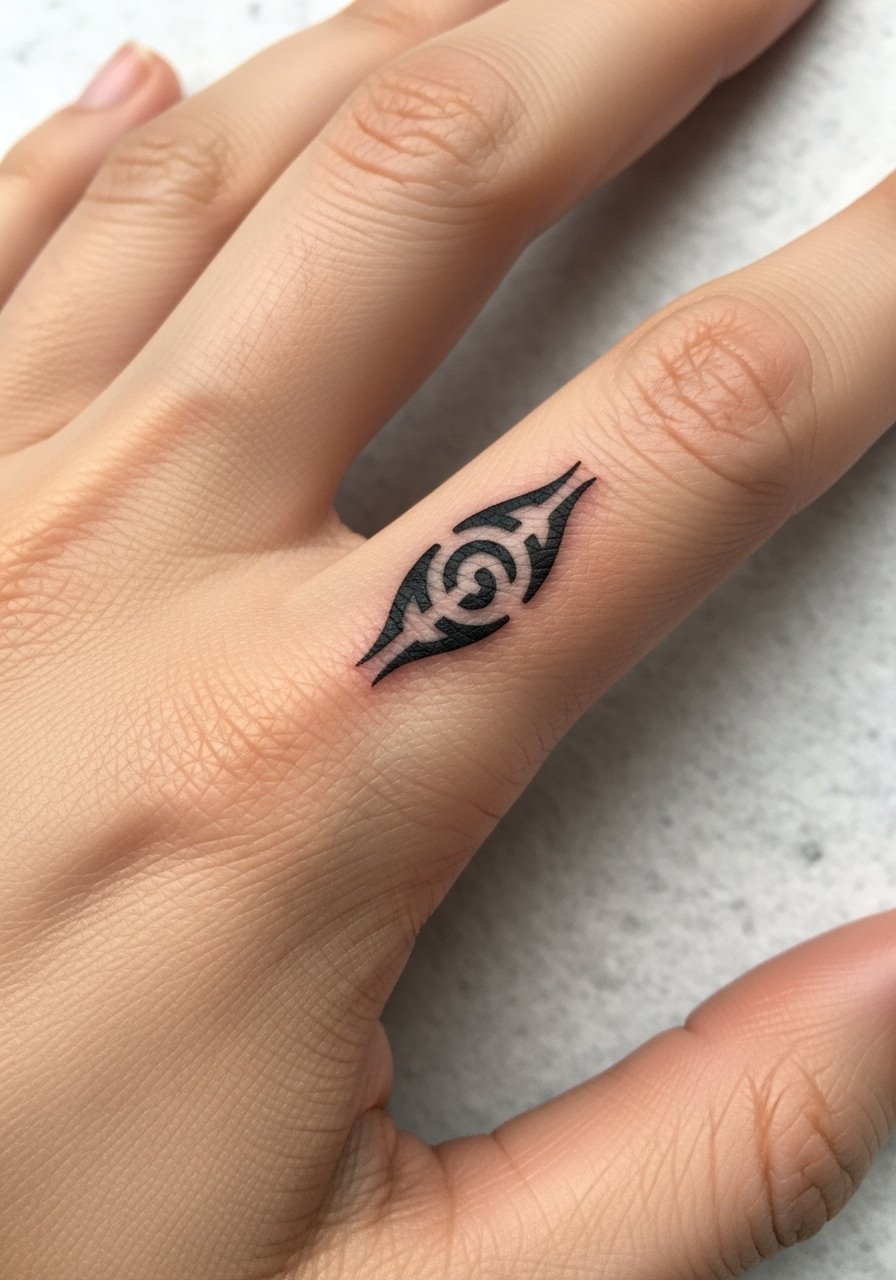
16. Finger Micro Neotribal Icons
Tiny neotribal icons on fingers are discreet but high maintenance. The skin on fingers sheds and moves constantly, so expect fading and touch-ups within one year. Ask for bold anchors and accept that fine filigree will disappear. Sessions are quick and pain can be sharp. A common mistake is requesting connected chains across knuckles that break with motion. For subtle daily wear choose a single finger motif rather than a full knuckle set.
17. Behind-the-Ear Neotribal Dot Work Accent
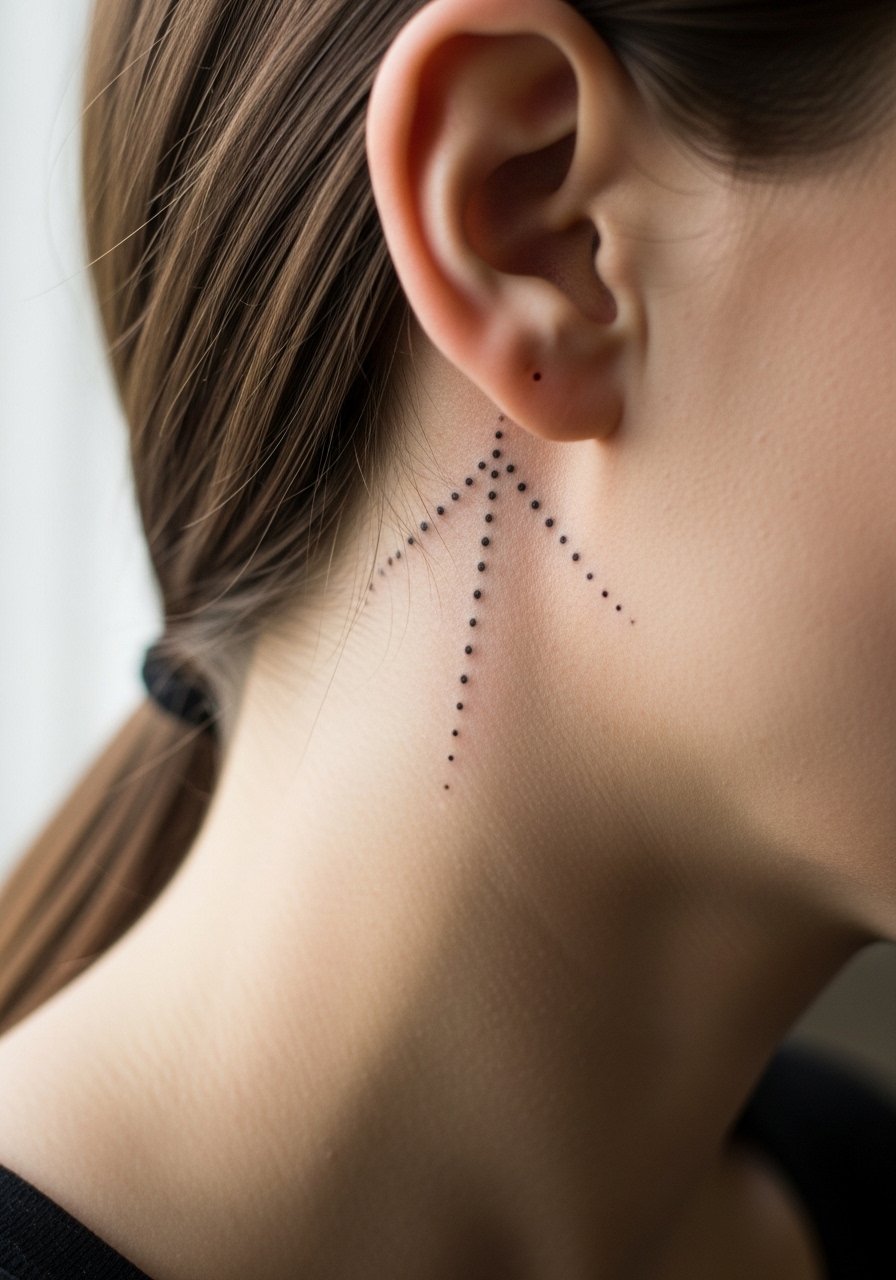
A behind-the-ear accent must be phrased as on the skin below the hairline on the neck to meet safety framing. This tiny neotribal dot-work accent looks like a private detail that peeks out between hair. Ask for very small, spaced dots and avoid dense patches that blur. Sessions are very short and sensitivity is low to moderate. For showing it off, consider a hairstyle that tucks behind the ear and a delicate hair clip that keeps the area visible on occasion.
18. Lower Back Neotribal Anchor
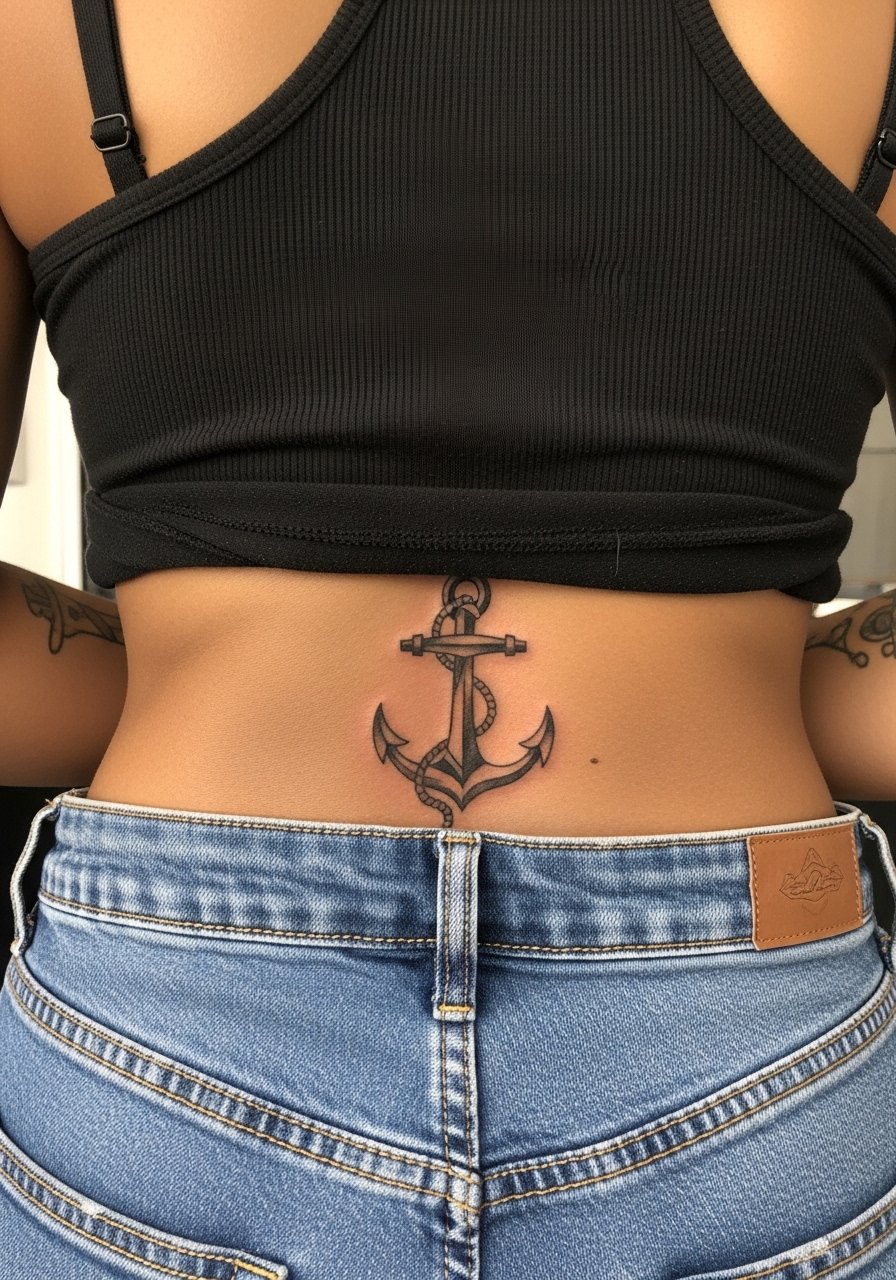
Lower back panels are back in rotation for people who want a larger piece that stays private. Wear a tank top with high-waisted pants pulled slightly low for the session so only the lower back is visible. The lower back tolerates larger black shapes, but dense tiny detail near the waistband will suffer from rubbing. Expect a multi-hour session and moderate pain. One real mistake is centering on the spine without buffering on either side, which makes the piece look narrow when you move.
19. Outer Thigh Neotribal Shield
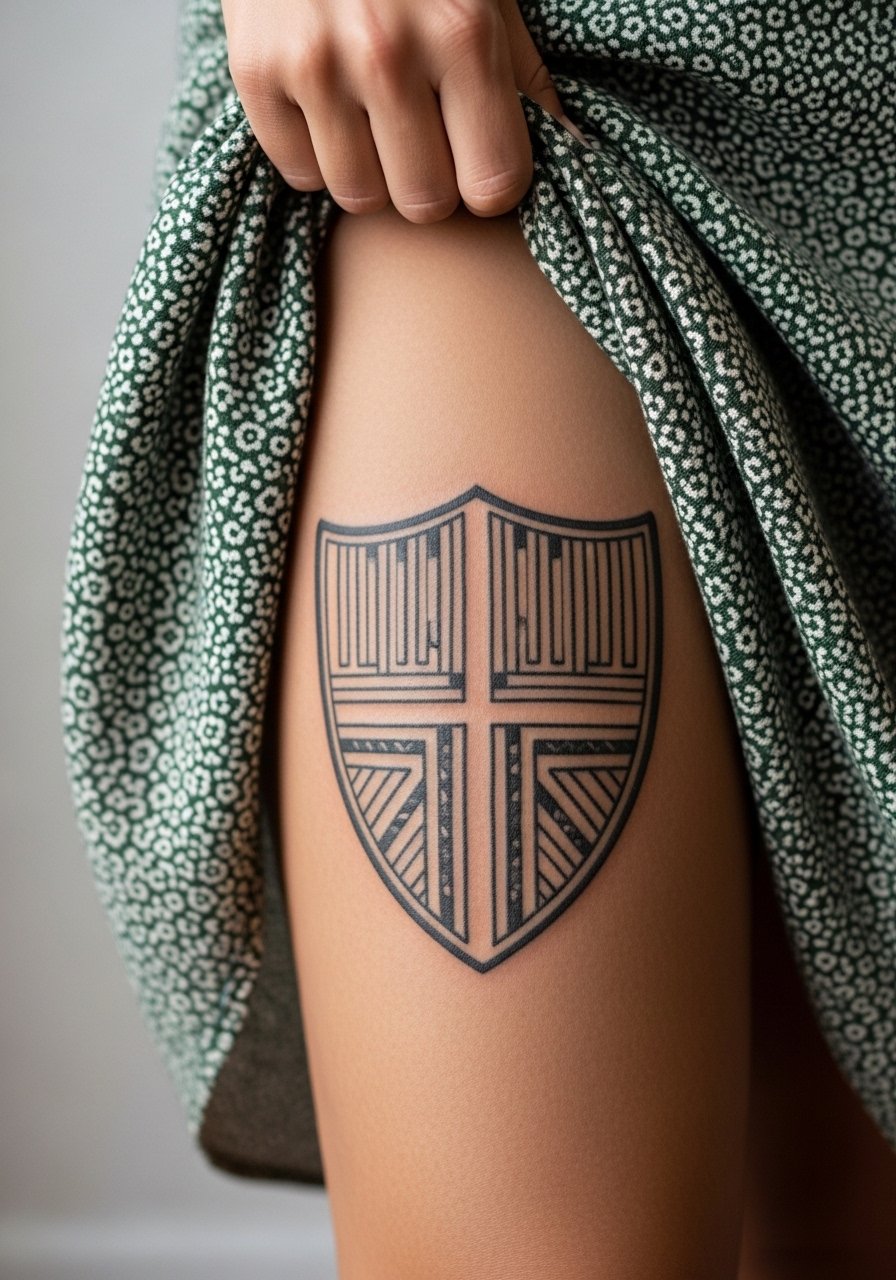
An outer thigh shield uses bold black planes and open negative space. This placement is ideal for larger motifs that age slowly, since the thigh sees less friction than inner parts. For the session wear loose shorts or a wrap skirt and ask the artist to map symmetry with the leg relaxed and then flexed so proportions read in movement. Sessions can be long and slightly painful near the muscle. For nights out consider a flowy midi skirt that shows the piece without compressing the area.
20. Calf Wrap Band with Negative Space
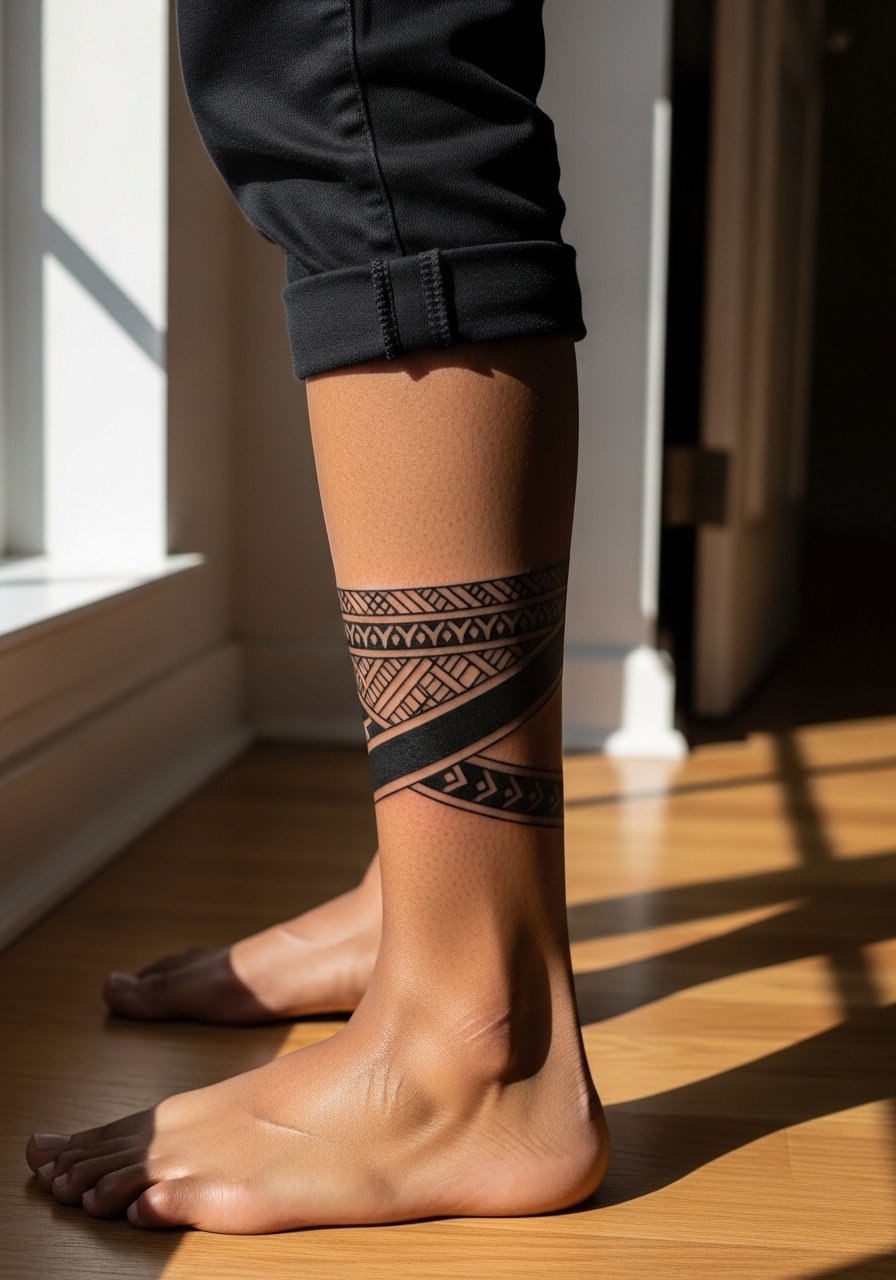
A wrap-around calf band that alternates solid black with open segments gives strong contrast and ages predictably. Tell your artist to design the negative segments slightly larger than they appear on paper so the band reads after a few years. Sessions are moderate and can be done in one long sitting. Common mistake is compressing too many micro shapes into the wrap, which causes a muddle after healing. For everyday looks choose cropped trousers that let the band show cleanly.
21. Shoulder-to-Chest Chevron Panel
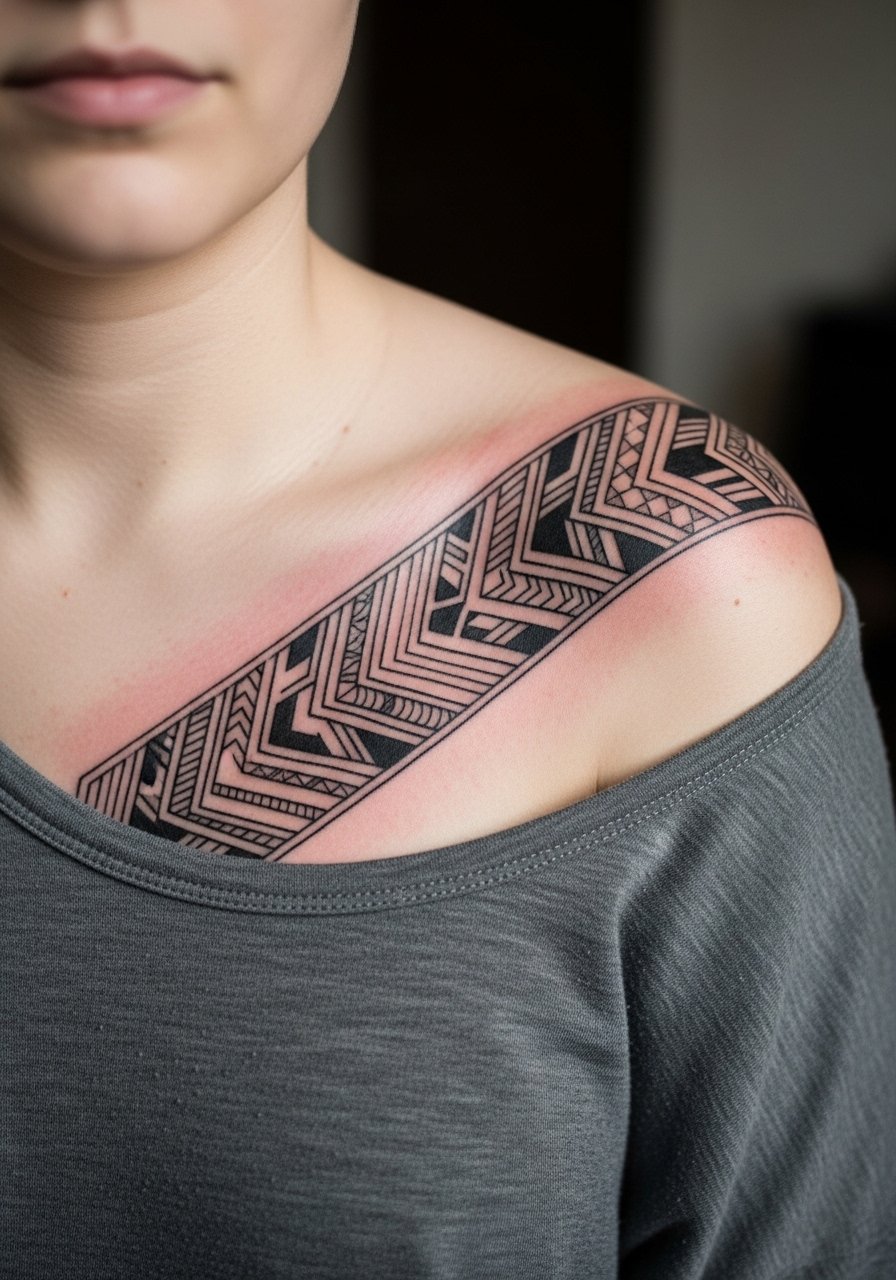
A chevron panel that crosses the shoulder and upper chest should be designed with the chest’s movement in mind. Wear a wide-neck shirt pulled aside and request that the design uses heavy shoulder anchors and softened, open edges over the chest. The chest skin moves with breathing, so ultra-fine detail on the sternum will not hold. Sessions are moderate and may need two passes. For showing the panel without revealing too much, pair it with an open-back top that frames the shoulder line.
Session Day Picks
The upper-chest, rib, wrist, and ankle pieces above ask for different session prep, so a few targeted items make the first week smoother.
-
Stencil transfer paper kit. Lets you preview placement on skin before the needle touches down, which is useful for asymmetrical shoulder and rib panels.
-
Topical numbing cream. Applied as directed before high-pain zones like sternum or ribs to reduce discomfort without affecting saturation.
-
Thin protective film roll. Helps protect ankle and hand tattoos from early abrasion during daily activities.
-
Fragrance-free gentle body wash. Cleans fresh tattoos without irritating delicate linework on wrists and forearms.
-
Aquaphor healing ointment. Thin layers in the first days lock in moisture on high-motion areas like hands while allowing the ink channels to close.
Frequently Asked Questions
Q: Will neotribal fine lines blur faster on the ribs than on the forearm?
A: It depends on spacing and line weight. Ribs flex with breath and have thinner skin, so tight, tiny lines are at higher risk of merging. For ribs ask for slightly bolder contours and more negative space. Forearm pieces tolerate finer work with less risk of early blur.
Q: How often should I expect touch-ups on hand and finger neotribal icons?
A: Plan for at least one touch-up in the first year, and possibly another by year three. Fingers and hands face constant washing and friction. Artists usually build touch-up timing into the consult so you have realistic expectations.
Q: Is neotribal patterning cultural appropriation, and how should I approach it?
A: There are two clear perspectives. One group sees direct copying of sacred motifs as disrespectful, and the other group believes careful adaptation with attribution can be respectful. A good path is to discuss origins with your artist, avoid sacred symbols if you are not part of that culture, and consider borrowing geometric language rather than copying specific ritual designs.
Q: What should I wear to a sternum or chest session to make the process easier?
A: Wear a fitted sports bra or wide-neck top you can pull aside so only the tattoo area is exposed. That keeps you covered and gives the artist access. A lightweight zip-up hoodie is useful for warmth between passes.
Q: Can I pair neotribal collarbone or wrist pieces with jewelry without hiding the tattoo?
A: Yes. Choose pieces that complement negative space and avoid heavy items that sit directly on top of the ink. A thin chain pendant or minimalist watch frames a collarbone or wrist piece while keeping the design visible.