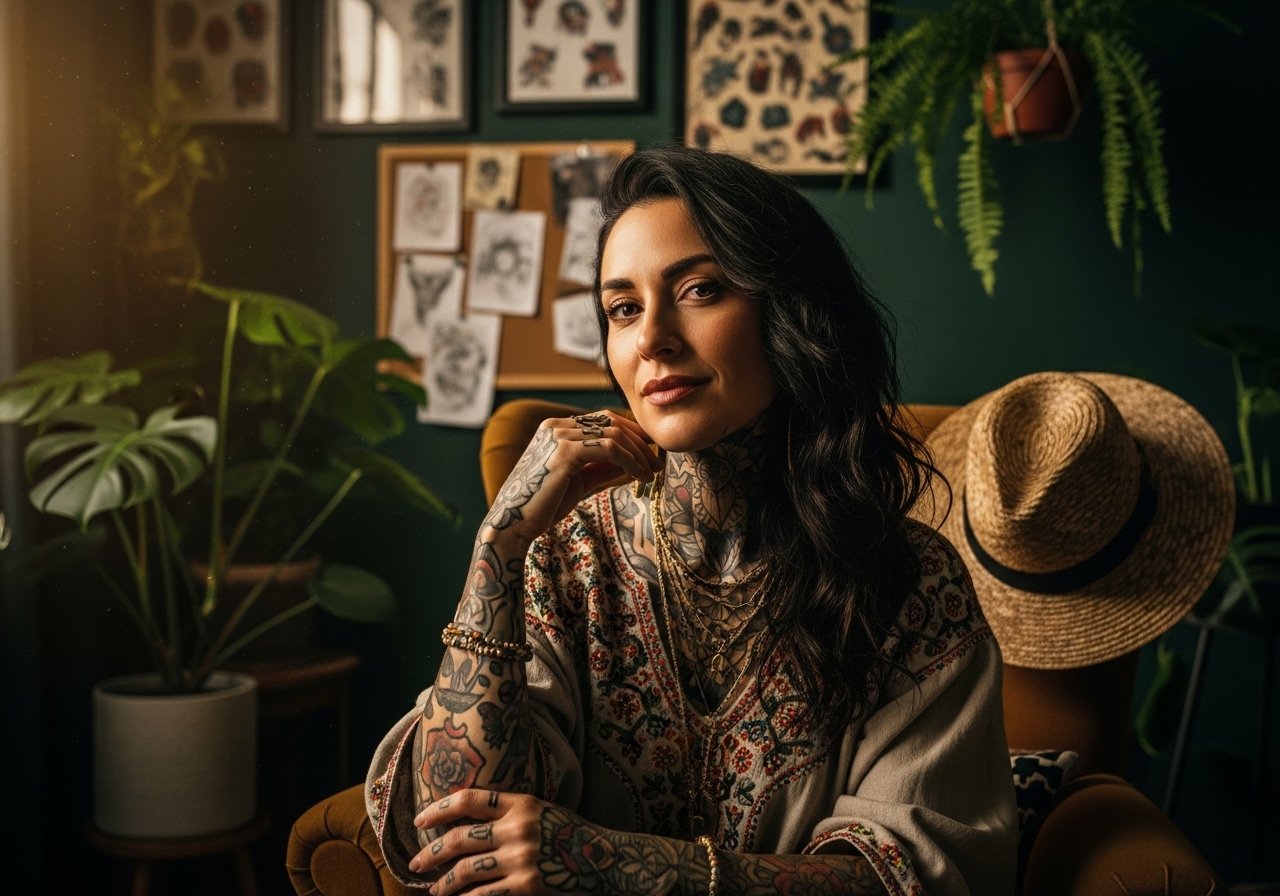
The fine line look is gorgeous on camera, but what people forget is that longevity, placement, and day-of prep decide whether it still reads clean in two years. Fine line pieces ask for planning, realistic touch-up expectations, and placement choices that respect skin movement. Start with designs that let the lines breathe and the list below will show you how to ask for them and wear them.
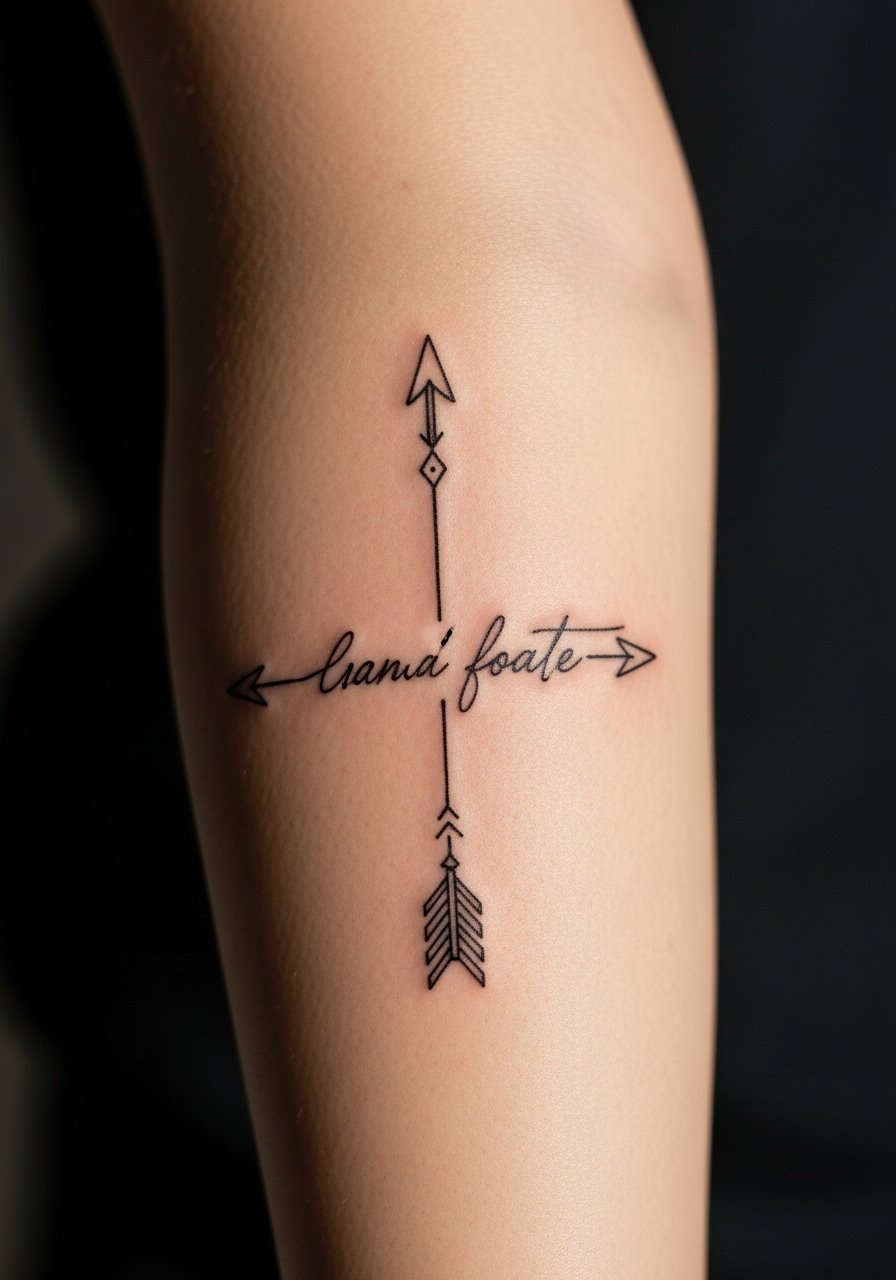
1. Arrow with "Trust the Process" on Inner Forearm
I've seen this exact placement age the best when the script runs parallel to the arm and the arrow has space around it. Tell your artist you want single-needle script at a readable size and an arrow with a little breathing room, not a cluster of micro details. Pain is mild for the inner forearm and a single session usually covers both elements. The common mistake is shrinking the script to fit more words, which compresses linework and invites early blurring. Plan a touch-up window at year two for most skin types. For showing it off, roll your sleeves and wear a loose linen button-down that frames the forearm without crowding the linework.
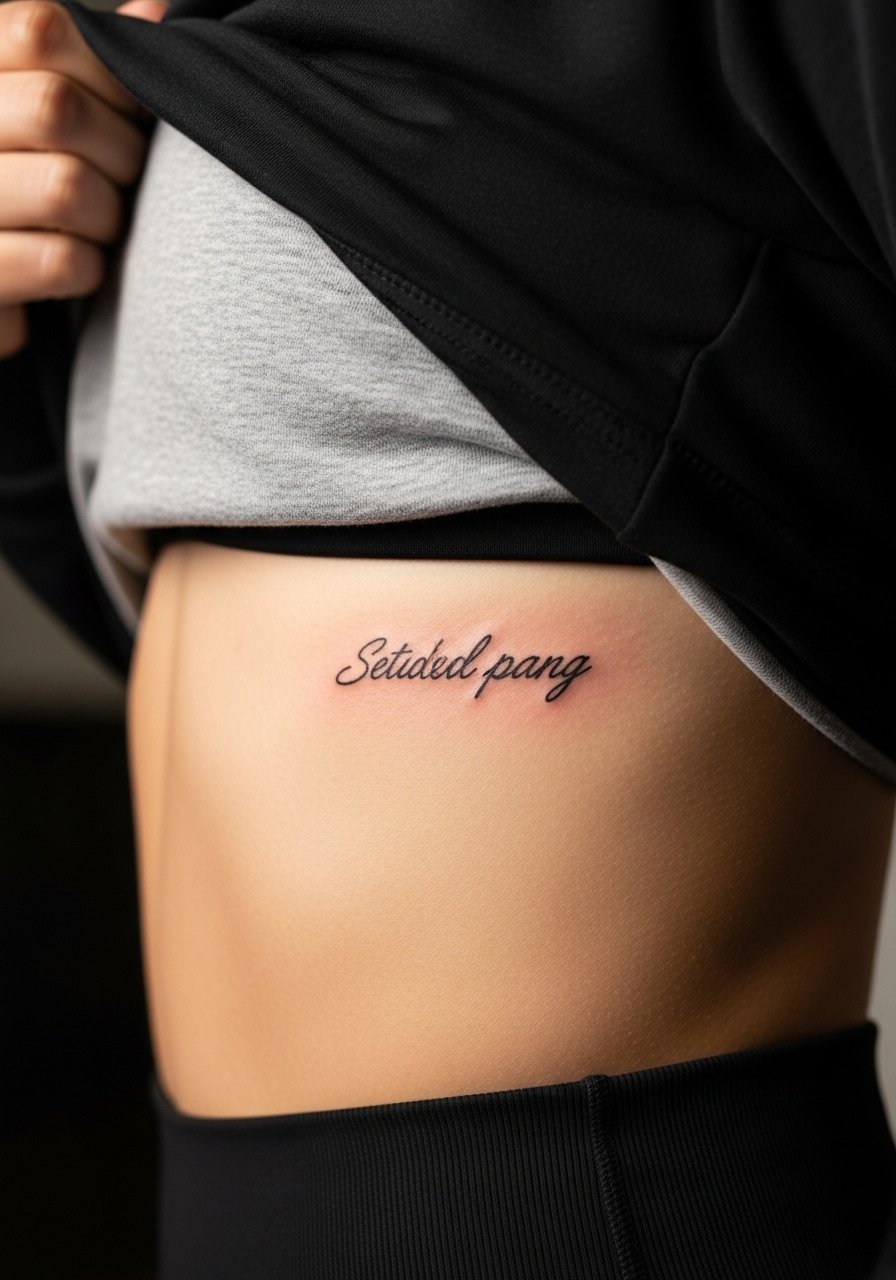
2. Micro Script "Trust the Process" Along the Ribcage
Fair warning, ribs are a high-pain placement, but they make delicate script read intimate and private. Artists split into two camps on ribs and fine line. One camp says the skin stretch and frequent movement blur thin lines within two years. The other camp argues that with conservative spacing and precise needle depth, fine lines can settle cleanly on ribs. Ask your artist where they stand and whether they recommend wider letter spacing. Sessions here often need breaks and breathing space. Expect at least one touch-up at year two if you want the script to stay crisp.
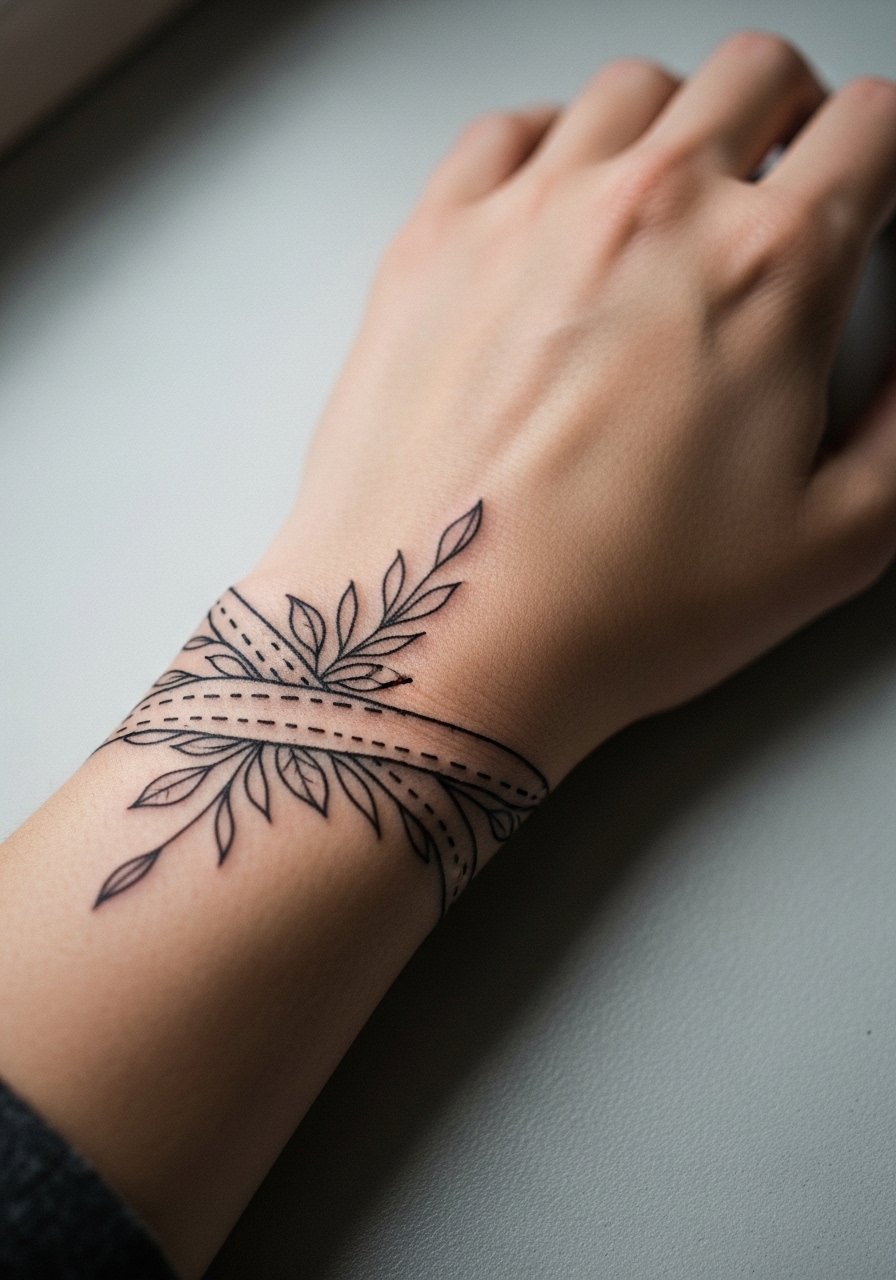
3. Seed-to-Branch Botanical Wrist Wrap
I recommend this when you want symbolism without visual clutter. A thin vine that expands from a tiny seed-like dot into a couple of offshoots keeps lines readable and gives the "trust the process" idea a metaphor. Tell your artist to use spaced stipple shading near junctions rather than dense shading, which tends to merge on the wrist. Pain is moderate. The typical problem is over-detailing the roots, which fades into a muddle after repeated washing and friction. For show-off styling, stack a couple of dainty bracelets to frame the wrist without hiding the linework.
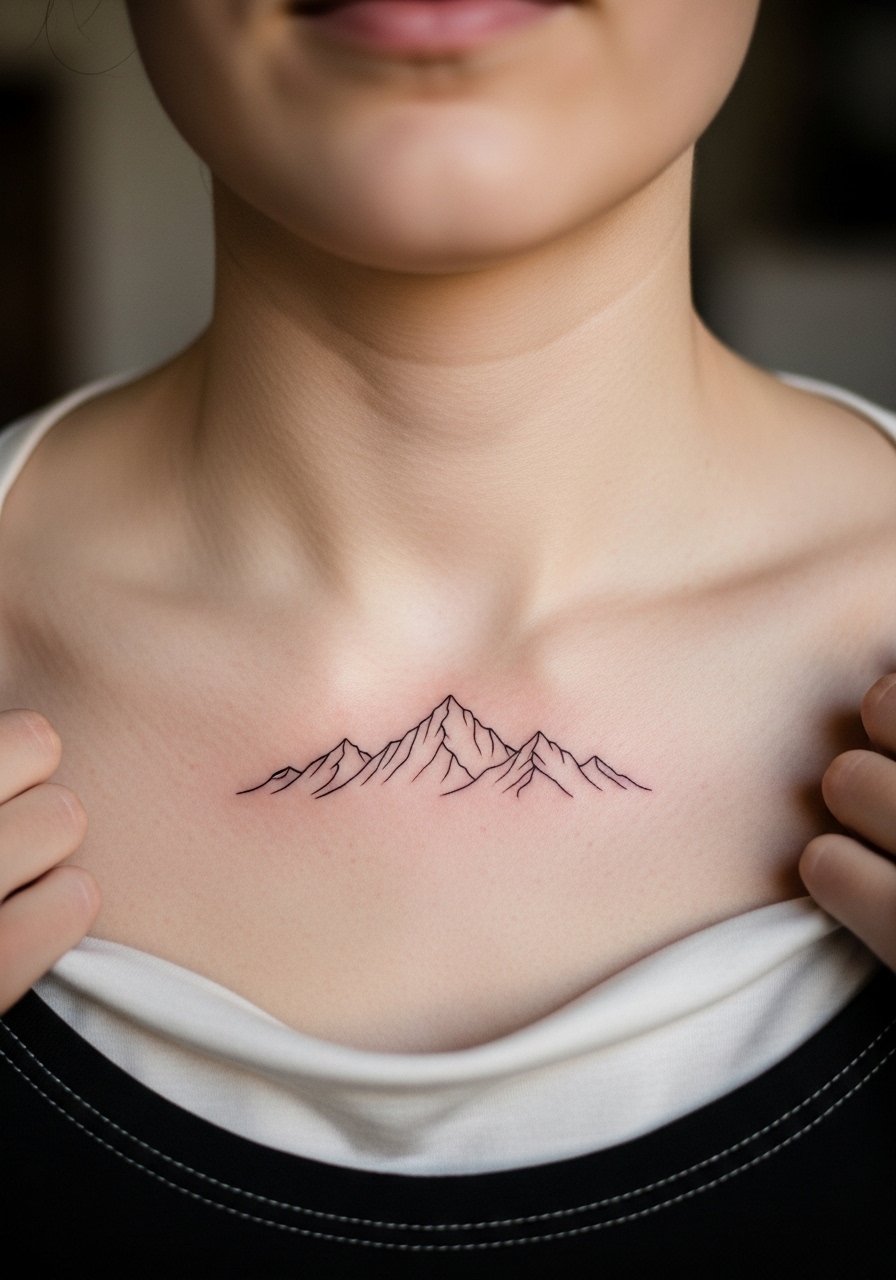
4. Minimal Mountain Range Across the Collarbone
There's something calm about a thin mountain silhouette exactly on the collarbone. For longevity, keep the peaks simplified so the negative space reads as part of the composition rather than extra tiny lines. In consultation, ask for slightly bolder primary contour lines and lighter internal hairlines so the main form survives sun and years. The collarbone sits near clothing edges, so wear soft fabrics while healing to avoid constant friction. Pair this design with a thin chain pendant necklace that sits above the line without competing with it.
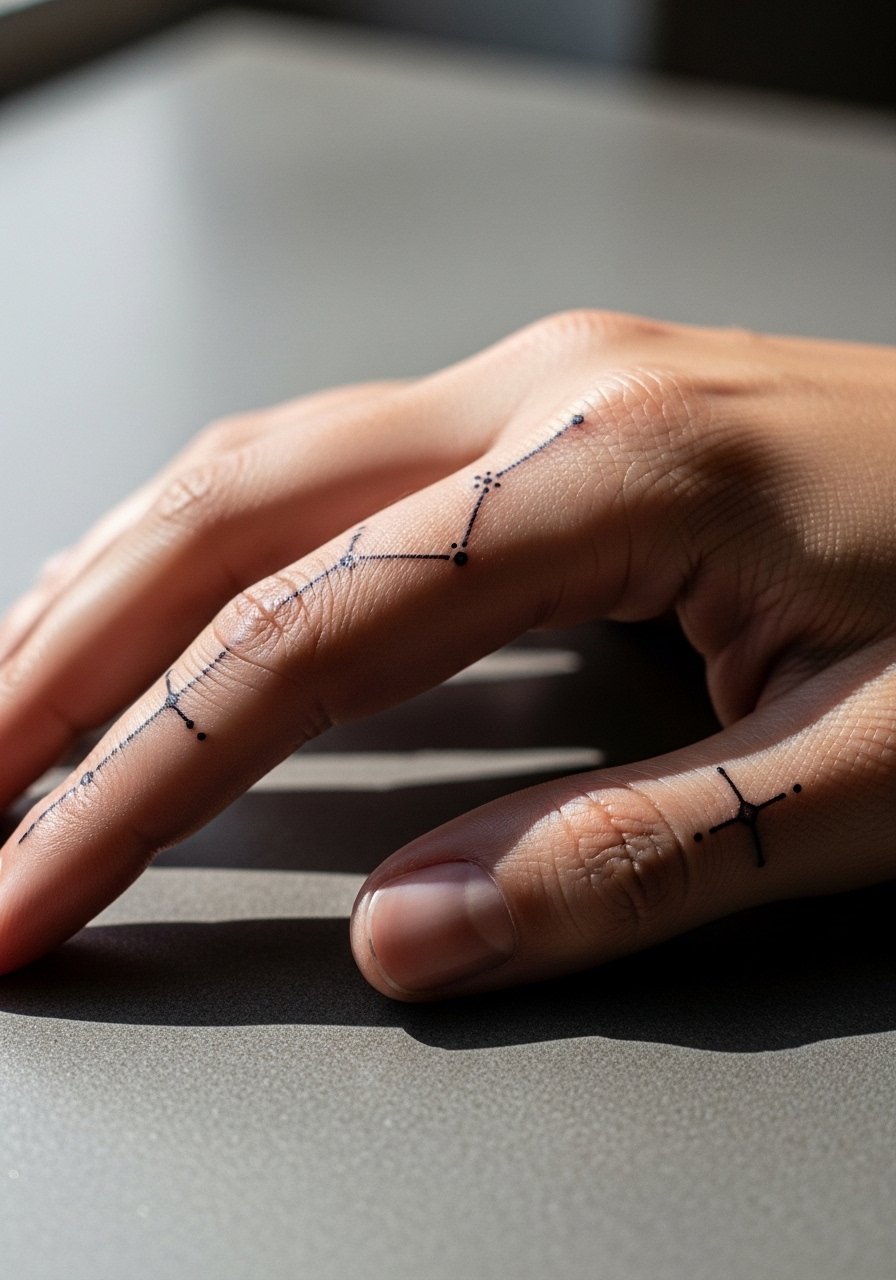
5. Micro Constellation Finger Set
Fingers are charming but high-maintenance. A constellation of three to five tiny dots and connecting lines reads crisp when scaled up just a hair from what people request online. Tell your artist to avoid micro hairlines on the pads and instead place dots on finger flats where blowout risk is lower. Pain and fading are both real realities here, so plan for touch-ups at year one and again at year three. For showing it off, a single thin stacking ring keeps attention on the fingers without covering the stars.
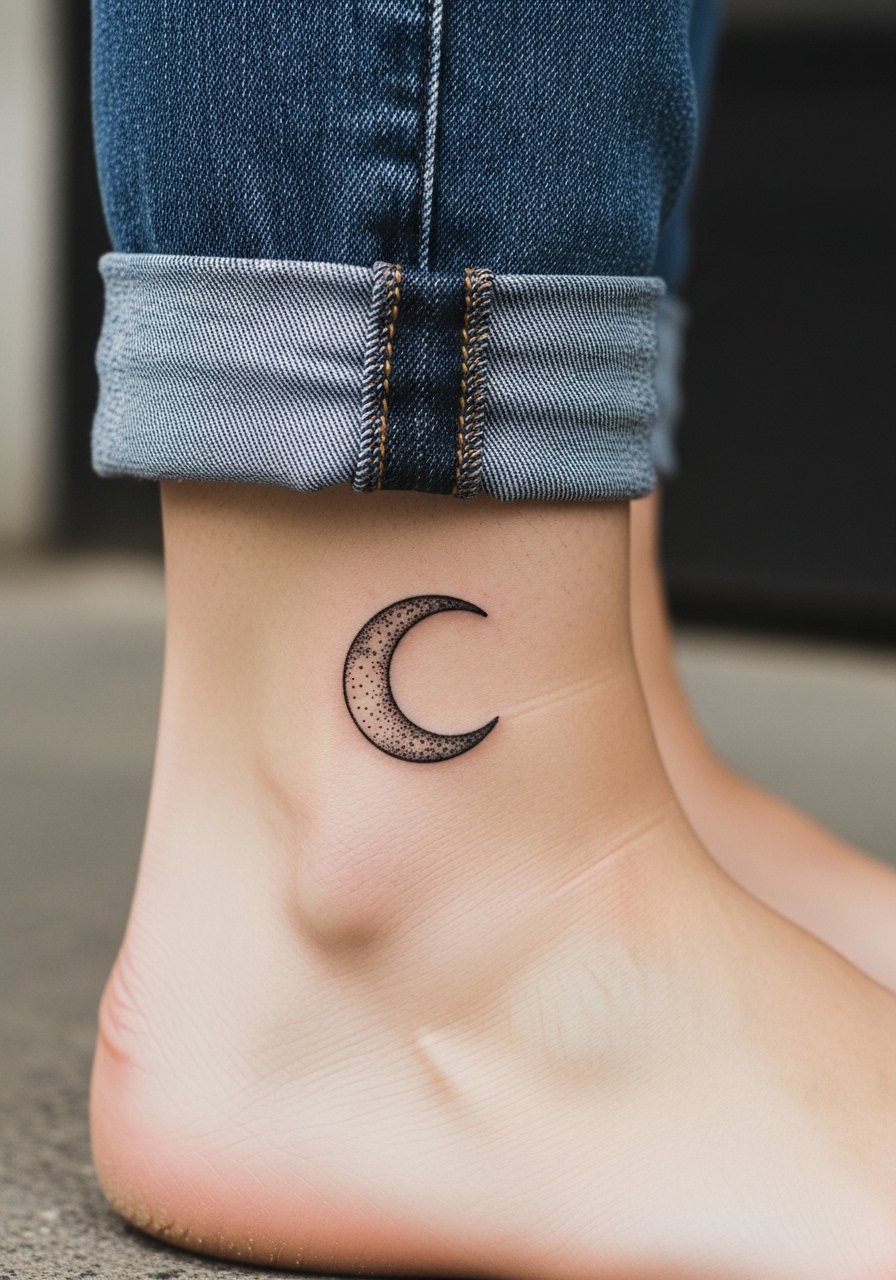
6. Stipple Crescent Moon on the Ankle
The ankle is great for detail that peeks out from summer shoes. Stipple shading around a crescent gives depth without solid fills that can bleed. For the session, expect the artist to work with the foot at odd angles, which can add time. A common mistake is cramming too much dark shading into the crescent, which blurs with repeated friction from socks and shoes. Touch-ups at year two are common for ankle linework. For footwear, show this off with cropped jeans or simple sandals so the faint stipple keeps its impact.
Studio Day Picks
The small pieces above, like wrist, finger, and ankle work, benefit from a few focused items that make the session and first week easier.
-
Stencil transfer paper kit. Lets you preview placement and check letter spacing on the forearm and ribcage designs before the needle touches skin.
-
Topical numbing cream. Applied per directions it can take the edge off a rib or sternum session and reduce rest breaks without affecting line accuracy.
-
Thin protective film roll. Useful for finger and wrist tattoos that face constant washing and friction in the first week.
-
Fragrance-free gentle body wash. Cleanses delicate fine line areas without irritating the skin or lifting scabs.
-
Aquaphor healing ointment. A thin layer for the initial days helps keep the skin supple for single-needle work without clogging canals.
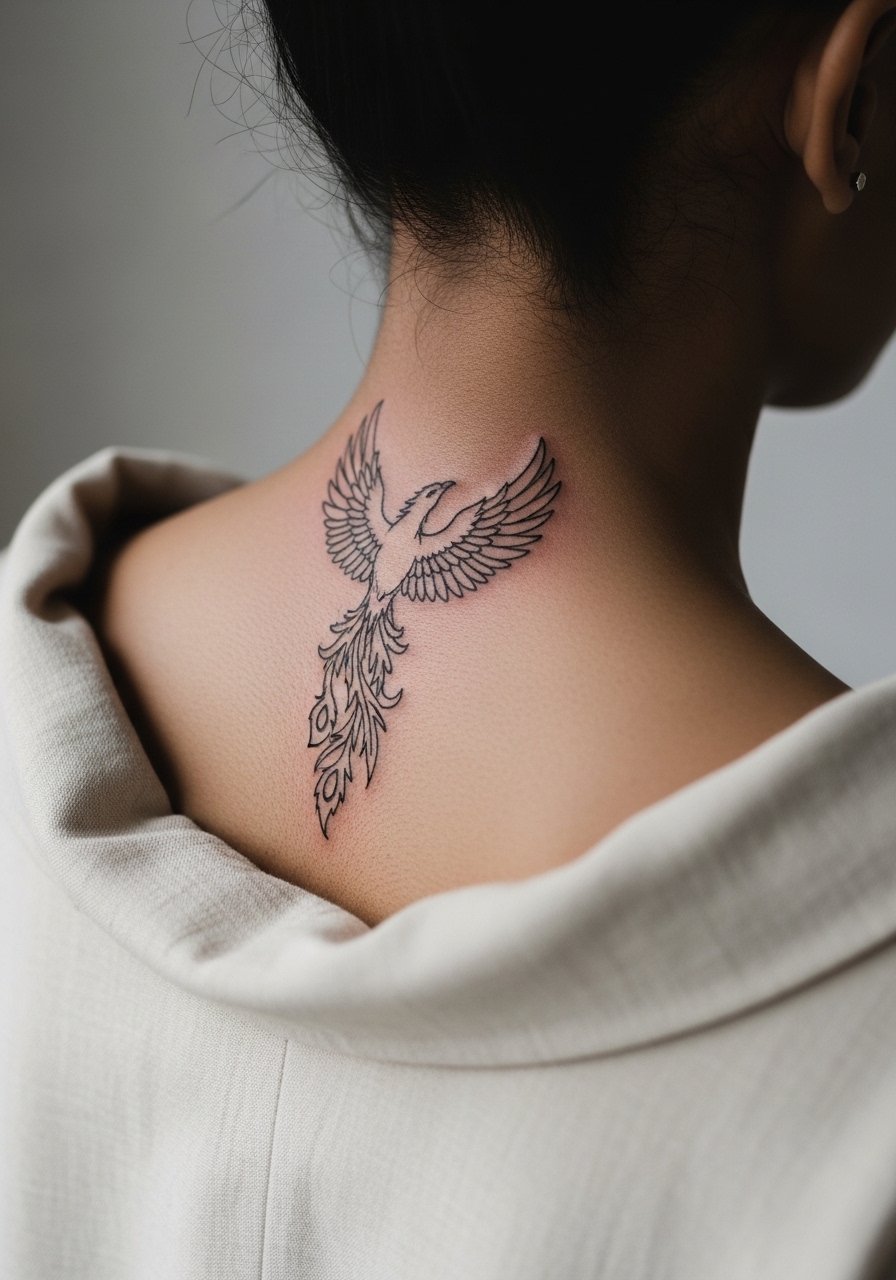
7. Single-Needle Phoenix on the Back of the Neck
When you want a personal statement that peeks out only with pulled hair, the back of the neck is perfect. The area heals differently than the forearm because of constant movement and collar friction. Ask the artist to position the base of the design slightly higher so clothing collars do not sit on fresh ink. Sessions are short but can be tender. For the session wear and later framing, pull your hair up and don a wide-neck tee so the artist has clean access and you can show the piece without rubbing it against fabrics.
8. Spiral Mandala on the Inner Bicep
The inner bicep is a quiet place for symmetrical work, and stipple or dot work plays well here. Tell your artist you want slightly larger spacing between concentric rings to prevent dense lines from merging as the skin settles. The biggest mistake is packing too much micro detail into the inner bicep, which ages into a gray patch after years of movement. Sessions can be uncomfortable because of sensitivity, and you might need a short break halfway through. Wear a tank top with the arm raised so the artist has clean access and the piece sits flat while being inked.
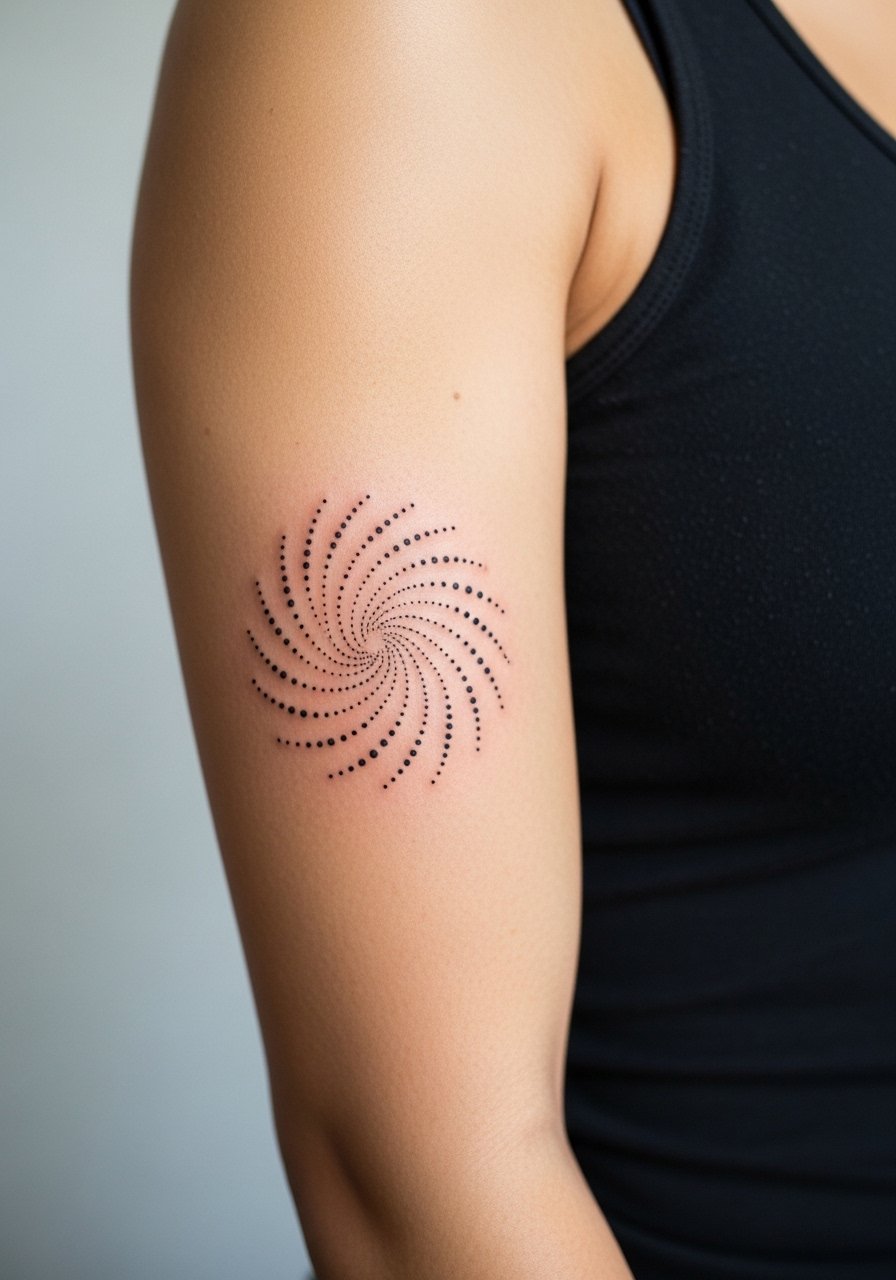
9. Curved Script Whisper Along the Side Rib
Script that follows the curve of the body can read poetic, but ribs require conservative spacing and larger letterforms than people expect. Artists diverge on this one. Some say fine line on ribs blurs quickly because of stretch and breathing. Others maintain that with precise depth and wider kerning, the script will stay legible for years. Bring clear references and ask about expected touch-up windows. Sessions here are sweaty and stop-start, so wear a top you can lift and relax into the breaks.

10. Micro-Realism Compass on the Outer Wrist
A tiny compass is a timeless fine line piece that reads well if the central point is bold enough to anchor the thin spokes. In consultation, request a slightly thicker pivot point with feathered spoke ends. The outer wrist tolerates detail better than the inner wrist, but constant sun exposure can wash the lines over time. Expect a touch-up within two to three years. For accessories, a minimalist watch placed above the piece keeps attention on the compass without rubbing it.
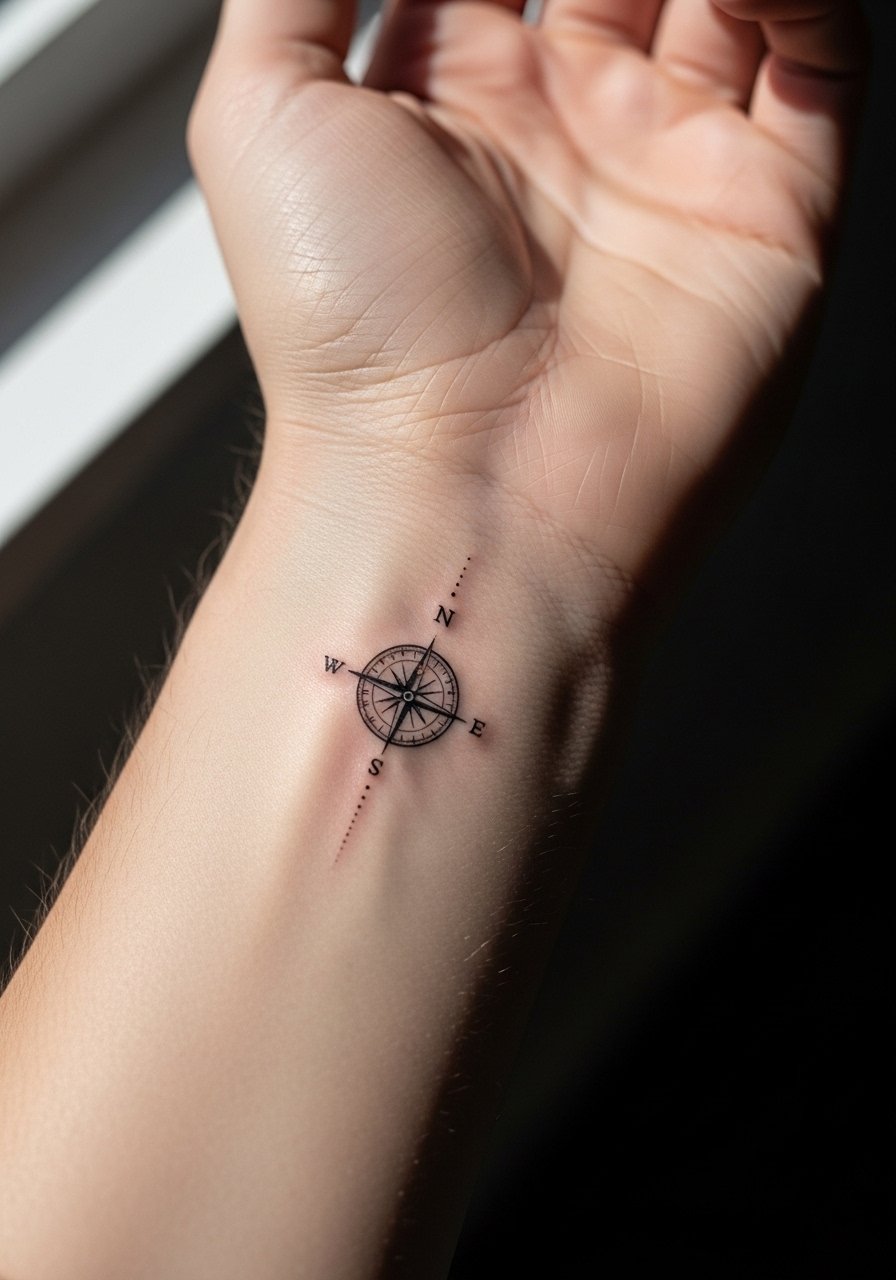
11. Dot Work Sun on the Shoulder Blade
Shoulder blade pieces have room to breathe and survive sun exposure better when placed slightly under the bone line. For a dot work sun, ask for spaced stippling that suggests rays rather than solid fills. Sessions are comfortable and usually quick. The frequent error is trying to cram too many tiny rays into a small patch, which becomes a gray smudge after a few years. When you want the design visible in outings, an open-back dress or top reveals the sun without making it sit under straps.
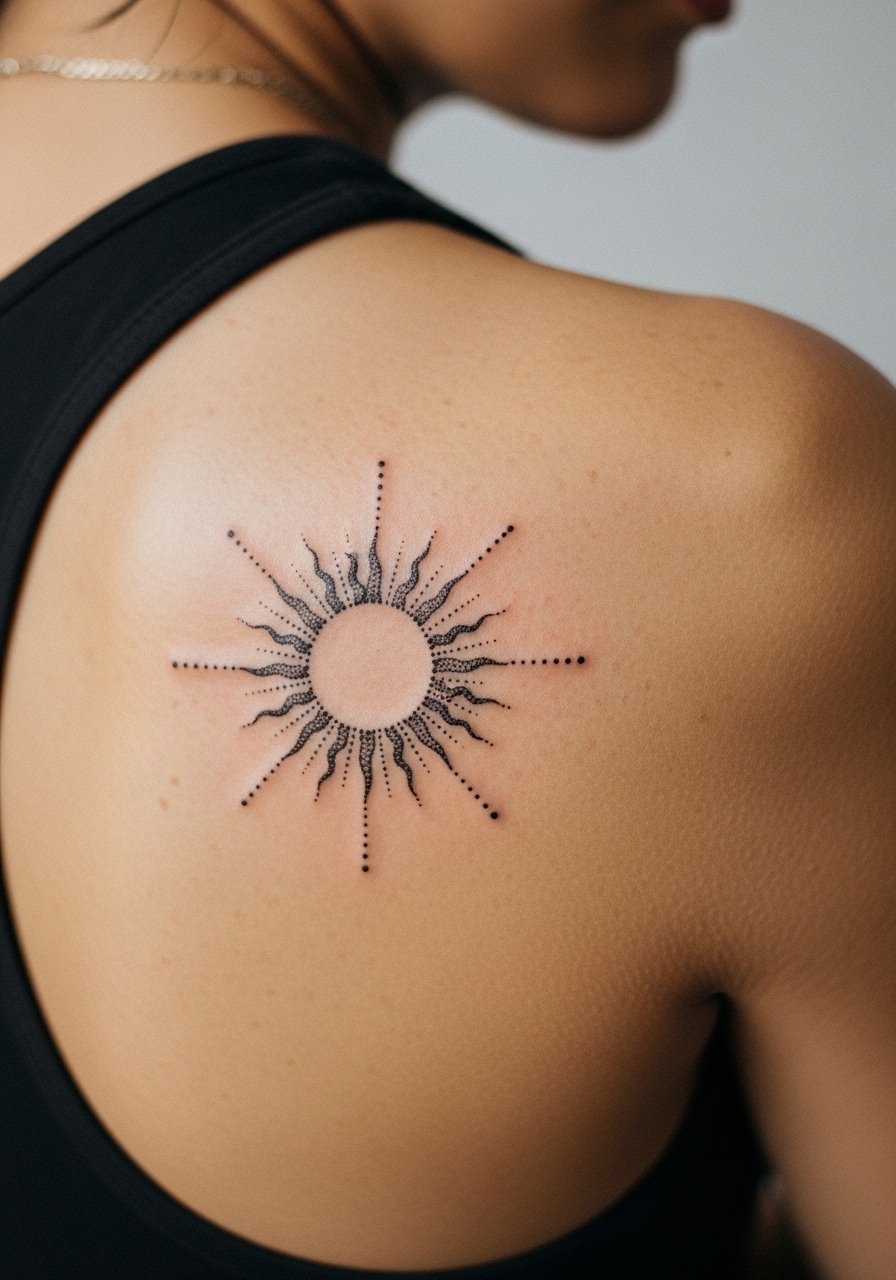
12. Wave Line That Wraps the Ankle Bone
A single continuous line that echoes a wave can look sculptural when kept simple. Tell your artist to keep the line uninterrupted and avoid micro shading that could clog with ankle friction. The ankle is prone to rubbing so expect light blurring unless you plan for a yearly touch-up. For footwear, cropped pants and simple sandals or low-profile sneakers let the curve show without added friction.
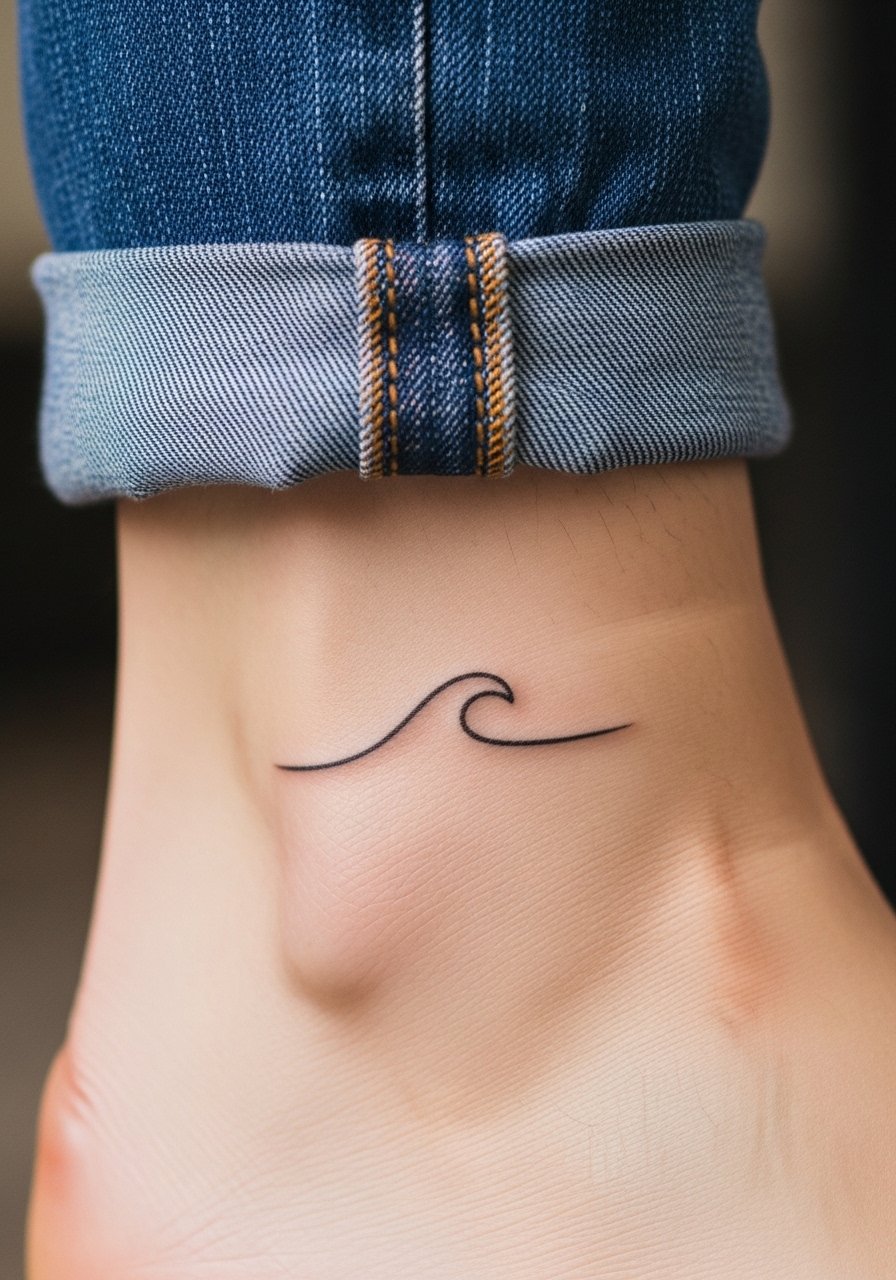
13. Tiny Script Above the Elbow Fold
Placement just above the elbow fold gives script motion when you bend and release the arm. That motion affects how lines sit, so tell your artist you want slightly larger letters and fewer flourishes to maintain legibility. Sessions here are manageable but the area can feel tender. A common mistake is placing letters too close to the crease where constant bending causes line migration. For the appointment, wear a short-sleeve, loose cotton tee that you can pull up comfortably without tightening the elbow area.
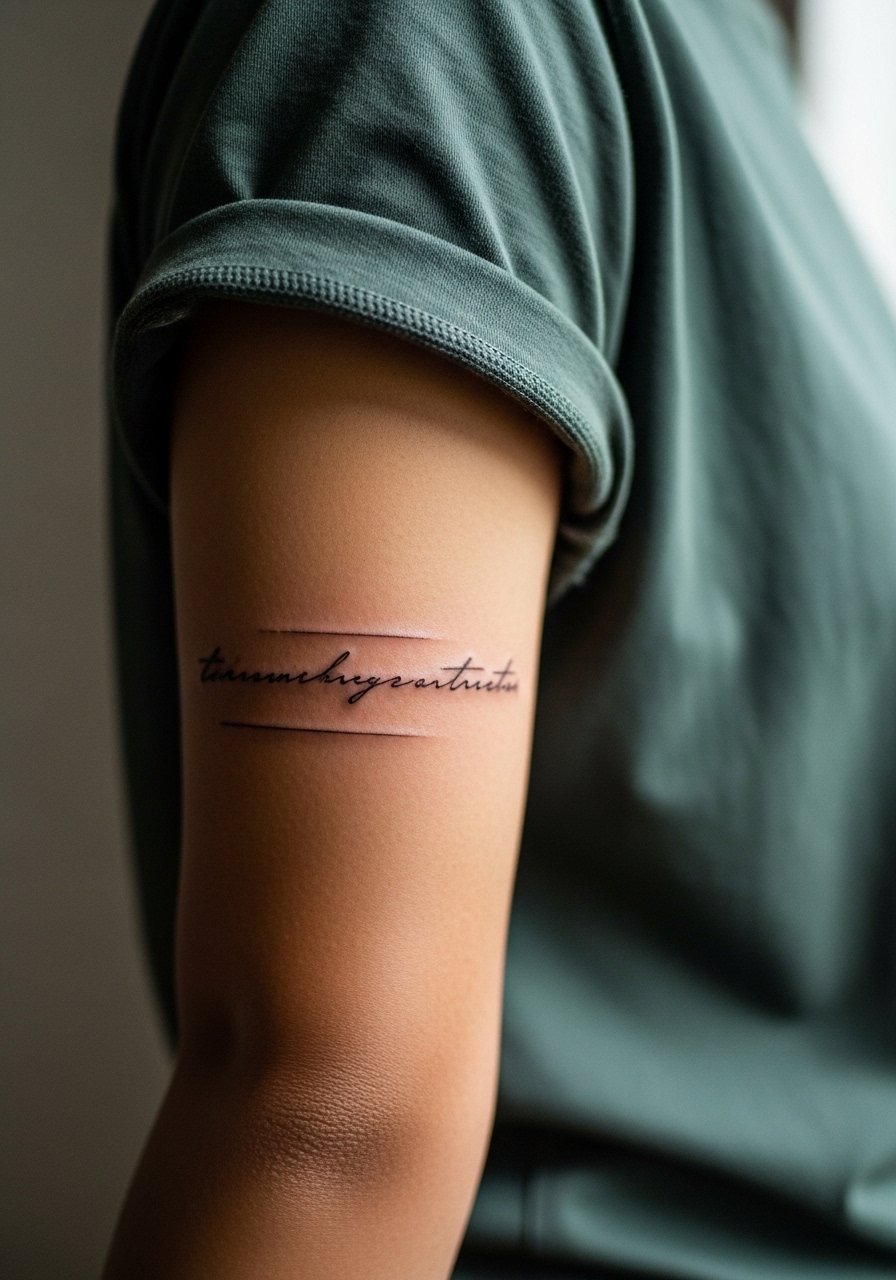
14. Sternum Linework Flower Under a Sports Bra
The sternum is a bold place for a delicate motif, but images must be framed carefully. For safety and modesty, wear a fitted sports bra so the tattoo sits just above or below the fabric line. Single-needle petals need space so the center does not become a blotch as it heals. Sessions can be intense given the sensitivity near bone. Expect longer healing times and one or two touch-ups over the first couple years.

15. Petite Botanical Behind the Ear
Behind-the-ear pieces read intimate and they work best as tiny motifs with a clear base point. Describe the placement as "on the skin just behind the ear, below the hairline on the neck" so the artist frames it correctly. The area heals quickly but is sensitive when touched or brushed by hair. If you want to showcase it, consider small hoop earrings or a tucked hairstyle. A fine chain earring or minimal stud set balances the look without pulling attention from the tiny botanical.
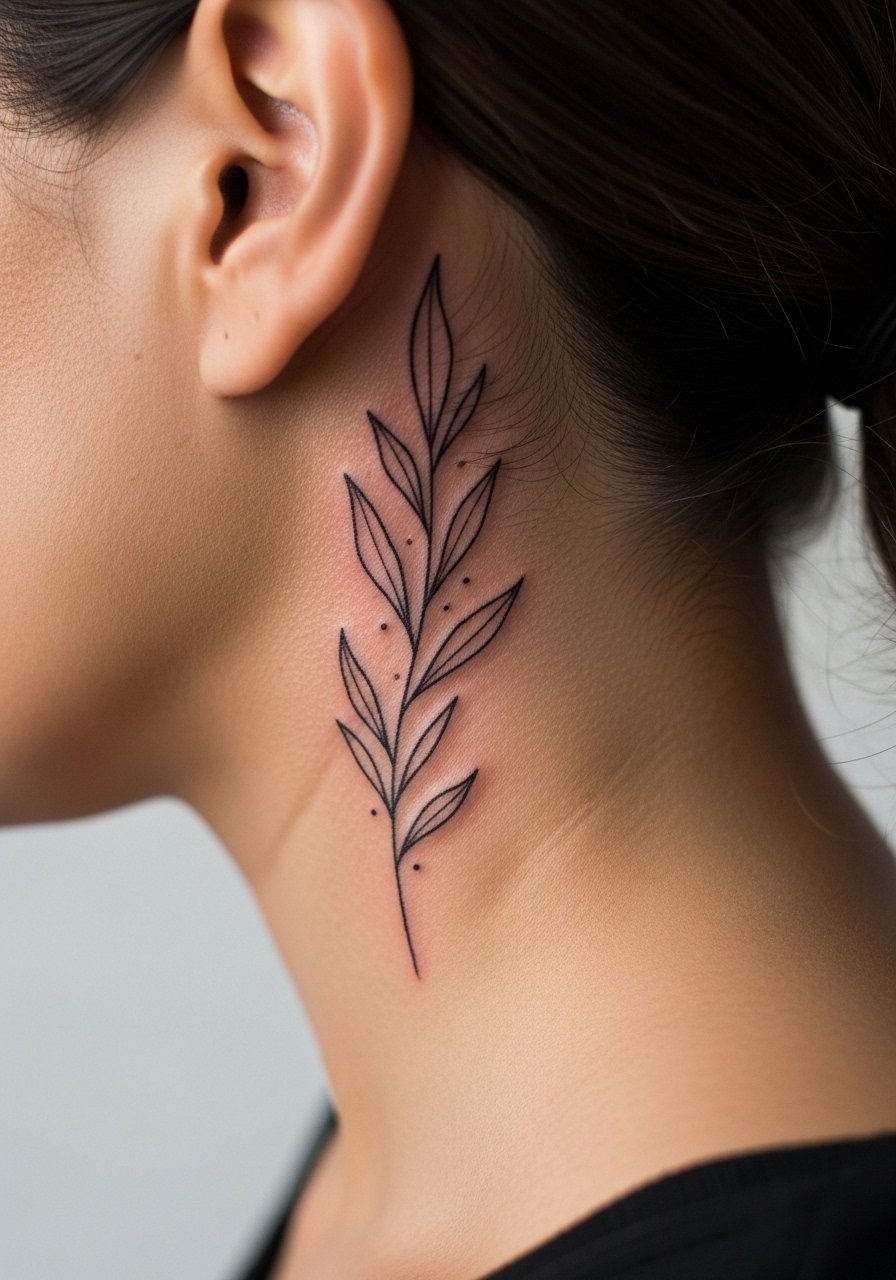
16. Vertical Script Along the Upper Spine
A thin vertical script that follows the upper spine ages well when spaced and sized to account for posture changes. Ask for slightly larger letter spacing and a central anchor letter that keeps the eye moving along the column. Sessions can be done in one or two shorter blocks depending on how you tolerate laying face down. For showing the line on nights out, open-back tops or a subtle halter dress make the script visible without strain.
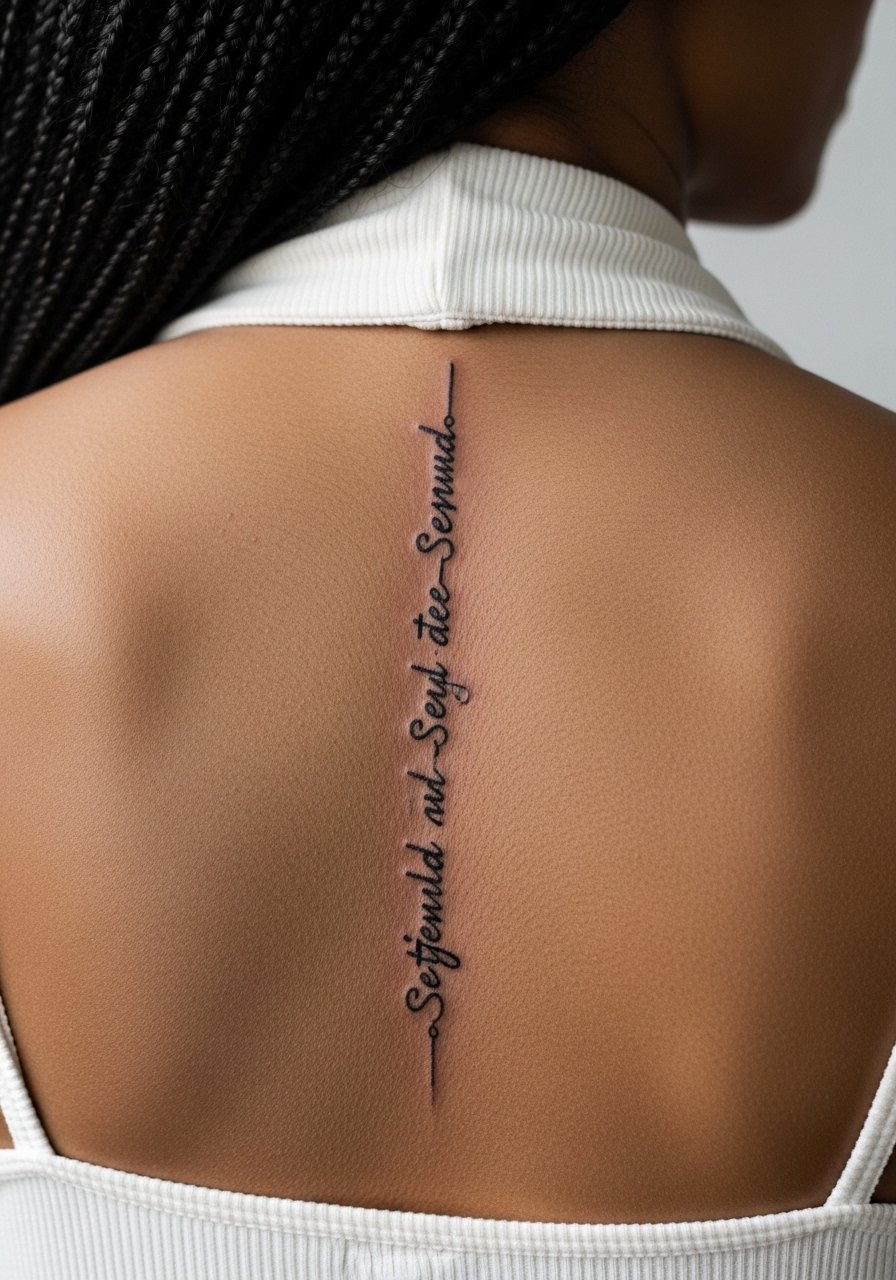
17. Tiny Hourglass on the Inner Thigh
Inner thigh placements carry a privacy and power that few other spots do, but healing needs attention because of sweat and friction. Ask for a simplified hourglass with negative space rather than dense fills so it reads long-term. Sessions are intimate and often require breaks for comfort. For the appointment, wear high-waisted bottoms and a crop top so the artist can access only the narrow area and you can move comfortably through aftercare.
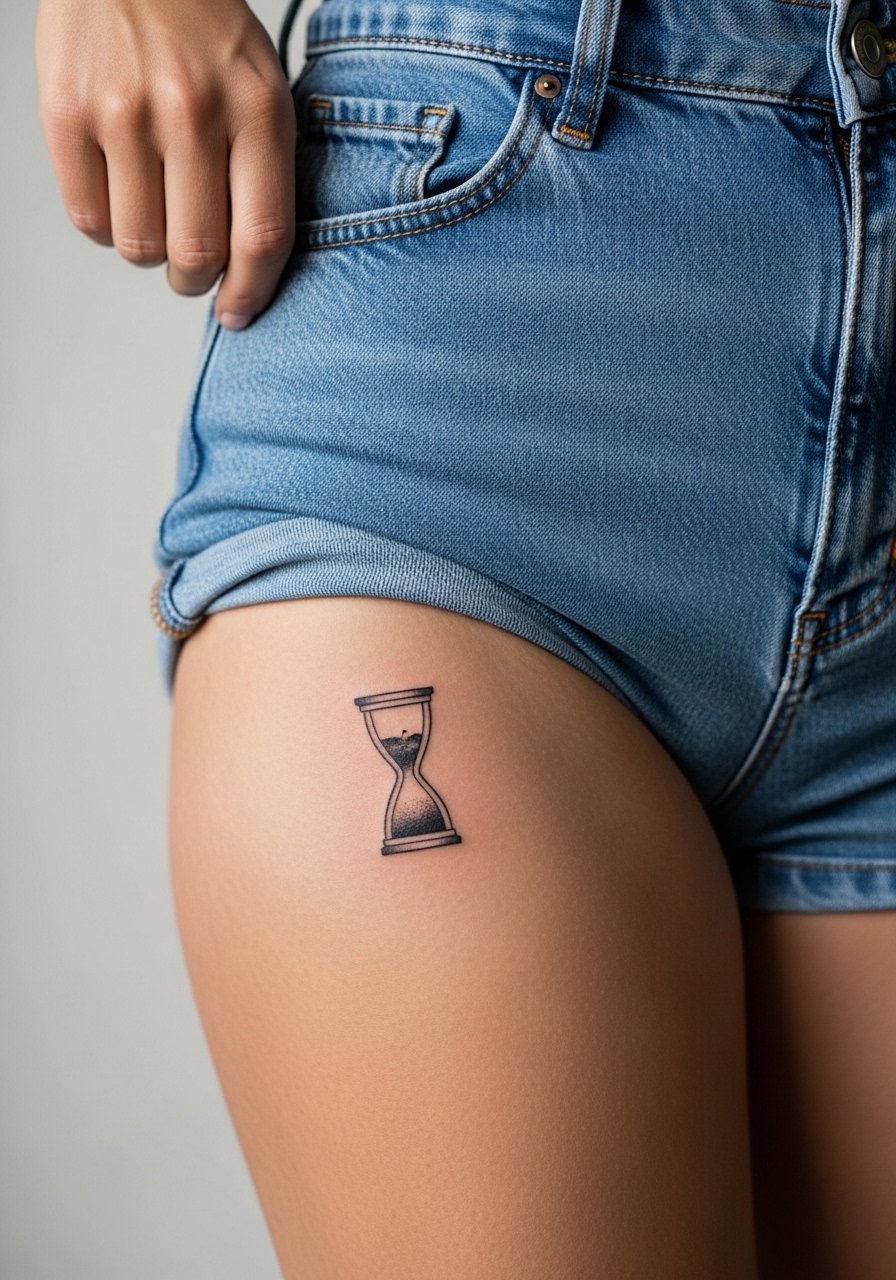
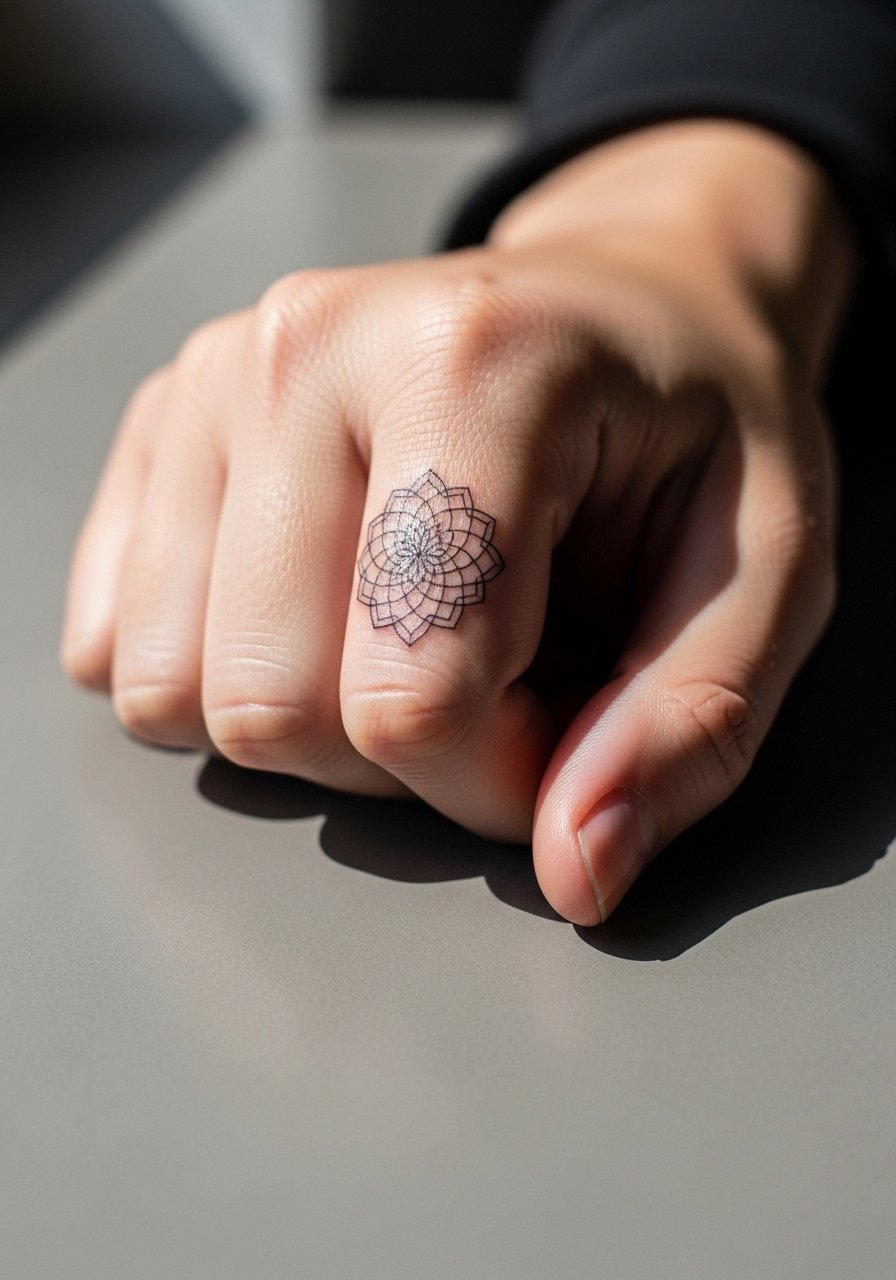
18. Micro Geometric Mandala on the Thumb Knuckle
Knuckle and thumb tattoos are visible and quick, but they face constant abrasion. A tiny geometric mandala centered on the thumb can last if rendered with bolder primary lines and minimal internal filigree. Plan on touch-ups more frequently than you would for forearm work. For styling, stack a thin thumb ring that frames the knuckle without rubbing across fresh ink.
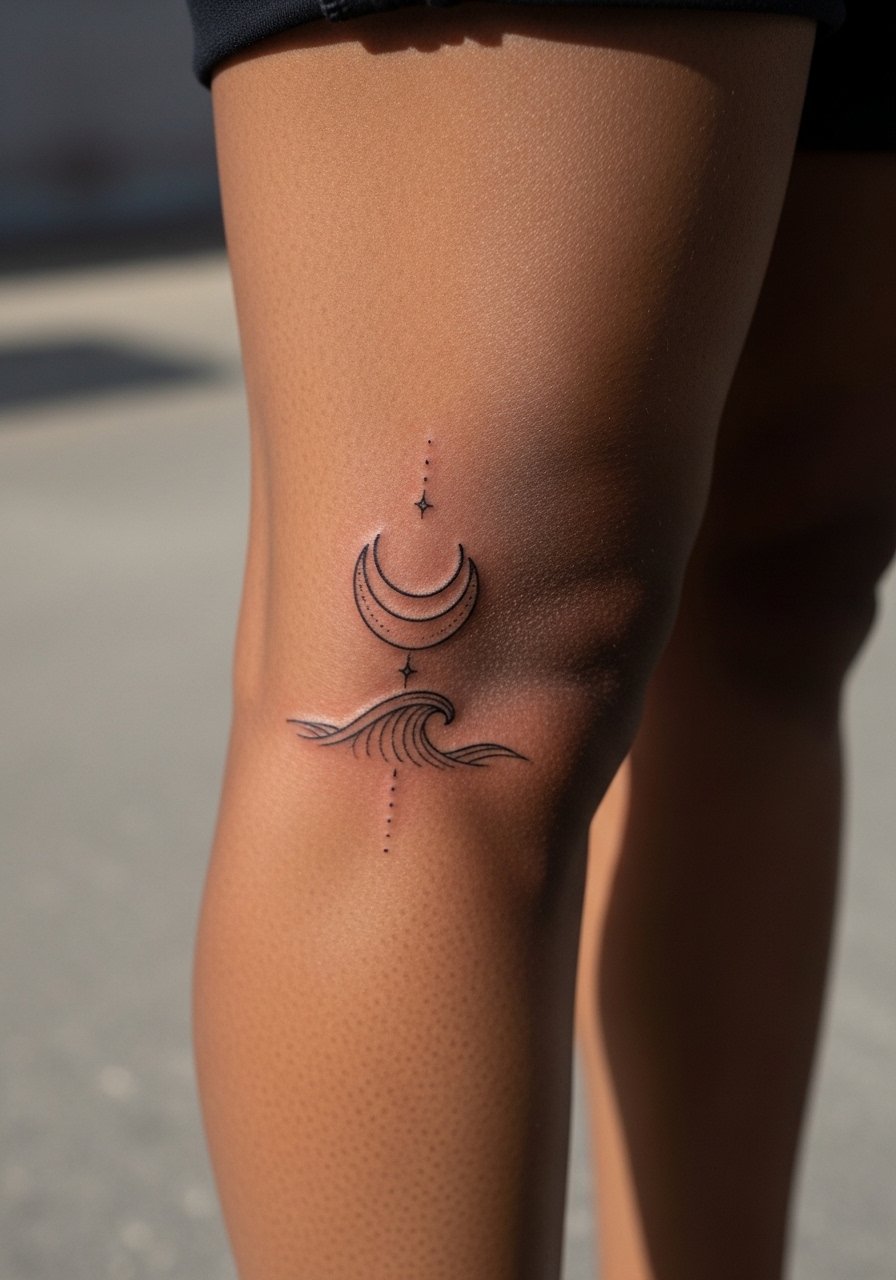
19. Crescent and Waves on the Calf
The calf has room for line movement and it takes ink well because the skin is thicker. A crescent paired with subtle wave lines reads sculptural and the curvature handles expansion and contraction during activities. Ask for a slightly bolder crescent outline with lighter inner waves so the silhouette endures. For warm-weather show-offs, wear a midi skirt or shorts that let the calf breathe without constant rubbing.
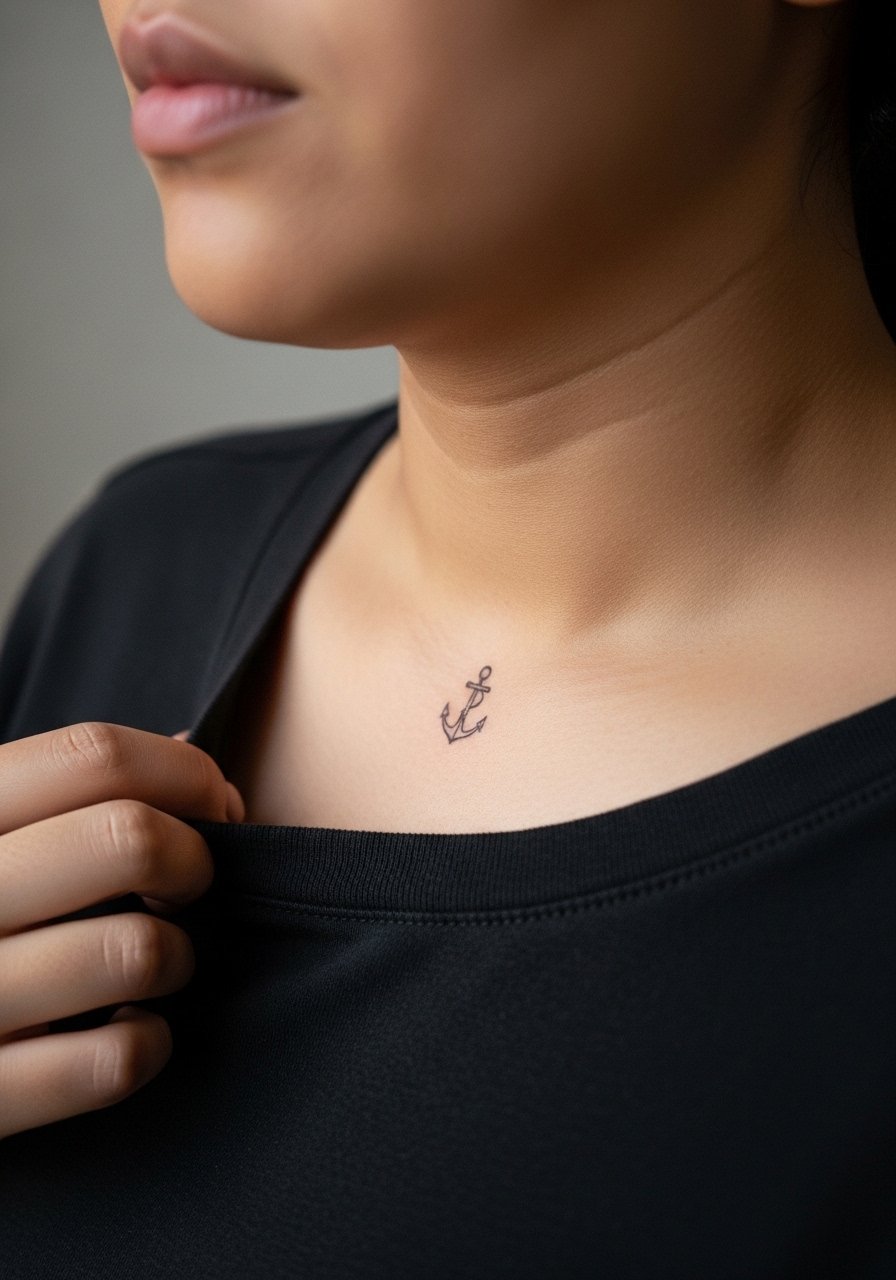
20. Tiny Anchor Near the Collarbone Edge
This is a compact composition that benefits from negative space. Place the anchor slightly to the side of the collarbone so necklaces sit naturally above it. During consultation, ask to keep the shank simple and avoid tiny crossbars that can merge over time. The area heals well but sits close to clothing edges, so avoid tight straps while fresh. Pair it with a thin chain necklace that sits higher than the anchor to keep the jewelry and the tattoo distinct.
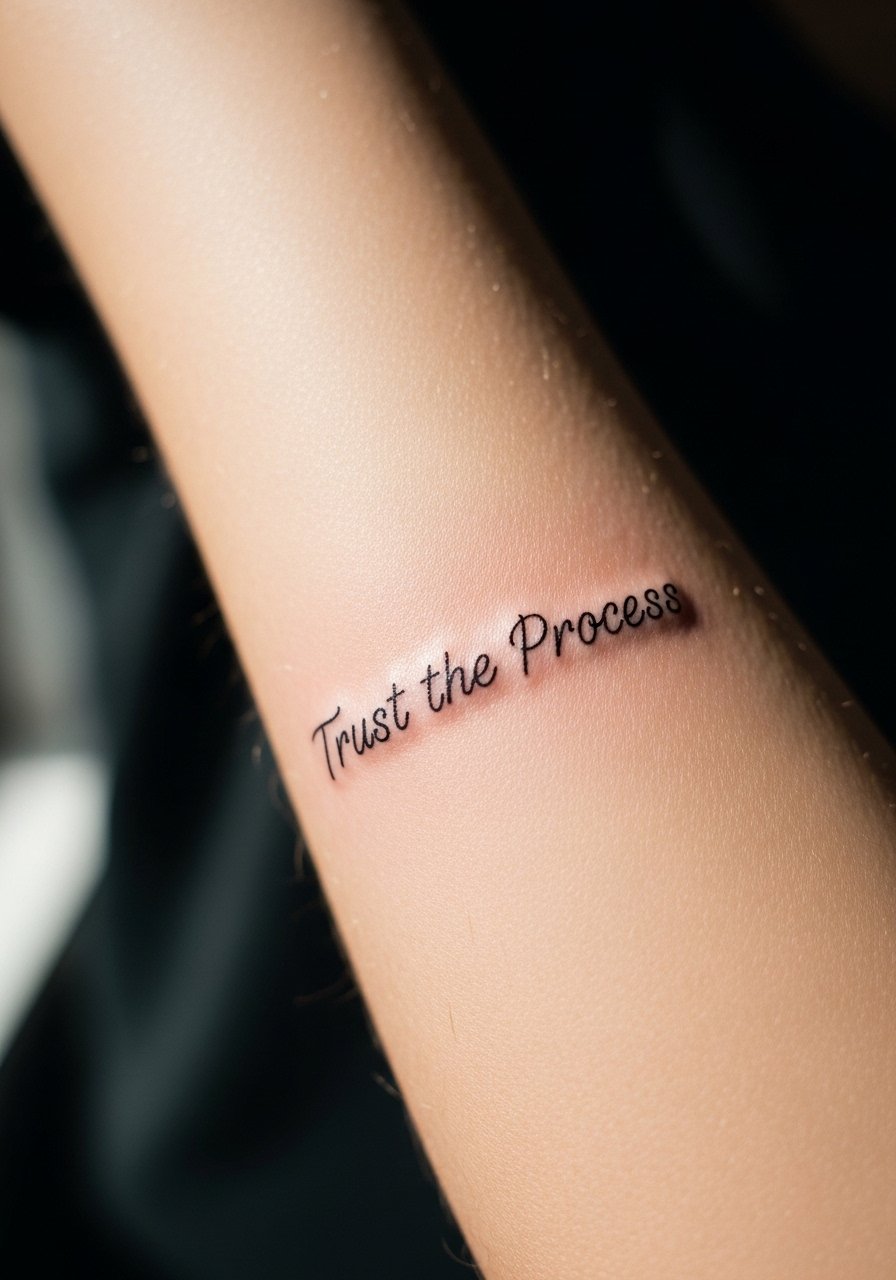
21. Forearm Wrap Script "Trust the Process" in Single-Needle
A wrap-around script on the forearm looks deliberate when each word gets room. Recommend slightly wider kerning and occasional tiny breaks between letters so the linework breathes. The forearm tolerates this style well but frequent sun exposure dulls contrast, so plan sunscreen once healed. Common mistakes are overly ornate flourishes that merge into blobs. Expect a touch-up in two to three years depending on your sun exposure and skin type. For the session, wear a loose linen shirt you can roll up for access and that will not press on the fresh wrap.
Frequently Asked Questions
Q: How often will fine line tattoos need touch-ups compared with bolder work?
A: Fine line work generally needs touch-ups sooner because the thin channels of ink can spread or soften with sun damage and skin movement. Plan for a likely touch-up around year two or three, depending on placement and how much sun exposure the spot gets. Forearms and calves often hold better than fingers and ribs.
Q: Will a ribcage script blur faster than the same script on the forearm?
A: Yes, ribs are more prone to stretching and breathing-related movement, which increases blur risk. That is why artists disagree on ribs. One camp warns of faster blurring and recommends larger spacing. The other says conservative kerning and exact depth can make ribs work. Ask about both perspectives during your consult.
Q: What should I wear to a sternum or rib session to stay comfortable and keep the area clean?
A: Wear a fitted sports bra or a cropped top you can lift so the artist has clean access while keeping the rest of you covered. Choose soft, breathable fabrics and avoid tight straps over the fresh tattoo. For sternum work the sports bra helps frame the piece and reduces accidental rubbing.
Q: Do finger and knuckle tattoos limit job prospects more than forearm pieces?
A: Hand and finger tattoos remain more visible and can affect certain workplaces, while forearms can be covered by long sleeves. If career flexibility matters, consider placements that can be easily hidden, or ask about subtle placements like the inner forearm that can be discreet when needed.
Q: How do I find an artist who actually prefers fine line on sensitive spots like ribs or neck?
A: Use discovery pathways like local shop directories, convention guest lists, and community threads that show healed photos. Look for portfolios with healed shots rather than only fresh pictures and ask about healed outcomes on similar skin tones and placements before booking.
Q: Will wearing jewelry affect the healing of a new collarbone or wrist tattoo?
A: Jewelry that sits directly over fresh ink can irritate and trap moisture, so avoid placing necklaces or bracelets on the new tattoo for the first week or until the initial scab stage has passed. After that, simple pieces like a thin chain pendant can complement the design without heavy abrasion.