
Fine line name tattoos are everywhere on saved boards, and the difference between a piece that still reads crisp at year three and one that needs a touch-up often comes down to placement and spacing, not just needle finesse. I want to walk through compact, personal layouts that actually hold up, what to ask your artist in consultation, and how to show them off from day one.
1. Inner Forearm Script, Single Name
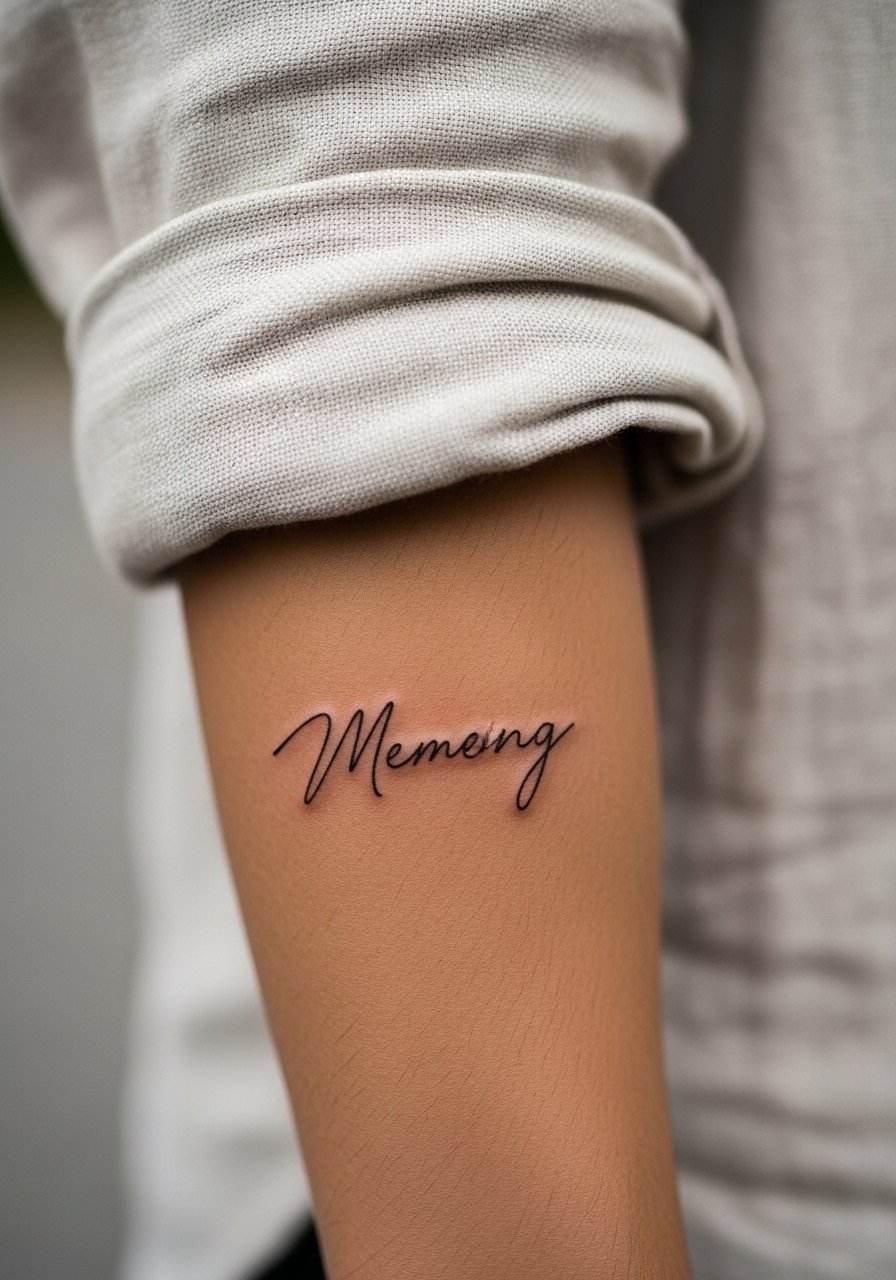
I recommend a slightly bolder single-needle script for inner forearm name pieces, because that area moves and flexes with daily motion. Tell your artist you want steady, even linework and a tiny buffer of negative space around letters so the script does not blur into itself over time. Fair warning about the pain. The forearm is usually moderate on most scales and sessions run short for a single name, often under an hour. A common mistake is asking for handwriting-level thinness that looks delicate fresh but softens into faint lines by year two. Pair this with a rolled-up linen shirt when you want to show it off, the texture keeps attention on the linework without competing.
2. Wrist Bracelet Script in Micro Line
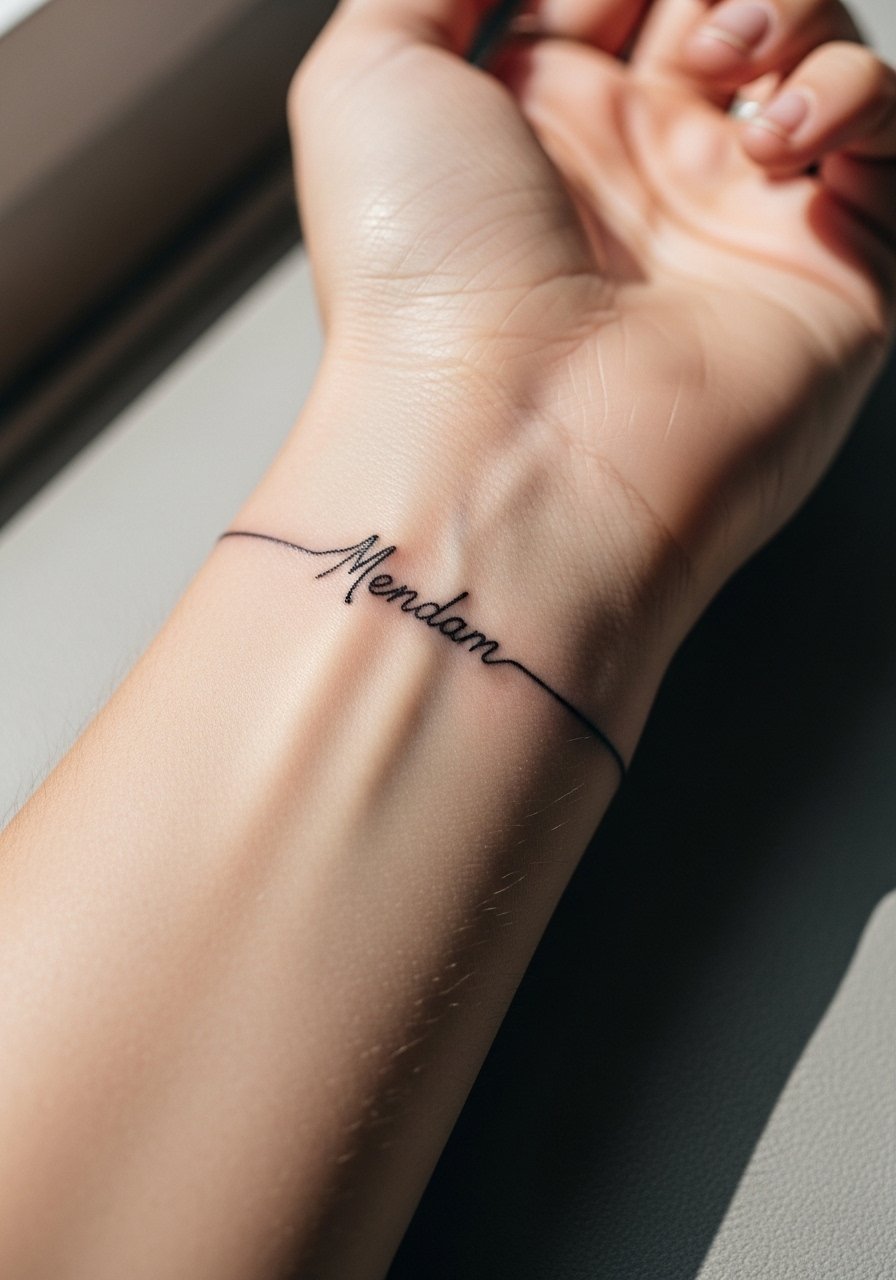
Tiny bracelet-style name tattoos are discreet and read like jewelry. Because the wrist is a high-motion zone, expect faster fading and a likely touch-up window around year two. Ask your artist to avoid ultra-tiny letters and to place the script along the flatter part of the wrist to reduce blowout. Session time is short but the area can sting more than the forearm. A common error is centering the word over the wrist joint, which creases and breaks the linework. For showing off, stacked delicate bracelets work well since they echo the piece without crowding the letters.
3. Side-of-Finger Micro Name, Stacked Lettering
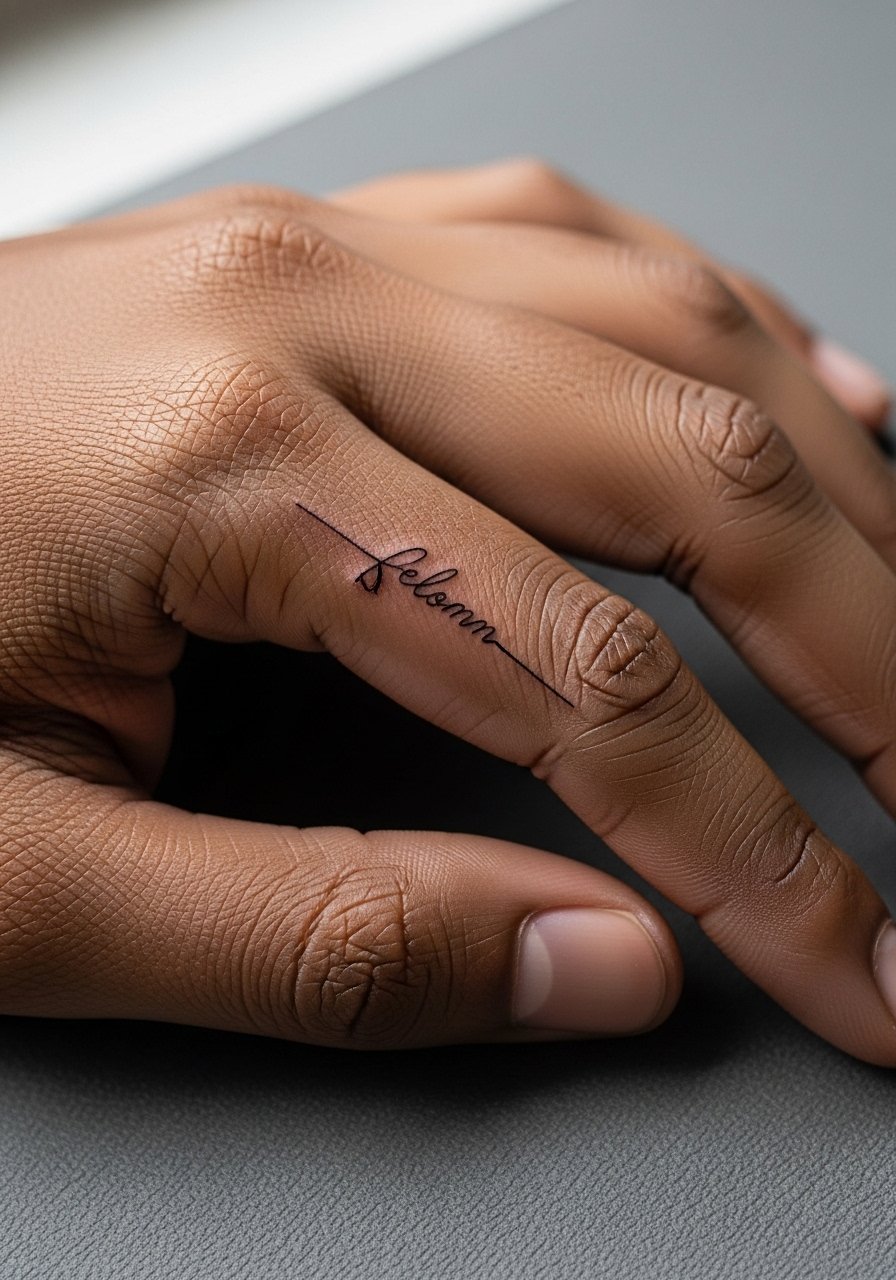
Side-of-finger name tattoos read intimate and spare but are high risk for early wear. The skin there is thin and exposed to constant washing and friction, so touch-ups are common within one to three years. When you consult your artist, specify slightly thicker single-needle strokes and request work placed off the joint to avoid breakage when fingers bend. Expect a sharp sting during the session and a brief appointment time. Controversy exists in the community about finger placements. One camp says names on fingers rarely last and encourage alternatives. The other camp takes small, deliberate pieces and schedules annual touch-ups. Decide which camp fits your tolerance for maintenance.
4. Behind-the-Ear Tiny Name, Hidden Script
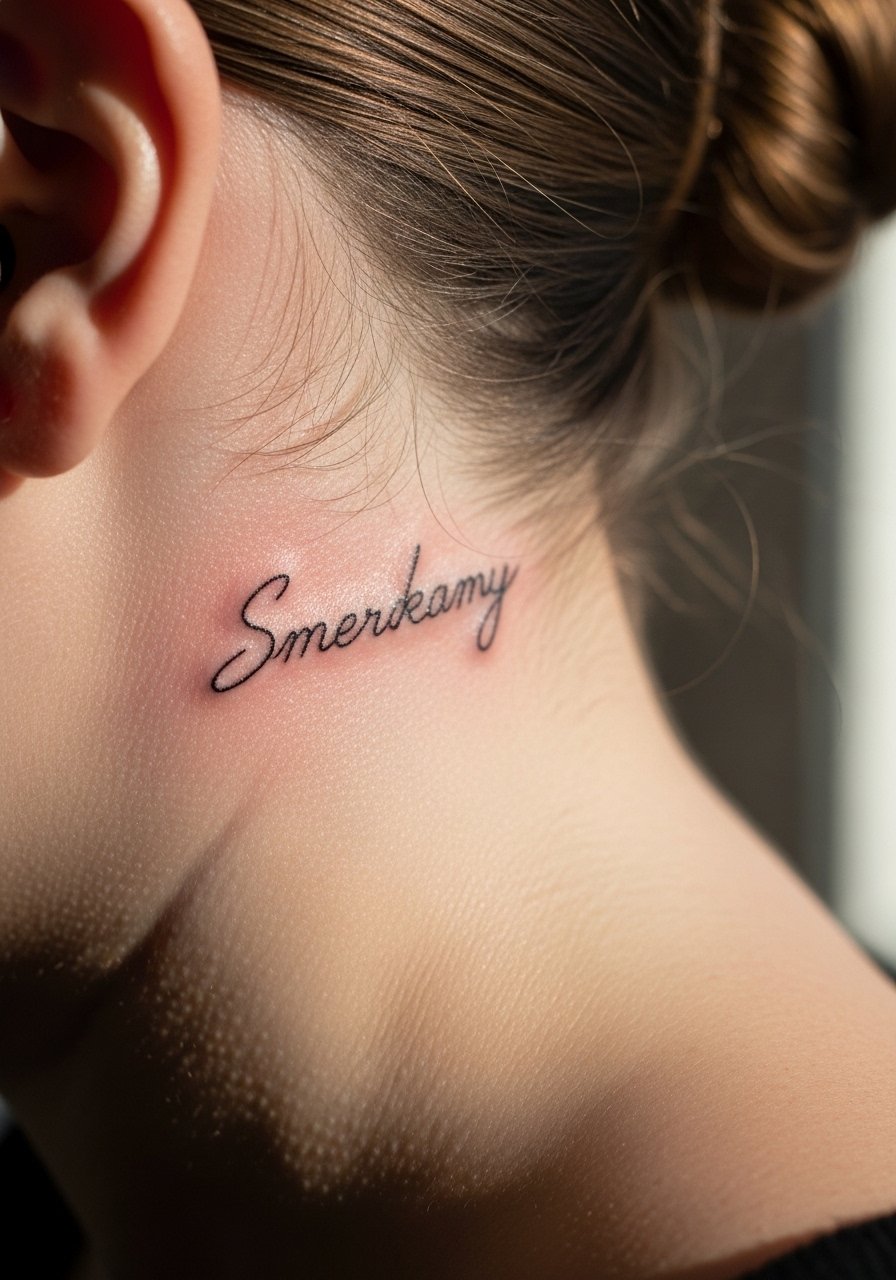
Behind-the-ear name tattoos are subtle and feel private. For this sensitive tiny spot, ask for a one-pass clean outline and a test stencil so placement sits under the hairline as you expect. The session is brief but the area can be tender. A common aging issue is the script migrating if placed too close to the hairline where skin texture changes. If you want to reveal it occasionally, a thin chain or small earring draws attention upward without competing. For the appointment, wear hair up or bring a loose headband so the artist can access the area easily. Expect touch-ups at year two if you expose the spot often to sunlight.
5. Collarbone Linear Name, Single-Line Placement
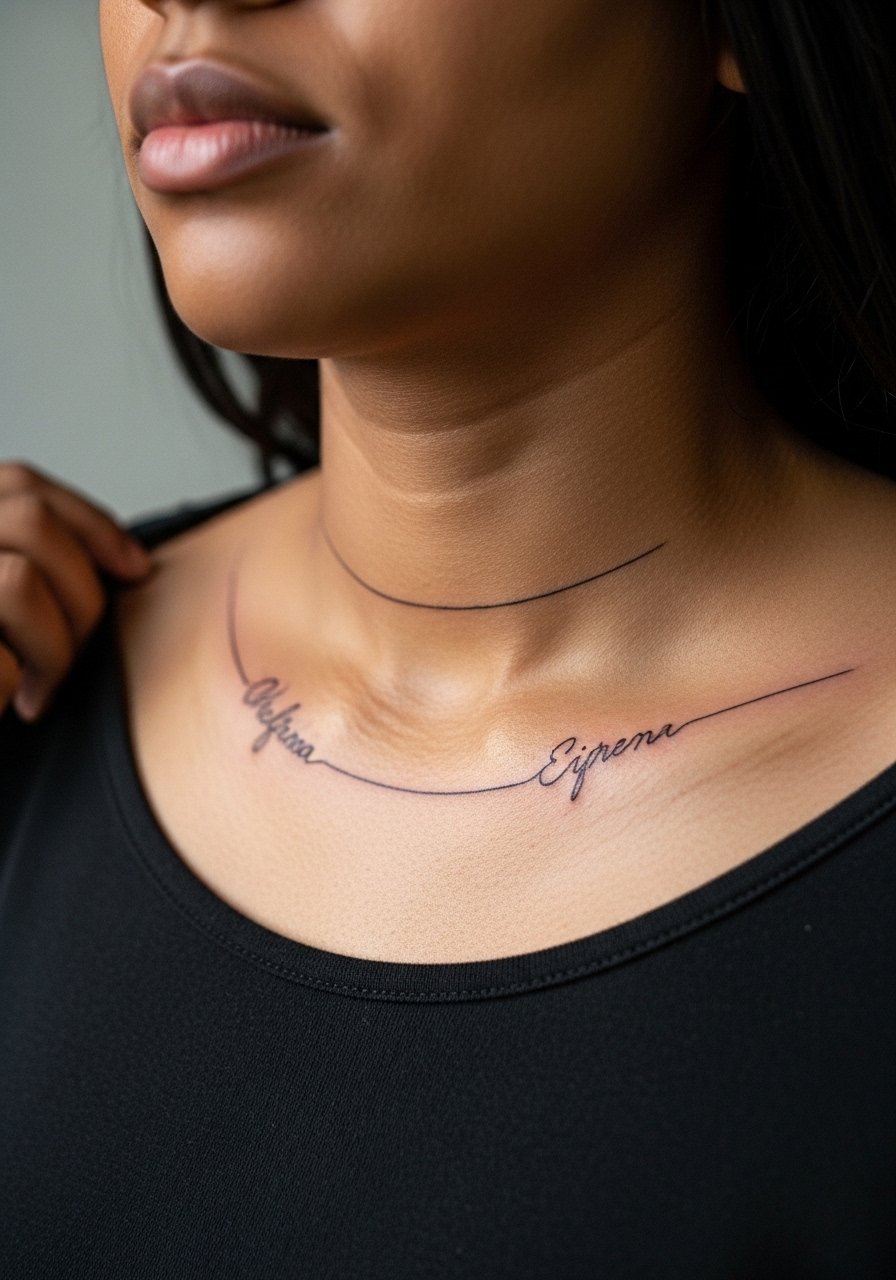
A name along the collarbone reads very differently depending on clothing and posture. Tell your artist you want the lettering to follow the bone subtly rather than sit on top of it. The collarbone is visible and a little tender, and sessions for short scripts run under an hour. The biggest mistake is centering letters where the skin curves over the bone, which makes the lines look uneven once healed. Over time, sun exposure will lighten the linework so plan for sunscreen or protective clothing. If you plan to show it in evenings, a thin chain pendant necklace sits just above the script and frames it without covering the letters.
6. Sternum Name in Fine Line, Subtle Curve
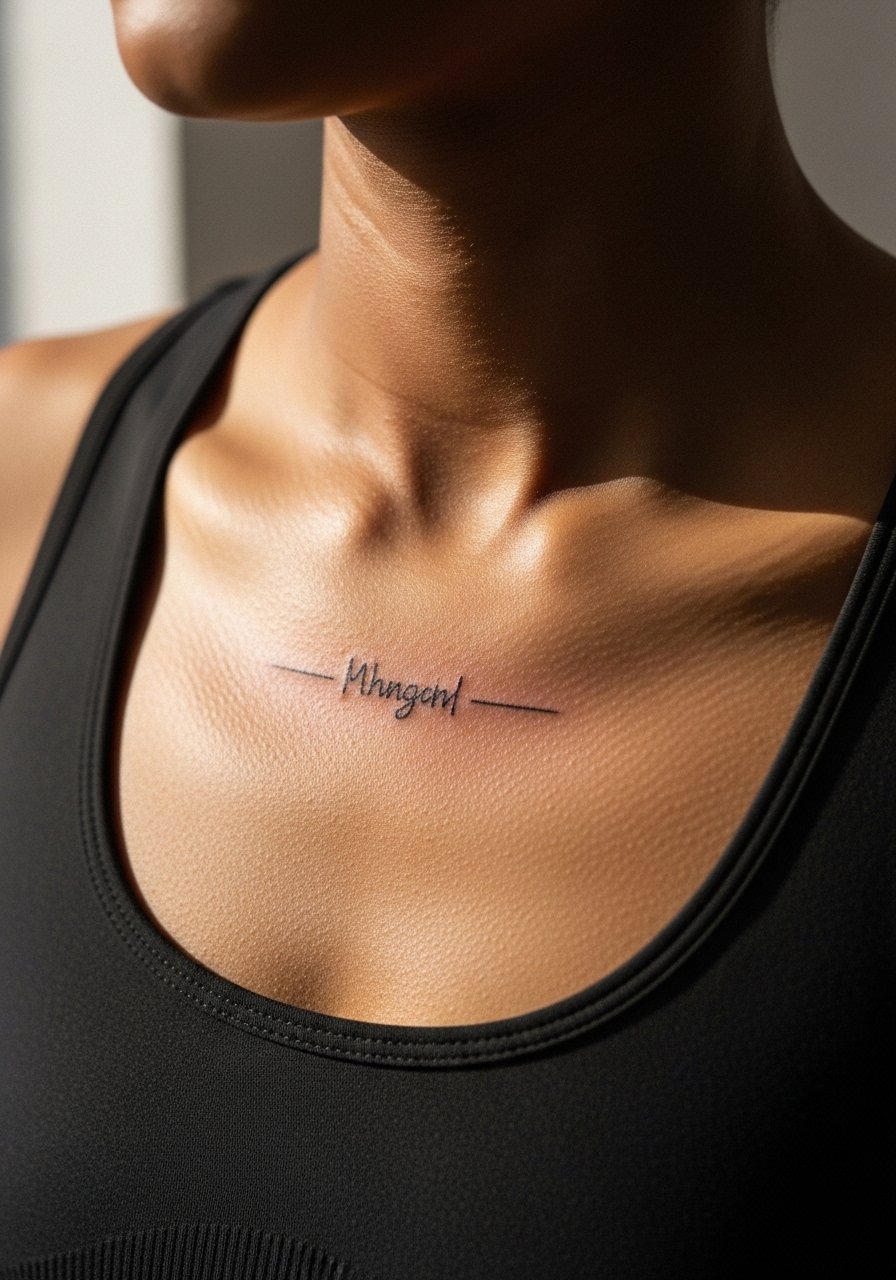
Sternum placements read intimate and can look striking with a small, centered name that follows the chest curve. Be clear with your artist about curve and spacing in the stencil stage. Sessions here feel more intense because the bone is close beneath the skin, and you may need short breaks. Controversy about fine line on torso exists. One group says the skin stretch over time makes thin script blur. The other group argues that with proper depth and spacing, the lines can settle well. Expect touch-ups in the first two years if you are active physically. For the appointment, wear a fitted sports bra so the artist can access the area without you being uncomfortable.
Studio Day Picks
These small-name pieces above include high-motion zones like wrists and low-access areas like the sternum, so a compact kit adjusts both the session and the first-week healing.
-
Stencil transfer paper kit. Lets you preview the exact placement and line spacing on skin before the needle touches, which matters for collarbone and forearm scripts.
-
Topical numbing cream. Applied 30 to 45 minutes before can ease the sting on sternum and behind-the-ear placements without affecting linework when used sparingly.
-
Thin protective film roll. Useful for wrist and finger pieces to reduce immediate friction from hand washing and daily use.
-
Fragrance-free gentle body wash. Cleans the healing area without irritating delicate single-needle letters on forearm and collarbone designs.
-
Aquaphor healing ointment. Thin applications in the first days lock moisture in fine line channels and lower the chance of scab cracking on chest and sternum work.
7. Inner Bicep Name, Micro-Script Curve
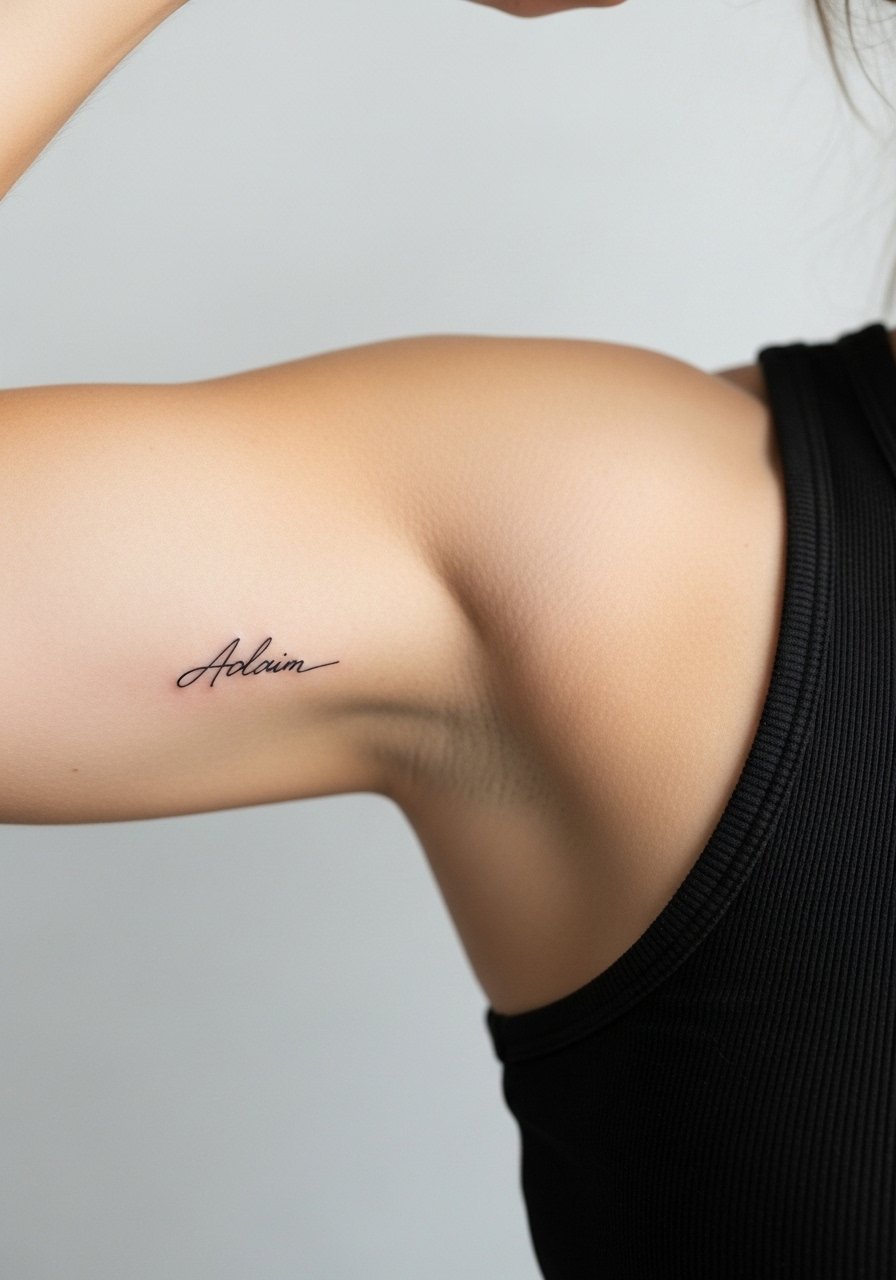
Inner bicep name pieces feel private and elongate the arm visually. The soft skin there holds ink differently than exterior forearm spots, so ask for moderate line weight to prevent early softening. Session discomfort is usually mild but the area is sensitive when pressed. A common mistake is placing lettering too close to the armpit where sweat and friction can disturb healing. Discuss touch-up expectations with your artist; many clients plan a small follow-up at six months to reinforce the thinnest letters. For the session, a loose tank top keeps you comfortable and gives the artist easy access.
8. Ankle Name, Minimal Horizontal Script
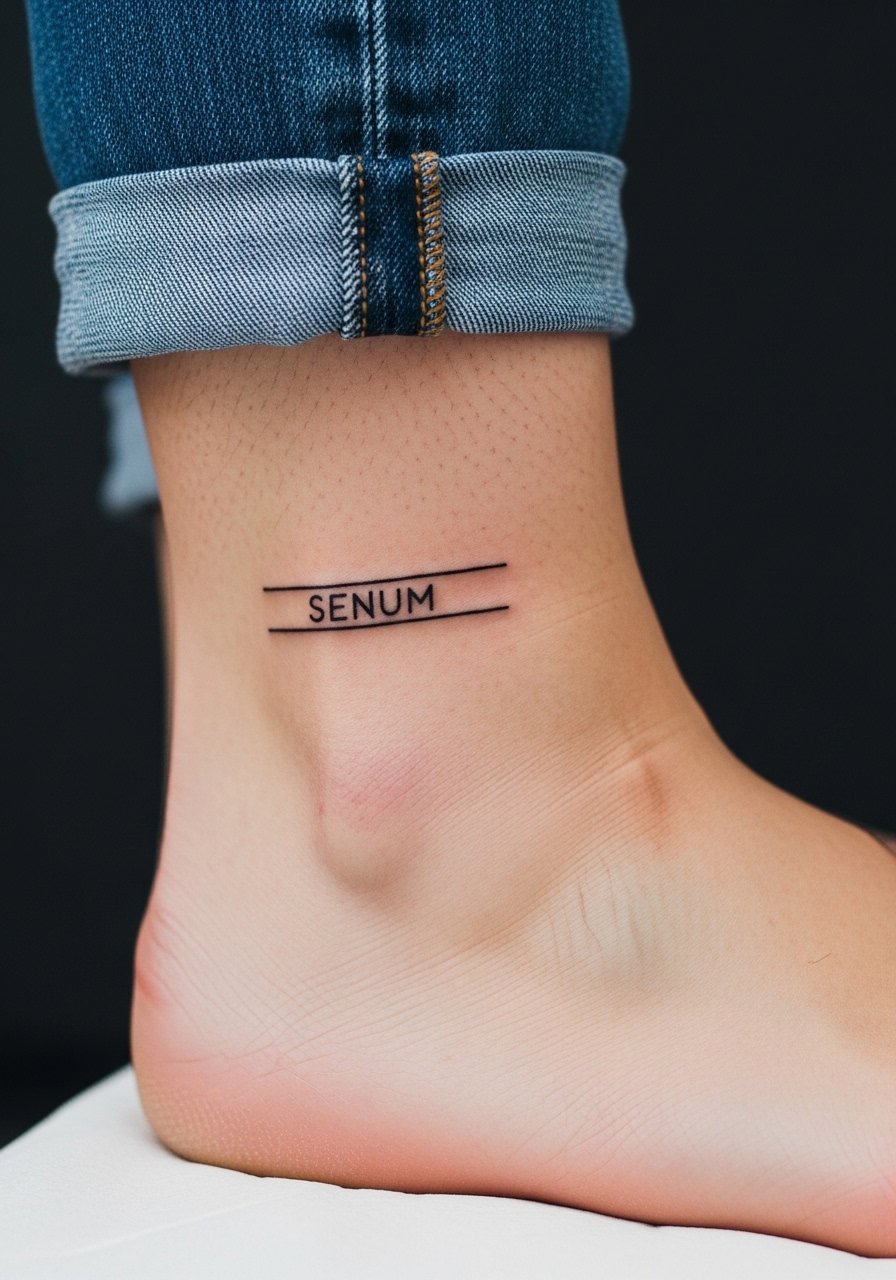
Ankle name tattoos are delicate and show in sandals or rolled cuffs. The ankle endures a lot of rubbing from shoes and socks, so ask for slightly denser linework and avoid placing letters directly over bony edges. The session is brief but can be sharp near the bone. Expect faster fading and plan a touch-up window around year two if you wear closed shoes often. A common oversight is not considering footwear during healing, which can cause scab disruption. When you want to show it off, sandals or strappy flats make the piece visible without covering it.
9. Ribcage Script Name, Vertical Layout
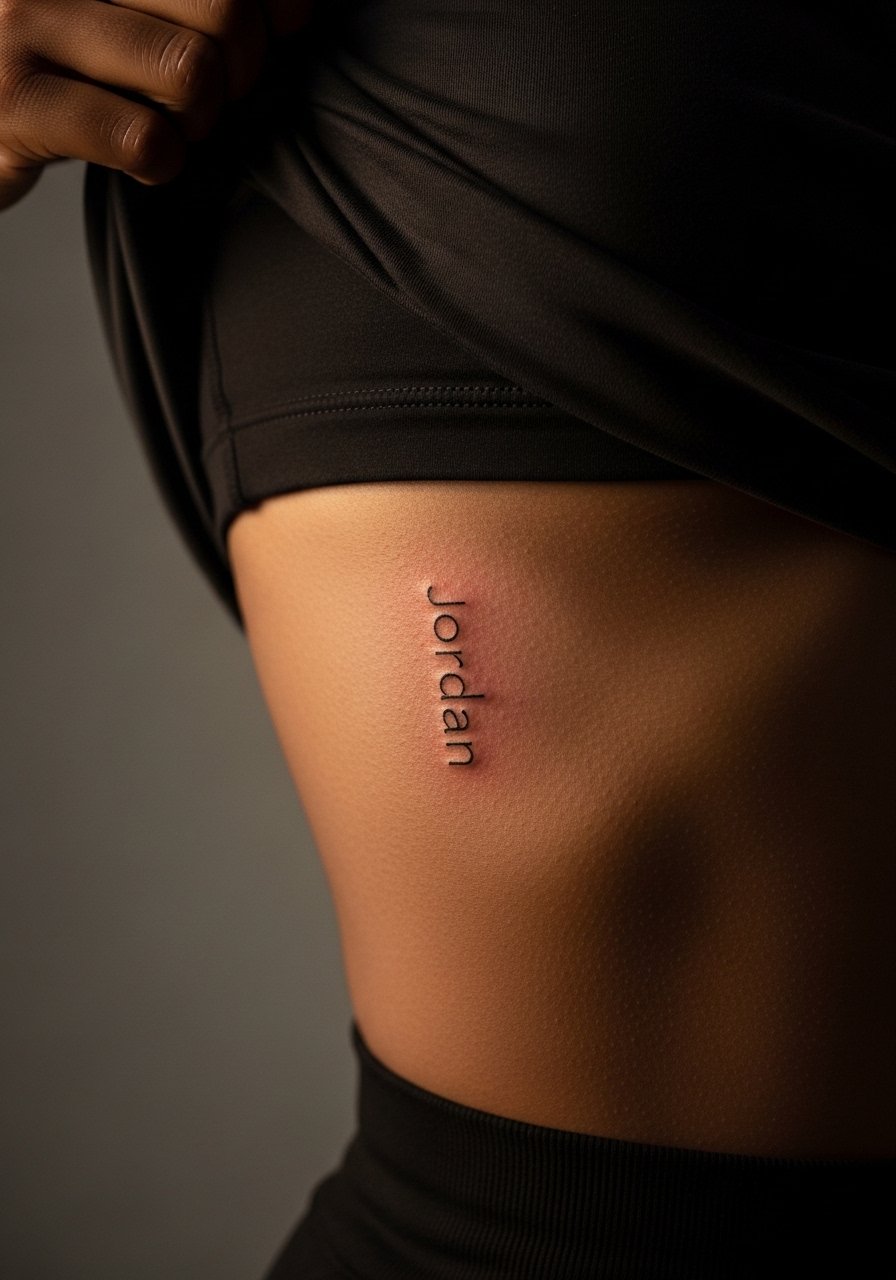
Ribcage name pieces look elegant when elongated vertically. This placement is high on the pain scale but rewards patience with a private, body-hugging result. The main controversy around ribs and fine line is clear. One camp argues that skin stretch and movement cause delicate scripts to blur within a couple of years. The other camp says careful depth and spacing can preserve the linework. Bring this up in consultation and ask how your artist plans to space letters and manage depth. Healing is sensitive because clothing rubs the area. For the session, choose loose tops you can lift and plan a longer recovery day.
10. Nape Name, Tiny Script Along Hairline
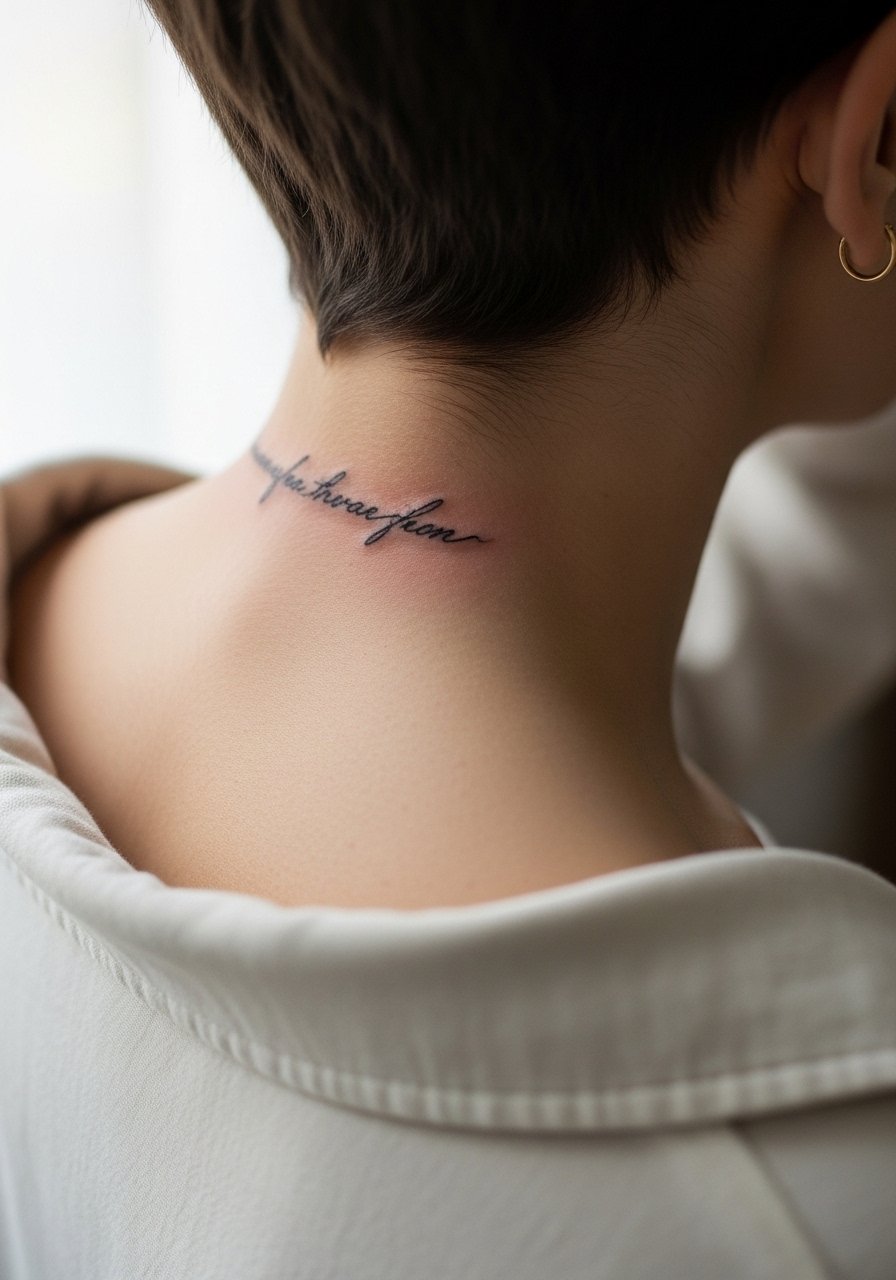
A nape name feels deliberate and discreet. Ask your artist to place the stencil slightly below the hairline so the piece peeks out as you move. The area tolerates fine line well, but dense hair growth can interfere with healing if not kept clean. Sessions are short and mildly sensitive. A common mistake is placing the letters too high where shampooing can aggravate the fresh work. If you wear your hair up sometimes, the tattoo will show more. Consider a low-profile barrette or collar that frames the spot when you want it visible.
11. Upper Thigh Hidden Name, Horizontal Script
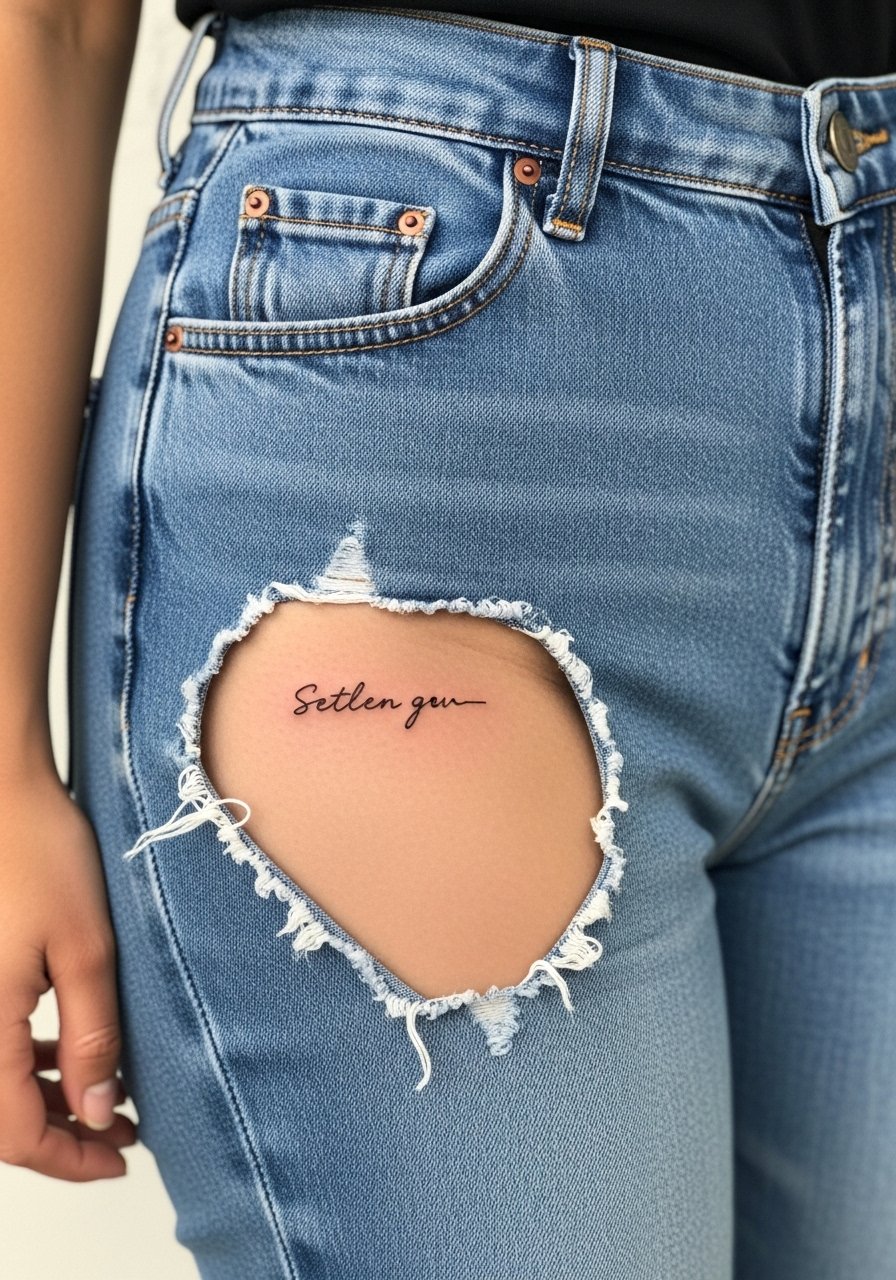
Upper thigh name tattoos are private and forgiving for slightly thinner lines because the skin is less exposed to sun. Tell your artist you want the script to follow the leg contour and to avoid placement right under tight waistbands. The session is usually low on pain compared with chest work. A frequent mistake is asking for tiny letters that will blur near groin friction points. For the appointment, wear high-waisted bottoms you can shift without fully disrobing so the artist has access and you remain comfortable. Healed results often need fewer touch-ups than hand or wrist pieces.
12. Behind Collar Name, Tiny Script on the Upper Back
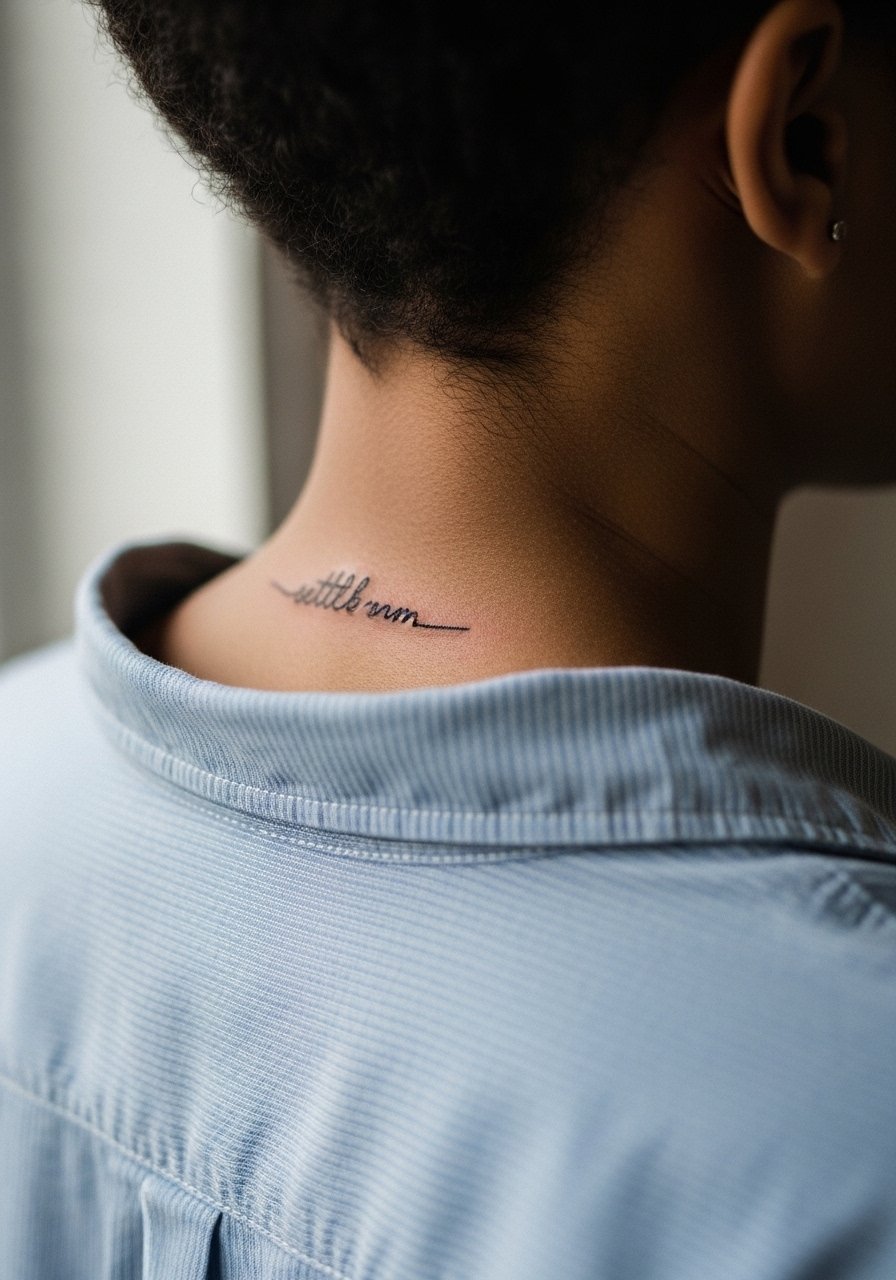
A small name tucked under the collar reads personal and pairs well with open-back or low-collar tops. Ask for a slightly thicker single-needle stroke and to test the stencil while sitting to check how clothing will frame it. The area heals reasonably well but is prone to sun exposure if you wear low backs. A common mistake is underestimating how much a top's neckline will hide or reveal the piece. For showing it off, an open collar or open-back midi dress will keep attention anchored to the script.
13. Side-of-Neck Name, Small Upright Script
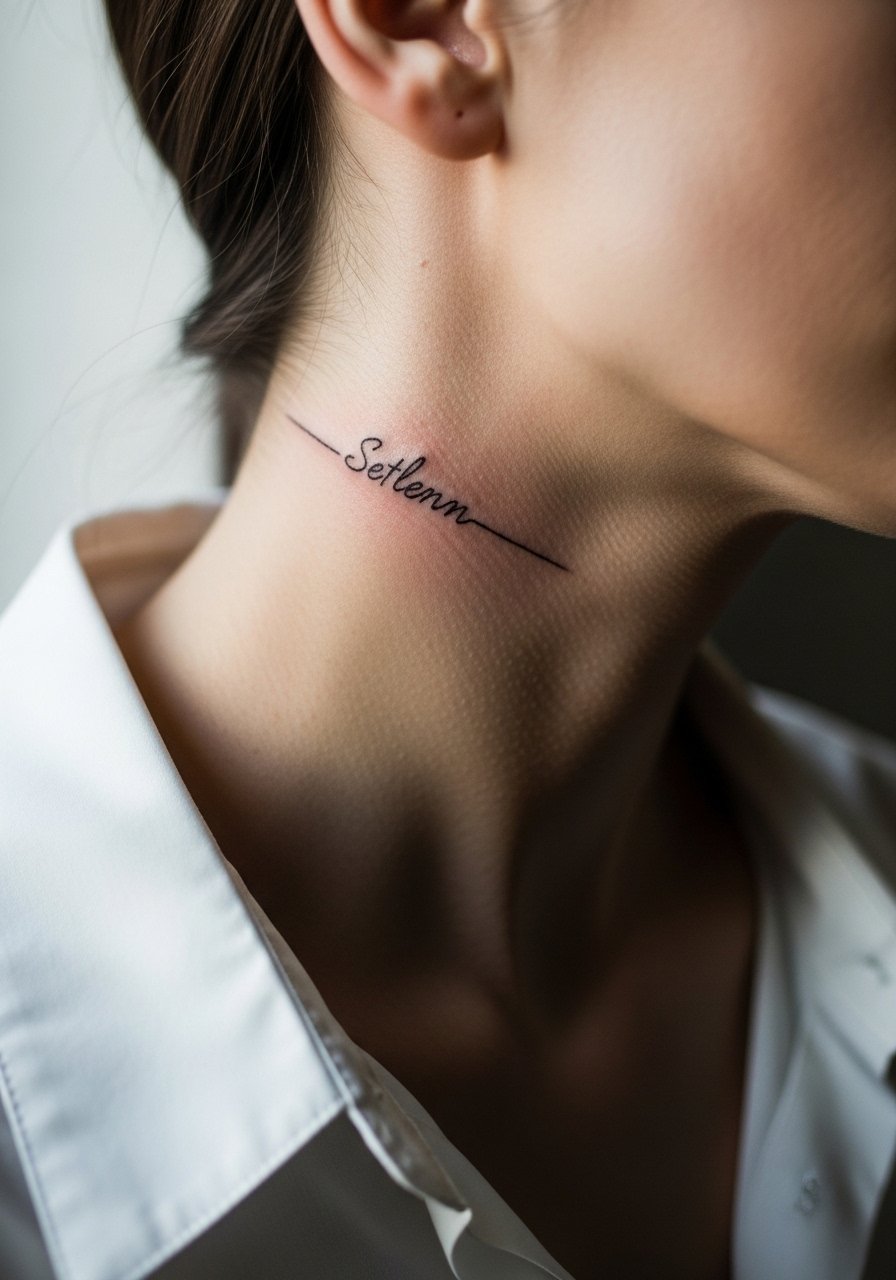
Side-of-neck name tattoos are noticeable and sometimes polarizing. If you choose this placement, discuss visibility with your artist because it can affect work settings and impressions. Request a clear, thin stencil so placement is precise and avoid overly ornate lettering that will age poorly on the neck. Sessions are short but the skin is thin and sensitive. A frequent client mistake is not checking how the piece sits when the head tilts. During consultation, ask the artist to show the stencil while you move your head so you can approve exact placement.
14. Ankle-to-Foot Name, Script Flowing Across
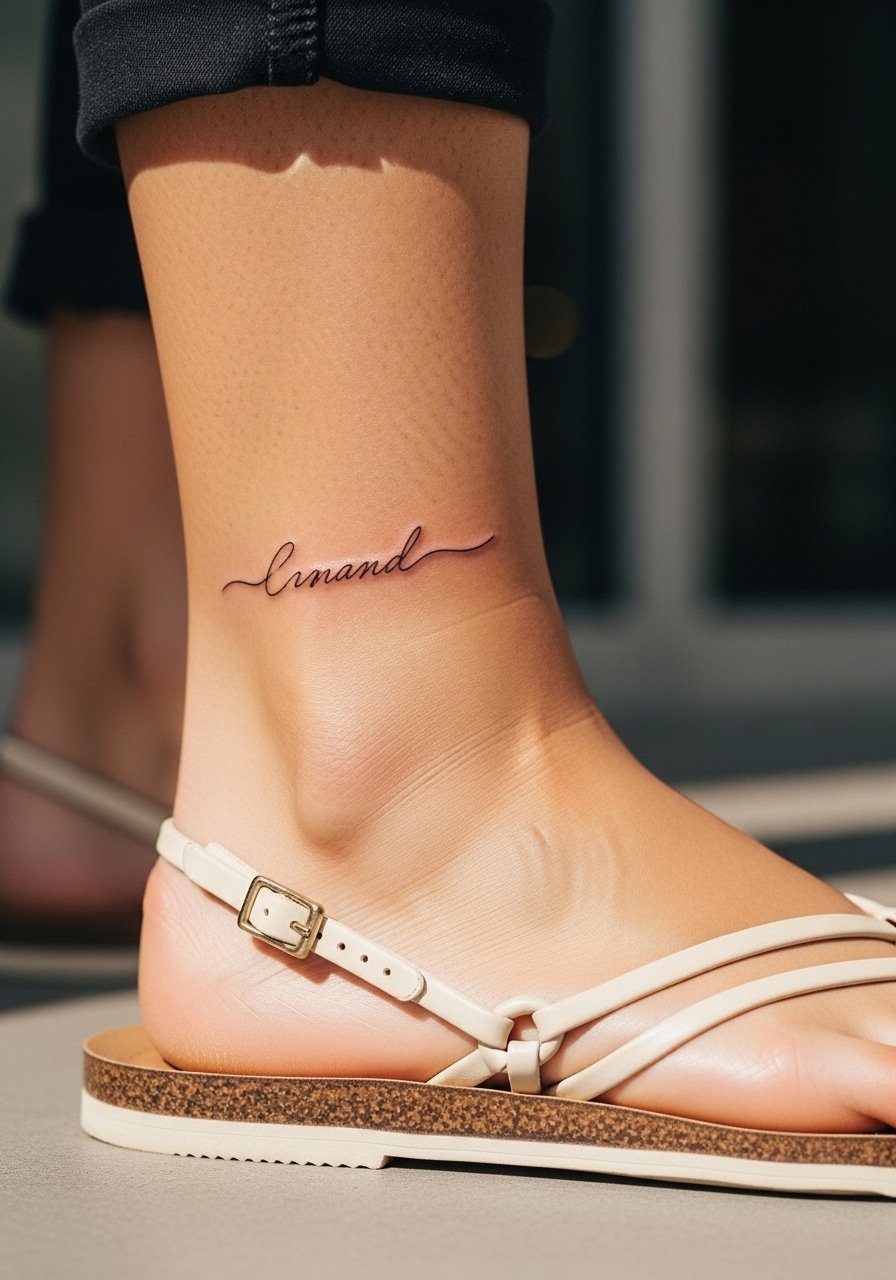
A name that flows from ankle to foot works well as a longer, low-profile script. The foot area sees lots of friction, so request a slightly more saturated line and avoid letters over the top of the foot where shoe pressure will scrape healing skin. Expect the foot to be among the most touch-up-prone placements and plan around footwear during the first two weeks. For showing off, sandals or low-profile shoes keep the piece visible without rubbing it. Consider a lightweight pair of strappy sandals while it heals to minimize friction.
15. Rib-to-Oblique Micro Name, Curved Layout
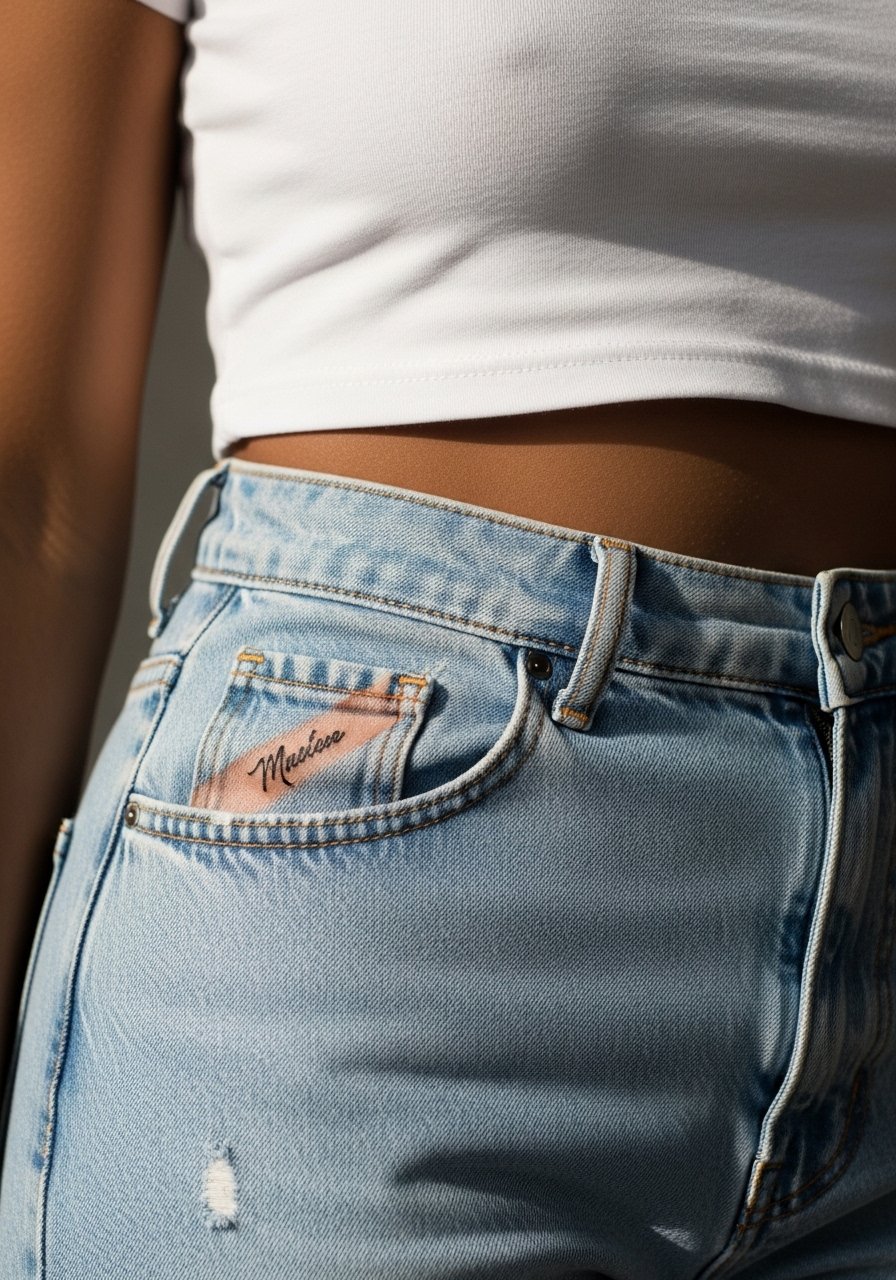
A rib-to-oblique name reads organic and moves with the body shape. The placement is painful and vulnerable during healing because shirts can brush the area. Tell your artist you prefer a slightly spaced script so the letters do not merge as the skin stretches. A common mistake is making the piece too thin or placing it where waistbands will rub. Expect to schedule a touch-up in the first year if you are active. For sessions, choose clothing that you can lift or shift without disrobing fully to keep pressure off the fresh tattoo.
16. Finger-Edge Name, Minimal Single Letter or Initial
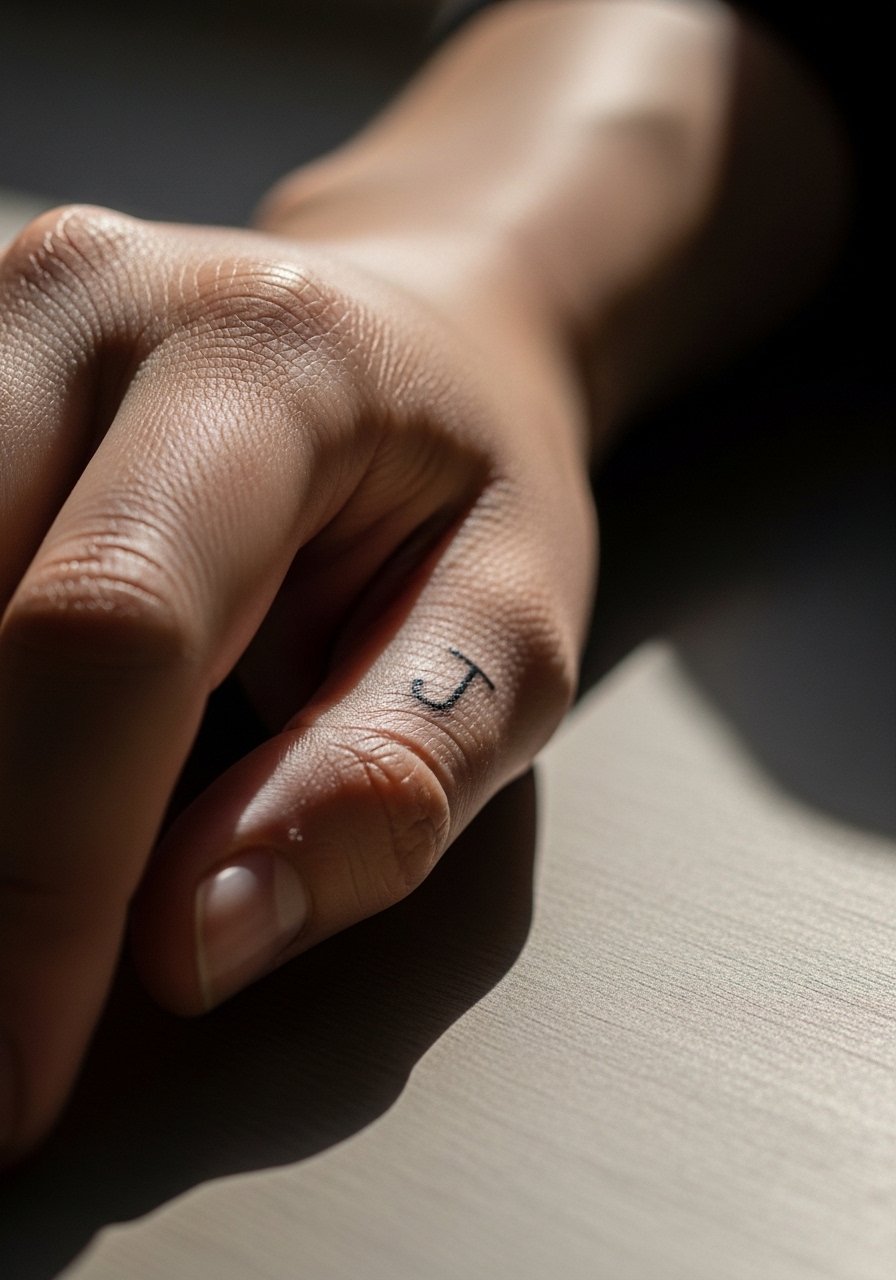
Edge-of-finger initials are subtle but they carry a lot of maintenance. The skin on fingers moves and renews rapidly, so expect touch-ups in a short timeframe. Ask the artist for compact, slightly denser strokes and to avoid letters across joints. Sessions are quick and the area is sharp to tattoo. A common misstep is over-detailing a one-letter piece. If you want the piece to last longer, consider placing the initial on the side of the finger where wear from typing is lower. Small rings or thin bands pair well when you want to frame the initial without covering it.
17. Inner Wrist Loop Name, Continuous Line Script
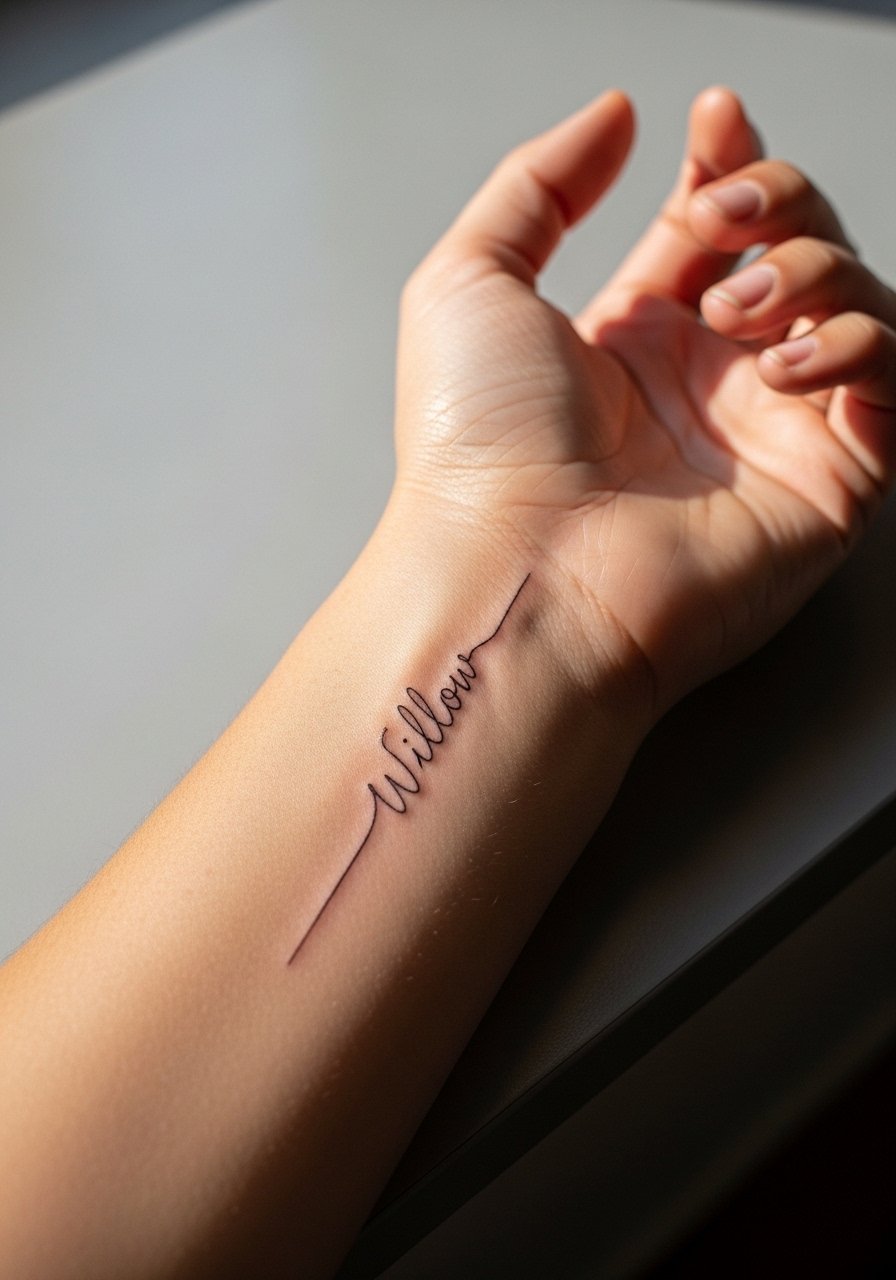
Inner wrist continuous-line name tattoos feel effortless and wearable. Ask your artist for a steady single pass and to set the flow so the script sits on the flatter part of the wrist to prevent creasing. The wrist is exposed to sun and water, which accelerates fading, so expect touch-ups at around the two-year mark depending on wear. One common mistake is using excessive flourishes that blur into indistinct marks over time. For the session, wear a loose button-down shirt with sleeves you can roll up so the artist has clean access and you stay comfortable.
Frequently Asked Questions
Q: Will a fine line name tattoo always need touch-ups sooner than bolder work?
A: In my experience, fine line usually requires more frequent touch-ups than saturated, bold pieces especially in high-motion or high-friction spots like fingers and wrists. Placement, sun exposure, and daily wear matter more than style alone. If you want less maintenance, pick a protected placement or ask for slightly more density in the original linework.
Q: Is a name on the ribs a bad idea if I want longevity?
A: Not necessarily. Artists are split on ribs and fine line. One camp warns the constant stretch and movement makes thin scripts blur. The other says careful spacing and depth can keep lines readable. Ask your artist which approach they take and plan for a touch-up at one year if you want long-term clarity.
Q: How should I dress for a sternum or chest name session?
A: Wear a fitted sports bra or a wide-neck top you can pull aside so the area is exposed without being fully undressed. That keeps you comfortable and lets the artist maintain a sterile field. A fitted sports bra or an old button-down you do not mind shifting works well.
Q: Do names on fingers or hands affect professional opportunities?
A: Hand and finger tattoos remain visible and some workplaces still react negatively. If career considerations matter, choose a less visible placement or plan for concealing options. That said, social norms are shifting and many people find small name pieces acceptable in most modern offices.
Q: What should I ask about during the consultation to avoid a botched-looking script?
A: Ask to see healed photos of similar placements by that artist so you can judge how their fine line holds up. Request a test stencil and watch how the placement reads on your skin when you move. Also discuss touch-up policy in case lines soften faster than expected.
Q: How visible should my placement be if I want it to age gracefully but still be personal?
A: Choose protected spots like the inner bicep or upper thigh for longevity. If you want occasional show-off moments, pick placements that pair with clothing choices you already wear, like collarbone scripts with wide-neck tops or ankle names with sandals.