
Fine line and heavy black gothic flash both trend online, but what holds up on a hand months from now depends on placement, daily wear, and how the design is scaled. Hands live under constant washing, sunlight, and abrasion, so the darkest-looking designs often need bolder linework and careful spacing to age cleanly. The list below starts with wearable, dark hand flash that reads like a gothic statement and ends with pieces that demand extra planning in consult.
1. Gothic Lace Band Across Fingers
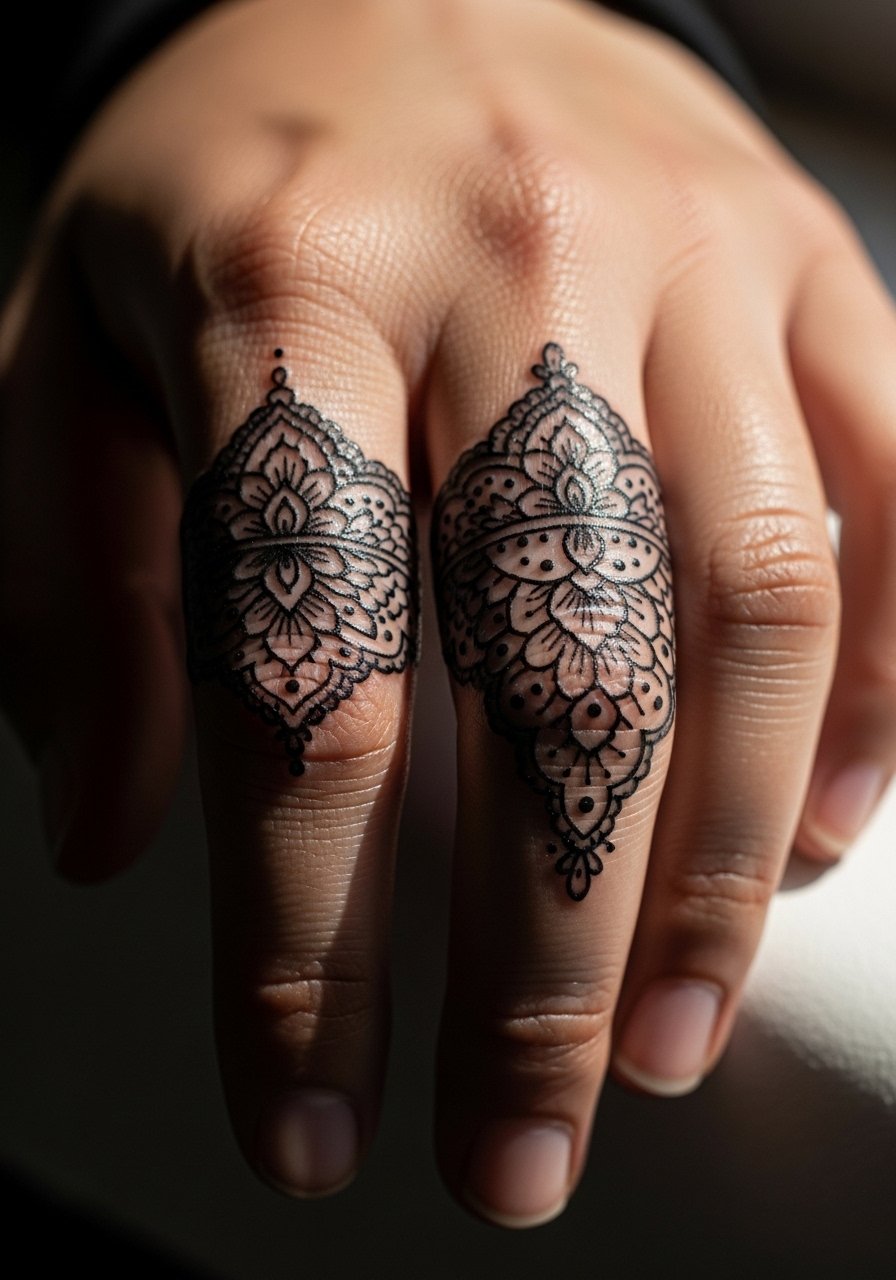
A lace band that crosses two fingers reads dark because of dense stipple and tiny negative-space gaps. Tell your artist you want slightly heavier outer outlines and spaced stippling inside so the pattern keeps definition as the skin moves. Fair warning, fingers are high blowout risk and the meat of the finger tends to soften tiny dots faster than flat skin. Expect a touch-up at year one or two. The session is quick but stingy, and you will wash those fingers constantly, which affects saturation. For showing it off, stacked rings highlight the negative-space bands, try dainty stackable rings that leave the pattern visible.
2. Blackletter Word Along the Side of the Hand
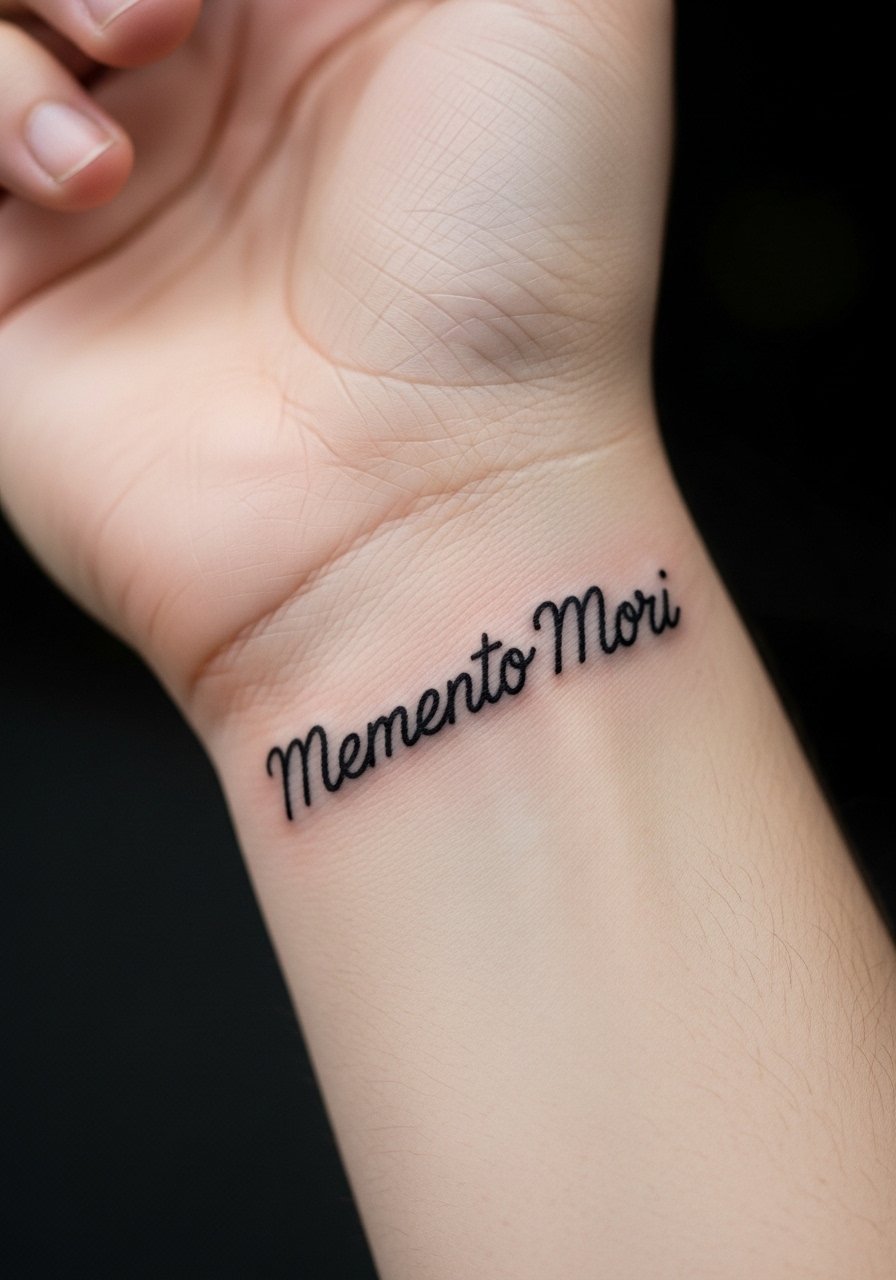
Blackletter on the hand makes a strong gothic statement because the letterforms carry weight even when reduced. Ask for slightly thicker downstrokes and clean spacing between letters so counters do not fill in over time. The common mistake is shrinking the text too small for hand skin; tiny blackletter becomes illegible after one to two years. Pain is moderate because of thin skin and bones near the thumb. Plan for a short session and a likely touch-up at year two. Pair this with a minimal leather bracelet that frames the text rather than covering it.
3. Mini Skull on the Knuckle Cluster
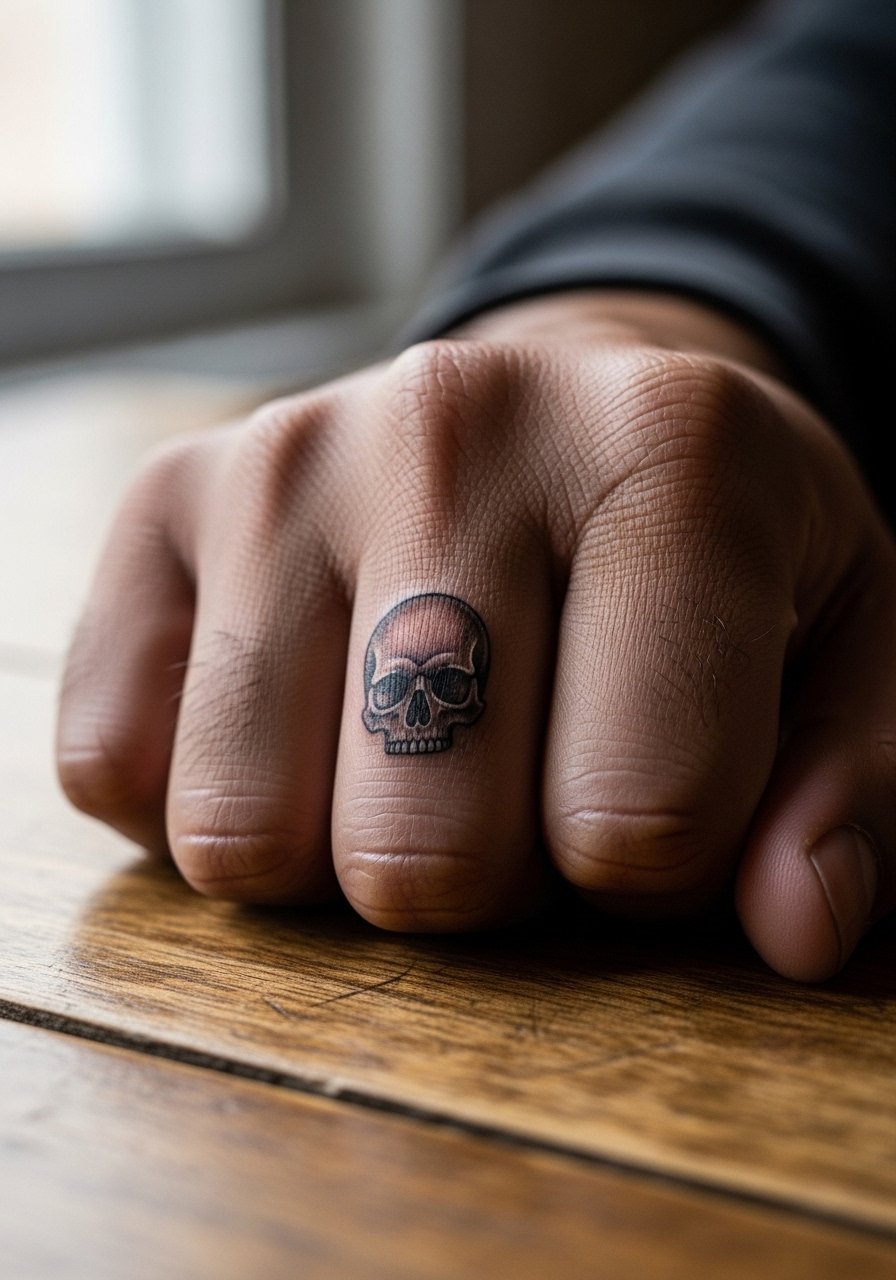
Knuckle clusters read bold even when small, because the raised bone gives the skull contrast. In consultation, describe exact placement relative to knuckles so the mouth and eye sockets do not distort when you make a fist. Artists debate fine line versus solid black on knuckles. One camp says bold blackwork holds up best because hands abrade. The other camp says careful micro shading can survive if packed correctly. Ask which camp your artist practices and why before you book. Knuckle wear means touch-ups are common, and job considerations apply in many workplaces.
4. Ornate Cross on the Back of the Hand
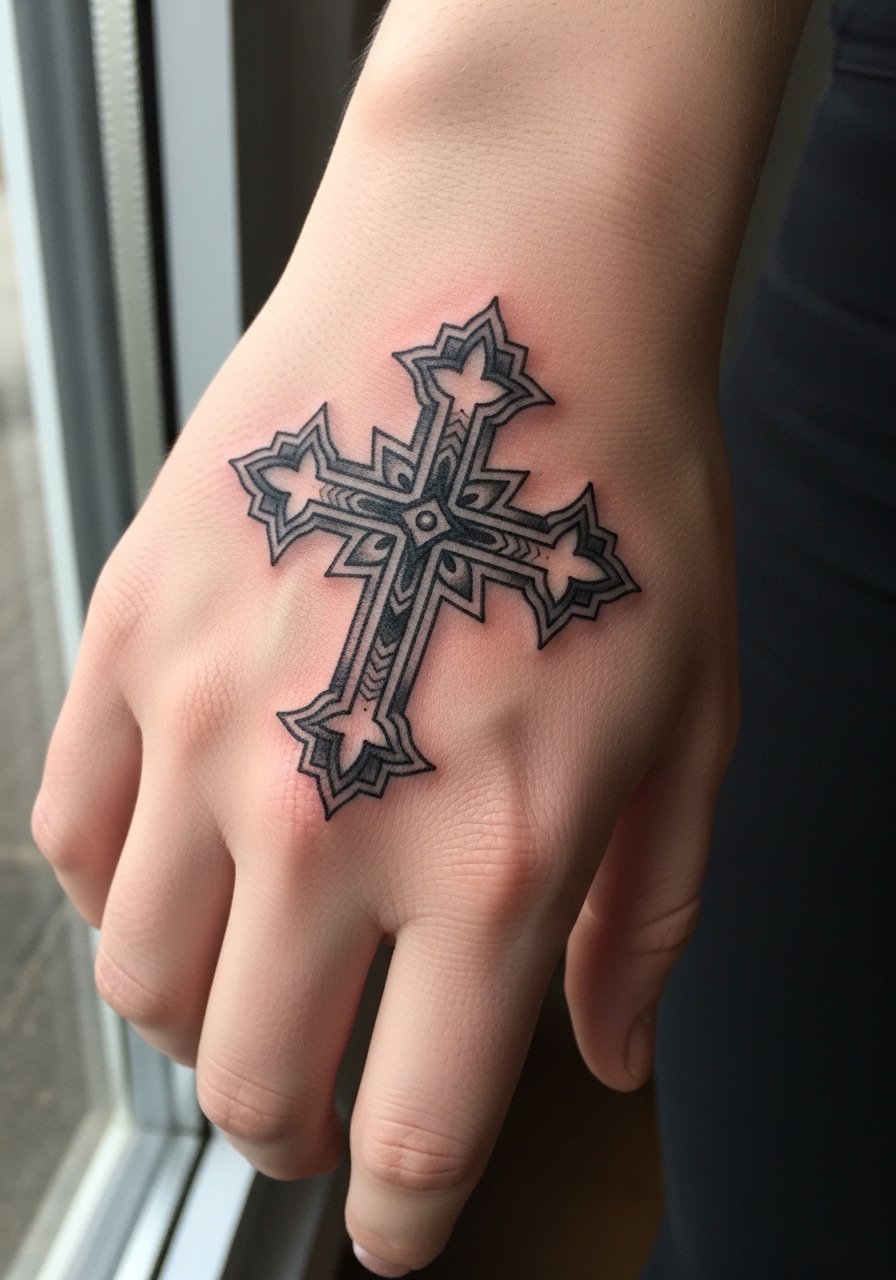
A centered cross reads like a flash piece because symmetry makes it legible at a glance. Tell your artist to keep internal filigree areas open and avoid tiny curls that merge into blotches. The usual failure is over-detailing the filigree inside a palm-adjacent area. The hand sees daily knocks, so heavier outlines with internal negative space will age cleaner. The session feels brisk but sensitive. For evenings out, show it off with a rolled sleeve shirt that leaves the hand visible.
5. Raven Silhouette Nesting Near Thumb
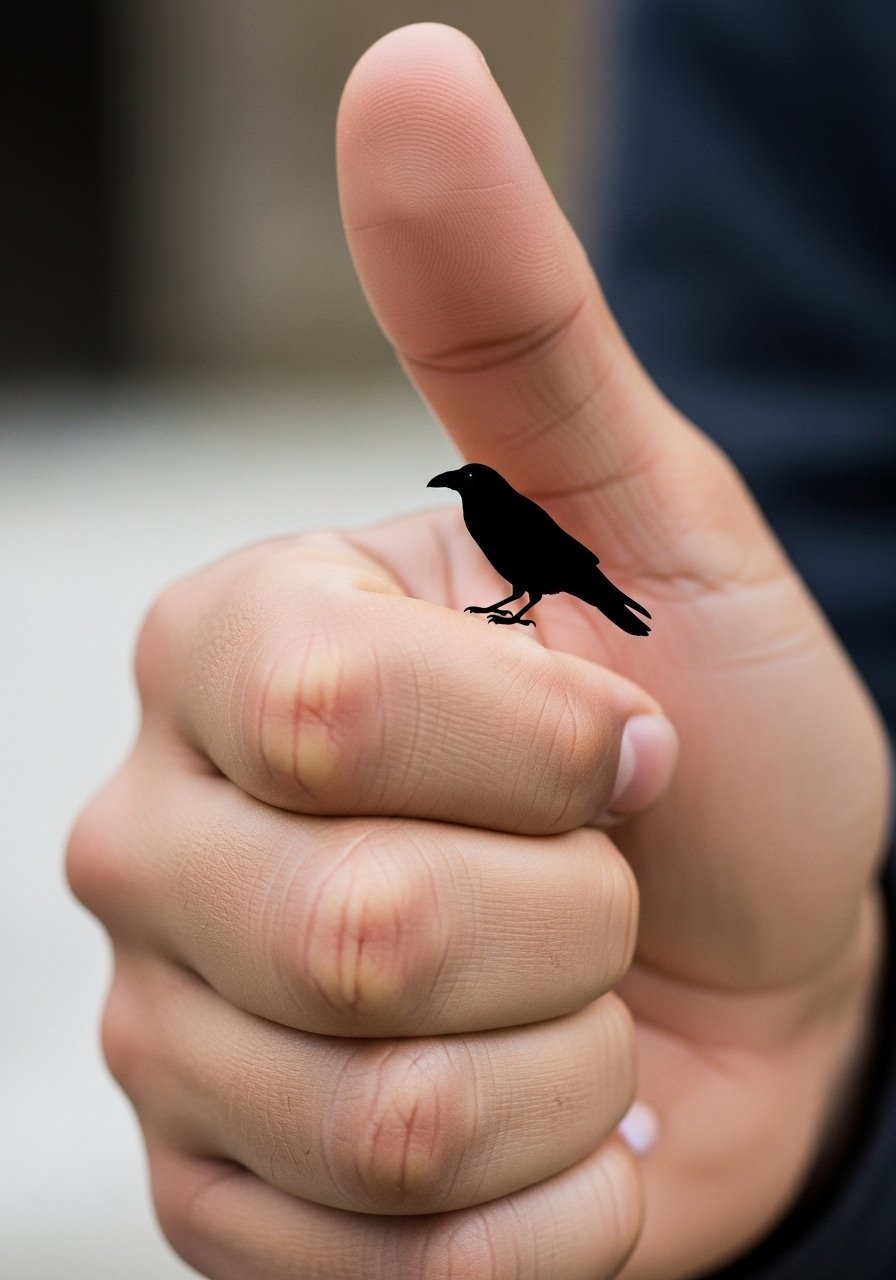
A solid raven silhouette reads dark instantly and survives wear better than intricate feathers on a hand. During consultation, request a single-value black fill without inner feather detail so the shape remains crisp through abrasion. Pain is moderate near the thumb crease. The common mistake is insisting on micro-feathering that blurs within a year. Expect a touch-up at year two for edges. For the session, wear a short-sleeve button-down so the artist can access the thumb base easily.
6. Gothic Chain Link That Wraps the Wrist Edge
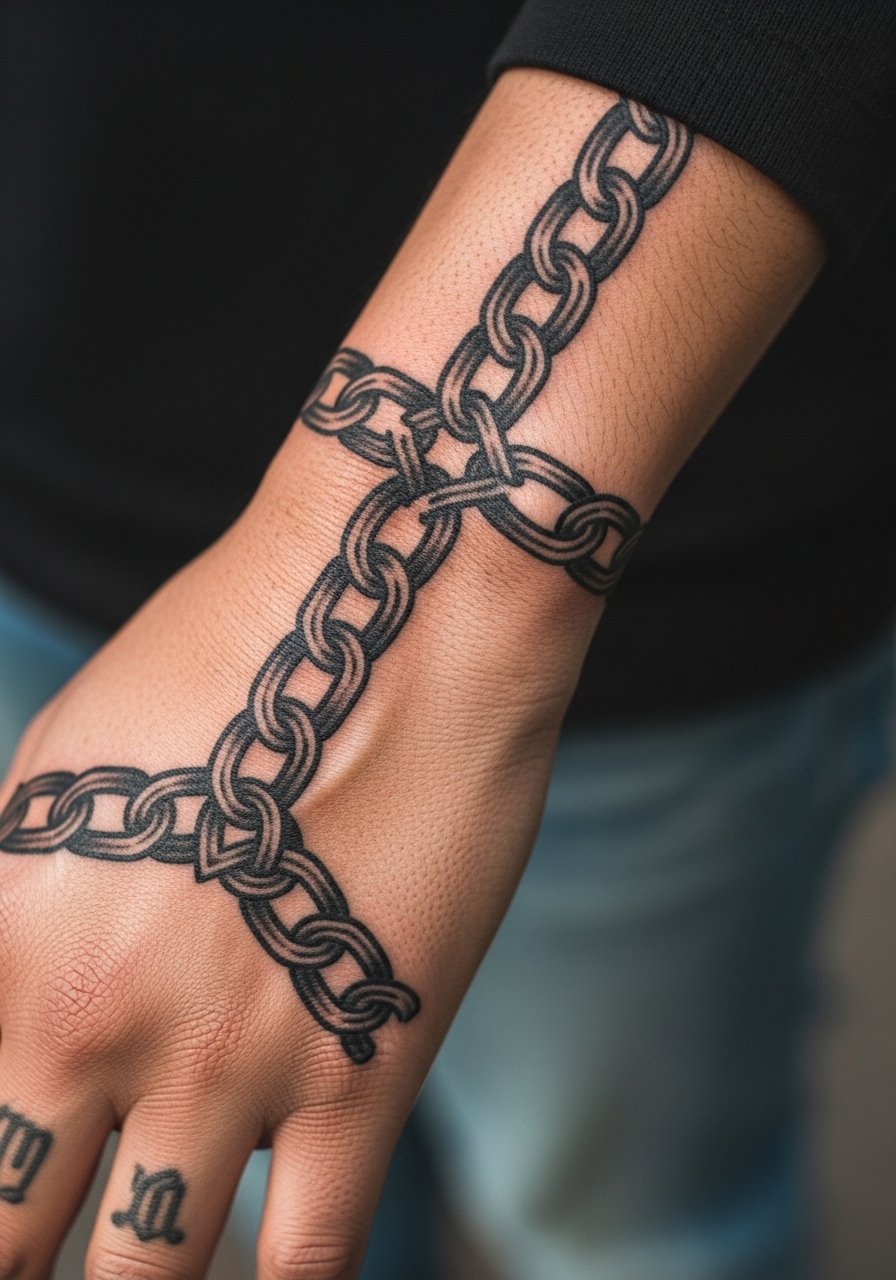
Chain links that hug the wrist edge make a hand piece feel like jewelry because the links create a solid silhouette. Ask for bold outer linework and internal negative space to prevent tiny internal shadows from merging. A mistake I often see is overfilling inner chain areas with dots, which lose clarity after repeated washing. This placement can sting because of the radial bone near the wrist. It reads well with cuffed sleeves and a cuff bracelet that echoes the chain motif.
Studio Day Picks
The knuckle, thumb, and back-of-hand pieces above demand products that protect high-friction zones and make the session smoother.
- Stencil transfer paper kit. Lets you preview exact placement on the hand before the needle hits, which matters when the design sits across knuckles and joints.
- Thin protective film roll. Helps shield finger and wrist pieces from constant handwashing the first few days.
- Scent-free gentle body wash. Cleans the healing hand without irritating the tight linework that gothic pieces need.
- Topical numbing cream. Useful for longer back-of-hand sessions when bone contact makes the chair day gritty.
- Aquaphor healing ointment. A thin layer in the first 48 hours keeps fine black linework hydrated while allowing the skin to scab and heal cleanly.
7. Webbed Filigree Stretching from Thumb to Index
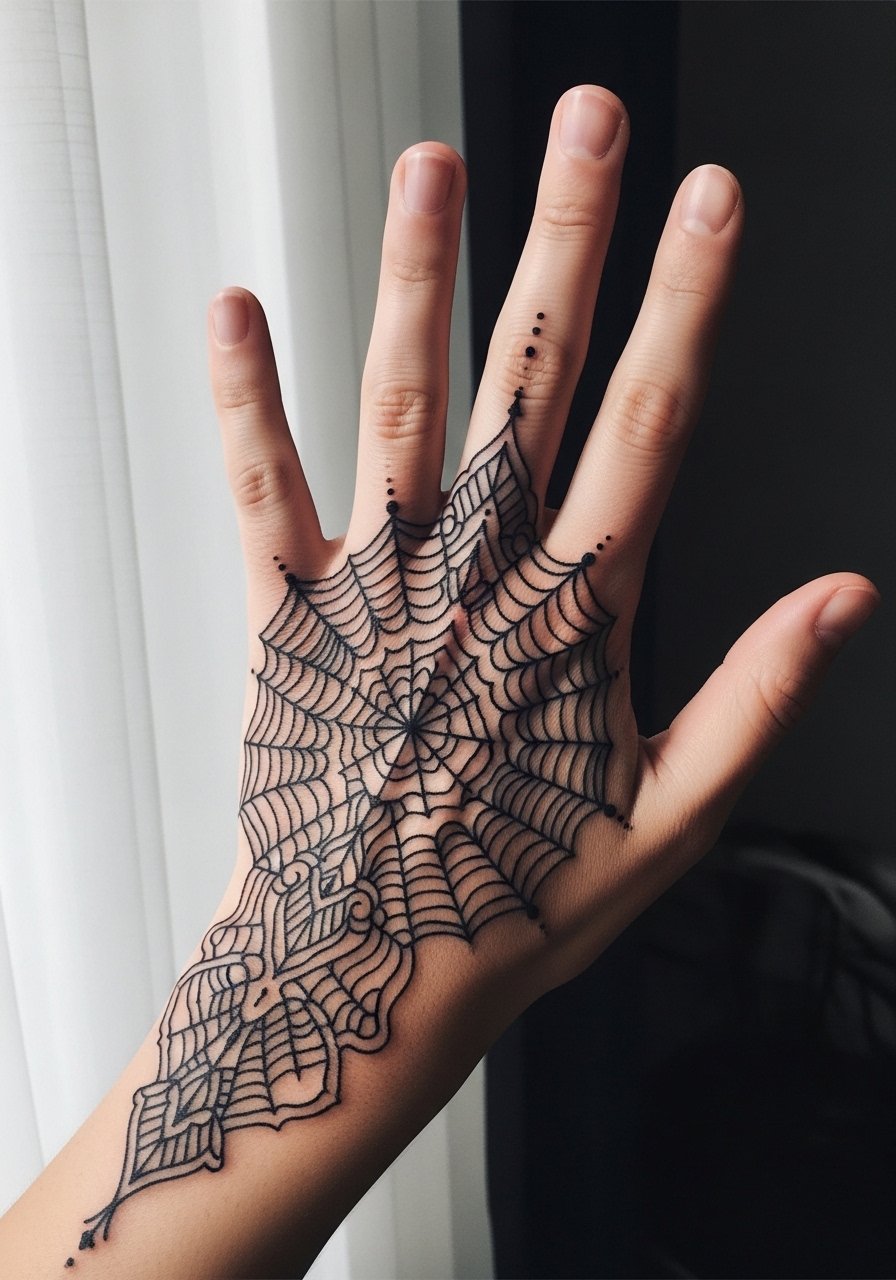
A filigree web makes the hand feel ornate without relying on color. For longevity, ask for a mix of thin lines and slightly stronger anchor lines so the pattern keeps its rhythm without collapsing. The common mistake is asking for uniformly thin lines across a complex web. That approach flattens quickly. The session involves awkward wrist positioning to get even lines. For showing off, short-sleeve tops or a rolled-up shirt sleeve keeps the hand visible and frames the filigree.
8. Dark Solar Eclipse Circle Over the Back of Hand
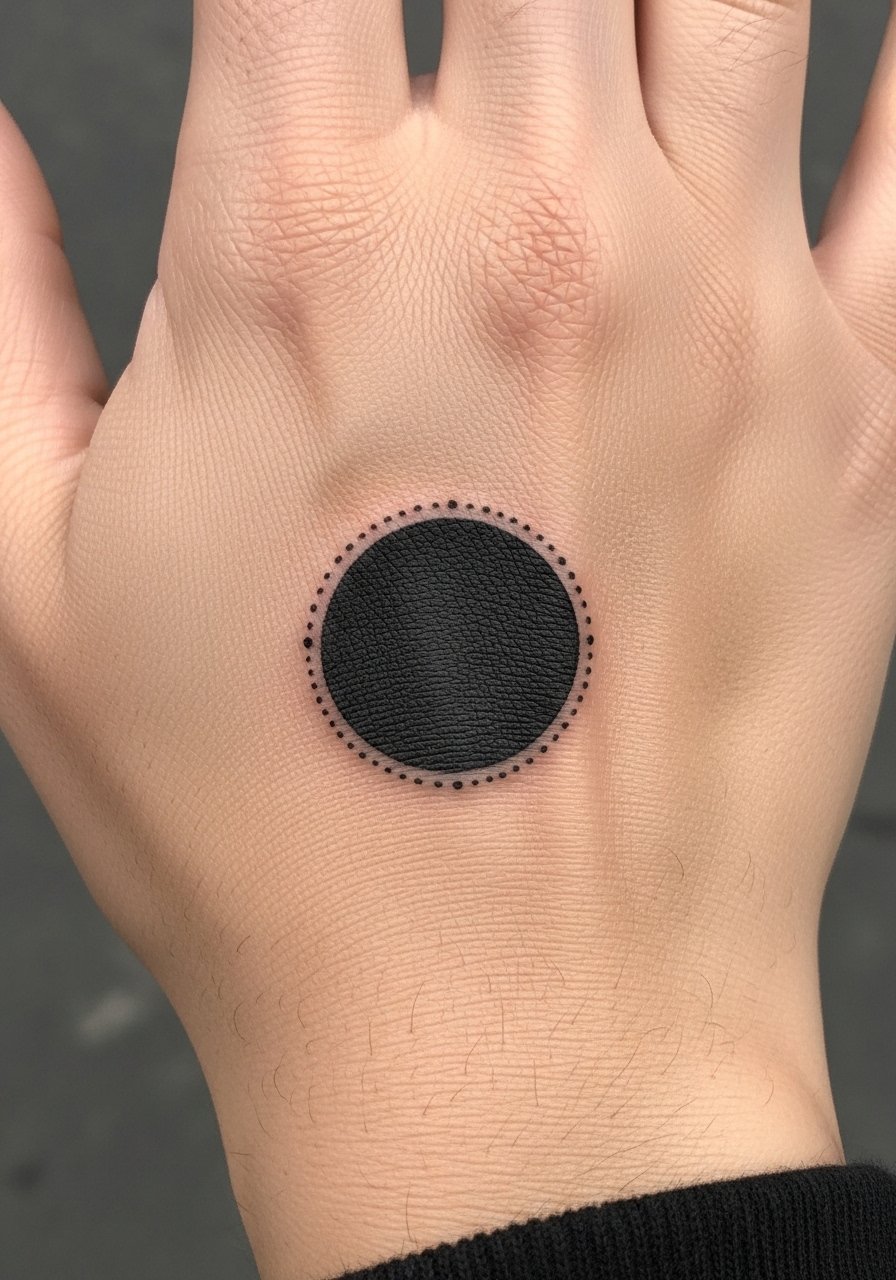
A simple black sun or eclipse reads very gothic when scaled to cover the hand dorsum. Ask for a bold central fill and a hairline halo rather than inner texture. The aging path is straightforward because solid fills wear predictably, though edges may thin with heavy use. People sometimes request internal dot shading that smears into a gray patch; skip that unless you want softer edges. The sitting is quick and surprisingly intense on the top of the hand. Pair with a slim silver ring set to balance the dark center.
9. Small Gargoyle Profile Near the Thumb Web
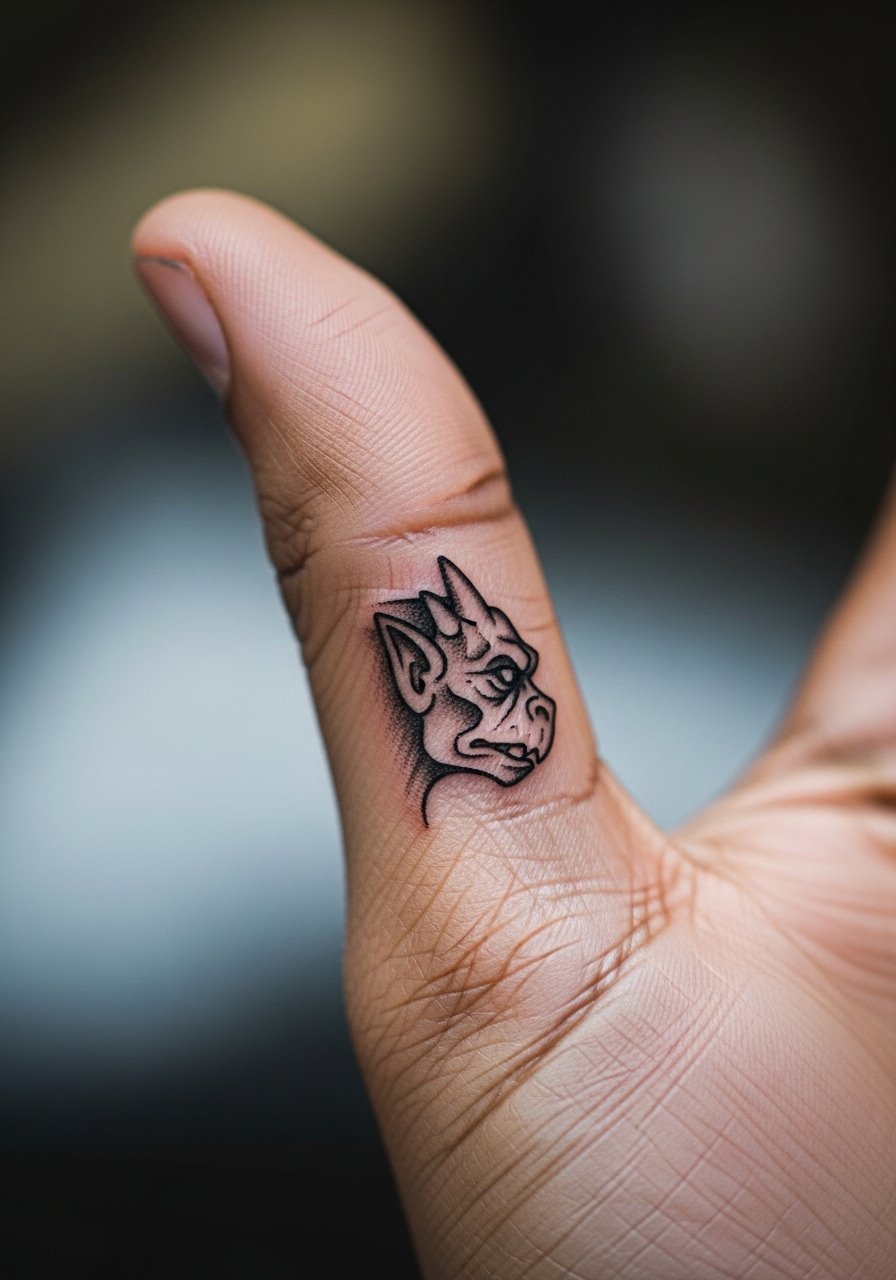
A tiny gargoyle reads like gothic flash because its silhouette is recognizable even at small scale. Tell the artist you want the eyes and jaw simplified so those features do not blur into a smudge. The thumb web flexes constantly and can soften tiny shading faster than flat skin. People often request hyper-detail in miniature which does not translate under daily friction. Expect a touch-up at year one or two. For session access, wear a short-sleeve tee so the area is easy to reach.
10. Blackwork Thorn Vine Along Index Finger Side
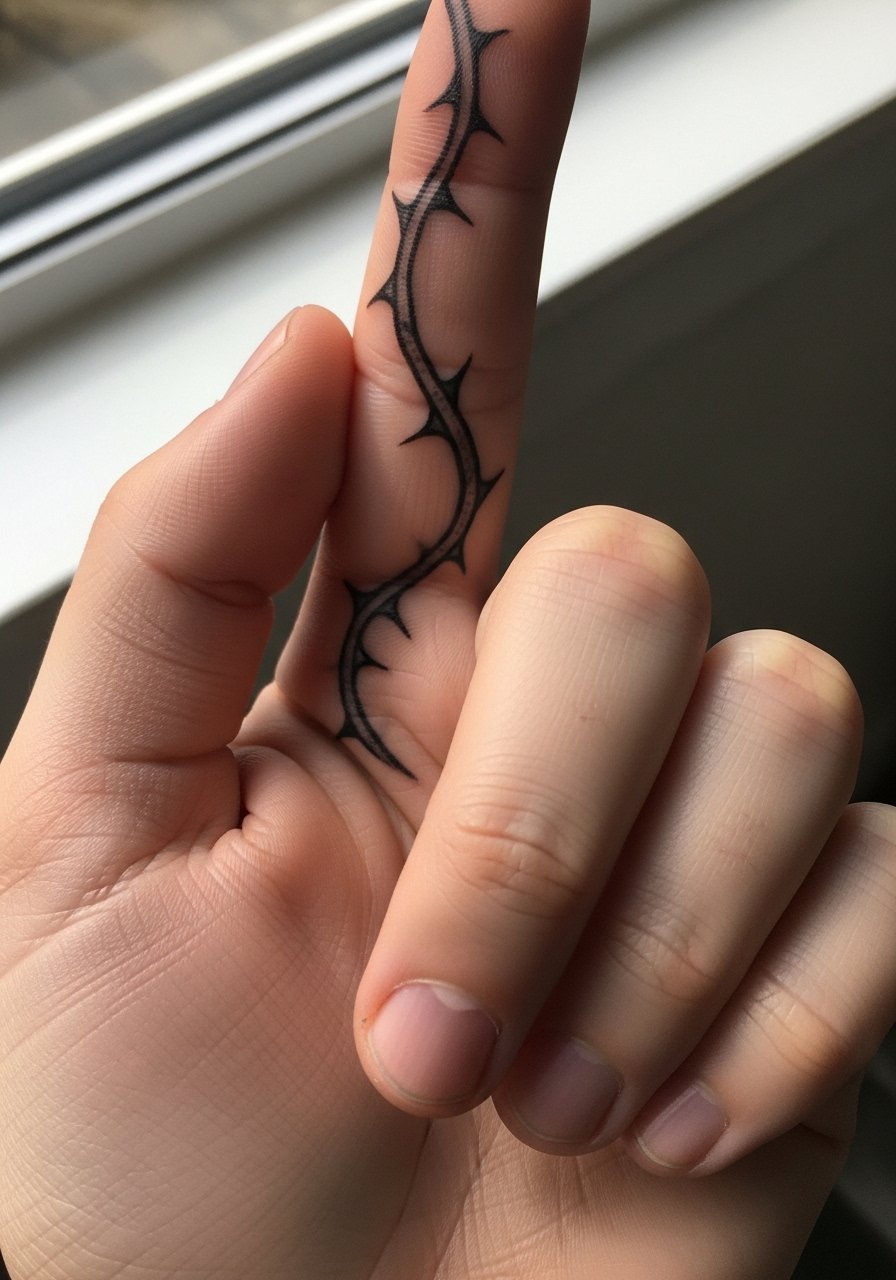
A thorn vine laid on the finger side uses negative space to read dark without heavy saturation. Tell the artist to keep the thorns slightly spaced and avoid tiny inner shading that will merge. The finger side sees friction from phone use and pockets, so expect the thinnest parts to fade faster. The session is quick and sharp. A frequent mistake is wrapping the vine too far around the finger where the skin creases and ink migrates. Show it off with minimal stacked rings that leave the vine visible.
11. Occult Sigil at the Base of the Hand
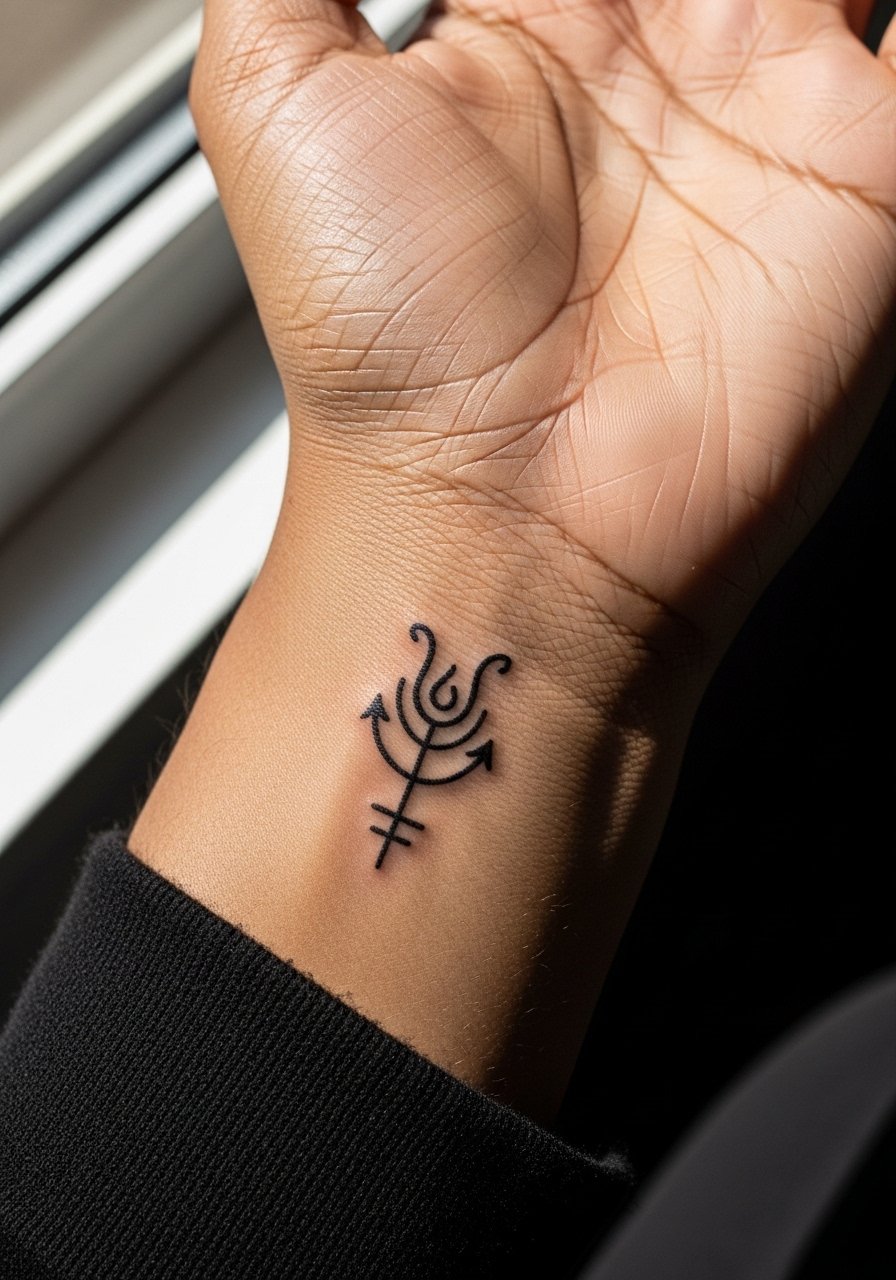
An occult sigil reads dense without heavy coverage because of its geometric shapes. In consult, explain whether you want crisp line borders or a slightly aged look with micro-dot shading around the edges. The mistake is overcomplicating the interior symbols which then lose separation over time. This area can be tender because of the proximity to tendons. For evenings, a thin chain bracelet sits above the sigil and frames it without covering the work.
12. Stained Glass Panel Mini on the Back of the Hand
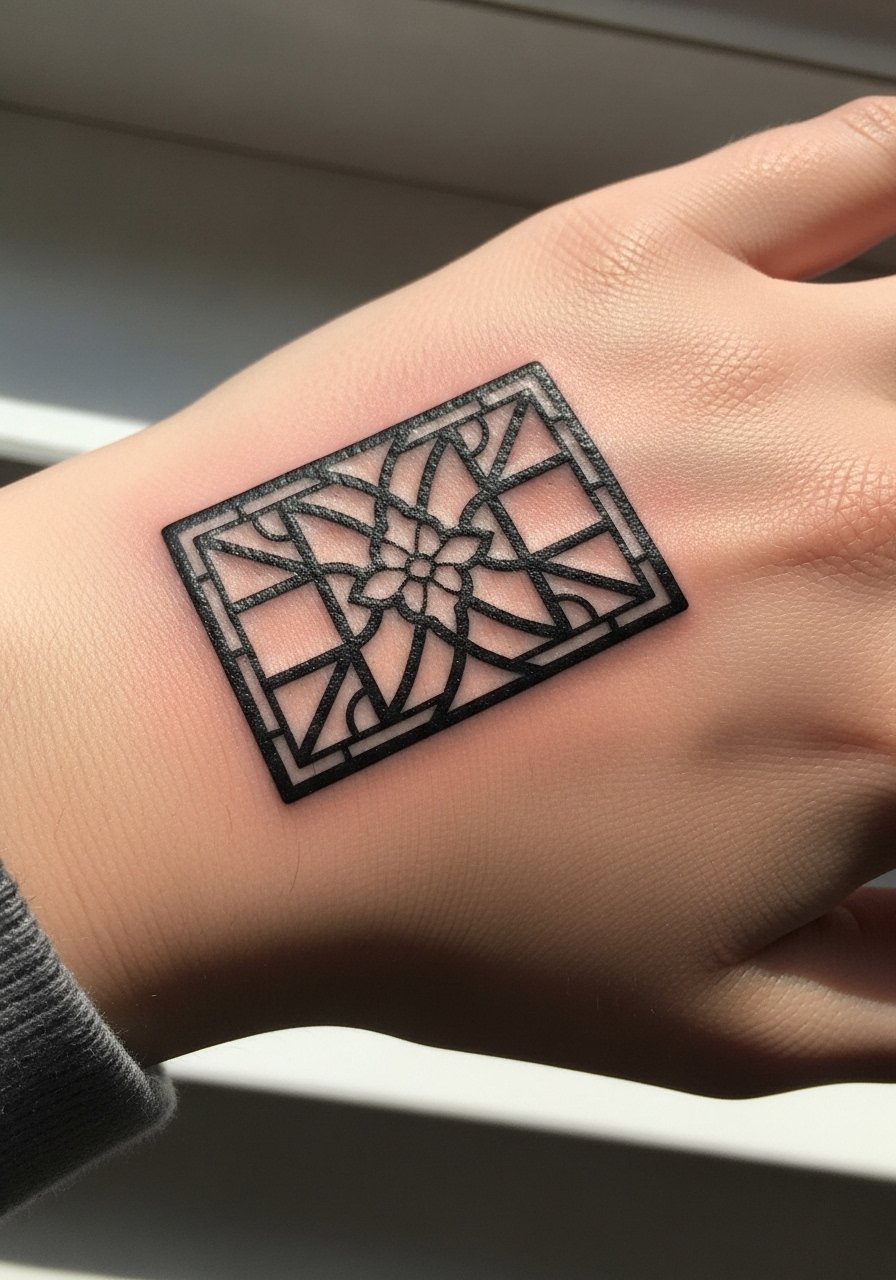
A stained glass panel reads dark when the leaded outlines are heavy and panes are left as skin. Ask for bold lead lines and leave pane interiors mostly untouched. The usual mistake is asking for interior shading that blurs into a gray wash within months. The session is methodical because each pane needs a steady hand. For a subtle wardrobe complement, cuffed sleeves or a short blazer sleeve that keeps the hand visible works well.
13. Celestial Skull Thumb Cap
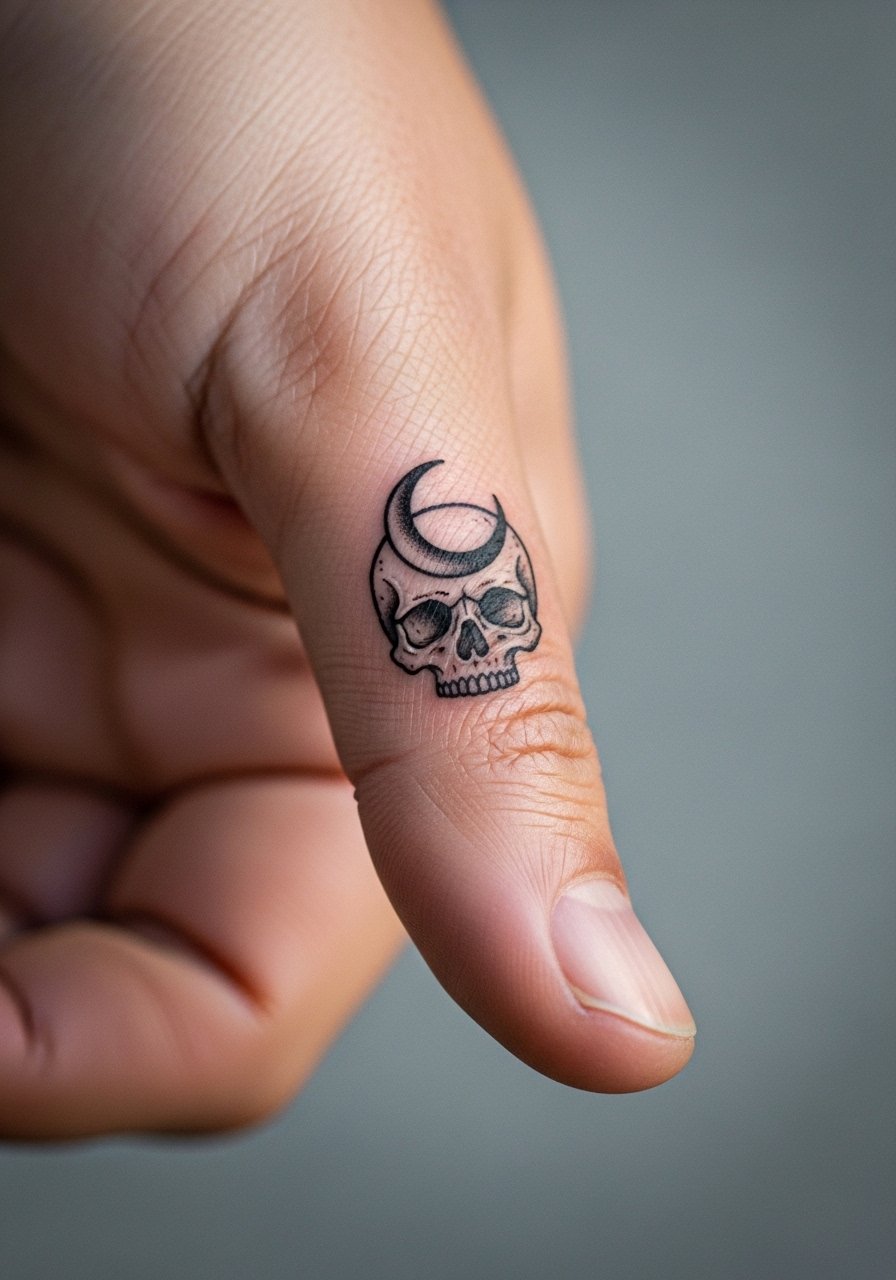
A thumb cap piece reads as a gothic accent because it is visible in many gestures. Tell your artist you want simplified teeth and a clean moon outline so the tiny negative spaces remain. The thumb cap rubs during handwashing and leather contact, so edges will thin faster than on flat dorsal skin. People often crave heavy internal texture at this scale and then need touch-ups. The sitting is compact and fairly painful. Pair with a minimal leather ring or leave the thumb bare to let the skull read clearly.
14. Blackwork Fleur-de-Lis Near the Wrist Tendon
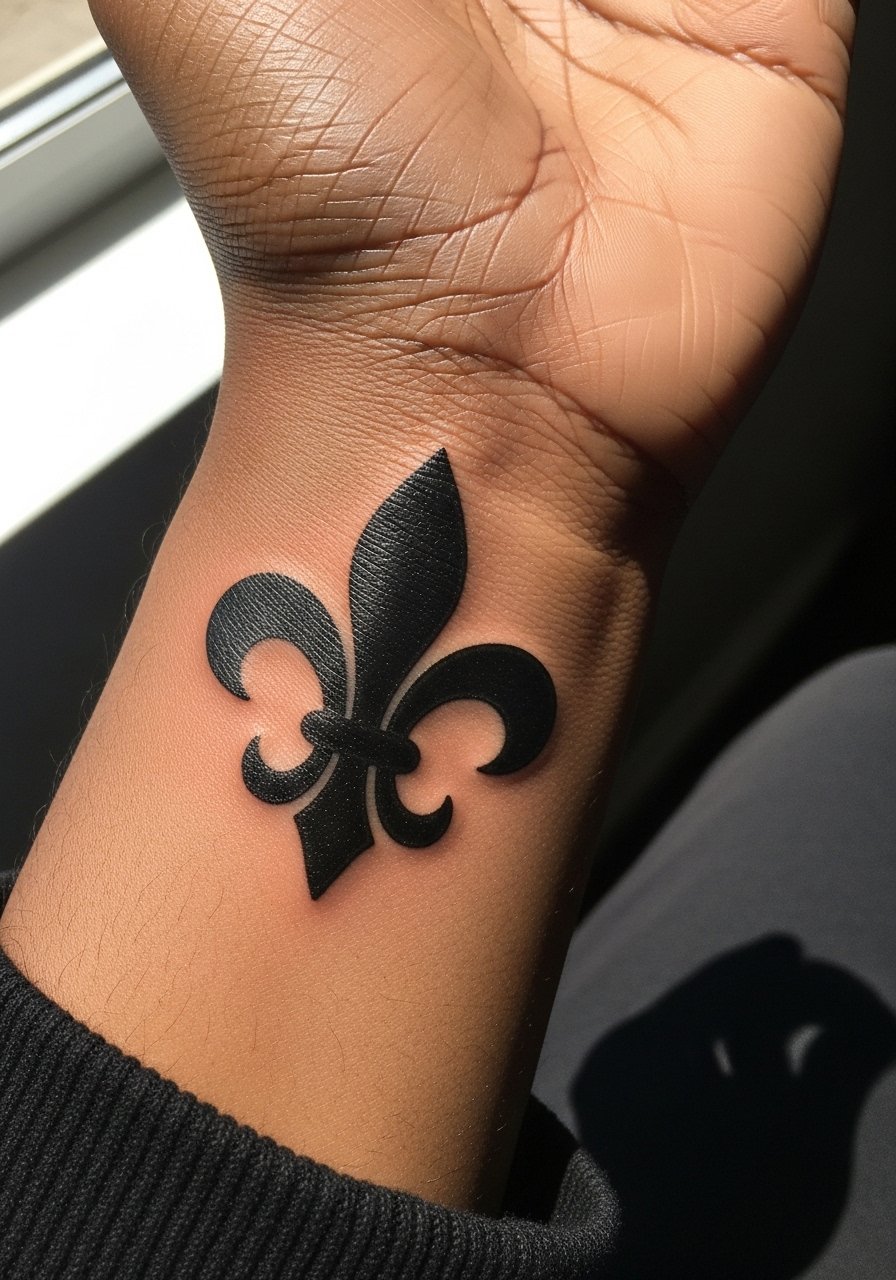
A fleur-de-lis in solid black functions like gothic heraldry on the hand because its silhouette is bold. Ask for a slightly higher contrast between the filled central mass and the outline so the form reads when edges thin. The common mistake is including tiny interior filigree that disappears under abrasion. Expect a touch-up in a couple of years. Placement near the tendon can feel twingy during the session. For styling, a slim mesh bracelet complements the heraldic shape.
15. Hourglass With Black Sand Across Fingers
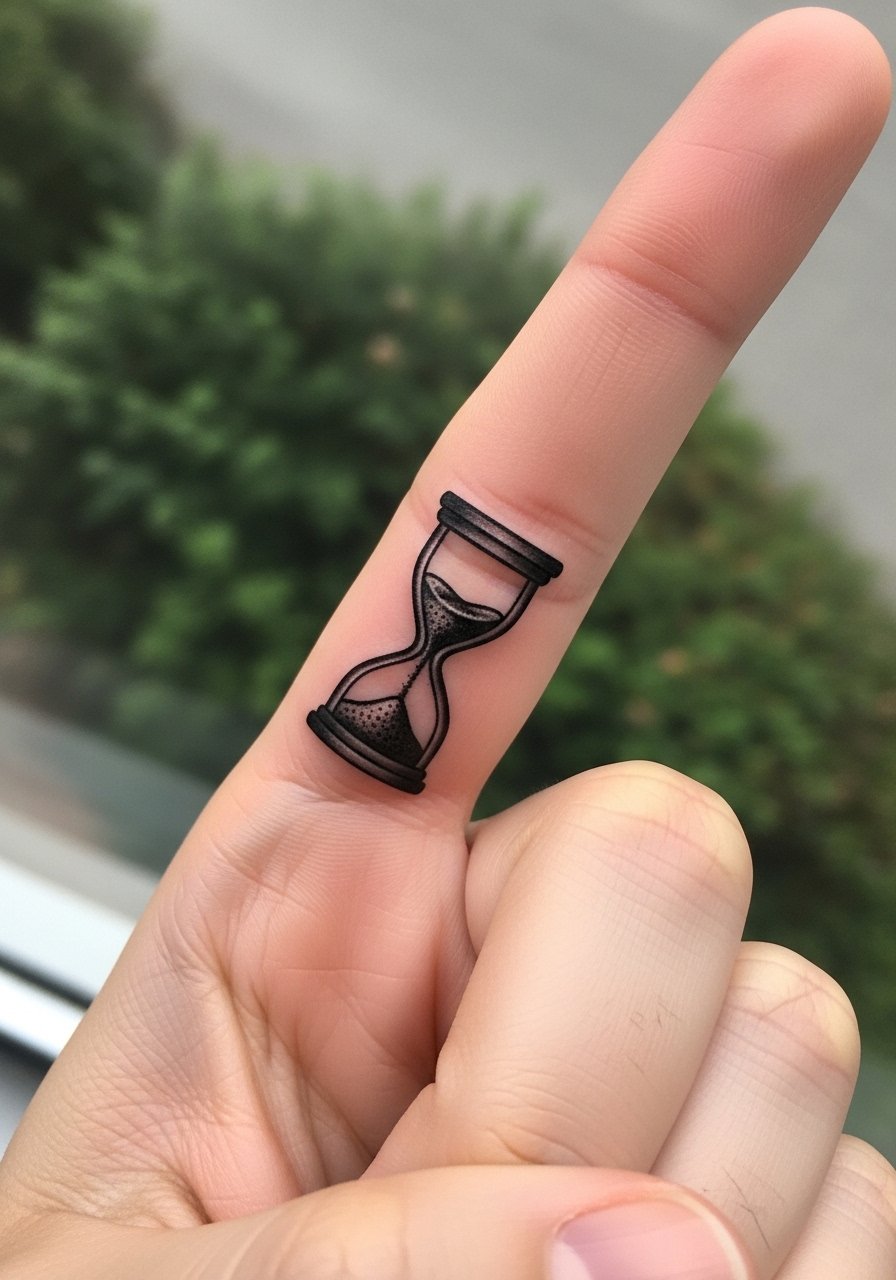
An hourglass that spans fingers reads dramatic because the negative space inside the glass contrasts with black sand. Tell the artist to keep the sand area as a solid block and avoid dot shading that blurs. The error I see most is compressing the hourglass too small between creases which makes the silhouette vanish. Expect touch-ups at year one. For showing it off, short nails and a slim adjustable ring keep attention on the tiny scene.
16. Dark Moon Phase Row Along the Thumb Side
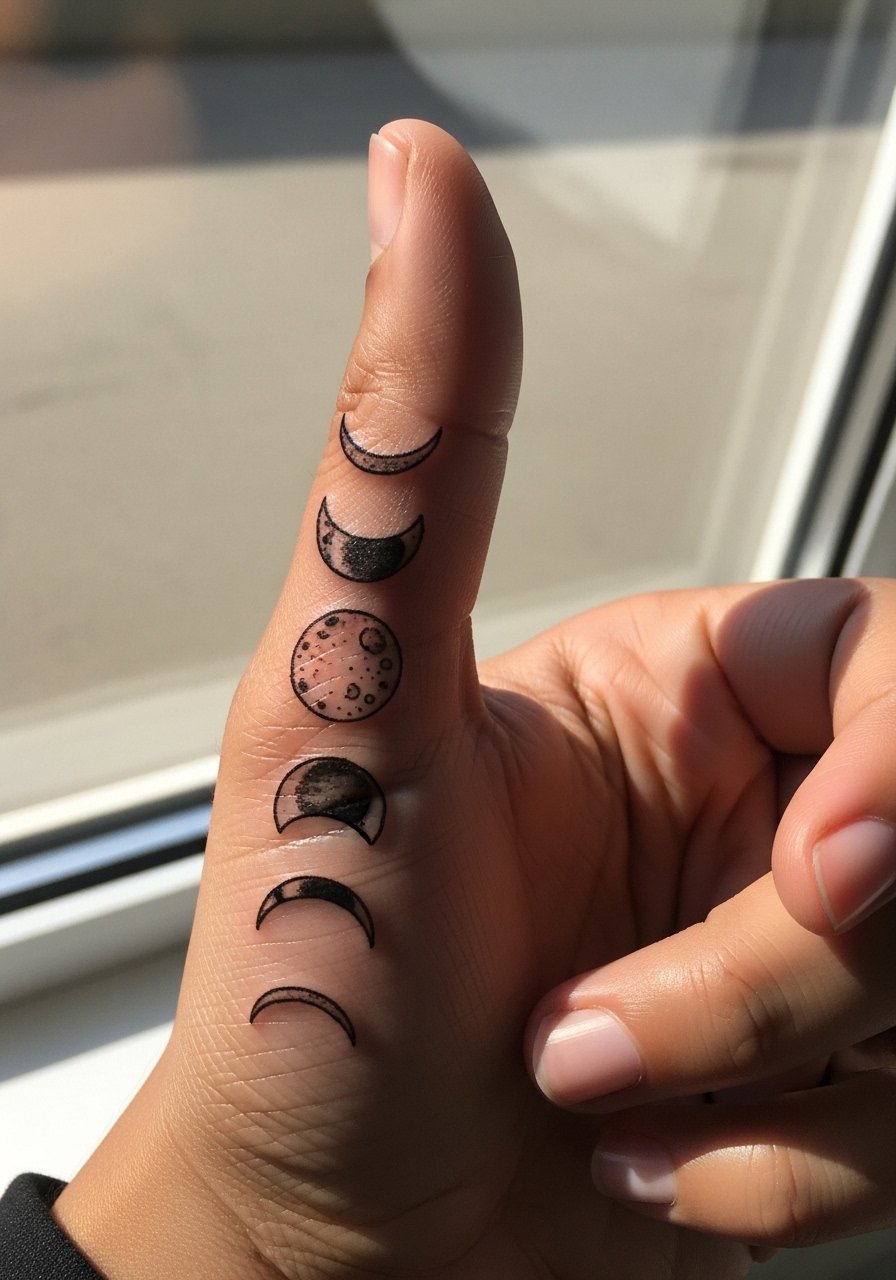
Moon phases in a compact row read gothic when filled in black with thin crescent outlines in between. Discuss spacing carefully so the phases do not blur together as the thumb moves. The common mistake is compressing the phases into a too-small band where they fuse. This area sees constant friction from grip, so expect uneven fading. The session is quick but sharp. For ease on session day, wear a sleeveless top that gives the artist full access.
17. Dark Ornamental Eye on the Back of the Hand
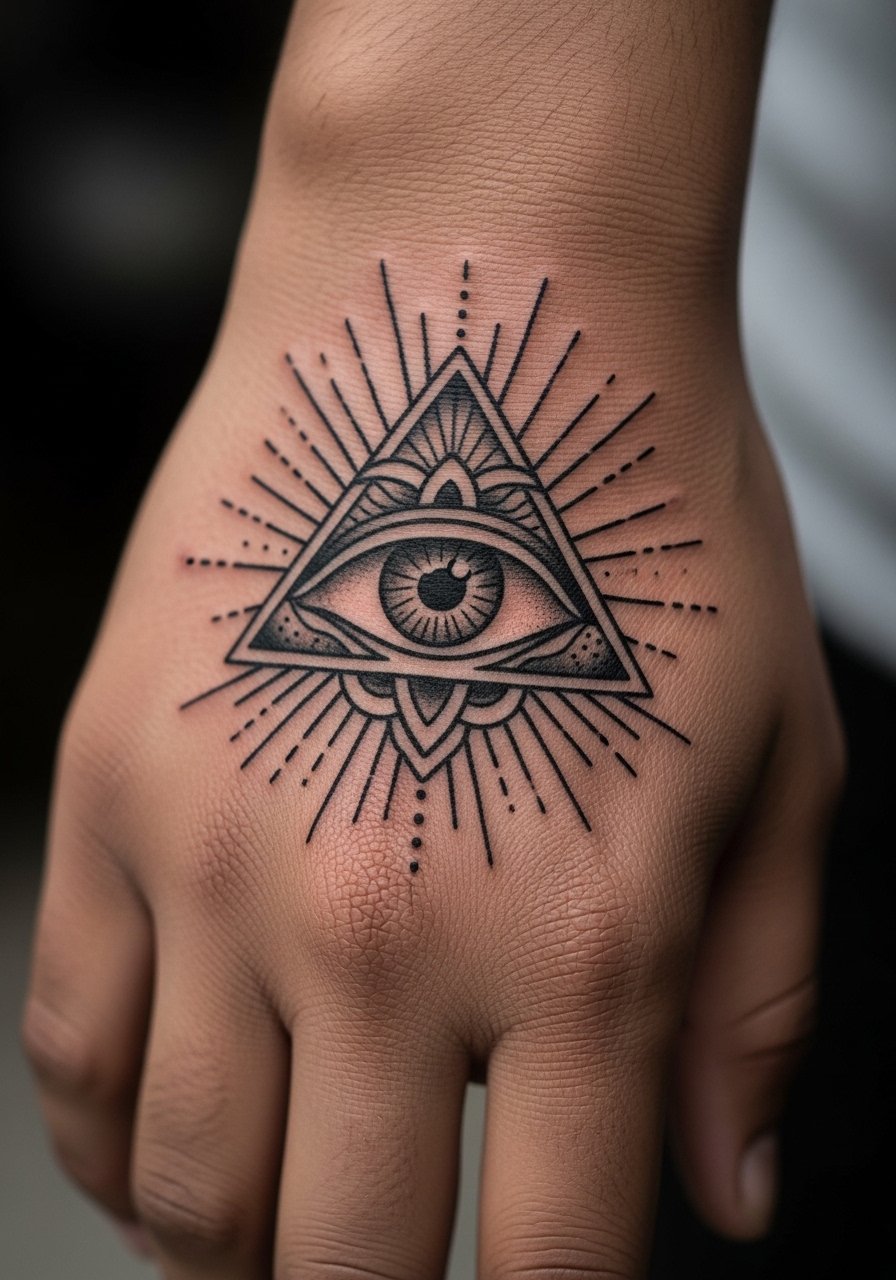
An ornamental eye reads like gothic flash because the pupil and lashes create an immediate focal point. Ask for a clear, simple pupil and spaced lash lines instead of tiny hatch shading that will smear. Artists debate whether micro-detail around the iris holds on the hand. One camp says keep it minimalist and bold. The other camp builds tiny strokes for texture and accepts earlier touch-ups. Ask your artist which approach they favor. For show, a low-profile thin chain bracelet keeps attention on the eye without crowding it.
Frequently Asked Questions
Q: Will gothic blackwork on the hand last as long as on the forearm?
A: Not usually. Hands take far more abuse from washing, sun, and friction, so solid blackwork tends to hold better than micro-detail. Expect touch-ups sooner and plan for bolder outlines and more negative space to help longevity.
Q: Are finger and knuckle tattoos safe for first-timers who want a dark gothic look?
A: They are doable but honest about the trade-offs. Fingers and knuckles sting more and fade faster. If you want a dark look that lasts, pick solid silhouettes or slightly thicker anchor lines rather than tiny filigree.
Q: How should I brief my artist to avoid a design blurring on the hand?
A: Be explicit about scale and internal spacing. Ask for stronger outer lines, open negative space inside dense areas, and say you prefer simplicity over micro detail. If the artist recommends a different scale, hear them out and ask for examples of healed hand work.
Q: Can I hide a hand tattoo for work if needed?
A: Hiding a hand tattoo is tough because hands are usually visible. Some people use heavy gloves or long sleeves during formal occasions. Consider placement on the side of the hand or near the wrist where a watch or bracelet can partially obscure the piece.
Q: Which wardrobe items show gothic hand tattoos best without covering them?
A: Low-profile accessories and short sleeves work well. For example, a slim thin chain bracelet or cuff can frame the hand, and rolled sleeves keep hands visible while looking intentional.
Q: How soon should I plan a touch-up for hand work?
A: Plan on a touch-up around year one to two for most hand pieces. Solid fills may hold a bit longer, but fine detail almost always needs refreshing sooner because of the skin movement and daily wear.