
Fine line trio sets look perfect on a saved board, but they behave differently on skin. What lasts is less about the flash and more about spacing, contrast, and placement working together. These 21 trio ideas focus on arrangements that read clearly at year one and year five, plus what to ask your artist in consultation so the group stays tidy as it ages.
1. Three Fine Line Arrows on the Inner Forearm
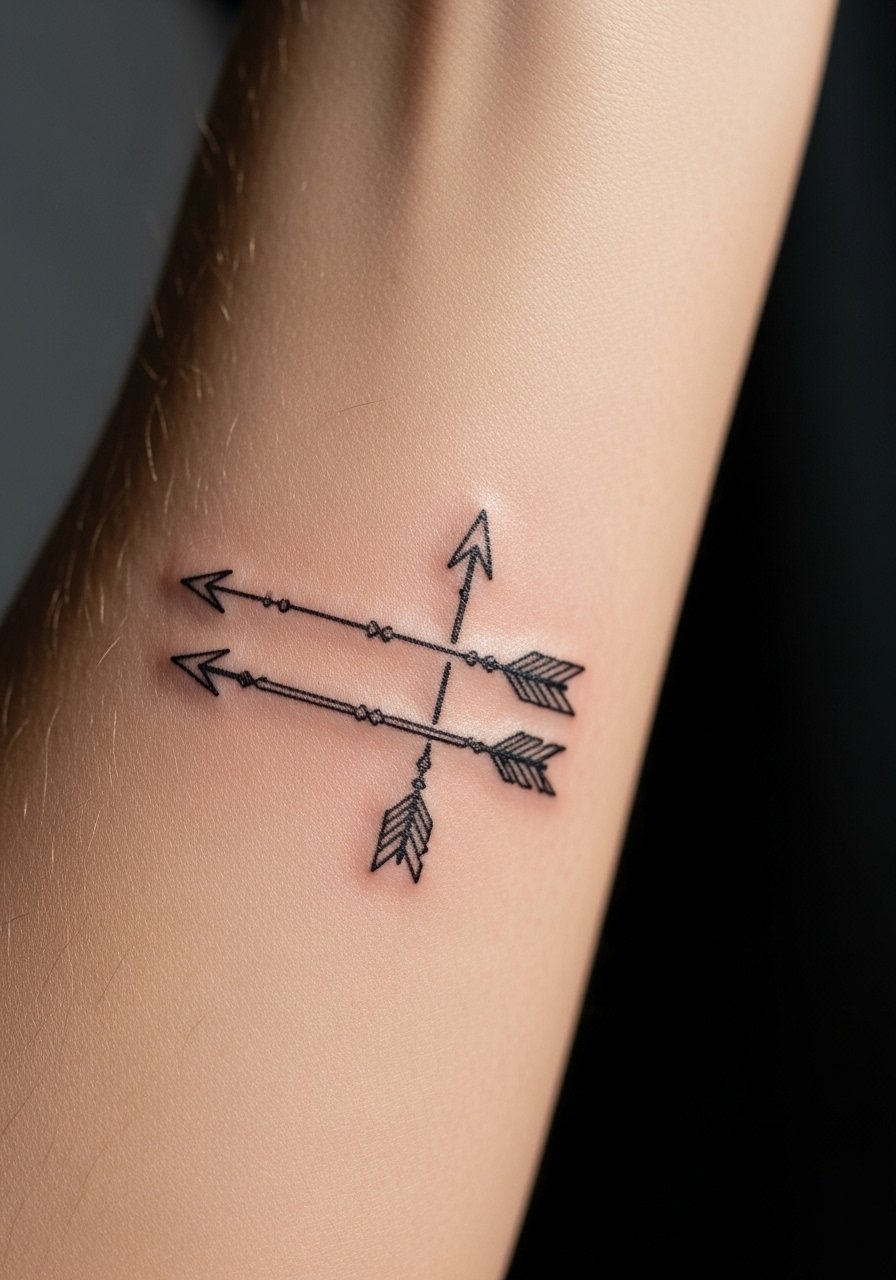
I've seen this arrangement last when the arrows are sized to breathe and not compete. Tell your artist to keep negative space between each arrow equal, and avoid packing tiny arrowheads close together. Pain is mild on the inner forearm, and a single session usually runs 30 to 60 minutes depending on detail. A common mistake is asking for micro arrowheads that merge after a couple of years. Expect a touch-up around year two for crisp arrow tips. For showing it off, roll sleeves to the elbow and wear a racerback tank that lets the trio sit flat against skin.
2. Three Traditional Roses on the Shoulder Cap
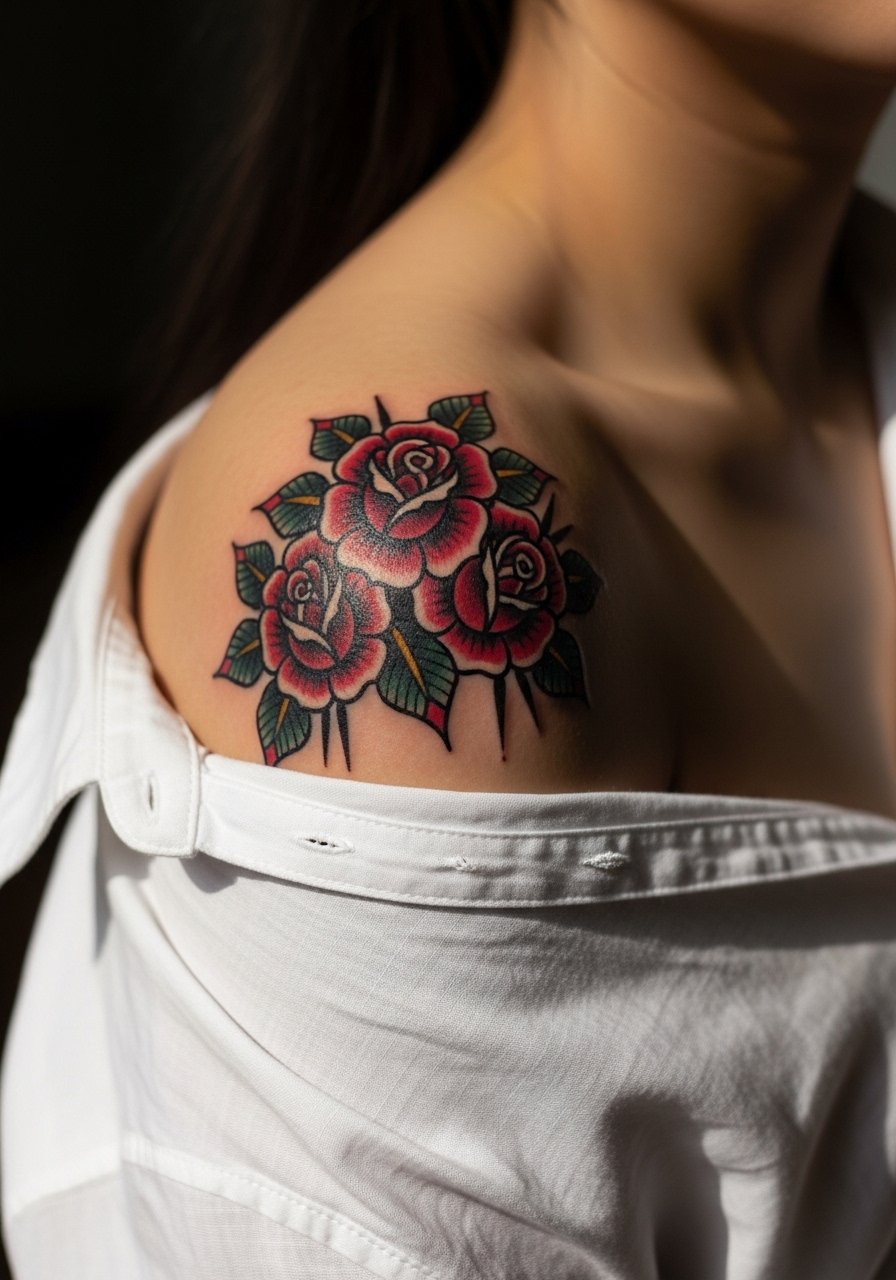
There is something about saturated color with bold outlines that reads from across a room. For shoulder placements expect medium pain, and sessions of 45 to 90 minutes depending on color saturation. Ask for slightly heavier outlines than you might for forearm work so the petals hold shape as the skin stretches. A mistake I see is making each rose identical in size. Vary them so the composition breathes and ages predictably. Wear a loose button-down shirt for the session so the artist can access the cap without you being uncomfortable.
3. Small Anchor, Star, and Ship Wheel on the Calf
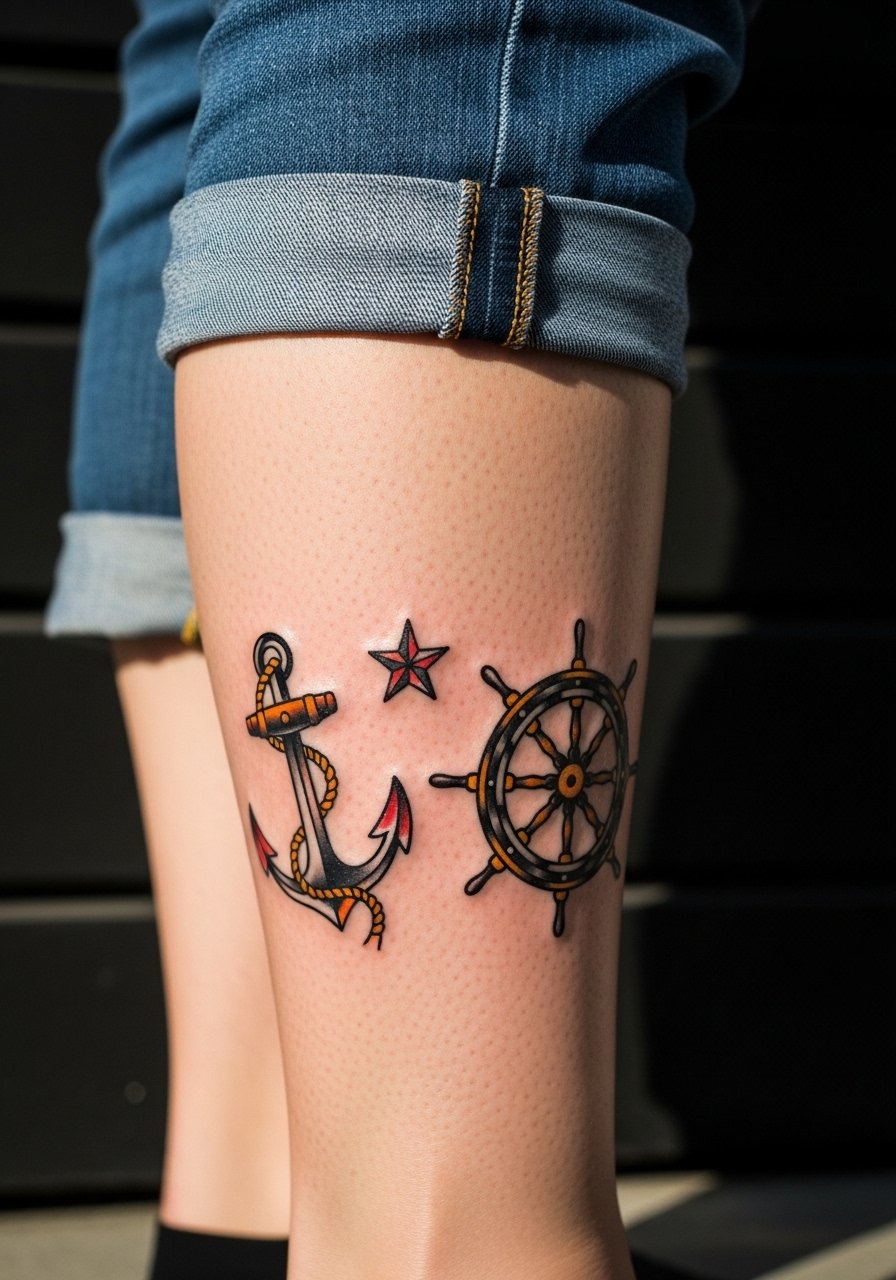
Calf placements handle saturated traditional ink well and they age slowly because the area gets less daily friction. Sessions are generally comfortable and can be split into two shorter sittings if you want perfect saturation. Tell the artist you want clean, single-pass outlines and solid fill to avoid patchy saturation later. A typical mistake is asking for overly tight dot shading inside the wheel, which can turn muddy. Expect minimal blowout risk here. For evenings out, a pair of cropped denim jeans shows the trio without hiding it.
4. Three Tiny Script Words Across the Collarbone
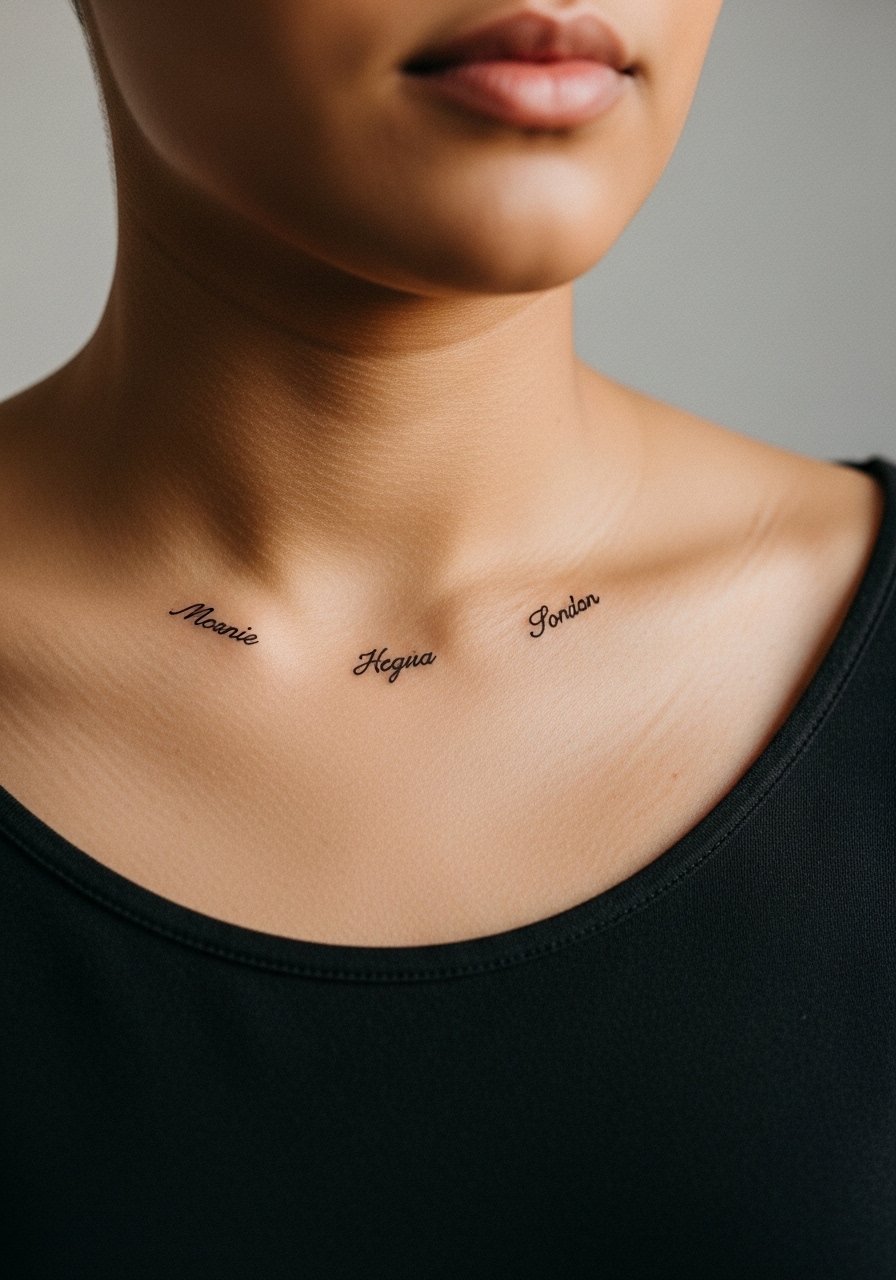
Collarbone pieces look delicate but the skin there moves with breathing, which can blur tiny scripts. Pain is moderate and sessions are short, often under 30 minutes. Ask for slightly larger letterforms with airy spacing so the strokes do not merge over time. A widespread debate exists about script on the clavicle. One camp says keep lettering bold to survive, the other prefers very fine script for aesthetic reasons. Name both camps in the consultation and pick the approach that matches your tolerance for touch-ups. Pair this trio with an open-back midi dress for evenings where the collarbone becomes the focal point.
5. Three Constellation Dots Along the Wrist
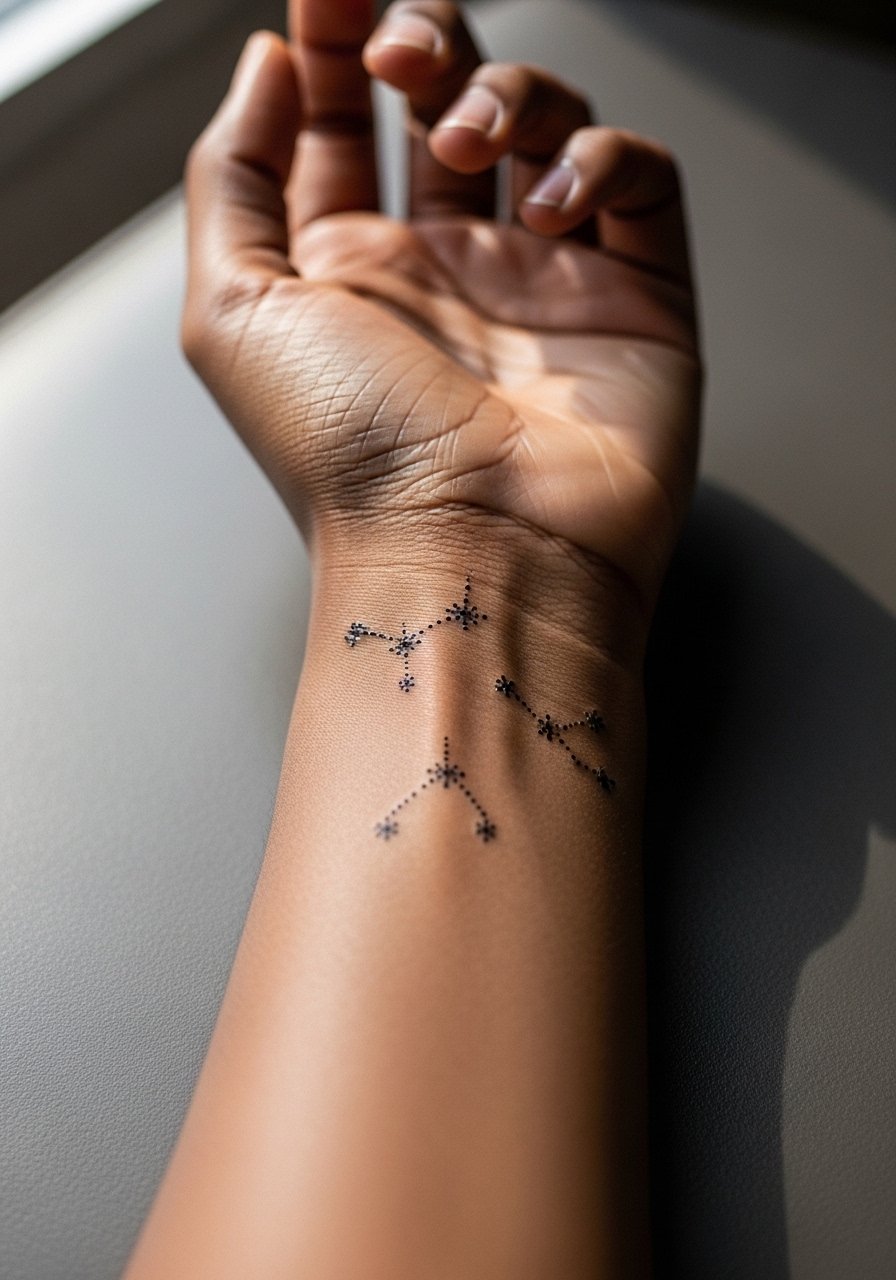
Wrist trio pieces are vulnerable to constant washing and friction from bracelets. Pain is low but healing requires attention. Tell your artist you want the dots slightly spaced and not packed in, and avoid ultra-tiny dots that can disappear. The most common mistake is requesting micro-dot clusters with no spacing. Expect to check in for a touch-up at year two if you want the dots to remain crisp. For showing off, stack with a thin chain bracelet that frames the wrist without rubbing directly on the ink.
6. Three Nautical Stars Down the Side of the Hand
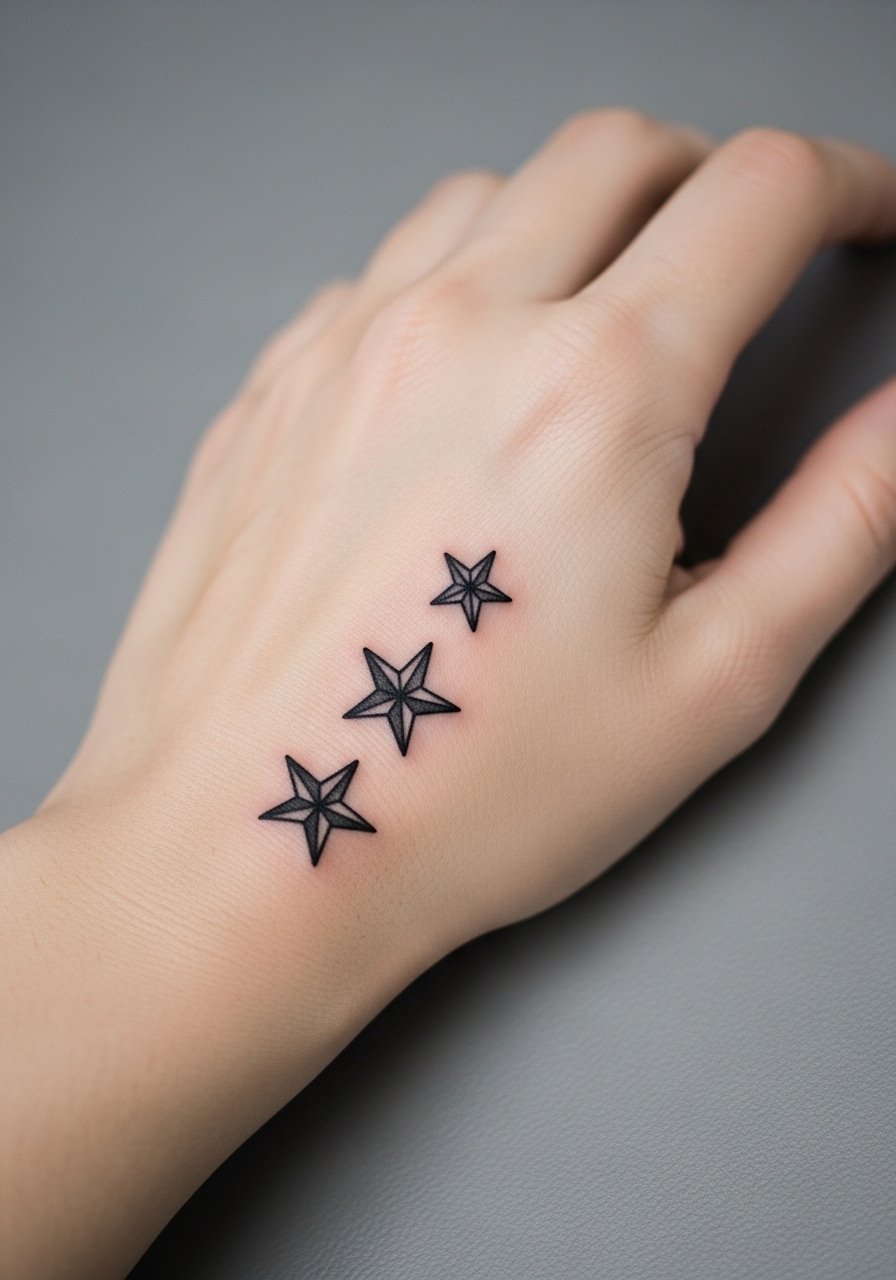
Hand tattoos provoke the most debate in client circles about jobs and longevity. Artists split into two camps. One group warns that hand ink fades fast and affects hiring in some industries. The other group says with the right placement and bold outlines hand work can last and be acceptable. If you proceed, expect higher touch-up frequency and plan on sessions that are shorter but more intense. Ask your artist about their track record with hand saturation. For the session, wear a sleeve you can roll up easily and keep a minimalist watch band off the area during healing.
Studio Day Picks
The wrist, hand, and collarbone pieces above have different prep needs, and a few product choices smooth the session and initial healing.
-
Stencil transfer paper kit. Lets you try exact placement on skin before the needle touches, which is helpful for collarbone and wrist alignments.
-
Topical numbing cream. Applied as directed before the appointment eases the sting for sensitive hand and collarbone work.
-
Thin protective film roll. Keeps wrist and hand tattoos cleaner during the first week when friction and washing are highest.
-
Fragrance-free gentle body wash. Cleanses without irritating fine line pieces along the collarbone and wrist.
-
Aquaphor healing ointment. A thin layer in the first days locks in moisture and supports initial healing for high-friction spots like hands and wrists.
7. Three Micro-Realism Feathers Along the Spine
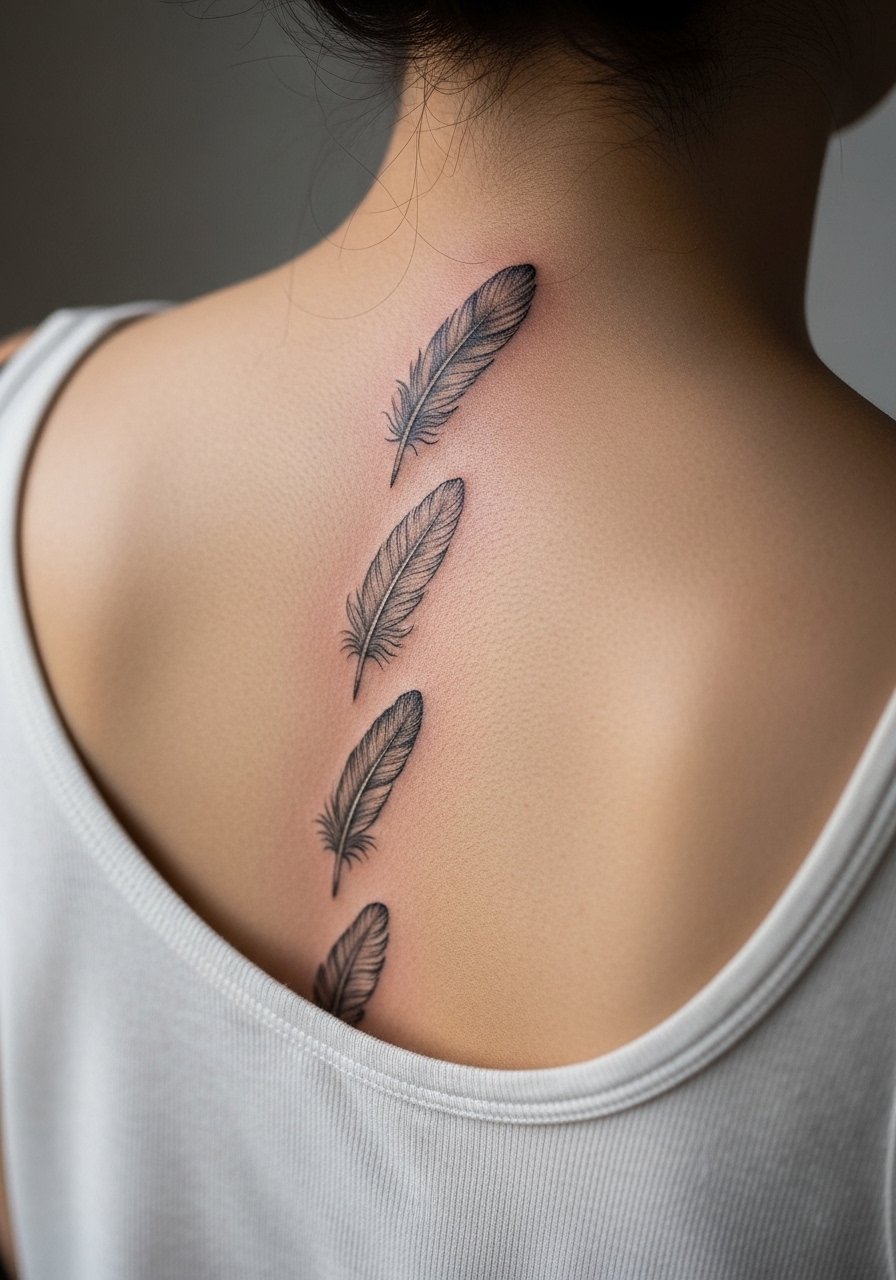
Spine trio pieces read elegantly when spaced with breaks between each feather so the skin can move. Expect higher pain on the spine and sessions that might be split into two. Ask your artist to prioritize single-pass linework for thin quill details to reduce the chance of blowout. A common mistake is compressing too much detail into each feather. Over time, the tips soften, so plan a touch-up at year three if you want crisp barbs. For session comfort, wear a strapless or tie-back top so the artist has full access without you being overly exposed.
8. Three Bold Blackwork Circles on the Thigh
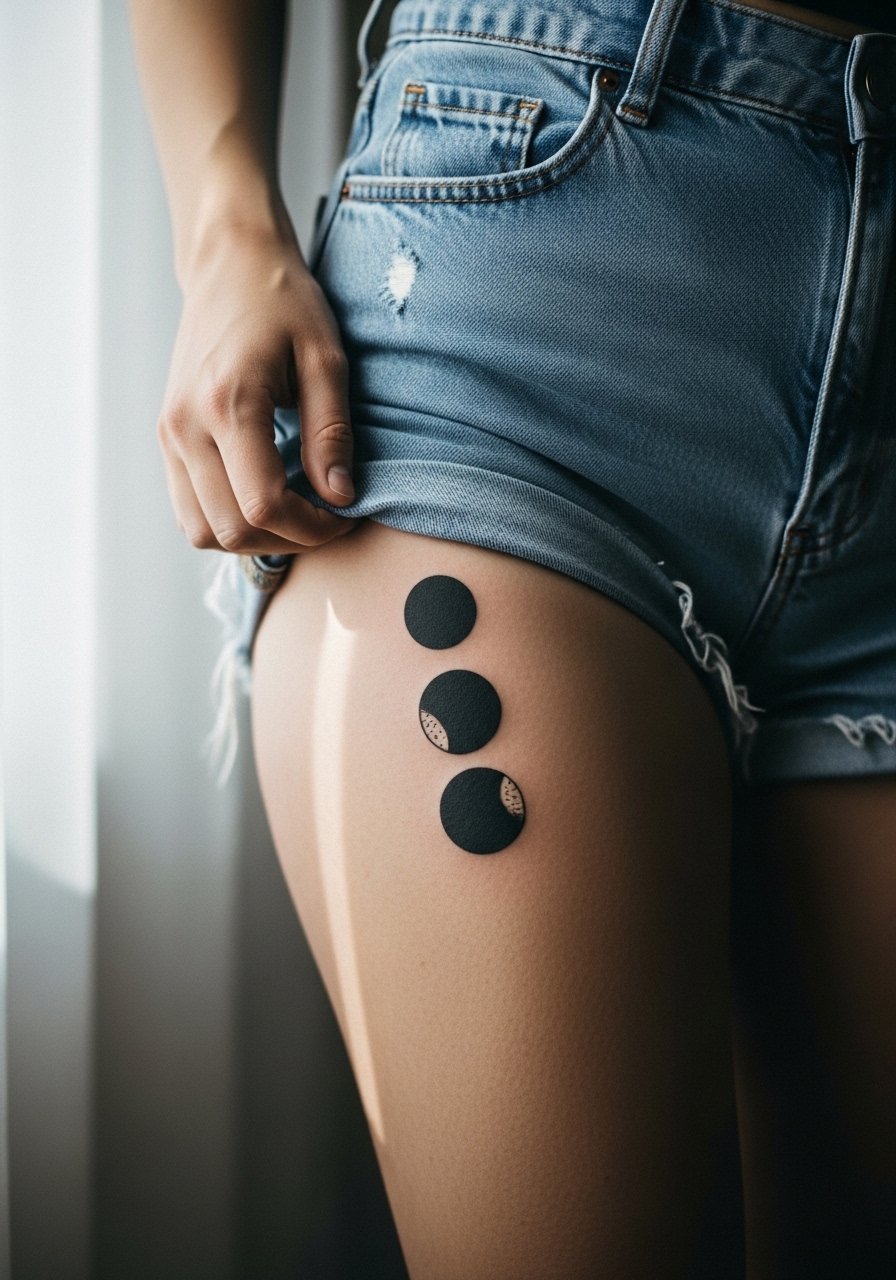
Thigh placements tolerate heavy saturation and larger shapes, which helps blackwork remain solid as skin changes. Sessions are comfortable and can be longer, often over an hour. Tell your artist you want consistent saturation across each circle and crisp outer edges. Avoid asking for near-edge stippling that can look patchy later. Expect minimal blowout risk here, but plan for a touch-up if you see any patchiness after heavy fading. For the session wear loose drawstring shorts so the artist can roll the fabric without pressure on the area.
9. Three Thumbprint-Size Botanicals Behind the Ear
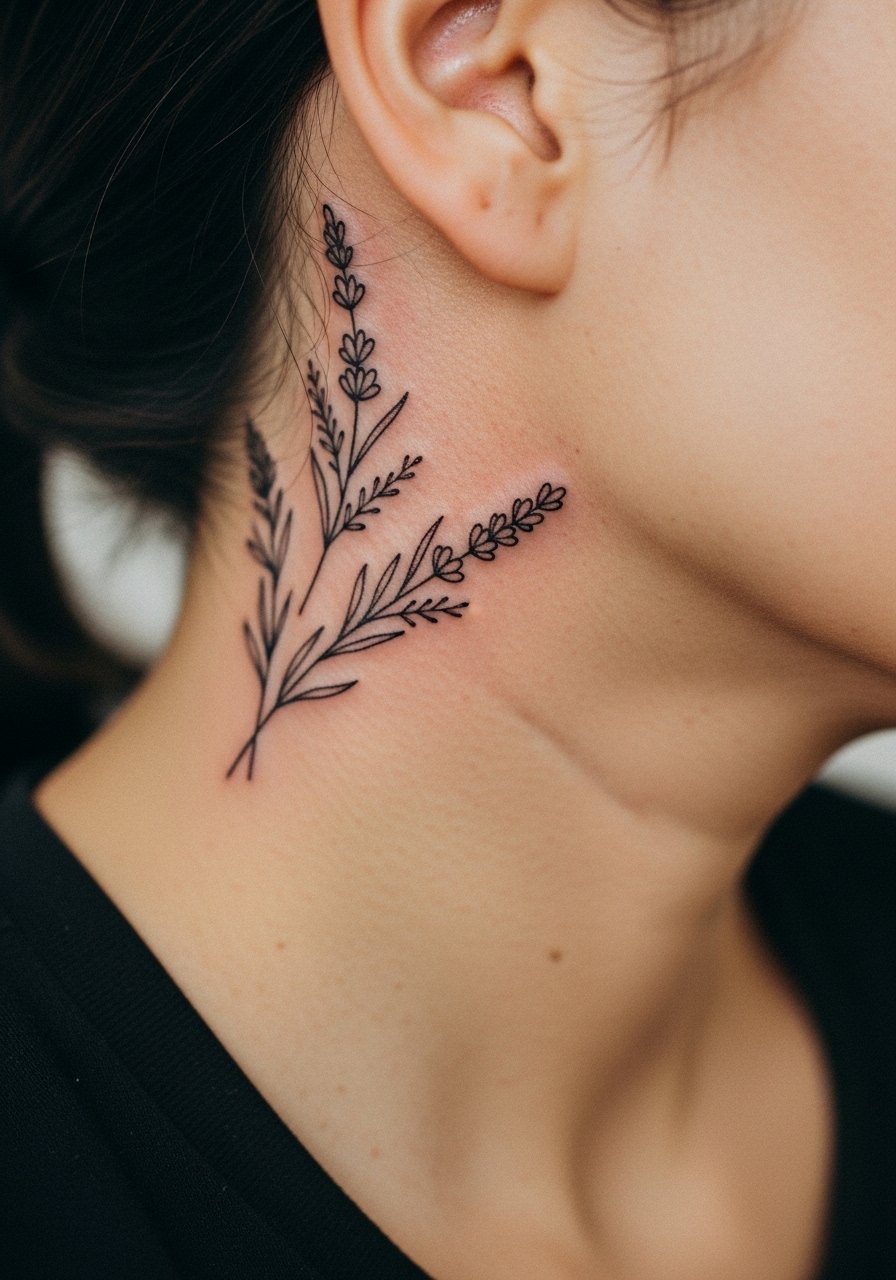
Behind-the-ear pieces are intimate and require careful placement because the area is small and hair can hide them. Pain is moderate and sessions are short. Always describe exact placement relative to the hairline so the trio sits where you can show it or cover it easily. A mistake is crowding three motifs into a space that only fits one. Expect more visible fading if you wear heavy hair products, so tell your stylist to avoid applying oils to that side during the week of healing. Because this is a sensitive area, pick an artist who does a lot of small head and neck work, and bring photos that show spacing.
10. Three Geometric Triangles Stacked on the Ribcage
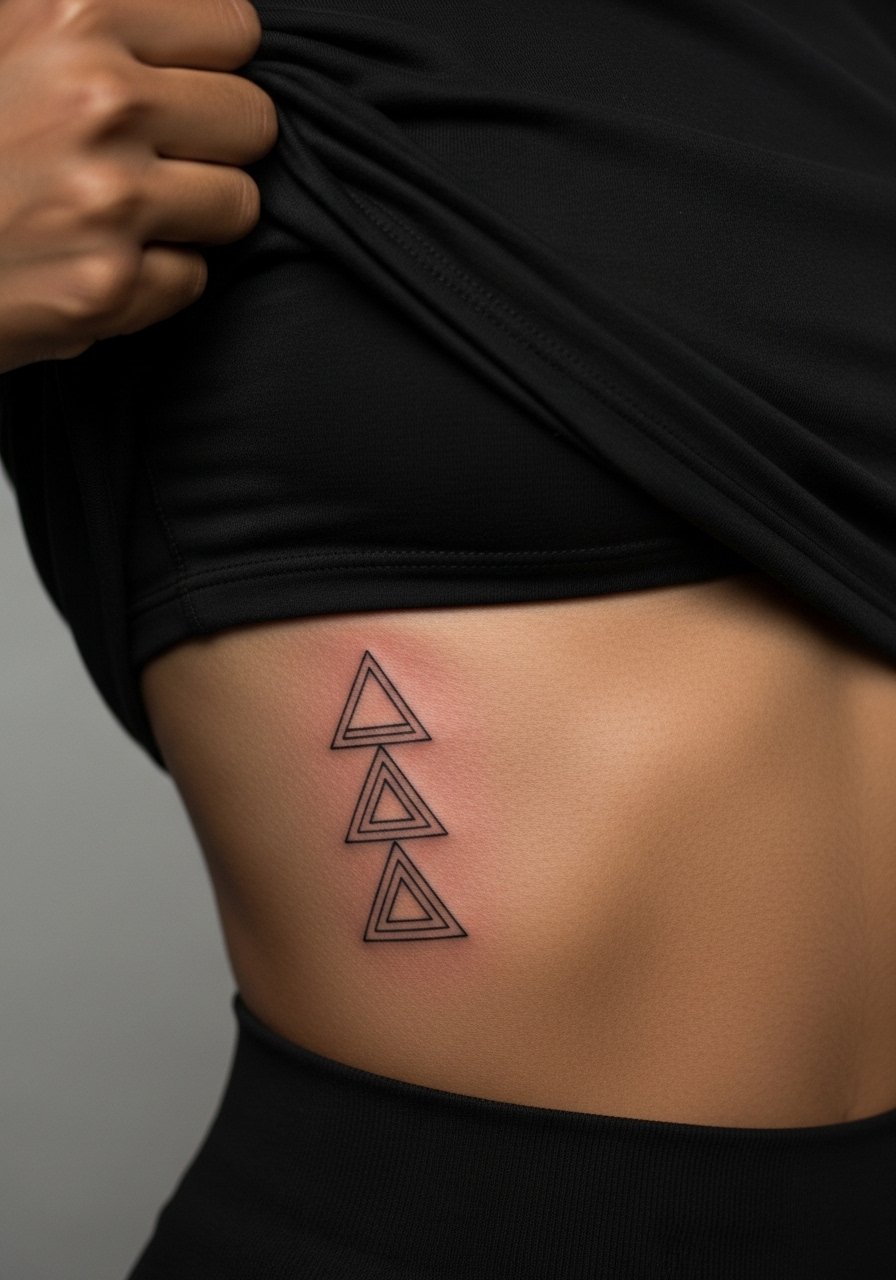
Ribcage linework is notorious for shifting with breath and weight changes, which makes small geometry risky if scaled too tight. Pain is higher and sessions often need breaks. Tell the artist you want more spacing between lines and slightly heavier initial linework for durability. A common mistake is insisting on ultra-fine lines that merge as the skin stretches. There is a controversy about fine line on ribs. One group says the skin stretch blurs fine work within two years. The other group argues that with proper depth and spacing it settles fine. Ask your artist where they land before booking. For the session, wear a zip-up hoodie you can easily open to expose one side.
11. Three Miniature Animal Silhouettes on the Ankle
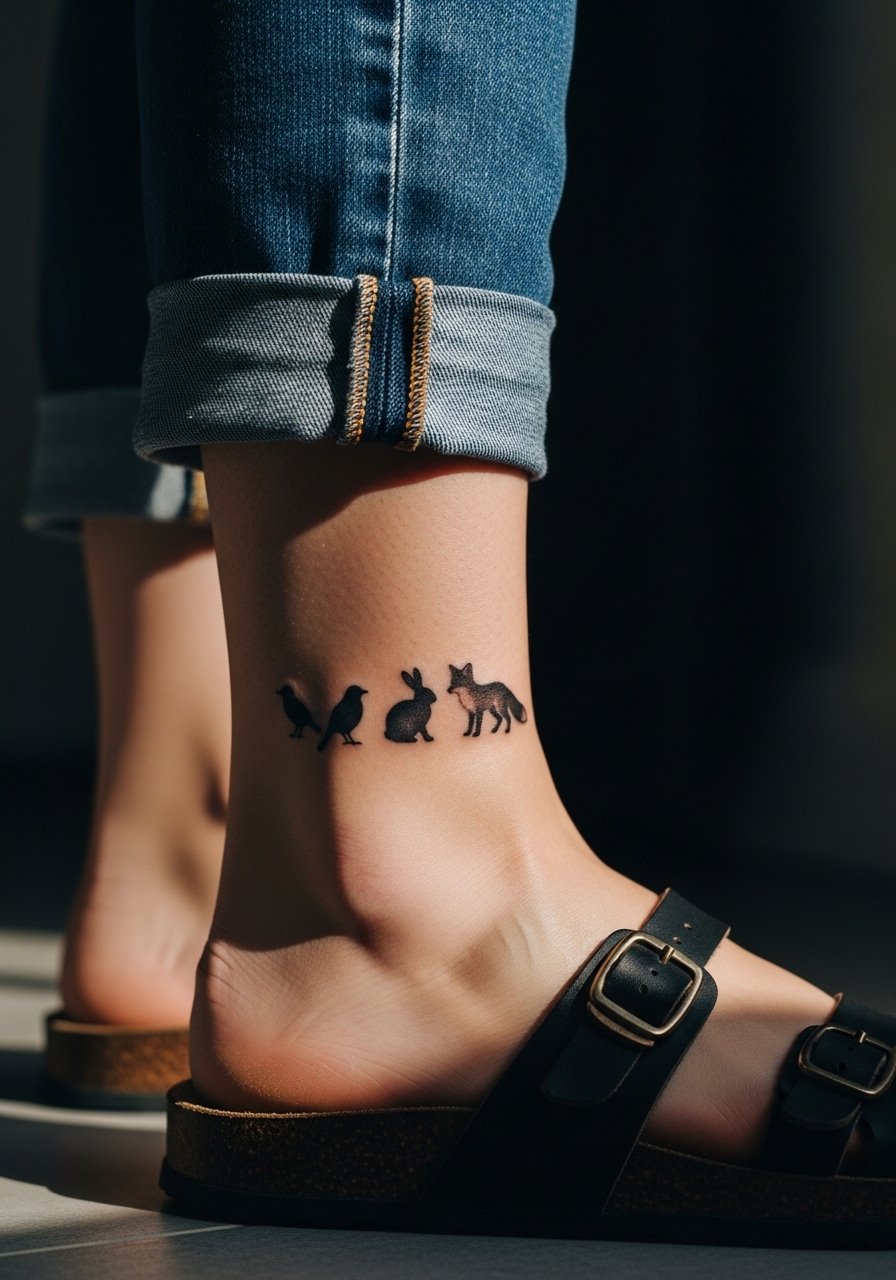
Ankle trio tattoos face constant friction from socks and shoe collars, which can dull fine edges. Pain is low to moderate and sessions are brief. Ask for slightly larger silhouettes than you think you need so the forms remain recognizable as they age. People often request extremely tiny details that don't hold up with walking and repeated rubbing. Plan on a touch-up sooner than forearm pieces. For showing them off wear sandals or cropped pants that keep socks away from the area during the healing window.
12. Three Nautical Pins Across the Upper Bicep

Upper bicep is forgiving for small sets because muscle movement is predictable and friction is low. Sessions are comfortable and usually done in one go. Tell your artist you want a consistent lineweight to prevent one pin from looking heavier than the others. A real mistake is asymmetrical spacing without intention. Expect minimal blowout risk and touch-ups mainly for color settling. For the session plan to wear a loose tank top that gives easy access and keeps you comfortable while seated.
13. Three Mini Mandalas on the Back of the Neck
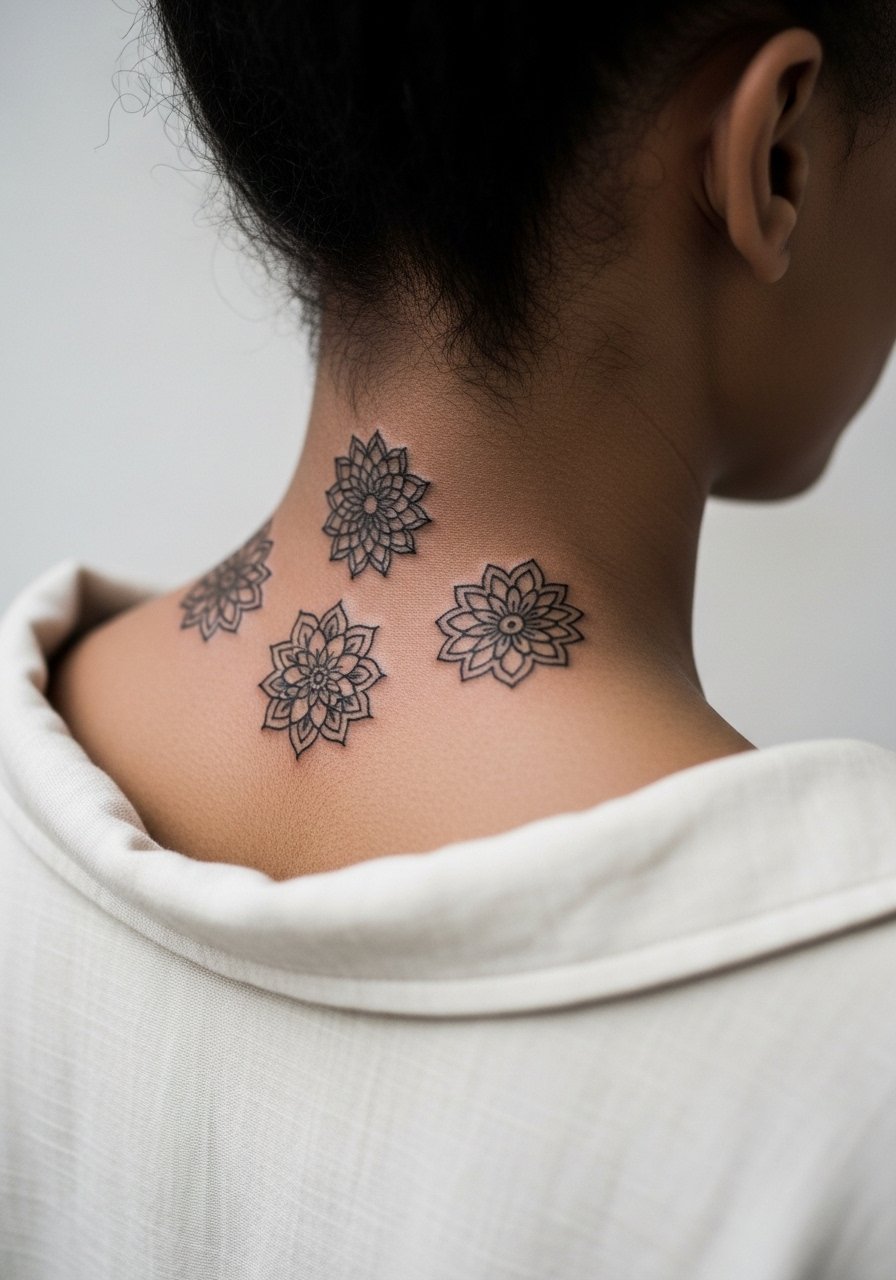
Neck pieces demand crisp geometry and careful scaling because the skin there is thin and mobile. Pain is moderate and sessions are short. Ask for clear spacing and slightly bolder outlines for the densest mandala centers. Artists debate tight mandalas on the neck because detail can fill in over time. The common mistake is squeezing too much dot work into a tiny circle. For visibility pair this trio with a wide-neck sweater that exposes the nape when you want to show it.
14. Three Script Numbers Along the Side of the Hand
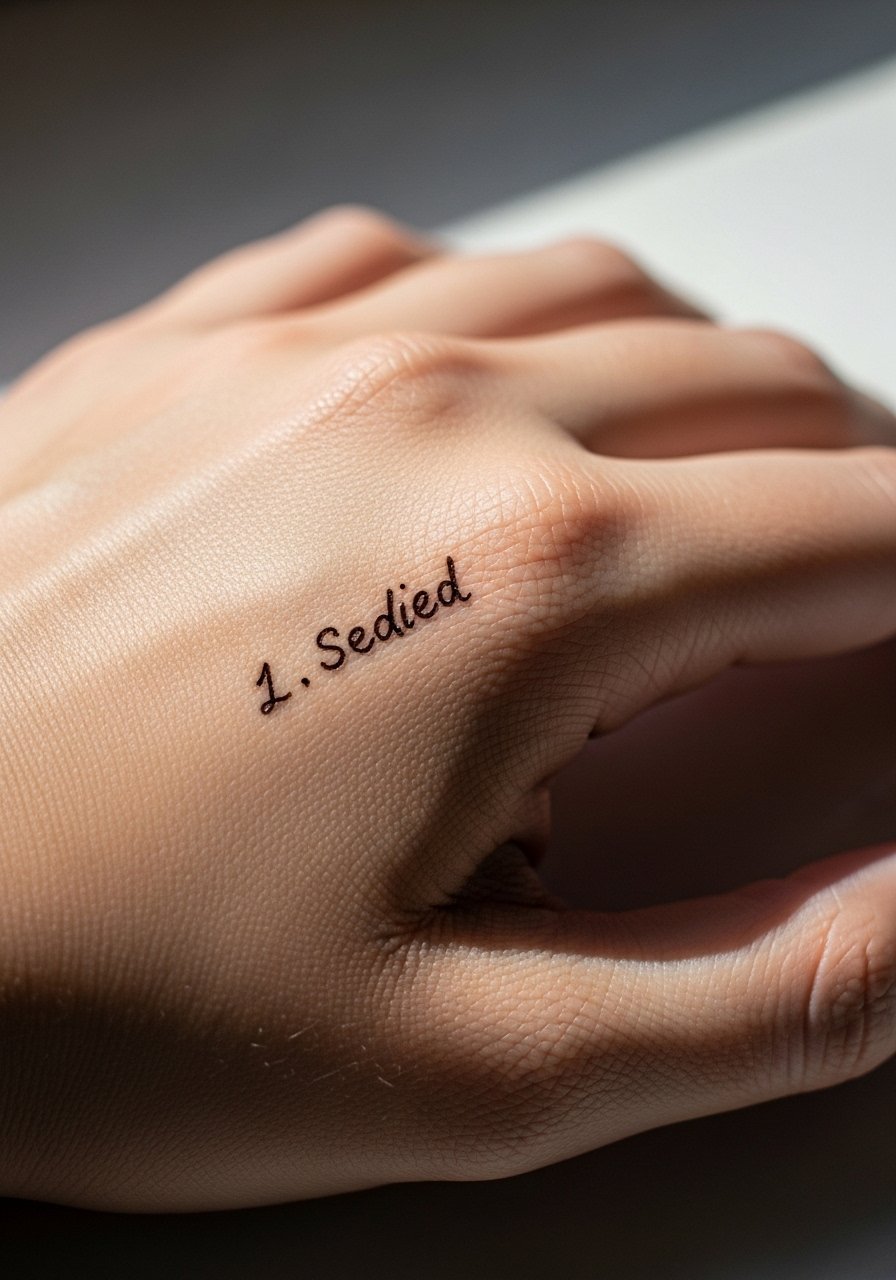
Side-of-hand script takes a beating from frequent washing and contact. Pain is similar to the outer hand and sessions are quick. Ask the artist for slightly larger numerals in a steady script so the strokes do not thin out. A typical mistake is picking a delicate font that depends on hairline strokes. Expect touch-ups more often than forearm script. Consider how the placement interacts with rings and bracelets during healing, and keep jewelry away until the skin seals.
15. Three Small Suns Across the Sternum
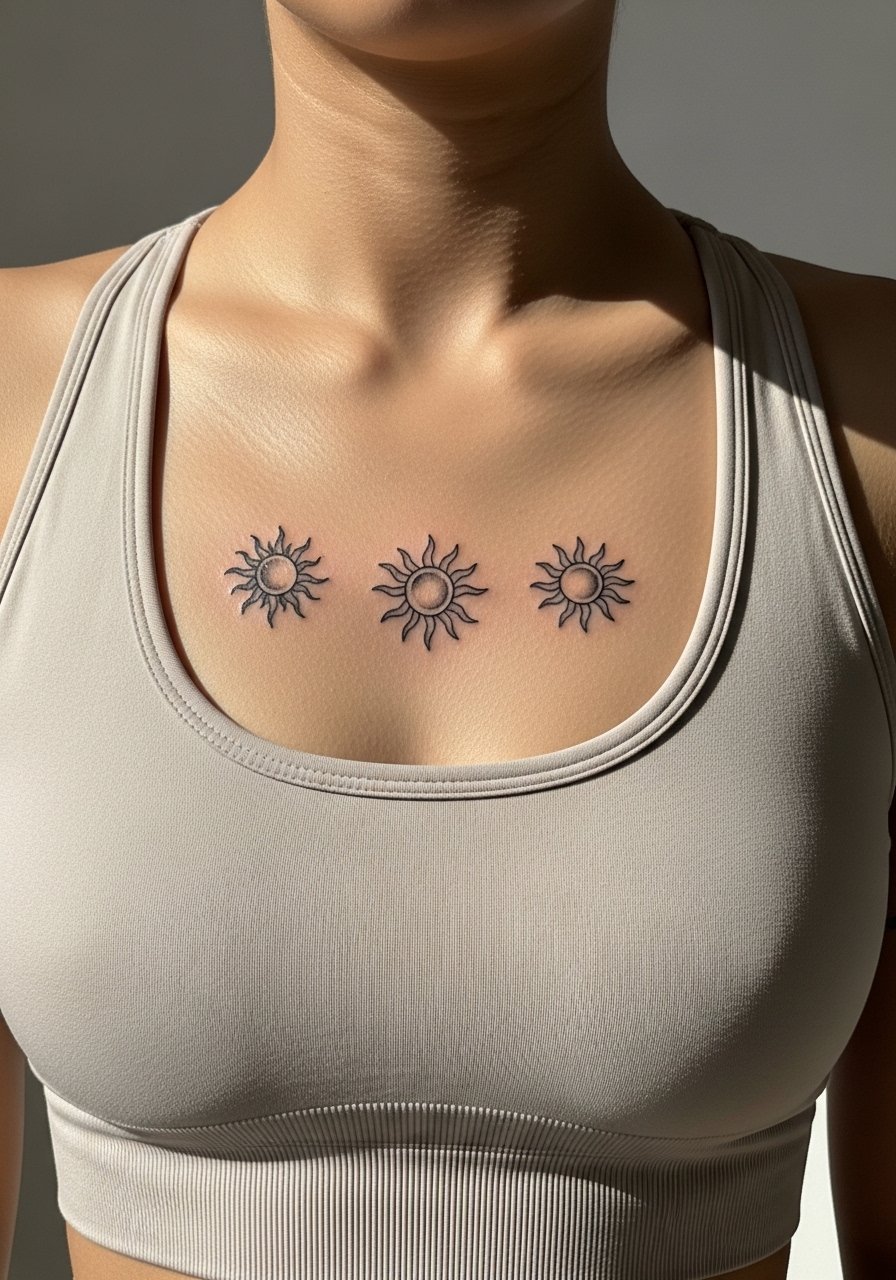
Sternum work is sensitive and the skin curvature makes symmetrical placement tricky. Pain is high and sessions often require breaks. Tell your artist you want the middle sun centered to the sternum and the two side suns balanced by negative space. A common error is asking for heavy shading near the center that becomes a blur as the body moves. Expect touch-ups around year three for dense ink areas. For the appointment wear a fitted sports bra so the artist can expose the area without you being uncomfortable.
16. Three Stippled Crescent Moons on the Inner Bicep

Inner bicep shading needs careful needle rhythm because the skin is softer and can pool ink. Pain can be higher due to sensitivity and sessions are moderate in length. Tell the artist to use stipple shading with deliberate spacing between dots to avoid a muddy fill. A common mistake is asking for dense stippling that blends into a block of gray. Expect that stipple work will soften by year three and plan a touch-up if you want the crisp dot edges restored. For the session wear a loose tank top to give unobstructed arm access.
17. Three Miniature Portrait Silhouettes on the Upper Back
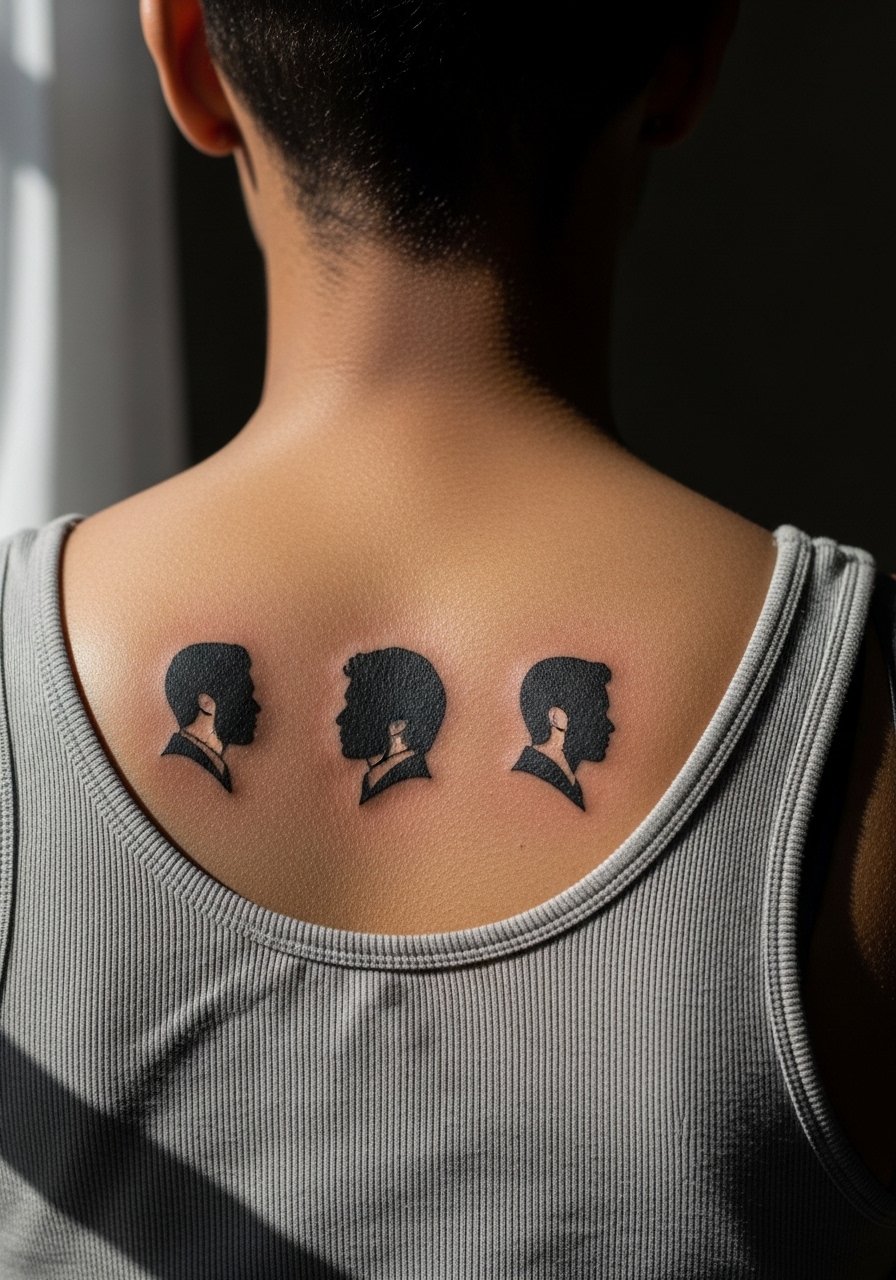
Upper back allows a horizontal trio that sits under clothing and can be shown selectively. Sessions are comfortable and can be completed in one appointment. Bring clear silhouette references and specify the direction each profile should face. The mistake is vague references that force the artist to guess scale and orientation. Portrait detail will soften over years, so expect a touch-up at year five if you want defined profiles. For the session put on a button-down shirt you can easily peel off without hauling a top over your head.
18. Three Tiny Anchors Around the Ankle Joint
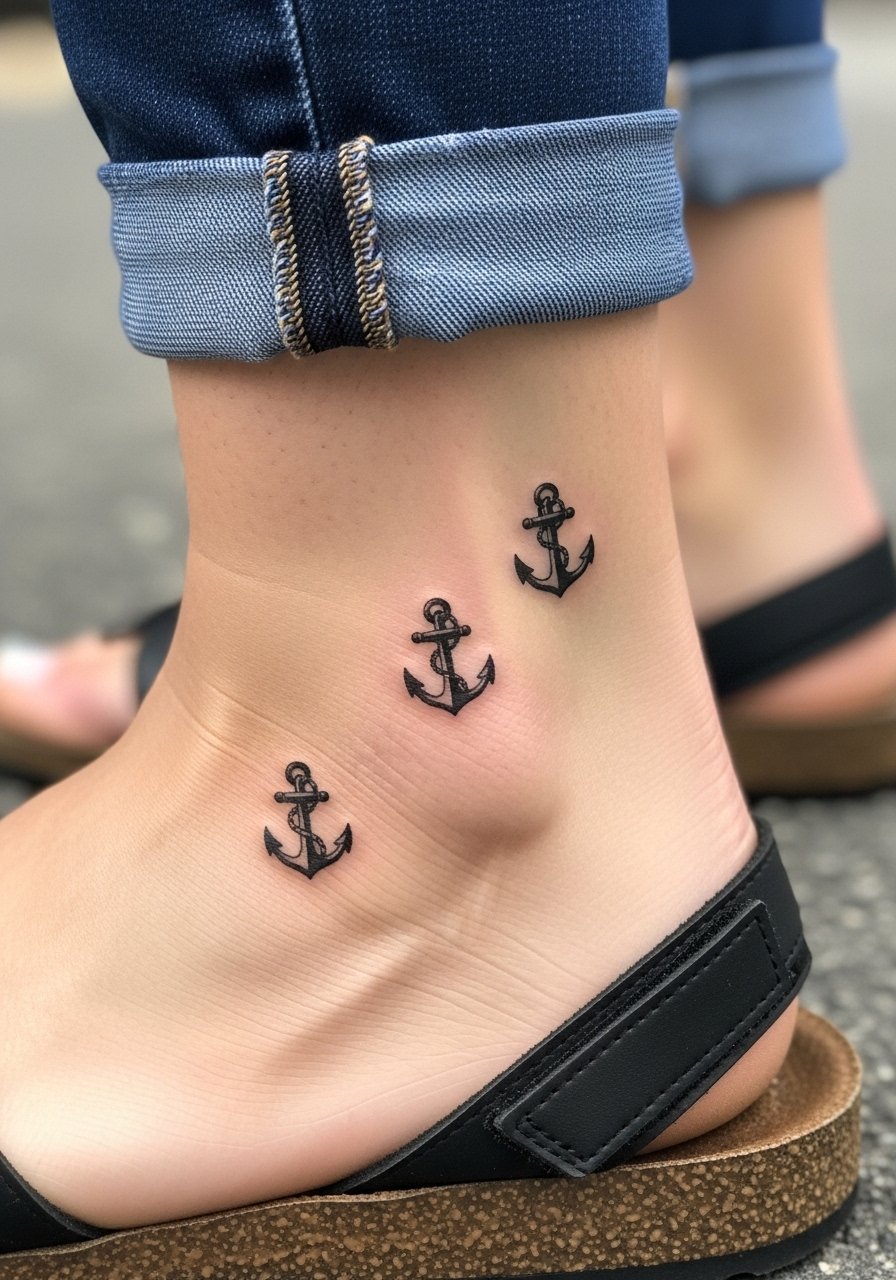
Ankle joint pieces must consider movement and footwear. Pain is moderate and sessions are brief. Ask for anchors slightly spaced from the bone ridge so swelling does not push ink toward the edge. A frequent mistake is tight placement that forces the lines too close to shoe contact points. Expect the need for touch-ups after heavy summer wear. For recovery keep shoes loose and choose sandals or slip-ons during the first week to avoid pressure.
19. Three Matching Script Tags on the Rib Side

Rib-side scripts require patience at the chair and realistic expectations about movement-related blur. Pain rates high and sessions can be split. Tell the artist you want larger letter spacing than the font appears on screen to avoid merging as the skin moves. One camp of artists avoids fine script here because of stretch. The other camp will do it with revised spacing and depth. Ask which method the artist uses and how often they touch up rib work. For session comfort wear a cropped athletic top so the artist can reveal only the side you are working on.
20. Three Small Geometric Suns on the Forearm
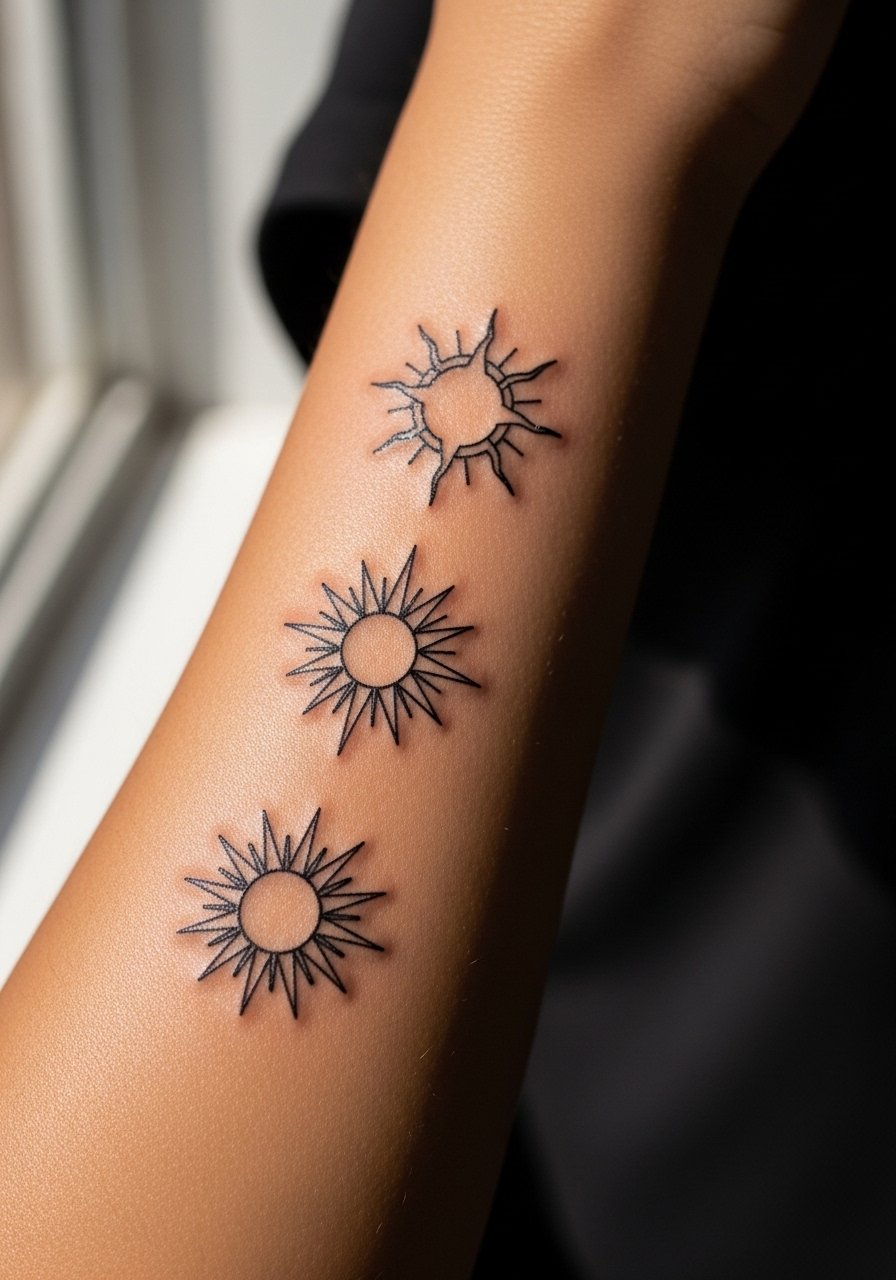
Forearm geometry is one of the most forgiving trio placements because it stays visible and gets regular sunscreen. Sessions are moderate and usually done in one appointment. Ask for slightly thicker outer lines on the geometric suns so the rays do not feather over time. A mistake is packing too many inner rays that later read as a gray blur. Expect a touch-up at year three for the thinnest inner work. Pair this trio with rolled sleeves and a linen button-up when you want the forearm to stand out.
21. Three Tiny Compass Points Around the Wrist

Compass point trios work when positioned to avoid constant bracelet contact and friction from typing. Pain is low and sessions are short. Request slightly larger points and clear spacing to prevent the tips from blunting together. A common mistake is using ultra-fine point tips that disappear with daily use. Touch-ups may be needed every two to three years depending on exposure. For the session and the first week keep the area free from rings and wear a thin chain pendant below the wrist rather than bracelets to avoid rubbing.
Frequently Asked Questions
Q: Will three fine line elements on the same limb blur into each other over time?
A: It depends on spacing and placement. When elements have deliberate negative space and slightly heavier initial linework they separate visually as skin ages. Ask your artist for reference photos showing similar spacing on healed skin and expect a minor touch-up around year two or three for very fine grouping.
Q: Are ribcage geometric trios more likely to need touch-ups than forearm trios?
A: Yes, ribs move and stretch more than forearms, so geometry there is more likely to soften. If you want longevity pick larger scales and bolder outlines for rib geometry, and plan for a follow-up at year two to restore crispness.
Q: How should I dress for a session that includes sternum or rib trio work?
A: Wear clothing that gives the artist clear access while keeping you comfortable. For sternum or upper chest pieces a fitted sports bra works well. For ribs a zip-up hoodie or cropped athletic top lets you expose one side without undressing fully.
Q: Do trio hand or wrist tattoos affect job prospects more than a single small tattoo?
A: Hand and wrist tattoos draw attention because they are hard to conceal. Some industries are still stricter. If this concerns you, consider placements that can be hidden under sleeves or pick designs that can be adjusted later. I have seen professionals who made deliberate placement choices that kept their work private.
Q: Should I ask for color or stick to black for a trio set that I want to age well?
A: Black with solid saturation usually holds longer than delicate color washes. If you want color, ask for saturated fills and discuss how those pigments age on your skin tone. Expect color touch-ups more often than black work, especially in high-exposure spots.