
Fine line trends look gorgeous on saved boards, but the tattoos that still read clean after two years are the ones that were given room to breathe and the right density from the start. Dotwork Lil Peep tattoos push that idea further because the whole point is texture, not rush. Below are 17 dotwork Lil Peep ideas that balance healed contrast, placement realities, and wardrobe moves so you end up with a piece worth touching up, not hiding.
1. Dotwork Lil Peep Portrait on Outer Forearm
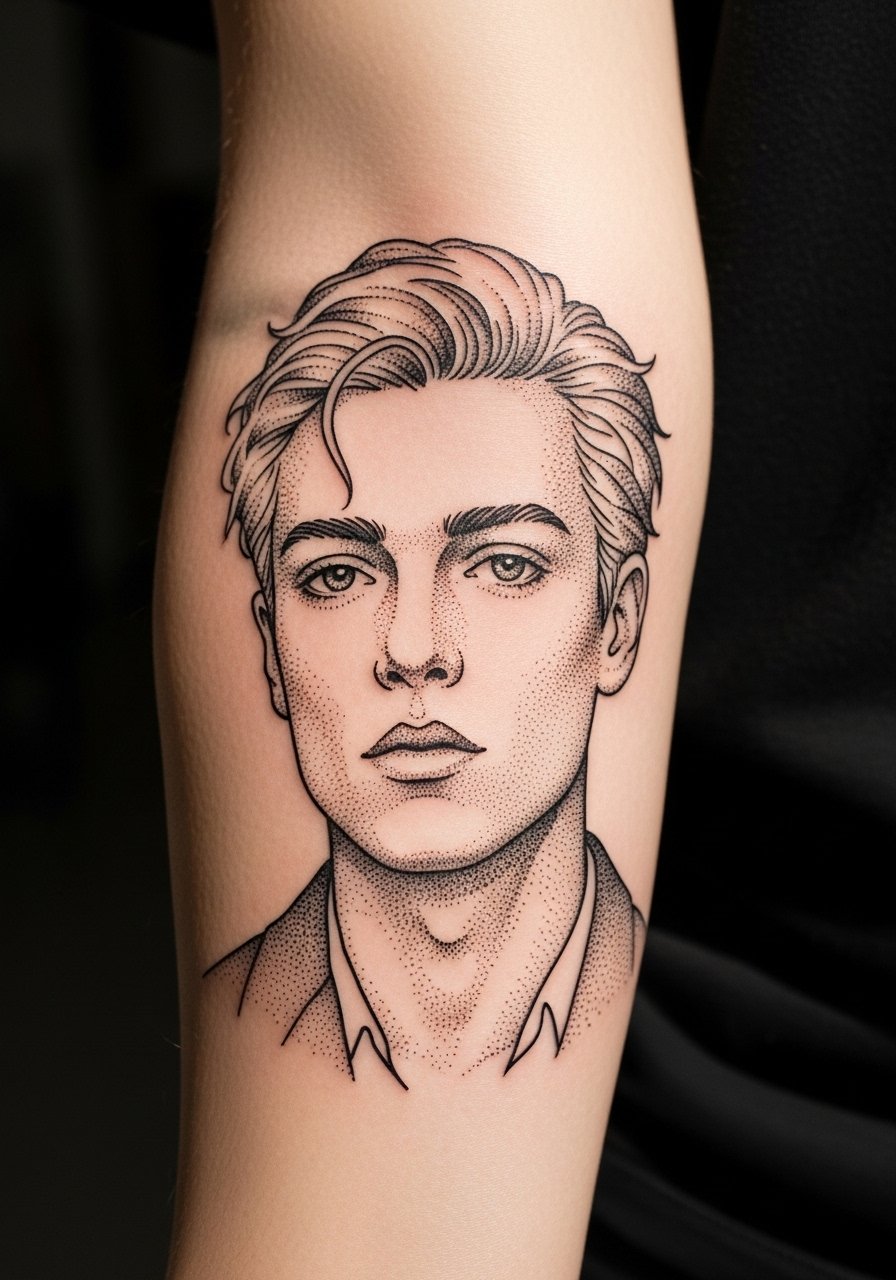
I see forearm portraits hold up well when artists use 2–4mm dot spacing and avoid packing too many micro details into a small area. Tell your artist you want a dot density that reads as texture at arm distance so it does not merge into a gray patch at year two. Common mistakes are asking for photographic detail at tiny scale, which softens into blur. Pain is moderate and sessions run two short sittings for a clean finish. For session day wear a rolled black graphic tee so you can push the sleeve up comfortably and still look like you planned the reveal. Expect a touch-up window around 18 months if you live in sunny climates.
2. Dotwork Cross with Lil Peep Lyrics Sleeve
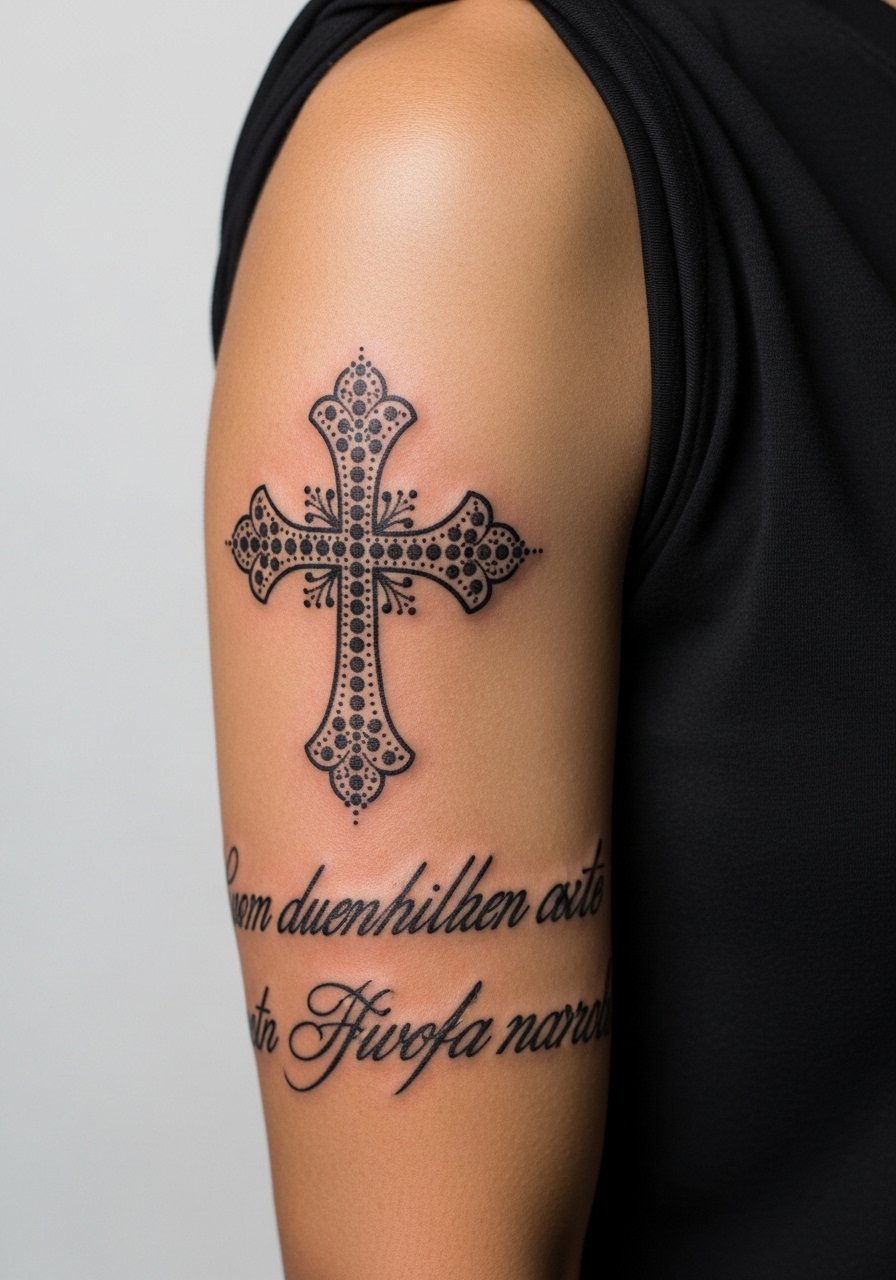
This sleeve option merges ornamental dotwork crosses with a readable script banner that wraps the arm. In consultation, specify line spacing for the lettering so dots form legible letters when the arm flexes. A common aging issue is cramped letters that blur after repeated stretching. Sessions usually span multiple sittings over months because of shading density. Expect heavier shading zones near the elbow to need longer healing. Artists split on Saniderm versus dry healing. One camp prefers protective wraps to cut mess and speed recovery. The other says dry healing helps scab formation and preserves dot crispness. Ask your artist which method they use and why before booking.
3. Minimalist Dotwork Lil Peep Face on Inner Wrist
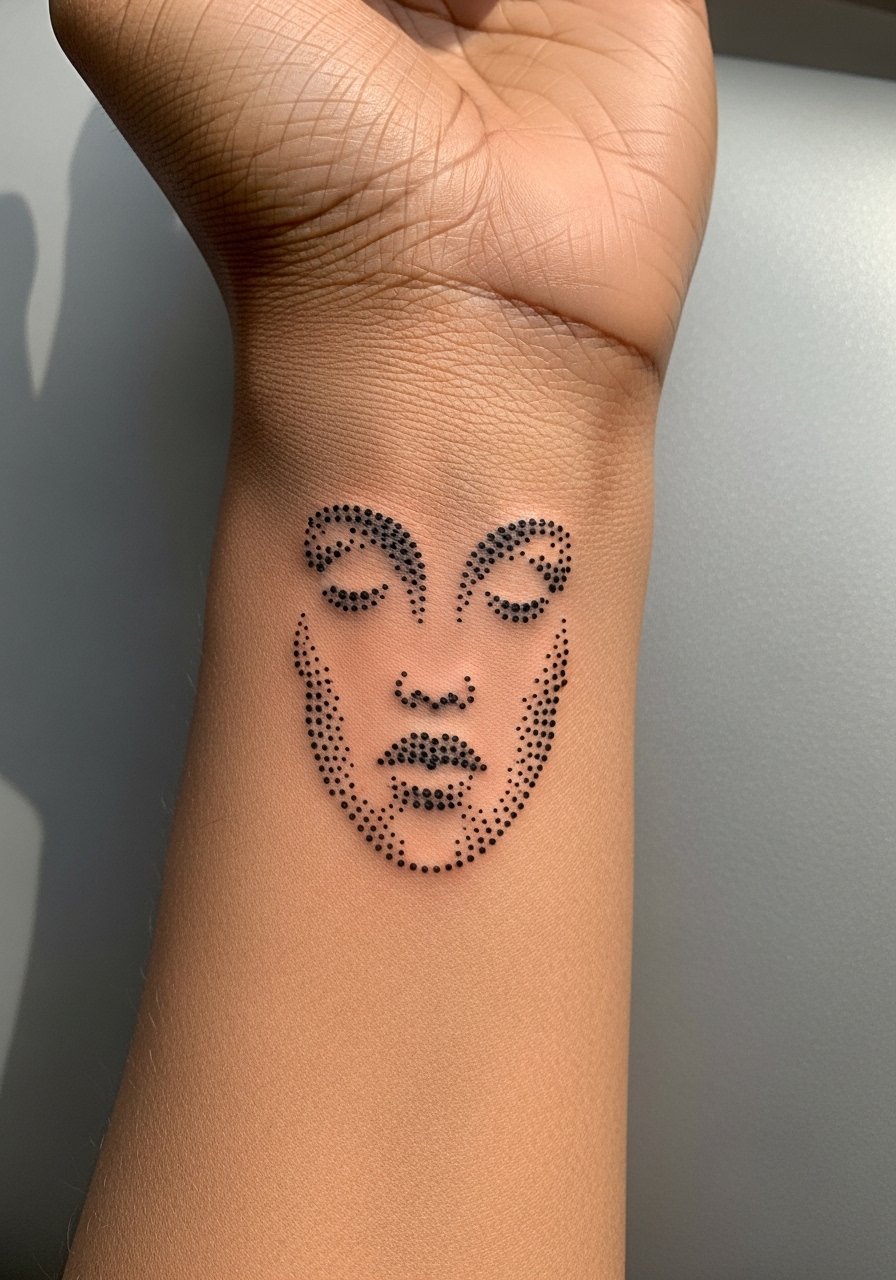
Wrist pieces are seductive because they sit small and discreet, but the wrist bone can make sessions sting more than expected. For a tiny face, request single-dot lettering and broader spacing so the design ages without bleeding. The common mistake is shrinking a portrait too small. If it is under 1.5 inches, plan for a crisp, simplified version rather than full facial detail. Session time is short, often one visit, but touch-ups at year two are common. For showing this off, pair it with a thin silver chain bracelet on the opposite wrist and avoid heavy watches the first week. Dry healing fans and wrap fans both have strong opinions about wrist dots, so get a healed portfolio from your artist first.
4. Dotwork Gothic Heart with Lil Peep Silhouette on Outer Thigh
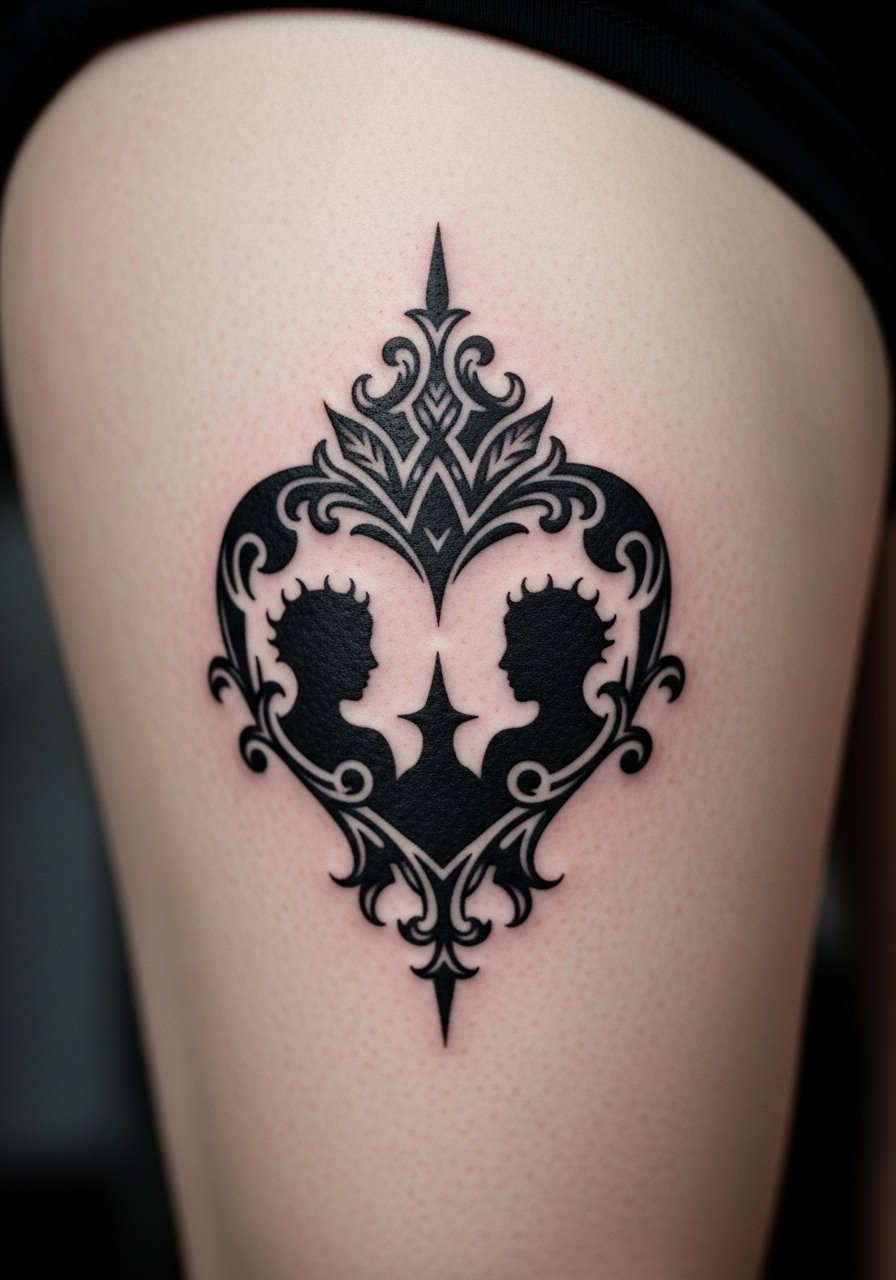
Thigh pieces age well because they avoid the sun and daily friction, but weight fluctuations can warp dense dotwork. Bring up layered-dot planning in your consult so the artist builds a composition that tolerates future stretching. Common mistakes include placing very rigid symmetry on areas that flex with movement. Sessions run moderate length and pain is lower than ribs. For sessions wear loose athletic shorts so the artist can access the outer thigh without fabric bunching. If you expect major weight shifts, discuss a softer silhouette approach that reads better healed.
5. Lil Peep Eyes in Dotwork Mandala on Shoulder Blade
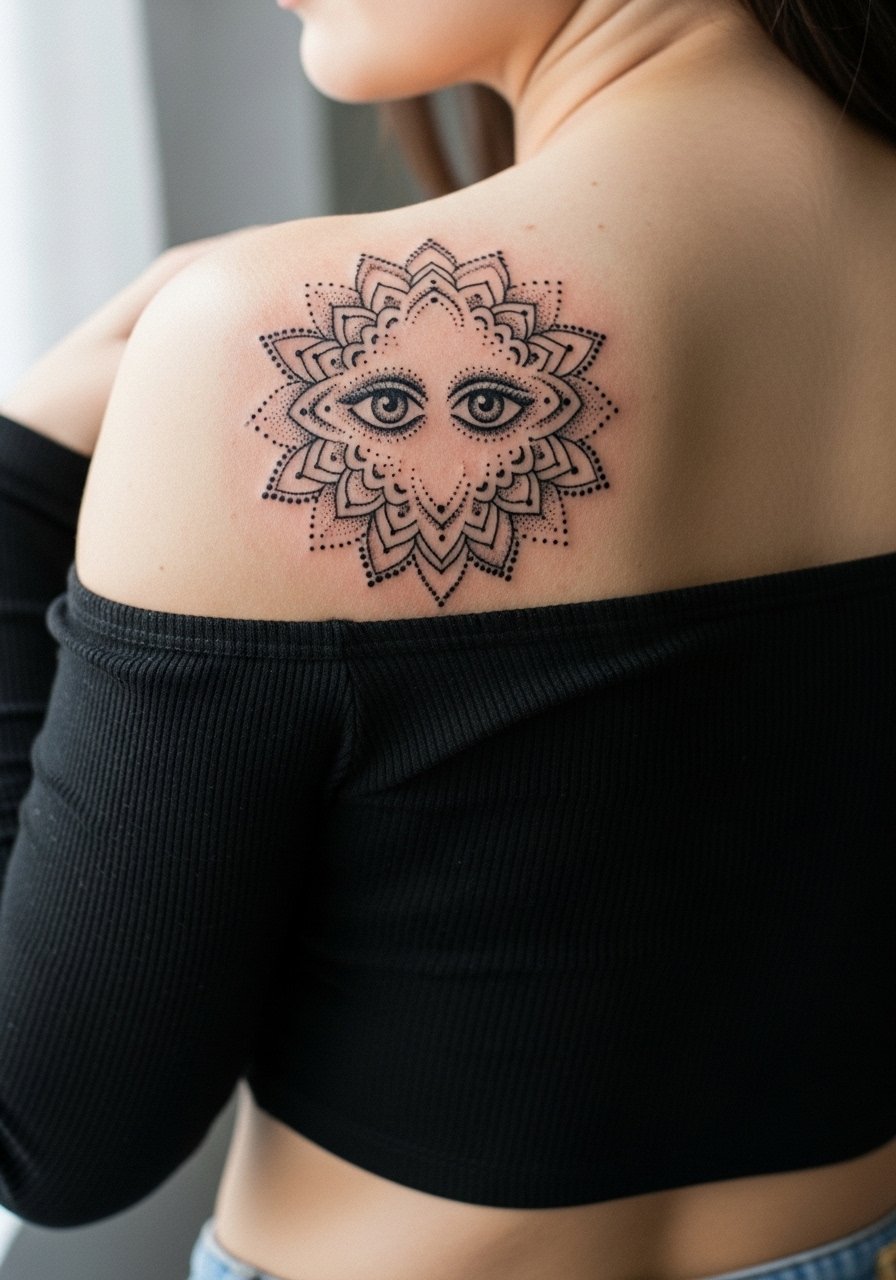
Mandala pieces with Peep-inspired eyes play with symmetry and gaze. On the shoulder blade the skin is stable so stipple shading keeps contrast longer than fine line variants. Tell the artist you want negative space around the eyes to preserve that stare in photographs without adding density that blurs. A mistake is cramming too many petal layers into a 4-inch circle. Sessions usually span two visits. For showing the piece, an off-shoulder crop top frames the geometry and keeps the focus on the mandala. If you want UV-reactive tests, mention them during consults so you can see healed examples on similar skin tones.
6. Dotwork Lil Peep Crown on Outer Calf
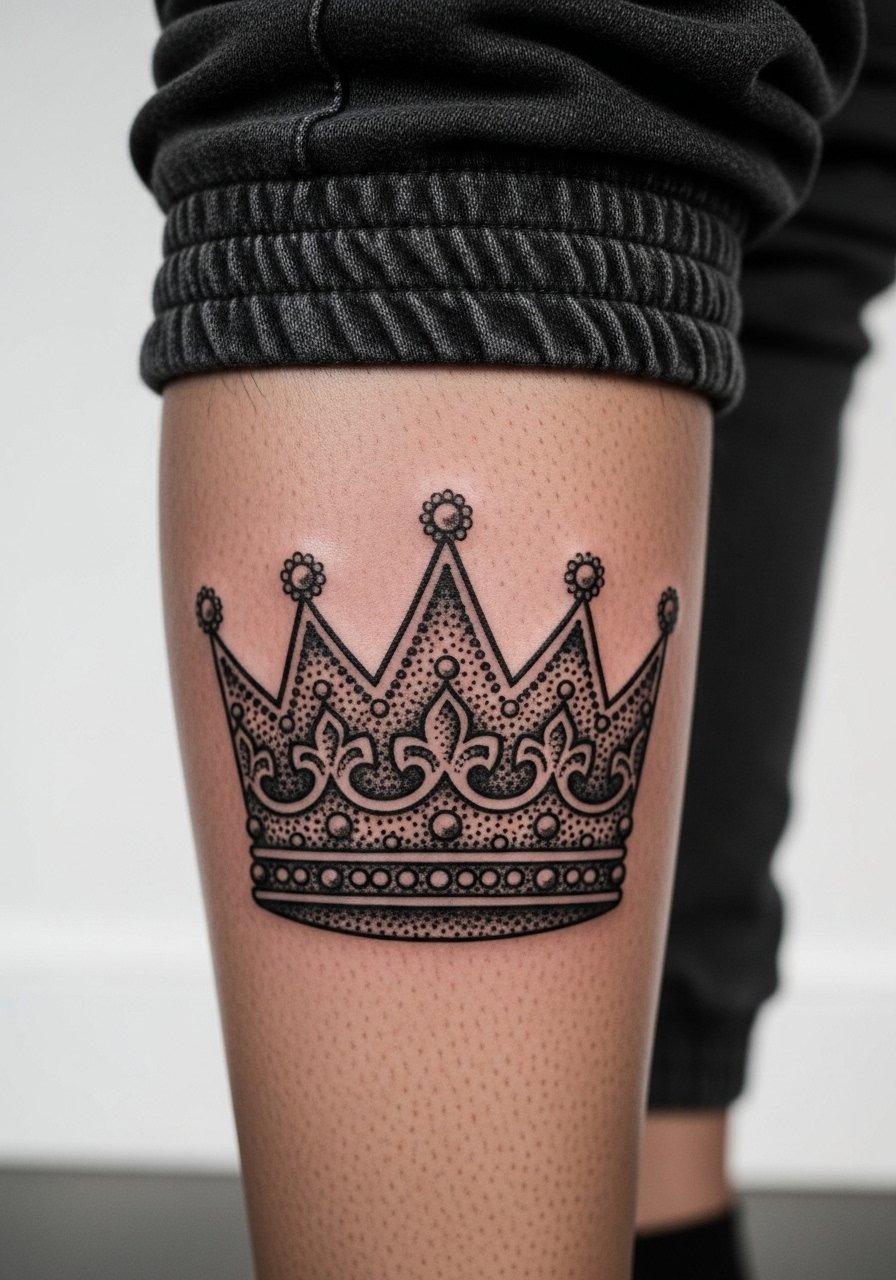
Calf placements are great for people with active routines because the area heals in cooler, less-sun-exposed conditions. Crowns with bold dot outlines resist early fade better than ultra-fine stippling. Tell your artist you want definite outer lines so the crown keeps its silhouette when the leg moves. Expect two sessions for shading and outline. For sessions wear cuffed jogger pants you can easily roll up and a slip-on shoe. Friction from tight socks can be an issue so keep the area uncovered for a few days after the session.
Studio Day Picks
The forearm portrait, wrist micro-face, and shoulder mandala above all benefit from slightly different prep and first-week items.
- Lush Tattoo Balm. A non-greasy balm many people report helps dotwork scabs breathe without the heavy residue some balms leave, which helps delicate stippling on forearms and shoulders.
- Australian Gold Aftercare Spray. Useful for no-touch cleansing around wrist and ankle pieces where rubbing can disturb tiny dots during showers.
- Indie Dotwork Salve. Faster absorption than petroleum options so the micro-dots on faces and collars are less likely to sit in a greasy film during the first week.
- Dr. Bronner's Unscented Lotion. Lightweight moisturizer that helps on lower body pieces like calves and thighs during dry winter months without overwhelming the linework.
- Tattoo Goo. A thinner option some people choose over heavier ointments for initial moisturizing, which can help with wrist and collarbone dot clarity if applied in a thin layer after the first day.
7. Fine Line Dotwork Peep Portrait on Collarbone
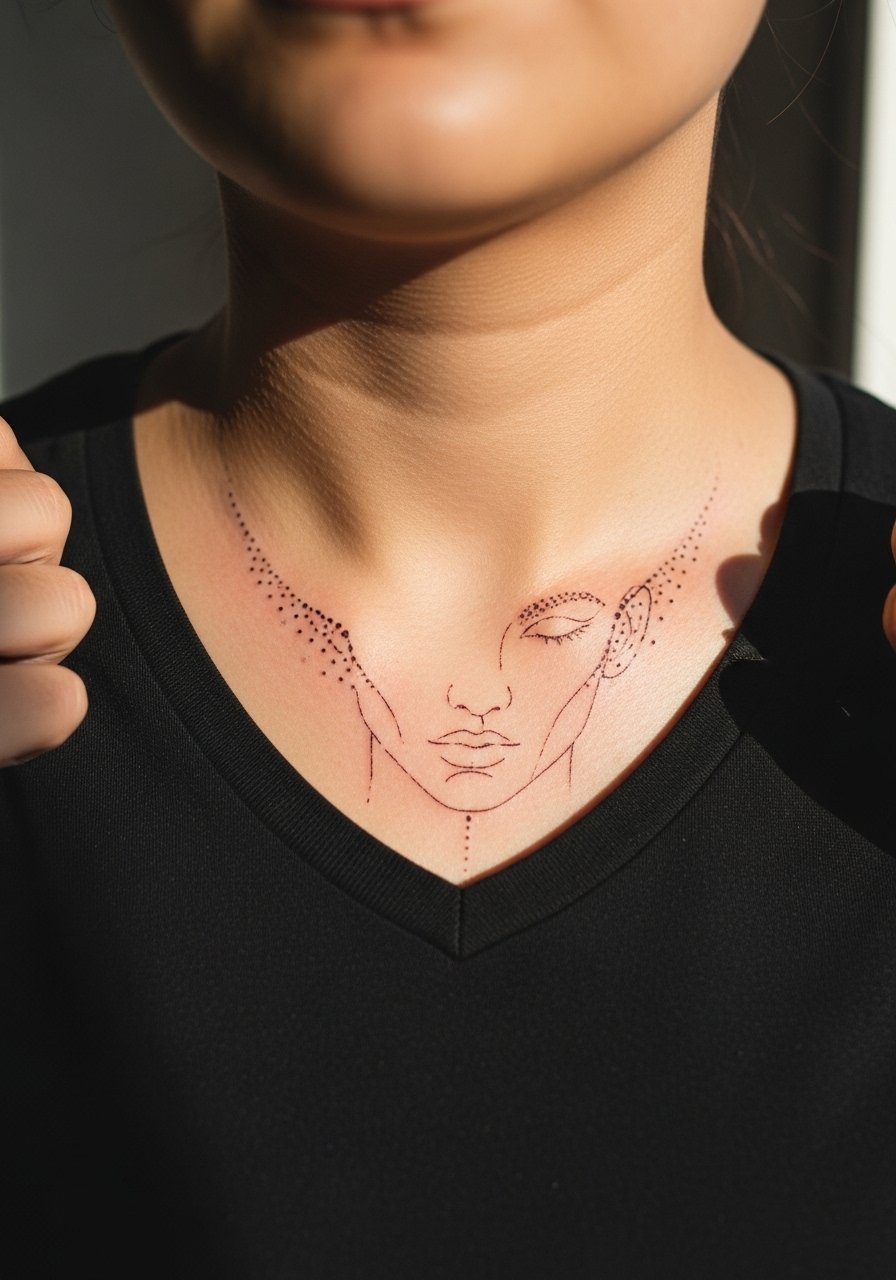
Collarbone pieces require thinking about curvature and how the design will sit when you move. Fine dot transitions into thin linework are beautiful there but heat, sun exposure, and friction from necklaces can shave contrast. In consult ask for negative space along the clavicle curve so the facial details do not compress. Pain is lower than ribs but the bone is shallow so numbing options might be worth discussing. Session time can be a single longer visit. For showing off the healed portrait layer on a v-neck tee and a layered chain. Expect a light touch-up at year two in sun-exposed cases.
8. Dotwork Lil Peep Angel Wings Across Upper Back
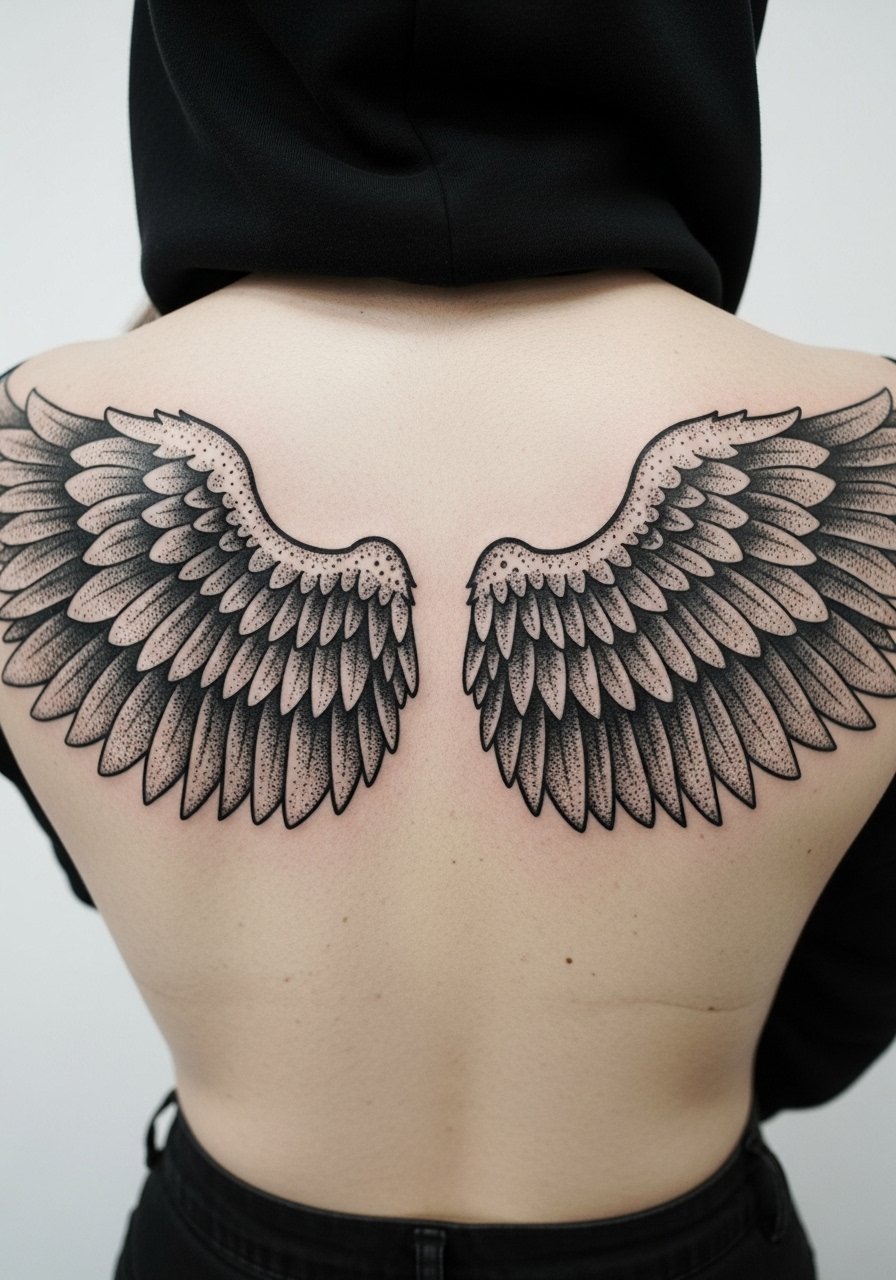
Upper back wings give scope to tell a larger story with dot gradients and negative space. Big sections of heavy stippling are durable as long as you avoid sun exposure while healing. The main mistake is cramming too much tiny detail near the spine where movement can distort the pattern. Plan for multiple long sessions and map out future expansion if you think you will add sleeves later. For sessions wear a crop hoodie you can pull forward so the artist can work with you face down or sitting up. Large pieces like this often require touch-ups in heavy shaded zones after two to three years.
9. Micro Dotwork Peep Symbol on Ribcage
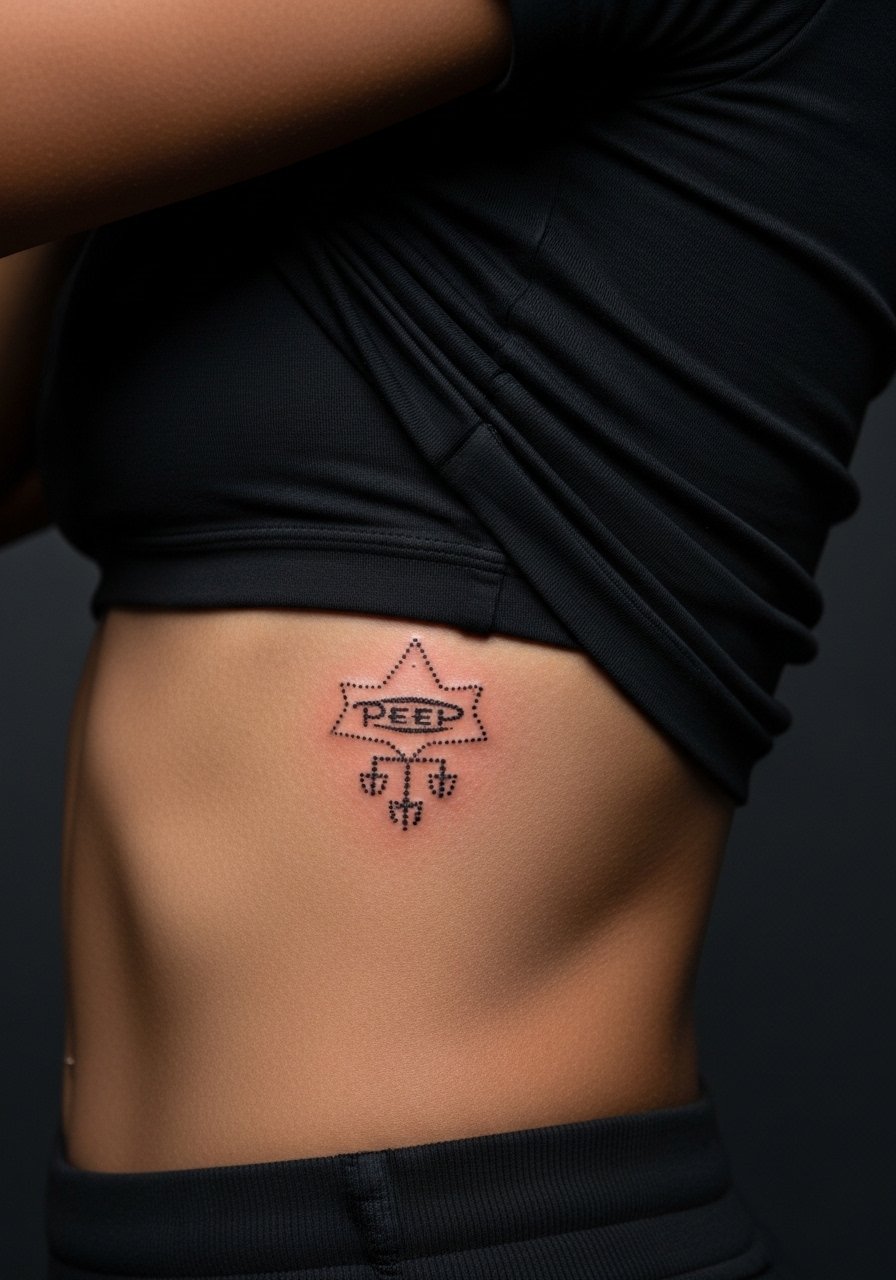
Ribcage work is famously painful and should be treated as such when booking. Micro symbols read discreetly there but the skin stretches with breathing and can blur fine dots if placed over ribs. A common mistake is placing extreme micro detail over bone. Ask your artist to test stencil placement while you breathe so the layout sits comfortably. Sessions are short but intense; numbing cream is an option some artists allow. If you want more coverage later, consider modular elements that expand into the side torso without reworking the original. Expect touch-ups around year two if you sleep on the side that rubs the area.
10. Dotwork Lil Peep Quote Banner on Inner Forearm
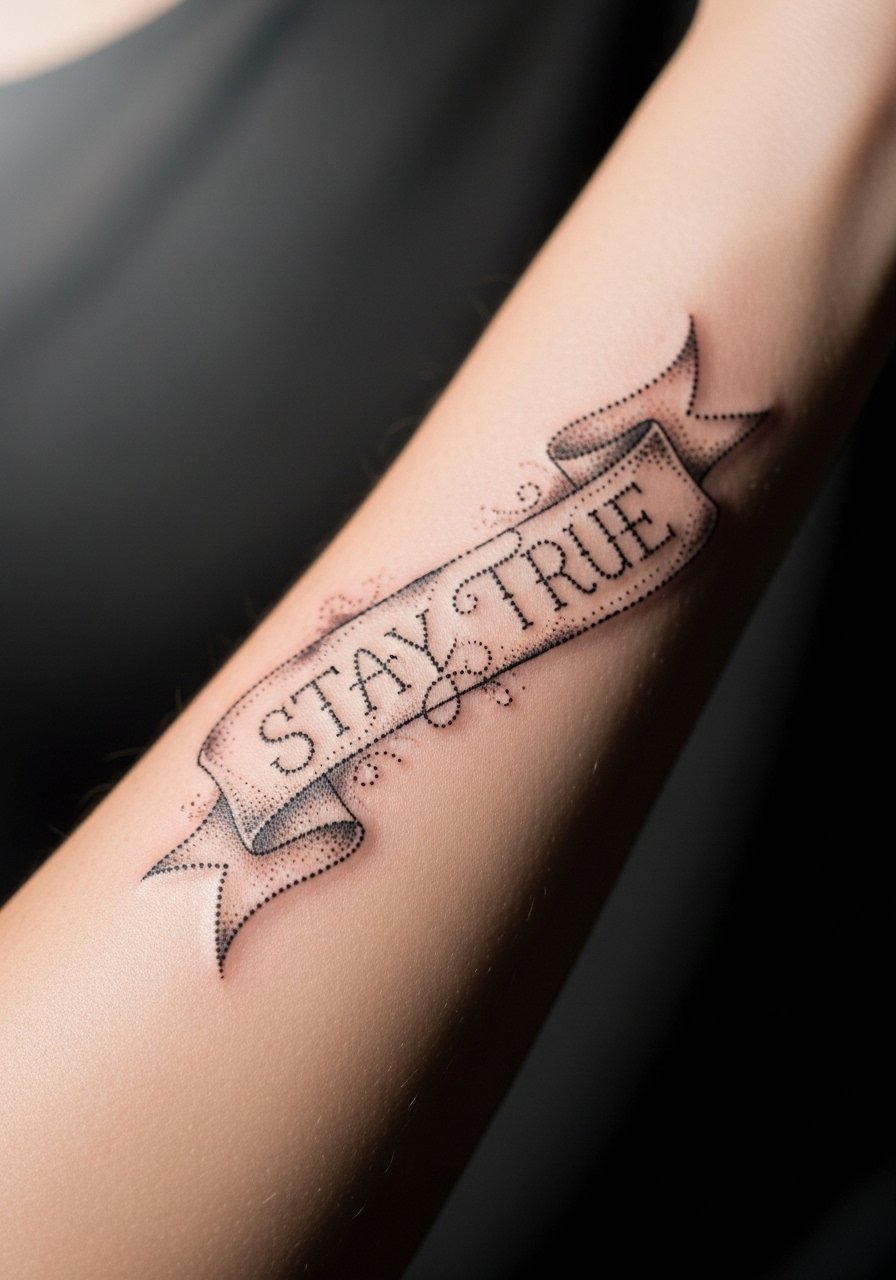
Script in dotwork needs more space than standard script because dots form the letter shapes. For a readable quote banner, request dotted-letter spacing and ask the artist to write the quote in the exact size on paper before tracing. The mistake is insisting on tiny text that looks crisp fresh and illegible even at six months. Pain is low and sessions are straightforward. For session wear roll up a loose long-sleeve button-up so you can expose the inner arm without tugging. If the phrase includes visible text, specify the exact wording in the consult so stencil accuracy is ensured.
11. Ignorant Style Dotwork Peep Face on Side Neck
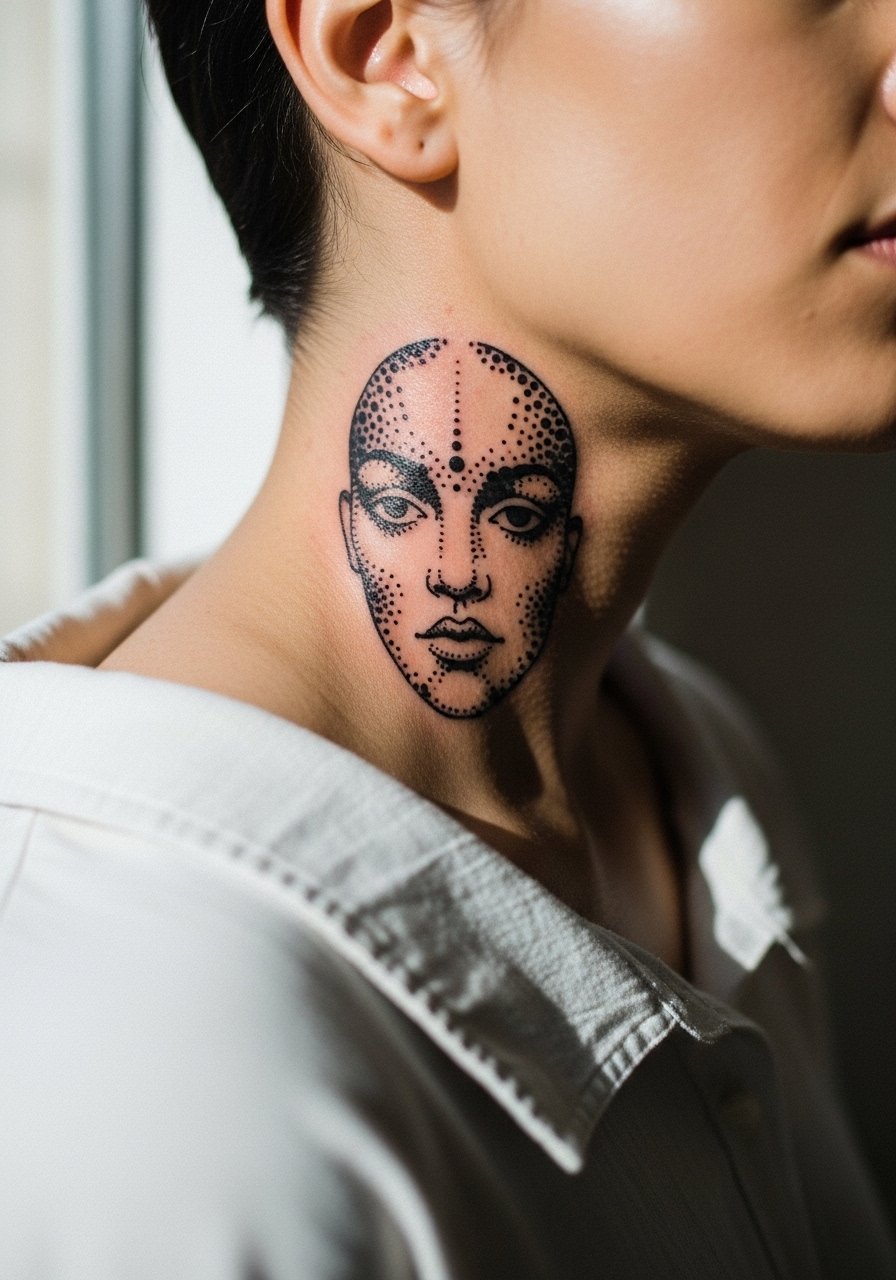
Neck pieces are bold and carry social considerations in professional contexts. Ignorant style blends crude outlines with dense dot texture which can read striking in person. Tell the artist you want bold contrast rather than tiny facial detail to avoid early blurring. Sessions are short but the skin there is unforgiving so ask about touch-up policies. Hand in hand with this choice is the debate about numbing creams and whether they affect perception of pain and healing; both camps make a case so weigh artist experience and your pain tolerance. If you plan to wear collared shirts often, think about placement and visibility.
12. Watercolor Dotwork Lil Peep Portrait on Ankle
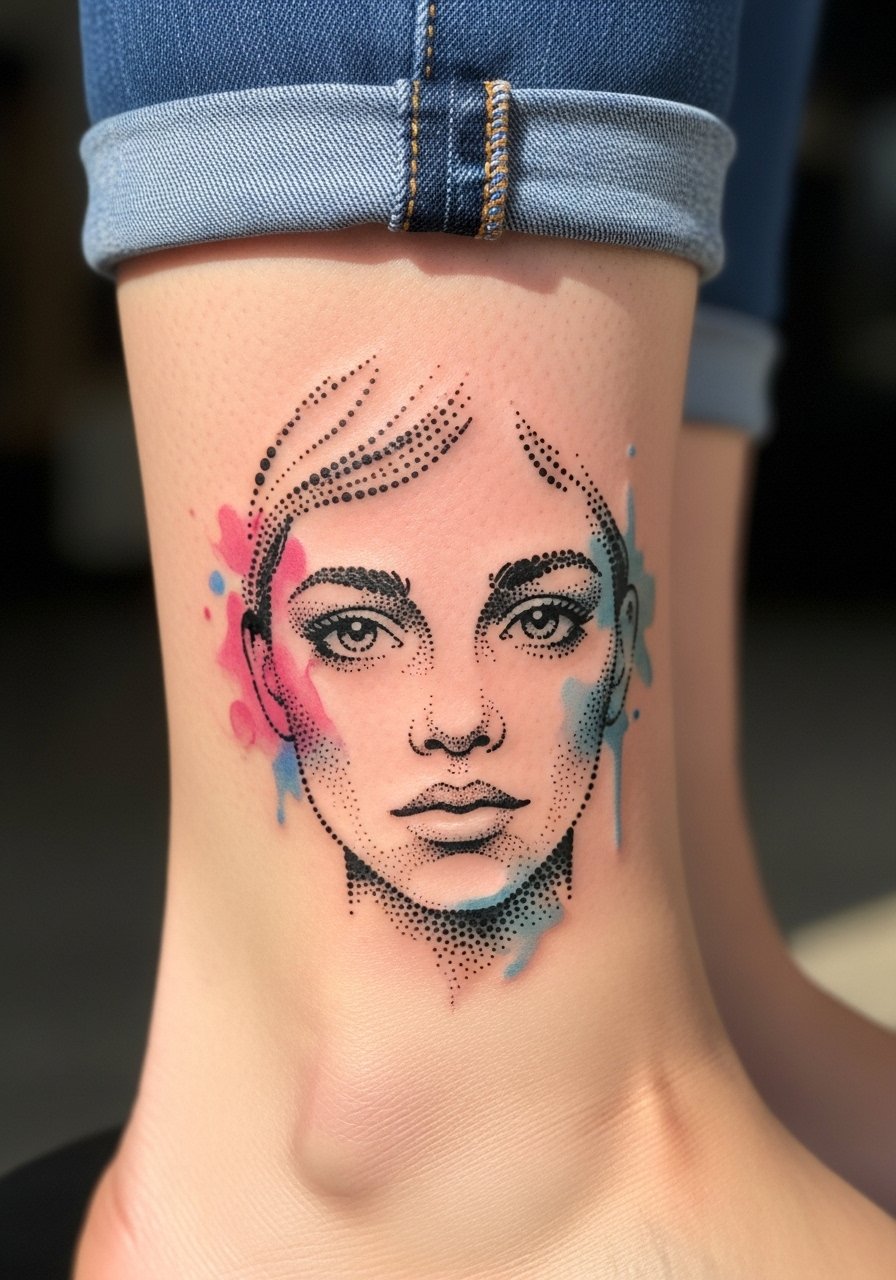
Ankle pieces face constant friction from socks and shoes which can dull color washes and delicate dots. Watercolor dotwork looks dreamy fresh but the washes need buffer space from heavy foot friction. Ask for a slightly stronger dot anchor around the portrait and for the color washes to be applied sparingly. Session time is moderate and pain ranges from mild to moderate. For your appointment, wear pants you can easily roll up and slip-off shoes. If the design includes color, expect that the washes will soften faster than black dots and plan for a color touch-up later.
13. Neo-Traditional Dotwork Crown and Tears on Outer Bicep
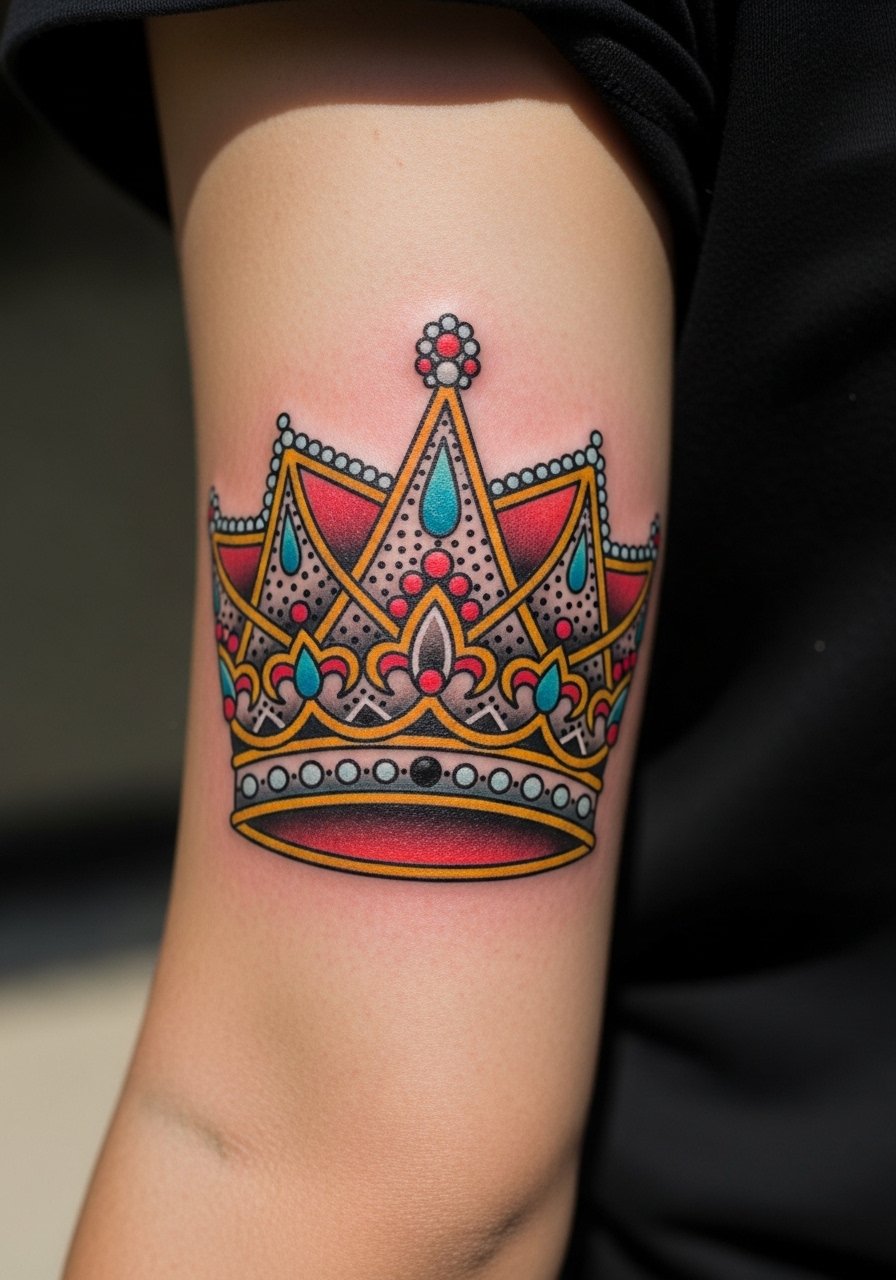
The outer bicep is forgiving and shows off contrast well on muscular shapes. Neo-traditional dotwork lets you play with small color pops within stippled fields. During consult, ask how colored dots will age on your skin tone because saturation can require denser packing to last. The common mistake is under-saturating color in a single pass. Sessions can be longer because of color layers. For showing off the finished piece, fitted short sleeves or rolled sleeves keep the bicep visible while still comfortable. Expect color touch-ups more often than black stippling.
14. Dotwork Lil Peep Eyes Peeking from Mandala on Dark Skin
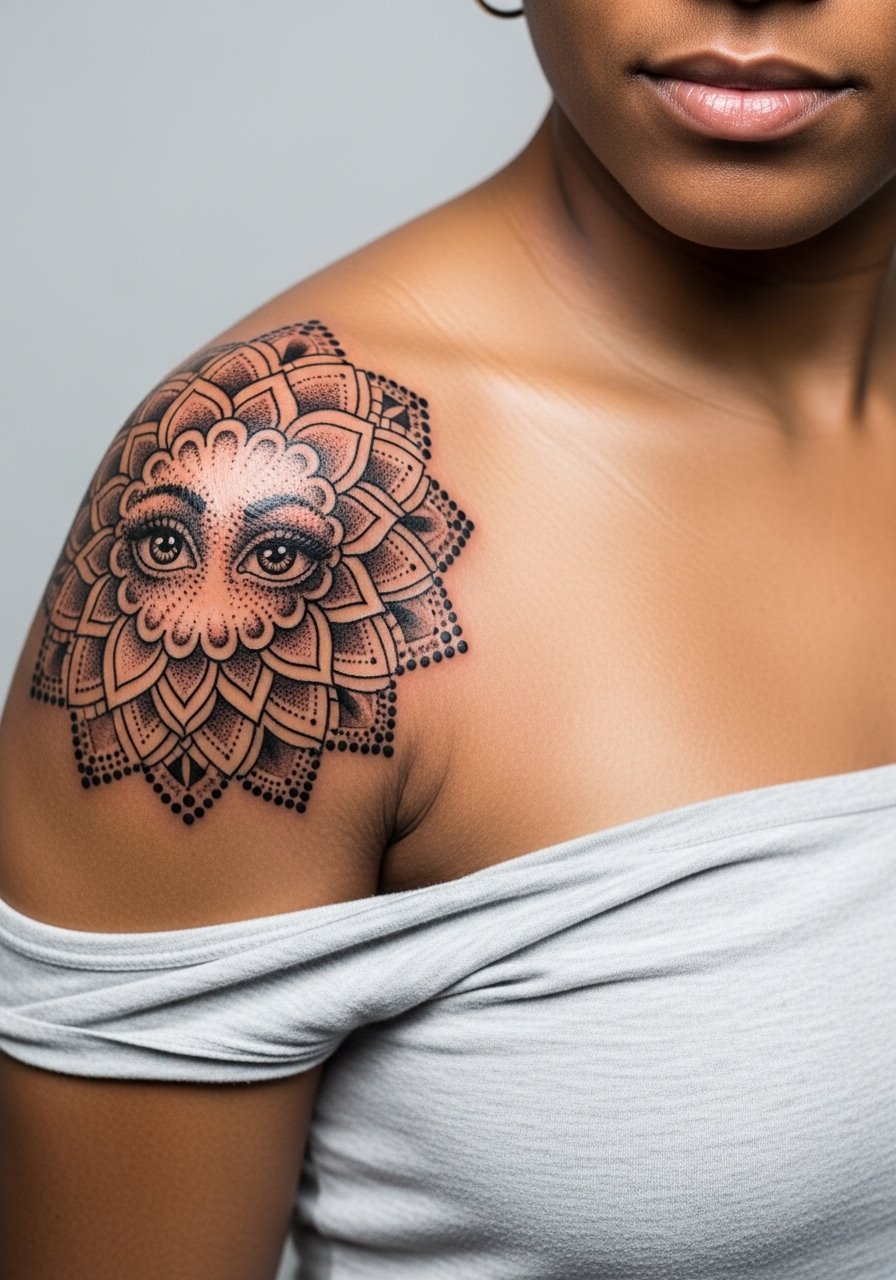
Dark skin tones can challenge contrast with certain dot gradients, but careful high-contrast planning preserves the stare. This idea leans into negative space and heavier outer dots so the eyes remain distinct in photos. Ask to see healed examples on similar skin tones during booking. A mistake is copying a light-skin reference blindly. Sessions are moderate and may include test patches. For showing this off choose an off-shoulder crop top that reveals the geometry and avoids fabric rubbing on the healed area.
15. Pairing Peep Portrait with Negative Space on Curved Collarbone
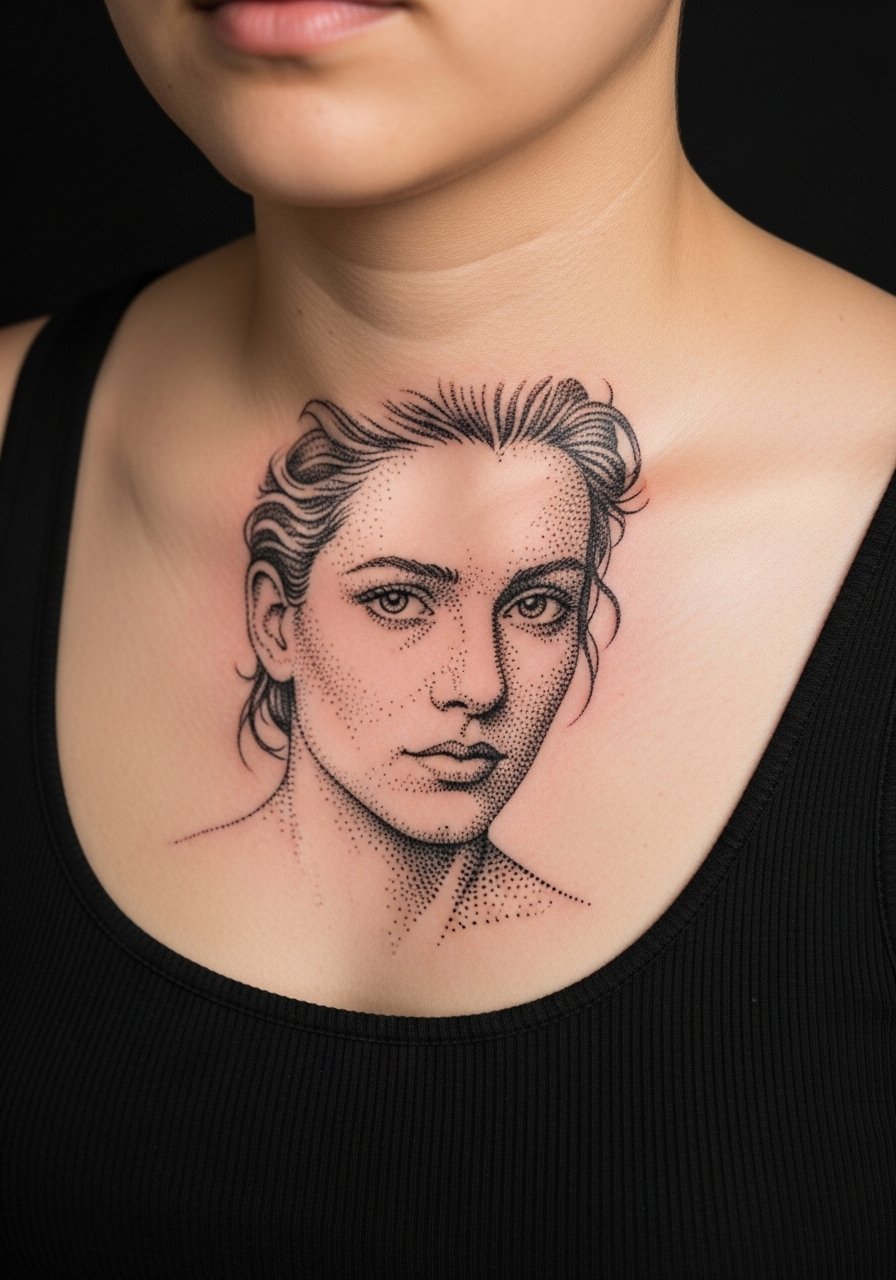
Negative space is a simple trick that helps portraits sit on bones and curves without overcrowding. For collarbone placement, ask for skin gaps that act as highlights so the face does not appear flattened when you move. The mistake to avoid is overfilling the curve with dots. Session time is usually one visit if the piece is small. For the appointment wear a low cut tank top you can shift so the artist has clear access. Expect that negative space looks sharper once fully healed and dry.
16. Modular Neck Dotwork That Expands into a Sleeve Later
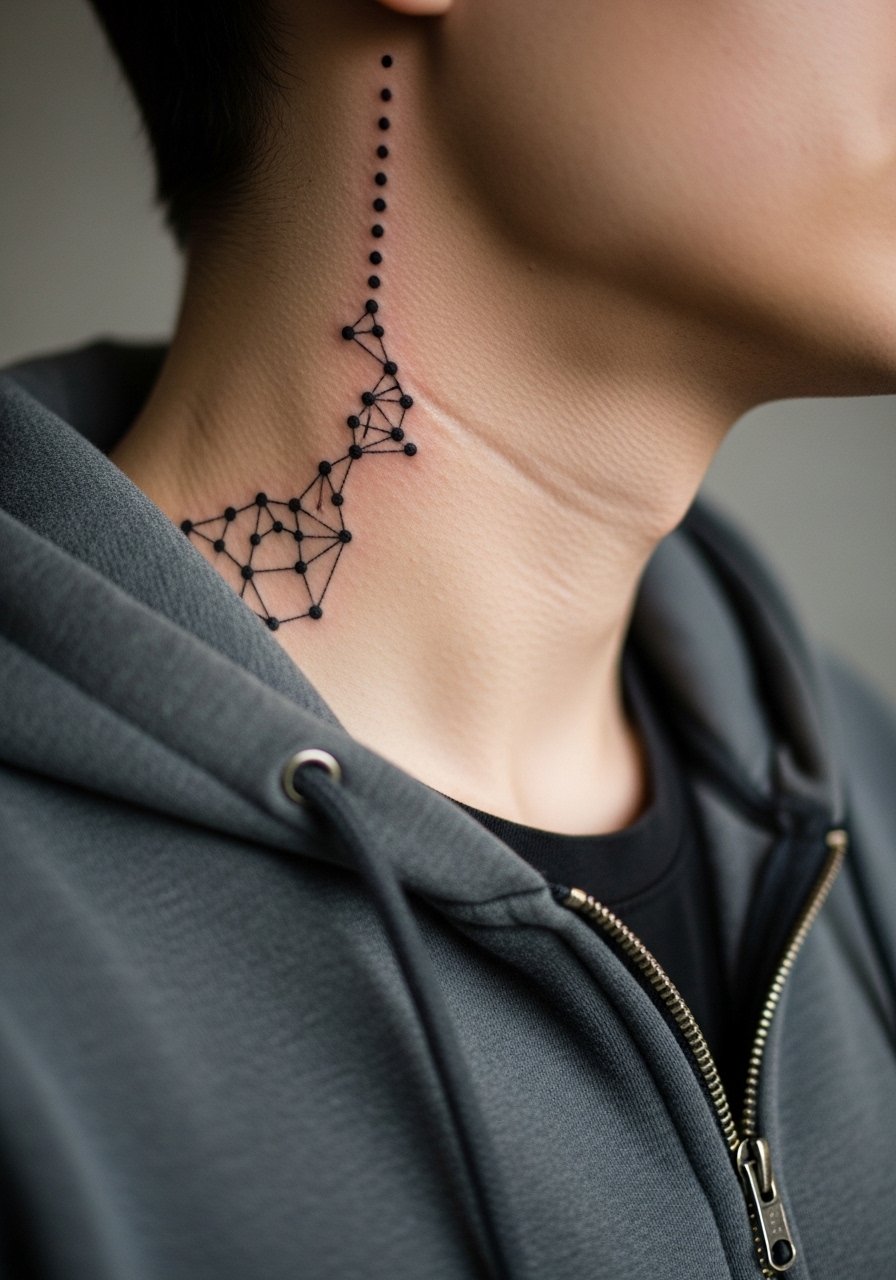
If you want the option to grow a neck piece into a sleeve later, design it as modular elements rather than a fixed portrait. Tell your artist you want connector dots and anchor points for future work so additions blend without reworking existing dots. The main mistake is committing to a full portrait that cannot be blended easily into larger blackwork. Sessions are short for modules but long-term planning matters. There is also debate about fine line versus bold on necks. One camp says fine line blurs too quickly due to movement. The other camp says well-placed fine work can look elegant for years. Decide based on healed portfolios.
17. Thigh Dotwork Silhouette with Stretch-Resistant Layout
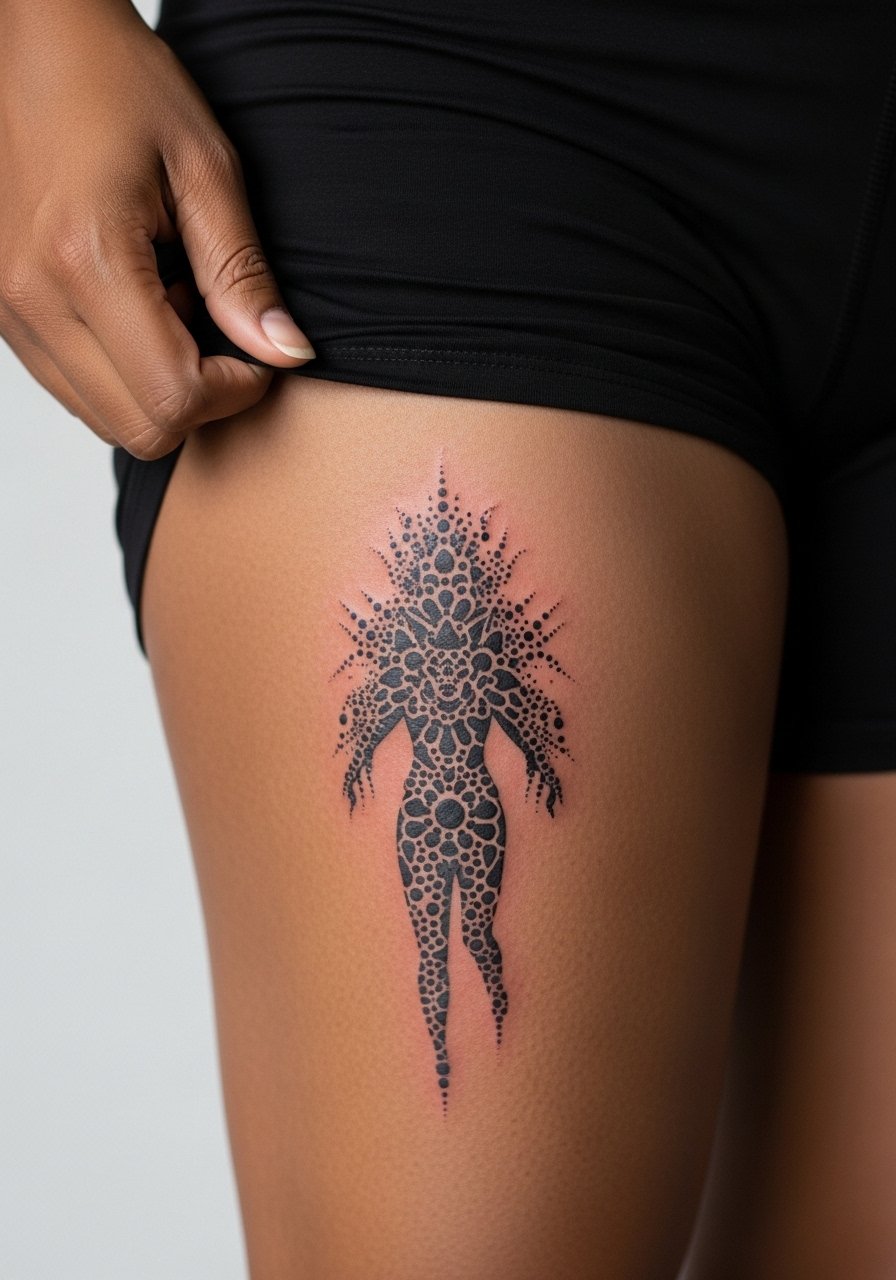
Thigh silhouettes age well when the artist anticipates weight shifts and muscle changes. Layered dots that form broader shapes resist warping compared with tight stippling. A frequent error is mapping a symmetrical design without testing skin movement while sitting and standing. Sessions are moderate and pain is lower than ribs. For your session wear high waisted black shorts so the artist can access the outer thigh without wardrobe fuss. If you plan weight changes, ask for a slightly looser silhouette to keep the image legible even after fluctuations.
Frequently Asked Questions
Q: Will dotwork portraits on forearms need touch-ups more often than bold blackwork?
A: From what I have seen, dotwork portraits do have a higher touch-up rate because tiny dots can soften with sun and friction. Bold black outlines age into a defined shape that often needs less frequent work. Expect a realistic touch-up window around 18 months to three years depending on placement and sun exposure.
Q: How should I approach aftercare choice with the Saniderm versus dry healing debate for fine dotwork?
A: Both camps have strong points. Wrap proponents say protective film cuts infection risk and speeds recovery. Dry-healing advocates say letting scabs form preserves dot crispness. My advice is to ask your artist for healed examples showing their preferred method, then follow their protocol strictly for the best result.
Q: My skin is darker and I worry a Peep portrait will look blurry in photos. What should I request in the consult?
A: Ask to see healed work on similar skin tones and request higher contrast zones and bolder outer dot anchors so the portrait reads in natural light and filtered photos. Negative space and selective heavier dots help the features pop.
Q: Do ankle and wrist dotwork pieces hurt more than forearm or calf work, and what should I wear for the session?
A: Wrist and ankle are closer to bone so many people report more pain than mid-forearm or calf work. Wear pants you can roll up or a racerback tank or loose button-up so the artist has clear access without you getting cold.
Q: Are there discovery paths to find artists who specialize in dotwork Lil Peep styles without naming anyone?
A: Yes. Search hashtags like #DotworkLilPeep and #LilPeepTattoo on Instagram, look for TikTok clips with "dotwork portrait healed" plus your city tag, and use platforms that filter by style such as the Tattoodo app or Booksy to check guest spots and portfolios.