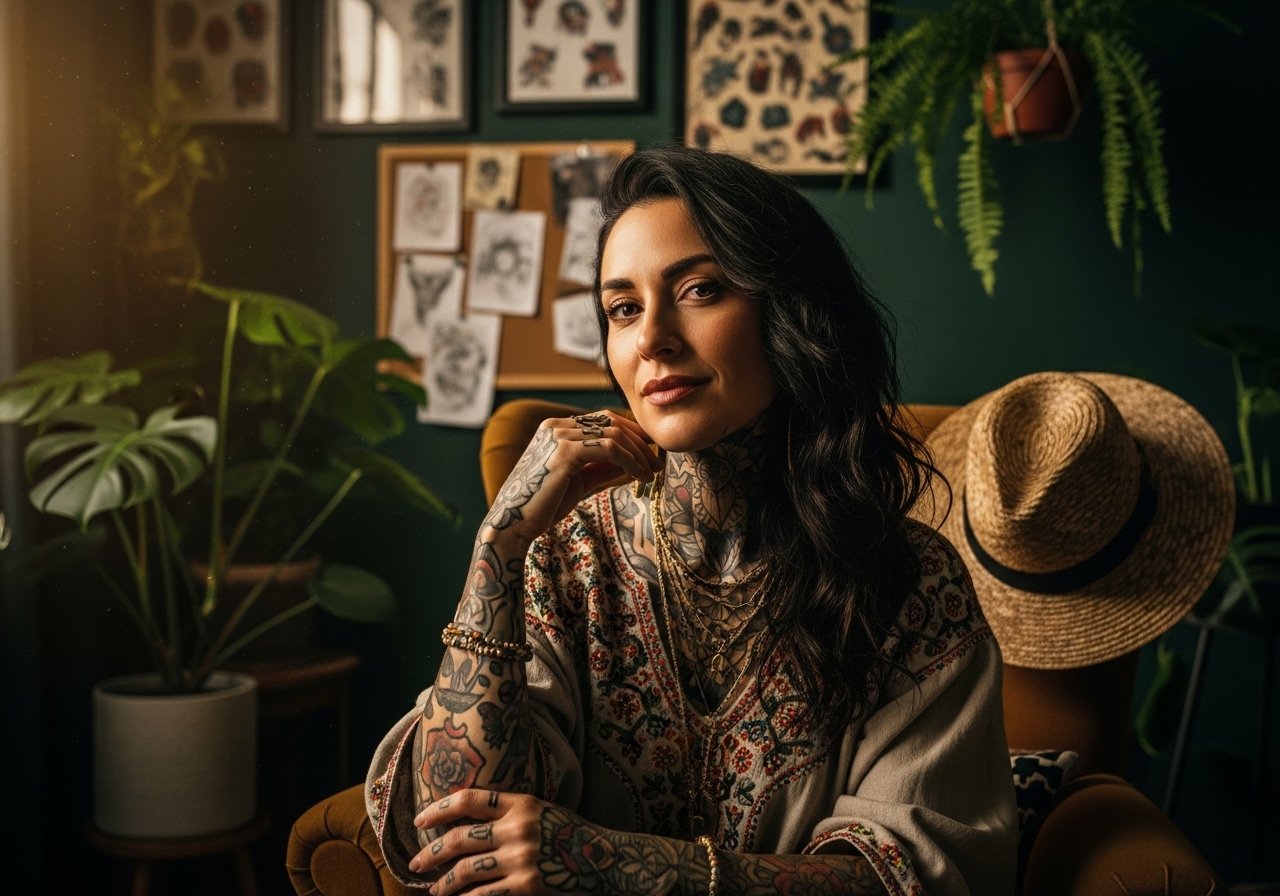
Fine line tattoos are trending hard on feeds, but the pieces that actually look good three years later are not always the ones that score the most likes the day they land. Placement, line weight, and skin tone matter more than the flash photo you saved. Read on for 17 modern small tattoo ideas for men, each with how it heals, what to ask your artist, and how to wear it so the design reads clean over time.
1. Fine Line Snake Coiling Around a Dagger, Inner Forearm
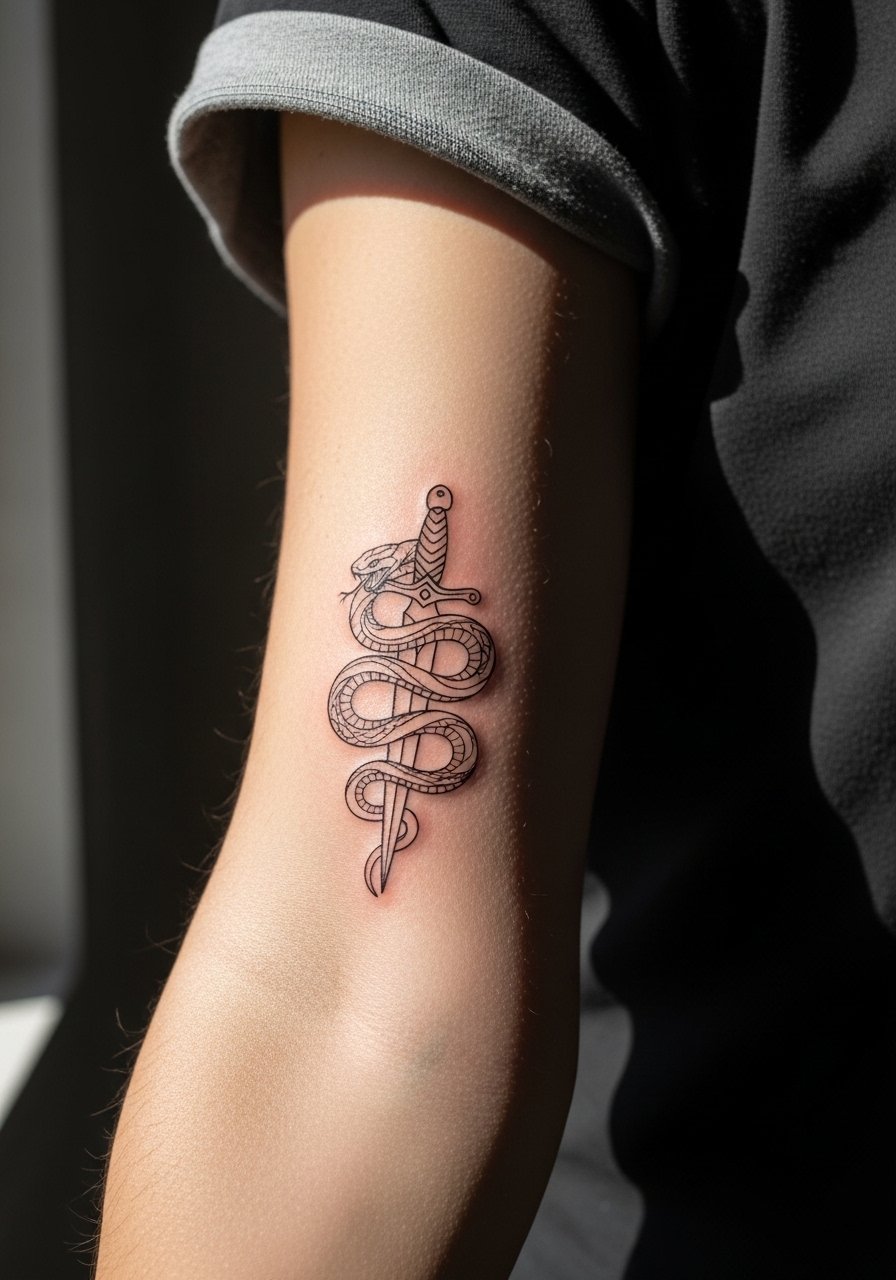
I see this combo in portfolios all the time and the inner forearm is forgiving if you scale the dagger to two inches. Ask your artist to keep the snake’s head slightly bolder than the body so the silhouette stays legible as fine line softens. Common mistake is making the coils too dense, which turns into a gray patch at year five. Expect a low to moderate pain level and a single session of an hour or two. For showing it off, pair with a rolled sleeve chambray shirt so the tattoo sits framed and not covered.
2. Shaded Micro Skull, Collarbone
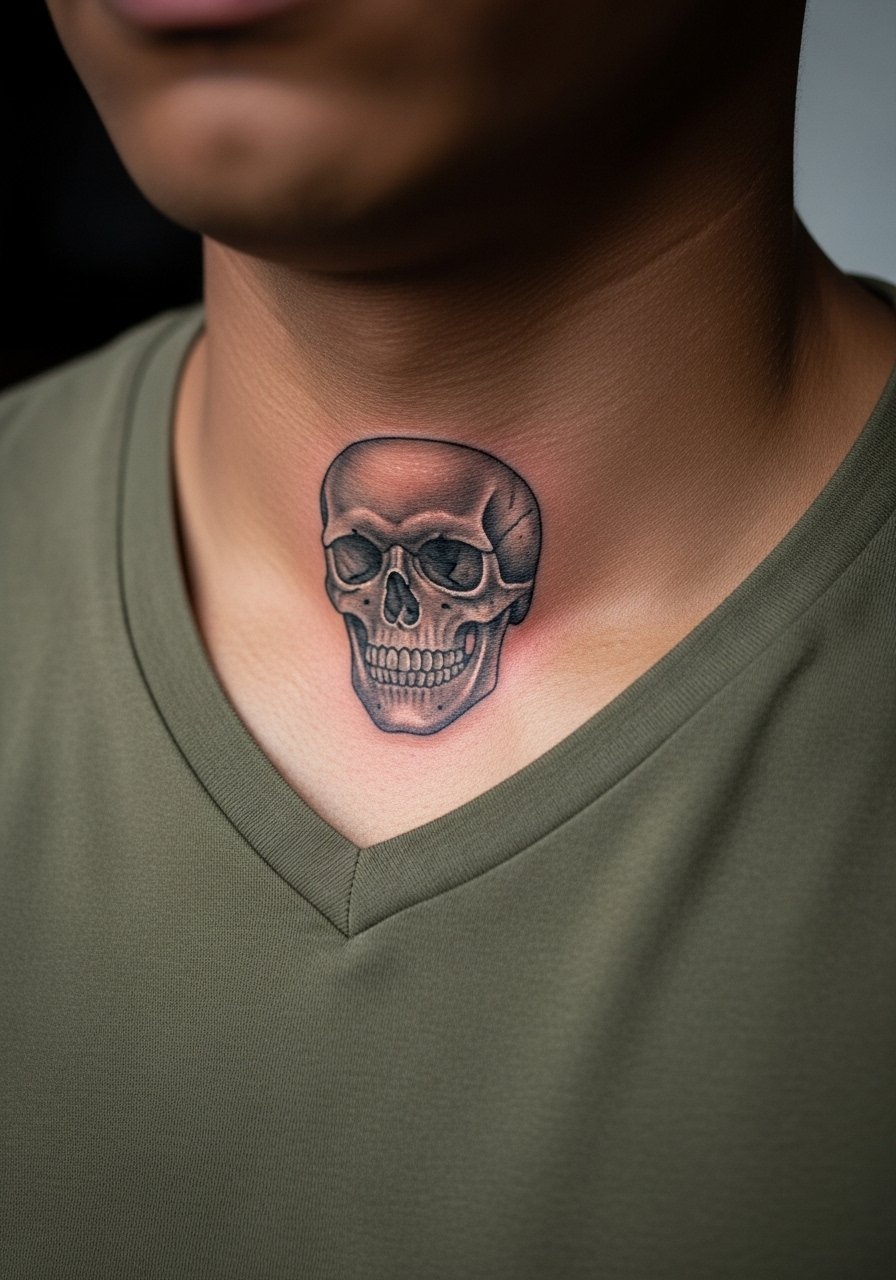
Fair warning, collarbone skin shows detail when healed but it is thin and can be stingy to tattoo. For this micro skull, request subtle gray gradients and avoid super fine cross-hatching that disappears with peeling. The piece reads strong at six months if saturation is right, and by two years touch-ups may be needed on the soft gradients. Wear a v neck henley shirt when you want the detail visible. This spot is visible at interviews so consider placement carefully.
3. Abstract Geometric Stars Cluster, Outer Forearm
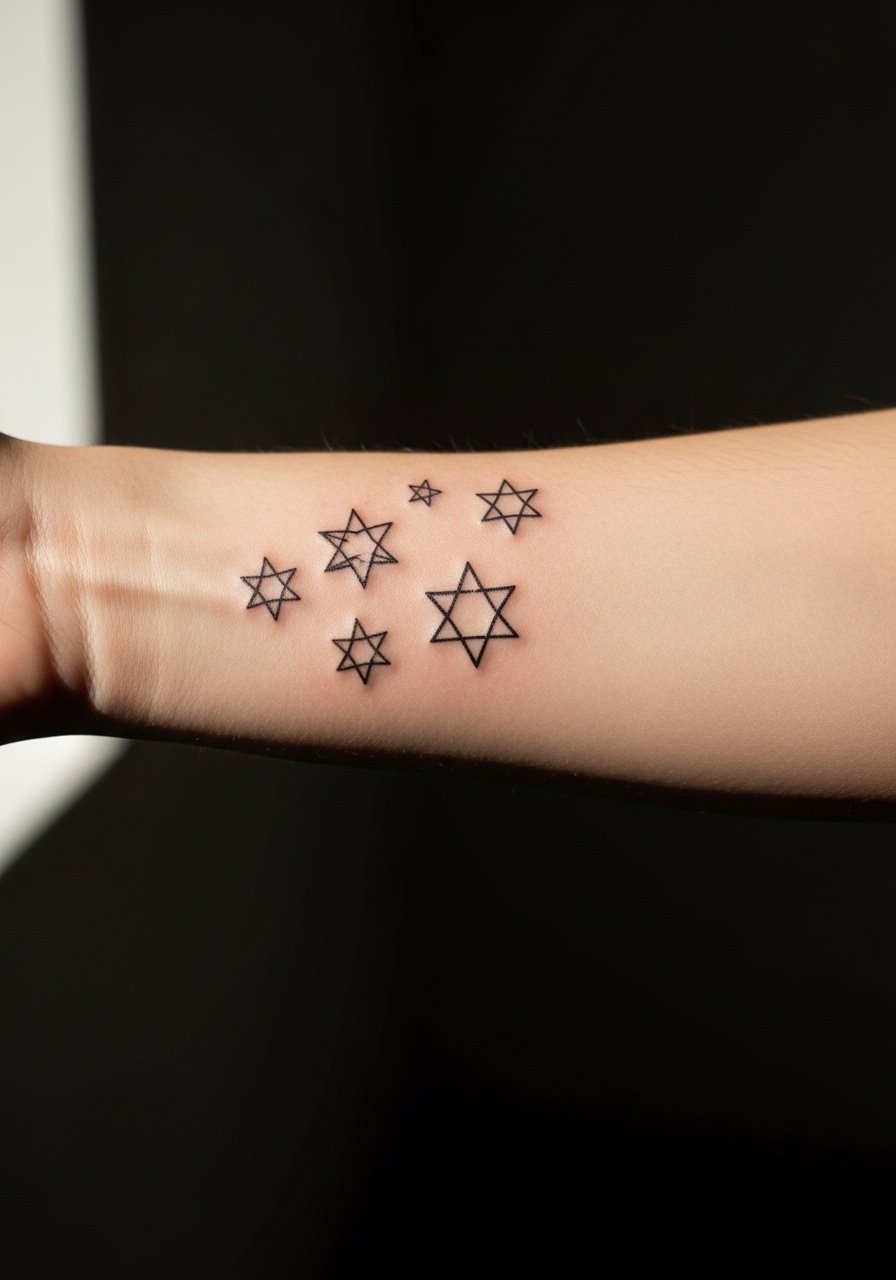
The outer forearm gives stars room to breathe so negative space is your friend. A frequent mistake is shrinking everything down to a thumbnail size which causes adjacent points to blur together after a couple of years. Tell the artist you want at least 2 millimeters between star tips so the composition stays crisp. Pain is mild and the session is quick. Show it with a navy chambray button down rolled at the sleeve for casual framing.
4. Cyber Sigilism Glyph with Glitch Effects, Side Neck
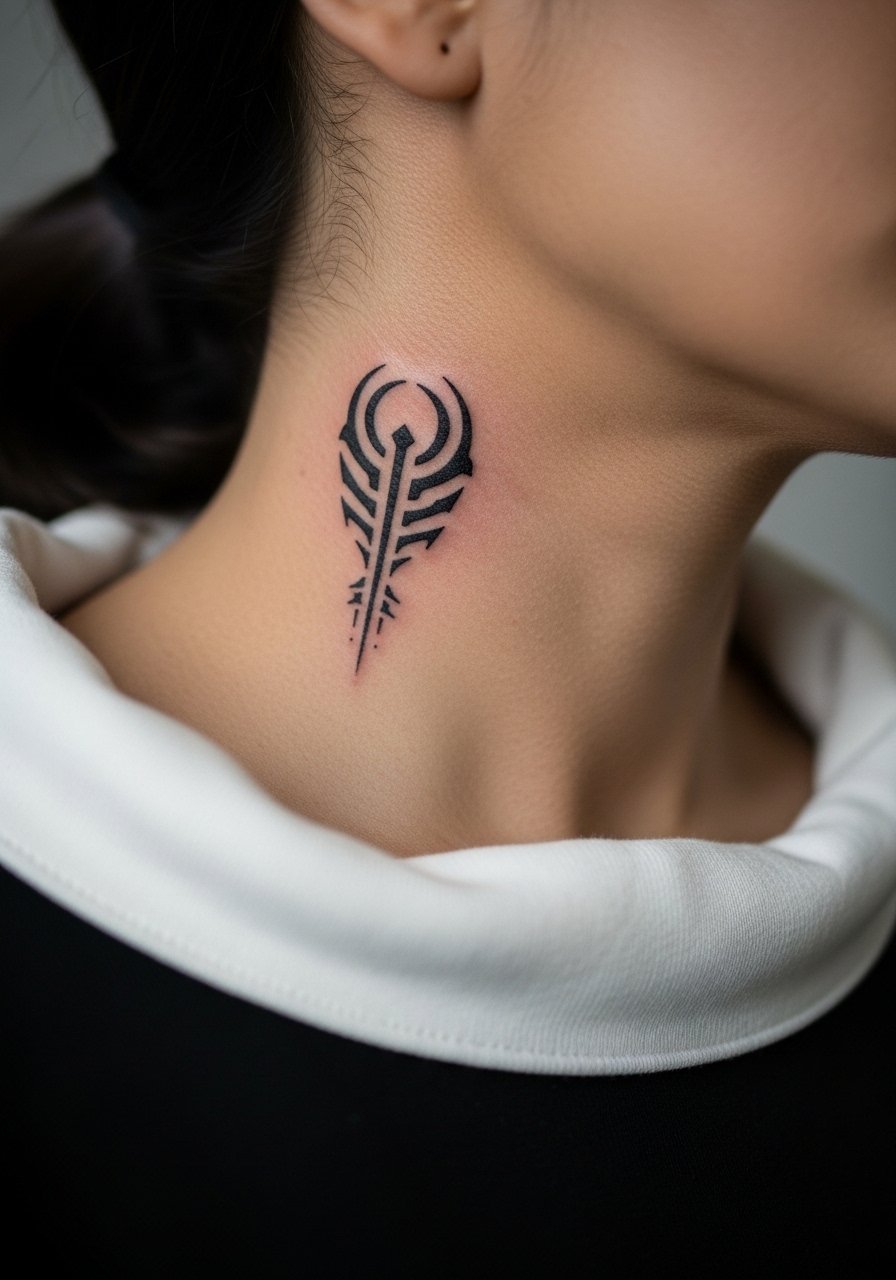
Artists and collectors are split on these. One camp loves the micro-detail and accepts touch-ups later, the other warns that neck skin and movement will blur tiny glitch lines fast. My take is to scale the sigil to roughly two inches and prioritize bold primary strokes with delicate internal texture. Sessions are short but the area is sensitive, expect moderate pain. Pair this with an open collar polo shirt to show the glyph without overexposing raw skin. Ask your artist about their healed neck portfolio before booking.
5. Minimalist Matchstick with Flame, Inner Bicep
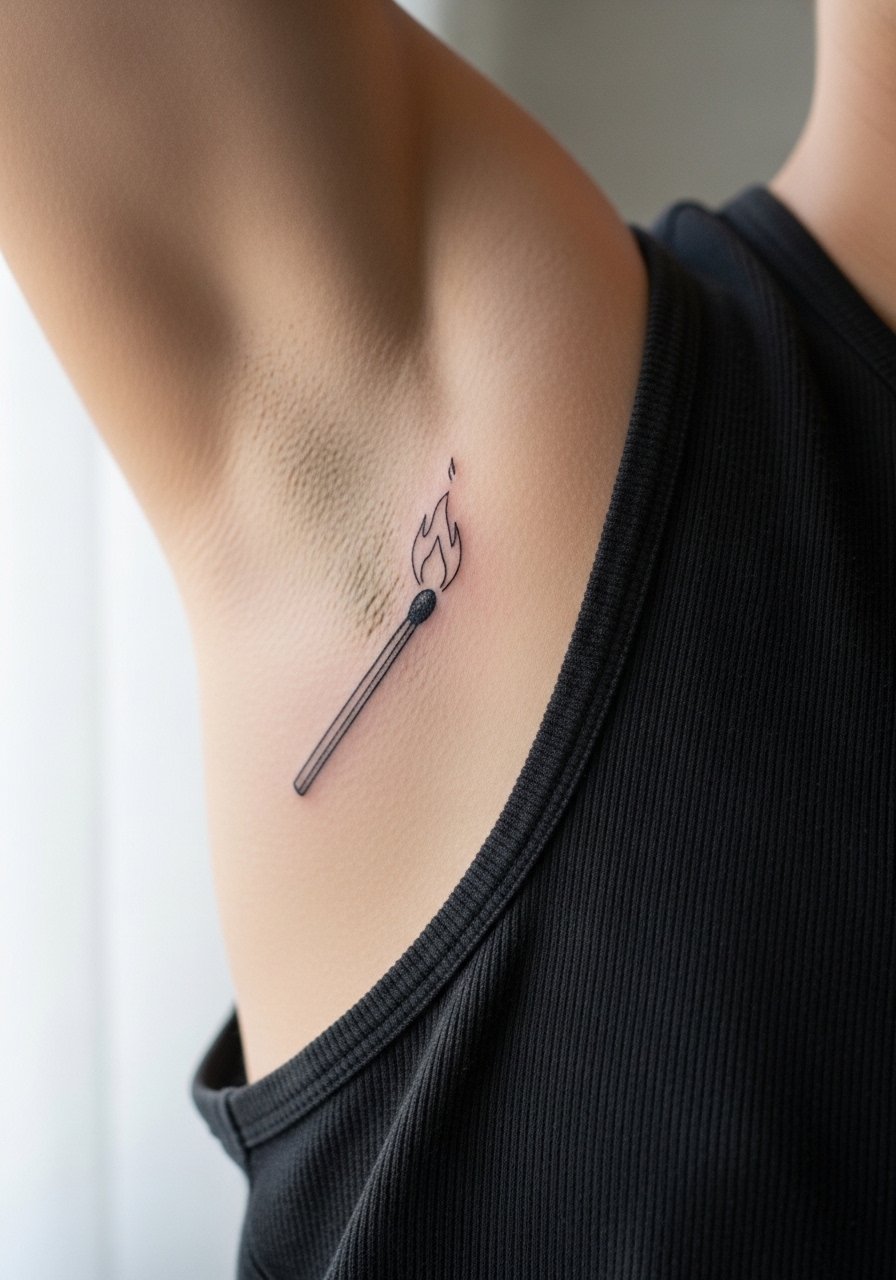
This is a great first small piece for anyone who wants a tiny symbol with a clear silhouette. Inner bicep sessions feel twitchy for a few minutes but calm down, and the skin there holds mid-weight lines well. Avoid asking for ultra-faint wisps around the flame, those heal out fast. For the appointment wear a sleeveless muscle tee so the artist has clean access and your sleeve does not rub the new ink afterward. Expect a single short session and a touch-up possibility at year two if you want the flame color refreshed.
6. Intricate Cross with Geometric Flair, Upper Chest or Ribcage
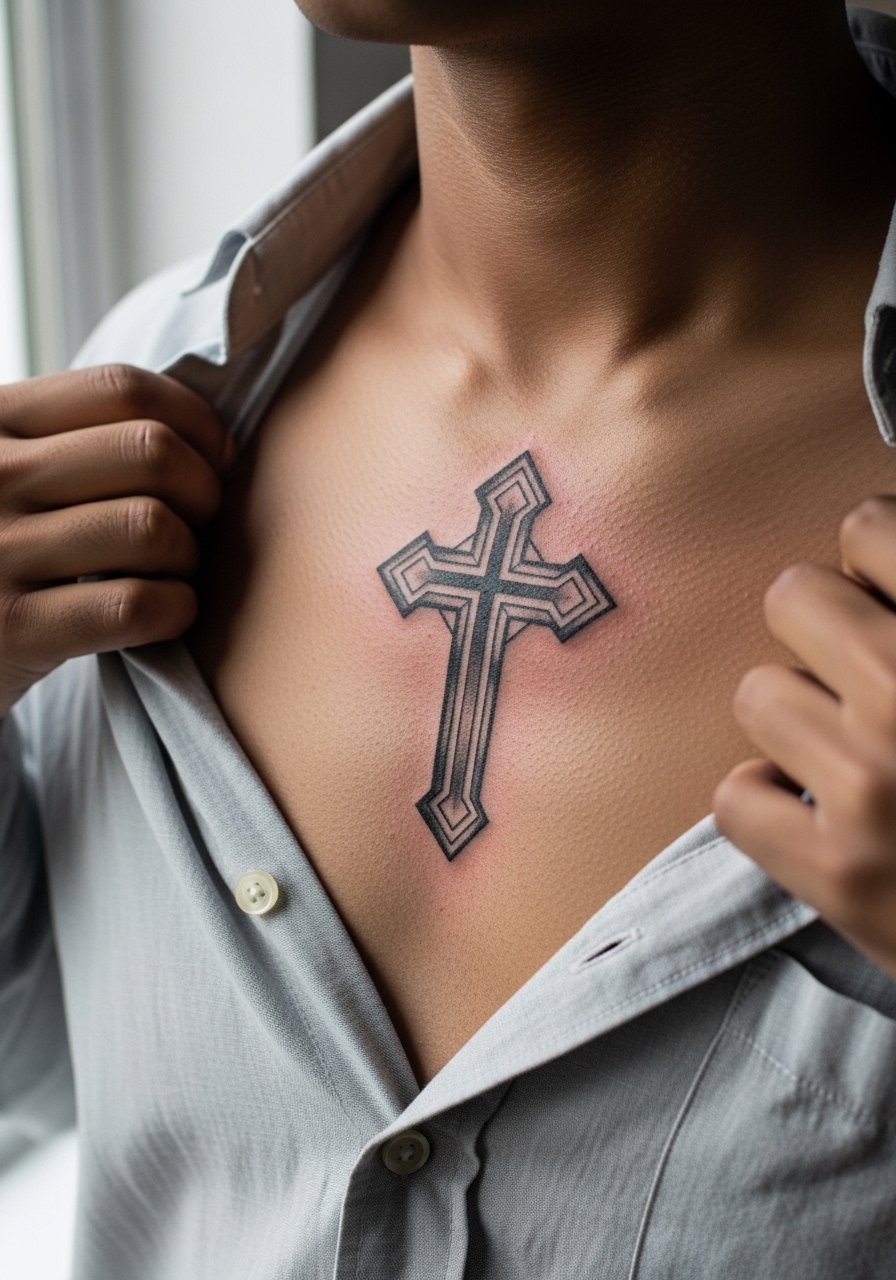
Artists split on ribcage for very fine work. One side says the stretch and movement blur delicate lines, the other says with correct needle depth and spacing it can last. If you want this on the ribcage, favor slight spacing and a bit more contrast in the center. Expect higher pain on the ribs and possibly two short sessions for saturation. For access and showing it off, wear a loose button down shirt you can pull aside. Note that weight fluctuation changes the canvas, so pick a flatter area if you expect changes.
Studio Day Picks
The forearm, wrist, and chest pieces above all need different prep. A few focused items make the session smoother and protect delicate linework during the first week.
-
Tea tree salve. Lighter than heavy petrolatum, useful for dry winter heals on small fine line pieces without feeling greasy.
-
Japanese rice bran balm. Gentle anti-inflammatory for sensitive collarbone or rib work that reduces irritation without clogging pores.
-
Australian eucalyptus aftercare spray. Quick-dry option for lower leg or calf pieces that keep fabric from sticking during movement.
-
Korean mugwort essence. Rare forum pick for calming fine line heals and potentially reducing early fading on delicate lines.
-
Framydex ointment. Thinner than thick petrolatum, it keeps fine line channels moisturized without heavy pore-clogging on the first few days.
7. Spiderweb Mandala Fragment, Ankle
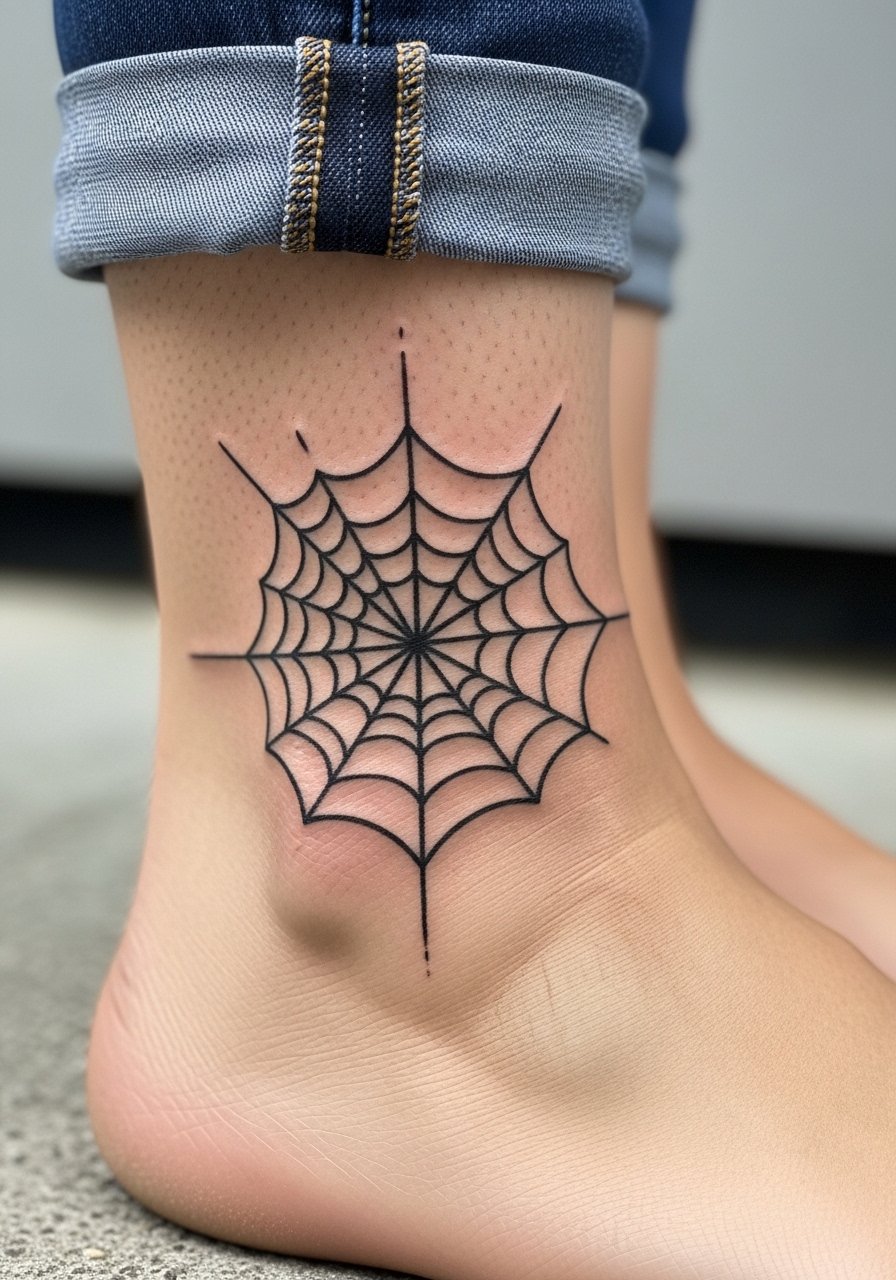
Ankle skin gets a lot of friction from socks and shoes so ask your artist to keep the mandala slightly open around dense centers. Pain is moderate and sessions can be fussy because of the curved surface. At six months the outer strands hold well if spacing is generous. For summer showing, cuff chinos or slip-on boat shoes frame the design without hiding it. Try a cuffed slim chinos look so the mandala shows when you walk.
8. Lego Character in Action Pose, Forearm
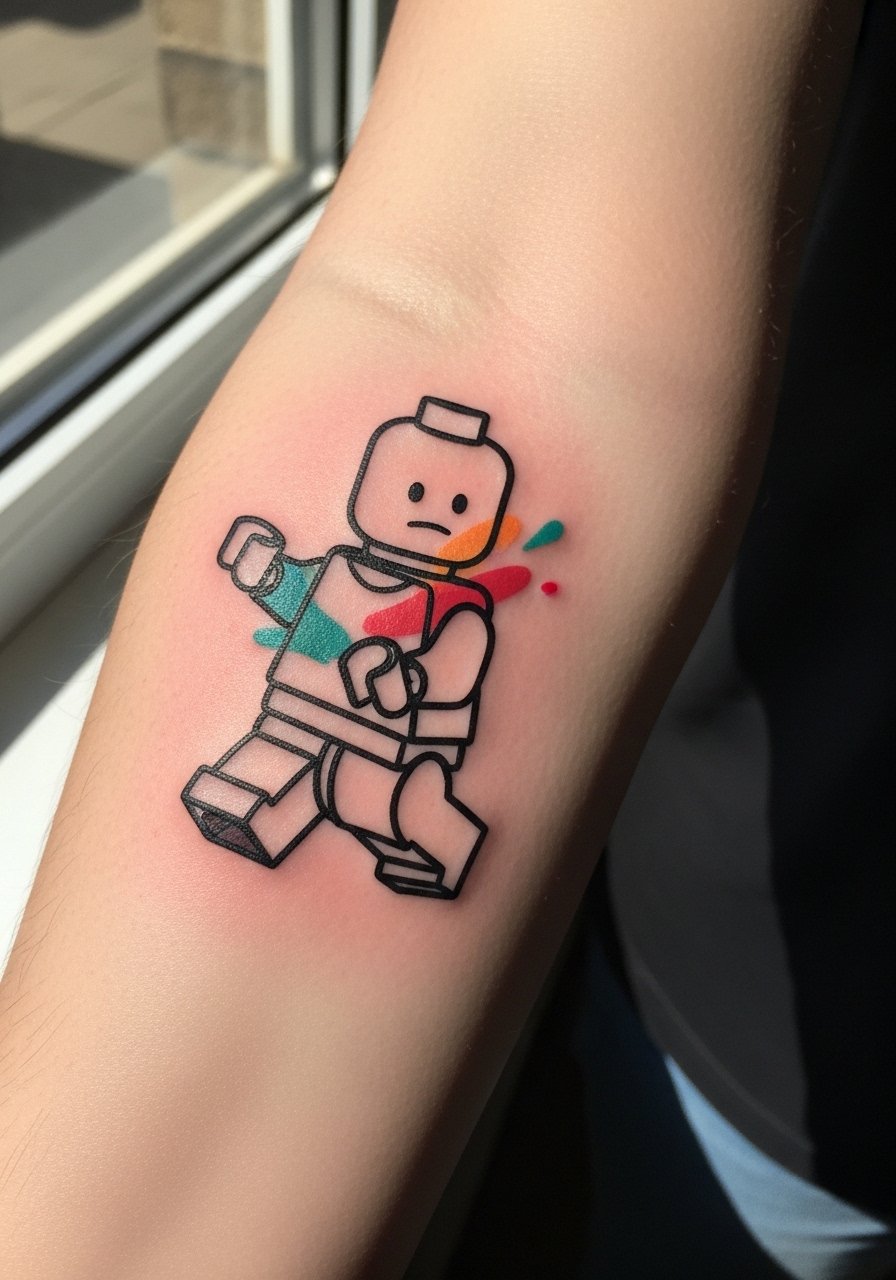
This one is playful and social without being serious. Forearm sizing around an inch keeps the character readable. The most common mistake is tiny facial details that blur; ask the artist for simplified features and a slightly thicker outline. Sessions are quick and pain is mild. A slim leather cuff bracelet on the opposite arm balances the look without covering the piece. Walk-in conventions are a good place to find guest spots for these small illustrative flash pieces.
9. Single Eye with Teardrop, Skin Behind the Ear / Temple
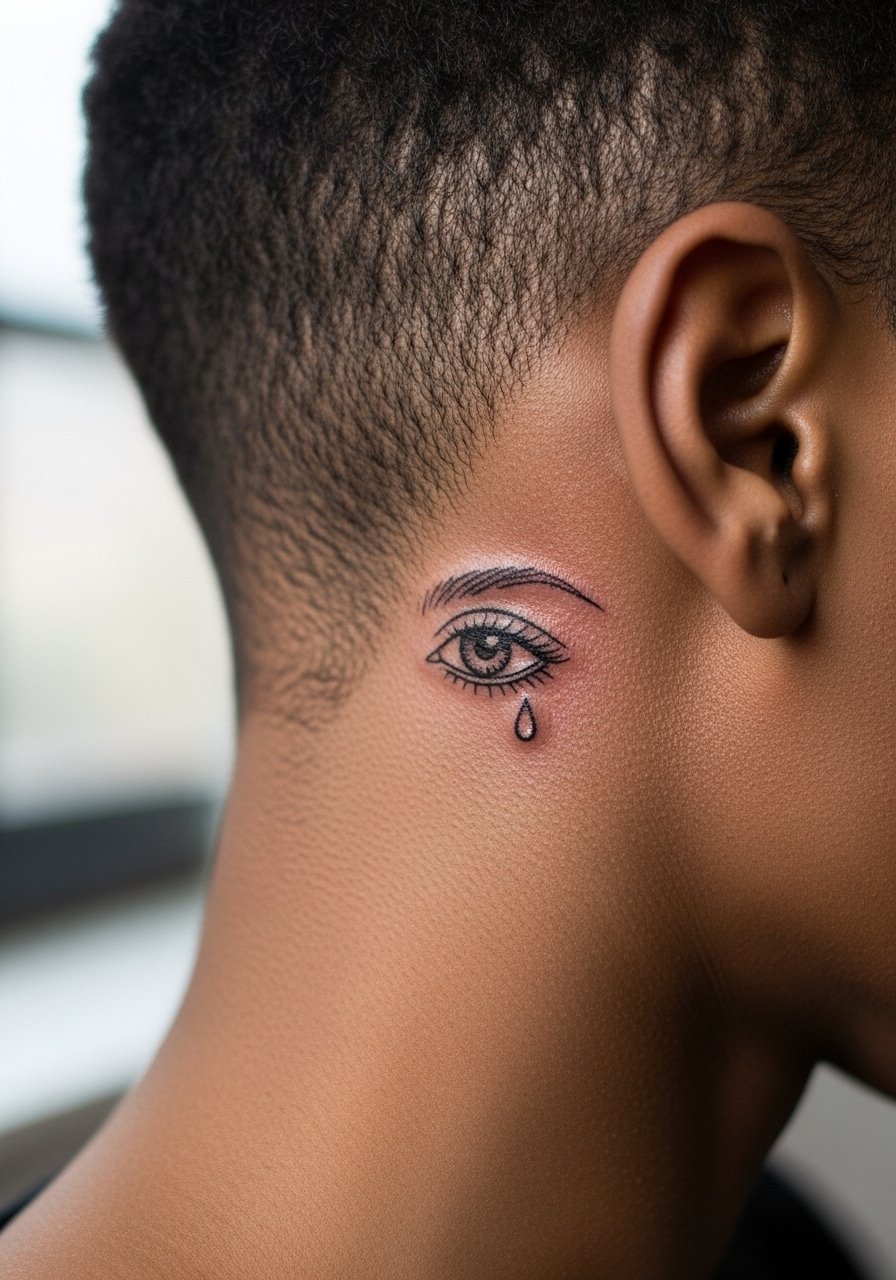
Behind the ear is intimate and heals differently than flat spots. Keep the design to about an inch and avoid dot-heavy interiors that can vanish on this thin skin. Sessions are brief but the area is sensitive. A common real-world issue is hair rubbing during sleep, so plan hair up and expect a touch-up at year two if lines soften. Because of placement, check with your artist about their healed photos for this exact zone and be ready for specialist experience.
10. Ice Cube Minimalist Outline, Wrist
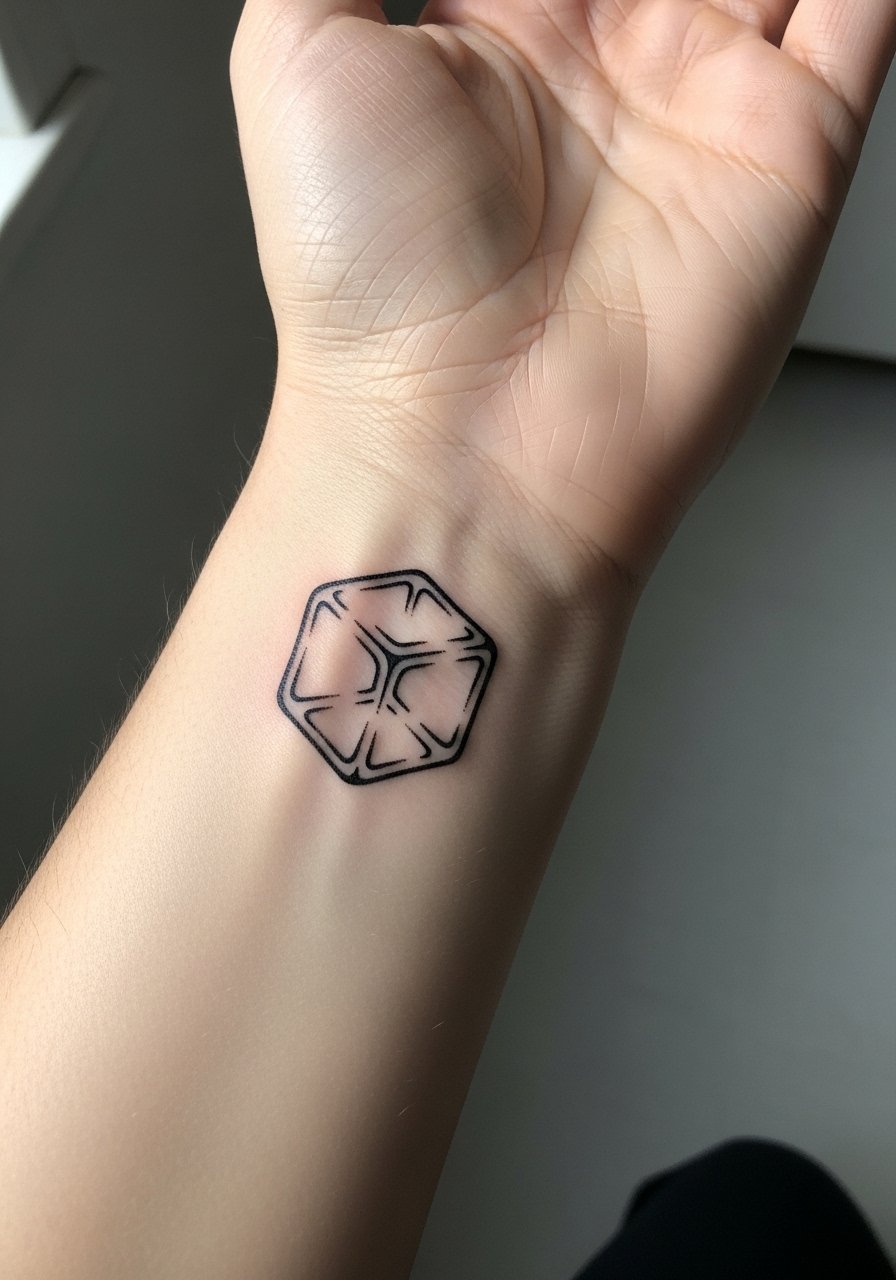
Wrist tattoos face constant washing and friction from sleeves and watches. For an ice cube outline, favor a slightly thicker outer contour and avoid hairline interior strokes. Pain is low and the session is very short. Expect touch-ups earlier than forearm pieces. Complement the design with a thin silver chain bracelet on the opposite wrist so the wrist area reads intentional and not cluttered.
11. Realistic Kiss Mark with Red Shading, Collarbone
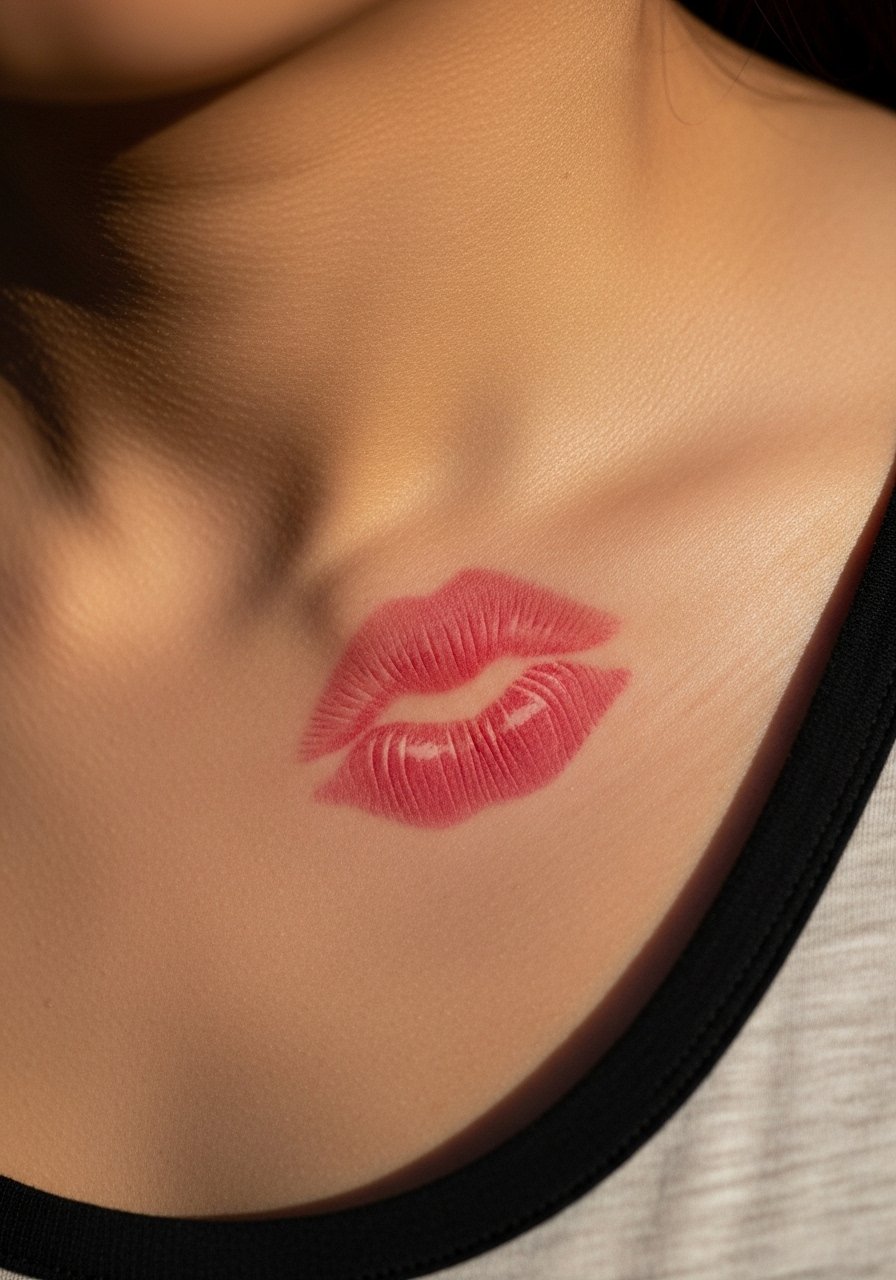
Color accents on small pieces can look striking at first but require solid saturation. Red is notoriously tricky because it can fade faster than black. If you want a kiss mark, plan for two sessions and a touch-up at year one for color refresh. For visibility choose a wide-neck shirt like an olive v neck tee to keep the area visible without stressing the healing ink. Consider that neck and collarbone pieces are easy to show and easy to irritate with jewelry or collars.
12. Insect Silhouette, Finger or Hand
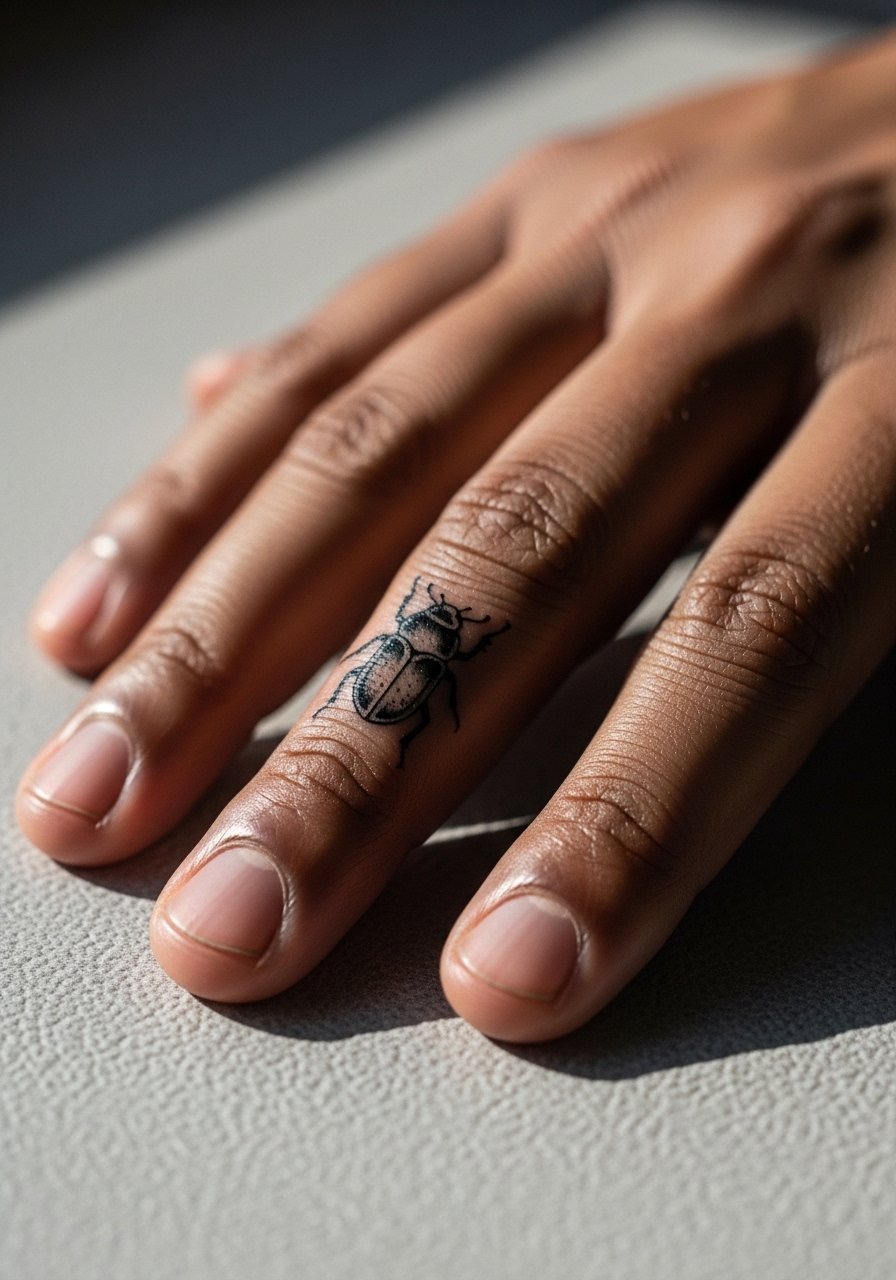
Finger and hand tattoos are convenient but they demand sacrifice in longevity. The skin here recycles fast and small black silhouettes often need touch-ups every 1 to 2 years. For a tiny beetle, insist on bold outer shapes rather than fine interior detail so the silhouette survives frequent washing. Expect quicker fading and a possible touch-up timeline. If you work in an environment that frowns on visible hand ink, factor that into placement choice.
13. Wrist Geometric Arrow, Inner Wrist
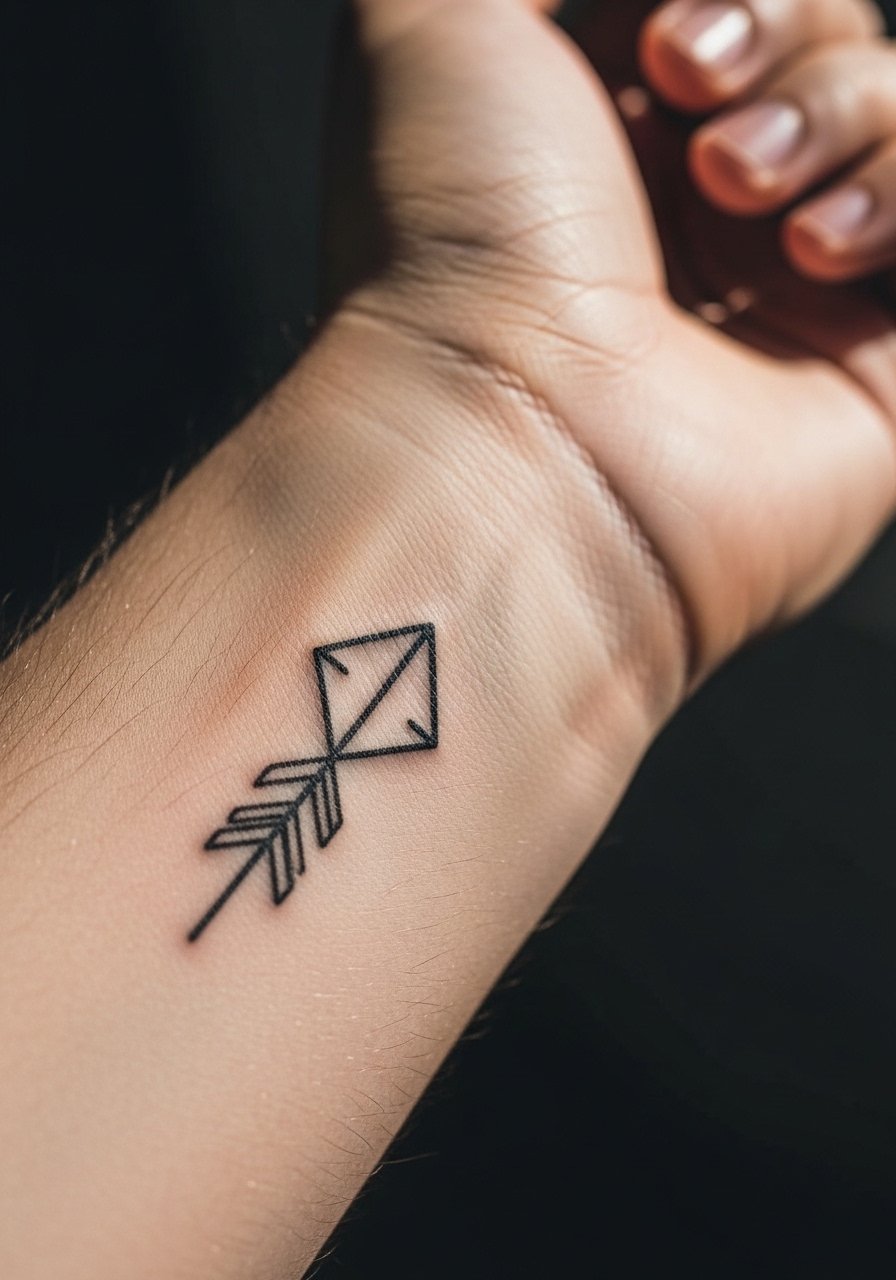
The inner wrist is visible and high-movement so thicker shafts and a clean negative-space tip help the arrow read longer. A common error is drawing chevrons too closely, which merges after 12 to 18 months. The session is short and pain is mild. Pair it with a minimalist metal watch on the opposite wrist to keep attention balanced and avoid rubbing the fresh ink during daily wear.
14. Insect Silhouette, Calf
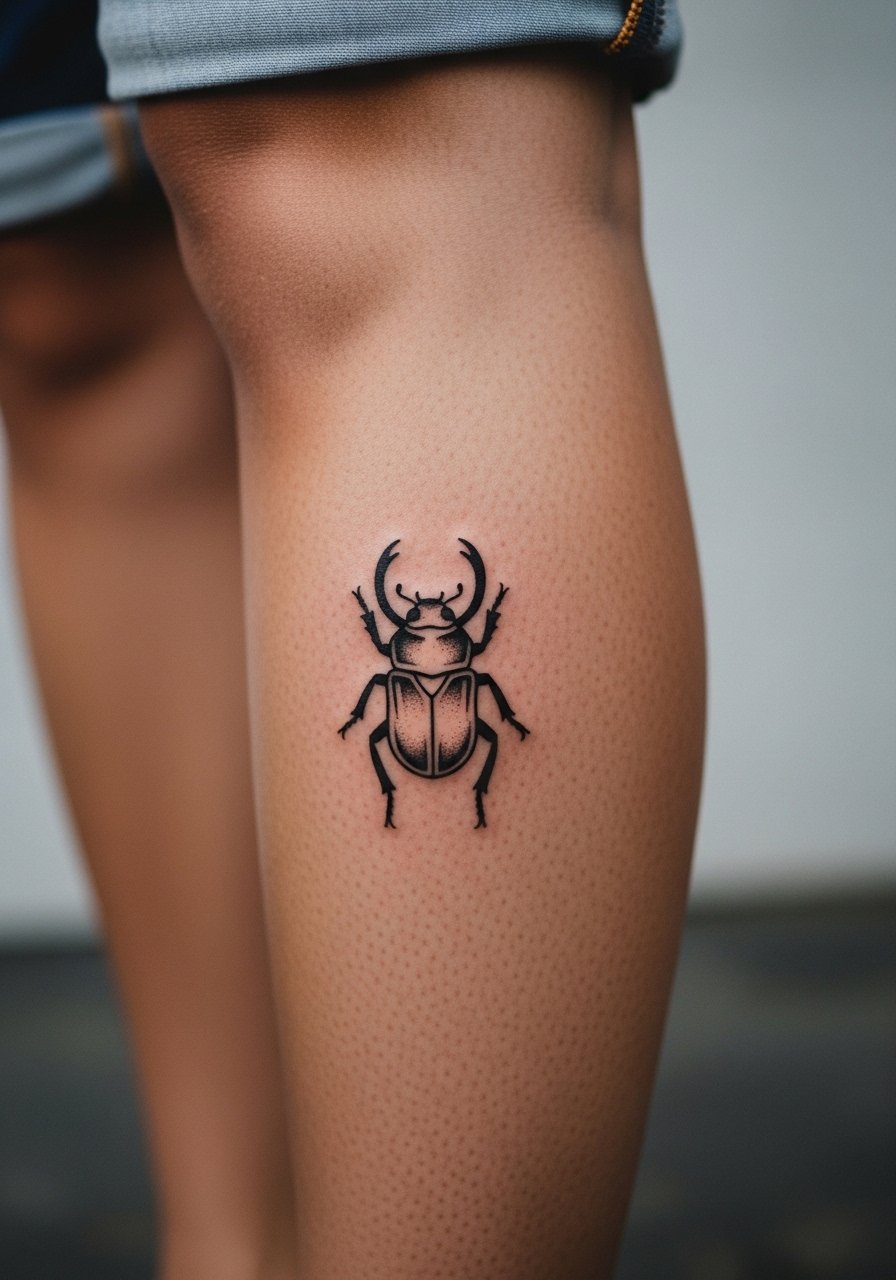
Calf skin is stable and shows detail well, which makes it a top choice for small naturalistic insect work. Sessions are comfortable and healing is straightforward. One pitfall is placing the design over the outer muscle bulge, which can distort with size changes. For casual reveal, roll joggers or shorts. Try a rolled jogger pants look so you can show the art seasonally without stressing the area.
15. Minimalist Mountain Range, Outer Forearm
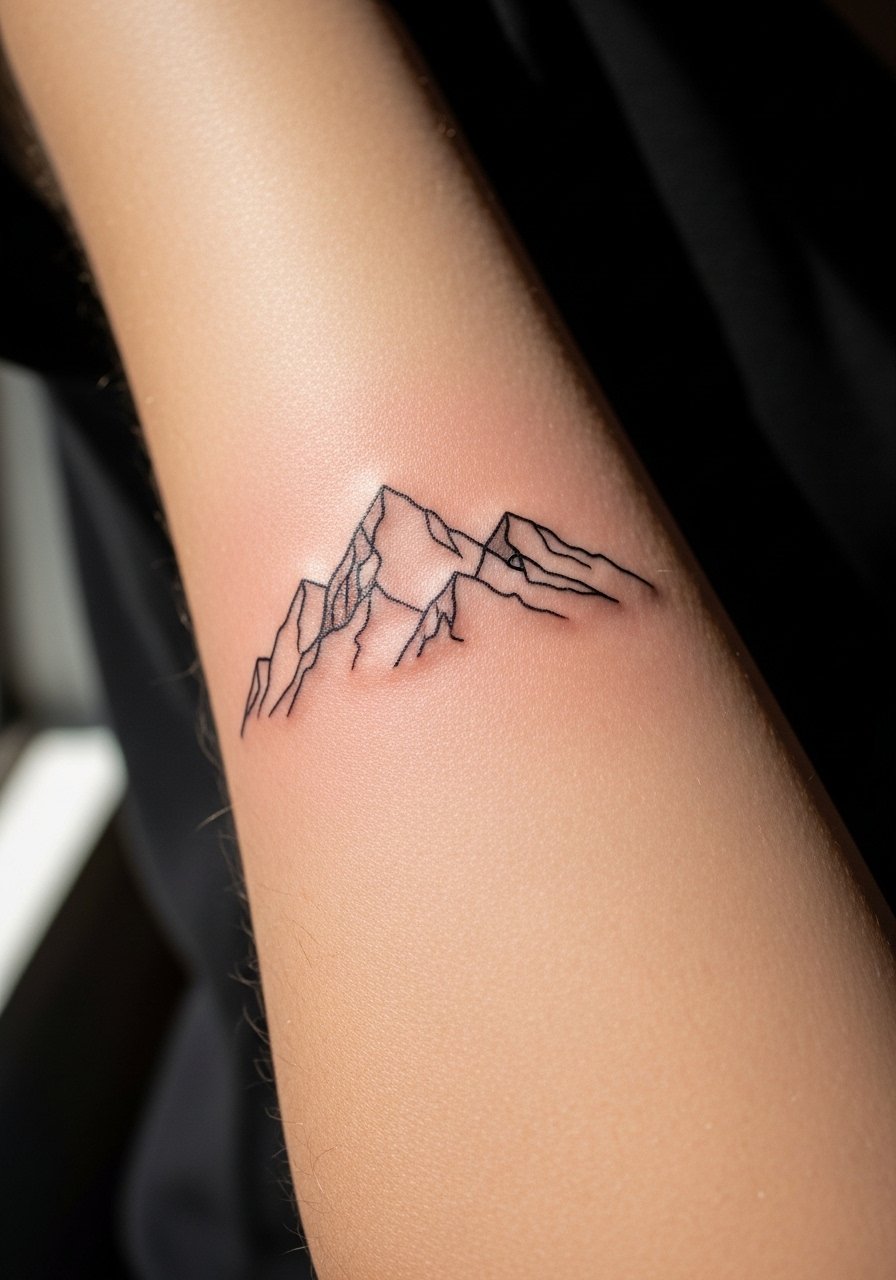
A tiny horizon of peaks reads well at about 1.5 to 2 inches. The trick is to avoid stacking too many peaks close together, which creates a muddy silhouette over time. Most artists will do this in under an hour and the pain is mild. If you want it to age well, ask for a slightly heavier outline on the highest ridge. This piece pairs casually with rolled sleeves and everyday tees.
16. Tiny Script Coordinates, Side Neck
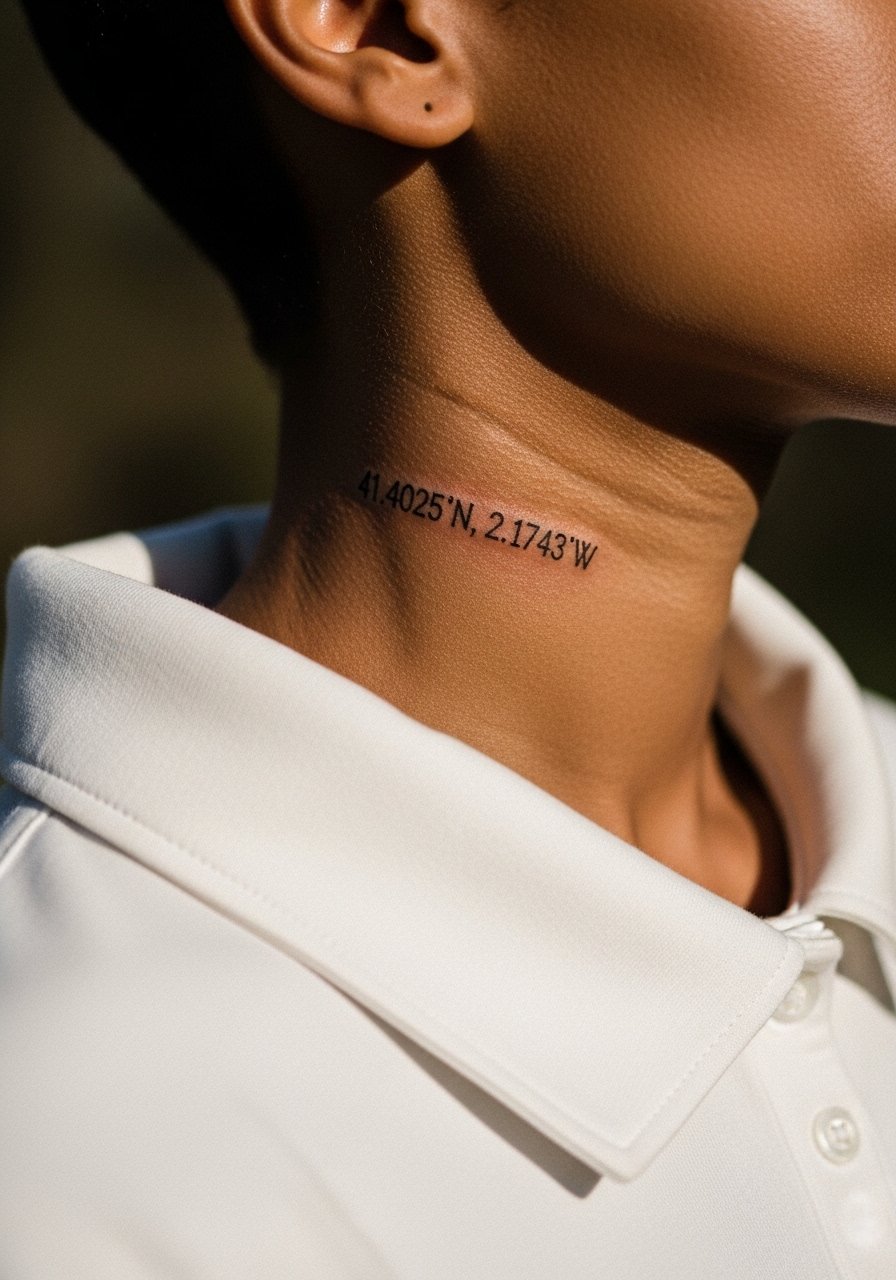
When text is visible, precise lettering matters. For coordinates keep the typeface simple and scale the numerals so they remain legible at a glance. The side neck is sensitive and movement-prone so expect mild to moderate pain. Ask the artist to stencil and check font size on your skin before needle starts. This placement can be very personal and might affect professional impressions, so plan accordingly.
17. Dot Work Mini Mandala, Upper Shoulder

Shoulder skin tolerates dot work beautifully and the rounded surface makes small mandalas read as a compact badge. Dot work needs controlled spacing so stipple shading holds instead of blending into a gray mass. Sessions can be slightly longer because stipple takes patience, but pain is mild. For the session wear a tank top so the artist can work without fabric tugging the area.
Frequently Asked Questions
Q: Do fine line tattoos blur faster than bold blackwork on wrists and fingers?
A: In my experience fine line on high-friction zones like fingers and wrists tends to soften sooner than bold blackwork. One camp says single-needle fine line can age gracefully, the other says dense bold lines last longer in those spots. If you want fine line there, expect touch-ups every one to three years and ask for slightly bolder outer strokes.
Q: What should tech people know about cyber sigilism pieces and maintenance?
A: Cyber sigils look crisp when scaled to two inches or larger and with primary strokes supported by slightly heavier anchors. Keep expectations that micro glitch details may need touch-ups at year two. For session wear, choose a crew neck or wide-neck shirt you can pull aside so the artist has unobstructed access.
Q: Is Saniderm better than dry healing for small wrist and forearm tattoos?
A: Artists are divided. One side recommends Saniderm for faster clean healing and less scabbing, the other prefers dry healing and warns that occlusion can trap moisture. My practical take is to follow the artist’s protocol and your skin’s reaction. If you try a protective film, monitor for excess moisture and switch to a light balm if needed.
Q: How should someone with darker skin approach fine line designs?
A: Darker skin can hide ultra-fine hairline work, so pick slightly bolder line weights or choose micro-realism with strong saturation. Ask for healed examples on similar skin tones and consider a small test patch if you are unsure. Good artists will suggest adjustments to preserve contrast.
Q: What is the best small tattoo for the wrist that still lasts?
A: Bold minimalist shapes and slightly thicker outlines outlast ultra-thin script on the wrist. A geometric arrow or small solid shape with clear negative space holds well. If visibility matters, plan for a touch-up at year two and protect the area from sun.
Q: How do I find a reliable guest artist or walk-in for small pieces?
A: Use hashtags plus your city on social platforms for recent guest reels, and check booking apps that list guest spots. Reddit megathreads and convention listings are also practical discovery paths. When you message an artist, describe size, placement, and ask for healed photos of the same zone.