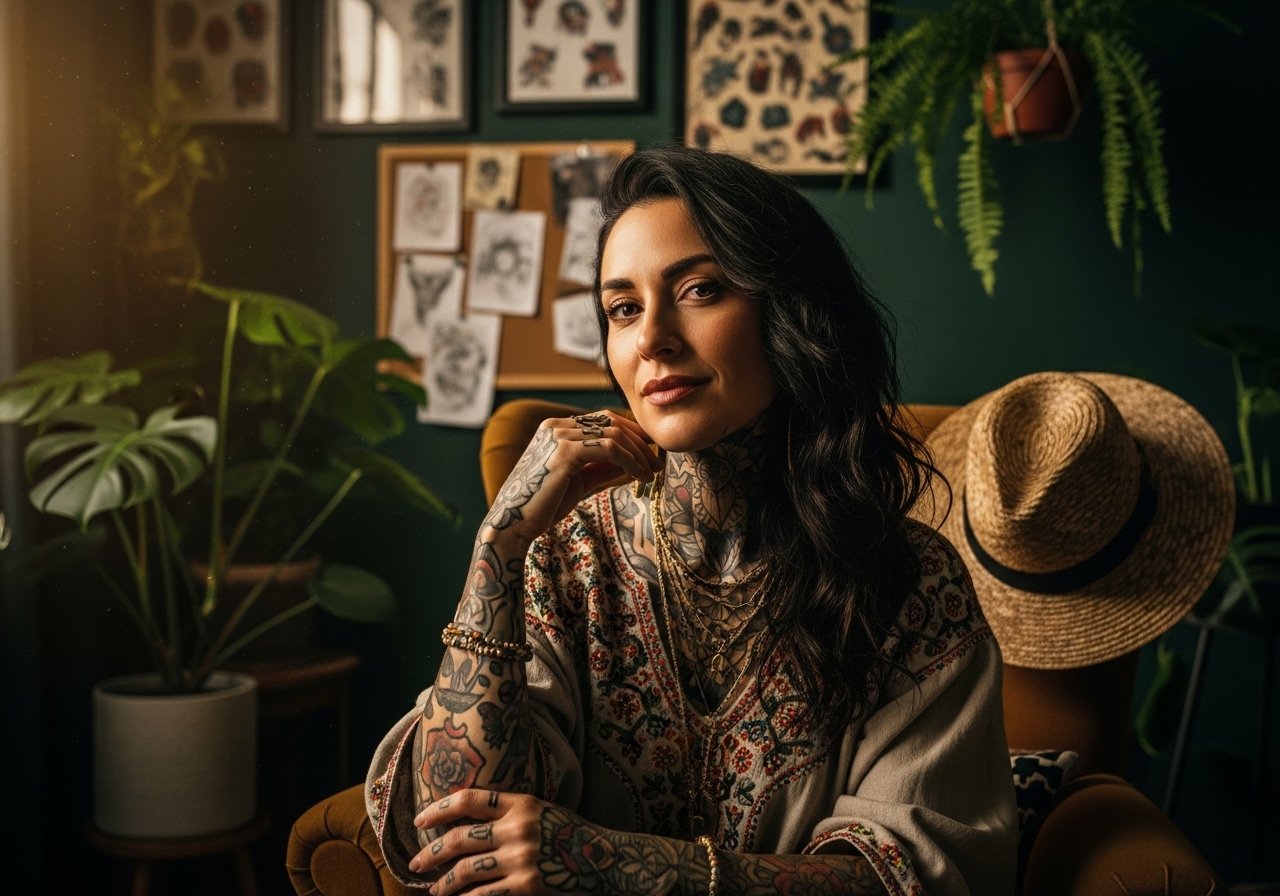
Fine line is all over Pinterest and TikTok, but what reads best six months in is not always what gets the most saves the day it lands on your feed. Expect the common pain points to show up: fine lines that fade faster than expected, small wrist pieces that cost more than you guessed, and designs that disappear on darker skin tones if the artist skims the needle. Below are 21 modern mother daughter tattoo ideas, each with what to ask for, what ages poorly, and how to style or prep the session so your set still looks intentional after a few years.
1. Fingerprint Heart Pair on the Inner Wrist
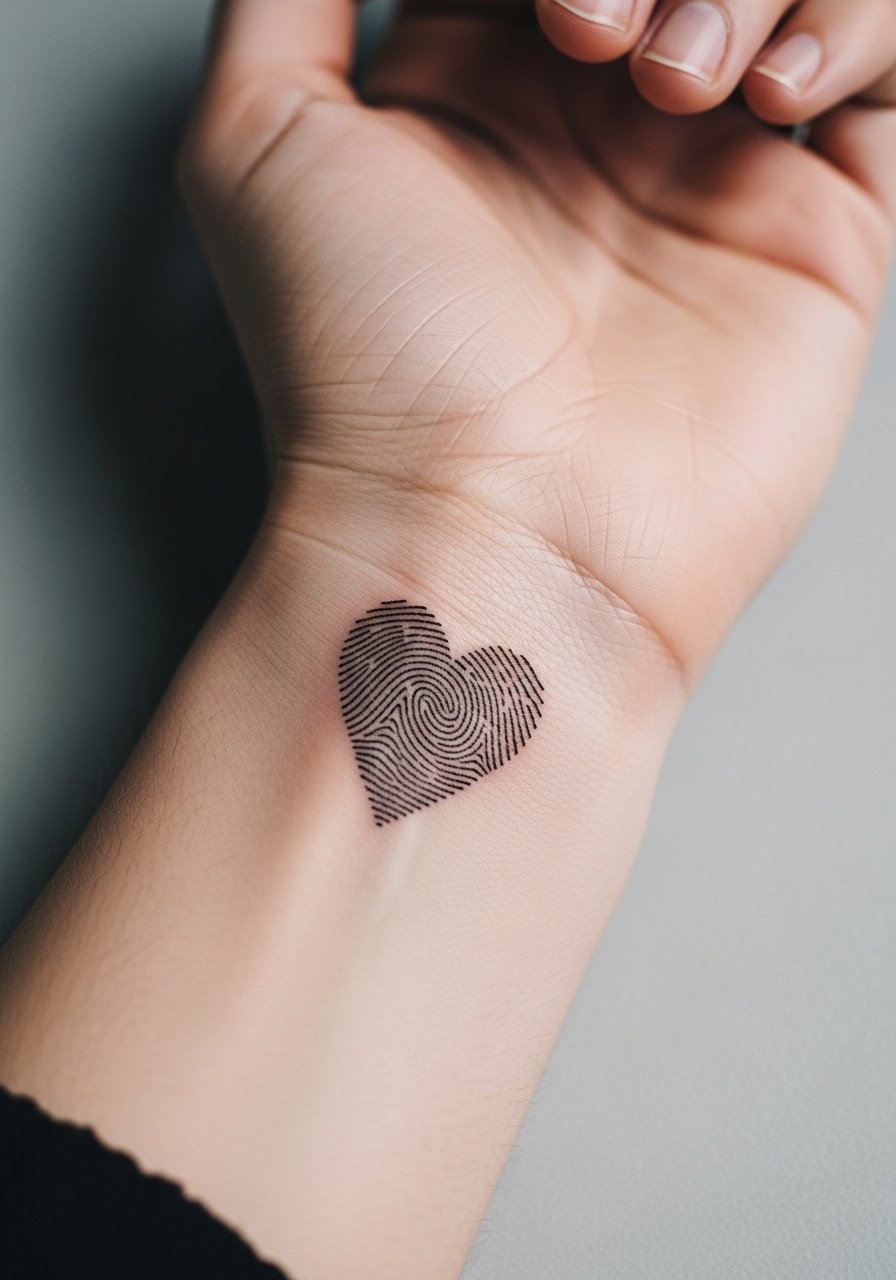
When friends tell me they scanned prints at home before booking, it makes the consultation smoother. Ask your artist to keep the fingerprint lines slightly bold so the ridges read after healing, and request a 3RL or larger line needle to avoid early fading. The inner wrist is low pain but high friction, so expect touch-up around year two unless the lines have solid saturation. A common mistake is asking for ultra-tiny ridges that blur into a smudge. For showing it off, wear a thin gold chain bracelet on the opposite wrist and bring a sleeveless top for the session so the artist has clear access.
2. Half-Flower Split on the Ankle
I've seen half-flowers age differently depending on line weight. Tiny petals on the ankle often lose their crisp edges because of shoe friction and seasonal exposure. Tell the artist to use slightly thicker outlines on the petal edges and to place the separate petal where the skin moves least. Session time is short, but plan for a careful aftercare routine during sandal season. Mistake to avoid is placing the split where socks rub. For show-off outfits, pair the piece with strappy flat sandals when healed, and wear loose pants or a skirt to your appointment so the ankle is easy to access.
3. Sun and Moon Duo, Blackwork Version on Shoulder and Ankle
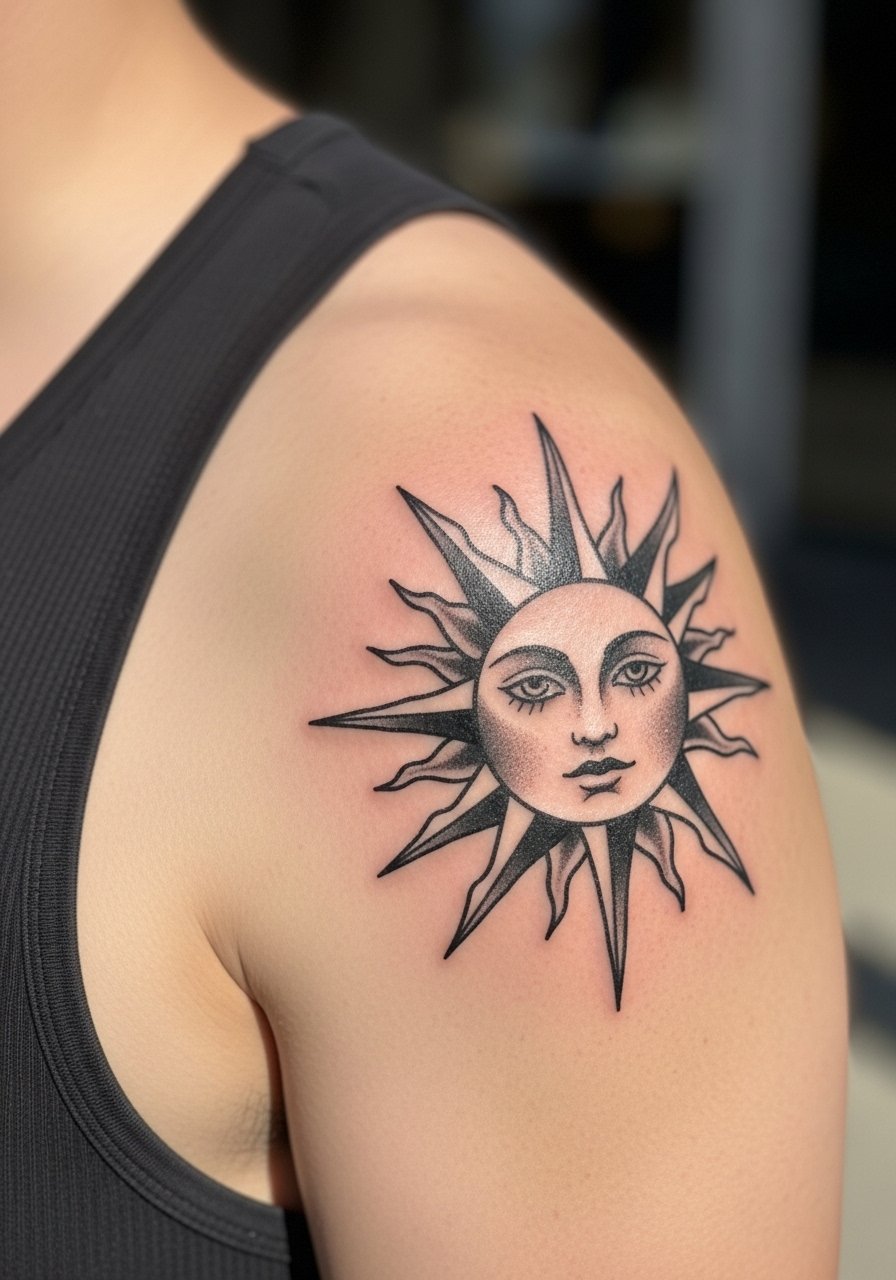
Most people pick color for sun and moon because it photographs well, but blackwork holds up longer. For a matching mom-daughter pair, choose complementary placements like shoulder and ankle so each piece reads on its own. Ask for solid saturation and midline spacing to prevent early color bleed. Expect one to two sessions if you add subtle gray shading. A common regret is overlapping too many tiny stars around the motif, which can blur. For the session wear, bring a sleeveless button-down shirt you can pull aside for shoulder access.
4. Lock and Key Set on Inner Forearm and Ankle
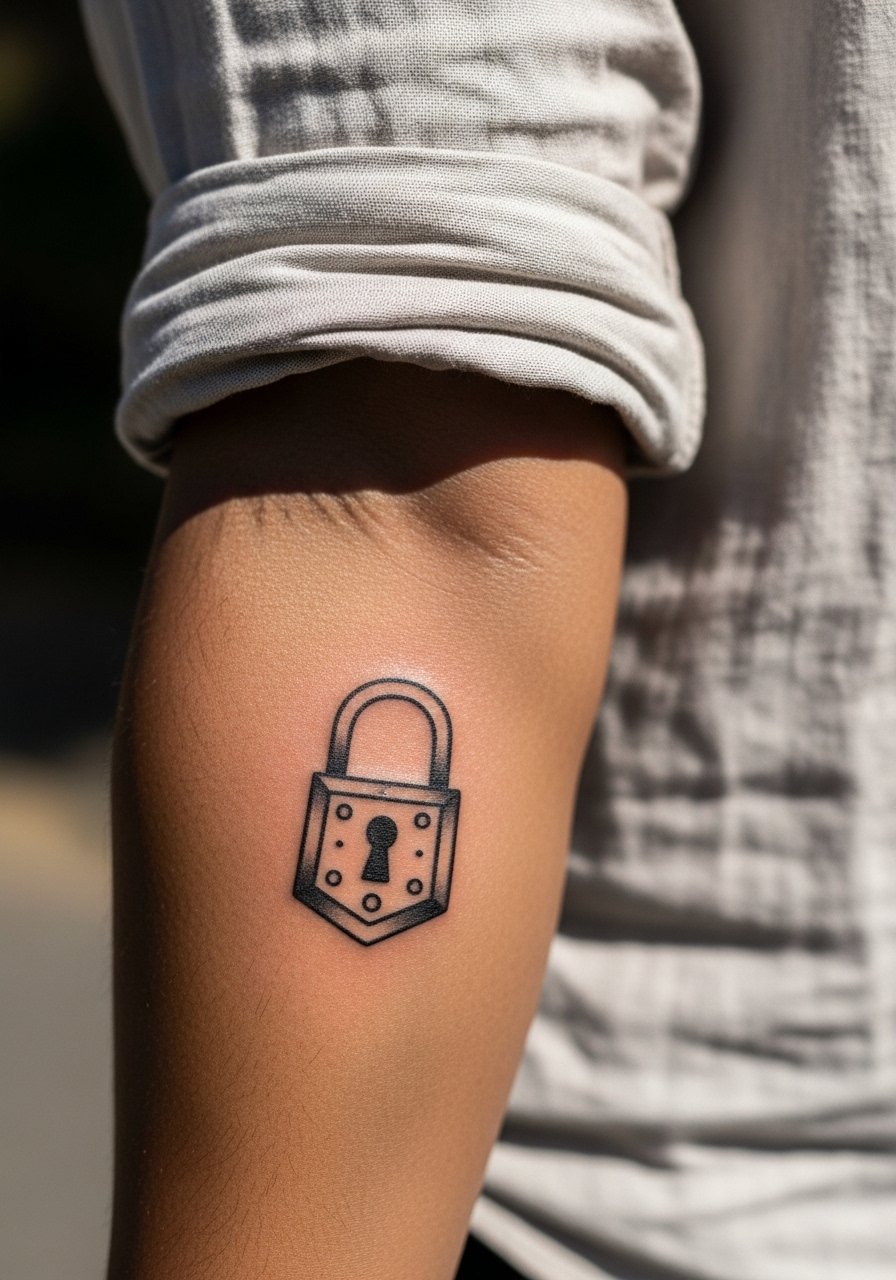
When you sit down with your artist for lock and key, bring references that show exact line weight. The forearm version can stretch with weight changes, so I usually recommend placing the lock closer to the wrist or collarbone if you expect body shifts. The ankle key ages differently because of footwear friction. A frequent error is asking for overly ornate filigree that becomes indistinct after a year. Expect a single session for a simple outline but budget for a touch-up at year two. For outfits, roll a linen button up shirt for clean access and to show the forearm linework when healed.
5. Overlapping Hand-Drawn Hearts on Opposite Wrists
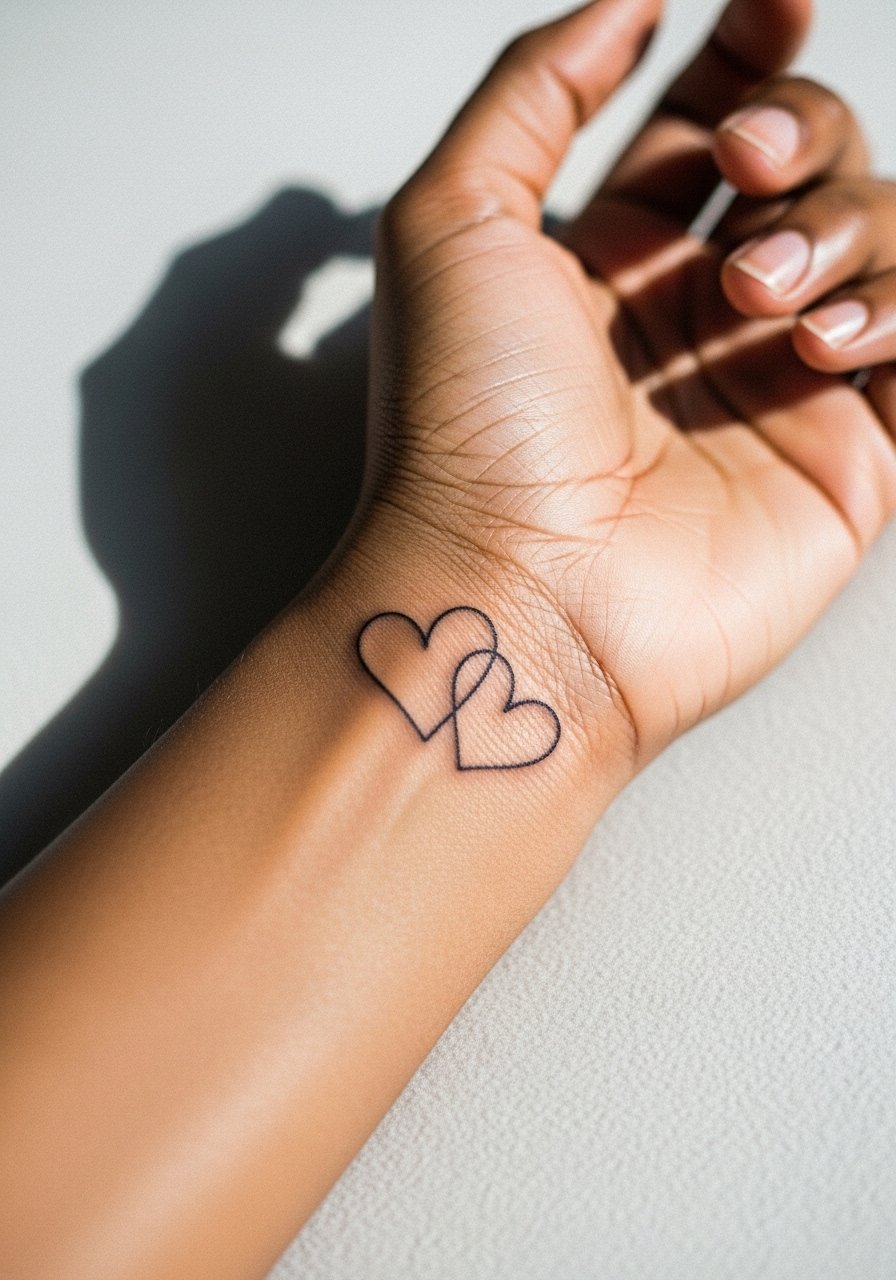
Fair warning, wrists are popular and the smallest choices age fastest. Overlapping hand-drawn hearts work well when the artist spaces the intersections so the lines have room to breathe. Tell them you want a slight gap between overlaps to prevent merging in two years. The session is quick but hourly minimums apply, so consider an apprentice if budget is tight. A common mistake is mirroring the same hand orientation on both wrists, which reads less intentional. For showing this off, pair with dainty stackable bracelets on the opposite wrist.
6. Family Circle for Mom and Multiple Daughters on the Shoulder
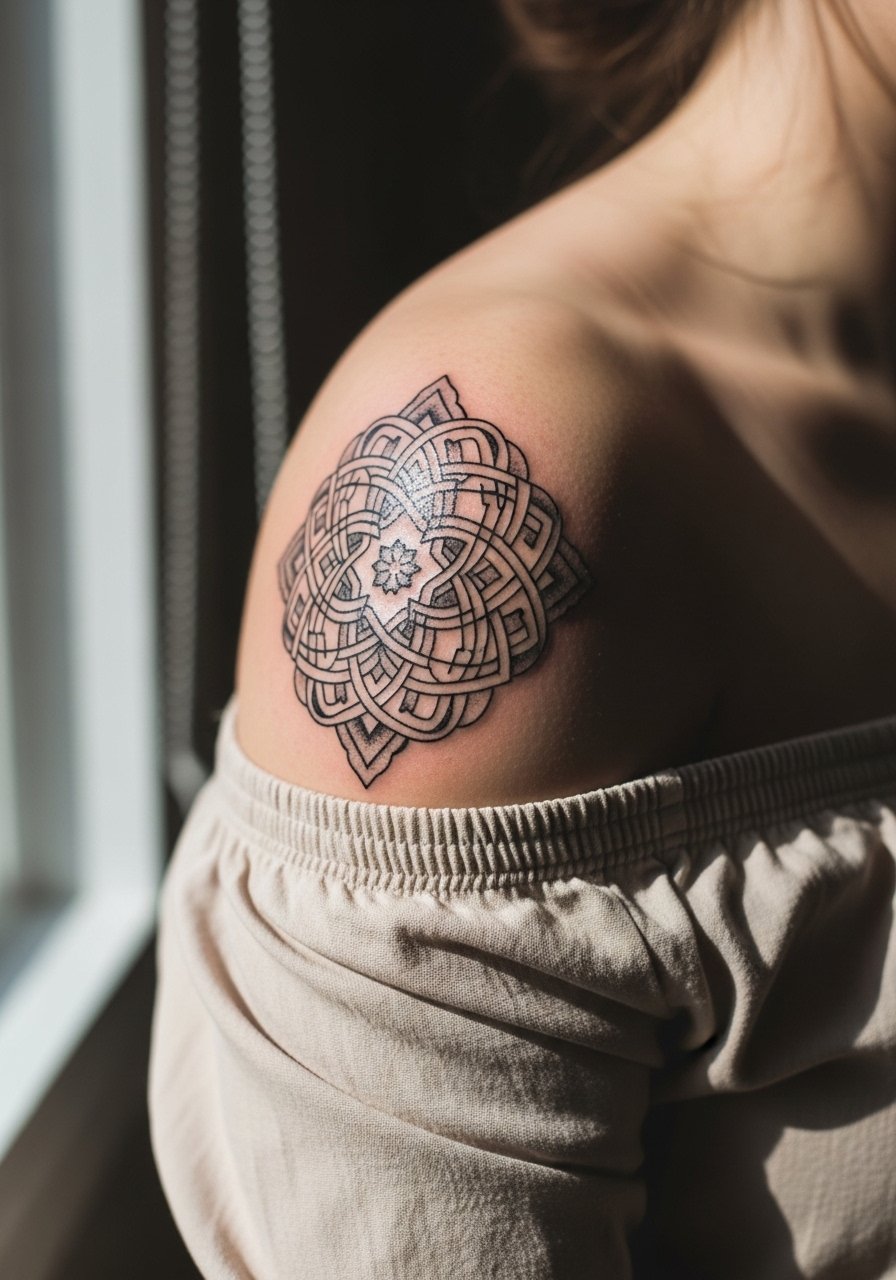
I've seen these circles done as single-line rings and as small linked ornaments. For three-plus members, plan spacing for future additions and ask the artist to map the negative space so the composition does not get tight later. Shoulder placement handles expansion well, and blackwork keeps the geometry readable over time. A mistake people make is starting too small and then finding there is no room to add another name or symbol. The session can take two sittings if you add shading. To show the piece, wear an off shoulder blouse for events.
Studio Day Picks
Those wrist, ankle, and shoulder pieces above all have different prep needs. A few specific items make the appointment and the first week easier, especially for fine line and ankle designs.
-
Tea tree healing balm. Lightweight and non-greasy options like this help wrist pieces breathe while keeping moisture without the heavy residue some people complain about during the first week.
-
Aftercare spray, gentle mist. A spray can reduce the need to touch the area and helps ankle and shoulder work dry without heavy ointment.
-
Rice-based moisturizing cream. Lighter creams are less likely to clog pores under fine line work on inner forearms or collarbones.
-
Korean sheet protective wraps. These thin barrier wraps can reduce friction on ankle tattoos during the first week.
-
Saniderm protective film. For people who prefer a sealed healing window, this film reduces external contamination and keeps fine line work from scabbing aggressively.
7. Minimalist Half-Circle Wrist and Back Link
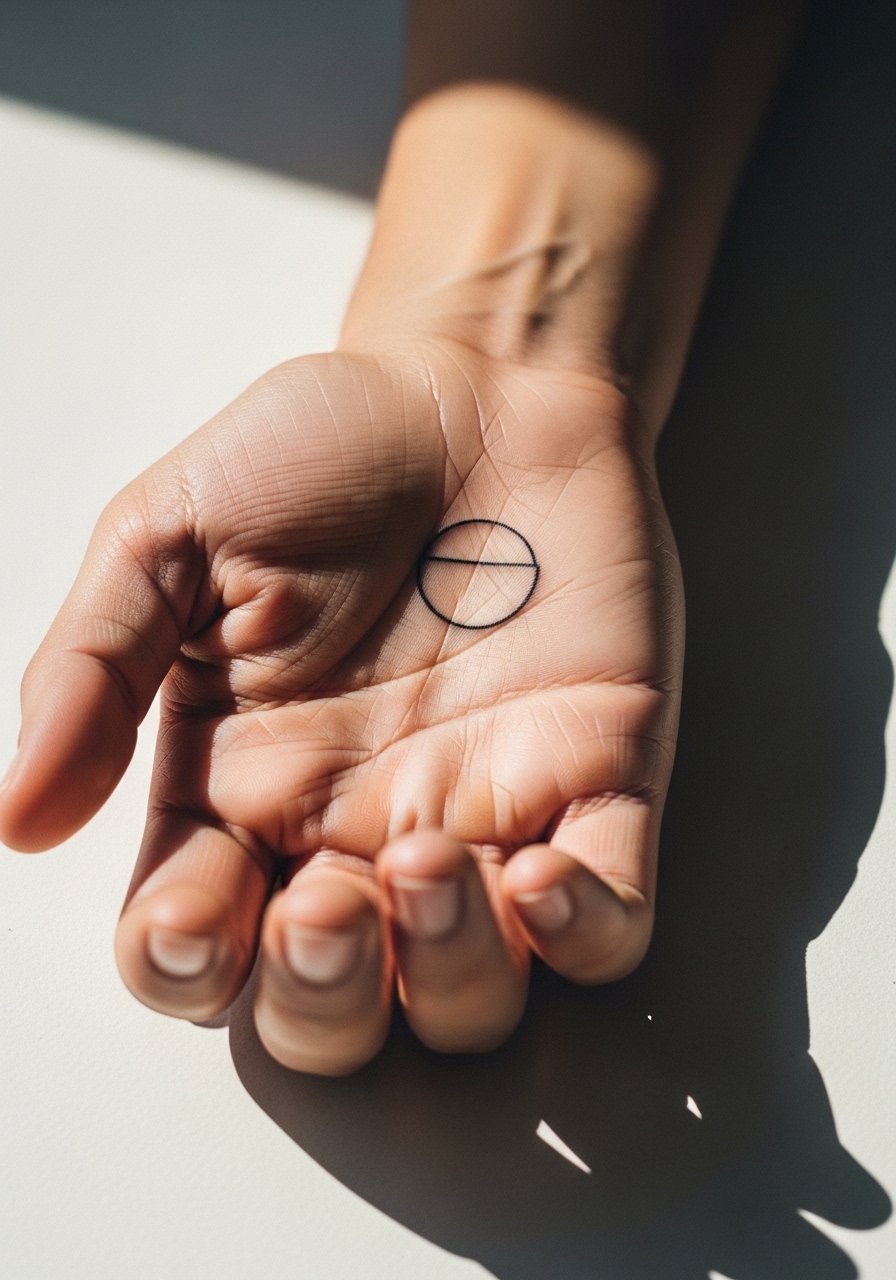
There is something about the visual puzzle of a half-circle that finishes when two bodies come together. A consultation tip is to mark both placements on skin at the same time to confirm proportion. The wrist-to-back link can be playful or subtle, but tiny lines here need room to breathe or they will merge. Expect touch-ups at year three for very small versions. A mistake is mirroring the curvature without accounting for the back's broader canvas. For session wear, bring a loose tank top so the artist can access the wrist and the back placement easily.
8. Script Lyrics Wrapped Along the Ribcage
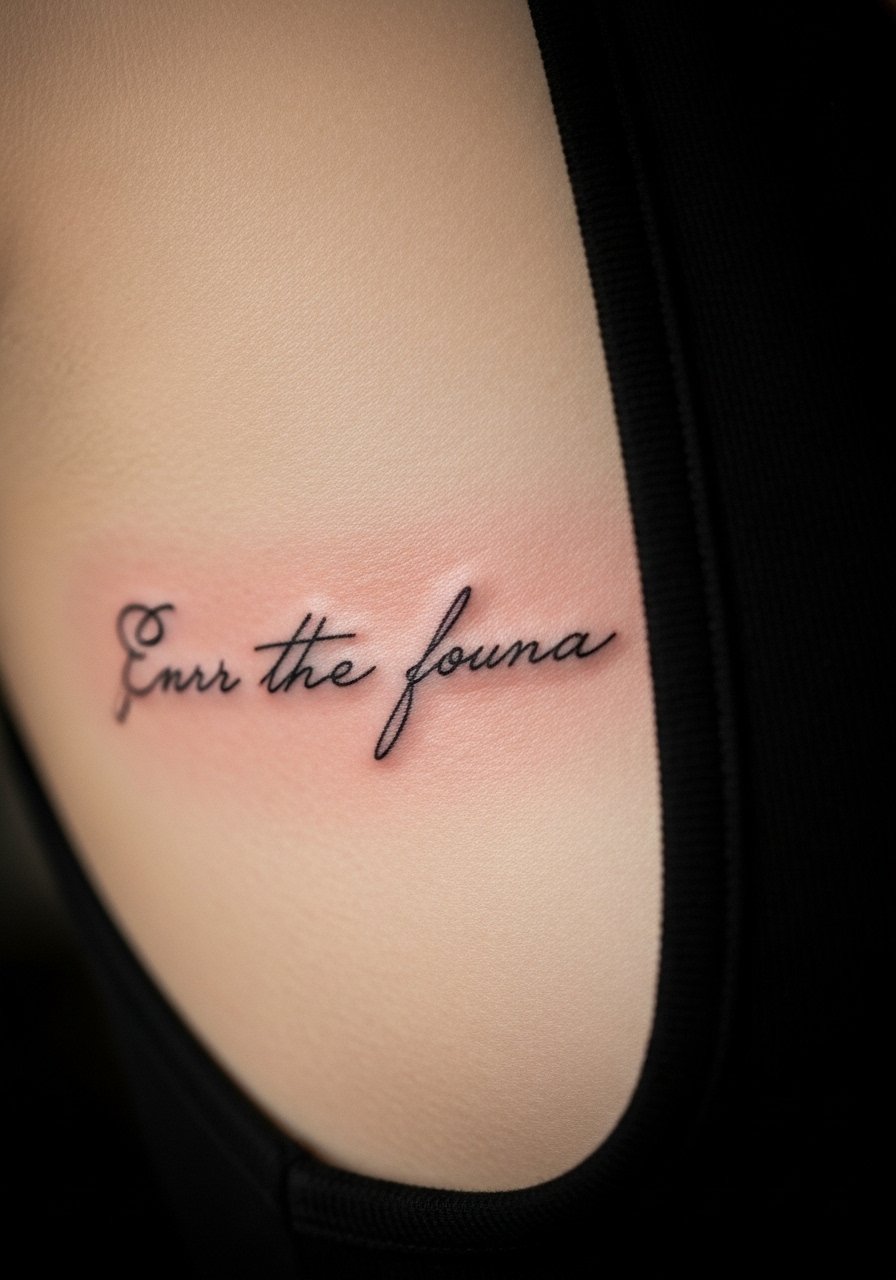
Fair warning, ribs are a higher pain area but the space lets script breathe. Artists split on whether fine line holds on ribs. One camp says the skin stretch blurs thin lines within two years. The other camp argues that with correct depth and spacing, fine line can last. Ask your artist which camp they sit with and request a slightly heavier line if they have doubts. The biggest mistake is cramming long lyrics into a narrow arc. For the session wear, use a cropped top you can lift slightly so only the rib area is exposed.
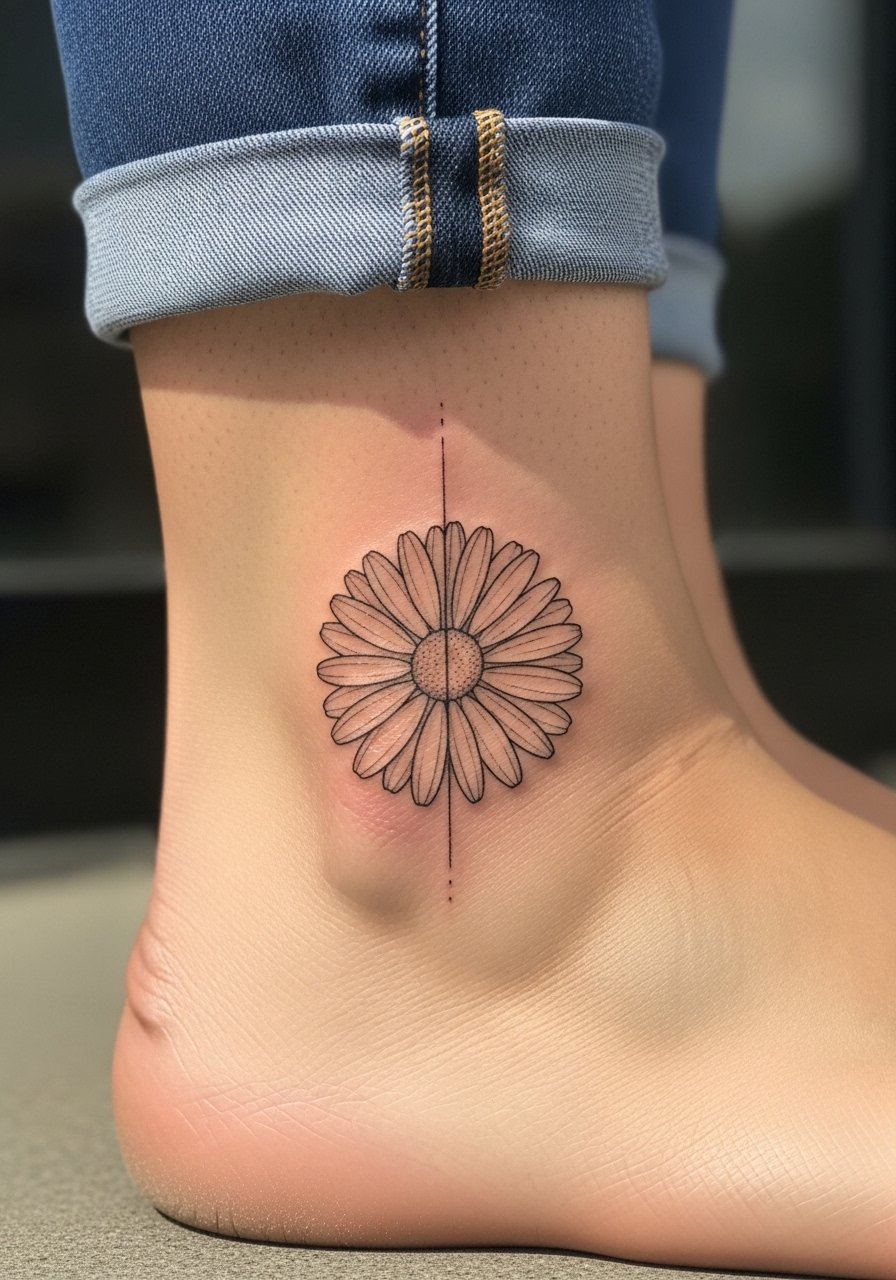
9. Daisy Chain with One Petal Separated on the Ankle
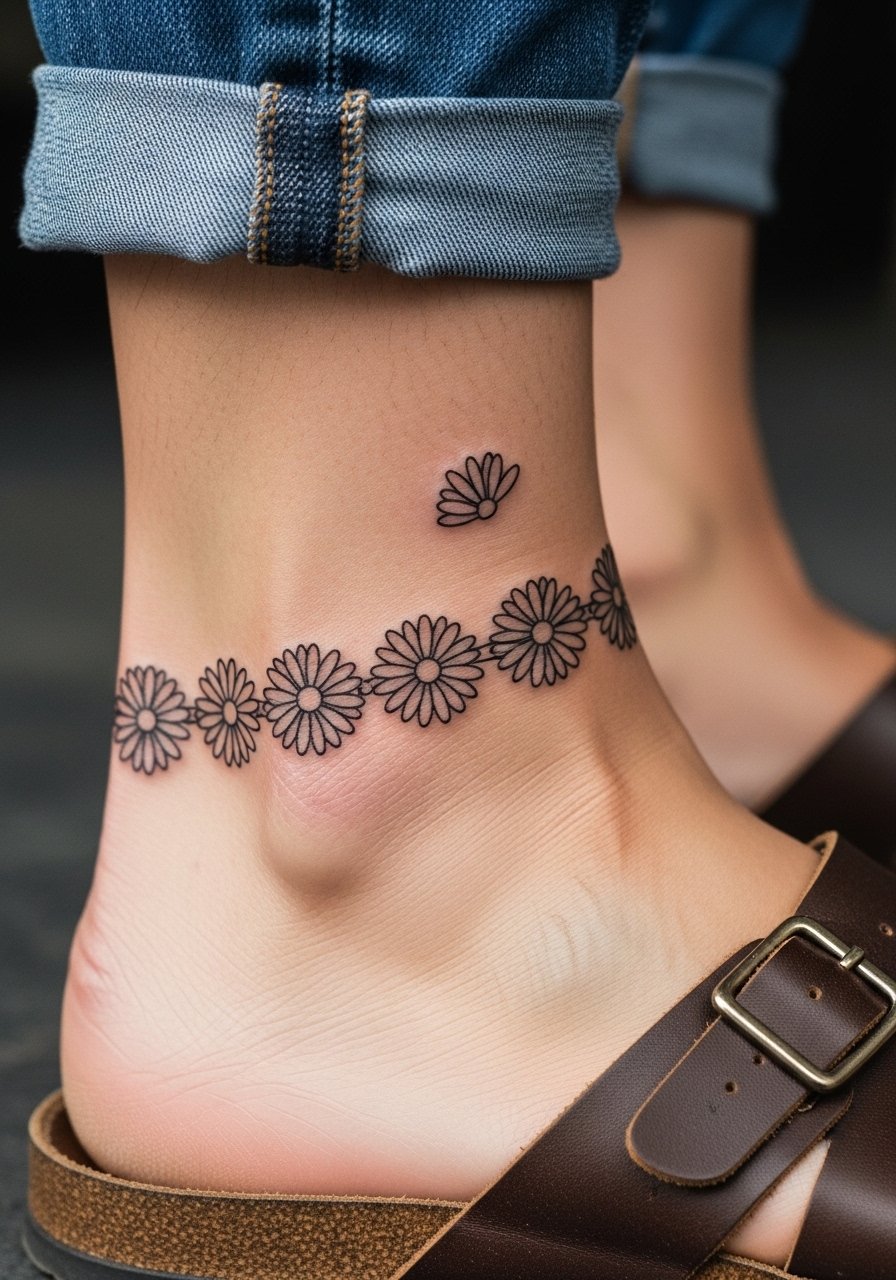
This visual that shows origin works well for families where mom is represented by the full flower and the daughter by the single petal. The ankle placement needs slightly bolder petal outlines because shoes and socks cause wear. A common mistake is placing the detached petal where it will rub against straps. Session time is short but expect a touch-up if the petal is tiny. To display the piece, pair it with cropped straight jeans and sandals.
10. Small Floral Heart on the Collarbone
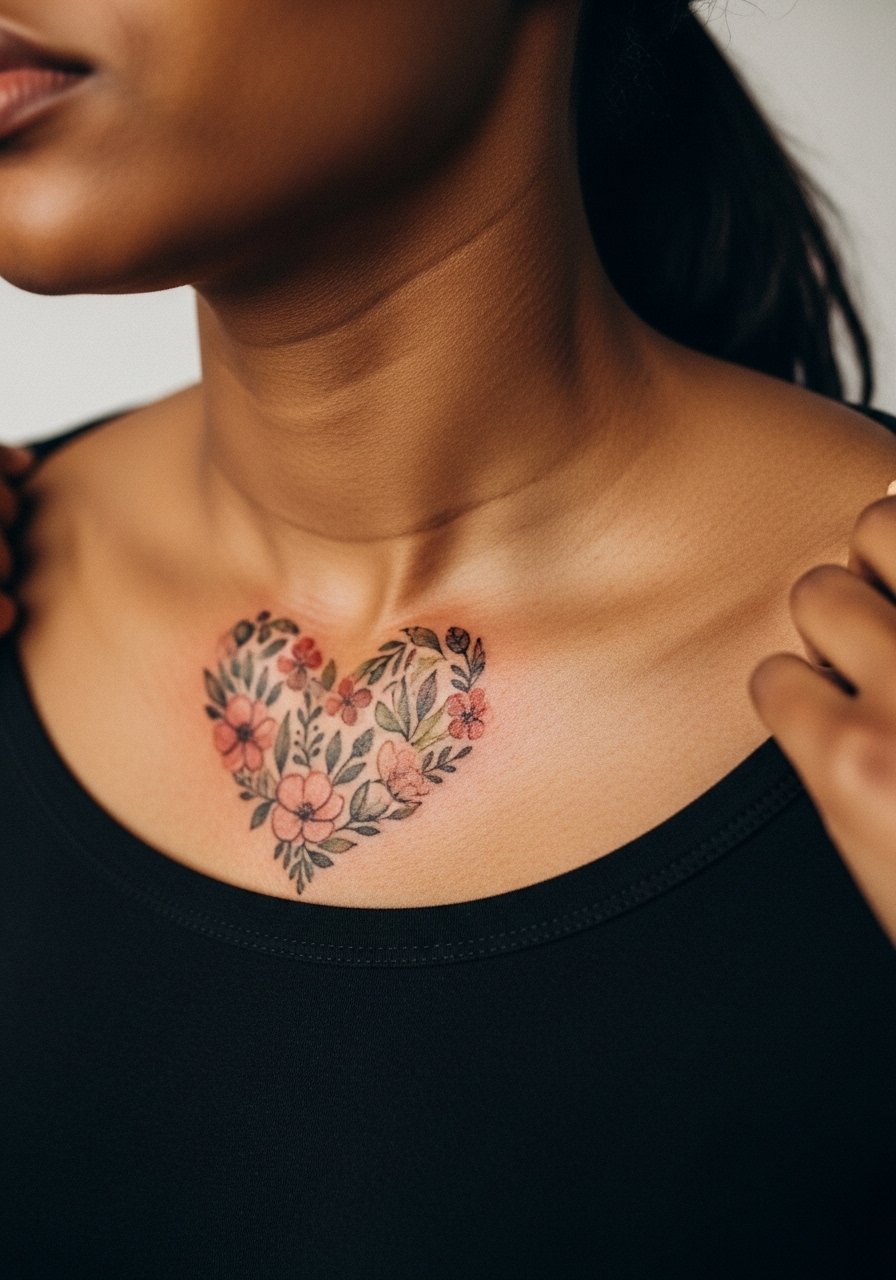
Collarbones photograph well and wear beautifully with layered necklaces. If you consider color here, know that watercolor fades faster on high-motion areas, so request outlines or subtle blackwork anchors. For darker skin tones, ask the artist to show healed portfolio images on similar skin because fine color saturation behaves differently. Avoid tiny petals without outlines because they can disappear in photos. For outfits, wear a v neck silk blouse to frame the tattoo without covering it.
11. Matching Angel Wing Pair on Upper Arms
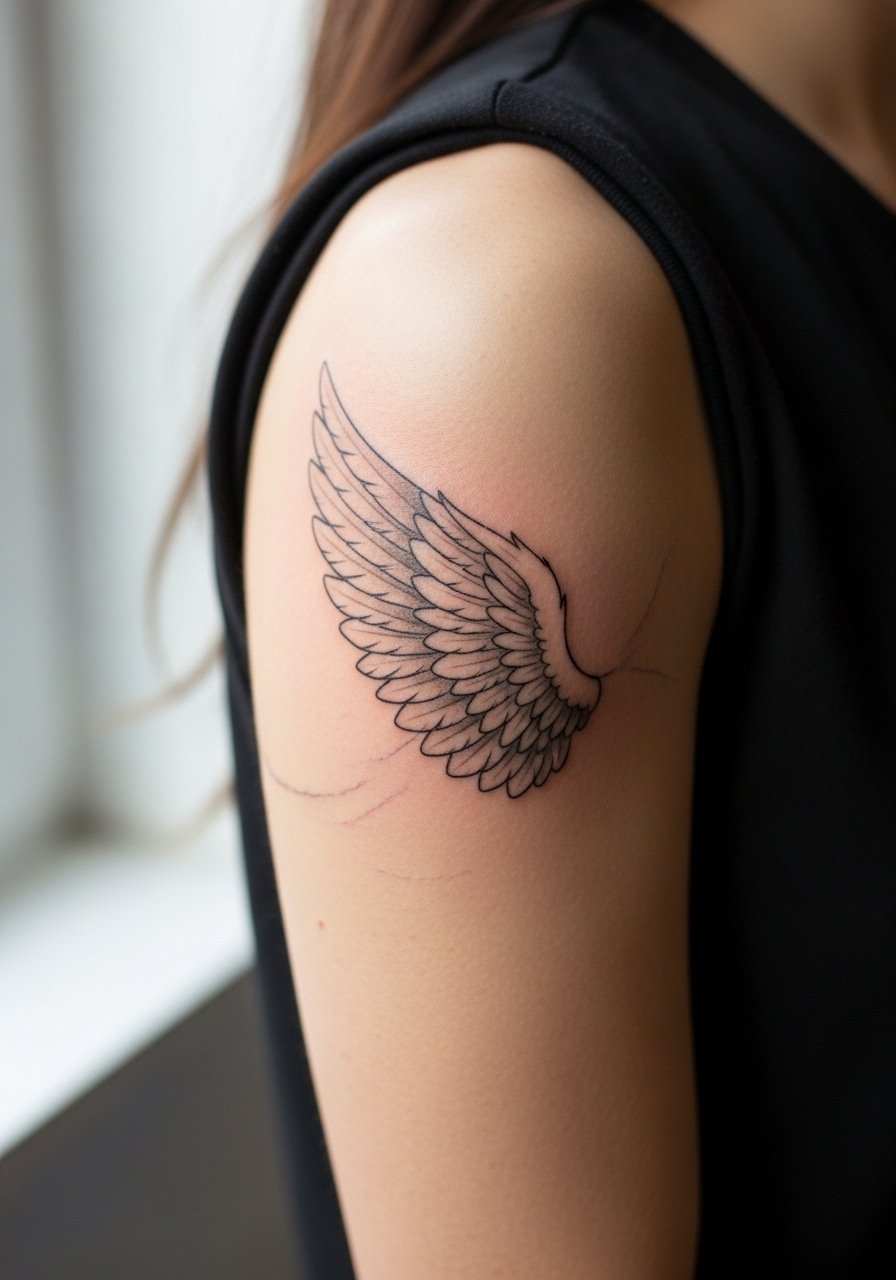
The upper arm handles shading well and is forgiving if body shape changes. A useful consultation note is to decide whether the wings are outlines or shaded. Outlined wings read light but may need touch-ups earlier than shaded gray wings. One mistake is asking for tiny feather details that merge. The session can be an hour to two depending on complexity. To show off the wings, wear an off shoulder blouse or sleeveless top.
12. Small Animal Motif on the Calf or Ankle
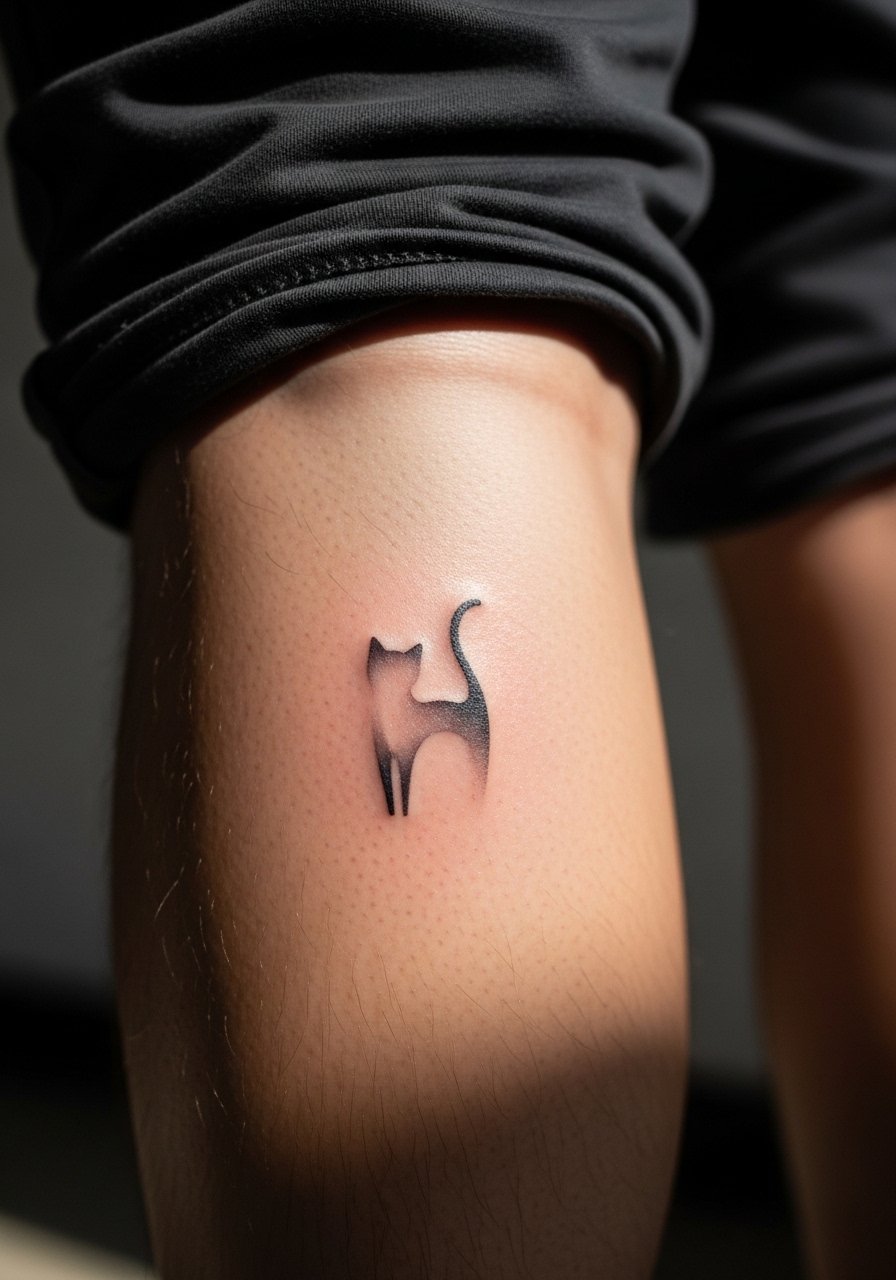
Animal motifs are great if you share a pet or a story. Micro-realism can look striking on the calf because the skin is thick and holds shading, but ankles may need simpler outlines to avoid smudging. Tell the artist the animal's key identifiers so the piece feels personal without being overly detailed. Expect one to two sessions for shading. A common error is cramming too much fur texture into a tiny ankle piece. For the appointment, wear loose drawstring linen pants so the artist can roll the leg up without pressure on the area.
13. Geometric Multi-Daughter Link on the Back
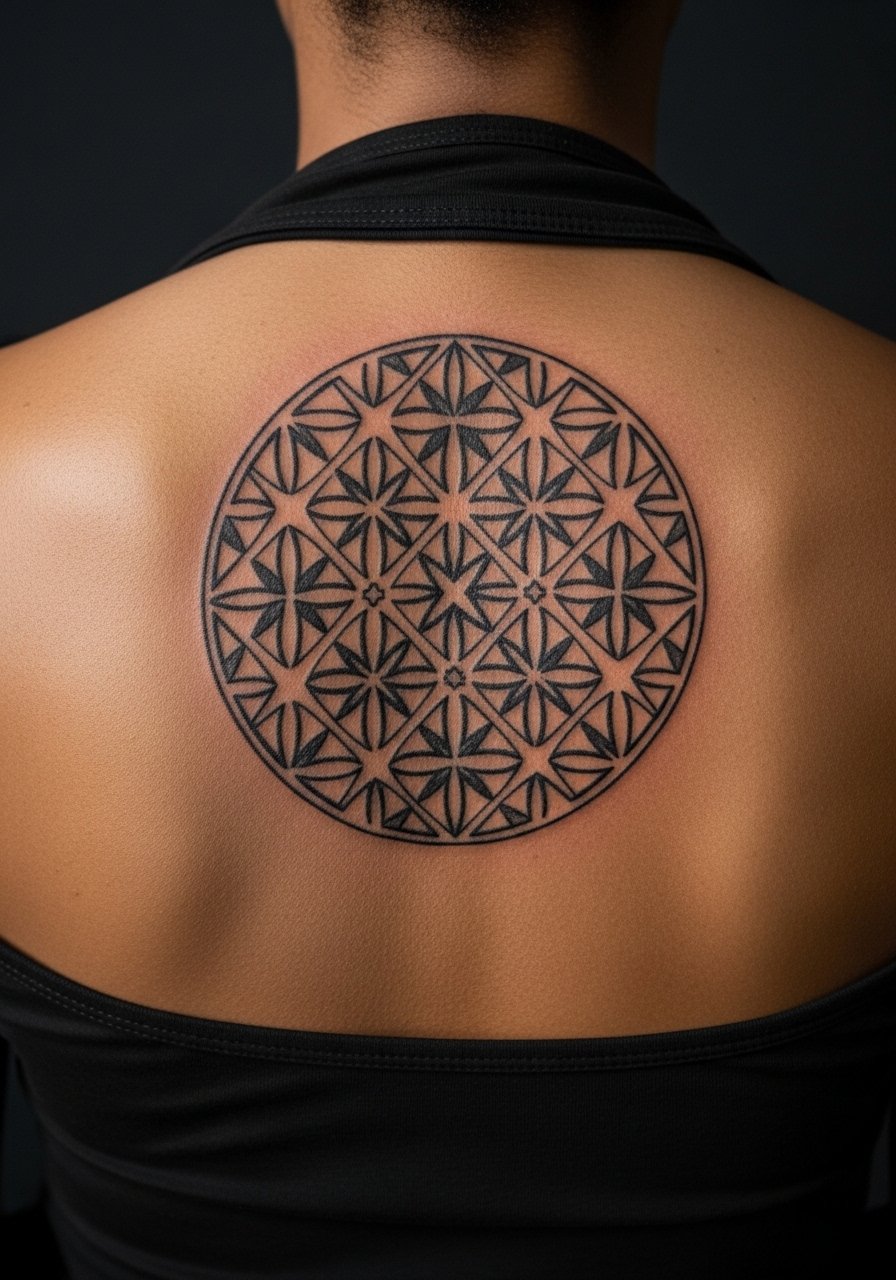
Large geometric work on the back gives room for multi-daughter linking. Space is critical because tight geometry can blur over time. Ask for negative space mapping and slightly thicker joining lines for longevity. The session usually requires two sittings for precision. Mistake to avoid is insisting on tiny mandala detail that will merge when the skin moves. To show it off at events, layer a backless halter top.
14. Tiny Script Date on the Inner Forearm
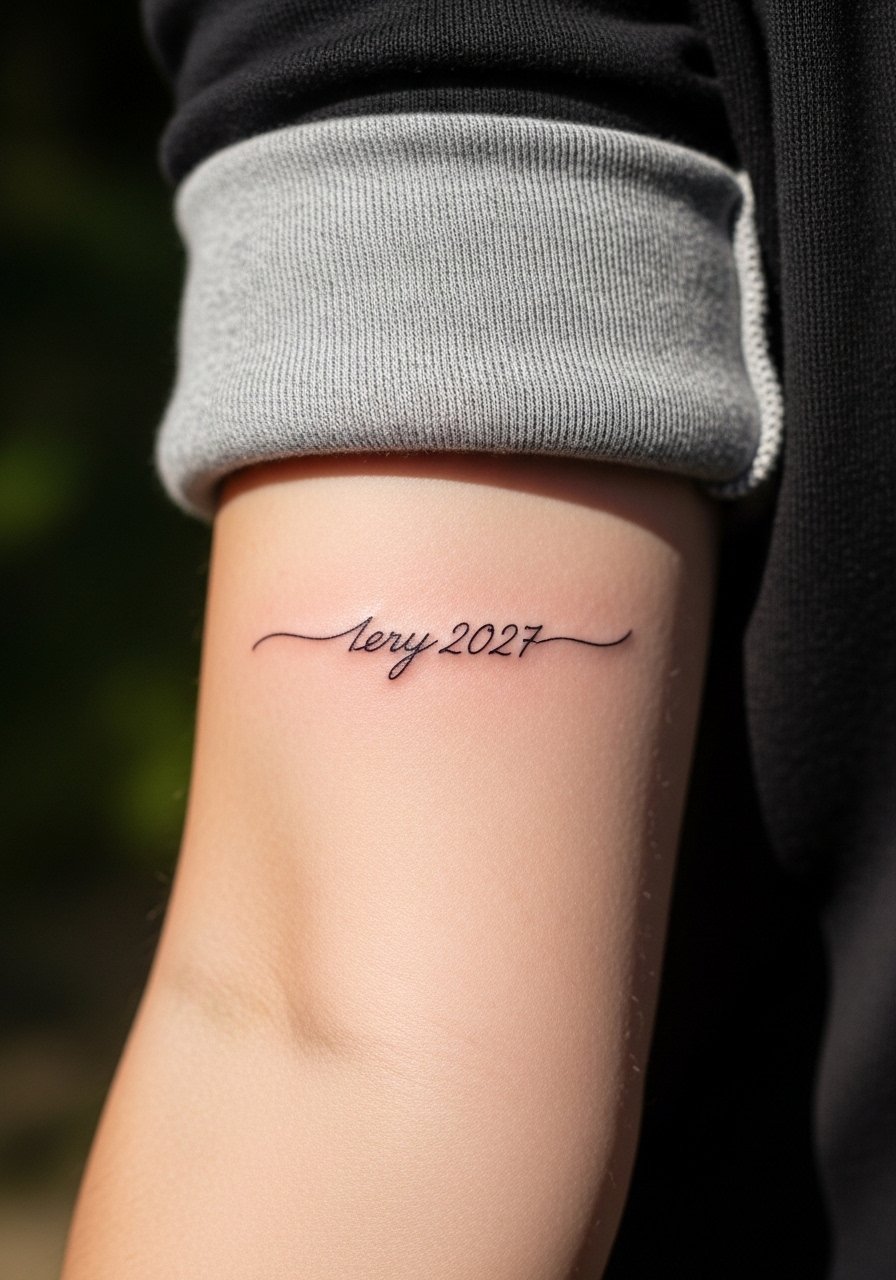
Inner forearm script is readable and easy to photograph. For dates or short lyrics, choose a slightly heavier hand than the ultra-fine needle to keep numerals legible after healing. A common mistake is selecting tiny serif fonts that blur. The session is usually quick but ask for a stencil check under real light to confirm size. For session wear, bring a roll sleeve blouse you can move aside without tugging.
15. Connecting Constellation Anklet
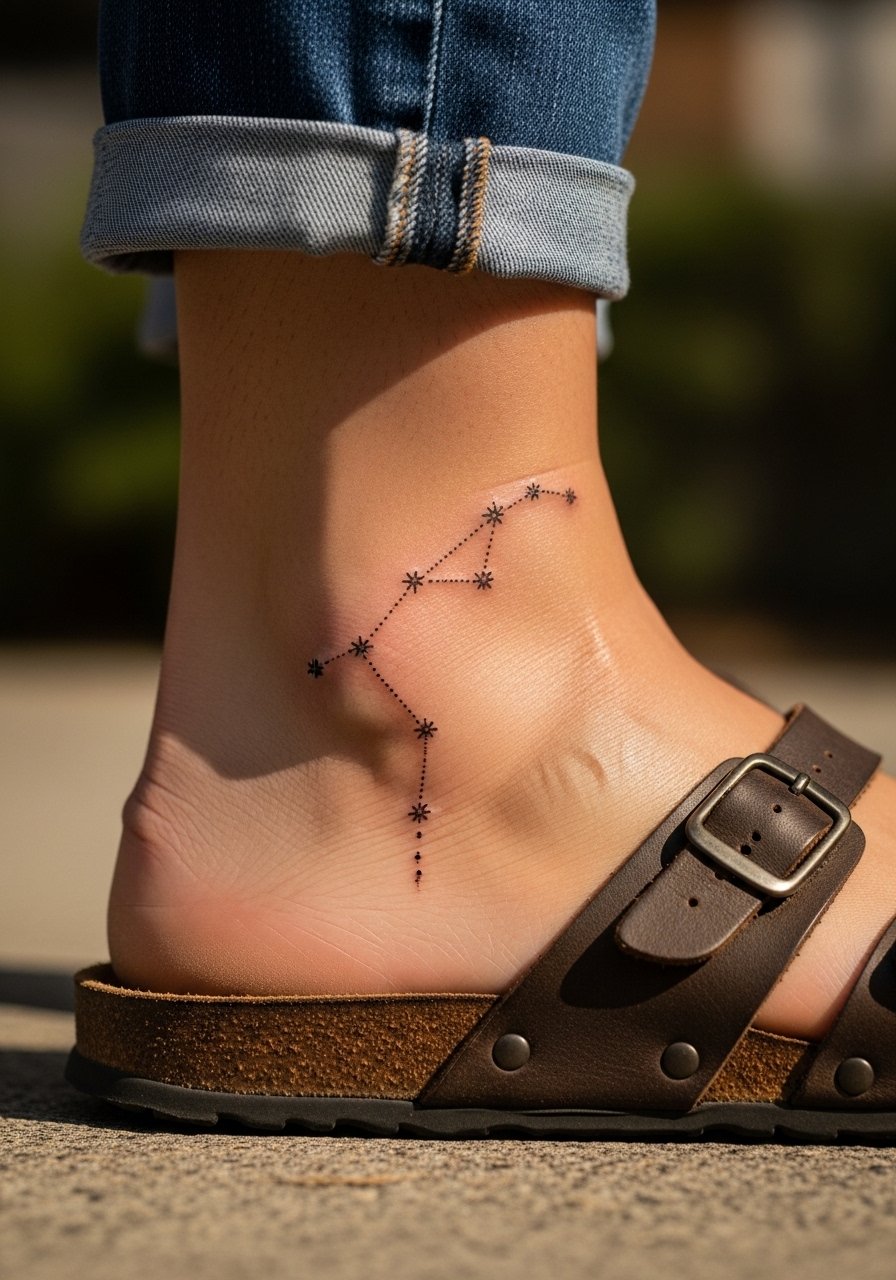
Dot work and tiny stars look charming as an anklet, but constant friction and sun exposure speed fading. Ask for slightly larger dot spacing and a heavier connecting line so points do not disappear. Expect touch-ups at year two for pieces exposed to summer sun. A mistake is placing the main star where shoe straps sit. For showing the work, wear ankle strap sandals and roll your jeans.
16. Matching Botanical Inner Bicep Motifs
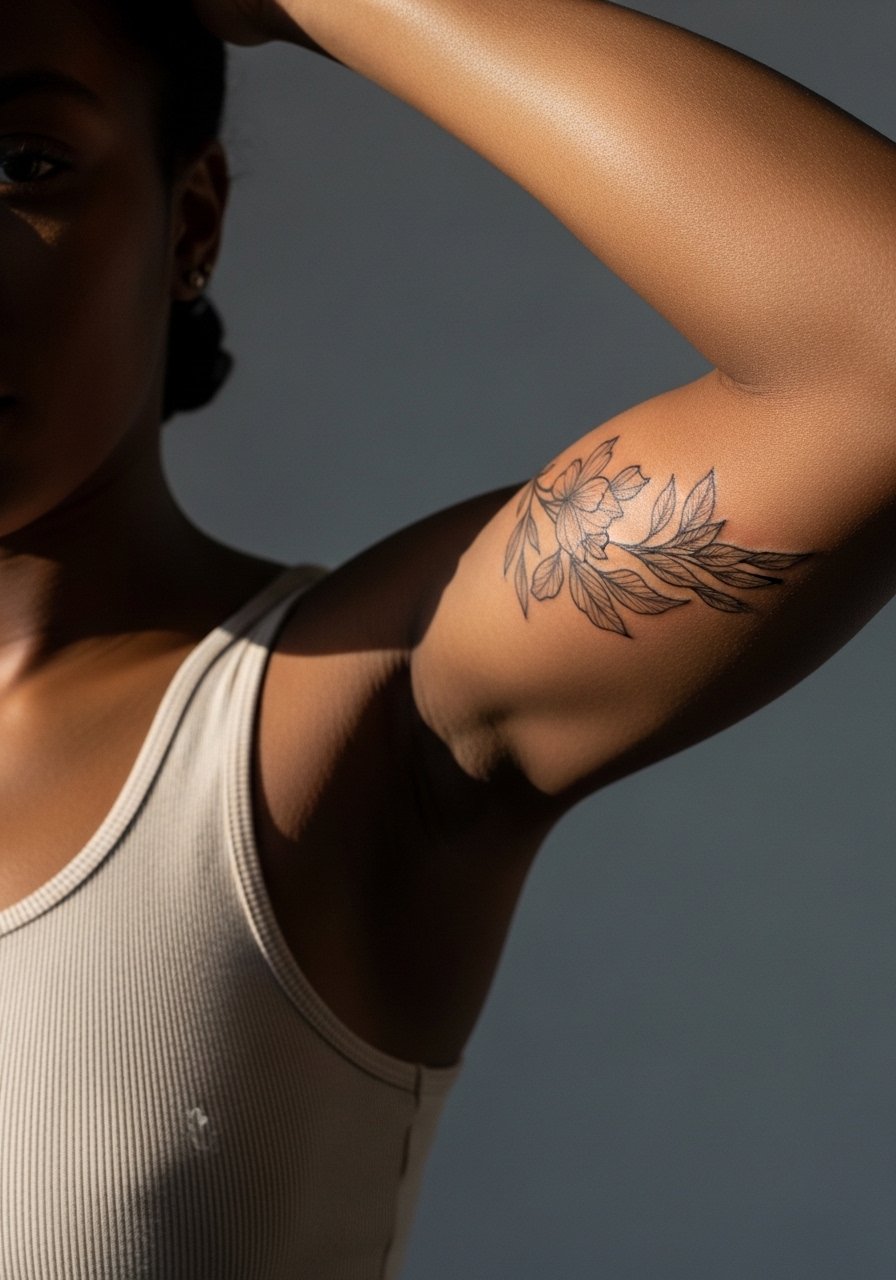
Inner bicep pieces sit in a softer skin area where linework can blur without solid saturation. Artists debate whether fine line on this spot holds. One group says the movement and stretch cause early softening. The other group notes that measured depth and spacing keep the design crisp. Ask the artist how their healed portfolio looks on similar skin. Touch-ups may be needed at year two. Wear a tank top to the session so the artist has easy access.
17. Heart-Shaped Floral Pattern on the Inner Arm
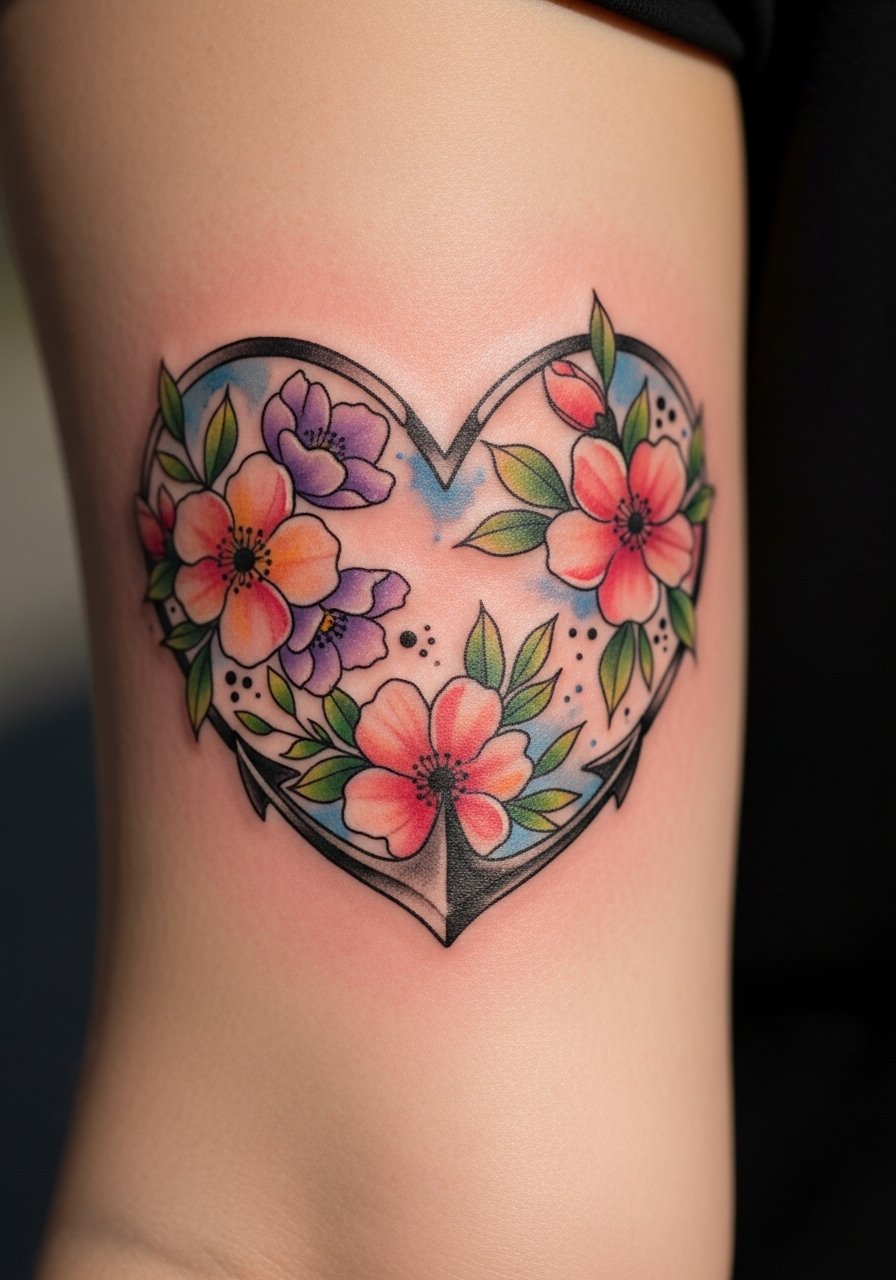
Combining black anchors with soft color helps floral hearts age better than pure watercolor. For matching sets, consider one version in blackwork and the other with a soft wash so the duo feels connected but not identical. A mistake is relying on pure watercolor on high-motion areas because it tends to fade faster. Ask your artist about color layering and expect a touch-up if you choose color. For session wear, pick a loose button-down shirt that you can roll or pull aside.
18. Lock-and-Name Combination on the Ankle and Forearm
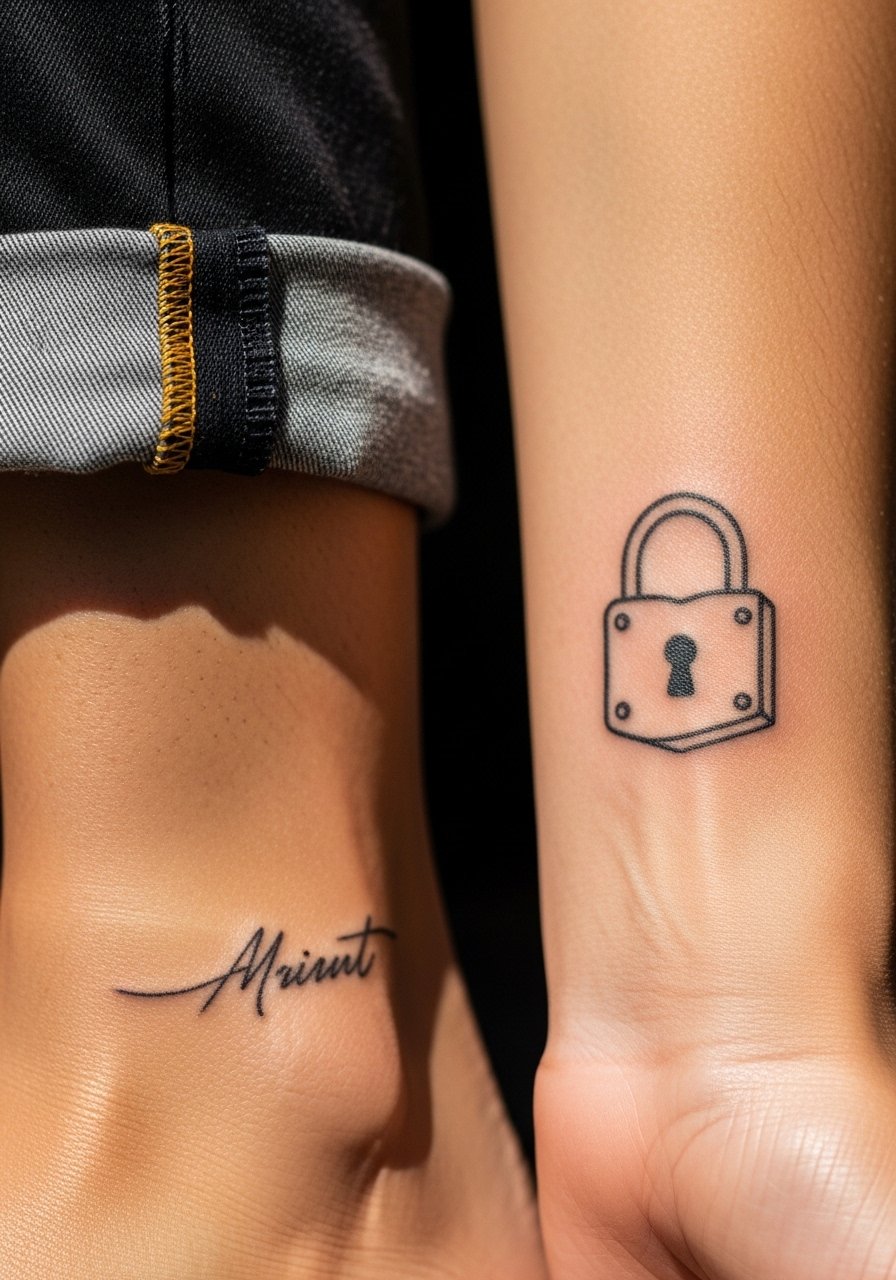
This pairing keeps symbolism without feeling cliché. For longevity, keep the name in a bold enough script that letters do not fill in. Forearm locks can deform with major weight loss or gain, so plan placement off the softest stretch lines. A common error is choosing ornamental script that reads as decorative but not legible. Session planning often means two short sittings. For the forearm, wear an olive tank top to the appointment.
19. Micro-Realism Shared Pet Portrait on the Calf
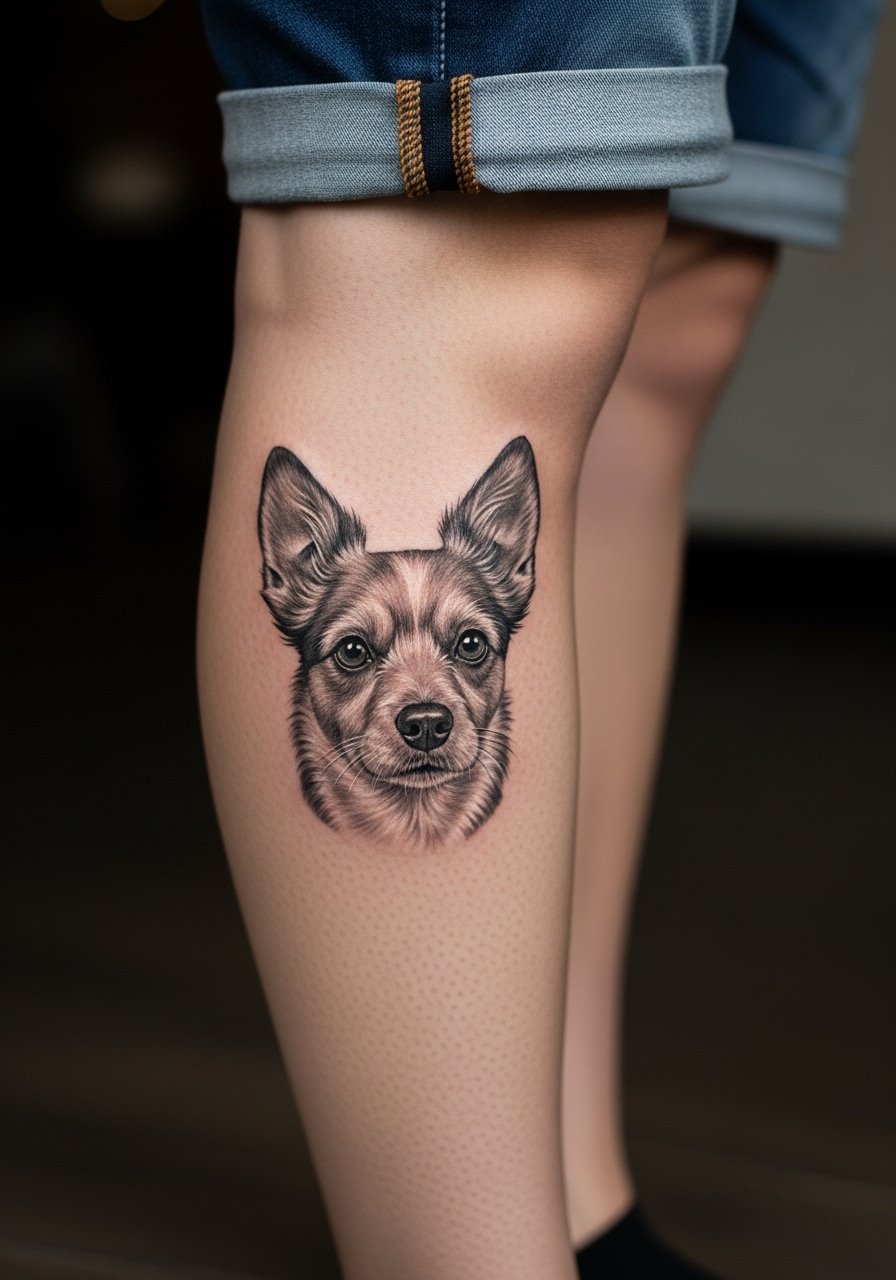
Pet portraits need clear reference photos and an artist experienced in micro-realism. The calf takes shading well and keeps detail for longer than thinner skin areas. Be explicit about which facial features the artist should emphasize. A mistake is expecting hyper-detail at tiny scales on ankle placements. Expect one to two sessions for a faithful rendering. For the appointment, wear shorts you can comfortably shift so the calf is fully exposed.
20. Birthstone Dot with Roman Numeral on the Wrist
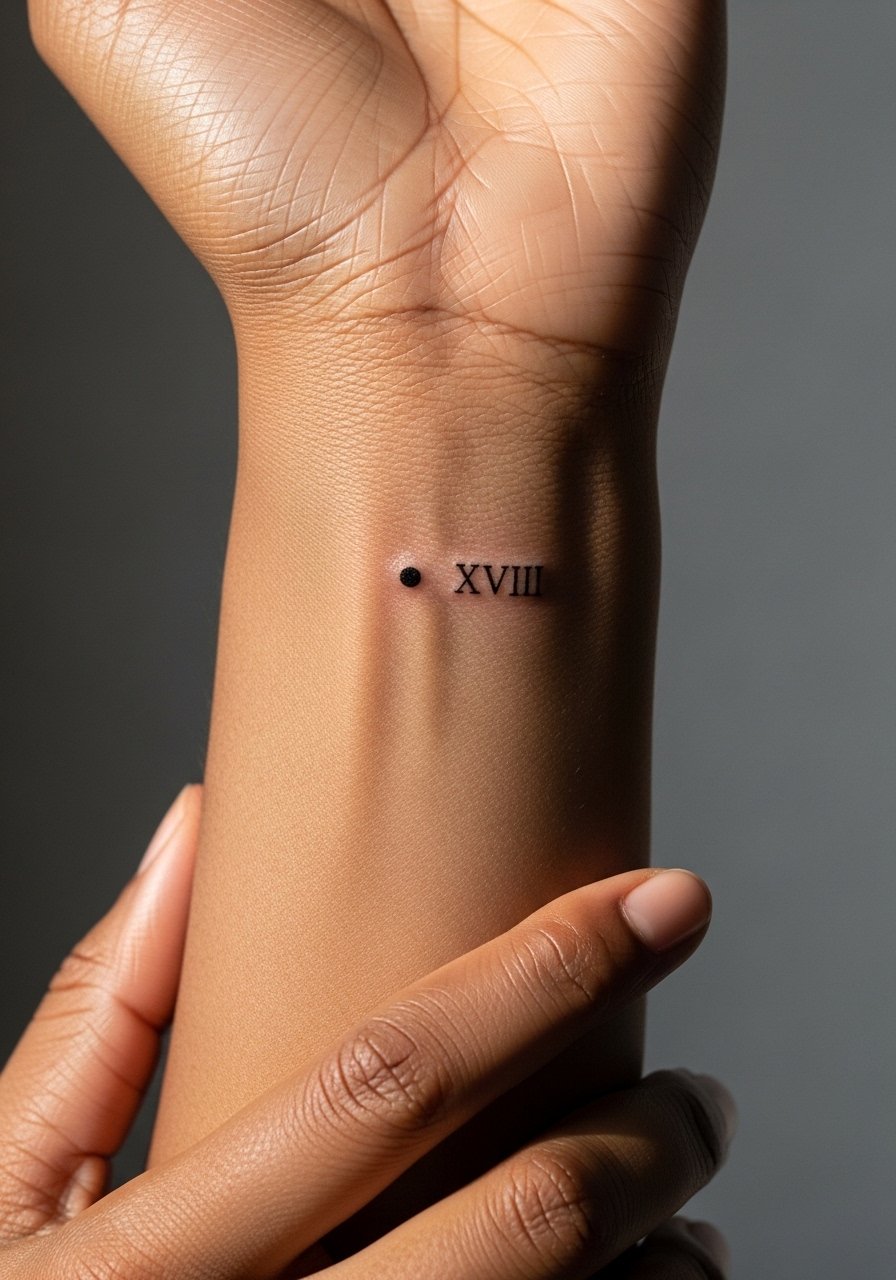
Tiny numerals need a little room to remain legible on dark skin, so ask the artist to bold the strokes slightly. One pain point I've heard is micro text that vanishes from photos on darker tones. Request healed examples from the artist for similar skin before booking. A common mistake is choosing a very thin serif font that fills in. For showing it off, a thin chain pendant necklace can sit above the wrist without crowding the numerals.
21. Matching Geometric Half-Mandala on the Back and Wrist
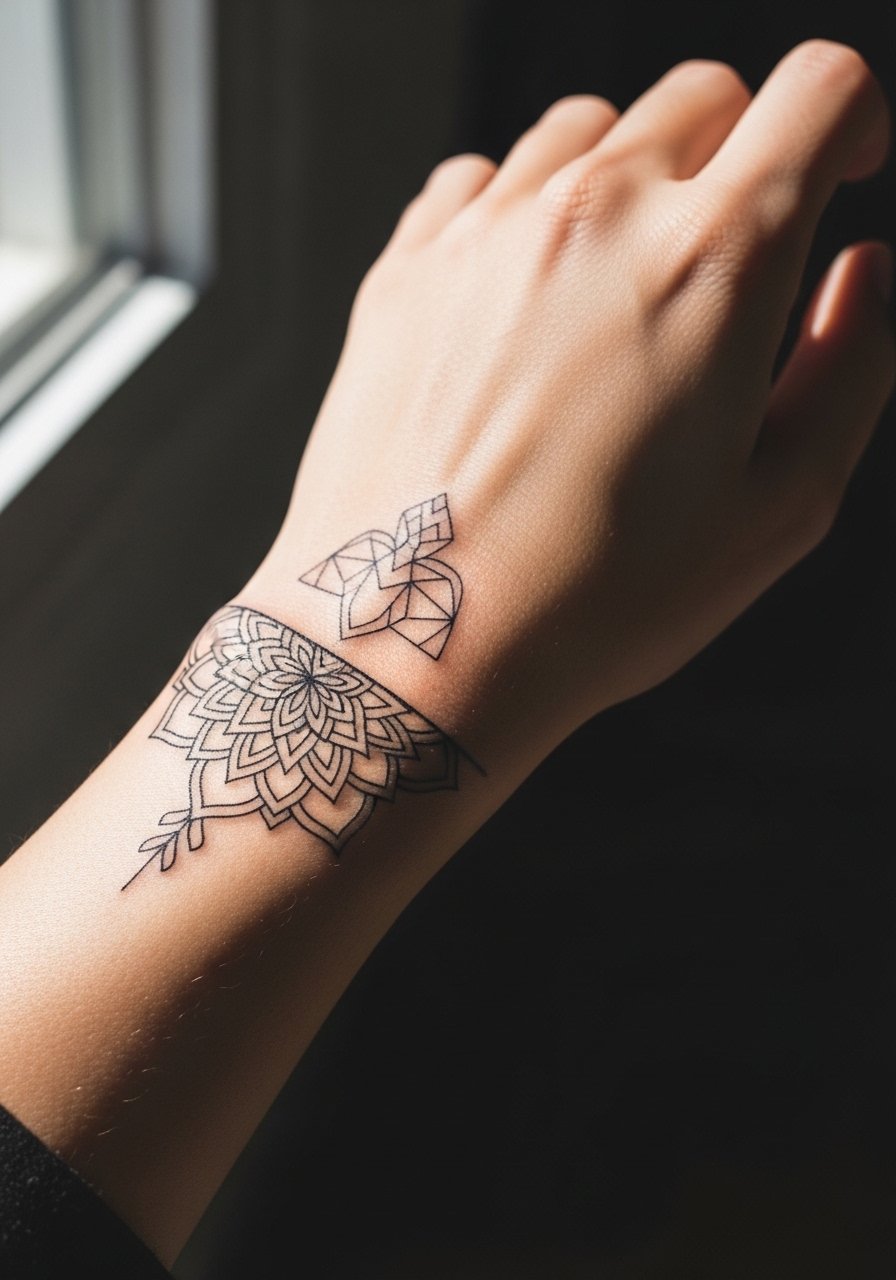
Geometric halves read best when the artist plans for how the pattern continues across bodies. The wrist mandala needs bolder joining lines to prevent the dense geometry from filling in. The back half can carry more detail and act as the visual anchor. A frequent mistake is compressing too many spokes into the wrist version. Expect the wrist piece to need a touch-up at year three if the lines were very tight. For the session day, bring a loose tank top that can reveal the wrist and the back without strain.
Frequently Asked Questions
Q: Will fine line mother daughter tattoos fade faster than bolder blackwork?
A: Fine line often needs touch-ups sooner because the thinner needle channels hold less pigment. Bolder blackwork tends to age into a solid look. If longevity matters, ask your artist for slightly heavier line weight or strategic black anchors so the design keeps its contrast.
Q: How should I choose placements if I want the tattoos to still match after body changes?
A: Favor bony or low-stretch areas like the wrist, collarbone, outer shoulder, or calf if you want matching proportions to hold. Avoid long stretches of loose skin such as the inner forearm for exact mirrored work. If changes are likely, plan for complementary rather than identical placements.
Q: Artists disagree on Saniderm versus dry healing. Which should I pick for fine line wrist work?
A: There are two camps. One group prefers Saniderm because the sealed film reduces contamination and can speed initial healing. The other group favors dry healing, arguing it prevents scabbing and aids better long-term texture. Ask your artist which method they use and why, and follow their exact timeline for removal or exposure.
Q: I have darker skin. Do fine line scripts or florals show up well?
A: Fine line can read beautifully on darker skin if the line weight is adjusted and the artist has healed portfolio examples on similar tones. For color, black anchors or slightly heavier outlines help maintain visibility in photos. Request healed images on matching skin and consider blackwork instead of pale watercolor.
Q: What should we wear to the studio for matching wrist and shoulder pieces?
A: For wrists, sleeveless tops or short sleeves that can roll without tugging work best. For shoulders, a button-down or tank that you can slide aside keeps the artist comfortable. A simple piece like a loose button-down shirt covers most needs and makes changing easy.
Q: How often should we expect touch-ups for small matching tattoos?
A: Plan for a touch-up window anywhere from year two to year five depending on placement, sun exposure, and line weight. Fine line on high-friction spots like ankles or wrists leans toward earlier touch-ups. Budget one touch-up in your longer-term care plan.
Q: Are matching tattoos cheesy and how do we avoid that?
A: People split on this. One camp thinks matching identical motifs read sentimental. The other camp favors complementary pieces that feel curated. Avoid kitschy flash by bringing custom sketches, specifying line weight, and asking for subtle differences so each piece breathes on its own.