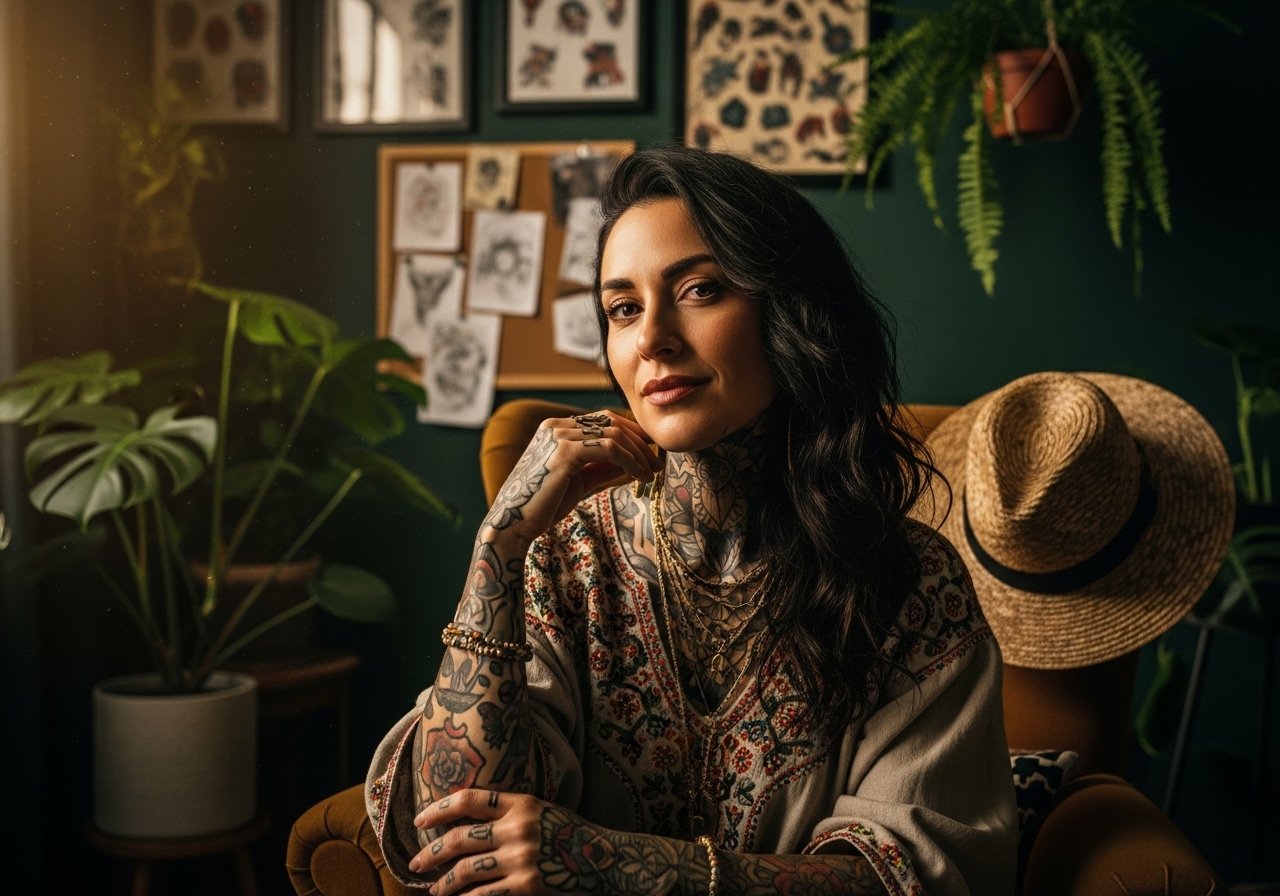
Fine line Japanese motifs look effortless on the forearm, but the piece that keeps flowing for years starts long before the needle hits skin. Trends push tiny detail and fragile stems, and durability depends on spacing, needle depth, and placement more than the initial flash. Read these 17 forearm ideas with notes on what to ask your artist, how each ages, and real wardrobe pairings that help the piece read as intended.
1. Fine Line Cherry Blossom Branch on Inner Forearm

I recommend this when you want a soft, feminine forearm piece that can wrap subtly toward the wrist. Tell your artist to leave breathing room between petals so the tiny lines do not fuse as the piece ages. Expect medium pain on the inner forearm and a single two-hour session for a short branch. The common mistake is asking for ultra-tiny blossoms all clustered together. That looks crisp fresh and then softens into a blur. For showing this off, rolled sleeves or a short-sleeve linen shirt let the branch peek without competing.
2. Peony Cluster with Whip Shading Along Outer Forearm
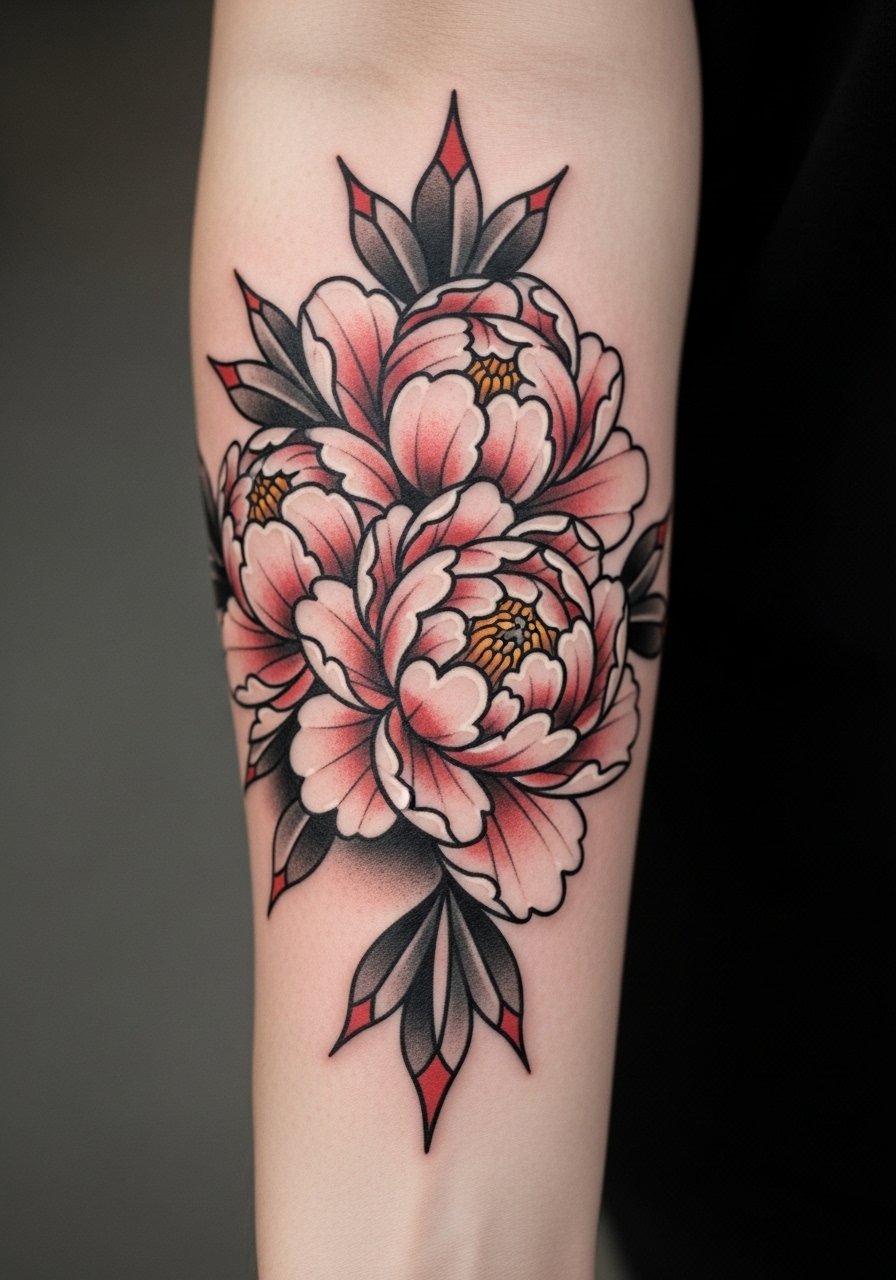
This is for someone who wants a floral presence that still reads from across the room. In consultation, say you want bold outlines balanced with soft whip shading in the petals so the flowers hold their shape as the ink settles. Outer forearm sessions feel less sore than inner arms and typically take three to four hours for a modest cluster. A frequent error is over-detailing the petal centers, which can muddy later. Pair this with a denim jacket with sleeves rolled to frame the work.
3. Mini Koi with Flowing Water Lines Near the Wrist

A tiny koi facing upstream reads like movement on the forearm. When you book, ask for slightly thicker linework on the fish outline and lighter lines for the water so the silhouette survives regular washing and wrist motion. The wrist is higher on the pain scale, and sessions are brief at around 45 to 90 minutes. The mistake is squeezing too much texture into the fish scales. That detail looks great day one and becomes muddied by year two. For evenings, a stackable thin bracelet sits without covering the motif.
4. Phoenix Tail That Wraps Along the Forearm

This long, sinuous design is ideal when you want motion that reads with arm movement. Ask for graduated feather spacing so the tail does not become a block of lines after a few years. Sessions for a wrap like this vary but expect multiple smaller appointments rather than one long marathon. One common error is making the feathers too tight. When that happens the area tends to lose definition and can demand a touch-up sooner. Wear a sleeveless knit top to show off the flow on cooler days.
5. Small Crane in Flight with Negative Space Waves

This is a good pick for someone who prefers symbolic, airy compositions rather than full color. Tell the artist you want the crane outlines crisp and the wave shapes intentional negative space, not shaded fill. It usually fits a single one- to two-hour session and is lower pain than inner wrist pieces. A mistake people make is asking for the crane too small; the beak and wing tips need room or they lose clarity. Pair it with a racerback tank when you want the forearm visible and unframed.
6. Chrysanthemum Band That Circles the Forearm

A floral band sits nicely if you want a band-like sleeve without committing to full arm coverage. In consult, ask for staggered petal sizes and open negative space between blooms to slow down blurring over time. Expect two to three hours depending on size. One real mistake is treating it like a bracelet and using ultra-fine detail throughout. That choice increases the chance of touch-ups by year three. For daily wear, a minimalist watch sits beside the band without crowding the petals.
Pre-Session Essentials
The wrist-facing and wrap pieces above ask for different prep than a full sleeve. These items make studio day cleaner and reduce friction on fresh lines.
-
Stencil transfer paper kit. Lets you confirm placement and flow on the forearm before the artist starts, which is crucial for pieces that wrap or curve.
-
Topical numbing cream. Applied per instructions it can ease wrist sensitivity without changing how the ink settles for outer forearm work.
-
Thin protective film roll. Helpful for wrist and forearm spots that rub against sleeves or bags during the first week.
-
Fragrance-free gentle body wash. Cleans the area without stripping oils that help fine line healing on delicate forearm pieces.
-
Aquaphor healing ointment. A thin layer in the first days keeps fine line work hydrated while you avoid heavy creams that can clog tiny channels.
7. Wave and Wind Bars in a Minimalist Irezumi Style
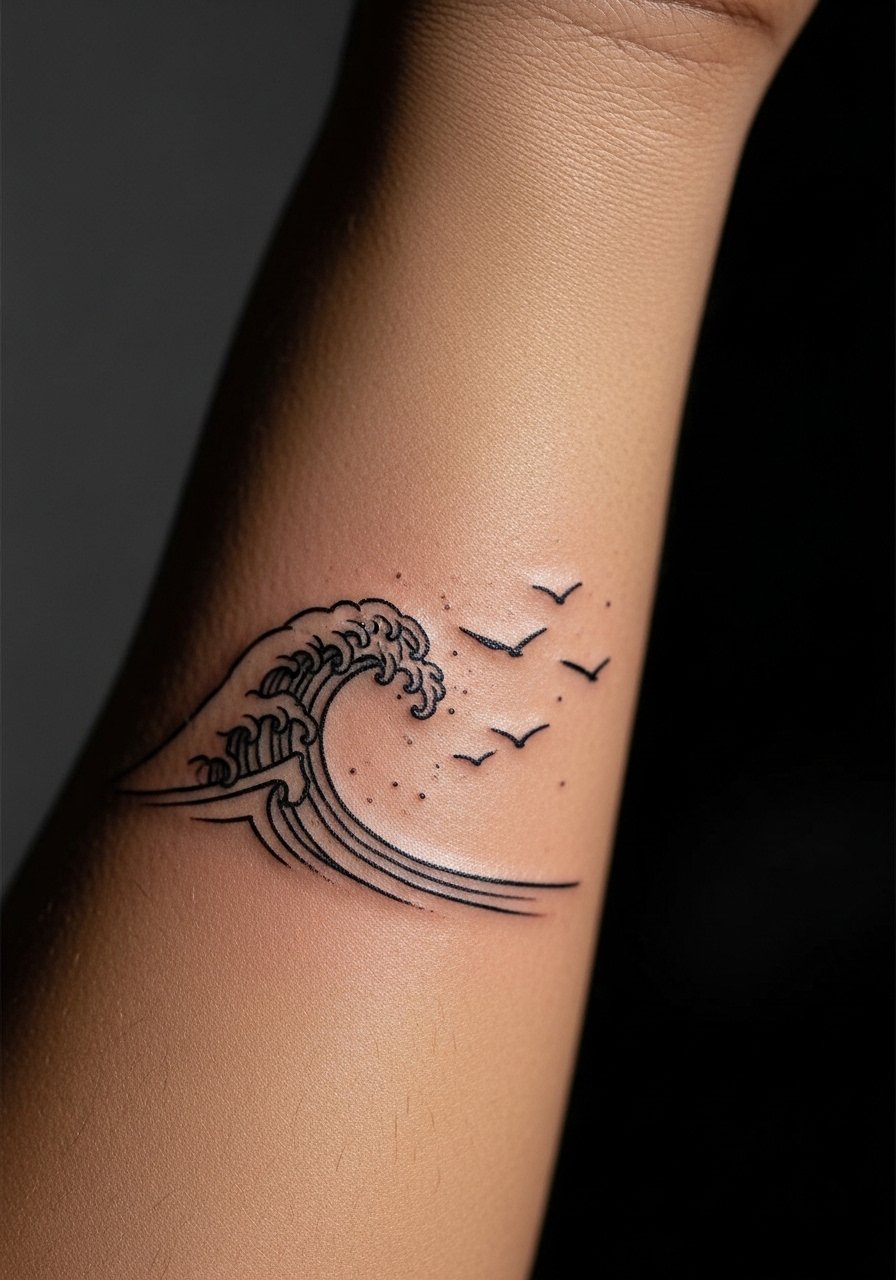
This leans on classic Japanese movement motifs but in a restrained palette. Tell the artist you want strong negative space between wind bars so they stay distinct as the ink settles. Sessions are medium length and feel tingly more than sharp on the forearm. The mistake is packing the bars too close together. When that happens they read as one stripe after a few years. A lightweight open-front cardigan layers without covering the vertical motion for casual days.
8. Single Kanji Word with Cherry Blossom Accent
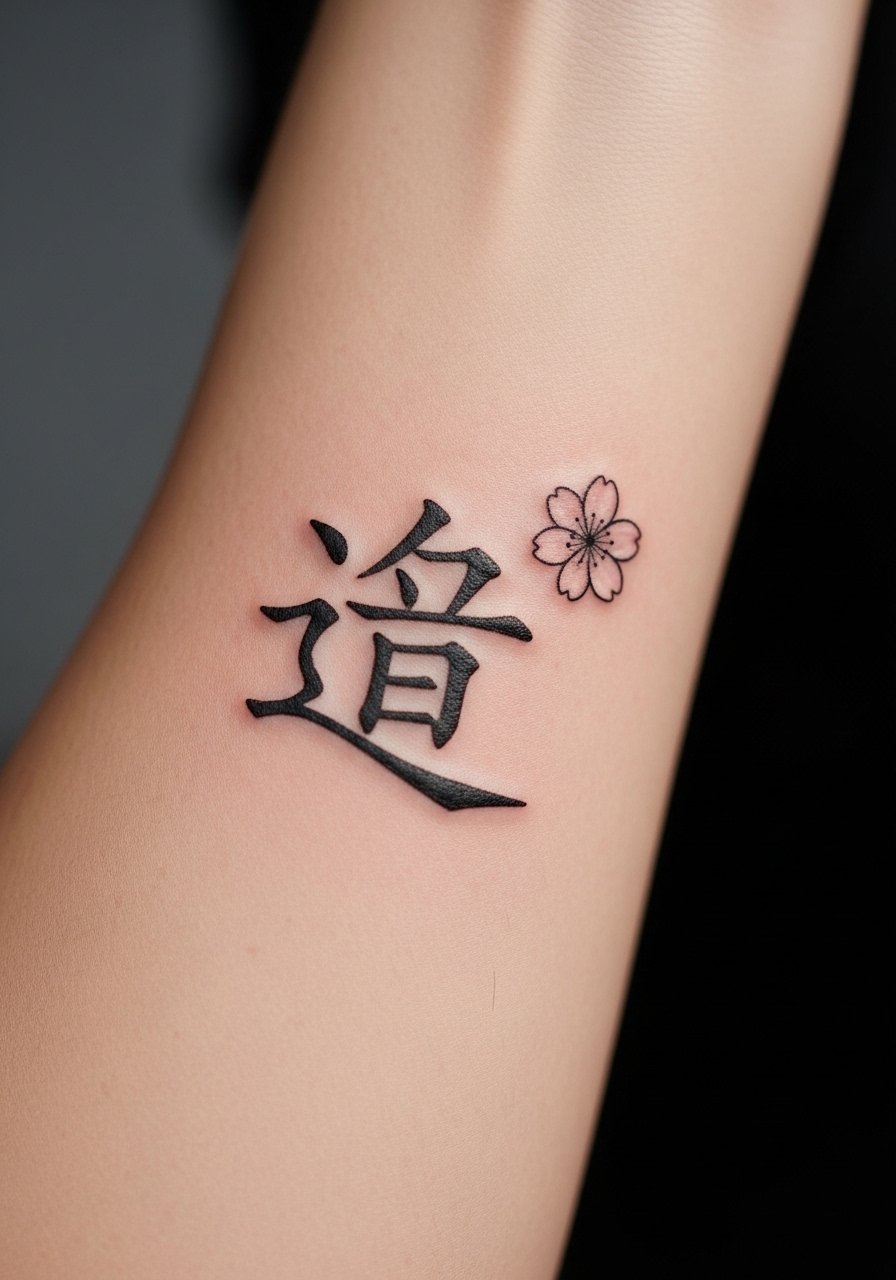
Script has a different set of rules than imagery. Request your artist draw the kanji on skin before inking and check spacing because characters can look compressed on curved areas. This is a quick session and lower pain than inner arm work. The common mistake is picking a complex phrase in tiny scale. That choice risks illegibility as lines thicken during healing. For appointments, wear a loose button-down shirt you can pull aside so the artist has clear access.
9. Lotus and Moon Phases Running Toward the Wrist
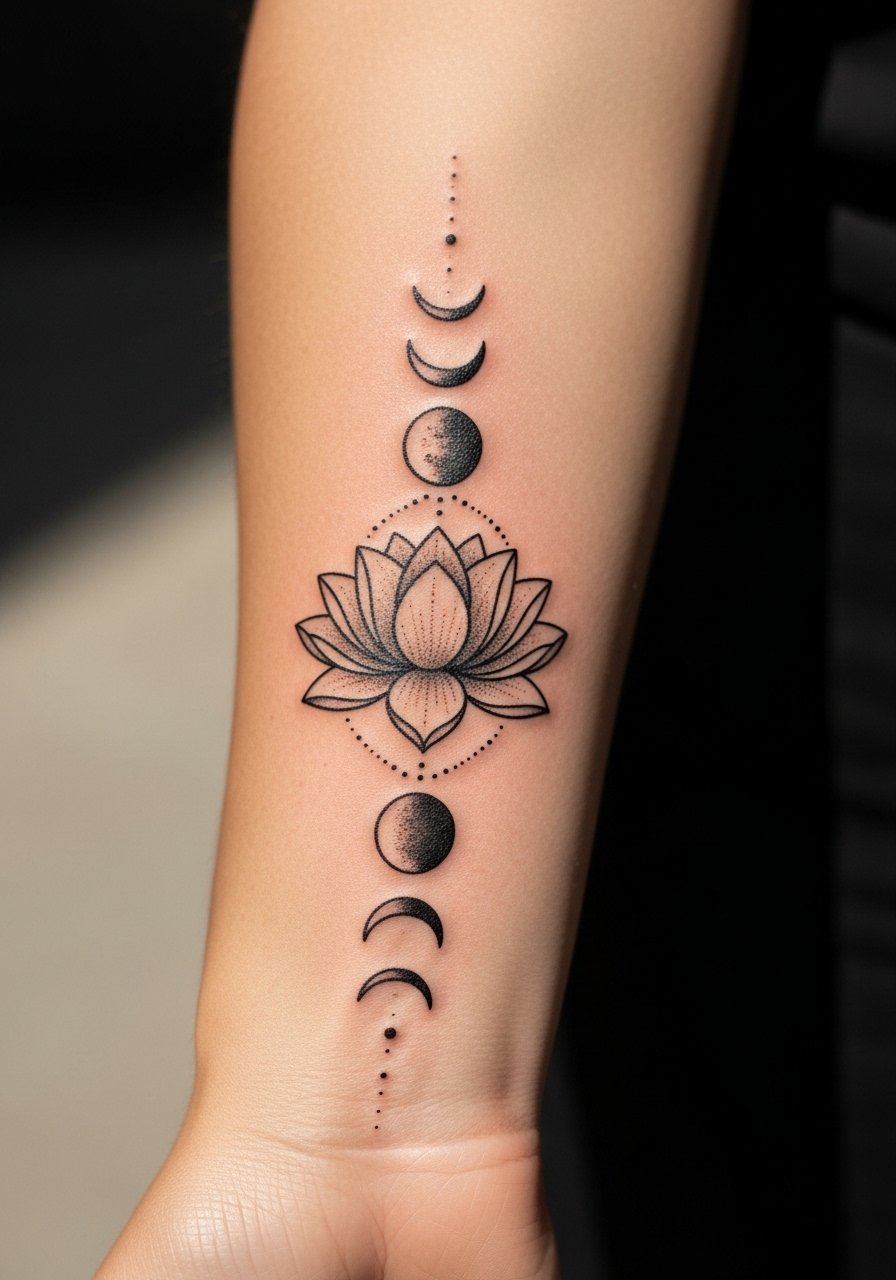
Combining a botanical anchor with tiny lunar icons gives the piece a narrative that flows with arm movement. Ask for the moons spaced with deliberate gaps so they keep their roundness over time. Expect a two-hour session for the layout shown here. People sometimes cram too many moons into a short run. That choice makes them merge and lose their crisp crescent shapes. Try pairing it with a thin chain pendant that sits above the wrist without competing.
10. Kitsune Mask Fragment with Floral Tendrils
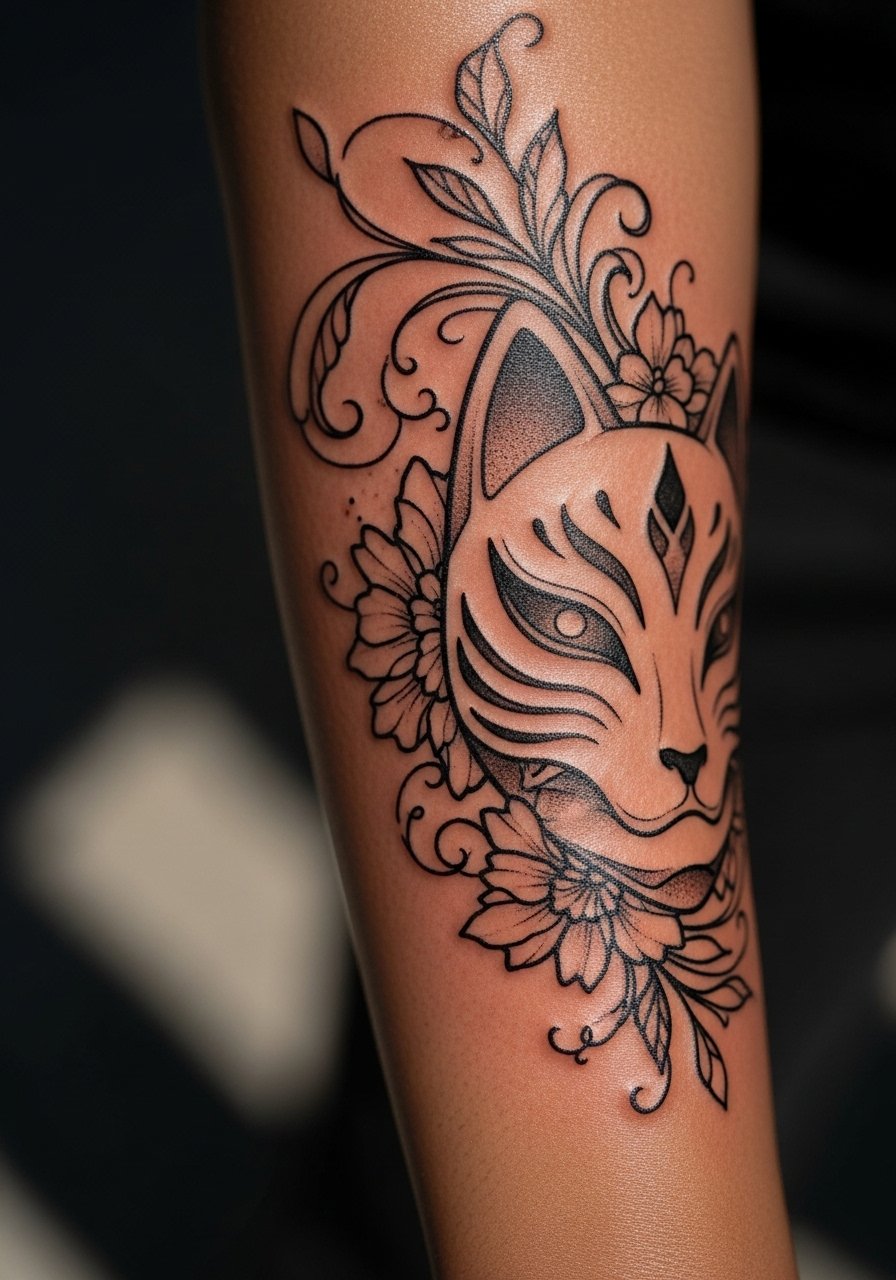
A partial mask keeps the nod to folklore without a full-face motif. Tell your artist you want the mask lines bold enough to age cleanly while the tendrils use softer stipple shading. This piece usually fits into a two- to three-hour session and can feel more sensitive where the mask edge crosses bone. A common error is over-detailing the facial features in small scale. Those details blur faster than decorative tendrils. Consider showing it off with a three-quarter sleeve top.
11. Stylized Maple Leaves Tossed Down the Forearm
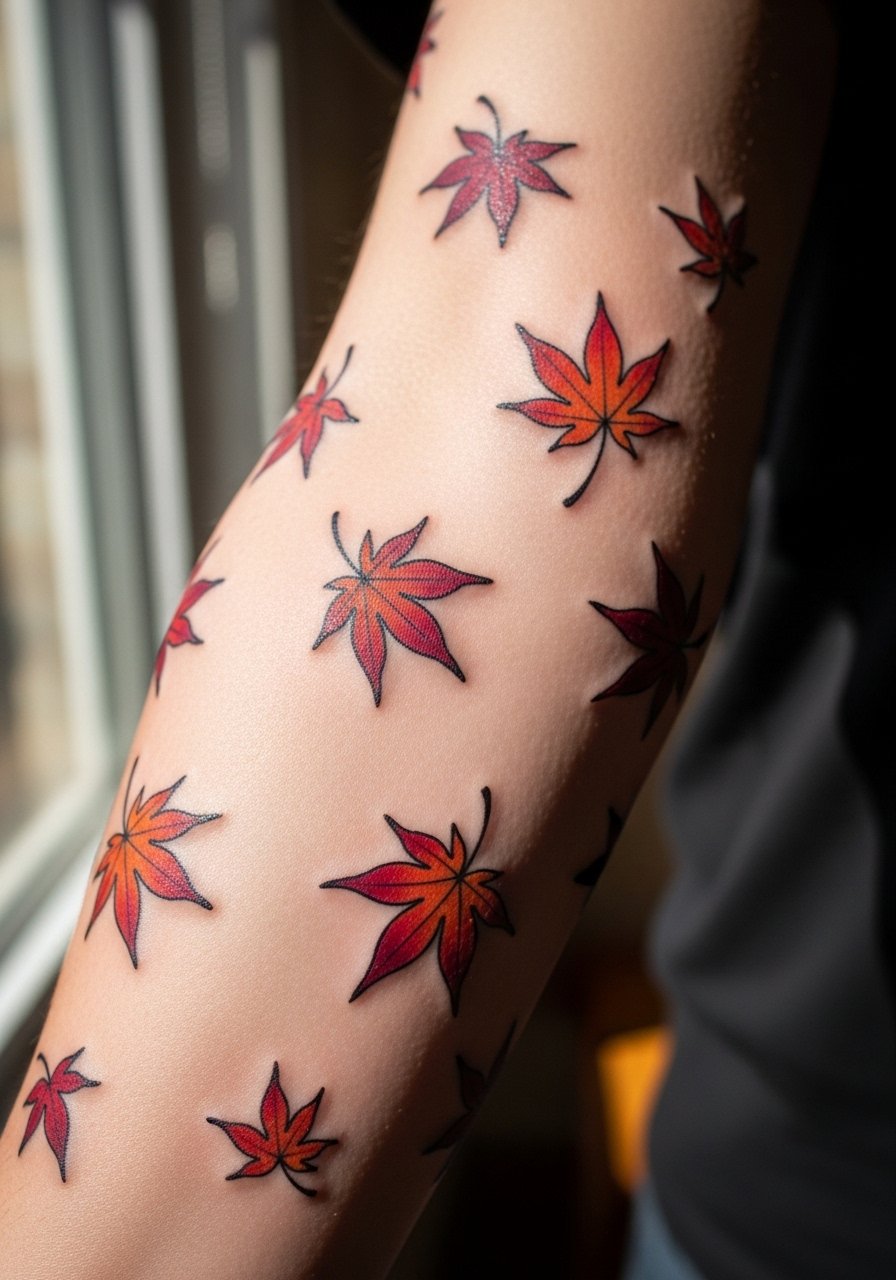
Leaves read beautifully with arm motion and work well when you want seasonal symbolism. Ask for varied leaf sizes and clear stem anchors so the shapes remain distinct as healing progresses. Sessions are short and tend to be lower on the pain scale. The real mistake is requesting too many small veins in each leaf. Those veins tend to merge and soften within a couple of years. For casual wear, roll sleeves of a lightweight flannel shirt to let the leaves show without the fabric crowding the area.
12. Delicate Fan Motif with Subtle Gold Tones
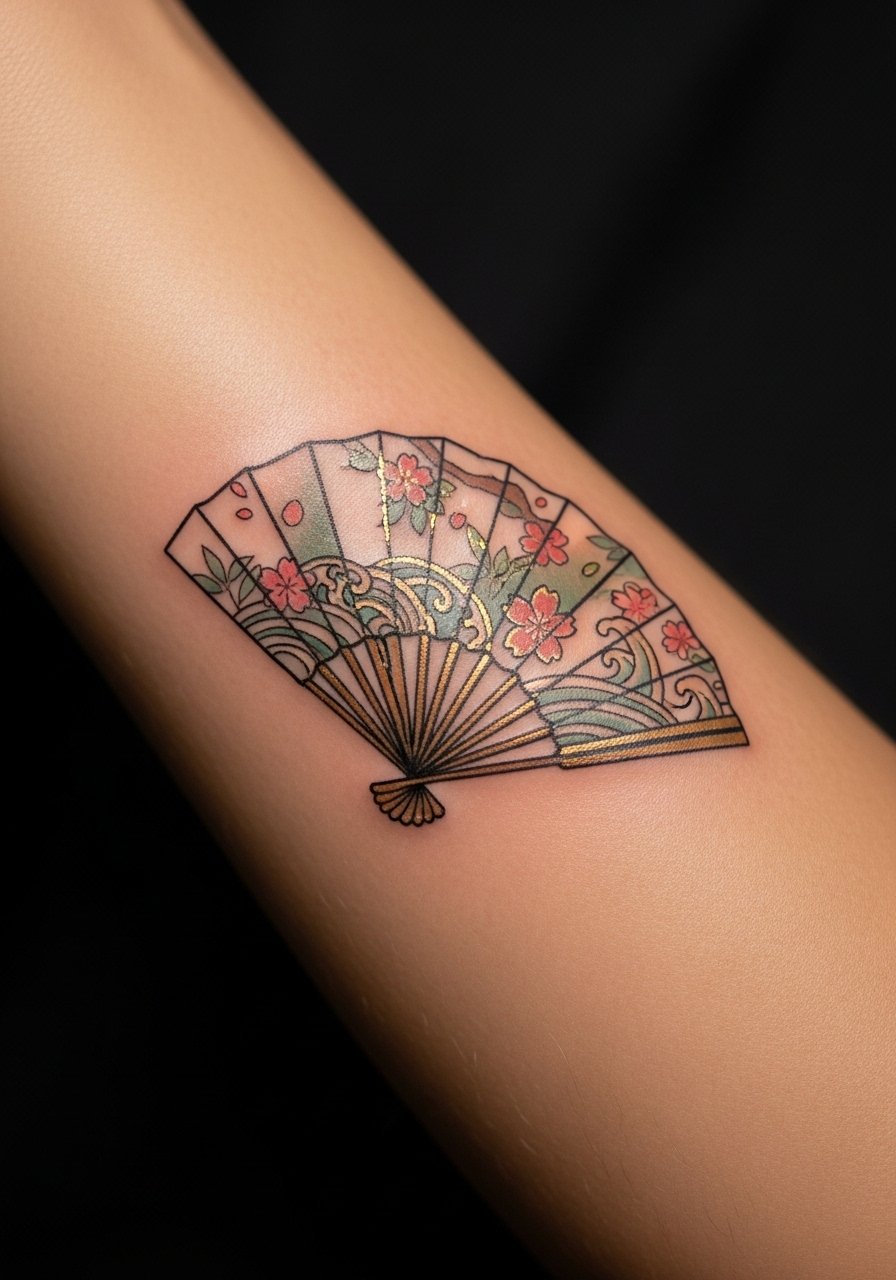
A small fan offers a soft, feminine shape that sits flat along the forearm. If you want metallic hints, ask for muted gold ink sparingly so it accents rather than overwhelms the black linework. Sessions vary with color use and can need a short touch-up for metallics. The mistake is expecting metallics to age like black; they often fade unevenly. This one pairs well with a silk scarf tied at the wrist for evenings.
13. Narrow Sleeve of Clouds and Rising Sun Motif
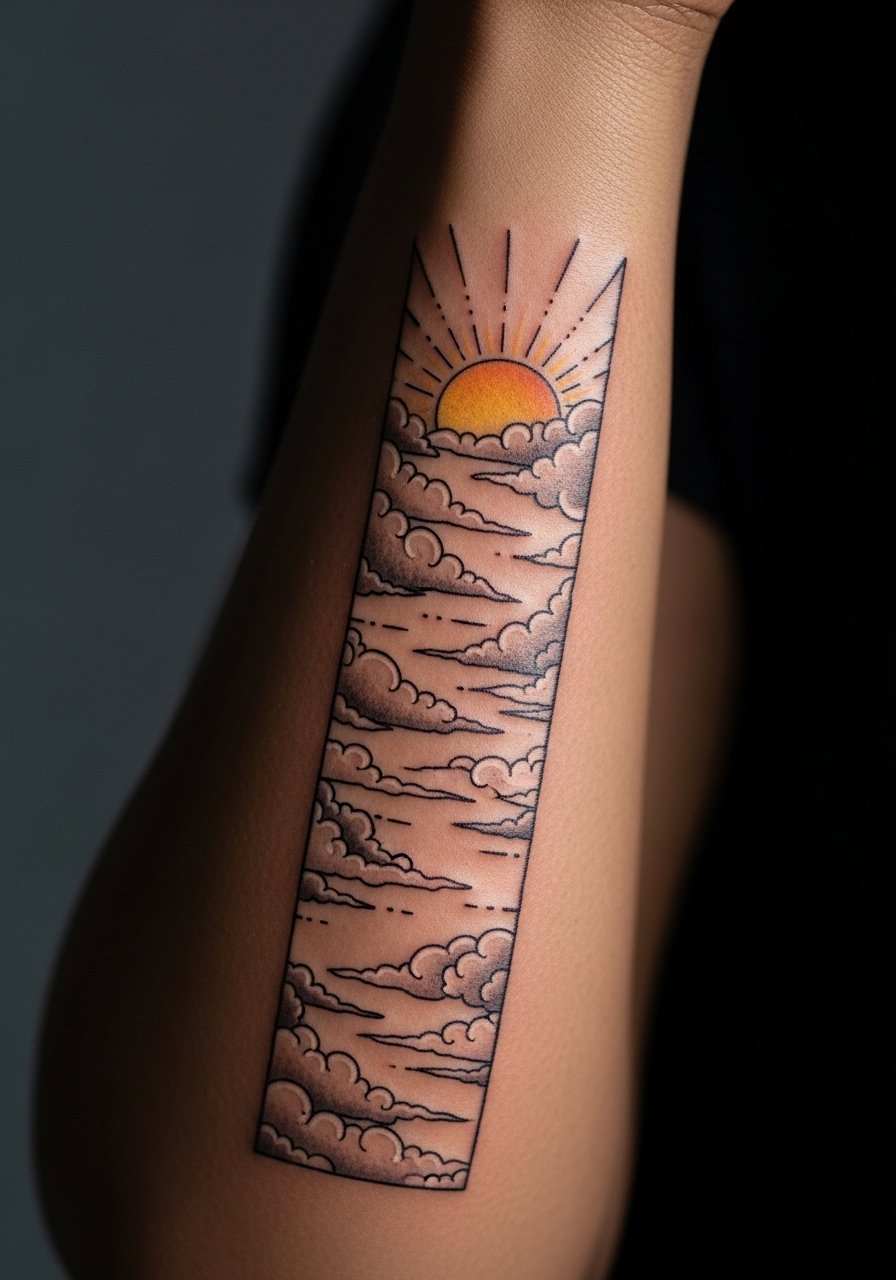
A slim vertical sleeve gives the illusion of a longer forearm and suits those who prefer an elongated composition. Ask for strong negative space in the cloud forms so they do not merge under saturation. Sessions are typically modular over a couple of visits. People often try to pack in small filler motifs that end up aging into texture noise. For daytime wear, a cropped blazer keeps the vertical lines visible without covering the piece.
14. Nine-Tailed Fox Tail Streamlined Along the Inner Forearm

This is a more modern take on kitsune imagery, focused on tail movement rather than facial detail. In consult, request tail separation and tapered stroke widths to keep each tail legible as the piece heals. Inner forearm sessions can be more tender and may require shorter sittings. The mistake is asking for too many thin tails. They risk merging into one shaded area. This design looks deliberate with a flowy wrap top.
15. Subtle Hannya Mask Outline with Floral Frame
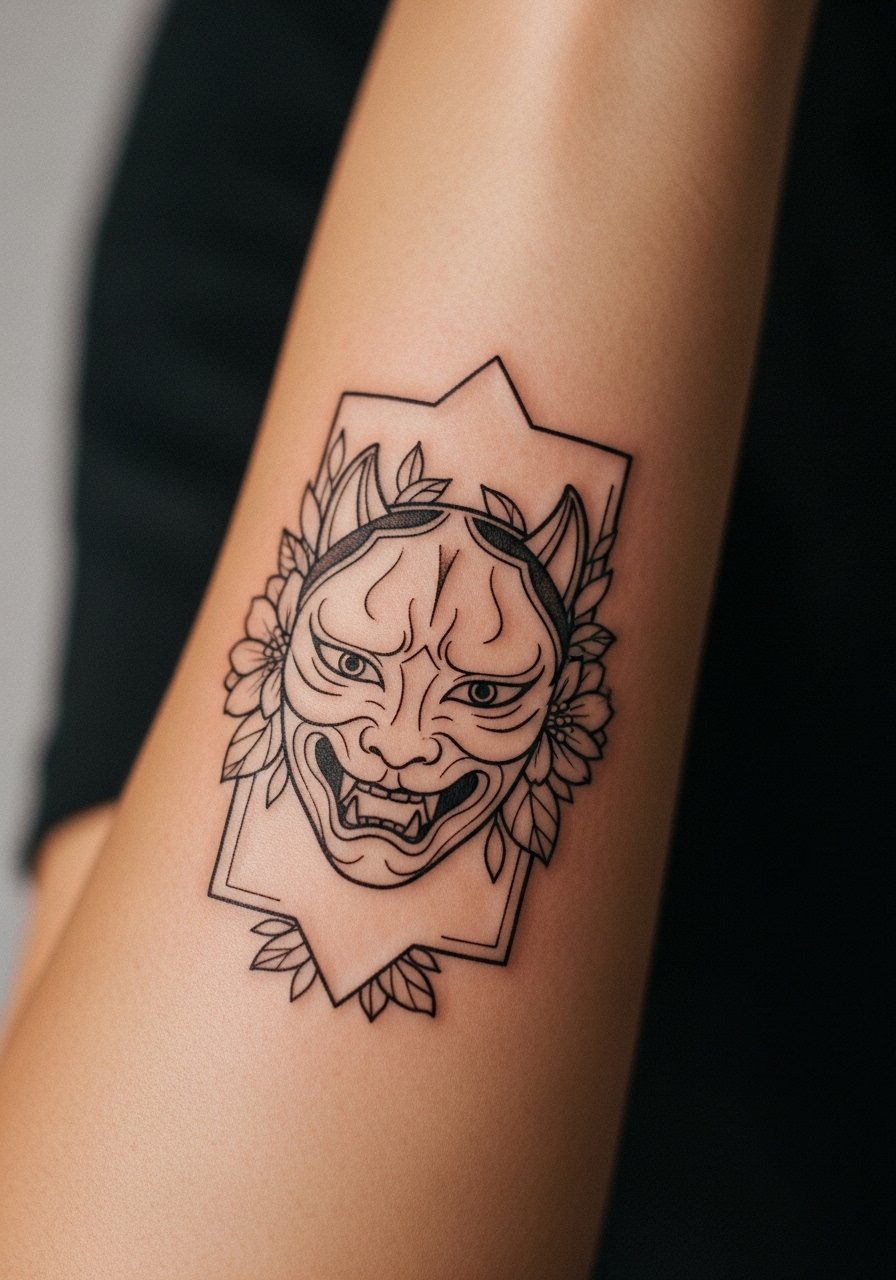
A restrained Hannya pays respect to the motif without heavy theatricality. Ask the artist to keep the mask outline simple and let the flowers carry the softness so the overall piece reads feminine. Expect moderate session time and localized tenderness where bone meets skin. One controversy here is whether simplified masks dilute cultural meaning. One camp prefers literal, bold masks for authenticity. The other favors stylized, integrated motifs that suit personal narratives. Talk through meaning in the consultation and decide which approach feels right.
16. Flowing Wave Band with Small Carp and Bubbles

This band works when you want aquatic motion without full sleeve commitment. Tell the artist to prioritize clean contrast between the carp outline and the wave fills so the fish remains visible as the piece ages. Sessions run one to two hours. A common mistake is over-saturating the wave fills in tight spaces. That choice speeds up the loss of fine details. Pair the band with a rolled-up short sleeve shirt for casual reveal.
17. Small Floral Chain That Links Wrist to Mid-Forearm
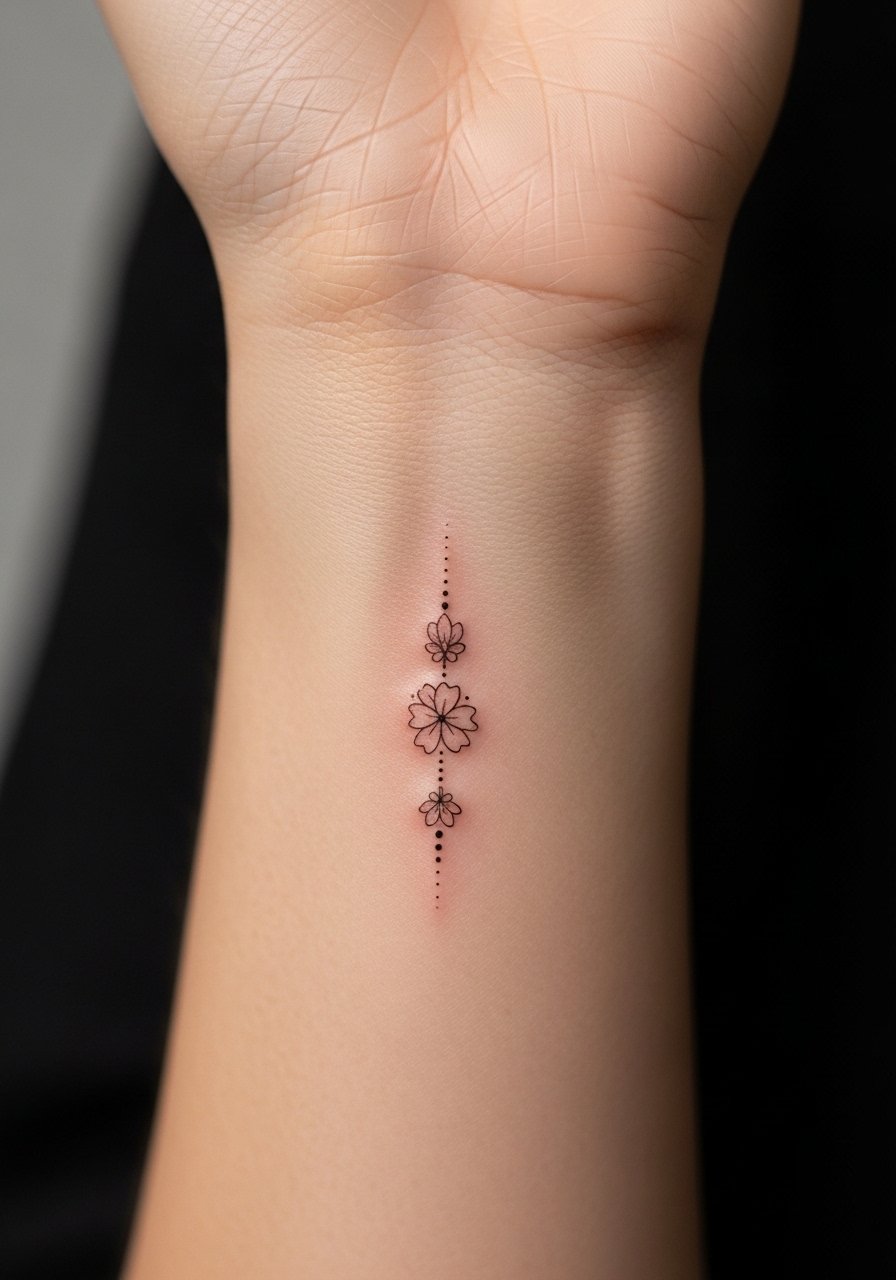
A linked floral chain reads like jewelry and suits first-time forearm placements because it divides into small segments. Ask for slightly bolder anchors where the chain links meet the wrist so the connection points do not blur. Sessions are short and the wrist portion can be tender. Mistakes include asking for identical tiny blooms throughout. Varied sizes improve longevity and visual interest. Show it off with a stacked ring set and a cuff that keeps attention on the chain.
Frequently Asked Questions
Q: Will fine line Japanese motifs on the forearm need touch-ups more often than bold traditional pieces?
A: From what I have seen, fine line work does demand touch-ups sooner than heavily saturated traditional ink because the thinner channels close with time. Placement matters a lot. Forearm pieces that move with frequent friction tend to soften faster. Talk to your artist about slightly increasing line weight or spacing to postpone a touch-up to year three or later.
Q: Can I combine color like muted gold or red with black linework without losing the delicate flow?
A: Yes, but use color sparingly. Metallic and light pigments tend to fade unevenly, so reserve them for accents rather than fills. Ask your artist about layering strategies that allow black contrast to remain the anchor while color sits as a highlight.
Q: Are wrist and near-wrist motifs appropriate if I type or wash my hands a lot?
A: They can be, but expect more friction and possible faster fading. Tiny wrist details face constant hand movement and frequent washing, which accelerates wear. Consider slightly larger spacing and protective habits in the first month, and choose placement a few centimeters up the forearm for less abrasion.
Q: How should I dress for a forearm session to give the artist easy access and keep the area clean afterward?
A: Wear a loose button-down shirt or a sleeveless top that you can move aside without stretching the area. Choose fabrics that do not shed and avoid tight cuffs. Bringing a light long-sleeve to wear home can help if the studio recommends covering the piece.
Q: Is it culturally insensitive to use Japanese motifs like Hannya, kitsune, or traditional waves if I am not Japanese?
A: Opinions differ in the community. One view holds that these motifs are part of broader shared visual culture and can be used respectfully. The other insists that complex cultural symbols warrant deeper understanding and, in some cases, choosing variations that acknowledge origin. The safest path is to discuss meaning with your artist and adapt elements so they reflect your story respectfully.
Q: How will a wrap-style phoenix or tail age differently than a single static motif on the forearm?
A: Wrap-style pieces rely on flow and spacing, so if the artist spaces elements correctly they age into readable motion. Static motifs depend on strong outlines and contrast to stay distinct. In practice, flowing designs with deliberate negative space can maintain their rhythm longer because each element has room to breathe.