
The freshest-looking gothic pieces are not always the ones that age best. Bold blackwork and well-spaced linework often read cleaner at year five than tiny, ultra-fine details that looked delicate at the stencil stage. If you want a pretty gothic flash tattoo that still reads as crisp after a few summers, choose placements and line weights that suit your skin and daily routines. Read on for 27 flash ideas with what to ask at the consult and how to dress for the session.
1. Gothic Rose with Skull Center on Forearm
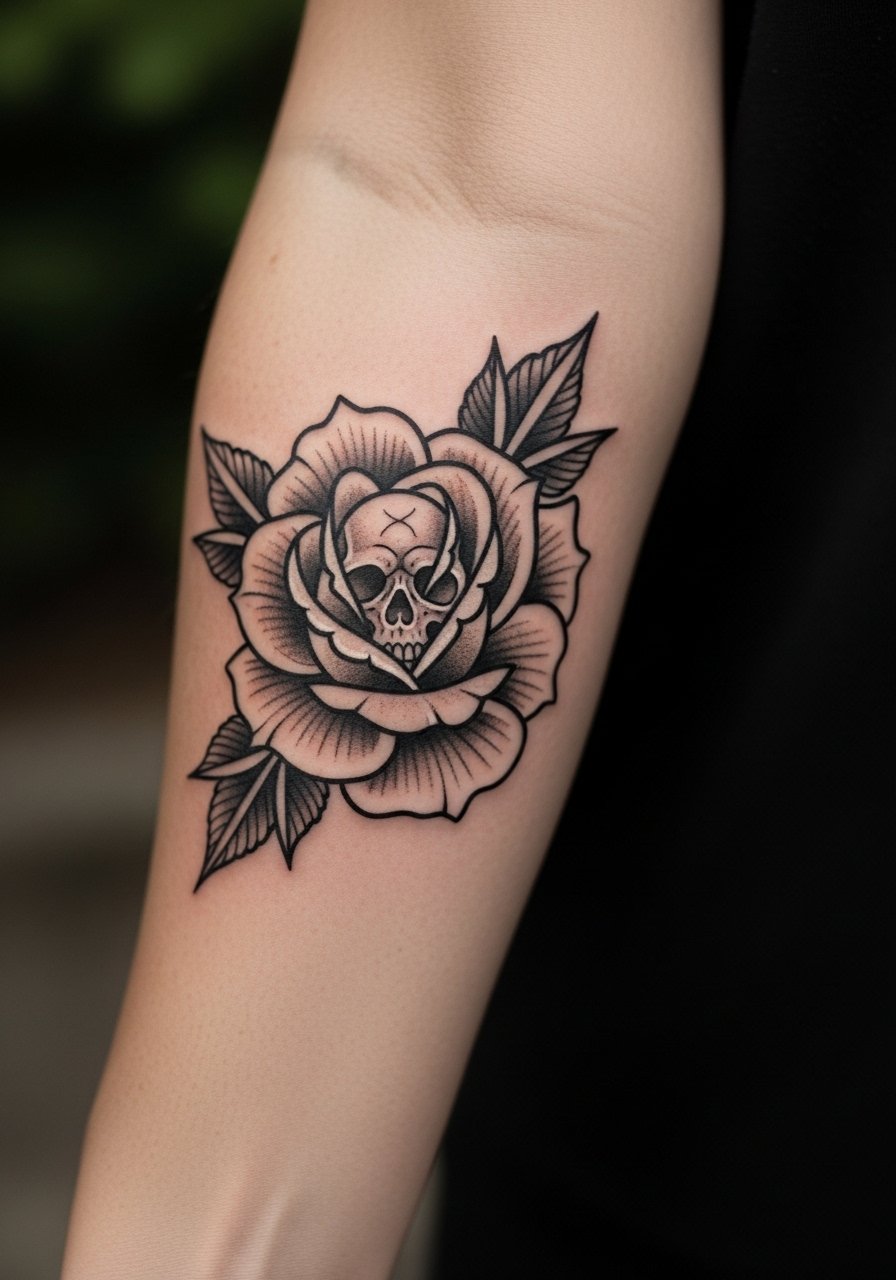
I have seen this forearm hybrid hold up well when artists use bolder outlines around the skull and softer stipple shading in the petals. Pain is moderate on the inner forearm and most sessions finish in 45 to 75 minutes for a 3-4 inch flash. Avoid asking for overly thin petal veins. They tend to blur into the shading at year two. For the consult, say you want "bold outline neo-traditional linework with stipple petal shading" so the artist knows to give space between darks. To show it off, roll up a sleeve and pair with a black velvet blouse or add a silver skull ring set.
2. Spiderweb with Dripping Blood on the Wrist
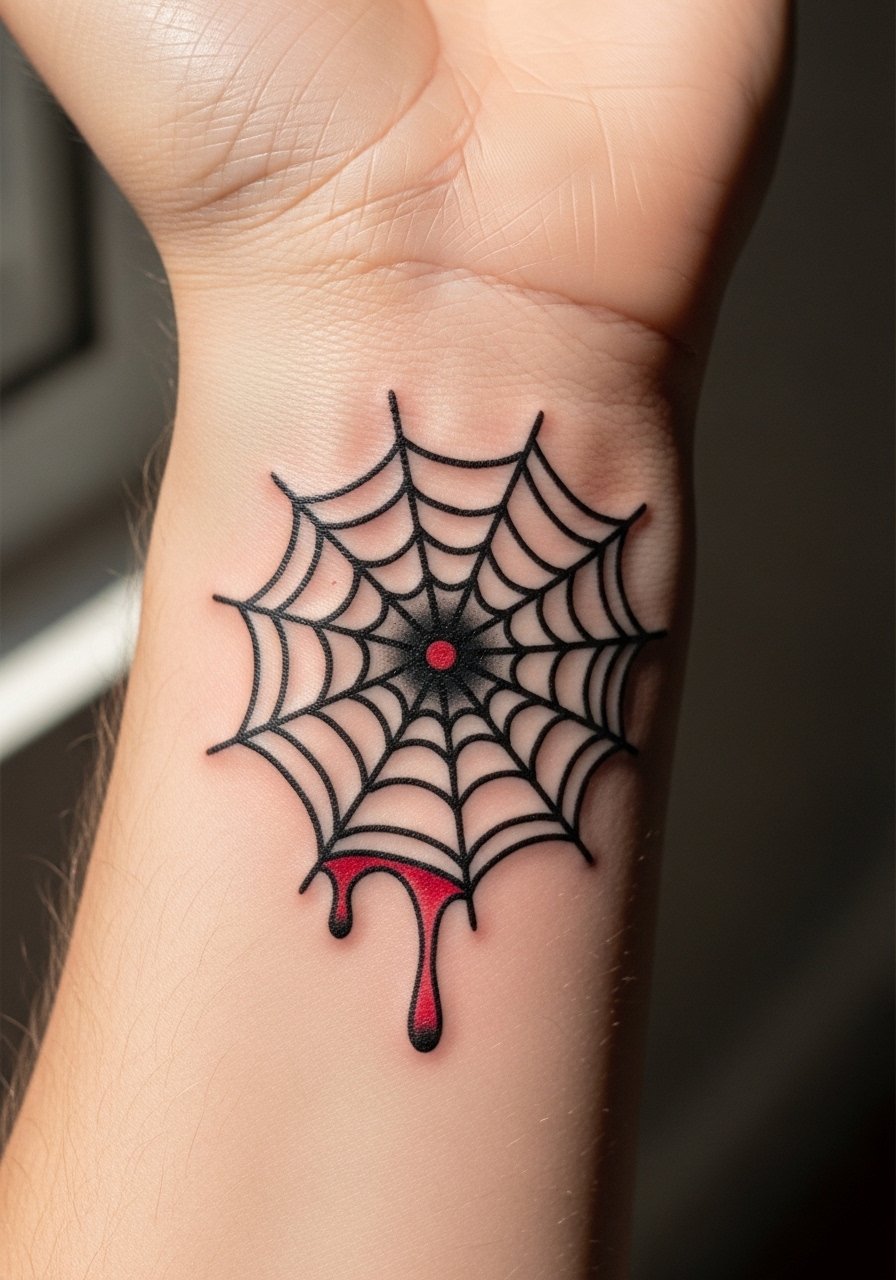
Fair warning: the wrist gets a lot of wash and friction so bold lines are your friend here. This single-session flash runs quick, often under 45 minutes. The common mistake is requesting ultra-fine webbing that looks delicate fresh and smudges within a year. Tell your artist you want a simplified web with one or two heavy anchor lines and a tiny red drop for contrast. For showing it off, stack a thin leather cuff bracelet opposite the tattoo and swap into a dainty chain bracelet when you want something subtler.
3. Dark Floral Mandala Skull on Shoulder Blade
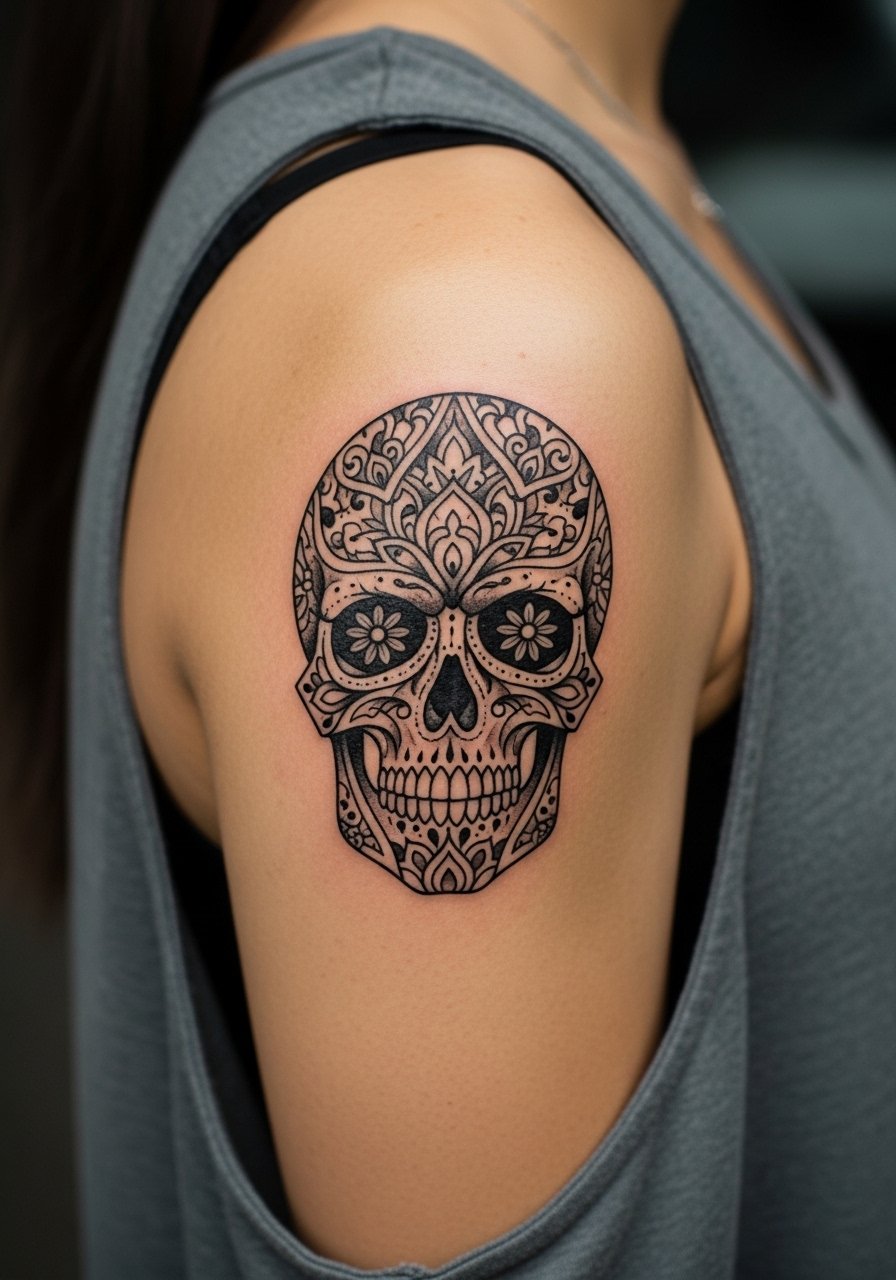
Most people think mandalas need ultra-tight geometry. For a gothic twist, ask for loosened negative space around the skull so the design breathes on shoulder blade curves. Pain is low to moderate and sessions usually split into two if you want 4-6 inch scale. The aging rule here is spacing over density. Dense dot work too close together can merge over time. One practical consult line is "keep mandala rings spaced and prioritize heavy outer contours." For session wear, a spaghetti strap crop top or loose tank helps the artist access the area without fuss.
4. Bat Wings Heart on Inner Wrist
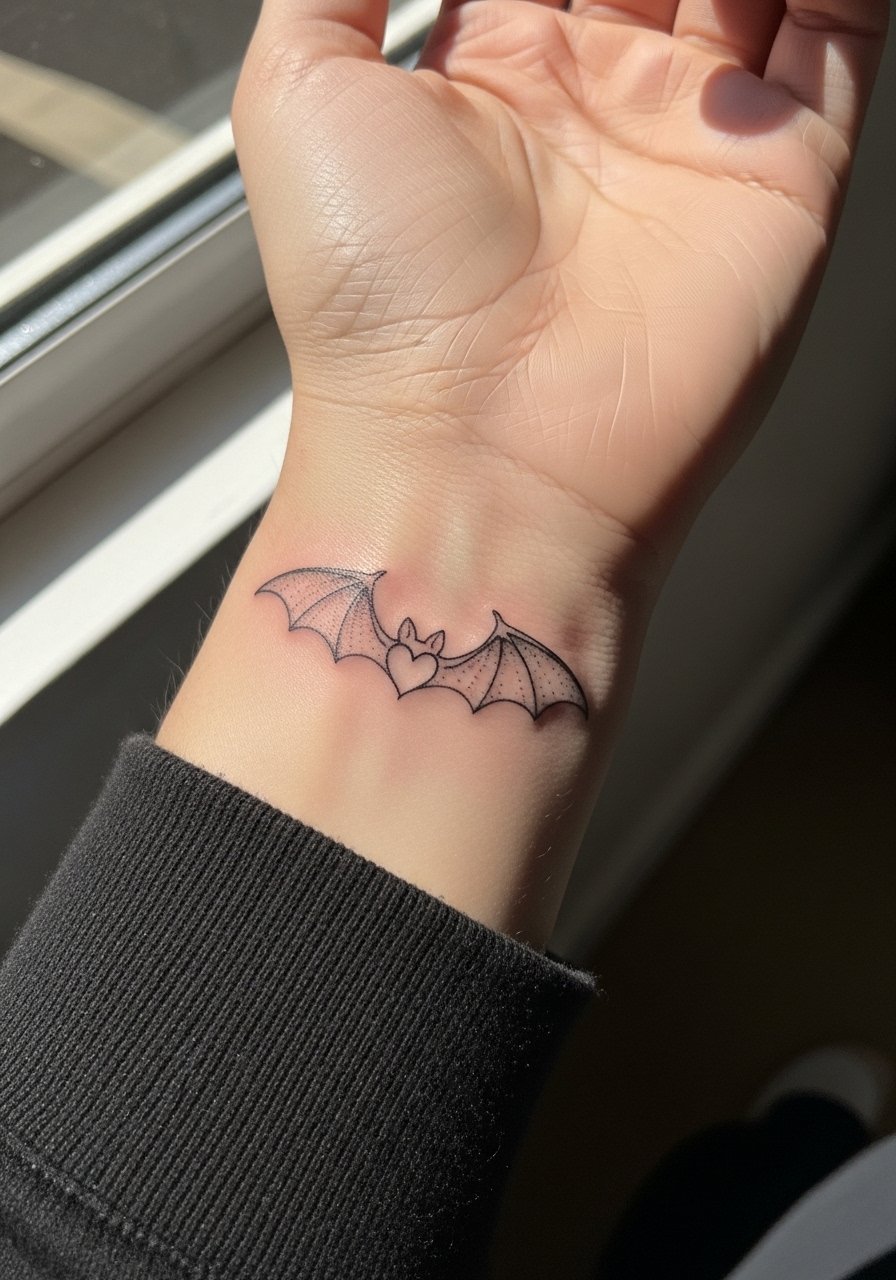
This is a great first-time small gothic flash, but remember fine line on wrists splits artists into camps. One camp says wrist skin and constant movement blur fine work fast. The other camp argues that with slightly heavier line weight and shallow spacing, a tiny piece can last. Ask your artist which approach they use. Expect a single short session and a likely touch-up at year two for true longevity. When showing it off, a fishnet arm sleeve or a thin leather cuff complements the motif without covering the wings.
5. Crescent Moon and Raven at the Collarbone
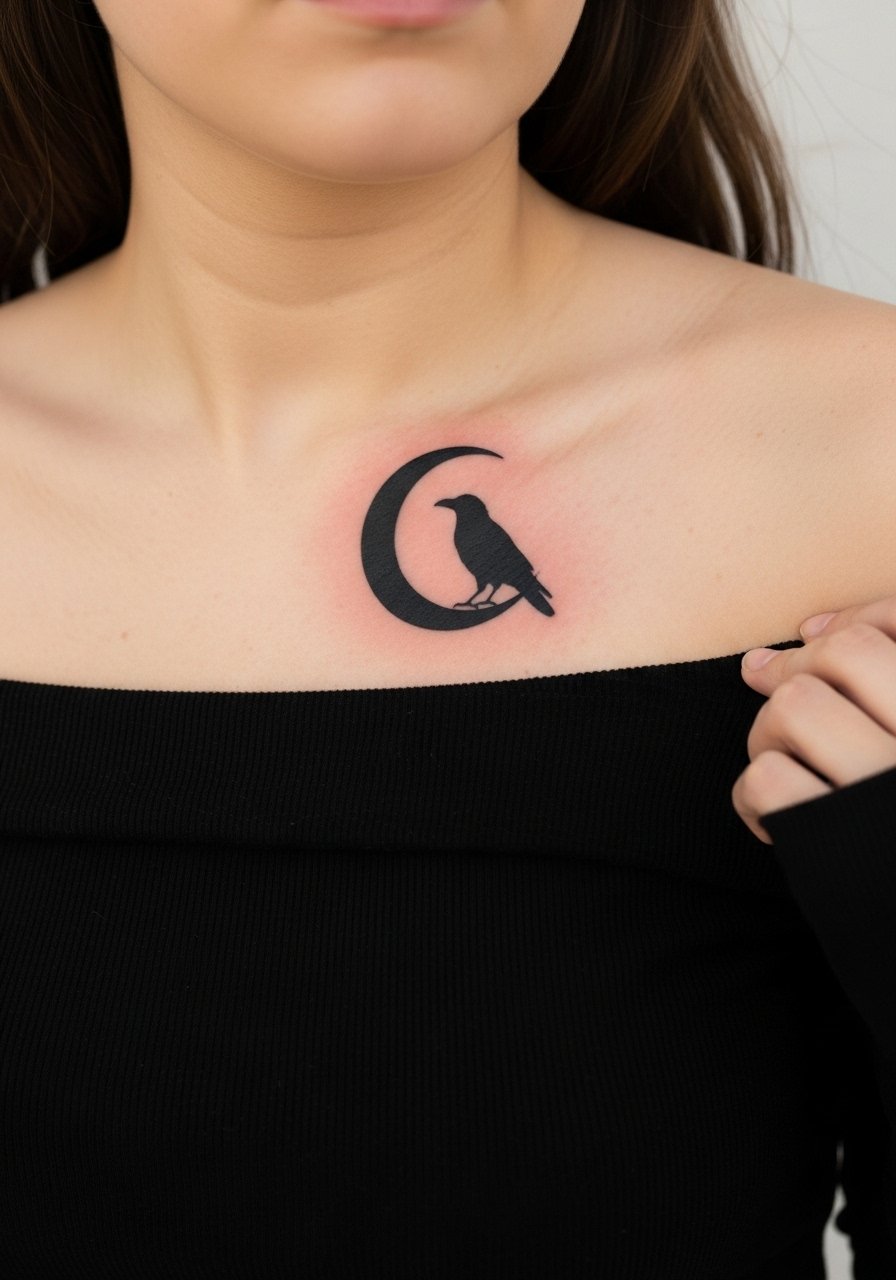
There's a quiet drama when a raven sits at the collarbone. The collarbone shows motion and tension, so solid black fills read well and avoid patchy fading. Plan for a one-session piece around 3-4 inches. The common error is trying to cram tiny feather detail into a small space. Ask for silhouette feathers with a hint of texture instead. For outfits, pair it with an off shoulder black top or a simple gothic choker necklace when you want the motif centered.
6. Victorian Cross with Thorns on Upper Arm
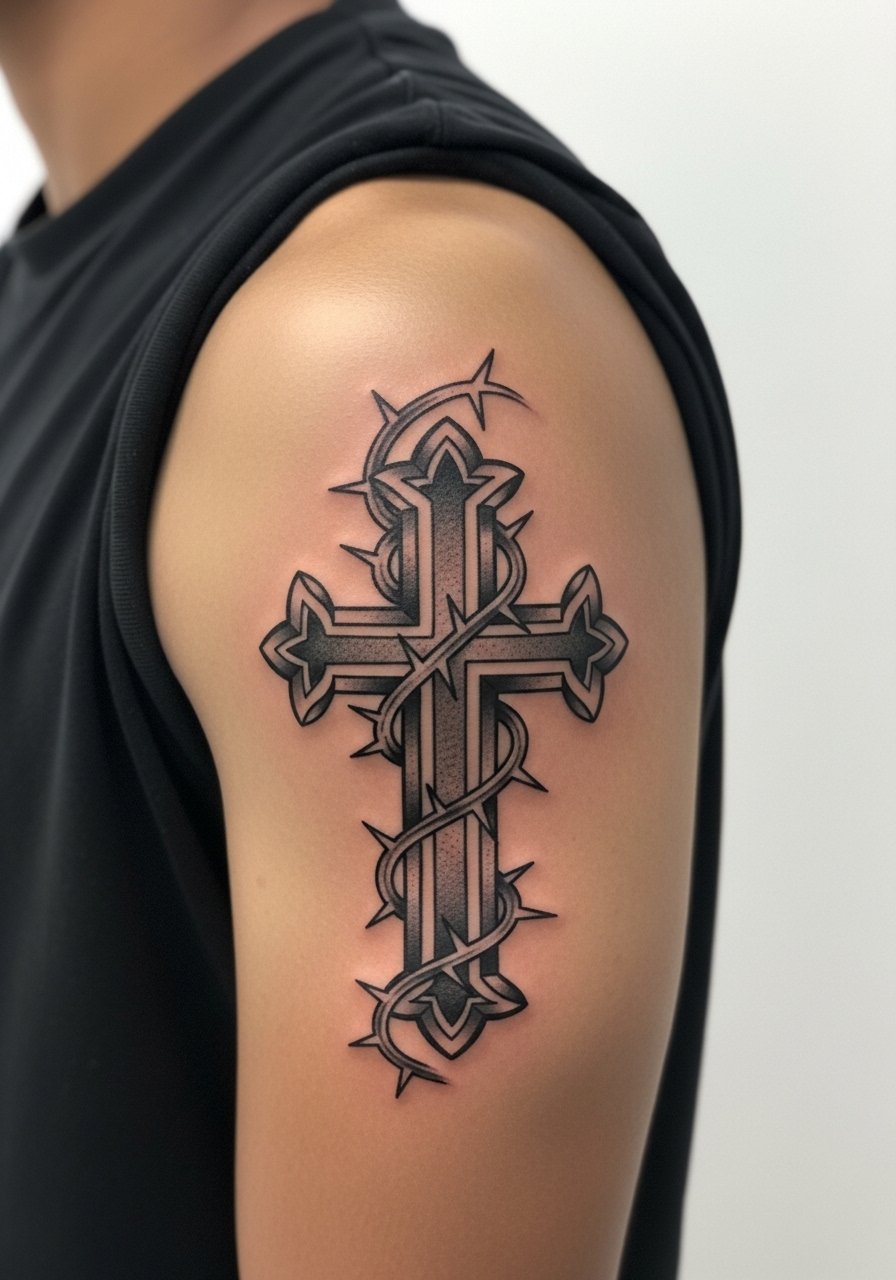
When you want ornate detail without the collarbone reveal, the upper arm gives room and lower blowout risk. Expect 60 to 120 minutes depending on 5-inch complexity. A typical mistake is overloading filigree at small scale which merges over time. Tell your artist you want strong outer contours and tighter inner linework so touch-ups are minimized. For session clothes, a sleeveless tank or loose button-down makes prepping easy.
Studio Day Picks
The small wrist and forearm pieces above heal differently from larger upper-arm and collarbone work, so a short list of kit smooths the session day and the first week.
- Stencil transfer paper kit. Lets you test placement on skin before the needle touches down, especially useful for the gothic rose and moon placements above.
- Topical numbing cream. Applied before a wrist or upper-arm session to ease the sting during tight linework.
- Thin protective film roll. Helpful for finger and wrist pieces that face frequent hand washing and friction.
- Fragrance-free gentle body wash. Cleanses healing areas without stripping fresh linework on the forearm or chest.
- Aquaphor healing ointment. Thin layers in the first days protect fine lines and filled blackwork until the scab phase passes.
7. Poison Bottle with Snake on Ankle
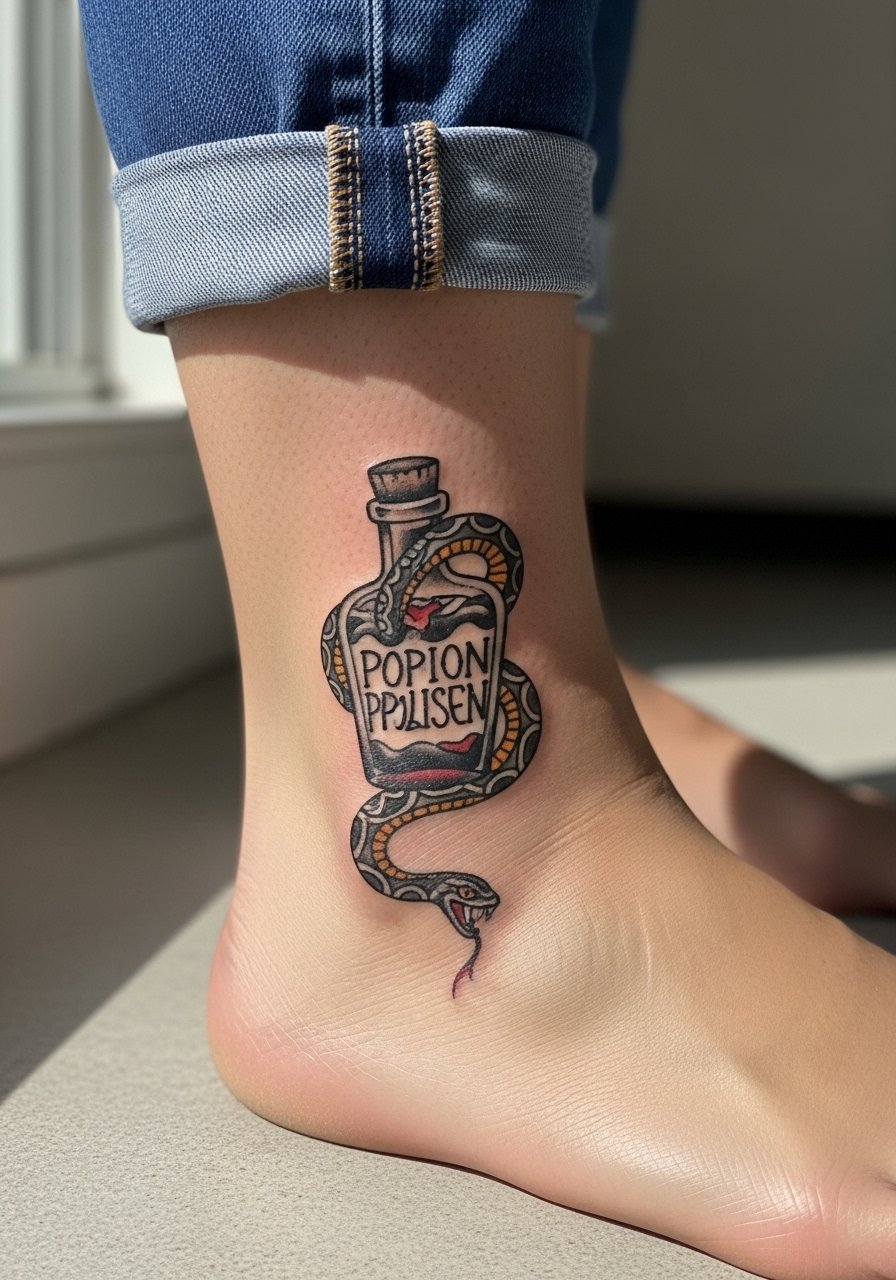
Ankle flash works well when outlines are bold to fight shoe straps and socks that rub the area. This single-session design at about 3 inches favors clean outlines and selective color pops if you want them. A common mistake is too much tiny label detail that fades. Tell the artist to prioritize bottle silhouette and snake flow rather than micro-text. For showing it off, try combat boots or strappy heeled sandals with rolled-up jeans.
8. Lace Choker Illusion on the Neck
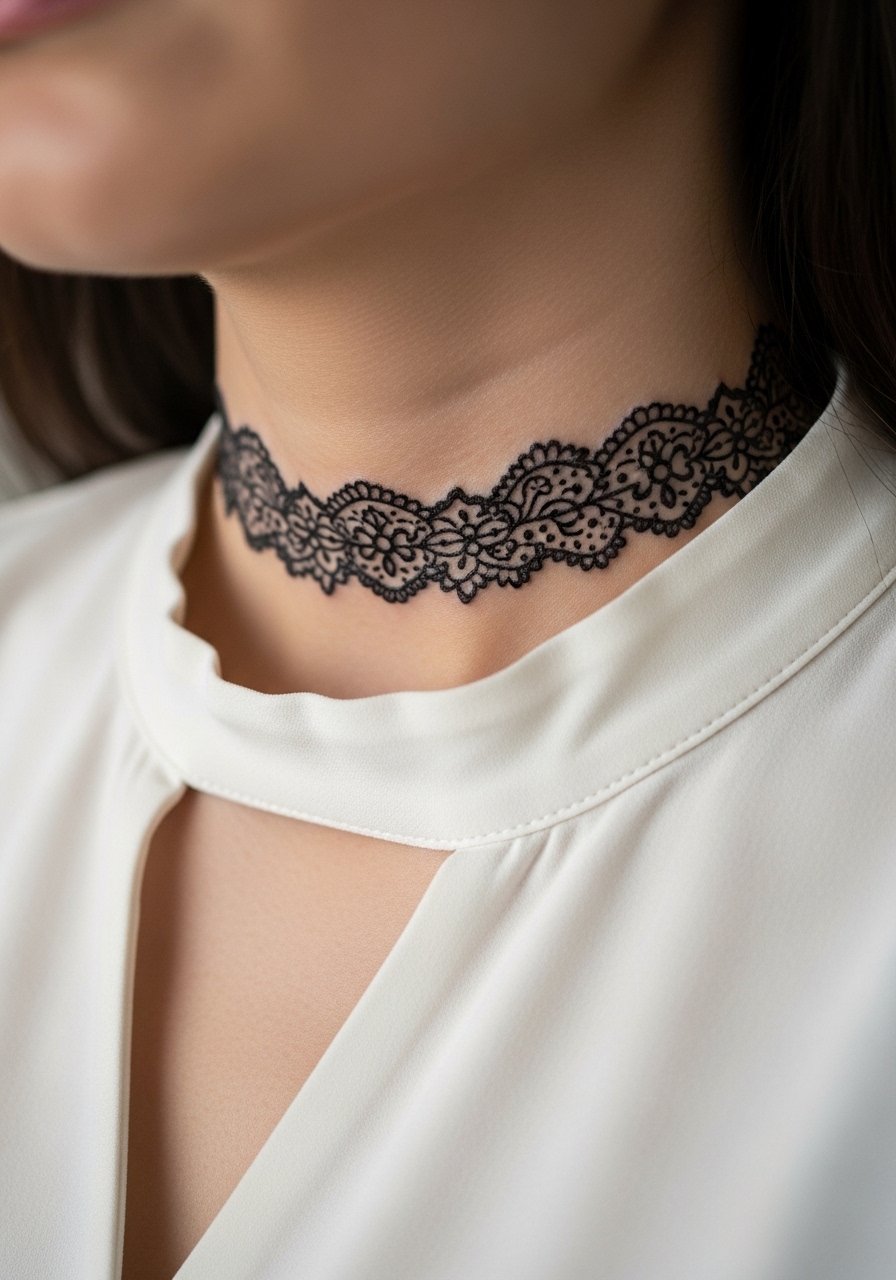
This permanent fashion accessory reads like jewelry once healed, but fine line neck work raises the same debate about aging that wrist pieces do. One group of artists says the neck's thinner skin blurs fine lines quickly. The other group contends that careful depth and slightly heavier lace outlines preserve detail. Ask the artist which method they prefer. Expect two short sessions for a detailed 3-4 inch band. When you want to show it off, a velvet choker collar layered above or a high neck blouse worn low complements the illusion.
9. Wilted Rose Sleeve Start on Inner Forearm
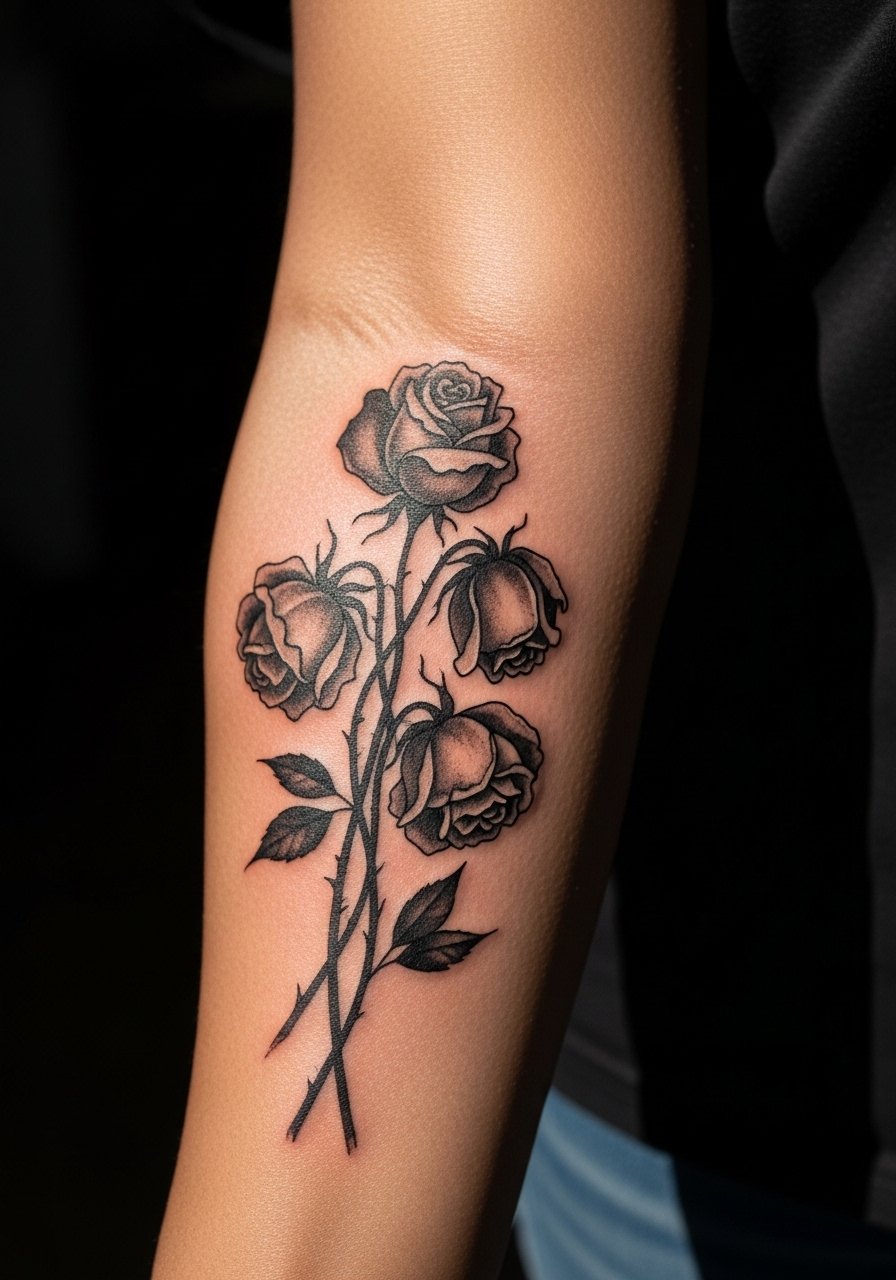
Sleeve starters are planning pieces more than finished statements. Expect multiple sessions for layered gradients and soft fades. The inner forearm tolerates shading well but be cautious about putting too much tiny texture in the first session. A common mistake is packing too many small blooms at once. Tell your artist you want a buildable layout so future additions sit naturally. For session wear, choose a loose button down shirt you can roll up without jostling fresh ink.
10. Grim Reaper Silhouette on the Shoulder
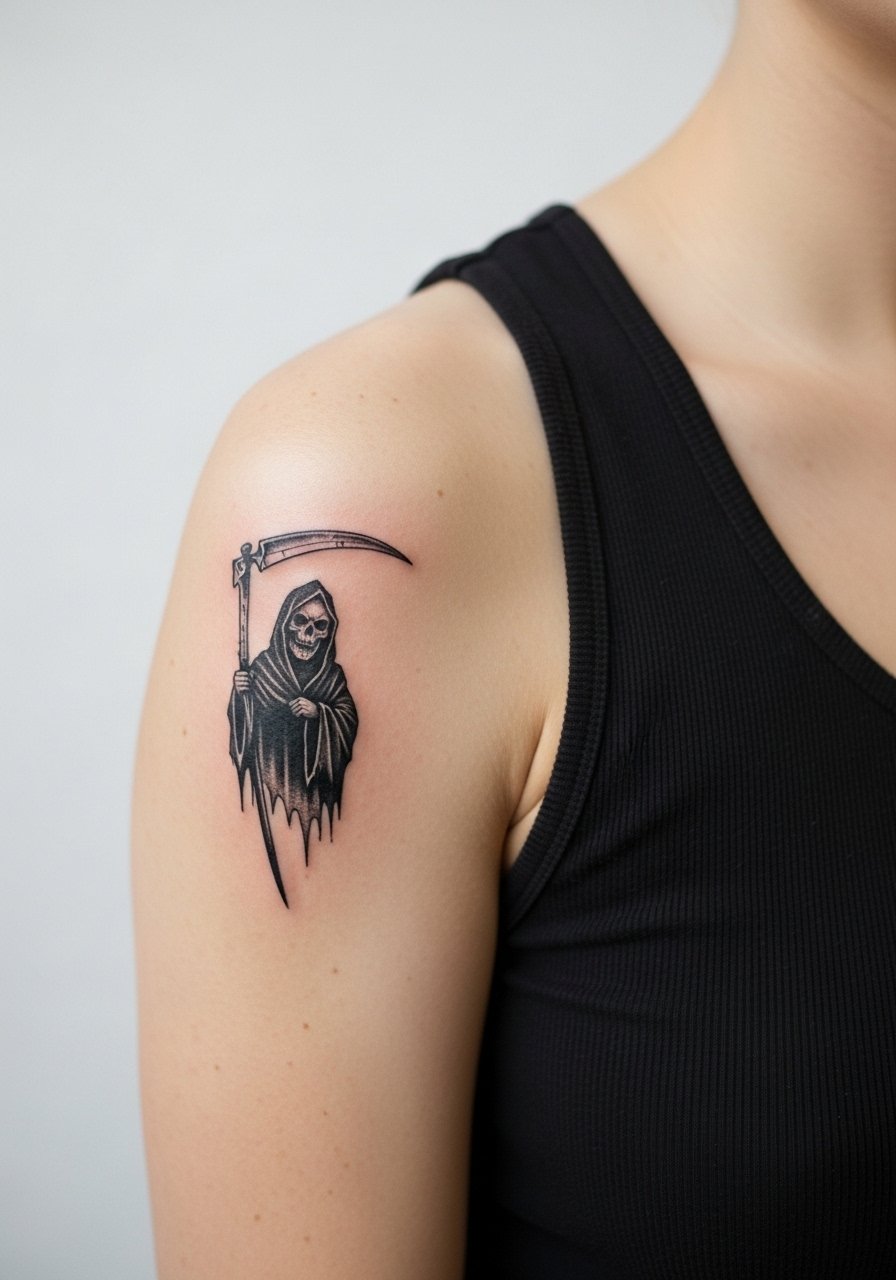
There is a timelessness to solid silhouettes on shoulders because the area sees less constant abrasion. This single-session piece looks bold even with minimal detail, and touch-ups are usually rare if saturation is consistent. The common error is trying to add micro-detail inside a small silhouette, which can muddle. During consultation, ask for crisp outer saturation and a soft fade edge. Pair the finished piece with a spaghetti strap crop top or a dark shawl for evenings out.
11. Gothic Keyhole with Eyes on the Back of Neck
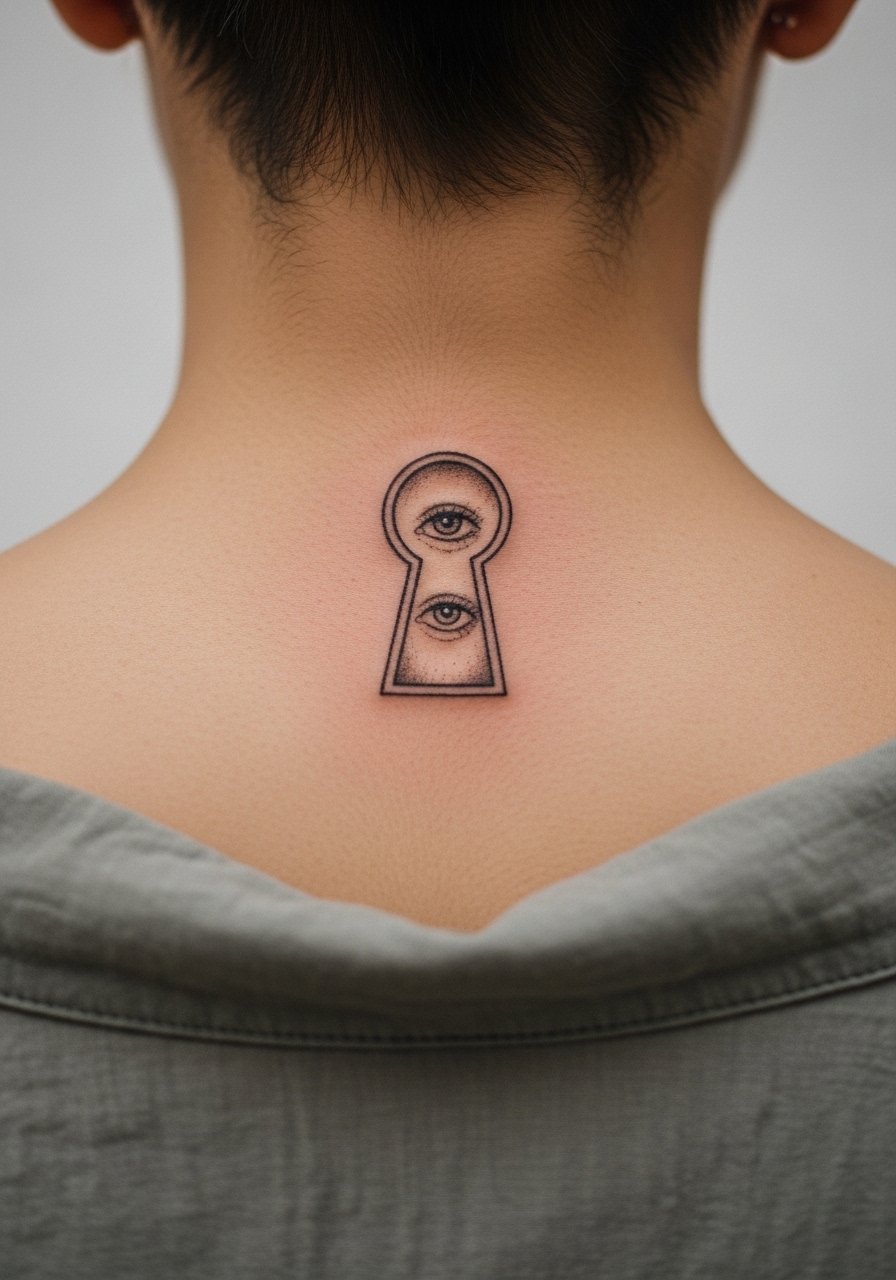
Back of neck pieces are personal and easy to hide with hair or collars. For a 3-inch keyhole, plan for one session and ask for denser outer linework so the negative eye space stays legible. A typical mistake is over-detailing the interior at small scale. If your job requires discretion, this placement is ideal because a collar hides it instantly. During the consult, mention that you want a slight ornamental border to protect the interior detail from blurring.
12. Crystal Ball with Ghost Hand on the Collarbone
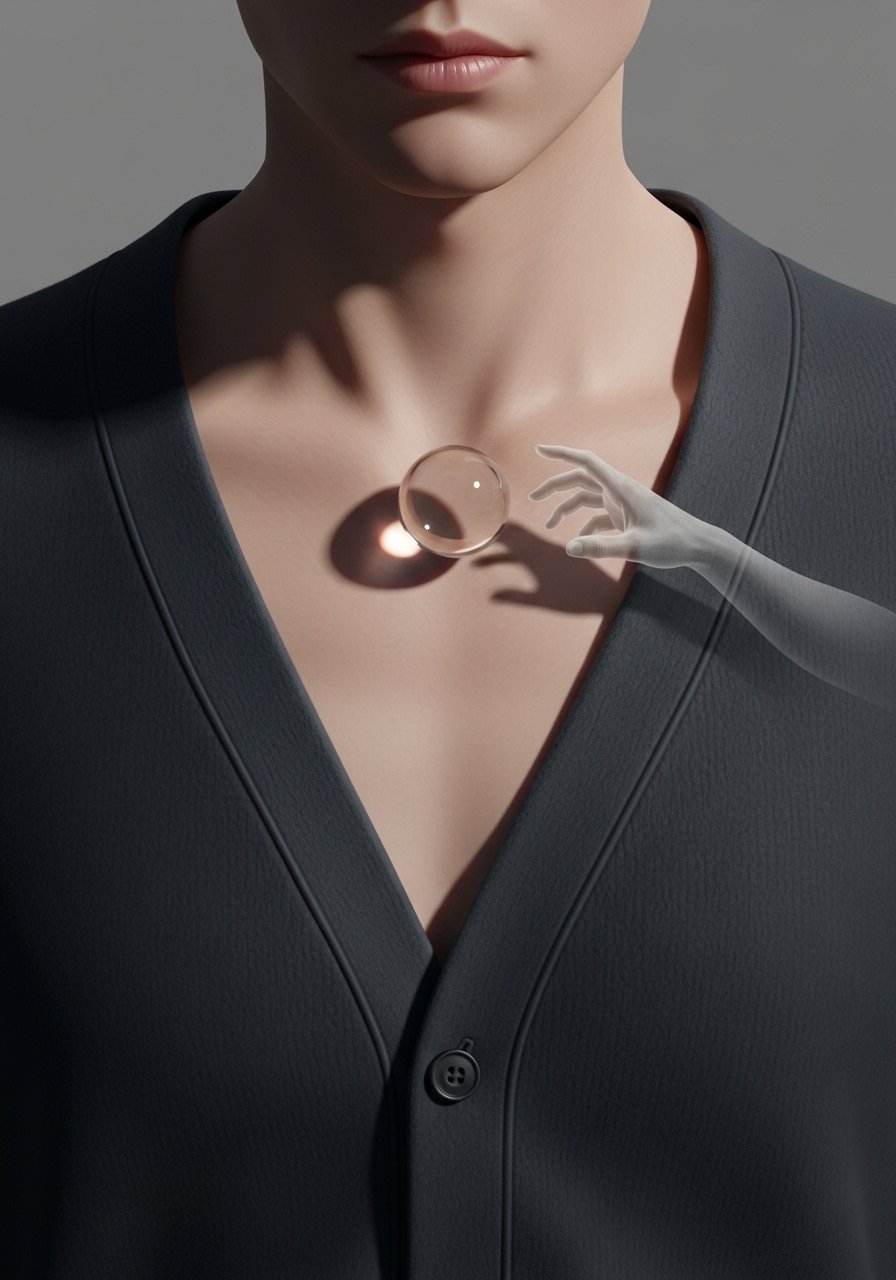
Micro-realism at the collarbone needs careful spacing to avoid patchy highlights. Expect two sessions for a 4-inch piece if you want subtle shading and glass reflections. One practical mistake is asking for too many tiny highlights without strong midtones. For session prep, wear a deep v cardigan so the artist can access the area without tugging at fabric. Note that healing methods split opinions. Some people prefer protective film for the first day, while others favor short dry windows. Ask your artist how they usually handle collarbone pieces.
13. Thorn Crown Heart on Chest
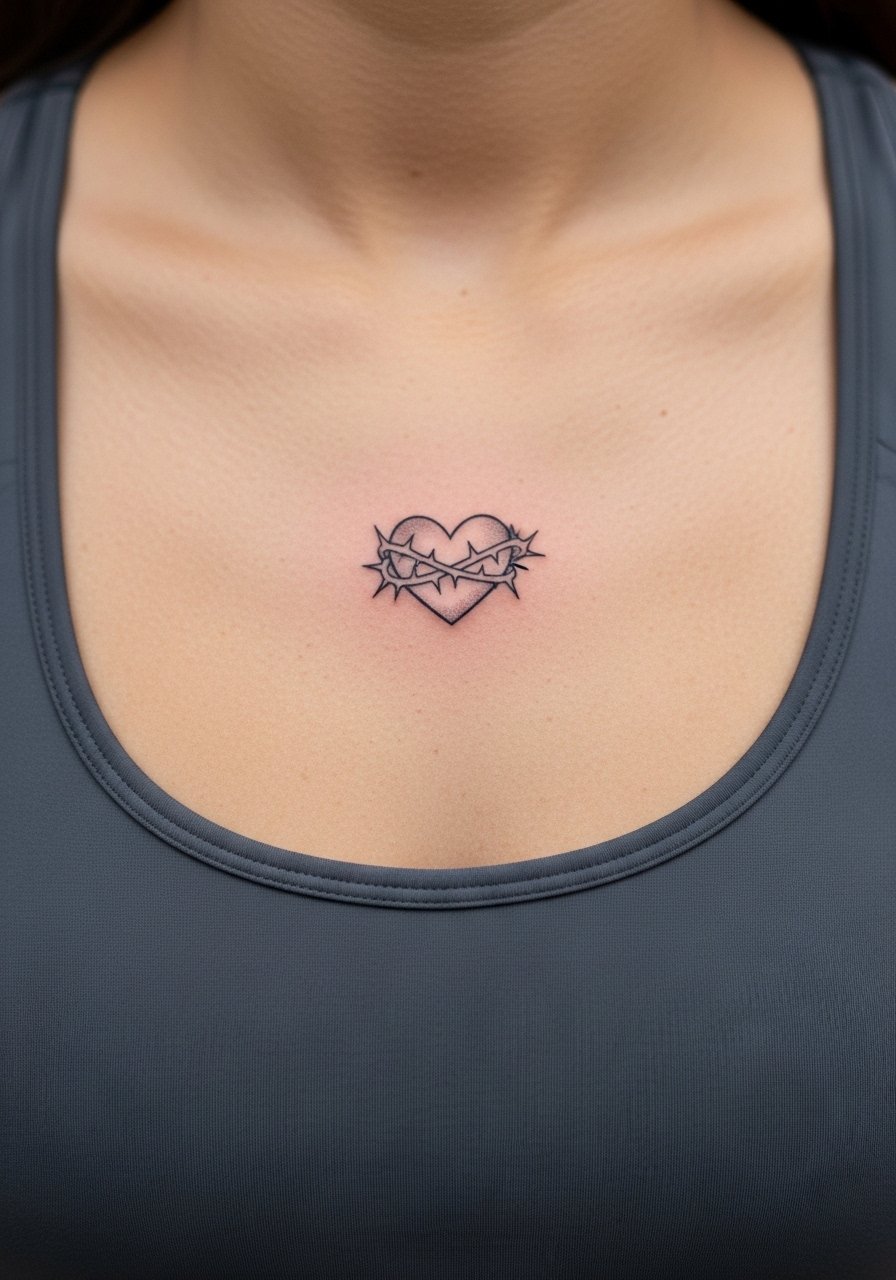
Chest pieces read as intimate statements and the sternum area can be quite sensitive. Pain ranges higher here, and single-session work depends on size. People often regret wanting tiny thorn detail across mobile skin. For a keeper, ask for the heart and crown at 3-4 inches so the thorns rest on stable planes rather than across ribs. For the appointment, a fitted sports bra or bandeau makes access simple and discreet.
14. Bat Moth and Candle on the Thigh
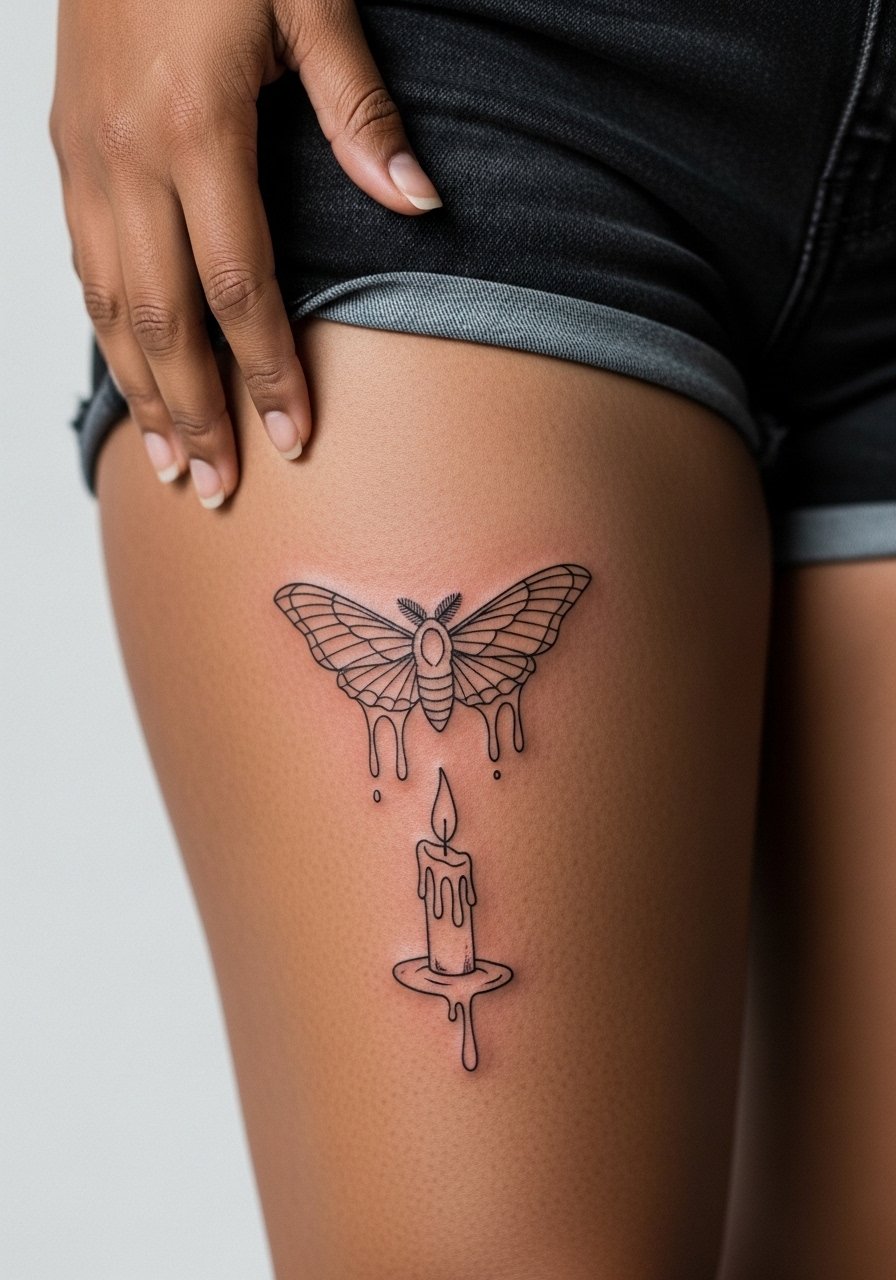
Upper-thigh flash gives room for fine composition and hides well under clothing. Expect a single session if you keep the scale to 3-4 inches. The inner-thigh area can be softer and more prone to ink spread, so consult about slight line weight increases. A frequent mistake is choosing too small a moth with dense dot shading. For showing off, pair with a high waisted black skirt or discreet fishnets when you want contrast.
15. Coffin Locket Micro-Flash on the Ribcage
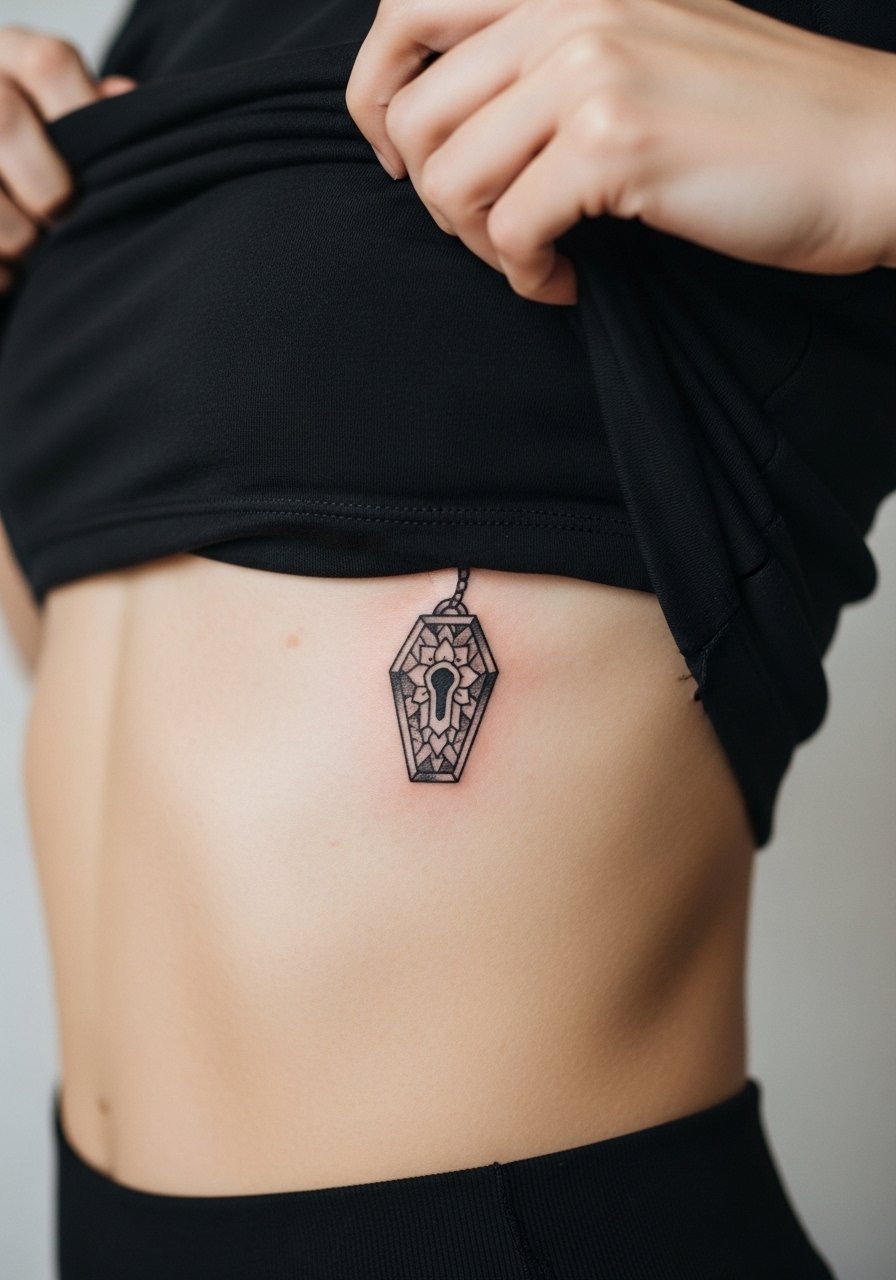
Ribcage pieces are notorious for higher pain and movement. Artists often advise slightly bolder outlines in that zone to reduce blowout risk. Expect a single short session for a 2-3 inch flash. The main mistake is insisting on micro-detail on a moving surface. Bring reference images showing desired silhouette rather than tiny interior ornaments. Wear a cropped top or loose shirt to the appointment so adjusting exposure is easy.
16. Raven Feather Quill behind the Ear
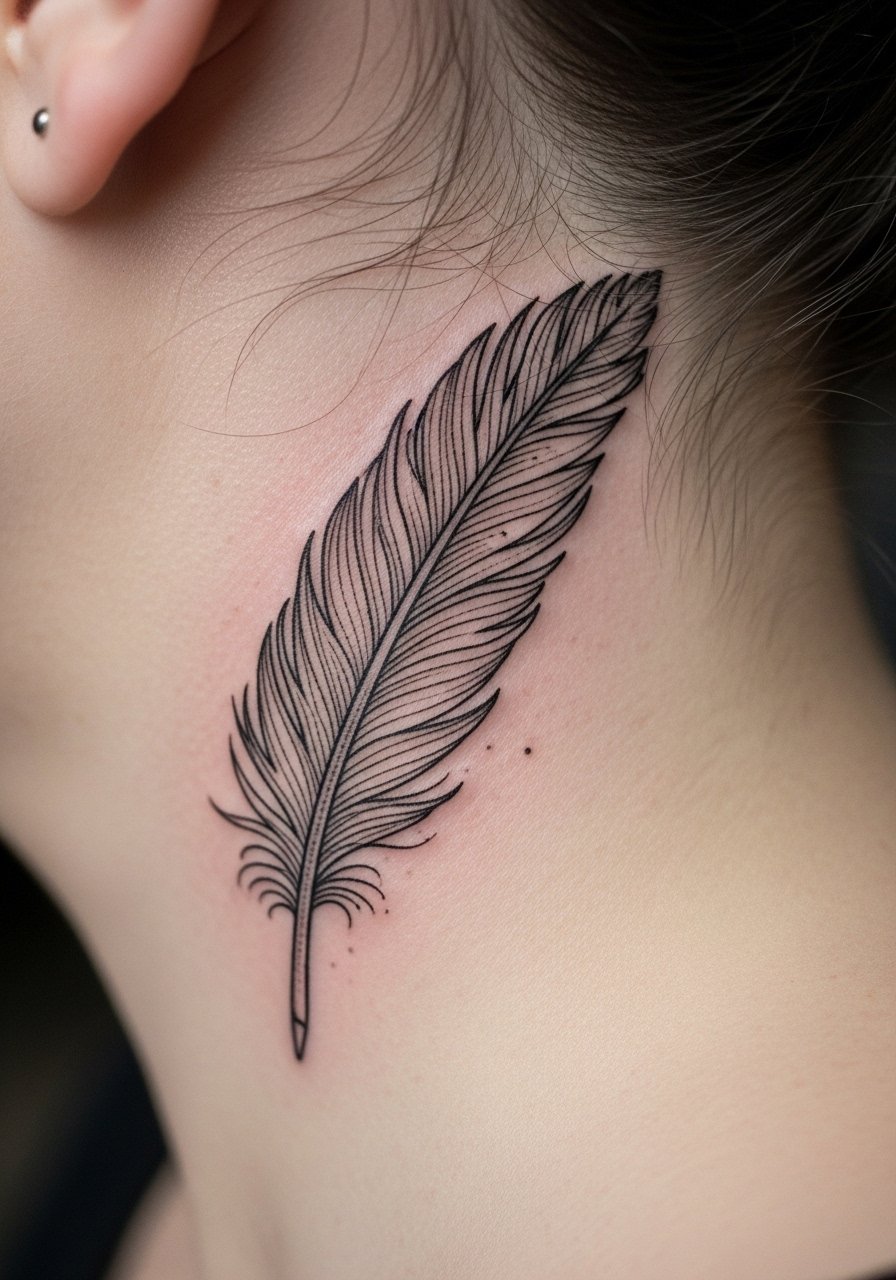
Small behind-the-ear pieces look delicate but need precise placement to avoid fading into hairline friction. This spot handles fine, single-session work if the outline is slightly reinforced. A common mistake is asking for dense shading at the very edge of the hairline. For the consult, request a tapered feather with stable stem lines. If you want to show it subtly, style hair up or wear a high neck blouse that frames the area.
17. Stained Glass Window with Moon on the Calf
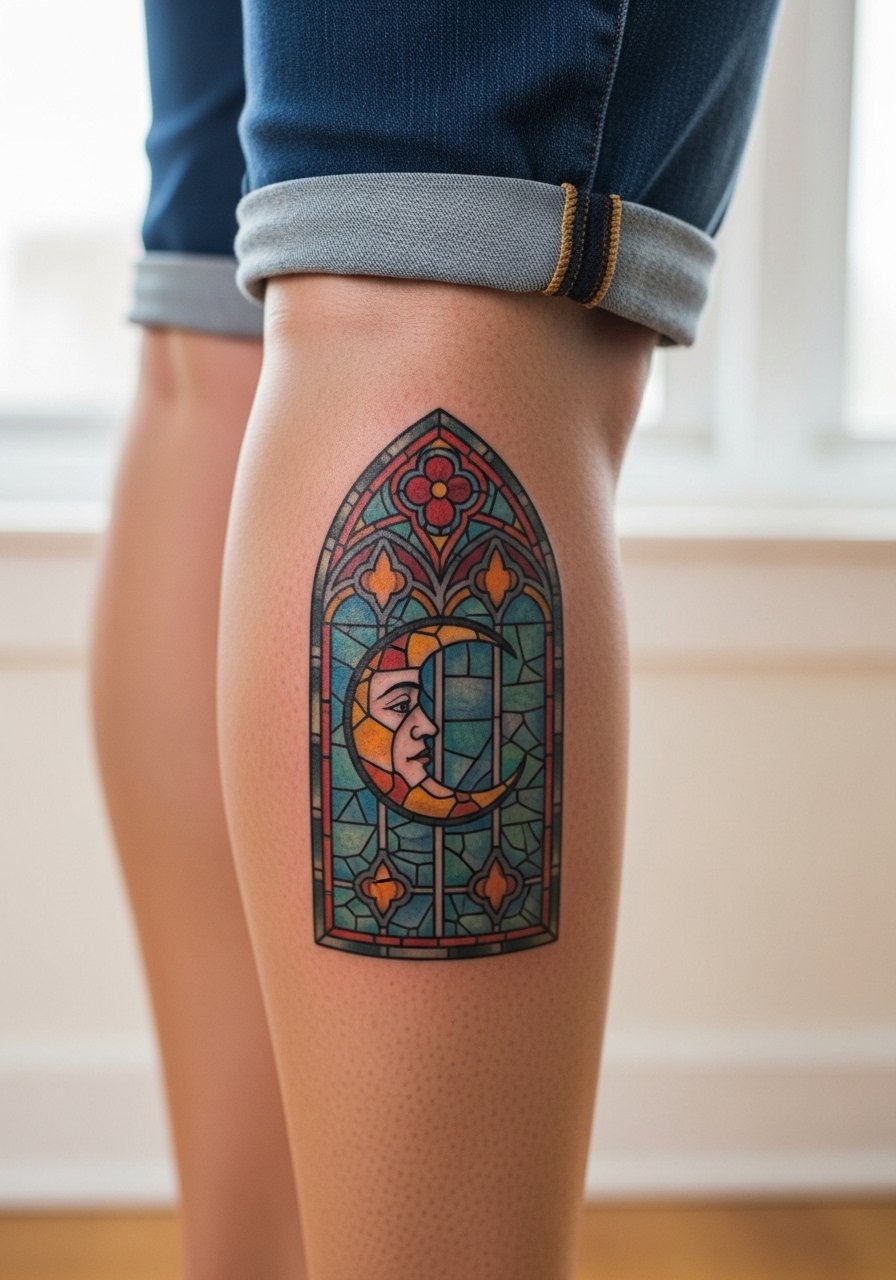
Calf placement tolerates color and larger blocks of saturation. A 4-5 inch flash can often finish in one session unless you want multiple color layers. The mistake is using too many tiny leaded lines in a small area which can blur. Ask the artist to simplify lead lines and prioritize bold color fields. For session wear, loose shorts or joggers are easiest to manage.
18. Hourglass with Roses on the Thigh
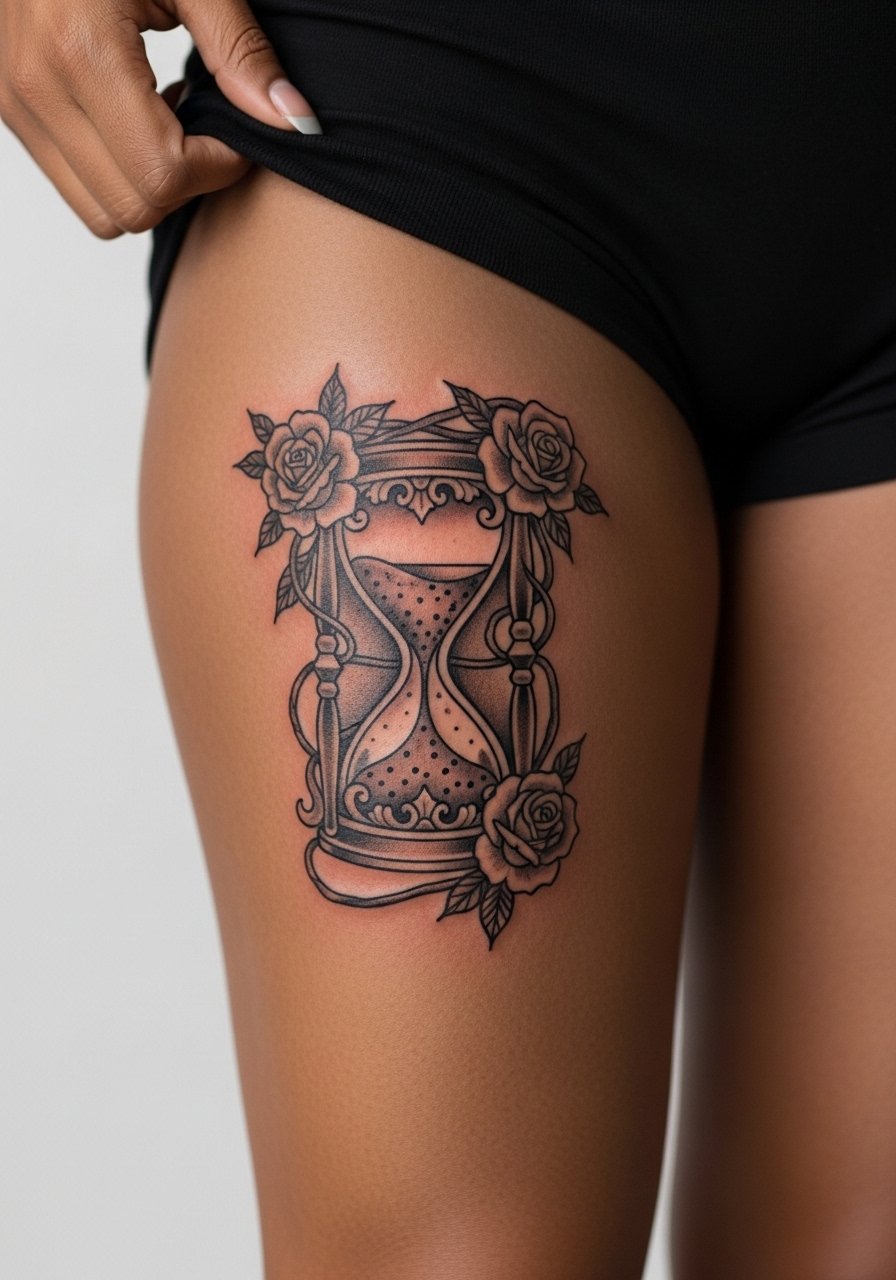
Thigh pieces are collectible and forgiving for detail. Expect a one or two-session piece depending on size. A common error is forcing too many tiny text elements into the hourglass glass. Instead, ask for clear negative space in the center and denser linework on the outer frame. For showing it off, consider pairing with fishnet stockings or a high-waisted skirt to let the composition peek through.
19. Moth and Candle on the Sternum
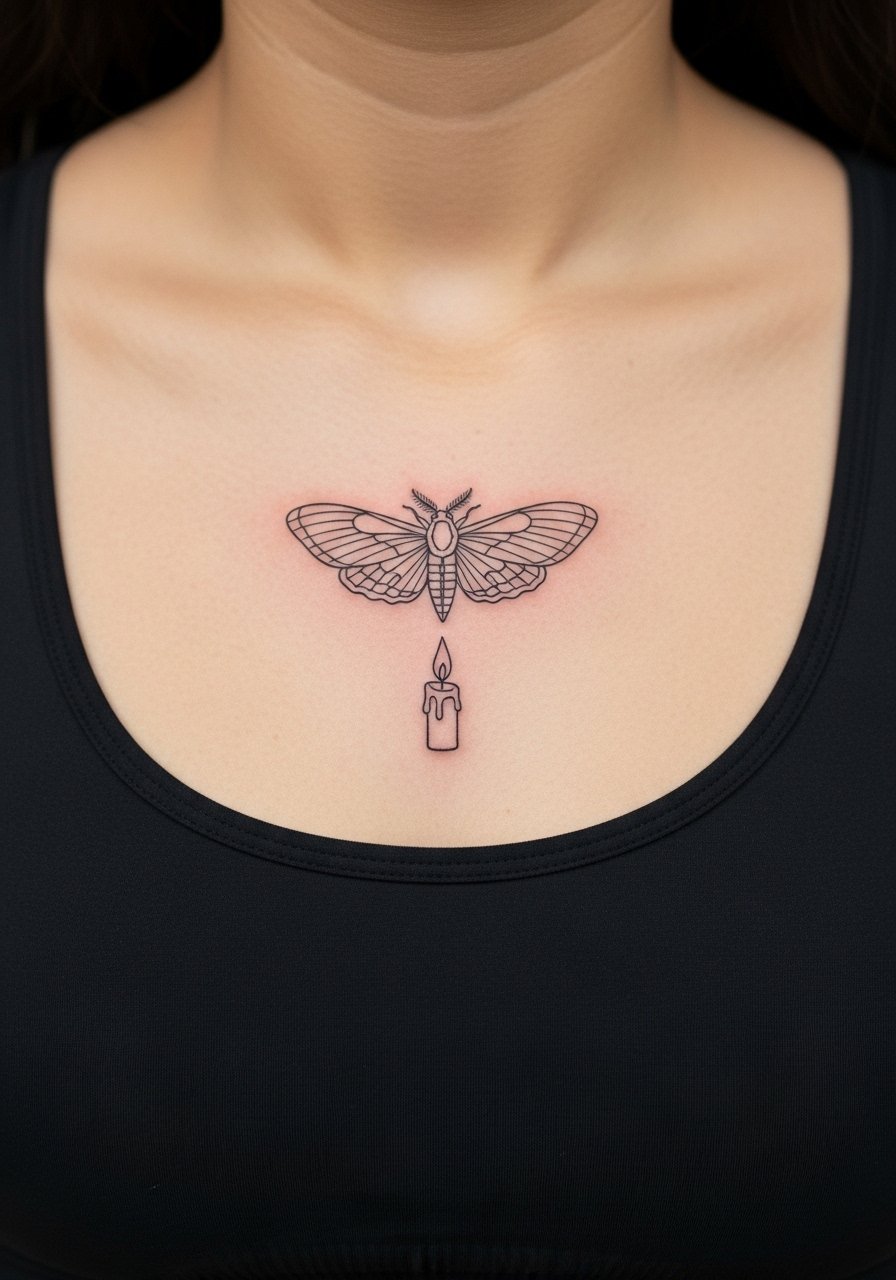
Sternum work is intimate and painful for many. Expect deeper sensitivity than arm pieces and plan for two short sessions for symmetrical detail. The common mistake is over-compressing tiny dots into the center line which can merge. Ask for slightly heavier outer lines and soft interior shading. For the appointment, a fitted sports bra or bandeau makes access simple and keeps modesty intact.
20. Beetle Scarab with Ornate Lines on the Back
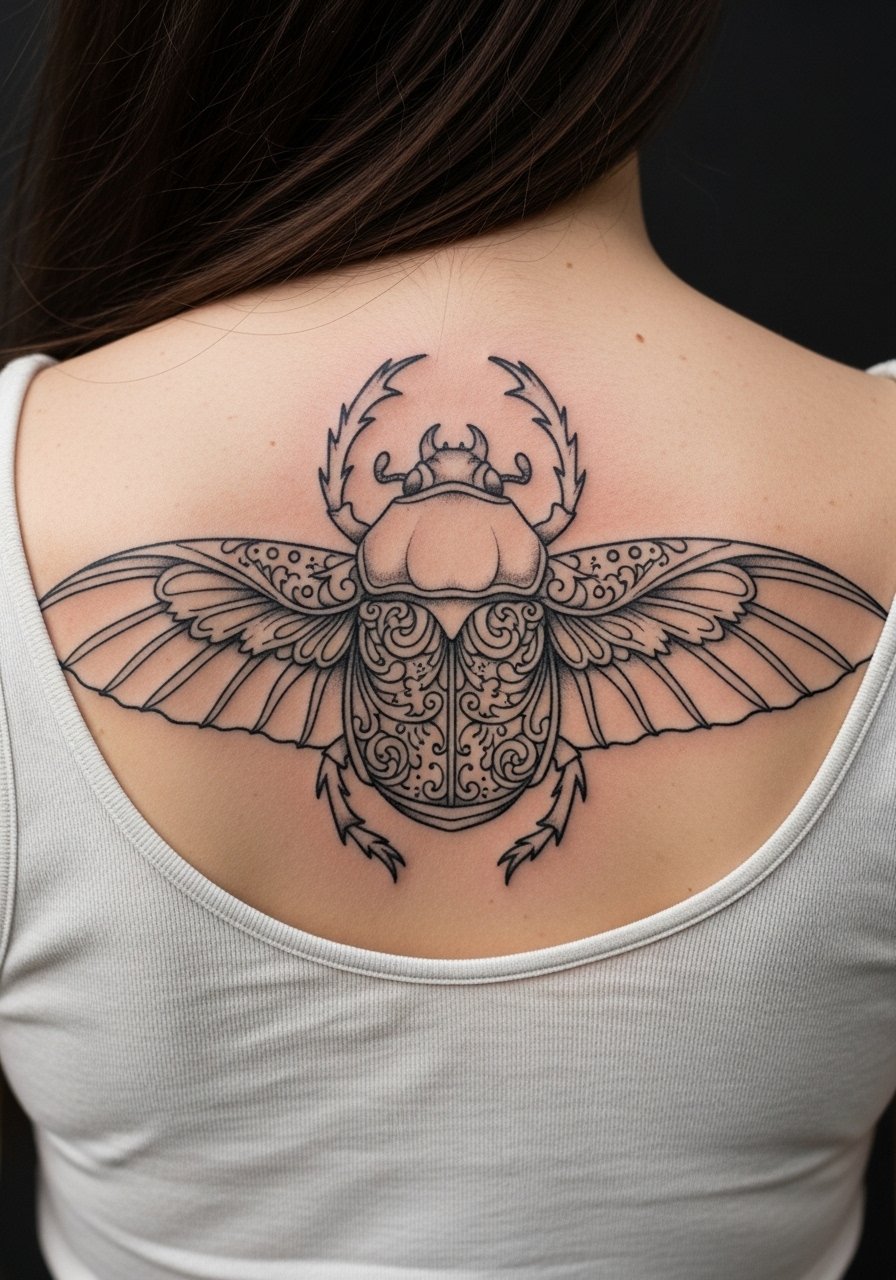
Upper back pieces have room to breathe and age well if outlines are clear. For a scarab, plan for 60 to 90 minutes depending on ornamentation. A mistake is packing too many tiny filigree loops inside a small beetle shape. Tell the artist you want the filigree suggestions rather than full micro-detail. Wear a tank top you can pull aside without twisting fabric.
21. Skeleton Hand Bouquet on the Forearm
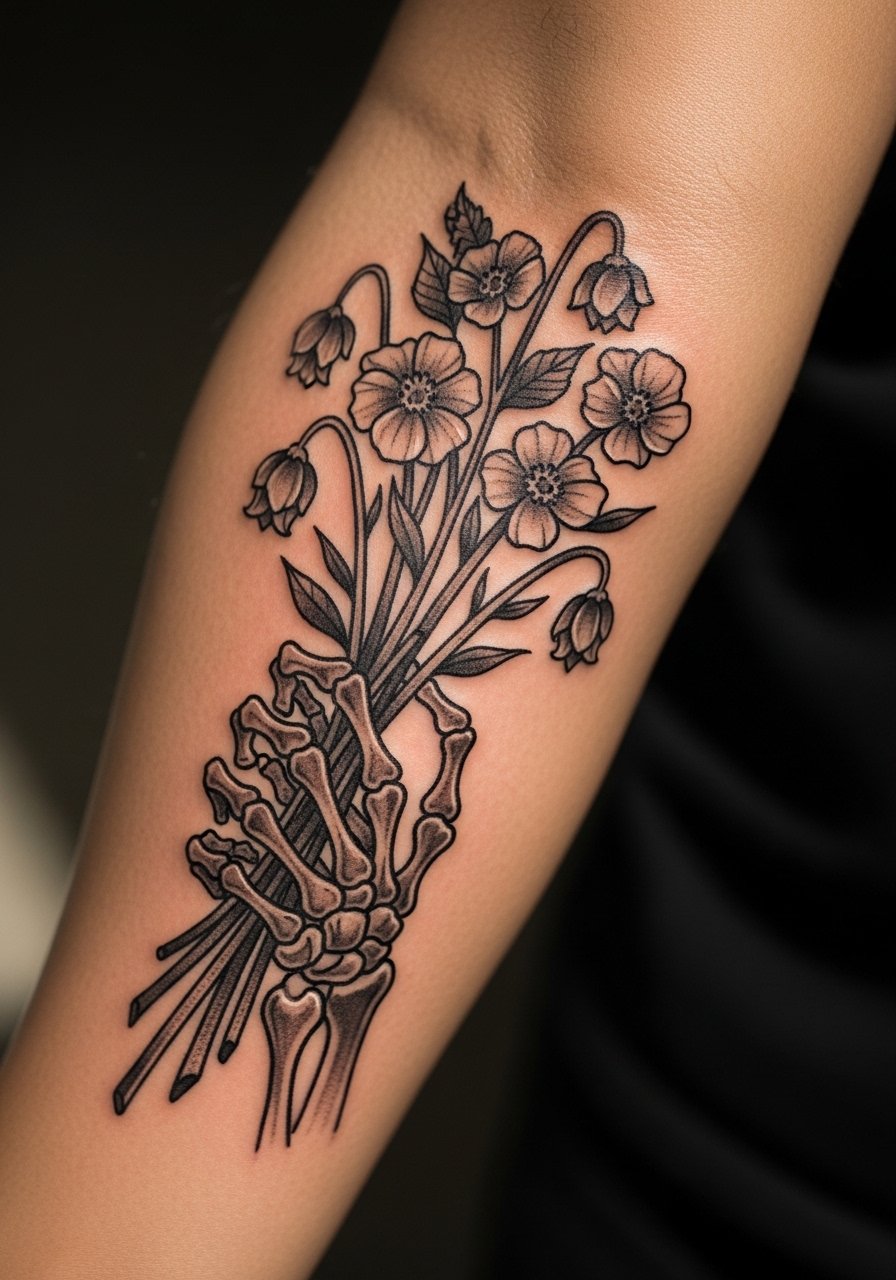
Forearm placements favor readable compositions. This design balances bony linework with floral texture. Expect one to two sessions depending on size and shading. The usual mistake is fine cross-hatching inside the hand that ages into muddiness. Ask for bold knuckle outlines with stipple shading in the flowers to keep dimension. For showing it off, roll sleeves and add a loose button down shirt casually cuffed.
22. Stitched Heart Lock on the Finger
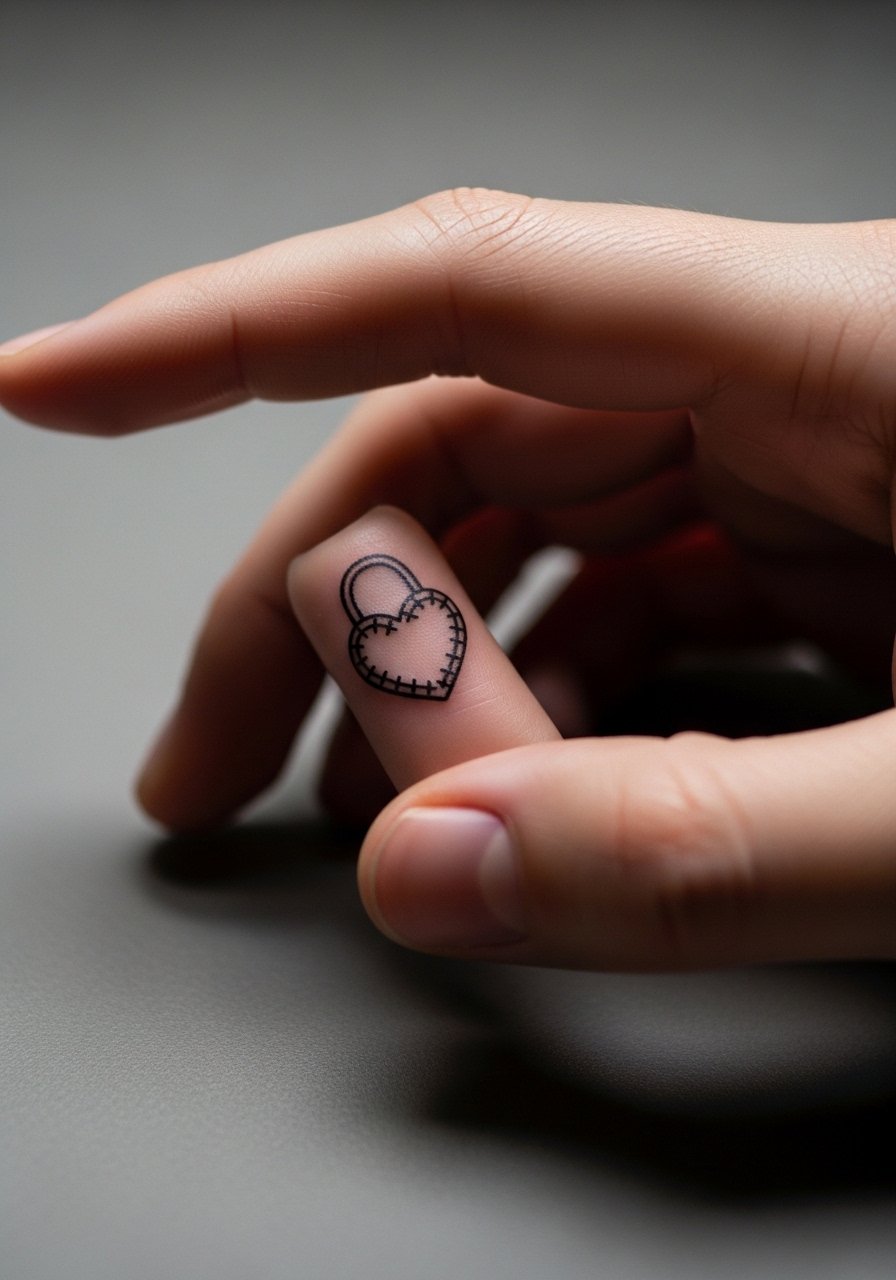
Finger flash is quick but high maintenance. Lines can blur rapidly because of constant washing and motion. Plan on a single short session and expect touch-ups within a year. The biggest error is requesting interior texture in a tiny area. Tell the artist you want a strong silhouette and minimal interior detail to increase lifespan. A thin protective ring or a dainty chain bracelet can direct attention away from early softening while it heals.
23. Gothic Script Banner on the Ribcage
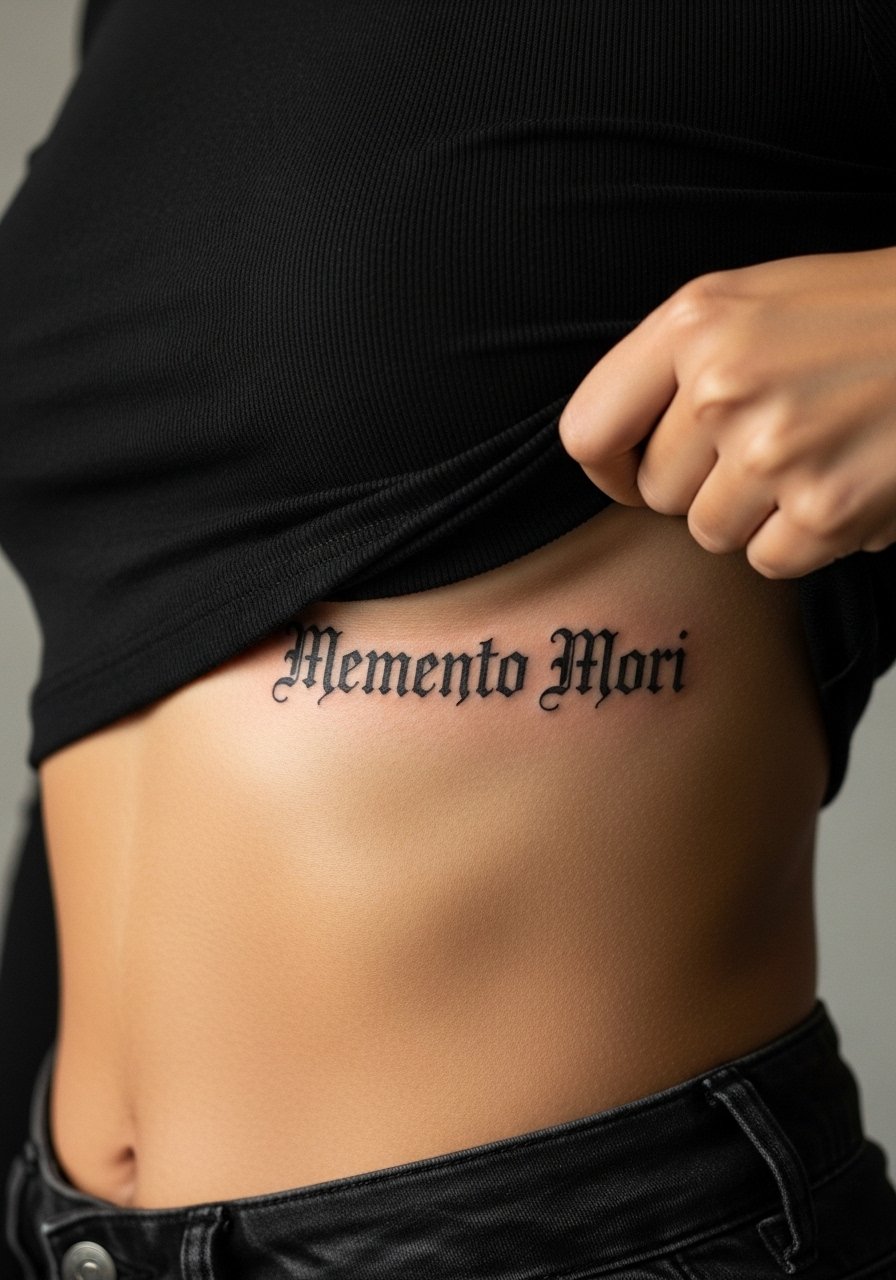
Text on ribs needs size and spacing for legibility. Expect higher pain and a single session for short phrases at 3 inches. A common mistake is choosing a very tight blackletter at small scale which fuses over time. For the consult, show the exact font size and request wider counters for each letter. Wear a cropped top or loose shirt so the artist can adjust without tugging.
24. Raven Skull Ring on the Finger
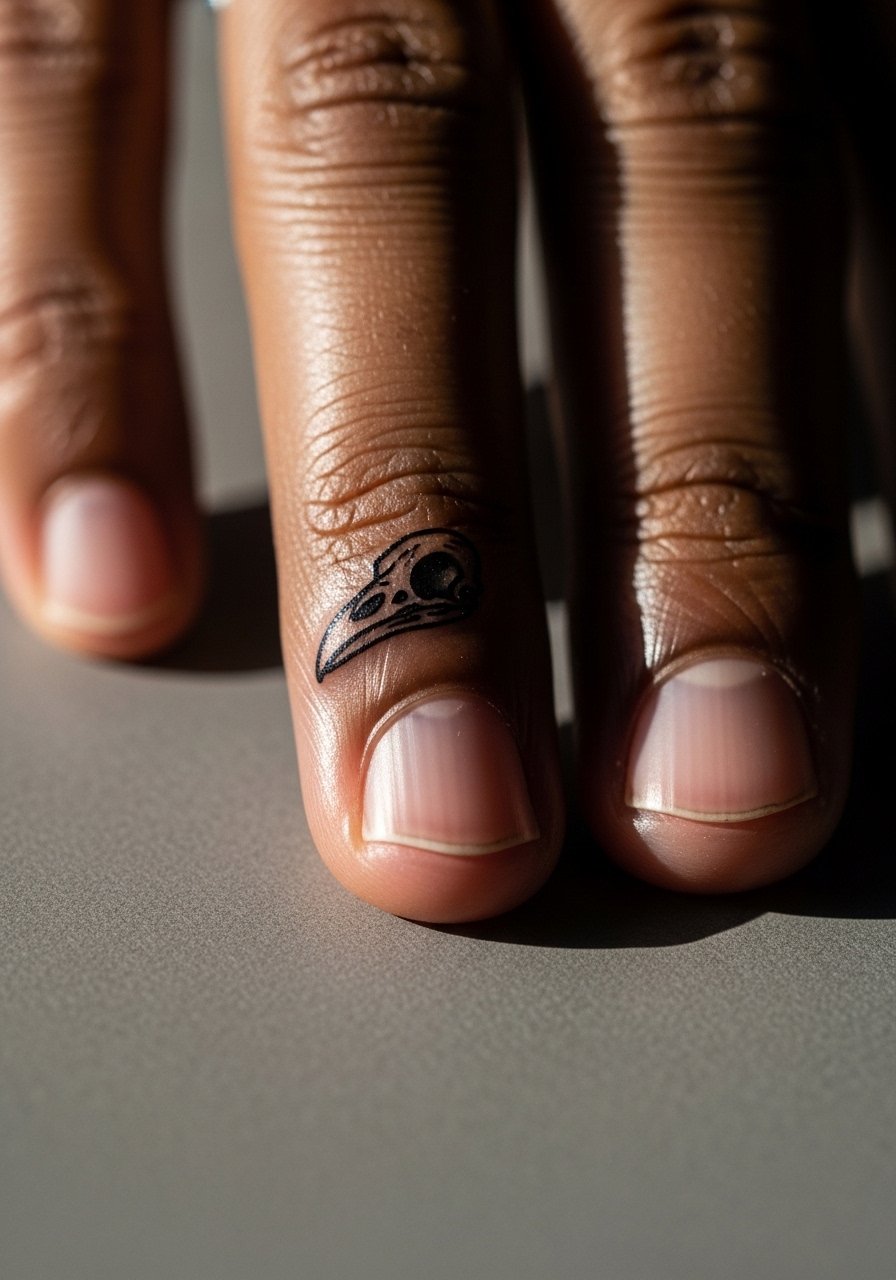
Finger work is intimate and fast to place. Expect a short session and realistic touch-up expectations. The design holds better when the skull silhouette is simplified. The mistake is packing elaborate shading into a tiny plane. Ask for clear edges and minimal interior dot work. Keep in mind job considerations and cover with a ring if needed while it heals.
25. Graveyard Skyline with Moon on the Calf
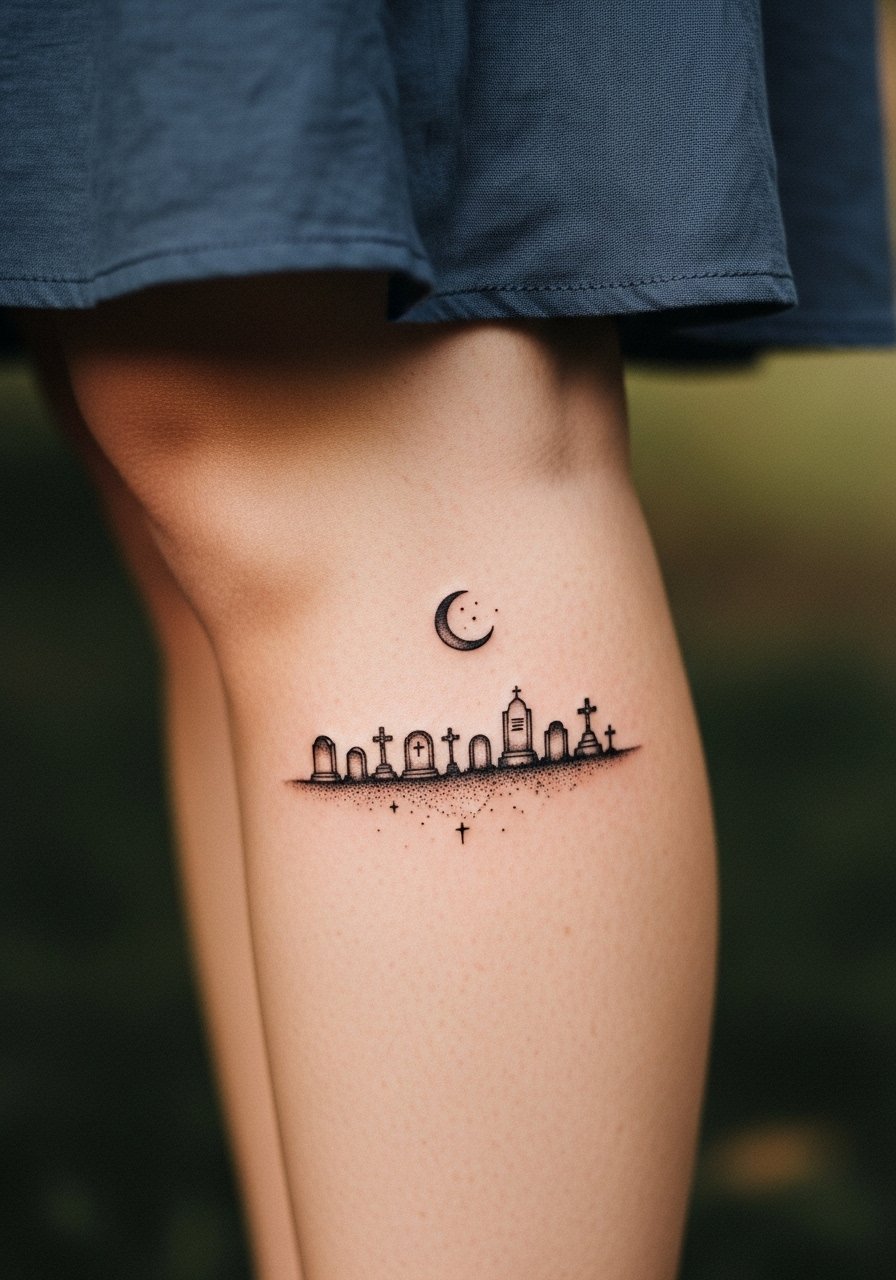
Calf silhouettes age well and look stark from a distance. A 3-4 inch skyline can be completed in one session. Common mistakes include adding tiny tombstone inscriptions that blur. Ask for clear, varied silhouette heights and avoid interior texture. For footwear, rolled jeans or sandals help the motif stand out.
26. Black Butterfly Cluster on the Shoulder
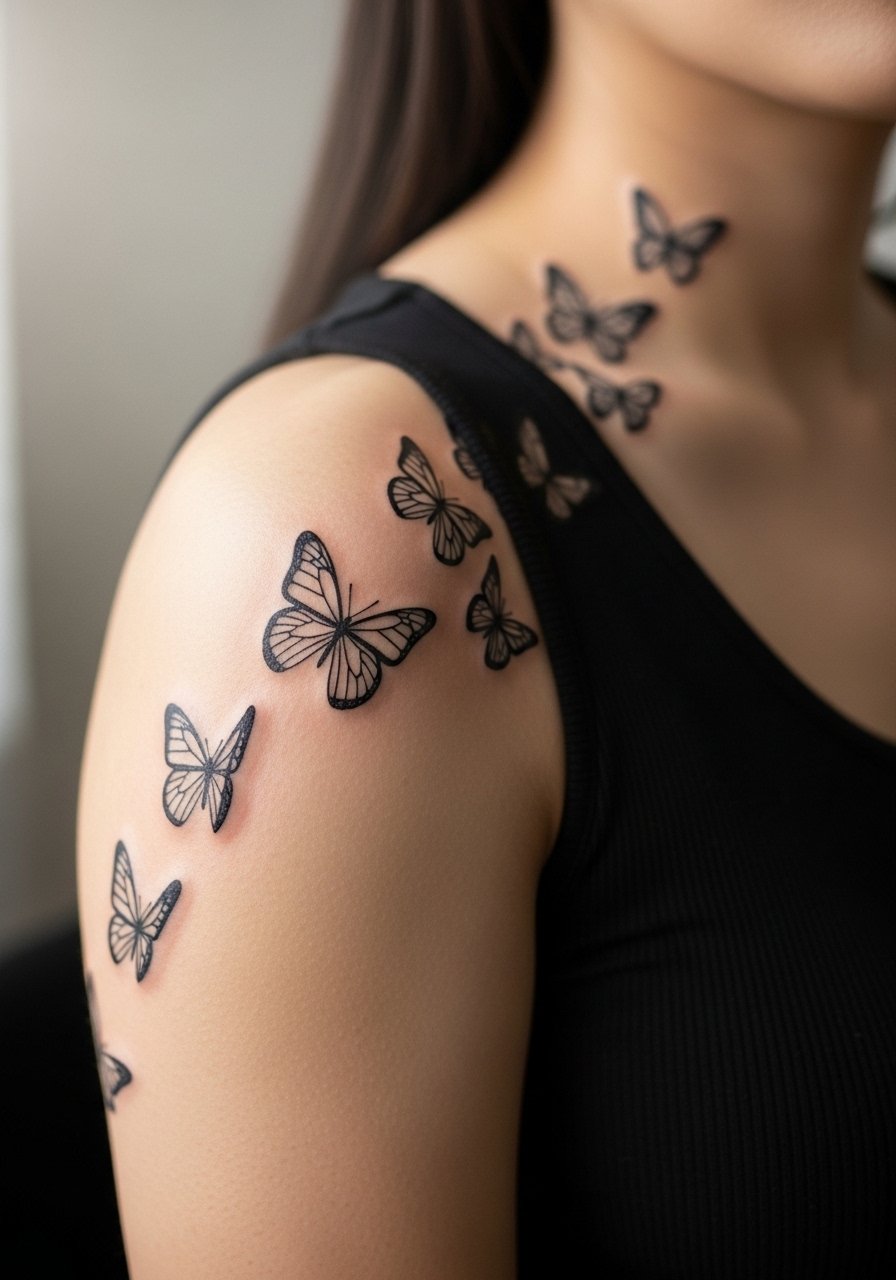
Clusters read as motion and suit the shoulder's curvature. Plan for a single session if each butterfly stays simple. A mistake is tight overlapping that can merge into a blotch as ink settles. Tell the artist you want negative space between each wing to preserve individual shapes. Wear a sleeveless top for easy access during the appointment.
27. Sigil Anchor on the Wrist
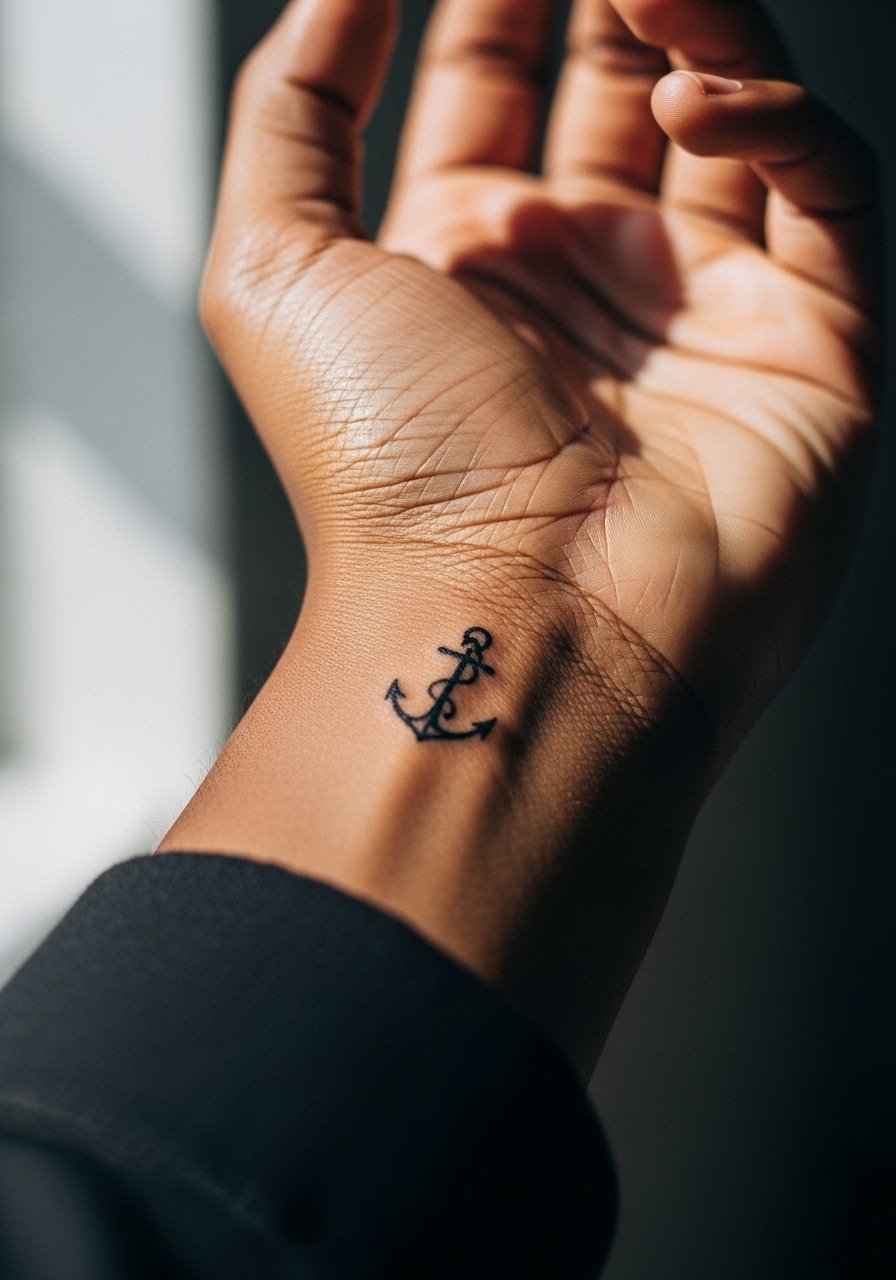
Wrist anchors are compact and symbolic. Expect a quick session and a possible touch-up at year two if you opt for very fine linework. Avoid asking for dense stroke overlays that fight the wrist's movement. For the consult, specify anchor scale and whether you want a tiny ring of negative space around the sigil. When showing it off, a thin leather cuff bracelet or a minimalist watch complements the look.
Frequently Asked Questions
Q: Will fine line lace choker tattoos blur faster than bold neck work?
A: Fine line pieces often depend on placement and spacing. One group of artists believes neck skin causes early blurring while another says careful depth and slightly reinforced outlines preserve detail. Ask your artist how they approach neck work and expect a possible touch-up within a few years if you choose ultra-fine lines.
Q: How do ankle and wrist gothic flash pieces differ in aftercare needs?
A: Wrist and ankle areas face more friction from daily movement and footwear. For ankles, watch for rubbing from socks and shoes. For wrists, frequent hand washing can dry the scab faster. Protective film for the first day and gentle fragrance-free cleansers are practical, but your artist can advise which exact routine fits the design.
Q: Are collarbone and chest placements good for detailed micro-realism pieces?
A: Collarbone and upper-chest work can hold detail if scaled up and given spacing. Micro-realism needs smooth skin zones and strong midtones. Expect multi-session pieces and ask the artist to prioritize contrast over tiny highlights so the image reads at arm's length.
Q: What should I wear to a thigh or ribcage session?
A: For thigh work, loose shorts or a high-waisted skirt make access simple. For ribs, a cropped athletic top or loose shirt that lifts without tight seams is best. Packing an extra loose tee helps you travel home comfortably.
Q: Where can I find more gothic flash sheets and small-shop flash?
A: Search hashtags like #gothictattooflash and #prettygothicflash on social platforms, browse curated flash on handmade marketplaces, and check forum threads for local guest-spot announcements. Pin favorite sheets to a folder so you can show consistent references at your consult.
Q: Will a small finger or hand tattoo affect job prospects?
A: Hand and finger tattoos remain more visible in many workplaces. If discretion matters, choose hidden placements or plan for coverable accessories. A simple ring or bracelet can hide or soften attention while the piece heals and during interviews.