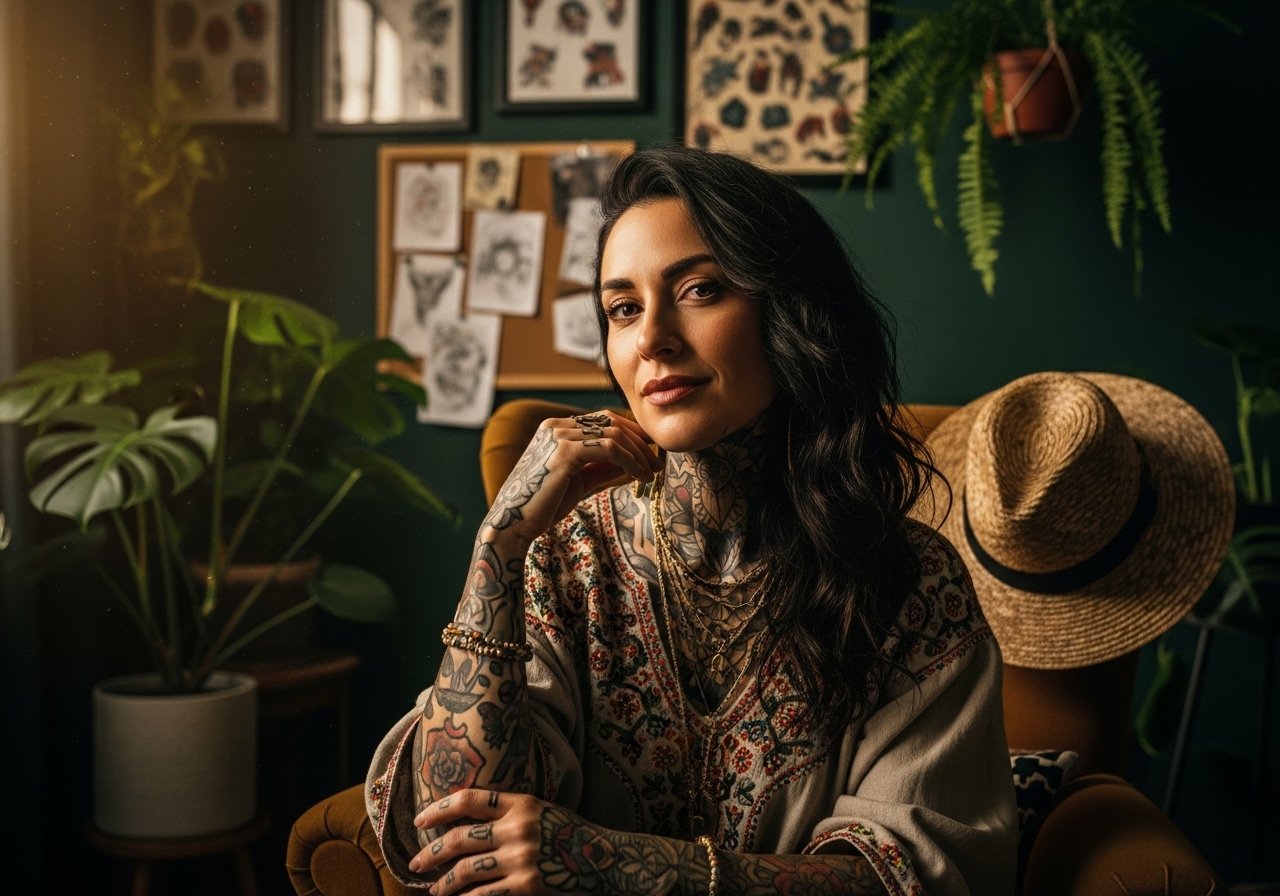
The tattoos that still look crisp after a decade are often not the ones that got the biggest likes the day they were done. Poor ink, rushed flash sessions, and shops that bump appointments for walk-ins are the real culprits. Darker skin tones need heavier black foundations to keep color from washing out under sunlight. Read on for 21 vintage traditional flash ideas and exactly what to ask for in the consult so your piece ages well.
1. Classic Swallow in Flight
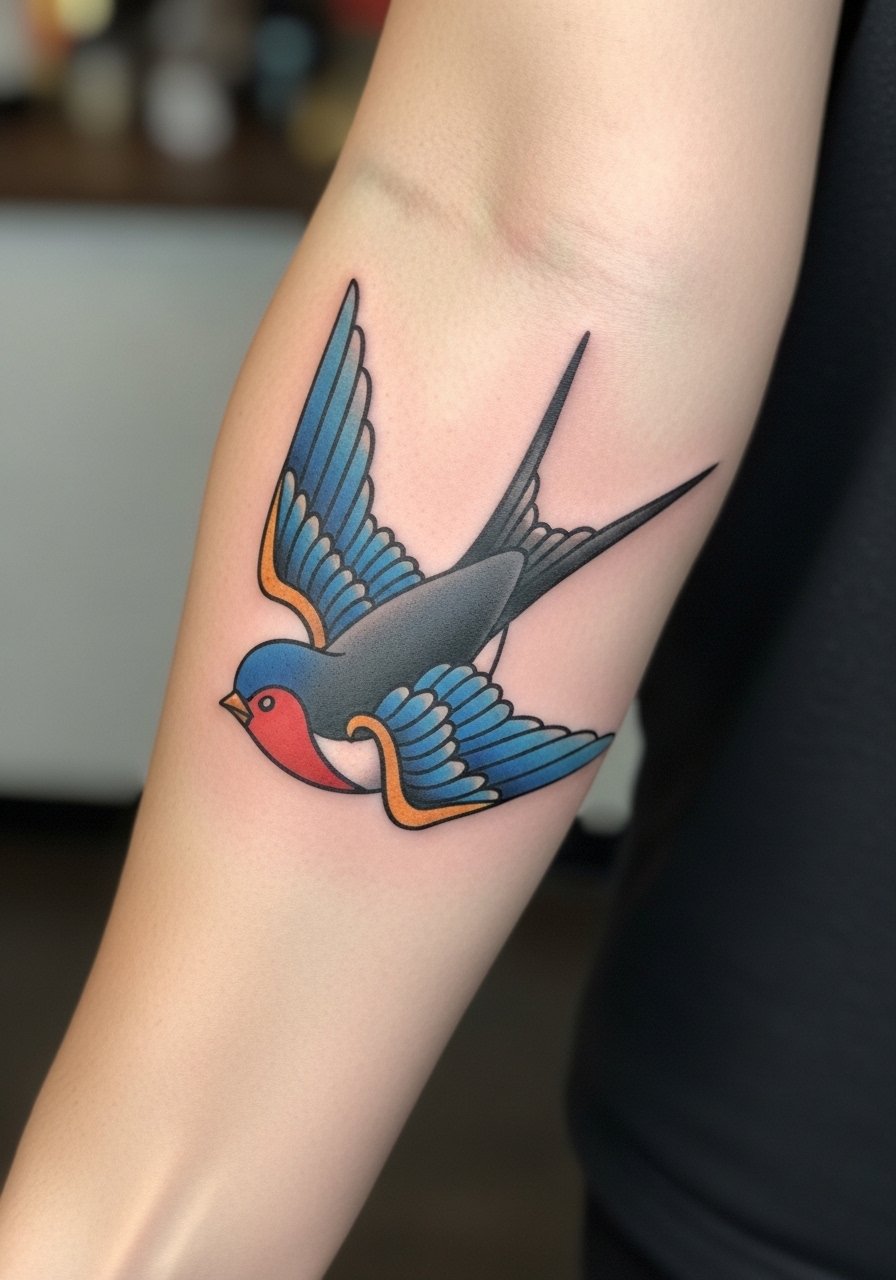
I see swallows on forearms stay legible longest when scaled to at least two inches across and inked with thick, consistent linework. Tell your artist you want confident 3-4 round liner passes for the contour so the wing feathers read after sun exposure. Common mistake is asking for ultra-small swallows with tiny interior details that blur by year two. Expect a one-hour session, light pain, and a touch-up likely at year three if you get heavy sun. For showing it off, pair with a rolled cuff chambray shirt and vintage leather cuff on the opposite arm.
2. Anchor with Rope Banner
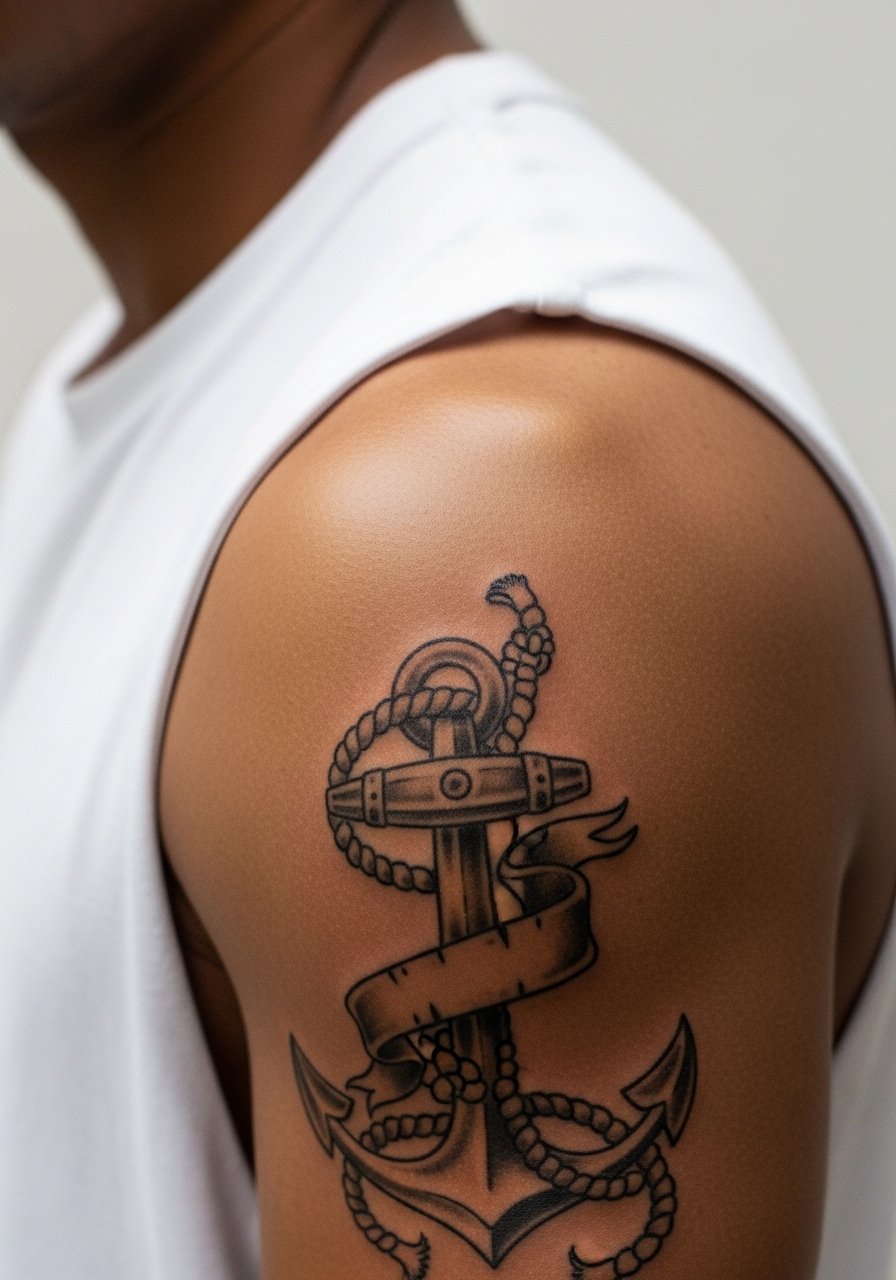
Anchors are forgiving because the strong black outlines hold saturation. Ask for the banner text to be spaced cleanly so the letters heal legible even with thick fills nearby. The upper arm takes about one session and is medium on a simple pain scale. A mistake is packing too many tiny elements into the banner area. If you worry about color washout on darker skin, request a higher-contrast black base under any reds or blues. Wear a sleeveless muscle tee to the session so the artist has unobstructed access.
3. Heart with Mom Banner
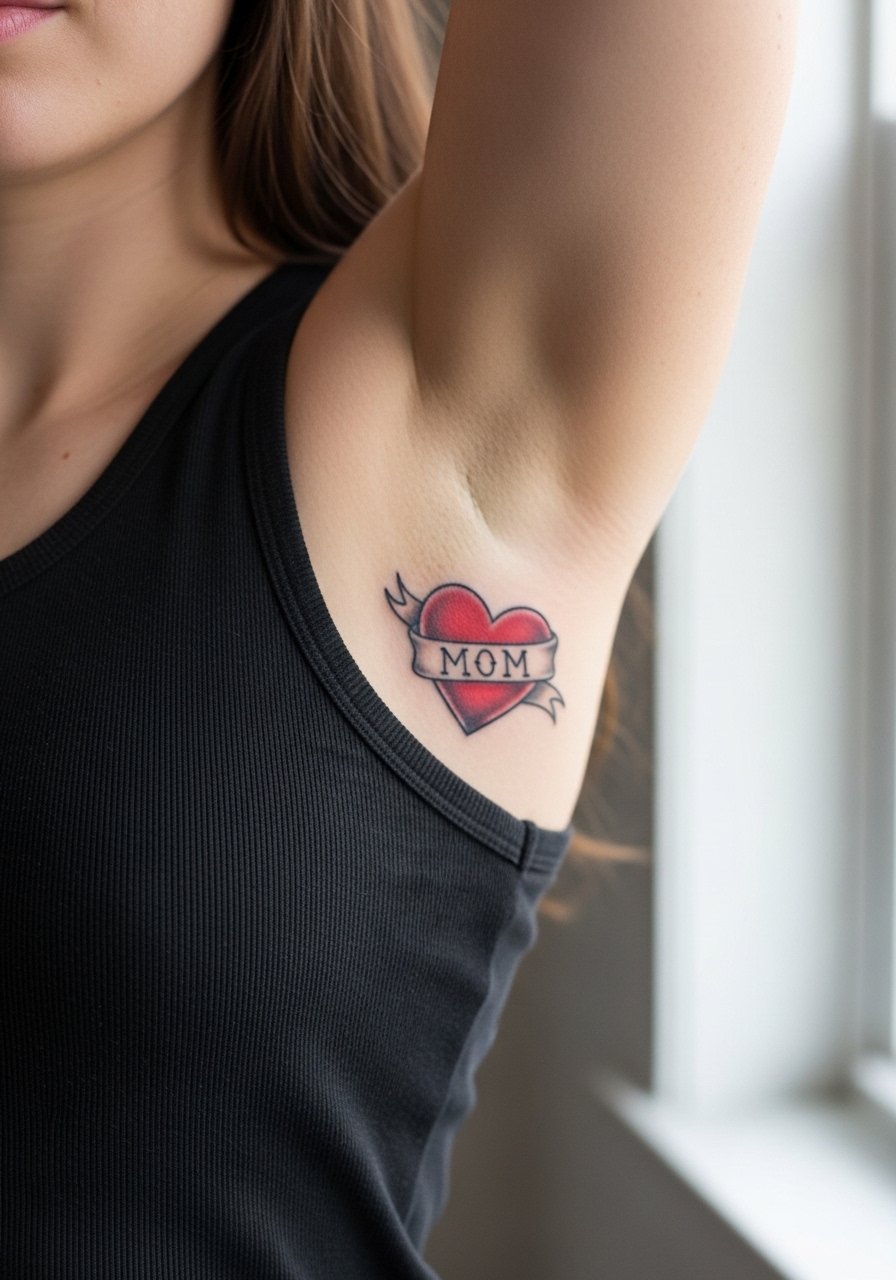
The inner bicep heals differently due to softer tissue and motion. I suggest a slightly thicker script for the banner so the letters do not fill in over time. Consultors often ask for intricate shading inside the heart and end up with muddy fills after six months. This design is low to medium pain and usually fits a single session. If you want to show it off, wear a low v neck tank for photos and a loose short-sleeve top to the appointment so the artist can work without tight cuffs.
4. Panther Head with Banners
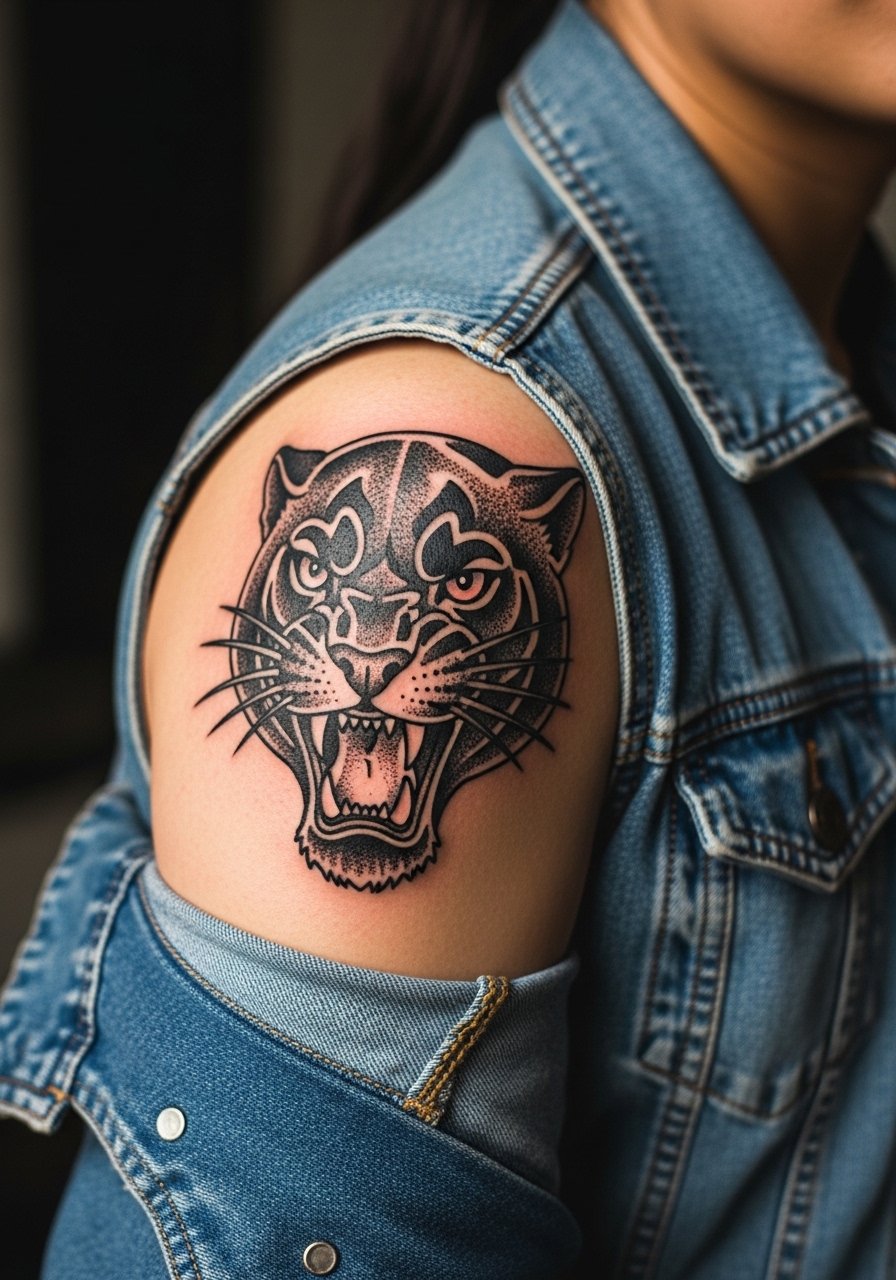
Panther heads on the shoulder age well when artists use heavy black contrast and controlled stipple shading for midtones. The common misstep is over-detailing the fur with fine lines that merge after two years. Expect two sessions for a 5-7 inch piece and a shoulder-level pain rating that most people tolerate easily. When booking, ask for healed examples on similar skin tones so you can judge saturation. Pair the finished piece with a denim vest men look to keep the vintage edge visible.
5. Pinup Girl with Rose
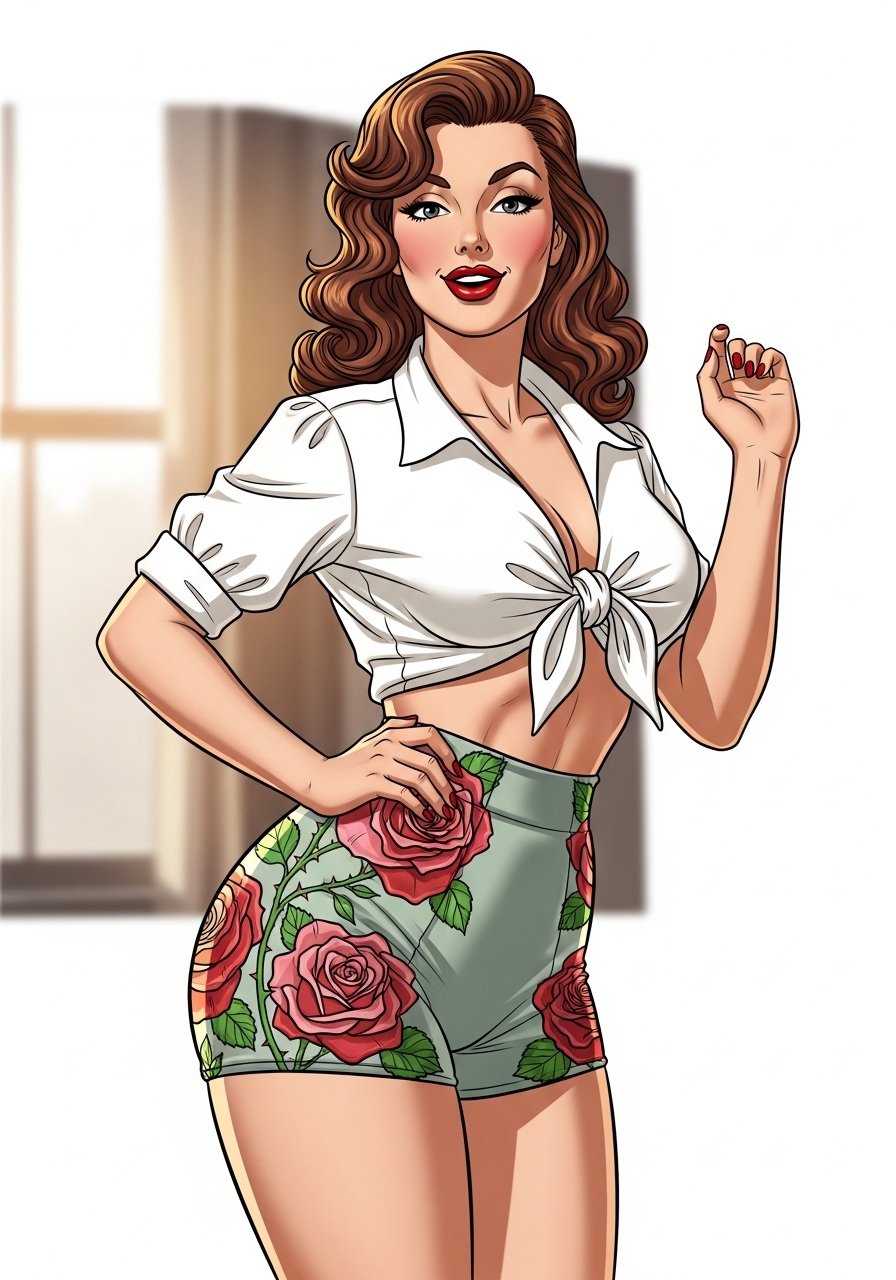
Pinup flash on the thigh is a slower heal because of friction from clothing. I recommend placing the rose where the skin sees less stretch and using saturated fills to avoid early fading. A typical session runs two to three sittings depending on size. Newcomers often request tiny pinups that lose facial detail when healed. For the appointment, slide into high waist denim shorts you can move aside without constricting circulation.
6. Skull with Crossed Daggers
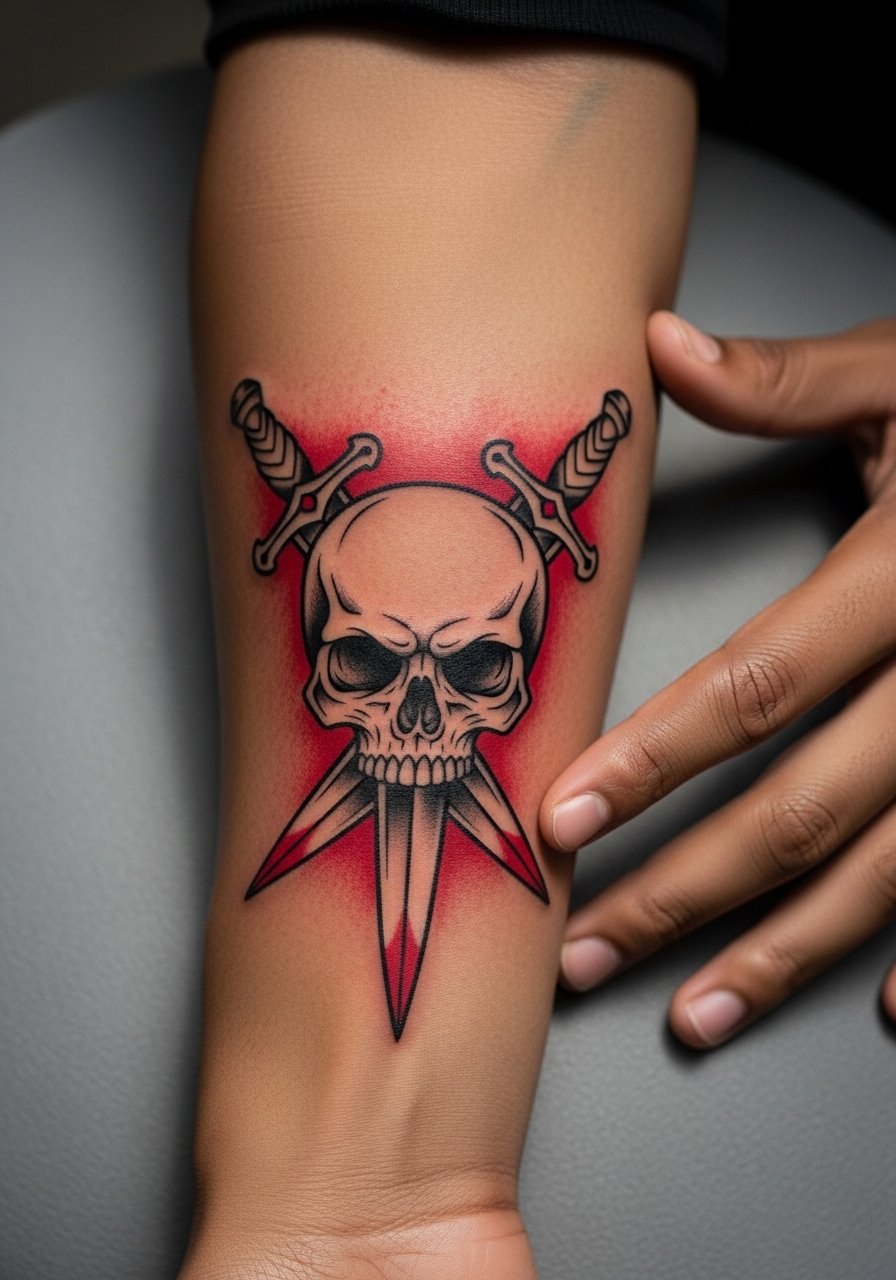
Skull-and-dagger designs survive scuffs because of stark contrast between black and red fills. Forearm placement minimizes blowout risk if the needle is kept shallow and linework consistent. The common error is over-detailed shading in the eye sockets that turns into a dark blotch as it heals. A single long session usually suffices and pain is moderate. For photos, roll a sleeve up and wear a loose short sleeve tee men so the forearm reads clearly.
Studio Day Picks
Those first six designs cover wrists, forearms, chest, and thighs, and each needs different prep. A couple of small kit items smooth out session day logistics and the first week of healing.
-
Tattoo Goo alternative balm. Lightweight moisture that users prefer for color flash, helps prevent greasy buildup on red-filled hearts and swallows.
-
Indie UK style balm. Thinner than heavy ointments so it soaks in faster on thigh and calf pieces where friction is a factor.
-
Australian tea tree salve. Antibacterial without being sticky, useful for shoulder or back work that sees sweat during recovery.
-
Vegan ink balm small batch. Fast-absorbing balm some users prefer for bold traditional fills so saturation shows through while healing.
-
Hustle Butter Deluxe. Thinner than heavy ointments and commonly recommended for color retention on traditional pieces, especially on larger upper arm and chest work.
7. Eagle with Shield
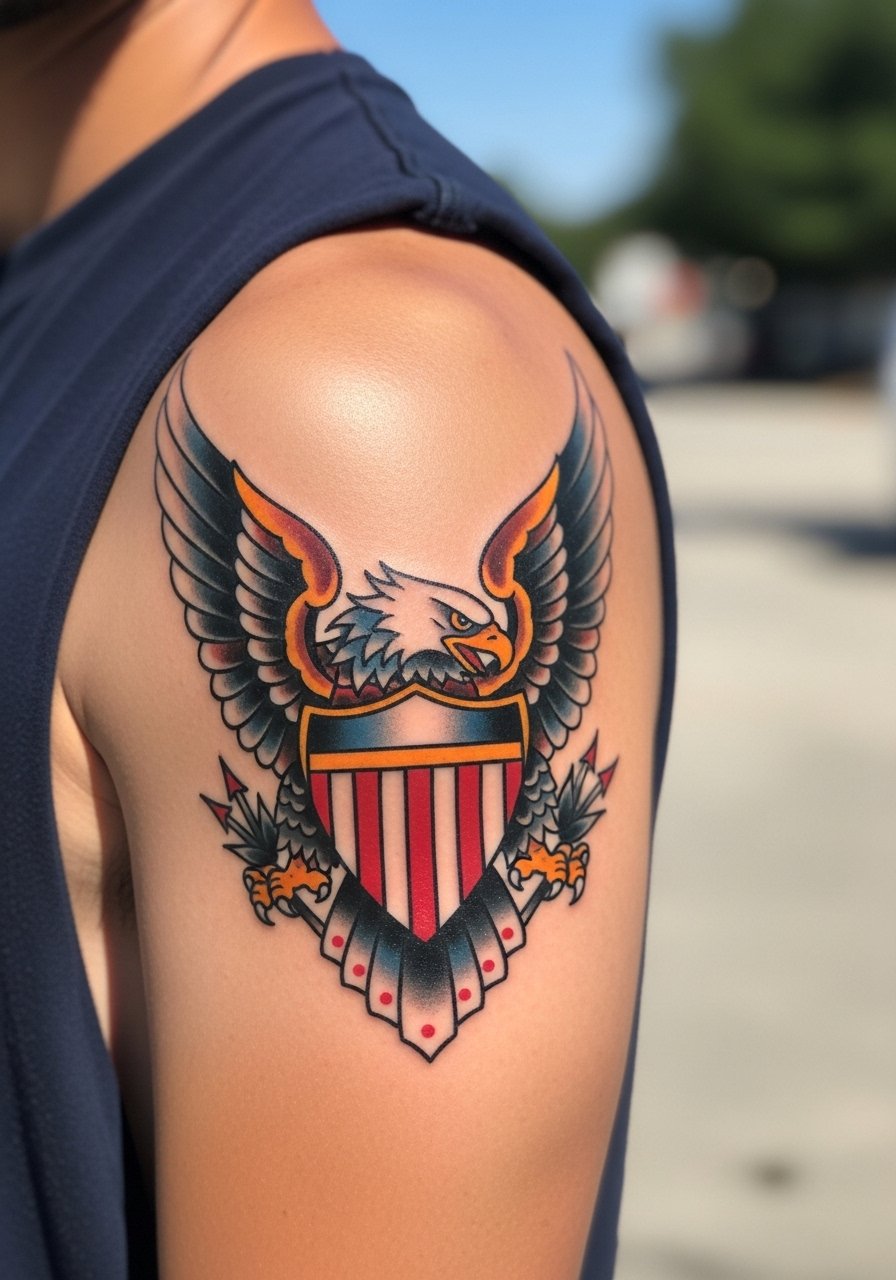
Eagles with shields demand crisp linework around feathers so the anatomy reads from a distance. Ask your artist to separate feather rows with clear negative space so the image does not merge as it settles. Two short sessions are common for a six-inch upper arm piece. A frequent mistake is crowding the shield with too many stars or text. This placement shows well with a denim vest men or sleeveless tees for a retro feel.
8. Rose with Thorns and Banner
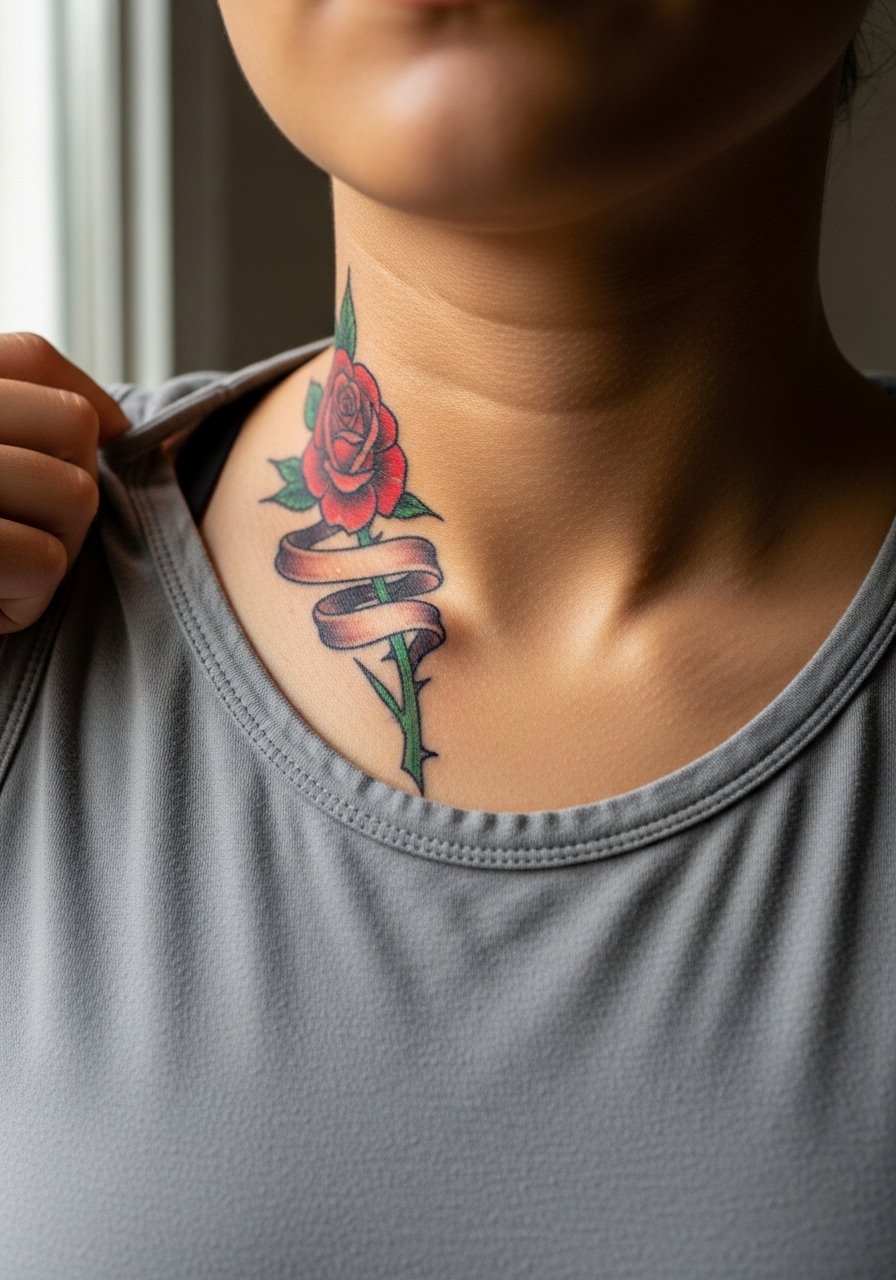
Collarbone roses look best at three to five inches with thick petal outlines and clean negative space between thorns. The area sees a lot of movement from breathing and bra straps, so request that the artist consider placement slightly off the highest movement zones. The pain is above average but short sessions usually do it. A bad move is putting super fine shading close to the bone where touch-ups are almost guaranteed. For showing off, try an off shoulder blouse to keep attention on the rose.
9. Ship with Waves
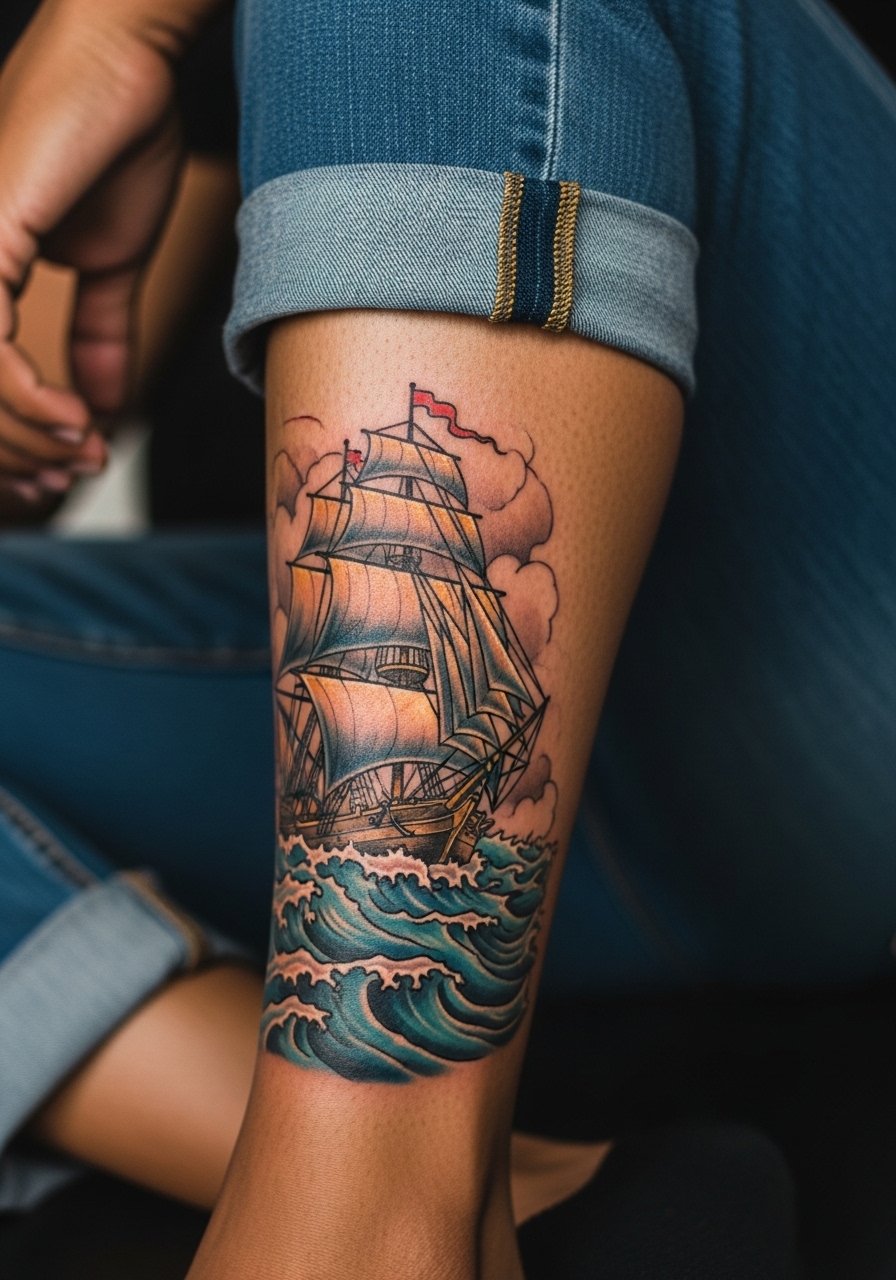
Calf ship tattoos fare well because the skin is relatively stable and not prone to dramatic stretch. Ask for bold wave outlines and solid sail fills so the silhouette still reads after sun exposure. Expect one to two sessions depending on size. A common oversight is squeezing too many rigging lines into a small ship, which ages into a muddle. Note that aftercare debates exist: some artists prefer protective film for color retention while others swear by short dry healing. Name both camps in your consult and ask which method the shop uses.
10. Dragon Coiled Around Dagger
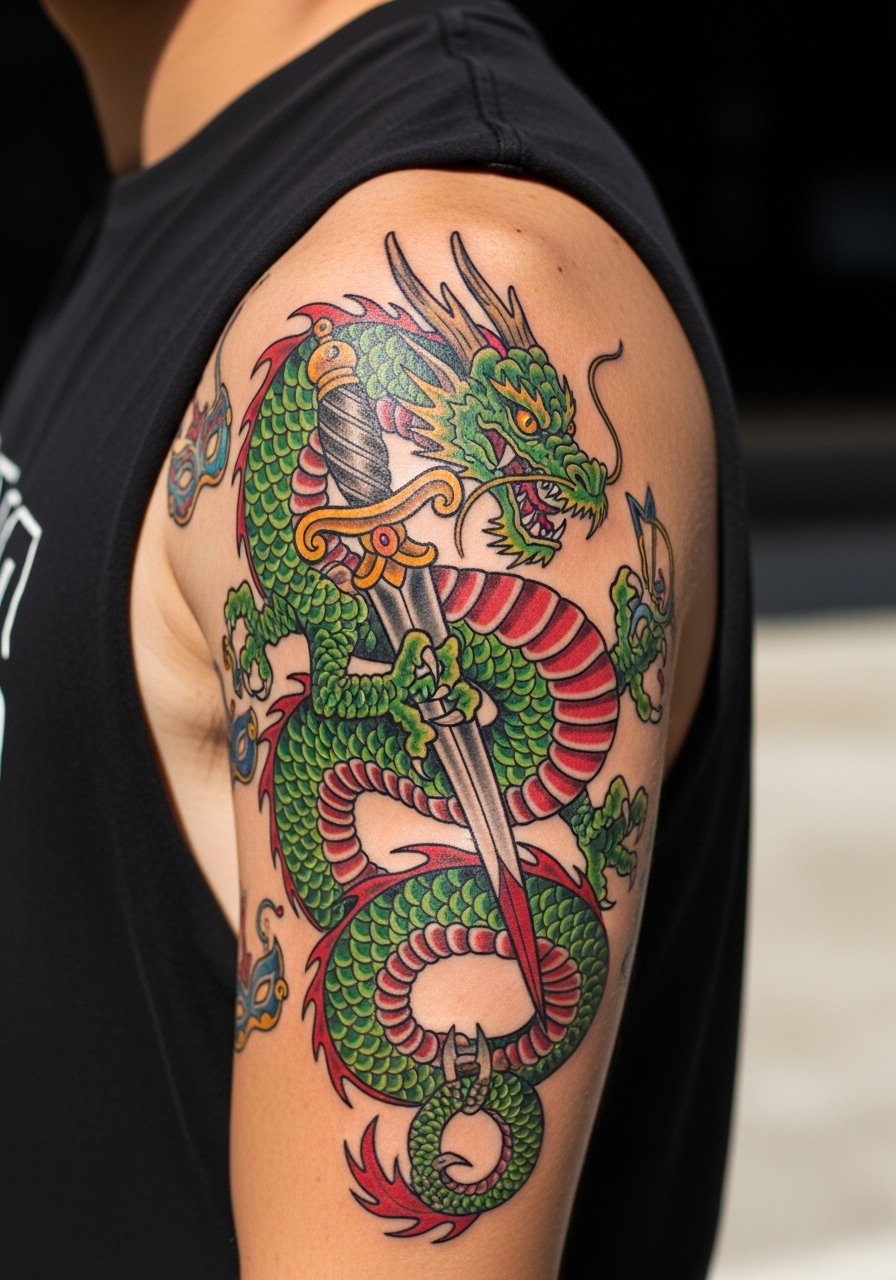
Large dragon-and-dagger combos need spacing between scales so detail does not blur when the arm moves or gains size. This is a multi-session undertaking, often three or more appointments. A mistake is packing the dragon with tiny highlighting dots that disappear after the first year. For sleeves, discuss where you want negative space so the piece can breathe over time. Bring a denim vest men or sleeveless shirt to make access simple.
11. Cherry Blossom Branch
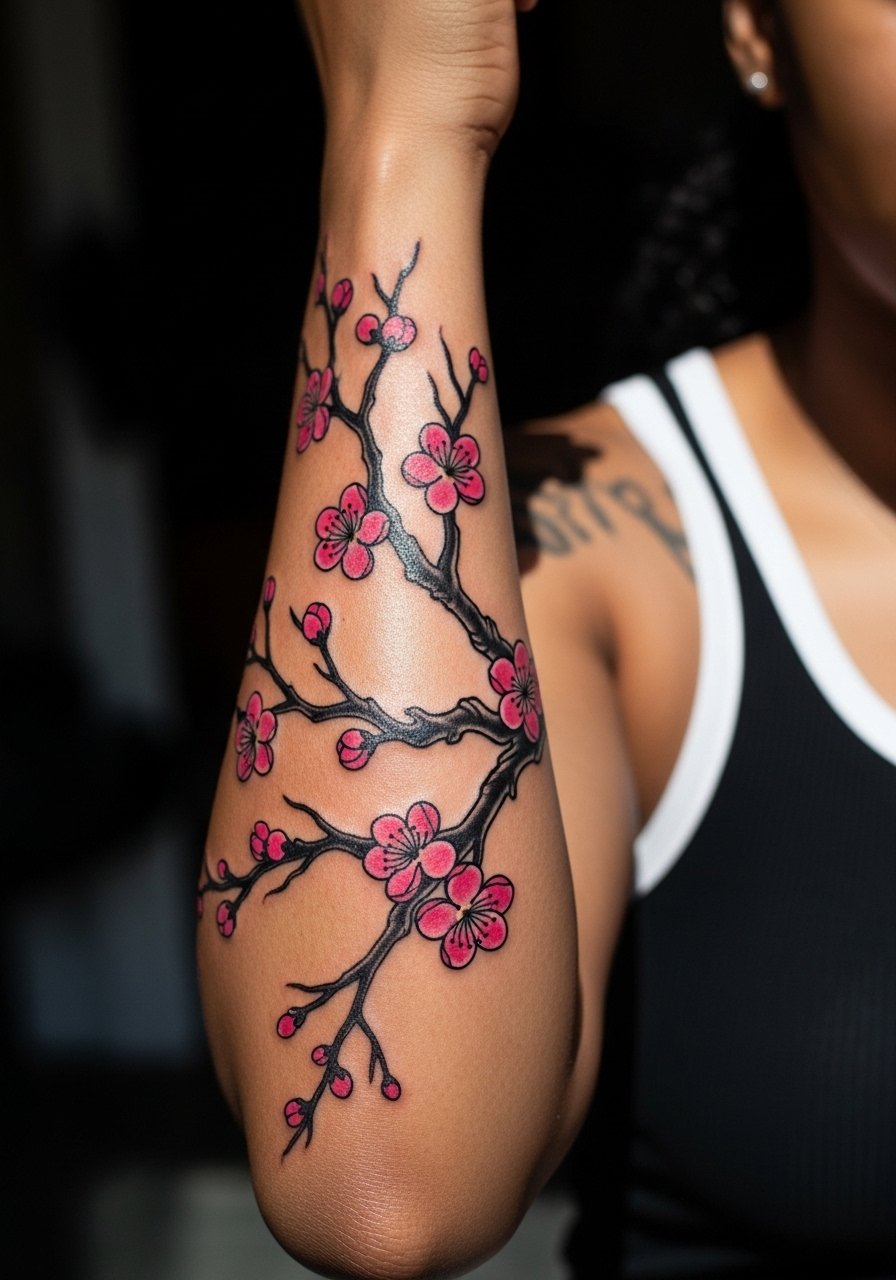
Cherry blossom branches bridge neo-traditional color and traditional contours. Inner forearm placement is forgiving, but lighter pinks can lose contrast on darker tones. Ask for deeper outlines and slightly darker bloom centers to maintain visible petals after a year. A common error is choosing pale watercolor-style pinks without a black base, which can vanish in sunlight. Session pain is mild and one session often suffices. For the session wear, a loose short sleeve tee men works well.
12. Old School Dice with Flames
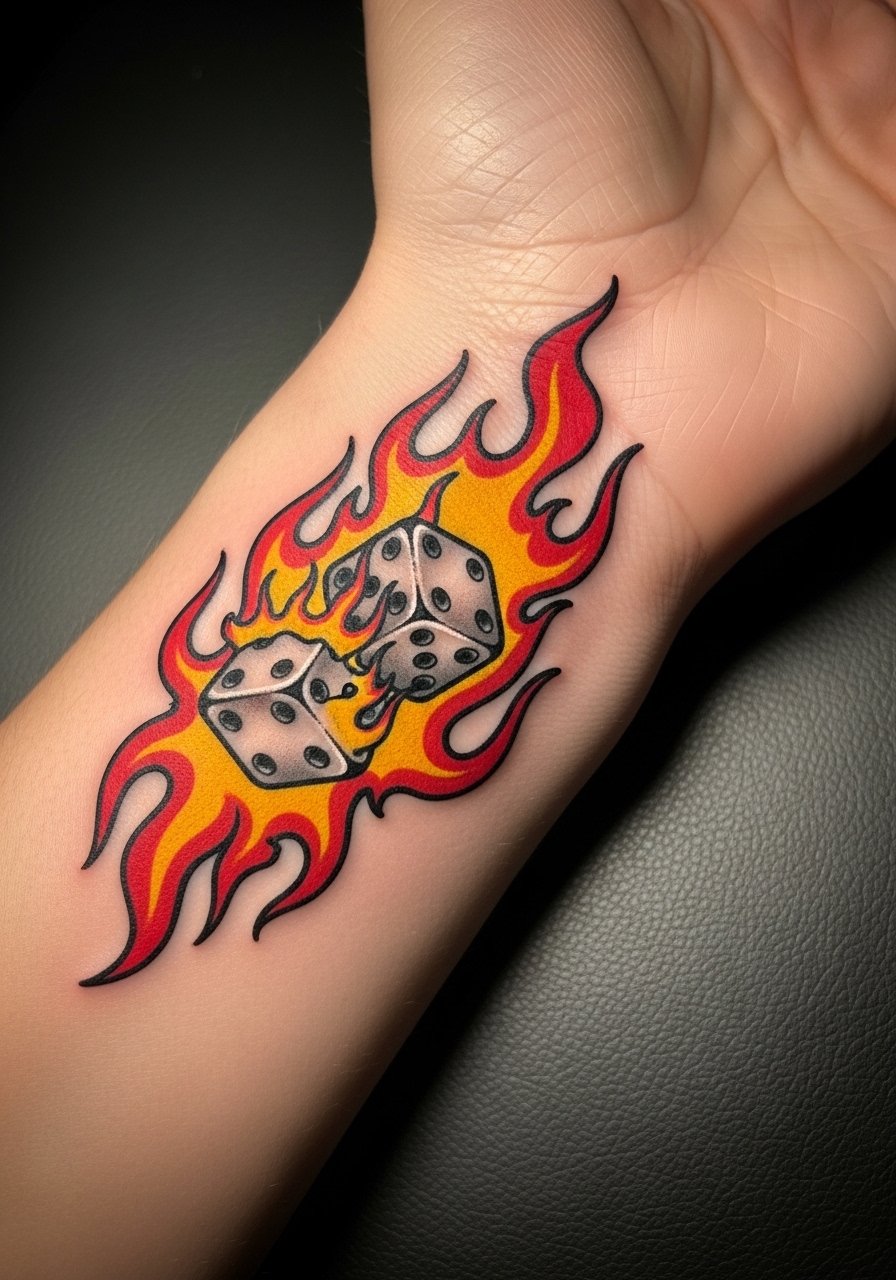
Wrist dice are fun but they see constant hand washing and friction. Request stronger outer lines and minimal interior detail so the dots on the dice remain readable after scuffs. Hand and wrist pieces often need touch-ups every one to three years. A frequent mistake is putting flames too small so the color migrates into the die faces. During the session, skip jewelry and wear an oxford shirt rolled cuffs you can push up easily.
13. Hula Girl with Lei
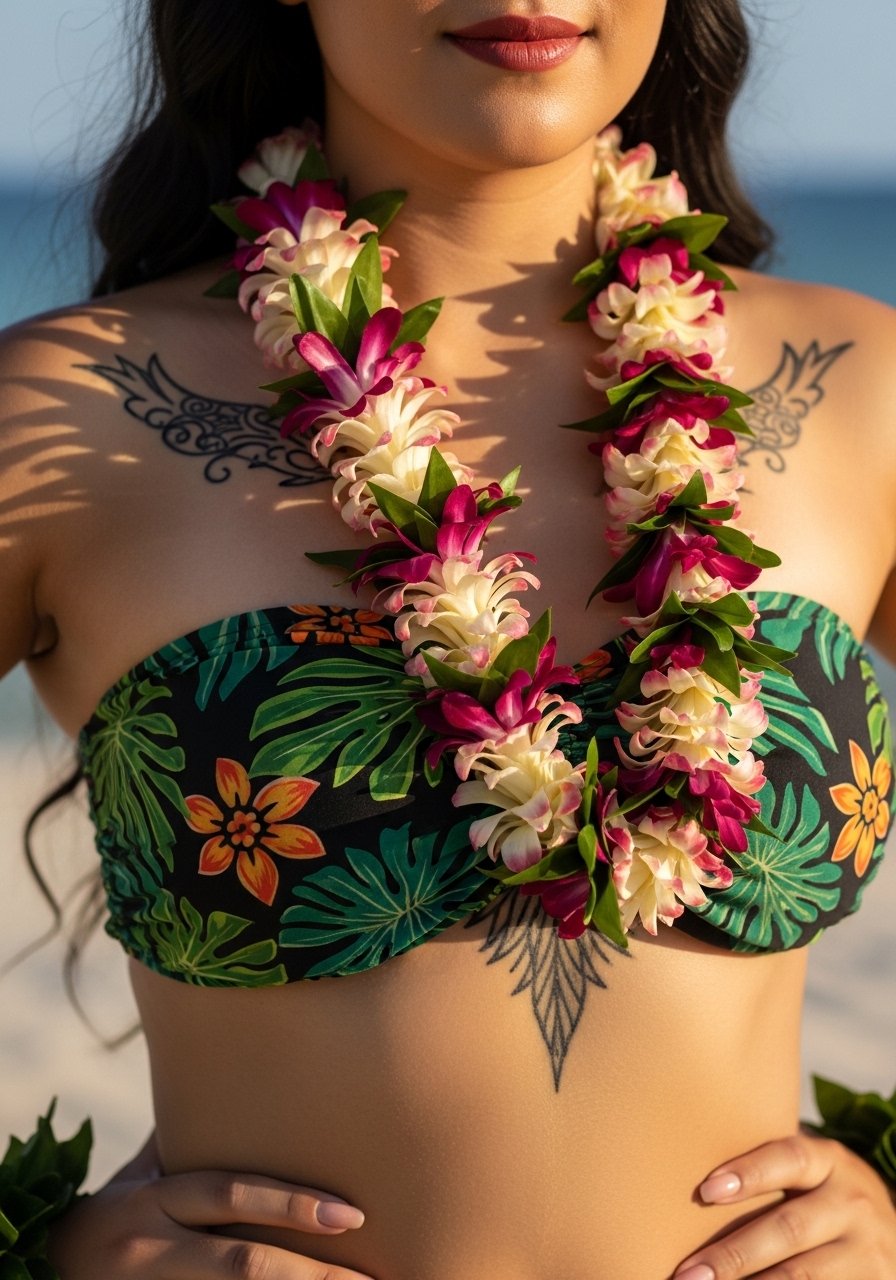
Ribcage work is notoriously painful and the skin moves a lot, so sizing matters more than in other places. Larger, simpler color shapes in the hula girl keep the silhouette readable as it heals. The biggest error is packing facial micro-details into such a curving canvas. Expect two sessions and prepare for a higher pain bracket. For session wear, a strapless top or zip-up hoodie you can shift is ideal so the artist can access the ribs cleanly.
14. Traditional Matchstick with Flame
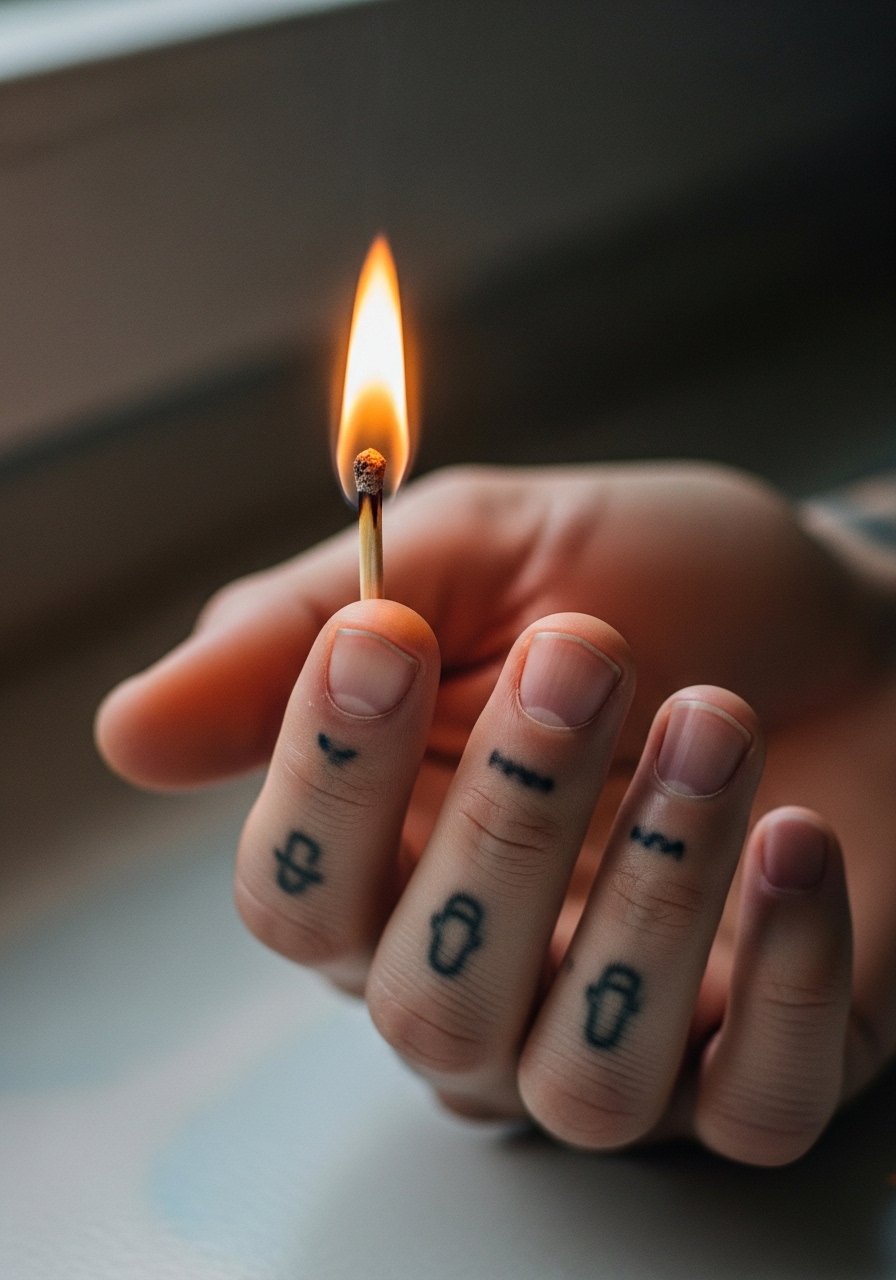
Finger flash ages faster because of constant use and thin skin. I advise increasing the line thickness slightly and placing the match head away from knuckle folds to reduce blowout risk. People who ask for super-fine lines here are often back for touch-ups inside a year. Expect touch-ups more often than for other placements. Keep the finger free of rings to the session and avoid hand lotion the morning of your appointment.
15. Hula-Inspired Sailor Pinup on Thigh
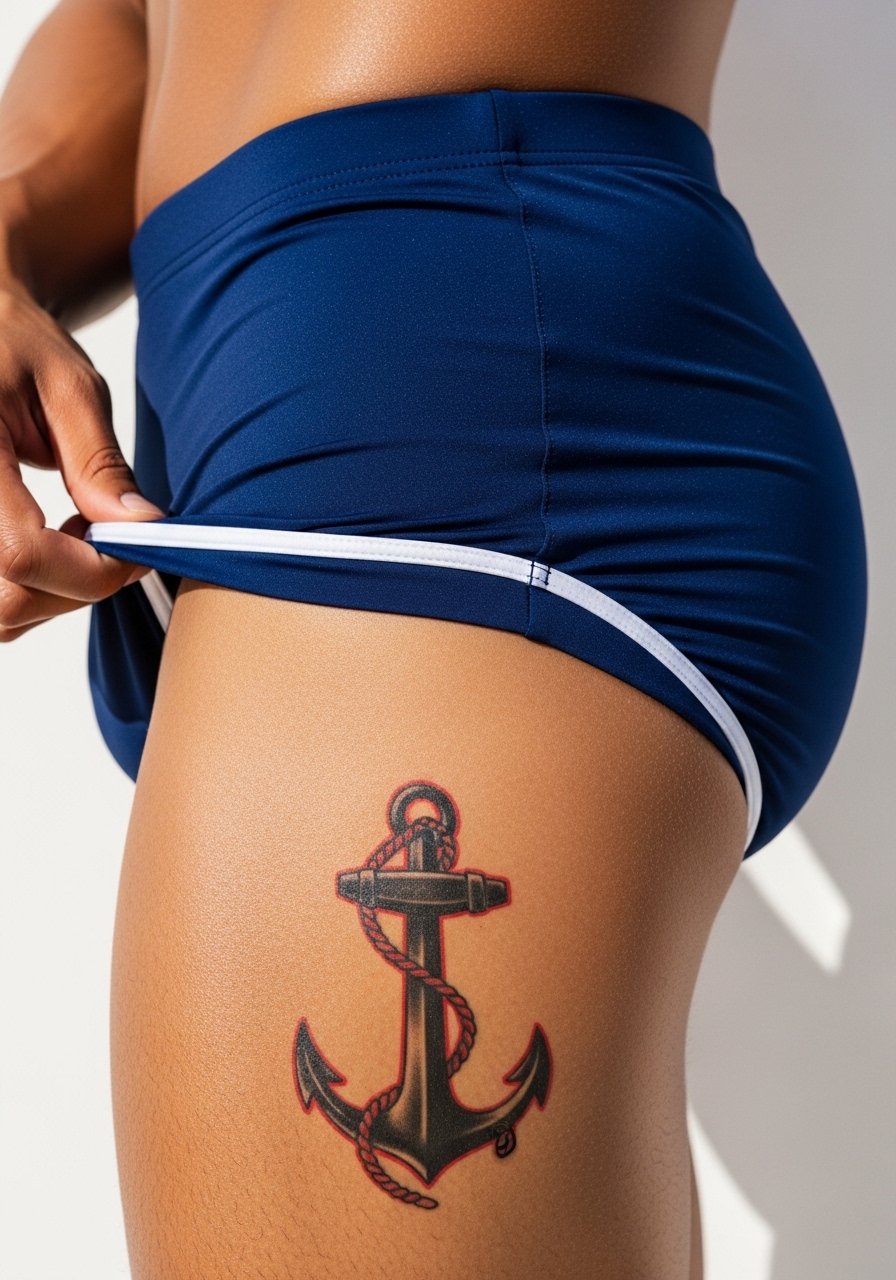
Thigh placements tolerate larger, playful pinups because they experience less daily abrasion. Tell your artist you want saturated fills and clean edges so the pinup keeps contrast after pregnancies or weight changes. Tiny script names on the thigh can warp after body shifts, so scale banners appropriately. Sessions are relaxed but can be long if filling color. For showing it off, choose high waist swim trunks that frame the artwork.
16. Sparrow Pair Over Heart
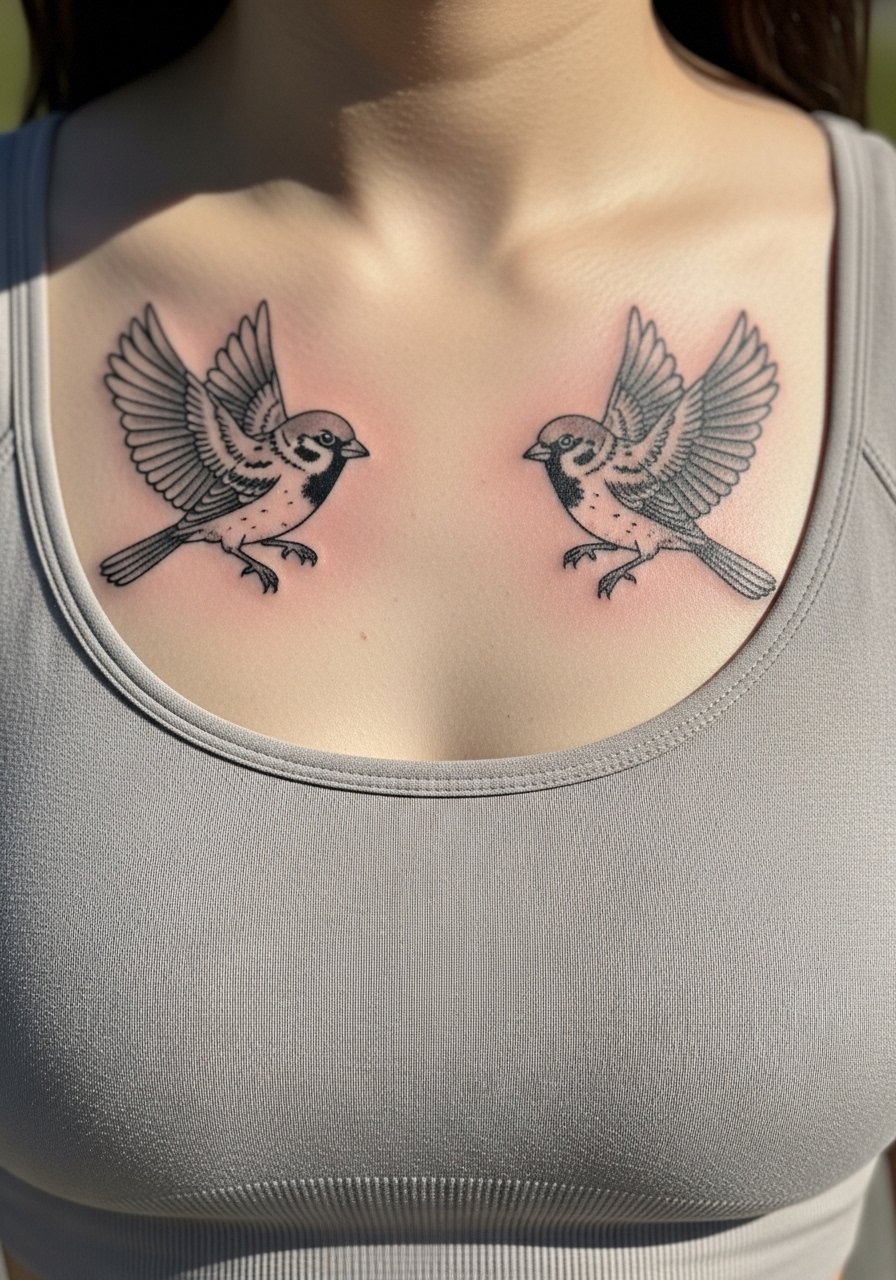
Sternum and upper chest pieces require careful placement because the area moves with breathing. I recommend asking the artist to place sparrows with slight spacing so the bodies do not merge when you move. Pain is moderate to high depending on proximity to bone. A common misstep is insisting on dense shading near the sternum where touch-ups are tougher. Wear a fitted sports bra you can shift slightly for access.
17. Nautical Star on Calf
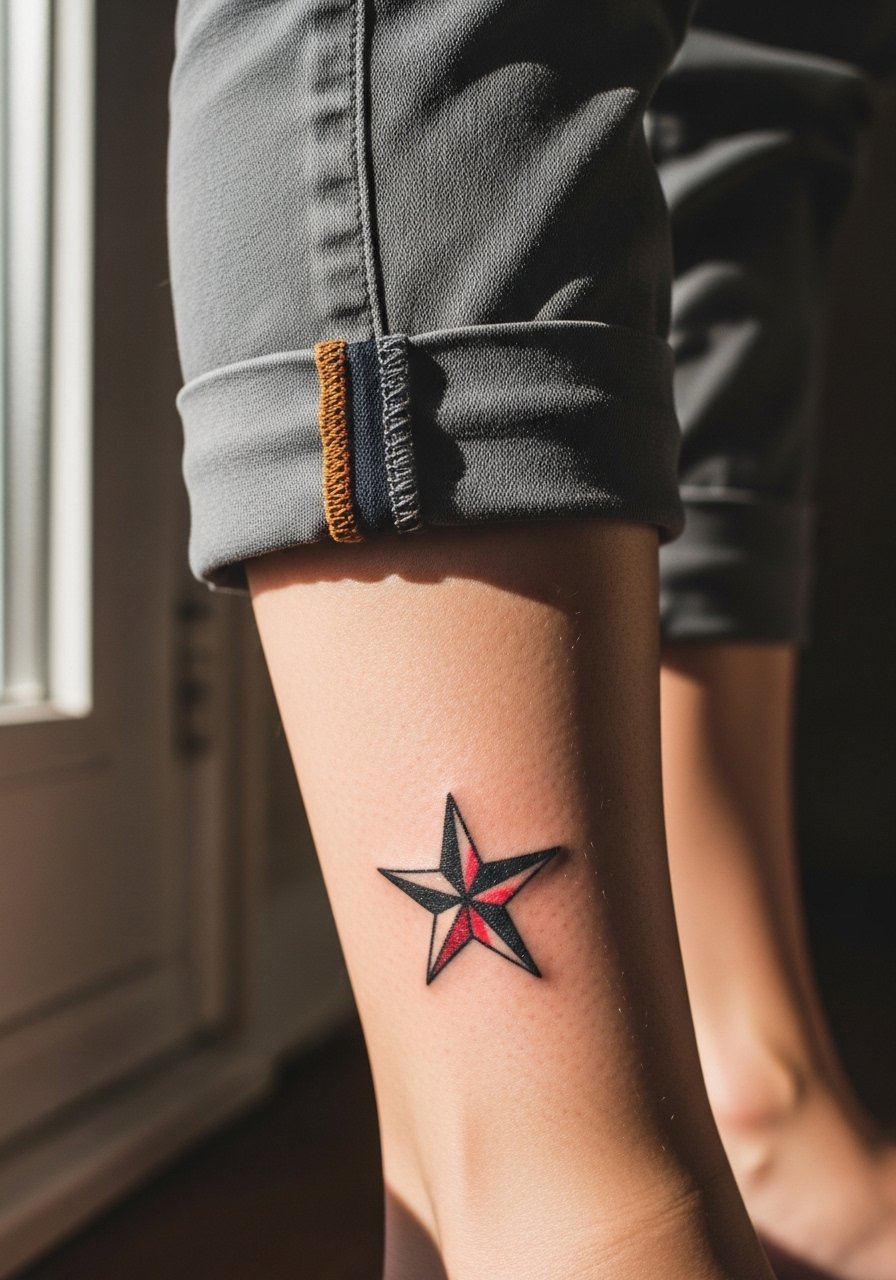
Small nautical stars last longer on the calf than on ankles because of less friction. Keep the star at a modest size with clean geometry and avoid layered highlights that will vanish. One short session usually does it. Mistakes arise when folks cram multiple symbols together around the star and create a noisy patch. For summer, pair this with chino shorts men to show the clean geometry.
18. Bannered Script on Inner Bicep
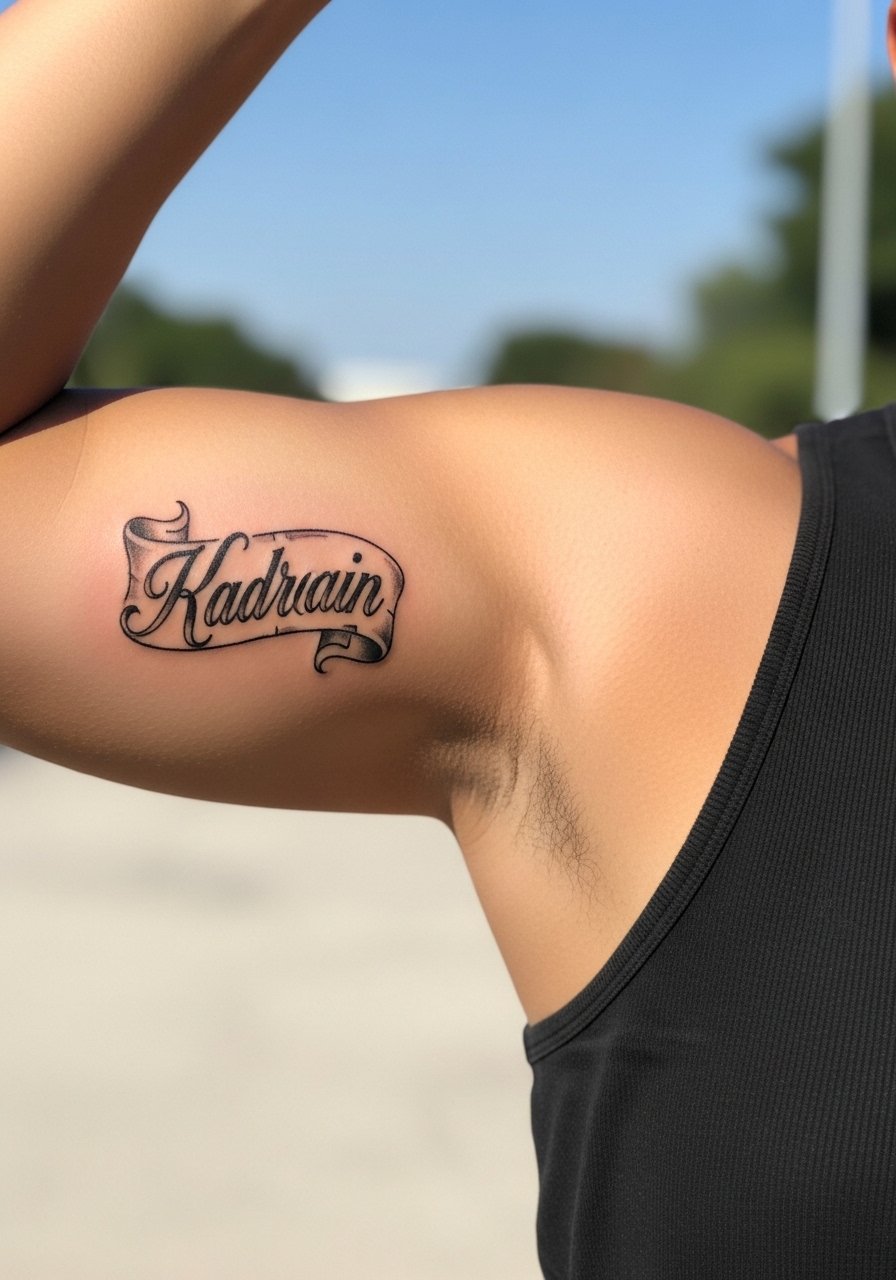
Inner bicep script needs slightly heavier letterforms and generous spacing between characters so the banner reads clearly after movement and healing. Ask for serif or slab styles that hold up better than ultra-fine cursive. The area is medium pain and heals differently if you keep your arm relaxed versus constantly flexing. Avoid requesting tiny script that mimics calligraphy; it will blur faster than bolder letters.
19. Collarbone Banner with Rose Accent
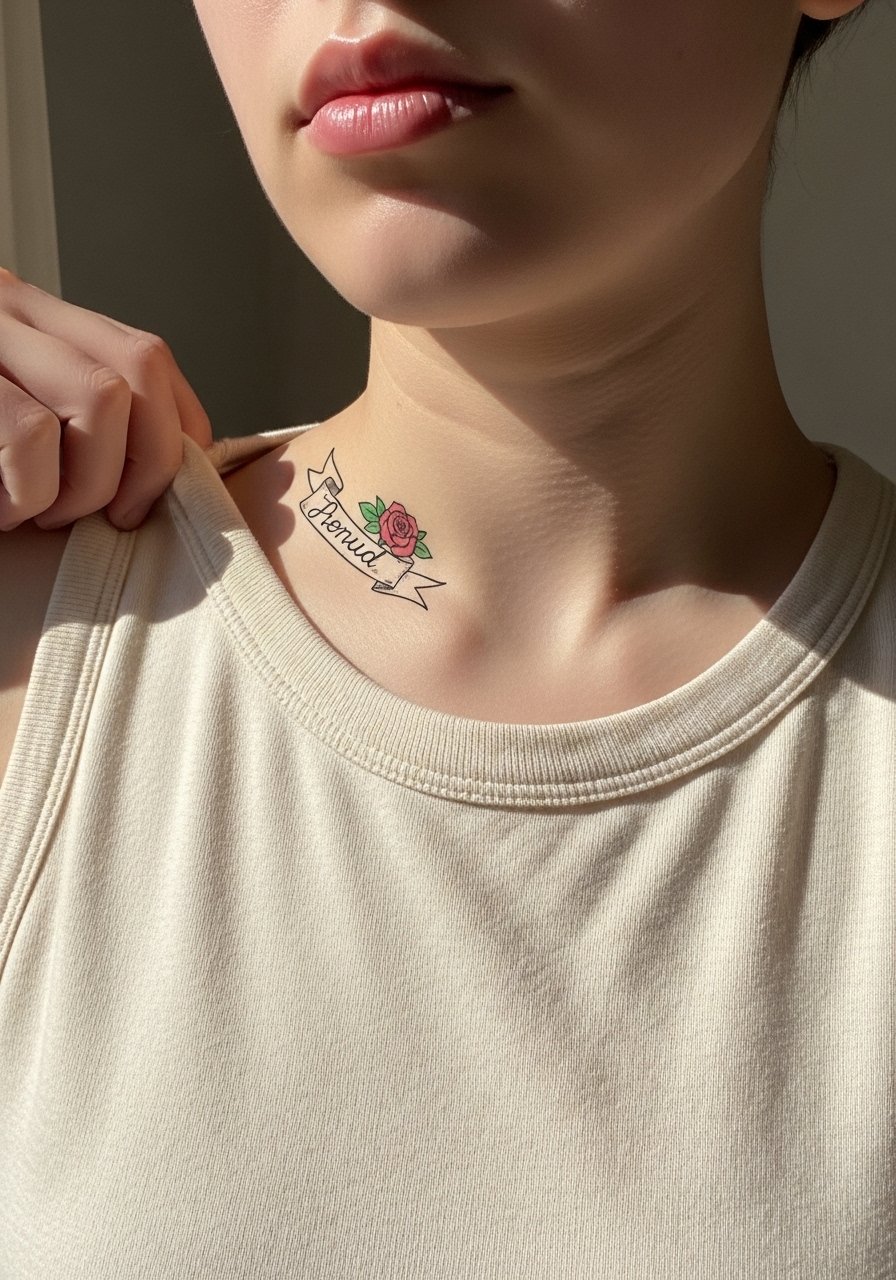
Collarbone script fares best when kept short and centered with the banner following the bone line. The common mistake is long phrases that end up near clothing seams and fade from rubbing. Pain is sharp but short. For photos, a cream crewneck tank that exposes the collarbone frames the banner without distracting from the letters.
20. Panther Glower on Thigh Side
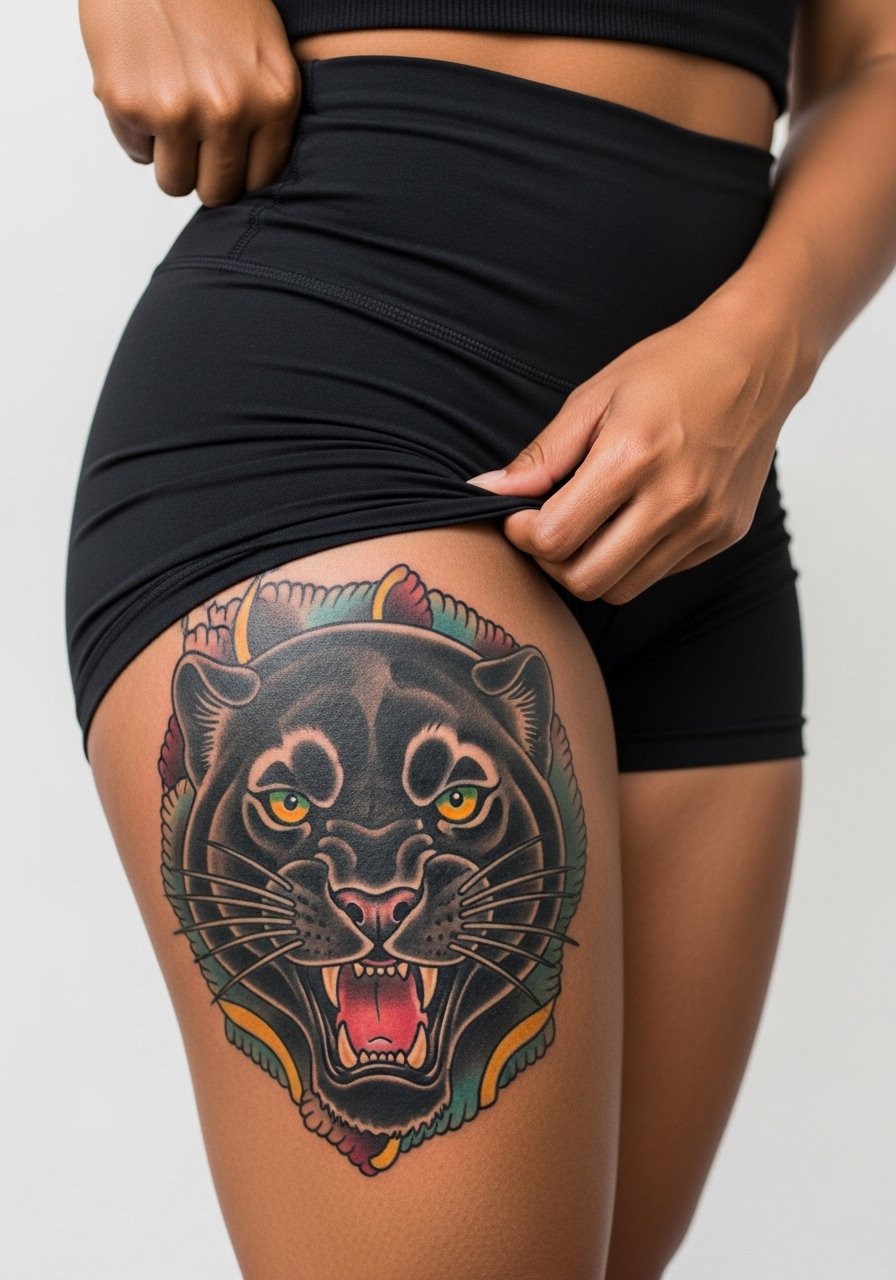
A thigh-side panther uses scale and contrast to stay readable as body contours change. Ask your artist to avoid micro-detailing inside the mouth and instead opt for larger dark shapes and stipple highlights. Pregnancy and weight gain can distort tight, small elements, so plan for touch-ups or cover-up options ahead of time. Sessions are tolerable when you lie comfortably and wear loose shorts.
21. Ship Wheel with Rope on Calf
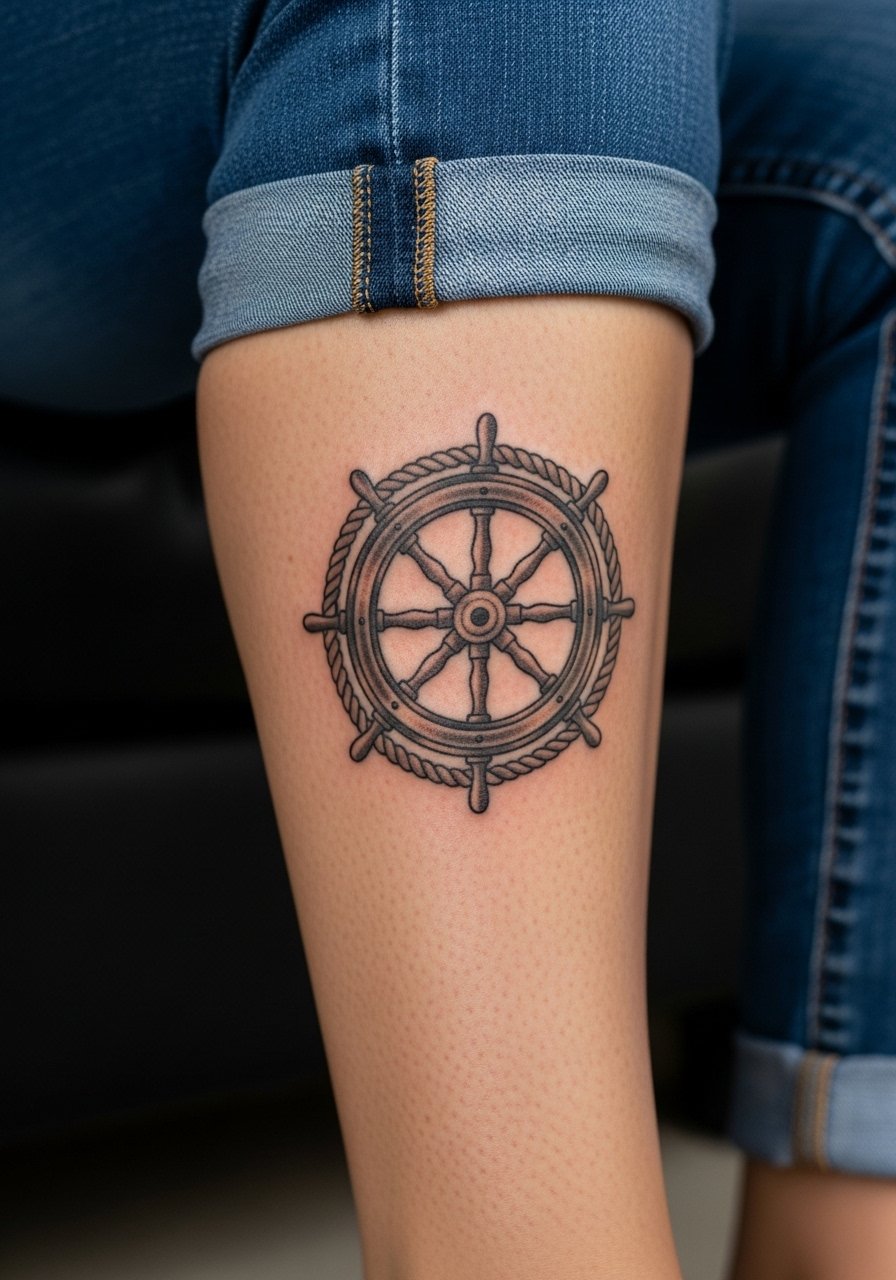
Ship wheels on the calf read best when the spokes are thick and evenly spaced so the circular motif remains legible at a glance. The main error is adding tiny text inside the wheel that blurs with motion. One session usually covers a 4-6 inch design. For session day, pull on a pair of rolled jogger pants that let the artist roll the leg without pinching the area.
Frequently Asked Questions
Q: Will a traditional flash anchor fade weirdly on dark skin, and how do I avoid that?
A: Darker skin can make reds and some lighter pigments appear less vibrant, so ask your artist to build a strong black base and use deeper tones for fills. Request healed examples from the artist on similar skin tones and plan for an initial touch-up at six to twelve months if you want brighter color retention.
Q: How do shops price flash tattoos fairly, and what should I do if a shop upsells custom work?
A: Flash pricing varies by city and by shop overhead. If a quoted price seems high, compare estimates from three studios that specialize in traditional flash and confirm whether the price is for the flash piece or a custom adaptation. Bring cash and ask about deposit and cancellation policies so you do not lose money when walk-ins conflict with booked slots.
Q: Which placements are most likely to need touch-ups every few years?
A: Hands, fingers, and wrists see the most touch-ups because of friction and thin skin. Chest pieces can also need touch-ups if exposed to heavy sun. Plan touch-up budgets accordingly and ask your artist for their realistic timeline based on your lifestyle.
Q: Artists disagree about Saniderm versus dry healing. Which method should I choose for a bold traditional piece?
A: There are two camps on this. One camp uses protective film like Saniderm to keep the area clean and claims it helps color retention. The other camp prefers short dry healing and worries that occlusive wraps can trap moisture and bacteria. Ask the artist which method they use and why, and follow the technique they have healed successfully in their portfolio.
Q: I want a small swallow as my first tattoo. Does a tiny flash swallow hold up?
A: Small swallows can hold up if the lineweight is increased slightly and interior detail is minimized. The mistake most beginners make is insisting on tiny, intricate fills that blur. Start with a slightly larger size so the wing patterns have breathing room and the piece will age cleaner.