
Fine line looks gorgeous on saved boards, but trends and reality often part ways. Fine line narcissus and soft holly washes flood feeds while collectors quietly book touch-ups. The visual choices you make today change how the piece reads in three winters, not just the first week. Below are 17 December bloom tattoo directions with placement, aging notes, consult language, and wardrobe tips that actually help your tattoo last.
1. Fine Line Narcissus on the Inner Forearm
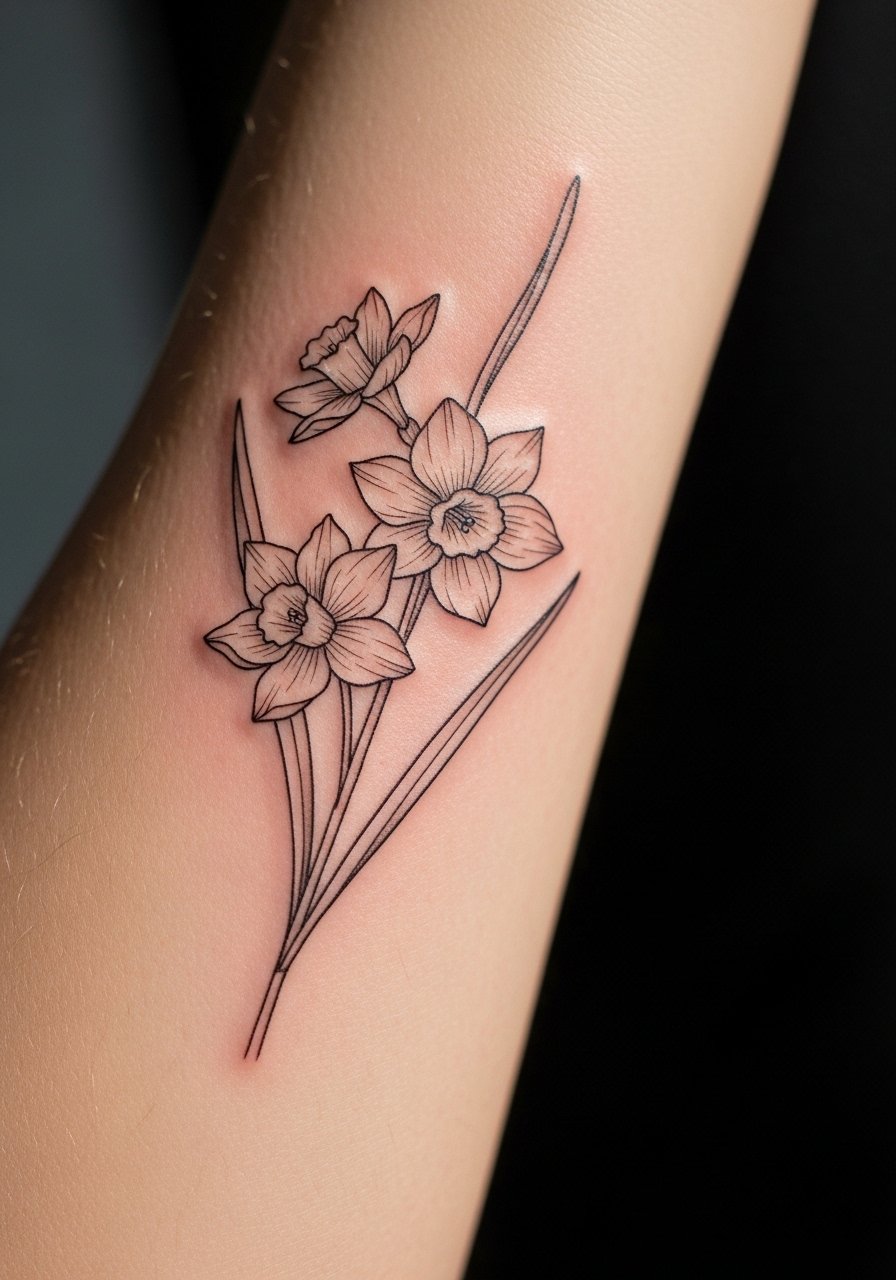
I recommend this when you want a clean, compact bloom that reads like a quiet signature. Tell your artist you want single-needle outline with slightly increased spacing between stems to prevent early merging. The inner forearm is forgiving on touch-up timelines but expect a light softening at 18 months. A common mistake is asking for ultra-thin stems with zero negative space. For the session wear, roll up a cream linen blouse or pull an olive button-down to the elbow so the artist has clear access and you stay comfortable. Light brushing and sun exposure change how this one matures, so plan touch-up at the 1–3 year mark.
2. Minimalist Holly Berry Wrist Trio
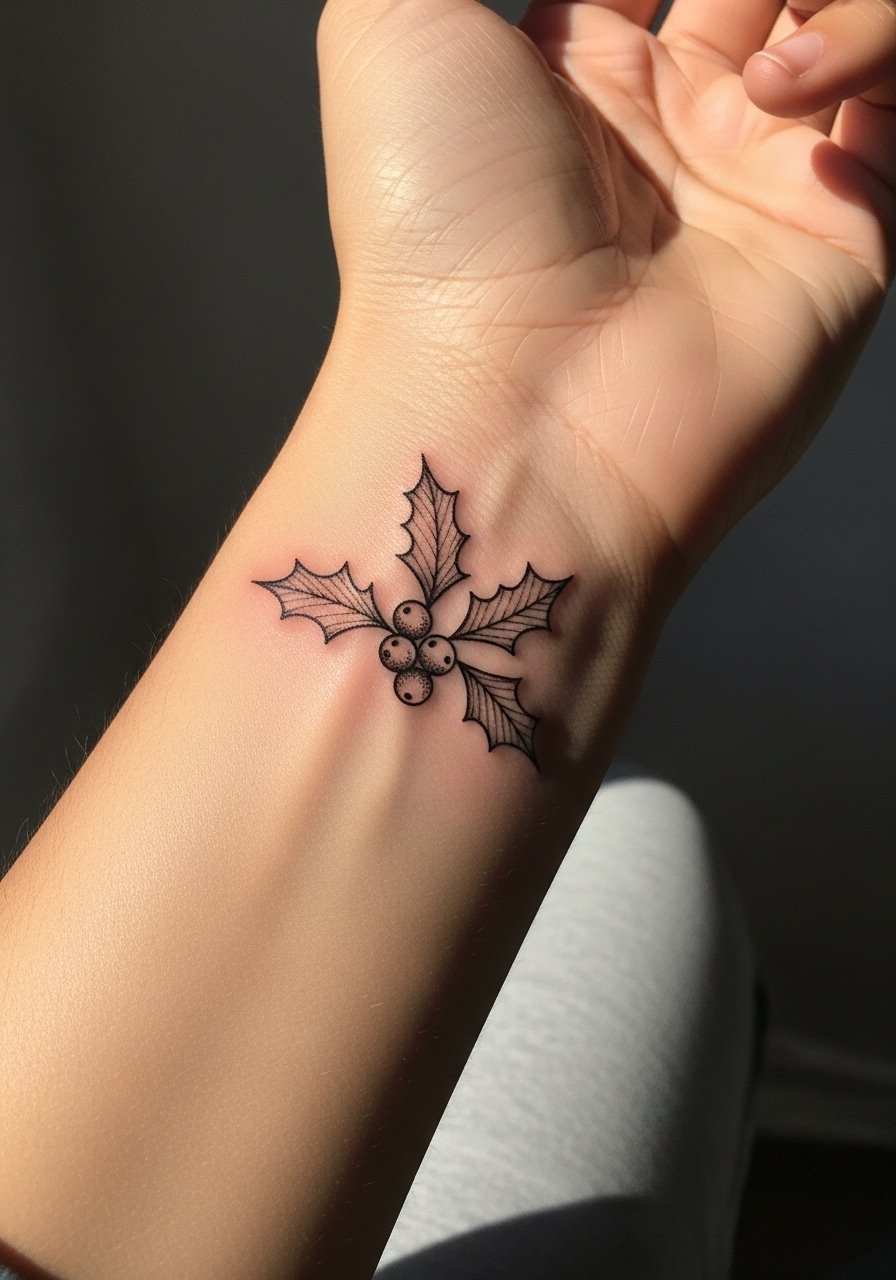
Wrist tattoos live in a friction zone so think bold enough to remain legible. Ask for slightly thicker outlines around each berry so the dots do not diffuse into a blob. Pain is mild but constant for this placement. Expect the first touch-up around 6–12 months if you use single-needle dotwork. Skip watercolor fills here since color bleeds quickly on the wrist. To show it off, pair with a dainty silver cuff bracelet and sheer sleeves pushed up. For the appointment, wear a sleeveless tank so no shirt cuff interferes with the stencil.
3. Micro-Realism Narcissus on the Ribcage
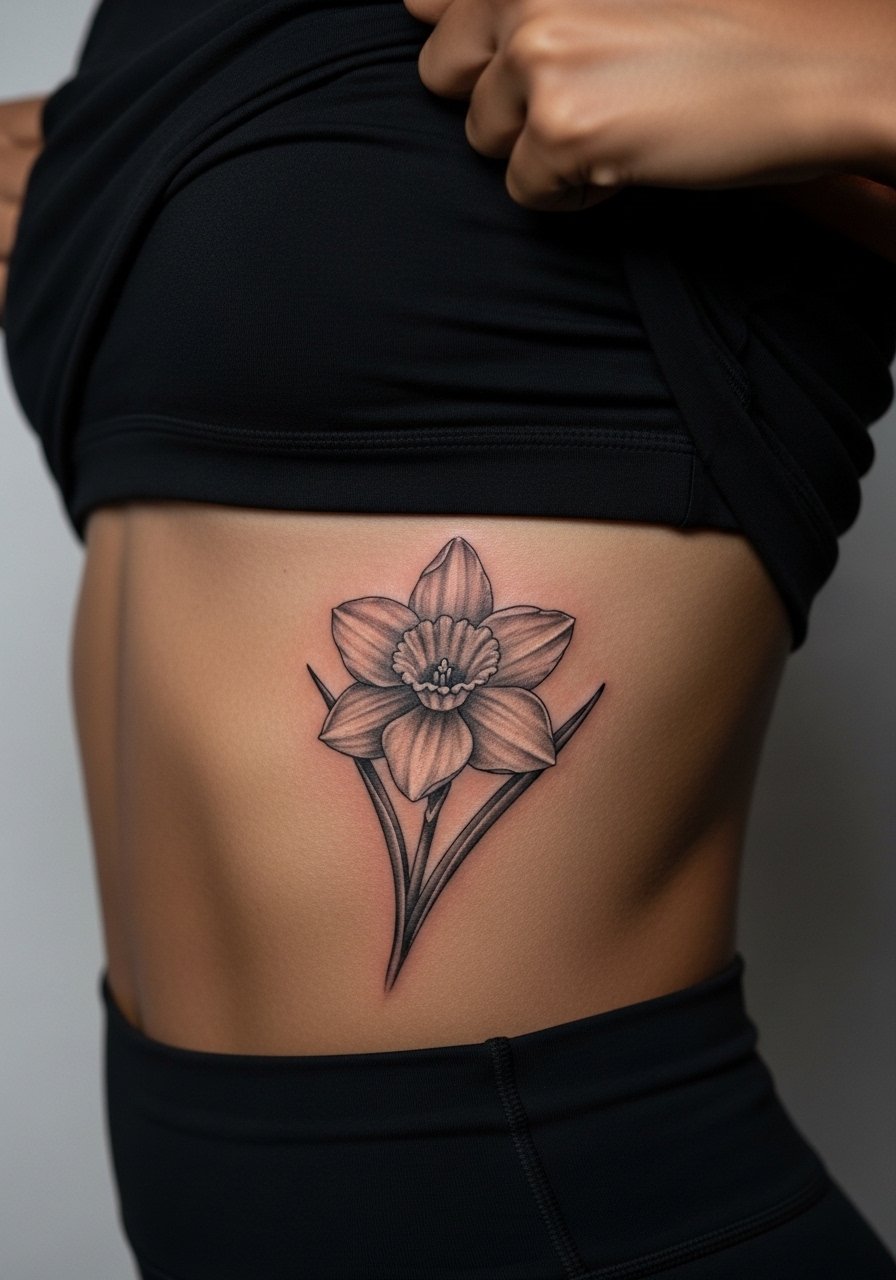
Fair warning, the ribcage rates higher on most pain charts. Micro-realism thrives here because the flat surface lets artists render subtle texture. Tell your artist you want tight gray gradients and an isolated bloom rather than a crowd of tiny details. The big issue is winter dry air during healing and how that impacts shallow shading. Expect a potential touch-up at 6–12 months, and plan for two sessions if you want deeper contrast. For placement stability, avoid extremely small sizes because the torso moves and the tiny highlights can vanish into shadow.
4. Watercolor Holly Berries on the Collarbone
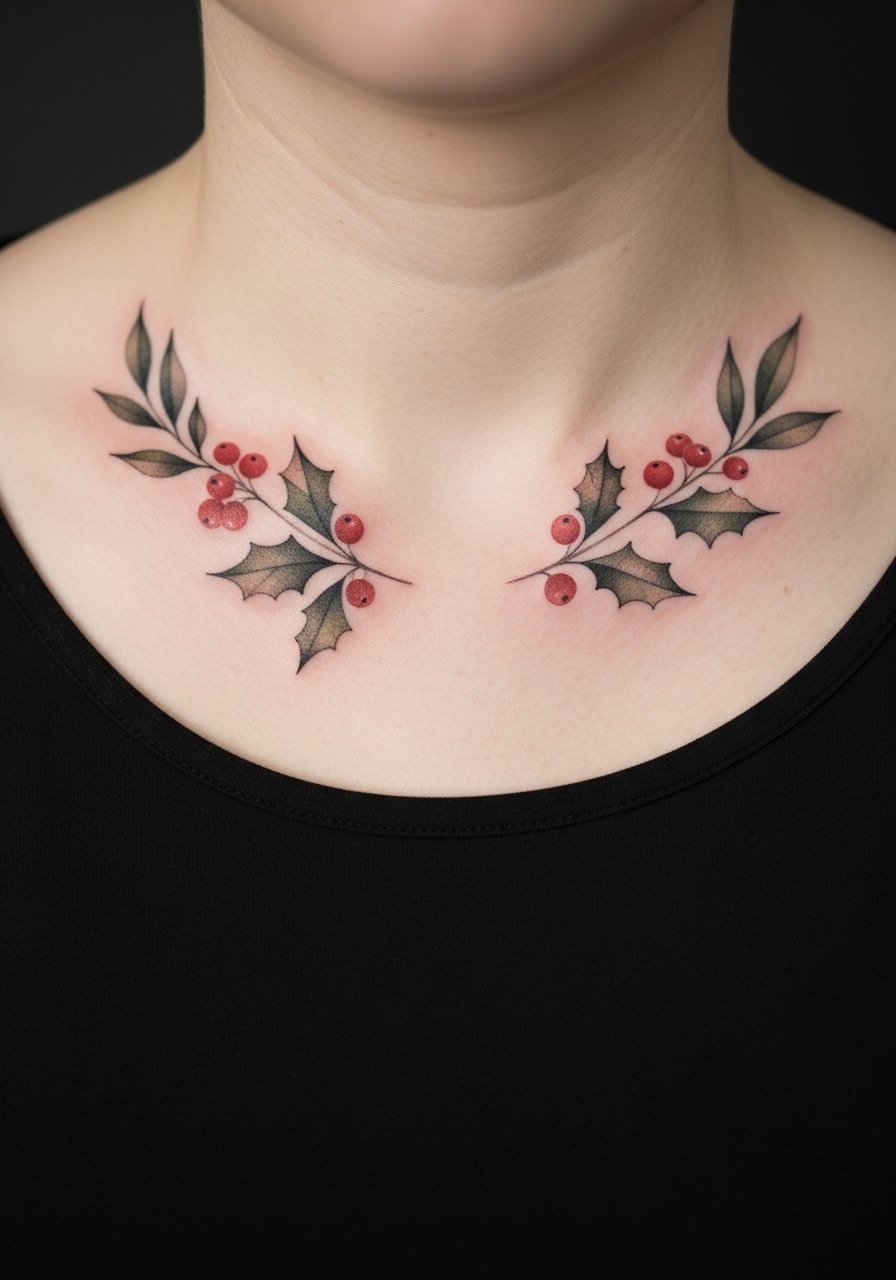
This placement gives watercolor room to breathe and read as part of your outfit. Watercolor works best with looser edges and strategic negative space to avoid muddying during healing. Ask your artist for controlled washes with small anchor outlines so the berries keep shape. The controversy around watercolor is real. One camp says painterly fades are part of the aesthetic while the other warns color migration and early blurring. If longevity matters, request bolder anchor points and plan a color refresh at year two. Show it with an off shoulder sweater in sand or deep green and layer short necklaces above the piece.
5. Neo-Traditional Holly and Narcissus Cluster on the Outer Thigh
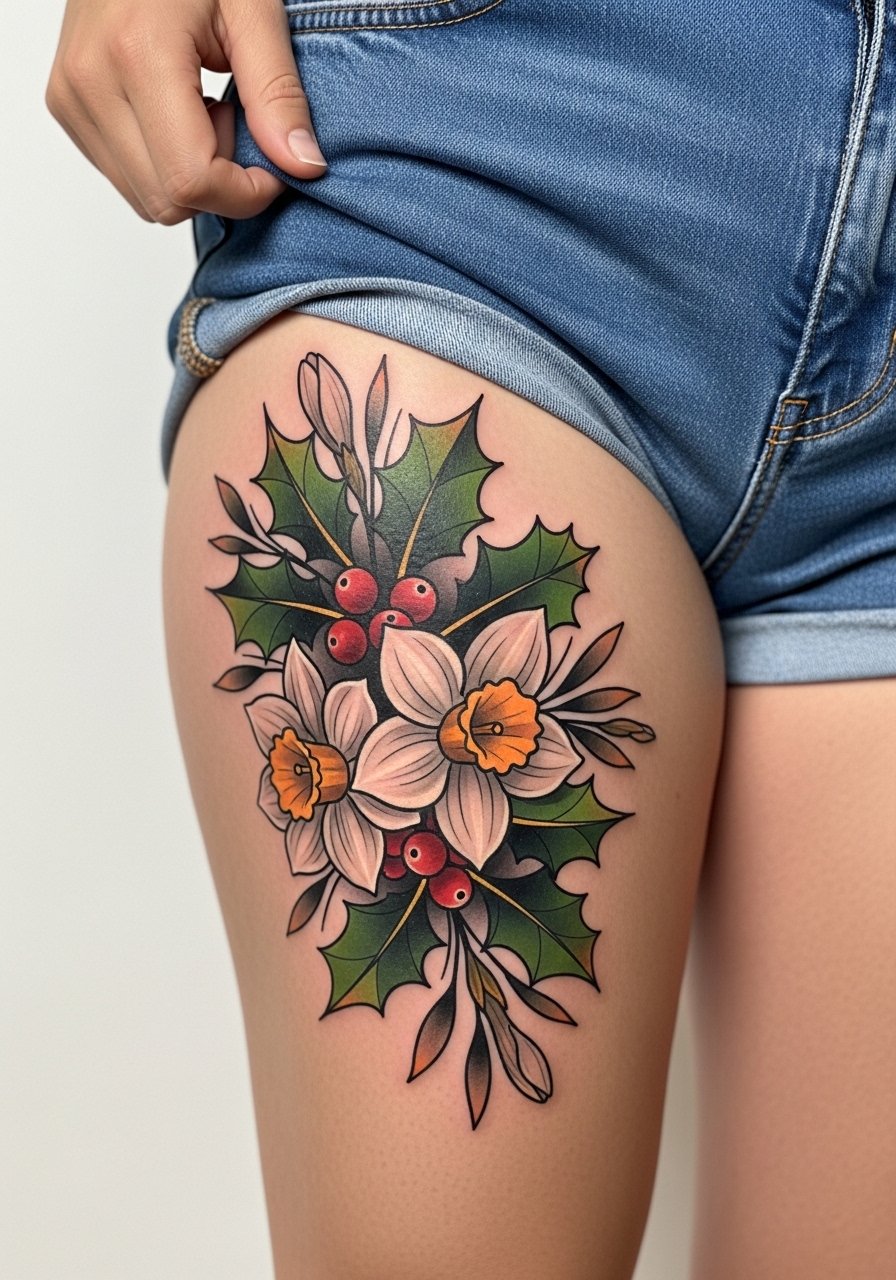
Outer thigh is great for larger color work because it takes saturation well and hides under clothes during healing. Ask for solid color blocks and a touch of stipple shading to keep the edge crisp during long-term wear. The session feels like a long stretch and some buzzing pressure, so expect two shorter sittings rather than a single marathon. Avoid tiny gradients that watercolor lovers request here; big color fields and bold outlines age better. For nights out, pair the cluster with high waist denim shorts or a clean side-slit skirt to let the piece read without visual noise.
6. Blackwork Holly Branch on the Shoulder Blade
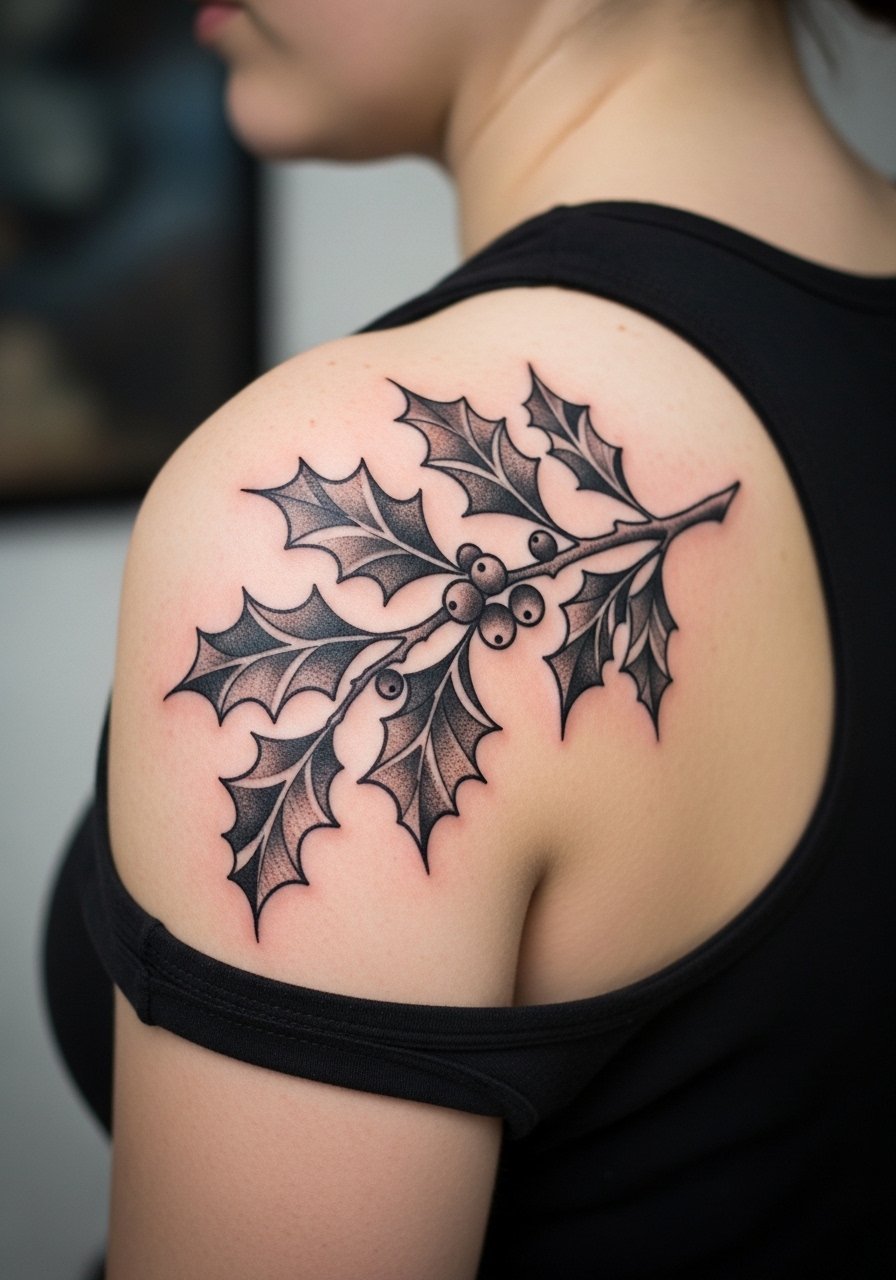
Shoulder blade placement is forgiving for blackwork because the skin there rarely stretches dramatically. Request dense, even saturation and intentional negative space for leaves to prevent solid blocks from looking flat over time. Some artists argue for super-saturated black to secure longevity while others prefer layered fills to avoid scabbing issues. Mention potential summer friction from straps during consults so the artist can place the branch where it will not sit under bra straps. Wear a racerback tank to the session so you can pull it aside and stay comfortable.
Pre-Session Essentials
The forearm to shoulder pieces above need different prep than the collarbone and ribcage work, so a small kit smooths the session and first week.
- Tattoo Goo salve. Less greasy than heavier ointments, this is useful for the fine line forearm pieces where excess shine can obscure linework during the first few days.
- Frida Kahlo balm. A thinner balm that absorbs fast, handy if you are healing in dry winter air after a ribcage or collarbone session.
- Ink-Illustrated balm. Favored by traveling artists, this helps maintain boldness in blackwork holly pieces during longer journeys.
- Australian tea tree salve. For itchy watercolor areas, a targeted salve can calm irritation after patch-testing for sensitivity.
- Second Skin tattoo bandage. A breathable film that reduces contamination risk for wrist and hand pieces during the first 24 hours.
7. Ornamental Narcissus Mandala on the Upper Back
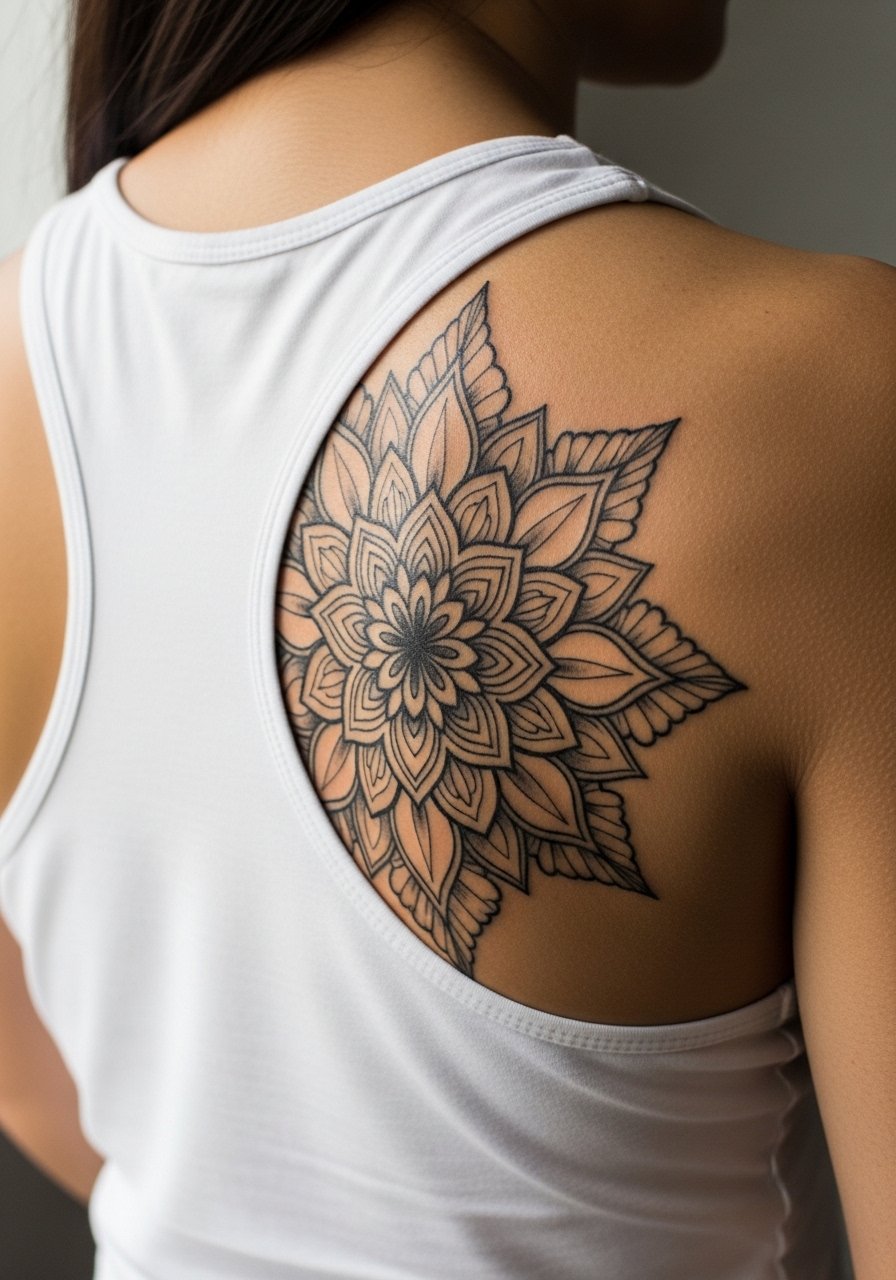
Ornamental pieces are about spacing. I tell people the mandala needs room or the pattern will merge as it heals. For a narcissus motif, balance petal repetition with negative space to preserve the geometry over five years. Upper back sits flat so artists can push for detail, but denser work asks for two sessions. Avoid asking for an overly tight center where lines could merge. Show-off pairing is simple here. The piece looks clean with strappy tanks or racerbacks in olive, and for the session bring a loose muscle tee to make access easy.
8. Fine Line Holly Trio with Negative Space on the Ankle
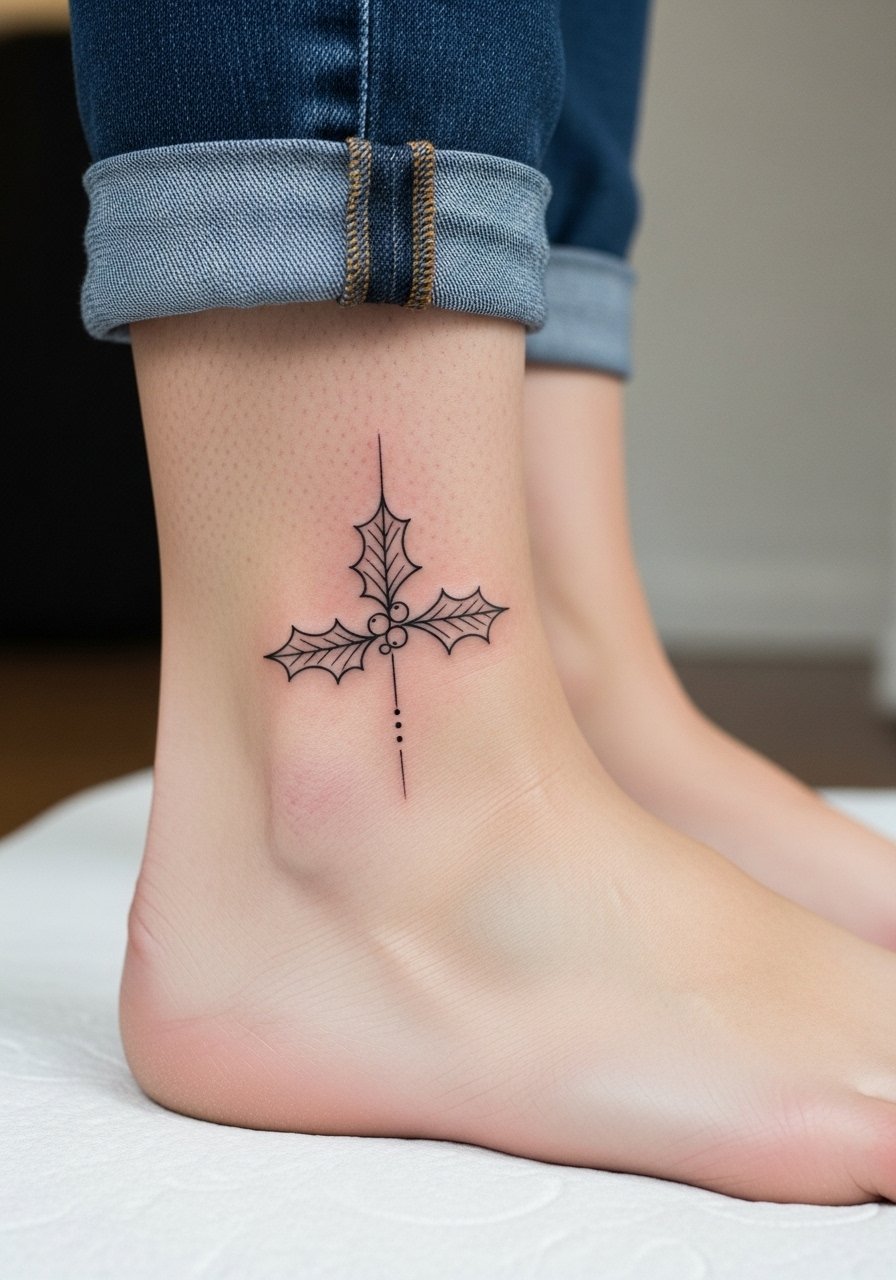
Ankle work sees constant rubbing from shoes and pants so leave a little breathing room in the composition. Ask for slightly bolder anchors on the holly stems so the negative space reads even after a year. Pain is brief but sharp during needle passes. Plan for a touch-up at the six to twelve month mark, especially if you favor thin stems. For show-off style, cuffed slim chinos or strappy flat sandals frame ankle pieces well. Wear loose joggers you can roll up for the appointment so the artist can reach the area without pressure.
9. Ignorant Style Holly Leaves Stacked on the Calf
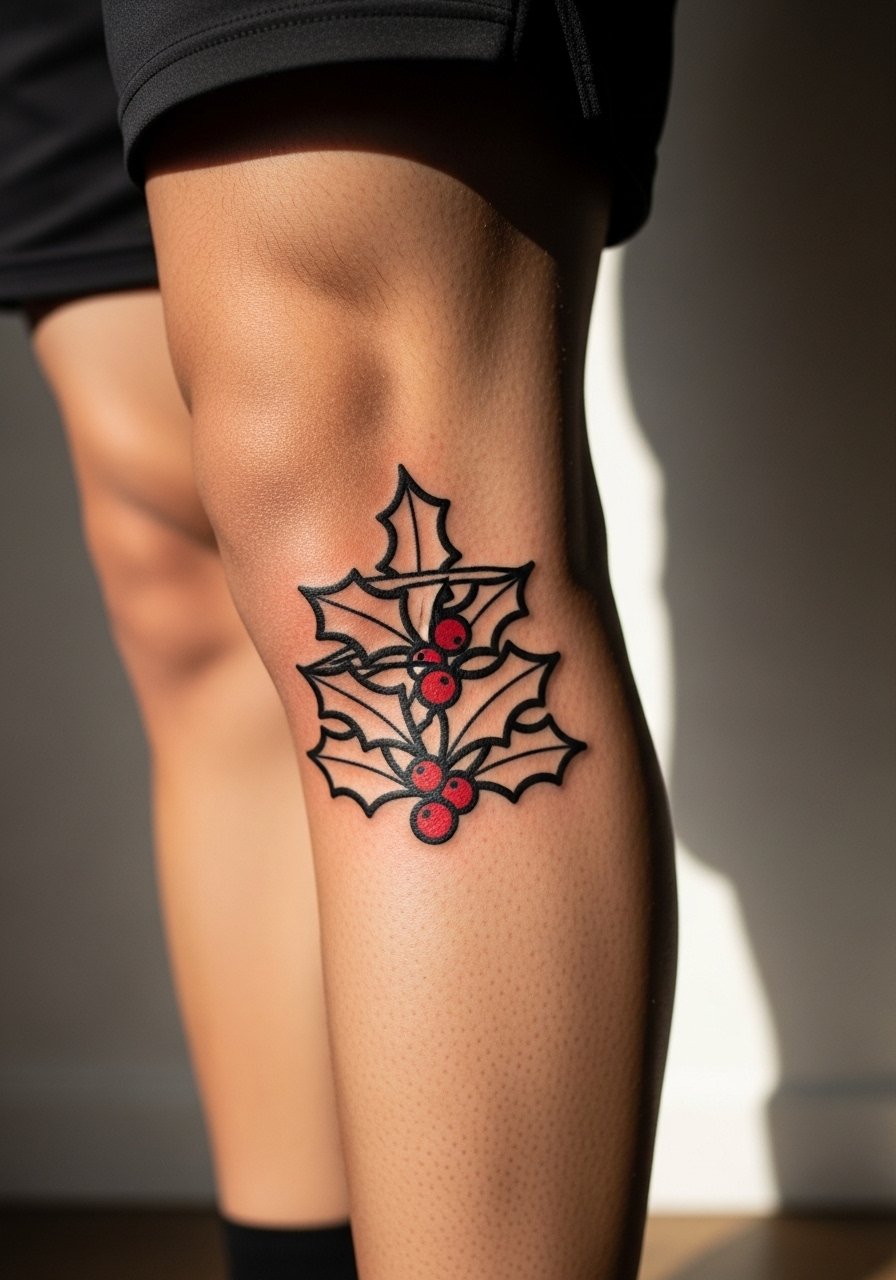
If you want impact with minimal detail, ignorant style is perfect. It prioritizes bold outline and weight over botanical accuracy so it holds up like a punchy graphic. The calf tolerates heavy black nicely and blowout risk is low there versus the wrist or finger. Tell the artist you want consistent line weight and avoid tiny interior shading that will disappear. For daily wear, roll or cuff bootcut jeans or pair with solid color athletic shorts to keep focus on the stacked leaves. Session wear should be loose pants you can pull up without tension.
10. Watercolor Narcissus with Dripping Petals on the Inner Bicep
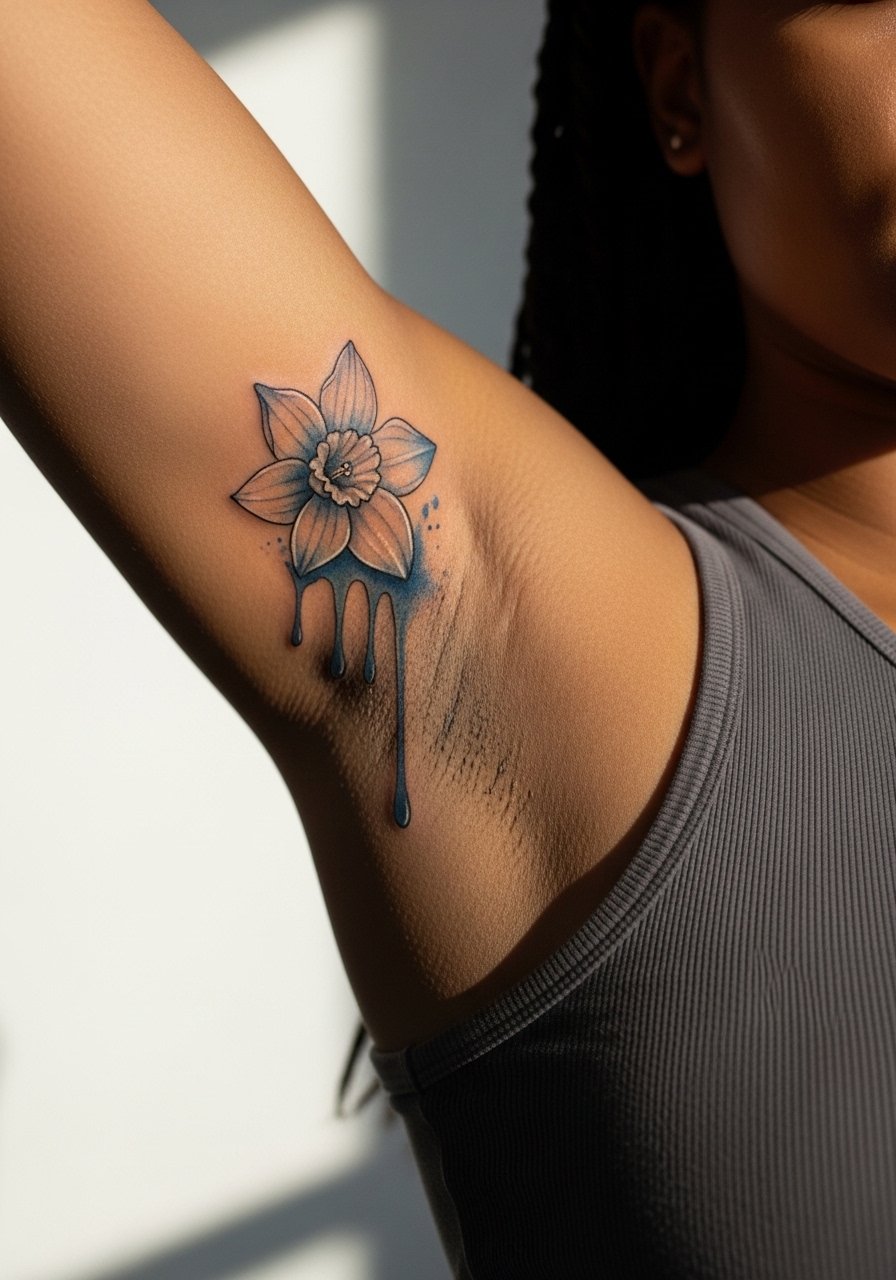
Inner bicep offers a private canvas that shows when you want it to. Watercolor drips look great here because the arm curves help the paint flow visually. The downside is that the inner arm can be prone to abrasion and sweat during healing. Ask your artist for strategic outlines around key petals to prevent washout. The pain is moderate and sessions are usually short but staccato. Avoid too many small highlights that will blur; prefer bold color planes with soft edges. Plan a touch-up at year two if you want the drips to remain vivid.
11. Black and Gray Narcissus Portrait on the Sternum
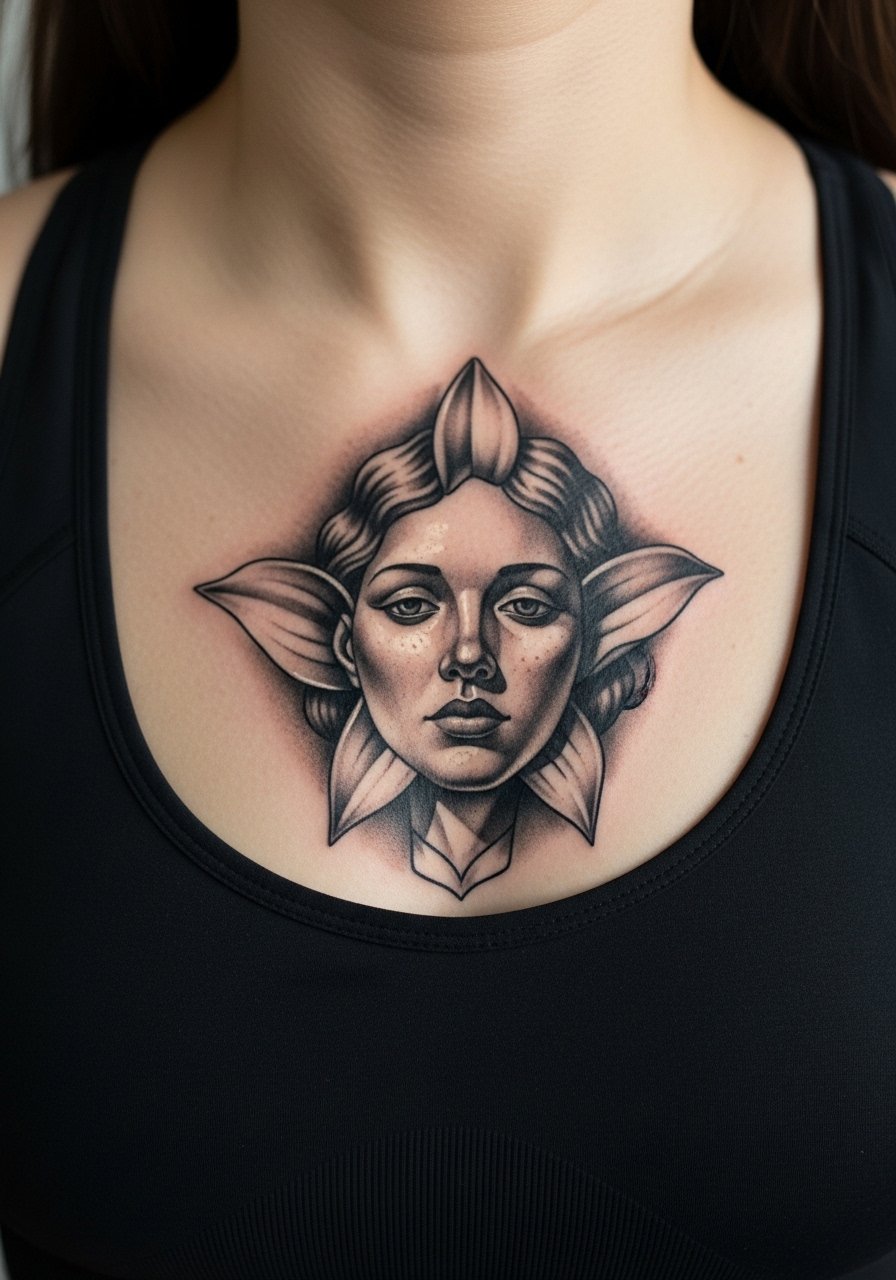
Sternum pieces are intimate and intense for both pain and healing. Black and gray portraits here read like frost on a winter petal when done with subtle gradients. Bring references showing the exact balance of shadow you want and ask for slightly wider midtones to prevent early fading into patchy highlights. The major mistake is compressing too much detail into a small sternum area. The session will be slower because of sensitive skin and breathing motion. Discuss needle depth with your artist and expect at least one touch-up to rebalance tonal work.
12. Inverted Spine Narcissus Growing from Base
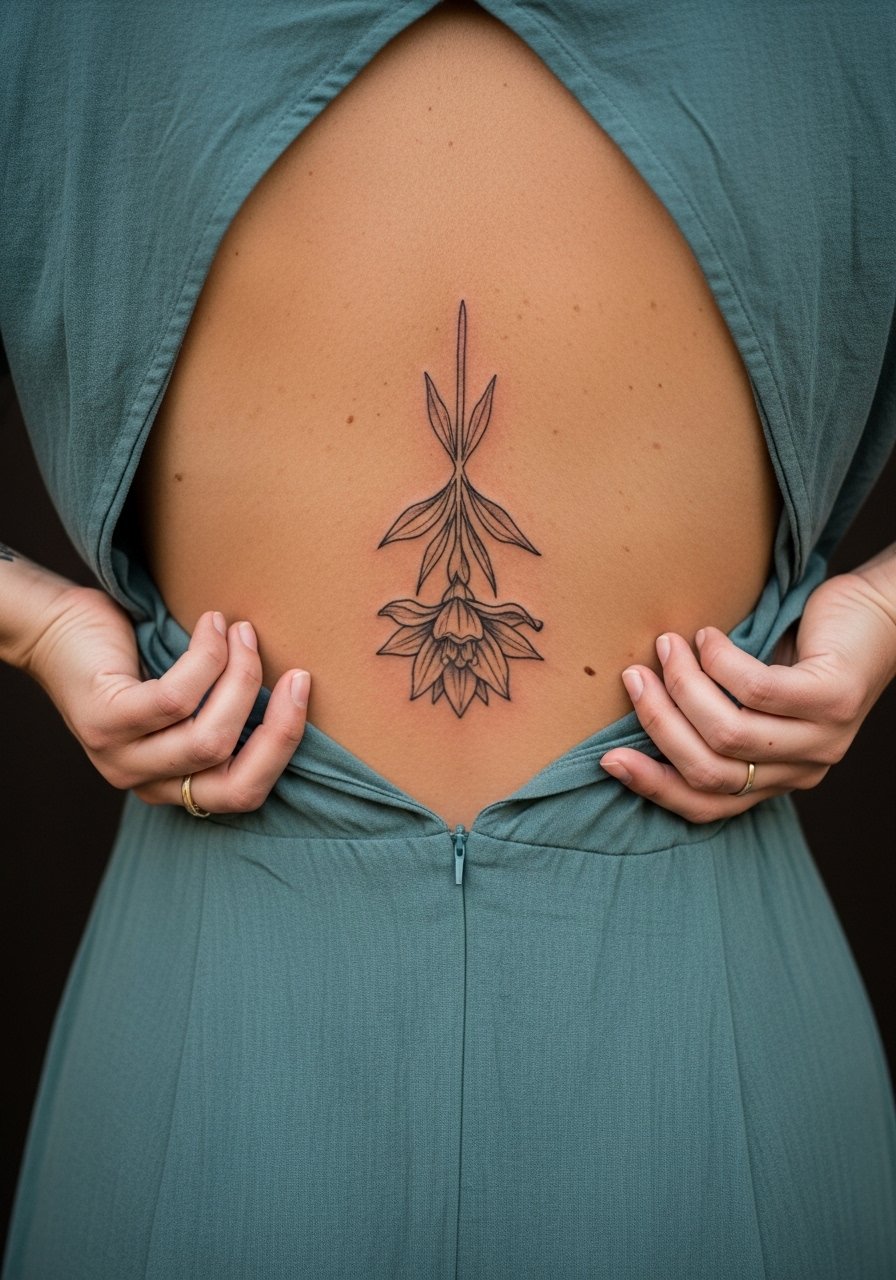
This inverted spine layout reads as upward growth from the base and suits people who want narrative movement in their piece. Spine work needs thoughtful spacing so the petals do not merge as the body shifts. Ask for a central axis with stepped spacing between elements to keep the pattern legible at year three. For showing it off, open-back dresses or halter tops let the full vertical composition breathe. The session will be segmented to avoid long uncomfortable stretches, so plan two appointments for larger versions.
13. Tiny Narcissus Knuckle or Finger Accent with UV Ink
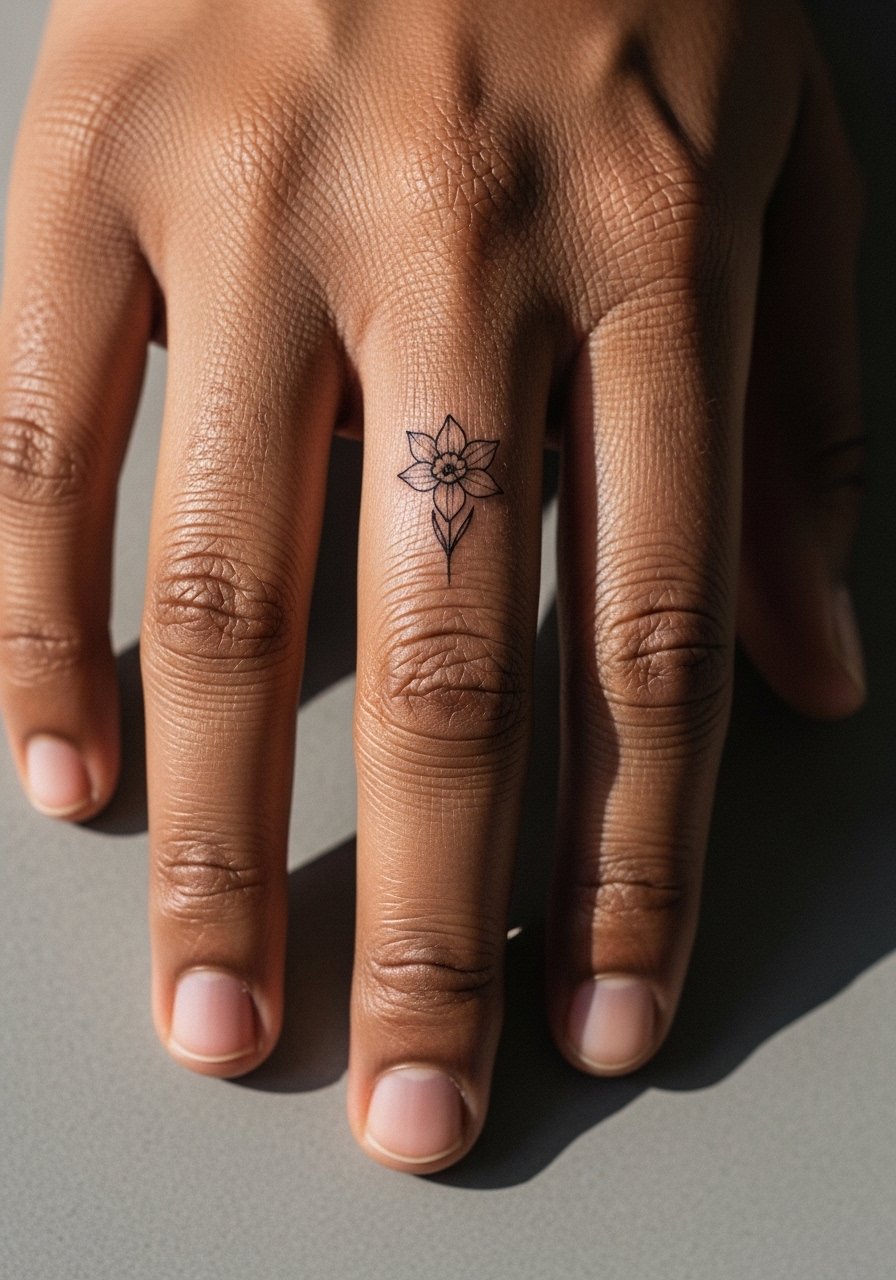
Finger and knuckle tattoos are daily-wear pieces that face constant washing and friction. UV ink is a niche experiment but it tends to fade faster and is harder to photograph. If you choose this area, accept a higher likelihood of touch-ups every 6–12 months. The common error is asking for too much detail on a tiny surface. For session day, plan for a short appointment and expect the artist to warn you about job sensitivity and frequent maintenance. Finger pieces read well with dainty rings that do not overlap the tattooed zone.
14. Holly Berries as a Constellation Map on the Ankle
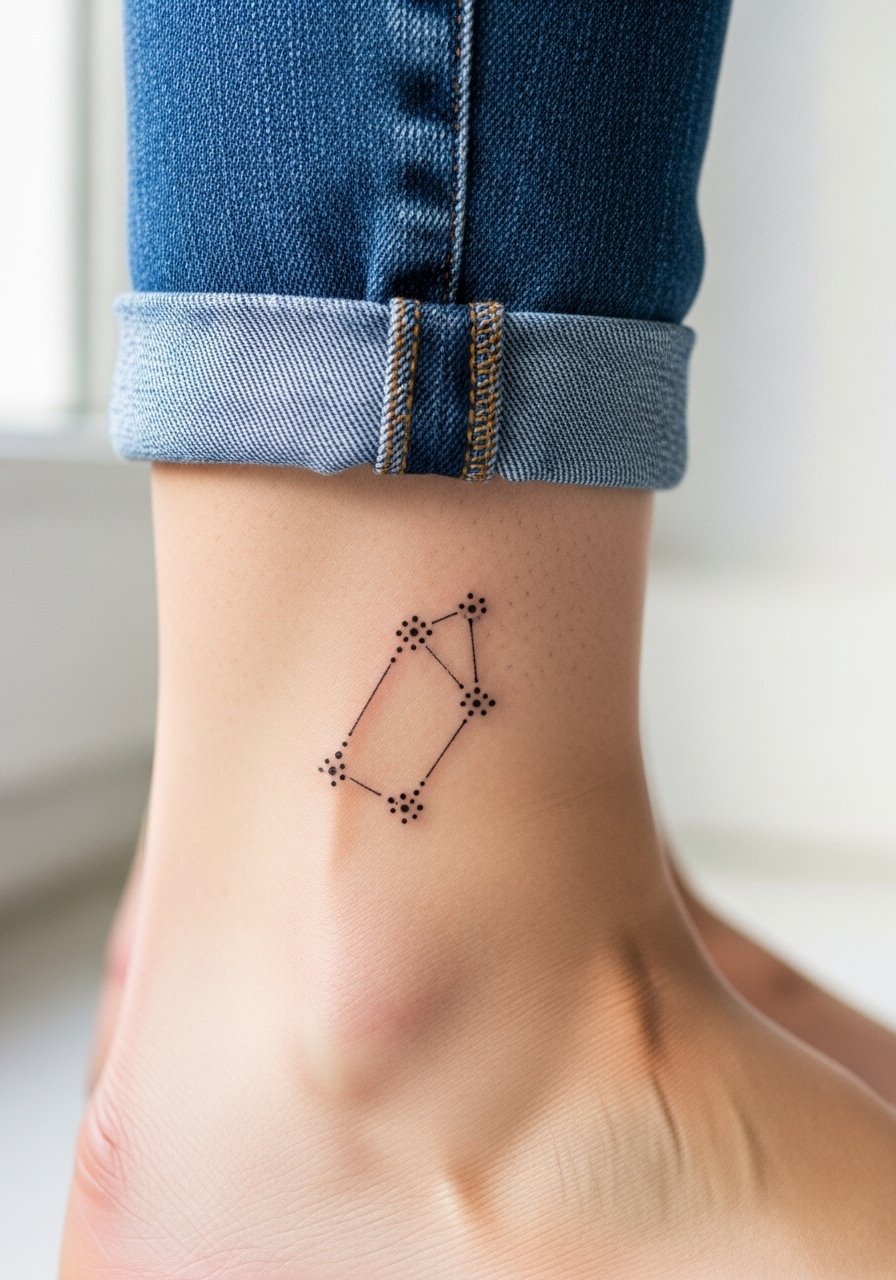
Turning berries into a personal night-sky map is one of the less common personalization routes. Use tiny negative-space stars and slightly thicker berry dots so the constellation reads in photos. The ankle theme pairs well with cuffed pants or strappy sandals for summer. Keep the design compact and avoid thread-thin connectors that will blur. Pain is quick and focused. For longevity, plan for a small touch-up when the outline softens, usually within a year.
15. Multi-Generational Holly Chain Across Forearm and Wrist
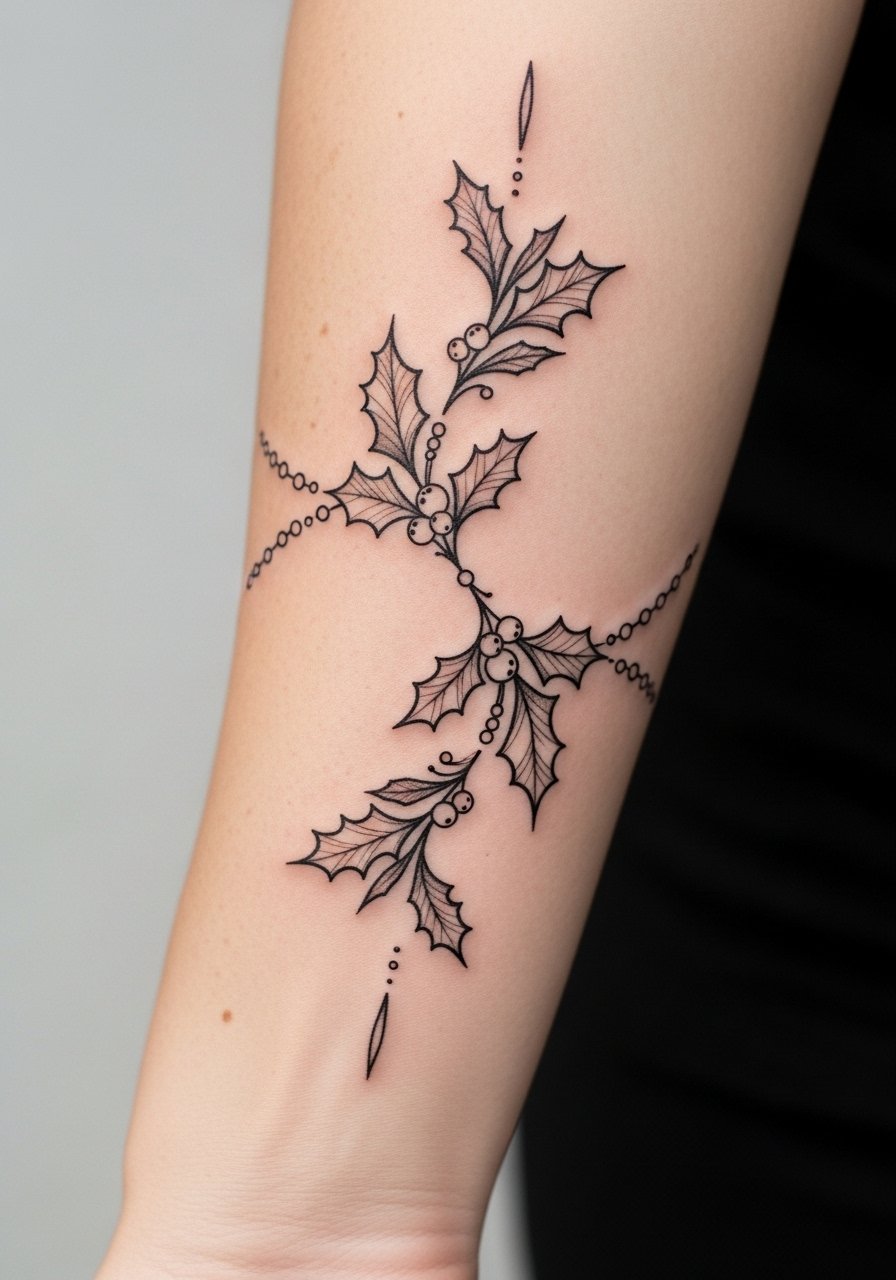
This idea links family birth dates visually without obvious text. When you plan a chain, prioritize even spacing and avoid tiny connecting lines that will blur under watch bands and bracelets. Ask your artist to show the whole wrap in a live stencil and move your arm to test flow. Stretch and weight changes can alter the chain's rhythm, so choose forearm width if you expect major body changes. For session wear, a loose short-sleeve tee gives clear access and comfort during the stencil check.
16. Patchwork Starter Bloom for a Sleeve with Holly Accents
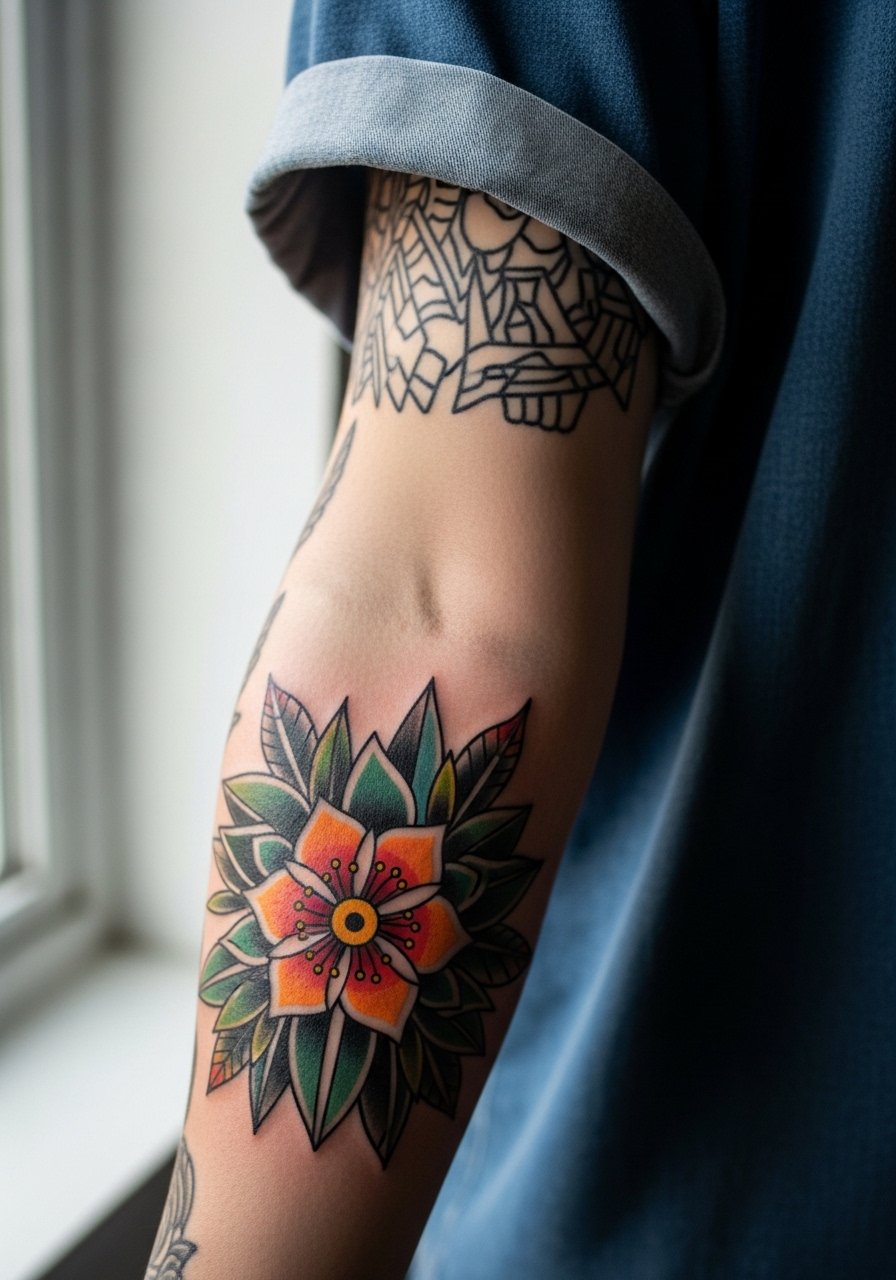
If you are thinking about a patchwork sleeve, begin with a strong anchor bloom rather than tiny filler pieces. Anchors set the visual language and make future additions flow. During consultation, specify how future negative space and filler motifs should be reserved around the starter to avoid overcrowding. The session feels like a chunk of time but is scalable. Avoid over-detailing the first piece; dense texture can make adding compatible pieces harder later.
17. Minimal Narcissus Behind the Ear
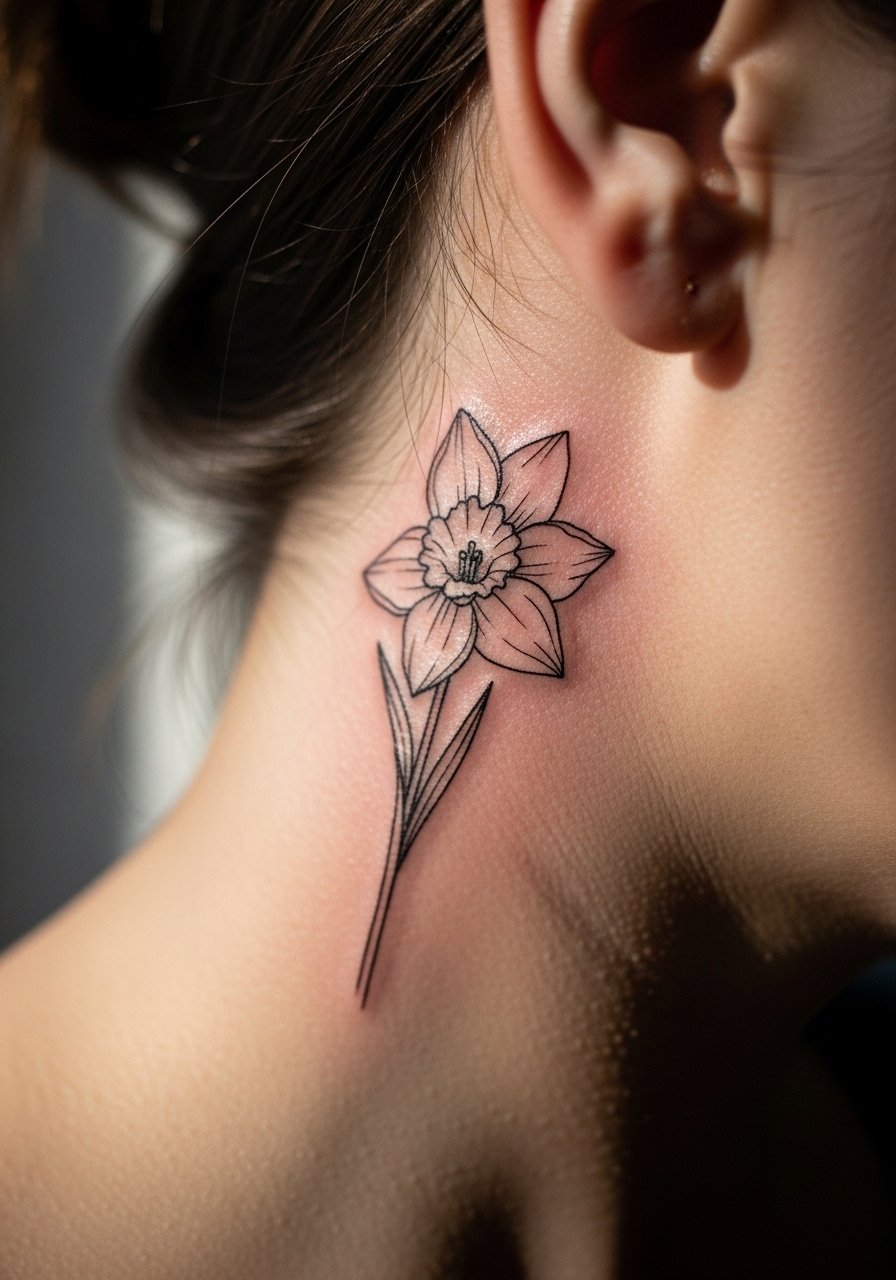
Behind-the-ear placements are discreet and read like a small secret when you tuck hair away. The area needs a very small composition and a tattooist who has healed examples in the same spot. Tell your artist you want the stem short and the bloom compact. Pain is brief and localized. Healing requires keeping hair and product away from the site. Consider how visible it will be with hairstyles and whether your workplace accepts visible neck-area tattoos.
Frequently Asked Questions
Q: How long should I expect fine line narcissus on the wrist to stay crisp before a touch-up is needed?
A: Fine line wrist work often needs the earliest touch-ups because of constant washing and friction. Plan for a check at three to six months and expect another possible refresh at year one or two depending on your lifestyle. Ask your artist for slightly bolder anchoring lines if you want longer intervals between touch-ups.
Q: Does blackwork holly on the shoulder blade need different healing than watercolor collarbone pieces?
A: Yes, blackwork and watercolor heal differently. Blackwork tolerates thicker saturation and usually needs less frequent color refreshes, while watercolor relies on softer pigments that can migrate and fade. Also consider the controversy around healing methods. Some artists favor sealed film approaches while many collectors prefer dry healing in the first week. Ask what method your artist uses and why before booking.
Q: What should I wear to a collarbone watercolor appointment to make the session easiest?
A: Wear a strapless top or an open button shirt you can pull aside. The garment should expose the collarbone while keeping the rest of your chest covered so the artist can stencil and work with minimal repositioning.
Q: Are finger and knuckle tattoos worth it if I travel often and wash hands frequently?
A: They are doable but expect more maintenance. Frequent washing and friction accelerate fading and blur. If travel and hand use are heavy for you, consider moving the motif to the side of a finger or the outer hand where possible, and accept a higher touch-up schedule.
Q: Which placements are most forgiving for watercolors if I live in a dry winter climate?
A: Flatter, less friction-prone zones like the outer thigh and upper back handle watercolors better in dry climates. If you book a ribcage or inner bicep watercolor, plan on a humidifier in your living space during the first two weeks of healing to avoid excessive scabbing that can ruin soft washes.
Q: How do I find healed portfolios for specific styles like neo-traditional holly or micro-realism narcissus?
A: Search community tags such as the style name combined with your city on visual platforms and look for time-lapse or healed-photo posts. Use local convention lineups or app filters for "floral specialist" and ask artists for healed shots in the consultation. When in doubt, ask to see same-placement healed examples before booking.