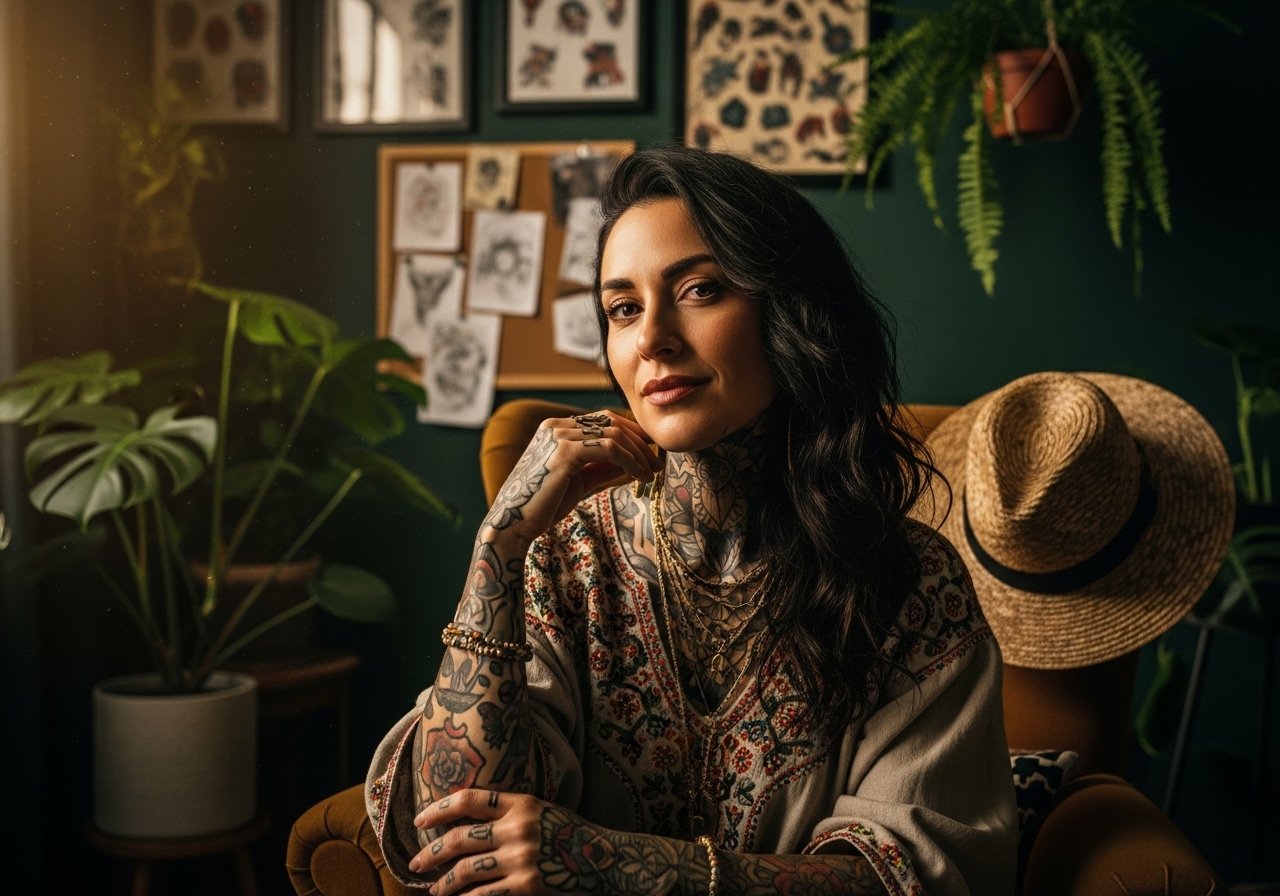
Fine line Peep tributes dominate feeds and most look stunning the day they are posted. The reality is those tiny scripts and under-eye dots depend on placement, skin tone, and session prep to keep from softening into blur. This list of 27 minimalist Lil Peep tattoo ideas pairs clear placement advice with what to ask your artist, session wear, and how each design ages so you pick something that holds up.
1. Minimalist Crybaby on the Wrist
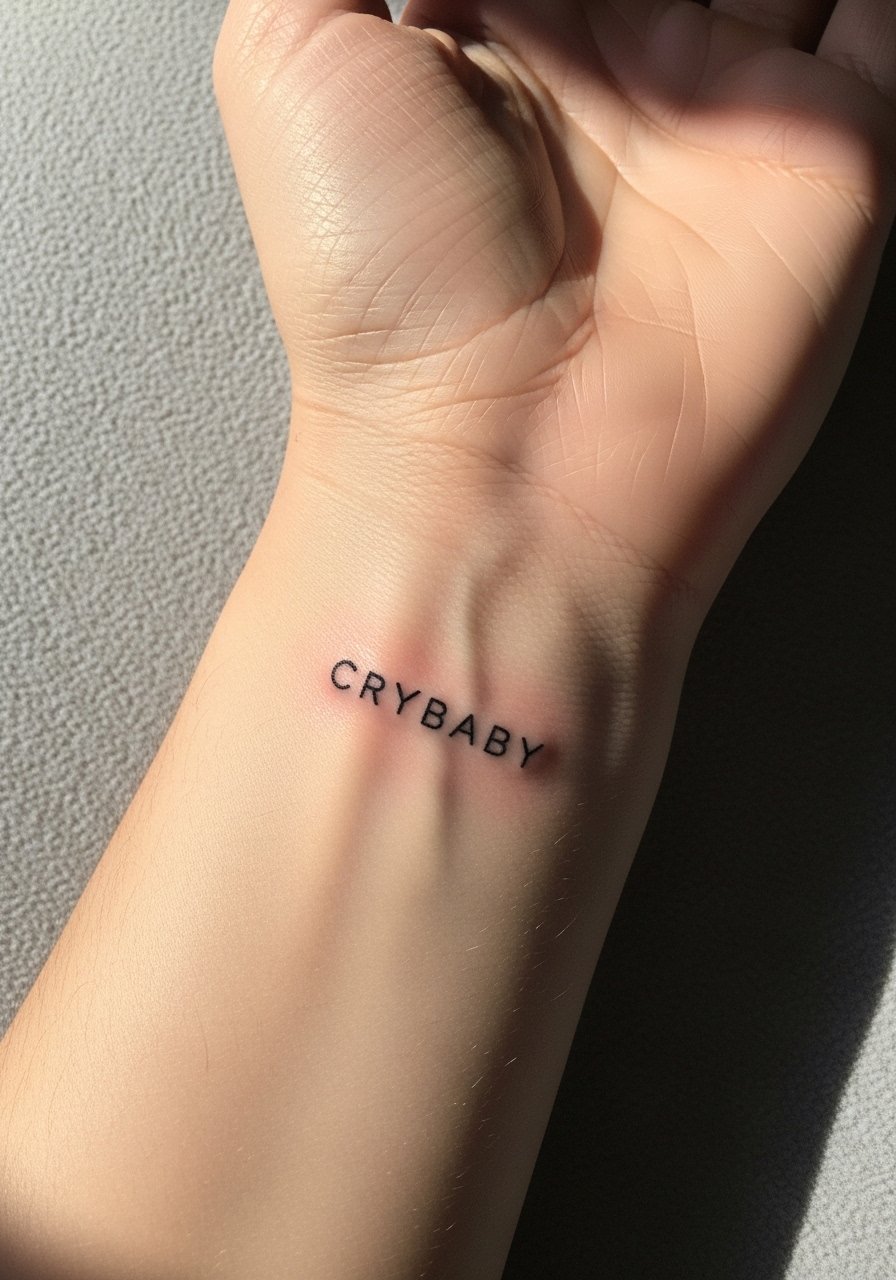
I've seen the Crybaby motif hold best when it is small and set where the skin does not fold. For a wrist piece, tell your artist you want the letters tiny and spaced, not condensed, so each letter keeps its negative space as it heals. Pain is mild for most people and session time is short. Common mistakes are going too thin or too close to the crease. For the session wear, pull on a sleeveless tank top so the artist has clear access and nothing rubs the fresh ink afterward.
2. Fine Line Lil Peep Signature on Collarbone
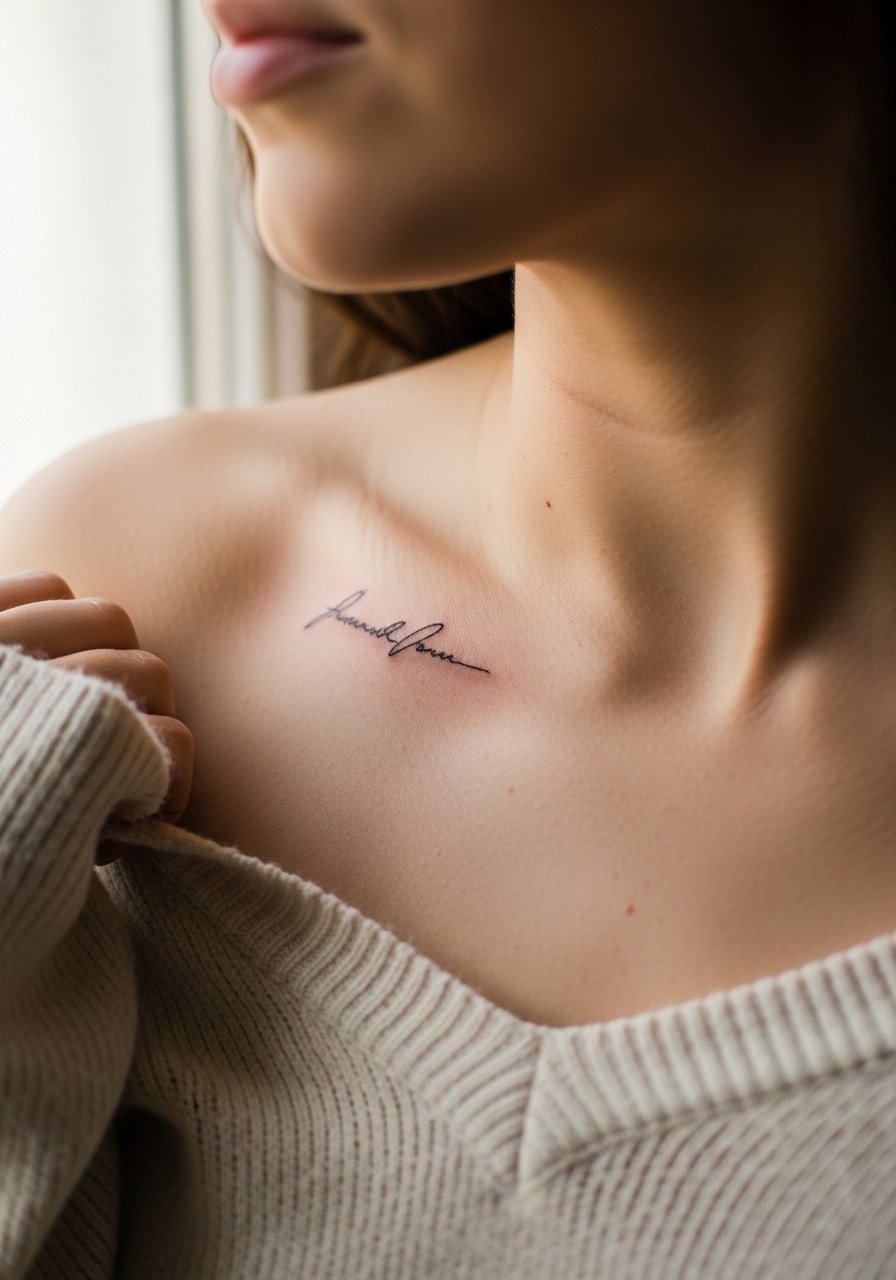
The collarbone is a favorite for signature scripts because the bone gives the letters a clean frame. Expect a moderate sting, and plan for a 30-60 minute session. Ask for slightly heavier line weight than you think you need so the script reads at year two. A common aging issue is letters losing contrast on medium skin tones, so request high-contrast black ink and portfolio shots of healed work on similar tones. For showing it off, a thin gold chain or an off-shoulder sweater highlights the line without crowding it.
3. Blackwork Hellboy Outline on Side Neck
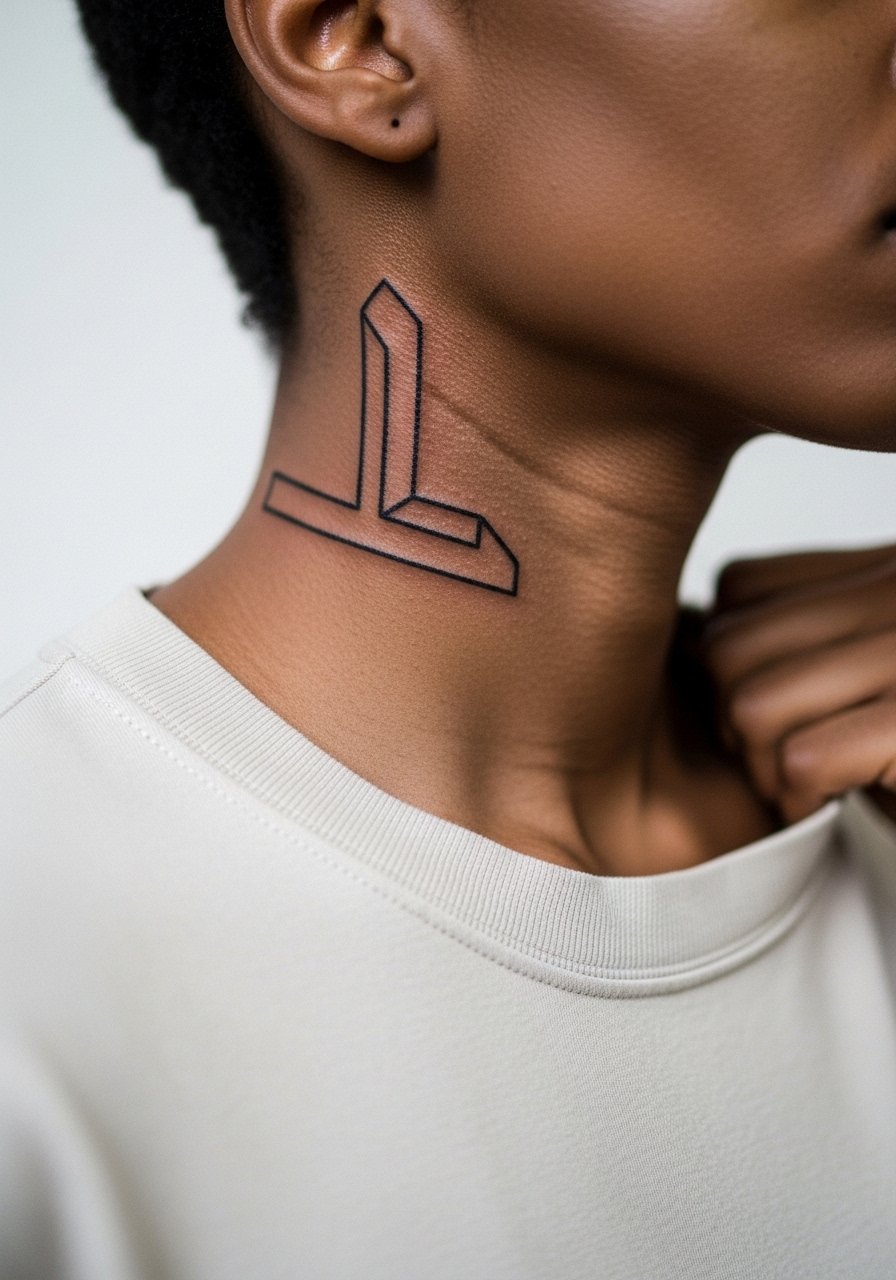
Neck work is high-visibility and heals differently from arms. Expect a sharp session feeling and a short single appointment for a minimalist outline. Artists split on Saniderm versus dry healing for neck pieces, and you should name both camps and ask your artist which method they prefer. One camp says wrapped film limits contaminants. The other camp argues breathable dry healing avoids trapped moisture. If job visibility matters, pick back-of-neck placement instead. For session prep, wear a loose V-neck or button-down so the neck is fully exposed.
4. Micro-Realism Peep Portrait on Upper Forearm

Micro-realism asks for exact needle control, and on the forearm it ages differently than a chest piece. Expect a longer session, often split into two appointments, and ask your artist for healed photos at 6 months and 2 years to see their longevity. Common mistakes include requesting too small a portrait. On medium and dark skin tones, ask for slightly stronger contrast and fewer tiny stipple details that can vanish. During the session wear a loose short-sleeve button-up so the arm can rotate without fabric bunching.
5. Minimalist Broken Heart Under-Eye

Facial placements are delicate and visible. The broken heart under the eye is small and heals with a sharp sting and careful aftercare. A frequent mistake is asking for too many tiny dots that can merge in months. Tell your artist you want a single-line heart with spaced dotwork and a plan for touch-up at year one. Note that some studios require consultation before facial work because of visibility and healing complexity. Wear hair tied back and minimal makeup to the session.
6. Fine Line "Cry Baby" Eyebrow Script
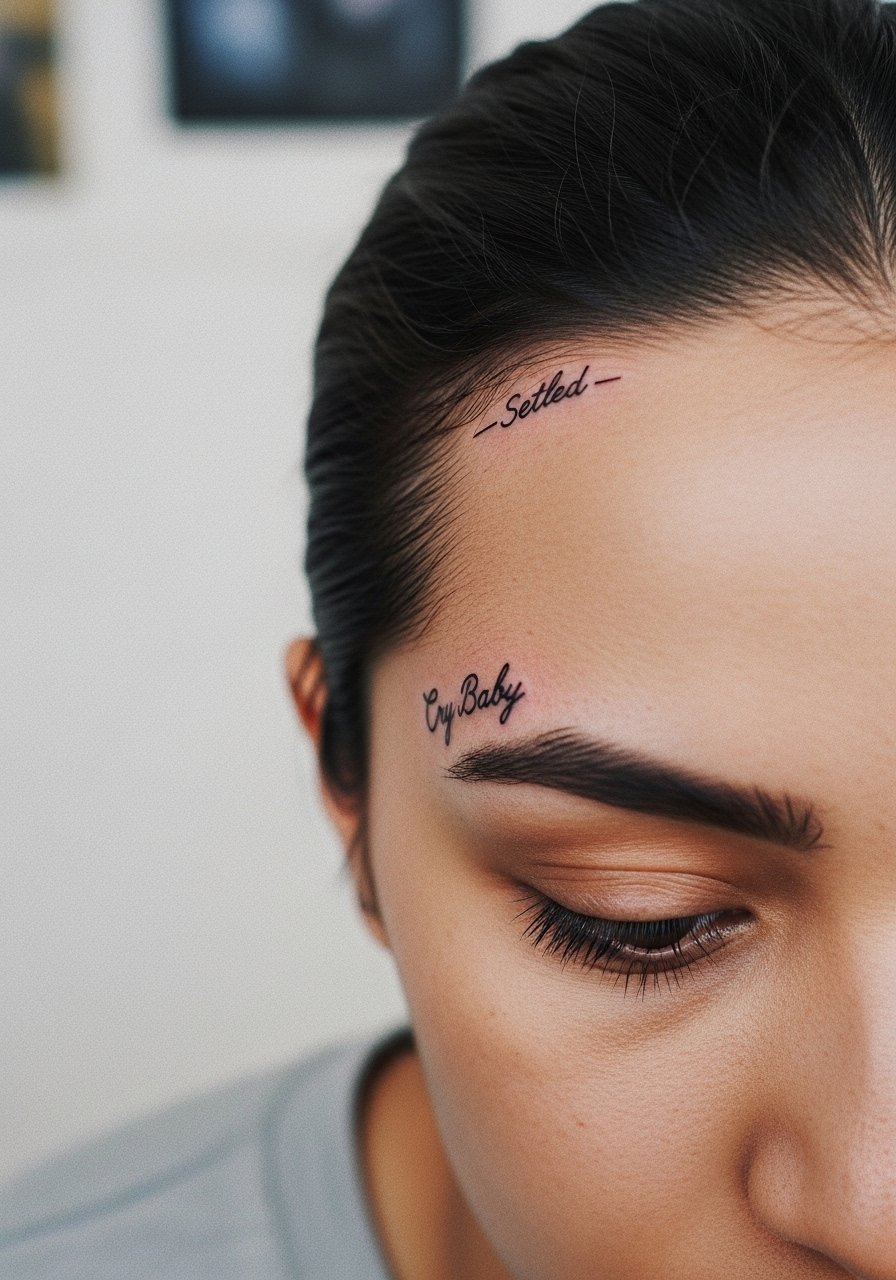
Eyebrow or eyebrow-adjacent script is an intimate visual choice and hurts more than wrist work. The session is brief but precise. Ask for slightly bolder line weight and a touch-up guarantee because fine line face ink can soften faster. Artists disagree about numbing cream here, and both camps have reasons. If you want to try numbing, bring it up in the consultation. For showing it off, subtle matte chokers or cropped hoodies frame the jaw without fighting the script.
Studio Day Picks
The wrist and face pieces above need different prep than a full forearm portrait, and these items smooth the appointment and the first week.
-
Tea tree balm tattoo salve. Fans on wrist and hand pieces use a light tea tree balm to reduce itch without leaving a glossy residue that attracts dirt.
-
Cetraben cream. Works well in dry climates for forearm and collarbone pieces because it absorbs quickly and keeps fine line edges flexible.
-
Hinoki oil salve. A non-greasy option that some users prefer for blackwork on necks and upper arms to help shading settle.
-
Small-batch sugarcane butter salve. Handy for elbow ditch and thigh areas where flexibility matters during healing.
-
Hustle Butter Deluxe. A thinner balm that helps neck and fine line pieces avoid clogged pores during the first week without heavy shine.
7. Black and Gray Cobweb at Elbow Ditch
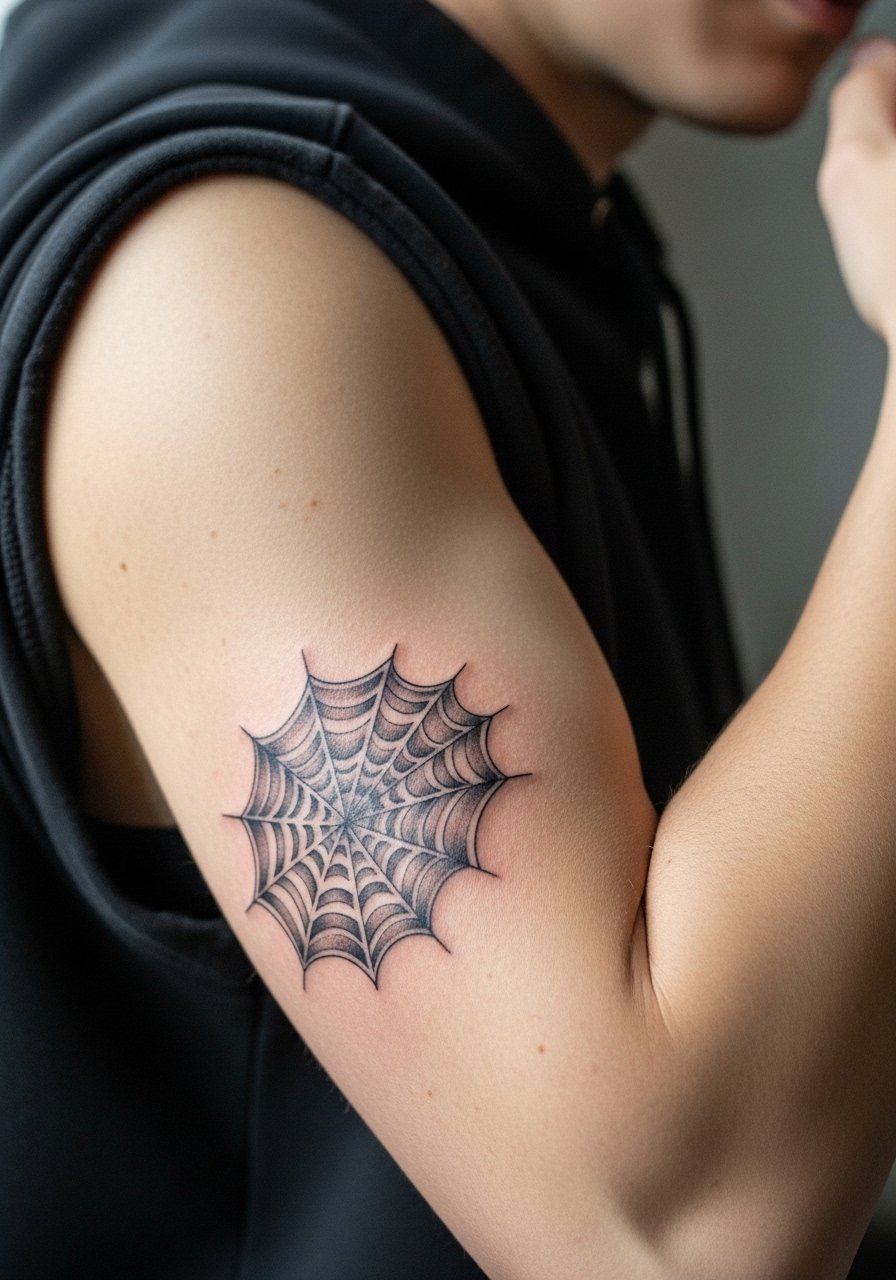
Elbow ditch pieces bend and flex constantly which affects texture. Expect a two-session job for layered shading and tell your artist you want the web spaced to account for stretching. A frequent mistake is packing too much fine shading into the crease. I have seen cobwebs stretch oddly after body changes, so consider outer forearm placement if you lift weights often. For the session, a sleeveless hoodie or tank gives access without fabric pulling.
8. Minimalist Anarchy Symbol Behind Ear
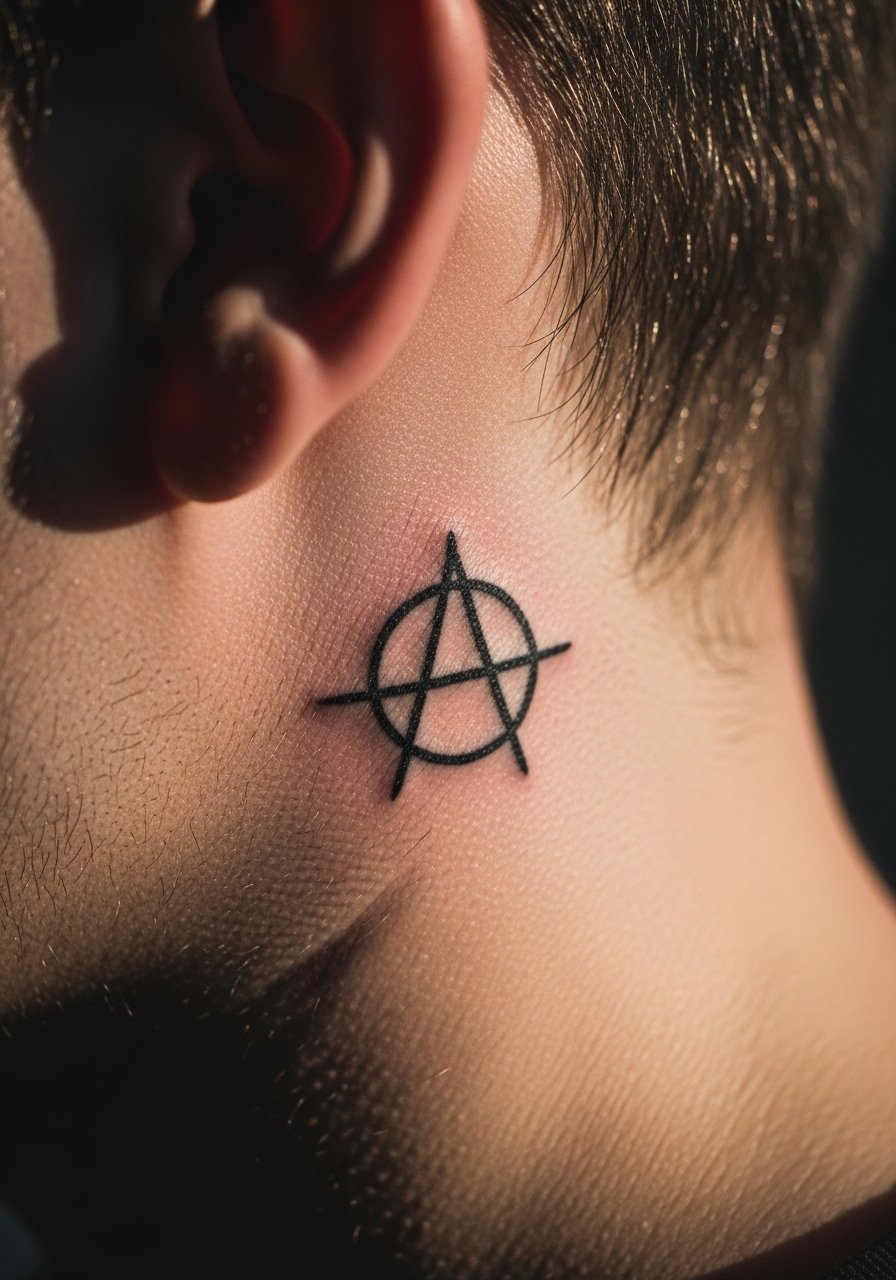
Behind-ear placements are discreet and reveal on hair flip. Ask your artist to place the symbol slightly lower than the hairline so it does not interfere with hair growth during healing. Pain is lower than face work but higher than the wrist. A common mistake is asking for a filled symbol instead of a single-line version which can blur on small skin pockets. Think about how often you visit salons where hair products might touch the area during the first week.
9. Illustrative Birds and Clouds on Inner Forearm
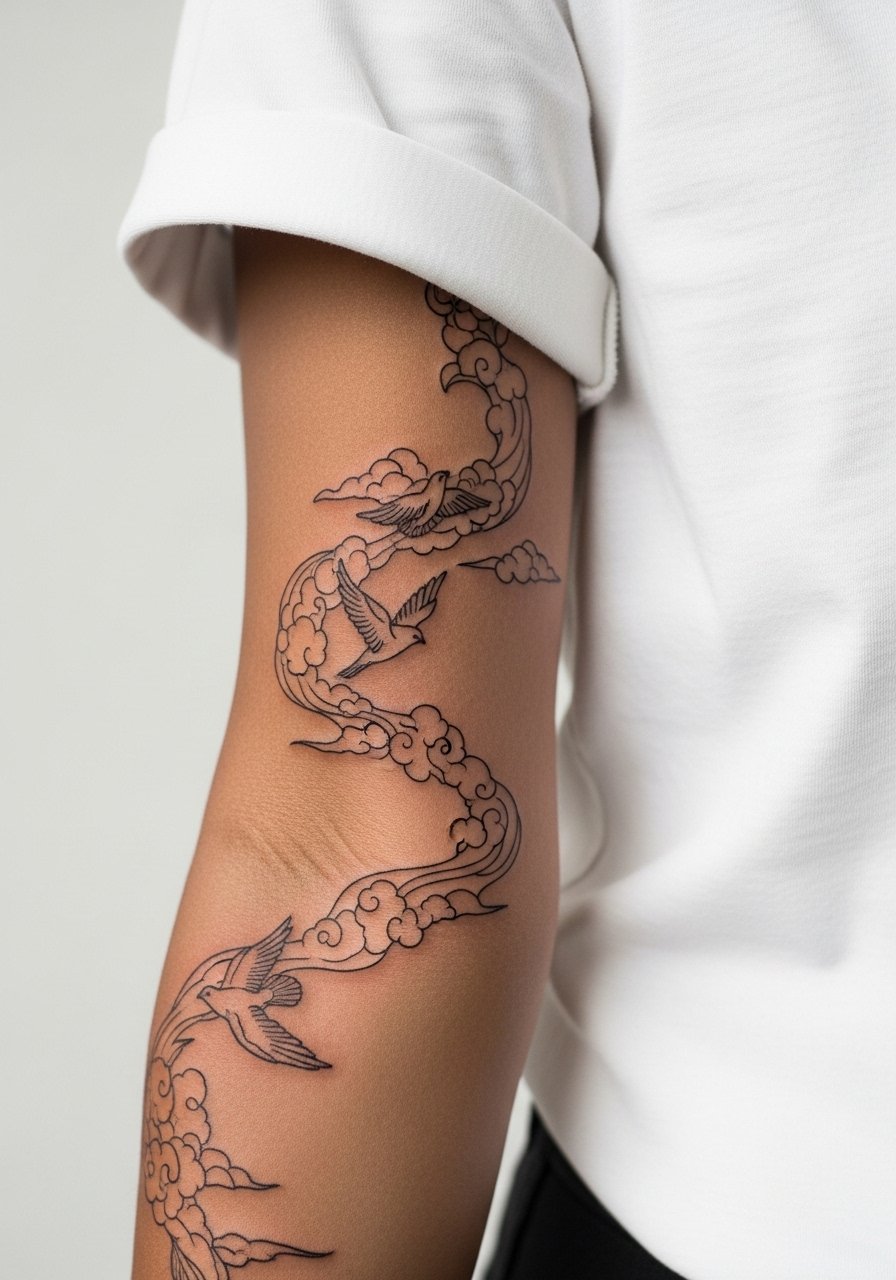
The inner forearm is forgiving and shows detail well. This illustrative approach works for a flowing piece that ages gracefully with moderate touch-ups at year two. Tell your artist you want negative space between birds so the shapes hold up and ask to avoid overly dense stipple. For session wear, roll up a white cotton tee so the artist has easy arm rotation and clean access.
10. Dotwork Inverted Cross on Shoulder

Shoulder dotwork sits on stable skin and usually heals predictably. The session feels easier than sternum or ribs, and dot shading ages fairly well if the dots are spaced. A common mistake is requesting dots too close together which can merge. For showing it off, a sleeveless tank lets the cross breathe and keep contrast against the shoulder bone.
11. Minimalist "RIP" Script at Back of Neck
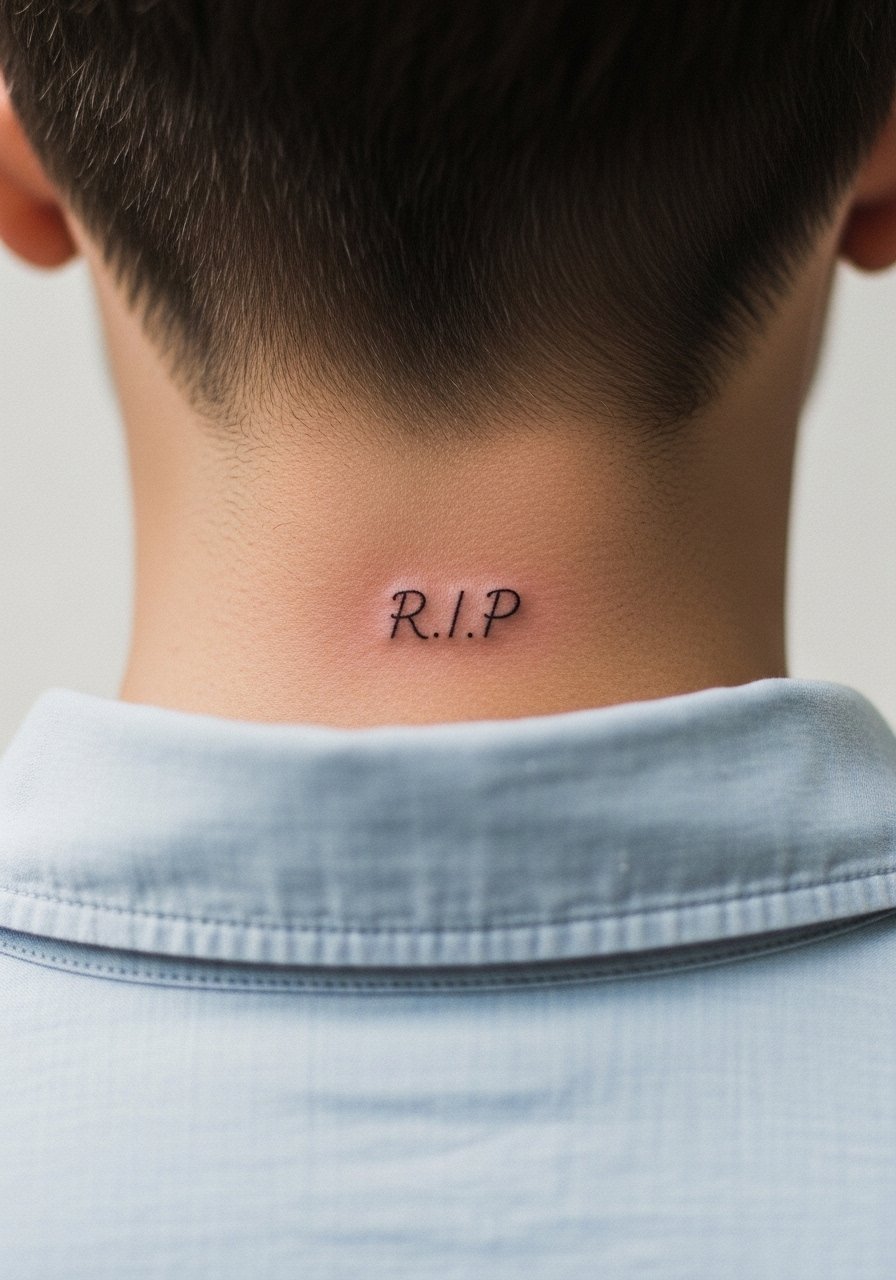
Back-of-neck scripts are a quiet memorial placement. Expect minimal session time and ask for slightly heavier line weight because fine letters can fade sooner on neck skin. A frequent regret is underestimating visibility at work, so try a makeup test patch if concealment matters. For session wear choose an open-collar shirt you do not mind moving around.
12. Blackwork Centipede on Wrist
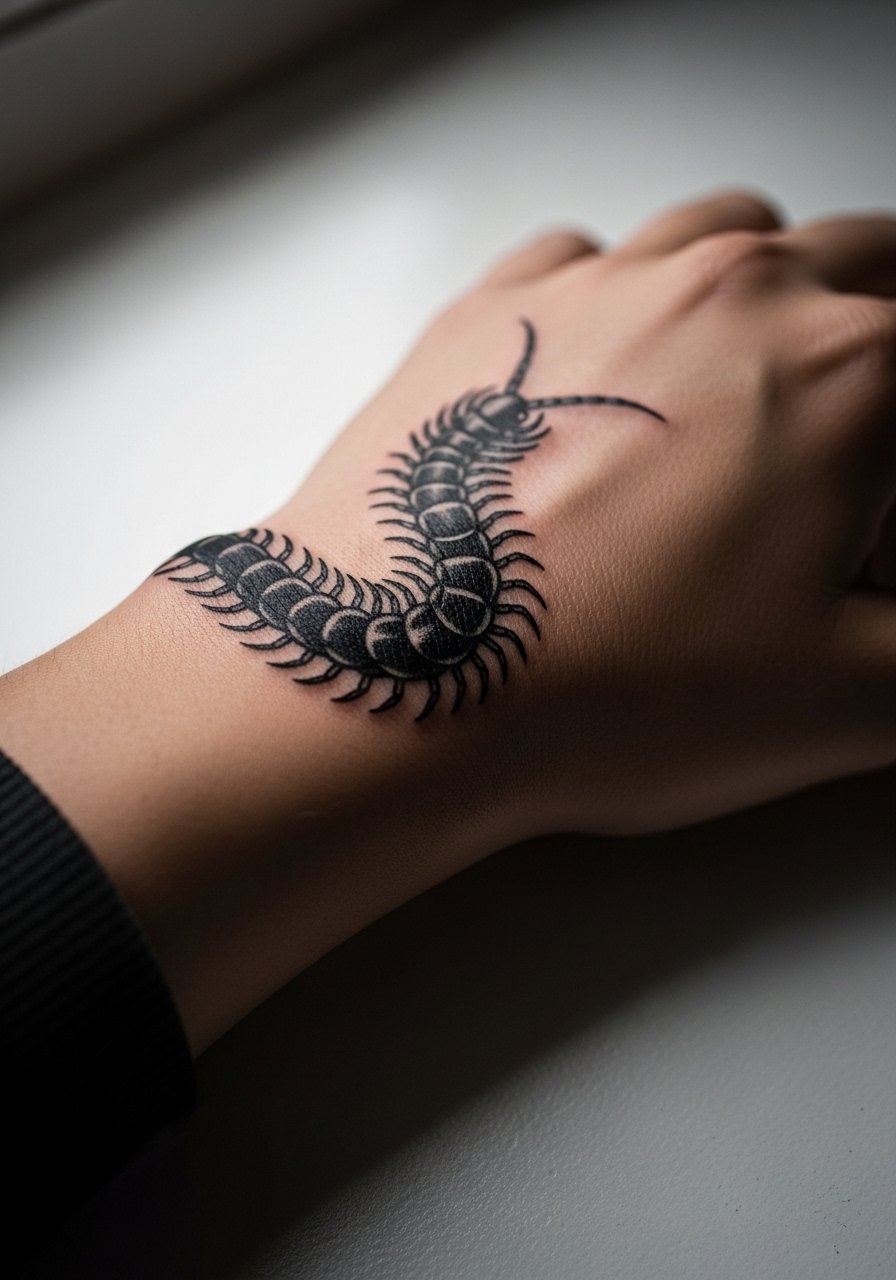
Bold blackwork on the wrist tends to hold up well compared with fine line alternatives. The wrist endures a lot of friction so ask for heavier saturation and solid fills. Blowout risk is low with proper placement but avoid tiny legs and micro details that can blur. This one pairs well with a thin silver chain bracelet on the opposite wrist for contrast.
13. Tiny Broken Heart on Temple

Temple tattoos are visible with short hair or pulled-back styles. The pain is sharper than the wrist and the session is quick. Ask for single dotwork that sits on the bone edge so it keeps shape as swelling subsides. A common mistake is wanting multiple tiny dots which can cloud on medium to dark skin tones. Plan to have hair tied back and avoid face products the day of.
14. Neo-Traditional Pink Panther Nod on Side Neck with UV Accent
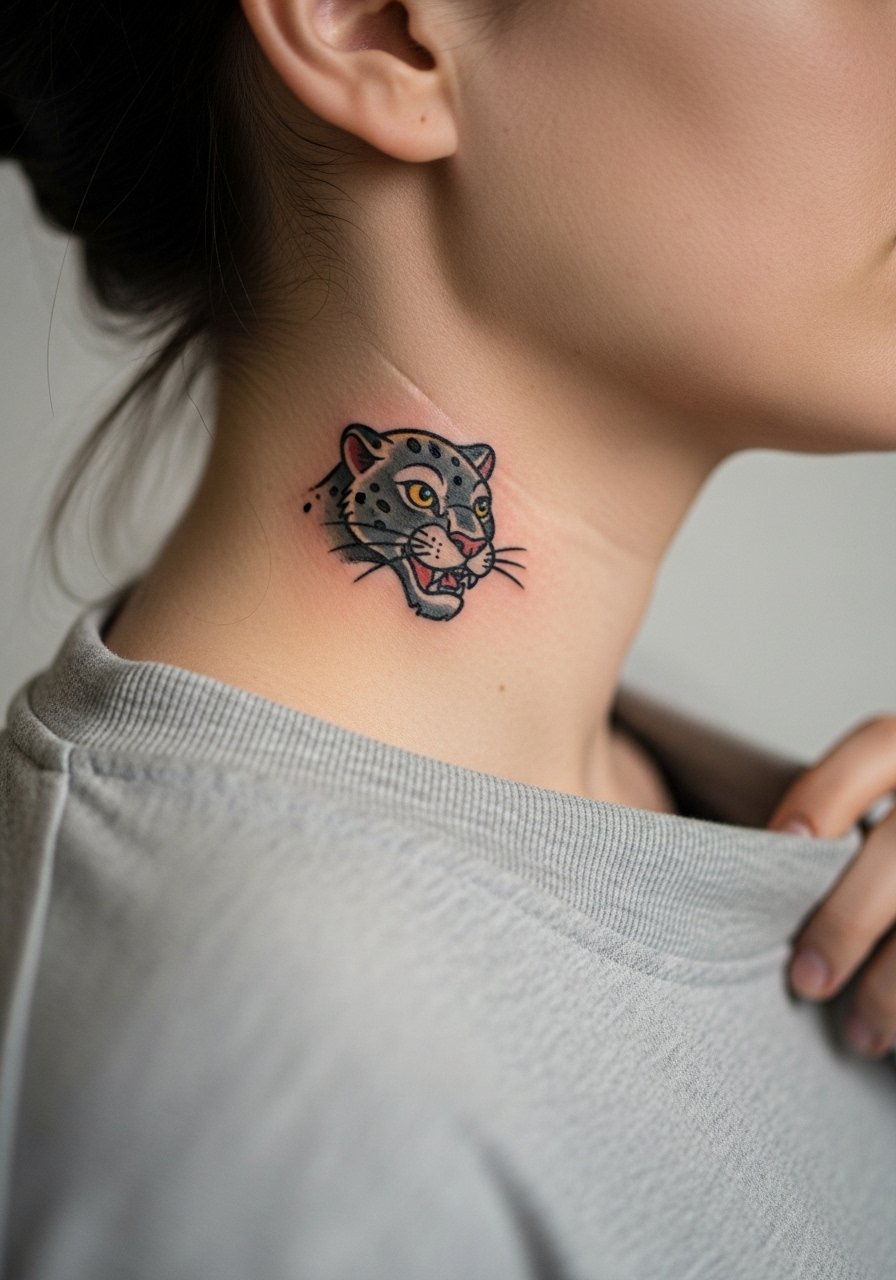
This colorful neck riff nods to Peep throat caricatures and adds a nightlife twist with UV-reactive accent. Color changes the healing game, so discuss pigment saturation and UV safety with the artist. UV ink is a niche option and some studios do not stock it, so ask about availability in advance. For the appointment wear a shirt with an open collar so the artist can work without tugs.
15. Fine Line "Star Shopping" Lyrics Along Ribcage
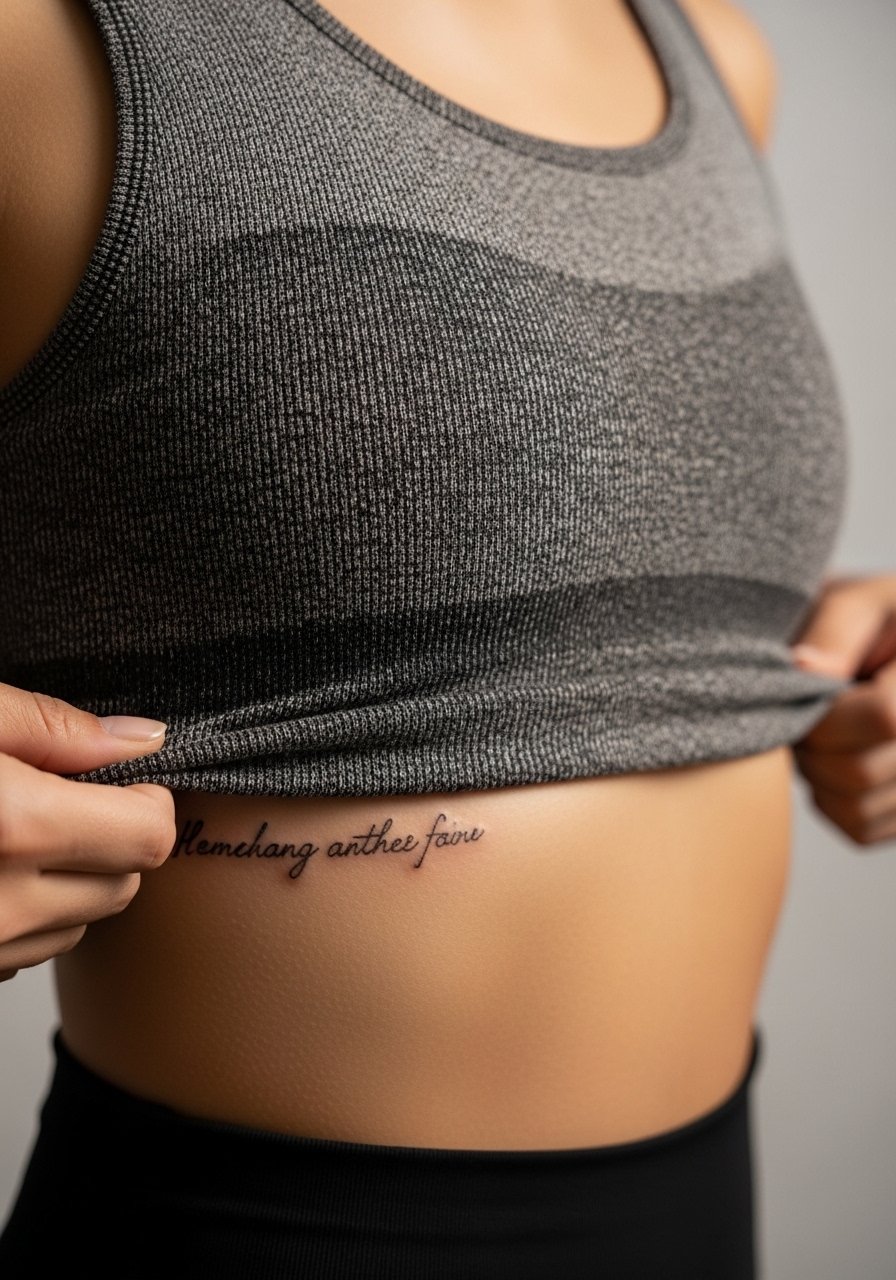
Ribcage text is intimate and can be painful. The skin there moves with breath and body changes which affects line stability. One camp of artists says fine line on ribs blurs faster because of stretch and moisture. The opposing camp argues exact depth and spacing keeps the script readable. Ask your artist which approach they use and plan for a touch-up if you gain or lose weight. Wear a cropped top you can lift without discomfort.
16. Outer Thigh Centipede Crawling into Minimal Coffin

Outer thigh pieces sit on forgiving tissue and take shading well. This design lets you go larger for detail while staying minimal in composition. Session pain is low and longevity is good because the area sees less sun and friction than hands. For the session wear high-waisted jeans that you can shift slightly so the artist can reach the outer thigh without fabric pressure.
17. Dark Skin Optimized High-Contrast Anarchy Symbol
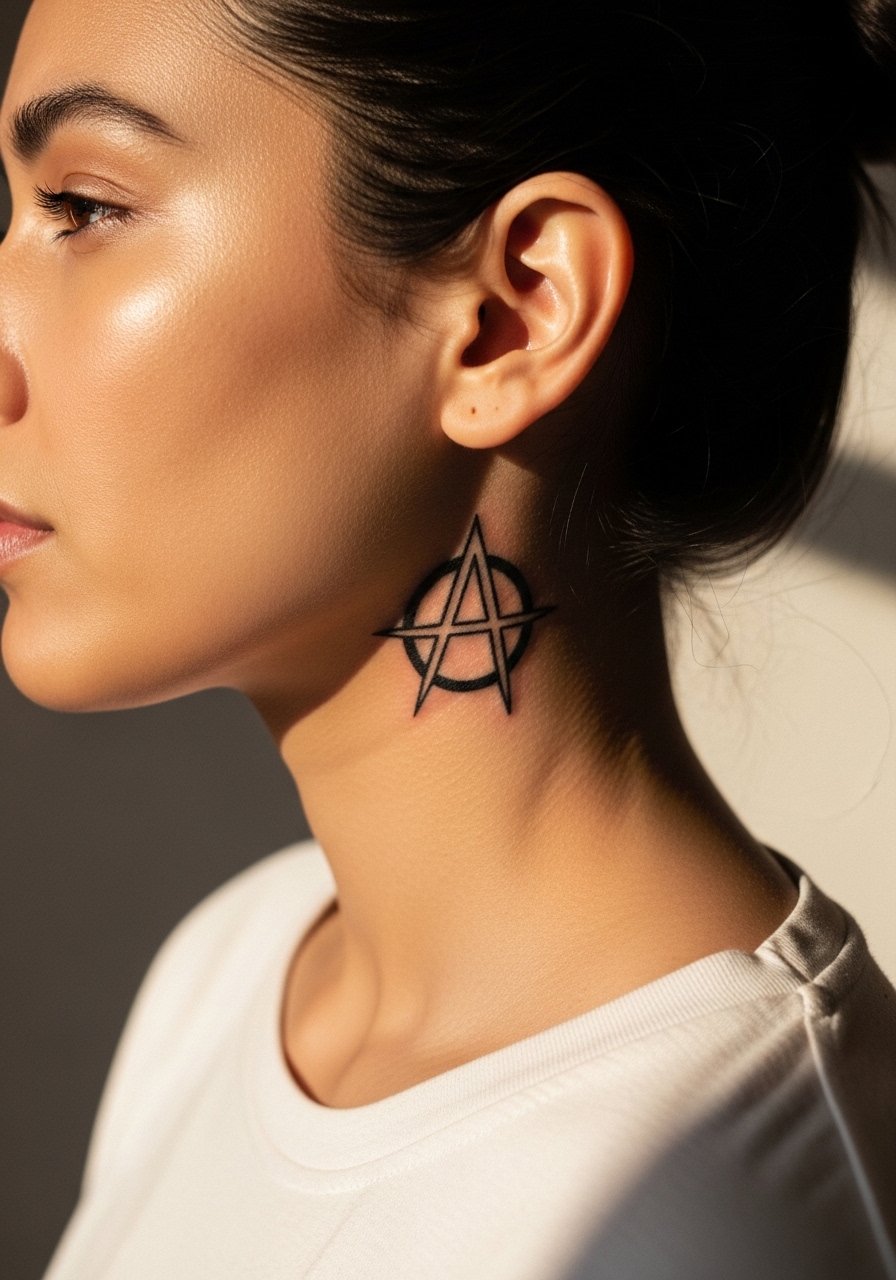
Dark skin requires deliberate contrast choices. Fine line fans often find very thin work can fade visually, so for medium-dark tones ask for slightly increased line weight and negative space to maintain shape. A common mistake is bringing a reference that only shows pale skin. Bring healed examples on similar tones or ask the artist for portfolio shots of their work on darker skin. For the session, tie your hair up to keep the area clean.
18. Behind-Ear Star Cluster for Hair-Flip Reveal
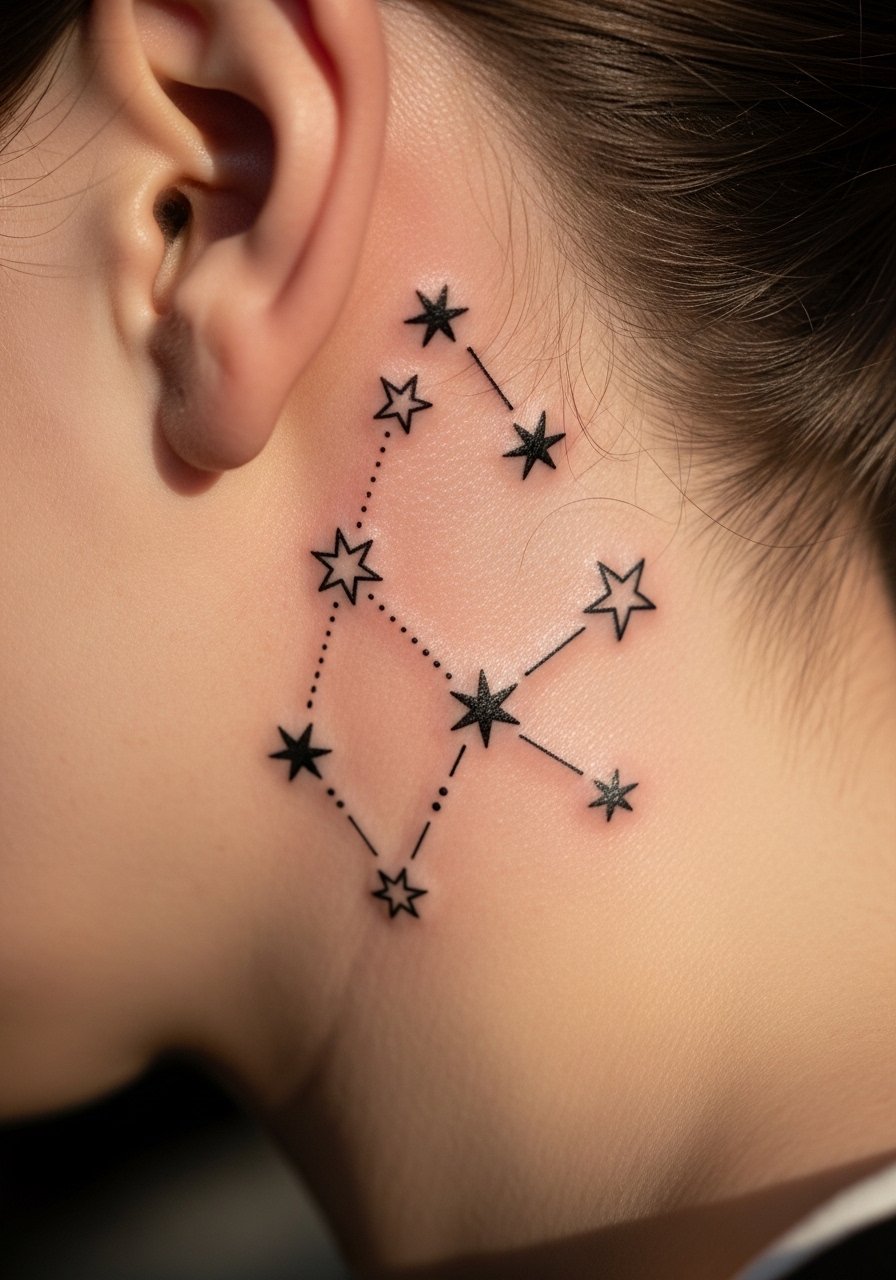
A small cluster behind the ear gives a playful peek when your hair moves. Placement is discreet and pain is low. Tell your artist you want the stars spaced so they do not run together as hair grows. A common error is asking for dense dot shading which can look muddy after shaving or styling. Style pairings include short haircuts or tucked-back looks to let the stars surface.
19. Tiny Ankle Constellation

Ankle tattoos see shoe friction and seasonal socks which affects healing. Ask for slightly sturdier linework and expect touch-ups sooner than forearm pieces. For the session wear pants you can roll up and a sandal if you want to see the placement with footwear. Pair visually with dainty ankle chains or sandals that draw the eye without covering the ink.
20. Minimalist Botanical on Inner Bicep
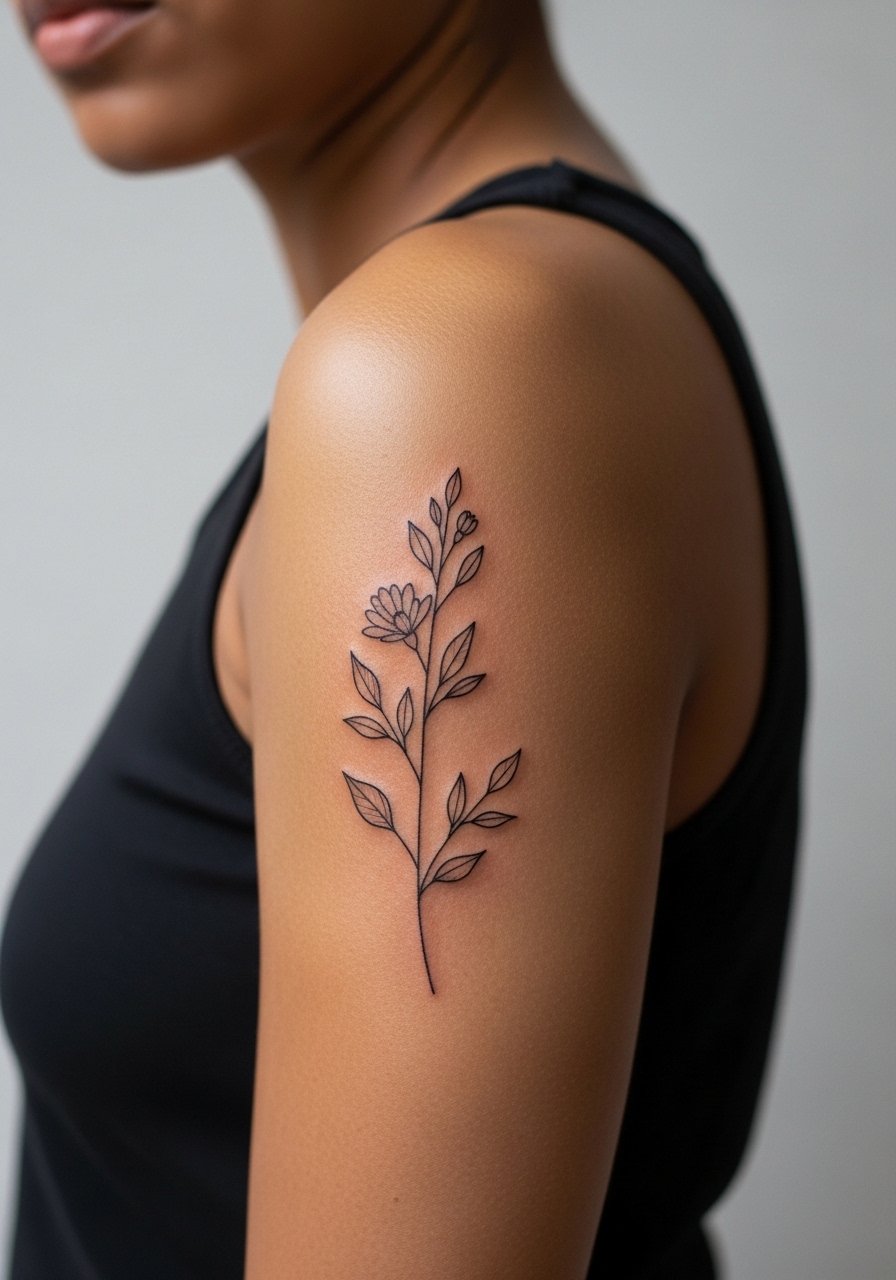
Inner bicep skin can be softer and more prone to shifting. The session feels different because you often hold the arm position long. Tell the artist you want space between stems and leaves so the lines do not fuse as the skin moves. A common mistake is packing dense detail that looks great fresh and softens into blotches later. Wear a tank top for the session so the arm can lift comfortably.
21. Micro "Miss You" Script Under Ribcage for Private Tribute
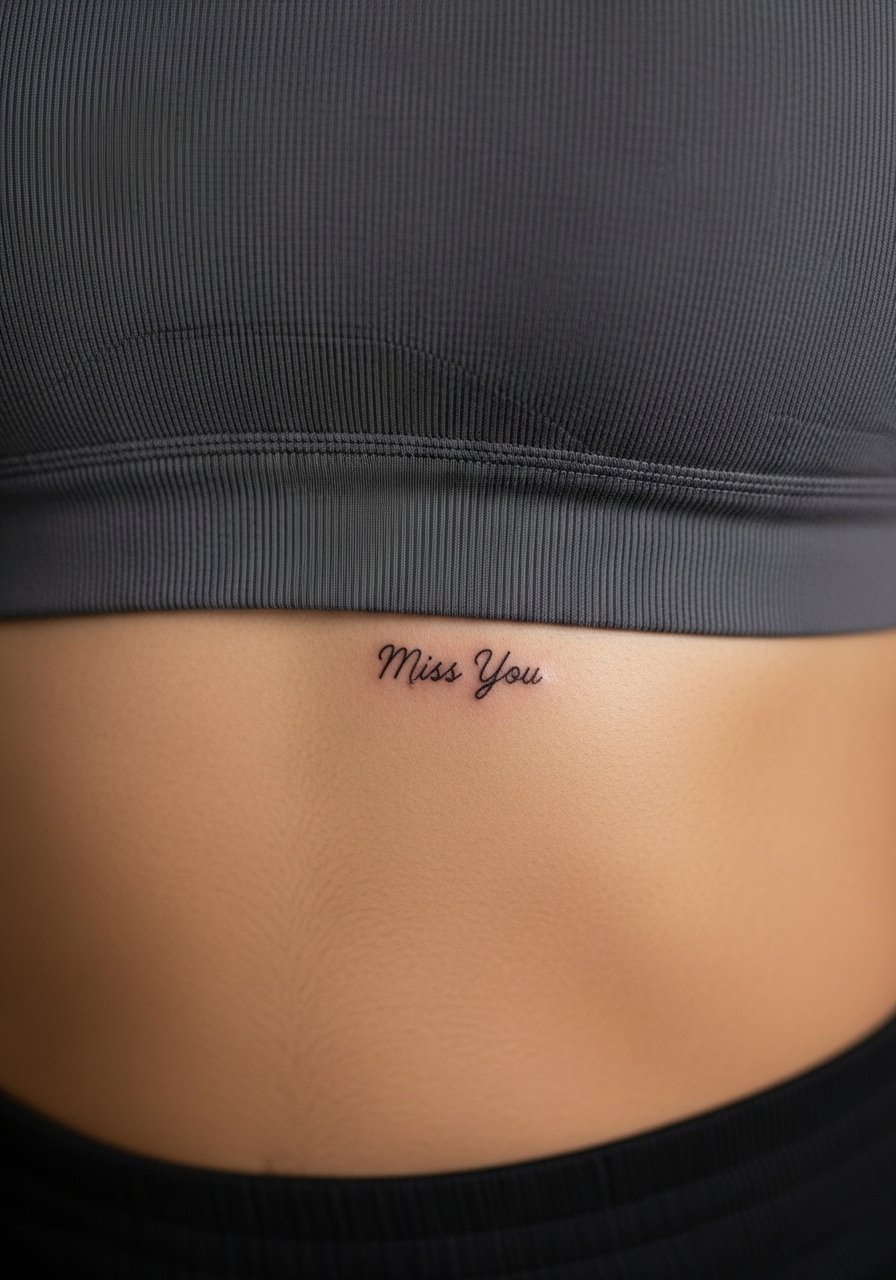
Rib-area scripts can be deeply personal and hidden under clothing. For trans and privacy-conscious fans this placement lets you honor Peep quietly. Expect a higher pain level and brief session. Ask for slightly thicker strokes to anticipate movement and consider how the fabric of clothing will rest on the line when healed. Wear a fitted sports bra or bandeau so the artist can access the sternum and nearby ribs with minimal adjustment.
22. Minimalist Forearm Mountain Range That Ages Well
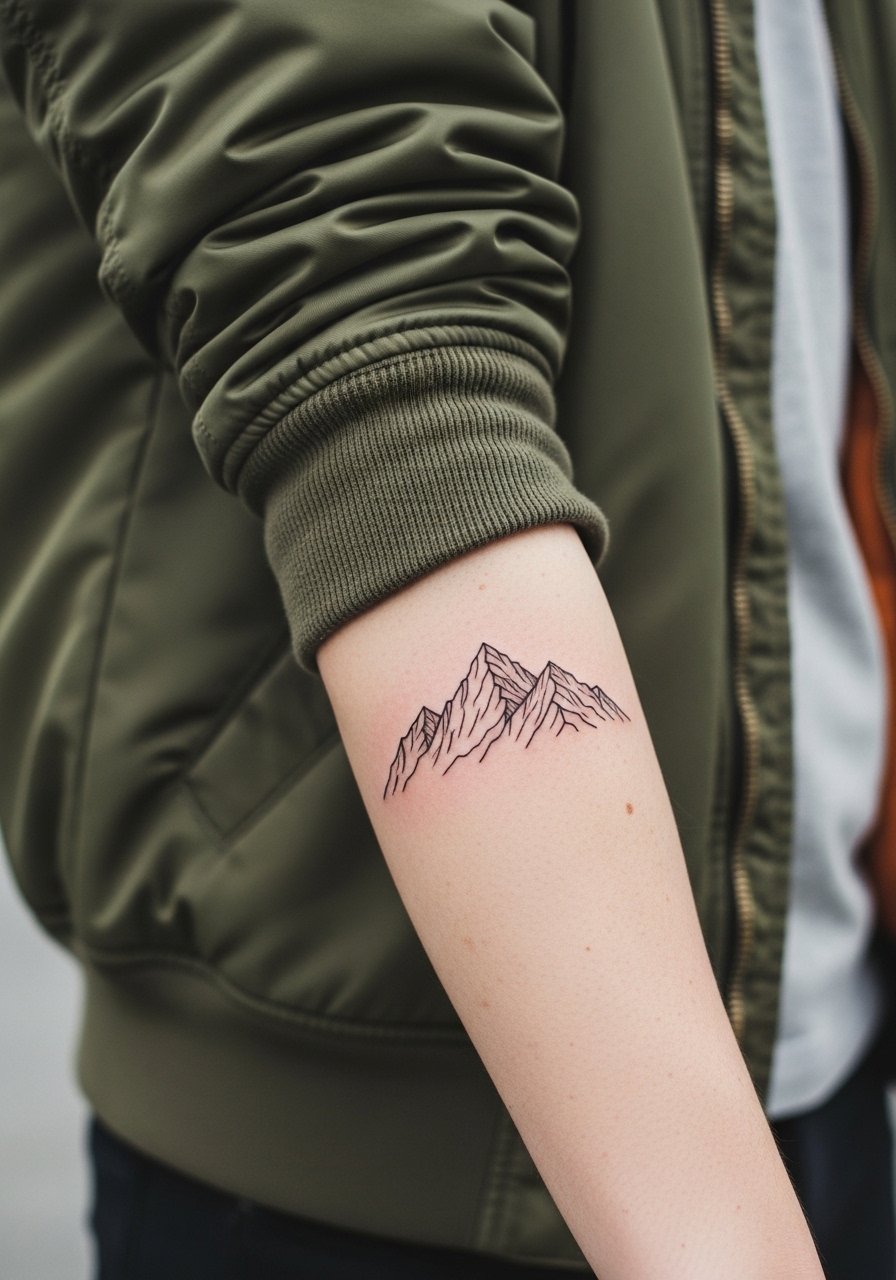
Forearm linework often looks great after five years if given breathing room. I've noticed that designs with deliberate spacing age better than dense detail. Ask for open negative space in peaks and valleys and a touch-up policy at three months. For showing it off, rolled cuffs or an olive bomber jacket frames the piece without covering it.
23. Blackwork Cobweb Shoulder-to-Upper-Arm Blend

Shoulder blends hold detail better than elbow creases because the skin is less mobile. Expect a two-session job for layered shading. Ask the artist to map the web so lines sit with muscle flow and avoid tiny cross-hatching in tight areas that can turn muddy. For the session wear a loose button-down shirt you can slide off one shoulder for access.
24. Minimalist Ankle RIP Script
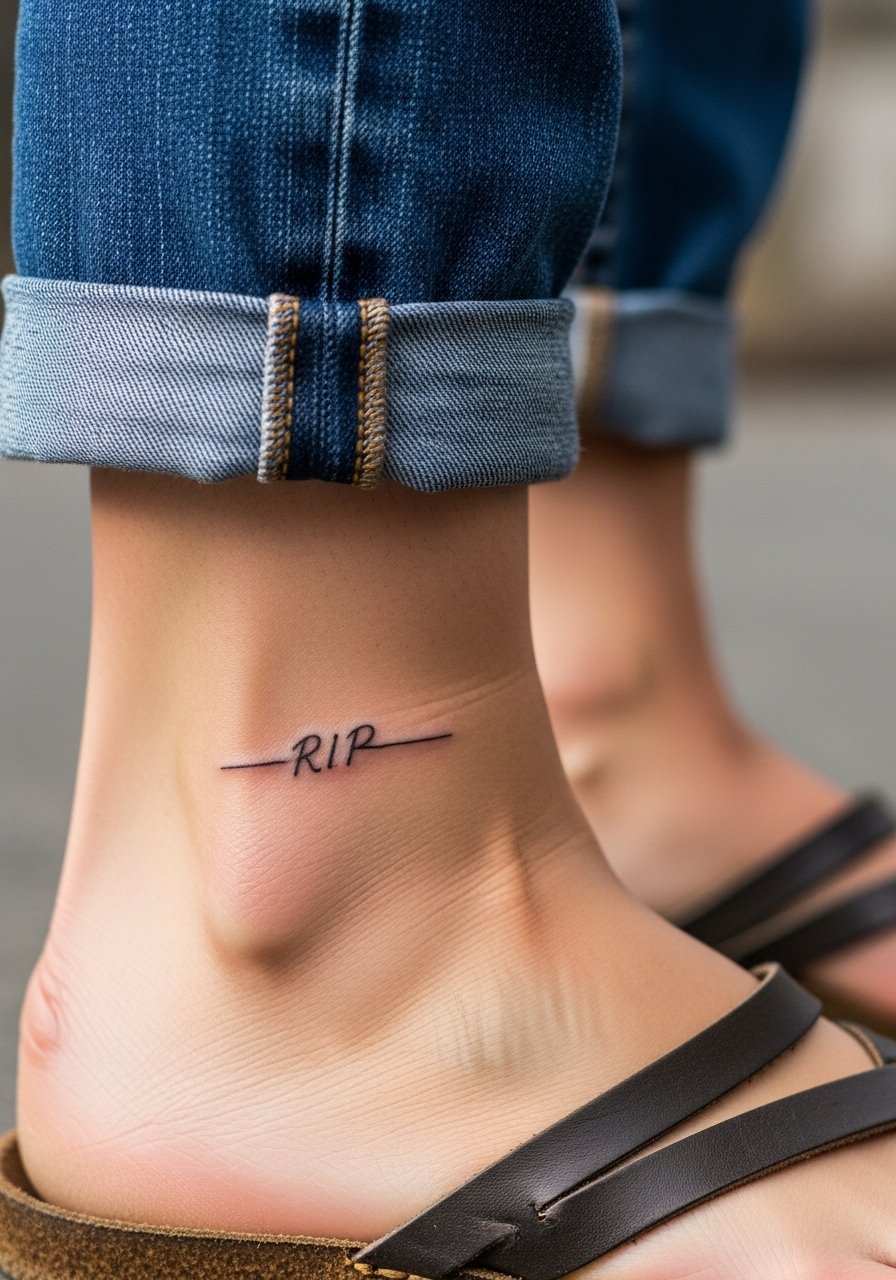
Ankle scripts are discreet and easy to cover with shoes. The area sees a lot of washing so ask for a slightly denser stroke and plan for touch-ups at year two. A frequent mistake is requesting tiny lettering that loses legibility under sock friction. For the session wear jeans you can roll up and sandals to preview how the script sits with footwear.
25. Small UV-Reacting Accent with Hellboy Throat Outline
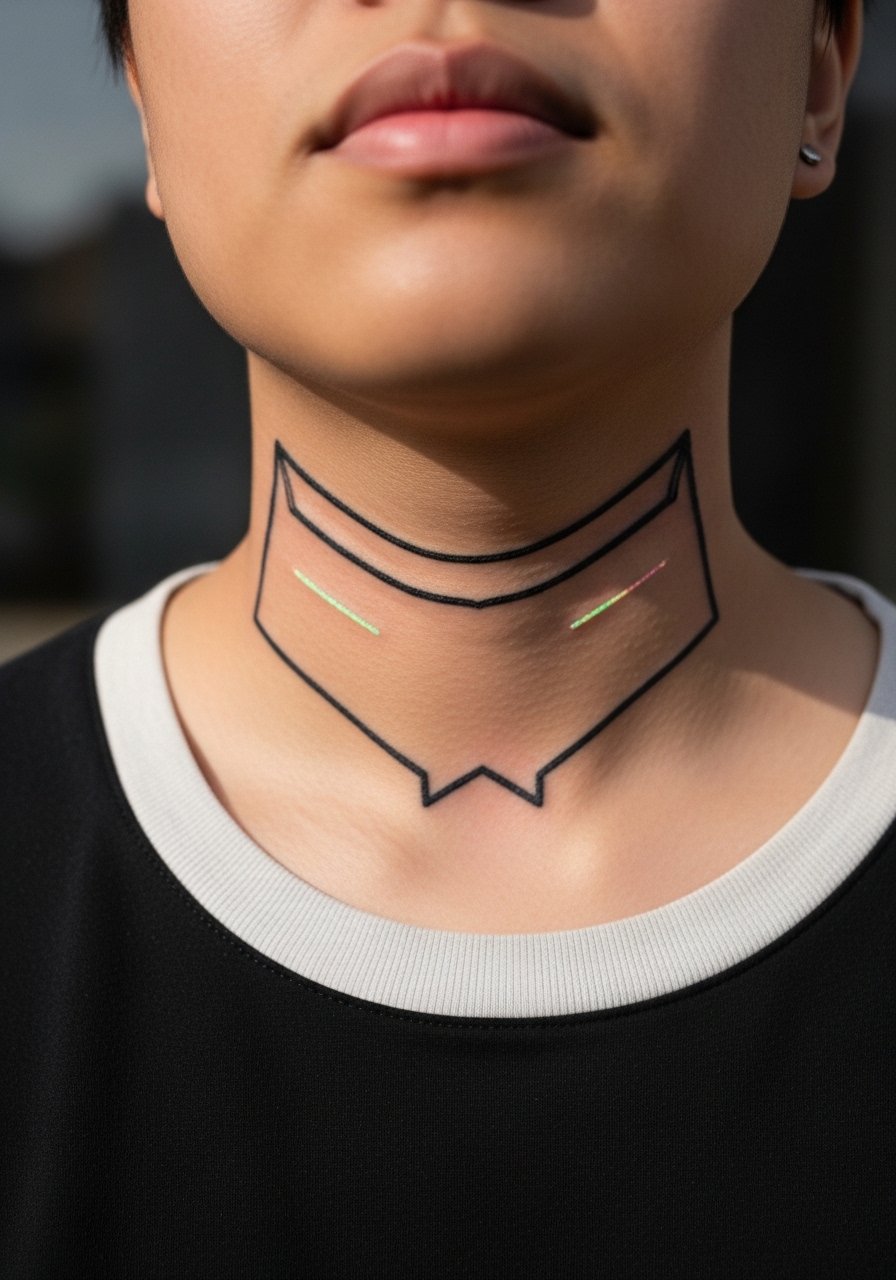
UV accents are niche and best for nightlife visibility. Not all studios carry UV pigments so discuss availability early. UV ink requires cautious aftercare and some clients report different healing experiences. Ask for a small test spot if you are curious. For the appointment choose a top that allows full neck exposure without rubbing.
26. Minimalist Geometric Collarbone Accent
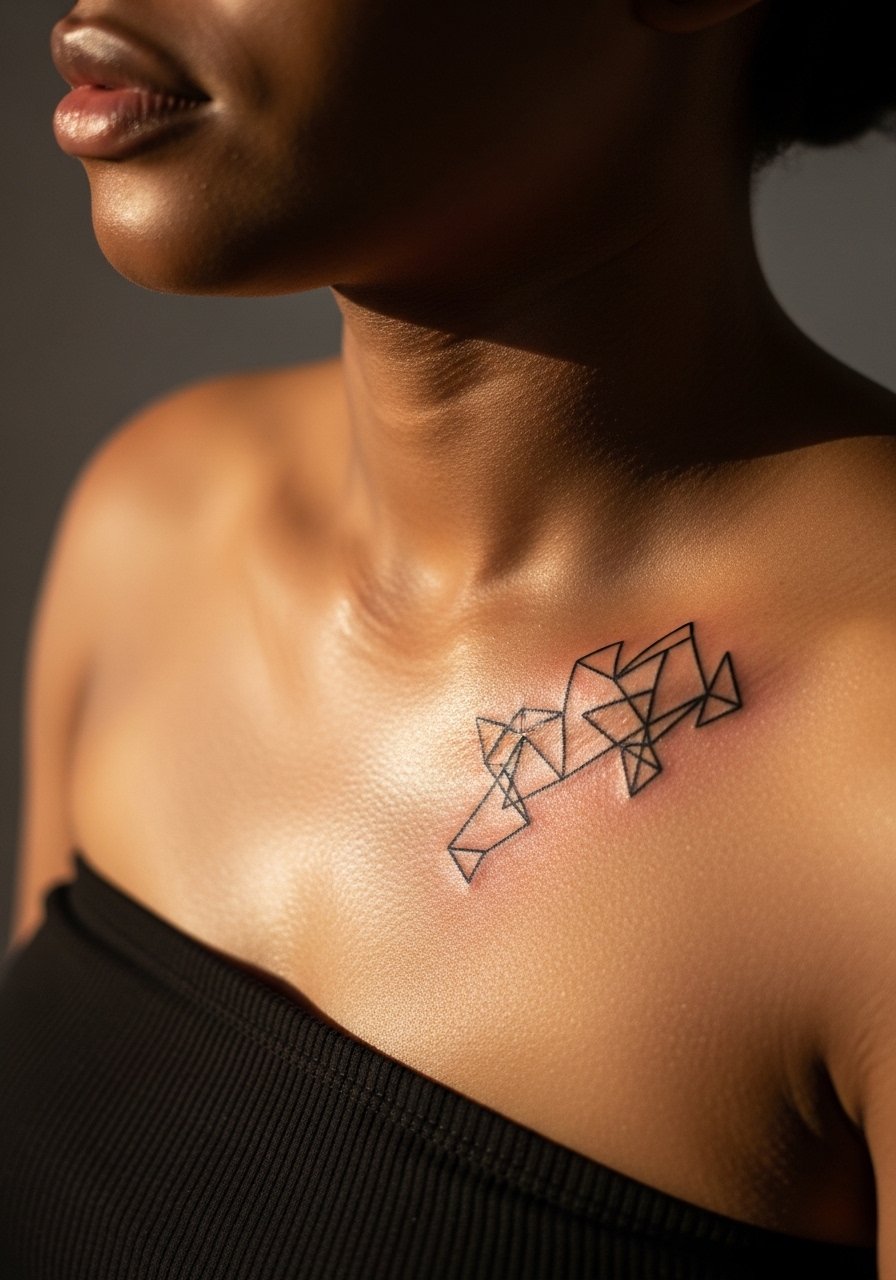
Collarbone geometry reads well with simple shapes and negative space. Expect low to moderate pain and a short session. A common error is crowding shapes too closely. Ask your artist to leave breathing room around each element so the shapes do not merge over time. For showing off, a thin chain pendant necklace sits above the design and keeps attention on the collarbone.
27. How to Find a Minimalist Peep Specialist Near You
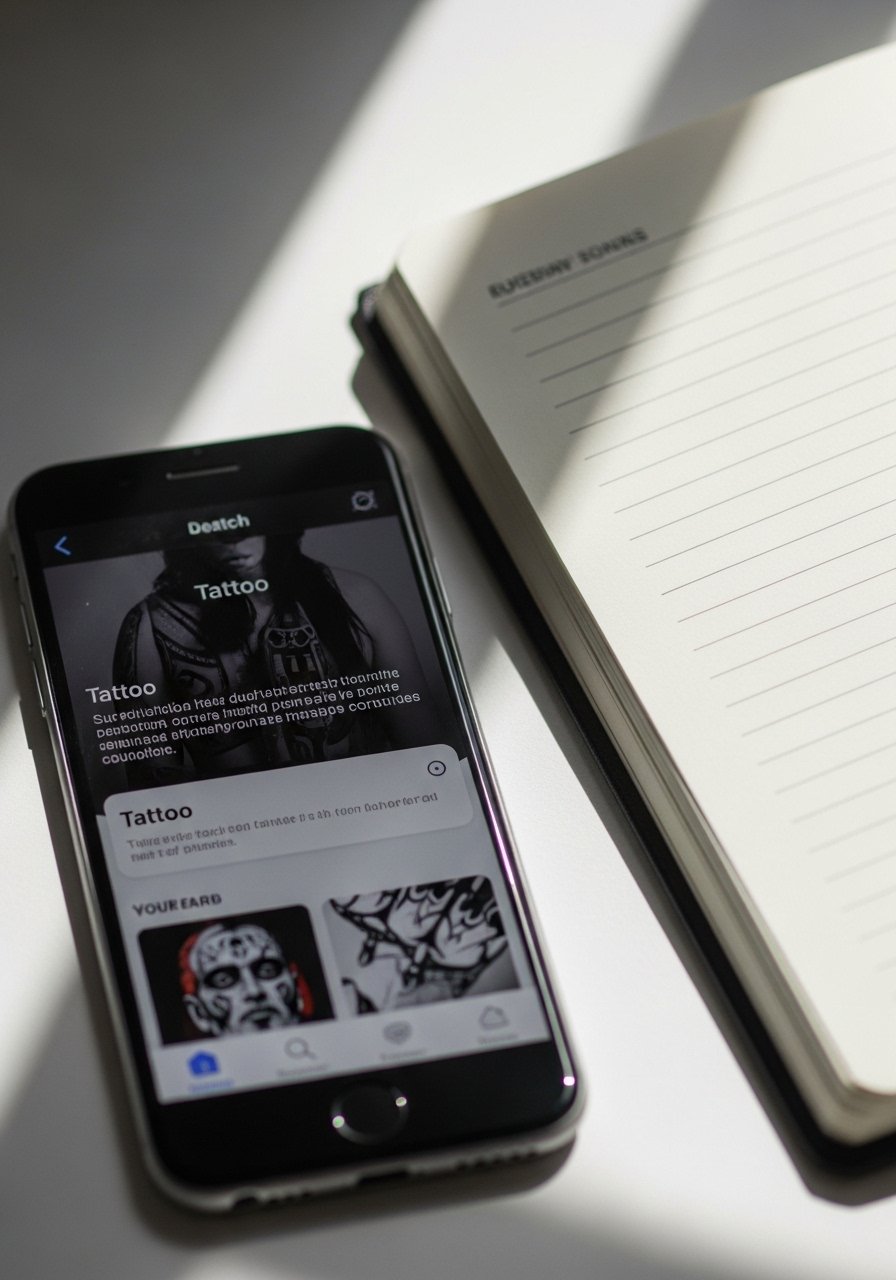
If you want a Peep-style minimalist piece, search hashtags like #MinimalistLilPeep and #CrybabyTattoo on Instagram and use TikTok filters for "lil peep minimalist tattoo healed" with a location tag. Try Tattoodo filters for "fine line" plus your city, or check Reddit threads that recommend guest spots. Book via apps that show guest calendars and require deposits so you avoid cancellations. Ask for healed photos on skin tones like yours and confirm touch-up policies before committing.
Frequently Asked Questions
Q: Will a fine line Lil Peep portrait hold up on medium to dark skin tones?
A: It depends on contrast and line weight. Fine line portraits can look soft on darker skin without slightly heavier strokes and higher contrast shading. Ask the artist for healed examples on similar tones and expect touch-ups sooner than bold blackwork.
Q: How much can I expect to pay for a small minimalist Peep piece?
A: Small minimalist pieces typically range around 80-300 depending on city and artist experience. Prices vary with placement and session time, so factor in minor touch-up costs too.
Q: Saniderm or dry healing for fine line face or neck work, which camp should I listen to?
A: Artists split into two camps here. One camp favors Saniderm for clean, protected initial healing. The other camp prefers dry healing, arguing film can trap moisture on delicate lines. Ask your artist which method they use and why, and follow their protocol for best results.
Q: Will a visible neck "RIP" script affect job prospects, and is there a concealable alternative?
A: Neck visibility matters for some workplaces. If you worry about hiring, choose back-of-neck placement or collarbone script that can be covered by shirts. You can also try makeup concealment in interviews before committing.
Q: What should I wear to a session for a forearm or collarbone piece?
A: Wear a loose short-sleeve button-up or a strapless tank for collarbone work so the artist has clear access without straps or tight fabric rubbing the fresh ink. Comfortable clothing that you can move is the goal.
Q: Why did my fine line wrist Crybaby blur after six months and what should I do next?
A: Blurring often comes from too-thin line weight, friction, or placement over a crease. Next steps are a touch-up with slightly heavier lines or switching to a bolder blackwork variation if you want longer visual life.
Q: How do I avoid artist cancellations when booking a small minimalist Peep tattoo?
A: Use booking platforms with deposit policies and confirm guest spots in advance. Ask studios about their cancellation policies and keep communication clear so you do not end up rescheduling multiple times.